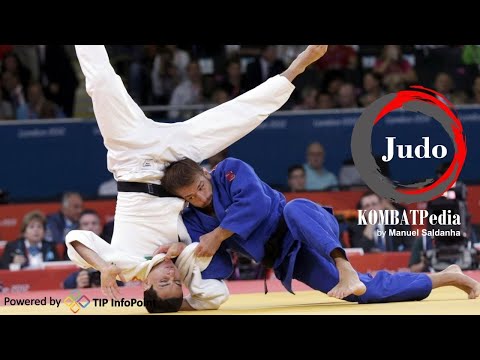
Showing posts sorted by relevance for query Judo Throwing Techniques. Sort by date Show all posts

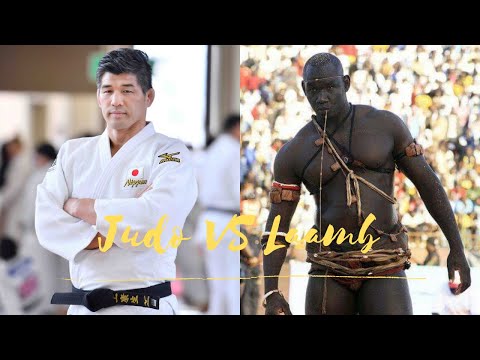
Judo vs. Laamb Wrestling: A Sensei's Analysis of Throws, Tactics, and True Combat Efficacy

Greetings, warriors and scholars of the Way. Today, we delve into a fascinating intersection of combat: the venerable art of Judo and the powerful tradition of Senegalese wrestling, known as Laamb. Many have seen brief clips, others have heard whispers, but few truly grasp the profound similarities and stark differences that define these disciplines. This is not merely an academic exercise; it is a critical examination of techniques that have echoed across dojos and dusty arenas for generations, each vying for supremacy in the crucible of combat. Are the sweeping throws of Judo merely elegant dance, or do they possess the raw power to subdue a Laamb wrestler? Conversely, can the brute strength and unique techniques of Laamb stand against the structured efficiency of Judo? Let us uncover the truth, not with speculation, but with the rigorous lens of martial understanding.

The Clash of Titans: Judo Meets Laamb

The discussion around Senegalese wrestling, or Laamb, often sparks debate, especially when juxtaposed with established martial arts like Judo. The raw power and explosive nature of Laamb are undeniable, yet the question persists: how does it fare against the codified techniques and principles of Jigoro Kano's creation? This analysis goes beyond superficial comparisons. We will dissect the core philosophies, the fundamental techniques, and the practical applications of both disciplines. Prepare for a journey that challenges assumptions and illuminates the true nature of combat prowess. Are you ready to understand the nuances that separate a mere throw from a decisive victory?

The Essence of Kodokan Judo: Precision and Control

Founded by Professor Jigoro Kano, Judo, meaning "gentle way," is far more than just a sport. It is a system of physical, intellectual, and moral education. At its heart lies the principle of Seiryoku Zenyo – maximum efficiency with minimum effort. Judo emphasizes Jita Kyoei – mutual welfare and benefit. Technically, Judo is characterized by its dynamic nage-waza (throwing techniques) and its crucial katame-waza (grappling techniques), which include pins, chokes, and armlocks. Unlike many striking arts, Judo focuses on using an opponent's weight and momentum against them, turning aggression into a vector for control.

A typical Judo curriculum progresses from basic falls (ukemi) to fundamental grips (kumi-kata), then to a vast array of throws. Iconic techniques like O-soto-gari (major outer reaping), Ippon Seoi Nage (one-arm shoulder throw), and the devastating Osoto-gari (major outer reaping) are built upon intricate footwork, hip movement, and the precise timing of Kuzushi (off-balancing). The goal is not just to throw the opponent, but to do so with such control that they cannot recover, often leading to a point (ippon) or a submission hold on the ground.

"Maximum efficiency, minimum effort." - Jigoro Kano

The emphasis on randori (free practice) in Judo is paramount. It's where the theoretical techniques are tested against resisting opponents, fostering adaptability and resilience. However, it's crucial to note that Judo, in its Olympic sporting context, has seen certain techniques restricted for safety reasons, particularly those involving direct leg grabs (ami-waza) and certain submissions on the legs. This evolution, while prioritizing safety, has led some critics to question its direct applicability in scenarios demanding less structured combat.

Laamb Wrestling: The Unyielding Spirit of Senegal

Laamb, the traditional wrestling of Senegal, is an ancient sport deeply ingrained in the nation's culture and identity. It is a spectacle of raw power, vibrant tradition, and often, fierce competition. Unlike Judo's emphasis on technical sequences and controlled submissions, Laamb is fundamentally about overpowering the opponent through strength, leverage, and a direct, forceful approach. Wrestlers, known as lutteurs, train rigorously to develop immense physical conditioning, focusing on explosive power, grip strength, and resilience.

The objective in Laamb is typically to throw an opponent to the ground or to get them into a position where their back, shoulders, or chest touches the sand. Techniques often involve powerful lifts, body locks, and wrestling for dominance on the feet. The most visually striking aspect of Laamb, and where comparisons to Judo naturally arise, is the presence of throws and takedowns. However, the execution is often more direct and driven by brute force rather than the nuanced off-balancing seen in Judo.

Laamb is also steeped in ritual and superstition. Wrestlers often perform dances, wear talismans (gris-gris), and engage in pre-fight rituals meant to imbue them with spiritual strength and luck. This spiritual dimension, while not directly part of Judo's codified philosophy, speaks to the profound psychological aspect of combat, a critical element often overlooked in purely technical analyses.

"The wrestler who is proficient in the art of wrestling, and in the use of his own strength, is capable of conquering the world." - A traditional saying often associated with Laamb.

Furthermore, Laamb has evolved to incorporate elements that blur lines with mixed martial arts. Some lutteurs are now training in striking arts and grappling, aiming to be more well-rounded competitors, a testament to the sport's adaptation in the modern combat landscape.

Judo vs. Laamb: A Comparative Takedown

Now, let us engage in the critical analysis, the sensei's dissection of these two formidable combat systems. The intention of search here is clear: understand how these arts compare in a combative scenario. We must look beyond the superficial "throw for throw" comparison.

1. Philosophy and Principles:

  • Judo: Seiryoku Zenyo (Maximum Efficiency) and Jita Kyoei (Mutual Welfare). Focus on leverage, timing, and technique over brute force. Structured curriculum.
  • Laamb: Emphasis on raw power, physical conditioning, and spiritual/ritualistic preparation. Primarily focused on overpowering the opponent for a decisive takedown.

2. Technical Execution:

  • Judo: Highly codified throws (nage-waza) relying on Kuzushi (off-balancing), Tsukuri (entry), and Kake (completion). Extensive ground grappling (katame-waza) including pins, chokes, and armlocks. Strict rules limit leg grabs in sport Judo.
  • Laamb: Direct, powerful throws and takedowns, often utilizing immense strength and body control. Grip fighting is crucial, but the emphasis is on driving through the opponent. Ground grappling is less formalized than Judo, focusing more on pinning or maintaining positional dominance.

3. Grip Fighting:

  • Judo: The grip (kumi-kata) is fundamental. Mastering grips is essential for initiating throws and controlling the opponent.
  • Laamb: Grips are vital for leverage and control, but often more about a secure hold to enable a powerful lift or drive. Less emphasis on the intricate setup of grips seen in Judo.

4. Groundwork:

  • Judo: A complete ground fighting system (Ne-waza) with submissions and pins that can end a match.
  • Laamb: Ground work focuses on pinning or maintaining a dominant position to achieve victory, with less emphasis on the submission aspect found in Judo or BJJ.

5. Physical Attributes:

  • Judo: Requires flexibility, balance, coordination, and explosive power, but technique can often compensate for a deficit in raw strength.
  • Laamb: Heavily reliant on exceptional strength, power, stamina, and a high pain threshold.

Consider this: a Judo throw is a finely tuned mechanism. A Laamb takedown is often a battering ram. Both can achieve the objective, but the pathway and the principles behind them differ significantly.

Beyond the Arena: Efficacy in MMA and Self-Defense

The ultimate test for any martial art is its efficacy when the rules are removed. How do Judo and Laamb translate into Mixed Martial Arts (MMA) or real-world self-defense scenarios?

Judo's Contribution to MMA: Judo practitioners have consistently proven their mettle in MMA. Fighters like Ronda Rousey, Kayla Harrison, and Teddy Riner (though not primarily an MMA fighter) have showcased the devastating power of Judo throws and groundwork. Judo's emphasis on ne-waza provides an immediate advantage in controlling opponents on the ground, setting up submissions, and preventing opponents from establishing dominant positions. The restriction on leg grabs in sport Judo has, in fact, led many Judo-based MMA fighters to supplement their training with techniques that target the legs.

Laamb's Potential in MMA: Laamb's raw power and explosive takedowns offer a unique threat. A skilled lutteur with the conditioning and adaptability could be a formidable opponent. Their ability to absorb punishment and drive through opponents with sheer force is a valuable asset. However, the lack of a structured grappling submission system and the potentially less refined defensive skills against strikes might present challenges that modern MMA training would need to address.

Self-Defense Considerations: For self-defense, Judo's principles are highly valuable. The ability to off-balance and control an attacker, use their momentum, and, if necessary, subdue them with a pin or choke, are critical skills. The emphasis on situational awareness and controlling distance is also paramount. Laamb's strength-based approach can be effective for disabling a single aggressor, but its reliance on close-range power might be less advantageous against multiple attackers or in confined spaces where Judo's control-based techniques might offer more tactical options.

The question isn't which is "better" in a vacuum, but rather, which set of skills complements the demands of the situation. A fighter who can blend Judo's technical precision with Laamb's explosive power and conditioning would be a truly terrifying force.

Essential Gear for Your Training Journey

To truly appreciate the nuances of Judo and wrestling, proper training is essential. While Laamb is traditionally practiced on sand, and Judo on mats, the underlying principles of conditioning and technique require specific equipment:

  • For Judo Training:
    • High-Quality Judo Gi: Look for a double-weave or heavyweight gi for durability, especially for randori. Brands like Adidas, Mizuno, or Fuji offer excellent options. Consider a specialized Judogi that meets IJF standards if you plan to compete.
    • Mat Shoes (Optional): For hygiene and grip on training mats, though many practice barefoot.
    • Mouthguard: Recommended for all sparring to protect your teeth.
  • For Wrestling/Conditioning (General):
    • Durable Training Shorts: Comfortable and allow for a wide range of motion.
    • Performance T-shirts: Moisture-wicking fabrics are essential for intense conditioning.
    • Wrestling Shoes (Optional): Provide ankle support and superior grip on various surfaces.
    • Resistance Bands: Excellent for building explosive power and grip strength, mimicking some aspects of grappling resistance.
    • A Sand Pit (if feasible): For an authentic Laamb training experience!
  • For Strength and Conditioning:
    • Weightlifting Gloves: If your grip strength is a limiting factor, these can help.
    • Jump Rope: A fundamental tool for cardiovascular conditioning and agility.
    • Kettlebells: Versatile for power, strength, and conditioning exercises relevant to wrestling and Judo.

Investing in the right [best Judo gis for randori] or [quality wrestling shoes] can significantly enhance your training experience and safety. Explore options for durable, comfortable gear that supports rigorous practice.

Sensei's Verdict: Which Style Reigns Supreme?

The question of supremacy is often a fallacy created by those who fail to see the interconnectedness of all martial paths. Judo and Laamb are not rivals in a death match; they are distinct expressions of the human desire to overcome through physical prowess and tactical acumen.

Judo offers a highly refined system of control, leverage, and submission. Its structured approach makes it accessible for learning and progression, and its principles of efficiency are timeless. Its sport evolution, while debated, has undeniably contributed immensely to the landscape of combat sports like MMA.

Laamb, on the other hand, embodies raw, unadulterated power and an indomitable spirit. It demands immense physical conditioning and resilience. Its cultural significance is profound, representing more than just a fight – it's a celebration of strength and heritage.

Cinturón Negro en Tradición y Poder

If forced to choose for a multifaceted combat scenario (like MMA), a fighter who possesses the technical depth and submission arsenal of Judo, combined with the explosive power, conditioning, and sheer will of a Laamb wrestler, would be virtually unstoppable. Neither art, in its purest sporting form, is inherently "better." They simply excel in different aspects of combat. Judo teaches you to redirect force; Laamb teaches you to embody it. Both are invaluable.

Frequently Asked Questions

Is Laamb wrestling a form of grappling like Judo?
Yes, Laamb is a form of wrestling, which falls under the broad category of grappling arts. Both Laamb and Judo focus on controlling and taking down an opponent, but their methodologies, principles, and specific techniques differ significantly.
Can Judo techniques be used against a Laamb wrestler?
Absolutely. Many Judo throws and control techniques can be effective. However, a Laamb wrestler's strength and directness may require Judo practitioners to adapt, perhaps relying more on powerful entries or focusing on ground control once a throw is initiated.
What are the main differences in training between Judo and Laamb?
Judo training emphasizes technique, timing, and efficiency (Seiryoku Zenyo), often practiced on mats. Laamb training heavily focuses on building immense physical strength, power, and conditioning, traditionally practiced on sand, and often includes unique rituals.
Is Laamb wrestling dangerous?
Like any full-contact combat sport, Laamb carries risks of injury due to the intensity of the physical exertion and the nature of the throws and holds. However, it is a traditional sport with deep cultural roots, practiced for generations.

Deepen Your Understanding

The journey through martial arts is one of continuous learning and adaptation. Whether you are drawn to the precision of Judo or the raw power of Laamb, the pursuit of mastery is a path that refines the body, sharpens the mind, and strengthens the spirit.

Reflection of the Sensei: Your Next Step

We have dissected Judo and Laamb, exploring their philosophies, techniques, and applications. Now, the true test is not in the reading, but in the doing. Consider this:

If you were to train in both Judo and Laamb for one year each, how would the integration of Judo's leverage and Laamb's power fundamentally change your approach to a physical confrontation? Would one art's principles bleed into the other, creating a hybrid strategy, or would they remain distinct tools in your arsenal? Ponder this, and prepare to demonstrate your insights.

``` GEMINI_METADESC: Compare Judo and Senegalese Laamb wrestling: analyze throws, tactics, training, and real-world combat efficacy with a Sensei's expert insights.
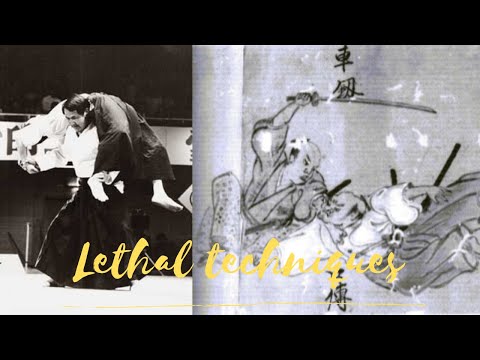
LETHAL OLD JUJUTSU TECHNIQUES BANNED FROM MODERN JUDO: The Warrior's Edge Lost

Welcome, warriors, to a deep dive into the very soul of our practice. Today, we confront a truth that might chafe some, but which we, as students of the martial path, must understand. We speak of Judo, the "gentle way," born from the formidable traditions of older Jujutsu styles. But what if the "gentle way" has shed some of its most potent, perhaps most *lethal*, tools in its evolution? Many practitioners, especially those new to the BUDO path or martial arts in general, see Judo as a unified, unchanging art. Yet, its history is a narrative of adaptation, and in that adaptation, some vital elements were deemed too dangerous for sport. We explore today the old Jujutsu techniques that were ultimately banned from original Judo, questioning what was lost in the pursuit of safety and Olympic glory.

A Legacy of Lethality: From Jujutsu to Judo

Jigoro Kano, the visionary founder of Kodokan Judo, did not conjure his art from thin air. He meticulously studied various schools of classical Jujutsu, extracting, refining, and sometimes discarding techniques to forge what he believed to be a more holistic system for physical, mental, and moral development. This was not merely about combat; it was about shaping character. However, the raw, unadulterated techniques of the samurai era, born of battlefield necessity, carried a level of danger that clashed with Kano's broader vision of Judo as a system for education and social contribution.

The question then arises: were these removed techniques merely "dangerous," or did their removal fundamentally alter the art's potential for genuine self-defense?

We must examine the context and the techniques themselves to form an informed opinion.

The Evolution of Kodokan Judo: Safety vs. Efficacy

Kodokan Judo, as established, aimed for a balance. It classified techniques into Nage-waza (throwing techniques) and Katame-waza (grappling techniques: pins, strangles, joint locks). Even within these categories, certain elements were too risky. The distinction between Kano-waza (accepted techniques) and Kinjite (forbidden techniques) is crucial here.

The original intent was not to create the most effective street-fighting system imaginable, but to create a method of training that could be practiced with maximum efficiency and minimum risk. This led to the prohibition of techniques that:

  • Caused severe or permanent injury.
  • Were deemed too easy to apply lethally without sufficient control.
  • Clashed with the ethical and educational goals of Kodokan.

While admirable in its pursuit of educational value, this pragmatic approach inevitably led to the exclusion of certain powerful applications from Randori (free practice) and Shiai (competition).

The Forbidden Arts: Techniques That Defined Lethality

What specific techniques fall under this umbrella of "forbidden"? While a comprehensive list would be extensive, some of the most notable include:

  • Joint Locks on Small Joints: While elbow locks (like Ude-garami) are standard, locks applied to fingers, wrists, or shoulders in ways that could cause permanent damage were generally excluded or heavily restricted. The extreme hyperextension or twisting of fingers, for instance.
  • Strikes to Vital Points: Although Atemi-waza (striking techniques) exist in Judo's Koryu no Kata (forms of old), they were never integrated into Randori or Shiai. Techniques targeting pressure points or vulnerable areas like the eyes, throat, or groin were explicitly forbidden.
  • Certain Chokeholds: While blood chokes (like Hadaka-jime or Okuri-eri-jime) and air chokes (like Kata-jime) are fundamental, certain variations or older, more brutal chokeholds designed for rapid incapacitation or worse were omitted.
  • Headbutts and Certain Kicking Techniques: These are obvious inclusions, as Judo, in its competitive form, is primarily a grappling art. However, their historical presence in Jujutsu roots is undeniable.
  • Techniques Causing Spinal Injury: Certain throws or submissions that could easily lead to severe spinal trauma, such as some variations of neck cranks or slams from positions that put excessive pressure on the spine, were also removed.

These weren't just abstract "moves"; they were highly effective applications designed to neutralize an opponent decisively, often with little regard for "gentle" practice. The difference between a controlled Ude-garami and a technique that explosively breaks the elbow is profound, and it's this difference that safety protocols addressed.

"The true martial artist learns not only how to fight, but when and why to fight. And sometimes, the greatest victory is achieved by not needing to unleash one's full potential."

Kinesthetic Analysis: Why These Techniques Were Removed

From a purely biomechanical standpoint, the forbidden techniques often exploited the body's natural vulnerabilities. For example:

  • Finger Locks: The human hand, with its multitude of small joints, is incredibly susceptible to breaking. A simple twist can result in a compound fracture. In a life-or-death scenario, this is a swift incapacitation. In sport, it's a severe injury requiring long recovery, if recovery is even complete.
  • Eye Gouging/Throat Strikes: These are instinctual in many animals and humans when threatened. They bypass the need for complex leverage or conditioning; they are direct assaults on critical sensory organs or breathing passages. Their inclusion would turn Judo from a controlled contest into a brutal spectacle.
  • Dangerous Chokes: Some older chokes were designed for expediency, sometimes involving direct pressure on the trachea or rapid constriction of arteries with minimal setup, increasing the risk of permanent brain damage or death even if released quickly.

The removal of these techniques reflects a deliberate choice to prioritize the long-term health and educational development of practitioners over the immediate, potentially devastating, effectiveness of certain applications. It’s a trade-off: sacrificing some martial potency for greater accessibility and safety.

The Philosophical Divide: Sport vs. Survival

This is where the true debate ignites. Is Judo still a martial art if it removes its most "lethal" applications? Some argue that Judo has evolved into a magnificent sport, a testament to human athleticism and grappling skill, but its connection to its self-defense origins has been diluted. Others contend that the core principles of Judo—mutual welfare and benefit (Jita Kyoei) and maximum efficiency (Seiryoku Zenyo)—remain, and that the art has simply adapted to a new purpose.

Consider the world of MMA. Fighters incorporate techniques from across a vast spectrum of martial arts, including elements that echo these forbidden Jujutsu applications. This isn't to say Judo is "inferior," but that its scope has been narrowed. The effectiveness of a technique in a sporting context, governed by rules, is different from its effectiveness in a context with no rules.

"The way of the warrior is to learn from all paths, but to walk your own."

The philosophical question is whether one can truly understand the "way of the warrior" by removing the elements that speak most directly of conflict and resolution, even lethal resolution. It’s a question that continues to fuel discussions among martial artists worldwide.

Legacy and Loss: What Judo Lost

When these techniques were excised, Judo lost a dimension of its potential as a comprehensive self-defense system. It became, undeniably, a superior sport for throws and grappling, fostering incredible strength, resilience, and tactical thinking within its defined rules. However, it also:

  • Reduced its street efficacy: For situations requiring immediate incapacitation of a threat, Judo's Randori-approved toolkit, while effective, might not be as direct or versatile as older Jujutsu.
  • Diminished its historical context: It moved further from its samurai roots, which were forged in eras where survival was paramount and the stakes were life and death.
  • Created a gap in understanding: For many practitioners, the extreme danger and application of certain techniques remain theoretical, understood only through kata or historical texts, rather than practical training.

This isn't a critique of Judo's inherent value. Judo is a phenomenal art in its own right. It is an observation of what happens when an art is refined for a specific purpose.

Modern Relevance: Applying Lost Principles

So, what is the takeaway for the modern martial artist? Firstly, understanding the history and evolution of our arts is paramount. It provides context and deeper appreciation.

Secondly, for those interested in self-defense or a more comprehensive martial experience, studying these older Jujutsu principles, or cross-training in arts that preserve them (like certain styles of Jujutsu, Aikido in its more combative applications, or even some aspects of Jiu-Jitsu and Sambo), becomes essential.

The principles behind the forbidden techniques—understanding anatomy, leverage, and human vulnerability—are timeless. While we may not practice them in a Judo dojo, acknowledging their existence and studying them separately can significantly enhance one's understanding of martial arts and self-defense. It reinforces the idea that many arts are interconnected, and borrowing knowledge from adjacent disciplines is a sign of wisdom, not weakness.

Veredicto del Sensei: ¿Merece la pena?

The transition of Judo from its Jujutsu origins to a global sport is a fascinating case study in adaptation. While Kodokan Judo achieved unparalleled success as a competitive discipline and educational tool, it undeniably shed some of the raw, visceral effectiveness of its predecessors. Whether this is a "loss" or a necessary evolution depends entirely on one's perspective and goals. For the athlete, it's a triumph. For the pure survivalist, it's a compromise. The techniques were banned for valid reasons of safety and philosophy, but their memory serves as a potent reminder of the martial arts' dual nature: a path of discipline and development, but rooted in the primal reality of conflict.

Calificación: Cinturón Negro en Adaptación, Honorífico en Conservación Histórica.

Equipo Esencial para tu Entrenamiento

While Judo itself emphasizes minimal equipment for Randori, understanding the older arts or supplementing your training might require certain items:

  • Kimono de Judo de Doble Tejido: Indispensable for gripping and throwing practice. Look for brands known for durability. (Consider searching for "best Judo gi double weave").
  • Guantes de Entrenamiento (MMA/Grappling): If you explore arts that incorporate striking or want to understand impact dynamics.
  • Esterillas de Entrenamiento (Tatami o similar): Crucial for safe practice of throws and groundwork, especially if practicing techniques outside of a formal dojo.
  • Libros sobre Historia del Budo y Jujutsu: To deepen your understanding of the context and philosophy.

Guía de Entrenamiento: Principios de Adaptación

Understanding how to adapt principles from older, forbidden techniques to modern training is key. Here’s a conceptual approach:

  1. Estudio Histórico: Research the specific forbidden techniques. Understand the biomechanics and intent behind them. Utilize resources like old Jujutsu manuals or historical martial arts texts.
  2. Principio de Palanca y Anatomía: Focus on understanding how joints and bones articulate. Learn about pressure points and vulnerable areas. This knowledge enhances your existing techniques, even if you don't apply the forbidden moves directly.
  3. Simulación Controlada: If exploring joint manipulation, practice on compliant partners, focusing on the *principle* of the lock rather than extreme force. Use diagrams or partner drills that isolate joint movement without hyperextension.
  4. Kata y Formas: Many older martial arts preserved these dangerous techniques within structured forms (Kata). Practicing these, even without full application, teaches the movement patterns and strategic positioning.
  5. Cross-Training: Engage with other martial arts that might retain these elements, under qualified instruction. This provides practical application and context.
  6. Mental Conditioning: Understand the mindset required for lethal force, even if you never intend to use it. This builds mental fortitude and a realistic understanding of conflict.

Preguntas Frecuentes

¿Por qué se prohibieron las técnicas de Jujutsu en Judo?
Fueron prohibidas principalmente por razones de seguridad para permitir la práctica deportiva y la competición sin riesgo excesivo de lesiones graves o permanentes, y para alinear el arte con los objetivos educativos y filosóficos de Jigoro Kano.
¿Significa esto que el Judo no es efectivo para la defensa personal?
No necesariamente. El Judo moderno sigue siendo una herramienta muy eficaz para la defensa personal, especialmente en el combate cuerpo a cuerpo y el control en el suelo. Sin embargo, carece de ciertas aplicaciones que podrían ser más rápidas o decisivas en escenarios de vida o muerte.
¿Puedo aprender estas técnicas prohibidas?
Sí, muchas de estas técnicas se preservan en estilos de Jujutsu más antiguos, en las formas de Judo (Kata), o en otros deportes de combate. Sin embargo, es crucial aprenderlas bajo la guía de instructores cualificados para evitar lesiones.
¿Existen variantes de Judo que aún practican estas técnicas?
Algunos estilos de Jujutsu clásico de los que deriva el Judo, así como ciertas ramas o linajes, pueden mantener la práctica de estas técnicas. El Kodokan Judo oficial, sin embargo, las ha excluido de la práctica regular.
¿Qué es "Kinjite" en Judo?
"Kinjite" se refiere a las técnicas prohibidas en Judo, aquellas consideradas demasiado peligrosas para la práctica deportiva o que contravienen los principios del arte.

Para Profundizar en tu Camino

Reflexión del Sensei: Tu Próximo Paso

Hemos desenterrado los ecos de técnicas olvidadas, de una letalidad controlada y luego desterrada. Ahora, el verdadero desafío no es solo entender qué se perdió, sino cómo podemos, como practicantes conscientes, honrar el legado marcial sin abrazar imprudentemente el peligro. ¿Te conformas con la versión "domesticada" de la disciplina, o buscas activamente la totalidad del conocimiento, incluso en sus rincones más oscuros y peligrosos? La respuesta revela la profundidad de tu compromiso.

``` GEMINI_METADESC: Explore the dangerous old Jujutsu techniques banned from Judo, and what this means for martial arts today. A deep dive into safety, efficacy, and the warrior's path.

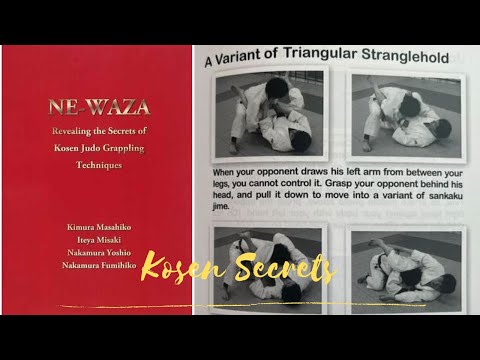
Kosen Judo: Unveiling the Secrets of the "High School" Style

The world of martial arts is a vast ocean, teeming with disciplines, philosophies, and strategies honed over centuries. Yet, within this expanse, certain styles emerge that challenge conventional wisdom, pushing the boundaries of what we understand as effective combat. Kosen Judo, often translated as "High School Judo," is precisely one such enigma. Many practitioners of modern Judo or other grappling arts hear whispers of its existence, its formidable effectiveness, and its unique approach, but few truly grasp its essence. Is it merely an older, less refined version of Judo, or does it possess secrets that could revolutionize your training? Today, we embark on a journey into the heart of Kosen Judo to uncover its core principles and understand why its legacy continues to resonate.

The Genesis of Kosen Judo

To understand Kosen Judo, we must first rewind the clock. While Kano Jigoro Shihan established Kodokan Judo in the late 19th century, the practical application and evolution of throwing and grappling arts in Japan have a much deeper history. Kosen Judo specifically refers to the style of Judo practiced in Japanese "Kosen" (vocational or higher technical schools) during the early 20th century. These schools often fostered a more rigorous, competitive, and less rule-bound environment compared to the nascent Kodokan Judo.

Crucially, Kosen Judo emerged during a period when the distinction between Judo and its parent art, Jujutsu, was still fluid. The emphasis was less on sporting purity and more on genuine combat effectiveness. This era saw the development of strategies and techniques that might be considered controversial or even illegal under modern international Judo rules, but which were vital for survival on the mat.

Unlike the Kodokan, where certain potentially dangerous techniques were gradually de-emphasized to promote wider acceptance as a sport, Kosen Judo schools often retained and refined these elements. The goal was to produce individuals capable of defending themselves and engaging in intense physical contests without the strict limitations imposed by competitive Judo.

Beyond the Rules: The Spirit of Kosen Judo

The most striking aspect of Kosen Judo is its philosophical departure from mainstream Judo. While Kodokan Judo embraces principles like "Seiryoku Zenyo" (Maximum Efficiency, Minimum Effort) and "Jita Kyoei" (Mutual Welfare and Benefit), Kosen Judo often prioritized raw effectiveness. This meant that while efficiency was still valued, the ethical considerations of competition took a backseat to the imperative of winning and demonstrating superiority.

This philosophical divergence led to a broader acceptance of techniques that could inflict significant damage or incapacitate an opponent. The "no-holds-barred" nature of Kosen Judo training meant that practitioners were exposed to a wider array of submissions and strategic applications. Think of it as the difference between a sparring session focused on point-scoring and a no-gi grappling match where the objective is submission above all else.

The spirit of Kosen Judo was that of the battlefield, not the gymnasium. Every technique was scrutinized for its potential to end a confrontation decisively.

This competitive environment fostered an innovative spirit. Faced with diverse challenges and fewer restrictions, Kosen Judo practitioners explored tactical variations and combinations that remain potent today. The emphasis was on problem-solving in real-time, adapting to the opponent's strengths and exploiting their weaknesses with ruthless precision.

This isn't to say Kosen Judo was devoid of discipline. Far from it. The discipline required to master these techniques and to operate within such a demanding framework was immense. It was a discipline forged in the crucible of intense competition, where the consequences of error were far more severe than a loss of points.

Key Techniques and Strategic Departures

The most significant difference between Kosen Judo and modern Kodokan Judo lies in the permissible techniques. While Kodokan Judo has gradually restricted certain dangerous submissions to emphasize dynamic throws and tachi-waza, Kosen Judo often embraced techniques that could lead to rapid submission or injury.

  • Strangulations (Shime-waza): Kosen Judo permitted a much wider variety of chokeholds, including those applied with the forearm, gi lapels, or even the thumb. Techniques like the Okuri-eri Jime (Corpse Poseé Choke) and Kata-ha Jime (Single Wing Choke), when applied with intense pressure, could lead to quick submissions.
  • Joint Locks (Kansetsu-waza): While modern Judo is famous for its armlocks (Kote-gaeshi, Ude-garami, etc.), Kosen Judo extended this to include leg locks and even wrist locks. Techniques such as the Sankaku-gatame (Triangle Armbar) and various ankle locks were part of the arsenal. The goal was to create pain or hyperextend joints, forcing a tap-out.
  • Forbidden Techniques (Kinpatsu-waza): While the term "Kinpatsu" can be debated, it generally refers to techniques targeting vital areas or joints in ways deemed too dangerous for sport Judo. This could include certain variations of leg locks, spinal cranks, or techniques applied in combinations that overwhelmed the opponent's defenses.
  • Newaza Dominance: Due to the broader acceptance of submissions, Kosen Judo placed a significantly higher emphasis on ground fighting (Ne-waza). The objective was often to quickly transition to the ground after a throw or to secure a dominant position from which to apply a submission.
  • Strategic Variations: Techniques like Uchi-mata (Inner Thigh Throw), a staple in modern Judo, were often employed with variations aimed at creating openings for ground submissions rather than just scoring an ippon.

The strategic implications were profound. An opponent in Kosen Judo had to be constantly aware not just of being thrown, but also of being submitted on the ground. This forced a much higher level of technical proficiency in both standing and ground techniques, and a constant vigilance against a wider range of threats.

In Kosen Judo, the mat was not just a stage for throws; it was a battlefield where every limb was a potential target and every hold a potential end.

Training for the Unseen Battle

Training in Kosen Judo was, and in the few remaining schools, still is, notoriously demanding. The philosophy of "leaving nothing on the mat" meant that randori (free practice) was often intense, pushing practitioners to their absolute limits.

Emphasis on Randori: The core of Kosen Judo training was, and is, randori. However, this was not the point-scoring randori familiar to many modern Judoka. Kosen randori often continued until a clear submission, incapacitation, or a definitive stalemate. This type of prolonged, high-intensity grappling naturally develops incredible stamina, resilience, and tactical acumen. If you are looking to improve your own endurance, consider incorporating at-home workouts and conditioning drills.

Cross-Training: Given its historical context and focus on effectiveness, Kosen Judo practitioners often engaged in or were knowledgeable about other combat systems. There was a natural synergy with arts like Sambo and Wrestling, as well as with the emerging field of Mixed Martial Arts (MMA), which shares a similar ethos of applying diverse techniques to achieve victory. The connection to BJJ and Jiu-Jitsu is also undeniable, as Kosen Judo was a significant influence on the development of these arts.

Mental Fortitude: Facing constant threats of submission and the pressure of prolonged, intense grappling cultivates a unique mental resilience. Kosen Judo practitioners learned to remain calm under extreme duress, to think tactically even when exhausted, and to persevere through pain and discomfort. This development of mental strength is a hallmark of all true martial arts.

Strategic Understanding: Beyond mere technique, Kosen Judo demanded a deep understanding of leverage, timing, and anatomy. Knowing how to apply pressure to maximize discomfort or induce submission required a more profound grasp of biomechanics than might be necessary for purely sport-oriented grappling.

Sensei's Verdict: The Enduring Legacy

Kosen Judo is not merely a historical footnote in the evolution of Judo; it is a testament to the relentless pursuit of effectiveness in combat. While modern Judo has evolved into a globally recognized sport with its own unique beauty and challenges, Kosen Judo represents a lineage that prioritizes decisive outcomes. Its legacy is evident in the continued popularity of submission grappling, the rise of MMA, and the perennial appeal of techniques that have the power to end a contest quickly.

For practitioners of Judo, BJJ, Sambo, or Wrestling, understanding Kosen Judo offers invaluable insights. It reminds us that the art of grappling is multifaceted, and that sometimes, looking to the past can unlock new pathways to improvement in the present. The techniques and strategies honed in the Kosen schools are not relics; they are living, breathing principles of combat that continue to prove their efficacy.

Is Kosen Judo still relevant today? Absolutely. While the formal practice may be niche, its core principles – a willingness to explore all effective techniques, a focus on decisive submissions, and relentless, high-intensity training – are directly applicable to modern grappling and self-defense scenarios. It challenges us to question the limits we impose on ourselves and our art.

Essential Gear for Your Training

While Kosen Judo's emphasis on effectiveness means that technique often trumps equipment, having the right gear can significantly enhance your training experience and safety. For those looking to emulate the rigorous nature of Kosen Judo training, consider the following:

  • High-Quality Gi: A durable, well-fitting gi is essential. For grappling arts, a double-weave gi (often called a "heavyweight" gi) offers superior durability and resistance to tearing during intense randori. Look for brands known for their robust construction.
  • Rashguards: Underneath your gi, a good rashguard can help prevent mat burn and improve comfort, especially during extensive ground work.
  • Spats/Shorts: For no-gi training, grappling shorts or spats are necessary. Ensure they are made of durable, flexible material that can withstand the demands of grappling.
  • Mouthguard: Even in grappling, accidents happen. A well-fitting mouthguard is crucial for protecting your teeth and jaw, especially if you're engaging in highly competitive randori or sparring.
  • Grappling Tape: For protecting fingers and wrists, grappling tape can offer additional support and prevent injuries during demanding sessions.

Investing in quality gear is an investment in your training longevity. Remember, when looking for the best equipment, consider your specific art and training intensity. For example, Karate merchandise differs greatly from Judo or BJJ gear.

Frequently Asked Questions

  • What is the main difference between Kosen Judo and Kodokan Judo?
    The primary difference lies in the permissible techniques. Kosen Judo allows a broader range of submissions, including leg locks and more dangerous chokes, with less emphasis on sport-specific rules.
  • Is Kosen Judo dangerous?
    Like any full-contact martial art, Kosen Judo carries inherent risks. However, its "danger" stems from its effectiveness and the broader range of potentially incapacitating techniques. Proper instruction and a focus on safety within training are paramount.
  • Can Kosen Judo techniques be used in modern MMA?
    Absolutely. Many Kosen Judo techniques are foundational to modern MMA grappling. The emphasis on submissions and positional control is directly transferable.
  • Where can I find Kosen Judo training today?
    Pure Kosen Judo dojos are rare. However, some traditional Judo schools and grappling academies may incorporate Kosen principles, or you can explore related arts like Sambo or certain styles of BJJ that retain a strong emphasis on Ne-waza and submissions.

Deepen Your Journey

Exploring Kosen Judo opens up a fascinating chapter in martial arts history. To further your understanding and enrich your training, consider delving into these related topics:

  • BUDO: The overarching philosophy of martial ways in Japan.
  • Judo: The parent sport and its modern evolution.
  • BJJ: The "gentle art" and its sophisticated ground fighting.
  • MMA: The ultimate test of diverse martial skills.
  • Combat and Lucha: General principles applicable across disciplines.

Sensei's Reflection: Your Next Step

Kosen Judo teaches us that rules are not always limitations, but sometimes frameworks that can be strategically navigated or, in some cases, transcended to achieve a greater objective. The spirit of Kosen Judo is one of relentless pursuit of effectiveness, a willingness to confront all challenges, and a deep understanding that true mastery often lies beyond the obvious.

So, I ask you: In your own training, where have you allowed the "rules" to limit your exploration? Are you truly pushing the boundaries of your understanding, or are you content with the comfortable path? Reflect on the techniques and philosophies of Kosen Judo, and consider how this spirit of effective inquiry can ignite your own martial journey. The mat is your laboratory; what will you discover?

``` GEMINI_METADESC: Uncover the potent secrets of Kosen Judo, the high-school style focused on effective grappling and submissions. Learn its philosophy, key techniques, and enduring legacy.

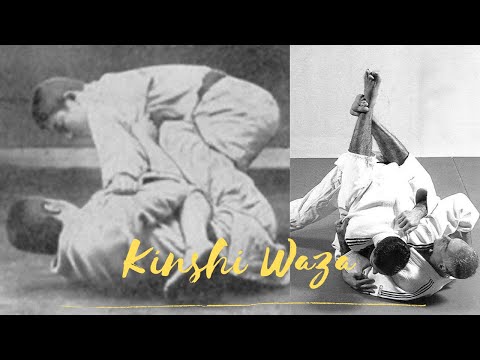
The Forbidden Techniques of Judo: Kinshi Waza - A Martial Master's Critique

Introduction: The Shadow Side of Kodokan

Ah, Judo. The Gentle Way. A path of discipline, respect, and physical prowess that has captivated minds and bodies for over a century. But like any martial art with a deep, complex history, Judo also possesses a hidden dimension, a set of techniques so potent, so dangerous, that the very founders of Kodokan deemed them too perilous for regular practice. These are the Kinshi Waza (禁止技), the forbidden techniques. Today, we delve into this controversial aspect, not merely to catalog them, but to understand the *why* behind their prohibition and what they teach us about the very essence of Budo. Do you truly understand Judo if you ignore its shadows?

Unveiling the Four Kinshi Waza

The Kodokan officially recognizes four categories of forbidden techniques, often presented as a list that sparks both curiosity and unease among practitioners. These are:

  • Kansetsu-waza (関節技): Joint locks, specifically those that hyperextend or twist joints beyond their natural range of motion. While some basic joint locks are part of Judo's Nage-waza (throwing techniques) and Katame-waza (grappling techniques), the Kinshi versions often involve extreme leverage or target critical points of structural integrity in the limbs.
  • Shime-waza (絞技): Strangles and chokeholds. Again, Judo incorporates various chokeholds (e.g., Hadaka-jime, Okuri-eri-jime). The forbidden ones, however, are those that apply pressure to arteries and nerves in ways that can lead to rapid unconsciousness or even permanent damage if not released instantaneously.
  • Atemi-waza (当身技): Striking techniques. This is perhaps the most glaring omission from modern Judo competition. While striking is the core of many martial arts like Karate or Taekwondo, it is largely absent from standard Judo practice. The forbidden Atemi-waza would include kicks, punches, elbow strikes, and knee strikes aimed at vital areas, meant to incapacitate an opponent before or during a throw.
  • Kuzushi-waza (崩し技) and Kakari-geiko (掛稽古) variations: This category is more nuanced. It refers to certain extreme off-balancing techniques or continuous attacking drills that, when combined with the other forbidden methods, become extraordinarily dangerous. Think of techniques designed to violently break an opponent's posture in a way that guarantees injury upon falling, or persistent, aggressive attacks that leave no room for the opponent to defend themselves safely.

The distinction is crucial: Judo contains dangerous techniques, but the Kinshi Waza are those deemed too inherently destructive for safe, widespread learning and application within the dojo setting.

Mechanical Mastery: Why These Techniques Are Forbidden

Let's dissect the mechanics. What makes these techniques so much more hazardous? It's about leverage, speed, and anatomical vulnerability.

Consider Kansetsu-waza. A standard Judo armbar, the Ude-garami, relies on breaking the opponent's posture and isolating an arm. However, a forbidden variation might involve applying torque directly to the elbow joint in a way that bypasses the natural resistance and forces a painful tear of the ligaments. It's the difference between a controlled submission and a violent rupture.

"In the pursuit of efficiency, we must never sacrifice safety. A technique that guarantees injury is not a technique of enlightenment, but one of destruction." - A quote attributed to Kano Jigoro's disciples, reflecting the spirit of prohibition.

Regarding Shime-waza, the danger lies in the speed of effect. Certain chokes can cut off blood flow to the brain almost instantly, leading to unconsciousness in seconds. While this can be a decisive element in a submission, the margin for error is minuscule. A slight over-application, a delayed tap, or an opponent's inability to react can lead to severe brain damage or death. The forbidden techniques often achieve this effect through methods that are harder to control once applied.

And then there's Atemi-waza. This is where Judo diverges most sharply from many other martial arts. The philosophy of Kodokan, as initially conceived by Kano, was to promote physical and moral development through safe practice. Incorporating strikes, especially those aimed at vulnerable targets like the eyes, throat, or groin, fundamentally changes the nature of the practice. Such techniques are inherently designed to inflict harm and can easily lead to career-ending injuries or worse, making sparring extremely hazardous and shifting the focus from control and technique to brute force and pain.

Historical Echoes: The Roots of Prohibition

The prohibition of these techniques wasn't arbitrary. It was a deliberate act by Kano Jigoro, the founder of Judo, to shape the art into a path for physical, intellectual, and moral development (Seiryoku Zenyo - maximum efficiency, minimum effort; Jita Kyoei - mutual welfare and benefit). Kano studied various Koryu (old schools of Japanese martial arts), including Jujutsu styles that were often battlefield-oriented and included lethal techniques. He recognized that to create a martial art suitable for modern education and sport, these elements had to be excised.

Judo was intended to be practiced by people of all ages and backgrounds. Techniques that could easily cause permanent injury or death were incompatible with this vision. The goal was to create a system that taught effective self-defense and combat principles while minimizing the risk of severe harm, thereby allowing for more frequent and intense practice, leading to greater skill development and character building.

It’s a testament to Kano’s foresight. He understood that a martial art that *can* kill can also easily maim. By removing the most destructive elements, he made Judo accessible and fostered its growth into a global Olympic sport. This decision, however, is often misunderstood by those who see Judo solely as a sport, failing to appreciate its roots as a combative system.

The Dojo's Dilemma: Training and Application

So, what does this mean for the modern Judo practitioner? Are we to simply ignore these techniques? Not entirely. The Kinshi Waza are preserved in the Koryu no Kata (forms of the old school), such as the Kime no Kata (Forms for Deciding Life and Death) and the Juno Kata (Gentle Kata). These kata serve as a historical record and a way to understand the full spectrum of Judo's combative applications without endangering students in regular randori (free practice).

"To understand the root, one must sometimes examine the soil from which it grew, even if that soil was littered with thorns." - A martial aphorism on historical context.

Practicing these kata provides invaluable insight into balance breaking, kuzushi, and the underlying principles of Judo. It teaches the practitioner about the critical points of the body and the devastating potential of certain movements. However, this is typically done under the strict guidance of a highly experienced instructor, emphasizing control and understanding over aggressive execution.

The debate often arises: should some of these techniques, particularly joint locks and controlled striking (like Renraku Waza – combination techniques), be reintroduced into Judo competition? Proponents argue it would make Judo more complete, resembling systems like MMA. Critics counter that it would fundamentally alter the art, increase injury rates, and move away from Kano’s original intent. This is where the polemic lies.

Veredicto del Sensei: ¿Merece la pena?

The study of Kinshi Waza is absolutely essential for any serious Judo practitioner aiming for true mastery. It's not about learning to execute forbidden techniques to harm your opponents outside the dojo; it's about understanding the *complete* art of Judo, its historical context, and the profound philosophical decisions made by its founder. These techniques, when studied through kata and theoretical understanding, illuminate the principles of balance, leverage, and anatomical vulnerability in ways that standard randori cannot. They are a stark reminder of the responsibility that comes with martial skill.

Coreografía y Autenticidad: Cinturón Negro en Conocimiento Histórico. La representación de las Kinshi Waza se encuentra en los Kata, que son la esencia de la aplicación marcial más allá del deporte. Entenderlas es entender la profundidad marcial completa del Judo.

Filosofía Marcial: Maestro de Budo. El estudio de las Kinshi Waza es un ejercicio de discernimiento filosófico: cuándo aplicar la fuerza, cuándo la contención, y la responsabilidad inherente a cada acción.

Impacto y Legado: Legado de Kano. La decisión de prohibir estas técnicas no debilitó al Judo, sino que lo fortaleció como herramienta educativa y deporte global, demostrando la visión a largo plazo de Kano Jigoro.

Guía de Entrenamiento: The Spirit of Kinshi Waza

While direct practice of Kinshi Waza is restricted, we can train their underlying principles safely:

  1. Deepen Your Kata Practice: Focus intensely on the Koryu no Kata. Pay attention to the precise angles, the timing, and the intended outcome of each movement. Visualize the application without physically executing the dangerous aspects.
  2. Study Anatomy and Biomechanics: Understanding how the human body works – its strengths and weaknesses – is crucial. Learn about joint structure, muscle groups, and nerve pathways. This knowledge, gained from reputable sources, will enhance your understanding of why certain techniques are dangerous.
  3. Refine Your Fundamentals (Kihon): Master the basic throws (Nage-waza) and grappling techniques (Katame-waza). Strong fundamentals provide the foundation upon which more complex and potentially dangerous applications are built. This includes perfecting your kuzushi (off-balancing) and tsukuri (entry).
  4. Sparring with Intent (Randori): Engage in randori with a focus on control and learning, not just winning. Practice applying techniques with precision and awareness of your partner's safety. Emphasize smooth transitions and understanding your opponent's reactions.
  5. Mindfulness and Control: Cultivate mental discipline. Before executing any technique, especially in sparring, ask yourself: "What is my intention? What is the safest way to achieve this outcome? What is my partner's physical state?" This mental check is the essence of responsible martial practice.

Equipo Esencial para tu Entrenamiento de Judo

While direct training of Kinshi Waza is limited, a solid foundation in Judo requires proper equipment. Investing in good quality gear not only enhances your training experience but also contributes to safety.

  • Judogi: A high-quality Judo uniform (gi) is paramount. Look for uniforms made from durable, double-woven cotton, often referred to as heavyweight or competition-grade. Brands like Mizuno or Adidas offer excellent options. Ensure it fits properly – not too loose to give opponents easy grips, and not too tight to restrict movement. For advanced practitioners and those focusing on grappling, a gi with excellent fabric weight and reinforced stitching is ideal.
  • Belts (Obi): A sturdy belt that stays tied is crucial. Higher ranks often use belts with red stripes to signify advanced status.
  • Matting (Tatami): While not something you typically buy for personal use (usually provided by the dojo), understanding the importance of proper judo mats is key. They are designed to absorb impact and prevent injuries from falls.
  • Mouthguard: For sparring (randori), especially if you're exploring more dynamic scenarios or have reached a level where controlled application of certain techniques is practiced, a custom-fitted mouthguard is a wise investment to protect your teeth and jaw.
  • First-Aid Kit: Always have a well-stocked first-aid kit readily available at the dojo for minor injuries.

When looking for the best kimonos de judo or judo equipment, always prioritize durability and safety. Remember, your gear is an extension of your training.

Preguntas Frecuentes

What are the four forbidden techniques in Judo?

The four categories are specific forms of joint locks (Kansetsu-waza), strangles/chokes (Shime-waza), striking techniques (Atemi-waza), and certain extreme off-balancing or continuous attack variations that are deemed too dangerous for regular practice.

Are Kinshi Waza still practiced?

Yes, but primarily within the context of historical kata (forms), such as the Koryu no Kata, under strict supervision. They are not part of standard Judo competition or randori.

Why were these techniques forbidden in Judo?

Judo's founder, Kano Jigoro, aimed to create a martial art for education and moral development. Forbidden techniques were removed to minimize the risk of severe injury or death, allowing for safer, more widespread practice and the art's evolution into a sport.

Can studying forbidden techniques make me a better Judoka?

Studying the principles behind them through kata and theoretical understanding can deepen your comprehension of Judo's combative applications and the importance of control and responsibility, thus making you a more well-rounded and knowledgeable practitioner.

Is Judo dangerous?

Like all martial arts and contact sports, Judo carries inherent risks. However, by prohibiting the most dangerous techniques and emphasizing safety, control, and respect, Kano Jigoro significantly mitigated these risks, making Judo one of the safer martial arts for regular practice.

Para Profundizar en tu Camino

Reflexión del Sensei: Tu Próximo Paso

The study of Kinshi Waza is not about embracing danger, but about understanding the full spectrum of a martial art and the wisdom behind its evolution. It’s a lesson in responsibility, control, and the philosophical choices that shape discipline. Now, I ask you:

If Judo, in its quest for safety and inclusivity, removed its most dangerous elements, does it lose a part of its soul? Or does it find a truer, more profound strength in its restraint?

Debate. Reflect. And demonstrate your understanding in the comments below.

``` GEMINI_METADESC: Explora las técnicas prohibidas (Kinshi Waza) del Judo, su historia, mecánica y por qué son cruciales para entender la profundidad del Budo, desde la perspectiva de un Sensei.

Beyond the Gi: Does a Judo Black Belt Guarantee Street Survival?

The art of Judo, a discipline celebrated across generations, attracts practitioners from the tender age of six to the venerable eighty, encompassing all professions, nationalities, and genders. Each individual embarks on this path with a unique objective: some seek physical prowess, others the elixir of health, a strong mind, the practical edge of self-defense, or the noble aspiration of becoming an instructor. Its global recognition is undeniable, a testament to its enduring appeal. But when the polished dojo floor gives way to the unforgiving concrete of a street confrontation, does the esteemed black belt of Judo truly hold its weight? This is the crucible where technique meets reality, and theory grapples with survival.

The Enduring Appeal of Kodokan Judo

Born from the innovative spirit of Jigoro Kano, Judo, meaning "gentle way," is more than just a physical pursuit; it's a philosophy, a path to self-improvement. Its systematic approach to throwing (nage-waza), grappling (katame-waza), and striking (atemi-waza, though rarely emphasized in sport Judo) has captivated martial artists worldwide. The rigorous training, the emphasis on `seiryoku zenyo` (maximum efficiency, minimum effort) and `jita kyoei` (mutual welfare and benefit), fosters not only physical conditioning but also profound mental fortitude. The iconic white gi, the precise etiquette, the respect ingrained in every bow – these are the hallmarks of a tradition that has stood the test of time.

What Does a Judo Black Belt Truly Signify?

A black belt in Judo, or *Kuroobi*, is a symbol of dedication, a milestone earned through years of relentless training, sweat, and perseverance. It signifies a comprehensive understanding of Judo's core principles, a mastery of fundamental techniques, and the ability to apply them with precision and power. A Yudansha (black belt holder) is expected to possess: * **Technical Proficiency:** Mastery of numerous throwing techniques, groundwork holds, armlocks, and chokes. * **Strategic Acumen:** The ability to read an opponent, anticipate their moves, and exploit openings. * **Physical Conditioning:** Stamina, strength, and agility honed through countless randori (free sparring) sessions. * **Mental Discipline:** Patience, focus, resilience, and the capacity to remain calm under pressure. * **Understanding of Principles:** Deep comprehension of leverage, balance, and the concept of `kuzushi` (unbalancing). This journey is not for the faint of heart. It demands a commitment to the `do`, the way, often requiring personal sacrifice and unwavering dedication.

Judo in the Dojo vs. Judo on the Streets: A Critical Analysis

Herein lies the crux of the debate, the friction point where the idealized dojo environment collides with the chaotic unpredictability of real-world conflict. While Judo is undeniably effective, its application in a street fight is a complex matter, fraught with nuances that often get lost in translation.
"The purpose of Judo is to train the body and mind, thereby cultivating a strong, virtuous character and contributing to the betterment of society." - Jigoro Kano
Kano's vision was primarily one of holistic development and societal contribution, not necessarily street combat. While the techniques are rooted in practicality, the context of their practice is crucial.
  • The Gi Factor: Judo techniques are heavily reliant on gripping the opponent's gi. In a street fight, most assailants will not be wearing a loose-fitting uniform. This immediately nullifies a significant portion of Judo's arsenal. Hand-to-hand fighting without a gi requires drastically different grips, entries, and applications.
  • Controlled Environment vs. Chaos: Dojo randori, while intense, operates under a set of rules and a degree of mutual respect. A street fight is an uncontrolled environment where anything goes – multiple attackers, weapons, uneven terrain, and malicious intent.
  • Legal Ramifications: Judo techniques, particularly throws and submissions, can be lethal if applied improperly or with excessive force. The legal consequences of using such techniques against an untrained assailant in a self-defense scenario can be severe.
  • The "Soft" vs. "Hard" Debate: While Judo is far from a "soft" art, its emphasis on redirection and leverage can be perceived as less direct than the "hard" striking arts like Karate or Muay Thai. In a situation where immediate incapacitation is paramount, a well-placed, powerful strike might be more expedient than attempting a complex throw.

Adaptability is Key: Bridging the Gap

This is not to diminish Judo's inherent value. A skilled Judo black belt possesses a superior understanding of body mechanics, balance, and control. These attributes are invaluable, even on the street. The challenge lies in adapting Judo principles to a gi-less, rule-less scenario. A pragmatic approach would involve: * Focusing on Core Principles: Understanding `kuzushi` (unbalancing) and leverage remains critical, regardless of attire. * Developing Striking Acumen: Cross-training in striking arts or developing a personal "street Judo" curriculum that incorporates effective hand and foot techniques. * Awareness and De-escalation: The most potent self-defense is avoiding conflict altogether. A Judo practitioner, grounded in discipline, should prioritize situational awareness and de-escalation. * Understanding Ground Fighting: If a fight goes to the ground, a Judo black belt has a significant advantage, especially if they have supplemented their ground game with Brazilian Jiu-Jitsu principles. Many modern martial arts, particularly Mixed Martial Arts (MMA), have successfully integrated Judo's throwing and grappling prowess. Fighters like Ronda Rousey, with her devastating Judo background, demonstrated the raw effectiveness of specialized martial arts when honed for combat.
"In real combat, the most effective techniques are often the simplest ones."
This adage, echoing through countless dojos and training halls, highlights the critical difference between sport martial arts and street survival. While Judo offers a rich tapestry of techniques, their direct applicability in a street fight is conditional.

Veredicto del Sensei: ¿Merece la pena?

The question isn't whether Judo is "good" for a street fight, but rather how a Judo black belt *adapts* their formidable skillset. A Judo black belt, by virtue of their training, possesses tools that can be incredibly effective in a self-defense scenario. However, blind adherence to dojo techniques, without consideration for the absence of a gi or the presence of extreme danger, is a recipe for disaster. The effectiveness lies not solely in the black belt itself, but in the practitioner's ability to critically assess, adapt, and integrate their knowledge into the harsh realities of uncompromised conflict. Cinturón Negro en Fundamentos, Naranja en Aplicación Callejera (Sin Adaptación).

Equipo Esencial para tu Entrenamiento

While Judo training primarily emphasizes the gi and the mat, supplementing your martial arts journey with other equipment can enhance your skills and preparedness.
  • Judogi (Kimono de Judo): A durable, reinforced gi is crucial for traditional training and offers grip points vital for many techniques. Look for IJF-approved gis for competition-level quality.
  • Training Matting: Essential for safe practice of throws and groundwork. Tatami mats are the standard for dojos.
  • Resistance Bands: Excellent for building explosive strength and improving grip endurance, transferable to clinch work and throws.
  • Sparring Gloves (Lightweight): If you're cross-training in striking or developing "street Judo," lightweight MMA gloves can help practice striking without the risk of injuring your hands.
  • Makiwara or Striking Pads: For developing power and conditioning your hands and feet, crucial for any striking component of self-defense.

Guía de Entrenamiento: Desarrollando el "Kuzushi" en Casa

Mastering `kuzushi` (unbalancing) is fundamental to Judo and applicable even without a partner.
  1. Body Awareness Drill: Stand in a natural stance. Focus on your center of gravity. Practice shifting your weight subtly, feeling how your balance changes.
  2. Static Balance Holds: Hold a strong, balanced stance (like a natural `shizentai`) for extended periods. Focus on maintaining your core stability.
  3. Mirror Practice: Imagine an opponent in front of you. Practice imaginary `tsukuri` (entry) and `kuzushi` movements, focusing on the precise body mechanics required to break their balance.
  4. Weight Shift Drills: Practice forward, backward, and lateral weight shifts. Imagine pulling or pushing an opponent, and feel how your own balance must adjust to maintain stability while initiating movement.
  5. Resistance Band Pulls: Use a resistance band anchored securely. Practice pulling motions that mimic unbalancing an opponent. Focus on generating power from your hips and core, not just your arms.

Preguntas Frecuentes

Is Judo effective for self-defense on the street?

Judo provides an excellent foundation in balance, leverage, and control. However, its direct application is limited without a gi. Adapting principles and cross-training in striking and gi-less grappling are crucial for street effectiveness.

What is the biggest difference between Judo in the dojo and a street fight?

The most significant differences are the absence of a gi and the uncontrolled, unpredictable nature of street conflict, which may involve multiple attackers, weapons, and a lack of rules or mutual respect.

Can a Judo black belt defend themselves effectively without their gi?

Yes, but it requires adaptation. The core principles of balance and leverage remain, but the techniques must be modified for a gi-less environment. Supplementing with striking arts or Brazilian Jiu-Jitsu is highly recommended.

What are the most important Judo principles for self-defense?

`Kuzushi` (unbalancing), `Tsukuri` (entry), and `Kake` (execution) are paramount. Understanding how to off-balance an attacker and control their body are transferable skills.

Para Profundizar en tu Camino

The true warrior is the one who masters himself. All other battles are secondary.

Reflexión del Sensei: Tu Próximo Paso

You've trained, earned your rank, and understand the fundamental principles of Judo. But when the dojo doors close and the harsh reality of the outside world presents itself, is your training a tool for survival or a cherished memory of sport? The techniques you've perfected are potent, but their effectiveness is a reflection of your adaptability and your willingness to confront the uncomfortable truth: the street is not a dojo. Are you a Judo practitioner, or are you a martial artist ready for *any* confrontation? The answer lies not in your belt color, but in your actions when the rules no longer apply. ``` GEMINI_METADESC: Does Judo's black belt prowess translate to street survival? Explore the nuances, adaptative strategies, and the true meaning of martial effectiveness beyond the dojo.

Judo's Ground Game: Beyond the Throws – Mastering the Art of Ne-Waza

Have you ever witnessed a Judo match where the initial explosive takedown was just the prelude to a tense, strategic battle on the tatami? If your understanding of Judo is limited to dynamic throws like the Seoi-nage or the mighty O-soto-gari, then prepare to have your perception shattered. The true depth of Judo, the 'Ju' – yielding, flexibility, gentleness – is perhaps most profoundly expressed not in the aerial acrobatics of tachi-waza, but in the intricate, often brutal, dance of ne-waza: groundwork.

Many practitioners, especially those drawn to Judo's flashy throwing techniques, view groundwork as a secondary aspect, a necessary evil to be endured before returning to the standing fight. This perspective is not only flawed but fundamentally misses the philosophical core that Jigoro Kano instilled in his art. For Kano, Judo was not merely about physical combat; it was a path to self-perfection, encompassing physical, mental, and moral development. And where better to cultivate these attributes than in the close-quarters intimacy of grappling, where strategy, patience, and an unyielding spirit are paramount?

My own journey through the martial disciplines has shown me this truth repeatedly: the true measure of a warrior's skill is often revealed when the initial confrontation breaks down, when the feet can no longer dance. It is on the ground, locked in a struggle for dominance, that raw technique, mental fortitude, and a deep understanding of leverage and biomechanics are truly tested. This is the realm of ne-waza.

The Deceptive Simplicity of Ne-Waza

At first glance, Judo's groundwork might seem less dynamic than its standing counterpart. It's a world of holds (osaekomi-waza), joint locks (kansetsu-waza), and strangulation techniques (shime-waza). Yet, within this seemingly static arena lies a universe of complexity. A simple hold, executed with precise body alignment and weight distribution, can feel like being crushed by an immovable mountain. A well-applied choke can steal breath and consciousness with unnerving speed. This is the deceptive simplicity of ne-waza – deceptively simple in appearance, profoundly complex in execution.

The objective in ne-waza is often to immobilize the opponent, forcing them to submit, or to achieve a decisive submission through a lock or choke. This requires an intimate understanding of pressure points, leverage, and the opponent's body mechanics. It's a chess match played with the entire body, where a single misstep can lead to being controlled, submitted, or worse.

From Jujutsu to the Olympic Stage: The Evolution of Judo's Groundwork

Judo, as founded by Jigoro Kano in 1882, was a synthesis of various classical Jujutsu styles. These ancient arts, honed on the battlefields and in the dueling grounds of feudal Japan, placed significant emphasis on techniques that could be employed when unarmed or disarmed, often leading to grappling scenarios. Kano, however, sought to distill these arts into a pedagogical system focused on mutual welfare and prosperity (Jita Kyoei) and maximum efficiency (Seiryoku Zenyo).

While throws were Kano's initial focus for public demonstration and sport, he recognized the vital role of groundwork. Early Judo incorporated many of the submission and control techniques found in its Jujutsu predecessors. Over time, as Judo evolved into a global sport, the rules regarding groundwork have been modified. Initially, matches could continue on the ground indefinitely. Later, rules were introduced to limit ground time, encouraging a return to standing combat to ensure spectator engagement and fighter safety. This evolution has sometimes led to a perception that groundwork is less important, a view that seasoned Judoka know to be a critical misunderstanding. In reality, the techniques and strategies of ne-waza remain a cornerstone of true Judo mastery.

The Spirit of Ne-Waza: Patience, Persistence, and Adaptation

The philosophical implications of ne-waza are profound. In standing combat, there is often an element of immediate action and reaction, a dance of offensive and defensive maneuvers. On the ground, however, the pace often shifts. Patience becomes a weapon. A practitioner must be willing to wait, to observe, to feel the opponent's movements and intentions, and to capitalize on the smallest opening. This requires a level of mental discipline and emotional control that is difficult to cultivate but incredibly rewarding.

"The supreme art of war is to subdue the enemy without fighting." - Sun Tzu (The Art of War)

While Sun Tzu's focus was on strategy leading to victory before direct engagement, his principle resonates with ne-waza. The ultimate goal is to achieve control and submission with the most efficient application of energy. Often, this is achieved not through brute force, but through subtle shifts, intelligent positioning, and a deep understanding of the opponent's vulnerabilities. The persistence to maintain a hold, to improve a position, or to work through an escape requires a warrior's spirit, an unwavering refusal to yield.

Furthermore, ne-waza demands constant adaptation. The ground is a fluid environment. An opponent seeking to escape a hold will constantly shift their weight and posture. The practitioner must adapt their strategy in real-time, moving with their opponent, anticipating their next move, and always seeking to maintain or improve their dominant position. This adaptability is a critical lesson that extends far beyond the tatami, teaching us to navigate the complexities of life with resilience and ingenuity.

Core Concepts of Judo Groundwork

Mastering ne-waza involves understanding several key principles that govern the interaction between two grappling bodies:

  • Control: The primary objective. This means preventing the opponent from moving effectively, escaping, or launching their own attacks. Control is established through body positioning, weight distribution, and applying pressure.
  • Position: Gaining a superior position is crucial. This often means being on top, controlling the opponent's hips and shoulders, and maintaining a stable base. Different positions, like side control (yoko-shiho-gatame) or mount (kami-shiho-gatame), offer different advantages.
  • Submission: The ultimate goal of many ne-waza exchanges. This involves applying techniques that force an opponent to "tap out" (submit) due to pain (joint locks) or inability to breathe (chokes).
  • Escapes: Just as important as attacking is defending. Learning to escape unfavorable positions and submissions is vital for survival and for creating opportunities to reverse the situation.
  • Transitions: The ability to seamlessly move from one position or technique to another. A skilled grappler doesn't just execute isolated techniques; they flow from one action to the next, creating constant pressure.

Essential Ne-Waza Techniques

While a comprehensive study of Judo ne-waza would fill volumes, several techniques form the bedrock of any practitioner's ground game:

  • Osaekomi-waza (Holding Techniques): These are fundamental for controlling an opponent on their back.
    • Kesa-gatame: A scarf-hold across the opponent's chest.
    • Yoko-shiho-gatame: A side-control hold, pinning the opponent across their width.
    • Kami-shiho-gatame: A mount hold, where the practitioner is on top, controlling the opponent's shoulders.
    • Mune-gatame: Chest hold.
  • Shime-waza (Choking Techniques): These aim to cut off blood flow to the brain or restrict airways.
    • Okuri-ashi-barai (as a submission): While often a throw, variations can lead to ground chokes.
    • Gyaku-juji-jime: A reverse cross-collar choke.
    • Kata-juji-jime: A standard cross-collar choke.
    • Hadaka-jime: A rear-naked choke (though less common in traditional Judo competition due to rules).
  • Kansetsu-waza (Joint Lock Techniques): These target the opponent's joints, forcing submission through pain or hyperextension.
    • Juji-gatame: An armbar, typically applied to the opponent's extended arm.
    • Ude-garami: A figure-four armlock.
    • Ashi-garami: Leg locks (highly restricted in Judo competition, but present in its historical roots and related grappling arts).

Training the Ground Game: Drills and Strategies

Developing proficiency in ne-waza requires dedicated practice. Simply drilling techniques in isolation is insufficient. True mastery comes from integrating these techniques into flowing sequences and live sparring.

Drills for Improvement:

  1. Position Drilling: Start from a dominant position (e.g., mount) and practice transitioning to a submission or another dominant position (e.g., side control). Your partner resists passively at first, then with increasing resistance.
  2. Escape Drills: Practice escaping from disadvantageous positions like being under side control or mount. Focus on creating space and returning to a neutral or dominant position.
  3. Live Sparring (Ne-Waza Randori): This is the cornerstone. Engage in free-form grappling on the ground, focusing on applying techniques learned and testing defensive strategies. Strict rules apply in Judo randori to prevent injury, especially with joint locks and chokes.
  4. Situational Sparring: Begin sparring from specific positions (e.g., "start from side control, attacker attempts a choke, defender attempts to escape"). This helps isolate specific problem areas.
  5. Grip Fighting on the Ground: Even on the ground, controlling grips is essential. Practice establishing and breaking grips to set up techniques or defend against them.

A crucial aspect of ne-waza training is developing what is often called "mat awareness" or "ground sense." This intuitive understanding of body positioning, balance, and leverage allows a practitioner to feel subtle shifts in their opponent's weight and pressure, enabling them to react proactively rather than reactively. This sense is honed through countless hours of drilling and sparring.

Judo's Ne-Waza vs. Modern Grappling

The landscape of combat sports has been significantly shaped by the resurgence and refinement of grappling techniques. Styles like Brazilian Jiu-Jitsu (BJJ) and submission wrestling have taken many of the principles and techniques found in Judo's ne-waza and expanded upon them, often with fewer restrictions on techniques like leg locks.

While Judo competition rules limit the scope of ne-waza compared to BJJ (e.g., limited ground time, restrictions on leg locks), the fundamental principles remain incredibly powerful. A Judoka with a strong ne-waza foundation possesses a significant advantage, even in mixed martial arts (MMA) contexts. Fighters like Ronda Rousey, Kayla Harrison, and Ilias Iliadis have demonstrated the devastating effectiveness of Judo groundwork in MMA and other combat sports.

The ability to secure a takedown and immediately transition to a controlling position or submission can end a fight swiftly. Many MMA fighters actively train Judo or BJJ to supplement their striking, recognizing the crucial role of grappling in modern combat. The Judo practitioner who masters ne-waza is not just practicing a subset of their art; they are honing skills that are universally applicable in the world of combat sports.

Sensei's Verdict: Is Ne-Waza Judo's True Soul?

I am often asked if Judo's essence lies more in its throws or its groundwork. This is akin to asking whether a sword's edge or its spine is more important. Both are vital. However, if forced to choose where the deepest philosophical lessons of yielding, adaptation, and unwavering persistence are most profoundly tested, I must lean towards ne-waza.

The throws are the dramatic opening act, the spectacular display of dynamic power and timing. But it is on the ground, in the often-unseen struggle, that the true character of the practitioner is forged. It is here that ego is stripped away, and pure technique, patience, and indomitable will are required. A Judoka who neglects their ne-waza is like a warrior with a magnificent spear but no shield – vulnerable when the initial engagement fails.

Rating: Ne-Waza: The Unseen Foundation of JudoCinturón Negro en Profundidad Filosófica y Técnica.

Essential Equipment for Your Ground Training

While Judo is often practiced with minimal equipment, certain items can significantly enhance your ne-waza training and understanding:

  • Judo Gi (Kimono): A high-quality Judo gi is essential. For ne-waza, a heavier weave gi (often referred to as 'double weave' or 'competition weave') offers better resistance to grips and can provide a slight advantage in control and grip fighting. Look for brands known for their durability and fit.
  • Matting (Tatami): Obviously, safe and appropriate matting is non-negotiable for any grappling art. Ensure your training space is well-cushioned.
  • Resistance Bands: Useful for strengthening grip and core muscles, vital for maintaining control on the ground.
  • Study Materials: Books and videos dedicated to Judo's ne-waza are invaluable.

Frequently Asked Questions

Q1: Is Judo groundwork dangerous?
Like any martial art, Judo carries inherent risks. However, under qualified instruction and with adherence to safety protocols (especially in randori), ne-waza can be practiced safely. The emphasis on control and submission rather than injurious force minimizes danger.

Q2: Are leg locks allowed in Judo?
In modern Judo competition (IJF rules), leg locks are generally prohibited to prioritize safety and the throwing aspect of the art. However, they were part of historical Judo and are prominent in related grappling arts like BJJ and some forms of Jujutsu.

Q3: How much time should I spend on groundwork in training?
A balanced approach is key. While throws are critical, dedicating at least 30-40% of your training time to ne-waza drills and sparring is highly recommended for a well-rounded Judo education.

Q4: What's the difference between Judo groundwork and Brazilian Jiu-Jitsu?
While both are grappling arts focused on ground control and submissions, BJJ generally allows a wider array of techniques, particularly leg locks, and emphasizes ground transitions and positional control more extensively due to fewer time restrictions.

Deepen Your Understanding

To truly grasp the nuances of Judo's groundwork, I encourage you to explore these related topics:

Sensei's Reflection: Your Next Step

We have journeyed from the explosive power of the throw to the subtle, unyielding pressure of the ground. Judo's ne-waza is not merely a component; it is a crucible for character. It demands the patience of a meditating monk, the persistence of a relentless warrior, and the adaptability of flowing water.

Many view the ground game as the domain of the specialist, or worse, as a necessary compromise. I argue it is the ultimate test of a Judoka's commitment to the principles of Judo itself. Can you remain calm and strategic when pinned? Can you find the yielding path to escape, or the efficient application of pressure to achieve submission? This is where the true 'Ju' is tested.

Sensei's Reflection: Your Next Step

The next time you step onto the tatami, I challenge you: Do not just practice your throws. Seek out the ground. Feel the pressure. Study the positions. Understand that every moment on the ground is an opportunity to learn about yourself and your opponent. Are you truly a Judoka if you fear the ground, or is your art incomplete? Debate this with your training partners, meditate on it, and prove your convictions through diligent practice. The true depth of Judo awaits you below the waist.

``` GEMINI_METADESC: Master Judo's Ne-Waza! Dive deep into groundwork techniques, philosophical underpinnings, and training strategies. Learn why the ground is crucial for true Judo mastery.