Showing posts sorted by relevance for query Self Defense. Sort by date Show all posts

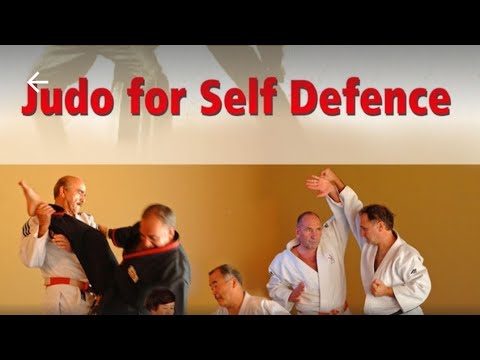
Judo's Practicality: Beyond the Olympic Mat for Self-Defense

The world of martial arts is often romanticized, filled with tales of ancient masters and esoteric techniques. However, beneath the surface of tradition lies a pragmatic core: the ability to protect oneself. Today, we delve into a production by Fighting Films, a documentary that promises to explore just that – the real-world application of Judo for self-defense. Is Judo, an art synonymous with Olympic glory, truly a viable tool when faced with genuine threat? This is not merely a review; it's an examination of purpose, technique, and the enduring spirit of the warrior.

Unveiling the Martial Philosophy: Judo's Core Tenets

Before dissecting the specific content of the Fighting Films production, it's crucial to understand the foundational principles of Judo. Founded by Jigoro Kano, Judo (meaning "the gentle way") was conceived not just as a sport but as a system for physical, intellectual, and moral development. Kano famously emphasized Seiryoku Zenyo (maximum efficiency, minimum effort) and Jita Kyoei (mutual welfare and benefit). While the latter might seem counterintuitive in a self-defense context, understanding it is key: Judo teaches control and de-escalation when possible, but its inherent principles of leverage and balance are devastatingly effective when force is unavoidable.

Many practitioners, especially those only exposed to the Olympic version of Judo, might question its effectiveness against a surprise attack or a larger, untrained assailant. The rules of competition, with their emphasis on throws and submissions within a controlled environment, can sometimes obscure the raw, unadulterated combat effectiveness Judo offers. This production, by focusing on self-defense, aims to bridge that gap.

"Victory is never permanent, for it is temporary. Defeat is never permanent, for it is temporary. However, the spirit of perseverance can be permanent." - Jigoro Kano

The Critical Lens: Analyzing Judo for Real-World Application

When we talk about self-defense, we're not talking about performing an ippon seoi nage (shoulder throw) with perfect form on a compliant partner. We're talking about surviving unpredictable situations. Does the Fighting Films production illustrate techniques that address:

  • Unexpected Attacks: How does Judo deal with punches or grabs from blind spots?
  • Multiple Assailants: While no art is a magic bullet against overwhelming odds, what Judo principles can help create space or opportunities?
  • Ground Fighting: Judo's groundwork (Ne-Waza) is extensive. How does it translate to escaping bad positions or controlling an opponent on the ground?
  • Against Larger Opponents: This is where Judo's core philosophy of using an attacker's weight and momentum truly shines.

The essence of self-defense lies in adaptability. A true martial artist doesn't rely on a single technique but on a fluid application of principles. Judo, with its emphasis on kuzushi (off-balancing), tsukuri (entry), and kake (completion), provides a robust framework for this adaptability. The kinetic energy generated in a successful throw is immense, capable of incapacitating an attacker without necessarily causing grievous harm – a crucial distinction in self-defense where legal ramifications are a serious consideration.

Beyond the Throw: Essential Judo Principles for Survival

While spectacular throws are the hallmark of Judo, its self-defense utility extends far beyond them. Consider these aspects:

  • Grips (Kumi Kata): Mastering grips is paramount. In self-defense, controlling your opponent's posture and balance starts with dominant hand control. A strong grip can dictate the entire engagement.
  • Footwork and Movement (Tai Sabaki): The ability to evade, pivot, and move efficiently is critical. Judo’s intricate footwork teaches you to control distance and angle, turning an opponent's attack into an opportunity for you.
  • Balance: Understanding your own balance and how to disrupt your opponent's is Judo's most fundamental lesson. Applied to self-defense, this means staying on your feet while making your attacker lose theirs.
  • Falling Safely (Ukemi): While seemingly defensive, the ability to fall safely allows you to attempt throws or escapes without injuring yourself, a vital skill when the ground becomes a battlefield.

The debate often arises: is sport Judo diluted? My take, honed over years of observing and practicing, is that the core principles remain. What changes is the *application*. A competitor seeks a win under specific rules. A self-defender seeks survival. The techniques might look similar, but the intent, the target, and the environmental awareness are vastly different. This Fighting Films production likely aims to highlight this distinction, showcasing how the foundational skills of Judo can be adapted when the mat disappears and the stakes are infinitely higher.

Veredicto del Sensei: ¿Merece la pena?

If this Fighting Films production successfully demonstrates the practical application of Judo principles in realistic self-defense scenarios, then it is absolutely worthwhile. It serves as a vital reminder that martial arts are not just about sport or performance; they are about capability. Judo offers a rich arsenal of techniques and, more importantly, a profound understanding of body mechanics that can be incredibly empowering for self-protection. However, the true test of any self-defense system lies not in theory, but in rigorous, realistic training. I will reserve my final judgment until I've seen the full scope of the production, but the potential for this to be a valuable resource is high.

Equipo Esencial para tu Entrenamiento

While Judo for self-defense emphasizes body mechanics over specialized gear, certain equipment can enhance your training and understanding. For dedicated Judo training, especially if you plan to engage in randori (sparring):

  • Judogi: A durable Judo uniform is essential. Look for double-weave or reinforced cotton gis that can withstand the rigors of grappling. Brands like Adidas, Mizuno, and Fuji offer excellent options. For those looking for high-quality martial arts uniforms, exploring options that emphasize durability is key.
  • Matting (Tatami): For any serious practice at home or in a dojo, proper matting is crucial for safety during throws and groundwork.
  • Training Partners: The most important "equipment" is a consistent training partner or, ideally, a qualified instructor.

For those interested in exploring related grappling arts or foundational strength, consider resources for Brazilian Jiu-Jitsu or general fitness equipment that can supplement your conditioning.

Guía de Entrenamiento: Principios de Judo para la Defensa Personal

While this production is a viewing experience, here's a foundational drill you can practice, focusing on movement and balance, crucial for self-defense Judo:

  1. Stance and Balance Check: Stand with feet shoulder-width apart, knees slightly bent, maintaining a stable base. Practice shifting your weight from foot to foot without losing balance. Imagine your opponent trying to push you off-kilter; feel how your body adjusts.
  2. Circular Footwork (Ashi Sabaki): Practice walking in small circles, both clockwise and counter-clockwise, always maintaining your base and keeping your opponent in front of you. This teaches evasion and maintaining position.
  3. Basic Kuzushi Practice: With a partner (or even a sturdy object like a pole), practice applying forward, backward, and sideways pressure to break their balance. Feel the moment their base weakens. This is the first step to executing a throw or gaining control.
  4. Grip Breaking Drills: Practice breaking various grips your imaginary opponent might apply. Focus on using leverage and body movement rather than brute strength.

Remember, consistency is key. Even 15 minutes a day dedicated to these fundamental movements will build a strong foundation for applying Judo principles in a self-defense context. For those looking for effective at-home workouts that build core strength and balance, Judo principles offer a fantastic, albeit demanding, approach.

Preguntas Frecuentes

What is the primary difference between competitive Judo and Judo for self-defense?

Competitive Judo focuses on scoring points within a regulated framework, emphasizing clean throws and submissions. Self-defense Judo prioritizes survival, adapting techniques for unexpected situations, ground control, and dealing with untrained aggression, often without the constraints of rules.

Can Judo techniques be used effectively against multiple attackers?

While Judo is not designed for multi-attacker scenarios, its principles of balance disruption, creating space through movement (Tai Sabaki), and controlling an opponent can provide opportunities to escape or neutralize one attacker, allowing you to disengage or prepare for the next. It's about creating advantages, not winning every engagement.

Is Judo suitable for smaller individuals defending themselves against larger attackers?

Absolutely. Judo's core philosophy of using an opponent's weight and momentum against them makes it exceptionally effective for smaller individuals. The emphasis on leverage and technique over brute strength is a cornerstone of its practical application.

How important is ground fighting (Ne-Waza) in Judo for self-defense?

Extremely important. Many self-defense situations can end up on the ground. Judo's groundwork teaches pinning, submission, and escape techniques that are vital for controlling an attacker or improving your position when unable to stand.

Does Judo training make you more confident?

Yes. The process of learning and mastering techniques, understanding your own physical capabilities, and experiencing controlled sparring builds immense confidence and self-assurance, which are powerful deterrents in themselves.

Para Profundizar en tu Camino


Reflexión del Sensei: Tu Próximo Paso

This Fighting Films production is more than just footage; it's a testament to Judo's enduring relevance. But viewing is only the first step. The true lesson lies in the dojo, in the sweat, in the controlled friction with a partner. Ask yourself: are you training with purpose? Are your techniques honed for the unexpected, or merely for applause? The true warrior doesn't seek the spotlight; they seek preparedness. The question is, are you truly prepared?

``` GEMINI_METADESC: Analyze Judo's self-defense practicality beyond the Olympics. Explore techniques, principles, and effectiveness against threats in this in-depth martial arts review.
Unveiling the Reality: Women's Self-Defense vs. The Male Adversary – A Critical Examination

The Premise: A Stark Reality

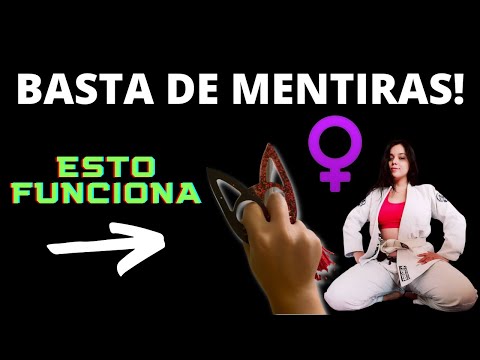
Hello and welcome, warriors. Today, we confront a topic often shrouded in simplistic narratives and commercialized quick fixes: women's self-defense against male aggressors. The very phrasing, "CONTRA HOMBRES!" (AGAINST MEN!), immediately ignites a firestorm of debate. Is this a necessary distinction, or a dangerous generalization? As your Sensei, I am here not to provide platitudes, but to dissect the underlying principles and brutal realities, urging you to move beyond mere reaction and cultivate genuine empowerment. This isn't about fear-mongering; it's about informed preparation and the cultivation of an indomitable spirit.

Deconstructing the Search Intent: Beyond the Superficial

Let's first address the seeker's intent. What drives someone to search for "women's self-defense against men"? It's a cry for safety, a desperate need for practical solutions in the face of perceived physical disparity. The searcher likely desires:
  • Actionable Techniques: Specific moves that can be learned and applied under duress.
  • Understanding Vulnerabilities: Knowledge of common male attack patterns and weaknesses.
  • Psychological Preparedness: Strategies to overcome fear and react decisively.
  • Effective Tools: Recommendations for legal and reliable self-defense aids.
This intention, while valid, often leads to a fragmented understanding. The internet is flooded with sensationalized content, promising miracle cures. My purpose is to elevate this understanding, demonstrating that true self-defense is a holistic discipline, not a mere collection of disempowering tricks.

The Spirit of Budo: More Than Just Techniques

The original context of this topic hints at the broader world of Budo – the Way of the Warrior. While this blog post is published under tags like #artesmarciales and #BUDO, the core message often gets lost. True Budo, whether Karate, Judo, or Aikido, transcends the physical. It's about self-mastery, discipline, respect, and the cultivation of an unwavering mind.
"The ultimate aim of martial arts is not victory or defeat, but the perfection of the human character." – Unknown Master
When we speak of self-defense, especially in the context of a potential physical confrontation with a stronger opponent, the mental aspect is paramount. The *Mushin* (no-mind) state, the ability to act spontaneously and effectively without hesitation, is forged through rigorous training and deep philosophical understanding. Simply learning a few "moves" without this foundation is like building a house on sand.

Street Smarts vs. Dojo Drills: Bridging the Gap

This is where many self-defense courses falter. They teach techniques that look impressive in a controlled environment but crumble under the chaotic pressure of a real-world assault. A common misconception is that complex grappling or intricate striking sequences are the answer. In reality, the most effective self-defense principles for a less physically imposing individual against a larger adversary often emphasize:
  • De-escalation and Avoidance: The best fight is the one that never happens. Awareness of surroundings and verbal de-escalation are your first lines of defense.
  • Targeting Vulnerabilities: Focus on areas that inflict pain or incapacitate quickly – eyes, throat, groin, knees. These are universal, irrespective of gender or size.
  • Utilizing Leverage and Momentum: Understanding how to use an attacker's own weight and force against them. This is the essence of techniques seen in Judo and Aikido.
  • The Element of Surprise: A sudden, decisive action can create an opportunity to escape.
The key is simplicity and brutal efficiency. A technique that requires perfect execution under extreme stress is a liability. We must train for the worst-case scenario, not the ideal one. Consider the philosophies embedded in styles like Kyokushin Karate, which emphasizes full contact and resilience. This is not about winning a match; it's about surviving a confrontation.

Analysis of Self-Defense Tools: Illusion vs. Efficacy

The mention of "llaveros de defensa personal" (personal defense keychains) is a prime example of the commercialization I alluded to. While some tools can offer a psychological boost or a tactical advantage, they are not magic bullets.
  • Pepper Spray/Mace: Effective if used correctly and legally permissible. Requires practice to overcome the fear of using it and to deploy it accurately under stress.
  • Personal Alarms: Can attract attention but may also escalate an attacker's aggression.
  • Kubotans/Tactical Pens: Require significant training to be effective. Without proper knowledge of pressure points and striking, they are merely blunt objects.
  • Stun Guns/Tasers: Effectiveness can vary, and legal restrictions apply. Requires close proximity and can be disarmed.
Relying solely on a gadget is a dangerous gamble. It fosters a false sense of security. These are *tools*, meant to supplement, not replace, the fundamental skills and mental fortitude of the individual. The true "weapon" is the trained body and the prepared mind.

Beyond the Physical: Cultivating Inner Fortitude

This is where we delve into the deeper currents of martial arts philosophy, often overlooked in favor of flashy techniques. True self-defense is a lifelong pursuit of self-improvement.
"The supreme art of war is to subdue the enemy without fighting." – Sun Tzu, The Art of War
This ancient wisdom speaks volumes. Empowerment comes from:
  • Situational Awareness: Constantly scanning your environment, recognizing potential threats before they materialize. This is a practiced mental habit.
  • Assertiveness Training: Learning to project confidence, use a strong voice, and set boundaries verbally. This can deter many potential attackers.
  • Physical Conditioning: Building strength, stamina, and resilience. A fitter individual is more capable of defending themselves and escaping. This links directly to our tags like #Fitness, #Fuerza, and #Resistencia.
  • Mental Toughness: Developing the ability to remain calm under pressure, think clearly, and act decisively. This is the bedrock of true martial prowess.
These are the attributes that transform a victim into a survivor. They are cultivated through consistent effort, mirroring the dedication required in any serious martial art, whether it's the rigorous conditioning of Kyokushin Karate or the mental discipline of Zen meditation.

A Pragmatic Training Blueprint

For individuals seeking to enhance their self-defense capabilities, particularly women facing potential male aggression, a structured approach is crucial.

Guide to Training: Building Your Defense

  1. Foundational Awareness: Begin by consciously observing your surroundings in everyday situations. Identify exits, potential hazards, and people exhibiting unusual behavior. Practice mentally rehearsing escape routes.
  2. Verbal De-escalation and Boundary Setting: Practice using a firm, clear voice. Role-play scenarios where you refuse unwanted advances or assert your personal space. Learn phrases that communicate confidence and authority.
  3. Basic Striking Techniques: Focus on simple, powerful strikes to vulnerable targets. Practice palm heel strikes, elbow strikes, knee strikes, and kicks to the groin or shins. Accuracy and speed over complexity.
  4. Leverage and Escape Principles: Study basic principles of escaping grabs (wrists, clothing) and using an attacker's momentum. Techniques from Judo and Aikido offer excellent foundational principles here, focusing on redirection rather than brute force.
  5. Scenario-Based Drills: Practice techniques under simulated stress. This could involve mild physical exertion, shouting, or practicing in varied environments. Partner drills, conducted with safety and control, are essential.
  6. Conditioning: Incorporate cardiovascular exercises (#RunningTips, #AtHomeWorkout) and strength training (#NoEquipment, #Workout) into your routine to build the physical capacity needed for escape and defense.

Sensei's Verdict: True Empowerment

The notion of "women's self-defense against men" is born from a genuine need, but often exploited by superficial solutions. True empowerment is not about learning a few tricks to "fight back" against a hypothetical male attacker. It's about cultivating a comprehensive skillset that encompasses awareness, de-escalation, physical capability, and mental resilience. It’s about adopting the philosophy of Budo – the pursuit of self-perfection. The best self-defense is not learned from a keychain; it is forged within. While the focus should always be on internal development, certain tools can enhance training and, in real situations, provide a critical edge.
  • Durable Training Uniform (Kimono): Essential for styles like Judo and BJJ. Look for a double-weave kimono for durability.
  • Sparring Gloves: For safe practice of striking techniques, 16oz gloves are standard for sparring.
  • Focus Mitts and Kick Shields: Excellent for practicing precision and power in strikes with a partner or trainer.
  • Training Dummy (Mannequin): For practicing strikes and grappling techniques without a partner.
  • Pepper Spray (Legal Consideration): If legal in your area, carrying and practicing with pepper spray can be a valuable addition.
  • Books on Budo Philosophy: For understanding the deeper principles.

Frequently Asked Questions

What are the most effective techniques for a woman to defend against a larger male attacker?

Focus on simple, high-impact strikes to vulnerable areas (eyes, throat, groin), using leverage and an attacker's momentum, and surprise. Escape should always be the primary objective.

Is pepper spray a reliable self-defense tool?

Yes, if legally permissible and used correctly. It requires practice to overcome fear and ensure accuracy under stress. It is a supplement, not a replacement, for skills.

How important is physical strength in self-defense?

While strength is an advantage, technique, timing, and psychological preparedness are often more critical, especially when facing a size disparity. Conditioning improves stamina and resilience, which are vital.

Should women learn specific martial arts?

Many martial arts offer valuable skills. Judo and Aikido teach leverage and redirection. Karate and Kickboxing develop striking power and conditioning. BJJ excels in ground defense. A combination, or a style emphasizing practicality, can be highly beneficial.

How can I overcome the fear associated with self-defense training?

Gradual exposure through controlled drills, focusing on breathing and mental preparation, and building confidence through consistent practice are key. Understanding the techniques reduces fear of the unknown.

To Deepen Your Journey

"The warrior learns in the school of hardship. The challenges we face are not impediments, but stepping stones on the path to mastery." – Adapted from Warrior Philosophy

Reflection of the Sensei: Your Next Step

We have dissected the common approaches to self-defense, highlighting the chasm between superficial solutions and the profound path of Budo. The question that lingers is not merely *how* to defend oneself, but *who* you become in the process. Are you content with reactive measures, or are you ready to cultivate the inner warrior that transcends mere physical confrontation? Consider this: What single aspect of your mental or physical conditioning can you improve this week that will most significantly enhance your preparedness and self-reliance, irrespective of an attacker? The answer lies not in a keychain, but within your own commitment. GEMINI_METADESC: Critically examine women's self-defense against male aggressors. Explore Budo philosophy, practical techniques, tool efficacy, and holistic empowerment for true safety.

Judo: More Than Just Throws – The Unsung Hero of Practical Self-Defense

Let's confront a misconception that festers in the minds of many: the notion that Judo, stripped of explosive kicks and thunderous strikes, is somehow less effective for genuine self-defense. This is a flawed perspective, born from a superficial understanding of combat. As a seasoned practitioner and critic of martial arts and their cinematic portrayals, I can tell you that beneath its graceful throws and intricate holds lies a profound system forged for real-world application. Forget the flashy theatrics; we're talking about the cold, hard science of controlling an adversary.

The Grappling Advantage: Why Throws Trump Strikes in Close Quarters

Judo, born from the brilliant mind of Jigoro Kano, is often misunderstood. Many dismiss it as a "sport" art, lacking the "killer instinct" they associate with self-defense. This is a critical error. Judo's power lies precisely in its focus on grappling, throws, joint locks, and chokes. In the chaotic reality of a street encounter, distance is a luxury you rarely have. A sudden rush, a grab, and you're in the clinch. This is where Judo excels. While a punch might be blocked, a well-executed Osoto Gari (Major Outer Reaping) or Seoi Nage (Shoulder Throw) can incapacitate an attacker by exploiting gravity and leverage. It's about control, not just damage. Unlike striking arts where a missed blow can leave you vulnerable, Judo techniques aim for a swift resolution, often by taking the fight to the ground or immobilizing the opponent.

Consider the physics: using an opponent's weight and momentum against them is far more efficient than generating your own force against resistance. This is the essence of Judo's efficacy. It teaches you to dismantle an attack by controlling the attacker's base and balance. This is not mere sport; it's applied biomechanics honed over decades.

"The ultimate aim of Karate is not victory or defeat, but the perfection of the character of its participants." - Gichin Funakoshi. While this speaks to Karate, the principle of self-perfection through martial practice is universal. Judo, too, seeks this refinement, but its path is through control and leverage.

Beyond Competition: Judo's Street-Smart Philosophy

A common criticism leveled against many traditional martial arts is their perceived detachment from real combat scenarios. However, Judo, despite its competitive nature, retains a strong foundation in Kano's original intent: "Seiryoku Zen'yo" (Maximum Efficiency, Minimum Effort) and "Jita Kyoei" (Mutual Welfare and Benefit). This philosophy translates directly to self-defense. It's not about inflicting gratuitous harm, but about neutralizing a threat with the least amount of force necessary. Judo practitioners are trained to read an opponent's movements, anticipate their intent, and exploit the slightest imbalance.

Think about it: if an aggressor charges, your instinct shouldn't be to stand and trade blows, but to redirect that energy. A Judo throw can turn an attacker's forward momentum into a debilitating fall. Joint locks like the Juji Gatame (Armbar) or chokeholds like the Hadaka Jime (Rear Naked Choke, though less emphasized in modern sport Judo than in BJJ or self-defense contexts) can subdue an attacker quickly and efficiently, without resorting to strikes that might escalate the violence unnecessarily or lead to legal repercussions.

This emphasis on practical control makes Judo a powerful tool for self-protection. It teaches you to manage the distance, break grips, and, when necessary, take the fight to a controlled ground environment where size and strength disadvantages can be significantly mitigated.

The Universal Warrior: Judo for Every Body

One of Judo's most remarkable strengths, often overlooked in discussions about self-defense efficacy, is its profound adaptability. In a world obsessed with the archetype of the hulking fighter, Judo reminds us that effective self-defense is not solely dependent on brute strength. Jigoro Kano designed Judo to be accessible to everyone, regardless of age, gender, or physical condition. This is a crucial aspect often missing in discussions comparing martial arts for self-defense. Can a smaller individual effectively defend against a larger, stronger assailant?

With Judo, the answer is a resounding yes. Techniques are built upon principles of leverage, timing, and balance. A smaller practitioner can learn to use their opponent's size and weight against them, executing throws and pins that would be impossible through sheer strength alone. This principle is fundamental and can be seen in sports like Judo and BJJ, where technique consistently triumphs over raw power.

Whether you are a young student learning discipline or a senior seeking to maintain physical and mental acuity, Judo offers a path. It builds functional strength, cardiovascular endurance, and flexibility – all essential components of effective self-defense. Unlike some arts that demand extreme athleticism from the outset, Judo's progression is structured to cultivate these attributes progressively.

Building Inner Strength: The Psychological Edge of Judo

Beyond the physical techniques, Judo cultivates a powerful inner fortitude. The rigorous training, the discipline required to master complex movements, and the constant challenge of facing stronger opponents all forge a resilient mindset. This translates directly into self-defense confidence. A person who has trained diligently in Judo is not only physically capable but also mentally prepared.

This is where the concept of Ki (or Qi) subtly plays a role, not in a mystical sense, but in understanding body mechanics and presence. A confident stance, controlled breathing, and an aware demeanor can often deter potential aggressors. Judo teaches practitioners to be aware of their surroundings, to project an aura of control rather than fear. This heightened awareness, coupled with the knowledge that you possess the skills to defend yourself if necessary, significantly reduces vulnerability.

The journey of learning Judo is a constant lesson in overcoming limitations. Each successful throw, each successfully applied submission, builds self-efficacy. This isn't about aggression; it's about self-mastery, a core tenet of BUDO. The ability to remain calm under pressure, to think clearly when physically challenged, is invaluable in any high-stress situation, especially a physical confrontation.

The Art of the Encounter: Timing, Boundaries, and Control

Effective self-defense is not just about knowing techniques; it's about understanding when and how to apply them. Judo instills a keen sense of timing and an understanding of personal space and boundaries. In a confrontation, the ability to read the aggressor's intent and react at the opportune moment is paramount. Judo training sharpens this intuitive sense.

You learn to recognize the signs of an impending attack, the subtle shifts in weight, the aggressive posture. This allows you to act preemptively, perhaps by establishing a dominant grip or initiating a controlled throw before the attacker can fully commit. Furthermore, Judo teaches the concept of establishing and maintaining control. Whether through pins on the ground or sweeping throws, the goal is to neutralize the threat and regain safety.

Practicing these scenarios in a safe, controlled environment like a dojo allows individuals to develop the reflexes and decision-making skills needed for real-world application. It's about building muscle memory and mental fortitude so that when faced with a genuine threat, your trained response takes over, ensuring you can defend yourself effectively and with appropriate force.

Veredict of the Sensei: Is Judo King of Self-Defense?

Let me be unequivocal: Judo is an exceptional martial art for practical self-defense. While arts like Combat Sports, MMA, or Krav Maga might offer more direct, immediate "combat" applications, Judo's strength lies in its ability to control, incapacitate, and neutralize threats through leverage and technique, often without causing severe, potentially lethal, injury. Its emphasis on taking an opponent down and controlling them on the ground is incredibly effective. Is it the *only* effective art? Absolutely not. But is it a foundational and highly potent system for self-protection? Without a doubt. It teaches discipline, respect, physical conditioning, and most importantly, how to manage conflict through superior technique and strategy. For those seeking a well-rounded, adaptable, and highly effective self-defense system, Judo stands as a powerful choice.

Essential Gear for Your Judo Training

To embark on your Judo journey and train effectively, certain equipment is essential. While the emphasis is on technique, proper attire and safety gear will enhance your learning and protect you during practice.

  • Judogi (Uniform): A durable, heavy-duty cotton uniform specifically designed for Judo. Look for double-weave or reinforced stitching, especially around the lapels and seams, to withstand the rigors of grappling. Brands known for quality Karate and Judo uniforms are a good starting point.
  • White Belt: Initially, a standard white belt will signify your beginner status. As you progress, you will earn colored belts denoting your rank.
  • Optional (for conditioning): While not strictly required for basic Judo, if you incorporate conditioning exercises, consider items like jump ropes for cardiovascular fitness or resistance bands for strength training.

Training Guide: Mastering the Uchi-mata

The Uchi-mata (Inner Thigh Throw) is a dynamic and powerful throwing technique in Judo. It requires timing, balance, and coordinated movement. Here's a basic breakdown:

  1. Grip: Establish a strong grip on your opponent's lapel and sleeve.
  2. Entry: Step forward with your right foot, angling your body towards your opponent. As you do, pull them slightly forward and off-balance.
  3. Pivot & Lift: Pivot on your right foot, bringing your left foot to nearly touch your opponent's right foot. Simultaneously, use your right leg (your "pivot leg") to lift your opponent's right leg high, hooking their inner thigh.
  4. Rotation & Throw: Rotate your body forcefully to your left, driving with your hips and pulling with your arms. Your lifted leg acts as a lever. The combined action of the lift, rotation, and pull will send your opponent over your thigh and to the mat.
  5. Follow-Through: Maintain control as they fall and follow through to secure a dominant position.

Note: This is a simplified explanation. Proper execution requires consistent practice under a qualified instructor to develop the necessary coordination, balance, and power transfer. Seeking out instructional videos or specialized Martial Arts Training resources can be beneficial.

Frequently Asked Questions

Q1: Is Judo effective for self-defense against multiple attackers?
A: While Judo provides excellent tools for neutralizing one attacker, facing multiple assailants is extremely dangerous. Judo's strength is in control and takedowns. In a multi-attacker scenario, the priority is often escape, and Judo skills can help you break free or create space, but it's not designed as a primary defense against overwhelming numbers.

Q2: Do I need to be strong to practice Judo?
A: No. Judo's core principles of leverage and timing allow smaller, less physically strong individuals to effectively execute techniques against larger opponents. Strength can be developed through training, but it's not a prerequisite.

Q3: How long does it take to become proficient in Judo for self-defense?
A: Proficiency is a lifelong pursuit. However, with consistent training (2-3 times per week), you can gain a solid understanding of fundamental Judo self-defense techniques within 1-2 years. Real mastery takes much longer.

Q4: Is Judo safe to practice?
A: Generally, yes. Judo has a lower injury rate than many contact sports when practiced under qualified instruction. The emphasis on control and safety in training minimizes risk. However, like any physical activity, injuries can occur.

To Deepen Your Journey

Reflexión del Sensei: Tu Próximo Paso

Judo offers a path to practical self-defense, yes, but more profoundly, it offers a path to understanding the interconnectedness of effort, balance, and control – principles that extend far beyond the dojo. My question to you is this: In a world that often rewards brute force and immediate gratification, are you willing to embrace the subtle, yet immensely powerful, art of Judo, not just for self-defense, but for the cultivation of your character?

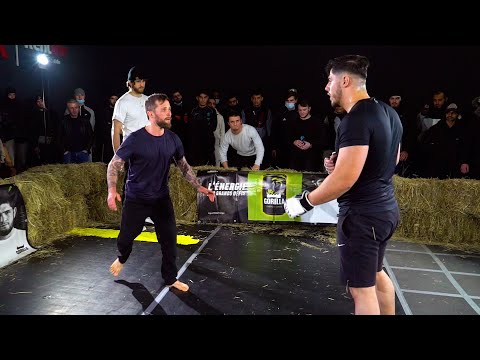
GITAN vs. 58kg: A Raw Display of Self-Defense's Brutal Reality

The roar of the crowd, the palpable tension before the bell, the glint of sweat under the arena lights – these are the hallmarks of combat sports. But what happens when the polished spectacle of the ring collides with the raw, unscripted chaos of a real-world confrontation? YFC #34 throws us headfirst into this very question with their bout featuring a 95kg "GITAN" against a 58kg opponent, billed as a self-defense scenario. As a seasoned practitioner and observer of martial arts, I approach this with a critical eye, seeking not just the thrill of the fight, but the underlying principles of self-preservation. Does this encounter offer genuine lessons, or is it merely another sensationalized spectacle? The year 2022 kicked off with YFC presenting a compelling event, and this first part focuses on a matchup that immediately sparks debate. While we dissect the effectiveness of techniques under pressure, it's also a moment to acknowledge the sponsors and platforms that support these events, making them accessible to us. For those looking to enhance their own physical conditioning, the promotion code "IBRA" for Myprotein offers a significant discount, a practical step towards achieving your fitness goals. Remember, peak physical condition is the first line of defense, both in sport and in life. Our journey into the world of Budo and Martial Arts continues with this YFC #34 encounter, published on January 22, 2022. This platform aims to be the most comprehensive and up-to-date resource on the internet for everything related to martial disciplines. We encourage you to follow us across social networks and, importantly, engage with our main page for a continuous stream of insights.
Let's cut through the fanfare and analyze the core of this confrontation. The disparity in weight is staggering: a 95kg individual against a 58kg opponent. In any form of combat, especially self-defense, weight is a significant factor, but it is not the sole determinant of survival. Strategy, technique, speed, and crucially, the mindset, play equally vital roles.

The Weight Disparity: A Tactical Nightmare or an Opportunity?

The immediate visual impression of a 37kg difference is one of overwhelming disadvantage for the lighter fighter. In traditional martial arts, this would often necessitate a different approach, emphasizing evasion, redirection, and exploiting the opponent's momentum. However, in a situation framed as "self-defense," the lines blur. Is the lighter fighter expected to stand and trade? Or is the heavier GITAN representing an aggressor whose sheer mass is part of the threat?

Principles of Engagement: Sport vs. Street

This is where the critical analysis must begin. Sporting events like YFC, while valuable for showcasing skill and conditioning, often operate under a specific ruleset. Self-defense, conversely, is a chaotic, unpredictable, and often unforgiving scenario where the only rule is survival. * **Sport:** Rules are defined, referees ensure safety, and the goal is typically victory within those parameters. Techniques are refined for efficiency and effectiveness within the controlled environment. * **Self-Defense:** No rules. The opponent's intent is often malicious, and the environment is uncontrolled. The objective is to neutralize the threat as quickly and effectively as possible, often with less concern for finesse and more for immediate incapacitation. The question then arises: how much of what we see in this YFC bout can be directly translated to real-world self-defense?
"The supreme art of war is to subdue the enemy without fighting." - Sun Tzu, The Art of War
While Sun Tzu's wisdom is profound, it's not always an option when confronted by an aggressor intent on harm. In such cases, the ability to defend oneself becomes paramount.

Analyzing the "GITAN" Fighter (95kg): The Unyielding Force

The heavier fighter, labeled "GITAN," represents the archetype of raw power. A 95kg individual possesses a significant advantage in terms of reach, striking power, and grappling leverage. In a self-defense context, this weight could be wielded as an intimidating force, capable of overwhelming an opponent through sheer pressure and impact. * **Potential Strengths:** Devastating strikes, ability to control an opponent on the ground, significant resistance to takedowns. * **Potential Weaknesses:** Slower movement, higher energy expenditure, potential for overconfidence, susceptibility to well-timed evasive maneuvers if not properly conditioned. When watching this fighter, I'd be looking for: * **Footwork:** Is he lumbering, or does he exhibit controlled movement? * **Punching Technique:** Are his strikes driven by body rotation and hip torque, or just arm strength? * **Grappling Defense:** If taken down, can he maintain positional control or escape effectively?

The Lighter Fighter (58kg): The Swift Predator

Conversely, the 58kg fighter faces an uphill battle in terms of physical confrontation. However, this weight class often cultivates attributes that can compensate for the deficit. Speed, agility, and technical precision become their greatest assets. * **Potential Strengths:** Superior speed and reflexes, ability to evade strikes, potential for quick, debilitating counter-attacks, often better conditioned for sustained effort. * **Potential Weaknesses:** Vulnerability to powerful strikes, difficulty in controlling a larger opponent in grappling, potential for being physically overpowered. For the lighter fighter, the strategy would likely revolve around: * **Movement:** Constant circling, feints, and evasive maneuvers to avoid direct confrontation and create openings. * **Precision Strikes:** Targeting vulnerable areas like the legs, head, and solar plexus with speed and accuracy. * **Timing:** Capitalizing on the heavier opponent's offensive movements to launch counter-attacks.

The "Self-Defense" Angle: A Critical Examination

This is where the narrative of "self-defense" becomes most contentious. If this is presented as a demonstration of self-defense, it carries a heavy burden of responsibility. Are the participants acting out a scenario, or are they genuinely trained individuals applying their skills under duress? The term "self-defense" implies a reactive, defensive posture against an unwarranted attack. The context of a pre-arranged fight, even one with a weight disparity, is fundamentally different. * **In a street confrontation:** There are no rounds, no judges, and no guarantees of survival. The element of surprise, the presence of weapons, and the psychological impact of genuine fear are factors absent from the controlled environment of a YFC event. * **The ethics of weight disparity:** While weight classes exist in sports to ensure fair competition, a self-defense scenario rarely offers such fairness. However, deliberately pitting a vastly larger individual against a much smaller one, under the guise of self-defense, can be seen as exploitative if not handled with extreme caution and clear educational intent. I would observe this fight with a keen eye for techniques that are: * **Direct and Efficient:** Techniques that require minimal setup and deliver maximum impact. * **Applicable in Confined Spaces:** Movements that don't rely on extensive room to maneuver. * **Effective Against Larger Opponents:** Strategies that neutralize size and strength differences.

Veredicto del Sensei: ¿Merece la pena?

This YFC bout between a 95kg GITAN and a 58kg opponent presents a fascinating, albeit challenging, case study. From a purely sporting perspective, the skill and courage displayed by both fighters are commendable. However, when framed through the lens of self-defense, it requires a more nuanced interpretation. The sheer weight difference is a stark reminder of the physical realities that can exist in a violent encounter. The lighter fighter's ability to survive and potentially "win" would hinge on superior speed, technique, and crucially, a clear understanding of how to exploit the larger opponent's weaknesses – perhaps by targeting the legs, controlling the distance, or using misdirection. The heavier fighter, conversely, demonstrates the power that can be generated by mass, but must be wary of expending too much energy or falling prey to a well-timed, precise counter. Does it offer valuable self-defense lessons? Potentially, yes. The lighter fighter's ability to evade and counter can be instructive. The heavier fighter's control and power illustrate the force one might face. However, it is crucial to remember that this is a *simulated* confrontation. Real self-defense situations are far more unpredictable and dangerous. It’s a compelling watch, but viewers should approach it with critical thinking, distinguishing between sport and the brutal realities of street survival. **Rating:** Cinturón Negro en Demostración de Disparidad de Peso, pero... ¿Cinturón Azul en Auténtica Aplicación de Autodefensa Callejera?

Equipo Esencial para tu Entrenamiento

While this bout showcases individuals, your personal martial arts journey requires the right tools. Investing in quality gear not only enhances your training but also ensures your safety. For those looking to develop their skills, consider the following: * **Kimono/Gi:** A durable double-weave Gi is essential for Judo and BJJ, offering resistance during grappling. For Karate, a lighter, more traditional Gi allows for greater freedom of movement. * **Boxing Gloves:** For striking arts like Karate, Kickboxing, or MMA, a good pair of 10-16oz gloves is vital for protection during sparring. * **Shin Guards:** Crucial for Muay Thai and Kickboxing to protect against powerful kicks. * **Mouthguard:** Non-negotiable for any form of sparring or combat to protect your teeth and jaw. * **Training Partner:** The most important piece of equipment. A consistent, dedicated partner pushes you to improve.

Guía de Entrenamiento: Principios de Evasión y Contraataque

For the lighter fighter, or anyone facing a larger adversary, mastering evasion and counter-attack is key. Here’s a foundational approach:
  1. Paso de Evasión (Surikomi): Practice shifting your weight to the side as an opponent attacks, moving your head off the line of aggression. Imagine a boxer slipping a punch.
  2. Golpe de Reacción: Immediately after evading, launch a counter-strike. This could be a sharp jab, a low kick to the thigh, or a knee to the body if in close quarters. The element of surprise is your greatest ally.
  3. Control de Distancia: Use footwork to maintain an optimal distance where you can strike effectively but are difficult to reach. Don't get cornered.
  4. Objetivos Inteligentes: Focus on sensitive targets that can quickly disable a larger opponent: eyes, throat, groin (if legally permissible in your context), knees, and solar plexus.
  5. Simulación de Presión: Train with partners who apply constant pressure, forcing you to constantly evade and counter. This builds the reflex and conditioning needed for real confrontations.
"Know your enemy and know yourself, and you need not fear the result of a hundred battles." - Sun Tzu
This principle is especially relevant when considering the weight disparity. Understanding your own limitations and your opponent's strengths and weaknesses is fundamental.

Recursos para Profundizar

To truly understand the nuances of martial arts and combat, continuous learning is essential. Explore these resources:
  • Artes Marciales: Explore the vast landscape of different styles and their philosophies.
  • BUDO: Delve into the Way of the Warrior and the ethical principles that underpin martial disciplines.
  • Defensa Personal: Learn practical techniques for real-world survival scenarios.
  • Fight Analysis: Break down techniques and strategies from professional bouts.

Preguntas Frecuentes

What is the significance of the weight difference in YFC #34?

The 37kg weight difference is a critical factor, presenting a substantial physical advantage to the 95kg fighter. It forces the lighter fighter to rely heavily on speed, technique, and strategic evasion rather than brute force.

Can techniques used in this fight be applied to real self-defense?

Potentially, yes. Techniques that are efficient, direct, and target vulnerable areas can be applicable. However, it's crucial to remember that the controlled environment of a fight event differs significantly from the unpredictability and danger of a street confrontation.

What martial arts principles are most relevant for a lighter fighter facing a heavier opponent?

Principles such as superior footwork, precise counter-striking, understanding timing, and targeting weak points are vital for a lighter individual facing a larger adversary. Evasion and redirection are often more effective than attempting to match strength.

How does YFC #34 differ from a real self-defense situation?

YFC #34, like most combat sports events, operates under a set of rules, with trained officials and a generally understood objective of victory within the match. A real self-defense scenario is lawless, unpredictable, and the sole aim is survival against an often malicious threat, potentially involving weapons and environmental hazards.

Para Profundizar en tu Camino

Reflexión del Sensei: Tu Próximo Paso

We have dissected the physical confrontation, analyzed the strategic implications, and questioned the very notion of "self-defense" in a staged event. Now, I pose this to you: In the crucible of real-world conflict, is it the weight of your opponent that dictates your fate, or the weight of your preparation and your spirit? How do you cultivate that inner fortitude when the roar of the crowd fades, and only the primal instinct to survive remains? Meditate on this. ``` GEMINI_METADESC: A critical analysis of YFC #34: GITAN (95kg) vs. 58kg, exploring self-defense principles, weight disparity, and fight strategy from a martial arts perspective.

7 Martial Arts That Truly Deliver in Self-Defense

As a seasoned practitioner and observer of the martial way, I've witnessed countless individuals drawn to the dojo for a singular, primal purpose: survival. While the pursuit of physical fitness, mental discipline, or spiritual enlightenment are noble aims, the core of martial arts for many, especially the uninitiated, often boils down to a more visceral question: "Will this actually protect me when things get dangerous?" It's a valid concern, a fundamental inquiry that separates the philosophical from the practical. Not all styles are created equal when the rubber meets the road – or rather, when fists fly. My own journey, marked by countless hours on the tatami, in the ring, and observing the brutal ballet of combat, has shown me that while *any* martial art can be a deterrent, some are inherently designed with a more direct, no-nonsense application for self-defense. Today, we delve into not just seven disciplines, but seven philosophies of combat that have proven their mettle in situations where mere technique isn't enough; where survival is the only prize. This isn't about flashy moves or theatrical katas; it's about efficacy, about principles that translate from the training floor to the unforgiving reality of street confrontation.

Table of Contents

Introduction: The Pragmatic Warrior

The question of survival is as old as humanity itself. For centuries, martial arts have evolved not just as forms of combat, but as systems of self-preservation. In today's world, where threats can manifest in unexpected ways, the ability to defend oneself is not a luxury; it's a fundamental requirement for peace of mind. But with a dizzying array of styles available, how does one choose the martial art that will best equip them for real-world confrontations? This exploration aims to cut through the noise and highlight disciplines that prioritize practical application, brutal efficiency, and proven effectiveness. Forget the mystical aura; we're talking about survival tools honed through rigorous training and tested under pressure.

What Makes a Martial Art Truly Effective for Self-Defense?

Before we dive into specific styles, let's establish the bedrock principles that define a martial art's efficacy in a self-defense scenario. It's not about how many forms you can perform or how high you can kick. It's about:
  • Directness and Simplicity: Complex techniques often fail under duress. Effective self-defense relies on simple, decisive actions.
  • Realism in Training: Sparring should simulate actual threats, not choreographed performances. Resistance is key.
  • Adaptability: The ability to handle various situations, ranges of combat (standing, ground, weapons), and types of opponents.
  • Focus on Vulnerable Targets: Understanding anatomy and knowing where to strike for maximum effect.
  • Mindset and Aggression Control: The psychological preparation to act decisively and the discipline to avoid excessive force.
These are the lenses through which we will examine our chosen disciplines. A martial art that checks these boxes is one that truly prepares you for the unexpected.

1. Krav Maga: The Uncompromising Israeli System

Originating from the streets of Israel, Krav Maga is less a traditional martial art and more a combat system. It was developed for the Israel Defense Forces (IDF) and focuses on practical, real-world situations.
  • Core Principles: Simultaneous defense and attack, aggression, and exploiting an attacker's weaknesses.
  • Effectiveness: It teaches how to defend against common attacks, including multiple assailants, armed assaults, and brutal grabs. The emphasis is on quick neutralization of the threat.
  • Training Style: Highly intense, stress-induced drills designed to replicate the adrenaline and chaos of a real fight.
  • Philosophical Take: "The best defense is to end the fight as quickly as possible." There's no room for honor or etiquette when your life is on the line.
"In Krav Maga, there are no rules. Only survival."
For those seeking a no-holds-barred approach to self-defense that prioritizes immediate threat cessation, Krav Maga stands as a formidable choice. You won't find graceful katas here, but you will find a direct path to protecting yourself.

2. Muay Thai: The Art of Eight Limbs

The national sport of Thailand, Muay Thai, is renowned for its devastating power and comprehensive striking. It utilizes fists, elbows, knees, and shins, making it a complete arsenal for stand-up combat.
  • Core Principles: Utilizing all eight limbs for offense and defense, strong clinch work, and devastating kicks and knee strikes.
  • Effectiveness: Its conditioning and power generation make it incredibly effective in close-range combat. The clinch allows for control and the delivery of painful knee and elbow strikes.
  • Training Style: Intense physical conditioning, heavy bag work, pad drills, and sparring that emphasizes power and resilience.
  • Philosophical Take: Muay Thai embodies resilience and relentless pressure. It teaches practitioners to endure and to strike with full commitment.
"The body is your weapon. Every part of it is capable of inflicting damage. Use them all."
While primarily a striking art, the conditioning and close-quarters fighting prowess gained from Muay Thai are invaluable for self-defense. If you're looking to develop power and the ability to control an opponent at close range, Muay Thai is unparalleled.

3. Brazilian Jiu-Jitsu (BJJ): The Ground Game Dominator

Developed from Judo and traditional Japanese Jiu-Jitsu, BJJ focuses on grappling and ground fighting. Its effectiveness lies in its ability to allow a smaller, weaker person to overcome a larger, stronger attacker through leverage and technique.
  • Core Principles: Taking the fight to the ground, controlling the opponent, and applying submissions (chokes and joint locks).
  • Effectiveness: In a street fight, the confrontation often ends up on the ground. BJJ provides the skills to control, dominate, and submit an opponent in this scenario, even if they are significantly larger.
  • Training Style: Live rolling (sparring) is a cornerstone, teaching practitioners to apply techniques under pressure and develop a high level of grappling proficiency.
  • Philosophical Take: Jiu-Jitsu teaches humility and problem-solving under extreme physical and mental stress. It's often said, "If you don't know Jiu-Jitsu, you'd better hope you win the lottery."
The importance of grappling in self-defense cannot be overstated. BJJ offers a systematic approach to controlling the most common fight scenario. For anyone concerned about facing a larger aggressor, BJJ is a critical skill.

4. Kali/Eskrima/Arnis: The Weaponized Art

Hailing from the Philippines, Kali (also known as Eskrima or Arnis) is a comprehensive martial art that emphasizes weapon-based combat – sticks, knives, and empty hands.
  • Core Principles: Flowing, continuous movements, transition between empty-hand combat and weapon usage, and devastatingly effective strikes aimed at vital points.
  • Effectiveness: Its practical application against armed assailants makes it a top choice for self-defense. Training with weapons translates surprisingly well to empty-hand techniques.
  • Training Style: Repetitive drills focusing on angles of attack, footwork, and integration of weapon and empty-hand skills.
  • Philosophical Take: Adaptability and preparedness. Kali teaches you to use whatever is at hand as a tool for defense, emphasizing flow and responsiveness.
"In the Philippines, we don't distinguish between armed and unarmed combat. They are one and the same."
If you want to be prepared for the grim reality of weapon-based threats, Kali provides a direct and brutal curriculum. Its focus on angles and flow makes it incredibly practical.

5. Wing Chun: The Efficient Southern Chinese Art

Wing Chun is a concept-based martial art originating from Southern China, famously associated with Ip Man, Bruce Lee's teacher. It emphasizes efficiency, directness, and simultaneous blocking and striking.
  • Core Principles: Centerline theory, economy of motion, simultaneous block-and-strike, and sensitivity (sticking hands).
  • Effectiveness: Its focus on close-range combat, trapping, and rapid-fire strikes makes it highly effective in confined spaces and against aggressive opponents. It teaches practitioners to generate power from structure rather than brute force.
  • Training Style: Forms (Siu Nim Tao, Chum Kiu, Biu Jee), sticky hands drills (Chi Sao), and controlled sparring.
  • Philosophical Take: "Directness is the path. Stick to the center." Wing Chun teaches you to be economical with your movements and to exploit the opponent's structure.
Wing Chun's emphasis on practicality and efficiency makes it a strong contender for self-defense, particularly for those who may not possess overwhelming physical strength.

6. Judo: The Gentle Way of Leverage and Control

Founded by Jigoro Kano, Judo is a grappling-based martial art derived from Japanese Jiu-Jitsu. While often seen as a sport, its core principles are deeply rooted in self-defense.
  • Core Principles: Maximum efficiency, mutual welfare and benefit, using an opponent's force and momentum against them.
  • Effectiveness: Judo excels at throws and takedowns, but also teaches crucial groundwork (pins, chokes, and joint locks). It develops balance, coordination, and the ability to control an opponent's body.
  • Training Style: Randori (free practice/sparring) is central, simulating real combat scenarios, alongside specific technique practice and falling skills (Ukemi).
  • Philosophical Take: "Jitsu is the way of yielding, of gentleness. By softness, you can overcome hardness." Judo teaches you to use an attacker's energy and aggression against them.
The ability to unbalance and throw an opponent can neutralize a threat instantly. Judo's focus on leverage and control makes it a powerful tool for self-defense, especially when facing larger opponents.

7. Mixed Martial Arts (MMA): The Ultimate Synthesis

MMA is not a single martial art but a combat sport that allows a wide variety of striking and grappling techniques. Practitioners often cross-train in multiple disciplines to become well-rounded fighters.
  • Core Principles: Combining striking (like Muay Thai, Boxing, Karate) with grappling (like BJJ, Wrestling, Judo) to be effective in all ranges of combat.
  • Effectiveness: MMA fighters are trained to handle virtually any situation that arises in a fight, making them highly adaptable and dangerous. The comprehensive training addresses striking, clinching, takedowns, and ground fighting.
  • Training Style: Cross-training across disciplines, heavy sparring, conditioning, and strategic fight preparation.
  • Philosophical Take: "There are no rules in a street fight, but there are rules for survival." MMA fighters learn to adapt and overcome, drawing from the strengths of multiple arts.
While MMA is a sport, the skills developed by MMA athletes are incredibly applicable to self-defense. Their ability to transition between striking and grappling, combined with rigorous conditioning, makes them formidable. For a practical, all-around self-defense system, training in an MMA environment is hard to beat.

Essential Gear for Your Training

To truly maximize your progress in any martial art, having the right equipment is crucial. Investing in quality gear not only enhances your training experience but also provides necessary protection.
  • Protective Gear: Mouthguards are non-negotiable for any sparring. Headgear and shin guards are essential for striking arts like Muay Thai or Karate to prevent injuries.
  • Training Uniforms (Gi/Kimono): For Judo and BJJ, a durable gi is paramount. Look for double-weave for BJJ for longevity. For striking arts, comfortable shorts and t-shirts are usually sufficient, though some Karate styles require specific gis.
  • Sparring Gloves: If you're engaging in striking, quality sparring gloves (14-16 oz recommended for training) are vital for hand protection.
  • Training Partners: Perhaps the most crucial "gear" is a dedicated training partner or a good gym with a supportive community. Consistent resistance is key to developing real-world skills.
  • Optional: A training dummy for solo practice or a makiwara if your art incorporates it can be beneficial.
Remember, quality equipment is an investment in your safety and development as a martial artist. Consider looking into specific Karate merchandise or MMA gear tailored to your chosen discipline.

Frequently Asked Questions

Do I need to be in great shape to start?

No, absolutely not. Most martial arts schools are equipped to take beginners and help them build their fitness as they learn. The training itself will improve your conditioning.

Which art is best for women's self-defense?

All martial arts can be effective for women. However, styles like Krav Maga, BJJ, and Judo are often highlighted for their emphasis on leverage and neutralizing larger opponents, making them particularly well-suited.

How long does it take to become proficient in self-defense?

Proficiency varies, but with consistent training (2-3 times a week) in a practical art like Krav Maga or BJJ, you can expect to develop a solid foundation for self-defense within 6-12 months. True mastery takes a lifetime.

What if I'm afraid of getting hurt?

It's natural to have reservations. Good instructors prioritize safety and teach progressively. The goal is to learn to control your fear and react effectively, not to embrace unnecessary injury.

Is striking or grappling more important for self-defense?

Both are crucial. A comprehensive system like MMA or cross-training combines the best of both worlds, allowing you to defend yourself effectively whether the fight stays standing or goes to the ground.

For Profundizar en tu Camino

Sensei's Reflection: Your Next Step

The path to effective self-defense is paved with dedication and the right choices. These seven martial arts offer proven methodologies, but remember, the effectiveness of any art is ultimately determined by the practitioner and their commitment to realistic training. A flashy technique practiced in isolation is useless; a simple principle drilled relentlessly becomes a powerful tool. Now, consider this: Is your current training regimen truly preparing you for the chaos of a real-world encounter, or are you merely going through the motions? Have you tested your skills against willing, resisting opponents? The dojo is a laboratory, but the real world is the ultimate test. What fears hold you back from engaging in more realistic training? And more importantly, what are you willing to do to overcome them? Answer me this: If your life depended on it, could you defend yourself right now? The time to truly prepare is always before the storm, not during it. GEMINI_METADESC: Explore 7 highly effective martial arts for self-defense: Krav Maga, Muay Thai, BJJ, Kali, Wing Chun, Judo, and MMA. Learn what makes them practical for real-world threats.

Traditional Martial Artist vs. Fighter vs. Self-Defense Expert: A Sensei's Unflinching Analysis

Hello and welcome, aspiring warriors and seasoned practitioners. Today, we tackle a question that echoes through dojos, gyms, and the streets: What truly defines a martial artist? Are you a custodian of ancient traditions, a relentless competitor in the arena of combat sports, or a pragmatic expert in the harsh realities of self-defense? Or perhaps, a confluence of all three?

This is not a question for the faint of heart, nor one with a simple, universally accepted answer. The paths diverge, each demanding unique skills, philosophies, and sacrifices. Many enter the martial world seeking one, only to find themselves drawn to another. Some attempt to master all, a feat requiring extraordinary dedication and a clear understanding of their ultimate goals.

In this analysis, we will dissect these distinct archetypes, exposing their core principles, their strengths, their limitations, and the very essence of their practice. Prepare yourselves, for we will not shy away from controversy, and we will demand introspection. This is for YOU, the dedicated individual seeking clarity on your own journey.

The Guardian of Tradition: The Traditional Martial Artist

The traditional martial artist is often seen as the keeper of flame. Their path is steeped in history, culture, and a philosophy that transcends mere physical combat. Arts like Karate-do, traditional Kung Fu styles (e.g., Shaolin, Wing Chun), Judo, Aikido, or Kendo fall under this umbrella.

Core Principles:

  • Discipline and Respect: The dojo is a sanctuary. Respect for the master, training partners, and the art itself is paramount.
  • Character Development: The goal is not just to win fights, but to forge a better person. Concepts like Mushin (no mind), Zanshin (continuous awareness), and Seiryoku Zenyo (maximum efficiency, minimum effort) are central.
  • Holistic Training: This includes physical conditioning, technical mastery, mental fortitude, and often, spiritual or philosophical growth.
  • Preservation of Techniques: Katas, forms, and traditional drills are meticulously practiced, not just for their combat application, but as a historical record and a method of cultivating intricate body mechanics.

The Question of Efficacy:

Herein lies the great debate, the very fire that ignites passionate arguments. "Does traditional Karate really work in a street fight?" "Is Aikido just beautiful movement with no practical application?" These are valid questions, often posed by those who have only a superficial understanding or by fighters who have tested their skills against real-world aggression.

The truth, as always, is nuanced. Traditional arts were developed in specific socio-historical contexts. Many have evolved, consciously or unconsciously, away from direct combat efficacy towards sport or self-perfection. However, to dismiss them entirely is a grave error. The underlying principles of body mechanics, balance, timing, and focus are timeless.

"The ultimate aim of martial arts is not the victory or defeat, but the perfection of the human character." - Often attributed to Okinawan Karate masters.

The efficacy often lies not in the direct replication of a kata against a trained attacker, but in the profound internal development that traditional training fosters. It cultivates a resilient mind, an observant spirit, and a body trained to move with efficiency. The direct application may require adaptation, blending, and a willingness to engage with modern realities, but the foundation is invaluable.

The Unforgiving Arena: The Fighter

The fighter, in contrast, exists primarily in the realm of competition. Think of Mixed Martial Arts (MMA), Boxing, Kickboxing, Brazilian Jiu-Jitsu (BJJ) grappling tournaments, Muay Thai, or even competitive Judo.

Core Principles:

  • Dominance and Victory: The primary objective is to defeat an opponent within a rule set.
  • Specialization and Adaptation: Fighters often specialize in certain ranges or disciplines (striking, grappling) but must also develop a broad skill set to compete in formats like MMA.
  • Performance Under Pressure: Training is geared towards simulating fight conditions – stress, fatigue, and the adrenaline rush.
  • Rule-Based Efficacy: Techniques are honed for effectiveness within the established rules of the sport, which often preclude certain dangerous tactics for safety and spectacle.

The Modern Warrior:

The modern fighter is a testament to intense physical conditioning, strategic thinking, and an unwavering competitive spirit. They are the gladiators of our age, displaying incredible athleticism and bravery. The skills developed in these disciplines are undeniably potent in a one-on-one confrontation, especially when the rules are absent.

However, the fighter's mindset is predominantly competitive. Their training, while rigorous, is often focused on overcoming a specific opponent within a defined framework. This can sometimes lead to a gap when confronted with the chaotic, unpredictable nature of real-world violence. A skilled boxer might struggle with a determined wrestler who takes them down, or an MMA fighter might find their grappling defense insufficient against an untrained assailant's desperate, wild attack.

The emphasis on sport also means that certain highly effective, yet dangerous, techniques from traditional arts (e.g., vital point strikes, joint manipulations intended to maim) are often excluded or downplayed.

Survival Instinct: The Self-Defense Expert

The self-defense expert operates under a different, and arguably more critical, mandate: survival. This practitioner focuses on the most efficient and effective ways to neutralize a threat and escape danger, regardless of the opponent's skill level or the context.

Core Principles:

  • Threat Assessment and De-escalation: The first line of defense is avoiding conflict. Awareness, avoidance, and verbal de-escalation are crucial.
  • Simplicity and Directness: Techniques must be easy to learn, remember, and execute under extreme stress. Complex sequences are liabilities.
  • Gross Motor Skills: Training focuses on movements that are effective even when adrenaline is high and fine motor skills are compromised.
  • No Rules, No Holds Barred: The goal is to end the threat as quickly as possible, using any means necessary, including less conventional or "dirty" tactics if legally justifiable.
  • Focus on Vulnerable Targets: Eyes, throat, groin, knees – areas that can quickly incapacitate an attacker are prime targets.

The Pragmatist:

Self-defense is not about looking good or winning points; it's about getting home safe. Experts in this field often draw from a diverse pool of knowledge, incorporating elements from various martial arts, tactical training, and even psychology. They understand that a street confrontation is not a match. It's a violent encounter where the stakes are life and death.

"In a real fight, there are no referees. The only goal is to survive." - A common sentiment among self-defense instructors.

The challenge for the self-defense expert is maintaining a keen edge. Without the regular pressure of competition or the structured refinement of traditional practice, skills can atrophy. Furthermore, the legal ramifications of using excessive force are a constant consideration.

The Overlap and the Synergy: Where Paths Converge

It is a fallacy to believe these categories are mutually exclusive. The most formidable martial artists often possess elements of all three.

  • The Fighter with Traditional Roots: Many elite MMA fighters have backgrounds in Karate, Judo, or Taekwondo. They leverage the power, balance, and discipline learned in these arts, adapting them to the modern combat sports environment. Think of Jon Jones’s devastating use of oblique kicks, a technique with roots in traditional striking.
  • The Traditionalist who Competes: Some traditional martial artists actively participate in sport-based competitions (e.g., Karate kumite, Judo randori) to test and refine their techniques. This often leads to a more dynamic and practical expression of their art.
  • The Self-Defense Expert's Diverse Toolkit: A true self-defense expert will likely have studied striking (boxing, Muay Thai), grappling (BJJ, wrestling), and perhaps even weapon defenses, integrating the most effective tools for survival. They might also understand the psychological conditioning cultivated in traditional arts.

The synergy arises when one understands the principles behind the techniques, not just the techniques themselves. Balance, timing, leverage, commitment, and mental fortitude are universal. A fighter can learn the importance of character from a traditional master; a traditionalist can gain a sharper edge in application from a fighter; and both can benefit from the pragmatic, survival-oriented mindset of a self-defense expert.

Choosing Your Path, Or Forging a New One

So, which path is right for you? The answer depends entirely on your personal goals:

  • For Character and Lifelong Development: Embrace the path of the Traditional Martial Artist. Seek arts that emphasize philosophy, discipline, and self-improvement alongside physical training.
  • For Competition and Physical Prowess: Become a Fighter. Dive into MMA, boxing, grappling, or Muay Thai. Test your mettle against others and push your physical limits.
  • For Practical Survival: Focus on Self-Defense. Seek out reputable programs that prioritize realistic scenarios, de-escalation, and effective, simple techniques for ending threats.

However, do not be confined by these labels. The greatest masters often transcend them. They study tradition, they compete to hone their skills, and they understand the grim realities of violence. They forge their own path, a testament to their dedication and adaptability.

Veredicto del Sensei: ¿Arte Marcial o Espectáculo?

From my vantage point, steeped in decades of observation and practice, the distinction is crucial. Traditional martial arts, when taught with integrity, offer a profound path to self-mastery and character refinement. They are a living history. However, to survive in the modern world, one must acknowledge the evolution of combat.

The fighter pushes the boundaries of human performance within competitive frameworks. Their dedication is admirable, and their skills are undeniably potent. Yet, often, the emphasis shifts from self-perfection to victory, sometimes at the expense of deeper philosophical underpinnings.

Self-defense, on the other hand, is a stark, unforgiving mirror reflecting the brutal realities that exist outside the dojo or arena. It demands practicality above all else.

My ultimate judgment? True mastery lies in understanding the essence of each. It is about cultivating the discipline and philosophy of the traditionalist, possessing the effectiveness and pressure-tested skills of the fighter, and maintaining the pragmatic, survival-oriented mindset of the self-defense expert. The goal is not to be *just* one, but to integrate the most potent elements from all, creating a well-rounded, adaptable individual ready for any challenge life may present.

Cinturón Negro en Perspectiva Crítica. El espectáculo tiene su lugar, pero la profundidad del arte marcial reside en la aplicación integral de sus principios.

Equipo Esencial para tu Entrenamiento

Regardless of the path you choose, certain equipment can significantly enhance your training and understanding. Investing wisely is part of your commitment.

  • Gi/Kimono: Essential for Judo and Brazilian Jiu-Jitsu. For Karate and Taekwondo, a durable, lightweight gi is standard. Look for double-weave options for BJJ for longevity.
  • Boxing Gloves: Crucial for striking arts like Boxing, Kickboxing, and Muay Thai. A 16oz pair is standard for sparring, offering good knuckle protection.
  • Shin Guards & Mouthguard: Non-negotiable for sparring in kickboxing and MMA to prevent injuries.
  • Training Partner: While solo training is vital, a consistent, skilled training partner is invaluable for pressure testing techniques and sparring.
  • Training Dummy (e.g., BOB): Useful for practicing striking combinations and some grappling entries without a partner.
  • Protective Cup: Essential for any training involving grappling or full-contact striking.
  • Budo & Martial Arts Books: For those focused on tradition and philosophy, foundational texts on Bushido or specific martial philosophies are indispensable.

Guía de Entrenamiento: Integrando Conceptos

To bridge the gap between these archetypes, consider incorporating the following into your training:

  1. Morning Meditation (Zen Spirit): Dedicate 10-15 minutes each morning to Zazen or mindful breathing. Cultivate focus, stillness, and self-awareness – foundational for all martial paths.
  2. Sparring with Varied Partners: Seek out training partners with different backgrounds – a traditional Karateka, a BJJ practitioner, a boxer. This exposes you to diverse strategies and techniques.
  3. Scenario-Based Drills: Practice self-defense scenarios. Start with awareness, move to verbal de-escalation, and then to physical response. Focus on escaping and controlling the situation, not prolonged combat.
  4. Kata/Form Study with Application Focus: If you practice traditional forms, actively analyze the potential combat applications. Discuss with your instructor and training partners how these movements could be adapted for modern threats or competitive scenarios.
  5. Conditioning for All Ranges: Ensure your conditioning program includes strength, cardiovascular endurance, and explosive power relevant to both striking and grappling. Include drills that simulate fatigue under stress.
  6. Study the Rulesets: If you compete, understand your sport's rules. If you focus on self-defense, understand the legal aspects of using force. This intellectual discipline is part of martial prowess.

Preguntas Frecuentes

  1. Can a traditional martial artist realistically defend themselves against a modern fighter?

    It depends on the individual's training, adaptation, and the specific context. A highly skilled traditionalist with practical application training can be effective, but they must be willing to adapt their techniques beyond stylized forms.

  2. Is MMA the most effective form of self-defense?

    MMA is incredibly effective for one-on-one combat within its rule set. However, real-world self-defense involves unpredictable variables (multiple attackers, weapons, environmental hazards) that MMA training alone may not fully address. Pure self-defense systems often prioritize de-escalation and escape more heavily.

  3. Is it possible to excel in all three areas simultaneously?

    It is extremely challenging due to the time and specialization required for each. However, by focusing on the underlying principles and integrating cross-training, one can develop a comprehensive skillset that draws from all three disciplines.

  4. What is the role of 'Ki' or 'Chi' in these different disciplines?

    In traditional arts, 'Ki' is often seen as vital life force, cultivated for internal strength, health, and advanced techniques (e.g., Aikido's power generation). In competitive fighting, the concept is often less emphasized, with focus placed on tangible biomechanics and energy systems. Self-defense practitioners may view it as the mental energy and resolve needed to survive a threat.

Para Profundizar en tu Camino

Reflexión del Sensei: Tu Próximo Paso

The journey through the martial world is not a destination, but an ongoing process of discovery and refinement. You have been presented with the distinct paths of the traditionalist, the fighter, and the self-defense expert. But these are not immutable castes; they are facets of a larger diamond.

Consider this: If your life were suddenly in danger, and the only tool you possessed was the culmination of your training, would it be enough? Would it be efficient? Would it be decisive? Would it reflect the character you strive to embody?

Now, look inward. Where does your current training lead you? Are you merely performing techniques, or are you forging a resilient spirit? Are you preparing for a competition, or for the unforgiving unpredictability of life itself? The answer lies not in the style you practice, but in the depth of your understanding and the unwavering commitment to your own evolution.

Do not simply *practice* martial arts. Live them. Integrate them. Become a student of life, a warrior of principle, and a guardian of your own destiny. The true art is not in the punch or the kick, but in the wisdom you gain along the way.

``` GEMINI_METADESC: Explore the critical differences between traditional martial artists, competitive fighters, and self-defense experts. Which path aligns with your goals? A deep dive by Sensei.