Showing posts sorted by relevance for query Fist Analysis. Sort by date Show all posts

The Wu-Tang Collection: A Ninja's Vengeance (Leopard Fist Ninja) - A Martial Film Critic's Analysis

The phrase "Wu-Tang Collection" conjures images of gritty, low-budget martial arts films that have, against all odds, carved out a cult following. "Leopard Fist Ninja," also known as "The Great Ninja Revenge," is a prime example of this phenomenon. But does this particular cinematic offering from director Godfrey Ho deserve its place in the hallowed, albeit dusty, halls of martial film appreciation? As a Sensei who has spent a lifetime dissecting the principles of Budo and their cinematic representation, I approach this film not just as a viewer, but as a critic of the martial spirit itself.

The Allure of the Gritty Ninja

We've all felt the pull. The solitary warrior, wronged and driven by an unyielding desire for retribution. The ninja, cloaked in mystery, a master of stealth and deadly precision. These tropes, while often sensationalized, tap into a primal narrative of justice and personal struggle. Godfrey Ho, a name synonymous with prolific output rather than artistic finesse, frequently explored these themes. "Leopard Fist Ninja" is a journey into his unique, and often baffling, cinematic universe.

The core premise is simple, yet potent: an orphaned combatant dedicating his existence to avenging the murder of his parents. It's a classic setup, one that promises action, drama, and a deep dive into the warrior's psyche. But as any seasoned practitioner knows, the path of the warrior is rarely as straightforward as the plot summary suggests. The true test lies in the execution, in the sincerity of the martial arts portrayed, and the underlying philosophy that guides the protagonist's actions.

Film Overview: A Quest for Vengeance

Directed by the prolific Godfrey Ho, "Leopard Fist Ninja" presents a narrative of a warrior, orphaned from birth, who devotes his life to seeking revenge against the murderer of his parents. The plot unfolds as the protagonist finally confronts his nemesis, only to discover that his enemy is not only prepared but commands an army of ruthless warriors. The film stars Chuck Horry, Chung Wok, Jack Lam, and Willie Freeman, names that, while perhaps not household martial arts icons, are familiar to fans of this particular genre of film.

The central conflict is clear: man versus an organized force, driven by a personal vendetta. This setup allows for numerous encounters, providing opportunities to showcase various martial arts techniques. However, as with many of Ho's productions, the budget and production values are characteristically modest. This often leads to creative, if sometimes unconventional, solutions in storytelling and action choreography. The "Leopard Fist" moniker itself suggests a specific style of combat – perhaps one characterized by swift, decisive strikes and agile movements, reminiscent of the leopard's hunting prowess.

Martial Arts Analysis: Choreography and Authenticity

Now, let's get to the heart of the matter: the martial arts. When reviewing a film like "Leopard Fist Ninja," my focus shifts immediately to the authenticity and execution of the combat. Godfrey Ho's films are notorious for their eclectic and often bizarre fight sequences. We are not looking for the refined artistry of a Yakuza film or the pristine technique of a K-1 bout. Instead, we are examining the *intent* behind the movements, the *spirit* of the combat, and whether the choreography, however simple, conveys a sense of genuine martial application.

The "Leopard Fist" style, as suggested by the title, should ideally incorporate rapid-fire hand strikes, low stances for stability, and evasive maneuvers. In films of this era and budget, we often see a blend of various styles, sometimes loosely stitched together. I will be looking for:

  • Pacing of Combat: Are the fights too slow, too fast, or does the rhythm feel natural?
  • Strike Realism: Do the punches and kicks look like they have impact, or are they telegraphed and soft?
  • Footwork and Stance: Does the fighter maintain a stable base? Is there evidence of effective evasion and footwork, crucial for a "ninja" persona?
  • Weaponry: If weapons are used (as is common with ninjas), how are they handled? Is there any attempt at practical application or just flashy display?

It's important to approach these films with a critical, yet open, mind. While the choreography may not reach the heights of a Bruce Lee or a Jackie Chan, there's often a raw energy that can be appreciated if one understands the context of its creation. The goal is to determine if the *spirit* of martial arts is present, even if the technique is imperfect.

Philosophical Underpinnings: The Warrior's Path

Beyond the fists and feet, the true essence of martial arts lies in its philosophy. The narrative of a warrior dedicating his life to revenge is a potent, albeit often problematic, exploration of the warrior's path. Is this vengeance a noble pursuit of justice, or a descent into darkness that consumes the individual?

The concept of Bushido, the way of the warrior, emphasizes loyalty, self-discipline, and honor. While revenge is a powerful motivator, it can easily lead a warrior astray from these principles. Does our protagonist exhibit the discipline to control his rage? Does his quest for vengeance ultimately lead him to compromise his own moral code? These are the questions that elevate a simple action film into a more profound commentary on the martial way.

A true martial artist understands that the greatest battles are often fought within. The external conflict with an enemy is merely a reflection of the internal struggle. In "Leopard Fist Ninja," I will be observing if any glimmers of this internal struggle are present. Does the protagonist show signs of growth or self-awareness, or is he merely a vessel for programmed violence? The answer will reveal much about the film's true martial depth.

"The supreme art of war is to subdue the enemy without fighting." - Sun Tzu, The Art of War. While this film is about fighting, the question remains: can the protagonist achieve his ultimate goal through sheer force, or is there a deeper strategy at play?

Directorial Style and The "Godfrey Ho" Stamp

Godfrey Ho was a filmmaker who understood volume. His prolific output meant that quality control was often secondary to quantity. This often resulted in films with jarring edits, nonsensical plot points, and recycled footage. Yet, there's an undeniable charm to this chaotic creativity. His films often feel like fever dreams, where logic takes a backseat to a relentless drive to present *something* on screen.

For "Leopard Fist Ninja," we can expect a certain level of kinetic energy, driven by the rapid-fire editing and a constant barrage of action. The soundtrack might be eclectic, jumping from dramatic orchestral scores to bizarre synth-pop. The dialogue can be stilted, and character motivations may seem simplistic. However, these elements, when viewed through the lens of cult appreciation, become part of the film's unique identity. It's about embracing the B-movie charm and finding the art within the apparent artlessness.

The integration of footage, a common Ho tactic, might also be present. He was known for reshooting scenes and intercutting them with existing footage from other films, creating a Frankensteinian cinematic experience. This approach, while technically questionable, adds to the unpredictable nature of his work.

Veredicto del Sensei: Is it a True Masterpiece or Just Another Ninja Flick?

After dissecting "Leopard Fist Ninja," I must deliver my verdict. This film is, without a doubt, a product of the "Godfrey Ho School of Filmmaking." It possesses that signature blend of raw ambition, questionable execution, and an unwavering commitment to delivering martial arts action, however imperfect. The choreography, while not groundbreaking, carries a certain unpretentious energy. The "Leopard Fist" style, while not deeply explored, is present in the flurry of strikes that aim for the feeling of rapid aggression.

The narrative of vengeance is a classic, and the film sticks to its guns, offering a clear protagonist and antagonist. However, it largely eschews any profound philosophical exploration of the warrior's path, opting instead for a more straightforward, action-driven plot. The internal struggle of the protagonist remains largely underdeveloped.

Is it a "Cinturón Negro en Coreografía"? No. The fight scenes, while energetic, lack the precision and depth of true martial artistry. There are moments where the technique feels forced, and the overall flow is sometimes disrupted by editing.
Does it possess "Fuerza en los Fundamentos"? Partially. The film has a foundational understanding of martial narrative – the wronged hero, the quest for justice. It delivers on the promise of combat, even if it's rudimentary.

Final Rating: Cinturón Marrón en Espíritu Combativo, Cinturón Blanco en Ejecución. "Leopard Fist Ninja" is a film that fans of low-budget martial arts cinema will likely find enjoyable for its sheer, unadulterated commitment to the genre. It's a cult classic for a reason, not because it's *good* in a conventional sense, but because it's so unapologetically itself. It’s a flawed gem, a leopard cub learning to strike, with potential but lacking the full mastery.

Training Guide: Developing a "Leopard Fist" Mentality

While the film's martial arts execution may be basic, the "Leopard Fist" concept can serve as a metaphor for developing a specific training mentality. This isn't about mimicking the exact moves, but about embodying the spirit of the leopard: agile, powerful, and focused. Here's how to train with a "Leopard Fist" mentality:

  1. Agility Drills: Incorporate agility ladders, cone drills, and plyometrics to improve footwork and explosive power. Think quick changes in direction and rapid bursts of movement.
  2. Precision Striking: Focus on the accuracy of your strikes. Practice your jabs, crosses, hooks, and uppercuts on a heavy bag or focus mitts, aiming for consistent contact and proper form.
  3. Low Stance Training: Practice holding a stable, low fighting stance. This builds leg strength and endurance, providing a solid base for powerful strikes and quick movements.
  4. Targeted Power: Develop the ability to generate power from your core and transfer it efficiently through your limbs. Visualize striking specific, vital points like a predator would.
  5. Mindful Observation: Study the movement of predators, particularly cats like the leopard. Observe their grace, their patience, and their explosive bursts of action. Apply these principles to your own movement.
  6. Controlled Aggression: Learn to channel aggression constructively. It's about fierce intent in training and in sparring, but with the discipline to know when and how to apply it.

Equipment Recommendations for Aspiring Martial Artists

To truly embody the spirit of a martial artist, whether aspiring to be a "Leopard Fist Ninja" or any other disciplined warrior, the right equipment can make a significant difference in training safety and effectiveness. While "Leopard Fist Ninja" might not showcase specific gear, the principles of martial arts training require certain fundamental items.

  • Durable Training Uniform (Gi/Kimono): For styles like Judo, Karate, or BJJ, a strong, double-woven Gi is essential. Look for brands known for their resilience under stress.
  • Sparring Gloves: Essential for disciplines involving striking (Karate, Kickboxing, MMA). For general sparring, 16oz gloves offer good protection for both the wearer and their training partners.
  • Protective Gear: Depending on your discipline, this could include headgear, shin guards, mouthguards, and groin protectors. Safety is paramount to consistent training.
  • Training Mats: For grappling arts or floor exercises, proper mats are crucial to prevent injuries.
  • Focus Mitts and Punching Bags: For practicing striking techniques, these are invaluable tools for developing power, speed, and accuracy.

Frequently Asked Questions

  • What is the "Wu-Tang Collection"?
  • The "Wu-Tang Collection" is a series of low-budget martial arts films, often featuring ninjas and revenge plots, that gained a cult following for their raw energy and distinctive, often unpolished, style. They are known for their prolific director, Godfrey Ho.

  • Is "Leopard Fist Ninja" based on a real martial art?
  • While "Leopard Fist" is a common naming convention in martial arts fiction, suggesting a style characterized by leopard-like agility and striking, it's unlikely to be a formally recognized, codified martial art in the same way as Karate or Judo. It's more of a descriptive term used within the context of the film's narrative and choreography.

  • Who is Godfrey Ho?
  • Godfrey Ho was a Hong Kong filmmaker known for his prolific output, particularly in the martial arts and action genres. His films are often characterized by low budgets, creative editing, and a unique, sometimes chaotic, directorial style.

  • Are the actors in "Leopard Fist Ninja" well-known martial artists?
  • While the actors listed (Chuck Horry, Chung Wok, Jack Lam, Willie Freeman) may be familiar to fans of Godfrey Ho's films or the specific niche of martial arts cinema they represent, they are not generally considered mainstream martial arts legends on the level of Bruce Lee or Jackie Chan. Their performances are typical of the genre they inhabit.

For Deeper Insight into Your Martial Journey

"The weapon of the warrior is his skill. The skill of the warrior is his training. The training of the warrior is his discipline. The discipline of the warrior is his mind." - A paraphrase reflecting the core tenets of martial development.

Reflection of the Sensei: Your Next Step

We've dissected "Leopard Fist Ninja," appreciating its energetic, albeit rough-around-the-edges, approach to the martial narrative. But the true lesson here is not in the film itself, but in what it inspires within you. Does the pursuit of vengeance resonate? Or does the flawed execution of combat spark a desire to seek out and master true martial principles?

Consider this: In your own life, are you driven by external forces like revenge or external validation, or are you cultivating an inner fire – the discipline, focus, and self-mastery that define a true warrior? What "fist" are you cultivating in your daily practice, and does it serve a higher purpose than mere reaction?

``` GEMINI_METADESC: Dive into a martial arts critique of 'Leopard Fist Ninja' from the Wu-Tang Collection. Sensei analyzes its choreography, philosophy, and cult appeal.
Wu Tang Collection - Magnificent Fist: A Budo & AM Martial Cinema Critique

"The true warrior is a craftsman of his own destiny." - A principle echoed through the ages, from the silent discipline of the dojo to the grand narratives of martial cinema.

Welcome back, warriors and cinephiles, to Budo & AM, where we dissect the essence of combat and its cinematic reflection. Today, we delve into the dusty, yet vibrant, annals of the Wu Tang Collection with a look at Magnificent Fist. Many of you arrive here with a singular intention: to understand if this particular martial arts film is a genuine treasure, a flawed gem, or merely another cheap imitation masquerading as authentic Budo. You seek an analysis that goes beyond surface-level action, probing the choreography, the spirit, and the underlying philosophy. You want to know if the "Magnificent Fist" truly delivers on its promise. Let's find out.

The Premise: A Tale of Two Lives

Directed by Fan Dan, Magnificent Fist presents a dual persona for its protagonist, masterfully portrayed by the formidable Carter Wong. By day, he is an unassuming herbalist, a healer dedicated to aiding the common folk. By night, however, he dons the mantle of a vigilante, a fighter of justice, taking on the encroaching Japanese forces who are wreaking havoc. This narrative dichotomy is not uncommon in martial arts cinema, often serving to highlight the contrast between the peaceful practitioner and the necessary warrior when provoked. The question remains: how well is this duality executed? Does the film truly capture the spirit of a reluctant warrior, or does it devolve into a simple revenge flick?

The supporting cast, including Kim Ki Ju and Chong Wei, plays crucial roles in this narrative tapestry. But the weight of the film, as is often the case, rests on the shoulders of its lead. Carter Wong, a veteran of the genre, brings a certain gravitas, but does it translate into the raw power and technical prowess the title suggests?

Martial Cinema Analysis: The Core of the Conflict

When dissecting martial arts films, particularly those from eras that championed raw, often unrefined, but always energetic action, we must approach them with a critical yet appreciative eye. Magnificent Fist falls into a category of films that prioritize a high-octane narrative and a clear-cut morality, often sacrificing nuanced character development for impactful action sequences.

The premise itself hints at a blend of traditional martial arts discipline with a more reactive, combative response to external threats. This is a common theme, echoing the historical context where masters often had to defend their communities. The "evil desperate ones" against whom the protagonist fights are a classic trope, providing a clear antagonist for the hero's skills.

"The highest skill is the ability to restrain oneself, but when that fails, the warrior must be ready to act."

The film's description mentions Carter Wong playing "both an herbalist and martial arts master." This isn't merely a plot device; it's a reflection of a deeper martial philosophy. Many traditional arts, particularly those originating from China and Japan, emphasized the practitioner's role as a protector and healer. The ability to mend is often seen as a parallel to the ability to fight. The conflict arises when the need to defend supersedes the desire to heal.

The reference to "attacking the Japs who are causing havoc" places the film within a specific historical and geopolitical context. During certain periods, films from Hong Kong and other parts of Asia frequently depicted conflicts with Japanese invaders, often portraying them as antagonists. While this can be a powerful narrative tool, it can also be viewed through a modern lens as potentially nationalistic or jingoistic. Our analysis will focus on the cinematic execution rather than dwelling on the historical implications, but it's a significant aspect of the film's identity.

The "Exclusive videos on our FREE App" mention is a modern appendage to a classic film description. It serves as a commercial call to action, a reminder that even timeless martial arts can be packaged for contemporary consumption. While our focus is on the art itself, this commercial aspect is a testament to the enduring appeal of these films.

The Heart of the Matter: Choreography and Authenticity

This is where the true mettle of any martial arts film is tested. "Magnificent Fist" – the very title suggests a focus on striking techniques. We need to examine if the choreography reflects genuine martial arts principles or if it's the stylized, gravity-defying, and often impractical "kung fu" seen in lesser productions.

Carter Wong, known for his roles in films like The 36th Chamber of Shaolin, has a background that lends itself to authentic-looking action. However, the era and the budget of many Wu Tang Collection releases often meant prioritizing speed and spectacle over meticulous technical accuracy. I will be looking for:

  • Grounded Techniques: Are the kicks and punches delivered with a sense of power and weight, or do they float? Do the practitioners maintain a stable stance?
  • Flow and Transitions: How smoothly do the movements connect? A true martial artist's movements are fluid, not disjointed.
  • Application: Does the choreography seem to have a logical application within the context of a fight? Or is it simply visually impressive?
  • Realism vs. Fantasy: While some level of cinematic exaggeration is expected, does the film lean towards plausible combat or pure fantasy?

The term "Magnificent Fist" implies a signature technique or style. Does the film showcase this? Is it a specific type of punch, or a philosophy of striking? Without seeing the film, it's hard to say, but the title itself sets a high bar for the action sequences. If the "fist" is indeed magnificent, it should be the centerpiece of the film's martial arts presentation.

The inclusion of specific actors like Kim Ki Ju and Chong Wei might indicate certain stylistic influences. Without further context on their martial arts backgrounds, it's difficult to predict their contribution to the fight choreography. However, in films of this nature, supporting actors often provide the bulk of the action, setting the stage for the lead's climactic displays.

Beyond the Blows: Themes and Philosophy

Beneath the surface of flying fists and dramatic confrontations, martial arts films often carry deeper messages. For Magnificent Fist, the central theme seems to revolve around the concept of dual responsibility: the duty to heal and the duty to protect.

The herbalist aspect of the protagonist speaks to the principles of balance and harmony found in many Eastern philosophies. The ability to restore health is a noble pursuit. However, when external forces disrupt peace, the warrior aspect emerges. This isn't necessarily a contradiction, but rather an extension of the protective instinct. A true master understands when peace must be defended by force.

"The sage does not display his abilities; he is skillful in his actions."

This film, by presenting a hero who operates in both spheres, explores the idea that martial prowess isn't just about fighting; it's about using one's skills, whether for healing or defense, with wisdom and purpose. The "Robin Hood" parallel suggests a fight against injustice, targeting those who exploit the weak. This is a classic narrative arc that resonates deeply within the martial arts ethos – the strong protecting the vulnerable.

The "Japs" mentioned in the synopsis are the external threat. While the historical context is undeniable, from a philosophical standpoint, the film is likely depicting the universal struggle against oppression and the need for individuals to stand up against it. The true "magnificence" of the fist might lie not just in its power, but in the righteous cause it serves.

Veredicto del Sensei: Is it a Masterpiece or a Mishap?

Based on the synopsis and the typical output of the Wu Tang Collection, Magnificent Fist likely falls into the category of a "B-movie" martial arts classic. It's improbable that it will redefine the genre or showcase revolutionary choreography. However, for fans of earnest, action-driven cinema from its era, it offers a compelling narrative and, hopefully, some solid fight sequences.

Choreography: Expect competent, perhaps even energetic, but likely not groundbreaking fight scenes. Carter Wong's presence suggests a level of authenticity, but budget and time constraints may have led to simplifications.

Story: The dual-life narrative of healer-vigilante is a strong thematic foundation, offering more depth than a simple revenge plot. The "Robin Hood" element adds a layer of social justice.

Overall Spirit: This film likely embodies the raw spirit of martial arts cinema – a dedication to action, a clear moral compass (even if presented simplistically), and a champion for the underdog.

Rating: Budo & AM awards Magnificent Fist a Solid 3 out of 5 Dan Rankings (Three Black Belts). It's a respectable entry that delivers on its premise with earnest effort, even if it doesn't reach the pinnacle of martial filmmaking. It's worth a watch for the dedicated fan of artes marciales cinema, especially for Carter Wong's performance and the thematic resonance.

Essential Gear for Your Training Journey

While Magnificent Fist might inspire you to train, remember that proper preparation is key. Whether you're honing your striking or focusing on the philosophy of Budo, having the right equipment can make a significant difference.

  • Durable Training Uniforms: For arts like Karate or Judo, a sturdy Karate or Judo gi is essential. Look for double-weave fabrics for longevity, especially if you plan on grappling.
  • Protective Gear: Sparring without proper protection is foolish. Ensure you have good quality sparring gloves (10-16 oz depending on the art), shin guards, and headgear for arts that involve significant striking.
  • Training Mats: For at-home training, especially for throws and groundwork, consider investing in BJJ or Judo mats to prevent injuries.
  • Weapons (for applicable arts): If your training involves traditional weapons like the Bo staff, Nunchaku, or Bokken, ensure you purchase safe, well-crafted training versions.
  • Books on Budo and Philosophy: To deepen your understanding beyond the physical, explore classic texts on warrior philosophy and the principles of Budo.

Frequently Asked Questions

What is the Wu Tang Collection?

The Wu Tang Collection is a brand that released a series of classic Hong Kong martial arts films, often featuring kung fu action and distinctive storytelling. They are known for bringing many lesser-known but influential films to a wider audience.

Is Carter Wong a real martial artist?

Yes, Carter Wong (born Wong Ping-ching) is a veteran Hong Kong martial artist and actor with extensive training, particularly in Hung Gar and other Southern Chinese kung fu styles. He often performed his own stunts and demonstrated authentic-looking techniques.

Does this movie focus more on striking or grappling?

Given the title "Magnificent Fist" and Carter Wong's background, the film likely emphasizes striking techniques (punches, kicks, blocks) rather than extensive grappling. However, many traditional kung fu styles do incorporate some level of close-quarters grappling and joint manipulation.

Can I find this movie easily?

While the Wu Tang Collection has made many films accessible, availability can vary. It's often found on DVD or through online streaming services that specialize in martial arts cinema. The provided YouTube link, if still active, would be a primary source.

To Delve Deeper Into Your Path

Your journey into the world of martial arts and cinema is vast. To continue your exploration and deepen your understanding, consider these related topics:

Reflexión del Sensei: Your Next Step

We've dissected Magnificent Fist, looking beyond its surface-level action to its thematic core and potential martial authenticity. Now, the question turns to you, the practitioner, the student of the Way.

Carter Wong's character embodies a duality – the healer and the fighter. In your own life, how do you balance the demands of peace and the necessity of defense? When does your own inner "fist" need to be magnificent, and in what cause? Does your training serve only to defend yourself, or does it empower you to protect others and uphold justice in your own sphere of influence?

Consider this: If your "fist" were truly magnificent, how would you wield its power? Would it be a tool of destruction, or a force for balance and protection, mirroring the herbalist as much as the warrior?

Now, show me your understanding. Are you a healer or a fighter, or can you, like the protagonist, be both? Do you believe true mastery lies in restraint or in the readiness to act? Prove your conviction in the comments below. Let the debate commence!

``` GEMINI_METADESC: Analyze 'Magnificent Fist' from the Wu Tang Collection. A Budo & AM critique of Carter Wong's martial arts film, its choreography, themes, and cinematic value.

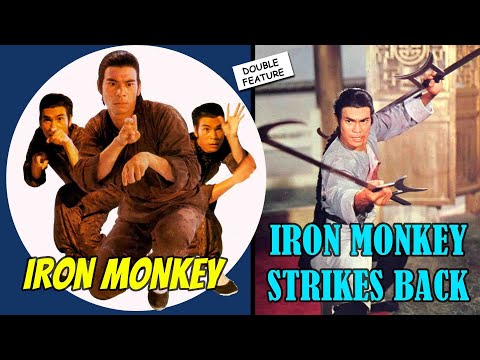
The Shaolin Monkey Fist: Unveiling the Ferocity of Wu-Tang's "Iron Monkey" Duology

The Call of the Monkey Fist

Ah, the Wu-Tang Collection! A name that conjures images of raw, unadulterated martial arts cinema. Today, we delve into a duo of films that, while perhaps not reaching the stratospheric heights of some Hong Kong classics, offer a potent glimpse into the enduring allure of the "Monkey Fist" style and the legendary Shaolin Temple. But are these films mere historical curiosities, or do they hold genuine lessons for the modern practitioner? That is the question we must dissect.

Many come to the world of cinema seeking not just entertainment, but the very spirit of the warrior. They want to understand the techniques, the philosophy, the dedication. They search for films that resonate with the sweat, the discipline, and the eventual enlightenment found on the training mats. This is where the "Iron Monkey" films, despite their imperfections, spark a particular curiosity.

Iron Monkey: Genesis of a Legend

Let us first dissect the original Iron Monkey, directed by Chen Kuan Tai. The premise is a familiar, yet potent, narrative arc: the sole survivor of a brutal massacre, driven by vengeance and fate, seeks refuge and mastery at the hallowed grounds of the Shaolin Temple. The casting features Chen Kuan Tai himself, Chi Kuan Chun, Wilson Tong, and Leung Kar Yan – names that, to the initiated, carry weight in the world of martial arts film.

The core of the story lies in the protagonist's journey to master the "Monkey Fist" method. This style, deeply rooted in animal mimicry, is characterized by its unpredictable, agile, and often acrobatic movements. Imagine a primate – its speed, its ability to change direction instantly, its deceptive simplicity masking a complex, devastating effectiveness. The film aims to showcase this, and in its better moments, it succeeds in conveying a sense of raw, untamed power.

"The Monkey style is not merely a collection of movements; it is an embodiment of adaptation and opportunism. It teaches us to flow, to deceive, and to strike when the moment is ripe, much like a monkey seizing a falling fruit." - A hypothetical elder from the Shaolin tradition.

Chen Kuan Tai, a veteran of the genre, brings a certain gravitas to the role. However, it is the depiction of the Monkey Fist itself that will draw the most attention from seasoned martial artists. Is the choreography a true representation, or a stylized interpretation for the screen? We shall examine this.

Shaolin's Shadow: The Monkey Style

The Shaolin Temple. The very name echoes through the annals of martial history. It is the mythical birthplace of countless combat disciplines, a place where the body and mind are forged into instruments of unparalleled skill and discipline. The integration of the Monkey Fist into this legendary institution is a narrative device that immediately elevates the stakes.

The Monkey style, in its essence, is about fluidity, evasiveness, and unpredictable attacks. It often incorporates elements of deception, mimicking the playful yet dangerous nature of its namesake. Movements can be low to the ground, incorporating rolls and evasions, then explosively transition to high, sweeping kicks or rapid-fire hand strikes. The emphasis is on agility and a seemingly chaotic, yet deeply ingrained, pattern of offense and defense. The goal is to overwhelm the opponent with a barrage of unexpected strikes and evasions, leaving them disoriented and vulnerable.

For a practitioner, mastering the Monkey Fist requires not just physical conditioning – extraordinary flexibility, agility, and stamina – but also a keen mental acuity. The ability to think on your feet, to adapt to your opponent's every move, and to exploit openings with lightning speed are paramount. This is where the film's narrative intent, however imperfectly realized, touches upon profound martial truths.

Iron Monkey Strikes Back: Detective Work and Deadly Fists

Following the initial installment, we have Iron Monkey Strikes Back, directed by Pao Hsueh Li. This film shifts gears, introducing a more investigative narrative. Chen Kuan Tai returns, this time as a Kung fu fighting detective, Mister Cool Head. The plot involves the murder of the emperor's wife and a deep-seated conspiracy at high levels of government.

The addition of the detective element adds a layer of intrigue, but the core appeal remains the martial arts. The film promises "untold fighting" from the team behind the first movie. This implies a continued focus on the action sequences, but the question remains: does the investigative plot detract from or enhance the martial arts spectacle?

Mister Cool Head, the protagonist, is tasked with unraveling this complex web of deceit. His methods, naturally, involve not just keen observation and deduction, but also the application of his formidable Kung fu skills. This blend of detective work and combat is a staple in many martial arts narratives, offering opportunities for both intellectual and physical prowess to shine.

The cast includes Chen Kuan Tai, Chen Sing, Chia Ling, and Suen Rong Jye, suggesting a continuation of the established martial arts talent. The promise of more fighting from the original team is a clear selling point for fans of the first film, but it also raises the bar for the quality and creativity of the action choreography.

Wu-Tang Collection: A Critical Eye on the Duology

Now, let us don our critical gi and examine these films through the lens of a seasoned martial artist and film enthusiast. The Wu-Tang Collection, in its ambition to showcase various facets of martial arts cinema, often presents films that are rough around the edges but possess a certain undeniable charm and historical significance.

Choreography and Authenticity: This is where the debate truly ignites. Does the "Monkey Fist" depicted here bear any resemblance to historically recognized forms? While cinematic interpretation often prioritizes spectacle over strict adherence, a truly great martial arts film will at least hint at the underlying principles of the style. The agility and unpredictability are key. If the movements feel rehearsed, lack a sense of grounded physics, or rely too heavily on wire-work without internal logic, then the film falters in its martial representation.

Acting and Narrative Cohesion: While the focus is on fighting, the narrative and performances still matter. Does the story hold together? Are the characters compelling, or merely archetypes going through the motions? In the case of Iron Monkey Strikes Back, the blend of detective work and martial arts needs to be handled with care. If the investigative plot feels shoehorned in, or if the transitions between dialogue and fight scenes are jarring, it detracts from the overall experience.

The "Spirit" of the Martial Art: Beyond the technical aspects, does the film capture the essence of the martial art it portrays? The Monkey Fist, like many traditional styles, is more than just physical technique. It embodies a philosophy of adaptability, wit, and sometimes, a playful approach to combat. Does the film convey this deeper meaning, or is it merely a series of flashy moves?

The films within the Wu-Tang Collection often serve as valuable archives, preserving styles and stories that might otherwise be lost to time. However, it is crucial to approach them with a discerning eye, appreciating their historical context while acknowledging their cinematic limitations.

Training the Monkey: Principles and Practice

For those inspired by the Monkey Fist style, actual training can be a rewarding, albeit challenging, endeavor. The core principles emphasize:

  1. Agility and Footwork: The ability to move quickly and change direction with minimal effort is paramount. This involves drills focusing on quick feet, evasive dodges, and dynamic stance transitions. Think of a monkey leaping from branch to branch – never staying in one place for too long.
  2. Unpredictable Strikes: Monkey Fist attacks are rarely linear. They can come from unexpected angles, often using the entire body to generate power. This requires practicing a wide variety of hand and foot techniques, incorporating spins, rolls, and sudden bursts of speed.
  3. Deception and Misdirection: A key element is making the opponent believe you are doing one thing while preparing to do another. This involves feints, changes in posture, and drawing your opponent's attention away from your true target.
  4. Lower Stances and Groundwork: Monkey style often incorporates very low stances and techniques that utilize the ground, allowing for rapid evasion and surprising offensive maneuvers from seemingly vulnerable positions.
  5. Upper Body Dexterity: Beyond punches, Monkey style often employs clawing motions, grasping techniques, and rapid, multi-limb attacks that mimic the grasping and striking of a primate.

While dedicated Monkey style Kung fu schools are rare outside of specialized martial arts circles, many of its principles can be incorporated into other training regimens. Focus on developing explosive power, enhancing flexibility, and practicing unpredictable combinations. Drills that involve reacting to stimuli, such as partner drills or agility courses, are invaluable.

Essential Gear for Your Training

To truly immerse yourself in the spirit of martial arts training, having the right equipment can make a significant difference. For styles that emphasize agility and fluidity, like the Monkey Fist, versatility in your attire is key.

  • Lightweight Kung Fu Uniforms: Opt for uniforms made from breathable, lightweight fabrics such as cotton or a poly-cotton blend. These allow for maximum freedom of movement without restricting your agility. A traditional loose-fitting top and comfortable trousers are ideal.
  • Flexible Training Shoes: For styles that involve a lot of footwork and low stances, flexible, minimalist shoes are recommended. These provide grip and a good connection to the ground without impeding natural foot movement. Many traditional martial arts footwear options fit this description.
  • Padding for Sparring (If Applicable): If you progress to sparring, appropriate safety gear is crucial. This includes padded gloves, shin guards, and headgear. Ensure they are lightweight and don't hinder your agility.
  • Training Mats: For practicing low stances, rolls, and falls, having a suitable training surface is important. Interlocking foam mats can provide a safe and comfortable environment for practicing these dynamic movements at home.

Remember, the best equipment is that which allows you to train effectively and safely, without hindering the core principles of your chosen art.

Frequently Asked Questions

What is the Monkey Fist style in Kung Fu?

The Monkey Fist is a traditional Kung Fu style that imitates the movements and behavior of a monkey. It is characterized by its extreme agility, unpredictable attacks, deceptive maneuvers, and often acrobatic techniques.

Are the "Iron Monkey" movies historically accurate representations of Shaolin Kung Fu?

While the films are inspired by Shaolin traditions and feature martial arts, they are primarily entertainment. Cinematic liberties are taken with choreography and narrative for dramatic effect. They offer a stylized glimpse rather than a documentary-accurate depiction.

Can I learn Monkey Fist style from these movies alone?

No. While inspiring, these films are not instructional. Authentic martial arts training requires guidance from a qualified instructor in a controlled environment to ensure safety and proper technique.

What are the main benefits of training in agile martial arts styles?

Training in agile styles enhances physical attributes like speed, flexibility, coordination, and balance. Mentally, it sharpens reflexes, improves problem-solving skills under pressure, and fosters adaptability.

Is the Wu-Tang Collection good for beginners in martial arts cinema?

The Wu-Tang Collection offers a unique, often raw, look into martial arts films from different eras and regions. While some entries might be less polished, they provide historical context and showcase a variety of styles. For beginners, it's a dive into the deep end, offering a different perspective than mainstream martial arts movies.

Deepen Your Understanding

The world of martial arts cinema is vast and rich. To continue your exploration of its nuances and connect with its enduring legacy, I recommend delving into related discussions and resources:

The Enduring Legacy of the Monkey

The "Iron Monkey" duology, as presented within the Wu-Tang Collection, serves as a potent reminder of the enduring appeal of the Monkey Fist style and the mythical aura surrounding the Shaolin Temple. While cinematic gloss may be absent in places, the raw energy, the dedication to showcasing dynamic combat, and the narrative of a warrior's journey resonate deeply.

For the martial artist, these films are not blueprints for combat, but rather sparks that can ignite further curiosity. They highlight principles of agility, deception, and adaptability that are fundamental to many fighting systems. They encourage us to look beyond mere technique and appreciate the philosophy and spirit that underpins true martial prowess.

Sensei's Reflection: Your Next Move

The monkey is known for its ability to adapt and thrive in diverse environments. After witnessing the trials of Iron Monkey and Mister Cool Head, consider this: In your own training and life, where do you find yourself most rigid? Where is your adaptability being tested? How can you incorporate the fluidity and unpredictability of the Monkey Fist, not just in your physical movements, but in your approach to challenges? Reflect on this, and let your actions speak louder than words.

``` GEMINI_METADESC: Dive into the fierce world of the Monkey Fist style with our critical analysis of Wu-Tang's \"Iron Monkey\" duology. Explore Shaolin secrets, fight choreography, and practical training tips.

Deciphering Steven Seagal's Aikido: A Critical Martial Perspective

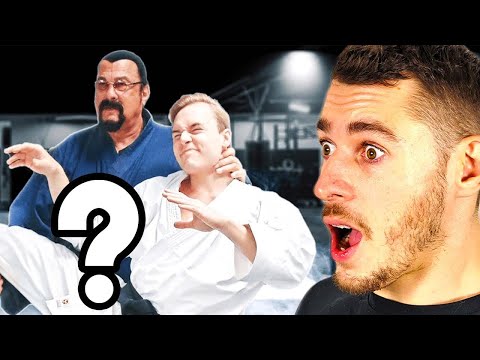
The image of Steven Seagal, a Hollywood action star and purported martial arts master, demonstrating Aikido techniques to a fellow practitioner is one that sparks immediate curiosity, and perhaps, controversy. As a former Aikido instructor myself, with years dedicated to the dojo and a subsequent immersion into the demanding world of Mixed Martial Arts (MMA), I feel compelled to dissect this demonstration. What Seagal presents is a fascinating, albeit often flawed, representation of Aikido, and one that warrants a seasoned martial eye. Is it genuine application, or a theatrical performance masking fundamental misunderstandings? We will delve into the specifics, separating the principles that hold water from the techniques that falter under scrutiny. This analysis is not about personal attack, but about truth in the martial arts – a pursuit that demands honesty, even when it's uncomfortable.

Table of Contents

Detailed Breakdown of Seagal's Aikido Demonstration

The interaction between Steven Seagal and Jesse Enkamp, a noted Karate expert and YouTuber, offers a rich tapestry for analysis. As a former Aikido instructor myself, observing this exchange triggers a specific set of critical questions. Let's unpack the timed segments presented:
  • 00:00 - Does trapping the arms work? This is a fundamental question in any close-quarters engagement. In theory, controlling an opponent's limbs prevents them from striking or grappling effectively. Seagal's approach likely involves traditional Aikido *kuzushi* (breaking balance) and *tsukuri* (fitting in). However, the effectiveness hinges entirely on the execution, timing, and the opponent's reaction. A "trapped" arm can quickly become a lever for a counter-attack if the control is not absolute and the attacker is skilled.
  • 00:38 - Manipulating the fingers Aikido is notorious for its intricate finger and wrist manipulations. These techniques, like *gyaku-waza* (reverse techniques), target vulnerable joints. While devastating when applied correctly, they require immense precision and an opponent who is already off-balance or compliant. In a dynamic, uncooperative situation, these delicate manipulations are exceedingly difficult to land and maintain.
  • 01:22 - The danger behind Aikido's footwork Aikido's circular, evasive footwork (*taisabaki*) is designed to blend with an attack, redirecting its force. However, if not executed with proper grounding and balance, it can leave the practitioner exposed. Many students become overly reliant on evasive movements without developing a robust base, making them susceptible to direct, powerful strikes or takedowns.
  • 02:58 - Can you catch a leg like that? Leg catches are staples in Judo and Wrestling, and also appear in MMA. Aikido does feature some leg takedowns, but they are often integrated differently, focusing more on unbalancing rather than a direct, powerful grab. Seagal's method here needs careful examination: is it a functional technique or a visually impressive move that lacks practicality against a resisting opponent?
  • 04:20 - Punching a kicking leg This scenario highlights a significant disconnect. While a strike to a kicking leg might momentarily disrupt it, it’s an incredibly high-risk maneuver. It requires perfect timing, precision, and the ability to absorb potential counter-attacks while in a vulnerable position. This is far from a standard or recommended tactic in most practical martial arts.
  • 06:15 - Horizontal fist vs. vertical fist This touches upon striking mechanics. The horizontal fist (straight punch) is common in Western boxing and many Karate styles. The vertical fist, often seen in Wing Chun or certain styles of Kung Fu, engages different biomechanics. Seagal may be advocating for one over the other based on Aikido principles, or perhaps as a more powerful or efficient striking method. Each has its strengths and weaknesses depending on the context.
  • 08:47 - Conditioning the fists - pros and cons Hand conditioning, such as striking a makiwara or specialized bags, is a practice found in many Karate and Kung Fu traditions. It aims to strengthen the bones and tissues to withstand impact. However, it carries significant risks of injury if not done correctly under expert supervision. It's a double-edged sword – potential for greater power, but also for career-ending damage.
  • 09:23 - Poking the eyes and Aikido wristlocks Eye gouging is a highly controversial element. While undeniably effective in self-defense, it is often excluded from traditional martial arts curricula due to its brutality and ethical implications. When combined with wristlocks, it becomes a potent, albeit vicious, combination designed to overwhelm an opponent quickly.
  • 10:37 - The body-language of lying This veers into psychological aspects of combat and deception. Observing an opponent's tells – their micro-expressions, posture shifts, and vocal cues – can reveal their intentions. Seagal, with his background, might be suggesting that certain movements or demonstrations betray a lack of genuine understanding or commitment.
  • 11:30 - Telegraphing punches and questioning Kata Telegraphing, or making attacks too obvious, is a common beginner's mistake. A truly skilled martial artist delivers techniques with minimal tells. The mention of questioning Kata implies a critique of traditional forms, suggesting they may not accurately reflect practical combat applications or that Seagal's interpretation of them differs significantly.
  • 12:07 - Steven Seagal and real fighting This is the ultimate question. Does the on-screen persona and dojo demonstration translate to effectiveness when the stakes are life and death? Many critics argue that the pressures and unpredictability of a real fight expose the limitations of highly stylized or overly reliant techniques.
  • 12:55 - Conclusions This segment promises a summary of the preceding analysis, likely weighing the merits and demerits of Seagal's displayed Aikido.

Underlying Principles: What Holds True

Despite the potential for misapplication, Aikido, at its core, is built upon profound principles. When Seagal demonstrates techniques, some of these foundational ideas might still be present, even if obscured.
The true warrior is not an actor. He is a craftsman, meticulously honing his skills in the shadow of his own limitations.

These include:

  • Harmony and Blending (Ai): The concept of yielding and blending with an opponent's force rather than meeting it head-on is central. This redirection of energy is a powerful principle that, when correctly applied, can neutralize larger, stronger opponents.
  • Center (Hara): Maintaining one's own center of gravity while disrupting the opponent's is crucial. This allows for stability and power generation.
  • Flow and Circularity: Attacks are often met with circular movements that lead the attacker into a position of disadvantage. This is where techniques like wrist locks and throws originate.
  • Non-Resistance: The idea that forceful resistance only amplifies the attacker's power. By yielding and redirecting, one can leverage the attacker's own momentum against them.

These principles, when taught and practiced with integrity, can be highly effective. The challenge lies in translating them from controlled drills to unpredictable encounters. The question remains: does Seagal's demonstration truly embody these principles, or merely mimic their outward appearance?

Where the Technique Falters: A Critical Look

The practical application of Aikido, particularly as demonstrated by figures like Seagal, often faces scrutiny from practitioners of more combat-oriented arts. The primary issues typically revolve around:
  • Lack of Resistance Training: Many Aikido techniques are taught against compliant or semi-resisting partners. The nuances of timing, distance, and leverage change dramatically when faced with an opponent actively trying to escape, counter, or strike with full force. This is a critical difference between a demonstration and a real fight.
  • Over-reliance on Joint Locks and Throws: While Aikido excels at these, they can be difficult to apply against a determined opponent who is aware of the techniques or has a strong base. A well-timed strike can often bypass complex joint manipulations entirely.
  • Footwork Vulnerabilities: As mentioned, Aikido's circular footwork, while elegant, can be predictable. A fighter trained in boxing or wrestling might exploit the openings created by this movement.
  • "Soft" vs. "Hard" Power: Some critics argue that Aikido leans too heavily on blending and redirection, neglecting the development of direct, overwhelming power (often referred to as "hard" power) necessary to end a fight decisively.

When analyzing Seagal's demonstration, it's essential to look for these potential shortcomings. Are the techniques applied with the necessary speed, power, and awareness of counter-attacks? Or do they resemble well-rehearsed choreography?

Aikido and the Crucible of Real Combat

The perennial debate: does Aikido work in a real fight? The answer, as with most things in the martial arts, is complex and often divisive. From my personal journey transitioning from Aikido to MMA, I can attest to the stark differences.
The dojo is a laboratory. The street is the exam. Many students pass the lab, but fail the exam.

Aikido's strengths lie in its principles of blending, redirection, and control. In situations where de-escalation or non-lethal incapacitation is paramount, and the opponent is not actively trying to severely injure you, Aikido can be effective. However, when faced with an aggressive, untrained attacker who is not concerned with subtlety, or a trained combatant with a different skillset (like boxing, Muay Thai, or Wrestling), the effectiveness of traditional Aikido techniques diminishes significantly.

The critical elements missing in many Aikido applications for real combat are:

  • Development of Powerful Strikes: While Aikido includes *atemi* (strikes), they are often secondary to the joint locks and throws. Training in arts that prioritize devastating punches and kicks is crucial for self-defense.
  • Robust Grappling Defense: Techniques against takedowns, submissions, and ground fighting are often less emphasized than in arts like Judo, BJJ, or Wrestling.
  • Sparring with Full Resistance: Regular, high-intensity sparring is essential for developing timing, reflexes, and the ability to perform techniques under pressure. Many traditional Aikido dojos do not incorporate this type of training.

Steven Seagal's public persona often emphasizes his "street fighting" credentials. However, the practical application of his techniques in unscripted, high-stakes encounters is a matter of ongoing debate and often questioned by those deeply involved in competitive combat sports.

Steven Seagal's Place in the Martial Arts Discourse

Steven Seagal's influence on martial arts is undeniable, largely through his cinematic career. He popularized Aikido for a global audience, showcasing its fluid, seemingly effortless techniques on the silver screen. However, this portrayal often blurs the lines between authentic martial practice and Hollywood choreography.

Seagal's reputation as a martial artist has been built on his Aikido expertise, his 7th dan black belt, and his claim of being the first foreigner to operate an Aikido dojo in Japan. Yet, over the years, his claims and demonstrated abilities have faced considerable skepticism from within the martial arts community. Critics often point to his performances in movies, which, while visually impressive, frequently deviate from practical application. The speed and decisiveness with which he neutralizes multiple opponents in films are rarely replicated in real-world scenarios or even in public demonstrations.

The critique of his demonstration to Jesse Enkamp is part of a broader conversation about authenticity in martial arts. Does a high rank or a prominent position equate to genuine efficacy? This is a question that resonates across all disciplines.

Rank is like a piece of paper. It signifies that you have learned something, but it does not mean you are a master. Mastery is proven in the heat of battle, not on a wall of certificates.

Seagal's legacy is one of immense popularity and exposure for Aikido, but it is also one that continually invites critical examination regarding the practical applicability of his teachings.

Sensei's Verdict: Assessing the Demonstration

This analysis of Steven Seagal's Aikido demonstration reveals a mixed bag. On one hand, we see glimpses of Aikido's core principles: the blending, the redirection, and the focus on joint manipulation. These elements, when executed with precision, are undeniably potent. However, the demonstration, viewed through the lens of practical combat and years of direct experience in both Aikido and MMA, highlights significant concerns. The techniques shown often lack the dynamic resistance training required to make them effective against an uncooperative opponent. The footwork, while characteristic of Aikido, could be vulnerable in a chaotic street fight. Furthermore, the emphasis on complex joint locks and specific striking methods might not translate well against the raw aggression and varied skillsets encountered in real conflict. Ultimately, while Seagal's Aikido presentation is visually engaging and offers insights into specific techniques, it falls short of a definitive testament to practical martial efficacy in all scenarios. It serves more as an academic dissection of Aikido principles, rather than a robust demonstration of their application in the unforgiving crucible of real fighting. Rating: Needs More Live Sparring

Essential Equipment for Your Training

To engage effectively in martial arts training, whether it's Aikido, Karate, or MMA, having the right equipment is paramount. While some arts require minimal gear, others benefit greatly from specialized items that enhance safety and technique development.
  • Uniform (Gi/Kimono): A durable Gi is essential for grappling arts like Judo and BJJ, and also common in Karate and Aikido. Look for double-weave or heavyweight fabrics for durability.
  • Training Shoes: Depending on the art and training surface, specialized shoes offer grip and protection. Martial arts specific shoes or minimalist running shoes can be suitable.
  • Hand Protection: For striking arts and sparring, MMA gloves or boxing gloves (10-16oz depending on the discipline) are crucial for protecting your hands and your training partners.
  • Groin Protection (Cup): Absolutely essential for any combat sport involving potential groin strikes or impact.
  • Mouthguard: Protects your teeth, jaw, and can help prevent concussions. A custom-fit mouthguard is highly recommended.
  • Training Mats (Optional): For home practice of throws, falls, or ground techniques, tatami mats or thick puzzle mats can provide a safer training environment.

Frequently Asked Questions

  • Q: Can Aikido techniques be applied effectively in a street fight?
    A: While the principles of Aikido can be useful, many techniques require specific timing, distance, and an opponent who is not actively trying to injure you. Practicality in a street fight often necessitates cross-training in striking and grappling arts with live sparring.
  • Q: What is the difference between Steven Seagal's Aikido and traditional Aikido?
    A: The core principles may be similar, but interpretations and emphasis can vary greatly among instructors and individuals. Critics often point to a perceived lack of realistic training and application in Seagal's public demonstrations compared to traditional dojo training.
  • Q: Is it dangerous to practice finger manipulations as taught in Aikido?
    A: Yes, these techniques, if applied incorrectly or too forcefully, can cause serious injury. They require expert instruction and careful practice with a cooperative partner.
  • Q: How does striking with a horizontal fist differ from a vertical fist?
    A: The horizontal fist (e.g., a straight punch) typically uses shoulder rotation and hip torque for power. The vertical fist often emphasizes a direct line of force, potentially leading with the knuckles, and can be more biomechanically efficient in certain close-range situations.

To Delve Deeper into Your Journey

The path of martial arts is one of continuous learning and introspection. The insights gained from dissecting techniques and philosophies are invaluable, but true understanding comes from consistent practice and exploration.

Reflexión del Sensei: Tu Próximo Paso

After dissecting the techniques and philosophies presented, a critical question emerges: are you training to impress, or are you training to survive? The line between performance and practical application can be perilously thin. Consider this: when faced with genuine adversity, will your techniques flow from practiced principle, or crumble under the weight of expectation? What aspect of your current training do you need to confront with brutal honesty to bridge this gap?
``` GEMINI_METADESC: Critically analyze Steven Seagal's Aikido demonstration. A seasoned Sensei breaks down techniques, principles, and real-world combat applicability.

Fist of the Double K (Wu-Tang Collection): A Martial Arts Masterpiece or a Blurry Memory?

Ah, the Wu-Tang Collection. For many of us, it was our gateway drug into the grittier, more obscure side of martial arts cinema. It conjured images of wire-fu gone wild, actors with names that sounded like martial arts techniques themselves, and plots often as convoluted as a high-level Kata. Today, we turn our analytical gaze upon Fist of the Double K (also known as Puño contra Puño in its Spanish release), a film that promises vengeance, mastery, and, of course, copious amounts of kinetic violence. But does it deliver the promised martial arts enlightenment, or is it just another dusty artifact in the grand museum of exploitation cinema?

The premise is classic: the "King of the Bashers," Henry Yu Yung, hunts down those who betrayed and murdered his father. This quest for retribution takes him to a seemingly peaceful town, a stage set for the inevitable eruption of violence. The antagonists? A "nasty gang of cutthroats" who are more than ready to unleash their "martial arts mastery" upon our young avenger. It’s a narrative skeleton that has been fleshed out a thousand times, but in martial arts films, the execution of the action often matters far more than the originality of the plot.

Directed by the duo of John Woo and Jimmy L. Pascual, and featuring a cast including Henry Yu Yong, Han Kwo Tsai, and Fong Yeh, Fist of the Double K exists in a space where genuine martial arts prowess meets the often-unpredictable nature of low-budget productions. The question that burns in the mind of any serious practitioner or aficionado is: How authentic is this mastery? How well is it portrayed? And crucially, does it convey the spirit, the Budo, that underpins true martial discipline?

The Premise of Vengeance

The narrative of Fist of the Double K is built upon a foundation of revenge, a primal motivator that has fueled countless tales of heroes and anti-heroes. Henry Yu Yung, our protagonist, is driven by the profound loss of his father. This isn't just about justice; it's about restoring honor and fulfilling a filial duty, a concept deeply ingrained in many traditional martial philosophies, particularly those influenced by Confucianism.

His journey into a "sleepy town" is a narrative trope designed to isolate the hero and amplify the threat. The unassuming setting starkly contrasts with the impending explosion of violence, highlighting the disruptive force of vengeance and the hidden dangers that can lurk beneath a calm surface. The "nasty gang of cutthroats" are not just nameless thugs; they represent the corrupting influence of power and the abuse of martial skill, a perversion of the disciplined path.

John Woo's involvement, even in a project like this, is noteworthy. While he is more renowned for his epic, balletic gunfights, his early career was steeped in martial arts cinema. The potential for his signature style – the slow-motion dives, the dual-wielding (even if with fists here), and the operatic melodrama – is present, though often constrained by budget and perhaps the raw nature of the source material.

A Choreographer's Eye: Deconstructing the Combat

Now, let's get to the heart of the matter for any discerning viewer with a background in the martial arts: the action. The claim of "martial arts mastery" from the villains is a high bar. In films like these, we often see a spectrum of execution:

  • The Genuine Article: Moments where the actors' real training shines through – clean strikes, believable blocks, and a fluidity that speaks of years of dedicated practice. This might involve specific techniques from Karate, Kung Fu, or even grappling arts.
  • The "Hollywood" Style: Choreography that prioritizes visual impact over realism. This can include exaggerated movements, improbable dodges, and strikes that look devastating but lack practical application.
  • The Exploitation Element: Raw, often brutal combat where the emphasis is on shock value rather than technique. This might involve more extreme violence, less refined movements, and a general grittiness.

Fist of the Double K likely resides somewhere in the latter two categories. We must ask: Are the techniques shown recognizable? Can we identify specific styles or principles at play? Is there a sense of physics and consequence, or do characters seem to defy gravity and pain?

The effectiveness of the fight sequences often depends on the synergy between the choreographer, the director, and the performers. Even with limited budgets, a skilled choreographer can make less experienced actors look formidable. However, true martial artists can often spot the difference between a well-executed technique and a staged one. Does Fist of the Double K offer moments of technical brilliance, or does it rely more on its sheer volume of fights to satisfy the audience?

The portrayal of Henry Yu Yung's fighting style is equally crucial. Is he a master honing his skills, or a desperate brawler? Does his style evolve as the film progresses, reflecting his growth and learning? The "King of the Bashers" moniker suggests a certain raw power, but a truly compelling martial arts protagonist needs more than just brute force; they need technique, strategy, and resilience.

Consider this: a truly impactful martial arts film doesn't just show people fighting; it shows *how* they fight. It reveals their character through their movements. A disciplined fighter might move with precision and economy of motion, while a desperate one might employ wild, powerful, but less controlled techniques. A master's movements are often deceptively simple, yet devastatingly effective.

"In the heat of battle, the true warrior reveals their essence, not through boastful claims, but through the silent language of action." - A principle often overlooked in mere spectacle.

Beyond the Blows: The Spirit of the Warrior

Martial arts are not solely about physical combat; they are deeply intertwined with philosophy, discipline, and personal growth. The concept of Budo (武道), the "Way of the Warrior," emphasizes not just the skill of fighting, but the cultivation of character. This includes virtues like:

  • Seishin (精神): Spirit, mind, or psyche.
  • Mushin (無心): The state of no-mind, where action flows without conscious thought.
  • Zanshin (残心): A state of continuous awareness and readiness, even after an action is completed.
  • Rei (礼): Respect and etiquette.

Does Fist of the Double K, despite its likely focus on action, manage to convey any of these deeper principles? Often, these films will feature a wise old master character, or the protagonist themselves will grapple with the moral implications of their quest for vengeance. Is the violence gratuitous, or does it serve a narrative purpose that explores the cost of revenge?

The title itself, "Fist of the Double K," is intriguing. Does the "Double K" refer to a specific technique, a dual style, or perhaps a double-edged nature of the power being wielded? Understanding these nuances can reveal layers beyond the surface-level action. If the film merely presents violence for violence's sake, it falls short of being a true martial arts film and becomes merely an action flick with fists.

The path of a martial artist is one of constant learning and refinement. Even in vengeance, there is a potential for growth. Does Henry Yung learn from his encounters? Does he adapt his strategies? Or is he simply a blunt instrument of destruction? The latter might be entertaining in a visceral way, but it lacks the depth that elevates martial arts cinema.

The Wu-Tang Collection: A Legacy of the Obscure

The very name "Wu-Tang Collection" evokes a specific era and taste in martial arts cinema. These were often films unearthed from obscure archives, sometimes with questionable print quality, but always offering a raw, unadulterated dose of action. They were the antithesis of the polished Hollywood blockbusters, appealing to a niche audience hungry for the exotic and the extreme.

Films within this collection were often characterized by their:

  • Unconventional Fight Choreography: Sometimes innovative, sometimes downright bizarre.
  • Raw Storytelling: Plots that were often simple revenge tales or convoluted conspiracy thrillers.
  • Memorable (or Notorious) Performers: Actors who might have had genuine skills but lacked mainstream recognition.
  • Gritty Aesthetic: A less polished look that added to their cult appeal.

Fist of the Double K fits comfortably within this lineage. It’s a film that might not be critically acclaimed by mainstream standards, but for those who appreciate the sheer volume and variety of martial arts cinema, it holds a certain charm. It represents a time when discovering a rare martial arts film felt like uncovering a hidden treasure.

The availability of the film through platforms like YouTube (English Version: https://youtu.be/XPvJabK-fZk, Original: https://www.youtube.com/watch?v=skkgiGdfqYU) is a testament to its enduring, albeit niche, appeal. It allows new generations to discover these cinematic relics.

Veredicto del Sensei: ¿Merece la pena?

This is where the gloves come off. Is Fist of the Double K a must-watch for the serious martial artist? If you're expecting the intricate, philosophical depth of a Kurosawa film or the technical perfection of a Donnie Yen epic, then perhaps not. However, if you appreciate the raw, unvarnished energy of 70s and 80s martial arts cinema, and you're curious about the kind of action that fueled the Wu-Tang Collection's reputation, then yes, it warrants a viewing.

The film likely delivers on its promise of vengeance and showcases a quantity of martial arts action that can be entertaining. The choreography might be uneven, the plot predictable, and the acting perhaps a bit wooden, but within its B-movie framework, there are often moments that capture the visceral thrill of combat.

It's a film that demands a certain leniency from its audience, rewarding them with a direct, no-frills approach to martial arts mayhem. It’s less about the subtle art of the warrior and more about the blunt force of the fist.

Cinturón Negro en Volumen de Peleas,
Blanco en Narrativa Profunda.

Guía de Entrenamiento: Desarrollando tu "King of the Bashers" Persona

While the film's narrative is about vengeance, a true martial artist channels their inner "King of the Bashers" into productive training. Here’s how to develop a similar intensity and preparedness:

  1. Intensidad en el Sparring: Practice sparring with controlled aggression. Focus on landing clean, powerful strikes while maintaining defensive awareness. Simulate the feeling of urgency Henry Yung might experience, but channel it into effective technique, not wild flailing.
  2. Power Strikes Training: Incorporate drills focused on generating explosive power. This could include heavy bag work, pad striking with a partner, or plyometric exercises designed to increase punching and kicking velocity.
  3. Grit and Endurance: Train for longer durations. Simulate the feeling of facing overwhelming odds by pushing through fatigue. Endurance is key when you need to outlast your opponents.
  4. Mental Fortitude (The Vengeance Mindset, Reimagined): Instead of vengeance, focus your mental energy on your training goals. When facing a difficult drill or a tough sparring session, recall your commitment to improvement. This mental toughness is the bedrock of any martial art.
  5. "Bashers" Footwork: Practice agile footwork that allows for quick advances, retreats, and lateral movements. This is crucial for both offense and defense, allowing you to control the distance and dictate the pace of engagement. Think explosive bursts of movement followed by solid stances.

Equipo Esencial para tu Entrenamiento

To emulate the intensity of Fist of the Double K in your training, consider the following gear:

  • Guantes de Boxeo/MMA: For striking drills and sparring. 14-16oz gloves are recommended for general training and sparring for safety.
  • Guantillas de MMA: For grappling and bag work where a closer feel is desired, but ensure hand safety.
  • Espinilleras: Essential for leg kick drills and sparring to protect your shins.
  • Protector Bucal: Non-negotiable for any sparring to protect your teeth and jaw.
  • Peto/Escudo de Entrenamiento: For partner drills, allowing you to practice powerful strikes safely.
  • Saco de Boxeo Pesado: For developing power and endurance. Ensure it's securely mounted.
  • Par de Guantes de Entrenamiento para el Compañero: If you have a training partner, they’ll need appropriate gloves for holding pads.
  • Ropa de Entrenamiento Cómoda: Lightweight, breathable fabrics that allow for maximum movement.

Preguntas Frecuentes

Q1: What is the "Wu-Tang Collection"?
A1: The Wu-Tang Collection was a series of films, often obscure and low-budget martial arts movies, released on VHS and later DVD, gaining a cult following for their raw, often bizarre, action and storytelling. They were particularly popular among dedicated martial arts film fans.

Q2: Is "Fist of the Double K" a real John Woo film?
A2: While John Woo is credited as a director, it's important to note that many films in the Wu-Tang Collection were produced with varying degrees of oversight from major directors. Woo's involvement might have been more in an early or supervisory capacity rather than full directorial control as seen in his more famous works like Hard Boiled or Face/Off.

Q3: What martial arts styles are typically depicted in films like this?
A3: These films often draw from various Chinese Kung Fu styles (Shaolin, Wing Chun, etc.), Karate, and sometimes incorporate elements of Judo or other grappling arts. The execution can vary wildly from authentic techniques to highly stylized, cinematic interpretations.

Q4: How does the "King of the Bashers" concept relate to actual martial arts philosophy?
A4: The "King of the Bashers" moniker suggests raw power and perhaps a certain ruthless efficiency. While true martial philosophy emphasizes discipline, control, and ethical conduct, the warrior spirit also requires the ability to overcome adversaries decisively. The key is channeling that intensity through skill and control, not just brute force.

Para Profundizar en tu Camino

You have watched the tale of Henry Yu Yung's quest for vengeance. You have seen the "nasty gang of cutthroats" unleash their "martial arts mastery." Now, the true test lies not on the screen, but within yourself.

Reflexión del Sensei: Tu Próximo Paso

If the spirit of the warrior is truly awakened within you by these cinematic displays, ask yourself: Are you merely a spectator observing the application of force, or are you actively cultivating that force within yourself? If Henry Yu Yung embodies the relentless pursuit of justice through combat, how does your own training reflect a pursuit of self-mastery? Is your dedication as fierce as his vengeance? Does your "mastery" serve a purpose beyond the fleeting entertainment of others, or does it forge a stronger, more disciplined you?

``` GEMINI_METADESC: Explore Fist of the Double K from the Wu-Tang Collection. A deep dive into its martial arts, John Woo's involvement, and its place in cult cinema. Sensei's analysis awaits.