Showing posts sorted by relevance for query Defensive Drills. Sort by date Show all posts

Mike Tyson's Explosive Power: Unpacking the Drills That Forged Knockouts

Iron Mike Tyson. The name alone conjures images of raw power, lightning-fast combinations, and opponents crumbling before him. For many, he remains the epitome of destructive force in the boxing ring. But what separated Tyson from the rest? Was it just brute strength, or was there a deeper methodology at play? Today, we delve into the unique, often unconventional, training regimens that Cus D'Amato and Kevin Rooney forged for "Iron Mike," drills that didn't just build muscle, but directly translated into the spectacular knockouts that defined his legendary career. Prepare yourselves, for we are about to dissect the very essence of Tyson's devastating arsenal.

The Genesis of 'Iron Mike'

Welcome, seekers of martial wisdom, to Budo and Martial Arts! You've stumbled upon a dissection of Mike Tyson, a fighter whose name is synonymous with concussive power and a brutal, almost primal, efficiency in the ring. The date of publication might be December 24, 2018, but the lessons drawn from Tyson's career are timeless. We aim to be the most complete and updated resource on martial arts, and dissecting figures like Tyson is crucial to understanding the evolution of combat.
"Every kid around here dreams of being a heavyweight boxer, because that's the biggest, toughest guy. He's going to be the richest guy. He's going to be the toughest guy. He's going to be the best fighter. He's going to be the most famous guy." - Mike Tyson
Tyson's journey from a troubled youth in Brooklyn to the undisputed heavyweight champion of the world is a narrative steeped in discipline, harsh realities, and unparalleled dedication. But beyond the captivating story, lies a tactical and technical foundation laid by two brilliant minds: Cus D'Amato and Kevin Rooney.

D'Amato's Peekaboo: More Than Just a Style

Cus D'Amato's "Peekaboo" style is often misunderstood. It wasn't merely about keeping your hands near your face, though that was a component. It was a defensive and offensive philosophy designed to make the fighter an elusive yet devastatingly powerful attacker. * **The "Peekaboo" Stance**: Hands held high, close to the face, creating a "shell." This protected the head and chin while allowing for explosive, short-range attacks. * **Head Movement**: Constant, subtle bobbing and weaving, making the fighter an incredibly difficult target. This wasn't just evasion; it was strategic movement to create angles of attack. * **Explosive Power Generation**: D'Amato emphasized generating power from the ground up, through hip rotation and core engagement, rather than just arm strength. This allowed smaller fighters, like Tyson, to possess devastating knockout power. * **Psychological Warfare**: The style was also about intimidation. The constant, almost playful, head movement could unnerve opponents, making them hesitant and predictable. Tyson’s mastery of this style, under D’Amato's tutelage, was profound. It was the bedrock upon which his terrifying reputation was built.

Unveiling Tyson's Knockout-Forging Drills

While the Peekaboo style provided the framework, it was the specific drills, often adapted and intensified by Kevin Rooney, that honed Tyson's raw talent into fight-ending weapons. These weren't standard bag work or pad sessions; they were exercises designed to exploit weaknesses, build specific reflexes, and condition the body for maximum impact.
These drills were not about learning new techniques in isolation, but about refining existing ones to an almost inhuman degree of precision and power. They focused on repetition, timing, and the development of explosive kinetic chains, turning muscle memory into a destructive force.

Drill 1: The Phantom Jab and Its Devastating Echo

One of the most talked-about drills involved Tyson practicing a "phantom jab." This was essentially a jab thrown without full commitment, often feigned, designed to draw a reaction from his sparring partner or opponent. The genius lay not in the jab itself, but in what came *after*. * **The Setup**: Tyson would throw this almost imperceptible, or feinted, jab. * **Drawing the Reaction**: Experienced fighters might instinctively try to parry, block, or even counter this perceived threat. * **The Payoff**: As the opponent reacted, their guard would momentarily shift, or they would expose an opening. This was Tyson's cue to unleash his devastating power shots – the thunderous right hand, the uppercut, or a vicious body blow. This drill was instrumental in setting up his signature knockouts. It taught him to read his opponent's reactions in fractions of a second and exploit them ruthlessly. It’s a prime example of how understanding reaction timing can turn a simple feint into a fight-ending sequence. Many spectacular knockdowns in boxing history owe their existence to such subtle, yet powerful, setups.

Drill 2: The Rolling Thunder Combination

This drill focused on developing Tyson's ability to string together powerful, rapid combinations while maintaining his defensive posture. It wasn’t just about throwing punches; it was about flowing from one to the next with seamless integration. * **Execution**: Tyson would practice a sequence of power punches, often starting with a hook, transitioning into an uppercut, and then following with another hook or a devastating right hand. Crucially, this was done with continuous head movement, exemplifying the Peekaboo style. * **Power Transfer**: The emphasis was on transferring weight and momentum through each punch. The "roll" of the head and upper body generated rotational force, amplifying the impact of each strike. * **Endurance and Power**: This drill also built incredible stamina and the ability to deliver concussive power throughout the round, not just in the opening moments. This repetitive, high-intensity drilling instilled a brutal rhythm that opponents struggled to match. It’s the kind of training that transforms a boxer into a relentless offensive machine.

Drill 3: The Shell Game and Evasion

While Tyson was known for his offense, his defense, rooted in the Peekaboo style, was equally critical. Drills focused on maintaining the defensive shell and evading punches were paramount. * **The Drill**: Sparring partners would aim at specific targets on Tyson's high guard. Tyson's job was to block, slip, or roll with the punches, keeping his core protected and his body moving. * **Developing Reflexes**: This cultivated lightning-fast reflexes. He learned to anticipate punches and move his head and body just enough to avoid significant impact, often making opponents miss wildly. * **Creating Counter Opportunities**: Crucially, this constant evasion was not passive. As opponents overextended or missed, it created openings for Tyson to unleash his own devastating counters, often from unexpected angles. This wasn't just about taking punches; it was about *not* taking punches, while simultaneously setting traps for his adversaries. The ability to weave and slip while remaining in a position to counter is a hallmark of true defensive mastery.

The Enduring Impact on Boxing History

Mike Tyson's drills, as implemented by D'Amato and Rooney, were more than just training exercises. They were a masterclass in applied physiology, psychology, and combat strategy. They transformed a gifted athlete into one of the most feared and effective knockout artists the world has ever seen.
"He who is not courageous enough to take risks will accomplish nothing in life." - Muhammad Ali
These methods highlight a crucial principle in martial arts and combat sports: the effectiveness of specialized training tailored to an individual's strengths and a specific combat philosophy. It’s a testament to the idea that true mastery comes not just from talent, but from relentless, intelligent, and often unconventional, practice. The "crazy drills" were, in fact, brilliantly executed strategies designed to maximize impact and minimize risk.

Veredicto del Sensei: Tyson's Place in Martial Lore

Mike Tyson’s approach, while rooted in boxing, embodies principles that resonate across all combat disciplines. The fusion of Peekaboo's defensive artistry with drills designed for explosive, decisive offense is a powerful lesson. His ability to translate training into fight-ending power, particularly through clever setups and relentless pressure, earns him a high place not just in boxing history, but in the broader narrative of martial effectiveness. **Cinturón Negro en Poder Destructivo y Estrategia de Combate.** Tyson's legacy is a stark reminder that innovation in training, combined with a deep understanding of an opponent's psychology, can create unparalleled dominance. His "crazy drills" were, in fact, the result of profound insight into the mechanics of combat and the human psyche.

Equipo Esencial para tu Entrenamiento (Boxing Focus)

While Tyson's intensity is legendary, proper equipment is crucial for anyone looking to emulate his dedication safely. For those aspiring to develop similar power and technique in boxing or related striking arts:
  • Guantes de Boxeo (16oz para sparring, 10-12oz para entrenamiento en saco/pads): Protegen tus manos y las de tu compañero.
  • Vendas para Manos: Imprescindibles para dar soporte a tus muñecas y nudillos.
  • Protector Bucal: La seguridad es primordial. Nunca entrenes sin él.
  • Saco de Boxeo Pesado: Para desarrollar potencia y resistencia.
  • Manoplas (Focus Mitts): Esenciales para trabajar precisión, velocidad y combinaciones con un compañero.
  • Ropa Deportiva Transpirable: Permite la máxima libertad de movimiento y ayuda a regular la temperatura corporal.
  • Calzado Deportivo de Boxeo: Ofrece soporte para tobillos y tracción en el ring.
Investing in quality equipment is not just about comfort; it’s about injury prevention and optimizing your training.

Guía de Entrenamiento: Simulating Tyson's Intensity

While replicating Tyson's exact drills without expert supervision is ill-advised, we can adapt principles for intensity and specificity. This guide focuses on simulating the *spirit* of his training: explosive power, defensive integration, and relentless offense.
  1. Warm-up (15 mins): Dynamic stretching, light shadow boxing focusing on head movement, and skipping rope to increase heart rate.
  2. Focus Mitt Simulation (3 Rounds x 3 mins):
    • Partner calls out a *feint jab* (mimicking Tyson's setup).
    • You immediately *slip* or *weave*, then throw a strong counter combination (e.g., right cross, left hook, right uppercut).
    • Focus on explosiveness and rapid transition from defense to offense.
  3. Heavy Bag Power Rounds (3 Rounds x 3 mins):
    • Focus on short, brutal combinations with maximum power.
    • Incorporate Tyson-esque head movement between punches. Think "roll-hook-uppercut-cross."
    • Maintain high intensity throughout the round.
  4. Defensive Drills (2 Rounds x 3 mins):
    • Have a partner throw *controlled* punches at your guard.
    • Practice blocking, slipping, and rolling with the punches.
    • Focus on keeping your chin tucked and core tight. Transition immediately to a counter punch if an opening appears.
  5. Cool-down (10 mins): Static stretching, focusing on shoulders, back, and legs.
Remember, intensity is key, but proper form and safety always come first. This is about building explosive power and intelligent defense, not reckless aggression.

Preguntas Frecuentes

  • Was Mike Tyson's Peekaboo style truly unique?
    While the core principles of head movement and defensive posture existed, D'Amato's specific application and Tyson's natural athleticism made it uniquely devastating. It was more than a style; it was a philosophy tailored for maximum impact.
  • Are Tyson's drills safe for beginners?
    Directly replicating some of Tyson's most intense drills without proper conditioning and supervision can be dangerous. The drills discussed are for understanding the principles behind his success, not for direct imitation without expert guidance.
  • How did Tyson generate so much power?
    A combination of factors: Cus D'Amato's emphasis on hip and core rotation, Kevin Rooney's adaptation of specific explosive drills, Tyson's natural strength and speed, and his compact, powerful physique allowed for immense force generation in short, explosive bursts.
  • Can principles from Tyson's training be applied to other martial arts?
    Absolutely. The emphasis on explosive power generation from the ground up, intelligent defense, reading opponents, and the importance of specific, high-intensity drills are universal principles applicable to striking arts, grappling, and even self-defense.

Para Profundizar en tu Camino

Dive deeper into the world of combat science and martial philosophy with these related articles:

Reflexión del Sensei: Tu Próximo Paso

We've dissected the drills that turned Mike Tyson into a force of nature. But knowledge without application is mere trivia. The question you must ask yourself is: how can the *principle* of specialized, intense, and intelligent training be integrated into *your* practice? Are you merely going through the motions, or are you forging your own "crazy drills" that directly translate to your desired outcomes? What aspect of your current training regime most desperately needs a Tyson-esque re-evaluation? ``` GEMINI_METADESC: Explore the groundbreaking training drills that forged Mike Tyson's legendary knockout power. An in-depth analysis of Peekaboo style and its application.

The Unhittable Warrior: Decoding Trav's Extraordinary Reflexes and Defensive Mastery

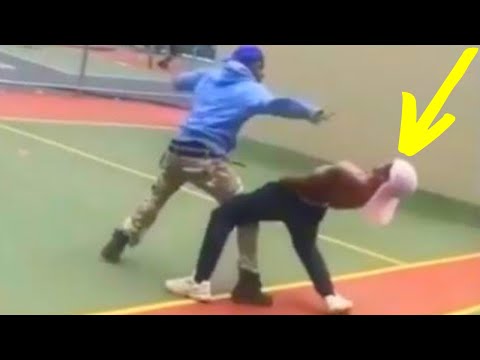
Greetings, fellow practitioners and enthusiasts of the warrior's path. Welcome to Budo and Martial Arts. Today, we delve into a phenomenon that sparks curiosity and debate in equal measure: the seemingly impossible speed and defensive prowess of an individual known as Trav. You've likely witnessed individuals with impressive reflexes, but Trav operates on an entirely different plane. He moves with such blinding velocity that landing a blow upon him appears an insurmountable task. He even extends a challenge to the public, daring them to connect. Our mission today is not merely to admire this spectacle, but to dissect the underlying principles and techniques that grant him this extraordinary defensive capability.

Who is Trav? The Pragmatic Self-Defense Guru

Trav is more than just a martial artist; he is a pragmatic self-defense instructor. His focus is not on the intricate katas or the competitive arena, but on equipping individuals with practical defensive maneuvers for real-world situations. In an era where the commitment to years of traditional martial arts training can be a barrier for many, Trav offers a direct path to acquiring vital defensive skills. His teaching is informed by rigorous training under esteemed figures in the combat sports world, including UFC champions like Bas Rutten, Frankie Edgar, and Eddie Alvarez. Trav emphasizes that he has taken the wealth of knowledge gained from these masters and meticulously refined it, distilling the most effective elements into accessible techniques. This approach acknowledges the modern reality that most individuals seek immediate applicability over lengthy academic study of combat.
"In real life, most people just don't want to spend 5 years learning martial arts. So, if somebody wants to learn defensive maneuvers, Trav teaches the perfect methods to do so."
Trav's commitment to practical defense is evident in his online presence, where he shares his insights and methodologies. His dedication to refining techniques for maximum efficiency is a testament to his understanding of the urgency often required in self-defense scenarios.

The Philosophy of Unhittability: Beyond Mere Speed

While Trav’s speed is undeniably the most striking aspect of his defensive repertoire, attributing his success solely to natural reflexes would be a profound oversight. True unhittability, a concept that resonates deeply within the philosophy of BUDO, transcends mere physical velocity. It is an integration of mental acuity, spatial awareness, and an almost intuitive understanding of an opponent's intentions. The goal is not just to react faster, but to anticipate, to control distance, and to make the opponent's attack miss by removing the target. This aligns with principles found in various martial traditions, from the elusive footwork of Wing Chun to the strategic positioning in Kendo. It's about making yourself a difficult target, not by being static and fast, but by being dynamic and unpredictable. Trav embodies this by making his evasive movements appear effortless, almost as if he is dancing just out of reach. This concept of making oneself unhittable is a form of preemptive defense, a principle that seeks to nullify an attack before it even lands. It requires immense discipline and constant practice, not just of physical movements, but of mental conditioning to remain calm under pressure.

Core Principles of Trav's Defense

Delving deeper into Trav's methods reveals several foundational principles that contribute to his exceptional defensive capability:
  • Distance Management: Trav masterfully controls the space between himself and his challenger. He understands the optimal ranges for attack and defense, constantly adjusting his position to keep his opponent outside their effective striking zone. This is a fundamental aspect of all striking arts, from Karate to Kickboxing, where controlling the "pocket" is paramount.
  • Anticipation and Reading the Opponent: Beyond reaction, Trav exhibits an uncanny ability to anticipate an incoming strike. This is cultivated through years of observation and practice, learning to read subtle body language, feints, and the intentions behind a movement. It's a form of Ki (energy/intent) awareness, a concept central to many Eastern martial arts.
  • Evasive Footwork and Body Movement: His footwork is fluid and economical, utilizing small, precise steps to evade rather than large, energy-consuming movements. This mirrors the efficient evasive techniques seen in Boxing and Muay Thai, where even a slight shift of weight or angle can cause a strike to whiz by harmlessly.
  • Minimal Effort, Maximum Effect: Trav's movements are not about brute force or exaggerated displays. They are about achieving the desired outcome—evasion—with the least amount of expenditure. This economy of motion is a hallmark of true mastery in any martial art, ensuring stamina and readiness for subsequent actions.
  • Psychological Warfare: By daring opponents and displaying such confidence, Trav introduces a psychological element. This can lead to rushed attacks, frustration, and errors from the challenger, further enhancing Trav's defensive advantage. It’s a tactic that has been employed by great fighters throughout history.
The combination of these elements creates a layered defense that is incredibly difficult to penetrate. It’s a testament to the idea that effective self-defense is not solely about power, but about intelligence, timing, and strategic positioning.

Essential Training Drills for Enhanced Reflexes

While Trav's natural talent is evident, his abilities are undoubtedly honed through dedicated practice. To cultivate similar levels of reflex and evasive capability, consider incorporating the following drills:
  1. Reaction Ball Drills: Use a reaction ball (a multi-sided rubber ball) and bounce it against a wall. The unpredictable bounces force rapid adjustments and improve hand-eye coordination and reaction time.
  2. Shadow Boxing with Evasion: Practice shadow boxing, but with a focus on constant, subtle evasion. Imagine an opponent attacking from various angles and practice slipping, bobbing, and weaving without breaking your rhythm.
  3. Partner Drills with Light Contact: Engage a training partner for drills focusing on evasion. Start with very light, controlled strikes aimed at the head and body, where the goal is solely to evade. This builds timing and spatial awareness.
  4. Vision Training Exercises: There are specific exercises to improve peripheral vision and visual processing speed. These can include tracking moving objects with your eyes without moving your head, or exercises designed to improve focus.
  5. Sparring with Defensive Emphasis: During sparring sessions, consciously prioritize defense. Focus on not getting hit, rather than landing strikes. This shifts your mindset and trains your defensive instincts under pressure. This is crucial for any martial art, from MMA to traditional Karate.
These drills, when practiced consistently, can significantly improve your ability to react and evade, moving you closer to the level of defensive mastery. Remember, consistent training is the bedrock of progress in any martial endeavor, be it Karate, Judo, or BJJ.

Equipment for Your Defensive Training

While defense is primarily about skill and timing, certain equipment can enhance your training and safety:
  • Reaction Balls: As mentioned, these are inexpensive and highly effective for improving hand-eye coordination and reaction speed.
  • Speed Bag: Excellent for developing rhythm, timing, and shoulder endurance, which indirectly aids in the rapid movements required for evasion.
  • Focus Mitts and Thai Pads: Essential for partner drills. They allow for controlled striking practice and reactive defense training, ensuring both partners can train safely and effectively.
  • Durable Training Shoes: Good footwear provides stability and grip, crucial for the dynamic footwork required for evasive maneuvers. Look for shoes designed for agility sports.
  • Protective Gear (for Sparring): When progressing to sparring, ensure you have appropriate headgear, mouthguards, and gloves (if applicable to your art) to minimize the risk of injury.
Investing in the right training gear is an investment in your development. For those serious about martial arts and self-defense, consider browsing for quality Karate gloves or durable Judo gis from reputable retailers.

Veredict of the Sensei: A Masterclass in Evasion?

Trav’s demonstration of near-perfect evasion is, without question, remarkable. He embodies a crucial principle often overlooked in the pursuit of offensive power: the ultimate defense is to not be hit at all. His methods, honed through practical experience and refined from high-level combat sports training, offer a compelling case for the efficacy of intelligent evasion over brute force. While some might question the practicality of "unhittability" in a chaotic, unpredictable encounter, Trav's approach highlights the importance of situational awareness, distance control, and preemptive movement. He doesn't merely dodge; he dictates the engagement, making his opponent dance to his tune. This is a valuable lesson for practitioners of any discipline, from Kyokushin Karate to the most intense MMA bouts. Is Trav’s skill truly "unhittable"? In the absolute sense, perhaps not. But his mastery of evasion is so profound that it borders on the supernatural. He has achieved a level of defensive proficiency that serves as an inspiration and a subject of study for anyone serious about martial arts and self-defense. He teaches us that sometimes, the most powerful strike is the one that never lands. Cinturón Negro en Evasión y Defensa Estratégica.

FAQ

What is Trav's primary focus in teaching self-defense?

Trav specializes in teaching practical, efficient defensive maneuvers that can be learned and applied without years of traditional martial arts training. His goal is to equip individuals with actionable skills for real-world situations.

Who trained Trav?

Trav received training from renowned UFC champions, including Bas Rutten, Frankie Edgar, and Eddie Alvarez.

Is Trav's speed purely natural talent?

While natural aptitude likely plays a role, Trav's extraordinary reflexes and defensive skills are heavily attributed to dedicated training, rigorous practice, and the refinement of techniques learned from elite fighters.

Does Trav teach traditional martial arts?

No, Trav's focus is specifically on self-defense techniques, modified for practical application rather than traditional martial arts curricula.

Can anyone learn to be as evasive as Trav?

While achieving Trav's exact level may be exceptionally difficult, his methods and principles can significantly enhance anyone's defensive capabilities through dedicated practice and focused training.

Further Exploration on Your Path

To continue your journey in understanding the nuances of martial arts and combat, explore these related topics:

Reflection of the Sensei: Your Next Step

Trav has shown us a glimpse of what it means to be a difficult target. But is evasiveness the ultimate goal, or is it a tool to create opportunities for control and counter-attack? When facing an opponent, is your primary focus on not getting hit, or on controlling the fight's rhythm and outcome? Consider this: if you could render your opponent's strongest attack useless, what would you do with the advantage gained? Ponder this deeply, and share your thoughts on how this philosophy applies to your own training. ``` GEMINI_METADESC: Explore Trav's extraordinary defensive skills and how he achieves near-perfect evasion. Learn about the principles behind his unhittable style and how to train your own reflexes.

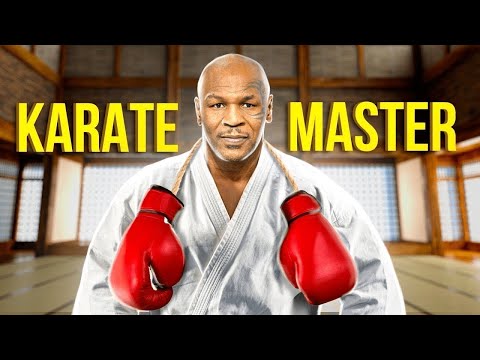
Mike Tyson's Peekaboo Style: A Karate Connection? A Critical Analysis

Introduction: The Provocative Claim

The world of combat sports is rife with legends, and few loom as large as Mike Tyson. Known for his explosive power, intimidating presence, and a fighting style that seemed to defy conventional logic, "Iron Mike" carved his name into history. But what if I told you that a cornerstone of his devastating technique, the famed "Peekaboo" style, was allegedly inspired by Karate? This is a claim that sparks immediate debate among martial artists and boxing aficionados alike. Is it a mere historical footnote, a misinterpretation, or is there genuine substance to the assertion that the baddest man on the planet drew inspiration from an ancient Japanese art? Prepare yourselves, for we are about to embark on a journey to dissect this claim with the precision of a doctor's scalpel and the blunt force of a well-placed jab.
"The genesis of a powerful technique often lies in unexpected unions. To dismiss connections out of hand is to limit our understanding of combat's evolution."
This article aims not just to present information, but to ignite critical thinking. We will explore the mechanics of Tyson's style, compare them to core principles of Karate, and critically evaluate the validity of this intriguing connection. Whether you're a seasoned Karateka, a dedicated boxer, or simply a student of combat, this analysis is designed to challenge your perceptions and deepen your appreciation for the intricate tapestry of martial arts.

Deconstructing Tyson's "Peekaboo" Style

Before we can assess any alleged Karate influence, we must first understand the Peekaboo style itself. Developed by Cus D'Amato and honed by Tyson, Peekaboo is characterized by its aggressive forward pressure, exceptional head movement, and devastating offensive combinations. * **High Guard:** Fighters using Peekaboo keep their gloves held high, close to their face and temples, hence the "peekaboo" moniker. This guard serves a dual purpose: protecting the head and face from incoming strikes while simultaneously setting up offensive maneuvers. * **Constant Movement:** The style emphasizes continuous, bobbing and weaving motion. This isn't just about evasion; it's about creating angles, disrupting the opponent's rhythm, and making oneself a difficult target. The fighter is always moving in, out, and around, making it hard for the opponent to establish a solid base or land accurate shots. * **Explosive Combinations:** Once an opening is created, Tyson unleashed brutal, short-range combinations, often targeting the head and body in rapid succession. His ability to close distance quickly and deliver power from unconventional angles was legendary. * **Lowered Center of Gravity:** A key element is maintaining a low, balanced stance. This provides stability, allows for powerful hip rotation in punches, and makes it harder to knock the fighter off balance. D'Amato famously described Peekaboo not just as a defensive stance but as an offensive weapon, designed to pressure the opponent relentlessly until they break. It’s a style built on timing, aggression, and an almost supernatural ability to slip punches while simultaneously preparing to deliver devastating blows.

The Alleged Karate Link: Examining the Evidence

The assertion that Mike Tyson's style is based on Karate movements stems from D'Amato's own statements and observations. D'Amato, an astute observer of combat, studied various martial arts. He reportedly saw similarities between the defensive head movements and evasive footwork of Peekaboo and certain Karate techniques.
Specifically, proponents of this theory point to: * **Footwork and Evasion:** The bobbing and weaving, the subtle shifts in weight, and the ability to move in and out of range quickly are seen as analogous to the footwork found in many Karate styles, particularly Okinawan Karate. The concept of *nagashi-uke* (flowing block) or evasive body shifts to avoid direct impact finds echoes here. * **Defensive Principles:** Karate emphasizes blending with an opponent's force rather than meeting it head-on. The Peekaboo fighter’s ability to slip punches and use the opponent's momentum against them aligns with this principle. * **Close-Range Combat:** While boxing is primarily a punching art, Tyson excelled in close quarters, using uppercuts and hooks effectively. Some Karate applications, especially in older forms, involve close-range striking and trapping. However, it's crucial to note that D'Amato never claimed Tyson was *performing Karate*. The connection is more about shared underlying principles of movement and evasion rather than direct technique transfer.

Sensei's Analysis: Similarities, Differences, and Misconceptions

As a lifelong student of the martial path, I find this claim fascinating, but also one that requires careful dissection. Let's lay down the objective truth, as any true Sensei would. Firstly, boxing and Karate are fundamentally different disciplines. Boxing focuses exclusively on punches with gloved hands to the upper body and head, emphasizing rhythm, timing, and power generation through hip rotation and footwork. Karate, on the other hand, is a comprehensive system encompassing punches, kicks, blocks, sweeps, and throws, often utilizing open-hand techniques and targeting various parts of the body.
"To equate the defensive subtleties of Karate evasion with the aggressive bobbing and weaving of Peekaboo is a stretch, yet not entirely without merit if we consider the underlying principles of kinetic efficiency." - My Interpretation based on countless hours of study.
**Where the Alleged Similarities Hold Water (The Nuance):** 1. **Evasion as a Primary Defense:** Both disciplines understand that avoiding a strike is often more effective than blocking it. The constant head movement in Peekaboo, designed to make Tyson a difficult target, mirrors the defensive body shifts and evasive footwork taught in many Karate styles to avoid an opponent's attack. Think of a Karateka moving off the line of attack (*tai sabaki*) to evade a punch or kick. The *purpose* is the same: to not be where the attack lands. 2. **Generating Power from the Ground Up:** Both Tyson's boxing and traditional Karate emphasize the importance of a strong base and hip rotation for generating power. A low center of gravity, crucial for Tyson's explosive power, is a fundamental tenet in many Karate stances (*kamae*). **Where the Connection Falters (The Hard Truth):** 1. **Targeting and Techniques:** Tyson's goal was to land punches. His techniques were honed for that singular purpose. Karate techniques are far more diverse. While a Karateka might use a subtle body shift to evade a punch, their subsequent action could be a block, a counter-punch, a kick, or even a throw – far beyond the scope of boxing. 2. **The "Peekaboo" Glove Position:** The high, tight guard of Peekaboo is specific to boxing. In Karate, while hands are often kept up for protection, the specific positioning and use of the gloves are different, and open-hand techniques are prevalent. 3. **Intent and Application:** D'Amato's genius was in adapting principles. He likely saw how evasive movements could be incorporated into boxing to create openings and defense. However, this is adaptation, not direct adoption. Tyson wasn't performing Karate katas; he was using boxing techniques with a defensive layer inspired by principles he observed elsewhere. The true connection, in my estimation, lies not in identical movements but in a shared philosophy of efficient body mechanics and evasive strategies. D'Amato, a student of strategy, likely recognized these universal principles and integrated them into the boxing context. It's a testament to the interconnectedness of combat theory, not a direct lineage.

Training Drills: Enhancing Footwork and Defensive Head Movement

Whether you're a boxer or a Karateka, improving your footwork and defensive head movement is paramount. Here are drills inspired by both disciplines:
  1. Shadow Boxing with Emphasis on Head Movement:
    • Assume your fighting stance (Boxing guard or Karate kamae).
    • Practice bobbing and weaving under imaginary punches. Focus on using your legs, not just your waist. Keep your knees bent and your rear planted.
    • Practice slipping punches side-to-side. Imagine a punch coming straight at your nose and slip it to the left, then to the right. Maintain balance.
    • Incorporate quick footwork changes – stepping in, stepping out, circling – while maintaining the high guard and head movement.
    • Focus on returning to a balanced stance after each movement, ready to counter.
  2. Partner Drills (Controlled Sparring):
    • With a trusted partner, practice throwing slow, deliberate punches at your head. Your goal is to evade without blocking, using only slips and weaves.
    • Your partner can gradually increase the speed, but the focus remains on your evasion, not on countering.
    • Once comfortable, introduce simple combinations from your partner, and practice reacting with appropriate head movement and footwork adjustments.
    • Karate Application: A Karateka can practice *tai sabaki* (body evasion) against basic punches, focusing on moving off the line of attack and maintaining a stable base.
  3. Mirror Drills:
    • Face a mirror and perform your footwork and head movement drills. This allows you to visually check your form, balance, and the fluidity of your transitions.
    • Ensure your movements are economical and that you're not telegraphing your intentions.
Remember, consistency is key. Incorporate these drills into your regular training sessions to build muscle memory and develop natural evasive instincts.

Essential Gear for Striking Training

To train effectively and safely in striking arts like boxing or Karate, having the right equipment is crucial. Investing in quality gear not only enhances your performance but also significantly reduces the risk of injury.
  • Boxing Gloves: For sparring and bag work, opt for gloves that offer good wrist support and adequate padding. 16oz gloves are generally recommended for sparring.
  • Hand Wraps: Always use hand wraps under your gloves to protect your metacarpals and wrists from impact.
  • Mouthguard: Essential for any form of sparring or combat simulation to protect your teeth and jaw.
  • Headgear: Recommended for heavy sparring sessions to mitigate the risk of cuts and concussions.
  • Karate Gi: If you are training Karate, a durable, well-fitting Gi is essential. Look for double-weave cotton for durability, especially if you plan on engaging in kumite (sparring). For heavier styles like Kyokushin, a reinforced Gi is a must.
  • Shin Guards and Instep Guards: Particularly useful for Karate or Kickboxing training involving kicks, offering protection for your lower legs and feet.
  • Jump Rope: An indispensable tool for improving footwork, coordination, and cardiovascular endurance – a staple in both boxing and Karate conditioning.

Sensei's Verdict: Did Tyson Truly Use Karate?

The assertion that Mike Tyson’s Peekaboo style was *based on* Karate is, in my professional opinion, an oversimplification that borders on myth. While Cus D'Amato was undoubtedly influenced by observed principles of movement from various arts, including potentially Karate, the direct translation of Karate techniques into Tyson's boxing is not evident. Tyson's style was a masterclass in *boxing*. Its effectiveness stemmed from the brilliant adaptation of fundamental boxing principles – explosive power, relentless pressure, aggressive defense, and superior timing – within the specific ruleset of the sport. D'Amato's genius lay in refining these boxing elements, perhaps drawing inspiration from the *concept* of evasive maneuvers found in Karate, but the execution remained purely within the domain of pugilism. Therefore, while there might be a philosophical or mechanical overlap in *certain aspects* of evasion and balance, it's misleading to claim Tyson *used Karate*. He used Boxing, perfected to an art form, potentially enhanced by D'Amato's broader understanding of combat dynamics.
"Iron Mike wasn't a Karateka, but the echoes of efficient movement, a universal language in combat, might have whispered through the strategic mind of his mentor."
Cinturón Negro en Adaptación Estratégica, pero no en Karate.

Frequently Asked Questions

Did Cus D'Amato ever explicitly state Tyson used Karate?

While D'Amato studied various martial arts and reportedly saw similarities, there's no definitive record of him stating Tyson's style was directly *based on* Karate techniques. The connection is more interpretative, focusing on shared principles of movement and evasion.

What are the core differences between boxing and Karate?

Boxing focuses solely on punches to the head and torso with gloved fists within a specific ring. Karate is a comprehensive martial art including punches, kicks, blocks, throws, and open-hand techniques, often practiced in a dojo with a focus on self-defense and discipline.

Could a boxer benefit from studying Karate's defensive principles?

Absolutely. Karate's emphasis on *tai sabaki* (body evasion), understanding distance, and utilizing minimal movement for maximum effect can certainly enhance a boxer's defensive capabilities and strategic thinking.

Is the Peekaboo style still used today?

While few fighters adopt it wholesale due to its demanding nature and high risk, elements of the Peekaboo style, particularly the high guard and aggressive head movement, are still seen and utilized by many modern boxers.

Dive Deeper Into Your Journey

Sensei's Reflection: Your Next Step

The allure of combining disparate martial arts is strong, a testament to the universal principles that govern effective combat. But how often do we mistake superficial resemblance for fundamental connection? Reflect on your own training: are you truly understanding the *essence* of the techniques you practice, or are you merely collecting movements? Go forth, train with intention, and seek the underlying truths, not just the borrowed styles. GEMINI_METADESC: Unravel the truth behind Mike Tyson's Peekaboo style and its alleged Karate influence. An expert analysis of boxing vs. Karate principles.

Boxing: Mastering the Art of Countering Fear and Striking Back

The sting of a missed punch, the jarring impact of a blow that lands – these are the specters that haunt the dreams of aspiring boxers, the very reasons many shy away from stepping into the ring. It's a question I've heard echoed countless times in the dojo, not just in boxing, but across all combat disciplines: "Sensei, how do I overcome the fear of my opponent's punches?" This isn't merely about physical defense; it's a profound psychological battle, a test of will as much as a test of skill.

Alexey Frolov, a keen mind in the pugilistic arts, addresses this very common, yet critical, query. He understands that for many beginners, the initial exposure to the power and speed of an opponent's offensive can be paralyzing. The instinctive urge to flinch, to retreat, or to simply cover up and absorb punishment is strong. But true mastery, as in any discipline of Budo, lies not in the absence of fear, but in the ability to acknowledge it, understand it, and ultimately, transcend it through intelligent action and unwavering resolve.

Understanding the Fear: The Psychology of Combat

Fear in combat is a primal response. It’s the body’s natural alarm system, designed to protect us from harm. When faced with a perceived threat – in this case, a fast-approaching fist – the amygdala, our brain's fear center, goes into overdrive. This triggers the fight-or-flight response, leading to physiological changes: increased heart rate, adrenaline surge, tunnel vision, and a heightened sense of danger. For a boxer, this can manifest as:

  • Freezing: Inability to react or move.
  • Clinching/Covering Up: Hiding behind guards, forfeiting offensive opportunities.
  • Panicked Swarming: Wild, uncoordinated attacks born of desperation.
  • Retreat: Moving backward without purpose, losing ring control.

The key is not to eliminate this fear, which is virtually impossible and arguably undesirable, as a healthy respect for danger keeps you sharp. The goal is to manage it, to prevent it from dictating your actions. As Miyamoto Musashi himself wrote in The Book of Five Rings, "It is difficult to know oneself. But by fighting, you can learn your strengths and weaknesses." True understanding comes from confronting these fears.

"The supreme art of war is to subdue the enemy without fighting." - Sun Tzu

While Sun Tzu speaks of strategy, the principle applies inwardly. To subdue the enemy within – your own fear – is the first step to dominating the opponent without.

Frolov's Approach: From Defensive Reaction to Offensive Opportunity

Alexey Frolov's perspective, as I understand it, centers on transforming the defensive reaction into an offensive platform. He doesn't advocate for simply "not being scared," but rather for developing the tools and the mindset that make a fighter *less vulnerable* to the debilitating effects of that fear. This involves:

  • Anticipation, Not Reaction: Learning to read an opponent's body language, feints, and rhythm allows you to predict incoming strikes rather than reacting to them. This moves you from a state of fear-driven response to one of calculated foresight.
  • Positional Advantage: Understanding footwork and defensive positioning means you're not just passively waiting to be hit, but actively controlling distance and angle. A well-maintained guard and proper stance absorb or deflect blows, reducing their impact and your perceived threat.
  • Counter-Punching as Deterrent: The most effective way to stop an opponent from punching is to make them pay for it when they try. This requires timing, accuracy, and a willingness to commit to the counter. It turns the opponent's aggression into your opportunity.

This is where the art of counter-punching, or gyaku-tsuki (逆突き) in Karate, becomes paramount. It’s not just about striking back; it’s about striking *precisely* when the opponent is most committed to their offensive, their guard momentarily open or their balance compromised. It requires immense discipline and training.

Drills for Building Confidence and Reducing Fear

Theoretical knowledge is one thing; practical application is another. Building the confidence to withstand punches and return fire requires consistent, focused practice. Here are some drills derived from boxing and other disciplines that can help:

Guía de Entrenamiento: Drills de Resiliencia y Contraataque

  1. Partner Shadowboxing (Light Contact): Work with a partner who throws light, controlled jabs and crosses. Your goal is not to block, but to slip, parry, or move out of the way, immediately returning a jab or cross. Focus on moving *with* the punch, not just away from it.
  2. The Heavy Bag Repetition: Spend rounds exclusively practicing your defensive movements (slips, rolls, ducks) followed by immediate counters. Don't just hit the bag; envision an opponent. Move after each punch you throw.
  3. Reaction Ball Drills: Use a reaction ball dropped from height. Catching it requires quick reflexes and hand-eye coordination, skills transferable to timing punches.
  4. Pad Work with a Focus on Counters: Your coach calls out drills: "Jab-cross, counter-hook!" or "Slip-slip, return straight!" The emphasis is on fluid defensive transitions into aggressive, accurate counter-attacks.
  5. Controlled Sparring Sessions: Begin with rounds where only specific punches (e.g., jab only) are allowed, or where points are awarded for defensive maneuvers and clean counters rather than just landing power shots. Gradually increase complexity.

Remember, the aim of these drills is not to make you impervious to pain, but to make you comfortable in uncomfortable situations. As a practitioner of BUDO, you understand that discomfort is the crucible of growth.

The Mindset of the Warrior: Beyond the Punch

The true fear is not of the punch itself, but of failure, of pain, of defeat. Overcoming this requires a shift in perspective, an understanding that the ring is a training ground for life. A concept deeply ingrained in Japanese martial arts is Mushin (無心) – a "mind without mind," or a state of flow where the mind is unburdened by thought, fear, or ego. This state allows for intuitive action and optimal performance.

"When you are on the verge of a struggle, do not be alarmed. Treat it as you would any other problem. You must have a clear mind when facing danger." - Miyamoto Musashi

To achieve a state closer to Mushin:

  • Focus on the Process: Concentrate on executing your techniques, your footwork, your defense, rather than the potential outcome of the opponent's punch.
  • Embrace the Challenge: See each punch as an opportunity to test your skills and your resolve, not as a personal threat.
  • Visualize Success: Before sparring or a fight, visualize yourself successfully defending, countering, and overcoming your opponent's offense.

This mental fortitude is what separates the novice from the seasoned fighter. It’s the ability to remain centered when the storm rages. This mental discipline is a cornerstone of practices like Kyokushin Karate, known for its rigorous spirit and emphasis on mental toughness.

Veredict of the Sensei: Is This True Boxing Wisdom?

Alexey Frolov's advice, as interpreted here, is not just sound boxing advice; it’s fundamental martial wisdom. The fear of being hit is universal in combat sports. The solution lies not in suppressing fear, but in transforming it into actionable intelligence. By developing anticipation, mastering defensive positioning, and honing the skill of the counter-punch, a fighter reclaims agency. Instead of being a victim of their opponent's aggression, they become a predator, turning the opponent's actions to their own advantage. This resonates deeply with the philosophies of Budo, where understanding an opponent’s intent and exploiting it is key.

Rating: Cinturón Negro en Sabiduría Marcial. This approach addresses the root cause of the fear by empowering the fighter with skill and strategy, rather than just telling them to "be brave." It's a lesson applicable far beyond the boxing ring.

Essential Equipment for Your Training

To effectively train the skills needed to overcome the fear of punches, certain equipment is crucial. Investing in quality gear not only enhances your training but also provides a sense of security and professionalism.

  • Boxing Gloves (14-16 oz): For sparring, these provide essential protection for your hands and your partner's face. Ensure they fit snugly.
  • Hand Wraps: Always use hand wraps underneath your gloves to protect your metacarpals and wrists.
  • Headgear: Especially important during sparring sessions, a good headgear significantly reduces the impact of blows to the head and builds confidence.
  • Mouthguard: Non-negotiable for any sparring. Protects your teeth and can prevent concussions.
  • Focus Mitts & Punch Mitts: Essential for coaches to develop a boxer's accuracy, timing, and defensive-countering skills.
  • Heavy Bag & Speed Bag: For solo conditioning and technique refinement.

For those looking to elevate their striking game, consider looking into specialist Karate Merchandise or MMA gear if you incorporate elements from those disciplines.

Further Learning Resources

To truly master the psychological and technical aspects of combat, continuous learning is paramount. Explore these related topics:

Frequently Asked Questions

¿Cómo puedo superar el miedo a recibir golpes en el boxeo?

La clave no es eliminar el miedo, sino gestionarlo. Desarrolla tu anticipación mediante el estudio de tu oponente, mejora tu juego de pies y tu defensa, y practica agresivamente las técnicas de contraataque. La confianza se construye con entrenamiento constante y exponiéndote gradualmente a situaciones de presión controlada.

¿Es normal sentir miedo al principio del entrenamiento de artes marciales?

Absolutamente. El miedo es una respuesta natural a una amenaza percibida. Todos los artistas marciales experimentados han sentido miedo en algún momento. La diferencia radica en cómo canalizan esa energía, convirtiéndola en concentración y acción.

¿Qué papel juega la filosofía en la superación del miedo en el combate?

Filosofías como el Bushido y el Budo enseñan la importancia de la disciplina mental, la aceptación del peligro y el enfoque en la tarea a mano (Mushin). Comprender que el entrenamiento es un camino de autodescubrimiento te ayuda a ver el miedo no como un obstáculo, sino como una oportunidad para crecer.

¿Pueden los ejercicios de respiración ayudar a controlar el miedo?

Sí. Las técnicas de respiración profunda y controlada pueden calmar el sistema nervioso, reducir la respuesta de adrenalina y mejorar la concentración, permitiéndote pensar con más claridad y reaccionar de manera más efectiva ante el miedo.

¿Hay alguna diferencia entre el miedo en el boxeo y en otras artes marciales?

El miedo subyacente es similar: el temor al daño físico y a la derrota. Sin embargo, la forma en que se manifiesta y se gestiona puede variar. El boxeo, con su énfasis en el golpe directo, puede generar un miedo más agudo al impacto. Otras artes, como el judo o el jiu-jitsu, pueden enfocarse en el miedo a la sumisión o a ser controlado.

Reflexión del Sensei: Tu Próximo Paso

Este análisis de cómo Alexey Frolov aborda el miedo en el boxeo es solo una pieza del vasto mosaico del arte marcial. La verdadera prueba no está en comprender estas palabras, sino en llevarlas al tatami, al ring, o a tu propio espacio de entrenamiento. La próxima vez que sientas esa punzada de aprensión antes de un sparring, recuerda: ¿Estás reaccionando a un golpe que aún no ha llegado, o estás preparándote para ejecutar el tuyo propio en el momento preciso? ¿Tu miedo te paraliza, o te agudiza?

Ahora te toca a ti. ¿Crees que el miedo es un enemigo insuperable en las artes marciales, o es una herramienta que, bien entendida, puede fortalecerte? Comparte tu experiencia y tu perspectiva en los comentarios. ¡No te guardes tus pensamientos!

``` GEMINI_METADESC: Explore boxing's fear of counter-punches with Alexey Frolov's insights. Learn psychological strategies, essential drills, and warrior mindset to overcome fear in the ring and in life.

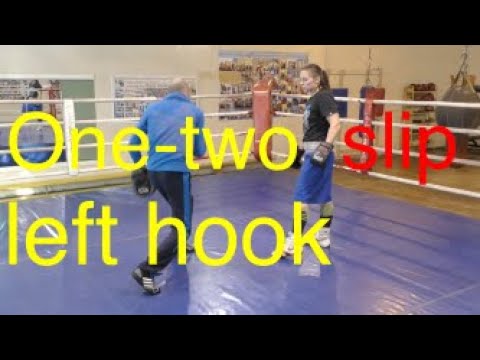
The Devastating "One-Two, Slip, Left Hook" Combination: A Masterclass in Striking Precision

The dance of combat. It’s a ballet of controlled chaos, a symphony of impact, and at its heart lies the precise execution of combinations. Many aspiring martial artists, eager to replicate the fluidity and power they witness, often focus on individual techniques. But true mastery, the kind that separates a fighter from a mere brawler, lies in the seamless integration of strikes. Today, we dissect a fundamental yet deceptively complex offensive sequence: the "One-two, Slip, Left Hook". This isn't just about throwing punches; it’s about creating openings, exploiting angles, and delivering decisive blows.

Intention is paramount in any martial endeavor. Are you looking to understand the core principles of offensive striking? To refine your defensive footwork? Or perhaps to analyze the tactical advantages of a specific punch combination? This lesson aims to provide a comprehensive understanding of the "One-two, Slip, Left Hook," covering its technical execution, strategic application, and the underlying philosophy that makes it a cornerstone of effective striking, whether in the dojo, the ring, or the unforgiving crucible of a street confrontation.

Understanding the Elements

Before we weave them together, let’s dissect each component of this lethal sequence. Each strike, each defensive maneuver, is a building block. Their power doesn’t just come from brute force, but from timing, precision, and the psychological impact they have on an opponent.

The "One-Two" is the fundamental jab followed by the cross. It’s the most basic offensive combination in boxing and many other striking arts. Its effectiveness lies in its speed and the fact that the second punch (the cross) is thrown with more power from the rear hand.

The "Slip" is a defensive head movement. It involves moving your head laterally to avoid a punch, typically an opponent’s straight punch like a jab or a cross. A well-executed slip not only evades the attack but also positions you advantageously for a counter-attack.

The "Left Hook" (for an orthodox fighter, this is the rear-hand hook; for a southpaw, it’s the lead-hand hook) is a powerful, arcing punch. When thrown after a slip, it can be devastating because the opponent is often off-balance or unprepared for the counter.

The Mechanics of the "One-Two"

The foundation of this combination is the jab and cross. Master this, and you build a solid offensive base. For an orthodox stance:

  1. The Jab (The "One"):
    • Start from your fighting stance, hands up, guard high.
    • Extend your lead arm straight forward, snapping the punch. Your palm should face downwards or slightly inwards.
    • As you extend, rotate your fist so it lands palm down. This adds power and protects your wrist.
    • Crucially, rotate your hips and shoulders forward slightly, transferring weight. Do not step with this punch; it’s a range-finding, setup, and control tool.
    • Retract the jab quickly to your guard. This is vital to avoid being countered.
  2. The Cross (The "Two"):
    • Immediately after retracting the jab, pivot on your rear foot.
    • Simultaneously, drive your hips and shoulders forward and rotate them. This is where the power comes from – your entire body.
    • Extend your rear arm in a straight line towards the target, fist rotating to land palm down.
    • Keep your chin tucked and your non-punching hand protecting your face.
    • Crucially, after the punch, immediately bring your rear hand back to your guard. Do not leave it extended or exposed.

The speed and fluidity between the jab and cross are key. They should flow, not be thrown as two separate, distinct punches. Think of it as one continuous motion, with the jab setting up the explosion of the cross.

The Art of the Slip

The slip is where defensive acumen meets offensive opportunity. It’s not about moving your whole body; it’s about a subtle, controlled movement of the head. The goal is to make the opponent’s punch miss without sacrificing your balance or defensive posture.

For an orthodox fighter, the slip is typically executed to the outside of an incoming straight punch. Imagine your opponent throws a jab. The slip involves:

  1. Initiation: As the opponent’s jab is extending, you subtly bend your knees.
  2. Lateral Movement: Shift your head slightly to your right (away from the incoming jab). This movement should be small and economical. You are moving your head off the centerline of the punch.
  3. Torso Rotation: A slight rotation of your torso aids the head movement.
  4. Maintaining Guard: Your hands should remain in position to protect your body and chin. Do not drop your hands to slip.
  5. Recovery: Spring back to your fighting stance, ready to counter.

The slip to the inside is often used against hooks, but the lateral slip is more common against straight punches and sets up the counter hook we’ll discuss.

"The greatest victory is that which requires no battle." – Sun Tzu

While Sun Tzu emphasizes avoiding battle, his principles of strategy and understanding the opponent are directly applicable. A slip is a form of 'victory' by evasion, creating the perfect opportunity to strike without receiving damage.

Integrating the Left Hook

This is where the magic happens. After executing the "One-Two," you’ve potentially drawn your opponent forward or forced them to block. Now, as they recover from their missed punch or are focused on your retreating hands, you exploit the angle created by your slip.

The sequence looks like this:

  1. Execute the "One-Two": Land your jab and cross.
  2. Opponent Reacts: They might block, step back, or continue their own offense.
  3. Execute the Slip: As their counter punch (or a continuation of their attack) comes, slip it to your right. This movement is subtle but crucial. Your head is now outside the line of their punch.
  4. Uncoil the Left Hook: From this position, with your body coiled from the slip and your hips already engaged, uncoil your hips and shoulders into a powerful left hook. The punch travels in an arc, targeting the opponent's jaw, temple, or even the body if they are bent over.
  5. Power Generation: The power comes from the rotation of your hips and torso, using the momentum generated from the slip and the previous punches.
  6. Recovery: Immediately snap your left hook back to guard, ready for follow-up or defense.

The timing is everything. The slip must happen as the opponent’s punch is incoming. The hook must be thrown as you recover from the slip, capitalizing on their momentary vulnerability.

Strategic Applications and Why It Works

This combination is a masterclass in offensive-defensive synergy. Here’s why it’s so effective:

  • Creates Openings: The jab pushes the opponent back or makes them react defensively. The cross follows up, forcing a commitment or a block.
  • Exploits Angles: The slip moves you out of harm's way and, more importantly, puts you in a superior angle to land your counter. Your opponent is often looking straight ahead, expecting another straight punch, not an incoming hook from the side.
  • Powerful Counter: The hook, thrown after the slip, utilizes the opponent’s momentum against them and leverages your full body rotation for maximum impact.
  • Sets Up Future Attacks: A successful execution can stun an opponent, leaving them open for further combinations or even a knockout. It also forces them to respect your striking and defensive capabilities.
  • Psychological Warfare: Landing this combination can significantly impact an opponent's confidence. They start questioning their offense and defense.

"The difference between a master and a novice is not in the complexity of their techniques, but in the simplicity and effectiveness of their execution." – A principle often echoed by legendary trainers.

Drills to Master the Combination

Theoretical knowledge is one thing; practical application is another. Consistent, focused drilling is the only way to internalize this sequence.

Shadow Boxing for Flow

  1. Start slow, focusing on the mechanics of each individual punch.
  2. Gradually link the jab and cross, ensuring smooth retraction and hip rotation.
  3. Introduce the slip: visualize an opponent throwing a punch and slip it.
  4. Combine the "One-Two" with the slip. Throw the punches, then immediately slip as if evading a counter.
  5. Finally, integrate the hook after the slip. Practice throwing the "One-Two," slipping the imaginary counter, and unleashing the hook.
  6. Focus on fluidity, speed, and retracting your hands to guard after each punch.

Heavy Bag for Power and Timing

  1. Start with the "One-Two," focusing on driving through the bag and retracting.
  2. Practice slipping imaginary punches between the "One" and the "Two."
  3. Now, practice the full combo: "One-Two," slip, then drive the hook into the bag.
  4. Vary the power: sometimes throw with full power, other times focus on speed and crispness.
  5. Experiment with different targets for the hook (e.g., aiming for the side of the bag as if hitting the jaw).

Partner Drills for Realism

  1. Controlled Pad Work: Have a partner hold focus mitts. Call out "One-Two." They hold. Then, they throw a slow, straight punch. You slip it and hit the mitt with a hook. Gradually increase speed and complexity.
  2. Counter-Punch Drills: Your partner throws a jab. You block or slip and throw a cross. Then, they throw a cross, you slip and throw a hook. Once comfortable, combine: you throw "One-Two," they throw a cross, you slip and throw your hook.
  3. Defensive Reaction Training: Have a partner simulate attacks. You practice slipping and countering. This drill hones your reaction time and precision.

Remember to always use proper protective gear, especially when drilling with a partner. The goal is to train smart, not just hard.

Common Mistakes to Avoid

Even fundamental techniques are prone to error. Be vigilant:

  • Dropping Hands: After throwing the jab or cross, instinctively bring your hands back to guard. Leaving them extended is an invitation for a counter.
  • Telegraphing the Slip: A dramatic head movement is easy to read. The slip should be economical and precise.
  • Over-Committing to the Slip: Moving too far can put you off balance and out of position to counter.
  • Not Using Hip Rotation: Relying solely on arm strength for punches will limit your power. Engage your core and hips.
  • Throwing Punches from the Shoulders Alone: This limits range and power, and is easily defended.
  • Forgetting the Follow-Up Recovery: After the hook, your guard must be immediately back up. Don't admire your work; prepare for the next exchange.
  • Synchronizing the Slip with the Punch: The slip should happen as the opponent’s punch is arriving, not before or too late.

The Bushido Connection: Mind Over Matter

The warrior's code, Bushido, emphasizes discipline, self-control, and awareness. This combination embodies these principles:

  • Discipline: The rigorous training required to perfect the sequence.
  • Self-Control: The ability to remain calm under pressure, execute techniques precisely, and avoid emotional reactions.
  • Awareness (Zanshin): Maintaining a state of alert readiness even after delivering a strike. The slip and the immediate return to guard are manifestations of Zanshin.
  • Readiness: The combination is an offensive action, but the slip is a defensive maneuver. This dual nature mirrors the warrior’s need to be prepared for both attack and defense.

"Become a student of the fight, not the fighter." – A mantra for martial artists seeking depth.

Understanding *why* a technique works, its strategic implications, and how it aligns with martial principles is the path to true mastery. It’s not just about muscle memory; it’s about intelligent application.

Movie Analysis: The Combination on Screen

Hollywood loves a good combo. While often exaggerated for dramatic effect, the "One-two, Slip, Left Hook" makes frequent appearances, showcasing its visual impact. Think of classic boxing films where the hero, knocked down and seemingly out, rises to land a perfectly timed counter combination after evading a wild swing. Or in martial arts films where a protagonist, facing multiple attackers, uses this sequence to create space and disable an opponent efficiently. The key is the build-up: the initial jabs to gauge distance and disrupt, the slip to evade danger, and the devastating hook to end the exchange decisively. While movie choreography can be stylized, the underlying principles of setting up strikes and using defense to create offense are often present.

Equipment Essential for Your Training

To hone your skills safely and effectively, consider the following:

  • Boxing Gloves: For pad work and sparring, 10-16 oz gloves are standard. They protect your hands and your partner.
  • Hand Wraps: Essential for protecting your wrists and knuckles during any striking training.
  • Focus Mitts: For practicing combinations and reaction drills with a partner.
  • Heavy Bag: For developing power, endurance, and practicing combinations in isolation.
  • Speed Bag: Excellent for improving hand-eye coordination and rhythm, which are crucial for chaining punches.
  • Jump Rope: Fundamental for building footwork, stamina, and timing.
  • Training Partner: The most crucial piece of equipment for realistic application and learning.

Investing in quality boxing gloves and hand wraps is a wise choice for any serious martial artist.

Veredicto del Sensei: ¿Merece la pena?

This isn't a question of "if" but "how well." The "One-two, Slip, Left Hook" combination is a fundamental pillar of striking. Its effectiveness is undeniable in its ability to initiate offense, defend against counters, and create knockout opportunities. It's a testament to the power of simplicity and precision. If you're looking for a single, versatile offensive sequence that bridges the gap between basic strikes and tactical combat, mastering this combination is an absolute must. It’s not just a punch sequence; it’s a tactical problem-solver.

Rating: Cinturón Negro en Eficacia Táctica

Frequently Asked Questions

  • Q: Can this combination be used in any striking art?
    A: Yes, while the specifics of the stance and execution may vary, the core principle of a two-punch combination followed by a defensive maneuver and a counter-hook is applicable in boxing, kickboxing, Muay Thai, and even some forms of Karate and Taekwondo.
  • Q: What is the best way to practice the slip?
    A: Start by practicing the head movement slowly without punches, focusing on bending your knees and rotating your torso slightly. Then, have a partner throw slow jabs, and practice slipping them. Gradually increase speed and integrate it into combinations.
  • Q: How do I generate power in my left hook after the slip?
    A: The power comes from rotating your hips and torso. As you recover from the slip, uncoil your body, driving power from the ground up through your legs, hips, and core into the punch.
  • Q: Is it always a left hook after the slip?
    A: Typically, yes, as the slip to your right (for an orthodox fighter) naturally opens up your left side for a powerful hook. However, advanced fighters might transition into other counters depending on the opponent's reaction.

To Deepen Your Path

Your journey in martial arts is a continuous pursuit of knowledge and skill. To further your understanding of offensive and defensive strategies:

Reflection of the Sensei: Your Next Step

This "One-two, Slip, Left Hook" is more than just a string of movements; it is a microcosm of intelligent combat. It requires foresight, timing, discipline, and the courage to exploit an opening. You can drill this a thousand times in isolation, but its true value is revealed when the pressure is real. So, I ask you:

When you face your next sparring session, or even a challenging moment in life, will you merely react, or will you *respond* with calculated precision, turning a defensive moment into an offensive opportunity?

The path to mastery is paved with such reflections. Now, go forth and train.

``` GEMINI_METADESC: Master the essential 'One-Two, Slip, Left Hook' combination. Learn the mechanics, strategic applications, and drills from a Sensei's perspective for effective striking.

The Unseen Force: Unpacking Nicolino Locche's Elusive Boxing Mastery

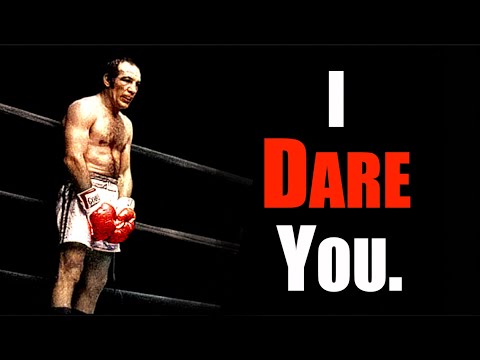
Imagine a fighter who could defeat an opponent without ever throwing a punch. Not through intimidation, not through psychological warfare, but through sheer, unadulterated defensive brilliance. Nicolino Locche, the Argentinean boxing prodigy, was precisely that man. He once famously sent an adversary to the canvas without ever landing a single blow. How? The answer lies not in brute force, but in an almost supernatural mastery of head movement, a cornerstone of his elusive and utterly captivating style. Welcome, warriors, to Budo y AM, where we dissect the arts of combat and the philosophies that underpin them.

The Myth of the Unseen Punch: More Than Just Defense

The legend of Nicolino Locche is woven from tales of opponents left flustered, exhausted, and ultimately defeated by an invisible force. This wasn't magic; it was applied science, honed through rigorous dedication. In the realm of artes marciales, we understand that victory is not solely achieved through offensive power. Sometimes, the most potent attack is the absence of one. Locche embodied this principle, demonstrating that controlling the space, dictating the rhythm, and making your opponent fight the air itself is a legitimate, and devastating, path to victory. His style was a testament to the fact that true mastery lies in understanding not just how to strike, but how to avoid being struck.

Locche's Philosophy: The Art of Evasion

At its core, Locche's approach to boxing was an embodiment of a deep martial philosophy. It wasn't just about boxing; it was about *survival*, about minimizing risk and maximizing control. His style resonates with principles found across various BUDO disciplines, where the ultimate goal is often to neutralize an opponent's aggression with minimal expenditure of energy. This mirrors concepts like Aikido's "harmony" or certain Karate katas emphasizing defensive movements followed by swift counters. Locche understood that a fighter who cannot be hit is a fighter who cannot lose. His movements were fluid, economical, and imbued with a strategic intent that transcended mere physical action. He didn't just dodge; he *redirected*, *deflected*, and *nullified*. This is the essence of high-level combat.

"If you don't get hit, you don't get tired. If you don't get tired, you can keep fighting. If you can keep fighting, you win." - A principle embodied by Locche, though not directly quoted.

His defensive prowess was not born out of fear, but out of profound confidence in his ability to control the engagement. He was a maestro of the "ghost move," a technique that makes the opponent *think* they are about to land a strike, only to find themselves punching empty air while Locche remains safely out of range. This mental aspect is crucial; it demoralizes the opponent and erodes their confidence with every missed attempt.

Head Movement: The Ultimate Defensive Weapon

Locche's signature was his extraordinary head movement. This wasn't just about bobbing and weaving; it was a sophisticated dance of evasion. He utilized subtle shifts of the head, almost imperceptible changes in posture, and impeccable timing to slip punches that would have found their mark on lesser fighters. This level of mastery requires:

  • Exceptional Peripheral Vision: The ability to track an opponent's movements and anticipate strikes.
  • Impeccable Timing: Knowing precisely when to move and how much.
  • Body Control: The ability to generate power from the hips and legs to move the upper body explosively.
  • Anticipation: Reading an opponent's intentions before the punch is even thrown.

This, my friends, is where the true spirit of martial arts lies. It's not just about the raw power of a Kyokushin Karate punch, or the technical wizardry of jiujitsu grappling. It's about understanding the dynamics of conflict, the psychology of the fight, and the most efficient ways to achieve your objective – victory, or in a broader sense, self-preservation. Locche's style brings to mind the elusive movements of a skilled Shaolin monk, evading attacks with grace and purpose.

Consider the concept of 'distance' in combat. For Locche, distance was not a fixed entity but a fluid battlefield he constantly manipulated. He could make an opponent feel like they were within striking range, only to disappear, forcing them to overextend and expose themselves. This continuous spatial adjustment is a high-level skill that requires immense practice and an intuitive understanding of physics and physiology. It’s a lesson applicable to all combat sports, from MMA to Karate.

Applying Locche's Principles: Beyond Boxing

While Locche was a boxer, the principles he exemplified are universally applicable in the martial arts and indeed, in life. How can a Karateka, a Judo practitioner, or even a MMA fighter learn from Locche?

  1. Embrace Defensive Drills: Dedicate significant training time to defensive movements. Practice slipping, rolling, and countering from evasive positions. This is as vital as practicing offensive techniques.
  2. Develop Spatial Awareness: Understand your range and your opponent's range. Learn to move in and out of these ranges effectively. This is crucial for all fight scenarios, whether in a ring or in self-defense.
  3. Study Movement Economy: Every movement should have a purpose. Avoid wasted energy. This principle is central to BUDO and applies to all martial endeavors.
  4. Cultivate Mental Fortitude: Confidence in defense can be as powerful as confidence in offense. Train your mind to stay calm under pressure and to read your opponent's intentions.

In the UFC, we often see fighters with incredible offensive output, but those who truly stand the test of time, like Jon Jones, possess an uncanny ability to avoid damage. This is Locche's legacy echoing through modern combat sports. Even in the brutal world of Artes Marciales Mixtas, where grappling and striking collide, the ability to slip a punch or evade a takedown remains paramount.

Locche in the Pantheon of Boxing Greats

Nicolino Locche's career spanned from the late 1950s to the mid-1970s. He retired with an impressive record, having held the WBA junior welterweight title. But his legacy transcends mere statistics. He was a fighter who dared to be different, who prioritized skill and intelligence over raw aggression. In a sport often characterized by its physicality, Locche proved that artistry and tactical genius could lead to dominance. He was a boxer who fought more like a martial artist, a testament to the universal principles of combat.

His impact can be felt in the evolution of defensive techniques across various martial disciplines. He showed that the ultimate fight strategy might not be to strike first, but to ensure you are never in a position to be struck at all. This is a profound lesson, applicable far beyond the boxing ring. It speaks to the importance of preparation, foresight, and strategic positioning in any challenging endeavor.

Veredicto del Sensei: Is Locche a Blueprint for All Fighters?

Locche's style is undeniably brilliant and highly effective for its context. He was a master of his craft, and his ability to dominate through evasion is a marvel. However, to suggest it's a direct blueprint for every fighter, in every discipline, would be a disservice to the diversity of martial arts. A Judo practitioner needs to engage in close-range grappling, a Karate master might rely on powerful linear attacks, and an MMA fighter must blend striking and grappling seamlessly.

Locche's greatest contribution is not a specific technique, but a *philosophy* of combat: the absolute primacy of defense and control. This philosophy, however, must be adapted. For some, it means slipping punches. For others, it means expertly defending against takedowns or blocking devastating kicks. The core principle – making yourself an unhittable target – remains a universal truth in combat. He achieved the ultimate defensive state, where the opponent's efforts were rendered futile. This is why he is celebrated, and why his legend endures.

Essential Gear for Your Training

To emulate the dedication and precision of masters like Locche, the right equipment is crucial. While boxing is his domain, many principles translate to other martial arts. Focus on developing your core and agility, as these are foundational to effective movement.

  • Quality Boxing Gloves: For sparring and bag work, invest in gloves that offer good wrist support and cushioning (e.g., 16oz for sparring).
  • Hand Wraps: Protect your metacarpals and wrists during intense training sessions.
  • Speed Rope: Develop footwork, coordination, and cardiovascular endurance – essential for any evasive style.
  • Agility Ladder: Enhance foot speed and coordination, critical for mastering elusive movements.
  • Headgear: For sparring, especially when practicing defensive techniques, headgear is paramount for safety.

For those in disciplines like Karate or Judo, a high-quality Karate Gi or Judo Gi respectively, made from durable material, will withstand rigorous training. Remember, investing in good equipment is an investment in your training and your longevity as a martial artist.

Frequently Asked Questions

Q1: Did Nicolino Locche ever really knock someone out without touching them?
A: The most famous instance involves an opponent who, after being frustrated and exhausted by Locche's elusiveness, collapsed from sheer exertion and possibly a touch of psychological breakdown. It's a testament to his ability to control the fight without engaging directly.

Q2: How can a beginner develop Locche's level of head movement?
A: Start with the basics: shadow boxing focusing on slipping and bobbing. Use drills like throwing a ball against a wall and catching it while moving your head, or partner drills with a coach focusing solely on defensive reactions. Patience and consistent practice are key.

Q3: Is Locche's style relevant in modern MMA?
A: Absolutely. While MMA requires a broader skillset, the principles of elite defense, precise timing, and spatial control are more critical than ever. Fighters like Alexander Volkanovski and Max Holloway demonstrate a modern interpretation of Locche's defensive artistry.

Q4: What martial art best embodies Locche's philosophy of evasion?
A: While boxing is his origin, Aikido's emphasis on blending with an opponent's force and redirecting it, or certain styles of Kung Fu focusing on circular evasion, share similar philosophical underpinnings.

For Further Learning on Your Journey

The story of Nicolino Locche is more than just boxing history; it's a profound lesson in the martial arts. It teaches us that true strength often lies in restraint, intelligence, and the subtle art of not being there when your opponent strikes. It’s a reminder that the most effective way to win a fight is often to control it so completely that your opponent never has a chance to fight back.

Reflection of the Sensei: Your Next Step

Locche made his opponents fight his fight, on his terms, without ever truly engaging them on theirs. Now, consider your own training. Are you dictating the terms of your learning, or are you merely reacting to what is thrown at you? Are you developing your defenses with the same fervor you pursue your attacks? Remember, the path of the warrior is one of constant adaptation and intelligent application. What unseen force can YOU cultivate in your own practice to control your engagement and emerge victorious, not by force, but by wisdom?

``` GEMINI_METADESC: Explore Nicolino Locche's legendary boxing, focusing on his unparalleled head movement and defensive mastery. Learn martial principles applicable to all combat arts.