Showing posts sorted by relevance for query Boxing Strategy Breakdown. Sort by date Show all posts

Rey Vargas vs. O'Shaquie Foster: A Martial Masterclass in the Squared Circle

Introduction: Beyond the Knockout

Hello, and welcome to Budo and Martial Arts. You are witnessing the raw essence of combat on February 12, 2023: Rey Vargas vs. O'Shaquie Foster, presented as fight highlights. But as practitioners of the martial path, we know that a fight is more than just raw power or a single decisive blow. It's a narrative woven with strategy, discipline, and the unyielding spirit of a warrior. On this night, in the featherweight division, two athletes stepped into the ring, not just to compete, but to showcase the culmination of countless hours of dedication, sweat, and mental fortitude. This bout, a WBC featherweight world championship contest, transcended the simple definition of a boxing match. It was a crucible where technique met tenacity, and where the age-old principles of martial combat were laid bare for all to see. Forget the superficial gloss; we are here to dissect the deeper currents of this encounter. Are you ready to look beyond the highlight reel and understand the Budo within the boxing ring?

The Art of the Fight: A Technical Breakdown

At its core, boxing is a martial art, albeit one focused on striking with the fists. The bout between Vargas and Foster offered a compelling case study. Vargas, known for his technical proficiency and defensive acumen, versus Foster, a dynamic fighter with formidable offensive capabilities. The technical exchange in this fight was not merely about landing punches; it was a high-stakes game of distance management, timing, and precise application of offensive and defensive techniques. Observe Vargas's footwork. It’s a masterclass in maintaining the optimal range, constantly shifting angles to create openings or evade Foster's power. This isn't just movement; it's calculated evasion, a dance of defense that has echoes in the sidestepping of a skilled Karateka or the evasive maneuvers in Judo. Foster, on the other hand, often sought to close the distance, applying pressure – a tactic reminiscent of aggressive Karate styles or the relentless advance of a Sumo wrestler. The jab, often considered the most fundamental punch in boxing, served as both a probing tool and a defensive shield. A well-timed jab can disrupt an opponent's rhythm, score points, and create the space needed for more powerful combinations. We saw this repeatedly, with each fighter using their lead hand to establish dominance, to feel out the opponent's reactions, and to set traps. Consider the straights and hooks. Vargas's straights were often sharp, precise, and delivered with a snap that belied their deceptive simplicity. Foster's hooks, when they landed flush, carried significant power. The effectiveness of these power shots, however, depended entirely on the preceding setup – the feints, the jabs, the footwork that created the opportunity. This is the intricate choreography of combat: one element enabling the next.
"The supreme art of war is to subdue the enemy without fighting." - Sun Tzu, The Art of War. While this fight was certainly a fight, the strategic elements that minimized damage and maximized effectiveness mirror Sun Tzu's wisdom. Every feint, every evasive maneuver, was an attempt to win the engagement before the full commitment of a knockout blow.
The art of the clinch, though often a sign of a fight's breakdown into less structured exchanges, also has its place. Here, fighters can momentarily halt an opponent's attack, reset their position, or even land short, damaging blows. In this fight, brief clinches allowed fighters to catch their breath, gather their thoughts, and prepare for the next phase of the duel.

Strategic Prowess: Mind Over Muscle

Beyond the physical techniques, the true martial aspect of this bout lies in the strategic battle unfolding. This wasn't a slugfest driven by pure aggression; it was a chess match played with fists. Both fighters, and their corners, were constantly assessing, adapting, and strategizing. Did Vargas notice Foster’s tendency to drop his left hand after throwing a right? Did Foster identify Vargas's reliance on his jab to set up his offense? These observations, made in real-time, dictated the flow of the fight. A fighter who fails to adapt is a fighter destined for defeat. This mirrors the battlefield, where understanding the enemy's patterns and exploiting their weaknesses is paramount. The ability to change tactics mid-fight is a hallmark of a seasoned warrior. If a particular strategy isn't working, a true martial artist must have the mental flexibility to pivot. This could mean shifting from an offensive to a defensive posture, altering punch selection, or changing the rhythm of the fight. The endurance required is not just physical; it's mental. Maintaining focus and composure under pressure, amidst the roar of the crowd and the sting of incoming blows, is a testament to deep mental conditioning. This mental fortitude, this ability to remain calm and focused when the stakes are highest, is a core tenet of Budo. It’s the concept of *Mushin* (no-mind) – a state of spontaneous action, unclouded by thought or emotion. While achieving true Mushin is the lifelong pursuit of many martial artists, we can see glimpses of it in elite athletes who react instinctively and effectively in the heat of battle.

The Warrior's Spirit: Lessons from the Ring

What truly elevates a contest like Vargas vs. Foster from a mere spectacle to a martial arts discussion are the underlying philosophies it embodies. The discipline required to reach this level is immense. Years of training, sacrificing social life, enduring pain, and pushing physical and mental limits – this is the unseen foundation of every performance. The concept of *Gaman* – enduring the seemingly unbearable with patience and dignity – is crucial here. Fighters must endure the pain of hard punches, the fatigue of demanding rounds, and the pressure of championship aspirations. Their ability to persevere, to keep moving forward even when hurt or tired, speaks volumes about their character and their commitment to their craft. Furthermore, the respect shown between these warriors, win or lose, is a critical component of the martial code. While the competition is fierce, the acknowledgment of each other’s skill, courage, and sacrifice is vital. This mutual respect fosters a healthy competitive environment and reinforces the idea that the martial path is about self-improvement as much as it is about defeating an opponent. The narrative of such fights often inspires others. Young practitioners, watching these skilled athletes, learn about dedication, resilience, and the pursuit of excellence. The ring becomes a stage for demonstrating the virtues that martial arts strive to cultivate: courage, integrity, perseverance, and self-mastery.

Sensei's Verdict: A Testament to Boxing's Budo

Is the bout between Rey Vargas and O'Shaquie Foster a display of pure martial spirit? Absolutely. While boxing may lack the diverse weapon sets of some traditional arts, its focus on the human body as a weapon, combined with the rigorous discipline, strategic depth, and mental fortitude required, places it squarely within the broader martial arts spectrum. The fight showcased not just athletic prowess, but the embodiment of perseverance, tactical thinking, and the warrior's unbroken will. It’s a modern testament to how the ancient principles of combat continue to evolve and manifest in contemporary disciplines. **Sensei's Verdict: A Black Belt in Combat Strategy**

Essential Gear for Your Training

To truly appreciate and emulate the dedication seen in bouts like Vargas vs. Foster, proper training is essential. While professional boxers have specialized equipment, foundational martial arts training can be enhanced with a few key items.
  • Boxing Gloves: For sparring and heavy bag work, investing in quality gloves (e.g., 16oz for sparring) is crucial for hand protection and for developing proper punching form.
  • Hand Wraps: Essential for supporting the wrists and knuckles during intense training, preventing injuries.
  • Jump Rope: A classic tool for cardiovascular conditioning, footwork, and agility training – vital for boxers and martial artists alike.
  • Heavy Bag/Punch Mitts: For practicing power shots, combinations, and defensive reactions.
  • Comfortable Training Apparel: Breathable shorts and t-shirts that allow for full range of motion are a must.

Frequently Asked Questions

Q1: Is boxing considered a traditional martial art?
While boxing has a more recent history compared to ancient arts like Karate or Kung Fu, it shares core principles such as discipline, physical conditioning, strategic combat, and self-mastery, aligning it with the broader philosophy of Budo.

Q2: How does footwork in boxing relate to other martial arts?
Footwork in boxing is fundamental for offense, defense, and range control, much like the stances and foot maneuvers in Karate, Taekwondo, or Kung Fu, emphasizing balance, agility, and positional advantage.

Q3: What mental qualities are most important for a boxer, and how do they relate to martial arts?
Key mental qualities include discipline, focus, resilience, and emotional control. These are paramount in all martial arts, helping practitioners overcome challenges both in training and in life, embodying principles like perseverance and *Mushin*.
To Deepen Your Journey

To further explore the intersection of combat sports, strategy, and martial philosophy, consider these resources:

Sensei's Reflection: Your Next Step

This bout between Rey Vargas and O'Shaquie Foster was more than just a contest of punches; it was a vivid illustration of martial principles in action. It demonstrated that the spirit of Budo—discipline, strategy, resilience, and respect—transcends any single discipline. Now, the question for you, the dedicated student, is this: In your own training, where do you see the greatest need for strategic adaptation? Are you merely going through the motions, or are you actively engaging your mind in the same way these warriors engaged their opponent? Reflect on this, and let your practice be your answer.

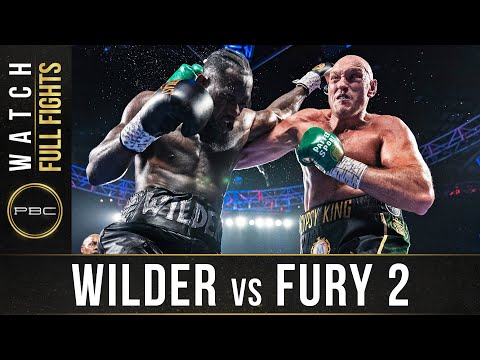
The Unforgiving Crucible: A Martial Analysis of Wilder vs. Fury II

The Unforgiving Crucible: A Martial Analysis of Wilder vs. Fury II

Many see boxing as mere pugilism, a brutal spectacle of brute force. But for those who truly understand the martial path, even a prize fight like Wilder vs. Fury II offers profound lessons. This wasn't just about two men exchanging blows; it was a study in strategy, resilience, and the unforgiving nature of combat when pushed to its absolute limit. This encounter, on February 22, 2020, was more than a championship bout; it was a crucible where different martial philosophies collided. We will dissect this fight not just as a boxing match, but as a demonstration of principles applicable to any warrior's journey.

The Clash of Styles: A Tactical Breakdown

The rematch between Tyson "The Gypsy King" Fury and Deontay "The Bronze Bomber" Wilder was billed as a historic mega-event, and it certainly delivered. From a martial perspective, the core of this contest lay in their diametrically opposed styles. Wilder, a force of nature, wielded the "Bronze Bomber" – a puncher's punch, explosive and devastating, capable of ending any fight with a single, thunderous blow. His power was his primary weapon, his strategy often revolving around landing that one fight-ending shot. This is akin to a martial artist relying on a single, specialized technique, honed to perfection but perhaps lacking in broader application.

Fury, on the other hand, embodied a different martial philosophy. His approach was a blend of tactical boxing, utilizing his immense size and reach, coupled with an almost surprising agility and an unyielding mental fortitude. He didn't aim for the instant knockout; instead, he employed a strategy of attrition, control, and methodical pressure. This is the hallmark of a well-rounded martial artist who understands that victory is often achieved through a consistent application of skill, strategy, and endurance rather than relying on a single, albeit powerful, offensive outburst. His ability to adapt and dictate the pace of the fight is a testament to superior martial conditioning.

"In boxing, as in all martial arts, strategy is paramount. The most powerful blow is useless if it never lands, and the most complex technique will fail against an opponent who understands its rhythm."

Fury's Dominance: Exploiting Weaknesses with Precision

Fury's victory was not a product of luck; it was a masterclass in dissecting an opponent's weaknesses. From the outset, Fury used his superior reach and footwork to keep Wilder at bay, negating the Bomber's power advantage. He constantly moved, forcing Wilder to chase, expending precious energy. This is a fundamental principle in many martial arts: control the distance, control the engagement.

The turning point, as noted, began in the third round. Fury's well-timed right hook, a clean shot that put Wilder down, was not just a powerful punch but a demonstration of precise timing and execution. Wilder, known for his incredible ability to recover, managed to get up, but the damage, both physical and psychological, was done. Fury, like a seasoned predator, sensed the shift. He didn't rush in blindly; he continued his methodical pressure.

The second knockdown in the fifth round, this time with a body shot, further illustrated Fury's strategy. Targeting the body is a classic tactic to sap an opponent's strength and stamina, making them more vulnerable to headshots. This shows an understanding that a fight is not just won by striking the head, but by systematically dismantling the opponent's physical capacity. It's a lesson in strategic targeting that transcends boxing, echoing principles found in Judo grappling or the debilitating strikes in Kyokushin Karate.

Wilder's Resilience: A Warrior's Spirit in Defeat

Despite the overwhelming odds and the physical punishment he endured, Deontay Wilder displayed a remarkable warrior's spirit. His ability to rise from multiple knockdowns, especially after the third-round knockdown, speaks volumes about his heart and conditioning. In the realm of martial arts, resilience is as crucial as technique. The capacity to absorb damage, to face adversity, and to continue fighting is the very definition of a warrior's character.

"My corner threw in the towel and I was ready to go out on my shield," Wilder stated. This is a poignant declaration. While the referee ultimately made the call, Wilder's willingness to continue fighting despite being severely compromised highlights a primal fighting instinct. This is the spirit that drives practitioners through grueling training sessions and painful setbacks. It’s the "never give up" mentality that defines true martial artists, regardless of the outcome.

"Defeat is not the fall, but the refusal to rise. Wilder's spirit, even in this loss, embodies the enduring nature of a fighter."

His post-fight comments, "I make no excuses tonight. I'm a warrior. He had a great performance and we will be back stronger," are what truly define him as a martial spirit. It's easy to celebrate victory; it's a sign of true character to acknowledge a superior performance and vow to return stronger. This mindset is fundamental to progress in any discipline, whether it's the MMA cage, the Karate dojo, or the wrestling mat.

The Referee's Role: The Thin Line Between Combat and Carnage

Referee Kenny Bayless's role in this fight is a critical point of discussion from a martial safety perspective. While he deducted a point from Fury in the fifth round, his ultimate decision to stop the fight in the seventh was a crucial intervention. The referee acts as the guardian of the combatant, ensuring that the fight does not devolve into unnecessary brutality when an opponent is no longer capable of defending themselves effectively. This concept of intervention to prevent severe harm is present in varying degrees across martial arts. In some, like Aikido, control and submission are emphasized over striking to minimize injury. In combat sports with stricter rules, the referee is the ultimate arbiter of safety.

The moment Fury had Wilder cornered and unleashed a barrage of punches, the fight reached its precipice. Bayless's intervention was swift and decisive, preventing further, potentially devastating, damage to Wilder. This demonstrates the vital responsibility of officials to uphold the integrity of the sport and the safety of its participants. It's a stark reminder that while martial arts can be a path to self-mastery, they also carry inherent risks that must be managed by experienced individuals.

Strategic Punching: The Numbers Don't Lie

The CompuBox statistics paint a clear picture of Fury's strategic superiority. Out-throwing Wilder 267 to 141 and landing 82 to 34, Fury was not only more active but significantly more effective. The numbers from the fifth and sixth rounds, where Fury landed 16 and 14 power punches respectively, highlight his sustained offensive output. This wasn't just about throwing more punches; it was about throwing the *right* punches, at the *right* time, with the *right* intent.

In martial arts, efficiency is key. Landing fewer, but more impactful and strategically placed, strikes can be more effective than a flurry of wild punches. Fury's approach exemplifies this: using his physical advantages to control the fight, landing significant blows that accumulated damage, and ultimately forcing the stoppage. This mirrors the principles of BJJ, where positional control and strategic submissions lead to victory, or even the deliberate, hard-hitting techniques of Taekwondo that prioritize power and precision.

Veredict of the Sensei: More Than Just a Boxing Match?

Wilder vs. Fury II transcends the typical boxing narrative. It’s a visceral illustration of martial principles: the strategic dance of distance and timing, the indomitable will of the warrior, the critical role of conditioning, and the necessity of calculated aggression. While Fury employed a more diverse and adaptable strategy, Wilder's raw power and enduring spirit cannot be overlooked. Both men, in their own way, showcased aspects of what it means to be a fighter.

Is this fight a perfect representation of martial arts philosophy? No single combat sport can encapsulate the entirety of the martial path. However, it provides a potent, high-stakes example of strategic application, mental toughness, and the consequences of combat. It serves as a valuable case study for anyone seeking to understand the dynamics of conflict and the qualities required to navigate it successfully. It is a clear demonstration of how superior technique, strategy, and conditioning can overcome raw, albeit powerful, force. It's a fight that warrants deeper study by anyone passionate about combat and the human spirit's capacity for both devastating power and unwavering resolve.

Essential Gear for Your Training

To truly appreciate and emulate the conditioning and strategic application seen in bouts like Wilder vs. Fury II, proper training equipment is essential. Whether you're focusing on boxing, MMA, or any other striking art, investing in quality gear ensures safety and optimizes your training.

  • Boxing Gloves: For sparring, 16oz gloves are standard to protect both you and your training partners. Lighter gloves (10-12oz) are suitable for bag work and mitts, helping to build hand speed and power.
  • Hand Wraps: Crucial for wrist and hand support during any striking activity.
  • Mouthguard: Non-negotiable for any form of sparring or live combat.
  • Groin Protector: Essential for male practitioners to protect vital areas.
  • Boxing Shoes: Provide ankle support and superior traction for footwork.
  • Headgear: For sparring, to minimize the risk of cuts and concussions.

Deeper Studies: Expanding Your Martial Horizons

To truly grasp the nuances of combat strategy and martial philosophy, exploring various disciplines and their historical context is key. Here are some resources to deepen your understanding:

  • MMA Fighting Techniques: Understand the integration of striking and grappling.
  • The Philosophy of Budo: Explore the spiritual and ethical dimensions of martial arts.
  • History of Karate: Learn about the origins and evolution of traditional striking arts.
  • Judo: Grappling Techniques and Principles: Discover the art of yielding and leverage.

Frequently Asked Questions

What was the official result of Wilder vs. Fury II?

Tyson Fury defeated Deontay Wilder by seventh-round stoppage via TKO to win the WBC Heavyweight Championship.

Who threw in the towel for Deontay Wilder?

Deontay Wilder's corner, led by trainer Jay Deas, threw in the towel during the seventh round.

What were the key strategic differences between Fury and Wilder?

Fury utilized superior reach, footwork, and a methodical pressure-based strategy, while Wilder relied on his explosive, knockout power.

Did Wilder acknowledge Fury's performance?

Yes, Wilder stated, "The best man won tonight," and acknowledged Fury had a "great performance."

What does CompuBox data reveal about the fight?

CompuBox stats showed Fury significantly out-landing and out-working Wilder, particularly with power punches in the later rounds.

Sensei's Reflection: Your Next Step

The raw power of Wilder, met by the calculated strategy of Fury, presents us with a fundamental martial question: Is it better to be the thunder that shakes the earth, or the steady rain that erodes the mountain? Both possess destructive potential, but one is fleeting, the other enduring.

Sensei's Reflection: Your Next Step

Consider this: In your own training, are you the thunder, relying on sporadic bursts of power, or the rain, consistently applying your skills with precision and persistence? Where does true mastery lie? Reflect on the techniques and philosophies you prioritize. Are they designed for a single, explosive moment of victory, or for sustained, adaptable application in the face of any challenge? The answer will define your path as a warrior.

``` GEMINI_METADESC: A martial arts expert dissects the Wilder vs. Fury II boxing match, analyzing strategy, resilience, and combat principles beyond the ring.

BUSTAMANTE VS JAGGER: A Martial Arts Critique of 'La Velada del Año 2'

Introduction: Beyond the Hype

Welcome, warriors and students of the martial path, to Budo and Martial Arts. Today, we dissect a spectacle that has captured the public's imagination: the boxing match between Bustamante and Jagger at 'La Velada del Año 2'. While this event was staged for entertainment, as practitioners and aficionados, we have a duty to look beyond the spectacle and evaluate the underlying martial principles—or the lack thereof. Was this a true test of combat spirit, or merely a performance? Let the examination commence.

The world of combat sports is a vast ocean, from the ancient disciplines of the East to the modern, multifaceted arenas of mixed martial arts. Boxing, in its purest form, is a foundational discipline that demands precision, power, and an unwavering will. When celebrities step into the ring, the lines between sport, entertainment, and genuine martial endeavor can blur. It is our task here to clarify those lines.

"The true warrior is the one who is master of himself." - Miyamoto Musashi

Round 1: Assessing the Fundamentals (07:22)

The initial moments of any bout are crucial. They reveal the fighter's preparation, their ability to adapt, and their grasp of basic technique. In this first round between Bustamante and Jagger, what did we observe? Were the stances sound? Was the footwork effective, creating angles and maintaining balance? Were the punches thrown with proper mechanics—utilizing hip rotation and core engagement—or were they merely arm swings lacking power and precision?

From a martial perspective, a strong foundation is paramount. Even in a seemingly straightforward discipline like boxing, the principles of weight distribution, centerline control, and kinetic energy transfer are universal. Did Bustamante and Jagger demonstrate these, or did we see wild, unrefined movements that leave them vulnerable?

Consider the jab, the most fundamental offensive tool in boxing. Is it used to measure distance, disrupt rhythm, or set up heavier combinations? Or is it a lazy flick of the wrist? Similarly, defensive maneuvers—the guard, the slips, the rolls—are not just about blocking punches, but about maintaining posture and readiness to counter. The true measure of a fighter in this phase lies in their economy of motion and their strategic application of basic skills.

Round 2: Evolution and Application (11:52)

As the fight progresses into the second round, fatigue begins to set in, and the true character of the combatants is often revealed. Do their techniques falter? Does their strategy adapt, or do they become predictable? In this round, we look for signs of adaptability and resilience.

If one fighter found success in Round 1, how did the other respond? Did they make adjustments? Did they press their advantage, or did they try to counter the opponent's strategy? This chess match within the physical confrontation is where true martial intelligence shines. The ability to read an opponent, to anticipate their moves, and to exploit their weaknesses is a skill honed through rigorous training and experience.

Furthermore, the mental game intensifies in the second round. The pressure mounts. How do the fighters handle adversity? Do they show signs of frustration, or do they maintain their composure and focus? The concept of Ki, or internal energy, while often associated with Eastern martial arts, is relevant here. A fighter with strong mental fortitude can push through physical discomfort, maintaining their effectiveness when others might break.

"When you have a fight in your mind, you have a fight in your hands." - Bruce Lee

The Sensei's Verdict: A Critical Breakdown (18:49)

Now, we arrive at the crux of our analysis: the verdict on Bustamante vs. Jagger. Moving beyond the raw outcome, we must critically assess the martial quality of the contest. Did the fighters demonstrate skill, heart, and strategic thinking that aligns with the principles of combat? Or was it a raw display of determination with significant technical shortcomings?

If we are to evaluate this as a martial arts event, we must ask: Did the combatants embody the spirit of the Budo? Did they display discipline, respect, and a commitment to self-improvement through the crucible of combat? Or was it merely a performance for an audience, lacking the deeper substance that defines true martial pursuit?

This is where we distinguish between a fight and a bout. A fight can be chaotic, driven by instinct and aggression. A bout, particularly in a formalized sport like boxing or within the context of martial arts, implies a degree of control, strategy, and adherence to a certain code. It is this adherence to principle that elevates a contest from mere physicality to a demonstration of martial art.

The Sensei's Verdict:

While the energy and determination of Bustamante and Jagger were undeniable, the technical execution often left much to be desired from a purist's standpoint. The punches, while delivered with force, lacked the refined mechanics and strategic setup that characterize elite boxing. Defensive awareness was inconsistent, and the strategic nuances that differentiate a skilled boxer from a novice were largely absent. For entertainment value, it delivered. As a demonstration of profound martial skill? It falls short. We score this bout as a Fight, not a Masterclass in the Martial Arts.

Post-Fight Analysis: The Winner's Mindset (22:44)

Following the contest, the winner's interview provides a glimpse into their mindset and their understanding of the battle. What did the victor say? Did they show humility and respect for their opponent, a hallmark of martial character? Or did bravado and boastfulness overshadow any genuine reflection on the fight itself?

A true martial artist, regardless of victory or defeat, often speaks of lessons learned, of areas for improvement, and of gratitude for the opportunity to test themselves. The words spoken in the heat of post-fight emotion can be more revealing than the punches thrown in the ring. Did the winner acknowledge the journey, the training, the sacrifices required to reach that moment? Or was it a superficial celebration?

This is where we can glean deeper insights into the fighter's connection to the martial path. The ability to articulate lessons learned and to demonstrate a continued desire for self-mastery is crucial. It signifies that the fighter understands that the bout was not an end in itself, but a step in a larger journey of personal development.

Training Insights: What Can We Learn?

Even from a contest that may not meet the highest martial standards, there are always lessons to be extracted for the dedicated practitioner. The commitment shown by Bustamante and Jagger to step into the ring, to face an opponent, is a form of courage. For those aspiring to improve their own martial skills, consider the following:

  1. Consistency is Key: The dedication required to prepare for any combat sport is immense. Whether it's boxing, Karate, Judo, or BJJ, consistent training builds the physical and mental fortitude needed.
  2. Fundamentals Matter: As noted, strong fundamentals are the bedrock of any martial art. Don't neglect the basics, no matter how advanced you become.
  3. The Mental Game: The ability to perform under pressure, to manage fear, and to maintain focus is as critical as physical technique. Practices like meditation and visualization, often associated with Budo, can significantly enhance this.
  4. Respect for the Craft: Even in entertainment-focused bouts, respecting the discipline of boxing is vital. This translates to respecting any martial art you practice.

Essential Gear for the Aspiring Boxer

For those inspired by the world of boxing and perhaps looking to start their own martial arts journey, having the right equipment can make a significant difference. While professional fighters have specialized needs, beginners can start with the essentials:

  • Boxing Gloves: Essential for sparring and bag work to protect your hands and your training partners. Look for gloves around 10-14 oz for general training.
  • Hand Wraps: Crucial for providing support to your wrists and knuckles during training.
  • Mouthguard: Protects your teeth and jaw, especially during sparring.
  • Jump Rope: An excellent tool for improving footwork, coordination, and cardiovascular fitness.
  • Training Apparel: Comfortable shorts and t-shirts that allow for a full range of motion are ideal.

Consider investing in a good quality kimono if you venture into other martial arts like Karate or Judo.

Frequently Asked Questions

What is 'La Velada del Año 2'?

'La Velada del Año 2' was a large-scale boxing event organized by Spanish streamer Ibai Llanos, featuring various internet personalities and celebrities competing in boxing matches.

Was Bustamante vs. Jagger a professional boxing match?

No, it was part of an exhibition event featuring non-professional boxers, primarily streamers and influencers, aiming for entertainment value.

What martial arts principles can be applied to boxing?

Core principles such as balance, timing, power generation through hip rotation, strategic positioning, and mental fortitude are fundamental to both boxing and many traditional martial arts. The concept of Ki, or internal energy, can also be seen in the fighter's endurance and resilience.

How can I start training boxing or other martial arts?

The best approach is to find a reputable local gym or dojo. Look for instructors who emphasize technique, safety, and the philosophical aspects of their art, not just the combative elements. Explore options like Karate, Judo, BJJ, or traditional boxing.

Is 'La Velada del Año 2' relevant to martial arts enthusiasts?

While not a showcase of professional martial arts, it can be relevant for its demonstration of courage, the spectacle of combat sports, and as a talking point for discussing the differences between entertainment-driven fights and genuine martial endeavors.

Deepen Your Understanding

Reflection of the Sensei: Your Next Step

We have dissected the Bustamante vs. Jagger bout, not just as a sporting event, but as an opportunity to reflect on the essence of martial arts. Did the raw determination on display ignite a spark within you? Or did the technical shortcomings reinforce your appreciation for the discipline and rigor of traditional training? The true lesson lies not in the outcome of the fight, but in how you choose to integrate its observations—positive or negative—into your own path. So I ask you:

When faced with a challenge, do you seek spectacle, or do you seek mastery?

Discuss your thoughts below. Your perspective is a vital part of our shared journey.

```

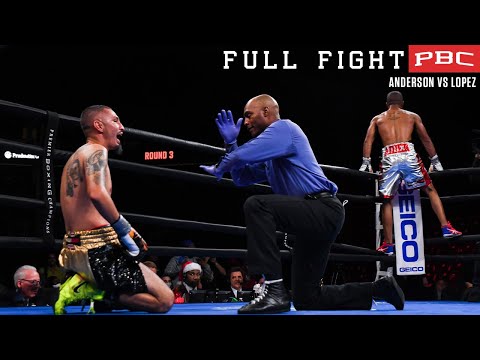
Anderson vs. Lopez: A Masterclass in Boxing's Ruthless Efficiency

The roar of the crowd, the glint of sweat under the arena lights, the palpable tension before the first bell – these are the elements that define the sweet science. But beyond the spectacle, boxing, at its core, is a brutal ballet of strategy, power, and precision. On December 25, 2021, Michael Anderson and Noe Lopez stepped into the ring for a bout that, while perhaps not destined for the annals of legendary clashes, offered a stark reminder of boxing's fundamental truths. This wasn't just a fight; it was a demonstration of how technique, timing, and sheer will can bring a contest to an abrupt, definitive end.

The Anatomy of a Knockout

A knockout is the ultimate punctuation mark in a boxing match. It’s the definitive statement that, in that moment, one warrior possessed the superior ability to end the contest. But what makes a knockout truly effective? It’s rarely a single, lucky haymaker. More often, it’s a culmination of strategic pressure, weakening the opponent’s defenses, and exploiting an opening with precise timing and power. It's the embodiment of the martial principle of sen (initiative) combined with kyusho-jutsu (striking vital points), albeit in a modernized, regulated combat sport context.

In the fight between Michael Anderson and Noe Lopez, we witnessed this principle in action. Anderson, with a record of 22-3-1 and a formidable 16 KOs, brought a reputation for finishing fights. Lopez, with a record of 10-5-1 and 4 KOs, was tasked with weathering that storm. The outcome, a third-round knockout for Anderson, tells a story far richer than just the final count.

Anderson vs. Lopez: A Fight Breakdown

The bout, which took place on December 25, 2021, as part of PBC on FS1, saw Newark’s Michael Anderson secure victory over Noe Lopez just 33 seconds into the third round. While the specific tactical nuances of every exchange might not be publicly detailed, the result itself speaks volumes. Anderson’s efficiency is highlighted by the speed of the stoppage; he didn’t merely win, he dominated and concluded the bout decisively.

This isn't about disrespecting Noe Lopez, who, like any fighter stepping into the ring, displays immense courage. It's about acknowledging the performance. Anderson demonstrated the effectiveness of his power and precision, a testament to his training and strategic approach. The statistics – 16 KOs from 22 wins – suggest a fighter who is not afraid to engage and has the tools to back it up. This is the essence of boxing, a discipline demanding not just physical prowess but mental fortitude.

Consider the often-overlooked martial concept of Waza-ari (a significant point in Judo) – a near-perfect execution. A knockout, in a sense, is the ultimate Waza-ari, an overwhelming display of technique and force that renders further engagement unnecessary. It's the physical manifestation of martial superiority within the rules of the contest.

"The supreme art of war is to subdue the enemy without fighting." - Sun Tzu, The Art of War. While Anderson did fight, the knockout signifies achieving the ultimate objective of a combat scenario: the decisive end, subduing the opponent's capacity to continue.

The Philosophical Underpinnings of the Prize Ring

Beyond the raw aggression, boxing is deeply intertwined with philosophical principles that resonate across all martial arts. The discipline required to train day in and day out, the mental toughness to face an opponent, and the respect for the craft – these are universal tenets of the warrior's path. This bout, like countless others, serves as a living example of these ideals.

Think about the concept of Mushin (no mind), a state of mental clarity and flow achieved in Zen Buddhism and martial arts. A boxer in the throes of combat, reacting instinctively yet perfectly to their opponent's movements, is, in many ways, experiencing Mushin. Anderson’s decisive knockout suggests he achieved this state, allowing his training to take over without hesitation.

We often speak of the "warrior spirit." What does that truly mean? It's not just about the capacity for violence, but the courage to confront challenges, the resilience to overcome setbacks, and the integrity to adhere to principles, even under duress. Both Anderson and Lopez, by stepping into that ring, embodied this spirit. The outcome is a testament to Anderson’s superior execution on that particular night.

The art of Kyokushin Karate, for instance, emphasizes full-contact sparring to foster this spirit. While boxing has its own distinct ruleset, the underlying pursuit of testing oneself against a willing opponent, pushing limits, and achieving self-mastery through physical trial, is a shared thread. This fight, in its stark conclusion, is a chapter in that ongoing narrative.

Essential Training Equipment

To emulate the power and precision displayed in bouts like Anderson vs. Lopez, dedicated training is paramount. The right equipment not only enhances performance but also ensures safety. For aspiring boxers, or any martial artist looking to improve their striking, a few key items are indispensable:

  • Boxing Gloves: Quality gloves (14-16 oz recommended for sparring) are crucial for protecting your hands and your training partners. Brands like Everlast or Ringside are reputable choices.
  • Hand Wraps: Essential for providing wrist support and padding for your knuckles under the gloves.
  • Jump Rope: An excellent tool for cardiovascular conditioning and developing footwork. Look for speed ropes for agility.
  • Headgear: For sparring, proper headgear is non-negotiable to minimize the risk of concussions.
  • Mouthguard: Protects your teeth and jaw.
  • Training Shoes: Lightweight, supportive shoes designed for lateral movement.

For those interested in the broader spectrum of martial arts conditioning, exploring items like a makiwara for striking power or a heavy bag for technique refinement can also be beneficial. For practitioners of grappling arts, a good quality judo or BJJ gi is essential.

Training Guide: Developing Your Knockout Power

Achieving fight-ending power isn't solely about brute strength; it’s about the efficient transfer of energy. Here's a foundational approach to developing your punching power:

  1. Master the Fundamentals: Before even thinking about power, ensure your basic punches (jab, cross, hook, uppercut) are technically sound. Correct form ensures you're using your entire body – legs, hips, core – to generate force, not just your arm.
  2. Strength Training: Focus on compound exercises that build overall strength, particularly in your legs, core, and back. Squats, deadlifts, medicine ball throws, and plyometric exercises are excellent for developing explosive power.
  3. Speed and Explosiveness Drills: Practice shadowboxing with an emphasis on speed and snapping your punches. Incorporate explosive movements like medicine ball slams and plyometric push-ups.
  4. Heavy Bag Work: Use the heavy bag to practice delivering full-power shots. Focus on rotating your hips and core with each punch. Don't just throw punches; drive them through the bag.
  5. Sparring: Applying your power in a controlled sparring environment, under the guidance of a coach, is crucial. This teaches you timing, distance, and how to land power shots effectively against a resisting opponent.
  6. Conditioning: Maintaining peak cardiovascular fitness ensures you have the energy to deliver power throughout the fight. Consistent running, interval training, and circuit workouts are key.

Remember, power without control is dangerous and ineffective. Precision and timing are the true keys to a devastating punch, as demonstrated by fighters like Michael Anderson.

Sensei's Verdict: Worthy of Study?

Anderson vs. Lopez, while a relatively short contest, offers valuable lessons for any student of the striking arts. The efficiency with which Michael Anderson secured his victory speaks volumes about his preparation and execution. It’s a potent reminder that in combat, clarity of purpose and the ability to impose your will decisively are paramount.

Was it a technical masterpiece akin to a Sugar Ray Robinson classic? Perhaps not. But was it an effective display of boxing's fundamental objective – to defeat an opponent decisively? Absolutely. It underscores that a well-timed, well-placed power shot can end any fight instantly, regardless of the preceding exchanges. It's a clear demonstration of the KO power that many boxers strive for.

Cinturón Negro en Eficiencia Brutal.

Frequently Asked Questions

Q1: What martial art is closest to boxing?
A1: While boxing is unique, disciplines like Kickboxing, Muay Thai, and certain styles of Karate share striking principles. However, boxing's prohibition of kicks and extensive clinch work makes it distinct.

Q2: How important is footwork in boxing?
A2: Footwork is arguably the most critical element. It dictates distance, creates angles for attack, allows for defensive maneuvers, and is the foundation for generating power.

Q3: Can a smaller, faster boxer defeat a larger, stronger one?
A3: Yes. Speed, technique, timing, and strategy can often overcome size and strength advantages, especially in boxing.

Q4: What does "PBC on FS1" mean?
A4: PBC stands for Premier Boxing Champions, a boxing promotion company. FS1 (Fox Sports 1) is the television network that broadcasted this particular event.

To Delve Deeper into Your Journey

Reflexión del Sensei: Tu Próximo Paso

Anderson achieved a decisive victory in mere moments. In the grand scheme of your training, how much time do you dedicate to the "finishing move" – the technique that truly seals the deal, whether in a physical confrontation, a business negotiation, or a personal challenge? Are you practicing for the journey, or for the decisive strike?

``` GEMINI_METADESC: Analyze the boxing match Anderson vs. Lopez (Dec 25, 2021) from a martial arts perspective. Explore knockout strategy, Budo philosophy, and training insights.

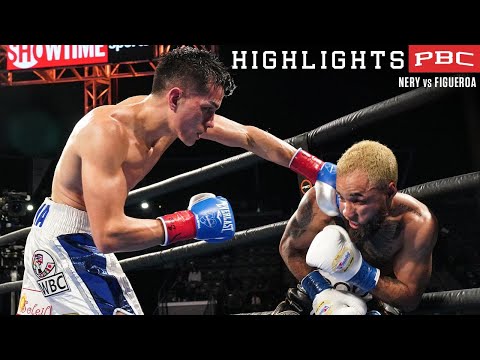
Figueroa vs. Nery: A Masterclass in Pressure Fighting and Champion's Resolve

(May 15, 2021) In the electrifying world of boxing, where strategies clash and champions are forged in the crucible of combat, few contests truly live up to the billing. The bout between Brandon "Heartbreaker" Figueroa and two-division champion Luis Nery was one such rarity. This wasn't just a fight; it was a profound display of tenacity, a tactical chess match played out with fists, and ultimately, a testament to the indomitable spirit required to claim world championship status. I have witnessed countless battles, but the Figueroa vs. Nery clash stands out as a prime example of how relentless pressure can break down even the most skilled adversary. As a Sensei deeply rooted in the principles of Budo and martial arts philosophy, I approach every combat sport not just as a spectacle, but as a living embodiment of martial virtues. This analysis will dissect the strategic nuances, the physical execution, and the psychological warfare that defined this championship bout.

Table of Contents

The Buildup: A Clash of Undefeated Titans

The narrative leading into this bout was compelling: an undefeated rising star, Brandon Figueroa (22-0-1, 17 KOs), against a seasoned, two-division champion, Luis Nery (31-1, 24 KOs). The air was thick with anticipation, a palpable energy that only such a confrontation can generate. This was not merely a boxing match; it was a significant event in the artes marciales landscape, a high-stakes encounter that promised fireworks. Figueroa, known for his aggressive, come-forward style, was set to test the mettle of Nery, a fighter with a reputation for devastating power and ring intelligence. The WBC Super Bantamweight World Championship was on the line, but more than that, reputations and legacies were in the balance.
"The true warrior is not one who is unafraid of conflict, but one who understands the consequences and still chooses to fight." - A principle I hold dear.
From the opening bell, it was clear that neither fighter intended to cede an inch. This was a firefight, a raw display of combat that immediately captivated audiences.

Strategic Breakdown: Figueroa's Smothering Style vs. Nery's Precision

The early rounds of the Figueroa vs. Nery bout were a fascinating study in contrasting strategies. Nery, the more experienced champion, seemed to dictate much of the initial action. CompuBox statistics, while not the sole arbiter of a fight's success, painted a picture of Nery's apparent early dominance: he landed more punches (209 to 177) and maintained a higher accuracy rate (34% to 27%) throughout the contest. This statistical advantage, however, doesn't fully capture the physical and psychological toll of Figueroa's approach. Brandon Figueroa, at 24 years old, embodied a key martial principle: persistence. His "smothering strategy" wasn't about elegant footwork or elusive defense; it was about relentless forward pressure, forcing Nery into uncomfortable exchanges, and making him work every second of every round. This is a tactic often seen in MMA, where controlling the center and denying the opponent space is paramount. Figueroa's intent was clear: to wear Nery down, to make him expend energy, and to create openings through sheer, unyielding aggression. This contrasts with a more tactical, point-scoring approach, and speaks to a warrior's mindset focused on breaking the opponent's will as much as their body.

The Turning Tide: Cracks in Nery's Armor

The beauty of a prolonged, intense fight lies in its ebb and flow, the subtle shifts in momentum that can foreshadow the eventual outcome. The fourth and sixth rounds, in particular, began to show that Figueroa's strategy was indeed taking its toll. Nery, though still landing shots and showing flashes of his championship pedigree, began to exhibit signs of being worn down. This is where the concept of *ki* (or *qi*), the vital life force in many martial arts, becomes relevant. While not a mystical force, it represents a fighter's stamina, their will to continue, their energetic output. Figueroa's relentless pressure was visibly draining Nery's *ki*. The clean, crisp punches of the early rounds began to lose some of their snap, and the movement around the ring became less fluid.
"The supreme art of war is to subdue the enemy without fighting." - Sun Tzu. While Nery and Figueroa were fighting, Figueroa's strategy was to subdue Nery's spirit and physical capacity before the final blow.
These middle rounds were a crucial psychological battle. Nery, accustomed to being the aggressor, found himself defending and enduring. Figueroa, conversely, was growing in confidence with every successful exchange, every absorbed blow, and every step forward.

The Seventh Round Finish: A Symphony of Power

The seventh round was the culmination of Figueroa's calculated assault. Having established his dominance in the preceding rounds, he pressed his advantage with renewed ferocity. The power hooks that began to land early in the round clearly hurt Nery, forcing a significant strategic shift. Nery, who had previously moved around the ring, now sought to clinch and hold, a clear indication that he was in survival mode. This is a common scenario in many lucha disciplines – when a fighter is hurt, their instinct often shifts to defense and damage limitation. However, Figueroa's ability to continue pressing inside, to refuse to give Nery space to recover, was the mark of a true champion in the making. The decisive moment came from a combination, capped by a brutal left hook to the body. The impact of this shot, delivered with full force and intent, was undeniable. Nery's reaction was delayed, a testament to his toughness, but once he hit the canvas, it was clear he was significantly compromised. Referee Thomas Taylor administered the count, and Nery was unable to beat it. This wasn't just a knockout; it was the payoff for a strategic masterclass in pressure fighting. It was the embodiment of the martial principle of exploiting an opponent's weakness with decisive action. The fight was stopped at 2:18 of the round, and Brandon Figueroa was crowned the WBC Super Bantamweight World Champion.

Veredicto del Sensei: Is Figueroa vs. Nery a Modern Classic?

From a martial arts perspective, the Figueroa vs. Nery fight is more than just a boxing spectacle; it's a valuable teaching tool. It demonstrates the effectiveness of a well-executed strategy against a technically superior opponent when that strategy focuses on attrition and psychological warfare. **Cinturón Negro en Coreografía de Presión**. The choreography of Figueroa's relentless advance, his ability to absorb punishment and still move forward, and the precise execution of the fight-ending combination were superb. It lacked the flair of some martial arts demonstrations, but its effectiveness and brutal beauty were undeniable. It was a fight that will be studied by aspiring fighters for years to come.

Training Applications: Lessons for the Budoka

What can practitioners of traditional martial arts learn from this boxing match? 1. **The Power of Persistence:** Never underestimate the impact of consistent effort. Even if you are not the most technically gifted, relentless training and a refusal to quit can overcome significant obstacles. This is the spirit of BUDO. 2. **Strategic Application of Pressure:** In sparring or combat, understanding when and how to apply pressure is crucial. This isn't about reckless aggression, but about controlled intensity that forces an opponent out of their comfort zone. 3. **Body Shot Effectiveness:** While headshots often steal the show, devastating body shots can deplete an opponent's energy and will to fight. Incorporate targeted bodywork into your entrenamiento. 4. **Psychological Warfare:** A fight is won as much in the mind as it is in the body. Maintaining a strong mental attitude, projecting confidence, and understanding your opponent's mindset are vital. 5. **Adaptability:** Nery's shift to clinching when hurt is a natural reaction, but Figueroa's ability to adapt and continue his offensive pressure, rather than getting frustrated, was key.

Equipo Esencial para tu Entrenamiento

To truly hone your skills, the right equipment is indispensable. Whether you're training boxing, Judo, or Karate, investing in quality gear ensures safety and performance.
  • Guantes de Boxeo: For sparring and bag work, 16oz gloves offer excellent protection for both hands and your training partners. Look for brands known for durability and comfort.
  • Protector Bucal: Non-negotiable for any form of sparring or intense training.
  • Vendas para Manos: Essential for wrist and hand support to prevent injuries during heavy impact.
  • Sacos de Boxeo y Pera Loca: For developing power, speed, and rhythm.
  • Kimono de Doble Tejido para Judo o BJJ: If your training includes grappling, a robust gi is vital for durability and proper technique execution.
For those interested in the boxing aspect specifically, exploring the offerings from brands specializing in boxing equipment, such as KarateMerchandise (though the name might be misleading, many suppliers offer a range of combat sports gear), can be beneficial.

Preguntas Frecuentes

  • ¿Fue la victoria de Figueroa una sorpresa? While Nery was the more established champion, Figueroa was undefeated and highly regarded. His victory, while impressive, was not entirely unexpected given his fighting style and determination.
  • ¿Cómo se compara el estilo de Figueroa con el de un artista marcial tradicional? Figueroa embodies the spirit of persistence and direct confrontation found in many styles, but his technique is highly specialized for boxing. Traditional martial artists might focus more on defensive structures or broader combat applications, but the underlying principles of courage and discipline are universal.
  • ¿Qué significa "smothering strategy" en artes marciales? It refers to a tactic where a fighter constantly applies close-range pressure, limiting the opponent's ability to generate power, find space, or implement their own strategy. Think of a wrestler controlling an opponent against the cage or a BJJ practitioner maintaining dominant top position.
  • ¿Qué hizo Nery que no funcionó? Nery appeared to rely too much on his perceived technical superiority and knockout power early on. When Figueroa's pressure negated these advantages, Nery struggled to adapt and was eventually overwhelmed.

Para Profundizar en tu Camino

To truly understand the depth of martial philosophy and its application in modern combat sports, I encourage you to explore these related topics on our blog:

Reflexión del Sensei: Tu Próximo Paso

Figueroa's victory over Nery was not a fluke; it was the result of unwavering resolve and a clear, albeit brutal, strategy. It forces us to confront a fundamental truth in all forms of combat: the will to win, coupled with the knowledge of how to apply pressure, can often be more decisive than raw talent alone. Now, ask yourself: In your own training, are you simply going through the motions, or are you truly applying pressure, both physically and mentally? Are you looking for openings, or are you creating them? And when faced with adversity, do you push forward, or do you seek to hold? This fight showed that sometimes, the most effective path is not the most graceful, but the one that simply keeps moving forward. Do you believe that relentless pressure will always overcome superior technique, or are there exceptions? Debate me in the comments. ``` GEMINI_METADESC: In-depth martial arts analysis of the Brandon Figueroa vs. Luis Nery championship boxing match. Discover the strategy, pressure fighting, and key lessons for martial artists and combat sports enthusiasts.

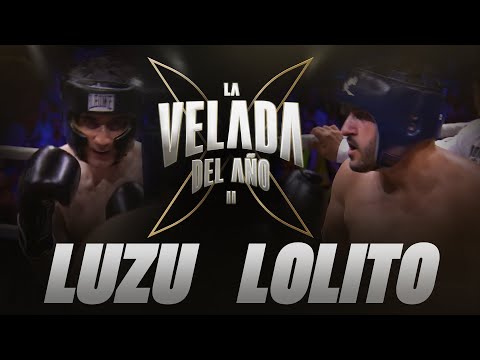
LUZU VS LOLITO | LA VELADA DEL AÑO 2: A Critical Martial Arts Analysis

The world of combat sports and entertainment often blurs the lines between genuine athletic competition and spectacle. La Velada del Año 2, a highly anticipated event, brought us a bout between LUZU and LOLITO. While perhaps not a traditional martial arts contest in the vein of Judo or Karate, any physical confrontation offers lessons. As a Sensei, my duty is to dissect these events, not just as entertainment, but as manifestations of the human drive to compete, to overcome, and to test oneself. This analysis goes beyond simply recounting the fight. We will delve into the strategic approaches, the physical execution, and what this particular contest, framed within the unique context of a streamer boxing event, can teach us about the broader principles of martial engagement.

Introduction: Beyond the Hype

The spectacle surrounding events like La Velada del Año 2 is undeniable. Streamers and internet personalities stepping into the ring draw massive audiences, a testament to the enduring human fascination with combat. However, from a martial perspective, the true value lies not in the fame of the participants, but in the application of fundamental principles. Was there genuine strategy? Was there resilience? Was there a respect for the opponent, even in aggression? These are the questions we, as martial artists, must ask. The raw footage might show punches thrown and received, but beneath the surface, we can analyze the pacing, the defensive reactions, and the decision-making under pressure. This fight, between LUZU and LOLITO, provides a unique lens through which to view these elements, stripped of the traditional accolades of established martial arts systems.

Round 1: Establishing the Foundation

The first round of any contest is crucial. It's where participants test the waters, gauge their opponent's strengths and weaknesses, and attempt to impose their will. In boxing, this often involves establishing a jab, controlling distance, and observing defensive habits. For LUZU and LOLITO, the initial exchanges were likely filled with a mix of adrenaline and strategic intent.

"In the heat of battle, the mind must be like water, formless yet all-encompassing. Adapt to your opponent's flow, yet remain firm in your own strategy." - A principle from my training.

Observing this round, we look for:

  • Stance and Guard: Were their stances balanced and effective for boxing? Was their guard high and tight, or open to attack?
  • Footwork: Did they move with purpose, cutting off the ring or maintaining distance? Or was their movement more reactive and hesitant?
  • Punch Selection: Were they throwing a variety of punches, or relying on a few predictable strikes? Were they setting up their power shots?
  • Defensive Awareness: How did they react to incoming strikes? Were they blocking, slipping, or simply taking shots?

The transition from the streamer's persona to the fighter's mindset is a significant hurdle. The first round often reveals how well that transition was managed.

Round 2: The Crucible of Competition

As the fight progresses into the second round, the initial nerves typically subside, and fatigue begins to set in. This is where true grit and conditioning come into play. The strategy established in Round 1 is either proving effective and is being built upon, or it's failing, forcing a change.

We would analyze:

  • Pacing and Stamina: Were they still moving with energy, or were they showing signs of exhaustion? Stamina is often the deciding factor in prolonged engagements.
  • Adaptation: If one fighter was dominating, did the other adjust their tactics? Or did they continue to employ a losing strategy? True martial artists are adaptable.
  • Counter-Punching: Did they begin to anticipate their opponent's moves and land effective counters? This shows a higher level of tactical understanding.
  • Body Language: Was there a visible shift in confidence or determination? Even in boxing, the psychological battle is as important as the physical one.

This phase of the fight is often more telling about a competitor's character and their preparation. It's where the commitment is truly tested.

The Sensei's Verdict: Technical Breakdown and Outcome

The final moments of the contest, including the official verdict, are the culmination of the previous rounds. Here, we don't just look at who won, but *how* they won, and what that implies from a martial standpoint. Was it a decisive victory based on superior technique and conditioning, or was it a close call influenced by luck or a single decisive moment?

In the case of LUZU vs. LOLITO, the "Veredicto del Combate" (Combat Verdict) delivered at 22:56 marks the official end. Examining the interview with the winner at 26:04 offers insight into their mindset post-victory. Did they show humility, or boastfulness? Did they acknowledge their opponent's effort?

"Victory is not the end, but a stepping stone. Defeat is not final, but a lesson." - The wisdom of the ancients applies to all forms of combat.

My analysis focuses on:

  • Technical Proficiency: Regardless of the outcome, were there observable skills in boxing technique?
  • Strategic Execution: Did the winner follow a clear game plan?
  • Resilience: How did they handle adversity within the fight?
  • Sportsmanship: The post-fight demeanor is a critical indicator of character.

Veredicto del Sensei: ¿Merece la pena?

From a pure martial arts perspective, La Velada del Año 2, and specifically the LUZU vs. LOLITO bout, serves as a fascinating, albeit unconventional, case study. It highlights the raw courage it takes to step into a combat scenario, the pressures of performing under a massive spotlight, and the universal principles of strategy and conditioning. While lacking the deep historical roots of Karate or the intricate techniques of Judo, it undeniably embodies the spirit of challenge and confrontation. It's a different kind of battlefield, but a battlefield nonetheless. It's a reminder that the desire to test oneself physically transcends formal training systems.

Calificación del Sensei: "Cinturón Negro en Coraje" - Acknowledging the bravery and willingness to compete, even outside traditional martial arts disciplines.

The Broader Martial Context: Lessons from La Velada

Every contest, regardless of its origin, offers lessons. For LUZU and LOLITO, the experience of competing in La Velada del Año 2 provides invaluable lessons in discipline, preparation, and mental fortitude. The interviews and post-fight analysis, even those extracted from platforms like Twitch and YouTube, can reveal much about their journey.

The core of martial arts isn't solely about specific techniques; it's about developing an indomitable spirit. This event, while focusing on boxing, taps into that fundamental human drive. It reminds us that:

  • Preparation is Key: The effort put into training is directly reflected in performance.
  • Mental Toughness is Paramount: Overcoming fear and doubt is as critical as physical conditioning.
  • Respect for the Opponent is Fundamental: Even in competition, acknowledging the courage of your adversary is a mark of true martial character.

While not directly a demonstration of Karate katas or Judo throws, the engagement between LUZU and LOLITO is a modern iteration of the age-old human test of combat.

Equipo Esencial para tu Entrenamiento

While LUZU and LOLITO competed in a boxing match, many martial arts require specific gear to ensure safety and effectiveness. Investing in the right equipment is a crucial step in any serious training journey.
  • Guantes de Boxeo (16oz): Essential for sparring in boxing and kickboxing to protect both hands and your training partners.
  • Kimono de Judo/BJJ: A durable, double-weave gi is crucial for grappling arts like Judo and Brazilian Jiu-Jitsu, allowing for proper grips and control. Look for pre-shrunk options for a consistent fit.
  • Protector Bucal: Non-negotiable for any contact sparring to prevent dental injuries.
  • Espinilleras y Empeineras: For disciplines like Muay Thai or Taekwondo, these protect against kicks and impact.
  • Vendas para Manos: To provide support and prevent wrist injuries during striking.

For those interested in striking arts, consider also mitts and focus pads for partner drills. A quality martial arts merchandise store will often carry a wide range of these essential items.

Preguntas Frecuentes

¿Es La Velada del Año 2 un evento de artes marciales tradicionales?

No, La Velada del Año 2 es principalmente un evento de boxeo organizado para personalidades de internet. Aunque implica combate físico, no se centra en las técnicas o filosofías de artes marciales tradicionales como Karate, Judo o Taekwondo.

¿Qué se puede aprender de un combate de boxeo como este?

Se pueden aprender lecciones sobre estrategia, resistencia, manejo de la presión, valentía y la importancia de la preparación física. Cada combate es una oportunidad para observar la aplicación de principios de confrontación.

¿Por qué es importante el veredicto y la entrevista posterior?

El veredicto determina el resultado oficial, mientras que la entrevista revela la mentalidad del competidor después de la prueba. Muestra humildad, deportividad o la mentalidad ganadora, aspectos cruciales en cualquier disciplina marcial.

¿Cómo se compara este evento con eventos de MMA?

Los eventos de MMA (Artes Marciales Mixtas) suelen involucrar una gama más amplia de técnicas de lucha, incluyendo golpes, derribos y sumisiones, y a menudo se basan en atletas con formación en múltiples disciplinas. La Velada del Año es boxeo, un arte marcial específico enfocado en golpes con puño.

Para Profundizar en tu Camino

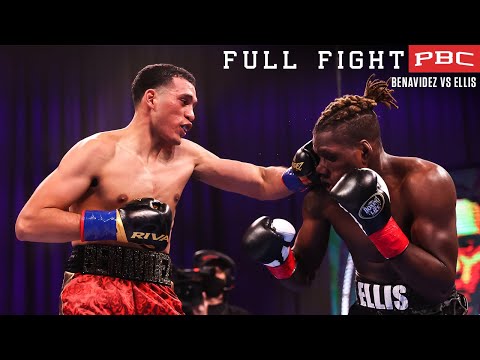
Benavidez vs. Ellis: A Masterclass in Power Boxing - Analysis from a Martial Perspective

The roar of the crowd, the glint of sweat under the arena lights, the calculated dance of destruction – boxing, at its apex, is a martial art in its purest form. It's a testament to human will, discipline, and the devastating application of physics. Tonight, we dissect the WBC Super Middleweight Title Eliminator between David Benavidez and Ronald Ellis, not just as a boxing match, but as a study in applied combat. Was this merely a slugfest, or did we witness the embodiment of martial principles? Let's delve into the heart of the fight.

The Essence of the Bout: A Tactical Breakdown

From a martial standpoint, this bout was a fascinating study of contrasts. David Benavidez, the "Mexican Monster," showcased the relentless pressure and overwhelming power that have become his trademark. His objective was clear: dismantle Ellis systematically, utilizing a potent combination of speed, accuracy, and brute force. Ronald Ellis, a seasoned veteran, aimed to weather the storm, employ his jab, and find openings for counter-offense. The outcome, a technical knockout in the 11th round, speaks volumes about Benavidez's strategic execution and Ellis's resilience.

Intention of the Budoka: The primary intention of a practitioner seeking this analysis is to understand the tactical and technical execution of a high-level boxing match. They want to see how principles of combat, discipline, and strategy manifest in a professional setting. This goes beyond mere fight reporting; it's about extracting lessons applicable to their own martial journey.

Benavidez's record – a perfect 24-0 with 21 KOs – is not an accident. It's the result of dedicated training, innate talent, and a deep understanding of how to apply force. Ellis, with a respectable 18-2-2 record, entered as the underdog, but his experience suggested he wouldn't be an easy out. The fight became a test of Benavidez's ability to consistently impose his will against an opponent determined to survive.

"The spirit of a warrior is not about never falling, but about rising every time you fall." - Unknown Martial Artist

Benavidez's Dominance: A Symphony of Power and Precision

Benavidez's performance was, by his own admission, "pretty good," but the statistics paint a picture of near-total control. Landing 289 of 532 power punches thrown translates to an astonishing 54% connection rate – a testament to his hand speed and accuracy. This wasn't just wild swinging; it was surgical application of force. His ability to throw "punches in bunches" overwhelmed Ellis, making it incredibly difficult for the challenger to mount a consistent offense.

The 11th round, where Benavidez landed 50 punches, was the final nail in the coffin. This wasn't about one big shot; it was the cumulative effect of sustained, high-level offense. In martial arts, we often speak of "Sankaku" (triangle) for evasion and positioning, but Benavidez's dominance was about controlling the opponent's space, limiting their movement, and then exploiting those openings with relentless attacks. His "Kiai" (battle cry), though internal, was evident in every powerful exchange.

The strategy of "smothering" an opponent, as Ellis alluded to, is a key boxing tactic. By staying close, reducing the space for punches, and dictating the clinch, a fighter can sap their opponent's energy and limit their effectiveness. Benavidez's mastery of this phase of the fight was crucial to his victory.

Ellis's Stand: The Warrior's Spirit Under Duress

Despite the overwhelming pressure, Ronald Ellis demonstrated the heart of a true warrior. He absorbed a tremendous amount of punishment, showcasing a chin that could withstand Benavidez's best shots. His determination not to "give him that satisfaction" of quitting is a powerful display of mental fortitude, a cornerstone of any martial discipline. Even when hurt, he continued to fight, a sign of deep-seated perseverance.

Ellis's reflection, "He never hurt me, that's the funny thing. I took a lot of shots but he didn’t damage me or have me super hurt," speaks to his mental strength. While physically battered, his spirit remained unbroken. This is a critical distinction often missed by casual observers. The ability to endure pain and continue fighting, even when defeat seems inevitable, is a profound martial attribute.

His acknowledgement of Benavidez's skill is also a mark of a true sportsman and martial artist. There's no shame in losing to a superior opponent; the shame lies in not giving your all. Ellis gave his all.

Training Regimen: Crafting a Champion's Physique

The physical demands of professional boxing are immense, requiring a comprehensive training regimen. While specific details of Benavidez's and Ellis's training are proprietary, we can infer the key components necessary to reach this level:

  • Strength and Conditioning: Building explosive power, muscular endurance, and overall physical resilience. This includes weight training, plyometrics, and targeted exercises for core strength.
  • Cardiovascular Endurance: The ability to maintain a high pace for 12 rounds. This involves extensive roadwork, interval training, and sparring sessions designed to push limits.
  • Technical Skill Refinement: Constant drilling of punches, footwork, defensive maneuvers, and ring generalship. This is where muscle memory is forged through thousands of repetitions.
  • Sparring: Simulating fight conditions against various opponents to develop timing, adapt to different styles, and hone defensive skills.
  • Nutrition and Recovery: Crucial for optimal performance and injury prevention. This includes carefully planned diets, adequate sleep, and active recovery methods.

For anyone looking to improve their physical conditioning for martial arts, incorporating elements of a boxer's training can be highly beneficial. Understanding the principles behind elite athletic preparation can inform your own #AtHomeWorkout or gym sessions.

Legacy and Future: What's Next for El Mexican Monster?

Benavidez's victory positions him as a mandatory contender for a super middleweight world title. His call-outs – to Jermall Charlo, Canelo Alvarez, and Caleb Plant – are not mere boasts; they are declarations of intent. He wants the biggest challenges, the most significant fights. This ambition is a powerful driving force, much like the ambition of a martial artist striving for mastery of their chosen art.

"I want all the big guys," Benavidez stated, echoing the sentiment of many great champions throughout martial history who sought out the strongest opponents to test and prove their mettle. The prospect of Benavidez facing any of these elite fighters is electrifying for fans and promises highly competitive bouts.

His journey from being the youngest super middleweight world champion to aiming for a title reclamation is a narrative arc that resonates deeply within the martial arts community – the continuous pursuit of excellence and the drive to overcome.

A Moment of Silence: Honoring Marvelous Marvin Hagler

The passing of Marvelous Marvin Hagler is a profound loss to the world of combat sports. His legendary status as an International Boxing Hall of Famer and his iconic status as the first main event fighter on SHOWTIME CHAMPIONSHIP BOXING underscore his immense contribution. The ceremonial 10-count before the main event was a fitting tribute to a true icon.

Benavidez's reflection on Hagler's legacy highlights the respect that permeates martial disciplines. Even in the heat of competition, there is an understanding of the lineage and the giants upon whose shoulders current fighters stand. Hagler’s era of boxing represented a commitment to the sport, a dedication that served as an #MartialArtsInspiration for generations.

"There are no shortcuts to any place worth going." - Marvin Hagler

Sensei's Verdict: Is This Boxing Gold?

From a martial arts perspective, the Benavidez vs. Ellis fight was an exemplary display of boxing as a highly refined combat sport. Benavidez demonstrated the principles of dominance through superior technique, conditioning, and strategic application of force. His performance was not just a victory, but a statement of intent and a masterclass in offensive boxing.

Ellis, while on the losing end, embodied the spirit of a fighter who refuses to yield, showcasing incredible heart and durability. His performance, though overshadowed, was a testament to his own warrior spirit.

Overall Rating: Cinturón Negro en Técnica y Determinación

Benavidez earns this distinction for his near-flawless execution, power, and strategic dominance. Ellis earns his for sheer resilience and refusal to quit, embodying the warrior's refusal to be broken, even in the face of overwhelming odds. This fight is a valuable study for anyone interested in the practical application of combat principles.

Frequently Asked Questions

What is the WBC Super Middleweight Title Eliminator?
It is a fight where the winner earns the right to challenge the current WBC Super Middleweight Champion for their title. It's a crucial step towards championship contention.
What does "technical knockout" (TKO) mean in boxing?
A TKO occurs when the referee stops the fight because one boxer is deemed unable to continue safely, even if they haven't been knocked unconscious. This can be due to excessive punishment, injury, or a fighter's corner throwing in the towel.
How significant is David Benavidez's perfect record?
An undefeated record, especially with a high knockout percentage, signifies a fighter's consistent ability to win and their dangerous offensive capabilities. It builds confidence and commands respect from opponents.
Why is Marvin Hagler considered an icon?
Marvin Hagler was a dominant middleweight champion known for his incredible toughness, aggressive style, and a legendary reign in the 1980s. He is revered for his skill, heart, and memorable fights.

To Deepen Your Path

This fight, while a boxing spectacle, is rich with lessons applicable to all martial disciplines. The relentless pursuit of Benavidez mirrors the dedication needed for mastering any art form, while Ellis's perseverance reminds us that the fight within is often the most significant.

Sensei's Reflection: Your Next Step

Benavidez achieved victory through sustained pressure and precision. Ellis endured through sheer will. In your own training, which aspect do you find yourself needing to cultivate more – the relentless offensive drive, or the unyielding spirit of endurance? Reflect on this, and consider how you will train to strengthen that specific facet of your martial character this week.

``` GEMINI_METADESC: Analyze the Benavidez vs. Ellis boxing match from a martial arts perspective. Explore techniques, strategy, fighter spirit, and lessons for your training.