Showing posts sorted by date for query ufc training methods. Sort by relevance Show all posts

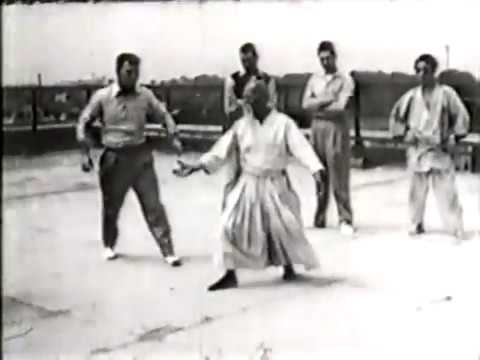
Aikido O Sensei in 1954: A Timeless Warrior's Legacy in Modern Combat Sports

The year 1954 gifted us a rare glimpse into the profound capabilities of Aikido O Sensei through a rediscovered video. This artifact, showcasing his mastery, serves as a potent reminder of the enduring power of traditional martial arts. Today, the echoes of such legends resonate powerfully, not only in dedicated dojos but also within the electrifying arenas of modern martial arts and combat sports. These disciplines, with their rich histories and timeless teachings, continue to captivate us, offering lessons that transcend mere physical prowess.

But what is the true essence of martial arts and Budo? Far beyond the technicalities of striking and grappling, they represent a holistic philosophy, a rigorous discipline, and ultimately, a pathway to self-development. The pursuit of perfection, a core tenet of Budo – the "way of the warrior" – is a journey of constant refinement, both physically and mentally.

The True Essence of Martial Arts and Budo

Martial arts are not merely a collection of techniques designed for conflict. They are a profound system for cultivating the individual. The ultimate aim is to forge a stronger self – physically resilient, mentally sharp, and spiritually grounded. This holistic development is what sets true martial arts apart.

Budo: More Than Just a Fighting Style

"Budo" translates directly to "the way of the warrior." This term encapsulates the spirit that underpins these disciplines. It's about the relentless pursuit of excellence, the mastery of oneself through rigorous training, and the application of these principles in all facets of life. It is a lifelong pursuit, not a destination.

"The ultimate aim of martial arts is not victory or defeat, but the perfection of the character of its practitioners." - A principle echoed across many martial traditions.

The Multifaceted Benefits of Martial Arts Training

The benefits of consistent training in martial arts are vast and touch every aspect of a practitioner's life. Beyond the obvious enhancement of self-defense skills, individuals develop:

  • Improved Physical Health: Increased strength, flexibility, cardiovascular endurance, and coordination.
  • Enhanced Mental Fortitude: Greater focus, discipline, patience, and stress management.
  • Unshakeable Self-Discipline: The ability to set goals and work towards them consistently, overcoming obstacles.
  • A Strong Sense of Community: The shared passion within the martial arts community fosters deep bonds, camaraderie, and mutual respect. This sense of belonging is invaluable.

This supportive environment is crucial. The shared struggles and triumphs in the dojo create a unique connection that strengthens the collective spirit.

Combat Sports: The Arena of Modern Competition

Contrast this with combat sports. While they share the roots of physical confrontation, their primary focus is often on competition and the quantifiable outcome of victory. Disciplines like MMA, boxing, and Judo demand extraordinary levels of physical conditioning, strategic thinking, and mental toughness. They are a testament to the human spirit's capacity to perform under immense pressure.

The athletes in these fields are modern warriors, pushing the boundaries of human potential. Their dedication, sacrifice, and ability to execute under the bright lights are truly inspiring. It is undeniable that these sports showcase incredible athleticism and tactical brilliance.

Showcasing Your Passion: Martial Arts and Combat Sports Merchandise

For enthusiasts and practitioners alike, the passion for martial arts and combat sports often extends beyond the training mat or the ring. This is where merchandise plays a role. From specialized Karate gis and durable Judo uniforms to training equipment and casual apparel, these items allow individuals to express their identity and support their chosen disciplines.

High-quality training equipment, such as punching bags, focus mitts, and protective gear, is essential for effective practice. Wearing apparel that represents your art or sport is a way to connect with the wider community and serve as a constant reminder of your commitment. These items also make fantastic gifts for fellow martial artists or combat sports fans.

Our Commitment at BYAM Budo y Artes Marciales

At BYAM Budo y Artes Marciales, we understand this passion. We are dedicated to providing a wide array of high-quality merchandise tailored for both martial arts practitioners and combat sports aficionados. Our selection is curated to meet the needs of everyone, from the absolute beginner taking their first steps in Aikido or Karate, to the seasoned expert honing their skills. Functionality and durability are paramount in our product design, ensuring that what you choose supports your journey.

We firmly believe that martial arts and combat sports are more than just physical activities; they are transformative life experiences. Our blog serves as a platform to share invaluable insights, including practical training tips, detailed technique breakdowns, and the philosophical underpinnings that make these arts so profound.

Deepen Your Journey: Recommended Resources

To further enrich your understanding and practice, I highly recommend exploring these resources:

Frequently Asked Questions

  • Q: Is Aikido still relevant in modern combat sports?
    A: While Aikido's direct application in MMA is debated, its principles of blending, redirection, and control offer invaluable lessons in balance, spatial awareness, and joint manipulation, which are transferable skills.
  • Q: What is the difference between Budo and just training martial arts?
    A: Budo emphasizes the spiritual and philosophical development of the individual, viewing training as a lifelong path to self-perfection. Simply training martial arts may focus more on the technical or competitive aspects without the deeper philosophical commitment.
  • Q: How can I start training martial arts if I'm a complete beginner?
    A: The best approach is to research local dojos or gyms offering styles that interest you. Many offer introductory classes. Focus on finding qualified instructors and a welcoming community, like those found in martial arts communities globally.

Sensei's Verdict: Is the Legacy Alive?

Looking back at O Sensei’s demonstration in 1954, and observing the dedication in today's dojos and the fierce competition in UFC bouts, one undeniable truth emerges: the warrior spirit, the essence of Budo, is very much alive. The methods evolve, the arenas change, but the fundamental principles of discipline, perseverance, and the quest for self-mastery remain constant.

Whether you are drawn to the intricate flows of Aikido, the powerful stances of Karate, or the dynamic exchanges in MMA, the path of martial arts offers a profound opportunity for growth. It is a journey that builds not just a fighter, but a better human being.

Sensei's Reflection: Your Next Step

O Sensei's movements in that 1954 film were not just physical actions; they were expressions of deep understanding and embodiment. The question for you, the dedicated practitioner and student of the Way, is this: How can you embody the principles you learn on the mat in the unpredictable dojo of your daily life? Do you merely mimic techniques, or do you strive to internalize the philosophy?

```

For Deeper Exploration on Your Path

UFC 284: Makhachev vs. Volkanovski - A Budoka's Analysis of a Modern Martial Clash

Ah, UFC 284. A card that promised a clash of titans, a true test of champions from different realms of combat. Many see it as a simple boxing match with kicks, but as any seasoned practitioner of the traditional martial ways knows, there's a universe of philosophy and technique beneath the surface of modern combat sports. Today, we dissect this pivotal event not just as fans of the octagon, but as students of the warrior's path. Was this merely a display of brute force, or did we witness the embodiment of true martial principles? Let us delve deep.

The Clash of Styles: Dagestani Power vs. The People's Champion

Islam Makhachev, the heir apparent to Khabib Nurmagomedov's legacy, represents the relentless, suffocating pressure of Dagestani wrestling. His base is Sambo and wrestling, arts that prioritize control, leverage, and the crushing weight of positional dominance. His strikes, while effective and improving, are often tools to set up his grappling – a pathway to ground control where he is a master predator. His ki, his inner energy, seems to flow with the unwavering force of a mountain river.

On the other side stood Alexander Volkanovski, the undisputed king of the UFC Featherweight division. A former rugby player, Volkanovski brings a unique blend of power, exceptional footwork, and a deep understanding of striking dynamics. His background in kickboxing and wrestling provides a well-rounded base, but it's his fight IQ, his ability to adapt mid-bout, and his sheer grit that set him apart. He is the embodiment of fighting smart, not just hard.

The initial intrigue surrounding this fight was immense: could Volkanovski's masterful striking and defensive wrestling nullify Makhachev's suffocating top-game? Or would Makhachev simply impose his will, drag the fight to the mat, and secure another dominant victory? This wasn't just a #battle; it was a strategic chess match played out with human bodies.

Technical Breakdown: Makhachev's Ground Game and Volkanovski's Resilience

From the opening bell, the intention was clear. Makhachev sought to close the distance, to initiate the clinch and work towards a takedown. Volkanovski, conversely, used his excellent head movement and lateral movement to keep the center of the octagon and pepper Makhachev with strikes. The early rounds showcased Volkanovski's exceptional defense against the takedown. He demonstrated an understanding of leverage and balance that surprised many, stuffing Makhachev's initial attempts with impressive technique.

However, the relentless pressure of Makhachev is something few can withstand indefinitely. In the championship rounds, Makhachev began to find success. His trips and sweeps became more potent, and he managed to secure crucial takedowns. Once on the ground, Makhachev was, as expected, a master of control. He pinned Volkanovski, worked for submissions, and minimized Volkanovski's ability to create space or launch effective counter-offensives. The skill on display was a testament to countless hours of #entrenamiento.

"In a real fight, the simplicity of movement, the economy of motion, is paramount. Makhachev’s grappling, though complex in its execution, stems from fundamentally simple principles of leverage and control, honed to absolute perfection."

What truly impressed, however, was Volkanovski's indomitable spirit. Even when taken down, controlled, and rocked in the later rounds, he refused to yield. His ability to survive dangerous positions and even threaten with submissions from his back showed a level of heart and resilience that transcends mere athletic prowess. This is the **spirit of the warrior**, the refusal to quit even when facing overwhelming odds. It’s this intangible quality that often defines true martial artists, regardless of their style.

Beyond the Octagon: What UFC 284 Teaches Us About True Martial Arts

The debate often arises: are modern MMA fighters true martial artists? In the context of UFC 284, I would argue yes, with caveats. Makhachev displays the dedication, discipline, and mastery of a specific combat system that is the hallmark of traditional arts. His pursuit of ground dominance mirrors the relentless pursuit of technique found in Judo or BJJ. His focus is unwavering, a pure manifestation of the Budo spirit.

Volkanovski, on the other hand, showcases the adaptability and strategic thinking that is crucial in any combative scenario. His ability to learn, adjust, and overcome challenges mid-fight speaks volumes about his martial mind. He embodies the principle of "Shuhari" – Shu (protect, follow), Ha (break, detach), Ri (transcend) – by mastering the fundamentals and then adapting them to his unique circumstances.

Yet, we must also consider what might be lost. The ritual, the philosophical depth, the emphasis on character development that permeates traditional martial arts like Karate or Aikido, are often secondary in the high-stakes world of professional MMA. The ki cultivated in traditional arts, focusing on internal harmony and connection, is channeled differently. Here, it’s about raw power, conditioning, and strategic application for victory. But does that negate their martial status? No. It simply highlights the diverse paths one can take on the journey of the warrior.

This fight reminds us that while the goal of self-defense or self-mastery might be shared, the methods and emphasis can differ vastly. It’s a testament to the evolution of combat and the human drive to push boundaries. The pursuit of excellence, however, remains constant, whether one is perfecting a kata or executing a submission.

Applying the Lessons: How to Integrate UFC 284 Insights into Your Training

For those who train in striking arts like Karate or Kickboxing, Volkanovski offers invaluable lessons in distance management, footwork, and defensive strategies against grappling. His ability to stay upright against Makhachev's onslaught is a masterclass in itself. Incorporate drills that focus on:

  • Lateral movement and head movement: Practice slipping punches and moving offline to avoid clinches.
  • Takedown defense: Work on sprawls, knee-to-chest defense, and fighting grips in the clinch.
  • Counter-striking: Develop the ability to land strikes while the opponent is initiating their offense.

For those focused on grappling arts like Judo, BJJ, or Sambo, Makhachev provides a living example of pressure, control, and submission hunting. His relentless pursuit of dominant positions is a blueprint for success on the ground. Focus on:

  • Clinch control: Learn to secure body locks, underhooks, and overhooks to dictate position.
  • Takedown execution: Refine your entries for single-leg, double-leg, and trip variations.
  • Ground and pound / positional dominance: Understand how to maintain top position, advance to better control, and set up submissions or strikes.

Crucially, both fighters exemplify the importance of **mental fortitude**. The ability to push through fatigue, to remain composed under pressure, and to never give up is perhaps the most vital lesson. This can be trained through intense sparring sessions, physical conditioning that tests your limits, and focused meditation or mindfulness practices to build inner strength.

Veredicto del Sensei: Did UFC 284 Uphold the Martial Spirit?

UFC 284 was a spectacle of elite athleticism and strategic combat. Islam Makhachev’s victory was a testament to the power and efficacy of his chosen martial path, while Alexander Volkanovski’s performance showcased the resilience and adaptability that define a true warrior. Did it uphold the martial spirit? Yes, but in a modern context. It demonstrated the evolution of combat, where specialization and cross-training have created a new breed of martial artist. It highlighted that while traditional arts may offer a deeper philosophical foundation, the relentless pursuit of victory and mastery in any arena requires discipline, courage, and an unwavering will to fight. It was a battle that left us with much to contemplate about the enduring nature of the combative spirit.

Cinturón Negro en Resiliencia y Adaptación

Equipo Esencial para tu Entrenamiento

To truly emulate the dedication shown by these athletes, having the right equipment is crucial. For striking training, consider:

  • Boxing Gloves: High-quality 16oz gloves for sparring are essential for safety and effective pad work.
  • Shin Guards: Protect yourself and your training partners during kick drills.
  • Mouthguard: Non-negotiable for any sparring to protect your teeth and jaw.

For grappling, you'll need:

  • BJJ Gi or Judo Gi: A durable, double-weave gi is recommended for longevity and proper grip training. Look for brands known for their reinforced stitching.
  • Wrestling Shoes: Lightweight and offering good traction for mat work.

Investing in good **martial arts merchandise** not only protects you but also signifies your commitment to your training.

Preguntas Frecuentes

¿Quién ganó la pelea principal de UFC 284?
Islam Makhachev ganó la pelea principal contra Alexander Volkanovski por decisión unánime.

¿Fue la pelea tan emocionante como se esperaba?
Sí, la pelea fue extremadamente reñida y considerada por muchos como una de las mejores peleas por el título de peso pluma en la historia de la UFC, yendo a decisión dividida.

¿Qué arte marcial practica principalmente Islam Makhachev?
Islam Makhachev practica Sambo y lucha, con un fuerte énfasis en el grappling y el control en el suelo.

¿Qué arte marcial practica principalmente Alexander Volkanovski?
Alexander Volkanovski tiene un trasfondo en kickboxing y lucha, con un estilo bien redondeado que combina golpes efectivos y defensa contra derribos.

¿Representa esta pelea la culminación del Budo moderno?
Representa una faceta del Budo moderno, enfocada en la competencia y la efectividad en un entorno específico. El Budo tradicional a menudo abarca aspectos filosóficos y de desarrollo personal más amplios.

Para Profundizar en tu Camino

This MMA news update was published at February 16, 2023. Support us: Subscribe, Comment, Like and Share. Thanks for watching... hello and welcome to Budo and Martial Arts.

Reflexión del Sensei: Tu Próximo Paso

Makhachev's suffocating pressure, Volkanovski's tenacious defense – two philosophies of combat laid bare. But in the quiet moments after the roar of the crowd subsides, what truly endures? Is it the victory, the technique, or the spirit with which the challenge was met? Consider this: When you face your own 'octagon' – be it a sparring match, a difficult task, or a moment of personal doubt – what will be your guiding principle? Will you impose your will like the mountain, or adapt and overcome like the flowing river? And more importantly, how will you cultivate the inner strength, the ki, to stand firm and fight with honor, regardless of the outcome?

UFC 284: Makhachev vs. Volkanovski - A True Warrior's Reckoning

As practitioners of the martial path, we often seek to understand the pinnacle of combat. We study the ancient texts, debate the philosophical underpinnings, and, yes, we dissect the contests of modern warriors. UFC 284, featuring the clash between Islam Makhachev and Alexander Volkanovski, was not merely a fight; it was a crucible where skill, strategy, and sheer willpower were tested under the brightest lights. This bout, published on February 13, 2023, presented a fascinating intersection of styles and legacies, a topic that demands our rigorous analysis.

The Intrigue of the Champion vs. Champion Bout

When two champions from different divisions, each at the zenith of their respective careers, step into the cage, it's more than just a fight; it's a philosophical statement. UFC 284 posed the question: can the pound-for-pound king of striking, Alexander Volkanovski, overcome the dominant lightweight champion, Islam Makhachev, whose wrestling is considered among the best in the sport? This wasn't just about who would win; it was about what styles would prevail and what lessons could be gleaned by martial artists worldwide.

The intention of this analysis is to dissect this monumental bout not merely as a sporting event, but as a demonstration of martial principles, strategic application, and the indomitable spirit that defines true fighters. We will delve into the technicalities, the mental fortitude, and the broader implications for the world of combat sports and martial arts.

Clash of Styles: Dagestani Wrestling vs. Australian Striking Prowess

Islam Makhachev, a protégé of the legendary Khabib Nurmagomedov, embodies the relentless pressure and suffocating control of the Dagestani wrestling school. His ability to dictate where the fight takes place, his powerful takedowns, and his suffocating ground-and-pound are hallmarks of his game. He operates with a clear objective: to neutralize his opponent's strengths and exploit their weaknesses through a suffocating grappling attack.

Conversely, Alexander Volkanovski, a former rugby player, possesses a uniquely dynamic striking game. His footwork is exceptional, his volume high, and his ability to land significant strikes while maintaining composure is world-class. Volkanovski is known for his fight IQ, his adaptability, and his incredible conditioning, allowing him to maintain a high pace throughout grueling contests.

The fundamental question entering UFC 284 was whether Volkanovski's superior striking and movement could keep Makhachev at bay, or if Makhachev's relentless grappling would eventually drag the featherweight king into his domain. This is a classic "wrestler vs. striker" narrative, but one elevated by the caliber of the combatants.

Round-by-Round Analysis: A Masterclass in Combat Strategy

The fight unfolded as a strategic chess match, with both fighters demonstrating an incredible ability to adapt and execute.

  • Round 1: The Feeling Out Process & Takedown Defense. Both fighters respected each other’s power. Makhachev initiated takedown attempts, showcasing his power, but Volkanovski’s takedown defense proved robust. Volkanovski utilized his movement and striking to keep Makhachev guessing, landing effectively and controlling the distance. This round was crucial for Volkanovski to establish his striking advantage and test Makhachev's defensive capabilities.
  • Round 2: Makhachev's Adjustments & Ground Game. Makhachev began to find more success with his takedowns, leveraging his strength and timing. Once on the ground, his positional control and ground-and-pound were evident, though Volkanovski’s defensive jiu-jitsu and ability to scramble back to his feet were remarkable. This round highlighted Makhachev's persistence and his capacity to grind out an advantage.
  • Round 3: The Championship Rounds - Endurance and Heart. As the fight wore on, the conditioning of both fighters was put to the ultimate test. Makhachev continued to press for takedowns, while Volkanovski defended stoutly and looked for openings to land counters. The back-and-forth nature of this round, with momentum swings and moments of danger for both, encapsulated the spirit of a true championship fight.
  • Round 4: Volkanovski's Resurgence & Striking Dominance. Volkanovski found a second wind, perhaps digging deeper than ever before. His striking volume increased, and he began to land with more significant impact. He showcased championship mettle by weathering Makhachev's offensive surges and finding his own rhythm, even hurting Makhachev at times. This round was a testament to his resilience and superior striking acumen.
  • Round 5: The Final Push for Supremacy. The final round was a desperate, yet controlled, battle. Both men understood the stakes. Makhachev, perhaps sensing he was behind, went for broke with takedowns, while Volkanovski continued to defend and land, seeking the knockout blow or enough points to secure the round. The sheer will displayed by both warriors in these closing moments was inspiring.

The fight ultimately went to a decision, with Makhachev securing a hard-fought victory. However, Volkanovski's performance was lauded as one of the greatest "almost" victories in UFC history, demonstrating that he belonged at the very top of the lightweight division as well.

Key Techniques and Tactical Nuances

Beyond the raw power and grit, UFC 284 offered a masterclass in specific martial techniques:

  • Takedown Entries: Makhachev’s double-leg and single-leg takedowns were textbook, utilizing level changes and powerful drives. His ability to chain takedowns after failed attempts was particularly impressive.
  • Takedown Defense: Volkanovski’s sprawl was effective, and his ability to create space and shrimp out of bad positions was crucial. His hip mobility and low base made him a difficult target.
  • Ground Control: When Makhachev secured top position, his ride was suffocating. He used his weight distribution and body positioning to prevent Volkanovski from escaping or effectively using his guard.
  • Striking Combinations: Volkanovski's jab and cross were potent, and he effectively mixed in leg kicks and body shots to keep Makhachev honest. His ability to slip punches and counter was a key element of his striking success.
  • Pacing and Conditioning: Both fighters displayed elite conditioning, but the ability to maintain output in rounds 4 and 5, especially after intense grappling exchanges, speaks volumes about their physical and mental preparation.
"The difference between a good fighter and a great fighter is not just talent, but the ability to adapt and overcome when things don't go as planned. Both Makhachev and Volkanovski showcased this in spades." - Sensei's Observation

The Spirit of Budo in the Octagon

While the UFC is a modern sport, the principles of Budo—the "way of the warrior"—are undeniably present. This bout exemplified several core tenets:

  • Resilience (Gaman): Both fighters demonstrated immense resilience, absorbing heavy shots and continuing to fight with determination. Volkanovski's performance after being knocked down in previous fights, and Makhachev's persistence in securing takedowns against a formidable opponent, highlight this.
  • Adaptability (Henka): The ability to adjust strategies mid-fight is crucial. Makhachev altered his approach to secure takedowns, and Volkanovski found success with his striking in later rounds.
  • Courage (Yūki): Stepping into the Octagon against another champion, especially when moving up in weight, requires immense courage. The willingness to face the unknown and push beyond perceived limits is a hallmark of the martial spirit.
  • Mastery (Shu-Ha-Ri): Both fighters embody different aspects of mastery. Makhachev represents the 'Shu' (following tradition and strict rules) and 'Ha' (breaking tradition to innovate within a style) of Dagestani wrestling. Volkanovski showcases the 'Ri' (transcending the style) through his unique blend of striking and combat intelligence.

This fight is a modern interpretation of ancient martial ideals, proving that the essence of the warrior path transcends time and discipline. It challenges the notion that only traditional martial arts can teach valuable lessons; the modern combat arena, when approached with the right mindset, offers profound insights.

Veredicto del Sensei: ¿Merece la pena?

Absolutely. UFC 284: Makhachev vs. Volkanovski was an instant classic and a must-watch for any serious student of combat. It was a rare opportunity to see two pound-for-pound best fighters in the world go head-to-head in a fiercely contested bout. The strategic depth, the display of elite skills, and the sheer heart shown by both Islam Makhachev and Alexander Volkanovski make this fight a valuable learning experience. It delivered on all fronts – technical, physical, and mental.

Cinturón Negro en Combate Estratégico.

Training for Dominance: Lessons from UFC 284

The fight between Makhachev and Volkanovski offers actionable insights for any martial artist looking to improve their training:

  1. Develop a Strong Base: Makhachev's wrestling base is foundational to his success. Focus on developing your takedown defense, sprawl, and understanding of body mechanics. Practice BUDO principles of stability and rootedness.
  2. Sharpen Your Striking Defense: Volkanovski’s ability to defend takedowns and slip punches kept him in the fight. Incorporate defensive drills, footwork, and head movement into your routine.
  3. Conditioning is King: Both fighters pushed an incredible pace for five rounds. Ensure your cardiovascular endurance and muscular strength are at elite levels. High-intensity interval training (HIIT) and circuit training are excellent methods.
  4. Master Positional Control: Whether you're a striker or a grappler, understanding how to maintain dominant positions and transition efficiently is key. Study grappling exchanges for positional awareness.
  5. Cultivate Mental Fortitude: The ability to remain calm under pressure, adapt to adversity, and push through fatigue is what separates champions. Practice mindfulness and visualization techniques.

Equipo Esencial para tu Entrenamiento

To emulate the dedication of these athletes, consider investing in quality training gear. For striking, especially if you are working on power and speed like Volkanovski, good quality kickboxing gloves and mitts are essential for partner drills. If your focus leans towards grappling, like Makhachev, a durable Judo or BJJ gi is indispensable for drills and sparring. For general conditioning and resistance training, resistance bands and a jump rope are versatile tools that require minimal space and can be used anywhere.

Preguntas Frecuentes

Was this fight a true test of pound-for-pound skill?
Yes, it was widely considered one of the biggest pound-for-pound showdowns in recent UFC history, pitting the reigning lightweight champion against the reigning featherweight champion.
Who won the UFC 284 main event?
Islam Makhachev won via unanimous decision against Alexander Volkanovski.
Did Volkanovski look outmatched?
No, Volkanovski put on an exceptional performance, particularly in the later rounds, showcasing his heart and skills and many felt he did enough to win.
What martial arts styles were most prominent?
Dagestani wrestling (Makhachev) and a dynamic, pressure-based striking game with strong grappling defense (Volkanovski).

Para Profundizar en tu Camino

  • MMA: The Art of Striking and Grappling Synergy
  • BUDO Philosophy: Cultivating the Warrior's Spirit
  • Entrenamiento de Alta Intensidad para Luchadores

Reflexión del Sensei: Tu Próximo Paso

Makhachev and Volkanovski fought with the heart of true warriors, pushing each other to their absolute limits. They demonstrated that in combat, strategy, skill, and sheer willpower are inseparable. Now, I ask you: when faced with an opponent whose strengths seem insurmountable, and your own plan begins to falter, do you crumble, or do you dig deeper? How will you find that extra gear, that reserve of strength, not just in the cage, but in the daily battles of life? Consider this.

``` ```json { "@context": "https://schema.org", "@type": "FAQPage", "mainEntity": [ { "@type": "Question", "name": "Was this fight a true test of pound-for-pound skill?", "acceptedAnswer": { "@type": "Answer", "text": "Yes, it was widely considered one of the biggest pound-for-pound showdowns in recent UFC history, pitting the reigning lightweight champion against the reigning featherweight champion." } }, { "@type": "Question", "name": "Who won the UFC 284 main event?", "acceptedAnswer": { "@type": "Answer", "text": "Islam Makhachev won via unanimous decision against Alexander Volkanovski." } }, { "@type": "Question", "name": "Did Volkanovski look outmatched?", "acceptedAnswer": { "@type": "Answer", "text": "No, Volkanovski put on an exceptional performance, particularly in the later rounds, showcasing his heart and skills and many felt he did enough to win." } }, { "@type": "Question", "name": "What martial arts styles were most prominent?", "acceptedAnswer": { "@type": "Answer", "text": "Dagestani wrestling (Makhachev) and a dynamic, pressure-based striking game with strong grappling defense (Volkanovski)." } } ] }

Anderson Silva vs. Jake Paul: A Martial Master's Reckoning with the YouTube Pugilist

The air crackles with anticipation, not of a championship MMA bout within the hallowed Octagon, but of a boxing ring. On one side stands Anderson Silva, "The Spider," a legend whose ethereal grace and devastating striking redefined middleweight combat in the UFC. On the other, Jake Paul, the enigmatic YouTuber who has systematically dismantled a roster of athletes from combat sports, not all of them boxers. This isn't just a fight; it's a clash of eras, of disciplines, and perhaps, of philosophies. Welcome, warriors, to Budo and Martial Arts.

Table of Contents

The Enduring Legacy of "The Spider"

Anderson Silva's name is synonymous with breathtaking artistry in mixed martial arts. For years, he held the UFC Middleweight Championship, a reign marked by innovative striking, seemingly telepathic defense, and an almost arrogant confidence that bordered on the mystical. His Muay Thai-infused boxing, coupled with an uncanny ability to gauge distance and timing, made him a nightmare for opponents. He could weave, feint, and counter with devastating precision, often making world-class fighters look amateurish. His famous "Spider-web" defense, where he'd taunt opponents while casually evading strikes, wasn't just showmanship; it was a testament to his supreme confidence in his reflexes and understanding of combat dynamics.
"True mastery lies not in overwhelming force, but in anticipating the storm before it even gathers." - A principle echoed by Silva's performances.
Silva's mastery wasn't limited to raw power; it was in his *understanding* of combat. He moved with a fluidity that transcended mere technique, embodying a deeper connection between mind and body – a core tenet of **BUDO**. His ability to absorb punishment and then explode with a fight-ending sequence was legendary. While this bout is under boxing rules, the core of Silva's prowess stems from an art that embraces all forms of striking. Can that deep-seated martial knowledge translate when confined to the squared circle?

The Problematic Rise of "The Problem Child"

Jake Paul. The name itself evokes a spectrum of reactions, from adoration to disdain. What began as a novelty act – a social media star stepping into the ring – has morphed into something far more complex. Paul has shown a surprising dedication to the sport of boxing, a willingness to learn, and, crucially, a capacity to secure meaningful opponents. He’s not just fighting fellow YouTubers; he’s gone after former MMA champions and established boxers, albeit often past their prime. His power is undeniable, his chin has proven resilient, and his promotional acumen is unparalleled.
Paul's success, however controversial, raises a critical question: what constitutes a "real" fighter in the modern era? Is it the years spent in traditional dojos and gyms, honing a specific discipline? Or is it the grit, the heart, and the willingness to step into the fire, regardless of background? Paul embodies the latter, and his persistence has earned him a grudging respect from many, even as his methods and persona remain polarizing. His journey highlights the crossover appeal of combat sports, blurring lines between entertainment and genuine competition.

Boxing Versus MMA: A Fundamental Divide

This is where the true debate lies. Boxing is a singular art form: the art of the fist. It emphasizes footwork, head movement, offensive and defensive punching, and clinch work within very specific rules. MMA, on the other hand, is a synthesis. It's the ultimate test of a complete martial artist, where striking, grappling, wrestling, and submissions all play a role. Silva, while a striking savant, is fundamentally an MMA fighter. His defense, his movement, his rhythm – they are all steeped in the multi-disciplinary nature of MMA. He has faced strikers, grapplers, and wrestlers. Jake Paul, conversely, is a boxer. His training, his instincts, his entire competitive framework are built around the nuances of boxing. The question for martial arts purists: can a boxer, even a formidable one like Paul, truly challenge a striking legend like Silva when the ruleset heavily favors the boxer? Or does Silva's decades of high-level combat experience, even in a different sport, grant him an inherent advantage rooted in deeper martial principles? This isn't just about who hits harder; it's about who understands the *context* of combat better.

Analysis of the Striking Arts: Silva's Edge and Paul's Grit

Silva’s striking is poetry in motion. His counters are legendary, his jab often a deceptively powerful tool, and his kicks – though largely absent in boxing – demonstrate an exceptional understanding of body mechanics and power generation. In a boxing match, Silva's boxing fundamentals are surprisingly strong. He possesses excellent head movement, footwork that allows him to cut angles effectively, and a jab that he can use both offensively and defensively to control distance. His experience against elite strikers in boxing-heavy MMA contests gives him a unique perspective. Paul, on the other hand, has developed a raw, powerful boxing style. He throws with conviction, aims for knockout blows, and has shown an ability to absorb punishment. His training under reputable boxing coaches has undoubtedly refined his technique. However, his movements can sometimes appear more mechanical than fluid when compared to Silva. He relies on his physical strength and power, whereas Silva often relies on timing, accuracy, and anticipating his opponent's intentions.
"In combat, as in calligraphy, the striking force of the brushstroke depends on the integrity of the line." - A lesson in precision that applies to both arts.
The crucial difference lies in their ingrained instincts. Silva's instincts are honed by decades of MMA, where feints, level changes, and defensive reactions are multi-faceted. Paul's instincts are pure boxing. In the heat of battle, which set of instincts will prevail? Will Silva be tempted to use MMA-like movements, or can he purely adapt to boxing's demands? Will Paul's raw power overwhelm Silva, or will Silva's evasive mastery render Paul's aggression moot?

The Mental Game: Pressure and Expectation

Both fighters carry immense pressure. Silva, the aging legend, faces questions about his physical prime and the challenge of performing in a sport he hasn't competed in professionally for years, against an opponent whose entire career is built on defying expectations. There’s the pressure to prove he’s still got it, to cement his legacy, and perhaps, to show the world that martial arts mastery transcends specific rule sets. Paul, conversely, shoulders the burden of being the "challenger" in the eyes of many traditionalists, yet the "favorite" in the betting world due to his recent boxing activity. He faces the pressure to validate his boxing career, to prove that his wins weren't flukes, and to defeat a true legend. The psychological warfare that Paul employs outside the ring is a significant part of his strategy. How will Silva, a master of mental warfare within the cage, respond to Paul's external provocations? This battle of wills could be as significant as the physical one.

Veredicto del Sensei: A Fight for Respect

This bout is more than just a boxing match; it’s a referendum on legacy, discipline, and the evolving landscape of combat sports. Anderson Silva, "The Spider," represents the pinnacle of striking artistry in MMA. His technical prowess, his timing, and his understanding of distance are second to none. However, he is stepping into a domain heavily favoring his opponent, Jake Paul, whose singular focus has been the art of boxing. Paul has shown surprising power, resilience, and dedication to the sport. He has systematically worked his way up, defeating opponents who, while not always elite boxers, were certainly seasoned combatants. His aggression and determination are palpable. From a pure martial arts perspective, Silva’s deep understanding of combat, honed over decades against the world’s best, should theoretically allow him to adapt. His defensive capabilities and counter-striking are world-class. However, boxing’s specific ruleset and Paul’s younger legs and dedicated boxing training cannot be underestimated. This fight is a fascinating case study: can an MMA legend, even one with exceptional striking skills, defeat a dedicated, albeit less experienced, boxer on his own turf? The answer hinges on whether Silva can leverage his superior combat intelligence and defensive mastery, or if Paul’s raw power and boxing focus will prove too much. **Cinturón Negro en Análisis Crítico.**

Equipo Esencial para tu Entrenamiento

Whether you're inspired by Silva's artistry or Paul's dedication, proper training equipment is paramount.
  • Guantes de Boxeo: For sparring and bag work, 14oz to 16oz gloves are standard for protection and conditioning.
  • Vendas de Mano: Essential for wrist and knuckle support during intense training sessions.
  • Saco de Boxeo (Heavy Bag): For developing power, speed, and endurance.
  • Cuerda de Saltar: Crucial for improving footwork, coordination, and cardiovascular health.
  • Protector Bucal: Non-negotiable for any form of sparring or high-intensity training.
  • Kimono (Gi): If you're looking to delve deeper into grappling arts like Judo or BJJ, a durable gi is key. Look for double-weave options for longevity.

Preguntas Frecuentes (FAQs)

  • Q: Is Anderson Silva still a UFC champion?
    A: No, Anderson Silva is no longer with the UFC and is retired from MMA competition. This fight is under professional boxing rules.
  • Q: Has Jake Paul fought any other MMA fighters?
    A: Yes, Jake Paul has defeated former MMA champions like Tyron Woodley and Ben Askren in boxing matches.
  • Q: What are the rules for this fight?
    A: This is a professional boxing match, adhering to standard boxing rules regarding punches, rounds, and permitted actions.
  • Q: Is this fight considered an official boxing record for Silva?
    A: Yes, Anderson Silva has had professional boxing matches prior to this, and this bout will count towards his professional boxing record.

Para Profundizar en tu Camino

* BUDO: Explore the philosophical underpinnings of martial arts. * Martial Artists: Discover the journeys of other legendary fighters. * Fight Analysis: Deep dives into the tactics and strategies of combat sports.

Reflexión del Sensei: Tu Próximo Paso

This bout between Anderson Silva and Jake Paul is a microcosm of the constant evolution in the world of combat. It forces us to question what defines a "fighter" and whether discipline transcends sport. As you digest this analysis, ask yourself: In your own training, are you merely practicing techniques, or are you striving for the deeper understanding and adaptability that defines true martial mastery? How will you integrate the lessons of both Silva's artistry and Paul's tenacity into your own path? ```

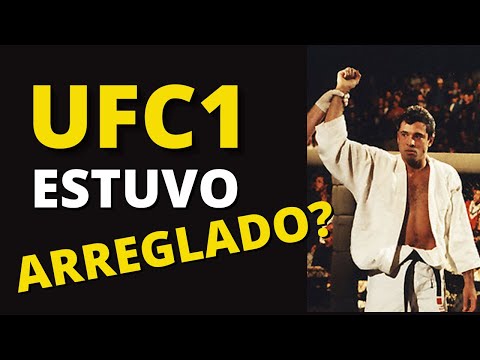
The Gracie Conspiracy: Unraveling the Jiu-Jitsu Bias in Early UFC

Did Rorion Gracie rig the early Ultimate Fighting Championship (UFC) to ensure his brother, Royce, claimed victory? This isn't just locker-room talk; it's a question that has echoed through martial arts circles since the promotion's inception. Welcome, warriors and scholars, to Budo and Martial Arts, where we dissect the legends and the controversies that shape our world. Today, we delve deep into the shadowy corners of UFC's genesis, examining the whispers of conspiracy that surround the Gracie family's dominance.

The Genesis of the Controversy

The year is 1993. The UFC, a brutal, no-holds-barred tournament, explodes onto the scene, promising to answer the age-old question: "Which martial art is the most effective in a real fight?" Enter Royce Gracie, a slender Brazilian known for his seemingly passive yet devastating Brazilian Jiu-Jitsu (BJJ). Royce would go on to win UFC 1, UFC 2, and UFC 4, submitting larger, stronger opponents with his family's grappling art. This unprecedented success, however, sowed seeds of doubt. Was it pure skill, or was there a guiding hand, a deliberate orchestration by Rorion Gracie, one of the event's primary organizers and Royce's elder brother? This question ignites a firestorm among martial artists. For some, it's an insult to the art and Royce's achievements. For others, it's a logical dissection of how power and influence might have shaped the nascent sport. Let's peel back the layers and examine the evidence, not with blind faith, but with the critical eye of a seasoned martial artist.

UFC 1: The Brazilian Jiu-Jitsu Upset

UFC 1 was a revelation. Royce Gracie, often the smallest competitor, moved through the bracket with a quiet intensity. His opponents – a boxer, a karateka, a sumo wrestler, and a taekwondo practitioner – were all formidable in their respective disciplines but lacked the grappling prowess to counter his submissions. He secured three victories, all by submission, showcasing the efficacy of BJJ in a way the world had never witnessed.
The immediate impact was undeniable. BJJ, previously a niche art known primarily within Brazil, was suddenly thrust into the global spotlight. Fighters and fans alike were forced to acknowledge a new paradigm in combat sports. But with this sudden, dramatic shift, questions arose. How could a seemingly unassuming practitioner dominate such a diverse field of martial artists?
"The ultimate aim of martial arts is not a victory or a defeat, but the perfection of the character of its practitioners." - Unknown Master

The Gracie Advantage: Rules, Opponents, and Tactics

Critics of the "Gracie conspiracy" theory often point to several factors that may have unfairly benefited Royce: * **Tournament Format:** The early UFC tournaments were single-elimination events. This meant that if Royce lost, his tournament was over. However, for opponents who had to fight multiple times in a single night, fatigue became a significant factor. Royce, with his efficient grappling, often finished fights quickly, conserving energy. * **Rule Set:** The initial lack of weight classes was a massive advantage for Royce, who was consistently the smallest competitor. While this tested the "any style" concept, it also meant he faced opponents who could simply overpower him physically if they could keep the fight standing. * **Opponent Selection:** Skeptics suggest that Rorion, as a key organizer, may have had influence over who participated. While direct evidence of manipulation is scarce, the narrative suggests a curated field designed to highlight BJJ's strengths. For instance, the inclusion of fighters with known weaknesses in grappling, or the peculiar circumstances surrounding certain matchups, fueled speculation. * **The "Gracie Diet" and Conditioning:** While not a conspiracy, the Gracie family's unique dietary approaches and their rigorous, often unconventional training methods also contributed to their fighters' resilience and conditioning, giving them an edge.

Rorion Gracie's Role: Promoter or Puppeteer?

Rorion Gracie was instrumental in bringing the UFC to life, driven by a vision to prove the superiority of Brazilian Jiu-Jitsu. His passion and business acumen were undeniable. He was the driving force behind the concept and the initial organization. This close involvement, however, is precisely what fuels the conspiracy theories. Did Rorion strategically shape the event – the rules, the matchups, the presentation – to ensure Royce's success? The argument is that a Gracie victory was not just a personal triumph but a crucial marketing tool for their burgeoning martial art. A loss for Royce, especially early on, could have severely damaged the credibility of BJJ and, by extension, the UFC itself. One common point of contention is the apparent willingness of opponents to "tap out" quickly to Royce's submissions. While BJJ practitioners argue this is a testament to the effectiveness and pain compliance of the techniques, others suggest that either fighters didn't fully understand the danger, or perhaps, in some instances, there was an unspoken agreement or underestimation of the threat.

Counterarguments: The Purity of BJJ

Despite the murmurs of conspiracy, a powerful counter-narrative exists: Royce Gracie was simply that good. Brazilian Jiu-Jitsu, when mastered, is an incredibly effective art, particularly for smaller individuals against larger, less experienced grapplers. * **Technical Superiority:** Royce's command of BJJ was evident. His transitions, escapes, and submissions were fluid and technically brilliant. He exploited openings with precision, demonstrating a deep understanding of leverage and body mechanics. * **Mental Fortitude:** Royce displayed remarkable calmness under pressure. While opponents often raged or fatigued, he remained composed, waiting for his opportunity. This mental game is a hallmark of disciplined martial arts training. * **The "Ultimate Fighter" Ethos:** The UFC was designed to be a test of "real" fighting. Royce's success proved that raw size and power could be overcome by technique and strategy. To dismiss his wins as a conspiracy diminishes the transformative impact BJJ had on the martial arts landscape. * **No Concrete Proof:** While speculation abounds, there is no irrefutable evidence, no leaked documents or credible testimonies, definitively proving Rorion orchestrated the outcomes. The narrative relies heavily on interpretation and the inherent distrust of a powerful promoter's influence.

Veredicto del Sensei: A Masterclass in Combat or Calculated Deception?

Let's be clear: The early UFC was a wild west. Rules were minimal, and the emphasis was on raw, unadulterated combat. Royce Gracie's dominance was real, and it fundamentally altered the course of martial arts. He faced formidable opponents and submitted them with a technique that, at the time, was largely unknown and unprepared for. However, to ignore the influence of Rorion Gracie as a promoter would be naive. Rorion's goal was to sell BJJ, and he leveraged his position to create a platform where it could shine. Whether this extended to actively manipulating matchups or rules to guarantee wins is a question that likely will never be definitively answered. The lack of clear rules regarding weight classes and the sheer novelty of the format created an environment ripe for exploitation, whether intentional or not. My analysis leans towards this: Royce's skill was genuine, but the *circumstances* created by Rorion's promotional efforts undoubtedly favored Royce's style and minimized potential threats. It was a masterclass in not just fighting, but in spectacle and marketing. The "conspiracy" lies less in fixing fights and more in brilliantly shaping the narrative and the environment to showcase BJJ's strengths. **Cinturón Negro en Marketing y Dominio Marcial.**

Training for the Street: Lessons from the Gracie Era

Even if one believes there was an element of conspiracy, the lessons from Royce Gracie's performances are invaluable for anyone interested in **#SelfDefense** or **#CombateEnLaCalle**. 1. **The Ground is King:** Never underestimate the importance of grappling. A skilled Jiu-Jitsu practitioner can neutralize superior strength and size on the ground. This reinforces the need for **#Grappling** training. 2. **Control the Fight:** Royce dictated where the fight went – to the ground. Understanding how to initiate or resist a takedown, and how to control an opponent's posture, is crucial. 3. **Submission Over Damage:** While striking arts focus on KO power, grappling emphasizes joint locks and chokes. These are efficient ways to end a confrontation. 4. **Mindset is Paramount:** Royce's calm demeanor in the face of aggression is a masterclass in mental toughness. A clear head under duress is more dangerous than any physical attribute. These principles remain vital today, impacting how martial arts are taught and practiced globally.

Resources for Deeper Study

To truly grasp the context of the early UFC and the Gracie legacy, further study is essential.

Equipo Esencial para tu Entrenamiento

  • Gi (Kimono): Essential for practicing traditional BJJ and Judo. Look for durable, double-weave kimonos for longevity.
  • Rash Guards: Ideal for no-gi grappling and MMA training to prevent mat burn and improve hygiene.
  • Mouthguard: Non-negotiable for any combat sport training to protect your teeth and jaw.
  • Training Partners: The most critical piece of equipment. Find a reputable academy with experienced instructors.

Recursos para Profundizar

Frequently Asked Questions

Q1: Was Royce Gracie the only Gracie fighting in early UFC? A1: Royce was the primary competitor representing the Gracie family in the early tournaments (UFC 1, 2, 4). Other family members have since competed in various MMA organizations. Q2: Did Rorion Gracie have a direct financial stake in Royce winning? A2: As a co-founder and promoter, Rorion had a vested interest in the success of the UFC and the positive representation of BJJ, which directly benefited his family's academies and brand. Q3: Are there any documented instances of Rorion rigging matches? A3: There is no definitive, publicly verified proof of Rorion rigging specific matches. The "conspiracy" is largely built on speculation regarding rule-making, opponent selection, and the overall narrative control Rorion wielded as promoter. Q4: How did other martial arts react to BJJ's dominance in early UFC? A4: Many traditional martial arts were forced to re-evaluate their training methodologies. The success of BJJ spurred innovation and cross-training, leading to the development of modern **#ArtesMarcialesMixtas** and a greater emphasis on grappling in various styles.

Para Profundizar en tu Camino

Reflexión del Sensei: Tu Próximo Paso

We've dissected the legend, the whispers, and the undeniable impact of the Gracie family on the UFC. But consider this, student: If the entire spectacle was, in part, a masterful piece of marketing, what does that say about the power of storytelling in martial arts? Are we truly just practitioners of physical combat, or are we also students of perception, of narrative, of the very essence of what makes an art form endure? Does the "how" matter more than the "what," or can both coexist in a beautiful, brutal dance? Ponder this. GEMINI_METADESC: Explore the Gracie UFC conspiracy theory: Did Rorion Gracie rig early UFC events for brother Royce? Expert analysis of BJJ, rules, and martial arts impact.

Strikeforce Challenger Series 5: Woodley vs. Bears - A Critical Analysis of Martial Prowess

The Strikeforce Challenger Series 5, held at Memorial Hall in Kansas on November 20, 2009, presented a card featuring a blend of established names and rising talents. While many might focus on the "who won" aspect, as a connoisseur of martial arts and combat sports, I approach such events with a different lens. My mission is to dissect the technique, the strategy, and the raw martial spirit on display. This event, headlined by the clash between Tyron Woodley and Rudy Bears, offers a fascinating glimpse into the evolution of mixed martial arts and the individual journeys of its fighters. This isn't just about entertainment; it's about understanding the application of principles learned in the dojo, the gym, and the harsh crucible of competition. We will delve into the performances, evaluating not just the knockouts and submissions, but the subtle movements, the defensive postures, and the mental fortitude that separates the contenders from the pretenders.

Table of Contents

Introduction and Context

Welcome, dedicated practitioners and aficionados of the martial path, to a deeper dive into the Strikeforce Challenger Series 5. This event, while perhaps not as globally recognized as some later UFC spectacles, served as a crucial proving ground for fighters who would go on to shape the landscape of modern combat sports. My intention here is not merely to recap the results, but to dissect the *how* and *why* behind the techniques employed, the strategies enacted, and the spirit that defines true martial endeavor. We are here to learn, to critique, and to find the universal principles of combat that transcend any single discipline. The year 2009 was a pivotal time for mixed martial arts. Strikeforce, a promotion that often played second fiddle to the UFC, was nonetheless a significant player, fostering talent and putting on exciting fights. The Challenger Series was designed to showcase emerging talent, giving them a platform to prove their mettle. This specific card featured a lineup that, in retrospect, included individuals who would etch their names into MMA history.

Kevin Casey vs. Chad Vance: Early Grappling Exchanges

The opening bout, pitting Kevin Casey against Chad Vance, offered an immediate immersion into the world of grappling. From the outset, the intention was clear: to establish dominance on the ground. Casey, with his background, likely sought to leverage his wrestling or Brazilian Jiu-Jitsu expertise. Vance, conversely, would have been looking to counter, to escape, or to impose his own style. The interplay of takedowns, sweeps, and submissions is where the true art of grappling is revealed. It's a chess match played with the body, demanding not only strength and technique but an acute understanding of leverage and timing. Did Casey successfully implement control, stifling Vance's offense? Or did Vance exhibit the tenacity and positional awareness to nullify Casey's attacks and perhaps even secure a submission himself? Observing these exchanges reveals the fundamental principles of control and evasion that are central to any ground-fighting art, be it Judo, BJJ, or wrestling.

Rafael Feijao vs. Aaron Rosa: A Brazilian Jiu-Jitsu and Muay Thai Showcase

The clash between Rafael Feijao and Aaron Rosa presented a fascinating stylistic dichotomy. Feijao, a prominent figure in Brazilian Jiu-Jitsu and a formidable striker, was expected to bring the heat with both his submissions and his stand-up prowess. Rosa, on the other hand, would have been aiming to exploit any perceived weaknesses, perhaps seeking to keep the fight on the ground where he might have an advantage, or attempting to weather Feijao's storm. A key element to observe here is how striking and grappling integrate. Can a powerful striker like Feijao effectively defend takedowns, or use his striking to set up his own ground game? Conversely, can a grappler like Rosa effectively close the distance, avoid devastating strikes, and initiate his preferred phase of combat? The success or failure in these transitions is often the deciding factor in mixed martial arts bouts. The fluidity of movement, the timing of attacks, and the defensive reactions are all critical components of martial expertise. This fight is a test of how two distinct martial disciplines can coexist and clash within the context of modern combat.

Bobby Voelker vs. Erik Apple: Striking and Resilience

Bobby Voelker and Erik Apple's bout was a testament to the brutal and often unpredictable nature of striking-based combat. Voelker, known for his aggressive striking, would have been looking to impose his will with powerful blows. Apple, in turn, needed to demonstrate defensive acumen and the resilience to absorb punishment while searching for his own openings. In any striking exchange, distance management, footwork, and the ability to absorb impact are paramount. We must ask: How effectively did Voelker control the center of the octagon? Were his combinations fluid and devastating? Did Apple employ smart defensive tactics, such as clinching or slipping punches, to disrupt Voelker's rhythm? The ability to recover from significant strikes and continue fighting is a mark of true grit and mental fortitude, a quality honed through rigorous conditioning and a strong mental game. This fight provides an opportunity to analyze the effectiveness of different striking styles and the importance of conditioning in maintaining offensive and defensive capabilities.

Kerry Vera vs. Kim Couture: A Tale of Two Warriors

The bout between Kerry Vera and Kim Couture offered a unique dynamic, potentially showcasing different approaches to the fight game. For fighters like Vera and Couture, whose careers might not be solely defined by one specific martial art, the challenge lies in synthesizing various techniques into a coherent and effective strategy. We look for the effectiveness of their chosen methods. Did Vera employ a style that allowed her to dictate the pace and engage on her terms? Did Couture manage to disrupt Vera's strategy and impose her own? In combat sports, adaptability is key. The ability to switch between striking and grappling, to capitalize on an opponent's mistake, and to maintain composure under pressure are hallmarks of a well-rounded martial artist. This bout serves as an excellent example for discussing the importance of versatility in MMA.

Tyron Woodley vs. Rudy Bears: The Emergence of a Future Champion

The main event, featuring Tyron Woodley against Rudy Bears, was perhaps the most anticipated clash of the evening. Tyron Woodley, a name that would later become synonymous with welterweight dominance in the UFC, was at this stage still forging his reputation. Rudy Bears represented the challenge that Woodley needed to overcome to continue his ascent. From a martial perspective, Woodley's wrestling background provided a strong foundation. His ability to transition from striking to takedowns, and to control opponents on the ground, were skills he would refine into an art form. We must analyze how he implemented his wrestling here. Did he use it to set up powerful strikes, or to simply dominate positionally? Bears, likely aware of Woodley's strengths, would have been strategizing to neutralize them. Was he successful in keeping the fight standing, or in creating opportunities to escape Woodley's control? This fight is a microcosm of the journey of a champion. It shows the raw talent, the strategic thinking, and the sheer determination required to compete at the highest levels. Observing Woodley's performance here, knowing what he would achieve later, offers valuable insights into the development of elite martial artists. The explosive power and strategic application of his skills were already evident, foreshadowing his future success.
"The supreme art of war is to subdue the enemy without fighting." - Sun Tzu, The Art of War. While this fight did involve fighting, the underlying principle of strategic dominance and efficient application of force remains relevant.
This event, "Strikeforce Challenger Series 5 - Woodley vs Bears (2009)", published on June 11, 2022, at 05:27 PM, represents more than just a collection of fights. It's a snapshot of martial evolution. We, at Budo and Martial Arts, strive to provide the most comprehensive and updated analysis of the martial world. We invite you to join us on social networks and explore our main page for continued insights into the disciplines that shape us.

Veredicto del Sensei: ¿Merece la pena?

As a critical analysis from a martial arts perspective, Strikeforce Challenger Series 5 offers significant value. While the production quality and overall spectacle might not match today's giants, the technical and strategic elements displayed by fighters like Tyron Woodley provide invaluable lessons. For anyone studying the development of MMA, the techniques of promising fighters, or the strategic application of wrestling and striking, this card is a worthwhile examination. It’s a reminder that greatness often starts on smaller stages. **Cinturón Negro en Potencial:** This event showcased raw talent and strategic development, particularly in its main event, making it a valuable piece of MMA history for serious students of the art.

Equipo Esencial para tu Entrenamiento

To truly understand and apply the principles seen in fights like these, proper training is essential. While the fighters in Strikeforce use professional-grade equipment, beginners can start with the basics.
  • Guantes de entrenamiento: Para proteger tus manos durante el boxeo o sparring ligero. Unos de 14oz o 16oz son ideales para la mayoría de los entrenamientos.
  • Protector bucal: Indispensable para cualquier tipo de combate o sparring para proteger tus dientes y mandíbula.
  • Espinilleras: Cruciales para proteger tus espinillas durante el entrenamiento de patadas y sparring de kickboxing.
  • Kimono (Gi): Si te enfocas en artes como Judo o Brazilian Jiu-Jitsu, un kimono de doble tejido es más duradero y ofrece mejor agarre para el oponente.
  • Esterillas de entrenamiento (Tatami): Para prácticas de suelo seguras, como Judo, BJJ o Aikido.

Preguntas Frecuentes

¿Quién ganó la pelea principal entre Tyron Woodley y Rudy Bears?

Tyron Woodley derrotó a Rudy Bears por sumisión (estrangulamiento trasero desnudo) en el primer asalto.

¿Qué arte marcial principal practicaba Tyron Woodley en esta etapa de su carrera?

Tyron Woodley era principalmente conocido por su fuerte base de lucha amateur y su transición hacia el jiu-jitsu brasileño y el striking.

¿Es este evento representativo del nivel actual de las Artes Marciales Mixtas?

No, este evento representa el MMA de 2009. Si bien los principios básicos son los mismos, el nivel técnico, la preparación física y las estrategias han evolucionado significativamente.

¿Dónde puedo ver combates completos de Strikeforce?

Los combates de Strikeforce pueden estar disponibles en plataformas de streaming que han adquirido los derechos, o en colecciones de videos de artes marciales. La disponibilidad puede variar.

Para Profundizar en tu Camino

``` GEMINI_METADESC: Un análisis marcial exhaustivo de Strikeforce Challenger Series 5: Woodley vs. Bears. Examina la técnica, estrategia y evolución de luchadores como Tyron Woodley.

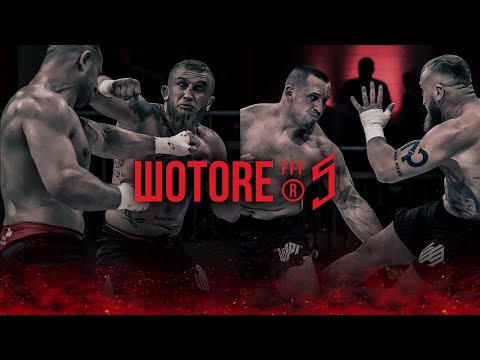
Krzysztof Waczyński vs. Bartosz Kwiatkowski: A Martial Arts Sensei's Brutal Breakdown of WOTORE 5

Welcome, warriors and scholars of the Way. Today, we delve into the raw, unadulterated chaos of WOTORE 5, specifically the semi-final bout between Krzysztof Waczyński and Bartosz Kwiatkowski. This isn't merely a fight; it's a test of wills, a brutal ballet of survival where every strike, every grapple, carries the weight of intention. You came here seeking to understand the heart of combat, the techniques that define victory, and perhaps, the philosophical underpinnings of such visceral exchanges. You will find it here, dissected with the precision of a master swordsman and the unflinching gaze of a seasoned critic.

The WOTORE Crucible: More Than Just a Fight

WOTORE, as a promotion, has carved a niche for itself by showcasing a brand of combat that blends the ferocity of street fighting with the structured brutality of some martial arts disciplines. It's a space where rules are pushed, and the adaptability of a fighter is paramount. This particular semi-final, featuring Krzysztof Waczyński and Bartosz Kwiatkowski, published on June 10, 2022, is a prime example of the high-stakes, high-reward environment WOTORE cultivates.

Many viewers arrive at such content with a singular intention: to witness raw combat. They seek the adrenaline rush, the explosive power, and the sheer spectacle of two individuals pushing their physical and mental limits. But for those of us who have dedicated years, even lifetimes, to the study of martial arts, there's a deeper layer to uncover. We look for the principles, the efficiency of movement, the strategic deployment of force, and the mental fortitude that separates a mere brawler from a true practitioner.

The true warrior is not an amazing slayer of enemies, but a terribly neat one.

This bout, like many in WOTORE, offers a fascinating case study. It’s a departure from the highly regulated environments of Olympic sports or even major MMA promotions. Here, the lines blur, and the effectiveness of various techniques is tested under extreme duress. The question is not just "Who won?" but "What did they do to win?" and more importantly, "What can we learn from their methods?"

The inclusion of elements like soccer kicks and headshots, while controversial to some, forces us to consider the context of self-defense and the brutal realities that martial arts, in their purest form, are often designed to address. This is why understanding the Budo mindset is critical – it’s about encompassing all aspects of combat, not just those deemed acceptable in a sporting arena.

Techniques Unleashed: A Symphony of Violence

The original description mentions "quick infighting, strong hook, soccer kicks, corkscrew punch, ground wrestling and head shots." Let’s break this down from a martial perspective:

  • Quick Infighting: This suggests close-range exchanges where fighters are pressed against each other. It requires a strong core, effective clinch control, and the ability to land strikes in tight spaces, often using elbows and knees. It’s a realm where sheer physical pressure can overwhelm technique if not countered with proper structure.
  • Strong Hook: A fundamental striking technique. In the context of WOTORE, a well-timed hook can end a fight instantly. Its effectiveness is amplified by the fighters' proximity and the potential for unblocked power shots. We must ask: was it set up? Was it a reactionary defense or an offensive probe?
  • Soccer Kicks: These are devastating. Traditionally found in styles like Savate or certain forms of kickboxing, their inclusion in WOTORE highlights a willingness to employ techniques that are banned in many MMA organizations due to their high risk of serious injury. They demand a fighter who can secure a dominant position and exploit it ruthlessly.
  • Corkscrew Punch: This is an interesting descriptor. It might refer to a spinning strike or a punch with a rotational component designed to increase power and penetration. Such techniques, while flashy, often carry a higher risk of being telegraphed and countered if not executed with impeccable timing and body mechanics.
  • Ground Wrestling: The inclusion of grappling in a context that also features stand-up weapons like soccer kicks speaks to the integrated nature of effective combat. It's not just about striking; it’s about controlling the fight, whether on your feet or on the mat. This involves takedowns, positional control, and submission or ground-and-pound techniques.
  • Head Shots: This is broad, but in conjunction with other elements, it emphasizes the fight’s intent to inflict damage decisively. This can range from punches and elbows to open-hand strikes, depending on the exact ruleset.

Analyzing these elements allows us to appreciate the tactical decisions made by Waczyński and Kwiatkowski. Were they adhering to a specific Karate principle of economy of motion? Were they employing techniques inspired by Jiujitsu for ground control? Or was it a more free-form, instinctual application of various fighting arts?

The raw footage, represented by

, is where the true analysis begins. It's easy to talk about techniques in theory, but seeing them applied under pressure is where their efficacy is truly tested. Many online fights or UFC clips showcase moments of brilliance, but WOTORE often presents a more raw, less polished, yet arguably more intense display of fighting intent.

The Budo Mindset: Beyond the Knockout

While the action is undeniably brutal, a true student of martial arts looks for the underlying philosophy. The concept of Budo—the way of the warrior—encompasses more than just fighting prowess. It includes discipline, respect, self-control, and the pursuit of self-improvement through rigorous training. How does this bout reflect those ideals?

In a promotion like WOTORE, the external display of respect might be less overt than in a traditional dojo. However, the very act of stepping into the cage, acknowledging your opponent, and engaging in a contest of skill and will is a fundamental expression of Budo. It’s about confronting your own fears and limitations through conflict. The intensity of the exchange suggests that both fighters understood the stakes and brought their best, a testament to their dedication to their respective training.

The ultimate aim of martial arts is not victory or defeat, but the perfection of the human character.

The mental game is as crucial as the physical. The ability to stay calm under fire, to make split-second decisions, to absorb punishment, and to maintain offensive pressure requires an iron will. This fight, with its rapid exchanges and hard hits, would have undoubtedly tested the mental resilience of both Waczyński and Kwiatkowski. Did one fighter show signs of wavering? Did one maintain composure while the other lost focus? These are the subtle cues that separate a fleeting performance from a masterful display of the warrior spirit.

Furthermore, the diverse array of techniques seen—striking, grappling, powerful kicks—speaks to the importance of a well-rounded approach. Modern martial artists often benefit from cross-training, drawing lessons from various disciplines like MMA, Kickboxing, and Wrestling. This eclectic mix allows for a more adaptable and effective fighting style, a concept deeply embedded in the evolutionary path of many martial traditions.

Sensei's Verdict: The True Measure of the Bout

Assessing a fight like this requires looking beyond the final score. While the win/loss record is important in competition, the true value lies in the application of skill, strategy, and heart. Waczyński and Kwiatkowski delivered a performance that was, by all accounts, a brutal and engaging semi-final. The combination of striking power, grappling transitions, and the willingness to employ high-impact techniques makes this a notable bout within the WOTORE landscape.

If I were to assign a "belt" for this particular fight, it wouldn't be based on a single technique, but on the overall effectiveness and commitment displayed. Both fighters demonstrated a significant level of skill and aggression, characteristic of competitive martial arts. The inclusion of all these diverse elements – from the karate-esque kicks to the jiujitsu-inspired grappling – showcases the evolving nature of combat sports where specialization often gives way to a more comprehensive skill set.

Sensei's Scorecard:

  • Technical Execution: High, considering the chaotic environment.
  • Warrior Spirit: Unquestionable. Both displayed immense courage.
  • Educational Value: Significant for those studying close-quarters combat and diverse martial arts applications.

This fight is a testament to the fact that martial arts, in their many forms, continue to evolve and adapt. It serves as a potent reminder that the principles of combat are universal, even if their application varies wildly across different disciplines and promotions.

Essential Gear for Your Own Crucible

While you might not be stepping into the WOTORE ring, effective training requires the right equipment to maximize safety and performance. For those inspired by the intensity of fights like this, consider:

  • High-Quality MMA Gloves: Essential for striking protection, offering a balance between padding and the ability to still grapple. Look for gloves with good wrist support.
  • Shin Guards: Crucial for kickboxing and MMA training to protect against powerful kicks and to develop your own kicking power safely.
  • Groin Protector (Cup): Non-negotiable for any sparring involving strikes.
  • Mouthguard: Protects your teeth and can help prevent concussions.
  • Training Partner & Coach: The most important "gear." Without proper instruction and safe practice, any equipment can be misused.

Investing in the right martial arts merchandise is an investment in your safety and progress. For those looking for more traditional Karate gear or specialized Judo equipment, ensure you source from reputable providers.

Frequently Asked Questions

What is WOTORE?

WOTORE is a fight promotion known for its often brutal and less regulated bouts, blending elements of street fighting with established martial arts, often allowing techniques banned in mainstream MMA.

What are soccer kicks in fighting?

Soccer kicks are strikes delivered with the foot or shin to an opponent who is on the ground, typically targeting the head or body. They are a high-impact technique present in some combat sports but banned in many professional MMA organizations.

Is WOTORE a form of martial art?

While WOTORE features participants trained in various martial arts, the promotion itself is a sporting event. The fighting styles and rulesets within WOTORE can be seen as a modern, often extreme, application and adaptation of traditional martial principles.

How important is ground wrestling in WOTORE fights?

Ground wrestling is critical. Even with the prevalence of striking, control on the ground can lead to decisive blows (ground-and-pound) or opportunities for submission, making it a vital component of a fighter's arsenal.

What does the term "Budo" mean?

Budo is a Japanese term that translates to "martial way" or "way of the warrior." It encompasses the philosophical, ethical, and spiritual aspects of martial arts training, emphasizing self-improvement and character development alongside combat effectiveness.

To Deepen Your Path

Sensei's Reflection: Your Next Step

You have witnessed a glimpse into the unyielding world of WOTORE. The techniques, the aggression, the raw display of fighting spirit. Now, I ask you: Does the spectacle of such combat ignite a fire within you to train harder, to understand deeper? Or does it merely serve as fleeting entertainment? The true martial artist learns from every exchange, whether in a pristine dojo or a brutal cage. Reflect: how can the lessons of raw survival, the efficiency of a desperate strike, or the control in a chaotic clinch inform your own daily practice, regardless of your chosen art?

``` GEMINI_METADESC: Sensei analyzes the brutal WOTORE 5 fight between Waczyński and Kwiatkowski, breaking down techniques, Budo philosophy, and offering a critical verdict.