¿Qué distingue a un campeón de un aspirante? ¿Es solo la fuerza bruta, la técnica refinada o un golpe de suerte? En el vertiginoso mundo de las artes marciales mixtas (MMA), donde la estrategia se encuentra con el instinto más puro, el ascenso de **Brandon Moreno**, apodado con justicia "The Assassin Baby", es una saga que desafía las expectativas y redefine el concepto de perseverancia. Desde las humildes calles de Tijuana, México, hasta convertirse en el primer campeón mexicano en la historia del UFC, su trayectoria no es solo un testimonio de habilidad marcial, sino un faro de esperanza y un golpe directo al rostro de la adversidad. ¿Estamos ante el arquetipo del guerrero moderno, o simplemente ante un luchador excepcional? Acompáñame en este análisis profundo.
Los Primeros Años: Forjando el Guerrero
La historia de Brandon Moreno comienza lejos del brillo de los grandes estadios, en el corazón de una ciudad fronteriza conocida por su energía vibrante y sus desafíos. Cada artista marcial conoce la importancia de los cimientos, y los de Moreno se construyeron en esa misma tierra, absorbiendo no solo el arte de la lucha, sino también la resiliencia necesaria para prosperar. Comenzó su viaje en las artes marciales mixtas como amateur, un campo de pruebas donde la pasión se curte a golpe de sudor y determinación. La transición al profesionalismo en 2011 marcó el inicio de un camino dedicado, sembrado de victorias que poco a poco comenzaron a llamar la atención de las grandes ligas. No se trataba de un talento nato que simplemente aparecía, sino de un esfuerzo continuo, una demostración palpable de que el *Budo* —el camino del guerrero— se forja día a día.
El Sueño de UFC: El Debut de "The Assassin Baby"
El objetivo de todo luchador de MMA es, sin duda, pisar el octágono del UFC. Para Brandon Moreno, ese sueño se materializó en octubre de 2016, en el evento UFC Fight Night: Lineker vs. Dodson. Su debut no fue un mero trámite; fue una declaración de intenciones. Una victoria por sumisión sentó las bases de lo que vendría, demostrando su habilidad para finalizar combates y su capacidad para adaptarse a la presión del escenario más grande del mundo. El apodo "The Assassin Baby" no nació en el vacío; refleja la velocidad, la precisión y la letalidad que puede desplegar. Cada movimiento, cada estrategia, era un paso más hacia la consolidación de su legado.
"La victoria es solo un resultado. El verdadero arte reside en el esfuerzo, la disciplina y la superación constante." - Un principio que todo verdadero guerrero debe interiorizar.
El Camino a la Gloria y las Dificultades
Pero el camino hacia la cumbre en el mundo de las MMA raramente es una línea recta y ascendente. Tras una derrota en UFC 216 en 2017, Moreno experimentó uno de los reveses más duros: la liberación de la organización. Este momento, que podría haber quebrado a muchos, se convirtió en un crisol para Moreno. En lugar de rendirse, luchó en otras promociones, puliendo aún más sus habilidades y fortaleciendo su espíritu. Este período de adversidad es crucial para entender la magnitud de su posterior éxito. Es en estos momentos de lucha contra viento y marea donde se demuestra el verdadero carácter de un artista marcial. Su regreso a UFC en 2019 no fue una casualidad, sino la recompensa a su tenacidad inquebrantable. Desde su retorno, acumuló una racha impresionante, silenciando a los escépticos y confirmando su lugar entre la élite. Este resurgir es un ejemplo magistral de la filosofía del BUDO: levantarse siempre, sin importar cuántas veces se caiga.
La Corona Mexicana: Una Victoria Histórica
El culmen de su esfuerzo llegó en UFC 263, un evento que quedó grabado en la historia del deporte. Brandon Moreno no solo venció a Deiveson Figueiredo, uno de los pesos moscas más temidos, sino que lo hizo por sumisión en el tercer asalto. Con esta victoria, Moreno se alzó con el cinturón de campeón, convirtiéndose en el primer mexicano en la historia del UFC en lograr tal hazaña. Este momento trascendió el ámbito deportivo; fue un hito cultural para México, inspirando a millones y abriendo nuevas puertas para el talento latinoamericano en las artes marciales mixtas. La celebración de este triunfo resonó en cada rincón del país, demostrando el poder unificador del deporte y el orgullo nacional.
Más que un Campeón: Humildad y Comunidad
Lo que verdaderamente eleva a Brandon Moreno más allá de sus habilidades combativas es su profunda conexión con sus raíces y su comunidad. A pesar de alcanzar la gloria mundial, mantiene una humildad que desarma y una dedicación a su gente que inspira. En un país donde las oportunidades pueden ser escasas y la lucha diaria es una constante, Moreno se erige como un símbolo de que es posible alcanzar los sueños más ambiciosos. Su mensaje es claro: el éxito en las artes marciales mixtas, o en cualquier disciplina, puede ser un catalizador para el cambio social, motivando a la próxima generación de atletas y líderes. Él encarna el espíritu del guerrero que no olvida de dónde viene, un principio fundamental en la filosofía de muchas artes marciales tradicionales.
"El camino del guerrero es un camino de autodescubrimiento. No se trata solo de vencer al oponente, sino de vencerse a uno mismo." - Brandon Moreno (implícito en su trayectoria)
Veredicto del Sensei: ¿Un Ícono del MMA Moderno?
Brandon "The Assassin Baby" Moreno no es solo un campeón; es un fenómeno. Su ascenso meteórico, marcado por la perseverancia frente a la adversidad, una técnica pulida y una humildad conmovedora, lo establece como una figura icónica en el panorama actual de las MMA. Ha demostrado que la disciplina, la fe en uno mismo y el trabajo incansable son las verdaderas armas que forjan el éxito duradero. Su impacto va más allá de los cinturones y los récords; ha encendido una chispa de inspiración en México y en el mundo.
**Calificación del Sensei:** ⭐⭐⭐⭐⭐ (Cinturón Negro de Inspiración)
Equipo Esencial para tu Entrenamiento
Si el espíritu de Brandon Moreno te ha inspirado a entrenar MMA o mejorar tu práctica de cualquier arte marcial, contar con el equipo adecuado es fundamental para progresar de forma segura y efectiva.
Guantes de MMA: Busca unos que ofrezcan buena protección para tus manos y muñecas durante el sparring y el entrenamiento.
Espilleras y Protector Bucal: Esenciales para minimizar el riesgo de lesiones durante los entrenamientos de combate.
Kimono de Judo o BJJ: Si tu enfoque incluye el grappling, un buen kimono es una inversión en durabilidad y comodidad.
Ropa de Entrenamiento Transpirable: Camisetas y pantalones cortos diseñados para combate te permitirán moverte libremente y mantenerte fresco.
Calzado Adecuado: Dependiendo de tu disciplina, puedes necesitar zapatillas ligeras para lucha en pie o calzado específico para grappling.
Para Profundizar en tu Camino
Sumérgete aún más en el fascinante mundo de las artes marciales y el espíritu de lucha que define a campeones como Brandon Moreno.
Explora la mentalidad del guerrero en The Mental Game: Claves para el Éxito en el Octágono y la Vida.
Conoce la historia de otros héroes del UFC en nuestra sección de Fighter Legacy.
Preguntas Frecuentes
¿Cuál es el arte marcial principal de Brandon Moreno? Brandon Moreno es principalmente un luchador de artes marciales mixtas (MMA), con una sólida base en jiujitsu, boxeo y lucha libre.
¿Por qué lo apodan "The Assassin Baby"? El apodo se debe a su agresividad, precisión y su juventud cuando comenzó a ganar notoriedad en las artes marciales mixtas.
¿Ha defendido Brandon Moreno su título de UFC? Sí, Brandon Moreno ha defendido su título de peso mosca en múltiples ocasiones, demostrando su dominio en la división.
¿Cómo influye su origen mexicano en su carrera? Su origen es una fuente de gran motivación e inspiración, tanto para él como para su comunidad, y ha sido clave para su popularidad y conexión con los fanáticos.
Reflexión del Sensei: Tu Próximo Paso
El viaje de Brandon Moreno nos enseña que la verdadera victoria no es solo colgarse un cinturón, sino la fortaleza inquebrantable para levantarse después de cada caída, la humildad para recordar tus orígenes y la visión para usar tu plataforma en beneficio de otros. Ahora te pregunto, ¿cuál es esa "caída" en tu propio camino marcial o vital que aún te pesa? ¿Y cómo podrías aplicar la resiliencia y la humildad de "The Assassin Baby" para convertirla en tu próximo gran impulso? Reflexiona, entrena y, sobre todo, ¡no te rindas jamás!
"El verdadero maestro es el que nunca deja de aprender y nunca teme enfrentar sus propias debilidades."
```
```json
{
"@context": "https://schema.org",
"@type": "FAQPage",
"mainEntity": [
{
"@type": "Question",
"name": "¿Cuál es el arte marcial principal de Brandon Moreno?",
"acceptedAnswer": {
"@type": "Answer",
"text": "Brandon Moreno es principalmente un luchador de artes marciales mixtas (MMA), con una sólida base en jiujitsu, boxeo y lucha libre."
}
},
{
"@type": "Question",
"name": "¿Por qué lo apodan \"The Assassin Baby\"?",
"acceptedAnswer": {
"@type": "Answer",
"text": "El apodo se debe a su agresividad, precisión y su juventud cuando comenzó a ganar notoriedad en las artes marciales mixtas."
}
},
{
"@type": "Question",
"name": "¿Ha defendido Brandon Moreno su título de UFC?",
"acceptedAnswer": {
"@type": "Answer",
"text": "Sí, Brandon Moreno ha defendido su título de peso mosca en múltiples ocasiones, demostrando su dominio en la división."
}
},
{
"@type": "Question",
"name": "¿Cómo influye su origen mexicano en su carrera?",
"acceptedAnswer": {
"@type": "Answer",
"text": "Su origen es una fuente de gran motivación e inspiración, tanto para él como para su comunidad, y ha sido clave para su popularidad y conexión con los fanáticos."
}
}
]
}
The ring. A crucible where raw courage meets honed technique. For millennia, humanity has sought to test itself in combat, and boxing, in its purest form, stands as a testament to that primal drive. But do not mistake its apparent simplicity for a lack of depth. To truly understand the art of boxing is to delve into a discipline that demands more than just brute force; it requires unwavering focus, ironclad discipline, and a spirit as unyielding as tempered steel. This isn't about flashy moves for the masses; it's about understanding the *bushido* of the pugilist. This guide is not for the faint of heart, but for those who seek to understand the soul of the fight.
Many claim to understand boxing. They watch from the sidelines, mesmerized by the ferocity, yet blind to the underlying strategy. This is not a sport for those who seek mere violence; it is a sophisticated dance of strategy, timing, and absolute control. Forget the theatrics; we delve into the core. If your intention is to learn the fundamental principles that separate a brawler from a boxer, you have arrived. This guide is built upon the rigorous principles that underpin all true martial disciplines, adapted for the squared circle. We will dissect each element, from the devastating power of a well-placed punch to the subtle art of evading a blow that could end your night.
The Four Pillars of Offense: Mastering the Punches
In the unforgiving arena of boxing, your fists are your instruments of expression. But not all expressions carry the same weight. Understanding the *purpose* and *execution* of each fundamental punch is paramount. This is where the foundation of your offensive strategy is laid, where the *ki* flows through your strikes.
The Jab: The Maestro's Measure
"The jab is the painter's brush. It sketches the outline of the masterpiece."
The jab is the foundational punch in boxing, often underestimated by novices. It's your primary tool for range-finding, disrupting your opponent's rhythm, and setting up more potent attacks. Thrown with your lead hand, it must be swift, straight, and retracted quickly to maintain balance. A lazy jab is an invitation to disaster. Master the jab, and you control the distance; control the distance, and you control the fight. This requires constant practice, honing the muscle memory until the movement is as natural as breathing.
The Cross: The Hammer of Judgment
"The cross is the testament of power, delivered with the truth of your entire body."
This is where true power is unleashed. The cross, thrown with your rear hand, involves a rotation of your hips and shoulders, transferring the force from the ground up through your body. It's not just an arm punch; it's a full-body commitment. Used to end exchanges, exploit openings, or deliver a decisive blow, the cross demands precision. A poorly executed cross leaves you vulnerable, off-balance, and ripe for punishment. For those seeking the ultimate expression of boxing power, understanding the mechanics of the cross is non-negotiable. Consider the legacy of fighters who made this their signature – their power was no accident.
The Hook: The Serpent's Coil
"The hook strikes from unexpected angles, a sudden turn of fate."
The hook is a semi-circular punch delivered with either hand, targeting the head or body. Its effectiveness lies in its ability to bypass an opponent's guard when thrown correctly. Whether it's a short, sharp hook to the chin or a looping power hook to the ribs, the principle remains: utilize your core rotation for maximum impact. This punch requires adaptability, as it can be employed both offensively and defensively to disrupt an opponent's attack. Mastering hooks is essential for breaking down a guarded opponent, a skill honed through countless hours of drilling.
The Uppercut: The Rising Dragon
"The uppercut is the surprise from below, a sudden ascent of power."
The uppercut is a powerful, upward-striking punch. It's designed to catch an opponent coming in, or to lift their head from a lower guard. Again, hip and shoulder rotation are key, generating explosive upward force. This punch is particularly effective against opponents who tend to drop their hands or lean forward. Its trajectory makes it a formidable weapon, capable of causing significant damage. For any aspiring boxer serious about their arsenal, the uppercut is a vital, albeit challenging, technique to master.
The Dance of the Warrior: Essential Footwork
Boxing is often described as a thinking person's sport, and nowhere is this more evident than in its footwork. The ring is your chessboard, and your feet are your pawns. Superior footwork allows you to control the engagement, evade danger, and dictate the terms of the fight. Neglect this, and you are merely a stationary target. This is where the true *Budo* spirit manifests – not just in the strike, but in the movement, the strategy, the evasion.
The Foundation: Your Boxing Stance
Your stance is your base, your equilibrium. A proper boxing stance keeps you balanced, protected, and ready to move. Feet should be shoulder-width apart, with your lead foot slightly forward. Knees are softly bent, distributing your weight primarily on the balls of your feet, allowing for quick transitions. Your lead hand is up, protecting your face, and your rear hand guards your chin. This isn't just about standing; it's about being prepared to explode into action or disappear from danger at a moment's notice.
Step and Slide: Navigating the Arena
This is the most fundamental movement. To move left, step with your lead foot, then bring your rear foot to meet it, maintaining your stance's width. To move right, do the opposite. This "step and slide" ensures you never cross your feet, which is a cardinal sin in boxing, leading to imbalance and vulnerability. It's about maintaining your structure while traversing the terrain. This fluid motion is crucial for effective offensive and defensive positioning, a silent testament to your control.
The Pivot: Shifting the Battlefield
Pivoting allows you to change angles, creating offensive opportunities or evading an opponent's attack. By stepping with your lead foot and rotating your rear foot, you can shift your body and create a new line of attack, surprising your opponent. This technique is vital for turning defense into offense and is a hallmark of experienced boxers who can manipulate the space within the ring. It’s a subtle art, but one that can dramatically alter the course of a fight.
The Shield of Wisdom: Impregnable Defense
Offense wins rounds, but defense wins championships. A fighter who cannot defend themselves is merely playing with fire. True mastery lies in the ability to avoid punishment while simultaneously creating openings. This is where the discipline of the martial artist truly shines – understanding that the greatest victory is often not to strike, but to *not be struck*.
The Parry: Deflecting Misfortune
A parry is a controlled deflection of an opponent's punch. Using your lead hand, you gently redirect the incoming blow to the side. It's not a block; it's a subtle redirection that uses minimal energy and can even be transitioned into a counter-attack. This requires excellent timing and awareness, distinguishing it from a crude, energy-sapping block.
The Slip: The Ghost's Evasion
The slip involves moving your head to the left or right, causing your opponent's punch to whistle past. Crucially, your feet remain planted, allowing for an immediate counter-punch. This requires impeccable timing and understanding of an opponent's range and power. A well-timed slip can not only evade a devastating blow but also set up a powerful retaliatory strike.
Bob and Weave: The Willow in the Storm
This classic defensive maneuver involves bending your knees and moving your upper body in a U-shape. It's used to evade punches, particularly hooks, and to get inside an opponent's reach. The bob and weave allows you to move under punches and come up in a position to attack, turning defense into a potent offensive tool. It’s about being fluid, adaptable, and always one step ahead.
The Forge of the Fighter: Rigorous Training Regimen
Talent is a spark, but discipline is the fire that sustains it. Consistent, intelligent training is the only path to true mastery in boxing. Without it, your potential remains dormant, a whisper lost in the roar of the crowd.
Shadowboxing: The Solitary Duel
Before you face an opponent, you must first face yourself. Shadowboxing is your private rehearsal. It's where you practice your technique, footwork, and combinations without resistance. This is your opportunity to refine every movement, to build muscle memory, and to develop the fluidity and speed that define a skilled boxer. It's a critical component for developing *internal strength* and mastering your own movements.
The Heavy Bag: Facing the Silent Adversary
The heavy bag is your relentless training partner. Punching it develops power, stamina, and the conditioning necessary to endure the rigors of a fight. Each strike against the bag is a commitment, building the resilience required to absorb and deliver punishment. Focus on proper form with every punch; the bag doesn't judge technique, but the results speak for themselves. Using a high-quality boxing glove during these sessions is crucial for joint protection.
Sparring: The Crucible of Reality
Sparring is where theory meets practice. It's the closest you'll get to a real fight in a controlled environment. Here, you test your techniques, timing, defense, and mental fortitude against a live opponent. It teaches you to adapt, react, and manage the pressure of combat. Sparring is not about winning; it's about learning. Every session is a lesson, a chance to identify weaknesses and build upon strengths. This is where the true *fighter's spirit* is forged. Remember, proper sparring gear is non-negotiable for safety.
Veredicto del Sensei: ¿Merece la pena?
This guide presents the foundational pillars of boxing. It is a distilled essence of technique and strategy, stripped of hyperbole. Boxing, when approached with the discipline and respect of a martial art, is profoundly rewarding. It builds not only physical prowess but also mental fortitude, strategic thinking, and an unshakeable self-confidence. However, it demands dedication. This is not a quick fix; it's a lifelong pursuit. For those willing to commit, the journey is transformative.
**Calificación:** Cinturón Negro en Fundamentos.
Equipo Esencial para tu Entrenamiento
To begin your journey in the pugilistic arts, certain equipment is not merely recommended, but essential for safe and effective training:
Boxing Gloves: Essential for protecting your hands and wrists during striking. For beginners, 14-16oz gloves are generally recommended for training.
Hand Wraps: Worn under gloves, these provide crucial extra support to your hand and wrist bones.
Mouthguard: Absolutely vital for protecting your teeth and preventing concussions.
Headgear (for sparring): Protects against cuts, bruises, and reduces the impact of blows during sparring sessions.
Jump Rope: An indispensable tool for warming up, improving footwork, coordination, and cardiovascular conditioning.
Heavy Bag: For developing power, stamina, and practicing combinations.
Boxing Shoes: Offer ankle support and provide the necessary grip for agile footwork in the ring.
Investing in quality boxing equipment is an investment in your safety and progress.
Guía de Entrenamiento: Perfeccionando tu Jab
Let us focus on the most fundamental punch, the jab, and refine its execution.
Stance: Assume your proper boxing stance. Your lead hand is forward, eyes forward.
Initiation: Begin the movement by extending your lead arm directly forward. Do not cock your wrist or bend your elbow prematurely.
Extension: Fully extend your arm, rotating your fist slightly as it reaches its target. This rotation adds snap and power. The palm should ideally face downwards upon impact.
Target Impact: Aim to strike with the knuckles of your index and middle fingers.
Retraction: Immediately snap the punch back to your guard position. This is crucial for defense and maintaining balance. The retraction should be as fast as the extension.
Body Mechanics: As you extend, you may subtly shift your weight forward onto the ball of your lead foot. Engage your core.
Practice: Perform 10-20 repetitions with focus. Then, practice transitioning from a jab to a cross, or a jab to a slip.
Shadowboxing: Integrate this refined jab into your shadowboxing routine.
Heavy Bag: Practice your jab on the heavy bag, focusing on speed, accuracy, and retraction.
Mastering the jab is a journey, not a destination. Be patient, be persistent.
Preguntas Frecuentes
Q: How long does it take to become proficient in boxing?
A: Proficiency varies greatly depending on natural aptitude, training frequency, and quality of instruction. However, expect at least 1-2 years of consistent training to develop fundamental skills and ring awareness.
Q: Is boxing too dangerous for beginners?
A: While boxing carries inherent risks, proper training under qualified instructors, with emphasis on defense and safe sparring practices, significantly mitigates danger, especially for beginners.
Q: Can boxing be used for self-defense?
A: Absolutely. The core principles of boxing – footwork, distance management, and powerful striking – are highly applicable to real-world self-defense situations.
Q: What is the difference between boxing and other martial arts?
A: Boxing specifically focuses on punches using the fists, employing unique footwork and defensive strategies. Other martial arts may incorporate kicks, grappling, or weapons, offering broader combat applications.
You have studied the theory. You understand the mechanics of the jab, the cross, the hook, the uppercut. You know the importance of footwork and defense. But theory is a map; practice is the territory. So I ask you: When you stand before the mirror, practicing your jab, are you merely moving your arm, or are you channeling the intent of a warrior? Are you executing a technique, or are you embodying the spirit of the strike? The answer to this question will define your path.
```json
{
"@context": "https://schema.org",
"@type": "FAQPage",
"mainEntity": [
{
"@type": "Question",
"name": "How long does it take to become proficient in boxing?",
"acceptedAnswer": {
"@type": "Answer",
"text": "Proficiency varies greatly depending on natural aptitude, training frequency, and quality of instruction. However, expect at least 1-2 years of consistent training to develop fundamental skills and ring awareness."
}
},
{
"@type": "Question",
"name": "Is boxing too dangerous for beginners?",
"acceptedAnswer": {
"@type": "Answer",
"text": "While boxing carries inherent risks, proper training under qualified instructors, with emphasis on defense and safe sparring practices, significantly mitigates danger, especially for beginners."
}
},
{
"@type": "Question",
"name": "Can boxing be used for self-defense?",
"acceptedAnswer": {
"@type": "Answer",
"text": "Absolutely. The core principles of boxing – footwork, distance management, and powerful striking – are highly applicable to real-world self-defense situations."
}
},
{
"@type": "Question",
"name": "What is the difference between boxing and other martial arts?",
"acceptedAnswer": {
"@type": "Answer",
"text": "Boxing specifically focuses on punches using the fists, employing unique footwork and defensive strategies. Other martial arts may incorporate kicks, grappling, or weapons, offering broader combat applications."
}
}
]
}
The octagon is a crucible, a stage where raw talent meets unyielding will. But beyond the thunderous roars and the sweat-soaked canvas, there lies a deeper narrative, one often revealed not by the victor, but by the keen observation of a fellow master. When Israel Adesanya, a maestro of striking and a strategist of the highest caliber, reacts to a performance, it’s more than just commentary; it's a masterclass in itself. Today, we dissect not just Merab Dvalishvili's commanding victory over Petr Yan at UFC Fight Night, but what "The Last Stylebender" saw, and what *we* can learn from it. This isn't just about MMA; it's about the fundamental principles of control, pressure, and the relentless pursuit of dominance that echo through every martial art, from the dojo halls of Karate to the strategic mind games of Budo.
Petr Yan, a former champion, known for his crisp boxing and sharp counter-striking, faced an unconventional challenge in Merab Dvalishvili. Yan’s game typically thrives on rhythm, timing, and precision striking. Dvalishvili, however, represents a different breed of fighter: a relentless pressure machine, a wrestler whose conditioning and sheer will to advance often break opponents before they can even engage their preferred weapons. This wasn't a simple striking match; it was a test of wills, a battle of contrasting philosophies within the same cage.
As published on March 12, 2023, at 06:36 AM, this UFC Fight Night bout provided a spectacle that resonated even with the elite. Israel Adesanya, a fighter who himself embodies strategic brilliance and diverse martial arts influence, offered his unique perspective. His reactions are not merely a fan's delight; they are a window into the strategic mind of a warrior, offering insights valuable to any practitioner, whether they train in Karate, Judo, BJJ, or the broader philosophy of Budo.
"The beauty of martial arts is that they are a mirror to ourselves. What we see in others, we can often find within us, or the potential for it." - Sensei Budo
The Adesanya Lens: What a Champion Sees
Adesanya's analytical prowess is legendary. He doesn't just see punches and kicks; he sees the underlying strategy, the physical and mental conditioning, and the subtle shifts in momentum. When he watches a fighter like Dvalishvili impose his will, he's not just impressed by the outcome; he’s dissecting the *how*. His commentary often highlights the fighter's ability to dictate the pace, control the distance, and impose their physical and mental strengths.
For practitioners of striking arts like Karate or Taekwondo, observing Adesanya's reactions can highlight the importance of maintaining composure under pressure, a key tenet in disciplines that emphasize focus and control. For grapplers, his insights into transitional control and physical dominance offer a complementary perspective. It reinforces that while techniques vary, the core principles of warfare – positioning, timing, and application of force – remain constant.
Merab's Dominance Analyzed: The Art of Pressure
Dvalishvili's performance against Yan was a masterclass in suffocating pressure. It wasn't about flashy submissions or devastating knockouts; it was about relentless takedowns, suffocating clinches, and an unyielding forward march that left Yan with little room to breathe or execute his own potent offense. This style, while perhaps not as aesthetically pleasing as some, is brutally effective and deeply rooted in the physical and mental demands of wrestling, a discipline that shares common ground with Judo’s emphasis on leverage and control.
What Adesanya likely recognized was the sheer *willpower* required to maintain such a high-octane pace for three rounds. It’s a testament to Dvalishvili's conditioning, his mental fortitude, and his ability to consistently execute a game plan that drains opponents both physically and psychologically. This is the essence of "pressure fighting," a tactic seen across combat sports, from the aggressive advances in Kickboxing to the methodical advancement in Kyokushin Karate.
Technical Breakdown: Grappling Control Beyond Technique
While we might not see a step-by-step tutorial in Adesanya’s reaction, his observations often point to the critical elements of grappling control that transcend specific techniques. He’ll likely highlight:
* **Positional Dominance:** How Dvalishvili maintained top control, limiting Yan's ability to escape or generate offense. This is a fundamental principle in BJJ and Judo.
* **Pace Setting:** Dvalishvili dictated the speed and intensity of the fight, forcing Yan into uncomfortable exchanges.
* **Physicality:** The sheer exertion and conditioning required to consistently impose such a physical style. This is where the training for endurance and strength becomes paramount.
This type of control is not merely about executing a perfect hip escape or a flawless sweep. It’s about understanding leverage, weight distribution, and the mental game of attrition. Even a Karateka practicing Tameshiwari (breaking techniques) understands the application of focused power and intent, which, in a different context, can translate to sustained physical imposition.
Philosophical Implications: Budo and the Fight
The principles demonstrated by Dvalishvili – relentless pressure, unwavering resolve, and the physical imposition of will – are deeply aligned with the philosophy of Budo, the "Way of the Warrior." While Budo encompasses a vast array of martial arts, a common thread is the cultivation of character through rigorous training and the overcoming of adversity.
Adesanya, a student of various martial arts himself, understands this duality. He recognizes that a fight is not just about striking or grappling; it's a test of a warrior's spirit. Dvalishvili's performance, in this light, is a testament to the power of perseverance.
"The empty mind, the Mushin, is not about emptiness in the sense of nothingness, but emptiness in the sense of being open to everything. It is this openness that allows a fighter to adapt and overcome." - Miyamoto Musashi
Adesanya's reaction likely touches upon this: how Dvalishvili seemed unfazed by Yan’s reputation, sticking to his game plan, embodying a form of mental fortitude that is the hallmark of true Budo.
Training for Relentless Pressure: Building the Dvalishvili Engine
To replicate the kind of sustained dominance Dvalishvili displayed requires a specialized approach to training. It’s not enough to just drill techniques; one must build the engine that powers them.
* **Cardiovascular Conditioning:** This is paramount. High-intensity interval training (HIIT), prolonged sparring at a high pace, and consistent roadwork are essential. Think of the endurance required for a Judo randori session, but amplified.
* **Strength Training:** Focus on functional strength that aids in grappling: leg strength for takedowns, core strength for stability and control, and upper body strength for clinching and maintaining position.
* **Wrestling Drills:** Repetitive takedown attempts, sprawl drills, and clinch work are crucial.
* **Mental Fortitude:** Training under fatigue, simulating high-pressure scenarios, and developing resilience against setbacks are key components. This is where the "mental game" truly shines.
This type of training is a commitment, a journey that demands discipline and dedication, mirroring the path of any dedicated martial artist.
Equipment Essential for Your Training
To effectively train for grappling and pressure-based martial arts, the right gear can make a significant difference in both performance and injury prevention. For those looking to emulate the pressure-fighting style, consider the following:
Gi/Kimono: A durable, high-quality Gi is essential for BJJ and Judo. Look for double-weave or heavier fabrics that can withstand intense grappling. A good Karate Gi is also important for striking arts.
Sparring Gloves: For MMA training, proper sparring gloves (14-16oz) are critical for protecting your hands and your training partners.
Wrestling Shoes: Lightweight, supportive wrestling shoes offer excellent traction and ankle support, crucial for takedown defense and offense.
Mouthguard: Non-negotiable for any form of sparring or live training to protect your teeth and jaw.
Knee Pads: Useful for heavy drilling on mats to protect your knees during takedowns and ground transitions.
Investing in quality equipment is an investment in your training longevity and effectiveness, much like a martial artist investing in their first Karate gi or a fencer in their fencing mask.
Veredicto del Sensei: More Than Just a Win
Merab Dvalishvili's victory over Petr Yan was a statement. It wasn't just a win; it was a demonstration of a martial philosophy in action – the relentless application of pressure, the unwavering physical and mental conditioning, and the strategic dismantling of an opponent’s strengths. Israel Adesanya's reaction to this performance, though perhaps not a direct technical breakdown, offers a higher-level appreciation of what makes a fighter successful. He sees the discipline, the commitment, and the warrior spirit.
This fight serves as a potent reminder that while striking arts like Karate and Taekwondo offer incredible precision and power, the control and attrition found in grappling arts like Judo and BJJ, when coupled with supreme conditioning, can be an overwhelming force. It's a lesson in versatility and the understanding that true mastery often lies in the integration of diverse skill sets and the unyielding application of one’s chosen path.
Frequently Asked Questions
Q: What martial arts background does Merab Dvalishvili primarily use? A: Dvalishvili is primarily a wrestler with a strong sambo background, which heavily influences his pressure-fighting style in MMA.
Q: How does Adesanya's reaction provide value to non-MMA practitioners? A: Adesanya's commentary often highlights universal martial principles like pressure, strategy, composure, and mental fortitude, which are applicable to any martial art, from Karate to Judo.
Q: Is Merab Dvalishvili's style applicable to self-defense? A: The relentless pressure and focus on control are highly effective in self-defense scenarios, as it can quickly overwhelm an untrained aggressor.
Q: How important is conditioning in modern MMA? A: Conditioning is absolutely critical. Fighters like Dvalishvili demonstrate that superior cardio and physical output can overcome technical disadvantages.
Para Profundizar en tu Camino
* Artes Marciales Mixtas: Entendiendo las transiciones entre disciplinas.
* BUDO: La filosofía detrás del guerrero moderno.
* Judo: La fuerza de la flexibilidad y el control.
Reflexión del Sensei: Tu Próximo Paso
When watching elite fighters, we are given a glimpse of peak human performance. But the true lesson lies not in marveling at their victories, but in understanding the sacrifice, the relentless training, and the mental fortitude required to achieve them. Dvalishvili's pressure, Adesanya's insight – these are not just moments in a fight. They are reflections of the dedication we must bring to our own mats, our own training halls, our own lives.
So, I ask you: When faced with an overwhelming obstacle, whether in training or in life, do you find yourself retreating to your strengths, or do you become the relentless force that breaks through? What are you doing to cultivate that unyielding pressure in your own journey?
The roar of the crowd, the glint of sweat under the arena lights, the coiled tension before the first bell – these are the visceral elements that define professional combat sports. On March 11, 2023, the Qudos Bank Arena in Sydney, Australia, bore witness to such a spectacle: Tim Tszyu against Tony Harrison. As a devotee of the martial path, I approached this bout not just as a boxing match, but as a living demonstration of principles we hone daily in the dojo. You are watching a pivotal moment in the careers of two formidable fighters, and more importantly, a chance to dissect the application of strategy, resilience, and the unwavering spirit that defines a true warrior.
The air in Sydney was thick with anticipation for the clash between Tim Tszyu and Tony Harrison. This wasn't just another boxing match; it was a narrative woven with legacy, ambition, and the primal drive to prove oneself. Tim Tszyu, carrying the formidable legacy of his father, Kostya, was seeking to cement his own place in boxing history. Tony Harrison, a proven world champion, represented the ultimate test – a seasoned veteran capable of outboxing any opponent. The venue, the Qudos Bank Arena, was ready to be ignited.
The question on everyone's lips: Could Harrison's experience and cunning overcome Tszyu's relentless pressure and raw power? This encounter offered a profound opportunity to examine the strategic depth and mental fortitude demanded by the highest echelons of artes marciales, even within the specialized discipline of boxing.
The Chalkboard Strategy: Tszyu vs. Harrison
In any combat scenario, strategy is paramount. Boxing, often perceived as a brute force exchange, is in reality a sophisticated dance of timing, distance, and anticipation. Tim Tszyu's approach has consistently been one of suffocating pressure, a relentless march forward, looking to wear down opponents and land heavy blows. His jab acts as a probing tool, setting up devastating power shots, much like a karateka uses a persistent tsuki (thrusting punch) to control distance and create openings.
Tony Harrison, on the other hand, is a master of angles and movement. His style is more cerebral, akin to a strategic chess player on the ring. He uses his footwork to create space, nullifying the opponent's power while looking for precise counters. This difference in approach is where the fight's narrative truly unfolds. Will Tszyu's forward momentum break through Harrison's defensive shell and movement? Or will Harrison's tactical brilliance and ring IQ dismantle Tszyu's aggressive strategy?
It’s a classic martial principle: the immovable object meeting the irresistible force. However, in the realm of high-level fighting, neither object is truly immovable, nor is any force entirely irresistible. It becomes a test of adaptation, a constant adjustment of tactics based on what the opponent presents.
Analysis of Styles: A Clash of Philosophies
The contrasting styles of Tszyu and Harrison reflect different, yet equally valid, martial philosophies. Tszyu embodies the "Go-no-sen" (reactive initiative) – he allows his opponent to act first, then responds with overwhelming force. His power punches are designed to end the fight decisively. This is reminiscent of styles that emphasize knockout power and direct confrontation.
Harrison’s style, however, leans more towards "Sen-no-sen" (initiative on the opponent's initiative) or even "Sen-sen-no-sen" (initiative before the opponent's initiative). He seeks to dictate the rhythm, control the pace, and exploit openings before they fully materialize. His movement and defensive prowess are not merely about survival, but about setting traps and creating opportunities for his own attacks. This mirrors the strategic depth found in arts like BJJ or Judo, where grappling and positional control are key.
A practitioner of traditional Karate might see Tszyu's directness and Harrison's evasiveness as reflections of different kata applications. The former, a direct, powerful sequence; the latter, a more fluid, evasive series of movements designed to redirect and counter.
"The supreme art of war is to subdue the enemy without fighting." - Sun Tzu, The Art of War. While this bout involves fighting, Harrison's approach often aims to achieve this principle within the fight itself, by making the opponent waste energy and opportunities, effectively subduing them psychologically and physically before landing decisive blows.
The Spirit of the Fight: Beyond the Knockout
Beyond the technical strategies and stylistic clashes, what truly captivates is the underlying spirit. This is where the martial aspect transcends mere sport. Both Tszyu and Harrison demonstrated incredible heart, resilience, and the ability to adapt under immense pressure. The physical toll of a fight is immense, but the mental fortitude required to continue, to overcome adversity, and to push past perceived limits is what separates champions from contenders.
We saw moments where Tszyu’s relentless pressure seemed to be wearing Harrison down, only for Harrison to respond with sharp, accurate counter-punches. We witnessed Tszyu absorb blows and continue his advance, a testament to his physical toughness. This is the "Mushin" (no-mind) state that practitioners strive for – a state of being where instinct and training take over, unclouded by fear or doubt.
The concept of "Ki" or "energy" is also relevant here. While not directly quantifiable in a boxing ring, the palpable energy of a fighter, their confidence, their will to win, is a force in itself. A fighter who projects confidence and control can often impose their will on an opponent.
Veredicto del Sensei: Did This Bout Earn its Stripes?
This bout between Tim Tszyu and Tony Harrison was a compelling display of modern boxing at a high level. Tszyu's ability to impose his will and overcome the tactical challenges presented by Harrison, ultimately securing the victory by TKO in the 9th round, demonstrated his growth as a fighter and his readiness for even greater challenges. Harrison, despite the loss, proved his class and experience, making it a difficult night for Tszyu.
For fans of the sweet science, it was a thrilling encounter. From a martial perspective, it offered valuable lessons in strategy, adaptability, and the sheer grit required to compete at this level. It's a fight that resonates with the core principles of perseverance and the relentless pursuit of mastery that we value in all martial disciplines.
**Calificación:** Cinturón Negro en Estrategia y Coraje.
Equipment Essential for Your Training
While boxing gloves and a ring are the most obvious tools for a boxer, the principles and spirit of the martial arts can be cultivated with much less. For those inspired by the dedication shown by Tszyu and Harrison, consider these foundational elements for your own martial journey:
Quality Boxing Gloves: Essential for sparring and bag work to protect your hands and wrists. 16oz gloves are standard for sparring.
Hand Wraps: Crucial for added wrist and hand support under your gloves.
Jump Rope: An excellent, low-impact tool for cardiovascular conditioning and footwork development, mirroring the agility seen in boxers.
Durable Training Shoes: Providing stability and support for footwork drills.
A Heavy Bag or Makiwara: For developing power, accuracy, and conditioning strikes.
Consistent Access to Martial Arts Training Gear: Whether it's a karate gi, a judo kimono, or BJJ rashguards, proper attire signifies respect for the art.
Further Resources to Deepen Your Journey
To truly understand the depth of warrior philosophy and training, further exploration is always encouraged.
Dive deeper into the strategic thinking of combat with our analysis of UFC bouts.
Explore the foundational principles of BUDO and its application beyond combat.
Understand the importance of conditioning with our guides on at-home workouts and building fuerza.
Frequently Asked Questions
What was the outcome of the Tim Tszyu vs. Tony Harrison fight?
Tim Tszyu defeated Tony Harrison by TKO in the 9th round of their bout on March 11, 2023.
What style of boxing does Tim Tszyu employ?
Tszyu is known for his aggressive, pressure-fighting style, characterized by relentless forward movement and powerful combinations.
What is Tony Harrison known for?
Harrison is recognized for his technical boxing skill, excellent defensive movement, sharp counter-punching, and ring IQ.
Is this fight considered a significant win for Tim Tszyu?
Yes, defeating a former world champion like Tony Harrison is widely considered a significant career milestone for Tim Tszyu, further solidifying his contender status.
Sensei's Reflection: Your Next Step
The fight between Tszyu and Harrison was more than just a contest of skill; it was a testament to the warrior's spirit. They entered the arena prepared not just physically, but mentally, ready to face whatever challenge their opponent presented.
Now, I ask you: When you face your own challenges, be it in the dojo, in your work, or in your personal life, are you truly prepared? Do you understand your own strategy, your opponent's potential moves, and more importantly, do you possess the unwavering spirit to adapt and overcome when the initial plan falters?
Reflect on this. The greatest training ground is not always the mat or the ring, but the entirety of your existence. How will you apply these lessons today?
```
```json
{
"@context": "https://schema.org",
"@type": "FAQPage",
"mainEntity": [
{
"@type": "Question",
"name": "What was the outcome of the Tim Tszyu vs. Tony Harrison fight?",
"acceptedAnswer": {
"@type": "Answer",
"text": "Tim Tszyu defeated Tony Harrison by TKO in the 9th round of their bout on March 11, 2023."
}
},
{
"@type": "Question",
"name": "What style of boxing does Tim Tszyu employ?",
"acceptedAnswer": {
"@type": "Answer",
"text": "Tszyu is known for his aggressive, pressure-fighting style, characterized by relentless forward movement and powerful combinations."
}
},
{
"@type": "Question",
"name": "What is Tony Harrison known for?",
"acceptedAnswer": {
"@type": "Answer",
"text": "Harrison is recognized for his technical boxing skill, excellent defensive movement, sharp counter-punching, and ring IQ."
}
},
{
"@type": "Question",
"name": "Is this fight considered a significant win for Tim Tszyu?",
"acceptedAnswer": {
"@type": "Answer",
"text": "Yes, defeating a former world champion like Tony Harrison is widely considered a significant career milestone for Tim Tszyu, further solidifying his contender status."
}
}
]
}
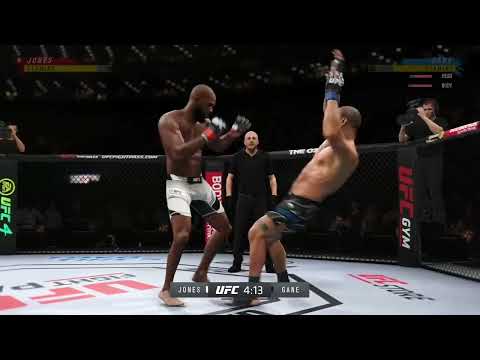
When the worlds of martial arts collide in a bout that transcends mere competition, it becomes a spectacle that ignites the spirit of every enthusiast and draws in the curious alike. This is precisely the electrifying atmosphere building around the upcoming clash for the UFC Heavyweight Championship, pitting the legendary Jon Jones against the dynamic Cyril Gane. This encounter isn't just about belts; it's a profound exploration of martial philosophy, strategic brilliance, and the unyielding human will. As your Sensei, I see in this matchup a microcosm of everything we strive for in the dojo and beyond. We will dissect the nuances of this highly anticipated fight, not just as fans, but as students of the combative arts, examining the fighters, their statistical prowess, and how their individual journeys reflect timeless martial principles. Furthermore, we will touch upon the tangible aspects of our passion – the martial arts merchandise that connects us to this lineage – and its place within the vibrant ecosystem of combat sports, often fueled by platforms like AdSense.
Fighter Analysis: Striking Specialist vs. Versatile Warrior
The narrative of Jon Jones versus Cyril Gane is a captivating study in contrasts. On one side stands Jon Jones, a fighter whose name is synonymous with elite striking and an almost uncanny ability to dictate the pace and outcome of any fight. He is often heralded as a striking specialist, a master of distance, timing, and devastating accuracy. Yet, to label him solely as such would be a disservice to his evolution as a martial artist. Opposing him is Cyril Gane, a fighter who embodies the modern ideal of a versatile fighter. Gane's background, particularly in Muay Thai, has gifted him a powerful striking arsenal, but it's his seamless transitions into grappling and his adaptive approach that make him a truly formidable opponent. This matchup is a classic exhibition of how different training philosophies and developmental paths can converge in the brutal theater of the octagon. For us, as practitioners, this represents more than just a fight; it's a living testament to the diverse applications of martial principles and the strategic depth inherent in combat.
Jon Jones' Evolving Kickboxing Prowess
One of the most compelling narratives surrounding Jon Jones' move to heavyweight, and specifically this fight, is his display of advanced kickboxing skills. While his legendary status was built upon a foundation of striking, Jones has consistently demonstrated an ability to absorb new techniques and integrate them seamlessly. His arsenal has expanded, incorporating a wider array of kicks and more dynamic striking combinations. This evolution is a crucial lesson for all martial artists. It underscores that mastery is not a static destination but a continuous journey of adaptation and refinement. The spirit of Budo, the Way of the Warrior, demands perpetual learning. Seeing Jones, a seasoned champion, push the boundaries of his own skillset serves as a potent reminder that complacency is the enemy of progress in any martial discipline, whether it's Karate, Kickboxing, or Muay Thai.
"The art of war teaches us to rely not on the likelihood of the enemy's not coming, but on our own readiness to receive him; not on the probability of his not attacking, but rather on our having made ourselves indispensable as a means of his attack." - Sun Tzu, The Art of War. This principle is constantly at play in the octagon, as fighters adapt and prepare for every eventuality.
The Peril of the Ground Game in this UFC Bout
A critical aspect of this heavyweight showdown that cannot be overstated is the inherent danger of being caught on the ground. Both Jon Jones and Cyril Gane possess highly effective grappling abilities and a proven capacity to finish fights from dominant positions. Jones, with his extensive wrestling background and submission prowess, is a master of controlling his opponents and exploiting weaknesses on the mat. Gane, while perhaps more recognized for his striking, has also shown significant skill in wrestling defense and offensive grappling, capable of neutralizing threats and even securing takedowns. This bout is far from a one-dimensional striking contest; it's a high-stakes chess match where one misstep on the ground could prove catastrophic. This warning serves as a vital reminder for all combatants: versatility is paramount. One must be proficient in all ranges of combat to truly navigate the complexities of a fight, whether it’s in the UFC or a street encounter requiring swift self-defense.
Budo and the Deeper Meaning of the Fight
Beyond the raw athleticism and strategic maneuvering, fights like Jon Jones vs. Cyril Gane embody the core principles of Budo, the Japanese martial path. It’s not merely about achieving victory; it’s about the journey of self-improvement, the cultivation of character, and the embodiment of virtues such as discipline, respect, and unwavering perseverance. The dedication required to reach this elite level in sports like MMA, Kickboxing, or Judo mirrors the rigorous training mandated by martial arts philosophy. Each fighter, in their own way, is testing their limits, honing their mental fortitude, and demonstrating the physical and psychological resilience that defines a true warrior. This pursuit of excellence, the drive for self-mastery, is the essence of the martial spirit that resonates through generations, connecting practitioners across different disciplines and cultures.
Martial Arts Merchandise and the Sense of Community
In the vibrant ecosystem of combat sports, the connection fans and practitioners share with their heroes and disciplines extends to the tangible realm of martial arts merchandise. Supporting fighters like Jon Jones or Cyril Gane, or even specific arts like Kyokushin Karate or BJJ, is a powerful way to express passion and solidarity. The availability of MMA gear, kimonos for Judo and Brazilian Jiu-Jitsu, or specialized training equipment makes this connection accessible. Platforms often utilize AdSense to facilitate the sale of these items, effectively linking passionate audiences with the products that represent their dedication. This commercial aspect, while secondary to the art itself, plays a crucial role in fostering a sense of belonging and community among enthusiasts worldwide. It's a way to carry a piece of the dojo, the octagon, or the fight night spirit into everyday life.
Sensei's Verdict: A True Test of Martial Spirit
The anticipation for Jon Jones vs. Cyril Gane is immense, and rightly so. This isn't just a contest for a championship; it's a profound demonstration of contrasting yet complementary martial approaches. Jones' calculated aggression and evolving skillset against Gane's fluid versatility and powerful striking create a dynamic that promises a strategic masterpiece. Both fighters represent the pinnacle of dedication, discipline, and the relentless pursuit of self-improvement—hallmarks of the martial arts. The outcome will undoubtedly be a testament to who best embodies the principles of adaptability, resilience, and strategic acumen under immense pressure. It is a fight that will echo in the annals of combat sports history, serving as an inspiration for current and future generations of martial artists.
Training Guide: Enhancing Your Versatility
To truly embody the spirit of a well-rounded martial artist, focusing on versatility is key. Here's a practical approach to enhance your capabilities, applicable whether you train Karate, Judo, Kickboxing, or MMA:
Cross-Train Strategically: If you primarily strike, dedicate time to grappling drills. If you're a grappler, focus on striking footwork and defense. For example, try incorporating basic Judo throws into your striking sparring sessions or practicing fundamental Karate stances and movements during your BJJ warm-ups.
Develop Dynamic Mobility: True versatility requires more than just strength; it demands fluid movement. Incorporate dynamic stretching and mobility exercises, such as leg swings, torso rotations, and spinal waves, into your pre-training routine. This enhances your ability to transition smoothly between techniques and reduces the risk of injury.
Sparring with Different Styles: Seek out training partners with diverse backgrounds. Sparring with a kickboxer as a grappler, or vice-versa, exposes you to different ranges, rhythms, and strategies. This is invaluable for developing adaptive defenses and offensive counters.
Conditional Sparring Drills: Implement drills that force specific adaptations. For instance, start a round on the ground and have the objective to get back to your feet, or start standing and the objective is to secure a takedown. This hones your ability to function effectively in various phases of combat.
Mindful Conditioning: Focus on conditioning that supports all aspects of your game. Include exercises that build explosive power (like plyometrics), cardiovascular endurance (long-distance running or HIIT), and core strength (planks, Russian twists).
Essential Gear for Your Training
To support your journey towards greater versatility and mastery in martial arts, having the right equipment is crucial. Investing in quality gear not only enhances your training experience but also ensures safety and durability. Whether you're perfecting your striking, refining your grappling, or engaging in full MMA sparring, consider the following:
High-Quality Sparring Gloves (16oz recommended for MMA/Kickboxing): Essential for protecting your hands and your training partners during striking drills and sparring. Brands known for durability and excellent padding are ideal.
Durable Kimono/Gi (Double Weave for Judo/BJJ): For grapplers, a sturdy kimono is indispensable. A double-weave gi offers greater longevity and resistance to the rigors of grappling.
Shin Guards and Mouthguards: Non-negotiable for striking training to prevent injuries. Ensure they offer adequate protection and a comfortable fit.
Training Matting: If you train at home, investing in proper matting can significantly improve safety for takedowns, falls, and ground work.
Resistance Bands and Jump Rope: Versatile and portable tools for enhancing strength, conditioning, and agility without requiring heavy equipment.
Frequently Asked Questions
Why is adaptability so important in martial arts?
Adaptability is crucial because real-world confrontations are unpredictable. A fighter who can seamlessly transition between striking and grappling, and adjust to an opponent's strategy, has a significant advantage. It reflects the core principle of martial arts: to overcome challenges through flexible and intelligent responses.
How does studying martial arts philosophy benefit a fighter?
Martial arts philosophy, such as that found in Budo, instills values like discipline, respect, perseverance, and self-control. These qualities are vital for consistent training, mental toughness during competition, and ethical conduct both inside and outside the dojo or octagon.
Is kickboxing sufficient for MMA, or is grappling necessary?
While kickboxing is a powerful striking art, it is generally not sufficient on its own for success in MMA. MMA demands proficiency in grappling for takedowns, ground control, and submissions. A well-rounded MMA fighter must integrate both striking and grappling disciplines.
What role does merchandise play in the combat sports community?
Martial arts merchandise serves as a tangible connection to the sport and its practitioners. It allows fans and athletes to express their identity, support their favorite fighters or disciplines, and foster a sense of belonging within the larger combat sports community.
The upcoming bout between Jon Jones and Cyril Gane is more than just a fight; it’s a dynamic exposition of martial arts principles in action. It highlights the blend of specialized skill and overall versatility that defines modern combat sports. As practitioners, we can learn immensely from observing such elite contests.
Sensei's Reflection: Your Next Step
Observing these champions, we see the dedication to honing specific weapons while simultaneously building a comprehensive arsenal. In your own training, are you merely practicing your strengths, or are you actively seeking to shore up your weaknesses? Are you a specialist who fears compromise, or a warrior who embraces the full spectrum of combat? Reflect on this: How will you integrate the lessons of versatility and continuous improvement from this epic clash into the very fabric of your own martial journey, starting today?
Greetings, warriors! Sensei here, ready to dissect another pivotal moment in the annals of combat sports. Today, we're not just watching a fight; we're analyzing a demonstration of **mastery**, a testament to the principles of **Budo** and the relentless pursuit of **perfection** in the demanding world of **MMA**. The clash between Alexander Volkanovski and "The Korean Zombie" Chan Sung Jung at UFC 273, though technically a prelude to Volkanovski's next challenge at UFC 276, serves as a profound lesson for anyone dedicated to the **martial arts journey**.
The current featherweight champion, Volkanovski, didn't just win; he **dominated**. His performance was a textbook example of **strategic brilliance** and **technical execution**, securing a fourth-round knockout against a legend. This victory wasn't merely a notch on his belt; it solidified his position at the apex of the division, proving that his reign is built on a foundation of **unwavering discipline** and **superior skill**. As he prepared to face Max Holloway once more in their trilogy bout, it's essential to understand the elements that made his previous performance so compelling.
"The supreme art of war is to subdue the enemy without fighting." - Sun Tzu, The Art of War
While Volkanovski's upcoming bout promises fireworks, his decisive victory over Jung is a subject worthy of deep contemplation. It’s in these moments of clear **dominance** that we can extract the most valuable lessons for our own training, whether on the mats, in the ring, or in the crucible of life itself. This isn't just about striking or grappling; it’s about the **mental game**, the **preparation**, and the **will to win** that separates the good from the truly great.
The Essence of Volkanovski's Dominance
Alexander Volkanovski's victory was not a stroke of luck; it was the culmination of meticulous **entrenamiento** and an innate understanding of the **fight**. His **fight analysis** reveals a fighter who understands range, timing, and the subtle art of controlling the pace. Against "The Korean Zombie," a fighter known for his heart and resilience, Volkanovski displayed a remarkable ability to neutralize threats while systematically dismantling his opponent.
This fight is a powerful illustration of how **technique**, when honed to perfection through countless hours of **conditioning** and **drills**, can overcome sheer aggression. Volkanovski's footwork, his feints, and his ability to mix strikes with takedown threats demonstrate a well-rounded **martial arts mastery** that few can rival. For practitioners of **Karate**, **Taekwondo**, **Judo**, or **Jiu-Jitsu**, there are transferable principles here: the importance of **stance**, **balance**, and the strategic application of **power**.
"The Korean Zombie": A Symbol of Resilience
Chan Sung Jung, "The Korean Zombie," embodies the spirit of **perseverance**. Even in defeat, his willingness to engage, to push forward, and to never give up is a testament to his **warrior philosophy**. He represents that indomitable spirit that we often associate with the **BUDO** ethos – the fighting spirit that endures even when faced with overwhelming odds. His nickname is not merely for show; it reflects a deep-seated **resilience** that has captivated fans for years.
Watching Jung, we see the importance of the **mental game**. He may not have had the ultimate victory on this night, but his presence in the octagon, his continued threat even after absorbing significant damage, speaks volumes about his **inner strength**. This is a crucial lesson for anyone in **combat sports**: the ability to withstand pressure and to keep fighting for your objectives is as vital as any physical **technique**.
Lessons for the Modern Martial Artist
This fight offers a rich tapestry of learning opportunities for practitioners across all disciplines.
* **Strategic Striking**: Volkanovski’s ability to dictate the range and timing of the exchanges is a masterclass. For **Kickboxing** and **Karate** practitioners, observing his jab, his cross, and his body shots provides invaluable insight into effective striking.
* **Grappling Control**: While this fight leaned heavily on striking, Volkanovski's defensive grappling and ability to stuff takedowns are crucial. This highlights the importance of **grappling** in **MMA**, reminding us that a well-rounded fighter is always thinking about **lucha en pie** and **ground game**.
* **Physical Conditioning**: The pace of an **MMA** fight, especially at the championship level, demands incredible **endurance**. Both fighters, though Volkanovski ultimately prevailed, showcased high levels of **fitness**. This emphasizes the need for rigorous **workout** routines, including **agility** and **cardio** training, for anyone serious about **combat**.
* **Mental Fortitude**: As mentioned, "The Korean Zombie's" spirit is legendary. This fight is a stark reminder that the will to win, the ability to overcome adversity, and the **self-mastery** required to keep fighting are paramount.
The Significance of the Trilogy Bout Context
The fact that Volkanovski was preparing for a trilogy fight against Max Holloway at UFC 276 adds another layer to this analysis. Trilogy bouts are often the most telling, revealing how fighters adapt and evolve. This win over "The Korean Zombie" was a crucial step in Volkanovski’s journey, proving he was still at his peak and ready for his next major challenge. The anticipation for UFC 276, with Volkanovski vs. Holloway III, underscored the importance of continuous improvement and the perpetual cycle of **challenge and growth** in the **martial arts community**.
Veredicto del Sensei: ¿Merece la pena?
Absolutely. This fight, while a **free fight** offering, is a **must-watch** for anyone interested in the strategic depth of **MMA**. Volkanovski’s performance is a masterclass in **fight analysis** and **technical execution**. "The Korean Zombie’s" resilience serves as a potent reminder of the **warrior spirit**. It’s a fight that transcends the sport, offering tangible lessons in **discipline**, **strategy**, and **perseverance** that can be applied far beyond the **octagon**. This is a prime example of **Martial Arts Mastery** on full display.
Equipo Esencial para tu Entrenamiento
To emulate the dedication and effectiveness of fighters like Volkanovski and "The Korean Zombie," having the right **equipment** is crucial. Investing in quality gear not only enhances your **training** but also ensures safety.
* **Guantes de Boxeo/MMA**: For striking practice and **sparring**, high-quality gloves are non-negotiable. Look for gloves that offer good wrist support and adequate padding.
* **Protector Bucal**: Essential for protecting your teeth and jaw during any form of **combat**.
* **Espinilleras**: Crucial for **kickboxing** and **Taekwondo** training to protect against impact.
* **Kimono de Judo/BJJ**: If your focus includes **Judo** or **BJJ**, a durable, well-fitting gi is fundamental for proper **grappling** **entrenamiento**.
* **Protector de Ingle**: A vital piece of safety gear for all types of **combat sports**.
* **Rodilleras**: Particularly useful for **grappling** and for protecting against impact on hard surfaces.
* **Bandas de Resistencia**: Excellent for **at-home workouts** and **conditioning** to build **fuerza** and **flexibilidad**.
For those serious about their **entrenamiento**, consider exploring **Karate Merchandise** or specialized **MMA Merchandise** that can inspire and equip you for your **martial arts journey**.
Guía de Entrenamiento: Simulación de Ritmo de Combate
To better prepare for the intensity of a fight like Volkanovski vs. "The Korean Zombie," incorporating rhythm and intensity simulation into your **workout** is key.
1. **Calentamiento (10 minutos)**: Light cardio (jumping jacks, high knees) followed by dynamic stretching (arm circles, leg swings).
2. **Ronda de Striking (3 minutos)**: Focus on striking combinations. Imagine Volkanovski's precise jab or Jung's relentless forward pressure. Alternate between punches, kicks, and knees.
3. **Transición a Grappling (2 minutos)**: Simulate a clinch or a takedown attempt. Practice defensive maneuvers and maintaining a strong base.
4. **Ronda de Control/Posicionamiento (3 minutos)**: Practice maintaining dominant positions or escaping bad ones. Focus on **fuerza** and **control**.
5. **Transición a Striking de Nuevo (2 minutos)**: Return to striking, perhaps focusing on ground and pound if simulating a ground scenario.
6. **Resistencia y Acondicionamiento (3 minutos)**: High-intensity interval training (HIIT) – burpees, mountain climbers, squat jumps. Push your **resistencia**.
7. **Enfriamiento y Estiramiento (10 minutos)**: Static stretching, holding each stretch for 30 seconds. Focus on major muscle groups used in **combat**.
Repeat this circuit 3-5 times, adjusting the duration and intensity based on your **fitness** level. This type of **entrenamiento** will build the **endurance** and **mental toughness** needed for sustained **combat**.
Preguntas Frecuentes
¿Qué arte marcial principal utilizó Alexander Volkanovski para dominar a "The Korean Zombie"?
Alexander Volkanovski's primary martial art background is in wrestling and boxing, which he masterfully blends with Muay Thai and Karate for his MMA **striking**. His **fight analysis** showcases a diverse skill set, but his wrestling base provides a strong foundation for his **grappling** defense and ability to control the fight's pace.
¿Cómo mantiene "The Korean Zombie" su apodo con tanta resiliencia en sus combates?
"The Korean Zombie" earned his nickname due to his incredible ability to absorb punishment and continue pressing forward, much like a zombie that keeps coming. This resilience stems from his **mental strength**, **perseverance**, and a deep-seated **warrior spirit** cultivated through years of **entrenamiento** and **combate**.
¿Es la técnica de Volkanovski aplicable a otros deportes de combate como el Karate o el Judo?
Yes, absolutely. While **MMA** is a unique discipline, the fundamental principles Volkanovski employs—footwork, timing, power generation, and strategic positioning—are universal. **Karate practitioners** can learn from his striking precision and defensive awareness, while **Judo** athletes can benefit from studying his defensive grappling and ability to control distance, even in a striking-focused bout. The **BUDO** philosophy of continuous improvement transcends specific styles.
¿Qué lecciones de entrenamiento se pueden extraer de esta pelea para un principiante?
For beginners, this fight highlights the importance of **consistency** in **entrenamiento**, the value of **discipline**, and the necessity of **holistic conditioning** (both physical and mental). Start with the fundamentals of your chosen art, focus on building a solid base of **fuerza** and **resistencia**, and cultivate a positive **mental game**. Even simple drills focusing on **agility** and **stance** can significantly impact your progress.
Volkanovski's calculated approach and Jung's unyielding spirit offer more than just entertainment; they present a dichotomy of effective combat applied through different philosophies. One thrives on strategic dissection, the other on relentless pressure. Now, I ask you: In your own training, which path do you find yourself leaning towards? Are you the architect meticulously planning every move, or the immovable force that bends the will of your opponent through sheer persistence? Or perhaps, like the best masters, you seek to integrate both? Ponder this, and let your actions in the dojo, or wherever your training takes you, reflect your evolving understanding.
The year is 2006. The Seminole Hard Rock Hotel and Casino in Hollywood, Florida, plays host to UFC Fight Night 6.5, a card headlined by a trilogy match between two titans of the early UFC era: Tito Ortiz and Ken Shamrock. But beyond the marquee names and the raw spectacle of mixed martial arts, what can this event teach us about the evolution of combat sports and the enduring spirit of the martial path? Welcome, warriors, to Budo and Martial Arts. Today, we dissect not just a fight, but a moment in martial history.
UFC Fight Night 6.5. Even the numbering feels like a relic of a bygone age. In 2006, the UFC was on the cusp of its explosive mainstream explosion, yet cards like this still carried the raw, almost independent spirit of its earlier days. This particular event, held on October 10th, 2006, is often remembered for the rubber match between Tito Ortiz and Ken Shamrock. But to dismiss the undercard as mere filler would be a grave error for any serious student of martial arts. Each bout, each exchange, is a microcosm of the broader martial landscape.
The intention behind such a card, from a promotional standpoint, was clear: leverage the star power of Ortiz and Shamrock to draw eyeballs, while showcasing emerging talent. From a martial perspective, however, it represents a crucial inflection point. We were witnessing the hybridization of distinct martial disciplines into a singular, evolving sport. The traditionalists might scoff, but the reality was undeniable: the era of single-style dominance was fading, and the age of the well-rounded fighter was dawning.
Fight Card Analysis: Beyond the Main Event
Let's not get lost solely in the nostalgia of the main event. The undercard of UFC Fight Night 6.5 offered a fascinating glimpse into the fighters who would shape the UFC in the coming years.
Marcus Davis vs. Forrest Petz (1:49): Davis, a former professional boxer, brought his heavy hands. Petz, a more versatile grappler, tested Davis's chin and ground game. This bout highlighted the fundamental clash between striking prowess and submission defense – a perpetual chess match in MMA.
Thiago Alves vs. John Alessio (10:55): Alves, known for his powerful Muay Thai, was on the ascent. Alessio, a veteran with a solid all-around game, was a stern test. This fight showcased the devastating power of Alves's kicks and his relentless pressure, early indicators of the "Pitbull" persona that would make him a contender.
Rory Singer vs. Josh Haynes (30:15): A middleweight clash that, while perhaps not a title-contender showcase, represented the gritty middle-tier talent that fueled the UFC's growth. These are the fighters who often develop incredible toughness and adaptability through sheer necessity.
Tony DeSouza vs. Dustin Hazelett (48:54): Hazelett was a submission specialist with a dangerous guard. DeSouza aimed to keep the fight standing. This bout offered a clear strategic battle: striking versus grappling, a theme that would dominate MMA discussions for years to come.
Nate Marquardt vs. Crafton Wallace (54:54): Marquardt was a highly-touted prospect with a dangerous Muay Thai base and strong wrestling. Wallace was looking to pull off an upset. Marquardt's performance here was a statement of intent, foreshadowing his future success.
Matt Hamill vs. Seth Petruzelli (1:07:53): Hamill, the "Hammer," was an NCAA Division I wrestling champion. Petruzelli, a striker, was tasked with keeping the wrestler at bay. This bout exemplified the classic wrestler vs. striker narrative, a staple of MMA matchups.
Jason MacDonald vs. Ed Herman (1:29:18): Both men were known for their submission skills. This promised a grappling clinic, or a scramble-fest, depending on who could impose their will. MacDonald's slick Brazilian Jiu-Jitsu was often the deciding factor.
Kendall Grove vs. Chris Price (1:38:50): Grove, a lanky submission artist, often presented unique challenges due to his reach and flexibility. Price was tasked with neutralizing Grove's unconventional game.
Each of these fights, win or lose, contributed to the fighter's journey and the evolution of the sport. They were opportunities to test skills, hone strategies, and learn invaluable lessons under the crucible of competition.
Ortiz vs. Shamrock 3: The Final Clash
And then, there was the main event. Tito Ortiz vs. Ken Shamrock III. This wasn't just a fight; it was the culmination of a bitter rivalry that had defined a significant chapter of the UFC's history. Their first two encounters were legendary, with Shamrock submitting Ortiz in their first meeting and Ortiz returning the favor with a TKO in the second. This trilogy bout was billed as the definitive conclusion.
From a technical standpoint, the fight was less a display of peak martial artistry and more a stark illustration of the passage of time and the toll that combat sports take on the human body. Shamrock, in his late 30s and having endured a punishing career, was clearly past his prime. Ortiz, younger and fresher, controlled the pace and landed a decisive TKO in the first round.
"The true martial artist is one who can adapt and overcome not just his opponents, but the limitations of his own body and spirit." - A principle echoed in countless dojos.
This fight, in its outcome, speaks volumes. It demonstrates that while legacy and reputation carry weight, in the arena of combat, current capability reigns supreme. It also raises the question: when does a fighter's desire to compete outweigh their physical ability? This is a question that haunts many veterans and a difficult truth for promoters to navigate.
Veredict of the Sensei: A Battle of Legacies
UFC Fight Night 6.5: Ortiz vs. Shamrock 3. Was it a masterclass in modern martial arts? No. Was it an important historical event in the evolution of mixed martial arts? Absolutely.
The main event itself, while decisive, was more of an epilogue than a gripping narrative. It served as a powerful, albeit somber, testament to the careers of two legends, showing the inevitable decline that accompanies even the greatest warriors. The real value for a discerning martial arts enthusiast lies in watching the undercard bouts. These fights offer a purer glimpse into the development of MMA techniques, the strategic thinking of emerging fighters, and the raw application of various martial disciplines under pressure.
Cinturón Negro en Legado, Nudo Blanco en Combate Actual. The main event is a historical artifact worth studying for its context, but the undercard offers more immediate lessons for the modern practitioner.
Essential Equipment for Your Training
While this event predates some of the specialized gear we see today, certain foundational equipment remains crucial for any serious martial artist:
High-Quality Gloves: For striking training, whether it's boxing, Muay Thai, or MMA, investing in durable training gloves (14-16oz for general sparring) is paramount for hand protection and impact absorption.
Mouthguard: Non-negotiable for any sparring or live drilling. Protect your teeth and jaw.
Shin Guards: Essential for Muay Thai and kickboxing training to condition your shins and protect against heavy kicks.
Wrestling Shoes/MMA Shoes: For grappling disciplines like BJJ, Judo, or wrestling, proper footwear provides grip and foot protection without hindering movement.
Training Gi/Kimono: If you're delving into Judo or BJJ, a durable, well-fitting gi is your primary tool. Look for double-weave for longevity.
Focus Mitts and Punch Mitts: Excellent for developing striking accuracy, power, and speed with a partner.
Remember, the best equipment is only as good as the dedication of the practitioner. Even the most basic training tools can unlock immense potential when used with intent and consistency.
Deepening Your Understanding
To truly grasp the context of events like UFC Fight Night 6.5 and the evolution of martial arts, consider exploring these resources:
UFC Fight Night 6.5: Ortiz vs. Shamrock 3 took place on October 10, 2006.
Who headlined UFC Fight Night 6.5?
The main event featured the third fight between Tito Ortiz and Ken Shamrock.
What was the result of the main event?
Tito Ortiz defeated Ken Shamrock via TKO in the first round.
What martial arts were represented on the undercard?
The undercard featured a mix of styles including boxing, Muay Thai, wrestling, and Brazilian Jiu-Jitsu, reflecting the evolving landscape of MMA.
Is this card considered a classic historical event in MMA?
Yes, primarily due to the trilogy fight between Ortiz and Shamrock, which was highly anticipated and marked the end of a significant rivalry.
Reflection of the Sensei: Your Next Step
We’ve dissected a night of fights, examined the narratives, and reflected on the martial principles at play. This card, with its blend of aging legends and rising stars, serves as a powerful reminder: the martial path is one of constant evolution, adaptation, and, ultimately, humility. The skills that made Ken Shamrock a legend in the 90s were not sufficient to overcome the evolution of the sport in 2006. This is not a critique of Shamrock, but a universal truth for all practitioners.
Now, I pose this to you: When you stand on the mats, or step into the ring, are you training with the mindset of a champion who adapts and evolves, or are you clinging to outdated techniques, hoping yesterday's victories will secure tomorrow's success? The answer lies not in what you *can* do, but in what you are willing to *learn*. Prove your commitment.
GEMINI_METADESC: Dive deep into UFC Fight Night 6.5: Ortiz vs. Shamrock 3 with a martial arts expert's analysis. Explore the undercard, the main event, and what it means for combat sports evolution.