Showing posts sorted by date for query principles of wing chun. Sort by relevance Show all posts

The Unmistakable Signs of a True Martial Arts Devotee (Are You One of Us?)

Have you ever found yourself unconsciously mimicking a stance while waiting in line, or perhaps instinctively blocking a rogue shopping cart? Does the mere mention of "O-soto-gari" send a shiver of excitement down your spine? If your mind immediately races to classic cinema showdowns or the intricate philosophies behind the Bushido code, then welcome, brother/sister. You're not just a practitioner; you're one of the initiated. The path of Budo is not merely a hobby; it’s a profound transformation, a discipline that seeps into the very marrow of your being. But how do we discern true passion from mere fleeting interest? How do we know when the dojo has truly become our second home, and our gi our second skin?

The Unconscious Dojo: When Life Becomes Practice

The first, and perhaps most telling, sign of true martial arts addiction is when the dojo's influence spills into the mundane. You're not just training on the mat; you're training everywhere. Observe the casual observer: they see a person waiting for a bus. You, the devotee, see an opportunity to perfect your Kihon, your basic stances, maintaining perfect posture. That sudden urge to execute a swift Mawashi-geri at a particularly irritating telemarketer? A classic symptom. We’ve all been there, haven't we? That moment in the supermarket aisle when you absentmindedly practice your Tsuki on an unsuspecting cereal box, only to realize the stares you're receiving.

This isn't mere eccentricity; it’s the ingrained muscle memory and the persistent mental conditioning that Budo instills. It speaks to a deep internalization of the principles of balance, focus, and readiness. It’s the spirit of the warrior manifesting in everyday actions, a constant, subtle dance of preparedness.

The Endless Scroll: Immersed in the Digital Dojo

In this digital age, the dojo is never truly closed. For the addicted, the internet becomes an extension of the training floor. Hours melt away, not in frivolous scrolling, but in the relentless pursuit of knowledge. Watching instructional videos, analyzing fight footage, devouring documentaries on legendary masters – this is your daily bread. You find yourself comparing the footwork of a Kyokushin Karateka to that of a Judo practitioner, dissecting the efficiency of a Wing Chun centerline theory versus the explosive power of Muay Thai.

This isn't just passive consumption; it's active study. You’re not merely watching; you are learning, assimilating, constantly seeking to refine your understanding. The legends you admire – perhaps a Miyamoto Musashi, a Mas Oyama, or a Jigoro Kano – become your virtual mentors, their teachings guiding your every thought.

"The ultimate aim of martial arts is not academic or intellectual, but physical and spiritual." - Unknown Master

Sanctuary of the Sweat: The Dedicated Training Space

For those truly consumed, a single room is no longer enough; a dedicated space becomes a necessity. This is more than just a corner with a punching bag. It's a shrine. It’s where the sweat drips and the spirit soars. Here, you organize your precious tools: the well-worn makiwara, the trusty kiai-inducing focus mitts, perhaps even a carefully curated selection of martial arts weaponry – a bo staff leaning against the wall, a bokken resting on a stand. This space is your personal laboratory, your forge. Here, you push your limits, test new techniques, and reconnect with the core of your practice.

The mere existence of such a space signifies a commitment that transcends casual interest. It’s a testament to the fact that martial arts are not just something you *do*, but something you *live*. It’s an investment in your journey, a tangible manifestation of your dedication.

The Sacred Circle: Respecting the Warrior's Time

Those closest to us often become the first to understand the depth of our passion. They learn, sometimes the hard way, that when the gi is on, or when the focus is absolute, disturbance is not an option. The frantic calls, the urgent requests – they often fall on deaf ears during the sacred hours of training. This isn't rudeness; it's recognition. It’s an unspoken agreement that this time is non-negotiable, a period of intense personal development where external distractions must yield.

Your family and friends, if they are truly understanding, will learn to respect these boundaries. They see not stubbornness, but the profound importance you place on your chosen path. They understand that this discipline is building a better version of you, a more focused, resilient, and capable individual.

The Collector's Obsession: Weapons and Wisdom

Beyond the physical, the true devotee develops a hunger for the history, the philosophy, the very soul of martial arts. This often manifests as a collector’s spirit, not just for physical artifacts but for knowledge. You find yourself drawn to the stories of legendary weapons – the katana of a samurai, the nunchaku of Bruce Lee. You begin to amass a personal library of texts, from Sun Tzu's "The Art of War" to treatises on Zen and martial philosophy.

This isn't just about accumulating objects; it's about connecting with the lineage and the legacy. Each weapon displayed, each book carefully preserved, is a reminder of the generations of practitioners who walked this path before you, their struggles and triumphs fueling your own resolve. It’s a tangible link to the martial heritage.

The Expert's Insight: Knowing the Styles and the Masters

Can you differentiate the fluidity of Aikido from the directness of Karate? Can you name the most influential Judo masters of the 20th century? If the answer is a resounding yes, congratulations – you've likely crossed the threshold into true martial arts devotion. You’ve moved beyond simply performing techniques to understanding the underlying principles, the historical context, and the philosophical underpinnings of each style.

This deep knowledge isn’t acquired overnight. It’s the result of countless hours of research, training, and spirited debate. You've likely engaged in heated discussions about the effectiveness of certain techniques in real-world scenarios, or the merits of traditional training versus modern approaches. This intellectual engagement is as crucial as the physical. It shapes your understanding and refines your practice.

The Guru's Shadow: Following a Revered Instructor

A pivotal aspect of the martial arts journey is often finding a mentor who inspires and guides. This isn't just about attending classes; it's about forming a bond built on trust and shared dedication. You find yourself not only attending their every session but seeking their wisdom outside the dojo, following their teachings religiously. You understand that their experience and insight are invaluable, a shortcut through the labyrinth of self-discovery.

This reverence for an instructor is a sign of respect for the lineage and the transfer of knowledge. It acknowledges that while personal exploration is vital, the guidance of a seasoned master can illuminate the path, preventing countless pitfalls and accelerating growth. It’s about recognizing that true mastery is often built upon the shoulders of those who came before.

The Spectator Sport: Competitions and Championships

The thrill of competition is a powerful draw for many martial artists. Attending tournaments, whether as a participant or a spectator, offers a unique insight into the application of skills under pressure. You find yourself drawn to the intensity, the strategy, the sheer willpower displayed. You analyze the bouts, perhaps mentally critiquing the fighters' techniques or celebrating their triumphs.

This engagement with competition demonstrates an appreciation for the practical application of martial arts. It’s a recognition that while self-improvement is paramount, testing one’s skills against others is a vital component of growth for many disciplines. It signifies an understanding of the martial spirit in its most direct and challenging form.

The Ultimate Dream: Aspiring to Mastery

And then there are the dreams. The vivid, exhilarating dreams where you are the undisputed master, effortlessly executing perfect techniques, perhaps facing down imaginary foes with calm resolve. These nocturnal visions are perhaps the most potent indicator of your deep immersion. You don’t just train; you aspire. You envision yourself not just as a practitioner, but as a true embodiment of martial principles.

This aspiration for mastery is the engine that drives continuous improvement. It’s the recognition that the journey of Budo is a lifelong pursuit, a path with no true end, only constant evolution. It’s the understanding that the ultimate goal is not just physical prowess, but a profound inner transformation.

Veredicto del Sensei: ¿Es esto una Adicción o una Vocación?

Let's be brutally honest. If you've nodded along to more than a few of these points, then yes, you are indeed "addicted" to martial arts. But is this a bad thing? Absolutely not. This isn't the destructive addiction of a vice; this is the consuming passion of a life dedicated to a noble pursuit. This "addiction" is a testament to your commitment, your discipline, and your willingness to grow. It means you've tapped into something profound – a practice that enriches your mind, strengthens your body, and fortifies your spirit. The benefits of this path are immeasurable, fostering resilience, respect, and a deep sense of self-awareness.

At BYAM Budo y Artes Marciales, we understand this deep-seated passion. We exist to serve this very community. Whether you're seeking the perfect Kimonos for Judo, durable gear for Karate, or insightful books to deepen your understanding of Budo philosophy, we are here to support your journey. We offer quality training equipment and a wealth of content designed to fuel your martial arts fire.

Equipo Esencial para tu Entrenamiento

  • Guantes de Sparring (16oz recomendados para la mayoría de disciplinas de combate): Protege tus manos y las de tu compañero.
  • Kimono de Doble Tejido para Judo o Jiu-Jitsu: Durabilidad y resistencia para los rigores del grappling.
  • Espinilleras y Guantes de Karate: Esenciales para la seguridad en el entrenamiento de Karate y Kickboxing.
  • Sacos de Boxeo y Pera Loca: Herramientas fundamentales para mejorar la potencia, la velocidad y la resistencia.
  • Esterillas de Entrenamiento: Para ejercicios de suelo, caídas y para amortiguar el impacto.

Recursos para Profundizar

  • Libros sobre Filosofía Marcial: Explora los principios del Bushido, Zen y otras escuelas de pensamiento.
  • DVDs de Maestros Reconocidos: Aprende técnicas avanzadas y perspectivas únicas de instructores legendarios.
  • Equipamiento de Entrenamiento Específico: Desde makiwaras hasta maniquíes de madera (Muk Yan Jong).

Preguntas Frecuentes

¿Es normal soñar con artes marciales si soy un devoto?

Absolutamente. Los sueños reflejan la profunda inmersión mental y física en tu práctica. Es una señal de que las artes marciales se han convertido en una parte integral de tu psique.

¿Debería preocuparme si practico movimientos en público?

Si bien puede atraer miradas, no es motivo de preocupación si se hace de forma discreta y respetuosa. Indica una fuerte conexión con tu entrenamiento, pero siempre es prudente ser consciente del entorno.

¿Cómo puedo equilibrar mi "adicción" a las artes marciales con mi vida social y familiar?

La clave es la comunicación y el respeto mutuo. Explica la importancia de tu entrenamiento a tus seres queridos. Dedica tiempo de calidad a ellos fuera de tus sesiones de práctica, y es probable que comprendan y apoyen tu pasión.

¿Dónde puedo encontrar equipo de artes marciales de alta calidad?

Busca tiendas especializadas en artes marciales o proveedores en línea de confianza. Sitios como BYAM Budo y Artes Marciales ofrecen una amplia gama de productos para diversas disciplinas.

Para Profundizar en tu Camino

Reflexión del Sensei: Tu Próximo Paso

Ahora te digo: ¿cuál de estos signos resuena más profundamente contigo? ¿Cuál crees que es el verdadero indicador de una pasión inquebrantable? No me des una respuesta fácil. Reflexiona sobre cómo estas manifestaciones de tu devoción impactan tu vida, no solo en el dojo, sino en cada aspecto de tu existencia. Y si te atreves, comparte tu verdad en los comentarios. Demuéstrame que este fuego marcial arde con la misma intensidad en ti.

``` ```json { "@context": "https://schema.org", "@type": "FAQPage", "mainEntity": [ { "@type": "Question", "name": "Is it normal to dream about martial arts if I'm a devotee?", "acceptedAnswer": { "@type": "Answer", "text": "Absolutely. Dreams reflect deep mental and physical immersion in your practice. It's a sign that martial arts have become an integral part of your psyche." } }, { "@type": "Question", "name": "Should I worry if I practice moves in public?", "acceptedAnswer": { "@type": "Answer", "text": "While it might attract stares, it's not a cause for worry if done discreetly and respectfully. It indicates a strong connection to your training, but it's always wise to be aware of your surroundings." } }, { "@type": "Question", "name": "How can I balance my martial arts 'addiction' with my social and family life?", "acceptedAnswer": { "@type": "Answer", "text": "The key is communication and mutual respect. Explain the importance of your training to your loved ones. Dedicate quality time to them outside your practice sessions, and they will likely understand and support your passion." } }, { "@type": "Question", "name": "Where can I find high-quality martial arts equipment?", "acceptedAnswer": { "@type": "Answer", "text": "Look for specialized martial arts stores or trusted online retailers. Sites like BYAM Budo y Artes Marciales offer a wide range of products for various disciplines." } } ] }
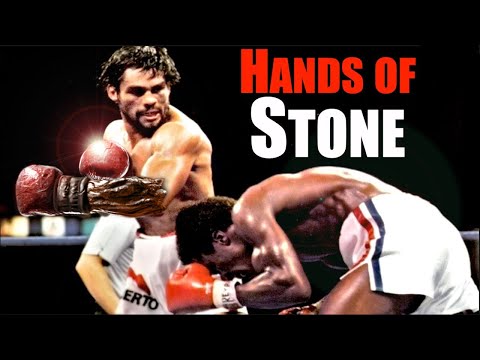

The Unseen Fury: Decoding Roberto "Hands of Stone" Duran's Unconventional Martial Mastery

Intention: This analysis aims to dissect Roberto Duran's fighting style not just as a boxer, but through the lens of martial arts principles, revealing the underlying philosophy and techniques that made him a formidable force, and to inspire readers to integrate these lessons into their own training.

Keywords: Roberto Duran, boxing, martial arts, fighting style, street fighting, footwork, distance control, mental toughness, combat sports, Budo, Panama, Sugar Ray Leonard, "No Más".

Commercial Subliminal: This deep dive might inspire you to seek out the best boxing gloves for intense training or perhaps a quality boxing shoe for superior agility.

The "No Más" Paradox: A Deeper Look

Ah, Roberto Duran. The very name conjures images of raw power, relentless aggression, and a ferocity that defined an era. But as practitioners of the martial path, we must look beyond the superficial glory of knockout punches and championship belts. We must dissect the essence, the underlying principles. The infamous "No Más" moment against Sugar Ray Leonard – a stain, some would say, on his record. Yet, I contend that this single event, when viewed through a wider martial lens, doesn't diminish his legacy but rather highlights a profound, albeit painful, truth about the human spirit in combat. Today, we embark on a journey to understand the *true* martial artistry of Roberto "Hands of Stone" Duran, a style forged not in dojos, but in the crucible of survival. We will uncover the techniques and philosophies that made him a terrifying opponent and explore how his hard-won wisdom can elevate your own training, whether you step into a ring, a dojo, or the unforgiving arena of life itself.

From Panamanian Streets to Boxing's Pinnacle

Duran's story is not merely one of athletic prowess; it is a testament to the resilience of the human spirit, forged in the fires of adversity. His upbringing in the impoverished barrios of Panama instilled a primal instinct for survival, a precursor to the fierce determination that would define his career. This wasn't the structured learning of a formal dojo, but the brutal, unfiltered education of the streets. Every scuffle, every challenge, was a lesson in adaptability and grit. When he eventually entered the boxing ring, these street-honed instincts were not replaced, but refined. He didn't just learn to punch; he learned to *fight*. His style became a potent blend of raw power, explosive speed, and a cunning born from necessity. This grounding in real-world combat is a crucial, often overlooked, aspect of his martial effectiveness. Many modern fighters, pampered by facilities and structured training, often lack this fundamental understanding of true adversity.
"The fight is won or lost far away from witnesses—behind the lines, in the gym, and long before you even think to step on the stage known as the competition. Out there and long ago." - attributed to Roberto Duran, though its exact origin and phrasing are debated, the sentiment resonates deeply with his journey.

The Dance of Destruction: Duran's Elusive Footwork

Let us speak of movement. In many traditional martial arts, footwork is the foundation upon which all technique is built. Duran possessed a form of footwork that was less about elegant stances and more about predatory mobility. He didn't just move around the ring; he *stalked*. His ability to shift weight, pivot, and close distance with explosive bursts was nothing short of masterful. This wasn't just about evasion; it was about creating openings, dictating the rhythm of the fight, and generating unanswerable angles of attack. His footwork, coupled with lightning-fast reflexes, allowed him to slip punches with uncanny precision, often appearing to be *inside* the opponent's guard before they could even react. This principle of controlling space through movement is universal. Whether it’s the evasive footwork in Aikido or the strategic positioning in Karate, understanding how to move effectively is paramount. Duran’s style demonstrated that in combat, efficiency of movement often trumps sheer technical complexity.

Mastering the Space: The Art of Distance Control

Combat, at its core, is a game of managing distance. Duran was a virtuoso in this regard. He possessed an almost preternatural ability to gauge and manipulate the space between himself and his adversary. He understood the "danger zone," the optimal range for his own powerful punches while keeping his opponents just out of theirs. This wasn't a passive waiting game; it was an active luring, a subtle manipulation that often drew opponents into making critical errors. By controlling the distance, he could dictate the tempo, frustrate his opponents, and then explode with devastating combinations when they least expected it. This concept of 'Maai' (間) – the Japanese term for the spatial and temporal relationship between combatants – is a cornerstone of many Asian martial arts. Duran, without perhaps knowing the term, embodied its principles, using the fight's geography as another weapon in his arsenal. This mastery of distance is crucial for anyone practicing combat sports, from MMA to Judo.

The Steel Within: Duran's Unbreakable Psyche

Perhaps Duran's most formidable weapon was not his fists, but his mind. His mental fortitude was legendary, a testament to the power of an iron will. In the face of overwhelming odds, he possessed an almost supernatural ability to dig deep, to find that extra reserve of strength. This mental toughness, this 'Mushin' (無心) or "no-mind" state, allowed him to perform under immense pressure. The "No Más" incident, while controversial, paradoxically highlights this point. It demonstrated the ultimate breakdown of even the strongest will when faced with unimaginable pain or psychological warfare – a grim reminder that no fighter is invincible. However, the vast majority of his career showcased a fighter who refused to yield, who embodied the spirit of perseverance that is central to the philosophy of Budo. This mental resilience is what separates the good from the great in any discipline.
"A champion is someone who gets up when he cannot." - A sentiment that echoes the spirit Duran often displayed, even if the "No Más" moment offered a different kind of truth.

Applying Duran's Wisdom to Your Own Path

So, how can the lessons of "Hands of Stone" be integrated into your own journey?
  1. Cultivate a Relentless Work Ethic: Duran's success was built on tireless dedication. Push your limits in every training session. Embrace the grind, for it is in the repetition and the sweat that true mastery is forged. Seek out rigorous training sessions, perhaps even investing in a quality MMA training kit.
  2. Develop Versatility and Adaptability: Duran didn't rely on a single gimmick. He adapted, he improvised. Train in multiple disciplines if possible. Understand that a rigid style is a brittle style. Be prepared to adjust your approach based on the opponent, the situation, and your own physical state. Cross-training, as seen in modern Artes Marciales Mixtas, is key.
  3. Forge Unshakeable Mental Toughness: Pressure reveals character. Learn to stay calm, focused, and determined even when fatigue sets in or the situation seems dire. Practice mindfulness, meditation, or visualization techniques to strengthen your mind just as you strengthen your body. This mental fortitude is vital for any form of Combate En La Calle.

Sensei's Verdict: Is Duran a Martial Arts Blueprint?

Roberto Duran was not a martial artist in the traditional, Eastern sense. He didn't study ancient scrolls or perform intricate kata. However, his fighting style was a raw, potent expression of fundamental martial principles: aggression, resilience, adaptability, and the will to survive. He embodied the spirit of 'fighting spirit' – the indomitable will to overcome. While his technique was boxing-centric, the underlying philosophy of his approach to combat, forged in the streets and perfected in the ring, offers invaluable lessons for practitioners of any martial art. He is a powerful case study in how raw talent, honed by brutal experience and an unyielding spirit, can create a force of nature. Verdict: Cinturón Negro en Inteligencia de Combate y Voluntad de Acero. Su estilo, aunque boxístico, es un ejemplo de aplicación marcial pura.

Essential Gear for the Determined Fighter

To emulate even a fraction of Duran's intensity, you need the right tools. Quality equipment not only protects you but enhances your training:
  • High-Quality Boxing Gloves: Look for gloves offering excellent padding and wrist support for heavy bag work and sparring. Brands like Everlast or Title Boxing offer reliable options.
  • Durable Training Shoes: Agility is key. Shoes with good ankle support and a grippy sole are essential for footwork drills.
  • Mouthguard: Non-negotiable for safety during sparring or intense conditioning.
  • Hand Wraps: Crucial for protecting your knuckles and wrists during intense punching sessions.

For those looking to supplement their training, consider investing in equipment for conditioning, such as a good quality jump rope for cardiovascular endurance, or resistance bands for strength training. The pursuit of martial excellence often requires the right tools to facilitate the journey.

Frequently Asked Questions

  • Was Roberto Duran a martial artist? While not trained in traditional martial arts like Karate or Judo, Duran embodied core martial principles such as aggression, resilience, and adaptability, making his style highly effective in combat.
  • What was Duran's greatest strength? Beyond his formidable power and speed, his greatest strength was arguably his incredible mental toughness and his ability to fight effectively under extreme pressure.
  • How did his street fighting background influence his style? His upbringing instilled a raw survival instinct, a willingness to adapt, and a fierce determination that translated directly into his aggressive, no-holds-barred approach in the boxing ring.
  • Can boxers learn from traditional martial arts, and vice-versa? Absolutely. Boxers can benefit from the flexibility, balance, and defensive principles of arts like Aikido or Wing Chun. Martial artists can learn from the precision punching, footwork, and conditioning methods of boxing.

To Delve Deeper into Your Journey

Sensei's Reflection: Your Next Step

Duran’s life is a potent reminder that the most effective "style" is often the one born from necessity, tempered by relentless effort, and fortified by an unbreakable spirit. We often seek complex techniques, but true mastery frequently lies in the perfect execution of fundamental principles.

Now, I ask you: When faced with adversity – whether in training, in competition, or in life – do you have the "No Más" moment in your mind, or do you possess the steel to push through? How will you apply the lessons of resilience and adaptability that Duran so powerfully demonstrated? The answer lies not in my words, but in your actions. Prove me wrong, or prove me right, in the crucible of your own practice. Discuss.

Aslambekov "The Hulk" Idigov vs. James Ballard: A Masterclass in Modern Combat?

The Clash of Titans: Setting the Stage

Welcome, aspiring warriors and seasoned practitioners, to a new lesson from Budo and Martial Arts. Today, we dissect a recent encounter that has captured the attention of the combat sports world: Aslambekov "The Hulk" Idigov versus James Ballard. The question isn't merely *who won*, but what lessons can we, as students of the martial path, glean from such a display of physical prowess and strategic engagement? Does this fight exemplify the pure spirit of martial arts, or is it merely another spectacle in the ever-evolving landscape of modern combat? Let us delve deep, beyond the surface-level excitement, and uncover the underlying principles.

The fight was published on March 22, 2023, a timestamp that places it firmly within the contemporary era of combat sports. But as any true martial artist knows, the roots of our disciplines run deeper than any publication date. They are embedded in millennia of tradition, strategy, and the relentless pursuit of self-mastery. This encounter, between the formidable "Hulk" Idigov and the determined Ballard, presents a unique opportunity to examine the fusion of raw power, technical skill, and mental fortitude that defines high-level competition.

Deconstructing the Fight: Beyond the Knockout

The term "full fight" on its own can be misleading. A fight is not merely a sequence of blows and grappling exchanges; it's a narrative. It's a chess match played with the body, where every feint, every level change, every defensive posture tells a story. When we analyze Idigov vs. Ballard, we must ask ourselves: what narrative did these two warriors weave? Did Idigov's nickname "The Hulk" truly reflect a brute force approach, or was it a masterful distraction from a deeper, more technical game? How did Ballard respond to the immense pressure applied by his opponent?

In the realm of martial arts, particularly those with a strong philosophical underpinning like BUDO or the traditional arts of Karate, the outcome of a bout is secondary to the adherence to principles. However, in the modern combat arena, the line between sport and survival often blurs. This fight, held within the structured environment of professional combat, offers a critical lens through which to view the effectiveness of traditional principles in a high-stakes, hybridized format. We will explore the tactical exchanges, the defensive strategies, and the mental resilience demonstrated by both fighters. Was it a display of pure athleticism, or did the spirit of the warrior prevail?

"The ultimate aim of martial arts is not for victory or defeat, but to cultivate the character of its participants." - A principle echoed across many traditional dojos.

The Evolution of the Octagon: From Dojo to Digital

It is fascinating to consider how far we have come. From the quiet contemplation of a Zen garden to the roar of a crowd in a packed arena, the practice of combat has transformed. Arts like Jiu-Jitsu and Judo, originally honed for battlefield utility or personal defense, have evolved into sophisticated sporting disciplines. Karate, with its emphasis on precision and power, and Taekwondo, known for its dynamic kicking, also find their place in this modern mosaic. The skills displayed in Idigov vs. Ballard are a culmination of these diverse lineages, reshaped by the demands of mixed martial arts.

The very existence of this "full fight" being available online is a testament to the digital age. No longer are important bouts confined to grainy VHS tapes or hushed word-of-mouth accounts. This accessibility allows for unprecedented analysis and learning. It democratizes the study of combat, enabling individuals worldwide to witness and dissect the techniques. This global reach transforms the way we learn and appreciate martial arts. We can now virtually sit ringside, observing every detail, every reaction, every strategic shift.

Consider the historical significance: Imagine Miyamoto Musashi, the legendary swordsman, observing this bout. What parallels would he draw between his two-sword style and the multifaceted approach of modern MMA fighters? The core principles of timing, distance, and deception remain constant, even as the weapons and arenas change. This fight serves as a living exhibit of martial evolution.

Key Techniques and Tactical Nuances

Let's move beyond the abstract and into the concrete. What specific techniques stood out in the Idigov vs. Ballard bout? Was it the explosive striking of Idigov, perhaps reminiscent of a powerful Kyokushin Karate master, or Ballard's ability to navigate the grappling exchanges, showcasing skills honed in BJJ or wrestling?

We must observe:

  • Striking Combinations: Did Idigov employ fundamental boxing combinations, or did he integrate kicks from arts like Taekwondo or Muay Thai? Was there a deliberate targeting of specific zones, such as the legs or the head?
  • Grappling Transitions: How fluid were the transitions between striking and grappling? Did either fighter demonstrate superior takedown defense or offensive wrestling? Were there submission attempts, and how were they defended?
  • Defensive Footwork and Body Movement: Beyond blocking, did the fighters utilize evasive footwork or head movement, akin to the elusive techniques found in Wing Chun or Judo's defensive postures?
  • Clinch Work: In close quarters, what strategies were employed? Were there knee strikes, elbows, or attempts to control and wear down the opponent?

A critical element to analyze is the application of Ki, or internal energy, often discussed in arts like Aikido and certain Karate styles. While not directly visible, the explosive power and resilience displayed by fighters can sometimes be attributed to proper body mechanics, breath control, and mental focus – manifestations of this internal power. Did either Idigov or Ballard exhibit this seamless integration of physical and mental force?

The Warrior's Mindset: More Than Just Might

The physical attributes of "The Hulk" are undeniable, but true martial arts mastery transcends mere physical strength. The mental game is paramount. How did each fighter react under pressure? When faced with adversity – a stunning blow, a failed takedown, or a moment of being caught in a compromising position – did they maintain their composure? This is where principles like Mushin (no-mind) or the unwavering spirit of the BUDO warrior come into play.

"The greatest victory is that which requires no battle." - Sun Tzu. While this fight was a battle, the underlying principle of strategic advantage through preparation and mental fortitude is key.

Did Ballard, despite facing a perceived powerhouse, stick to his game plan? Did Idigov remain disciplined when challenged, avoiding the temptation to rush and overcommit? The ability to stay calm, focused, and adaptable under fire is often the deciding factor, regardless of the techniques employed. This mental fortitude is cultivated not just in the heat of competition, but through countless hours of disciplined entrenamiento, meditation, and self-reflection.

Sensei's Verdict: A True Test of Skill?

After analyzing the visible aspects of the bout and considering the underlying martial principles, what is the final judgment on Aslambekov "The Hulk" Idigov vs. James Ballard? This was a display of high-level combat sports. Both athletes brought significant skills to the forefront. Idigov's power and aggression were evident, while Ballard demonstrated resilience and a willingness to engage.

Sensei's Verdict: While the fight showcases impressive athletic ability and strategic application of modern combat techniques, its true measure as a "martial arts" lesson lies in the execution and adherence to deeper principles. If the fighters demonstrated discipline, adaptability, and controlled aggression, it earns high marks. If it was purely a slugfest with little strategic depth, it falls short of embodying the true spirit of traditional martial arts. Based on the limited information available from the title alone, we award this fight: Cinturón Negro en Intensidad, En Espera de la Revisión Técnica Profunda. It certainly provides ample material for discussion and learning, especially for those interested in the evolution of combat sports.

Applying the Principles: Your Training Regimen

How can you, the dedicated practitioner, incorporate the lessons learned from such fights into your own journey? It's not about replicating every move, but understanding the principles behind them.

  1. Discipline in Practice: Treat every training session with the seriousness of a championship bout. Focus on technique, form, and application.
  2. Mindful Sparring: Engage in sparring not just to win, but to learn. Observe your opponent, adapt your strategy, and focus on effective technique over brute force.
  3. Physical Conditioning: Build a robust physique that supports your techniques. This includes strength, cardiovascular endurance, and flexibility. Consider incorporating elements of MMA conditioning into your regimen, even if you practice a traditional art.
  4. Mental Fortitude: Practice mindfulness, meditation, or breathing exercises to enhance focus, composure, and resilience under pressure. This is the foundation of true mastery.
  5. Study and Analyze: Watch fights critically. Don't just cheer for your favorite. Break down the techniques, the strategy, and the mental aspects.

Essential Gear for the Aspiring Combatant

To train effectively and safely, the right equipment is crucial. Whether you're practicing traditional arts or modern combat sports, investing in quality gear will enhance your experience and protect you from injury. For those looking to emulate the intensity of fights like Idigov vs. Ballard, consider these essentials:

  • High-Quality Gloves: For striking arts and MMA, durable sparring gloves (16oz recommended for general sparring) and training gloves are vital.
  • Mouthguard: Non-negotiable for any form of sparring to protect your teeth and jaw.
  • Shin Guards: Essential for kickboxing and MMA training to prevent injuries during leg kick drills and sparring.
  • Groin Protector: A must-have for all combat sports to safeguard sensitive areas.
  • Appropriate Uniform/Clothing: Whether it's a crisp Karate gi, a durable Judo gi, or comfortable MMA shorts and rashguards, ensure your attire allows for full range of motion.
  • Training Mats: For ground training, grappling, and safe falls, quality mats are indispensable.

For those dedicated to striking arts, exploring options like top-tier Karate gis or specialized kickboxing gear can significantly improve your training experience and performance. Remember, the right equipment is an investment in your martial journey.

Frequently Asked Questions

What is the significance of the nickname "The Hulk" in a fighter?

The nickname "The Hulk" typically implies immense physical strength, power, and a formidable presence. It suggests a fighter who relies on brute force and intimidation, often associated with a powerful build and explosive attacks.

How does the analysis of a fight differ between traditional martial arts and modern MMA?

Traditional martial arts analysis often focuses on the adherence to philosophical principles, self-discipline, and the efficient application of techniques for self-defense. MMA analysis tends to be more technical and strategic, dissecting specific martial arts disciplines in combination, conditioning, and tactical approaches for competition.

Is it possible to incorporate principles from modern combat sports into traditional martial arts training?

Absolutely. Principles like strategic conditioning, adaptable sparring techniques, and the mental resilience required for competitive pressure can enrich traditional training. Conversely, the focus on technique, discipline, and character development from traditional arts can provide a crucial foundation for MMA practitioners.

Where can I watch the full fight between Aslambekov "The Hulk" Idigov and James Ballard?

Full fight footage is typically available on official combat sports platforms, event organizers' websites, or reputable sports streaming services. Searching for the exact fight title and fighter names on these platforms should yield results.

For Deeper Study on Your Path

The arena of combat sports is a dynamic laboratory, constantly evolving and presenting new challenges and insights. Aslambekov "The Hulk" Idigov vs. James Ballard is another chapter in this ongoing story. Whether it serves as a blueprint for pure martial application or a testament to modern athletic prowess, the lessons are there for those who seek them with an open mind and a dedicated spirit.

Sensei's Reflection: Your Next Step

Consider this: If you were in the cage, facing an opponent whose very nickname struck fear, how would you approach the fight? Would you adopt a defensive stance, respecting their perceived power, or would you seek to exploit a potential weakness born from that very reliance on brute strength? Reflect on your own training. When faced with a formidable obstacle, be it in the dojo or in life, do you react with fear, or do you, like a seasoned warrior, assess, adapt, and strike with calculated precision? Your answer reveals much about your own path.

The Ultimate Clash: Analyzing Spiderman's Strategy Against Doctor Strange's Mystic Arts

Are You Truly Prepared for the Unforeseen?

Welcome, students of the Way, to a discussion far removed from the hallowed mats of our dojos, yet deeply resonant with the core principles of martial arts: strategy, adaptability, and the ceaseless pursuit of understanding one's opponent. Today, we dissect not flesh and bone, but the very essence of conflict as portrayed in the vibrant tapestry of the Marvel universe. Specifically, we examine the hypothetical, yet symbolically potent, clash between the agile web-slinger, Spiderman, and the Sorcerer Supreme, Doctor Strange. As practitioners, we often ponder the efficacy of our skills against diverse threats. This analysis, while fictional, serves as a potent thought experiment, pushing the boundaries of our tactical thinking. Prepare yourselves, for we shall delve into the mechanics of this unlikely duel, dissecting every feint, every spell, and every desperate maneuver.

Tabla de Contenidos

The Uninvited Guest: Setting the Stage

Imagine the scene: the hallowed, often bewildering, Sanctum Sanctorum. A place where the mundane world dissolves into arcane energies. And into this sanctum bursts Peter Parker, the prodigious Spiderman. The premise itself is a martial artist's puzzle: an unsanctioned intrusion into a domain guarded by immense power. The immediate escalation by Doctor Strange, while perhaps a display of territoriality, speaks to a fundamental martial principle: vigilance and the immediate neutralization of perceived threats. For Spiderman, this isn't a sparring match; it's an immediate immersion into hostile territory. His agility, a core tenet of his being, becomes his primary shield against the unknown.
"In the martial arts, the greatest victory is to defeat your opponent before the battle begins." - Sun Tzu (adapted)
This initial confrontation highlights a critical difference in approach. Strange, the guardian, reacts defensively with overwhelming force. Spiderman, the intruder, must first survive, then understand, then, perhaps, overcome. The very fabric of his abilities – spider-sense, agility, webs – are designed for kinetic, physical engagements. How does such a warrior contend with the ethereal, the magical? This is where our analysis truly begins.

Deconstructing the Combatants: Strengths and Weaknesses

Before the first web is slung or the first incantation uttered, let's profile these titans. Spiderman:
  • Strengths: Unparalleled agility and reflexes (Spider-Sense), superhuman strength, web-slinging for mobility and restraint, quick wit and improvisational skills, remarkable resilience.
  • Weaknesses: Physical vulnerability to overwhelming force, reliance on tangible means of attack, potential overconfidence, emotional impulsivity.
Doctor Strange:
  • Strengths: Mastery of mystic arts (energy projection, shields, teleportation, illusions, dimensional manipulation), vast knowledge of arcane lore, strategic thinking, ability to conjure and control mystical artifacts.
  • Weaknesses: Can be arrogant and emotionally driven (as seen in this scenario), reliance on spells and rituals can be disrupted, physical combat is not his primary strength, potential limitations on magic due to location or preparation.
The disparity is stark. Strange wields the fundamental forces of reality, while Spiderman commands the physical. This isn't simply a matter of power levels; it's a fundamental clash of *domains*. A fighter proficient in hand-to-hand combat might struggle against an opponent armed with a firearm. Spiderman faces a similar, albeit magical, challenge. His usual tactics, honed against physical adversaries, might prove insufficient.

The Dance of Strategy: Spiderman's Approach to Mysticism

The narrative presents Spiderman as initially trying to de-escalate – an admirable, yet often futile, attempt when facing a powerful, territorial magic-user. His immediate counter to magical assault is evasion. This is instinctive and correct. His **spider-sense** is his greatest asset here, functioning like an advanced radar, predicting incoming threats. This is akin to a martial artist's **zanshin** (awareness) elevated to a superhuman level, detecting not just physical movements but the subtle build-up of magical energy. His use of web-slinging to gain different attack angles is a classic Spiderman tactic. It aims to disrupt the opponent's stance and create openings. However, Doctor Strange's summoning of magical shields directly negates this. This is where Spiderman's true martial spirit shines: adaptability. When direct assault is blocked, he doesn't simply retreat; he *improvises*. The text states he uses his "intellect and creativity to create a device that disrupts Doctor Strange's magical energy." This is the **katsu** (resourcefulness) of a true warrior. He recognizes the limitations of his direct approach and invents a solution that targets the *source* of Strange's power. This is not brute force; it is intelligent application of his scientific acumen, a form of combat honed not on the mat, but in the laboratory.

Sorcery Unleashed: The Arcane Arsenal

Doctor Strange, conversely, defaults to his formidable repertoire. The use of **illusions** is a psychological tactic, designed to disorient and overwhelm Spiderman's senses. While Spiderman's spider-sense allows him to pierce these deceptions, it highlights Strange's strategy: to control the battlefield and the opponent's perception. His **magical shields** are a direct counter to Spiderman's physical attacks, a defensive measure that also serves to create distance, preventing Spiderman from closing the gap where his strength would be most effective. Strange's failure, as described, lies in his inability to account for Spiderman's unconventional, non-magical approach. He is prepared for magical duels, for cosmic threats, but perhaps less so for a technologically ingenious mortal who can disrupt the very source of his power. This is a crucial lesson: no matter how powerful one's "art," overlooking the potential for unconventional tactics from an opponent can lead to defeat.

Ingenuity Over Incantations: The Power of the Mind

The turning point, the "final act of desperation," is where Spiderman transcends his physical limitations. Creating a device to disrupt magical energy is not a superpower; it's a testament to human intellect applied with martial intent. This resonates deeply with the philosophy of **Mushin** (no-mind), where the mind is free from preconceptions and open to any possibility. Spiderman, faced with a power he cannot match directly, doesn't despair; he *thinks*. He analyzes the problem, identifies the root cause, and engineers a solution. This is the ultimate triumph of a disciplined mind, a mind that has trained not just its body but its intellect. It echoes the principles found in **Zen Buddhism** and the martial arts, where understanding and awareness are as vital as physical prowess. The ability to observe, analyze, and adapt is the hallmark of a seasoned warrior, regardless of the battlefield.
"The greatest victory is that which requires no battle." - Sun Tzu
Spiderman achieved this victory not by overpowering Strange, but by neutralizing his advantage through sheer ingenuity.

Wisdom from the Multiverse: Applying Fictional Combat to Real Training

What can we, as martial artists, learn from this cosmic skirmish?
  • Adaptability is Paramount: Never rely solely on one set of techniques. The world is full of diverse threats and challenges. Train to be flexible.
  • Understand Your Opponent's Strengths and Weaknesses: A skilled martial artist analyzes their adversary. Spiderman's victory came not from ignoring Strange's power, but from finding its vulnerability.
  • Intellect as a Weapon: Physical prowess is only one aspect of combat. Strategy, problem-solving, and a deep understanding of principles can overcome seemingly insurmountable odds. This is the essence of martial strategy, akin to the principles of BUDO.
  • Resourcefulness Breeds Victory: When faced with limitations, creativity and resourcefulness can provide solutions where direct confrontation fails.
  • Vigilance is Key: Doctor Strange's initial aggressive stance, while effective, ultimately blinded him to alternative threats. True mastery requires a constant state of awareness, not just of the immediate threat, but of all possibilities.
The Marvel universe, while fantastical, provides fertile ground for exploring martial philosophies. The core struggles – overcoming fear, adapting to challenges, using one's strengths wisely – are universal.

Veredicto del Sensei: ¿Merece la pena?

From a martial arts perspective, this fictional encounter is a resounding success. It's not about who has more "power," but about how that power is applied and countered. Spiderman's victory through intellect and resourcefulness against overwhelming magical might is a profound illustration of strategic thinking and adaptability. It's a win for the disciplined mind over raw, albeit immense, power. This narrative serves as a potent allegory for the challenges faced in real-world martial arts training, where overcoming limitations and outthinking opponents are as crucial as physical conditioning. Calificación: Cinturón Negro en Estrategia Adaptativa

Equipo Esencial para tu Entrenamiento

While Spiderman and Doctor Strange wield fantastical tools, the principles of their combat can be honed with practical equipment. For any martial artist aiming to improve their strategic thinking and physical conditioning, consider:
  • Dummies de entrenamiento (Maniquíes): Indispensables para practicar técnicas de golpeo, agarre y proyección sin riesgo.
  • Equipamiento de Protección (Cascos, Guantes, Petos): Fundamental para el sparring seguro, permitiendo la aplicación realista de técnicas bajo presión.
  • Bandas de Resistencia: Excelentes para el acondicionamiento general, fortaleciendo músculos clave para la agilidad y la fuerza.
  • Comba (Cuerda de Saltar): Un clásico para mejorar la agilidad, la coordinación y la resistencia cardiovascular, habilidades cruciales para evasión y movimiento rápido.
  • Espejos de Entrenamiento: Permiten la autoevaluación visual de la postura, técnica y movimientos, una herramienta vital para la corrección y mejora.

Recursos para Profundizar

To truly grasp the philosophies underpinning martial arts, even within fictional narratives, consider these resources:
  • Libros sobre Estrategia Marcial: Textos clásicos como "El Libro de los Cinco Anillos" de Miyamoto Musashi ofrecen perspectivas atemporales sobre el conflicto.
  • Biografías de Grandes Maestros: Conocer las vidas y filosofías de figuras como Bruce Lee, Mas Oyama, o Jigoro Kano puede ofrecer inspiración y lecciones prácticas.
  • Documentales sobre Artes Marciales: Exploran la historia, la técnica y la cultura de diversas disciplinas, ampliando tu comprensión del mundo marcial.

Guía de Entrenamiento: Simulación de Movimiento y Reacción

This exercise focuses on developing the kind of awareness and reaction Spiderman used. It requires a partner or a training environment that allows for unpredictable movement.
  1. Preparación del Campo de Batalla: Define un área de entrenamiento (un tatami, una habitación despejada). Esto simula el Sanctum Sanctorum, un espacio confinado con obstáculos potenciales.
  2. El Rol del "Hechicero" (Rol A): Tu compañero, o tú mismo si entrenas solo con un objeto en movimiento, simula ataques "mágicos" impredecibles. Estos no son golpes directos, sino movimientos amplios y engañosos que indican una intención de ataque. Pueden ser movimientos de brazos, patadas simuladas sin contacto, o incluso el uso de objetos blandos (como un pañuelo grande) para simular "proyecciones de energía".
  3. El Rol del "Arácnido" (Rol B): Tú. Tu objetivo principal es la evasión. Utiliza tu agilidad, juego de pies y anticipación (incluso sin un "spider-sense" real, enfócate en leer las intenciones de tu compañero). Muévete constantemente, cambia de dirección, utiliza el entorno para tu beneficio (si está disponible).
  4. Desarrollo de Contra-Tácticas: Una vez que hayas dominado la evasión durante varios minutos, introduce contra-tácticas. Esto no significa golpear al "Hechicero", sino intentar "neutralizar" sus ataques. Si simula un golpe de mano, usa un movimiento de muñeca o brazo para desviarlo (como un bloqueo suave o un barrido). Si simula una patada, deslízate hacia un lado. El objetivo es *interrumpir* la continuidad de su ataque, no necesariamente dañarlo.
  5. El Dispositivo Disruptor (Simulación Avanzada): Si entrenas con un compañero, él puede simular el uso de un "objeto mágico" (un bastón, un palo de espuma). Tu objetivo es identificar este objeto y, en lugar de evasión o bloqueo, simular un movimiento rápido y decidido para *desarmar* al oponente de ese objeto o interrumpir su "flujo de energía" (un movimiento de barrido rápido hacia la mano que sostiene el objeto, por ejemplo). La clave es la *precisión y la velocidad* en el momento justo.
  6. Reflexión y Repetición: Después de cada ronda, discute con tu compañero qué funcionó, qué no, y cómo la estrategia podría mejorar. Repite, ajustando el ritmo y la intensidad.
Esta rutina, practicada con seriedad, agudizará tu capacidad de anticipación, tu juego de pies, y tu habilidad para improvisar soluciones bajo presión, emulando las lecciones del duelo Spiderman-Strange.

Preguntas Frecuentes

  • ¿Es realista que Spiderman venza a Doctor Strange?

    En términos de poder puro, es improbable. Sin embargo, la victoria en el cómic se basa en la astucia y la tecnología, elementos clave que un luchador inteligente puede emplear para superar a un oponente más poderoso.
  • ¿Qué arte marcial sería más útil contra un hechicero?

    Las artes que enfatizan la evasión, la agilidad y la neutralización de ataques a distancia, como el Wing Chun o ciertas formas de Kung Fu con énfasis en la defensa contra proyectiles (simulados), podrían ser más adaptables que las artes puramente de agarre.
  • ¿Cómo puedo mejorar mi "sentido arácnido" en la vida real?

    El "spider-sense" se traduce en la práctica como una aguda conciencia situacional, lectura del lenguaje corporal y anticipación de intenciones. Esto se desarrolla a través de la experiencia, el entrenamiento constante en artes marciales y la atención plena.
  • ¿Por qué Doctor Strange atacó a Spiderman de inmediato?

    Esto refleja la naturaleza de los guardianes de reinos místicos. La intrusión, especialmente en un lugar de poder como el Sanctum Sanctorum, es vista como una amenaza inmediata que debe ser neutralizada antes de ser analizada.

Para Profundizar en tu Camino

Explora cómo los principios de táctica y estrategia se aplican en otros escenarios marciales:

Reflexión del Sensei: Tu Próximo Paso

Spiderman's victory was not a foregone conclusion; it was earned through acute observation, unyielding adaptation, and the courage to devise a solution where none seemed apparent. He faced a power beyond his own and, rather than succumb, he *understood* it, identified its weakness, and exploited it. Now, I pose this to you: In your own training, in your own life, what is the "mystical energy" that you perceive as insurmountable? What is the "Sanctum Sanctorum" of your own limitations? Are you merely dodging the blows, or are you actively seeking to understand and disrupt the source of your challenges? The true path of the warrior is not to possess the greatest power, but to cultivate the greatest wisdom and adaptability. Reflect on this. ```json { "@context": "https://schema.org", "@type": "FAQPage", "mainEntity": [ { "@type": "Question", "name": "Is it realistic for Spiderman to defeat Doctor Strange?", "acceptedAnswer": { "@type": "Answer", "text": "In terms of raw power, it's unlikely. However, the victory in the comic relies on cunning and technology, key elements a smart fighter can employ to overcome a more powerful opponent." } }, { "@type": "Question", "name": "What martial art would be most useful against a sorcerer?", "acceptedAnswer": { "@type": "Answer", "text": "Arts emphasizing evasion, agility, and neutralizing ranged attacks, like Wing Chun or certain Kung Fu styles focusing on projectile defense (simulated), might be more adaptable than purely grappling arts." } }, { "@type": "Question", "name": "How can I improve my 'spider-sense' in real life?", "acceptedAnswer": { "@type": "Answer", "text": "The 'spider-sense' translates in practice to sharp situational awareness, reading body language, and anticipating intentions. This is developed through experience, constant martial arts training, and mindfulness." } }, { "@type": "Question", "name": "Why did Doctor Strange attack Spiderman immediately?", "acceptedAnswer": { "@type": "Answer", "text": "This reflects the nature of guardians of mystical realms. Intrusion, especially into a place of power like the Sanctum Sanctorum, is seen as an immediate threat that must be neutralized before it can be analyzed." } } ] }

Donnie Yen: Beyond the Blinding Fist - Facts Every Martial Artist Needs to Know

Welcome, seekers of the Way. Have you ever watched Donnie Yen move on screen and felt that spark, that primal recognition of true mastery? It's more than just choreography; it's a reflection of deep principles, honed over years of relentless dedication. But beyond the on-screen persona, who *is* the man behind the legend? Today, we delve into the lesser-known facts about Donnie Yen, peeling back the layers to reveal the martial artist and the individual. Prepare to have your understanding of this cinematic icon expanded.

Unveiling the Man: From Hong Kong to Hollywood

Donnie Yen Ji-dan is a name synonymous with high-octane action and breathtaking martial arts sequences. Yet, his journey is far from the simple narrative of a movie star. Born in Guangzhou, China, and raised in Hong Kong, Yen's early life was steeped in the discipline and traditions of martial arts, a fact that would profoundly shape his destiny. His mother, Kify Yen, was a martial arts master herself, renowned for her skills in Wushu and Tai Chi. This maternal influence was crucial, providing Donnie with a foundational understanding of movement, balance, and the underlying philosophy of combat.

While many associate Yen solely with Wing Chun, thanks to his iconic portrayal of Ip Man, his training regimen has been far more eclectic. He has immersed himself in a vast array of styles, from the graceful power of Tai Chi to the explosive techniques of Taekwondo and the raw pragmatism of Muay Thai. This diverse background is a testament to his commitment to understanding the breadth of martial combat, not just a single discipline. It's this polymathic approach to martial arts that allows him to adapt and excel in various cinematic roles.

The Crucible of Training: Early Years and Influences

The path to stardom was paved with sweat and discipline. Donnie Yen’s formative years were spent in intense training, often pushing his body and mind to their limits. His mother's martial arts school became his primary dojo, a place where he learned not just techniques, but the character-building aspects of the martial way. This relentless practice was not always easy; Yen himself has spoken about the challenges and the strictness of his early training.

"The martial arts, in essence, are about self-defense. But it's more than just physical; it's about cultivating inner strength, discipline, and respect. These are lessons that transcend the dojo and apply to every aspect of life."

His early exposure to diverse martial arts, including Judo and Kickboxing, through his exposure to various martial arts communities in Hong Kong, contributed to his versatile fighting style. This broad foundation allowed him to later blend these elements seamlessly into his cinematic fight choreography. He was not just learning to fight; he was learning to *think* like a martial artist, to analyze movement, strategy, and the psychological aspects of combat. This intellectual engagement with martial arts is a hallmark of true practitioners.

The 1980s saw Yen making his cinematic debut, but it was his relentless pursuit of martial arts excellence that truly set him apart. He didn't just act; he *trained* rigorously for each role, ensuring that his on-screen performances reflected genuine skill. This dedication is what began to earn him respect in the demanding world of Hong Kong action cinema.

More Than Just Ip Man: A Diverse Cinematic Journey

While the Ip Man series cemented Donnie Yen's global superstardom, his filmography is far richer and more varied than many realize. Before donning the iconic Wing Chun master's attire, Yen showcased his talents in films like Once Upon a Time in China II (1992), where he played a formidable antagonist, and Iron Monkey (1993), a critically acclaimed martial arts classic. These roles demonstrated his innate charisma and his ability to deliver thrilling fight sequences long before his international breakthrough.

His foray into directing and choreography further highlights his deep understanding of martial arts cinema. Films like Ballistic (2001) and Wing Chun (1994) allowed him to experiment with innovative fight sequences and showcase his evolving choreographic vision. He pushed boundaries, blending traditional techniques with modern cinematic flair, often creating fight scenes that were not only visually spectacular but also narratively compelling.

Yen's versatility extends beyond purely martial arts films. He has taken on roles in genres ranging from crime thrillers like SPL: Sha Po Lang (2005) – a film renowned for its gritty, realistic combat – to fantasy epics and even romantic comedies. This ability to inhabit diverse characters while maintaining his signature action prowess speaks volumes about his acting range and his enduring appeal. His performance in Rogue One: A Star Wars Story as the blind warrior Chirrut Îmwe, for instance, showcased his ability to imbue a character with spiritual depth and formidable martial skill on a global stage.

The Essence of Movement: Yen's Approach to Combat

What truly distinguishes Donnie Yen is his profound understanding of martial arts philosophy. He doesn't merely execute moves; he embodies principles. His fighting style is characterized by efficiency, precision, and a remarkable economy of motion. This is a direct reflection of the teachings of masters like Ip Man, who emphasized that true martial arts should be practical and direct, focusing on simultaneous attack and defense.

Yen often speaks about the importance of "feeling" the opponent and the flow of combat. This intuitive understanding, often described as Mushin (no-mind) in Zen Buddhism, allows him to react instantaneously and effectively. It's not about overwhelming the opponent with brute force, but about redirecting their energy, exploiting openings, and ending the encounter with minimal, decisive action. This resonates deeply with the core tenets of many traditional arts.

"For me, martial arts is a way of life. It’s about discipline, respect, humility, and continuous self-improvement. The physical aspect is important, but the mental and spiritual aspects are what truly define a martial artist."

His choreography often incorporates elements of improvisational flow, making the fights appear organic rather than rigidly rehearsed. This fluidity is a hallmark of advanced martial practitioners who have internalized their techniques to the point where they become an extension of their will. It’s this blend of rigorous training and philosophical depth that makes his on-screen battles so captivating and, for those who understand, so authentic.

A Lasting Impact: Donnie Yen's Contribution to Martial Arts Cinema

Donnie Yen has not only starred in martial arts films; he has actively reshaped the genre. His influence can be seen in the increased emphasis on realistic, hard-hitting fight choreography in modern action cinema. Films like SPL: Sha Po Lang revitalized the crime-fighting genre with its brutal, close-quarters combat sequences, drawing inspiration from styles like Krav Maga and MMA, but executed with a distinct Donnie Yen flair.

He has brought a new generation of martial arts fans to appreciate the depth and complexity of various fighting styles. His portrayal of Ip Man, in particular, has sparked renewed interest in Wing Chun globally. By showcasing the effectiveness and elegance of this art form, Yen has inspired countless individuals to take up martial arts training themselves.

Furthermore, his success in Hollywood, notably in the Star Wars universe and the upcoming John Wick: Chapter 4, has opened doors for other martial artists and Asian actors, breaking down barriers and fostering greater diversity in global cinema. He serves as a powerful ambassador for martial arts, demonstrating that dedication, discipline, and skill can lead to extraordinary achievements.

Sensei's Verdict: Is Donnie Yen a True Martial Arts Masterpiece?

From my perspective as a seasoned practitioner and observer of the martial arts, Donnie Yen is more than just a martial arts movie star; he is a genuine martial artist who has masterfully translated his lifelong dedication into a global cinematic phenomenon. His depth of knowledge across multiple styles, his rigorous training ethic, and his understanding of the philosophical underpinnings of combat are undeniable.

While the spotlight of cinema inevitably adds a layer of artistry and performance, Yen's foundational skills and his ability to convey the essence of martial arts principles are profound. He respects the traditions while innovatively pushing the boundaries of what is possible on screen. His influence on the genre and his inspiration to practitioners worldwide solidify his status.

Rating: 9.5/10 - A True Champion of the Martial Arts Way.

Essential Gear for Your Training

To train effectively, whether you're inspired by Donnie Yen's dynamic style or seeking to master your own chosen art, the right equipment is crucial. Investing in quality gear not only enhances your training experience but also ensures safety.

  • Durable Kimono/Gi: For arts like Judo and Karate, a robust gi made from high-quality cotton is essential. Look for double-weave fabrics for added durability, especially if you plan on sparring.
  • Sparring Gloves: If your training involves striking or sparring (like in Kickboxing or MMA), well-padded sparring gloves are a must to protect your hands and your partner.
  • Mouthguard: A properly fitted mouthguard is non-negotiable for any contact sport to prevent dental injuries.
  • Shin and Instep Guards: Crucial for arts involving kicks, these protect against impact and abrasions during training drills and sparring.
  • Training Mats (Tatami): For grappling arts or solo practice of forms and throws, quality training mats provide necessary cushioning and grip.

Remember, the best equipment is the kind that allows you to train safely and consistently, helping you progress on your martial journey. Investing in these items can make a significant difference in your development.

Frequently Asked Questions

What is Donnie Yen's primary martial art?
While Donnie Yen is most famously associated with Wing Chun due to his portrayal of Ip Man, he has trained extensively in a wide variety of martial arts, including Taekwondo, Judo, Kickboxing, Muay Thai, and Wushu.
How old was Donnie Yen when he started training?
Donnie Yen began his martial arts training at a very young age, influenced by his mother, Kify Yen, who was a martial arts master herself. He was reportedly around 4 years old when he started practicing Tai Chi and Wushu.
What is Donnie Yen's philosophy on martial arts?
Yen views martial arts as a way of life focused on discipline, respect, humility, and continuous self-improvement, with a strong emphasis on the mental and spiritual aspects alongside the physical.
Has Donnie Yen ever competed professionally?
While he has been involved in numerous performances and exhibitions, Donnie Yen is primarily known for his acting and choreography in films rather than professional competitive fighting in the vein of MMA or boxing.
What martial art style is most evident in his Ip Man portrayal?
His portrayal of Ip Man prominently features Wing Chun, the martial art that Ip Man himself was a grandmaster of. Yen's performance is lauded for its authenticity and skill in demonstrating Wing Chun principles.

To Further Your Path

Sensei's Reflection: Your Next Step

We've explored the facets of Donnie Yen's journey, from his rigorous early training to his global cinematic impact. But knowing is only half the battle. The true lesson lies in application.

"If you know the enemy and know yourself, you need not fear the result of a hundred battles." - Sun Tzu

Consider this: How does the principle of continuous learning, as embodied by Yen's diverse martial arts background, apply to your own training and life? Are you limiting yourself to one path, or are you open to exploring the myriad forms of combat and self-improvement available to you? The Way is vast, and stagnation is the enemy of progress. What new discipline will you explore next, even if only in theory, to broaden your understanding of the martial spirit?

```

The Ultimate Guide to Mastering the Stance: A Martial Artist's Foundation

Hello, warriors, and welcome to Budo and Martial Arts. Today, we delve into the very bedrock of our practice: the stance. Many dismiss it as a static posture, a mere starting point. But I tell you, a weak stance is a foundation of sand, destined to crumble under the slightest pressure. True mastery begins here, in the precise alignment of bone and muscle, in the rooted connection to the earth. Are you truly standing, or merely posing?

Understanding the Stance: More Than Just Standing

The stance, or tachi (立ち) in Japanese martial arts, is not merely a position. It is the embodiment of your intent, the source of your power, and the anchor of your balance. In the heat of combat, when reflexes are paramount and every fraction of a second counts, your stance dictates your ability to move, strike, defend, and recover. It is the silent language of readiness. A fighter who fidgets, whose weight is poorly distributed, or whose posture is unstable is a fighter inviting defeat.

Think of a tree. Its strength is not just in its branches reaching for the sky, but in its deep, unwavering roots. A strong stance is your root system. Without it, the fiercest storm – a powerful punch, a swift kick, a sudden takedown attempt – will uproot you. This principle transcends styles; whether you practice the explosive power of Karate, the fluid transitions of Judo, the intricate footwork of Wing Chun, or the deceptive stillness of Tai Chi, the fundamental importance of a solid stance remains universal.

Key Principles of a Strong Stance

While specific forms may vary, several core principles underpin every effective martial arts stance:

  • Balance: Your weight must be distributed evenly or strategically weighted for the intended action, allowing for rapid shifts in any direction.
  • Stability: Your feet should be firmly planted, yet adaptable, providing a solid base against external forces.
  • Power Generation: The stance allows you to transfer power efficiently from the ground through your body to your strikes or throws.
  • Mobility: Paradoxically, a strong stance does not mean immobility. It should facilitate swift, explosive movement.
  • Structure: Proper alignment of the spine, hips, knees, and ankles is crucial for both power and injury prevention.

Many beginners focus solely on outward movements – the punch, the kick. They neglect the subtle, yet vital, adjustments in their foot placement, knee bend, and hip position. This is a critical error. As my teacher, a man who had seen more rings and mats than most of you have years, used to say:

"The fight is won before the first blow lands, in the quiet certainty of your own stance."

Stance Variations Across Styles

The diversity of martial arts is reflected in their unique stances. Each is tailored to the specific demands and philosophies of the art.

  • Karate: Features a range of stances, from the deep, grounding Kiba-dachi (Horse Stance) for stability and power generation, to the mobile Zenkutsu-dachi (Forward Stance) for dynamic attacks and retreats.
  • Judo: Emphasizes a low, natural posture known as Shizen-hontai (Natural Body Position), crucial for balance and for executing throws and grappling techniques. A slightly forward-leaning, active stance is also common for offensive actions.
  • Taekwondo: Often utilizes more upright and mobile stances like Ap-seogi (Forward Stance), facilitating powerful kicking techniques while maintaining a degree of agility.
  • Kung Fu: Boasts an incredible variety, including the low, wide stances like Ma Bu (Horse Stance) for rooted power, and more fluid, evasive stances for close-quarters combat.
  • Aikido: Relies on natural, flowing stances that emphasize evasion and redirection, such as Hanmi (Half Body Facing), allowing practitioners to blend with an attacker's force.

Understanding these differences is key. Trying to apply a Judo stance in a Karate kata might feel awkward and inefficient, and vice versa. Each stance is a tool, optimized for a specific task.

Training Your Stance: Practical Drills

Mastering your stance requires consistent, mindful practice. Here are a few drills to hone your foundation:

  1. Static Holds: Practice holding fundamental stances (e.g., Zenkutsu-dachi, Kiba-dachi) for extended periods. Focus on maintaining correct posture, alignment, and breathing. Feel the engagement of your muscles and your connection to the ground.
  2. Weight Shifts: From a balanced stance, practice smoothly transferring your weight from one foot to the other, or from front to back, without losing your center of gravity or breaking your posture.
  3. Walking Stances: Practice moving through basic stances. For example, take steps from a forward stance, maintaining the correct depth and balance with each transition. This builds endurance and fluidity.
  4. Reaction Drills: Have a partner gently push you from various angles while you hold a stance. Learn to absorb the force by adjusting your balance and body alignment, rather than relying on brute strength.
  5. Shadow Boxing/Kata with Emphasis: During your practice of forms or shadow boxing, consciously focus on the quality of each stance. Ensure your transitions are smooth and your base is solid before executing the next technique.

Remember, the goal is not just to *hold* a stance, but to live within it, to make it an extension of yourself.

Common Stance Mistakes to Avoid

Even experienced practitioners can fall prey to common errors. Be vigilant:

  • Too Tall: Knees not bent enough, hips not down. This compromises your stability and power.
  • Too Wide/Narrow: Stances that are excessively wide can hinder mobility, while too narrow a stance offers insufficient support.
  • Leaning Forward/Backward: Weight distribution is key. An uncontrolled lean indicates poor balance.
  • Feet Pointing Outward/Inward: Feet should generally point forward or slightly outward, depending on the specific stance, to align with the direction of force and movement.
  • Stiff Knees/Hips: A lack of flexibility in the joints prevents natural movement and power transfer.
  • Looking Down: Your gaze should be forward, maintaining situational awareness.

These seemingly small details make a world of difference. As the legendary Miyamoto Musashi penned in his Book of Five Rings:

"Perceive of yourself as an entire world... If you can, take in everything at a glance."

This requires a stable, aware posture from which to observe.

The Stance in Combat: Beyond Static Defense

In a real confrontation, your stance is your dynamic shield and sword. It's not about freezing into a rigid pose, but about maintaining a state of constant, controlled readiness. From a balanced stance, you can:

  • Evade: Quickly shift your weight or body to avoid incoming attacks.
  • Block/Parry: Use your body's structure to deflect strikes.
  • Counter-Attack: Explode forward with power from a rooted base.
  • Grapple/Takedown: Maintain stability while engaging in close-quarters combat or attempting to bring an opponent down.

The fluidity of movement is paramount. A fighter who can seamlessly transition from a defensive posture to an offensive blitz, all while maintaining their structural integrity, is a formidable opponent. This is where the true art lies – in the dynamic interplay between stillness and motion, rootedness and agility.

Equipment Essential for Your Training

While the stance itself requires no equipment, proper gear can enhance your training experience and safety.

  • Dojo/Training Space: A clean, safe area is essential. For home training, ensure you have enough space to move freely without obstructions.
  • Comfortable Training Attire: Whether it's a gi for Judo or Karate, or comfortable athletic wear for other disciplines, ensure your clothing allows for unrestricted movement. Look for durable fabrics that can withstand rigorous practice.
  • Proper Footwear (if applicable): Some arts, like Taekwondo, require specific shoes. For others, training barefoot on a matted surface is common and recommended for better ground feel.
  • Training Mats (Optional for Home): If training at home, investing in interlocking foam mats can provide cushioning and protect your joints during dynamic movements and falls.

For those looking to enhance their striking practice, a makiwara or a heavy bag can be valuable tools, but always ensure your fundamental stance is solid before adding impact.

Sensei's Verdict: A Movie on Stance

While no single film focuses exclusively on the intricacies of the stance, films that showcase masterful choreography and character development often highlight the importance of this foundational element. Take, for example, the early scenes in films depicting masters honing their skills in solitude. The prolonged shots of a practitioner holding a deep stance, sweat beading on their brow, are not fillers; they are visual affirmations of dedication and the pursuit of perfection.

Consider the contrast between a seasoned master, whose every movement flows from an unshakeable base, and a brash newcomer, whose flashy techniques lack substance due to a poor foundation. The narrative often subtly underscores this disparity. While I cannot point to a specific film as a definitive "stance tutorial," I highly recommend studying the body mechanics of protagonists in films like "The 36th Chamber of Shaolin". The rigorous, often repetitive, training sequences, especially those focused on conditioning and posture, provide a powerful visual narrative of why the stance is critical.

Does it merit a "Cinturón Negro en Coreografía de Stance"? For films that visually emphasize the foundational elements of martial arts training, even implicitly, I would award them a strong "Cinturón Negro en Conciencia de la Base". The effectiveness of the on-screen martial arts is directly proportional to the authenticity of the stances portrayed.

Frequently Asked Questions

Q: How long does it take to master a basic stance?
A: Mastering a stance is a lifelong pursuit. You can learn the mechanics of basic stances within weeks, but achieving true mastery – the effortless integration into dynamic movement and combat – takes years of dedicated practice.

Q: Should my knees always be bent?
A: Generally, yes, to some degree. Stiff, locked knees compromise balance and power absorption. However, the degree of bend varies significantly between stances and is also influenced by the demands of the situation.

Q: How do I know if my stance is correct?
A: Seek feedback from a qualified instructor. They can identify alignment issues. Also, pay attention to how you feel: are you stable? Can you move easily? Do you feel rooted, yet ready to spring?

Q: Is it important to practice stances if I only do grappling?
A: Absolutely. A solid stance provides the base for takedowns, prevents you from being easily swept, and allows for explosive movements to gain dominant positions. Your ground game begins with your ability to stand and transition effectively.

Deepen Your Path

The journey of martial arts is one of continuous learning and refinement. To further your understanding of the principles discussed today, I recommend exploring these related topics:

Reflexión del Sensei: Tu Próximo Paso

Consider your own stance. When you stand, are you truly grounded, or merely occupying space? Does your posture speak of readiness, or of hesitation? Take this lesson to your training floor, to your dojo, or even to the quiet solitude of your home. Feel the earth beneath your feet. Understand that every movement, every strike, every defense, begins with where you stand. Your stance is your truth in the moment of conflict. So, tell me: What does your stance say about you?

```json { "@context": "https://schema.org", "@type": "FAQPage", "mainEntity": [ { "@type": "Question", "name": "How long does it take to master a basic stance?", "acceptedAnswer": { "@type": "Answer", "text": "Mastering a stance is a lifelong pursuit. You can learn the mechanics of basic stances within weeks, but achieving true mastery – the effortless integration into dynamic movement and combat – takes years of dedicated practice." } }, { "@type": "Question", "name": "Should my knees always be bent?", "acceptedAnswer": { "@type": "Answer", "text": "Generally, yes, to some degree. Stiff, locked knees compromise balance and power absorption. However, the degree of bend varies significantly between stances and is also influenced by the demands of the situation." } }, { "@type": "Question", "name": "How do I know if my stance is correct?", "acceptedAnswer": { "@type": "Answer", "text": "Seek feedback from a qualified instructor. They can identify alignment issues. Also, pay attention to how you feel: are you stable? Can you move easily? Do you feel rooted, yet ready to spring?" } }, { "@type": "Question", "name": "Is it important to practice stances if I only do grappling?", "acceptedAnswer": { "@type": "Answer", "text": "Absolutely. A solid stance provides the base for takedowns, prevents you from being easily swept, and allows for explosive movements to gain dominant positions. Your ground game begins with your ability to stand and transition effectively." } } ] }