Showing posts sorted by date for query disciplined living budo. Sort by relevance Show all posts

Karate Fitness Training at Home: The Unspoken Discipline and Physical Prowess You're Missing

Are you truly satisfied with your current fitness regimen? Do you feel a void, a lack of something more profound than mere physical exertion? Many of us chase the ephemeral gains of conventional exercise, only to find ourselves adrift, lacking the mental fortitude and disciplined spirit that true martial arts cultivate. This article isn't just about getting a sweat on; it's about forging an unyielding spirit, enhancing your physical capabilities, and tapping into a millennia-old tradition of combat and self-mastery, all from the sanctuary of your own home.

The Dual Edged Sword: Mind and Body in Karate Training

Karate, at its core, is far more than a series of punches and kicks. It's a rigorous discipline, a path known as Budo, that systematically sculpts both the physical form and the inner spirit. Many contemporary fitness trends offer fleeting aesthetic results, but they often neglect the cultivation of mental resilience, strategic thinking, and the unwavering discipline that are hallmarks of traditional martial arts. Karate fitness training at home, when approached with the right mindset, offers a potent combination of these elements.

The benefits are tangible and profound. Regular practice doesn't just build muscle; it hones your **strength**, sharpens your **flexibility**, and elevates your **cardiovascular fitness** to levels rarely achieved with generic routines. But the true power lies in the unseen: the enhancement of **focus**, the instillation of **discipline**, and the cultivation of **mental resilience**. In times of uncertainty, when the external world feels chaotic, these internal strengths become your anchor. This is why martial arts, and Karate specifically, offer a uniquely holistic approach to fitness.

"The object of the training is not to win, but to improve oneself." - Mas Oyama

Forging Your Home Dojo: Essential Gear and Space

Transforming your living space into a functional training ground requires minimal, yet crucial, elements. You don't need a specialized gymnasium, but thoughtful preparation is key. The core of your home dojo setup revolves around safety and functionality.

  • A Yoga Mat: Essential for cushioning your joints during floor exercises, stretching, and practicing stances. It defines your training space and provides a clean surface.
  • Resistance Bands: These versatile tools allow for dynamic warm-ups, strength building, and simulating the tension of striking techniques without heavy weights. They are excellent for developing explosive power.
  • Light Dumbbells: While not essential for every karate drill, a light set can be incorporated for supplementary strength training, enhancing punching power and core stability.

Beyond equipment, the spatial aspect is critical. You need enough room to move freely – to extend your limbs in punches and kicks without collision. Ensure your area is clear of obstacles. A cleared space isn't just about physical safety; it's about psychological preparation, signaling to your mind that it's time for focused training.

The Warrior's Warm-up: Preparing for Combat (and Fitness)

Before launching into the more demanding aspects of Karate fitness, a thorough warm-up is non-negotiable. This phase prepares your body for the intensity ahead, reducing the risk of injury and maximizing performance. Think of it as the strategic reconnaissance before a battle.

  1. Dynamic Stretching: Focus on movements that actively take your joints through their range of motion. Arm circles, leg swings, torso twists, and hip rotations are vital. This is about movement, not static holding.
  2. Light Cardio: A few minutes of jogging in place, jumping jacks, or high knees will elevate your heart rate, increase blood flow to your muscles, and prepare your cardiovascular system.

Striking the Right Balance: Core Karate Techniques for Fitness

Once you're warmed up, it's time to engage with the fundamental building blocks of Karate. These aren't just fighting techniques; they are powerful kinetic chains that, when practiced repeatedly and with intent, become potent fitness exercises. Focus on precision and control, not just speed or power, especially in the beginning.

  • Punches (Tsuki): Practice fundamental strikes like Chudan-tsuki (middle punch) and Jodan-tsuki (upper punch) from a stable stance like Zenkutsu-dachi (front stance). Focus on hip rotation and extending the fist with a proper snap. Aim for controlled repetitions, perhaps 10-15 per arm, focusing on form.
  • Kicks (Geri): Begin with basic kicks like Mae-geri (front kick) and Mawashi-geri (roundhouse kick). Practice them slowly at first, focusing on balance, hip alignment, and chambering the knee before extension. Perform sets of 10-15 kicks per leg.
  • Blocks (Uke): Essential for defense, blocks like Gedan-barai (downward sweep) and Age-uke (rising block) engage the core and upper body. Practice them with a crisp motion, imagining deflecting an incoming strike.

Structure these drills into sets or timed intervals. For instance, 30 seconds of intense punching, followed by 30 seconds of Mawashi-geri, then 30 seconds of Gedan-barai, with a brief rest in between. This interval training is exceptionally effective for cardiovascular conditioning.

The Ascent: Advancing Your Karate Fitness

As your body adapts and your technique refines, the path forward involves complexity and intensity. This is where the true transformative power of Karate fitness begins to manifest. Don't rush this stage; mastery of the basics is the bedrock of advanced skill.

  • Combinations: Link fundamental techniques together. A classic sequence might be: Punch, Block, Kick. Experiment with various combinations, focusing on fluid transitions and maintaining balance.
  • Kata Practice: While a full Kata (prearranged form) can be demanding, breaking down sections and practicing them repeatedly builds endurance, coordination, and a deeper understanding of movement principles.
  • Increased Intensity: Gradually increase the duration of your intervals, reduce rest periods, or add more repetitions. Explore plyometric variations of kicks and punches for explosive power development.

The key is consistent progression. Aim for incremental improvements. Perhaps one week you focus on increasing the speed of your Mae-geri, the next on adding a block before your punch, or extending the duration of your training session by five minutes. This gradual increase, known in training circles as progressive overload, is fundamental to continuous improvement.

Fueling the Flame: Motivation and Consistency in Your Journey

The greatest challenge in any home-based training program is maintaining motivation. Without the external structure of a dojo or a class, self-discipline becomes paramount. How do you keep the fire burning?

  • Set SMART Goals: Specific, Measurable, Achievable, Relevant, Time-bound goals are your compass. Instead of "get fitter," aim for "perform 50 consecutive Chudan-tsuki with good form by the end of the month" or "complete 3 rounds of my kick/punch interval routine without faltering."
  • Track Your Progress: A training log is invaluable. Record your workouts, noting the exercises, repetitions, durations, and how you felt. Seeing tangible evidence of your improvement is a powerful motivator.
  • Find Your Tribe: The digital age offers unprecedented access to martial arts communities. Joining online forums, following instructors on social media, or even finding a virtual training partner can provide accountability and shared experience. Platforms like YouTube offer a wealth of free instruction, but remember to seek out reputable sources with clear instruction.

Remember, consistency trumps intensity. A 20-minute workout done daily is far more effective than a grueling 2-hour session once a week that leaves you drained and demotivated.

Beyond the Physical: The Philosophical Heart of Budo

Karate fitness training is a gateway. As you engage more deeply with the art, you inevitably encounter the profound philosophy that underpins it – the way of the warrior, Budo. This is where the training transcends mere physical conditioning and becomes a path to holistic self-development.

"Karate is a lifelong pursuit. Its true meaning is not in winning or losing, but in the perfection of character." - Gichin Funakoshi

Principles like discipline (Jiketsu), respect (Rei), and humility (Kenkyo) are not abstract concepts; they are practiced with every bow, every controlled movement, every moment of focus. These virtues are transferable. Applying self-control learned in your Karate drills to your daily life, showing respect to those around you, and maintaining humility in success and failure – these are the enduring legacies of martial arts training. This cultivation of inner peace and well-being is a benefit that extends far beyond the physical, permeating every facet of your existence.

Elevating Your Practice: Quality Gear and Apparel

While you can begin Karate fitness training with minimal equipment, investing in quality martial arts gear can significantly enhance your practice, foster a sense of dedication, and improve comfort and safety. Whether it's a durable gi (uniform), proper training shoes, or specialized equipment, the right apparel shows commitment to the art.

For those seeking authentic and high-quality martial arts and Budo merchandise, reputable online retailers are your best allies. Exploring options like BYAM Budo y Artes Marciales can provide access to a wide array of uniforms, protective gear, and training tools that meet the standards of serious practitioners.

The Sensei's Verdict: Is Karate Fitness Truly Transformative?

In conclusion, transforming your fitness routine with Karate at home is not just a trend; it's an opportunity for profound personal growth. It offers a comprehensive approach that builds a strong body and an even stronger mind. The discipline, focus, and resilience cultivated through practicing these ancient techniques are invaluable in our fast-paced, often chaotic world. By integrating fundamental Karate movements, maintaining consistency, and embracing the underlying philosophy, you can unlock a level of fitness and self-mastery that conventional workouts often fail to provide. So, embrace the challenge. Step onto your mat, focus your mind, and begin your journey. The transformative power of Karate fitness awaits.

Veredicto del Sensei: ¿Merece la pena?

¡Absolutamente! Karate fitness training at home is not merely a substitute for gym workouts; it's a fundamental upgrade. It imbues physical training with purpose, discipline, and a deep philosophical underpinning. The benefits – physical conditioning, mental fortitude, and character development – are immense. If you are seeking a fitness regimen that builds more than just muscle, one that forges an unyielding spirit and enhances your life far beyond the training mat, then this path is unequivocally recommended. It’s not just a workout; it’s an investment in your complete self.

Calificación: Cinturón Negro en Entrenamiento Holístico.

Equipo Esencial para tu Entrenamiento

Para maximizar tu entrenamiento de Karate fitness en casa, considera los siguientes elementos. Cada uno juega un papel crucial en la seguridad, la efectividad y el fomento de la disciplina:

  • Kimono de Karate (Gi): Un gi de buena calidad, preferiblemente de algodón resistente, es esencial para la práctica de técnicas y katas. Busca uno que permita libertad de movimiento pero que mantenga su forma. Para entrenamientos más intensos, un gi más ligero puede ser ideal.
  • Protección Bucal: Si practicas movimientos que implican intensidad o simulación de combate, una protección bucal es una inversión prudente para proteger tu dentadura.
  • Esterilla de Entrenamiento Antideslizante: Si bien una esterilla de yoga es un buen comienzo, una esterilla de entrenamiento más gruesa y antideslizante ofrece mejor amortiguación y estabilidad para ejercicios de suelo y katas.
  • Guantes de Entrenamiento Ligeros: Útiles para simular golpes y proteger tus manos si realizas ejercicios de repetición de puñetazos contra objetivos blandos (nunca paredes duras).
  • Makiwara (Opcional): Un makiwara tradicional es una herramienta de entrenamiento de impacto que ayuda a desarrollar potencia y técnica de golpeo, pero requiere una instalación adecuada y conocimiento para su uso seguro.

Guía de Entrenamiento: Combinaciones Básicas de Karate

Aquí tienes una rutina de entrenamiento de 3 rondas para mejorar tu coordinación y resistencia. Descansa 60-90 segundos entre rondas. Enfócate en la forma correcta y la conexión mente-cuerpo.

  1. Ronda 1: Potencia y Defensa
    • 10x Zenkutsu-dachi (stance) a Chudan-tsuki (punch) por lado.
    • 10x Mae-geri (front kick) con control, por pierna.
    • 5x Gedan-barai (downward block) a cada lado, con énfasis en la rotación del cuerpo.
    • 30 segundos de Kiai (shouting) al ritmo de tus golpes.
  2. Ronda 2: Fluidez y Movimiento
    • 8x Kiba-dachi (horse stance) con Gedan-barai.
    • 8x Kiba-dachi con Jodan-uke (rising block) a cada lado.
    • 10x Mawashi-geri (roundhouse kick) con control de la rodilla, por pierna.
    • 30 segundos de movimientos circulares continuos con los brazos.
  3. Ronda 3: Combinación y Resistencia
    • Combinación: Zenkutsu-dachi -> Chudan-tsuki -> Age-uke -> Mae-geri (5 repeticiones por lado).
    • 20x Jumping Jacks para elevar el ritmo cardíaco.
    • Mantén una postura Fudo-dachi (rooted stance) durante 30 segundos, sintiendo la conexión con el suelo.
    • 10x Shuto-uchi (knife hand strike) simulado por lado.

Preguntas Frecuentes

¿Necesito un instructor para entrenar Karate en casa?
Si bien un instructor es ideal para correcciones de forma y seguridad, puedes comenzar con recursos en línea de alta calidad. Sin embargo, ten en cuenta las limitaciones y busca la corrección profesional tan pronto como sea posible para evitar malos hábitos.

¿Cuánto tiempo debo entrenar al día?
Para beneficios consistentes, apunta a sesiones de 30 a 60 minutos, 3-5 veces por semana. La clave es la regularidad. La calidad de tu entrenamiento (enfoque, intensidad, forma) es más importante que la duración.

¿Es el Karate fitness adecuado para principiantes sin experiencia marcial?
Absolutamente. Este enfoque está diseñado para ser accesible. Empieza con los fundamentos, enfócate en la forma correcta y progresa gradualmente. La disciplina inherente al Karate ayuda a los principiantes a construir una base sólida.

¿Qué diferencia hay entre Karate fitness y un entrenamiento de MMA?
Karate fitness se centra en las técnicas y principios específicos del Karate para el acondicionamiento físico y el desarrollo personal. MMA (Artes Marciales Mixtas) combina diversas disciplinas de combate (incluyendo Karate, boxeo, lucha, etc.) con un enfoque en la competición deportiva.

Para Profundizar en tu Camino

  • Descubre los secretos de la Disciplina y Autodisciplina en tu práctica marcial. #Autodisciplina
  • Explora cómo el Budo puede transformar tu vida más allá del dojo. #BUDO
  • Aprende sobre la Filosofía Marcial y su aplicación práctica. #philosophy

Taekwondo at Home: A 20-Minute Beginner's Blueprint for Fitness and Flexibility

Have you ever watched the lightning-fast kicks and disciplined stances of Taekwondo masters and thought, "I could never do that"? Or perhaps you believe true martial arts training demands a formal dojo and expensive equipment. I stand before you today to shatter that illusion. The essence of Budo, the Way of the Warrior, isn't confined by walls or limited by what you own. It resides within, waiting to be awakened.

Taekwondo, a Korean martial art renowned for its spectacular kicks and rigorous discipline, is often perceived as inaccessible to the beginner. But I tell you, the seeds of mastery are sown in the simplest of movements. This isn't just about physical prowess; it's about forging mental fortitude, unwavering self-discipline, and a keen awareness of your own capabilities. Are you truly seeking to improve your fitness, unlock your flexibility, and build the foundational agility that underpins all effective combat skills? Then prepare yourself. Today, we embark on a journey – a 20-minute Taekwondo-inspired workout you can perform in your own living space, requiring nothing but your will and your body. This is your first step, but it is a step taken with the precision of a *Dollyo Chagi* and the power of a focused punch.

The Prelude: Warming Up the Warrior's Body

Before the first strike, before the first block, comes the most crucial element of any training session: the warm-up. Neglect this, and you invite weakness, inefficiency, and potentially, injury – the ultimate saboteur of a martial artist's journey. We are not machines; we are living, breathing vessels of energy, and energy must be channeled, not forced. Think of this as preparing your battlefield, ensuring every muscle fiber, every joint, is ready for the controlled explosion of movement.

  1. Jogging in Place (2-3 minutes): Elevate your heart rate. Feel the blood begin to flow, carrying oxygen to your extremities. This isn't a sprint; it's a gentle awakening, a steady increase in tempo.
  2. Dynamic Stretches:
    • Toe Touches: Standing or seated, reach for your toes. Feel the stretch in your hamstrings. This isn't about touching your toes; it's about engaging the posterior chain.
    • Arm Circles: Forward and backward, small and large. Loosen the shoulders, the core of your striking power.
    • Lunges: Step forward, bending both knees to 90 degrees. Feel the stretch in your hip flexors and quads. This prepares your legs for the power generation needed in kicks.

This phase is your mental preparation as much as your physical one. As you move, visualize the techniques to come. Clear your mind of distractions. You are in the dojo now.

The Core of the Practice: Essential Taekwondo Movements

Many believe Taekwondo is solely about elaborate kicks. While they are its hallmark, the foundation lies in precise stances, powerful punches, and intelligent blocking. This workout focuses on the fundamental movements that form the bedrock of any Taekwondo practitioner's skillset. We will refine your ability to generate power, maintain balance, and protect yourself, all without needing a heavy bag or a sparring partner. Remember, the true opponent is often within – complacency, doubt, and lack of technique.

1. The Swift Front Kick (Ap Chagi)

The Ap Chagi is the quintessential Taekwondo kick. It is direct, fast, and can be used for both offense and defense. Its power comes not just from leg extension, but from the full-body engagement that drives it forward. Imagine striking a vital point with the ball of your foot.

  1. Assume a natural stance, feet shoulder-width apart, a slight bend in your knees. Maintain a strong core.
  2. Lift your right knee towards your chest, chambering the kick. Keep your body balanced.
  3. Extend your right leg forward with a snapping motion, striking with the ball of your foot (or heel, depending on the target and purpose). Aim for a specific point.
  4. Retract your leg quickly, bringing your knee back towards your chest.
  5. Return your foot to the starting position.
  6. Repeat with the left leg.
  7. Perform 10 repetitions on each leg. Focus on control and form over speed.

2. The Devastating Roundhouse Kick (Dollyo Chagi)

The Dollyo Chagi is perhaps the most recognized Taekwondo kick, known for its power and versatility. It requires hip rotation and a precise trajectory to maximize impact. This isn't just a leg swing; it's a transfer of energy originating from your core.

  1. Start in the same natural stance.
  2. Lift your right knee, chambering the kick as you would for a front kick.
  3. As you begin to extend your leg, pivot on your left foot (the supporting leg). Rotate your hips explosively.
  4. Bring your right leg around in a circular, horizontal path, striking with the instep or the ball of your foot. Your heel should lead the motion initially.
  5. Bring your leg back along the same path, retracting your knee.
  6. Return your foot to the ground.
  7. Repeat with the left leg.
  8. Perform 10 repetitions on each leg. Feel the hip rotation; it's the engine of this kick.

3. The Piercing Side Kick (Yeop Chagi)

The Yeop Chagi is a linear, powerful kick that travels horizontally. It's known for its destructive potential, often used to break through an opponent's guard or impart significant force. Control is paramount here, as the trajectory is unforgiving.

  1. From your natural stance, lift your right knee, turning it outwards so your thigh is parallel to the ground.
  2. Pivot on your left foot, turning your body slightly sideways.
  3. Extend your right leg straight out to the side with a powerful, slicing motion. Strike with the edge of your foot (your blade).
  4. Retract your leg along the same path, bringing your knee back.
  5. Return your foot to the ground.
  6. Repeat with the left leg.
  7. Perform 10 repetitions on each leg. Focus on keeping your supporting leg firm and your chamber controlled.

4. The Focused Punch (Jireugi)

While Taekwondo emphasizes kicks, the punch remains a critical tool. A well-placed Jireugi can create openings, disrupt an opponent, or deliver a finishing blow. The power comes from your hips and core, channeled through a straight fist.

  1. Assume a natural fighting stance, slightly staggered.
  2. Form a tight fist with your right hand, thumb outside.
  3. Twist your hips and shoulders as you extend your right arm forward in a straight line, aiming for a target at chest or face level. Your fist should rotate as it extends, ending palm down.
  4. Bring your arm back to its starting position with control.
  5. Repeat with your left hand.
  6. Perform 10 repetitions with each hand. Visualize striking through your target, not just at it.

5. The Steadfast Block (Makgi)

Defense is not passive; it is an active engagement designed to neutralize an incoming threat. Taekwondo blocks, or Makgi, are designed to deflect, parry, or absorb strikes. This simple block trains basic defensive mechanics.

  1. Adopt a stable stance.
  2. Raise your right arm to shoulder height, forearm vertical, creating a barrier. Your elbow should be slightly bent.
  3. Simultaneously, bring your left arm across your body, elbow bent, ready to defend the other side.
  4. Lower your arms slowly to the starting position.
  5. Switch sides: Raise your left arm to shoulder height, bringing your right arm across your body.
  6. Perform 10 repetitions with each arm. Focus on the solidity of the block and maintaining your balance.

The Respite: Cooling Down and Recovery

The battle is over, but the warrior's work is not. Just as a blacksmith cools a freshly forged blade to temper its strength, so too must you cool your body to aid recovery and prevent stiffness. This is where flexibility truly begins to blossom, where the body repairs and grows stronger.

  1. Walking in Place (2-3 minutes): Gradually decrease your heart rate. Let your breathing return to normal.
  2. Static Stretches: Hold each stretch for 20-30 seconds.
    • Hamstring Stretches: Lie on your back and pull one knee towards your chest, then extend your leg upwards.
    • Quad Stretches: Stand and pull your heel towards your glutes, keeping your knees together.
    • Shoulder Stretches: Cross one arm across your body, gently pulling it closer with the other.

This cool-down is not an afterthought; it is integral to your progress, fostering resilience and preparing you for the next session.

Your First Victory: Embracing the Path

You have completed your first 20-minute Taekwondo-inspired workout. This is not merely exercise; it is the foundational practice of a martial art that has shaped warriors for centuries. You’ve done it at home, with no equipment, proving that dedication and a willingness to learn are the most potent tools in any practitioner's arsenal. This routine is designed to ignite your fitness, enhance your flexibility, and build the agility vital for dynamic movement.

The path of the martial artist is one of continuous learning. Master these fundamental movements, and you will find yourself ready to explore the deeper complexities of Taekwondo and its underlying philosophy. Always remember the golden rules: warm up diligently, cool down thoroughly, and practice with intent.

Consider this your initial *Dan Bon* – your first rank. It signifies not an end, but a beginning. The real challenge lies not in completing this single workout, but in the consistency of your practice.

Reflection of the Sensei: Your Next Step

This workout is but a single strike in a lifetime of practice. Do you believe that mastering these basic techniques is sufficient for actual self-defense? Or does the true art of Taekwondo, in your eyes, lie solely in its competitive aspects? I challenge you to contemplate this: Where does the true power of a martial art reside – in its flashy displays, or in its practical application and the character it builds? Your answer, and how you choose to train, will define your journey.

Frequently Asked Questions

1. Can I really get fit doing this workout at home?

Absolutely. Consistency is key. While this 20-minute routine is a fantastic starting point, performing it regularly will significantly improve your cardiovascular health, muscular endurance, and overall fitness. For advanced training, you might eventually consider equipment like a kicking shield or training dummies, but the foundation is built here.

2. I'm not flexible at all. Is Taekwondo suitable for me?

Taekwondo is excellent for improving flexibility. The dynamic warm-up and static cool-down stretches are specifically designed to increase your range of motion over time. Don't be discouraged by initial limitations; the practice itself is the solution. Many beginner workouts focus on gradual improvement.

3. How often should I do this workout?

For beginners, aiming for 3-4 times a week is a good starting point. Allow for rest days to let your body recover and adapt. As you progress, you can increase the frequency or duration, or incorporate more advanced martial arts training routines.

4. What's the difference between Taekwondo and Karate?

While both are striking martial arts, Taekwondo is renowned for its high, acrobatic kicks and emphasis on leg techniques, whereas Karate often features more powerful, linear hand strikes and lower stances. Both arts build discipline and physical conditioning, but their technical focus differs. Exploring resources on Kyokushin Karate versus Taekwondo can highlight these distinctions.

5. How do I progress from here?

Once you're comfortable with these basic movements, focus on perfecting your form, increasing repetitions, and exploring variations. Seek out a qualified instructor if possible. You can also delve into resources like Budo philosophy or specific technique breakdowns available through channels dedicated to martial arts community content.

``` ```json { "@context": "https://schema.org", "@type": "FAQPage", "mainEntity": [ { "@type": "Question", "name": "Can I really get fit doing this workout at home?", "acceptedAnswer": { "@type": "Answer", "text": "Absolutely. Consistency is key. While this 20-minute routine is a fantastic starting point, performing it regularly will significantly improve your cardiovascular health, muscular endurance, and overall fitness. For advanced training, you might eventually consider equipment like a kicking shield or training dummies, but the foundation is built here." } }, { "@type": "Question", "name": "I'm not flexible at all. Is Taekwondo suitable for me?", "acceptedAnswer": { "@type": "Answer", "text": "Taekwondo is excellent for improving flexibility. The dynamic warm-up and static cool-down stretches are specifically designed to increase your range of motion over time. Don't be discouraged by initial limitations; the practice itself is the solution. Many beginner workouts focus on gradual improvement." } }, { "@type": "Question", "name": "How often should I do this workout?", "acceptedAnswer": { "@type": "Answer", "text": "For beginners, aiming for 3-4 times a week is a good starting point. Allow for rest days to let your body recover and adapt. As you progress, you can increase the frequency or duration, or incorporate more advanced martial arts training routines." } }, { "@type": "Question", "name": "What's the difference between Taekwondo and Karate?", "acceptedAnswer": { "@type": "Answer", "text": "While both are striking martial arts, Taekwondo is renowned for its high, acrobatic kicks and emphasis on leg techniques, whereas Karate often features more powerful, linear hand strikes and lower stances. Both arts build discipline and physical conditioning, but their technical focus differs. Exploring resources on Kyokushin Karate versus Taekwondo can highlight these distinctions." } }, { "@type": "Question", "name": "How do I progress from here?", "acceptedAnswer": { "@type": "Answer", "text": "Once you're comfortable with these basic movements, focus on perfecting your form, increasing repetitions, and exploring variations. Seek out a qualified instructor if possible. You can also delve into resources like Budo philosophy or specific technique breakdowns available through channels dedicated to martial arts community content." } } ] }

Ricardo López: The Zenith of Mexican Boxing Prowess and a Martial Arts Masterclass

The Unseen Connection: Boxing Technique as Pure Martial Art

A true martial artist understands that the essence of Budo—the way of the warrior—transcends specific disciplines. It lies in the pursuit of perfection, the unwavering discipline, and the profound understanding of human physiology and psychology under pressure. While the world often segregates boxing from the broader martial arts spectrum, a deeper examination reveals undeniable parallels. Today, we delve into the "Mexican PERFECTION Of Ricardo López," not just as a boxing legend, but as a paragon whose technical mastery offers invaluable lessons for any practitioner of the martial ways. This is a journey into precision, defense, and an offensive capability honed to its absolute finest edge.

The Maestro: Unpacking Ricardo "Finito" López's Undefeated Legacy

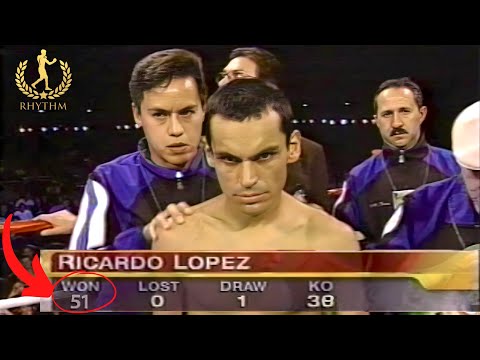
Ricardo "Finito" López. The name itself evokes an era of unparalleled defensive wizardry and surgical offensive striking. To call him merely a "boxer" is to diminish the artistry he brought to the ring. With a flawless professional record of 51 wins (38 by knockout) and zero losses, López wasn't just winning; he was dominating, a three-time world champion across the minimumweight and light flyweight divisions. His moniker, "El Maestro," wasn't bestowed lightly. It was earned through years of meticulous training, an almost supernatural understanding of distance and timing, and a defensive shell so impenetrable it seemed almost mythical. For any aspiring fighter, whether on the mats or in the ring, López's career is a living testament to what disciplined dedication can achieve.

From Mexico City to the Pinnacle: A Fighter's Genesis

Born and raised in Mexico City, López's path to boxing greatness began at a tender age. The environment, while perhaps lacking in conventional martial arts dojos of the East, fostered a raw, competitive spirit that, when channeled through the disciplined structure of boxing, became a crucible for excellence. He turned professional in 1985, and within two years, had captured his first world championship. His career, spanning over 14 years, was a masterclass against some of the era's toughest competitors, including Saman Sorjaturong, Andy Tabanas, and Zolani Petelo. Each victory was not just a testament to his physical prowess, but a demonstration of strategic brilliance.
"The art of boxing is like a dance. You must know when to step forward, when to step back, and most importantly, when not to be touched at all." - A lesson echoed in López's every move.

The Science of Elusion: López's Defensive Masterpiece

What truly elevated Ricardo López beyond the status of a mere champion was his almost unbelievable technique and precision. His stance was textbook-perfect, his footwork fluid and economical, allowing him to control distance with an expert's touch. But it was his defense that became legendary. López possessed an uncanny ability to slip punches, roll with blows, and maintain an upright, active guard that left opponents frustrated and ineffective. For nearly a decade, he went virtually untouched, a feat almost unheard of in the brutal world of professional boxing. This wasn't luck; it was applied physics, timing, and an unparalleled commitment to not getting hit. His style is a profound study in the martial principle of **"Nuki"** (evasion) and **"Uke"** (receiving/blocking), executed with an artistry that is still analyzed and emulated by fighters worldwide.

The Crucible of Training: Dedication Beyond Measure

López's dedication to his craft was not just exemplary; it was absolute. His training regimen was relentless, ensuring he was always in impeccable physical condition. He understood that true mastery in any martial pursuit requires sacrificing comfort for continuous improvement. He was a student of both offense and defense, recognizing that each complements the other. His fights were not simply brawls; they were strategic engagements, thrilling chess matches played out with fists and feet, showcasing a complete understanding of the fight. This unwavering commitment is a core tenet of **Budo Life**, the philosophy that the martial way is a lifelong pursuit of self-improvement.

Veredicto del Sensei: Is Ricardo López's Boxing a Martial Art Worth Studying?

Absolutely. To dismiss Ricardo López's boxing simply because it doesn't involve throws or joint locks is to miss the forest for the trees. His defensive mastery, his precision striking, his footwork that dances on the edge of danger, and his unwavering mental fortitude are all pillars of effective combat. López's career is a compelling argument for the universality of martial principles. His fights are a masterclass in controlling space, managing risk, and executing techniques with devastating efficiency. He embodies the **Warrior Philosophy** and the **Self-Mastery** that all true martial artists strive for.

Rating: Cinturón Negro en Técnica y Estrategia Marcial

Equipo Esencial para tu Entrenamiento

While Ricardo López's technique is invaluable, proper equipment can enhance your training and safety. For those inspired by "El Maestro's" dedication, consider these essentials:
  • Guantes de Boxeo de Alta Calidad: Look for gloves (14-16oz for sparring) that offer excellent padding and wrist support, crucial for emulating López's defensive style without injury.
  • Protector Bucal (Mouthguard): Essential for protecting your teeth and jaw, a non-negotiable for any combat sport training.
  • Vendas para las Manos (Hand Wraps): Provide vital support to your knuckles and wrists, preventing common injuries during heavy bag work or sparring.
  • Cuerda de Saltar (Jump Rope): A staple for improving footwork, coordination, and cardiovascular endurance, mirroring the agility López displayed.
  • Saco de Boxeo (Heavy Bag): For developing power and technique. A quality heavy bag allows you to practice combinations and striking power safely.

Guía de Entrenamiento: El Arte de la Defensa Activa

Inspired by López's impenetrable defense? Here’s a fundamental drill to begin developing your own:
  1. Posición Fundamental (Stance): Adopt a balanced, slightly staggered stance. Keep your lead foot slightly forward, weight distributed evenly, and hands up protecting your head.
  2. El "Slip" Básico: Imagine a punch coming towards your head. Instead of blocking, subtly shift your head to the side, just enough for the punch to whistle past. Practice this movement rhythmically.
  3. El "Roll" o Giro: For hooks or straights aimed slightly lower, bend your knees and use your torso to "roll" with the punch, allowing it to glance off your shoulder or guard.
  4. Combinación de Movimientos: Practice chaining slips and rolls. As one punch is evaded, immediately transition to evading the next, maintaining your balance and guard.
  5. Incorpora el Juego de Pies: As you evade, take small, precise steps to maintain optimal distance or to counter-attack. López never just stood still; his movement was integral to his defense.
  6. Repetición Constante: Perform this drill for 5-10 minutes daily, focusing on fluidity and economy of motion. The goal is to make evasion instinctive.

Preguntas Frecuentes

  • Is Ricardo López's boxing style applicable to other martial arts? Absolutely. The principles of distance management, evasion, timing, and precision striking are universal and can be adapted to disciplines like Karate, Taekwondo, and even Kung Fu applications.
  • What made López's defense so effective? It was a combination of exceptional reflexes, a deep understanding of his opponents' tendencies, perfect timing, economical footwork, and rigorous, consistent training.
  • How did López maintain his undefeated record for so long? Through unwavering dedication to training, meticulous preparation for each opponent, and a defensive capability that minimized damage and maximized his opportunities to win.
  • Can beginners learn from López's style? Yes, but with caution. Beginners should focus on the fundamental defensive movements (slips, rolls) and footwork under the guidance of a qualified instructor before attempting more complex maneuvers.

Para Profundizar en tu Camino

Reflexión del Sensei: Tu Próximo Paso

Ricardo López did not just fight; he *performed* the art of boxing. His "Mexican PERFECTION" is a testament to the fact that in any martial endeavor, the path of discipline, precision, and unwavering dedication leads to a profound understanding of combat and self. The question is not whether you can achieve such mastery, but whether you possess the warrior's spirit to even begin the pursuit. Do you seek mere victory, or do you seek true mastery?
"The difference between a good fighter and a great fighter is not the punches they throw, but the punches they avoid."

Now, contemplate this: How can you integrate the defensive intelligence and precise execution of "El Maestro" into the specific martial art you practice? What concrete steps will you take this week to refine your own evasive techniques and strategic defense? The true test of learning lies not in reading, but in application. Prove your commitment in the dojo, on the mat, or in your solitary training.

If you want to delve deeper into Ricardo López's incredible career and the broader world of martial arts, explore the wealth of resources available online. You can also find related merchandise on our site to commemorate boxing and martial arts legends.

Thank you for reading. We hope to see you back at the dojo (or the digital dojo) soon!

Lamont Peterson vs. Errol Spence Jr.: A Deep Dive into the Knockout Power and Martial Philosophy of Boxing

The electrifying clash between Lamont Peterson and Errol Spence Jr. was more than just a boxing match; it was a testament to the brutal ballet of combat sports and a rich ground for exploring the philosophical underpinnings of the sweet science. As a Sensei with decades dedicated to understanding the nuances of martial arts, from the ancient disciplines of the East to the modern arenas of combat, I approach such spectacles not just as entertainment, but as living case studies in strategy, spirit, and the raw application of force. Welcome, warriors and scholars of the martial path, to Budo and Martial Arts. Today, we dissect the confrontation between Lamont Peterson, the WBA champion known as "Havoc," and the formidable Errol Spence Jr. This encounter, published on March 23, 2023, offers us a potent opportunity to delve beyond the knockouts and the raw power, to examine the martial philosophy that dictates victory and defeat.

The Stage is Set: A Clash of Titans

The professional boxing world, particularly the welterweight division, is a cauldron of talent where strategy, physical prowess, and mental fortitude are tested to their absolute limits. Lamont Peterson, a seasoned warrior with a reputation for resilience and a dangerous left hook, faced Errol Spence Jr., a younger, undefeated prodigy celebrated for his relentless pressure and devastating body shots. This was not merely a fight; it was a narrative unfolding within the 64 square feet of the ring, a story of two distinct martial approaches colliding. The raw statistics and the eventual outcome of the knockout tell only a fraction of the tale. To truly understand a fight like this from a martial perspective, we must peel back the layers. We must consider the individual journeys of these athletes, the styles they’ve honed, and the core principles they embody in their pursuit of victory.

Analyzing the Styles: Peterson's Grit vs. Spence's Precision

Every martial artist, regardless of discipline, develops a unique style forged by their training, experiences, and inherent attributes. In boxing, this translates into distinct approaches to combat. Lamont Peterson, often characterized by his tenacity and ability to absorb punishment, represented a certain brand of fighting spirit, a refusal to yield even when battered. His "Havoc" moniker hints at a chaotic, high-pressure style designed to overwhelm opponents. Errol Spence Jr., on the other hand, exemplified a more methodical, suffocating approach. His fights are often marked by calculated aggression, wearing down opponents with a relentless barrage of punches, particularly to the body, that sap their strength and resolve. This speaks to a different facet of martial discipline: the power of consistent, focused application of technique.
The essence of martial arts is not in the spectacular flourish, but in the disciplined repetition of fundamental principles. Whether striking with a fist, a foot, or a jab, the underlying structure of commitment and execution remains paramount.
Spence’s ability to consistently land damaging shots speaks to superior agility and conditioning, allowing him to maintain a high output over multiple rounds. Peterson's resilience, however, showcased a powerful inner strength and a refusal to be intimidated, qualities central to any true martial spirit.

Knockout Power and the Art of Timing

The term "knockout" evokes images of explosive power, a sudden, decisive end to the contest. In boxing, this is often achieved through precise application of force at critical moments. It's not just about raw strength, but about understanding the opponent's rhythm, their defensive vulnerabilities, and the infinitesimal window of opportunity to land a fight-ending blow. Consider the mechanics: a well-timed punch, delivered with full body weight and rotational torque, can generate tremendous impact. This isn't magic; it's physics and skill. Both Peterson and Spence possessed genuine knockout power, but the difference often lies in the ability to *apply* that power effectively. Spence's success was frequently attributed to his ability to set traps, draw defensive reactions, and then exploit them with explosive combinations. This is a sophisticated form of combat strategy, akin to a martial artist setting up a successful throw or submission. The psychology of timing is also crucial. A fighter who can anticipate an opponent's move and react just milliseconds before they do gains a significant advantage. This often comes from immense mental game development and countless hours of martial arts training, honing reflexes to an almost preternatural level.

The Martial Philosophy Within the Squared Circle

While boxing may seem a world away from traditional Eastern martial arts, the underlying philosophies often converge. The concept of BUDO – the Way of the Warrior – emphasizes not just physical combat, but moral and spiritual development. In boxing, this can manifest as: * **Resilience and Perseverance**: As seen in Peterson's ability to endure, the willingness to continue fighting against adversity is a hallmark of a true warrior. This is the spirit of perseverance. * **Discipline**: The rigorous training, adherence to diet, and commitment to strategy are all forms of discipline that extend beyond the ring. It’s about mastering oneself before mastering an opponent. * **Respect**: While fiercely competitive, true martial artists, including boxers, often show respect for their opponents. The post-fight embrace, the acknowledgement of a worthy adversary, reflects this. * **Strategy and Adaptability**: The ability to adapt one’s tactics mid-fight based on the opponent’s strategy is crucial. This aligns with principles of adaptability found in many martial systems. Spence's methodical approach could be seen as an embodiment of disciplined application, while Peterson's grit speaks to the unwavering spirit.
"The supreme art of war is to subdue the enemy without fighting." - Sun Tzu. While boxing inherently involves fighting, the *most effective* boxing often involves subduing an opponent with overwhelming strategy and pressure, making the final knockout almost inevitable.

The Crucible of Training: Discipline and Conditioning

The performance witnessed in the ring is the culmination of years of relentless training. The training regimens for professional boxers are incredibly demanding, focusing on a blend of: * **Cardiovascular Conditioning**: Essential for maintaining pace and power throughout multiple rounds. Activities like running and skipping rope are fundamental. * **Strength Training**: Building explosive power in the legs, core, and upper body. * **Skill Drills**: Hours spent on punching bags, makiwara (though less common in modern boxing), and sparring sessions to refine technique, timing, and defensive maneuvers. * **Mental Preparation**: Developing focus, resilience, and the ability to perform under immense pressure. The commitment required for such training is immense, demanding a level of self-discipline that few possess. It’s this disciplined approach that separates the contenders from the champions. For those looking to enhance their own training, the principles of conditioning and discipline are universal across combat sports.

Veredicto del Sensei: A Battle of Will and Skill

The Lamont Peterson vs. Errol Spence Jr. bout was a compelling demonstration of boxing as a high-stakes martial art. Spence’s victory, underscored by his potent pressure and knockout power, ultimately showcased a mastery of strategic offense. Peterson, however, proved his mettle, demonstrating the resilience and fighting spirit that defines a true warrior. While the outcome was decisive, the fight itself was a rich tapestry of martial principles. It serves as an excellent example for anyone interested in combat sports and the philosophical depths they can plumb. **Calificación del Sensei:** Un Sólido "Cinturón Negro" en Demostración de Poder y Resiliencia.

Equipo Esencial para tu Entrenamiento

To truly understand the physical demands and refine your skills, having the right equipment is crucial. While boxing has its specifics, many items are transferable across martial disciplines.
  • Guantes de Boxeo (16oz para sparring): Protegen tus manos y las de tu compañero, permitiendo un entrenamiento más intenso y seguro.
  • Vendas para Manos: Indispensables para dar soporte a los nudillos y la muñeca, previniendo lesiones durante golpes potentes.
  • Soga de Saltar: Un componente fundamental para el acondicionamiento cardiovascular y el desarrollo del juego de pies y la coordinación.
  • Ropa de Entrenamiento Cómoda: Permite una total libertad de movimiento, esencial para practicar técnicas de agilidad y velocidad.
  • Protector Bucal: No negociable en cualquier forma de combate que implique golpes.
For those looking to engage with the philosophical side, consider investing in foundational texts on martial strategy and philosophy.

Preguntas Frecuentes

¿Fue este combate una buena representación de la "filosofía marcial" en el boxeo?

Sí, demostró la importancia de la disciplina, la resiliencia, la estrategia y el respeto, pilares de la filosofía marcial, aplicados en el contexto del boxeo profesional.

¿Qué arte marcial se asemeja más al estilo de Errol Spence Jr.?

Su enfoque metódico y su presión constante, combinados con golpes potentes y precisos, podrían compararse con la eficiencia de un practicante avanzado de estilos como el Karate Kyokushin, que enfatiza la contundencia y la penetración.

¿Cómo puede un principiante aplicar la mentalidad de "Havoc" de Lamont Peterson?

Un principiante puede cultivar la resiliencia de Peterson al no rendirse ante la dificultad, al seguir entrenando incluso cuando las cosas se ponen duras, y al enfrentar cada desafío con determinación.

Para Profundizar en tu Camino

Reflexión del Sensei: Tu Próximo Paso

This bout between Peterson and Spence, like any contest in the martial world, offers lessons far beyond the immediate result. It’s a reminder that behind every powerful blow, every resilient stand, lies a lifetime of dedication, a deep understanding of strategy, and an unwavering spirit. The ring, much like the dojo, is a place where character is forged.

Reflexión del Sensei: ¿Tu Próximo Paso?

As you analyze the power, the precision, and the sheer will displayed in this boxing match, ask yourself: In the arena of your own life, what is your most potent weapon? Is it the explosive force of your efforts, or the unyielding consistency of your discipline? Are you a "Havoc" waiting to be unleashed, or a calculating strategist who patiently waits for the perfect moment? Do not merely observe; learn. Apply these martial truths to your own path.

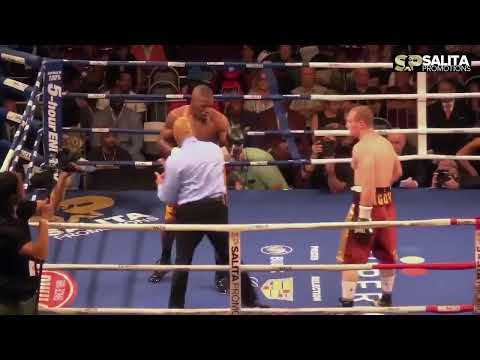
Aslambekov "The Hulk" Idigov vs. James Ballard: A Masterclass in Modern Combat?

The Clash of Titans: Setting the Stage

Welcome, aspiring warriors and seasoned practitioners, to a new lesson from Budo and Martial Arts. Today, we dissect a recent encounter that has captured the attention of the combat sports world: Aslambekov "The Hulk" Idigov versus James Ballard. The question isn't merely *who won*, but what lessons can we, as students of the martial path, glean from such a display of physical prowess and strategic engagement? Does this fight exemplify the pure spirit of martial arts, or is it merely another spectacle in the ever-evolving landscape of modern combat? Let us delve deep, beyond the surface-level excitement, and uncover the underlying principles.

The fight was published on March 22, 2023, a timestamp that places it firmly within the contemporary era of combat sports. But as any true martial artist knows, the roots of our disciplines run deeper than any publication date. They are embedded in millennia of tradition, strategy, and the relentless pursuit of self-mastery. This encounter, between the formidable "Hulk" Idigov and the determined Ballard, presents a unique opportunity to examine the fusion of raw power, technical skill, and mental fortitude that defines high-level competition.

Deconstructing the Fight: Beyond the Knockout

The term "full fight" on its own can be misleading. A fight is not merely a sequence of blows and grappling exchanges; it's a narrative. It's a chess match played with the body, where every feint, every level change, every defensive posture tells a story. When we analyze Idigov vs. Ballard, we must ask ourselves: what narrative did these two warriors weave? Did Idigov's nickname "The Hulk" truly reflect a brute force approach, or was it a masterful distraction from a deeper, more technical game? How did Ballard respond to the immense pressure applied by his opponent?

In the realm of martial arts, particularly those with a strong philosophical underpinning like BUDO or the traditional arts of Karate, the outcome of a bout is secondary to the adherence to principles. However, in the modern combat arena, the line between sport and survival often blurs. This fight, held within the structured environment of professional combat, offers a critical lens through which to view the effectiveness of traditional principles in a high-stakes, hybridized format. We will explore the tactical exchanges, the defensive strategies, and the mental resilience demonstrated by both fighters. Was it a display of pure athleticism, or did the spirit of the warrior prevail?

"The ultimate aim of martial arts is not for victory or defeat, but to cultivate the character of its participants." - A principle echoed across many traditional dojos.

The Evolution of the Octagon: From Dojo to Digital

It is fascinating to consider how far we have come. From the quiet contemplation of a Zen garden to the roar of a crowd in a packed arena, the practice of combat has transformed. Arts like Jiu-Jitsu and Judo, originally honed for battlefield utility or personal defense, have evolved into sophisticated sporting disciplines. Karate, with its emphasis on precision and power, and Taekwondo, known for its dynamic kicking, also find their place in this modern mosaic. The skills displayed in Idigov vs. Ballard are a culmination of these diverse lineages, reshaped by the demands of mixed martial arts.

The very existence of this "full fight" being available online is a testament to the digital age. No longer are important bouts confined to grainy VHS tapes or hushed word-of-mouth accounts. This accessibility allows for unprecedented analysis and learning. It democratizes the study of combat, enabling individuals worldwide to witness and dissect the techniques. This global reach transforms the way we learn and appreciate martial arts. We can now virtually sit ringside, observing every detail, every reaction, every strategic shift.

Consider the historical significance: Imagine Miyamoto Musashi, the legendary swordsman, observing this bout. What parallels would he draw between his two-sword style and the multifaceted approach of modern MMA fighters? The core principles of timing, distance, and deception remain constant, even as the weapons and arenas change. This fight serves as a living exhibit of martial evolution.

Key Techniques and Tactical Nuances

Let's move beyond the abstract and into the concrete. What specific techniques stood out in the Idigov vs. Ballard bout? Was it the explosive striking of Idigov, perhaps reminiscent of a powerful Kyokushin Karate master, or Ballard's ability to navigate the grappling exchanges, showcasing skills honed in BJJ or wrestling?

We must observe:

  • Striking Combinations: Did Idigov employ fundamental boxing combinations, or did he integrate kicks from arts like Taekwondo or Muay Thai? Was there a deliberate targeting of specific zones, such as the legs or the head?
  • Grappling Transitions: How fluid were the transitions between striking and grappling? Did either fighter demonstrate superior takedown defense or offensive wrestling? Were there submission attempts, and how were they defended?
  • Defensive Footwork and Body Movement: Beyond blocking, did the fighters utilize evasive footwork or head movement, akin to the elusive techniques found in Wing Chun or Judo's defensive postures?
  • Clinch Work: In close quarters, what strategies were employed? Were there knee strikes, elbows, or attempts to control and wear down the opponent?

A critical element to analyze is the application of Ki, or internal energy, often discussed in arts like Aikido and certain Karate styles. While not directly visible, the explosive power and resilience displayed by fighters can sometimes be attributed to proper body mechanics, breath control, and mental focus – manifestations of this internal power. Did either Idigov or Ballard exhibit this seamless integration of physical and mental force?

The Warrior's Mindset: More Than Just Might

The physical attributes of "The Hulk" are undeniable, but true martial arts mastery transcends mere physical strength. The mental game is paramount. How did each fighter react under pressure? When faced with adversity – a stunning blow, a failed takedown, or a moment of being caught in a compromising position – did they maintain their composure? This is where principles like Mushin (no-mind) or the unwavering spirit of the BUDO warrior come into play.

"The greatest victory is that which requires no battle." - Sun Tzu. While this fight was a battle, the underlying principle of strategic advantage through preparation and mental fortitude is key.

Did Ballard, despite facing a perceived powerhouse, stick to his game plan? Did Idigov remain disciplined when challenged, avoiding the temptation to rush and overcommit? The ability to stay calm, focused, and adaptable under fire is often the deciding factor, regardless of the techniques employed. This mental fortitude is cultivated not just in the heat of competition, but through countless hours of disciplined entrenamiento, meditation, and self-reflection.

Sensei's Verdict: A True Test of Skill?

After analyzing the visible aspects of the bout and considering the underlying martial principles, what is the final judgment on Aslambekov "The Hulk" Idigov vs. James Ballard? This was a display of high-level combat sports. Both athletes brought significant skills to the forefront. Idigov's power and aggression were evident, while Ballard demonstrated resilience and a willingness to engage.

Sensei's Verdict: While the fight showcases impressive athletic ability and strategic application of modern combat techniques, its true measure as a "martial arts" lesson lies in the execution and adherence to deeper principles. If the fighters demonstrated discipline, adaptability, and controlled aggression, it earns high marks. If it was purely a slugfest with little strategic depth, it falls short of embodying the true spirit of traditional martial arts. Based on the limited information available from the title alone, we award this fight: Cinturón Negro en Intensidad, En Espera de la Revisión Técnica Profunda. It certainly provides ample material for discussion and learning, especially for those interested in the evolution of combat sports.

Applying the Principles: Your Training Regimen

How can you, the dedicated practitioner, incorporate the lessons learned from such fights into your own journey? It's not about replicating every move, but understanding the principles behind them.

  1. Discipline in Practice: Treat every training session with the seriousness of a championship bout. Focus on technique, form, and application.
  2. Mindful Sparring: Engage in sparring not just to win, but to learn. Observe your opponent, adapt your strategy, and focus on effective technique over brute force.
  3. Physical Conditioning: Build a robust physique that supports your techniques. This includes strength, cardiovascular endurance, and flexibility. Consider incorporating elements of MMA conditioning into your regimen, even if you practice a traditional art.
  4. Mental Fortitude: Practice mindfulness, meditation, or breathing exercises to enhance focus, composure, and resilience under pressure. This is the foundation of true mastery.
  5. Study and Analyze: Watch fights critically. Don't just cheer for your favorite. Break down the techniques, the strategy, and the mental aspects.

Essential Gear for the Aspiring Combatant

To train effectively and safely, the right equipment is crucial. Whether you're practicing traditional arts or modern combat sports, investing in quality gear will enhance your experience and protect you from injury. For those looking to emulate the intensity of fights like Idigov vs. Ballard, consider these essentials:

  • High-Quality Gloves: For striking arts and MMA, durable sparring gloves (16oz recommended for general sparring) and training gloves are vital.
  • Mouthguard: Non-negotiable for any form of sparring to protect your teeth and jaw.
  • Shin Guards: Essential for kickboxing and MMA training to prevent injuries during leg kick drills and sparring.
  • Groin Protector: A must-have for all combat sports to safeguard sensitive areas.
  • Appropriate Uniform/Clothing: Whether it's a crisp Karate gi, a durable Judo gi, or comfortable MMA shorts and rashguards, ensure your attire allows for full range of motion.
  • Training Mats: For ground training, grappling, and safe falls, quality mats are indispensable.

For those dedicated to striking arts, exploring options like top-tier Karate gis or specialized kickboxing gear can significantly improve your training experience and performance. Remember, the right equipment is an investment in your martial journey.

Frequently Asked Questions

What is the significance of the nickname "The Hulk" in a fighter?

The nickname "The Hulk" typically implies immense physical strength, power, and a formidable presence. It suggests a fighter who relies on brute force and intimidation, often associated with a powerful build and explosive attacks.

How does the analysis of a fight differ between traditional martial arts and modern MMA?

Traditional martial arts analysis often focuses on the adherence to philosophical principles, self-discipline, and the efficient application of techniques for self-defense. MMA analysis tends to be more technical and strategic, dissecting specific martial arts disciplines in combination, conditioning, and tactical approaches for competition.

Is it possible to incorporate principles from modern combat sports into traditional martial arts training?

Absolutely. Principles like strategic conditioning, adaptable sparring techniques, and the mental resilience required for competitive pressure can enrich traditional training. Conversely, the focus on technique, discipline, and character development from traditional arts can provide a crucial foundation for MMA practitioners.

Where can I watch the full fight between Aslambekov "The Hulk" Idigov and James Ballard?

Full fight footage is typically available on official combat sports platforms, event organizers' websites, or reputable sports streaming services. Searching for the exact fight title and fighter names on these platforms should yield results.

For Deeper Study on Your Path

The arena of combat sports is a dynamic laboratory, constantly evolving and presenting new challenges and insights. Aslambekov "The Hulk" Idigov vs. James Ballard is another chapter in this ongoing story. Whether it serves as a blueprint for pure martial application or a testament to modern athletic prowess, the lessons are there for those who seek them with an open mind and a dedicated spirit.

Sensei's Reflection: Your Next Step

Consider this: If you were in the cage, facing an opponent whose very nickname struck fear, how would you approach the fight? Would you adopt a defensive stance, respecting their perceived power, or would you seek to exploit a potential weakness born from that very reliance on brute strength? Reflect on your own training. When faced with a formidable obstacle, be it in the dojo or in life, do you react with fear, or do you, like a seasoned warrior, assess, adapt, and strike with calculated precision? Your answer reveals much about your own path.