Showing posts sorted by date for query bushido philosophy. Sort by relevance Show all posts

The Unmistakable Signs of a True Martial Arts Devotee (Are You One of Us?)

Have you ever found yourself unconsciously mimicking a stance while waiting in line, or perhaps instinctively blocking a rogue shopping cart? Does the mere mention of "O-soto-gari" send a shiver of excitement down your spine? If your mind immediately races to classic cinema showdowns or the intricate philosophies behind the Bushido code, then welcome, brother/sister. You're not just a practitioner; you're one of the initiated. The path of Budo is not merely a hobby; it’s a profound transformation, a discipline that seeps into the very marrow of your being. But how do we discern true passion from mere fleeting interest? How do we know when the dojo has truly become our second home, and our gi our second skin?

The Unconscious Dojo: When Life Becomes Practice

The first, and perhaps most telling, sign of true martial arts addiction is when the dojo's influence spills into the mundane. You're not just training on the mat; you're training everywhere. Observe the casual observer: they see a person waiting for a bus. You, the devotee, see an opportunity to perfect your Kihon, your basic stances, maintaining perfect posture. That sudden urge to execute a swift Mawashi-geri at a particularly irritating telemarketer? A classic symptom. We’ve all been there, haven't we? That moment in the supermarket aisle when you absentmindedly practice your Tsuki on an unsuspecting cereal box, only to realize the stares you're receiving.

This isn't mere eccentricity; it’s the ingrained muscle memory and the persistent mental conditioning that Budo instills. It speaks to a deep internalization of the principles of balance, focus, and readiness. It’s the spirit of the warrior manifesting in everyday actions, a constant, subtle dance of preparedness.

The Endless Scroll: Immersed in the Digital Dojo

In this digital age, the dojo is never truly closed. For the addicted, the internet becomes an extension of the training floor. Hours melt away, not in frivolous scrolling, but in the relentless pursuit of knowledge. Watching instructional videos, analyzing fight footage, devouring documentaries on legendary masters – this is your daily bread. You find yourself comparing the footwork of a Kyokushin Karateka to that of a Judo practitioner, dissecting the efficiency of a Wing Chun centerline theory versus the explosive power of Muay Thai.

This isn't just passive consumption; it's active study. You’re not merely watching; you are learning, assimilating, constantly seeking to refine your understanding. The legends you admire – perhaps a Miyamoto Musashi, a Mas Oyama, or a Jigoro Kano – become your virtual mentors, their teachings guiding your every thought.

"The ultimate aim of martial arts is not academic or intellectual, but physical and spiritual." - Unknown Master

Sanctuary of the Sweat: The Dedicated Training Space

For those truly consumed, a single room is no longer enough; a dedicated space becomes a necessity. This is more than just a corner with a punching bag. It's a shrine. It’s where the sweat drips and the spirit soars. Here, you organize your precious tools: the well-worn makiwara, the trusty kiai-inducing focus mitts, perhaps even a carefully curated selection of martial arts weaponry – a bo staff leaning against the wall, a bokken resting on a stand. This space is your personal laboratory, your forge. Here, you push your limits, test new techniques, and reconnect with the core of your practice.

The mere existence of such a space signifies a commitment that transcends casual interest. It’s a testament to the fact that martial arts are not just something you *do*, but something you *live*. It’s an investment in your journey, a tangible manifestation of your dedication.

The Sacred Circle: Respecting the Warrior's Time

Those closest to us often become the first to understand the depth of our passion. They learn, sometimes the hard way, that when the gi is on, or when the focus is absolute, disturbance is not an option. The frantic calls, the urgent requests – they often fall on deaf ears during the sacred hours of training. This isn't rudeness; it's recognition. It’s an unspoken agreement that this time is non-negotiable, a period of intense personal development where external distractions must yield.

Your family and friends, if they are truly understanding, will learn to respect these boundaries. They see not stubbornness, but the profound importance you place on your chosen path. They understand that this discipline is building a better version of you, a more focused, resilient, and capable individual.

The Collector's Obsession: Weapons and Wisdom

Beyond the physical, the true devotee develops a hunger for the history, the philosophy, the very soul of martial arts. This often manifests as a collector’s spirit, not just for physical artifacts but for knowledge. You find yourself drawn to the stories of legendary weapons – the katana of a samurai, the nunchaku of Bruce Lee. You begin to amass a personal library of texts, from Sun Tzu's "The Art of War" to treatises on Zen and martial philosophy.

This isn't just about accumulating objects; it's about connecting with the lineage and the legacy. Each weapon displayed, each book carefully preserved, is a reminder of the generations of practitioners who walked this path before you, their struggles and triumphs fueling your own resolve. It’s a tangible link to the martial heritage.

The Expert's Insight: Knowing the Styles and the Masters

Can you differentiate the fluidity of Aikido from the directness of Karate? Can you name the most influential Judo masters of the 20th century? If the answer is a resounding yes, congratulations – you've likely crossed the threshold into true martial arts devotion. You’ve moved beyond simply performing techniques to understanding the underlying principles, the historical context, and the philosophical underpinnings of each style.

This deep knowledge isn’t acquired overnight. It’s the result of countless hours of research, training, and spirited debate. You've likely engaged in heated discussions about the effectiveness of certain techniques in real-world scenarios, or the merits of traditional training versus modern approaches. This intellectual engagement is as crucial as the physical. It shapes your understanding and refines your practice.

The Guru's Shadow: Following a Revered Instructor

A pivotal aspect of the martial arts journey is often finding a mentor who inspires and guides. This isn't just about attending classes; it's about forming a bond built on trust and shared dedication. You find yourself not only attending their every session but seeking their wisdom outside the dojo, following their teachings religiously. You understand that their experience and insight are invaluable, a shortcut through the labyrinth of self-discovery.

This reverence for an instructor is a sign of respect for the lineage and the transfer of knowledge. It acknowledges that while personal exploration is vital, the guidance of a seasoned master can illuminate the path, preventing countless pitfalls and accelerating growth. It’s about recognizing that true mastery is often built upon the shoulders of those who came before.

The Spectator Sport: Competitions and Championships

The thrill of competition is a powerful draw for many martial artists. Attending tournaments, whether as a participant or a spectator, offers a unique insight into the application of skills under pressure. You find yourself drawn to the intensity, the strategy, the sheer willpower displayed. You analyze the bouts, perhaps mentally critiquing the fighters' techniques or celebrating their triumphs.

This engagement with competition demonstrates an appreciation for the practical application of martial arts. It’s a recognition that while self-improvement is paramount, testing one’s skills against others is a vital component of growth for many disciplines. It signifies an understanding of the martial spirit in its most direct and challenging form.

The Ultimate Dream: Aspiring to Mastery

And then there are the dreams. The vivid, exhilarating dreams where you are the undisputed master, effortlessly executing perfect techniques, perhaps facing down imaginary foes with calm resolve. These nocturnal visions are perhaps the most potent indicator of your deep immersion. You don’t just train; you aspire. You envision yourself not just as a practitioner, but as a true embodiment of martial principles.

This aspiration for mastery is the engine that drives continuous improvement. It’s the recognition that the journey of Budo is a lifelong pursuit, a path with no true end, only constant evolution. It’s the understanding that the ultimate goal is not just physical prowess, but a profound inner transformation.

Veredicto del Sensei: ¿Es esto una Adicción o una Vocación?

Let's be brutally honest. If you've nodded along to more than a few of these points, then yes, you are indeed "addicted" to martial arts. But is this a bad thing? Absolutely not. This isn't the destructive addiction of a vice; this is the consuming passion of a life dedicated to a noble pursuit. This "addiction" is a testament to your commitment, your discipline, and your willingness to grow. It means you've tapped into something profound – a practice that enriches your mind, strengthens your body, and fortifies your spirit. The benefits of this path are immeasurable, fostering resilience, respect, and a deep sense of self-awareness.

At BYAM Budo y Artes Marciales, we understand this deep-seated passion. We exist to serve this very community. Whether you're seeking the perfect Kimonos for Judo, durable gear for Karate, or insightful books to deepen your understanding of Budo philosophy, we are here to support your journey. We offer quality training equipment and a wealth of content designed to fuel your martial arts fire.

Equipo Esencial para tu Entrenamiento

  • Guantes de Sparring (16oz recomendados para la mayoría de disciplinas de combate): Protege tus manos y las de tu compañero.
  • Kimono de Doble Tejido para Judo o Jiu-Jitsu: Durabilidad y resistencia para los rigores del grappling.
  • Espinilleras y Guantes de Karate: Esenciales para la seguridad en el entrenamiento de Karate y Kickboxing.
  • Sacos de Boxeo y Pera Loca: Herramientas fundamentales para mejorar la potencia, la velocidad y la resistencia.
  • Esterillas de Entrenamiento: Para ejercicios de suelo, caídas y para amortiguar el impacto.

Recursos para Profundizar

  • Libros sobre Filosofía Marcial: Explora los principios del Bushido, Zen y otras escuelas de pensamiento.
  • DVDs de Maestros Reconocidos: Aprende técnicas avanzadas y perspectivas únicas de instructores legendarios.
  • Equipamiento de Entrenamiento Específico: Desde makiwaras hasta maniquíes de madera (Muk Yan Jong).

Preguntas Frecuentes

¿Es normal soñar con artes marciales si soy un devoto?

Absolutamente. Los sueños reflejan la profunda inmersión mental y física en tu práctica. Es una señal de que las artes marciales se han convertido en una parte integral de tu psique.

¿Debería preocuparme si practico movimientos en público?

Si bien puede atraer miradas, no es motivo de preocupación si se hace de forma discreta y respetuosa. Indica una fuerte conexión con tu entrenamiento, pero siempre es prudente ser consciente del entorno.

¿Cómo puedo equilibrar mi "adicción" a las artes marciales con mi vida social y familiar?

La clave es la comunicación y el respeto mutuo. Explica la importancia de tu entrenamiento a tus seres queridos. Dedica tiempo de calidad a ellos fuera de tus sesiones de práctica, y es probable que comprendan y apoyen tu pasión.

¿Dónde puedo encontrar equipo de artes marciales de alta calidad?

Busca tiendas especializadas en artes marciales o proveedores en línea de confianza. Sitios como BYAM Budo y Artes Marciales ofrecen una amplia gama de productos para diversas disciplinas.

Para Profundizar en tu Camino

Reflexión del Sensei: Tu Próximo Paso

Ahora te digo: ¿cuál de estos signos resuena más profundamente contigo? ¿Cuál crees que es el verdadero indicador de una pasión inquebrantable? No me des una respuesta fácil. Reflexiona sobre cómo estas manifestaciones de tu devoción impactan tu vida, no solo en el dojo, sino en cada aspecto de tu existencia. Y si te atreves, comparte tu verdad en los comentarios. Demuéstrame que este fuego marcial arde con la misma intensidad en ti.

``` ```json { "@context": "https://schema.org", "@type": "FAQPage", "mainEntity": [ { "@type": "Question", "name": "Is it normal to dream about martial arts if I'm a devotee?", "acceptedAnswer": { "@type": "Answer", "text": "Absolutely. Dreams reflect deep mental and physical immersion in your practice. It's a sign that martial arts have become an integral part of your psyche." } }, { "@type": "Question", "name": "Should I worry if I practice moves in public?", "acceptedAnswer": { "@type": "Answer", "text": "While it might attract stares, it's not a cause for worry if done discreetly and respectfully. It indicates a strong connection to your training, but it's always wise to be aware of your surroundings." } }, { "@type": "Question", "name": "How can I balance my martial arts 'addiction' with my social and family life?", "acceptedAnswer": { "@type": "Answer", "text": "The key is communication and mutual respect. Explain the importance of your training to your loved ones. Dedicate quality time to them outside your practice sessions, and they will likely understand and support your passion." } }, { "@type": "Question", "name": "Where can I find high-quality martial arts equipment?", "acceptedAnswer": { "@type": "Answer", "text": "Look for specialized martial arts stores or trusted online retailers. Sites like BYAM Budo y Artes Marciales offer a wide range of products for various disciplines." } } ] }
Aikido's Essence: Analyzing O'Sensei Ueshiba's 1961 Masterclass

Introduction: A Glimpse into the Soul of Budo

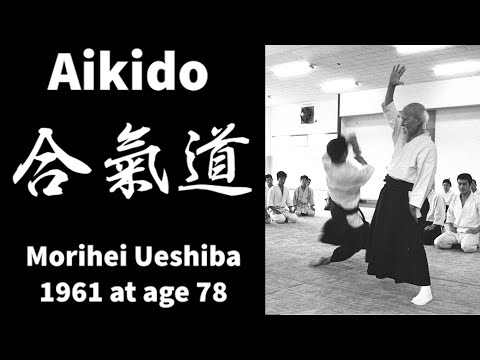
This rare 1961 footage, capturing a 78-year-old Morihei Ueshiba, the revered founder of Aikido, is far more than just a martial arts demonstration. It's a profound window into the very essence of Budo, a concept that transcends mere physical combat. Many today, particularly those drawn to the explosive dynamism of MMA or the brutal efficiency of Kyokushin Karate, might question the relevance of Aikido's fluid movements. Does its emphasis on blending and redirection hold water in a world that often values brute force? Let me tell you, this video is the answer. It's a masterclass in principles that are eternally valid, not just for the dojo, but for life itself. We will dissect this gem, exploring Ueshiba's techniques, his philosophy, and the enduring legacy of Budo.

Ueshiba in Action: The Art of Blending and Redirecting

Watching Ueshiba Sensei at this advanced age is awe-inspiring. His movements, while perhaps not possessing the raw power of a younger man, are imbued with an almost supernatural grace and precision. The documentary showcases his mastery of Aikido techniques – the effortless throws, the seemingly gentle yet devastating joint locks. He doesn't meet force with force; instead, he becomes one with his attacker's energy, subtly redirecting their momentum. This is the core of Aikido, and it's a principle that many arts, even the fiercely competitive BJJ or Judo, can learn from. The seemingly passive nature of his defense is, in reality, a highly active and intelligent application of physics and timing. He demonstrates that true strength lies not in overpowering an opponent, but in understanding and harmonizing with their movements. Have you ever sparred with someone who just seems to *flow* with your attacks, nullifying them before they even land? That's the echo of Ueshiba Sensei's teaching.
"The true meaning of martial arts is to unify the world." - Morihei Ueshiba

The Philosophy of Aikido: Harmony, Compassion, and Unity

Beyond the physical application, Ueshiba Sensei's words in this documentary reveal a philosophy that is both deeply spiritual and remarkably practical. He speaks of Aikido not as a means of destruction, but as a path to reconciliation. Harmony, balance, and compassion are not mere buzzwords here; they are the foundational pillars of his art. This stands in stark contrast to some of the more combative depictions of martial arts in popular culture, where violence is often glorified without consequence. Ueshiba's vision is one of connection, of resolving conflict not through aggression, but through understanding and empathy. It’s a message that resonates even more powerfully today, in our often fragmented and contentious world. This philosophy is the very heart of BUDO, the "Way of the Warrior," which demands not just martial prowess but moral integrity.

Budo: More Than Just Fighting

The term Budo itself is crucial here. It's not simply "martial arts" in the Western sense. It encompasses the entire way of life, the philosophy of the warrior, drawing heavily from principles like Bushido. This means more than just mastering techniques for a fight. It's about self-cultivation, rigorous discipline, and unwavering honor. Ueshiba Sensei embodies this perfectly. His practice was a lifelong dedication to refining not just his body, but his mind and spirit. The documentary offers a fleeting glimpse, but it's enough to understand that for masters like him, the training never truly ends. It's a constant pursuit of self-improvement, a journey that shapes one's character in profound ways.
"The martial way is a thing of daily practice. It is a continuous process of refinement. The master is simply a student who never quit." - Attributed to various martial arts masters

Training and Self-Cultivation: The Path to Inner Peace

The practice of martial arts, as exemplified by Ueshiba's Aikido, is a powerful tool for inner growth. It offers a structured path to control one's ego, to confront and overcome fear and anger, and to cultivate a deep sense of inner peace. This isn't just about learning to defend yourself physically; it's about building mental resilience. The physical demands – improving fitness, flexibility, and coordination – are significant, but the mental benefits are arguably even greater. In a world rife with stress and anxiety, the discipline and focus required in martial arts training provide an invaluable sanctuary. It's a lifelong pursuit, a journey of personal development that extends far beyond the dojo mats. The principles learned in Karate, Judo, or Aikido can positively impact every facet of life.

Veredicto del Sensei: A Timeless Testament

This 1961 documentary is not just a historical artifact; it's a living testament to the enduring power of Budo. Ueshiba Sensei, even at 78, displays a level of mastery that transcends time and style. While the martial arts landscape has evolved dramatically, with hyper-realistic sports like MMA and UFC capturing global attention, the core principles demonstrated here remain vital. The emphasis on harmony, respect, and self-cultivation is a counterbalance to the often aggressive narratives surrounding combat sports. This film is essential viewing for anyone who seeks a deeper understanding of martial arts, not just as a means of fighting, but as a path to becoming a better human being. Rating: 10/10 Cinturones Negros en Sabiduría y Maestría.

Essential Equipment for Your Training

To embark on your own martial arts journey, whether it's Aikido, Karate, Judo, or any other discipline, the right equipment is essential. At BYAM Budo y Artes Marciales, we understand the needs of practitioners at all levels.
  • Gi (Uniforme): A durable, comfortable Gi is fundamental. For arts like Judo and Aikido, a heavier weave might be preferred for grip resistance.
  • Protective Gear: Depending on your style, consider sparring headgear, mouthguards, and shin guards for safe combat training.
  • Training Mats (Tatami): Essential for safe practice of throws and falls, especially in arts like Judo and Aikido.
  • Training Weapons: For specific disciplines, wooden bokken (swords) or jo (staffs) are necessary.
Investing in quality gear enhances your training experience and ensures safety. Explore our range of Martial Arts Merchandise to find what you need.

Frequently Asked Questions

  • What is Budo? Budo is a Japanese term that refers to the systematic practice of martial arts, emphasizing not only combat techniques but also spiritual and moral development.
  • Is Aikido effective for self-defense? Yes, Aikido's principles of blending, redirection, and using an attacker's momentum can be highly effective for self-defense, though its effectiveness in highly aggressive scenarios is a subject of ongoing debate.
  • What is the difference between Budo and Bushido? Bushido is the code of honor and conduct of the samurai warrior class, while Budo is the broader term encompassing the practices and philosophies of martial arts derived from that warrior tradition.
  • How can martial arts training improve mental health? Through discipline, focus, stress reduction techniques, and the cultivation of inner peace and self-control.

For a Deeper Dive into Your Path

Reflexión del Sensei: Tu Próximo Paso

Ueshiba Sensei demonstrated that true mastery lies in harmonization, not domination. In a world that often rewards aggression and competition, can you find the strength in yielding? Can you apply the principles of blending and redirecting not just against a physical opponent, but against the challenges and conflicts of your daily life? The video is a lesson; your response to its message is the application. ```json { "@context": "https://schema.org", "@type": "FAQPage", "mainEntity": [ { "@type": "Question", "name": "What is Budo?", "acceptedAnswer": { "@type": "Answer", "text": "Budo is a Japanese term that refers to the systematic practice of martial arts, emphasizing not only combat techniques but also spiritual and moral development." } }, { "@type": "Question", "name": "Is Aikido effective for self-defense?", "acceptedAnswer": { "@type": "Answer", "text": "Yes, Aikido's principles of blending, redirection, and using an attacker's momentum can be highly effective for self-defense, though its effectiveness in highly aggressive scenarios is a subject of ongoing debate." } }, { "@type": "Question", "name": "What is the difference between Budo and Bushido?", "acceptedAnswer": { "@type": "Answer", "text": "Bushido is the code of honor and conduct of the samurai warrior class, while Budo is the broader term encompassing the practices and philosophies of martial arts derived from that warrior tradition." } }, { "@type": "Question", "name": "How can martial arts training improve mental health?", "acceptedAnswer": { "@type": "Answer", "text": "Through discipline, focus, stress reduction techniques, and the cultivation of inner peace and self-control." } } ] }

Motobu Ryu Karate Jutsu: The Uncompromising Warrior's Path

Is the pursuit of martial arts merely about graceful movements and disciplined forms? Or is it about the raw, unyielding capacity to survive, to defend, to prevail when faced with genuine adversity? For many, the pristine beauty of Karate katas is the apex of their practice. But what about those who believe the true essence of Budo lies in the unforgiving crucible of real combat? Today, we confront a style that unapologetically prioritizes the latter: Motobu Ryu Karate Jutsu.

Introduction: Beyond the Kata

Karate, a discipline now recognized and respected across the globe, boasts a rich tapestry of styles. Yet, within this vast lineage, Motobu Ryu Karate Jutsu stands apart. Hailing from the historical heartland of Okinawa, Japan, this style is not for the faint of heart or the purely aesthetic practitioner. It is a path forged in practicality, a testament to the warrior spirit that prioritizes effectiveness above all else. We will dissect its history, its brutal efficacy, and its underlying philosophy, examining how it has carved its niche and influenced the broader landscape of martial arts.

The Genesis of a Warrior: Choki Motobu's Legacy

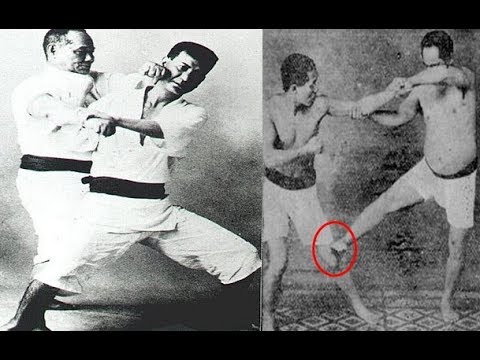
The architect of this formidable system was Choki Motobu (1870-1944). Born into a prominent Okinawan family with deep martial roots, Motobu was exposed from a young age to not just Karate, but also Judo and Kendo. However, it was his innate prowess and perhaps a rebellious spirit that led him to forge his own path. Dismissive of what he perceived as overly stylized or impractical techniques in some contemporary Karate forms, Motobu developed his distinct approach, christening it Motobu Ryu Karate Jutsu.

What truly set Motobu Ryu apart was its radical departure from an over-reliance on pre-arranged forms (katas). Motobu’s doctrine was brutally simple: the martial art’s ultimate purpose is to ensure survival and dominance in genuine, life-threatening confrontations. His style was honed for the gritty reality of street fights, not for polite demonstration. This unwavering focus on pragmatism is the bedrock upon which Motobu Ryu was built.

"The highest Karate is not in the forms (kata), but in the actual fighting." - Choki Motobu

Striking with Purpose: The Core of Motobu Ryu

The technical arsenal of Motobu Ryu Karate Jutsu is as direct as its philosophy. It thrives on close-range combat, emphasizing explosive, powerful strikes designed for maximum impact. Forget elaborate, sweeping kicks; here, the focus is on the immediate and the decisive.

  • Punches: Varied and potent, delivered with bone-jarring force.
  • Kicks: Primarily low kicks and powerful knee strikes, designed to incapacitate quickly.
  • Elbow Strikes: Brutally effective in confined spaces, a hallmark of close-quarters combat.

One of the most distinctive and devastating techniques within Motobu Ryu is the "Ippon Ken", or one-knuckle punch. This specialized strike targets vulnerable points with pinpoint accuracy, capable of inflicting significant damage. It’s a testament to Motobu’s belief in exploiting weaknesses with overwhelming force.

But Motobu Ryu is not solely about striking. Recognizing that a true warrior must be adaptable, Choki Motobu judiciously incorporated elements of throws, joint locks, and grappling. This holistic approach ensured his students were not merely strikers, but well-rounded combatants, capable of handling a multitude of scenarios. It's this integration that elevates Motobu Ryu beyond a simple striking art.

Goshin Jutsu: The Art of Survival

At its philosophical core, Motobu Ryu is defined by "Goshin Jutsu" – the art of self-defense techniques. This principle is not a mere suggestion; it is the absolute directive. Motobu instilled in his students that the primary function of martial arts training is to cultivate the skills necessary for survival in dire circumstances. The abstract beauty of a kata pales in comparison to the concrete reality of neutralizing a threat.

Beyond the physical, Motobu Ryu Karate Jutsu is a profound path of self-development. It demands the cultivation of mental fortitude and spiritual discipline. This is not just about learning to fight; it’s about becoming a better human being through the rigors of intense training. Choki Motobu viewed the martial journey as a lifelong endeavor of self-improvement, urging his disciples to hone their minds and spirits with the same dedication they applied to their physical conditioning.

"Mastery of the art of fighting means mastery of oneself. Without self-mastery, no true victory is possible." - A principle echoing in the halls of Motobu Ryu.

A Ripple Through Combat: Motobu Ryu's Enduring Impact

The legacy of Motobu Ryu Karate Jutsu extends far beyond its Okinawan origins. Many of Choki Motobu's students rose to become influential martial arts masters themselves, carrying the torch of his practical approach across the globe. The style’s unwavering emphasis on effective techniques and real-world self-defense has resonated deeply, influencing even seemingly disparate disciplines like Krav Maga and Brazilian Jiu-Jitsu. The pragmatic, no-nonsense approach to combat became a blueprint for survival-oriented systems.

Furthermore, the powerful, direct striking methods of Motobu Ryu have been observed and assimilated into the repertoires of various other martial arts and combat sports, including the dynamic arts of Muay Thai and Kickboxing. The influence is undeniable: a testament to the universal language of effective fighting.

Essential Training for the Motobu Practitioner

To truly embrace the spirit of Motobu Ryu, training must mirror its core tenets. While traditional Karate training often involves extensive kata practice, a Motobu Ryu practitioner should focus on drills that simulate real combat scenarios. This means:

  • Conditioning: Building the raw physical power and resilience necessary for sustained, intense exchanges. This includes strength training, cardiovascular endurance, and impact conditioning.
  • Striking Drills: Repetitive practice of punches, kicks, elbows, and knees, focusing on speed, power, and accuracy. Emphasis should be placed on close-range combinations.
  • Sparring (Kumite): Full-contact sparring, conducted with appropriate safety gear, is crucial. This is where theory meets reality, allowing practitioners to test techniques under pressure. Motobu Ryu sparring often eschews point-based systems for a more decisive outcome.
  • Close-Quarters Techniques: Specific drills focusing on clinching, throws, and joint manipulation. Understanding how to control an opponent in grappling exchanges is vital.
  • Application Focus: Constantly asking "How does this apply in a real fight?" This mindset shifts training from rote memorization to dynamic problem-solving.

Consider the benefits of dedicated impact training equipment. A well-maintained makiwara can develop powerful, bone-strengthening strikes, while a sturdy punching bag is essential for practicing combinations and power generation. For those serious about grappling aspects, a good quality BJJ gi or wrestling singlet can be invaluable for practicing throws and control techniques.

Sensei's Verdict: Is Motobu Ryu True Budo?

From my perspective, the fire that burned within Choki Motobu was undeniably the fire of Budo. He stripped away the non-essentials and focused on the heart of combat: survival and efficacy. Does Motobu Ryu Karate Jutsu prioritize flash over substance? Absolutely not. It demands dedication, courage, and a willingness to confront uncomfortable truths about conflict. It’s a style that embodies the warrior spirit, forging resilience not just in the body, but in the very soul. While some may find its directness unpalatable compared to more ritualistic arts, its dedication to practical application makes it a potent and historically significant branch of the martial tree.

Rating: A Resounding "Cinturón Negro en Realismo Combativo" (Black Belt in Combat Realism).

Frequently Asked Questions

What is the main difference between Motobu Ryu and other Karate styles?
Motobu Ryu places a significantly greater emphasis on practical, real-world combat effectiveness and less on traditional forms (katas) for their own sake. It's designed for survival, not demonstration.
Is Motobu Ryu Karate Jutsu suitable for self-defense?
Absolutely. Its entire foundation is built upon the principles of "Goshin Jutsu" – effective self-defense techniques applicable in street situations.
What is the "Ippon Ken"?
The "Ippon Ken" is a specialized one-knuckle punch technique within Motobu Ryu, known for its power and ability to target vulnerable points with precision.
Can beginners train in Motobu Ryu?
While the style is demanding, dedicated beginners can certainly learn. However, they must possess a strong mindset for practical application and be prepared for intense physical and mental training.

To Dive Deeper into Your Path

Sensei's Reflection: Your Next Step

Choki Motobu challenged the status quo, prioritizing brutal efficacy. He understood that the ultimate test of a martial art is not in its beauty, but in its ability to protect life. Now, I ask you: In your own training, are you preparing for the beautiful dance of the dojo, or the brutal reality of the street? Where does your true focus lie, and are you willing to shed the comfortable and embrace the uncompromising?

``` ```json { "@context": "https://schema.org", "@type": "FAQPage", "mainEntity": [ { "@type": "Question", "name": "What is the main difference between Motobu Ryu and other Karate styles?", "acceptedAnswer": { "@type": "Answer", "text": "Motobu Ryu places a significantly greater emphasis on practical, real-world combat effectiveness and less on traditional forms (katas) for their own sake. It's designed for survival, not demonstration." } }, { "@type": "Question", "name": "Is Motobu Ryu Karate Jutsu suitable for self-defense?", "acceptedAnswer": { "@type": "Answer", "text": "Absolutely. Its entire foundation is built upon the principles of \"Goshin Jutsu\" – effective self-defense techniques applicable in street situations." } }, { "@type": "Question", "name": "What is the \"Ippon Ken\"?", "acceptedAnswer": { "@type": "Answer", "text": "The \"Ippon Ken\" is a specialized one-knuckle punch technique within Motobu Ryu, known for its power and ability to target vulnerable points with precision." } }, { "@type": "Question", "name": "Can beginners train in Motobu Ryu?", "acceptedAnswer": { "@type": "Answer", "text": "While the style is demanding, dedicated beginners can certainly learn. However, they must possess a strong mindset for practical application and be prepared for intense physical and mental training." } } ] }

Mastering the Fundamentals: A Deep Dive into 73 Okinawan Karate Movements with Hanshi Yoshimasa Kakazu

Introduction: The Essence of Okinawan Karate

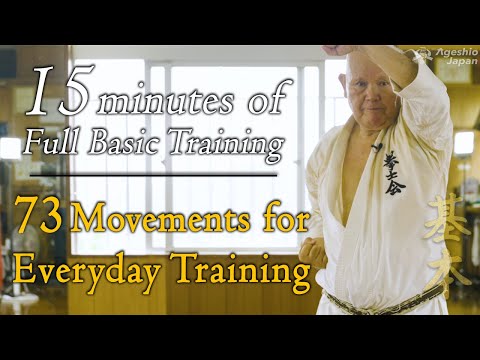
Let us be blunt. In the cacophony of modern martial arts, where flashy techniques and fleeting popularity often overshadow true substance, the purity of Okinawan Karate can seem like a distant echo. Yet, for those who seek the bedrock of a martial path, the original teachings from the birthplace of Karate are an unparalleled treasure. Today, we dissect a compelling resource: the instructional video featuring the esteemed Shorin-ryu Hanshi 10th dan, Yoshimasa Kakazu. This isn't just another exercise video; it's a portal into the very soul of Karate, a testament to the power of fundamentals.

The promise? 73 basic movements, designed for daily practice, right in your home. But can a 15-minute routine truly distill centuries of martial wisdom? Can the essence of Karate be captured and transmitted through a screen? We delve deep to answer these questions, examining not just the techniques, but the philosophy underpinning them, as presented by a master who embodies the spirit of the Okinawan dojo.

Part 1: Building the Foundation – 24 Essential Movements

Kakazu Sensei wastes no time. The video opens with a powerful assertion: Karate is not confined to the meticulously swept floors of a dojo. It is a way of life, a practice that can and *should* permeate every aspect of our existence, starting with dedicated daily training. This is the first lesson: consistency over intensity. A daily 15-minute commitment, performed with full intent (zanshin), is far more potent than sporadic, exhaustive sessions.

The initial 24 movements are the very scaffolding of Karate. Forget gratuitous flair; here we find the raw materials:

  • Punches: Straight, powerful extensions of the body, emphasizing correct fist formation and the generation of force from the hips and core. It's not just about punching the air; it's about projecting power through an imaginary opponent.
  • Blocks: The forearm is the primary instrument, but the entire body must engage. These aren't passive deflections; they are active deflections designed to redirect force, control distance, and set up counter-offensives.
  • Kicks: Precision, speed, and a sharp, snapping motion are paramount. Kakazu Sensei demonstrates kicks that are not only powerful but also economical, conserving energy while maximizing impact.
  • Footwork: The foundation of all movement. The drills focus on maintaining balance, changing direction efficiently, and covering distance without telegraphing intentions. This is the dance of combat, the silent conversation of movement.

Observe the hikite (pulling hand) – it's not merely for show; it's integral to hip rotation and power generation. Notice the rootedness of the stances; they are not static postures but dynamic platforms from which explosive movement can originate. This is where the martial artist learns to be both an immovable object and an unstoppable force.

"The true purpose of Karate is to build character, discipline, and a strong mind. Techniques are merely the means to this end." - A principle echoed by many Okinawan masters.

Part 2: Expanding the Arsenal – 27 Advanced Techniques

Once the foundational blocks are solid, Kakazu Sensei introduces a new layer of complexity and application. The next 27 movements delve into closer-range combat, requiring a higher degree of spatial awareness and coordination.

  • Elbow Strikes: These are devastating weapons when used correctly. The video emphasizes generating power through short, explosive movements, often using the entire body's weight.
  • Knee Strikes: Similar to elbow strikes, knee strikes demand precision and timing, particularly effective in clinching situations.
  • Throws: While Karate is primarily known for strikes, its Okinawan roots include effective grappling and throwing techniques (nage-waza). These movements teach balance disruption and leveraging an opponent's momentum against them.

This section is a critical reminder that Karate is a complete martial art. To dismiss its grappling and close-quarters aspects is to misunderstand its lineage. The integration of these techniques with the striking arsenal creates a truly formidable practitioner, capable of adapting to a variety of combat scenarios. Mastering these requires not just physical repetition but a mental shift – understanding leverage, timing, and the geometry of conflict.

Part 3: Refining the Craft – 22 Combinations and Flow

The final 22 movements are where the art truly begins to coalesce. This isn't just about individual techniques anymore; it's about the seamless transition between them, the creation of fluid combinations that overwhelm an opponent.

Here, we see the application of principles learned earlier:

  • Combinations: Punch-block-kick sequences, or more complex chains that exploit openings created by prior movements. The focus is on natural transitions, minimizing wasted motion and maximizing offensive pressure.
  • Advanced Kicks: More complex kicks, perhaps incorporating spins or multiple chambers, demanding greater flexibility and control.
  • Agility Drills: Movements designed to enhance speed, explosive power, and the ability to change direction instantly.

This is the stage where the practitioner moves from simply executing techniques to *applying* them with intent and strategy. It’s about developing Ki – the vital energy – and channeling it through precise, powerful actions. The sheer number of movements (73 in total) might seem daunting, but the beauty lies in their interconnectedness. Each movement is a building block, and these final combinations are the masterpiece taking shape.

Veredicto del Sensei: ¿Vale la Pena Ver el Video?

Cinturón Negro en Enseñanza de Fundamentos. This video is a valuable asset for any Karate practitioner, regardless of style or experience level. Kakazu Sensei's instruction is clear, precise, and imbued with the authority of decades of dedicated practice. The emphasis on fundamental movements and daily home practice is a timely reminder in an era often obsessed with novelty. While seeing the techniques in person at the Kenshikai dojo in Okinawa would undoubtedly offer deeper insights, this video provides an excellent, accessible foundation. It doesn't replace a qualified instructor, but it powerfully supplements home training.

Guía de Entrenamiento: Integrando los Movimientos de Kakazu Sensei

To truly benefit from the 73 movements, a structured approach is essential. Here’s how to integrate them into your daily regimen:

  1. Part 1 (Days 1-7): Focus exclusively on the first 24 movements. Practice each movement 10-20 times, ensuring correct form, balance, and power generation. Pay close attention to the hip rotation and breathing.
  2. Part 2 (Days 8-14): Integrate the next 27 movements. Spend time understanding the mechanics of elbow/knee strikes and the basic principles of throws. Ensure your foundational techniques remain sharp.
  3. Part 3 (Days 15-21): Introduce the final 22 movements. Focus on linking techniques smoothly. Practice combinations slowly at first, then gradually increase speed.
  4. Week 4 Onwards: Cycle through all 73 movements, aiming for fluidity and power. Use the video as a reference but strive to perform from memory. Incorporate applications (bunkai) mentally or with a training partner.
  5. Daily Practice: Even 15 minutes daily is better than hours once a week. Maintain Zanshin throughout your practice.

Recursos para Profundizar en tu Camino Marcial

To truly embody the principles of Okinawan Karate, consider these resources:

  • Kimono de Karate de Alta Calidad: Look for kimonos de doble tejido designed for durability and freedom of movement. A well-fitting gi enhances your practice.
  • Guantes de Entrenamiento: For sparring practice, investing in guantes de 16oz para sparring can protect your hands and your partner's.
  • Libros sobre Bushido y Filosofía Marcial: Understanding the warrior's code is as crucial as physical training. Explore texts on Bushido and the philosophy of the samurai.
"Karate is a lifetime pursuit. There is no end to learning, only constant improvement." - Attributed to many Karate masters.

Preguntas Frecuentes

¿Es necesario tener experiencia previa en Karate para seguir este video?

No, aunque tener una base ayuda, el video está diseñado para ser accesible. La claridad de Kakazu Sensei permite a los principiantes comenzar a construir una base sólida. Sin embargo, se recomienda buscar instrucción presencial para correcciones personalizadas.

¿Puedo realmente mejorar mi Karate solo con este video y práctica en casa?

Este video es una herramienta excelente para el entrenamiento diario y la mejora de los fundamentos. Sin embargo, para un desarrollo marcial completo, la guía de un instructor calificado en un dojo es insustituible para el sparring, el bunkai (aplicaciones) y la corrección técnica detallada.

¿Qué significa "Shorin-ryu Hanshi 10th dan"?

"Shorin-ryu" es uno de los estilos principales de Karate Okinawense. "Hanshi" es un título honorífico otorgado a maestros de alto nivel (generalmente 8º Dan o superior) con décadas de experiencia. "10th dan" indica el rango más alto posible en la mayoría de las organizaciones de Karate.

¿Por qué tantos movimientos básicos en Karate?

Los movimientos básicos (Kihon) son los cimientos sobre los que se construye todo el arte. Dominar el Kihon asegura potencia, precisión, equilibrio y eficiencia, principios cruciales para cualquier técnica, por compleja que sea.

¿Es la práctica de Karate útil para la defensa personal real?

El Karate tradicional, especialmente cuando se entrena con aplicaciones prácticas y se enfoca en la mentalidad combativa, puede ser muy efectivo para la defensa personal. Sin embargo, la efectividad depende en gran medida de la calidad del entrenamiento y del enfoque del practicante. Estilos como el Kyokushin (Karate Kyokushin) a menudo incluyen entrenamiento más enfocado en el combate real.

Para Profundizar en tu Camino

```

Martial Arts & Combat Sports: A Necessary Legal Accord

Welcome, dedicated students of the path. Before we delve into the intricacies of technique, the philosophy of the warrior, or the analysis of combat, we must first establish the foundational principles that govern our interaction here. Just as a boxer respects the rules of the ring, and a swordsman adheres to the etiquette of the duelist, we must understand the legal framework that surrounds our digital dojo. This is not a mere formality; it is a crucial aspect of responsible engagement within the realm of martial arts and combat sports. Consider this your initial briefing on the 'rules of engagement' for our shared space.

Understanding the Stakes: Beyond the Dojo

The pursuit of martial arts and combat sports is a journey that demands respect, discipline, and an unwavering commitment to self-improvement. It is a path often fraught with challenges, both physical and mental. While we strive to foster a community of warriors dedicated to honing their skills and sharing knowledge, it is imperative to acknowledge that the very nature of these disciplines carries inherent risks. Our aim is to empower you with information, inspiration, and a platform for discussion, but this platform operates within a real-world context that necessitates clear understanding and agreement on certain terms. This legal accord is designed to protect both you, the user, and the integrity of our platform, ensuring that our collective pursuit of Budo remains constructive and safe.

By entering this digital arena, you, the esteemed practitioner, signify your unreserved agreement to these terms and conditions. This is your sworn oath to our virtual dojo. Before you engage in any discussion, consume any information, or participate in any community activity, it is paramount that you meticulously review these stipulations. Should any clause herein not align with your principles, we respectfully request that you withdraw your presence from our website. Ignorance of these terms is not a valid defense; it is a failing in your readiness to engage responsibly.

"The foundation of a warrior’s strength lies not only in their physical prowess but also in their clarity of mind and adherence to principles, both spoken and unspoken." - A principle echoed through generations of Budo.

Scope of Information: Accuracy and Risk

The information disseminated here is intended for general enlightenment, a guiding light for your martial journey. We dedicate considerable effort to ensure that the content – whether it be technical breakdowns of Judo throws, historical insights into Kyokushin Karate, or strategic analyses of MMA bouts – is both accurate and current. However, as any seasoned martial artist knows, absolute certainty is a rare commodity. Therefore, we make no absolute representations or warranties, express or implied, regarding the completeness, exactitude, veracity, applicability, or perpetual availability of the information, products, services, or any related graphical elements presented on this website for any specific purpose. Any trust you place in such information is solely your responsibility. Remember, in the heat of combat, relying solely on theoretical knowledge without practical application can be perilous.

We bear no liability for any loss or damage, direct, indirect, consequential, or otherwise, arising from the use or inability to use this website, including, but not limited to, loss of data, profits, or any other form of material or immaterial damage.

Our website may feature pathways leading to external domains, other dojos and training grounds across the digital landscape. These links are provided for your exploration, but understand this: they are not under our dominion. We exercise no control over the nature, content, or continuous availability of these external sites. The inclusion of any link does not imply endorsement or agreement with the views propagated within them. It is your duty, as a discerning warrior, to critically assess the value and reliability of any external resource you encounter.

We also acknowledge that technical disruptions can occur. Every endeavor is made to maintain our website’s smooth operation. However, we shall not be held accountable for temporary unavailability stemming from technical issues beyond our reasonable control. Consider it akin to a momentary lapse in your guard; it can happen, but swift recovery is key.

User-Generated Content and Community Discourse

This platform may host user-generated content, such as insightful comments and spirited forum discussions. While we champion the open exchange of ideas within our community, we do not endorse or assume responsibility for the content of these contributions. We reserve the right to moderate, and indeed remove, any material that is deemed inappropriate, offensive, or detrimental to the constructive atmosphere we cultivate. Engage with respect, debate with conviction, but always with the honor of the warrior.

Martial Arts and Combat Sports Warning

A critical component of our mission is to discuss and analyze martial arts and combat sports, including information that may relate to training, techniques, and even the sale of associated materials. It is vital to understand that engaging in these disciplines is inherently dangerous. Such activities carry a significant risk of injury, and in extreme circumstances, even more severe consequences. We strongly advise seeking guidance from a qualified, certified professional instructor before embarking on any martial arts or combat sports training. Your safety and well-being are paramount. This disclaimer is not intended to discourage your passion, but to ground it in reality and encourage responsible practice. For those interested in exploring foundational training methods, consider investigating resources on Beginner Workout or No Equipment workouts if gym access is limited, but always prioritize professional instruction.

"The difference between a skilled martial artist and a reckless brawler often lies in the understanding and respect for risk, coupled with the wisdom to mitigate it."

Fair Use Doctrine in the Martial Arts Context

In our analysis and commentary, particularly in sections like Fight Analysis or historical deep dives, we may utilize copyrighted material under the doctrine of "Fair Use." This principle, codified in Section 107 of the U.S. Copyright Act, permits limited use of copyrighted works for purposes such as criticism, commentary, news reporting, teaching, scholarship, and research. The balance tips towards fair use when the use is non-profit, educational, or personal. For instance, quoting excerpts from a seminal text like Miyamoto Musashi's The Book of Five Rings for illustration in a discussion on Bushido, or analyzing a specific technique from a bout for educational purposes, falls within this doctrine.

Key factors considered for fair use include:

  • The purpose and character of the use, including whether it's commercial or non-profit educational.
  • The nature of the copyrighted work.
  • The amount and substantiality of the portion used relative to the whole work.
  • The effect of the use on the potential market for or value of the copyrighted work.

While the line between fair use and infringement can be nuanced, our intention is always to inform, educate, and foster deeper understanding within the martial arts community, adhering strictly to the spirit and letter of these guidelines. This approach allows us to discuss historical fights or techniques without infringing on intellectual property rights, promoting learning for enthusiasts of styles like Karate Kyokushin and Judo.

Privacy Policy for the Warrior

As devoted practitioners of martial arts and martial philosophy, we deeply understand the sanctity of privacy and the paramount importance of safeguarding personal information. Our commitment is to provide a secure and trustworthy online environment. Therefore, we uphold our privacy policy with the same rigor we apply to our training.

Information Collection and Use: When you join our community, we may collect information such as your name or email address to enhance your experience, respond to your inquiries, deliver newsletters, or facilitate access to resources related to MMA and combat sports. This is done to serve you better, not to exploit your data.

Information Sharing and Disclosure: Your privacy is respected. We will never sell, rent, or share your personal information with third parties without your explicit consent. Disclosure will only occur in response to legal mandates, court orders, or to protect our rights and property.

Cookies and Tracking Technologies: Like many digital dojos, we employ cookies to refine user experience, analyze traffic, and personalize content. These are small data files that help us remember your preferences. You maintain control through your browser settings.

Security: The security of your information is a high priority. We implement robust measures against unauthorized access. However, no digital system is impenetrable. We cannot guarantee absolute security, but we assure you of our diligent efforts.

Changes to this Policy: This policy may be revised periodically. We encourage you to revisit it to stay informed.

Contact Us: Should you have questions or concerns, do not hesitate to reach out. Your feedback strengthens our resolve.

Essential Gear for Your Training

While our focus is often on the intangible aspects of martial arts – discipline, strategy, philosophy – the right equipment can significantly enhance your training experience and safety. For practitioners engaging in striking arts like Karate or Kickboxing, investing in quality protective gear is non-negotiable. For grappling disciplines such as Judo or BJJ, the appropriate uniform and training aids are crucial.

  • Sparring Gloves (16oz recommended): Essential for any striking martial art training involving contact. Protect your hands and your partner.
  • Shin Guards: Crucial for kickboxing and Muay Thai training to prevent injuries during leg kick drills.
  • Mouthguard: A non-negotiable piece of protective equipment for all combat sports.
  • Gi/Kimono: For Judo, BJJ, and Aikido, a durable, well-fitting gi is fundamental. Consider double-weave for longevity in rigorous training.
  • Headgear: Recommended for high-intensity sparring in sports like Taekwondo or Boxing.
  • Training Mats (if applicable): For practicing falls, throws, or ground techniques safely at home.

Remember, investing in good equipment is an investment in your longevity as a martial artist. Explore options for Karate Merchandise or specialized Martial Arts Merchandise to find reliable gear.

Frequently Asked Questions

1. Is this website a substitute for professional legal advice?

No. This legal disclaimer provides general terms of use. It is not a substitute for professional legal counsel. If you have specific legal concerns, consult with a qualified legal professional.

2. Can I link to your website from my own martial arts blog?

Yes, provided your link respects our terms of use and does not imply endorsement or association where none exists. We encourage sharing knowledge within the community.

3. What happens if I violate these terms?

Violation of these terms may result in the suspension or termination of your access to our website and community features. Repeated offenses demonstrate a lack of respect for the established order.

4. Do you use my data for advertising?

We collect data to improve user experience and content. We do not sell your personal information to third-party advertisers. Please refer to our Privacy Policy for detailed information.

For Deeper Understanding

Reflection of the Sensei: Your Next Step

We have traversed the necessary legal terrain, much like clearing the debris from the training grounds before a crucial sparring session. Understanding these terms is not about limiting your engagement, but about ensuring it is conducted with clarity, respect, and responsibility. Just as a martial artist must understand the boundaries of the ring, the lines of the kata, and the ethics of combat, you must understand the framework that governs our shared space.

Now, I pose this question to you: How does understanding these legal parameters influence your perception of participating in online martial arts communities? Does it breed caution, or does it foster a greater sense of order and trust? Reflect on this, and let your considered response guide your future interactions here and beyond.

``` ```json { "@context": "https://schema.org", "@type": "FAQPage", "mainEntity": [ { "@type": "Question", "name": "Is this website a substitute for professional legal advice?", "acceptedAnswer": { "@type": "Answer", "text": "No. This legal disclaimer provides general terms of use. It is not a substitute for professional legal counsel. If you have specific legal concerns, consult with a qualified legal professional." } }, { "@type": "Question", "name": "Can I link to your website from my own martial arts blog?", "acceptedAnswer": { "@type": "Answer", "text": "Yes, provided your link respects our terms of use and does not imply endorsement or association where none exists. We encourage sharing knowledge within the community." } }, { "@type": "Question", "name": "What happens if I violate these terms?", "acceptedAnswer": { "@type": "Answer", "text": "Violation of these terms may result in the suspension or termination of your access to our website and community features. Repeated offenses demonstrate a lack of respect for the established order." } }, { "@type": "Question", "name": "Do you use my data for advertising?", "acceptedAnswer": { "@type": "Answer", "text": "We collect data to improve user experience and content. We do not sell your personal information to third-party advertisers. Please refer to our Privacy Policy for detailed information." } } ] }

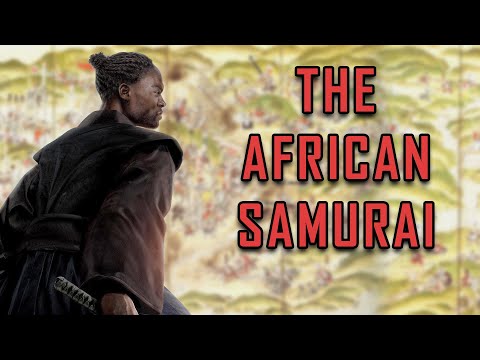
The Unvarnished Truth: Yasuke, The African Samurai – A Warrior's Spirit Transcending Borders

How many of you, when you hear "samurai," immediately picture a stoic figure in traditional armor, born and bred in the rigorous crucible of feudal Japan? It's a powerful archetype, isn't it? But what if I told you that the most compelling narratives often break these very molds? Today, we dissect the extraordinary life of Yasuke, the African samurai. This isn't just a historical footnote; it's a profound testament to how the warrior spirit, the unwavering dedication to martial excellence, knows no color, no origin, and no boundary.

We will delve into the gritty reality of his ascent, not through romanticized fiction, but through the lens of martial principles. Was he merely a curiosity, a novelty for Oda Nobunaga? Or was he a genuine practitioner of the sword, a warrior whose skills earned him respect in the most unforgiving of arenas? Prepare yourselves, for this is not a gentle stroll through history; it is an exploration of raw courage, adaptation, and the unyielding pursuit of mastery in the face of prejudice and overwhelming odds.

Yasuke's Origins: More Than Just a Slave

Let's strip away the myth. Yasuke, born in Africa – the exact region remains a scholarly debate, a point of contention for historians – was not born into nobility, nor was he a free man for much of his early life. He was, by all accounts, enslaved. This is a brutal truth, a stark contrast to the idealized samurai narrative. However, a slave’s life is not always a predetermined path of suffering. His journey, facilitated by the Jesuit missionary Alessandro Valignano, led him to Japan in 1579. Imagine the culture shock, the sheer alien nature of a land so distant from his own.

This arrival was not subtle. His physical presence alone—taller than the average Japanese man of the era, powerfully built—would have immediately drawn attention. But it was his potential, his aura of capability, that truly captured the eye of Oda Nobunaga, the formidable *Daimyo* who was rapidly consolidating power in Japan. Nobunaga was known for his strategic mind, his openness to new ideas, and his interest in foreign novelties. Yasuke was more than a novelty; he was a warrior waiting to be recognized. This meeting, this pivotal moment, was not just the encounter of a slave with a lord, but the spark that ignited an extraordinary martial destiny.

"Nobunaga, upon seeing Yasuke, was struck by his stature and physical presence. He was a man unlike any he had encountered. The initial fascination, however, was soon to be surpassed by respect for his martial spirit."

Forged in the Flames: Training Under Nobunaga

To become a samurai was not a matter of choice; it was a life of rigorous discipline, an internalization of the warrior's code, bushido. Yasuke, under Nobunaga's direct patronage, embarked on this path. This wasn't a mere display of strength; it was an assimilation into a system of honor, loyalty, and devastating martial skill. He learned the intricacies of the katana, the soul of the samurai. He trained in swordsmanship, grappling, and the tactical nuances of warfare.

Think about the challenges. He wasn't just learning techniques; he was learning a philosophy, a way of life that demanded absolute commitment. The fact that he, an outsider, an African slave, was not only accepted but actively trained and elevated speaks volumes about Nobunaga's pragmatism and perhaps, his foresight. Yasuke's physique, different from the Japanese ideal, likely offered unique advantages in combat. His training wasn't about conforming to a pre-existing template; it was about adapting the samurai way to his own formidable capabilities. He proved to be more than just a strong man; he was a natural warrior, a quick study, and someone who could embody the samurai ethos. This rapid ascent is not something one achieves through mere physical presence. It requires dedication, discipline, and an innate understanding of combat.

His African heritage, rather than being a barrier, may have even informed his fighting style, adding an unpredictable edge to the already deadly samurai arts. This fusion of backgrounds is where true martial innovation often lies.

The Crucible of War: Yasuke's Role in Nobunaga's Army

History books, often written by victors and survivors, can be selective. But the accounts of Yasuke's involvement in battles are clear: he fought. He wasn't a ceremonial figure; he was in the thick of it. The Battle of Tenmokuzan in 1582 is a prime example. Nobunaga's forces, against considerable odds, achieved a decisive victory. Yasuke's presence and contributions were noted. This wasn't a minor skirmish; it was a significant military engagement where strategic prowess and individual bravery determined the outcome.

His role as a trusted advisor and bodyguard to Nobunaga was not bestowed lightly. It implies a level of skill, loyalty, and battlefield competence that few possessed. Imagine the pressure, the constant threat of assassination or betrayal in the Sengoku period. To be chosen as a personal guardian by one of Japan's most powerful and ruthless warlords was the ultimate validation of his martial capabilities.

"In the heat of battle, where the clash of steel and the cries of men fill the air, true warriors reveal themselves. Yasuke was not found wanting. His ferocity, combined with his samurai training, made him a formidable force on any battlefield."

After Nobunaga's tragic end at Honnō-ji, Yasuke didn't vanish. This is a crucial point that distinguishes him from a mere footnote. He continued to serve other influential figures like Hideyoshi Toyotomi and later, Ieyasu Tokugawa. His journey continued through periods of intense conflict, including the Siege of Osaka Castle. This longevity in service, moving between different powerful lords, demonstrates a consistent reputation for reliability and martial prowess. It suggests that his acceptance and respect were not solely dependent on Nobunaga's whim, but on his enduring abilities as a warrior and advisor.

Echoes in Time: Yasuke's Enduring Legacy

Why do we still speak of Yasuke centuries later? Because his story is inherently powerful. He is the "only black samurai" – a title that encapsulates both his uniqueness and the broad strokes of his achievement. But his legacy is more than a racial designation. It’s about the triumph of the individual spirit, the ability to transcend one's origins and forge a new identity through skill and determination.

His life has inspired countless artistic interpretations: books, films, and documentaries. This widespread fascination is not superficial. It speaks to a universal human desire to see the underdog succeed, to witness the improbable become reality. For martial artists, Yasuke represents the ultimate embodiment of adaptability and perseverance. His journey reminds us that mastery isn't about adhering strictly to tradition, but about internalizing its core principles and applying them with your unique strengths. The ki, the fighting spirit, can manifest in any warrior, regardless of their background. His story is a powerful reminder that the path of the warrior is open to all who possess the will to walk it.

Veredicto del Sensei: ¿Un Samurai Auténtico?

Let's cut through the historical debate and the romanticized notions. Was Yasuke a samurai in the strictest, most traditional sense, born into the samurai class and adhering to every minute facet of its inherited culture? Perhaps not in the way a son of a samurai was. However, was he a warrior who lived by the code of bushido, trained rigorously in the martial arts of Japan, fought alongside samurai, earned their respect, and wielded the katana with skill? ABSOLUTELY.

His adoption into Nobunaga's service, his training, his participation in battles, and his continued service under other lords all point to a man who earned his place through martial merit and loyalty. The very essence of being a samurai was one's ability to serve as a warrior. Yasuke fulfilled this role to an exceptional degree. To deny him the title of "samurai" based on his origin would be to misunderstand the fluid, albeit rigid, social dynamics of feudal Japan and the pragmatic nature of warlords like Nobunaga. He wasn't just a foreign curiosity; he became a respected warrior.

Calificación: Cinturón Negro en Adaptación y Coraje Marcial.

Equipo Esencial para tu Entrenamiento

While Yasuke's journey was unique, the principles of martial training remain universal. To truly immerse yourself in the path of the warrior, having the right tools is crucial.

  • Armadura (Réplica o Ligera): While full samurai armor (gusoku) is impractical for most modern training, understanding its components and weight distribution is key. For light practice, a sturdy training uniform is sufficient.
  • Katana de Entrenamiento (Iaido/Bokken): A bokken (wooden sword) is essential for safe practice of sword techniques. For those advanced enough, a sharpened steel katana (iaito for practice, or a functional blade for experienced practitioners) is the ultimate tool.
  • Kimono de Judo/Karate: A durable, high-quality martial arts gi is fundamental for any discipline involving grappling or striking. Look for double-weave fabrics for added resilience during intense #entrenamiento.
  • Guantes de Entrenamiento: For any striking practice or sparring, appropriate padding is non-negotiable for safety and longevity in your #combat.
  • Protección para la Cabeza (Bojutsu): If practicing with longer staffs or polearms, head protection can be beneficial during drills.

Guía de Entrenamiento: El Espíritu del Guerrero Adaptable

Yasuke's life teaches us that adaptation is a core martial principle. Here’s a practical approach to cultivating that spirit:

  1. Fundamentos Sólidos: Begin with the basics of your chosen art. Whether it's #karate stances, #judo throws, or #MMA striking, master the core mechanics. This is your base.
  2. Cross-Training Inteligente: Don't confine yourself. Explore different martial disciplines. Integrate striking with grappling, learn weapon retention, and understand distance management. This builds versatility.
  3. Entrenamiento de Fuerza y Acondicionamiento: Develop explosive power and endurance. Yasuke's physique was an asset; yours can be too. Focus on functional strength training.
  4. Técnicas de Espada (Simuladas): If your art involves weapons, practice diligently with a bokken or training knife. Focus on clean lines, precise movements, and understanding range.
  5. Mental Conditioning: Practice mindfulness, meditation, and visualization. Develop resilience to stress and the ability to remain calm under pressure, just as Yasuke likely did in the chaos of #battle.
  6. Adaptación en Sparring: During sparring sessions, intentionally put yourself in challenging positions. Practice defending against unfamiliar styles or techniques. The goal is to learn, not just to win.

Preguntas Frecuentes

¿Es Yasuke el único samurái negro en la historia de Japón?

Basado en los registros históricos disponibles, Yasuke es la figura más conocida y documentada de un guerrero africano que alcanzó el estatus de samurái en el Japón feudal. Si bien es posible que otros individuos de ascendencia africana estuvieran presentes, Yasuke es el único para el cual existe evidencia sustancial de su servicio y estatus.

¿Qué habilidades marciales poseía Yasuke?

Yasuke era descrito como un guerrero físicamente imponente y hábil. Se entrenó en las artes marciales de los samuráis, incluyendo el manejo de la katana. Se sabe que luchó en batallas junto a Oda Nobunaga, demostrando competencia en combate. Su habilidad y fuerza le permitieron ganar el respeto de sus contemporáneos.

¿Cuál fue la importancia de su servicio bajo Oda Nobunaga?

Servir bajo Oda Nobunaga, uno de los tres grandes unificadores de Japón, fue un logro significativo. Nobunaga era un líder progresista que valoraba la habilidad y la lealtad por encima de la ascendencia. El hecho de que Nobunaga adoptara a Yasuke como vasallo y le confiara responsabilidades militares y de consejero demostró la destreza y el valor de Yasuke como guerrero.

¿Cómo impactó su vida en la percepción de los extranjeros en Japón en esa época?

La presencia de Yasuke, un africano sirviendo como samurái, desafió las percepciones convencionales y demostró que el estatus y el respeto en la sociedad japonesa podían obtenerse a través del mérito marcial y el servicio, independientemente del origen extranjero. Su historia contribuyó a la fascinación que los europeos y otros forasteros despertaban en el Japón de finales del siglo XVI.

Para Profundizar en tu Camino

  • Descubre el rigor detrás de la espada en nuestro artículo sobre #Karate y su legado: [Enlace Interno al Post de Karate]
  • Explora los principios fundamentales del guerrero en: #BUDO, el Camino del Guerrero: [Enlace Interno al Post de Budo]
  • Comprende la fuerza mental en el combate: La Importancia del #ki en la Lucha: [Enlace Interno al Post de Ki]

Reflexión del Sensei: Tu Próximo Paso

Yasuke's life is a blazing indictment of limitations. He faced prejudice, the chains of slavery, and the cultural chasm of a foreign land, yet he carved his name into history through sheer will and martial skill.

Consider this: In your own training, where do you impose limits? What perceived barriers—lack of talent, time, resources, or even your own self-doubt—are you allowing to define your potential? Are you training to adapt, to overcome, or merely to go through the motions?

Reflexión del Sensei: Tu Próximo Paso

The warrior spirit is not bestowed; it is forged. Yasuke’s journey from the African continent to the heart of the samurai elite was not a fluke of fate. It was a testament to unwavering dedication, brutal discipline, and the courage to embrace the unknown. Now, look within. What 'uncharted territory' does your martial journey demand you conquer? Are you prepared to face it with the same ferocity and adaptability that defined the African Samurai?

Let the debate begin. Does Yasuke’s story change your perception of what a samurai truly embodies? Are there other historical figures whose martial journeys defy conventional expectations? Share your insights, your arguments, your challenges. The dojo of knowledge is vast, and discussion is the finest sharpening stone for the mind.

The Legacy of Ancient Chinese Martial Arts Films: A Deep Dive into "Heroes of Martial Arts"

The Allure of Ancient Chinese Cinema

Hello and welcome, students of the Way, to Budo and Martial Arts. Today, we dissect a piece of cinema that whispers tales of ancient traditions and chivalrous spirit: ESPSUB [Heroes of Martial Arts] EXTRA, featuring Li Hongyi and Huang Riying. Published on March 27, 2023, this segment promises a glimpse into a world where martial prowess intertwines with historical drama and romance. But as practitioners, we must ask: does this cinematic portrayal honor the true essence of martial arts, or is it merely a fleeting spectacle designed for mass consumption?

The allure of ancient Chinese martial arts films is undeniable. They transport us to eras of legendary warriors, where honor was paramount and the blade, or the fist, was often the final arbiter. Yet, the modern lens often distorts these traditions, romanticizing combat and overlooking the profound discipline and philosophy that underpin true martial mastery. Our goal here is not simply to watch, but to understand. To discern the authentic from the artificial.

Deconstructing "Heroes of Martial Arts": More Than Just a Spectacle

The title itself, Heroes of Martial Arts, evokes a sense of epic storytelling and individual valor. When we encounter films like this, especially those from platforms like YOUKU, known for their diverse content, the initial intention is often pure entertainment. However, for those steeped in the practice of martial arts, there's a deeper analytical current. We seek to identify the:

  • Authenticity of Techniques: Do the movements reflect actual martial arts styles, or are they exaggerated for dramatic effect?
  • Spirit of Bushido/Budo: Is the underlying philosophy of respect, discipline, and self-control conveyed, or is it overshadowed by gratuitous violence?
  • Historical Context: How accurately does the film represent the historical period and the martial traditions of that era?

Li Hongyi and Huang Riying, in their roles, carry the weight of these expectations. The "Ancient Costume/Romance" genre suggests a narrative rich in emotional depth and historical setting, elements that can either enhance or detract from the martial arts portrayal. A poorly executed fight scene can undermine character development, while a well-integrated philosophical element can elevate simple action into profound storytelling. It's a delicate balance that few films manage to strike perfectly.

"The true warrior is not the one who wins every battle, but the one who understands the cost of every fight." - A principle echoing through the ages.

The Art of Movement: Choreography and Authenticity

This is where the true critic in me awakens. Choreography in martial arts films is a double-edged sword. On one hand, it's essential to create visually stunning sequences that captivate the audience. On the other, when it deviates too far from practical application, it risks trivializing the art form. We must ask about the specific styles depicted. Is it Wuxia, with its fantastical acrobatics and "chi" manipulation, or are there elements of traditional Kung Fu, Karate, or even grappling arts integrated realistically?

Consider the fluidity of movement. In reality, combat is often explosive, direct, and economical. While graceful, it is rarely balletic in the way some films present it. We look for evidence of proper stances, believable blocks, and techniques that, while perhaps amplified, still possess a core of practicality. Are the actors performing with genuine understanding of the movements, or are they merely executing programmed steps? The difference is palpable to a trained eye.

For instance, a sequence involving rapid swordplay, if not executed with a sense of weight and intent behind each parry and strike, can look more like a dance than a deadly exchange. Conversely, a simple, well-timed kick, delivered with proper hip rotation and balance, speaks volumes about the underlying skill, even if it's exaggerated for cinematic effect. We analyze the pacing – does it reflect the ebb and flow of real combat, or is it a relentless barrage designed purely for adrenaline?

A critical aspect is the use of wire-fu and CGI. While these tools can enhance the fantastical elements often present in Wuxia cinema, their overuse can detach the audience from the physical reality of martial arts. The best films find a way to integrate these effects seamlessly, supporting the narrative without betraying the grounded nature of the martial disciplines they aim to portray.

Beyond the Blows: Philosophical Underpinnings

Martial arts are not merely about physical techniques; they are a path to self-cultivation. Concepts like Mushin (no-mind), Zanshin (lingering awareness), and Fudoshin (immovable mind) are the bedrock of true mastery. Does Heroes of Martial Arts touch upon these deeper tenets? Or does it focus solely on external conflict?

The "Romance" aspect of the genre might offer a window into the interpersonal dynamics, where loyalty, sacrifice, and duty are tested. These are values deeply ingrained in the warrior code across many cultures. A hero’s journey often involves overcoming internal struggles as much as external adversaries. We search for moments where characters grapple with their conscience, make difficult choices, or demonstrate profound respect for their opponents, even in the heat of battle.

"The supreme art of war is to subdue the enemy without fighting." - Sun Tzu, a philosophy as relevant in film as it is in life.

The film's setting in "Ancient Costume" likely means we'll see characters bound by tradition and societal expectations. How they navigate these constraints, particularly when those constraints conflict with their martial ethics, can be a powerful narrative driver. Is the protagonist driven by vengeance, or by a desire for justice and peace? The answer reveals much about the film's underlying message.

The Human Element: Performance and Character

While the martial arts are central, the performances of Li Hongyi and Huang Riying are crucial. Do they embody the characters with conviction? Can they convey the emotional weight of their martial journey through their expressions and demeanor? A stoic warrior can be as compelling as a fiery one, provided the performance is nuanced.

We assess their on-screen chemistry, especially given the "Romance" tag. Does it feel earned, or is it a superficial plot device? The believability of the characters’ motivations and emotional arcs is what anchors the fantastical elements of martial arts cinema. If the audience doesn't connect with the humans behind the fighting, the spectacle loses its impact.

The supporting cast also plays a role. Are there wise old masters imparting cryptic advice? Ruthless villains who present genuine challenges? Or is the cast largely forgettable, serving only as fodder for the heroes' skills? The depth of characterization, even in a martial arts film, can elevate the viewing experience significantly.

Veredicto del Sensei: ¿Merece la pena?

Based on the typical conventions of this genre and the information provided, ESPSUB [Heroes of Martial Arts] EXTRA likely offers a visually engaging experience for fans of ancient Chinese dramas and martial arts films. For those seeking a deep, authentic portrayal of specific martial arts styles or profound philosophical teachings, it might be a more superficial watch. The "Romance" and "Ancient Costume" elements suggest a focus on narrative and character relationships, which can be a strength if executed well, but may overshadow the martial arts aspect for purists.

Rating: Cinturón Verde en Entretenimiento, Cinturón Amarillo en Autenticidad Marcial.

It's a film likely to satisfy a craving for historical drama and stylized action, but perhaps not for the deep, philosophical martial artist seeking rigorous technique analysis. Watch it for the spectacle, but temper your expectations for deep martial insight.

Equipo Esencial para tu Entrenamiento

While this film focuses on a specific genre of martial arts cinema, for those inspired to train, the right equipment is crucial. Investing in quality gear not only enhances your practice but also ensures safety.

  • Kimono (Gi): For Judo, Jiu-Jitsu, Karate, and Taekwondo, a durable, well-fitting gi is paramount. Look for double-weave options for grappling arts like Judo and BJJ, offering superior resilience.
  • Sparring Gear: Gloves (16oz for most adult sparring), headgear, shin guards, and mouthpieces are non-negotiable for safe sparring sessions in striking arts or MMA.
  • Training Weapons: If practicing with traditional weapons (e.g., Bo staff, Bokken for Kendo), ensure they are made from appropriate materials (wood, rattan, high-density foam) and are well-maintained.
  • Training Mats (Tatami/Roll-out Mats): Essential for grappling arts and falling practice to minimize injury.
  • Makiwara/Strike Shields: For Karate, Taekwondo, and Kung Fu practitioners looking to develop striking power and conditioning.

Preguntas Frecuentes

What are the primary martial arts styles depicted in films like "Heroes of Martial Arts"?

Films in this genre often draw heavily from Wuxia, a style that emphasizes fantastical elements, acrobatic combat, and often incorporates elements inspired by various Kung Fu styles, swordplay, and sometimes Taoist mysticism.

Is the romance aspect a common element in ancient Chinese martial arts films?

Yes, romance, alongside themes of loyalty, honor, and revenge, is a very common narrative thread in ancient Chinese martial arts films, often serving to humanize the warriors and provide emotional depth to the storyline.

How can I distinguish between authentic martial arts and cinematic exaggeration?

Authenticity is often found in the foundational principles: balance, proper body mechanics, economical movement, and believable impact. Cinematic exaggeration typically involves gravity-defying leaps, impossibly fast flurries of strikes, and a lack of realistic consequence for actions.

Are Li Hongyi and Huang Riying known for their martial arts expertise?

Their fame might stem more from their acting or idol status within popular entertainment. While they may train for their roles, their primary recognition is often not as professional martial artists, distinguishing their roles from films starring bona fide martial arts actors.

What is YOUKU?

YOUKU is one of China's largest online video and streaming platforms, offering a wide range of content including TV shows, movies, anime, and variety shows, often featuring Chinese productions.

Recursos para Profundizar

To truly understand the martial arts depicted on screen and their real-world counterparts, further study is essential. Here are some resources:

  • BUDO: Explore the philosophical and spiritual aspects of martial training.
  • KarateCommunity: Learn about the techniques, history, and modern practice of Karate.
  • HistoriadeArtesMarciales: Delve into the rich historical context of various martial disciplines.
  • EntrenamientoDeMMA: For a modern, cross-disciplinary perspective on combat sports.

Reflexión del Sensei: Tu Próximo Paso

We have examined the cinematic offering, dissecting its potential strengths and weaknesses from a martial perspective. Now, the ultimate test lies not in critique, but in application. Does the spirit of the warrior, as portrayed, ignite a spark within you? Do you see the echoes of discipline, the pursuit of excellence, the unwavering resolve?

Consider this: when you watch any depiction of martial arts, whether on screen or in your own dojo, do you merely observe, or do you *perceive*? Do you seek the underlying principles that make the art form potent, or are you content with the surface-level action? The true path is paved with introspection. So, I ask you:

Beyond the fight choreography, what single principle of the martial way, glimpsed in this film or any other, has most profoundly impacted your training and your life?

Now, demonstrate your understanding. Share your thoughts in the comments below. Let us engage in a dialogue that honors the depth of martial arts, not just its portrayal.