Showing posts sorted by date for query Zen Buddhism and martial arts. Sort by relevance Show all posts

Okinawan Karate: More Than Just Strikes - A Deep Dive into the Warrior's Path

In the vast universe of martial arts, the profound legacy of Japan stretches its influence far beyond the iconic shores of Okinawan Karate. While Karate stands as a titan, it is but one star in a constellation of disciplines that have ignited passion in enthusiasts across the globe. Alongside the thunderous power of Okinawan Karate, we find the yielding strength of Judo, the circular grace of Aikido, and the disciplined precision of Kendo. What binds these diverse arts? A common thread, as potent as any physical technique: their unwavering emphasis on spiritual development. Practitioners are not merely acquiring the tools of combat; they are embarking on a quest to sculpt better individuals, refined souls. Join us, students, on a journey through the profound philosophies and rigorous practices that forge the very essence of the martial arts world.

The Legacy Beyond Okinawa

The influence of Japanese martial arts is undeniable, a testament to centuries of refinement and philosophical depth. Many practitioners begin their journey with a single art, perhaps drawn by the dynamic movements of Karate or the strategic throws of Judo. However, a true appreciation for Budo, the "Way of Martial Arts," reveals a rich tapestry of interconnected principles.

The Way of the Warrior: A Life Philosophy

Is martial arts merely about fighting? A dangerous misconception, and one that undermines the very soul of Budo. True martial arts encompasses far more than mere physical combat; it is a comprehensive way of life. The real essence lies not in the blow landed, but in the continuous pursuit of self-improvement, the cultivation of unwavering character, and the profound journey of spiritual growth. The ancient samurai warriors, masters of their craft and their minds, understood this interconnectedness intimately. Their training was a holistic endeavor, seeking the perfect harmony of mind, body, and spirit. This timeless philosophy continues to resonate, shaping the teachings and the very spirit of various martial arts disciplines today.

"The warrior is one who digests his experiences and is not discouraged by them." - Miyamoto Musashi, The Book of Five Rings

Okinawan Karate: A Legacy Unparalleled

Among the most iconic martial arts to emerge from Japan, Okinawan Karate stands with a legacy that traces its proud roots back to the Ryukyu Kingdom. Renowned for its emphasis on explosive, powerful strikes delivered with fluid, almost dance-like movements, this discipline embodies the indomitable spirit and resilience of the Okinawan people. Practitioners of Karate do not merely acquire formidable self-defense skills; they cultivate profound virtues: unwavering discipline, deep-seated respect for their peers and instructors, and the tenacious spirit of perseverance in the face of adversity.

The sheer effectiveness of Karate's striking techniques, from the devastating Uraken (reverse punch) to the precise Gedan Barai (downward block), is legendary. Yet, beneath the surface of these physical applications lies a deep philosophical wellspring. The rigorous repetition of kata—prearranged forms that simulate combat—is not just muscle memory training; it is a meditative practice, a way to ingrain principles of balance, timing, and intention.

The Spiritual Essence of Martial Arts

In the disciplined world of martial arts, physical techniques are inextricably intertwined with deep, foundational spiritual principles. Ancient traditions, notably the profound philosophies of Zen Buddhism and the naturalistic reverence of Shintoism, have deeply influenced the philosophical underpinnings of these arts. Practices such as mindful meditation (Zazen), controlled breathing exercises (Kokyu ho), and pervasive mindfulness are not mere add-ons; they are integral components of many martial arts training regimens. These practices are the crucible in which practitioners forge mental fortitude, sharpen unwavering focus, and cultivate profound self-awareness.

Consider the concept of Mushin, the "no-mind" state often sought in Karate and other arts. It is not about being empty-headed, but about achieving a state of spontaneous, uninhibited action, free from conscious thought or fear. This is the spiritual essence—the ability to react instinctively and effectively under pressure. This state is cultivated through thousands of hours of dedicated practice and introspective training.

Unveiling the "Ways of the Warrior"

Beyond the striking prowess of Okinawan Karate, a pantheon of other esteemed "ways of the warrior" have garnered international acclaim and devoted followings. Judo, masterfully originating from Jigoro Kano's vision, champions the principle of "Seiryoku Zenyo" – maximum efficiency with minimal effort. It teaches us how to use an opponent's strength and momentum against them, a profound lesson in leverage and strategy.

Then there is Aikido, the art of peaceful harmony, founded by the legendary Morihei Ueshiba. Aikido’s philosophy centers on blending with and redirecting an opponent's energy, neutralizing aggression without causing undue harm. It is a testament to the principle that true strength lies not in brute force, but in adaptability and control.

And we cannot forget Kendo, the "way of the sword." This discipline meticulously preserves the spirit and techniques of the ancient samurai through rigorous, disciplined training, steeped in tradition and unwavering respect for the weapon and the opponent.

Martial Arts as a Path to Personal Growth

To engage with martial arts is to embark on a profoundly transformative journey. It is an experience that molds individuals, forging them into disciplined, confident, and compassionate human beings. The relentless pursuit of perfection in technique, coupled with the deep commitment to self-improvement, transcends the confines of the dojo and permeates every aspect of a practitioner's life. Martial arts offer a holistic approach to personal development, instilling invaluable virtues that positively influence relationships, career paths, and overall well-being.

The lessons learned on the mat – patience, perseverance, humility – are directly applicable to challenges faced off the mat. Facing a difficult boss? Remember the patience required to master a complex kata. Dealing with a personal setback? Recall the resilience built from countless sparring sessions and the commitment to rise after being thrown. This is the true power of Budo.

Building a Thriving Martial Arts Community

Martial arts not only bestow invaluable physical and mental benefits upon their practitioners but also cultivate a powerful sense of camaraderie and belonging. By training together, side-by-side, artists develop deep, enduring bonds, sharing hard-won experiences and offering unwavering support to one another on their individual paths. This interconnectedness fosters a vibrant, dynamic community where knowledge, wisdom, and mutual respect are continuously exchanged, enriching the journey for every single person involved.

A strong martial arts community provides a crucial support system. In moments of doubt or struggle, the encouragement of fellow practitioners can be the difference between quitting and pushing through. Sharing insights on techniques, discussing philosophical quandaries, and celebrating each other's progress builds a collective strength that empowers everyone.

Unlocking the Warrior Within

Embracing the path of martial arts is, in essence, an act of unlocking the latent, often untapped, potential residing within each individual. Through unwavering dedication, relentless perseverance, and an unyielding commitment to lifelong learning, practitioners embark on a profoundly transformative journey that extends far beyond mere physical techniques. The true, potent power lies in the awakening of the warrior within—an individual who embodies unwavering discipline, profound humility, and unshakeable determination in all endeavors.

Veredict of the Sensei: Does Okinawan Karate Live Up to the Hype?

This exploration into Okinawan Karate and its place within the broader martial arts landscape reveals an art form steeped in history, discipline, and profound philosophy. The documentary, while not explicitly reviewed here, sets the stage for understanding Karate's global impact. From the rigorous physicality to the mental fortitude it cultivates, Karate offers a complete system for self-development. However, like all martial arts, its true value lies in the practitioner's commitment to its underlying principles.

Rating: Cinturón Negro en Profundidad Filosófica

Essential Equipment for Your Training

While the spirit of the warrior can be honed with minimal equipment, certain items can significantly enhance your training experience and safety, particularly for Okinawan Karate and related disciplines:

  • Karate Gi: Look for a durable, comfortable Karate Gi made from cotton or a poly-cotton blend. A heavier gi is often preferred for competitive Karate and provides better durability for intense training.
  • Karate Belt: A sturdy Karate belt (Obi) is essential. Start with a white belt and progress through the ranks as you master techniques and demonstrate understanding of the principles.
  • Mouthguard: For sparring sessions (kumite), a well-fitting mouthguard is crucial to protect your teeth and jaw.
  • Groin Protector: Safety first. A groin protector is highly recommended for all male practitioners engaging in sparring.
  • Optional: Karate Training Mitts/Pads: For partner drills, training mitts and pads can be useful for practicing strikes safely and effectively.

For those interested in Judo, a robust Judo Gi (often heavier and designed for gripping) is essential. For Kendo, specialized protective gear and a bamboo sword (Shinai) are necessary.

Frequently Asked Questions

Is Okinawan Karate effective for self-defense?
Yes, Okinawan Karate, particularly styles that emphasize practical application and sparring, can be very effective for self-defense. Its focus on powerful strikes, blocks, and evasive movements provides a solid foundation.
What is the main difference between Karate and Judo?
Karate primarily focuses on striking techniques (punches, kicks, blocks), while Judo emphasizes grappling, throwing, and submission techniques. Both share a common emphasis on discipline and character development.
Can beginners start with any martial art?
Absolutely. Most martial arts schools are welcoming to beginners and offer foundational classes. The key is to find an art and an instructor that resonate with your personal goals and learning style.
How important is meditation in martial arts?
Meditation, or similar mindfulness practices, is highly important in many martial arts as it helps develop focus, emotional control, mental clarity, and a deeper understanding of oneself, which are all crucial for effective technique and personal growth.

Deepen Your Journey

To truly grasp the breadth and depth of the martial path, I encourage you to explore these related areas:

Reflection of the Sensei: Your Next Step

We have traversed the landscape of Okinawan Karate and its kin, glimpsing the profound philosophy that underpins these ancient disciplines. We've seen that the true battle is not against an external foe, but against the limitations within oneself. Now, I pose this question to you, my students:

When you bow at the end of training, are you bowing to your opponent, your instructor, or are you bowing to the improved version of yourself that you are striving to become? What does that bow truly signify in your life outside the dojo?

Ponder this. Discuss it. Let it fuel your practice. The journey of the warrior is a continuous one, and the deepest lessons are often found in the quiet moments of reflection.

``` ```json { "@context": "https://schema.org", "@type": "FAQPage", "mainEntity": [ { "@type": "Question", "name": "Is Okinawan Karate effective for self-defense?", "acceptedAnswer": { "@type": "Answer", "text": "Yes, Okinawan Karate, particularly styles that emphasize practical application and sparring, can be very effective for self-defense. Its focus on powerful strikes, blocks, and evasive movements provides a solid foundation." } }, { "@type": "Question", "name": "What is the main difference between Karate and Judo?", "acceptedAnswer": { "@type": "Answer", "text": "Karate primarily focuses on striking techniques (punches, kicks, blocks), while Judo emphasizes grappling, throwing, and submission techniques. Both share a common emphasis on discipline and character development." } }, { "@type": "Question", "name": "Can beginners start with any martial art?", "acceptedAnswer": { "@type": "Answer", "text": "Absolutely. Most martial arts schools are welcoming to beginners and offer foundational classes. The key is to find an art and an instructor that resonate with your personal goals and learning style." } }, { "@type": "Question", "name": "How important is meditation in martial arts?", "acceptedAnswer": { "@type": "Answer", "text": "Meditation, or similar mindfulness practices, is highly important in many martial arts as it helps develop focus, emotional control, mental clarity, and a deeper understanding of oneself, which are all crucial for effective technique and personal growth." } } ] }
The Ultimate Clash: Analyzing Spiderman's Strategy Against Doctor Strange's Mystic Arts

Are You Truly Prepared for the Unforeseen?

Welcome, students of the Way, to a discussion far removed from the hallowed mats of our dojos, yet deeply resonant with the core principles of martial arts: strategy, adaptability, and the ceaseless pursuit of understanding one's opponent. Today, we dissect not flesh and bone, but the very essence of conflict as portrayed in the vibrant tapestry of the Marvel universe. Specifically, we examine the hypothetical, yet symbolically potent, clash between the agile web-slinger, Spiderman, and the Sorcerer Supreme, Doctor Strange. As practitioners, we often ponder the efficacy of our skills against diverse threats. This analysis, while fictional, serves as a potent thought experiment, pushing the boundaries of our tactical thinking. Prepare yourselves, for we shall delve into the mechanics of this unlikely duel, dissecting every feint, every spell, and every desperate maneuver.

Tabla de Contenidos

The Uninvited Guest: Setting the Stage

Imagine the scene: the hallowed, often bewildering, Sanctum Sanctorum. A place where the mundane world dissolves into arcane energies. And into this sanctum bursts Peter Parker, the prodigious Spiderman. The premise itself is a martial artist's puzzle: an unsanctioned intrusion into a domain guarded by immense power. The immediate escalation by Doctor Strange, while perhaps a display of territoriality, speaks to a fundamental martial principle: vigilance and the immediate neutralization of perceived threats. For Spiderman, this isn't a sparring match; it's an immediate immersion into hostile territory. His agility, a core tenet of his being, becomes his primary shield against the unknown.
"In the martial arts, the greatest victory is to defeat your opponent before the battle begins." - Sun Tzu (adapted)
This initial confrontation highlights a critical difference in approach. Strange, the guardian, reacts defensively with overwhelming force. Spiderman, the intruder, must first survive, then understand, then, perhaps, overcome. The very fabric of his abilities – spider-sense, agility, webs – are designed for kinetic, physical engagements. How does such a warrior contend with the ethereal, the magical? This is where our analysis truly begins.

Deconstructing the Combatants: Strengths and Weaknesses

Before the first web is slung or the first incantation uttered, let's profile these titans. Spiderman:
  • Strengths: Unparalleled agility and reflexes (Spider-Sense), superhuman strength, web-slinging for mobility and restraint, quick wit and improvisational skills, remarkable resilience.
  • Weaknesses: Physical vulnerability to overwhelming force, reliance on tangible means of attack, potential overconfidence, emotional impulsivity.
Doctor Strange:
  • Strengths: Mastery of mystic arts (energy projection, shields, teleportation, illusions, dimensional manipulation), vast knowledge of arcane lore, strategic thinking, ability to conjure and control mystical artifacts.
  • Weaknesses: Can be arrogant and emotionally driven (as seen in this scenario), reliance on spells and rituals can be disrupted, physical combat is not his primary strength, potential limitations on magic due to location or preparation.
The disparity is stark. Strange wields the fundamental forces of reality, while Spiderman commands the physical. This isn't simply a matter of power levels; it's a fundamental clash of *domains*. A fighter proficient in hand-to-hand combat might struggle against an opponent armed with a firearm. Spiderman faces a similar, albeit magical, challenge. His usual tactics, honed against physical adversaries, might prove insufficient.

The Dance of Strategy: Spiderman's Approach to Mysticism

The narrative presents Spiderman as initially trying to de-escalate – an admirable, yet often futile, attempt when facing a powerful, territorial magic-user. His immediate counter to magical assault is evasion. This is instinctive and correct. His **spider-sense** is his greatest asset here, functioning like an advanced radar, predicting incoming threats. This is akin to a martial artist's **zanshin** (awareness) elevated to a superhuman level, detecting not just physical movements but the subtle build-up of magical energy. His use of web-slinging to gain different attack angles is a classic Spiderman tactic. It aims to disrupt the opponent's stance and create openings. However, Doctor Strange's summoning of magical shields directly negates this. This is where Spiderman's true martial spirit shines: adaptability. When direct assault is blocked, he doesn't simply retreat; he *improvises*. The text states he uses his "intellect and creativity to create a device that disrupts Doctor Strange's magical energy." This is the **katsu** (resourcefulness) of a true warrior. He recognizes the limitations of his direct approach and invents a solution that targets the *source* of Strange's power. This is not brute force; it is intelligent application of his scientific acumen, a form of combat honed not on the mat, but in the laboratory.

Sorcery Unleashed: The Arcane Arsenal

Doctor Strange, conversely, defaults to his formidable repertoire. The use of **illusions** is a psychological tactic, designed to disorient and overwhelm Spiderman's senses. While Spiderman's spider-sense allows him to pierce these deceptions, it highlights Strange's strategy: to control the battlefield and the opponent's perception. His **magical shields** are a direct counter to Spiderman's physical attacks, a defensive measure that also serves to create distance, preventing Spiderman from closing the gap where his strength would be most effective. Strange's failure, as described, lies in his inability to account for Spiderman's unconventional, non-magical approach. He is prepared for magical duels, for cosmic threats, but perhaps less so for a technologically ingenious mortal who can disrupt the very source of his power. This is a crucial lesson: no matter how powerful one's "art," overlooking the potential for unconventional tactics from an opponent can lead to defeat.

Ingenuity Over Incantations: The Power of the Mind

The turning point, the "final act of desperation," is where Spiderman transcends his physical limitations. Creating a device to disrupt magical energy is not a superpower; it's a testament to human intellect applied with martial intent. This resonates deeply with the philosophy of **Mushin** (no-mind), where the mind is free from preconceptions and open to any possibility. Spiderman, faced with a power he cannot match directly, doesn't despair; he *thinks*. He analyzes the problem, identifies the root cause, and engineers a solution. This is the ultimate triumph of a disciplined mind, a mind that has trained not just its body but its intellect. It echoes the principles found in **Zen Buddhism** and the martial arts, where understanding and awareness are as vital as physical prowess. The ability to observe, analyze, and adapt is the hallmark of a seasoned warrior, regardless of the battlefield.
"The greatest victory is that which requires no battle." - Sun Tzu
Spiderman achieved this victory not by overpowering Strange, but by neutralizing his advantage through sheer ingenuity.

Wisdom from the Multiverse: Applying Fictional Combat to Real Training

What can we, as martial artists, learn from this cosmic skirmish?
  • Adaptability is Paramount: Never rely solely on one set of techniques. The world is full of diverse threats and challenges. Train to be flexible.
  • Understand Your Opponent's Strengths and Weaknesses: A skilled martial artist analyzes their adversary. Spiderman's victory came not from ignoring Strange's power, but from finding its vulnerability.
  • Intellect as a Weapon: Physical prowess is only one aspect of combat. Strategy, problem-solving, and a deep understanding of principles can overcome seemingly insurmountable odds. This is the essence of martial strategy, akin to the principles of BUDO.
  • Resourcefulness Breeds Victory: When faced with limitations, creativity and resourcefulness can provide solutions where direct confrontation fails.
  • Vigilance is Key: Doctor Strange's initial aggressive stance, while effective, ultimately blinded him to alternative threats. True mastery requires a constant state of awareness, not just of the immediate threat, but of all possibilities.
The Marvel universe, while fantastical, provides fertile ground for exploring martial philosophies. The core struggles – overcoming fear, adapting to challenges, using one's strengths wisely – are universal.

Veredicto del Sensei: ¿Merece la pena?

From a martial arts perspective, this fictional encounter is a resounding success. It's not about who has more "power," but about how that power is applied and countered. Spiderman's victory through intellect and resourcefulness against overwhelming magical might is a profound illustration of strategic thinking and adaptability. It's a win for the disciplined mind over raw, albeit immense, power. This narrative serves as a potent allegory for the challenges faced in real-world martial arts training, where overcoming limitations and outthinking opponents are as crucial as physical conditioning. Calificación: Cinturón Negro en Estrategia Adaptativa

Equipo Esencial para tu Entrenamiento

While Spiderman and Doctor Strange wield fantastical tools, the principles of their combat can be honed with practical equipment. For any martial artist aiming to improve their strategic thinking and physical conditioning, consider:
  • Dummies de entrenamiento (Maniquíes): Indispensables para practicar técnicas de golpeo, agarre y proyección sin riesgo.
  • Equipamiento de Protección (Cascos, Guantes, Petos): Fundamental para el sparring seguro, permitiendo la aplicación realista de técnicas bajo presión.
  • Bandas de Resistencia: Excelentes para el acondicionamiento general, fortaleciendo músculos clave para la agilidad y la fuerza.
  • Comba (Cuerda de Saltar): Un clásico para mejorar la agilidad, la coordinación y la resistencia cardiovascular, habilidades cruciales para evasión y movimiento rápido.
  • Espejos de Entrenamiento: Permiten la autoevaluación visual de la postura, técnica y movimientos, una herramienta vital para la corrección y mejora.

Recursos para Profundizar

To truly grasp the philosophies underpinning martial arts, even within fictional narratives, consider these resources:
  • Libros sobre Estrategia Marcial: Textos clásicos como "El Libro de los Cinco Anillos" de Miyamoto Musashi ofrecen perspectivas atemporales sobre el conflicto.
  • Biografías de Grandes Maestros: Conocer las vidas y filosofías de figuras como Bruce Lee, Mas Oyama, o Jigoro Kano puede ofrecer inspiración y lecciones prácticas.
  • Documentales sobre Artes Marciales: Exploran la historia, la técnica y la cultura de diversas disciplinas, ampliando tu comprensión del mundo marcial.

Guía de Entrenamiento: Simulación de Movimiento y Reacción

This exercise focuses on developing the kind of awareness and reaction Spiderman used. It requires a partner or a training environment that allows for unpredictable movement.
  1. Preparación del Campo de Batalla: Define un área de entrenamiento (un tatami, una habitación despejada). Esto simula el Sanctum Sanctorum, un espacio confinado con obstáculos potenciales.
  2. El Rol del "Hechicero" (Rol A): Tu compañero, o tú mismo si entrenas solo con un objeto en movimiento, simula ataques "mágicos" impredecibles. Estos no son golpes directos, sino movimientos amplios y engañosos que indican una intención de ataque. Pueden ser movimientos de brazos, patadas simuladas sin contacto, o incluso el uso de objetos blandos (como un pañuelo grande) para simular "proyecciones de energía".
  3. El Rol del "Arácnido" (Rol B): Tú. Tu objetivo principal es la evasión. Utiliza tu agilidad, juego de pies y anticipación (incluso sin un "spider-sense" real, enfócate en leer las intenciones de tu compañero). Muévete constantemente, cambia de dirección, utiliza el entorno para tu beneficio (si está disponible).
  4. Desarrollo de Contra-Tácticas: Una vez que hayas dominado la evasión durante varios minutos, introduce contra-tácticas. Esto no significa golpear al "Hechicero", sino intentar "neutralizar" sus ataques. Si simula un golpe de mano, usa un movimiento de muñeca o brazo para desviarlo (como un bloqueo suave o un barrido). Si simula una patada, deslízate hacia un lado. El objetivo es *interrumpir* la continuidad de su ataque, no necesariamente dañarlo.
  5. El Dispositivo Disruptor (Simulación Avanzada): Si entrenas con un compañero, él puede simular el uso de un "objeto mágico" (un bastón, un palo de espuma). Tu objetivo es identificar este objeto y, en lugar de evasión o bloqueo, simular un movimiento rápido y decidido para *desarmar* al oponente de ese objeto o interrumpir su "flujo de energía" (un movimiento de barrido rápido hacia la mano que sostiene el objeto, por ejemplo). La clave es la *precisión y la velocidad* en el momento justo.
  6. Reflexión y Repetición: Después de cada ronda, discute con tu compañero qué funcionó, qué no, y cómo la estrategia podría mejorar. Repite, ajustando el ritmo y la intensidad.
Esta rutina, practicada con seriedad, agudizará tu capacidad de anticipación, tu juego de pies, y tu habilidad para improvisar soluciones bajo presión, emulando las lecciones del duelo Spiderman-Strange.

Preguntas Frecuentes

  • ¿Es realista que Spiderman venza a Doctor Strange?

    En términos de poder puro, es improbable. Sin embargo, la victoria en el cómic se basa en la astucia y la tecnología, elementos clave que un luchador inteligente puede emplear para superar a un oponente más poderoso.
  • ¿Qué arte marcial sería más útil contra un hechicero?

    Las artes que enfatizan la evasión, la agilidad y la neutralización de ataques a distancia, como el Wing Chun o ciertas formas de Kung Fu con énfasis en la defensa contra proyectiles (simulados), podrían ser más adaptables que las artes puramente de agarre.
  • ¿Cómo puedo mejorar mi "sentido arácnido" en la vida real?

    El "spider-sense" se traduce en la práctica como una aguda conciencia situacional, lectura del lenguaje corporal y anticipación de intenciones. Esto se desarrolla a través de la experiencia, el entrenamiento constante en artes marciales y la atención plena.
  • ¿Por qué Doctor Strange atacó a Spiderman de inmediato?

    Esto refleja la naturaleza de los guardianes de reinos místicos. La intrusión, especialmente en un lugar de poder como el Sanctum Sanctorum, es vista como una amenaza inmediata que debe ser neutralizada antes de ser analizada.

Para Profundizar en tu Camino

Explora cómo los principios de táctica y estrategia se aplican en otros escenarios marciales:

Reflexión del Sensei: Tu Próximo Paso

Spiderman's victory was not a foregone conclusion; it was earned through acute observation, unyielding adaptation, and the courage to devise a solution where none seemed apparent. He faced a power beyond his own and, rather than succumb, he *understood* it, identified its weakness, and exploited it. Now, I pose this to you: In your own training, in your own life, what is the "mystical energy" that you perceive as insurmountable? What is the "Sanctum Sanctorum" of your own limitations? Are you merely dodging the blows, or are you actively seeking to understand and disrupt the source of your challenges? The true path of the warrior is not to possess the greatest power, but to cultivate the greatest wisdom and adaptability. Reflect on this. ```json { "@context": "https://schema.org", "@type": "FAQPage", "mainEntity": [ { "@type": "Question", "name": "Is it realistic for Spiderman to defeat Doctor Strange?", "acceptedAnswer": { "@type": "Answer", "text": "In terms of raw power, it's unlikely. However, the victory in the comic relies on cunning and technology, key elements a smart fighter can employ to overcome a more powerful opponent." } }, { "@type": "Question", "name": "What martial art would be most useful against a sorcerer?", "acceptedAnswer": { "@type": "Answer", "text": "Arts emphasizing evasion, agility, and neutralizing ranged attacks, like Wing Chun or certain Kung Fu styles focusing on projectile defense (simulated), might be more adaptable than purely grappling arts." } }, { "@type": "Question", "name": "How can I improve my 'spider-sense' in real life?", "acceptedAnswer": { "@type": "Answer", "text": "The 'spider-sense' translates in practice to sharp situational awareness, reading body language, and anticipating intentions. This is developed through experience, constant martial arts training, and mindfulness." } }, { "@type": "Question", "name": "Why did Doctor Strange attack Spiderman immediately?", "acceptedAnswer": { "@type": "Answer", "text": "This reflects the nature of guardians of mystical realms. Intrusion, especially into a place of power like the Sanctum Sanctorum, is seen as an immediate threat that must be neutralized before it can be analyzed." } } ] }

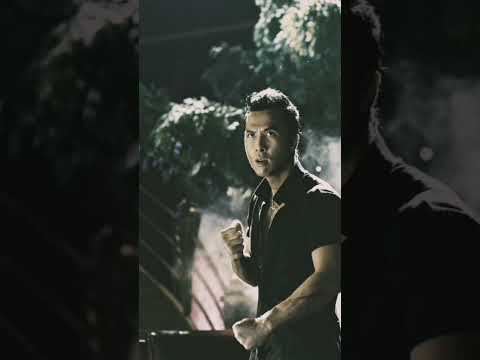
Donnie Yen: Beyond the Blinding Fist - Facts Every Martial Artist Needs to Know

Welcome, seekers of the Way. Have you ever watched Donnie Yen move on screen and felt that spark, that primal recognition of true mastery? It's more than just choreography; it's a reflection of deep principles, honed over years of relentless dedication. But beyond the on-screen persona, who *is* the man behind the legend? Today, we delve into the lesser-known facts about Donnie Yen, peeling back the layers to reveal the martial artist and the individual. Prepare to have your understanding of this cinematic icon expanded.

Unveiling the Man: From Hong Kong to Hollywood

Donnie Yen Ji-dan is a name synonymous with high-octane action and breathtaking martial arts sequences. Yet, his journey is far from the simple narrative of a movie star. Born in Guangzhou, China, and raised in Hong Kong, Yen's early life was steeped in the discipline and traditions of martial arts, a fact that would profoundly shape his destiny. His mother, Kify Yen, was a martial arts master herself, renowned for her skills in Wushu and Tai Chi. This maternal influence was crucial, providing Donnie with a foundational understanding of movement, balance, and the underlying philosophy of combat.

While many associate Yen solely with Wing Chun, thanks to his iconic portrayal of Ip Man, his training regimen has been far more eclectic. He has immersed himself in a vast array of styles, from the graceful power of Tai Chi to the explosive techniques of Taekwondo and the raw pragmatism of Muay Thai. This diverse background is a testament to his commitment to understanding the breadth of martial combat, not just a single discipline. It's this polymathic approach to martial arts that allows him to adapt and excel in various cinematic roles.

The Crucible of Training: Early Years and Influences

The path to stardom was paved with sweat and discipline. Donnie Yen’s formative years were spent in intense training, often pushing his body and mind to their limits. His mother's martial arts school became his primary dojo, a place where he learned not just techniques, but the character-building aspects of the martial way. This relentless practice was not always easy; Yen himself has spoken about the challenges and the strictness of his early training.

"The martial arts, in essence, are about self-defense. But it's more than just physical; it's about cultivating inner strength, discipline, and respect. These are lessons that transcend the dojo and apply to every aspect of life."

His early exposure to diverse martial arts, including Judo and Kickboxing, through his exposure to various martial arts communities in Hong Kong, contributed to his versatile fighting style. This broad foundation allowed him to later blend these elements seamlessly into his cinematic fight choreography. He was not just learning to fight; he was learning to *think* like a martial artist, to analyze movement, strategy, and the psychological aspects of combat. This intellectual engagement with martial arts is a hallmark of true practitioners.

The 1980s saw Yen making his cinematic debut, but it was his relentless pursuit of martial arts excellence that truly set him apart. He didn't just act; he *trained* rigorously for each role, ensuring that his on-screen performances reflected genuine skill. This dedication is what began to earn him respect in the demanding world of Hong Kong action cinema.

More Than Just Ip Man: A Diverse Cinematic Journey

While the Ip Man series cemented Donnie Yen's global superstardom, his filmography is far richer and more varied than many realize. Before donning the iconic Wing Chun master's attire, Yen showcased his talents in films like Once Upon a Time in China II (1992), where he played a formidable antagonist, and Iron Monkey (1993), a critically acclaimed martial arts classic. These roles demonstrated his innate charisma and his ability to deliver thrilling fight sequences long before his international breakthrough.

His foray into directing and choreography further highlights his deep understanding of martial arts cinema. Films like Ballistic (2001) and Wing Chun (1994) allowed him to experiment with innovative fight sequences and showcase his evolving choreographic vision. He pushed boundaries, blending traditional techniques with modern cinematic flair, often creating fight scenes that were not only visually spectacular but also narratively compelling.

Yen's versatility extends beyond purely martial arts films. He has taken on roles in genres ranging from crime thrillers like SPL: Sha Po Lang (2005) – a film renowned for its gritty, realistic combat – to fantasy epics and even romantic comedies. This ability to inhabit diverse characters while maintaining his signature action prowess speaks volumes about his acting range and his enduring appeal. His performance in Rogue One: A Star Wars Story as the blind warrior Chirrut Îmwe, for instance, showcased his ability to imbue a character with spiritual depth and formidable martial skill on a global stage.

The Essence of Movement: Yen's Approach to Combat

What truly distinguishes Donnie Yen is his profound understanding of martial arts philosophy. He doesn't merely execute moves; he embodies principles. His fighting style is characterized by efficiency, precision, and a remarkable economy of motion. This is a direct reflection of the teachings of masters like Ip Man, who emphasized that true martial arts should be practical and direct, focusing on simultaneous attack and defense.

Yen often speaks about the importance of "feeling" the opponent and the flow of combat. This intuitive understanding, often described as Mushin (no-mind) in Zen Buddhism, allows him to react instantaneously and effectively. It's not about overwhelming the opponent with brute force, but about redirecting their energy, exploiting openings, and ending the encounter with minimal, decisive action. This resonates deeply with the core tenets of many traditional arts.

"For me, martial arts is a way of life. It’s about discipline, respect, humility, and continuous self-improvement. The physical aspect is important, but the mental and spiritual aspects are what truly define a martial artist."

His choreography often incorporates elements of improvisational flow, making the fights appear organic rather than rigidly rehearsed. This fluidity is a hallmark of advanced martial practitioners who have internalized their techniques to the point where they become an extension of their will. It’s this blend of rigorous training and philosophical depth that makes his on-screen battles so captivating and, for those who understand, so authentic.

A Lasting Impact: Donnie Yen's Contribution to Martial Arts Cinema

Donnie Yen has not only starred in martial arts films; he has actively reshaped the genre. His influence can be seen in the increased emphasis on realistic, hard-hitting fight choreography in modern action cinema. Films like SPL: Sha Po Lang revitalized the crime-fighting genre with its brutal, close-quarters combat sequences, drawing inspiration from styles like Krav Maga and MMA, but executed with a distinct Donnie Yen flair.

He has brought a new generation of martial arts fans to appreciate the depth and complexity of various fighting styles. His portrayal of Ip Man, in particular, has sparked renewed interest in Wing Chun globally. By showcasing the effectiveness and elegance of this art form, Yen has inspired countless individuals to take up martial arts training themselves.

Furthermore, his success in Hollywood, notably in the Star Wars universe and the upcoming John Wick: Chapter 4, has opened doors for other martial artists and Asian actors, breaking down barriers and fostering greater diversity in global cinema. He serves as a powerful ambassador for martial arts, demonstrating that dedication, discipline, and skill can lead to extraordinary achievements.

Sensei's Verdict: Is Donnie Yen a True Martial Arts Masterpiece?

From my perspective as a seasoned practitioner and observer of the martial arts, Donnie Yen is more than just a martial arts movie star; he is a genuine martial artist who has masterfully translated his lifelong dedication into a global cinematic phenomenon. His depth of knowledge across multiple styles, his rigorous training ethic, and his understanding of the philosophical underpinnings of combat are undeniable.

While the spotlight of cinema inevitably adds a layer of artistry and performance, Yen's foundational skills and his ability to convey the essence of martial arts principles are profound. He respects the traditions while innovatively pushing the boundaries of what is possible on screen. His influence on the genre and his inspiration to practitioners worldwide solidify his status.

Rating: 9.5/10 - A True Champion of the Martial Arts Way.

Essential Gear for Your Training

To train effectively, whether you're inspired by Donnie Yen's dynamic style or seeking to master your own chosen art, the right equipment is crucial. Investing in quality gear not only enhances your training experience but also ensures safety.

  • Durable Kimono/Gi: For arts like Judo and Karate, a robust gi made from high-quality cotton is essential. Look for double-weave fabrics for added durability, especially if you plan on sparring.
  • Sparring Gloves: If your training involves striking or sparring (like in Kickboxing or MMA), well-padded sparring gloves are a must to protect your hands and your partner.
  • Mouthguard: A properly fitted mouthguard is non-negotiable for any contact sport to prevent dental injuries.
  • Shin and Instep Guards: Crucial for arts involving kicks, these protect against impact and abrasions during training drills and sparring.
  • Training Mats (Tatami): For grappling arts or solo practice of forms and throws, quality training mats provide necessary cushioning and grip.

Remember, the best equipment is the kind that allows you to train safely and consistently, helping you progress on your martial journey. Investing in these items can make a significant difference in your development.

Frequently Asked Questions

What is Donnie Yen's primary martial art?
While Donnie Yen is most famously associated with Wing Chun due to his portrayal of Ip Man, he has trained extensively in a wide variety of martial arts, including Taekwondo, Judo, Kickboxing, Muay Thai, and Wushu.
How old was Donnie Yen when he started training?
Donnie Yen began his martial arts training at a very young age, influenced by his mother, Kify Yen, who was a martial arts master herself. He was reportedly around 4 years old when he started practicing Tai Chi and Wushu.
What is Donnie Yen's philosophy on martial arts?
Yen views martial arts as a way of life focused on discipline, respect, humility, and continuous self-improvement, with a strong emphasis on the mental and spiritual aspects alongside the physical.
Has Donnie Yen ever competed professionally?
While he has been involved in numerous performances and exhibitions, Donnie Yen is primarily known for his acting and choreography in films rather than professional competitive fighting in the vein of MMA or boxing.
What martial art style is most evident in his Ip Man portrayal?
His portrayal of Ip Man prominently features Wing Chun, the martial art that Ip Man himself was a grandmaster of. Yen's performance is lauded for its authenticity and skill in demonstrating Wing Chun principles.

To Further Your Path

Sensei's Reflection: Your Next Step

We've explored the facets of Donnie Yen's journey, from his rigorous early training to his global cinematic impact. But knowing is only half the battle. The true lesson lies in application.

"If you know the enemy and know yourself, you need not fear the result of a hundred battles." - Sun Tzu

Consider this: How does the principle of continuous learning, as embodied by Yen's diverse martial arts background, apply to your own training and life? Are you limiting yourself to one path, or are you open to exploring the myriad forms of combat and self-improvement available to you? The Way is vast, and stagnation is the enemy of progress. What new discipline will you explore next, even if only in theory, to broaden your understanding of the martial spirit?

```

Ip Man: A Masterpiece of Martial Arts Cinema - Unveiling the Legend

"To truly understand the essence of a martial art, one must not only study its techniques but also the spirit that forged them." Welcome, fellow practitioners and enthusiasts, to a deep dive into a film that transcended mere entertainment to become a beacon of martial arts cinema. You've arrived seeking knowledge, perhaps a critique of the combat, or an understanding of the legend of Ip Man. Whatever your intention, rest assured, this is your dojo for dissection and enlightenment. We are not just discussing a movie; we are unearthing the soul of a martial artist and the cultural impact of his story.

Table of Contents

The Master Unveiled: Beyond the Screen

Ip Man is more than a film; it's a meticulously crafted narrative that brings to life the legendary Wing Chun grandmaster. While the film, published on February 28, 2023, presents a compelling cinematic experience, the true essence of Ip Man lies in his profound dedication to his art and his unwavering principles. This isn't just about Donnie Yen's formidable screen presence, but about channeling the spirit of a man who taught Bruce Lee, profoundly influencing the martial arts landscape.

The film masterfully sets the stage in Foshan, China, during a tumultuous period. The initial scenes depict a thriving martial arts community, a testament to the vibrant culture of the era. However, the arrival of Japanese occupation forces shatters this peace, forcing Ip Man and his fellow martial artists to confront a brutal new reality.

This narrative arc allows us to explore not just the physical combat, but the resilience and honor that define true BUDO. The film compels us to ask: How does one maintain their integrity and their art in the face of overwhelming adversity? This is the core question that resonates throughout the film, and it's a question that every dedicated martial artist must grapple with.

Choreography and Authenticity: The Sensei's Eye

For any true aficionado of martial arts, the choreography is paramount. Director Wilson Yip, alongside fight choreographer Yuen Woo-ping (a maestro in his own right, renowned for The Matrix), delivers action sequences that are both breathtakingly spectacular and grounded in the principles of Wing Chun. The rapid-fire punches, the sticky-hand techniques (Chi Sao), and the strategic footwork are depicted with a remarkable degree of authenticity.

What sets Ip Man apart is its commitment to showcasing the efficacy of Wing Chun. Unlike films that rely solely on gravity-defying acrobatics or unrealistic superhuman feats, Ip Man emphasizes the art's directness, efficiency, and devastating power. The close-quarters combat feels visceral, each exchange carrying weight and consequence. The legendary duel between Ip Man and General Miura, for instance, is not just a display of skill but a clash of ideologies – precision versus brute force, discipline versus aggression.

As a critic deeply rooted in the practical application of martial arts, I find the portrayal of Wing Chun’s fundamental principles – simultaneous blocking and striking, centerline theory, and minimal movement – to be largely commendable. While cinematic liberties are undoubtedly taken for dramatic effect, the underlying techniques and strategies remain faithful to the art form. This faithfulness is what elevates the film beyond mere spectacle, making it a valuable study for those interested in the practicalities of combat.

"The highest Kenshi in any martial art is not one who is skilled in many techniques, but one who has mastered the few essential ones." - A principle echoed in Ip Man's approach.

Philosophical Underpinnings: The Way of Wing Chun

Wing Chun, at its heart, is more than just a fighting system; it is a philosophy. It teaches efficiency, economy of motion, and the importance of understanding one's opponent. Ip Man embodies this philosophy not only in his fighting but in his conduct. His humility, his quiet strength, and his unwavering commitment to justice are as crucial to his legend as his formidable skills.

The film subtly weaves these philosophical threads into the narrative. Ip Man consistently seeks peaceful resolution before resorting to violence. His decision to fight the Japanese soldiers is not born out of aggression, but out of a deep-seated need to protect his community and uphold the honor of his martial art. This echoes the core tenets of many traditional martial arts, including those found in Karate and BUDO itself – that true mastery lies not in the ability to destroy, but in the wisdom to preserve and protect.

The concept of Ki, or internal energy, while not explicitly detailed, is palpable in Ip Man's calm demeanor and focused power. This resonates with the spiritual development central to arts like Aikido and Zen Buddhism, suggesting that physical prowess is intrinsically linked to mental and spiritual fortitude.

Impact and Legacy: A Cultural Force

The Ip Man film series has undeniably reignited global interest in Wing Chun and, by extension, in Chinese martial arts. Donnie Yen's portrayal has become iconic, introducing a new generation to the art and its legendary practitioner. This cinematic success has spurred countless individuals to seek out training in Wing Chun, contributing to the vibrant ecosystem of martial arts enthusiasts worldwide.

Beyond the direct impact on Wing Chun, the films have bolstered the broader appreciation for martial arts cinema. They remind us that these movies can be more than just mindless action; they can be vehicles for exploring themes of honor, resilience, and the human spirit. This resurgence in interest benefits all forms of martial arts, from the disciplined precision of Judo to the dynamic kicks of Taekwondo.

The film's success also highlights the enduring appeal of stories about underdogs overcoming insurmountable odds, a narrative deeply embedded in the martial arts tradition. It’s a testament to the power of a well-told story combined with compelling action, proving that films about fight and combat can achieve profound cultural resonance.

Veredicto del Sensei: ¿Merece la pena?

Absolutely. Ip Man is a triumph of martial arts filmmaking. It delivers exhilarating action, a compelling narrative, and a respectful portrayal of a legendary figure. For martial artists, it offers a valuable glimpse into the philosophy and application of Wing Chun. For casual viewers, it is a thoroughly entertaining and inspiring story.

Coreografía: Cinturón Negro en Precisión y Potencia.

Representación del Arte: Un Respetuoso y Poderoso Homenaje.

Filosofía Marcial: Integrada de Forma Sutil pero Profunda.

Valor Cinematográfico: Un Clásico Moderno del Género.

This film is a must-watch for anyone who appreciates the art of combat, the spirit of discipline, and the power of a legendary story. It is a rare film that manages to be both a thrilling action movie and a meaningful exploration of martial philosophy.

Equipo Esencial para tu Entrenamiento

To emulate the discipline and dedication of masters like Ip Man, the right training gear is crucial. While Wing Chun requires minimal equipment for its core practice, certain items can significantly enhance your training experience and safety:

  • Wing Chun Dummy (Muk Yan Jong): Essential for practicing fundamental techniques, power generation, and flow. Look for durable wooden construction.
  • Wooden Wing Chun Rings: These help develop correct hand and wrist positioning, crucial for trapping and striking.
  • Protective Gear for Sparring: If you engage in sparring (or UFC-style Artes Marciales Mixtas training), focus mitts, shin guards, and mouthguards are vital for safety. For striking arts like Karate or Kickboxing, sparring gloves are a must.
  • Comfortable Training Attire: Breathable, flexible clothing that allows for a full range of motion is key for any discipline, whether it's Judo, BJJ, or Wing Chun.
  • Books on Martial Philosophy: Beyond physical training, immersing yourself in the wisdom of masters is paramount. Consider texts on BUDO, the Bushido code, or biographies of martial arts legends.

Equipo Esencial para tu Entrenamiento

To emulate the discipline and dedication of masters like Ip Man, the right training gear is crucial. While Wing Chun requires minimal equipment for its core practice, certain items can significantly enhance your training experience and safety:

  • Wing Chun Dummy (Muk Yan Jong): Essential for practicing fundamental techniques, power generation, and flow. Look for durable wooden construction.
  • Wooden Wing Chun Rings: These help develop correct hand and wrist positioning, crucial for trapping and striking.
  • Protective Gear for Sparring: If you engage in sparring (or UFC-style Artes Marciales Mixtas training), focus mitts, shin guards, and mouthguards are vital for safety. For striking arts like Karate or Kickboxing, sparring gloves are a must.
  • Comfortable Training Attire: Breathable, flexible clothing that allows for a full range of motion is key for any discipline, whether it's Judo, BJJ, or Wing Chun.
  • Books on Martial Philosophy: Beyond physical training, immersing yourself in the wisdom of masters is paramount. Consider texts on BUDO, the Bushido code, or biographies of martial arts legends.

Preguntas Frecuentes

What is Wing Chun's core principle?

Wing Chun's core principle is efficiency and directness, focusing on simultaneous blocking and striking, centerline control, and minimal wasted movement.

Is Ip Man historically accurate?

While the film is inspired by the life of Ip Man, it takes cinematic liberties for dramatic effect. Many events and dialogues are dramatized for storytelling purposes, though it captures the spirit and legacy of the master.

What makes the fight choreography in Ip Man stand out?

The choreography stands out for its blend of authenticity and visual spectacle, showcasing Wing Chun's practical techniques while remaining dynamic and engaging for the audience.

How did Ip Man influence Bruce Lee?

Ip Man was Bruce Lee's primary martial arts instructor. He taught Lee the fundamentals of Wing Chun, which formed the foundation for Lee's later development of Jeet Kune Do.

Can watching Ip Man inspire my own martial arts training?

Absolutely. The film embodies principles of perseverance, honor, and dedication that are central to all martial arts disciplines. It can serve as a powerful motivator to refine your own practice.

Para Profundizar en tu Camino

Reflexión del Sensei: Tu Próximo Paso

The legend of Ip Man inspires us not just to learn Wing Chun, but to embody its principles: efficiency, directness, and unwavering spirit, even when faced with challenges. The film shows a man who fought not for glory, but for dignity and survival. In your own journey, whether in the dojo, in life, or in the face of adversity, ask yourself:

"When confronted by overwhelming force, do I react with equal force, or with superior strategy and unwavering principle?"

Meditate on this. Your answer will define your path.

``` ```json { "@context": "https://schema.org", "@type": "FAQPage", "mainEntity": [ { "@type": "Question", "name": "What is Wing Chun's core principle?", "acceptedAnswer": { "@type": "Answer", "text": "Wing Chun's core principle is efficiency and directness, focusing on simultaneous blocking and striking, centerline control, and minimal wasted movement." } }, { "@type": "Question", "name": "Is Ip Man historically accurate?", "acceptedAnswer": { "@type": "Answer", "text": "While the film is inspired by the life of Ip Man, it takes cinematic liberties for dramatic effect. Many events and dialogues are dramatized for storytelling purposes, though it captures the spirit and legacy of the master." } }, { "@type": "Question", "name": "What makes the fight choreography in Ip Man stand out?", "acceptedAnswer": { "@type": "Answer", "text": "The choreography stands out for its blend of authenticity and visual spectacle, showcasing Wing Chun's practical techniques while remaining dynamic and engaging for the audience." } }, { "@type": "Question", "name": "How did Ip Man influence Bruce Lee?", "acceptedAnswer": { "@type": "Answer", "text": "Ip Man was Bruce Lee's primary martial arts instructor. He taught Lee the fundamentals of Wing Chun, which formed the foundation for Lee's later development of Jeet Kune Do." } }, { "@type": "Question", "name": "Can watching Ip Man inspire my own martial arts training?", "acceptedAnswer": { "@type": "Answer", "text": "Absolutely. The film embodies principles of perseverance, honor, and dedication that are central to all martial arts disciplines. It can serve as a powerful motivator to refine your own practice." } } ] }

Beelzebub vs. Nikola Tesla: A Cinematic Clash of Forces and the Essence of Martial Spirit

Greetings, warriors and connoisseurs of the combative arts! You stand at the threshold of a digital dojo where the echoes of conflict are not just physical, but philosophical. Today, we delve into a spectacle that, while born of animation, pulsates with a raw, almost primal, martial energy: the clash between Beelzebub and Nikola Tesla from *Record of Ragnarok*. This is not merely a fight; it is a crucible where power meets intellect, and the very nature of combat is tested. The question that burns in the mind of every practitioner is not just "who wins?", but "how do they fight?". What does their chosen method of engagement reveal about their inner spirit, their understanding of conflict, and their very essence? As a seasoned Sensei, I see beyond the visual spectacle. I dissect the choreography, scrutinize the principles at play, and evaluate how well – or how poorly – these animated titans embody the true spirit of the martial way.
"The supreme art of war is to subdue the enemy without fighting." - Sun Tzu, The Art of War. While Beelzebub and Tesla are indeed fighting, their methods illuminate different facets of this ancient wisdom.
## Table of Contents * [The Premise: Gods, Humans, and the Arena of Ragnarok](#ragnarok-premise) * [Beelzebub: The Lord of Flies and the Dance of Despair](#beelzebub-analysis) * [Nikola Tesla: The Lightning Rod of Genius and the Symphony of Science](#tesla-analysis) * [Choreography and Authenticity: Translating Spirit into Motion](#choreography) * [Beyond the Blows: Philosophical Underpinnings](#philosophy) * [Veredicto del Sensei: ¿Merece la pena?](#sensei-verdict) * [Equipo Esencial para tu Entrenamiento](#training-gear) * [Guía de Entrenamiento: Desarrollando tu "Ki" Eléctrico](#training-guide) * [Preguntas Frecuentes](#faq) * [Para Profundizar en tu Camino](#further-reading) * [Reflexión del Sensei: Tu Próximo Paso](#sensei-reflection)

The Premise: Gods, Humans, and the Arena of Ragnarok

For those unfamiliar, *Record of Ragnarok* presents a high-stakes tournament: humanity's final chance for survival against the gods. Thirteen of humanity's greatest champions face thirteen of the most powerful deities. The outcome of each duel determines the fate of mankind. This narrative framework immediately elevates the conflict beyond simple personal animosity; it is a battle for existence itself, a stage where every strike, every parry, carries the weight of an entire species. The matchup between Beelzebub, the "Lord of the Flies" and a high-ranking demon, and Nikola Tesla, the eccentric genius whose inventions reshaped the modern world, is a masterstroke in thematic resonance. It pits primordial darkness against the illuminating force of human ingenuity, a potent metaphor for the eternal struggle between destruction and creation.

Beelzebub: The Lord of Flies and the Dance of Despair

Beelzebub, in his animated portrayal, embodies a chilling blend of regal menace and profound nihilism. His fighting style is a manifestation of his dominion: the corruption of life, the spread of pestilence, and the manipulation of despair. His attacks are not merely physical strikes but extensions of his very being, designed to inflict not only pain but psychological torment. His primary weapon, the "Flies" (often depicted as small, razor-sharp entities or projections), allows for a decentralized, overwhelming assault. This resembles certain *fui-jitsu* (unarmed combat) principles where control is established through overwhelming pressure from multiple angles, making it difficult for the opponent to defend effectively. However, Beelzebub elevates this with a supernatural flair. His movements are fluid, almost serpentine, suggesting a deep understanding of momentum and evasion, akin to practitioners of styles that emphasize yielding and redirection, such as **Aikido** or certain **Tai Chi** forms, but twisted into a weapon of destruction. The sheer power behind his strikes, often enhanced by demonic energy, speaks to the raw force of nature, or perhaps a darker, more chaotic interpretation of **Ki** manipulation. His demeanor during the fight – one of boredom punctuated by cruel amusement – suggests a being who has seen it all, fought countless battles, and finds little challenge. This detachment, while terrifying, can also be a weakness. True mastery in martial arts often involves an active, focused engagement, not passive observation.

Nikola Tesla: The Lightning Rod of Genius and the Symphony of Science

Nikola Tesla, on the other hand, is a testament to the power of the human mind and the boundless potential of innovation. His "Volund" – the divine weapon granted to him – transforms into a suit of armor and a series of technological marvels that allow him to weaponize electricity itself. His fighting style is a fusion of scientific principles and strategic combat. Tesla's approach is tactical, analytical, and adaptive. He doesn't rely on brute force but on calculated application of energy. His suit, the "Gear of Adamas," allows him to generate immense electrical currents, discharge plasma, and even manipulate magnetic fields. This translates into a fighting style that is fast, unpredictable, and devastating. He utilizes high-speed movements, sudden bursts of energy, and area-of-effect attacks, reminiscent of agile styles that rely on speed and precision, like some forms of **Wing Chun** or **Jeet Kune Do** in their emphasis on efficiency and directness, but amplified by a scientific understanding of physics. The "Tesla Coil" integrated into his suit, capable of unleashing devastating electrical discharges, is akin to a ranged weapon, but one that is intrinsically linked to his body and his energy. This conceptual link between the fighter and their "weapon" is a common theme in many martial arts, where the body is trained to become an extension of the will, and the mind dictates the flow of energy, whether it's **Ki** or pure electrical charge. Tesla's ability to adapt his technology on the fly, responding to Beelzebub's attacks with new countermeasures, showcases a level of strategic thinking rarely seen in such raw power displays.

Choreography and Authenticity: Translating Spirit into Motion

From a martial arts perspective, the choreography is both breathtaking and thought-provoking. * **Beelzebub's Style**: The fluidity and organic nature of Beelzebub's attacks, particularly the swarm of flies, are visually stunning. While fantastical, they evoke the concept of *hishogi* (falling through the air) and the overwhelming pressure of a multi-opponent scenario. The way he manipulates space around him hints at a mastery of timing and distance, crucial in any **combat** discipline. However, the sheer supernatural aspect makes a direct comparison to traditional techniques difficult. It's more about the *spirit* of his style – overwhelming, insidious, and deeply rooted in despair – rather than the exact mechanics. * **Tesla's Style**: Tesla's movements are sharp, precise, and explosive. The integration of his technological suit feels organic to his character, representing the pinnacle of human intellect applied to combat. His defensive maneuvers, like generating electrical fields, are conceptually similar to energy redirection or creating a "pressure" field that deters incoming attacks. His offensive bursts, the electrical discharges, are akin to powerful, rapid strikes that aim to incapacitate instantly, much like a well-executed **Kyokushin Karate** punch or a devastating **Kickboxing** combination. The reliance on technology raises questions about "pure" martial arts, but it also highlights the evolution of combat and the ingenuity that is also a core tenet of martial spirit. The clash between these two styles is where the fight truly shines. It's a dynamic interplay of overwhelming, corrupted power versus precise, scientific application. It’s the embodiment of **BUDO** in its broadest sense: the pursuit of perfection, the application of skill, and the will to overcome any obstacle, whether it's a demonic entity or the limitations of physics.

Beyond the Blows: Philosophical Underpinnings

This fight is a rich tapestry of philosophical ideas: * **Nihilism vs. Ingenuity**: Beelzebub represents a profound nihilism, a belief in the emptiness of existence and the futility of life. His fighting style reflects this, aiming to crush hope and spread despair. Tesla, conversely, embodies the triumph of human intellect and the drive to create, to overcome, and to find meaning through discovery and innovation. His "weapon" is born from the desire to protect and to push the boundaries of what is possible. * **Tradition vs. Innovation**: Beelzebub's power feels ancient, primordial, rooted in timeless darkness. Tesla's power is entirely modern, a product of scientific advancement. This contrast asks us to consider where true strength lies: in the ancient wisdom of the past, or the forward-thinking capabilities of the future. In the martial world, we often venerate tradition, but innovation and adaptation are also key to survival and growth. This is a core principle in modern martial arts like **MMA** and **BJJ**, which constantly evolve. * **The Nature of the "Weapon"**: Is the ultimate weapon a demonic power honed over millennia, or a scientific marvel born from human intellect? This echoes the debates about natural talent versus learned skill, or the traditional styles versus modern, hybridized approaches.
"There are no easy ways to develop perfect control of a technique. You must practice day and night. It is the same for your mind. To achieve Mushin, the mind of no-mind, one must train ceaselessly." - A principle from Zen Buddhism, applicable to both Tesla's focused invention and Beelzebub's perfected despair.
## Veredicto del Sensei: ¿Merece la pena? **Absolutely**. This fight is a cinematic masterpiece that transcends mere animation. It’s a profound exploration of conflict, human potential, and the philosophical underpinnings of fighting. Beelzebub and Tesla, while fictional, offer a compelling study in contrasting styles and ideologies that resonate deeply with anyone who has ever stepped onto a mat or into an arena. The animation is stunning, the stakes are existential, and the underlying themes are rich for contemplation. It’s a visual feast that sparks the intellect and stirs the martial spirit. **Cinturón Negro en Exploración Filosófica y Visual**.

Equipo Esencial para tu Entrenamiento

While you won't be wielding electricity or summoning demonic flies, the spirit of Beelzebub and Tesla's duel can inspire your training. Here's what you might need to embody the principles they showcase:
  • Para la Agilidad y Precisión (Estilo Tesla): Lightweight training shoes, comfortable athletic wear that allows for full range of motion. Consider investing in a good quality agility ladder or speed cones for explosive drills.
  • Para la Fuerza y la Resistencia (Estilo Beelzebub): Weighted vests for strength training, resistance bands for dynamic tension, and a durable makiwara or heavy bag to develop power.
  • For the Mental Game: A quiet space for meditation, perhaps a meditation cushion to cultivate focus and mental fortitude, essential for both scientific discovery and martial discipline.

Guía de Entrenamiento: Desarrollando tu "Ki" Eléctrico

Let's translate Tesla's ingenuity into a practical training regimen. This workout focuses on explosive power, agility, and mental focus, mimicking the "electrical charge" of his fighting style.
  1. Warm-up (5-10 minutes): Light cardio (jumping jacks, high knees), dynamic stretching focusing on shoulders, hips, and legs.
  2. Explosive Drills (3-4 rounds):
    • Jump Squats: 3 sets of 10-12 repetitions. Focus on explosive upward movement.
    • Burpees: 3 sets of 8-10 repetitions. Emphasize speed and efficiency.
    • Plyometric Push-ups (Clapping or single-arm if advanced): 3 sets of 6-8 repetitions.
  3. Agility and Footwork (3-4 rounds):
    • Box Jumps: 3 sets of 8-10 repetitions onto a stable platform.
    • Agility Ladder Drills: "Icky Shuffle," "In-Out," "2-in-2-out" - 3 minutes of continuous, rapid footwork.
    • Cone Drills: Zig-zag runs, shuttle runs - 3 minutes of directional changes.
  4. Power Strikes (incorporating breath control):
    • Punching Drills (with light weights or resistance bands): Focus on generating speed and power with each strike. Imagine channeling energy. 3 sets of 1 minute each, alternating techniques (jab, cross, hook).
    • Kicking Drills: High kicks, roundhouse kicks with full extension and snap. 3 sets of 1 minute each.
  5. Cool-down and Mental Focus (5-10 minutes): Static stretching. Followed by 5 minutes of focused breathing meditation, visualizing clean, powerful energy flowing through you.
This workout aims to build the kind of kinetic energy and rapid response that Tesla displayed. Remember, consistency is key, just as Tesla's dedication to his research was unwavering.

Preguntas Frecuentes

  • Is Beelzebub a god or a demon in Record of Ragnarok?
    Beelzebub is portrayed as the "Greatest Demon Lord" and one of the thirteen gods participating in Ragnarok.
  • What is Nikola Tesla's fighting style based on?
    Tesla's fighting style in the anime is a unique blend of scientific principles and advanced technology. He weaponizes electricity, magnetic fields, and plasma through his "Gear of Adamas" suit.
  • Does Beelzebub use magic or science in his fighting style?
    Beelzebub's abilities are presented as supernatural, derived from his demonic nature, rather than scientific. His "Flies" are an extension of his power, capable of cutting through almost anything.
  • What is the main theme of Record of Ragnarok?
    The core theme is the survival of humanity against the gods, exploring the greatest figures from human history and mythology and their capacity for heroism, innovation, and resilience in the face of overwhelming odds.
  • How does Tesla's fighting style compare to traditional martial arts?
    While Tesla's style is technologically augmented, its emphasis on precision, speed, tactical adaptation, and efficient energy expenditure shares conceptual similarities with agile, modern martial arts that prioritize effectiveness and scientific understanding of movement and force.

Para Profundizar en tu Camino

* The Wisdom of Sun Tzu: Timeless Principles of Strategy * The Impact of Innovation: How Human Ingenuity Shapes Conflict * Understanding Nihilism: Its Roots and Ramifications

Reflexión del Sensei: Tu Próximo Paso

Beelzebub fights from a place of absolute despair, while Tesla fights with the incandescent hope of human potential. When you face your own challenges, whether in training, in life, or in conflict, from which wellspring do you draw your strength? Do you succumb to the "flies" of doubt and negativity, or do you channel the "lightning" of your own ingenuity and will to overcome? Contemplate this: in a world that often feels designed to crush the spirit, where do you find your spark? How do you choose to ignite it? ---

Saitama vs. Tatsumaki: A Martial Arts Sensei's Analysis of the One-Punch Man Epic

Introduction: The Unseen Battle

Ah, the eternal question that echoes through the halls of martial discourse: can fictional combat truly teach us anything about the gritty reality of the dojo or the street? Today, we dissect a clash that transcends mere animation – the titanic confrontation between Saitama and Tatsumaki from the acclaimed One-Punch Man. While many dismiss such spectacles as mere entertainment, I, your humble Sensei, see a profound opportunity for learning. This isn't just about who lands the most blows; it's about the underlying principles of combat, the philosophies that drive warriors, and the very essence of strength. Prepare yourselves, for we are about to delve into the true meaning of power, presented in a way that will challenge your preconceived notions of martial prowess.

This is the full fight between Saitama and Tatsumaki, a cornerstone in the One-Punch Man narrative. Welcome, aspiring warriors and seasoned practitioners, to Budo and Martial Arts. You are witnessing a profound exploration of combat, published on January 19, 2023. Welcome to the most complete and updated martial arts blog on the internet. Follow us on social networks and do not forget to visit our main page!

Martial Mechanics in a Multiverse: Deconstructing the Power

Let us be clear: Saitama and Tatsumaki operate on a level far beyond human comprehension. To analyze their battle through the lens of a traditional Karate kata or a Judo throw would be… amusingly futile. However, we can still glean invaluable insights from their interaction. Tatsumaki, the "Tornado of Terror," represents raw, overwhelming psychic power. Her abilities, while not strictly 'martial arts' in the human sense, embody the concept of overwhelming force. Her movements are swift, destructive, and seemingly effortless, much like the devastating power unleashed by a master of internal arts like Tai Chi when applied with true intent – imagine a tremor rather than a punch.

"The ultimate skill is to be unable to defeat any opponent." - Miyamoto Musashi

Saitama, on the other hand, is the enigma. His 'power' defies conventional understanding. He is the embodiment of perfect simplicity. While Tatsumaki displays a flamboyant, albeit terrifying, display of energy, Saitama's strength is latent, invisible until the moment it is needed. His 'techniques' are often mundane – a series of punches, a casual kick – yet they carry the weight of universes. This is where we, as martial artists, must pause and reflect. Is true mastery about flashy displays of force, or about the absolute, unwavering efficiency that Saitama embodies?

Consider the physics, however fantastical. Tatsumaki manipulates her environment, projecting immense force. Saitama, conversely, seems to absorb and redirect or negate this force with minimal visible effort. This resonates with principles of deflection and neutralization found in arts like Aikido, albeit on a cosmic scale. The difference? Saitama's defense is absolute. He doesn't merely redirect; he *stops* the attack. This is a level of mastery few can even conceive.

The Essence of Strength: Saitama's Unwavering 'Mushin'

The core of Saitama's character, and indeed his martial philosophy, is his utter detachment from the 'fight'. He seeks an opponent who can challenge him, not out of ego, but out of a profound ennui born from absolute mastery. This state of mind, where the mind is free from distraction, from emotion, from conscious thought, is known as Mushin (無心) in Zen Buddhism and is a highly sought-after state in many traditional martial arts. Saitama *lives* Mushin. He doesn't strive for it; it is his natural state.

Tatsumaki, while incredibly powerful, is driven by emotion – pride, anger, and a sense of superiority. Her attacks, though devastating, are tinged with the desire to crush and dominate. Saitama, conversely, engages with a calm, almost indifferent demeanor. His punches are not born of malice but of a simple necessity to end the confrontation, to return to his mundane life. This philosophical dichotomy is perhaps the most potent lesson the fight offers. True martial strength isn't just physical; it is mental and spiritual. It's the ability to remain unperturbed when the world is literally falling apart around you. This is the ultimate form of SelfMastery.

The Provocation: Dialogue as a Martial Tool

Even in this epic battle, the exchange of words is crucial. Tatsumaki's taunts are designed to provoke, to break Saitama's calm. She aims to make him feel inferior, to chip away at his composure. Saitama's responses, however, are almost universally dismissive or oblivious. This isn't necessarily disrespect; it’s a demonstration of his mental fortress. He is not susceptible to psychological warfare because his objective is singular: to find a worthy opponent. Until that day arrives, all else is noise.

In a real combat scenario, psychological manipulation is a potent weapon. A skilled fighter understands this. They might use verbal sparring to create openings, to gauge an opponent's reactions, or to sow doubt. Saitama’s immunity to this is a testament to his unique journey. It teaches us that while verbal jousting can be a part of combat strategy, the ultimate defense lies in an unshakeable inner core. A core built through rigorous BUDO training and unwavering dedication.

Choreography of Cataclysm: A Spectacle of Destruction

Now, let's address the 'fight' itself from a visual and choreographic standpoint. While the raw power depicted is beyond human limits, the *animation* and the *pacing* are masterfully executed. The clash between Saitama’s direct, brutal efficiency and Tatsumaki’s wide-ranging, chaotic energy creates a dynamic visual spectacle. We see massive environmental destruction, energy blasts, and rapid-fire exchanges.

From a purely cinematic perspective, the fight serves its purpose: to showcase the immense power levels of these characters. However, as artists of Martial Arts Training, we must differentiate between animated spectacle and practical martial application. The techniques themselves are not instructive for a human practitioner. Yet, the *intent* behind them is. Tatsumaki's attempts to bind and crush, Saitama's direct, seemingly simple counters – these mirror, in their essence, the strategic considerations of grappling versus striking. It’s a cosmic chess match where each move has world-ending consequences.

Veredicto del Sensei: ¿Merece la pena?

As a pure display of animated power and character philosophy, the Saitama vs. Tatsumaki fight is a triumph. It encapsulates the core of One-Punch Man: the existential struggle of an overwhelmingly powerful being in a world that cannot challenge him. For martial artists, it's not about mimicking the moves, but about internalizing the principles. Saitama's journey is a stark reminder that true strength lies not just in physical might, but in mental clarity, unwavering resolve, and a deep understanding of oneself. Tatsumaki represents the dangers of unchecked power fueled by emotion. This fight is a visual koan, prompting deep reflection on the nature of strength, purpose, and the pursuit of meaning. It is, therefore, a worthy spectacle for any student of the martial way.

Cinturón Negro en Provocación Filosófica.

Guía de Entrenamiento: Cultivating Inner Fortitude

While you cannot replicate Saitama's strength, you *can* cultivate the mental fortitude that underpins it. This exercise focuses on developing inner calm and focus, mirroring the detachment of Mushin.

  1. Find Your Space: Locate a quiet place where you will not be disturbed. This could be a corner of your home, a park bench, or even your dojo after hours.
  2. Assume a Stable Posture: Sit comfortably with your spine erect but relaxed. You can sit cross-legged, on a chair with your feet flat on the floor, or even stand if sitting is not feasible. The key is stability and ease.
  3. Focus on Your Breath: Close your eyes and gently bring your awareness to your breath. Do not try to control it; simply observe the natural rhythm of inhalation and exhalation. Feel the air entering your nostrils, filling your lungs, and then leaving your body.
  4. Acknowledge Thoughts, Do Not Engage: As you meditate, thoughts will arise. This is natural. Do not judge them, do not follow them down rabbit holes. Acknowledge their presence, like clouds passing in the sky, and gently return your focus to your breath. Think of them as stray punches you don't need to counter; just let them drift by.
  5. Introduce a Visual Anchor (Optional): For some, visualizing a simple, calm image can help. This could be a single point of light, a still pond, or even a gentle, steady breeze. Let this image reinforce the feeling of calm.
  6. Practice Regularly: Consistency is key. Aim for 5-10 minutes daily. Over time, you will find your ability to remain calm and focused under pressure will improve, both on and off the mat. This is the first step towards true InnerStrength.

Equipo Esencial para tu Entrenamiento

While this particular battle is beyond physical simulation, consistent training in any martial art requires the right gear. Investing in quality equipment is an investment in your progress and safety.

  • Uniform (Gi/Dogi): Essential for disciplines like Judo, Karate, and Taekwondo. Look for durable fabrics like double-weave cotton for Judo or lighter, breathable cotton for Karate. Consider brands known for their longevity and comfort.
  • Sparring Gear: For disciplines involving full contact or sparring, protective equipment is paramount. This includes:
    • Headgear: Protects against concussions and facial injuries.
    • Mouthguard: Crucial for preventing dental damage.
    • Hand/Glove Wraps: Provide wrist support and padding for knuckles during striking.
    • Boxing/MMA Gloves: Choose weights appropriate for your training (e.g., 10-16oz for sparring).
    • Shin Guards: Protect against kicks.
    • Groin Protector: Essential for male practitioners.
  • Training Mats (Tatami/Puzzle Mats): For arts that involve throws or groundwork (Judo, BJJ, Aikido), proper matting is crucial for safe falls and prevents injuries.
  • Training Weapons: If you practice traditional weapon-based arts (Kendo, Iaido, Kobudo), invest in safe, regulation training weapons (shinai, bokken, jo).

Remember, proper equipment is not just about protection; it's about enabling you to train harder and more effectively, pushing your limits safely. Explore options related to KarateMerchandise or high-quality MartialArtsMerchandise to find what suits your needs.

Preguntas Frecuentes

  • Q: Is the fight between Saitama and Tatsumaki canon?
    A: Yes, this fight occurs within the One-Punch Man webcomic, which is the original source material by ONE. While the anime adaptation may have slightly different pacing or visual emphasis, the core events of their confrontation are canon to the storyline.
  • Q: Can real-world martial artists learn from Saitama's 'punch'?
    A: Not directly in terms of replicating the physics. However, one can learn from Saitama's mental state: extreme focus, detachment, and the pursuit of ultimate efficiency. His punch represents the culmination of perfect technique and intent, a principle applicable to all martial arts.
  • Q: What martial arts philosophy does Tatsumaki represent?
    A: Tatsumaki's power is more akin to raw, elemental force than a structured martial art. However, her emotional volatility and aggressive approach could be seen as a contrast to the disciplined calm of traditional martial arts, highlighting the dangers of power untempered by wisdom and control.

Para Profundizar en tu Camino

"In the final analysis, martial arts are not about fighting. They are about discipline, self-control, and the pursuit of self-improvement." - Unknown Master

Reflexión del Sensei: Tu Próximo Paso

Saitama's power is absolute, his journey one of profound emptiness born from ultimate fulfillment. Tatsumaki's power is vast, yet it is tethered to her emotions and ego. In your own training, which path do you walk? Are you constantly seeking external validation and the thrill of battle, or are you cultivating an inner stillness that transcends the need for conflict? Consider this: If you achieved your ultimate goal tomorrow, the absolute peak of your martial prowess, what would drive you forward? The answer reveals the true nature of your spirit.