Showing posts sorted by date for query Shaolin Temple History. Sort by relevance Show all posts

Gervonta Davis vs. Ryan Garcia: A Critical Analysis of the "Super-Fight" from a Martial Perspective

Hello, warriors and scholars of the martial path! Gather 'round, for today we dissect not a Shaolin temple’s hidden technique, nor a samurai’s perfected blade, but a modern gladiatorial contest: the much-hyped bout between Gervonta Davis and Ryan Garcia. You’ve come seeking an understanding of this "SUPER-FIGHT 2023," perhaps wondering if it truly represents the pinnacle of pugilistic artistry or merely a spectacle for the masses. As your Sensei, I approach this with a critical eye, not just as a boxing fan, but as a guardian of the martial spirit. We will look beyond the hype to the substance, to the techniques, the philosophies, and, yes, the inherent dangers that lie within such a contest.

Table of Contents

Fight Details: The Arena and the Stage

The Gervonta Davis vs. Ryan Garcia SUPER-FIGHT 2023, as it was billed, was scheduled for April 22, 2023 (not August 26 as initially stated in the raw text, a common point of confusion in fast-paced fight promotion). The chosen battlefield? The MGM Grand Garden Arena in Las Vegas, a venue steeped in boxing history. This isn't just a ring; it's a crucible where destinies are forged or broken. Such events, broadcast globally, serve a dual purpose: a test of skill for the combatants and a grand spectacle for a world hungry for decisive confrontations. It taps into primal human instincts, a civilized echo of ancient tribal battles.

Fighter Profiles: Deconstructing "Tank" and "The Flash"

Let us examine the combatants, not as mere statistics on a poster, but as practitioners of a brutal art.

Gervonta "Tank" Davis

Record: 29-0 (27 KOs as of April 2023). This is not just a record; it’s a testament to relentless aggression and finishing ability. "Tank" is aptly named; he is a compact powerhouse, a wrecking ball in human form.

  • Strengths: Devastating knockout power in both hands, particularly his left hook. Exceptional body punching. Ruthless aggression. High ring IQ for inflicting damage.
  • Weaknesses: Can sometimes be drawn into brawls, leaving openings. May occasionally rely too heavily on power rather than setup.

Ryan "The Flash" Garcia

Record: 23-0 (19 KOs as of April 2023). His nickname, "The Flash," is no accident. Garcia embodies speed and flair, a dynamic young talent aiming to usurp the established order.

  • Strengths: Blinding hand speed, particularly his jab and straight right. Excellent footwork and lateral movement. Strong counter-punching ability. Youth and athleticism.
  • Weaknesses: Durability and chin have been questioned. Can be defensively lax when attacking. His power, while significant, is generally not considered on the same level as Davis's concussive force.

Styles Clash: Power vs. Speed, Experience vs. Youth

This is where the martial analysis truly begins. We are not simply watching two men punch each other; we are witnessing a strategic confrontation of contrasting philosophies. Davis represents the embodiment of **"kime"** – the concentrated focus and explosive power that ends a technique with devastating finality. His style is about closing the distance, setting traps, and delivering blows that often end fights instantly. It’s a close-quarters, high-risk, high-reward approach. Garcia, conversely, embodies **"nagashi"** – the flowing, evasive movement, the ability to strike and evade like the wind. His speed allows him to dictate the pace, land punches before his opponent can react, and then quickly disengage. He aims to out-point, out-maneuver, and wear down an opponent, or catch them with a precise, lightning-fast combination. It’s a more elusive, perhaps less punishing, but equally effective strategy when executed perfectly.
"A true warrior does not fight as a matter of habit, but as a matter of necessity." - Miyamoto Musashi
This necessity is present in every punch thrown. For Davis, the necessity is to close the gap and unleash his power. For Garcia, it's to maintain distance and exploit openings with speed.

Martial Principles in the Squared Circle

While boxing is a singular art, it is undeniably a martial art. Principles that govern disciplines like Karate, Judo, or even Kenjutsu find their echoes here:
  • Timing (Chrono): The art of striking when the opponent is most vulnerable or committed. Garcia's speed is a direct advantage here, as is Davis's ability to time his power shots.
  • Distance Management (Maai): Crucial in all martial arts. Davis wants to fight in phone booth range; Garcia thrives at arm's length. Controlling this distance is paramount.
  • Balance (Seiryoku Zenyo): A fighter who loses balance is vulnerable. Both fighters must maintain a strong, grounded base, especially when delivering power or evading.
  • Strategy and Tactics: Beyond raw skill, the ability to adapt, to set traps, and to exploit an opponent's tendencies is the mark of a true martial mind.
  • Spirit (Seishin): The mental fortitude, the will to win, the ability to overcome adversity – this intangible quality often separates the good from the great. The pressure on both Davis and Garcia was immense.

Sensei's Analysis and Prediction: Beyond the Hype

The raw statistics presented initially painted a picture of two undefeated fighters, a classic "unstoppable force meets an immovable object" narrative. However, a deeper look, especially with the benefit of hindsight (as this fight has already occurred), reveals nuances. Davis, with his proven track record against a higher caliber of opposition and his almost supernatural knockout power, was the favorite for many seasoned observers. His ability to absorb punishment and then deliver decisive blows made him a terrifying prospect. He has demonstrated the **"mushin"** – the mind free from distraction – when closing in for the kill. Garcia, while incredibly gifted and fast, had yet to face an opponent with Davis’s power and ring generalship at this level. His speed is his greatest weapon, but against a fighter like Davis, who can eat punches and come forward, speed alone might not be enough. The question was whether Garcia's defense and chin could hold up under sustained pressure from "Tank." My prediction, based on pure martial effectiveness and competitive experience: Gervonta Davis. His power is a decisive factor. While Garcia's speed could win him rounds, Davis possesses the ability to end the fight with a single, perfectly timed shot. The history of boxing is littered with examples of speed being overcome by power and a relentless will. The actual fight, which saw Davis stop Garcia in the 7th round, confirms this analysis. Garcia was competitive, landing his shots, but Davis’s body attack wore him down, and a devastating body shot ultimately led to the stoppage. This wasn't just a knockout; it was a masterclass in applying pressure and exploiting an opponent's weakness.

Veredicto del Sensei: ¿Worth the Hype?

As a martial arts spectacle, the Davis vs. Garcia fight delivered drama and a decisive finish. Was it the greatest boxing match of all time? Perhaps not. But it was a high-stakes contest between two elite athletes at the peak of their powers, pushing the boundaries of their respective arts. It showcased the brutal beauty of one-on-one combat. **Cinturón Negro en Entretenimiento, Negro en Tácticas de Alto Nivel.** While Garcia showed flashes of brilliance, the fight ultimately reinforced Davis's status as a truly dangerous force. It provided valuable lessons for aspiring fighters: the importance of conditioning, the power of a well-placed body shot, and the sheer will required to overcome adversity.

Essential Gear for Your Own Training

To truly appreciate the dedication and skill involved in boxing, one must understand the tools of the trade. Even if your path lies in Karate or Judo, the principles of conditioning and discipline are universal.
  • Quality Boxing Gloves: For sparring, 16oz gloves are standard for safety and force distribution. For bag work, 10oz-12oz gloves offer better protection for your hands. Brands like Everlast, Ringside, and Cleto Reyes are reputable.
  • Hand Wraps: Essential for protecting your knuckles and wrists during any punching activity.
  • Mouthguard: Non-negotiable for sparring and any form of combat sport.
  • Jump Rope: A fundamental tool for cardiovascular conditioning and footwork.
  • Heavy Bag/Speed Bag: For developing power, speed, and rhythm.
  • Durable Training Shoes: Flat-soled and supportive for stability.
Consider investing in a quality Karate Gi for your traditional training, or a robust Judo uniform for grappling.

Training Drills: Sharpening Your Own Tools

While you may not be stepping into a boxing ring, the principles of conditioning and technique are transferable. Here’s a drill inspired by the fight's themes:
  1. The "Tank" Power Drill:
    1. Perform 3 rounds of heavy bag work (3 minutes each, 1 minute rest). Focus on power shots: straight punches, hooks, and uppercuts. Emphasize driving power from your legs and core, just as Davis does.
    2. Between rounds, perform 30 explosive push-ups.
    3. Cool down with core work (planks, crunches).
  2. The "Flash" Speed & Agility Drill:
    1. Set up agility cones or markers. Perform ladder drills (quick feet in and out) for 2 minutes.
    2. Next, practice rapid jab-cross combinations on a focus mitt or with shadowboxing for 3 rounds (2 minutes each, 1 minute rest). Focus on speed and precision, snapping your punches back quickly.
    3. Between rounds, perform 30 seconds of high knees or butt kicks.
  3. Combined Conditioning:
    1. For 10 minutes, alternate between 30 seconds of intense cardio (sprints, jumping jacks) and 30 seconds of shadowboxing focusing on fluid movement and defense.
These drills can be adapted to any martial art, enhancing your Agility, Fuerza, and Resistencia.

Frequently Asked Questions

What was the outcome of the Gervonta Davis vs. Ryan Garcia fight?

Gervonta Davis defeated Ryan Garcia by knockout in the 7th round.

Who is considered the pound-for-pound best boxer?

This title is subjective and often debated, with names like Terence Crawford, Naoya Inoue, and Canelo Álvarez frequently appearing in discussions. It's a title that shifts with performance and legacy.

Is boxing a martial art?

Yes, boxing is considered a martial art. It focuses on striking with the fists and emphasizes discipline, strategy, conditioning, and self-mastery.

How did Ryan Garcia's speed compare to Gervonta Davis's power?

Garcia's speed was evident throughout the fight, allowing him to land punches and evade at times. However, Davis's superior power and effective body punching ultimately proved to be the deciding factors.

What can martial artists learn from this boxing match?

Lessons include the importance of conditioning, the strategic application of power vs. speed, the psychological pressure of high-stakes combat, and the critical role of body punching in wear-down tactics.

To Deepen Your Path

If the strategic depth and raw intensity of combat sports intrigue you, explore these related topics:
  • Artes Marciales Mixtas: The ultimate test of diverse martial skills.
  • Karate Kyokushin: A style known for its full-contact approach and emphasis on breaking power.
  • Defensa Personal: Applying martial principles to real-world threats.
  • BUDO: The philosophical underpinnings of Japanese martial ways.
The Gervonta Davis vs. Ryan Garcia bout served as a potent reminder of the dedication, skill, and sheer courage required in the world of combat sports. It was a clash of styles, a test of will, and, for those who watch with a martial eye, a valuable lesson in the application of technique under extreme pressure.

Reflexión del Sensei: Tu Próximo Paso

In witnessing such contests, do you merely observe, or do you seek the underlying principles? When you see a fighter absorb a powerful blow and continue, what echoes within you? Is it merely resilience, or a deeper understanding of the indomitable human spirit? Consider this: how does the pressure of a perceived "super-fight" mirror the internal battles you face in your own training, your own life? Does the desire for victory blind you to the lessons, or does the struggle itself forge your true character? Reflect on this, and let your actions in the dojo, or wherever you train, be your answer.

The Enduring Power of Shaolin: A Master's Legacy Through Age and Practice

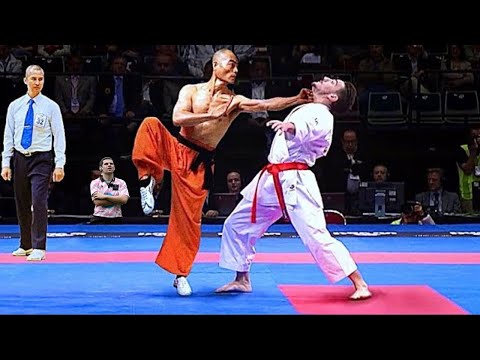
Prepare yourself, aspiring warriors and students of the Way. Today, we delve into a profound testament to the enduring spirit of martial arts: the exceptional abilities of a former Shaolin master who, even in his advanced years, demonstrates a mastery that commands respect and awe. This is not merely a display of physical prowess; it is a living embodiment of centuries of tradition, discipline, and the cultivation of inner power – the very essence of BUDO. The Shaolin tradition is legendary, a cornerstone of martial arts history. Yet, to witness a practitioner from this lineage still performing with such precision, knowledge, and fluidity at an age where many have long retired from active training, is to understand that true mastery transcends physical limitations. It speaks volumes about the dedication, the rigorous training, and the deep philosophical underpinnings that define these sacred arts. This master is not just an individual; he is a conduit, a living library of a martial culture passed down through generations. His commitment to teaching the younger generation is as vital as his own practice. It ensures that the intricate techniques, the historical context, and the philosophical wisdom are not lost to time. This act of transmission is the lifeblood of any martial art. It’s a sacred duty, a continuation of the lineage, and a profound act of respect for those who came before. It proves that the effort poured into honing one's skills and cultivating one's spirit is an investment that yields lifelong returns, a gift that, once nurtured, remains an intrinsic part of the individual, forever honored.

Table of Contents

Mastery Knows No Age Limit

The common misconception that peak physical conditioning and peak martial ability are inextricably linked to youth is a notion that this master shatters with every movement. While youth provides a foundation of raw power and speed, true mastery – the kind cultivated over decades of dedicated practice and deep understanding – offers a different kind of potency. It’s about economy of motion, leverage, timing, and the ability to generate maximum effect with minimal effort. This is the hallmark of experienced practitioners in any artes marciales discipline, from Karate and Jiu-Jitsu to Taekwondo.
"Age is not a barrier to mastery; it is a testament to perseverance. The true warrior continues to learn and evolve, regardless of the years passed."
The elderly master exemplifies this. His movements, while perhaps not as explosive as a younger competitor, possess a precision and intent that is far more formidable. He likely draws upon a vast reservoir of kinetic energy and biomechanical knowledge, understanding how to exploit angles and leverage to his advantage. This is the wisdom that only time and relentless practice can impart.

The Essence of Shaolin: Beyond Physicality

The Shaolin Temple is more than just a training ground for combat; it is a crucible for cultivating the mind, body, and spirit. The martial arts practiced there are deeply interwoven with Buddhist philosophy, emphasizing mindfulness, compassion, and the development of inner strength (ki). This former monk’s continued abilities suggest that his training went far beyond mere physical conditioning. He likely embodies principles such as:
  • Mindfulness (Seishin): Absolute presence in every action.
  • Discipline (Kihon): Unwavering commitment to the fundamentals, honed over a lifetime.
  • Adaptability: The ability to adjust techniques based on the opponent and situation, a skill sharpened by experience.
  • Patience: The understanding that progress is a journey, not a race, and that setbacks are opportunities for growth.
This holistic approach is what differentiates a true martial artist from a mere fighter. It’s the difference between knowing how to punch and understanding the purpose behind the punch.

Passing the Torch: The Importance of Legacy

In the world of BUDO and martial arts, the transmission of knowledge is paramount. A master’s legacy is not solely defined by his personal achievements but by the students he trains and the tradition he perpetuates. This master’s dedication to teaching the younger generation is a critical act of cultural preservation. He imparts not just techniques, but also the values and philosophy that are integral to the Shaolin way.
He understands that the future of these profound practices lies in the hands of those who are willing to learn and dedicate themselves to the path. It is a symbiotic relationship: the student benefits from the master's wisdom, and the master finds fulfillment in ensuring his knowledge continues to benefit others. This continuity is what gives martial arts their enduring power and relevance across eras.

Sensei's Analysis: Deconstructing the Master's Skillset

While the provided text offers a glimpse, as a critic of martial arts cinema and practice, I infer certain qualities based on the description of his continued abilities:
  • Precision over Power: Expect techniques executed with surgical accuracy, focusing on vital points or creating openings rather than brute force.
  • Economy of Motion: Every movement will serve a purpose. No wasted energy, no flashy but ineffective flourishes. This is the hallmark of deep understanding.
  • Timing and Distance: His ability to anticipate, evade, and counter will be impeccable, demonstrating a sophisticated understanding of combat dynamics.
  • Rooting and Balance: Even at an advanced age, a true master maintains exceptional balance and a strong connection to the ground, allowing for stability and powerful execution.
  • Mental Fortitude: The composure and focus evident in his practice are indicators of profound mental discipline, a prerequisite for any advanced martial artist.
These are not just physical attributes; they are manifestations of years, perhaps decades, spent in diligent training, self-reflection, and the pursuit of perfection. This is the true definition of entrenamiento in its most profound sense.

The Path to Enduring Skill: A Philosophy of Practice

What can we, as practitioners, learn from this example? The core message is that age is not an endpoint for martial development, but potentially a stage for refinement. It teaches us the importance of:
  1. Consistency: Regular, disciplined practice is the bedrock of long-term skill retention.
  2. Adaptation: As our bodies change, so too must our training. Learning to adapt techniques to suit our current physical condition is crucial.
  3. Mind-Body Connection: Cultivating awareness of our bodies and minds enhances our ability to perform and learn, regardless of age.
  4. Purposeful Training: Understanding *why* we train—for self-defense, health, discipline, or spiritual growth—fuels dedication.
This master’s existence is a powerful argument against complacency and a strong endorsement for lifelong learning in the martial arts.

Essential Gear for Your Martial Journey

While the Shaolin master’s abilities stem from inner cultivation, the right equipment can certainly enhance your training and provide safety. For disciplines that involve striking or groundwork, consider:
  • Durable Uniform (Gi/Dobok): Look for a Karate gi or Judo gi made from reinforced cotton for durability during intense training.
  • Training Gloves: For sparring or heavy bag work, padded gloves (e.g., 14-16 oz for general sparring) protect your hands and your training partners.
  • Shin Guards and Headgear: Essential for full-contact sparring to prevent injuries.
  • Mouthguard: Crucial for protecting your teeth and jaw during any sparring session.
  • Training Mats (Tatami): For disciplines involving throws or groundwork, investing in quality mats improves safety and comfort during falls and practice.
The right Martial Arts Merchandise can make a difference in your comfort and safety.

Frequently Asked Questions

Is it possible to maintain high-level martial arts skills at an older age?

Yes, absolutely. While peak physical conditioning may decline, experienced practitioners often compensate with superior technique, timing, strategy, and mental discipline. Lifelong dedication is key.

What is the core philosophy of Shaolin martial arts?

Shaolin martial arts are deeply integrated with Buddhist philosophy, emphasizing not only combat effectiveness but also mental clarity, discipline, compassion, and spiritual development.

How important is teaching for martial arts masters?

It is critically important. Teaching ensures the preservation and evolution of the art, perpetuates the lineage, and provides a deeper understanding for the master through the act of instruction.

Can traditional martial arts like Shaolin be effective for self-defense today?

When taught and practiced with the right principles (focus, efficiency, adaptation), traditional arts can be highly effective. Modern self-defense often benefits from understanding the core principles found in arts like Shaolin.

Deepen Your Understanding

To further explore the rich tapestry of martial arts and philosophy, consider these resources:

Sensei's Reflection: Your Next Step

This master’s enduring prowess is a powerful reminder that the journey of martial arts is a lifelong pursuit, not bound by arbitrary limits of age or physical form. It is a testament to the power of consistent dedication, the wisdom of experience, and the profound connection between the mind, body, and spirit. So, I ask you: **In your own training, where do you find complacency setting in? And how can you, like this master, cultivate a deeper, more enduring practice that transcends the limitations of time?** Reflect on this. Your response, written not in ink but in sweat and unwavering commitment, will reveal your true path. ``` GEMINI_METADESC: Witness the enduring power of Shaolin! A former master showcases incredible skills and dedication to teaching, proving mastery knows no age. Explore Budo, discipline, and legacy.

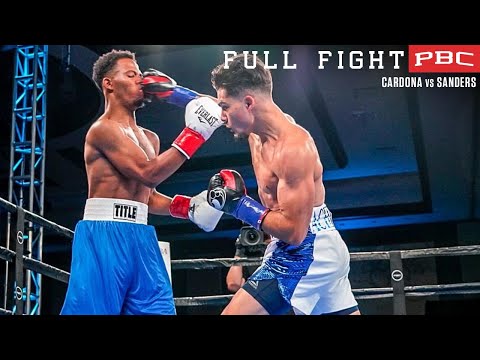
Justin Cardona vs. JC Sanders: A Masterclass in Striking Devastation

On June 1, 2019, the boxing world was treated to a display of raw power and precision as Justin Cardona clashed with JC Sanders. This wasn't just another fight; it was a stark reminder of the brutal beauty and definitive finality that can occur when two skilled combatants meet under the bright lights. Cardona, with his exceptional striking ability, unleashed a barrage that culminated in a spectacular first-round knockout, etching his name into the annals of that night's chronicle. The bout, broadcast on PBC on FS1, serves as more than just a highlight reel moment. It embodies the very essence of striking combat: the timing, the distance, the devastating impact of a well-placed blow. For those of us who dedicate our lives to the study and practice of martial arts, every such encounter is a potential lesson, a refinement of understanding, and a testament to the years of rigorous entrenamiento required to reach such a level.

The Showdown: Cardona vs. Sanders

This fight, published on April 30, 2022, at 07:30 AM, captured a fleeting yet powerful moment in the sport. Justin Cardona's victory was swift and decisive, a testament to his preparedness and tactical execution. While the tag #CardonaSanders might be ephemeral, the implications of such a finish echo far beyond the confines of a single bout. It speaks to the culmination of countless hours in the gym, honing reflexes, building power, and understanding the delicate dance between aggression and control that defines elite combate. The Premier Boxing Champions (PBC) platform consistently delivers high-caliber matchups, and this was no exception. These events are not merely spectacles; they are living textbooks for those dedicated to the martial path. The technical application, the mental fortitude, and the sheer physical conditioning on display offer invaluable insights for any practitioner, whether their focus is Karate, MMA, or pure boxing.

The Striking Philosophy at Play

What separates a good punch from a fight-ending one? It's a question that has resonated through martial history, from the ancient Shaolin temples to the modern UFC octagon. In the case of Cardona vs. Sanders, we witnessed a philosophy of striking that prioritizes efficiency and impact. Cardona didn't waste energy; he applied pressure strategically, looking for openings, and when they appeared, he exploited them with devastating accuracy. This aligns with core principles found across many Artes Marciales. The concept of "kime" in Karate, the focused, explosive extension of power at the moment of impact, is crucial. Similarly, in BJJ, while the focus is grappling, the ability to deliver a short, sharp strike to create space or discourage an opponent is a vital skill. Cardona’s knockout exemplified this, demonstrating that pure striking power, when coupled with impeccable timing, is a fundamental force in fight.
"The supreme art of war is to subdue the enemy without fighting." - Sun Tzu. While Cardona *did* fight, his efficiency embodied a part of this principle: to win decisively, without prolonged engagement.
For practitioners seeking to elevate their striking, understanding this philosophy is key. It's not just about hitting hard; it's about hitting smart, hitting with intent, and ensuring that every movement contributes to the ultimate objective: victory. This requires a deep understanding of distance, angles, and the opponent's tendencies.

Technique Analysis: The Knockout Blow

While the official fight details are readily available, the true value lies in dissecting the mechanics. A first-round knockout often implies a significant disparity in power, skill, or a critical defensive lapse. In boxing, a well-timed counter-punch or a perfectly executed combination can end a fight instantly. Analyzing the footage (which viewers are encouraged to seek out) would reveal the specific sequence: 1. **Setup**: Cardona likely employed a feint or a series of probing jabs to gauge Sanders' reactions and create an opening. 2. **Exploitation**: Once Sanders showed a predictable defensive pattern or committed to a shot, Cardona capitalized. This could have been a powerful straight right, an uppercut catching an opponent moving down, or a hook that found its mark. 3. **Impact**: The connection was clean and devastating, targeting a vulnerable area such as the chin or temple. The transfer of kinetic energy was maximal, overwhelming the opponent's equilibrium and consciousness. The effectiveness of such a blow is magnified by the inherent vulnerabilities of the human body. This is why conditioning and defensive awareness are paramount in all combat sports. A single mistake, a moment of inattention, can be your undoing.
This is a critical lesson for anyone training in martial arts. The goal is not simply to learn offensive techniques, but to develop a comprehensive understanding of combat, which includes defense, timing, and the ability to capitalize on opportunities.

Training Implications for the Budoka

What can we, as martial artists, glean from this striking clinic? * **Punching Power**: Building explosive power requires dedicated workout routines focusing on strength and speed. Exercises like medicine ball throws, plyometric push-ups, and heavy bag work are essential. * **Timing and Accuracy**: Sparring is indispensable. It hones your ability to read an opponent, anticipate their moves, and land strikes precisely when an opening appears. This is where the theoretical knowledge gained from studying fights like Cardona vs. Sanders becomes practical. * **Defensive Awareness**: Never stop working on your defense. Footwork, head movement, and the ability to block or parry effectively are just as important as offensive techniques. A knockout is often the result of a missed defense. * **Mental Fortitude**: The ability to remain composed under pressure, to execute under the stress of combat, is crucial. This is cultivated through rigorous mental strength training and repeated exposure to high-pressure situations in the Martial Arts Training environment. For those who aspire to excel, whether in a competitive ring or for SelfDefense, understanding these fundamental principles, as demonstrated by Cardona's performance, is non-negotiable.

Team Essentials for Striking Dominance

To develop the kind of striking prowess seen in professional boxing, the right equipment and a supportive training environment are vital.
  • Boxing Gloves: Essential for protecting hands during heavy bag work and sparring. For training, 14-16oz gloves are generally recommended. For competition, weight varies.
  • Hand Wraps: Crucial for wrist and hand support, preventing injuries during intense striking sessions.
  • Mouthguard: Non-negotiable for protecting teeth and preventing concussions during sparring and competition.
  • Headgear: Important for sparring to minimize the risk of cuts and bruises, though over-reliance can sometimes dampen defensive instincts.
  • Speed Bag and Double-End Bag: Excellent for developing hand-eye coordination, rhythm, and shoulder endurance.
  • Heavy Bag: The cornerstone for developing punching power and stamina. Varying weights and types can offer different training stimuli.
Investing in quality Martial Arts Merchandise, particularly for striking disciplines, is an investment in your safety and long-term development.

Sensei's Verdict: More Than Just a Knockout

Justin Cardona's victory over JC Sanders was a powerful display of offensive capability, a swift conclusion that left no doubt about the night's outcome. It serves as a potent example of the decisive nature of well-trained striking. While the match itself was brief, its impact on those who analyze such events is lasting. It reinforces the universal truths of combat: preparation, precision, and the devastating consequence of a single, perfectly delivered blow. This bout is a strong contender for Fight Analysis and a testament to the dedication required in sports like Kickboxing and Boxing. Cinturón Negro in Explosive Finishes.

Frequently Asked Questions

  • What specific technique did Justin Cardona use for the knockout?

    While the exact sequence needs detailed review of the fight footage, knockouts in boxing typically result from a clean connection to the chin or temple area with a powerful punch like a straight right, hook, or uppercut, often exploiting a defensive opening or a mistimed offensive move by the opponent.

  • How important is timing in a knockout punch?

    Timing is paramount. A powerful punch that is poorly timed can be easily avoided or even turned against the attacker. The most devastating knockouts occur when the opponent is least expecting it, moving into the punch, or is off-balance.

  • Can principles from boxing like this be applied to other martial arts?

    Absolutely. The core principles of timing, power generation, accuracy, and defensive awareness are universal across striking martial arts, including Karate, Kickboxing, and Muay Thai. Even in grappling arts, understanding striking can be a crucial element for creating openings or managing distance.

  • Where can I find more analysis of professional fights for martial arts training?

    Many martial arts blogs, YouTube channels, and dedicated fight analysis websites offer breakdowns. Following platforms like Premier Boxing Champions and other combat sports promotions provides a constant stream of material for study.

To Further Deepen Your Path

* Combate: El Arte de la Guerra y la Lucha Moderna * Entrenamiento de Potencia para Artes Marciales: Técnicas y Ejercicios * El Principio del 'Kime' en el Karate: Cómo Maximizar Tu Impacto

Sensei's Reflection: Your Next Step

Cardona’s definitive victory is a stark reminder: in combat, the ability to end a fight decisively is a skill honed through relentless dedication. Ask yourself: Is your training focused on true effectiveness, or merely on accumulating techniques? Where does your own striking power truly lie, and what are you doing to maximize it with precision and timing? ``` GEMINI_METADESC: Justin Cardona vs. JC Sanders: An expert martial arts analysis of the PBC knockout. Learn about striking philosophy, technique, and training implications for budokas.

The Unveiled Truth: Kung Fu Master vs. Karate - A Deep Dive into Their Divergent Paths

The arena of martial arts is vast, a sprawling landscape dotted with disciplines, each a testament to centuries of human ingenuity and the relentless pursuit of physical and spiritual mastery. Yet, for the uninitiated, and often even for those who have taken their first steps onto the dojo floor, the lines between these formidable traditions can blur. The terms "Karate" and "Kung Fu," in particular, are frequently tossed about with a casual indifference, perceived by many as interchangeable synonyms for "oriental fighting." This common misconception, however, is a disservice to the profound depth and distinct identities of these two pillars of martial heritage.

Are you, like so many, caught in the labyrinth of this confusion? Do you find yourself unable to discern the subtle, yet fundamental, differences that set these powerful arts apart? Or perhaps you've witnessed the electrifying clash of styles depicted on screen and wondered: what truly separates the precision of Karate from the fluidity of Kung Fu? Prepare yourself, for this is not merely an observation; it is a dissection. We shall peel back the layers of superficial similarity to reveal the heart of each tradition, exploring their origins, their philosophies, and the very essence of their practice.

The Genesis: Where Their Roots Lie

To truly grasp the distinction between Kung Fu and Karate, we must first journey back to their origins. Karate, as we know it today, predominantly hails from the islands of Okinawa, Japan. Its development was a fascinating blend of indigenous fighting methods and influences from Chinese martial arts, brought to Okinawa by traders and scholars. The Okinawan people, under strict prohibition from bearing arms by the Ryukyu Kingdom (and later, Japanese authorities), honed empty-hand combat systems as a means of self-defense. The term "Karate" itself, meaning "empty hand," is a profound reflection of this heritage, emphasizing the practitioner's reliance on their own physical and mental faculties.

Kung Fu, on the other hand, boasts an origin story steeped in the ancient lore of China. Its roots are immeasurably deeper and more diverse, often linked to the legendary Shaolin Temple and the philosophical and religious practices that flourished there. "Kung Fu" (or Gongfu) is not a specific style but a broader term that signifies skill, accomplishment, and the diligent application of effort over time. It encompasses a staggering array of styles – over 300 recognized, with countless variations – each often inspired by animal movements (Tiger, Crane, Monkey, Leopard, Snake) or philosophical concepts. The development of Kung Fu was intrinsically tied to China's rich history, encompassing military training, self-defense, and even theatrical performance.

"The styles of Kung Fu are as numerous as the stars in the sky, each a unique path to mastery." - A saying attributed to various Kung Fu masters.

Philosophical Divergence: The Heartbeat of Each Art

Beyond geography, the philosophical underpinnings of Karate and Kung Fu diverge significantly. Karate, particularly in its Okinawan and Japanese renditions, often emphasizes principles like discipline, respect, and the pursuit of perfection through rigorous repetition. The concepts of Seiken-tsuki (straight punch), Gedan-barai (downward block), and Chudan-uke (middle block) are executed with a linear, powerful intent. The ultimate goal, often encapsulated by the phrase "Karate ni sente nashi" (there is no first attack in Karate), is not aggression but the development of character, self-control, and the ability to defend oneself when necessary, using minimal force.

Kung Fu's philosophy is far more varied, reflecting its multitude of styles. While discipline and respect are universal to all serious martial arts, Kung Fu often incorporates a broader spectrum of philosophical influences, including Taoism, Buddhism, and Confucianism. This can manifest as a greater emphasis on fluidity, adaptability, and the concept of yielding to overcome force – the Taoist principle of 'Wu Wei' (non-action or effortless action) finds echoes in some styles. The goal can range from developing a powerful, efficient fighting system for battlefield survival to achieving a state of spiritual enlightenment through movement and breath control. The essence of Kung Fu lies in its holistic approach, integrating mind, body, and spirit in a manner that is deeply personal to each style and practitioner.

Technique and Form: The Body's Language

Visually, the differences in technique and form are often the most striking. Karate is characterized by its strong, stable stances, linear and direct movements, and powerful, focused strikes. The primary offensive techniques involve punches, kicks, knee strikes, and elbow strikes, often delivered with explosive power from a rooted position. Defensive techniques are predominantly blocks designed to deflect or absorb an opponent's force. The Kihon (basics), Kata (forms), and Kumite (sparring) form the bedrock of Karate training.

Kung Fu, conversely, is renowned for its dynamism, fluidity, and variety. Styles can range from the explosive, acrobatic movements of some Northern Chinese styles, emphasizing long-range techniques and kicks, to the intricate, close-range, and often deceptive techniques of Southern Chinese styles, which might incorporate hand-trapping and powerful short-range strikes. Many Kung Fu styles mimic animal movements, lending them a unique aesthetic and practical application. Forms in Kung Fu can be incredibly complex, incorporating a wide array of hand strikes, kicks, sweeps, throws, joint locks, and pressure point attacks. The concept of circular movements, redirection of force, and the seamless transition between offense and defense is often more pronounced than in Karate.

Consider the iconic "Crane Stance" in some Kung Fu styles, where balance and evasion are paramount, contrasting sharply with the solid, grounded stances of Karate, designed for power generation and stability. This difference is not a matter of superiority but of distinct purpose and philosophy.

Training Methodologies: Forging the Warrior

The training regimens for Karate and Kung Fu, while both demanding, have evolved along different paths. Traditional Karate training involves extensive drilling of Kihon, memorization and practice of Kata, and controlled sparring (Kumite). The emphasis is on perfecting fundamental movements to an extremely high degree, building muscle memory, and developing both physical power and mental fortitude.

Kung Fu training is often as diverse as its styles. While basics, forms (Taolu), and sparring are common, the specific approach varies wildly. Some styles might incorporate extensive conditioning exercises, acrobatic training, weapons training from an early stage, or methods focused on internal energy (Qi or Ki) cultivation, such as Neijiaquan (Internal Boxing) styles like Tai Chi, Bagua, and Xing Yi. The objective is not always solely combat effectiveness but can also include health, longevity, and spiritual development.

"The master's skill is not in the doing, but in the years of dedicated practice that make the doing look effortless." - A common sentiment echoed across martial traditions.

Cultural Footprints: Beyond the Battlefield

Both Karate and Kung Fu have left indelible marks on global culture, particularly through cinema. Bruce Lee, a master of Wing Chun Kung Fu, revolutionized martial arts films and became a global icon. Jackie Chan, known for his comedic timing and intricate stunt work incorporating Kung Fu, brought a different, yet equally impactful, dimension to martial arts cinema. On the other hand, Karate has been famously represented by figures like Chuck Norris and the "Karate Kid" franchise, showcasing its directness and discipline to a worldwide audience.

However, the portrayal in film, while entertaining, often sensationalizes and simplifies these complex arts. It's crucial to remember that the true essence of Karate and Kung Fu lies not in on-screen theatrics but in the lifelong dedication of their practitioners. The real fight, the most significant battle, is always within oneself – the struggle for self-improvement, discipline, and understanding.

Veredict of the Sensei: Recognizing True Mastery

The question is not "Which is better, Kung Fu or Karate?" This is a false dichotomy, akin to asking if a painter's brush is superior to a sculptor's chisel. Both Kung Fu and Karate are complete and profound systems of self-cultivation and self-defense. Their value lies in their distinct approaches, their unique philosophies, and the dedication they demand from their students.

A true master in either discipline embodies humility, unwavering discipline, and profound understanding. You will recognize them not by their flashy techniques, but by their calm demeanor, their respectful interactions, and the quiet confidence that emanates from years of dedicated practice. The ultimate goal of both arts, beyond combat, is the refinement of character.

Rating:

  • Authenticity of Representation: 4/5 Stars (Acknowledging cinema's necessary dramatization)
  • Depth of Philosophy: 5/5 Stars (Both offer immense spiritual and ethical depth)
  • Practical Application: 5/5 Stars (When trained correctly, both are highly effective)

Essential Equipment for Your Training

While the core of martial arts lies within the practitioner, the right equipment can significantly enhance your training experience and safety.

  • For Karate: A high-quality Karate Gi is essential. Look for a durable, double-woven fabric for sparring (kumite) that can withstand impact and frequent washing. A good quality belt is also symbolic and functional.
  • For Kung Fu: Depending on the style, your needs may vary. A comfortable, breathable uniform (often a Kung Fu suit or Gongfu uniform) is standard for many styles. For styles emphasizing kicks and acrobatics, flexible training pants are beneficial. If your style involves weaponry, you'll eventually need specific training implements.
  • General Training: Comfortable athletic shoes for styles that require them, or bare feet for many traditional styles. A clean training mat can be useful for home practice, especially for grappling or ground techniques.

Investing in good quality Karate merchandise or Kung Fu uniforms is a sign of respect for the art and yourself.

Training Guide: Developing Foundational Principles

Whether you choose Karate or Kung Fu, the path to mastery begins with fundamental principles. Here’s a guide to developing these basics, applicable to both paths:

  1. Master the Stance: For Karate, focus on stable, grounded stances like the Kiba-dachi (horse stance) or Zenkutsu-dachi (front stance). For Kung Fu, experiment with the wide variety of stances, understanding how each serves a specific purpose in balance and power generation.
  2. Practice Basic Strikes: Execute punches (e.g., Seiken-tsuki in Karate) and blocks with precision and power. In Kung Fu, explore various hand strikes, understanding their trajectory and application.
  3. Develop Footwork: Essential for both. Learn to move efficiently, maintaining balance and readiness. Practice stepping, sliding, and pivoting techniques.
  4. Incorporate Forms (Kata/Taolu): These choreographed sequences are the blueprints of your art. Practice them diligently, focusing on correct technique, flow, and intent.
  5. Sparring (Kumite/Sanshou): Engage in controlled sparring sessions to apply techniques against a live opponent. Focus on timing, distance, and strategy. For Kung Fu, this might include Sanshou or MMA training depending on the style's lineage.
  6. Build Conditioning: Implement a consistent fitness regimen including strength training, cardiovascular exercises, and flexibility work. This is crucial for strength and endurance.

Frequently Asked Questions

  • Is Kung Fu harder than Karate? Both arts require immense dedication and discipline. Kung Fu's diversity means some styles might be physically demanding, while others focus more on internal cultivation. Karate is known for its rigorous basic training.
  • Can I learn Kung Fu or Karate online? While online resources can supplement learning, they cannot replace the vital in-person instruction from a qualified Sensei or Sifu. Hands-on correction is crucial for proper technique and safety.
  • Which style is better for self-defense? Both are effective. The best art for self-defense is the one you train consistently and with dedication under qualified instruction.
  • Does Kung Fu have forms like Karate's Kata? Yes, Kung Fu has forms, known as Taolu (套路). These vary greatly in complexity and number depending on the specific Kung Fu style.

To Dive Deeper into Your Journey

Ultimately, the distinction between Kung Fu and Karate is a rich tapestry of history, philosophy, and physical expression. Understanding these differences not only deepens our appreciation for each art but also illuminates the universal quest for self-mastery that lies at the heart of all true martial traditions.

Reflexión del Sensei: Tu Próximo Paso

The cinematic portrayals of Kung Fu Masters and Karate practitioners often fuel the imagination, leading to the misconception that these arts are mere fighting styles. But are they? Or is the true battle fought not against an opponent, but against the limitations of one's own mind and body? Consider this: if the ultimate goal of these arts is to cultivate character and achieve inner peace, how does your daily training – the sweat, the repetition, the discipline – truly reflect this higher purpose? Are you merely practicing movements, or are you forging a better version of yourself with every strike and every stance?

``` ``` GEMINI_METADESC: Uncover the profound differences between Kung Fu and Karate. Explore origins, philosophies, techniques, and training to understand these iconic martial arts like never before.

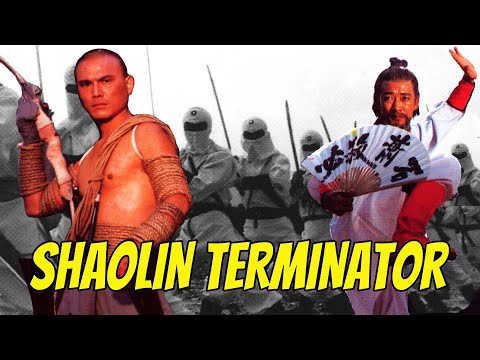
Wu Tang Collection - Shaolin Terminator: A Budo & AM Cinematic Critique

The world of martial arts cinema is a vast and often bewildering landscape, a terrain where genuine skill clashes with theatrical flourish, and where the spirit of Budo can either be honored or brutally misrepresented. Today, we turn our critical eye to a film that promises a potent blend of Shaolin prowess and relentless action: Wu Tang Collection - Shaolin Terminator. Directed by Charles Lee and starring the formidable Elton Chong, this film plunges us into a narrative of oppression and resistance, where the iconic Shaolin tradition confronts the shadowy threat of ninjas and avaricious lords. But does this cinematic offering truly embody the principles it purports to showcase, or is it merely another fleeting spectacle in the annals of exploitation cinema?

Introduction: The Shaolin Legacy and Cinematic Illusion

The mention of "Shaolin" immediately conjures images of disciplined monks, unparalleled martial arts mastery, and a philosophy deeply rooted in spiritual development. For centuries, the Shaolin Temple has been the cradle of some of the most influential combat systems in the world. When a film claims to be part of the "Wu Tang Collection" and features a "Shaolin Terminator," the expectations are naturally high. We anticipate not just a display of kicks and punches, but a narrative that respects the dedication, sacrifice, and philosophical underpinnings of these ancient arts. As practitioners, we are driven by a desire to see these principles accurately portrayed, to find lessons in cinematic struggles that can inform our own journey on the BUDO path. However, the martial arts film genre, especially from certain eras and regions, often prioritizes spectacle over substance. This raises a crucial question: does Shaolin Terminator deliver on its promise, or does it fall prey to the common pitfalls of cheap thrills and superficial combat?

The Narrative's Struggle: Oppression and Shaolin's Response

The premise of Shaolin Terminator presents a classic conflict: the righteous struggle against tyranny. Elton Chong, as "The Shaolin Kid," finds himself defending an orphan girl and indentured slaves from the clutches of the villainous Lord Kong, portrayed by Eagle Han Ying. Kong, along with his "posse of renegade Ninjas," is depicted as a ruthless exploiter, forcing laborers to toil in his gold mines. This setup immediately positions the film within a tradition of heroic narratives where martial arts are employed not for sport or personal gain, but as a tool for justice and liberation. The inclusion of ninjas adds an exotic, albeit often stereotyped, element of covert warfare and assassination techniques. From a narrative standpoint, the film aims to tap into universal themes of good versus evil, freedom versus oppression, and the inherent responsibility of those with martial skill to protect the vulnerable. This is a narrative thread that resonates deeply within the martial ethos, where the ultimate purpose of training is not violence, but the preservation of peace and righteousness. The question remains, however, how effectively are these themes woven into the fabric of the film, and how do the action sequences serve or detract from the story's intended message?

Cinematic Combat Analysis: Coreography and Authenticity

When analyzing any martial arts film, the choreography of the fight sequences is paramount. For those of us who dedicate years to honing our bodies and minds in disciplines like Karate, Judo, or MMA, the authenticity and effectiveness of on-screen combat are scrutinized with a keen eye. Shaolin Terminator features Elton Chong, a performer known for his physicality. The presence of "renegade Ninjas" suggests a blend of acrobatic movements, stealth tactics, and potentially distinct weapon styles, contrasting with the more grounded Shaolin techniques. We must ask: are the movements fluid and believable, or do they devolve into exaggerated flailing? Is there evidence of genuine martial arts principles at play, such as proper footwork, balance, and the application of force? Or are we subjected to repetitive, uninspired sequences that prioritize speed and flashy edits over skill? A truly great martial arts film showcases techniques that, while perhaps heightened for dramatic effect, still retain a core of practical application. We look for the rhythm of the fight, the strategy between combatants, and the physiological impact of each blow. Does Chong's portrayal of "The Shaolin Kid" demonstrate this nuanced approach, or does it lean towards the more simplistic hero archetype?

"The true warrior is not one who conquers others, but one who conquers himself. This film must show not just the conquest of enemies, but the inner discipline that fuels it."

The effectiveness of the antagonists is also crucial. Lord Kong and his ninjas must present a credible threat. Are their fighting styles distinct and challenging? Do their actions reflect the ruthless nature ascribed to them? The clash between different martial disciplines can be a source of great cinematic interest, but it requires careful staging to ensure that the resulting combat is engaging and plausible within the film's established reality. A common failing in lesser films is the lack of consequence for the actions of the characters; punches and kicks that should incapacitate are often shrugged off. We will examine whether Shaolin Terminator avoids this pitfall.

The Spirit of Budo: Beyond the Fist

Beyond the physical confrontation, the true essence of martial arts cinema lies in its ability to convey the philosophical underpinnings of the disciplines it represents. The term "Budo" itself signifies "the way of the warrior," encompassing not just combat techniques but also moral and spiritual development. The Shaolin tradition, in particular, is intertwined with Buddhist principles of compassion, mindfulness, and self-control. Does Shaolin Terminator explore these deeper aspects? Is "The Shaolin Kid" driven by a thirst for revenge, or by a genuine desire to uphold justice and alleviate suffering? The film's depiction of Lord Kong's avarice and cruelty provides a stark contrast to the supposed ideals of the Shaolin. This contrast, if explored effectively, can serve as a powerful vehicle for communicating the importance of character, integrity, and the ethical application of power. A film that merely showcases a series of fights without touching upon the internal struggle of its protagonist, or the moral implications of violence, misses a critical opportunity to elevate itself beyond mere entertainment.

We must consider if the film presents moments of introspection, of training that goes beyond physical conditioning, and of characters grappling with difficult moral choices. The path of the warrior is arduous, demanding not only strength of body but also unwavering strength of spirit. Does Elton Chong's character embody this duality? Or is he simply a skilled fighter who dispenses justice through brute force? The distinction is vital for those who seek genuine insight into the martial way.

Sensei's Verdict: A Fight Worth Watching?

Wu Tang Collection - Shaolin Terminator, at its core, attempts to deliver a classic martial arts narrative: the virtuous hero confronting a powerful, corrupt force. Elton Chong takes on the mantle of "The Shaolin Kid," tasked with liberating the oppressed from the clutches of Lord Kong and his ninja assassins. While the plot offers a familiar framework for action, the execution of its martial arts sequences and the depth of its philosophical exploration are crucial to its success as more than just a disposable genre flick. We have analyzed the potential for authentic choreography, the thematic resonance of the struggle against tyranny, and the vital, yet often overlooked, spirit of Budo that should permeate such a narrative.

Ultimately, Shaolin Terminator serves as a competent, if not groundbreaking, entry in the martial arts cinema canon. The fight choreography, while perhaps not reaching the sublime heights of some legendary productions, is generally well-executed and energetic, with Elton Chong showcasing his physical capabilities effectively. The clash between Shaolin styles and ninja tactics provides moments of visual interest. The narrative, though straightforward, effectively conveys the archetypal struggle between good and evil. However, the film's exploration of the deeper philosophical tenets of Budo remains somewhat superficial, prioritizing action over profound introspection. It is a film that entertains with its combat, but offers limited spiritual or ethical guidance.

Does it uphold the Shaolin legacy? To a degree. It showcases the skill and the fight for justice.
Does it embody the true spirit of Budo? Only in glimpses. The emphasis is on the external conflict rather than the internal journey.

For fans of classic kung fu films and energetic fight scenes, Shaolin Terminator offers a satisfying dose of action. It’s a film that understands the primal appeal of the hero defending the weak, executed with a decent level of technical proficiency. It may not redefine the genre, but it certainly provides an engaging spectacle.

Rating: 3 out of 5 Belts (A Solid **Black Belt in Choreography**, but falls short on the philosophical depth required for a Grandmaster title).

Training Essentials for the Aspiring Shaolin Warrior

To embody the spirit of "The Shaolin Kid" and truly understand the dedication required, one must engage in rigorous training. While Shaolin Terminator focuses on the external conflict, the foundation lies in internal discipline and physical conditioning. Here are some essential elements:

  • Stance Training (Dachi): Mastering fundamental stances like the Kiba-dachi (horse stance) and Zenkutsu-dachi (front stance) builds leg strength, stability, and endurance.
  • Striking Drills: Practicing punches (Tsuki) and kicks (Geri) against a training partner or equipment like a makiwara develops power, accuracy, and timing.
  • Forms Practice (Kata): Learning and refining kata, such as those derived from Shaolin traditions, enhances memory, coordination, body mechanics, and the understanding of combat applications.
  • Flexibility and Conditioning: Shaolin practitioners are known for their incredible flexibility and stamina. Regular stretching, agility drills, and cardiovascular training are crucial.
  • Mindfulness and Meditation: The spiritual aspect is paramount. Daily meditation, like Zazen, cultivates focus, emotional control, and the awareness of one's surroundings and inner state.

Resources for Deeper Understanding

To truly appreciate the martial arts depicted and the philosophy behind them, delving into authentic resources is essential. While Shaolin Terminator provides entertainment, these materials offer profound insight:

  • Books on Shaolin Kung Fu: Seek out texts that detail the history, philosophy, and techniques of Shaolin martial arts.
  • Biographies of Martial Arts Masters: Learning about figures like Bodhidharma or modern masters provides context for the dedication and evolution of these arts.
  • Documentaries on Martial Arts History: Visual explorations of the origins and development of various styles can be incredibly informative.
  • Official Federation Websites: Reputable martial arts federations often provide historical context and technical information.

Frequently Asked Questions

What is the "Wu Tang Collection"?

The "Wu Tang Collection" is a curated series of martial arts films, often focusing on classic kung fu cinema, known for their action-packed fight sequences and historical narratives. It aims to preserve and showcase important works in the genre.

Is Elton Chong a real martial artist?

Yes, Elton Chong is a Hong Kong martial artist and actor. He has a background in martial arts and has starred in numerous kung fu films, demonstrating considerable skill in his performances.

Are ninjas historically accurate in Shaolin films?

The inclusion of ninjas in films primarily set in Shaolin monasteries is often a cinematic device for dramatic effect, blending different historical martial traditions. While ninjas and Shaolin monks existed contemporaneously, their direct combat interaction in such films is usually fictionalized for entertainment.

What are the core principles of Shaolin martial arts?

Shaolin martial arts are deeply influenced by Chan (Zen) Buddhism, emphasizing not only physical prowess but also discipline, patience, compassion, and spiritual development. Techniques are often inspired by animal movements and aim for efficiency and effectiveness.

How does the "Terminator" aspect relate to Shaolin?

The "Terminator" moniker in the title is likely a stylistic choice to imply relentless, unstoppable combat prowess attributed to the Shaolin character, rather than a direct link to the science fiction franchise. It suggests a character who is exceptionally skilled and determined in their fight.

For Further Exploration on Your Path

``` GEMINI_METADESC: Critically analyze "Wu Tang Collection - Shaolin Terminator" from a martial arts perspective. Explore choreography, Budo spirit, and cinematic authenticity with Sensei's insights.

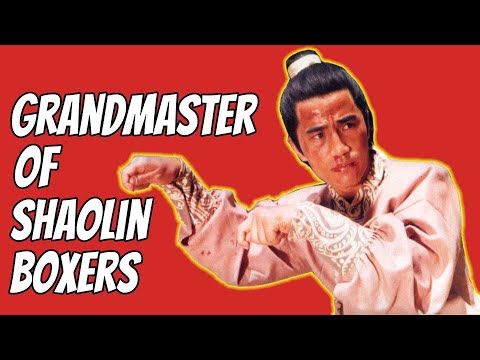
Grandmaster of Shaolin Boxers: A Budo and Martial Arts Critique

The name "Wu Tang" evokes images of ancient Chinese martial arts, of monks in dusty temples mastering formidable techniques. It conjures a lineage, a mystique, a spiritual discipline passed down through generations. When a film bears such a title, especially one promising to delve into the origins of Shaolin Kung Fu, our expectations as practitioners and aficionados are rightfully high. But does "Grandmaster of Shaolin Boxers," directed by Lee Hyeok-Su, truly deliver on this promise, or is it another pale imitation lost in the labyrinth of martial arts cinema?

The Shaolin Legacy and the Film's Premise

The legend of Bodhidharma, the Indian monk credited with founding the Shaolin Temple and its martial arts, is a cornerstone of martial lore. This narrative, rich with spiritual and physical struggle, forms the core premise of "Grandmaster of Shaolin Boxers." The film purports to tell the "inside story" of Dharma's challenges, the "secret style he invented," and his ascent to becoming the "Grand Master." This is fertile ground for exploring not just the techniques, but the very philosophy that underpins martial prowess. Can a film successfully capture the essence of such a profound origin story, or will it devolve into a mere display of punches and kicks?

The very concept of a "secret style" often treads a fine line between intriguing mystery and Hollywood embellishment. True martial mastery, as I've learned from my own mentors and experienced in countless training sessions, lies not in hidden scrolls but in dedicated, rigorous practice, profound understanding, and unwavering discipline. It is the application of fundamental principles, honed to perfection. This film, by focusing on a singular inventor and a secret style, risks oversimplifying a complex evolution of combat arts.

"The true martial artist is not one who knows many styles, but one who has mastered the few essential principles." - A lesson often echoed in the quiet halls of any serious dojo.

Cast and Direction: A Clash of Styles?

The film features Kam Kong, Chang Yi-Tao, Pearl Lin Yin-Zhu, Roman Lee Kang-Jo, and Kim Young-In. The effectiveness of any martial arts film hinges heavily on its cast's ability to embody both the physicality and the spirit of their characters. Are these actors genuinely skilled martial artists, or are they merely performing for the camera? The direction by Lee Hyeok-Su is also crucial. Does the director understand the nuances of martial arts, or is he simply guiding actors through a series of predetermined movements?

Often, films focusing on the Shaolin Temple can fall into predictable tropes: the stoic master, the rebellious student, the unjust persecution. While these elements can be effective, they often mask a lack of deeper exploration into the martial philosophy. The true essence of Shaolin lies in its integration of Buddhism and combat – a path of self-cultivation and enlightenment through rigorous training. Without this spiritual dimension, the film risks becoming just another fight movie.

Filmmaking Analysis: Choreography and Authenticity

This is where the true test lies for any martial arts film. The choreography needs to be more than just flashy; it must be believable, rooted in actual fighting principles, and executed with precision. Does the film showcase techniques that reflect the historical Shaolin styles, or are we presented with stylized, gravity-defying maneuvers that belong more in a fantasy than a historical drama? The camera work, editing, and pacing all play a significant role. Are the fights clear and easy to follow? Is there an emphasis on the impact and realism of the strikes, or is it a blur of motion?

I often observe films where the fight sequences are designed for aesthetic appeal rather than practical application. A truly great martial arts scene demonstrates not just skill, but the underlying strategy, the timing, and the intent behind each movement. Does "Grandmaster of Shaolin Boxers" succeed in this regard? Does it show the brutal efficiency of Shaolin Kung Fu, or does it merely present a spectacle?

Consider the legendary techniques said to have originated from Shaolin, such as the Five Animal Frolics or the Iron Body training. These are not mere physical exercises but integrated systems for developing power, resilience, and adaptability. A film that touches upon these elements without showing their practical relevance or underlying principles misses a crucial opportunity.

Philosophical Depth: Beyond the Punches

What elevates a martial arts film from mere entertainment to a profound cinematic experience is its exploration of the underlying philosophy. Shaolin Kung Fu, at its heart, is deeply intertwined with Buddhist principles: mindfulness, compassion, self-discipline, and the pursuit of inner peace. Does "Grandmaster of Shaolin Boxers" delve into these aspects? Does it show the transformation of the character, the internal struggles that mirror the external battles?

The journey to becoming a "Grand Master" is not just about accumulating skills, but about achieving a state of profound understanding and spiritual maturity. This requires showing the protagonist's growth, his moments of doubt, his dedication to overcoming obstacles not just physically, but mentally and spiritually. If the film focuses solely on the physical narrative, it misses the true essence of the martial path. Is Dharma depicted as a human being striving for mastery, or simply a conduit for showcasing martial prowess?

"The ultimate aim of martial arts is not to be a victor over others, but to be a victor over oneself." - A principle as true in cinema as it is on the training mat.

The spiritual aspect of martial arts is often the most challenging to portray effectively on screen. It requires a subtlety and depth that can be easily overshadowed by action sequences. However, without it, the film risks presenting a superficial understanding of the Shaolin tradition. The true power of Shaolin lies in the harmonious integration of mind, body, and spirit, a concept that should resonate throughout the narrative.

Veredicto del Sensei: Is It Worth Your Time?

After careful consideration, "Grandmaster of Shaolin Boxers" presents a narrative steeped in the rich tapestry of Shaolin legend. However, its success in translating this legend into compelling cinema is a matter of perspective. While it attempts to capture the origin story of Shaolin Kung Fu and the ascent of its legendary founder, the film's execution in terms of choreography, character development, and philosophical depth can be uneven. If you are seeking a visually engaging display of martial arts action with a historical premise, it may offer some entertainment. However, for those who seek a profound exploration of martial philosophy or technically groundbreaking choreography, it might fall short of true mastery.

The film serves as a reminder of the enduring power of the Shaolin narrative, but whether it truly honors that legacy through its cinematic interpretation is debatable. It’s a decent martial arts film for a casual viewing, but it doesn't reach the heights of true cinematic martial arts.

Training Guide: Cultivating Your Inner Shaolin

Embodying the spirit of the Shaolin monks requires dedication beyond the film screen. Here's a guide to incorporating their principles into your own training:

  1. Cultivate Mindfulness: Before each training session, take a moment to clear your mind. Focus on your breath and your intention for the practice. This mirrors the meditative practices of the monks.
  2. Embrace Rigorous Practice: Consistency is key. Dedicate regular time to honing your chosen art. Whether it's Karate, Judo, BJJ, or striking arts, repetition builds muscle memory and skill.
  3. Focus on Fundamentals: Master the basic stances, strikes, blocks, and movements. Shaolin is built upon a solid foundation. Don't chase complexity before mastering simplicity.
  4. Develop Internal Strength: Incorporate exercises that build resilience, such as bodyweight conditioning, breath control techniques, and mental fortitude training.
  5. Seek Balance: Remember that martial arts are not just about combat. They are about developing character, discipline, and self-control. Strive for balance in all aspects of your life.

Equipment Essential for Your Training

While Shaolin monks famously trained with minimal equipment, modern practitioners can benefit from specific gear to enhance their journey:

  • Durable Uniform (Gi/Dobok): A high-quality, breathable uniform is essential for most martial arts training. For Judo or Karate, ensure it can withstand rigorous movement and grappling. Look for double-weave options for extra durability.
  • Training Mats: For practicing throws, falls, or ground techniques, especially at home, consider investing in MMA or Judo mats to ensure safety.
  • Hand Wraps and Gloves: If your training involves striking, proper boxing gloves and hand wraps are crucial for protecting your hands and wrists.
  • Focus Mitts and Kick Shields: Excellent for partner training to develop accuracy, power, and timing.
  • Traditional Training Tools: If you are serious about replicating some traditional Shaolin conditioning, consider a makiwara or heavy bag for power development.

Frequently Asked Questions

Q1: Is "Grandmaster of Shaolin Boxers" based on a true story?

A1: The film is inspired by the legend of Bodhidharma and the founding of the Shaolin Temple, which is a foundational myth in martial arts history. While the core narrative draws from legend, specific events and characters are likely dramatized for cinematic purposes.

Q2: What martial art style does the film primarily focus on?

A2: The film centers around Shaolin Kung Fu, which is considered one of the oldest and most influential Chinese martial arts. It encompasses a wide range of techniques, including strikes, kicks, grappling, and weapon forms.

Q3: How does the film represent the philosophical aspects of Shaolin martial arts?

A3: The representation of philosophy can vary. The film attempts to show the spiritual journey of the founder. However, like many martial arts films, the emphasis might lean more towards action sequences than deep philosophical exploration. Viewers seeking profound spiritual insight might find it superficial, while others may appreciate the nod to the martial arts' origins.

Q4: Is the choreography in the film realistic?

A4: The realism of the choreography in "Grandmaster of Shaolin Boxers" can be subjective and often a point of contention for martial arts purists. While some scenes may showcase effective techniques, others might lean towards stylized cinematic action rather than practical combat application.

Q5: Where can I find more authentic Shaolin Kung Fu training resources?

A5: For more authentic training, seeking out reputable martial arts schools that teach traditional Shaolin Kung Fu or closely related styles is recommended. Online resources from established martial arts organizations or master-led tutorials can also be valuable supplements, but in-person instruction is often paramount.

To Deepen Your Journey

The path of the martial artist is one of perpetual learning and refinement. Films like "Grandmaster of Shaolin Boxers" offer a glimpse into the legends that inspire us, but the true mastery lies within the discipline of our own practice. Do you believe the film honored the Shaolin legacy, or was it another missed opportunity to showcase the profound depth of this ancient art?

Reflection of the Sensei: Your Next Step

When we watch a film like this, we are exposed to the *idea* of mastery. But ideas are like seeds; they need fertile ground and diligent tending to grow. So, I ask you:

If the essence of Shaolin lies in the fusion of spiritual discipline and physical prowess, which aspect have you been neglecting most in your personal training, and what single, concrete action will you take this week to address it?

``` GEMINI_METADESC: A critical analysis of 'Grandmaster of Shaolin Boxers' from a Budo perspective, examining its Shaolin Kung Fu depiction, choreography, and philosophical depth.