Showing posts sorted by date for query Rickson Gracie Gracie Jiu-Jitsu. Sort by relevance Show all posts

Rickson Gracie: El León del Jiu-Jitsu Brasileño y su Inquebrantable Legado en las Artes Marciales Mixtas

¿Qué define a un verdadero campeón? ¿Es la suma de victorias, la destreza técnica o la filosofía que impregna cada movimiento? En el vasto y a menudo caótico universo de las artes marciales, pocos nombres resuenan con la autoridad y el respeto de Rickson Gracie. Nacido en el crisol del Jiu-Jitsu Brasileño, este hombre no es solo un peleador; es una institución, un testamento viviente a la potencia de la persistencia, la técnica depurada y una filosofía de vida que trasciende el tatami. Hoy, nos adentramos en el legado de Rickson Gracie, desentrañando cómo su maestría en el arte de la sumisión se convirtió en un pilar fundamental para la evolución de las Artes Marciales Mixtas (MMA).

El Arte de la Sumisión: Jiu-Jitsu Brasileño en su Máxima Expresión

El Jiu-Jitsu Brasileño, conocido cariñosamente como BJJ, es una disciplina que se centra en el combate cuerpo a cuerpo, con énfasis en las técnicas de sumisión. Su principio fundamental es que un individuo más pequeño y débil puede defenderse eficazmente contra un oponente más grande y fuerte, utilizando apalancamiento y técnica. Nacido de las enseñanzas del judo y la lucha, el BJJ fue adaptado y perfeccionado por la familia Gracie, convirtiéndose en una fuerza dominante en el mundo de las artes marciales. Rickson Gracie, considerado por muchos como el pináculo de esta disciplina, encarna la esencia del BJJ: precisión, paciencia y una comprensión profunda de la biomecánica humana.

Su reputación como uno de los peleadores de jiu-jitsu brasileño más formidables del mundo no se forjó en un día. Fue el resultado de años de dedicación inquebrantable, innumerables horas de entrenamiento riguroso y una mente estratégica que pocos podían igualar. En un deporte donde la fuerza bruta puede ser engañosa, Rickson demostró que la inteligencia marcial, combinada con una técnica impecable, era la clave para la victoria. Sus combates no eran solo demostraciones de habilidad, sino lecciones vivientes sobre la eficacia del Gracie Jiu-Jitsu cuando se aplica con maestría.

Forjado en la Familia Gracie: Los Cimientos de un Maestro

La historia de Rickson Gracie está intrínsecamente ligada al legado de su familia. Creció en Río de Janeiro, Brasil, en un hogar donde el Budo y el arte de la lucha eran tan cotidianos como el aire que respiraban. Bajo la tutela de su padre, el legendario Hélio Gracie, Rickson absorbió las enseñanzas del Jiu-Jitsu Brasileño desde una edad temprana. Hélio, a pesar de su complexión física, había adaptado el judo para hacerlo más efectivo para individuos más pequeños, y Rickson heredó esta visión, refinándola hasta convertirla en un arte de guerra personal.

"El Jiu-Jitsu no es solo una lucha, es una filosofía. Es una forma de vida que enseña disciplina, respeto y perseverancia." - Una lección que Rickson Gracie interiorizó desde la infancia.

Desde joven, Rickson destacó. Demostró una aptitud natural para la disciplina, una capacidad innata para entender los ángulos y el ki (energía vital) en el combate. Sus primeros enfrentamientos, tanto en el tatami como en desafíos informales en las calles de Río, cimentaron su reputación. No buscaba la pelea por el placer de hacerlo, sino como una prueba de su habilidad y una forma de refinar su arte. Esta mentalidad lo diferenció, preparándolo para los escenarios más exigentes.

Rickson Gracie en el Octágono: La Prueba de Fuego del Budo

Si bien el BJJ es una disciplina formidable por sí sola, su verdadera prueba de fuego llegó con el advenimiento de las Artes Marciales Mixtas (MMA). Y aquí es donde Rickson Gracie se consolidó como una leyenda. A diferencia de muchos practicantes de BJJ que se centraban exclusivamente en la lucha en el suelo, Rickson entendió la necesidad de una aproximación más holística. Sus combates en eventos como el Vale Tudo japonés demostraron que el Gracie Jiu-Jitsu, cuando lo aplicaba un maestro como él, podía dominar a oponentes de diversas disciplinas.

Su récord de victorias es impresionante, y lo que es más importante, la forma en que las consiguió. Rickson raramente se encontraba en posiciones desfavorables. Su control en el suelo era férreo, su capacidad para transicionar de una posición a otra, fluida. Utilizaba combinaciones de agarres, llaves y estrangulaciones con una precisión que dejaba a sus oponentes sin opciones. No se trataba de fuerza bruta, sino de aplicar la fuerza en el punto exacto, en el momento preciso, explotando las debilidades anatómicas de su rival.

En un combate real, la simplicidad y la eficacia son primordiales. Rickson Gracie personificó esto. Mientras otros buscaban la espectacularidad, él buscaba la victoria. Sus técnicas eran directas, brutales en su efectividad, y representaban la culminación de décadas de refinamiento familiar. No era solo un peleador; era un estratega en movimiento, un artista marcial que aplicaba principios de combate y lucha de manera magistral.

Más Allá del Combate: La Filosofía del Budo en Rickson Gracie

La influencia de Rickson Gracie trasciende las victorias y las derrotas. Uno de los aspectos más profundos de su legado es su adhesión y promoción de la filosofía del Budo. El Budo, el "camino del guerrero", no se trata meramente de la habilidad para luchar, sino de un camino de autodescubrimiento y mejora continua. Implica cultivar la disciplina, el respeto, la humildad y la integridad, tanto dentro como fuera del dojo.

"El Budo es el camino de la vida. No se trata solo de luchar, sino de cómo vivimos nuestras vidas, cómo tratamos a los demás y cómo nos esforzamos por ser mejores cada día." - Rickson Gracie.

Rickson ha sido un firme defensor de esta visión holística. Para él, el Jiu-Jitsu Brasileño no es solo un conjunto de técnicas para someter a un oponente; es una herramienta para el desarrollo personal. La perseverancia requerida para dominar una sumisión difícil, la paciencia para esperar la apertura correcta, la humildad para aceptar una derrota y aprender de ella, todo esto son pilares del Budo que se manifiestan en la práctica del BJJ. Ha enseñado a innumerables estudiantes que la disciplina y el enfoque que se cultivan en el tatami pueden y deben ser aplicados en todos los aspectos de la vida, desde las relaciones personales hasta la carrera profesional.

Esta filosofía es lo que eleva a Rickson de ser un simple atleta a un verdadero maestro. Su legado reside no solo en las llaves de brazo y estrangulaciones que perfeccionó, sino en el impacto que ha tenido en la forma en que muchos ven el entrenamiento marcial: como un vehículo para la transformación personal y la búsqueda de la excelencia.

El Legado Duradero de Rickson Gracie

Rickson Gracie no solo dejó una marca imborrable en el mundo del jiujitsu brasileño y las MMA, sino que también influyó en la forma en que estas disciplinas son percibidas y practicadas a nivel global. Su éxito demostró al mundo la efectividad del BJJ y sentó las bases para muchos de los peleadores que vendrían después.

Muchas de las técnicas de Gracie Jiu-Jitsu que hoy son estándar en el entrenamiento de MMA, fueron desarrolladas o popularizadas por Rickson y su familia. Su legado perdura en los innumerables gimnasios de BJJ que se esparcen por todo el mundo, donde estudiantes de todas las edades y orígenes aprenden y aplican los principios que él defendió.

Además, su enfoque en la filosofía del Budo sirve como un recordatorio de que las artes marciales son mucho más que un simple deporte de combate. Son un camino para cultivar el carácter, fortalecer la mente y encontrar la armonía interna. La influencia de Rickson Gracie es un testimonio de cómo una disciplina puede moldear no solo el cuerpo, sino también la mente y el espíritu.

Veredicto del Sensei: ¿Un Campeón de Cinturón Negro o un Mito Desgastado?

Seamos claros: Rickson Gracie es el epítome del campeón de artes marciales. Su récord invicto en combates de alto nivel, la pureza de su técnica de Jiu-Jitsu Brasileño y su profunda comprensión de la filosofía marcial lo colocan en una categoría aparte. A diferencia de muchos que se centran solo en la competición o el espectáculo, Rickson siempre ha priorizado la autenticidad de su arte y su aplicación en escenarios reales. Su legado no es una exageración, es la consecuencia directa de una maestría sin igual.

Rickson no solo ganó peleas; demostró la superioridad técnica y filosófica del Jiu-Jitsu Brasileño en su forma más pura. Fue un estratega, un maestro y un embajador de los principios del Budo. Su impacto en las MMA y en el propio BJJ es innegable y su figura sigue siendo una inspiración para peleadores y practicantes de todo el mundo.

Calificación: 10º Dan en Legado Marcial.

Equipo Esencial para tu Entrenamiento de Jiu-Jitsu

Para emprender el camino del Jiu-Jitsu Brasileño, no necesitas un arsenal, pero sí un equipo básico que te permita entrenar de forma segura y efectiva. La inversión en equipamiento adecuado es una muestra de respeto por tu arte y por tus compañeros de entrenamiento. Aquí te dejo una lista de lo esencial:

  • Kimono de Jiu-Jitsu (Gi): Busca uno de buena calidad, preferiblemente de tejido doble para mayor durabilidad, que cumpla con las normativas de las competiciones si planeas competir. Asegúrate de que el ajuste sea correcto: ni muy holgado ni muy apretado. Marcas como Tatami, KingZ o Gracie son referencias.
  • Pantalones Cortos (Rash Guard) y Camiseta de Compresión: Para entrenar sin kimono (No-Gi), estos son fundamentales. Ayudan a prevenir rozaduras y mantienen la piel seca.
  • Espinilleras y Rodilleras: Especialmente útiles para los principiantes, ofrecen protección adicional en áreas propensas a golpes y fricciones.
  • Protector Bucal: Imprescindible para proteger tus dientes y mandíbula durante el sparring.
  • Protector Genital (Jockstrap): Una protección adicional que no debe faltar, especialmente en combates de alta intensidad.
  • Chanclas o Sandalias: Para moverte por el gimnasio fuera del área de entrenamiento, manteniendo la higiene.

Guía de Entrenamiento: Ejecución de una Llave de Brazo Básica (Armbar)

La llave de brazo (armbar) es una de las sumisiones más fundamentales y efectivas del Jiu-Jitsu Brasileño. Dominarla es crucial para cualquier practicante. Aquí te detallo los pasos básicos, asumiendo una posición de control desde la guardia:

  1. Posición de Control: Asegura una buena posición de guardia (tu oponente entre tus piernas), manteniendo sus caderas controladas.
  2. Crear el Espacio: Utiliza una pierna para "barrer" ligeramente su cadera, creando un pequeño espacio para mover tu otra pierna sobre su cabeza.
  3. Transición a la Llave: Pasa la pierna que estaba controlando su cadera por encima de su cabeza, asegurando tu pie contra su costado. Tu otra pierna debe quedar posicionada en su cadera opuesta, bloqueando su escape.
  4. Controlar el Cuerpo: Tu cuerpo debe quedar perpendicular al de tu oponente, con tus rodillas apretando sus costillas. Cruza tus pies detrás de su cabeza o en tu propio empeine para un mejor control.
  5. Aislar el Brazo: Asegúrate de que el brazo que vas a atacar esté completamente atrapado entre tus piernas. Si intentas atacar un brazo que no está bien aislado, el ataque será ineficaz y potencialmente peligroso.
  6. Aplicar la Presión: Agarra su muñeca con ambas manos, manteniendo la cabeza de tu oponente "secuestrada" por tu axila. Levanta tus caderas mientras mantienes su brazo extendido y presiona hacia abajo con tu pelvis. El objetivo es hiperextender la articulación del codo.
  7. Finalización: Si tu oponente no cede, la hiperextensión le causará dolor y lo obligará a rendirse (tap out). Es fundamental aplicar la presión de forma controlada para evitar lesiones graves.

Nota del Sensei: Practica esta técnica lentamente con un compañero de entrenamiento hasta que la sientas cómoda y fluida. La coordinación y el timing son claves. ¡Nunca sacrifiques la seguridad por la velocidad!

Preguntas Frecuentes

¿Es el Jiu-Jitsu Brasileño efectivo en una pelea real?

Sí, el Jiu-Jitsu Brasileño es extremadamente efectivo en situaciones de defensa personal y peleas reales, especialmente si el oponente no tiene experiencia en lucha en el suelo. Su énfasis en las sumisiones y el control permite a un individuo más pequeño neutralizar a un oponente más grande.

¿Cuánto tiempo se tarda en obtener el cinturón negro en BJJ?

El tiempo varía considerablemente, pero generalmente se necesitan entre 8 y 12 años de entrenamiento constante y dedicado para alcanzar el nivel de cinturón negro en Jiu-Jitsu Brasileño.

¿Es peligroso entrenar Jiu-Jitsu Brasileño?

Como cualquier deporte de contacto, el BJJ conlleva un riesgo de lesiones. Sin embargo, con un buen instructor, compañeros de entrenamiento responsables y el uso de equipamiento adecuado, el riesgo se minimiza significativamente. La mayoría de las lesiones ocurren por exceso de celo o falta de control.

¿Qué diferencia hay entre Jiu-Jitsu Brasileño y Judo?

Aunque el BJJ se originó del Judo, se ha desarrollado con un enfoque mayor en la lucha en el suelo y las técnicas de sumisión, mientras que el Judo pone un énfasis mayor en los lanzamientos y proyecciones.

¿Por qué Rickson Gracie es considerado el mejor?

Rickson Gracie es a menudo llamado el mejor debido a su récord invicto, su dominio técnico del Jiu-Jitsu Brasileño en todas las situaciones, y su habilidad para aplicar su arte contra oponentes de diversas disciplinas en un contexto de combate real (Vale Tudo). Su filosofía de vida ligada al Budo también añade profundidad a su leyenda.

Para Profundizar en tu Camino

Rickson Gracie es más que un nombre en la historia de las artes marciales; es una lección encarnada. Un recordatorio de que la verdadera fuerza reside en la técnica, la disciplina y una filosofía de vida que busca la perfección en cada aspecto. Su legado nos enseña que el camino del guerrero es un viaje continuo de automejora.

Reflexión del Sensei: Tu Próximo Paso

Has aprendido sobre el legado de Rickson Gracie, un titán del Jiu-Jitsu Brasileño y un filósofo del Budo. Ahora, la pregunta que te lanzo es la siguiente: ¿Cómo puedes integrar la disciplina, la precisión técnica y la búsqueda de la mejora continua que Rickson demostró, no solo en tu entrenamiento marcial, sino en los desafíos cotidianos de tu vida? ¿Estás dispuesto a recorrer el camino del guerrero con la misma dedicación?

REAL "FIGHTS WITHOUT RULES": The 90s Organization That Could Have Challenged the UFC

"The martial world is vast, and its paths are many. To tread them requires not just strength, but wisdom. Yet, in the crucible of combat, these two must forge an unbreakable bond."
The 1990s were a wild, untamed era for combat sports. While the Ultimate Fighting Championship (UFC) was carving its path, the landscape was ripe for other ventures, especially those that dared to push the boundaries of what was considered "legal" combat. The concept of "fights without rules," while controversial and often brutal, captivated a certain segment of the audience, eager to witness pure, unadulterated displays of martial prowess. This fascination led to the birth of organizations that, for a fleeting moment, threatened to rival the established order. Today, we delve into one such entity, exploring its origins, its philosophy, and its potential, asking ourselves: could it have truly been a competitor to the UFC? Our journey begins by acknowledging the titans of the era. Consider the raw power of **Igor Vovchanchyn**, a name that still echoes in the annals of brutal combat. His devastating performances were a testament to the effectiveness of sheer will and overwhelming striking. For those seeking to witness his destructive force, a glimpse into his fights is essential: [Igor Vovchanchyn's Powerhouse Moments](https://www.youtube.com/watch?v=wRs2YBouBNM). Equally legendary, and perhaps embodying a more strategic approach to the unwritten rules of the street, was **Marco Ruas**. Known as "The King of the Streets," Ruas showcased a masterful blend of striking and grappling, a true precursor to modern MMA. His legacy is a powerful reminder of the diverse skillsets that defined early mixed martial arts: [Marco Ruas: The King of the Streets](https://www.youtube.com/watch?v=-RbMPMt_9n8).

The Genesis of the World Combat Championship

The allure of the nascent UFC's format, a spectacle of diverse martial arts clashing, did not go unnoticed by Hollywood. Christopher Peters, the son of renowned producer John Peters – a man whose hands were instrumental in shaping cinematic spectacles like *Tango & Cash*, *Wild Wild West*, *Batman*, and *Ali* – was particularly captivated. Inspired by the Gracie family's influence and the burgeoning excitement around competitive grappling and striking, Peters envisioned an organization that would amplify this spectacle. Thus, the **World Combat Championship (WCC)** was born. The WCC's inaugural tournament took place in 1995 in North Carolina, drawing an impressive crowd of approximately 6,000 spectators eager to witness this raw form of competition. Peters meticulously crafted the tournament structure, a strategic decision designed to highlight the fundamental dichotomy of combat sports: the striker versus the grappler. The initial bracket was strategically populated with formidable strikers, while the latter half featured exponents of the ground game. This setup promised a dramatic climax, a pure test of contrasting disciplines in the final bout.

The Gracie Influence and Financial Realities

At the heart of the WCC's ambition was the inclusion of the most storied family in martial arts history. While Christopher Peters initially harbored ambitions of securing the participation of the legendary **Rickson Gracie**, financial considerations proved to be a barrier. Rickson, known for his discerning approach to competition and compensation, declined the offer. However, his brother, **Renzo Gracie**, a formidable fighter in his own right, saw the potential and the allure of the prize money. For Renzo, the offered purse of $120,000 was a significant incentive, signaling his willingness to engage in this new arena. The presence of a Gracie in the main event was a powerful draw, lending an air of legitimacy and high-stakes competition to the WCC's debut. The World Combat Championship represented a bold experiment, an attempt to capture the raw essence of combat that was enthralling audiences. It mirrored the UFC's format but sought to refine it with a more deliberate structural approach. The intention was clear: to pit distinct martial arts philosophies against each other, forcing fighters to adapt and overcome, or to witness the definitive victory of one style over another.

The Striker vs. Grappler Paradigm

The WCC's tournament design was a clear nod to the foundational appeal of mixed martial arts. By segregating strikers and grapplers in separate halves of the bracket, Peters aimed to create a narrative arc for the event. The audience would first witness the explosive power and precision of stand-up artists, honing their skills in striking exchanges. Subsequently, they would be treated to the intricate tactics, submissions, and ground control that define grappling arts. The ultimate payoff was the "striker vs. grappler" final, a matchup that has, since the dawn of MMA, been the ultimate litmus test of stylistic dominance. This format was not just about individual fights; it was about presenting a comprehensive showcase of the martial world's diverse arsenals. This approach, while conceptually sound for dramatic effect, also presented unique challenges. It placed immense pressure on fighters to not only excel within their primary discipline but also to possess a rudimentary understanding of how to defend against or neutralize the opposing style. A powerful striker might find themselves helpless against a skilled submission artist, and vice versa. The WCC's early tournaments were, therefore, a fascinating study in these stylistic clashes, offering valuable lessons for both the participants and the evolving sport.

Lessons from the Field: Could the WCC Have Rivaled the UFC?

The question remains: could the World Combat Championship have truly carved out a significant niche and challenged the UFC's dominance? Several factors contributed to its eventual decline, common pitfalls for many organizations attempting to break into the crowded combat sports market. Firstly, while initial attendance was promising, sustained growth requires consistent quality and effective marketing. The WCC, like many organizations of its time, struggled with the financial wherewithal to consistently attract top-tier talent and promote events on a grand scale. The UFC, despite its own early struggles, benefited from strategic partnerships and a growing media presence that the WCC couldn't match. Secondly, the "no rules" aspect, while initially sensational, also presented significant ethical and safety concerns. As the sport matured, a move towards more regulated bouts with defined rulesets became inevitable for broader acceptance and mainstream appeal. Organizations that failed to adapt to these evolving standards often found themselves relegated to obscurity. The WCC, by its very name, implied a level of unrestricted violence that might have limited its long-term viability and appeal to a wider audience. However, the WCC deserves recognition for its role in the early development of MMA. It provided a platform for fighters, showcased diverse martial arts, and contributed to the growing narrative of mixed-rules combat. Its attempt to systematically pit strikers against grapplers was a thoughtful, albeit perhaps too rigid, approach to exploring stylistic matchups.

Veredicto del Sensei: A Promising Contender, Ultimately Outmaneuvered

The World Combat Championship was a bold, albeit fleeting, flame in the early days of mixed martial arts. It embodied the raw, untamed spirit of 90s combat, attempting to offer a structured yet brutal spectacle. While its ambition was commendable and its format intriguing, it ultimately lacked the sustained strategic vision, financial backing, and adaptability to truly challenge the juggernaut that the UFC was becoming. It serves as a valuable historical footnote, a testament to the experimental and often chaotic evolution of a sport that continues to captivate millions. It was a significant contender, but like many in that era, it was eventually outmaneuvered by the changing tides of the fight game.

Equipo Esencial para tu Entrenamiento

To truly understand and participate in the world of combat sports, proper equipment is paramount. Whether you are training striking, grappling, or preparing for the unpredictable nature of mixed martial arts, having the right gear ensures safety, enhances performance, and respects the tradition of your chosen discipline. * **Guantes de Entrenamiento/Sparring**: For striking disciplines like Karate, Kickboxing, or MMA, a good pair of 16oz sparring gloves are crucial for protecting your hands and your training partners. * **Kimono de Judo/BJJ**: For grappling arts, a durable **kimono** made from high-quality fabric, such as a double-weave for Judo or BJJ, is essential. Look for brands known for their strength and comfort. * **Protección Bucal (Mouthguard)**: Absolutely non-negotiable for any sparring or live drilling, regardless of the art. * **Espinilleras y Empeineras**: For Muay Thai or Kickboxing training, these protect your shins and feet during kicks. * **Botas de Lucha (Wrestling Shoes)**: Offer excellent grip and ankle support for grappling disciplines. For those looking to deepen their understanding of the philosophy and history behind these arts, consider investing in foundational texts.

Recursos para Profundizar

To truly grasp the depth of martial arts, beyond the physical techniques, it is vital to explore the philosophical underpinnings and historical context. Here are some resources to aid your journey: * **Books on Bushido**: Understand the warrior's code that shaped Japanese martial traditions. * **Biographies of Great Masters**: Learn from the lives and experiences of legendary figures. * **Documentaries on Martial Arts History**: Visual narratives can offer unique insights into the evolution of different styles.

Guía de Entrenamiento: El Concepto de "Ki" (Chi)

The concept of **Ki** (or Chi in Chinese) is fundamental in many East Asian martial arts, including Karate, Aikido, and Kung Fu. It represents vital energy, life force, or breath. While often seen as mystical, its practical application in combat lies in coordinated movement, focused intent, and efficient power generation.
  1. Comprender la Intención: Antes de cualquier práctica física, visualiza el flujo de energía. Siente cómo se concentra en tu centro (hara/dantian) y cómo se extiende a través de tu cuerpo.
  2. Respiración Coordinada: Practica respiraciones profundas y controladas. Inhala lentamente, sintiendo la energía llenar tu cuerpo, y exhala con firmeza, proyectando esa energía.
  3. Movimiento Unificado: En katas or drills, asegúrate de que todo el cuerpo se mueva como una unidad. La fuerza no solo proviene de los músculos, sino de la conexión y el flujo energético. Piensa en tu movimiento como una ola, no como una serie de acciones aisladas.
  4. Enfoque Mental (Mushin): Al practicar técnicas, cultiva un estado de "Mushin" (mente sin mente). Esto permite que la energía fluya libremente, sin la interferencia del pensamiento consciente o la duda.
  5. Proyección de Energía: En técnicas de impacto (golpes, patadas) o de control (bloqueos, agarres), enfoca tu intención y energía en el punto de contacto. No se trata solo de fuerza física, sino de dirigir la fuerza vital.
  6. Meditación Zazen: Dedica tiempo a la meditación sentada (Zazen) para cultivar la calma interior y la capacidad de sentir y controlar tu Ki.
Remember, the mastery of Ki is a lifelong pursuit, emphasizing patience, consistency, and deep introspection.

Preguntas Frecuentes

¿Fue el World Combat Championship realmente "sin reglas"?

No completamente. Aunque se promocionaba como "fights without rules" y tenía un carácter muy permisivo para la época, existían algunas directrices básicas para la realización del evento. El término se usaba más para enfatizar la diferencia con los deportes de combate tradicionales y la ausencia de muchas restricciones que caracterizan a los deportes modernos.

¿Qué pasó con Christopher Peters y el World Combat Championship?

Tras sus primeros eventos, la organización enfrentó dificultades financieras y de gestión, lo que llevó a su eventual desaparición. No logró la tracción sostenida necesaria para competir a largo plazo con organizaciones más establecidas como el UFC.

¿Por qué los Gracie eran tan influyentes en los inicios del MMA?

La familia Gracie, a través del Jiu-Jitsu Brasileño, demostró la efectividad del grappling y las sumisiones contra oponentes más grandes y fuertes en combates de reglas mixtas. Sus desafíos abiertos y su participación en eventos como el UFC inicial cimentaron su reputación como maestros del combate cuerpo a cuerpo.

¿Es el concepto "striker vs. grappler" todavía relevante en el MMA moderno?

Absolutamente. Aunque el MMA moderno tiende a la fusión de estilos, la dinámica fundamental entre un luchador dominante en el arte de la lucha en pie y uno con fuerza en el suelo sigue siendo un factor clave en muchas peleas. La habilidad de neutralizar la amenaza del oponente en su terreno preferido es crucial.

¿Qué lecciones podemos aprender de los fracasos de organizaciones como el WCC?

Organizaciones como el WCC nos enseñan sobre la importancia de la regulación, la seguridad, la gestión financiera sostenible, la adaptabilidad a las tendencias del mercado y la necesidad de una visión a largo plazo. El éxito en las artes marciales competitivas requiere más que solo la emoción del combate.

Para Profundizar en tu Camino

Reflexión del Sensei: Your Next Step

The allure of "fights without rules" speaks to a primal part of us, a desire to see the unvarnished truth of human combat. But is true mastery found in the absence of rules, or in the discipline and understanding that rules, when wisely crafted, can foster? The World Combat Championship offered a glimpse into a wilder past. Now, consider this: in your own training, where do you find the most profound expression of your martial spirit? Is it in the raw, uncontrolled outburst, or in the precise, disciplined application of technique honed through years of dedicated practice and guided by principles? GEMINI_METADESC: Discover the World Combat Championship (WCC), a 90s MMA organization that rivaled the UFC with its raw fights and striker vs. grappler format. Analyze its legacy and impact on martial arts history.

PRIDE FC 4 (1998): A Deep Dive into a Martial Arts Milestone

Hello, fellow warriors and martial arts aficionados! You've stumbled upon a treasure trove, a place where the spirit of Budo meets the raw intensity of combat. Today, we dissect a true relic of the early days of mixed martial arts: **PRIDE FC 4**, held at the Tokyo Dome on October 11, 1998. Forget the gloss and the manufactured drama; we're here for the unadulterated art of fighting. Many of you clicking on this post likely carry the same question: What made PRIDE FC, and specifically events like PRIDE 4, such a monumental force in martial arts history? Was it the fighters? The format? Or perhaps something more profound, a deeper connection to the very essence of combat? This isn't just a recap; it's a critical examination of what made this event, and the promotion, a legend. We'll delve into the matchups, dissect the techniques, and ponder the philosophical implications of these battles. So, buckle up. This is your dojo, and I am your Sensei.

Table of Contents

The Roster: A Glimpse into Fighting Royalty

PRIDE FC 4 was more than just a collection of fights; it was a curated exhibition of some of the most compelling figures in the burgeoning world of MMA. The card, meticulously put together by the PRIDE organizers, showcased a blend of established legends and rising stars, promising a night of diverse martial arts disciplines clashing. Here’s a look at the full lineup as it unfolded, a testament to the promotional prowess and the depth of talent they managed to attract:
  • Igor Vovchanchyn vs. Gary Goodridge (Approx. 1:18 into the broadcast)
  • Akira Shoji vs. Wallid Ismail (Approx. 09:29)
  • Daijiro Matsui vs. Sanae Kikuta (Approx. 23:03)
  • Kazushi Sakuraba vs. Allan Goes (Approx. 57:20)
  • Satoshi Honma vs. Naoki Sano (Approx. 1:31:19)
  • Alexander Otsuka vs. Marco Ruas (Approx. 1:43:52)
  • Mark Kerr vs. Hugo Duarte (Approx. 2:07:34)
  • Rickson Gracie vs. Nobuhiko Takada (Approx. 2:40:33)
This lineup reads like a who's who of early MMA, each fighter bringing their unique martial arts background and fighting style to the legendary PRIDE ring. It was a deliberate choice, designed to pit different combat philosophies against each other.

Vovchanchyn vs. Goodridge: A Clash of Titans

The highly anticipated bout between Igor Vovchanchyn and Gary Goodridge set the tone for the evening. Vovchanchyn, the relentless Ukrainian powerhouse, was already a fearsome reputation in the world of striking and submission grappling. His opponent, Gary Goodridge, a formidable Dutch-Canadian fighter, brought a background in Muay Thai and kickboxing, alongside formidable strength.
Their encounter was a stark illustration of contrasting styles: Vovchanchyn's aggressive, overwhelming pressure against Goodridge's powerful striking and submission defense. This fight was not merely about who landed the cleaner shot, but about the strategic application of different martial arts principles under extreme duress. The sheer physicality and will displayed by both fighters were a hallmark of the era, a brutal dance of dominance.

Sakuraba vs. Goes: The Gracie Hunter's Early Steps

For many, Kazushi Sakuraba was the enigmatic "Gracie Hunter," a fighter who would go on to challenge and defeat members of the legendary Brazilian Jiu-Jitsu family. At PRIDE FC 4, his bout against Allan Goes offered a glimpse into the technical prowess that would define his career. Sakuraba, a judoka with a deep understanding of submission grappling, employed his signature blend of defensive wrestling and opportunistic submissions. Goes, representing a more traditional grappling approach, provided a stern test. The fight was a chess match on the mat, showcasing the intricate details of ground fighting that often go unnoticed by the casual observer. It was a demonstration of how refined techniques, honed through years of dedicated practice, could overcome raw power or brute force. This bout was a microcosm of the strategic depth PRIDE FC sought to highlight.

Mark Kerr's Dominance: The "Smashing Machine" Unleashed

Mark Kerr, the Olympic wrestling silver medalist, was an absolute force of nature in his early MMA career. Dubbed "The Smashing Machine," his power, combined with his wrestling pedigree, made him a terrifying prospect for any opponent. His fight against Hugo Duarte at PRIDE FC 4 was a clear demonstration of this dominance. Kerr's strategy was simple and brutally effective: close the distance, secure a takedown, and utilize his superior strength and ground-and-pound to overwhelm his opponent. Duarte, a capable fighter, found himself unable to counter Kerr's relentless assault. This bout highlighted the impact of collegiate and Olympic-level wrestling on the professional MMA scene, proving that takedowns and control could be as decisive as any strike.

Beyond the Knockout: The Spirit of PRIDE

PRIDE FC was never just about the spectacle; it was about the philosophy of combat. The promotion fostered an environment where different martial arts were not just tested, but celebrated. This was evident in the respect shown between fighters, the diverse skill sets on display, and the organizational ethos that valued honor and tradition.
"In the martial arts, the greatest victory is to conquer oneself." - Bruce Lee
This quote, though not specific to PRIDE, encapsulates the spirit that should permeate any true martial arts endeavor. PRIDE FC 4, in its own way, embodied this. Fighters pushed their limits, not just against opponents, but against their own perceived limitations. The raw, unadulterated competition forced introspection and growth, embodying the Budo spirit. The inclusion of styles ranging from judo and wrestling to Muay Thai and potentially karate (though less prominently featured on this specific card) created a unique melting pot. Each fighter was an ambassador for their art, and their performance contributed to the broader understanding of martial arts effectiveness and beauty.

Sensei's Verdict: Was PRIDE FC 4 a True Martial Arts Spectacle?

PRIDE FC 4 was undoubtedly a pivotal event, not just for the organization, but for the evolution of mixed martial arts. It showcased fighters at the peak of their physical and mental prowess, battling with a ferocity and skill that defined an era. The matchups were carefully chosen, offering compelling stylistic clashes that demonstrated the effectiveness of diverse martial arts. However, as a "Sensei" dedicated to the deeper principles of Budo, I must ask: Did it fully represent the philosophical core of martial arts, or was it primarily a sporting spectacle? The intensity, the skill, and the sheer will to win were undeniable. Fighters like Vovchanchyn and Sakuraba exemplified martial arts dedication. Yet, the focus was undeniably on the contest, the victory, and the entertainment value. The deeper, often solitary, journey of self-mastery that is central to traditional martial arts was, by necessity, secondary. Therefore, my verdict is this: **Cinturón Negro en Exhibición de Combate, Cinta Blanca en Filosofía Marcial Profunda.** PRIDE FC 4 was a masterclass in combat sports promotion and athletic competition. It provided invaluable lessons in strategy, resilience, and the raw application of martial arts techniques. It gave us unforgettable moments and legendary fighters. But let us not mistake the roar of the crowd for the quiet introspection of the dojo. The true martial artist constantly seeks to balance the outer battle with the inner one.

Equipo Esencial para tu Entrenamiento

To truly embody the spirit of these warriors, the right equipment is crucial. Whether you're training striking, grappling, or a blend of both, investing in quality gear is paramount.
  • Guantes de MMA: For protection during sparring and to mimic competition conditions. Look for adjustable straps for wrist support.
  • Kimono de Judo o Jiu-Jitsu: A durable, double-weave gi is essential for grappling training. It withstands intense pulling and resisting.
  • Protector Bucal: Non-negotiable for any form of combat training to prevent dental injuries.
  • Espinilleras y Guantes de Boxeo: For striking drills and Muay Thai training, ensuring safety for both you and your training partners.
  • Esterillas de Entrenamiento: If you train at home, a good set of interlocking mats provides necessary cushioning for takedowns and falls.
Investing in proper **artes marciales equipo** not only enhances your training experience but also signals your commitment to the art.

Preguntas Frecuentes

  • ¿Cuándo se celebró PRIDE FC 4?
    PRIDE FC 4 took place on October 11, 1998.
  • ¿Dónde se celebró PRIDE FC 4?
    It was held at the Tokyo Dome in Japan.
  • ¿Quiénes fueron los comentaristas principales?
    While specific commentators varied, the voice of PRIDE often included figures like Mauro Ranallo and, in later years, Stephen Quadros, bringing their unique energy to the broadcasts. For this early event, local Japanese commentators were prominent.
  • ¿Qué hizo especial a PRIDE FC?
    PRIDE FC was known for its unique ruleset (allowing soccer kicks and stomps in earlier events), its grand entrances, its commitment to showcasing a wide array of martial arts, and its epic matchups, often featuring larger fighters and longer rounds than its Western counterparts.

Para Profundizar en tu Camino

* The Glorious, Chaotic History of PRIDE FC * Kazushi Sakuraba: The Gracie Hunter's Greatest Battles * Igor Vovchanchyn: Documenting the Power of the "Ice Cold" Destroyer

Reflexión del Sensei: Tu Próximo Paso

PRIDE FC 4 presented a canvas where diverse martial arts collided, each fighter a brushstroke of history. But the true art of the warrior isn't just in the fight itself, but in the discipline, the introspection, and the relentless pursuit of self-improvement that extends far beyond the ring or the mat. Consider this: If you were to face an opponent whose sole purpose was to expose a weakness in your chosen art, how would you prepare? Would you solely focus on offense, or would you fortify your defenses to an impenetrable degree? This is the constant dialogue between action and contemplation, the outer and the inner, that defines the path of Budo. How do you ensure your training cultivates both the fighter and the philosopher within? ``` GEMINI_METADESC: PRIDE FC 4 (1998) analysis: Dive deep into the historic MMA event with expert martial arts insights. Explore fights, fighters, and the underlying Budo philosophy.

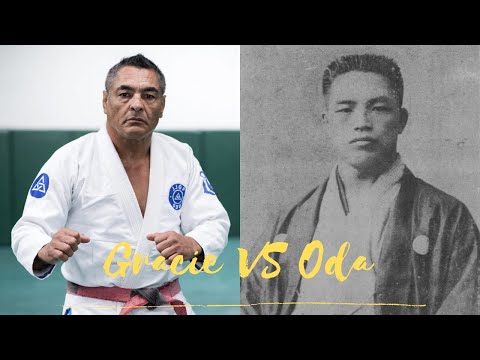
Rickson Gracie vs. Tsunetane Oda: A Masterclass in Foundational Combat

In the hushed halls of martial history, certain encounters resonate not merely for their outcome, but for the profound lessons they impart. The confrontation between Rickson Gracie and Tsunetane Oda is one such event. It’s a bout that transcends the typical spectacle of combat, offering a deep dive into the very essence of what makes a martial artist truly formidable. As a Sensei dedicated to the propagation of Budo and the critical analysis of martial arts in all its forms, I find this particular exchange a fertile ground for dissecting the principles that separate fleeting victory from enduring mastery.

The Legacy of Tsunetane Oda: A Pillar of Kodokan Judo

Before we dissect the encounter, understanding the context of Tsunetane Oda is paramount. Oda was not merely a judoka; he was a living testament to the ideals of the Kodokan. Born into an era where Judo was solidifying its philosophical and technical foundations, Oda exemplified the principles of Seiryoku Zenyo (Maximum Efficiency, Minimum Effort) and Jita Kyoei (Mutual Welfare and Benefit). His reputation preceded him as a formidable competitor and an influential instructor, deeply rooted in the rigorous training methodologies that defined early Judo.

"Judo is not merely a technique of attack and defense, but a way of life, a path of self-improvement." - Jigoro Kano

Oda's journey within the Kodokan was one of dedication and mastery. He understood the intricate biomechanics of throws like the Ouchi Gari and Seoi Nage, but more importantly, he grasped the underlying principles of leverage, timing, and kuzushi (breaking balance). In a street fight scenario, or even a regulated contest, a judoka of Oda's caliber possessed a threat that extended far beyond mere physical strength. His ability to redirect an opponent's force, to exploit the smallest imbalance, was a skill honed through years of relentless practice, a true embodiment of the BUDO spirit.

Rickson Gracie: The Embodiment of Brazilian Jiu-Jitsu's Evolution

Across the Pacific, a different martial revolution was brewing, spearheaded by the Gracie family. Rickson Gracie, often hailed as the greatest Gracie of them all, became the living embodiment of Brazilian Jiu-Jitsu’s effectiveness. His philosophy was rooted in the idea that a smaller, weaker individual could defeat a larger, stronger opponent through superior technique, leverage, and ground fighting prowess. This wasn't just theory; Rickson’s undefeated record, particularly in vale tudo (no-holds-barred) matches, served as the ultimate validation.

What set Rickson apart was his seemingly effortless control. He didn't rely on brute strength but on an innate understanding of pressure points, joint manipulation, and submission holds like the choke and the armbar. His application of these techniques was fluid, almost organic, reflecting a deep, almost intuitive mastery of his art. He demonstrated that the foundation of BJJ wasn't just about grappling; it was about a comprehensive system of control that began standing and transitioned seamlessly to the ground. This was a direct challenge and evolution of the striking-heavy combat prevalent at the time.

The Encounter: A Clash of Philosophies

The bout between Rickson Gracie and Tsunetane Oda wasn't just a fight; it was a philosophical debate enacted on the mat. On one side, we had the established authority of Kodokan Judo, a system refined over decades, emphasizing standing techniques and throws with a strong emphasis on self-discipline and holistic development. On the other, the burgeoning power of Brazilian Jiu-Jitsu, a system that had evolved from Judo, focusing on ground fighting and submission holds as the ultimate deciders of a contest, particularly in a context where rules were minimal.

The anticipation surrounding this fight was immense. Many wondered if Oda's Judo prowess, honed under the strict tenets of the Kodokan, could overcome Gracie's methodical dismantling of opponents on the ground. Could the foundational principles of Judo, as taught by masters like Kano and exemplified by Oda, stand against the aggressive refinement of BJJ that Gracie represented? This wasn't just a personal contest; it was a symbolic battle between two titans of martial arts evolution.

Technical Breakdown: The Subtle Art of Control

When analyzing the exchange, the initial engagement is crucial. Both fighters, being masters of their respective arts, would have begun by establishing dominant grips, testing each other's balance and posture. Oda, true to his Judo background, would have likely sought to utilize kuzushi to create throwing opportunities. His grips would have been strong, designed to control Gracie’s center of gravity and initiate a powerful throw.

However, Gracie’s game was different. His grips were not solely for the purpose of throwing, but for control, for pulling his opponent into his domain – the ground. A key element to watch for would be Gracie’s ability to defend against the throw while simultaneously setting up his own transition. This is where the evolution of BJJ is evident. While Judo emphasizes the throw and the immediate pin, BJJ recognizes that the fight often continues after the throw, or that a failed throw can be an opportunity to secure a dominant ground position.

If the fight went to the ground, as was often Gracie’s intention, the dynamic would shift entirely. Oda, though trained in groundwork, would find himself in a situation where Gracie's specialization would come to the fore. Gracie's guard passing, his pressure, and his suffocating submission holds – the triangle choke, the armbar, the kimura – were legendary. He wouldn't just be trying to submit Oda; he’d be systematically dismantling his defenses, controlling his hips and posture, making escape a near impossibility.

A critical point of analysis is the concept of "position before submission." Gracie exemplified this. He wouldn't rush into a submission attempt. Instead, he would establish dominant positional control – mount, side control, or a suffocating guard – before patiently applying pressure and seeking the most opportune moment for a tap. This methodical approach is a hallmark of high-level BJJ and is directly contrasted with approaches that might prioritize immediate, high-risk attacks.

Lessons Learned: Beyond the Bout

The enduring legacy of this encounter lies not just in who won or lost, but in the principles it illuminates. For judoka, it reinforces the importance of adapting their training to include comprehensive groundwork defense and offense, understanding that the fight does not always end with a throw. For BJJ practitioners, it’s a powerful reminder of the roots from which their art sprang and the critical importance of standing techniques and control to initiate their ground game. It underscores that true martial arts mastery requires a holistic approach, encompassing both striking and grappling, standing and ground fighting.

Moreover, this bout highlights the critical role of foundational principles. Whether it's the balance and leverage in Judo or the pressure and submission control in BJJ, the core concepts of efficient movement, timing, and understanding an opponent's structure are universal. The ability to adapt and evolve, incorporating the strengths of different martial arts while staying true to one's core philosophy, is what creates a truly complete martial artist.

"The supreme art of war is to subdue the enemy without fighting." - Sun Tzu, The Art of War

In essence, Rickson Gracie vs. Tsunetane Oda serves as a profound case study in martial arts evolution. It demonstrates that the most effective fighters are those who understand not only their own art but also the strengths and weaknesses of others, allowing them to adapt and dominate across different contexts.

Veredict of the Sensei: Did This Fight Earn Its Stripes?

Absolutely. While the specific context and outcome might be debated by purists, the encounter between Rickson Gracie and Tsunetane Oda is a pivotal moment in martial arts history. It perfectly encapsulates the transition and evolution of combat sports, showcasing the practical application of distinct, yet interconnected, martial philosophies. It’s a testament to the idea that mastery of fundamentals, whether in standing techniques or ground control, is the ultimate key to victory. This fight is a masterclass in strategic application and foundational dominance.

Sensei's Rating:

Cinturón Negro en Análisis Táctico y Filosófico.

Essential Training for Foundational Mastery

To truly understand and implement the principles showcased in a bout like this, rigorous training in fundamental techniques is non-negotiable. Whether you lean towards Judo or BJJ, or seek a hybrid approach, focusing on the core elements is paramount.

  • Grip Fighting: Developing strong, intelligent grips is the first step in controlling distance and initiating techniques, both standing and on the ground.
  • Balance and Posture: Mastering the ability to maintain your own balance while disrupting your opponent's is crucial for throws and submissions.
  • Takedown Defense: For grapplers, understanding how to defend against takedowns is as important as executing them.
  • Positional Control: In BJJ, establishing and maintaining dominant positions like mount, side control, and back control is the foundation for successful submissions.
  • Submission Fundamentals: Practicing common submissions like armbars, chokes, and leg locks under pressure is vital.
  • Flow Rolling/Randori: Regular sparring (Randori in Judo, Rolling in BJJ) is essential to integrate techniques and develop practical application.

If you're looking to enhance your training, consider investing in quality equipment. For Judo practitioners, a durable, double-weave gi is essential, while BJJ requires a gi that allows for maximum flexibility. For those focusing on striking or conditioning, investing in quality MartialArtsMerchandise like hand wraps and sparring gloves can also be beneficial.

Frequently Asked Questions

What is the primary difference between Kodokan Judo and Brazilian Jiu-Jitsu in terms of philosophy?

Kodokan Judo, founded by Jigoro Kano, emphasizes holistic development, including physical, mental, and moral aspects, with a focus on throwing techniques and self-defense principles like Seiryoku Zenyo and Jita Kyoei. Brazilian Jiu-Jitsu, evolved from Judo by the Gracie family, places a stronger emphasis on ground fighting and submission holds as the primary means of defeating an opponent, particularly in no-holds-barred contexts.

Was Rickson Gracie undefeated?

Rickson Gracie is widely recognized for his undefeated professional record, particularly in vale tudo (no-holds-barred) contests, solidifying his reputation as one of the most dominant martial artists of his era.

What is 'kuzushi' in Judo?

Kuzushi refers to the act of breaking an opponent's balance or disrupting their posture. It is a fundamental principle in Judo, essential for executing effective throws.

What are the main submissions in Brazilian Jiu-Jitsu?

Key submissions in BJJ include various types of chokes (e.g., rear-naked choke, triangle choke) and joint locks (e.g., armbar, kimura, omoplata).

How did Judo influence Brazilian Jiu-Jitsu?

Brazilian Jiu-Jitsu originated from Judo techniques brought to Brazil by Mitsuyo Maeda. The Gracie family, particularly Hélio Gracie, adapted and refined these techniques, focusing more heavily on groundwork and submissions that proved effective against larger opponents.

To Deepen Your Understanding

To truly grasp the nuances of martial arts, continuous learning and exploration are key. Here are some resources to further your journey:

  • BUDO: Explore the philosophical underpinnings of Japanese martial ways.
  • Artes Marciales: A broad overview of various martial disciplines and their histories.
  • Entrenamiento: Practical guides and tips for enhancing your physical conditioning and technical skills.

Reflection of the Sensei: Your Next Step

In the grand tapestry of combat, is true mastery found in perfecting a single thread, or in weaving together multiple strands into a stronger, more resilient whole? Consider how the principles of Judo's standing control and BJJ's ground dominance can inform your own training, regardless of your chosen path. Are you merely practicing techniques, or are you striving for the profound understanding that transcends the physical?

``` GEMINI_METADESC: Explore the legendary clash between Rickson Gracie and Tsunetane Oda. Analyze the foundational principles of Judo and BJJ, and learn critical lessons for martial arts mastery.

PRIDE FC 1: A Brutal Prelude to a Martial Arts Revolution

Greetings, warriors and seekers of true martial arts. Today, we delve into a pivotal moment that reshaped the landscape of combat sports: PRIDE Fighting Championships 1. This wasn't just another fight card; it was a raw, unfiltered exhibition of power, technique, and sheer willpower that sent shockwaves through the martial world. If you appreciate the unadulterated spirit of combat and want to support the legacy of these arts, consider exploring exclusive collectibles that honor this heritage.

The Tokyo Dome on October 11, 1997, was the crucible where legends began to forge their names. PRIDE FC 1 brought together a volatile mix of martial artists, each with a distinct path and a fierce desire to prove their mettle. This event wasn't about pristine technique or the modern, heavily regulated sport we see today; it was a return to something more primal, a testament to the warrior ethos that has echoed through centuries of martial tradition.

The Genesis of PRIDE: A Departure from the Norm

Before the UFC dominated the global stage, PRIDE FC emerged as a formidable force, particularly in Japan, offering a different flavor of mixed martial arts. The early PRIDE events were characterized by their unpredictability, the sheer physicality of their athletes, and a presentation that, while sometimes chaotic, felt undeniably authentic to the concept of a "fighting championship." This first installment was no exception, laying the groundwork for what would become a legendary promotion.

At its core, the intention behind an event like PRIDE FC 1 was to showcase the effectiveness of various martial arts under one banner. It was a bold experiment, a melting pot where striking arts collided with grappling disciplines, and the lines between tradition and innovation blurred. The ultimate goal? To determine who possessed the most formidable skills when stripped down to the fundamentals of combat.

Match Breakdown: A Symphony of Violence

Let's dissect the encounters that made PRIDE FC 1 a landmark event:

  • 2:16 - Kazunari Murakami vs. John Dixson: A clash that set the tone, demonstrating the grit and determination that would define PRIDE. Murakami, a skilled judoka, faced the powerful Dixson, setting the stage for a grappling-heavy encounter.
  • 6:40 - Gary Goodridge vs. Oleg Taktarov: This bout pitted the formidable striking power of Goodridge, a kickboxing and Muay Thai veteran, against the tenacious submission skills of Taktarov, a sambo master. It was a classic striker versus grappler matchup.
  • 15:39 - Renzo Gracie vs. Akira Shoji: Representing the esteemed Gracie family and the art of Brazilian Jiu-Jitsu, Renzo Gracie faced the Japanese mixed martial artist Akira Shoji. This fight was a testament to BJJ's effectiveness on the grand stage, showcasing submission artistry against a determined opponent.
  • 50:17 - Koji Kitao vs. Nathan Jones: A fascinating contrast in physiques and backgrounds. Kitao, a sumo wrestler turned kickboxer, met the imposing presence of Nathan Jones, an Australian powerlifter and former wrestler. This bout promised raw power and a test of different physical attributes.
  • 54:55 - Branko Cikatic vs. Ralph White (KICKBOXING): A pure kickboxing contest, showcasing the striking prowess of "The Croatian Tiger," Branko Cikatic, a feared heavyweight kickboxer. This segment highlighted that PRIDE wasn't solely focused on MMA, but embraced other forms of combat.
  • 1:04:34 - Kimo Leopoldo vs. Dan Severn: An iconic pairing. Kimo, known for his unique physique and controversial entrance, faced Dan "The Beast" Severn, a legendary amateur wrestler and MMA pioneer. This fight was a brutal display of heart and endurance.
  • 1:41:29 - Rickson Gracie vs. Nobuhiko Takada: The main event featured a legendary figure in martial arts history, Rickson Gracie, facing the charismatic Japanese pro-wrestler and MMA fighter Nobuhiko Takada. This bout carried immense weight, pitting the undisputed king of BJJ against a national hero.

The Spirit of PRIDE: More Than Just a Fight

PRIDE FC 1 was more than just a series of bouts; it was a cultural phenomenon. The atmosphere in the Tokyo Dome, the distinctive walkouts, the iconic commentary – it all contributed to an experience that transcended the sport itself. It tapped into a deeper aspect of martial arts: the courage to face adversity, the discipline to prepare, and the unyielding will to overcome.

"True martial arts are not about fighting, but about the pursuit of perfection and the development of character." - A principle echoed across many traditions. PRIDE FC 1, in its raw form, certainly tested character.

The event championed the idea that different martial arts had value. While modern MMA often synthesizes techniques, PRIDE FC 1 allowed styles to clash in their purest, most fundamental forms. It was a living laboratory for martial arts efficacy, where the efficacy of Judo, Brazilian Jiu-Jitsu, Kickboxing, Sambo, and wrestling was put to the ultimate test.

Veredicto del Sensei: ¿Merece la pena?

PRIDE FC 1 is an essential watch for any serious student of combat sports and martial history. It represents a crucial evolutionary step in mixed martial arts. While the production values might seem dated compared to today's slick broadcasts, the raw intensity and the significance of the matchups are undeniable. It’s a window into a more primal era of fighting, where warriors stepped onto the canvas with less fanfare and more pure intent. This event is a testament to the enduring allure of the fight, a reminder of the basic human desire to test oneself against another. For its historical importance and the sheer spectacle of the clashes, it earns a definitive **Cinturón Negro en Legado Histórico**.

Equipo Esencial para tu Entrenamiento

To truly appreciate the dedication these athletes displayed, one must understand the training regimens they likely endured. For those inspired to embark on their own martial journey, the right equipment is crucial:

  • Gi/Kimono: For grappling arts like Judo and Brazilian Jiu-Jitsu, a durable gi is paramount. Look for double-weave or heavyweight fabrics for longevity.
  • Gloves: Whether for striking or MMA sparring, investing in good quality 16oz training gloves is a must to protect your hands and your training partners.
  • Mouthguard: Essential for any combat sport to protect your teeth and jaw.
  • Shin Guards: Necessary for kickboxing and Muay Thai training to prevent injuries during kicking drills.
  • Training Mats (Tatami): For home practice of throws and groundwork, having safe, padded flooring is key.

Guía de Entrenamiento: Desarrollando el Espíritu de Combate

While PRIDE FC 1 showcased elite athletes, the principles behind their success are accessible to everyone. Here’s how to cultivate that fighting spirit in your own training:

  1. Consistency is King: Just as the PRIDE fighters showed up time and again, commit to regular training sessions. Even short, consistent workouts are more effective than sporadic, long ones.
  2. Embrace Discomfort: Pushing past your perceived limits is where growth happens. Whether it's holding a tough submission longer or enduring an extra round of sparring, embrace the struggle.
  3. Study Your Opponent (and Yourself): Understand the strengths and weaknesses of your chosen martial art. Equally important, know your own physical and mental capabilities.
  4. Sparring as a Teacher: Engage in live sparring with varied partners. This is where techniques are tested, timing is developed, and mental fortitude is built. Remember the `FightAnalysis` and `FightAnalysis` principles.
  5. The Power of Conditioning: Raw technique is useless without the physical capacity to execute it. Incorporate strength, agility, and endurance training into your routine.

Para Profundizar en tu Camino

  • MMA: Understand the evolution of this dynamic sport.
  • BUDO: Explore the philosophical underpinnings of Japanese martial ways.
  • Judo: Learn about the art of yielding and its foundational throws and grappling.
  • KarateKyokushin: Discover a full-contact Karate style known for its toughness.
  • Artes Marciales: A broad overview of the martial arts landscape.

Preguntas Frecuentes

  • What made PRIDE FC 1 significant? PRIDE FC 1 was significant because it was a pioneering event in Japan that helped popularize mixed martial arts globally, showcasing a diverse range of martial arts styles clashing in a competitive format.
  • Was PRIDE FC 1 a pure MMA event? While primarily focused on what we now recognize as MMA, PRIDE FC 1 also included pure kickboxing matches, demonstrating a broader interest in combat sports.
  • Who was the main event fighter Rickson Gracie? Rickson Gracie is a legendary Brazilian Jiu-Jitsu master, widely considered one of the greatest grapplers in history. His match against Nobuhiko Takada was a highly anticipated clash of styles.
  • How did PRIDE FC differ from the UFC at the time? PRIDE FC often featured a different atmosphere, with unique fighter entrances, a distinct ring (instead of a cage), and a sometimes more 'wild west' feel compared to the UFC's early, more structured approach.

Reflexión del Sensei: Tu Próximo Paso

The warriors of PRIDE FC 1 stepped into the arena with a singular purpose: to test their art and their spirit. They understood that true martial prowess is forged not just in physical training, but in the mental fortitude to face the unknown. As you watch these historic battles, ask yourself: When faced with your own 'unknown,' do you retreat into comfort, or do you step forward with the courage of a warrior, ready to learn and adapt?

``` GEMINI_METADESC: Explore PRIDE FC 1's historic matchups, the evolution of MMA, and the spirit of combat. A critical review from a martial arts perspective.

Rickson Gracie's "Choke": A Martial Masterclass or a Gracie Propaganda Piece?

"The truth is that martial arts, in their purest form, are not about violence, but about discipline, respect, and the pursuit of self-perfection." - A common sentiment echoed by many martial arts masters.
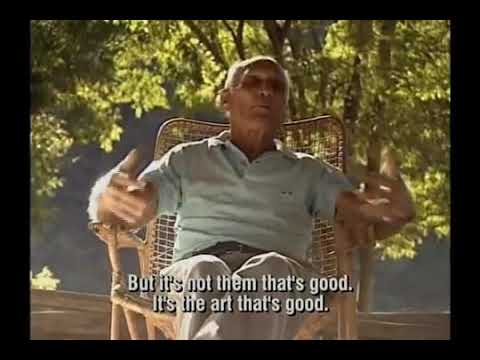
The year is 1995. The world of combat sports is on the cusp of a revolution, a seismic shift orchestrated in large part by the Gracie family and their seemingly invincible art: Brazilian Jiu-Jitsu. And at the epicenter of this unfolding saga stands Rickson Gracie, a name that would soon become synonymous with unbreakable resolve and unparalleled technical prowess. The documentary "Choke," a product of Manga Entertainment, aims to capture this pivotal moment, following Rickson as he gears up for the brutal Vale Tudo Japan 1995 tournament. But does this film merely present a straightforward chronicle, or does it serve as a carefully crafted testament to the Gracie dynasty's dominance? This is where our critical eye, honed by decades of studying the philosophy and practice of martial arts, must engage.
The core intention behind seeking out a film like "Choke" for many martial arts enthusiasts is multifaceted. Some are pure fans of Rickson Gracie, eager to witness firsthand the legend in action and glean insights into his preparation. Others are practitioners of Brazilian Jiu-Jitsu or MMA, looking for technical nuances or inspiration for their own training. A significant portion, however, are likely drawn by the mystique of Vale Tudo – the "anything goes" fights that preceded modern MMA – and the Gracie family's reputation for systematically dismantling larger opponents. My aim here is not just to summarize the film, but to dissect it through the lens of a martial arts scholar, examining the authenticity of the depiction, the spirit of the art presented, and the underlying narrative.

The Gracie Lineage: A Foundation of Judo and Innovation

To truly appreciate Rickson Gracie's place in martial arts history, we must first understand his roots. Born on November 21, 1958, Rickson is a 9th-degree red belt in Gracie Jiu-Jitsu, a testament to a lifetime dedicated to the art. His family's journey into martial arts began with the teachings of Mitsuyo Maeda, a Japanese judoka and student of Judo's founder, Jigoro Kano. Maeda’s influence on Carlos Gracie, and subsequently Helio Gracie, led to the development of Brazilian Jiu-Jitsu. This lineage, therefore, traces back to the very foundations of Judo, emphasizing leverage, technique, and positional control over brute strength. This is the bedrock upon which Rickson's formidable reputation was built. The instructor lineage is a crucial concept in BUDO, reinforcing the idea that knowledge is passed down through direct transmission. Jigoro Kano → Mitsuyo Maeda → Carlos Gracie → Helio Gracie → Rickson Gracie. This unbroken chain highlights the evolution and adaptation of a martial art over generations, a process that requires not just technical skill but also philosophical depth.

Vale Tudo Japan 1995: The Crucible of Competition

"Choke" centers on Rickson Gracie's preparation for Vale Tudo Japan 1995. This era was a wild west for combat sports. Rules were minimal, and the emphasis was on determining the most effective fighting style. For the Gracie family, particularly Rickson, these events were not merely contests but opportunities to prove the superiority of their Brazilian Jiu-Jitsu. Rickson’s reputation preceded him; he was widely considered the most dominant fighter in the family, a man who had rarely, if ever, tasted defeat. The pressure on him to perform, to uphold the family name and the effectiveness of their art, was immense. The documentary captures the raw intensity of this preparation. We see glimpses of Rickson’s training regimen, his strategic thinking, and the psychological fortitude required to step into the ring against diverse opponents. It’s a window into the mindset of a fighter at the pinnacle of his physical and mental conditioning, a state often referred to in Martial Philosophy as "Mushin" – the mind of no mind, where actions flow instinctively without conscious thought.

The Art of the Clinch and Ground Game: Gracie Jiu-Jitsu in Action

At its heart, "Choke" is a showcase for Gracie Jiu-Jitsu’s effectiveness, particularly in the realm of grappling and ground fighting. The film highlights Rickson's masterful ability to control opponents, often much larger than himself, and transition them to the mat where his submission skills could be unleashed. This aligns perfectly with the core principles of BJJ: a smaller, weaker person can successfully defend against a bigger, stronger assailant by using proper technique, leverage, and most importantly, by taking the fight to the ground where size and strength become less decisive factors. The effectiveness of techniques like the armbar, the triangle choke, and various strangulation holds (chokes) are implicitly demonstrated throughout the documentary. The term "choke" itself refers to these submission holds that restrict airflow or blood flow to the brain, leading to unconsciousness. Rickson’s precision in applying these submissions, often making it look effortless, is a testament to countless hours of dedicated practice.
"The supreme art of war is to subdue the enemy without fighting." - Sun Tzu, The Art of War. While "Choke" showcases fighting, the underlying strategy of controlling and neutralizing an opponent embodies this principle.

Critical Analysis: Beyond the Hype

As a critic steeped in the traditions of martial arts, I must look beyond the surface. "Choke" is undeniably a compelling watch, but we must ask: how authentic is its portrayal? Documentaries, by their nature, often frame a narrative. Is this an objective look at Rickson Gracie, or a carefully constructed piece of propaganda designed to further cement the Gracie mythos? The film showcases Rickson's victories, his physical dominance, and his calm demeanor. But what about the struggles? What about the moments of doubt, the near-defeats, the raw vulnerability that every true warrior experiences? While the documentary aims to inspire, it occasionally risks presenting an almost superhuman image of Rickson, which, while perhaps true in a sporting context, can sometimes detract from the relatable human journey of training and perseverance. The focus on Vale Tudo Japan 1995, while a significant event, also implicitly frames BJJ as the ultimate martial art, capable of overcoming any other style. This was a common assertion by the Gracie family during that period, and "Choke" certainly reinforces that message. However, the subsequent evolution of MMA has shown that a blend of striking, wrestling, and grappling is often the most effective approach. Critiquing the film from a historical perspective, it's important to remember that BJJ’s dominance in these early Vale Tudo events was groundbreaking but not the absolute final word on martial efficacy.

Veredicto del Sensei: ¿Merece la pena?

"Choke" is an essential viewing for anyone interested in the history of MMA and the Gracie family's profound influence. It provides a vivid portrayal of Rickson Gracie at the height of his powers and offers a glimpse into the brutal yet captivating world of early Vale Tudo. The technical aspects, while not explicitly broken down in a step-by-step tutorial, are visually evident in Rickson’s performance. However, as a critical observer, I find it to be a celebration rather than a purely objective historical document. It's a testament to Rickson's skill and the effectiveness of Gracie Jiu-Jitsu, but perhaps less so an exploration of the nuanced realities of combat sports evolution. It’s a powerful piece of storytelling, but like all stories, it's told from a particular perspective. **Calificación del Sensei:** Cinturón Negro en Legado, con un Matiz de Propaganda.

Equipo Esencial para tu Entrenamiento

While "Choke" doesn't directly focus on equipment, consistent training in disciplines like BJJ or MMA requires specific gear to ensure safety and effectiveness. For those inspired by Rickson's dedication, consider the following:
  • Gi (Kimono): A durable gi is essential for Judo and BJJ training. Look for pre-shrunk, double-weaved fabrics for longevity.
  • Rash Guards: Worn under the gi or during no-gi grappling, these offer protection and help manage moisture.
  • Mouthguard: Crucial for protecting your teeth and jaw during sparring.
  • Grappling Gloves (Lightweight): For MMA-specific drills and sparring, lightweight gloves (e.g., 4-6oz) are necessary.
  • Training Partners: The most vital piece of equipment. Finding dedicated training partners is paramount for progress.

Guía de Entrenamiento: La Importancia del Sparring

Inspired by Rickson's preparation for Vale Tudo? Sparring is where theory meets practice. Here’s a basic approach:
  1. Warm-up: Begin with light cardio and dynamic stretching to prepare your body.
  2. Positional Sparring: Focus on specific positions (e.g., guard passing, side control escapes). Work on executing techniques you've learned in that specific scenario.
  3. Situational Sparring: Simulate fight scenarios, like starting from a specific position or defending a takedown.
  4. Live Sparring (Randori/Rolling): Engage in free-flowing sparring, applying techniques as they come naturally. The goal is to test your skills under pressure, learn from mistakes, and understand distance and timing. Remember the spirit of Budo: respect your partner and focus on learning, not just winning.
  5. Cool-down: Static stretching and reflection on what you learned during the session.

Preguntas Frecuentes

What is Vale Tudo?

Vale Tudo, meaning "anything goes" in Portuguese, was a form of MMA that originated in Brazil. It featured minimal rules, allowing for a wide range of techniques including striking and grappling, often with few protective measures.

How did Gracie Jiu-Jitsu differ from Judo?

While derived from Judo, Gracie Jiu-Jitsu (BJJ) placed a greater emphasis on ground fighting and submissions. Helio Gracie, in particular, adapted techniques to be effective for smaller individuals against larger opponents, focusing heavily on leverage and submission holds.

Is Rickson Gracie still involved in martial arts?

While retired from professional fighting, Rickson Gracie remains an influential figure, teaching and promoting Gracie Jiu-Jitsu worldwide. He continues to advocate for the art and its principles.

What was the significance of Rickson Gracie's fights in Japan?

Rickson's undefeated record in Japan, particularly in organizations like Vale Tudo Japan, was instrumental in popularizing Brazilian Jiu-Jitsu globally and challenging the perceived dominance of other martial arts styles at the time.

What are the main benefits of training Brazilian Jiu-Jitsu?

BJJ offers numerous benefits, including improved physical fitness, enhanced problem-solving skills, increased confidence, discipline, and a deep understanding of leverage and body mechanics. It's often described as a physical chess match.

Para Profundizar en tu Camino

Reflexión del Sensei: Tu Próximo Paso

"Choke" presents a powerful narrative of skill, lineage, and dominance. But as practitioners, we must always look deeper. Rickson Gracie's journey is a testament to dedication, but is the art of martial combat solely about proving superiority, or is it about the internal battle for self-mastery? Does focusing solely on the "win" diminish the profound philosophical lessons embedded within the struggle? Consider this: If you were to face an opponent whose style was completely unknown to you, and your only weapon was the pure principle of your chosen art, what would truly be your strongest asset? The technique, the lineage, or the unwavering spirit cultivated through years of discipline? GEMINI_METADESC: Critically review Rickson Gracie's 'Choke' documentary. Analyze BJJ, Vale Tudo, and the Gracie legacy from a martial arts expert's perspective.