Showing posts sorted by date for query Muay Thai. Sort by relevance Show all posts

Takanoyama Shuntarō: The "Small But Mighty" Master of Judo Throws in Sumo

Introduction: The Anomaly of Takanoyama

Have you ever watched a martial artist, seemingly outmatched by their opponent's size and strength, still emerge victorious? This isn't magic; it's the elegant application of technique, timing, and an indomitable spirit. In the world of Sumo, a sport often defined by sheer mass, one wrestler stood out, not for his bulk, but for his brilliance. Takanoyama Shuntarō, hailing from the Czech Republic, shattered expectations, proving that in combat, as in life, technique and tenacity can indeed conquer brute force. This analysis dives deep into his arsenal, dissecting the throws that made him a beloved figure and a testament to the "small but mighty" principle.

Takanoyama's Unique Journey: Defying Sumo's Giants

Takanoyama Shuntarō, born Martin Koselecta, carved a unique path in the hallowed dohyo of professional Sumo. As a European venturing into a deeply traditional Japanese sport, he faced an uphill battle from the outset. The average weight of a top-division Makuuchi wrestler often exceeds 150 kg. Takanoyama, however, consistently competed in the 80-100 kg range. This stark physical disparity could have been a career-ending limitation. Instead, it became his greatest teacher, forcing him to hone an exceptional understanding of leverage, timing, and evasive footwork. His speed and mastery of judo principles, a natural fit for his agile frame, allowed him to outmaneuver and defeat opponents who dwarfed him. He wasn't just a novelty; he was a strategic genius on the mat.

Technique Breakdown: The Arsenal of a Smaller Wrestler

The brilliance of Takanoyama lay in his ability to execute techniques that maximized his advantages while neutralizing his opponents' size. He didn't rely on overwhelming power; he employed precision and speed. Let's examine some of his signature finishes that consistently saw him victorious:

Kote-nage (Armlock Throw)

Takanoyama's kote-nage was a masterclass in deception and leverage. The core of this technique involves establishing a firm grip on the opponent's wrist (kote). From there, instead of forcing the throw, he artfully used the opponent's own forward momentum or attempted forward movement against them. A swift rotation of his body, combined with a pulling action on the captured wrist, redirected their energy, causing them to lose balance and be thrown over his back or to the side. This is a classic judo throw, but Takanoyama's execution, particularly the precise timing and angle, made it devastatingly effective against larger sumo wrestlers.

Koshi-guruma (Hip Wheel)

Another technique that highlights his judo background is the koshi-guruma. This throw involves wrapping one of Takanoyama's legs around the opponent's hip, creating a fulcrum. With a simultaneous pull forward and a powerful twist of his torso, he would elevate and unbalance his opponent, using his hip as the pivot point. The momentum generated would send the larger wrestler crashing down. The effectiveness here lies in getting the leg placement correct and generating the rotational force quickly, preventing the opponent from stabilizing or counteracting.

Oshi-dashi (Push Out)

While Takanoyama excelled in throwing techniques, his oshi-dashi, or push out, was a pure display of his speed and agility. This technique requires an explosive burst of energy to drive the opponent backward. Takanoyama, with his lighter frame, could generate rapid forward pressure. He would use quick, powerful shoves, often targeting the opponent's upper body and shoulders, to force them out of the ring. His ability to maintain balance and drive forward while his opponent was attempting to resist or counter was crucial to its success. It’s a testament to his conditioning and lower body strength.

Sukuinage (Beltless Arm Throw)

This technique, often seen in judo, involves an arm throw where the grip is established differently, often without a traditional belt grip. Takanoyama would secure a grip on his opponent's arm and, using a scooping motion with his body, throw them over his hip. The key here is to get under the opponent's center of gravity and use their own weight to complete the throw. His agility allowed him to make the necessary adjustments to create the throwing angle, turning a potential disadvantage into an offensive opportunity. It’s a dynamic throw that requires excellent body control.

Uchimuso (Inner Thigh Throw)

Takanoyama's mastery of judo skills shone through in his uchimuso. This throw involves attacking the opponent's legs or inner thigh area. He would use his grappling ability to secure a grip, often on the opponent's leg or gi near the thigh. With a precise hip movement and a lifting or sweeping action, he would unbalance the opponent, using their own forward pressure or stability against them. This technique requires significant timing and the ability to get low and deep, something Takanoyama was adept at, allowing him to execute it even against much larger opponents.

Beyond Technique: The Mental Game

What truly set Takanoyama apart, and what offers the most profound lessons for any martial artist, was his mental fortitude. He entered a sport steeped in tradition, where size was king, and had to overcome not only his physical limitations but also potential cultural barriers. His ability to persevere through rigorous training, maintain focus, and execute complex techniques under pressure is a testament to his inner strength and dedication. He proved that a warrior's heart and a sharp mind are often more critical than sheer physical dominance.

"In the martial path, it is not the size of the warrior that matters, but the size of their heart."

This adage resonates deeply when we consider Takanoyama's career. He embodied this philosophy, turning perceived weaknesses into strengths through sheer willpower and intelligent application of skill.

Lessons for Every Budoka: Perseverance and Adaptability

The journey of Takanoyama Shuntarō offers invaluable lessons for every practitioner of martial arts, regardless of their style or size. His career is a powerful reminder that:

  • Technique over Brute Force: Superior technique, timing, and leverage can overcome significant size and strength disparities.
  • Adaptability is Key: Understanding your own physical attributes and adapting your strategy and techniques accordingly is crucial for success.
  • Mental Strength is Paramount: True mastery is forged not just in the body, but in the mind. Perseverance, discipline, and a positive attitude are essential tools.
  • Embrace Challenges: Difficulties, whether physical limitations or external obstacles, can be catalysts for growth and innovation.

As martial artists, we face our own challenges, whether it's mastering a difficult technique breakdown, improving our mental strength, or simply staying dedicated. Takanoyama’s story encourages us to push past our perceived limits and continually refine our skills and our spirit.

Cross-Training: Expanding Your Martial Horizon

While Takanoyama's primary discipline was Sumo, his effective use of judo principles demonstrates the power of cross-training. For martial artists today, broadening one's skillset beyond a single discipline is not just beneficial, it's increasingly essential. Exploring different combat sports and martial arts can:

  • Introduce new strategic perspectives.
  • Develop different physical attributes (e.g., grappling, striking, flexibility).
  • Enhance problem-solving skills on the mat.
  • Provide a more well-rounded understanding of combat.

Whether it's incorporating Judo throws into your BJJ, understanding striking principles from Kickboxing for your Muay Thai training, or learning defensive strategies from Aikido, the martial world is interconnected. Embracing this diversity makes you a more complete and adaptable fighter.

Essential Gear for Your Training

To effectively train in disciplines like Judo, Sumo, or any other martial art, having the right equipment is crucial. For Judo practitioners, a high-quality Judo gi is paramount. Look for a durable, double-weave gi that can withstand the rigors of throws and grappling. For those interested in simulating Sumo or practicing specific throwing drills, sturdy mats are essential for safety. Consider investing in:

  • High-Quality Judo Gi: Look for brands known for durability and fit. A good gi enhances grip and withstands pulling forces.
  • Training Mats: Essential for safe practice of throws, falls (ukemi), and groundwork.
  • Wrestling Shoes: For styles that require precise footwork and grip on the mat.
  • Resistance Bands: Excellent for strength and conditioning, mimicking pulling and pushing motions relevant to grappling.

Exploring gear can also lead you to discover resources like specialized training manuals or online courses focused on specific technique breakdowns.

Frequently Asked Questions

What made Takanoyama unique in Sumo?

Takanoyama Shuntarō was unique due to his significantly smaller stature compared to his peers, competing between 80-100 kg in a sport dominated by wrestlers over 150 kg. He compensated with exceptional speed, agility, and judo-based techniques.

What are some key Judo techniques Takanoyama utilized?

He effectively employed techniques such as Kote-nage (armlock throw), Koshi-guruma (hip wheel), Sukuinage (beltless arm throw), and Uchimuso (inner thigh throw), adapting them for the Sumo ring.

How did Takanoyama overcome his size disadvantage?

He leveraged his speed, agility, and precise execution of Judo throws. His strategy focused on outmaneuvering opponents, using their momentum against them, and exploiting openings rather than relying on brute strength.

What broader lessons can martial artists learn from Takanoyama?

Martial artists can learn about the importance of technical mastery, adaptability, mental fortitude, perseverance in the face of adversity, and the strategic advantage of speed and timing over sheer size.

For Deeper Insight

Sensei's Reflection: Your Next Step

Takanoyama's story is more than just a series of successful throws; it's a living testament to the power of a determined spirit. He demonstrated that the physical ring of a dojo, or the clay of the dohyo, is but one arena. The true battlefield often lies within, where the fight against doubt and limitation is waged. Ask yourself:

"When faced with an opponent, or a challenge, that seems insurmountable due to size or perceived advantage, do you instinctively shrink, or do you instinctively seek the angle, the leverage, the technique that will allow you to prevail?"

Reflect on this. True martial arts mastery isn't just about knowing techniques; it's about embodying the spirit to apply them when it matters most. Now, let your actions speak louder than your thoughts.

```

Busting the Myths: What Young Men Get Wrong About Street Fights

The raw, untamed energy of a street fight. For many young men, it's a concept steeped in a dangerous cocktail of adrenaline, bravado, and a primal urge to assert dominance. It’s a narrative often fueled by cinematic explosions and whispered legends. But this romanticized notion is a minefield of misconceptions, leaving those who believe them vulnerable to severe consequences. As a Budo practitioner and instructor, I've witnessed the fallout from these misguided beliefs far too often. Today, we confront these dangerous myths head-on, not to glorify violence, but to arm you with the truth and the wisdom to avoid it. Are you ready to understand what truly matters when the stakes are real?

Myth 1: Size and Strength Reign Supreme

This is, without a doubt, the most pervasive and potentially lethal myth. The young male psyche is often saturated with the idea that a larger frame and brute force are the ultimate arbiters of a fight's outcome. They envision themselves as titans, crushing lesser opponents with sheer power. But I ask you: have you ever seen a seasoned fighter get blindsided by someone smaller, faster, and more technically adept?

In the crucible of a real confrontation, while size and strength offer *an* advantage, they are far from the decisive factors. The true warriors understand that technique, experience, and crucially, mental fortitude, are the pillars upon which victory rests. Consider the devastating effectiveness of a Judo throw – leverage and timing trumping raw mass. Think of the precision of a Kyokushin Karate strike, delivered with controlled explosiveness, capable of incapacitating a larger foe.

"Strategy without tactics is the slowest route to victory. Tactics without strategy is the noise before defeat." - Sun Tzu. In a street fight, superior technique *is* the superior tactic, often born from strategic understanding of leverage and timing, rendering brute force irrelevant.

This is where the discipline of martial arts becomes not just beneficial, but essential. Learning proper techniques allows you to harness the physics of movement, using your opponent's weight and momentum against them. Through rigorous sparring, you develop the invaluable skill of fight analysis in real-time, learning to read an opponent's intentions before they even fully manifest. And perhaps most importantly, through dedicated mental training, you cultivate the calm focus required to think, react, and survive under duress – a quality utterly absent in a purely brute-force approach.

Myth 2: Knockouts Are the Only Path to Victory

The silver screen bombards us with images of dramatic knockouts – the one-punch K.O., the spinning heel kick that ends it all. This cinematic spectacle breeds the dangerous illusion that fights are won solely through devastating strikes. Young men often fantasize about landing the "money punch" that ends the confrontation instantly. But let me be clear: real-world confrontations are rarely as clean or as dramatic.

The truth is, a fight ending in a clean knockout is statistically rare and often attributable to a lucky shot rather than superior skill. More commonly, street fights devolve into chaotic brawls where injuries are sustained by both parties, and the aggressor is not necessarily the victor. The most effective and reliable path to neutralizing a threat is not through spectacular violence, but through incapacitation.

This is where the intricate world of grappling and submission techniques, honed in arts like BJJ, Judo, and Aikido, proves its worth. Joint locks, chokes, and throws are designed to control and disable an opponent with far greater efficiency and less risk of unpredictable escalation than relying solely on strikes. Mastering these techniques requires discipline, precision, and an understanding of anatomy and leverage – skills forged in the dojo, not on the street.

"The supreme art of war is to subdue the enemy without fighting." - Sun Tzu. While not always possible on the street, the principle extends to minimizing damage and achieving control swiftly, a hallmark of effective grappling.

Relying solely on striking is like bringing a knife to a gunfight – it leaves you dangerously incomplete. The ability to transition from a striking range to a control-based scenario, or to defend effectively against a grappling attack, is paramount. This is the essence of well-rounded martial arts training.

Myth 3: Going Solo is the Ultimate Test of Courage

There's a certain narrative of lone wolf heroism that appeals to the young male ego – the idea that facing multiple opponents alone is the ultimate display of courage and martial prowess. It paints a picture of a solitary warrior, standing defiant against overwhelming odds. This romantic ideal, however, is a perilous fallacy.

In reality, a street fight is not a tournament bracket. It's an unpredictable, often chaotic, and dangerous environment. While courage is admirable, recklessness is not. The presence of allies, friends, or even a supportive group can be an enormous deterrent and a crucial source of backup. A united front can dissuade potential aggressors before a confrontation even begins.

However, this is not an endorsement of mob mentality or gratuitous violence. The objective is safety and de-escalation, not gang warfare. The presence of a group should serve to de-escalate, to provide witnesses, or to ensure that a situation does not spiral out of control. Using group strength to unjustly overwhelm an opponent is not courage; it is bullying.

The true measure of a warrior's strength lies in their ability to assess a situation, to use their voice and intellect to defuse conflict, and to resort to physical means only as an absolute last resort. This principle is deeply embedded in the philosophy of Budo, which emphasizes self-mastery and the avoidance of unnecessary conflict. Learning de-escalation techniques and assertive communication is as vital a skill as any self-defense technique.

Veredicto del Sensei: Avoiding the Pitfalls

Let me be unequivocal: engaging in a street fight is almost never the wise or honorable path. The risks – severe injury, legal repercussions, emotional trauma – far outweigh any perceived 'victory.' The focus for any young man should be on cultivating themselves into a better, more capable individual, not on preparing for imaginary battles.

This means prioritizing the development of genuine skills: the physical discipline of martial arts, the mental resilience fostered by overcoming challenges, and the social intelligence required for effective communication and conflict resolution. True strength isn't about winning fights; it's about developing the wisdom and skill to navigate life's challenges, including avoiding unnecessary confrontations altogether. The goal is not to become a brawler, but a resilient, capable individual.

Practical Training: Building a Real Defense

If your goal is genuine self-improvement and preparedness, then direct your energy towards foundational training. This isn't about learning 'street fighting,' but about building a robust physical and mental foundation that can serve you in all aspects of life, including the unlikely event of needing to defend yourself.

  1. Foundational Striking: Focus on solid Karate or Kickboxing principles. Learn proper footwork, stance, and the mechanics of core strikes like punches and kicks. Practice these diligently to build power and accuracy.
  2. Control and Submission: Integrate Brazilian Jiu-Jitsu or Judo into your training. Learning to control an opponent on the ground, execute basic throws, and apply fundamental submissions like an armbar or choke is crucial for neutralizing threats efficiently.
  3. Situational Awareness: Train your mind to be constantly aware of your surroundings. Practice recognizing potential threats and understanding escape routes. This is a mental skill that requires conscious effort, not just physical conditioning.
  4. De-escalation Drills: Role-play potential confrontation scenarios with training partners. Practice assertive communication, setting boundaries, and walking away. This is often the most critical 'technique' in preventing a fight.
  5. Sparring with Purpose: Engage in controlled sparring sessions that simulate different ranges and scenarios. The aim is not to win, but to learn, adapt, and understand distance, timing, and reaction under pressure.

Frequently Asked Questions

Q1: Is it true that a smaller person can beat a bigger person with martial arts?

Yes, it is absolutely possible. While size and strength offer advantages, superior technique, speed, timing, and strategy can often overcome them. Martial arts train you to exploit an opponent's weaknesses and leverage your own strengths effectively, regardless of size disparity.

Q2: Should I learn multiple martial arts styles?

For comprehensive self-defense and personal development, cross-training in multiple disciplines is highly recommended. Styles like Karate/Kickboxing for striking, and Judo/BJJ for grappling, offer a well-rounded skill set. However, focus on mastering the fundamentals of one or two arts before spreading yourself too thin.

Q3: Is it better to learn self-defense from a movie or a real instructor?

A real, qualified instructor is infinitely better. Movies are for entertainment; they are not instructional tools. They often depict unrealistic techniques and scenarios. A qualified instructor provides structured training, feedback, and a safe environment to learn practical, effective skills.

Q4: What's the best martial art for self-defense?

There isn't one single "best" art. The most effective approach is often a combination that includes striking (like Muay Thai, Kickboxing, or Karate) and grappling (like Judo or BJJ). Crucially, effective self-defense also incorporates situational awareness and de-escalation skills, which are taught across many disciplines but require dedicated focus.

To Deepen Your Path

  • BUDO Philosophy: Understanding the Way of the Warrior
  • Self-Defense: Principles Beyond Techniques
  • Karate vs. MMA: A Clash of Worlds?

In conclusion, the battlefield of the street is a treacherous place, littered with the wreckage of myth-driven bravado. The true path forward lies not in seeking confrontation, but in cultivating the inner and outer strength to navigate life with skill, wisdom, and resilience. Remember, winning a fight is often about mastering yourself, not an opponent.

Reflexión del Sensei: Tu Próximo Paso

You've seen the myths dismantled. Now, look within. Which of these dangerous misconceptions has, even subtly, influenced your own perception of conflict or strength? Is it your size, your striking power, your willingness to stand alone? Confront that illusion in your mind and decide, consciously, to pursue *real* mastery over perceived dominance. How will you actively dismantle this myth within yourself, starting today?

The Unmistakable Signs of a True Martial Arts Devotee (Are You One of Us?)

Have you ever found yourself unconsciously mimicking a stance while waiting in line, or perhaps instinctively blocking a rogue shopping cart? Does the mere mention of "O-soto-gari" send a shiver of excitement down your spine? If your mind immediately races to classic cinema showdowns or the intricate philosophies behind the Bushido code, then welcome, brother/sister. You're not just a practitioner; you're one of the initiated. The path of Budo is not merely a hobby; it’s a profound transformation, a discipline that seeps into the very marrow of your being. But how do we discern true passion from mere fleeting interest? How do we know when the dojo has truly become our second home, and our gi our second skin?

The Unconscious Dojo: When Life Becomes Practice

The first, and perhaps most telling, sign of true martial arts addiction is when the dojo's influence spills into the mundane. You're not just training on the mat; you're training everywhere. Observe the casual observer: they see a person waiting for a bus. You, the devotee, see an opportunity to perfect your Kihon, your basic stances, maintaining perfect posture. That sudden urge to execute a swift Mawashi-geri at a particularly irritating telemarketer? A classic symptom. We’ve all been there, haven't we? That moment in the supermarket aisle when you absentmindedly practice your Tsuki on an unsuspecting cereal box, only to realize the stares you're receiving.

This isn't mere eccentricity; it’s the ingrained muscle memory and the persistent mental conditioning that Budo instills. It speaks to a deep internalization of the principles of balance, focus, and readiness. It’s the spirit of the warrior manifesting in everyday actions, a constant, subtle dance of preparedness.

The Endless Scroll: Immersed in the Digital Dojo

In this digital age, the dojo is never truly closed. For the addicted, the internet becomes an extension of the training floor. Hours melt away, not in frivolous scrolling, but in the relentless pursuit of knowledge. Watching instructional videos, analyzing fight footage, devouring documentaries on legendary masters – this is your daily bread. You find yourself comparing the footwork of a Kyokushin Karateka to that of a Judo practitioner, dissecting the efficiency of a Wing Chun centerline theory versus the explosive power of Muay Thai.

This isn't just passive consumption; it's active study. You’re not merely watching; you are learning, assimilating, constantly seeking to refine your understanding. The legends you admire – perhaps a Miyamoto Musashi, a Mas Oyama, or a Jigoro Kano – become your virtual mentors, their teachings guiding your every thought.

"The ultimate aim of martial arts is not academic or intellectual, but physical and spiritual." - Unknown Master

Sanctuary of the Sweat: The Dedicated Training Space

For those truly consumed, a single room is no longer enough; a dedicated space becomes a necessity. This is more than just a corner with a punching bag. It's a shrine. It’s where the sweat drips and the spirit soars. Here, you organize your precious tools: the well-worn makiwara, the trusty kiai-inducing focus mitts, perhaps even a carefully curated selection of martial arts weaponry – a bo staff leaning against the wall, a bokken resting on a stand. This space is your personal laboratory, your forge. Here, you push your limits, test new techniques, and reconnect with the core of your practice.

The mere existence of such a space signifies a commitment that transcends casual interest. It’s a testament to the fact that martial arts are not just something you *do*, but something you *live*. It’s an investment in your journey, a tangible manifestation of your dedication.

The Sacred Circle: Respecting the Warrior's Time

Those closest to us often become the first to understand the depth of our passion. They learn, sometimes the hard way, that when the gi is on, or when the focus is absolute, disturbance is not an option. The frantic calls, the urgent requests – they often fall on deaf ears during the sacred hours of training. This isn't rudeness; it's recognition. It’s an unspoken agreement that this time is non-negotiable, a period of intense personal development where external distractions must yield.

Your family and friends, if they are truly understanding, will learn to respect these boundaries. They see not stubbornness, but the profound importance you place on your chosen path. They understand that this discipline is building a better version of you, a more focused, resilient, and capable individual.

The Collector's Obsession: Weapons and Wisdom

Beyond the physical, the true devotee develops a hunger for the history, the philosophy, the very soul of martial arts. This often manifests as a collector’s spirit, not just for physical artifacts but for knowledge. You find yourself drawn to the stories of legendary weapons – the katana of a samurai, the nunchaku of Bruce Lee. You begin to amass a personal library of texts, from Sun Tzu's "The Art of War" to treatises on Zen and martial philosophy.

This isn't just about accumulating objects; it's about connecting with the lineage and the legacy. Each weapon displayed, each book carefully preserved, is a reminder of the generations of practitioners who walked this path before you, their struggles and triumphs fueling your own resolve. It’s a tangible link to the martial heritage.

The Expert's Insight: Knowing the Styles and the Masters

Can you differentiate the fluidity of Aikido from the directness of Karate? Can you name the most influential Judo masters of the 20th century? If the answer is a resounding yes, congratulations – you've likely crossed the threshold into true martial arts devotion. You’ve moved beyond simply performing techniques to understanding the underlying principles, the historical context, and the philosophical underpinnings of each style.

This deep knowledge isn’t acquired overnight. It’s the result of countless hours of research, training, and spirited debate. You've likely engaged in heated discussions about the effectiveness of certain techniques in real-world scenarios, or the merits of traditional training versus modern approaches. This intellectual engagement is as crucial as the physical. It shapes your understanding and refines your practice.

The Guru's Shadow: Following a Revered Instructor

A pivotal aspect of the martial arts journey is often finding a mentor who inspires and guides. This isn't just about attending classes; it's about forming a bond built on trust and shared dedication. You find yourself not only attending their every session but seeking their wisdom outside the dojo, following their teachings religiously. You understand that their experience and insight are invaluable, a shortcut through the labyrinth of self-discovery.

This reverence for an instructor is a sign of respect for the lineage and the transfer of knowledge. It acknowledges that while personal exploration is vital, the guidance of a seasoned master can illuminate the path, preventing countless pitfalls and accelerating growth. It’s about recognizing that true mastery is often built upon the shoulders of those who came before.

The Spectator Sport: Competitions and Championships

The thrill of competition is a powerful draw for many martial artists. Attending tournaments, whether as a participant or a spectator, offers a unique insight into the application of skills under pressure. You find yourself drawn to the intensity, the strategy, the sheer willpower displayed. You analyze the bouts, perhaps mentally critiquing the fighters' techniques or celebrating their triumphs.

This engagement with competition demonstrates an appreciation for the practical application of martial arts. It’s a recognition that while self-improvement is paramount, testing one’s skills against others is a vital component of growth for many disciplines. It signifies an understanding of the martial spirit in its most direct and challenging form.

The Ultimate Dream: Aspiring to Mastery

And then there are the dreams. The vivid, exhilarating dreams where you are the undisputed master, effortlessly executing perfect techniques, perhaps facing down imaginary foes with calm resolve. These nocturnal visions are perhaps the most potent indicator of your deep immersion. You don’t just train; you aspire. You envision yourself not just as a practitioner, but as a true embodiment of martial principles.

This aspiration for mastery is the engine that drives continuous improvement. It’s the recognition that the journey of Budo is a lifelong pursuit, a path with no true end, only constant evolution. It’s the understanding that the ultimate goal is not just physical prowess, but a profound inner transformation.

Veredicto del Sensei: ¿Es esto una Adicción o una Vocación?

Let's be brutally honest. If you've nodded along to more than a few of these points, then yes, you are indeed "addicted" to martial arts. But is this a bad thing? Absolutely not. This isn't the destructive addiction of a vice; this is the consuming passion of a life dedicated to a noble pursuit. This "addiction" is a testament to your commitment, your discipline, and your willingness to grow. It means you've tapped into something profound – a practice that enriches your mind, strengthens your body, and fortifies your spirit. The benefits of this path are immeasurable, fostering resilience, respect, and a deep sense of self-awareness.

At BYAM Budo y Artes Marciales, we understand this deep-seated passion. We exist to serve this very community. Whether you're seeking the perfect Kimonos for Judo, durable gear for Karate, or insightful books to deepen your understanding of Budo philosophy, we are here to support your journey. We offer quality training equipment and a wealth of content designed to fuel your martial arts fire.

Equipo Esencial para tu Entrenamiento

  • Guantes de Sparring (16oz recomendados para la mayoría de disciplinas de combate): Protege tus manos y las de tu compañero.
  • Kimono de Doble Tejido para Judo o Jiu-Jitsu: Durabilidad y resistencia para los rigores del grappling.
  • Espinilleras y Guantes de Karate: Esenciales para la seguridad en el entrenamiento de Karate y Kickboxing.
  • Sacos de Boxeo y Pera Loca: Herramientas fundamentales para mejorar la potencia, la velocidad y la resistencia.
  • Esterillas de Entrenamiento: Para ejercicios de suelo, caídas y para amortiguar el impacto.

Recursos para Profundizar

  • Libros sobre Filosofía Marcial: Explora los principios del Bushido, Zen y otras escuelas de pensamiento.
  • DVDs de Maestros Reconocidos: Aprende técnicas avanzadas y perspectivas únicas de instructores legendarios.
  • Equipamiento de Entrenamiento Específico: Desde makiwaras hasta maniquíes de madera (Muk Yan Jong).

Preguntas Frecuentes

¿Es normal soñar con artes marciales si soy un devoto?

Absolutamente. Los sueños reflejan la profunda inmersión mental y física en tu práctica. Es una señal de que las artes marciales se han convertido en una parte integral de tu psique.

¿Debería preocuparme si practico movimientos en público?

Si bien puede atraer miradas, no es motivo de preocupación si se hace de forma discreta y respetuosa. Indica una fuerte conexión con tu entrenamiento, pero siempre es prudente ser consciente del entorno.

¿Cómo puedo equilibrar mi "adicción" a las artes marciales con mi vida social y familiar?

La clave es la comunicación y el respeto mutuo. Explica la importancia de tu entrenamiento a tus seres queridos. Dedica tiempo de calidad a ellos fuera de tus sesiones de práctica, y es probable que comprendan y apoyen tu pasión.

¿Dónde puedo encontrar equipo de artes marciales de alta calidad?

Busca tiendas especializadas en artes marciales o proveedores en línea de confianza. Sitios como BYAM Budo y Artes Marciales ofrecen una amplia gama de productos para diversas disciplinas.

Para Profundizar en tu Camino

Reflexión del Sensei: Tu Próximo Paso

Ahora te digo: ¿cuál de estos signos resuena más profundamente contigo? ¿Cuál crees que es el verdadero indicador de una pasión inquebrantable? No me des una respuesta fácil. Reflexiona sobre cómo estas manifestaciones de tu devoción impactan tu vida, no solo en el dojo, sino en cada aspecto de tu existencia. Y si te atreves, comparte tu verdad en los comentarios. Demuéstrame que este fuego marcial arde con la misma intensidad en ti.

``` ```json { "@context": "https://schema.org", "@type": "FAQPage", "mainEntity": [ { "@type": "Question", "name": "Is it normal to dream about martial arts if I'm a devotee?", "acceptedAnswer": { "@type": "Answer", "text": "Absolutely. Dreams reflect deep mental and physical immersion in your practice. It's a sign that martial arts have become an integral part of your psyche." } }, { "@type": "Question", "name": "Should I worry if I practice moves in public?", "acceptedAnswer": { "@type": "Answer", "text": "While it might attract stares, it's not a cause for worry if done discreetly and respectfully. It indicates a strong connection to your training, but it's always wise to be aware of your surroundings." } }, { "@type": "Question", "name": "How can I balance my martial arts 'addiction' with my social and family life?", "acceptedAnswer": { "@type": "Answer", "text": "The key is communication and mutual respect. Explain the importance of your training to your loved ones. Dedicate quality time to them outside your practice sessions, and they will likely understand and support your passion." } }, { "@type": "Question", "name": "Where can I find high-quality martial arts equipment?", "acceptedAnswer": { "@type": "Answer", "text": "Look for specialized martial arts stores or trusted online retailers. Sites like BYAM Budo y Artes Marciales offer a wide range of products for various disciplines." } } ] }

Marco Ruas: El Pionero del UFC y el Espíritu del Guerrero Respetuoso

¿Qué es lo que realmente define a un peleador de élite? ¿Es la ferocidad indomable, la técnica impecable, o algo más profundo, algo que trasciende el ring y se arraiga en la propia filosofía de vida? Hoy desenterramos la historia de un hombre cuyo nombre resuena con el eco de las primeras batallas del Ultimate Fighting Championship: Marco Ruas. Considerado por muchos como el primer verdadero peleador de artes marciales mixtas (MMA) en la UFC, Ruas no solo conquistó oponentes, sino que también encarnó un código de conducta que, me atrevería a decir, muchos han olvidado en la vorágine del espectáculo moderno.

¿El Verdadero Primer Peleador Mixto?

La UFC nació de la necesidad de resolver una pregunta fundamental: ¿Qué arte marcial es el más efectivo en un combate real? Inicialmente, la respuesta parecía apuntar a disciplinas específicas. Sin embargo, figuras como Marco Ruas demostraron desde los albores del evento que la verdadera efectividad residía en la amalgama, en la capacidad de integrar diferentes sistemas de combate. Ruas no se presentaba como un experto en un único arte, sino como un guerrero completo, un combatiente capaz de adaptarse y dominar.

Muchos se debaten sobre quién fue el "primer" en tal o cual aspecto. Pero más allá de las etiquetas, Ruas encarnó el espíritu de lo que hoy conocemos como MMA: la fusión de técnicas, la adaptabilidad y una mentalidad de aprendizaje continuo. Su impacto inicial sentó las bases para que generaciones futuras de peleadores no se encasillaran, sino que exploraran las sinergias entre el Jiu-Jitsu Brasileño, el Muay Thai, el Wrestling y, sin duda, una fuerte base de Kung Fu o Capoeira, que siempre se ha rumoreado en su estilo.

"La UFC fue creada para encontrar la respuesta a la pregunta de qué arte marcial es el más efectivo. Marco Ruas fue uno de los primeros en demostrar que la respuesta no era un arte específico, sino la integración de muchos."

La Filosofía del "Rey de las Peleas Callejeras"

El apodo "Rey de las Peleas Callejeras" podría evocar imágenes de violencia desenfrenada y brutalidad sin control. Sin embargo, en el contexto de Ruas, este apelativo adquiere una dimensión diferente. No se trataba de un matón, sino de un maestro del combate efectivo, un hombre cuya disciplina y respeto por el adversario eran tan palpables como su potencia física. En una entrevista memorable, Ruas declaró:

"Las artes marciales son una herramienta para mejorar nuestra calidad de vida y la de los demás, no para demostrar nuestra superioridad sobre los demás."

Esta afirmación es el eje central de su legado. En un deporte que a menudo se debate entre la espectacularidad y la sustancia, la filosofía de Ruas nos recuerda la esencia del BUDO: el camino del guerrero, un camino que exige no solo habilidad marcial, sino también integridad moral y autodisciplina. Su enfoque en el entrenamiento no era solo físico; era una práctica espiritual que buscaba el equilibrio entre cuerpo y mente. Fomentaba el respeto, la humildad y la búsqueda constante de la mejora personal. ¿Cuántos peleadores hoy en día pueden decir que su principal motivación es mejorar la calidad de vida propia y ajena?

El Arte de la Unión: Disciplinas en Combate

El estilo de Marco Ruas era una sinfonía de disciplinas marciales, ejecutada con una fluidez que desconcertaba a sus oponentes. Combinaba la potencia de los golpes del Muay Thai, la sumisión y el control posicional del Jiu-Jitsu Brasileño, y la fuerza de derribo del Wrestling. Pero no se trataba de una mera yuxtaposición de técnicas; era una integración orgánica. Ruas sabía cuándo golpear, cuándo luchar en el suelo y cuándo usar su excepcional fuerza física para controlar y someter.

Su capacidad para transicionar entre estas distancias de combate era notable. Podía mantener a un oponente de pie, conectando patadas y puñetazos devastadores, y de repente, con una entrada precisa, llevar la pelea al suelo donde su dominio del grappling se hacía evidente. Esta versatilidad lo convirtió en un oponente temido y respetado, un verdadero precursor de los artes marciales mixtas tal como las conocemos hoy.

Recordemos que en sus inicios, muchos peleadores se presentaban como maestros de un solo arte. Ruas demostró que la verdadera maestría residía en la amplitud del conocimiento y la capacidad de aplicarlo de forma inteligente y adaptativa. Su estilo era un testimonio de la idea de que el combate es una interacción dinámica, donde la rigidez es debilidad y la adaptabilidad es la clave de la supervivencia y la victoria.

Un Legado que Trasciende el Octágono

El impacto de Marco Ruas en el mundo de las artes marciales y el combate deportivo va más allá de sus victorias. Fue un pionero que abrió camino a la era de los peleadores mixtos, demostrando que la combinación de disciplinas era el futuro del deporte. Su enfoque ético y su filosofía de vida han inspirado a incontables practicantes a ver las artes marciales no solo como un medio para la competición, sino como una herramienta para el crecimiento personal y la mejora de la sociedad.

En un mundo donde la búsqueda de la victoria a menudo eclipsa los principios fundamentales, Ruas nos recuerda la importancia de la disciplina, el respeto y la humildad. Su legado es un faro para aquellos que buscan no solo ser grandes peleadores, sino también mejores seres humanos. Nos enseña que la fuerza más poderosa no reside en el golpe más fuerte, sino en el carácter más sólido.

Hoy, cuando vemos a los campeones de MMA, debemos recordar a pioneros como Marco Ruas, cuyo coraje, habilidad y filosofía sentaron las bases de lo que hoy es uno de los deportes más emocionantes del planeta.

Equipo Esencial para tu Entrenamiento

Si la historia de Marco Ruas te ha inspirado a mejorar tu propia práctica marcial, es fundamental contar con el equipo adecuado. La calidad de tu entrenamiento puede verse potenciada por la elección correcta de materiales. Aquí te presento algunos elementos clave:

  • Guantes de Entrenamiento y Sparring: Indispensables para proteger tus manos y las de tu compañero. Para MMA, considera guantes abiertos que permitan el agarre.
  • Sacos de Boxeo y Paos: Ideales para desarrollar la potencia de golpeo, la precisión y la resistencia.
  • Esterillas o Tatami: Si practicas disciplinas de suelo como el Jiu-Jitsu o el Judo, una superficie adecuada es crucial para la seguridad y el entrenamiento.
  • Kimono (Gi) de Judo o Jiu-Jitsu: Para entrenar estas disciplinas de suelo, un buen kimono es esencial para la técnica de agarre y control.
  • Protecciones: Bucal, espinilleras y coquilla son importantes para la seguridad durante el sparring.

Visitar una tienda especializada como la nuestra te asegurará encontrar productos de alta calidad que cumplan con los estándares de seguridad y durabilidad. Invertir en buen equipo es invertir en tu propio desarrollo.

Preguntas Frecuentes

  • ¿Quién fue Marco Ruas y por qué es considerado importante en la UFC?
    Marco Ruas es un peleador brasileño, reconocido por ser uno de los primeros en competir en el UFC con un estilo de artes marciales mixtas, combinando Jiu-Jitsu Brasileño, Muay Thai y Wrestling. Demostró la efectividad de un enfoque integral en el combate.
  • ¿Cuál era el apodo de Marco Ruas y qué significa?
    Su apodo era "El Rey de las Peleas Callejeras". Este apodo, lejos de denotar violencia indiscriminada, reflejaba su maestría en el combate y su enfoque práctico y efectivo en la lucha.
  • ¿Qué filosofía de vida promovía Marco Ruas?
    Ruas promovía una filosofía centrada en el respeto por el adversario, la disciplina y el uso de las artes marciales como una herramienta para mejorar la calidad de vida, tanto propia como ajena, y no como un medio para demostrar superioridad.
  • ¿Qué disciplinas marciales combinaba Marco Ruas en su estilo?
    Combinaba principalmente el Jiu-Jitsu Brasileño, el Muay Thai y el Wrestling, demostrando una gran versatilidad y capacidad de adaptación en el combate.

Para Profundizar en tu Camino

Veredicto del Sensei: ¿Merece la pena conocer a Marco Ruas?

¡Absolutamente! Marco Ruas no es solo una página en la historia de la UFC; es un capítulo que define la esencia misma de las artes marciales mixtas. Representa la perfecta armonía entre la técnica depurada y la sabiduría ancestral. Su legado nos enseña que un verdadero campeón no solo gana combates, sino que inspira con su carácter y su ética. Es un ejemplo de que la fuerza más grande reside en la disciplina y el respeto. No entender su impacto es no comprender la evolución del combate moderno.

Calificación: Cinturón Negro Honorífico en Espíritu Marcial.

Reflexión del Sensei: Tu Próximo Paso

Marco Ruas nos mostró que la verdadera fuerza no está en la especialización exclusiva, sino en la integración inteligente de diversas habilidades. Ahora, te pregunto a ti: ¿Estás atrapado en la rigidez de un solo camino, o buscas activamente integrar las lecciones de diferentes disciplinas en tu propio entrenamiento y en tu vida? ¿Cómo puedes aplicar la filosofía del respeto y la mejora continua de Ruas en tu día a día, incluso fuera del dojo?

Motobu Ryu Karate Jutsu: The Uncompromising Warrior's Path

Is the pursuit of martial arts merely about graceful movements and disciplined forms? Or is it about the raw, unyielding capacity to survive, to defend, to prevail when faced with genuine adversity? For many, the pristine beauty of Karate katas is the apex of their practice. But what about those who believe the true essence of Budo lies in the unforgiving crucible of real combat? Today, we confront a style that unapologetically prioritizes the latter: Motobu Ryu Karate Jutsu.

Introduction: Beyond the Kata

Karate, a discipline now recognized and respected across the globe, boasts a rich tapestry of styles. Yet, within this vast lineage, Motobu Ryu Karate Jutsu stands apart. Hailing from the historical heartland of Okinawa, Japan, this style is not for the faint of heart or the purely aesthetic practitioner. It is a path forged in practicality, a testament to the warrior spirit that prioritizes effectiveness above all else. We will dissect its history, its brutal efficacy, and its underlying philosophy, examining how it has carved its niche and influenced the broader landscape of martial arts.

The Genesis of a Warrior: Choki Motobu's Legacy

The architect of this formidable system was Choki Motobu (1870-1944). Born into a prominent Okinawan family with deep martial roots, Motobu was exposed from a young age to not just Karate, but also Judo and Kendo. However, it was his innate prowess and perhaps a rebellious spirit that led him to forge his own path. Dismissive of what he perceived as overly stylized or impractical techniques in some contemporary Karate forms, Motobu developed his distinct approach, christening it Motobu Ryu Karate Jutsu.

What truly set Motobu Ryu apart was its radical departure from an over-reliance on pre-arranged forms (katas). Motobu’s doctrine was brutally simple: the martial art’s ultimate purpose is to ensure survival and dominance in genuine, life-threatening confrontations. His style was honed for the gritty reality of street fights, not for polite demonstration. This unwavering focus on pragmatism is the bedrock upon which Motobu Ryu was built.

"The highest Karate is not in the forms (kata), but in the actual fighting." - Choki Motobu

Striking with Purpose: The Core of Motobu Ryu

The technical arsenal of Motobu Ryu Karate Jutsu is as direct as its philosophy. It thrives on close-range combat, emphasizing explosive, powerful strikes designed for maximum impact. Forget elaborate, sweeping kicks; here, the focus is on the immediate and the decisive.

  • Punches: Varied and potent, delivered with bone-jarring force.
  • Kicks: Primarily low kicks and powerful knee strikes, designed to incapacitate quickly.
  • Elbow Strikes: Brutally effective in confined spaces, a hallmark of close-quarters combat.

One of the most distinctive and devastating techniques within Motobu Ryu is the "Ippon Ken", or one-knuckle punch. This specialized strike targets vulnerable points with pinpoint accuracy, capable of inflicting significant damage. It’s a testament to Motobu’s belief in exploiting weaknesses with overwhelming force.

But Motobu Ryu is not solely about striking. Recognizing that a true warrior must be adaptable, Choki Motobu judiciously incorporated elements of throws, joint locks, and grappling. This holistic approach ensured his students were not merely strikers, but well-rounded combatants, capable of handling a multitude of scenarios. It's this integration that elevates Motobu Ryu beyond a simple striking art.

Goshin Jutsu: The Art of Survival

At its philosophical core, Motobu Ryu is defined by "Goshin Jutsu" – the art of self-defense techniques. This principle is not a mere suggestion; it is the absolute directive. Motobu instilled in his students that the primary function of martial arts training is to cultivate the skills necessary for survival in dire circumstances. The abstract beauty of a kata pales in comparison to the concrete reality of neutralizing a threat.

Beyond the physical, Motobu Ryu Karate Jutsu is a profound path of self-development. It demands the cultivation of mental fortitude and spiritual discipline. This is not just about learning to fight; it’s about becoming a better human being through the rigors of intense training. Choki Motobu viewed the martial journey as a lifelong endeavor of self-improvement, urging his disciples to hone their minds and spirits with the same dedication they applied to their physical conditioning.

"Mastery of the art of fighting means mastery of oneself. Without self-mastery, no true victory is possible." - A principle echoing in the halls of Motobu Ryu.

A Ripple Through Combat: Motobu Ryu's Enduring Impact

The legacy of Motobu Ryu Karate Jutsu extends far beyond its Okinawan origins. Many of Choki Motobu's students rose to become influential martial arts masters themselves, carrying the torch of his practical approach across the globe. The style’s unwavering emphasis on effective techniques and real-world self-defense has resonated deeply, influencing even seemingly disparate disciplines like Krav Maga and Brazilian Jiu-Jitsu. The pragmatic, no-nonsense approach to combat became a blueprint for survival-oriented systems.

Furthermore, the powerful, direct striking methods of Motobu Ryu have been observed and assimilated into the repertoires of various other martial arts and combat sports, including the dynamic arts of Muay Thai and Kickboxing. The influence is undeniable: a testament to the universal language of effective fighting.

Essential Training for the Motobu Practitioner

To truly embrace the spirit of Motobu Ryu, training must mirror its core tenets. While traditional Karate training often involves extensive kata practice, a Motobu Ryu practitioner should focus on drills that simulate real combat scenarios. This means:

  • Conditioning: Building the raw physical power and resilience necessary for sustained, intense exchanges. This includes strength training, cardiovascular endurance, and impact conditioning.
  • Striking Drills: Repetitive practice of punches, kicks, elbows, and knees, focusing on speed, power, and accuracy. Emphasis should be placed on close-range combinations.
  • Sparring (Kumite): Full-contact sparring, conducted with appropriate safety gear, is crucial. This is where theory meets reality, allowing practitioners to test techniques under pressure. Motobu Ryu sparring often eschews point-based systems for a more decisive outcome.
  • Close-Quarters Techniques: Specific drills focusing on clinching, throws, and joint manipulation. Understanding how to control an opponent in grappling exchanges is vital.
  • Application Focus: Constantly asking "How does this apply in a real fight?" This mindset shifts training from rote memorization to dynamic problem-solving.

Consider the benefits of dedicated impact training equipment. A well-maintained makiwara can develop powerful, bone-strengthening strikes, while a sturdy punching bag is essential for practicing combinations and power generation. For those serious about grappling aspects, a good quality BJJ gi or wrestling singlet can be invaluable for practicing throws and control techniques.

Sensei's Verdict: Is Motobu Ryu True Budo?

From my perspective, the fire that burned within Choki Motobu was undeniably the fire of Budo. He stripped away the non-essentials and focused on the heart of combat: survival and efficacy. Does Motobu Ryu Karate Jutsu prioritize flash over substance? Absolutely not. It demands dedication, courage, and a willingness to confront uncomfortable truths about conflict. It’s a style that embodies the warrior spirit, forging resilience not just in the body, but in the very soul. While some may find its directness unpalatable compared to more ritualistic arts, its dedication to practical application makes it a potent and historically significant branch of the martial tree.

Rating: A Resounding "Cinturón Negro en Realismo Combativo" (Black Belt in Combat Realism).

Frequently Asked Questions

What is the main difference between Motobu Ryu and other Karate styles?
Motobu Ryu places a significantly greater emphasis on practical, real-world combat effectiveness and less on traditional forms (katas) for their own sake. It's designed for survival, not demonstration.
Is Motobu Ryu Karate Jutsu suitable for self-defense?
Absolutely. Its entire foundation is built upon the principles of "Goshin Jutsu" – effective self-defense techniques applicable in street situations.
What is the "Ippon Ken"?
The "Ippon Ken" is a specialized one-knuckle punch technique within Motobu Ryu, known for its power and ability to target vulnerable points with precision.
Can beginners train in Motobu Ryu?
While the style is demanding, dedicated beginners can certainly learn. However, they must possess a strong mindset for practical application and be prepared for intense physical and mental training.

To Dive Deeper into Your Path

Sensei's Reflection: Your Next Step

Choki Motobu challenged the status quo, prioritizing brutal efficacy. He understood that the ultimate test of a martial art is not in its beauty, but in its ability to protect life. Now, I ask you: In your own training, are you preparing for the beautiful dance of the dojo, or the brutal reality of the street? Where does your true focus lie, and are you willing to shed the comfortable and embrace the uncompromising?

``` ```json { "@context": "https://schema.org", "@type": "FAQPage", "mainEntity": [ { "@type": "Question", "name": "What is the main difference between Motobu Ryu and other Karate styles?", "acceptedAnswer": { "@type": "Answer", "text": "Motobu Ryu places a significantly greater emphasis on practical, real-world combat effectiveness and less on traditional forms (katas) for their own sake. It's designed for survival, not demonstration." } }, { "@type": "Question", "name": "Is Motobu Ryu Karate Jutsu suitable for self-defense?", "acceptedAnswer": { "@type": "Answer", "text": "Absolutely. Its entire foundation is built upon the principles of \"Goshin Jutsu\" – effective self-defense techniques applicable in street situations." } }, { "@type": "Question", "name": "What is the \"Ippon Ken\"?", "acceptedAnswer": { "@type": "Answer", "text": "The \"Ippon Ken\" is a specialized one-knuckle punch technique within Motobu Ryu, known for its power and ability to target vulnerable points with precision." } }, { "@type": "Question", "name": "Can beginners train in Motobu Ryu?", "acceptedAnswer": { "@type": "Answer", "text": "While the style is demanding, dedicated beginners can certainly learn. However, they must possess a strong mindset for practical application and be prepared for intense physical and mental training." } } ] }

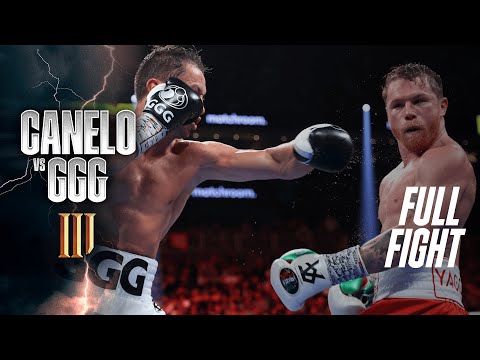
FULL FIGHT ANALYSIS: Canelo vs. GGG III - A Masterclass or a Missed Opportunity?

The sweet science. Boxing. For millennia, humanity has found a primal, captivating rhythm in the clash of fists, a testament to skill, heart, and sheer will. It’s a dance of strategy and power, where every feint, every jab, every uppercut tells a story of dedication and pain. But in the modern arena, amidst the glitz and the hype, how often do we witness true martial artistry, a genuine test of the warrior's spirit? Too often, the spectacle overshadows the substance.

Enter Saúl 'Canelo' Álvarez and Gennadiy 'GGG' Golovkin. Their saga is more than just a rivalry; it's a narrative woven into the fabric of contemporary boxing, a chapter that fans have devoured, debated, and desperately craved more of. Their first two encounters were seismic events, etched in controversy and leaving an insatiable thirst for a definitive conclusion. Today, we dissect their third dance, not just as a boxing match, but as a potential lesson in the enduring principles of combat. Was it a final, masterful demonstration of Budo principles, or a poignant reminder of how the game can sometimes betray the art?

The History: A Trilogy Forged in Controversy

The saga began on September 16, 2017. The air crackled with anticipation. Canelo Álvarez, the Mexican phenom, met Gennadiy Golovkin, the "Triple G" terror from Kazakhstan. This wasn't just a fight; it was a clash of titans, a stylistic chess match played at a furious pace. The bout, a brutal, back-and-forth war, ended in a split draw.

A draw? For many, it felt like an injustice. Spectators, pundits, and fellow martial artists scrutinized the scorecards, many convinced Golovkin had done enough to secure victory. The visceral impact of Golovkin's power shots, the relentless pressure he applied, seemed to eclipse Canelo's more tactical, albeit potent, counter-punching. This controversial outcome, rather than satiating the fanbase, ignited a bonfire of demand for a rematch. It highlighted a recurring theme in combat sports: the subjective nature of judging and the enduring power of raw aggression versus calculated defense. This is a debate that echoes through countless martial disciplines, from the striking arts of Karate to the intricate throws of Judo.

The Rematch: Canelo's Ascent, GGG's Stride

One year later, on September 15, 2018, the stage was set for redemption. The anticipation was even greater, the stakes higher. The rematch delivered another high-octane affair, a testament to both fighters' grit and skill. This time, the narrative shifted. Canelo, adapting and growing, clinched a majority decision victory.

Yet, even in victory, the controversy lingered. Arguments persisted that Golovkin's consistent output and powerful blows warranted a different result. It’s a familiar dilemma: does the cleaner, more technically precise fighter win, or the one who imposes his will and lands the heavier blows? This dance between technical merit and overwhelming force is a core philosophical question in martial arts. How does one truly measure victory when both participants display such profound mastery and warrior spirit? The debates raged on, ensuring that the desire for a final, unambiguous chapter remained.

Canelo vs. GGG III: The Anticipation and the Reality

The boxing world held its breath. A potential third fight between these two warriors was the stuff of dreams for fight fans. Both fighters, acknowledging their storied history, expressed openness to a rubber match. Canelo, by then firmly established as the undisputed king of the super-middleweight division, saw it as a chance to definitively close the book on his greatest rival. Golovkin, older but no less dangerous, viewed it as his final opportunity to reclaim his perceived throne and etch his name in boxing immortality against the man who had twice denied him undisputed victory.

On September 17, 2022, it finally happened. The trilogy was complete. But this time, the story felt different. Canelo, despite a hand injury he sustained early in the fight, controlled the bout with calculated aggression. His defense was tighter, his counter-punches sharp, and his ring generalship masterful. Golovkin, while still possessing his signature power and a warrior's heart, struggled to impose his will against a more seasoned and defensively astute Canelo. The unanimous decision for Álvarez was clear, decisive, and largely uncontroversial. The debate this time wasn't about who won, but rather about the aged warrior facing his prime.

Style vs. Substance: A Martial Perspective

From a martial artist's perspective, the Canelo-Golovkin rivalry offers a rich tapestry of contrasting philosophies. Canelo embodies the astute counter-puncher, a master of timing, distance, and calculated risk. His style is reminiscent of a skilled swordsman, waiting for the opponent's opening to deliver a decisive, precise strike. He understands the importance of defense not just as a means of avoiding damage, but as a platform for offense. This echoes principles found in **Tai Chi**, where yielding and redirecting an opponent's force is paramount.

Golovkin, on the other hand, is the embodiment of relentless pressure and concussive power. His "Triple G" moniker isn't just for show; his punches carry the weight of a sledgehammer. He represents the direct, overwhelming force, a style that demands unwavering commitment and a chin of granite. This approach shares similarities with the powerful, forward-moving strategies seen in some styles of **Kyokushin Karate** or the unyielding advance of a **Sumo** wrestler.

The third fight showcased Canelo’s evolution. He demonstrated that while power is a formidable weapon, the strategic application of skills – defense, timing, and adapting to an opponent's weaknesses – can overcome sheer aggression, especially as a fighter ages. It's a lesson that transcends boxing, a principle observed across numerous disciplines, from the fluid movements of **Aikido** to the strategic positioning in **Judo**.

"The supreme art of war is to subdue the enemy without fighting." - Sun Tzu, The Art of War. While Canelo didn't win without a fight, his strategic control in the third bout demonstrated a masterful subduing of GGG's strengths.

Beyond the Trilogy: The Ever-Evolving World of Combat

While the Canelo-Golovkin saga captured the boxing world's imagination, it’s crucial to remember that the landscape of combat sports is vast and ever-changing. Exciting matchups are constantly brewing across various disciplines. Consider the heavyweight boxing clashes, such as the highly anticipated bouts featuring **Tyson Fury** and **Deontay Wilder**, each bringing a unique blend of power and personality to the ring. These fights remind us that raw power and the "knockout punch" remain a thrilling, albeit unpredictable, element in combat.

The rise of **Mixed Martial Arts (MMA)**, with its fusion of striking, grappling, and submission arts, has further broadened the definition of a complete fighter. Athletes like **Jon Jones** and **Cyril Gane** showcase incredible versatility, blending techniques from **Muay Thai**, **Brazilian Jiu-Jitsu (BJJ)**, **Wrestling**, and **Karate** into a formidable arsenal. This cross-disciplinary approach mirrors the ancient martial philosophies that encouraged the study of multiple weapons and fighting styles to achieve true mastery. The ability to seamlessly transition between striking and grappling, as seen in fights at **UFC** events, demonstrates a holistic understanding of combat that few single-discipline fighters can match.

Equipo Esencial para tu Entrenamiento

For aspiring boxers and martial artists seeking to emulate the dedication and skill displayed by Canelo and Golovkin, proper training equipment is paramount. Investing in the right gear not only enhances performance but also significantly reduces the risk of injury. Here’s a foundational list:

  • Guantes de Boxeo/MMA (14-16oz): Essential for sparring and heavy bag work to protect your hands and wrists.
  • Vendas para Manos: Crucial for added wrist and knuckle support during intense training sessions.
  • Protector Bucal: Non-negotiable for any form of sparring or competitive fighting to protect your teeth and jaw.
  • Protector de Ingle: Vital for protecting sensitive areas during sparring.
  • Kimono (Judo/BJJ): For grappling-focused disciplines, a durable gi is essential for practicing throws and groundwork. Look for high-quality, double-weave fabrics for longevity.
  • Cuerda de Saltar: An indispensable tool for improving footwork, coordination, and cardiovascular endurance – a staple for any fighter’s conditioning.
  • Saco de Boxeo o Pera Loca: For developing power, speed, and accuracy in striking.
  • Rodilleras y Coderas: Useful for conditioning drills and protecting against impact during certain training exercises.

Whether you're training in boxing, **Judo**, **Karate**, or **BJJ**, the right equipment is an investment in your journey. Consider exploring specialized **Karate Merchandise** or **MMA Gear** from reputable brands to ensure quality and durability.

Guía de Entrenamiento: El "Golovkin Jab" y la "Canelo Counter"

Let's break down two fundamental elements that defined the early exchanges between these titans. While complex strategies are involved, understanding these core concepts can elevate your own training.

  1. El Jab de Golovkin (La Presión Constante):
    • Posición: Mantén una guardia sólida, pies bien plantados, ligeramente separados, rodillas flexionadas.
    • El Movimiento: Extiende tu brazo de lanzar (generalmente el izquierdo para un diestro) rápidamente, girando ligeramente la muñeca al contacto para maximizar el impacto. Tu cuerpo debe transferir peso hacia adelante de manera sutil.
    • El Propósito: No es solo un golpe de alcance; es para medir distancia, mantener al oponente a raya, interrumpir su ritmo y preparar golpes más potentes. GGG lo usaba implacablemente para dictar el espacio.
    • Entrenamiento: Practica miles de jabs contra un saco pesado, enfocándote en la velocidad, la extensión completa y la rápida retracción a la guardia. Visualiza a tu oponente y golpea puntos específicos.
  2. La Contra de Canelo (El Golpe Preciso en el Momento Justo):
    • Posición: Similar a la guardia de boxeo, pero con una mayor flexibilidad y movilidad en la parte superior del cuerpo.
    • El Movimiento: Permite que el oponente lance su golpe (ej. un jab o un recto). En el instante en que su puño sale, usa tu guardia para bloquear, desviar, o incluso deslizarte ligeramente, y contraataca con un golpe potente (un gancho o un recto) a un punto vulnerable. La clave es la sincronización perfecta.
    • El Propósito: Capitalizar el error del oponente, castigar su ofensiva y tomar el control de la pelea. Canelo es un maestro en encontrar la brecha y golpear con autoridad.
    • Entrenamiento: El *sparring* es crucial aquí. Trabaja con un compañero que entienda el concepto de lanzar golpes específicos. Practica el bloqueo/desvío y contraataque simultáneamente. Usa el "espejo" (golpear solo cuando el compañero golpea) para refinar el tiempo.

Dominar estos elementos requiere innumerables horas de práctica dedicada, la filosofía de perseverancia y la disciplina que son pilares de las **Artes Marciales Mixtas (MMA)** y del **Budo** en general.

"The difference between a novice and a master is not that the master never makes mistakes, but that the master learns from every mistake. The master has failed more times than the novice has even tried." - Bruce Lee. This philosophy underpins the entire journey of martial arts mastery.

Veredicto del Sensei: ¿Merece la pena?

The Canelo vs. Golovkin trilogy is a landmark achievement in modern boxing. While the first two fights were marred by controversial decisions, they showcased an incredible rivalry between two supremely talented warriors. The third fight, though perhaps lacking the same level of back-and-forth drama, provided a definitive conclusion and a masterclass in boxing strategy from Canelo Álvarez. From a martial perspective, it served as a powerful reminder that while raw power and aggression are potent forces, the disciplined application of skill, timing, and strategic defense often prevails, especially in the twilight of a legendary career.

Calificación del Sensei: Cinturón Negro en Rivalidad, Maestro en Estrategia.

Preguntas Frecuentes

  • ¿Por qué fue tan controvertida la primera pelea entre Canelo y Golovkin?
    La controversia se debió principalmente a las tarjetas de los jueces. Muchos observadores creían que Golovkin había ganado claramente, pero la pelea terminó en un empate dividido, lo que dejó a muchos sintiendo que se le robó la victoria.
  • ¿Fue la tercera pelea tan emocionante como las dos primeras?
    Si bien la tercera pelea fue estratégicamente fascinante y demostró la maestría de Canelo, muchos fanáticos la encontraron menos emocionante que las dos primeras, que fueron batallas más reñidas y llenas de acción impredecible.
  • ¿Qué aprendemos de la técnica de ambos peleadores desde una perspectiva marcial?
    Canelo demuestra la importancia de la defensa, el tiempo y el contraataque preciso, similar a las tácticas de algunos estilos de Karate y Judo. Golovkin representa la fuerza bruta, la presión implacable y la búsqueda del nocaut, un enfoque visto en disciplinas como el Kyokushin Karate. La trilogía ilustra cómo diferentes filosofías marciales pueden coexistir y competir en el mismo ring.
  • ¿Es probable que haya una cuarta pelea entre Canelo y Golovkin?
    Dada la edad de Golovkin y la dominante victoria de Canelo en la tercera pelea, una cuarta contienda parece muy improbable. Canelo ha indicado que desea continuar consolidando su legado en otras divisiones, mientras que GGG podría estar considerando el final de su carrera.

Para Profundizar en tu Camino

Reflexión del Sensei: Tu Próximo Paso

The roar of the crowd, the sweat, the exhaustion, the controversy, and ultimately, the definitive victory. This trilogy offered more than just punches; it offered lessons. Canelo's strategic adaptation and Golovkin's unyielding spirit are echoes of timeless martial principles. But now, I ask you:

When the final bell rings in your own life's battles, will you be remembered for your raw power, or for the wisdom and adaptability with which you navigated the storm? How will *you* write the final chapter of your own saga?

``` ```json { "@context": "https://schema.org", "@type": "FAQPage", "mainEntity": [ { "@type": "Question", "name": "Why was the first fight between Canelo and Golovkin so controversial?", "acceptedAnswer": { "@type": "Answer", "text": "The controversy stemmed from the judges' scorecards. Many observers believed Golovkin had clearly won, but the fight ended in a split draw, leaving many feeling he was robbed of a victory." } }, { "@type": "Question", "name": "Was the third fight as exciting as the first two?", "acceptedAnswer": { "@type": "Answer", "text": "While strategically fascinating and showcasing Canelo's mastery, many fans found the third fight less exciting than the first two, which were closer, more unpredictable battles." } }, { "@type": "Question", "name": "What can we learn from both fighters' techniques from a martial perspective?", "acceptedAnswer": { "@type": "Answer", "text": "Canelo demonstrates the importance of defense, timing, and precise counter-punching, akin to strategies in Karate and Judo. Golovkin embodies raw power, relentless pressure, and the pursuit of a knockout, a style seen in disciplines like Kyokushin Karate. The trilogy illustrates how different martial philosophies can compete effectively." } }, { "@type": "Question", "name": "Is a fourth fight between Canelo and Golovkin likely?", "acceptedAnswer": { "@type": "Answer", "text": "Given Golovkin's age and Canelo's dominant performance in the third fight, a fourth bout seems highly improbable. Canelo aims to solidify his legacy in other divisions, while GGG may be considering retirement." } } ] }

Bas Rutten: El Arte de Romper Piernas y Forjar el Espíritu Budo

¡Saludos, budokas! En este dojo virtual, nos adentramos en el corazón palpitante de las artes marciales, un lugar donde la técnica se fusiona con la filosofía, y el cuerpo es solo el vehículo para el crecimiento del espíritu. Hoy, el objeto de nuestro análisis no es un arte marcial ancestral ni un concepto etéreo, sino un guerrero moderno whose prowess with a single, devastating kick earned him legendary status. Hablo, por supuesto, de Bas Rutten, el hombre que demostró al mundo que una patada bien ejecutada puede ser tan decisiva como toda una estrategia de combate.

¿Alguna vez te has preguntado si la violencia que vemos en las MMA es un reflejo fiel del espíritu marcial? ¿O si la fuerza bruta puede coexistir con la disciplina y la humildad que predican los antiguos maestros? Estas son las preguntas que resuenan en cada rincón de este espacio. Bas Rutten, conocido por el apodo "El luchador que rompía piernas con una patada", no es solo un nombre en los anales del combate, sino un estudio de caso fascinante sobre la culminación de la técnica física y la profunda comprensión filosófica del Budo.

El Inconfundible Sello de Bas Rutten

Bas Rutten. El nombre evoca imágenes de un atleta imponente, un competidor implacable y, para los conocedores, un estratega brillante. Su reputación se cimentó en su éxito multifacético en diversas disciplinas de combate, desde el kickboxing hasta las artes marciales mixtas (MMA), donde se alzó como campeón y figura icónica. Pero lo que realmente capturó la imaginación y el respeto de la comunidad marcial fue su distintiva y devastadora habilidad para neutralizar oponentes con una sola patada. No se trataba solo de fuerza bruta; era la manifestación de años de dedicación, estudio y una comprensión innata de la biomecánica y la estrategia.

Esta habilidad no surgió de la nada. Rutten es el epítome del esfuerzo disciplinado. Su carrera es un testimonio de que la maestría en las artes marciales, especialmente en un campo tan exigente como las MMA, se construye sobre la base de la práctica incansable y la búsqueda de la perfección técnica. En un deporte donde un error puede ser fatal, su consistencia y efectividad son un faro para aspirantes y veteranos por igual. Aquí, en Budo y Artes Marciales, exploraremos no solo la mecánica detrás de su golpe más famoso, sino también la filosofía que sustentó su legendaria carrera.

Anatomía de una Técnica Letal: La "Patada Rutten"

La denominada "Patada Rutten", especialmente su versión ascendente o "hook kick", se convirtió en sinónimo de su estilo. No era una patada ordinaria. Era una explosión de energía concentrada, diseñada para impactar con una fuerza inmensa, a menudo en las piernas de sus oponentes, causando daño significativo y alterando drásticamente el curso del combate. ¿Cómo lograba Rutten tal hazaña? La respuesta reside en una combinación precisa de:

  • Potencia de Cadera y Torso: La fuerza de cualquier patada, especialmente una de esta magnitud, no proviene únicamente de la pierna. Rutten utilizaba la rotación explosiva de sus caderas y el impulso de su torso para generar una fuerza centrípeta que se transfería a la extremidad.
  • Timing y Ángulo de Impacto: Identificar el momento preciso y el ángulo correcto para golpear era crucial. Un impacto en el punto justo podía desestabilizar un oponente, romper huesos o causar un dolor insoportable.
  • Velocidad y Precisión: La velocidad de la patada, combinada con una puntería exquisita, hacía que fuera casi imposible de esquivar o bloquear eficazmente.
  • Estudio Biomecánico: Rutten no solo pateaba; entendía la física detrás de su movimiento. Sabía cómo maximizar la transferencia de energía y minimizar su propia vulnerabilidad.

Esta técnica, en manos de Rutten, no era meramente un golpe; era una demostración de arte marcial en su forma más práctica y directa. Era la culminación de años de perfeccionamiento, refinada en innumerables sesiones de entrenamiento y probada en el crisol del combate. Su eficacia radicaba en su simplicidad aparente, pero su ejecución exigía una maestría que pocos podían igualar. En este sentido, la "Patada Rutten" es un ejemplo paradigmático de cómo la técnica marcial, cuando se domina por completo, se convierte en una herramienta de poder devastador.

Más Allá del Dolor: Bas Rutten y el Alma del Budo

Pero reducir a Bas Rutten a un mero ejecutor de golpes contundentes sería un grave error. Su profunda conexión con el Budo, el camino del guerrero japonés, eleva su legado mucho más allá de los confines de la jaula de MMA. El Budo, en su esencia, no se trata únicamente de la destreza física, sino de la formación integral del individuo: la mente, el cuerpo y el espíritu. Rutten ha articulado consistentemente cómo los principios del Budo han moldeado su enfoque hacia el entrenamiento y la vida.

Según él, la práctica del Budo es fundamental para cultivar:

  • Mente Fuerte y Espíritu Indomable: El Budo enseña a enfrentar la adversidad con resiliencia, a superar el miedo y el dolor, y a mantener la calma bajo presión.
  • Respeto y Humildad: A pesar de su poderío, Rutten encarna un profundo respeto por sus oponentes, sus maestros y el arte mismo. La humildad se cultiva al reconocer que siempre hay algo más que aprender y que la victoria nunca es un derecho adquirido.
  • Disciplina Constante: El Budo es un camino de vida, una práctica diaria de automejora. La disciplina no se limita al dojo, sino que impregna cada aspecto de la existencia.
  • Autodesarrollo y Crecimiento Personal: El objetivo último del Budo no es la victoria superficial, sino la transformación interior, el refinamiento del carácter y la búsqueda de la autoconciencia.
"El Budo no se trata de ser el más fuerte o el más rápido, sino de ser la mejor versión de ti mismo cada día." - Una lección implícita en la carrera de Bas Rutten.

Esta dualidad de poder físico y sabiduría filosófica es lo que distingue a los verdaderos maestros de las artes marciales. Bas Rutten nos muestra que la fuerza sin control es caos, pero la fuerza guiada por la filosofía es propósito. Es este equilibrio el que debemos aspirar a alcanzar en nuestro propio camino marcial.

Karate y MMA: ¿Dos Mundos Aparte o Principios Compartidos?

Es inevitable que, al hablar de técnicas de patada devastadoras y campeones de combate, la mente viaje hacia el Karate. Muchos asociamos las patadas más potentes con este arte marcial de Okinawa. ¿Son las patadas de Bas Rutten, perfeccionadas en el contexto de las MMA, tan diferentes de las que se enseñan en un dojo de Karate tradicional? Esta es una pregunta que a menudo genera debate apasionado. Para aquellos que entrenan KarateKyokushin, por ejemplo, el énfasis en el combate de contacto total y las patadas bajas es una constante. La disciplina, la resistencia y la potencia son pilares fundamentales.

Si bien el Karate tradicional a menudo se enfoca en katas y combates preestablecidos (kumite), y las MMA son un torbellino de grappling y combate en pie, existen puentes conceptuales. La disciplina, la perseverancia en el entrenamiento (el concepto de BUDO es universal aquí), el respeto por el oponente y la búsqueda de la eficiencia en el movimiento son principios que trascienden los estilos. Bas Rutten, aunque es un producto de las MMA, demuestra una comprensión de estos principios universales. Su enfoque en la efectividad de la patada, la comprensión de los puntos débiles y la mentalidad de combate son lecciones valiosas que cualquier artista marcial puede aprender, independientemente de su disciplina principal.

Veredicto del Sensei: ¿Un León o un Buda?

Bas Rutten es un fenómeno. Su habilidad para infligir daño decisivo con una patada es legendaria. Su éxito en las MMA, incluyendo títulos mundiales, es innegable. Pero lo que lo distingue no es solo su poderío físico, sino su profunda adhesión a los principios del Budo. Nos presenta un modelo fascinante de cómo un guerrero puede ser a la vez un león en la batalla y un buda en su filosofía de vida.

Calificación: ¡Cinturón Negro en Impacto y Espíritu!

Su legado reside en demostrar que la máxima eficacia en el combate no está reñida con el desarrollo personal y la filosofía marcial. Es un recordatorio de que la verdadera maestría marcial reside en la integración armoniosa de la técnica, la estrategia y el carácter.

Equipo Esencial para tu Entrenamiento

Para aquellos inspirados por la dedicación de Bas Rutten y deseosos de mejorar su propia técnica de patadas y fuerza general, el equipo adecuado es crucial. Si bien la mayor parte del entrenamiento de Rutten requería poco más que su propio cuerpo y un oponente (o saco de golpeo), ciertos elementos pueden potenciar tu progreso:

  • Guantes de Entrenamiento y/o Sparring: Imprescindibles para proteger tus manos si practicas disciplinas de golpeo o MMA. Busca guantes de 14-16 oz para entrenamiento general y sparring.
  • Espinilleras de Muay Thai/Kickboxing: Esenciales para practicar patadas bajas y medias sin riesgo de lesión en las espinillas. Busca un par de buena calidad que ofrezca protección y movilidad.
  • Saco de Boxeo/Golpeo: Un clásico para desarrollar potencia en patadas y puñetazos. Asegúrate de que esté bien anclado y sea de una altura adecuada.
  • Kimono de Judo o BJJ: Si buscas desarrollar un juego de lucha de suelo sólido como complemento a tus habilidades de pie, un buen gi es fundamental.
  • Bandas de Resistencia: Excelentes para ejercicios de calentamiento, acondicionamiento y para añadir resistencia a movimientos explosivos, simulando la tensión muscular en una patada.
  • Pesas Libres (Mancuernas, Barras): Para el desarrollo de la fuerza general, crucial para la potencia de las patadas y la resistencia en combate.

Guía de Entrenamiento: Desarrollo de Fuerza en las Piernas para Patadas

La potencia de una patada como la de Bas Rutten no solo depende de la técnica, sino de la fuerza explosiva en las piernas y caderas. Aquí te presento un pequeño taller práctico para empezar a construir esa base:

  1. Sentadillas (Squats): El rey de los ejercicios para piernas. Enfócate en la profundidad y el control. Varía con sentadillas con salto para añadir un componente explosivo.
  2. Zancadas (Lunges): Trabajan cada pierna de forma independiente, mejorando el equilibrio y la fuerza unilateral. Prueba zancadas laterales y zancadas inversas para un trabajo más completo.
  3. Elevación de Talones (Calf Raises): Fundamental para la fuerza en los gemelos, cruciales para el impulso final de la patada. Realiza tanto con ambas piernas como con una sola.
  4. Sentadilla Búlgara (Bulgarian Split Squats): Un ejercicio avanzado que desafía enormemente la pierna delantera, mejorando la fuerza y la estabilidad.
  5. Ejercicios de Cadera: Aperturas y cierres de cadera, elevaciones laterales de pierna. La movilidad y fuerza de la cadera son el motor de las patadas.
  6. Pliometría: Saltos al cajón, saltos con rodillas al pecho. Estos ejercicios desarrollan la capacidad de generar fuerza en el menor tiempo posible, esencial para la explosividad de una patada.

Importante: Siempre realiza un calentamiento adecuado antes de comenzar y estira después. Escucha a tu cuerpo y progresa gradualmente. La técnica correcta es prioritaria sobre el peso o la velocidad para evitar lesiones.

Preguntas Frecuentes

¿Es la "Patada Rutten" peligrosa para el entrenamiento?

Como cualquier técnica de alto impacto, la "Patada Rutten" requiere un entrenamiento supervisado y progresivo. Practicarla sin la base técnica y física adecuada puede llevar a lesiones. Es crucial aprenderla bajo la guía de un instructor experimentado, especialmente en el contexto de sparring.

¿Se puede aprender el Budo solo a través de las MMA?

Las MMA ofrecen un contexto para aplicar principios del Budo como la disciplina y la resiliencia. Sin embargo, el Budo como filosofía es más amplio y se cultiva mejor en artes marciales tradicionales que ponen un énfasis explícito en el desarrollo espiritual y ético, como el Karate, Judo, Aikido, entre otros.

¿Qué tipo de patadas se enseñan en Karate que sean comparables a la de Bas Rutten?

En Karate, técnicas como el Mawashi Geri (patada circular) o el Ushiro Geri (patada trasera) pueden ser ejecutadas con gran potencia. Estilos como el Kyokushin ponen un énfasis particular en las patadas bajas al muslo y cuerpo, y la potencia de estas es comparable en intención al impacto buscado por Rutten, aunque la mecánica específica y el contexto de aplicación varíen.

¿Es Bas Rutten un ejemplo de la filosofía "Bushido"?

Bas Rutten encarna muchos de los principios valorados en el Bushido, como la lealtad (a sus fans, a su arte), el coraje, la autodisciplina y la autoperfección. Si bien el Bushido está intrínsecamente ligado a la clase samurái, sus ideales éticos y morales son universales y evidentes en la conducta de luchadores como Rutten.

Para Profundizar en tu Camino

El camino del guerrero es un viaje de aprendizaje continuo. Si te ha intrigado la figura de Bas Rutten y la intersección entre la técnica brutal y la filosofía marcial, te invito a explorar estos otros artículos de nuestro archivo:

Reflexión del Sensei: Tu Próximo Paso

Bas Rutten nos demuestra que la potencia destructiva puede ir de la mano con una profunda comprensión del espíritu marcial. Su "patada Rutten" es una técnica, pero su legado es una filosofía. Ahora te pregunto: Cuando ejecutas un golpe, ¿lo haces solo para dañar, o para perfeccionar un arte y, a través de él, a ti mismo? ¿Es tu entrenamiento una batalla contra el oponente, o una batalla contra tus propias limitaciones?

Preguntas Frecuentes

¿Es la "Patada Rutten" peligrosa para el entrenamiento?

Como cualquier técnica de alto impacto, la "Patada Rutten" requiere un entrenamiento supervisado y progresivo. Practicarla sin la base técnica y física adecuada puede llevar a lesiones. Es crucial aprenderla bajo la guía de un instructor experimentado, especialmente en el contexto de sparring.

¿Se puede aprender el Budo solo a través de las MMA?

Las MMA ofrecen un contexto para aplicar principios del Budo como la disciplina y la resiliencia. Sin embargo, el Budo como filosofía es más amplio y se cultiva mejor en artes marciales tradicionales que ponen un énfasis explícito en el desarrollo espiritual y ético, como el Karate, Judo, Aikido, entre otros.

¿Qué tipo de patadas se enseñan en Karate que sean comparables a la de Bas Rutten?

En Karate, técnicas como el Mawashi Geri (patada circular) o el Ushiro Geri (patada trasera) pueden ser ejecutadas con gran potencia. Estilos como el Kyokushin ponen un énfasis particular en las patadas bajas al muslo y cuerpo, y la potencia de estas es comparable en intención al impacto buscado por Rutten, aunque la mecánica específica y el contexto de aplicación varíen.

¿Es Bas Rutten un ejemplo de la filosofía "Bushido"?

Bas Rutten encarna muchos de los principios valorados en el Bushido, como la lealtad (a sus fans, a su arte), el coraje, la autodisciplina y la autoperfección. Si bien el Bushido está intrínsecamente ligado a la clase samurái, sus ideales éticos y morales son universales y evidentes en la conducta de luchadores como Rutten.

``` ```json { "@context": "https://schema.org", "@type": "FAQPage", "mainEntity": [ { "@type": "Question", "name": "¿Es la \"Patada Rutten\" peligrosa para el entrenamiento?", "acceptedAnswer": { "@type": "Answer", "text": "Como cualquier técnica de alto impacto, la \"Patada Rutten\" requiere un entrenamiento supervisado y progresivo. Practicarla sin la base técnica y física adecuada puede llevar a lesiones. Es crucial aprenderla bajo la guía de un instructor experimentado, especialmente en el contexto de sparring." } }, { "@type": "Question", "name": "¿Se puede aprender el Budo solo a través de las MMA?", "acceptedAnswer": { "@type": "Answer", "text": "Las MMA ofrecen un contexto para aplicar principios del Budo como la disciplina y la resiliencia. Sin embargo, el Budo como filosofía es más amplio y se cultiva mejor en artes marciales tradicionales que ponen un énfasis explícito en el desarrollo espiritual y ético, como el Karate, Judo, Aikido, entre otros." } }, { "@type": "Question", "name": "¿Qué tipo de patadas se enseñan en Karate que sean comparables a la de Bas Rutten?", "acceptedAnswer": { "@type": "Answer", "text": "En Karate, técnicas como el Mawashi Geri (patada circular) o el Ushiro Geri (patada trasera) pueden ser ejecutadas con gran potencia. Estilos como el Kyokushin ponen un énfasis particular en las patadas bajas al muslo y cuerpo, y la potencia de estas es comparable en intención al impacto buscado por Rutten, aunque la mecánica específica y el contexto de aplicación varíen." } }, { "@type": "Question", "name": "¿Es Bas Rutten un ejemplo de la filosofía \"Bushido\"?", "acceptedAnswer": { "@type": "Answer", "text": "Bas Rutten encarna muchos de los principios valorados en el Bushido, como la lealtad (a sus fans, a su arte), el coraje, la autodisciplina y la autoperfección. Si bien el Bushido está intrínsecamente ligado a la clase samurái, sus ideales éticos y morales son universales y evidentes en la conducta de luchadores como Rutten." } } ] }