Showing posts sorted by date for query History of Wing Chun. Sort by relevance Show all posts

The Unmistakable Signs of a True Martial Arts Devotee (Are You One of Us?)

Have you ever found yourself unconsciously mimicking a stance while waiting in line, or perhaps instinctively blocking a rogue shopping cart? Does the mere mention of "O-soto-gari" send a shiver of excitement down your spine? If your mind immediately races to classic cinema showdowns or the intricate philosophies behind the Bushido code, then welcome, brother/sister. You're not just a practitioner; you're one of the initiated. The path of Budo is not merely a hobby; it’s a profound transformation, a discipline that seeps into the very marrow of your being. But how do we discern true passion from mere fleeting interest? How do we know when the dojo has truly become our second home, and our gi our second skin?

The Unconscious Dojo: When Life Becomes Practice

The first, and perhaps most telling, sign of true martial arts addiction is when the dojo's influence spills into the mundane. You're not just training on the mat; you're training everywhere. Observe the casual observer: they see a person waiting for a bus. You, the devotee, see an opportunity to perfect your Kihon, your basic stances, maintaining perfect posture. That sudden urge to execute a swift Mawashi-geri at a particularly irritating telemarketer? A classic symptom. We’ve all been there, haven't we? That moment in the supermarket aisle when you absentmindedly practice your Tsuki on an unsuspecting cereal box, only to realize the stares you're receiving.

This isn't mere eccentricity; it’s the ingrained muscle memory and the persistent mental conditioning that Budo instills. It speaks to a deep internalization of the principles of balance, focus, and readiness. It’s the spirit of the warrior manifesting in everyday actions, a constant, subtle dance of preparedness.

The Endless Scroll: Immersed in the Digital Dojo

In this digital age, the dojo is never truly closed. For the addicted, the internet becomes an extension of the training floor. Hours melt away, not in frivolous scrolling, but in the relentless pursuit of knowledge. Watching instructional videos, analyzing fight footage, devouring documentaries on legendary masters – this is your daily bread. You find yourself comparing the footwork of a Kyokushin Karateka to that of a Judo practitioner, dissecting the efficiency of a Wing Chun centerline theory versus the explosive power of Muay Thai.

This isn't just passive consumption; it's active study. You’re not merely watching; you are learning, assimilating, constantly seeking to refine your understanding. The legends you admire – perhaps a Miyamoto Musashi, a Mas Oyama, or a Jigoro Kano – become your virtual mentors, their teachings guiding your every thought.

"The ultimate aim of martial arts is not academic or intellectual, but physical and spiritual." - Unknown Master

Sanctuary of the Sweat: The Dedicated Training Space

For those truly consumed, a single room is no longer enough; a dedicated space becomes a necessity. This is more than just a corner with a punching bag. It's a shrine. It’s where the sweat drips and the spirit soars. Here, you organize your precious tools: the well-worn makiwara, the trusty kiai-inducing focus mitts, perhaps even a carefully curated selection of martial arts weaponry – a bo staff leaning against the wall, a bokken resting on a stand. This space is your personal laboratory, your forge. Here, you push your limits, test new techniques, and reconnect with the core of your practice.

The mere existence of such a space signifies a commitment that transcends casual interest. It’s a testament to the fact that martial arts are not just something you *do*, but something you *live*. It’s an investment in your journey, a tangible manifestation of your dedication.

The Sacred Circle: Respecting the Warrior's Time

Those closest to us often become the first to understand the depth of our passion. They learn, sometimes the hard way, that when the gi is on, or when the focus is absolute, disturbance is not an option. The frantic calls, the urgent requests – they often fall on deaf ears during the sacred hours of training. This isn't rudeness; it's recognition. It’s an unspoken agreement that this time is non-negotiable, a period of intense personal development where external distractions must yield.

Your family and friends, if they are truly understanding, will learn to respect these boundaries. They see not stubbornness, but the profound importance you place on your chosen path. They understand that this discipline is building a better version of you, a more focused, resilient, and capable individual.

The Collector's Obsession: Weapons and Wisdom

Beyond the physical, the true devotee develops a hunger for the history, the philosophy, the very soul of martial arts. This often manifests as a collector’s spirit, not just for physical artifacts but for knowledge. You find yourself drawn to the stories of legendary weapons – the katana of a samurai, the nunchaku of Bruce Lee. You begin to amass a personal library of texts, from Sun Tzu's "The Art of War" to treatises on Zen and martial philosophy.

This isn't just about accumulating objects; it's about connecting with the lineage and the legacy. Each weapon displayed, each book carefully preserved, is a reminder of the generations of practitioners who walked this path before you, their struggles and triumphs fueling your own resolve. It’s a tangible link to the martial heritage.

The Expert's Insight: Knowing the Styles and the Masters

Can you differentiate the fluidity of Aikido from the directness of Karate? Can you name the most influential Judo masters of the 20th century? If the answer is a resounding yes, congratulations – you've likely crossed the threshold into true martial arts devotion. You’ve moved beyond simply performing techniques to understanding the underlying principles, the historical context, and the philosophical underpinnings of each style.

This deep knowledge isn’t acquired overnight. It’s the result of countless hours of research, training, and spirited debate. You've likely engaged in heated discussions about the effectiveness of certain techniques in real-world scenarios, or the merits of traditional training versus modern approaches. This intellectual engagement is as crucial as the physical. It shapes your understanding and refines your practice.

The Guru's Shadow: Following a Revered Instructor

A pivotal aspect of the martial arts journey is often finding a mentor who inspires and guides. This isn't just about attending classes; it's about forming a bond built on trust and shared dedication. You find yourself not only attending their every session but seeking their wisdom outside the dojo, following their teachings religiously. You understand that their experience and insight are invaluable, a shortcut through the labyrinth of self-discovery.

This reverence for an instructor is a sign of respect for the lineage and the transfer of knowledge. It acknowledges that while personal exploration is vital, the guidance of a seasoned master can illuminate the path, preventing countless pitfalls and accelerating growth. It’s about recognizing that true mastery is often built upon the shoulders of those who came before.

The Spectator Sport: Competitions and Championships

The thrill of competition is a powerful draw for many martial artists. Attending tournaments, whether as a participant or a spectator, offers a unique insight into the application of skills under pressure. You find yourself drawn to the intensity, the strategy, the sheer willpower displayed. You analyze the bouts, perhaps mentally critiquing the fighters' techniques or celebrating their triumphs.

This engagement with competition demonstrates an appreciation for the practical application of martial arts. It’s a recognition that while self-improvement is paramount, testing one’s skills against others is a vital component of growth for many disciplines. It signifies an understanding of the martial spirit in its most direct and challenging form.

The Ultimate Dream: Aspiring to Mastery

And then there are the dreams. The vivid, exhilarating dreams where you are the undisputed master, effortlessly executing perfect techniques, perhaps facing down imaginary foes with calm resolve. These nocturnal visions are perhaps the most potent indicator of your deep immersion. You don’t just train; you aspire. You envision yourself not just as a practitioner, but as a true embodiment of martial principles.

This aspiration for mastery is the engine that drives continuous improvement. It’s the recognition that the journey of Budo is a lifelong pursuit, a path with no true end, only constant evolution. It’s the understanding that the ultimate goal is not just physical prowess, but a profound inner transformation.

Veredicto del Sensei: ¿Es esto una Adicción o una Vocación?

Let's be brutally honest. If you've nodded along to more than a few of these points, then yes, you are indeed "addicted" to martial arts. But is this a bad thing? Absolutely not. This isn't the destructive addiction of a vice; this is the consuming passion of a life dedicated to a noble pursuit. This "addiction" is a testament to your commitment, your discipline, and your willingness to grow. It means you've tapped into something profound – a practice that enriches your mind, strengthens your body, and fortifies your spirit. The benefits of this path are immeasurable, fostering resilience, respect, and a deep sense of self-awareness.

At BYAM Budo y Artes Marciales, we understand this deep-seated passion. We exist to serve this very community. Whether you're seeking the perfect Kimonos for Judo, durable gear for Karate, or insightful books to deepen your understanding of Budo philosophy, we are here to support your journey. We offer quality training equipment and a wealth of content designed to fuel your martial arts fire.

Equipo Esencial para tu Entrenamiento

  • Guantes de Sparring (16oz recomendados para la mayoría de disciplinas de combate): Protege tus manos y las de tu compañero.
  • Kimono de Doble Tejido para Judo o Jiu-Jitsu: Durabilidad y resistencia para los rigores del grappling.
  • Espinilleras y Guantes de Karate: Esenciales para la seguridad en el entrenamiento de Karate y Kickboxing.
  • Sacos de Boxeo y Pera Loca: Herramientas fundamentales para mejorar la potencia, la velocidad y la resistencia.
  • Esterillas de Entrenamiento: Para ejercicios de suelo, caídas y para amortiguar el impacto.

Recursos para Profundizar

  • Libros sobre Filosofía Marcial: Explora los principios del Bushido, Zen y otras escuelas de pensamiento.
  • DVDs de Maestros Reconocidos: Aprende técnicas avanzadas y perspectivas únicas de instructores legendarios.
  • Equipamiento de Entrenamiento Específico: Desde makiwaras hasta maniquíes de madera (Muk Yan Jong).

Preguntas Frecuentes

¿Es normal soñar con artes marciales si soy un devoto?

Absolutamente. Los sueños reflejan la profunda inmersión mental y física en tu práctica. Es una señal de que las artes marciales se han convertido en una parte integral de tu psique.

¿Debería preocuparme si practico movimientos en público?

Si bien puede atraer miradas, no es motivo de preocupación si se hace de forma discreta y respetuosa. Indica una fuerte conexión con tu entrenamiento, pero siempre es prudente ser consciente del entorno.

¿Cómo puedo equilibrar mi "adicción" a las artes marciales con mi vida social y familiar?

La clave es la comunicación y el respeto mutuo. Explica la importancia de tu entrenamiento a tus seres queridos. Dedica tiempo de calidad a ellos fuera de tus sesiones de práctica, y es probable que comprendan y apoyen tu pasión.

¿Dónde puedo encontrar equipo de artes marciales de alta calidad?

Busca tiendas especializadas en artes marciales o proveedores en línea de confianza. Sitios como BYAM Budo y Artes Marciales ofrecen una amplia gama de productos para diversas disciplinas.

Para Profundizar en tu Camino

Reflexión del Sensei: Tu Próximo Paso

Ahora te digo: ¿cuál de estos signos resuena más profundamente contigo? ¿Cuál crees que es el verdadero indicador de una pasión inquebrantable? No me des una respuesta fácil. Reflexiona sobre cómo estas manifestaciones de tu devoción impactan tu vida, no solo en el dojo, sino en cada aspecto de tu existencia. Y si te atreves, comparte tu verdad en los comentarios. Demuéstrame que este fuego marcial arde con la misma intensidad en ti.

``` ```json { "@context": "https://schema.org", "@type": "FAQPage", "mainEntity": [ { "@type": "Question", "name": "Is it normal to dream about martial arts if I'm a devotee?", "acceptedAnswer": { "@type": "Answer", "text": "Absolutely. Dreams reflect deep mental and physical immersion in your practice. It's a sign that martial arts have become an integral part of your psyche." } }, { "@type": "Question", "name": "Should I worry if I practice moves in public?", "acceptedAnswer": { "@type": "Answer", "text": "While it might attract stares, it's not a cause for worry if done discreetly and respectfully. It indicates a strong connection to your training, but it's always wise to be aware of your surroundings." } }, { "@type": "Question", "name": "How can I balance my martial arts 'addiction' with my social and family life?", "acceptedAnswer": { "@type": "Answer", "text": "The key is communication and mutual respect. Explain the importance of your training to your loved ones. Dedicate quality time to them outside your practice sessions, and they will likely understand and support your passion." } }, { "@type": "Question", "name": "Where can I find high-quality martial arts equipment?", "acceptedAnswer": { "@type": "Answer", "text": "Look for specialized martial arts stores or trusted online retailers. Sites like BYAM Budo y Artes Marciales offer a wide range of products for various disciplines." } } ] }
Beelzebub vs. Nikola Tesla: A Cinematic Clash of Forces and the Essence of Martial Spirit

Greetings, warriors and connoisseurs of the combative arts! You stand at the threshold of a digital dojo where the echoes of conflict are not just physical, but philosophical. Today, we delve into a spectacle that, while born of animation, pulsates with a raw, almost primal, martial energy: the clash between Beelzebub and Nikola Tesla from *Record of Ragnarok*. This is not merely a fight; it is a crucible where power meets intellect, and the very nature of combat is tested. The question that burns in the mind of every practitioner is not just "who wins?", but "how do they fight?". What does their chosen method of engagement reveal about their inner spirit, their understanding of conflict, and their very essence? As a seasoned Sensei, I see beyond the visual spectacle. I dissect the choreography, scrutinize the principles at play, and evaluate how well – or how poorly – these animated titans embody the true spirit of the martial way.
"The supreme art of war is to subdue the enemy without fighting." - Sun Tzu, The Art of War. While Beelzebub and Tesla are indeed fighting, their methods illuminate different facets of this ancient wisdom.
## Table of Contents * [The Premise: Gods, Humans, and the Arena of Ragnarok](#ragnarok-premise) * [Beelzebub: The Lord of Flies and the Dance of Despair](#beelzebub-analysis) * [Nikola Tesla: The Lightning Rod of Genius and the Symphony of Science](#tesla-analysis) * [Choreography and Authenticity: Translating Spirit into Motion](#choreography) * [Beyond the Blows: Philosophical Underpinnings](#philosophy) * [Veredicto del Sensei: ¿Merece la pena?](#sensei-verdict) * [Equipo Esencial para tu Entrenamiento](#training-gear) * [Guía de Entrenamiento: Desarrollando tu "Ki" Eléctrico](#training-guide) * [Preguntas Frecuentes](#faq) * [Para Profundizar en tu Camino](#further-reading) * [Reflexión del Sensei: Tu Próximo Paso](#sensei-reflection)

The Premise: Gods, Humans, and the Arena of Ragnarok

For those unfamiliar, *Record of Ragnarok* presents a high-stakes tournament: humanity's final chance for survival against the gods. Thirteen of humanity's greatest champions face thirteen of the most powerful deities. The outcome of each duel determines the fate of mankind. This narrative framework immediately elevates the conflict beyond simple personal animosity; it is a battle for existence itself, a stage where every strike, every parry, carries the weight of an entire species. The matchup between Beelzebub, the "Lord of the Flies" and a high-ranking demon, and Nikola Tesla, the eccentric genius whose inventions reshaped the modern world, is a masterstroke in thematic resonance. It pits primordial darkness against the illuminating force of human ingenuity, a potent metaphor for the eternal struggle between destruction and creation.

Beelzebub: The Lord of Flies and the Dance of Despair

Beelzebub, in his animated portrayal, embodies a chilling blend of regal menace and profound nihilism. His fighting style is a manifestation of his dominion: the corruption of life, the spread of pestilence, and the manipulation of despair. His attacks are not merely physical strikes but extensions of his very being, designed to inflict not only pain but psychological torment. His primary weapon, the "Flies" (often depicted as small, razor-sharp entities or projections), allows for a decentralized, overwhelming assault. This resembles certain *fui-jitsu* (unarmed combat) principles where control is established through overwhelming pressure from multiple angles, making it difficult for the opponent to defend effectively. However, Beelzebub elevates this with a supernatural flair. His movements are fluid, almost serpentine, suggesting a deep understanding of momentum and evasion, akin to practitioners of styles that emphasize yielding and redirection, such as **Aikido** or certain **Tai Chi** forms, but twisted into a weapon of destruction. The sheer power behind his strikes, often enhanced by demonic energy, speaks to the raw force of nature, or perhaps a darker, more chaotic interpretation of **Ki** manipulation. His demeanor during the fight – one of boredom punctuated by cruel amusement – suggests a being who has seen it all, fought countless battles, and finds little challenge. This detachment, while terrifying, can also be a weakness. True mastery in martial arts often involves an active, focused engagement, not passive observation.

Nikola Tesla: The Lightning Rod of Genius and the Symphony of Science

Nikola Tesla, on the other hand, is a testament to the power of the human mind and the boundless potential of innovation. His "Volund" – the divine weapon granted to him – transforms into a suit of armor and a series of technological marvels that allow him to weaponize electricity itself. His fighting style is a fusion of scientific principles and strategic combat. Tesla's approach is tactical, analytical, and adaptive. He doesn't rely on brute force but on calculated application of energy. His suit, the "Gear of Adamas," allows him to generate immense electrical currents, discharge plasma, and even manipulate magnetic fields. This translates into a fighting style that is fast, unpredictable, and devastating. He utilizes high-speed movements, sudden bursts of energy, and area-of-effect attacks, reminiscent of agile styles that rely on speed and precision, like some forms of **Wing Chun** or **Jeet Kune Do** in their emphasis on efficiency and directness, but amplified by a scientific understanding of physics. The "Tesla Coil" integrated into his suit, capable of unleashing devastating electrical discharges, is akin to a ranged weapon, but one that is intrinsically linked to his body and his energy. This conceptual link between the fighter and their "weapon" is a common theme in many martial arts, where the body is trained to become an extension of the will, and the mind dictates the flow of energy, whether it's **Ki** or pure electrical charge. Tesla's ability to adapt his technology on the fly, responding to Beelzebub's attacks with new countermeasures, showcases a level of strategic thinking rarely seen in such raw power displays.

Choreography and Authenticity: Translating Spirit into Motion

From a martial arts perspective, the choreography is both breathtaking and thought-provoking. * **Beelzebub's Style**: The fluidity and organic nature of Beelzebub's attacks, particularly the swarm of flies, are visually stunning. While fantastical, they evoke the concept of *hishogi* (falling through the air) and the overwhelming pressure of a multi-opponent scenario. The way he manipulates space around him hints at a mastery of timing and distance, crucial in any **combat** discipline. However, the sheer supernatural aspect makes a direct comparison to traditional techniques difficult. It's more about the *spirit* of his style – overwhelming, insidious, and deeply rooted in despair – rather than the exact mechanics. * **Tesla's Style**: Tesla's movements are sharp, precise, and explosive. The integration of his technological suit feels organic to his character, representing the pinnacle of human intellect applied to combat. His defensive maneuvers, like generating electrical fields, are conceptually similar to energy redirection or creating a "pressure" field that deters incoming attacks. His offensive bursts, the electrical discharges, are akin to powerful, rapid strikes that aim to incapacitate instantly, much like a well-executed **Kyokushin Karate** punch or a devastating **Kickboxing** combination. The reliance on technology raises questions about "pure" martial arts, but it also highlights the evolution of combat and the ingenuity that is also a core tenet of martial spirit. The clash between these two styles is where the fight truly shines. It's a dynamic interplay of overwhelming, corrupted power versus precise, scientific application. It’s the embodiment of **BUDO** in its broadest sense: the pursuit of perfection, the application of skill, and the will to overcome any obstacle, whether it's a demonic entity or the limitations of physics.

Beyond the Blows: Philosophical Underpinnings

This fight is a rich tapestry of philosophical ideas: * **Nihilism vs. Ingenuity**: Beelzebub represents a profound nihilism, a belief in the emptiness of existence and the futility of life. His fighting style reflects this, aiming to crush hope and spread despair. Tesla, conversely, embodies the triumph of human intellect and the drive to create, to overcome, and to find meaning through discovery and innovation. His "weapon" is born from the desire to protect and to push the boundaries of what is possible. * **Tradition vs. Innovation**: Beelzebub's power feels ancient, primordial, rooted in timeless darkness. Tesla's power is entirely modern, a product of scientific advancement. This contrast asks us to consider where true strength lies: in the ancient wisdom of the past, or the forward-thinking capabilities of the future. In the martial world, we often venerate tradition, but innovation and adaptation are also key to survival and growth. This is a core principle in modern martial arts like **MMA** and **BJJ**, which constantly evolve. * **The Nature of the "Weapon"**: Is the ultimate weapon a demonic power honed over millennia, or a scientific marvel born from human intellect? This echoes the debates about natural talent versus learned skill, or the traditional styles versus modern, hybridized approaches.
"There are no easy ways to develop perfect control of a technique. You must practice day and night. It is the same for your mind. To achieve Mushin, the mind of no-mind, one must train ceaselessly." - A principle from Zen Buddhism, applicable to both Tesla's focused invention and Beelzebub's perfected despair.
## Veredicto del Sensei: ¿Merece la pena? **Absolutely**. This fight is a cinematic masterpiece that transcends mere animation. It’s a profound exploration of conflict, human potential, and the philosophical underpinnings of fighting. Beelzebub and Tesla, while fictional, offer a compelling study in contrasting styles and ideologies that resonate deeply with anyone who has ever stepped onto a mat or into an arena. The animation is stunning, the stakes are existential, and the underlying themes are rich for contemplation. It’s a visual feast that sparks the intellect and stirs the martial spirit. **Cinturón Negro en Exploración Filosófica y Visual**.

Equipo Esencial para tu Entrenamiento

While you won't be wielding electricity or summoning demonic flies, the spirit of Beelzebub and Tesla's duel can inspire your training. Here's what you might need to embody the principles they showcase:
  • Para la Agilidad y Precisión (Estilo Tesla): Lightweight training shoes, comfortable athletic wear that allows for full range of motion. Consider investing in a good quality agility ladder or speed cones for explosive drills.
  • Para la Fuerza y la Resistencia (Estilo Beelzebub): Weighted vests for strength training, resistance bands for dynamic tension, and a durable makiwara or heavy bag to develop power.
  • For the Mental Game: A quiet space for meditation, perhaps a meditation cushion to cultivate focus and mental fortitude, essential for both scientific discovery and martial discipline.

Guía de Entrenamiento: Desarrollando tu "Ki" Eléctrico

Let's translate Tesla's ingenuity into a practical training regimen. This workout focuses on explosive power, agility, and mental focus, mimicking the "electrical charge" of his fighting style.
  1. Warm-up (5-10 minutes): Light cardio (jumping jacks, high knees), dynamic stretching focusing on shoulders, hips, and legs.
  2. Explosive Drills (3-4 rounds):
    • Jump Squats: 3 sets of 10-12 repetitions. Focus on explosive upward movement.
    • Burpees: 3 sets of 8-10 repetitions. Emphasize speed and efficiency.
    • Plyometric Push-ups (Clapping or single-arm if advanced): 3 sets of 6-8 repetitions.
  3. Agility and Footwork (3-4 rounds):
    • Box Jumps: 3 sets of 8-10 repetitions onto a stable platform.
    • Agility Ladder Drills: "Icky Shuffle," "In-Out," "2-in-2-out" - 3 minutes of continuous, rapid footwork.
    • Cone Drills: Zig-zag runs, shuttle runs - 3 minutes of directional changes.
  4. Power Strikes (incorporating breath control):
    • Punching Drills (with light weights or resistance bands): Focus on generating speed and power with each strike. Imagine channeling energy. 3 sets of 1 minute each, alternating techniques (jab, cross, hook).
    • Kicking Drills: High kicks, roundhouse kicks with full extension and snap. 3 sets of 1 minute each.
  5. Cool-down and Mental Focus (5-10 minutes): Static stretching. Followed by 5 minutes of focused breathing meditation, visualizing clean, powerful energy flowing through you.
This workout aims to build the kind of kinetic energy and rapid response that Tesla displayed. Remember, consistency is key, just as Tesla's dedication to his research was unwavering.

Preguntas Frecuentes

  • Is Beelzebub a god or a demon in Record of Ragnarok?
    Beelzebub is portrayed as the "Greatest Demon Lord" and one of the thirteen gods participating in Ragnarok.
  • What is Nikola Tesla's fighting style based on?
    Tesla's fighting style in the anime is a unique blend of scientific principles and advanced technology. He weaponizes electricity, magnetic fields, and plasma through his "Gear of Adamas" suit.
  • Does Beelzebub use magic or science in his fighting style?
    Beelzebub's abilities are presented as supernatural, derived from his demonic nature, rather than scientific. His "Flies" are an extension of his power, capable of cutting through almost anything.
  • What is the main theme of Record of Ragnarok?
    The core theme is the survival of humanity against the gods, exploring the greatest figures from human history and mythology and their capacity for heroism, innovation, and resilience in the face of overwhelming odds.
  • How does Tesla's fighting style compare to traditional martial arts?
    While Tesla's style is technologically augmented, its emphasis on precision, speed, tactical adaptation, and efficient energy expenditure shares conceptual similarities with agile, modern martial arts that prioritize effectiveness and scientific understanding of movement and force.

Para Profundizar en tu Camino

* The Wisdom of Sun Tzu: Timeless Principles of Strategy * The Impact of Innovation: How Human Ingenuity Shapes Conflict * Understanding Nihilism: Its Roots and Ramifications

Reflexión del Sensei: Tu Próximo Paso

Beelzebub fights from a place of absolute despair, while Tesla fights with the incandescent hope of human potential. When you face your own challenges, whether in training, in life, or in conflict, from which wellspring do you draw your strength? Do you succumb to the "flies" of doubt and negativity, or do you channel the "lightning" of your own ingenuity and will to overcome? Contemplate this: in a world that often feels designed to crush the spirit, where do you find your spark? How do you choose to ignite it? ---

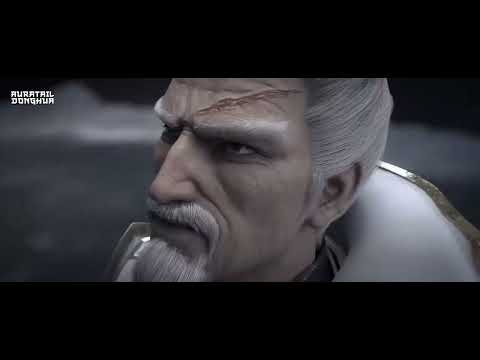
Unleashing the Dragon: Deconstructing the Martial Prowess in "Battle Through the Heavens" Season 5, Episode 30

Greetings, fellow seekers of the Way. You come to this digital dojo hungry for insight, not just a simple recap. You seek to understand the *why* behind the *what*, the philosophy woven into the fabric of motion. Today, we turn our gaze to the animated realm, to a battle that has ignited discussions: **"Battle Through the Heavens" (BTTH) Season 5, Episode 30**. Forget the casual fan’s glance; we are here to dissect this encounter with the precision of a seasoned swordsman, scrutinizing every technique, every strategic feint, and the very spirit of combat it embodies. Is this mere entertainment, or does it hold echoes of the ancient martial truths? Let us find out.

Martial Analysis: The Clash of Styles

The world of BTTH, while fantastical, often draws inspiration from the intricate dynamics of real-world martial arts. In Season 5, Episode 30, we witness a confrontation that is less about brute force and more about the clever application of distinct skill sets. The protagonist, Xiao Yan, often employs a style that emphasizes adaptability and resourcefulness. His techniques, while sometimes explosive, are rooted in principles of redirection, striking vulnerable points, and maintaining strategic distance. Observe the opponent’s approach. Are they relying on overwhelming power (like a **Kyokushin Karate** practitioner’s devastating frontal attacks), or a more fluid, evasive strategy (reminiscent of some **Wing Chun** principles)? The effectiveness of Xiao Yan’s counter-attacks hinges on his ability to *read* his opponent. This is a fundamental aspect of **Tai Chi Chuan**, where understanding an opponent’s energy flow (using concepts like *ting jin* – listening force) is paramount. The episode showcases a flurry of strikes – punches, kicks, and energy-based assaults. Let’s break down a hypothetical sequence: Xiao Yan faces a barrage of rapid palm strikes. Instead of meeting force with force, he might employ a circular block, deflecting the energy while simultaneously moving off the line of attack. This is a classic martial arts maneuver, seen in disciplines ranging from **Judo**’s throws (using an opponent’s momentum against them) to **Aikido**’s joint manipulations. The use of elemental powers in BTTH adds a layer of complexity, but at its core, the strategic decisions remain human. How does one counter overwhelming elemental force? Perhaps by exploiting momentary imbalances, by disrupting the opponent’s focus (akin to a Zen koan designed to shatter linear thought), or by employing defensive techniques that absorb or dissipate energy. This is where the concept of **Ki** (or Qi) becomes relevant. While depicted here as raw power, the underlying principle of internal energy management and projection is a cornerstone of many Eastern martial arts.
"In the heat of battle, it is not the strength of the arm that wins, but the clarity of the mind." - A principle echoed across countless martial traditions.
Consider the pacing of the fight. There are moments of intense, rapid exchanges, followed by brief lulls where characters assess the situation. This ebb and flow mirrors the strategic thinking in **MMA** (Mixed Martial Arts) bouts, where fighters constantly adapt their game plan based on their opponent's reactions and their own physical condition. A poorly timed aggressive surge can leave an opening for a devastating counter.

Beyond the Blows: Philosophical Underpinnings

Anime, particularly donghua like BTTH, often uses martial combat as a vehicle to explore deeper philosophical themes. This episode is no exception. We see characters pushed to their limits, not just physically, but mentally and emotionally. The concept of **Mu Shin** (no-mind) – a state of complete presence and detachment from conscious thought, allowing for instinctual action – is often implicitly explored. When Xiao Yan acts without hesitation, executing a complex maneuver flawlessly, he is, in essence, tapping into this state. The struggle for power and advancement within BTTH can be seen as a metaphor for the relentless pursuit of self-mastery that defines the martial artist’s journey. The constant refinement of skills, the overcoming of personal weaknesses, and the perseverance through adversity are all central tenets of **Budo**. Is there a hint of **Bushido**, the code of the samurai, in the characters' resolve? Perhaps. While BTTH operates in a high-fantasy setting, the underlying themes of honor, duty, and the pursuit of excellence resonate. The respect shown (or not shown) between combatants, the motivations behind their battles – these elements offer a glimpse into a moral framework, however fantastical. The idea of "heavenly" power also brings to mind the Taoist concept of aligning oneself with the natural order. In BTTH, characters who achieve greater harmony with the world around them often wield greater power. This is a far cry from a purely materialistic view of combat, suggesting that true strength comes from understanding and working with the fundamental forces of existence.

Visual Storytelling and Choreography

From a filmmaking perspective, the visual choreography in BTTH Season 5, Episode 30 is crucial. The animators have the unenviable task of translating complex martial concepts into fluid, impactful visuals. * **Impact and Weight**: How effectively is the force of a blow conveyed? Is there a visible shockwave, a physical reaction from the recipient, or simply a visual effect? Authentic martial arts animation strives to give weight to every strike. * **Clarity of Movement**: Can the viewer follow the sequence of actions? A cluttered or overly rapid sequence can obscure the martial intent. Good choreography allows the audience to appreciate the technical skill. * **Character Expression**: The animators use facial expressions and body language to convey the mental and emotional states of the fighters. Fear, determination, pain, and triumph are all communicated visually, adding depth to the conflict. * **Environmental Interaction**: Does the fight affect its surroundings? The destruction of objects, the disruption of the landscape – these elements can enhance the scale and intensity of the battle, making it feel more real despite the fantastical elements.
The use of dynamic camera angles is also key. Quick cuts can build tension, while wider shots can showcase the full range of movement. The careful orchestration of these visual elements elevates the fight beyond mere animation; it becomes a form of visual poetry, expressing the narrative and thematic core of the episode.

Veredicto del Sensei: Worthy of the Dojo?

This episode of "Battle Through the Heavens" offers more than just flashy spectacle. It presents a well-choreographed martial encounter that, while steeped in fantasy, touches upon genuine principles of combat strategy, mental fortitude, and the relentless pursuit of self-improvement. The animation skillfully depicts the flow of battle, conveying both the power and the underlying strategy. For the discerning martial arts practitioner, it serves as a visual text, offering moments to pause and reflect on techniques that, stripped of their elemental magic, resemble real-world applications of evasion, redirection, and decisive striking. It doesn't replace rigorous training in a dojo, but it certainly ignites the imagination and reinforces the philosophical underpinnings of the martial path. **Cinturón Negro en Inspiración Visual y Estrategia Adaptativa.**

Training Implications: Lessons from the Heavens

Even in this animated world, there are lessons applicable to your own training: 1. **Adaptability is Key**: Xiao Yan doesn't just rely on one technique. He adapts to his opponents. Practice incorporating different movements and transitions into your forms and sparring. Don't be rigid. 2. **Mindfulness in Motion**: The moments of calm assessment are as important as the attacks. Practice being present in your training, observing your own movements and those of your training partners. 3. **Strategic Distance**: Understanding range is crucial. Learn to control the distance between yourself and your opponent, whether to launch an attack or to evade one. 4. **The Power of Focus**: When characters enter a state of intense focus, their effectiveness skyrockets. Dedicate yourself fully to each training session. Eliminate distractions.

Recursos para Profundizar

To truly grasp the martial principles at play, both in animation and reality, consider exploring these avenues: * **Books on Strategy**: "The Book of Five Rings" by Miyamoto Musashi offers timeless insights into strategy and combat philosophy. * **Documentaries on Martial Arts**: Understanding the history and cultural context of various styles, from **Karate** to **Judo**, enriches your appreciation. * **Training Equipment**: For those looking to translate inspiration into action, consider investing in quality gear. * **Protective Gear**: Sparring gloves (14-16oz for safety), headgear, and shin guards are essential for safe sparring. * **Uniforms**: A durable **Karate gi** or a reinforced **Judo gi** can improve comfort and freedom of movement during training. * **Training Tools**: A **makiwara** can help develop striking power and conditioning (use with proper instruction).

Preguntas Frecuentes

* **Q: Is "Battle Through the Heavens" based on actual martial arts?** A: While the series incorporates fantastical elements like elemental powers, the underlying principles of movement, strategy, and combat dynamics often draw inspiration from real-world martial arts such as Kung Fu, Karate, and Judo. * **Q: How can I apply the lessons from BTTH to my own training?** A: Focus on adaptability, mindfulness during practice, controlling distance, and maintaining unwavering focus. These are core principles applicable across all martial disciplines. * **Q: Is the depiction of Ki/Qi in BTTH accurate?** A: The show portrays Ki as a potent, visible energy force. In traditional martial arts, Ki (or Qi) is often understood as vital life force and internal energy, cultivated through breathing and movement, rather than an external weapon. However, the concept of cultivating internal strength for external application is consistent. * **Q: Should I start training a martial art after watching this episode?** A: If this episode has inspired you, absolutely! Seek out qualified instructors in styles that appeal to you, whether it's **Taekwondo**, **BJJ**, **Kickboxing**, or traditional styles like **Shaolin Kung Fu**.

Para Profundizar en tu Camino

* Martial Arts Inspiration: Beyond the Screen * Fight Analysis: Deconstructing Combat Techniques * The Philosophy of Budo: Cultivating the Warrior Spirit

Reflexión del Sensei: Tu Próximo Paso

We have dissected the clash, explored the philosophy, and considered the application. But the true test lies not in analyzing the dragon, but in becoming one. Does the fire of inspiration burn within you? Or will this be just another fleeting image? Consider this: If the characters in BTTH can push beyond their perceived limits through sheer will and refined skill, what boundaries can *you* shatter in your own dojo, in your own life? Is your current training regime a reflection of true dedication, or merely a ritual? What is the one obstacle – physical or mental – that you have been avoiding, and how will you face it head-on this week? Now, let the debate begin. Do you believe animated martial arts can genuinely teach us about combat, or is it pure fantasy? Challenge my analysis, share your own insights, and let us forge a deeper understanding together.

Oden's Divine Cut: A Martial Analysis of Oden vs. Kaido - The Full Fight

Hello and welcome, warriors of the digital dojo, to Budo and Martial Arts. Today, we dissect a monumental clash from the world of anime that resonates deeply with the spirit of true martial prowess: Oden Cuts Kaido: The Full Fight. This isn't merely a battle; it's a narrative woven with the threads of honor, resilience, and the unyielding will of a warrior. But how does this epic confrontation translate through the lens of authentic martial principles?

The question that burns in the heart of every practitioner who witnesses this spectacle is not just about the power displayed, but the underlying philosophy. Can the techniques, the spirit, and the sheer determination seen in Oden's legendary attack be understood through the practical application of martial arts? Today, we delve beyond the surface, analyzing the core of this legendary duel.

The Legend of Oden: A Warrior Forged in Fire

Kozuki Oden is not just a character; he is a symbol of unwavering courage and ambition in the face of insurmountable odds. His journey, marked by incredible feats and a defiant spirit, has cemented his place as one of the most compelling figures in modern storytelling. Before confronting Kaido, Oden had already established himself as a warrior of immense power and character, traveling the seas and leaving an indelible mark on the world.

His reputation as a warrior extended far beyond Wano. Oden's willingness to face any challenge, his raw power, and his charismatic leadership made him a figure of legend. The tales of his battles and his personal growth are testaments to a life lived with purpose and a commitment to his ideals, even when those ideals were met with fierce opposition.

Kaido: The Unrivaled Tyrant

On the opposing side stands Kaido, the "King of the Beasts," an entity whose sheer existence embodies overwhelming power and destruction. For decades, Kaido has reigned supreme, a force of nature that has crushed all who dared to challenge him. His epithet, "The Strongest Creature in the World," is not an exaggeration but a descriptor of his terrifying dominion.

Kaido's resilience is legendary, surviving countless attempts to end his life and defeating innumerable foes. His ambition to find the world's greatest war mirrors his own insatiable hunger for conflict. His immense physical strength, coupled with his mythical Devil Fruit abilities, makes him a foe that embodies the ultimate test for any martial artist, whether fictional or real.

The Clash of Titans: A Deeper Look at the Oden vs. Kaido Encounter

The narrative surrounding Oden's final battle against Kaido is steeped in tragedy and epic confrontation. It represents the pinnacle of their rivalry, a struggle that would determine the fate of Wano and ripple through the world. This wasn't a simple fight; it was a culmination of years of conflict, ambition, and the clash of two colossal wills.

The depiction of the fight is visually stunning, showcasing immense power and devastating techniques. Oden, wielding his dual swords, Ame-no-Habakiri and Taka-no-Me, unleashes his signature attack, the "Nine Sword Style: Togen Yasakani," culminating in his legendary "Oden Nitoryu: Togen Moshi" – the decisive cut that etched his name into Kaido's history. This moment, where Oden's swords cleave through Kaido's formidable defense, is the focal point of the encounter.

Choreography and Authenticity in Anime Combat

As a critic of martial arts in media, I approach anime battles with a discerning eye. While many fights prioritize spectacle over realism, the Oden vs. Kaido encounter aims for something more. The choreography, while exaggerated for dramatic effect, attempts to convey a sense of weight, impact, and strategic intent. We see elements that, if stripped of their supernatural context, echo real martial principles: stance, footwork, timing, and the focused application of power.

The "cut" itself, Oden's ultimate technique, is a testament to building power through dedicated training and combining multiple movements into a single, devastating strike. While the literal execution might defy physics, the underlying concept of accumulating force and striking with precision and intent is a fundamental principle found in many real-world martial arts, from the powerful strikes of Karate to the devastating techniques of Kendo. The sheer willpower and determination fueling Oden's final blow are, in essence, the manifestation of cultivated Ki – the life force and spiritual energy that martial artists strive to harness.

"The true essence of martial arts is not about fighting, but about the cultivation of character and the discipline of the mind and body. Even in fictional portrayals, the spirit of this endeavor should be palpable."

However, we must be pragmatic. The scale of power, the ability to withstand direct, world-shattering attacks, and the sheer resilience are, of course, artistic liberties. In a real-world combat scenario, the physics of force distribution, joint integrity, and human physiology would dictate a far different outcome. The "roar" of Oden's attack, while visually impressive, is a symbolic representation of the immense spiritual and physical energy channeled, a concept akin to the concept of Kiai in Japanese martial arts, which amplifies force and intent.

The Spirit of Budo in the Battle

Beneath the visual splendor lies the true heart of this narrative: the Spirit of Budo. Budo, often translated as "the way of the warrior," is not solely about combat proficiency. It encompasses discipline, respect, self-improvement, and the pursuit of perfection in both technique and character. Oden, despite his boisterous nature, embodies many of these principles.

His unwavering resolve in the face of certain death, his commitment to protecting his people, and his acceptance of his fate speak volumes. This is the essence of Mushin (no-mind) – acting without hesitation or self-doubt, driven by pure intention. While Kaido represents an overwhelming force of nature, Oden stands as a symbol of the indomitable human (or rather, warrior) spirit, pushing beyond perceived limits. This internal fortitude is a crucial element in any martial art, often more important than physical strength alone.

Consider the concept of Ganbaru (to persevere, to do one's best). Oden's entire confrontation with Kaido is an embodiment of this principle. He knows the odds are stacked against him, he knows the likely outcome, yet he fights with everything he has. This relentless pursuit of one's goal, regardless of the personal cost, is a cornerstone of the martial path. It's a lesson that transcends fiction and applies directly to the training mat and the challenges of everyday life.

Key Techniques and Strategic Insights

While specific techniques like Oden's "Nine Sword Style" are fantastical, we can glean strategic insights. The idea of dual-wielding weapons, for instance, is a real martial concept. In historical combat, dual swords could offer offensive and defensive advantages, allowing for a wider range of attacks and parries. However, it requires immense skill and coordination, much like mastering a single weapon. The difficulty in executing complex multi-limb movements is something any practitioner understands.

Oden's final strike, a concentrated, all-out assault, is reminiscent of a final, desperate technique in many martial arts. It’s the culmination of a lifetime of training, poured into a single, decisive moment. This is where the concept of Kime, or "focus/energy," comes into play. It's the peak of your power, concentrated into a single point or strike. For Oden, this was the ultimate expression of his power and will.

Aspect Oden vs. Kaido (Fictional) Real-World Martial Arts Analogy
Power Generation Mythical strength, Devil Fruit abilities, immense Ki Core strength, biomechanics, coordinated movement, focus (Kime), Kiai
Technique Execution "Nine Sword Style," superhuman speed and impact Mastery of fundamental stances, strikes, blocks; building complex sequences (Katas)
Resilience & Endurance Near-invincibility, ability to withstand immense damage Cardiovascular conditioning, muscular strength, mental fortitude, grit
Spiritual Aspect Unwavering will, sacrifice, fighting for others Discipline, perseverance, self-control, developing an unshakeable spirit (Budo)

Veredict of the Sensei: Did Oden's Cut Seal Kaido's Fate?

From a narrative standpoint, Oden's attack was legendary, a moment of profound significance that scarred Kaido both physically and psychologically. It proved that even the "King of the Beasts" was not invincible. However, in the harsh reality of combat, a single deep wound, while significant, does not always guarantee victory if the opponent possesses extraordinary resilience and the will to continue fighting. Oden's cut was a testament to his power and spirit, a "Black Belt in Choreography" moment that redefined the legend of Kaido. But true victory often requires more than a single, albeit magnificent, strike.

Essential Training Equipment for Developing Such Power

While Oden's power transcends equipment, developing the foundational strength, conditioning, and weapon skills to even approach such a level requires dedication and the right tools. For serious practitioners aiming to build raw power and discipline:

  • High-Quality Kimono/Gi: Essential for Judo, BJJ, and Karate. Look for durable, double-weave fabrics for longevity.
  • Sparring Gloves (14-16oz): Crucial for striking arts like Karate and Kickboxing to protect hands and your training partners during sparring.
  • Makiwara (Striking Post): An ancient Okinawan training tool. Perfect for developing devastating striking power and proper technique in Karate.
  • Weighted Vest: For at-home workouts, this adds resistance to bodyweight exercises, enhancing strength and conditioning similar to the rigors faced by warriors.
  • Wooden Dummy (Mokuso): While traditionally for Wing Chun, any martial artist can benefit from practicing forms and strikes against a stable, consistent target.
  • Practice Swords (Bokken/Shinai): For those interested in weapon-based martial arts like Kendo or Iaido, these are indispensable for safe, effective training.

Further Deepening Your Path

The spirit of struggle and overcoming adversity is a theme that echoes throughout martial arts history and modern combat sports. To understand these concepts more deeply:

Frequently Asked Questions

What is the significance of Oden's cut on Kaido?

Oden's cut is significant because it was the first time Kaido was visibly wounded and scarred by an opponent, proving he was not invincible and shattering his "strongest creature" mythos for many. It also marked Oden as a warrior who pushed the absolute limits of his power.

Can real-world martial artists achieve Oden's level of power?

While the sheer scale of power in anime is fantastical, real martial artists can achieve incredible feats of strength, speed, and precision through rigorous training, discipline, and cultivating mental fortitude (Ki). The principles of energy channeling and focused strikes are real.

Is the "Nine Sword Style" a real martial art?

The "Nine Sword Style" as depicted in One Piece is a fictional technique. However, the concept of dual-wielding weapons and complex multi-limb coordination exists in various historical martial traditions, though not to this exaggerated extent.

What does "Budo" mean in the context of this fight?

Budo, the "way of the warrior," refers to the principles of discipline, honor, self-improvement, and spiritual development that underpin martial arts. Oden embodies the spirit of Budo through his courage, perseverance, and willingness to sacrifice, even in a fictional battle.

Sensei's Reflection: Your Next Step

This epic clash between Oden and Kaido, while a fictional narrative, serves as a powerful metaphor. It reminds us that true strength lies not only in overwhelming power but in the unwavering spirit that drives us to face our own "Kaidos," whether they are formidable opponents, personal challenges, or the limitations we perceive within ourselves. Oden's legendary cut was the result of a lifetime of preparation and an indomitable will. It begs the question:

When faced with your greatest adversary, or your most daunting challenge, will you falter, or will you forge your own legendary cut through sheer will and perfected technique?

Now, I pose this to you: In your training, what "Kaido" are you preparing to face? And how will you ensure your "cut" is not just powerful, but meaningful? Share your thoughts and your own battles in the comments below. Let the debate commence!

```json { "@context": "https://schema.org", "@type": "FAQPage", "mainEntity": [ { "@type": "Question", "name": "What is the significance of Oden's cut on Kaido?", "acceptedAnswer": { "@type": "Answer", "text": "Oden's cut is significant because it was the first time Kaido was visibly wounded and scarred by an opponent, proving he was not invincible and shattering his 'strongest creature' mythos for many. It also marked Oden as a warrior who pushed the absolute limits of his power." } }, { "@type": "Question", "name": "Can real-world martial artists achieve Oden's level of power?", "acceptedAnswer": { "@type": "Answer", "text": "While the sheer scale of power in anime is fantastical, real martial artists can achieve incredible feats of strength, speed, and precision through rigorous training, discipline, and cultivating mental fortitude (Ki). The principles of energy channeling and focused strikes are real." } }, { "@type": "Question", "name": "Is the \"Nine Sword Style\" a real martial art?", "acceptedAnswer": { "@type": "Answer", "text": "The \"Nine Sword Style\" as depicted in One Piece is a fictional technique. However, the concept of dual-wielding weapons and complex multi-limb coordination exists in various historical martial traditions, though not to this exaggerated extent." } }, { "@type": "Question", "name": "What does \"Budo\" mean in the context of this fight?", "acceptedAnswer": { "@type": "Answer", "text": "Budo, the \"way of the warrior,\" refers to the principles of discipline, honor, self-improvement, and spiritual development that underpin martial arts. Oden embodies the spirit of Budo through his courage, perseverance, and willingness to sacrifice, even in a fictional battle." } } ] }

The Untold Story: Beyond the Spectacle of "La Velada del Año 2"

Welcome, warriors and scholars of the martial path, to Budo and Martial Arts. We stand at the precipice of understanding, not just the physical clashes, but the underlying currents that define combat and competition. Today, we dissect "La Velada del Año 2," a spectacle that captivated millions, but whose true essence often eludes the casual observer. This isn't merely about knockouts and victories; it's about the discipline, the strategy, and the very spirit of martial endeavor.

Table of Contents

The Performance and the Pressure: More Than Just a Show

The roar of the crowd, the blinding lights, the palpable tension – "La Velada del Año 2" was a masterclass in modern spectacle. Yet, beneath the surface of celebrity matchups and viral moments lies a core of raw human endeavor that resonates deeply with the principles of Budo. These were not seasoned professionals, perhaps, but individuals thrust into a crucible of physical and mental combat. The pressure to perform, to entertain, and to prove themselves was immense. This mirrors the trials faced by martial artists throughout history, from the samurai facing their rivals to the modern practitioner enduring grueling training sessions.

We often associate martial arts with ancient dojos and stoic masters. However, the fundamental elements – courage, resilience, strategic thinking, and the ability to perform under duress – are timeless. The "influencers" who stepped into the ring were, in their own way, confronting these very challenges. Did they possess the lifelong dedication of a Karateka honing their kata, or the tactical brilliance of a BJJ black belt? Perhaps not. But they certainly faced the fear, the physical exertion, and the psychological warfare inherent in any combat scenario.

Strategic Insights from the Ring: A Martial Perspective

From a martial arts standpoint, analyzing these bouts offers a fascinating glimpse into applied strategy. While some fights may have lacked the technical polish of professional MMA, they displayed fundamental principles::

  • Aggression and Initiative: Those who took the fight to their opponent often dictated the pace and outcome. This echoes the importance of *sen* (initiative) in traditional martial arts.
  • Defense and Evasion: Crucial for survival, the ability to avoid damage and create opportunities was evident. Think of the defensive footwork in Boxing or the elusive movements in Wing Chun.
  • Pacing and Stamina: The fighters who managed their energy reserves better often had an advantage in later rounds. This highlights the critical role of conditioning, a cornerstone of any serious martial arts regimen, whether it's Karate, Judo, or Kickboxing.
  • Adaptability: When a pre-fight strategy faltered, the ability to adapt, even on instinct, was key. This mirrors the concept of *Mushin* (no-mind), where action flows naturally without conscious thought.

The effectiveness of certain techniques, even if not executed with perfect form, often revealed underlying martial logic. A well-timed jab, a desperate clinch, or even a clumsy takedown attempt showcased a basic understanding of leverage and timing – principles found in Judo throws or Karate strikes.

"The supreme art of war is to subdue the enemy without fighting." - Sun Tzu

While these bouts were decidedly about fighting, the psychological aspect – the mind games, the intimidation, the mental preparation – is a vital component that martial arts philosophy has always stressed. The tension before the bell rings is a battle in itself.

The Evolution of Combat Spectacle: Budo's Enduring Influence

Spectacles of combat are as old as civilization itself. From gladiatorial contests to medieval tournaments, humans have always been fascinated by displays of physical prowess and competitive spirit. "La Velada del Año 2" is the modern iteration of this age-old tradition, amplified by social media and global connectivity. Yet, even in this hyper-modern context, the echoes of Budo are undeniable.

The discipline required to step into the ring, the respect shown between competitors (or at least, the expectation of it), and the pursuit of victory through controlled conflict are all threads that connect back to the ancient warrior codes. While the stakes may differ – fame and bragging rights versus life and death – the fundamental human drive to test oneself against another in a structured environment remains.

Consider the lineage of martial arts. Karate, Judo, Taekwondo, BJJ – each has its own history, its own philosophy, and its own evolution. Events like "La Velada" can, paradoxically, spark interest in these traditional disciplines. A viewer might see the raw exchanges and wonder about the origins of such techniques, leading them to seek out authentic training. This is where the true value lies: in potentially igniting a passion for the deeper study of martial arts.

The organized structure of the event, the weight classes, the ruleset – these are all mechanisms designed to ensure fairness and safety, principles that are also paramount in the practice of most martial arts. A well-executed Judo match follows strict rules to maximize learning and minimize injury, much like a competitive Boxing bout.

Behind the Curtain: The Dedication of "Influencers" as Fighters

It is easy to dismiss these participants as mere entertainers dabbling in combat. However, to do so would be to ignore the immense dedication required to prepare for such an event. Training for a fight, even a celebrity one, involves:

  • Rigorous Physical Conditioning: Building stamina, strength, and speed.
  • Skill Acquisition: Learning the basics of striking, defense, and possibly grappling.
  • Weight Management: Often a critical factor in competitive combat.
  • Mental Toughness: Overcoming fear, anxiety, and self-doubt.

This process demands discipline, sacrifice, and a level of commitment that many underestimate. It is a journey that, while perhaps shorter and less profound than that of a lifelong martial artist, still requires significant personal growth. The transformation that many of these individuals undergo, both physically and mentally, is often profound. They learn firsthand the value of hard work and the satisfaction of pushing past perceived limits.

This dedication to self-improvement, even within the context of entertainment, is a principle that aligns with the broader philosophy of BUDO. The path of the warrior is not solely about combat prowess, but about self-mastery and continuous development.

Veredicto del Sensei: A True Test of Will

"La Velada del Año 2" undeniably delivered an electrifying spectacle. While purists may scoff at the caliber of the combatants, it's crucial to recognize the courage it takes for anyone, regardless of background, to step into the competitive arena. These events, while entertainment-driven, can serve as a gateway, showcasing the raw human drama of combat and perhaps inspiring a new generation to explore the disciplined paths of traditional martial arts. It was a testament to the enduring human fascination with tested mettle, a universal language spoken in jabs, hooks, and the sheer will to overcome.

Cinturón Negro en Espectáculo, Mención Honorífica en Coraje.

Equipment Essential for Your Training

While "La Velada" might have featured unique setups, serious martial arts training requires specific gear to ensure safety and effectiveness. Whether you're focused on striking arts like Karate or Kickboxing, or grappling arts like Judo or BJJ, the right equipment makes a difference:

  • Gloves: For striking arts, proper sparring gloves (16oz for heavy sparring) are essential to protect your hands and your partner.
  • Mouthguard: A non-negotiable piece of equipment for any combat sport to protect your teeth and jaw.
  • Groin Protector: Crucial for sparring to prevent serious injury.
  • Shin Guards: Protect your shins during sparring in Muay Thai, Kickboxing, and some Karate styles.
  • Gi (Kimono): For Judo, BJJ, and Aikido, a durable, high-quality gi is paramount. Look for double-weave or heavyweight options for longevity.
  • Training Mats (Tatami): For ground techniques, throws, and safe falling practice, especially vital for Aikido and Jiu-Jitsu.
  • Protective Headgear: Recommended for high-impact sparring in various disciplines.

Investing in quality equipment is not just about comfort; it's a commitment to your safety and the longevity of your martial arts journey. For those interested in striking, consider looking at the latest Karate merchandise or specialized boxing gloves for intense training.

Training Guide: Building Mental Fortitude

The mental game is as crucial as the physical in any martial art or combat sport. "La Velada" showcased the mental pressures participants face. Here's a guide to strengthening your own mental resilience:

  1. Embrace Discomfort: Deliberately seek out training scenarios that push your boundaries. Sparring can be daunting; intense conditioning drills are unpleasant. Regularly facing discomfort builds resilience.
  2. Set Realistic Goals: Break down larger objectives into smaller, achievable steps. Celebrating small victories builds confidence and momentum. This applies whether you're learning a new Karate kata or aiming to improve your UFC performance.
  3. Practice Mindfulness and Meditation: Techniques like Zazen meditation can improve focus, emotional regulation, and self-awareness. Dedicate 5-10 minutes daily to quiet contemplation.
  4. Visualize Success: Before training or competition, vividly imagine yourself executing techniques flawlessly and achieving your desired outcomes. This mental rehearsal primes your mind for action.
  5. Learn from Failure: Every setback is a learning opportunity. Analyze what went wrong without dwelling on negativity. Extract the lesson and move forward stronger. This is a core tenet of BUDO.
  6. Develop a Strong "Why": Understand your core motivation for training. Is it self-defense, discipline, health, or the pursuit of mastery? A strong purpose will sustain you through difficult times.

Cultivating mental fortitude is a lifelong pursuit, mirroring the dedication required in MMA training or the disciplined practice of Taekwondo.

Frequently Asked Questions

Q: Was "La Velada del Año 2" a legitimate combat sports event?
A: It was a celebrity boxing and kickboxing event designed primarily for entertainment, featuring non-professional fighters. While it incorporated rules of combat sports, its focus was on spectacle and fan engagement rather than professional athletic competition.

Q: Can insights from "La Velada" be applied to traditional martial arts training?
A: Yes, while the technical level may differ, the core principles of courage, strategy, conditioning, and mental resilience demonstrated by the participants are universally applicable to all martial arts, from Karate and Judo to BJJ and MMA.

Q: How does Budo differ from the fighting seen in events like "La Velada"?
A: Budo emphasizes not just combat effectiveness but also the spiritual and ethical development of the practitioner. It's a path of lifelong learning and self-mastery, often involving more profound training methodologies than typically seen in celebrity bouts.

Q: Should I start martial arts training after watching events like this?
A: If events like "La Velada" inspire you to explore the disciplined world of martial arts, absolutely! Seek out reputable dojos that teach traditional arts like Karate Kyokushin, Judo, or BJJ for a more comprehensive and authentic experience.

Further Exploration on Your Path

Reflection of the Sensei: Your Next Step

We have peeled back the layers of spectacle to reveal the underlying currents of combat and human spirit. "La Velada del Año 2" offered a glimpse, albeit a commercialized one, into the trials of performance under pressure. But does the spectacle of organized celebrity bouts truly reflect the depth and discipline of the martial path? Or is it merely a fleeting echo, a pale imitation of the lifelong dedication demanded by true Budo?

Consider this: If the spirit of the warrior is found in facing adversity, where does that spirit truly reside? In the roar of a crowd for a brief moment, or in the quiet solitude of the dojo, day after day, honing not just the body, but the mind and soul?

Now, tell me, practitioners: What element from the spectacle of "La Velada" do you believe holds the most genuine resonance with the martial arts, and why? Engage in this debate, for through discussion, we sharpen our understanding like a well-tempered blade.

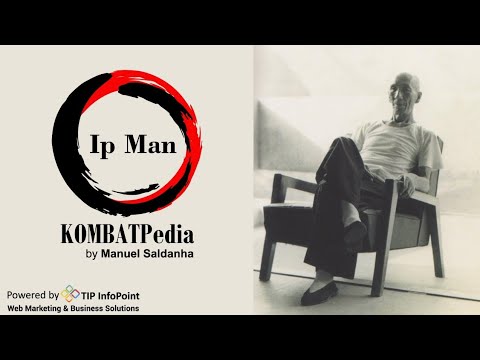
Ip Man: The Enduring Legacy of Wing Chun in Cinema

The Spirit of the Wing Chun Master: Beyond the Screen

Hello and welcome, students of the martial path. Today, we delve into a figure who has not only preserved but amplified the legacy of a formidable martial art: Ip Man. While Donnie Yen's portrayal has brought Wing Chun to global prominence, the true essence of this art and its master transcends the silver screen. Are we merely entertained by spectacular fight choreography, or are we witnessing a genuine transmission of principles that have shaped warriors for generations? This article aims to dissect the cinematic portrayal of Ip Man and Wing Chun, exploring its authenticity, its philosophical underpinnings, and its impact on the modern martial landscape.

The Cinematic Boom: Ip Man and the Global Stage

The Ip Man film series, particularly the installments starring Donnie Yen, has been nothing short of a phenomenon. These movies introduced a generation to the elegance and brutal efficiency of Wing Chun. We saw a humble, yet fiercely principled man, defend his community and his art against overwhelming odds. The films masterfully weave historical context with thrilling combat sequences, presenting Ip Man not just as a martial artist, but as a symbol of integrity and resilience. But herein lies the critical question for any serious practitioner: how much of what we see on screen reflects the reality of Wing Chun, and how much is artistic license designed for dramatic effect?

The impact is undeniable. Interest in Wing Chun has surged globally, with new schools opening and enthusiasts eager to learn the "sticky hands" (Chi Sao) and the rapid-fire punches attributed to the system. It’s a powerful demonstration of cinema's ability to inspire and disseminate martial arts culture. However, as a seasoned Sensei, I must caution against accepting the cinematic portrayal as pure gospel. The speed of fights, the exaggerated force of impacts, and the near-superhuman abilities are, of course, amplified for entertainment. Yet, the core principles – structure, centerline theory, simultaneous block-and-strike – are often discernible.

Deconstructing the Art: Is it Wing Chun, or Hollywood Fiction?

Wing Chun, attributed to the nun Ng Mui and developed by Yim Wing-Chun, is renowned for its directness, efficiency, and economy of motion. It emphasizes close-range combat, utilizing the body's natural structure and the concept of the "centerline" to deliver powerful strikes while maintaining a strong defense. Key elements include:

  • Siu Nim Tao (Little Idea): The foundational form, focusing on structure, body mechanics, and energy generation.
  • Chum Kiu (Seeking the Bridge): Introduces footwork, stepping, and turning, linking the body's movements.
  • Biu Jee (Thrusting Fingers): The emergency technique form, designed for critical situations, emphasizing structure recovery and powerful, often indirect, strikes.
  • Chi Sao (Sticky Hands): A crucial sensitivity training drill that develops reflexes, structure integrity under pressure, and the ability to feel and react to an opponent's force.
  • Muk Yan Jong (Wooden Dummy): A training tool that refines technique, footwork, and power generation against a static opponent.

The films showcase many of these elements, particularly the rapid punches, the close-range engagements, and Ip Man's calm demeanor under duress. However, the sheer number of opponents Ip Man often faces simultaneously, and the seemingly effortless way he dispatches them, stretches credulity. In reality, Wing Chun, while devastatingly effective, requires immense dedicated training to master. The filmic depiction of Chi Sao often appears more like a choreographed dance than the nuanced, sensitive, and often intensely physical drill it is. The brutal impact of a single punch that sends trained fighters flying across rooms is also an exaggeration. While Wing Chun strikes are powerful and delivered through structural integrity, the physics of human anatomy and impact are not quite so forgiving on screen.

"The effectiveness of Wing Chun lies not in brute force, but in understanding and exploiting the opponent's structure and centerline. It is a science of combat, not a spectacle of power." - A principle echoed through generations of Wing Chun practitioners.

The films also sometimes conflate Wing Chun with other martial arts for visual flair. While Ip Man himself was a master, his cinematic exploits sometimes blend techniques that might not strictly belong to his art, a common practice in martial arts cinema to enhance visual appeal. Nevertheless, the fundamental principles of efficiency, directness, and simultaneous attack/defense are often conveyed.

The Master's Code: Principles Beyond the Punch

Beyond the physical techniques, Ip Man embodies a profound philosophy that resonates deeply with the core tenets of Budo. His unwavering integrity, his quiet dignity, and his commitment to defending the weak are hallmarks of a true martial artist. He rarely initiates conflict but will always stand firm when challenged, not out of ego, but out of necessity and principle.

This stoic resilience is a crucial aspect of the martial path. It speaks to the concept of Mushin (無心) – a mind without mind, a state of flow where actions are spontaneous and unhindered by fear or conscious thought. Ip Man's calm in the face of overwhelming danger suggests a deep cultivation of this state. He reacts, he does not overthink. This is the ultimate goal of martial training: to integrate the techniques so deeply that they become second nature, allowing the mind to remain clear and focused.

His actions also reflect the Confucian ideals of righteousness and loyalty, intertwined with the warrior spirit. He protects his students, his family, and his community. This sense of duty and responsibility is a cornerstone of traditional martial arts, emphasizing that true strength lies not only in the ability to fight but in the wisdom and compassion to know when and why to fight.

"To be a true martial artist is to be a protector, a guardian of peace, not a purveyor of violence. The ultimate victory is to win without fighting." - A sentiment often associated with masters like Ip Man and Bruce Lee, his most famous student.

The films often highlight Ip Man’s humility. Despite his immense skill, he does not boast. He teaches his students the importance of hard work and dedication. This humility is critical; true masters understand the vastness of the martial universe and the constant need for refinement. It is this blend of martial prowess and ethical conduct that makes the cinematic Ip Man so compelling and influential.

Essential Equipment for Your Training

While Wing Chun is famously known for its emphasis on body mechanics and less on external equipment, certain items can significantly enhance your training and understanding. For those serious about pursuing Wing Chun, consider these:

  • Wing Chun Uniform (Kwoon Tong / Yip Man Tong): While not strictly necessary for beginners, a traditional uniform signifies dedication and is often required by established schools. Look for durable cotton or linen blends that allow for freedom of movement.
  • Wooden Dummy (Muk Yan Jong): This is the cornerstone of Wing Chun solo training. Investing in a quality dummy, or finding a school that provides access to one, is crucial for developing proper structure, power, and technique application. There are various models, from wall-mounted to free-standing.
  • Training Partner/Sifu: While not equipment, the most vital component of learning Wing Chun effectively is a qualified instructor and consistent practice with a partner for drills like Chi Sao.
  • Comfortable Training Shoes: Essential for proper footwork and stability.

For those exploring related arts or seeking supplementary training, exploring high-quality Karate Gi or robust Judo uniforms can be beneficial for understanding different forms of martial arts attire.

Your First Steps in Wing Chun: A Foundational Guide

Embarking on the Wing Chun journey requires dedication and a structured approach. Here’s a basic guide to get you started:

  1. Find a Qualified Instructor: This is paramount. Seek out a reputable Wing Chun school or lineage that emphasizes authenticity and safety. A good Sifu will guide you through the fundamental forms and principles.
  2. Master Siu Nim Tao: Begin with the first form. Focus intently on your posture, the alignment of your body, and the correct execution of each movement. Practice this form until it becomes second nature.
  3. Understand Centerline Theory: Grasp the concept of attacking and defending along the central axis of the body. This is fundamental to Wing Chun’s directness.
  4. Practice Basic Stances and Hand Techniques: Learn the primary stances (e.g., Yee Jee Kim Yeung Ma) and fundamental hand strikes (e.g., Bong Sao, Tan Sao, Fook Sao, Jut Sao, and the straight punch).
  5. Engage in Chi Sao Drills: Once you have a grasp of the basics, begin practicing Chi Sao with a partner. This develops sensitivity, reflexes, and the ability to maintain structure under pressure. Start slowly and focus on feeling your partner's energy.
  6. Study the Wooden Dummy Form: As you progress, learn the Muk Yan Jong form. This advanced training tool will solidify your techniques and power generation.
  7. Integrate Philosophy and Discipline: Remember that Wing Chun, like all true martial arts, is also a path of self-improvement. Cultivate discipline, patience, and respect.

This structured approach mirrors the learning process in many disciplined arts, such as the foundational katas in Karate or the basic throws in Judo.

The Enduring Influence: Ip Man's Martial Footprint

The legacy of Ip Man, amplified by the cinematic universe, continues to inspire. His story serves as a powerful reminder that martial arts are not merely about fighting, but about character, discipline, and the courage to stand for what is right. The films have undeniably sparked a global interest in Wing Chun, bringing this art to a wider audience than ever before. This increased visibility encourages more practitioners, perpetuates the art's evolution, and fosters a broader appreciation for martial arts culture.

Bruce Lee, perhaps the most famous student of Ip Man, took the principles he learned and revolutionized martial arts and action cinema. His philosophy of Jeet Kune Do, emphasizing adaptability and directness, clearly shows the influence of his Wing Chun training. The cinematic Ip Man, in many ways, represents the foundational wisdom that fueled Lee's innovations.

The question remains: are these films merely entertainment, or do they serve as a genuine gateway to understanding martial principles? I believe they are both. They are a spectacular form of entertainment that captures the imagination, but they also, if viewed with a critical eye, offer glimpses into the profound philosophy and effective techniques of Wing Chun. They inspire us to seek out the real art, to train diligently, and to embody the principles of integrity and resilience that Ip Man represents.

Frequently Asked Questions

Is Wing Chun effective for self-defense?

Yes, Wing Chun is highly effective for self-defense, particularly in close-quarters combat. Its focus on directness, efficiency, and simultaneous attack/defense allows for rapid neutralization of threats. However, like any art, its effectiveness depends on the practitioner's dedication and training.

Are the fight scenes in the Ip Man movies accurate to Wing Chun?

The fight scenes are a stylized cinematic representation. While they often incorporate recognizable Wing Chun techniques and principles, they are exaggerated for dramatic effect, featuring unrealistic numbers of opponents and impact forces. The core concepts, however, are often present.

What is the difference between Wing Chun and other Chinese martial arts like Kung Fu?

"Kung Fu" is a broad term encompassing all Chinese martial arts. Wing Chun is a specific style of Kung Fu, known for its directness, structure, and close-range efficiency, distinguishing it from other styles that may emphasize acrobatics, external power, or different ranges of combat.

How long does it take to become proficient in Wing Chun?

Proficiency varies greatly depending on individual aptitude, training frequency, and the quality of instruction. However, developing a solid foundation in Wing Chun typically requires several years of consistent, dedicated practice. Mastery is a lifelong pursuit.

Can I learn Wing Chun solely from movies and online resources?

While movies and online resources can provide inspiration and supplementary information, they are insufficient for learning Wing Chun effectively. The art requires hands-on instruction from a qualified Sifu to ensure correct technique, structure, and sensitivity development, especially for drills like Chi Sao.

Further Learning on Your Path

  • BUDO: Explore the overarching philosophy and spirit that connects diverse martial disciplines.
  • MartialArts: Dive deeper into the history, styles, and practitioners that shape our world.
  • Karate: Compare and contrast the principles and training methodologies of Wing Chun with this popular Japanese art.
  • MMA: Understand how Wing Chun's principles might translate into the modern mixed martial arts arena.

Sensei's Reflection: Your Next Step

The Ip Man films present a powerful narrative of martial integrity and skill. But are you content to be a spectator, marveling at the spectacle? Or will you be moved to seek the substance behind the style? The true essence of Wing Chun, like any profound art, is not found in passive observation, but in the arduous, yet rewarding, journey of personal practice and dedicated learning. Now, the challenge is yours: what element of Ip Man's character or Wing Chun's philosophy will you commit to cultivating in your own training this week, and how will you measure its tangible impact?

``` GEMINI_METADESC: Explore the cinematic legacy of Ip Man and Wing Chun. Analyze film authenticity, core principles, and the philosophy of this iconic martial art with Budo y AM.