Showing posts sorted by date for query FighterLegacy. Sort by relevance Show all posts

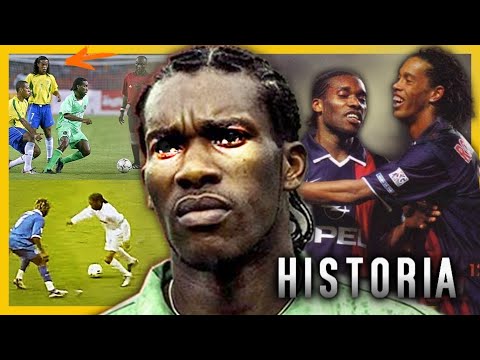
Okocha: The African Maradona and Ronaldinho's Phantom Fear

The spiritual discipline of Budo and the visceral intensity of martial arts training are often seen as separate paths. Yet, at their core, they share a profound connection: the pursuit of mastery, the overcoming of fear, and the demonstration of unparalleled skill under pressure. Today, we delve into a world that mirrors the arena of combat, not with fists or feet, but with the balletic grace and deceptive power of football. We speak of Augustine Okocha, a player whose artistry on the pitch was so profound, it allegedly instilled a peculiar kind of apprehension in none other than the legendary Ronaldinho.

Welcome, warriors of the mat and admirers of true martial spirit, to Budo and Martial Arts! While our focus is often on the codified katas of Karate, the fluid throws of Judo, or the ruthless efficiency of MMA, the principles of mastery, strategy, and overcoming adversity are universal. Today, we're exploring how these very principles manifested in the electrifying career of Augustine "Jay-Jay" Okocha, often dubbed the "Maradona of Africa."

The Maradona of Africa: Okocha's Dazzling Arrival

Born in Enugu, Nigeria, Okocha emerged as a prodigious talent in the early 1990s. His early career saw him electrify crowds in Germany with Eintracht Frankfurt, where his dribbling prowess and audacious flair quickly set him apart. He possessed an uncanny ability to seemingly toy with defenders, a seemingly effortless control of the ball that drew comparisons to the legendary Diego Maradona. But it was his move to Paris Saint-Germain and later to Bolton Wanderers in the Premier League where his legend truly cemented for a global audience.

His signature move, the " Okocha flick" or "the Okocha spin," was a blur of feints and quick footwork that left opponents grasping at air. It was a demonstration of supreme balance, agility, and an understanding of space that few could comprehend, let alone counter. This wasn't just skill; it was a performance, a testament to countless hours of dedicated practice, much like the rigorous conditioning required by any serious martial artist.

Ronaldinho's Apprehension: A Master's Respect?

The anecdote that Okocha, a player of immense talent, once made Ronaldinho, a man renowned for his own gravity-defying skills, feel a palpable sense of unease is fascinating. While specific match details are often shrouded in legend, the implication is powerful. In the martial arts, such a reaction from a peer, especially one as accomplished as Ronaldinho, speaks volumes. It suggests an opponent who, through sheer unpredictability and technical brilliance, could disrupt the natural rhythm of even the most dominant fighter.

"Fear in combat is natural. It is the warrior who masters that fear who is truly formidable." - A sentiment echoing through dojos for centuries.

This isn't about cowardice; it's about acknowledging a threat. A high-level martial artist recognizes when an opponent possesses a skill set that can nullify their own strengths. Okocha, with his masterful dribbling, was that kind of opponent. He could turn the predictable dance of football into a chaotic, unpredictable duel, where the defender was always one step behind. This disruption is akin to facing a practitioner of an unfamiliar, highly effective style – one that forces you to question your own strategies and anticipate the unexpected.

Technical Mastery on the Pitch: A Martial Arts Parallel

The parallels between Okocha's football genius and the discipline of martial arts are striking:

  • Footwork and Agility: Okocha's ability to evade defenders with quick, precise movements mirrors the importance of footwork (Ashi Sabaki in Judo and Karate) in maintaining balance and creating offensive opportunities. His spins and feints were the football equivalent of evasive maneuvers and deceptive posture changes.
  • Control and Balance: His ball control was legendary, a testament to incredible core strength and proprioception. This mirrors the need for a martial artist to maintain a solid base and control their body's center of gravity, especially during complex techniques like throws or grappling exchanges.
  • Creativity and Adaptability: Okocha wasn't just technically gifted; he was incredibly creative. He could improvise, adapt, and execute moves that no one saw coming. This echoes the martial principle of Ju Jutsu – yielding to overcome, or the adaptive strategies employed in mixed martial arts (MMA) where fighters must constantly adjust to their opponent's style.
  • Mental Fortitude: To perform such audacious moves under the immense pressure of a live match, with millions watching, requires immense mental strength. This is the same psychological resilience that a fighter needs to endure tough sparring sessions or to remain composed in a high-stakes competition. The ability to stay calm and execute under duress is a hallmark of both elite athletes and seasoned martial artists.

Think of a master striking artist like a Karateka executing a perfect Mawashi Geri, or a Judo practitioner landing a flawless Seoi Nage. The precision, the timing, the explosive power – all honed through relentless training. Okocha's dribbling was a similar display of practiced perfection, elevated by an artist's imagination.

The Spirit of Budo in Football

The term "Budo" encompasses not just physical techniques but also the philosophical and spiritual aspects of martial traditions. It's about self-improvement, discipline, respect, and the pursuit of excellence. How does this apply to football?

  • Discipline: Okocha's journey from Nigeria to global superstardom required immense discipline. The daily grind of training, the dedication to honing his craft, are identical to the commitment required in a martial arts dojo.
  • Respect: While Okocha played with flair and sometimes irreverence towards opponents on the field, the underlying respect for the game and the spirit of competition is crucial. In Budo, respect for your opponent is paramount, understanding that they, too, are on a path of learning and self-discovery.
  • Self-Improvement: The constant drive to get better, to learn new skills, to overcome weaknesses. Okocha never rested on his laurels; he continued to evolve his game, pushing the boundaries of what was considered possible on the football pitch.
  • Improvisation and Strategy: A martial artist must be able to adapt their strategy based on the opponent and the situation, much like a footballer reading the game, anticipating plays, and finding creative solutions to defensive setups.
"The supreme art of war is to subdue the enemy without fighting." - Sun Tzu. Okocha often achieved this, disabling defenses with his presence and skill before an actual "attack" on goal.

The pressure in football can be immense, akin to the tension before a dojo competition. For Okocha to thrive, and even allegedly unnerve a player of Ronaldinho's caliber, he must have possessed an inner calm, a Mushin (no-mind) state, where his skills flowed instinctively, unhindered by the weight of expectation.

Verdict of the Sensei: A True Artist of the Game

Augustine "Jay-Jay" Okocha was more than just a footballer; he was an entertainer, a magician, and a master technician. His impact transcended the sport, bringing joy and wonder to millions. The legend of him unsettling Ronaldinho speaks to a respect earned through unparalleled skill, a testament to how true mastery, regardless of the discipline, commands admiration and, at times, a healthy dose of apprehension from peers.

He embodied the essence of creative expression within a structured discipline. His flair wasn't chaos; it was controlled brilliance, a dazzling display of talent forged through dedication. In the grand tapestry of sporting legends, Okocha stands out as a unique thread, a vibrant splash of color, a true artist of the beautiful game.

Rating: A Black Belt in Dribbling and Flair.

Equipment Essential for Your Training

While football requires specific gear, the principles of agility, balance, and control are universal. For martial artists looking to enhance their own performance, consider the following:

  • Agility Ladder: Excellent for improving foot speed and coordination, mimicking the quick footwork seen in both football and martial arts.
  • Cones: Perfect for setting up agility drills, practicing change of direction, and simulating evasive movements.
  • Resistance Bands: Useful for strengthening leg muscles crucial for explosive power and maintaining balance during dynamic movements.
  • Quality Training Shoes: Essential for support, grip, and comfort during intense footwork-focused training.
  • A Durable Training Mat: For floor exercises, groundwork practice, or simply ensuring comfort during agility drills.

For those inspired by the discipline of Budo, investing in a high-quality Karate gi or a sturdy Judo gi is a significant step in your journey. Ensure it's made from durable fabric that allows for a full range of motion.

Training Guide: Agility Drills for Footwork

To cultivate the kind of lightning-fast footwork seen in players like Okocha, incorporate these drills into your routine:

  1. In-and-Out Taps (Agility Ladder): Place an agility ladder on the ground. Starting at one end, step quickly into each square with one foot, then the other, before moving to the next square. Increase speed as you become comfortable.
  2. Cone Weaving: Set up a line of 5-10 cones about a yard apart. Jog through the cones, weaving your body and feet in and out. Focus on staying low and changing direction sharply.
  3. Lateral Shuffles: Stand with feet shoulder-width apart, knees slightly bent. Shuffle sideways, keeping your body low and your feet from crossing. Move across a designated distance and return.
  4. Quick Feet (Reaction Drill): Have a partner call out directions (e.g., "forward," "back," "left," "right," "jump"). React as quickly as possible to their commands, moving your feet rapidly in place or taking short steps.
  5. Plyometric Jumps: Incorporate exercises like jump squats, tuck jumps, and bounding to develop explosive leg power, which is crucial for quick bursts of speed and agility.

Remember to warm up thoroughly before starting these drills and cool down afterward. Consistency is key to developing superior footwork.

Frequently Asked Questions

  • Was Okocha truly more skilled than Ronaldinho? While both were phenomenal players, their styles differed. Okocha was known for his intricate dribbling and unpredictable flair, while Ronaldinho was renowned for his flamboyant tricks and overall attacking threat. Comparing them is subjective, but Okocha's unique artistry is undeniable.
  • Did Okocha win major trophies? Yes, Okocha won the Africa Cup of Nations with Nigeria in 1994 and was a runner-up in 2000. He also won the Turkish Cup with Fenerbahçe and was part of the PSG squad that won the UEFA Intertoto Cup.
  • How did Okocha's playing style influence younger players? His creativity and daring inspired a generation of African footballers to express themselves freely on the pitch, proving that flair and skill could be just as effective as brute force.
  • What is the "Okocha spin"? It's a dribbling maneuver where a player quickly spins their body around while keeping the ball close, using their feet to shield and redirect it, often leaving defenders wrong-footed.

For Profundizar en tu Camino


CONTACTO: EmmaHavok123@gmail.com
Instagram Oficial: https://ift.tt/FHoSiD5
Facebook Oficial: https://ift.tt/vMPiome
Twitter Oficial : https://twitter.com/EmmaHavokRock

Instrumental de fondo libre de derechos de autor con el permiso cedido de: https://www.youtube.com/user/KieranZRoberts

#Okocha #Ronaldinho #Fútbol #BUDO #MMA #ArtesMarciales #Lucha #Marcial #Pelea #BudoLife #MartialArts #Combate #FightAnalysis #SportsCommunity #FighterLegacy

``` GEMINI_METADESC: Explore Jay-Jay Okocha's football artistry, comparing his skills to martial arts and the legend of Ronaldinho's fear. A Sensei's analysis of discipline, technique, and spirit.

El Guerrero Silencioso: La Historia de Juan Guillermo Cuadrado, del Desprecio a la Cima del Fútbol

¿Alguna vez te has sentido subestimado? ¿Despreciado por tu tamaño, por tu apariencia, por las circunstancias que te rodean? El mundo del combate, ya sea en un tatami, en un ring o en las calles, está lleno de historias de guerreros que, contra todo pronóstico, forjaron su leyenda. Hoy, en Budo y AM, vamos a desviarnos un instante de los golpes y las llaves para inspirarnos en un campeón de otra arena, pero cuyo espíritu marcial es innegable. Hablamos de Juan Guillermo Cuadrado, un hombre que demostró que la fuerza no se mide solo en músculo, sino en corazón y determinación.

El Viaje del Guerrero: De los Orígenes Humildes a la Gloria

En el corazón de Colombia, en Necoclí, Antioquia, nació un niño con un sueño. Juan Guillermo Cuadrado, a menudo descrito como flaco y pequeño en sus inicios, no poseía la complexión imponente que muchos asocian con los atletas de élite. Sin embargo, lo que le faltaba en tamaño lo compensaba con creces en espíritu y habilidad. Su trayectoria no fue un camino directo hacia el éxito, sino una serie de batallas ganadas contra la adversidad. Desde sus primeros pasos en el fútbol, tuvo que enfrentar miradas escépticas, comentarios que cuestionaban su potencial. Pero, como todo verdadero artista marcial sabe, la validación externa es secundaria frente a la convicción interna.

"La clave del éxito reside en la persistencia, no en la fuerza bruta. Un guerrero vence no por su tamaño, sino por su voluntad."

Su paso por las divisiones inferiores y luego por equipos como el Independiente Medellín, el Atlético Huila y el Parma, fueron escalones en una escalera que lo llevaría a la élite. Cada club, cada liga, representaba un nuevo desafío, un oponente a vencer, un nivel superior que conquistar. No se trataba solo de marcar goles o realizar asistencias, sino de demostrar que las limitaciones físicas son, a menudo, barreras autoimpuestas o creadas por la percepción ajena. Cuadrado se convirtió en un ejemplo viviente de que la dedicación y el talento innato, cuando se pulen con trabajo incansable, pueden superar cualquier obstáculo.

La Disciplina del Guerrero: Mentalidad y Superación

La mentalidad de un campeón se forja en la adversidad. Cuadrado ha demostrado una fortaleza mental digna de admiración. Su capacidad para adaptarse a diferentes equipos, ligas y roles dentro del campo de juego habla de una profunda disciplina y una voluntad inquebrantable. En Italia, tierra de gladiadores modernos, se consolidó, pasando por Udinese, Lecce, Fiorentina y, finalmente, alcanzando la gloria en la Juventus. Cada transferencia, cada etapa, implicaba un nuevo aprendizaje, una nueva adaptación. Esto es comparable a un artista marcial que cambia de escuela o de maestro: debe desaprender viejos hábitos y absorber nuevas filosofías y técnicas.

LaJuventus, un club con una historia y exigencia de primer nivel, se convirtió en su hogar. Allí, se enfrentó a la presión de competir por títulos importantes semana tras semana. No todos los que llegan a la cima pueden mantenerse. Requiere una autodisciplina férrea, un compromiso total con el entrenamiento, la nutrición y la recuperación. Su longevidad en un deporte tan exigente y competitivo es un testimonio de su dedicación. Él entendió, como muchos grandes luchadores, que el verdadero combate se libra en la mente antes de que comience en el cuerpo.

Este aspecto de su carrera nos recuerda la importancia del #Autodisciplina y el #MentalGame en cualquier disciplina que busque la maestría. No se trata solo de tener el talento, sino de cultivar la fortaleza mental para soportar el escrutinio, las críticas y los momentos difíciles.

El Arte del Regate: Técnica y Versatilidad

En el fútbol, la técnica es el lenguaje del cuerpo. Cuadrado ha perfeccionado un estilo de juego que combina velocidad, agilidad y una sorprendente habilidad para el regate. Su juego por la banda, sus cambios de ritmo y su capacidad para desequilibrar defensas rivales son un arte en sí mismos. Podríamos comparar su habilidad para sortear oponentes con la fluidez de un luchador de #bjj en el suelo, o la impredecibilidad de un maestro de #KungFu.

Su versatilidad es otro punto a destacar. Ha jugado como extremo, como lateral e incluso en posiciones más adelantadas. Esta adaptabilidad es una cualidad altamente valorada en cualquier #artesmarciales. Un guerrero completo no se encasilla; domina diferentes facetas del combate, se adapta al oponente y a las circunstancias. Cuadrado, con su capacidad para desempeñar múltiples roles, demuestra esta versatilidad en el campo. Su habilidad para centrar con precisión o para internarse y disparar al arco lo convierte en una amenaza constante.

La potencia en el golpeo, la precisión en el pase y la agilidad para eludir rivales son técnicas que, en el contexto del fútbol, requieren un entrenamiento específico y una ejecución impecable. La combinación de estas habilidades, pulidas a lo largo de años de práctica, es lo que lo ha mantenido en la élite. Es un ejemplo de cómo el #EntrenamientoDeMMA, por ejemplo, busca desarrollar un atleta completo, capaz de enfrentar distintos escenarios.

El Corazón de León: Espíritu Competitivo y Resiliencia

Más allá de la técnica y la disciplina, lo que realmente define a un campeón es su espíritu. Juan Guillermo Cuadrado ha jugado para la Selección Colombia en múltiples Copas del Mundo y Copas América, representando a su país con orgullo y entrega. En cada partido, ha dejado una huella de coraje y determinación. Su espíritu competitivo es palpable; nunca da un balón por perdido, siempre lucha hasta el final.

La resiliencia es la capacidad de recuperarse de los golpes, de levantarse tras una derrota. Cuadrado ha enfrentado momentos difíciles, lesiones, críticas, pero siempre ha regresado más fuerte. Esta cualidad es fundamental en cualquier camino marcial. Como diría un maestro de #Kyokushin, el karate de contacto pleno, la verdadera prueba no es la ausencia de dolor, sino cómo uno se levanta después de recibir un golpe. Su carrera es una lección de #Perseverance.

"Un guerrero no nace invencible, se hace invencible a través de la lucha y la superación constante."

Su contribución a la Juventus, donde se convirtió en un pilar fundamental, ganando múltiples títulos de Serie A y Copas Italia, es la prueba de que su "corazón de león" no es una metáfora, sino una realidad. Demostró que ser "pequeño" o "flaco" no es una limitación, sino una motivación para demostrar la grandeza que reside en el interior.

Veredicto del Sensei: Más Allá del Deporte

Juan Guillermo Cuadrado es mucho más que un futbolista. Es un paradigma de lo que significa el espíritu marcial aplicado al deporte y a la vida. Su historia es un recordatorio potente de que las limitaciones percibidas son a menudo barreras invisibles que podemos derribar con determinación, disciplina y una mentalidad inquebrantable. Nos enseña que la verdadera fortaleza no reside en el físico, sino en el coraje del corazón.

Si bien no practica un arte marcial tradicional, su trayectoria encarna los principios fundamentales del #BUDO: la superación personal, el respeto, la disciplina y la búsqueda constante de la excelencia. Es un "Crack" no solo en la Juventus, sino en el arte de vivir una vida de propósito y éxito a pesar de los desafíos iniciales. Su historia resuena con la de muchos atletas de #artesmarciales que, contra todo pronóstico, alcanzaron la cima.

Equipo Esencial para tu Entrenamiento

Aunque Cuadrado juegue en el campo de fútbol, los principios de entrenamiento y la mentalidad se aplican a todas las disciplinas marciales. Para optimizar tu rendimiento y seguridad, considera tener el equipo adecuado:

  • Calzado Deportivo Adecuado: Para deportes de agilidad y cambios de dirección, unas zapatillas con buena sujeción y tracción son cruciales.
  • Ropa Cómoda y Transpirable: Que permita la libertad de movimiento y mantenga tu cuerpo fresco durante el #entrenamiento.
  • Protecciones (si aplica): Dependiendo de tu arte marcial (ej. #KarateKyokushin), coderas, rodilleras o espinilleras pueden ser necesarias.
  • Indumentaria de Competición: Un buen #kimono de #judo o un #karate gi de calidad son vitales para el entrenamiento y la competición en estas disciplinas. Busca aquellos de doble tejido para mayor durabilidad.
  • Equipo de Entrenamiento en Casa: Si buscas mantener tu forma física fuera del dojo, considera bandas de resistencia, comba para saltar o incluso un saco de boxeo.

Un atleta bien equipado está mejor preparado para enfrentar los desafíos físicos y técnicos.

Preguntas Frecuentes

¿Cuadrado siempre fue un jugador destacado?

No, en sus inicios fue considerado pequeño y flaco, lo que generó dudas sobre su potencial. Tuvo que trabajar arduamente para superar estas percepciones y demostrar su valía.

¿En qué posición principal juega Cuadrado?

Aunque es muy versátil y ha jugado en varias posiciones, se le conoce principalmente por su rol como extremo o carrilero por la banda, destacando por su velocidad y habilidad en el regate.

¿Qué lecciones marciales podemos aprender de Cuadrado?

Podemos aprender sobre la importancia de la disciplina, la resiliencia ante la adversidad, la versatilidad para adaptarse a diferentes roles y la mentalidad de un guerrero que no se rinde, sin importar los obstáculos físicos o las opiniones externas.

¿Por qué se le considera un "guerrero"?

Porque su carrera está marcada por una lucha constante contra las limitaciones, una entrega total en cada partido y una mentalidad competitiva que lo ha llevado a triunfar en uno de los clubes más prestigiosos del mundo.

¿Cuadrado ha tenido éxito en la Selección Colombia?

Sí, ha sido una pieza clave para la Selección Colombia durante muchos años, participando en Copas del Mundo y Copas América, representando a su país con pasión y entrega.

Para Profundizar en tu Camino

Reflexión del Sensei: Tu Próximo Paso

La historia de Cuadrado nos desafía a mirar más allá de la superficie. Nos obliga a cuestionar nuestras propias limitaciones percibidas y a preguntarnos: ¿Qué "defectos" o debilidades me han dicho que tengo, y cómo puedo usarlos, no como excusas, sino como combustible para demostrar mi verdadera fuerza? ¿En qué área de mi vida, similar a Cuadrado en el campo, estoy siendo subestimado, y cómo puedo forjar mi propia leyenda a través de la disciplina y el corazón de un guerrero?

``` GEMINI_METADESC: Descubre la inspiradora historia de Juan Guillermo Cuadrado, del desprecio por su físico a Crack en la Juventus. Un guerrero del fútbol que encarna el espíritu Budo.

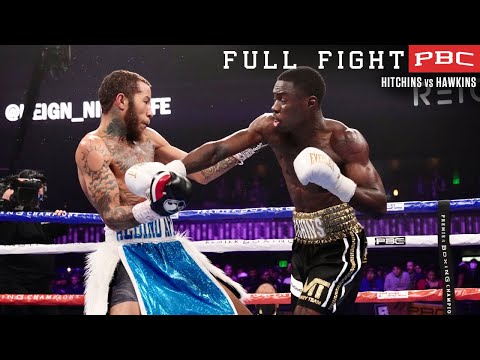
Richardson Hitchins vs. Malik Hawkins: A Tactical Masterclass or a Missed Opportunity?

The allure of an undefeated contender facing a seasoned opponent always sparks a fire in the hearts of martial arts and combat sports enthusiasts. On December 18, 2021, the super lightweight division witnessed such a clash: Richardson Hitchins, a man of seemingly impenetrable defense and calculated aggression, against Malik Hawkins, a fighter known for his power and willingness to engage. The bout, part of the PBC on FS1 card, promised fireworks. But did it deliver the explosive exchange we craved, or was it a sterile display of tactical dominance? As a seasoned practitioner and critic of the martial world, I approach this not just as a fight, but as a case study in strategic execution, mental fortitude, and the evolving landscape of modern combat.

Introduction: The Super Lightweight Showdown

In the intricate dance of pugilism, strategy is often the silent killer. Richardson Hitchins (13-0, 5 KOs) stepped into the ring with a perfect record, a testament to his discipline and skill. His opponent, Malik Hawkins (18-2, 11 KOs), carried the weight of experience and the promise of knockout power. The super lightweight division, often overlooked but fiercely competitive, demands a unique blend of speed, power, and tactical acumen. This fight was presented as a test for Hitchins – could he maintain his unblemished record against a fighter who had proven capable of stopping opponents? Or would Hawkins find a way to dismantle the seemingly impenetrable?

The pre-fight narrative often sets expectations, but it is the performance within the squared circle that dictates the truth. Hitchins' declaration, "My strategy was to box him and make it easy," hints at a game plan focused on control and minimizing risk. This is a common approach for fighters who possess superior technical skills and a desire to conserve energy. However, in the high-stakes arena of professional boxing, "making it easy" can be a slippery slope, often allowing an opponent the space to adapt and find openings. Hawkins, on the other hand, needed to impose his will, to disrupt Hitchins' rhythm and introduce the chaos that often favors the power puncher.

Hitchins' Blueprint: Boxing and Frustration

Hitchins' post-fight assessment reveals a clear tactical intent: to neutralize Hawkins' strengths through superior boxing. "I knew he was strong, but I hurt him in the fight," Hitchins admitted, indicating that while he aimed for a controlled performance, moments of real danger for Hawkins did arise. The underlying belief was that Hawkins' physical prowess was offset by a lack of speed, making him susceptible to a calculated boxing approach. Hitchins' confidence was palpable when he stated, "I just wanted to make it an easy fight because I knew he was too slow to outbox me." This wasn't just about winning; it was about demonstrating a qualitative superiority.

He further elaborated on his opponent's anticipated strategy: "I knew his new coaches were going to train him to walk me down." This shows an understanding of the tactical chess match at play. Hitchins was not only planning his own moves but also anticipating Hawkins' counters. The objective was to stay on the outside, utilize the jab, control the distance, and land scoring punches without getting drawn into a slugfest. This is the hallmark of a technically sound boxer, someone who understands that in the long rounds of a championship fight, endurance and calculated offense often trump raw aggression.

Hawkins' Response: The Challenge of the Undefeated

While Hitchins dictated much of the narrative, the fight was ultimately judged by the scorecards: 100-90, 97-93, and 96-94. These scores, while all in favor of Hitchins, reveal a divergence in how the fight was perceived. The 100-90 card suggests a complete shutout, a demonstration of absolute dominance. The other two, however, indicate that Hawkins managed to win rounds and make the fight more competitive than a single scorecard might suggest. This discrepancy is not uncommon in boxing and often reflects the different criteria judges may emphasize – aggression versus effective scoring, ring control versus landed punches.

For Hawkins, the challenge lay in breaching Hitchins' defenses. Fighters like Hitchins often employ a high guard, good footwork, and subtle head movement, making it difficult for opponents to land clean, powerful shots. The key for Hawkins would have been to cut off the ring effectively, force Hitchins into uncomfortable positions, and land his own power shots with conviction. The fact that he was able to influence two judges to score rounds in his favor suggests he didn't entirely falter. He likely landed some significant blows and demonstrated moments of offensive threat, preventing the fight from becoming a mere exhibition.

In-Depth Fight Analysis: Beyond the Scorecards

From a martial perspective, this bout offers a fascinating look into the application of strategy in a controlled combat environment. Hitchins' strategy, while seemingly straightforward, requires immense discipline. Maintaining a consistent jab, controlling distance, and avoiding prolonged engagements with a power puncher are skills honed through countless hours of dedicated #MartialArtsTraining. The ability to "hurt" Hawkins, as Hitchins mentioned, speaks to the effectiveness of his power punches when they landed, despite his aim to avoid a brawl. This suggests that even within a tactical framework, opportunities for decisive offense were present and exploited.

Hawkins' performance, though ultimately unsuccessful, should not be dismissed. To withstand the pressure of an undefeated contender and influence judges' scorecards requires resilience. A fighter like Hawkins often thrives when the fight devolves into a grittier affair. The question remains: did he adapt his strategy sufficiently to counter Hitchins' boxing prowess, or was he consistently a step behind? The scores suggest the latter, but the fact that he wasn't completely overwhelmed points to moments where he likely tested Hitchins' resolve. The effectiveness of his "new coaches" in preparing him to "walk down" Hitchins is debatable, as the outcome suggests the plan didn't fully materialize against Hitchins' defensive acumen.

"The supreme art of war is to subdue the enemy without fighting." - Sun Tzu, The Art of War. Hitchins embodied this principle, aiming to win by controlling the engagement, not necessarily through outright destruction.

The discrepancy in the judges' scores can also highlight the subjective nature of boxing. While Hitchins' cleaner boxing and ring control likely impressed one judge, the landed power shots and moments of pressure from Hawkins might have swayed others. This is where the debate in the #FightFans community truly ignites. Was the 100-90 score a reflection of genuine dominance, or did it overlook Hawkins' contributions to the bout? These are the questions that fuel the passion for #MMA and boxing analysis.

Sensei's Verdict: A Blueprint for Future Contenders

Richardson Hitchins secured a **Cinturón Negro en Estrategia y Control**. His performance was a textbook example of how to systematically dismantle an opponent by exploiting their perceived weaknesses while mitigating their strengths. He didn't just win; he executed a plan with precision, demonstrating the discipline that separates good fighters from great ones. While the fight may not have been a barnburner, its strategic depth offers valuable lessons.

Malik Hawkins, while falling short, gained valuable experience against an elite opponent. The challenge for him and his team is to analyze where the game plan faltered. Was it the preparation, the execution within the ring, or simply facing a superior tactician on that particular night? The path forward for Hawkins involves refining his approach, perhaps incorporating more varied offensive strategies or improving his defensive counter-measures against boxers of Hitchins' caliber.

Training Considerations: Adapting to Elite Competition

For practitioners of any martial art, this fight underscores the importance of multifaceted training. Hitchins' victory wasn't just about punching; it was about footwork, distance management, defensive technique, and mental fortitude. If you're looking to enhance your own #MartialArtsTraining, consider these points:

  • Footwork Drills: Practice moving laterally, forward, and backward efficiently. Focus on maintaining balance and a stable base.
  • Distance Control Exercises: Use tools like a heavy bag or focus mitts to practice striking at optimal ranges and retreating effectively.
  • Defensive Sparring: Engage in sparring sessions where the primary goal is defense, emphasizing blocking, slipping, and rolling with punches.
  • Mental Conditioning: Develop strategies to remain calm under pressure and execute your game plan even when fatigued or facing adversity. This is crucial for #MentalGame development.
  • Analysis of Opponents: Learn to study your opponents, identifying their strengths and weaknesses, and formulating a counter-strategy. This is a key aspect of #FightAnalysis.

For fighters like Hawkins, the focus might shift to improving offensive pressure without sacrificing defensive integrity. This could involve developing new combinations, improving ring-cutting techniques, and understanding how to disrupt an opponent's rhythm more effectively. The journey of a #FighterLegacy is one of constant learning and adaptation.

Resources for Deeper Study

Understanding the strategic nuances of boxing requires more than just watching fights. Delving into the history and philosophy of combat sports can provide invaluable context. For those interested in enhancing their physical conditioning to support such tactical demands, exploring resources for #AtHomeWorkout or specific #EntrenamientoDeMMA can be beneficial.

Frequently Asked Questions

  • What was the official result of the Hitchins vs. Hawkins fight?
    Richardson Hitchins won by unanimous decision, with judges' scores of 100-90, 97-93, and 96-94.
  • Who is Richardson Hitchins?
    He is an undefeated American super lightweight professional boxer.
  • What is Premier Boxing Champions (PBC)?
    PBC is an American boxing promotion company known for its televised events on networks like FS1, FOX, Showtime, and Amazon Prime Video.
  • Did Malik Hawkins have a significant advantage in power?
    Hawkins possessed knockout power (11 KOs in 18 wins), but Hitchins' strategy focused on neutralizing this threat through superior boxing technique and defensive awareness.

Deepen Your Understanding

To truly grasp the complexities of martial arts and combat sports, continuous learning is essential. Explore the rich tapestry of techniques, philosophies, and historical context that shapes these disciplines. The journey of a #MartialArtists is a lifelong pursuit of knowledge and self-improvement.

Sensei's Reflection: Your Next Step

Hitchins' victory was a testament to superior strategy and execution. But in the unforgiving arena of combat, can a purely tactical approach always guarantee victory against raw power and determination? Or does the true mastery lie in blending calculated strategy with the ferocity of the warrior spirit?

``` GEMINI_METADESC: Analyze the tactical battle between Richardson Hitchins and Malik Hawkins. Sensei breaks down the boxing strategy, judges' scores, and offers martial insights.

国宝级坏蛋计春华:被李连杰打40拳,为演戏差点瘫痪,只想演好人

"真正的战士,不必用嘶吼来证明自己。他的行动,本身就是最响亮的宣言。" - 传奇武术大师

你是否曾在银幕上看到一个角色,他的邪恶形象深入人心,以至于让你忘记了他的真实姓名?你是否曾为演员们为了艺术奉献一切的精神而动容,甚至到了令人心惊的地步?今天,我们不谈行云流水的拳脚,不谈荡气回肠的侠义,我们要深入探讨的是一位被誉为“国宝级坏蛋”的演员——计春华。他的脸庞,他的眼神,是无数人心中的童年阴影,更是中国功夫电影时代的一个独特印记。然而,在这极致的“坏”,背后隐藏着怎样的付出与挣扎?我们今天就来剖析一番。

一、 计春华:一个名字,一种符号

在中国功夫电影的璀璨星河中,计春华无疑是最耀眼的“反派之星”之一。他的长相凶悍,眉宇间总带着一股狠劲,这种与生俱来的“坏”让他几乎成为了反派的代名词。从《少林寺》中的秃鹰,到《方世玉》中的白眉,再到《新少林寺》中的反派,他塑造的角色深入人心,让人过目难忘。他的出现,往往意味着主角将面临一场严峻的考验。计春华并非科班出身,他本是浙江省武术队的运动员,凭借着扎实的功底和独特的形象,被导演张鑫炎选中,从此走上了银幕,并成为了中国功夫电影界不可或缺的一员。他的存在,让无数的英雄有了值得敬畏的对手,也让“坏人”这个角色有了更深层次的解读。

Reflexión del Sensei: "在武道的道路上,光明与黑暗并非泾渭分明。真正的力量,在于理解并掌控自身的一切,包括那些被视为‘阴影’的部分。"

二、 与李连杰的“硬碰硬”:电影《少林寺》的残酷现实

计春华演艺生涯的起点,便是那部划时代的电影——《少林寺》。在这部电影中,他饰演的“秃鹰”与李连杰饰演的“觉远”之间的对决,是影片的高潮之一。计春华的回忆中,与李连杰的对手戏充满了艰辛。为了追求真实感,许多动作场面都力求实战。他曾透露,在拍摄一场与李连杰的对打戏时,由于动作设计和执行的力度,他被李连杰连续踢打了四十多拳,其中很多都是结结实实的接触。这种“硬碰硬”的拍摄方式,虽然成就了电影的经典画面,却也给计春华的身体带来了巨大的冲击。没有特效,没有替身,只有演员们用身体去感受每一次击打的真实疼痛。这便是那个年代功夫电影的魅力所在——纯粹的技艺,纯粹的付出。

LSI Keywords: 李连杰 (Li Lianjie), 少林寺 (Shaolin Temple), 功夫电影 (Kung Fu Film), 动作设计 (Action Choreography), 实拍 (Real Filming), 运动员 (Athlete), 浙江省武术队 (Zhejiang Wushu Team).

"当拳头落在身上,你感受到的不仅仅是疼痛,更是对角色的理解,对对手的尊重,以及对艺术的承诺。" - 计春华

三、 为角色“毁容”:表演的极致追求与身体的代价

计春华的职业生涯,很大程度上是因为他独特的长相——眉毛稀疏,几乎没有眉毛,以及他那不怒自威的眼神。然而,很多人不知道的是,他并非天生如此。在他年轻时,因为一场意外的眼疾,导致他失去了眉毛。这意外的“损毁”,反而成为了他演艺道路上的“财富”。但他为了角色所付出的代价远不止于此。在拍摄某部电影时,为了更贴合反派的形象,他甚至不惜“毁容”。他曾提到,在拍摄一场戏时,他不小心被道具刀划伤了脸,导致脸部留下了永久性的疤痕。这样的牺牲,在今天的演艺圈可能很难见到。他用自己的身体去雕刻角色,用疼痛去换取观众的信服。这是一种近乎偏执的职业精神,是对表演艺术的极致追求,也是对观众最真诚的回报。这种付出,远超出了简单的“演戏”范畴,更像是一种武者的修行。

LSI Keywords: 演戏 (Acting), 毁容 (Disfigurement), 疤痕 (Scar), 眼睛 (Eye), 意外 (Accident), 职业精神 (Professional Spirit), 艺术追求 (Artistic Pursuit), 功夫演员 (Kung Fu Actor).

四、 从“坏蛋”到“好人”的内心渴望

尽管在银幕上计春华塑造了无数令人胆寒的反派,但他在现实生活中,却是一个性格温和、与人为善的人。他本人曾多次表达,自己其实非常渴望能够出演一些正面、善良的角色,甚至是喜剧人物。然而,深入人心的“坏蛋”形象,仿佛成了一个巨大的枷锁,让他难以摆脱。观众的固有印象,加上导演的“量身定做”,使得他大部分的荧幕时间都在饰演反派。这种“身不由己”的无奈,或许是他心中一个不为人知的遗憾。我们看到他在《少林武王》中饰演的“鬼影”,在《武林笑传》中饰演的“东方不败”,也试图突破“坏”的形象,但观众最熟悉的,永远是那个眼神锐利、杀气腾腾的他。这种反差,恰恰说明了他表演的成功,也折射出作为演员在角色选择上的局限性。

LSI Keywords: 好人 (Good Person), 反派 (Villain), 角色 (Role), 喜剧 (Comedy), 渴望 (Desire), 固有印象 (Stereotype), 突破 (Breakthrough), 观众 (Audience).

五、 计春华的精神传承:身体的折磨与灵魂的坚韧

计春华的一生,是中国功夫电影一个时代的缩影。他用自己的身体,诠释了什么是“痛并快乐着”。他的经历告诉我们,每一个令人难忘的角色背后,都可能隐藏着不为人知的付出和牺牲。他没有被意外和伤痛打倒,反而将这些经历融入了自己的表演,成就了独一无二的“计春华”式反派。他的故事,不仅仅是关于一位演员的职业生涯,更是一种精神的体现:面对困难,永不放弃;为了热爱,不惜一切。这种精神,与武道的核心价值——坚韧、毅力、自律——不谋而合。正如 BUDO 所强调的,武道不仅仅是技巧的磨练,更是心性的修炼。计春华用他的生命,为我们上了一堂生动的武道课,关于如何面对身体的局限,如何超越内心的藩篱,以及如何在平凡的生活中,找到不平凡的价值。

LSI Keywords: 精神 (Spirit), 传承 (Legacy), 牺牲 (Sacrifice), 困难 (Difficulty), 放弃 (Give Up), 坚韧 (Resilience), 毅力 (Perseverance), 自律 (Self-discipline), 武道 (Budo), 修炼 (Cultivation).

#MartialArtsJourney #FighterLegacy #SelfMastery

Veredicto del Sensei: 银幕上的反派,生活中的艺术家

计春华,这位“国宝级坏蛋”,以其独特的形象和精湛的演技,在中国功夫电影史上留下了浓墨重彩的一笔。他用近乎残酷的付出,为观众呈现了银幕上的经典反派。他为了角色可以不顾身体的安危,甚至不惜“毁容”,这种敬业精神令人钦佩。虽然他内心渴望扮演更多正面角色,但我们更应该记住的是,他用自己的方式,为我们带来了无数精彩的电影瞬间,并以一种独特的方式,将中国功夫电影的精神传递下去。他的故事,是献身艺术的最好证明。

Calificación: Cinturón Negro en Sacrificio y Presencia Escénica

装备精良,如虎添翼

想要像计春华那样拥有扎实的身体基础,或者想要在武术训练中达到更高的境界,合适的装备是必不可少的。无论你是初学者还是经验丰富的武者,以下装备都能助你一臂之力:

  • 拳击手套 (16oz sparring gloves): 对于需要力量训练和模拟对抗的训练至关重要,保护你的双手,也保护你的训练伙伴。
  • 柔道服 (Double weave Judo Gi): 如果你涉足 Judo 或 BJJ,一件耐穿的双层编织柔道服是你的必备选择,它能够承受大量的摔柔动作。
  • 护齿器 (Mouthguard): 在任何高强度的对抗性训练中,保护你的牙齿和口腔是首要任务。
  • 护裆 (Groin protector): 同样是为了关键部位的安全,尤其是在踢击和摔跤训练中。
  • 训练鞋 (Training shoes): 选择一双抓地力强、支撑性好的训练鞋,可以提升你在地面上的移动和稳定性。

深入探索:你的武道之路

计春华的故事,只是武道世界浩瀚星辰中的一点光芒。要真正理解武道的精髓,你需要不断地学习和探索。以下是一些推荐的书籍和资源,它们将帮助你更深入地理解武术的哲学、历史和实践:

  • 《五轮书》 (The Book of Five Rings): 宫本武藏的传世之作,探讨了军事策略、哲学思想和武道精神,是许多武术家和领导者的必读。
  • 《武士道》 (Bushido: The Soul of Japan): 新渡户稻造的作品,深入剖析了日本武士阶层的道德准则和精神世界。
  • 关于 Kyokushin 空手道 (Kyokushin Karate) 的纪录片或书籍: 了解这个以实战著称的空手道流派的训练体系和哲学。
  • 关于 MMA 训练营的视频资料: 学习现代综合格斗选手的训练方法和战术思路。

训练指南:重现经典镜头中的动作元素

计春华在电影中的许多动作,虽然凶狠,但也蕴含着扎实的武术功底。我们可以从中提取一些基础元素,用于日常的体能和技术训练。这里以一个基础的“侧踢”训练为例:

  1. 站姿准备: 双脚与肩同宽站立,膝盖微屈,保持身体平衡。重心可以稍微放低。
  2. 提膝蓄力: 选择你的主导腿,将膝盖向上提起,靠近胸部,同时保持身体挺直。这是踢击的力量来源。
  3. 踢击发力: 身体保持稳定,用脚掌、脚侧或脚跟(取决于你模仿的风格)向前、向上发力踢出。想象你的脚要踢穿前方的目标。
  4. 控制回落: 踢击完成后,用膝盖引导腿部缓慢而有控制地收回,回到起始站姿。不要让腿部“甩”回去。
  5. 重复与调整: 重复动作,注意动作的流畅性、发力和控制。可以从原地踢开始,逐渐练习侧踢、后踢等变化。

重要提示: 任何动作练习都应在安全的环境下进行,并最好有专业教练的指导。尤其是在模仿电影中的高难度动作时,切勿盲目尝试。

常见问题解答

1. 计春华在《少林寺》中真的和李连杰对打了40拳吗?

计春华本人曾多次在采访中提到,在拍摄《少林寺》时,他和李连杰有多场对手戏,其中一场他被李连杰踢打了四十多拳,很多是实打实的接触。这反映了当时拍摄动作片的真实和残酷。

2. 计春华的“坏蛋”形象是否影响了他的生活?

是的,他本人曾表示,由于观众对他“坏人”角色的深刻印象,导致他很难接到正面角色的邀约,这在一定程度上限制了他的演艺发展。但他本人在现实生活中性格温和。

3. 计春华为什么没有眉毛?

计春华在年轻时因一场眼疾导致眉毛脱落,他本人曾多次公开提及此事。这一生理特征反而成为他塑造反派角色的独特优势。

4. 计春华的训练背景是什么?

计春华并非科班演员,他曾是浙江省武术队的优秀运动员,拥有扎实的武术功底,这为他后来在功夫电影中的出色表现奠定了基础。

5. 计春华在演戏过程中受过哪些伤?

除了与李连杰对打时的身体冲击,他还曾因意外脸部被道具刀划伤,留下了永久性的疤痕。这些都是他为了角色付出的代价。

为深入了解你的武道之路

计春华的故事,不仅仅是一个演员的传奇,更是对武道精神的一种侧面诠释。如果你对武术、对格斗、对人生哲学充满好奇,以下这些内容,也许能为你点燃更多灵感:

  • MMA 选手的体能训练秘诀
  • Judo 的精髓:如何用最小的力量制服对手
  • Karate 的哲学:速度、力量与精神的统一
  • Self Defense 的核心原则:如何有效应对街头威胁

Reflexión del Sensei: Tu Próximo Paso

计春华的“坏”,是深入骨髓的刻画,是艺术的极致。但请记住,外表的狰狞,有时是为了掩盖内心的善良,或是承载一种不为人知的使命。你是否曾因某种“标签”而限制了自己?又或者,你是否在生活中扮演着一个“反派”,却怀揣着一颗“好人”的心?你的下一个行动,将如何打破固有的框架,展现真实的自我?

``` GEMINI_METADESC: 深入解析“国宝级坏蛋”计春华的演艺生涯:与李连杰的硬碰硬,为角色付出的身体代价,以及他内心深处的渴望。