Showing posts sorted by date for query #entrenamiento. Sort by relevance Show all posts

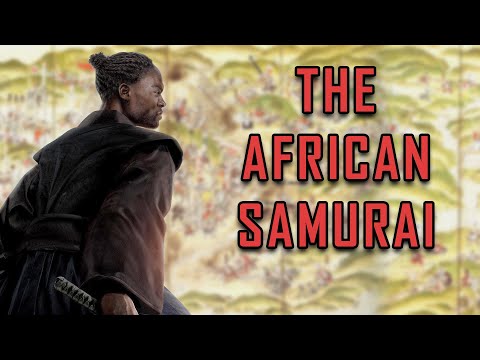
The Unvarnished Truth: Yasuke, The African Samurai – A Warrior's Spirit Transcending Borders

How many of you, when you hear "samurai," immediately picture a stoic figure in traditional armor, born and bred in the rigorous crucible of feudal Japan? It's a powerful archetype, isn't it? But what if I told you that the most compelling narratives often break these very molds? Today, we dissect the extraordinary life of Yasuke, the African samurai. This isn't just a historical footnote; it's a profound testament to how the warrior spirit, the unwavering dedication to martial excellence, knows no color, no origin, and no boundary.

We will delve into the gritty reality of his ascent, not through romanticized fiction, but through the lens of martial principles. Was he merely a curiosity, a novelty for Oda Nobunaga? Or was he a genuine practitioner of the sword, a warrior whose skills earned him respect in the most unforgiving of arenas? Prepare yourselves, for this is not a gentle stroll through history; it is an exploration of raw courage, adaptation, and the unyielding pursuit of mastery in the face of prejudice and overwhelming odds.

Yasuke's Origins: More Than Just a Slave

Let's strip away the myth. Yasuke, born in Africa – the exact region remains a scholarly debate, a point of contention for historians – was not born into nobility, nor was he a free man for much of his early life. He was, by all accounts, enslaved. This is a brutal truth, a stark contrast to the idealized samurai narrative. However, a slave’s life is not always a predetermined path of suffering. His journey, facilitated by the Jesuit missionary Alessandro Valignano, led him to Japan in 1579. Imagine the culture shock, the sheer alien nature of a land so distant from his own.

This arrival was not subtle. His physical presence alone—taller than the average Japanese man of the era, powerfully built—would have immediately drawn attention. But it was his potential, his aura of capability, that truly captured the eye of Oda Nobunaga, the formidable *Daimyo* who was rapidly consolidating power in Japan. Nobunaga was known for his strategic mind, his openness to new ideas, and his interest in foreign novelties. Yasuke was more than a novelty; he was a warrior waiting to be recognized. This meeting, this pivotal moment, was not just the encounter of a slave with a lord, but the spark that ignited an extraordinary martial destiny.

"Nobunaga, upon seeing Yasuke, was struck by his stature and physical presence. He was a man unlike any he had encountered. The initial fascination, however, was soon to be surpassed by respect for his martial spirit."

Forged in the Flames: Training Under Nobunaga

To become a samurai was not a matter of choice; it was a life of rigorous discipline, an internalization of the warrior's code, bushido. Yasuke, under Nobunaga's direct patronage, embarked on this path. This wasn't a mere display of strength; it was an assimilation into a system of honor, loyalty, and devastating martial skill. He learned the intricacies of the katana, the soul of the samurai. He trained in swordsmanship, grappling, and the tactical nuances of warfare.

Think about the challenges. He wasn't just learning techniques; he was learning a philosophy, a way of life that demanded absolute commitment. The fact that he, an outsider, an African slave, was not only accepted but actively trained and elevated speaks volumes about Nobunaga's pragmatism and perhaps, his foresight. Yasuke's physique, different from the Japanese ideal, likely offered unique advantages in combat. His training wasn't about conforming to a pre-existing template; it was about adapting the samurai way to his own formidable capabilities. He proved to be more than just a strong man; he was a natural warrior, a quick study, and someone who could embody the samurai ethos. This rapid ascent is not something one achieves through mere physical presence. It requires dedication, discipline, and an innate understanding of combat.

His African heritage, rather than being a barrier, may have even informed his fighting style, adding an unpredictable edge to the already deadly samurai arts. This fusion of backgrounds is where true martial innovation often lies.

The Crucible of War: Yasuke's Role in Nobunaga's Army

History books, often written by victors and survivors, can be selective. But the accounts of Yasuke's involvement in battles are clear: he fought. He wasn't a ceremonial figure; he was in the thick of it. The Battle of Tenmokuzan in 1582 is a prime example. Nobunaga's forces, against considerable odds, achieved a decisive victory. Yasuke's presence and contributions were noted. This wasn't a minor skirmish; it was a significant military engagement where strategic prowess and individual bravery determined the outcome.

His role as a trusted advisor and bodyguard to Nobunaga was not bestowed lightly. It implies a level of skill, loyalty, and battlefield competence that few possessed. Imagine the pressure, the constant threat of assassination or betrayal in the Sengoku period. To be chosen as a personal guardian by one of Japan's most powerful and ruthless warlords was the ultimate validation of his martial capabilities.

"In the heat of battle, where the clash of steel and the cries of men fill the air, true warriors reveal themselves. Yasuke was not found wanting. His ferocity, combined with his samurai training, made him a formidable force on any battlefield."

After Nobunaga's tragic end at Honnō-ji, Yasuke didn't vanish. This is a crucial point that distinguishes him from a mere footnote. He continued to serve other influential figures like Hideyoshi Toyotomi and later, Ieyasu Tokugawa. His journey continued through periods of intense conflict, including the Siege of Osaka Castle. This longevity in service, moving between different powerful lords, demonstrates a consistent reputation for reliability and martial prowess. It suggests that his acceptance and respect were not solely dependent on Nobunaga's whim, but on his enduring abilities as a warrior and advisor.

Echoes in Time: Yasuke's Enduring Legacy

Why do we still speak of Yasuke centuries later? Because his story is inherently powerful. He is the "only black samurai" – a title that encapsulates both his uniqueness and the broad strokes of his achievement. But his legacy is more than a racial designation. It’s about the triumph of the individual spirit, the ability to transcend one's origins and forge a new identity through skill and determination.

His life has inspired countless artistic interpretations: books, films, and documentaries. This widespread fascination is not superficial. It speaks to a universal human desire to see the underdog succeed, to witness the improbable become reality. For martial artists, Yasuke represents the ultimate embodiment of adaptability and perseverance. His journey reminds us that mastery isn't about adhering strictly to tradition, but about internalizing its core principles and applying them with your unique strengths. The ki, the fighting spirit, can manifest in any warrior, regardless of their background. His story is a powerful reminder that the path of the warrior is open to all who possess the will to walk it.

Veredicto del Sensei: ¿Un Samurai Auténtico?

Let's cut through the historical debate and the romanticized notions. Was Yasuke a samurai in the strictest, most traditional sense, born into the samurai class and adhering to every minute facet of its inherited culture? Perhaps not in the way a son of a samurai was. However, was he a warrior who lived by the code of bushido, trained rigorously in the martial arts of Japan, fought alongside samurai, earned their respect, and wielded the katana with skill? ABSOLUTELY.

His adoption into Nobunaga's service, his training, his participation in battles, and his continued service under other lords all point to a man who earned his place through martial merit and loyalty. The very essence of being a samurai was one's ability to serve as a warrior. Yasuke fulfilled this role to an exceptional degree. To deny him the title of "samurai" based on his origin would be to misunderstand the fluid, albeit rigid, social dynamics of feudal Japan and the pragmatic nature of warlords like Nobunaga. He wasn't just a foreign curiosity; he became a respected warrior.

Calificación: Cinturón Negro en Adaptación y Coraje Marcial.

Equipo Esencial para tu Entrenamiento

While Yasuke's journey was unique, the principles of martial training remain universal. To truly immerse yourself in the path of the warrior, having the right tools is crucial.

  • Armadura (Réplica o Ligera): While full samurai armor (gusoku) is impractical for most modern training, understanding its components and weight distribution is key. For light practice, a sturdy training uniform is sufficient.
  • Katana de Entrenamiento (Iaido/Bokken): A bokken (wooden sword) is essential for safe practice of sword techniques. For those advanced enough, a sharpened steel katana (iaito for practice, or a functional blade for experienced practitioners) is the ultimate tool.
  • Kimono de Judo/Karate: A durable, high-quality martial arts gi is fundamental for any discipline involving grappling or striking. Look for double-weave fabrics for added resilience during intense #entrenamiento.
  • Guantes de Entrenamiento: For any striking practice or sparring, appropriate padding is non-negotiable for safety and longevity in your #combat.
  • Protección para la Cabeza (Bojutsu): If practicing with longer staffs or polearms, head protection can be beneficial during drills.

Guía de Entrenamiento: El Espíritu del Guerrero Adaptable

Yasuke's life teaches us that adaptation is a core martial principle. Here’s a practical approach to cultivating that spirit:

  1. Fundamentos Sólidos: Begin with the basics of your chosen art. Whether it's #karate stances, #judo throws, or #MMA striking, master the core mechanics. This is your base.
  2. Cross-Training Inteligente: Don't confine yourself. Explore different martial disciplines. Integrate striking with grappling, learn weapon retention, and understand distance management. This builds versatility.
  3. Entrenamiento de Fuerza y Acondicionamiento: Develop explosive power and endurance. Yasuke's physique was an asset; yours can be too. Focus on functional strength training.
  4. Técnicas de Espada (Simuladas): If your art involves weapons, practice diligently with a bokken or training knife. Focus on clean lines, precise movements, and understanding range.
  5. Mental Conditioning: Practice mindfulness, meditation, and visualization. Develop resilience to stress and the ability to remain calm under pressure, just as Yasuke likely did in the chaos of #battle.
  6. Adaptación en Sparring: During sparring sessions, intentionally put yourself in challenging positions. Practice defending against unfamiliar styles or techniques. The goal is to learn, not just to win.

Preguntas Frecuentes

¿Es Yasuke el único samurái negro en la historia de Japón?

Basado en los registros históricos disponibles, Yasuke es la figura más conocida y documentada de un guerrero africano que alcanzó el estatus de samurái en el Japón feudal. Si bien es posible que otros individuos de ascendencia africana estuvieran presentes, Yasuke es el único para el cual existe evidencia sustancial de su servicio y estatus.

¿Qué habilidades marciales poseía Yasuke?

Yasuke era descrito como un guerrero físicamente imponente y hábil. Se entrenó en las artes marciales de los samuráis, incluyendo el manejo de la katana. Se sabe que luchó en batallas junto a Oda Nobunaga, demostrando competencia en combate. Su habilidad y fuerza le permitieron ganar el respeto de sus contemporáneos.

¿Cuál fue la importancia de su servicio bajo Oda Nobunaga?

Servir bajo Oda Nobunaga, uno de los tres grandes unificadores de Japón, fue un logro significativo. Nobunaga era un líder progresista que valoraba la habilidad y la lealtad por encima de la ascendencia. El hecho de que Nobunaga adoptara a Yasuke como vasallo y le confiara responsabilidades militares y de consejero demostró la destreza y el valor de Yasuke como guerrero.

¿Cómo impactó su vida en la percepción de los extranjeros en Japón en esa época?

La presencia de Yasuke, un africano sirviendo como samurái, desafió las percepciones convencionales y demostró que el estatus y el respeto en la sociedad japonesa podían obtenerse a través del mérito marcial y el servicio, independientemente del origen extranjero. Su historia contribuyó a la fascinación que los europeos y otros forasteros despertaban en el Japón de finales del siglo XVI.

Para Profundizar en tu Camino

  • Descubre el rigor detrás de la espada en nuestro artículo sobre #Karate y su legado: [Enlace Interno al Post de Karate]
  • Explora los principios fundamentales del guerrero en: #BUDO, el Camino del Guerrero: [Enlace Interno al Post de Budo]
  • Comprende la fuerza mental en el combate: La Importancia del #ki en la Lucha: [Enlace Interno al Post de Ki]

Reflexión del Sensei: Tu Próximo Paso

Yasuke's life is a blazing indictment of limitations. He faced prejudice, the chains of slavery, and the cultural chasm of a foreign land, yet he carved his name into history through sheer will and martial skill.

Consider this: In your own training, where do you impose limits? What perceived barriers—lack of talent, time, resources, or even your own self-doubt—are you allowing to define your potential? Are you training to adapt, to overcome, or merely to go through the motions?

Reflexión del Sensei: Tu Próximo Paso

The warrior spirit is not bestowed; it is forged. Yasuke’s journey from the African continent to the heart of the samurai elite was not a fluke of fate. It was a testament to unwavering dedication, brutal discipline, and the courage to embrace the unknown. Now, look within. What 'uncharted territory' does your martial journey demand you conquer? Are you prepared to face it with the same ferocity and adaptability that defined the African Samurai?

Let the debate begin. Does Yasuke’s story change your perception of what a samurai truly embodies? Are there other historical figures whose martial journeys defy conventional expectations? Share your insights, your arguments, your challenges. The dojo of knowledge is vast, and discussion is the finest sharpening stone for the mind.
El Entrenamiento de Batman: ¿El Modelo Definitivo para el Guerrero Urbano?

En este dojo virtual que es Budo y Artes Marciales, no nos conformamos con la superficie. Si buscas la fusión entre el espíritu indomable del guerrero y la fascinación por la resistencia del Caballero Oscuro, has llegado al lugar correcto. Hoy desmantelamos el mito y la realidad tras el entrenamiento de Batman. ¿Es Bruce Wayne solo un millonario excéntrico, o un modelo de disciplina marcial que tú también puedes emular? Prepárate, porque vamos a examinar cada faceta de su preparación, desde las sombras de la Liga de Asesinos hasta el frío acero de su voluntad.

El Origen del Guerrero: Motivación y Filosofía

La transformación de Bruce Wayne en Batman no nace de un capricho, sino de una profunda herida y una sed inquebrantable de justicia. Tras presenciar el asesinato de sus padres, la tragedia se convierte en el catalizador de un viaje épico hacia la autoperfección. No se trata solo de vengar, sino de prevenir que otros sufran el mismo destino. Esta motivación intrínseca es el primer y más crucial pilar de su entrenamiento. Sin un propósito claro, la disciplina se desmorona.

"La venganza es un plato que se sirve frío," dicen algunos. Pero en el Budo, buscamos la trascendencia del ciclo de la violencia, no su perpetuación. Batman, en su idealismo, busca la justicia.

La filosofía que sustenta al Caballero Oscuro es un híbrido complejo. Si bien la venganza es una chispa inicial, su desarrollo como vigilante se nutre de principios de disciplina, sacrificio y la búsqueda de la excelencia física y mental. No es el camino del guerrero que busca la gloria en el combate, sino el del protector que se somete a un régimen brutal para poder servir y defender a los indefensos. Su entrenamiento, por tanto, es la manifestación tangible de esta filosofía: un compromiso total con la mejora continua.

El Arsenal Marcial de Batman: Diversidad y Maestría

La afirmación de que Batman domina "múltiples estilos de artes marciales" es, en el mejor de los casos, una simplificación. La realidad es mucho más profunda y matizada. Batman no solo aprende técnicas; él las absorbe, las integra y las adapta a su propia fisiología y estilo de combate. Su búsqueda de maestría lo llevó a los rincones más remotos del planeta, aprendiendo de maestros legendarios, algunos reales, otros ficticios.

Se rumorea que su formación incluye:

  • Karate Kyokushin: Para la potencia de golpeo, la resistencia al impacto y la fortaleza mental que exige el combate cuerpo a cuerpo sin protecciones. La filosofía del #Kyokushin, el "último verdadero karate", encaja con su mentalidad de afrontar el dolor.
  • Kung Fu (varios estilos): La fluidez, las transiciones rápidas y el uso del entorno son cruciales. Estilos como el Wing Chun, con su énfasis en la economía de movimiento y la defensa en corto alcance, o el Shaolin, con su combinación de agilidad y potencia, serían ideales.
  • Boxeo y Kickboxing: Fundamentales para la gestión de la distancia, la potencia de puños y patadas, y la defensa contra golpes. La precisión y la velocidad del boxeo, combinadas con el alcance del kickboxing, forman una base sólida.
  • Judo y Jiu-Jitsu Brasileño (BJJ): Aunque menos visible en sus représentaciones gráficas, la capacidad de derribar a un oponente y controlar la lucha en el suelo es vital. Un maestro como #Sensei (ficticio en este contexto, pero representa la figura) podría haberle enseñado principios de palancas y sumisiones. La idea de usar la fuerza del oponente en su contra es un principio marcial universal.
  • Ninjutsu: El arte de la infiltración, el sigilo y el uso de herramientas. Más allá de las técnicas de combate, el Ninjutsu le proporciona las habilidades de espionaje y subterfugio que definen su modus operandi.
  • Savate (Boxeo Francés): Conocido por sus patadas elegantes y precisas, complementaría su arsenal de golpeo.

La clave no es solo la diversidad, sino la integración. Batman no ejecuta una secuencia de karate y luego cambia a kung fu como quien cambia de marcha. Él ha destilado los principios fundamentales de cada arte y los ha fusionado en un estilo personal e impredecible. Esto es lo que le permite enfrentarse a oponentes con estilos totalmente distintos, desde el brutal #MMA de Bane hasta la precisión letal de Lady Shiva.

La Danza de las Sombras: Acrobacia y Movimiento

Un vigilante que opera en una ciudad vertical como Gotham necesita una movilidad excepcional. La acrobacia no es un mero adorno para Batman; es una herramienta de combate y evasión fundamental. Su capacidad para trepar edificios, saltar entre tejados y moverse con sigilo es tan importante como cualquier golpe de kárate.

Este aspecto de su entrenamiento se conecta directamente con disciplinas como:

  • Parkour: El arte del desplazamiento, utilizando obstáculos urbanos para moverse con fluidez y eficiencia. Esto incluye saltos, escaladas y recepciones seguras.
  • Gimnasia Deportiva: Desarrolla la fuerza explosiva, la flexibilidad, el equilibrio y la conciencia corporal necesarios para realizar movimientos complejos y controlar el cuerpo en el aire.
  • Capoeira: Aunque menos obvio, los movimientos circulares, las patadas bajas y las esquivas flotantes de la Capoeira podrían haber influido en su agilidad y capacidad de evadir ataques.

La acrobacia le permite:

  • Infiltrarse en lugares inaccesibles.
  • Evasión Táctica: Desaparecer en la oscuridad o esquivar ráfagas de balas con movimientos impredecibles.
  • Control del Entorno: Utilizar la verticalidad y los obstáculos a su favor, creando ángulos de ataque inesperados.

Pensemos en la #Agility como un pilar invisible de su combate. Un movimiento rápido y preciso puede ser la diferencia entre el éxito y el fracaso, entre la vida y la muerte en las calles de Gotham.

Forjando el Cuerpo: Fuerza, Resistencia y Potencia

La armadura de Batman no es solo metal; es un reflejo de un cuerpo humano llevado al límite de su capacidad. Su entrenamiento físico es un programa de élite diseñado para maximizar la fuerza funcional, la resistencia cardiovascular y la potencia explosiva.

Su rutina probablemente incluiría:

  • Levantamiento de Pesas y Entrenamiento de Fuerza: No se trata solo de levantar el máximo peso posible (powerlifting), sino de desarrollar fuerza funcional aplicable al combate. Ejercicios como sentadillas, peso muerto, press de banca y dominadas, con énfasis en la técnica y la explosividad.
  • Entrenamiento de Resistencia Cardiovascular: Correr largas distancias, sprints, y ejercicios de alta intensidad para asegurar que pueda mantener un combate prolongado sin fatigarse. La #Resistencia es clave para un vigilante nocturno.
  • Entrenamiento de Potencia Explosiva: Saltos pliométricos, lanzamientos de balón medicinal y ejercicios balísticos para desarrollar la capacidad de generar fuerza rápidamente, esencial para golpes contundentes y movimientos ágiles.
  • Entrenamiento de Estabilidad y Core: Un core fuerte es fundamental para transferir potencia y mantener el equilibrio. Planchas, crunches, y ejercicios de rotación serían esenciales.

Batman no busca la hipertrofia muscular excesiva que podría mermar su agilidad. Su objetivo es una físico **atlético, potente y funcional**. Piensa en un atleta de élite de #ArtesMarcialesMixtas o un gimnasta de alto rendimiento, pero con la fuerza bruta de un levantador de pesas.

La Fortaleza Interior: Mente y Voluntad de Hierro

Más allá del físico y las técnicas, lo que realmente distingue a Batman es su inquebrantable fortaleza mental. Su entrenamiento abarca la psique tanto como los músculos.

  • Disciplina y Autocontrol: La capacidad de adherirse a un régimen de entrenamiento riguroso día tras día, noche tras noche, incluso cuando el cuerpo y la mente claman por descanso.
  • Resiliencia Mental: Superar el dolor, el miedo y la adversidad. Aprender de las derrotas y no dejarse quebrar por ellas.
  • Enfoque y Concentración (Mushin): La habilidad de mantener la atención en la tarea presente, sin distracciones. Este estado de "mente vacía" o #Ki mental es crucial en el combate.
  • Tácticas y Estrategia: Batman no solo lucha; él planea. Su intelecto, su capacidad de observación y su habilidad para anticipar los movimientos del oponente son armas poderosas.
"La victoria pertenece a aquellos que saben cuándo luchar y cuándo no luchar." – Sun Tzu. Batman comprende el arte de la anticipación y la elección del momento oportuno, tanto en combate como en su estrategia general.

Veredicto del Sensei: ¿Un Guerrero Realista?

Analizar el entrenamiento de Batman desde la perspectiva de las artes marciales reales es fascinante. Si bien su habilidad para aprender y dominar múltiples disciplinas es una fantasía superheroica, los principios subyacentes son sólidos y aplicables. Su enfoque en la diversidad de estilos, la integración de habilidades físicas y mentales, y la disciplina implacable son las claves del éxito de cualquier artista marcial.

¿Es un modelo realista? Hasta cierto punto. La parte fantasiosa reside en la velocidad y la profundidad con la que adquiere y domina estas habilidades, y en los recursos ilimitados que posee. Sin embargo, el ethos detrás de su entrenamiento – la dedicación total, el sacrificio y la búsqueda de la autoperfección para un propósito mayor – es universal. Él representa el ideal del guerrero moderno: adaptativo, completo y mentalmente indomable.

Mi veredicto: Si bien no puedes convertirte literalmente en Batman, puedes adoptar los pilares de su entrenamiento. Su disciplina, su compromiso con el aprendizaje constante y su enfoque holístico (cuerpo, mente, espíritu) son un estándar de oro. Es un "Cinturón Negro en Disciplina y Adaptabilidad", con puntos de mejora en la viabilidad de su entrenamiento a escala humana y sin la billetera de un multimillonario.

Equipo Esencial para tu Entrenamiento (Versión Civil)

Si bien no necesitas la Bati-Cueva, hay equipamiento que puede potenciar tu propio entrenamiento marcial:

  • Guantes de Entrenamiento/Boxeo: Para proteger tus manos durante el golpeo. Unos de 12-16oz son ideales para #entrenamiento y sparring ligero.
  • Kimono de Judo o BJJ: Para la práctica de lucha en el suelo y derribos. Un buen #KimonoDeJudo es duradero.
  • Esterilla de Entrenamiento: Esencial para ejercicios en el suelo, caídas y estiramientos.
  • Cuerda de Saltar: Un clásico para mejorar la agilidad, la resistencia cardiovascular y la coordinación.
  • Pesas Libres (Mancuernas, Kettlebells): Versátiles para ejercicios de fuerza y potencia en casa.
  • Bandas de Resistencia: Excelentes para el acondicionamiento, la rehabilitación y el aumento de la intensidad de ejercicios corporales.

Guía de Entrenamiento: El "Circuit Training" del Caballero Oscuro

Puedes emular el enfoque integral de Batman con un circuito de entrenamiento. Adapta estos ejercicios a tu nivel:

  1. Calentamiento (10-15 min): Movilidad articular (cuello, hombros, caderas, rodillas), trote ligero o salto de cuerda.
  2. Circuito de Fuerza y Potencia (3-4 rondas):
    • Sentadillas con peso corporal o mancuernas (10-15 reps)
    • Flexiones (tantas como puedas, con buena forma)
    • Dominadas (o remo invertido si no puedes hacer dominadas, 8-12 reps)
    • Saltos al cajón (pliometría) (10-15 reps)
    • Plancha (mantener 45-60 segundos)
    Descansa 60-90 segundos entre rondas.
  3. Circuito de Habilidades Marciales (3-4 rondas):
    • Sombra de boxeo/kickboxing (simulando defensa y ataque, 2 minutos)
    • Técnicas básicas de Karate o Kung Fu (practica movimientos específicos, 2 minutos)
    • Ejercicios de agilidad y footwork (desplazamientos laterales, adelante/atrás, 1 minuto)
    Descansa 30-45 segundos entre rondas.
  4. Resistencia Cardiovascular (15-20 min): Sprints cortos (30 segON / 30 segOFF) o carrera continua a ritmo moderado.
  5. Enfriamiento y Estiramientos (10 min): Estiramientos estáticos profundos para los principales grupos musculares.

Preguntas Frecuentes

¿Es realista entrenar como Batman para alguien sin recursos ilimitados?

No, no es realista para la gran mayoría replicar su acceso a entrenadores de élite y tecnología. Sin embargo, puedes emular su disciplina, su enfoque holístico y su dedicación. Usa tu imaginación y los recursos a tu alcance para entrenar tu cuerpo y tu mente.

¿Qué arte marcial es el "principal" de Batman?

Batman no tiene un arte marcial "principal" en el sentido tradicional. Su fuerza radica en la integración de múltiples disciplinas. Sin embargo, si tuviéramos que elegir, sus habilidades de golpeo (boxeo, karate, kickboxing) y su movimiento (parkour, acrobacia) son las más visibles y consistentes.

¿Realmente necesita Batman toda esa masa muscular?

En el cómic, su musculatura es a menudo exagerada. En la realidad, un físico más atlético y funcional, con énfasis en la fuerza explosiva y la resistencia, sería más eficiente para sus tareas de sigilo, agilidad y combate prolongado. Demasiada masa puede ser un lastre.

¿Debería un principiante intentar entrenar múltiples artes marciales a la vez?

Para un principiante, es más recomendable enfocarse en uno o dos estilos fundamentales y construir una base sólida antes de diversificar. La integración viene con la experiencia. Intentar abarcar demasiado al principio puede ser abrumador y poco productivo.

Para Profundizar en tu Camino

Reflexión del Sensei: Tu Próximo Paso

Batman nos enseña que la verdadera fortaleza no reside en los recursos, sino en la voluntad de forjarla. ¿Estás dispuesto a someterte al rigor necesario para alcanzar tu potencial? ¿O prefieres seguir observando desde la multitud?

Ahora te toca a ti. ¿Qué aspecto del entrenamiento de Batman te inspira más? ¿Crees que su método es exagerado o un ideal alcanzable con adaptación? Demuéstralo en los comentarios, ¡y no te contengas!

```

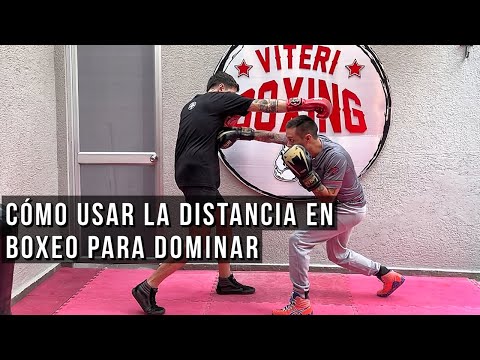
Maestría de la Distancia en el Boxeo: El Arte Secreto para Aniquilar a tu Oponente

¿Alguna vez te has preguntado qué separa a un simple boxeador de un verdadero maestro del ring? No es solo la fuerza bruta o la velocidad. Es algo más sutil, más estratégico: el dominio de la distancia. Es la clave que abre la puerta a la victoria, el hilo invisible que teje la tela de un combate controlado. Si buscas no solo golpear, sino dominar, has llegado al lugar indicado. Hoy, en este dojo virtual, desentrañaremos los secretos de la distancia en el boxeo, una lección fundamental que resonará en cada uno de tus movimientos.

La Distancia: El Corazón del Combate

En el boxeo, un arte tan antiguo como complejo, la distancia no es solo un factor más; es el eje central. Sin una comprensión profunda de ella, incluso el golpeador más fuerte puede verse superado. Piensa en ello: ¿de qué sirve un uppercut devastador si tu oponente está a tres metros de distancia? La distancia dicta el tipo de golpes que puedes lanzar, la efectividad de las defensas del rival y, en última instancia, el flujo del combate. Ignorarla es como intentar navegar sin brújula; te encontrarás a la deriva, vulnerable a cada embate. Un maestro de la distancia, en cambio, es un estratega que dicta el ritmo, fuerza al oponente a sus debilidades y evita exponerse a los peligros.

La importancia de la distancia trasciende el simple hecho de "estar cerca o lejos". Implica la percepción del espacio, la anticipación de los movimientos del rival y la capacidad de ajustar tu propio posicionamiento en fracciones de segundo. Es aquí donde la agilidad y la estrategia se unen, donde la mente del luchador entra en juego de manera decisiva.

Un buen boxeador no solo sabe lanzar golpes, sino que sabe cuándo y desde dónde. La distancia correcta te permite ejecutar tus ataques con máxima potencia y precisión, al tiempo que te sitúa en una posición ventajosa para evadir las respuestas del oponente. Es una danza de ajedrez en movimiento, donde cada paso, cada movimiento de cabeza, cada extensión de brazo, está medido.

El Juego de Piernas: Tu Navaja Estratégica

El boxeo, al igual que muchas otras disciplinas marciales como el karate o el kickboxing, se basa en la movilidad. Tus pies son la base de tu poder, y tu juego de piernas es la herramienta que te permite manipular la distancia a tu antojo. Un buen juego de pies no solo te ayuda a mantenerte fuera del alcance de los golpes del rival, sino que también te permite cerrar la brecha para lanzar tus propios ataques o para reposicionarte tácticamente.

"La distancia es la llave. Si controlas la distancia, controlas la pelea." - Anónimo, pero susurradas por todos los grandes maestros.

Aquí es donde entra en juego el concepto de control. Un boxeador que se queda estático es un blanco fácil. El movimiento constante, los desplazamientos laterales, los pivotes y los pasos adelante y atrás, te permiten dictar el ritmo y la territorialidad en el ring. Es la diferencia entre ser un poste al que golpean y un fantasma esquivo que ataca cuando y donde quiere.

Tres Zonas de Dominio, Tres Estrategias

En el boxeo, solemos hablar de tres distancias principales. Cada una presenta desafíos y oportunidades únicas. Dominarlas te convierte en un boxeador completo, capaz de adaptarse a cualquier situación.

Distancia Larga: El Reino del Jab

Esta es la distancia de máxima separación, a menudo llamada la "distancia de alcance" o "distancia de punzada". Aquí, los golpes más efectivos son aquellos que aprovechan el alcance, principalmente el jab. Este golpe, a menudo subestimado, es tu herramienta principal para medir, distraer, y mantener al oponente a raya.

  • Objetivo: Mantener al oponente lejos, controlar el espacio, preparar ataques.
  • Golpes Clave: Jab (recto de mano adelantada), rectos (derecho o zurdo, dependiendo de tu guardia), a veces golpes al cuerpo cuando el oponente baja la guardia.
  • Tácticas: Movimiento constante de pies (pasos laterales, adelante y atrás), guardia alta para protegerte de cualquier intento de acortar distancia, uso estratégico de la extensión de tus brazos. La cabeza debe estar siempre atenta, con una visión clara del oponente para anticipar sus movimientos. Si tu oponente intenta cerrar la distancia, tu jab se convierte en un muro, o utilizas un paso atrás rápido para restablecer el control.

Para prosperar en la distancia larga, necesitas ser rápido, tener un buen juego de pies y un jab preciso y penetrante. Piensa en cómo boxeadores como Muhammad Ali o Floyd Mayweather Jr. utilizaban su jab y su movimiento para dictar el combate desde lejos. No se trata solo de golpear, sino de establecer tu territorio.

Distancia Media: El Terreno de Juego del Combate Cercano

Aquí, las distancias se acortan, permitiendo la conexión de golpes más contundentes. Esta es la zona donde el combate se vuelve más intenso, donde los ganchos y los directos (la mano fuerte) empiezan a ser viables y peligrosos.

  • Objetivo: Conectar golpes potentes, desestabilizar al oponente, forzarlo a retroceder o a cometer errores.
  • Golpes Clave: Ganchos (a la cabeza y al cuerpo), rectos (a la cabeza y al cuerpo), combinaciones rápidas (ej. jab-recto, jab-gancho-recto).
  • Tácticas: Mantén la guardia alta y la cabeza en movimiento para evadir las respuestas del oponente. Utiliza el juego de cintura para esquivar y pivotar, creando ángulos de ataque. Las combinaciones son cruciales aquí para abrumar la defensa del rival y obligarlo a retroceder, volviendo a la distancia larga controlada por ti.

Dominar la distancia media requiere una combinación de poder, velocidad de manos y una defensa sólida. Es el campo de batalla donde la resistencia y la capacidad de mantener la calma bajo presión son vitales. Aquí, un error defensivo puede costar caro. Practica tus combinaciones en este rango, buscando la efectividad y la fluidez.

Distancia Corta: La Guerra de Guerrilla en el Ring

Esta es la zona de combate cuerpo a cuerpo, también conocida como "clinch" o "short range". Aquí, los golpes largos pierden efectividad y se vuelven peligrosos. Los golpes cortos, potentes y a menudo brutales, son los reyes.

  • Objetivo: Causar daño significativo con golpes cercanos, desequilibrar al oponente, agotar su energía.
  • Golpes Clave: Uppercuts cortos, ganchos cortos (especialmente al cuerpo), golpes de martillo, incluso codazos y rodillazos (aunque no sean estrictamente de boxeo, son relevantes en combates callejeros o en disciplinas de MMA).
  • Tácticas: Una posición de pies baja y estable es fundamental, junto con un fuerte juego de cintura y cadera para absorber y redirigir la fuerza. La guardia debe estar pegada, protegiendo la cabeza y el cuerpo. El objetivo es generar potencia a través de la rotación del tronco y la cadera, lanzando golpes cortos y demoledores. El control en el clinch es también vital para limitar los golpes del oponente y preparar un escape o un ataque.

La distancia corta es donde la fuerza bruta y la tenacidad a menudo triunfan. Es un entorno de desgaste, donde cada golpe bien colocado puede ser decisivo. Boxeadores como Mike Tyson en su mejor momento sabían cómo acortar distancias de manera explosiva para desatar su poder destructivo.

Ejercicios para Afilar tu Sentido de la Distancia

La comprensión de la distancia no se adquiere solo leyendo; se cultiva con la práctica. Aquí tienes algunos ejercicios clave:

  1. Shadow Boxing (Boxeo de Sombra): Enfócate en cada una de las distancias. Comienza en distancia larga, lanzando jabs y moviéndote. Luego, acorta a distancia media, conectando combinaciones. Finalmente, simula estar pegado al oponente, practicando golpes cortos. Visualiza a tu oponente en cada etapa.
  2. Sparring con Enfoque Específico: Pídele a tu entrenador que organice sesiones de sparring donde el objetivo principal sea mantener una distancia específica (larga o media) o forzar al oponente a luchar en una distancia que no le favorezca.
  3. Entrenamiento con Saco Pesado: Practica la transición entre distancias. Lanza un jab y retrocede a distancia larga. Luego, entra a distancia media y lanza ganchos y rectos. Trabaja en la fluidez de estas transiciones.
  4. Ejercicios de Agilidad y Juego de Pies: Usa conos o marca pasos para practicar desplazamientos laterales, adelante, atrás y pivotes. La agilidad es la base para manipular la distancia.
  5. Trabajo con el Entrenador: Pídele a tu entrenador que te dé señales (verbales o físicas) para indicar cuándo debes cambiar de distancia o adoptar una defensa específica basada en la distancia.

El Veredicto del Sensei: ¿La Distancia es Todo?

Si bien un control magistral de la distancia puede parecer la clave para la victoria en el boxeo, es importante recordar que es una herramienta, no el arma definitiva. La técnica, la condición física, la estrategia, la mentalidad (el Ki o la energía interna que mencionan en el Budo y Karate) y la capacidad de adaptarse son igualmente cruciales. Sin embargo, sin un uso inteligente de la distancia, incluso las otras cualidades pueden verse anuladas.

Considera este punto: ¿un golpe de KO lanzado desde una distancia imposible es realmente una amenaza? No. ¿Un defensa perfecta puede ser penetrada si el atacante no puede alcanzarte? Difícilmente. La distancia es, sin duda, el fundamento estratégico sobre el cual se construye todo lo demás en el combate de pie.

Mi calificación: Cinturón Negro en Control Espacial.

Equipo Esencial para tu Entrenamiento

Para perfeccionar tu arte en el manejo de la distancia, considera tener el siguiente equipamiento:

  • Guantes de boxeo de calidad: Imprescindibles para cualquier sesión de entrenamiento, ya sea con saco o sparring. Asegúrate de que se ajusten bien y ofrezcan buena protección. Para sparring, se recomiendan guantes de 16oz.
  • Vendas para las manos: Protegen tus muñecas y nudillos, fundamentales para lanzar golpes potentes y precisos desde cualquier distancia.
  • Saco de boxeo: Ya sea uno pesado para trabajar potencia o uno de velocidad para mejorar tu timing y juego de pies, es una herramienta invaluable.
  • Cuerda de saltar: El mejor aliado para mejorar tu juego de pies, agilidad y resistencia cardiovascular, todo lo cual impacta directamente en tu control de la distancia.
  • Zapatillas de boxeo: Ofrecen el soporte y la tracción necesarios para movimientos rápidos y pivotantes en el ring.

Preguntas Frecuentes

¿Es posible ganar en boxeo sin dominar la distancia?

Es extremadamente difícil. Puedes ganar por un golpe de suerte o si tu oponente comete errores graves, pero para una victoria consistente y estratégica, el control de la distancia es indispensable.

¿Qué arte marcial es mejor para aprender a controlar la distancia?

El boxeo es el rey en este aspecto. Sin embargo, disciplinas como el Karate tradicional, el Taekwondo y el Kickboxing también enseñan principios de alcance y posicionamiento que complementan tu aprendizaje.

¿Cómo puedo entrenar la distancia en casa sin equipo?

El boxeo de sombra es tu mejor aliado. Enfócate en tus desplazamientos, practicando pasos adelante, atrás y laterales. Visualiza un oponente y practica lanzar golpes dirigidos a diferentes "distancias" imaginarias.

¿Hay algún maestro famoso conocido por su dominio de la distancia?

Absolutamente. Boxeadores como Floyd Mayweather Jr., Muhammad Ali, Sugar Ray Robinson y Pernell Whitaker son ejemplos icónicos de cómo el control de la distancia puede ser un arma devastadora.

Para Profundizar en tu Camino

  • Ver más sobre #artesmarciales y su relación con el combate.
  • Explorar técnicas de #entrenamiento para mejorar la agilidad.
  • Entender la mentalidad del guerrero en el #BUDO.

El dominio de la distancia no se logra de la noche a la mañana. Requiere paciencia, dedicación y una mente analítica. Pero una vez que comprendes y aplicas estos principios, no solo te convertirás en un mejor boxeador, sino que transformarás tu enfoque hacia cualquier forma de confrontación o desafío. Es una lección que va más allá del ring, aplicable a la vida misma.

Reflexión del Sensei: Tu Próximo Paso

Ahora, dime tú: ¿cuál de estas tres distancias te resulta más desafiante dominar? ¿Y qué harás esta semana en tu entrenamiento para cerrar esa brecha, tanto en el ring como en tu propia comprensión de la estrategia marcial? El conocimiento es el primer golpe, pero la acción es el KO.

```json { "@context": "https://schema.org", "@type": "FAQPage", "mainEntity": [ { "@type": "Question", "name": "¿Es posible ganar en boxeo sin dominar la distancia?", "acceptedAnswer": { "@type": "Answer", "text": "Es extremadamente difícil. Puedes ganar por un golpe de suerte o si tu oponente comete errores graves, pero para una victoria consistente y estratégica, el control de la distancia es indispensable." } }, { "@type": "Question", "name": "¿Qué arte marcial es mejor para aprender a controlar la distancia?", "acceptedAnswer": { "@type": "Answer", "text": "El boxeo es el rey en este aspecto. Sin embargo, disciplinas como el Karate tradicional, el Taekwondo y el Kickboxing también enseñan principios de alcance y posicionamiento que complementan tu aprendizaje." } }, { "@type": "Question", "name": "¿Cómo puedo entrenar la distancia en casa sin equipo?", "acceptedAnswer": { "@type": "Answer", "text": "El boxeo de sombra es tu mejor aliado. Enfócate en tus desplazamientos, practicando pasos adelante, atrás y laterales. Visualiza un oponente y practica lanzar golpes dirigidos a diferentes \"distancias\" imaginarias." } }, { "@type": "Question", "name": "¿Hay algún maestro famoso conocido por su dominio de la distancia?", "acceptedAnswer": { "@type": "Answer", "text": "Absolutamente. Boxeadores como Floyd Mayweather Jr., Muhammad Ali, Sugar Ray Robinson y Pernell Whitaker son ejemplos icónicos de cómo el control de la distancia puede ser un arma devastadora." } } ] }

Kakashi Hatake vs. A Powerhouse: A Critical Look at Fictional Martial Prowess

Welcome, aspiring warriors and seasoned practitioners, to Budo and Martial Arts. Today, we delve into a spectacle that, while born from imagination, touches upon the very essence of combat prowess: a hypothetical clash between Kakashi Hatake from the Naruto universe and an unnamed but undeniably powerful adversary. This isn't merely about who wins; it's about dissecting the principles, the displayed techniques, and what we can glean from such fictional encounters to enrich our understanding of real-world martial arts.

The Allure of Fictional Combat

We live in an era where the lines between entertainment and edification often blur. The image of Kakashi Hatake, the perpetually calm and formidable ninja, engaging in a "power full fight" resonates with our innate fascination for skill, strategy, and overwhelming force. But beyond the visual spectacle, what does such a confrontation teach us? As martial artists, our focus must always be on extracting practical wisdom, even from the most fantastical scenarios. The *intent* behind such portrayals—showcasing skill, overcoming adversity, and the sheer thrill of combat—is a rich ground for analysis.

The prompt, "Kakashi Hatake vs powerful man and power full fight," published on March 16, 2023, hints at an event or a piece of media that highlights a significant confrontation. My task, as your Sensei, is not to simply recount the action, but to dissect it through the lens of authentic martial principles. We are here to explore the Budo, the philosophical and practical path of the warrior, and how it might be represented, even in its fictionalized form.

Deconstructing Kakashi's Arsenal: Jutsu as Martial Arts

Kakashi Hatake is renowned for his mastery of various Jutsu, techniques that, in essence, function as a highly specialized form of martial art. His signature move, the Chidori (One Thousand Birds), is a concentrated burst of lightning chakra, wielded as a piercing strike. This mirrors the concept of a focused, high-velocity offensive technique found in many real-world striking arts, aiming to overwhelm an opponent's defenses with sheer penetration power. Consider the speed and precision required, akin to a master swordsman delivering a decisive blow, or a boxer executing a perfectly timed straight punch.

Then there's his Sharingan (Copy Wheel Eye), which allows him to perceive chakra, mimic techniques, and gain unparalleled visual acuity. In a real combat context, this translates to an exceptional ability to read an opponent's movements, anticipate attacks, and adapt strategies on the fly. This mirrors the importance of Kime (focus, intensity) and Zanshin (awareness) in Japanese martial arts. The ability to 'copy' techniques, while supernatural, speaks to the martial artist's capacity for deep observation and rapid learning – a skill honed through countless hours of kumite (sparring) and kata (forms) practice.

Furthermore, Kakashi is adept at taijutsu (hand-to-hand combat), utilizing swift kicks and punches, often imbued with chakra for added impact. This foundation in physical combat is crucial. Even the most potent ninjutsu requires a solid physical base. This is a fundamental truth echoed across disciplines, from Karate to Muay Thai. Without strong conditioning and proper body mechanics, even the most advanced techniques are mere parlor tricks.

"The ultimate aim of martial arts is not the victory or defeat, but the perfection of the character of its practitioners." - Gichin Funakoshi, founder of Shotokan Karate. While Kakashi's world is one of battle, his discipline and constant self-improvement embody this principle.

The Unseen Powerhouse: What Defines a True Threat?

The description "powerful man" is intentionally vague, allowing our imagination to fill the void. Is this opponent a master of raw physical strength? A practitioner of forbidden arts? A titan of speed? In martial arts, a "powerful" opponent isn't just about brute force. True power lies in a combination of factors:

  • Technique (Waza): Skillful application of movement, leverage, and timing.
  • Strategy (Senjutsu): The art of anticipating, deceiving, and controlling the engagement.
  • Endurance (Taisei): The capacity to maintain peak performance over extended periods.
  • Mental Fortitude (Mushin - No Mind): The ability to act without hesitation or doubt, a state of focused awareness.
  • Adaptability (Henka): The capacity to adjust tactics based on the opponent's actions.

A truly formidable opponent, fictional or real, integrates these elements seamlessly. They don't just throw punches; they orchestrate an entire encounter. The effectiveness of Kakashi's own techniques would be tested against an opponent who understands distance, timing, and flow, not just raw power.

Choreography vs. The Cold Calculus of Combat

Cinema and anime often present fight sequences that are breathtaking but divorced from the brutal efficiency of real combat. A "power full fight" in fiction might involve elaborate animations, dramatic pauses, and seemingly limitless stamina. Real fights, particularly those where stakes are high, are often far more condensed, messy, and dictated by the first effective strike or mistake.

Consider the nuances: a well-executed grappling exchange in Judo or BJJ can end a fight without a single blow. A perfectly timed counter-attack in Karate or Kickboxing can create a knockout opportunity. Even the seemingly simple, direct approach of Kyokushin Karate emphasizes devastating power and resilience. The fictional fight likely emphasizes flashy jutsu, but a real-world encounter would hinge on fundamental principles: footwork, balance, structure, and exploiting weaknesses.

The inclusion of tags like #artesmarciales, #BUDO, #lucha, #pelea, #entrenamiento, and #historia suggests the original post aimed to connect fictional combat with these real-world disciplines. This is where our critical analysis truly begins.

Beyond the Jutsu: The Budo Spirit in Fiction

At its core, Budo is not just about fighting; it's about self-mastery, discipline, and the cultivation of a strong moral character. While Kakashi is a fictional ninja, his journey often embodies aspects of this path. His adherence to the rules of engagement (even as a ninja), his dedication to his students, and his willingness to sacrifice reflect a deeper commitment than mere combat prowess. The concept of Ki (or Qi), the vital life force, is central to many Eastern martial arts. While depicted as supernatural energy manipulation in Naruto, it fundamentally relates to harnessing internal energy for physical and mental power—a concept explored in practices ranging from Shaolin Kung Fu to internal Chinese martial arts.

"The way of the warrior is to accept death." - Miyamoto Musashi, The Book of Five Rings. This stark reminder from a legendary swordsman highlights the ultimate commitment inherent in the martial path, a commitment that fictional characters like Kakashi, in their own way, often have to confront.

Lessons for the Dojo: Applying Fictional Principles

So, what practical lessons can we draw from this fictional battle?:

  1. Observation is Key: Kakashi's Sharingan highlights the importance of keenly observing your opponent. Train to read body language, anticipate movements, and understand their tendencies.
  2. Master Your Core Techniques: Whether it's Chidori or a simple punch, focus on perfecting your fundamental skills. Power comes from efficient application, not just raw energy.
  3. Develop Adaptability: A single strategy rarely works against all opponents. Cultivate the ability to shift tactics and respond effectively to unexpected situations. This is honed through varied sparring sessions, including incorporating elements of grappling and different ranges of combat.
  4. Integrate Physical and Mental Training: Kakashi's ninja skills are a blend of physical prowess, strategic thinking, and mental fortitude. Ensure your training encompasses strength, conditioning, technique, and mental discipline.
  5. Understand the "Why": Beyond the techniques, always seek the underlying principles. Why does a certain movement work? What is the strategic advantage? This deeper understanding elevates practice to the level of true Budo.

Veredicto del Sensei: Where Fiction Meets Force

While the "Kakashi Hatake vs powerful man and power full fight" is an imaginary scenario, it serves as a potent illustration of martial concepts. Kakashi's abilities, though exaggerated, are rooted in principles of precision, speed, strategic thinking, and the use of specialized techniques. A "powerful man" represents the fundamental challenge of facing a capable adversary. The "power full fight" itself highlights the dynamic interplay between offense, defense, and adaptation.

If this were a real combat scenario, the outcome would depend on countless variables not present in fictional narratives. However, as a catalyst for discussion on martial arts principles, it is effective. It reminds us that the dedication to training, the mastery of technique, and the cultivation of a warrior's spirit—the very essence of BUDO—are timeless, whether applied in a ninja village or a dojo.

Rating: Cinturón Negro en Imaginación, Nivel Novato en Aplicación Real. A commendable exploration of martial concepts, albeit through a fictional lens. It sparks the imagination but requires critical translation to practical training.

Equipo Esencial para tu Entrenamiento

To truly embody the spirit of martial arts, having the right equipment is crucial for effective and safe training. Whether you are practicing Karate, Judo, BJJ, or any other discipline, investing in quality gear can make a significant difference in your progress and enjoyment.

  • Kimono/Gi: Essential for Judo, BJJ, and Aikido. Look for durable, double-woven fabrics for Judo and BJJ, and lighter, comfortable weaves for Aikido. Brands offering high-quality kimonos de judo are a good starting point.
  • Protective Gear: For sparring (kumite), consider padded gloves (e.g., guantes de 16oz para sparring for boxing/kickboxing), shin guards, headgear, and mouthguards. These are vital for minimizing injury.
  • Training Mats (Tatami): If you practice grappling arts or forms that involve throws and falls, investing in quality tatami mats provides necessary cushioning and safety.
  • Training Weapons: For arts that incorporate weapons (e.g., Karate with Bo staff, Kobudo), ensure you use safe, properly weighted practice versions.
  • Fitness Equipment: Resistance bands, jump ropes, and basic weights can supplement your martial arts training, enhancing strength, agility, and cardiovascular fitness.

Preguntas Frecuentes

¿Es posible aplicar las técnicas de Kakashi en la vida real?

Directamente, no. Las jutsu de Kakashi son sobrenaturales y parte de un universo de ficción. Sin embargo, los principios subyacentes—velocidad, precisión, anticipación, uso estratégico de energía (Ki)—son aplicables al entrenamiento de artes marciales reales.

¿Qué arte marcial se asemeja más a las habilidades de Kakashi?

Si bien ningún arte marcial real replica la versatilidad de un ninja, Kakashi's taijutsu, velocidad y enfoques de combate directo podrían tener paralelos con disciplinas como Ninjutsu (el arte histórico, no solo su representación popular), Karate (por su énfasis en golpes contundentes y velocidad), y Kickboxing (por la combinación de golpes y patadas). Su habilidad para copiar técnicas resalta la importancia de la observación y el aprendizaje en cualquier arte marcial.

¿Cuál es la importancia del concepto de Ki en las artes marciales?

El Ki (o Chi/Qi) representa la energía vital. En artes marciales, se cultiva a través de la respiración, la concentración y el movimiento para potenciar la fuerza física, la resistencia y el enfoque mental. No es magia, sino la optimización de la fisiología y la mente humanas.

¿Por qué es importante el entrenamiento de combate en la calle (CombateEnLaCalle)?

El CombateEnLaCalle se enfoca en la autodefensa en escenarios impredecibles y peligrosos. A diferencia de un dojo, no hay reglas, ni árbitros, y las circunstancias pueden ser letales. Un entrenamiento efectivo en esta área debe ser realista, práctico y enfocado en la supervivencia.

Para Profundizar en tu Camino

Reflexión del Sensei: Tu Próximo Paso

The confrontation between Kakashi and his powerful foe, though fictional, serves as a mirror to our own training. It highlights the perpetual quest for knowledge, the development of physical and mental discipline, and the understanding that true strength lies not just in power, but in wisdom and adaptability. The flashy displays are entertaining, but the fundamental principles—dedication to practice, respect for the opponent, and the pursuit of self-improvement—are what forge a true martial artist.

"The martial way is a daily task. It is a lifetime commitment." - A principle echoed across countless martial traditions.

Reflexión del Sensei: Tu Próximo Paso

Now, I pose this to you: In your own training, are you focusing solely on the "flashy jutsu," the spectacular moves that garner attention, or are you diligently building the foundational strength, the keen observational skills, and the unwavering mental fortitude that would allow you to face any "powerful man," whether in a fictional realm or the unforgiving reality of the street? Where does your true commitment lie?

UFC 284: Makhachev vs. Volkanovski - A Budoka's Analysis of a Modern Martial Clash

Ah, UFC 284. A card that promised a clash of titans, a true test of champions from different realms of combat. Many see it as a simple boxing match with kicks, but as any seasoned practitioner of the traditional martial ways knows, there's a universe of philosophy and technique beneath the surface of modern combat sports. Today, we dissect this pivotal event not just as fans of the octagon, but as students of the warrior's path. Was this merely a display of brute force, or did we witness the embodiment of true martial principles? Let us delve deep.

The Clash of Styles: Dagestani Power vs. The People's Champion

Islam Makhachev, the heir apparent to Khabib Nurmagomedov's legacy, represents the relentless, suffocating pressure of Dagestani wrestling. His base is Sambo and wrestling, arts that prioritize control, leverage, and the crushing weight of positional dominance. His strikes, while effective and improving, are often tools to set up his grappling – a pathway to ground control where he is a master predator. His ki, his inner energy, seems to flow with the unwavering force of a mountain river.

On the other side stood Alexander Volkanovski, the undisputed king of the UFC Featherweight division. A former rugby player, Volkanovski brings a unique blend of power, exceptional footwork, and a deep understanding of striking dynamics. His background in kickboxing and wrestling provides a well-rounded base, but it's his fight IQ, his ability to adapt mid-bout, and his sheer grit that set him apart. He is the embodiment of fighting smart, not just hard.

The initial intrigue surrounding this fight was immense: could Volkanovski's masterful striking and defensive wrestling nullify Makhachev's suffocating top-game? Or would Makhachev simply impose his will, drag the fight to the mat, and secure another dominant victory? This wasn't just a #battle; it was a strategic chess match played out with human bodies.

Technical Breakdown: Makhachev's Ground Game and Volkanovski's Resilience

From the opening bell, the intention was clear. Makhachev sought to close the distance, to initiate the clinch and work towards a takedown. Volkanovski, conversely, used his excellent head movement and lateral movement to keep the center of the octagon and pepper Makhachev with strikes. The early rounds showcased Volkanovski's exceptional defense against the takedown. He demonstrated an understanding of leverage and balance that surprised many, stuffing Makhachev's initial attempts with impressive technique.

However, the relentless pressure of Makhachev is something few can withstand indefinitely. In the championship rounds, Makhachev began to find success. His trips and sweeps became more potent, and he managed to secure crucial takedowns. Once on the ground, Makhachev was, as expected, a master of control. He pinned Volkanovski, worked for submissions, and minimized Volkanovski's ability to create space or launch effective counter-offensives. The skill on display was a testament to countless hours of #entrenamiento.

"In a real fight, the simplicity of movement, the economy of motion, is paramount. Makhachev’s grappling, though complex in its execution, stems from fundamentally simple principles of leverage and control, honed to absolute perfection."

What truly impressed, however, was Volkanovski's indomitable spirit. Even when taken down, controlled, and rocked in the later rounds, he refused to yield. His ability to survive dangerous positions and even threaten with submissions from his back showed a level of heart and resilience that transcends mere athletic prowess. This is the **spirit of the warrior**, the refusal to quit even when facing overwhelming odds. It’s this intangible quality that often defines true martial artists, regardless of their style.

Beyond the Octagon: What UFC 284 Teaches Us About True Martial Arts

The debate often arises: are modern MMA fighters true martial artists? In the context of UFC 284, I would argue yes, with caveats. Makhachev displays the dedication, discipline, and mastery of a specific combat system that is the hallmark of traditional arts. His pursuit of ground dominance mirrors the relentless pursuit of technique found in Judo or BJJ. His focus is unwavering, a pure manifestation of the Budo spirit.

Volkanovski, on the other hand, showcases the adaptability and strategic thinking that is crucial in any combative scenario. His ability to learn, adjust, and overcome challenges mid-fight speaks volumes about his martial mind. He embodies the principle of "Shuhari" – Shu (protect, follow), Ha (break, detach), Ri (transcend) – by mastering the fundamentals and then adapting them to his unique circumstances.

Yet, we must also consider what might be lost. The ritual, the philosophical depth, the emphasis on character development that permeates traditional martial arts like Karate or Aikido, are often secondary in the high-stakes world of professional MMA. The ki cultivated in traditional arts, focusing on internal harmony and connection, is channeled differently. Here, it’s about raw power, conditioning, and strategic application for victory. But does that negate their martial status? No. It simply highlights the diverse paths one can take on the journey of the warrior.

This fight reminds us that while the goal of self-defense or self-mastery might be shared, the methods and emphasis can differ vastly. It’s a testament to the evolution of combat and the human drive to push boundaries. The pursuit of excellence, however, remains constant, whether one is perfecting a kata or executing a submission.

Applying the Lessons: How to Integrate UFC 284 Insights into Your Training

For those who train in striking arts like Karate or Kickboxing, Volkanovski offers invaluable lessons in distance management, footwork, and defensive strategies against grappling. His ability to stay upright against Makhachev's onslaught is a masterclass in itself. Incorporate drills that focus on:

  • Lateral movement and head movement: Practice slipping punches and moving offline to avoid clinches.
  • Takedown defense: Work on sprawls, knee-to-chest defense, and fighting grips in the clinch.
  • Counter-striking: Develop the ability to land strikes while the opponent is initiating their offense.

For those focused on grappling arts like Judo, BJJ, or Sambo, Makhachev provides a living example of pressure, control, and submission hunting. His relentless pursuit of dominant positions is a blueprint for success on the ground. Focus on:

  • Clinch control: Learn to secure body locks, underhooks, and overhooks to dictate position.
  • Takedown execution: Refine your entries for single-leg, double-leg, and trip variations.
  • Ground and pound / positional dominance: Understand how to maintain top position, advance to better control, and set up submissions or strikes.

Crucially, both fighters exemplify the importance of **mental fortitude**. The ability to push through fatigue, to remain composed under pressure, and to never give up is perhaps the most vital lesson. This can be trained through intense sparring sessions, physical conditioning that tests your limits, and focused meditation or mindfulness practices to build inner strength.

Veredicto del Sensei: Did UFC 284 Uphold the Martial Spirit?

UFC 284 was a spectacle of elite athleticism and strategic combat. Islam Makhachev’s victory was a testament to the power and efficacy of his chosen martial path, while Alexander Volkanovski’s performance showcased the resilience and adaptability that define a true warrior. Did it uphold the martial spirit? Yes, but in a modern context. It demonstrated the evolution of combat, where specialization and cross-training have created a new breed of martial artist. It highlighted that while traditional arts may offer a deeper philosophical foundation, the relentless pursuit of victory and mastery in any arena requires discipline, courage, and an unwavering will to fight. It was a battle that left us with much to contemplate about the enduring nature of the combative spirit.

Cinturón Negro en Resiliencia y Adaptación

Equipo Esencial para tu Entrenamiento

To truly emulate the dedication shown by these athletes, having the right equipment is crucial. For striking training, consider:

  • Boxing Gloves: High-quality 16oz gloves for sparring are essential for safety and effective pad work.
  • Shin Guards: Protect yourself and your training partners during kick drills.
  • Mouthguard: Non-negotiable for any sparring to protect your teeth and jaw.

For grappling, you'll need:

  • BJJ Gi or Judo Gi: A durable, double-weave gi is recommended for longevity and proper grip training. Look for brands known for their reinforced stitching.
  • Wrestling Shoes: Lightweight and offering good traction for mat work.

Investing in good **martial arts merchandise** not only protects you but also signifies your commitment to your training.

Preguntas Frecuentes

¿Quién ganó la pelea principal de UFC 284?
Islam Makhachev ganó la pelea principal contra Alexander Volkanovski por decisión unánime.

¿Fue la pelea tan emocionante como se esperaba?
Sí, la pelea fue extremadamente reñida y considerada por muchos como una de las mejores peleas por el título de peso pluma en la historia de la UFC, yendo a decisión dividida.

¿Qué arte marcial practica principalmente Islam Makhachev?
Islam Makhachev practica Sambo y lucha, con un fuerte énfasis en el grappling y el control en el suelo.

¿Qué arte marcial practica principalmente Alexander Volkanovski?
Alexander Volkanovski tiene un trasfondo en kickboxing y lucha, con un estilo bien redondeado que combina golpes efectivos y defensa contra derribos.

¿Representa esta pelea la culminación del Budo moderno?
Representa una faceta del Budo moderno, enfocada en la competencia y la efectividad en un entorno específico. El Budo tradicional a menudo abarca aspectos filosóficos y de desarrollo personal más amplios.

Para Profundizar en tu Camino

This MMA news update was published at February 16, 2023. Support us: Subscribe, Comment, Like and Share. Thanks for watching... hello and welcome to Budo and Martial Arts.

Reflexión del Sensei: Tu Próximo Paso

Makhachev's suffocating pressure, Volkanovski's tenacious defense – two philosophies of combat laid bare. But in the quiet moments after the roar of the crowd subsides, what truly endures? Is it the victory, the technique, or the spirit with which the challenge was met? Consider this: When you face your own 'octagon' – be it a sparring match, a difficult task, or a moment of personal doubt – what will be your guiding principle? Will you impose your will like the mountain, or adapt and overcome like the flowing river? And more importantly, how will you cultivate the inner strength, the ki, to stand firm and fight with honor, regardless of the outcome?

STREETBEEFS FIGHTER INTERVIEWS: A Martial Scholar's Critique of Raw Combat

Hello, fellow practitioners and enthusiasts of the martial path. Welcome to Budo and AM. Today, we delve into a raw, unfiltered corner of the combat world with "STREETBEEFS FIGHTER INTERVIEWS." This isn't your typical dojo lecture, nor is it a polished documentary on ancient samurai philosophy. This is the visceral, often chaotic, realm of street brawls and the individuals who navigate them. Published on June 3, 2022, this content, while perhaps lacking the nuanced elegance of a well-executed kata, offers a stark, albeit controversial, glimpse into human aggression and the primal urge to survive.

The Allure of the Unsanctioned

What compels someone to watch, or worse, participate in, unsanctioned street fights? The intention behind seeking out content like "STREETBEEFS FIGHTER INTERVIEWS" can be multifaceted. For some, it's a morbid curiosity, a glimpse into the dark underbelly of society. For others, it’s a perverse fascination with raw, unadulterated aggression, a stark contrast to the structured discipline of traditional martial arts. As a scholar of the martial ways, I find it imperative to dissect this phenomenon not to endorse it, but to understand its appeal and, more importantly, to highlight the chasm that separates it from genuine Budo. The original post, devoid of deep analysis, simply welcomes viewers. But welcome to what, exactly? A display of uncontrolled violence? A testament to human resilience? Or a warning of societal breakdown? The intention of the original creator, as presented, is merely to announce the content and direct traffic. Our intention here is to provide context, critical analysis, and a martial perspective that elevates the discourse.

Deconstructing the "Streetbeefs" Phenomenon

The term "streetbeefs" itself evokes a certain image: conflict born from disputes, escalating from words to blows in an uncontrolled environment. Unlike organized combat sports like MMA, UFC, or even the structured duels of historical fencing, these encounters lack rules, referees, and a primary focus on technique over brute force. The "fighters" are often untrained or minimally trained individuals, driven by ego, anger, or desperation.
The original tags hint at a broad spectrum of martial arts (#artesmarciales, #BUDO, #lucha, #pelea, #entrenamiento, #historia, #fight, #battle, #martialarts, #karate, #jiujitsu, #taekwondo, #shaolin, #ki, #bjj, #ninjitsu, #kenpo, #combat, #sambo, #news, #judo, #aikido). While these terms are associated with combat, the reality of "streetbeefs" often bears little resemblance to the disciplined application of these arts. The raw, often clumsy, exchanges are a far cry from the precision of a well-executed O-soto-gari in Judo or the focused intensity of a Kyokushin Karate strike.
"The true warrior is not a born fighter, but one who has learned to control their inner turmoil." - A principle often forgotten in the heat of uncontrolled rage.
The core issue is the absence of *intent* beyond mere victory or inflicting harm. Budo, in its truest sense, is a path of self-improvement through rigorous physical and mental training. It emphasizes discipline, respect, humility, and the understanding of principles that extend far beyond the fighting arena. "Streetbeefs," conversely, often represents the antithesis of these values. It’s a primal expression of conflict, devoid of the philosophical underpinnings that define a martial artist.

Budo vs. Brutality: A Crucial Distinction

This is where the polemic truly begins. Can we, in any sense, consider these street confrontations as "martial"? I argue, emphatically, no. The distinction is not merely semantic; it is fundamental. * **Discipline**: Budo demands relentless self-discipline. Mastering a technique, a kata, or even the mental fortitude to face an opponent requires years of dedicated practice. Street fights are impulsive, driven by emotion. * **Respect**: A cornerstone of martial arts is respect – for your opponent, your teacher, and yourself. "Streetbeefs" often fosters contempt, aggression, and a lack of regard for the other person's well-being. * **Purpose**: The goal of Budo is self-perfection, character development, and sometimes, effective self-defense when all else fails. The purpose of a street fight is often to assert dominance, settle a score, or out of sheer, uncontrolled anger. * **Technique**: While some participants in street fights might possess rudimentary fighting skills, the encounters rarely showcase the refined techniques, timing, and strategy that define martial arts. It's often a chaotic exchange of wild swings and desperation moves. Consider the difference between a judoka executing a perfect O-goshi on the mat, aiming to control and subdue their opponent according to the principles of Judo, versus two individuals flailing wildly on asphalt, risking serious injury from the impact alone. The former is refined skill; the latter is often uncontrolled chaos.

When Does "Streetbeefs" Cross the Line?

This content raises a critical question: when does the exhibition of fighting skill, even if crude, become detrimental to the martial arts community? The original publisher's intent seems to be merely observational, yet the very act of showcasing such content can inadvertently glamorize violence. The lines are blurred, of course. Some individuals who participate in these fights may have backgrounds in martial arts. They might be testing their skills in a high-stakes, albeit illicit, environment. However, the crucial difference lies in the *intent* and the *consequences*. When training sessions for MMA or Karate involve safety precautions, controlled sparring, and a focus on learning, it's constructive. When "streetbeefs" lead to severe injury, legal repercussions, or further cycles of violence, it is destructive. We must ask: does this content promote a positive understanding of combat, or does it merely feed a voyeuristic appetite for violence?
"In the heat of a fight, the mind must be calm as still water." - A concept utterly lost in the raging storm of a street brawl.
The danger lies in conflating raw aggression with martial prowess. The ability to throw a punch or engage in a wrestling match does not automatically equate to mastery of a martial art. It can, in fact, be a perversion of it, showcasing the worst aspects of human conflict without the tempering influence of discipline and philosophy.

What Can We Learn (or Reject)?

From a purely analytical standpoint, observing such encounters can offer insights, though often grim ones: * **Primal Instincts**: It reminds us of the raw, primal aspects of human conflict that martial arts seek to channel and control. * **The Importance of Training**: It starkly highlights the effectiveness of dedicated, disciplined training. A single well-timed Karate technique or a solid Grappling entry can end a fight far more efficiently and safely than wild swinging. * **The Dangers of Uncontrolled Emotion**: It serves as a potent reminder of how anger and ego can cloud judgment, leading to dangerous situations. The principle of Mental Game mastery is paramount. However, for the earnest martial artist, the primary lesson is what to *reject*: the glorification of violence, the lack of respect, the reliance on brute force over skill, and the absence of any higher purpose. The pursuit of Ki, inner strength, or enlightenment is completely antithetical to the mindset that fuels these confrontations.

Sensei's Verdict: A Dangerous Mirage

Are "STREETBEEFS FIGHTER INTERVIEWS" a valid representation of martial arts? Absolutely not. They represent the uncontrolled, often tragic, byproduct of conflict when discipline, respect, and technique are absent. While the original post is a simple announcement, the content it points to risks misrepresenting the true spirit of the martial ways. **Sensei's Verdict: Fails the Fundamentals.** This content is a distraction, a detour into the gutter of combat. It offers no path to self-improvement and actively works against the principles of Budo. It’s a raw display of aggression, not a demonstration of martial art.

Essential Equipment for Your Training

While "streetbeefs" may not require specific gear beyond whatever clothing the participants are wearing, serious martial arts training demands appropriate equipment to ensure safety and effectiveness. Investing in the right gear is not a luxury; it's a necessity for progress and injury prevention.
  • Durable Gi (Kimono): For arts like Judo, Karate (especially Kyokushin), and Aikido. Look for reinforced seams and quality fabric that can withstand rigorous training. Karate merchandise often features high-quality Gis.
  • Sparring Gear: Headgear, mouthguards, shin guards, and chest protectors are crucial for safe sparring in arts like Kickboxing and MMA.
  • Training Gloves: For striking arts, well-padded gloves protect your hands and your training partners. Options range from 10oz for bag work to 16oz for sparring.
  • Training Mats (Tatami): Essential for arts involving throws and groundwork like BJJ and Judo, providing a safer surface for practice.
  • Training Weapons: For arts that incorporate weapons (Kendo, Aikido with bokken), safe, practice-grade weapons are indispensable.

Frequently Asked Questions

Q: Is watching "streetbeefs" content beneficial for martial artists?
A: Generally, no. While it can serve as a stark reminder of what uncontrolled violence looks like, it offers little in terms of learning technique, strategy, or philosophy. It risks glorifying violence and can be detrimental to the true spirit of Budo.

Q: What is the difference between a street fight and a martial arts competition?
A: The primary differences lie in rules, safety, intent, and philosophy. Competitions have established rules, referees, medical personnel, and a focus on skill and sportsmanship. Street fights are uncontrolled, lack safety measures, and are often driven by aggression, ego, or revenge.

Q: Can martial arts training help prevent street fights?
A: Yes. Discipline, self-control, situational awareness, and confidence gained through martial arts training can help individuals de-escalate potential conflicts and avoid dangerous confrontations. The goal of martial arts is not to seek fights, but to avoid them and, if necessary, end them swiftly and effectively.

To Dive Deeper into Your Path

To truly understand the martial path and its contrast with raw conflict, explore these resources:
  • BUDO: Understanding the broader philosophy and principles that guide martial disciplines.
  • Martial Philosophy: Exploring the ethical and spiritual dimensions of martial arts.
  • Self-Defense: Learning practical applications of martial arts for safety, distinct from street brawling.

Sensei's Reflection: Your Next Step

The raw, unfiltered nature of "STREETBEEFS FIGHTER INTERVIEWS" presents a stark image of conflict stripped bare. It's a mirror reflecting the darker impulses that martial arts strive to temper and transform. We are bombarded with images of aggression, and it is our duty as students and practitioners to discern truth from spectacle. The essence of Budo lies not in the force of the blow, but in the discipline of the hand that throws it, the mind that directs it, and the spirit that refrains from unnecessary violence.

Reflexión del Sensei: Tu Próximo Paso

When confronted with images of raw violence, do you feel a thrill of aggression, or a deep understanding of the uncontrolled chaos that true martial artists dedicate their lives to transcending? Does the spectacle incite your primal instincts, or does it serve as a potent reminder of the path of discipline and self-mastery you walk? Where does your true interest lie: in the fleeting chaos of the street, or the enduring journey of the dojo? ``` GEMINI_METADESC: A martial scholar's critical analysis of STREETBEEFS FIGHTER INTERVIEWS, differentiating raw combat from true Budo and its philosophical principles.