Showing posts sorted by date for query #artesmarciales. Sort by relevance Show all posts

¿Cuál es el Arte Marcial Definitivo para la Jaula? Un Análisis Marcial de las MMA

Como Sensei, mi propósito es guiaros a través del laberinto del Budo y el combate deportivo, desentrañando verdades que a menudo se ocultan tras la propaganda o la ignorancia. Hoy nos sumergiremos en el crisol de la competición moderna: las Artes Marciales Mixtas (MMA). Muchos se preguntan, con la fervorosa pasión de un novato o la calculada curiosidad de un veterano, ¿cuál es el arte marcial **superior** para triunfar en la jaula? Esta pregunta, aunque seductora, es una trampa si se aborda con una mente cerrada. Las MMA, por su propia naturaleza, no son el dominio de un solo estilo, sino la sinergia de múltiples disciplinas. Pero, ¿qué ocurre cuando se enfrentan estas artes? ¿Cuáles demuestran ser las más resilientes, las más aplicables, las que forjan al verdadero campeón? Vamos a desmantelar el mito y a exponer la realidad.

Tabla de Contenidos

La Fusión de Disciplinas: El ADN de las MMA

Las MMA, en su esencia, son una demostración de adaptabilidad y conocimiento marcial aplicado. No se trata de qué arte marcial es *inherentemente* superior, sino de qué artista marcial puede integrar y aplicar de manera más efectiva múltiples facetas del combate. Un peleador que solo domina el striking sin defensas contra derribos es una presa fácil. Un grappler sin habilidad para golpear será neutralizado antes de poder usar su especialidad. La verdadera efectividad en la jaula reside en la capacidad de transicionar entre las diferentes distancias y fases del combate: la lucha de pie (striking), el clinch y la lucha en el suelo (grappling). Un peleador completo es una amalgama de disciplinas. Sin embargo, ciertas artes marciales proporcionan las bases más sólidas para esta fusión.
"En el arte de la guerra, la victoria se logra mediante el conocimiento y la adaptación." - Sun Tzu
Este principio milenario es la piedra angular de las MMA modernas. Los grandes campeones no son meros practicantes de un estilo, sino estrategas que han absorbido lo mejor de varios mundos.

1. Jiu-Jitsu Brasileño: El Maestro del Suelo

El Jiu-Jitsu Brasileño (BJJ) es, sin duda, uno de los pilares fundamentales de las MMA modernas. Su enfoque en la lucha en el suelo, las sumisiones (llaves articulares y estrangulaciones) y el control posicional lo convierten en una herramienta devastadora. La premisa del BJJ es que un oponente más pequeño y débil puede vencer a uno más grande y fuerte mediante la técnica y el apalancamiento, llevándolo al suelo donde la ventaja física a menudo se neutraliza. La efectividad del BJJ en la jaula es innegable. Hemos visto innumerables combates decididos por una sumisión o un control de suelo que deja al oponente indefenso. El BJJ enseña a los peleadores no solo a someter, sino también a defenderse contra sumisiones, a salir de posiciones desfavorables y a mantener el control mientras se busca una oportunidad. Un luchador con una base sólida de BJJ puede dictar el ritmo del combate si la pelea llega al suelo. #bjj, #jiujitsu, #grappling, #artesmarciales

2. Boxeo: La Maestría del Puño

El boxeo es considerado el "arte noble" por una razón. Su enfoque exclusivo en el uso de los puños para el ataque y la defensa ha perfeccionado la técnica de golpeo hasta niveles asombrosos. En las MMA, donde el combate a menudo se inicia de pie, una base de boxeo sólida es crucial. Un boxeador de élite en MMA puede controlar la distancia, golpear con potencia y precisión, y defenderse eficazmente de los ataques con las manos. La agilidad, la potencia de pegada, el juego de pies y la capacidad de absorber golpes son habilidades que provienen directamente del boxeo y que son transferibles a la jaula. Muchos combates se ganan o se pierden en la fase de striking, y el boxeo proporciona las herramientas más directas para dominarla. #boxeo, #combatsports, #artesmarciales

3. Muay Thai: La Ciencia de las Ocho Extremidades

Originario de Tailandia, el Muay Thai es conocido como "el arte de las ocho extremidades" debido a su uso integrado de puños, codos, rodillas y espinillas. Esta versatilidad lo hace excepcionalmente peligroso y efectivo en las MMA. Los practicantes de Muay Thai son maestros del clinch, donde pueden controlar la cabeza del oponente y lanzar rodillazos devastadores, o usar sus piernas para controlar la distancia y lanzar patadas poderosas. La combinación de golpes contundentes, la resistencia al dolor y la capacidad de infligir daño con múltiples armas hacen del Muay Thai una disciplina primordial para el striking en las MMA. #muaythai, #kickboxing, #combatsports, #artesmarciales

4. Lucha Olímpica (Wrestling): El Arte del Control y el Derribo

La lucha olímpica, tanto libre como grecorromana, es la base de muchas carreras exitosas en MMA. Su enfoque en los derribos (takedowns), el control posicional y la capacidad de dictar dónde ocurre el combate la hacen invaluable. Un luchador puede anular las habilidades de striking de su oponente llevándolo al suelo, y desde allí, controlar la pelea, buscar puntos o incluso finalizar con golpes (ground and pound). La fuerza física, la resistencia, la técnica de derribo y la capacidad de mantener a un oponente en el suelo son las marcas distintivas de un buen luchador. En MMA, la lucha no solo sirve para llevar la pelea al suelo, sino también para defenderse de los derribos y regresar a la posición de pie, una habilidad vital. #wrestling, #lucha, #grappling, #artesmarciales

5. Karate: El Golpe Fulminante y la Distancia

Aunque a menudo se debate su aplicabilidad directa en MMA debido a su enfoque tradicional en katas y formas, los principios del Karate pueden ser sorprendentemente efectivos. El Karate, en sus formas más dinámicas y orientadas al combate (como el Kyokushin), enseña golpes de mano y pierna con tremenda potencia, precisión y control de la distancia. Un peleador con una base de Karate puede utilizar sus patadas rápidas y potentes para mantener al oponente a raya, o emplear golpes de puño rectos y contundentes que pueden ser decisivos. La disciplina y el control corporal que se desarrollan en el Karate son transferibles. La clave está en adaptar los principios y las técnicas a las realidades del combate de MMA, integrándolos con otras disciplinas. #karate, #Kyokushin, #artesmarciales

Veredicto del Sensei: ¿Hay un Rey?

La respuesta, como suele ocurrir en el camino marcial, es más compleja que un simple "sí" o "no". No existe un único "rey" de las artes marciales para las MMA. La efectividad reside en la **combinación**. Históricamente, el **Jiu-Jitsu Brasileño** y la **Lucha Olímpica** han demostrado ser la base más sólida para el éxito en MMA debido a su dominio de las fases de grappling, que a menudo deciden los combates. Sin embargo, un peleador sin habilidades de striking se queda cojo. Un peleador de MMA verdaderamente completo necesita una combinación de:
  • Striking (Boxeo, Muay Thai)
  • Grappling (BJJ, Lucha)
  • Transición y Defensa contra Derribos
  • Condición Física de Élite
  • Fortaleza Mental
El peleador que triunfa es aquel que ha integrado inteligentemente estas disciplinas, no aquel que se aferra rígidamente a una sola. El arte marcial "definitivo" para las MMA es aquel que puedes **adaptar y fusionar** con otros, creando un estilo híbrido insuperable.

Equipo Esencial para tu Entrenamiento

Para aquellos que buscan construir su arsenal marcial para la jaula, el equipo adecuado es fundamental. No necesitas gastar una fortuna, pero invertir en calidad te servirá mejor.
  • Guantes de MMA: Ligeros, permiten el agarre y protegen tus manos y la de tu oponente durante el sparring. Busca unos de 4 a 6 onzas.
  • Protector Bucal: ¡Indispensable! Protege tus dientes, mandíbula y cerebro de impactos.
  • Espinilleras y Guantes de Boxeo/Muay Thai: Para el entrenamiento de striking, necesitas proteger tus piernas y manos.
  • Kimono de Jiu-Jitsu (Gi) y/o Ropa de Entrenamiento Ligera: Para BJJ, un gi de buena calidad es esencial. Para entrenamientos más generales, ropa cómoda que permita el movimiento.
  • Vendajes para las Manos: Cruciales para dar soporte a las muñecas y nudillos antes de usar guantes de boxeo.
  • Protector Genital: Una inversión sabia para evitar lesiones graves.
Visita tiendas especializadas en #MartialArtsMerchandise o busca online "equipo para MMA" para encontrar opciones. ¡Un buen equipo te permite entrenar con más seguridad y confianza!

Guía de Entrenamiento: La Transición entre Distancias

Uno de los aspectos más difíciles de dominar en MMA es la transición fluida entre la lucha de pie y el suelo, y viceversa. Aquí tienes un ejercicio para empezar a desarrollar esta habilidad:
  1. Fase 1: Striking Sostenido (30 segundos): Comienza en guardia, practicando movimientos de pies y lanzando golpes al aire o a un saco. Enfócate en la fluidez y el control de la distancia.
  2. Fase 2: Simulación de Derribo (10 segundos): Desde el striking, simula un intento de derribo (ej. un "sprawl" si tu compañero intenta derribarte, o un intento de llevarlo al suelo si tú eres el atacante).
  3. Fase 3: Lucha en el Suelo (30 segundos): Una vez en el suelo (simuladamente), practica control posicional básico o defensas de sumisión. Si entrenas con un compañero, trabajen transiciones seguras.
  4. Fase 4: Transición a Pie (10 segundos): Si estás en el suelo, practica cómo levantarte de forma segura manteniendo la guardia o defendiéndote de ataques.
  5. Descanso (30 segundos): Recupera el aliento.
  6. Repetir: Realiza este ciclo durante 5-8 rondas.
Este ejercicio, aunque simple, te obliga a pensar en cómo se conectan las diferentes fases del combate. La clave es la **conciencia situacional** y la **capacidad de reaccionar**.

Preguntas Frecuentes

  • ¿Es posible ser un buen peleador de MMA con solo una arte marcial? Es extremadamente difícil. Las MMA exigen una habilidad en múltiples facetas del combate. Un especialista puro tendrá serias debilidades contra un oponente más completo.
  • ¿Cuál es el arte marcial más efectivo para defensa personal en la calle? Para defensa personal callejera, la efectividad depende de la situación y la preparación. Disciplinas como el Krav Maga, que se centran en escenarios realistas y ataques directos, suelen ser recomendadas. Sin embargo, los principios de control, desarme y manejo de múltiples agresores son universales y se benefician de una base sólida en grappling y striking.
  • ¿Qué arte marcial es mejor para empezar en las MMA? Muchos recomiendan empezar con el #bjj o la Lucha Olímpica debido a la importancia del grappling en MMA. Otros prefieren una base de striking como el Boxeo o el Muay Thai. Lo ideal es buscar un gimnasio de MMA que enseñe una mezcla de disciplinas.
  • ¿Es el Karate obsoleto para las MMA? No necesariamente obsoleto, sino que requiere una adaptación significativa. Los principios de potencia y precisión del Karate son valiosos, pero deben complementarse con grappling y defensa contra derribos.

Para Profundizar en tu Camino

El conocimiento marcial es un río inagotable. Si buscas ampliar tu entendimiento, te recomiendo explorar estos recursos:
  • #FightAnalysis: Desgloses detallados de combates y técnicas de peleadores profesionales.
  • #MartialArtsJourney: Historias inspiradoras de artistas marciales y sus caminos.
  • #BUDO: Exploraciones de la filosofía y los principios detrás de las artes marciales tradicionales.

Reflexión del Sensei: Tu Próximo Paso

Hemos explorado las disciplinas que forman el tapiz de las MMA, desgranando sus fortalezas. Pero el conocimiento sin aplicación es tan vacío como una bolsa de arroz sin arroz. ¿Estás listo para dejar de ser un mero espectador y convertirte en un practicante consciente? ¿O acaso tu estudio se limita a las palabras, sin el sudor y la dedicación del tatami? Mi pregunta para ti es simple, pero profunda: **¿Qué disciplina marcial vas a empezar a integrar en tu entrenamiento esta semana, y por qué te resistes a enfrentar tus debilidades técnicas en la jaula de la vida?** Comparte tu respuesta, tu crítica o tu propia visión en los comentarios de abajo. No temáis expresar vuestras ideas; es en el choque de opiniones donde a menudo se forja la verdad.

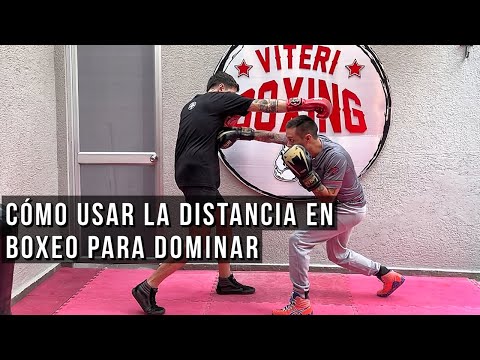
Maestría de la Distancia en el Boxeo: El Arte Secreto para Aniquilar a tu Oponente

¿Alguna vez te has preguntado qué separa a un simple boxeador de un verdadero maestro del ring? No es solo la fuerza bruta o la velocidad. Es algo más sutil, más estratégico: el dominio de la distancia. Es la clave que abre la puerta a la victoria, el hilo invisible que teje la tela de un combate controlado. Si buscas no solo golpear, sino dominar, has llegado al lugar indicado. Hoy, en este dojo virtual, desentrañaremos los secretos de la distancia en el boxeo, una lección fundamental que resonará en cada uno de tus movimientos.

La Distancia: El Corazón del Combate

En el boxeo, un arte tan antiguo como complejo, la distancia no es solo un factor más; es el eje central. Sin una comprensión profunda de ella, incluso el golpeador más fuerte puede verse superado. Piensa en ello: ¿de qué sirve un uppercut devastador si tu oponente está a tres metros de distancia? La distancia dicta el tipo de golpes que puedes lanzar, la efectividad de las defensas del rival y, en última instancia, el flujo del combate. Ignorarla es como intentar navegar sin brújula; te encontrarás a la deriva, vulnerable a cada embate. Un maestro de la distancia, en cambio, es un estratega que dicta el ritmo, fuerza al oponente a sus debilidades y evita exponerse a los peligros.

La importancia de la distancia trasciende el simple hecho de "estar cerca o lejos". Implica la percepción del espacio, la anticipación de los movimientos del rival y la capacidad de ajustar tu propio posicionamiento en fracciones de segundo. Es aquí donde la agilidad y la estrategia se unen, donde la mente del luchador entra en juego de manera decisiva.

Un buen boxeador no solo sabe lanzar golpes, sino que sabe cuándo y desde dónde. La distancia correcta te permite ejecutar tus ataques con máxima potencia y precisión, al tiempo que te sitúa en una posición ventajosa para evadir las respuestas del oponente. Es una danza de ajedrez en movimiento, donde cada paso, cada movimiento de cabeza, cada extensión de brazo, está medido.

El Juego de Piernas: Tu Navaja Estratégica

El boxeo, al igual que muchas otras disciplinas marciales como el karate o el kickboxing, se basa en la movilidad. Tus pies son la base de tu poder, y tu juego de piernas es la herramienta que te permite manipular la distancia a tu antojo. Un buen juego de pies no solo te ayuda a mantenerte fuera del alcance de los golpes del rival, sino que también te permite cerrar la brecha para lanzar tus propios ataques o para reposicionarte tácticamente.

"La distancia es la llave. Si controlas la distancia, controlas la pelea." - Anónimo, pero susurradas por todos los grandes maestros.

Aquí es donde entra en juego el concepto de control. Un boxeador que se queda estático es un blanco fácil. El movimiento constante, los desplazamientos laterales, los pivotes y los pasos adelante y atrás, te permiten dictar el ritmo y la territorialidad en el ring. Es la diferencia entre ser un poste al que golpean y un fantasma esquivo que ataca cuando y donde quiere.

Tres Zonas de Dominio, Tres Estrategias

En el boxeo, solemos hablar de tres distancias principales. Cada una presenta desafíos y oportunidades únicas. Dominarlas te convierte en un boxeador completo, capaz de adaptarse a cualquier situación.

Distancia Larga: El Reino del Jab

Esta es la distancia de máxima separación, a menudo llamada la "distancia de alcance" o "distancia de punzada". Aquí, los golpes más efectivos son aquellos que aprovechan el alcance, principalmente el jab. Este golpe, a menudo subestimado, es tu herramienta principal para medir, distraer, y mantener al oponente a raya.

  • Objetivo: Mantener al oponente lejos, controlar el espacio, preparar ataques.
  • Golpes Clave: Jab (recto de mano adelantada), rectos (derecho o zurdo, dependiendo de tu guardia), a veces golpes al cuerpo cuando el oponente baja la guardia.
  • Tácticas: Movimiento constante de pies (pasos laterales, adelante y atrás), guardia alta para protegerte de cualquier intento de acortar distancia, uso estratégico de la extensión de tus brazos. La cabeza debe estar siempre atenta, con una visión clara del oponente para anticipar sus movimientos. Si tu oponente intenta cerrar la distancia, tu jab se convierte en un muro, o utilizas un paso atrás rápido para restablecer el control.

Para prosperar en la distancia larga, necesitas ser rápido, tener un buen juego de pies y un jab preciso y penetrante. Piensa en cómo boxeadores como Muhammad Ali o Floyd Mayweather Jr. utilizaban su jab y su movimiento para dictar el combate desde lejos. No se trata solo de golpear, sino de establecer tu territorio.

Distancia Media: El Terreno de Juego del Combate Cercano

Aquí, las distancias se acortan, permitiendo la conexión de golpes más contundentes. Esta es la zona donde el combate se vuelve más intenso, donde los ganchos y los directos (la mano fuerte) empiezan a ser viables y peligrosos.

  • Objetivo: Conectar golpes potentes, desestabilizar al oponente, forzarlo a retroceder o a cometer errores.
  • Golpes Clave: Ganchos (a la cabeza y al cuerpo), rectos (a la cabeza y al cuerpo), combinaciones rápidas (ej. jab-recto, jab-gancho-recto).
  • Tácticas: Mantén la guardia alta y la cabeza en movimiento para evadir las respuestas del oponente. Utiliza el juego de cintura para esquivar y pivotar, creando ángulos de ataque. Las combinaciones son cruciales aquí para abrumar la defensa del rival y obligarlo a retroceder, volviendo a la distancia larga controlada por ti.

Dominar la distancia media requiere una combinación de poder, velocidad de manos y una defensa sólida. Es el campo de batalla donde la resistencia y la capacidad de mantener la calma bajo presión son vitales. Aquí, un error defensivo puede costar caro. Practica tus combinaciones en este rango, buscando la efectividad y la fluidez.

Distancia Corta: La Guerra de Guerrilla en el Ring

Esta es la zona de combate cuerpo a cuerpo, también conocida como "clinch" o "short range". Aquí, los golpes largos pierden efectividad y se vuelven peligrosos. Los golpes cortos, potentes y a menudo brutales, son los reyes.

  • Objetivo: Causar daño significativo con golpes cercanos, desequilibrar al oponente, agotar su energía.
  • Golpes Clave: Uppercuts cortos, ganchos cortos (especialmente al cuerpo), golpes de martillo, incluso codazos y rodillazos (aunque no sean estrictamente de boxeo, son relevantes en combates callejeros o en disciplinas de MMA).
  • Tácticas: Una posición de pies baja y estable es fundamental, junto con un fuerte juego de cintura y cadera para absorber y redirigir la fuerza. La guardia debe estar pegada, protegiendo la cabeza y el cuerpo. El objetivo es generar potencia a través de la rotación del tronco y la cadera, lanzando golpes cortos y demoledores. El control en el clinch es también vital para limitar los golpes del oponente y preparar un escape o un ataque.

La distancia corta es donde la fuerza bruta y la tenacidad a menudo triunfan. Es un entorno de desgaste, donde cada golpe bien colocado puede ser decisivo. Boxeadores como Mike Tyson en su mejor momento sabían cómo acortar distancias de manera explosiva para desatar su poder destructivo.

Ejercicios para Afilar tu Sentido de la Distancia

La comprensión de la distancia no se adquiere solo leyendo; se cultiva con la práctica. Aquí tienes algunos ejercicios clave:

  1. Shadow Boxing (Boxeo de Sombra): Enfócate en cada una de las distancias. Comienza en distancia larga, lanzando jabs y moviéndote. Luego, acorta a distancia media, conectando combinaciones. Finalmente, simula estar pegado al oponente, practicando golpes cortos. Visualiza a tu oponente en cada etapa.
  2. Sparring con Enfoque Específico: Pídele a tu entrenador que organice sesiones de sparring donde el objetivo principal sea mantener una distancia específica (larga o media) o forzar al oponente a luchar en una distancia que no le favorezca.
  3. Entrenamiento con Saco Pesado: Practica la transición entre distancias. Lanza un jab y retrocede a distancia larga. Luego, entra a distancia media y lanza ganchos y rectos. Trabaja en la fluidez de estas transiciones.
  4. Ejercicios de Agilidad y Juego de Pies: Usa conos o marca pasos para practicar desplazamientos laterales, adelante, atrás y pivotes. La agilidad es la base para manipular la distancia.
  5. Trabajo con el Entrenador: Pídele a tu entrenador que te dé señales (verbales o físicas) para indicar cuándo debes cambiar de distancia o adoptar una defensa específica basada en la distancia.

El Veredicto del Sensei: ¿La Distancia es Todo?

Si bien un control magistral de la distancia puede parecer la clave para la victoria en el boxeo, es importante recordar que es una herramienta, no el arma definitiva. La técnica, la condición física, la estrategia, la mentalidad (el Ki o la energía interna que mencionan en el Budo y Karate) y la capacidad de adaptarse son igualmente cruciales. Sin embargo, sin un uso inteligente de la distancia, incluso las otras cualidades pueden verse anuladas.

Considera este punto: ¿un golpe de KO lanzado desde una distancia imposible es realmente una amenaza? No. ¿Un defensa perfecta puede ser penetrada si el atacante no puede alcanzarte? Difícilmente. La distancia es, sin duda, el fundamento estratégico sobre el cual se construye todo lo demás en el combate de pie.

Mi calificación: Cinturón Negro en Control Espacial.

Equipo Esencial para tu Entrenamiento

Para perfeccionar tu arte en el manejo de la distancia, considera tener el siguiente equipamiento:

  • Guantes de boxeo de calidad: Imprescindibles para cualquier sesión de entrenamiento, ya sea con saco o sparring. Asegúrate de que se ajusten bien y ofrezcan buena protección. Para sparring, se recomiendan guantes de 16oz.
  • Vendas para las manos: Protegen tus muñecas y nudillos, fundamentales para lanzar golpes potentes y precisos desde cualquier distancia.
  • Saco de boxeo: Ya sea uno pesado para trabajar potencia o uno de velocidad para mejorar tu timing y juego de pies, es una herramienta invaluable.
  • Cuerda de saltar: El mejor aliado para mejorar tu juego de pies, agilidad y resistencia cardiovascular, todo lo cual impacta directamente en tu control de la distancia.
  • Zapatillas de boxeo: Ofrecen el soporte y la tracción necesarios para movimientos rápidos y pivotantes en el ring.

Preguntas Frecuentes

¿Es posible ganar en boxeo sin dominar la distancia?

Es extremadamente difícil. Puedes ganar por un golpe de suerte o si tu oponente comete errores graves, pero para una victoria consistente y estratégica, el control de la distancia es indispensable.

¿Qué arte marcial es mejor para aprender a controlar la distancia?

El boxeo es el rey en este aspecto. Sin embargo, disciplinas como el Karate tradicional, el Taekwondo y el Kickboxing también enseñan principios de alcance y posicionamiento que complementan tu aprendizaje.

¿Cómo puedo entrenar la distancia en casa sin equipo?

El boxeo de sombra es tu mejor aliado. Enfócate en tus desplazamientos, practicando pasos adelante, atrás y laterales. Visualiza un oponente y practica lanzar golpes dirigidos a diferentes "distancias" imaginarias.

¿Hay algún maestro famoso conocido por su dominio de la distancia?

Absolutamente. Boxeadores como Floyd Mayweather Jr., Muhammad Ali, Sugar Ray Robinson y Pernell Whitaker son ejemplos icónicos de cómo el control de la distancia puede ser un arma devastadora.

Para Profundizar en tu Camino

  • Ver más sobre #artesmarciales y su relación con el combate.
  • Explorar técnicas de #entrenamiento para mejorar la agilidad.
  • Entender la mentalidad del guerrero en el #BUDO.

El dominio de la distancia no se logra de la noche a la mañana. Requiere paciencia, dedicación y una mente analítica. Pero una vez que comprendes y aplicas estos principios, no solo te convertirás en un mejor boxeador, sino que transformarás tu enfoque hacia cualquier forma de confrontación o desafío. Es una lección que va más allá del ring, aplicable a la vida misma.

Reflexión del Sensei: Tu Próximo Paso

Ahora, dime tú: ¿cuál de estas tres distancias te resulta más desafiante dominar? ¿Y qué harás esta semana en tu entrenamiento para cerrar esa brecha, tanto en el ring como en tu propia comprensión de la estrategia marcial? El conocimiento es el primer golpe, pero la acción es el KO.

```json { "@context": "https://schema.org", "@type": "FAQPage", "mainEntity": [ { "@type": "Question", "name": "¿Es posible ganar en boxeo sin dominar la distancia?", "acceptedAnswer": { "@type": "Answer", "text": "Es extremadamente difícil. Puedes ganar por un golpe de suerte o si tu oponente comete errores graves, pero para una victoria consistente y estratégica, el control de la distancia es indispensable." } }, { "@type": "Question", "name": "¿Qué arte marcial es mejor para aprender a controlar la distancia?", "acceptedAnswer": { "@type": "Answer", "text": "El boxeo es el rey en este aspecto. Sin embargo, disciplinas como el Karate tradicional, el Taekwondo y el Kickboxing también enseñan principios de alcance y posicionamiento que complementan tu aprendizaje." } }, { "@type": "Question", "name": "¿Cómo puedo entrenar la distancia en casa sin equipo?", "acceptedAnswer": { "@type": "Answer", "text": "El boxeo de sombra es tu mejor aliado. Enfócate en tus desplazamientos, practicando pasos adelante, atrás y laterales. Visualiza un oponente y practica lanzar golpes dirigidos a diferentes \"distancias\" imaginarias." } }, { "@type": "Question", "name": "¿Hay algún maestro famoso conocido por su dominio de la distancia?", "acceptedAnswer": { "@type": "Answer", "text": "Absolutamente. Boxeadores como Floyd Mayweather Jr., Muhammad Ali, Sugar Ray Robinson y Pernell Whitaker son ejemplos icónicos de cómo el control de la distancia puede ser un arma devastadora." } } ] }

Kakashi Hatake vs. A Powerhouse: A Critical Look at Fictional Martial Prowess

Welcome, aspiring warriors and seasoned practitioners, to Budo and Martial Arts. Today, we delve into a spectacle that, while born from imagination, touches upon the very essence of combat prowess: a hypothetical clash between Kakashi Hatake from the Naruto universe and an unnamed but undeniably powerful adversary. This isn't merely about who wins; it's about dissecting the principles, the displayed techniques, and what we can glean from such fictional encounters to enrich our understanding of real-world martial arts.

The Allure of Fictional Combat

We live in an era where the lines between entertainment and edification often blur. The image of Kakashi Hatake, the perpetually calm and formidable ninja, engaging in a "power full fight" resonates with our innate fascination for skill, strategy, and overwhelming force. But beyond the visual spectacle, what does such a confrontation teach us? As martial artists, our focus must always be on extracting practical wisdom, even from the most fantastical scenarios. The *intent* behind such portrayals—showcasing skill, overcoming adversity, and the sheer thrill of combat—is a rich ground for analysis.

The prompt, "Kakashi Hatake vs powerful man and power full fight," published on March 16, 2023, hints at an event or a piece of media that highlights a significant confrontation. My task, as your Sensei, is not to simply recount the action, but to dissect it through the lens of authentic martial principles. We are here to explore the Budo, the philosophical and practical path of the warrior, and how it might be represented, even in its fictionalized form.

Deconstructing Kakashi's Arsenal: Jutsu as Martial Arts

Kakashi Hatake is renowned for his mastery of various Jutsu, techniques that, in essence, function as a highly specialized form of martial art. His signature move, the Chidori (One Thousand Birds), is a concentrated burst of lightning chakra, wielded as a piercing strike. This mirrors the concept of a focused, high-velocity offensive technique found in many real-world striking arts, aiming to overwhelm an opponent's defenses with sheer penetration power. Consider the speed and precision required, akin to a master swordsman delivering a decisive blow, or a boxer executing a perfectly timed straight punch.

Then there's his Sharingan (Copy Wheel Eye), which allows him to perceive chakra, mimic techniques, and gain unparalleled visual acuity. In a real combat context, this translates to an exceptional ability to read an opponent's movements, anticipate attacks, and adapt strategies on the fly. This mirrors the importance of Kime (focus, intensity) and Zanshin (awareness) in Japanese martial arts. The ability to 'copy' techniques, while supernatural, speaks to the martial artist's capacity for deep observation and rapid learning – a skill honed through countless hours of kumite (sparring) and kata (forms) practice.

Furthermore, Kakashi is adept at taijutsu (hand-to-hand combat), utilizing swift kicks and punches, often imbued with chakra for added impact. This foundation in physical combat is crucial. Even the most potent ninjutsu requires a solid physical base. This is a fundamental truth echoed across disciplines, from Karate to Muay Thai. Without strong conditioning and proper body mechanics, even the most advanced techniques are mere parlor tricks.

"The ultimate aim of martial arts is not the victory or defeat, but the perfection of the character of its practitioners." - Gichin Funakoshi, founder of Shotokan Karate. While Kakashi's world is one of battle, his discipline and constant self-improvement embody this principle.

The Unseen Powerhouse: What Defines a True Threat?

The description "powerful man" is intentionally vague, allowing our imagination to fill the void. Is this opponent a master of raw physical strength? A practitioner of forbidden arts? A titan of speed? In martial arts, a "powerful" opponent isn't just about brute force. True power lies in a combination of factors:

  • Technique (Waza): Skillful application of movement, leverage, and timing.
  • Strategy (Senjutsu): The art of anticipating, deceiving, and controlling the engagement.
  • Endurance (Taisei): The capacity to maintain peak performance over extended periods.
  • Mental Fortitude (Mushin - No Mind): The ability to act without hesitation or doubt, a state of focused awareness.
  • Adaptability (Henka): The capacity to adjust tactics based on the opponent's actions.

A truly formidable opponent, fictional or real, integrates these elements seamlessly. They don't just throw punches; they orchestrate an entire encounter. The effectiveness of Kakashi's own techniques would be tested against an opponent who understands distance, timing, and flow, not just raw power.

Choreography vs. The Cold Calculus of Combat

Cinema and anime often present fight sequences that are breathtaking but divorced from the brutal efficiency of real combat. A "power full fight" in fiction might involve elaborate animations, dramatic pauses, and seemingly limitless stamina. Real fights, particularly those where stakes are high, are often far more condensed, messy, and dictated by the first effective strike or mistake.

Consider the nuances: a well-executed grappling exchange in Judo or BJJ can end a fight without a single blow. A perfectly timed counter-attack in Karate or Kickboxing can create a knockout opportunity. Even the seemingly simple, direct approach of Kyokushin Karate emphasizes devastating power and resilience. The fictional fight likely emphasizes flashy jutsu, but a real-world encounter would hinge on fundamental principles: footwork, balance, structure, and exploiting weaknesses.

The inclusion of tags like #artesmarciales, #BUDO, #lucha, #pelea, #entrenamiento, and #historia suggests the original post aimed to connect fictional combat with these real-world disciplines. This is where our critical analysis truly begins.

Beyond the Jutsu: The Budo Spirit in Fiction

At its core, Budo is not just about fighting; it's about self-mastery, discipline, and the cultivation of a strong moral character. While Kakashi is a fictional ninja, his journey often embodies aspects of this path. His adherence to the rules of engagement (even as a ninja), his dedication to his students, and his willingness to sacrifice reflect a deeper commitment than mere combat prowess. The concept of Ki (or Qi), the vital life force, is central to many Eastern martial arts. While depicted as supernatural energy manipulation in Naruto, it fundamentally relates to harnessing internal energy for physical and mental power—a concept explored in practices ranging from Shaolin Kung Fu to internal Chinese martial arts.

"The way of the warrior is to accept death." - Miyamoto Musashi, The Book of Five Rings. This stark reminder from a legendary swordsman highlights the ultimate commitment inherent in the martial path, a commitment that fictional characters like Kakashi, in their own way, often have to confront.

Lessons for the Dojo: Applying Fictional Principles

So, what practical lessons can we draw from this fictional battle?:

  1. Observation is Key: Kakashi's Sharingan highlights the importance of keenly observing your opponent. Train to read body language, anticipate movements, and understand their tendencies.
  2. Master Your Core Techniques: Whether it's Chidori or a simple punch, focus on perfecting your fundamental skills. Power comes from efficient application, not just raw energy.
  3. Develop Adaptability: A single strategy rarely works against all opponents. Cultivate the ability to shift tactics and respond effectively to unexpected situations. This is honed through varied sparring sessions, including incorporating elements of grappling and different ranges of combat.
  4. Integrate Physical and Mental Training: Kakashi's ninja skills are a blend of physical prowess, strategic thinking, and mental fortitude. Ensure your training encompasses strength, conditioning, technique, and mental discipline.
  5. Understand the "Why": Beyond the techniques, always seek the underlying principles. Why does a certain movement work? What is the strategic advantage? This deeper understanding elevates practice to the level of true Budo.

Veredicto del Sensei: Where Fiction Meets Force

While the "Kakashi Hatake vs powerful man and power full fight" is an imaginary scenario, it serves as a potent illustration of martial concepts. Kakashi's abilities, though exaggerated, are rooted in principles of precision, speed, strategic thinking, and the use of specialized techniques. A "powerful man" represents the fundamental challenge of facing a capable adversary. The "power full fight" itself highlights the dynamic interplay between offense, defense, and adaptation.

If this were a real combat scenario, the outcome would depend on countless variables not present in fictional narratives. However, as a catalyst for discussion on martial arts principles, it is effective. It reminds us that the dedication to training, the mastery of technique, and the cultivation of a warrior's spirit—the very essence of BUDO—are timeless, whether applied in a ninja village or a dojo.

Rating: Cinturón Negro en Imaginación, Nivel Novato en Aplicación Real. A commendable exploration of martial concepts, albeit through a fictional lens. It sparks the imagination but requires critical translation to practical training.

Equipo Esencial para tu Entrenamiento

To truly embody the spirit of martial arts, having the right equipment is crucial for effective and safe training. Whether you are practicing Karate, Judo, BJJ, or any other discipline, investing in quality gear can make a significant difference in your progress and enjoyment.

  • Kimono/Gi: Essential for Judo, BJJ, and Aikido. Look for durable, double-woven fabrics for Judo and BJJ, and lighter, comfortable weaves for Aikido. Brands offering high-quality kimonos de judo are a good starting point.
  • Protective Gear: For sparring (kumite), consider padded gloves (e.g., guantes de 16oz para sparring for boxing/kickboxing), shin guards, headgear, and mouthguards. These are vital for minimizing injury.
  • Training Mats (Tatami): If you practice grappling arts or forms that involve throws and falls, investing in quality tatami mats provides necessary cushioning and safety.
  • Training Weapons: For arts that incorporate weapons (e.g., Karate with Bo staff, Kobudo), ensure you use safe, properly weighted practice versions.
  • Fitness Equipment: Resistance bands, jump ropes, and basic weights can supplement your martial arts training, enhancing strength, agility, and cardiovascular fitness.

Preguntas Frecuentes

¿Es posible aplicar las técnicas de Kakashi en la vida real?

Directamente, no. Las jutsu de Kakashi son sobrenaturales y parte de un universo de ficción. Sin embargo, los principios subyacentes—velocidad, precisión, anticipación, uso estratégico de energía (Ki)—son aplicables al entrenamiento de artes marciales reales.

¿Qué arte marcial se asemeja más a las habilidades de Kakashi?

Si bien ningún arte marcial real replica la versatilidad de un ninja, Kakashi's taijutsu, velocidad y enfoques de combate directo podrían tener paralelos con disciplinas como Ninjutsu (el arte histórico, no solo su representación popular), Karate (por su énfasis en golpes contundentes y velocidad), y Kickboxing (por la combinación de golpes y patadas). Su habilidad para copiar técnicas resalta la importancia de la observación y el aprendizaje en cualquier arte marcial.

¿Cuál es la importancia del concepto de Ki en las artes marciales?

El Ki (o Chi/Qi) representa la energía vital. En artes marciales, se cultiva a través de la respiración, la concentración y el movimiento para potenciar la fuerza física, la resistencia y el enfoque mental. No es magia, sino la optimización de la fisiología y la mente humanas.

¿Por qué es importante el entrenamiento de combate en la calle (CombateEnLaCalle)?

El CombateEnLaCalle se enfoca en la autodefensa en escenarios impredecibles y peligrosos. A diferencia de un dojo, no hay reglas, ni árbitros, y las circunstancias pueden ser letales. Un entrenamiento efectivo en esta área debe ser realista, práctico y enfocado en la supervivencia.

Para Profundizar en tu Camino

Reflexión del Sensei: Tu Próximo Paso

The confrontation between Kakashi and his powerful foe, though fictional, serves as a mirror to our own training. It highlights the perpetual quest for knowledge, the development of physical and mental discipline, and the understanding that true strength lies not just in power, but in wisdom and adaptability. The flashy displays are entertaining, but the fundamental principles—dedication to practice, respect for the opponent, and the pursuit of self-improvement—are what forge a true martial artist.

"The martial way is a daily task. It is a lifetime commitment." - A principle echoed across countless martial traditions.

Reflexión del Sensei: Tu Próximo Paso

Now, I pose this to you: In your own training, are you focusing solely on the "flashy jutsu," the spectacular moves that garner attention, or are you diligently building the foundational strength, the keen observational skills, and the unwavering mental fortitude that would allow you to face any "powerful man," whether in a fictional realm or the unforgiving reality of the street? Where does your true commitment lie?

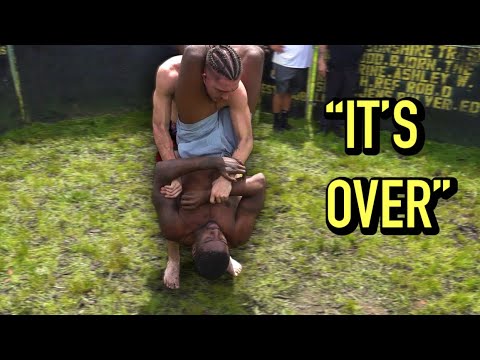
Streetbeefs: Fetty vs. Manu Da Great - A Critique from the Dojo

Ah, the primal allure of conflict, stripped bare and presented for consumption. We gather today not to witness a refined duel of ancient warriors, but to dissect the raw, unvarnished energy of Streetbeefs, specifically the encounter between Fetty and Manu Da Great. Before we plunge into the visceral fray, let's set the stage. My intention here is to go beyond mere observation; I aim to distill the essence of this contest through the lens of martial philosophy and practical application. We will explore not just the punches thrown, but the intent behind them, the control (or lack thereof), and what lessons, if any, can be gleaned by those who train diligently in the traditional arts.

You might be drawn here by the spectacle, the promise of a genuine 'beef' settled under the guise of a sporting contest. Perhaps you're curious about the effectiveness of raw aggression versus trained technique. Or maybe, just maybe, you're seeking to understand the societal undercurrents that give rise to such events. Whatever your entry point, consider this your formal invitation to a deeper analysis. This isn't just a fight; it's a case study. So, sharpen your focus, for we are about to enter "Satan's Backyard," as the organizers aptly put it, and examine what unfolds when the concrete jungle becomes the arena.

Setting the Stage: The Philosophy of Streetbeefs

The concept behind Streetbeefs, as articulated by its founder Scarface, is rooted in a desire to provide an alternative to lethal violence. The narrative is compelling: a community leader, witnessing the devastating consequences of disputes settled with weapons, offers a controlled, albeit bare-knuckle, outlet. "Come to SATANS BACKYARD and put gloves on to settle your dispute. No guns, No knives, No gang of friends jumping in. Just you, your Foe, the referee, and a group of spectators." This proposition, while seemingly pragmatic within a certain context, raises immediate questions for any serious martial artist.

Is this true Budo? Is this the path of the warrior, or simply a sanitized form of street brawling? The emphasis on "purely for sport" versus "REAL beef" highlights a fundamental tension. True martial arts training cultivates discipline, respect, and a deep understanding of self-defense, not for settling petty disputes, but for survival and personal growth. While Streetbeefs aims to channel aggression constructively, it operates far from the philosophical underpinnings of traditional disciplines. The mention of Scarface's inclusion in the New York Times and ESPN speaks to the spectacle, the raw human drama, but not necessarily to martial efficacy.

"The martial way is a path that is not only about striking and fighting, but also about discipline, respect, and personal growth." - A principle echoed across many martial traditions.

This isn't about condemning the participants; it's about analyzing the context. Are these individuals trained fighters, or are they people channeling existing aggression into a supervised, yet still brutal, confrontation? The very name, "Streetbeefs," signals an origin far removed from the serene dojo. It is a raw expression of human conflict, and our task is to see what martial lessons, if any, can be extracted from this raw energy.

The Combatants: Fetty vs. Manu Da Great

In this particular contest, we are presented with Fetty and Manu Da Great. Without extensive prior knowledge of their individual backgrounds or training, their engagement here is judged on the moment. We observe their physical presence, their apparent conditioning, and their demeanor as they step into the makeshift ring. The audience's anticipation is palpable, a testament to the enduring human fascination with one-on-one confrontation.

The critical question for a martial artist is: what skills do they bring to the table? Are they merely relying on brute strength and a willingness to exchange blows, or is there an underlying technique, a tactical awareness that hints at prior training? Often, in these unsanctioned or semi-sanctioned events, the lines blur. Some participants may have a background in boxing, kickboxing, or even amateur MMA, while others might be stepping into a combat scenario for the very first time, driven purely by the "beef."

The success of any combat encounter, be it a street confrontation or a formal competition, hinges on a confluence of factors: physical conditioning, mental fortitude, technical skill, and strategic application. The true test lies not just in the ferocity of the attack, but in the ability to adapt, defend, and persevere under pressure. It is in these moments of dynamic interaction that the true nature of a fighter, and potentially the effectiveness of their training, is revealed.

Round One: Raw Aggression and Initial Exchanges

The initial moments of the Fetty vs. Manu Da Great bout are often characterized by explosive energy. Expect to see a flurry of punches, perhaps wild and unrefined, as both combatants seek to assert dominance early. This is where raw aggression, fueled by the adrenaline of the confrontation and the crowd's energy, often takes precedence over technical precision. You might observe:

  • Overhand Rights and Hooks: These are common power punches, often thrown with significant force but lacking the tight defense that protects the fighter.
  • Defensive Lapses: Fighters might drop their hands, expose their chins, or adopt a wide, unstable stance, leaving them vulnerable.
  • Forward Pressure: A strong desire to close the distance and engage, sometimes without proper setup or awareness of the opponent's reach.

From a martial perspective, this round is a test of nerve and initial impact. It's less about strategy and more about raw will. The effectiveness of these initial exchanges depends heavily on the participants' physical conditioning and their tolerance for pain. A seasoned boxer might look for openings, while someone with less formal training might simply throw everything they have. The key here is to observe how each fighter reacts to landing or receiving a solid blow. Does it spur them on, or does it cause them to falter?

Round Two: Adaptation and Fatigue

As the initial adrenaline surge subsides, Round Two often becomes a battle of conditioning and adaptation. The raw aggression of the first round begins to wane, and fatigue starts to set in. This is where the differences between a trained fighter and an untrained combatant become starkly apparent.

  • Slowing Pace: Punches may become slower, less powerful. Footwork might become heavier and less agile.
  • Increased Vulnerability: Fighters might breathe more heavily, keep their guard lower, and their defensive movements will likely be more labored.
  • Strategic Adjustments (or lack thereof): Do the combatants try to change their approach? Do they attempt to clinch, grapple, or perhaps conserve energy? Or do they simply continue to throw punches until they can't?

A well-trained martial artist understands the importance of pacing, energy conservation, and maintaining defensive integrity even when tired. They might look to exploit an opponent's fatigue by using feints, quicker movements, or drawing them into exchanges where their exhaustion is most apparent. In a Streetbeefs context, this round often separates those who are genuinely prepared for a sustained fight from those who relied solely on initial explosiveness.

Round Three: The Climax and Resolution

The final round is typically where the contest reaches its climax. By this stage, both Fetty and Manu Da Great are likely to be significantly fatigued. The exchanges may become more desperate, with fighters pushing themselves to their absolute limits. This is often the round where a decisive blow lands, leading to a knockout, or where one fighter clearly gains a dominant position that the other cannot overcome.

  • The Finishing Exchange: Look for a moment where one fighter commits to an attack, perhaps leaving themselves open for a counter, or lands a clean, powerful shot that ends the fight.
  • Resilience and Willpower: Even when exhausted, some fighters display incredible resilience. Observing who continues to fight back, even if effectively, reveals a great deal about their mental toughness.
  • Referee Intervention: The referee plays a crucial role in ensuring safety. Their decision to stop the fight is based on a fighter's inability to intelligently defend themselves, a critical safety measure absent in actual street altercations.

The resolution of this round, whether by knockout, stoppage, or the end of the allotted time, provides the definitive outcome. However, the true value for us lies not just in who won, but in understanding *how* the fight concluded. Was it a display of superior technique, a testament to superior conditioning, or simply the result of one fighter landing a lucky, powerful shot?

Analysis of Technique: What We Saw

When dissecting the technical aspects of the Fetty vs. Manu Da Great fight, it's crucial to maintain perspective. We are not critiquing Olympic-level athletes, but rather individuals engaging in a raw, unfiltered combat scenario. However, certain observations hold true regardless of the level of training.

Stance and Footwork: Observe their base. Is it wide and stable, allowing for movement and power generation? Or is it narrow and unbalanced, making them susceptible to takedowns or easily knocked off their feet? In many such encounters, footwork is rudimentary, relying on forward shuffling rather than dynamic pivots or lateral movement. This often leads to fighters being "flat-footed" and predictable.

Punching Technique: Are punches thrown with proper rotation of the hips and shoulders, or are they primarily arm punches? Are defensive measures like covering the chin and tucking the elbows consistent? We often see wild swings, lack of jab control, and open guards. While powerful, these blows may lack efficiency and leave the fighter's own defenses compromised.

Clinching and Close-Quarters Combat: If the fight goes to close range, how do they manage the clinch? Is there an attempt to control the opponent's posture, or is it simply a messy entanglement? In a street fight context, clinching can be a precursor to illegal strikes or grappling, but in a regulated bout, it's an opportunity to wear down an opponent or create space.

Defense: This is often the most glaring area for improvement in untrained fighters. Head movement is minimal, blocking is often passive (arms simply absorbing blows), and slipping or rolling with punches is rarely seen. This is where formal martial arts training provides a significant advantage, teaching fighters to evade, deflect, and counter effectively, rather than simply enduring damage.

Awareness: Do the fighters seem aware of the referee, the crowd, and the overall dynamic of the fight? Or are they solely focused on their immediate opponent, potentially missing crucial cues or strategic opportunities? Situational awareness is a vital component of any combat discipline.

Veredict of the Sensei: More Than Just a Brawl?

Streetbeefs: Fetty vs. Manu Da Great is, at its core, a raw, unadulterated display of human aggression channeled into a physical contest. It is undeniably entertaining for those who appreciate visceral action. However, from the perspective of a seasoned martial artist, it presents a complex picture.

Core Strengths: The undeniable courage and willingness to confront an opponent face-to-face, without weapons or external aid, is noteworthy. The participants, by stepping into the ring, demonstrate a level of bravery that cannot be discounted. The format, while crude, does provide a safer alternative than a genuine street fight, reducing the likelihood of lethal outcomes.

Fundamental Weaknesses: The technical execution is, as expected, often lacking. Defensive skills are rudimentary at best, conditioning is a major factor, and the strategies employed are basic. This is not a showcase of martial arts mastery, but rather a demonstration of will and raw physical capacity. The "beef" itself, the underlying reason for the fight, often overshadows any semblance of martial spirit or ethical conduct.

Entertainment Value vs. Martial Value: As entertainment, Streetbeefs succeeds. It provides drama, excitement, and a conclusion to disputes. As a demonstration of martial arts principles, its value is limited. It highlights the importance of formal training in technique, defense, and discipline. While it offers a controlled environment, it lacks the philosophical depth, the self-improvement focus, and the respect for tradition that defines true Budo.

Overall: I would categorize Streetbeefs as **"Entertaining Spectacle, Limited Martial Merit."** It's a glimpse into a raw form of conflict resolution, but not a benchmark for martial prowess.

Equipment Essential for Your Training

While Streetbeefs often features minimal protective gear beyond gloves, serious martial arts training demands proper equipment to ensure safety and effectiveness. Investing in the right gear is not about vanity; it's about enabling dedicated practice and minimizing injury. For those inspired to train after witnessing such contests, consider the following:

  • High-Quality Training Gloves: Essential for any striking art. For sparring, 14-16 oz gloves are standard for boxing and kickboxing to protect both hands and your partner. Look for good padding and wrist support.
  • Mouthguard: Non-negotiable for any combat sport. A properly fitted mouthguard can prevent concussions, broken teeth, and jaw injuries.
  • Groin Protector: Crucial for preventing serious injury during sparring or live drills.
  • Headgear: For intensive sparring sessions, especially in boxing or MMA, headgear significantly reduces the risk of cuts, bruises, and concussions.
  • Shin Guards: Necessary for kickboxing and Muay Thai to protect against impact from kicks.
  • Dojo Uniform (Gi/Dobok): Depending on your chosen art (e.g., Judo, Karate, Taekwondo), a durable, well-fitting uniform is essential for training and demonstrates respect for the art. For grappling arts like Brazilian Jiu-Jitsu, a sturdy BJJ gi is paramount.
  • Training Mats (Tatami/Mats): For arts involving throws, groundwork, or falling techniques (like Judo, Aikido, BJJ), quality mats are vital for safety.

Remember, the best equipment is the kind that allows you to train consistently and safely, pushing your limits without undue risk. Investing in these items is a commitment to your own development as a martial artist.

Resources for Deeper Understanding

To truly appreciate the spectrum of martial arts and combat sports, it's vital to explore beyond the raw spectacle. Understanding the philosophy, history, and techniques of various disciplines provides a richer context.

  • BUDO: Explore the fundamental principles that underpin many Japanese martial arts, focusing on discipline, self-mastery, and the pursuit of perfection.
  • Martial Arts: Delve into the diverse world of martial traditions from across the globe, understanding their unique origins, philosophies, and techniques.
  • Karate: Learn about the striking art originating from Okinawa, its various styles, katas, and its emphasis on power and precision.
  • MMA: Understand the modern combat sport that blends techniques from various martial arts, focusing on striking and grappling in a comprehensive fighting system.
  • Fight Analysis: Develop a critical eye for dissecting combat encounters, understanding strategy, technique, and the psychological aspects of fighting.

Frequently Asked Questions

What is the main difference between Streetbeefs and professional MMA?

The primary difference lies in intent, regulation, and skill level. Streetbeefs aims to settle personal disputes in a semi-controlled environment with minimal rules and often untrained participants. Professional MMA is a highly regulated sport with standardized rules, weight classes, judges, and a focus on athletic competition and skill, not personal vendettas.

Are the fights in Streetbeefs legitimate?

The fights are legitimate in the sense that they are real confrontations between two individuals. However, they are not recognized as professional sporting events. They operate outside the stringent regulatory frameworks of sports like boxing or MMA, and the skill levels vary dramatically.

Does Streetbeefs teach actual martial arts?

No, Streetbeefs does not teach martial arts. It provides a platform for people to engage in unarmed combat to settle disputes. While some participants may have martial arts training, the organization itself is not a martial arts school. Its focus is conflict resolution and entertainment.

Is Streetbeefs dangerous?

Yes, Streetbeefs carries significant risks. While gloves and referees are present, participants are often untrained, leading to uncontrolled exchanges. Injuries, including severe cuts, broken bones, and concussions, are possible and have occurred.

What is the philosophical value of watching Streetbeefs?

The philosophical value is debatable. One perspective is that it highlights the raw human drive for confrontation and resolution, offering a potentially safer alternative to weaponized violence. Another perspective is that it showcases the absence of martial discipline and the dangers of untrained aggression, thereby underscoring the value of formal martial arts training for self-control and effective self-defense.

Reflection of the Sensei: Your Next Step

We have dissected the contest between Fetty and Manu Da Great, examining its context, its execution, and its implications from the vantage point of martial tradition. We've seen raw courage, undeniable aggression, and the stark realities of untrained combat. But now, the true lesson awaits not in the spectacle, but in your own response.

Did the ferocity of the exchanges ignite a spark of primal interest within you? Or did the lack of technique and control fill you with a quiet disdain, a yearning for the discipline you practice or aspire to? This is the crux: where does your own spirit lie in relation to such raw conflict?

"The supreme art of war is to subdue the enemy without fighting." - Sun Tzu, The Art of War.

Consider this: if you found yourself in a situation where a "beef" needed settling, would your instinct be to emulate Fetty or Manu, to meet force with force in a chaotic exchange? Or would your training, your philosophy, guide you towards de-escalation, strategic evasion, or a measured, technical application of skill if confrontation became unavoidable? The answer reveals more about your path than any fight result.

Now, tell me, Sensei's students: Where does the path of true martial strength lie – in the explosive, uncontrolled rage of the street, or in the disciplined, focused power cultivated within the dojo? Are these events a dangerous distraction, or do they, in their own brutal way, serve a societal function that warrants our understanding, even if not our emulation? Speak your mind, for your perspective is as vital to your growth as any kata.

Published at May 27, 2022 at 03:33PM. Welcome the most complete and updated martial arts blog on the internet. Follow us on social networks and do not forget to visit our main page: Budo and Martial Arts.

Ignore tags: #artesmarciales,#BUDO,#lucha,#pelea,#entrenamiento,#historia,#fight,#battle,#martialarts,#karate,#jiujitsu,#taekwondo,#shaolin,#ki,#bjj,#ninjitsu,#kenpo,#combat,#sambo,#news,#judo,#aikido

``` GEMINI_METADESC: A martial arts critique of the Streetbeefs fight between Fetty and Manu Da Great, examining technique, philosophy, and comparison to formal training.

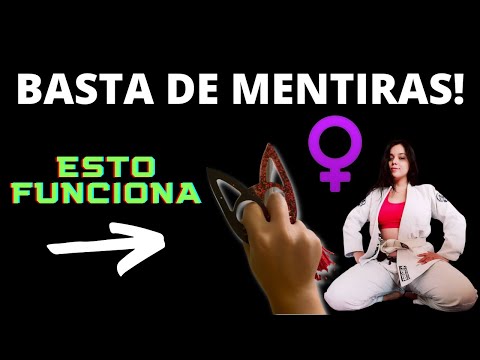
Unveiling the Reality: Women's Self-Defense vs. The Male Adversary – A Critical Examination

The Premise: A Stark Reality

Hello and welcome, warriors. Today, we confront a topic often shrouded in simplistic narratives and commercialized quick fixes: women's self-defense against male aggressors. The very phrasing, "CONTRA HOMBRES!" (AGAINST MEN!), immediately ignites a firestorm of debate. Is this a necessary distinction, or a dangerous generalization? As your Sensei, I am here not to provide platitudes, but to dissect the underlying principles and brutal realities, urging you to move beyond mere reaction and cultivate genuine empowerment. This isn't about fear-mongering; it's about informed preparation and the cultivation of an indomitable spirit.

Deconstructing the Search Intent: Beyond the Superficial

Let's first address the seeker's intent. What drives someone to search for "women's self-defense against men"? It's a cry for safety, a desperate need for practical solutions in the face of perceived physical disparity. The searcher likely desires:
  • Actionable Techniques: Specific moves that can be learned and applied under duress.
  • Understanding Vulnerabilities: Knowledge of common male attack patterns and weaknesses.
  • Psychological Preparedness: Strategies to overcome fear and react decisively.
  • Effective Tools: Recommendations for legal and reliable self-defense aids.
This intention, while valid, often leads to a fragmented understanding. The internet is flooded with sensationalized content, promising miracle cures. My purpose is to elevate this understanding, demonstrating that true self-defense is a holistic discipline, not a mere collection of disempowering tricks.

The Spirit of Budo: More Than Just Techniques

The original context of this topic hints at the broader world of Budo – the Way of the Warrior. While this blog post is published under tags like #artesmarciales and #BUDO, the core message often gets lost. True Budo, whether Karate, Judo, or Aikido, transcends the physical. It's about self-mastery, discipline, respect, and the cultivation of an unwavering mind.
"The ultimate aim of martial arts is not victory or defeat, but the perfection of the human character." – Unknown Master
When we speak of self-defense, especially in the context of a potential physical confrontation with a stronger opponent, the mental aspect is paramount. The *Mushin* (no-mind) state, the ability to act spontaneously and effectively without hesitation, is forged through rigorous training and deep philosophical understanding. Simply learning a few "moves" without this foundation is like building a house on sand.

Street Smarts vs. Dojo Drills: Bridging the Gap

This is where many self-defense courses falter. They teach techniques that look impressive in a controlled environment but crumble under the chaotic pressure of a real-world assault. A common misconception is that complex grappling or intricate striking sequences are the answer. In reality, the most effective self-defense principles for a less physically imposing individual against a larger adversary often emphasize:
  • De-escalation and Avoidance: The best fight is the one that never happens. Awareness of surroundings and verbal de-escalation are your first lines of defense.
  • Targeting Vulnerabilities: Focus on areas that inflict pain or incapacitate quickly – eyes, throat, groin, knees. These are universal, irrespective of gender or size.
  • Utilizing Leverage and Momentum: Understanding how to use an attacker's own weight and force against them. This is the essence of techniques seen in Judo and Aikido.
  • The Element of Surprise: A sudden, decisive action can create an opportunity to escape.
The key is simplicity and brutal efficiency. A technique that requires perfect execution under extreme stress is a liability. We must train for the worst-case scenario, not the ideal one. Consider the philosophies embedded in styles like Kyokushin Karate, which emphasizes full contact and resilience. This is not about winning a match; it's about surviving a confrontation.

Analysis of Self-Defense Tools: Illusion vs. Efficacy

The mention of "llaveros de defensa personal" (personal defense keychains) is a prime example of the commercialization I alluded to. While some tools can offer a psychological boost or a tactical advantage, they are not magic bullets.
  • Pepper Spray/Mace: Effective if used correctly and legally permissible. Requires practice to overcome the fear of using it and to deploy it accurately under stress.
  • Personal Alarms: Can attract attention but may also escalate an attacker's aggression.
  • Kubotans/Tactical Pens: Require significant training to be effective. Without proper knowledge of pressure points and striking, they are merely blunt objects.
  • Stun Guns/Tasers: Effectiveness can vary, and legal restrictions apply. Requires close proximity and can be disarmed.
Relying solely on a gadget is a dangerous gamble. It fosters a false sense of security. These are *tools*, meant to supplement, not replace, the fundamental skills and mental fortitude of the individual. The true "weapon" is the trained body and the prepared mind.

Beyond the Physical: Cultivating Inner Fortitude

This is where we delve into the deeper currents of martial arts philosophy, often overlooked in favor of flashy techniques. True self-defense is a lifelong pursuit of self-improvement.
"The supreme art of war is to subdue the enemy without fighting." – Sun Tzu, The Art of War
This ancient wisdom speaks volumes. Empowerment comes from:
  • Situational Awareness: Constantly scanning your environment, recognizing potential threats before they materialize. This is a practiced mental habit.
  • Assertiveness Training: Learning to project confidence, use a strong voice, and set boundaries verbally. This can deter many potential attackers.
  • Physical Conditioning: Building strength, stamina, and resilience. A fitter individual is more capable of defending themselves and escaping. This links directly to our tags like #Fitness, #Fuerza, and #Resistencia.
  • Mental Toughness: Developing the ability to remain calm under pressure, think clearly, and act decisively. This is the bedrock of true martial prowess.
These are the attributes that transform a victim into a survivor. They are cultivated through consistent effort, mirroring the dedication required in any serious martial art, whether it's the rigorous conditioning of Kyokushin Karate or the mental discipline of Zen meditation.

A Pragmatic Training Blueprint

For individuals seeking to enhance their self-defense capabilities, particularly women facing potential male aggression, a structured approach is crucial.

Guide to Training: Building Your Defense

  1. Foundational Awareness: Begin by consciously observing your surroundings in everyday situations. Identify exits, potential hazards, and people exhibiting unusual behavior. Practice mentally rehearsing escape routes.
  2. Verbal De-escalation and Boundary Setting: Practice using a firm, clear voice. Role-play scenarios where you refuse unwanted advances or assert your personal space. Learn phrases that communicate confidence and authority.
  3. Basic Striking Techniques: Focus on simple, powerful strikes to vulnerable targets. Practice palm heel strikes, elbow strikes, knee strikes, and kicks to the groin or shins. Accuracy and speed over complexity.
  4. Leverage and Escape Principles: Study basic principles of escaping grabs (wrists, clothing) and using an attacker's momentum. Techniques from Judo and Aikido offer excellent foundational principles here, focusing on redirection rather than brute force.
  5. Scenario-Based Drills: Practice techniques under simulated stress. This could involve mild physical exertion, shouting, or practicing in varied environments. Partner drills, conducted with safety and control, are essential.
  6. Conditioning: Incorporate cardiovascular exercises (#RunningTips, #AtHomeWorkout) and strength training (#NoEquipment, #Workout) into your routine to build the physical capacity needed for escape and defense.

Sensei's Verdict: True Empowerment

The notion of "women's self-defense against men" is born from a genuine need, but often exploited by superficial solutions. True empowerment is not about learning a few tricks to "fight back" against a hypothetical male attacker. It's about cultivating a comprehensive skillset that encompasses awareness, de-escalation, physical capability, and mental resilience. It’s about adopting the philosophy of Budo – the pursuit of self-perfection. The best self-defense is not learned from a keychain; it is forged within. While the focus should always be on internal development, certain tools can enhance training and, in real situations, provide a critical edge.
  • Durable Training Uniform (Kimono): Essential for styles like Judo and BJJ. Look for a double-weave kimono for durability.
  • Sparring Gloves: For safe practice of striking techniques, 16oz gloves are standard for sparring.
  • Focus Mitts and Kick Shields: Excellent for practicing precision and power in strikes with a partner or trainer.
  • Training Dummy (Mannequin): For practicing strikes and grappling techniques without a partner.
  • Pepper Spray (Legal Consideration): If legal in your area, carrying and practicing with pepper spray can be a valuable addition.
  • Books on Budo Philosophy: For understanding the deeper principles.

Frequently Asked Questions

What are the most effective techniques for a woman to defend against a larger male attacker?

Focus on simple, high-impact strikes to vulnerable areas (eyes, throat, groin), using leverage and an attacker's momentum, and surprise. Escape should always be the primary objective.

Is pepper spray a reliable self-defense tool?

Yes, if legally permissible and used correctly. It requires practice to overcome fear and ensure accuracy under stress. It is a supplement, not a replacement, for skills.

How important is physical strength in self-defense?

While strength is an advantage, technique, timing, and psychological preparedness are often more critical, especially when facing a size disparity. Conditioning improves stamina and resilience, which are vital.

Should women learn specific martial arts?

Many martial arts offer valuable skills. Judo and Aikido teach leverage and redirection. Karate and Kickboxing develop striking power and conditioning. BJJ excels in ground defense. A combination, or a style emphasizing practicality, can be highly beneficial.

How can I overcome the fear associated with self-defense training?

Gradual exposure through controlled drills, focusing on breathing and mental preparation, and building confidence through consistent practice are key. Understanding the techniques reduces fear of the unknown.

To Deepen Your Journey

"The warrior learns in the school of hardship. The challenges we face are not impediments, but stepping stones on the path to mastery." – Adapted from Warrior Philosophy

Reflection of the Sensei: Your Next Step

We have dissected the common approaches to self-defense, highlighting the chasm between superficial solutions and the profound path of Budo. The question that lingers is not merely *how* to defend oneself, but *who* you become in the process. Are you content with reactive measures, or are you ready to cultivate the inner warrior that transcends mere physical confrontation? Consider this: What single aspect of your mental or physical conditioning can you improve this week that will most significantly enhance your preparedness and self-reliance, irrespective of an attacker? The answer lies not in a keychain, but within your own commitment. GEMINI_METADESC: Critically examine women's self-defense against male aggressors. Explore Budo philosophy, practical techniques, tool efficacy, and holistic empowerment for true safety.

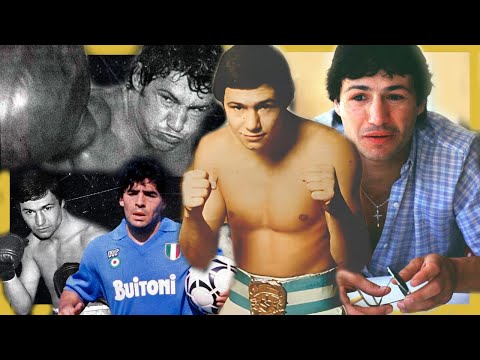
Uby Sacco: El Pugilista Argentino Que Desafió al Destino y a la Ley del KO

Introducción: El Eco de un Campeón Olvidado

¿Cuántos nombres resuenan en los anales del boxeo, pero cuántos verdaderamente entienden la brutalidad, la estrategia y el espíritu indomable que definen a un campeón? Hoy, en este venerable dojo digital, no vamos a hablar de técnicas de Kung Fu ni de la serenidad del Aikido. Vamos a desatar el poder crudo y la historia fascinante de un pugilista argentino que, a pesar de no alcanzar la fama mundial de un Monzón, dejó una marca indeleble en el corazón del deporte de los puños: Uby Sacco. Este hombre no solo se enfrentó a rivales en el ring; luchó contra sus demonios, contra las limitaciones y contra un destino que parecía empeñado en frenarlo. Si buscas la esencia del #combate, la #disciplina y la resiliencia, prepárate, porque la historia de Sacco es una lección magistral de #artesmarciales en su forma más pura.

Tabla de Contenidos

¿Quién es Uby Sacco? El Nacimiento de un Guerrero

Ubaldo Sacco, conocido en los rings de Argentina y del mundo como Uby Sacco, nació en 1946 en Buenos Aires. Desde joven, mostró una aptitud natural para el boxeo, un deporte que en Latinoamérica es mucho más que una disciplina; es una vía de escape, una expresión de orgullo y, a menudo, la única oportunidad para forjar un futuro digno. Sacco no era un atleta de fuerza bruta desmedida, sino un púgil técnico, con una inteligencia de combate aguda y una resistencia al castigo que inspiraba respeto. Su carrera profesional, que abarcó desde mediados de los años 60 hasta principios de los 80, estuvo marcada por combates difíciles y una constante búsqueda de la gloria.

El Legado Inquebrantable: El Boxeador que SOLO Pudo Ser Noqueado Una Vez

La estadística más impactante en la carrera de Uby Sacco es su resistencia casi sobrehumana. De un récord de 72 peleas, Sacco solo fue noqueado en una ocasión. ¡Una sola vez! En una era donde los combates eran brutales y las defensas no siempre eran las más sofisticadas, esto es un testimonio de su fortaleza mental y física. Este dato, por sí solo, lo eleva a una categoría especial en la historia del boxeo. Nos habla de un guerrero que, aunque pudiera ser golpeado, rara vez caía. Es la encarnación de la máxima marcial que nos enseña a levantarnos tras cada golpe, a absorber el impacto y a continuar la lucha. Para los practicantes de #artesmarciales, esta es una lección fundamental: la victoria no siempre reside en no ser golpeado, sino en la capacidad de recuperarse y seguir adelante.
"La verdadera prueba de un guerrero no es la ausencia de heridas, sino la valentía con la que enfrenta el dolor y la determinación para levantarse una y otra vez."

A la Sombra del Gigante: El Favorito de Carlos Monzón

Es imposible hablar de Uby Sacco sin mencionar a Carlos Monzón, el legendario campeón mundial peso mediano, también argentino, y uno de los íconos más grandes del deporte de ese país. Sacco era considerado un "favorito de Monzón", lo que implica un alto grado de respeto y reconocimiento por parte de la élite del boxeo argentino. No solo compartían nacionalidad y época, sino que también existía una conexión de camaradería y admiración mutua. Esta cercanía con Monzón, un púgil de talla mundial, le otorgó a Sacco una visibilidad y un estatus dentro del boxeo argentino que pocos podían igualar. Sin embargo, también lo colocaba en una constante comparación, a veces injusta, con una figura titánica. ## Análisis Marcial del Estilo Sacco: Más Allá del Puño Cerrado Desde la perspectiva de las #artesmarciales, el estilo de Uby Sacco ofrece varios puntos de análisis interesantes, más allá de la técnica de boxeo pura. Su resistencia al castigo, ese único nocaut en una larga carrera, nos habla de una sólida preparación física y, sobre todo, de una formidable fortaleza mental. En disciplinas como el #Kyokushin Karate o el #Judo, la capacidad de "aguantar" y seguir combatiendo tras recibir golpes duros es crucial. Sacco poseía esta cualidad en abundancia. Su estilo era el de un boxeador inteligente. No buscaba el intercambio salvaje de golpes si no era necesario. Utilizaba su jab para mantener la distancia, estudiaba a sus oponentes y buscaba el momento oportuno para lanzar combinaciones efectivas. Esto se asemeja a la estrategia en el #Budo, donde la observación, la paciencia y la aplicación del golpe justo en el momento preciso son más valoradas que la fuerza bruta. Su capacidad para recuperarse rápidamente de impactos duros demuestra una excelente gestión del *ki* o energía vital, un concepto central en muchas #artesmarciales orientales, aunque aplicado de forma instintiva en el boxeo occidental.

El Combate Real: ¿Qué Nos Enseña Sacco a los Prácticos de Artes Marciales?

La carrera de Uby Sacco, marcada por su impresionante resistencia, ofrece lecciones valiosas para cualquier practicante de #combatesports, incluyendo #MMA y #DefensaPersonal. * **Resiliencia Extrema**: El hecho de haber sido noqueado solo una vez en 72 combates es un récord de #perseverancia. Nos enseña que el cuerpo y la mente pueden ser entrenados para soportar adversidades. Esto es vital cuando se entrena #combatecuerpocomplejo o se aprende a defenderse en situaciones de #combateenlacalle. * **Inteligencia Táctica**: Sacco no era solo un pegador. Era un boxeador cerebral que estudiaba a sus rivales. En la #lucha o en cualquier arte marcial, la estrategia es tan importante como la técnica. Saber cuándo atacar, cuándo defender y cómo adaptarse al oponente es la marca de un verdadero guerrero. * **Humildad y Profesionalismo**: A pesar de ser un campeón y un favorito de Monzón, Sacco mantuvo un perfil relativamente bajo, concentrado en su carrera. Esto contrasta con la exhibición de egos que a veces vemos hoy. El verdadero espíritu marcial reside en la dedicación al entrenamiento y al respeto por el deporte. * **La Singularidad del Nocaut**: La idea de que solo un oponente logró noquearlo subraya la dificultad de detener a un peleador verdaderamente resistente y bien preparado. En el boxeo, como en muchas artes marciales de #luchaenpie, el nocaut es la culminación, pero alcanzarlo requiere superar barreras formidables de resistencia.

Equipo Esencial para tu Entrenamiento

Para quienes deseen seguir los pasos de campeones como Sacco y Monzón, o para cualquier practicante serio de #artesmarciales y #boxeo, el equipo adecuado es fundamental. La inversión en material de calidad no solo mejora tu entrenamiento, sino que también te protege.
  • Guantes de Boxeo de Calidad: Si buscas la excelencia, considera marcas reconocidas. Los Guantes Cleto Reyes son una elección clásica para quienes buscan poder y durabilidad en sus golpes, sin sacrificar la protección de la mano. Si prefieres una opción también de alta calidad con gran historial, los Guantes de Boxeo Everlast ofrecen un equilibrio entre protección, comodidad y un precio accesible para muchos. Asegúrate de elegir un peso adecuado para sparring o entrenamiento (14-16 oz es común).
  • Vendajes para Manos: Imprescindibles para proteger tus muñecas y nudillos durante los entrenamientos intensos.
  • Bucal: La protección dental es no negociable en cualquier deporte de contacto.
  • Ropa de Entrenamiento Cómoda: Pantalones cortos y camisetas transpirables que permitan total libertad de movimiento son clave.
  • Soga de Saltar: Un ejercicio cardiovascular excepcional que mejora la agilidad, el juego de pies y la resistencia, habilidades esenciales en el boxeo y en muchas otras artes marciales.
Si estás empezando, te recomiendo buscar guantes de entrenamiento que ofrezcan buena amortiguación. Para los más avanzados, explorar marcas con la historia y el prestigio de Cleto Reyes o Everlast puede ser un gran paso.

Preguntas Frecuentes

¿Por qué Uby Sacco es recordado si no fue un campeón mundial de renombre?

Uby Sacco es recordado no por títulos mundiales, sino por su increíble resistencia y su carrera longeva y respetada, culminando en un único nocaut en más de 70 peleas. Su estatus como "favorito de Monzón" también le confiere un lugar especial en la historia del boxeo argentino.

¿Contra quién fue la única pelea en la que Uby Sacco fue noqueado?

La única vez que Uby Sacco fue noqueado fue contra el estadounidense Eddie Munn en 1975, en un combate por el título de peso welter de la AMB.

¿Qué similitudes hay entre el boxeo de Sacco y las artes marciales orientales?

La principal similitud reside en la importancia de la resistencia, la inteligencia táctica, la gestión del dolor y la capacidad de recuperación, principios fundamentales en el #BUDO y otras disciplinas marciales.

Para Profundizar en tu Camino

Reflexión del Sensei: Tu Próximo Paso

La historia de Uby Sacco nos recuerda que la grandeza no siempre se mide en cinturones o campeonatos mundiales, sino en la tenacidad, la dignidad y la capacidad de enfrentar la adversidad sin rendirse. Él es un ejemplo de que incluso en la derrota (o en ese único nocaut), se puede forjar un legado de respeto.

Reflexión del Sensei: Tu Próximo Paso

Ante tu próximo desafío, ya sea en el tatami, en el ring, o en el campo de batalla de la vida, pregúntate: ¿Estoy entrenando mi cuerpo para la resistencia, mi mente para la inteligencia táctica, y mi espíritu para la recuperación? ¿O simplemente estoy esperando el golpe de gracia sin estar preparado para asimilarlo y seguir luchando?

``` GEMINI_METADESC: Descubre la historia inspiradora de Uby Sacco, el boxeador argentino con un solo KO en 72 peleas y favorito de Monzón. Lecciones de resistencia y coraje.