Showing posts sorted by date for query #KarateKyokushin. Sort by relevance Show all posts

The Unseen Force: Deconstructing the 9 "Most Powerful" Martial Arts in the World

Introduction: Beyond the Hype

Hello, warriors, and welcome to Budo and Martial Arts. Today, we confront a question that ignites debates in dojos and online forums alike: "What are the most powerful martial arts in the world?" This is a question fraught with subjective interpretation, often fueled by cinematic portrayals and hyperbolic claims. As a Sensei who has dedicated a lifetime to the study and practice of various combat disciplines, I find such lists inherently flawed, yet undeniably intriguing. They force us to examine what "power" truly means in a martial context. Is it brute force? Effectiveness in sport? Lethality in self-defense? Or perhaps the depth of its philosophical underpinnings? We live in an age where information is abundant, yet wisdom can be scarce. The internet is awash with "Top 10" lists, but few delve into the substance behind the spectacle. My mission today is not merely to present another such list, but to dissect the very notion of power within the martial arts, analyzing the systems often cited, and challenging you to think critically. Prepare yourselves; this is not a passive viewing. This is a lesson.
"The supreme art of war is to subdue the enemy without fighting." - Sun Tzu, The Art of War

Deconstructing "Power": A Martial Perspective

The term "powerful" is a nebulous descriptor when applied to martial arts. In the realm of combat, power can manifest in several ways: * **Physical Power**: The ability to generate force through striking, grappling, or throws. This is often what the uninitiated associate with power, envisioning devastating punches or immovable stances. * **Technical Efficacy**: The efficiency and effectiveness of techniques under pressure. A technically sound practitioner can overcome a physically stronger but less skilled opponent. * **Strategic Acumen**: The ability to read an opponent, control distance, timing, and adapt to the flow of combat. This is the realm of the seasoned warrior. * **Mental Fortitude**: The resilience, discipline, and emotional control that allows one to perform under duress. This "inner strength" is often the most potent, yet least visible, form of power. * **Adaptability**: The capacity to apply principles across different scenarios, be it sport, self-defense, or even everyday challenges. A truly powerful martial art cultivates a holistic development of these facets. Focusing solely on one element, such as raw striking power, while neglecting others like mental resilience or technical adaptation, creates an incomplete and potentially vulnerable practitioner. The *true* power lies not in the style itself, but in the practitioner's mastery of its principles and their ability to integrate them.

The Contenders: A Critical Look

When lists of "powerful" martial arts emerge, certain styles consistently appear. Let's examine some common candidates through a critical lens, focusing on their strengths and potential limitations: 1. **Mixed Martial Arts (MMA)**: * **Core Principle**: The ultimate application of a wide range of combat skills. MMA is less a single art and more a sport that demands proficiency in striking (boxing, Muay Thai, Karate), grappling (Brazilian Jiu-Jitsu, Judo, wrestling), and the transitions between them. * **Power Defined**: Its power lies in its *comprehensiveness*. A skilled MMA fighter is a multi-disciplinary threat, capable of winning on the feet or on the ground. * **Critique**: While undeniably effective in its competitive context, MMA is a sport with rules. Its "power" is often defined within those parameters. Traditional martial arts principles like situational awareness outside a ring or the ethical application of force are not its primary focus. * **Keyword Integration**: #MMA, #ArtesMarcialesMixtas, #EntrenamientoDeMMA, #UFC, #CombateCuerpoACuerpo, #Grappling, #Kickboxing 2. **Brazilian Jiu-Jitsu (BJJ)**: * **Core Principle**: Ground fighting, leverage, and submission holds. BJJ emphasizes taking an opponent to the ground and neutralizing their size and strength advantages through joint locks and chokeholds. * **Power Defined**: Superiority in ground control and submission techniques. It can allow a smaller, weaker individual to defeat a larger, stronger one. * **Critique**: Its effectiveness is heavily reliant on the ability to get the fight to the ground. Against multiple opponents, or in situations where standing is critical, its advantage diminishes. The sport aspect also introduces rulesets that might not apply in a real-world confrontation. * **Keyword Integration**: #BJJ, #jiujitsu, #judo, #grappling, #LuchaEnPie (as a counterpoint), #SubmissionHolds, #GroundFighting 3. **Muay Thai (The Art of Eight Limbs)**: * **Core Principle**: Striking art utilizing punches, kicks, elbows, and knee strikes, combined with clinch work. * **Power Defined**: Devastating offensive striking power, conditioning, and clinch control. Its techniques are designed to inflict damage efficiently. * **Critique**: While a formidable striking art, it traditionally lacks ground fighting techniques. Its effectiveness in a purely ground-based scenario or against a skilled grappler without significant adaptation would be tested. * **Keyword Integration**: #MuayThai, #Striking, #ElbowStrikes, #KneeStrikes, #ClinchWork, #Kickboxing 4. **Boxing**: * **Core Principle**: Punching techniques, footwork, head movement, and defensive strategies. * **Power Defined**: Precision, speed, and concussive force in punches. Elite boxers possess exceptional hand-eye coordination and offensive timing. * **Critique**: Like Muay Thai, boxing is primarily a stand-up striking art and offers limited defense against kicks, takedowns, or ground attacks. * **Keyword Integration**: #Boxing, #PunchingTechniques, #Footwork, #HandEyeCoordination, #DefensaPersonal (as a contrast) 5. **Kyokushin Karate**: * **Core Principle**: Full-contact Karate emphasizing conditioning, powerful direct strikes, and a strong mental component. * **Power Defined**: Raw, uncompromising power through full-contact sparring and rigorous physical conditioning. It instills immense resilience and fighting spirit. * **Critique**: Traditional Kyokushin sparring often has rules against punches to the face and certain joint manipulations, which can differ from the dynamic of a street fight or MMA match. * **Keyword Integration**: #Kyokushin, #KarateKyokushin, #KarateSpirit, #FullContactKarate, #Conditioning, #BUDO 6. **Sambo**: * **Core Principle**: A Russian martial art and combat sport combining aspects of Judo, wrestling, and various folk styles. It emphasizes throws, takedowns, joint locks, and submissions. * **Power Defined**: Its strength lies in its blend of striking and grappling, offering a robust system for both standing and ground combat. * **Critique**: While comprehensive, its specific techniques and emphasis can vary between its sport and combat sambo variations. * **Keyword Integration**: #Sambo, #Judo, #Wrestling, #Grappling, #CombatSambo, #RussianMartialArts 7. **Wing Chun**: * **Core Principle**: A concept-based Chinese martial art emphasizing simultaneous blocking and striking, efficient close-range combat, and sensitivity training. * **Power Defined**: Economy of motion, directness, and centerline control. It's designed to overwhelm an opponent with rapid, efficient techniques from a close distance. * **Critique**: Often criticized for its limited effectiveness against longer-range attacks or skilled grapplers if the practitioner cannot close the distance effectively. Its traditional training methods can sometimes lack the dynamic pressure-testing found in modern combat sports. * **Keyword Integration**: #WingChun, #KungFu, #ChineseMartialArts, #CloseRangeCombat, #CenterlineControl, #ConceptBasedMartialArts 8. **Savate (French Boxing)**: * **Core Principle**: A unique striking art combining elegant kicking techniques with boxing punches. * **Power Defined**: Precision, agility, and powerful kicks delivered with athletic grace. It offers a dynamic mix of long and short-range striking. * **Critique**: While a complete striking system, it typically lacks extensive grappling or ground fighting components. * **Keyword Integration**: #Savate, #FrenchBoxing, #KickingTechniques, #Agility, #StrikingArt 9. **Krav Maga**: * **Core Principle**: A military self-defense system developed in Israel, focusing on practical, brutal, and efficient techniques designed for real-world confrontations. * **Power Defined**: Uncompromising effectiveness for survival. It emphasizes aggressive counter-attacks, targeting vulnerable points, and disengaging quickly. * **Critique**: As a self-defense system, it is not typically practiced as a sport and lacks the structured sparring and rule sets that hone technique against resisting opponents over extended periods. Its focus is purely on practical application, not on traditional martial arts philosophies or competitive development. * **Keyword Integration**: #KravMaga, #SelfDefense, #RealWorldCombat, #MilitarySelfDefense, #DefensaPersonal, #SurvivalSkills

Defining Effectiveness: From Dojo to Street

The true measure of a martial art's "power" depends on the context for which it's being evaluated. * **For Sport Competition**: MMA, BJJ, Boxing, Muay Thai, Judo, and Wrestling often rank high due to their established rule sets, competitive environments, and the rigorous testing of techniques against resisting opponents. * **For Self-Defense**: Systems like Krav Maga, or traditional arts with a strong emphasis on practical application (e.g., certain styles of Karate, Wing Chun, Aikido *when trained realistically*), might be considered "powerful." Their focus is on survival and neutralizing threats quickly. * **For Personal Development**: Arts that emphasize discipline, character building, and philosophical depth (e.g., traditional Karate, Taekwondo, Aikido, Judo, Kung Fu, Budo in general) offer profound "power" in shaping the individual. The debate often arises when people conflate these contexts. An art that excels in sport may not be ideal for street survival, and an art focused on philosophical development might not produce the most effective street fighter without adaptation.

The Foundation: Training and Philosophy

No matter the style, the *depth* of training and the *philosophy* behind it are paramount. A disciplined, consistent approach under skilled instruction is what transforms techniques into genuine skill.
"There are no good or bad martial arts. There are only good or bad martial artists." - Anonymous Master
The concept of **Ki** (or Qi), the vital life force, is central to many traditional Asian martial arts. While often misunderstood or sensationalized, it represents an underlying principle of energy, focus, and intention that, when cultivated, can enhance physical technique. Masters of **BUDO** and other traditional paths understand that true power emanates from a wellspring of disciplined practice, mental clarity, and an unwavering spirit. The rigorous **entrenamiento** required builds not just physical prowess, but **Fuerza** and **Resistencia** that transcend the physical.

Real-World Applicability: Fact vs. Fiction

The portrayal of martial arts in films often creates misconceptions. While visually stunning, fight choreography rarely reflects the chaos, brutality, and unpredictability of a real conflict. Arts that emphasize direct, simple, and overwhelming techniques often fare better in scenarios outside the ring. Consider the principle of **economy of motion**. In a life-or-death situation, wasted energy is a fatal flaw. Arts that teach practitioners to achieve maximum effect with minimum effort, like Wing Chun or elements of Judo's leverage, possess a practical power.

Essential Gear for Your Training Journey

Regardless of the martial art you choose, proper equipment is crucial for safe and effective training. Investing in quality gear not only enhances your practice but also demonstrates your commitment to the art.
  • Uniform (Gi/Kimono): For arts like Judo, Karate, or BJJ, a durable, well-fitting uniform is essential. Look for double-weave fabrics for Karate and BJJ if you anticipate intense sparring.
  • Gloves: For striking arts like Boxing, Muay Thai, or MMA training, well-padded gloves (e.g., 16oz for sparring) protect your hands and your training partners.
  • Mouthguard: A non-negotiable piece of safety equipment for any sparring situation.
  • Shin Guards: Important for arts involving significant kicking, like Muay Thai or Taekwondo.
  • Training Mats: For arts involving throws or ground work, mats provide necessary cushioning.
For those seeking to deepen their understanding of martial philosophy and history, consider exploring a curated selection of texts.

Recommended Resources for Deeper Study:

  • Books on Bushido: Understanding the warrior's code is fundamental to many East Asian martial traditions.
  • Biographies of Masters: Learning from the lives and experiences of legendary figures offers invaluable insights.
  • Historical Texts: Works like Miyamoto Musashi's "The Book of Five Rings" provide strategic and philosophical depth.

Frequently Asked Questions

  • Q: Is it possible for one martial art to be definitively "more powerful" than another?
    A: Power is context-dependent. An art effective in sport may not be in self-defense, and vice-versa. The practitioner's skill, dedication, and the specific application context are more critical than the art's label.
  • Q: How important is the physical aspect versus the mental aspect in martial arts?
    A: Both are crucial and interconnected. Physical training builds discipline and resilience, while mental fortitude allows you to apply techniques effectively under pressure. True mastery requires the integration of both.
  • Q: Should I choose a traditional martial art or a modern combat sport?
    A: This depends on your goals. If you seek self-defense and character development, traditional arts offer a strong foundation. If competitive prowess is your aim, combat sports provide the most direct path. Many find value in cross-training.
  • Q: What role does Ki (Qi) play in martial arts?
    A: Ki is often seen as the vital energy that, when cultivated through focused practice, enhances a practitioner's physical power, mental clarity, and overall presence. It's about harnessing internal energy for external expression.

The True Measure of Power

The question of the "most powerful" martial arts is a gateway to a deeper understanding, not a definitive answer. The true power resides not in a specific style, but in the diligent, consistent, and intelligent practice of any art that fosters discipline, resilience, adaptability, and a profound understanding of oneself and the dynamics of conflict.

The Sensei's Reflection: Your Next Step

The next time you witness a display of martial prowess, whether in film, competition, or real life, resist the urge to simply label it "powerful." Instead, ask yourself: What specific attributes are being demonstrated? How do these attributes serve the practitioner's goal? And, most importantly, how can these principles of power—physical, technical, strategic, and mental—be cultivated within your own journey? The answer lies not in the style, but in the cultivator.

For Deeper Exploration on Your Path

``` GEMINI_METADESC: Critically analyze the 9 "most powerful" martial arts. Sensei Budo & AM dissects MMA, BJJ, Muay Thai, Karate, Krav Maga & more, defining true power beyond hype for effective training and self-defense.

El Guerrero Silencioso: La Historia de Juan Guillermo Cuadrado, del Desprecio a la Cima del Fútbol

¿Alguna vez te has sentido subestimado? ¿Despreciado por tu tamaño, por tu apariencia, por las circunstancias que te rodean? El mundo del combate, ya sea en un tatami, en un ring o en las calles, está lleno de historias de guerreros que, contra todo pronóstico, forjaron su leyenda. Hoy, en Budo y AM, vamos a desviarnos un instante de los golpes y las llaves para inspirarnos en un campeón de otra arena, pero cuyo espíritu marcial es innegable. Hablamos de Juan Guillermo Cuadrado, un hombre que demostró que la fuerza no se mide solo en músculo, sino en corazón y determinación.

El Viaje del Guerrero: De los Orígenes Humildes a la Gloria

En el corazón de Colombia, en Necoclí, Antioquia, nació un niño con un sueño. Juan Guillermo Cuadrado, a menudo descrito como flaco y pequeño en sus inicios, no poseía la complexión imponente que muchos asocian con los atletas de élite. Sin embargo, lo que le faltaba en tamaño lo compensaba con creces en espíritu y habilidad. Su trayectoria no fue un camino directo hacia el éxito, sino una serie de batallas ganadas contra la adversidad. Desde sus primeros pasos en el fútbol, tuvo que enfrentar miradas escépticas, comentarios que cuestionaban su potencial. Pero, como todo verdadero artista marcial sabe, la validación externa es secundaria frente a la convicción interna.

"La clave del éxito reside en la persistencia, no en la fuerza bruta. Un guerrero vence no por su tamaño, sino por su voluntad."

Su paso por las divisiones inferiores y luego por equipos como el Independiente Medellín, el Atlético Huila y el Parma, fueron escalones en una escalera que lo llevaría a la élite. Cada club, cada liga, representaba un nuevo desafío, un oponente a vencer, un nivel superior que conquistar. No se trataba solo de marcar goles o realizar asistencias, sino de demostrar que las limitaciones físicas son, a menudo, barreras autoimpuestas o creadas por la percepción ajena. Cuadrado se convirtió en un ejemplo viviente de que la dedicación y el talento innato, cuando se pulen con trabajo incansable, pueden superar cualquier obstáculo.

La Disciplina del Guerrero: Mentalidad y Superación

La mentalidad de un campeón se forja en la adversidad. Cuadrado ha demostrado una fortaleza mental digna de admiración. Su capacidad para adaptarse a diferentes equipos, ligas y roles dentro del campo de juego habla de una profunda disciplina y una voluntad inquebrantable. En Italia, tierra de gladiadores modernos, se consolidó, pasando por Udinese, Lecce, Fiorentina y, finalmente, alcanzando la gloria en la Juventus. Cada transferencia, cada etapa, implicaba un nuevo aprendizaje, una nueva adaptación. Esto es comparable a un artista marcial que cambia de escuela o de maestro: debe desaprender viejos hábitos y absorber nuevas filosofías y técnicas.

LaJuventus, un club con una historia y exigencia de primer nivel, se convirtió en su hogar. Allí, se enfrentó a la presión de competir por títulos importantes semana tras semana. No todos los que llegan a la cima pueden mantenerse. Requiere una autodisciplina férrea, un compromiso total con el entrenamiento, la nutrición y la recuperación. Su longevidad en un deporte tan exigente y competitivo es un testimonio de su dedicación. Él entendió, como muchos grandes luchadores, que el verdadero combate se libra en la mente antes de que comience en el cuerpo.

Este aspecto de su carrera nos recuerda la importancia del #Autodisciplina y el #MentalGame en cualquier disciplina que busque la maestría. No se trata solo de tener el talento, sino de cultivar la fortaleza mental para soportar el escrutinio, las críticas y los momentos difíciles.

El Arte del Regate: Técnica y Versatilidad

En el fútbol, la técnica es el lenguaje del cuerpo. Cuadrado ha perfeccionado un estilo de juego que combina velocidad, agilidad y una sorprendente habilidad para el regate. Su juego por la banda, sus cambios de ritmo y su capacidad para desequilibrar defensas rivales son un arte en sí mismos. Podríamos comparar su habilidad para sortear oponentes con la fluidez de un luchador de #bjj en el suelo, o la impredecibilidad de un maestro de #KungFu.

Su versatilidad es otro punto a destacar. Ha jugado como extremo, como lateral e incluso en posiciones más adelantadas. Esta adaptabilidad es una cualidad altamente valorada en cualquier #artesmarciales. Un guerrero completo no se encasilla; domina diferentes facetas del combate, se adapta al oponente y a las circunstancias. Cuadrado, con su capacidad para desempeñar múltiples roles, demuestra esta versatilidad en el campo. Su habilidad para centrar con precisión o para internarse y disparar al arco lo convierte en una amenaza constante.

La potencia en el golpeo, la precisión en el pase y la agilidad para eludir rivales son técnicas que, en el contexto del fútbol, requieren un entrenamiento específico y una ejecución impecable. La combinación de estas habilidades, pulidas a lo largo de años de práctica, es lo que lo ha mantenido en la élite. Es un ejemplo de cómo el #EntrenamientoDeMMA, por ejemplo, busca desarrollar un atleta completo, capaz de enfrentar distintos escenarios.

El Corazón de León: Espíritu Competitivo y Resiliencia

Más allá de la técnica y la disciplina, lo que realmente define a un campeón es su espíritu. Juan Guillermo Cuadrado ha jugado para la Selección Colombia en múltiples Copas del Mundo y Copas América, representando a su país con orgullo y entrega. En cada partido, ha dejado una huella de coraje y determinación. Su espíritu competitivo es palpable; nunca da un balón por perdido, siempre lucha hasta el final.

La resiliencia es la capacidad de recuperarse de los golpes, de levantarse tras una derrota. Cuadrado ha enfrentado momentos difíciles, lesiones, críticas, pero siempre ha regresado más fuerte. Esta cualidad es fundamental en cualquier camino marcial. Como diría un maestro de #Kyokushin, el karate de contacto pleno, la verdadera prueba no es la ausencia de dolor, sino cómo uno se levanta después de recibir un golpe. Su carrera es una lección de #Perseverance.

"Un guerrero no nace invencible, se hace invencible a través de la lucha y la superación constante."

Su contribución a la Juventus, donde se convirtió en un pilar fundamental, ganando múltiples títulos de Serie A y Copas Italia, es la prueba de que su "corazón de león" no es una metáfora, sino una realidad. Demostró que ser "pequeño" o "flaco" no es una limitación, sino una motivación para demostrar la grandeza que reside en el interior.

Veredicto del Sensei: Más Allá del Deporte

Juan Guillermo Cuadrado es mucho más que un futbolista. Es un paradigma de lo que significa el espíritu marcial aplicado al deporte y a la vida. Su historia es un recordatorio potente de que las limitaciones percibidas son a menudo barreras invisibles que podemos derribar con determinación, disciplina y una mentalidad inquebrantable. Nos enseña que la verdadera fortaleza no reside en el físico, sino en el coraje del corazón.

Si bien no practica un arte marcial tradicional, su trayectoria encarna los principios fundamentales del #BUDO: la superación personal, el respeto, la disciplina y la búsqueda constante de la excelencia. Es un "Crack" no solo en la Juventus, sino en el arte de vivir una vida de propósito y éxito a pesar de los desafíos iniciales. Su historia resuena con la de muchos atletas de #artesmarciales que, contra todo pronóstico, alcanzaron la cima.

Equipo Esencial para tu Entrenamiento

Aunque Cuadrado juegue en el campo de fútbol, los principios de entrenamiento y la mentalidad se aplican a todas las disciplinas marciales. Para optimizar tu rendimiento y seguridad, considera tener el equipo adecuado:

  • Calzado Deportivo Adecuado: Para deportes de agilidad y cambios de dirección, unas zapatillas con buena sujeción y tracción son cruciales.
  • Ropa Cómoda y Transpirable: Que permita la libertad de movimiento y mantenga tu cuerpo fresco durante el #entrenamiento.
  • Protecciones (si aplica): Dependiendo de tu arte marcial (ej. #KarateKyokushin), coderas, rodilleras o espinilleras pueden ser necesarias.
  • Indumentaria de Competición: Un buen #kimono de #judo o un #karate gi de calidad son vitales para el entrenamiento y la competición en estas disciplinas. Busca aquellos de doble tejido para mayor durabilidad.
  • Equipo de Entrenamiento en Casa: Si buscas mantener tu forma física fuera del dojo, considera bandas de resistencia, comba para saltar o incluso un saco de boxeo.

Un atleta bien equipado está mejor preparado para enfrentar los desafíos físicos y técnicos.

Preguntas Frecuentes

¿Cuadrado siempre fue un jugador destacado?

No, en sus inicios fue considerado pequeño y flaco, lo que generó dudas sobre su potencial. Tuvo que trabajar arduamente para superar estas percepciones y demostrar su valía.

¿En qué posición principal juega Cuadrado?

Aunque es muy versátil y ha jugado en varias posiciones, se le conoce principalmente por su rol como extremo o carrilero por la banda, destacando por su velocidad y habilidad en el regate.

¿Qué lecciones marciales podemos aprender de Cuadrado?

Podemos aprender sobre la importancia de la disciplina, la resiliencia ante la adversidad, la versatilidad para adaptarse a diferentes roles y la mentalidad de un guerrero que no se rinde, sin importar los obstáculos físicos o las opiniones externas.

¿Por qué se le considera un "guerrero"?

Porque su carrera está marcada por una lucha constante contra las limitaciones, una entrega total en cada partido y una mentalidad competitiva que lo ha llevado a triunfar en uno de los clubes más prestigiosos del mundo.

¿Cuadrado ha tenido éxito en la Selección Colombia?

Sí, ha sido una pieza clave para la Selección Colombia durante muchos años, participando en Copas del Mundo y Copas América, representando a su país con pasión y entrega.

Para Profundizar en tu Camino

Reflexión del Sensei: Tu Próximo Paso

La historia de Cuadrado nos desafía a mirar más allá de la superficie. Nos obliga a cuestionar nuestras propias limitaciones percibidas y a preguntarnos: ¿Qué "defectos" o debilidades me han dicho que tengo, y cómo puedo usarlos, no como excusas, sino como combustible para demostrar mi verdadera fuerza? ¿En qué área de mi vida, similar a Cuadrado en el campo, estoy siendo subestimado, y cómo puedo forjar mi propia leyenda a través de la disciplina y el corazón de un guerrero?

``` GEMINI_METADESC: Descubre la inspiradora historia de Juan Guillermo Cuadrado, del desprecio por su físico a Crack en la Juventus. Un guerrero del fútbol que encarna el espíritu Budo.

Wudang Taiji 18 Forms: A Deep Dive into a Harmonious and Accessible Martial Art

Are you searching for an art form that blends profound martial principles with accessible health benefits? Do you yearn to understand a system that embodies the Wudang legacy, yet remains adaptable for practitioners of all ages and backgrounds? This is not just another martial arts tutorial; it's an invitation to explore the essence of Wudang Taiji 18 Forms, a practice designed to cultivate both the body and the spirit.

In the pursuit of martial excellence and holistic well-being, the Wudang Mountains have long been a sacred crucible. It is from this hallowed ground that traditions like Wudang Taiji 18 Forms have emerged, a testament to the enduring philosophy of harnessing internal power and cultivating harmony. But what truly defines this particular set of forms, and why has it garnered such attention, even being prepared as a tribute for the 2008 Olympic Games opening ceremony?

The Genesis of Wudang Taiji 18 Forms

The Wudang Taiji 18 Forms are a relatively modern elaboration, meticulously compiled to meet the growing global interest in Wudang martial arts. Developed under the guidance of Grandmaster You Xuande, a prominent figure in the Wudang lineage, this routine is an amalgamation of the profound principles found within traditional Wudang Taiji, the dynamic flows of Xiaoyao Palm and Mian Palm, the health-cultivating movements of the Five Forms Health Preservation techniques, and the fundamental strategies of Xingyiquan and Baguazhang. This synthesis is not arbitrary; it represents a deliberate effort to distill the essence of diverse Wudang internal arts into a coherent and accessible practice.

The 'new frame' aspect signifies its structured approach, aiming for standardization and international promotion, aligning with initiatives like the "National Fitness Program." The intention was clear: to create a unified Wudang competition routine that could be taught and practiced worldwide. Its selection as a potential tribute for the 2008 Olympic Games opening ceremony underscores its perceived significance and its ability to represent the grace and depth of Chinese martial heritage on a global stage.

The Core Philosophy: Softness Overcomes Strength

At the heart of Wudang Taiji 18 Forms lies the quintessential Wudang martial philosophy: "softness overcomes strength" (以柔克刚). This is not a passive surrender, but an active strategy of yielding, redirecting, and neutralizing an opponent's force. The forms embody the principles of "发劲" (fa jin), which translates to explosive power, but in the Wudang context, it is a power generated internally and applied with precision, often described as "发劲于无形" (fa jin yu wu xing) – emitting force from a state of apparent formlessness.

The characteristic movements are characterized by a moderate, flowing pace – "柔和顺随" (rou he shun sui) – meaning soft, harmonious, and yielding. This approach allows the practitioner to remain centered and conserve energy while effectively countering an opponent's momentum. Key technical elements include:

  • "以柔克刚" (Yi Rou Ke Gang): Softness overcomes hardness. The ability to absorb and redirect force rather than meeting it head-on.
  • "后发先至" (Hou Fa Xian Zhi): Striking after the opponent, but arriving first. This emphasizes timing, anticipation, and efficient movement, rather than brute speed.
  • "沾衣而发" (Zhan Yi Er Fa): "Touch the clothes and strike." This signifies a highly sensitive touch, where slightest contact is enough to initiate a counter or leverage a movement.
  • "缠丝封闭" (Chan Si Feng Bi): Silken thread closing. This refers to spiraling movements that control an opponent's limbs and center line, creating openings or defenses.
  • "点打挤靠" (Dian Da Ji Kao): Point strikes, pushes, and leans. A combination of precise strikes, controlling pressures, and body positioning.
"In martial arts, the ultimate aim is not victory, but the cultivation of oneself. True strength lies not in overpowering others, but in mastering one's own limitations." - A principle echoed in the Wudang tradition.

This focus on internal mechanics and strategic application makes Wudang Taiji 18 Forms a profound martial art, offering a path to self-defense that relies on skill, timing, and understanding rather than sheer physical might. It's a testament to the idea that true power is often subtle and deeply rooted.

Training Guide: Mastering the 18 Forms

The Wudang Taiji 18 Forms are designed to be a comprehensive yet manageable routine, suitable for individuals of varying ages and physical conditions. While the full mastery of any martial art takes years, this routine offers a structured path for progress. The sequence of forms, though precise in its execution, flows naturally, allowing practitioners to build a strong foundation in fundamental Wudang principles.

  1. Initiation & Stance: Begin with foundational stances and breathing exercises to cultivate internal energy (Qi). This phase emphasizes grounding and root.
  2. Hand Techniques (The First Few Forms): Introduce basic hand movements that embody the principles of "缠丝" (silk reeling) and "沾衣" (touching contact). These movements, while seemingly simple, are crucial for developing sensitivity and coordination.
  3. Body Mechanics & Movement (Mid-Sequence Forms): As the forms progress, focus shifts to integrating the entire body's movement. Each step, turn, and shift of weight should be a connected, flowing action originating from the dantian (energy center).
  4. Application of Principles (Later Forms): The latter forms often demonstrate more direct applications of the "softness overcomes strength" and "striking after the opponent" principles, incorporating redirection, evasion, and precise strikes.
  5. Integration & Flow (Final Forms): The concluding forms serve to integrate all the learned movements and principles into a continuous, harmonious flow, reinforcing the holistic nature of the practice.

Key Training Focus Points:

  • Relaxation (松 - Song): Achieve a state of physical and mental relaxation to allow for free circulation of Qi and efficient power generation.
  • Rooting (根 - Gen): Maintain a strong connection to the ground, providing stability and leverage.
  • Coordination (协调 - Xie Tiao): Ensure that the hands, eyes, body, and feet move in unison.
  • Breathing (呼吸 - Hu Xi): Synchronize breath with movement; typically, inhale during expansive movements and exhale during contractions or strikes.
  • Intention (意 - Yi): Direct your mind and intention throughout the movements, visualizing the applications and energy flow.
"The journey of a thousand miles begins with a single step." - Lao Tzu. In Taiji, that first step is often the most challenging, but also the most rewarding.

Consistent practice is paramount. Even short, focused sessions daily will yield more significant results than infrequent, long sessions. Pay close attention to the details of each movement, as prescribed by experienced instructors. Without proper guidance, one risks developing inefficient habits.

Benefits Beyond the Forms: Health and Spirituality

The Wudang Taiji 18 Forms are not solely about combat effectiveness; they are a potent tool for health cultivation and spiritual development, aligning perfectly with the broader goals of #BUDO and #MartialArtsJourney. The gentle, flowing nature of the movements makes them accessible to virtually everyone, regardless of age or physical condition, contributing significantly to overall well-being.

Physical Health Benefits:

  • Improved Balance and Coordination: The precise footwork and weight shifts enhance proprioception and stability, reducing the risk of falls, especially in older practitioners.
  • Cardiovascular Health: While not as intense as high-impact aerobics, sustained practice can improve circulation and cardiovascular function.
  • Joint Health and Flexibility: The circular motions gently move joints through their full range of motion, promoting lubrication and maintaining flexibility without strain. This is crucial for practices like #Judo or #BJJ where joint mobility is key.
  • Stress Reduction: The combination of mindful movement, deep breathing, and focused intention acts as a powerful antidote to modern life's stresses, promoting a sense of calm and mental clarity.
  • Strengthened Core and Lower Body: The emphasis on rooting and rooted stances builds foundational strength in the legs, hips, and core.

Spiritual and Mental Development:

  • Enhanced Mental Focus and Concentration: The necessity of remembering the sequence and coordinating breath with movement trains the mind to be present and focused. This is a cornerstone of #MentalStrength training.
  • Cultivation of Patience and Perseverance: Mastering Taiji, like any martial art, requires dedication and the ability to overcome frustration, fostering resilience.
  • Inner Peace and Emotional Regulation: The practice encourages a calm demeanor and the ability to respond to challenges with equanimity, a key aspect of the #WarriorPhilosophy.
  • Connection to Nature and Philosophy: Wudang arts often draw inspiration from natural phenomena and Taoist philosophy, fostering a deeper appreciation for the interconnectedness of all things.

The practice aligns with concepts found in related arts such as #aikido, where redirecting energy and minimizing resistance are paramount. It's a holistic approach to self-improvement, emphasizing the unity of mind, body, and spirit – a core tenet of #BudoLife.

Essential Equipment for Your Practice

One of the great advantages of Wudang Taiji 18 Forms is its minimal equipment requirement, making it highly accessible for home practice or in any setting. This aligns with the spirit of many traditional martial arts that prioritize natural movement over specialized gear.

  • Comfortable, Loose-fitting Clothing: Natural fabrics like cotton or linen are ideal as they allow for freedom of movement and breathability. Avoid restrictive synthetics.
  • Soft-soled Shoes or Bare Feet: Footwear should allow for a good connection to the ground and freedom of ankle and foot articulation. Many practitioners prefer flat, soft-soled shoes, while others practice barefoot to enhance their connection and sensitivity. Avoid athletic shoes with thick, cushioned soles that can impede balance.
  • A Dedicated Practice Space: While you can practice anywhere, having a relatively clear, flat space (even indoors) allows for proper movement and focus without obstruction.
  • Access to Instruction (Crucial): While not physical equipment, reliable instruction is the most vital component. This could be through a qualified local instructor, reputable online courses, or well-produced instructional videos.

For those seeking to deepen their practice or explore related Wudang arts, you might eventually consider:

  • Traditional Wudang Training Uniforms: For aesthetic and cultural immersion.
  • Books on Wudang Philosophy and History: To understand the cultural and spiritual context of the art.

If you're serious about your martial arts journey, investing in quality instruction and comfortable attire is paramount. Consider looking for #MartialArtsMerchandise that supports traditional practices.

Frequently Asked Questions

Q1: Is Wudang Taiji 18 Forms a self-defense system?

Yes, while it also emphasizes health and internal cultivation, the Wudang Taiji 18 Forms are rooted in a martial tradition and contain practical self-defense applications based on principles like redirection, yielding, and sensitive contact. Its effectiveness lies in timing and strategy rather than brute force.

Q2: How long does it take to learn the 18 Forms?

Learning the sequence can take a few weeks to months, depending on your dedication and the quality of instruction. However, achieving proficiency and understanding the underlying martial principles requires years of consistent practice. Like mastering #KarateKyokushin or #Judo, depth comes with time.

Q3: Can older adults or individuals with physical limitations practice this art?

Absolutely. The Wudang Taiji 18 Forms are renowned for their adaptability. The movements are generally low-impact and can be modified to suit individual capabilities, making it an excellent choice for promoting mobility, balance, and overall health in older adults and those recovering from injuries.

Q4: What is the difference between Wudang Taiji 18 Forms and other Tai Chi styles?

While sharing core Tai Chi principles, the Wudang 18 Forms are specifically curated from the Wudang lineage, integrating elements from various Wudang arts. They often feature a more dynamic pace and a clearer emphasis on martial applications compared to some other popular Tai Chi styles, reflecting the martial heritage of the Wudang Mountains.

For Deeper Exploration on Your Path

The Wudang Taiji 18 Forms offer a compelling gateway into the rich tapestry of Chinese internal martial arts. It’s a practice that respects tradition while embracing accessibility, a testament to the enduring power of movement for health, self-defense, and spiritual growth.

Reflection of the Sensei: Your Next Step

The Wudang Taiji 18 Forms present a beautiful paradox: a martial art that emphasizes yielding, a health practice rooted in combat principles, and a complex system distilled into an accessible form. Many are drawn to Tai Chi for its health benefits, only to discover a profound martial depth. Others seek martial efficacy and find a path to inner peace. This art bridges those divides. But the question remains: In a world obsessed with instant gratification and visible displays of power, can the subtle, persistent cultivation of internal strength and strategic softness truly prevail? How will you choose to embody this principle not just in your training, but in the challenges of your daily life?

``` GEMINI_METADESC: Explore the Wudang Taiji 18 Forms: a martial art blending health, spirituality, and self-defense. Discover its philosophy, training, and benefits.

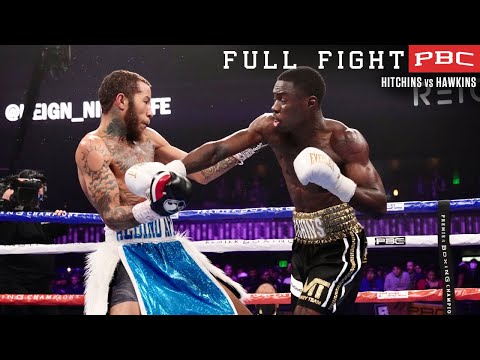
Richardson Hitchins vs. Malik Hawkins: A Tactical Masterclass or a Missed Opportunity?

The allure of an undefeated contender facing a seasoned opponent always sparks a fire in the hearts of martial arts and combat sports enthusiasts. On December 18, 2021, the super lightweight division witnessed such a clash: Richardson Hitchins, a man of seemingly impenetrable defense and calculated aggression, against Malik Hawkins, a fighter known for his power and willingness to engage. The bout, part of the PBC on FS1 card, promised fireworks. But did it deliver the explosive exchange we craved, or was it a sterile display of tactical dominance? As a seasoned practitioner and critic of the martial world, I approach this not just as a fight, but as a case study in strategic execution, mental fortitude, and the evolving landscape of modern combat.

Introduction: The Super Lightweight Showdown

In the intricate dance of pugilism, strategy is often the silent killer. Richardson Hitchins (13-0, 5 KOs) stepped into the ring with a perfect record, a testament to his discipline and skill. His opponent, Malik Hawkins (18-2, 11 KOs), carried the weight of experience and the promise of knockout power. The super lightweight division, often overlooked but fiercely competitive, demands a unique blend of speed, power, and tactical acumen. This fight was presented as a test for Hitchins – could he maintain his unblemished record against a fighter who had proven capable of stopping opponents? Or would Hawkins find a way to dismantle the seemingly impenetrable?

The pre-fight narrative often sets expectations, but it is the performance within the squared circle that dictates the truth. Hitchins' declaration, "My strategy was to box him and make it easy," hints at a game plan focused on control and minimizing risk. This is a common approach for fighters who possess superior technical skills and a desire to conserve energy. However, in the high-stakes arena of professional boxing, "making it easy" can be a slippery slope, often allowing an opponent the space to adapt and find openings. Hawkins, on the other hand, needed to impose his will, to disrupt Hitchins' rhythm and introduce the chaos that often favors the power puncher.

Hitchins' Blueprint: Boxing and Frustration

Hitchins' post-fight assessment reveals a clear tactical intent: to neutralize Hawkins' strengths through superior boxing. "I knew he was strong, but I hurt him in the fight," Hitchins admitted, indicating that while he aimed for a controlled performance, moments of real danger for Hawkins did arise. The underlying belief was that Hawkins' physical prowess was offset by a lack of speed, making him susceptible to a calculated boxing approach. Hitchins' confidence was palpable when he stated, "I just wanted to make it an easy fight because I knew he was too slow to outbox me." This wasn't just about winning; it was about demonstrating a qualitative superiority.

He further elaborated on his opponent's anticipated strategy: "I knew his new coaches were going to train him to walk me down." This shows an understanding of the tactical chess match at play. Hitchins was not only planning his own moves but also anticipating Hawkins' counters. The objective was to stay on the outside, utilize the jab, control the distance, and land scoring punches without getting drawn into a slugfest. This is the hallmark of a technically sound boxer, someone who understands that in the long rounds of a championship fight, endurance and calculated offense often trump raw aggression.

Hawkins' Response: The Challenge of the Undefeated

While Hitchins dictated much of the narrative, the fight was ultimately judged by the scorecards: 100-90, 97-93, and 96-94. These scores, while all in favor of Hitchins, reveal a divergence in how the fight was perceived. The 100-90 card suggests a complete shutout, a demonstration of absolute dominance. The other two, however, indicate that Hawkins managed to win rounds and make the fight more competitive than a single scorecard might suggest. This discrepancy is not uncommon in boxing and often reflects the different criteria judges may emphasize – aggression versus effective scoring, ring control versus landed punches.

For Hawkins, the challenge lay in breaching Hitchins' defenses. Fighters like Hitchins often employ a high guard, good footwork, and subtle head movement, making it difficult for opponents to land clean, powerful shots. The key for Hawkins would have been to cut off the ring effectively, force Hitchins into uncomfortable positions, and land his own power shots with conviction. The fact that he was able to influence two judges to score rounds in his favor suggests he didn't entirely falter. He likely landed some significant blows and demonstrated moments of offensive threat, preventing the fight from becoming a mere exhibition.

In-Depth Fight Analysis: Beyond the Scorecards

From a martial perspective, this bout offers a fascinating look into the application of strategy in a controlled combat environment. Hitchins' strategy, while seemingly straightforward, requires immense discipline. Maintaining a consistent jab, controlling distance, and avoiding prolonged engagements with a power puncher are skills honed through countless hours of dedicated #MartialArtsTraining. The ability to "hurt" Hawkins, as Hitchins mentioned, speaks to the effectiveness of his power punches when they landed, despite his aim to avoid a brawl. This suggests that even within a tactical framework, opportunities for decisive offense were present and exploited.

Hawkins' performance, though ultimately unsuccessful, should not be dismissed. To withstand the pressure of an undefeated contender and influence judges' scorecards requires resilience. A fighter like Hawkins often thrives when the fight devolves into a grittier affair. The question remains: did he adapt his strategy sufficiently to counter Hitchins' boxing prowess, or was he consistently a step behind? The scores suggest the latter, but the fact that he wasn't completely overwhelmed points to moments where he likely tested Hitchins' resolve. The effectiveness of his "new coaches" in preparing him to "walk down" Hitchins is debatable, as the outcome suggests the plan didn't fully materialize against Hitchins' defensive acumen.

"The supreme art of war is to subdue the enemy without fighting." - Sun Tzu, The Art of War. Hitchins embodied this principle, aiming to win by controlling the engagement, not necessarily through outright destruction.

The discrepancy in the judges' scores can also highlight the subjective nature of boxing. While Hitchins' cleaner boxing and ring control likely impressed one judge, the landed power shots and moments of pressure from Hawkins might have swayed others. This is where the debate in the #FightFans community truly ignites. Was the 100-90 score a reflection of genuine dominance, or did it overlook Hawkins' contributions to the bout? These are the questions that fuel the passion for #MMA and boxing analysis.

Sensei's Verdict: A Blueprint for Future Contenders

Richardson Hitchins secured a **Cinturón Negro en Estrategia y Control**. His performance was a textbook example of how to systematically dismantle an opponent by exploiting their perceived weaknesses while mitigating their strengths. He didn't just win; he executed a plan with precision, demonstrating the discipline that separates good fighters from great ones. While the fight may not have been a barnburner, its strategic depth offers valuable lessons.

Malik Hawkins, while falling short, gained valuable experience against an elite opponent. The challenge for him and his team is to analyze where the game plan faltered. Was it the preparation, the execution within the ring, or simply facing a superior tactician on that particular night? The path forward for Hawkins involves refining his approach, perhaps incorporating more varied offensive strategies or improving his defensive counter-measures against boxers of Hitchins' caliber.

Training Considerations: Adapting to Elite Competition

For practitioners of any martial art, this fight underscores the importance of multifaceted training. Hitchins' victory wasn't just about punching; it was about footwork, distance management, defensive technique, and mental fortitude. If you're looking to enhance your own #MartialArtsTraining, consider these points:

  • Footwork Drills: Practice moving laterally, forward, and backward efficiently. Focus on maintaining balance and a stable base.
  • Distance Control Exercises: Use tools like a heavy bag or focus mitts to practice striking at optimal ranges and retreating effectively.
  • Defensive Sparring: Engage in sparring sessions where the primary goal is defense, emphasizing blocking, slipping, and rolling with punches.
  • Mental Conditioning: Develop strategies to remain calm under pressure and execute your game plan even when fatigued or facing adversity. This is crucial for #MentalGame development.
  • Analysis of Opponents: Learn to study your opponents, identifying their strengths and weaknesses, and formulating a counter-strategy. This is a key aspect of #FightAnalysis.

For fighters like Hawkins, the focus might shift to improving offensive pressure without sacrificing defensive integrity. This could involve developing new combinations, improving ring-cutting techniques, and understanding how to disrupt an opponent's rhythm more effectively. The journey of a #FighterLegacy is one of constant learning and adaptation.

Resources for Deeper Study

Understanding the strategic nuances of boxing requires more than just watching fights. Delving into the history and philosophy of combat sports can provide invaluable context. For those interested in enhancing their physical conditioning to support such tactical demands, exploring resources for #AtHomeWorkout or specific #EntrenamientoDeMMA can be beneficial.

Frequently Asked Questions

  • What was the official result of the Hitchins vs. Hawkins fight?
    Richardson Hitchins won by unanimous decision, with judges' scores of 100-90, 97-93, and 96-94.
  • Who is Richardson Hitchins?
    He is an undefeated American super lightweight professional boxer.
  • What is Premier Boxing Champions (PBC)?
    PBC is an American boxing promotion company known for its televised events on networks like FS1, FOX, Showtime, and Amazon Prime Video.
  • Did Malik Hawkins have a significant advantage in power?
    Hawkins possessed knockout power (11 KOs in 18 wins), but Hitchins' strategy focused on neutralizing this threat through superior boxing technique and defensive awareness.

Deepen Your Understanding

To truly grasp the complexities of martial arts and combat sports, continuous learning is essential. Explore the rich tapestry of techniques, philosophies, and historical context that shapes these disciplines. The journey of a #MartialArtists is a lifelong pursuit of knowledge and self-improvement.

Sensei's Reflection: Your Next Step

Hitchins' victory was a testament to superior strategy and execution. But in the unforgiving arena of combat, can a purely tactical approach always guarantee victory against raw power and determination? Or does the true mastery lie in blending calculated strategy with the ferocity of the warrior spirit?

``` GEMINI_METADESC: Analyze the tactical battle between Richardson Hitchins and Malik Hawkins. Sensei breaks down the boxing strategy, judges' scores, and offers martial insights.

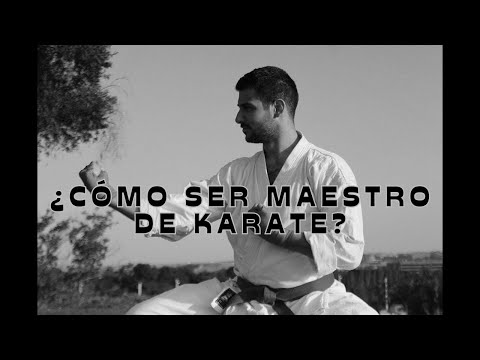
El Camino del Maestro de Karate: Más Allá del Cinturón Negro

¿Te has preguntado alguna vez qué se necesita para trascender la mera práctica del Karate y alcanzar la maestría? No hablo solo de obtener un cinturón negro, sino de encarnar verdaderamente el espíritu del Budo. Muchos aspirantes se centran en la técnica, en la potencia de un golpe, o en la complejidad de un kata. Pero el verdadero maestro es mucho más que eso. Es un faro de sabiduría, un guardián de la tradición y, sobre todo, un ejemplo viviente de los principios marciales. Hoy, desgranaremos no solo las habilidades, sino la filosofía y la dedicación que forjan a un auténtico sensei.

Tabla de Contenidos

El Arte y la Disciplina: Un Vínculo Indisoluble

El Karate, en su esencia, no es solo un conjunto de técnicas de combate; es un camino marcial (Budo). La palabra misma, "Karate", significa "mano vacía", pero su significado profundo va mucho más allá de la ausencia de armas. Implica la disciplina de la mente y el cuerpo, la búsqueda constante de la perfección y el desarrollo del carácter. Un maestro de Karate no es simplemente alguien que domina Kihon (fundamentos), Kata (formas) y Kumite (combate), sino alguien que ha internalizado estos principios hasta que se convierten en una parte intrínseca de su ser.

En el dojo, la jerarquía es clara. El Sensei (maestro) no es solo un instructor, sino un guía que ha recorrido un camino largo y arduo. Su autoridad emana de años de práctica rigurosa, de innumerables kensho (experiencias de iluminación) y de un profundo entendimiento de la filosofía detrás del arte. He visto a muchos aspirantes detenerse en la superficie, obsesionados con la potencia o la velocidad, sin comprender que la verdadera fuerza reside en el control, la precisión y la calma interior. Este enfoque superficial es una trampa común que impide el avance hacia la maestría.

"La victoria no pertenece a quien golpea más fuerte, sino a quien controla su propio ser." - Principio del Budo

Para aquellos que aspiran a ser maestros, la dedicación debe ser absoluta. No se trata de unas pocas horas a la semana, sino de una integración completa del Karate en la vida. Esto implica no solo entrenar en el dojo, sino también practicar la meditación, el estudio de textos clásicos sobre estrategia y filosofía, y la aplicación de los principios del Budo en las interacciones diarias. La autodisciplina es la piedra angular sobre la que se construye toda la estructura de la maestría.

La Trayectoria del Practicante: De Novato a Ícono

El camino para convertirse en maestro de Karate es un viaje largo y arduo, a menudo comparado con escalar una montaña escarpada. Comienza con la inocencia del principiante, donde cada movimiento es un descubrimiento y cada corrección del instructor es vital. Esta etapa requiere una humildad radical, una disposición para aprender sin cuestionar la autoridad del maestro. Aquí es donde se sientan las bases técnicas y se inculcan los primeros rudimentos de la disciplina.

A medida que el practicante avanza, gana experiencia y confianza. Los Katas, inicialmente confusos, comienzan a tener sentido, y el Kumite se vuelve más estratégico. Es fácil caer en la complacencia en esta etapa intermedia, creyendo que se ha alcanzado un nivel de competencia. Sin embargo, la verdadera prueba reside en cómo se maneja el fracaso y la adversidad. Un futuro maestro aprende tanto de sus derrotas como de sus victorias, analizando cada error para refinar su técnica y fortalecer su espíritu. La #Resistencia y la #Perseverancia son claves en esta fase.

La transición hacia niveles superiores implica una profunda introspección. El practicante comienza a cuestionar no solo su técnica, sino también su propia motivación y su propósito dentro del arte marcial. Aquí es donde la influencia de un buen Sensei es crucial. Un maestro experimentado puede guiar al aspirante a través de las complejidades del combate, la filosofía y el desarrollo personal. El estudio de figuras históricas como Miyamoto Musashi, autor de "El Libro de los Cinco Anillos", ofrece lecciones invaluables sobre estrategia, enfoque y la mentalidad del guerrero.

Pasos en la Ascensión a la Maestría:

  1. Fundamentos Sólidos (Kihon): Dominio absoluto de las posturas, golpes, bloqueos y desplazamientos básicos.
  2. Comprensión del Kata: No solo memorización, sino entendimiento de las aplicaciones (Bunkai) y la fluidez de cada movimiento.
  3. Aplicación en Kumite: Habilidad para utilizar las técnicas de manera efectiva en combate, adaptándose al oponente.
  4. Desarrollo Mental: Cultivo de la calma, la concentración, la determinación y la humildad.
  5. Estudio Filosófico: Profundización en los principios del Budo y su aplicación en la vida.
  6. Transmisión del Conocimiento: Capacidad para enseñar y guiar a otros, inspirando y formando a la próxima generación.

La maestría no es un destino final, sino un estado de aprendizaje continuo. Incluso los maestros más consumados siguen buscando la mejora, reconociendo que siempre hay algo nuevo que aprender.

Principios Fundamentales del Budo: La Brújula del Maestro

El Karate, como muchas artes marciales tradicionales, está intrínsecamente ligado a los principios del Budo. Estos principios actúan como una brújula moral y ética, guiando al practicante no solo en el dojo, sino en todos los aspectos de su vida. Para un maestro, estos no son meros conceptos abstractos, sino directrices vivas.

Uno de los pilares fundamentales es la disciplina. No se trata de una obediencia ciega, sino de un autocontrol férreo que permite mantener el enfoque, la perseverancia y el respeto. El maestro que ha cultivado la disciplina puede mantener la calma bajo presión, tomar decisiones racionales en momentos críticos y servir como un modelo a seguir inquebrantable para sus alumnos. La #Disciplina y la #Autodisciplina son, por tanto, inherentes a la figura del Sensei.

Otro principio vital es la cortesía (Rei). El saludo al inicio y al final de cada sesión de entrenamiento, el respeto mutuo entre estudiantes y maestro, y la consideración hacia los demás son esenciales. Esta cortesía se extiende más allá del dojo, promoviendo relaciones armoniosas y un comportamiento respetuoso en la sociedad. Un maestro que exhibe cortesía demuestra que comprende que el poder conlleva una gran responsabilidad.

"El respeto es la base de toda relación humana. En el Budo, es el cimiento del dojo." - Sensei Anónimo

La humildad es igualmente crucial. El maestro verdadero reconoce que no lo sabe todo y que siempre hay espacio para el crecimiento. Evita la arrogancia y la vanidad, y valora la experiencia y el conocimiento de los demás. La humildad permite aceptar la crítica constructiva y seguir aprendiendo, incluso de aquellos que son menos experimentados. Es un antídoto contra la complacencia.

Finalmente, el principio de la sinceridad (Makoto) implica actuar con honestidad y autenticidad en todo momento. Un maestro debe ser genuino en su enseñanza, en su práctica y en su carácter. La falta de sinceridad erosiona la confianza y debilita el propósito del arte marcial.

La Importancia de la Autenticidad: Más Allá de la Forma

En la era moderna, donde la información fluye libremente y las artes marciales se presentan a menudo de manera superficial en películas y redes sociales, la autenticidad se ha convertido en un bien escaso y, a la vez, invaluable. Un maestro de Karate auténtico no se limita a ejecutar movimientos; encarna los principios detrás de ellos.

La autenticidad se manifiesta en la coherencia entre lo que se enseña y lo que se practica. Un maestro que predica la calma pero se exalta fácilmente en situaciones cotidianas, o que habla de humildad pero exhibe arrogancia, pierde su credibilidad. La #Autenticidad es el puente entre la teoría y la práctica, el hilo conductor que une el conocimiento intelectual con la sabiduría experiencial. Un maestro auténtico vive el Budo.

El dominio técnico, por sí solo, no garantiza la autenticidad. Un luchador de #ArtesMarcialesMixtas (#MMA) puede ser increíblemente hábil y ganar peleas, pero ¿encarna realmente los principios del Karate si su enfoque es puramente competitivo y carece de la profundidad filosófica? Esta es una pregunta que a menudo genera debate, especialmente cuando se compara con estilos como el #Kyokushin, que enfatizan el combate a pleno contacto y la fortaleza mental. Ambas disciplinas tienen su lugar y su valor, pero la autenticidad en el Karate tradicional se centra en un desarrollo holístico del individuo.

La autenticidad también implica el respeto por la historia y la tradición. Si bien es importante adaptar las técnicas a los tiempos modernos, un maestro auténtico comprende la raíz de su arte. No desecha el conocimiento ancestral en favor de las tendencias pasajeras. Busca la innovación desde una base sólida, en lugar de la mera imitación.

"El Karate es como agua hirviendo; si no la calientas constantemente, se enfría." - Anónimo

Para alcanzar esta autenticidad, el aspirante a maestro debe someterse a un riguroso proceso de autoevaluación. Debe ser honesto acerca de sus fortalezas y debilidades, y estar dispuesto a confrontar sus propias limitaciones. La #SuperaciónPersonal es un componente intrínseco de la autenticidad.

El Karate en el Siglo XXI: ¿Tradición o Adaptación?

El mundo evoluciona, y con él, las artes marciales. El Karate de hoy no es idéntico al Karate de hace un siglo. La inclusión del Karate en los Juegos Olímpicos, la popularidad creciente de las #ArtesMarcialesMixtas (#MMA) y la accesibilidad de la información han planteado preguntas importantes sobre la dirección del Karate. ¿Debe permanecer fiel a sus raíces tradicionales o adaptarse a las demandas del mundo moderno?

Desde mi perspectiva como Sensei, la respuesta no es binaria. La clave reside en el equilibrio. La tradición proporciona el alma y el propósito del Karate. Los Katas, la filosofía del Budo, la cortesía del dojo; todo esto confiere una profundidad que el puro enfoque en el combate deportivo a menudo pasa por alto. Sin embargo, ignorar las realidades del combate moderno, como las técnicas de #Grappling que son fundamentales en el #BJJ o las estrategias de golpeo del #Kickboxing, sería un error.

Un maestro moderno de Karate debe ser capaz de integrar lo mejor de ambos mundos. Esto no significa mezclar estilos de forma indiscriminada, sino comprender los principios subyacentes de cada arte y cómo pueden complementar y enriquecer la práctica del Karate. Por ejemplo, entender la biomecánica de un derribo de Judo o la importancia de la distancia y el timing en el #MuayThai puede mejorar significativamente la eficacia de un practicante de Karate en situaciones de combate real.

La controversia surge cuando se sacrifica la esencia del Karate en aras de la eficacia deportiva o la comercialización. Debemos preguntarnos: ¿El Karate sigue siendo un camino para el desarrollo del carácter, o se ha convertido puramente en un deporte de competición? La respuesta varía enormemente entre diferentes dojos y federaciones.

La enseñanza de la #DefensaPersonal, por ejemplo, requiere un enfoque pragmático que pueda diferir de la enseñanza de katas competitivos. Un maestro debe ser lo suficientemente versátil como para abordar estas diferentes necesidades, siempre manteniendo la integridad del arte. La verdadera maestría implica navegar esta dicotomía con sabiduría.

Comparativa: Karate Tradicional vs. Karate Deportivo/Moderno
Aspecto Karate Tradicional Karate Deportivo/Moderno
Énfasis Principal Desarrollo del carácter, autodisciplina, aplicación práctica (Bunkai). Competición, puntos, eficacia en el combate deportivo.
Rol del Kata Base de la técnica, estudio de aplicaciones (Bunkai), desarrollo mental. Demostración de técnica y forma, a veces adaptado para competición.
Kumite Combate simulado con énfasis en el control, la estrategia y el impacto. Combate con reglas, puntuación, enfocado en la velocidad y la agilidad.
Filosofía Budo: Camino marcial, desarrollo integral del individuo. Deporte: Rendimiento, victoria, reglas específicas.
Aplicación en la Calle Considerada alta, con énfasis en la simplicidad y eficacia. Variable, a menudo requiere adaptación fuera de las reglas.

Equipo Esencial para tu Entrenamiento

Si bien el Karate es, en su origen, el arte de la "mano vacía", el equipo adecuado puede mejorar significativamente tu entrenamiento, protegerte y facilitar tu progreso hacia la maestría. Un buen Sensei siempre enfatiza que el equipo es una herramienta, no un sustituto de la habilidad y la dedicación.

  • Kimono (Gi): La vestimenta tradicional del Karate. Busca un gi de buena calidad, preferiblemente de algodón grueso para entrenamiento de alto impacto o combate simulado. Un gi de doble tejido es ideal para una mayor durabilidad y presencia. Las marcas como Shureido o Mizuno son reconocidas por su calidad.
  • Protectores Corporales: Para el Kumite (combate) y especialmente en el #Kyokushin o estilos similares de contacto, son esenciales protectores para el torso (body protector), espinillas y empeines, y guantes de protección. Estos ayudan a prevenir lesiones durante el entrenamiento intenso.
  • Protectores Bucales: Imprescindibles para cualquier tipo de combate o sparring. Protegen los dientes, la mandíbula y pueden prevenir conmociones cerebrales.
  • Vendajes para Manos: Incluso con guantes de protección, usar vendajes debajo puede ofrecer soporte adicional a las muñecas y nudillos, previniendo lesiones.
  • Calzado Deportivo (Opcional): Para entrenamientos en superficies duras o si se practican aspectos del Karate que se benefician de un mayor agarre, un calzado deportivo ligero puede ser útil. Sin embargo, muchos estilos prefieren entrenar descalzos para desarrollar un mejor sentido del equilibrio y conexión con el suelo.
  • Mochila de Entrenamiento: Para transportar tu equipo de forma organizada.

Invertir en equipo de calidad es una inversión en tu propio desarrollo marcial. No escatimes en tu seguridad y comodidad. Para quienes buscan lo mejor en #KarateMerchandise, existen tiendas especializadas que ofrecen una amplia gama de productos. Visita nuestro artículo sobre las mejores marcas de equipamiento de Karate para más detalles.

Guía de Entrenamiento: La Perseverancia en el Kata

Los Katas son la columna vertebral del Karate tradicional. Son secuencias de movimientos preestablecidos que simulan un combate contra múltiples oponentes. Dominar un Kata no es solo memorizar una secuencia; es comprender su propósito, su fluidez, su potencia y su aplicación (Bunkai). La maestría de un Kata requiere una dedicación que va más allá de la simple repetición.

Ejemplo: Entrenamiento de un Kata Básico (Ej. Taikyoku Sono Ichi)

  1. Estudio Inicial: Observa y aprende la secuencia completa del Kata bajo la guía de tu Sensei. Presta atención a cada postura, cada golpe, cada bloqueo y cada transición.
  2. Práctica Lenta y Controlada: Ejecuta el Kata a una velocidad muy reducida. Enfócate en la precisión de cada movimiento, la forma correcta de las posturas, la tensión y relajación muscular en el momento adecuado. Siente la conexión entre los movimientos.
  3. Visualización de la Aplicación (Bunkai): Imagina los oponentes contra los que estás luchando. ¿Dónde están? ¿Qué ataques están lanzando? ¿Cómo responden tus movimientos a esos ataques? Esta es la clave para dar vida al Kata.
  4. Desarrollo de la Potencia y la Velocidad: Una vez que la forma y la aplicación son correctas, comienza a aumentar gradualmente la velocidad y la potencia. Siente la explosividad en los golpes y la firmeza en los bloqueos. Utiliza la respiración para potenciar tus movimientos.
  5. Resistencia y Flujo: Repite el Kata varias veces seguidas, buscando mantener la intensidad y la concentración hasta el final. El objetivo es que el Kata fluya de forma natural, sin pausas innecesarias, como un solo movimiento continuo.
  6. Revisión y Corrección: Grábate practicando o pide a tu Sensei o a un compañero más experimentado que revise tu ejecución. Identifica áreas de mejora y vuelve a empezar el ciclo de práctica.
  7. Incorporar Principios del Budo: Mientras practicas, sé consciente de tu postura, tu equilibrio, tu centro de gravedad y tu estado mental. ¿Estás tranquilo? ¿Estás enfocado? ¿Estás proyectando confianza?

La repetición incansable (#RepetirHastaElAgotamiento) de un Kata, combinada con la comprensión profunda de su significado, es lo que transforma una secuencia de movimientos en una poderosa herramienta de desarrollo personal y marcial. Este es un ejemplo de la #MartialArtsJourney que busca la #MartialArtsMastery.

Veredicto del Sensei: ¿Es Posible la Verdadera Maestría?

Si la pregunta es si se puede alcanzar la "maestría" en el sentido de un conocimiento y habilidad absolutos, mi respuesta es un rotundo **sí, pero con matices cruciales**. La verdadera maestría en el Karate, o en cualquier arte marcial, no es un punto de llegada, sino un camino continuo de aprendizaje y autoperfección. Es un estado de ser, no un título.

Muchos obtienen el cinturón negro y creen haber llegado a la cima. Otros, incluso con grados superiores, pueden carecer de la comprensión profunda y la aplicación práctica de los principios del Budo. La maestría real se manifiesta en:

  • La capacidad de transmitir conocimiento de forma clara y efectiva.
  • La sabiduría para adaptar la enseñanza a las necesidades individuales.
  • Un carácter forjado en la disciplina, la humildad y el respeto.
  • La habilidad de aplicar los principios marciales en situaciones de la vida real, no solo en el dojo.
  • Un compromiso inquebrantable con el aprendizaje continuo.

En mi experiencia, he visto a practicantes alcanzar niveles de maestría que van más allá de la destreza física. Han desarrollado una presencia, una calma y una sabiduría que influyen positivamente en quienes los rodean. Sin embargo, también he visto a muchos estancarse, ciegos a sus propias limitaciones o seducidos por el ego. La "maestría" se desmorona si no se nutre constantemente.

Cinturón Negro Honorífico en Sabiduría Marcial. Porque la verdadera maestría no se mide solo por los años de práctica o el color del cinturón, sino por la profundidad del entendimiento y la integridad del carácter.

Preguntas Frecuentes

  • ¿Cuánto tiempo se tarda en ser maestro de Karate? El tiempo varía enormemente según el individuo, la dedicación, la calidad de la instrucción y el estilo de Karate. Sin embargo, la maestría verdadera es un camino que dura toda la vida, no algo que se logra en un número fijo de años.
  • ¿Es el Karate efectivo en la defensa personal? Sí, si se entrena de manera adecuada, con énfasis en la aplicación práctica y escenarios realistas. Estilos como el #Kyokushin o el #KarateKyokushin, que practican combate a pleno contacto, suelen ser muy efectivos.
  • ¿Puedo ser maestro de Karate sin enseñar? Técnicamente puedes alcanzar grados altos, pero la figura del maestro (#Sensei) implica intrínsecamente la transmisión del conocimiento y la guía de otros. La maestría se completa al compartirla.
  • ¿Es necesario competir para ser un buen Karateka? No es obligatorio. La competición puede ser una herramienta valiosa para el desarrollo, pero muchos Karatekas logran una gran profundidad y habilidad sin competir, centrándose en el estudio del Kata y su aplicación.
  • ¿Qué diferencia hay entre un instructor y un maestro de Karate? Un instructor enseña las técnicas; un maestro guía el camino marcial completo, impartiendo no solo habilidades sino también filosofía, disciplina y desarrollo del carácter.

Para Profundizar en tu Camino

Reflexión del Sensei: Tu Próximo Paso

Hemos recorrido el sendero que lleva hacia la maestría en el Karate. Hemos hablado de técnica, de filosofía, de disciplina y de la importancia innegable de la autenticidad. Pero el conocimiento, sin acción, es solo información. El verdadero aprendizaje comienza cuando te levantas del suelo, te pones el gi y vuelves a la práctica.

Ahora, te planteo una pregunta para meditar:

Reflexión del Sensei: Tu Próximo Paso

Considera las lecciones de este día. ¿En qué área de tu práctica sientes que te detienes por miedo al fracaso? ¿Qué técnica o principio evitas porque te resulta incómodo? ¿Es tu ego el que te frena, o es tu dedicación al camino marcial? Identifica ese punto de resistencia y comprométete, no a superarlo de la noche a la mañana, sino a enfrentarlo con intención en tu próximo entrenamiento. La verdadera maestría no se gana en la victoria fácil, sino en la confrontación honesta con uno mismo.

Ahora te toca a ti. ¿Has sentido alguna vez la tentación de abandonar este camino marcial? ¿Qué te hizo seguir adelante? Comparte tus experiencias y reflexiones en los comentarios. Demuéstrame que tienes el coraje de un guerrero y la humildad de un estudiante.

``` GEMINI_METADESC: Descubre el verdadero camino para ser maestro de Karate. Más allá del cinturón negro: filosofía, disciplina, autenticidad y la esencia del Budo.

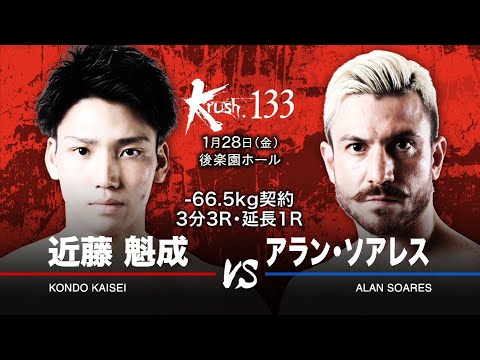
武道の真髄:近藤魁成 vs アラン・ソアレス戦における格闘技の哲学を徹底分析

我々、武道を愛し、その深淵なる精神性を探求する者たちよ。今宵、我々の心を燃え上がらせる一戦がある。それは、2022年1月28日に後楽園ホールで開催されたKrush.133、-66.5kg契約における近藤魁成選手とアラン・ソアレス選手の激突だ。これは単なる試合ではない。それは、武道家が人生で直面する数々の困難、そしてそれを乗り越えるための哲学そのものの体現である。煽りVTR(

)が公開され、両者の意気込みが伝わる中、我々は、この戦いを通して、格闘技、いや、武道に宿る普遍的な教訓を読み解いていこうではないか。

煽りVTRから読み解く、両者の「武士道」

Krush.133の煽りVTRは、単なる試合告知映像ではない。それは、近藤魁成選手とアラン・ソアレス選手、それぞれの「道」への覚悟と、勝利への執念を映し出す鏡である。VTRに映し出される表情、鍛え抜かれた肉体、そして対峙する眼差し。これら全てが、彼らが日頃からどれほど厳しい鍛錬を積み、この舞台に立つために何を捧げてきたのかを物語っている。

近藤選手は、若き才能として、その勢いを証明しようとしている。彼のスタイルには、恐れを知らぬ攻撃性と、それを支える繊細な技術が見え隠れする。一方、アラン・ソアレス選手は、経験に裏打ちされた落ち着きと、一瞬の隙を突く鋭い攻めが持ち味だろう。彼らがリングの上で繰り広げるであろう駆け引きは、まさに「武士道」の精神、すなわち、勇気、礼節、誠実さ、そして克己心のぶつかり合いに他ならない。

彼らの闘いは、我々が日常生活で直面する困難、例えば仕事のプレッシャー、人間関係の葛藤、あるいは自己成長への挑戦といったものと、本質的に何ら変わらない。重要なのは、いかにして逆境に立ち向かい、己の信念を貫き通すか、という点にある。

「武士道とは、死ぬことと見つけたり。」 - 山本常朝『葉隠』

この言葉は、単に命を惜しまないという意味ではない。それは、常に死を意識し、一瞬一瞬を全力で生き抜く覚悟を説いている。近藤選手とソアレス選手もまた、この覚悟を持ってリングに上がるのだ。

Krush.133:技術論と精神論の交差点

格闘技は、極めて高度な身体技術の結晶であると同時に、極限状態における精神力の試金石でもある。Krush.133のこの一戦においても、両者の技術のぶつかり合いはさることながら、それを支える精神力が勝敗を分ける鍵となるだろう。

近藤選手の攻撃は、おそらくスピーディーで、予測不能なコンビネーションを伴うだろう。彼は、相手のガードの隙間を縫うように、あるいは意表を突くタイミングでパンチやキックを繰り出すことに長けているのかもしれない。対してソアレス選手は、堅実なディフェンスを軸に、カウンターを狙う戦術を得意としている可能性がある。彼は、相手の攻撃を受け流し、その勢いを利用して反撃する、いわば「柔よく剛を制す」戦い方をするかもしれない。

しかし、どんなに優れた技術も、精神的な動揺には勝てない。相手の強烈な一撃を受けた時、あるいは試合が劣勢に傾いた時、そこで顔を出すのが「不動心」、すなわち、いかなる状況下でも冷静さを失わない精神力だ。この精神力は、日々の厳しい #MartialArtsTraining#Meditation を通して培われる。

「Krush.133」は、まさにこの技術と精神の頂上決戦の場となる。観客は、両者の繰り広げる高度なテクニックに魅了されるだろうが、それ以上に、極限のプレッシャーの中で自分自身と戦う彼らの姿に、人間の強さ、そして #InnerStrength の真髄を見るはずだ。

「勝つ」ことだけではない、武道家の生き様

一般的に、格闘技は「勝敗」という二元論で語られがちだ。しかし、真の武道家にとって、試合で勝つことだけが全てではない。むしろ、その過程で何を学び、どのように成長するか、という点にこそ、本当の価値がある。

近藤魁成選手とアラン・ソアレス選手の戦いも、勝敗の結果がどうであれ、彼らの人生における貴重な経験となるはずだ。敗北は、次の勝利への糧となる。強敵との戦いは、己の限界を知り、それを超えるための原動力となる。

我々が彼らから学ぶべきは、単なる格闘技のテクニックではない。それは、 #Perseverance (忍耐力)、 #Discipline (規律)、そして #SelfMastery (自己制御)といった、人生を豊かに生きるために不可欠な資質である。彼らのひたむきな姿は、我々自身の #SelfImprovement (自己改善)への道を照らしてくれるだろう。

また、武道においては、相手への敬意もまた重要な要素だ。試合前の握手、試合後の健闘を称え合う姿。これらは、相手を倒すことだけを目的とするのではなく、互いを高め合う「稽古相手」としての関係性を重視する武道精神の表れである。

「勝利は、最高の技術を持つ者ではなく、最高の精神を持つ者に微笑む。」 - 不明

この言葉は、 Krush.133 のリングに立つ両者、そして全ての #MartialArtists に捧げたい。

武道における「間合い」と「呼吸」の重要性

格闘技、特に武道において、「間合い」と「呼吸」は、技術の根幹をなす極めて重要な要素である。これらを制する者は、戦いを制すると言っても過言ではない。

「間合い」とは、単に相手との物理的な距離のことだけを指すのではない。それは、相手の意図を読み、攻撃のタイミングを計り、最適な距離を保つ、高度な心理戦の領域にまで踏み込む概念である。近藤選手とソアレス選手は、リング上で常にこの「間合い」を巡って激しい攻防を繰り広げるだろう。一瞬の判断ミスが、致命的な隙を生み出す。

一方、「呼吸」は、武道における生命線である。力みすぎず、かといって緩みすぎず、自然で深い呼吸を保つこと。これにより、身体はリラックスし、エネルギーが円滑に循環する。激しい打撃の応酬の中でも、冷静に呼吸を整えられる者は、疲労を軽減し、精神的な安定を保つことができる。これは、 #aikido#TaiChi といった内功を重視する武道では特に顕著な要素だが、 #Kyokushin Karate のようなハードなスタイルにおいても、その重要性は揺るぎない。

Krush.133 の試合映像を #ABEMA で視聴する際には、ぜひ両者の「間合い」の取り方と「呼吸」の仕方に注目してほしい。そこには、勝利への戦略と、武道家としての深遠な哲学が隠されている。

Veredicto del Sensei: この一戦が我々に与えるもの

近藤魁成 vs アラン・ソアレス戦、Krush.133 のこの一戦は、単なるスポーツイベント以上の意味を持つ。これは、人間の精神力、技術、そして #WarriorPhilosophy が織りなすドラマである。

両選手がリング上で見せるであろう、激しい攻防、緊迫した駆け引き、そして互いへの敬意。これらは、我々が日常の「戦い」に立ち向かうための示唆に富んでいる。失敗を恐れずに挑戦すること、困難に直面しても諦めないこと、そして何よりも、自分自身を律し、成長し続けることの重要性を、彼らは身をもって教えてくれるだろう。

この試合は、 #MMA#Kickboxing といった現代格闘技のダイナミズムを示すと同時に、 #BUDO (武道)の持つ普遍的な価値を再認識させてくれる機会となるはずだ。

「Krush.133」は、 #ABEMA にて生中継される(1月28日(金)17:30 視聴URL https://gxyt4.app.goo.gl/e3r7A)。格闘技ファンはもちろん、 #MartialArtsJourney を歩む全ての人々に、ぜひ視聴していただきたい。

Krush.133 名勝負認定!

トレーニングに役立つ武道具・情報

真の武道家は、常に自己鍛錬の機会を求めている。試合の興奮が冷めやらぬ今こそ、自身の #MartialArtsTraining を一層深めるべき時だ。以下に、あなたのトレーニングをサポートするであろう、いくつかの重要な要素を挙げる。

  • 高品質な #KarateMerchandise (空手着): 動きやすさ、耐久性、そして伝統的なスタイルを兼ね備えた空手着は、稽古へのモチベーションを高める。素材や厚みは、あなたの #KarateKyokushin#OkinawanKarate のスタイルに合わせて選ぶと良いだろう。
  • トレーニンググローブ: #Kickboxing#MMA のトレーニングには、適切な衝撃吸収性を持つグローブが不可欠だ。16ozのグローブは、スパーリング時の相手への負担を軽減し、自身の手の保護にも役立つ。
  • #Judo 用柔道着: 投げ技や寝技の練習には、丈夫で動きやすい柔道着が必須だ。ダブルウィーブ(二重織り)の柔道着は、特に激しい稽古に耐えうる耐久性を持つ。
  • #BJJ (ブラジリアン柔術) ギ: 柔術特有のグラップリング技術を磨くためには、柔らかく、しかし破れにくい素材のギが求められる。
  • 武道に関する書籍: #Bushido#Philosophy 、あるいは特定の #MartialArtsMastery に関する古典や現代の著作は、技術だけでなく、精神的な成長をもたらしてくれる。宮本武蔵の『五輪書』などは、時代を超えて愛される名著だ。

実践!武道家が磨くべき「心技体」

武道において「心技体」は、車輪の両輪、いや、三つの車輪であり、いずれか一つでも欠けては安定した走行はできない。Krush.133 の試合を観戦するだけでなく、自らの #Workout に活かすための具体的なトレーニング方法を提案しよう。

  1. 心の鍛錬:瞑想と呼吸法
    • 目的: 精神統一、集中力向上、感情のコントロール
    • 方法: 静かな場所で、背筋を伸ばし、楽な姿勢で座る。ゆっくりと鼻から息を吸い込み、口から静かに吐き出す。呼吸に意識を集中し、雑念が浮かんできたら、それに囚われず、再び呼吸に意識を戻す。10分から始めて、徐々に時間を延ばしていく。
    • 関連タグ: #MentalGame, #SpiritualDevelopment, #SelfMastery
  2. 技の鍛錬:基本技の反復練習
    • 目的: 正確性、スピード、パワーの向上
    • 方法: 自身の #MartialArts の基本となるパンチ、キック、受け、投げ技などを、鏡の前で、あるいは #PartnerTraining を通して徹底的に反復する。一回の動作の質を重視し、完璧を目指す。例えば、空手であれば、正拳突き、上段受け、前蹴りなどを、動画で確認しながら、または指導者の下で正確なフォームを身につける。
    • 関連タグ: #TechniqueBreakdown, #JudoSkills, #KarateCommunity
  3. 体の鍛錬:コンディショニングと強化
    • 目的: 筋力、持久力、柔軟性、瞬発力の向上
    • 方法:
      • 筋力: #NoEquipment トレーニング(腕立て伏せ、腹筋、スクワット)、ウェイトトレーニング(ベンチプレス、デッドリフトなど)。
      • 持久力: #RunningTips (インターバル走、ペース走)、 #AtHomeWorkout (HIIT)。
      • 柔軟性: 動的ストレッチ(ウォーミングアップ時)、静的ストレッチ(クールダウン時)、ヨガ。 #Flexibility は、怪我の予防とパフォーマンス向上に不可欠だ。
      • 瞬発力: プライオメトリクス(ジャンプトレーニング)、メディシンボールを使ったトレーニング。
    • 関連タグ: #Fitness, #Conditioning, #Agility

よくある質問

Krush.133 のような激しい試合や、武道全般に関して、よく寄せられる質問に簡潔に答えよう。

  • Q1: Krush.133 はどのように視聴できますか?
    A1: Krush.133 は、ABEMA にて生中継されます。試合当日の視聴URLは、記事冒頭の概要をご確認ください。
  • Q2: 近藤魁成選手とアラン・ソアレス選手の戦績は?
    A2: 具体的な戦績については、 Krush や k-1 の公式サイト、あるいは格闘技専門のデータベースサイトで確認できます。彼らのこれまでのキャリアが、この一戦にどう影響するかを考察するのも面白いでしょう。
  • Q3: 武道を始めるのに、年齢は関係ありますか?
    A3: いいえ、武道を始めるのに年齢は関係ありません。 #BeginnerWorkout として、 #aikido#Judo は、比較的どのような年齢層でも始めやすい武道と言えるでしょう。重要なのは、自身の #Motivation です。
  • Q4: 格闘技のトレーニングは危険ですか?
    A4: 適切な指導と安全対策のもとで行われれば、格闘技のトレーニングは非常に安全です。しかし、 #MMA のようなコンタクトスポーツでは、当然ながら怪我のリスクも伴います。 #SafetyFirst を心がけ、無理のない範囲でトレーニングを続けることが重要です。
  • Q5: 武道における「礼」とは具体的に何を意味しますか?
    A5: 武道における「礼」は、相手への敬意、道場への感謝、そして稽古への真摯な姿勢を示す行為です。試合での挨拶はもちろん、稽古の開始・終了時、道具を扱う際など、あらゆる場面で「礼」は実践されます。

さらに深めるための武道探求

今回の Krush.133 の分析を通して、格闘技の奥深さに触れたことでしょう。しかし、武道の探求は終わりがありません。さらに自身の道を深めるために、以下の記事も参考にしてください。

師範からの問い:次なる一歩

近藤魁成選手とアラン・ソアレス選手の戦いは、技術、精神、そして生き様がぶつかり合う場であった。彼らの姿から、我々は多くのことを学んだはずだ。

しかし、学びとは、知識を得ることで完結するものではない。それは、行動を伴って初めて意味を持つ。

「知ることは、行うことのためにある。」 - 不明

今、君は、この試合から、そしてこの分析から、何を掴み取っただろうか? そして、その学びを、君自身の #MartialArtsJourney 、いや、人生という名のリングで、どのように活かしていくつもりだろうか?

師範からの問い:君は、今日、昨日よりも一歩でも成長しただろうか? その証を、コメント欄で示してみせよ。

``` GEMINI_METADESC: Krush.133 近藤魁成 vs アラン・ソアレス 戦を武道の哲学、技術、精神論の観点から徹底分析。格闘技の奥深さと人生訓を探求。