Showing posts sorted by date for query #BUDO. Sort by relevance Show all posts

Karate Fitness Training at Home: The Unspoken Discipline and Physical Prowess You're Missing

Are you truly satisfied with your current fitness regimen? Do you feel a void, a lack of something more profound than mere physical exertion? Many of us chase the ephemeral gains of conventional exercise, only to find ourselves adrift, lacking the mental fortitude and disciplined spirit that true martial arts cultivate. This article isn't just about getting a sweat on; it's about forging an unyielding spirit, enhancing your physical capabilities, and tapping into a millennia-old tradition of combat and self-mastery, all from the sanctuary of your own home.

The Dual Edged Sword: Mind and Body in Karate Training

Karate, at its core, is far more than a series of punches and kicks. It's a rigorous discipline, a path known as Budo, that systematically sculpts both the physical form and the inner spirit. Many contemporary fitness trends offer fleeting aesthetic results, but they often neglect the cultivation of mental resilience, strategic thinking, and the unwavering discipline that are hallmarks of traditional martial arts. Karate fitness training at home, when approached with the right mindset, offers a potent combination of these elements.

The benefits are tangible and profound. Regular practice doesn't just build muscle; it hones your **strength**, sharpens your **flexibility**, and elevates your **cardiovascular fitness** to levels rarely achieved with generic routines. But the true power lies in the unseen: the enhancement of **focus**, the instillation of **discipline**, and the cultivation of **mental resilience**. In times of uncertainty, when the external world feels chaotic, these internal strengths become your anchor. This is why martial arts, and Karate specifically, offer a uniquely holistic approach to fitness.

"The object of the training is not to win, but to improve oneself." - Mas Oyama

Forging Your Home Dojo: Essential Gear and Space

Transforming your living space into a functional training ground requires minimal, yet crucial, elements. You don't need a specialized gymnasium, but thoughtful preparation is key. The core of your home dojo setup revolves around safety and functionality.

  • A Yoga Mat: Essential for cushioning your joints during floor exercises, stretching, and practicing stances. It defines your training space and provides a clean surface.
  • Resistance Bands: These versatile tools allow for dynamic warm-ups, strength building, and simulating the tension of striking techniques without heavy weights. They are excellent for developing explosive power.
  • Light Dumbbells: While not essential for every karate drill, a light set can be incorporated for supplementary strength training, enhancing punching power and core stability.

Beyond equipment, the spatial aspect is critical. You need enough room to move freely – to extend your limbs in punches and kicks without collision. Ensure your area is clear of obstacles. A cleared space isn't just about physical safety; it's about psychological preparation, signaling to your mind that it's time for focused training.

The Warrior's Warm-up: Preparing for Combat (and Fitness)

Before launching into the more demanding aspects of Karate fitness, a thorough warm-up is non-negotiable. This phase prepares your body for the intensity ahead, reducing the risk of injury and maximizing performance. Think of it as the strategic reconnaissance before a battle.

  1. Dynamic Stretching: Focus on movements that actively take your joints through their range of motion. Arm circles, leg swings, torso twists, and hip rotations are vital. This is about movement, not static holding.
  2. Light Cardio: A few minutes of jogging in place, jumping jacks, or high knees will elevate your heart rate, increase blood flow to your muscles, and prepare your cardiovascular system.

Striking the Right Balance: Core Karate Techniques for Fitness

Once you're warmed up, it's time to engage with the fundamental building blocks of Karate. These aren't just fighting techniques; they are powerful kinetic chains that, when practiced repeatedly and with intent, become potent fitness exercises. Focus on precision and control, not just speed or power, especially in the beginning.

  • Punches (Tsuki): Practice fundamental strikes like Chudan-tsuki (middle punch) and Jodan-tsuki (upper punch) from a stable stance like Zenkutsu-dachi (front stance). Focus on hip rotation and extending the fist with a proper snap. Aim for controlled repetitions, perhaps 10-15 per arm, focusing on form.
  • Kicks (Geri): Begin with basic kicks like Mae-geri (front kick) and Mawashi-geri (roundhouse kick). Practice them slowly at first, focusing on balance, hip alignment, and chambering the knee before extension. Perform sets of 10-15 kicks per leg.
  • Blocks (Uke): Essential for defense, blocks like Gedan-barai (downward sweep) and Age-uke (rising block) engage the core and upper body. Practice them with a crisp motion, imagining deflecting an incoming strike.

Structure these drills into sets or timed intervals. For instance, 30 seconds of intense punching, followed by 30 seconds of Mawashi-geri, then 30 seconds of Gedan-barai, with a brief rest in between. This interval training is exceptionally effective for cardiovascular conditioning.

The Ascent: Advancing Your Karate Fitness

As your body adapts and your technique refines, the path forward involves complexity and intensity. This is where the true transformative power of Karate fitness begins to manifest. Don't rush this stage; mastery of the basics is the bedrock of advanced skill.

  • Combinations: Link fundamental techniques together. A classic sequence might be: Punch, Block, Kick. Experiment with various combinations, focusing on fluid transitions and maintaining balance.
  • Kata Practice: While a full Kata (prearranged form) can be demanding, breaking down sections and practicing them repeatedly builds endurance, coordination, and a deeper understanding of movement principles.
  • Increased Intensity: Gradually increase the duration of your intervals, reduce rest periods, or add more repetitions. Explore plyometric variations of kicks and punches for explosive power development.

The key is consistent progression. Aim for incremental improvements. Perhaps one week you focus on increasing the speed of your Mae-geri, the next on adding a block before your punch, or extending the duration of your training session by five minutes. This gradual increase, known in training circles as progressive overload, is fundamental to continuous improvement.

Fueling the Flame: Motivation and Consistency in Your Journey

The greatest challenge in any home-based training program is maintaining motivation. Without the external structure of a dojo or a class, self-discipline becomes paramount. How do you keep the fire burning?

  • Set SMART Goals: Specific, Measurable, Achievable, Relevant, Time-bound goals are your compass. Instead of "get fitter," aim for "perform 50 consecutive Chudan-tsuki with good form by the end of the month" or "complete 3 rounds of my kick/punch interval routine without faltering."
  • Track Your Progress: A training log is invaluable. Record your workouts, noting the exercises, repetitions, durations, and how you felt. Seeing tangible evidence of your improvement is a powerful motivator.
  • Find Your Tribe: The digital age offers unprecedented access to martial arts communities. Joining online forums, following instructors on social media, or even finding a virtual training partner can provide accountability and shared experience. Platforms like YouTube offer a wealth of free instruction, but remember to seek out reputable sources with clear instruction.

Remember, consistency trumps intensity. A 20-minute workout done daily is far more effective than a grueling 2-hour session once a week that leaves you drained and demotivated.

Beyond the Physical: The Philosophical Heart of Budo

Karate fitness training is a gateway. As you engage more deeply with the art, you inevitably encounter the profound philosophy that underpins it – the way of the warrior, Budo. This is where the training transcends mere physical conditioning and becomes a path to holistic self-development.

"Karate is a lifelong pursuit. Its true meaning is not in winning or losing, but in the perfection of character." - Gichin Funakoshi

Principles like discipline (Jiketsu), respect (Rei), and humility (Kenkyo) are not abstract concepts; they are practiced with every bow, every controlled movement, every moment of focus. These virtues are transferable. Applying self-control learned in your Karate drills to your daily life, showing respect to those around you, and maintaining humility in success and failure – these are the enduring legacies of martial arts training. This cultivation of inner peace and well-being is a benefit that extends far beyond the physical, permeating every facet of your existence.

Elevating Your Practice: Quality Gear and Apparel

While you can begin Karate fitness training with minimal equipment, investing in quality martial arts gear can significantly enhance your practice, foster a sense of dedication, and improve comfort and safety. Whether it's a durable gi (uniform), proper training shoes, or specialized equipment, the right apparel shows commitment to the art.

For those seeking authentic and high-quality martial arts and Budo merchandise, reputable online retailers are your best allies. Exploring options like BYAM Budo y Artes Marciales can provide access to a wide array of uniforms, protective gear, and training tools that meet the standards of serious practitioners.

The Sensei's Verdict: Is Karate Fitness Truly Transformative?

In conclusion, transforming your fitness routine with Karate at home is not just a trend; it's an opportunity for profound personal growth. It offers a comprehensive approach that builds a strong body and an even stronger mind. The discipline, focus, and resilience cultivated through practicing these ancient techniques are invaluable in our fast-paced, often chaotic world. By integrating fundamental Karate movements, maintaining consistency, and embracing the underlying philosophy, you can unlock a level of fitness and self-mastery that conventional workouts often fail to provide. So, embrace the challenge. Step onto your mat, focus your mind, and begin your journey. The transformative power of Karate fitness awaits.

Veredicto del Sensei: ¿Merece la pena?

¡Absolutamente! Karate fitness training at home is not merely a substitute for gym workouts; it's a fundamental upgrade. It imbues physical training with purpose, discipline, and a deep philosophical underpinning. The benefits – physical conditioning, mental fortitude, and character development – are immense. If you are seeking a fitness regimen that builds more than just muscle, one that forges an unyielding spirit and enhances your life far beyond the training mat, then this path is unequivocally recommended. It’s not just a workout; it’s an investment in your complete self.

Calificación: Cinturón Negro en Entrenamiento Holístico.

Equipo Esencial para tu Entrenamiento

Para maximizar tu entrenamiento de Karate fitness en casa, considera los siguientes elementos. Cada uno juega un papel crucial en la seguridad, la efectividad y el fomento de la disciplina:

  • Kimono de Karate (Gi): Un gi de buena calidad, preferiblemente de algodón resistente, es esencial para la práctica de técnicas y katas. Busca uno que permita libertad de movimiento pero que mantenga su forma. Para entrenamientos más intensos, un gi más ligero puede ser ideal.
  • Protección Bucal: Si practicas movimientos que implican intensidad o simulación de combate, una protección bucal es una inversión prudente para proteger tu dentadura.
  • Esterilla de Entrenamiento Antideslizante: Si bien una esterilla de yoga es un buen comienzo, una esterilla de entrenamiento más gruesa y antideslizante ofrece mejor amortiguación y estabilidad para ejercicios de suelo y katas.
  • Guantes de Entrenamiento Ligeros: Útiles para simular golpes y proteger tus manos si realizas ejercicios de repetición de puñetazos contra objetivos blandos (nunca paredes duras).
  • Makiwara (Opcional): Un makiwara tradicional es una herramienta de entrenamiento de impacto que ayuda a desarrollar potencia y técnica de golpeo, pero requiere una instalación adecuada y conocimiento para su uso seguro.

Guía de Entrenamiento: Combinaciones Básicas de Karate

Aquí tienes una rutina de entrenamiento de 3 rondas para mejorar tu coordinación y resistencia. Descansa 60-90 segundos entre rondas. Enfócate en la forma correcta y la conexión mente-cuerpo.

  1. Ronda 1: Potencia y Defensa
    • 10x Zenkutsu-dachi (stance) a Chudan-tsuki (punch) por lado.
    • 10x Mae-geri (front kick) con control, por pierna.
    • 5x Gedan-barai (downward block) a cada lado, con énfasis en la rotación del cuerpo.
    • 30 segundos de Kiai (shouting) al ritmo de tus golpes.
  2. Ronda 2: Fluidez y Movimiento
    • 8x Kiba-dachi (horse stance) con Gedan-barai.
    • 8x Kiba-dachi con Jodan-uke (rising block) a cada lado.
    • 10x Mawashi-geri (roundhouse kick) con control de la rodilla, por pierna.
    • 30 segundos de movimientos circulares continuos con los brazos.
  3. Ronda 3: Combinación y Resistencia
    • Combinación: Zenkutsu-dachi -> Chudan-tsuki -> Age-uke -> Mae-geri (5 repeticiones por lado).
    • 20x Jumping Jacks para elevar el ritmo cardíaco.
    • Mantén una postura Fudo-dachi (rooted stance) durante 30 segundos, sintiendo la conexión con el suelo.
    • 10x Shuto-uchi (knife hand strike) simulado por lado.

Preguntas Frecuentes

¿Necesito un instructor para entrenar Karate en casa?
Si bien un instructor es ideal para correcciones de forma y seguridad, puedes comenzar con recursos en línea de alta calidad. Sin embargo, ten en cuenta las limitaciones y busca la corrección profesional tan pronto como sea posible para evitar malos hábitos.

¿Cuánto tiempo debo entrenar al día?
Para beneficios consistentes, apunta a sesiones de 30 a 60 minutos, 3-5 veces por semana. La clave es la regularidad. La calidad de tu entrenamiento (enfoque, intensidad, forma) es más importante que la duración.

¿Es el Karate fitness adecuado para principiantes sin experiencia marcial?
Absolutamente. Este enfoque está diseñado para ser accesible. Empieza con los fundamentos, enfócate en la forma correcta y progresa gradualmente. La disciplina inherente al Karate ayuda a los principiantes a construir una base sólida.

¿Qué diferencia hay entre Karate fitness y un entrenamiento de MMA?
Karate fitness se centra en las técnicas y principios específicos del Karate para el acondicionamiento físico y el desarrollo personal. MMA (Artes Marciales Mixtas) combina diversas disciplinas de combate (incluyendo Karate, boxeo, lucha, etc.) con un enfoque en la competición deportiva.

Para Profundizar en tu Camino

  • Descubre los secretos de la Disciplina y Autodisciplina en tu práctica marcial. #Autodisciplina
  • Explora cómo el Budo puede transformar tu vida más allá del dojo. #BUDO
  • Aprende sobre la Filosofía Marcial y su aplicación práctica. #philosophy
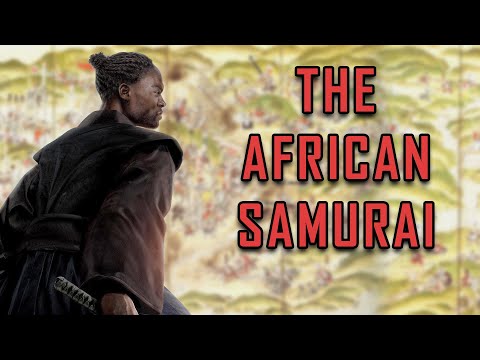
The Unvarnished Truth: Yasuke, The African Samurai – A Warrior's Spirit Transcending Borders

How many of you, when you hear "samurai," immediately picture a stoic figure in traditional armor, born and bred in the rigorous crucible of feudal Japan? It's a powerful archetype, isn't it? But what if I told you that the most compelling narratives often break these very molds? Today, we dissect the extraordinary life of Yasuke, the African samurai. This isn't just a historical footnote; it's a profound testament to how the warrior spirit, the unwavering dedication to martial excellence, knows no color, no origin, and no boundary.

We will delve into the gritty reality of his ascent, not through romanticized fiction, but through the lens of martial principles. Was he merely a curiosity, a novelty for Oda Nobunaga? Or was he a genuine practitioner of the sword, a warrior whose skills earned him respect in the most unforgiving of arenas? Prepare yourselves, for this is not a gentle stroll through history; it is an exploration of raw courage, adaptation, and the unyielding pursuit of mastery in the face of prejudice and overwhelming odds.

Yasuke's Origins: More Than Just a Slave

Let's strip away the myth. Yasuke, born in Africa – the exact region remains a scholarly debate, a point of contention for historians – was not born into nobility, nor was he a free man for much of his early life. He was, by all accounts, enslaved. This is a brutal truth, a stark contrast to the idealized samurai narrative. However, a slave’s life is not always a predetermined path of suffering. His journey, facilitated by the Jesuit missionary Alessandro Valignano, led him to Japan in 1579. Imagine the culture shock, the sheer alien nature of a land so distant from his own.

This arrival was not subtle. His physical presence alone—taller than the average Japanese man of the era, powerfully built—would have immediately drawn attention. But it was his potential, his aura of capability, that truly captured the eye of Oda Nobunaga, the formidable *Daimyo* who was rapidly consolidating power in Japan. Nobunaga was known for his strategic mind, his openness to new ideas, and his interest in foreign novelties. Yasuke was more than a novelty; he was a warrior waiting to be recognized. This meeting, this pivotal moment, was not just the encounter of a slave with a lord, but the spark that ignited an extraordinary martial destiny.

"Nobunaga, upon seeing Yasuke, was struck by his stature and physical presence. He was a man unlike any he had encountered. The initial fascination, however, was soon to be surpassed by respect for his martial spirit."

Forged in the Flames: Training Under Nobunaga

To become a samurai was not a matter of choice; it was a life of rigorous discipline, an internalization of the warrior's code, bushido. Yasuke, under Nobunaga's direct patronage, embarked on this path. This wasn't a mere display of strength; it was an assimilation into a system of honor, loyalty, and devastating martial skill. He learned the intricacies of the katana, the soul of the samurai. He trained in swordsmanship, grappling, and the tactical nuances of warfare.

Think about the challenges. He wasn't just learning techniques; he was learning a philosophy, a way of life that demanded absolute commitment. The fact that he, an outsider, an African slave, was not only accepted but actively trained and elevated speaks volumes about Nobunaga's pragmatism and perhaps, his foresight. Yasuke's physique, different from the Japanese ideal, likely offered unique advantages in combat. His training wasn't about conforming to a pre-existing template; it was about adapting the samurai way to his own formidable capabilities. He proved to be more than just a strong man; he was a natural warrior, a quick study, and someone who could embody the samurai ethos. This rapid ascent is not something one achieves through mere physical presence. It requires dedication, discipline, and an innate understanding of combat.

His African heritage, rather than being a barrier, may have even informed his fighting style, adding an unpredictable edge to the already deadly samurai arts. This fusion of backgrounds is where true martial innovation often lies.

The Crucible of War: Yasuke's Role in Nobunaga's Army

History books, often written by victors and survivors, can be selective. But the accounts of Yasuke's involvement in battles are clear: he fought. He wasn't a ceremonial figure; he was in the thick of it. The Battle of Tenmokuzan in 1582 is a prime example. Nobunaga's forces, against considerable odds, achieved a decisive victory. Yasuke's presence and contributions were noted. This wasn't a minor skirmish; it was a significant military engagement where strategic prowess and individual bravery determined the outcome.

His role as a trusted advisor and bodyguard to Nobunaga was not bestowed lightly. It implies a level of skill, loyalty, and battlefield competence that few possessed. Imagine the pressure, the constant threat of assassination or betrayal in the Sengoku period. To be chosen as a personal guardian by one of Japan's most powerful and ruthless warlords was the ultimate validation of his martial capabilities.

"In the heat of battle, where the clash of steel and the cries of men fill the air, true warriors reveal themselves. Yasuke was not found wanting. His ferocity, combined with his samurai training, made him a formidable force on any battlefield."

After Nobunaga's tragic end at Honnō-ji, Yasuke didn't vanish. This is a crucial point that distinguishes him from a mere footnote. He continued to serve other influential figures like Hideyoshi Toyotomi and later, Ieyasu Tokugawa. His journey continued through periods of intense conflict, including the Siege of Osaka Castle. This longevity in service, moving between different powerful lords, demonstrates a consistent reputation for reliability and martial prowess. It suggests that his acceptance and respect were not solely dependent on Nobunaga's whim, but on his enduring abilities as a warrior and advisor.

Echoes in Time: Yasuke's Enduring Legacy

Why do we still speak of Yasuke centuries later? Because his story is inherently powerful. He is the "only black samurai" – a title that encapsulates both his uniqueness and the broad strokes of his achievement. But his legacy is more than a racial designation. It’s about the triumph of the individual spirit, the ability to transcend one's origins and forge a new identity through skill and determination.

His life has inspired countless artistic interpretations: books, films, and documentaries. This widespread fascination is not superficial. It speaks to a universal human desire to see the underdog succeed, to witness the improbable become reality. For martial artists, Yasuke represents the ultimate embodiment of adaptability and perseverance. His journey reminds us that mastery isn't about adhering strictly to tradition, but about internalizing its core principles and applying them with your unique strengths. The ki, the fighting spirit, can manifest in any warrior, regardless of their background. His story is a powerful reminder that the path of the warrior is open to all who possess the will to walk it.

Veredicto del Sensei: ¿Un Samurai Auténtico?

Let's cut through the historical debate and the romanticized notions. Was Yasuke a samurai in the strictest, most traditional sense, born into the samurai class and adhering to every minute facet of its inherited culture? Perhaps not in the way a son of a samurai was. However, was he a warrior who lived by the code of bushido, trained rigorously in the martial arts of Japan, fought alongside samurai, earned their respect, and wielded the katana with skill? ABSOLUTELY.

His adoption into Nobunaga's service, his training, his participation in battles, and his continued service under other lords all point to a man who earned his place through martial merit and loyalty. The very essence of being a samurai was one's ability to serve as a warrior. Yasuke fulfilled this role to an exceptional degree. To deny him the title of "samurai" based on his origin would be to misunderstand the fluid, albeit rigid, social dynamics of feudal Japan and the pragmatic nature of warlords like Nobunaga. He wasn't just a foreign curiosity; he became a respected warrior.

Calificación: Cinturón Negro en Adaptación y Coraje Marcial.

Equipo Esencial para tu Entrenamiento

While Yasuke's journey was unique, the principles of martial training remain universal. To truly immerse yourself in the path of the warrior, having the right tools is crucial.

  • Armadura (Réplica o Ligera): While full samurai armor (gusoku) is impractical for most modern training, understanding its components and weight distribution is key. For light practice, a sturdy training uniform is sufficient.
  • Katana de Entrenamiento (Iaido/Bokken): A bokken (wooden sword) is essential for safe practice of sword techniques. For those advanced enough, a sharpened steel katana (iaito for practice, or a functional blade for experienced practitioners) is the ultimate tool.
  • Kimono de Judo/Karate: A durable, high-quality martial arts gi is fundamental for any discipline involving grappling or striking. Look for double-weave fabrics for added resilience during intense #entrenamiento.
  • Guantes de Entrenamiento: For any striking practice or sparring, appropriate padding is non-negotiable for safety and longevity in your #combat.
  • Protección para la Cabeza (Bojutsu): If practicing with longer staffs or polearms, head protection can be beneficial during drills.

Guía de Entrenamiento: El Espíritu del Guerrero Adaptable

Yasuke's life teaches us that adaptation is a core martial principle. Here’s a practical approach to cultivating that spirit:

  1. Fundamentos Sólidos: Begin with the basics of your chosen art. Whether it's #karate stances, #judo throws, or #MMA striking, master the core mechanics. This is your base.
  2. Cross-Training Inteligente: Don't confine yourself. Explore different martial disciplines. Integrate striking with grappling, learn weapon retention, and understand distance management. This builds versatility.
  3. Entrenamiento de Fuerza y Acondicionamiento: Develop explosive power and endurance. Yasuke's physique was an asset; yours can be too. Focus on functional strength training.
  4. Técnicas de Espada (Simuladas): If your art involves weapons, practice diligently with a bokken or training knife. Focus on clean lines, precise movements, and understanding range.
  5. Mental Conditioning: Practice mindfulness, meditation, and visualization. Develop resilience to stress and the ability to remain calm under pressure, just as Yasuke likely did in the chaos of #battle.
  6. Adaptación en Sparring: During sparring sessions, intentionally put yourself in challenging positions. Practice defending against unfamiliar styles or techniques. The goal is to learn, not just to win.

Preguntas Frecuentes

¿Es Yasuke el único samurái negro en la historia de Japón?

Basado en los registros históricos disponibles, Yasuke es la figura más conocida y documentada de un guerrero africano que alcanzó el estatus de samurái en el Japón feudal. Si bien es posible que otros individuos de ascendencia africana estuvieran presentes, Yasuke es el único para el cual existe evidencia sustancial de su servicio y estatus.

¿Qué habilidades marciales poseía Yasuke?

Yasuke era descrito como un guerrero físicamente imponente y hábil. Se entrenó en las artes marciales de los samuráis, incluyendo el manejo de la katana. Se sabe que luchó en batallas junto a Oda Nobunaga, demostrando competencia en combate. Su habilidad y fuerza le permitieron ganar el respeto de sus contemporáneos.

¿Cuál fue la importancia de su servicio bajo Oda Nobunaga?

Servir bajo Oda Nobunaga, uno de los tres grandes unificadores de Japón, fue un logro significativo. Nobunaga era un líder progresista que valoraba la habilidad y la lealtad por encima de la ascendencia. El hecho de que Nobunaga adoptara a Yasuke como vasallo y le confiara responsabilidades militares y de consejero demostró la destreza y el valor de Yasuke como guerrero.

¿Cómo impactó su vida en la percepción de los extranjeros en Japón en esa época?

La presencia de Yasuke, un africano sirviendo como samurái, desafió las percepciones convencionales y demostró que el estatus y el respeto en la sociedad japonesa podían obtenerse a través del mérito marcial y el servicio, independientemente del origen extranjero. Su historia contribuyó a la fascinación que los europeos y otros forasteros despertaban en el Japón de finales del siglo XVI.

Para Profundizar en tu Camino

  • Descubre el rigor detrás de la espada en nuestro artículo sobre #Karate y su legado: [Enlace Interno al Post de Karate]
  • Explora los principios fundamentales del guerrero en: #BUDO, el Camino del Guerrero: [Enlace Interno al Post de Budo]
  • Comprende la fuerza mental en el combate: La Importancia del #ki en la Lucha: [Enlace Interno al Post de Ki]

Reflexión del Sensei: Tu Próximo Paso

Yasuke's life is a blazing indictment of limitations. He faced prejudice, the chains of slavery, and the cultural chasm of a foreign land, yet he carved his name into history through sheer will and martial skill.

Consider this: In your own training, where do you impose limits? What perceived barriers—lack of talent, time, resources, or even your own self-doubt—are you allowing to define your potential? Are you training to adapt, to overcome, or merely to go through the motions?

Reflexión del Sensei: Tu Próximo Paso

The warrior spirit is not bestowed; it is forged. Yasuke’s journey from the African continent to the heart of the samurai elite was not a fluke of fate. It was a testament to unwavering dedication, brutal discipline, and the courage to embrace the unknown. Now, look within. What 'uncharted territory' does your martial journey demand you conquer? Are you prepared to face it with the same ferocity and adaptability that defined the African Samurai?

Let the debate begin. Does Yasuke’s story change your perception of what a samurai truly embodies? Are there other historical figures whose martial journeys defy conventional expectations? Share your insights, your arguments, your challenges. The dojo of knowledge is vast, and discussion is the finest sharpening stone for the mind.

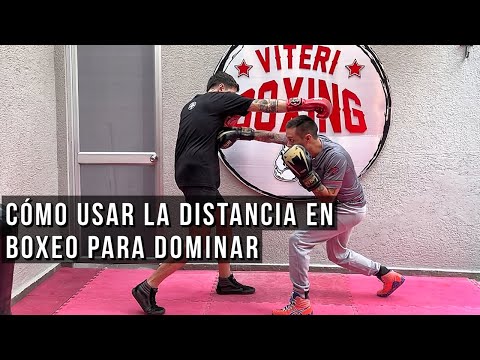
Maestría de la Distancia en el Boxeo: El Arte Secreto para Aniquilar a tu Oponente

¿Alguna vez te has preguntado qué separa a un simple boxeador de un verdadero maestro del ring? No es solo la fuerza bruta o la velocidad. Es algo más sutil, más estratégico: el dominio de la distancia. Es la clave que abre la puerta a la victoria, el hilo invisible que teje la tela de un combate controlado. Si buscas no solo golpear, sino dominar, has llegado al lugar indicado. Hoy, en este dojo virtual, desentrañaremos los secretos de la distancia en el boxeo, una lección fundamental que resonará en cada uno de tus movimientos.

La Distancia: El Corazón del Combate

En el boxeo, un arte tan antiguo como complejo, la distancia no es solo un factor más; es el eje central. Sin una comprensión profunda de ella, incluso el golpeador más fuerte puede verse superado. Piensa en ello: ¿de qué sirve un uppercut devastador si tu oponente está a tres metros de distancia? La distancia dicta el tipo de golpes que puedes lanzar, la efectividad de las defensas del rival y, en última instancia, el flujo del combate. Ignorarla es como intentar navegar sin brújula; te encontrarás a la deriva, vulnerable a cada embate. Un maestro de la distancia, en cambio, es un estratega que dicta el ritmo, fuerza al oponente a sus debilidades y evita exponerse a los peligros.

La importancia de la distancia trasciende el simple hecho de "estar cerca o lejos". Implica la percepción del espacio, la anticipación de los movimientos del rival y la capacidad de ajustar tu propio posicionamiento en fracciones de segundo. Es aquí donde la agilidad y la estrategia se unen, donde la mente del luchador entra en juego de manera decisiva.

Un buen boxeador no solo sabe lanzar golpes, sino que sabe cuándo y desde dónde. La distancia correcta te permite ejecutar tus ataques con máxima potencia y precisión, al tiempo que te sitúa en una posición ventajosa para evadir las respuestas del oponente. Es una danza de ajedrez en movimiento, donde cada paso, cada movimiento de cabeza, cada extensión de brazo, está medido.

El Juego de Piernas: Tu Navaja Estratégica

El boxeo, al igual que muchas otras disciplinas marciales como el karate o el kickboxing, se basa en la movilidad. Tus pies son la base de tu poder, y tu juego de piernas es la herramienta que te permite manipular la distancia a tu antojo. Un buen juego de pies no solo te ayuda a mantenerte fuera del alcance de los golpes del rival, sino que también te permite cerrar la brecha para lanzar tus propios ataques o para reposicionarte tácticamente.

"La distancia es la llave. Si controlas la distancia, controlas la pelea." - Anónimo, pero susurradas por todos los grandes maestros.

Aquí es donde entra en juego el concepto de control. Un boxeador que se queda estático es un blanco fácil. El movimiento constante, los desplazamientos laterales, los pivotes y los pasos adelante y atrás, te permiten dictar el ritmo y la territorialidad en el ring. Es la diferencia entre ser un poste al que golpean y un fantasma esquivo que ataca cuando y donde quiere.

Tres Zonas de Dominio, Tres Estrategias

En el boxeo, solemos hablar de tres distancias principales. Cada una presenta desafíos y oportunidades únicas. Dominarlas te convierte en un boxeador completo, capaz de adaptarse a cualquier situación.

Distancia Larga: El Reino del Jab

Esta es la distancia de máxima separación, a menudo llamada la "distancia de alcance" o "distancia de punzada". Aquí, los golpes más efectivos son aquellos que aprovechan el alcance, principalmente el jab. Este golpe, a menudo subestimado, es tu herramienta principal para medir, distraer, y mantener al oponente a raya.

  • Objetivo: Mantener al oponente lejos, controlar el espacio, preparar ataques.
  • Golpes Clave: Jab (recto de mano adelantada), rectos (derecho o zurdo, dependiendo de tu guardia), a veces golpes al cuerpo cuando el oponente baja la guardia.
  • Tácticas: Movimiento constante de pies (pasos laterales, adelante y atrás), guardia alta para protegerte de cualquier intento de acortar distancia, uso estratégico de la extensión de tus brazos. La cabeza debe estar siempre atenta, con una visión clara del oponente para anticipar sus movimientos. Si tu oponente intenta cerrar la distancia, tu jab se convierte en un muro, o utilizas un paso atrás rápido para restablecer el control.

Para prosperar en la distancia larga, necesitas ser rápido, tener un buen juego de pies y un jab preciso y penetrante. Piensa en cómo boxeadores como Muhammad Ali o Floyd Mayweather Jr. utilizaban su jab y su movimiento para dictar el combate desde lejos. No se trata solo de golpear, sino de establecer tu territorio.

Distancia Media: El Terreno de Juego del Combate Cercano

Aquí, las distancias se acortan, permitiendo la conexión de golpes más contundentes. Esta es la zona donde el combate se vuelve más intenso, donde los ganchos y los directos (la mano fuerte) empiezan a ser viables y peligrosos.

  • Objetivo: Conectar golpes potentes, desestabilizar al oponente, forzarlo a retroceder o a cometer errores.
  • Golpes Clave: Ganchos (a la cabeza y al cuerpo), rectos (a la cabeza y al cuerpo), combinaciones rápidas (ej. jab-recto, jab-gancho-recto).
  • Tácticas: Mantén la guardia alta y la cabeza en movimiento para evadir las respuestas del oponente. Utiliza el juego de cintura para esquivar y pivotar, creando ángulos de ataque. Las combinaciones son cruciales aquí para abrumar la defensa del rival y obligarlo a retroceder, volviendo a la distancia larga controlada por ti.

Dominar la distancia media requiere una combinación de poder, velocidad de manos y una defensa sólida. Es el campo de batalla donde la resistencia y la capacidad de mantener la calma bajo presión son vitales. Aquí, un error defensivo puede costar caro. Practica tus combinaciones en este rango, buscando la efectividad y la fluidez.

Distancia Corta: La Guerra de Guerrilla en el Ring

Esta es la zona de combate cuerpo a cuerpo, también conocida como "clinch" o "short range". Aquí, los golpes largos pierden efectividad y se vuelven peligrosos. Los golpes cortos, potentes y a menudo brutales, son los reyes.

  • Objetivo: Causar daño significativo con golpes cercanos, desequilibrar al oponente, agotar su energía.
  • Golpes Clave: Uppercuts cortos, ganchos cortos (especialmente al cuerpo), golpes de martillo, incluso codazos y rodillazos (aunque no sean estrictamente de boxeo, son relevantes en combates callejeros o en disciplinas de MMA).
  • Tácticas: Una posición de pies baja y estable es fundamental, junto con un fuerte juego de cintura y cadera para absorber y redirigir la fuerza. La guardia debe estar pegada, protegiendo la cabeza y el cuerpo. El objetivo es generar potencia a través de la rotación del tronco y la cadera, lanzando golpes cortos y demoledores. El control en el clinch es también vital para limitar los golpes del oponente y preparar un escape o un ataque.

La distancia corta es donde la fuerza bruta y la tenacidad a menudo triunfan. Es un entorno de desgaste, donde cada golpe bien colocado puede ser decisivo. Boxeadores como Mike Tyson en su mejor momento sabían cómo acortar distancias de manera explosiva para desatar su poder destructivo.

Ejercicios para Afilar tu Sentido de la Distancia

La comprensión de la distancia no se adquiere solo leyendo; se cultiva con la práctica. Aquí tienes algunos ejercicios clave:

  1. Shadow Boxing (Boxeo de Sombra): Enfócate en cada una de las distancias. Comienza en distancia larga, lanzando jabs y moviéndote. Luego, acorta a distancia media, conectando combinaciones. Finalmente, simula estar pegado al oponente, practicando golpes cortos. Visualiza a tu oponente en cada etapa.
  2. Sparring con Enfoque Específico: Pídele a tu entrenador que organice sesiones de sparring donde el objetivo principal sea mantener una distancia específica (larga o media) o forzar al oponente a luchar en una distancia que no le favorezca.
  3. Entrenamiento con Saco Pesado: Practica la transición entre distancias. Lanza un jab y retrocede a distancia larga. Luego, entra a distancia media y lanza ganchos y rectos. Trabaja en la fluidez de estas transiciones.
  4. Ejercicios de Agilidad y Juego de Pies: Usa conos o marca pasos para practicar desplazamientos laterales, adelante, atrás y pivotes. La agilidad es la base para manipular la distancia.
  5. Trabajo con el Entrenador: Pídele a tu entrenador que te dé señales (verbales o físicas) para indicar cuándo debes cambiar de distancia o adoptar una defensa específica basada en la distancia.

El Veredicto del Sensei: ¿La Distancia es Todo?

Si bien un control magistral de la distancia puede parecer la clave para la victoria en el boxeo, es importante recordar que es una herramienta, no el arma definitiva. La técnica, la condición física, la estrategia, la mentalidad (el Ki o la energía interna que mencionan en el Budo y Karate) y la capacidad de adaptarse son igualmente cruciales. Sin embargo, sin un uso inteligente de la distancia, incluso las otras cualidades pueden verse anuladas.

Considera este punto: ¿un golpe de KO lanzado desde una distancia imposible es realmente una amenaza? No. ¿Un defensa perfecta puede ser penetrada si el atacante no puede alcanzarte? Difícilmente. La distancia es, sin duda, el fundamento estratégico sobre el cual se construye todo lo demás en el combate de pie.

Mi calificación: Cinturón Negro en Control Espacial.

Equipo Esencial para tu Entrenamiento

Para perfeccionar tu arte en el manejo de la distancia, considera tener el siguiente equipamiento:

  • Guantes de boxeo de calidad: Imprescindibles para cualquier sesión de entrenamiento, ya sea con saco o sparring. Asegúrate de que se ajusten bien y ofrezcan buena protección. Para sparring, se recomiendan guantes de 16oz.
  • Vendas para las manos: Protegen tus muñecas y nudillos, fundamentales para lanzar golpes potentes y precisos desde cualquier distancia.
  • Saco de boxeo: Ya sea uno pesado para trabajar potencia o uno de velocidad para mejorar tu timing y juego de pies, es una herramienta invaluable.
  • Cuerda de saltar: El mejor aliado para mejorar tu juego de pies, agilidad y resistencia cardiovascular, todo lo cual impacta directamente en tu control de la distancia.
  • Zapatillas de boxeo: Ofrecen el soporte y la tracción necesarios para movimientos rápidos y pivotantes en el ring.

Preguntas Frecuentes

¿Es posible ganar en boxeo sin dominar la distancia?

Es extremadamente difícil. Puedes ganar por un golpe de suerte o si tu oponente comete errores graves, pero para una victoria consistente y estratégica, el control de la distancia es indispensable.

¿Qué arte marcial es mejor para aprender a controlar la distancia?

El boxeo es el rey en este aspecto. Sin embargo, disciplinas como el Karate tradicional, el Taekwondo y el Kickboxing también enseñan principios de alcance y posicionamiento que complementan tu aprendizaje.

¿Cómo puedo entrenar la distancia en casa sin equipo?

El boxeo de sombra es tu mejor aliado. Enfócate en tus desplazamientos, practicando pasos adelante, atrás y laterales. Visualiza un oponente y practica lanzar golpes dirigidos a diferentes "distancias" imaginarias.

¿Hay algún maestro famoso conocido por su dominio de la distancia?

Absolutamente. Boxeadores como Floyd Mayweather Jr., Muhammad Ali, Sugar Ray Robinson y Pernell Whitaker son ejemplos icónicos de cómo el control de la distancia puede ser un arma devastadora.

Para Profundizar en tu Camino

  • Ver más sobre #artesmarciales y su relación con el combate.
  • Explorar técnicas de #entrenamiento para mejorar la agilidad.
  • Entender la mentalidad del guerrero en el #BUDO.

El dominio de la distancia no se logra de la noche a la mañana. Requiere paciencia, dedicación y una mente analítica. Pero una vez que comprendes y aplicas estos principios, no solo te convertirás en un mejor boxeador, sino que transformarás tu enfoque hacia cualquier forma de confrontación o desafío. Es una lección que va más allá del ring, aplicable a la vida misma.

Reflexión del Sensei: Tu Próximo Paso

Ahora, dime tú: ¿cuál de estas tres distancias te resulta más desafiante dominar? ¿Y qué harás esta semana en tu entrenamiento para cerrar esa brecha, tanto en el ring como en tu propia comprensión de la estrategia marcial? El conocimiento es el primer golpe, pero la acción es el KO.

```json { "@context": "https://schema.org", "@type": "FAQPage", "mainEntity": [ { "@type": "Question", "name": "¿Es posible ganar en boxeo sin dominar la distancia?", "acceptedAnswer": { "@type": "Answer", "text": "Es extremadamente difícil. Puedes ganar por un golpe de suerte o si tu oponente comete errores graves, pero para una victoria consistente y estratégica, el control de la distancia es indispensable." } }, { "@type": "Question", "name": "¿Qué arte marcial es mejor para aprender a controlar la distancia?", "acceptedAnswer": { "@type": "Answer", "text": "El boxeo es el rey en este aspecto. Sin embargo, disciplinas como el Karate tradicional, el Taekwondo y el Kickboxing también enseñan principios de alcance y posicionamiento que complementan tu aprendizaje." } }, { "@type": "Question", "name": "¿Cómo puedo entrenar la distancia en casa sin equipo?", "acceptedAnswer": { "@type": "Answer", "text": "El boxeo de sombra es tu mejor aliado. Enfócate en tus desplazamientos, practicando pasos adelante, atrás y laterales. Visualiza un oponente y practica lanzar golpes dirigidos a diferentes \"distancias\" imaginarias." } }, { "@type": "Question", "name": "¿Hay algún maestro famoso conocido por su dominio de la distancia?", "acceptedAnswer": { "@type": "Answer", "text": "Absolutamente. Boxeadores como Floyd Mayweather Jr., Muhammad Ali, Sugar Ray Robinson y Pernell Whitaker son ejemplos icónicos de cómo el control de la distancia puede ser un arma devastadora." } } ] }

Kakashi Hatake vs. A Powerhouse: A Critical Look at Fictional Martial Prowess

Welcome, aspiring warriors and seasoned practitioners, to Budo and Martial Arts. Today, we delve into a spectacle that, while born from imagination, touches upon the very essence of combat prowess: a hypothetical clash between Kakashi Hatake from the Naruto universe and an unnamed but undeniably powerful adversary. This isn't merely about who wins; it's about dissecting the principles, the displayed techniques, and what we can glean from such fictional encounters to enrich our understanding of real-world martial arts.

The Allure of Fictional Combat

We live in an era where the lines between entertainment and edification often blur. The image of Kakashi Hatake, the perpetually calm and formidable ninja, engaging in a "power full fight" resonates with our innate fascination for skill, strategy, and overwhelming force. But beyond the visual spectacle, what does such a confrontation teach us? As martial artists, our focus must always be on extracting practical wisdom, even from the most fantastical scenarios. The *intent* behind such portrayals—showcasing skill, overcoming adversity, and the sheer thrill of combat—is a rich ground for analysis.

The prompt, "Kakashi Hatake vs powerful man and power full fight," published on March 16, 2023, hints at an event or a piece of media that highlights a significant confrontation. My task, as your Sensei, is not to simply recount the action, but to dissect it through the lens of authentic martial principles. We are here to explore the Budo, the philosophical and practical path of the warrior, and how it might be represented, even in its fictionalized form.

Deconstructing Kakashi's Arsenal: Jutsu as Martial Arts

Kakashi Hatake is renowned for his mastery of various Jutsu, techniques that, in essence, function as a highly specialized form of martial art. His signature move, the Chidori (One Thousand Birds), is a concentrated burst of lightning chakra, wielded as a piercing strike. This mirrors the concept of a focused, high-velocity offensive technique found in many real-world striking arts, aiming to overwhelm an opponent's defenses with sheer penetration power. Consider the speed and precision required, akin to a master swordsman delivering a decisive blow, or a boxer executing a perfectly timed straight punch.

Then there's his Sharingan (Copy Wheel Eye), which allows him to perceive chakra, mimic techniques, and gain unparalleled visual acuity. In a real combat context, this translates to an exceptional ability to read an opponent's movements, anticipate attacks, and adapt strategies on the fly. This mirrors the importance of Kime (focus, intensity) and Zanshin (awareness) in Japanese martial arts. The ability to 'copy' techniques, while supernatural, speaks to the martial artist's capacity for deep observation and rapid learning – a skill honed through countless hours of kumite (sparring) and kata (forms) practice.

Furthermore, Kakashi is adept at taijutsu (hand-to-hand combat), utilizing swift kicks and punches, often imbued with chakra for added impact. This foundation in physical combat is crucial. Even the most potent ninjutsu requires a solid physical base. This is a fundamental truth echoed across disciplines, from Karate to Muay Thai. Without strong conditioning and proper body mechanics, even the most advanced techniques are mere parlor tricks.

"The ultimate aim of martial arts is not the victory or defeat, but the perfection of the character of its practitioners." - Gichin Funakoshi, founder of Shotokan Karate. While Kakashi's world is one of battle, his discipline and constant self-improvement embody this principle.

The Unseen Powerhouse: What Defines a True Threat?

The description "powerful man" is intentionally vague, allowing our imagination to fill the void. Is this opponent a master of raw physical strength? A practitioner of forbidden arts? A titan of speed? In martial arts, a "powerful" opponent isn't just about brute force. True power lies in a combination of factors:

  • Technique (Waza): Skillful application of movement, leverage, and timing.
  • Strategy (Senjutsu): The art of anticipating, deceiving, and controlling the engagement.
  • Endurance (Taisei): The capacity to maintain peak performance over extended periods.
  • Mental Fortitude (Mushin - No Mind): The ability to act without hesitation or doubt, a state of focused awareness.
  • Adaptability (Henka): The capacity to adjust tactics based on the opponent's actions.

A truly formidable opponent, fictional or real, integrates these elements seamlessly. They don't just throw punches; they orchestrate an entire encounter. The effectiveness of Kakashi's own techniques would be tested against an opponent who understands distance, timing, and flow, not just raw power.

Choreography vs. The Cold Calculus of Combat

Cinema and anime often present fight sequences that are breathtaking but divorced from the brutal efficiency of real combat. A "power full fight" in fiction might involve elaborate animations, dramatic pauses, and seemingly limitless stamina. Real fights, particularly those where stakes are high, are often far more condensed, messy, and dictated by the first effective strike or mistake.

Consider the nuances: a well-executed grappling exchange in Judo or BJJ can end a fight without a single blow. A perfectly timed counter-attack in Karate or Kickboxing can create a knockout opportunity. Even the seemingly simple, direct approach of Kyokushin Karate emphasizes devastating power and resilience. The fictional fight likely emphasizes flashy jutsu, but a real-world encounter would hinge on fundamental principles: footwork, balance, structure, and exploiting weaknesses.

The inclusion of tags like #artesmarciales, #BUDO, #lucha, #pelea, #entrenamiento, and #historia suggests the original post aimed to connect fictional combat with these real-world disciplines. This is where our critical analysis truly begins.

Beyond the Jutsu: The Budo Spirit in Fiction

At its core, Budo is not just about fighting; it's about self-mastery, discipline, and the cultivation of a strong moral character. While Kakashi is a fictional ninja, his journey often embodies aspects of this path. His adherence to the rules of engagement (even as a ninja), his dedication to his students, and his willingness to sacrifice reflect a deeper commitment than mere combat prowess. The concept of Ki (or Qi), the vital life force, is central to many Eastern martial arts. While depicted as supernatural energy manipulation in Naruto, it fundamentally relates to harnessing internal energy for physical and mental power—a concept explored in practices ranging from Shaolin Kung Fu to internal Chinese martial arts.

"The way of the warrior is to accept death." - Miyamoto Musashi, The Book of Five Rings. This stark reminder from a legendary swordsman highlights the ultimate commitment inherent in the martial path, a commitment that fictional characters like Kakashi, in their own way, often have to confront.

Lessons for the Dojo: Applying Fictional Principles

So, what practical lessons can we draw from this fictional battle?:

  1. Observation is Key: Kakashi's Sharingan highlights the importance of keenly observing your opponent. Train to read body language, anticipate movements, and understand their tendencies.
  2. Master Your Core Techniques: Whether it's Chidori or a simple punch, focus on perfecting your fundamental skills. Power comes from efficient application, not just raw energy.
  3. Develop Adaptability: A single strategy rarely works against all opponents. Cultivate the ability to shift tactics and respond effectively to unexpected situations. This is honed through varied sparring sessions, including incorporating elements of grappling and different ranges of combat.
  4. Integrate Physical and Mental Training: Kakashi's ninja skills are a blend of physical prowess, strategic thinking, and mental fortitude. Ensure your training encompasses strength, conditioning, technique, and mental discipline.
  5. Understand the "Why": Beyond the techniques, always seek the underlying principles. Why does a certain movement work? What is the strategic advantage? This deeper understanding elevates practice to the level of true Budo.

Veredicto del Sensei: Where Fiction Meets Force

While the "Kakashi Hatake vs powerful man and power full fight" is an imaginary scenario, it serves as a potent illustration of martial concepts. Kakashi's abilities, though exaggerated, are rooted in principles of precision, speed, strategic thinking, and the use of specialized techniques. A "powerful man" represents the fundamental challenge of facing a capable adversary. The "power full fight" itself highlights the dynamic interplay between offense, defense, and adaptation.

If this were a real combat scenario, the outcome would depend on countless variables not present in fictional narratives. However, as a catalyst for discussion on martial arts principles, it is effective. It reminds us that the dedication to training, the mastery of technique, and the cultivation of a warrior's spirit—the very essence of BUDO—are timeless, whether applied in a ninja village or a dojo.

Rating: Cinturón Negro en Imaginación, Nivel Novato en Aplicación Real. A commendable exploration of martial concepts, albeit through a fictional lens. It sparks the imagination but requires critical translation to practical training.

Equipo Esencial para tu Entrenamiento

To truly embody the spirit of martial arts, having the right equipment is crucial for effective and safe training. Whether you are practicing Karate, Judo, BJJ, or any other discipline, investing in quality gear can make a significant difference in your progress and enjoyment.

  • Kimono/Gi: Essential for Judo, BJJ, and Aikido. Look for durable, double-woven fabrics for Judo and BJJ, and lighter, comfortable weaves for Aikido. Brands offering high-quality kimonos de judo are a good starting point.
  • Protective Gear: For sparring (kumite), consider padded gloves (e.g., guantes de 16oz para sparring for boxing/kickboxing), shin guards, headgear, and mouthguards. These are vital for minimizing injury.
  • Training Mats (Tatami): If you practice grappling arts or forms that involve throws and falls, investing in quality tatami mats provides necessary cushioning and safety.
  • Training Weapons: For arts that incorporate weapons (e.g., Karate with Bo staff, Kobudo), ensure you use safe, properly weighted practice versions.
  • Fitness Equipment: Resistance bands, jump ropes, and basic weights can supplement your martial arts training, enhancing strength, agility, and cardiovascular fitness.

Preguntas Frecuentes

¿Es posible aplicar las técnicas de Kakashi en la vida real?

Directamente, no. Las jutsu de Kakashi son sobrenaturales y parte de un universo de ficción. Sin embargo, los principios subyacentes—velocidad, precisión, anticipación, uso estratégico de energía (Ki)—son aplicables al entrenamiento de artes marciales reales.

¿Qué arte marcial se asemeja más a las habilidades de Kakashi?

Si bien ningún arte marcial real replica la versatilidad de un ninja, Kakashi's taijutsu, velocidad y enfoques de combate directo podrían tener paralelos con disciplinas como Ninjutsu (el arte histórico, no solo su representación popular), Karate (por su énfasis en golpes contundentes y velocidad), y Kickboxing (por la combinación de golpes y patadas). Su habilidad para copiar técnicas resalta la importancia de la observación y el aprendizaje en cualquier arte marcial.

¿Cuál es la importancia del concepto de Ki en las artes marciales?

El Ki (o Chi/Qi) representa la energía vital. En artes marciales, se cultiva a través de la respiración, la concentración y el movimiento para potenciar la fuerza física, la resistencia y el enfoque mental. No es magia, sino la optimización de la fisiología y la mente humanas.

¿Por qué es importante el entrenamiento de combate en la calle (CombateEnLaCalle)?

El CombateEnLaCalle se enfoca en la autodefensa en escenarios impredecibles y peligrosos. A diferencia de un dojo, no hay reglas, ni árbitros, y las circunstancias pueden ser letales. Un entrenamiento efectivo en esta área debe ser realista, práctico y enfocado en la supervivencia.

Para Profundizar en tu Camino

Reflexión del Sensei: Tu Próximo Paso

The confrontation between Kakashi and his powerful foe, though fictional, serves as a mirror to our own training. It highlights the perpetual quest for knowledge, the development of physical and mental discipline, and the understanding that true strength lies not just in power, but in wisdom and adaptability. The flashy displays are entertaining, but the fundamental principles—dedication to practice, respect for the opponent, and the pursuit of self-improvement—are what forge a true martial artist.

"The martial way is a daily task. It is a lifetime commitment." - A principle echoed across countless martial traditions.

Reflexión del Sensei: Tu Próximo Paso

Now, I pose this to you: In your own training, are you focusing solely on the "flashy jutsu," the spectacular moves that garner attention, or are you diligently building the foundational strength, the keen observational skills, and the unwavering mental fortitude that would allow you to face any "powerful man," whether in a fictional realm or the unforgiving reality of the street? Where does your true commitment lie?

Conor McGregor's Titanium Leg: A Martial Arts Analysis of His Return

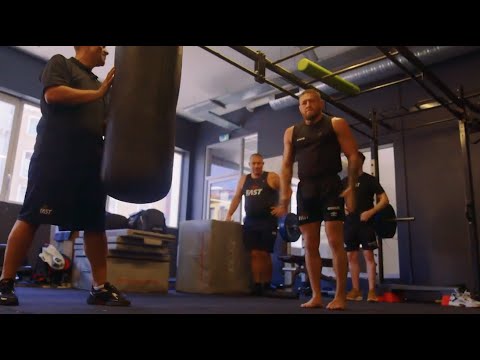
Hello and welcome to Budo and Martial Arts. You are watching Conor McGregor's New Leg Implant Can Sure Kick, published on June 13, 2022, at 07:30 PM. Welcome to the most complete and updated martial arts blog on the internet. Follow us on social networks and do not forget to visit our main page: https://ift.tt/NPEx6Sb The combat sports world often buzzes with the return of its stars, but few returns are as eagerly anticipated – and as laden with technical questions – as that of Conor McGregor. After his devastating leg break against Dustin Poirier, the question on every martial artist's mind isn't just *if* he will return, but *how* his combat effectiveness will be altered, particularly given the titanium rod now reinforcing his tibia. This isn't merely a story of recovery; it's a fascinating case study in biomechanics, martial arts strategy, and the sheer indomitable will of a fighter.
As practitioners, we are inherently drawn to the mechanics of combat. The injury itself was a stark reminder of the brutal reality of high-level striking. Now, with the surgical intervention, we are presented with a unique opportunity to analyze how physical augmentation might intersect with established martial principles. Can McGregor truly be "unbreakable"? While only time and the octagon will tell, the available footage and his known fighting style provide fertile ground for speculation and analysis. Let us delve into the nuances of his technique and what this unprecedented situation might herald.

The Stance: A Foundation of Power

Conor McGregor has long favored a wide, almost traditional Karate-esque stance. This isn't an arbitrary choice; it's a deliberate selection that aligns with his physical attributes and fighting philosophy. A wide stance offers a stable base, distributing weight more evenly. For a fighter with McGregor's proportional build – a broad upper torso relative to his spinal length and a significant wingspan – this posture is foundational. It allows for:
  • Strong, Balanced Snap: The wide base provides a solid platform from which to generate rotational force for punches and kicks, ensuring power is delivered with precision.
  • Efficient Recovery: After delivering a strike, a fighter needs to quickly regain their optimal defensive position. A well-rooted stance facilitates rapid retraction and readjustment.
  • Lunge Capability: This stance inherently allows a fighter to cover distance explosively. The ability to "lunge" into strikes is a key component of McGregor's offensive arsenal, enabling him to close the gap quickly and land damaging blows.
This emphasis on a stable, powerful base is a recurring theme across many striking arts. Whether it's the rootedness of a Kyokushin Karate practitioner or the grounded posture of a Muay Thai fighter, the principle remains: a strong foundation is paramount for effective offense and defense.

Karate Stance vs. Thai Stance: A Strategic Shift

The script mentions a subtle but significant difference when McGregor shifts to a more "Thai style stance," where more weight is placed on the back leg. This strategic alteration is telling:
  • Karate Stance (More Balanced): Emphasizes readiness for forward lunges and quick lateral movements. Power generation is often from the ground up, utilizing hip rotation and a stable base.
  • Thai Stance (Weight Forward): Often characterized by a more forward-leaning posture and weight distribution that allows for powerful roundhouse kicks and, crucially, the ability to "check" incoming leg kicks.
The ability to check kicks is a defensive cornerstone in Muay Thai. It involves lifting the shin and blocking an opponent's leg kick with your own, aiming to absorb the impact and often to damage the opponent's kicking leg. In a typical McGregor fight, we often see him use elusive footwork and cover distance with his strikes. However, shifting weight backward subtly alters his offensive dynamics. It sacrifices some of the immediate lunge capability but grants him the ability to defend against powerful leg attacks, a weapon that has proven devastatingly effective against him in the past. This adaptability highlights a fighter's strategic mind. McGregor is not just a puncher; he's a student of the game, willing to adjust his fundamental posture to incorporate crucial defensive measures. It's the difference between being a "wraith" – elusive, hard to pin down – and a "tank" – solid, formidable, able to absorb and dish out punishment.
"The supreme art of war is to subdue the enemy without fighting." - Sun Tzu, The Art of War
While McGregor's return is about engagement, the underlying principle of strategic adaptation for optimal outcomes resonates deeply with ancient martial wisdom. His willingness to modify his stance demonstrates an evolving understanding of combat effectiveness.

Explosiveness and the Art of Checking Kicks

The footage demonstrating McGregor's kicking ability post-injury is a vital indicator. If he retains his explosiveness, it suggests the titanium rod is not hindering his neuromuscular response or his ability to generate power. This explosiveness, combined with the newly acquired ability to check kicks, creates a potentially more dangerous McGregor.
  • Retained Explosiveness: This is crucial. Without it, his ability to close distance, land stinging shots, and overwhelm opponents is severely diminished. The visual confirmation of powerful kicks suggests this core attribute remains intact.
  • Enhanced Defensive Kicking: The ability to check kicks is not just about defense; it's about control. By effectively checking an opponent's leg attacks, a fighter can disrupt their rhythm, inflict pain, and gain positional advantage.
The implications are significant. An opponent who previously might have focused on debilitating leg kicks now faces a fighter who can absorb them and potentially inflict damage in return. This forces a recalibration of strategy for any potential opponent. The titanium rod, while a result of injury, might paradoxically become a strategic asset, reinforcing his most dangerous weapons and his ability to defend against the opponent's.

Veredict of the Sensei: Will the Titanium Leg Reignite the Fire?

This is where we transition from observation to critical assessment, the heart of any martial artist's evaluation. Conor McGregor's return with a reinforced leg presents a fascinating dichotomy: the potential for enhanced durability versus the inherent risks of physical modification and the psychological battle of overcoming a severe injury. From a technical standpoint, his adherence to a strong Karate-based stance, coupled with the demonstrated ability to incorporate Thai-style defensive checks, shows a fighter who is not just physically healing but strategically evolving. If his explosive power remains undiminished, as the footage suggests, we are looking at a fighter who might be *more* dangerous in certain aspects. The titanium rod could offer a psychological edge – a sense of invincibility – and a tangible advantage in absorbing leg strikes. However, the true test lies not in the metal, but in the mind and spirit. Can McGregor recapture the mental fortitude, the "killer instinct," that propelled him to superstardom? Injuries of this magnitude can have profound psychological impacts, altering a fighter's willingness to engage in high-risk exchanges. The "unbreakable" leg might be physically resilient, but is the fighter's psyche ready to embrace full engagement once more? My assessment: McGregor's physical attributes and technical adaptability are undeniable. If he can overcome the mental hurdles associated with such a severe injury, this reinforced leg, coupled with his existing skill set, could indeed make him a formidable force. Whether he becomes "better" is debatable – martial arts mastery is a journey of refinement, not just augmentation. But he certainly has the *potential* to be a more complete, resilient fighter. He has the tools; the question is whether he has the unshakeable conviction to wield them at their peak.

Essential Training Gear for Strikers

For any aspiring striker looking to develop power, speed, and resilience, the right equipment is crucial. Investing in quality gear not only enhances your training but also minimizes the risk of injury.
  • Quality Boxing Gloves (14-16oz): Essential for bag work, pad work, and sparring. Look for good padding and wrist support.
  • Shin Guards: Non-negotiable for sparring that involves leg kicks. Ensure they offer adequate protection for both your shins and your partner's kicking leg.
  • Mouthguard: Protects your teeth and can help prevent concussions. Always use one during any form of sparring or contact training.
  • Groin Protector: Essential for preventing serious injury during sparring.
  • Training Apparel: Comfortable, breathable clothing that allows for a full range of motion. Many martial artists prefer lightweight, durable kimonos or shorts made for combat sports. For those inspired by McGregor's style, consider exploring Karate-inspired apparel or specialized MMA fight shorts.

Training Guide: Developing Explosive Kicking Power

Developing explosive kicking power requires a multi-faceted approach, focusing on strength, flexibility, technique, and speed. This guide outlines fundamental steps:
  1. Foundation of Flexibility:
    • Begin with dynamic stretching: Leg swings (forward, backward, circular), hip circles, and torso twists.
    • Incorporate static stretching post-workout: Hold stretches for hamstrings, quadriceps, hip flexors, and calves for 30 seconds. Aim for a full range of motion without pain.
  2. Strength Training for Power:
    • Compound Lifts: Squats, deadlifts, and lunges build foundational leg strength essential for kicking.
    • Plyometrics: Box jumps, squat jumps, and jump lunges develop explosive power.
    • Core Strength: Exercises like planks, Russian twists, and leg raises are vital for transferring power from the ground through the body to the kick.
  3. Technique Refinement:
    • Stance and Balance: Practice maintaining a stable base, shifting weight correctly as described in the analysis above.
    • Hip Rotation: Focus on the uncoiling motion of the hips. This is where the majority of rotational power comes from. Visualize snapping your hips through the target.
    • Chambering: Properly bring your knee up and across your body before extending the kick. This "chambering" motion stores potential energy.
    • Extension and Retraction: Ensure a fast, snapping extension followed by a quick retraction of the kicking leg to maintain balance and avoid telegraphing your next move.
  4. Speed and Conditioning:
    • Light Bag Work: Perform high-volume kicking drills on a light bag, focusing on speed rather than power.
    • Shadow Kicking: Practice kicks in the air, visualizing targets and focusing on speed and fluidity.
    • Interval Training: Combine short bursts of intense kicking with brief rest periods to build explosive endurance.
Remember to always prioritize proper form over speed or power to prevent injuries. Consulting with a qualified martial arts instructor is highly recommended.
"The more you sweat in training, the less you bleed in combat." - The Warrior's Creed
This adage underscores the necessity of rigorous, disciplined training to hone the skills required for effective combat.

Frequently Asked Questions

  • Q: Can Conor McGregor truly be unbreakable with a titanium rod?
    A: While the titanium rod enhances structural integrity, "unbreakable" is a metaphor. The human body, even augmented, has limitations. His mental fortitude and strategic application of his skills will be the true determinants of his resilience.
  • Q: How does McGregor's Karate stance differ from traditional Karate stances?
    A: McGregor's stance is often wider and more forward-leaning than some traditional Karate stances, adapted for MMA's dynamic range of motion and striking variety. It borrows from Karate's balanced base but incorporates elements for explosive lunges and strikes characteristic of his style.
  • Q: Will the titanium rod affect his ability to check kicks?
    A: Potentially, it could improve his ability to check kicks by providing greater structural support against impact. However, the effectiveness of checking a kick relies heavily on timing, technique, and the conditioning of the checking leg, not just its inherent strength.
  • Q: Is McGregor's recovery a sign that MMA fighters are becoming more durable?
    A: Modern MMA fighters benefit from advanced sports science, nutrition, and surgical techniques. While recovery has improved, severe injuries remain a significant risk, underscoring the importance of technique, conditioning, and strategic fight management.

Deepen Your Journey

To further enhance your understanding of combat sports and martial philosophy, explore these related topics:

Reflection of the Sensei: Your Next Step

McGregor's journey with his titanium leg is more than a comeback narrative; it is a modern testament to the intersection of human resilience, technological advancement, and the enduring principles of martial arts. We analyze his stance, his power, his potential, yet the most profound transformation is often internal. Now, consider this: If a physical limitation can be overcome with technology and sheer will, what mental or emotional barriers are *you* allowing to dictate the boundaries of your own potential? Where in your training, your life, or your spirit are you accepting a "fracture" as a permanent state, rather than an opportunity for reinvention? **GEMINI_METADESC**: Sensei analysis of Conor McGregor's titanium leg comeback. Deep dive into Karate vs. Thai stances, kicking power, and fight strategy. Learn about training for explosive kicks. **GEMINI_LABELS**: #ConorMcGregor, #MMA, #Karate, #MuayThai, #MartialArtsAnalysis, #FightStrategy, #InjuryRecovery, #BUDO, #CombatSports, #TrainingTips