Showing posts sorted by relevance for query mushin. Sort by date Show all posts

The Unforeseen End: Kun Agüero's Career Cut Short, a Martial Artist's Perspective

The roar of the crowd, the thunder of anticipation, the sheer will to push beyond perceived limits – these are the hallmarks of any great warrior, whether on the football pitch or the dojo floor. But what happens when the body, the very instrument of a warrior's art, betrays them? Today, we delve into the story of Sergio "Kun" Agüero, a name synonymous with footballing brilliance, but one whose narrative holds a poignant lesson for all practitioners of martial disciplines.

Kun Agüero: The Football Warrior

Sergio Agüero was not merely a striker; he was a force of nature on the football field. His agility, speed, and lethal finishing ability made him a true predator in the penalty box. In many ways, his career mirrored the dedication and rigorous training demanded by any high-level martial art. His body was his primary tool, honed through countless hours of practice, tactical understanding, and sheer willpower. He understood the game, read its movements, and exploited its openings with the precision of a seasoned fighter.

We often see athletes at their peak, the embodiment of physical prowess. We rarely witness the unseen battles they fight with their own bodies, the constant strain, the micro-traumas that accumulate over years of intense physical exertion. Agüero's story, though rooted in football, resonates deeply within the martial arts community because it highlights the fragility of the human instrument, even when wielded by the extraordinary.

The Crippling Blow: Beyond the Pitch

The unfortunate incident that led to Agüero's premature retirement was a cardiac issue, a stark reminder that some battles are not won through sheer will or technical skill. While the direct cause was medical, the consequences were devastating for his athletic career. It was a sudden, unforeseen opponent that forced him off the field, a scenario that, while different in nature, echoes the abrupt halts that can occur in a martial artist's journey due to injury.

"The body is the temple of the spirit. If the temple is broken, how can the spirit truly reside within?" - A contemplation on the physical foundation of any discipline.

This wasn't a matter of being outmatched by an opponent in a fair contest. It was an internal failure, a critical malfunction that brought a career defined by peak physical performance to an abrupt and heartbreaking end. It raises questions about the ultimate price of pushing the human body to its absolute limits.

Martial Arts Parallel: Understanding the Body as a Weapon

In martial arts, our bodies are our weapons, our shields, and our tools for expression. From the bone-jarring power of a Kyokushin Karate tsuki to the fluid dynamics of a Judo nage-waza, every movement, every technique, relies on the intricate machinery of our physical form. We train to strengthen it, to increase its capacity, and to make it resilient. But resilience has its limits.

Consider the discipline of Karate. Practitioners spend years perfecting stances, strikes, and blocks, all while developing incredible physical conditioning. Similarly, in Judo, the throws and grappling techniques place immense stress on the body. Even seemingly less physically demanding arts, like some forms of Aikido, require precise body mechanics that can lead to injury if not executed or trained correctly. The inherent risk in pushing physical boundaries is a constant companion to the martial artist.

Agüero's situation forces us to confront the reality that even the most finely tuned athletic "weapon" can fail. It's a humbling perspective that reminds us that our pursuit of mastery is always intertwined with the inherent vulnerabilities of our biology.

The Concept of Mushin and Physical Limitations

The Japanese concept of Mushin (無心), often translated as "no mind" or "empty mind," is a state of high-level consciousness achieved in martial arts where the mind is free of thought and emotion, allowing for instinctive action. It's the state where a martial artist reacts perfectly without conscious deliberation.

However, achieving true Mushin is inextricably linked to the body's capacity. If the body is compromised, if pain or physical limitation interferes, this state becomes elusive. Agüero, at the moment of his physical crisis, was unable to act purely on instinct and training. His body's condition imposed a limitation that transcended the mental state required for peak performance. It's a profound realization: the mind may be willing, but the physical vessel must be able to obey.

"The martial way is a way of overcoming oneself." - Mas Oyama, founder of Kyokushin Karate. This self-overcoming often involves confronting our physical limitations.

This doesn't diminish the value of mental training or the pursuit of Mushin. Instead, it emphasizes the holistic nature of martial arts. The mind and body are not separate entities but a unified whole. A severe physical impediment is a stark barrier to that unity.

Lessons for the Budoka and Athlete

Agüero's story offers critical lessons for anyone committed to a path of physical discipline:

  • The Pinnacle is Precarious: Reaching the highest levels requires immense sacrifice and pushing boundaries. However, this also increases the risk of unseen failures.
  • Listen to Your Body: Ignoring warning signs, no matter how subtle, can have catastrophic consequences. Agüero's case, though specific, underscores the universal need for diligent self-monitoring.
  • Beyond Physical Prowess: True mastery involves understanding and respecting the body's limits. It's not just about how hard you can push, but also about knowing when to pull back or seek guidance.

For those who train in combat sports like MMA, BJJ, or Kickboxing, the understanding of physical limits is paramount. The constant sparring, the high-impact training – these demand an acute awareness of one's own physical state. Missing a subtle ache or ignoring persistent fatigue can lead to injuries that sideline an athlete for months, or in severe cases, end their career prematurely, much like the situation Agüero faced.

The Importance of Listening to Your Body

In the relentless pursuit of improvement, it's easy for athletes and martial artists to fall into the trap of "pushing through." While a certain level of discomfort is often part of growth, there's a critical distinction between beneficial discomfort and detrimental pain or physiological distress. Agüero's experience is a somber testament to what can happen when the body sends out critical signals that go unheeded or are inadequately addressed.

A disciplined martial artist trains not only their striking and grappling techniques but also their ability to sense their own physical condition. This involves understanding proper recovery, nutrition, and recognizing the difference between muscle soreness and a potential injury. It's a form of self-awareness that is as vital as any kata or sparring session.

Embracing Change and New Paths

While the end of an athletic career is undeniably painful, it does not have to be the end of a warrior's journey. Many great athletes and martial artists find new avenues to contribute their knowledge and passion. Agüero, though no longer on the field, can still be a significant figure, perhaps in coaching, punditry, or mentoring younger athletes. His experience, though tragic, provides a powerful narrative that can educate and inspire.

This transition is a universal challenge for those whose identities are deeply tied to their physical abilities. It requires immense mental fortitude and a willingness to redefine oneself. The principles learned in martial arts – discipline, resilience, adaptability – are precisely what are needed to navigate such profound life changes. The spirit of the warrior can find expression in many forms, even after the primary battlefield shifts.

Veredict of the Sensei: Kun Agüero's Legacy

Sergio Agüero's career was a masterclass in offensive prowess, a symphony of speed and skill. His abrupt retirement due to a critical health issue serves as a profound, albeit unfortunate, case study for all who engage in intense physical disciplines. It underscores that while dedication and talent can elevate us to extraordinary heights, we must remain acutely aware of our physical foundations. His story is a stark reminder from the world of 'battle' that sometimes, the most formidable opponent is internal, and the greatest wisdom lies in respecting the limits of our own 'weapon'. He earns a Cinturón Negro en Espíritu Combativo for his immense contributions and resilience, but his story is a cautionary tale that reminds us all of the delicate balance between pushing boundaries and preserving the vessel.

Equipment Essential for Your Training

While Agüero's story focuses on a health issue beyond typical training, maintaining optimal physical condition is crucial for all athletes and martial artists. Proper equipment not only enhances performance but also plays a vital role in injury prevention.

  • High-Quality Training Shoes: Essential for stability and impact absorption in sports like football and martial arts. Look for brands offering good arch support and cushioning.
  • Protective Gear: For combat sports like MMA, Kickboxing, or Karate, investing in quality sparring gloves, shin guards, and headgear is non-negotiable.
  • Compression Wear: Can aid in muscle recovery and provide a sense of support during strenuous workouts.
  • Hydration Systems: Staying properly hydrated is key to bodily function. Water bottles or hydration packs are essential for long training sessions.
  • Recovery Tools: Foam rollers and massage balls can be invaluable for self-myofascial release, helping to alleviate muscle soreness and prevent injuries.

FAQ

What was the specific medical issue that ended Kun Agüero's career?

Kun Agüero had to retire from professional football due to a cardiac arrhythmia, a heart condition that posed a serious risk to his life if he continued to play at an elite level.

How does Agüero's story relate to martial arts?

His story highlights the vulnerability of the human body, even in peak athletes. It serves as a reminder for martial artists about the importance of listening to their bodies, understanding their physical limits, and the potential consequences of pushing too hard without adequate care and recovery.

What is "Mushin" in martial arts?

Mushin, or "no mind," is a state of mental clarity in martial arts where one acts instinctively and without conscious thought, free from ego and distraction. Agüero's situation demonstrates how physical limitations can impede the realization of Mushin.

Can athletes recover from serious cardiac issues to resume sports?

In some cases, with proper medical management and significant lifestyle adjustments, individuals might engage in less strenuous physical activities. However, returning to elite-level professional sports, especially those with extreme physical demands like football or high-impact martial arts, is often deemed too risky after severe cardiac events.

Further Exploration on Your Path

Reflection of the Sensei: Your Next Step

Agüero's tale is not merely about football; it's a parable for the warrior's spirit facing the ultimate adversary – mortality and the body's inherent fragility. If your physical vessel is your sword, how do you maintain its edge without letting it shatter? Is true strength found only in pushing limits, or does it also lie in the wisdom to know when to sheath the sword and tend to the smithy?

``` GEMINI_METADESC: Explore Kun Agüero's career-ending cardiac issue through a martial arts lens. Learn about the body as a weapon, Mushin, and vital lessons for athletes and budokas.
Mike Tyson's Meltdowns: A Study in Lost Control

Intención de Búsqueda: Análisis de figuras icónicas del boxeo y su psicología de combate.

Entidad Principal: Mike Tyson, Boxeo.

Palabras Clave: Mike Tyson, boxeo, campeón de peso pesado, control emocional, psicología de combate, disciplina marcial, Budo, artes marciales, comportamiento en el ring, momentos polémicos.

Introduction: The Iron Fist and the Fiery Temper

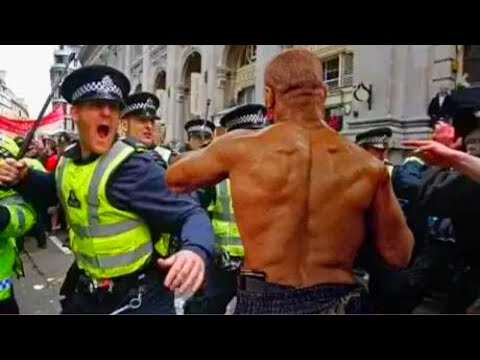
Mike Tyson. The name alone conjures images of raw power, devastating knockouts, and a ferocity rarely seen in the annals of sport. He remains one of boxing's most electrifying figures, a true heavyweight icon who shattered records and fear alike. Yet, for all his unparalleled skill and dominance, Tyson's career is also indelibly marked by moments of extreme volatility, instances where the "Iron Mike" persona fractured, revealing a volatile temperament that often overshadowed his prowess. This isn't just a story about boxing; it's a profound exploration of control, discipline, and the thin line between warrior spirit and uncontrolled rage. It’s a lesson that resonates far beyond the squared circle and deep into the core principles of Budo and martial arts.

Hello and welcome to Budo and Martial Arts, the most complete and updated martial arts blog on the internet. Today, we dissect a legend whose power was matched only by his unpredictability. We'll delve into what makes a fighter lose their cool, why it matters in the context of true martial spirit, and what we can learn from these explosive, yet often cautionary, tales.

The Legacy of Iron Mike: A Double-Edged Sword

Undeniably, Mike Tyson etched his name in history as the youngest heavyweight champion ever. His early career was a whirlwind of destruction, a testament to his explosive speed, immense power, and intimidating aura. Opponents feared him, not just for his skill, but for the palpable sense of impending doom he exuded. He was a force of nature, a fighter that few dared to face, and fewer still could withstand.

However, this same intensity that propelled him to the pinnacle also became his Achilles' heel. Tyson’s career is punctuated by controversial moments – outbursts, disqualifications, and an almost theatrical inability to contain his emotions under pressure. This duality is what makes him such a compelling, albeit complex, figure. Was his aggression a carefully honed weapon, or a primal force that threatened to consume him? The answer, as with most things in the martial world, is rarely simple.

In the realm of combat sports, discipline is paramount. It’s the bedrock upon which skill is built and honed. While Tyson displayed phenomenal physical attributes and boxing technique, his struggles with emotional regulation raise critical questions about the true nature of mastery.

Analyzing Tyson's Most Infamous Moments

The most glaring example, of course, is the infamous 1997 rematch against Evander Holyfield. The incident where Tyson bit off a piece of Holyfield's ear is seared into the collective memory of sports fans worldwide. It was a moment of pure, unadulterated loss of control, a primal act that defied the rules and the spirit of boxing. This wasn't strategic aggression; it was a descent into savagery.

Beyond the ear-biting incident, Tyson’s career was littered with other instances of temperamental breakdowns. His confrontation with Lennox Lewis during a press conference, his verbal tirades, and his aggressive posturing outside the ring all painted a picture of a fighter constantly on the brink. These weren't isolated incidents; they were patterns that suggested a deeper struggle with managing the immense pressure and emotions that come with elite-level competition.

"When you are in the ring, you have to have a clear mind. If you let your emotions take over, you are lost. You are no longer a fighter; you are a victim of your own fury." - A principle often echoed in traditional dojos.

These moments serve as potent case studies. They highlight how even the most physically gifted athletes can falter when their mental and emotional fortitude crumbles. In a fight, as in life, uncontrolled anger can lead to disastrous decisions, costing not only victory but also one's reputation and integrity.

The Psychology of Lost Control in Combat

What drives a fighter like Tyson, a man trained to exert dominance, to suddenly lose his composure? Several psychological factors come into play:

  • Pressure Cooker Environment: High-stakes fights, the roar of the crowd, the immense expectations – these create an unparalleled level of psychological pressure. For some, this can be a catalyst for peak performance. For others, it can be overwhelming.
  • Frustration and Frustration: When a fight isn't going as planned, when an opponent proves more resilient or skillful than anticipated, frustration can build. This can lead to desperation and impulsive actions. Tyson's aggression often escalated when he felt cornered or outmaneuvered.
  • Ego and Identity: For fighters like Tyson, their identity is deeply intertwined with their power and dominance. Any perceived threat to this can trigger a defensive, often aggressive, response that bypasses rational thought.
  • Lack of Emotional Regulation Tools: While physically trained to perfection, not all fighters are equally equipped with the mental and emotional tools to navigate extreme stress. The discipline required to master oneself is as crucial as the discipline to master a technique.

The psychological battle in martial arts is often more significant than the physical one. A calm, focused mind can overcome brute strength. Rage, conversely, clouds judgment, slows reaction times, and makes one predictable. It’s the enemy within, more formidable than any opponent across the ring.

Lessons from Budo: The Importance of Mushin

In the context of traditional Japanese martial arts, or Budo, the concept of Mushin (無心), often translated as "no-mind" or "mind without mind," is paramount. It describes a state of mental clarity and spontaneity where one acts instinctively and effectively without conscious thought or emotional interference.

Mushin is not about being emotionless; rather, it is about transcending the ego, fear, anger, and doubt. It’s about being fully present, responding to a situation with pure, unadulterated action derived from countless hours of training. A fighter operating in Mushin is fluid, adaptable, and unburdened by psychological noise.

Tyson's meltdowns represent the antithesis of Mushin. They are prime examples of the ego and raw emotion hijacking the martial spirit. While his raw power was undeniable, his inability to consistently achieve and maintain a state of mental calm suggests a deficiency in cultivating this deeper aspect of martial practice. True mastery, according to Budo, lies not just in the power of the blow, but in the purity of the intent and the clarity of the mind behind it.

"To win, you must first defeat yourself." - A timeless martial principle.

Comparing Tyson's Explosiveness to Modern MMA

While boxing is a more focused discipline, the principles of emotional control and strategic aggression are equally, if not more, critical in Mixed Martial Arts (MMA). We see fighters in the UFC and other promotions who possess Tyson-esque power in their strikes, but the multi-faceted nature of MMA demands a broader spectrum of control.

Consider fighters like Jon Jones, known for his strategic brilliance and ability to adapt mid-fight, or Cyril Gane, whose calm demeanor belies his dangerous striking. These athletes, despite facing immense pressure, rarely succumb to uncontrolled rage. They understand that a moment of lost composure can mean the difference between victory and defeat, whether it’s a submission or a knockout.

Fighters who can seamlessly blend power with technique, strategy with instinct, and composure with aggression are the ones who achieve lasting success. Tyson's explosive power was a phenomenal weapon, but without the consistent application of mental discipline, it was ultimately insufficient to guarantee sustained, unblemished dominance. The modern MMA landscape, with its diverse skill sets and strategic depth, further underscores the need for holistic warrior development, encompassing mind, body, and spirit.

Training Your Inner Warrior: Discipline Over Domination

Mike Tyson's journey offers invaluable lessons for anyone aspiring to excel in martial arts or any demanding pursuit. It's a stark reminder that physical prowess is only one component of true strength.

Here's how to cultivate the discipline that even Iron Mike struggled to consistently maintain:

  • Embrace Mindfulness: Practices like meditation (Zazen, for instance) or simply focused breathing exercises can significantly improve your ability to stay calm under pressure. Learn to observe your thoughts and emotions without judgment.
  • Develop Situational Awareness: Understand your triggers. Recognize when frustration or anger is starting to build. Early detection is key to preventing an emotional explosion.
  • Focus on the Process, Not Just the Outcome: While winning is the goal, obsessing over it can create anxiety. Concentrate on executing techniques correctly, learning from each training session, and improving incrementally.
  • Sparring as a Training Ground for Mind: Treat sparring not as a battle to be won at all costs, but as an opportunity to practice emotional control. Experiment with staying calm when things get tough. Your training partners are there to help you grow, not just to be defeated.
  • Seek Knowledge Beyond Physicality: Read about the philosophy behind your chosen art. Understand the principles of respect, humility, and perseverance. This broader perspective can ground you when emotions run high.

True strength is not about overpowering others, but about mastering oneself. It’s about having the discipline to control your impulses and channel your energy constructively, especially when faced with adversity.

Sensei's Verdict: More Than Just a Fighter

Mike Tyson was a phenomenon. His raw power and terrifying speed redefined the heavyweight division and captured the world's imagination. He was a physical specimen unmatched in his era, a devastating force that few could comprehend, let alone withstand. However, his legacy is also a testament to the fact that physical dominance alone is insufficient for true martial greatness. The uncontrolled outbursts, the infamous incidents, all speak to a fighter who, despite his incredible talent, never fully conquered the inner demons that plagued him.

From a martial arts perspective, Tyson's career serves as a powerful, albeit extreme, illustration of what happens when skill is not tempered by discipline and emotional regulation. He was a spectacular performer, a whirlwind of controlled chaos for much of his career, but the moments of uncontrolled rage revealed the fragility beneath the iron exterior. He achieved incredible heights through sheer physical might, but his struggles with self-mastery prevent him from being held as a paragon of the martial spirit.

Overall Rating: A Masterclass in Power, a Cautionary Tale in Control. He earns a high mark for his impact and skill, but the lack of consistent mental fortitude prevents a perfect score in the eyes of Budo.

Frequently Asked Questions

Q1: Was Mike Tyson the greatest heavyweight boxer of all time?
A1: While his physical prowess and knockout power are undeniable and place him among the all-time greats, his career's controversies and inconsistencies make a definitive "greatest of all time" title debatable for many analysts and fans.

Q2: How did Mike Tyson's temper affect his boxing career?
A2: His temper was a double-edged sword. It contributed to his intimidating aura and his overwhelming fighting style in his prime. However, it also led to costly fouls, disqualifications, and moments of poor decision-making that ultimately impacted his legacy and career trajectory.

Q3: What is Mushin in martial arts?
A3: Mushin, or "no-mind," is a state of mental clarity and spontaneity achieved through rigorous training, where one acts instinctively and effectively without conscious thought or emotional interference. It’s a core concept in Budo.

Q4: Can anger be a useful tool in combat?
A4: Controlled aggression can be effective, but uncontrolled rage is detrimental. While a surge of adrenaline can enhance physical capabilities, extreme anger clouds judgment, reduces precision, and makes a fighter predictable and vulnerable.

Q5: What can ordinary people learn from Mike Tyson's emotional struggles?
A5: The most significant lesson is the importance of emotional self-regulation. Like elite athletes, we all face pressure and frustration. Learning to manage these emotions constructively is vital for success and well-being in all aspects of life.

Further Reading on Your Journey

Sensei's Reflection: Your Next Step

Mike Tyson's story is a powerful narrative of human fallibility, even at the peak of physical prowess. He achieved unparalleled power, yet faltered when his inner self was tested. Now, I ask you: In the heat of your own challenges, whether in sparring or in life, are you a master of your emotions, or are you a slave to them? How will you forge the unshakeable mental discipline that true warriors possess?

``` GEMINI_METADESC: Explore Mike Tyson's career beyond the knockouts. Analyze his loss of control, the psychology of rage in combat, and lessons from Budo on achieving Mushin.

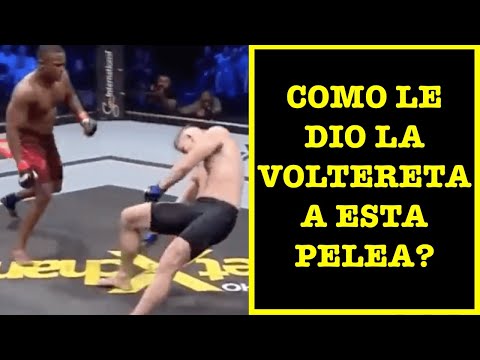
The Unseen Philosophy: Beyond the Knockout in MMA and Boxing

Many seek the raw power, the explosive KO, the sheer dominance displayed in the octagon or the ring. They crave the visceral thrill of a knockout punch or a perfectly executed takedown. But what lies beneath the surface of combat sports? Is it merely brute force, or is there a deeper current of philosophy, a Budo spirit that transcends the physical contest? Today, we delve beyond the funniest moments, the viral clips, and the readily digestible soundbites, to explore the profound lessons embedded within the heart of wrestling, MMA, and boxing. Prepare to be astonished, not by a single breathtaking moment, but by the enduring principles that shape the warrior's journey.

The Essence of Combat Sports: More Than Just a Fight

While the captivating spectacle of MMA and boxing often focuses on knockouts and controversial decisions, to dismiss these disciplines as mere entertainment is to miss a vital truth. These arenas are crucibles, forging not just physical prowess, but profound mental and spiritual fortitude. The ancient art of wrestling, the strategic combat of MMA, the precise striking of boxing – they all share a common ancestor: the human drive to understand oneself through controlled conflict. This is where the spirit of Budo, the Way of the Warrior, finds its modern expression.

"The ultimate aim of martial arts is not victory or defeat, but the perfection of the human character." - Gichin Funakoshi

Think of the immense discipline required to step into the ring or cage. It's not just about throwing punches or executing takedowns; it's about facing fear, managing adversity, and understanding one's own limitations. The training itself is a lesson in perseverance. The early mornings, the grueling conditioning, the constant refinement of technique – these are the building blocks of self-mastery. Every drop of sweat, every ache, every minor injury overcome is a testament to the warrior's commitment. This commitment, this unwavering dedication to self-improvement, is the very essence of martial philosophy.

Bushido in the Modern Arena: Echoes of the Samurai

The code of the samurai, Bushido, or "The Way of the Warrior," is not merely a historical artifact. Its principles resonate powerfully within the competitive landscape of combat sports. Consider Rei (respect). A true warrior shows respect to their opponent, their coaches, and the rules of engagement. Even in the heat of battle, there's an unspoken acknowledgment of shared struggle and mutual courage. It’s a stark contrast to the disrespect and trash talk that sadly permeates some corners of modern sports, but it is the ideal that true practitioners strive for.

Then there is Yūjō (loyalty). Loyalty to one's dojo, one's teammates, and one's own moral compass. This loyalty is tested under pressure, when the easy path might be to betray principles for a perceived advantage. And perhaps most importantly, Makoto (sincerity) and Chūgi (devotion). The warrior is sincere in their efforts, always giving their best, and devoted to the pursuit of excellence. This isn't about winning at all costs; it's about embodying the warrior spirit in every action, win or lose.

Fighters like Jon Jones, despite their controversies, often display a mastery of striking and grappling that is undeniable, showcasing years of dedicated adherence to training. However, it is the fighters who consistently demonstrate humility and respect, like the stoic Takanoyama Shuntaro in sumo, who truly embody the deeper principles of Budo.

The Mental Game: Mushin no Shin (Mind of No Mind)

The concept of Mushin no Shin, a state of "no mind" or "emptiness," is central to many Eastern martial arts and is incredibly relevant in the high-stakes world of MMA and boxing. It's a state of complete presence, where the fighter is free from fear, anger, or doubt. Their reactions are instinctual, honed by thousands of hours of practice, allowing them to respond fluidly and effectively to any situation without overthinking.

In a fight, a moment of hesitation, a flicker of doubt, can be the difference between victory and defeat. A fighter in Mushin doesn't 'think' about blocking a punch; they simply react. They don't 'plan' their next move; they execute it. This state is not achieved through sheer willpower, but through rigorous training and mental conditioning. It’s about emptying the mind of distractions and allowing the practiced body and spirit to take over. This is why the mental aspect of training is as crucial as the physical. It's the foundation upon which all technique is built.

The ability to achieve this state is what separates good fighters from legends. Consider the incredible composure of fighters like Cyril Gane or the focused intensity of Emanuel Augustus; these athletes often operate at a level where conscious thought is superseded by pure instinct and perfected technique.

Finding Discipline in the Chaos

The path of a martial artist, whether in traditional arts or modern combat sports, is a path of discipline. This discipline extends far beyond the training mats or the ring. It permeates every aspect of life, fostering autodisciplina, self-improvement, and a strong sense of purpose.

The commitment to a training regimen, the adherence to a healthy lifestyle, the dedication to constant learning – these are all manifestations of discipline. It teaches individuals to push past their perceived limits, to face challenges head-on, and to understand the rewards of sustained effort. This is why martial arts are so often lauded for their transformative effects on character. They provide a structured environment where individuals can cultivate the mental toughness and resilience needed to navigate the complexities of modern life.

The journey from beginner to proficient practitioner is a testament to this principle. It requires consistent effort, patience, and the ability to learn from setbacks. This journey is what fuels the warrior philosophy and strengthens the individual's inner strength.

Essential Gear for Your Training

While skill and spirit are paramount, the right equipment can significantly enhance your training experience and safety. Investing in quality gear shows respect for the art and for yourself. For those serious about striking arts like boxing or Muay Thai, good quality training gloves are essential for protecting your hands and your training partners during sparring. For MMA, a well-fitting pair of MMA gloves offers a balance of protection and dexterity for grappling. If your focus is on grappling arts like Judo or BJJ, a durable and comfortable gi (kimono) is a must. Look for kimonos made from strong, double-weave fabric for longevity, especially in Judo. For those looking to build striking power at home, a sturdy makiwara or a quality heavy bag can be invaluable additions.

Resources to Deepen Your Understanding

To truly grasp the philosophy and techniques of combat sports, continuous learning is key. Here are some resources to help you on your journey:

  • Explore the rich history and principles of Japanese martial arts through texts on Budo.
  • For in-depth tactical analysis, look for documentaries or articles focusing on MMA and boxing fight breakdowns.
  • To understand the warrior's mindset, delve into classic texts like Miyamoto Musashi's "The Book of Five Rings" and explore discussions on the Martial Philosophy behind various disciplines.

FAQ: Frequently Asked Questions

Is MMA just about fighting?

While fighting is the core activity, MMA is also a discipline that cultivates physical fitness, mental toughness, strategic thinking, and respect for oneself and opponents. Many practitioners find profound personal growth through its practice.

How can I develop the "mind of no mind" (Mushin)?

Achieving Mushin requires consistent, dedicated practice of your chosen martial art, coupled with mindfulness exercises and meditation. It's a state of being that arises from deeply ingrained instinct and freedom from conscious thought, developed over years of training.

What is the most important virtue in Budo?

While many virtues are crucial, principles like respect (Rei), sincerity (Makoto), and self-control are often considered foundational to the Budo spirit. The emphasis is always on character development.

Can I learn martial arts without formal instruction?

While self-study can be a supplementary tool, formal instruction under a qualified instructor is highly recommended. An instructor provides crucial feedback, ensures safe practice, and transmits the deeper philosophical aspects of the art that are often missed in self-teaching.

Reflection of the Sensei: Your Next Step

We've journeyed beyond the fleeting excitement of viral moments to touch upon the profound philosophy that underpins combat sports. The knockout punch is but a single note in a symphony of discipline, resilience, and character development. The true victory lies not solely in the scoreboard, but in the internal transformation that each practitioner undergoes. Are you merely watching the dance of warriors, or are you ready to step onto the floor and learn the steps yourself?

Reflexión del Sensei: Tu Próximo Paso

The greatest fighters are not just masters of technique, but masters of themselves. Have you truly begun to master yourself, or are you still a spectator to your own potential? The true fight is within. What are you doing today to win it?


For Deeper Exploration into Your Path

  • Aikido: Understanding Flow and Harmony in Conflict
  • Judo Skills: Mastering the Art of Leverage and Balance
  • Karate Spirit: The Foundation of Strength and Discipline
``` GEMINI_METADESC: Explore the profound philosophy behind MMA and boxing, moving beyond viral moments to discover the spirit of Budo, Mushin, and the discipline that shapes true warriors.

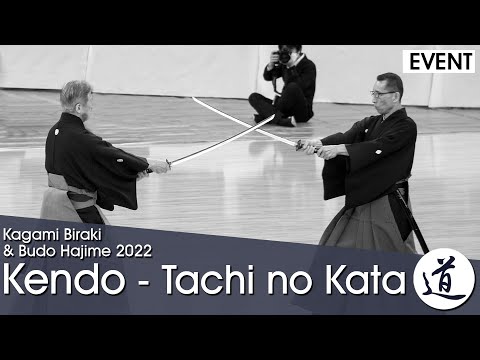
Kendo's Silent Blade: Deconstructing the Tachi no Kata Kagami Biraki 2022

As a Sensei, I’ve witnessed countless demonstrations, each a fleeting glimpse into the profound depth of martial traditions. Yet, some moments resonate with an intensity that demands deeper analysis. The Kagami Biraki 2022 Kendo demonstration at the Nippon Budokan, featuring Toyomura Azumori and Kurita Waichiro, is one such moment. It’s not merely a display of swordsmanship; it’s a philosophical dialogue executed with steel, a testament to the enduring spirit of Budo. This isn't about flashy moves designed to entertain the masses, but about the meticulous execution of form, the embodiment of principles forged over centuries. Today, we delve into the essence of this demonstration, dissecting its technical brilliance and its spiritual significance, going far beyond what a casual viewer might perceive.

Table of Contents

The Sacred Dance: Kagami Biraki and Budo Hajime

The Kagami Biraki, or "opening the mirror," is far more than a simple New Year's tradition. It symbolizes a renewed clarity, a shedding of the old to embrace the new with a purified spirit. When this ceremony is intrinsically linked with Budo Hajime, the "first practice of the year," it elevates the act of training from a mere physical pursuit to a spiritual undertaking. The Nippon Budokan, a hallowed ground for Japanese martial arts, serves as the perfect stage for this convergence. Here, amidst the echoes of history, masters Toyomura Azumori and Kurita Waichiro, both Hanshi 8th Dan – the pinnacle of their respective arts – present the Tachi no Kata. This isn't just a demonstration; it's a living testament to the tradition, a visual sermon on the principles of Kendo. The absence of Oshiruko, the traditional sweet soup, due to sanitary concerns, highlights the adaptability of Budo in the face of modern challenges, a testament to its resilience and its focus on what truly matters.

Echoes of the Shogunate: The Genesis of Kagami Biraki

To truly appreciate the Kagami Biraki, one must understand its historical roots, deeply entwined with the feudal era of Japan. The Shogunate era was a time when martial prowess was not just a skill but a way of life, a defining characteristic of the samurai class. The "opening of the mirror" held symbolic significance, often tied to rituals that cleansed and renewed the spirit before embarking on new endeavors, much like a warrior preparing for battle or a leader for a new campaign. This historical context imbues the Budo Hajime with a weight that transcends mere physical exertion. It’s a recommitment to the warrior's path, a reaffirmation of the discipline, honor, and self-mastery that are the cornerstones of any true martial art. The reconstruction in armor during the ceremony is not a theatrical flourish; it’s a visceral reminder of the martial heritage that Budo seeks to preserve and perpetuate.

Tachi no Kata: A Masterclass in Long Sword Dynamics

The Tachi no Kata, demonstrating the use of the long sword (tachi), is a foundational element within Kendo. It's not about sparring; it's about the perfection of fundamental techniques, the embodiment of correct posture, movement, and striking. Toyomura Azumori and Kurita Waichiro, with their 8th Dan ranks, showcase a level of precision and control that is breathtaking. Observe their footwork: the *ashi sabaki*. It's not just about moving from point A to point B. Each step is economical, powerful, and balanced, generating momentum that flows seamlessly into the strike. Their posture is erect yet relaxed, a testament to years of dedicated training. The sword itself is an extension of their will. The cuts – *suburi* and the specific forms within the kata – are executed with a clear intent, a decisive spirit. One can discern the principles of *maai* (distance), *metsuke* (gaze), and *kiai* (spirit's cry, though often subtle in kata). The interaction between the two masters is a silent conversation, a dance of mutual respect and understanding. One advances, the other retreats or blocks, not out of fear, but out of a deep comprehension of the forms and the energy flow. This kata is a blueprint, a teaching tool that distills the essence of swordsmanship into its purest form. It's in these seemingly simple movements that the complexity and beauty of Kendo lie.
"The true swordsman does not fear the sword; he *is* the sword." - A principle often passed down through generations of Kendo masters.

The Spirit of the Sword: Mushin and Zanshin in Motion

Beyond the physical execution, the Tachi no Kata embodies profound philosophical concepts central to Budo. The concept of *Mushin* – "no mind" – is paramount. It's a state of un-self-consciousness, where the mind is free from distracting thoughts and emotions, allowing instinct and training to take over. In the flawless movements of Toyomura and Kurita, we see *Mushin* in action. Their actions are pure, unadulterated by doubt or hesitation. Equally crucial is *Zanshin*, the state of continuous awareness and readiness. Even after a strike is completed, the Kenshi must maintain their focus, aware of their surroundings and prepared for any eventuality. This is not just about the end of a sequence; it's about the perpetual state of alertness. In the demonstration, even as the swords are lowered, the masters' posture, their gaze, speaks volumes about their unwavering *Zanshin*. It’s a reminder that in the martial path, the learning and the vigilance never truly cease. This demonstration is a powerful argument against the notion that traditional martial arts are obsolete. The principles of focus, discipline, and spiritual development cultivated through forms like the Tachi no Kata are timeless and transferable to any arena of life, be it a modern MMA bout or the challenges of daily existence.

Veredict of the Sensei: More Than Just a Sword Fight

The Kagami Biraki 2022 Kendo demonstration by Toyomura Azumori and Kurita Waichiro is a profound exhibition of martial artistry. It’s a masterclass in the execution of the Tachi no Kata, showcasing not only technical perfection but also the deep philosophical underpinnings of Kendo. **Technical Proficiency**: 10/10 – The precision, balance, and power displayed by both Hanshi are exemplary. Every movement is deliberate and imbued with intent. **Philosophical Embodiment**: 10/10 – The demonstration is a living embodiment of Mushin and Zanshin, demonstrating the spiritual core of Budo. **Educational Value**: 9/10 – While a beginner might find it hard to grasp the nuances without guidance, for anyone with a foundation in martial arts, this is an invaluable lesson. **Overall Impact**: 9.5/10 – A powerful reminder of the beauty, discipline, and depth inherent in traditional martial arts. This demonstration isn't just about swords; it's about the cultivation of the self through rigorous practice. It underscores the fact that even in an era dominated by Artes Marciales Mixtas and rapid combat, the slow, deliberate refinement of form holds immense value. It teaches patience, control, and a deep respect for tradition – lessons that are as vital today as they were centuries ago.

Essential Equipment for the Aspiring Kenshi

To embark on the path of Kendo, specific equipment is necessary to train safely and effectively. Investing in quality gear is crucial for both performance and injury prevention.
  • Shinai (Bamboo Sword): The primary training tool. Beginners typically start with a standard size and weight.
  • Bokken (Wooden Sword): Used for practicing basic forms (kata) and for more forceful striking drills where the shinai might break.
  • Kendo Gi (Uniform): A specialized, durable cotton uniform consisting of a jacket and trousers, designed to withstand the rigors of training.
  • Hakama: The traditional pleated skirt-like trousers worn over the gi, signifying a more advanced level of practice or for specific ceremonies.
  • Men (Helmet): The protective headgear, including a metal grille, padded forehead, and throat protector.
  • Do (Chest Protector): A hard, lacquered protector for the torso.
  • Kote (Gloves): Padded gloves providing protection for the hands and wrists.
  • Tare (Waist Protector): A padded apron-like protector worn around the waist and hips, often with decorative cords.
For those serious about Kendo, consider exploring specialized KarateMerchandise sites that often carry Kendo equipment, or look for reputable Kendo equipment suppliers. A good quality Kendo set is an investment in your martial journey.

Resources to Deepen Your Kendo Journey

The path of the sword is long and requires continuous learning. To truly understand the depths of Kendo, beyond what a single demonstration can offer, explore these resources:
  • BUDO & Kendo History: Delve into the historical context and evolution of Japanese martial arts.
  • Technique Breakdowns: Seek out detailed analyses of specific Kendo techniques and katas.
  • Martial Arts Philosophy: Explore texts and discussions on principles like Mushin, Zanshin, and the broader Warrior Philosophy.

Frequently Asked Questions

Q1: What is the main difference between Tachi no Kata and sparring in Kendo? A1: Tachi no Kata focuses on the precise execution of fundamental forms and techniques with a partner, emphasizing correct posture, movement, and spirit. Sparring (Ji-geiko) is about applying these techniques in a dynamic, unscripted exchange with an opponent, aiming to score valid points. Q2: Is Kendo dangerous given the use of swords? A2: While "swords" (shinai and bokken) are used, Kendo is practiced with extensive protective gear (Men, Do, Kote, Tare) and under strict supervision. The emphasis is on controlled strikes to specific target areas, making it a safe martial art when practiced correctly. Q3: How long does it take to become proficient in Kendo? A3: Proficiency in Kendo is a lifelong pursuit. Basic competency and understanding of forms can be achieved within a few years of consistent training, but mastery, as exemplified by Hanshi 8th Dan practitioners, takes decades of dedicated practice. Q4: What does "Hanshi 8th Dan" signify in Kendo? A4: Hanshi is an honorific title denoting a high level of mastery and significant contribution to the art. 8th Dan is typically the highest dan rank in many Kendo organizations, signifying an exceptional level of skill, knowledge, and embodiment of Kendo principles.

Sensei's Reflection: Your Next Step

The Kagami Biraki demonstration offers a profound glimpse into the heart of Kendo. It’s a testament to the power of tradition, the discipline of form, and the enduring pursuit of self-mastery through the way of the sword. We’ve dissected the techniques, explored the philosophy, and understood the context. But knowledge without application is like a sword without an edge.

Reflexión del Sensei: Tu Próximo Paso

As you contemplate the elegant, powerful movements of Toyomura Azumori and Kurita Waichiro, I ask you this: When you face your own "mirror" – your challenges, your training, your daily life – do you see clarity and readiness, or do you see hesitation and distraction? How will you cultivate your own *Mushin* and *Zanshin* not just on the training floor, but in every moment? The answer lies not in contemplation alone, but in committed action. What single, deliberate step will you take today to sharpen your own blade? --- CREDITS: Footage by Seido Co., Ltd.: https://ift.tt/41pfg73 (en) https://ift.tt/Fn93JL7 (fr) https://ift.tt/1zVBxJ7 (jp) https://ift.tt/AqNd0hT (en) https://ift.tt/RNEi1Pl (fr) MUSIC: Future Gladiator by Kevin MacLeod Link: https://ift.tt/5mjg6yi License: https://ift.tt/tAp96Ks Original source: [Original Source Link/Information - if available] GEMINI_METADESC: Explore the profound Kendo Tachi no Kata demonstration at Kagami Biraki 2022. Sensei analyzes technique, history, and philosophy.

El Método de Eddy Reynoso: ¿Por Qué Oscar Valdez Pierde el Enfoque? Una Lección Marcial sobre Disciplina y Recta Intención

Aquí nos encontramos, budokas, en un momento crucial de análisis. No hablamos hoy de un kata ancestral ni de una técnica de desarme milenaria. Hablamos de la disciplina mental, del fuego sagrado que debe arder en el corazón de todo guerrero, y de cómo su ausencia puede llevar a la derrota, no solo en el cuadrilátero, sino en el campo de batalla de la vida. Eddy Reynoso, un nombre sinónimo de éxito en el boxeo moderno, arroja luz sobre las debilidades de Oscar Valdez, y en sus palabras, encontramos ecos de principios marciales universales. ¿Por qué un campeón, con el talento y la potencia de Oscar Valdez, puede flaquear? La respuesta de Reynoso es demoledora: "Pierdes mucho el enfoque". Esta simple frase resuena con la filosofía del **Budo**, el camino del guerrero, donde la concentración, la claridad de propósito y la **recta intención** son tan vitales como la fuerza de un golpe. Hoy desglosaremos esta observación no solo desde la perspectiva del boxeo, sino como una enseñanza para todos los que transitan un camino marcial.

Tabla de Contenidos

El Foco del Guerrero: Más Allá de la Técnica

En el mundo de las **artes marciales**, y de manera muy particular en disciplinas como el **boxeo**, el **MMA** o el **Judo**, la habilidad técnica es solo una parte de la ecuación. Podemos ser expertos en **grappling**, poseer una pegada demoledora al estilo **Kyokushin**, o dominar las proyecciones de Judo, pero si nuestra mente divaga, si nuestro espíritu se dispersa, toda esa habilidad se convierte en arena escurrida entre los dedos. La observación de Eddy Reynoso sobre Oscar Valdez no es un simple comentario de entrenador; es un recordatorio de que la excelencia marcial reside en la **disciplina mental** y la capacidad de mantener la **concentración inquebrantable** bajo presión. Cuando un peleador "pierde el enfoque", no solo olvida una táctica, sino que pierde la conexión con su **propósito**, con la **intención** detrás de cada movimiento.

La Visión de Reynoso: El Entrenador como Filósofo

Eddy Reynoso no es solo un maestro de ceremonias en el gimnasio; es un estratega que entiende la psicología del combate. Su habilidad para guiar a campeones como Canelo Álvarez y, en este caso, Oscar Valdez, va más allá de la instrucción técnica de golpes o defensas. Reynoso comprende que el cuerpo del guerrero responde a la mente.
"La mente es el campo de batalla donde se ganan o se pierden las guerras".
Esta cita, aunque no atribuida directamente a Reynoso, encapsula su filosofía. Cuando Reynoso señala que Valdez "pierde mucho el enfoque", está diagnosticando un malestar del espíritu marcial. No se trata de que Valdez no sepa boxear; se trata de que su "mente vacía" se llena de distracciones, de dudas, de ambiciones ajenas al momento presente del combate. Esta es una lección que trasciende el ring y se aplica a la práctica de cualquier **arte marcial**, desde el **Karate** hasta el **Jiu Jitsu Brasileño (BJJ)**.

Oscar Valdez: El Talento Contra la Distracción

Oscar Valdez es un boxeador de élite, un talento innegable con una trayectoria impresionante. Sin embargo, la carrera en el mundo del **deporte de combate** es implacable. Las presiones externas, las expectativas, las distracciones personales, pueden ser tan peligrosas como un rival con un **knockout power** devastador. La crítica de Reynoso sugiere que Valdez, en ocasiones, ha permitido que estas distracciones nublen su **visión marcial**. Esto puede manifestarse de diversas maneras: un entrenamiento menos riguroso, una falta de atención en los detalles técnicos, o una desconexión con la estrategia global del combate. En la jerga del **MMA**, se diría que ha perdido la "lucha interna" antes de subir al octágono.
"El verdadero campeón no es el que nunca cae, sino el que se levanta siempre, con la mente clara y el espíritu indomable."
Esta falta de enfoque, esta incapacidad para mantener la **integridad mental** a pesar de las turbulencias, es un desafío que enfrentan muchos atletas, y de hecho, muchos practicantes de **artes marciales**. El camino del guerrero exige una **autodisciplina** férrea y una **resiliencia** a prueba de todo.

Principios Marciales Aplicados: Mushin y el Mente Vacía

En las **artes marciales** japonesas, existe el concepto de **Mushin** (無心), que se traduce a menudo como "mente vacía" o "sin mente". No se trata de estar ausente, sino de operar en un estado de flujo, donde la mente está completamente presente, libre de pensamientos intrusivos, miedos o ego. Es un estado de acción intuitiva y perfecta ejecución. Cuando Reynoso dice que Valdez "pierde el enfoque", está indicando que Valdez no está alcanzando ese estado de **Mushin**. Los pensamientos, las preocupaciones, el ruido externo, están invadiendo su espacio mental, impidiendo que su cuerpo se mueva con la fluidez y la precisión necesarias. Analicemos esto a través de una tabla comparativa:
Estado Mental del Guerrero Características Consecuencias (Ej: Boxeo/MMA)
Mente Clara (Enfoque Total) Concentración absoluta en el presente, intención pura, intuición elevada, ausencia de miedo o duda. Ejecución técnica óptima, reacciones rápidas, anticipación de movimientos del rival, máxima eficiencia.
Mente Distraída (Pérdida de Enfoque) Pensamientos intrusivos, preocupaciones externas, duda, ego inflado o menguado, desconexión con la estrategia. Errores técnicos, lentitud en las reacciones, bloqueos mentales, vulnerabilidad a contraataques, desperdicio de energía.
La lección de Reynoso es clara: para alcanzar la maestría marcial, debemos cultivar la capacidad de mantener la mente enfocada, un principio que se enseña en el **Judo** con el concepto de **Zanshin** (잔신 - atención persistente) y en el **Karate** con la **disciplina mental** requerida para ejecutar **katas** con precisión.

Entrenamiento Mental: Fortaleciendo el Ki

¿Cómo podemos entrenar nuestra mente para evitar caer en las trampas de la distracción, tal como parece haberle sucedido a Oscar Valdez? El **entrenamiento marcial** no se limita al cuerpo; es una disciplina integral que fortalece el espíritu y la mente. Aquí presentamos una guía práctica:
  1. Meditación Zazen: Dedica 10-15 minutos al día a sentarte en silencio, enfocándote en tu respiración. Cuando tu mente divague, con amabilidad, tráela de vuelta a la respiración. Esto entrena tu capacidad de reconcentración.
  2. Visualización Pre-Combate: Antes de entrenar o competir, visualiza tu rutina, cada golpe, cada defensa, cada movimiento. Imagina superar cualquier obstáculo, manteniendo siempre tu enfoque. Esta es una técnica usada por muchos campeones de **MMA** y boxeadores de élite.
  3. Mindfulness en el Entrenamiento: Cada ejercicio, cada golpe, cada guardia, hazlo con atención plena. Siente el movimiento, la conexión con el suelo, la tensión muscular. Esto te enseña a estar "en el momento" y reduce la tendencia a la dispersión.
  4. Estudio y Reflexión: Más allá del entrenamiento físico, estudia la filosofía de tu arte marcial. Leer sobre maestros como Miyamoto Musashi o Bruce Lee y reflexionar sobre sus enseñanzas puede darte una perspectiva más profunda de la importancia del enfoque.
  5. Rutinas Fijas de Preparación: Establecer rituales antes de entrenar o competir (ej: una secuencia específica de estiramientos, una música particular, un breve momento de meditación) puede ayudar a tu mente a "entrar en modo" y minimizar las distracciones.
Fortalecer tu **Ki** (energía vital) no solo implica ejercicios físicos, sino también cultivar una mente serena y enfocada. Es el **mental game** que diferencia a un buen practicante de uno excepcional.

Equipo Esencial para tu Entrenamiento

Si bien la mayor batalla se libra en la mente, el equipo adecuado puede facilitar y potenciar tu desarrollo marcial, tanto físico como mental. Para un boxeador como Oscar Valdez, o para cualquier practicante de **deportes de combate** que busque mejorar su concentración y rendimiento:
  • Guantes de Boxeo de Calidad: Unos buenos guantes no solo protegen tus manos y las de tu compañero de sparring, sino que te dan la confianza para lanzar golpes con potencia. Busca aquellos con buen acolchado y soporte para la muñeca.
  • Cuerda de Saltar: Excelente para el acondicionamiento cardiovascular y para mejorar la coordinación y el ritmo, habilidades cruciales para mantener el "timing" y la distancia en combate.
  • Chándales Cómodos y Transpirables: Para permitir el máximo movimiento y confort durante largas sesiones de entrenamiento. Busca materiales que evacúen el sudor.
  • Diario de Entrenamiento y Reflexión: Un simple cuaderno donde anotes tus sesiones, tus sensaciones, tus puntos débiles observados (como la pérdida de enfoque) y tus éxitos. Escribir te ayuda a procesar y entender tu propio progreso.
  • Libros sobre Filosofía Marcial o Psicología Deportiva: Para nutrir tu mente y tu espíritu. Textos sobre el Bushido, el Zen, o la mentalidad de los atletas de élite pueden ser invaluables.

Veredicto del Sensei: La Batalla Interna

La observación de Eddy Reynoso sobre Oscar Valdez es un potente recordatorio de que el talento puro no es suficiente. En el arduo camino de las **artes marciales**, donde cada movimiento, cada decisión, puede ser la diferencia entre la victoria y la derrota, la **disciplina mental** es la clave maestra. "Perder el enfoque" no es solo un desliz técnico; es una falla en la preparación integral del guerrero.
La mente es el primer terreno de combate. Si la pierdes, todo lo demás cae.
Valdez, como muchos otros atletas de élite y practicantes de artes marciales, enfrenta la eterna batalla contra las distracciones. La enseñanza aquí no es una crítica destructiva, sino una guía para el crecimiento. El camino del **BUDO** es un viaje de **superación personal** constante, donde el dominio de uno mismo es la victoria más importante.

Preguntas Frecuentes

  • ¿Qué significa "perder el enfoque" en un combate marcial?
    Significa que tu mente se distrae de la tarea presente, permitiendo pensamientos intrusivos, miedos o ambiciones externas que interfieren con tu concentración, reacciones y ejecución técnica.
  • ¿Cómo puedo mejorar mi enfoque si me distraigo fácilmente en el entrenamiento?
    Practica la meditación diaria, enfócate en estar presente en cada movimiento, visualiza tus objetivos y considera llevar un diario para registrar y analizar tus momentos de distracción.
  • ¿Es el boxeo considerado un arte marcial?
    Sí, el boxeo es ampliamente considerado un arte marcial, ya que enfatiza la disciplina, la técnica, el control mental, el respeto y el desarrollo físico y espiritual del practicante.
  • ¿Qué es el Mushin y cómo se relaciona con la pérdida de enfoque?
    Mushin es un estado mental de "vacío" donde la mente está completamente presente y libre de pensamientos. Perder el enfoque es lo opuesto a Mushin; es cuando la mente se llena de ruido, impidiendo la acción intuitiva y fluida.

Para Profundizar en tu Camino

Reflexión del Sensei: Tu Próximo Paso

Eddy Reynoso ha lanzado una observación penetrante sobre Oscar Valdez. Ahora, la pregunta no es solo si Valdez puede recuperar su enfoque, sino si tú, como practicante de un arte marcial, estás nutriendo tu mente tanto como tu cuerpo. ¿Permites que las distracciones de la vida moderna se interpongan en tu camino hacia la maestría? ¿O cultivas activamente la **claridad mental** y la **intención recta** que definen a un verdadero guerrero? La próxima vez que te entrenes, o simplemente te encuentres enfrentando un desafío, recuerda esta lección: la batalla más importante se libra en el silencio de tu propia mente. GEMINI_METADESC: Eddy Reynoso analiza la pérdida de enfoque de Oscar Valdez, aplicando principios de disciplina mental y filosofía marcial a la práctica del Budo.

El Arte de Levantar un KO: ¿Suerte o Fortaleza Mental del Guerrero?

¿Cuántas veces hemos visto en el fragor del combate, ya sea sobre el tatami, el ring o la jaula, a un guerrero tambalearse, con la mirada perdida, al borde del precipicio de la derrota? Parecen árboles meciéndose ante un huracán, a un suspiro de caer. Y justo en ese instante, cuando la esperanza parece extinguida, de la nada emerge un golpe. Un latigazo de pura voluntad que, contra toda lógica, cambia el curso de la batalla. ¿Es mera fortuna, un golpe de suerte cósmica, o el reflejo de una fortaleza mental inquebrantable, un principio fundamental del BUDO que trasciende el dolor y la confusión?

El Fenómeno del KO de Pie: Más Allá de la Debilidad

Hemos sido testigos de innumerables momentos que desafían la razón en disciplinas como el boxeo, las artes marciales mixtas (MMA), el kickboxing, el Muay Thai y, por supuesto, en el vertiginoso mundo de la UFC. Un peleador recibe un impacto demoledor, sus piernas se vuelven gelatina, su equilibrio es una burla. El cuerpo grita "detente", pero el espíritu del guerrero se niega a rendirse. Y de esa tensión insostenible, de ese borde del abismo, surge un contraataque, un golpe de suerte que, como un rayo en cielo despejado, redefine la contienda.

La aparente fragilidad de estos guerreros es engañosa. No se trata de una debilidad inherente, sino de la **consecuencia física de un impacto brutal**. Lo que distingue a un verdadero artista marcial es su capacidad para recuperarse, para encontrar un resquicio de lucidez en medio de la tormenta sensorial. No es solo el cuerpo el que lucha, es la mente. Es la voluntad de seguir adelante, de honrar el entrenamiento y la disciplina que lo han llevado hasta ese punto.

Análisis Técnico: El Golpe de Suerte o el Golpe de Desesperación

¿Qué ocurre realmente cuando un peleador está "noqueado de pie"? El impacto ha sacudido el sistema nervioso central, afectando el equilibrio, la visión y la coordinación. El cerebro lucha por procesar la información. En este estado, los movimientos se vuelven instintivos, menos calculados. Los golpes lanzados desde esta posición son, a menudo, el resultado de la memoria muscular y de la desesperada urgencia por defenderse o retomar el control.

Estos "golpes de suerte" no nacen de la nada. Son el subproducto de:

  • Memoria Muscular Profunda: Años de repetición de katas y técnicas de combate han grabado patrones de movimiento en el cuerpo del artista marcial. Incluso en un estado alterado, el cuerpo puede recurrir a estos patrones.
  • Reacción Instintiva de Defensa: Ante una amenaza inminente, el cuerpo reacciona. Un golpe que entra puede ser respondido con un movimiento de retirada y un contraataque casi reflejo.
  • Voluntad de Persistencia ("Fudoshin"): La mente "inmutable" del guerrero que se niega a ceder, incluso cuando el cuerpo está al límite.

Desde una perspectiva de MMA o boxeo, un golpe lanzado en estas condiciones es menos probable que sea un ataque preciso y calculado. Es más probable que sea una explosión de energía, un intento desesperado por crear distancia o por sorprender al oponente que está presionando. Y a veces, esa aleatoriedad se convierte en su mayor arma.

"En la batalla, la sorpresa es tu mayor aliada. Y un golpe lanzado desde la desesperación puede ser el más sorprendente de todos."

La Filosofía del Budo Ante la Adversidad: Mushin y Zanshin

Aquí es donde las artes marciales tradicionales y el BUDO nos ofrecen una perspectiva más profunda. Los momentos de crisis en el combate son pruebas de fuego para los principios filosóficos que sustentan estas disciplinas.

  • Mushin (無心): La Mente Sin Mente. Es el estado de conciencia libre de pensamientos distractores, miedos o dudas. En el combate, cuando un peleador está "noqueado de pie" pero aún actúa, puede haber entrado, paradójicamente, en un estado de Mushin. La mente está tan abrumada por la sensopercepción que se libera de la "mente pensante" y actúa puramente por instinto y entrenamiento. Es la ausencia de ego, la ausencia de duda que permite que el cuerpo responda.
  • Zanshin (残心): La Mente que Perdura. Es el estado de alerta continua, de conciencia prolongada incluso después de que la acción principal ha concluido. Un artista marcial que, tras recibir un golpe devastador, mantiene su Zanshin, es capaz de evaluar la situación, mantener su postura defensiva y, crucialmente, estar listo para reaccionar. El golpe de suerte no es solo un ataque; es también la manifestación de un Zanshin que no ha sido extinguido por el impacto.

La capacidad de mantener Mushin y Zanshin bajo una presión extrema es lo que diferencia a un buen peleador de un maestro. Los estudios de filosofía marcial como "El Libro de los Cinco Anillos" de Miyamoto Musashi profundizan en estos conceptos, enfatizando la importancia de la adaptabilidad y la conciencia constante.

"Un verdadero guerrero no lucha contra la adversidad; la incorpora y la utiliza." - Proverbio del Budo

Estudios de Caso en el Cine Marcial: Cuando la Pantalla Refleja la Realidad

El cine marcial, si bien a menudo exagerado, ha sabido capturar la esencia de estos momentos dramáticos. Películas de kung fu, de karate, y por supuesto, films de MMA y UFC, nos han mostrado innumerables peleadores tambaleándose, al borde del KO, solo para desatar un contraataque milagroso. Piensen en escenas icónicas donde el héroe, magullado y casi vencido, encuentra la fuerza para lanzar un golpe final que decide la pelea.

Si bien Hollywood puede embellecer la realidad, la premisa subyacente es la misma: la tenacidad mental puede ser tan decisiva como la habilidad técnica. Un ejemplo en el cine sería una escena donde un personaje ha sido repetidamente golpeado, su cuerpo está agotado, pero sus ojos, llenos de determinación, encuentran un punto débil en su oponente. En ese instante, se lanza un ataque poco ortodoxo, un "golpe de suerte" que, alimentado por la pura voluntad de ganar, resulta ser efectivo.

En el mundo real, hemos visto destellos de esto en peleadores como Cyril Gane o incluso en momentos de combates de leyendas de la UFC como Jon Jones, quienes han mostrado una capacidad para recuperarse de situaciones adversas y encontrar una victoria inesperada. La clave no es la ausencia de golpes recibidos, sino la habilidad de seguir luchando una vez que han sido recibidos.

Equipo Esencial para tu Entrenamiento

Para prepararte para cualquier eventualidad en el combate, ya sea un intercambio controlado o una situación de defensa personal, contar con el equipo adecuado es fundamental. Un buen entrenamiento no solo fortalece el cuerpo y la mente, sino que también te enseña a utilizar el equipo de manera efectiva.

  • Guantes de Boxeo/MMA: Imprescindibles para proteger tus manos y las de tu compañero de entrenamiento. Elige un peso adecuado para sparring (14-16 oz para boxeo, guantes de MMA para grappling y golpeo).
  • Espinilleras: Protegen tus tibias y peronés de impactos y patadas, permitiendo un entrenamiento más intenso en kickboxing y Muay Thai.
  • Protector Bucal: Un elemento de seguridad básico para proteger tus dientes y mandíbula. No negociable en cualquier disciplina de contacto.
  • Kimono de Judo/BJJ: Si practicas disciplinas de suelo, un buen kimono de judo o BJJ es esencial para el agarre y la resistencia. Busca un tejido de doble tejido para mayor durabilidad.
  • Esterillas de Entrenamiento: Para entrenar caídas, técnicas de grappling o ejercicios de calentamiento y enfriamiento sin riesgo de lesiones.

Guía de Entrenamiento: Fortaleciendo tu Mente de Guerrero

Entrenar la fortaleza mental es tan importante como el desarrollo físico. Aquí tienes un ejercicio práctico inspirado en los principios del BUDO:

  1. Preparación: Encuentra un lugar tranquilo. Siéntate en una postura cómoda (meditación Zazen, o simplemente con la espalda recta). Cierra los ojos.
  2. Respiración Consciente: Enfócate en tu respiración. Siente cómo entra y sale el aire. Cuando tu mente divague (y lo hará), simplemente reconoce el pensamiento sin juzgarlo y redirige suavemente tu atención a la respiración. Haz esto durante 5-10 minutos.
  3. Visualización de Adversidad: Ahora, visualiza una situación de estrés relacionada con tu entrenamiento. Puede ser un combate difícil, una técnica que te cuesta dominar, o la fatiga extrema. Imagina que te encuentras en ese punto de debilidad.
  4. Reacción Controlada: En lugar de dejarte llevar por la frustración o el pánico, respira profundamente. Recuerda tu disciplina y tu entrenamiento. Visualízate reaccionando con calma, quizás encontrando una solución inesperada o simplemente manteniendo la compostura. Imagina ese "golpe de suerte" mental: una idea clara, una decisión firme.
  5. Retorno a la Calma: Vuelve a centrarte en tu respiración, sintiendo la calma y la fuerza que emana de tu control mental. Abre los ojos lentamente.

Practica esto regularmente. El objetivo es entrenar tu mente para no colapsar bajo presión, para que, al igual que el cuerpo, pueda recurrir a recursos inesperados cuando más lo necesites. Esto te ayudará a mejorar tu resistencia y tu fortaleza mental en cualquier situación.

Preguntas Frecuentes

¿Es realmente posible "noquearse de pie" y seguir luchando?
Sí, es posible. Aunque la persona puede estar desorientada y con el equilibrio afectado, mientras no haya una pérdida total de conciencia, el cuerpo puede reaccionar. El impacto debilita, pero no siempre incapacita por completo.

¿Qué papel juega la suerte en estos golpes que cambian la pelea?
La suerte es un factor, pero no el único. La suerte favorece a la mente preparada. Los años de entrenamiento, la memoria muscular y la fortaleza mental son los verdaderos artífices que permiten que esa "suerte" se materialice.

¿Pueden las artes marciales tradicionales enseñar a recuperarse de un KO?
Absolutamente. Principios como Mushin y Zanshin, la meditación y el entrenamiento de la resistencia mental son herramientas clave que ayudan a los practicantes a mantener la lucidez y la capacidad de reacción en situaciones extremas.

¿Hay algún peleador famoso conocido por recuperarse de golpes duros y ganar?
Sí, a lo largo de la historia del boxeo y las MMA, ha habido numerosos peleadores conocidos por su capacidad de "aguantar" y recuperarse de golpes significativos para dar la vuelta a la pelea. La lista es extensa y varía según la disciplina y la época.

Para Profundizar en tu Camino

Veredicto del Sensei: ¿Merece la pena?

La pregunta no es si estos momentos de "golpe de suerte" ocurren, sino qué nos enseñan sobre la naturaleza humana y el espíritu del guerrero. Vemos la fragilidad física ante un impacto devastador, sí, pero más importante aún, vemos la indomable fuerza de la voluntad. No es un milagro aleatorio, es la manifestación de años de disciplina, de un cuerpo entrenado para reaccionar y de una mente que se niega a rendirse. Estos eventos, ya sea en el boxeo, MMA, UFC o cualquier disciplina marcial, son un poderoso recordatorio de que el combate no termina hasta que el árbitro lo detiene, o hasta que uno decide rendirse.

Reflexión del Sensei: Tu Próximo Paso

Observa los videos, lee sobre los grandes maestros, pero más importante aún, mira dentro de ti. ¿Cuándo fue la última vez que sentiste que estabas "noqueado de pie" en tu vida, sea en el entrenamiento, en el trabajo o en tus relaciones personales? ¿Cómo reaccionaste? ¿Encontraste ese golpe de suerte, esa chispa de resiliencia, o te dejaste caer? La verdadera lección no está en el KO del oponente, sino en tu propia capacidad para levantarte cuando creías que ya no podías más. **¿Estás entrenando tu cuerpo para soportar el golpe, o tu mente para levantarse después de caer?**

``` GEMINI_METADESC: Descubre cómo un peleador "noqueado de pie" puede cambiar el combate con un golpe de suerte. Análisis del Budo, Mushin, Zanshin y la fortaleza mental del guerrero.

Saitama vs. Tatsumaki: A Martial Arts Sensei's Analysis of the One-Punch Man Epic

Introduction: The Unseen Battle

Ah, the eternal question that echoes through the halls of martial discourse: can fictional combat truly teach us anything about the gritty reality of the dojo or the street? Today, we dissect a clash that transcends mere animation – the titanic confrontation between Saitama and Tatsumaki from the acclaimed One-Punch Man. While many dismiss such spectacles as mere entertainment, I, your humble Sensei, see a profound opportunity for learning. This isn't just about who lands the most blows; it's about the underlying principles of combat, the philosophies that drive warriors, and the very essence of strength. Prepare yourselves, for we are about to delve into the true meaning of power, presented in a way that will challenge your preconceived notions of martial prowess.

This is the full fight between Saitama and Tatsumaki, a cornerstone in the One-Punch Man narrative. Welcome, aspiring warriors and seasoned practitioners, to Budo and Martial Arts. You are witnessing a profound exploration of combat, published on January 19, 2023. Welcome to the most complete and updated martial arts blog on the internet. Follow us on social networks and do not forget to visit our main page!

Martial Mechanics in a Multiverse: Deconstructing the Power

Let us be clear: Saitama and Tatsumaki operate on a level far beyond human comprehension. To analyze their battle through the lens of a traditional Karate kata or a Judo throw would be… amusingly futile. However, we can still glean invaluable insights from their interaction. Tatsumaki, the "Tornado of Terror," represents raw, overwhelming psychic power. Her abilities, while not strictly 'martial arts' in the human sense, embody the concept of overwhelming force. Her movements are swift, destructive, and seemingly effortless, much like the devastating power unleashed by a master of internal arts like Tai Chi when applied with true intent – imagine a tremor rather than a punch.

"The ultimate skill is to be unable to defeat any opponent." - Miyamoto Musashi

Saitama, on the other hand, is the enigma. His 'power' defies conventional understanding. He is the embodiment of perfect simplicity. While Tatsumaki displays a flamboyant, albeit terrifying, display of energy, Saitama's strength is latent, invisible until the moment it is needed. His 'techniques' are often mundane – a series of punches, a casual kick – yet they carry the weight of universes. This is where we, as martial artists, must pause and reflect. Is true mastery about flashy displays of force, or about the absolute, unwavering efficiency that Saitama embodies?

Consider the physics, however fantastical. Tatsumaki manipulates her environment, projecting immense force. Saitama, conversely, seems to absorb and redirect or negate this force with minimal visible effort. This resonates with principles of deflection and neutralization found in arts like Aikido, albeit on a cosmic scale. The difference? Saitama's defense is absolute. He doesn't merely redirect; he *stops* the attack. This is a level of mastery few can even conceive.

The Essence of Strength: Saitama's Unwavering 'Mushin'

The core of Saitama's character, and indeed his martial philosophy, is his utter detachment from the 'fight'. He seeks an opponent who can challenge him, not out of ego, but out of a profound ennui born from absolute mastery. This state of mind, where the mind is free from distraction, from emotion, from conscious thought, is known as Mushin (無心) in Zen Buddhism and is a highly sought-after state in many traditional martial arts. Saitama *lives* Mushin. He doesn't strive for it; it is his natural state.

Tatsumaki, while incredibly powerful, is driven by emotion – pride, anger, and a sense of superiority. Her attacks, though devastating, are tinged with the desire to crush and dominate. Saitama, conversely, engages with a calm, almost indifferent demeanor. His punches are not born of malice but of a simple necessity to end the confrontation, to return to his mundane life. This philosophical dichotomy is perhaps the most potent lesson the fight offers. True martial strength isn't just physical; it is mental and spiritual. It's the ability to remain unperturbed when the world is literally falling apart around you. This is the ultimate form of SelfMastery.

The Provocation: Dialogue as a Martial Tool

Even in this epic battle, the exchange of words is crucial. Tatsumaki's taunts are designed to provoke, to break Saitama's calm. She aims to make him feel inferior, to chip away at his composure. Saitama's responses, however, are almost universally dismissive or oblivious. This isn't necessarily disrespect; it’s a demonstration of his mental fortress. He is not susceptible to psychological warfare because his objective is singular: to find a worthy opponent. Until that day arrives, all else is noise.

In a real combat scenario, psychological manipulation is a potent weapon. A skilled fighter understands this. They might use verbal sparring to create openings, to gauge an opponent's reactions, or to sow doubt. Saitama’s immunity to this is a testament to his unique journey. It teaches us that while verbal jousting can be a part of combat strategy, the ultimate defense lies in an unshakeable inner core. A core built through rigorous BUDO training and unwavering dedication.

Choreography of Cataclysm: A Spectacle of Destruction

Now, let's address the 'fight' itself from a visual and choreographic standpoint. While the raw power depicted is beyond human limits, the *animation* and the *pacing* are masterfully executed. The clash between Saitama’s direct, brutal efficiency and Tatsumaki’s wide-ranging, chaotic energy creates a dynamic visual spectacle. We see massive environmental destruction, energy blasts, and rapid-fire exchanges.

From a purely cinematic perspective, the fight serves its purpose: to showcase the immense power levels of these characters. However, as artists of Martial Arts Training, we must differentiate between animated spectacle and practical martial application. The techniques themselves are not instructive for a human practitioner. Yet, the *intent* behind them is. Tatsumaki's attempts to bind and crush, Saitama's direct, seemingly simple counters – these mirror, in their essence, the strategic considerations of grappling versus striking. It’s a cosmic chess match where each move has world-ending consequences.

Veredicto del Sensei: ¿Merece la pena?

As a pure display of animated power and character philosophy, the Saitama vs. Tatsumaki fight is a triumph. It encapsulates the core of One-Punch Man: the existential struggle of an overwhelmingly powerful being in a world that cannot challenge him. For martial artists, it's not about mimicking the moves, but about internalizing the principles. Saitama's journey is a stark reminder that true strength lies not just in physical might, but in mental clarity, unwavering resolve, and a deep understanding of oneself. Tatsumaki represents the dangers of unchecked power fueled by emotion. This fight is a visual koan, prompting deep reflection on the nature of strength, purpose, and the pursuit of meaning. It is, therefore, a worthy spectacle for any student of the martial way.

Cinturón Negro en Provocación Filosófica.

Guía de Entrenamiento: Cultivating Inner Fortitude

While you cannot replicate Saitama's strength, you *can* cultivate the mental fortitude that underpins it. This exercise focuses on developing inner calm and focus, mirroring the detachment of Mushin.

  1. Find Your Space: Locate a quiet place where you will not be disturbed. This could be a corner of your home, a park bench, or even your dojo after hours.
  2. Assume a Stable Posture: Sit comfortably with your spine erect but relaxed. You can sit cross-legged, on a chair with your feet flat on the floor, or even stand if sitting is not feasible. The key is stability and ease.
  3. Focus on Your Breath: Close your eyes and gently bring your awareness to your breath. Do not try to control it; simply observe the natural rhythm of inhalation and exhalation. Feel the air entering your nostrils, filling your lungs, and then leaving your body.
  4. Acknowledge Thoughts, Do Not Engage: As you meditate, thoughts will arise. This is natural. Do not judge them, do not follow them down rabbit holes. Acknowledge their presence, like clouds passing in the sky, and gently return your focus to your breath. Think of them as stray punches you don't need to counter; just let them drift by.
  5. Introduce a Visual Anchor (Optional): For some, visualizing a simple, calm image can help. This could be a single point of light, a still pond, or even a gentle, steady breeze. Let this image reinforce the feeling of calm.
  6. Practice Regularly: Consistency is key. Aim for 5-10 minutes daily. Over time, you will find your ability to remain calm and focused under pressure will improve, both on and off the mat. This is the first step towards true InnerStrength.

Equipo Esencial para tu Entrenamiento

While this particular battle is beyond physical simulation, consistent training in any martial art requires the right gear. Investing in quality equipment is an investment in your progress and safety.

  • Uniform (Gi/Dogi): Essential for disciplines like Judo, Karate, and Taekwondo. Look for durable fabrics like double-weave cotton for Judo or lighter, breathable cotton for Karate. Consider brands known for their longevity and comfort.
  • Sparring Gear: For disciplines involving full contact or sparring, protective equipment is paramount. This includes:
    • Headgear: Protects against concussions and facial injuries.
    • Mouthguard: Crucial for preventing dental damage.
    • Hand/Glove Wraps: Provide wrist support and padding for knuckles during striking.
    • Boxing/MMA Gloves: Choose weights appropriate for your training (e.g., 10-16oz for sparring).
    • Shin Guards: Protect against kicks.
    • Groin Protector: Essential for male practitioners.
  • Training Mats (Tatami/Puzzle Mats): For arts that involve throws or groundwork (Judo, BJJ, Aikido), proper matting is crucial for safe falls and prevents injuries.
  • Training Weapons: If you practice traditional weapon-based arts (Kendo, Iaido, Kobudo), invest in safe, regulation training weapons (shinai, bokken, jo).

Remember, proper equipment is not just about protection; it's about enabling you to train harder and more effectively, pushing your limits safely. Explore options related to KarateMerchandise or high-quality MartialArtsMerchandise to find what suits your needs.

Preguntas Frecuentes

  • Q: Is the fight between Saitama and Tatsumaki canon?
    A: Yes, this fight occurs within the One-Punch Man webcomic, which is the original source material by ONE. While the anime adaptation may have slightly different pacing or visual emphasis, the core events of their confrontation are canon to the storyline.
  • Q: Can real-world martial artists learn from Saitama's 'punch'?
    A: Not directly in terms of replicating the physics. However, one can learn from Saitama's mental state: extreme focus, detachment, and the pursuit of ultimate efficiency. His punch represents the culmination of perfect technique and intent, a principle applicable to all martial arts.
  • Q: What martial arts philosophy does Tatsumaki represent?
    A: Tatsumaki's power is more akin to raw, elemental force than a structured martial art. However, her emotional volatility and aggressive approach could be seen as a contrast to the disciplined calm of traditional martial arts, highlighting the dangers of power untempered by wisdom and control.

Para Profundizar en tu Camino

"In the final analysis, martial arts are not about fighting. They are about discipline, self-control, and the pursuit of self-improvement." - Unknown Master

Reflexión del Sensei: Tu Próximo Paso

Saitama's power is absolute, his journey one of profound emptiness born from ultimate fulfillment. Tatsumaki's power is vast, yet it is tethered to her emotions and ego. In your own training, which path do you walk? Are you constantly seeking external validation and the thrill of battle, or are you cultivating an inner stillness that transcends the need for conflict? Consider this: If you achieved your ultimate goal tomorrow, the absolute peak of your martial prowess, what would drive you forward? The answer reveals the true nature of your spirit.