Showing posts sorted by relevance for query label:Grappling. Sort by date Show all posts

Robert Whittaker vs. Jacaré Souza: A Masterclass in Middleweight Striking and Grit at UFC 271

As the roar of the crowd fades and the octagon dust settles, certain fights echo through the halls of martial arts history. The upcoming UFC 271, featuring Robert Whittaker's quest to reclaim the middleweight crown against Israel Adesanya, serves as a potent reminder of the brutal, beautiful, and often unforgiving nature of combat sports. To understand Whittaker's current trajectory, we must revisit a pivotal moment in his career: his decisive victory over the legendary Ronaldo "Jacaré" Souza back in 2017. This wasn't just a fight; it was a demonstration of evolving martial prowess, strategic brilliance, and the sheer will to overcome a formidable opponent.
**The Unfolding Narrative: Whittaker's Ascent** In 2017, "The Reaper" Robert Whittaker was a man possessed. He entered the Octagon against Jacaré Souza on a staggering six-fight win streak, each victory a testament to his burgeoning skill set and ironclad determination. Souza, a submission savant and a veteran of countless wars, represented a significant test. A former Strikeforce champion and a top contender in the UFC, Jacaré's Jiu-Jitsu pedigree was legendary, and his striking, though often overlooked, packed a dangerous punch. For Whittaker, this was more than just another bout; it was a chance to solidify his claim as a true middleweight force and potentially leapfrog into title contention. The air was thick with anticipation, not just for the outcome, but for the martial display that was sure to unfold.

Table of Contents

A Clash of Styles and Philosophies

This matchup was a compelling study in contrasts, a microcosm of the eternal debate in martial arts: striking versus grappling. Whittaker, a powerful and precise striker, had honed his skills to an art form. His movement, footwork, and combinations were reminiscent of the most disciplined Karateka, emphasizing distance, timing, and explosive power. Jacaré, on the other hand, was a black belt of the highest order in Brazilian Jiu-Jitsu, a master of submissions and ground control. His approach was rooted in the philosophy of "maximum efficiency, minimum effort," seeking to neutralize his opponent's strengths by imposing his own overwhelming grappling game. The question wasn't just who would win, but *how*. Would Whittaker's calculated striking keep him out of the Brazilian's suffocating embrace, or would Jacaré find a way to drag the fight to the canvas where he was king? The tension was palpable.
"True martial artists are not concerned with their own fame, but with the accuracy of their training." - Miyamoto Musashi

Round One: The Prelude to Battle

The opening round was a tactical chess match, a dance of feints and probing strikes. Whittaker, ever the strategist, utilized his superior reach and footwork to keep the fight standing. He peppered Jacaré with jabs and low kicks, testing the Brazilian's defense and looking for openings. Jacaré, patient and composed, absorbed the early pressure, stalking Whittaker with the measured intensity of a predator. He would occasionally explode forward, attempting to close the distance and initiate grappling exchanges, but Whittaker’s defensive awareness and sharp footwork consistently thwarted these advances. The round concluded with a sense of controlled aggression, a clear indication that both fighters respected each other's power and were unwilling to commit to high-risk strategies prematurely. The foundation was laid for a decisive second act.

Round Two: The Reaper Strikes

As the second round commenced, the dynamic shifted. Whittaker, perhaps sensing a slight fatigue in Souza's movement or an opening in his guard, began to press his advantage with renewed vigor. He landed a sharp combination that visibly rocked Jacaré. The crowd erupted. In that critical moment, Whittaker displayed the killer instinct that defines a true champion. He didn't rush in blindly; instead, he maintained his composure, stalked his hurt opponent, and delivered a brutal head kick. The impact was devastating. Jacaré crumpled to the canvas, and the referee, seeing no immediate ability for him to defend himself, swiftly waved off the fight. It was a spectacular finish, a testament to Whittaker's precision striking and his ability to capitalize on a fleeting opportunity. The knockout was clean, decisive, and left no doubt as to who was the superior fighter on the night.
"The ultimate aim of martial arts is not to be better than others, but to be better than your former self." - Unknown Master

The Holistic View: Striking vs. Grappling

This fight, like many in MMA, illustrates the evolving nature of martial arts. While Jacaré remains one of the most feared grapplers in the sport's history, Whittaker's performance demonstrated the effectiveness of well-rounded striking. It's not merely about throwing punches and kicks; it's about timing, distance management, understanding angles, and setting traps. Whittaker's strategy was a textbook example of using striking to control the engagement, nullifying the threat of the takedown by keeping Jacaré on the back foot and then finishing him decisively when an opening appeared. This victory underscored the importance of a balanced skill set in modern combat sports, where relying solely on one discipline is a recipe for defeat.

Whittaker's Evolution as a Fighter

Whittaker's journey to this victory and his subsequent championship runs highlight a critical aspect of martial arts training: continuous improvement. Since this fight, Whittaker has faced setbacks, notably his championship losses to Israel Adesanya. However, each fight, win or lose, has been a learning experience. He has continued to refine his technique, adapt his strategies, and demonstrate remarkable resilience. His ability to bounce back from adversity, as he seeks to reclaim his title at UFC 271, is a powerful testament to his dedication and the enduring spirit of a martial artist. The Whittaker we see today is a more experienced, perhaps even more dangerous, fighter than the one who TKO'd Jacaré in 2017.

Lessons from the Octagon for the Dojo

The Whittaker vs. Jacaré fight offers invaluable lessons for practitioners of all martial arts, not just MMA.
  • Patience and Timing: Whittaker didn't force the finish. He waited for his moment, demonstrating the martial principle that rushing can lead to errors.
  • Strategic Application: His footwork and movement were not random; they were calculated to keep him out of danger and create offensive opportunities. This mirrors the importance of proper kamae (stance) and maai (distance) in traditional arts.
  • Respect for the Opponent: Despite the aggression, there was clear respect between the two fighters. This embodies the Budo spirit, where competition is a vehicle for mutual growth.
  • The Importance of Conditioning: Both fighters pushed the pace, showcasing the necessity of superior physical conditioning to execute techniques effectively throughout a bout.

Veredict of the Sensei: More Than Just a Fight

The Whittaker vs. Jacaré bout at UFC 271 was more than a highlight-reel knockout; it was a profound demonstration of martial artistry. It showcased the strategic depth of MMA, where power, technique, and mental fortitude converge. Whittaker's performance was a masterclass in striking, timing, and fight IQ, earning him a decisive victory over a legend. The fight serves as an excellent example of how a well-rounded fighter can overcome a specialist, provided they execute their game plan effectively and possess the discipline to capitalize on opportunities. For those looking to understand the peak of middleweight striking and the resilience required at the highest levels of combat, this fight is essential viewing. It embodies the relentless pursuit of excellence that defines true martial artists.

Equipment Essential for Your Training

While the Whittaker vs. Jacaré fight was a display of raw talent and skill, proper training requires the right tools. For aspiring strikers looking to emulate the precision and power seen in this bout, consider the following:
  • Boxing Gloves: High-quality sparring gloves (16oz recommended for safe sparring) are crucial for protecting your hands and your training partners.
  • Hand Wraps: Essential for wrist and knuckle support, preventing injuries during intense striking sessions.
  • Mouthguard: Non-negotiable for any combat sport training to protect your teeth and jaw.
  • Shin Guards: Protect your shins during kickboxing drills and Muay Thai training.
  • Focus Mitts and Thai Pads: For effective pad work sessions with a partner, developing speed, accuracy, and power.
  • A High-Quality Kimono or Gi: Even for striking-focused athletes, a durable kimono (like a double-weave Judo gi for grappling drills, or a specific Karate gi for kata and tradition) is vital for understanding control and defensive principles that can translate to striking defense.
For those interested in the grappling side, like Jacaré's expertise, a quality Judo or BJJ Gi is indispensable.

Training Guide: Developing Your Striking Power

To channel the power of "The Reaper," focus on these principles:
  1. Proper Stance and Balance: Maintain a stable, balanced stance. Your power originates from the ground up. Think of a tree’s roots – strong and grounded.
  2. Core Rotation: The power in a strike comes from the rotation of your hips and torso, not just your arm. Engage your core muscles explosively.
  3. Hip Torque: Translate hip rotation into kinetic energy. Practice drills that emphasize hip drive for punches and kicks.
  4. Hand/Foot Speed: Speed amplifies power. Incorporate plyometrics and shadow boxing to increase your limb speed.
  5. Weight Transfer: Learn to efficiently transfer your body weight into the strike. A punch or kick delivered without proper weight transfer will lack devastating impact.
  6. Target Acquisition: Practice hitting with precision. A perfectly timed strike to a vital point is far more effective than a wild, off-target blow. Use focus mitts and MMA training equipment.
  7. Combination Drills: String together punches and kicks, maintaining power and speed throughout the sequence. Think of it as an unbroken chain of energy.
Remember, like Whittaker, power without control is merely wasted energy. Focus on technique first.

Questions Frequently Asked

What was the significance of the Whittaker vs. Jacaré fight for Robert Whittaker's career?

This fight was a pivotal moment, extending Whittaker's win streak to seven and solidifying his status as a top middleweight contender, ultimately leading to his first UFC Middleweight Championship.

Was Jacaré Souza a submission specialist or a striker?

Jacaré Souza was primarily renowned for his exceptional Brazilian Jiu-Jitsu skills and submission abilities, considered one of the greatest submission artists in MMA history. However, he also possessed dangerous striking power.

How did Whittaker win the fight against Jacaré Souza?

Robert Whittaker won by knockout in the second round, landing a decisive combination that included a head kick.

Deepen Your Path

For those inspired by the strategic brilliance and disciplined execution displayed in fights like Whittaker vs. Jacaré, further exploration of martial philosophy and training methodologies is encouraged. Consider these resources:
  • MMA Training: The Evolution of Combat Sport
  • The Essence of Karate: Power, Discipline, and the Pursuit of Perfection
  • Judo vs. BJJ: A Comparison of Ground Control Philosophies

Reflexion del Sensei: Tu Próximo Paso

This bout between Whittaker and Jacaré is a stark reminder that in the crucible of combat, true mastery lies not just in the power of the fist, but in the precision of the mind and the resilience of the spirit. Whittaker’s victory was a symphony of calculated aggression, a testament to years of dedicated training. But now, consider this: In your own practice, are you merely going through the motions, or are you truly seeking to understand the *why* behind each movement, each strategy? Are you willing to embrace the discomfort of growth, just as Whittaker did when facing a legend? The path of the warrior is one of constant self-examination. What weakness in your own martial armor will you confront next? GEMINI_METADESC: Relive Robert Whittaker's decisive KO victory over Jacaré Souza, a pivotal fight at UFC 271. Analyze striking, grappling, and lessons for martial artists.

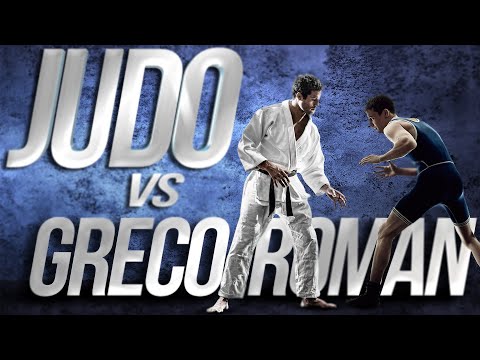
Olympic Gold Medalists Collide: Judo vs. Greco-Roman in the Octagon - A Budo Analysis

So, what do you think happens when an Olympic Judo Champion faces an Olympic Greco-Roman Champion in an MMA fight? This isn't mere speculation; it's a question that has been put to the ultimate test. Thanks to the legendary Pride FC organization, we were privileged to witness a prime example of this clash of titans. Judo gold medalist Hidehiko Yoshida and Greco-Roman Wrestling gold medalist Rulon Gardner squared off inside the ring, a contest that promised a fascinating battle of grappling supremacy.

But was it truly the clash of grappling styles many anticipated, or something more complex? As practitioners of the martial arts, we understand that translating Olympic-level specialization into the chaotic, multi-faceted arena of mixed martial arts is no simple feat. It requires more than just technical prowess; it demands adaptation, resilience, and a deep understanding of the warrior's spirit.

This encounter serves as a potent case study for anyone serious about combat sports. It forces us to question: what truly wins when two absolute masters of their distinct disciplines meet under a new set of rules?

When Worlds Collide: Olympic Champions in MMA

The allure of seeing champions from different combat sports test their mettle against each other is undeniable. It's a narrative that has captivated fans for decades. When athletes who have reached the pinnacle of their respective fields—like Olympic Judo and Greco-Roman Wrestling—step into the unpredictable realm of MMA, the stakes are raised exponentially. These are not just athletes; they are arguably the best in the world at what they do. Their Olympic gold medals are not mere decorations; they are proof of years, often decades, of relentless dedication, rigorous training, and an unwavering will to win.

However, the transition from a sport with a singular focus to the hybrid nature of MMA presents unique challenges. In Judo, throws and submissions are key, but striking is absent. Greco-Roman Wrestling is purely about the upper body, focusing on takedowns and control without the use of legs or submissions. MMA, on the other hand, integrates striking, grappling, and submissions from various disciplines. This convergence means that a master of one discipline, no matter how dominant, must confront weaknesses that were never relevant in their original sport.

"In a fight, there are no referees to call time. The only thing you can do is fight." - Miyamoto Musashi

The Pride FC era was particularly fertile ground for such dream matchups. The organization was renowned for its willingness to pit stylistic contrasts against each other, often in spectacular fashion. The bout between Rulon Gardner and Hidehiko Yoshida was a prime example of this philosophy, pitting two Olympic titans whose primary skill sets, while both grappling-based, were fundamentally different. The question wasn't just who was the better grappler, but who could adapt their lifelong skills to the unforgiving environment of the MMA cage.

Rulon Gardner: The Greco-Roman Titan

Rulon Gardner is an American legend in Greco-Roman wrestling. His most celebrated achievement was undoubtedly his shocking upset victory over Russia's three-time Olympic gold medalist Aleksandr Karelin at the 2000 Sydney Olympics. This victory cemented Gardner's place in wrestling history and showcased his incredible grit, determination, and strategic prowess within the confines of Greco-Roman rules.

Gardner's style in Greco-Roman wrestling was characterized by immense physical strength, powerful upper-body control, and an iron will. He excelled at clinching, breaking down opponents, and executing powerful throws or takedowns. His conditioning was superb, allowing him to maintain intense pressure throughout grueling matches. In Greco-Roman, the focus is entirely on the upper body; legs cannot be used for attacks or defense, and no submissions are allowed. This discipline demands exceptional core strength, explosive power, and a deep understanding of leverage and balance. Gardner embodied these traits, making him a formidable force in his chosen discipline.

Transitioning to MMA, Gardner brought this formidable wrestling base. His primary goal would have been to impose his superior control and strength, aiming for takedowns and potentially grinding out a decision or seeking a dominant position. However, the absence of leg attacks and the introduction of striking and submissions meant he had to evolve. Could his raw power and strategic clinch work translate against an opponent skilled in Judo's dynamic throws and submissions, and potentially capable of landing strikes?

Hidehiko Yoshida: The Judo Master

On the other side stood Hidehiko Yoshida, a Japanese judoka who captured the gold medal in the men's middleweight division at the 1992 Barcelona Olympics. Yoshida was not just an Olympic champion; he was a highly respected figure in the world of Judo, known for his dynamic throwing techniques (nage-waza) and his dangerous groundwork (ne-waza).

Judo, unlike Greco-Roman, incorporates the use of legs for sweeping and tripping, and crucially, emphasizes submissions like armbars and chokes from various positions. Yoshida's judo was characterized by powerful grips, explosive entries into throws, and a strong understanding of kuzushi (off-balancing an opponent). His Olympic victory was a testament to his mastery of these principles. He possessed a powerful seoi-nage (shoulder throw) and was adept at transitioning from standing techniques to ground control and submissions.

When Yoshida moved into MMA, he brought a dangerous combination of throwing ability and submission grappling. His judo background gave him an advantage in disrupting an opponent's balance and executing throws that could lead to dominant positions on the ground. The challenge for Yoshida in MMA, as with many judoka, was often adapting to the striking game and defending against techniques outside the scope of traditional judo, such as leg locks if he faced a BJJ specialist. However, against a wrestler like Gardner, Yoshida's throwing prowess and submission threat from the ground presented a unique set of dangers.

Pride FC Presents: Gardner vs. Yoshida

The fight between Rulon Gardner and Hidehiko Yoshida took place at Pride 32 in Las Vegas on October 21, 2006. The anticipation was palpable. Fans were eager to see how the raw power and control of Greco-Roman wrestling would fare against the dynamic throws and submission potential of Judo, all within the context of MMA.

The bout itself, however, did not unfold as many expected. While both athletes were Olympic gold medalists, their transition to MMA had presented significant challenges. Gardner, known for his aggressive wrestling style, struggled to impose his game. Yoshida, while a master of Judo, also found it difficult to implement his signature throws against Gardner's defensive posture and the limitations imposed by the MMA ruleset and Gardner's wrestling background.

The fight largely became a wrestling-heavy affair, with both men attempting takedowns and control. However, the dynamic exchanges and submissions that many hoped for were largely absent. The fight went the distance, with Rulon Gardner ultimately winning by unanimous decision. It was a testament to his ability to survive and control the fight, even if it wasn't the most spectacular display of martial arts.

Budo Analysis: Technique, Tactics, and the Spirit of Combat

From a Budo perspective, the Gardner vs. Yoshida fight is a profound lesson in adaptation and the realities of combat. While both men were Olympic champions, their MMA careers were often marked by struggles that highlighted the chasm between sport-specific mastery and the broader application of combat skills.

Greco-Roman vs. Judo in MMA:

  • Striking Defense: Both athletes, coming from grappling-only backgrounds, showed vulnerability to strikes. In MMA, the threat of punches and kicks changes the dynamic of grappling entirely. A simple clinch entry might be met with a knee or elbow.
  • Takedown Defense: While both were world-class wrestlers/judoka, defending takedowns in MMA is different. Opponents can attack the legs, use strikes to set up takedowns, and employ a wider array of setups than in their respective sports. Gardner's defensive wrestling was strong, but Yoshida struggled at times to implement his dynamic entries.
  • Submission Threat: Judo offers submissions, but MMA includes a broader range, particularly leg locks, which are absent in Judo. While Yoshida had submission skills, Gardner's wrestling base was primarily defensive against them, and he wasn't known for offensive submission work in MMA.
  • The "Spirit" of MMA: MMA demands a different mindset. It's not just about executing techniques; it's about enduring a multi-faceted attack and defending against varied threats. The pressure is immense, and the ability to adapt under fire is paramount. Both Gardner and Yoshida, despite their Olympic spirit, showed the steep learning curve.

Gardner's victory was a demonstration of his ability to use his core strength and defensive wrestling to nullify Yoshida's offense and control the fight. It wasn't a masterclass in offensive grappling within MMA, but it was an effective strategy against an opponent who also struggled to find his rhythm. It underscores the principle that even a "less exciting" strategy can be effective if it directly counters the opponent's strengths and exploits their weaknesses.

"Mastering others is strength. Mastering yourself is true power." - Lao Tzu

The fight also serves as a cautionary tale. Olympic champions are not automatically destined for success in MMA. The transition requires significant cross-training, a willingness to learn entirely new skill sets, and a deep respect for the diverse disciplines that constitute mixed martial arts. The technical purity of Judo or Greco-Roman wrestling, while incredibly effective in its own domain, must be augmented and adapted for the MMA arena.

Sensei's Verdict: A Lesson in Adaptation

Rulon Gardner vs. Hidehiko Yoshida was less a dazzling display of stylistic martial arts combat and more a stark illustration of the challenges faced by elite specialists transitioning to MMA. While both were Olympic gold medalists, their performance highlighted that Olympic-level mastery in a singular discipline does not automatically translate to dominance in a multi-disciplinary combat sport like MMA.

Gardner's win by decision was a testament to his superior defensive wrestling and his ability to manage the fight, preventing Yoshida from implementing his dynamic Judo. It demonstrated that fundamental wrestling control, even without offensive submissions, could be enough to neutralize a skilled Judo practitioner in this context. However, it was not a performance that showcased the full potential of either art form within MMA.

For the aspiring martial artist, the lesson is clear: specialization is crucial for reaching the highest levels in a specific sport, but success in MMA requires breadth. One must embrace cross-training, understand the interplay of striking and grappling, and cultivate a mindset that prioritizes adaptability above all else.

Sensei's Rating: 3 out of 5 Grips (A valuable lesson, but lacking in dynamic martial exchange).

Essential Training Gear for Grapplers

Whether you're training Judo, Greco-Roman, or BJJ, the right equipment can make a significant difference in your training. Investing in quality gear not only enhances comfort and performance but also ensures safety and durability.

  • High-Quality Gi/Kimono: For Judo and BJJ, a durable gi is essential. Look for double-weave or heavy-weave fabrics that can withstand the rigors of grappling. Brands like [Brand Name - Affiliate Link Placeholder] or [Another Brand - Affiliate Link Placeholder] offer excellent options. For specific recommendations on best judo kimonos, consider brands known for their resilience.
  • Wrestling Shoes: While not always necessary for Judo or BJJ training, wrestling shoes can provide excellent grip and ankle support for specific drills or if training in a facility with a slick mat.
  • Mouthguard: Crucial for any combat sport, a custom-fitted mouthguard is vital for protecting your teeth and jaw during sparring or live drills.
  • Training Apparel: For MMA or specific wrestling drills, comfortable and breathable rash guards and shorts are a must. Look for moisture-wicking fabrics.
  • Knee Pads: Essential for protecting your knees during takedown drills, groundwork, and various positional sparring.

Frequently Asked Questions

What is the main difference between Judo and Greco-Roman Wrestling?

Judo allows leg sweeps and trips, and emphasizes throws leading to ground submissions. Greco-Roman Wrestling prohibits the use of legs in attacking or defending and does not allow submissions, focusing solely on upper-body control and takedowns.

Can Olympic-level skills in one grappling sport guarantee success in MMA?

No. While Olympic skills provide a strong foundation, success in MMA requires adapting to striking, defending against a wider range of techniques, and understanding the multi-disciplinary nature of the sport. Many Olympic champions have struggled to transition successfully.

Was the fight between Gardner and Yoshida entertaining?

Many fans found the fight to be somewhat slow and tactical, lacking the high-octane exchanges often seen in MMA. It was more of a strategic wrestling match than a dynamic martial arts display.

What are the key takeaways from this fight for martial artists?

The fight highlights the importance of specialization versus generalization, the need for adaptability in combat sports, and the significant challenges of bridging the gap between different grappling disciplines and MMA.

Deepen Your Journey

Reflection of the Sensei: Your Next Step

Gardner and Yoshida proved that Olympic gold is a testament to incredible dedication, but the Octagon demands a different kind of warrior. When faced with the unknown, do you freeze, clinging to what you know, or do you adapt, forging new paths from the embers of old techniques? Consider this: In your own training, where are you most specialized, and where are you most resistant to learning? Is your focus so narrow that it blinds you to the broader battlefield of life?

``` GEMINI_METADESC: Analyze the epic clash between Olympic Judo gold medalist Hidehiko Yoshida and Greco-Roman champion Rulon Gardner in MMA. Learn about their skills, the fight, and Budo lessons.

The Brutal Realism of "Street Fighter": A Martial Sensei's Critique

Is the digital realm merely a playground for fantastical combat, or can it offer genuine insights into the brutal art of the street? Many dismiss video games as childish diversions, devoid of the grit and danger inherent in real-world confrontations. But what if we, as martial practitioners, are missing a crucial dialogue by simply turning our backs on these simulations? Today, we dissect the phenomenon of "beating up Street Fighter," not as a mere game review, but as an exploration of simulated combat, its perceived realism, and what it can (and cannot) teach us about the unforgiving landscape of self-defense.

The Allure of the Arcade Arena

Since its inception, the Street Fighter franchise has captivated millions. Its vibrant characters, signature moves, and competitive spirit have cemented its place in pop culture. But beyond the flashing lights and sound effects, what draws us to these digital brawls? Is it merely the catharsis of virtual violence, or does it tap into something deeper—a primal fascination with conflict and the mastery of combat, however simulated?

As a Sensei who has dedicated a lifetime to the study and practice of genuine martial arts, I approached this analysis with a critical, yet open, mind. My goal is not to dismiss the game, but to dissect its components through the lens of a seasoned warrior, discerning where it mirrors reality and where it departs, often dramatically.

Gameplay Mechanics: Mimicry or Mockery of Combat?

At its core, Street Fighter is a 2D fighting game defined by precise timing, strategic positioning, and the execution of special moves. On the surface, it mimics the fundamental elements of hand-to-hand combat: offense, defense, spacing, and the utilization of powerful techniques. Players learn to read their opponent, anticipate their actions, and respond with optimal counters.

However, the simulation quickly diverges from reality. The exaggerated hitboxes, the uncanny ability to absorb multiple devastating blows before falling, and the sheer impracticality of moves like a "Hadouken" (a mystical energy projectile) highlight its nature as a game, not a documentary. While the timing of blocks and the strategic use of projectiles might echo some principles of engagement, the impact and consequences are fundamentally altered. A roundhouse kick in the game might stun an opponent; in reality, it could result in broken bones or worse, for both parties involved.

"The art of war is of vital importance to the State. It is a matter of life and death, a road to either survival or ruin. Hence it is a subject of inquiry which can on no account be neglected." - Sun Tzu, The Art of War. While Sun Tzu speaks of warfare, his words resonate with the spirit of any true combat, digital or otherwise. The stakes in Street Fighter are low, but the *principles* of engagement are what we dissect.

The concept of Ki, often represented by special move meters, is a fascinating point of comparison. In many martial arts traditions, Ki (or Chi) refers to vital energy. While the game’s representation is purely for gameplay mechanics, it touches upon the idea that a warrior's internal energy can be harnessed for greater power. This is where the simulation can, perhaps, spark curiosity about deeper, often esoteric, martial principles.

Character Roster: A Pantheon of Simulated Styles

One of the most compelling aspects of Street Fighter is its diverse cast of characters, each representing a distinct fighting style. From Ryu’s traditional Karate, embodying the principles of discipline and focus, to Chun-Li's powerful kicks inspired by Chinese martial arts, and Zangief's raw grappling power reminiscent of Russian Sambo, the game presents a virtual dojo of styles.

Does this diversity offer a true representation of martial arts? Not entirely. Each character's style is often a highly stylized and dramatized interpretation, designed for visual flair and unique gameplay mechanics rather than strict adherence to real-world efficacy. For example, Dhalsim’s elastic limbs and fire-breathing are pure fantasy. However, characters like Ken Masters or Ryu, with their emphasis on punches, kicks, and the fundamental stances of Karate, offer a more recognizable, albeit simplified, glimpse into traditional combat training.

The introduction of grappling specialists like Zangief or Rufus presents a crucial aspect of combat that 2D fighting games often struggle to fully replicate: the close-quarters, ground-based struggle. While Rufus’s acrobatic style is outlandish, his focus on throws and takedowns points to the importance of grappling and wrestling, elements often downplayed in games focused solely on striking.

The Philosophical Echoes: Courage, Strategy, and the Illusion of Control

Beyond the button presses and combos, Street Fighter can inadvertently teach us about fundamental martial philosophies. The need for unwavering focus, the strategic mind to outwit an opponent, and the sheer courage to face adversity time and again all mirror principles of the Budo code.

Players must develop:

  • Discipline: To master complex move inputs and practice relentlessly.
  • Patience: To wait for openings and avoid reckless attacks.
  • Adaptability: To adjust strategies based on the opponent's style and actions.
  • Resilience: To come back from behind, refusing to yield after taking damage.

These are not mere gaming skills; they are life skills, honed through the crucible of competition. The "mental game" in fighting games is as critical as it is in any real confrontation. The moment a player experiences "tilt" – frustration leading to poor decisions – they are learning a hard lesson about emotional control, a cornerstone of martial arts.

However, this is where the illusion can become dangerous. The absence of genuine fear, pain, or lasting consequence creates a false sense of security. The "fight" is contained within a digital box. The potential for serious injury or death, the unpredictable nature of real human aggression, and the legal ramifications of self-defense are entirely absent from the arcade screen.

Bridging the Gap: What Street Fighter Can (and Cannot) Teach Us

Let us be clear: Street Fighter is a game. It is designed for entertainment, not as a tactical manual for street survival. A player who has mastered every combo in the game is not inherently prepared for a real confrontation. However, to dismiss it entirely is to ignore its potential as a gateway or a supplementary training tool.

What it CAN teach:

  • Basic Principles of Engagement: Understanding offensive and defensive exchanges, timing, and spacing.
  • Strategic Thinking: Developing patterns, anticipating opponents, and resource management (meter).
  • Reaction Time and Hand-Eye Coordination: Enhancing reflexes crucial for any physical activity.
  • Introduction to Diverse Styles: Sparking interest in real martial arts by showcasing varied techniques.
  • Mental Fortitude: Learning to persevere through difficulty and manage emotions under pressure.

What it CANNOT teach:

  • Real-World Danger and Consequences: The game lacks the visceral fear, pain, and potential for severe injury or death.
  • Unpredictability of Human Behavior: Real attackers don't follow predictable AI patterns or have "comeback mechanics."
  • Environmental Awareness: Fights often occur in neutral arenas, ignoring real-world variables like obstacles, multiple attackers, or weapons.
  • The Effectiveness of Grappling and Ground Fighting: While present, it's often simplified and less nuanced than in reality.
  • The Impact of Adrenaline and Stress: The physiological effects of genuine danger cannot be replicated by a controller.

A true martial artist understands that the path to mastery is paved with sweat, discipline, and real-world application. The game can be a fun diversion, perhaps even a catalyst for a deeper journey, but it should never be mistaken for the journey itself. The focus on #fight in the game is a pale imitation of the life-or-death stakes involved in actual #combat.

Veredicto del Sensei: Digital Punch or Dangerous Delusion?

Street Fighter is a masterful piece of entertainment, a testament to the enduring human fascination with combat. It provides a safe, albeit limited, arena for exploring strategic fighting. However, as a tool for learning real-world self-defense, its efficacy is highly debatable and potentially misleading if taken at face value.

It excels at simulating the strategic and reactive elements of a fight, but falters dramatically in conveying the physical realities, the psychological terror, and the brutal consequences of true violence. It’s a vibrant, engaging simulation that can spark interest but should never replace the rigorous, grounded training required for genuine martial competence.

My Ruling: A thrilling arcade experience, a potential spark for curiosity, but a dangerous delusion if mistaken for practical combat training. It’s a Digital Punch that lands with entertaining flair, but ultimately lacks the substance of a true martial encounter.

Equipo Esencial para tu Entrenamiento (y el Juego)

While the game itself requires a controller or fight stick, remember that genuine martial arts training demands specific gear. If the allure of Street Fighter has you considering a real path, here's a foundational list:

  • Kimono de Judo / Gi de Karate: For styles emphasizing throws and traditional striking. Look for durable, double-weave fabrics for longevity.
  • Guantes de Sparring (16oz): Essential for safe striking practice in Karate, Kickboxing, or MMA. Ensure they offer adequate padding.
  • Protector Bucal: Non-negotiable for any sparring to protect your teeth and jaw.
  • Espinilleras y Empeineras: Crucial for protecting shins and feet during kicking drills and sparring in styles like Taekwondo or Kickboxing.
  • Protector de Ingle: A vital piece of safety equipment for all combat sports.
  • Fight Stick (Opcional para el Juego): For serious Street Fighter players, a dedicated fight stick can enhance precision and mimic arcade feel.

Investing in quality equipment is an investment in your safety and progress, whether on the mats or in front of the screen.

Preguntas Frecuentes

  • ¿Puede Street Fighter enseñar defensa personal real?
    No directamente. Si bien puede enseñar conceptos básicos de reacción y estrategia, carece de la realidad del peligro, la física del impacto y la imprevisibilidad de un ataque real.
  • ¿Es malo que los niños jueguen Street Fighter?
    La clasificación por edades varía, pero la exposición a la violencia simulada debe ser supervisada. Puede ser una herramienta para enseñar sobre disciplina y estrategia, siempre que se acompañe de una comprensión clara de la diferencia entre juego y realidad.
  • ¿Qué arte marcial se parece más a Ryu en Street Fighter?
    Ryu está inspirado principalmente en el Karate, con elementos de otras artes japonesas. Su estilo enfatiza golpes rectos, bloqueos y un fuerte sentido del Bushido.
  • ¿Cómo puedo mejorar mi juego de lucha de Street Fighter?
    Práctica constante, estudio de personajes, comprensión de "frame data" (tiempos de ataque/defensa), y jugar contra oponentes más experimentados son claves.
  • ¿Existen otros juegos de lucha que simulen mejor las artes marciales?
    Juegos como EA Sports UFC o Pride Fighting Championships (aunque más enfocado en MMA) intentan simular las mecánicas y el realismo de las artes marciales mixtas de forma más profunda, pero aún así son simulaciones.

Para Profundizar en tu Camino

Si la exploración de la simulación de combate te ha abierto el apetito por la profundidad del arte marcial real, te invito a explorar estos temas:

"El conocimiento es poder. La práctica es la llave. El Budo es un camino que se recorre cada día." - Un principio fundamental que reverbera en todas las disciplinas marciales.

Reflexión del Sensei: Tu Próximo Paso

Hemos desmantelado la fantasía de la pantalla y la hemos comparado con la dura realidad del tatami y la calle. Ahora, la pregunta es para ti, guerrero digital o aspirante a artista marcial: ¿Te conformarás con las victorias simuladas, o usarás esta chispa de interés para encender el fuego de la práctica real? ¿Te atreverás a dejar la comodidad del control para enfrentarte a los desafíos verdaderos, donde la única medalla es el respeto ganado y la habilidad forjada en el crisol del esfuerzo?

El debate está abierto. ¿Qué piensas tú? ¿Es Street Fighter una herramienta útil para despertar la pasión marcial, o una distracción peligrosa? ¡Demuéstralo en los comentarios!

``` GEMINI_METADESC: Analyze the realism and martial arts lessons of 'Street Fighter' with a Sensei's critical eye. Discover what the game teaches and where it falls short for real combat.

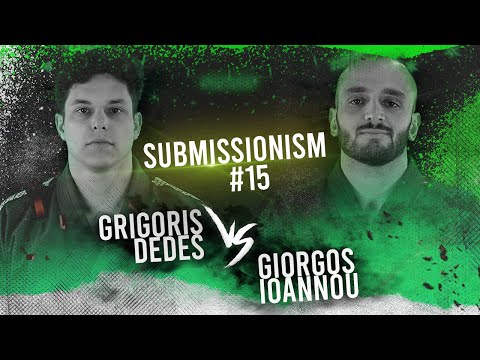
Submissionism 15: Grigoris Dedes vs. Giorgos Ioannou - A Budo Master's Breakdown

Introduction: The Essence of the Grapple

Welcome, warriors, to Budo and Martial Arts. Today, we dissect a visceral display of grappling prowess: Submissionism 15, featuring the intense clash between Grigoris Dedes and Giorgos Ioannou. This event, held on October 30, 2022, under the Cage Survivor banner, offers a potent microcosm of the strategic depth and raw physicality that defines modern submission grappling. For those who seek not just to watch, but to *understand*, this bout is a rich tapestry of technique, strategy, and the indomitable spirit of combat. Prepare yourselves, for we shall delve beyond the mere spectacle into the very heart of the struggle.

Fighter Analysis: Dedes vs. Ioannou - A Study in Contrasts

Before the mat is even touched, the true battle begins in the minds of the combatants. Grigoris Dedes, a name that has echoed in the halls of submission grappling, and Giorgos Ioannou, a challenger eager to make his mark. What does each bring to the canvas? Dedes, often characterized by his relentless pressure and suffocating control, typically favors a methodical approach, wearing down opponents with strategic positional advancement and potent submission attempts. Ioannou, on the other hand, might represent the dark horse, the unpredictable element whose aggression and willingness to take risks could shatter Dedes' carefully constructed game plan. It is this interplay of established mastery versus insurgent ambition that makes such contests compelling. We must ask: Will Dedes’ experience dictate the pace, or will Ioannou’s hunger for victory be the deciding factor?

Technical Breakdown: A Masterclass in Submission

The core of any martial art, and indeed any contest, lies in its technique. Submissionism 15, as the name suggests, is a canvas for the art of the tap-out. We will meticulously examine the transitions, the grips, the feints, and the devastating finishes.

  • Guard Passing: Observe how each fighter attempts to navigate the treacherous terrain of the opponent's guard. Is it explosive speed, patient pressure, or cunning misdirection? A failed pass can lead to a dominant position for the defender, a lesson learned by countless practitioners.
  • Positional Control: Once a dominant position is achieved – be it side control, mount, or back control – how is it maintained? This is where strength meets technique. Look for the subtle weight distribution, the tight hip control, and the constant pressure that suffocates mobility and creates submission opportunities.
  • Submission Entries: The moment of truth. Whether it’s a Rear-Naked Choke, an Armbar, a Triangle Choke, or a Leg Lock, the entry is paramount. A sloppy entry is an invitation for escape. A well-timed, technically sound entry can seal the deal in an instant.
  • Defense and Escapes: Equally crucial is the art of survival. How do Dedes and Ioannou defend against submission attempts? Do they rely on brute strength, technical knowledge of how to relieve pressure, or the sheer willpower to endure? The ability to escape a bad situation is often as valuable as the ability to submit an opponent.

This is where the true art of grappling is displayed, a dance of leverage, timing, and an intimate understanding of human anatomy. Every shift in weight, every subtle movement, has a purpose.

Strategic Depth: Beyond the Obvious

While the raw techniques are captivating, the true masters of submission grappling operate on a higher plane of strategy. Submissionism 15 is not merely a series of individual techniques; it is a strategic chess match played with the body. We must analyze:

  • Pacing: Did one fighter attempt to drain the other's energy early, or was it a cautious dance of probing attacks? A consistent pace is often key to long-term success, but strategic bursts of intensity can break an opponent's will.
  • Game Planning: It’s clear that both Grigoris Dedes and Giorgos Ioannou would have prepared specific strategies tailored to each other's known strengths and weaknesses. Did one fighter’s game plan clearly dominate the other’s?
  • Adapting to Circumstance: The mat is a dynamic environment. A well-executed plan can be nullified by a single counter or an unexpected move. The fighter who can adapt, who can think on their feet (or on their back!), is the one most likely to emerge victorious.

A fighter who relies solely on brute force without strategic foresight is like a samurai with a fine sword but no tactical mind – destined for defeat against a thoughtful adversary.

"Strategy without execution is the dream of a madman." - Miyamoto Musashi

The Submissionism Philosophy

The name "Submissionism" itself speaks volumes. It implies a focus, perhaps even an elevation, of the submission arts. In a sport often dominated by striking and knockouts, events like Submissionism 15 champion the intricate, cerebral aspect of grappling. It’s a celebration of the tap-out, the moment an opponent verbally or physically concedes defeat, acknowledging the superior technique or inescapable hold applied. This philosophy resonates deeply with the principles of Budo, where discipline, respect, and the pursuit of mastery are paramount. The ultimate goal is not necessarily to inflict pain, but to achieve a state of undeniable control and tactical superiority, leading to the opponent's willing cessation of resistance.

Veredict of the Sensei: Is Submissionism 15 a Must-Watch?

Let us not mince words. Grigoris Dedes vs. Giorgos Ioannou at Submissionism 15 is more than just a fight; it is a testament to the evolution and artistry of submission grappling. While the outcome may be definitive, the journey to that conclusion is a masterclass for any serious student of the mats. The technical execution, the strategic battles waged, and the sheer willpower displayed make this bout a compelling watch.

Rating: Four out of Five Black Belts

This is a fight that rewards close observation. For practitioners, it offers invaluable lessons. For fans, it provides a thrilling display of human ingenuity under pressure.

Training Essentials for the Aspiring Grappler

To truly appreciate and emulate the skills showcased at Submissionism 15, dedicated training is non-negotiable. What equipment and mindset do you need to cultivate?

  • High-Quality Gi: For Gi grappling, a durable, well-fitting Gi is essential. Look for double-weave fabrics for longevity under strenuous use. Brands specializing in Karate and Judo Gi often have excellent options that translate well.
  • Spats and Rash Guards: For No-Gi grappling, comfortable, moisture-wicking spats and rash guards are crucial for preventing mat burn and allowing for unrestricted movement.
  • Mat Time: This is non-negotiable. Consistent attendance at a reputable BJJ or grappling academy is paramount. Look for academies that emphasize technical detail and live sparring.
  • Mindset of Perseverance: As with all BUDO, grappling requires immense mental fortitude. Embrace the challenges, learn from every loss, and maintain a consistent training schedule.
  • Study and Observation: Watch fights like this one. Analyze techniques. Read books on grappling strategy. The more you absorb, the faster you will learn.

Resources for Deeper Understanding

The path to mastery is paved with continuous learning. To complement your training and deepen your understanding of the martial world, I highly recommend exploring these resources:

Frequently Asked Questions

Q1: What martial art is most similar to the style seen in Submissionism 15?

The style heavily emphasizes submission holds and positional control, making Brazilian Jiu-Jitsu (BJJ) the most directly comparable martial art. However, elements of Judo and Sambo grappling are also evident.

Q2: How important is physical strength in submission grappling?

While strength is a factor, technique and leverage are significantly more important. A smaller, technically proficient grappler can often overcome a larger, stronger opponent through superior understanding of mechanics and timing.

Q3: Is it possible to train submission grappling at home?

While you can study techniques through videos and books, live grappling requires a training partner and a safe environment. However, physical conditioning, flexibility, and theoretical study can certainly be done at home using resources tagged under #AtHomeWorkout and #NoEquipment.

Q4: What is the quickest submission to learn?

The "quickest" submission is subjective and depends on the individual's aptitude. However, the Rear-Naked Choke is often considered one of the more fundamental and effective submissions to learn early in one's grappling journey due to its efficiency.

Sensei's Reflection: Your Next Step

Grigoris Dedes and Giorgos Ioannou have given us a spectacle, but more importantly, a lesson. They’ve shown that in the crucible of combat, the mind and body must work in perfect, unyielding harmony. They demonstrated that the pursuit of submission is not merely about forcing an opponent to yield, but about understanding the intricate mechanics of leverage, pressure, and timing to achieve undeniable control. This is the essence of true BUDO, extending far beyond the confines of the mat and into the very fabric of life.

Now, I pose this to you: When faced with an insurmountable obstacle in your own life, do you resort to brute force and frustration, or do you seek the elegant, strategic solution that leads to inevitable, controlled success? Reflect on this, and let your actions be your answer.

¿Cuál es el Arte Marcial Definitivo para la Jaula? Un Análisis Marcial de las MMA

Como Sensei, mi propósito es guiaros a través del laberinto del Budo y el combate deportivo, desentrañando verdades que a menudo se ocultan tras la propaganda o la ignorancia. Hoy nos sumergiremos en el crisol de la competición moderna: las Artes Marciales Mixtas (MMA). Muchos se preguntan, con la fervorosa pasión de un novato o la calculada curiosidad de un veterano, ¿cuál es el arte marcial **superior** para triunfar en la jaula? Esta pregunta, aunque seductora, es una trampa si se aborda con una mente cerrada. Las MMA, por su propia naturaleza, no son el dominio de un solo estilo, sino la sinergia de múltiples disciplinas. Pero, ¿qué ocurre cuando se enfrentan estas artes? ¿Cuáles demuestran ser las más resilientes, las más aplicables, las que forjan al verdadero campeón? Vamos a desmantelar el mito y a exponer la realidad.

Tabla de Contenidos

La Fusión de Disciplinas: El ADN de las MMA

Las MMA, en su esencia, son una demostración de adaptabilidad y conocimiento marcial aplicado. No se trata de qué arte marcial es *inherentemente* superior, sino de qué artista marcial puede integrar y aplicar de manera más efectiva múltiples facetas del combate. Un peleador que solo domina el striking sin defensas contra derribos es una presa fácil. Un grappler sin habilidad para golpear será neutralizado antes de poder usar su especialidad. La verdadera efectividad en la jaula reside en la capacidad de transicionar entre las diferentes distancias y fases del combate: la lucha de pie (striking), el clinch y la lucha en el suelo (grappling). Un peleador completo es una amalgama de disciplinas. Sin embargo, ciertas artes marciales proporcionan las bases más sólidas para esta fusión.
"En el arte de la guerra, la victoria se logra mediante el conocimiento y la adaptación." - Sun Tzu
Este principio milenario es la piedra angular de las MMA modernas. Los grandes campeones no son meros practicantes de un estilo, sino estrategas que han absorbido lo mejor de varios mundos.

1. Jiu-Jitsu Brasileño: El Maestro del Suelo

El Jiu-Jitsu Brasileño (BJJ) es, sin duda, uno de los pilares fundamentales de las MMA modernas. Su enfoque en la lucha en el suelo, las sumisiones (llaves articulares y estrangulaciones) y el control posicional lo convierten en una herramienta devastadora. La premisa del BJJ es que un oponente más pequeño y débil puede vencer a uno más grande y fuerte mediante la técnica y el apalancamiento, llevándolo al suelo donde la ventaja física a menudo se neutraliza. La efectividad del BJJ en la jaula es innegable. Hemos visto innumerables combates decididos por una sumisión o un control de suelo que deja al oponente indefenso. El BJJ enseña a los peleadores no solo a someter, sino también a defenderse contra sumisiones, a salir de posiciones desfavorables y a mantener el control mientras se busca una oportunidad. Un luchador con una base sólida de BJJ puede dictar el ritmo del combate si la pelea llega al suelo. #bjj, #jiujitsu, #grappling, #artesmarciales

2. Boxeo: La Maestría del Puño

El boxeo es considerado el "arte noble" por una razón. Su enfoque exclusivo en el uso de los puños para el ataque y la defensa ha perfeccionado la técnica de golpeo hasta niveles asombrosos. En las MMA, donde el combate a menudo se inicia de pie, una base de boxeo sólida es crucial. Un boxeador de élite en MMA puede controlar la distancia, golpear con potencia y precisión, y defenderse eficazmente de los ataques con las manos. La agilidad, la potencia de pegada, el juego de pies y la capacidad de absorber golpes son habilidades que provienen directamente del boxeo y que son transferibles a la jaula. Muchos combates se ganan o se pierden en la fase de striking, y el boxeo proporciona las herramientas más directas para dominarla. #boxeo, #combatsports, #artesmarciales

3. Muay Thai: La Ciencia de las Ocho Extremidades

Originario de Tailandia, el Muay Thai es conocido como "el arte de las ocho extremidades" debido a su uso integrado de puños, codos, rodillas y espinillas. Esta versatilidad lo hace excepcionalmente peligroso y efectivo en las MMA. Los practicantes de Muay Thai son maestros del clinch, donde pueden controlar la cabeza del oponente y lanzar rodillazos devastadores, o usar sus piernas para controlar la distancia y lanzar patadas poderosas. La combinación de golpes contundentes, la resistencia al dolor y la capacidad de infligir daño con múltiples armas hacen del Muay Thai una disciplina primordial para el striking en las MMA. #muaythai, #kickboxing, #combatsports, #artesmarciales

4. Lucha Olímpica (Wrestling): El Arte del Control y el Derribo

La lucha olímpica, tanto libre como grecorromana, es la base de muchas carreras exitosas en MMA. Su enfoque en los derribos (takedowns), el control posicional y la capacidad de dictar dónde ocurre el combate la hacen invaluable. Un luchador puede anular las habilidades de striking de su oponente llevándolo al suelo, y desde allí, controlar la pelea, buscar puntos o incluso finalizar con golpes (ground and pound). La fuerza física, la resistencia, la técnica de derribo y la capacidad de mantener a un oponente en el suelo son las marcas distintivas de un buen luchador. En MMA, la lucha no solo sirve para llevar la pelea al suelo, sino también para defenderse de los derribos y regresar a la posición de pie, una habilidad vital. #wrestling, #lucha, #grappling, #artesmarciales

5. Karate: El Golpe Fulminante y la Distancia

Aunque a menudo se debate su aplicabilidad directa en MMA debido a su enfoque tradicional en katas y formas, los principios del Karate pueden ser sorprendentemente efectivos. El Karate, en sus formas más dinámicas y orientadas al combate (como el Kyokushin), enseña golpes de mano y pierna con tremenda potencia, precisión y control de la distancia. Un peleador con una base de Karate puede utilizar sus patadas rápidas y potentes para mantener al oponente a raya, o emplear golpes de puño rectos y contundentes que pueden ser decisivos. La disciplina y el control corporal que se desarrollan en el Karate son transferibles. La clave está en adaptar los principios y las técnicas a las realidades del combate de MMA, integrándolos con otras disciplinas. #karate, #Kyokushin, #artesmarciales

Veredicto del Sensei: ¿Hay un Rey?

La respuesta, como suele ocurrir en el camino marcial, es más compleja que un simple "sí" o "no". No existe un único "rey" de las artes marciales para las MMA. La efectividad reside en la **combinación**. Históricamente, el **Jiu-Jitsu Brasileño** y la **Lucha Olímpica** han demostrado ser la base más sólida para el éxito en MMA debido a su dominio de las fases de grappling, que a menudo deciden los combates. Sin embargo, un peleador sin habilidades de striking se queda cojo. Un peleador de MMA verdaderamente completo necesita una combinación de:
  • Striking (Boxeo, Muay Thai)
  • Grappling (BJJ, Lucha)
  • Transición y Defensa contra Derribos
  • Condición Física de Élite
  • Fortaleza Mental
El peleador que triunfa es aquel que ha integrado inteligentemente estas disciplinas, no aquel que se aferra rígidamente a una sola. El arte marcial "definitivo" para las MMA es aquel que puedes **adaptar y fusionar** con otros, creando un estilo híbrido insuperable.

Equipo Esencial para tu Entrenamiento

Para aquellos que buscan construir su arsenal marcial para la jaula, el equipo adecuado es fundamental. No necesitas gastar una fortuna, pero invertir en calidad te servirá mejor.
  • Guantes de MMA: Ligeros, permiten el agarre y protegen tus manos y la de tu oponente durante el sparring. Busca unos de 4 a 6 onzas.
  • Protector Bucal: ¡Indispensable! Protege tus dientes, mandíbula y cerebro de impactos.
  • Espinilleras y Guantes de Boxeo/Muay Thai: Para el entrenamiento de striking, necesitas proteger tus piernas y manos.
  • Kimono de Jiu-Jitsu (Gi) y/o Ropa de Entrenamiento Ligera: Para BJJ, un gi de buena calidad es esencial. Para entrenamientos más generales, ropa cómoda que permita el movimiento.
  • Vendajes para las Manos: Cruciales para dar soporte a las muñecas y nudillos antes de usar guantes de boxeo.
  • Protector Genital: Una inversión sabia para evitar lesiones graves.
Visita tiendas especializadas en #MartialArtsMerchandise o busca online "equipo para MMA" para encontrar opciones. ¡Un buen equipo te permite entrenar con más seguridad y confianza!

Guía de Entrenamiento: La Transición entre Distancias

Uno de los aspectos más difíciles de dominar en MMA es la transición fluida entre la lucha de pie y el suelo, y viceversa. Aquí tienes un ejercicio para empezar a desarrollar esta habilidad:
  1. Fase 1: Striking Sostenido (30 segundos): Comienza en guardia, practicando movimientos de pies y lanzando golpes al aire o a un saco. Enfócate en la fluidez y el control de la distancia.
  2. Fase 2: Simulación de Derribo (10 segundos): Desde el striking, simula un intento de derribo (ej. un "sprawl" si tu compañero intenta derribarte, o un intento de llevarlo al suelo si tú eres el atacante).
  3. Fase 3: Lucha en el Suelo (30 segundos): Una vez en el suelo (simuladamente), practica control posicional básico o defensas de sumisión. Si entrenas con un compañero, trabajen transiciones seguras.
  4. Fase 4: Transición a Pie (10 segundos): Si estás en el suelo, practica cómo levantarte de forma segura manteniendo la guardia o defendiéndote de ataques.
  5. Descanso (30 segundos): Recupera el aliento.
  6. Repetir: Realiza este ciclo durante 5-8 rondas.
Este ejercicio, aunque simple, te obliga a pensar en cómo se conectan las diferentes fases del combate. La clave es la **conciencia situacional** y la **capacidad de reaccionar**.

Preguntas Frecuentes

  • ¿Es posible ser un buen peleador de MMA con solo una arte marcial? Es extremadamente difícil. Las MMA exigen una habilidad en múltiples facetas del combate. Un especialista puro tendrá serias debilidades contra un oponente más completo.
  • ¿Cuál es el arte marcial más efectivo para defensa personal en la calle? Para defensa personal callejera, la efectividad depende de la situación y la preparación. Disciplinas como el Krav Maga, que se centran en escenarios realistas y ataques directos, suelen ser recomendadas. Sin embargo, los principios de control, desarme y manejo de múltiples agresores son universales y se benefician de una base sólida en grappling y striking.
  • ¿Qué arte marcial es mejor para empezar en las MMA? Muchos recomiendan empezar con el #bjj o la Lucha Olímpica debido a la importancia del grappling en MMA. Otros prefieren una base de striking como el Boxeo o el Muay Thai. Lo ideal es buscar un gimnasio de MMA que enseñe una mezcla de disciplinas.
  • ¿Es el Karate obsoleto para las MMA? No necesariamente obsoleto, sino que requiere una adaptación significativa. Los principios de potencia y precisión del Karate son valiosos, pero deben complementarse con grappling y defensa contra derribos.

Para Profundizar en tu Camino

El conocimiento marcial es un río inagotable. Si buscas ampliar tu entendimiento, te recomiendo explorar estos recursos:
  • #FightAnalysis: Desgloses detallados de combates y técnicas de peleadores profesionales.
  • #MartialArtsJourney: Historias inspiradoras de artistas marciales y sus caminos.
  • #BUDO: Exploraciones de la filosofía y los principios detrás de las artes marciales tradicionales.

Reflexión del Sensei: Tu Próximo Paso

Hemos explorado las disciplinas que forman el tapiz de las MMA, desgranando sus fortalezas. Pero el conocimiento sin aplicación es tan vacío como una bolsa de arroz sin arroz. ¿Estás listo para dejar de ser un mero espectador y convertirte en un practicante consciente? ¿O acaso tu estudio se limita a las palabras, sin el sudor y la dedicación del tatami? Mi pregunta para ti es simple, pero profunda: **¿Qué disciplina marcial vas a empezar a integrar en tu entrenamiento esta semana, y por qué te resistes a enfrentar tus debilidades técnicas en la jaula de la vida?** Comparte tu respuesta, tu crítica o tu propia visión en los comentarios de abajo. No temáis expresar vuestras ideas; es en el choque de opiniones donde a menudo se forja la verdad.