Showing posts sorted by relevance for query Krav Maga techniques. Sort by date Show all posts

Krav Maga Techniques: Beyond the Hype, A Deep Dive into Real-World Application

Greetings, warriors and seekers of truth. Today, we stand at the precipice of a common, yet often misunderstood, aspect of martial arts: Krav Maga. Many are drawn to its reputation for brutal efficiency, its promise of immediate self-defense capabilities. But is it truly the ultimate system, or just another flash in the pan? I have witnessed countless individuals flock to systems based on sensationalism rather than substance, only to find themselves lacking when the pressure is on. True martial prowess is forged in discipline, understanding, and relentless practice, not just aggressive posturing.

The Genesis of Krav Maga: A Necessity, Not a Spectacle

Krav Maga, a Hebrew term for "contact combat," emerged not from ancient scrolls or competitive arenas, but from the stark realities of survival. Developed by Imi Lichtenfeld in the tense environment of pre-war Europe and later refined in Israel, its purpose was singular: to enable ordinary civilians and soldiers to defend themselves effectively against violent threats. This is not a sport designed for points or judges; it is a system born from necessity, emphasizing aggression, simultaneous defense and offense, and exploiting an opponent's vulnerabilities. The raw, unadorned effectiveness is its hallmark, a stark contrast to many stylized martial arts that prioritize tradition over immediate utility.

We at Budo and Martial Arts believe in presenting the unvarnished truth. Many systems claim superiority, but few can trace their lineage to such primal needs. Follow us on social networks and do not forget to visit our main page for the most comprehensive and updated martial arts information on the internet.

Core Philosophy: Survival and Simplicity

At its heart, Krav Maga operates on a few fundamental principles: simplicity, practicality, and aggression. Unlike martial arts that require years to master complex forms, Krav Maga focuses on techniques that are intuitive and can be learned relatively quickly. The emphasis is on neutralizing the threat as swiftly and decisively as possible. This means:

  • Simultaneous Defense and Offense: Don't just block an attack; counter it immediately.
  • Attacking Vulnerable Points: Eyes, throat, groin – targets that incapacitate quickly.
  • Maintaining Awareness (Zeniet): Constant vigilance to anticipate and react to threats.
  • Utilizing Natural Movements: Leveraging instinctual reactions rather than memorized sequences.

This philosophy makes it incredibly appealing to those seeking immediate self-protection. However, a word of caution: "simple" does not mean "easy to perfect." True mastery requires rigorous training and unwavering commitment.

Deconstructing Krav Maga Techniques

Krav Maga techniques are direct and brutal, eschewing flourish for function. Let's examine some core elements:

  • Stances and Footwork: A balanced, athletic stance is crucial. Unlike some martial arts that emphasize rootedness, Krav Maga favors mobility and the ability to move explosively. The posture should allow for quick evasion and powerful strikes. A stable base is key for delivering effective blows and absorbing impact.
  • Striking: Punches, kicks, elbow strikes, and knee strikes are delivered with maximum force. The focus is on striking vital areas. Techniques like the straight punch, hook, and uppercut are fundamental, but so are devastating strikes like the elbow to the temple or knee to the groin.
  • Grappling and Ground Defense: While Krav Maga is primarily a striking art, it incorporates defenses against common grappling attacks like chokes, bear hugs, and wrist grabs. Its approach to ground fighting is pragmatic, aiming to escape and regain a dominant position as quickly as possible, rather than engaging in prolonged ground exchanges.
  • Weapon Defenses: A significant portion of Krav Maga training focuses on disarming attackers wielding various weapons – knives, sticks, firearms. These are often the most complex and dangerous scenarios, requiring precise timing and overwhelming force.
"The supreme art of war is to subdue the enemy without fighting." - Sun Tzu. While Krav Maga's ethos is direct confrontation, the ultimate victory is to avoid needing its techniques altogether through awareness and de-escalation.

Debunking the Myths: Krav Maga in Context

The sensationalism surrounding Krav Maga has unfortunately spawned numerous myths. Let's address a few:

  • Myth 1: Krav Maga is the most dangerous martial art. While effective and aggressive, its danger lies in its application. A well-trained practitioner using it defensively is less dangerous than an untrained individual panicking. Its "danger" is its efficacy.
  • Myth 2: Anyone can learn to fight in a few weeks. While foundational techniques can be learned quickly, true proficiency requires dedication, conditioning, and continuous refinement. The intensity of the training is often underestimated.
  • Myth 3: It's only for the military or police. While it has roots in military training, Krav Maga is designed for civilians as well. Its principles are universally applicable to self-defense scenarios.

The true power of Krav Maga lies not in its inherent violence, but in its ability to instill confidence and provide practical solutions to life-threatening situations. It's about survival, not sport.

Essential Training for Krav Maga Practitioners

To truly benefit from Krav Maga, consistent and varied training is paramount. Here's a breakdown:

  1. Attend Regular Classes: Find a reputable school with qualified instructors. Proper instruction is crucial for learning techniques correctly and safely.
  2. Sparring (Controlled): Engage in controlled sparring sessions to practice techniques under pressure. This is not about winning, but about adapting and applying what you've learned.
  3. Physical Conditioning: Krav Maga is physically demanding. Cardiovascular fitness, strength training, and flexibility are vital. Incorporate exercises like burpees, push-ups, squats, and sprints to build the necessary stamina and power.
  4. Scenario Training: Practice defending against common attacks and scenarios. This includes verbal de-escalation, situational awareness, and reacting to surprise assaults.
  5. Mental Preparation: Develop a strong mental fortitude. This involves learning to control fear, stay focused under duress, and act decisively.

For those looking to supplement their training, consider investing in quality equipment. A durable uniform is essential, and for striking practice, protective gear like gloves and shin guards are a must. If you're looking for a robust **kimono for Judo or BJJ** that can withstand intense training, research double-weave options.

Krav Maga vs. Traditional Martial Arts: A Polemical View

This is where the debate ignites. Many traditional martial arts, steeped in centuries of philosophy and ritual, view Krav Maga as crude and lacking depth. Conversely, Krav Maga proponents often dismiss traditional arts as impractical and overly ritualistic. As a seasoned observer and practitioner, I see value in both, but with critical distinctions.

Traditional arts often focus on character development, discipline, and long-term mastery of complex techniques. They teach patience, respect, and internal strength. Think of the intricate katas of Karate, the philosophical underpinnings of Aikido, or the disciplined forms of Taekwondo. These arts build a deep understanding of movement, body mechanics, and self-control.

"The true warrior is the one who masters himself before seeking to master others." - A principle echoed across many traditional disciplines.

Krav Maga, on the other hand, is a direct response to immediate threats. Its techniques are designed for survival in the shortest possible time. It prioritizes speed of learning and devastating efficiency. Is one "better" than the other? It depends on your objective. For self-defense in a street confrontation, Krav Maga's directness is unparalleled. For holistic personal development, character building, and a lifetime of physical and mental refinement, traditional arts offer a deeper, albeit longer, path.

The question is not which art is superior, but which art serves your specific purpose. Can Krav Maga teach discipline? Yes, through rigorous training. Can traditional arts teach self-defense? Yes, with dedicated application and adaptation. However, asking if **Aikido can truly defend you on the street** is a valid question, and the answer often leads practitioners back to systems like Krav Maga for raw efficacy.

Sensei's Verdict: Is Krav Maga the Ultimate Self-Defense?

Krav Maga is undeniably one of the most effective systems for real-world self-defense available today. Its focus on simplicity, aggression, and vital targets makes it incredibly potent. However, to call it the "ultimate" is to oversimplify the spectrum of martial arts and the nuances of combat. Its effectiveness hinges on proper training, a disciplined mindset, and understanding its limitations. It is a powerful tool, but like any tool, its effectiveness depends on the wielder.

Cinturón Negro en Eficacia Práctica.

Frequently Asked Questions

What is the difference between Krav Maga and boxing?

Boxing focuses on punches delivered with specific rules and techniques, emphasizing footwork, head movement, and conditioning within a sporting context. Krav Maga incorporates punches but also includes kicks, elbows, knees, grappling defenses, and attacks to vital targets, with the sole aim of neutralizing a threat as quickly as possible, regardless of rules.

Is Krav Maga dangerous to learn?

Any physical activity carries risks, and Krav Maga's intensity and focus on disabling techniques require careful instruction and controlled practice. However, a qualified instructor will prioritize safety, proper technique, and gradual progression to minimize injury.

How long does it take to become proficient in Krav Maga?

While foundational techniques can be learned relatively quickly, true proficiency – the ability to react instinctively and effectively under extreme stress – takes years of consistent training, sparring, and scenario practice. There are no shortcuts to mastery.

Can women benefit from Krav Maga?

Absolutely. Krav Maga is designed for individuals of all sizes, strengths, and genders. It teaches techniques that leverage an attacker's size and strength against them, making it particularly effective for women seeking to defend themselves.

Resources for Deeper Study

To truly grasp the philosophy and application of Krav Maga, and martial arts in general, continuous learning is essential. Consider exploring these avenues:

  • Books on Krav Maga: Look for works by Imi Lichtenfeld and reputable modern instructors.
  • Documentaries on Martial Arts History: Understanding the roots of different systems provides crucial context.
  • Biographies of Great Masters: Learning from the lives and philosophies of masters like Miyamoto Musashi can offer profound insights applicable to any martial path.

For Deeper Exploration on Your Path

Sensei's Reflection: Your Next Step

We have dissected Krav Maga, stripped away the sensationalism, and examined its core principles and practical applications. Now, the question lingers: Is your current path preparing you for the harsh realities of true conflict, or are you merely polishing techniques in a safe, controlled environment?

Consider this: If faced with a sudden, violent attack, would your training serve as a shield, or would it be a hindrance? Your answer lies not in theoretical debate, but in the commitment you bring to your dojo, your training space, and your own relentless pursuit of preparedness. The path of the warrior is one of constant evolution. Are you evolving, or merely existing?

``` GEMINI_METADESC: Dive deep into Krav Maga techniques and philosophy. Is it the ultimate self-defense system? Sensei analyzes its effectiveness, compares it to traditional martial arts, and debunks common myths.
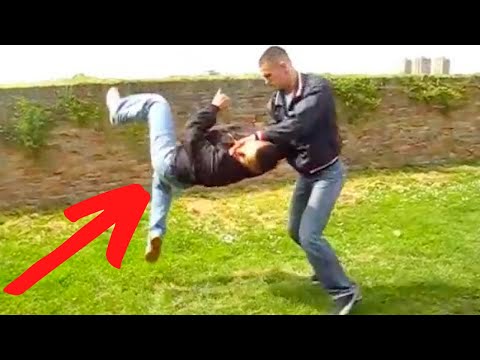
Real Krav Maga: The Uncompromising Edge in Street Confrontations

The unforgiving reality of a street confrontation is a brutal teacher, one that demands more than mere technique; it demands survival. Have you ever found yourself in the terrifying grip of a hostile encounter, surrounded by aggressors whose intent is clear and deadly? In such dire moments, a superficial understanding of combat is a luxury you cannot afford. You need skills forged for survival, and when the arena is the unforgiving concrete of the street, few disciplines stand as tall as Krav Maga. Born from the crucible of necessity in Israel, Krav Maga is not a sport; it is a comprehensive system of self-defense designed for the ultimate objective: to neutralize threats and ensure you walk away. No other combat discipline offers such a holistic, no-nonsense approach to real-world survival. But what elevates Krav Maga to this esteemed position? What specific attributes make it the apex predator in the jungle of street defense? Welcome, practitioners, to Budo and Martial Arts. Today, we dissect the raw effectiveness of Krav Maga, a subject we published on April 28, 2022, at 10:08 AM. Prepare yourselves for an examination of the most complete and updated martial arts insights on the internet.

What Exactly is Krav Maga?

At its heart, Krav Maga translates to "contact combat" in Hebrew. It's a practical, no-frills system developed by Imi Lichtenfeld, a Slovakian-Hungarian-Israeli martial artist and boxer, primarily for the Israel Defense Forces (IDF) and later adapted for civilian self-defense. Unlike many traditional martial arts that emphasize sport competition or philosophical development, Krav Maga’s sole focus is on immediate, decisive action to end a threat. It draws from a synthesis of techniques found in boxing, wrestling, Judo, Karate, and Aikido, but strips away the ritual and sport-specific rules to create something far more primal and effective for the streets.

Krav Maga's Core Principles: Beyond the Techniques

The effectiveness of Krav Maga lies not just in its arsenal of strikes, blocks, and grapples, but in its foundational principles. These are the guiding philosophies that inform every movement and decision:
  • Simplicity: Techniques are easy to learn and execute, even under extreme stress. Complex movements are discarded in favor of direct, powerful actions.
  • Effectiveness: The goal is to end the threat as quickly as possible. This often involves targeting vulnerable areas like the eyes, throat, and groin.
  • Realism: Training scenarios mimic actual street attacks, including multiple opponents, weapons, and surprise elements.
  • Aggression: A controlled but fierce aggression is encouraged to overwhelm the attacker. This is not about being reckless, but about taking decisive initiative.
  • Simultaneous Defense and Offense: Krav Maga often emphasizes performing defensive and offensive actions at the same time, minimizing exposure and maximizing damage to the aggressor.
"The difference between a sport and a life-or-death situation is the rulebook. In the street, there are no referees, and survival is the only prize." - An anonymous Krav Maga instructor's oft-repeated mantra.
This philosophy means that if a situation can be de-escalated verbally, that's the primary objective. But when de-escalation fails, the transition to physical defense is immediate and overwhelming.

Krav Maga vs. Traditional Martial Arts: A Brutal Comparison

This is where the waters can get muddy, and where many traditional practitioners feel challenged. Let’s be direct: Krav Maga is designed for a different purpose than, say, Olympic Taekwondo or competitive Judo.
  • Sport vs. Survival: Traditional arts often have rules designed for fair competition. Punches to the face might be allowed in boxing, but not groin strikes. In Karate sparring, certain techniques are forbidden. Krav Maga has no such limitations. Its objective is to stop the threat, period.
  • Vulnerability Targeting: While many arts teach vital point strikes, Krav Maga makes them a cornerstone. Eye gouges, throat strikes, groin kicks – these are not afterthoughts but primary offensive options.
  • Stress Inoculation: Krav Maga training specifically simulates high-stress scenarios. Instructors will yell, simulators might act aggressively, and drills are designed to evoke a genuine stress response, teaching practitioners to function effectively even when terrified.
  • Weapon Defense: A significant portion of Krav Maga training is dedicated to defending against common weapons like knives, sticks, and firearms. This is often less emphasized in traditional arts, or approached with more ritualistic katas.
Is this to say that traditional martial arts are useless? Absolutely not. A skilled Karateka, Judoka, or BJJ practitioner possesses incredible discipline, physical conditioning, and valuable techniques. However, the *application* and *intent* differ. A BJJ practitioner might be the king of the ground in a sport setting, but in a street fight against multiple attackers, or one with a weapon, their specialized skillset might not be the first or most effective response.
Feature Krav Maga Traditional Martial Arts (General)
Primary Goal Street Survival, Threat Neutralization Sport Competition, Self-Discipline, Technique Mastery, Tradition
Technique Focus Vulnerable Points, Simultaneous Defense/Offense, Efficiency Structured Forms (Kata), Sport-Specific Rules, Progressive Skill Building
Training Environment High Stress Simulation, Realistic Scenarios Controlled Drills, Partner Practice, Forms (Kata) Practice
Weapon Defense Integral Part of Curriculum Varies greatly, often less emphasized or specialized

Training for the Street: The Krav Maga Approach

A Krav Maga class is not for the faint of heart. The conditioning is rigorous, mirroring the physical demands of a real fight. But the *mental* conditioning is equally, if not more, important.

Common Drills and Scenarios:

  1. Multiple Attacker Drills: Participants practice defending against several assailants simultaneously, emphasizing footwork, situational awareness, and using one attacker as a shield or weapon against others.
  2. Weapon Disarms: Intensive practice on neutralizing armed threats, from simple handguns to edged weapons and blunt objects. The focus is on speed, control, and creating an escape opportunity.
  3. Choke/Grab Defense: Learning to break free from common holds and chokes, often with immediate counter-offensives.
  4. Ground Fighting (Limited): While not the primary focus, Krav Maga teaches basic ground survival techniques to escape dangerous positions or attackers when taken down.
  5. Stress Drills: Instructors might induce fatigue, create loud distractions, or simulate surprise attacks to test a student's ability to perform techniques under duress. This is where the "fight or flight" response is actively managed and trained.
"The most important rule in Krav Maga is: Get yourself out of danger. If you can run, you run. If you must fight, fight with everything you have." - A core tenet passed down through generations of instructors.
This relentless focus on practicality means that while a Krav Maga practitioner might not have the perfect roundhouse kick or the most graceful throw, they will possess the tools and the mindset to survive an attack where others might falter.

Equipment Essential for Your Training

While Krav Maga emphasizes using what you have and fighting in everyday clothing, specific gear enhances training safety and effectiveness.
  • Groin Protector: Absolutely essential. Given the techniques taught, this is non-negotiable for male practitioners and highly recommended for females.
  • Mouthguard: Protects your teeth and jaw from accidental impacts, which are common in dynamic sparring.
  • Headgear: Used during more intense sparring sessions to protect against cuts and concussions.
  • Training Knives/Pistols: Red, blunt training implements are used to simulate weapon threats safely.
  • Pads (Focus Mitts, Thai Pads): Crucial for developing power and accuracy in striking and for allowing instructors and partners to deliver techniques safely.
  • Comfortable Athletic Clothing: You'll be moving, striking, and potentially falling. Wear something that allows for full range of motion and can withstand rigorous activity.
  • Durable Footwear: Shoes with good grip are vital, as many scenarios involve quick footwork and pivoting on various surfaces.
For those looking to enhance their striking power and conditioning at home, investing in a heavy bag or even a makiwara (if you have the space and knowledge to install one safely) can be beneficial.

Veredict of the Sensei: Is Krav Maga Truly Superior?

Let’s cut through the ego and the traditionalist dogma. Is Krav Maga the *best* martial art for street defense? For its stated purpose – survival in a violent encounter – my answer, as a lifelong student and observer of the martial world, is an unequivocal **YES**. It's not about flash, elegance, or competition points. It’s about brutal efficiency and the will to survive. Krav Maga doesn't pretend to be anything other than what it is: a system designed to get you out of harm's way, fast. It teaches you to use your environment, to strike ruthlessly, and to defend yourself against overwhelming odds, including multiple attackers and weapons. However, I must temper this with a crucial caveat. True mastery in any martial discipline, including Krav Maga, requires dedication, consistent entrenamiento, and a deep understanding of its principles. A few weeks of basic classes will not transform you into a street-fighting machine. It requires years of sweat, smart training, and the development of mental fortitude – the Ki, or energy, that fuels action under pressure. For those whose primary concern is self-defense in potentially violent civilian environments, Krav Maga offers an unparalleled advantage. It forces you to confront the ugliness of violence and prepares you to respond effectively. It instills a warrior philosophy focused on survival and responsibility. Cinturón Negro en Pragmatismo Brutal.

Frequently Asked Questions

Is Krav Maga dangerous to learn?

Like any physical activity, there are risks involved. However, reputable Krav Maga schools prioritize safety through proper instruction, controlled drills, and mandatory protective gear. The inherent danger lies in *not* knowing how to defend yourself when attacked.

Can a smaller person use Krav Maga effectively against a larger attacker?

Yes. Krav Maga heavily emphasizes leverage, speed, and targeting vulnerable points that are accessible regardless of size difference. A well-placed strike to the eyes or groin by a smaller individual can incapacitate a much larger attacker.

Do I need prior martial arts experience to start Krav Maga?

No. Krav Maga is designed for people of all backgrounds and fitness levels. Its techniques are intuitive and easy to learn, making it accessible for absolute beginners.

Is Krav Maga considered a martial art or a combat system?

It is often referred to as a "combat system" or "self-defense system" rather than a traditional martial art because it lacks the formalized katas, rituals, and sport-based competitions found in many traditional arts. Its sole focus is on practical, real-world self-defense.

Deepen Your Path

To truly understand the nuances of effective combat and self-preservation, consider exploring related topics that build upon the foundation of Krav Maga:

Reflection of the Sensei: Your Next Step

If you were faced with an undeniable, imminent threat on the street, would your training allow you to prioritize survival above all else, or would you hesitate, bound by the rules of sport or tradition? What single, simple technique, learned from Krav Maga or any other discipline, do you believe offers the most decisive advantage in a life-or-death situation, and why? ``` GEMINI_METADESC: Explore the raw effectiveness of Krav Maga for street survival. Understand its principles, compare it to traditional arts, and learn why it's the ultimate self-defense system.

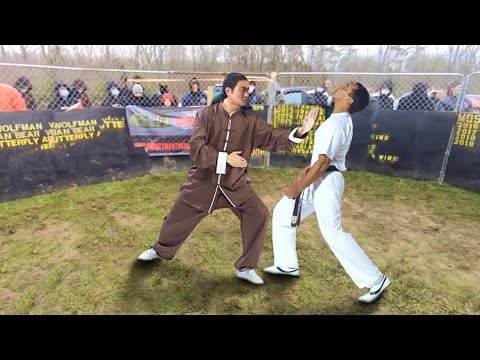
Wing Chun vs. Krav Maga: A Martial Sensei's Unvarnished Analysis

Wing Chun and Krav Maga. Two names that resonate with practicality and effectiveness in the martial world. Yet, their journeys are vastly different. One whispers of ancient lineage and refined technique, the other roars of modern necessity and brutal efficiency. The proposition of pitting them against each other is not merely an academic exercise; it's a delve into the very core of what makes a fighting system succeed. Is this a simple case of the student surpassing the master, or does the original art retain its crown? We will dissect their origins, their core tenets, and then, like a seasoned strategist, analyze their hypothetical confrontation. Prepare yourselves, for we are about to witness a clash of philosophies that will leave no stone unturned.

Origins: A Tale of Two Paths

The genesis of any martial art is crucial to understanding its purpose and evolution. Wing Chun, shrouded in legend, is often attributed to the Buddhist nun Ng Mui during the Qing Dynasty. The story tells of her observing a crane fighting a snake, distilling the principles of efficiency and economy of motion into a system designed for survival against larger, stronger opponents. This narrative underscores a core philosophy: maximum effect with minimum effort.

In stark contrast, Krav Maga is a product of the 20th century, born out of the harsh realities faced by European Jews in the volatile pre-World War II era. Developed by Imi Lichtenfeld, it was initially conceived as a practical self-defense system for street combat, emphasizing aggression, simultaneous offense and defense, and the neutralization of threats with ruthless efficiency. Its focus is not on martial etiquette or tradition, but on immediate survival and the protection of oneself and loved ones.

"The supreme art of war is to subdue the enemy without fighting." - Sun Tzu, The Art of War. While Krav Maga’s directness is undeniable, Wing Chun’s philosophical roots echo this ancient wisdom by seeking to end conflict swiftly and efficiently, often within the shortest possible distance.

The Essence of Wing Chun: Simplicity and Directness

Wing Chun is renowned for its adherence to the "central line theory." This principle dictates that the most direct path to an opponent is through the center of their body. Every technique, from the iconic chain punches (Siu Nim Tao) to the devastating Bong Sao and Tan Sao blocks, is designed to control and attack this central axis. The beauty of Wing Chun lies in its simplicity, stripping away unnecessary movements and focusing on generating power from the entire body, particularly the structure and the economical rotation of the hips.

Its structure is built on:

  • Economy of Motion: No wasted energy. Every movement has a purpose.
  • Simultaneous Block and Strike: Defending and attacking often occur in the same motion, exploiting openings created by the opponent's own attack.
  • Close-Range Combat: Excels in confined spaces where long-range kicks or complex footwork are impractical.
  • Structure and Centerline: Maintaining proper body alignment to maximize force and resist an opponent's pressure.

A common misconception is that Wing Chun is solely about rapid punches. While the chain punch is a signature technique, the system encompasses a wide array of trapping hands (Pak Sao, Chi Sao), sweeping motions, and powerful elbow strikes. The emphasis is on intuitive reactions developed through rigorous Chi Sao (sticky hands) training, fostering sensitivity and the ability to redirect an opponent's force.

Krav Maga: The System of Survival

Krav Maga, on the other hand, is a hybrid system that draws from various martial arts, including boxing, wrestling, Judo, and Karate, but distills them into a pragmatic, no-nonsense approach to self-defense. It is less about ritual and more about immediate threat neutralization. The core principles are:

  • Simultaneous Defense and Offense: Reacting to a threat while simultaneously launching counter-attacks.
  • Focus on Vulnerable Points: Targeting eyes, throat, groin, and other soft targets to incapacitate an attacker quickly.
  • Simplicity and Instinct: Techniques are designed to be learned quickly and executed instinctively under extreme stress.
  • Aggression and Control: Maintaining a proactive, aggressive mindset to dominate the situation.
  • Weapon Defense: A significant portion of Krav Maga training is dedicated to defending against common weapons like knives and firearms.

Unlike traditional martial arts that might emphasize forms (kata) or sparring with strict rules, Krav Maga training often involves scenario-based drills, simulated attacks, and stress inoculation. The goal is to prepare practitioners for the chaos and unpredictability of real-world violence. There's no concept of "losing points" or "respecting the opponent's art" when your life is on the line. The objective is to end the encounter as swiftly and decisively as possible.

"The moment you are attacked, your mind must be empty. You must react instinctively. This is the essence of Krav Maga." - A principle often heard in Krav Maga instruction, mirroring the Zen concept of Mushin (no-mind), but applied with a far more aggressive intent.

The Hypothetical Clash: Wing Chun vs. Krav Maga

Now, let's venture into the arena of speculation. Imagine a Wing Chun practitioner, trained in the precise angles and centerline control, facing a Krav Maga exponent, conditioned for brutal efficiency and vulnerability exploitation. This is where the analysis gets truly interesting, and potentially divisive.

Scenario 1: The Initial Encounter

If the confrontation begins at a neutral distance, a skilled Wing Chun practitioner might use their sensitivity (from Chi Sao training) to feel the opponent's intent. They would likely aim to close the distance rapidly, using techniques like Pak Sao to deflect an incoming strike while simultaneously driving forward with elbow strikes or short, powerful punches. The objective would be to get inside the opponent's "kill zone" where long-range attacks are ineffective and leverage can be maximized.

A Krav Maga practitioner, however, would likely react with immediate, explosive aggression. Expecting a direct attack, they might employ a defensive move like a parry or block, immediately followed by a counter-attack aimed at a vulnerable point – perhaps a knee strike, eye gouge, or a vicious elbow to the head. Their training emphasizes exploiting any opening immediately, not waiting for the perfect moment.

Scenario 2: Inside the Close Range

This is where Wing Chun theoretically shines. If the Wing Chun stylist can establish control of the opponent's arms and maintain their structure, they can effectively shut down many of Krav Maga's aggressive outputs. The continuous chain punches, simultaneous blocks and strikes, and powerful trapping techniques would make it difficult for the Krav Maga practitioner to generate their preferred explosive offense.

However, Krav Maga is designed to handle overwhelming situations. Even within close quarters, a Krav Maga exponent would continue to use gross motor movements – knees, elbows, headbutts – and look for opportunities to apply grappling or striking techniques that incapacitate. They are trained to fight dirty and to continue attacking until the threat is completely neutralized. A Wing Chun practitioner’s reliance on structure could be tested by a sustained, unpredictable onslaught.

Scenario 3: The Role of Mindset and Training

This is perhaps the most critical factor. Wing Chun training emphasizes balance, control, and precision. Krav Maga training emphasizes aggression, urgency, and survival at all costs. A Wing Chun practitioner might be more technically refined in structure and redirection, while a Krav Maga practitioner might possess a more ferocious will to win and a broader arsenal of "dirty" tactics.

The effectiveness of each system is heavily dependent on the individual practitioner, their level of training, and the specific scenario. A highly skilled Wing Chun master might effortlessly dismantle a novice Krav Maga student, and vice versa. The "student becoming the master" aspect mentioned in the original prompt is tricky. While Krav Maga *does* incorporate elements inspired by Wing Chun (like trapping and efficient striking), its overarching philosophy and tactical application are fundamentally different. It’s not a direct evolution, but rather an adaptation of principles for a distinct purpose.

Veredicto del Sensei: The True Measure of Effectiveness

Let's cut through the speculative dust. Comparing Wing Chun and Krav Maga is like comparing a finely honed scalpel to a combat knife. Both are effective tools, but for different purposes, and in different hands.

Wing Chun: Its strength lies in its elegance, its efficiency, and its ability to turn an opponent's force against them. It's a martial art designed for dueling, for defeating a single, often equally skilled, opponent with minimal expenditure of energy. It requires years of dedicated practice to master its nuances, particularly Chi Sao and structural integrity. It is a path to internal mastery as much as external combat.

Krav Maga: Its strength is its brutal, uncompromising practicality. It is a system designed for survival in chaotic, multi-threat environments. It prioritizes speed of learning, aggression, and the immediate incapacitation of a threat, even if it means employing tactics considered "unfair" in traditional martial arts. It is less an art form and more a survival doctrine.

Which would win? In a controlled environment with rule sets, a highly skilled Wing Chun practitioner might dominate through superior technique and structure. However, in a real-world, no-rules confrontation where survival is the only objective, the sheer aggression, focus on vulnerable targets, and comprehensive training against multiple threats and weapons of Krav Maga often give it a significant edge. Krav Maga is explicitly designed for the street, for the worst-case scenario. Wing Chun, while incredibly effective, is a more refined art that might require a specific type of opponent and environment to be fully unleashed.

Cinturón Negro en Realismo Crudo para Krav Maga en términos de aplicación directa y supervivencia. Cinturón Negro en Elegancia y Eficiencia Técnica para Wing Chun.

The original video, while presenting an interesting hypothetical, often simplifies the depth of both arts. A true understanding comes from dedicated practice, not just comparison.

Essential Training Gear

To train effectively in either discipline, proper preparation is key. For Wing Chun, focus is on natural movement and body mechanics, but some items can enhance training:

  • Wooden Dummy (Muk Yan Jong): Essential for developing proper structure, angles, and power generation in Wing Chun.
  • Protective Gear: While traditional Wing Chun doesn't always emphasize sparring gear, for practical application and stress testing, padded gloves and headgear are advisable.
  • Comfortable Training Attire: Loose-fitting pants and a t-shirt that allow for full range of motion.

For Krav Maga, the emphasis is on simulating real-world stress, so robust gear is crucial:

  • Groin Protector: Absolutely non-negotiable given the targeting of vulnerable areas.
  • Mouthguard: Essential for protecting teeth during sparring and scenario drills.
  • Training Gloves: Typically 12-16oz gloves for striking defense and offense simulation.
  • Shin Guards and Headgear: For full-contact sparring or scenario-based training to minimize injury.
  • Durable Training Pants and T-shirt: Allowing for grappling and ground movement.

For those looking to enhance their physical conditioning for either art, consider investing in resistance bands for strength and flexibility training, or a good quality jump rope for cardiovascular endurance, a vital component for any fighter.

Frequently Asked Questions

Is Wing Chun effective in real fights?

Yes, Wing Chun can be extremely effective in real fights, particularly in close-range combat. Its focus on simultaneous block-and-strike, centerline control, and efficient power generation makes it a potent self-defense system when practiced diligently. However, its effectiveness relies heavily on the practitioner's skill level and ability to close the distance against aggressive opponents.

Is Krav Maga considered a martial art or a combat system?

Krav Maga is often described as a combat system rather than a traditional martial art. While it incorporates techniques from various martial arts, its primary focus is on practical, no-nonsense self-defense and survival tactics for real-world situations, rather than ritual, philosophy, or sport-like competition.

Which is easier to learn, Wing Chun or Krav Maga?

Krav Maga is generally considered easier to learn for immediate self-defense applications, as its techniques are designed for rapid acquisition and instinctive execution under stress. Wing Chun, while conceptually simple, requires significant practice, particularly in Chi Sao, to develop the sensitivity, structure, and timing necessary for its advanced applications.

Can a Wing Chun practitioner learn Krav Maga, or vice versa?

Absolutely. Practitioners of one system can greatly benefit from cross-training in the other. A Wing Chun practitioner would gain a new level of aggression and threat awareness from Krav Maga, while a Krav Maga practitioner could refine their striking efficiency and close-range control by studying Wing Chun principles.

For Deeper Study on Your Path

Reflexión del Sensei: Tu Próximo Paso

We've dissected the mechanics, the philosophy, the origins. We've even dared to pit them against each other in the crucible of hypothetical combat. But the true lesson here is not about declaring a definitive "winner." It's about understanding that effectiveness is contextual. In the chaotic arena of life, what is more valuable: the elegant precision of the scalpel or the brutal efficiency of the combat knife? And more importantly, are you training to wield one, the other, or perhaps, to understand when and how each is necessary?

``` GEMINI_METADESC: Analyze Wing Chun vs. Krav Maga: origins, philosophies, core principles, and a critical Sensei's verdict on their effectiveness in hypothetical combat.

Krav Maga vs. Hapkido: A Martial Masterclass or a Misguided Brawl?

Greetings, aspiring warriors and seasoned practitioners! It is I, your Sensei, ready to dissect another spectacle that dares to grace the screens of our digital dojo. Today, we find ourselves at a crossroads where two distinct martial philosophies collide in a bout that promises much, but will it deliver the substance we crave? We speak, of course, of Krav Maga versus Hapkido. Let the sparring begin!

The Genesis of the Clash

The digital realm, ever a fertile ground for comparison and competition, presents us with a video promising an "Unbelievable fight" between Krav Maga and Hapkido. As students of the martial way, our first instinct should not be to gawk at mere spectacle, but to analyze. Does this encounter represent a genuine test of skill and philosophy, or is it a staged exhibition designed to titill the masses? My duty as your Sensei is to peel back the layers, to separate the wheat from the chaff, and to illuminate the path of authentic martial understanding. Many are drawn to the raw, aggressive allure of Krav Maga, while others are captivated by the fluid, intricate movements of Hapkido. But are these systems truly comparable, or are we comparing apples and oranges… or perhaps, a badger and a swan?

The Unyielding Fist: Krav Maga's Brutal Pragmatism

Krav Maga, born from the crucible of necessity and developed by Imi Lichtenfeld in the tumultuous pre-war era, is not an art of tradition or form in the classical sense. It is a system of self-defense, honed for survival on the unforgiving streets and battlefields. Its ethos is simple, yet terrifyingly effective: "So that one may live peacefully." This is not about winning a point in a tournament; it's about neutralizing a threat with overwhelming force and efficiency. Krav Maga embraces aggression, utilizes instinct, and prioritizes simultaneous defense and offense. Techniques focus on vulnerable targets – eyes, throat, groin – and employ devastating strikes, joint locks, and grappling adapted for immediate incapacitation. There is no room for ego, no ceremonial bowing before an attacker. The only ceremony is the swift and decisive end to the confrontation.

"In Krav Maga, we don't teach martial arts; we teach survival." - A fundamental principle often echoed by instructors.

Its training is rigorous, often simulating real-world stress to build resilience. The goal is not mastery of complex katas, but the innate ability to react decisively under extreme duress. This pragmatic approach makes it a formidable tool for self-protection, but its lack of competitive structure means its practical application in a controlled environment can be misleading if not properly understood.

The Flowing Dragon: Hapkido's Adaptive Techniques

On the other side of the ring, we have Hapkido. Originating in Korea, its name itself – "the way of coordinated power" – speaks volumes. Hapkido is a comprehensive martial art that integrates a wide array of techniques, including striking, joint locks (hoksinsool), throws, takedowns, and vital point attacks. Unlike the singular focus of Krav Maga, Hapkido emphasizes circular motion, redirection of force, and the principle of non-resistance. This means using an opponent's own momentum and strength against them, much like water flowing around a rock.

The art's lineage traces back to Japanese arts like Daito-ryu Aiki-jujutsu, and its curriculum often includes forms (hyungs or pumsae), which, while not directly applicable to street combat in the same way as Krav Maga's drills, build a strong foundation of coordination, balance, and body mechanics. Hapkido practitioners learn to control an attacker with pins, sweeps, and agonizing joint manipulations, often ending with a controlling hold or a submission. The emphasis is on control, discipline, and a holistic approach to combat and self-cultivation.

Head-to-Head: Fundamental Differences

The core divergence between these two systems is stark and crucial for any student to grasp. Krav Maga is about immediate, decisive, and often brutal neutralization of a threat. It's a system designed to win a fight before it escalates, or end it as quickly as possible. Think of a bear trap: designed for one purpose, and that purpose is to seize and hold with unforgiving power.

Hapkido, conversely, is a more nuanced art. It offers a wider spectrum of responses, from gentle redirection to crippling joint locks. It teaches not just how to strike, but how to control, redirect, and subdue. It is a martial art in the classical sense, often including philosophical underpinnings and a structured progression. Imagine a skilled artisan using various tools: a hammer for a strong strike, a chisel for precision, and a file for refinement. Both systems can be lethal, but their methodologies, training philosophies, and ultimate goals diverge significantly.

Street Smarts vs. Traditional Prowess: Where Does the Truth Lie?

Here lies the eternal debate, the fuel for countless online arguments. Is Krav Maga inherently more effective in a real-world confrontation due to its direct, no-holds-barred approach? Or does Hapkido's comprehensive skill set, including throws and joint locks, offer a more versatile defense against a wider range of threats? My experience in observing and training across various disciplines leads me to a nuanced conclusion.

For pure, unadulterated self-defense against an immediate, violent assault, especially by multiple attackers or against weapons, Krav Maga's focused aggression and emphasis on disabling strikes offer a distinct advantage. Its training drills are designed to mimic the chaos of a street fight, building a potent survival instinct. However, this comes at the cost of refinement and, for some, a less holistic understanding of martial principles.

Hapkido, when taught by a competent instructor, provides a practitioner with an incredibly versatile toolkit. The ability to seamlessly transition from a strike to a lock, or a sweep to a throw, is invaluable. However, the effectiveness of these techniques is highly dependent on the practitioner's ability to close the distance, maintain control, and execute with precision – skills that can be harder to develop under high-stress conditions without consistent, realistic sparring. A poorly executed Hapkido technique can leave one vulnerable, whereas a wild, desperate strike in Krav Maga, while less elegant, might still achieve its immediate goal of disruption.

"The martial artist who knows only his own art, and not his enemy's, is like a bird with only one wing." - A timeless principle applicable here.

The "best" system is often the one that best suits the individual, their temperament, their training environment, and their specific goals. And, critically, the quality of the instructor trumps the superiority of any given art.

Cinematic Portrayals: Myth vs. Reality

Hollywood, sadly, is rarely a reliable source for martial arts authenticity. We often see Krav Maga depicted as a barrage of frantic, wild strikes, while Hapkido is reduced to improbable, gravity-defying joint locks and throws. These cinematic interpretations serve entertainment, not education. They exaggerate the techniques and remove the crucial elements of setup, defense, and follow-through that are vital in reality. A film's "unbelievable fight" is often just that – unbelievable. It’s entertainment, not a documentary on the practical application of these arts. We must resist the urge to believe that what we see on screen is a faithful representation of combat effectiveness.

Equipping Yourself for the Path

When embarking on the journey of martial arts, proper equipment is not merely about looking the part; it's about safety and efficacy. For a Krav Maga practitioner, the focus is on durability and protection that allows for explosive movement and contact. For Hapkido, while less gear-intensive than some disciplines, the right attire promotes freedom of movement and respect for training partners.

Equipment Essential for Your Training

  • Krav Maga:
    • Protective Gear: A groin cup is non-negotiable. Mouthguards are essential for sparring and drilling. Shin guards and headgear are recommended for advanced sparring sessions.
    • Apparel: Comfortable, durable training pants and a t-shirt that allow for a full range of motion.
    • Gloves: Training gloves or mitts for striking drills to protect your hands and your partner's.
  • Hapkido:
    • Dobok (Uniform): A traditional Hapkido uniform (dobok) is often required, emphasizing respect and tradition. These are typically made of cotton and designed for flexibility.
    • Belt System: Your rank belt signifies your progression and dedication.
    • Footwear: Training is usually done barefoot, but clean, designated indoor training shoes might be permitted for specific drills.
    • Safety Equipment: As with Krav Maga, mouthguards and groin cups are vital for sparring.

Training Guide: Essential Drills for Both Arts

A Practical Guide: Simulating Realistic Scenarios

  1. Krav Maga Drill - The Multiple Attacker Sweep:
    1. Start in a defensive stance with your partner(s) circling you at a slight distance.
    2. On command, one partner initiates a simple attack (e.g., a straight punch).
    3. Execute a rapid, decisive defense: block, elbow strike to the throat, and simultaneously pivot to face the next attacker.
    4. Use a leg sweep or knee strike to disrupt the second attacker's balance.
    5. If a third attacker emerges, employ a defensive sprawl and continue to create distance or use the environment to your advantage.
    6. Focus: Speed, aggression, target selection (eyes, throat, groin), and immediate threat neutralization.
  2. Hapkido Drill - Redirect and Control:
    1. Assume a standard Hapkido ready stance.
    2. Your partner initiates a forward punch.
    3. Instead of blocking, use a circular, flowing motion with your lead hand to redirect their punch while simultaneously stepping off the line of attack.
    4. As their balance shifts, execute a step-through to trap their arm.
    5. Apply a joint lock (e.g., a wrist lock or elbow control) using their redirected momentum.
    6. Transition smoothly into a takedown or a controlling pin on the ground.
    7. Focus: Circularity, redirection of force, timing, balance, and controlled submission.
  3. Combined Drill - Scenario Training:
    1. Set up a scenario: e.g., a simulated grab from behind.
    2. First, attempt a Krav Maga escape: striking vulnerable points (e.g., headbutt, stomp, elbow) to create space.
    3. Once space is created, transition into a Hapkido technique to control or subdue the attacker (e.g., a joint lock to break their grip and follow up with a control).
    4. This drill emphasizes the integration of brutal efficiency with controlled technique.

Sensei's Verdict: A Critical Examination

Let us dispense with the pleasantries. The footage presented, while featuring practitioners from both disciplines, often falls prey to the pitfalls of exhibition. The "unbelievable fight" frequently showcases techniques that lack the context of genuine combative pressure. We see aggressive strikes from the Krav Maga side, and some well-executed locks from Hapkido, but rarely the seamless, high-pressure integration that defines mastery.

If this video is intended to showcase the superiority of one art over the other, it fails miserably. True effectiveness is proven not in a staged video for clicks, but through consistent, dedicated training, and proven application in unpredictable environments. Both Krav Maga and Hapkido have merit, but their value is realized through rigorous training under qualified instructors, not through a fleeting YouTube spectacle. The "fight" is less about skill and more about which practitioner was trained to perform a specific sequence for the camera.

Therefore, my verdict: This comparison, as presented in typical online videos, is a flawed premise. It's akin to asking if a hammer is better than a scalpel; each has its purpose, and its effectiveness depends entirely on the hand that wields it and the task at hand.

Rating: 3 out of 5 Belts – for potential, but lacking in genuine insight.

Frequently Asked Questions

Q1: Which art is better for self-defense?
A: Both can be highly effective for self-defense. Krav Maga emphasizes immediate threat neutralization, while Hapkido offers a broader range of control and de-escalation techniques. The best choice depends on your personal preference and the quality of your training.

Q2: Is Hapkido too complex for beginners?
A: Hapkido has a comprehensive curriculum, but like any art, beginners start with fundamental techniques. A good instructor will guide you progressively. Krav Maga might offer a quicker entry into basic self-defense concepts.

Q3: Can I compete in Krav Maga or Hapkido?
A: Krav Maga is not designed for competition. Hapkido often has competitive formats (point fighting, forms, breaking), though its primary focus remains self-defense and personal development.

Q4: Which art is more physically demanding?
A: Both are demanding. Krav Maga training can be intensely high-impact and high-stress. Hapkido requires significant flexibility, coordination, and strength for joint manipulation and throws.

Further Exploration for the Dedicated Student

The path of martial arts is one of perpetual learning. To truly understand the depths of these disciplines, I urge you to seek out more than just sensationalized videos. Explore the foundational principles, the history, and the philosophies that shape these arts.

Sensei's Reflection: Your Next Step

We have dissected the essence of Krav Maga and Hapkido, two distinct yet potent martial paths. We've seen their philosophies, their techniques, and their often-misleading portrayal in popular media. The question that now lingers in the dojo air is not 'Which art is superior?' but rather, 'What will you do with this knowledge?'

Are you content to be a passive observer, swayed by the loudest voices and most dazzling displays? Or will you take the next step, seek out authentic training, and begin the arduous, yet profoundly rewarding, journey of self-mastery? The choice, as always, is yours. But remember, a martial artist is not defined by the style they practice, but by the discipline, perseverance, and integrity they embody, both on and off the mat.

``` GEMINI_METADESC: An expert analysis comparing Krav Maga and Hapkido. Explore their philosophies, training methods, effectiveness in self-defense, and cinematic portrayals from a martial arts master's perspective.

The Undeniable Truth About Krav Maga: Beyond the Hype in Self-Defense and Combat

Has buscado la máxima eficacia en la defensa personal y el combate? ¿Te preguntas si los movimientos llamativos del cine de acción pueden salvarte la vida? La respuesta, a menudo, es un rotundo NO. En el salvaje y crudo mundo de la supervivencia real, la complejidad es el enemigo, y la simplicidad, tu mejor aliada. Hoy vamos a desmantelar el mito de la "técnica bonita" y a exponer la verdad brutal de un sistema que prioriza el resultado por encima de la estética: el Krav Maga.

The Unvarnished Reality: Why Krav Maga Dominates Practical Defense

Olvídate de las posturas dramáticas y los golpes coreografiados que parecen sacados de una película. El Krav Maga no es un deporte, no es una disciplina para acumular cinturones de colores, y ciertamente no es para los débiles de corazón. Es un sistema de combate diseñado para una sola cosa: la supervivencia.

Aquí, en las frías y duras realidades del enfrentamiento, los principios se reducen a la máxima eficiencia. ¿Por qué dedicar años a perfeccionar una patada alta giratoria que rara vez funciona en un escenario de la vida real y puede dejarte desequilibrado, cuando puedes deshabilitar a un agresor con un golpe directo y brutal a los ojos o la garganta? Esta es la filosofía que distingue al Krav Maga. No busques la elegancia; busca el resultado.

En este análisis profundo, como Sensei y crítico de cine marcial, desglosaremos los componentes esenciales del Krav Maga, su origen, sus técnicas fundamentales, y por qué, a menudo, es pasado por alto o malinterpretado por aquellos que solo ven el "espectáculo" del combate.

From the Trenches to the Dojo: The Genesis of Krav Maga

El Krav Maga no nació en templos antiguos ni en lienzos de seda. Su linaje es crudo y directo, forjado en el crisol de la necesidad y el conflicto. Creado por Imi Lichtenfeld en Checoslovaquia en la década de 1930, el Krav Maga surgió como una respuesta pragmática a la creciente amenaza del antisemitismo y la violencia callejera.

Lichtenfeld, un boxeador y luchador consumado, aplicó sus conocimientos de combate deportivo y de la realidad brutal de las calles para desarrollar un sistema que fuera fácil de aprender y altamente efectivo bajo estrés. Inicialmente enseñado a grupos judíos para defenderse de los ataques de los grupos fascistas, evolucionó significativamente cuando Lichtenfeld se unió a la Haganá y, posteriormente, al ejército israelí. El Krav Maga se convirtió en el sistema de combate oficial, perfeccionándose a través de la experiencia real en situaciones de combate.

Esta herencia militar es crucial. A diferencia de muchos estilos tradicionales que pueden haber suavizado sus bordes con el tiempo, el Krav Maga conserva su enfoque original en la neutralización rápida y decisiva de amenazas. No hay florituras, no hay puntos; solo la eliminación de la amenaza lo más rápido posible.

"La vida no te da lecciones de entrenamiento; te pone en situaciones de vida o muerte." - Imi Lichtenfeld (interpretación de su filosofía)

Comprender este origen es clave para apreciar por qué el Krav Maga funciona. No fue diseñado para la competencia deportiva, sino para la supervivencia en escenarios donde el fracaso significaba consecuencias catastróficas. Esto influye directamente en su metodología de entrenamiento y en la selección de sus técnicas.

The Pillars of Survival: Core Principles of Krav Maga

La eficacia del Krav Maga no reside en la complejidad, sino en la adherencia a principios fundamentales que maximizan las posibilidades de supervivencia. Estos son los pilares que sostienen todo el sistema:

  • Principio de Ataque Simultáneo y Defensa: En el Krav Maga, la defensa a menudo se combina con el contraataque. Tan pronto como detienes un golpe, estás devolviendo uno. No hay tiempo para evaluar; hay que actuar.
  • Neutralización de la Amenaza: El objetivo no es "ganar" un combate en el sentido deportivo, sino neutralizar al agresor lo más rápido posible. Esto puede significar causar dolor, desorientar, incapacitar o, en escenarios extremos, eliminar la amenaza de forma permanente.
  • Simplicidad y Movimientos Naturales: Las técnicas se basan en movimientos instintivos y reflejos naturales del cuerpo humano. Esto permite que sean aprendidos y ejecutados de manera efectiva bajo el intenso estrés del combate, incluso por personas sin años de entrenamiento marcial.
  • Enfoque en Puntos Vulnerables: El Krav Maga identifica y ataca los puntos más vulnerables del cuerpo humano: ojos, garganta, ingle, rodillas, etc. Estos son objetivos de alta probabilidad de neutralización, independientemente del tamaño o la fuerza del oponente.
  • Condicionamiento Mental y Físico: El entrenamiento no solo se enfoca en las técnicas físicas, sino también en el "mental game". Se simulan escenarios de alto estrés para condicionar al practicante a reaccionar adecuadamente bajo presión, superando el instinto de congelarse o huir. Se promueve la [Inner Strength](#) y la [Self-Mastery](#).
  • Adaptabilidad: El Krav Maga se adapta a cualquier situación, ya sea en un espacio cerrado, en un pasillo, en un vehículo, o enfrentándose a múltiples atacantes o armas.

Estos principios, cuando se aplican consistentemente, crean un sistema de autodefensa formidable. Es el porqué muchos profesionales de la seguridad y militares de todo el mundo lo adoptan. Se trata de la eficacia cruda.

Beyond the Punch: Analyzing Krav Maga's Combative Toolkit

Hablemos de lo que realmente hace que el Krav Maga sea diferente: su enfoque técnico.

Golpes Básicos: La Base de la Brutalidad

Olvídate de las posturas de karate tradicionales. Los golpes en Krav Maga son directos, potentes y buscan objetivos vitales.

  • Palm Strikes (Golpes de Palma): Potentes y seguros para la mano del atacante. Ideales para la nariz o la barbilla.
  • Elbow Strikes (Golpes de Codo): Devastadores a corta distancia. El codo es un hueso fuerte, capaz de causar daños severos.
  • Knee Strikes (Golpes de Rodilla): Altamente efectivos contra el torso, las piernas o la ingle del oponente.
  • Kicks to the Groin and Knees (Patadas a la Ingle y Rodillas): Objetivos sensibles y de alta efectividad para detener un ataque rápidamente.

Defensas y Contraataques: La Danza Mortal de la Supervivencia

La defensa nunca es pasiva. Cada movimiento defensivo está diseñado para crear una apertura para el contraataque.

  • Defensas Cerradas (Inward Defenses): Usadas para bloquear golpes directos. A menudo, el movimiento defensivo se convierte en una forma de "atrapar" el arma del atacante (mano, pie) para un contraataque inmediato.
  • Defensas Amplias (Outward Defenses): Para golpes circulares o descendentes.
  • Agarres y Control: Aprender a romper agarres (de muñeca, cuello, cuerpo) es fundamental. Una vez roto el agarre, se busca inmediatamente una vía de escape o un contraataque.

Defensa contra Armas: La Realidad Cruda

Quizás el aspecto más distintivo del Krav Maga es su enfoque en la defensa contra armas: cuchillos, palos, armas de fuego.

  • Desarme: Las técnicas de desarme son rápidas, agresivas y buscan aplicar palancas o puntos de presión para forzar la suelta del arma. No hay movimientos lentos y elegantes; se trata de tomar el control del arma y la mano que la porta simultáneamente.
  • Transiciones: El Krav Maga enseña a pasar fluidamente de la defensa contra un arma a la defensa contra ataques desarmados, y viceversa.

Lo importante aquí es la **funcionalidad**. Cada técnica se evalúa por su efectividad en un escenario de alto estrés, no por su "belleza" marcial. Es un sistema que respeta la inteligencia humana y los reflejos naturales. Se trata de la [SelfDefense](#) y la [Combative Techniques For Self Defense & Fighting](#).

Martial Arts Cinema vs. Krav Maga: A Brutal Discrepancy

Aquí es donde mi perspectiva de crítico de cine marcial se vuelve particularmente afilada. El cine, amado por tantos de nosotros, a menudo glorifica el combate de una manera que es, francamente, peligrosa para el practicante de defensa personal.

Piensa en la última película de artes marciales que viste. ¿Viste movimientos fluidos, casi bailados? ¿Golpes con efecto espectacular que parecen desafiar la física? ¿Personajes que reciben docenas de golpes pero se levantan ilesos? Si es así, has visto cine, no Krav Maga. El cine de artes marciales, incluso en sus representaciones más "realistas", tiende a:

  • Simplificar o Exagerar la Violencia: Las películas muestran golpes que destrozan huesos, pero raramente capturan el shock, el dolor incapacitante o el terror psicológico de ser atacado.
  • Priorizar el Espectáculo sobre la Eficacia: Una patada giratoria espectacular es más "cinematográfica" que un golpe rápido a la ingle, pero infinitamente menos efectivo para detener un ataque.
  • Ignorar el Estrés y el Tiempo: El combate real es caótico, confuso y ocurre en segundos. Las secuencias de lucha en el cine a menudo se alargan para el drama, ignorando que en la vida real, un combate "desordenado" se resuelve muy, muy rápido.
  • Omitir las Armas Realistas: La defensa contra armas, especialmente armas de fuego, es un tema que rara vez se aborda con el realismo que merece en el cine.

El Krav Maga, por otro lado, te prepara para lo siguiente:

  • El Ruido y el Caos: El entrenamiento de Krav Maga a menudo incluye simulaciones ruidosas y caóticas para acostumbrar a los practicantes al estrés.
  • La Rapidez: Las técnicas de Krav Maga buscan resolver la confrontación lo antes posible.
  • El Dolor y el Miedo: Se enseña a cómo actuar *a pesar* del dolor y el miedo, no a ignorarlos.
  • La Suciedad: No hay reglas. Buscar puntos débiles, usar objetos cercanos como armas improvisadas, todo vale.

Por eso, cuando ves películas de artes marciales mixtas (MMA) como las de [UFC](#) o [ONE Championship](#), el nivel de realismo aumenta, pero incluso ahí, las reglas del deporte limitan las técnicas que se usan en defensa personal pura. Comparar una película de kung fu con un escenario de Krav Maga es como comparar una obra de teatro con una intervención de emergencia. Ambas tienen su lugar, pero solo una está diseñada para la supervivencia pura.

Mi consejo como crítico y practicante: aprende del cine por su arte y entretenimiento, pero NO bases tus expectativas de defensa personal en él. La [Fighter Legacy](#) en el cine es una cosa; la supervivencia en la calle es otra.

Mastering the Essentials: A Krav Maga Training Blueprint

Si estás listo para dejar de lado las fantasías y abrazar la realidad de la defensa personal efectiva, aquí tienes una guía de entrenamiento básica para empezar.

1. Fundamentos de Postura y Movimiento

  1. Postura de Combate: Adopta una postura ligeramente más baja que la de boxeo, con un pie ligeramente adelantado, rodillas flexionadas. Las manos deben estar arriba, protegiendo la cara. El peso debe estar equilibrado pero listo para moverse. El objetivo es ser estable pero ágil.
  2. Desplazamiento Lateral: Practica moverte hacia los lados sin cruzar los pies. Mantén tu centro de gravedad bajo y tu postura equilibrada. Esto es crucial para evitar ataques y reposicionarte.
  3. Evitar Ataques: Aprende a mover tu cabeza y cuerpo fuera de la línea de ataque con movimientos mínimos (pequeños movimientos laterales o hacia atrás).

2. Técnicas de Golpeo Esencial

  1. Golpe de Palma (Palm Strike): Practica golpear con la base de la palma hacia un objetivo (un saco de arena o un escudo de entrenamiento). Concéntrate en la extensión del brazo y la rotación del torso para generar potencia.
  2. Golpe de Codo (Elbow Strike): Simula el movimiento de corte o golpe hacia adelante, atrás o lateralmente. Visualiza golpear un objetivo cercano.
  3. Golpe de Rodilla (Knee Strike): Levanta la rodilla hacia el objetivo y empuja la cadera hacia adelante para aumentar la fuerza.
  4. Patada a la Ingle (Groin Kick): Con la punta del pie o el empeine, practica patear hacia arriba y adelante. Mantén el equilibrio en tu pierna de apoyo.

3. Defensa y Contraataque Simple

  1. Bloqueo y Golpe (Ejemplo: Bloqueo de Puño Directo): Un compañero (o el instructor) lanza un puñetazo directo. Bloquea el golpe con tu antebrazo mientras simultáneamente lanzas un golpe de palma al rostro del atacante.
  2. Ruptura de Agarre (Ejemplo: Agarre de Muñeca): Practica cómo usar tu cuerpo y la palanca para romper un agarre de muñeca, girando tu muñeca en la dirección opuesta al agarre y usando la fuerza del núcleo.

4. Simulación de Estrés (Entrenamiento Avanzado)

Una vez que domines los fundamentos, busca un instructor cualificado que pueda introducir escenarios de estrés. Esto puede incluir:

  • Entrenamiento con ruido ambiental.
  • Simulaciones de ataques sorpresa.
  • Entrenamiento con guantes gruesos o vendajes para simular desorientación.
  • Escenarios de defensa contra múltiples oponentes.

Este es solo un esbozo. El Krav Maga requiere instrucción experta para asegurar que las técnicas se aprenden y se aplican de manera segura y efectiva. Busca un gimnasio o instructor certificado de [Global Krav Maga](#) o [Krav Maga Worldwide](#) si buscas entrenamiento legítimo.

Essential Gear for Your Krav Maga Journey

A diferencia de otros deportes de combate que requieren equipo especializado y costoso, el Krav Maga se centra en la simplicidad. Sin embargo, cierto equipo puede mejorar tu entrenamiento y seguridad.

  • Ropa Deportiva Cómoda: Pantalones de entrenamiento o pantalones cortos y una camiseta transpirable. La movilidad es clave.
  • Zapatillas de Deporte: Busca zapatillas con buena tracción y soporte para los movimientos laterales.
  • Guantes de Boxeo/MMA (Opcional para Sparring): Si tu entrenamiento incluye sparring ligero o trabajo en saco, unos guantes de 10-16 oz son recomendables. Para Krav Maga puro, a menudo se entrena con las manos desnudas para simular la realidad.
  • Protector Bucal (Mandatorio para Sparring): Indispensable para proteger tus dientes y mandíbula.
  • Protector Genital (Mandatorio para Sparring Masculino): Un "cup" es esencial para proteger la ingle.
  • Guantes de Protección para Entrenamiento (Opcional): Algunas escuelas usan guantes acolchados específicos para entrenamiento de defensa contra armas.
  • Vendajes para Manos: Si vas a golpear sacos pesados o participar en sparring, los vendajes protegen tus muñecas y nudillos.

Para entrenamiento de [MMA](#) o [Kickboxing](#), necesitarás equipamiento adicional como [espinilleras](#) y, posiblemente, [kimonos](#) si combinas con [BJJ](#) o [Judo](#).

Frequently Asked Questions

¿Es el Krav Maga adecuado para principiantes?

Sí, absolutamente. El Krav Maga está diseñado para ser aprendido por personas de todos los niveles de condición física y experiencia marcial. Su énfasis en movimientos naturales y principios simples lo hace accesible.

¿Cuánto tiempo se tarda en aprender Krav Maga?

El Krav Maga es un sistema de aprendizaje continuo. Puedes aprender las técnicas básicas de defensa personal en unos pocos meses, pero dominarlo y alcanzar un alto nivel de competencia requiere años de práctica dedicada y entrenamiento constante.

¿El Krav Maga es un arte marcial o un deporte de combate?

El Krav Maga se considera un sistema de defensa personal y combate. No es un deporte de competición con reglas establecidas como el [Judo](#) o el [Karate Kyokushin](#). Su objetivo principal es la supervivencia en situaciones de la vida real, no la puntuación o el espectáculo.

¿Es Krav Maga peligroso de entrenar?

Como cualquier actividad física que simula el combate, existe un riesgo inherente de lesión. Sin embargo, los instructores cualificados ponen un gran énfasis en la seguridad, enseñando a los estudiantes a controlar la intensidad y a protegerse mutuamente. Un buen programa de Krav Maga siempre prioriza la seguridad.

¿Puedo usar Krav Maga para competir?

No, el Krav Maga no se practica como deporte de competición. Está diseñado para la defensa personal y situaciones de combate realistas donde no existen reglas. Las competiciones de [MMA](#) o [Kickboxing](#) tienen sus propios conjuntos de técnicas y estrategias.

Dive Deeper into the Warrior's Path

Para expandir tu comprensión y fortalecer tu camino marcial, te recomiendo explorar estos recursos dentro de nuestro propio dojo digital:

Reflexión del Sensei: Tu Próximo Paso

Hemos desmantelado la fachada del cine para revelar la cruda eficacia del Krav Maga. Es un sistema que te enfrenta a la realidad de la violencia y te equipa para sobrevivir. Pero el conocimiento sin aplicación es como un arma sin filo. ¿Estás preparado para abrazar la simplicidad brutal que salva vidas, o seguirás buscando movimientos llamativos que solo funcionan en una pantalla?

Ahora te toca a ti. ¿Crees que el Krav Maga es realmente el sistema de defensa personal definitivo, o hay matices que hemos pasado por alto? ¿O tal vez prefieres la elegancia y la tradición de otros [artesmarciales](#)? ¡Demuéstralo en los comentarios de abajo! Tu opinión es valiosa, pero tus acciones en el dojo lo son aún más.

``` GEMINI_METADESC: Unlock the truth about Krav Maga: its origins, core principles, brutal techniques, and why it excels in self-defense over cinematic combat. A Sensei's critical analysis.