Showing posts sorted by relevance for query Don King. Sort by date Show all posts

El Legado Brutal de Lewis vs. Holyfield II: ¿El Pináculo del Boxeo de Peso Pesado?

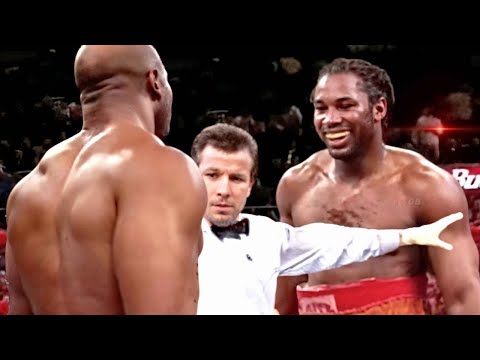
En el vasto cosmos de las artes marciales y los deportes de combate, pocas disciplinas evocan la cruda intensidad y la profundidad histórica del boxeo. Y dentro de ese cosmos, pocos eventos resplandecen con la misma ferocidad que la revancha entre Lennox Lewis y Evander Holyfield. Estamos hablando de 1999, un año que resonó con los ecos de los puños de dos titanes que chocaron para decidir quién ostentaría el título indiscutible del peso pesado del siglo XX. ¿Fue esta contienda la cúspide de una era, o simplemente otro capítulo violento en la larga crónica de la pugna humana?

El Contexto de la Confrontación: Más que un Simple Combate

En 1999, el boxeo de peso pesado se encontraba en una encrucijada. La década de los 90 había sido testigo del reinado de varios campeones, pero dos nombres emergían con una autoridad casi mítica: Lennox Lewis, el coloso británico con una técnica impecable y un poder de nocaut devastador, y Evander Holyfield, el "Real Deal", un guerrero incansable con un corazón de león y una capacidad asombrosa para absorber castigo y seguir adelante. La necesidad de determinar quién era el indiscutible rey de la división era palpable, un anhelo que transcendía el mero espectáculo deportivo para adentrarse en la mitología del siglo.

Estos dos púgiles no eran meros contendientes; eran la culminación de una era. Habían desmantelado, uno a uno, a cada aspirante que se interpuso en su camino, dejando un rastro de rivales vencidos. Un evento de esta magnitud, con implicaciones tan profundas para la historia del deporte, solo podía ser orquestado por una figura que hubiera navegado las turbulentas aguas del mundo de la promoción boxística durante décadas. Don King, el legendario y controvertido promotor de Holyfield, asumió el timón de esta megacombinación, prometiendo un espectáculo sin precedentes. Pero, ¿qué hay detrás de la cortina de promesas y bombo? ¿Qué principios marciales, si es que alguno, se manifestaron en ese ring?

Análisis Marcial: Tácticas y Filosofía en el Ring

Desde una perspectiva marcial, el boxeo es un arte de precisión, estrategia y temple mental. Lewis, con su jab penetrante y su uppercut devastador, representaba la potencia controlada, la aplicación de fuerza máxima en el momento justo. Su entrenamiento se centraba en la eficiencia, en minimizar el riesgo y maximizar el daño. Su enfoque era el del estratega, el que analiza el campo de batalla y espera el momento oportuno para lanzar su ataque decisivo.

Holyfield, por otro lado, encarnaba la resistencia, la agallas y la adaptabilidad. Su estilo era más agresivo, buscando cerrar la distancia, acosar a su oponente y desgastarlo con una presión constante. Su corazón de guerrero le permitía superar adversidades que habrían derrumbado a otros. Su filosofía se basaba en la perseverancia, en la idea de que la voluntad puede superar las limitaciones físicas. Como decía Sun Tzu en El Arte de la Guerra, "Conoce a tu enemigo y conócete a ti mismo; en cien batallas, nunca serás derrotado". Ambos boxeadores conocían sus fortalezas y debilidades, pero la imprevisibilidad de la lucha añadía una capa de complejidad que ninguna preparación podía anticipar por completo.

"La victoria pertenece a aquel que sabe cuándo luchar y cuándo no. Sabe cómo tratar tanto a las fuerzas superiores como a las inferiores." - Sun Tzu, El Arte de la Guerra.

La estrategia de Lewis se basaba en mantener la distancia, usar su alcance superior y castigar a Holyfield con golpes rectos. Holyfield, sabiendo que no podía igualar el poder de Lewis desde lejos, buscaba acortar la distancia, entrar en la guardia del británico y trabajar en el cuerpo y la cabeza con ataques cortos y contundentes. Este choque de filosofías marciales es lo que hace del boxeo un espectáculo tan fascinante, un tablero de ajedrez tridimensional donde cada movimiento tiene una consecuencia.

La "Coreografía" del Dolor: Técnica y Potencia

Aunque pueda sonar contradictorio hablar de "coreografía" en un deporte de combate tan brutal, hay una belleza intrínseca en la ejecución de los movimientos del boxeo. Los pasos, los bloqueos, los esquives, la forma en que un boxeador se desplaza por el ring, todo tiene un propósito, una técnica refinada a través de incontables horas de entrenamiento. El jab de Lewis no era solo un golpe, era una herramienta para medir la distancia, para mantener a Holyfield a raya, para preparar golpes más potentes. Su uppercut era una lanza ascendente, diseñada para atravesar la guardia y golpear el mentón.

Holyfield, con su infatigable ritmo, ejecutaba una danza diferente. Sus movimientos eran más pegados al suelo, sus fintas y su presión constante buscaban romper la defensa de Lewis. Sus combinaciones cortas, ejecutadas con una ferocidad característica, eran como ráfagas de metralla, diseñadas para desgastar y encontrar fisuras en la armadura del oponente. La capacidad de Holyfield para absorber golpes y recuperarse era legendaria, un testimonio de su increíble resistencia física y mental, cualidades que cualquier artista marcial debe cultivar.

La segunda pelea, en particular, fue un despliegue de poder crudo y determinación inquebrantable. Ambos hombres buscaban el nocaut, y cada golpe resonaba con la intención de terminar el combate. No había espacio para la duda ni para la vacilación. Era un duelo de voluntades, donde la técnica servía como vehículo para la manifestación de la fuerza y el espíritu del guerrero.

El Koan de Don King: El Promotor como Fuerza Disruptiva

Mencionar a Don King en cualquier contexto de boxeo es evocar un torbellino de controversia y espectáculo. Como promotor de Holyfield, King era el arquitecto de este colosal encuentro. Su habilidad para generar expectación, para vender la narrativa de una batalla épica, era inigualable. Sin embargo, su papel trascendía la simple organización; era un maestro en el arte de la manipulación psicológica y la explotación mediática.

"El boxeo es un negocio, y yo soy un hombre de negocios. Hago lo que tengo que hacer para asegurarme de que mis peleadores obtengan lo que se merecen y que el público vea los mejores combates." - Don King.

En el mundo de las artes marciales, la figura del promotor es una espada de doble filo. Por un lado, es esencial para llevar el arte a audiencias más amplias y permitir que los guerreros demuestren sus habilidades en el escenario más grande. Por otro lado, la comercialización excesiva puede distorsionar los principios fundamentales del Budo, transformando la búsqueda de la maestría en un mero espectáculo para el entretenimiento de masas. Don King personificaba esta dualidad, orquestando peleas monumentales que a menudo bordeaban lo grotesco, pero que indudablemente dejaban una marca imborrable en la historia.

Veredicto del Sensei: ¿Obra Maestra o Mera Brutalidad?

La revancha Lewis vs. Holyfield II no fue una pelea para los débiles de corazón. Fue un combate que exhibió la cumbre del boxeo de peso pesado, una demostración de poder, resistencia y habilidad táctica. Si bien algunos críticos pueden argumentar que la brutalidad inherente al deporte eclipsa cualquier refinamiento marcial, yo sostengo que, en su máxima expresión, el boxeo de élite es un reflejo de principios marciales profundos: disciplina, coraje, estrategia y la capacidad de superar la adversidad.

Lewis demostró su superioridad técnica y su poder de finalización, solidificando su legado. Holyfield, una vez más, mostró su corazón indomable, luchando hasta el final. Fue un choque titánico que definió una era.

Calificación del Sensei: Cinturón Negro en Intensidad y Legado Histórico

Equipo Esencial para tu Entrenamiento de Boxeo

Si el espíritu de Lewis y Holyfield ha encendido una chispa en ti y deseas explorar el noble arte del boxeo, aquí tienes una lista del equipo fundamental para comenzar tu entrenamiento con seguridad y eficacia:

  • Guantes de Boxeo: Indispensables para proteger tus manos y a tu compañero de entrenamiento. Para sparring, se recomiendan guantes de 14-16 oz.
  • Vendas para Manos: Proporcionan soporte adicional a las muñecas y nudillos, reduciendo el riesgo de lesiones.
  • Bucal (Protector Bucal): Esencial para proteger tus dientes y mandíbula de impactos.
  • Protector Genital (Concha): Vital para la protección en cualquier tipo de combate o sparring.
  • Sacos de Boxeo: Para practicar golpes, combinaciones y resistencia. Varían en tamaño y peso.
  • Comba (Cuerda de Saltar): Una herramienta clásica para mejorar la agilidad, el juego de pies y la resistencia cardiovascular.
  • Ropa de Entrenamiento Adecuada: Pantalones cortos holgados y camisetas transpirables que permitan total libertad de movimiento.

Para aquellos que deseen profundizar en el equipamiento para disciplinas de combate, una búsqueda de "merchandise de artes marciales" o "merchandise de karate" puede ofrecerte una visión más amplia de lo disponible.

Preguntas Frecuentes sobre Boxeo y Combate

Aquí abordamos algunas de las dudas más comunes que surgen en el camino de un aspirante a boxeador o aficionado a las artes marciales:

  • ¿Es el boxeo demasiado violento para empezar?
  • ¿Cuánto tiempo se tarda en volverse bueno en boxeo?
  • ¿Qué diferencia hay entre boxeo, kickboxing y MMA?
  • ¿Es posible usar las técnicas de boxeo en defensa personal real?

Para Profundizar en tu Camino

Si la intensidad de este combate te ha inspirado, te animo a explorar estos recursos y temas relacionados:

  • Profundiza en la estrategia de combate con nuestro análisis sobre #MMA y la Táctica en el Octágono.
  • Descubre la importancia de la mentalidad con nuestro artículo sobre #MentalGame y la fuerza interior en el deporte.
  • Explora otros estilos de combate en nuestra serie sobre #KarateKyokushin y sus rigurosos métodos de entrenamiento.

Reflexión del Sensei: Tu Próximo Paso

Lewis y Holyfield nos dieron un espectáculo de poder y voluntad indomable. Pero la verdadera lección de las artes marciales no reside solo en la victoria o la derrota, sino en el camino recorrido, en el temple del carácter forjado a través de la disciplina y el esfuerzo. ¿Qué aspecto de la lucha de estos dos gigantes resuena más contigo? ¿Su estrategia calculada o su corazón incansable? Y más importante aún, ¿cómo aplicarás esa lección de resiliencia o estrategia en el ring de tu propia vida, más allá de los golpes?

``` GEMINI_METADESC: Análisis marcial del brutal combate Lewis vs. Holyfield II. Descubre tácticas, filosofía y el legado de este choque épico del boxeo de peso pesado.
Oscar "Ringo" Bonavena: El Legado del "Mohammad Ali Argentino" y la Tragedia de la Mala Elección

El Ídolo que Encendió Argentina

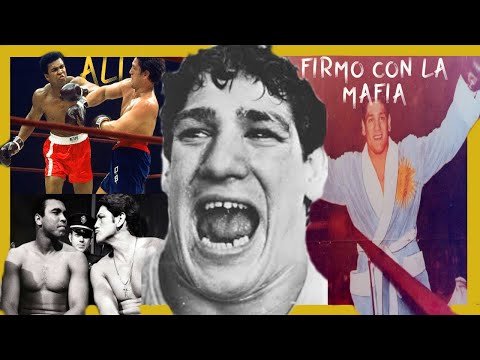
¿Qué distingue a un simple deportista de un verdadero ídolo popular? En Argentina, la respuesta resonaba con la fuerza de un uppercut en 1960 y 70: Oscar "Ringo" Bonavena. Este hombre, a menudo llamado el "Mohammad Ali Argentino", no solo poseía un talento innegable sobre el cuadrilátero, sino que encarnaba un espíritu indomable y una personalidad arrolladora que cautivó a una nación. Pero, ¿fue su talento la única clave de su ascenso? ¿O su trágico final, marcado por la asociación con las personas equivocadas, es la lección más importante que nos dejó? Prepárense, porque hoy desentrañaremos la vida y obra de un gigante del boxeo argentino, un hombre que demostró que en el **arte de la lucha**, como en la vida, la compañía puede ser tan decisiva como el golpe más certero.

El Estilo de Ringo: Un Torbellino de Emoción y Potencia

Analicemos a Ringo como lo haría un maestro de **artes marciales** observando a un **peleador**. Bonavena no era un boxeador técnicamente depurado al nivel de un Sugar Ray Robinson o un propio Ali. Su estilo era más visceral, impulsado por una potencia de pegada formidable y una resistencia al castigo casi suicida. Su jab, aunque no era su arma principal, servía para iniciar combinaciones brutales. Lo que realmente lo definía era su capacidad para lanzar golpes devastadores con ambas manos, su agresividad constante y su mentón de hierro, que le permitía recibir golpes y seguir avanzando, desgastando a sus rivales. En un mundo donde la técnica fina a menudo se sobrevalora, Ringo demostraba que la pura voluntad y la capacidad de absorber daño, combinadas con una pegada electrizante, pueden llevarte a la cima. Su defensa no era ortodoxa; a menudo se exponía, confiando en su capacidad para encajar y seguir golpeando. Esto, si bien le ganó el aplauso del público, era un riesgo que, desde la perspectiva de un estratega marcial, hacía su carrera más precaria. Era un espectáculo, un torbellino de **combate**, pero a veces, la improvisación desmedida puede ser el peor enemigo de la consistencia.

El "Bocon" que Conquistó Corazones: Más Allá del Ring

La fama de Ringo trascendió las cuerdas. Su apodo, "El Bocon", no era un insulto, sino un reconocimiento de su carácter franco, directo y a menudo espectacular fuera del ring. Era un hombre que hablaba de frente, que no se escondía, y que se ganó el corazón de los argentinos por su autenticidad. En una era donde las estrellas a menudo eran cuidadosamente medidas por sus equipos de relaciones públicas, Ringo era genuino. Su vida personal, llena de escándalos y apariciones mediáticas, era parte del personaje. Era un showman nato, consciente del espectáculo que generaba. Esta capacidad de conectar con la gente a un nivel emocional es un rasgo que vemos en los grandes **artistas marciales** a lo largo de la historia. Piensen en la carisma de un Bruce Lee, o la bravura de un Mike Tyson (a pesar de sus problemas). Ringo entendía que el boxeo, en el fondo, es un drama humano, y él era el protagonista indiscutible. Esta conexión es fundamental para entender por qué un **boxeador** se convierte en un ídolo, más allá de sus **técnicas** de **lucha**.
"No nací para ser un hombre común. Prefiero morir en la gloria que vivir en la mediocridad." - Oscar "Ringo" Bonavena
Su vida fue un reflejo de esa filosofía: intensa, apasionada y, trágicamente, corta. La **filosofía marcial** nos enseña a buscar la excelencia, pero también la sabiduría para tomar decisiones. La de Ringo, al final, parece haberle fallado en el aspecto más crucial: su círculo de influencia.

El Paralelo Inevitable: Ringo y el "Sastre de Louisville"

Es imposible hablar de Oscar Bonavena sin evocar la figura de Mohammad Ali. El apodo "Mohammad Ali Argentino" no fue casual. Ambos compartían una cierta teatralidad, una habilidad para la provocación y una presencia magnética. Ambos eran, a su manera, poetas del ring, aunque con estilos de vida y contextos muy diferentes. Ali, con su gracia olímpica y su ingenio verbal inigualable, se convirtió en un ícono global. Ringo, con su estilo más terrenal y su conexión directa con el pueblo, fue el héroe de su tierra. Ambos enfrentaron rivales legendarios. Ali luchó contra Foreman, Frazier, Norton. Ringo, aunque quizás en una división con menos profundidad de talentos globales en su época, se midió con grandes nombres como Joe Frazier y se codeó con la élite. La comparación, aunque a veces simplista, resalta la magnitud de lo que Ringo representó para el deporte argentino. Ambos nos enseñaron que el **boxeo** es más que golpes; es **disciplina**, **fuerza mental** y un espectáculo que trasciende el deporte. Si te interesa profundizar en la leyenda de Ali, te recomiendo este análisis sobre su estilo y legado: Historia del Boxeo.

El Error Fatal: Cuando la Ambición Supera la Prudencia

Aquí es donde la lección se vuelve amarga. La carrera de Ringo tuvo un potencial inmenso, pero fue eclipsada por las decisiones tomadas fuera del ring. La figura de Don King, el infame promotor de boxeo, juega un papel central y oscuro en esta historia. King, un maestro en manipular situaciones y personas, vio en Bonavena un producto valioso pero volátil. Firmar con Don King no fue solo un error de juicio, fue un pacto con el diablo para un **luchador**. King era conocido por promesas grandiosas y contratos leoninos que a menudo dejaban a los **boxeadores** en peores condiciones de las que empezaron. Para Ringo, esta asociación significó peleas que quizás no estaba en óptimas condiciones para afrontar, y la erosión de su independencia. La historia de Don King es un sombrío recordatorio de que en el mundo del **deporte de combate**, la sabiduría en la elección de tus **entrenadores** y **promotores** es tan vital como la habilidad de lanzar un gancho. ¿Se imaginan a un **artes marcialista** firmando con alguien que no entiende los principios del **Budo**? Sería el desastre anunciado.
Las consecuencias fueron devastadoras. La carrera de Bonavena se vio marcada por esta asociación, y su vida personal también sufrió un deterioro considerable. Su trágico final, tiroteado en un prostíbulo en Reno, Nevada, en 1976, no fue solo la muerte de un **boxeador**, sino la culminación de una espiral descendente donde las malas influencias y las decisiones impulsivas jugaron un papel principal. Es una advertencia sombría para todos los que buscan la gloria en cualquier disciplina **deportiva** o **marcial**: el camino está lleno de oportunistas.

Veredicto del Sensei: ¿Un Campeón Estropeado?

Oscar "Ringo" Bonavena fue, sin lugar a dudas, un fenómeno. Su carisma, su potencia y su espíritu luchador lo convirtieron en un ídolo. Demostró que la pasión y la valentía en el ring pueden conquistar corazones. Sin embargo, su historia también es un estudio de caso sobre cómo las malas decisiones de gestión pueden arruinar incluso el talento más brillante. Su carrera, si bien tuvo momentos de gloria innegable, no alcanzó el pináculo que su potencial sugería. Podría haber sido un campeón mundial indiscutible si hubiera tenido la guía adecuada. En este sentido, mi veredicto es claro: **Veredicto del Sensei:** **Cinturón Negro en Carisma, Blanco en Gestión de Carrera.** Ringo nos enseñó sobre la importancia de la conexión emocional y la valentía en el **combate**. Pero su vida es un libro abierto sobre la necesidad imperiosa de rodearse de personas sabias y éticas. Un **maestro** o **entrenador** con principios puede elevar a un **aprendiz**, mientras que un oportunista puede destruirlo. En la **filosofía marcial**, esto se traduce en la importancia de elegir bien a tu **Sensei** y tu entorno.

Equipo Esencial para tu Entrenamiento de Boxeo

Si la historia de Ringo te inspira a pisar el cuadrilátero, recuerda que la preparación adecuada es clave. Como en cualquier **arte marcial**, tener el equipo correcto no solo te protege, sino que mejora tu **entrenamiento** y te ayuda a desarrollar las **técnicas** correctas.
  • Guantes de Boxeo: Indispensables para sparring y entrenamiento. Busca guantes de 14oz o 16oz para sparring para una mayor protección de tus manos y las de tu compañero.
  • Vendas de Boxeo: Protegen tus muñecas y nudillos, previniendo lesiones durante los golpes potentes.
  • Bucal (Protector Dental): Fundamental para proteger tus dientes y mandíbula, especialmente en sesiones de sparring.
  • Hombreras y Protecciones Corporales: Si entrenas con compañeros, son esenciales para el sparring seguro, permitiendo la práctica de golpes al cuerpo.
  • Saco de Boxeo o Pera Loca: Para desarrollar potencia, velocidad y resistencia. Un buen saco es tu compañero silencioso de entrenamiento.
  • Zapatillas de Boxeo: Ofrecen soporte para el tobillo y suela antideslizante para movimientos rápidos y ágiles en el ring.
  • Ropa Deportiva Cómoda: Transpirable y que permita total libertad de movimiento.
Invertir en un buen **kimono de judo** o un buen juego de **guantes de kickboxing** es una inversión en tu propio desarrollo como **deportista** y **luchador**.

Preguntas Frecuentes

  • ¿Por qué a Oscar Bonavena lo llamaban el "Mohammad Ali Argentino"? Se le dio este apodo por su carisma arrollador, su personalidad provocadora y su estilo de boxeo espectacular, similar a la forma en que Mohammad Ali cautivaba al público mundial.
  • ¿Contra quién peleó Oscar Bonavena en sus combates más importantes? Entre sus rivales más notables se encuentran Joe Frazier (contra quien perdió un campeonato mundial) y otros púgiles de élite de su época.
  • ¿Cómo influyó Don King en la carrera de Ringo Bonavena? Don King fue el promotor de Bonavena en una etapa crucial de su carrera. Se le considera responsable de muchas de las malas decisiones que tomó Bonavena, incluyendo peleas financieramente desfavorables y el deterioro de su carrera profesional.
  • ¿Cuál fue la causa de la muerte de Oscar Bonavena? Fue asesinado a tiros en el burdel de "Wild Horse Ranch" en Reno, Nevada, en 1976.
  • ¿Qué lección principal se puede aprender de la vida de Oscar Bonavena? La principal lección es la importancia de la elección de las compañías y asesores. A pesar de su gran talento y carisma, las malas influencias y decisiones de gestión lo llevaron a un trágico final, sirviendo como advertencia sobre los peligros de la mala gestión en cualquier carrera, especialmente en el **deporte de combate**.

Para Profundizar en tu Camino

Reflexión del Sensei: Tu Próximo Paso

Ringo Bonavena demostró una fuerza y un corazón inmensos en el ring. Pero, ¿está la fuerza física y el coraje innato destinados a fallar si el intelecto y la prudencia no los guían? Si tuvieras la oportunidad de darle un consejo a un joven Ringo antes de que firmara su contrato más importante, ¿qué le dirías? ¿Sería sobre la técnica, la preparación, o algo completamente distinto? Medita sobre ello. El **camino marcial** no solo se trata de cómo golpeas, sino de cómo vives. ``` GEMINI_METADESC: Descubre la vida y el trágico final de Oscar "Ringo" Bonavena, el "Mohammad Ali Argentino". Un análisis marcial de su estilo, carisma y los errores que marcaron su legado.

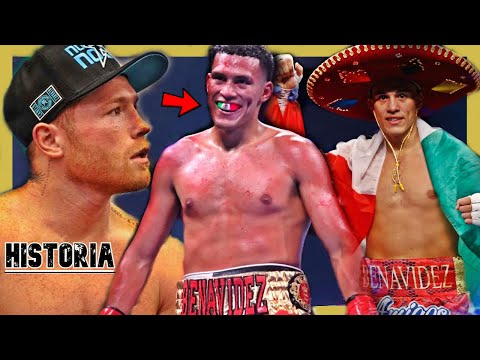
David Benavidez: El "Monstruo Mexicano" que Desafía al Gigante Canelo, una Lección de Audacia y Espíritu Marcial

¿Qué impulsa a un guerrero a desafiar a un campeón incuestionable? ¿Es la codicia, la gloria, o el simple y puro espíritu de superación que arde en cada practicante de artes marciales? En el ring del boxeo profesional, las tensiones trascienden los golpes y se adentran en el terreno de la psicología, la audacia y la controversia. Hoy, en el dojo de Budo y AM, no analizaremos un kata ancestral, sino la historia de un púgil que se atreve a llamar "miedoso" a Saúl "Canelo" Álvarez: David Benavidez. Prepárense, porque esta no es solo una historia de boxeo; es una cátedra sobre el coraje, la ambición y la constante búsqueda del límite.

Tabla de Contenidos

El Desafío Abierto: ¿Arrogancia o Determinación?

El boxeo, en su esencia más pura, es un arte marcial. Un duello de voluntades, una danza de estrategia y potencia. Cuando David Benavidez, un campeón supermediano con un récord envidiable, apunta directamente al ícono del momento, Saúl "Canelo" Álvarez, no solo está pidiendo una pelea; está lanzando un guante a la percepción pública, a la jerarquía establecida. Las declaraciones incendiarias no son ajenas a este deporte, pero cuando provienen de un contendiente con credenciales tan sólidas, resuenan con una fuerza particular. Benavidez no se anda con rodeos; llama a Canelo "miedoso", cuestiona su disposición a enfrentarlo. Esto puede ser visto por algunos como fanfarronería vacía, pero desde la perspectiva marcial, puede ser interpretado como un intento deliberado de desestabilizar al oponente, de abrir una brecha en su armadura psicológica antes de que siquiera exista un acuerdo para el combate.

David Benavidez: El "Monstruo" Forjado en la Adversidad

Conocido como "El Monstruo Mexicano", David Benavidez no llegó a la cima por casualidad. Nacido en Phoenix, Arizona, de padre mexicano y madre ecuatoriana, su linaje es una fusión de culturas que se refleja en su agresivo estilo de combate. Su ascenso fue meteórico: se convirtió en el campeón mundial de peso supermediano más joven en la historia del boxeo, un logro que exige no solo talento innato, sino una disciplina férrea y una mentalidad inquebrantable. Desde temprana edad, Benavidez demostró una aptitud excepcional para el pugilismo. Su padre y entrenador, José Benavidez Sr., jugó un papel crucial en su desarrollo, inculcándole los fundamentos del boxeo y la importancia de la perseverancia. Sin embargo, el camino de David no ha estado exento de obstáculos. Las controversias y las sanciones por dopaje, aunque dolorosas, se han convertido en parte de su narrativa, forjando un carácter resiliente. Para un artista marcial, superar la adversidad es tan importante como dominar una técnica. Benavidez ha enfrentado sus demonios personales y profesionales, y su regreso a la cima habla de una fuerza interior digna de estudio. Su agresividad en el ring, su capacidad para absorber golpes y seguir adelante, son características de un verdadero guerrero, de alguien que entiende que el *kime* (la energía enfocada en el momento culminante) debe ser implacable.

La "Bandera Roja": Más que un Apodo, una Filosofía

El apodo "Bandera Roja" que se asocia a Benavidez, especialmente en algunos círculos, evoca imágenes de peligro inminente, de una fuerza que no se detiene. No es un nombre que se elija a la ligera; sugiere una advertencia, una declaratoria de intenciones. En el arte de la guerra, la bandera representa la unidad, la identidad y la determinación. Una bandera roja, históricamente, a menudo simbolizaba una lucha a muerte, donde no había retirada. Este espíritu de "luchar hasta el final" es un concepto fundamental en muchas artes marciales. Es la voluntad de no ceder, de buscar la victoria con todo lo que se tiene, incluso cuando las probabilidades están en contra. Cuando Benavidez se proyecta a sí mismo con esta imagen, está enviando un mensaje claro: no tiene miedo al enfrentamiento directo, ni siquiera contra el púgil más dominante de su división. Está invitando a un combate sin cuartel, un verdadero *battle* en el sentido más primal del término.

El Ring como Dojo: ¿Qué Implica este Enfrentamiento?

Analicemos esto desde una perspectiva estrictamente marcial. El boxeo, como el Karate o el Judo, tiene sus propias katas (combinaciones de movimientos), sus principios estratégicos y su propia ética. El desafío de Benavidez a Canelo es comparable a un *sensei* joven y ambicioso retando a un maestro renombrado. No se trata solo de habilidades técnicas, sino de coraje, de probarse a uno mismo contra el mejor. Las características de Benavidez que lo hacen un contendiente formidable incluyen:
  • Presión Constante: Similar a un ataque de *shorinji kempo*, Benavidez avanza incansablemente, acortando distancias y dictando el ritmo.
  • Potencia de Golpeo: Sus puños tienen la contundencia de un *seiken tsuki* bien ejecutado, capaz de cambiar el curso de una pelea en un instante.
  • Resiliencia: Su capacidad para recibir golpes y seguir adelante es admirable, un reflejo de la tenacidad que se cultiva en el entrenamiento de *Kyokushin Karate*.
Por otro lado, ¿qué busca Canelo al evitar este combate? Si bien es un campeón con un legado que defender, un luchador no puede permitirse el lujo de ser percibido como cobarde. El concepto de *mushin* (mente sin mente), tan crucial en el budismo Zen y en las artes marciales, implica una acción espontánea y sin miedo. Evitar a un retador peligroso puede interpretarse como una falla en alcanzar ese estado mental, una apertura a la duda.

Psicología de Combate: El Poder de las Palabras

En el mundo de las artes marciales, el aspecto mental es tan crucial como el físico. La frase "El hombre que se APROVECHÓ de Mike Tyson y Mohammad Ali | Historia de Don King" nos recuerda cómo la persuasión y la manipulación psicológica han jugado un papel en la historia del boxeo. Las palabras de Benavidez, al calificar a Canelo de "miedoso", son una táctica psicológica diseñada para provocar una reacción. En el Karate, el *kiai* (grito de energía) es una manifestación audible de la fuerza interior y la determinación. Las palabras de Benavidez actúan como un *kiai* verbal, buscando perturbar la calma de su oponente. Un verdadero maestro marcial debe ser capaz de mantener la ecuanimidad ante tales provocaciones, enfocándose en su propio entrenamiento y disciplina. Sin embargo, no se puede negar el impacto que estas declaraciones pueden tener en la percepción pública y, potencialmente, en la mente del propio Canelo.
"El arte de la guerra enseña que no es importante ser rápido, sino ser preciso. Y no es importante ser fuerte, sino ser oportuno." - Miyamoto Musashi. Las palabras de Benavidez buscan la oportunidad de crear la brecha necesaria para su ataque.

Equipo Esencial para tu Entrenamiento de Boxeo

Para aquellos inspirados por el espíritu combativo de Benavidez y deseosos de iniciar su propio camino en el boxeo o las artes marciales, el equipo adecuado es fundamental. No necesitas ser un campeón para empezar, pero sí necesitas las herramientas para entrenar de forma segura y efectiva.
  • Guantes de Boxeo: Imprescindibles para la protección de tus manos y las de tu compañero de entrenamiento. Para sparring, se recomiendan guantes de 16 oz. Para el entrenamiento de saco o manoplas, guantes de 10-14 oz pueden ser suficientes.
  • Vendas para Manos: Proporcionan soporte adicional a las muñecas y nudillos, previniendo lesiones.
  • Saco de Boxeo Pesado: Un elemento clave para desarrollar potencia, resistencia y técnica de golpeo.
  • Comba (Cuerda de Saltar): Vital para mejorar la agilidad, el juego de pies y la resistencia cardiovascular.
  • Protector Bucal: Obligatorio en cualquier tipo de sparring para proteger tus dientes y mandíbula.
  • Pantalones Cortos de Boxeo y Camiseta: Para máxima libertad de movimiento.
La disciplina en la elección y uso del equipo es un reflejo de la disciplina en el propio entrenamiento. Si buscas empezar, te recomiendo investigar sobre **"mejores guantes de boxeo para principiantes"** o **"equipo de entrenamiento de boxeo en casa"**.

Videos Recomendados por el Sensei

La historia de Benavidez nos recuerda la importancia de entender el contexto y las trayectorias de los grandes atletas. Si te interesa profundizar en el mundo del boxeo y sus leyendas, aquí tienes algunas recomendaciones de contenido que amplían la perspectiva marcial:
  • El legado de figuras como Mike Tyson, con su propia historia de superación y controversia: [Mira la historia de Mike Tyson](https://www.youtube.com/watch?v=CjOs62om-2A&t=17s) (Este es un enlace externo, ten en cuenta su relevancia dentro de la cultura del boxeo).
  • La complejidad de las promociones y las personalidades en el boxeo, vista a través de la figura de Don King: [La Historia de Don King](https://www.youtube.com/watch?v=eKJ14...).
  • Para los amantes de las listas y la cultura del boxeo, explora la diversidad de campeones: [Lista de Reproducción de Boxeadores Mexicanos](https://bit.ly/36Xj62C).

Preguntas Frecuentes

¿Es David Benavidez un verdadero retador para Canelo Álvarez?

Desde el punto de vista del récord, la edad y el hambre de gloria, Benavidez es sin duda uno de los retadores más serios. Su agresividad y poder lo convierten en una amenaza real para cualquier campeón.

¿Por qué Benavidez llama "miedoso" a Canelo?

Es una táctica psicológica para provocar una reacción y presionar a Canelo para que acepte la pelea. También puede ser una expresión genuina de su frustración por no conseguir el combate.

¿Qué significa "La Bandera Roja" en el contexto de Benavidez?

Simboliza su estilo agresivo, su voluntad de ir a la guerra en el ring y su determinación de no retroceder ante ningún oponente.

¿Qué otros boxeadores han tenido rivalidades verbales intensas antes de una pelea?

La historia del boxeo está plagada de ejemplos: Muhammad Ali vs. Joe Frazier, Floyd Mayweather Jr. vs. Manny Pacquiao, y muchos otros. Las palabras son a menudo tan importantes como los golpes.

¿Cómo puedo aplicar el espíritu de Benavidez en mi propio entrenamiento?

Entrena con intensidad, no temas desafiar tus propios límites y sé audaz en tu búsqueda de mejora. Cada sesión de entrenamiento es una oportunidad para demostrar tu determinación.

Equipo Esencial para tu Entrenamiento

  • Guantes de Boxeo: Para proteger tus manos y las de tu compañero.
  • Vendas para Manos: Ofrecen soporte crucial a las muñecas.
  • Saco de Boxeo: Fundamental para desarrollar potencia y resistencia.
  • Comba (Cuerda de Saltar): Mejora la agilidad y el juego de pies.
  • Protector Bucal: Esencial para la seguridad en el sparring.
  • Kimono de Judo o Karate: Si te inclinas por las artes de agarre o golpes tradicionales.

Reflexión del Sensei: Tu Próximo Paso

Benavidez nos enseña que el espíritu de un guerrero no se amedrenta ante la reputación. Llama a la acción, reta a lo establecido. Pero, ¿cuán lejos debemos llegar en nuestras propias confrontaciones? ¿Es la audacia sin límite siempre la virtud suprema, o existe una delgada línea entre el coraje y la imprudencia? Ahora, budoka, te pregunto: Cuando te enfrentes a un desafío que parezca insuperable, ¿serás tú el que lance la "bandera roja", o te esconderás detrás de la cautela? ¿Cómo equilibras la audacia necesaria para crecer con la sabiduría de saber cuándo y cómo atacar? Reflexiona sobre esto en tu próximo entrenamiento.

Para Profundizar en tu Camino

``` GEMINI_METADESC: Descubre la historia de David Benavidez, el \"Monstruo Mexicano\" que reta a Canelo. Análisis marcial, psicología de combate y el espíritu de un guerrero.

Wu-Tang Collection: King of the Kickboxers - A Martial Arts Masterclass or a Flick?

Introduction: The Call to the Dojo

Every aspiring martial artist, every seasoned practitioner, seeks inspiration. We pore over the greats, we study the techniques, but sometimes, we find ourselves drawn to the silver screen, searching for echoes of our own discipline. The "Wu-Tang Collection" has long been a treasure trove for such seekers, and "King of the Kickboxers" is a film that promises raw, unadulterated combat. But does it deliver? Does it capture the essence of the martial spirit, or is it merely a shallow imitation, a spectacle for the uninitiated? Today, we delve deep, not just into the film's narrative, but into the very heart of its martial arts representation. Prepare yourselves, for we are about to dissect this cinematic offering with the precision of a well-placed strike.

The Architects of Violence: Director and Cast

Directed by Lucas Lowe, "King of the Kickboxers" brings together a cast that, on paper, suggests a certain level of combat pedigree. We have Loren Avedon as Jake, the protagonist driven by vengeance. Richard Jaeckel and Don Stroud lend their presence, while Billy Blanks steps into the formidable shoes of Kahn, the heavyweight kickboxing champion whose brutality defines the film's central conflict. Blanks, a renowned martial artist and filmmaker in his own right, brings a palpable physicality to the role of the antagonist. However, the question remains: can the direction and the performances elevate a familiar revenge plot into something more profound? Can they convey the *why* behind the fight, not just the *how*?

The Serpent's Coil: Plot and Protagonist's Path

The narrative of "King of the Kickboxers" is a well-trodden path in martial arts cinema: revenge. Jake witnesses his brother's demise at the hands of the merciless kickboxing champion, Kahn. This tragic event fuels Jake's quest for retribution. But the journey to confront Khan is not a straight line. Jake understands that brute force alone will not suffice against such a powerful foe. He seeks out Phang, a figure of legend, the only one who has ever managed to put Khan on the defensive. This quest for training is where the film can truly shine, exploring the dedication, sacrifice, and mental fortitude required to master one's craft. It's a chance to showcase the arduous path of a martial artist, far removed from the quick fixes often portrayed.

"The true opponent is not the one across from you, but the one within." - A timeless principle often forgotten in the heat of cinematic battle.

The narrative structure presents an opportunity to explore the philosophy of martial arts. Jake's transformation from a vengeful victim to a disciplined warrior under Phang's tutelage is crucial. Does the film delve into the ethical considerations of violence? Does it portray the psychological toll of seeking revenge? Or does it simply rely on flashy kicks and punches to carry the story? These are the questions we must ask as viewers who appreciate more than just the spectacle.

The Crucible of Combat: Analyzing the Fighting

This is where the film truly stands or falls for the discerning martial arts enthusiast. "King of the Kickboxers" prominently features kickboxing, a dynamic and aggressive striking art. We need to examine the choreography. Are the movements fluid and realistic, reflecting the principles of kickboxing, or are they overly stylized and theatrical? Do the fighters display proper footwork, defensive awareness, and effective combinations, or are they performing a dance of death that lacks genuine technical merit?

Billy Blanks, as Kahn, has the potential to showcase powerful, explosive techniques. Loren Avedon, as Jake, must evolve visually and physically under Phang's tutelage. Does his fighting style improve convincingly? Are the techniques taught by Phang rooted in practical application, or are they merely plot devices? We look for authenticity in stances, in the execution of kicks and punches, and in the transitions between striking and grappling, even if grappling is secondary in this film.

The film's portrayal of a "heavyweight kickboxing champion" should ideally reflect the power and precision of such athletes. The "running camera" aspect, while aiming for a gritty realism, can sometimes detract from the clarity of the action. Can we still discern the techniques being employed? Does the editing enhance or hinder our understanding of the combat?

A critical point for any martial arts film is the depiction of training sequences. This is where the true discipline is often shown. Do Jake's training montages with Phang reveal effective drills? Do they illustrate the grueling nature of preparation? Or are they simply a montage of sweat and grunts set to music? For those who practice Judo, Karate, or MMA, these sequences are often the most informative, offering glimpses into principles that can be applied to their own training.

Beyond the Blows: The Spirit of the Warrior

The term "King of the Kickboxers" evokes a sense of dominance, but true mastery in martial arts extends far beyond physical prowess. It encompasses mental fortitude, discipline, and a deep understanding of oneself. Does "King of the Kickboxers" touch upon these deeper aspects? The character of Phang, as the legendary trainer, is a crucial figure. Does he impart wisdom beyond mere technique? Does he teach Jake about control, about the responsibility that comes with power, or about the ethical application of martial skills?

"Victory over others is temporary. Victory over oneself is eternal." - A profound truth often lost in films driven solely by external conflict.

The film presents a classic "good versus evil" scenario, but the most compelling martial arts narratives explore the shades of gray, the internal struggles, and the philosophical underpinnings of combat. Does Jake's desire for revenge ultimately corrupt him, or does he find a path towards redemption through mastering himself? The exploration of concepts like Budo – the way of the warrior – or the pursuit of Mushin (no-mind) can elevate a simple action flick into something more meaningful. For practitioners of Kickboxing, understanding the mental game is as vital as the physical technique.

Veredicto del Sensei: Is It Worth Your Sweat?

After dissecting the narrative, the performances, and the potential for authentic martial arts representation, "King of the Kickboxers" presents a mixed bag. As a pure action film focused on kickboxing, it delivers some entertaining sequences, largely thanks to the presence of Billy Blanks and the commitment of Loren Avedon. The revenge plot, while predictable, provides a clear motivation for the conflict. However, for the dedicated martial artist seeking deep philosophical insights or groundbreaking technical instruction, the film falls somewhat short.

The choreography, while energetic, occasionally veers into the realm of cinematic exaggeration rather than pure technical demonstration. The training sequences offer glimpses of discipline but don't provide a detailed blueprint for self-improvement. The philosophical underpinnings are present but often superficial, serving the plot rather than being explored in depth.

Cinturón Negro en Entretenimiento de Acción, Cinturón Blanco en Profundidad Filosófica.

If you're looking for a nostalgic kickboxing flick with some solid action, "King of the Kickboxers" can satisfy that craving. If you're seeking a profound exploration of the martial spirit or detailed technical breakdowns, you might need to look elsewhere, perhaps to documentaries or more critically acclaimed martial arts films. It’s a decent watch, but don't expect it to redefine your understanding of the martial way.

Training Regimen: Building Your Own Khan-Slaying Physique

Whether you're inspired by Jake's quest for revenge or Kahn's sheer power, the path to becoming a more capable fighter requires dedication. Here’s a fundamental regimen to build a strong base:

  1. Warm-up (10-15 minutes): Begin with light cardio like jogging in place, jumping jacks, or skipping rope. Follow with dynamic stretches such as arm circles, leg swings, torso twists, and high knees. This prepares your muscles and reduces the risk of injury.
  2. Striking Fundamentals (20-30 minutes):
    • Stance: Practice your fighting stance (e.g., orthodox or southpaw for kickboxing). Focus on balance, a solid base, and keeping your guard up.
    • Punches: Execute jabs, crosses, hooks, and uppercuts. Focus on proper form: rotating your hips and shoulders, extending your arm fully but not locking it, and snapping the punch back quickly. Practice these on a makiwara if available, or focus on form with shadowboxing.
    • Kicks: Work on basic kicks like front kicks, roundhouse kicks, and side kicks. Emphasize hip rotation, chambering your leg, extending through the target, and retracting. Practice with control and focus on technique over power initially.
  3. Core Strength and Conditioning (15-20 minutes): A strong core is vital for power and stability.
    • Plank variations: Standard plank, side planks.
    • Crunches and Leg Raises: For abdominal strength.
    • Russian Twists: For rotational core power.
    • Burpees: An excellent full-body conditioning exercise that builds explosive power.
  4. Sparring Drills (Optional, with a partner): If you have a training partner and protective gear, engage in controlled sparring. Focus on applying techniques learned, defensive maneuvers, and footwork. Start with light contact and focus on timing and distance.
  5. Cool-down and Flexibility (10-15 minutes): Static stretching is crucial for recovery and maintaining flexibility. Hold stretches for major muscle groups (quadriceps, hamstrings, calves, glutes, chest, shoulders, triceps) for 20-30 seconds.

Essential Gear for Your Training Journey

To train effectively and safely, having the right equipment is key. Investing in quality gear not only enhances your experience but also protects you during intense sessions. For kickboxing and general striking arts, consider the following:

  • Boxing Gloves: For striking drills and sparring, 12-16oz gloves are standard for general training. Ensure a good fit to protect your wrists.
  • Hand Wraps: Essential for wrist support and protecting your knuckles under the gloves.
  • Mouthguard: Crucial for protecting your teeth and jaw, especially during sparring.
  • Shin Guards: For leg kick protection during sparring or when practicing kicks against pads.
  • Groin Protector: A mandatory piece of safety equipment for all male practitioners during sparring.
  • Training Shoes: Lightweight, flexible shoes that offer good traction and support for footwork.
  • Kickboxing Pads/Focus Mitts: If training with a partner, these are invaluable for practicing and improving striking accuracy and power.
  • Duffel Bag: A sturdy bag to carry all your gear to and from the training space.

When looking for specific items, such as the best judo gis or durable karate merchandise, always research brands known for quality and durability in the martial arts community.

For Deeper Insight into Your Path

Frequently Asked Questions

Q1: Is "King of the Kickboxers" based on a true story?

A1: No, the film is a fictional narrative and not based on a true story. It follows a common revenge plot structure found in many martial arts films.

Q2: Who is Phang in the movie?

A2: Phang is the legendary martial artist who trains Jake. He is portrayed as the only person capable of standing against the formidable kickboxing champion, Kahn.

Q3: What martial arts are depicted in the film?

A3: The primary martial art depicted is kickboxing. However, the training sequences might incorporate elements from other disciplines depending on the interpretation of the trainers and choreography.

Q4: Is Billy Blanks a real kickboxer?

A4: Yes, Billy Blanks is a highly accomplished martial artist and kickboxer, a seven-time world karate and kickboxing champion. He is also the creator of the Tae Bo fitness program.

Q5: How does this film compare to other Wu-Tang Collection movies?

A5: "King of the Kickboxers" is generally considered a solid, albeit somewhat standard, entry in the Wu-Tang Collection. It offers good action for fans of 80s/90s martial arts cinema but might not reach the cult status of some other titles within the collection that are known for more unique styles or storytelling.

Sensei's Reflection: Your Next Move

We have examined "King of the Kickboxers" through the lens of the martial artist, dissecting its plot, its action, and its underlying spirit. It serves as a reminder that while cinematic battles can be exhilarating, the true journey of a martial artist lies in consistent training, self-mastery, and the relentless pursuit of improvement—both within the dojo and in the arena of life. The film, for all its flaws, can still be a catalyst, sparking the desire to train harder, to understand the philosophy behind the techniques, and to embody the warrior's ethos.

Sensei's Reflection: Your Next Move

Now, consider this: If Jake's brother was killed, and Jake seeks revenge, is his path truly that of a martial artist, or that of a vigilante? Where does the line blur between righteous retribution and personal vendetta? And more importantly, when you face your own "Khans"—be they in physical combat, a difficult task, or an internal struggle—does your first instinct lead you to destruction, or to self-improvement? Reflect on this, and let your training, not just your fists, provide the answer.

``` GEMINI_METADESC: A deep martial arts analysis of 'King of the Kickboxers' (Wu-Tang Collection), scrutinizing its fight scenes, plot, and philosophical depth. Sensei's verdict.

Reece "New Gen Hooligan" vs. "Maengpong" Streetfighter: A Critical Look at "King of the Streets 97"

Introduction: The Allure of the Underground

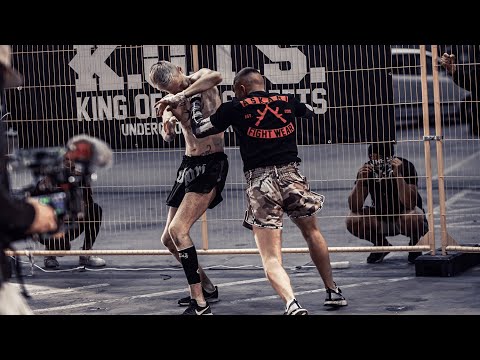
Welcome, disciples of the Budo. Today, we cast our gaze upon a spectacle that, while far removed from the disciplined halls of traditional dojos, stirs a primal curiosity within the martial soul: Reece "New Gen Hooligan" vs. "Maengpong" Streetfighter, from the event "King of the Streets 97: Blood Money."

The very title screams of raw, unfiltered combat. "King of the Streets" implies a realm where the rules of polite society are shed, and only the most potent, the most visceral, survive. But as martial artists, we must ask: what separates this from mere brawling? Is there any art, any principle, any genuine martial spirit to be found in such an arena?

You are watching Reece [New Gen Hooligan 𝕳] VS "Maengpong" [Streetfighter] - King of the Streets: 97 [BLOOD MONEY]. Published on March 1, 2022. We are here to dissect not just the fight itself, but the context, the rules, and the underlying philosophy that draws individuals to such brutal contests. Prepare yourselves; this is not for the faint of heart, but it is essential for understanding the full spectrum of human conflict.

Dissecting the Spectacle: "King of the Streets 97"

The event, "King of the Streets," presents itself as a raw, underground fight club where prize money fuels the conflict. This immediately signals a departure from the regulated environment of professional sports. Here, the stakes are personal, the audience craves visceral action, and the fighters are often driven by motivations far more immediate than championship belts.

The very name, "Blood Money," underscores the harsh reality. It suggests that the reward is directly tied to the violence, a concept that, while undeniably potent, raises ethical questions for those who practice martial arts for self-improvement and discipline.

"In the pursuit of martial perfection, one must question the purity of a system that rewards only bloodshed. Is it strength, or is it savagery?"

This event promises a raw, unadulterated form of combat, stripped of the safety nets and formalized procedures that govern most modern combat sports. It's a testing ground, yes, but for what? Survival? Dominance? The sheer thrill of the fight?

The Brutal Parameters: "K.O. ONLY" and "NO RULES"

The core of "King of the Streets" lies in its uncompromising rulesets: "K.O. ONLY" and "NO RULES." Let us break down what this truly means from a martial perspective.

  • "K.O. ONLY": This format allows for a wide array of techniques – strikes, grappling, even elbows and knees – but crucially, submissions are out. The victory must be definitive, a knockout. This elevates the importance of striking power, precision, and the ability to inflict incapacitating damage. It discourages protracted grappling exchanges that don't lead to a decisive blow.
  • "NO RULES": This is where the term "streetfighter" truly finds its meaning. Here, *everything* is permitted. Submissions are back on the table, alongside any striking technique imaginable. The fight continues until a knockout or submission is achieved. This is the closest approximation to a truly no-holds-barred encounter outside of extreme situations.

The absence of rounds or time limits is another critical factor. Fights persist until a winner emerges. This demands an extraordinary level of stamina, mental fortitude, and adaptability. There are no breaks, no strategic retreats to a corner to gather oneself. The pressure is constant, relentless.

This format is a stark contrast to the structured rounds of boxing, kickboxing, or MMA. It tests a fighter's raw conditioning and their ability to push through exhaustion and pain for an indeterminate period. It’s a test of pure will as much as technique.

A Glimpse at the Combatants: Hooligan vs. Streetfighter

The match-up itself pits Reece, described as "New Gen Hooligan" from Alpha Brøndby, Denmark/England, with a Muay Thai background, against "Maengpong," a Swedish Streetfighter, also with a Muay Thai base.

The designation "New Gen Hooligan" is intriguing. It suggests a modern, perhaps aggressive, and certainly unconventional approach to fighting, likely rooted in a subculture that embraces conflict. Muay Thai is a brutal and effective striking art, known for its powerful kicks, knees, elbows, and clinching. This suggests Reece possesses significant striking capabilities.

On the other side, "Maengpong" is simply labeled a "Streetfighter." This is a broad term. Does it imply a lack of formal training, relying instead on raw aggression and instinct? Or does it signify a fighter who has honed their skills in the very crucible that "King of the Streets" emulates? The "Muay Thai" tag hints that Maengpong is not without technical skill, but the "Streetfighter" moniker implies an unpredictable element, a willingness to engage in the less-than-savory aspects of combat.

This clash of designations promises a fascinating dynamic. Will the disciplined aggression of Muay Thai (Reece) overcome the unpredictable ferocity of the self-proclaimed streetfighter (Maengpong)? Or will Maengpong's street-honed instincts prove more effective in this ruleset?

Beyond the Blood: What Do These Fights Mean?

For the martial artist, observing these underground contests is a complex exercise. On one hand, there is the undeniable spectacle of human beings pushing their physical and mental limits. There’s a raw courage involved in stepping into such an arena, knowing the potential for severe injury.

However, the emphasis on "K.O. ONLY" and "NO RULES" without a strong philosophical underpinning can easily devolve into mere violence. True Budo, the Way of the Warrior, is not solely about defeating an opponent; it is about self-mastery, discipline, respect, and the refinement of character. It’s about understanding the spirit of combat, not just the mechanics of inflicting harm.

Could these fighters, in their own way, be seeking a form of truth through conflict? Perhaps. But the lack of formal structure, the profit motive of "Blood Money," and the "streetfighter" label raise questions about whether true martial development is occurring. Is this a celebration of combat, or a descent into barbarism?

"The true measure of a fighter is not only their ability to win, but their conduct in victory and defeat. Does this arena foster honor, or simply amplify aggression?"

These events highlight a primal human drive for competition and dominance, but they also serve as a potent reminder of what separates refined martial arts from mere fighting. The intention behind the training, the philosophy guiding the practice, and the respect shown to the art and the opponent are paramount.

Essential Gear for the Unsanctioned Warrior (Hypothetical)

While "King of the Streets" operates outside formal regulations, the nature of the combat suggests certain gear would be paramount for survival and effectiveness, should one find themselves in such an arena. This is purely hypothetical, as the spirit of unsanctioned fighting often means minimal protection.

  • Hand Wraps and Gloves: Essential for protecting the hands during powerful strikes and preventing fractures. Given the "K.O. ONLY" and "NO RULES" format, sturdy, possibly 16oz gloves, would be preferable for both offense and defense, though smaller gloves might be used for a more "street" feel.
  • Mouthguard: Non-negotiable. The risk of dental damage is incredibly high in fights with no rounds and no rules.
  • Groin Protector (Cup): Absolutely vital given the potential for strikes to the groin in "NO RULES" scenarios.
  • Shin Guards (Optional but Recommended): For Muay Thai practitioners, shin guards offer protection during hard kicks and can help condition the shins for powerful exchanges. In a "K.O. ONLY" format, they could also be used offensively.
  • Appropriate Footwear: Minimalist shoes or even barefoot might be preferred by some for better grip and connection to the ground, especially if grappling is anticipated.

It's crucial to remember that the appeal of such events often lies in their rawness, which might extend to minimal or no protective gear. However, for longevity and safety, even in a bare-knuckle context, protecting the hands and mouth is paramount.

Frequently Asked Questions

What is "King of the Streets"?

"King of the Streets" is presented as an underground fight club where participants can compete for prize money under "K.O. ONLY" or "NO RULES" formats, with no rounds or time limits.

What is the difference between "K.O. ONLY" and "NO RULES"?

"K.O. ONLY" requires victory by knockout, disallowing submissions. "NO RULES" permits both knockouts and submissions, with virtually all techniques allowed.

Are these fights sanctioned?

No, the context suggests these are unsanctioned, underground fights operating outside of official sporting regulations.

What martial arts are involved?

The featured fighters have a Muay Thai background, though the term "Streetfighter" implies a broader, less formalized skill set.

Deepen Your Martial Path

To truly understand the spectrum of combat and the philosophy that guides the warrior's path, delve deeper into related discussions:

The world of combat is vast, ranging from the disciplined practice of traditional martial arts to the raw, unvarnished contests seen in events like "King of the Streets." While such spectacles can be captivating for their intensity, they offer a limited perspective on the true essence of Budo.

True martial arts are a journey of self-discovery, discipline, and ethical development. They are about far more than just winning a fight; they are about becoming a better person through the rigorous training of mind, body, and spirit. Events like "Blood Money" may showcase raw courage and effective striking, but they often lack the depth, respect, and philosophical grounding that define the martial way.

Reflexión del Sensei: Tu Próximo Paso

After witnessing the raw intensity of an event like "King of the Streets," the question lingers: Does the pursuit of combat mastery necessitate such extreme conditions, or is the truest battlefield the one within yourself? What principles do you carry from the dojo into the arena of life, and how would you defend them?

"The supreme art of war is to subdue the enemy without fighting." - Sun Tzu, The Art of War

Contemplate this. If the ultimate victory is achieved without conflict, what does that say about the value of a fight fought solely for "Blood Money"?

GEMINI_METADESC: A Sensei's critical analysis of King of the Streets 97, examining the brutal rules, fighter profiles, and philosophical questions raised by underground combat.

King of the Streets: 105 - A Raw Look at Unsanctioned Combat

The Underground Rises: Is This the True Spirit of Combat?

Welcome, warriors, to Budo and Martial Arts. Today, we delve into the raw, unadulterated world of "King of the Streets," a promotion that strips away the gloss and embraces the primal urge to compete. Forget the sanitized arenas and regulated bouts; this is a peek behind the curtain of unsanctioned combat, a place where rules are bent, and the line between sport and survival blurs. But is this the true essence of martial engagement, or a dangerous descent into chaos?

Table of Contents

The Event: Mass Hypnosis and the Call to Arms

The backdrop for this particular clash is "Mass Hypnosis," an event title that already hints at the psychological warfare at play. In the realm of unsanctioned combat, the mental game is often as crucial as the physical. The promotion itself proclaims it's a "REAL UNDERGROUND FIGHT CLUB," a statement designed to attract those seeking something beyond the regulated sport. This taps into a deep-seated human fascination with raw, unscripted conflict.

Securing Your Seat in the Arena

For those who wish to witness these raw displays, the message is clear: get PPV ACCESS for the next event NOW. This isn't a sport for the faint of heart, and the promotion makes it clear that access is not guaranteed or passive. It's a deliberate choice to engage with this form of combat.
"KING OF THE STREETS IS A REAL UNDERGROUND FIGHT CLUB WHERE YOU CAN FIGHT FOR PRIZE MONEY."
This statement is pivotal. It frames the event not just as entertainment, but as an opportunity for participants to test themselves and potentially earn. The emphasis on "real" and "underground" is a marketing tactic, but it also speaks to a yearning for authenticity that many feel is lost in modern professional sports.

The Rules of Engagement: KO Only vs. No Rules

"King of the Streets" offers two distinct formats, each with its own brutal appeal:
  • “K.O. ONLY”: Here, everything is permitted except submissions. The victory must be achieved through a knockout. This format emphasizes striking power and the decisive, often violent, conclusion of a fight. It’s a direct test of a fighter's ability to land a fight-ending blow.
  • “NO RULES”: This is the ultimate test. Everything is allowed, including submissions, with victory by KO or submission. This format reflects the grittier, more dangerous aspects of unarmed combat, where fighters must possess a wider range of skills and a higher tolerance for risk.
A critical point is the absence of rounds or time limits. Fights continue until a conclusion is reached. This "war of attrition" mentality is a hallmark of older, more unforgiving combat systems and adds another layer of intensity. There's no respite, no break to regroup strategy; only the fight itself. This lack of structure can lead to spectacular finishes but also carries significant risks for the participants.

Meet the Combatants: Paci vs. Banan

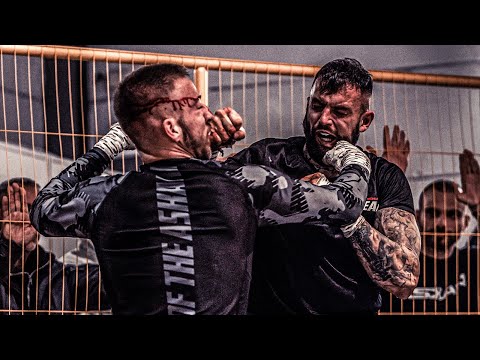
This specific bout pits "Paci" from the Czech Republic against "Banan" from Poland.
  • "PACI"
    • Nationality: Czech Republic
    • Weight: 85 KG / 187 CM
    • Age: 27 Years
    • Affiliation: Brigade Renegade Hooligan 𝕳
  • "BANAN"
    • Nationality: Poland / Warszawa
    • Weight: 83 KG / 185 CM
    • Age: 19 Years
    • Affiliation: Mszczonów Hooligan 𝕳
The fight is under the "K.O. ONLY" format. We see a significant age difference, with the 19-year-old Banan facing the 27-year-old Paci. While Paci has the advantage of experience and potentially physical maturity, Banan's youth could signify untapped aggression and a burning desire to prove himself. The affiliations – "Brigade Renegade Hooligan" and "Mszczonów Hooligan" – suggest a background rooted in more than just sport, adding a layer of socio-cultural context to the fight. This isn't just two individuals; it's representatives of a particular subculture.

The Soundtrack of War: HeroicMonk's Score

The accompanying song is "HeroicMonk." In martial contexts, music plays a crucial role in setting the mood and enhancing the dramatic tension. A heroic or intense track like this aims to elevate the fighters' adrenaline and prepare the audience for the spectacle. It's a common tactic in combat sports, but in an underground setting, it can feel even more potent, less manufactured.

The Digital Dojo: Websites and Social Channels

King of the Streets maintains a presence across various digital platforms:
  • Website: https://ift.tt/iwIezPQ
  • Facebook: https://ift.tt/6Vi5W39
  • Instagram: https://ift.tt/jGvnwtP...
  • Twitter: https://twitter.com/KOTS_FIGHT_CLUB
  • Email: contact@kotsfights.com
  • Telegram: KOTS_HC
This multi-channel approach is essential for any promotion aiming to build a following, even in the underground. It allows them to communicate fight details, promote upcoming events, and engage with their audience.

Joining the Ranks: The Fight Application

For aspiring fighters, the application process is clearly outlined via Telegram. The instructions on how to message the application bot, including the workaround for non-mutual contacts, show a structured approach to managing potentially volatile participants. This attention to detail, even in an underground setting, is vital for the promotion's organization and safety, however relative that may be.
"If you want to participate in the fight club, download APP named TELEGRAM and send us a message."
This direct instruction further emphasizes the raw, unfiltered nature of the event. No fancy forms, just a direct line to the organizers.

MMA Context and the Broader Martial Landscape

The mention of UFC, MMA, and MIXED MARTIAL ARTS places "King of the Streets" within the broader ecosystem of modern combat sports. While it operates outside the official structures, its existence highlights a persistent demand for less regulated, more "real" fighting experiences. This raises questions: what is the fundamental appeal of MMA? Is it the skill, the strategy, the raw aggression, or a combination? Promotions like "King of the Streets" tap into the latter, often to a more extreme degree.

Veredicto del Sensei: ¿Merece la pena?

"King of the Streets" presents a fascinating paradox. On one hand, it offers a glimpse into a more visceral form of combat, appealing to a primal instinct that resonates with many martial arts practitioners. The "K.O. Only" and "No Rules" formats, devoid of time limits, strip away the conventional trappings of sport and return to a more fundamental test of will and skill. The raw, unfiltered nature of the promotion is its undeniable draw. However, the lack of regulation, the potential for severe injury, and the "hooligan" affiliations raise significant concerns. Is this truly the evolution of martial arts, or a dangerous regression? While it undeniably offers a unique spectacle, it’s crucial to understand the inherent risks. Cinturón Negro en Espectáculo Crudo, Cinturón Blanco en Seguridad y Deporte. This is not a regulated sport; it's a gladiatorial exhibition. Approach with extreme caution, both as a viewer and, if you are so inclined, as a participant. The spirit of combat is present, but the principles of martial arts – discipline, respect, refinement – are severely tested, and perhaps, compromised.

Equipo Esencial para tu Entrenamiento

While "King of the Streets" might eschew some traditional equipment for its "no rules" approach, foundational training requires proper gear. Investing in quality equipment not only enhances your training but is crucial for safety.
  • Guantes de Boxeo/MMA: Essential for any striking training. For general conditioning and light sparring, 14-16oz gloves are recommended. For more intense sparring or specific MMA training, 4-6oz MMA gloves might be more appropriate, but always with caution and supervision.
  • Protector Bucal: Non-negotiable for any form of sparring or high-intensity training to protect your teeth and jaw.
  • Espinilleras: Crucial for Muay Thai or Kickboxing drills involving kicks to protect your shins and your partner's.
  • Kimono (Gi): If your training involves grappling arts like Judo or BJJ, a durable Gi is indispensable. Look for double-weave for Judo or lightweight for BJJ, depending on your preference.
  • Casco de Entrenamiento: For more intense sparring sessions, a protective headgear can significantly reduce the risk of cuts and concussions.
Remember, proper training in a safe environment is paramount. Don't let the allure of "no rules" combat tempt you into neglecting fundamental safety practices.

Guía de Entrenamiento: The Mindset of a Street Fighter

Participating in or even understanding a format like "King of the Streets" requires a mental fortitude that transcends typical athletic preparation. This isn't about winning a belt; it's about enduring.
  1. Embrace the Unknown: Accept that the fight may not conform to predictable patterns. Train with an open mind, expecting the unexpected.
  2. Develop Resilience: Practice drills that push your physical and mental limits. Conditioning is key, but so is the mental ability to push through pain and fatigue. Think of grueling at-home workouts or long-distance running sessions that build endurance.
  3. Master the Fundamentals: While the rules are loose, the foundational techniques of striking and grappling remain your best assets. A solid grasp of Karate, Judo, or BJJ can provide a critical edge.
  4. Cultivate Situational Awareness: Understand your surroundings and your opponent's intentions. This is crucial for both offense and defense.
  5. Control Your Adrenaline: High adrenaline can lead to recklessness. Learn to channel it into focused aggression rather than panic. Meditation and breathing exercises, like those practiced in Budo, can be invaluable here.
  6. Accept the Outcome: Whether it's a KO, a submission, or simply enduring, be prepared to accept the result with a degree of stoicism. This is the hallmark of a true warrior.
This mindset is not easily acquired. It requires dedicated training, introspection, and a willingness to confront your own limitations.

Preguntas Frecuentes

  • Is "King of the Streets" a legitimate sport?
    "King of the Streets" operates as an unsanctioned fight club, emphasizing raw combat over regulated sport. It is not recognized by major sporting bodies.
  • What is the age requirement to fight?
    While specific age verification isn't detailed, the example shows a 19-year-old fighter, suggesting a minimum age of 18 is likely implied.
  • How are fighters matched?
    Matches appear to be based on availability and possibly weight class, with an emphasis on creating compelling, raw matchups.
  • What are the risks involved in "No Rules" fights?
    The risks are extremely high, including severe injuries, concussions, and other long-term health consequences due to the lack of protective gear, time limits, and comprehensive medical supervision.

Para Profundizar en tu Camino

Reflexión del Sensei: Tu Próximo Paso

This event, "King of the Streets," forces us to confront the raw, untamed aspect of human combat. It exists because a segment of humanity craves it, both to watch and to participate. But does this raw aggression represent the pinnacle of martial skill, or a dangerous deviation? If a fighter enters such an arena, are they seeking true mastery, or simply the thrill of danger? Consider this: In the controlled environment of a dojo, we hone our skills to build character. In the chaos of "King of the Streets," does character get built, or broken? Now, it is your turn. Do you believe these "underground" fights hold a valuable, albeit brutal, place in the martial landscape, or are they a dangerous spectacle that detracts from the true spirit of the arts? Let your opinions be known in the comments below. Prove your conviction. GEMINI_METADESC: Explore the gritty world of 'King of the Streets 105' with Paci vs. Banan. Analyze unsanctioned combat, KO Only rules, and the mindset of underground fighters.