Showing posts sorted by relevance for query Cardio Training for Martial Arts. Sort by date Show all posts

The Absurdity of the "Six-Pack Obsession": Are Endless Crunches Truly Martial?

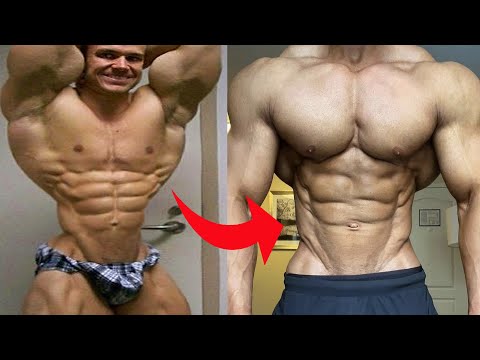
The pursuit of the sculpted abdomen is a modern fetish, a visual trophy in the gymnasium and on social media. We are bombarded with images of perfectly chiseled torsos, hailed as the pinnacle of physical fitness. But for the dedicated martial artist, the question lingers: does endless abdominal training truly serve our path? Or is it a distraction, a vanity project that pulls us away from the core principles of true Budo? Let us delve into this, not as fitness gurus, but as warriors seeking efficiency and efficacy.

Table of Contents

The Illusory "Six-Pack" Myth

We see it everywhere: endless sit-ups, crunches, leg raises, all promising the coveted six-pack. This obsession is largely a byproduct of Western bodybuilding culture and its media portrayal. While a visible rectus abdominis *can* indicate low body fat and some degree of muscular development, it is by no means the sole or even primary indicator of true physical readiness for combat. In fact, an overemphasis on isolating these superficial muscles can lead to imbalances and injuries, hindering rather than helping the martial artist.

Consider the legendary figures of martial history. Did Miyamoto Musashi, in his duel at Ganryu Island, contemplate his abdominal definition? Did ancient Shaolin monks dedicate hours to static ab exercises? Unlikely. Their focus was on holistic strength, resilience, and the application of power through integrated body mechanics. The "six-pack" is a visual cue, a consequence, not the goal itself.

"The supreme art of war is to subdue the enemy without fighting." - Sun Tzu

This wisdom extends to training. Subduing the enemy (or your opponent) comes from integrated strength, not isolated muscle groups. The pursuit of a "six-pack" often distracts from this fundamental truth.

True Core Strength: Beyond the Rectus Abdominis

The "core" in martial arts is far more than just the muscles visible externally. It encompasses a complex network of deep abdominal muscles (transverse abdominis, obliques), the lower back muscles (erector spinae, multifidus), the diaphragm, and the pelvic floor. This is the engine of your power, the foundation of your stability, and the shock absorber for your entire body.

Think of a powerful punch or kick. The energy originates from the ground, travels through the legs, is powerfully rotated and accelerated by the hips and torso (the core!), and then transferred to the striking limb. If your core is weak or unbalanced, this kinetic chain is broken. You'll lack power, speed, and stability. Moreover, a strong, integrated core protects your spine from the immense forces generated in combat.

Exercises that target the entire core complex – including anti-rotation, anti-extension, and anti-lateral flexion movements – are far more beneficial than repetitive crunches. Examples include:

  • Plank variations (standard, side planks)
  • Pallof presses
  • Farmer's walks
  • Bird-dog
  • Turkish Get-ups

These exercises build functional strength that translates directly to the dojo, the ring, or the street. They teach your body to work as a cohesive unit, which is the hallmark of a skilled martial artist.

Functional Training for Combat: The Martial Artist's Perspective

The goal of martial arts training is not to win a bodybuilding contest; it is to develop the physical and mental capacity to defend oneself, overcome an opponent, and cultivate discipline. Therefore, our training must be functional – meaning it directly improves our ability to perform the actions required in combat.

What does combat demand?

  • Explosive Power: The ability to generate force quickly.
  • Stability: Maintaining balance under pressure and during dynamic movements.
  • Resilience: Withstanding impact and fatigue.
  • Agility: Moving efficiently and adapting to changing situations.
  • Endurance: Sustaining effort over time.

While abdominal muscles play a role, they are part of a larger system. A truly effective training regimen will incorporate elements that address all these demands. This means spending more time on:

  • Compound movements: Squats, deadlifts, overhead presses, Olympic lifts (if properly instructed).
  • Explosive drills: Plyometrics, medicine ball throws, kettlebell swings.
  • Grip strength training: Essential for clinching and controlling an opponent.
  • Cardiovascular conditioning: To maintain stamina throughout a fight.
  • Practice of martial arts techniques: This is the most specific training.

Focusing solely on isolated abdominal exercises is like a swordsman practicing only how to polish the blade, neglecting the stance, the grip, and the entire motion of the cut.

The Philosophy of Minimalism in Training

Many traditional martial arts emphasize efficiency and economy of motion. This principle can and should extend to our training. Why spend hours on exercises with diminishing returns when you can achieve superior results with focused, compound movements and direct martial arts practice?

The concept of "less is more" is powerful. Instead of a high volume of low-intensity ab work, consider a few challenging sets of core-strengthening exercises integrated into a full-body workout, or better yet, focus on how your core engages during your actual martial arts techniques.

"Mastering others is strength. Mastering yourself is true power." - Lao Tzu

True mastery, true strength, comes from within, from understanding your body's interconnectedness and potential. The external display of abs is secondary to this internal development.

A Training Regimen for the Warrior

Here is a template for a more martial-arts-centric approach to physical preparation. This is not a rigid prescription, but a guide to principles. Adapt it to your specific art and needs.

Phase 1: Foundational Strength & Conditioning (Focus: Building the Base)

  1. Warm-up (10-15 mins): Dynamic stretching, light cardio (jogging in place, jumping jacks), joint mobility.
  2. Compound Lifts (3x per week):
    • Squats (Barbell, Goblet)
    • Deadlifts (Conventional, Romanian)
    • Overhead Press
    • Bench Press or Push-ups (variations)
    • Pull-ups or Rows
  3. Core Integration (Post-lifting or on separate days):
    • Plank: 3 sets, hold for 45-60 seconds
    • Side Plank: 3 sets per side, hold for 30-45 seconds
    • Pallof Press: 3 sets of 10-12 reps per side
    • Farmer's Walk: 3 sets, walk for 30-40 yards
  4. Cardiovascular Conditioning (2-3x per week): High-Intensity Interval Training (HIIT) – e.g., 30 seconds on, 30 seconds off for 10-15 rounds of exercises like burpees, mountain climbers, sprints.
  5. Cool-down (5-10 mins): Static stretching, focusing on major muscle groups.

Phase 2: Power & Specificity (Focus: Martial Application)

  1. Continue Compound Lifts: Focus on increasing weight or reps.
  2. Introduce Explosive Work:
    • Medicine Ball Throws (rotational, overhead)
    • Kettlebell Swings
    • Plyometric Box Jumps
  3. Martial Arts Practice: This is where the magic happens. Dedicate ample time to your chosen art. Focus on power generation from the ground up, core engagement in every movement, and technique refinement.
  4. Sparring/Application Drills: Test your conditioning and strength in a controlled, combative environment.

Notice how direct abdominal isolation exercises (like crunches) are minimized, if not absent. The focus is on movements that build integrated, functional strength – the true "core" of a martial artist.

Veredict of the Sensei: Is the Six-Pack Worth the Fight?

From a martial perspective, the obsession with a visible six-pack is largely a misdirection. It is a cosmetic goal that can lead to unbalanced training and neglect of the deeper, more crucial functional strength required for combat. While a strong core is paramount, its development should be a byproduct of integrated training and martial arts practice, not an end in itself.

Rating: Falls short of a Black Belt in Warrior Fitness. Requires a fundamental shift in focus from aesthetics to efficacy.

Equipment Essential for Your Training

While the best martial arts training requires minimal equipment, certain tools can enhance your physical preparation. Investing in quality gear is an investment in your progress and safety.

  • Durable Training Mat: For floor exercises and safe falls.
  • Resistance Bands: Versatile for warm-ups, mobility, and adding resistance to exercises.
  • Kettlebells: Excellent for dynamic core training, explosive power, and conditioning. Start with a moderate weight (16-24kg for men, 8-16kg for women) and progress.
  • Medicine Balls: Crucial for developing rotational power and explosiveness.
  • Quality Training Shoes: For stability and support during lifting and dynamic movements.
  • A Good Quality Gi or Training Uniform: Essential for practicing most traditional martial arts. Look for double-weave or reinforced stitching for durability.
  • Heart Rate Monitor: To track your conditioning intensity and recovery.

For those serious about building a powerful physique that complements their martial arts, consider investing in some basic **home gym equipment** or a **high-quality training gear** setup. Proper equipment can make a significant difference in your training consistency and effectiveness.

Frequently Asked Questions

Q1: Can I build a strong core without doing endless crunches?
A1: Absolutely. True core strength comes from engaging the entire core complex in functional movements like planks, anti-rotational exercises, and dynamic martial arts techniques. Excessive crunches can even be detrimental.

Q2: If I have a low body fat percentage, will I automatically have abs?
A2: Generally, yes. Visible abdominal muscles are a sign of low body fat, which allows them to be seen. However, low body fat alone doesn't guarantee functional core strength for combat.

Q3: How much time should I dedicate to core training versus martial arts practice?
A3: Prioritize your martial arts practice. Integrate core strengthening into your overall conditioning, but ensure the bulk of your training time is spent on developing your specific art's techniques and principles.

Q4: Are there any martial arts where abdominal strength is less important?
A4: While the *manifestation* of core strength differs, a strong, stable core is crucial for *all* martial arts, from the explosive power of Karate and Taekwondo to the grappling stability of Judo and BJJ, and the evasive movement of Aikido.

To Deepen Your Journey

Reflection of the Sensei: Your Next Step

The pursuit of a six-pack is a siren's call, luring many away from the true essence of martial development. It is a hollow victory, a fleeting aesthetic that offers little in the crucible of combat. My challenge to you is this: look past the superficial. Does your training build a body that is resilient, powerful, and efficient? Or are you merely sculpting a trophy for display? Spend one week focusing solely on functional core integration and powerful martial arts movements, and then assess your body's readiness. Tell me, honestly, where does your true strength lie?

``` GEMINI_METADESC: Critiques the modern obsession with six-pack abs from a martial arts perspective, advocating for functional core strength vital for combat.
The Unseen Combat: Mastering Low-Impact Cardio for the Dedicated Martial Artist

The pursuit of martial excellence is a holistic endeavor, extending far beyond the dojo floor. While the thunderous strikes of Karate or the fluid takedowns of Judo dominate our visual imagination, the silent battle for physical conditioning often goes overlooked by those seeking genuine martial prowess. Many believe that true combat fitness is forged solely through high-intensity sparring and brutal drills. But what if I told you that the most potent cardio, the kind that builds unwavering stamina and fuels your deepest reserves, can be cultivated with minimal impact and absolutely no specialized equipment? Welcome, aspiring warrior, to a lesson in functional fitness that will redefine your understanding of endurance. Today, we dissect the profound benefits of low-impact cardio for the dedicated martial artist, a strategy often dismissed but critically important.

Tabla de Contenidos

The Martial Artist's Dilemma: Beyond the Punch

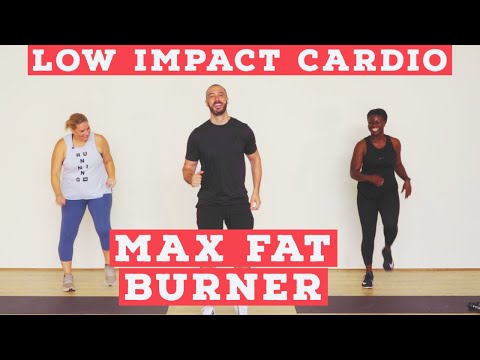
Hello and welcome to Budo and Martial Arts. You're watching a session focused on LOW IMPACT home cardio – a fat burner that requires NO EQUIPMENT! Published on December 28, 2020, this approach is often sidelined in favor of more visually dramatic training methods. But consider this: how many times have you seen a powerful fighter gas out in a crucial moment, not because their spirit wavered, but because their physical engine sputtered?

As martial artists, we train our bodies for combat, for the dynamic explosion of energy required in a confrontation. We practice Kihon (fundamentals), Kata (forms), and Kumite (sparring). But what fuels these actions? It's our cardiovascular system. A weak engine means a shorter fight, a faltering defense, and ultimately, defeat. The misconception is that only high-impact activities build this engine. This is where we often err.

"The supreme art of war is to subdue the enemy without fighting." - Sun Tzu, The Art of War

While Sun Tzu speaks of strategy, the principle of efficient energy expenditure is paramount. To outlast an opponent, to maintain precision under duress, your cardio must be unshakeable. And sometimes, the most effective path to that unshakeable foundation is the one least traveled – the path of low impact.

Low-Impact vs. High-Impact: A Strategic Comparison

Let's be clear. High-impact exercises like running, jumping jacks, or plyometrics undeniably have their place. They are excellent for developing explosive power and improving bone density. However, they come at a cost: significant stress on joints, tendons, and ligaments. For the seasoned martial artist, especially those who have accumulated years of training (and perhaps, minor injuries), this can be a detrimental factor.

Low-impact cardio, on the other hand, focuses on activities that minimize jarring forces. Think of exercises like cycling (stationary or otherwise), swimming, elliptical training, or even brisk walking and various forms of bodyweight movement that avoid repetitive pounding. The beauty of this approach lies in its sustainability. You can perform these activities more frequently without accumulating the same level of fatigue or risking injury.

Consider the martial arts themselves. While some styles are inherently high-impact (think Kyokushin Karate's full-contact sparring), others emphasize fluidity and precision, demanding a different kind of cardiovascular endurance. Aikido, for example, requires immense stamina to absorb and redirect force, often without significant joint stress.

Key Differences:

  • Impact on Joints: High-impact = Significant stress; Low-impact = Minimal stress.
  • Calorie Burn Rate (per minute): High-impact = Generally higher; Low-impact = Can be sustained longer, potentially leading to higher total calorie burn.
  • Risk of Injury: High-impact = Higher risk of stress fractures, sprains; Low-impact = Lower risk.
  • Frequency of Training: High-impact = Requires more recovery; Low-impact = Allows for higher training frequency.

The Unseen Benefits: How Low-Impact Cardio Fuels Your Combat Prowess

The Budo warrior understands that strength is not merely physical. It is mental, spiritual, and deeply rooted in endurance. Low-impact cardio contributes to all these facets in ways often underestimated:

  • Unrivaled Stamina: The ability to maintain peak physical and mental performance throughout an extended sparring session or competition is critical. Low-impact cardio builds a robust aerobic base, allowing you to fight longer, react faster, and think clearer when fatigue sets in. This is the essence of BUDO.
  • Joint Health and Longevity: Years of martial arts training can take a toll. By incorporating low-impact methods, you preserve your joints, ensuring you can train effectively for decades to come. This is not about quitting; it's about training smarter, a key principle in Martial Philosophy.
  • Mental Fortitude: Pushing through a challenging, sustained cardio session, even at a lower intensity, builds mental toughness. It teaches discipline and the ability to maintain focus when discomfort arises. This mirrors the mental training required for Self-Mastery.
  • Enhanced Recovery: Active recovery through low-impact exercise can improve blood flow to muscles, speeding up the removal of metabolic waste products and reducing muscle soreness after intense training sessions. This aids in your Superación Personal.
  • Fat Burning Efficiency: While high-intensity interval training (HIIT) is often lauded for its fat-burning capabilities, sustained low-to-moderate intensity cardio is highly effective for burning fat over longer durations. This is crucial for achieving a fighter's optimal physique, lean and powerful.
"The body is a temple, not a tomb." - Unknown (but a principle every martial artist should heed)

Many dismiss these workouts as "easy." But true mastery in martial arts, and in life, often comes from excelling at the fundamentals, the consistent, unglamorous work. This is where the Inner Strength is forged, not in the fleeting thrill of a knockout, but in the quiet dedication to continuous improvement.

Your Dojo at Home: Crafting a Low-Impact Cardio Routine

The beauty of low-impact cardio is its accessibility. You don't need a gym membership or fancy equipment. Your living room can become your training ground. Here’s how to structure an effective routine:

Guía de Entrenamiento: Construyendo tu Resistencia Cardiovascular

  1. Warm-up (5-10 minutes): Begin with gentle movements to increase blood flow and prepare your muscles. This could include:
    • Arm circles (forward and backward)
    • Leg swings (forward and side)
    • Torso twists
    • Light marching in place
    • Dynamic stretching (e.g., cat-cow pose)
  2. Main Cardio Set (20-40 minutes): Choose 2-3 exercises and perform them continuously or in intervals. Aim for a moderate intensity where you can talk but not sing. Examples include:
    • Brisk Walking/Jogging in Place: Maintain a steady pace, focusing on arm drive.
    • Jumping Jacks (Modified): Instead of jumping, step one leg out to the side while raising arms, then return. Alternate sides. This is a fantastic NoEquipment alternative.
    • High Knees (Modified): Step one knee up towards your chest at a time, mimicking the motion without the impact of jumping.
    • Butt Kicks (Modified): Step one heel back towards your glutes, alternating legs.
    • Shadow Boxing: Focus on fluid movements, punches, and defensive postures without forceful impact. This directly ties into Combate Cuerpo a Cuerpo training.
    • Mountain Climbers (Slow and Controlled): Start in a plank position and slowly bring one knee towards your chest, then the other, maintaining core stability.
  3. Cool-down (5-10 minutes): Gradually decrease your heart rate with slower movements and static stretching. Hold each stretch for 20-30 seconds. Focus on major muscle groups:
    • Quadriceps stretch
    • Hamstring stretch
    • Calf stretch
    • Triceps stretch
    • Shoulder stretch

Remember, consistency is key. Aim for 3-5 sessions per week. This routine is designed to be a sustainable AtHomeWorkout, perfect for any martial artist seeking to improve their Resistencia.

Beyond the Routine: Principles for Sustainable Endurance

Simply repeating the same routine will eventually lead to a plateau. To ensure continuous progress, apply these martial principles to your cardio training:

  • Progressive Overload: Gradually increase the duration, intensity, or frequency of your workouts. Add an extra 5 minutes to your session, increase your pace slightly, or add another day. This echoes the Perseverance needed in any Martial Arts Journey.
  • Variety is the Spice of the Fight: Mix up your exercises. One week, focus on stepping jacks and high knees. The next, incorporate more shadow boxing and slow mountain climbers. This keeps your body guessing and prevents adaptation. Explore different Workout styles to keep your training dynamic.
  • Listen to Your Body: This is perhaps the most crucial principle for longevity. If you feel pain, stop. Distinguish between discomfort (the good burn) and pain (a warning sign). Respect your body's signals, just as you would respect an opponent's.
  • Mindfulness in Movement: Approach your cardio not as a chore, but as a form of active meditation. Focus on your breath, the rhythm of your movements, and the power you are building. This cultivates the Mental Game and enhances Self-Improvement.
"Karate is a response to a challenge." - Mas Oyama

Your cardio training is a challenge to your own limits. How you respond defines your progress.

Equipo Esencial para tu Entrenamiento

The beauty of this training method is its accessibility. However, a few items can enhance your experience and comfort:

  • Comfortable Athletic Shoes: Even for low-impact activities, proper footwear is crucial for support and preventing foot strain.
  • Breathable Workout Clothing: Allows for better temperature regulation and freedom of movement.
  • Water Bottle: Staying hydrated is paramount, even during less intense workouts.
  • Yoga Mat (Optional): Provides cushioning for floor exercises and stretches, especially useful on hard surfaces.

While specialized Karate Merchandise or Martial Arts Merchandise might be appealing, remember that true martial spirit transcends material possessions. Focus on what truly enhances your training, not just what looks good.

Preguntas Frecuentes

¿Es suficiente el cardio de bajo impacto para un peleador profesional?

Para un peleador profesional, el cardio de bajo impacto debe ser una parte complementaria de un programa de entrenamiento integral. Si bien no reemplaza completamente los beneficios del entrenamiento de alta intensidad para la potencia explosiva, es invaluable para la construcción de una base aeróbica sólida, la recuperación y la prevención de lesiones, permitiendo una mayor frecuencia y volumen de entrenamiento general.

¿Cuánto tiempo debo dedicar al cardio de bajo impacto?

Se recomienda dedicar entre 20 y 40 minutos a la sesión principal de cardio de bajo impacto, 3-5 veces por semana. La duración y frecuencia pueden ajustarse según tu nivel de condición física actual y tus objetivos específicos.

¿Puedo hacer cardio de bajo impacto si tengo sobrepeso?

Absolutamente. El cardio de bajo impacto es ideal para personas con sobrepeso, ya que reduce significativamente el estrés en las articulaciones, que a menudo ya están bajo una carga adicional. Es una forma segura y efectiva de comenzar a quemar grasa y mejorar la salud cardiovascular.

¿Qué diferencia hay entre cardio de bajo impacto y entrenamiento de resistencia?

El cardio de bajo impacto se enfoca principalmente en mejorar la salud cardiovascular y la resistencia aeróbica mediante movimientos continuos y rítmicos que no ejercen una gran fuerza sobre las articulaciones. El entrenamiento de resistencia, por otro lado, se centra en el desarrollo de la fuerza muscular y la potencia utilizando pesas, bandas de resistencia o el propio peso corporal de manera que los músculos trabajen contra una fuerza externa.

Para Profundizar en tu Camino

Reflexión del Sensei: Tu Próximo Paso

The path of the martial artist is one of relentless self-improvement. We seek strength, speed, precision, and an indomitable spirit. Yet, without the foundation of unwavering cardiovascular endurance, our most powerful techniques can falter, our sharpest strategies can be clouded by exhaustion. Low-impact cardio is not a compromise; it is a strategic weapon in your arsenal, a silent ally that builds resilience, preserves your physical vessel, and fortifies your mental resolve.

You've been shown a path, a method to cultivate this vital component of your martial journey without adding undue stress. The question is not whether this method is effective, but whether you possess the discipline to integrate it into your training.

Reflexión del Sensei: Tu Próximo Paso

Consider your current training. Where does your cardiovascular conditioning truly lie? Is it a roaring engine ready to propel you through any challenge, or a sputtering flame easily extinguished? If you acknowledge a deficit, will you embrace the quiet, consistent power of low-impact training, or will you continue to overlook the foundation upon which all your other skills are built? Choose wisely, for the battle for true mastery is fought both within and without.

``` GEMINI_METADESC: Master low-impact cardio for martial arts. Build stamina, protect joints, and enhance combat readiness with no-equipment home workouts. Your ultimate guide.

Snuff Bottle Connection (1977): A Kung Fu Masterpiece or a Flawed Budo Film?

In the annals of martial arts cinema, certain films stand as pillars, while others, though perhaps flawed, offer unique insights into the dedication and philosophy that underpins Budo. Snuff Bottle Connection, a 1977 Taiwanese kung fu spectacle starring the legendary John Liu, Hwang Jung Lee, and a cast of equally formidable talents, falls into the latter category. It's a film that demands a critical eye, not just as entertainment, but as a potential, albeit imperfect, reflection of martial principles. My intention here is not merely to review a film, but to dissect its spirit, its technical prowess, and its resonance with the true warrior's path. We will explore the intricate choreography, the underlying philosophy, and ultimately, whether this cinematic offering truly embodies the essence of martial arts mastery.

The Genesis of a Kung Fu Cult Classic

Taiwanese kung fu films of the late 70s often possessed a raw energy, a directness that spoke to audiences craving visceral action. Snuff Bottle Connection, directed by Chen Chih-Hwa and featuring a directorial credit for Yip Fei Yang, is a prime example. It stars John Liu, renowned for his dynamic leg techniques, and Hwang Jung Lee, a master of villainous roles and equally impressive kicking prowess. The narrative, while not groundbreaking, provides a framework for showcasing a multitude of martial arts styles and spectacular fight sequences. It’s a story of vendettas, rival schools, and the pursuit of justice, all set against the backdrop of traditional Chinese martial arts lore.

"The warrior’s way is one of continuous improvement. If you think you know everything, you have already begun to fail." – A principle ingrained in the spirit of Budo.

The film’s premise revolves around a protagonist seeking revenge for his master’s death, a common trope in the genre. However, it is the execution, the sheer volume of combat, and the caliber of the martial artists involved that elevate it beyond a mere historical curiosity. We are presented with a world where martial prowess is not just a skill, but a way of life, where every encounter is a test of one's training and character.

Coreography: Where Form Meets Function (and Sometimes Falters)

Let's be clear: the fight choreography in Snuff Bottle Connection is the film's main draw. Yip Fei Yang, also credited as a choreographer, along with the cast, delivers sequences that are both intricate and explosive. John Liu’s signature high kicks and dynamic footwork are on full display, a testament to his extensive training in various martial arts, including Taekwondo. Hwang Jung Lee, as expected, provides a formidable antagonist, his precise and powerful kicks a perfect foil to Liu’s agility.

The film showcases a blend of different martial arts. We see elements of Wing Chun, the rapid-fire hand techniques often associated with Southern Chinese kung fu, and the powerful, sweeping leg attacks characteristic of Northern styles. There are also moments that hint at the more acrobatic and fluid movements found in, say, Jackie Chan's later work, although with a more grounded, traditional feel. The use of traditional weapons, such as the staff and the titular snuff bottle (used creatively in some sequences), adds another layer of visual interest.

However, it's here that a true martial artist's eye can discern the film's limitations. While visually impressive, some sequences lean towards the theatrical rather than the practical. The realism, a cornerstone of true Budo, occasionally takes a backseat to cinematic spectacle. Certain blocks might seem overly elaborate, and the timing of counter-attacks sometimes appears choreographed for dramatic effect rather than organic reaction. This is a common challenge in martial arts films; the line between depicting a martial art and performing for the camera is a fine one. For instance, a well-executed technique breakdown might illustrate the principles, but the raw, unpredictable nature of a real confrontation is hard to replicate perfectly on screen. The film’s choreography, while entertaining, doesn't always adhere to the principles of fight efficiency that a practitioner of MMA or BJJ would recognize as paramount.

Philosophical Undertones: Beyond the Fists

Beyond the dazzling kicks and fists, Snuff Bottle Connection, like many classic kung fu films, contains whispers of deeper martial philosophies. The protagonist’s unwavering dedication to avenging his master speaks to the concept of loyalty and filial piety, deeply ingrained values in traditional martial arts societies. The struggle between good and evil, represented by Liu's character and the antagonists, is a timeless theme that resonates with the inherent moral compass of Budo.

There are moments where the film touches upon the idea of 'Mushin' – the mind without mind, a state of effortless action and awareness. While not explicitly discussed, the seamless transitions between techniques by masters like Liu and Lee, especially in their more fluid moments, hint at this advanced state of martial consciousness. The pursuit of mastery, the dedication to endless training, and the understanding that the martial path is a lifelong journey – these are the unspoken lessons embedded within the narrative. These are the tenets that drive a true martial artist, whether they are training in Judo, Karate, or any other discipline.

"Consider the actions of the enemy. Observe the nature of the ground. If you are ignorant of either, you will be defeated." – Miyamoto Musashi, in a wisdom that transcends any era.

The film implicitly explores the consequences of unchecked ambition and greed, often embodied by the villains. This serves as a cautionary tale, reminding us that true strength lies not just in physical power, but in moral fortitude. The path of the warrior is one of discipline and self-control, a concept central to the BUDO philosophy.

The Pillars of the Ensemble: John Liu and Hwang Jung Lee

The casting of John Liu and Hwang Jung Lee is, frankly, inspired. Liu, often overshadowed by peers like Bruce Lee or Jackie Chan, possessed a unique style characterized by his exceptional flexibility and powerful, acrobatic kicks. His performance in Snuff Bottle Connection highlights his prowess as a dynamic action star. His ability to execute complex aerial maneuvers and blindingly fast leg techniques is a joy to watch for any aficionado of martial arts training.

Hwang Jung Lee, a prolific actor in the kung fu genre, brings his signature intensity and imposing presence to his roles, often as the primary antagonist. His character in this film is no exception, providing a menacing threat that makes Liu’s hero’s journey all the more compelling. The chemistry between these two performers, born from their shared dedication to delivering impactful fight sequences, is palpable. The supporting cast, including Yip Fei Yang, Ko Fei, and Hsu Hsia, also contribute significantly, often displaying impressive martial skills themselves, adding depth and authenticity to the numerous ensemble fights.

The film's strength lies in its ability to leverage the specific talents of its lead actors. Liu's flexibility is matched with sequences that demand it, while Lee's powerful kicking style is met with equally robust counter-fighting. This interplay is what makes the core of the film so engaging for those who appreciate the technical aspects of combat.

Cinematic Legacy and the True Spirit of Budo

Snuff Bottle Connection may not hold the same iconic status as Bruce Lee's films or the groundbreaking innovation of Jackie Chan's comedic action. However, it occupies a significant space within the genre of Taiwanese kung fu cinema. It represents a period of prolific output and creative energy within the industry. Its enduring appeal lies in its commitment to showcasing traditional martial arts techniques with a high degree of physical athleticism.

For practitioners of Artes Marciales Mixtas, or even traditional disciplines like Kyokushin Karate or Judo, films like this serve as a historical reference point. They illustrate the evolution of martial arts representation in media and offer a glimpse into the styles and philosophies that influenced generations of martial artists. While the film's portrayal might not be a perfect 1:1 representation of real combat or the strictest interpretations of Budo, it captures the spirit of dedication and the pursuit of excellence that define the martial arts journey.

It reminds us that the martial path is multifaceted, encompassing not only physical technique but also mental discipline, perseverance, and respect. The film, in its own way, celebrates the dedication required to achieve a level of skill that allows one to move with the fluidity and power seen on screen, a feat that requires years of rigorous martial arts training.

Sensei's Verdict: Does it Earn the Black Belt?

Snuff Bottle Connection is a film that will undoubtedly satisfy fans of classic kung fu cinema, particularly those who appreciate dynamic kicking techniques and high-energy fight sequences. John Liu and Hwang Jung Lee deliver performances that are memorable and showcase their considerable martial talents. The choreography, while occasionally leaning into theatricality, is often spectacular and provides ample action.

However, from the perspective of a strict martial arts critic, the film exhibits some of the genre’s inherent flaws: a narrative that can be predictable, and fight sequences that, at times, prioritize visual flair over tactical realism. It’s a film that embodies the *spirit* of martial arts more than its practical application in a life-or-death scenario. It doesn't quite reach the philosophical depth of some of the truly great martial arts films, nor the tactical precision of modern MMA breakdowns, but it offers a significant dose of pure, unadulterated kung fu entertainment.

Cinturón Negro en Acción Espectacular, Naranja en Realismo Práctico.

Essential Training Gear for Your Journey

To embark on your own martial arts journey, inspired by the dedication of the performers in Snuff Bottle Connection, consider the following essential equipment. Quality gear not only enhances your training but also ensures safety:

  • Kimono/Gi: A durable karate gi or judo gi is fundamental for most traditional arts. Look for double-weave for increased longevity, especially if you plan on sparring.
  • Training Uniforms: For arts that don't traditionally use a gi, comfortable and flexible training pants and a breathable t-shirt are ideal.
  • Sparring Gear: If your training involves sparring, essential safety equipment includes:
    • Headgear
    • Mouthguard (always!)
    • Groin protector
    • Hand and foot pads/mitts
  • Training Mats: For practicing throws, falls, and groundwork, especially if you are doing BJJ or Judo at home.
  • Punching Bag or Makiwara: For developing striking power and conditioning your hands and feet. A well-maintained punching bag is a staple in many martial arts training spaces.
  • Resistance Bands: Excellent for agility, strength, and conditioning work, easily usable for at-home workouts.

Investing in quality martial arts merchandise is an investment in your training and your safety.

Practical Training Guide: Developing Fluidity and Power

Inspired by the dynamic kicks of John Liu, let's focus on developing leg power and fluidity. This drill requires no special equipment and can be done virtually anywhere.

  1. Warm-up (5-10 minutes): Begin with light cardio (jogging in place, jumping jacks) followed by dynamic stretching focusing on the hips, hamstrings, and quadriceps. Leg swings (forward, backward, circular) are crucial.
  2. Basic Stance and Footwork: Practice moving in your basic martial arts stance. Focus on keeping your center of gravity low and maintaining balance. Practice shifting weight smoothly from one foot to another, and stepping drills. This builds the foundation for powerful kicks.
  3. Knee Raises (Controlled): Stand tall and perform controlled knee raises, bringing your knee up towards your chest. Focus on engaging your core and using your hip flexors. Hold each raise for a second before lowering. Perform 3 sets of 10-12 repetitions per leg.
  4. Roundhouse Kick Drills (Slow and Controlled):
    • Start from your fighting stance.
    • Lift your knee towards your chest, pivoting your standing foot slightly.
    • Extend your kicking leg, aiming to strike with the ball of your foot or the instep (depending on your style's preference).
    • Bring your leg back down in a controlled manner.
    Focus on perfect form over speed. Imagine you are drawing a circle with your kick. Perform 3 sets of 8-10 repetitions per leg.
  5. Front Kick Drills (Controlled):
    • From your fighting stance, lift your knee as if preparing for a roundhouse kick.
    • Instead of extending outwards, drive your heel forward towards your target.
    • Snap your foot back to the chambered position, then lower it.
    This targets the hips and quads. Perform 3 sets of 8-10 repetitions per leg.
  6. Hyperextension Resistance Training: To build power and control, perform slow, controlled kicks without a target. Focus on the full range of motion, especially the chambering and extension phases. This builds strength through the entire movement.
  7. Cool-down (5 minutes): Static stretching, holding stretches for hamstrings, quads, hip flexors, and calves for 30 seconds each.

Consistency is key. Practicing these drills regularly will build the necessary flexibility, power, and control for effective kicking, much like the practitioners in Snuff Bottle Connection demonstrated.

Frequently Asked Questions

  • Is Snuff Bottle Connection based on a true story?

    No, the film is a work of fiction, typical of the martial arts genre of its era, though it draws inspiration from traditional Chinese martial arts narratives.

  • What martial arts are depicted in the film?

    The film showcases a blend of various Chinese kung fu styles, with a strong emphasis on dynamic kicking techniques, likely influenced by Taekwondo and Northern Chinese long-fist styles. Elements of Wing Chun's hand work might also be present.

  • Is John Liu still active in martial arts or film?

    John Liu has largely retired from filmmaking but remains involved in martial arts circles and occasionally makes public appearances. His legacy in martial arts cinema is secure.

  • How does Snuff Bottle Connection compare to other 1970s kung fu films?

    It stands as a solid entry in the Taiwanese kung fu scene of the late 70s, noted for its strong lead performers and energetic fight choreography, though it may not possess the genre-defining impact of some Hong Kong productions from the same period.

  • What is the significance of the "Snuff Bottle" in the film?

    The snuff bottle is a narrative element and sometimes a prop used creatively in fight sequences, adding a unique, albeit minor, thematic touch to the film's action.

Deepen Your Understanding

To continue your exploration into the world of martial arts and their cinematic representations, consider these related topics:

The journey into the depths of martial arts is a lifelong pursuit. Whether you are drawn to the kinetic energy of films like Snuff Bottle Connection or the rigorous discipline of the dojo, the principles of perseverance, respect, and continuous self-improvement remain paramount. These are the true hallmarks of a martial artist, a testament to the enduring spirit of Budo.

Sensei's Reflection: Your Next Step

This film, with its blend of spectacular action and occasional dramatic artifice, poses a question to every practitioner: How do we bridge the gap between the cinematic portrayal of martial arts and the gritty reality of training and application? Do we admire the spectacle, or do we strive for the functional efficiency that underlies true mastery? Consider your own training. Are you polishing the form for its own sake, or are you seeking the underlying principle that makes each movement effective, adaptable, and potent? Let this film be a catalyst, not just for entertainment, but for honest self-assessment on your martial path. Reflect: In your most intense training moments, when the sweat blinds you and the fatigue sets in, are you performing for an audience, or are you truly in service to the art itself?

``` GEMINI_METADESC: Critical review of Snuff Bottle Connection (1977) starring John Liu. Analyze choreography, Budo philosophy, and its legacy in martial arts cinema.

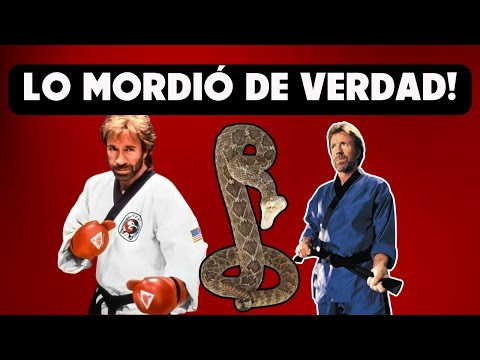
Chuck Norris: The Unyielding Force - A Martial Arts Legend's True Story

Have you ever wondered if the legends surrounding Chuck Norris hold any water? Does the man who embodies sheer toughness and martial prowess live up to the larger-than-life persona? Many are drawn to the mystique, the unbreakable will, and the sheer efficacy of his martial arts. But beyond the memes and the exaggerated tales, what truly forged the man? This deep dive aims to separate the myth from the reality, exploring the rigorous training, the philosophical underpinnings, and the pivotal moments that cemented Chuck Norris's status as an undisputed martial arts icon. Prepare to understand the discipline, the sacrifice, and the genuine skill that shaped the "Chuck Norris" we all recognize.

The Genesis of a Warrior: From Carlos Ray Norris to Chuck Norris

Before the iconic roundhouse kicks and the stoic gaze, there was Carlos Ray Norris. Born in Ryan, Oklahoma, his early life was marked by hardship and transience, a stark contrast to the controlled power he would later command. The seeds of his martial journey were sown not in a glittering dojo, but in the pursuit of discipline and self-control. Stationed at the U.S. Air Force base in South Korea, Norris began his formal martial arts training in 1958, immersing himself in Tang Soo Do. This was not merely a hobby; it was a revelation. The structured philosophy, the demanding physical conditioning, and the emphasis on character development resonated deeply with the young airman. He would go on to earn black belts in multiple disciplines, a testament to his relentless dedication.

The Crucible of Competition: Forging a Champion's Spirit

Upon returning to the United States, Norris didn't rest on his laurels. The martial arts world of the 1960s was a burgeoning landscape of competitive tournaments, and Norris entered this arena with fierce determination. He founded his own martial arts schools, the "Chuck Norris Schools of Self-Defense," which quickly became known for their rigorous approach. His competitive career culminated in winning the prestigious Middleweight Karate Champion title in 1968, a title he defended repeatedly. He remained undefeated for years, a formidable presence in a sport that demanded both physical prowess and unwavering mental fortitude. This era was crucial; it was where the theoretical knowledge of martial arts was tested against real opponents, under intense pressure. It was in these battles that Norris honed not just his techniques, but his strategic mind and his legendary ability to withstand punishment.

"The time Chuck Norris spent competing was not just about winning trophies; it was about building the unshakeable foundation of his martial arts philosophy. Every bout was a lesson in resilience, strategy, and the true meaning of discipline."

Beyond the Tournament: The Philosophical Core of a Martial Artist

While his competitive success is undeniable, the true essence of Norris's impact lies in his commitment to the philosophical underpinnings of Budo. He wasn't just a fighter; he was a student and proponent of the warrior's way. He deeply studied and integrated principles from various martial arts, including Taekwondo, Judo, and Brazilian Jiu-Jitsu, but his overarching framework was rooted in the disciplined spirit of Karate. The concept of Mushin (no-mind) – the state of effortless action achieved through intense practice – became a guiding principle. It's this mental state, cultivated through thousands of hours of training, that allows a martial artist to react instinctively and effectively, devoid of conscious thought or hesitation. Norris's approach emphasizes that true mastery transcends mere physical technique; it is about inner transformation, self-mastery, and the ethical application of strength.

From Martial Artist to Global Icon: The Cinematic Legacy

Norris's transition to Hollywood was a natural, albeit challenging, evolution. His raw charisma and undeniable martial arts skill quickly caught the attention of filmmakers. Early roles in films like "The Wrecking Crew" (1968) and "Way of the Dragon" (1972), where he famously faced off against Bruce Lee, showcased his potential. His confrontation with Lee is legendary; it wasn't just a cinematic duel, but a meeting of two martial arts titans, each a master of their respective crafts. The fight sequence in "Way of the Dragon" is a masterclass in screen combat, a testament to the brutal efficiency of Tang Soo Do against Jeet Kune Do.

"Way of the Dragon": A Clash of Titans

The scene between Chuck Norris and Bruce Lee in "Way of the Dragon" remains one of the most iconic martial arts sequences in film history. Norris, playing the formidable Colt, was a real-life martial arts champion, bringing an authentic intensity to the role. Lee, the innovator of Jeet Kune Do, brought his unparalleled speed and philosophical approach to combat. Their duel in the Colosseum of Rome was more than just a fight; it was a philosophical debate enacted through movement. Norris's powerful, grounded style contrasted sharply with Lee's fluid, adaptive techniques, creating a captivating visual narrative of opposing yet equally potent martial philosophies. This encounter wasn't just a career highlight for Norris; it was a significant moment in martial arts cinema, proving that screen combat could indeed be a legitimate art form when guided by genuine practitioners.

Following this, Norris embarked on a prolific career, starring in a string of action films that capitalized on his tough-guy image and formidable fighting skills. Films like "Lone Wolf McQuade" (1983), "Missing in Action" (1984), and later, the television series "Walker, Texas Ranger" (1993-2001), solidified his status as an action hero. In "Walker, Texas Ranger," he embodied Cordell Walker, a Texas Ranger who uses his martial arts expertise to uphold justice. The series, while often dramatized, consistently featured Norris demonstrating various martial arts techniques, reinforcing his image as a protector and a master of combat.

The "Chuck Norris Facts": Myth vs. Reality

The late 2000s saw the rise of "Chuck Norris Facts" – a series of humorous, hyperbolic statements attributing superhuman abilities to him. While entertaining, these "facts" often obscure the genuine dedication and skill that built his reputation. They are a cultural phenomenon, a testament to his widespread recognition, but they are not a reflection of his actual martial arts journey. Norris himself has often responded with good humor, understanding that these exaggerations stem from a place of admiration, albeit a distorted one. It’s crucial for serious martial artists to look past the memes and appreciate the years of sweat, discipline, and genuine fighting prowess that underpin his legend.

Training Regimen: The Foundation of Unstoppable Power

What does it take to achieve and maintain the level of physical and mental conditioning associated with Chuck Norris? His training was, and remains, incredibly demanding. While specific routines evolve, the core principles are consistent:

  • Early Morning Discipline: Norris has long been an advocate for early morning workouts, viewing them as crucial for setting a disciplined tone for the day.
  • Intense Cardiovascular Training: Beyond martial arts practice, he incorporated rigorous cardio to build endurance essential for long fights and demanding film shoots.
  • Strength and Conditioning: Bodyweight exercises, weight training, and plyometrics are staples to build functional strength and explosive power.
  • Martial Arts Practice: Daily practice of his core disciplines, focusing on kata, sparring, and technical refinement. He often incorporated elements from various arts to maintain versatility.
  • Flexibility and Agility: Incorporating stretching and agility drills to maintain the fluidity and range of motion necessary for his signature kicks.

Guía de Entrenamiento: El Power Roundhouse Kick de Chuck Norris

  1. Posición Inicial: Párate con los pies separados al ancho de los hombros, en una postura de combate equilibrada. Elige tu pierna de pivote (la opuesta a la pierna que pateará).
  2. Elevación de la Rodilla: Levanta la rodilla de la pierna de patada hacia el pecho lo más alto posible. Mantén el equilibrio, girando ligeramente el torso y la cadera hacia el oponente.
  3. Pivote del Pie de Apoyo: Pivota agresivamente sobre el pie de apoyo, orientando el talón hacia el objetivo. Este movimiento es CRUCIAL para la potencia y la rotación.
  4. Extensión y Enfoque: Extiende la pierna de patada con fuerza explosiva, dirigiendo el talón o el borde exterior del pie hacia el objetivo. Mantén los brazos en posición defensiva para mantener el equilibrio.
  5. Impacto y Retracción: Al impactar, enfócate en la potencia y la explosividad. Retrae la pierna de patada de vuelta a la posición inicial rápidamente para mantener el equilibrio y prepararte para el siguiente movimiento.
  6. Enfriamiento y Repetición: Después de varias repeticiones, realiza estiramientos suaves. Practica este movimiento lentamente al principio para asegurar la forma correcta antes de aumentar la velocidad y la potencia.

Veredicto del Sensei: ¿Merece la pena?

Chuck Norris transcends the typical celebrity; he is a practitioner, a teacher, and a living embodiment of martial arts ideals. While the "facts" paint a picture of invincibility, the reality is that his legend is built on decades of relentless training, competitive success, and a profound dedication to the Budo lifestyle. His influence on martial arts cinema and popular culture is undeniable. He didn't just popularize kicks; he popularized the idea of the martial artist as a force for good, a disciplined individual who wields power with responsibility. For anyone aspiring to understand the depth of martial arts, Chuck Norris's journey offers invaluable lessons in perseverance, discipline, and the lifelong pursuit of mastery. He is, without question, a "Cinturón Negro en el Legado Marcial."

Equipo Esencial para tu Entrenamiento

To emulate the dedication of masters like Chuck Norris, the right equipment is not just beneficial, it's essential. Investing in quality gear signifies your commitment to the path.

  • Karate Gi: A durable, well-fitting Karate Gi is fundamental. Look for one made from high-quality cotton that allows for a full range of motion, essential for dynamic movements like the roundhouse kick. Brands offering traditional cuts and reinforced stitching are ideal.
  • Training Shoes: For specific conditioning drills or light sparring, lightweight, flexible training shoes can provide support without hindering agility.
  • Hand and Foot Protection: While Norris's era might not have had the advanced gear we see today, for modern training, especially if you plan on sparring, investing in certified hand mitts and foot guards is crucial for safety and effective practice.
  • Agility Ladder and Cones: To develop the footwork and coordination seen in Norris's dynamic kicking techniques, an agility ladder and cones are excellent tools for at-home or dojo drills.
  • Dumbbells and Resistance Bands: For strength and conditioning, a set of adjustable dumbbells and a variety of resistance bands offer a versatile way to build power and endurance.

Preguntas Frecuentes

What martial arts did Chuck Norris train in?

Chuck Norris's primary martial art is Tang Soo Do, from which he holds a black belt. He also holds black belts in Taekwondo, Karate, Judo, and Brazilian Jiu-Jitsu, showcasing a comprehensive understanding of various combat disciplines.

Are the "Chuck Norris Facts" true?

No, the "Chuck Norris Facts" are humorous exaggerations and internet memes. While they highlight his tough image, they are not based on actual events. His real accomplishments stem from dedicated training and competitive success.

What is the philosophy behind Chuck Norris's martial arts?

Norris's philosophy is deeply rooted in the principles of Budo, emphasizing discipline, self-control, perseverance, and the ethical use of strength. He believes in the transformative power of martial arts for both the body and the mind, often referencing concepts like Mushin (no-mind).

How did Chuck Norris influence martial arts cinema?

Chuck Norris brought a new level of authentic martial arts action to film. His role in "Way of the Dragon" against Bruce Lee is legendary, and his subsequent starring roles in action films and the series "Walker, Texas Ranger" popularized martial arts for a global audience, making him an enduring action hero.

Para Profundizar en tu Camino

Reflexión del Sensei: Tu Próximo Paso

Norris's journey is a powerful reminder that legends are not born; they are forged. The man known for his roundhouse kicks and stoic demeanor spent a lifetime dedicating himself to the rigorous path of martial arts. The "facts" are a distraction, but the true story is one of discipline, adaptation, and the relentless pursuit of excellence.

Now, consider this: In your own training, are you merely going through the motions, or are you actively seeking to understand the deeper principles? Are you willing to push past the comfortable, to face the challenges that build true strength, both physical and mental? The path of the warrior is not easy, but it is immensely rewarding.

Your challenge: Identify one aspect of your training that you've been neglecting, whether it's flexibility, conditioning, or the philosophical study of your chosen art. Dedicate the next week to focusing *solely* on improving that one area. Embrace the discomfort, for it is the crucible of growth.

Share your commitment and your challenges in the comments below. Let us forge our own legends, one disciplined step at a time.

``` GEMINI_METADESC: Explore the true martial arts journey of Chuck Norris, from his early training to his legendary film career and the philosophy behind his iconic status.

Wu-Tang Collection: Unearthing the Lost Kung Fu Secrets of "Shaolin Decameron"

Introduction: Beyond the Hype

The name "Wu-Tang Collection" immediately conjures images of raw, unadulterated martial arts cinema – a treasure trove for those who seek authenticity beyond the glossy productions. But what lies beneath the surface of these often-obscure gems? Today, we dissect "Shaolin Decameron," a film that promises "lost Kung Fu secrets." My intention here is not merely to recount a plot, but to delve into the martial heart of this film, examining its choreography, its philosophical underpinnings, and, crucially, whether it truly offers us a glimpse into genuine artes marciales wisdom. Many viewers, myself included, approach these films with a hunger for practical knowledge, a desire to see techniques and principles that resonate with our own training. Does this film satisfy that hunger, or is it merely another echo in the vast cinematic echo chamber of combat? Let us begin this exploration, as any true student of the Budo would, with an open mind and a critical eye.

The Shaolin Nexus: Contextualizing "The Shaolin Decameron"

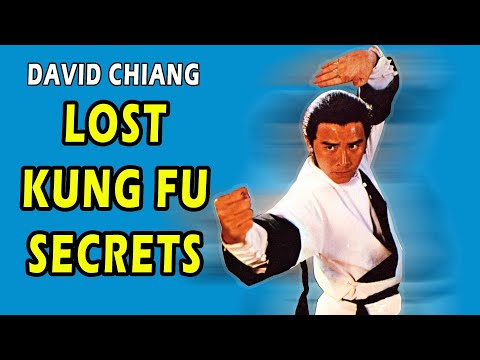
Before we dive headfirst into the action, it's vital to understand the cinematic landscape from which "Shaolin Decameron" (often mistakenly linked directly to the Wu-Tang Clan's musical influence, though its aesthetic shares a spiritual kinship) emerges. Directed by Joe Law, and featuring the talents of David Chiang, Hus Feng, and Tsai Hung, this film is a product of a golden era where martial arts cinema was more than entertainment; it was a cultural phenomenon, a conduit for transmitting stories of honor, resistance, and the indomitable spirit of the warrior. The narrative, which involves an evil warlord leveraging Christianity as a facade to assassinate the Emperor, is a common trope designed to pit righteous martial artists against corrupt power structures. While the plot itself may seem melodramatic, it serves as the crucial backdrop for showcasing martial arts. The true "lost Kung Fu secrets" often lie not in the explicit plot points, but in the subtle movements, the tactical approaches, and the underlying philosophy that informs the combat.

Martial Arts Mastery on Screen: A Critical Breakdown

The film's core appeal, undeniably, lies in its "thrilling fights." But what constitutes a "thrilling fight" from a martial arts perspective? It's a question that separates the casual viewer from the discerning practitioner. A fight is thrilling not just for its speed or brutality, but for its effectiveness, its strategy, and the clear demonstration of skill and training. In "Shaolin Decameron," we witness David Chiang, a seasoned martial arts actor, embodying the role of the earnest martial arts master. His portrayal is key. We must assess whether his movements reflect genuine Kung Fu principles or are merely well-rehearsed choreography. The underlying agenda of the warlord – to assassinate the Emperor – is a stark metaphor for the corrupting influence of power, a theme that resonates deeply within the ethical codes of many art martial traditions. The conflict presented is not just physical, but ideological, and it is this layered struggle that we must examine.
"True martial arts is not about fighting. It is about the development of the spirit." - A principle echoed across many dojos.

Choreography: The Dance of Combat

When analyzing choreography, I look for several key elements:
  • Realism vs. Spectacle: Does the choreography feel grounded in realistic combat principles, or does it lean heavily into wire-fu and fantastical elements?
  • Technique Application: Are the techniques displayed recognizable forms of Kung Fu, or are they generic, albeit flashy, movements?
  • Flow and Rhythm: A well-choreographed fight has a natural rhythm, a push and pull that mirrors actual combat engagement.
  • Storytelling within the Fight: Does the choreography convey the characters' personalities, their strengths, weaknesses, and the stakes of the conflict?
"Shaolin Decameron" presents a significant amount of action. The question remains: does this action serve the narrative and showcase genuine skill, or is it mere spectacle? David Chiang's presence is a good indicator; his background often lent a degree of authenticity to the fighting styles he depicted. We should look for instances of effective blocking, strategic footwork, and powerful strikes that adhere to the principles of Kung Fu, rather than gratuitous acrobatics. The "lost secrets" are often found in the efficiency of movement, the economy of motion, and the clear demonstration of how a technique can neutralize an opponent.

Philosophical Undertones: The Spirit of the Warrior

Beyond the physical clash, martial arts cinema often attempts to convey deeper philosophical lessons. "Shaolin Decameron," by its very nature as a "Kung Fu" film, is inherently tied to concepts of honor, discipline, perseverance, and the pursuit of righteousness. The earnest martial arts master, vowing to expose the warlord, embodies the ideal of the warrior who uses their skills not for personal gain but for the greater good. This resonates with the principles of Bushido, the way of the warrior, which emphasizes loyalty, integrity, and self-control.
"The supreme art of war is to subdue the enemy without fighting." - Sun Tzu. While this film is filled with fights, the underlying principle is often the avoidance of conflict through strength and moral clarity.
The film’s narrative of exposing a hidden, deadly agenda aligns with the martial artist's duty to uphold justice and protect the innocent. True mastery, as taught in the dojo, extends far beyond the physical. It encompasses mental fortitude, emotional control, and a deep understanding of one's role in the world. The "lost secrets" might not be new techniques, but rather a rediscovery of these fundamental principles that have guided warriors for centuries.

Veredicto del Sensei: More Than Just Fights?

"Shaolin Decameron" delivers on its promise of "thrilling fights," showcasing a considerable amount of action typical of its era. David Chiang's performance anchors the martial arts sequences, offering moments of impressive execution. However, the true "lost Kung Fu secrets" are less about undiscovered techniques and more about the spirit with which they are applied. The film, while perhaps not a direct instructional manual, effectively uses its narrative to explore the martial ethic of using skill for justice and confronting corruption. It's a testament to the enduring power of the warrior archetype in cinema. For the dedicated practitioner, it serves as a reminder of the philosophical depth that underpins physical prowess. Score: Cinturón Negro en Acción Cinematográfica, Faul en la Profundidad Filosófica Explícita.

Guía de Entrenamiento: Building a Foundation of Strength and Agility

To truly unlock the essence of martial arts, consistent training is paramount. This film may inspire, but practice builds mastery. Here’s a fundamental routine focusing on strength and agility, essential for any martial discipline.
  1. Warm-up (5-10 minutes): Light cardio (jogging in place, jumping jacks) followed by dynamic stretching (arm circles, leg swings, torso twists).
  2. Strength Training (3 sets of 10-15 repetitions):
    • Squats (bodyweight or with added resistance)
    • Push-ups (on knees if needed, progress to full push-ups)
    • Lunges (alternating legs)
    • Plank (hold for 30-60 seconds)
    • Burpees (a full-body conditioning exercise)
  3. Agility Drills (3 rounds):
    • Jumping Rope: Continuous jumping for 2-3 minutes.
    • Cone Drills: Set up cones (or household objects) and perform drills like shuttle runs, zig-zag runs, and quick feet patterns.
    • Box Jumps: Plyometric exercise for explosive power.
  4. Flexibility and Cool-down (10-15 minutes): Static stretching, holding each stretch for 20-30 seconds. Focus on hamstrings, quadriceps, hips, shoulders, and back.
  5. Mindfulness Practice: Conclude with 5 minutes of quiet meditation or deep breathing to cultivate mental focus and discipline.

Equipo Esencial para tu Entrenamiento

While many traditional artes marciales can be practiced with minimal equipment, certain items can enhance your training and safety. For those looking to deepen their practice inspired by films like "Shaolin Decameron," consider the following:
  • Kimono/Gi: A durable judo or karate gi is essential for grappling arts and provides a good feel for resistance training. Look for double-weave options for added durability if you plan on intensive BJJ or Judo training.
  • Hand Wraps and Gloves: For striking arts or sparring, hand wraps offer crucial wrist support, and a good pair of sparring gloves (16oz for safety) protects your hands and your partner.
  • Training Mat (Tatami/Yoga Mat): Essential for safely practicing falls, groundwork, and conditioning exercises, especially at home.
  • Jump Rope: An inexpensive yet highly effective tool for cardiovascular conditioning and footwork agility.
  • Resistance Bands: Versatile for strength training, flexibility, and even mimicking certain martial arts movements.

Preguntas Frecuentes

Is "Shaolin Decameron" directly related to the Wu-Tang Clan?

While the film shares a spiritual aesthetic and appeals to a similar audience interested in classic martial arts, it predates the formation of the Wu-Tang Clan. The connection is more thematic and stylistic than direct.

What martial art style is primarily featured in the film?

The film features elements generally associated with Kung Fu, a broad term encompassing numerous Chinese martial arts. David Chiang was known for his versatility in portraying various styles.

Are the "lost secrets" shown in the film practical for real combat?

The film showcases cinematic interpretations of martial arts. While the underlying principles of some techniques might be practical, the choreography is designed for screen spectacle. True practical application requires dedicated training under qualified instructors.

Where can I find more films like this?

Exploring collections like the "Shaw Brothers" or other "Wu-Tang Collection" releases will yield similar cinematic martial arts experiences. Many classic Hong Kong martial arts films are available on various streaming platforms or specialized collections.

Para Profundizar en tu Camino

Reflexión del Sensei: Tu Próximo Paso

The allure of "lost secrets" is powerful, isn't it? It whispers promises of shortcuts, of hidden knowledge that will instantly elevate our skills. But consider this: are the true secrets of the martial path ever truly "lost," or are they simply forgotten by those who abandon discipline and dedication? The earnest martial master in the film risks his life not for a secret manual, but for his principles. In your own training, where do you seek your "secrets"? Are they in the flashy techniques you see on screen, or in the quiet repetition, the sweat, the discipline, the very act of showing up day after day? Now, let the debate begin. Do you believe the "lost secrets" are truly hidden within these old films, or are they simply a marketing ploy? What "secret" have *you* discovered through sheer dedication that no film could teach? Prove your conviction in the comments below. ``` GEMINI_METADESC: Explore "Shaolin Decameron" from the Wu-Tang Collection. Critical analysis of its Kung Fu, choreography, and philosophical undertones for martial artists.

The Art of the Forge: Crafting a Martial Warrior's Physique with Interval Training

Introduction: The Unseen Battlefield Within

Welcome, students of the Way. Today, we delve not into the dynamics of a specific karate kata or the philosophy of BUDO, but into the very vessel that houses our spirit and executes our techniques: the human body. Many believe the path of martial arts is solely about mastering strikes, blocks, and throws. They are, pardon my directness, tragically mistaken. The true battlefield often lies within, in the relentless discipline of forging a physique capable of enduring, exploding, and adapting. The martial artist must be a blacksmith of their own form, and today, we examine a tool that can help shape that form: interval training. This isn't merely about fitness; it's about cultivating the engine of combat readiness.

The concept presented here, a "25 minute interval cardio workout from home," published on April 2, 2015, might seem mundane on the surface. But I challenge you to look deeper. As a critic of martial arts representation and a practitioner of artes marciales for decades, I dissect every element. This isn't just about burning calories; it's about understanding the physiological demands placed upon a warrior, whether in a formal fight or the crucible of daily life.

The Body Project Philosophy: More Than Just Movement

The individuals behind "The Body Project" system, as indicated, are not simply purveyors of exercise routines. They speak of transforming the body in "10 weeks" and engaging in a "system." This implies a holistic approach, not a disconnected series of movements. In the realm of martial arts, we understand that true mastery is systematic. A single technique is not an isolated act; it’s the culmination of countless hours of foundational work, conditioning, and strategic understanding.

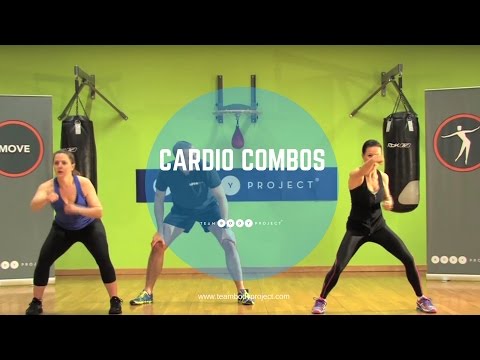
Daniel Bartlett, leading this particular session, guides participants through "combination cardio exercises." This is key. True martial application rarely involves single, isolated movements under duress. It's about seamlessly transitioning, combining evasions with strikes, blocks with counters. If this home workout mirrors that complexity, it offers a valuable simulation for the martial spirit. The promise of making the body a "calorie and fat burning machine" is, frankly, the byproduct of a well-conditioned physique, which is undeniably crucial for sustained combat.

"The body is like a spring. The more you compress it, the more power it has." - Bruce Lee

This sentiment echoes the core principle of interval training: periods of intense exertion followed by brief recovery. It’s not about endurance alone, but about developing the capacity for explosive power, a quality as vital in striking as it is in a desperate defensive maneuver. The convenience of exercising "from home" also speaks to the modern warrior's need for adaptability. The dojo is not always accessible, but the commitment to self-improvement must be unwavering.

Interval Training Demystified: The Rhythmic Pulse of Combat Conditioning

What, precisely, is interval training? At its heart, it’s a method of physical training that involves a series of intense bursts of exercise interspersed with periods of lower-intensity recovery. It's the ebb and flow of battle translated into physiological stress. Think of the rapid exchange of blows in a Muay Thai clinch, or the explosive takedown attempt in MMA, followed by the brief moment of strategic repositioning. This cycle of high-intensity effort and recovery trains the body's anaerobic and aerobic systems simultaneously.

This is fundamentally different from steady-state cardio, like a long, monotonous jog. While steady-state cardio builds endurance, interval training hones power, speed, and the ability to recover quickly – all critical for martial arts performance. It pushes your cardiovascular system and muscle groups to their limits in short, sharp bursts, forcing them to adapt and become more resilient. The goal is not just to *last* longer, but to be able to *perform* at a high level throughout the entirety of a confrontation, and then recover efficiently.

This form of training can significantly enhance:

  • VO2 Max: The maximum amount of oxygen your body can utilize during intense exercise. Higher VO2 max means better stamina.
  • Lactate Threshold: The point at which lactic acid builds up faster than your body can clear it. Pushing this threshold allows you to maintain higher intensity for longer.
  • Power Output: The ability to generate force quickly, essential for explosive strikes and movements.
  • Metabolic Rate: Interval training is known for its "afterburn effect," where your body continues to burn calories at an elevated rate long after the workout has finished.

The Workout Blueprint: A Tactical Approach to Home Training

The promise of a "25 minute interval cardio workout" is tantalizing. In the context of martial arts, time is often of the essence. A warrior cannot afford to spend hours on conditioning if it detracts from technical study or strategic thought. This workout, as described, focuses on "combination cardio exercises." This suggests a dynamic sequence, avoiding the monotony that can lead to mental fatigue, a warrior's true enemy.

The structure likely involves moving from one exercise to another with minimal rest, followed by a more extended rest period before repeating the circuit. This mirrors the tactical approach needed in a fight: execute a sequence of actions, recover momentarily, and prepare for the next engagement. If the exercises are varied – perhaps incorporating elements that mimic striking (e.g., high knees, jumping jacks, burpees, shadow boxing movements) – then this workout becomes a powerful simulator for the physical demands of combat. The key is intensity and the strategic use of recovery.

Consider the potential exercises:

  • High Intensity: Jumping Jacks, Burpees, Mountain Climbers, Sprints in place, Shadow Boxing combinations (rapid punches and kicks).
  • Recovery: Light jogging in place, walking lunges, deep breathing exercises.

The duration of 25 minutes is also significant. It’s long enough to elicit a substantial physiological response, yet short enough to fit into a busy schedule, respecting the principle of efficiency that guides any true martial endeavor.

Applying the Principles to Budo: The Link Between Physicality and Spirit

The modern interpretation of BUDO, the "Way of the Warrior," often emphasizes philosophical and spiritual development. However, to neglect the physical foundation is to build a temple on sand. The discipline cultivated through rigorous physical training directly translates to mental fortitude. The ability to push through fatigue, to maintain focus when your body screams for rest, is a direct manifestation of the mental game required in conflict.

This home workout, by its very nature, demands self-motivation. There is no Sempai or Sensei physically present to enforce discipline. The warrior must become their own master. This is where the true lesson lies: the development of inner strength, the self-mastery that allows one to adhere to training even when motivation wanes. This is the essence of discipline.

"The martial way is a daily effort of precise improvement." - Miyamoto Musashi

The consistent application of such training builds not just muscle and cardiovascular capacity, but resilience. It teaches the body and mind to respond to stress with controlled effort, rather than panicked reaction. This is the foundation upon which complex martial techniques are built. Without the engine of a conditioned body, even the most theoretically perfect technique is rendered ineffective.

Veredicto del Sensei: Is this a True Path to Martial Fitness?

Let us be direct. Is a 25-minute interval cardio workout, performed at home, a substitute for dedicated martial arts training? No. It is not. However, does it serve as a potent *supplement* and a valuable tool for enhancing the physical attributes necessary for martial prowess? Absolutely.

The effectiveness of this "Body Project" workout hinges on its execution and its integration into a broader training regimen. If the exercises are dynamic, challenging, and performed with intent – mimicking the explosiveness and recovery cycles of combat – then it is an excellent method for improving cardiovascular health, muscular endurance, and explosive power. The convenience factor makes it accessible, which is a significant advantage for practitioners who cannot always reach their dojo.

However, it lacks the technical refinement, the strategic application, and the direct feedback of instruction specific to a martial art like Karate, Judo, or BJJ. It builds the warrior's engine, but it does not teach them how to steer the vehicle.

Rating:
Cinturón Negro en Complemento Físico.

Equipo Esencial para tu Entrenamiento

While this workout emphasizes home-based training, a few key items can significantly enhance its effectiveness and your comfort. Remember, investing in your training is investing in yourself.
  • Calzado Deportivo Adecuado: Crucial for absorbing impact and providing stability during explosive movements. Look for shoes with good cushioning and support for lateral movements.
  • Ropa Cómoda y Transpirable: Allows for a full range of motion and prevents overheating. Moisture-wicking fabrics are ideal.
  • Esterilla de Entrenamiento: Provides cushioning for floor exercises like burpees and mountain climbers, and protects your joints.
  • Cronómetro o Aplicación de Intervalos: Essential for accurately timing your work and rest periods. Many free apps are available that can guide you through interval protocols.
  • Toalla: You will sweat. Be prepared.

Guía de Entrenamiento: Building a Foundation of Explosive Power

This is a sample circuit inspired by the principles of interval training, suitable for home practice. **Always consult with a healthcare professional before beginning any new exercise program.**
  1. Warm-up (5 minutes):
    • Light jogging in place
    • Arm circles (forward and backward)
    • Leg swings (forward/backward, side-to-side)
    • Dynamic stretches (e.g., torso twists, high knees gently)
  2. Work/Rest Circuit (20 minutes): Perform each exercise for 40 seconds, followed by 20 seconds of rest. Complete 4 rounds.
    1. Round 1:
      1. Jumping Jacks
      2. Rest
      3. High Knees (running in place, bringing knees high)
      4. Rest
      5. Bodyweight Squats (focus on depth and speed)
      6. Rest
      7. Mountain Climbers
      8. Rest
    2. Round 2:
      1. Burpees (modified if needed, without the jump or push-up)
      2. Rest
      3. Shadow Boxing (rapid combinations, focus on hip rotation)
      4. Rest
      5. Alternating Lunges (forward or reverse)
      6. Rest
      7. Plank Jacks
      8. Rest
    3. Round 3:
      1. Jumping Squats
      2. Rest
      3. Fast Feet (rapid stepping in place)
      4. Rest
      5. Push-ups (on knees or toes)
      6. Rest
      7. Butt Kicks (running in place, bringing heels to glutes)
      8. Rest
    4. Round 4:
      1. Skaters (lateral bounds)
      2. Rest
      3. Shadow Boxing (focus on defensive movements and counters)
      4. Rest
      5. Jump Lunges
      6. Rest
      7. Burpees
      8. Rest
  3. Cool-down (5 minutes):
    • Gentle stretching, holding each stretch for 20-30 seconds (quadriceps, hamstrings, chest, shoulders).
    • Deep breathing exercises to lower heart rate.

Preguntas Frecuentes

  • Q: Is this workout suitable for absolute beginners in martial arts?

    A: This workout can be adapted. Beginners should focus on form over speed and intensity. Modify exercises (e.g., step-back burpees instead of jumping) and consider longer rest periods initially. The key is consistency.

  • Q: How often should I perform this interval training?

    A: For optimal results and to avoid overtraining, aim for 2-3 sessions per week, with at least one rest day in between. This allows your body to recover and adapt.

  • Q: Can this replace my regular martial arts training?

    A: No, this workout is designed to complement, not replace. It enhances the physical conditioning required for martial arts, but lacks the technical instruction and application specific to your chosen art.

  • Q: What if I don't have much space at home?

    A: Many interval exercises can be modified for limited space. For instance, 'sprints in place' or 'fast feet' require minimal room. Focus on the intensity of movement within your available area.

Para Profundizar en tu Camino

To truly understand the synergy between physical conditioning and martial arts mastery, explore these essential topics:

Reflexión del Sensei: Tu Próximo Paso

We have examined a 25-minute interval cardio workout not merely as a fitness trend, but as a potential training tool for the martial artist. It offers a method to forge the body into a more effective instrument. But the tool itself is inert without the wielder's intent and understanding.

Consider this: the most powerful strike, the most unyielding defense, originates from a place of preparedness. This workout is a forge. The intensity is the hammer. But what is the metal? It is your spirit, your discipline, your unwavering commitment to the Way.

Your next step: This week, I challenge you not just to perform this workout, but to *observe* yourself during its peaks of exertion. Where does your mind wander? What thoughts arise when your body is pushed to its edge? Is it the thought of quitting, or the thought of the next technique, the next strategic move? Document these observations. True mastery is not just about what your body can do, but what your mind dictates it can do, even when it feels impossible. Now, tell me, in the comments below, which of your mental barriers did this type of training threaten to break, and which did it reinforce?

``` GEMINI_METADESC: Explore the martial significance of interval training. Learn how this home workout can forge a warrior's physique, build discipline, and complement your Budo journey.