Showing posts sorted by relevance for query Budo Judo. Sort by date Show all posts

Chadi VS Japanese Black Belts: A Critical Analysis of Randori in Osaka

Introduction: The Crucible of Randori

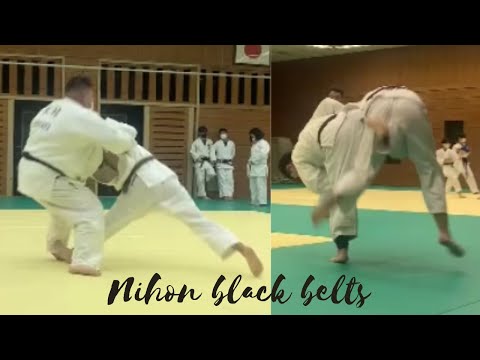
The dojo is more than just a training hall; it is a crucible where techniques are forged into skills, and discipline is tempered into character. When we witness sparring sessions, particularly those that pit practitioners from different backgrounds against established masters in their homeland, we are presented with a unique opportunity to dissect the very essence of martial arts. This video, featuring Chadi’s randori (free sparring) against Japanese black belts in Osaka, Japan, is precisely such an occasion. Is this merely a showcase of raw talent, or a profound lesson in the application and philosophy of Kodokan Judo? Prepare yourselves, for we are about to embark on a critical examination. The question that immediately burns in the mind of any serious martial artist watching this is: does the technique translate? Does the spirit of Budo, the Way of the Warrior, transcend geographical and stylistic boundaries? We see a foreign practitioner engaging with local black belts – a scenario rife with potential for both revelation and humbling truth. This isn't just about who wins or loses; it's about understanding the underlying principles, the cultural context, and the sheer dedication required to stand on the tatami in Japan and test oneself against its finest.

Deep Dive: Chadi's Randori Against Japanese Black Belts

Let us be frank: randori is the lifeblood of Judo. It is where theory meets reality, where the precision of kata is tested against the unpredictable dynamism of a living opponent. Watching Chadi engage with Japanese black belts is akin to observing a craftsman testing their tools against the finest materials. The intensity is palpable, the respect inherent, yet the competitive fire is undeniable. We must observe not just the throws – the spectacular `Uchi-mata` (inner thigh throw) or the constricting `Sankaku-gatame` (triangle arm lock) – but the transitions, the grips (`tsukuri`), and the explosive power (`kake`). How does Chadi adapt to the unique grip fighting (`kumi-kata`) prevalent in Japanese dojos? Is his posture (`shisei`) stable under pressure? Does he maintain `zanshin` (awareness) throughout the exchange, even when seemingly caught off guard? These are not minor details; they are the building blocks of mastery.
The visual spectacle is one thing, but the true learning lies in the micro-moments: the slight shift of weight, the breath control, the subtle feint that sets up a decisive movement. We are not merely spectators of a fight; we are students of `Budo`. The title itself, "Chadi VS Japanese black belts (sparring/Randori) 大阪柔道の乱取り," speaks volumes. "Randori" implies a controlled yet genuine exchange, while "Osaka Judo" hints at a specific regional flavor, perhaps a legacy of the Kodokan’s foundational principles or localized innovations.
"Judo is not a mere sport; it is a method of physical, intellectual, and moral education. Its principles, when applied to life, can lead to a better world. But first, one must master the fundamentals on the mat." - Jigoro Kano (paraphrased)
The commitment of Chadi to step onto the tatami against established practitioners in their home country is commendable. It requires immense courage and a deep-seated desire for self-improvement, hallmarks of a true `Budo` practitioner. However, courage alone does not guarantee success. We must analyze his strategy, his adaptability, and his ability to apply the Judo principles he has learned under the immense pressure of a randori session where every movement is scrutinized.

The Cultural Nuances of Japanese Judo

Understanding Japanese Judo requires acknowledging its profound cultural roots. The emphasis on `rei` (etiquette and respect), the meticulous attention to detail, and the deep-seated philosophy of `seiryoku zenyo` (maximum efficiency, minimum effort) and `jita kyoei` (mutual welfare and benefit) are not just abstract concepts; they are woven into the fabric of every randori. In Japan, judo is often more than just a physical discipline; it is a way of life, a path of self-cultivation (`shugyo`). The Japanese black belts may exhibit a fluidity and an understanding of space that is almost intuitive, a product of years, perhaps decades, immersed in this environment. Their movements might seem economical, their defense impenetrable. This isn't just about superior technique; it's about an ingrained understanding of timing, distance, and the opponent's intent. Do we see this deep cultural immersion reflected in Chadi's approach? Or is he fighting a more modern, perhaps more aggressive, style that may clash with traditional expectations? The way grips are initiated and broken, the subtle body positioning, and the very atmosphere of the dojo itself convey layers of meaning that extend far beyond the physical exchange. The respect shown before and after the match is as vital as any throw.

Technical Breakdown: Key Judo Principles in Play

Let's get down to brass tacks. In any randori, several key elements of Judo must be evident for effective engagement: * **Grip Fighting (`Kumi-kata`)**: This is the chess match of Judo. How Chadi establishes and maintains grips, and how he breaks his opponents' grips, is crucial. Japanese judoka are renowned for their sophisticated `kumi-kata`, often employing grips that allow for immediate leverage and control. * **Off-Balancing (`Kuzushi`)**: A throw is impossible without effective off-balancing. Observe how Chadi uses his body, his hips, and his grips to disrupt his opponents' balance *before* committing to a technique. Are his `kuzushi` movements sharp and decisive? * **Entry and Execution (`Tsukuri` & `Kake`)**: The seamless transition from `kuzushi` into `tsukuri` (fitting in) and finally `kake` (execution) is what separates novices from masters. Does Chadi flow into his techniques, or is there a visible struggle? * **Posture and Footwork (`Shisei` & `Ashi Sabaki`)**: Maintaining a strong base and moving efficiently with one's feet are paramount. Poor posture makes one vulnerable to throws, while clumsy footwork telegraphs intentions. * **Response to Throws (`Ukemi`)**: While not directly visible in the attacker, the quality of the thrower is often judged by how well their opponent can receive the technique. This indicates the completeness of the action. Looking at the specific techniques mentioned, such as `Uchi-mata` and `Sankaku-gatame`, we can analyze their effectiveness. Is the `Uchi-mata` executed with proper hip contact and driving force, or is it a lazy leg sweep? Is the `Sankaku-gatame` applied with control, or is it a frantic scramble for a submission? The labels `#JudoThrows` and `#Kodokan` suggest a focus on fundamental, perhaps classical, Judo techniques.

Beyond the Throw: The Budo Philosophy in Randori

The term `Budo` itself encompasses a much broader spectrum than mere combative skill. It is the cultivation of character, the pursuit of self-mastery, and the understanding of life's principles through the lens of martial practice. Randori, in this context, is not just about physical exertion; it's a moving meditation, a test of `mushin` (no-mind) and `fudoshin` (immovable mind). How does Chadi embody the spirit of `Budo`? Does he display resilience when facing adversity? Does he maintain his composure when his strategies are countered? Does he show respect and gratitude towards his training partners, recognizing that they are instrumental in his growth? These intangible qualities are as important, if not more so, than the physical techniques displayed. The hashtags `#BUDO` and `#ki` are not merely labels; they point to the underlying energy and spirit that should animate every movement. Consider the concept of `Seiryoku Zenyo`. Is Chadi exerting maximum effort in a brute-force manner, or is he finding the most efficient path to neutralize his opponent and apply his techniques? Is he learning to use his opponent’s energy against them, a cornerstone of Judo?

Sensei's Verdict: Authenticity and Application

Now, let's address the elephant in the room. While Chadi's willingness to engage is admirable, the ultimate test lies in the efficacy and authenticity of his Judo. Many practitioners learn techniques, but few truly internalize the principles. Is Chadi’s Judo a genuine reflection of Kodokan Judo, or a hybrid style adapted from various influences? The context of a "VS" scenario, even in sparring, can sometimes lead to a focus on winning over pure learning. However, the randori format is designed precisely to foster learning through dynamic engagement. The Japanese black belts, representing the traditional lineage, serve as living repositories of this knowledge. Their reactions, their counters, and their overall approach are invaluable data points. My assessment, as a seasoned observer of martial arts and their cinematic representations, hinges on a few critical factors: 1. **Efficiency of Movement**: Are techniques executed with minimal wasted motion? 2. **Control and Leverage**: Does the practitioner rely on brute strength or superior technique and leverage? 3. **Adaptability**: How well does the practitioner adjust to different opponents and styles? 4. **Spirit of Budo**: Is there an evident display of respect, resilience, and continuous learning? If Chadi demonstrates proficiency in these areas, he is not merely sparring; he is learning and contributing to the grand tapestry of Judo. If not, then this serves as a stark reminder of the depth and refinement inherent in established traditions.

Training Essentials for Your Randori

To truly excel in randori, whether in Judo, BJJ, or any grappling art, dedicated training is non-negotiable. Here’s a breakdown of what you need to focus on:
  1. Grip Development: Strengthen your forearms and hands. Practice various grip fighting drills. A strong, strategic grip is your primary weapon.
  2. Core Strength: A powerful core provides stability and explosiveness for throws and submissions. Exercises like planks, Russian twists, and leg raises are essential.
  3. Balance and Footwork: Practice moving with stability. Drills focusing on `ashi sabaki` (footwork) will improve your ability to enter, exit, and maintain balance.
  4. Flexibility: Crucial for injury prevention and executing techniques that require a wide range of motion. Incorporate dynamic and static stretching.
  5. Conditioning: Randori is demanding. Cardiovascular and muscular endurance are vital to maintain performance throughout multiple rounds.
  6. Technical Study: Don't just spar. Study the techniques. Watch instructional videos, read books, and drill specific entries and transitions relentlessly.
  7. Mental Fortitude: Develop `fudoshin`. Learn to remain calm under pressure, accept setbacks, and persevere.

Resources for Deepening Your Judo Knowledge

To truly grasp the depth of Kodokan Judo, one must engage with authoritative resources. Here are some avenues to explore:
  • Books: Look for foundational texts on Judo by authors like Jigoro Kano himself, or recognized modern masters. Works detailing `Nage-no-kata` (forms of throwing) and `Katame-no-kata` (forms of grappling) are invaluable.
  • Instructional Videos: Seek out high-quality instructional series that break down techniques and principles systematically. Look for accredited coaches and high-ranking black belts.
  • Dojo Training: Nothing replaces regular, in-person training at a reputable dojo. The feedback from experienced instructors and training partners is irreplaceable.
  • Federation Websites: Official Judo federations (like the IJF or national federations) often provide historical information, rules, and technical resources.

Frequently Asked Questions

Q1: What is the primary difference between Randori and Kata in Judo? A: Kata are pre-arranged forms demonstrating specific principles and techniques, performed with a partner in a set sequence. Randori is free sparring, where practitioners apply techniques spontaneously against a resisting opponent. Kata teaches the 'how,' while Randori teaches the 'when' and 'why' in a dynamic context. Q2: Why is it important to train against Japanese black belts in their home country? A: Training in Japan offers exposure to a deep-rooted Judo culture, often characterized by refined technique, exceptional etiquette, and a profound philosophical understanding. It provides a benchmark for authenticity and mastery within the art's birthplace. Q3: Can Judo techniques be effectively used in Mixed Martial Arts (MMA) or self-defense? A: Absolutely. Judo provides powerful throwing, control, and submission techniques that are highly effective in MMA. Its principles of leverage and off-balancing are also fundamental to effective self-defense, though real-world application often requires adaptation to different scenarios and attire. Q4: What does "Kodokan Judo" refer to? A: Kodokan Judo is the original Judo style founded by Jigoro Kano at the Kodokan Institute in Tokyo. It encompasses the technical curriculum, philosophical principles, and educational aims established by Kano.

For Deeper Study on Your Path

To continue your exploration into the profound world of martial arts and develop your understanding, consider these essential topics:

Reflection of the Sensei: Your Next Step

This randori showcases not just techniques, but the spirit of a warrior's journey. Chadi's engagement with Japanese black belts is a testament to the universal pursuit of martial excellence. But is excellence merely about executing a perfect throw? Or is it about the continuous, humbling process of learning, adapting, and respecting the tradition? Your challenge: Reflect on a time you tested your skills against someone significantly more experienced or from a different tradition. Did you focus solely on winning, or did you seek to understand *why* they were more skilled? What lessons did you bring back to your own training? Now, it is your turn. Do you believe Chadi's performance reflects true mastery, or merely a temporary exhibition of skill? Did he demonstrate the essence of Budo, or was this simply a physical contest? Argue your case in the comments below. Let the debate begin. ``` GEMINI_METADESC: Analyze Chadi's Judo randori against Japanese black belts in Osaka. A critical look at technique, Budo philosophy, and cultural nuances. Sensei's verdict included.

Vladimir Putin's Judo Mastery: A Study in Budo and Geopolitical Influence

The world of martial arts often intersects with figures of global prominence, and few present a more compelling intersection than Vladimir Putin and his deep engagement with Judo. This isn't merely a hobby for a political leader; it's a testament to the enduring principles of Budo and a fascinating case study in how mastery in one domain can influence another. Today, we delve beyond the headlines to explore the martial arts journey of Vladimir Putin, examining his technical proficiency, the philosophy underpinning his practice, and the undeniable impact of Judo on his public persona and leadership.

Table of Contents

Introduction: Beyond the Political Persona

Many leaders across history have found solace, discipline, or strategic advantage in martial pursuits. However, Vladimir Putin's relationship with Judo transcends simple physical activity. It speaks to a deeper understanding of its core tenets: discipline, respect, strategic positioning, and the leverage of an opponent's energy. For those seeking to understand the man behind the political machinations, examining his dedication to Judo offers a unique, albeit often controversial, lens. This exploration is not about endorsing political actions, but about dissecting the martial artist within the statesman, understanding how the principles of Ju-jutsu (the parent art of Judo) and its modern codified form, Judo, might shape his strategic thinking and public presentation.

The Judoka in Power: Putin's Martial Arts Journey

Putin began his Judo training in his youth, a common entry point into the discipline for many in Russia and the former Soviet Union. Under the tutelage of coaches like Anatoly Rakhlin, he progressed through the ranks, eventually earning a black belt. His consistent practice, even as his political career ascended, is noteworthy. In a world where public image is paramount, choosing to visibly engage in a demanding martial art like Judo suggests a genuine commitment. This isn't the superficial dabbling of a celebrity; it's the sustained effort of a dedicated practitioner. He has been seen demonstrating techniques, participating in training sessions, and even engaging in light sparring, often with younger, highly skilled athletes. These appearances, while curated, offer glimpses into his technical foundation and his respect for the art.
"Judo is more than a sport, it is a way of life. It teaches us not only to overcome others, but to overcome ourselves. It demands discipline, respect, and a profound understanding of balance and leverage." - Adapted from principles often attributed to Jigoro Kano.

Technical Analysis: The Fundamentals of Putin's Judo

While detailed, in-depth analysis of a head of state's sparring sessions is challenging, observed footage and expert commentary provide insights into Putin's Judo. His movements often demonstrate a solid understanding of foundational principles. * **Grip (Kumi-kata):** Putin typically employs a standard right-sided grip, often securing a strong sleeve and lapel grip. This allows for control of his opponent's posture and provides a base for initiating throws. The strength and stability of his grip are evident, crucial for unbalancing an opponent. * **Posture and Balance (Shisei and Kuzushi):** A key element of Judo is breaking the opponent's balance (Kuzushi). Putin often demonstrates good posture, staying low and centered, which provides him with a stable base while simultaneously enabling him to apply force to his opponent's structure. He doesn't rely on sheer brute strength but rather on applying force at opportune moments, leveraging his opponent's forward momentum or instability. * **Footwork (Ashi Sabaki):** His footwork appears economical and purposeful. He moves with a deliberate pace, setting up entries for techniques rather than rushing them. This measured approach allows him to maintain his own balance while disrupting his opponent's. * **Common Techniques:** While he hasn't showcased highly complex or flashy techniques in public demonstrations, his practice often involves fundamental throws like *O-goshi* (major hip throw) and *Seoi-nage* (shoulder throw), executed with competent form. These are staple techniques in Judo, requiring precise timing and body mechanics. His focus on these foundational elements suggests a deep respect for the core of the art. It's important to note that these observations are based on limited public viewings. Professional Judoka engage in rigorous training for years, developing nuanced skills. However, for a leader in his political position, Putin's demonstrated proficiency and continued practice are significant.

The Philosophy of Judo: Applied to Leadership and Strategy

Jigoro Kano, the founder of Judo, envisioned it as more than just a combat system. He promoted principles that extend far beyond the dojo: * **Seiryoku Zenyo (Maximum Efficiency, Minimum Effort):** This is the cornerstone of Judo. It teaches practitioners to use their opponent's strength and momentum against them, rather than relying solely on their own power. In a geopolitical context, this translates to strategic maneuvering, understanding an opponent's weaknesses, and applying pressure where it is most effective, rather than engaging in costly, direct confrontations. * **Jita Kyoei (Mutual Welfare and Benefit):** While seemingly paradoxical in a competitive context, this principle emphasizes harmonious coexistence and mutual prosperity. In leadership, it can be interpreted as the pursuit of national interests while also fostering international cooperation where beneficial. However, the application of this principle in international relations is, of course, subject to interpretation and often debated. * **Discipline and Respect:** Judo instills a deep sense of discipline and respect for training partners, instructors, and the art itself. This can foster a disciplined approach to problem-solving and a calculated demeanor in high-stakes negotiations. The structured nature of Judo, its emphasis on analyzing situations, anticipating moves, and executing with precision, mirrors strategic thinking required in both combat and high-level politics. A leader who understands these principles might approach international relations with a calculated, strategic mindset, seeking to gain advantages through leverage and foresight.

Impact on Geopolitics and Perception

Putin's Judo background has been strategically employed to shape his public image. It portrays him as physically capable, disciplined, authoritative, and possessing a strong connection to Russian national pride, as Judo is a highly respected sport in Russia. This cultivated image can lend him an aura of strength and control on the international stage. * **Soft Power and Propaganda:** Demonstrations of his Judo prowess, often shared through state-controlled media, serve as a form of soft power. They project an image of vigor and resilience, reinforcing his leadership narrative within Russia and influencing perceptions abroad. * **Psychological Warfare:** In a competitive arena, projecting confidence and a mastery of one's discipline can be a psychological advantage. This can translate to diplomatic or strategic negotiations, where a perceived strength and calculated demeanor can influence an opponent's decision-making. * **Symbolism:** The mat (tatami) is a space of focused combat where rules and principles dictate interaction. By regularly engaging in Judo, Putin aligns himself with these disciplined values, potentially seeking to associate his political actions with the perceived orderliness and strategic depth of the martial art. However, this projection is not without critique. Critics often point to the discrepancy between the principles of mutual benefit (Jita Kyoei) and certain aggressive foreign policy actions. This highlights the complex relationship between martial arts philosophy and the realities of global politics, where ideals can be selectively applied or reinterpreted to serve national interests.

Veredicto del Sensei: Putin's Judo Legacy

From a martial arts perspective, Vladimir Putin's dedication to Judo is undeniable and commendable. His consistent practice, even amidst immense political responsibilities, speaks to a genuine appreciation for the discipline. His technique, while perhaps not that of an Olympic champion, demonstrates a solid grasp of Judo's fundamental principles – leverage, balance, and strategic application of force. He embodies the ideal of a practitioner who applies the art's teachings beyond the dojo. However, when we consider the broader context of his public image and leadership, the interpretation becomes more complex. The way his Judo mastery is presented and perceived is heavily influenced by political agendas. It serves as a powerful tool for image cultivation, projecting strength, discipline, and national pride. **Cinturón Negro en Dedicación, Marrón en Aplicación Política.** Putin has certainly achieved a high level of technical proficiency and philosophical understanding in Judo. His continued engagement indicates a deep personal connection. Yet, the "Jita Kyoei" principle of mutual welfare and benefit appears to be selectively applied, if at all, in his geopolitical strategies. Therefore, while his mastery of Judo as a martial art is evident, its genuine translation into universally beneficial principles on the global stage remains a subject of intense debate and scrutiny.

Essential Equipment for Your Judo Training

Embarking on your own Judo journey requires proper gear to ensure safety, comfort, and adherence to tradition.
  • Judo Gi (Kimono): The most critical piece of equipment. Look for a durable, double-woven cotton gi specifically designed for Judo. Brands like Adidas, Mizuno, and Fuji are reputable choices. A well-fitting gi is essential for grip fighting and for your safety and your partner's.
  • Belt (Obi): Your rank is denoted by your belt. Start with a white belt and progress through the ranks as you train.
  • Footwear for Training Area: While you'll typically train barefoot on the mat (tatami), comfortable athletic shoes are needed for moving around the dojo and for any off-mat conditioning exercises.
  • Mouthguard (Optional but Recommended): Especially during randori (sparring), a mouthguard can protect your teeth and gums.
  • Shin Guards/Knee Pads (Optional): For specific drills or individuals with sensitive joints, light padding might be beneficial, though not standard for most Judo training.
When purchasing a Judo Gi, ensure it meets IJF (International Judo Federation) standards if you plan to compete, or a robust, pre-shrunk model for general training. Investing in quality gear is an investment in your training longevity and safety.

Training Guide: Mastering Basic Judo Principles

To truly internalize Judo, focus on these fundamental drills and concepts. Consistency is key, just as it is for any high-level practitioner.
  1. Grip Practice (Kumi-kata Drills):
    • Start by simply holding a partner. Practice establishing dominant grips (e.g., right lapel, right sleeve).
    • Work on breaking your partner's grips while maintaining your own. This is a constant battle of wills and leverage.
    • Practice transitioning between different grips smoothly.
  2. Ukemi (Breakfalls):
    • Mastering breakfalls is paramount for safety. Begin with basic forward and backward rolls.
    • Progress to side breakfalls and then more complex falling techniques.
    • Practice falling correctly from various positions and at different speeds.
  3. Balance Breaking (Kuzushi Exercises):
    • Stand facing a partner and practice lifting and pulling motions to disrupt their balance without actually throwing them.
    • Focus on moving their center of gravity forward, backward, or to the side.
    • Use minimal effort, applying force in the direction of their intended movement.
  4. Footwork (Ashi Sabaki):
    • Practice the basic Judo steps: Tsugi-ashi (following step) and Ayumi-ashi (natural walking step).
    • Drill moving forwards, backwards, and sideways while maintaining a stable, low posture.
    • Integrate footwork with grip fighting to create opportunities.
  5. Basic Throws (Nage-waza):
    • Once grips and balance breaking are solid, begin practicing fundamental throws like O-goshi (Major Hip Throw) and Seoi-nage (Shoulder Throw) with a resisting partner.
    • Focus on the coordinated movement of hips, arms, and legs.
    • Emphasize the Kuzushi (breaking balance) before the actual throw (Tsukuri - entry and Kake - execution).
Remember, each of these steps requires patience and repetition. Like Putin, strive for mastery of the fundamentals before attempting advanced techniques.

Frequently Asked Questions

  • Is Vladimir Putin a black belt in Judo? Yes, Vladimir Putin holds a black belt (Dan rank) in Judo. He began training in his youth and has continued to practice throughout his career.
  • What is the meaning of "Budo"? Budo is a Japanese term meaning "martial way." It encompasses not only the technical aspects of martial arts but also the philosophical and spiritual development of the practitioner, emphasizing discipline, self-mastery, and ethical conduct.
  • How does Judo philosophy influence leadership? Judo's core principles like "Maximum Efficiency, Minimum Effort" (Seiryoku Zenyo) and "Mutual Welfare and Benefit" (Jita Kyoei) can be metaphorically applied to strategic thinking, resource management, and diplomatic relations, emphasizing calculated action and the pursuit of mutually beneficial outcomes.
  • Is Judo a sport or a martial art? Judo is both. It originated as a martial art focused on self-defense and discipline but evolved into a highly competitive Olympic sport that tests physical and mental prowess under strict rules.
  • Can Judo be used for self-defense effectively? Yes, Judo's grappling techniques, throws, and groundwork are highly effective for self-defense, especially in close-quarters situations. Its emphasis on leverage makes it applicable regardless of size or strength differences.

For Deeper Learning on Your Journey

To continue your exploration of the martial arts world, I highly recommend delving into these related topics:

Reflexión del Sensei: Tu Próximo Paso

Does the application of martial principles in leadership truly reflect the art's core values, or does it merely serve as a convenient facade? When a powerful figure like Putin wields the symbolism of Judo, is it to inspire a better world, or to legitimize actions that contradict the very essence of mutual welfare? Contemplate this: if true mastery lies in applying principles consistently, then where does the line between the Judoka and the Geopolitician blur, and who truly benefits from this intersection? GEMINI_METADESC: Explore Vladimir Putin's journey with Judo, analyzing his technical skills, the philosophy of Budo, and its impact on his leadership and global perception. A deep dive into the martial artist behind the statesman.

Did the "God of Judo" Meet His Match? A Deep Dive into Shintaro Higashi's Invincibility

The annals of martial arts are filled with legends, whispers of warriors whose prowess seemed to defy the very laws of human limitation. Among these titans, the moniker "God of Judo" evokes an almost mythical aura. But does such invincibility truly exist? Today, we dissect the legend of Shintaro Higashi, a figure whose name resonates with power and mastery, and we ask: was he truly untouchable on the tatami? Prepare for a critical examination, not just of a man, but of the very concept of invincibility in the brutal theatre of combat.

Table of Contents

The Myth of Invincibility: A Martial Illusion?

We often crave the idea of a perfect warrior, an undefeated champion whose every move is a testament to absolute skill. This is a powerful narrative, deeply embedded in our fascination with combat sports and martial traditions. It’s a narrative that elevates practitioners to demigods, placing them beyond the realm of human error. But as a seasoned observer of the artes marciales, I must caution against such romanticism. Invincibility is a seductive myth, often born from selective storytelling and a misunderstanding of the true nature of conflict and mastery. Today, we will peel back the layers of legend surrounding Shintaro Higashi, the self-proclaimed "God of Judo," and question whether this title was earned through genuine, unassailable dominance, or if it's a product of historical bias and the inherent drama of the fight.

"The supreme art of war is to subdue the enemy without fighting." - Sun Tzu, The Art of War

The very notion of "invincible" in a physical confrontation is a dangerous fallacy. Every fighter, no matter how skilled, faces moments of vulnerability. The true measure of a master lies not in never losing, but in how they learn, adapt, and persevere through defeat. We will explore Higashi's place within this context, examining the techniques, philosophy, and perhaps even the controversies that shaped his legacy.

Shintaro Higashi: Beyond the Nickname

Before we can dissect the claim of invincibility, we must first understand the man. Shintaro Higashi is a name that evokes respect within the Judo community. While specific details of his competitive record might be debated or lost to the passage of time, the "God of Judo" nickname suggests a period of extraordinary dominance or a revolutionary impact on the art. Was this a self-appointed title, or a mantle bestowed by peers and admirers? Understanding the *why* behind such a powerful moniker is crucial to our analysis. It speaks to a perceived perfection in his application of Judo principles.

My own journey, documented through the Martial Arts Journey YouTube channel, began with a profound disillusionment with Aikido. After dedicating 14 years to its practice, including a decade running my own dojo, I found its promises unfulfilled in the face of real-world application. This led me to the rigorous, practical world of MMA at Straight Blast Gym Headquarters. It’s this transition, from a seemingly esoteric art to the raw, direct confrontation of mixed martial arts, that fuels my critical perspective. I approach legends like Higashi not with blind reverence, but with the discerning eye of someone who has sought tangible effectiveness in combat.

Analyzing the Foundation: Judo's Core Principles

Judo, founded by Jigoro Kano, is more than just throws and grappling; it is a discipline built on principles of maximum efficiency and mutual welfare. The effective application of seiryoku zenyo (maximum efficiency) and jita kyoei (mutual welfare) are paramount. A true master of Judo, one worthy of divine comparison, would embody these principles with unparalleled grace and power.

Consider the fundamentals::

  • Grip Strength (Kumi-kata): The foundation of all Judo techniques. A superior grip dictates control and initiates attacks.
  • Balance and Kuzushi: The art of breaking an opponent's balance before executing a technique. This is where the true strategy of Judo lies.
  • Leverage and Body Mechanics: Utilizing hip and body movement to maximize force, often negating an opponent's size advantage.
  • Transitions: Seamless movement between standing techniques (nage-waza) and groundwork (ne-waza).

A "God of Judo" would presumably have perfected each of these elements to an extent rarely, if ever, seen. Their kumi-kata would be inescapable, their kuzushi instantaneous, and their transitions fluid as water. But perfection, as I've learned in my own Martial Arts Journey, is an ever-receding horizon.

The Reality Check: Flaws in the "Invincible" Narrative

The term "invincible" is problematic in any combat scenario. Even the most decorated champions in MMA, men like Jon Jones or Georges St-Pierre, have faced significant challenges and even defeats. In Judo, where the margin for error can be razor-thin, the idea of absolute invincibility is even more tenuous. Factors such as an opponent's specific strategy, a momentary lapse in concentration, or even an unforeseen injury can shatter the illusion of invulnerability.

"In the heat of battle, there is no room for abstract principles, only for instinct and honed reflexes." - A paraphrase of a common sentiment among fighters.

When evaluating Higashi, we must ask critical questions: What era did he dominate? Who were his primary rivals? Were the rules of engagement then comparable to modern Judo? Often, legendary status is built on victories against a specific cohort of competitors, within a particular rule set. The narrative of invincibility can sometimes overshadow the evolution of the art itself. For instance, the advancements in grappling and conditioning seen in modern BJJ and MMA would present a formidable challenge to any fighter from a previous generation, regardless of their perceived historical dominance. The question then becomes: how would Higashi fare against the current landscape of combat? This is a question that fuels much debate in the Martial Arts Community.

The True Essence of Budo: More Than Just Winning

The ultimate goal of Budo, the "martial way," transcends mere victory or defeat. It is a path of self-cultivation, discipline, and spiritual development. If Shintaro Higashi was indeed a master, his legacy should not solely rest on whether he was "invincible" in a competitive sense, but on his embodiment of Budo principles. Did he foster respect? Did he contribute to the ethical development of his students? Did his practice cultivate inner strength and resilience?

My own realization that Aikido, despite its aesthetic appeal and philosophical depth, failed to deliver on its practical promises in combat was a painful but necessary step in my own Martial Arts Journey. This led me to embrace MMA, a discipline that, while brutal, demands a level of honesty about effectiveness that is often absent in more traditional arts. The "God of Judo" title, if it implies an unflinching pursuit of truth in combat, aligns with this Budo ideal. However, if it implies an unassailable ego, it falls short of true mastery.

This pursuit of efficacy is what drives many to explore different martial disciplines. Whether it's the raw power of Kyokushin Karate, the technical wizardry of BJJ, or the explosive striking of Kickboxing, the common thread is the search for effective methods of combat and self-improvement. My own transition to MMA was an attempt to find that definitive answer.

Equipment Essentials for Your Judo Training

To truly understand and practice Judo, the right equipment is crucial. While mastery comes from within, the tools of the trade facilitate learning and safe training. For any aspiring Judoka, investing in quality gear is a fundamental step in their Martial Arts Training.

  • Judo Gi (Kimono): A durable, well-fitting Judo gi is paramount. Look for a double-weave or heavy-weight gi for enhanced durability during grappling. Ensure it meets IJF regulations if you plan to compete. Consider brands known for quality, like Adidas or Mizuno, for a gi that will last through countless training sessions.
  • Belts: While seemingly simple, the belt signifies rank and dedication. Ensure it's sturdy and will hold its shape.
  • Footwear: Training often occurs barefoot on mats, but for hygiene and specific drills, clean indoor training shoes might be necessary.
  • Mouthguard: Especially crucial for sparring (randori) to protect your teeth and jaw.
  • Optional: Headgear and Foot Pads: Some advanced training or specific drills might benefit from protective gear, though typically not standard for competition Judo.

Exploring the world of Karate Merchandise or Martial Arts Merchandise can often lead you to discover high-quality Judo equipment as well. The right gear can significantly enhance your training experience.

Frequently Asked Questions

Is Shintaro Higashi still alive and active in Judo?

Information regarding Shintaro Higashi's current activity can be sparse. Historical figures in martial arts often step away from public life after their competitive careers, focusing on teaching or personal pursuits. Verifying his current status would require deep diving into specific Judo federations or historical martial arts archives.

What makes a Judo practitioner considered a "master"?

A Judo master is typically recognized for deep technical knowledge, a profound understanding of Judo principles, pedagogical skill in teaching others, and a lifelong dedication to the art and its philosophy (Budo). They often exhibit exceptional control, timing, and strategy, rather than just raw physical power.

How does modern MMA compare to traditional Judo in terms of effectiveness?

Modern MMA integrates techniques from various martial arts, including Judo, Boxing, Muay Thai, and BJJ. While Judo provides a formidable foundation for throws and groundwork control, MMA's holistic approach, combining striking and diverse grappling, creates a different kind of effectiveness. A skilled Judoka can certainly be dangerous in an MMA context, but they must adapt to striking and a broader range of submission techniques.

Can anyone truly be "invincible" in combat?

No. Invincibility is a myth. Every practitioner, no matter how skilled, faces the possibility of defeat due to countless variables: an opponent's skill, strategy, luck, physical condition, or even a simple mistake. Mastery in martial arts is about continuous improvement, resilience, and the pursuit of knowledge, not about achieving an unattainable state of invulnerability.

Sensei's Reflection: Your Next Move

The legend of the "God of Judo" serves as a potent symbol, but it also prompts a vital question for every practitioner: what does true mastery entail? Is it the myth of invincibility, or the relentless pursuit of self-improvement, discipline, and effectiveness that defines a martial artist? Higashi's story, real or embellished, forces us to confront our own definitions of success on the mat and in life.

Now, consider this: In your own training, are you chasing the illusion of perfection, or are you embracing the struggle, the learning, and the inevitable setbacks as the true path to growth? Are you preparing for the opponent you *expect*, or the one who might truly test the limits of your "invincibility"?

Reflexión del Sensei: Tu Próximo Paso

The legend of the "God of Judo" invites us to ponder: Is true mastery found in the absence of defeat, or in the unyielding spirit that rises after every fall? When you step onto the mat, or face a challenge in life, are you seeking to be unassailable, or are you cultivating the resilience to adapt, learn, and overcome whatever comes your way? What is the most crucial element a legendary Judoka must possess beyond their physical prowess?

Now it is your turn. Are you ready to challenge the myth of invincibility in your own practice? Share your thoughts and your own definitions of martial mastery in the comments below. Let the debate begin!

For Further Exploration on Your Path

``` GEMINI_METADESC: Explore the legend of Shintaro Higashi, the \"God of Judo.\" Was he truly invincible? A critical analysis of Judo mastery, Budo philosophy, and the reality of combat.

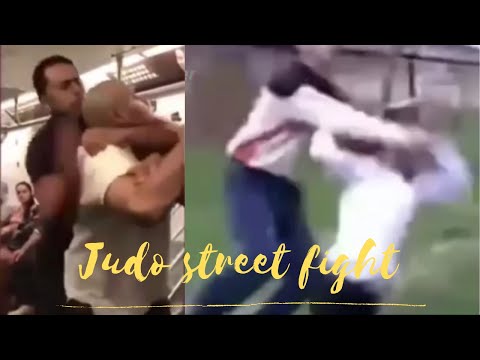
Judo in the Streets: A Technical Dissection of Real-World Application

The roar of the crowd, the polished tatami, the meticulously choreographed kata – these are the hallmarks of Judo as we know it. But what happens when the principles of the Gentle Way are tested not in the controlled environment of a dojo, but in the chaotic crucible of a street fight? This is the question that gnaws at many martial artists. Is the Judo honed through years of dedicated training a formidable tool for self-defense in uncontrolled encounters, or merely a beautiful, yet impractical, dance? Today, we pull back the curtain, dissecting real-world footage to see if Kodokan Judo truly holds water when the stakes are highest.

The Gentle Way Meets the Pavement

Many practitioners, myself included, have spent countless hours perfecting the intricacies of Judo. We bow, we learn the etiquette, we strive for the perfect seoi nage or ippon seoi nage. But the raw, unscripted reality of a street altercation is a stark contrast to the dojo. This analysis isn't about glory or sensationalism; it's about brutal honesty. We will examine footage, not to celebrate violence, but to understand the efficacy of Judo principles when applied under duress, by individuals who may not be trained Judoka, in environments far removed from the safety of the Kodokan.

The intention here is to move beyond the idealism of Budo and confront the pragmatic demands of survival. Are the throws and grappling techniques of Judo transferable? Can the fundamental concept of using an opponent's energy against them translate into practical self-defense? Let us embark on this critical dissection.

From Kodokan to the Concrete Jungle

Founded by Jigoro Kano, Judo emerged from the older martial arts of Japan, primarily Jujutsu, with a distinct emphasis on both physical education and moral development. Kano Shogoin, the revered founder, aimed to create a system that was not only effective for combat but also conducive to character building. The Kodokan, established in 1882, became the spiritual and physical heart of this new art. Its principles, such as maximum efficiency with minimum effort (Seiryoku Zenyo) and mutual welfare and benefit (Jita Kyoei), are cornerstones of the practice.

However, translating these noble ideals from the controlled dojo to the unpredictable street presents a significant challenge. Street fights are often characterized by their brutality, lack of rules, and the presence of multiple attackers or weapons. The controlled throws and grappling exchanges of Judo, while powerful, rely on specific conditions: an opponent engaging in a manner conducive to throwing, the availability of space, and often, the presence of a uniform (a gi or kimono) to grip. In the street, these conditions are rarely met.

"Judo is not merely a method of attack and defense, but a principle of life." - Jigoro Kano

This raises a fundamental question: Does the sophisticated technique of Judo offer a genuine advantage, or does it become a liability when confronted with a wild, untrained assailant or a situation where a clean throw is impossible?

Deconstructing the Techniques: What Works, What Doesn't

When we observe footage of alleged Judo practitioners in street fights, several patterns emerge, often highlighting a divergence between trained technique and practical application. Grip fighting, a cornerstone of Judo, is often absent or rudimentary in street encounters. Without a proper kozushi (off-balancing) and a firm grip on the lapel and sleeve, the efficacy of many throws is severely diminished. A wild swing or a desperate grab is not the same as a controlled approach for a tai otoshi.

Effective Applications:

  • Leveraging Body Weight and Momentum: Even without perfect grips, the principle of using an opponent's forward momentum against them can be effective. A simple push at the right moment, combined with a step, can still lead to an off-balance and a fall.
  • Close-Range Control: When a Judo practitioner can establish a strong body lock or clinch, the techniques learned for close-quarters grappling in Judo can be highly effective. This is where the transition to groundwork or the application of knees and elbows becomes relevant, bridging Judo with elements of MMA and combat sports.
  • Guard Retention/Passing (Limited): While not the primary focus of Judo, the foundational understanding of body positioning and hip movement can aid in surviving on the ground, preventing an opponent from achieving dominant positions, and potentially transitioning to a more advantageous situation.

Challenges and Ineffective Applications:

  • The Impossibility of Traditional Throws: Executing a clean uchi mata or osoto gari requires significant space, a stable base, and the ability to get under or around an opponent to execute the mechanics. In a confined space, or against a resisting, flailing opponent, these techniques become incredibly difficult, if not impossible, to apply safely and effectively. Attempting them can leave the practitioner exposed.
  • The Gi as a Crutch: Many Judo techniques are significantly enhanced by the ability to grip the opponent's gi. Without this, the leverage and control points are drastically reduced. Relying on gripping clothing that might be loose, torn, or non-existent severely hampers the Judo arsenal.
  • Transition to Ground: While Judo has a ground fighting component (Ne-waza), it is often focused on submissions and positional control within a competitive framework. Street fights can quickly devolve into chaotic brawls on the ground, where untrained aggression and striking can negate the technical advantages of a Judoka. Furthermore, the danger of being overwhelmed by multiple attackers on the ground is a significant concern that Judo's competitive format does not fully address.

The key takeaway from technical analysis of street footage is that while raw Judo principles can be adapted, the pure techniques of competition Judo often require significant modification or are simply not applicable. The ability to seamlessly transition from standing grappling to striking, and to maintain awareness of multiple threats, becomes paramount.

Beyond the Throw: The Spirit of Judo

It is easy to get lost in the mechanics of throws and pins, but Judo is more than just physical technique. It is a Budo, a way of the warrior, emphasizing discipline, resilience, respect, and the continuous pursuit of self-improvement. These philosophical underpinnings, when truly internalized, can transcend the physical realm and offer profound advantages in any conflict, including a street confrontation.

"The essence of Judo lies in the mind, not the technique." - Anonymous Master

A practitioner who embodies the spirit of Judo will possess:

  • Calm Under Pressure (Heijoshin): The ability to remain composed and think clearly in a stressful situation is perhaps Judo's greatest contribution to street self-defense. Where an untrained individual might panic, a disciplined Judoka can access their training and make rational decisions.
  • Adaptability: Judo's core principle of using an opponent's energy requires adaptability. This translates to being able to adjust to unexpected movements, environments, and threats.
  • Resilience and Perseverance: The willingness to get back up after being thrown, to continue striving even when facing a formidable opponent, is a testament to the mental fortitude cultivated in Judo. This can be crucial in a fight where one might be knocked down but not out.
  • Awareness: The training to constantly sense an opponent's balance and intention can be heightened into a general awareness of one's surroundings, crucial for avoiding conflict or recognizing threats before they materialize.

These intangible qualities are, in many ways, more valuable in a street fight than any specific throw. They are the invisible weapons that empower the Judoka.

Veredicto del Sensei: ¿Resiste el Judo el Embate Callejero?

My assessment, forged from decades of training, teaching, and observing the martial arts landscape, is that pure, competition-focused Judo, while an incredible art, is **not inherently a complete solution for street self-defense**. However, its underlying principles and the character it forges are invaluable.

The effectiveness hinges on the individual. A highly experienced Judoka who has cross-trained in striking and realistic self-defense scenarios will be far more effective than someone who only knows contest Judo. The throws, while difficult to execute cleanly, can still be devastating if the opportunity arises. The ground fighting, if adapted for the chaos of the street, can be a powerful equalizer. But relying solely on competitive Judo techniques in an untrained, unscripted encounter is akin to bringing a knife to a gunfight – it might work, but the odds are stacked against you.

En resumen:

  • Strengths: Excellent for developing balance, coordination, close-range control, resilience, discipline, and situational awareness. Principles of leverage and momentum are universally applicable.
  • Weaknesses: Reliance on the gi, difficulty of executing throws in confined spaces, limited striking integrated into competitive Judo, vulnerability to multiple attackers or weapons.

Calificación del Sensei: Cinturón Negro en Principios, Cinturón Blanco en Aplicación Directa sin Adaptación.

Entrenamiento para la Calle: Adaptando el Judo

For the dedicated Judoka aspiring to translate their art to the realities of self-defense, a strategic adaptation of training is necessary. This is not about abandoning Judo, but about augmenting it.

  1. Focus on Clinch Work: Dedicate significant time to mastering the clinch. Practice controlling your opponent's posture and balance, and learn to deliver strikes (knees, elbows) from this position. Judo's kumi-kata (grip fighting) is the foundation, but the goal shifts from setting up a throw to controlling and incapacitating.
  2. Sparring with Striking Integration: Incorporate sparring sessions where striking is allowed. This forces you to defend against punches and kicks while maintaining your Judo-based control. Consider cross-training in disciplines like Kickboxing or Muay Thai.
  3. Groundwork for Survival: While Judo groundwork is effective, focus your Ne-waza training on escaping bad positions, surviving against multiple opponents, and transitioning to your feet safely, rather than solely on submission hunting.
  4. De-escalation and Awareness Training: Understand that the best fight is the one you avoid. Practice situational awareness drills and learn de-escalation techniques. True self-defense begins with not being there.
  5. Unconventional Grips and Environment Training: Train in varied environments (uneven surfaces, confined spaces) and practice techniques that don't rely on a perfect gi grip.

Equipo Esencial para tu Entrenamiento

While Judo is often practiced with minimal equipment, specific gear can enhance your training, particularly when adapting for self-defense scenarios:

  • High-Quality Judo Gi: A durable, double-weave gi is essential for withstand the rigors of training and learning proper gripping. Look for brands known for their robustness.
  • Mouthguard: Absolutely critical if you are incorporating striking into your sparring. Protect your teeth and jaw.
  • Groin Protector: Essential for any sparring that involves full contact, especially when incorporating leg techniques or grappling.
  • Sparring Gloves (Optional but Recommended): If you're adding striking elements, light sparring gloves (12-16 oz) can protect your hands and your training partners.
  • Training Mats (Dojo or Home): For practicing throws and groundwork safely, good quality mats are non-negotiable.

Preguntas Frecuentes

¿Es el Judo efectivo para defensa personal?

Los principios del Judo, como el uso de la fuerza del oponente y el equilibrio, son muy efectivos. Sin embargo, las técnicas de competición pura requieren adaptación para el entorno no controlado de la calle, especialmente si no se lleva un gi o si hay múltiples atacantes.

¿Qué arte marcial es mejor para la calle: Judo, BJJ o Karate?

No hay un "mejor" arte marcial absoluto. El BJJ es excelente para el combate terrestre. El Karate tradicional puede ser muy efectivo para el combate de pie si está enfocado en defensa personal. El Judo ofrece un gran equilibrio y potencial de derribo. La clave es la adaptación realista y, a menudo, la combinación de disciplinas.

¿Puedo usar mis lanzamientos de Judo en una pelea real?

Sí, pero con cautela. Un seoi nage o tai otoshi exitoso requiere que el oponente esté preparado para ser lanzado y que haya espacio. A menudo, los lanzamientos en la calle son más caóticos y menos técnicos, utilizando la fuerza bruta y el desequilibrio repentino.

¿Es el Judo demasiado enfocado en el "juego limpio" para la autodefensa?

El Judo competitivo se basa en el respeto y el juego limpio. Sin embargo, los principios de control y eficiencia son aplicables a la autodefensa. Un practicante experimentado puede adaptar estas técnicas para ser más contundentes cuando la situación lo requiere, sin perder la disciplina.

¿Qué importancia tiene el entrenamiento de suelo (Ne-waza) en Judo para la calle?

El Ne-waza es crucial. Saber cómo controlar a un oponente en el suelo, defenderse de ataques y defenderse de múltiples atacantes es vital. El enfoque de Judo en el control posicional y las sumisiones es una base sólida, pero debe complementarse con estrategias para peleas caóticas en el suelo.

Para Profundizar en tu Camino

Reflexión del Sensei: Tu Próximo Paso

We have dissected the application of Judo in the unforgiving arena of street conflict. The question remains: Has this analysis solidified your understanding, or merely introduced more doubt? If you believe Judo, in its pure form, is sufficient for street defense, I challenge you: Go train with someone who has actively competed in MMA or worked in security and ask them how your competition Judo fares against their real-world experience. If, conversely, you dismiss Judo entirely, I dare you to find a more effective system for developing balance, resilience, and controlled power in a single martial art. The truth, as always, lies in the diligent, honest application and adaptation of principles. The path to mastery is never static; it demands constant evolution.

Now, I ask you directly: After this dissection, are you prepared to adapt your Judo, or are you content to remain a master of the tatami, ill-equipped for the pavement? What is the single most significant adaptation you will make to your training starting *today* based on this analysis? Your answer, and your commitment, will speak volumes.


Equipo Esencial para tu Entrenamiento

  • Guantes de 16oz para sparring
  • Kimono de doble tejido para Judo
  • Protectores bucal y inguinal
  • Esterillas de entrenamiento de alta densidad

Preguntas Frecuentes

Is Judo effective for self-defense?

Judo's principles like using an opponent's force and balance are highly effective. However, pure competition techniques require adaptation for uncontrolled street environments, especially without a gi or against multiple attackers.

Which martial art is best for the street: Judo, BJJ, or Karate?

There is no single "best" martial art. BJJ excels in ground fighting. Traditional Karate can be very effective for standing combat if focused on self-defense. Judo offers excellent balance and takedown potential. The key is realistic adaptation and often, cross-training.

Can I use my Judo throws in a real fight?

Yes, but with caution. Successful Judo throws require an opponent prepared to be thrown and adequate space. Street throws are often more chaotic, utilizing brute force and sudden imbalance.

Is Judo too focused on "fair play" for self-defense?

Competitive Judo emphasizes respect and fair play. However, its principles of control and efficiency are applicable to self-defense. Experienced practitioners can adapt techniques to be more decisive when the situation demands it, without losing discipline.

How important is ground fighting (Ne-waza) in Judo for the street?

Ne-waza is crucial. Knowing how to control an opponent on the ground, defend against attacks, and survive against multiple attackers is vital. Judo's focus on positional control and submissions is a strong foundation but needs to be supplemented with strategies for chaotic ground fights.


Para Profundizar en tu Camino

``` GEMINI_METADESC: Analyze Judo's effectiveness in street fights. Sensei Budo & AM dissects real footage, comparing Kodokan principles to uncontrolled combat, offering technical insights and adaptation strategies.

Judo: More Than Just Throws – The Unsung Hero of Practical Self-Defense

Let's confront a misconception that festers in the minds of many: the notion that Judo, stripped of explosive kicks and thunderous strikes, is somehow less effective for genuine self-defense. This is a flawed perspective, born from a superficial understanding of combat. As a seasoned practitioner and critic of martial arts and their cinematic portrayals, I can tell you that beneath its graceful throws and intricate holds lies a profound system forged for real-world application. Forget the flashy theatrics; we're talking about the cold, hard science of controlling an adversary.

The Grappling Advantage: Why Throws Trump Strikes in Close Quarters

Judo, born from the brilliant mind of Jigoro Kano, is often misunderstood. Many dismiss it as a "sport" art, lacking the "killer instinct" they associate with self-defense. This is a critical error. Judo's power lies precisely in its focus on grappling, throws, joint locks, and chokes. In the chaotic reality of a street encounter, distance is a luxury you rarely have. A sudden rush, a grab, and you're in the clinch. This is where Judo excels. While a punch might be blocked, a well-executed Osoto Gari (Major Outer Reaping) or Seoi Nage (Shoulder Throw) can incapacitate an attacker by exploiting gravity and leverage. It's about control, not just damage. Unlike striking arts where a missed blow can leave you vulnerable, Judo techniques aim for a swift resolution, often by taking the fight to the ground or immobilizing the opponent.

Consider the physics: using an opponent's weight and momentum against them is far more efficient than generating your own force against resistance. This is the essence of Judo's efficacy. It teaches you to dismantle an attack by controlling the attacker's base and balance. This is not mere sport; it's applied biomechanics honed over decades.

"The ultimate aim of Karate is not victory or defeat, but the perfection of the character of its participants." - Gichin Funakoshi. While this speaks to Karate, the principle of self-perfection through martial practice is universal. Judo, too, seeks this refinement, but its path is through control and leverage.

Beyond Competition: Judo's Street-Smart Philosophy

A common criticism leveled against many traditional martial arts is their perceived detachment from real combat scenarios. However, Judo, despite its competitive nature, retains a strong foundation in Kano's original intent: "Seiryoku Zen'yo" (Maximum Efficiency, Minimum Effort) and "Jita Kyoei" (Mutual Welfare and Benefit). This philosophy translates directly to self-defense. It's not about inflicting gratuitous harm, but about neutralizing a threat with the least amount of force necessary. Judo practitioners are trained to read an opponent's movements, anticipate their intent, and exploit the slightest imbalance.

Think about it: if an aggressor charges, your instinct shouldn't be to stand and trade blows, but to redirect that energy. A Judo throw can turn an attacker's forward momentum into a debilitating fall. Joint locks like the Juji Gatame (Armbar) or chokeholds like the Hadaka Jime (Rear Naked Choke, though less emphasized in modern sport Judo than in BJJ or self-defense contexts) can subdue an attacker quickly and efficiently, without resorting to strikes that might escalate the violence unnecessarily or lead to legal repercussions.

This emphasis on practical control makes Judo a powerful tool for self-protection. It teaches you to manage the distance, break grips, and, when necessary, take the fight to a controlled ground environment where size and strength disadvantages can be significantly mitigated.

The Universal Warrior: Judo for Every Body

One of Judo's most remarkable strengths, often overlooked in discussions about self-defense efficacy, is its profound adaptability. In a world obsessed with the archetype of the hulking fighter, Judo reminds us that effective self-defense is not solely dependent on brute strength. Jigoro Kano designed Judo to be accessible to everyone, regardless of age, gender, or physical condition. This is a crucial aspect often missing in discussions comparing martial arts for self-defense. Can a smaller individual effectively defend against a larger, stronger assailant?

With Judo, the answer is a resounding yes. Techniques are built upon principles of leverage, timing, and balance. A smaller practitioner can learn to use their opponent's size and weight against them, executing throws and pins that would be impossible through sheer strength alone. This principle is fundamental and can be seen in sports like Judo and BJJ, where technique consistently triumphs over raw power.

Whether you are a young student learning discipline or a senior seeking to maintain physical and mental acuity, Judo offers a path. It builds functional strength, cardiovascular endurance, and flexibility – all essential components of effective self-defense. Unlike some arts that demand extreme athleticism from the outset, Judo's progression is structured to cultivate these attributes progressively.

Building Inner Strength: The Psychological Edge of Judo

Beyond the physical techniques, Judo cultivates a powerful inner fortitude. The rigorous training, the discipline required to master complex movements, and the constant challenge of facing stronger opponents all forge a resilient mindset. This translates directly into self-defense confidence. A person who has trained diligently in Judo is not only physically capable but also mentally prepared.

This is where the concept of Ki (or Qi) subtly plays a role, not in a mystical sense, but in understanding body mechanics and presence. A confident stance, controlled breathing, and an aware demeanor can often deter potential aggressors. Judo teaches practitioners to be aware of their surroundings, to project an aura of control rather than fear. This heightened awareness, coupled with the knowledge that you possess the skills to defend yourself if necessary, significantly reduces vulnerability.

The journey of learning Judo is a constant lesson in overcoming limitations. Each successful throw, each successfully applied submission, builds self-efficacy. This isn't about aggression; it's about self-mastery, a core tenet of BUDO. The ability to remain calm under pressure, to think clearly when physically challenged, is invaluable in any high-stress situation, especially a physical confrontation.

The Art of the Encounter: Timing, Boundaries, and Control

Effective self-defense is not just about knowing techniques; it's about understanding when and how to apply them. Judo instills a keen sense of timing and an understanding of personal space and boundaries. In a confrontation, the ability to read the aggressor's intent and react at the opportune moment is paramount. Judo training sharpens this intuitive sense.

You learn to recognize the signs of an impending attack, the subtle shifts in weight, the aggressive posture. This allows you to act preemptively, perhaps by establishing a dominant grip or initiating a controlled throw before the attacker can fully commit. Furthermore, Judo teaches the concept of establishing and maintaining control. Whether through pins on the ground or sweeping throws, the goal is to neutralize the threat and regain safety.

Practicing these scenarios in a safe, controlled environment like a dojo allows individuals to develop the reflexes and decision-making skills needed for real-world application. It's about building muscle memory and mental fortitude so that when faced with a genuine threat, your trained response takes over, ensuring you can defend yourself effectively and with appropriate force.

Veredict of the Sensei: Is Judo King of Self-Defense?

Let me be unequivocal: Judo is an exceptional martial art for practical self-defense. While arts like Combat Sports, MMA, or Krav Maga might offer more direct, immediate "combat" applications, Judo's strength lies in its ability to control, incapacitate, and neutralize threats through leverage and technique, often without causing severe, potentially lethal, injury. Its emphasis on taking an opponent down and controlling them on the ground is incredibly effective. Is it the *only* effective art? Absolutely not. But is it a foundational and highly potent system for self-protection? Without a doubt. It teaches discipline, respect, physical conditioning, and most importantly, how to manage conflict through superior technique and strategy. For those seeking a well-rounded, adaptable, and highly effective self-defense system, Judo stands as a powerful choice.

Essential Gear for Your Judo Training

To embark on your Judo journey and train effectively, certain equipment is essential. While the emphasis is on technique, proper attire and safety gear will enhance your learning and protect you during practice.

  • Judogi (Uniform): A durable, heavy-duty cotton uniform specifically designed for Judo. Look for double-weave or reinforced stitching, especially around the lapels and seams, to withstand the rigors of grappling. Brands known for quality Karate and Judo uniforms are a good starting point.
  • White Belt: Initially, a standard white belt will signify your beginner status. As you progress, you will earn colored belts denoting your rank.
  • Optional (for conditioning): While not strictly required for basic Judo, if you incorporate conditioning exercises, consider items like jump ropes for cardiovascular fitness or resistance bands for strength training.

Training Guide: Mastering the Uchi-mata

The Uchi-mata (Inner Thigh Throw) is a dynamic and powerful throwing technique in Judo. It requires timing, balance, and coordinated movement. Here's a basic breakdown:

  1. Grip: Establish a strong grip on your opponent's lapel and sleeve.
  2. Entry: Step forward with your right foot, angling your body towards your opponent. As you do, pull them slightly forward and off-balance.
  3. Pivot & Lift: Pivot on your right foot, bringing your left foot to nearly touch your opponent's right foot. Simultaneously, use your right leg (your "pivot leg") to lift your opponent's right leg high, hooking their inner thigh.
  4. Rotation & Throw: Rotate your body forcefully to your left, driving with your hips and pulling with your arms. Your lifted leg acts as a lever. The combined action of the lift, rotation, and pull will send your opponent over your thigh and to the mat.
  5. Follow-Through: Maintain control as they fall and follow through to secure a dominant position.

Note: This is a simplified explanation. Proper execution requires consistent practice under a qualified instructor to develop the necessary coordination, balance, and power transfer. Seeking out instructional videos or specialized Martial Arts Training resources can be beneficial.

Frequently Asked Questions

Q1: Is Judo effective for self-defense against multiple attackers?
A: While Judo provides excellent tools for neutralizing one attacker, facing multiple assailants is extremely dangerous. Judo's strength is in control and takedowns. In a multi-attacker scenario, the priority is often escape, and Judo skills can help you break free or create space, but it's not designed as a primary defense against overwhelming numbers.

Q2: Do I need to be strong to practice Judo?
A: No. Judo's core principles of leverage and timing allow smaller, less physically strong individuals to effectively execute techniques against larger opponents. Strength can be developed through training, but it's not a prerequisite.

Q3: How long does it take to become proficient in Judo for self-defense?
A: Proficiency is a lifelong pursuit. However, with consistent training (2-3 times per week), you can gain a solid understanding of fundamental Judo self-defense techniques within 1-2 years. Real mastery takes much longer.

Q4: Is Judo safe to practice?
A: Generally, yes. Judo has a lower injury rate than many contact sports when practiced under qualified instruction. The emphasis on control and safety in training minimizes risk. However, like any physical activity, injuries can occur.

To Deepen Your Journey

Reflexión del Sensei: Tu Próximo Paso

Judo offers a path to practical self-defense, yes, but more profoundly, it offers a path to understanding the interconnectedness of effort, balance, and control – principles that extend far beyond the dojo. My question to you is this: In a world that often rewards brute force and immediate gratification, are you willing to embrace the subtle, yet immensely powerful, art of Judo, not just for self-defense, but for the cultivation of your character?

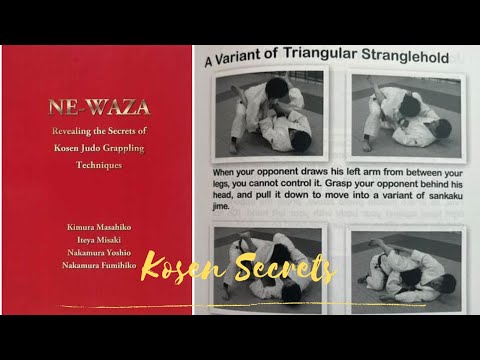
Kosen Judo: Unveiling the Secrets of the "High School" Style

The world of martial arts is a vast ocean, teeming with disciplines, philosophies, and strategies honed over centuries. Yet, within this expanse, certain styles emerge that challenge conventional wisdom, pushing the boundaries of what we understand as effective combat. Kosen Judo, often translated as "High School Judo," is precisely one such enigma. Many practitioners of modern Judo or other grappling arts hear whispers of its existence, its formidable effectiveness, and its unique approach, but few truly grasp its essence. Is it merely an older, less refined version of Judo, or does it possess secrets that could revolutionize your training? Today, we embark on a journey into the heart of Kosen Judo to uncover its core principles and understand why its legacy continues to resonate.

The Genesis of Kosen Judo

To understand Kosen Judo, we must first rewind the clock. While Kano Jigoro Shihan established Kodokan Judo in the late 19th century, the practical application and evolution of throwing and grappling arts in Japan have a much deeper history. Kosen Judo specifically refers to the style of Judo practiced in Japanese "Kosen" (vocational or higher technical schools) during the early 20th century. These schools often fostered a more rigorous, competitive, and less rule-bound environment compared to the nascent Kodokan Judo.

Crucially, Kosen Judo emerged during a period when the distinction between Judo and its parent art, Jujutsu, was still fluid. The emphasis was less on sporting purity and more on genuine combat effectiveness. This era saw the development of strategies and techniques that might be considered controversial or even illegal under modern international Judo rules, but which were vital for survival on the mat.

Unlike the Kodokan, where certain potentially dangerous techniques were gradually de-emphasized to promote wider acceptance as a sport, Kosen Judo schools often retained and refined these elements. The goal was to produce individuals capable of defending themselves and engaging in intense physical contests without the strict limitations imposed by competitive Judo.

Beyond the Rules: The Spirit of Kosen Judo

The most striking aspect of Kosen Judo is its philosophical departure from mainstream Judo. While Kodokan Judo embraces principles like "Seiryoku Zenyo" (Maximum Efficiency, Minimum Effort) and "Jita Kyoei" (Mutual Welfare and Benefit), Kosen Judo often prioritized raw effectiveness. This meant that while efficiency was still valued, the ethical considerations of competition took a backseat to the imperative of winning and demonstrating superiority.

This philosophical divergence led to a broader acceptance of techniques that could inflict significant damage or incapacitate an opponent. The "no-holds-barred" nature of Kosen Judo training meant that practitioners were exposed to a wider array of submissions and strategic applications. Think of it as the difference between a sparring session focused on point-scoring and a no-gi grappling match where the objective is submission above all else.

The spirit of Kosen Judo was that of the battlefield, not the gymnasium. Every technique was scrutinized for its potential to end a confrontation decisively.

This competitive environment fostered an innovative spirit. Faced with diverse challenges and fewer restrictions, Kosen Judo practitioners explored tactical variations and combinations that remain potent today. The emphasis was on problem-solving in real-time, adapting to the opponent's strengths and exploiting their weaknesses with ruthless precision.

This isn't to say Kosen Judo was devoid of discipline. Far from it. The discipline required to master these techniques and to operate within such a demanding framework was immense. It was a discipline forged in the crucible of intense competition, where the consequences of error were far more severe than a loss of points.

Key Techniques and Strategic Departures

The most significant difference between Kosen Judo and modern Kodokan Judo lies in the permissible techniques. While Kodokan Judo has gradually restricted certain dangerous submissions to emphasize dynamic throws and tachi-waza, Kosen Judo often embraced techniques that could lead to rapid submission or injury.

  • Strangulations (Shime-waza): Kosen Judo permitted a much wider variety of chokeholds, including those applied with the forearm, gi lapels, or even the thumb. Techniques like the Okuri-eri Jime (Corpse Poseé Choke) and Kata-ha Jime (Single Wing Choke), when applied with intense pressure, could lead to quick submissions.
  • Joint Locks (Kansetsu-waza): While modern Judo is famous for its armlocks (Kote-gaeshi, Ude-garami, etc.), Kosen Judo extended this to include leg locks and even wrist locks. Techniques such as the Sankaku-gatame (Triangle Armbar) and various ankle locks were part of the arsenal. The goal was to create pain or hyperextend joints, forcing a tap-out.
  • Forbidden Techniques (Kinpatsu-waza): While the term "Kinpatsu" can be debated, it generally refers to techniques targeting vital areas or joints in ways deemed too dangerous for sport Judo. This could include certain variations of leg locks, spinal cranks, or techniques applied in combinations that overwhelmed the opponent's defenses.
  • Newaza Dominance: Due to the broader acceptance of submissions, Kosen Judo placed a significantly higher emphasis on ground fighting (Ne-waza). The objective was often to quickly transition to the ground after a throw or to secure a dominant position from which to apply a submission.
  • Strategic Variations: Techniques like Uchi-mata (Inner Thigh Throw), a staple in modern Judo, were often employed with variations aimed at creating openings for ground submissions rather than just scoring an ippon.

The strategic implications were profound. An opponent in Kosen Judo had to be constantly aware not just of being thrown, but also of being submitted on the ground. This forced a much higher level of technical proficiency in both standing and ground techniques, and a constant vigilance against a wider range of threats.

In Kosen Judo, the mat was not just a stage for throws; it was a battlefield where every limb was a potential target and every hold a potential end.

Training for the Unseen Battle

Training in Kosen Judo was, and in the few remaining schools, still is, notoriously demanding. The philosophy of "leaving nothing on the mat" meant that randori (free practice) was often intense, pushing practitioners to their absolute limits.

Emphasis on Randori: The core of Kosen Judo training was, and is, randori. However, this was not the point-scoring randori familiar to many modern Judoka. Kosen randori often continued until a clear submission, incapacitation, or a definitive stalemate. This type of prolonged, high-intensity grappling naturally develops incredible stamina, resilience, and tactical acumen. If you are looking to improve your own endurance, consider incorporating at-home workouts and conditioning drills.

Cross-Training: Given its historical context and focus on effectiveness, Kosen Judo practitioners often engaged in or were knowledgeable about other combat systems. There was a natural synergy with arts like Sambo and Wrestling, as well as with the emerging field of Mixed Martial Arts (MMA), which shares a similar ethos of applying diverse techniques to achieve victory. The connection to BJJ and Jiu-Jitsu is also undeniable, as Kosen Judo was a significant influence on the development of these arts.

Mental Fortitude: Facing constant threats of submission and the pressure of prolonged, intense grappling cultivates a unique mental resilience. Kosen Judo practitioners learned to remain calm under extreme duress, to think tactically even when exhausted, and to persevere through pain and discomfort. This development of mental strength is a hallmark of all true martial arts.

Strategic Understanding: Beyond mere technique, Kosen Judo demanded a deep understanding of leverage, timing, and anatomy. Knowing how to apply pressure to maximize discomfort or induce submission required a more profound grasp of biomechanics than might be necessary for purely sport-oriented grappling.

Sensei's Verdict: The Enduring Legacy

Kosen Judo is not merely a historical footnote in the evolution of Judo; it is a testament to the relentless pursuit of effectiveness in combat. While modern Judo has evolved into a globally recognized sport with its own unique beauty and challenges, Kosen Judo represents a lineage that prioritizes decisive outcomes. Its legacy is evident in the continued popularity of submission grappling, the rise of MMA, and the perennial appeal of techniques that have the power to end a contest quickly.

For practitioners of Judo, BJJ, Sambo, or Wrestling, understanding Kosen Judo offers invaluable insights. It reminds us that the art of grappling is multifaceted, and that sometimes, looking to the past can unlock new pathways to improvement in the present. The techniques and strategies honed in the Kosen schools are not relics; they are living, breathing principles of combat that continue to prove their efficacy.

Is Kosen Judo still relevant today? Absolutely. While the formal practice may be niche, its core principles – a willingness to explore all effective techniques, a focus on decisive submissions, and relentless, high-intensity training – are directly applicable to modern grappling and self-defense scenarios. It challenges us to question the limits we impose on ourselves and our art.

Essential Gear for Your Training

While Kosen Judo's emphasis on effectiveness means that technique often trumps equipment, having the right gear can significantly enhance your training experience and safety. For those looking to emulate the rigorous nature of Kosen Judo training, consider the following:

  • High-Quality Gi: A durable, well-fitting gi is essential. For grappling arts, a double-weave gi (often called a "heavyweight" gi) offers superior durability and resistance to tearing during intense randori. Look for brands known for their robust construction.
  • Rashguards: Underneath your gi, a good rashguard can help prevent mat burn and improve comfort, especially during extensive ground work.
  • Spats/Shorts: For no-gi training, grappling shorts or spats are necessary. Ensure they are made of durable, flexible material that can withstand the demands of grappling.
  • Mouthguard: Even in grappling, accidents happen. A well-fitting mouthguard is crucial for protecting your teeth and jaw, especially if you're engaging in highly competitive randori or sparring.
  • Grappling Tape: For protecting fingers and wrists, grappling tape can offer additional support and prevent injuries during demanding sessions.

Investing in quality gear is an investment in your training longevity. Remember, when looking for the best equipment, consider your specific art and training intensity. For example, Karate merchandise differs greatly from Judo or BJJ gear.

Frequently Asked Questions

  • What is the main difference between Kosen Judo and Kodokan Judo?
    The primary difference lies in the permissible techniques. Kosen Judo allows a broader range of submissions, including leg locks and more dangerous chokes, with less emphasis on sport-specific rules.
  • Is Kosen Judo dangerous?
    Like any full-contact martial art, Kosen Judo carries inherent risks. However, its "danger" stems from its effectiveness and the broader range of potentially incapacitating techniques. Proper instruction and a focus on safety within training are paramount.
  • Can Kosen Judo techniques be used in modern MMA?
    Absolutely. Many Kosen Judo techniques are foundational to modern MMA grappling. The emphasis on submissions and positional control is directly transferable.
  • Where can I find Kosen Judo training today?
    Pure Kosen Judo dojos are rare. However, some traditional Judo schools and grappling academies may incorporate Kosen principles, or you can explore related arts like Sambo or certain styles of BJJ that retain a strong emphasis on Ne-waza and submissions.

Deepen Your Journey

Exploring Kosen Judo opens up a fascinating chapter in martial arts history. To further your understanding and enrich your training, consider delving into these related topics:

  • BUDO: The overarching philosophy of martial ways in Japan.
  • Judo: The parent sport and its modern evolution.
  • BJJ: The "gentle art" and its sophisticated ground fighting.
  • MMA: The ultimate test of diverse martial skills.
  • Combat and Lucha: General principles applicable across disciplines.

Sensei's Reflection: Your Next Step

Kosen Judo teaches us that rules are not always limitations, but sometimes frameworks that can be strategically navigated or, in some cases, transcended to achieve a greater objective. The spirit of Kosen Judo is one of relentless pursuit of effectiveness, a willingness to confront all challenges, and a deep understanding that true mastery often lies beyond the obvious.

So, I ask you: In your own training, where have you allowed the "rules" to limit your exploration? Are you truly pushing the boundaries of your understanding, or are you content with the comfortable path? Reflect on the techniques and philosophies of Kosen Judo, and consider how this spirit of effective inquiry can ignite your own martial journey. The mat is your laboratory; what will you discover?

``` GEMINI_METADESC: Uncover the potent secrets of Kosen Judo, the high-school style focused on effective grappling and submissions. Learn its philosophy, key techniques, and enduring legacy.