UFC 12, subtitled "Judgment Day," descended upon the Dothan Civic Center in Dothan, Alabama, on July 2, 1997. This event, while perhaps not as universally iconic as some of its brethren, represents a crucial evolutionary step in the sport's development. For us practitioners, it's not just about the spectacle; it's a window into the evolving landscape of combative arts and the strategies that truly prevail under pressure. Today, we dissect this event, not as casual observers, **but as martial scholars seeking the essence of combat.**
## Table of Contents
A Legacy in the Octagon: The Significance of UFC 12
Welcome, warriors and seekers of truth, to Budo and AM. You are watching UFC 12 - Judgment Day, an event published on April 27, 2022. As the most comprehensive martial arts resource on the internet, we delve deep into the events that shape the martial world. UFC 12, held in the relatively nascent stages of the Ultimate Fighting Championship, was a pivotal moment. It showcased a melting pot of styles, a true "no-holds-barred" environment that demanded adaptability and resilience. Forget the glitz of modern MMA promotion for a moment; this was raw, unadulterated combat, a crucible for testing the efficacy of various martial disciplines.
What was the intention behind this event? It was a stark declaration: to find the most effective fighting system by pitting practitioners of disparate arts against each other. It was a challenge to traditional martial arts dogma, forcing them to confront their real-world applicability. Did they succeed? That's what we are here to dissect.
The card featured a series of bouts that, in retrospect, offer invaluable lessons in strategy, conditioning, and the psychological warfare inherent in combat. From the explosive entries of Vitor Belfort to the gritty grappling exchanges, UFC 12 provides a rich tapestry for analysis.
Match Analysis: From Raw Power to Evolving Tactics
Let us break down the key encounters, examining not just the outcomes, but the martial principles on display.
Jerry Bohlander vs. Rainy Martinez (9:52): This opening bout set the tone. Bohlander, a practitioner often associated with a more traditional, disciplined approach, faced Martinez. Early exchanges often reveal the core strengths and weaknesses of a style. We must ask: did Bohlander's training translate into effective control, or did Martinez's aggression overwhelm him? The dynamics of this fight often highlight the importance of effective takedown defense and transition management.
Yoshiki Takahashi vs. Wallid Ismail (21:38): This matchup represented a clash of styles. Takahashi, potentially bringing a more refined striking or grappling background, against Ismail, whose name might suggest a sambo or judo influence. The key here is to observe how each fighter attempted to impose their game. Did Takahashi utilize distance and timing effectively, or did Ismail's ability to close the gap and implement his grappling prove decisive? This fight underscores the fundamental principle of controlling the space and dictating the engagement.
Scott Ferrozzo vs. Jim Mullen (51:19): Often, these mid-card bouts provide surprising insights. Ferrozzo's power was evident, but against Mullen, a strategist might look for tactical advantages. Was it brute force versus technique, or a more nuanced battle of ring generalship? The effectiveness of defensive maneuvers and counter-offense becomes critical in such pairings.
Vitor Belfort vs. Tra Telligman (1:09:01): Ah, Vitor Belfort. "The Phenom." At UFC 12, he was a young, explosive force. His speed and power were undeniable, a terrifying prospect for any opponent. Telligman, likely a more seasoned grappler, would have sought to neutralize Belfort's striking advantage by taking the fight to the ground. This bout is a classic example of the striker versus grappler dynamic that has defined MMA. Did Belfort's lightning-fast attacks prove too much, or did Telligman's ground game stifle the prodigy? This is where we see the interplay of *kime* (focus and power) and *ne-waza* (ground techniques).
Jerry Bohlander vs. Nick Sanzo (1:22:34): Bohlander's second appearance on the card. Facing Sanzo, a different challenge. How did Bohlander adapt his strategy from his previous bout? This is where the true mental fortitude of a martial artist is tested. Can he overcome adversity and apply learned lessons under pressure? The ability to make in-fight adjustments is a hallmark of a high-level practitioner.
Vitor Belfort vs. Scott Ferrozzo (1:39:20): Another significant step for Belfort, facing a powerful opponent in Ferrozzo. This was a true test of Belfort's offensive capabilities against a durable fighter. The question is, how did Belfort handle sustained pressure and potential adversity? Did his explosiveness carry him through, or did Ferrozzo's resilience prove a critical factor? The concept of *maai* (distance and timing) is paramount here.
Mark Coleman vs. Dan Severn (1:57:29): The main event. Coleman, a formidable wrestler, against Severn, a seasoned veteran known for his toughness and grappling acumen. This was a heavyweight clash that exemplified the raw power and strategic wrestling that dominated early UFC. Coleman's ability to impose his wrestling was legendary, while Severn was never an easy opponent. This bout represents a microcosm of the grappling-centric approach that characterized much of early UFC, forcing observers to question the effectiveness of pure striking arts against dominant ground fighters.
The Underlying Philosophy: What UFC 12 Taught Us
Beyond the individual fights, UFC 12 "Judgment Day" served as a stark, often brutal, philosophical statement. It challenged the notion that mastery of a single, traditional martial art was sufficient for combat effectiveness.
"The martial way is a daily task. We learn to endure, to overcome, and to grow. If we stop learning, we stop growing." - A principle echoing through the dojos of old and through the octagon alike.
The event highlighted several key martial principles:
* **Adaptability is Paramount**: Styles that failed to adapt, those that remained too rigid in their methodology, were often exposed. The truly successful fighters were those who could blend techniques, transition between striking and grappling seamlessly, and exploit their opponent's weaknesses. This aligns with the concept of *Ju*, yielding and adapting, seen in arts like Judo and Aikido, but applied here in a far more aggressive context.
* **Conditioning is King**: The sheer physical demand of these bouts was immense. Fighters who lacked superior cardiovascular endurance and strength visibly faltered. This isn't just about raw power; it's about the ability to maintain technique and mental acuity when utterly fatigued. This is why conditioning drills are not optional; they are foundational.
* **The Mental Game**: Beyond physical prowess, the psychological battle is fierce. The ability to remain calm under fire, to execute a game plan despite pain or setbacks, separates the contenders from the pretenders. This is where the discipline cultivated in traditional arts can offer a significant advantage. The concept of *Mushin* (no-mind) is tested to its limits here.
This event was a catalyst. It forced traditional martial arts schools to re-evaluate their training methodologies and to incorporate more realistic sparring and cross-disciplinary approaches. The "battle" aspect was not just between fighters, but between entire martial philosophies.
Veredicto del Sensei: Was UFC 12 a True Test of Martial Prowess?
UFC 12 "Judgment Day" was, without question, a significant event in the history of mixed martial arts. It starkly demonstrated the need for well-rounded fighters capable of striking, wrestling, and grappling. While some of the bouts showcased raw power and aggression over refined technique, the overall narrative was clear: the most effective martial artist is the one who can adapt and survive in any situation.
From a martial scholar's perspective, this event validated the importance of cross-training and the dangers of stylistic isolation. It proved that theoretical mastery means little without practical application and the mental fortitude to withstand adversity.
**Cinturón Negro en Cruda Realidad.**
Essential Equipment for Your Training
While UFC 12 was about raw talent and emerging skills, consistent training requires the right tools. For those looking to emulate the dedication of these fighters, even at a foundational level, consider:
Gloves: For striking practice, durable training gloves (14-16oz for general training, lighter for specific drills) are essential to protect your hands and your sparring partners.
Mouthguard: Non-negotiable for any form of sparring or high-intensity drills. Protect your teeth and jaw.
Shin Guards: Crucial for kickboxing and Muay Thai drills to prevent injuries.
Training Apparel: Comfortable, durable shorts and rash guards that allow for a full range of motion are key. Look for moisture-wicking materials.
A Quality Mat: If you are practicing grappling or groundwork at home, proper mats are vital for safety.
For those focusing on specific arts, specialized equipment like a Karate Gi or Judo Gi is fundamental.
Preguntas Frecuentes
What made UFC 12 significant in the context of early MMA?
UFC 12 was significant because it continued to showcase the effectiveness of a cross-disciplinary approach to fighting, moving away from the dominance of single martial arts and highlighting the need for well-rounded fighters.
Did UFC 12 influence traditional martial arts?
Absolutely. Events like UFC 12 acted as a wake-up call, prompting many traditional martial arts schools to re-evaluate their training methods and incorporate more realistic sparring and application-based techniques.
Who was the standout fighter at UFC 12?
Vitor Belfort was arguably the standout performer, displaying incredible speed and power that would define much of his career. Mark Coleman also impressed with his dominant wrestling in the main event.
Is it possible to train for MMA at home without equipment?
Yes, to a degree. Bodyweight exercises, agility drills, and shadowboxing can build a foundation. However, for safe and effective sparring or grappling, some equipment and training partners are necessary.
Para Profundizar en tu Camino
* BUDO: Más allá del Combate - Comprendiendo la Filosofía Marcial
* La Evolución del Artes Marciales Mixtas: De UFC 1 a UFC Today
* La Importancia del Ki y la Energía Interna en el Combate Real
Reflexión del Sensei: Tu Próximo Paso
UFC 12, "Judgment Day," was more than just a series of fights; it was a harsh lesson in martial pragmatism. It stripped away the mystique of isolated disciplines and forced a confrontation with effectiveness. As you watch these bouts, or any combat sport, ask yourself: Is the technique applied truly functional, or is it merely a stylized movement? Are the practitioners testing their art against true resistance, or merely performing for an audience? The real journey begins when you demand honest answers from your training.
"The true warrior is not one who wins every battle, but one who never stops training for the next."
Now, reflect: In your own training, are you preparing for the "Judgment Day" of real application, or are you merely going through the motions? What is the most crucial element you believe was missing from the traditional arts that needed to be adopted for events like UFC 12 to prove successful? Sharpen your mind and let your conviction be your guide.
```
GEMINI_METADESC: Analyze UFC 12 'Judgment Day' (1997) from a martial arts perspective. Explore fight analysis, underlying philosophies, and its impact on combat sports.
The year is 1998. The humid air of Kenner, Louisiana, thick with anticipation, crackles as the Ultimate Fighting Championship descends upon the Pontchartrain Center for UFC 16: Battle in the Bayou. As a lifelong student and practitioner of the martial way, I approach such events not merely as spectacles, but as living laboratories of combat strategy, physical prowess, and the very spirit of Budō. Many see these televised bouts as mere entertainment, a cacophony of strikes and grapples. I see the underlying principles, the tactical decisions, the successes and, more importantly, the failures that can teach us volumes.
Today, we dissect this particular chapter in the UFC's storied history. Was it a true test of martial skill, or a stepping stone in the evolution of mixed martial arts? Let us find out.
UFC 16, broadcast live from Kenner, Louisiana, on March 13, 1998, was a pivotal event in the nascent years of the Ultimate Fighting Championship. The promotion was still carving out its identity, defining the boundaries of what was acceptable and effective in unarmed combat. While the "no holds barred" nature of early UFC events often invited criticism, it also provided a raw, unfiltered look at how different martial disciplines fared against each other. The 1998 card featured a mix of established names and rising contenders, each bringing their unique fighting philosophies into the Octagon.
This era of the UFC was crucial for the development of what we now call Mixed Martial Arts (MMA). It was a crucible where striking arts like Karate and Kickboxing met grappling arts like Judo, BJJ, and Wrestling. Understanding the outcomes of these early contests offers invaluable insight into the evolution of combat sports and the enduring effectiveness of certain martial principles.
The Main Event: Dissecting the Fights
The fight card of UFC 16 was a testament to the UFC's ambition to showcase a diverse array of martial talent. Each bout was more than just a contest; it was a thesis on a particular approach to combat. Let us delve into the key matchups that defined this event.
Burnett vs. Tadeu: A Clash of Styles
The opening bout pitted Mikey Burnett against Eugenio Tadeu. Burnett, a decorated collegiate wrestler, embodied the strategic, control-oriented approach of American wrestling. Tadeu, on the other hand, represented a more unorthodox, perhaps even chaotic, style, known for his aggressive striking and submission attempts.
From a tactical standpoint, this fight highlighted the fundamental dichotomy in combat sports: control versus chaos, strategy versus instinct. Burnett's objective would be to impose his wrestling, to neutralize Tadeu's striking and find dominant positions. Tadeu's task was to keep the fight standing, to land his powerful shots, and to make it a messy, unpredictable affair where his creativity could shine. The outcome of such a bout often hinges on who can dictate the pace and environment of the fight.
Miletich vs. Saunders: The Tactical Chess Match
Pat Miletich, a name synonymous with American Top Team and a formidable welterweight contender, faced Townsend Saunders. Miletich was known for his well-rounded game, blending effective striking with solid wrestling and submission defense. Saunders, a powerful striker, presented a different kind of challenge.
This bout was expected to be a tactical chess match. Miletich, with his proven ability to adapt, would likely aim to exploit any perceived weaknesses in Saunders' game. Saunders, in turn, would rely on his power and striking accuracy to overwhelm Miletich. The beauty of such matchups lies in the strategic adjustments fighters make on the fly. A successful strategy often involves feints, timing, and the ability to capitalize on a momentary lapse in an opponent's defense.
Bohlander vs. Jackson: The Grappler's Gambit
Jerry Bohlander, a practitioner of Ken Shamrock's Lion's Den style, was known for his aggressive ground and pound. He faced Kevin Jackson, a highly accomplished Olympic wrestler. This fight was a classic representation of striker vs. grappler, or in this case, a wrestler aiming to impose his top control against a fighter known for his offensive ground game.
The narrative here is clear: Jackson's primary goal would be to use his superior wrestling to secure takedowns and maintain top position, neutralizing Bohlander's striking advantage. Bohlander, if he could keep the fight standing or scramble back to his feet, would look to land his heavy hands. The effectiveness of takedowns against a skilled ground-and-pound artist like Bohlander would be the key determinant.
Miletich vs. Brennan: The Champion's Defense
In a significant moment for the event, Pat Miletich was set to defend his UFC Welterweight Championship against Chris Brennan. Miletich's reign as champion was a testament to his skill and dedication. Brennan, a submission specialist, posed a unique threat.
This fight was a true test of a champion's mettle. Miletich had to prove he could overcome a dangerous submission artist while defending his title. His strategy would likely involve keeping Brennan at bay, avoiding the mat where Brennan was most dangerous, and utilizing his own offensive capabilities. Brennan, conversely, would be looking for opportunities to drag Miletich to the ground and apply his submission skills. The ability of a champion to adapt and overcome varied threats is what solidifies their legacy.
Kohsaka vs. Leopoldo: The Unpredictability Factor
Tsuyoshi Kohsaka, a fighter from the famed Pancrase organization, known for his technical striking and submission skills, was matched against Kimo Leopoldo, a fighter who had become known for his intimidating presence and powerful style in earlier UFC events. Kimo was a wild card; his performances were often characterized by raw aggression and surprising moments of effectiveness.
This bout was intriguing due to Kimo's unpredictable nature. Kohsaka, a more technical and composed fighter, would need to be wary of Kimo's raw power and explosive attacks. The challenge for Kohsaka was to maintain his composure, absorb any initial onslaught, and then systematically dismantle Kimo's offense while imposing his own technical superiority.
Shamrock vs. Zinoviev: The Ultimate Showdown
The main event of UFC 16 featured Frank Shamrock, then a rising star poised to become a legend, against Igor Zinoviev. Shamrock was known for his fluid striking and aggressive submission game, a precursor to the modern MMA powerhouse. Zinoviev, a powerful fighter, brought a different kind of intensity to the cage.
This was more than just a fight; it was a passing of the torch, a glimpse into the future of MMA. Shamrock’s victory here was instrumental in establishing him as a dominant force. His performance against Zinoviev would demonstrate his mastery of both striking and grappling, a hallmark of true MMA fighters. The ability to seamlessly transition between these phases of combat is what separates the good from the truly great.
Veredict of the Sensei: A Landmark Event?
UFC 16: Battle in the Bayou was, in its own right, a significant event. It showcased the evolving landscape of professional fighting, highlighting the growing importance of well-rounded skill sets. While some bouts might appear rudimentary by today's sophisticated MMA standards, they laid the groundwork for the sport's current sophistication. The tactical battles between wrestlers, strikers, and submission artists provided invaluable lessons in martial strategy.
Pat Miletich's title defense was particularly notable, showcasing the discipline and tactical acumen required to remain at the pinnacle of a division. Frank Shamrock's performance in the main event further solidified his status as a future icon.
**Sensei's Rating:** 4 out of 5 Belts (Excellent display of evolving martial combat)
Essential Gear for Your Training
To truly engage with the spirit and practice of martial arts, having the right equipment is paramount. Whether you are honing striking techniques or preparing for grappling exchanges, quality gear not only enhances performance but also ensures safety.
Sparring Gloves (16oz for general sparring): Essential for protecting your hands and your training partners during pad work and sparring sessions. Look for brands known for durability and comfort.
Shin Guards: Crucial for kickboxing and Muay Thai training to prevent injuries during kick drills and sparring.
Mouthguard: A non-negotiable piece of safety equipment for any form of sparring or competitive combat.
Judo Gi: If you are venturing into Judo or BJJ, a durable, high-quality Gi is an investment in your long-term training. Look for double-weave options for increased longevity.
Training Shoes: For arts that involve extensive footwork and movement, a good pair of lightweight, supportive training shoes is vital.
Resources for Deeper Learning
The path of martial arts is one of continuous learning. To truly grasp the principles demonstrated at UFC 16 and beyond, consider delving into these resources:
BUDO & Martial Arts Philosophy Books: Explore classic texts that delve into the mindset and philosophy behind combat.
MMA Training Videos: Many reputable channels and organizations offer instructional content on striking, grappling, and conditioning.
Documentaries on Martial Arts Pioneers: Learn about the lives and training methods of the legends who shaped the sport.
Frequently Asked Questions
What were the key martial arts represented at UFC 16?
UFC 16 featured a blend of wrestling, striking arts such as Karate and Kickboxing, and submission grappling disciplines, reflecting the early days of Mixed Martial Arts.
Was Pat Miletich still the champion at UFC 16?
Yes, Pat Miletich successfully defended his UFC Welterweight Championship against Chris Brennan at UFC 16.
What is the significance of UFC 16 in MMA history?
UFC 16 was important for showcasing the evolving, well-rounded nature of MMA fighters and featured key matchups that contributed to the sport's development, including the rise of Frank Shamrock.
Is the style seen in UFC 16 still relevant today?
While MMA has evolved significantly, the fundamental principles of striking, wrestling, and submission grappling demonstrated at UFC 16 remain the core components of modern MMA.
Sensei's Reflection: Your Next Step
Observe the fights from UFC 16 not just as action, but as lessons. Where did each fighter excel based on their chosen art? Where did they falter? Did the wrestler impose control? Did the striker find openings? Did the submission artist secure a dominant position?
Now, turn this critical gaze inward. Which aspect of your own training do you rely on most heavily? Are you a creature of habit, relying on a familiar technique? Or do you possess the adaptability to transition seamlessly between offense and defense, between striking and grappling, between physical engagement and mental fortitude? The true master is not the one who perfects a single technique, but the one who understands the interconnectedness of all martial principles and can apply them fluidly, under pressure, in the unpredictable arena of life.
Your next step is not just to train harder, but to train smarter. Seek out the gaps in your own arsenal. Challenge your comfort zones. For in the crucible of self-discovery, true mastery is forged.
---
"There are no bad fighters, only unprepared ones." - Pat Miletich
"The martial way is a study of oneself." - Miyamoto Musashi
```
GEMINI_METADESC: Dive deep into UFC 16: Battle in the Bayou with a Sensei's critical analysis. Explore fight breakdowns, martial arts principles, and training insights.
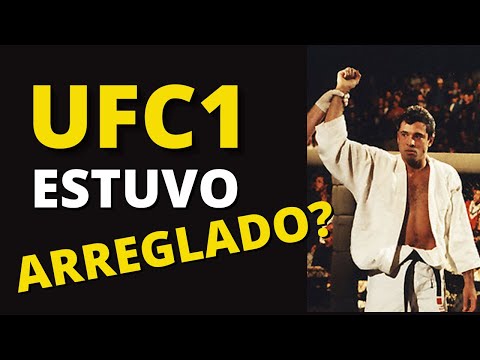
Did Rorion Gracie rig the early Ultimate Fighting Championship (UFC) to ensure his brother, Royce, claimed victory? This isn't just locker-room talk; it's a question that has echoed through martial arts circles since the promotion's inception. Welcome, warriors and scholars, to Budo and Martial Arts, where we dissect the legends and the controversies that shape our world. Today, we delve deep into the shadowy corners of UFC's genesis, examining the whispers of conspiracy that surround the Gracie family's dominance.
The year is 1993. The UFC, a brutal, no-holds-barred tournament, explodes onto the scene, promising to answer the age-old question: "Which martial art is the most effective in a real fight?" Enter Royce Gracie, a slender Brazilian known for his seemingly passive yet devastating Brazilian Jiu-Jitsu (BJJ). Royce would go on to win UFC 1, UFC 2, and UFC 4, submitting larger, stronger opponents with his family's grappling art. This unprecedented success, however, sowed seeds of doubt. Was it pure skill, or was there a guiding hand, a deliberate orchestration by Rorion Gracie, one of the event's primary organizers and Royce's elder brother?
This question ignites a firestorm among martial artists. For some, it's an insult to the art and Royce's achievements. For others, it's a logical dissection of how power and influence might have shaped the nascent sport. Let's peel back the layers and examine the evidence, not with blind faith, but with the critical eye of a seasoned martial artist.
UFC 1: The Brazilian Jiu-Jitsu Upset
UFC 1 was a revelation. Royce Gracie, often the smallest competitor, moved through the bracket with a quiet intensity. His opponents – a boxer, a karateka, a sumo wrestler, and a taekwondo practitioner – were all formidable in their respective disciplines but lacked the grappling prowess to counter his submissions. He secured three victories, all by submission, showcasing the efficacy of BJJ in a way the world had never witnessed.
The immediate impact was undeniable. BJJ, previously a niche art known primarily within Brazil, was suddenly thrust into the global spotlight. Fighters and fans alike were forced to acknowledge a new paradigm in combat sports. But with this sudden, dramatic shift, questions arose. How could a seemingly unassuming practitioner dominate such a diverse field of martial artists?
"The ultimate aim of martial arts is not a victory or a defeat, but the perfection of the character of its practitioners." - Unknown Master
The Gracie Advantage: Rules, Opponents, and Tactics
Critics of the "Gracie conspiracy" theory often point to several factors that may have unfairly benefited Royce:
* **Tournament Format:** The early UFC tournaments were single-elimination events. This meant that if Royce lost, his tournament was over. However, for opponents who had to fight multiple times in a single night, fatigue became a significant factor. Royce, with his efficient grappling, often finished fights quickly, conserving energy.
* **Rule Set:** The initial lack of weight classes was a massive advantage for Royce, who was consistently the smallest competitor. While this tested the "any style" concept, it also meant he faced opponents who could simply overpower him physically if they could keep the fight standing.
* **Opponent Selection:** Skeptics suggest that Rorion, as a key organizer, may have had influence over who participated. While direct evidence of manipulation is scarce, the narrative suggests a curated field designed to highlight BJJ's strengths. For instance, the inclusion of fighters with known weaknesses in grappling, or the peculiar circumstances surrounding certain matchups, fueled speculation.
* **The "Gracie Diet" and Conditioning:** While not a conspiracy, the Gracie family's unique dietary approaches and their rigorous, often unconventional training methods also contributed to their fighters' resilience and conditioning, giving them an edge.
Rorion Gracie's Role: Promoter or Puppeteer?
Rorion Gracie was instrumental in bringing the UFC to life, driven by a vision to prove the superiority of Brazilian Jiu-Jitsu. His passion and business acumen were undeniable. He was the driving force behind the concept and the initial organization. This close involvement, however, is precisely what fuels the conspiracy theories.
Did Rorion strategically shape the event – the rules, the matchups, the presentation – to ensure Royce's success? The argument is that a Gracie victory was not just a personal triumph but a crucial marketing tool for their burgeoning martial art. A loss for Royce, especially early on, could have severely damaged the credibility of BJJ and, by extension, the UFC itself.
One common point of contention is the apparent willingness of opponents to "tap out" quickly to Royce's submissions. While BJJ practitioners argue this is a testament to the effectiveness and pain compliance of the techniques, others suggest that either fighters didn't fully understand the danger, or perhaps, in some instances, there was an unspoken agreement or underestimation of the threat.
Counterarguments: The Purity of BJJ
Despite the murmurs of conspiracy, a powerful counter-narrative exists: Royce Gracie was simply that good. Brazilian Jiu-Jitsu, when mastered, is an incredibly effective art, particularly for smaller individuals against larger, less experienced grapplers.
* **Technical Superiority:** Royce's command of BJJ was evident. His transitions, escapes, and submissions were fluid and technically brilliant. He exploited openings with precision, demonstrating a deep understanding of leverage and body mechanics.
* **Mental Fortitude:** Royce displayed remarkable calmness under pressure. While opponents often raged or fatigued, he remained composed, waiting for his opportunity. This mental game is a hallmark of disciplined martial arts training.
* **The "Ultimate Fighter" Ethos:** The UFC was designed to be a test of "real" fighting. Royce's success proved that raw size and power could be overcome by technique and strategy. To dismiss his wins as a conspiracy diminishes the transformative impact BJJ had on the martial arts landscape.
* **No Concrete Proof:** While speculation abounds, there is no irrefutable evidence, no leaked documents or credible testimonies, definitively proving Rorion orchestrated the outcomes. The narrative relies heavily on interpretation and the inherent distrust of a powerful promoter's influence.
Veredicto del Sensei: A Masterclass in Combat or Calculated Deception?
Let's be clear: The early UFC was a wild west. Rules were minimal, and the emphasis was on raw, unadulterated combat. Royce Gracie's dominance was real, and it fundamentally altered the course of martial arts. He faced formidable opponents and submitted them with a technique that, at the time, was largely unknown and unprepared for.
However, to ignore the influence of Rorion Gracie as a promoter would be naive. Rorion's goal was to sell BJJ, and he leveraged his position to create a platform where it could shine. Whether this extended to actively manipulating matchups or rules to guarantee wins is a question that likely will never be definitively answered. The lack of clear rules regarding weight classes and the sheer novelty of the format created an environment ripe for exploitation, whether intentional or not.
My analysis leans towards this: Royce's skill was genuine, but the *circumstances* created by Rorion's promotional efforts undoubtedly favored Royce's style and minimized potential threats. It was a masterclass in not just fighting, but in spectacle and marketing. The "conspiracy" lies less in fixing fights and more in brilliantly shaping the narrative and the environment to showcase BJJ's strengths.
**Cinturón Negro en Marketing y Dominio Marcial.**
Training for the Street: Lessons from the Gracie Era
Even if one believes there was an element of conspiracy, the lessons from Royce Gracie's performances are invaluable for anyone interested in **#SelfDefense** or **#CombateEnLaCalle**.
1. **The Ground is King:** Never underestimate the importance of grappling. A skilled Jiu-Jitsu practitioner can neutralize superior strength and size on the ground. This reinforces the need for **#Grappling** training.
2. **Control the Fight:** Royce dictated where the fight went – to the ground. Understanding how to initiate or resist a takedown, and how to control an opponent's posture, is crucial.
3. **Submission Over Damage:** While striking arts focus on KO power, grappling emphasizes joint locks and chokes. These are efficient ways to end a confrontation.
4. **Mindset is Paramount:** Royce's calm demeanor in the face of aggression is a masterclass in mental toughness. A clear head under duress is more dangerous than any physical attribute.
These principles remain vital today, impacting how martial arts are taught and practiced globally.
Resources for Deeper Study
To truly grasp the context of the early UFC and the Gracie legacy, further study is essential.
Equipo Esencial para tu Entrenamiento
Gi (Kimono): Essential for practicing traditional BJJ and Judo. Look for durable, double-weave kimonos for longevity.
Rash Guards: Ideal for no-gi grappling and MMA training to prevent mat burn and improve hygiene.
Mouthguard: Non-negotiable for any combat sport training to protect your teeth and jaw.
Training Partners: The most critical piece of equipment. Find a reputable academy with experienced instructors.
Q1: Was Royce Gracie the only Gracie fighting in early UFC?
A1: Royce was the primary competitor representing the Gracie family in the early tournaments (UFC 1, 2, 4). Other family members have since competed in various MMA organizations.
Q2: Did Rorion Gracie have a direct financial stake in Royce winning?
A2: As a co-founder and promoter, Rorion had a vested interest in the success of the UFC and the positive representation of BJJ, which directly benefited his family's academies and brand.
Q3: Are there any documented instances of Rorion rigging matches?
A3: There is no definitive, publicly verified proof of Rorion rigging specific matches. The "conspiracy" is largely built on speculation regarding rule-making, opponent selection, and the overall narrative control Rorion wielded as promoter.
Q4: How did other martial arts react to BJJ's dominance in early UFC?
A4: Many traditional martial arts were forced to re-evaluate their training methodologies. The success of BJJ spurred innovation and cross-training, leading to the development of modern **#ArtesMarcialesMixtas** and a greater emphasis on grappling in various styles.
We've dissected the legend, the whispers, and the undeniable impact of the Gracie family on the UFC. But consider this, student: If the entire spectacle was, in part, a masterful piece of marketing, what does that say about the power of storytelling in martial arts? Are we truly just practitioners of physical combat, or are we also students of perception, of narrative, of the very essence of what makes an art form endure? Does the "how" matter more than the "what," or can both coexist in a beautiful, brutal dance? Ponder this.
GEMINI_METADESC: Explore the Gracie UFC conspiracy theory: Did Rorion Gracie rig early UFC events for brother Royce? Expert analysis of BJJ, rules, and martial arts impact.
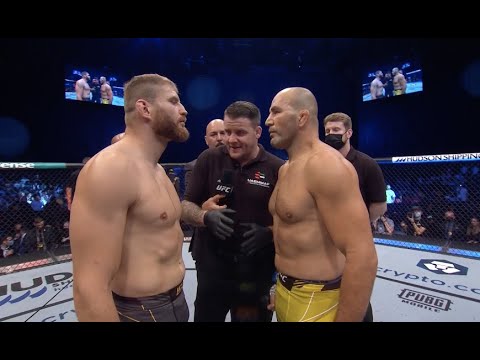
The electrifying clash between Glover Teixeira and Jan Blachowicz at UFC 275 was more than just a title fight; it was a brutal, beautiful ballet of combat, a testament to the enduring spirit of the martial arts. For those seeking to understand the apex of striking and grappling integration in modern MMA, this bout offers a profound lesson. It’s a narrative of perseverance, strategy, and the unyielding will of a warrior finally claiming his destiny.
As a Sensei who has dedicated a lifetime to dissecting the nuances of combat and its representation, I see in this fight echoes of ancient principles applied on the grandest stage. The journey of Glover Teixeira, a man who clawed his way through the ranks for years, finally capturing the UFC Light Heavyweight Championship against a formidable champion like Blachowicz, is an inspiration that transcends mere sport. This isn't just about punches and kicks; it's about the embodiment of *ganbaru* (perseverance) and *reigi* (proper conduct and respect) even in the heat of battle.
Welcome, seekers of the martial way, to a deep dive into what made this fight a modern classic. We will dissect the techniques, the strategies, and the underlying philosophies that made this championship bout a true spectacle.
The narrative leading up to UFC 275 was ripe with anticipation. Jan Blachowicz, the "Polish Power," had carved a path of destruction, showcasing devastating striking and a surprisingly robust ground game. He had ascended to the pinnacle, defending his title with brutal efficiency. Standing across from him was Glover Teixeira, a veteran whose career was a testament to his unwavering dedication. For years, Teixeira had been a contender, a perennial threat, but the championship belt had eluded him. His path was paved with wars, with setbacks, and with an almost mythical resilience.
The bout itself was scheduled for UFC 275, a card stacked with exciting matchups. However, the main event held a special significance. It was the story of an old lion facing a dominant champion. This wasn't just about two fighters; it was about the culmination of decades of training, sacrifice, and an unshakeable belief in oneself.
"The outcome of a fight is determined long before the first bell rings. It is forged in the crucible of relentless training and unwavering self-belief." - Sensei's Observation
Strategic Breakdown: A Clash of Styles
From a martial arts perspective, this fight presented a fascinating dichotomy: Blachowicz, a master of Muay Thai and kickboxing fundamentals, known for his devastating leg kicks and powerful boxing combinations, versus Teixeira, a Brazilian Jiu-Jitsu black belt with a suffocating top game and surprisingly potent boxing.
Blachowicz's strategy was clear: keep the fight standing, utilize his reach advantage with sharp jabs and powerful hooks, and exploit Teixeira’s perceived weakness in striking defense. He aimed to land heavy shots, possibly securing a knockout that had become his signature. His movement was calculated, utilizing footwork to create angles and avoid the dangerous clinch of Teixeira.
Teixeira, on the other hand, understood that his path to victory lay in closing the distance, weathering the initial storm, and taking the fight to the ground. His game plan revolved around clinching, securing takedowns, and imposing his Brazilian Jiu-Jitsu **(BJJ)** dominance. Once on top, Teixeira is a master of control and submission, patiently working for chokes or incapacitating ground and pound.
The initial exchanges often saw Blachowicz dictating the pace with his superior striking. His leg kicks were punishing, and his boxing combinations were accurate. However, Teixeira, true to his warrior spirit, absorbed the damage, feinted, and looked for openings to initiate his grappling game. This dance between striking and grappling is the essence of modern MMA, a constant test of a fighter's complete skill set.
The Art of the Submission: Teixeira's Ground Game
When Teixeira managed to close the distance and initiate the clinch, the complexion of the fight began to shift dramatically. This is where Teixeira's deep understanding of Brazilian Jiu-Jitsu truly shone. He displayed incredible strength and technique in controlling Blachowicz against the cage, preventing him from using his striking effectively.
The key moment, as many recall, was Teixeira securing a takedown. Once the fight hit the mat, Teixeira’s presence was overwhelming. He moved with a fluidity and control that belied his age and the punishing pace of the fight. His ability to maintain top position, stifle Blachowicz's escape attempts, and transition into dominant positions was textbook.
The final submission, a rear-naked choke, was a masterclass in timing and technique. Teixeira saw the opening, secured the grip, and applied the pressure with a calm, deliberate precision. This wasn't a desperate scramble; it was the execution of a well-honed skill, the culmination of countless hours spent on the mats, drilling, and sparring. It reminded me of the philosophy of Judo founder Jigoro Kano, who emphasized using an opponent's energy against them – something Teixeira executed flawlessly.
Blachowicz's Striking Prowess: The Polish Power
While the ground game ultimately decided the bout, it would be a grave error to underestimate Jan Blachowicz’s striking ability. His reputation as a devastating striker was well-earned. His left hook was a weapon of mass destruction, and his jab was sharp and effective. He demonstrated excellent timing and power throughout the fight, landing significant blows that would have felled lesser fighters.
Blachowicz's proficiency in striking isn't just about raw power; it's rooted in solid kickboxing and Muay Thai fundamentals. He understood distance management and used feints effectively to set up his power shots. His leg kicks were particularly damaging, and at various points, they seemed to be slowing Teixeira down.
The challenge for Blachowicz was Teixeira's ability to absorb punishment and his relentless pursuit of the takedown. In MMA, an opponent who can effectively nullify your strongest weapon and impose their own is a nightmare matchup. Blachowicz fought bravely, but against a seasoned veteran like Teixeira, who had a clear game plan and the skills to execute it, neutralizing his striking dominance proved to be an insurmountable task.
The Mental Game: A Warrior's Mindset
Beyond the physical techniques, the most profound lesson from UFC 275, and particularly from Glover Teixeira's victory, is the power of the warrior's mindset. Teixeira’s journey is a powerful illustration of perseverance and self-improvement. He faced setbacks, losses, and the seemingly inevitable march of time that suggests a fighter's prime is past. Yet, he never gave up.
This mental fortitude is a core principle in all traditional martial arts. It’s the idea of *Mushin* (no-mind), the state of being free from distracting thoughts and emotions, allowing instinct and learned skill to take over. Teixeira displayed this when he weathered Blachowicz's early onslaught, and again when he patiently worked for the submission, never succumbing to frustration or doubt.
"The greatest victory is that which requires no battle." - Sun Tzu. While Teixeira did battle, his inner victory – his unwavering belief – was secured long before.
This mental toughness is something every practitioner, whether in the dojo or in life, must cultivate. It is the bedrock upon which all technical skill is built. The ability to push past perceived limits, to remain calm under pressure, and to maintain focus on the objective is what separates the good from the great. It's a concept deeply ingrained in the Budo philosophy – the way of the warrior.
Legacy of UFC 275: More Than Just a Fight
UFC 275, and specifically the main event between Teixeira and Blachowicz, etched itself into the annals of MMA history not just for the title change, but for the story it told. It was a victory for persistence, a testament to the fact that age is merely a number when dedication and skill are present. Glover Teixeira's win was an inspiration to countless aspiring martial artists who dream of reaching the pinnacle of their chosen discipline.
It showcased the evolution of MMA, where fighters must possess a complete arsenal of skills. The days of fighters being one-dimensional are long gone. Blachowicz, a formidable striker, was expertly countered by Teixeira’s elite grappling, demonstrating the complex interplay of different martial arts disciplines within the MMA framework.
This fight serves as a prime example for coaches and athletes alike, offering insights into strategic planning, in-fight adjustments, and the mental preparation required for championship-level competition. It underscores the importance of having a well-rounded game, capable of adapting to different styles and threats.
Training Essentials for Aspiring Grapplers and Strikers
To emulate the skills displayed at UFC 275, aspiring martial artists need a comprehensive training regimen. Here are some key areas to focus on:
Striking Fundamentals: Develop a strong foundation in boxing, Muay Thai, or kickboxing. Practice jab, cross, hook, and uppercut combinations. Master defensive techniques like slipping, blocking, and parrying. Work on power generation through proper hip rotation and footwork.
Grappling Techniques: For those aspiring to Teixeira's game, Brazilian Jiu-Jitsu is paramount. Focus on positional control (mount, side control, back control), submissions (chokes, armbars, leg locks), and takedowns. Develop strong defensive grappling as well, learning to escape bad positions.
Takedowns and Takedown Defense: Essential for bridging the gap between striking and grappling. Practice various takedowns like double-leg, single-leg, and trips. Equally important is learning to defend takedowns, maintaining your base and posture.
Clinch Work: The ability to control an opponent in the clinch is crucial for setting up takedowns or landing strikes. This involves controlling grips, creating frames, and using body weight effectively.
Cardiovascular Conditioning: Championship fights are grueling. Develop exceptional cardiovascular endurance through high-intensity interval training (HIIT), sparring, and long-distance running.
Strength and Conditioning: Build functional strength and explosive power. Focus on compound movements like squats, deadlifts, and overhead presses, alongside plyometrics and agility drills.
Sensei's Verdict: A Masterclass in Resilience
UFC 275’s main event was a brutal, beautiful, and ultimately inspiring display of martial arts mastery. Glover Teixeira’s journey to becoming the Light Heavyweight Champion against Jan Blachowicz wasn't just a victory; it was a profound statement on the enduring power of dedication, strategic intelligence, and an unbreakable warrior spirit. Blachowicz provided a stern challenge with his immense striking power, but Teixeira's masterful grappling, relentless pressure, and sheer force of will proved to be the deciding factors. This fight is a must-watch for anyone interested in the strategic depth and emotional narrative of modern combat sports. It’s a reminder that in the martial arts, as in life, perseverance often triumphs.
Sensei's Rating: 9.5/10 - A defining moment in MMA history, showcasing the peak of two distinct yet complementary martial arts disciplines.
Frequently Asked Questions
What martial arts styles were most prominent in the Teixeira vs. Blachowicz fight?
The primary styles showcased were Brazilian Jiu-Jitsu (BJJ) by Glover Teixeira and Muay Thai/Kickboxing by Jan Blachowicz. The fight exemplified the integration of these disciplines within Mixed Martial Arts (MMA).
Was Jan Blachowicz known for his striking or grappling?
Jan Blachowicz was renowned for his devastating striking power, particularly his boxing combinations and leg kicks, earning him the nickname "Polish Power." While he possessed a competent ground game, his striking was his primary offensive weapon.
How old was Glover Teixeira when he won the UFC Light Heavyweight Championship?
Glover Teixeira was 42 years old when he won the UFC Light Heavyweight Championship at UFC 275, making him one of the oldest fighters to achieve this feat.
What submission did Glover Teixeira use to defeat Jan Blachowicz?
Glover Teixeira defeated Jan Blachowicz via a rear-naked choke in the second round.
Did this fight inspire new training methods?
While the fight didn't invent new methods, it certainly highlighted the effectiveness of a well-rounded approach, emphasizing the need for fighters to excel in both striking and grappling disciplines. It reinforces the ongoing evolution of MMA training.
```
GEMINI_METADESC: Dive into the strategic breakdown of UFC 275: Teixeira vs. Blachowicz. A martial arts analysis of striking, grappling, and the warrior's mindset.
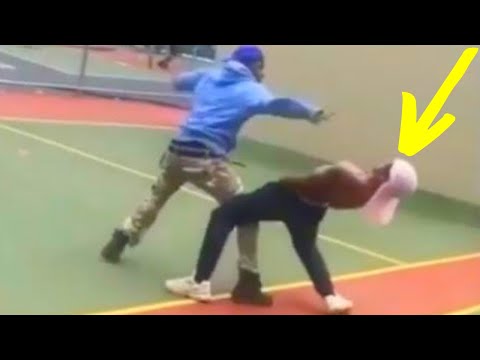
Greetings, fellow practitioners and enthusiasts of the warrior's path. Welcome to Budo and Martial Arts. Today, we delve into a phenomenon that sparks curiosity and debate in equal measure: the seemingly impossible speed and defensive prowess of an individual known as Trav. You've likely witnessed individuals with impressive reflexes, but Trav operates on an entirely different plane. He moves with such blinding velocity that landing a blow upon him appears an insurmountable task. He even extends a challenge to the public, daring them to connect. Our mission today is not merely to admire this spectacle, but to dissect the underlying principles and techniques that grant him this extraordinary defensive capability.
Trav is more than just a martial artist; he is a pragmatic self-defense instructor. His focus is not on the intricate katas or the competitive arena, but on equipping individuals with practical defensive maneuvers for real-world situations. In an era where the commitment to years of traditional martial arts training can be a barrier for many, Trav offers a direct path to acquiring vital defensive skills. His teaching is informed by rigorous training under esteemed figures in the combat sports world, including UFC champions like Bas Rutten, Frankie Edgar, and Eddie Alvarez. Trav emphasizes that he has taken the wealth of knowledge gained from these masters and meticulously refined it, distilling the most effective elements into accessible techniques. This approach acknowledges the modern reality that most individuals seek immediate applicability over lengthy academic study of combat.
"In real life, most people just don't want to spend 5 years learning martial arts. So, if somebody wants to learn defensive maneuvers, Trav teaches the perfect methods to do so."
Trav's commitment to practical defense is evident in his online presence, where he shares his insights and methodologies. His dedication to refining techniques for maximum efficiency is a testament to his understanding of the urgency often required in self-defense scenarios.
The Philosophy of Unhittability: Beyond Mere Speed
While Trav’s speed is undeniably the most striking aspect of his defensive repertoire, attributing his success solely to natural reflexes would be a profound oversight. True unhittability, a concept that resonates deeply within the philosophy of BUDO, transcends mere physical velocity. It is an integration of mental acuity, spatial awareness, and an almost intuitive understanding of an opponent's intentions.
The goal is not just to react faster, but to anticipate, to control distance, and to make the opponent's attack miss by removing the target. This aligns with principles found in various martial traditions, from the elusive footwork of Wing Chun to the strategic positioning in Kendo. It's about making yourself a difficult target, not by being static and fast, but by being dynamic and unpredictable. Trav embodies this by making his evasive movements appear effortless, almost as if he is dancing just out of reach.
This concept of making oneself unhittable is a form of preemptive defense, a principle that seeks to nullify an attack before it even lands. It requires immense discipline and constant practice, not just of physical movements, but of mental conditioning to remain calm under pressure.
Core Principles of Trav's Defense
Delving deeper into Trav's methods reveals several foundational principles that contribute to his exceptional defensive capability:
Distance Management: Trav masterfully controls the space between himself and his challenger. He understands the optimal ranges for attack and defense, constantly adjusting his position to keep his opponent outside their effective striking zone. This is a fundamental aspect of all striking arts, from Karate to Kickboxing, where controlling the "pocket" is paramount.
Anticipation and Reading the Opponent: Beyond reaction, Trav exhibits an uncanny ability to anticipate an incoming strike. This is cultivated through years of observation and practice, learning to read subtle body language, feints, and the intentions behind a movement. It's a form of Ki (energy/intent) awareness, a concept central to many Eastern martial arts.
Evasive Footwork and Body Movement: His footwork is fluid and economical, utilizing small, precise steps to evade rather than large, energy-consuming movements. This mirrors the efficient evasive techniques seen in Boxing and Muay Thai, where even a slight shift of weight or angle can cause a strike to whiz by harmlessly.
Minimal Effort, Maximum Effect: Trav's movements are not about brute force or exaggerated displays. They are about achieving the desired outcome—evasion—with the least amount of expenditure. This economy of motion is a hallmark of true mastery in any martial art, ensuring stamina and readiness for subsequent actions.
Psychological Warfare: By daring opponents and displaying such confidence, Trav introduces a psychological element. This can lead to rushed attacks, frustration, and errors from the challenger, further enhancing Trav's defensive advantage. It’s a tactic that has been employed by great fighters throughout history.
The combination of these elements creates a layered defense that is incredibly difficult to penetrate. It’s a testament to the idea that effective self-defense is not solely about power, but about intelligence, timing, and strategic positioning.
Essential Training Drills for Enhanced Reflexes
While Trav's natural talent is evident, his abilities are undoubtedly honed through dedicated practice. To cultivate similar levels of reflex and evasive capability, consider incorporating the following drills:
Reaction Ball Drills: Use a reaction ball (a multi-sided rubber ball) and bounce it against a wall. The unpredictable bounces force rapid adjustments and improve hand-eye coordination and reaction time.
Shadow Boxing with Evasion: Practice shadow boxing, but with a focus on constant, subtle evasion. Imagine an opponent attacking from various angles and practice slipping, bobbing, and weaving without breaking your rhythm.
Partner Drills with Light Contact: Engage a training partner for drills focusing on evasion. Start with very light, controlled strikes aimed at the head and body, where the goal is solely to evade. This builds timing and spatial awareness.
Vision Training Exercises: There are specific exercises to improve peripheral vision and visual processing speed. These can include tracking moving objects with your eyes without moving your head, or exercises designed to improve focus.
Sparring with Defensive Emphasis: During sparring sessions, consciously prioritize defense. Focus on not getting hit, rather than landing strikes. This shifts your mindset and trains your defensive instincts under pressure. This is crucial for any martial art, from MMA to traditional Karate.
These drills, when practiced consistently, can significantly improve your ability to react and evade, moving you closer to the level of defensive mastery. Remember, consistent training is the bedrock of progress in any martial endeavor, be it Karate, Judo, or BJJ.
Equipment for Your Defensive Training
While defense is primarily about skill and timing, certain equipment can enhance your training and safety:
Reaction Balls: As mentioned, these are inexpensive and highly effective for improving hand-eye coordination and reaction speed.
Speed Bag: Excellent for developing rhythm, timing, and shoulder endurance, which indirectly aids in the rapid movements required for evasion.
Focus Mitts and Thai Pads: Essential for partner drills. They allow for controlled striking practice and reactive defense training, ensuring both partners can train safely and effectively.
Durable Training Shoes: Good footwear provides stability and grip, crucial for the dynamic footwork required for evasive maneuvers. Look for shoes designed for agility sports.
Protective Gear (for Sparring): When progressing to sparring, ensure you have appropriate headgear, mouthguards, and gloves (if applicable to your art) to minimize the risk of injury.
Investing in the right training gear is an investment in your development. For those serious about martial arts and self-defense, consider browsing for quality Karate gloves or durable Judo gis from reputable retailers.
Veredict of the Sensei: A Masterclass in Evasion?
Trav’s demonstration of near-perfect evasion is, without question, remarkable. He embodies a crucial principle often overlooked in the pursuit of offensive power: the ultimate defense is to not be hit at all. His methods, honed through practical experience and refined from high-level combat sports training, offer a compelling case for the efficacy of intelligent evasion over brute force.
While some might question the practicality of "unhittability" in a chaotic, unpredictable encounter, Trav's approach highlights the importance of situational awareness, distance control, and preemptive movement. He doesn't merely dodge; he dictates the engagement, making his opponent dance to his tune. This is a valuable lesson for practitioners of any discipline, from Kyokushin Karate to the most intense MMA bouts.
Is Trav’s skill truly "unhittable"? In the absolute sense, perhaps not. But his mastery of evasion is so profound that it borders on the supernatural. He has achieved a level of defensive proficiency that serves as an inspiration and a subject of study for anyone serious about martial arts and self-defense. He teaches us that sometimes, the most powerful strike is the one that never lands.
Cinturón Negro en Evasión y Defensa Estratégica.
FAQ
What is Trav's primary focus in teaching self-defense?
Trav specializes in teaching practical, efficient defensive maneuvers that can be learned and applied without years of traditional martial arts training. His goal is to equip individuals with actionable skills for real-world situations.
Who trained Trav?
Trav received training from renowned UFC champions, including Bas Rutten, Frankie Edgar, and Eddie Alvarez.
Is Trav's speed purely natural talent?
While natural aptitude likely plays a role, Trav's extraordinary reflexes and defensive skills are heavily attributed to dedicated training, rigorous practice, and the refinement of techniques learned from elite fighters.
Does Trav teach traditional martial arts?
No, Trav's focus is specifically on self-defense techniques, modified for practical application rather than traditional martial arts curricula.
Can anyone learn to be as evasive as Trav?
While achieving Trav's exact level may be exceptionally difficult, his methods and principles can significantly enhance anyone's defensive capabilities through dedicated practice and focused training.
Further Exploration on Your Path
To continue your journey in understanding the nuances of martial arts and combat, explore these related topics:
Trav has shown us a glimpse of what it means to be a difficult target. But is evasiveness the ultimate goal, or is it a tool to create opportunities for control and counter-attack? When facing an opponent, is your primary focus on not getting hit, or on controlling the fight's rhythm and outcome? Consider this: if you could render your opponent's strongest attack useless, what would you do with the advantage gained? Ponder this deeply, and share your thoughts on how this philosophy applies to your own training.
```
GEMINI_METADESC: Explore Trav's extraordinary defensive skills and how he achieves near-perfect evasion. Learn about the principles behind his unhittable style and how to train your own reflexes.
The octagon, a modern gladiatorial arena, often showcases more than just physical prowess. It reveals character, strategic depth, and the unyielding spirit forged through countless hours of arduous training. The rematch between Kamaru Usman and Colby Covington at UFC 268 was no mere fight; it was a brutal ballet of wills, a testament to the dedication required to reach the pinnacle of mixed martial arts. Many saw it as a continuation of their first encounter, a simple reprisal. But to the discerning eye, it was a profound lesson in adaptation, resilience, and the philosophical underpinnings of combat. Today, we dissect this pivotal bout, not just as fans, but as practitioners seeking to glean wisdom from the crucible of competition.
Echoes of the Past: Revisiting UFC 245
The narrative of Usman vs. Covington 2 cannot be told without acknowledging their first dance at UFC 245. There, Usman, the "Nigerian Nightmare," showcased his suffocating wrestling and powerful striking to secure a late TKO. Covington, known for his relentless pressure and potent jab, was felled by strikes after a gruelling five-round war. This initial encounter set the stage, establishing Usman's dominance and Covington's tenacity. However, the MMA landscape is ever-evolving. Fighters learn, they adapt, and they return hungrier. Did Covington truly grow from his defeat, or was Usman’s victory a mere prelude to a more definitive statement? This rematch demanded a deeper examination of their growth.
"When you are at the peak of your power, do not forget the lessons of humility. When you are at the bottom, do not forget the strength within you." - A principle I often impart to my students.
The Tactical Chessboard: Usman's Adaptations
Usman, the reigning welterweight king, is a master of strategic execution. In the lead-up to UFC 268, the question wasn't *if* he had improved, but *how* he had evolved to counter Covington's predictable yet effective style. We saw Usman sharpen his striking, particularly his right hand, which became a decisive weapon. His jab, once a secondary tool, evolved into a powerful range-finder and damage-dealer. More importantly, his defensive wrestling, already formidable, seemed even more impregnable. This wasn't just about muscle memory; it was about intelligent application of learned skills under pressure. He didn't just fight; he *managed* the fight, dictating pace and distance with the precision of a surgeon. This showcases the importance of continuous learning in any discipline, a core tenet of the BUDO.
The 'Chaos' Factor: Covington's Unwavering Pursuit
Colby Covington, the self-proclaimed "King of C***-Blockers," embodies a relentless, almost desperate, pursuit of victory. His strategy is often a high-octane blitz, overwhelming opponents with volume and pressure. At UFC 268, "Chaos" came with a renewed focus, aiming to nullify Usman's wrestling and impose his own brand of attrition. We witnessed him landing significant strikes, particularly his low kicks, and attempting takedowns with fierce determination. Yet, his unwavering aggression, while admirable, also left openings. In the brutal calculus of combat, every move has a consequence. Was Covington’s predictable chaos enough to overcome Usman’s measured storm, or was it a tactical gamble that ultimately backfired? His persona, while controversial, speaks to a fierce will to win, a quality that resonates even if the methods are divisive. It highlights the intersection of mental game and physical execution.
The Ground Game: A Study in Dominance
While the striking exchanges often steal the spotlight, the grappling within this bout was a masterclass in control. Usman's ability to consistently defend takedowns, and more critically, to reverse or nullify Covington's attempts, was a significant factor. When the fight did hit the mat, Usman's positional dominance was evident. He didn't just wrestle; he applied suffocating pressure, grinding down his opponent. This isn't the flashy submission art of BJJ, but the gritty, control-oriented wrestling that often defines championship-level grappling in MMA. It’s a stark reminder that in combat, control is paramount, a concept central to many martial arts, including Judo and lucha.
Striking Nuances: The Art of the Clinch and Cage Control
The striking war was not one of wild exchanges, but a strategic battle fought at close range. Both fighters are adept at utilizing the cage, trapping opponents and delivering damaging blows. Usman's jab served as a constant deterrent, while his powerful right hand found its mark on multiple occasions. Covington, though technically sound, struggled to find a consistent rhythm against Usman's defensive shell and counter-striking. The clinch work was particularly telling, with Usman often demonstrating superior control and better ability to land short, impactful strikes. This illustrates that striking is not merely about power, but about timing, distance, and the ability to adapt to an opponent's reactions – a key takeaway for any aspiring Martial Artists.
Mental Warfare: The Unseen Battlefield
Beyond the physical, this fight was a profound psychological battle. Usman, known for his calm demeanor, exuded an aura of unshakable confidence. He absorbed Covington's verbal barbs and continued to execute his game plan. Covington, conversely, relied on his "Chaos" persona to try and disrupt Usman's focus. However, in the intense pressure cooker of an octagon, especially in a high-stakes rematch, mental fortitude often separates the victor from the vanquished. Usman's ability to remain composed under fire, to stick to his strategy even when absorbing punishment, is a testament to his mental discipline, a cornerstone of Warrior Philosophy. This echoes the teachings of true Self-Mastery.
Veredicto del Sensei: Is it a Masterpiece or a Misfire?
At UFC 268, Kamaru Usman and Colby Covington delivered a compelling rematch that, while perhaps not reaching the same explosive heights as their first encounter, showcased a deeper strategic layer. Usman's victory by unanimous decision was a demonstration of his growth as a fighter – his striking more varied, his defense more impenetrable, and his mental game rock-solid. Covington, to his credit, pushed Usman to his absolute limit, showcasing his characteristic grit and resilience. However, in this particular contest, Usman's calculated approach and superior execution ultimately proved decisive.
**Sensei's Verdict:**
Kamaru Usman's performance was a **masterclass in championship defense**. He adapted, he endured, and he executed. Covington fought with the heart of a lion, but the lion king of the welterweight division remained firmly on his throne. This fight earns a **"Cinturón Negro en Estrategia y Resiliencia"** for Usman, and a hard-fought recognition for Covington's unwavering spirit. It’s a fight that exemplifies the highest levels of the sport, a true test of skill and will.
Essential Gear for Your Training
To emulate the dedication and precision seen in the octagon, proper training gear is paramount. Whether you are striking, grappling, or conditioning, having the right equipment not only enhances performance but also prevents injuries. For those looking to engage in striking drills or even light sparring, consider investing in:
Quality Boxing Gloves: For striking drills, gloves ranging from 10-16oz offer good hand protection and allow for pad work.
Shin Guards: Essential for kickboxing and Muay Thai training to protect against impact from kicks.
Mouthguard: Non-negotiable for any contact training or sparring to protect your teeth and jaw.
Durable Workout Apparel: Comfortable and breathable clothing is key for unrestricted movement during intense AtHomeWorkout sessions or gym training.
Weightlifting Shoes: If your training involves significant weightlifting and explosive movements, these can provide crucial stability.
For grapplers looking to refine their Grappling techniques, a high-quality Judo or BJJ Gi is essential. Look for durable fabrics that can withstand rigorous training.
Training Drills: Sharpening Your Defense and Offense
Emulating the skills displayed by Usman and Covington requires dedicated practice. Here’s a breakdown of drills you can incorporate into your routine:
Defensive Wrestling Drills:
Sprawl Practice: Set up a dummy or have a partner practice shooting for takedowns. As they shoot, explode into a sprawl to defend. Focus on quick hip movement and driving your hips down.
Underhook and Overhook Control: In a clinch, practice fighting for dominant underhooks and overhooks. Work on maintaining head position and preventing your opponent from establishing control.
Striking Combinations with Cage Control:
Jab-Cross-Low Kick: From a stance, throw a stiff jab, follow with a straight cross, and finish with a powerful low kick. Practice this while moving along an imaginary cage, using the wall for support or to trap an opponent.
Clinch Striking: Practice knee strikes and short uppercuts from the clinch. Focus on controlling your opponent's posture and driving your knees into the body or head.
Conditioning for Intensity:
High-Intensity Interval Training (HIIT): Perform rounds of intense bursts (e.g., 30 seconds of burpees or shadow boxing) followed by short rest periods (15-30 seconds). This mimics the explosive demands of a fight.
Sled Pushes/Pulls: Utilize a weighted sled for pushing or pulling exercises to build explosive leg strength and conditioning, crucial for takedown defense and offensive bursts.
Remember, consistency is key. Incorporate these drills regularly to see tangible improvements in your Agility, Fuerza, and Resistencia.
Frequently Asked Questions
What was the outcome of the Kamaru Usman vs. Colby Covington 2 fight?
Kamaru Usman defeated Colby Covington via unanimous decision at UFC 268, defending his welterweight championship.
What makes Kamaru Usman a difficult opponent?
Usman's primary strengths lie in his exceptional wrestling, powerful striking, incredible fight IQ, and suffocating pressure. His defensive capabilities are among the best in the sport.
Did Colby Covington show improvement from their first fight?
Yes, Covington displayed a more disciplined approach and landed significant strikes and takedown attempts, pushing Usman harder than in their first encounter. However, it wasn't enough to overcome Usman's championship-level performance.
How important is mental fortitude in MMA?
Mental fortitude is crucial. It allows fighters to overcome adversity, stick to their game plan under pressure, and perform at their peak even when fatigued or hurt. Usman's composure exemplifies this.
What is the significance of cage control in MMA?
Cage control is vital for dictating the pace and location of the fight, limiting an opponent's movement, setting up strikes, and executing takedowns or defensive maneuvers.
We have dissected a bout that transcends mere athleticism, revealing the profound interplay of strategy, will, and discipline. Usman's reign is built not just on physical gifts, but on an unyielding commitment to mastery. Covington’s relentless pursuit, though falling short, is a powerful statement of never-give-up spirit. Now, I ask you: In the face of seemingly insurmountable challenges in your own life, where do you find your strength? Is it in a calculated strategy, a desperate surge of will, or a deep well of internal fortitude? Reflect on this, and let it guide your next movement, both on and off the mats.
GEMINI_METADESC: A martial arts master's in-depth analysis of Kamaru Usman vs. Colby Covington 2 at UFC 268. Explore strategy, mental fortitude, and lessons for practitioners.
Ah, UFC 284. A card that promised a clash of titans, a true test of champions from different realms of combat. Many see it as a simple boxing match with kicks, but as any seasoned practitioner of the traditional martial ways knows, there's a universe of philosophy and technique beneath the surface of modern combat sports. Today, we dissect this pivotal event not just as fans of the octagon, but as students of the warrior's path. Was this merely a display of brute force, or did we witness the embodiment of true martial principles? Let us delve deep.
The Clash of Styles: Dagestani Power vs. The People's Champion
Islam Makhachev, the heir apparent to Khabib Nurmagomedov's legacy, represents the relentless, suffocating pressure of Dagestani wrestling. His base is Sambo and wrestling, arts that prioritize control, leverage, and the crushing weight of positional dominance. His strikes, while effective and improving, are often tools to set up his grappling – a pathway to ground control where he is a master predator. His ki, his inner energy, seems to flow with the unwavering force of a mountain river.
On the other side stood Alexander Volkanovski, the undisputed king of the UFC Featherweight division. A former rugby player, Volkanovski brings a unique blend of power, exceptional footwork, and a deep understanding of striking dynamics. His background in kickboxing and wrestling provides a well-rounded base, but it's his fight IQ, his ability to adapt mid-bout, and his sheer grit that set him apart. He is the embodiment of fighting smart, not just hard.
The initial intrigue surrounding this fight was immense: could Volkanovski's masterful striking and defensive wrestling nullify Makhachev's suffocating top-game? Or would Makhachev simply impose his will, drag the fight to the mat, and secure another dominant victory? This wasn't just a #battle; it was a strategic chess match played out with human bodies.
Technical Breakdown: Makhachev's Ground Game and Volkanovski's Resilience
From the opening bell, the intention was clear. Makhachev sought to close the distance, to initiate the clinch and work towards a takedown. Volkanovski, conversely, used his excellent head movement and lateral movement to keep the center of the octagon and pepper Makhachev with strikes. The early rounds showcased Volkanovski's exceptional defense against the takedown. He demonstrated an understanding of leverage and balance that surprised many, stuffing Makhachev's initial attempts with impressive technique.
However, the relentless pressure of Makhachev is something few can withstand indefinitely. In the championship rounds, Makhachev began to find success. His trips and sweeps became more potent, and he managed to secure crucial takedowns. Once on the ground, Makhachev was, as expected, a master of control. He pinned Volkanovski, worked for submissions, and minimized Volkanovski's ability to create space or launch effective counter-offensives. The skill on display was a testament to countless hours of #entrenamiento.
"In a real fight, the simplicity of movement, the economy of motion, is paramount. Makhachev’s grappling, though complex in its execution, stems from fundamentally simple principles of leverage and control, honed to absolute perfection."
What truly impressed, however, was Volkanovski's indomitable spirit. Even when taken down, controlled, and rocked in the later rounds, he refused to yield. His ability to survive dangerous positions and even threaten with submissions from his back showed a level of heart and resilience that transcends mere athletic prowess. This is the **spirit of the warrior**, the refusal to quit even when facing overwhelming odds. It’s this intangible quality that often defines true martial artists, regardless of their style.
Beyond the Octagon: What UFC 284 Teaches Us About True Martial Arts
The debate often arises: are modern MMA fighters true martial artists? In the context of UFC 284, I would argue yes, with caveats. Makhachev displays the dedication, discipline, and mastery of a specific combat system that is the hallmark of traditional arts. His pursuit of ground dominance mirrors the relentless pursuit of technique found in Judo or BJJ. His focus is unwavering, a pure manifestation of the Budo spirit.
Volkanovski, on the other hand, showcases the adaptability and strategic thinking that is crucial in any combative scenario. His ability to learn, adjust, and overcome challenges mid-fight speaks volumes about his martial mind. He embodies the principle of "Shuhari" – Shu (protect, follow), Ha (break, detach), Ri (transcend) – by mastering the fundamentals and then adapting them to his unique circumstances.
Yet, we must also consider what might be lost. The ritual, the philosophical depth, the emphasis on character development that permeates traditional martial arts like Karate or Aikido, are often secondary in the high-stakes world of professional MMA. The ki cultivated in traditional arts, focusing on internal harmony and connection, is channeled differently. Here, it’s about raw power, conditioning, and strategic application for victory. But does that negate their martial status? No. It simply highlights the diverse paths one can take on the journey of the warrior.
This fight reminds us that while the goal of self-defense or self-mastery might be shared, the methods and emphasis can differ vastly. It’s a testament to the evolution of combat and the human drive to push boundaries. The pursuit of excellence, however, remains constant, whether one is perfecting a kata or executing a submission.
Applying the Lessons: How to Integrate UFC 284 Insights into Your Training
For those who train in striking arts like Karate or Kickboxing, Volkanovski offers invaluable lessons in distance management, footwork, and defensive strategies against grappling. His ability to stay upright against Makhachev's onslaught is a masterclass in itself. Incorporate drills that focus on:
Lateral movement and head movement: Practice slipping punches and moving offline to avoid clinches.
Takedown defense: Work on sprawls, knee-to-chest defense, and fighting grips in the clinch.
Counter-striking: Develop the ability to land strikes while the opponent is initiating their offense.
For those focused on grappling arts like Judo, BJJ, or Sambo, Makhachev provides a living example of pressure, control, and submission hunting. His relentless pursuit of dominant positions is a blueprint for success on the ground. Focus on:
Clinch control: Learn to secure body locks, underhooks, and overhooks to dictate position.
Takedown execution: Refine your entries for single-leg, double-leg, and trip variations.
Ground and pound / positional dominance: Understand how to maintain top position, advance to better control, and set up submissions or strikes.
Crucially, both fighters exemplify the importance of **mental fortitude**. The ability to push through fatigue, to remain composed under pressure, and to never give up is perhaps the most vital lesson. This can be trained through intense sparring sessions, physical conditioning that tests your limits, and focused meditation or mindfulness practices to build inner strength.
Veredicto del Sensei: Did UFC 284 Uphold the Martial Spirit?
UFC 284 was a spectacle of elite athleticism and strategic combat. Islam Makhachev’s victory was a testament to the power and efficacy of his chosen martial path, while Alexander Volkanovski’s performance showcased the resilience and adaptability that define a true warrior. Did it uphold the martial spirit? Yes, but in a modern context. It demonstrated the evolution of combat, where specialization and cross-training have created a new breed of martial artist. It highlighted that while traditional arts may offer a deeper philosophical foundation, the relentless pursuit of victory and mastery in any arena requires discipline, courage, and an unwavering will to fight. It was a battle that left us with much to contemplate about the enduring nature of the combative spirit.
Cinturón Negro en Resiliencia y Adaptación
Equipo Esencial para tu Entrenamiento
To truly emulate the dedication shown by these athletes, having the right equipment is crucial. For striking training, consider:
Boxing Gloves: High-quality 16oz gloves for sparring are essential for safety and effective pad work.
Shin Guards: Protect yourself and your training partners during kick drills.
Mouthguard: Non-negotiable for any sparring to protect your teeth and jaw.
For grappling, you'll need:
BJJ Gi or Judo Gi: A durable, double-weave gi is recommended for longevity and proper grip training. Look for brands known for their reinforced stitching.
Wrestling Shoes: Lightweight and offering good traction for mat work.
Investing in good **martial arts merchandise** not only protects you but also signifies your commitment to your training.
Preguntas Frecuentes
¿Quién ganó la pelea principal de UFC 284?
Islam Makhachev ganó la pelea principal contra Alexander Volkanovski por decisión unánime.
¿Fue la pelea tan emocionante como se esperaba?
Sí, la pelea fue extremadamente reñida y considerada por muchos como una de las mejores peleas por el título de peso pluma en la historia de la UFC, yendo a decisión dividida.
¿Qué arte marcial practica principalmente Islam Makhachev?
Islam Makhachev practica Sambo y lucha, con un fuerte énfasis en el grappling y el control en el suelo.
¿Qué arte marcial practica principalmente Alexander Volkanovski?
Alexander Volkanovski tiene un trasfondo en kickboxing y lucha, con un estilo bien redondeado que combina golpes efectivos y defensa contra derribos.
¿Representa esta pelea la culminación del Budo moderno?
Representa una faceta del Budo moderno, enfocada en la competencia y la efectividad en un entorno específico. El Budo tradicional a menudo abarca aspectos filosóficos y de desarrollo personal más amplios.
Para Profundizar en tu Camino
La Filosofía del Budo: Explora los principios éticos y morales detrás de las artes marciales tradicionales.
Entrenamiento de MMA: Consejos prácticos y análisis de técnicas para luchadores de artes marciales mixtas.
El Espíritu del Karate: Descubre la historia, las técnicas y la filosofía del Karate tradicional.
This MMA news update was published at February 16, 2023. Support us: Subscribe, Comment, Like and Share. Thanks for watching... hello and welcome to Budo and Martial Arts.
Reflexión del Sensei: Tu Próximo Paso
Makhachev's suffocating pressure, Volkanovski's tenacious defense – two philosophies of combat laid bare. But in the quiet moments after the roar of the crowd subsides, what truly endures? Is it the victory, the technique, or the spirit with which the challenge was met? Consider this: When you face your own 'octagon' – be it a sparring match, a difficult task, or a moment of personal doubt – what will be your guiding principle? Will you impose your will like the mountain, or adapt and overcome like the flowing river? And more importantly, how will you cultivate the inner strength, the ki, to stand firm and fight with honor, regardless of the outcome?