Showing posts sorted by relevance for query kendo. Sort by date Show all posts

El Legado del Bushido: Reflexiones sobre el Camino del Samurai y el Kendo

El Resurgir del Guerrero Interior

Bienvenidos, aspirantes a la maestría marcial y buscadores de la verdad en el fragor del combate. Hoy, en este santuario digital de Budo y Artes Marciales, no nos limitaremos a reseñar un documental; desentrañaremos la esencia misma de lo que significa ser un guerrero en el siglo XXI. El llamado "El camino del Samurai", más allá de ser una mera obra audiovisual, es un portal a una mentalidad, a un código de ética y a una disciplina que resuenan con una fuerza impactante incluso en nuestras vidas modernas. ¿Estamos realmente preparados para encarnar el espíritu de los legendarios guerreros del Sol Naciente? ¿O hemos dejado que la complacencia diluya los cimientos de nuestro propio "dojo" interno?

El Bushido y el Kendo: Más Allá del Acero

El corazón de la cultura samurái latía al compás del **Bushido**, el "camino del guerrero". Este no era un mero conjunto de reglas, sino un contrato vital, un pacto de honor, lealtad y autodisciplina que guiaba cada acción. En la época feudal, el **Kendo**, la esgrima japonesa, era una manifestación tangible de estos principios. Hoy, aunque las katanas hayan sido reemplazadas por shinai y las armaduras por bogu, la esencia del Kendo perdura. Este arte, a menudo malinterpretado como un simple deporte de combate, es en realidad un riguroso entrenamiento físico y mental, un espejo donde el practicante se enfrenta a sus propias debilidades. El documental, si ha logrado capturar su esencia, nos mostrará cómo la práctica del Kendo trasciende el duelo físico para convertirse en una profunda meditación en movimiento.
"La disciplina es la madre de todos los éxitos." - Anónimo del Budo
El Kendo exige una concentración inquebrantable, una precisión milimétrica y una resiliencia férrea. Cada golpe, cada parada, cada movimiento es una lección de vida. ¿Pero está esta disciplina arraigada en el espíritu de quienes hoy empuñan un shinai? O, peor aún, ¿lo está en aquellos que se autodenominan artistas marciales sin haber comprendido nunca la profundidad de este concepto?

La Piedra Angular del Guerrero

El documental seguramente enfatiza, y con razón, la importancia capital del **respeto** en el Bushido y, por extensión, en cualquier disciplina marcial genuina. El respeto no es servilismo; es el reconocimiento mutuo de la humanidad, del esfuerzo y del camino compartido. Un practicante de Kendo, un Karateka, un Judoista, un luchador de **MMA** o un **BJJ**er, que no respeta a su oponente, a su sensei, a sus compañeros de dojo, o incluso a sí mismo, ha fallado en comprender el verdadero significado de las artes marciales. El respeto es el cimiento sobre el cual se construye la confianza, la camaradería y, en última instancia, la efectividad en cualquier forma de **combate**.
"El respeto se gana, no se exige." - Maestro Anónimo
A menudo vemos en foros de **artes marciales** o en las propias competiciones, comportamientos que distan mucho de este ideal. ¿Estamos ante una generación perdida que confunde la agresividad con la fuerza, o la arrogancia con la confianza? El camino del guerrero es un sendero de humildad y crecimiento constante.

El Kendo: Un Espejo del Alma

La práctica del Kendo es un ejercicio integral. No se trata solo de la potencia de un **golpe** o la agilidad de un movimiento. Se trata de: * **Concentración**: Mantener la mente enfocada en el presente, sin divagaciones, analizando cada instante del combate. * **Disciplina**: Seguir un régimen de entrenamiento estricto, respetar las reglas y la jerarquía, y superar la fatiga y el dolor. * **Perseverancia**: No rendirse ante la dificultad, aprender de las derrotas y seguir adelante con determinación inquebrantable. * **Inteligencia Táctica**: Comprender las estrategias, anticipar los movimientos del oponente y adaptar la propia técnica. * **Espíritu**: Cultivar el coraje, la calma bajo presión y la voluntad de luchar hasta el final. El documental "El camino del Samurai" tiene la oportunidad de mostrar cómo estas cualidades, forjadas en el calor de la práctica del Kendo, son directamente aplicables a los desafíos de la vida cotidiana y a las situaciones de **lucha** o **combate en la calle**. Un guerrero no solo es habilidoso con su arma; es un individuo íntegro, preparado para enfrentar cualquier adversidad. ¿Vemos esto reflejado en el contenido que presenta el documental?

Veredicto del Sensei: ¿Un Documental para el Budoka Moderno?

Si el documental "El camino del Samurai" logra transmitir la profundidad del **Bushido** y la filosofía detrás del **Kendo**, ofreciendo no solo imágenes de combate sino un análisis de los principios subyacentes, entonces su valor es incalculable. Un verdadero documental marcial no solo entretiene; educa, inspira y desafía al espectador a mirar más allá de la superficie. **Calificación:** Cinturón Negro en Filosofía Marcial. Aun así, la clave está en la ejecución. ¿Muestra la disciplina real, o solo la estética del combate? ¿Profundiza en el **ki** y la conexión mente-cuerpo, o se queda en la coreografía? Si la respuesta es positiva, entonces este documental merece ser visto y discutido por toda la comunidad de **artes marciales**. Si es meramente superficial, será solo otro espectáculo vacío.

Equipo Esencial para tu Entrenamiento

Si la inspiración del documental te ha llamado a explorar el camino del guerrero, el Kendo es una excelente opción. Aquí tienes una lista del equipo básico para empezar:
  • Shinai: La espada de bambú utilizada en Kendo.
  • Bogu: El conjunto de armadura protectora (casco con rejilla -men-, protectores de pecho -do-, guantes -kote-, y protector de cadera y abdomen -tare-).
  • Hakama y Gi: El uniforme tradicional de Kendo.
  • Zori o Zapatillas de Dojo: Calzado adecuado para moverte en el tatami.
Un buen **kimono de Judo** o un **gi de Karate** de alta calidad, o incluso equipamiento específico para **entrenamiento de MMA**, son también inversiones valiosas para cualquier practicante serio de **artes marciales**.

Guía de Entrenamiento: Fundamentos del Kendo

Para aquellos que deseen iniciarse en la práctica del Kendo, aquí hay unos pasos fundamentales a considerar, siempre bajo la guía de un instructor cualificado:
  1. Postura Básica (Kamae): Adopta una postura equilibrada y estable. La posición de pies (ashisabaki) y la alineación del cuerpo son cruciales.
  2. Movimiento de Pies (Ashisabaki): Practica deslizar los pies (suriashi) para mantener un centro de gravedad bajo y permitir movimientos rápidos y fluidos.
  3. Agarre del Shinai: Aprende el agarre correcto para tener control y potencia en tus golpes.
  4. Golpe Básico (Suburi): Comienza con la práctica de golpes básicos al aire (suburi), enfocándote en la técnica correcta, la rotación del cuerpo y el impacto del golpe (kiai). Los golpes principales son Shomen (golpe frontal a la cabeza), Kote (golpe a la muñeca) y Do (golpe al torso).
  5. Ataque y Defensa: Con un compañero (idealmente bajo supervisión), comienza a practicar secuencias de ataque y defensa, aprendiendo a anticipar y reaccionar.
  6. Mentalidad (Kokoro): Integra la concentración y el espíritu de lucha en cada movimiento.
Este es solo el inicio. La profundidad del Kendo, al igual que la de **Karate Kyokushin** o el **Judo**, requiere años de dedicación.

Preguntas Frecuentes

  • ¿Qué es el Bushido?

    El Bushido es el código ético y de conducta seguido por los samuráis japoneses, centrado en virtudes como la lealtad, el honor, la autodisciplina, el coraje y el respeto.
  • ¿Es el Kendo un arte marcial peligroso?

    Cuando se practica correctamente y con el equipo de protección adecuado (bogu), el Kendo es un arte marcial seguro. El peligro reside en la negligencia o la falta de respeto.
  • ¿Qué valores del Bushido son más importantes hoy en día?

    La lealtad, el coraje, la autodisciplina y el respeto siguen siendo fundamentales para el desarrollo personal y profesional en cualquier ámbito de la vida moderna.
  • ¿Puedo practicar Kendo sin experiencia previa en artes marciales?

    Sí, el Kendo es un arte marcial accesible para principiantes. Un buen dojo te guiará desde los fundamentos.
  • ¿Qué relación tiene el Kendo con otros estilos de Karate o Judo?

    Aunque cada arte tiene sus técnicas específicas, comparten la filosofía del Budo: disciplina, respeto, superación personal y desarrollo integral del individuo. El enfoque del Kendo en el uso de la espada (tradicionalmente) y su énfasis en el golpe preciso lo distinguen.

Para Profundizar en tu Camino

Te invito a explorar otros aspectos del Budo y las artes marciales que complementan la filosofía samurái:

Reflexión del Sensei: Tu Próximo Paso

Hemos explorado la profundidad del **Bushido**, la disciplina del **Kendo**, y la universalidad del **respeto** y la **perseverancia**. El documental "El camino del Samurai", si es fiel a su espíritu, nos desafía a no ser meros espectadores de la historia, sino protagonistas de nuestro propio camino marcial. Las virtudes de un guerrero no se limitan al campo de batalla o al tatami; son herramientas para forjar una vida de significado y propósito.

Reflexión del Sensei: Tu Próximo Paso

La vida moderna nos bombardea con distracciones y exigencias que a menudo nos alejan de nuestro centro. El **ki** que fluye a través de un golpe de Kendo, la precisión de un **lucha** en el suelo, la tenacidad de un **karateka** ante un kata complejo, todos comparten una raíz común: la conexión profunda entre mente, cuerpo y espíritu. Ahora te pregunto: ¿Estás viviendo tu vida con la disciplina y el honor de un guerrero samurái, o te dejas llevar por las corrientes del caos cotidiano? ¿Cuál es el **combate** más importante que debes ganar esta semana, y cómo el espíritu del Bushido te ayudará a hacerlo? Demuestra tu valor no solo en las palabras, sino en la acción que decidas empregar a partir de hoy. ``` ```json { "@context": "https://schema.org", "@type": "FAQPage", "mainEntity": [ { "@type": "Question", "name": "¿Qué es el Bushido?", "acceptedAnswer": { "@type": "Answer", "text": "El Bushido es el código ético y de conducta seguido por los samuráis japoneses, centrado en virtudes como la lealtad, el honor, la autodisciplina, el coraje y el respeto." } }, { "@type": "Question", "name": "¿Es el Kendo un arte marcial peligroso?", "acceptedAnswer": { "@type": "Answer", "text": "Cuando se practica correctamente y con el equipo de protección adecuado (bogu), el Kendo es un arte marcial seguro. El peligro reside en la negligencia o la falta de respeto." } }, { "@type": "Question", "name": "¿Qué valores del Bushido son más importantes hoy en día?", "acceptedAnswer": { "@type": "Answer", "text": "La lealtad, el coraje, la autodisciplina y el respeto siguen siendo fundamentales para el desarrollo personal y profesional en cualquier ámbito de la vida moderna." } }, { "@type": "Question", "name": "¿Puedo practicar Kendo sin experiencia previa en artes marciales?", "acceptedAnswer": { "@type": "Answer", "text": "Sí, el Kendo es un arte marcial accesible para principiantes. Un buen dojo te guiará desde los fundamentos." } }, { "@type": "Question", "name": "¿Qué relación tiene el Kendo con otros estilos de Karate o Judo?", "acceptedAnswer": { "@type": "Answer", "text": "Aunque cada arte tiene sus técnicas específicas, comparten la filosofía del Budo: disciplina, respeto, superación personal y desarrollo integral del individuo. El enfoque del Kendo en el uso de la espada (tradicionalmente) y su énfasis en el golpe preciso lo distinguen." } } ] }

Kendo's Silent Blade: Deconstructing the Tachi no Kata Kagami Biraki 2022

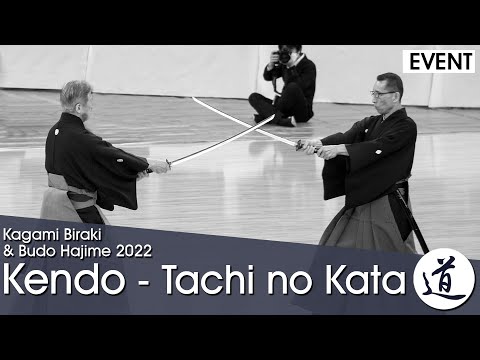
As a Sensei, I’ve witnessed countless demonstrations, each a fleeting glimpse into the profound depth of martial traditions. Yet, some moments resonate with an intensity that demands deeper analysis. The Kagami Biraki 2022 Kendo demonstration at the Nippon Budokan, featuring Toyomura Azumori and Kurita Waichiro, is one such moment. It’s not merely a display of swordsmanship; it’s a philosophical dialogue executed with steel, a testament to the enduring spirit of Budo. This isn't about flashy moves designed to entertain the masses, but about the meticulous execution of form, the embodiment of principles forged over centuries. Today, we delve into the essence of this demonstration, dissecting its technical brilliance and its spiritual significance, going far beyond what a casual viewer might perceive.

Table of Contents

The Sacred Dance: Kagami Biraki and Budo Hajime

The Kagami Biraki, or "opening the mirror," is far more than a simple New Year's tradition. It symbolizes a renewed clarity, a shedding of the old to embrace the new with a purified spirit. When this ceremony is intrinsically linked with Budo Hajime, the "first practice of the year," it elevates the act of training from a mere physical pursuit to a spiritual undertaking. The Nippon Budokan, a hallowed ground for Japanese martial arts, serves as the perfect stage for this convergence. Here, amidst the echoes of history, masters Toyomura Azumori and Kurita Waichiro, both Hanshi 8th Dan – the pinnacle of their respective arts – present the Tachi no Kata. This isn't just a demonstration; it's a living testament to the tradition, a visual sermon on the principles of Kendo. The absence of Oshiruko, the traditional sweet soup, due to sanitary concerns, highlights the adaptability of Budo in the face of modern challenges, a testament to its resilience and its focus on what truly matters.

Echoes of the Shogunate: The Genesis of Kagami Biraki

To truly appreciate the Kagami Biraki, one must understand its historical roots, deeply entwined with the feudal era of Japan. The Shogunate era was a time when martial prowess was not just a skill but a way of life, a defining characteristic of the samurai class. The "opening of the mirror" held symbolic significance, often tied to rituals that cleansed and renewed the spirit before embarking on new endeavors, much like a warrior preparing for battle or a leader for a new campaign. This historical context imbues the Budo Hajime with a weight that transcends mere physical exertion. It’s a recommitment to the warrior's path, a reaffirmation of the discipline, honor, and self-mastery that are the cornerstones of any true martial art. The reconstruction in armor during the ceremony is not a theatrical flourish; it’s a visceral reminder of the martial heritage that Budo seeks to preserve and perpetuate.

Tachi no Kata: A Masterclass in Long Sword Dynamics

The Tachi no Kata, demonstrating the use of the long sword (tachi), is a foundational element within Kendo. It's not about sparring; it's about the perfection of fundamental techniques, the embodiment of correct posture, movement, and striking. Toyomura Azumori and Kurita Waichiro, with their 8th Dan ranks, showcase a level of precision and control that is breathtaking. Observe their footwork: the *ashi sabaki*. It's not just about moving from point A to point B. Each step is economical, powerful, and balanced, generating momentum that flows seamlessly into the strike. Their posture is erect yet relaxed, a testament to years of dedicated training. The sword itself is an extension of their will. The cuts – *suburi* and the specific forms within the kata – are executed with a clear intent, a decisive spirit. One can discern the principles of *maai* (distance), *metsuke* (gaze), and *kiai* (spirit's cry, though often subtle in kata). The interaction between the two masters is a silent conversation, a dance of mutual respect and understanding. One advances, the other retreats or blocks, not out of fear, but out of a deep comprehension of the forms and the energy flow. This kata is a blueprint, a teaching tool that distills the essence of swordsmanship into its purest form. It's in these seemingly simple movements that the complexity and beauty of Kendo lie.
"The true swordsman does not fear the sword; he *is* the sword." - A principle often passed down through generations of Kendo masters.

The Spirit of the Sword: Mushin and Zanshin in Motion

Beyond the physical execution, the Tachi no Kata embodies profound philosophical concepts central to Budo. The concept of *Mushin* – "no mind" – is paramount. It's a state of un-self-consciousness, where the mind is free from distracting thoughts and emotions, allowing instinct and training to take over. In the flawless movements of Toyomura and Kurita, we see *Mushin* in action. Their actions are pure, unadulterated by doubt or hesitation. Equally crucial is *Zanshin*, the state of continuous awareness and readiness. Even after a strike is completed, the Kenshi must maintain their focus, aware of their surroundings and prepared for any eventuality. This is not just about the end of a sequence; it's about the perpetual state of alertness. In the demonstration, even as the swords are lowered, the masters' posture, their gaze, speaks volumes about their unwavering *Zanshin*. It’s a reminder that in the martial path, the learning and the vigilance never truly cease. This demonstration is a powerful argument against the notion that traditional martial arts are obsolete. The principles of focus, discipline, and spiritual development cultivated through forms like the Tachi no Kata are timeless and transferable to any arena of life, be it a modern MMA bout or the challenges of daily existence.

Veredict of the Sensei: More Than Just a Sword Fight

The Kagami Biraki 2022 Kendo demonstration by Toyomura Azumori and Kurita Waichiro is a profound exhibition of martial artistry. It’s a masterclass in the execution of the Tachi no Kata, showcasing not only technical perfection but also the deep philosophical underpinnings of Kendo. **Technical Proficiency**: 10/10 – The precision, balance, and power displayed by both Hanshi are exemplary. Every movement is deliberate and imbued with intent. **Philosophical Embodiment**: 10/10 – The demonstration is a living embodiment of Mushin and Zanshin, demonstrating the spiritual core of Budo. **Educational Value**: 9/10 – While a beginner might find it hard to grasp the nuances without guidance, for anyone with a foundation in martial arts, this is an invaluable lesson. **Overall Impact**: 9.5/10 – A powerful reminder of the beauty, discipline, and depth inherent in traditional martial arts. This demonstration isn't just about swords; it's about the cultivation of the self through rigorous practice. It underscores the fact that even in an era dominated by Artes Marciales Mixtas and rapid combat, the slow, deliberate refinement of form holds immense value. It teaches patience, control, and a deep respect for tradition – lessons that are as vital today as they were centuries ago.

Essential Equipment for the Aspiring Kenshi

To embark on the path of Kendo, specific equipment is necessary to train safely and effectively. Investing in quality gear is crucial for both performance and injury prevention.
  • Shinai (Bamboo Sword): The primary training tool. Beginners typically start with a standard size and weight.
  • Bokken (Wooden Sword): Used for practicing basic forms (kata) and for more forceful striking drills where the shinai might break.
  • Kendo Gi (Uniform): A specialized, durable cotton uniform consisting of a jacket and trousers, designed to withstand the rigors of training.
  • Hakama: The traditional pleated skirt-like trousers worn over the gi, signifying a more advanced level of practice or for specific ceremonies.
  • Men (Helmet): The protective headgear, including a metal grille, padded forehead, and throat protector.
  • Do (Chest Protector): A hard, lacquered protector for the torso.
  • Kote (Gloves): Padded gloves providing protection for the hands and wrists.
  • Tare (Waist Protector): A padded apron-like protector worn around the waist and hips, often with decorative cords.
For those serious about Kendo, consider exploring specialized KarateMerchandise sites that often carry Kendo equipment, or look for reputable Kendo equipment suppliers. A good quality Kendo set is an investment in your martial journey.

Resources to Deepen Your Kendo Journey

The path of the sword is long and requires continuous learning. To truly understand the depths of Kendo, beyond what a single demonstration can offer, explore these resources:
  • BUDO & Kendo History: Delve into the historical context and evolution of Japanese martial arts.
  • Technique Breakdowns: Seek out detailed analyses of specific Kendo techniques and katas.
  • Martial Arts Philosophy: Explore texts and discussions on principles like Mushin, Zanshin, and the broader Warrior Philosophy.

Frequently Asked Questions

Q1: What is the main difference between Tachi no Kata and sparring in Kendo? A1: Tachi no Kata focuses on the precise execution of fundamental forms and techniques with a partner, emphasizing correct posture, movement, and spirit. Sparring (Ji-geiko) is about applying these techniques in a dynamic, unscripted exchange with an opponent, aiming to score valid points. Q2: Is Kendo dangerous given the use of swords? A2: While "swords" (shinai and bokken) are used, Kendo is practiced with extensive protective gear (Men, Do, Kote, Tare) and under strict supervision. The emphasis is on controlled strikes to specific target areas, making it a safe martial art when practiced correctly. Q3: How long does it take to become proficient in Kendo? A3: Proficiency in Kendo is a lifelong pursuit. Basic competency and understanding of forms can be achieved within a few years of consistent training, but mastery, as exemplified by Hanshi 8th Dan practitioners, takes decades of dedicated practice. Q4: What does "Hanshi 8th Dan" signify in Kendo? A4: Hanshi is an honorific title denoting a high level of mastery and significant contribution to the art. 8th Dan is typically the highest dan rank in many Kendo organizations, signifying an exceptional level of skill, knowledge, and embodiment of Kendo principles.

Sensei's Reflection: Your Next Step

The Kagami Biraki demonstration offers a profound glimpse into the heart of Kendo. It’s a testament to the power of tradition, the discipline of form, and the enduring pursuit of self-mastery through the way of the sword. We’ve dissected the techniques, explored the philosophy, and understood the context. But knowledge without application is like a sword without an edge.

Reflexión del Sensei: Tu Próximo Paso

As you contemplate the elegant, powerful movements of Toyomura Azumori and Kurita Waichiro, I ask you this: When you face your own "mirror" – your challenges, your training, your daily life – do you see clarity and readiness, or do you see hesitation and distraction? How will you cultivate your own *Mushin* and *Zanshin* not just on the training floor, but in every moment? The answer lies not in contemplation alone, but in committed action. What single, deliberate step will you take today to sharpen your own blade? --- CREDITS: Footage by Seido Co., Ltd.: https://ift.tt/41pfg73 (en) https://ift.tt/Fn93JL7 (fr) https://ift.tt/1zVBxJ7 (jp) https://ift.tt/AqNd0hT (en) https://ift.tt/RNEi1Pl (fr) MUSIC: Future Gladiator by Kevin MacLeod Link: https://ift.tt/5mjg6yi License: https://ift.tt/tAp96Ks Original source: [Original Source Link/Information - if available] GEMINI_METADESC: Explore the profound Kendo Tachi no Kata demonstration at Kagami Biraki 2022. Sensei analyzes technique, history, and philosophy.

Kendo's Hidden Sword: Unveiling the Kodachi no Kata's Secrets at Kagami Biraki

The path of Budo is a journey of constant refinement, a relentless pursuit of perfection etched into the very soul of the practitioner. Yet, how often do we truly delve beyond the familiar, the obvious, to unearth the profound nuances that lie dormant within the established forms? Today, we confront a demonstration that offers precisely this opportunity: the Kodachi no Kata presented at the 2022 Kagami Biraki and Budo Hajime. While the grandeur of the event at the Nippon Budokan is undeniable, the true essence lies not just in the spectacle, but in the philosophical underpinnings and the practical application of these ancient sword techniques. Are you prepared to look beyond the shine of the steel and understand the warrior's intent?

Table of Contents

The Legacy of Kagami Biraki: More Than Just a Ceremony

The Kagami Biraki, a ceremony whose name translates literally to "opening the mirror," is steeped in tradition, its origins tracing back to the Shogunate era. This is no mere historical reenactment; it is a living testament to the enduring spirit of Budo. When held at the revered Nippon Budokan in early January, it signifies more than the start of a new calendar year. It marks the Budo Hajime, the inaugural practice of the year, a symbolic cleansing and recommitment to the path of martial discipline.

The event itself is a multi-faceted affair:

  • Kagami Biraki: A historical reconstruction, often performed in full armor, bringing the past to life.
  • Budo Demonstrations: Showcasing the prowess and intricacies of the "nine official Budo," a curated selection of Japan's most respected martial disciplines.
  • Budo Hajime: The collective first practice of the year, where all attendees are invited to partake, fostering a sense of unity and shared endeavor.
  • Oshiruko kai: A traditional post-ceremony gathering, involving a sweet azuki bean soup with mochi. This symbolizes the sharing and breaking of the mochi used earlier in the ceremony.

It's noteworthy that, due to the exigencies of global health concerns, the Oshiruko kai was suspended. This highlights a crucial aspect of martial arts philosophy: adaptability. Even in tradition, there must be a pragmatic response to changing circumstances. However, the core demonstrations and the spirit of Budo Hajime endure, reminding us that the mirror we open reflects not just the past, but our commitment to the future of martial practice.

Deconstructing Kodachi no Kata: The Dual Sword Dance

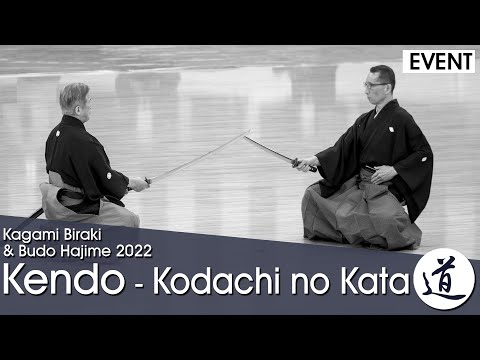
The true subject of our focus today is the Kodachi no Kata, a two-person kata featuring a long sword (Tachi) against a short sword (Kodachi). In a world increasingly dominated by the straightforwardness of single-weapon combat or the brutal efficiency of modern combat sports like MMA, the concept of two distinct sword lengths being utilized against each other might seem archaic. Yet, this kata is a masterclass in strategy, timing, and understanding the inherent advantages and disadvantages of each weapon.

The dynamic of Tachi versus Kodachi is not merely about reach. It's a sophisticated interplay of:

  • Distance Management: The Kodachi user must close the distance to negate the reach of the Tachi, while the Tachi user must maintain distance to exploit their advantage.
  • Rhythm and Timing: A single mistimed movement, a hesitation, can be fatal. The kata teaches the practitioner to read their opponent's rhythm and strike at the opportune moment.
  • Adaptability: The Kodachi fighter must be agile and precise, often employing evasive maneuvers and rapid counter-attacks. The Tachi fighter needs power, control, and the ability to anticipate and block.

This isn't a simple exchange of blows; it's a complex dance of strategy and execution. The Kodachi no Kata forces a deeper consideration of weapon dynamics than many modern combat scenarios, demanding a level of nuanced understanding that is often overlooked.

"Every technique, every movement, should be a deliberate act, born from a clear mind and an unwavering spirit. Hesitation is the precursor to defeat."

Masters of the Blade: Toyomura Azumori & Kurita Waichiro

The skill displayed in the demonstration is amplified by the credentials of its performers. Toyomura Azumori, Hanshi 8th Dan, and Kurita Waichiro, also Hanshi 8th Dan, are not merely practitioners; they are custodians of Kendo's legacy. Their mastery of the blade, particularly in the intricate Kodachi no Kata, is a testament to decades of dedicated Martial Arts Training and a deep understanding of BUDO principles.

To witness a Hanshi 8th Dan perform is to see Budo in its purest form. Their movements are not just technically perfect; they are imbued with a spirit, a presence that transcends mere physical action. This is where the true depth of the Kendo art form is revealed. It’s about the Ki, the life force, channeled through the sword and directed with intention.

Budo Hajime: Forging the New Year's Spirit

The Budo Hajime, as part of the Kagami Biraki, is a crucial ritual. It’s an opportunity to shed the inertia of the year's end and embrace the fresh start with invigorated purpose. For practitioners of any artes marciales, the first practice of the year sets the tone. It’s a chance to recommit to:

  • Discipline: Reaffirming the commitment to regular training and self-control.
  • Focus: Sharpening the mind and preparing for the challenges ahead.
  • Community: Connecting with fellow practitioners and reinforcing the bonds of the Martial Arts Community.

The participation of all present in the Budo Hajime emphasizes that Budo is a shared path, not an individual pursuit. It fosters a sense of collective growth and mutual respect, essential components of any true Warrior Philosophy.

Symbolism and Philosophy: The Mirror and the Sword

The "opening of the mirror" is a powerful metaphor. The mirror, in many cultures, represents truth, self-reflection, and clarity. By opening it, we symbolically invite introspection and honest appraisal of our progress. In the context of Budo, this means critically examining our techniques, our mindset, and our adherence to the principles of the art.

The Kodachi no Kata itself adds layers to this symbolism. The contrast between the long and short sword can represent:

  • Opposing Forces: Yin and Yang, aggression and defense, offense and counter-offense.
  • Adaptability: The ability to transition between different strategies based on the opponent and the situation.
  • Inner Conflict: The internal struggle to balance different aspects of one's character or approach to conflict.

This kata, therefore, is not just a physical exercise; it's a philosophical dialogue conducted through movement and steel. It challenges the practitioner to find harmony within apparent opposition, a core tenet of many martial traditions.

Practical Application: Beyond the Dojo's Walls

While Kendo is a sport and an art form with its own specific rules and contexts, the principles embedded within the Kodachi no Kata hold relevance far beyond the practice of swordsmanship. Consider the world of Combat Sports or even Self Defense scenarios.

The ability to manage distance, to exploit an opponent's reach disadvantage, to time attacks with split-second precision, and to adapt one’s strategy on the fly are universally applicable skills. Even in non-physical confrontations, such as business negotiations or interpersonal conflicts, the underlying principles of reading the situation, managing emotional distance, and timing your response are critical for success.

The Kodachi no Kata, in its intricate portrayal of weapon dynamics, serves as a microcosm for strategic thinking in any competitive or challenging environment. It teaches us to be aware of not just our own strengths, but also the strengths and weaknesses of our perceived opposition, and how to leverage these factors to our advantage.

Equipment Essential for Your Training

To truly appreciate and engage with disciplines like Kendo, proper equipment is paramount. It not only ensures safety but also facilitates correct technique and immersion into the art.

  • Kendo Shinai: The bamboo sword used for practice. Essential for learning striking techniques and timing. Look for well-balanced shinai, suitable for your level. For Kodachi practice, specific smaller shinai might be used to simulate the short sword.
  • Kendo Bogu (Armor): This protective gear includes the men (helmet), kote (gloves), do (chest protector), and tare (hip protector). It is crucial for safe sparring and full-contact practice.
  • Kendo Gi and Hakama: Traditional martial arts attire providing freedom of movement and embodying the aesthetic of Budo. A sturdy, double-weave Karate gi can also serve for general martial arts conditioning and even some forms of unarmed combat training if a dedicated gi isn't available.
  • Kendo Tenugui: A towel worn under the men to absorb sweat and provide a cushion.

Investing in quality Martial Arts Merchandise is not an extravagance; it is a commitment to your training and safety. For those interested in exploring sword arts beyond Kendo, books on historical swordsmanship or even high-quality bokken (wooden swords) for unarmored kata practice can be invaluable.

Veredict of the Sensei: A Testament to Depth

The Kagami Biraki demonstration of the Kodachi no Kata, performed by Toyomura Azumori and Kurita Waichiro, is a powerful reminder that martial arts are living traditions, rich with layers of meaning and application. It is not merely about executing movements; it is about embodying principles.

This demonstration, though specific to Kendo, offers profound lessons for practitioners of all disciplines, from Judo and Aikido to Karate Kyokushin and MMA. The understanding of weapon dynamics, distance, timing, and adaptability showcased here is timeless.

Rating: 5 out of 5 Katanas. A must-watch for anyone seeking to understand the deeper currents of Budo.

Frequently Asked Questions

What is the main difference between Tachi and Kodachi in Kendo?
The Tachi is the longer, standard length sword, offering greater reach and power. The Kodachi is a shorter sword, designed for closer combat, rapid strikes, and defensive maneuvers when space is limited.
Is Kodachi no Kata a form of self-defense?
While originating from samurai combat, the Kodachi no Kata is a pre-arranged sequence (kata) designed for training specific principles and techniques. Its underlying principles of timing, distance, and adaptation are highly relevant to self-defense.
What does "Hanshi 8th Dan" signify?
Hanshi is an honorific title awarded to highly skilled and experienced martial artists, typically 8th Dan or higher. It signifies a master level, acknowledging not just technical proficiency but also deep understanding and contribution to the art.
Can I practice Kodachi without a formal Kendo dojo?
Practicing the kata's movements can be done with practice swords (shinai or bokken). However, for safety and correct instruction, learning from a qualified Kendo instructor is highly recommended, especially when incorporating armor and full-speed drills.

Deepen Your Path

The journey into the heart of martial arts is a lifelong endeavor. The Kodachi no Kata demonstration is but one facet of this vast world. To continue your exploration and refine your understanding, consider delving into these related topics:

Reflexión del Sensei: Tu Próximo Paso

You have witnessed a demonstration of profound skill and ancient wisdom. Now, the mirror is open. Does the clash of the long sword against the short sword echo a conflict within your own training? Are you too focused on one aspect, neglecting the complementary strengths that could make you a more complete warrior? Or do you, like the Kodachi, find yourself needing to close the distance to truly understand and overcome your challenges?

Reflect on this: When faced with a seemingly superior force or technique, do you instinctively retreat, or do you seek the angle, the timing, the closing of distance that will turn their strength into your advantage? The answer lies not in the sword you wield, but in the mind that guides it. Now, I ask you: What is the "Kodachi" in your own life, and how will you use it to master the "Tachi" of your greatest challenges?

``` GEMINI_METADESC: Uncover the secrets of Kendo's Kodachi no Kata at Kagami Biraki 2022. Explore Budo traditions, masterful techniques, and practical applications for martial artists.

El Prodigio Boricua Humillado: Cuando la Arrogancia Choca Contra la Realidad en el Boxeo

¿Qué sucede cuando un joven talento, cegado por la vanidad y un historial de victorias fáciles, se enfrenta a la cruda realidad del combate de élite? Este es el relato de Josue Vargas, el "Prodigio" puertorriqueño que se creyó invencible hasta que chocó contra un muro de experiencia y poder. En el sagrado cuadrilátero, la arrogancia rara vez es una aliada; más bien, es el preludio de una caída estrepitosa.
Hoy nos sumergimos en una historia de boxeo que trasciende las meras estadísticas, una lección sobre la humildad, el respeto por el adversario y la implacable naturaleza de las artes marciales cuando se llevan al extremo. Si crees que el boxeo es solo puñetazos, prepárate para descubrir la profundidad filosófica y psicológica que yace tras cada intercambio.

El Prodigio Boricua: Un Talento en Ascenso

Josue Vargas, apodado "El Prodigio", se presentaba como la joya de la corona del boxeo puertorriqueño. Con un récord impecable de 19 victorias profesionales, muchas de ellas obtenidas por la vía del nocaut, este joven de 23 años no solo acumulaba triunfos, sino también una confianza desbordante. Su nombre resonaba en los pasillos del boxeo superligero, y muchos lo veían como el sucesor natural de los grandes campeones boricua. Su trayectoria, plagada de rivales de nivel decente como Willie Shaw y Kendo Castaneda, parecía un camino pavimentado hacia la gloria. Cada victoria alimentaba su ego, cada triunfo lo elevaba un poco más en la cúspide de su propia percepción.
"El ganar tanto tan joven le afectó negativamente a su personalidad. A su corta edad Josue Vargas ya se había convertido en uno de los boxeadores más fanfarrones, habladores y presumidos del mundo."
El problema, y aquí reside la trampa de la juventud y el éxito temprano, es que el ego puede ser un consejero peligroso. Vargas, cegado por su racha invicta, comenzó a creerse invulnerable, no solo en cuanto a su habilidad para ganar, sino también en su capacidad para menospreciar a otros. El peligro no estaba en su talento, sino en la sombra que su propia arrogancia proyectaba sobre él, nublando su juicio y su respeto por la disciplina que juraba dominar.

La Tentación de la Arrogancia: Cuando el Ego Supera al Talento

La verdadera prueba de un guerrero no se mide solo por sus victorias contra oponentes inferiores, sino por cómo se enfrenta a quienes lo superan en experiencia y habilidad. Vargas, lamentablemente, se pavoneaba en la gloria de haber vencido a hombres que, si bien competentes, no representaban la élite de la división. La falta de enfrentamientos contra pesos pesados de la categoría hizo que su confianza se inflara hasta límites insostenibles. El joven "Prodigio" se olvidó de una máxima fundamental en todas las artes marciales: el respeto por el oponente. Su mirada se posó en Jose "Chon" Zepeda, un veterano curtido en mil batallas, un hombre que había enfrentado a nombres de la talla de Jose Carlos Ramirez y había derrotado a otros contendientes serios como Jose Pedraza e Ivan Baranchyk. A pesar de la abismal diferencia en experiencia y calidad de oponentes, Vargas decidió que la mejor estrategia era la burla. Menospreció la carrera de Zepeda, comparando su propio desempeño contra Kendo Castaneda con el de su futuro rival, insinuando que él lo había hecho lucir mucho mejor. Las palabras brotaban como un torrente descontrolado: atacó la carrera de Zepeda, ridiculizó sus enfrentamientos pasados y hasta usó a Henry Lundy como punto de comparación para restarle mérito. Durante las ruedas de prensa, Vargas monopolizaba la palabra, interrumpiendo a Zepeda cada vez que intentaba responder, construyendo un muro de palabras grandilocuentes para ocultar, quizás, una incipiente duda. El espectáculo en el pesaje, con confrontaciones entre ambos equipos, solo añadió más leña al fuego, prometiendo un choque épico. Pero el boxeo, como la vida, a menudo tiene un sentido del humor cruel.

El Desafío de "Chon" Zepeda: La Verdadera Prueba

El contraste entre los dos púgiles era más que evidente. Por un lado, el joven y vibrante "Prodigio", repleto de confianza alimentada por victorias fáciles y una lengua afilada. Por otro, el experimentado "Chon" Zepeda, un boxeador que conocía el sabor de la victoria y la amargura de la derrota, pero que siempre había mostrado profesionalismo y respeto. La narrativa que Vargas intentaba construir era la de un David contra Goliat, pero con él mismo asumiendo el rol del gigante arrogante. La comparación con Kendo Castaneda fue uno de los puntos clave de la campaña de desprestigio de Vargas. "¿Viste mi pelea contra Kendo? Le dominé. ¿Y la de Zepeda? Se vio mucho mejor contra él", vociferaba. Esta supuesta superioridad en un combate previo era su principal argumento para justificar su pronóstico de paliza. Sin embargo, este tipo de análisis, aunque común en la autopromoción, rara vez refleja la compleja dinámica de un combate real contra un oponente de élite. Los estilos chocan, las estrategias se adaptan, y lo que funcionó contra un rival puede ser inútil contra otro. El menosprecio de Vargas hacia la carrera de Zepeda —insinuando que, salvo por Pedraza, nadie importante había sido un rival digno— era una táctica arriesgada. En el universo del **Budo** y las artes marciales, subestimar al adversario es un error capital. La historia está plagada de ejemplos de peleadores talentosos que cayeron por no dar el crédito merecido a sus oponentes. El hecho de que Vargas evitara darle espacio a Zepeda para hablar, dominando la conversación con su propia verborrea, podría interpretarse como un intento de control verbal, un reflejo de su inseguridad o, simplemente, de su carácter egocéntrico. La pelea estaba diseñada para ser una prueba de fuego para Vargas, no solo físicamente, sino mentalmente. ¿Sería capaz de respaldar sus bravuconadas con acción?

El Combate: La Hora de la Verdad

El 30 de octubre de 2021, en el icónico Madison Square Garden de Nueva York, el telón se levantó para la función principal. Las palabras y las burlas de Vargas habían elevado las expectativas, creando un ambiente cargado de tensión y expectación. Los aficionados, divididos entre los seguidores del "Prodigio" y los partidarios del experimentado Zepeda, esperaban un choque de titanes. ¿Confirmaría Vargas sus predicciones o Zepeda silenciaría al fanfarrón? La respuesta llegó de forma brutal y expeditiva.
"Por si todo lo que dijo no hubiera sido suficiente, Vargas también causó conmoción a la hora del pesaje donde los equipos y amigos de ambos peleadores se metieron a la disputa."
La realidad del combate distó mucho de las fantasías de Vargas. Apenas un minuto después de que el primer asalto comenzara, el destino del "Prodigio" quedó sellado. Un solo golpe de Zepeda lo envió al suelo, un testimonio de la diferencia de poder y precisión entre ambos. Aunque Vargas logró ponerse en pie, su cuerpo y su mente ya habían sufrido un golpe devastador. La potencia y la claridad de Zepeda, fruto de incontables horas de **entrenamiento** y experiencia en combates de alto nivel, eran abrumadoras. El "Prodigio" no estaba ni cerca de competir. La pelea, que Vargas prometió ganar de forma contundente, terminó en una humillación total, no durando ni siquiera el primer asalto completo. Este **combate** se convirtió en un claro ejemplo de cómo la arrogancia puede ser el peor enemigo de un atleta. Desde aquel tropiezo monumental, Vargas ha intentado reconstruir su carrera, obteniendo victorias contra rivales de menor calibre como el argentino Nicolas Pablo Demario. Sin embargo, la sombra de aquella noche en el Garden persiste. Para recuperar su lugar en la élite, Vargas no solo necesita acumular victorias, sino también una profunda lección de humildad y respeto por el arte del **boxeo**. El camino de regreso a la cima es mucho más arduo cuando se ha tropezado con la vanidad. Este tipo de peleas nos recuerdan que el **fight** real es un reflejo de la disciplina y el carácter, no solo de la habilidad bruta.

Veredicto del Sensei: ¿Lección Aprendida o Ciclo Repetido?

La historia de Josue Vargas es un arquetipo trágico en el mundo de las **artes marciales** y el deporte de combate. Poseedor de un talento indudable, cayó presa de la seducción del ego y la falta de una guía adecuada que le recordara las verdades fundamentales del **BUDO**: disciplina, respeto y humildad. Su derrota ante Jose "Chon" Zepeda no fue simplemente un mal día; fue una colisión brutal contra la realidad de la competencia de élite. La arrogancia, esa flor venenosa que crece en el jardín del éxito temprano, nubló su juicio y lo llevó a subestimar a un oponente formidable. El hecho de que Vargas se burlara y provocara a Zepeda, solo para ser aniquilado en menos de tres minutos, es una lección de vida tan dura como cualquier golpe recibido en el ring. En el **combate cuerpo a cuerpo**, la verdad se manifiesta sin filtros; no hay lugar para las mentiras o la autoilusión. Ahora, la gran pregunta es: ¿ha aprendido Vargas la lección? ¿Ha interiorizado que el verdadero poder reside no solo en la fuerza física, sino en la fortaleza mental y el respeto por el arte y sus practicantes? Su regreso, con victorias contra oponentes menos experimentados, es un paso en la dirección correcta. Sin embargo, la auténtica prueba de fuego será su próxima gran pelea. Si vuelve a caer en la tentación de la prepotencia, su potencial podría desvanecerse tan rápido como apareció. Este relato nos enseña que, en las **artes marciales**, como en la vida, la humildad es la base sobre la que se construye el verdadero campeón. Sin ella, incluso el talento más brillante corre el riesgo de desmoronarse. La **pelea** contra Zepeda fue, sin duda, un momento definitorio. Esperemos que haya sido un catalizador para un crecimiento personal y deportivo duradero, y no solo un episodio fugaz.

Para comprender mejor la mentalidad del guerrero y cómo evitar caer en las trampas del ego, te recomiendo explorar nuestros análisis sobre la Filosofía del Bushido (MartialPhilosophy) y la importancia de la Autodisciplina (Autodisciplina) en el camino del practicante.

Equipo Esencial para tu Entrenamiento de Boxeo

Si te ha inspirado esta historia a considerar el boxeo o a mejorar tu propio entrenamiento marcial, contar con el equipo adecuado es fundamental. Aquí te presento algunos elementos clave:
  • Guantes de Boxeo: Indispensables para el sparring y el entrenamiento de saco. Busca unos de 14oz o 16oz para mayor protección.
  • Vendas de Mano: Protegen tus muñecas y nudillos de lesiones durante los golpes fuertes.
  • Concha Protectora: Esencial para proteger la zona inguinal durante cualquier tipo de combate o sparring.
  • Protector Bucal: Crucial para prevenir lesiones dentales y mandibulares.
  • Saco de Boxeo o Pera Loca: Para practicar y perfeccionar tu técnica de golpeo, potencia y velocidad.
  • Cuerda de Saltar: Una herramienta clásica para mejorar la resistencia cardiovascular, la agilidad y el juego de pies.
  • Ropa de Entrenamiento Cómoda: Pantalones cortos y camisetas transpirables que permitan total libertad de movimiento.

Invertir en equipo de calidad no solo mejora tu experiencia de entrenamiento, sino que también es una inversión en tu seguridad y en tu progresión. Recuerda que el buen equipo de entrenamiento de boxeo puede marcar la diferencia.

Preguntas Frecuentes

¿Por qué es importante la humildad en las artes marciales?

La humildad es vital porque reconoce que siempre hay algo nuevo que aprender y que cada oponente, sin importar su récord aparente, presenta un desafío único. Permite la apertura al aprendizaje y evita la complacencia, que es el primer paso hacia la derrota.

¿Es común que los jóvenes talentos caigan en la arrogancia?

Sí, es un patrón recurrente. El éxito temprano, especialmente sin la guía adecuada, puede inflar el ego y hacer que los jóvenes talentos crean que han alcanzado la cima, descuidando el proceso continuo de mejora y respeto que exige cualquier disciplina marcial.

¿Qué se puede aprender de la pelea de Vargas vs. Zepeda?

Se aprende que la experiencia, la preparación mental y el respeto por el oponente son tan cruciales como el talento físico. También demuestra que las provocaciones y las burlas rara vez sustituyen a la habilidad y la disciplina en el ring.

¿Regresará Josue Vargas a la élite?

Es posible, pero dependerá de su capacidad para asimilar la lección de humildad, trabajar en sus debilidades y enfrentar sus próximos desafíos con una mentalidad renovada y respetuosa.

¿Es el boxeo una forma de arte marcial?

Absolutamente. Aunque a menudo se clasifica como deporte de combate, el boxeo comparte muchos principios fundamentales con las artes marciales tradicionales, como la disciplina, la estrategia, el control del cuerpo y la mente, y la búsqueda de la perfección técnica.

Para Profundizar en tu Camino

  • FightAnalysis: Análisis detallados de combates que desentrañan las estrategias y técnicas detrás de cada enfrentamiento.
  • MartialArtists: Perfiles y biografías de leyendas y practicantes destacados que inspiran y enseñan.
  • SelfImprovement: Consejos y reflexiones sobre cómo aplicar los principios marciales para mejorar tu vida fuera del dojo.

Reflexión del Sensei: Tu Próximo Paso

La arena del combate, ya sea un cuadrilátero de boxeo o el tatami de un dojo, es un espejo implacable de nuestro carácter. Josue Vargas nos ha ofrecido una lección costosa: la arrogancia construye un castillo de naipes sobre cimientos de arena. Ahora te pregunto a ti, practicante de las artes marciales, ¿eres consciente de tus propias arrogancias? ¿En qué área de tu entrenamiento o vida permites que el ego dicte tus acciones, eclipsando la humildad necesaria para crecer? Observa tus propios combates, tus propias victorias y derrotas. ¿Estás verdaderamente abierto a aprender, o te aferras a la ilusión de tu propia superioridad? La respuesta a estas preguntas forjará tu verdadero camino marcial. No respondas solo con palabras, demuéstralo con tus acciones. ``` GEMINI_METADESC: Analizamos la humillante derrota de Josue Vargas ante \"Chon\" Zepeda. Explora las lecciones de humildad y respeto en el boxeo profesional y las artes marciales.

Samurai's Edge: Beyond the Katana - An In-Depth Look at Ancient Warrior Weapons and Philosophy

The allure of the samurai is undeniable, a potent blend of martial prowess, disciplined spirit, and iconic weaponry. But to truly grasp their essence, we must look beyond the romanticized image of the katana and delve into the intricate world of their tools and the philosophy that guided their use. This exploration isn't merely an academic exercise in history; it's a profound lesson in strategy, self-mastery, and the enduring principles that shape effective combat.

The Samurai's Arsenal: More Than Just Swords

While the katana, with its elegant curve and legendary sharpness, often steals the spotlight, the samurai's arsenal was far more diverse and strategically employed. Understanding these weapons reveals not just their tactical needs but also the adaptability and foresight required on the battlefield.
  • Yumi (Bow): The primary ranged weapon of the samurai, the yumi, was a powerful composite bow, often asymmetrical, requiring immense strength and skill to master. Its effectiveness in early samurai warfare cannot be overstated, allowing warriors to engage from a distance, disrupt enemy formations, and provide crucial support. The discipline required to become proficient with the yumi mirrors the patience and focus demanded in other aspects of samurai training.
  • Yari (Spear): A versatile polearm, the yari came in various lengths and configurations. It was instrumental in close-quarters combat, particularly for foot soldiers forming defensive lines against cavalry charges. Its reach provided a significant advantage, and its straightforward design emphasized direct, powerful thrusts.
  • Naginata: This polearm, featuring a curved blade at the end of a pole, was particularly favored by warrior monks and women of samurai families. It offered a balance of reach and cutting power, effective against both armed and unarmed opponents. The graceful, sweeping motions of the naginata demand a fluid, coordinated body movement, much like certain katas in Karate or empty-hand techniques in Kung Fu.
  • Tanto: A dagger or knife, the tanto served as a backup weapon, used for close-in fighting when other weapons were lost or impractical. It also played a significant role in ritual suicide (seppuku), underscoring its deep cultural and symbolic importance.
  • Kusarigama: A truly unique weapon, the kusarigama consisted of a sickle attached to a chain with a weight at the end. This allowed for a devastating combination of entangling and striking. The user could swing the weighted chain to distract or disable an opponent, then follow up with the sickle. Mastering this weapon requires exceptional dexterity and a sophisticated understanding of timing and distance.
The choice of weapon was rarely arbitrary. It depended on the battlefield, the opponent, and the samurai's role within the larger conflict. This pragmatic approach to warfare is a lesson for all martial artists: understand your tools, your environment, and your limitations.

The Philosophy of the Sword: Bushido and the Way of the Warrior

The samurai's commitment to their weapons was deeply intertwined with the ethical and spiritual code of Bushido (武士道), the Way of the Warrior. This unwritten code emphasized virtues such as loyalty, self-discipline, courage, honor, and compassion. The sword, as the soul of the samurai, was not merely a tool of destruction but an extension of the warrior's moral compass.
"The sword is the soul of the samurai." - A common Japanese proverb.
This proverb encapsulates the profound connection between the warrior and his primary weapon. The way a samurai wielded his sword reflected his inner state, his training, and his adherence to Bushido. A skilled swordsman was not just technically proficient; he was also morally upright, his actions guided by a sense of duty and righteousness. This concept resonates deeply within various martial traditions. Consider the principle of Mushin (無心), "no mind," a state of mental clarity and spontaneity crucial in combat. A samurai in Mushin reacted instinctively, without hesitation or fear, his actions pure and efficient. This state is cultivated through rigorous training and deep philosophical understanding, not just physical repetition.

Katsu Jin Ken vs. Setsu Jin Ken: The Sword for Life vs. the Sword for Death

A critical distinction within the philosophy of swordsmanship is the concept of Katsu Jin Ken (活人剣), the "life-giving sword," and Setsu Jin Ken (殺人剣), the "life-taking sword."
  • Setsu Jin Ken: This is the sword used with the intent to kill, to destroy an enemy on the battlefield. It is direct, brutal, and focused on incapacitation or death.
  • Katsu Jin Ken: This is a more advanced concept, where the sword is used with the intent to subdue, to neutralize without necessarily killing, or even to guide an opponent toward better conduct. It requires immense control and a higher level of spiritual development. A true master of the sword, it is said, can win a battle without drawing blood.
This duality teaches us that true martial skill is not solely about aggression. It's about understanding the full spectrum of combat – from necessary force to ultimate restraint. It’s about wielding power responsibly, a lesson applicable far beyond the battlefield, in everyday life and personal growth.

Training and Discipline: The Path to Mastery

Becoming a samurai was a lifelong commitment to rigorous training and unwavering discipline. The physical conditioning was intense, but the mental and spiritual development was paramount.

The Daily Grind: Beyond the Flashy Techniques

The daily training of a samurai involved:
  1. Kenjutsu (剣術 - Sword Art): Practicing forms (kata), sparring, and honing the muscle memory and reflexes necessary for effective swordsmanship.
  2. Sojutsu (槍術 - Spear Art): Mastering the use of the spear in various combat scenarios.
  3. Kyujutsu (弓術 - Archery Art): Developing accuracy, power, and consistency with the bow.
  4. Physical Conditioning: Strength training, endurance exercises, and agility drills to ensure peak physical readiness.
  5. Mental Fortitude: Meditation (often Zen Buddhism influenced), strategic study, and cultivating a calm, resolute mindset.
The emphasis was always on repetition, refinement, and the relentless pursuit of perfection. A single sloppy movement, a moment of lost focus, could be fatal. This dedication to practice is a cornerstone of all high-level martial arts training.
"I fear not the man who has practiced 10,000 kicks once, but I fear the man who has practiced 10,000 kicks, 10,000 times." - Bruce Lee (though not a samurai, this quote embodies the spirit of relentless practice).
The samurai understood that true skill is forged through thousands of hours of dedicated practice, often in conditions that would break the uncommitted.

The Samurai in Modern Martial Arts: Echoes of the Past

While the samurai era has long passed, their legacy endures. The principles of Bushido, the emphasis on discipline, respect, and self-improvement, are fundamental to many modern martial arts, including Karate, Judo, and Kendo.
  • Kendo (剣道): Directly translates to "The Way of the Sword" and is a direct descendant of samurai swordsmanship. Practitioners use bamboo swords (shinai) and protective armor (bogu) to engage in simulated combat, emphasizing discipline, spirit, and precise technique.
  • Karate: While originating in Okinawa and evolving through various influences, Karate shares many philosophical underpinnings with Bushido, particularly in its emphasis on discipline (Kihon, Kata), respect for the sensei and training partners, and the pursuit of self-perfection. The concept of "Karate ni sente nashi" (There is no first attack in Karate) reflects a defensive and principled approach akin to the samurai's code.
  • Iaido (居合道): The art of drawing the sword, cutting, and re-sheathing, Iaido focuses on the precise and controlled movements of drawing the katana, often performed as solo forms (kata). It emphasizes mental focus, grace, and the readiness to defend.
The spirit of the samurai, with its blend of martial excellence and ethical conduct, continues to inspire and guide practitioners seeking not just to fight, but to grow as individuals.

Veredicto del Sensei: ¿Merece la pena el estudio del Samurai?

Absolutely. Studying the samurai and their weaponry is far more than a historical curiosity. It's a masterclass in martial philosophy, strategic thinking, and the cultivation of character. The samurai's arsenal, their adherence to Bushido, and their rigorous training methods offer invaluable lessons for any practitioner of martial arts today. They teach us that true strength lies not just in physical power, but in discipline, integrity, and a profound understanding of oneself and one's purpose.

Equipo Esencial para tu Entrenamiento

While direct samurai weaponry is not practical for most modern dojos, certain training tools and apparel are essential for dedicated practice in arts influenced by this warrior tradition.
  • Shinai (Bamboo Sword): Crucial for Kendo practice, allowing for safe, full-contact sparring.
  • Bokken (Wooden Sword): Used in Karate, Aikido, and other arts for practicing sword techniques and forms without live blades.
  • Iaido/Aikido Uniforms: Traditional uniforms provide the necessary freedom of movement and respect for practice.
  • Protective Gear (Bogu): For Kendo practitioners, essential for safe engagement.
  • Dojo Subscription/Membership: Access to qualified instruction is paramount. Consider looking for local Kendo, Iaido, or Karate dojos.
  • Books on Bushido and Samurai History: For understanding the philosophical underpinnings, I highly recommend works by Miyamoto Musashi and Nitobe Inazo.

Guía de Entrenamiento: Cultivando la Concentración del Guerrero

This exercise aims to build the mental focus and calm required by a samurai.
  1. Find a Quiet Space: Locate an area free from distractions. This could be your training mat, a quiet room at home, or even a peaceful spot outdoors.
  2. Assume a Stable Posture: Sit or stand in a natural, relaxed, yet upright posture. For seated meditation, the seiza (kneeling) position is traditional, but any comfortable, stable position will suffice.
  3. Focus on Your Breath: Close your eyes gently and bring your attention to your breath. Notice the sensation of air entering and leaving your nostrils or the rise and fall of your abdomen. Do not force your breathing; simply observe it.
  4. Acknowledge Wandering Thoughts: Your mind will inevitably wander. When you notice your thoughts drifting (to tomorrow's training, a disagreement, or a pleasant memory), acknowledge the thought without judgment and gently guide your attention back to your breath.
  5. Practice Patience and Consistency: This is not about achieving a completely blank mind, but about developing the ability to refocus repeatedly. Aim for 5-10 minutes daily, gradually increasing the duration as you become more comfortable.
  6. Integrate with Movement (Optional): After meditation, practice a few basic movements from your martial art (e.g., a simple stance, a basic strike, or a drawing motion with an imaginary sword). Try to maintain the same level of present-moment awareness.

Preguntas Frecuentes

  • What was the primary role of the samurai in Japanese society?
    Samurai were the military nobility and officer caste of medieval and early-modern Japan. They served as warriors, administrators, and protectors of their lords (daimyo).
  • Is Bushido still relevant today?
    Yes, the principles of Bushido – loyalty, honor, self-discipline, courage, and compassion – remain highly relevant and are often integrated into the philosophies of modern martial arts and leadership training.
  • Besides the katana, what other weapons were commonly used by samurai?
    Samurai commonly used the yumi (bow), yari (spear), naginata (polearm), and tanto (dagger), among others, depending on the context of the battle.
  • How did Zen Buddhism influence samurai philosophy?
    Zen Buddhism heavily influenced samurai by teaching principles of mindfulness, detachment from worldly desires and fears, and the importance of living fully in the present moment – crucial for combat effectiveness and mental fortitude.
  • Are there any modern martial arts directly descended from samurai fighting styles?
    Yes, Kendo (the Way of the Sword) and Iaido (the art of sword drawing) are direct descendants. Many principles and philosophies from samurai traditions are also deeply embedded in arts like Karate and Aikido.

Para Profundizar en tu Camino

The samurai were more than just warriors; they were embodiments of discipline, philosophy, and a profound connection to their craft. Their legacy serves as a powerful reminder that true mastery is a journey of the mind, body, and spirit.

Reflexión del Sensei: Tu Próximo Paso

If a samurai’s life was a constant negotiation between the blade’s edge and the spirit’s depth, what is your daily practice teaching you about the edge of your own potential and the depth of your character? Are you merely training your body, or are you forging your soul?

``` ```json { "@context": "https://schema.org", "@type": "FAQPage", "mainEntity": [ { "@type": "Question", "name": "What was the primary role of the samurai in Japanese society?", "acceptedAnswer": { "@type": "Answer", "text": "Samurai were the military nobility and officer caste of medieval and early-modern Japan. They served as warriors, administrators, and protectors of their lords (daimyo)." } }, { "@type": "Question", "name": "Is Bushido still relevant today?", "acceptedAnswer": { "@type": "Answer", "text": "Yes, the principles of Bushido – loyalty, honor, self-discipline, courage, and compassion – remain highly relevant and are often integrated into the philosophies of modern martial arts and leadership training." } }, { "@type": "Question", "name": "Besides the katana, what other weapons were commonly used by samurai?", "acceptedAnswer": { "@type": "Answer", "text": "Samurai commonly used the yumi (bow), yari (spear), naginata (polearm), and tanto (dagger), among others, depending on the context of the battle." } }, { "@type": "Question", "name": "How did Zen Buddhism influence samurai philosophy?", "acceptedAnswer": { "@type": "Answer", "text": "Zen Buddhism heavily influenced samurai by teaching principles of mindfulness, detachment from worldly desires and fears, and the importance of living fully in the present moment – crucial for combat effectiveness and mental fortitude." } }, { "@type": "Question", "name": "Are there any modern martial arts directly descended from samurai fighting styles?", "acceptedAnswer": { "@type": "Answer", "text": "Yes, Kendo (the Way of the Sword) and Iaido (the art of sword drawing) are direct descendants. Many principles and philosophies from samurai traditions are also deeply embedded in arts like Karate and Aikido." } } ] }

Shinya Aoki: El Karma del Sensei "Bully" en las MMA Japonesas

¿Hasta dónde puede llegar un artista marcial en su búsqueda de la supremacía? ¿Dónde reside el verdadero poder: en la técnica pura o en la mentalidad que domina al oponente antes siquiera de cruzar miradas? En las arenas de las Artes Marciales Mixtas (MMA), donde la brutalidad se encuentra con la estrategia, a menudo vemos personalidades que trascienden el ring. Pero hoy, nos adentraremos en la compleja figura de Shinya Aoki, un nombre que resuena con una mezcla de admiración y controversia en el panorama de las MMA, especialmente en su Japón natal. ¿Es un genio incomprendido, un maestro con un método poco ortodoxo, o simplemente un bully de saco y corbata?

La Semilla del Judo y el Kendo

Nacido en Shizuoka, Japón, la trayectoria marcial de Shinya Aoki no comenzó con un puñetazo o una patada, sino con la disciplina y el respeto que caracterizan a las artes tradicionales. Sus primeros pasos se forjaron en el judo, un arte de derribos y control, y en el kendo, la venerable disciplina del sable. Estas bases sentaron un cimiento de movimiento corporal, equilibrio y, crucialmente, una comprensión de la jerarquía y el honor dentro de un dojo.

Sin embargo, el camino de un guerrero rara vez es lineal. La rigidez de algunas tradiciones, o quizás la búsqueda de una expresión de combate más completa, llevó a Aoki a explorar nuevos horizontes. Fue en la búsqueda de esa evolución donde encontró una disciplina que no solo complementaría su base, sino que la potenciaría hasta límites insospechados: el Brazilian Jiu-Jitsu (BJJ).

El Surgimiento del Brazilian Jiu-Jitsu: La Clave de su Dominio

La adopción del BJJ marcó un antes y un después en la carrera de Aoki. Esta disciplina, centrada en las sumisiones y el combate en el suelo, se convirtió en su arma predilecta. La fluidez, la presión constante y la capacidad de anular la fuerza bruta con técnica refinada, fueron elementos que Aoki dominó con una maestría aterradora. Su transición a las MMA no fue solo un cambio de escenario, sino la oportunidad de desplegar su arsenal de llaves y estrangulaciones contra oponentes de diversos orígenes marciales.

El BJJ le proporcionó el kime, la explosión de energía y concentración, que necesitaba para desmantelar a sus rivales. Las transiciones de pie a suelo, su control posicional y su letal habilidad para finalizar combates lo catapultaron a la cima de las organizaciones de MMA más prestigiosas de Japón, demostrando que un artista marcial puede ser tan devastador en el suelo como en la lucha en pie.

Un Récord Impecable, Una Reputación Cuestionada

El palmarés de Shinya Aoki es, sin lugar a dudas, el de un campeón. Con un récord de pelea que ha ostentado más victorias que derrotas (47-10-0 en su apogeo, un número que habla de longevidad y dominio), ha reinado en organizaciones como DREAM, DEEP y Pancrase. Estos nombres no son meras afiliaciones, sino ecos de batallas épicas que lo consolidaron como una leyenda viviente de las artes marciales mixtas japonesas.

Sin embargo, el brillo de los cinturones y la aclamación de la multitud a menudo ocultan sombras. Y es aquí donde la figura de Aoki se vuelve esquiva. Porque, mientras su habilidad en el ring es incuestionable, su comportamiento fuera de él ha generado un debate sonoro. Las acusaciones de ser un "bully" no son flor de un día, y la línea entre la psicología de combate y la falta de respeto se difumina peligrosamente en su caso.

El Karma del "Bully": Intimidación y Arrogancia en el Dojo Moderno

Aquí es donde la conversación se torna espinosa. En el mundo del BUDO, la humildad y el respeto son pilares fundamentales. Sin embargo, las historias sobre Aoki pintan un retrato diferente: un hombre que, según muchos, ha utilizado su estatus y su poderío físico para intimidar a rivales, especialmente a aquellos que se iniciaban en el complejo mundo de las MMA. Se habla de acoso, de prepotencia en conferencias de prensa, y de una actitud en redes sociales que dista mucho del código del guerrero.

Este comportamiento, ¿es una estrategia calculada para desestabilizar mentalmente a sus oponentes, o simplemente la manifestación de un ego desmedido? Esta es la pregunta que muchos se plantean. El karma, ese principio de causa y efecto tan arraigado en la filosofía oriental, parece jugarle una mala pasada a Aoki. ¿Puede un artista marcial alcanzar la cima si su camino está pavimentado con la humillación ajena? La práctica del entrenamiento riguroso y la búsqueda de la excelencia deberían ir de la mano con el respeto, ¿verdad? O, quizás, Aoki entiende el combate en un nivel más profundo, donde la guerra psicológica es tan vital como la técnica.

"En el combate, la mente es el campo de batalla más importante. Si puedes quebrar a tu oponente mentalmente, la victoria física es solo una formalidad." - Proverbio Marcial Insinuado por Aoki

Más Allá del Ring: Filosofía Marcial y Ética del Combatiente

El legado de Shinya Aoki nos obliga a reflexionar sobre la naturaleza misma del conflicto y la victoria. En una era donde las artes marciales se han comercializado y expuesto al espectáculo global, ¿seguimos apegados a los antiguos preceptos, o hemos evolucionado hacia una comprensión más pragmática y, quizás, brutal de la lucha?

Aoki representa, para muchos, el arquetipo del luchador implacable, aquel que no teme ser temido. Su estilo es una sinfonía de presión y sumisión, un recordatorio de que la fuerza, cuando se combina con una inteligencia táctica superior, puede ser avasalladora. Sin embargo, la línea entre ser un guerrero formidable y un matón es delgada, y es en esa delgada línea donde reside la controversia de Aoki. Su éxito, innegable, genera fans y seguidores que ven en él la encarnación de la tenacidad. Pero, ¿a qué costo se construye esa popularidad? ¿Es éticamente defendible glorificar a un atleta cuyo comportamiento podría interpretarse como acoso?

Este debate es fundamental para la evolución de las MMA como deporte y como disciplina marcial. Nos desafía a cuestionar qué valores queremos promover y qué tipo de campeones admiramos. La habilidad técnica, el récord, la fuerza física son medibles. Pero el espíritu marcial, el ki que emana de un verdadero guerrero, ¿se corrompe por la arrogancia?

Equipo Esencial para tu Entrenamiento

Si el estilo de Shinya Aoki, con su énfasis en el Brazilian Jiu-Jitsu, te inspira a mejorar tus habilidades en el suelo, es crucial contar con el equipo adecuado. Un buen entrenamiento de BJJ o MMA requiere:

  • Kimono de BJJ (Gi): Busca uno de buena calidad, preferiblemente de tejido doble o triple para mayor durabilidad. Es tu segunda piel en el tatami.
  • Pantalones Cortos de MMA: Ligeros y resistentes, te permiten libertad de movimiento para agarres y derribos.
  • Guantes de MMA: Para el sparring, asegúrate de usar guantes con suficiente acolchado (10-14 oz) para proteger tus manos y las de tu compañero.
  • Protectores Bucales: Imprescindibles para cualquier sesión de sparring o combate.
  • Espilleras y Coderas (Opcional): Pueden ofrecer protección adicional contra abrasiones y golpes leves.

Considera también materiales de estudio. Un buen gi de BJJ de alta calidad es una inversión. Y si buscas camisetas o merch de tus peleadores favoritos, BYAM Budo y Artes Marciales puede ser tu destino.

Veredicto del Sensei: ¿El Karma de Aoki es un Mito o una Realidad?

Desde la perspectiva de un observador marcial curtido, la carrera de Shinya Aoki es un estudio fascinante de dualidad. Su dominio técnico, particularmente en el BJJ, es de clase mundial. Ha demostrado una y otra vez la efectividad de su estilo en el escenario de las MMA, labrándose un lugar entre los grandes.

Sin embargo, el concepto de "karma" en las artes marciales no se trata solo de cómo te trataron tus oponentes, sino de cómo tu propio comportamiento resuena en el universo. La arrogancia y la intimidación, aunque puedan generar victorias a corto plazo, a menudo conducen a un aislamiento espiritual y a un cuestionamiento de tu legado. Aoki ha inspirado a muchos con su habilidad, pero ha alienado a otros con su actitud. Para mí, el verdadero artista marcial no solo conquista a su oponente, sino que se conquista a sí mismo, y eso implica dominar no solo el cuerpo, sino también el espíritu. El karma de Aoki es, en gran medida, el reflejo de cómo él elige interactuar con el mundo. Su técnica es de cinturón negro, pero su comportamiento, a menudo, roza el suspenso.

Preguntas Frecuentes sobre Shinya Aoki

¿Cuál es el arte marcial principal de Shinya Aoki?
Aunque comenzó con Judo y Kendo, Shinya Aoki es principalmente conocido por su dominio del Brazilian Jiu-Jitsu (BJJ), el cual aplica con gran éxito en las MMA.
¿En qué organizaciones de MMA ha sido campeón Shinya Aoki?
Ha sido campeón en organizaciones japonesas prominentes como DREAM, DEEP y Pancrase.
¿Por qué se le llama "bully" a Shinya Aoki?
Se le acusa de intimidar y acosar a otros peleadores, mostrando un comportamiento arrogante y poco profesional dentro y fuera del ring.
¿Es válido su estilo de lucha en un contexto de defensa personal?
El BJJ y las habilidades de MMA de Aoki son altamente efectivas en combate, pero su aplicación en defensa personal dependería del contexto específico y la habilidad para ejecutar las técnicas bajo estrés.

Para Profundizar en tu Camino

Reflexión del Sensei: Tu Próximo Paso

Hemos analizado la compleja figura de Shinya Aoki, un maestro de la sumisión y un enigma en cuanto a su espíritu marcial. La técnica es una herramienta, pero la intención detrás de su uso define al verdadero artista marcial. Ahora, la pregunta para ti, budoka: Cuando buscas la victoria, ¿te enfocas únicamente en la aniquilación del oponente, o buscas la victoria sobre tu propia oscuridad interna? ¿Es la dominación un fin en sí mismo, o un medio para alcanzar un estado superior de autoconocimiento?

``` ```json { "@context": "https://schema.org", "@type": "FAQPage", "mainEntity": [ { "@type": "Question", "name": "Cuál es el arte marcial principal de Shinya Aoki?", "acceptedAnswer": { "@type": "Answer", "text": "Aunque comenzó con Judo y Kendo, Shinya Aoki es principalmente conocido por su dominio del Brazilian Jiu-Jitsu (BJJ), el cual aplica con gran éxito en las MMA." } }, { "@type": "Question", "name": "En qué organizaciones de MMA ha sido campeón Shinya Aoki?", "acceptedAnswer": { "@type": "Answer", "text": "Ha sido campeón en organizaciones japonesas prominentes como DREAM, DEEP y Pancrase." } }, { "@type": "Question", "name": "Por qué se le llama \"bully\" a Shinya Aoki?", "acceptedAnswer": { "@type": "Answer", "text": "Se le acusa de intimidar y acosar a otros peleadores, mostrando un comportamiento arrogante y poco profesional dentro y fuera del ring." } }, { "@type": "Question", "name": "Es válido su estilo de lucha en un contexto de defensa personal?", "acceptedAnswer": { "@type": "Answer", "text": "El BJJ y las habilidades de MMA de Aoki son altamente efectivas en combate, pero su aplicación en defensa personal dependería del contexto específico y la habilidad para ejecutar las técnicas bajo estrés." } } ] }