Showing posts sorted by relevance for query history of ninjas. Sort by date Show all posts

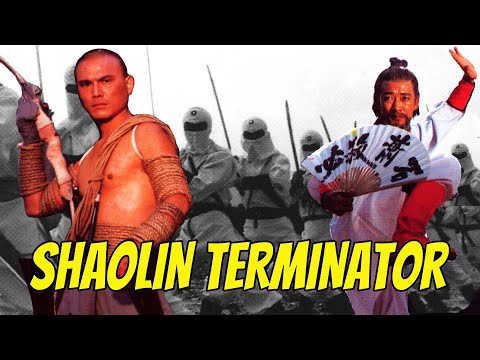
Wu Tang Collection - Shaolin Terminator: A Budo & AM Cinematic Critique

The world of martial arts cinema is a vast and often bewildering landscape, a terrain where genuine skill clashes with theatrical flourish, and where the spirit of Budo can either be honored or brutally misrepresented. Today, we turn our critical eye to a film that promises a potent blend of Shaolin prowess and relentless action: Wu Tang Collection - Shaolin Terminator. Directed by Charles Lee and starring the formidable Elton Chong, this film plunges us into a narrative of oppression and resistance, where the iconic Shaolin tradition confronts the shadowy threat of ninjas and avaricious lords. But does this cinematic offering truly embody the principles it purports to showcase, or is it merely another fleeting spectacle in the annals of exploitation cinema?

Introduction: The Shaolin Legacy and Cinematic Illusion

The mention of "Shaolin" immediately conjures images of disciplined monks, unparalleled martial arts mastery, and a philosophy deeply rooted in spiritual development. For centuries, the Shaolin Temple has been the cradle of some of the most influential combat systems in the world. When a film claims to be part of the "Wu Tang Collection" and features a "Shaolin Terminator," the expectations are naturally high. We anticipate not just a display of kicks and punches, but a narrative that respects the dedication, sacrifice, and philosophical underpinnings of these ancient arts. As practitioners, we are driven by a desire to see these principles accurately portrayed, to find lessons in cinematic struggles that can inform our own journey on the BUDO path. However, the martial arts film genre, especially from certain eras and regions, often prioritizes spectacle over substance. This raises a crucial question: does Shaolin Terminator deliver on its promise, or does it fall prey to the common pitfalls of cheap thrills and superficial combat?

The Narrative's Struggle: Oppression and Shaolin's Response

The premise of Shaolin Terminator presents a classic conflict: the righteous struggle against tyranny. Elton Chong, as "The Shaolin Kid," finds himself defending an orphan girl and indentured slaves from the clutches of the villainous Lord Kong, portrayed by Eagle Han Ying. Kong, along with his "posse of renegade Ninjas," is depicted as a ruthless exploiter, forcing laborers to toil in his gold mines. This setup immediately positions the film within a tradition of heroic narratives where martial arts are employed not for sport or personal gain, but as a tool for justice and liberation. The inclusion of ninjas adds an exotic, albeit often stereotyped, element of covert warfare and assassination techniques. From a narrative standpoint, the film aims to tap into universal themes of good versus evil, freedom versus oppression, and the inherent responsibility of those with martial skill to protect the vulnerable. This is a narrative thread that resonates deeply within the martial ethos, where the ultimate purpose of training is not violence, but the preservation of peace and righteousness. The question remains, however, how effectively are these themes woven into the fabric of the film, and how do the action sequences serve or detract from the story's intended message?

Cinematic Combat Analysis: Coreography and Authenticity

When analyzing any martial arts film, the choreography of the fight sequences is paramount. For those of us who dedicate years to honing our bodies and minds in disciplines like Karate, Judo, or MMA, the authenticity and effectiveness of on-screen combat are scrutinized with a keen eye. Shaolin Terminator features Elton Chong, a performer known for his physicality. The presence of "renegade Ninjas" suggests a blend of acrobatic movements, stealth tactics, and potentially distinct weapon styles, contrasting with the more grounded Shaolin techniques. We must ask: are the movements fluid and believable, or do they devolve into exaggerated flailing? Is there evidence of genuine martial arts principles at play, such as proper footwork, balance, and the application of force? Or are we subjected to repetitive, uninspired sequences that prioritize speed and flashy edits over skill? A truly great martial arts film showcases techniques that, while perhaps heightened for dramatic effect, still retain a core of practical application. We look for the rhythm of the fight, the strategy between combatants, and the physiological impact of each blow. Does Chong's portrayal of "The Shaolin Kid" demonstrate this nuanced approach, or does it lean towards the more simplistic hero archetype?

"The true warrior is not one who conquers others, but one who conquers himself. This film must show not just the conquest of enemies, but the inner discipline that fuels it."

The effectiveness of the antagonists is also crucial. Lord Kong and his ninjas must present a credible threat. Are their fighting styles distinct and challenging? Do their actions reflect the ruthless nature ascribed to them? The clash between different martial disciplines can be a source of great cinematic interest, but it requires careful staging to ensure that the resulting combat is engaging and plausible within the film's established reality. A common failing in lesser films is the lack of consequence for the actions of the characters; punches and kicks that should incapacitate are often shrugged off. We will examine whether Shaolin Terminator avoids this pitfall.

The Spirit of Budo: Beyond the Fist

Beyond the physical confrontation, the true essence of martial arts cinema lies in its ability to convey the philosophical underpinnings of the disciplines it represents. The term "Budo" itself signifies "the way of the warrior," encompassing not just combat techniques but also moral and spiritual development. The Shaolin tradition, in particular, is intertwined with Buddhist principles of compassion, mindfulness, and self-control. Does Shaolin Terminator explore these deeper aspects? Is "The Shaolin Kid" driven by a thirst for revenge, or by a genuine desire to uphold justice and alleviate suffering? The film's depiction of Lord Kong's avarice and cruelty provides a stark contrast to the supposed ideals of the Shaolin. This contrast, if explored effectively, can serve as a powerful vehicle for communicating the importance of character, integrity, and the ethical application of power. A film that merely showcases a series of fights without touching upon the internal struggle of its protagonist, or the moral implications of violence, misses a critical opportunity to elevate itself beyond mere entertainment.

We must consider if the film presents moments of introspection, of training that goes beyond physical conditioning, and of characters grappling with difficult moral choices. The path of the warrior is arduous, demanding not only strength of body but also unwavering strength of spirit. Does Elton Chong's character embody this duality? Or is he simply a skilled fighter who dispenses justice through brute force? The distinction is vital for those who seek genuine insight into the martial way.

Sensei's Verdict: A Fight Worth Watching?

Wu Tang Collection - Shaolin Terminator, at its core, attempts to deliver a classic martial arts narrative: the virtuous hero confronting a powerful, corrupt force. Elton Chong takes on the mantle of "The Shaolin Kid," tasked with liberating the oppressed from the clutches of Lord Kong and his ninja assassins. While the plot offers a familiar framework for action, the execution of its martial arts sequences and the depth of its philosophical exploration are crucial to its success as more than just a disposable genre flick. We have analyzed the potential for authentic choreography, the thematic resonance of the struggle against tyranny, and the vital, yet often overlooked, spirit of Budo that should permeate such a narrative.

Ultimately, Shaolin Terminator serves as a competent, if not groundbreaking, entry in the martial arts cinema canon. The fight choreography, while perhaps not reaching the sublime heights of some legendary productions, is generally well-executed and energetic, with Elton Chong showcasing his physical capabilities effectively. The clash between Shaolin styles and ninja tactics provides moments of visual interest. The narrative, though straightforward, effectively conveys the archetypal struggle between good and evil. However, the film's exploration of the deeper philosophical tenets of Budo remains somewhat superficial, prioritizing action over profound introspection. It is a film that entertains with its combat, but offers limited spiritual or ethical guidance.

Does it uphold the Shaolin legacy? To a degree. It showcases the skill and the fight for justice.
Does it embody the true spirit of Budo? Only in glimpses. The emphasis is on the external conflict rather than the internal journey.

For fans of classic kung fu films and energetic fight scenes, Shaolin Terminator offers a satisfying dose of action. It’s a film that understands the primal appeal of the hero defending the weak, executed with a decent level of technical proficiency. It may not redefine the genre, but it certainly provides an engaging spectacle.

Rating: 3 out of 5 Belts (A Solid **Black Belt in Choreography**, but falls short on the philosophical depth required for a Grandmaster title).

Training Essentials for the Aspiring Shaolin Warrior

To embody the spirit of "The Shaolin Kid" and truly understand the dedication required, one must engage in rigorous training. While Shaolin Terminator focuses on the external conflict, the foundation lies in internal discipline and physical conditioning. Here are some essential elements:

  • Stance Training (Dachi): Mastering fundamental stances like the Kiba-dachi (horse stance) and Zenkutsu-dachi (front stance) builds leg strength, stability, and endurance.
  • Striking Drills: Practicing punches (Tsuki) and kicks (Geri) against a training partner or equipment like a makiwara develops power, accuracy, and timing.
  • Forms Practice (Kata): Learning and refining kata, such as those derived from Shaolin traditions, enhances memory, coordination, body mechanics, and the understanding of combat applications.
  • Flexibility and Conditioning: Shaolin practitioners are known for their incredible flexibility and stamina. Regular stretching, agility drills, and cardiovascular training are crucial.
  • Mindfulness and Meditation: The spiritual aspect is paramount. Daily meditation, like Zazen, cultivates focus, emotional control, and the awareness of one's surroundings and inner state.

Resources for Deeper Understanding

To truly appreciate the martial arts depicted and the philosophy behind them, delving into authentic resources is essential. While Shaolin Terminator provides entertainment, these materials offer profound insight:

  • Books on Shaolin Kung Fu: Seek out texts that detail the history, philosophy, and techniques of Shaolin martial arts.
  • Biographies of Martial Arts Masters: Learning about figures like Bodhidharma or modern masters provides context for the dedication and evolution of these arts.
  • Documentaries on Martial Arts History: Visual explorations of the origins and development of various styles can be incredibly informative.
  • Official Federation Websites: Reputable martial arts federations often provide historical context and technical information.

Frequently Asked Questions

What is the "Wu Tang Collection"?

The "Wu Tang Collection" is a curated series of martial arts films, often focusing on classic kung fu cinema, known for their action-packed fight sequences and historical narratives. It aims to preserve and showcase important works in the genre.

Is Elton Chong a real martial artist?

Yes, Elton Chong is a Hong Kong martial artist and actor. He has a background in martial arts and has starred in numerous kung fu films, demonstrating considerable skill in his performances.

Are ninjas historically accurate in Shaolin films?

The inclusion of ninjas in films primarily set in Shaolin monasteries is often a cinematic device for dramatic effect, blending different historical martial traditions. While ninjas and Shaolin monks existed contemporaneously, their direct combat interaction in such films is usually fictionalized for entertainment.

What are the core principles of Shaolin martial arts?

Shaolin martial arts are deeply influenced by Chan (Zen) Buddhism, emphasizing not only physical prowess but also discipline, patience, compassion, and spiritual development. Techniques are often inspired by animal movements and aim for efficiency and effectiveness.

How does the "Terminator" aspect relate to Shaolin?

The "Terminator" moniker in the title is likely a stylistic choice to imply relentless, unstoppable combat prowess attributed to the Shaolin character, rather than a direct link to the science fiction franchise. It suggests a character who is exceptionally skilled and determined in their fight.

For Further Exploration on Your Path

``` GEMINI_METADESC: Critically analyze "Wu Tang Collection - Shaolin Terminator" from a martial arts perspective. Explore choreography, Budo spirit, and cinematic authenticity with Sensei's insights.

Accident Man: Scott Adkins vs. The Ninja - A Martial Arts Cinema Deconstruction

The roar of the crowd, the glint of steel, the electrifying dance of combat – these are the elements that ignite the soul of any true martial artist. But how often do these cinematic spectacles truly reflect the depth, the philosophy, and the brutal efficacy of the arts we dedicate our lives to? Today, we dissect "Accident Man," a film that pits the formidable Scott Adkins against a shadowy ninja. While the allure of a fight sequence is undeniable, as practitioners, we must look beyond the spectacle and ask: what is being truly represented? Is this a genuine homage to martial prowess, or merely another Hollywood illusion designed to thrill without substance?

Introduction: Beyond the Spectacle

The world of martial arts cinema is a double-edged sword. On one hand, it inspires millions, igniting a passion for discipline, self-improvement, and the art of combat. On the other, it often distorts reality, presenting techniques and philosophies in ways that, while entertaining, can mislead the uninitiated. "Accident Man," featuring the renowned Scott Adkins, delves into this cinematic arena. As practitioners who understand the sweat, sacrifice, and profound mental fortitude required to truly master a martial art, we are compelled to examine such works critically. This isn't merely about enjoying a fight; it's about discerning the truth within the theatrics.
"The object of fighting is to win. In warfare, you must win, and winning is everything. If you are not prepared to die, you cannot win." - Miyamoto Musashi
Does "Accident Man" honor the spirit of combat, or does it fall prey to the common pitfalls of action filmmaking? We will explore the artistry of Adkins, the representation of the ninja archetype, the nuances of fight choreography, and the potential for deeper philosophical meaning within this cinematic clash. Prepare yourselves; this is not just a review, but a dissection from the dojo.

The Artist: Scott Adkins, A Modern Martial Marvel

Scott Adkins is, without question, a force to be reckoned with in modern martial arts cinema. His dedication to honing his craft is evident in every fluid movement, every powerful strike, and every gravity-defying leap. Unlike many actors who rely on stunt doubles, Adkins is a practitioner in his own right, boasting proficiency in Taekwondo, Judo, Kickboxing, Karate, Krav Maga, and Wushu. This deep well of practical knowledge allows him to imbue his characters with a level of authenticity rarely seen on screen. When Adkins fights, there's a palpable understanding of physics, timing, and power generation. His kicks are not just high; they are precise, driven by a core stability that speaks of years of dedicated training. His punches carry the weight of commitment, each one seemingly designed to end the engagement. In "Accident Man," Adkins embodies the titular character, a highly skilled assassin who dispatches his targets with ruthless efficiency. His performance is a testament to his physical prowess and his understanding of how to translate complex martial techniques into visually compelling sequences. However, even an artist as skilled as Adkins operates within the confines of cinematic storytelling. The choreography, while often spectacular, is still designed for the camera's eye, prioritizing dramatic impact over strict adherence to the principles of a pure, unadulterated martial engagement. The question we must ask is not *if* Adkins is capable, but how the narrative and directorial choices utilize his immense talent.

The Shadow of the Ninja: Archetype vs. Reality

The ninja, a figure steeped in mystery and legend, represents a potent archetype in martial arts lore. Often depicted as silent, deadly, and possessing almost supernatural abilities, the ninja embodies the ultimate covert operative. In "Accident Man," the adversarial ninja represents a direct challenge to Adkins' character, a force of equal, if not greater, stealth and lethality. But what is the reality behind the myth? The historical ninja, or *shinobi*, were indeed agents of espionage and sabotage, employing specialized skills in infiltration, disguise, and combat. Their training often incorporated elements of ninjutsu, which emphasized unconventional warfare, information gathering, and the use of specialized tools and weapons. Their combat techniques, while effective, were likely more pragmatic and adaptable than the stylized, often flashy depictions seen in film. When a ninja is portrayed in a film like "Accident Man," the challenge lies in balancing the popular perception with a grounded representation. Does the film showcase the ninja's strategic mind, their adaptability, and their mastery of unconventional tactics? Or does it rely on the well-worn tropes of smoke bombs, shurikens, and impossibly swift evasions that have become cinematic staples? The effectiveness of this portrayal hinges on its ability to evoke the spirit of the *shinobi* without succumbing to caricature. The clash between Adkins' grounded, powerful style and the ninja's shadowy, perhaps more esoteric, techniques can be a fascinating narrative device, but it requires careful execution to avoid becoming a mere fantasy.

Choreography and Authenticity: Where Illusion Meets Art

The heart of any martial arts film lies in its fight choreography. This is where the director, the fight choreographer, and the performers collaborate to create sequences that are both thrilling and believable. For the discerning martial artist, the authenticity of this choreography is paramount. In "Accident Man," the fight scenes are undoubtedly a major draw. Scott Adkins is known for his intricate, high-impact fight sequences, often drawing from a wide array of martial disciplines. The choreography likely aims for a blend of visceral impact and visual flair, designed to showcase the characters' skills and advance the plot. However, authenticity in cinematic combat is a complex concept. A real fight is chaotic, unpredictable, and often ugly. It prioritizes survival and effectiveness above all else. Cinematic fights, conversely, are meticulously planned, rehearsed, and filmed from specific angles to maximize dramatic effect. This often involves: * **Exaggeration**: Techniques may be amplified for visual impact. * **Stylization**: Movements are often more graceful and precise than they would be in a real confrontation. * **Pacing**: Fights are typically broken down into distinct "beats" or exchanges, rather than a continuous, overwhelming assault. * **"Selling" the Hits**: While techniques may be real, the impact of those techniques is often amplified for the audience. The challenge for films like "Accident Man" is to strike a balance. Can they choreograph fights that *feel* real and demonstrate a genuine understanding of martial principles, even if they are heightened for entertainment? Adkins' background suggests a strong inclination towards this. The effectiveness of the ninja's style – whether it relies on deception, speed, or specialized weaponry – also plays a crucial role in the overall authenticity.

Philosophical Undertones or Empty Gestures?

Beyond the physical confrontation, true martial arts are deeply rooted in philosophy. Concepts like *Mushin* (no-mind), *Zanshin* (lingering awareness), and the cultivation of inner strength are as vital as any physical technique. A film that merely showcases combat without touching upon these deeper principles risks being superficial. "Accident Man," as an action film, is primarily driven by plot and spectacle. However, the archetypes of the assassin and the ninja can, if explored thoughtfully, offer glimpses into profound philosophical ideas. The assassin's commitment to their craft, their detachment from emotion, and their unwavering focus can be seen as a twisted form of discipline. The ninja's reliance on stealth, adaptability, and strategic thinking speaks to a different, yet equally potent, philosophy of survival and efficacy. The critical question is whether the film *engages* with these ideas or merely uses them as plot devices. Does Adkins' character, or the ninja he faces, exhibit any semblance of *Bushido* (the warrior's code) or a pragmatic understanding of the mental game required in life-or-death situations? Or are their actions purely dictated by the script's demands?
"The supreme art of war is to subdue the enemy without fighting." - Sun Tzu
A truly masterful martial arts film can use its action to illuminate these philosophical truths. A less effective one might present them as mere flourishes. The absence of such depth doesn't necessarily make a film "bad," but it does diminish its value for those seeking more than just entertainment. We must ask if "Accident Man" provides moments of genuine insight into the warrior's mindset, or if it remains on the surface, a thrilling but ultimately hollow display.

Veredict of the Sensei: A Critical Appraisal

"Accident Man," with Scott Adkins at its core, delivers precisely what it promises: a high-octane action film featuring a skilled protagonist and a compelling antagonist. Adkins' commitment to authentic movement is undeniable, and his performance elevates the material. The choreography, while designed for the screen, showcases a clear understanding of martial mechanics and provides thrilling set pieces. However, as a critical assessment from a martial arts perspective, "Accident Man" leans more towards spectacle than philosophical depth. The ninja archetype is utilized effectively for dramatic tension but rarely delves into the historical or tactical nuances that would lend it true authenticity. The narrative prioritizes action over introspection, and while Adkins' prowess is a significant draw, the film doesn't fully explore the potential for deeper martial concepts. **Is it a masterclass in martial philosophy? No.** **Does it showcase exceptional physical performance and exciting fight choreography? Yes.** For fans of Scott Adkins and high-energy action, "Accident Man" is a worthy watch. For those seeking a profound exploration of martial arts principles and their underlying philosophies, it may leave something to be desired. It's a film that entertains the eyes but only occasionally touches the martial spirit.

Training Essentials for the Modern Warrior

While "Accident Man" might be pure cinematic fantasy, the dedication required to perform such roles is very real. If you're inspired by the physical prowess displayed on screen, it's a powerful motivator to focus on your own training. Building a solid foundation in any martial art requires discipline, consistency, and the right approach to physical conditioning. Here’s a look at some essential aspects of training:
  • Cardiovascular Endurance: Essential for prolonged sparring and physical exertion. Focus on running, swimming, or high-intensity interval training (HIIT).
  • Strength Training: Core strength, explosive power, and muscular endurance are key. Incorporate compound lifts (squats, deadlifts, presses) and bodyweight exercises.
  • Flexibility and Mobility: Crucial for executing high kicks, preventing injuries, and improving range of motion. Regular stretching, yoga, and dynamic warm-ups are vital.
  • Martial-Specific Drills: Practicing techniques repeatedly, developing muscle memory for strikes, blocks, throws, and grappling.
  • Sparring: Applying techniques in a controlled, dynamic environment against a resisting opponent. This is where theory meets practice.
  • Mental Fortitude: Developing focus, discipline, resilience, and the ability to remain calm under pressure. Meditation and visualization can be powerful tools.
Investing in quality training gear can also significantly enhance your practice. For striking arts like Karate or Kickboxing, durable gloves are essential for protecting your hands during drills and sparring. If your path leads to grappling arts like Judo or BJJ, a well-fitting, reinforced gi is paramount.

Frequently Asked Questions

What martial arts does Scott Adkins practice?

Scott Adkins is proficient in several martial arts, including Taekwondo, Judo, Kickboxing, Karate, Krav Maga, and Wushu.

How does cinematic fight choreography differ from real combat?

Cinematic choreography is typically stylized, exaggerated, and meticulously planned for visual appeal and storytelling. Real combat is often chaotic, unpredictable, and focused solely on effectiveness and survival.

Is the portrayal of ninjas in films historically accurate?

While historical ninjas were skilled agents, their portrayal in films often relies on popular tropes and legends, exaggerating their abilities and techniques for dramatic effect rather than historical accuracy.

What is the philosophical significance of martial arts?

Martial arts are deeply intertwined with philosophy, emphasizing discipline, respect, self-control, mental fortitude (e.g., Mushin, Zanshin), and the pursuit of self-mastery beyond mere physical combat.

Deeper Exploration

For those who wish to delve further into the intersection of martial arts, philosophy, and cinema, these resources offer invaluable insights:

Reflexion del Sensei: Tu Próximo Paso

We have dissected "Accident Man," acknowledging its cinematic merits while critically examining its representation of martial arts. Scott Adkins brings an undeniable authenticity to his physicality, yet the film’s narrative framework often prioritizes the thrill of the fight over the depth of the art. Now, I pose this question to you, my students, my fellow travelers on the martial path: When you witness such cinematic battles, what is your primary takeaway? Do you see merely a captivating spectacle, or do you, like me, seek the echoes of truth – the subtle principles of balance, timing, intent, and spirit that, however imperfectly, flicker within the performance? The greatest lesson lies not in the on-screen clash, but in your own reaction, your own discernment. Do you merely consume? Or do you *learn*?

The Last Ninja: Unveiling the Secrets of Ninjutsu Taught to Keanu Reeves

The Shadow Beckons: Is Ninjutsu More Than Myth?

The allure of the ninja is potent, a whisper of ancient techniques and shadowy figures operating beyond the veil of ordinary perception. For centuries, tales of these enigmatic warriors have fueled imaginations, but what lies beneath the legend? Is Ninjutsu merely a historical footnote, or does its potent philosophy and combat efficacy endure in the modern world? In this deep dive, we venture into the heart of this ancient art, guided by a practitioner whose lineage traces back to the very source, and whose teachings have even graced the silver screen, shaping the on-screen prowess of one of Hollywood's most beloved action stars.

Table of Contents

The Modern Ninja: Yaen Sasuke and the Legacy of Ninjutsu

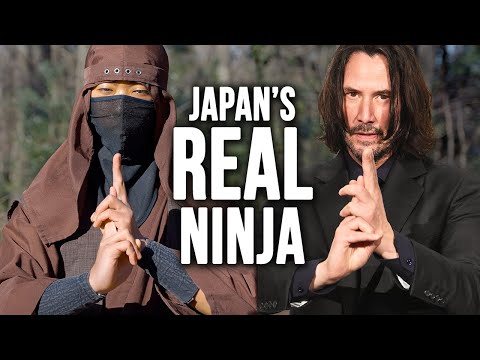
Meet Mr. Yaen Sasuke, a name that resonates with a rare authenticity in the modern era of martial arts. Unlike many who adopt a martial path for sport or self-defense, Sasuke’s journey began at the tender age of three, steeped in the profound traditions of Ninjutsu. This isn't merely a hobby; it's a lifeblood, an inheritance passed down through generations. His dedication is not merely anecdotal; it is etched in historical achievement. For two consecutive years, 2019 and 2020, Sasuke stood atop the podium, clinching the National Shuriken Throwing Competition – a feat unprecedented in its history. This mastery over the iconic throwing star is a testament to his precision, focus, and deep understanding of the art.
But Sasuke's presence extends beyond competitive accolades. He embodies the spirit of a present-day ninja, a concept often misunderstood and sensationalized. This article seeks to demystify his role, to understand the missions he undertakes, and to explore the philosophical underpinnings that guide his actions. His connection to his master, Mr. Jinichi Kawakami, famously known as the "Last Ninja," provides a crucial link to an unbroken chain of knowledge, a living testament to the enduring power of Ninjutsu.

Beyond the Shuriken: What is Ninjutsu Really?

The term "Ninjutsu" conjures images of stealth, assassination, and supernatural abilities. While elements of espionage and covert operations were indeed part of the historical ninja's toolkit, to reduce Ninjutsu to mere trickery is to miss its profound depth. At its core, Ninjutsu is a comprehensive system of survival and combat, encompassing not only physical techniques but also mental discipline, strategic thinking, and an intimate understanding of the natural world. It's a holistic discipline that integrates stealth, deception, infiltration, sabotage, and combat. The physical aspects include a wide array of striking, grappling, and weaponry skills. However, the true essence lies in the mental fortitude – the ability to remain calm under pressure, to observe and adapt, and to strike with precision and intent. This mental component, the development of what we might call *Mushin* (no mind) or *Heijoshin* (ordinary mind), is paramount.
"The supreme art of war is to subdue the enemy without fighting." - Sun Tzu, The Art of War
Sasuke’s own journey, beginning from such a young age, highlights the dedication required to internalize these principles. His success in shuriken throwing isn't just about accuracy; it's a manifestation of years of discipline, focus, and understanding the physics and psychology of his art. He clarifies that Ninjutsu, in its truest form, is about adaptation and resourcefulness, using the environment and one's own intellect as the primary weapons.

The Master and the Disciple: Jinichi Kawakami and the "Last Ninja"

The lineage of Ninjutsu is a precious commodity, threatened by time and changing societal structures. Mr. Jinichi Kawakami is a figure of immense significance, often referred to as the "Last Ninja." This title, while dramatic, points to the reality that he is one of the few, if not the only, remaining active practitioners who directly inherited the knowledge from masters of a preceding era, unbroken by the modernization and suppression of such arts in post-Meiji Japan. Kawakami's role as a master is not just about imparting physical techniques; it's about preserving a cultural heritage and a philosophical way of life. His teachings are steeped in the traditions and ethics that guided ninja through centuries of conflict and societal upheaval. He represents the culmination of a historical narrative, a living bridge to a past that continues to inform the present. Sasuke, as a direct disciple, has absorbed this invaluable wisdom. His understanding of Ninjutsu is not theoretical; it is lived. The missions he speaks of as a modern ninja often involve preserving this legacy, educating the public, and demonstrating the practical application of Ninjutsu principles in contemporary scenarios. This teacher-student relationship is the bedrock upon which the continuity of such an ancient art depends.

From Real Life to Hollywood: Ninjutsu in John Wick 3

The impact of authentic martial arts knowledge can transcend the dojo and reach the global stage of cinema. In the highly anticipated film *John Wick 3: Parabellum*, the titular character's combat prowess was significantly enhanced by the insights of real-world ninja practitioners. Mr. Yaen Sasuke was instrumental in this, lending his expertise to shape Keanu Reeves' portrayal of the world's most feared assassin. Reeves, known for his commitment to physical preparation, underwent rigorous training to embody John Wick's lethal efficiency. Sasuke's role involved not just demonstrating specific techniques, but instilling the fundamental mindset and philosophy of Ninjutsu. This meant understanding the principles of fluid movement, efficient energy expenditure, and psychological dominance that are hallmarks of the art. The collaboration highlights a fascinating synergy between historical martial arts and modern filmmaking. While Hollywood often embellishes for dramatic effect, the inclusion of authentic techniques and philosophies adds a layer of realism and gravitas. The shuriken sequences, the close-quarters combat, and even Wick's almost preternatural ability to anticipate threats all bear the subtle, yet profound, imprint of Ninjutsu as taught by Sasuke. It’s a powerful reminder that these ancient arts still hold immense practical value and captivating appeal.

Training the Shadow Warrior: Essential Ninjutsu Principles

For any aspiring martial artist, understanding the foundational principles of an art is paramount. While Ninjutsu may seem elusive, its core tenets are applicable and beneficial for anyone seeking self-improvement.
  • Stealth and Awareness: Ninjutsu emphasizes the importance of moving undetected and being keenly aware of one's surroundings. This translates to heightened observation skills and an ability to blend into any environment.
  • Adaptability and Improvisation: The ninja must be able to adapt to any situation, using whatever tools or circumstances are available. This fosters creativity and resourcefulness.
  • Efficiency of Movement: Every action in Ninjutsu is designed to be economical, conserving energy and maximizing impact. This principle is crucial for prolonged engagements and for preventing injury.
  • Mental Fortitude: The ability to remain calm, focused, and decisive under extreme stress is a cornerstone of Ninjutsu. This involves cultivating resilience and emotional control.
  • Understanding Opponent Psychology: Ninjutsu practitioners learn to read and exploit their opponent's mindset, intentions, and weaknesses.
Sasuke's journey, from a child immersed in this art to a renowned instructor and competitor, exemplifies the long-term commitment required. His ability to translate these principles to an actor like Keanu Reeves underscores their practical applicability, even in fictional contexts. The training is not about learning a fixed set of moves, but about developing a sophisticated approach to conflict resolution and situational awareness.

Veredicto del Sensei: The Enduring Relevance of the Ninja

The narrative surrounding Mr. Yaen Sasuke and his tutelage of Keanu Reeves in Ninjutsu offers a compelling case for the continued relevance of this ancient art. Far from being a relic of the past, Ninjutsu, when practiced authentically, provides a robust framework for physical prowess, mental acuity, and strategic thinking. Sasuke's achievements, particularly his dominance in the National Shuriken Throwing Competition, are concrete evidence of the efficacy of his training. His role in *John Wick 3* serves as a powerful demonstration of how Ninjutsu principles can translate into compelling and realistic action choreography, proving that these techniques are not merely historical curiosities but vital tools for survival and combat. The emphasis on adaptability, awareness, and mental discipline transcends the battlefield, offering profound life lessons. In a world that often feels chaotic and unpredictable, the principles of Ninjutsu provide a path towards greater control, resilience, and effective action. Cinturón Negro en Preservación Histórica y Aplicación Cinematográfica.

Equipo Esencial para tu Entrenamiento (Conceptual)

While Ninjutsu emphasizes adaptability and resourcefulness, certain conceptual tools can aid in its study and practice.
  • Shuriken: For advanced practitioners under qualified supervision, the practice of shuriken throwing can refine focus, precision, and understanding of trajectory.
  • Traditional Training Gear: This might include a *shinobi shozoku* (ninja attire) for historical context and comfort, though not strictly necessary for fundamental principles.
  • Training Mats (Tatami/Yoga Mats): Essential for practicing falls, rolls, and any physical techniques to prevent injury.
  • Practice Swords (Bokken/Iaito): For understanding weapon dynamics and forms, if the chosen Ninjutsu lineage incorporates them.
  • Focus Aids: Meditation cushions or quiet spaces for developing the mental discipline central to Ninjutsu.

Preguntas Frecuentes

  • ¿Es el Ninjutsu una forma de arte marcial peligrosa? Like any martial art, Ninjutsu can be dangerous if practiced without proper guidance and respect for its principles. Its techniques are designed for effectiveness, making qualified instruction crucial.
  • ¿Los ninjas modernos son asesinos? The modern interpretation of Ninjutsu, as exemplified by practitioners like Sasuke, often focuses on preservation of the art, teaching, and cultural understanding rather than the covert operations of historical ninja.
  • ¿Cuánto tiempo se tarda en aprender Ninjutsu? Ninjutsu is a lifelong pursuit. Significant progress in core principles like stealth, awareness, and basic combat can be made over several years, but mastery is a continuous journey.
  • ¿Puedo aprender Ninjutsu solo a través de videos? Videos can be supplementary resources, but they cannot replace the essential hands-on instruction, feedback, and correction from a qualified instructor required for mastering Ninjutsu's complex techniques and philosophy.

Para Profundizar en tu Camino

"Para vencer, primero debes sobrevivir." - Un principio fundamental del Ninjutsu.

Reflexión del Sensei: Tu Próximo Paso

Sasuke's mastery, his competitive victories, and his influence on Hollywood demonstrate that the path of the ninja is far from obsolete. But in the quiet moments between training sessions, between the explosive action of a film and the silent practice of a kata, where does the true power of Ninjutsu reside for *you*? Is it in the physical execution, the mental fortitude, or the philosophical understanding of adaptability? Consider this: how can the principles of stealth, awareness, and strategic efficiency, honed by Sasuke, be applied not just to combat, but to the challenges you face in your daily life, your work, and your personal growth? The answer lies not in what you see, but in what you *do* with the knowledge. ```

The Modern Ninja: Yaen Sasuke and the Legacy of Ninjutsu

Meet Mr. Yaen Sasuke, a name that resonates with a rare authenticity in the modern era of martial arts. Unlike many who adopt a martial path for sport or self-defense, Sasuke’s journey began at the tender age of three, steeped in the profound traditions of Ninjutsu. This isn't merely a hobby; it's a lifeblood, an inheritance passed down through generations. His dedication is not merely anecdotal; it is etched in historical achievement. For two consecutive years, 2019 and 2020, Sasuke stood atop the podium, clinching the National Shuriken Throwing Competition – a feat unprecedented in its history. This mastery over the iconic throwing star is a testament to his precision, focus, and deep understanding of the art.
But Sasuke's presence extends beyond competitive accolades. He embodies the spirit of a present-day ninja, a concept often misunderstood and sensationalized. This article seeks to demystify his role, to understand the missions he undertakes, and to explore the philosophical underpinnings that guide his actions. His connection to his master, Mr. Jinichi Kawakami, famously known as the "Last Ninja," provides a crucial link to an unbroken chain of knowledge, a living testament to the enduring power of Ninjutsu.

Beyond the Shuriken: What is Ninjutsu Really?

The term "Ninjutsu" conjures images of stealth, assassination, and supernatural abilities. While elements of espionage and covert operations were indeed part of the historical ninja's toolkit, to reduce Ninjutsu to mere trickery is to miss its profound depth. At its core, Ninjutsu is a comprehensive system of survival and combat, encompassing not only physical techniques but also mental discipline, strategic thinking, and an intimate understanding of the natural world. It's a holistic discipline that integrates stealth, deception, infiltration, sabotage, and combat. The physical aspects include a wide array of striking, grappling, and weaponry skills. However, the true essence lies in the mental fortitude – the ability to remain calm under pressure, to observe and adapt, and to strike with precision and intent. This mental component, the development of what we might call *Mushin* (no mind) or *Heijoshin* (ordinary mind), is paramount.
"The supreme art of war is to subdue the enemy without fighting." - Sun Tzu, The Art of War
Sasuke’s own journey, beginning from such a young age, highlights the dedication required to internalize these principles. His success in shuriken throwing isn't just about accuracy; it's a manifestation of years of discipline, focus, and understanding the physics and psychology of his art. He clarifies that Ninjutsu, in its truest form, is about adaptation and resourcefulness, using the environment and one's own intellect as the primary weapons.

The Master and the Disciple: Jinichi Kawakami and the "Last Ninja"

The lineage of Ninjutsu is a precious commodity, threatened by time and changing societal structures. Mr. Jinichi Kawakami is a figure of immense significance, often referred to as the "Last Ninja." This title, while dramatic, points to the reality that he is one of the few, if not the only, remaining active practitioners who directly inherited the knowledge from masters of a preceding era, unbroken by the modernization and suppression of such arts in post-Meiji Japan. Kawakami's role as a master is not just about imparting physical techniques; it's about preserving a cultural heritage and a philosophical way of life. His teachings are steeped in the traditions and ethics that guided ninja through centuries of conflict and societal upheaval. He represents the culmination of a historical narrative, a living bridge to a past that continues to inform the present. Sasuke, as a direct disciple, has absorbed this invaluable wisdom. His understanding of Ninjutsu is not theoretical; it is lived. The missions he speaks of as a modern ninja often involve preserving this legacy, educating the public, and demonstrating the practical application of Ninjutsu principles in contemporary scenarios. This teacher-student relationship is the bedrock upon which the continuity of such an ancient art depends.

From Real Life to Hollywood: Ninjutsu in John Wick 3

The impact of authentic martial arts knowledge can transcend the dojo and reach the global stage of cinema. In the highly anticipated film *John Wick 3: Parabellum*, the titular character's combat prowess was significantly enhanced by the insights of real-world ninja practitioners. Mr. Yaen Sasuke was instrumental in this, lending his expertise to shape Keanu Reeves' portrayal of the world's most feared assassin. Reeves, known for his commitment to physical preparation, underwent rigorous training to embody John Wick's lethal efficiency. Sasuke's role involved not just demonstrating specific techniques, but instilling the fundamental mindset and philosophy of Ninjutsu. This meant understanding the principles of fluid movement, efficient energy expenditure, and psychological dominance that are hallmarks of the art. The collaboration highlights a fascinating synergy between historical martial arts and modern filmmaking. While Hollywood often embellishes for dramatic effect, the inclusion of authentic techniques and philosophies adds a layer of realism and gravitas. The shuriken sequences, the close-quarters combat, and even Wick's almost preternatural ability to anticipate threats all bear the subtle, yet profound, imprint of Ninjutsu as taught by Sasuke. It’s a powerful reminder that these ancient arts still hold immense practical value and captivating appeal.

Training the Shadow Warrior: Essential Ninjutsu Principles

For any aspiring martial artist, understanding the foundational principles of an art is paramount. While Ninjutsu may seem elusive, its core tenets are applicable and beneficial for anyone seeking self-improvement.
  • Stealth and Awareness: Ninjutsu emphasizes the importance of moving undetected and being keenly aware of one's surroundings. This translates to heightened observation skills and an ability to blend into any environment.
  • Adaptability and Improvisation: The ninja must be able to adapt to any situation, using whatever tools or circumstances are available. This fosters creativity and resourcefulness.
  • Efficiency of Movement: Every action in Ninjutsu is designed to be economical, conserving energy and maximizing impact. This principle is crucial for prolonged engagements and for preventing injury.
  • Mental Fortitude: The ability to remain calm, focused, and decisive under extreme stress is a cornerstone of Ninjutsu. This involves cultivating resilience and emotional control.
  • Understanding Opponent Psychology: Ninjutsu practitioners learn to read and exploit their opponent's mindset, intentions, and weaknesses.
Sasuke's journey, from a child immersed in this art to a renowned instructor and competitor, exemplifies the long-term commitment required. His ability to translate these principles to an actor like Keanu Reeves underscores their practical applicability, even in fictional contexts. The training is not about learning a fixed set of moves, but about developing a sophisticated approach to conflict resolution and situational awareness.

Veredicto del Sensei: The Enduring Relevance of the Ninja

The narrative surrounding Mr. Yaen Sasuke and his tutelage of Keanu Reeves in Ninjutsu offers a compelling case for the continued relevance of this ancient art. Far from being a relic of the past, Ninjutsu, when practiced authentically, provides a robust framework for physical prowess, mental acuity, and strategic thinking. Sasuke's achievements, particularly his dominance in the National Shuriken Throwing Competition, are concrete evidence of the efficacy of his training. His role in *John Wick 3* serves as a powerful demonstration of how Ninjutsu principles can translate into compelling and realistic action choreography, proving that these techniques are not merely historical curiosities but vital tools for survival and combat. The emphasis on adaptability, awareness, and mental discipline transcends the battlefield, offering profound life lessons. In a world that often feels chaotic and unpredictable, the principles of Ninjutsu provide a path towards greater control, resilience, and effective action. Cinturón Negro en Preservación Histórica y Aplicación Cinematográfica.

Equipo Esencial para tu Entrenamiento (Conceptual)

While Ninjutsu emphasizes adaptability and resourcefulness, certain conceptual tools can aid in its study and practice.
  • Shuriken: For advanced practitioners under qualified supervision, the practice of shuriken throwing can refine focus, precision, and understanding of trajectory.
  • Traditional Training Gear: This might include a *shinobi shozoku* (ninja attire) for historical context and comfort, though not strictly necessary for fundamental principles.
  • Training Mats (Tatami/Yoga Mats): Essential for practicing falls, rolls, and any physical techniques to prevent injury.
  • Practice Swords (Bokken/Iaito): For understanding weapon dynamics and forms, if the chosen Ninjutsu lineage incorporates them.
  • Focus Aids: Meditation cushions or quiet spaces for developing the mental discipline central to Ninjutsu.

Preguntas Frecuentes

  • ¿Es el Ninjutsu una forma de arte marcial peligrosa? Like any martial art, Ninjutsu can be dangerous if practiced without proper guidance and respect for its principles. Its techniques are designed for effectiveness, making qualified instruction crucial.
  • ¿Los ninjas modernos son asesinos? The modern interpretation of Ninjutsu, as exemplified by practitioners like Sasuke, often focuses on preservation of the art, teaching, and cultural understanding rather than the covert operations of historical ninja.
  • ¿Cuánto tiempo se tarda en aprender Ninjutsu? Ninjutsu is a lifelong pursuit. Significant progress in core principles like stealth, awareness, and basic combat can be made over several years, but mastery is a continuous journey.
  • ¿Puedo aprender Ninjutsu solo a través de videos? Videos can be supplementary resources, but they cannot replace the essential hands-on instruction, feedback, and correction from a qualified instructor required for mastering Ninjutsu's complex techniques and philosophy.

Para Profundizar en tu Camino

"Para vencer, primero debes sobrevivir." - Un principio fundamental del Ninjutsu.

Reflexión del Sensei: Tu Próximo Paso

Sasuke's mastery, his competitive victories, and his influence on Hollywood demonstrate that the path of the ninja is far from obsolete. But in the quiet moments between training sessions, between the explosive action of a film and the silent practice of a kata, where does the true power of Ninjutsu reside for *you*? Is it in the physical execution, the mental fortitude, or the philosophical understanding of adaptability? Consider this: how can the principles of stealth, awareness, and strategic efficiency, honed by Sasuke, be applied not just to combat, but to the challenges you face in your daily life, your work, and your personal growth? The answer lies not in what you see, but in what you *do* with the knowledge. GEMINI_METADESC: Uncover the secrets of Ninjutsu with modern ninja Yaen Sasuke, who trained Keanu Reeves for John Wick 3 and excels in shuriken. Explore authentic practice and its modern relevance.

NINJA DRAGON: A Critical Examination of Martial Arts Cinema's Mystique

Unveiling the Mystic Warrior

Welcome, students, to another session of critical discourse. Today, we dissect a cinematic artifact, a piece that promises to transport us into the shadowy world of the shinobi: "NINJA DRAGON." But does this film deliver the profound essence of the martial path, or is it merely a spectacle of smoke bombs and stylized violence? As practitioners and enthusiasts, we must question what we consume, especially when it purports to represent the arts we dedicate our lives to.

The allure of the ninja is undeniable, a potent blend of mystery, skill, and a code often misunderstood. Many films attempt to capture this mystique, but few truly grasp the underlying discipline, the rigorous training, and the philosophical depth that define the true warrior. "NINJA DRAGON," in its very title, sets a high bar. Is it a testament to the legendary dragon-like agility and lethal precision of the shinobi, or is it merely another dragon in a sea of cinematic beasts?

The Allure of the Ninja: Beyond the Smoke and Mirrors

Before we plunge into the film itself, let us first understand the subject matter. The ninja, or shinobi, were not mere assassins. They were spies, saboteurs, and warriors trained in a variety of arts, including espionage, guerilla warfare, and unarmed combat. Their techniques, often shrouded in secrecy, were rooted in practicality and efficiency. The weapons they wielded – the shuriken, the kusarigama, the nunchaku – were tools designed for specific tactical purposes, not just props for a dramatic flourish.

The "dragon" in martial arts lore often symbolizes immense power, wisdom, and often, a connection to the primordial forces. To associate the ninja with the dragon is to elevate their status, suggesting a mastery that transcends the ordinary. This is precisely the promise of a film like "NINJA DRAGON." It invites us to believe in a hero who embodies these mythical qualities, a figure capable of impossible feats. But is this cinematic portrayal a genuine reflection of the historical shinobi, or a romanticized fabrication designed for mass appeal?

Coreography: Illusion vs. Practicality

The heart of any martial arts film lies in its action sequences. The choreography must be believable, showcasing techniques that, while perhaps heightened for dramatic effect, should still adhere to the fundamental principles of physics and biomechanics. When watching "NINJA DRAGON," I, like many seasoned practitioners, will be scrutinizing every movement. Do the strikes have snap and intent? Is the footwork sound? Are the defenses logical? Or are we witnessing a dance of flailing limbs and improbable dodges?

The use of specific weapons, like the nunchaku, is particularly telling. While visually striking, their practical application in a real combat scenario is often debated. Is the actor wielding the nunchaku with any semblance of control and purpose, or is it merely being swung wildly in the hope of looking impressive? A true master of the nunchaku can use it with precision, its speed and versatility posing a significant threat. Conversely, a poorly executed nunchaku sequence can look more dangerous to the wielder than to the opponent.

We will also examine the integration of traditional martial arts. Does "NINJA DRAGON" draw from genuine disciplines like Ninjitsu, Taekwondo, or Karate, or does it create a Frankenstein's monster of combat moves devoid of authentic lineage?

The Spirit of the Art: What "NINJA DRAGON" Gets Wrong (and Right?)

Beyond the physical execution, the true measure of a martial arts film lies in its ability to convey the spirit – the Seishin – of the arts it portrays. This encompasses discipline, respect, humility, and the relentless pursuit of self-improvement. Does "NINJA DRAGON" hint at the inner journey of its protagonist? Do we see moments of introspection, struggle, and growth that resonate with the path of the warrior?

Or is it a narrative driven solely by external conflict, where the protagonist’s motivations are reduced to revenge or the simple act of defeating the villain? The most impactful martial arts films go beyond mere spectacle; they offer lessons in character development, the triumph of will, and the philosophical underpinnings of combat. A true warrior's journey is often internal as much as it is external.

"The ultimate aim of martial arts is not to be victorious over others, but to be victorious over oneself." - A fundamental principle echoed across many disciplines.

We must ask if "NINJA DRAGON" upholds this sacred tenet. Does its protagonist learn to control their inner demons as effectively as they control their outward movements? Or does the film simply glorify violence as an end in itself?

Deconstructing "NINJA DRAGON": A Martial Perspective

"NINJA DRAGON" presents a narrative that, on the surface, taps into the enduring fascination with the shinobi. The film’s title alone conjures images of stealth, precision, and an almost supernatural prowess. But as seasoned practitioners, we are trained to look beyond the facade, to analyze the substance beneath the style. Let us delve into the specifics of this cinematic offering.

The film’s plot, which often centers around a shadowy organization or a vendetta, typically pits our protagonist against a series of increasingly formidable opponents. This structure, while familiar, provides ample opportunity to showcase diverse combat scenarios. The question remains: how well are these scenarios executed from a martial standpoint? Do the fight scenes feel organic to the characters and the narrative, or are they gratuitous insertions designed purely to titillate the audience?

The use of various martial arts and weaponry within the film demands a critical eye. We might see elements of Budo, Karate, Taekwondo, and of course, the titular Ninjitsu. However, the blending of these arts can often be superficial. A true master of multiple disciplines integrates their principles seamlessly. A film might show a character performing a high kick from Taekwondo followed by a low sweep from Judo, but does it demonstrate an understanding of the transitions, the timing, and the strategic intent behind such a sequence?

Furthermore, the very concept of the "Dragon" in a martial context implies a level of mastery and power that is rarely achieved. If the film’s protagonist embodies this dragon-like quality, it must be earned through demonstrable skill, discipline, and a profound understanding of their art. We will assess whether "NINJA DRAGON" earns this portrayal or simply assigns it.

Authenticity and Representation: The Critical Lens

This is where films often falter. The historical ninja were masters of deception and adaptation. Their training was rigorous and their methods practical. Modern cinematic interpretations, however, often prioritize visual spectacle over historical accuracy. Does "NINJA DRAGON" present a believable portrayal of ninja skills, or does it fall into the trap of exaggerated abilities, such as superhuman speed, invisibility, or the ability to withstand blows that would incapacitate any ordinary human?

We must also consider the representation of the Ki (or Qi) – the vital energy that is central to many Asian martial arts. While some films depict Ki as a mystical force capable of levitation or energy blasts, its true martial application lies in focused intent, internal power generation, and breath control. Does "NINJA DRAGON" touch upon this concept in a meaningful way, or does it dismiss it as mere fantasy?

A film that truly respects its subject matter will strive for a degree of authenticity, even within the confines of dramatic storytelling. This means acknowledging the dedication, the sacrifice, and the deep philosophical roots of the martial path. Without this, a film risks perpetuating myths and misrepresentations that do a disservice to the arts it seeks to portray.

Philosophical Undertones: The Bushido Code in the Shadows

While the ninja operated in a more clandestine sphere than the samurai, their actions were often guided by a code of ethics, a precursor to the Bushido, the Way of the Warrior. This code emphasized loyalty, courage, self-discipline, and honor. Does "NINJA DRAGON" explore these themes? Is the protagonist’s journey one of moral development, or are they simply a skilled killer driven by base desires?

Miyamoto Musashi, in "The Book of Five Rings," stated, "There is nothing outside of yourself that can ever enable you to get better, stronger, richer, quicker, or smarter. Everything is within. Everything exists. Right in front of your eyes. Look within for the answers."

This quote speaks to the internal focus that is paramount in martial arts. Does the film’s narrative reflect this internal struggle and self-discovery, or does it solely focus on external conflicts and triumphant victories? The most profound martial arts narratives often teach us that the greatest battles are fought within the human heart and mind.

The training sequences, if present, are also critical. Do they show the arduous, often monotonous, yet essential repetition required to master a technique? Or do they present a montage of quick, effortless progress? The latter is a common cinematic trope that undermines the reality of dedicated martial arts practice.

Veredicto del Sensei: ¿Merece la pena?

"NINJA DRAGON" is, by all accounts, a film that leans heavily into the sensationalism of the ninja mythos. While it might offer fleeting moments of visually appealing action, it largely fails to capture the true spirit, discipline, and philosophical depth of the martial arts it purports to represent. The choreography often prioritizes flair over function, and the narrative seldom ventures beyond superficial tropes of revenge and combat.

For the casual viewer seeking popcorn entertainment, "NINJA DRAGON" might suffice. However, for the serious martial artist, it is a hollow echo of what could have been a profound exploration of the shinobi way. It offers spectacle but lacks substance. It presents action but omits the art.

Cinturón Negro en Espectáculo Visual, Cinturón Blanco en Autenticidad Marcial.

Guía de Entrenamiento: Simulating Ninja Agility

While "NINJA DRAGON" may not be a perfect martial arts guide, the *concept* of ninja agility can be trained. True ninja mastery required incredible physical conditioning, flexibility, and coordination. Here's how you can begin to cultivate some of those attributes:

  1. Dynamic Stretching: Start your session with dynamic movements to prepare your body. Think leg swings, arm circles, torso twists, and high knees. This prepares the muscles for explosive movements and improves range of motion.
  2. Agility Drills: Use cones or markers to set up agility courses. Practice side-shuffles, forward sprints, backward sprints, and carioca (grapevine steps). Focus on quick changes in direction and maintaining a low center of gravity. For advanced practitioners, incorporate jump rope routines to enhance footwork and rhythm.
  3. Bodyweight Strength: Ninja relied on their own body for strength. Incorporate exercises like push-ups (various hand placements), pull-ups (if possible, or use resistance bands), squats, lunges, and planks. Focus on controlled movements and proper form.
  4. Balance Training: Stand on one leg for extended periods, slowly increasing the duration. Try closing your eyes while balancing to increase the challenge. Advanced practitioners can use unstable surfaces like a BOSU ball.
  5. Flexibility and Mobility: Dedicate time to static stretching after your workout. Focus on hamstrings, hips, shoulders, and back. Yoga poses like the downward-facing dog, warrior poses, and pigeon pose can be beneficial.
  6. Stealth Movement Practice: While not directly trainable without specific instruction, practice moving quietly and deliberately. Focus on foot placement and body control.

Remember, consistency is key. This is a long-term endeavor, not a quick fix. For more comprehensive routines, consider exploring resources on Agility and At Home Workout training.

Equipo Esencial para tu Entrenamiento

While a ninja might have relied on improvisation, modern martial arts training requires some basic equipment to ensure safety and effectiveness. For developing the kind of agility and conditioning seen (however inaccurately) in films like "NINJA DRAGON," consider the following:

  • Comfortable Training Attire: A breathable gi (like a Karate gi or a Judo gi) or athletic wear that allows for a full range of motion is crucial.
  • Training Mat: For floor exercises, takedowns (if applicable to your art), and to provide cushioning during agility drills.
  • Agility Cones/Markers: Essential for setting up drills to improve footwork and reaction time.
  • Jump Rope: An excellent tool for cardiovascular conditioning and developing rhythm and coordination.
  • Resistance Bands: Versatile for strength training and mobility work, especially if pull-up bars are not available.
  • Optional: Nunchaku: If you are serious about learning to wield the nunchaku, seek instruction from a qualified teacher. Start with padded training nunchaku to minimize injury. Improper use can be dangerous.

Investing in quality equipment can significantly enhance your training experience and help you progress safely towards your goals.

Preguntas Frecuentes

1. Is "NINJA DRAGON" based on a true story or a specific ninja clan?
"NINJA DRAGON" is a fictional work designed for entertainment. While it draws inspiration from the mystique of ninja clans, it does not represent a specific historical event or clan with factual accuracy.
2. How can I learn authentic Ninjutsu?
Authentic Ninjutsu training is rare and should be sought from reputable dojos affiliated with recognized organizations (e.g., Bujinkan, Genbukan, Jinenkan). Be wary of schools that make exaggerated claims. Research is paramount.
3. Are nunchaku a practical weapon in real combat?
The practical application of nunchaku in real combat is highly debated and depends heavily on the wielder's skill and the context of the confrontation. They are difficult to master and can be easily countered or turned against the user if not wielded with expert precision. Their effectiveness is often exaggerated in films.
4. What are the key differences between a ninja and a samurai?
Samurai were the warrior nobility, bound by strict codes like Bushido, often serving lords directly. Ninjas were typically covert agents, spies, and mercenaries from lower social strata, excelling in espionage, sabotage, and unconventional warfare rather than direct battlefield combat. Their methods were often indirect and focused on infiltration.

Para Profundizar en tu Camino

If the cinematic portrayal has sparked your curiosity about the true martial path, I encourage you to explore these resources:

  • BUDO and Martial Arts Philosophy: Understanding the core principles.
  • History of Martial Arts: Learning from the past to inform the present.
  • Training Methodologies: Discovering effective ways to improve your skills.

Reflexión del Sensei: Tu Próximo Paso

After dissecting "NINJA DRAGON," we are left with a question that echoes far beyond the cinema screen: In our pursuit of martial arts, are we seeking genuine mastery and self-improvement, or are we merely chasing the illusion of power and unattainable mystique? The path of the warrior is paved with sweat, discipline, and introspection. Do your training habits reflect this truth, or do you, like many, fall prey to the siren song of effortless victory?

Now, it is your turn to confront this reflection. What did you find most lacking, or surprisingly accurate, in "NINJA DRAGON"? And more importantly, how will this analysis shape your own training regimen? Prove your understanding in the comments below – I await your arguments.