The annals of combat sports are replete with legends, but few tales echo with the raw, untamed ferocity of Ron Lyle. This isn't merely a recap of a boxer; it's an exploration of resilience, a testament to the unyielding spirit forged in the crucible of hardship, and a critical examination of a heavyweight slugger whose career was as tumultuous as it was electrifying. If you believe that true martial spirit is found in perseverance against all odds, then Lyle's story is one you must dissect.
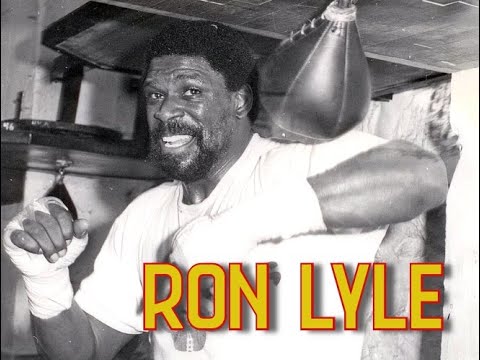
Ron Lyle wasn't just another heavyweight boxer from the explosive era of the 1970s; he was a force of nature. His fists carried the weight of his tumultuous life, a life marked by early struggles, incarceration, and a redemption arc that captivated the boxing world. Born in Denver, Colorado, Lyle's journey to the top was anything but conventional. Unlike many who were meticulously trained from youth, Lyle’s path was paved with raw power honed through sheer will and an indomitable fighting spirit. His record, a testament to his aggressive style, speaks volumes: 36 wins, 30 by knockout, and 7 losses. But the numbers fail to capture the sheer drama, the grit, and the heart he brought into every single bout. He was a fighter who understood the harsh realities of the fight, both inside and outside the ring.
His power was legendary. Lyle possessed a truly concussive right hand that could change the course of any fight in an instant. This, combined with a chin that could absorb punishment and a refusal to quit, made him a feared opponent. He faced some of the greatest heavyweights of his generation, and though he didn't always emerge victorious, he always left an indelible mark. His fights were not technical chess matches; they were visceral, thrilling slugfests that appealed to the primal core of combat sports fandom. He was the embodiment of the "slugger" archetype, a fighter who relied on overwhelming power and sheer determination.
"Some fighters are chess players. Ron Lyle was a street fighter with a hammer for a fist."
This raw, almost brutal, effectiveness is what drew so many fans to him. He wasn't afraid to stand and trade, to engage in slugging wars that left spectators breathless. This style, while exciting, also came with significant risks, a theme that would tragically define later chapters of his life.
The Brutal Symphony: Lyle vs. Frazier - A Masterclass in Heart
No discussion of Ron Lyle is complete without revisiting his epic clash with Joe Frazier on May 16, 1976. This fight wasn't just a boxing match; it was a war. Both men, former sparring partners, entered the ring with reputations for toughness and power. What followed was a spectacle of aggression, resilience, and sheer willpower that etched itself into boxing history.
The fight was a back-and-forth slugfest from the opening bell. Lyle, known for his devastating power, knocked Frazier down in the fourth round. Many thought it was over. But "Smokin' Joe," a man who had faced down George Foreman and overcome insurmountable odds, embodied the very definition of a warrior's heart. He got up, fought back, and managed to send Lyle to the canvas twice in the fifth round. The momentum shifted violently, a testament to the unpredictable nature of heavyweight boxing.
Yet, Lyle, displaying the same resilience that defined his career, weathered the storm. He survived the onslaught and came back, landing his own heavy blows. The fight continued in this brutal rhythm, each man pushing the other to their absolute limits. It was a testament to the **BUDO** spirit of never giving up, of continuing the fight even when facing seemingly insurmountable odds. In the eleventh round, Lyle finally landed a decisive blow, knocking Frazier out cold. It was a monumental victory, a career-defining moment that showcased his grit and his formidable power.
This bout is a prime example of the **philosophy of combat** where heart and will can often overcome technical deficiencies. While Frazier was a more polished boxer, Lyle's sheer determination and ability to absorb punishment while delivering his own made him a dangerous proposition for anyone. It was a fight that perfectly encapsulated the "slugger" mentality: stand, trade, and win.
The Philosophy of the Slugger: Power, Peril, and Prizefighting
Lyle's approach to boxing transcended mere technique. It was rooted in a philosophy of aggression and resilience that resonates deeply with the principles of **martial arts**. The "slugger" style, exemplified by Lyle, is characterized by a willingness to engage in direct exchanges, relying heavily on power punching and the ability to absorb significant damage.
This style is inherently high-risk, high-reward. The potential for a knockout is always present, thrilling crowds and potentially ending fights swiftly. However, it also exposes the fighter to considerable punishment. A slugger must possess an exceptional chin, immense fortitude, and an unwavering belief in their own offensive capabilities. Lyle embodied all of these traits. His fights were rarely boring because he was always in the thick of it, willing to trade blows toe-to-toe.
This approach can be compared to certain styles within **Karate** or **Kyokushin Karate**, where conditioning and the ability to withstand hard blows are paramount, and powerful, direct techniques are favored. The emphasis is not always on evasion or intricate footwork, but on delivering impactful strikes and absorbing the opponent's best shots to continue the offensive.
However, the peril of this philosophy is undeniable. Fighters who consistently engage in slugfests often suffer long-term damage. Lyle's post-boxing life tragically highlighted these risks. His story serves as a cautionary tale about the physical toll of prizefighting, especially for those who adopt a style that prioritizes raw power and brawling over defensive strategy.
Lessons from the Ring: Beyond the Knockout
The narrative of Ron Lyle offers profound lessons that extend far beyond the canvas of a boxing ring. His life is a powerful illustration of the **warrior philosophy**, a concept deeply embedded in **BUDO** and numerous **martial arts**. It speaks to the importance of resilience, the power of redemption, and the enduring strength of the human spirit.
Lyle's journey from hardship to the pinnacle of his sport is a testament to the **law of perseverance**. He faced adversity head-on, both in his personal life and in his boxing career, and continually fought his way back. This echoes the **martial arts principle** of embracing challenges as opportunities for growth. A true martial artist understands that failure is not an end, but a stepping stone.
Furthermore, Lyle's story compels us to consider the nature of **inner strength**. While his knockout power was undeniable, his true strength lay in his ability to endure, to get back up when knocked down, both literally and figuratively. This is the essence of **self-mastery**, a core tenet in many disciplines, from **Judo**'s emphasis on balance and control to **Aikido**'s focus on harmonizing with an opponent's energy.
His later struggles, including his battles with addiction and the tragic loss of his children, cast a somber shadow over his achievements. Yet, even in his darkest hours, there were glimpses of the fighter who refused to yield. This duality underscores the complex nature of human existence and the ongoing battle for self-control and well-being that every individual faces.
"The true measure of a warrior is not in how many battles they win, but in how they rise after each defeat."
This sentiment, though not directly attributed to Lyle, perfectly encapsulates his tumultuous career and life. His legacy is a reminder that the path of a fighter is rarely linear, and that true victory often lies in the spirit with which one navigates the inevitable challenges.
Equipment Essential for Your Training
To emulate the spirit and dedication of fighters like Ron Lyle, proper training equipment is crucial. While Lyle's game was built on raw power, the modern practitioner can enhance their training with the right gear. Whether you're focusing on striking, grappling, or overall conditioning, investing in quality equipment is a sign of respect for your craft.
Boxing Gloves: Essential for any striking art, from **Boxing** to **Kickboxing**. For sparring, 16oz gloves offer good protection. For heavy bag work, 12-14oz gloves are often preferred.
Hand Wraps: Crucial for preventing wrist and hand injuries when using gloves.
Jump Rope: A classic tool for building stamina, agility, and coordination – vital for any fighter aiming to last rounds like Lyle.
Heavy Bag: For developing punching power and endurance.
Speed Bag: Improves hand speed, rhythm, and shoulder conditioning.
Duffel Bag/Gym Bag: To carry your gear to and from training sessions. Look for durable options that can handle the wear and tear of regular use.
Water Bottle: Staying hydrated is paramount.
For those delving into ground-based arts like **Judo** or **BJJ**, a high-quality **gi** is indispensable. Look for materials that are durable yet comfortable, allowing for a full range of motion. Investing in your **karate gi** or **judo gi** is a direct investment in your training.
Frequently Asked Questions
Was Ron Lyle considered a Hall of Fame boxer?
While Ron Lyle had a significant impact on the heavyweight division in the 1970s and engaged in legendary fights, he has not been inducted into the major boxing halls of fame. His career was marked by both spectacular highs and devastating lows, which perhaps prevented a consensus for such an honor.
What was Ron Lyle's most famous fight?
His fight against Joe Frazier on May 16, 1976, is widely considered his most famous bout. It was a brutal, back-and-forth slugfest that saw both men knocked down multiple times before Lyle ultimately secured the knockout victory in the eleventh round.
What happened to Ron Lyle after his boxing career?
Lyle faced significant challenges after retiring from boxing, including struggles with addiction and personal tragedy. He dedicated much of his later life to community work and speaking out against violence.
How did Ron Lyle's style differ from other heavyweights of his era?
Lyle was a quintessential slugger, known for his immense punching power and a willingness to stand and trade blows. While many heavyweights of his era possessed power, Lyle's style was often more aggressive and less reliant on technical boxing, embodying a raw, street-fighting mentality.
Deepen Your Understanding
To further explore the rich tapestry of combat sports and warrior philosophies, I encourage you to delve into these related articles:
Ron Lyle's life was a brutal dance between immense power and profound vulnerability, a testament to the warrior's spirit that burns fiercely even in the face of overwhelming odds. He reminds us that the greatest fights are often not against an opponent, but within ourselves. His story is a stark reminder that while the roar of the crowd can be intoxicating, the true measure of a man is found in his resilience, his capacity for redemption, and his willingness to confront his own demons.
Reflection of the Sensei: Your Next Step
Consider this: In your own training, do you relentlessly pursue power at the expense of control and self-awareness, much like a slugger leaving himself open? Or do you find yourself overly reliant on technique, perhaps avoiding the necessary grit and confrontation that true martial spirit demands? Where does your own balance lie, and what unspoken battles are you currently fighting within the confines of your dojo, and more importantly, within your own mind? The answer, like Lyle’s career, will be a complex and ongoing struggle.
GEMINI_METADESC: Explore the life and career of heavyweight slugger Ron Lyle, his epic battles, and the warrior philosophy he embodied. A critical look at his legacy and lessons for martial artists.
Hello, warrior. Welcome to the hallowed halls of Budo and Martial Arts. Today, we cast our gaze back, not to the silent elegance of a dojo or the intricate dance of a kata, but to the brutal, raw, and unforgiving arena of early 20th-century heavyweight boxing. We speak of a man whose name should echo through the annals of combat history, yet often remains a whisper: Sam McVey.
Were you searching for the technical precision of Karate? The philosophical depth of Budo? The kinetic energy of MMA? Perhaps. But sometimes, understanding the human will to contend, the sheer grit required to face a peer in a direct, physical contest, is the most profound martial lesson of all. And few embodied that lesson more than Sam McVey.
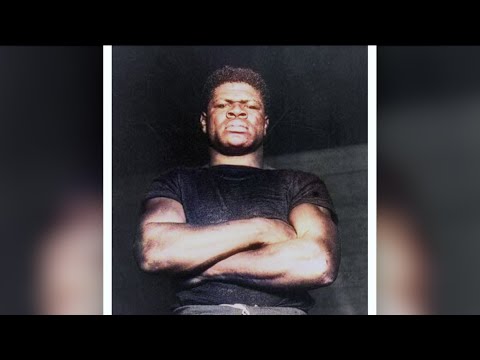
Sam McVey was a heavyweight boxer who emerged from Oxnard, California, during a period when the heavyweight division was a breeding ground for legends. Born in 1875, McVey was a formidable presence, standing tall and possessing the kind of power that could end a fight with a single, well-placed blow. His career spanned the turn of the 20th century, a time of immense change and, unfortunately, persistent racial prejudice that heavily influenced the opportunities available to fighters of color.
His record, while not always reflecting the caliber of his opponents, tells a story of a warrior who consistently sought out the toughest competition. This is not the behavior of a fighter afraid of engagement; this is the mindset of someone who understood that true growth, true mastery, comes from facing the best. In the world of combat sports, avoiding strong opposition is a quick path to mediocrity. McVey chose a different path.
In the Ring with Legends: Johnson, Langford, and Wills
The true measure of a fighter is not merely their win-loss record, but the caliber of the men they faced. Sam McVey's name is inextricably linked with some of the greatest heavyweights of his era:
* **Jack Johnson**: The first African-American world heavyweight boxing champion. Facing Johnson was akin to facing the pinnacle of the sport at that time. Their bouts were fiercely contested, showcasing McVey's resilience and courage.
* **Sam Langford**: Often considered one of the greatest boxers never to win a world title, Langford was a fearsome puncher and a relentless fighter. McVey and Langford met multiple times, a testament to their respect for each other's abilities and their shared willingness to engage in brutal contests. These fights were wars, pure and simple.
* **Harry Wills**: Another legendary Black contender who, like McVey and Langford, was denied a shot at the world title due to racial barriers. Wills and McVey squared off, adding another chapter to the intense rivalries of this golden era.
To share the ring with such titans is to prove one's own mettle. It’s a harsh reality that many modern fans, accustomed to curated matchmaking and title shots based on reputation, might not fully grasp. These men fought each other because they had to, to prove themselves in a world that tried to limit them. This is the essence of the warrior philosophy – confronting adversity head-on.
The Unseen Battle: Prejudice and Opportunity
It is impossible to discuss Sam McVey's career without acknowledging the pervasive racial segregation of the time. The "color line" in boxing was a formidable barrier, preventing many exceptionally talented Black fighters, including McVey, Langford, and Wills, from ever receiving a shot at a world championship, regardless of their performances.
This context adds a layer of profound tragedy and immense respect to McVey's story. He didn't just fight his opponents; he fought against a system designed to keep him down. The mental fortitude required to step into the ring, knowing that even victory might not lead to deserved recognition or opportunity, is staggering. This resonates deeply with the principles of self-mastery and inner strength that are core to many martial arts. It’s about performing at your highest level, not for external validation, but for the integrity of your own spirit and your commitment to excellence.
"The greatest victory is that which requires no explanation." - Bruce Lee, a modern master who also faced his share of cultural barriers. While decades apart, the sentiment of proving oneself through action, not words, binds these warriors.
McVey's Style and Legacy: A Tactical Breakdown
While detailed fight footage from McVey's era is scarce, historical accounts describe him as a powerful puncher, capable of delivering devastating blows. His ability to consistently step into the ring with the era's elite suggests a fighter with significant technical skill, ring intelligence, and, crucially, a high tolerance for pain and punishment.
In boxing, like many fight sports, power alone is insufficient. One needs strategy, timing, and the ability to adapt. McVey's longevity against such formidable opposition indicates a well-rounded skill set. He was not just a brawler; he was a boxer who understood the art of the fight. His legacy, therefore, is not just in the fights he won or lost, but in his persistent presence at the highest level, a constant challenge to the status quo and a testament to his enduring skill. He serves as a prime example of dedication in martial arts training, proving that consistent effort against tough opponents builds an unshakeable foundation.
Martial Insights from the Squared Circle
What can we, as practitioners of martial arts, learn from a heavyweight boxer from a century ago? More than you might think.
1. **The Importance of Opposition**: True progress is forged in the fires of challenging encounters. Seeking out opponents who push your limits, who expose your weaknesses, is essential for growth. This applies whether you're learning Judo throws, Karate kata, or MMA sparring.
2. **Resilience in the Face of Adversity**: McVey faced not only skilled opponents but also systemic prejudice. His continued participation and success speak to an incredible mental fortitude. In Budo, this is the cultivation of mental strength and perseverance, the ability to continue forward when the path is blocked.
3. **Simplicity and Power**: While boxing has evolved, the fundamental principles of powerful, well-timed strikes remain crucial. Often, the most effective techniques are the simplest, delivered with maximum intent and precision. This echoes the philosophy of many martial arts traditions that prioritize efficiency over flashy complexity.
4. **Legacy Beyond Titles**: McVey never held a world title, yet his name is remembered among those who knew the sport intimately. This reminds us that impact is not always measured by accolades but by the struggle, the contribution, and the spirit with which one engages.
Equipment Essential for Your Training
While Sam McVey's era had simpler gear, modern training requires appropriate equipment to ensure safety and effectiveness. Whether you're practicing striking, grappling, or a combination like MMA, having the right gear is paramount.
Boxing Gloves: For sparring and heavy bag work, invest in good quality gloves (14-16oz for sparring, 10-12oz for bag work) to protect your hands and wrists. Brands like Everlast, Title Boxing, and Rival offer excellent options.
Hand Wraps: Crucial for wrist support and preventing hand injuries during intense training.
Mouthguard: Non-negotiable for any sparring, regardless of the discipline. Protect your teeth and jaw.
Headgear: Essential for sparring to reduce the risk of cuts and concussions.
Shin Guards: If you're training kickboxing or Muay Thai, these are vital for conditioning and safety.
For those focusing on grappling, consider specialized Judo gis or BJJ kimonos, known for their durability. A good pair of training shoes is also beneficial for most disciplines.
FAQ About Sam McVey
Q: Was Sam McVey ever considered for a world title shot?
A: Despite his consistent performances against top contenders like Jack Johnson, Harry Wills, and Sam Langford, McVey was largely overlooked for a world title opportunity due to the racial segregation prevalent in professional boxing during his career.
Q: How many times did Sam McVey fight Sam Langford?
A: Historical records indicate they fought multiple times, though the exact number can vary depending on the source. Their bouts were known to be extremely tough contests.
Q: What was Sam McVey's nickname?
A: McVey was often referred to as "The Oxnard Puncher" or simply "Oxnard Sam," referencing his hometown.
Q: Did Sam McVey fight Jack Johnson for a title?
A: No, their fights were non-title bouts. Johnson was the reigning World Heavyweight Champion for much of their overlapping careers, but a title fight between them never materialized.
Q: What can modern fighters learn from Sam McVey?
A: McVey's career highlights the importance of facing strong opposition, mental resilience against adversity, and the enduring spirit of a true warrior, even when facing systemic barriers.
Reflection of the Sensei: Your Next Step
Sam McVey's story is a stark reminder that the path of the warrior is rarely smooth, and often, the greatest battles are fought not just against an opponent, but against circumstances. He stands as a testament to the unyielding human spirit, a giant whose legacy, though often overshadowed, deserves remembrance. His courage in facing the best, despite the limitations imposed upon him, is a profound lesson for any student of the combative arts.
Reflection of the Sensei: Your Next Step
Consider this: In your own training, are you actively seeking out the challenges that truly test your limits, or are you comfortable in the familiar? Are you cultivating the mental resilience to push forward when obstacles arise, or do you seek the easiest path? The ring, the dojo, the mat – they are mirrors reflecting our true character. What does Sam McVey's journey reveal about your own reflection?
For those eager to delve deeper into the rich tapestry of combat history and martial philosophy, explore these resources:
GEMINI_METADESC: Explore the legacy of Sam McVey, a formidable heavyweight boxer who fought legends like Jack Johnson and Sam Langford, overcoming racial barriers with sheer grit and skill. A true warrior's tale.
In the relentless arena of combat sports, few moments captivate the human psyche quite like the definitive knockout. It is the stark, undeniable punctuation mark at the end of a brutal exchange, a testament to power, precision, and the sheer, unadulterated will to prevail. But what elevates a knockout from a mere victory to an enduring spectacle, one that echoes through the annals of artes marciales and combate? Is it simply brute force, or is there a deeper, more intricate ballet of physics, timing, and anatomy at play? Today, we dissect not just the spectacle, but the science and spirit behind the K.O. that leaves audiences breathless.
Many see a knockout as a simple punch or kick landing with immense force. However, a true knockout is a symphony of biomechanics. It's about targeting vulnerable points on the opponent's body. The most common targets are the head and the solar plexus. A precise blow to the chin, at the correct angle, can cause the head to rotate rapidly, leading to a whiplash effect. This jarring motion disrupts the brain's equilibrium, causing a temporary loss of consciousness. The vestibular system, responsible for balance, is severely compromised. Similarly, a hard strike to the solar plexus can momentarily paralyze the diaphragm, making breathing impossible and causing the recipient to fold, incapacitated.
It's crucial to understand that not all heavy blows result in a knockout. Technique, leverage, and the element of surprise play far more significant roles than raw power alone. A fighter who understands the physics of impact can generate devastating force with less effort, often through efficient kinetic chain transfer – from the ground, through the hips and core, to the fist or foot.
"The ultimate aim of Karate is not the victory or defeat, but the perfection of the character of its participants." - Gichin Funakoshi
This principle, while originating from Karate, extends to all artes marciales. A knockout is a physical manifestation of a technique executed with the highest degree of precision and intent, but the pursuit of such a strike should never overshadow the ethical development of the martial artist.
Timing is Everything: The Invisible Art
The saying "it's not how hard you hit, but how hard you can get hit and keep moving forward" holds truth, but when it comes to delivering a knockout, the when is as critical as the how. A perfectly timed strike can catch an opponent off-guard, often when they are most vulnerable – during their own offensive motion, or immediately after they have thrown a strike and their guard is momentarily compromised.
Consider the classic "counter-punch." The striker anticipates the opponent's move and delivers their own weapon at the precise moment the opponent's defense is weakest. This requires incredible observational skills, agilidad, and a deep understanding of an opponent's habits – skills honed through countless hours of entrenamiento and sparring.
The perception of time warps in a fight. For the spectator, a knockout might seem instantaneous. For the fighters, especially the one delivering the blow, it's a culmination of fractions of a second, calculated risks, and an almost intuitive grasp of their opponent's rhythm.
The Mind of the Striker: From Strategy to Execution
Beyond the physical, the mental fortitude of a fighter is paramount in achieving a knockout. This isn't just about aggression; it's about unwavering focus and autodisciplina. The ability to remain calm under pressure, to read the opponent's intentions, and to execute a plan despite the chaos of combat is what separates the contenders from the champions.
This state of mind is often referred to as "Mushin" (無心) in Zen Buddhism, translating to "no mind" or "mind without mind." It's a state of flow where actions are performed instinctively, without conscious thought. For a striker, this means throwing the knockout blow not because they are thinking "I must knock him out now," but because the opportunity presents itself, and their body reacts with practiced, fluid motion.
The mental game also involves the ability to absorb punishment and still pursue the knockout. Fighters who can withstand heavy shots and continue to press forward, demonstrating incredible resistencia and fuerza of will, often find ways to land their own decisive blows. It's a battle of wills as much as it is a physical contest.
Different Styles, Different Impacts: A Comparative Look
The pursuit of the knockout varies significantly across different combat sports and artes marciales. In boxing, the knockout is often achieved through powerful, straight punches like the cross or the hook, targeting the chin or temple. The lack of leg strikes limits the target areas, emphasizing upper-body power and precision.
In kickboxing and Artes Marciales Mixtas (MMA), the arsenal expands dramatically. High kicks to the head, powerful knee strikes, and devastating elbow shots can all lead to a knockout. The inclusion of grappling also introduces opportunities for knockouts through ground-and-pound or submission-induced incapacitation (though a pure submission isn't a KO, the *threat* and damage can lead to it). The famous elbow strikes from Muay Thai, for instance, are notorious for their fight-ending potential.
Even within striking arts, styles differ. A Muay Thai fighter might rely on powerful roundhouse kicks and devastating clinch knees, while a Karateka might aim for precise, snapping punches or high kicks with less wind-up but explosive impact. A practitioner of Aikido, while not focused on knockouts in the traditional sense, utilizes joint locks and throws that can incapacitate an opponent through physiological response rather than direct impact trauma.
Analysis of Legendary KOs: When Technique Meets Power
History is replete with knockouts that have become legendary. Think of Mike Tyson's explosive power, capable of ending fights in seconds. His uppercuts and hooks were not just powerful; they were delivered with a ferocity and precision that overwhelmed defenses. Or consider the devastating spinning back kicks of Edson Barboza in UFC, showcasing an athlete's ability to generate immense rotational force.
These aren't random acts of violence. They are the result of years spent perfecting technique, understanding leverage, and developing the physical capacity to execute them. The "greatest knockouts" often occur when a fighter perfectly times a counter-strike, exploits an opening created by the opponent's own attack, or unleashes a barrage of strikes with overwhelming speed and power.
"When you win, say nothing. When you lose, say less." - H.G. "Gus" Roberts (a quote often applied to the stoic discipline of martial arts)
The legendary status of a knockout is not solely about the impact, but about the context: the stakes of the fight, the reputation of the fighters, and the sheer brilliance of the execution. A knockout in the final round of a championship fight carries a different weight than one in the first minute of a preliminary bout.
Training for the Knockout Blow: Principles and Practices
To develop knockout power, one must approach training with a multi-faceted strategy. It's not just about hitting the heavy bag harder. It involves:
Strength and Power Development: Compound exercises like squats, deadlifts, bench presses, and Olympic lifts build the foundational strength. Plyometrics, such as box jumps and medicine ball throws, develop explosive power.
Technique Refinement: Perfecting the mechanics of strikes is paramount. This involves proper hip rotation, core engagement, weight transfer, and follow-through. This is where dedicated MMA or kickboxing drills come into play.
Speed and Agility Drills: Speed is a critical component of power. Drills focusing on hand speed, footwork, and reaction time are essential. This is where elements of Agility training are crucial.
Targeted Practice: Using tools like heavy bags, focus mitts, and sandbags allows fighters to practice striking with intent and power, developing the feel for a knockout connection.
Sparring: Applying these skills in a controlled, yet realistic, sparring environment is crucial for timing, distance management, and developing the ability to land power shots under pressure. This is a core aspect of combate training.
Remember, the goal is to deliver maximum force efficiently. This is achieved through a synergistic approach that builds both the physical capacity and the technical mastery.
Equipment Essential for Your Training
To effectively train for power striking and safe sparring, the right equipment is indispensable. Investing in quality gear not only enhances your training but also protects you from unnecessary injuries, allowing for consistent progress.
Quality Boxing Gloves: For striking training, gloves ranging from 10oz to 16oz (depending on the discipline and training phase) are essential for hand protection and bag work. Brands like Title Boxing, Everlast, or Fairtex offer reliable options.
Hand Wraps: Crucial for supporting the wrist and metacarpals during intense sessions.
Heavy Bag / Muay Thai Bag: A staple for developing power, endurance, and striking technique. Ensure it's properly filled and hung to simulate real impact.
Focus Mitts: For coach-and-student drills, improving accuracy, speed, and defensive reactions. Brands like Ringside or Sandee are popular choices.
Shin Guards: Especially important for kickboxing and MMA training to protect against hard kicks during sparring.
Mouthguard: Non-negotiable for any sparring session to protect your teeth and jaw.
Duffel Bag: A sturdy merchandise bag to carry all your gear comfortably to and from the gym.
Sensei's Verdict: The True Meaning of a Knockout
The spectacle of a knockout is undeniable. It is the ultimate display of physical dominance in many combat sports. However, as a student of the martial arts, we must look beyond the immediate visual impact. A true knockout is not merely the cessation of an opponent's ability to fight, but the culmination of mastery – of physical conditioning, technical precision, strategic timing, and mental fortitude.
It is a reminder that power, when wielded with skill and purpose, can be decisive. Yet, it also underscores the responsibility that comes with such power. The goal of martial arts is not to inflict unnecessary harm, but to foster discipline, respect, and self-improvement. A knockout, in its purest form, is an outcome achieved through the ethical application of martial principles, not their violation. It is the swift, decisive end to a contest, earned through dedicated practice and a profound understanding of the art.
Frequently Asked Questions
What is the most vulnerable point on the human body for a knockout?
The chin and the base of the skull are often cited as the most vulnerable points for a knockout due to their direct impact on the brain's equilibrium and function. A strike to the solar plexus can also incapacitate due to respiratory disruption.
Does sheer power guarantee a knockout?
No. While power is a significant factor, timing, accuracy, and technique are equally, if not more, important. A well-timed, precise strike can be far more effective than a wild, powerful blow.
How does mental state affect a fighter's ability to deliver a knockout?
A calm, focused, and decisive mental state (like "Mushin") allows a fighter to react instinctively, exploit openings, and deliver strikes with maximum efficiency and power, significantly increasing the chances of a knockout.
Are knockouts more common in certain martial arts?
Knockouts are a primary objective and thus more frequently seen in sports like boxing, kickboxing, and MMA, where striking is central. In grappling-focused arts like Judo or Brazilian Jiu-Jitsu, incapacitation is typically achieved through submissions rather than direct impact KOs.
What is the difference between a knockout and a TKO?
A knockout (KO) occurs when a fighter is rendered unconscious or unable to continue due to a blow. A Technical Knockout (TKO) is when the referee stops the fight because a fighter is deemed unable to intelligently defend themselves, even if they are still conscious. This can be due to accumulated damage, injury, or being overwhelmed.
Deepen Your Path
This exploration into the knockout is but one facet of the vast world of combat sports and artes marciales. To truly understand these disciplines is to delve into their history, their philosophies, and their practical applications.
We've dissected the knockout, from the anatomy of impact to the psychology of the strike. Now, I ask you: Does understanding the mechanics of a knockout diminish its raw power and drama for you, or does it enhance your appreciation for the skill involved? Reflect on how this pursuit of decisive impact aligns with the core principles of respect and discipline that guide your own martial journey.
```
GEMINI_METADESC: Explore the science, strategy, and spirit behind devastating knockouts in combat sports. Analyze technique, timing, and the fighter's mindset from a martial arts master's perspective.
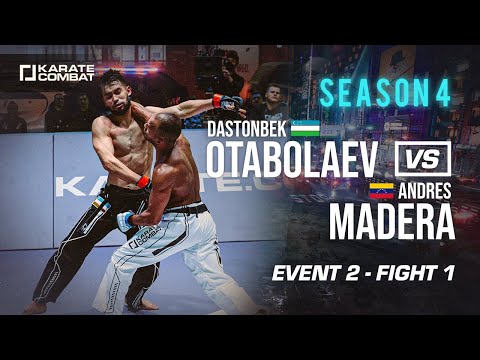
Greetings, warriors and seekers of the Way. You find yourselves at the digital dojo of Budo and Martial Arts, where we dissect not just techniques, but the very soul of combat. Today, we turn our analytical gaze to the electrifying spectacle of Karate Combat Season 4, Event 2, a night that promised raw power and strategic brilliance. The air crackled with anticipation as Dastonbek Otabolaev prepared to face Andres Madera. But was this merely a fight, or a living testament to the principles that have guided martial artists for centuries?
The question that burns in the minds of practitioners everywhere is: what truly defines success in a modern combat sport derived from ancient traditions? Is it the explosive power, the flawless technique, or the indomitable spirit? We embark on a deep dive, looking beyond the superficial to understand the true essence of this contest.
The Warriors: Otabolaev vs. Madera
On one side of the squared circle stood Dastonbek Otabolaev, a name that has begun to echo through the halls of Karate Combat. Representing Uzbekistan, Otabolaev embodies the fierce determination often associated with Central Asian martial traditions. His approach is typically characterized by relentless pressure, a powerful striking arsenal, and a willingness to engage in close-quarters exchanges. He is a practitioner who understands that true victory lies not just in landing blows, but in imposing one's will upon the opponent.
Opposing him was Andres Madera, a fighter hailing from the Dominican Republic. Madera brings a different flavor to the Karate Combat arena. Known for his speed, agility, and sharp, precise techniques, he often favors a more tactical, counter-striking approach. His ability to evade, redirect, and capitalize on openings makes him a dangerous adversary for any opponent. The contrast in styles promised a fascinating dynamic: the immovable object meeting the irresistible force, or perhaps, a master of offensive pressure against a strategist of defensive mastery.
Dissecting the Bout: A Technical Breakdown
The bout itself was a masterclass in strategic engagement. From the opening bell, Otabolaev sought to establish his dominance, advancing with purposeful strikes. His low kicks were potent, aiming to chop down Madera’s base, while his punches were delivered with concussive force. There were moments where Otabolaev’s raw power seemed overwhelming, forcing Madera to defend and absorb significant punishment.
However, Madera proved to be an exceptionally resilient and intelligent fighter. He absorbed Otabolaev’s initial onslaught with calculated composure, often using deft head movement and footwork to minimize the damage. As the rounds progressed, Madera began to find his rhythm. His counter-strikes became more frequent and accurate. A well-timed jab here, a sharp cross there – each landed blow was a testament to his patience and observational skills. The true battle was not just in the exchanges, but in the moments between them, where tactical decisions were made in fractions of a second.
What was particularly compelling was the application of Karate principles within the modern, high-octane environment of Karate Combat. We saw traditional stances adapted for dynamic movement, and the principles of Ki (energy) being channeled not just into power, but into the timing and precision of each technique. The fighters weren't just throwing punches; they were executing a plan, a dance of conflict honed by years of dedication.
One could observe the difference in their approach to distance. Otabolaev tried to keep the fight at punching range, where his power was most effective. Madera, conversely, sought to control the mid-range, utilizing his reach and speed to land quick combinations before Otabolaev could fully commit. This strategic back-and-forth, a constant adjustment of range and timing, is what elevates a fight from mere aggression to a true martial art.
"The supreme art of war is to subdue the enemy without fighting." - Sun Tzu, The Art of War. While direct combat was inevitable here, the underlying principle of strategic positioning and minimizing unnecessary engagement was evident in Madera's approach.
Beyond the Punches: The Bushido Spirit
The Karate Combat league, more than many other combat sports, strives to connect the modern athlete with the ancient warrior ethos. This bout between Otabolaev and Madera was a prime example. Both fighters displayed incredible heart and resilience. When one was pressed, the other did not falter; instead, they found a way to respond, to adapt, and to continue pushing forward. This unwavering commitment is the bedrock of the Bushido code – the way of the warrior.
We witnessed moments of controlled aggression, where power was tempered by technique, and moments of quiet contemplation in the fighters' corners, where strategy was refined. This duality – the fierce external battle and the calm internal focus – is the essence of true martial training. It's about mastering oneself as much as mastering the opponent. The ability to remain composed under pressure, to execute complex actions when your body is screaming in protest, this is where the true depth of martial arts is revealed.
The outcome of the fight, regardless of who stood victorious, was a demonstration of the values that Karate Combat seeks to champion: discipline, respect, courage, and perseverance. These are not just qualities for the ring; they are principles that can transform a life, guiding individuals through challenges far greater than any physical confrontation.
Sharpening the Blade: Training for the Karate Combat Arena
To compete at the level seen in Karate Combat requires a rigorous and multifaceted training regimen. It’s not enough to simply practice Karate katas or spar sporadically. The demands of this sport necessitate a holistic approach, blending traditional martial arts conditioning with modern athletic training.
For fighters like Otabolaev and Madera, training likely includes:
Technical Drilling: Repetitive practice of strikes, blocks, and footwork combinations to build muscle memory and refine technique. This ensures that movements become instinctive under duress.
Sparring Sessions: High-intensity sparring, both conditioned and free, to simulate the pressures of a real fight. This helps fighters adapt to different styles and scenarios.
Strength and Conditioning: A robust strength and conditioning program focusing on explosive power, muscular endurance, cardiovascular health, and injury prevention. This is where the foundational strength for powerful strikes and sustained pressure is built.
Flexibility and Agility Training: Essential for evasion, dynamic movement, and preventing injuries. Exercises like dynamic stretching, plyometrics, and agility drills are crucial.
Mental Preparation: Visualization, meditation, and strategic analysis to hone focus, build confidence, and develop fight IQ. The mental game is as critical as the physical.
The dedication required is immense. Early mornings, late nights, pushing through pain – these are the hallmarks of any serious martial artist’s journey. It’s a constant pursuit of self-improvement, seeking to unlock greater potential with each passing day.
Essential Gear for the Aspiring Karateka
While raw talent and dedication are paramount, the right equipment can significantly enhance training and performance. For those inspired by the striking power and technical prowess seen in Karate Combat, consider the following:
High-Quality Karate Gi: Look for a gi that is durable, offers a good range of motion, and can withstand intense training. A heavier weave gi is often preferred for its durability and snap.
Training Gloves: For sparring sessions, investing in proper sparring gloves is crucial. These protect your hands and your training partners. Opt for gloves specifically designed for striking sports that offer adequate padding.
Mouthguard: Non-negotiable for any sparring or combat training. Protect your teeth and jaw.
Shin Guards and Instep Protectors: Essential for full-contact sparring, protecting against kicks and foot strikes.
Duffel Bag: A sturdy bag to carry all your gear to and from the dojo or gym. Consider a bag that can compartmentalize wet and dry gear.
Investing in quality Karate merchandise is not just about practicality; it’s about showing respect for the art and your training.
Sensei's Verdict: Was This a Masterclass?
Karate Combat Season 4, Event 2, delivered a compelling contest between Dastonbek Otabolaev and Andres Madera. While both fighters showcased commendable skills and heart, Madera's strategic adaptability and precision proved to be the deciding factor in this encounter. He weathered the storm and found the openings to secure his victory.
Was it a masterclass? From Madera's perspective, it was certainly a performance demonstrating tactical brilliance and resilience under pressure. For Otabolaev, it was a tough lesson, a reminder that even the most powerful offense must be tempered with defensive awareness and strategic patience. As a viewer, it was an engaging display of modern karate fighting, showcasing the evolution of traditional techniques within a dynamic, competitive framework.
Sensei's Rating: Mastery of Strategy: 4.5/5 Stars Raw Power & Heart: 4/5 Stars Authenticity of Karate Spirit: 4/5 Stars
Frequently Asked Questions
What is Karate Combat?
Karate Combat is a professional fighting league that showcases a modern, full-contact version of Karate, incorporating aspects of traditional Karate techniques with a focus on exciting, fan-friendly action.
Who won the fight between Otabolaev and Madera?
Andres Madera won the bout against Dastonbek Otabolaev.
Is Karate Combat the same as traditional Karate?
While rooted in traditional Karate principles, Karate Combat is a full-contact sport with specific rulesets designed for competitive fighting, making it distinct from traditional, non-contact or semi-contact Karate disciplines.
How can I improve my own Karate training?
Focus on consistent technical practice, engage in rigorous conditioning, spar regularly (with proper safety gear), and cultivate mental discipline. Seek guidance from qualified instructors and always strive for self-improvement.
Deepen Your Journey
The path of martial arts is one of lifelong learning. To continue your exploration:
"The fight is won or lost far away from the arena, on the minds of the warriors." - Unknown. This sentiment perfectly encapsulates the strategic depth witnessed in the Otabolaev vs. Madera bout.
Reflection of the Sensei: Your Next Step
This fight was more than just a series of exchanges; it was a living demonstration of strategy, resilience, and the enduring spirit of the martial artist. Now, I pose a question to you, my students of the digital dojo:
When faced with an opponent whose style seems diametrically opposed to your own, do you adapt your strategy, or do you stubbornly cling to your ingrained methods, hoping brute force or familiarity will prevail?
Consider this carefully. Your answer, and how you apply it, will reveal much about your own journey.
```
GEMINI_METADESC: Analyze Karate Combat Season 4, Event 2: Otabolaev vs. Madera. Deep dive into strategy, technique, the Bushido spirit, and training. Sensei's verdict.
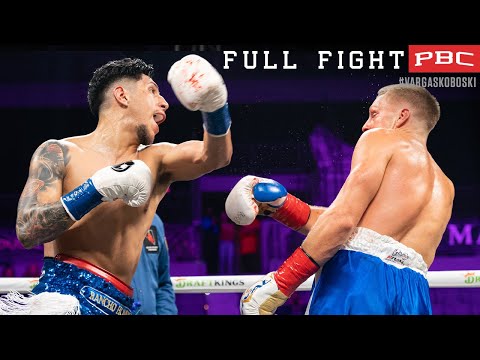
The roar of the crowd, the glint of sweat under the arena lights, the palpable tension before the first bell—these are the visceral elements that draw us to the combat sports. Yet, beneath the spectacle lies a world of strategy, discipline, and the relentless pursuit of mastery. Today, we dissect the bout between Fernando Vargas Jr. and Kody Koboski on February 5, 2022, not merely as a fan, but as a student of the martial way. What lessons can we, practitioners and aficionados of the martial arts, glean from this particular display of combat prowess?
Introduction: The Stakes of the Bout
This fight wasn't just another bout on the calendar; it was a critical juncture for Fernando Vargas Jr. His undefeated record was on the line, a testament to the dedication and hard work that define a true warrior. Facing Kody Koboski, Vargas Jr. had the opportunity to not only maintain his perfect streak but also to solidify his reputation as a formidable force. The pressure in such situations is immense. It tests not only physical conditioning but, more importantly, the mental fortitude ingrained through rigorous Martial Arts Training. An undefeated record is a shield, but it can also become a burden if the mind falters.
Fight Analysis: Vargas Jr.'s Dominance
The outcome, a TKO victory for Vargas Jr. in the third round, speaks volumes. It wasn't a lucky punch or a judge's controversial decision; it was a decisive finish that underscored his superior skill set and tactical approach. Improving his record to a flawless 5-0, with all victories by knockout, Vargas Jr. demonstrated the effectiveness of his striking power and his ability to dictate the pace of the fight. This isn't just about throwing punches; it's about understanding distance, timing, and the opponent's weaknesses. A 5-0 record with 5 KOs? That's not just winning; that's asserting dominance.
When we speak of knockouts, we often focus on the final blow. However, the path to that decisive strike is paved with strategic maneuvering, defensive integrity, and the subtle art of wearing down an opponent. In the context of boxing, this involves superior footwork, effective jab control, and powerful combinations. Vargas Jr.'s performance suggests he mastered these elements throughout the three rounds. He didn't just land powerful shots; he set them up, creating openings through persistent pressure and calculated attacks.
"The ultimate aim of martial arts is not winning or losing, but the perfection of the character of its practitioners." - Gichin Funakoshi
Technical Aspects of the Knockout
The TKO in the third round is the culmination of countless hours of dedicated training. While the specific details of the final sequence require deeper analysis of the fight footage, we can infer several key technical aspects that likely contributed to Vargas Jr.'s success. A clean knockout often results from a perfectly timed and placed strike that exploits an opponent's defensive lapse. This could be a lead hook that catches an opponent as they are extending their own punch, or a devastating uppercut when they are leaning forward.
Furthermore, the ability to secure a TKO implies not just the power to end the fight, but the intelligence to recognize when an opponent is severely compromised and to press the advantage. This requires a keen understanding of referee intervention points and the opponent's ability to intelligently defend themselves. It’s a display of both brutality and control, a fine line few can walk effectively. The pursuit of such precision is central to the philosophy of BUDO, where every action is deliberate and carries purpose.
Philosophical Implications: The Warrior's Mindset
Beyond the physical exchange, this victory offers a profound insight into the warrior's mindset. Maintaining an undefeated record requires more than just physical prowess; it demands immense mental resilience. The pressure to perform, the fear of the first loss, the constant self-doubt that can creep in—these are the true opponents every fighter battles. Vargas Jr.'s ability to overcome these internal struggles and deliver a definitive performance speaks to a highly developed Mental Game.
This resonates deeply within the broader context of Martial Artists. The journey of martial arts is as much about self-mastery as it is about defeating an opponent. It's about cultivating discipline, perseverance, and an unwavering spirit. The concept of Mushin, or "no mind," a state of effortless action and fluid reaction, is the pinnacle many aspire to. Vargas Jr.'s decisive victory suggests he was operating at a high level of focus, unburdened by the stakes. This is the essence of true Self Mastery.
Sensei's Verdict: A Fighter's Testament
The fight between Vargas Jr. and Koboski was more than just a professional boxing match; it was a compelling demonstration of skill, determination, and the spirit of competition. Vargas Jr.'s 5-0 record, secured with a decisive TKO, is a testament to his dedication and the effectiveness of his training regimen. He executed his game plan flawlessly, showcasing the power and precision that make him a rising star in the sport. This victory solidifies his position and sets a high bar for future opponents. It's a clear signal that his journey in professional Combat Sports is one to watch closely.
Does this fight embody the highest ideals of martial arts? In terms of raw skill and decisive victory, absolutely. It showcases the result of dedicated practice and a strong will. However, the true measure of a martial artist often lies not just in victory, but in the grace, respect, and humility shown throughout the journey. Vargas Jr. has demonstrated the former unequivocally. The latter will be revealed in his continued career and conduct.
Essential Gear for Your Training
To achieve the level of performance seen in professional bouts, dedicated training is paramount. Having the right equipment can significantly enhance your practice and safety. For striking arts like boxing or kickboxing, investing in quality gear is non-negotiable.
Boxing Gloves: Essential for sparring and bag work. Look for gloves appropriate for your training intensity – 14-16oz are common for sparring.
Hand Wraps: Crucial for protecting your wrists and knuckles during intense striking sessions.
Mouthguard: Non-negotiable for any sparring to protect your teeth and jaw.
Shin Guards: Important for sparring in disciplines that incorporate kicks, offering protection for both you and your partner.
Jump Rope: An excellent tool for cardiovascular conditioning and improving footwork.
Punch Mitts & Thai Pads: Ideal for partner drills, focusing on accuracy, speed, and power.
Duffel Bag: To carry all your gear to and from the gym. For carrying specialized Martial Arts Merchandise, a durable bag is key.
Training Guide: Developing Knockout Power
Developing "knockout power" is not merely about genetics; it's about technique, explosive strength, and precise application. Here's a simplified guide to improving your power strikes:
Master Your Fundamentals: Before adding power, ensure your stance, footwork, and basic punches (jab, cross, hook, uppercut) are technically sound. Power without technique is wasted energy and prone to injury.
Build Explosive Strength: Incorporate plyometric exercises like clapping push-ups, box jumps, and medicine ball throws. These train your muscles to generate force rapidly.
Develop Core Strength: A strong, stable core is the powerhouse for all strikes. Exercises like Russian twists, planks, and windmills are essential.
Generate Power from the Ground Up: Learn to rotate your hips and transfer energy from your feet through your core and into your strike. This kinetic chain is vital for maximizing impact.
Practice with Intention: When hitting pads or heavy bags, focus on driving through the target, not just at it. Visualize the power originating from your feet.
Sparring with Purpose: Use sparring sessions not just to defend, but to practice setting up and landing powerful combinations. Focus on timing and accuracy, not just brute force. This is where you test the effectiveness of your MMA Training.
Conditioning for Endurance: Power is useless if you gas out. Maintain high levels of cardiovascular fitness to ensure you can deliver power throughout the fight.
Frequently Asked Questions
Q: What is a TKO in boxing? A: TKO stands for Technical Knockout. It occurs when the referee stops the fight because one fighter is deemed unable to intelligently defend themselves, even if they are not fully unconscious.
Q: How important is footwork in developing knockout power? A: Footwork is absolutely critical. It allows you to generate power by rotating your body, maintain balance while striking, and control the distance between you and your opponent.
Q: Can anyone develop knockout power? A: While genetics play a role, proper technique, dedicated training, and building explosive strength can significantly enhance anyone's striking power. It's a skill that can be cultivated.
Q: What's the difference between a KO and a TKO? A: A KO (Knockout) happens when a fighter is rendered unconscious or unable to rise within a ten-count. A TKO is when the referee stops the fight due to a fighter's inability to continue safely.
Deepen Your Martial Path
The study of combat is endless. To truly understand the depth of martial philosophy and practice, explore these related topics:
"The true warrior is the one who controls himself." - Miyamoto Musashi
Reflexión del Sensei: Tu Próximo Paso
Vargas Jr.'s victory is a powerful reminder of what dedication can achieve. But victory on the canvas is only one dimension of the warrior's path. Are you merely seeking the "knockout blow" in your training, or are you pursuing the fundamental principles that lead to true mastery—discipline, resilience, and the constant refinement of spirit? Reflect on this: In your own practice, what are you truly fighting for?
```
GEMINI_METADESC: Analyze the Vargas Jr. vs. Koboski fight with a martial arts lens. Break down the TKO victory, tactical execution, warrior mindset, and lessons for practitioners.
Welcome, warriors and scholars of the martial path, to Budo and Martial Arts. Today, we delve into the shadowed history of a man whose moniker alone conjures images of raw power and untamed ferocity: Elmer Ray, forever etched in the annals of combat sports as 'Kid Violent'. In an era where heavyweight contenders were kings, Ray carved out a name for himself, yet remains a figure shrouded in mystery. How did a man of such apparent talent fade into relative obscurity? Was his power mere spectacle, or did it stem from a deeper understanding of combat? Join me as we dissect the career of this enigmatic fighter from the 1940s.
The martial world is replete with legendary figures whose deeds echo through generations. Yet, for every Bruce Lee or Miyamoto Musashi, there are countless others whose contributions are all but forgotten, their stories lost to the passage of time. Elmer Ray, 'Kid Violent', is one such individual. His era was a crucible of physical prowess, a time before the global phenomenon of modern MMA and before the highly structured sports leagues we know today. This was a world where champions were forged in grittier arenas, often with less formal training and more raw, unadulterated instinct. Understanding fighters like Ray requires us to appreciate the context of their battles, the evolution of martial arts, and the very definition of a 'contender'.
The Shadowy Beginnings of Elmer Ray
Details surrounding Elmer Ray's early life are as scarce as a humble monk in a pirate's den. Born in the United States, his path to becoming a top heavyweight contender in the 1940s is not clearly documented. Unlike today's fighters who often have extensive amateur backgrounds and meticulously curated public personas, 'Kid Violent' emerged from a less documented era. Information on his formative years, his initial exposure to combat sports, and the origins of his brutal nickname is largely speculative.
What we do know is that he established himself as a formidable presence in the boxing world, specifically within the heavyweight division. This was a golden age of boxing, with titans like Joe Louis dominating the scene. To even be considered a contender in such company speaks volumes about Ray's inherent ability. The nickname 'Kid Violent' wasn't merely for show; it was earned through a style of fighting that was, by all accounts, aggressive and powerful. This suggests a fighter who understood the importance of impact and perhaps, even without the formal framework of modern kickboxing or MMA, possessed a certain 'ki' or fighting spirit that translated into devastating blows.
"The true measure of a fighter is not just in their victories, but in the respect they command even in defeat, and the mystery they leave behind." - A principle often discussed in the study of BUDO.
A Force to Be Reckoned With: Ray's Rise in the Heavyweight Division
The 1940s were a turbulent time, marked by World War II, but the spirit of competition in boxing remained vibrant. Elmer Ray navigated this landscape, securing notable victories and challenging the established order. He faced renowned boxers and proved himself to be a legitimate threat in a division known for its brutal powerhouses. His record, though perhaps not as pristine as some of his contemporaries, tells a story of a fighter who was always in the mix, always dangerous.
Consider the challenges of that era: less sophisticated training methodologies, limited access to sports science, and an often unforgiving fight schedule. For Ray to consistently perform at a high level, he must have possessed exceptional physical conditioning and a keen understanding of his craft. His bouts were not just displays of brute force; they were often strategic encounters where his power was applied with calculated intent. This is where the intersection of raw talent and developing martial principles becomes evident, even in a sport like boxing which focuses on a specific set of skills. This historical context is vital for anyone studying the history of combat sports.
Analyzing 'Kid Violent': Style and Substance
The moniker 'Kid Violent' implies an aggressive, forward-marching style. While specific fight footage from his era is rare, accounts suggest Ray was a powerful puncher, capable of ending a fight with a single, well-placed blow. This aligns with the fundamental principle found across many martial arts: the importance of power generation and precision. Whether it's a devastating cross in boxing, a powerful knee in Muay Thai, or a well-executed strike in Karate, the ability to deliver significant damage is paramount.
However, true mastery in any combat discipline transcends mere power. It involves strategy, adaptability, and the mental fortitude to overcome adversity. Did 'Kid Violent' possess these qualities? Without detailed analysis of his bouts and interviews, it's difficult to say with certainty. Yet, to remain a top contender for an extended period in the demanding heavyweight division suggests more than just raw aggression. It hints at an underlying discipline, a strategic mind that understood how to utilize his power effectively. This is the essence of combat effectiveness, a concept explored deeply in the philosophy of BUDO.
"The difference between a good fighter and a great fighter is not just the punches they throw, but the punches they *don't* throw – the ones they anticipate and evade." - A lesson that applies from Judo throws to Lucha's groundwork.
The Elusive Legacy of Elmer Ray
One of the most perplexing aspects of Elmer Ray's career is his relatively modest legacy compared to his contemporaries. Why isn't 'Kid Violent' a household name alongside legends like Rocky Marciano or even less celebrated but historically significant figures? Several factors could contribute to this:
The Era: As mentioned, the 1940s were a time before widespread media coverage and sophisticated promotion that propels modern athletes to global fame.
The Opponents: Ray fought during the reign of Joe Louis, a legendary figure who cast a long shadow. Being a contender often meant being a challenger to an almost unbeatable champion.
Retirement and Later Life: Information about Ray's activities after his fighting career is scarce. A quiet retirement or lack of involvement in the sport post-career can lead to fading public memory.
Style vs. Substance Debate: While 'Kid Violent' was an effective fighter, perhaps his style, though crowd-pleasing, lacked the technical depth or nuanced strategic brilliance that earns lasting historical reverence in the martial arts community.
His story serves as a poignant reminder of how fleeting fame can be, even for those who reach the pinnacle of their respective disciplines. It underscores the importance of preserving the history of combat sports and the individuals who shaped them. Understanding figures like Ray provides a richer tapestry of martial arts history, illustrating the diverse paths to recognition and the challenges faced by athletes in different eras.
Comparing Ray to Modern Heavyweights
If Elmer Ray were to step into the ring today, how would he fare against modern heavyweights in boxing or even in the MMA heavyweight division? This is a classic 'what if' scenario, fraught with speculation, but valuable for understanding the evolution of combat sports.
Modern heavyweight boxers are often products of highly specialized training camps, benefiting from advanced sports science, nutrition, and strategy. They possess incredible power, honed by years of dedicated, technical training. The sheer physicality and conditioning of today's athletes are at an unprecedented level. An MMA heavyweight, of course, adds another layer of complexity, demanding proficiency in striking, grappling, wrestling, and submission arts – a far cry from the singular focus of boxing in Ray's era.
Ray's raw power and aggression would undoubtedly still be a factor. However, the technical refinements in punching mechanics, footwork, defensive strategies, and conditioning seen today would present a significant challenge. His 'violent' approach might be met with more sophisticated counters, takedowns, or submission attempts, depending on the ruleset. It highlights how much training and strategy in fight sports have evolved. Yet, the fundamental drive to overcome an opponent, the 'fighting spirit' that defined Ray, remains a constant across all eras of combat sports.
Essential Gear for Your Training
While discussing fighters from a bygone era, it's important to acknowledge the advancements in training equipment that aid today's martial artists. Whether you're channeling 'Kid Violent's' power or refining the precision of a Karate kata, the right gear can make a significant difference.
Boxing Gloves: For any striking-focused training, good quality boxing gloves (14-16oz for general training, lighter for bag work) are essential for hand protection.
Training Shoes: Lightweight, supportive shoes are crucial for agility and footwork, whether you're shadowboxing or drilling Judo techniques.
Mouthguard: A well-fitted mouthguard is non-negotiable for any sparring or high-impact training to protect your teeth and jaw.
Focus Mitts and Punching Bags: For developing power and accuracy, these are fundamental tools for solo or partner training.
Duffel Bag: To carry your gear to and from the dojo or gym. Consider a sturdy, versatile Martial Arts Merchandise bag.
Frequently Asked Questions
Who was Elmer 'Kid Violent' Ray? Elmer Ray was a prominent American heavyweight boxing contender during the 1940s, known for his aggressive fighting style and the nickname 'Kid Violent'.
What was Elmer Ray's most significant achievement? While specific major championship wins are not widely publicized, his primary achievement was establishing himself as a top-ranked contender in the highly competitive heavyweight division of the 1940s, a feat that required immense skill and resilience.
Why is Elmer Ray considered a 'mystery man'? Information about his personal life, early career, and post-fighting activities is scarce, leading to his enigmatic status in the history of boxing and combat sports.
How did his fighting style compare to modern boxers? 'Kid Violent' was known for raw power and aggression. Modern boxers benefit from advanced training techniques, sports science, and a more refined understanding of strategy, potentially making them more technically diverse, though Ray's power would remain a threat.
Sensei's Reflection: Your Next Step
Elmer Ray, 'Kid Violent', represents more than just a fighter from the past; he embodies the raw, untamed spirit that fuels many martial journeys. His story, though incomplete, speaks to the enduring power of a determined individual in the arena of combat. He reminds us that not all legends are meticulously documented, and sometimes, the most impactful figures leave behind only echoes of their power.
As you reflect on 'Kid Violent', consider this: In your own training, are you simply going through the motions, or are you embodying the spirit of your chosen art? Are you seeking genuine understanding and self-mastery, or just the fleeting roar of the crowd? The path of Budo demands more than just physical prowess; it requires introspection and a constant pursuit of improvement, regardless of whether your name will be remembered by the masses. The true warrior seeks mastery for the sake of mastery itself.
Training Guide: Developing Your 'Inner Violence' (Controlled Aggression)
Channeling Elmer Ray's 'Kid Violent' persona doesn't mean losing control; it means harnessing your power and aggression strategically. Here’s a guide to developing controlled aggression:
Master the Fundamentals: Before unleashing power, ensure your basic techniques (punches, kicks, blocks, stances) are solid. This forms the foundation, much like how Ray's power was built on a boxing base.
Sparring with Intent: Engage in sparring sessions with a focus on applying pressure and controlled aggression. Aim to overwhelm your partner with a flurry of well-executed techniques, not wild swings.
Power Drills: Use heavy bags, pads, and medicine balls to develop explosive power. Focus on generating maximum force from your core, not just your limbs. Think about the impact of Kyokushin Karate's powerful strikes.
Mental Conditioning: Practice visualization techniques. Imagine yourself as an unstoppable force, calmly and effectively dictating the pace of the fight. This mental preparation is crucial for translating 'violence' into effective combat.
Control and Release: The key is control. Learn to control your breathing and your movements, releasing that stored energy explosively when the opportunity arises. This is the essence of ki or internal energy application.
```
GEMINI_METADESC: Explore Elmer 'Kid Violent' Ray's legacy as a 1940s heavyweight contender. Analyze his fighting style, mysterious career, and compare him to modern fighters. A deep dive into boxing history.