Showing posts sorted by relevance for query Training for resilience. Sort by date Show all posts

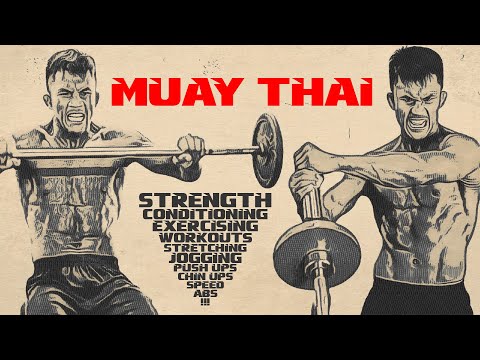
Mastering Muay Thai: The Ultimate Guide to Strength, Power, and Conditioning

Welcome, fellow warriors, to a session dedicated to the very engine of the Nak Muay: strength, power, and conditioning. Many approach their physical training as a mere afterthought, a grim necessity to endure rounds. But I tell you, true mastery of Muay Thai, of any combat art, is forged in the crucible of intelligent, targeted physical development. This isn't just about lifting weights; it's about building a weaponized body – resilient, explosive, and endlessly capable.

We often see fighters who possess incredible technique but lack the raw physical attributes to implement it effectively under pressure. Are you one of them? Do you find yourself gassed after a few intense exchanges? Does your power falter as the rounds progress? If so, this lesson is for you. We will dissect the core components of a potent Muay Thai physique, drawing from the wisdom of seasoned trainers and the hard-won experience of champions. Prepare to have your assumptions challenged and your training revolutionized.

Table of Contents

The Foundation: Why Physicality is Paramount in Muay Thai

A Nak Muay is not merely a technician of kicks and elbows; they are an embodiment of explosive power and unyielding resilience. In the brutal arena of Muay Thai, where every exchange can be decisive, raw physicality isn't a bonus – it's a prerequisite. A fighter must be explosive. Actions must be fast, delivered with devastating intent.

In both training and fighting, we learn to move with precision and speed, but critically, we must also move with explosive power. This requires a fundamentally different approach to training than one might adopt for mere general fitness. The muscular structure needs to be powerful, flexible, and fast. Big muscles, often pursued for aesthetic reasons, are of limited use if they are slow and cumbersome. This is the core philosophy that separates elite combat athletes from the merely fit.

Muay Thai and Muscle: Beyond Aesthetics

The discussion around strength training for combat sports, especially for an art as demanding as Muay Thai, often gets mired in misunderstandings. Many practitioners believe that building significant muscle mass will slow them down, hindering the lightning-fast movements and explosive power essential for the sport. This is a flawed perspective born from training for aesthetics rather than for function.

My years of working with a diverse range of athletes – from seasoned wrestlers like Piet Kanters and Henk van der Stoep, to professional rugby players and American football pros – have taught me a crucial lesson. Arthur Mulder, a brilliant athletic trainer and physiotherapist, was instrumental in shaping this understanding. The principles of strength training for combat are not aligned with those for bodybuilding. Every resistance training session must be built upon functional movements that directly translate to fighting prowess. We are not aiming for gargantuan biceps; we are aiming for a muscular structure that is powerful, flexible, and fast.

The Great Debate: Do We Really Need Jogging?

03:02 - This is a question that sparks fervent debate among coaches and athletes alike. Traditionalists often swear by long-distance jogging as a cornerstone of conditioning for any combat sport. However, when you analyze the physiological demands of Muay Thai – the short, intense bursts of power, the rapid footwork, the explosive clinch exchanges – the efficacy of steady-state cardio comes into question.

While jogging can improve general cardiovascular health and build a base level of aerobic fitness, it doesn't adequately replicate the specific energy systems utilized in a fight. The high-intensity, anaerobic demands of Muay Thai require a different kind of conditioning. Is jogging completely useless? Perhaps not entirely, but it should not be the primary or sole focus of a fighter's endurance training. We must prioritize methods that build the capacity for explosive power and rapid recovery.

The Ubiquitous Jump Rope: A Fighter's Best Friend

04:20 - If there is one piece of equipment that transcends almost all combat sports, it is the humble jump rope. For Muay Thai, it is practically indispensable. Skipping rope is a phenomenal tool for developing a multitude of physical attributes crucial for the Nak Muay.

Firstly, it is an exceptional cardiovascular conditioner. It elevates the heart rate, improves stamina, and builds the aerobic base necessary for enduring multiple rounds. Secondly, it hones footwork and coordination. The rhythmic bouncing, the precise timing required to avoid tripping, and the constant adjustment of foot placement translate directly to improved agility and evasiveness in the ring. Thirdly, it builds ankle and calf strength and resilience, areas often subjected to significant stress in Muay Thai. Skipping rope is a simple, cost-effective, and profoundly effective method for building the fundamental physical capacity required to excel.

Forging Unyielding Endurance: The Heart of the Champion

05:40 - Endurance in Muay Thai is not merely about lasting the distance; it's about maintaining peak performance throughout. It's about having the stamina to deliver powerful strikes even in the championship rounds, to defend effectively when fatigued, and to recover quickly between exchanges. Simply put, a fighter with superior endurance often holds a significant advantage.

Beyond the basic cardiovascular benefits, endurance training in Muay Thai must focus on developing the body's ability to sustain high-intensity efforts and resist fatigue. This involves a combination of aerobic conditioning (like the jump rope) and more specific anaerobic methods.

The Art of Explosiveness: Interval & Speed Training

05:56 - This is where we begin to sculpt the explosive fighter. Interval training and speed workouts are designed to mimic the stop-start, high-intensity nature of combat. The goal is to train the body to perform at maximum capacity for short durations, with minimal recovery time, and then to recover quickly enough to repeat the effort.

Interval Training in Thai Boxing (05:56): This typically involves alternating between periods of intense work (e.g., heavy bag rounds, sprint intervals, plyometrics) and brief recovery periods. The intensity is high, pushing your anaerobic threshold. This trains your body to become more efficient at clearing lactate and to sustain explosive efforts.

Muay Thai Speed Workout (06:40): This focuses specifically on increasing the velocity of movement. Think rapid pad work, explosive shadow boxing focusing on fast combinations, and drills designed to shorten movement times. The emphasis here is on maximal speed, even if it means slightly fewer repetitions compared to endurance intervals.

These methods are crucial for developing the kind of lightning-fast reactions and devastating power that define a true Nak Muay.

Unlocking Raw Power: Strength Training Principles

07:00 - Power, in the context of combat, is the ability to exert maximal force in the shortest possible time. It is strength applied rapidly. Simply being strong is insufficient; you must be able to deploy that strength with explosive speed. This is where dedicated power and strength workouts come into play.

The principles of training for power are distinct. We focus on compound, functional movements that engage multiple muscle groups simultaneously, mirroring the kinetic chains used in striking. Exercises like:

  • Olympic Lifts (or variations): Cleans, snatches, and jerks (when performed correctly) are unparalleled for developing explosive triple extension (hips, knees, ankles).
  • Medicine Ball Throws: Excellent for developing rotational power and explosive core engagement, directly applicable to punches and kicks.
  • Plyometrics: Box jumps, broad jumps, and explosive push-ups train the neuromuscular system to recruit muscle fibers rapidly.

It is vital that these movements are executed with maximal intent and speed. The weight should be challenging but allow for explosive execution, not slow, grinding repetitions.

Beyond Reps and Sets: Tactical and Circuit Training

07:22 - True martial arts training integrates physical conditioning with tactical application. This is where the concepts of tactical training and circuit training become invaluable.

Muay Thai Tactical Training (07:22): This involves conditioning drills that simulate specific fight scenarios. For example, a drill might involve defending against a barrage of punches, transitioning to a clinch, executing knee strikes, and then breaking away – all performed under fatigue. It integrates physical exertion with strategic decision-making and technique execution.

Circuit Training in Thai Boxing (07:56): Circuit training involves performing a series of different exercises back-to-back with minimal rest between them, then resting for a longer period at the end of the circuit before repeating. This is an efficient way to build both muscular endurance and cardiovascular fitness simultaneously. A Muay Thai circuit might include stations for heavy bag work, shadow boxing, push-ups, squats, core exercises, and rope skipping, flowing from one to the next.

These methods ensure that your physical conditioning directly supports your ability to fight intelligently and effectively.

The Strategic Mind: Periodization in Martial Arts

08:47 - Perhaps one of the most overlooked aspects of athletic development, especially in individual combat sports, is strategic planning through periodization. Simply training hard all year round is a recipe for burnout, injury, and plateaued performance.

Periodical Martial Arts Training and Planning: Periodization involves structuring your training into distinct phases, each with specific goals. This might include:

  • General Preparation Phase: Building a broad base of strength, endurance, and fundamental skills.
  • Specific Preparation Phase: Focusing on the unique demands of Muay Thai, increasing intensity, and refining techniques under fatigue.
  • Competition Phase: Peaking for upcoming fights, reducing volume while maintaining intensity and sharpness.
  • Transition/Recovery Phase: Active rest and recovery to allow the body and mind to recuperate before the next training cycle.

A well-planned periodized program ensures that you arrive at your peak performance when it matters most, preventing overtraining and maximizing long-term progress. It’s about working smarter, not just harder.

Sean's Must-Have Exercises for Muay Thai

09:40 - When asked about the absolute essential exercises for any Muay Thai practitioner, the focus must always be on functional strength and explosive power. These aren't just random movements; they are foundational building blocks for a powerful Nak Muay.

"The principles of strength training are not the same way those for fitness training. Every resistance training is based on functional movements. Big muscles are of no use. Our muscular structure needs to be powerful, flexible and fast."

Drawing from this philosophy, the key exercises revolve around developing the entire kinetic chain:

  • Compound Lifts: Squats, deadlifts (or trap bar deadlifts for reduced technical demand), and overhead presses build overall strength and muscle mass in a functional manner.
  • Explosive Movements: Kettlebell swings, medicine ball slams, and plyometric jumps are critical for developing power.
  • Rotational Power: Russian twists, wood chops, and rotational medicine ball throws enhance the power behind punches and kicks.
  • Grip and Forearm Strength: Essential for clinch work and maintaining control.
These exercises, when programmed correctly within a periodized plan, form the bedrock of a fighter's physical arsenal.

The Unshakeable Core: Muay Thai Abs Training

10:44 - The core is the powerhouse of every strike, every defensive maneuver, and every balance adjustment in Muay Thai. A strong, stable core acts as the central link between the lower and upper body, allowing for efficient transfer of force and providing a solid base for power generation. Neglecting core training is akin to building a skyscraper on a weak foundation.

Muay Thai abs training goes beyond the standard crunch. We need exercises that challenge the core in multiple planes of motion and engage it under load:

  • Planks (and variations): Front, side, and dynamic planks build isometric strength and endurance.
  • Hanging Leg Raises: Excellent for developing lower abdominal strength and hip flexor control.
  • Wood Chops (with cable or band): These develop rotational strength and oblique power, crucial for striking.
  • Ab Wheel Rollouts: A highly effective exercise for challenging the entire core musculature.
  • Cable Crunches: When performed explosively, these can help develop dynamic core strength.

A consistent and varied core routine is non-negotiable for any serious Muay Thai practitioner.

Bodyweight Mastery: Push-ups and Chin-ups

11:32 - While weighted training has its place, the mastery of fundamental bodyweight exercises like push-ups and chin-ups remains paramount. These exercises, when performed correctly, are incredibly effective for building upper body strength, power, and endurance—all critical components for Muay Thai.

Muay Thai Push Ups (11:32): Standard push-ups build chest, shoulder, and triceps strength. However, variations are key for combat athletes. Consider explosive push-ups (plyometric), diamond push-ups (for triceps emphasis), and wide-grip push-ups (for chest development). They are vital for powerful punches and effective defensive posture.

Muay Thai Chin Ups (12:44): Chin-ups and pull-ups are arguably the king of upper body pulling exercises. They build back strength (lats, rhomboids), biceps, and forearms. This is crucial for clinch control, defending takedowns (though less common in Muay Thai, the principle applies to controlling an opponent's posture), and generating power in pulling movements. If standard chin-ups are too difficult, assisted variations or negatives can be used.

The Controversial Stretch: To Stretch or Not to Stretch?

13:30 - The role of stretching in athletic preparation is a topic fraught with conflicting advice. Some argue it's essential for flexibility and injury prevention, while others claim it can decrease power output if performed incorrectly or at the wrong time.

#SeanAnswers: Do we really need stretching in Muay Thai? My answer is a qualified yes. Stretching is indeed necessary, but how and when you stretch matters immensely. Pre-workout, static stretching (holding a stretch for an extended period) can temporarily reduce muscle power and potentially increase the risk of injury if the muscles are not adequately warmed. Instead, dynamic stretching, which involves moving joints through their full range of motion, is far more beneficial as part of a warm-up.

Post-workout or on recovery days, static stretching can be highly effective for improving flexibility, aiding muscle recovery, and restoring the body to a neutral state. The goal is not to be rubbery, but to have a functional range of motion that allows for powerful, unrestricted movement.

A Comprehensive Muay Thai Stretching Program

14:43 - A well-rounded flexibility program is crucial for optimizing performance and minimizing injury risk in Muay Thai. This program should target the key muscle groups used in striking, clinching, and defending.

Here is a sample full-body Muay Thai stretching program, best performed after training or on recovery days:

  1. Neck Rolls: Gentle rotations to relieve tension.
  2. Shoulder Stretches: Cross-body arm stretch, overhead triceps stretch.
  3. Chest Stretch: Doorway chest stretch.
  4. Torso Twists: Seated or standing, to improve spinal mobility.
  5. Hip Flexor Stretch: Kneeling lunge stretch.
  6. Hamstring Stretch: Seated forward fold or standing hamstring stretch.
  7. Quadriceps Stretch: Standing quad pull.
  8. Calf Stretch: Gastrocnemius and soleus stretches against a wall.
  9. Inner Thigh Stretch (Adductors): Butterfly stretch or straddle stretch.
  10. Glute Stretch: Figure-four stretch or pigeon pose.
  11. Wrist and Finger Stretches: Gentle flexion and extension.

Hold each stretch for 20-30 seconds, focusing on deep, relaxed breathing. The goal is to improve flexibility without compromising strength or power.

Sean Douglas's Post-Training Protocol

19:17 - The work doesn't end when the training session is over. Recovery is where the body adapts and grows stronger. Neglecting recovery is like forging a blade and then leaving it to rust. Sean Douglas, a fighter who understands this intimately, emphasizes a comprehensive post-training routine.

While the exact details of his protocol are extensive, the core principles revolve around:

  • Active Recovery: Light movement, such as walking or gentle cycling, to promote blood flow and remove metabolic waste.
  • Stretching and Mobility: Addressing muscle tightness and restoring range of motion (as discussed above).
  • Nutrition: Replenishing glycogen stores and providing protein for muscle repair. Proper hydration is also paramount.
  • Sleep: The most critical recovery tool. Aim for 7-9 hours of quality sleep per night.
  • Hydrotherapy (optional): Contrast showers or ice baths can aid in reducing inflammation and speeding up recovery.

Treating your body with respect during the recovery phase is as important as the intensity of your training.

The Fighter's Physique: Functional Movement Over Big Muscles

The overarching philosophy that emerges from this deep dive into Muay Thai conditioning is clear: functional strength and explosive power trump brute size. The goal is not to look like a bodybuilder, but to move like a lethal weapon.

A proper strength program is built as follows:

  • Basic Strength: Building a foundational level of muscular strength across all major movement patterns.
  • Speed Training: Enhancing the rate of force development for quick, powerful actions.
  • Combined Strength and Speed Training: Integrating power development into strength exercises (e.g., jump squats, plyometric push-ups).
  • Flexibility: Ensuring a full, unrestricted range of motion for optimal technique and injury prevention.
  • Endurance Strength Training: The ability to sustain muscular effort over extended periods, crucial for grappling and clinching.
  • Tendon Training: A lesser-known but vital aspect, focusing on strengthening the connective tissues that bear the brunt of explosive movements.

It is imperative to understand that strength training for fighting has evolved into a specialized discipline focused on improving the quality and efficacy of fighting movements. As Arnaud van der Veere notes in his book "Muay Thai," the objective is to develop a physique that is not just strong, but fighting strong.

Essential Equipment for Your Muay Thai Training

To truly maximize your strength, power, and conditioning for Muay Thai, having the right tools can make a significant difference. While the Nak Muay spirit emphasizes adaptability, certain equipment enhances training efficacy:

  • Hand Wraps and Boxing Gloves: Essential for protecting your hands and wrists during striking drills. Look for gloves suitable for sparring (14-16oz) and lighter gloves for pad work.
  • Jump Rope: A high-quality speed rope is invaluable for cardiovascular and footwork conditioning.
  • Medicine Ball: For explosive rotational power and core training. Weighted balls are ideal.
  • Resistance Bands: Versatile for warm-ups, mobility work, and strength-specific exercises.
  • Kettlebells: Excellent for dynamic strength and conditioning movements like swings and cleans.
  • Gym Access (Optional but Recommended): For compound lifts like squats, deadlifts, and overhead presses, as well as weight machines for targeted muscle development.
  • Shin Guards and Mouthguard: Crucial for sparring safety.

Investing in good quality equipment is an investment in your training and your longevity as a fighter. Consider looking for durable Muay Thai merchandise to keep your spirit high.

Frequently Asked Questions

Q1: How often should I do strength training for Muay Thai?
A1: For most practitioners, 2-3 sessions of strength and conditioning per week, integrated with your Muay Thai technical training, is optimal. Avoid heavy lifting on the same day as intense sparring or technical sessions.

Q2: Can I build power without lifting heavy weights?
A2: Absolutely. Explosive bodyweight exercises (plyometrics), medicine ball work, and fast-paced, high-intensity interval training can develop significant power. Weight training is beneficial but not the only path.

Q3: Is it okay to do my strength training before or after my Muay Thai class?
A3: It depends on your goals and energy levels. Doing it after class can be effective for prioritizing technique, but ensure you have adequate nutrition and recovery. Doing it before can fatigue you for technical work. Many find separate days or splitting sessions to be ideal.

Q4: How do I balance Muay Thai technical training with strength and conditioning?
A4: Prioritize. If you have a fight approaching, technique and sparring often take precedence. For general development, balance is key. Listen to your body and adjust volume and intensity accordingly. Periodization is your best friend here.

Q5: What is the most important physical attribute for a Muay Thai fighter?
A5: While all are important, the ability to combine explosive power with sustained endurance is often the deciding factor. This means your conditioning must support your ability to generate force rapidly, round after round.

Sensei's Reflection: Your Next Step

You have now traversed the landscape of Muay Thai strength, power, and conditioning. We’ve moved beyond the simplistic notion of just "training hard" to understand the nuanced science of building a truly formidable fighting physique. From the debated necessity of jogging to the critical importance of explosive movements and intelligent recovery, the path is laid out.

But knowledge without application is merely academic. The true test lies in your commitment to implement these principles. Will you continue to train haphazardly, hoping for results, or will you embrace a structured, intelligent approach?

Sensei's Reflection: Your Next Step

Consider this: The next time you step onto the training mats, are you merely going through the motions, or are you actively engaged in building the specific physical attributes that will make you a more dangerous, resilient, and effective Nak Muay? Identify one area discussed today – be it your core strength, your explosive power, or your endurance capacity – and commit to improving it this week. How will you translate this knowledge into tangible action?

Deepen Your Journey

To continue honing your martial spirit and physical prowess, explore these related topics:

``` GEMINI_METADESC: Unleash your potential with this comprehensive guide to Muay Thai strength, power, and physical training. Explore essential exercises, conditioning techniques, and the philosophy behind building a truly explosive Nak Muay.
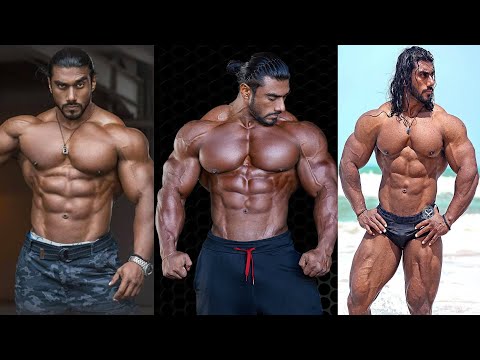

Indian Monster Gym | 3 Signs Your Gym Workout is Paying Off

Welcome, seekers of strength and masters of the self, to Budo and Martial Arts! Today, we confront a question that echoes in every dojo, every training hall, and every sweat-drenched mind: How do you truly know if your efforts in the gym are yielding results? Many walk through the hallowed doors of fitness, pushing iron and pounding mats, only to stagnate, their progress a mirage. Is it the weight on the bar, the speed of your punches, or something deeper that signals genuine advancement?

This is not merely about aesthetics, but about the cultivation of true martial prowess. We will dissect the signs, the unmistakable indicators that your training is forging you into a more capable individual, not just physically, but mentally and spiritually. Prepare yourselves, for we are about to embark on a journey to understand the *true* measure of progress.

The Iron and the Spirit: Beyond the Mirror's Deception

The allure of the gym is often tied to external validation – the physique that turns heads, the numbers on the scale. But a true martial artist understands that the body is a vessel, an instrument to be honed for purpose. The "Indian Monster Gym" often implies a brute force approach, yet true progress in martial arts, whether you're lifting weights or practicing Judo throws, transcends mere brute strength. We must look beyond the superficial. What are the *real* markers of a training regimen that is not just effective, but transformative?

Many mistake vanity for victory. A bulging bicep doesn't guarantee you can execute a clean O-soto-gari, nor does a six-pack equate to the mental fortitude of a Kyokushin Karateka facing a full-contact opponent. The signs we seek are woven into the fabric of your being, manifesting in how you move, how you recover, and how you face adversity.

Sign 1: The Evolution of Functional Strength

The first undeniable sign that your gym training is effective is not just an increase in the weight you lift, but the improvement in your functional strength. This is strength that translates directly to your martial arts practice and, crucially, to life itself.

Are you able to generate more power in your strikes? Can you maintain a stable base during grappling exchanges? Does that Kyokushin Karate kata feel more grounded, more explosive? These are the hallmarks of functional strength. It's the difference between being strong in a static pose and being strong in motion, in combat.

"Strength is not a matter of life and death. It is more important than life and death." - Mas Oyama (paraphrased principle, fundamental to Kyokushin)

Consider the deadlift. While impressive, its true value for a martial artist lies in how that coordinated, full-body power can be applied. Can you use that explosive hip drive to power through an opponent in a MMA clinch? Can the stability gained from squats translate to a stronger guard in BJJ? If your gym work enhances your ability to perform these martial movements with greater force, control, and efficiency, then your training is on the right path.

Conversely, if you're gaining strength but your agility suffers, or your stamina for prolonged combate decreases, then your strength is becoming *dysfunctional*. This is where the martial artist must be discerning. The gym should supplement, not supplant, the core skills of your chosen art. A Judo throw requires explosive hip and leg power, coordinated with upper body control. If your squats are helping you drive your hips with more force, that's functional. If they're making your knees ache and hindering your ability to get low for a sweep, that's a red flag.

Sign 2: Enhanced Physical Resilience and Recovery

The grind of martial arts training is relentless. Sparring sessions, high-intensity drills, the constant push against your limits – it takes a toll. An effective gym regimen doesn't just build you up; it fortifies your ability to withstand this wear and tear and, crucially, to recover quickly.

Are you experiencing fewer nagging injuries? Do muscle soreness and fatigue subside faster after a tough training day? Can you bounce back from a gruelling MMA sparring session with your UFC teammates and be ready for the next one with minimal detriment? These are signs of improved physical resilience.

This resilience is built through a combination of strength training that strengthens connective tissues, mobility work that prevents imbalances, and a conscious effort to optimize recovery. Techniques like dynamic stretching before training and static stretching post-training, coupled with adequate sleep and nutrition, become even more effective when supported by a solid foundational strength.

Think about it: a stronger core provides a stable platform, reducing stress on your lower back during grappling. Enhanced shoulder and rotator cuff strength can prevent injuries from repetitive striking or throwing. Improved cardiovascular conditioning from intense gym circuits will allow you to maintain your technique for longer, whether you're practicing Taekwondo forms or engaging in a Kickboxing bout.

"The body achieves what the mind believes." - Napoleon Hill, a principle that applies universally to physical and mental conditioning.

If your gym training leads to chronic pain, persistent fatigue that hinders your martial arts practice, or an increased susceptibility to minor strains, it's time to re-evaluate. The goal is not to break your body down, but to build it into a more robust, resilient instrument.

Sign 3: The Unshakeable Mindset (The Warrior's Edge)

Perhaps the most profound, yet often overlooked, sign of effective training is the impact it has on your mental fortitude. The discipline required to consistently show up at the gym, to push through discomfort, and to strive for improvement is a direct transfer to the martial path.

Do you find yourself approaching challenges with greater calm and focus? Has your ability to concentrate during intense sparring sessions improved? Do you feel a deeper sense of self-control and discipline in your daily life, extending beyond the gym or the dojo? This mental toughness, this warrior's edge, is a critical indicator.

The late nights, the early mornings, the sheer willpower to perform one more set when your muscles scream in protest – these build mental resilience. This mirrors the mental fortitude required to face an opponent, to execute a complex technique under pressure, or to persevere through a grueling fight.

Think of the concept of Mushin (no-mind) in Zen Buddhism and its application in martial arts like Aikido or Kendo. While not directly taught in most gyms, the self-discipline fostered by consistent training cultivates the fertile ground upon which Mushin can grow. A focused mind, unburdened by distraction or doubt, is the hallmark of a true warrior. If your gym workouts are building this mental discipline, you are on the path to mastery.

The gymnasium can be a crucible for forging not just muscle, but unshakeable resolve. When the physical challenges of training spill over into a stronger, more disciplined, and more resilient mental state, you know your efforts are truly effective. This is the true "monster" you should aim to create.

Training Guidance: Applying the Signs

To truly gauge your progress and ensure your gym work enhances your martial arts journey, integrate these signs into your training philosophy.

  1. Track Functional Movements: Beyond lifting numbers, record how your martial arts skills improve. Can you execute techniques with more speed, power, and control? Are your Artes Marciales Mixtas transitions smoother?
  2. Monitor Recovery Metrics: Pay attention to how quickly you recover from intense sessions. Are you sleeping better? Is daily soreness manageable and short-lived? If not, adjust your gym volume and intensity, and prioritize recovery protocols.
  3. Journal Your Mental State: Keep a log of your focus, discipline, and resilience both in training and in daily life. Note instances where your mental toughness, honed in the gym, helped you overcome challenges on the mat or in life.
  4. Seek Feedback: Ask your instructors and training partners if they notice improvements in your physical capabilities and mental approach. External observation can offer valuable insights.

Essential Gear for Your Training

While discipline is paramount, the right equipment can certainly aid your journey. For those looking to bolster their training, consider:

  • High-Quality Training Shoes: For stability and grip during lifts and dynamic movements.
  • Comfortable Training Apparel: Moisture-wicking fabrics that allow for a full range of motion are crucial for both gym and martial arts training.
  • Wrist Wraps & Knee Sleeves: For added support during heavy lifting, helping to prevent injuries and improve performance.
  • Jump Rope: An excellent tool for cardiovascular conditioning and agility work, easily integrated into any workout.
  • Resistance Bands: Versatile for warm-ups, mobility work, and supplementary strength training.

Sensei's Verdict: Is This Gym Worth the Sweat?

The concept of an "Indian Monster Gym" evokes images of raw power and relentless dedication. If the training within such a facility focuses on building functional strength that directly enhances martial capabilities, promotes robust physical resilience, and cultivates an unwavering mental fortitude, then yes, it is absolutely worth the sweat. However, if it's solely about aesthetics or brute force without application, it falls short. True progress lies in the holistic development of the martial artist.

Rating: Cinturón Negro en Potencial de Desarrollo Integral

Frequently Asked Questions

Q1: How quickly should I expect to see results from my gym training?

True results are multifaceted. Physical strength and resilience can improve noticeably within 4-8 weeks with consistent training. However, the mental discipline and functional application in martial arts can take months or even years to fully manifest and integrate. Patience and persistence are key.

Q2: My gym focuses heavily on isolation exercises. Is this bad for my martial arts?

Isolation exercises have their place for addressing specific weaknesses or muscle imbalances. However, for martial artists, compound, multi-joint movements (like squats, deadlifts, overhead presses, and rows) are generally more beneficial as they mimic the coordinated actions used in combat and everyday life. Prioritize compound lifts and supplement with isolation work as needed.

Q3: Can I do too much gym training and harm my martial arts progress?

Absolutely. Overtraining can lead to burnout, increased injury risk, and decreased performance in both your gym and martial arts sessions. Listen to your body, prioritize recovery, and ensure your gym volume and intensity complement, rather than detract from, your primary martial arts training.

Deeper Dives into Your Journey

To truly master your path, continue your exploration of the principles that underpin true martial strength and discipline.

Sensei's Reflection: Your Next Step

The signs are clear: functional strength, resilience, and an unshakeable mind. But are you truly observing them? Or are you merely chasing the echo of effort, mistaking sweat for substance?

Your challenge: For the next week, dedicate one training session (either gym or martial arts) solely to observing one of these three signs. Does your squat improve your ability to drive into an opponent? Does your recovery feel faster after a hard sparring match? Is your focus sharper during meditation or kata practice? Document your observations. Then, confront yourself: are you truly growing as a martial artist, or merely going through the motions? The path to mastery is paved with honest self-assessment. Now, prove your mettle.

``` GEMINI_METADESC: Learn the 3 key signs your gym workouts are truly effective for martial arts: functional strength, physical resilience, and mental fortitude. Elevate your training.

The Unseen Strength: Why Grapplers Possess Superior Physique and How to Forge Yours

As a Sensei, I've witnessed countless disciplines and debated their merits across the vast landscape of martial arts and combat sports. Today, we confront a question that echoes in dojos and training halls worldwide: Why do grapplers – those who master the intricate dance of clinch, takedown, and ground fighting – often exhibit a physique that commands respect, a veritable temple of functional strength? This isn't mere coincidence; it's the direct result of a training methodology forged in the crucible of necessity. We'll dissect this phenomenon, not just from a performance standpoint, but from the philosophical core of what true physical prowess entails. Prepare to have your preconceptions challenged.

The Grappler's Physique: More Than Just Muscles

The immediate visual cue of a seasoned grappler often includes broad shoulders, a powerful back, thick traps, and legs that are as strong as ancient oaks. But this is not the sculpted, aesthetic physique of a bodybuilder, chasing symmetry over function. The grappler's build is a testament to the demands of their art: the ability to generate immense force for takedowns, to absorb blows and maintain control, and to endure grueling rounds on the mat. This is functional hypertrophy, developed through resistance and strategic application of power. The core of grappling lies in leveraging an opponent's body, often against their will. This requires a unique blend of: * **Explosive Power:** For initiating takedowns like the *O-soto-gari* (Major Outer Reaping) in Judo, or explosive double-leg takedowns in wrestling. * **Crushing Grip Strength:** Essential for maintaining holds, preventing escapes, and controlling an opponent's limbs. * **Core Stability:** The bedrock of all powerful movements. A strong core allows for efficient power transfer and resistance to being swept or controlled on the ground. * **Endurance:** Grappling is a high-intensity activity. The ability to maintain strength and technique for extended periods is paramount.
These attributes don't develop in isolation. They are intricately linked, each reinforcing the other. A strong core enables more explosive leg drives, which in turn requires a stronger grip to secure the takedown. This is the interconnectedness that makes grappling so physically demanding and, consequently, so effective at building a formidable physique.

Unpacking the Philosophy: The *Shin Gi Tai* of Grappling

In the world of Budo, we speak of *Shin Gi Tai* (心技体): mind, technique, and body. For grapplers, this triad is not just an ideal; it's the operational framework for success. * **Shin (Mind):** The mental fortitude required for grappling is immense. It involves strategic thinking, problem-solving under pressure, patience, and the resilience to overcome adversity – whether it's being caught in a submission or facing a seemingly insurmountable physical challenge. The ability to remain calm and analytical when your entire body is under stress is a mark of true mental discipline. * **Gi (Technique):** This is where the art of grappling truly shines. It's not about brute force alone, but about understanding leverage, timing, biomechanics, and the anatomy of movement. A well-executed throw or submission can neutralize a physically superior opponent. Mastering techniques like the *Kimura* (a shoulder lock) or the *Triangle Choke* requires precision and an intimate understanding of joint mechanics. * **Tai (Body):** This is the physical vessel that supports the mind and technique. For a grappler, the body must be a tool – strong, resilient, adaptable, and conditioned for the unique stresses of combat. The physique we observe is the direct manifestation of this body being honed for its specific purpose. The mastery of *Shin Gi Tai* leads to a unique kind of power, one that is both deeply personal and incredibly impactful.

The Training Regimen: Forging the Grappler's Body

The training of a grappler is multifaceted, often blending sport-specific drills with foundational strength and conditioning. It's a holistic approach that builds not just muscles, but resilience and adaptability.

Training Elements for the Aspiring Grappler

* **Technical Mat Time:** The cornerstone of any grappling discipline. This includes drilling techniques, live sparring (*randori* in Judo, *rolling* in BJJ), and positional control exercises. This develops the specific neuromuscular pathways and tactical understanding required. * **Strength Training:** Focuses on compound movements that mimic grappling actions. * **Lower Body:** Squats, deadlifts, lunges, and explosive Olympic lifts like cleans and snatches build the foundational power for takedowns and stability. * **Upper Body:** Pull-ups, rows, bench presses, and overhead presses develop the pulling and pushing strength needed for control and submissions. * **Core:** Planks, anti-rotation exercises, and weighted carries are crucial for stability and power transfer. * **Grip Strength Training:** Farmers' walks, dead hangs, and specialized grip trainers are indispensable. Without a strong grip, all other strengths are compromised. * **Cardiovascular Conditioning:** Grappling is demanding. Interval training, circuit training, and even roadwork (running) improve the cardiovascular system's ability to sustain high-intensity efforts and recover quickly. * **Flexibility and Mobility:** Essential for injury prevention and for executing techniques effectively. Dynamic stretching before training and static stretching afterward, alongside mobility drills, keep the body limber and responsive.
"The strength of the body is not in its muscles, but in its flexibility and resilience." - Unknown Master

A Sample Training Structure (Conceptual)

A typical week might look something like this: * **Monday:** Judo/Wrestling technique and *randori*. * **Tuesday:** Strength training focusing on lower body and core. Grip work. * **Wednesday:** BJJ/Grappling technique and *rolling*. * **Thursday:** Active recovery – light cardio, mobility work, or focus on a specific weak area. * **Friday:** Full grappling session or a focused strength and conditioning circuit designed for grappling. * **Saturday:** Longer grappling session, or a physical challenge (e.g., extended roadwork, heavy carries). * **Sunday:** Rest and recovery. This is a general framework, and the specifics will vary greatly depending on the individual's primary discipline (Judo, BJJ, Sambo, Wrestling), their current level, and their specific goals.

The Role of Genetics and Individual Variation

While training is paramount, we cannot entirely discount the role of genetics. Certain body types might lend themselves more readily to specific grappling disciplines. Taller individuals with longer limbs might excel at certain submissions or guards, while shorter, more compact individuals might find success with explosive takedowns and pressure passing. However, this is where the philosophy of Budo truly shines. Regardless of natural predisposition, dedication, proper technique, and the unyielding spirit (*kokoro*) can overcome many physical limitations. The true grappler develops their body to serve their art, adapting and overcoming.

Reflecting on the *Kime* (Focus/Intent)

The "jacked" physique of the grappler is not a superficial aesthetic; it's a functional outcome of demanding, purposeful training. It's the physical embodiment of *Shin Gi Tai* in action. The strength developed is not just for show; it's for control, for leverage, for survival, and for the execution of intricate techniques. This journey of building a grappling physique requires discipline, patience, and a deep understanding of one's own body and the principles of the art. It’s a path of continuous learning and adaptation.

Veredicto del Sensei: ¿Merece la pena el esfuerzo?

Absolutely. The physical rewards of dedicated grappling training are immense, but they pale in comparison to the mental fortitude, tactical acumen, and profound self-understanding gained. This is not just about building a better body; it's about forging a better self. The principles learned on the mat – discipline, perseverance, respect, and the constant pursuit of mastery – extend far beyond the dojo, shaping every aspect of a grappler's life.

Equipo Esencial para tu Entrenamiento

While grappling is often accessible with minimal equipment, certain items can significantly enhance your training and safety.
  • Gi (Kimono): For Judo and Brazilian Jiu-Jitsu, a high-quality Gi is essential. Look for double-weave for durability and a good fit that allows for movement without being too loose. Brands like Fuji, Hayabusa, and Atama are reputable.
  • Mouthguard: Crucial for protecting your teeth during sparring, especially in BJJ and wrestling.
  • Groin Protector: A wise investment for men to prevent serious injury during accidental impacts.
  • Knee Pads: Helpful for protecting your knees during drills and rolling on harder surfaces.
  • Weightlifting Gear: For supplemental strength training, consider appropriate lifting shoes, a weightlifting belt for heavy squats and deadlifts, and wrist wraps for support.
  • Apparel: Comfortable, moisture-wicking rash guards and shorts for BJJ or no-gi training. For Judo, a specific Judo uniform is required.
When selecting equipment, prioritize durability and proper fit. For instance, a well-fitting judogi is paramount for effective Judo practice.

Guía de Entrenamiento: Ejercicio de Potencia para el Agarre

One of the most overlooked yet critical aspects of grappling is grip strength. Here’s a simple yet brutal exercise:
  1. Find a sturdy barbell or, even better, a thick towel. If using a towel, loop it through the center hole of a weight plate or attach it to a barbell.
  2. Grip the barbell or towel firmly. Ensure your grip is secure and your arms are extended.
  3. Begin a Farmer's Walk. Walk a predetermined distance (e.g., 20-50 meters) or for a set amount of time (e.g., 30-60 seconds).
  4. Focus on maintaining your grip throughout the entire walk. Don't let your hands loosen.
  5. Repeat for 3-5 sets.
This exercise directly targets the forearms, hands, and wrists, building the crushing grip necessary to control an opponent.

Recursos para Profundizar

To truly understand the depth of grappling, explore these foundational elements:
  • The Kodokan Judo Institute: The official source for Judo principles and history, founded by Jigoro Kano. Explore their official website for historical context and technical information.
  • Brazilian Jiu-Jitsu Fundamentals: Many online resources and books delve into the intricacies of BJJ. Look for instructional videos from reputable instructors.
  • The Philosophy of Budo: Understanding broader martial arts philosophy enhances the appreciation of grappling. Texts on Bushido or the writings of Miyamoto Musashi can provide valuable insights.

Preguntas Frecuentes

  • Q: Is it possible to become a strong grappler without spending hours on the mat?
    A: While mat time is crucial for technique, a focused strength and conditioning program can build a strong physical foundation that accelerates technical learning and improves performance during sparring. However, technique acquisition is largely dependent on mat practice.
  • Q: What is the most important physical attribute for a grappler?
    A: It's a tie between core strength and grip strength. A powerful core allows for efficient movement and stability, while a strong grip is essential for control and submission.
  • Q: Can a smaller person succeed in grappling against a larger opponent?
    A: Absolutely. Grappling is a sport where technique, leverage, and strategy can often overcome sheer size and strength differences, especially in disciplines like Judo and Brazilian Jiu-Jitsu.
  • Q: How important is flexibility for grapplers?
    A: Very important. Flexibility aids in injury prevention, allows for a greater range of motion to execute techniques effectively, and can be crucial for escaping certain submission holds.

Para Profundizar en tu Camino

"To learn to fight is to learn to discipline the body and the mind. Strength without control is merely brute force." - Sensei's personal reflection from years of training.

Reflexión del Sensei: Tu Próximo Paso

Observe the grapplers around you. Do you see just athletes, or do you see living embodiments of resilience and tactical brilliance? The physical prowess is not an end in itself, but a tool forged by the mind and honed by technique. Now, I challenge you: How will you begin to forge your own functional strength, not just for the mat, but for life? Will you seek out the discipline, or continue to admire from afar? The choice, as always, is yours. ``` GEMINI_METADESC: Uncover the secrets behind the formidable physique of grapplers. Learn essential training principles from a martial arts master.

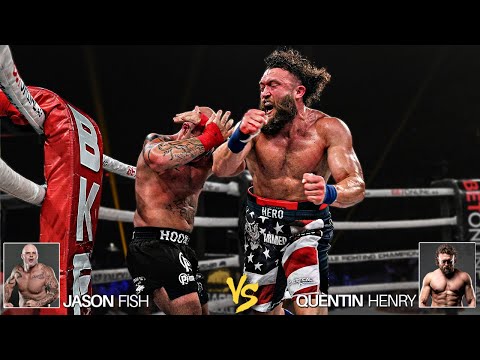
Budo's Verdict: Is BKFC 20's "Unbelievable Power" a True Display of Martial Spirit?

The roar of the crowd, the glint of sweat under the lights, the raw, unadulterated combat. Bare-knuckle boxing, especially within organizations like BKFC (Bare Knuckle Fighting Championship), often presents itself as the purest distillation of fighting. But when we, as practitioners and students of the martial arts, look beyond the spectacle, what do we truly see? Is it a demonstration of honed skill and warrior spirit, or merely a primal clash devoid of the deeper principles that define true Budo? This isn't merely about judging a fight; it's about dissecting its essence through the lens of martial philosophy. Jason Fish vs. Quentin Henry at BKFC 20 – the title itself promises "Unbelievable Power." But power, as any true martial artist knows, is a multifaceted concept. It’s not just brute force; it's the calculated application of energy, the strategic mind, and the unshakeable spirit. Today, we delve into whether this particular bout, and by extension, BKFC itself, truly embodies the martial ethos we hold dear.

The "Unbelievable Power" of BKFC: Spectacle vs. Substance

The very premise of BKFC is captivating for its simplicity: two individuals, bare fists, and an octagon. It strips away the layers of gloves, padding, and often, the more intricate techniques seen in MMA or traditional martial arts. This rawness is undeniably compelling, drawing in crowds with the visceral thrill of immediate, impactful exchanges. The title "Unbelievable Power" points directly to this appeal. However, from a martial arts perspective, this simplification raises critical questions. Does the absence of rules governing certain strikes, the lack of grappling to the same extent as MMA, or the sheer focus on striking with bare knuckles, diminish the martial artistry on display? Or does it elevate it by demanding a different, perhaps more primal, form of skill and resilience? We must ask ourselves: where does the "martial" in martial arts lie? Is it solely in the technique, the historical lineage, or the philosophical underpinnings? Or can it be found in the courage to face an opponent with minimal protection, the resilience to absorb punishment, and the sheer will to overcome?

Quentin Henry's Path: More Than Just a Striker?

The mention of Quentin Henry returning to action brings forth a narrative of a fighter continuing his journey. The original post highlights his upcoming fight against Chris Sarro at BKFC Fight Night Jackson. While the provided text focuses heavily on the event's fight card and ticketing information, it prompts us to consider Henry's background and how his style might fit within the broader spectrum of combat sports. Is Henry a pure brawler, relying on raw power? Or does he possess a foundation in traditional martial arts or boxing that allows for strategic application of force? The effectiveness of bare-knuckle fighting often depends on a fighter's ability to manage distance, cut off the ring, and deliver devastating blows while minimizing damage to themselves. This requires a sophisticated understanding of timing, angles, and defensive awareness—elements that are cornerstones of many martial disciplines. The upcoming BKFC Fight Night Jackson, featuring bouts like Elvin Britto vs. Kaleb Harris for the welterweight championship and Alan Belcher vs. Bobo O'Bannon, promises a full evening of combat. While the provided text lists the participants, it offers little insight into their individual martial journeys or stylistic nuances. This is where our critical eye as martial artists must engage.

The Philosophy of the Bare Fist: A Deeper Dive

The act of fighting with bare fists carries a historical weight. Before the advent of modern boxing gloves, combatants relied on their natural weapons – their fists. This era demanded not only strength but also an exceptional understanding of anatomy, joint manipulation (even within striking), and a profound mental fortitude. Many traditional martial arts, while not directly advocating bare-knuckle fighting as a primary discipline, share common principles: * **Discipline (`Shugyo`)**: The rigorous training and self-control required to hone skills and master one's own impulses. * **Courage (`Yuuki`)**: The mental bravery to face danger and adversity. * **Resilience (`Gaman`)**: The ability to endure hardship and persevere. * **Respect (`Rei`)**: Acknowledging the opponent and the value of the struggle. When we watch a BKFC bout, we should look for these elements. Is there a palpable sense of discipline in the fighters' movements? Do they exhibit genuine courage under fire? Can they show resilience when facing adversity? Is there an underlying respect for the combat itself, even in its most brutal form?

Fighting Styles and Their Application: BKFC vs. Traditional Arts

The contrast between BKFC and styles like Karate, Judo, Taekwondo, or even MMA is stark. * **Karate (`空手`)**: Emphasizes striking with precision, often with linear movements and powerful focus (`kime`). Traditional Karate training heavily involves `kata` (forms) which, when practiced correctly, develop balance, coordination, and the application of techniques for self-defense. * **Judo (`柔道`)**: Focuses on throws, grappling, and submission holds. Its core principle is "maximum efficiency, minimum effort," using an opponent's momentum against them. * **Taekwondo (`태권도`)**: Renowned for its dynamic kicking techniques, emphasizing speed, agility, and power. * **MMA (`Mixed Martial Arts`)**: Seeks to integrate striking, wrestling, and submission grappling, creating a well-rounded combatant. BKFC, by removing gloves and de-emphasizing grappling, shifts the balance heavily towards striking power and durability. A fighter who excels in BKFC might have a background in boxing, Muay Thai, or even certain Karate styles known for hard conditioning and powerful strikes. However, the lack of glove protection fundamentally alters the dynamics of striking. A perfectly placed punch with a bare knuckle can inflict far more severe damage than with a gloved fist, leading to quicker stoppages and potentially more career-ending injuries. This raises a pertinent question: **Does the heightened risk in BKFC elevate the martial spirit, or does it border on recklessness when not accompanied by a deeper philosophical framework?**
"The true warrior is the one who has conquered himself, not the one who has conquered his enemies." - Ancient Martial Proverb
This quote underscores a fundamental principle: the greatest battles are often internal. While BKFC showcases external battles with incredible intensity, the true measure of martial spirit lies in how fighters conduct themselves both in and out of the ring, and how they apply the lessons learned from combat to their lives.

Training for the Bare-Knuckle Arena: A Different Kind of Discipline

The training regimen for a BKFC fighter would undoubtedly differ from that of a traditional martial artist. While techniques like punching and blocking are universal, the emphasis would likely be on: * **Hand Conditioning**: Strengthening the bones, knuckles, and tendons of the hands through specialized exercises like hitting heavy bags, makiwara training (though carefully, to avoid injury), and gripping exercises. * **Toughness and Durability (`Nintai`)**: Building an exceptional pain threshold and the ability to continue fighting effectively even when injured. This often involves intense sparring and conditioning drills that push the limits of physical and mental endurance. * **Ring Generalship**: Mastering the art of controlling the space, cutting off escape routes, and dictating the pace of the fight—crucial when grappling is limited. * **Strategic Striking**: Developing the ability to land powerful, fight-ending blows with bare fists, often requiring precise timing and accuracy.

Equipment Essentials for Your Training (Beyond the BKFC Ring)

While BKFC fighters embrace the bare fist, aspiring martial artists in other disciplines require specific gear. Investing in quality equipment is not a sign of weakness, but a testament to your commitment to serious training and safety. * **Durable Training Uniform**: For disciplines like Karate or Judo, a sturdy `gi` (uniform) is essential. Look for `double-weave` or `heavyweight` options for longevity, especially if you engage in grappling or intense `kata` practice. For striking arts, comfortable and flexible training attire is key. * **Protective Gear**: When sparring in striking arts, **mouthguards** are non-negotiable. Shin guards, headgear, and **sparring gloves** (appropriate weight for your discipline, e.g., 16oz gloves for boxing/MMA sparring) are vital for preventing injuries and allowing for realistic training. * **Training Tools**: A **makiwara** can be beneficial for developing hand conditioning in striking arts, but it must be used with proper technique to avoid injury. For grappling, a **training dummy** or **partner** is indispensable. * **Footwear**: Depending on your discipline, you might need specialized shoes for grip and ankle support, or train barefoot to develop proprioception and connection with the ground.

Training Guide: Developing "Fight Night" Resilience (Safe Practice)

While we are analyzing BKFC, the principles of resilience and mental toughness are transferable. Here’s a guide to developing these qualities safely within your own martial arts training.
  1. Mental Preparation: The Power of Visualization
    Before each training session, visualize yourself successfully executing techniques, overcoming challenges, and maintaining composure under pressure. Imagine the scenario you are training for and how you will respond with calm focus.
  2. Conditioning for Stamina: Building Your Engine
    Incorporate high-intensity interval training (HIIT) and cardiovascular exercises like running or skipping rope into your routine. The goal is to build an aerobic base that allows you to perform at your peak throughout a round or a longer encounter.
  3. Sparring with Purpose: Beyond Just Hitting
    Approach sparring not as a competition, but as a learning opportunity. Focus on specific techniques, defensive strategies, or maintaining a particular fighting range. Communicate with your training partner about what you aim to achieve.
  4. Endurance Drills: Pushing Your Limits Safely
    Incorporate drills that simulate fatigue. For example, perform a demanding exercise (like burpees or push-ups) and immediately transition into practicing a technique. This teaches your body and mind to function effectively even when tired.
  5. Active Recovery and Mindfulness: The Importance of Rest
    After intense sessions, prioritize active recovery (light stretching, foam rolling) and mindfulness exercises. This aids muscle repair and sharpens mental focus, preventing burnout.

Veredicto del Sensei: BKFC 20 - A Spectacle of Power, But Where is the Budo?

BKFC 20, and the BKFC promotion in general, undeniably delivers on its promise of "Unbelievable Power." The raw, unvarnished exchanges are a testament to the courage and resilience of the fighters who step into the ring with bare fists. Quentin Henry and his contemporaries demonstrate a remarkable capacity to endure and inflict damage, showcasing a primal form of combat prowess. However, from the perspective of a martial arts scholar and practitioner, the "Budo" is largely absent. The emphasis is overwhelmingly on the physical clash and the spectacle of impact, rather than the cultivation of character, the development of a disciplined mind, or the nuanced application of techniques honed over centuries. While courage and resilience are certainly present, they are not yet fully integrated with the philosophical depth that defines true martial arts. It is a powerful display of combat, yes, but the deeper currents of martial philosophy remain largely untapped. **Cinturón Negro en Potencia Bruta, Cinturón Blanco en Budo.**

Preguntas Frecuentes

Is BKFC considered a martial art?
BKFC is a form of combat sport, specifically bare-knuckle boxing. While it requires significant skill, discipline, and courage, it typically focuses on striking with bare fists and lacks the extensive philosophical and technical breadth found in traditional martial arts like Karate, Judo, or Kung Fu.
What are the key differences between BKFC and traditional martial arts?
The primary differences lie in the ruleset and the emphasis. BKFC emphasizes striking with bare knuckles, prioritizing power and durability, with limited grappling. Traditional martial arts often incorporate a wider range of techniques (striking, grappling, throws, submissions), focus on philosophical development, self-improvement, and a broader definition of combat effectiveness.
Can bare-knuckle boxing teach discipline?
Yes, any disciplined training regimen, including bare-knuckle boxing, can teach discipline. However, the depth and breadth of self-discipline cultivated through traditional martial arts, encompassing mental, physical, and ethical development, is often more comprehensive.
What skills are most important for a BKFC fighter?
Key skills include raw punching power, exceptional durability and pain tolerance, effective footwork and ring generalship, defensive awareness to avoid damage, and the mental fortitude to fight through adversity.

Para Profundizar en tu Camino

Reflexión del Sensei: Tu Próximo Paso

The arena of BKFC demands raw courage and an extraordinary capacity to withstand punishment. You've seen the power, the directness, the unbridled combat. But now, turn your gaze inward. When you face your own challenges, whether in training or in life, do you summon this same primal force? Or do you seek a deeper wellspring of strength – one forged not just in the heat of battle, but in the quiet discipline of daily practice, in the unwavering pursuit of self-mastery? What does "Unbelievable Power" truly mean to *you*? ``` GEMINI_METADESC: A critical analysis of BKFC 20's "Unbelievable Power" from a martial arts perspective. Exploring the display of combat spirit versus true Budo principles.

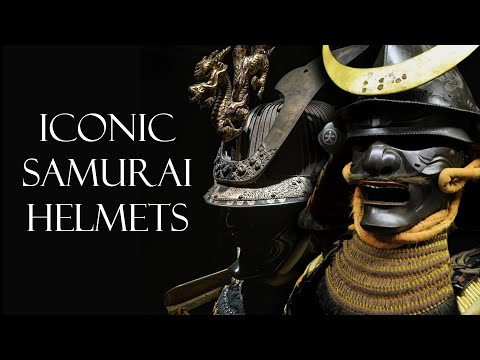
The Enduring Majesty: Unveiling the Kabuto, Symbol of the Samurai Warrior

The clash of steel, the scent of exertion, the silent focus before the storm. These are the hallmarks of the martial path. But beyond the physical, the warrior’s spirit is often defined by his symbols, his armor, his very identity. Few symbols are as potent, as instantly recognizable, as the Kabuto (兜), the helmet of the Japanese samurai. More than mere head protection, the Kabuto was a statement, a canvas for artistry, and a testament to the warrior's status and philosophy. Today, we delve beyond the visual, dissecting the Kabuto not just as an artifact of history, but as an extension of the samurai's martial spirit. Are we merely admiring metalwork, or are we connecting with the very essence of BUDO and the warrior's journey?

The Sengoku Period (c. 1467-1615) was an era of relentless conflict, a crucible where samurai warfare reached its zenith. It was during this turbulent time that the Kabuto evolved from functional headgear to elaborate works of art, each piece reflecting the personality, beliefs, and even the fears of its wearer. Join me as we explore the evolution and significance of these iconic warrior emblems.

The Evolution of the Sengoku Kabuto

To truly appreciate the Kabuto, we must understand its lineage. While its origins trace back much further, the Sengoku period saw a dramatic surge in innovation and stylistic diversity. Early Kabuto were often simpler, prioritizing pure defense. However, as warfare became more sophisticated and battles more prolonged, the need for lighter, more comfortable, and perhaps even psychologically intimidating helmets grew.

The evolution wasn't just about form; it was deeply intertwined with the very nature of combat during this era. Ashigaru, the foot soldiers, often wore simpler helmets like the Jingasa (陣笠), a conical hat that offered basic protection but was far less elaborate than the samurai's Kabuto. This distinction in headwear underscored the rigid social hierarchy of the time, a concept mirrored in the training methodologies of various artes marciales today, where different ranks or specializations might use distinct gear or training approaches. The samurai’s Kabuto was a declaration: "I am a warrior of standing."

The materials and construction techniques also advanced. Lacquered iron plates, often lacquered paper or leather for lighter options, were meticulously assembled. The iconic 'suji' (ridges) were not merely decorative; they helped to deflect blows. And then there were the maedate (前立) – the crests adorning the front of the helmet. These could range from simple symbols to elaborate representations of animals, insects, or mythical creatures. What did these symbols communicate to the enemy, and more importantly, to the wearer himself?

"The helmet shields the head, the soul's dwelling place. Its strength is the warrior's resolve." - A sentiment echoed in many martial traditions.

The Sengoku Kabuto was a fusion of practical engineering and symbolic expression. It was designed to protect the most vital part of the body, yet it also served as a powerful psychological weapon, projecting an image of strength, ferocity, or divine protection. This duality is a lesson for any practitioner of lucha or pelea: true strength lies not just in physical prowess, but in mental fortitude and unwavering self-belief, often symbolized by one's chosen insignia or entrenamiento ethos.

Iconic Kabuto Examples: A Glimpse into Warrior Identity

The late Sengoku Period gifted us some of the most breathtaking and historically significant Kabuto. Examining these surviving examples is like peering directly into the minds of legendary warriors.

  • The Kabuto of Tokugawa Ieyasu: Known for its simplicity and sheer functionality, Ieyasu's helmets often featured prominent horns or deer antlers, possibly symbolizing strength and leadership. They were built for war, reflecting his pragmatic and enduring nature – a trait essential for anyone aiming for long-term success in combate.
  • The Kabuto of Oda Nobunaga: Nobunaga, a visionary and often ruthless leader, favored Kabuto that were both imposing and innovative. Some are noted for their distinctive 'monkey face' designs, perhaps intended to intimidate or to signify agility and cunning. His approach to warfare, much like his helmet designs, broke from tradition, a bold move that resonates with modern fighters who innovate within the MMA framework.
  • The Kabuto of Date Masamune: Perhaps the most visually striking, Masamune's famous helmet, known as the "Dragonfly Kabuto," is instantly recognizable by its massive crescent moon crest and often elaborate ear-like flanges. This design speaks of a warrior who was not afraid to stand out, to project an image of power and unique identity. His legend is a powerful reminder that embracing one's individuality can be a strategic advantage.

These are not mere historical curiosities. Each Kabuto tells a story of the man who wore it. Consider the strategic advantage of psychological warfare. How does your entrenamiento prepare you not just physically, but mentally, to face an opponent who might be intimidated by your presence alone? The samurai understood this deeply. Their Kabuto was part of that deliberate presentation.

This aspect is crucial for anyone studying defensaPersonal or combate en la calle. While elaborate crests are unnecessary, the mindset they represent – confidence, preparedness, and a focused intent – is paramount. A calm demeanor and a ready stance can be as effective as any physical technique.

Kabuto vs. Modern Helmets: A Philosophical Divide

In modern combat sports like MMA, kickboxing, or judo, helmets are typically used only during training for safety. The full-face helmets seen in sports like American football or hockey serve a purely protective function, devoid of the symbolic or aesthetic flair of the Kabuto. This difference highlights a shift in the warrior's philosophy.

The samurai wore his Kabuto as an extension of himself, a piece of art that declared his presence and identity on the battlefield. Modern athletes wear protective gear primarily to prevent injury, allowing them to train harder and push their limits. While both aim to protect the warrior, the *intention* behind the gear differs profoundly. The Kabuto was a declaration of status and spirit; modern protective gear is a tool for optimized performance and longevity in the sport.

Is there a lesson here? Perhaps it is that while the outward forms of conflict change, the inner spirit of the warrior must adapt. We must embrace the advancements in safety and training science while never forgetting the core principles of discipline, resilience, and the mental fortitude that the samurai embodied. The spirit of BUDO transcends time and technology.

"The way of the warrior is to choose death over dishonor. But a wise warrior also chooses his armor well, for it is the shield of his future battles." - A distillation of martial wisdom.

Consider the philosophy of artes marciales themselves. Some traditional styles emphasize the philosophical and spiritual aspects, akin to the samurai's Kabuto, while others are purely performance-oriented, like modern sports. The true master, however, finds a balance, integrating the spirit into the practice.

Training with the Spirit of the Samurai

How can we, in the 21st century, channel the spirit embodied by the Kabuto and the samurai who wore them? It's not about donning armor, but about cultivating the mindset.

Focus and Intent: The Maedate of the Mind

Just as a samurai chose a crest to represent his identity and intent, we must define our purpose in training. What is your maedate? Is it self-mastery, physical fitness, or the pursuit of Artes Marciales Mixtas excellence? Define it clearly and let it guide every drill.

Resilience and Endurance: The Strength of the Suji

The ridges (suji) on a Kabuto were designed to deflect blows. Our mental resilience acts similarly. When facing setbacks in training or life – a tough spar, a missed objetivos alcanzables, a difficult entrenamiento session – can you deflect the negativity and keep moving forward? This requires consistent effort, much like the rigorous entrenamiento de MMA or the conditioning for Karate Kyokushin.

Discipline and Dedication: The Foundation of the Bowl

The fundamental bowl of the Kabuto provided the essential protection. Similarly, fundamental discipline is the bedrock of all martial progress. Showing up, putting in the work, maintaining focus – these are the unglamorous but vital components of mastery. This is the essence of disciplina and autodisciplina that underpins all effective entrenamiento.

Adaptability and Innovation: The Evolving Styles

The Kabuto evolved to meet changing battlefield needs. Likewise, martial artists must be adaptable. The world of UFC and MMA constantly evolves, demanding that fighters learn and integrate new techniques. Staying stagnant is a sure path to being overtaken, whether by an opponent or by life's challenges.

Training Guide: Developing the Warrior's Mindset

  1. Define Your 'Maedate': At the beginning of each training session, or even each day, take 60 seconds to clearly state your intention for that period. Write it down if necessary.
  2. Embrace the 'Suji' of Resilience: When a drill feels too hard or a technique doesn't click, instead of frustration, focus on *effort*. Acknowledge the difficulty, but redirect your energy into finding a solution or simply persevering.
  3. Cultivate Fundamental Discipline: Commit to your training schedule. If you miss a session, don't despair; simply plan for the next one. Consistency builds the foundation.
  4. Seek Adaptation: Actively look for ways to improve. Watch fights, read about different styles, ask your training partners for feedback. Be open to learning, even from those you consider less experienced.

Equipment Essentials for Your Training

While we are not donning Kabuto for modern training, the right equipment is crucial for safety, efficiency, and emulating the dedication of past warriors. Investing in quality gear is an investment in your own journey.

  • Protective Gear: For sparring in MMA, kickboxing, or BJJ, ensure you have quality headgear, mouthguards, and appropriate sparring gloves (e.g., 16oz for full contact).
  • Training Uniforms: A durable kimono for Judo or BJJ, or a comfortable gi for Karate, is essential. Look for breathable, tough fabrics that withstand rigorous training. For striking arts, consider moisture-wicking shorts and rash guards.
  • Training Tools: Depending on your focus, consider items like training dummies, striking pads, jump ropes for conditioning, or resistance bands for strength work.
  • Books and Resources: To deepen your understanding of martial history and philosophy, invest in reputable books on the subject.

Remember, the right equipment should facilitate your training, not be a distraction. Quality over quantity is often the wiser path.

Frequently Asked Questions

  • What is the primary function of a Kabuto? The primary function of a Kabuto was to protect the wearer's head from blades, arrows, and blunt force trauma during combat. However, it also served as a significant symbol of status, identity, and psychological impact.
  • Were all samurai helmets the same? No. Kabuto varied significantly in design, materials, and ornamentation depending on the era, the wearer's rank, wealth, and personal preferences. The Sengoku period, in particular, saw immense diversification.
  • Can Kabuto designs still influence modern martial arts? While not directly, the *spirit* behind the designs – the intention, the symbolism of strength, the psychological projection – can absolutely influence a modern martial artist's mindset and approach to training and competition.
  • How did Ashigaru helmets differ from Samurai Kabuto? Ashigaru, being foot soldiers, typically wore simpler, less ornate helmets like the Jingasa, prioritizing basic protection and cost-effectiveness over the elaborate artistry and status symbols found in samurai Kabuto.

For Further Deepening Your Path

  • History of Samurai Armor: Explore the evolution of warrior protection.
  • BUDO Philosophy: Understand the core principles of the Japanese martial way.
  • Entrenamiento for Warriors: Strategies to build both body and mind.

Sensei's Reflection: Your Next Step

The Kabuto is more than just a helmet; it is a tangible link to the warrior's spirit, a symbol of identity, resilience, and the unwavering commitment to the path of combat. As we've seen, its evolution mirrored the changing landscape of warfare, and its design reflected the very soul of the samurai.

But history is not a static museum piece. It is a living teacher. The principles embodied in the Kabuto – intent, resilience, discipline, adaptability – are not relics of a bygone era. They are the very foundations upon which true mastery in any Artes Marciales Mixtas or any discipline is built.

Reflexión del Sensei: Tu Próximo Paso

Now, I ask you: When you step onto the training floor, what 'Kabuto' are you wearing? Is it one of genuine intent and resilience, or merely a passive shield against the effort? Examine your own training. Where is your maedate? What are you declaring with your presence, your effort, your spirit? Do not simply admire the warriors of the past; become one in your own right, by embodying their enduring principles.

``` GEMINI_METADESC: Unveil the Samurai Kabuto: history, evolution, iconic examples, and its deep connection to warrior identity and martial philosophy. Learn how its spirit informs modern training.