Showing posts sorted by relevance for query BUDO and MMA. Sort by date Show all posts

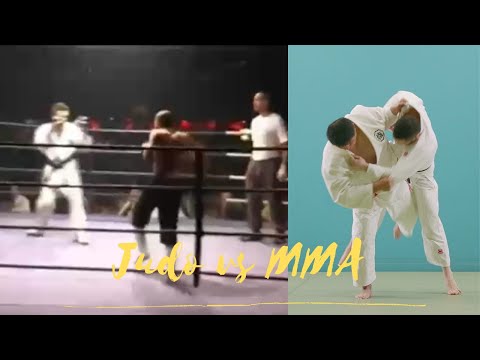
Judo vs. MMA: A Sensei's Tactical Breakdown of Dominance

The roar of the crowd, the glint of sweat under the arena lights, the coiled tension before a strike or a takedown. These are the primal elements that draw us to combat sports. But when a Judoka, a master of the throw and the ground game, steps into the cage against an MMA fighter, a specialist in a multi-disciplinary war, what transpires? Is it a clash of titans, or a predictable outcome? This isn't about mere physical prowess; it's about the application of refined principles honed over centuries versus a modern, brutal synthesis. We are about to dissect this very confrontation, not as mere spectators, but as students of the Budo, examining the strategic depth, the technical nuances, and the philosophical underpinnings that dictate victory.

The Genesis of the Duel: Judo vs. MMA

Welcome, practitioners of the Budo and aficionados of the martial arts. Today, we confront a scenario that has ignited countless debates in dojos and online forums alike: the direct confrontation between a pure Judoka and a seasoned Mixed Martial Arts (MMA) fighter. The question is not simply about who is stronger, but who can adapt, who can impose their will, and whose fundamental principles of combat will prevail. Is the devastating potential of a perfectly executed Uchi-mata enough to overcome a barrage of strikes? Can a master of O-soto-gari translate their grappling prowess to an environment devoid of the gi?

Let's be clear: these are not the same battles. Judo, as codified by Jigoro Kano, emphasizes mutual welfare and prosperity, a path of maximum efficiency with minimum effort. MMA, on the other hand, is a brutal crucible, a synthesis of the most effective techniques from across the globe, stripped of tradition and focused solely on victory. This dichotomy forms the bedrock of our analysis.

The Judoka's Arsenal: Unlocking the Power of Kuzushi

A Judoka enters the fray with a formidable foundation. Their understanding of kuzushi – the art of unbalancing an opponent – is paramount. This is not merely about brute strength; it's about leverage, timing, and understanding the opponent's center of gravity. Techniques like Seoi-nage, Ippon-seoi-nage, and the ubiquitous Uchi-mata are not just moves; they are physics-defying applications of kinetic energy transfer.

In a gi-based environment, a Judoka can employ grips that provide immense control, allowing them to break down an opponent's posture and set up devastating throws. The ability to transition seamlessly to the ground and apply submissions like Sankaku-gatame (triangle choke) or Gyaku-juji-jime (reverse cross choke) is another layer of their offensive capability. These are skills honed through thousands of repetitions, ingrained into muscle memory.

However, the MMA cage presents a starkly different landscape. The absence of a gi negates the primary method of control for a Judoka. Without the familiar fabric to grip, the art of kuzushi becomes exponentially more challenging, relying on body control and clinch work rather than the secure grips of the judogi. This is where the conceptual understanding of Judo must be rigorously tested.

The MMA Chameleon: Adapting to the Unfamiliar

The MMA fighter is, by definition, a generalist. They are trained to weather the storm from various martial disciplines – striking arts like Boxing and Muay Thai, grappling arts like Brazilian Jiu-Jitsu (BJJ) and Wrestling, and sometimes even elements of Karate or Taekwondo. Their strength lies not in singular mastery, but in their ability to seamlessly blend these arts and exploit an opponent's weaknesses.

An MMA fighter facing a Judoka will likely anticipate the takedown attempts. Their training will focus on defending throws, establishing dominant grips (or lack thereof), and creating space to employ their striking arsenal. A well-timed knee to the head in the clinch, or a barrage of punches while the Judoka attempts to secure a grip, can quickly neutralize the thrower's advantage. Furthermore, a skilled MMA fighter will have extensive training in defending submissions and, crucially, in executing their own submissions from various positions, often learned through the lens of BJJ.

"The supreme art of war is to subdue the enemy without fighting." - Sun Tzu. In MMA, this often translates to dictating the pace and range of engagement.

The MMA fighter’s conditioning is also typically tailored for longer, more grueling bouts where the intensity of grappling exchanges is sustained. While Judokas possess incredible stamina for their sport, the all-out, multi-faceted war of MMA is a different beast entirely. The ability to absorb damage and fight through adversity is a core component of an MMA fighter's mettle.

A Sensei's Technical Deep Dive: From Gi to Cage

Let's break down the technical battleground:

  • Standing Exchange: Here lies the Judoka's primary challenge. Without the gi, effective grips are difficult to establish. They must rely on open-hand clinching, head control, and exploiting minute openings to initiate a throw. Techniques requiring significant lapel or sleeve grip, like a strong O-uchi-gari or Harai-goshi, become significantly harder to execute. The MMA fighter, conversely, will aim to keep the distance, use their jab and straight punches to manage the space, and be ready to sprawl or counter a takedown attempt. The potential for striking is high here, which is a clear advantage for the MMA fighter.
  • The Clinch: This is where the battle for control intensifies. A Judoka's Tsurikomi-goshi or Uki-goshi might still be viable if they can secure a body lock. However, MMA clinch work often involves controlling the wrists and head, preventing the opponent from gaining the necessary leverage for a throw, while also looking for knees or short punches. A well-trained MMA wrestler can often counter a Judo clinch with superior head positioning and takedown defense (e.g., a double leg or single leg).
  • Ground Game: If the Judoka successfully secures a takedown and lands in a dominant position (e.g., kesa-gatame), their advantage is substantial. However, MMA fighters are adept at transitioning from defending takedowns to scrambling back to their feet or attacking from the bottom. Judo's emphasis on pins (Osaekomi-waza) is powerful, but MMA fighters are trained to escape pins quickly and create submission opportunities. BJJ's influence means MMA fighters are often more comfortable and dynamic in scrambles and submissions from disadvantageous positions than a pure Judoka might be, especially one accustomed to gi grips.

Consider the case of Uchi-mata. In Judo, it's a spectacular throw initiated with a specific pulling and reaping motion, often facilitated by gripping the opponent's gi. In MMA, without that grip, the reap becomes a more generalized leg sweep or sweep attempt, highly susceptible to being countered by a wrestler's sprawling or a striker's balance shift. The effectiveness of Judo techniques is intrinsically linked to the context in which they are applied.

Beyond the Physical: The Budo Spirit in Combat

At its core, Judo is a Budo, a "way of war" focused on self-development. It teaches discipline, respect, and resilience. The principle of Seiryoku Zenyo (maximum efficiency, minimum effort) is not just a physical tactic but a philosophical guide to life. Can this philosophy translate into the unforgiving environment of an MMA bout?

An MMA fighter's philosophy is often one of survival and dominance. While discipline and resilience are certainly necessary, the underlying ethos is different. It's about adapting to win, using whatever works. This pragmatism can be both a strength and a weakness. A Judoka, trained in the principles of Judo, might exhibit greater composure under pressure, focusing on the technical execution rather than succumbing to the chaos. However, that same adherence to Judo principles, if not adapted, can become a rigidity that an MMA fighter exploits.

"The true Budo practitioner is one who, even in the heat of battle, retains the calm and clarity of a serene mind. This is the essence of Mushin – no-mind."

The spiritual dimension of martial arts often provides a deep well of inner strength. For a Judoka, this might manifest as an unwavering focus on technique and process. For an MMA fighter, it might be a fierce tenacity, a refusal to be broken. Which spirit is better suited to the cage? It often depends on the individual, but the Judoka's ingrained discipline offers a powerful psychological advantage if they can maintain their composure and execute their game plan.

Veredict of the Sensei: Who Reigns Supreme?

Let us not mince words. In a direct, rules-free confrontation, the MMA fighter, by virtue of their comprehensive training, generally holds the advantage. Their ability to seamlessly transition between striking and grappling, their defense against Judo's primary weapons (throws and gi-based submissions), and their often superior conditioning for the specific demands of MMA combat give them a significant edge.

However, this is not to dismiss the Judoka. A Judoka who has cross-trained in MMA, specifically focusing on striking defense and no-gi grappling, can be an incredibly dangerous opponent. A Judoka who understands how to use their entries and timing without the gi, and who has developed strong wrestling defense, can absolutely impose their will. The key is adaptation. Without it, the Judoka faces an uphill battle.

Cinturón Negro en Adaptación: An MMA fighter who has spent years honing their craft across multiple disciplines. They understand the rhythm of the fight and can exploit openings in striking, clinch, or ground.
Cinturón Azul Descolorido: A pure Judoka, unaccustomed to striking, fighting without the gi, and unfamiliar with MMA grappling nuances. Their core Judo skills are present but may not be fully applicable.

The outcome is not predetermined. It hinges on the specific skillset and adaptability of the individual athletes. But in a vacuum of preparation, the MMA fighter's versatility is their ultimate weapon.

Essential Gear for Your Training

To excel in either Judo or MMA, the right equipment is not a luxury, but a necessity. Investing in quality gear shows respect for the art and for yourself. For aspiring Judokas, the fundamental piece of equipment is a durable judogi. Look for double-weave cotton kimonos that can withstand the rigors of throwing and grappling. For MMA, a good pair of training shorts (designed for movement and durability) and boxing or MMA gloves are essential. Shin guards and mouthguards are crucial for sparring safely. Consider investing in a quality makiwara for striking conditioning or a grappling dummy for solo submission drills.

  • Judogi: A high-quality, pre-shrunk judo uniform (e.g., best judo gis for competition and training).
  • MMA Shorts: Lightweight and flexible shorts that allow for a full range of motion.
  • Training Gloves: 4oz or 6oz MMA gloves for striking and light grappling.
  • Mouthguard: Essential for protecting your teeth and jaw during sparring.
  • Wrestling Shoes: For improved traction and ankle support in striking and grappling.
  • Training Matting: For safe practice at home.

Training Drills for Cross-Disciplinary Skills

To bridge the gap between Judo and MMA, specific drills are vital:

  1. No-Gi Grip Fighting & Clinch Control: Practice establishing body locks and head control without the gi. Focus on transitions and fighting for dominant positions in the clinch.
  2. Takedown Defense (Sprawls & Counters): Work on quickly recognizing takedown attempts and executing effective sprawls. Drill countering single and double leg takedowns with leg rides or trip attempts.
  3. Striking Integration: Incorporate punches, elbows, and knees into clinch work. Practice throwing and immediately transitioning to a dominant ground position or defending a counter-strike.
  4. Ground Escapes & Submission Defense: Practice escaping pins and unfavorable positions. Drill defending common MMA submissions like rear-naked chokes and armbars.
  5. Live Sparring (MMA Ruleset): Regular sparring under MMA rules, with partners who have diverse skill sets, is the ultimate test.

Frequently Asked Questions

Q1: Can a Judo throw always be adapted for MMA?
A1: Not always directly. Techniques that heavily rely on gi grips are difficult to execute effectively without them. However, the underlying principles of unbalancing (kuzushi) and leverage can be adapted.

Q2: Is BJJ better than Judo for MMA?
A2: BJJ and Judo have different focuses. BJJ emphasizes ground submissions and positional control, often without a gi. Judo excels in explosive throws and pins. Many top MMA fighters train in both, leveraging the strengths of each.

Q3: What is the most important skill for a Judoka moving to MMA?
A3: Adaptability and striking defense. Learning to defend strikes, establish control without the gi, and transition to offensive grappling or striking effectively are crucial.

Q4: How do Judokas train for MMA?
A4: They typically incorporate striking training (boxing, Muay Thai), no-gi grappling (often with BJJ or wrestling coaches), and specific conditioning for MMA rounds.

Deepen Your Journey

To truly understand the complexities of combat sports, one must explore various facets of the martial world. Here are some resources to further your education:

Reflexión del Sensei: Tu Próximo Paso

You have seen the technical and philosophical considerations of a Judo versus MMA encounter. Now, I ask you:

If you were a Judoka preparing for an MMA bout, what single Judo technique would you prioritize adapting, and why? Conversely, if you were an MMA fighter facing a Judoka, what is the first element of their game you would neutralize, and how?

The mats, the cage, and life itself are arenas for learning and adaptation. Prove your understanding. Discuss your strategy in the comments below. Do not hold back; your insights are valuable.

``` GEMINI_METADESC: Sensei's expert analysis: Judo vs. MMA. Discover the tactical advantages, technical differences, and philosophical clashes between these combat disciplines. Who truly dominates the cage?
From Aikido Dojo to MMA Cage: A Sensei's Unconventional Battle for Truth

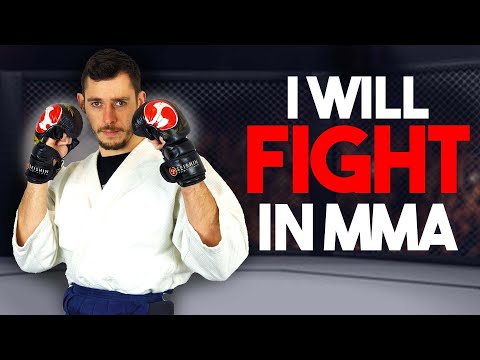
The world of martial arts often presents us with a rigid dichotomy: tradition versus modernity, philosophy versus brute force. But what happens when a seasoned practitioner of a deeply philosophical art, like Aikido, steps into the brutal arena of Mixed Martial Arts (MMA)? Does the spirit of Budo translate? Can the principles of harmony and redirection withstand the onslaught of a trained MMA fighter? This is precisely the question Rokas, an Aikido Sensei with 14 years of dedicated training and 7 years running his own dojo, dared to answer. His journey, documented on his "Martial Arts Journey" YouTube channel, is not just about physical combat; it's a profound exploration of self-discovery, a testament to the courage required to question established beliefs, and a radical experiment in bridging seemingly disparate worlds. This post delves into Rokas's decision to step into the MMA cage, his first fight experience, and the philosophical underpinnings of his extraordinary path.

The Core Question: Aikido vs. MMA

For decades, Aikido has been lauded as a sophisticated art of blending, throwing, and joint locking, emphasizing circular movements and the opponent's energy. Its practitioners often speak of principles like aiki (harmonious spirit) and mushin (no-mind). Yet, the practical efficacy of Aikido in a confrontational environment, particularly against highly skilled strikers and grapplers, has been a subject of intense debate. Many within the martial arts community, and even some within Aikido itself, question whether its techniques translate effectively into a scenario where survival, not philosophical elegance, is paramount. Rokas, having dedicated a significant portion of his life to Aikido, found himself at this very crossroads. He led a professional Aikido dojo, a bastion of traditional practice, until a stark realization dawned: Aikido, in its common interpretation, often failed to deliver on its promise of practical self-defense. This wasn't a critique born of superficial observation, but a profound internal conflict arising from years of dedicated practice and teaching.

The decision to close his dojo and embark on a six-month intensive training regimen at the renowned Straight Blast Gym (SBG) in Portland, Oregon, under the tutelage of coach Matt Thornton, was nothing short of revolutionary. It was a bold, almost defiant, act against the established norms of his martial path. This wasn't about abandoning Aikido's philosophical core, but about testing its practical application against the unforgiving realities of modern combat sports. This move begs the question: Can the spirit of Budo, the warrior's way, truly coexist and thrive within the structured chaos of MMA?

"Lead by this realization I decided to make a daring step to close my Aikido Dojo and move to Portland, Oregon for six months to start training MMA at the famous Straight Blast Gym Headquarters..." - Rokas

The First Encounter: A Reality Check

Following his intensive training period at SBG, Rokas found himself stepping onto the canvas for his first amateur MMA fight. This was the ultimate crucible, the practical examination of the theories and techniques he had wrestled with. The outcome of this first bout, while not detailed here, served as a critical learning experience. It was the tangible result of his daring experiment, a visceral encounter with the sport he had chosen to test his foundational art against. Documenting this journey, Rokas understood the importance of sharing not just the triumphs, but also the humbling lessons learned. His YouTube channel, "Martial Arts Journey," became the primary vehicle for this raw, unvarnished account, capturing the essence of his transition and the challenges he faced.

The Intervening Years: Shifting Focus

The path from his first MMA fight back to his home in Lithuania was not an immediate launchpad for further competition. Life, as it often does, presented its own set of challenges and detours. The initial momentum gained from his first foray into MMA needed time to rebuild. This period wasn't one of stagnation, however. It was a time for reflection, for processing the lessons learned in the crucible of combat, and for strategic planning. Rokas remained committed to his exploration, understanding that the journey of self-improvement and martial discovery is rarely linear. The decision to eventually prepare for a second MMA fight signified a renewed dedication to his unconventional quest.

The Comeback Trail: Rekindling the Fire

After returning to Lithuania, Rokas began the methodical process of setting plans in motion for his continued training in MMA. This involved seeking out quality guidance, refining his skills, and mentally preparing for the rigors of competition once more. The documentation of this comeback phase is crucial to his narrative. It showcases resilience, the ability to learn from setbacks, and the unwavering commitment to his exploration of Budo in a modern combat context. His experiences, shared through his channel, offer invaluable insights into the discipline, dedication, and mental fortitude required to pursue such a challenging path.

An Invitation to the Cage: The Next Chapter

The narrative culminates with the exciting prospect of Rokas's next MMA fight, an invitation that signifies a significant milestone in his journey. This forthcoming bout is more than just another competition; it represents the evolution of his understanding and the further testing of his martial philosophy. By stepping back into the cage, Rokas continues to push the boundaries, demonstrating that the principles he seeks to embody – harmony, adaptability, and indomitable spirit – can indeed find expression even in the most demanding arenas. His journey serves as an inspiration, challenging viewers to question their own perceived limitations and to explore the true potential of their chosen paths.

Veredicto del Sensei: Does Budo Belong in MMA?

Rokas's undertaking is a fascinating, albeit controversial, experiment. The debate over Aikido's effectiveness in MMA is one that has raged for years, often fueled by sensationalized videos and a lack of comprehensive understanding. What Rokas is doing is providing a real-world, albeit anecdotal, data point. From a martial perspective, the question isn't simply "Can Aikido work in MMA?" but rather, "Can the principles Rokas seeks to uphold – such as seamless adaptation, understanding an opponent's balance, and redirecting force – be integrated into a broader combat skillset?"

My view, honed over decades of studying and practicing diverse martial disciplines, is that the true value of any art lies not in its prescriptive techniques alone, but in the underlying principles it cultivates. If an Aikido practitioner can internalize the concepts of Kuzushi (breaking balance) and Nagashi (flowing), these principles *can* be applied. However, the direct execution of many traditional Aikido techniques, designed for a different context and often reliant on compliance from the opponent, faces severe limitations against trained MMA fighters who are specifically trained to counter throws and submissions from awkward positions. Rokas’s journey suggests that the *spirit* of Budo – the discipline, the resilience, the focus on self-mastery – is indeed transferable. Whether the *specific movements* of Aikido can be directly translated into a winning MMA strategy is a much harder proposition. It likely requires significant adaptation and supplementation with striking and grappling mechanics that Aikido traditionally does not emphasize.

"Now I am slowly setting up plans to continue training MMA under quality guidance and getting ready for my next MMA fight as I further document and share my journey and discoveries." - Rokas

Conclusion: Rokas's transition is a bold statement against stagnation. It's a practical inquiry into the universality of martial principles. While direct application of many Aikido techniques in MMA is problematic, the underlying philosophy of adaptability and self-awareness is invaluable. His courage to test himself in this arena is, in itself, a profound martial act. He is not just fighting opponents; he is fighting dogma and preconceived notions. He earns respect for this endeavor, regardless of the outcome of any individual fight.

Essential Gear for Your Training

Whether you are inspired by Rokas's journey to explore MMA, refine your own Budo, or simply maintain your fitness, having the right equipment is crucial for safety and progress. Here are some essential items:

  • Sparring Gloves (16oz recommended for MMA/Boxing): Essential for striking protection during partner drills and sparring. Ensure they offer good wrist support.
  • Shin Guards: Protect your shins from kicks and Muay Thai drills.
  • Mouthguard: Non-negotiable for any combat sport to protect your teeth and jaw.
  • Groin Protector: Crucial for preventing serious injury during sparring.
  • Training Matting: For safe practice of grappling, throws, and falls at home.
  • Comfortable Training Apparel: Breathable shorts and rash guards that allow for a full range of motion.
  • Judo or Jiu-Jitsu Gi (Double Weave Recommended): If your journey involves grappling, a durable gi is a must for drills and competition.
  • Books on Martial Philosophy: For deeper understanding, consider classics like Miyamoto Musashi's The Book of Five Rings or texts on Bushido.

Frequently Asked Questions

Q1: Is Rokas abandoning Aikido?
A1: No, Rokas is not abandoning Aikido's philosophical underpinnings. He is testing the practical application of its principles within a different, more confrontational martial art, seeking a more complete understanding of martial efficacy.

Q2: Can Aikido techniques be used effectively in MMA?
A2: Direct application of many traditional Aikido techniques is challenging against trained MMA fighters due to the latter's specific counter-training. However, the underlying principles of balance, redirection, and flow can be adapted and integrated.

Q3: Why did Rokas train at Straight Blast Gym (SBG)?
A3: SBG is a renowned mixed martial arts organization known for its effective training methodology and has a strong lineage in reality-based self-defense and combat sports, making it an ideal place for Rokas to undergo intensive MMA training.

Q4: What is the main message of Rokas's "Martial Arts Journey" channel?
A4: The channel documents Rokas's personal exploration of martial arts, his transition from Aikido to MMA, and his quest to find practical effectiveness and deeper truth within his training, encouraging viewers to question and explore their own paths.

To Dive Deeper Into Your Path

To support Rokas's continued journey and to witness his evolution firsthand, consider subscribing to his YouTube channel and engaging with his content. His courage to challenge conventions and his dedication to truth in martial arts are an inspiration to us all.

Reflexión del Sensei: Tu Próximo Paso

Rokas's journey is a potent reminder that true martial progress often lies beyond the comfort of established doctrine. It requires the courage to question, the humility to learn, and the fortitude to test one's beliefs in the fire of experience. So, I ask you: Where in your own training are you adhering to tradition simply because it is tradition, without ever questioning its practical application or underlying efficacy? What "cage" are you afraid to step into to truly test your art? The answer might just unlock your next level of mastery.

``` GEMINI_METADESC: Explore an Aikido Sensei's bold transition to MMA, testing Budo principles in the cage. Discover the clash of tradition and modernity in martial arts, and lessons learned.

The Incredible Story of MMA & The UFC: A Budo Warrior's Perspective

Introduction: The Birth of the Modern Gladiators

What is it that draws us to the raw, unfiltered spectacle of men and women testing their limits in combat? For centuries, humanity has been captivated by martial prowess, from the ancient Olympic pankration to the samurai's duel. Today, few arenas command such attention as the octagon, the birthplace of modern Mixed Martial Arts (MMA) and the epicentre of the Ultimate Fighting Championship (UFC). But how did we arrive at this point? Is MMA merely a brutal display of violence, or does it embody a profound lineage of warrior traditions? As a student of the Budo and a critic of martial arts cinema, I can assure you, the story is far richer and more complex than it appears on the surface. This is not just about knockouts and submissions; it's about the evolution of combat, the test of human spirit, and the enduring philosophy that underpins every strike, every grapple, every moment of victory and defeat. Prepare yourselves, for we are about to embark on a journey through the history of MMA and the UFC, viewed through the critical lens of a martial arts Sensei.

From Ancient Roots to Modern Arenas

The concept of "mixed martial arts" isn't a recent invention. Long before the UFC, combatants across the globe honed diverse skill sets to overcome their opponents. Think of the ancient Greeks and their pankration, a devastating blend of boxing and wrestling. Consider the Shaolin monks, who synthesized numerous fighting styles into a cohesive system. Even the legendary Miyamoto Musashi, with his unique "Niten Ichi-ryū" (Two Heavens as One style), advocated for mastering a multitude of weapons and strategies, not limiting oneself to a single approach. This fundamental principle – that a true warrior must be versatile – echoes through the ages and is the very soul of MMA. The desire to find the most effective way to fight, regardless of the discipline, is as old as conflict itself.
"Know the enemy and know yourself; in a hundred battles, you will never be in danger." - Sun Tzu, The Art of War. In MMA, "knowing yourself" means understanding your own strengths and weaknesses across various martial disciplines.
The very essence of MMA is this very principle: the cross-pollination of techniques, the ultimate test of martial effectiveness. It's a modern manifestation of an ancient human drive to excel in combat by embracing a holistic approach to fighting.

The Gritty Genesis of Mixed Martial Arts

Before the polished spectacle of today's UFC, MMA's roots were far more primal. Various organizations and historical events laid the groundwork. In Brazil, for instance, the Gracie family developed Brazilian Jiu-Jitsu (BJJ), emphasizing ground fighting and submissions. They famously promoted "Gracie Challenges," where practitioners would face exponents of other martial arts to prove the superiority of their grappling techniques. These were no-holds-barred affairs, testing not just skill but raw courage and endurance.
Elsewhere, Vale Tudo ("anything goes") tournaments in Brazil became legendary for their brutality and lack of rules. These were often chaotic, dangerous events that, while ethically questionable by modern standards, served as crucial proving grounds for different martial arts. They highlighted the strengths of grappling arts like BJJ and wrestling when pitted against striking disciplines like Karate or Taekwondo. The realization dawned: no single art held a monopoly on effective combat. A fighter needed a well-rounded arsenal.

The UFC's Crucible: Forging a Sport

The true revolution, however, began in 1993 with the inception of the Ultimate Fighting Championship. Initially conceived as a tournament to determine the most effective martial art, the early UFC events were stark, raw, and controversial. Eight fighters, representing diverse backgrounds like Karate, Kung Fu, Boxing, Kickboxing, Sumo, and Brazilian Jiu-Jitsu, entered an eight-man elimination bracket. The goal was simple: find out who would win in a no-rules fight. The early tournaments, particularly UFC 1, famously showcased the dominance of Royce Gracie, a slender BJJ practitioner who repeatedly submitted much larger, stronger opponents using his superior ground fighting skills. This was a paradigm shift. It forced practitioners of traditional striking arts to confront the efficacy of grappling and vice-versa. It shattered the myth that size and brute force alone determined victory.
"When you are in a fight, you cannot be looking for the perfect technique. You have to look for the technique that works in that moment, against that opponent." - A common sentiment echoed by many early MMA pioneers.
The UFC's early years were a chaotic, yet vital, experiment. It was a crucible where disparate martial arts collided, and from that collision, a new sport began to emerge. The initial lack of weight classes and the minimal ruleset, while horrifying to some, were precisely what allowed for this unprecedented comparison of martial effectiveness.

Evolution and Challenges: The Road to Mainstream

The raw, almost barbaric, nature of early MMA was a double-edged sword. It drew immense attention but also attracted significant criticism, leading to bans and widespread condemnation. Senator John McCain famously spearheaded efforts to ban the sport, deeming it "human cockfighting." This intense pressure forced the sport's governing bodies, including the UFC, to evolve. Gradually, rules were introduced and refined. Weight classes were established to ensure fairer competition. Stricter regulations on fouls and fighting conduct were implemented. The introduction of gloves, the prohibition of certain dangerous techniques, and the refinement of judging criteria transformed MMA from a spectacle of raw violence into a legitimate, albeit still intense, sport.
The Fertitta brothers' purchase of the UFC in 2001, with Dana White at the helm, marked a turning point. Through strategic marketing, groundbreaking television deals, and the development of the reality show "The Ultimate Fighter," the UFC began its meteoric rise. This series, in particular, humanized the fighters, showcasing their dedication, sacrifice, and the rigorous training required. It allowed audiences to connect with the athletes on a deeper level, understanding the discipline and the "why" behind their pursuit. MMA, once a fringe phenomenon, was steadily gaining mainstream acceptance, appealing to fans of boxing, wrestling, judo, karate, and virtually every other combat sport.

The Warrior's Code in the Octagon

While the rules have evolved, the spirit of the warrior, the core tenets of Budo, remain relevant in modern MMA. The discipline required to train for an MMA bout is immense. Fighters must master striking, grappling, wrestling, and conditioning. This necessitates an unwavering commitment to self-improvement, a core principle in all traditional martial arts. The concept of "Mushin" – a mind free from thought, a state of flow – is often displayed by elite MMA athletes. When a fighter operates in this state, their reactions are instinctive, honed by thousands of hours of practice. They are not thinking; they are *doing*. This is the pinnacle of martial training, whether in a dojo or an octagon. Furthermore, the respect shown between competitors, particularly after a grueling fight, embodies the martial ideal. Despite the intense conflict within the cage, there is often a profound respect for the opponent's skill and courage. This is the embodiment of "respect for the adversary," a cornerstone of martial philosophy. The octagon, in its own way, has become a modern dojo for testing not just physical prowess, but mental fortitude, discipline, and the warrior spirit.
"The ultimate aim of martial arts is not to be better than others, but to be better than your former self." - This ancient proverb is lived out daily by MMA fighters who push their limits in training and competition.
The journey from ancient combat systems to the global phenomenon of MMA and the UFC is a testament to the enduring human fascination with conflict, skill, and the spirit of the warrior. It’s a continuous evolution, driven by the desire to find the most effective way to overcome an opponent, always pushing the boundaries of human capability.

Essential Gear for Your Training

For those inspired to explore the world of combat sports, whether it's MMA, BJJ, Muay Thai, or Karate, having the right equipment is crucial. Quality gear not only enhances your training but also provides essential protection.
  • Gloves: For striking disciplines like Muay Thai, Kickboxing, or MMA sparring, 16oz training gloves are a standard. They offer ample padding to protect your hands and your training partners.
  • Hand Wraps: Always use hand wraps beneath your gloves to provide extra support to your knuckles and wrists, preventing injuries during intense striking sessions.
  • Mouthguard: Non-negotiable for any sparring. A custom-fitted mouthguard offers the best protection against dental injuries.
  • Shin Guards: Essential for Muay Thai and Kickboxing training to protect against kicks and improve your kicking defense.
  • Brazilian Jiu-Jitsu Gi: For BJJ practitioners, a durable Gi (Kimono) is necessary. Look for a double-weave or heavy weave Gi for added resilience. Brands like Tatami or Fuji offer excellent options for both beginners and advanced practitioners.
  • Wrestling Shoes: Lightweight, supportive shoes with good grip are beneficial for wrestling and BJJ training on the mats.
  • MMA Gloves: Designed with open fingers for grappling, these are specific to MMA training and competition.
Investing in good Karate merchandise or Judo equipment can also significantly improve your training experience and safety. Remember, proper attire is a sign of respect for the art and your fellow practitioners.

Frequently Asked Questions

  • What does MMA stand for?
    MMA stands for Mixed Martial Arts.
  • Is MMA a real sport?
    Yes, MMA is recognized as a legitimate and highly demanding sport worldwide, with professional organizations like the UFC hosting major international events.
  • What is the difference between MMA and UFC?
    MMA is the sport itself, the combination of various martial arts. The UFC (Ultimate Fighting Championship) is the largest and most prominent organization that promotes MMA events.
  • Do MMA fighters train in only one martial art?
    No, successful MMA fighters train in a variety of disciplines, including striking arts (like Boxing, Muay Thai, Karate) and grappling arts (like Brazilian Jiu-Jitsu, Wrestling, Judo).
  • How dangerous is MMA?
    Like many full-contact combat sports, MMA carries inherent risks. However, stringent rules, weight classes, and safety equipment have significantly reduced the dangers compared to its early days.

To Delve Deeper on Your Path

* The Rich Tapestry of Karate History * Understanding the Budo Warrior's Philosophy * Practical Tips for Your MMA Training Regimen

Sensei's Reflection: Your Next Step

We've traced the lineage of MMA from ancient battlefields to the roaring crowds of the UFC. We've seen how disparate martial arts, once rivals, have found common ground in the crucible of competition. The question remains: does the spirit of Budo truly endure in this modern gladiatorial arena? Or has the pursuit of spectacle overshadowed the path of self-mastery? Reflect on this: is the true essence of a martial art found in its ancient traditions, or in its capacity to adapt and prove its efficacy in the face of any challenge?

Reflexión del Sensei: Tu Próximo Paso

The journey from ancient combat systems to the global phenomenon of MMA and the UFC is a testament to the enduring human fascination with conflict, skill, and the spirit of the warrior. It’s a continuous evolution, driven by the desire to find the most effective way to overcome an opponent, always pushing the boundaries of human capability. Now, I pose this to you: If the goal of martial arts is to forge stronger individuals, both physically and mentally, does the modern MMA fighter, with their dedication to comprehensive training and their willingness to face diverse challenges, represent the ultimate evolution of the warrior spirit, or a dilution of ancient principles? Let your thoughts flow. Debate. Disagree. Prove your stance. Your next move is on the mat… or in the comments below. ``` GEMINI_METADESC: Un Sensei desmantela la historia de MMA y UFC, analizando su evolución desde las raíces marciales hasta el deporte moderno. ¿Encarna el espíritu del Budo?

Sengoku - Fifth Battle (2008): A Deep Dive into a Landmark MMA Event

The annals of mixed martial arts are filled with events that, while perhaps not household names, represent crucial moments in the sport's evolution. Sengoku - Fifth Battle, held on September 28, 2008, at the Yoyogi National Stadium in Tokyo, is one such event. For those who seek to understand the development of professional fighting beyond the mainstream narratives, this event offers a rich tapestry of combat, strategy, and the evolving spirit of the martial arts in a modern context. Hello and welcome, warriors and students of the Way, to Budo and Martial Arts. Today, we delve into a significant piece of MMA history: Sengoku - Fifth Battle. As your Sensei, my aim is not merely to recount the fights, but to dissect them through the lens of martial philosophy, technical execution, and the inherent "Budo" spirit that should define any true combat encounter. Are you ready to learn?

Introduction: The Context of Sengoku

The Sengoku promotion, part of the World Victory Fight and Championship (WVR), emerged as a significant player in the Japanese MMA landscape, aiming to recapture the glory days of Pride FC. Sengoku - Fifth Battle was a testament to this ambition, showcasing a blend of international talent and Japanese martial prowess. In an era where MMA was rapidly globalizing, events like this were crucial for exposing audiences to diverse fighting styles and the relentless spirit of the warrior.

As a practitioner and observer of martial arts for decades, I've seen the spectrum of combat sports – from the rigid discipline of traditional forms to the chaotic beauty of modern MMA. This event sits at a fascinating intersection, offering lessons not just in fighting, but in the very essence of Budo.

The Complete Fight Card: A Tactical Breakdown

Let's break down the bouts that graced the Sengoku stage:

  • Jorge Masvidal vs. Ryan Schultz (Welterweight)
  • Kiuma Kunioku vs. A-Sol Kwon (Featherweight)
  • Siyar Bahadurzada vs. Evangelista Santos (Welterweight)
  • Jorge Santiago vs. Logan Clark (Middleweight)
  • Kazuhiro Nakamura vs. Paul Cahoon (Middleweight)
  • Yuki Sasaki vs. Yuki Kondo (Lightweight)
  • Muhammed Lawal vs. Travis Wiuff (Light Heavyweight)
  • Alexandre Ribeiro vs. Takashi Sugiura (Heavyweight)

Each pairing presented a unique set of challenges and styles. It’s in these contrasts that we find the deepest lessons about adaptation, strategy, and the unyielding will of the fighter.

Jorge Masvidal vs. Ryan Schultz: Early Career Firepower

At 12:05 into the broadcast, we witness a young Jorge Masvidal, already showcasing the aggressive, well-rounded striking that would define his career. His opponent, Ryan Schultz, was also looking to make his mark. This bout exemplifies the raw talent emerging in the welterweight division. Masvidal's Muay Thai base, honed through rigorous training, was evident in his powerful kicks and sharp boxing. The ability to transition between striking and grappling, a hallmark of modern MMA, was already a key component of his strategy.

"The fighter who knows when he can fight and when he cannot, will be victorious." - Sun Tzu

Masvidal's strategic application of pressure, combined with his superior conditioning, allowed him to control the pace. Schultz, while game, struggled to find an answer to Masvidal's sustained offensive output. This fight is a prime example of how aggression, coupled with technical proficiency, can overwhelm an opponent.

Kiuma Kunioku vs. A-Sol Kwon: A Clash of Styles

The featherweight contest between Kiuma Kunioku and A-Sol Kwon (starting around 18:34) offers a fascinating study in contrasting martial arts backgrounds. Kunioku, a veteran with a reputation for his tenacious grappling and submission skills, faced Kwon, a powerful striker. The outcome often hinges on which fighter can impose their will and their preferred range.

Kunioku's ability to close the distance, absorb punishment, and work for takedowns was a critical factor. His Jiu-Jitsu, while perhaps not as flashy as some, was highly effective. Kwon, on the other hand, relied on his explosive striking to keep Kunioku at bay. The strategic dance of closing distance against a striker, or creating space against a grappler, is a fundamental aspect of MMA combat that this fight clearly illustrated.

Siyar Bahadurzada vs. Evangelista Santos: Explosive Encounters

Around the 41:01 mark, we witness Siyar Bahadurzada and Evangelista "Cyborg" Santos enter the octagon. Both men were known for their knockout power and aggressive fighting styles. This was a bout that promised fireworks, and it delivered. Bahadurzada, with his dangerous striking and submission game, met Santos, famous for his unique spinning back kicks and heavy hands.

The initial exchanges were fierce, showcasing the sheer power and athleticism required at this level. Santos’ ability to land unexpected, fight-ending strikes was legendary, while Bahadurzada’s own devastating power was well-documented. Fights like these highlight the fine line between victory and defeat in combat sports, where one well-timed shot can change everything.

Jorge Santiago vs. Logan Clark: Strategic Dominance

At 45:50, the middleweight bout between Jorge Santiago and Logan Clark unfolds. Santiago, a highly skilled BJJ practitioner with developing striking, was known for his methodical approach. Clark, meanwhile, was a tough competitor looking to test Santiago's game.

This fight serves as an excellent example of how a strong ground game can neutralize and dominate an opponent. Santiago's ability to control the fight on the mat, secure takedowns, and chain submissions was on full display. He demonstrated a deep understanding of positional hierarchy and how to exploit openings. For anyone interested in the technical aspects of grappling within MMA, this bout is a masterclass in strategic execution.

Kazuhiro Nakamura vs. Paul Cahoon: The Japanese Warrior's Resolve

The middleweight clash featuring Kazuhiro Nakamura, a fighter with a reputation for his aggressive, "never-say-die" attitude, against Paul Cahoon, at 1:02:10, was a true test of will. Nakamura, often embodying the spirit of a samurai in his fighting, brought an intensity that was palpable.

His style was direct and powerful, aiming to overwhelm opponents with sheer force and aggression. Cahoon, a capable fighter, found himself in a war of attrition. Fights like these are not just about technique; they are about mental fortitude and the ability to push through adversity. The grit and determination displayed by Nakamura are what fans often associate with the highest ideals of BUDO.

Yuki Sasaki vs. Yuki Kondo: A Local Derby

The lightweight division sees Yuki Sasaki face Yuki Kondo starting at 1:25:28. Local rivalries often bring an extra layer of intensity, and this fight was no exception. Both fighters represented the Japanese martial arts scene, eager to prove their mettle on a grand stage.

The dynamic between two fighters from similar backgrounds often leads to tactical battles, as they might be familiar with each other's training and tendencies. Understanding how to adapt and overcome an opponent who "fights like you" is a crucial skill for any martial artist. This bout showcases the regional pride and the fierce competition within Japanese KarateCommunity and MMA.

Muhammed Lawal vs. Travis Wiuff: Powerhouse vs. Veteran

At 1:37:27, the light heavyweight division presents an intriguing matchup between the explosive Muhammed "King Mo" Lawal and the durable veteran Travis Wiuff. Lawal, with his wrestling background and formidable knockout power, was a rising star. Wiuff, on the other hand, was known for his toughness and ability to go the distance.

This fight often comes down to whether the rising star can overcome the veteran's experience and resilience. Lawal's wrestling base provided him with a strong offensive platform, while Wiuff's strategy would likely involve weathering the storm and looking for opportunistic counters. It’s a classic battle between raw power and seasoned defense, a scenario frequently seen in the world of UFC and other fight promotions.

Alexandre Ribeiro vs. Takashi Sugiura: The Ground Game Prowess

The heavyweight main event, beginning around 1:45:12, pitted the legendary submission artist Alexandre "Xande" Ribeiro against the tough Japanese contender Takashi Sugiura. Ribeiro's grappling prowess is almost unparalleled in MMA history. Facing him required a fighter with exceptional defensive skills and the ability to stay safe on the ground.

Sugiura, known for his heart and striking ability, had the monumental task of neutralizing Ribeiro's suffocating submission game. This fight highlights the importance of specialized skill sets in heavyweight MMA. While striking is often dominant, a master grappler like Ribeiro can end any fight with a single submission hold. The strategic implications of facing such a specialist are immense and offer a deep dive into the nuances of jiujitsu in a mixed martial arts context.

Martial Philosophy and Technical Evolution

Sengoku - Fifth Battle, like many MMA events of its era, was a living testament to the ongoing evolution of martial arts. The fighters were not just competing; they were demonstrating how ancient principles of combat were being adapted and refined for the modern battlefield. The emphasis was shifting from singular disciplines to a synthesis of techniques, emphasizing the "mixed" aspect of mixed martial arts.

We see the legacy of Karate in the striking exchanges, the principles of Judo and BJJ in the grappling, and the conditioning derived from countless hours of dedicated entrenamiento. However, beyond the physical techniques, the underlying philosophy of perseverance, discipline, and respect – the core tenets of Budo – remain paramount. A true martial artist, regardless of style, embodies these virtues.

The event also underscores the importance of strategic game planning. Fighters who could effectively blend their offensive strengths with defensive counters, and adapt their strategy mid-fight, were the ones most likely to succeed. This analytical approach to combat is itself a form of martial wisdom.

Veredict of the Sensei: A True Test of Budo

Sengoku - Fifth Battle (2008) stands as a solid entry in the history of Japanese MMA. While perhaps not as globally recognized as some of its contemporaries, it showcased a compelling mix of talent, offering significant technical insights and glimpses into the evolving nature of professional fighting. The event successfully balanced international stars with the local Japanese martial arts spirit, providing a platform for fighters to demonstrate their skills and determination.

For fans of MMA history and those who appreciate the strategic depth of mixed martial arts, this event is well worth revisiting. It's a reminder that the journey of a fighter is not just about winning, but about the relentless pursuit of self-improvement and the demonstration of true Budo.

Rating: Cinturón Negro en Historia Marcial

Equipment Essential for Your Training

To truly appreciate and emulate the dedication of these fighters, proper training equipment is essential. Whether you are striking, grappling, or conditioning, the right gear can make a significant difference in safety, performance, and progress.

  • Gloves: For sparring, 16oz MMA gloves offer a balance of protection and feel. For bag work, 10-12oz gloves are suitable.
  • Mouthguard: Absolutely critical for protecting your teeth and preventing concussions.
  • Shin Guards: Essential for Muay Thai and kickboxing drills to protect your shins during sparring.
  • Gi: For grappling disciplines like Judo and BJJ, a durable, high-quality Gi is a must. Look for double-weave for Judo and lighter weaves for BJJ.
  • Training Apparel: Comfortable, moisture-wicking shorts and rash guards are standard for most MMA training.
  • Conditioning Equipment: Jump ropes, resistance bands, and medicine balls are invaluable for building the stamina and strength seen in top fighters.

Investing in quality Martial Arts Merchandise is an investment in your own training journey.

Frequently Asked Questions

Q1: Was this event part of a larger organization like Pride FC?
A1: Sengoku was a separate promotion, though it was often seen as a successor in spirit to Pride FC, aiming to fill the void in Japanese MMA after Pride's decline.

Q2: Who is considered the biggest star on this fight card?
A2: Jorge Masvidal and Muhammed Lawal were already rising stars, and Alexandre Ribeiro was a legendary submission artist. Each brought significant star power to the event.

Q3: How did the Japanese MMA scene compare to the West at this time?
A3: Japan had a rich history in MMA, with organizations like Sengoku and Dream continuing to showcase unique styles and high-level competition, often with a strong emphasis on martial traditions.

Q4: What makes an event like Sengoku - Fifth Battle important for MMA history?
A4: These events document the evolution of mixed martial arts, showcasing the development of fighters and strategies, and preserving the martial spirit that underpins the sport.

To Further Your Path

The martial arts journey is one of continuous learning and adaptation. Sengoku - Fifth Battle offers valuable lessons for practitioners and fans alike, reminding us of the dedication, skill, and spirit that define true combatants. It’s a testament to how far the art of fighting has come, yet how deeply it remains rooted in timeless principles.

Reflection of the Sensei: Your Next Step

Looking at these warriors, from the explosive power of Masvidal and Lawal to the technical mastery of Ribeiro and Santiago, I must ask: When you face your own challenges, whether in the dojo, the ring, or in life, do you bring the same focused intensity and unwavering spirit? Or do you falter when the pressure mounts?

GEMINI_METADESC: Explore Sengoku - Fifth Battle (2008) with Sensei: an in-depth analysis of fights, fighters, and the enduring spirit of Budo in MMA.

Ares FC 12: Pena vs. Boudegzdame - A Martial Masterclass in Modern Combat

Hello and welcome, warriors, to Budo and Martial Arts. You are witnessing Ares FC 12: Demarte Pena vs. Elias Boudegzdame | FULL FIGHT HD, a clash published on February 17, 2023, at 11:27 AM. Welcome to the most comprehensive and up-to-date martial arts blog on the internet.

The arena roars. The lights blaze. Two warriors, forged in the crucible of dedicated training, stand poised to unleash years of discipline and skill. This isn't just a fight; it's a living testament to the evolution of combat sports. In this bout at Ares FC 12, Demarte Pena and Elias Boudegzdame didn't just exchange blows; they showcased a narrative woven from the threads of countless hours spent honing their craft. As a Sensei who has dedicated a lifetime to the study of all forms of combat, from the ancient katas of Karate to the strategic grappling of BJJ, I approach such events not merely as a spectator, but as a scholar analyzing the practical application of martial principles under immense pressure.

The Spectacle of Ares FC 12: A Deeper Look

Fight nights like Ares FC 12 are more than just entertainment for the masses; they are live laboratories demonstrating the efficacy of different martial arts disciplines. We see the striking prowess honed in boxing and Muay Thai, the devastating takedowns rooted in wrestling and Judo, and the intricate submissions born from Brazilian Jiu-Jitsu. The question for any serious martial artist watching is: How do these disparate elements coalesce? How does an individual fighter blend the aggressive forward pressure of a Karateka with the defensive fluidity of a Judo black belt? This fight, between Pena and Boudegzdame, offers fertile ground for such analysis.

The raw intensity is palpable, but beneath the surface lies a complex interplay of strategy, conditioning, and mental fortitude. We must ask ourselves: what separates a good fighter from a truly great one? It’s often the subtle mastery of principles that transcend individual techniques. It’s the understanding of distance, timing, rhythm, and, most importantly, the ability to adapt and overcome unexpected challenges. This bout provided ample opportunity to observe these critical factors in play.

Pena vs. Boudegzdame: A Technical Breakdown

Analyzing the technical exchange requires a keen eye for detail. Pena’s approach, for instance, might showcase a background in striking arts, emphasizing powerful kicks and punches, aiming to keep the fight standing. His footwork, likely influenced by disciplines like Karate, would be crucial in managing distance and creating openings. We look for explosive power, sharp transitions, and the ability to absorb and recover from shots. His offensive output is a direct manifestation of his training in styles that prioritize striking dominance.

Conversely, Boudegzdame might exhibit a more grappling-centric game. His strength could lie in closing the distance, securing a takedown, and applying submission holds. This is where the influence of arts like Judo, with its emphasis on throws and control, or BJJ, with its ground-fighting expertise, becomes evident. We observe his ability to defend takedowns, his positional control on the ground, and his proficiency in applying joint locks and chokes. The tactical battle between standing and ground fighting is a classic martial arts dichotomy, and this fight exemplifies it.

"The ultimate aim of martial arts is not victory or defeat, but the perfection of the human character." - A fundamental principle echoed across many traditional disciplines, and one that must be considered even in the most modern combat sports.

The interplay between their styles is where the true martial artistry is revealed. Does Pena effectively defend against takedown attempts? Does Boudegzdame manage to neutralize Pena’s striking advantage by bringing the fight to the mat? The effectiveness of their transitions, the efficiency of their movements, and the mental resilience displayed when things don't go according to plan – these are the hallmarks of skilled martial artists.

The Spirit of Budo in Modern MMA

While the term "Budo" is often associated with traditional Japanese martial arts like Kendo, Judo, and Karate, its essence – the Way of the Warrior – permeates all legitimate combat disciplines. Budo encompasses not just physical technique but also mental discipline, ethical conduct, and a pursuit of self-improvement. In a modern MMA fight, we can observe this spirit in several ways:

  • Discipline: The sheer dedication required to train for a professional fight, adhering to rigorous schedules, diets, and training regimens, is a testament to inner discipline.
  • Respect: Despite the aggression in the cage, there is often a profound respect between fighters, acknowledging the shared journey and the risks involved. This is evident in pre-fight weigh-ins and post-fight handshakes.
  • Perseverance: The ability to push through pain, fatigue, and adversity within the fight itself, demonstrating an unyielding will to continue and overcome. This is the ultimate manifestation of the warrior spirit.
  • Self-Mastery: The constant battle against one's own fears, doubts, and physical limitations. True mastery is not just over an opponent, but over oneself.

The question then becomes: how well do fighters like Pena and Boudegzdame embody these principles? Do they fight with honor, pushing themselves to their absolute limits while respecting the martial code? Their performance in the cage is a reflection of their character, a living demonstration of how ancient philosophies can find expression in contemporary combat.

Training Regimen of Elite Fighters

Understanding the path to such a high-level bout requires a glimpse into the grueling training regimes these athletes undertake. It’s a multi-faceted approach, far beyond simply hitting pads or sparring.

  1. Technical Skill Development: Daily sessions dedicated to refining striking, grappling, wrestling, and submission techniques specific to their game plan and opponent.
  2. Strength and Conditioning: Building explosive power, muscular endurance, cardiovascular capacity, and functional strength through a variety of methods, including weightlifting, plyometrics, and HIIT.
  3. Sparring: Live rounds simulating fight conditions, allowing fighters to test their skills, timing, and decision-making under pressure against diverse training partners.
  4. Mental Preparation: Visualization, meditation, and strategic analysis to build mental toughness, focus, and tactical acumen. Overcoming the psychological challenges of combat is paramount.
  5. Nutritional Support: A carefully calibrated diet to fuel intense training, optimize recovery, and make weight safely for competition.

This holistic approach is what separates professionals from amateurs. It’s a 24/7 commitment, demanding immense sacrifice and dedication. The fighter who arrives most prepared, both physically and mentally, often holds the decisive edge. For those aspiring to reach such heights, mastering the fundamentals of entrenamiento and fitness is the first, crucial step.

Veredict of the Sensei: A True Test of Skill?

Did Ares FC 12: Demarte Pena vs. Elias Boudegzdame deliver a performance worthy of the highest martial accolades? From a critical perspective, any fight that showcases strategic depth, technical proficiency, and unwavering heart earns respect. The outcome of this particular bout, regardless of who raised their hand in victory, is a valuable lesson in the dynamic nature of modern combat sports. It highlights how fighters integrate diverse skill sets to achieve a singular goal: dominance within the rules of engagement.

While the spectacle of MMA can sometimes overshadow the martial roots, contests like this remind us that the underlying principles of dedication, resilience, and strategic thinking remain paramount. It’s a display of the warrior’s path, adapted for a contemporary audience.

Essential Gear for Your Training

To embark on your own martial arts journey, having the right equipment is crucial for both safety and effective progression. Whether you're practicing Karate, Judo, BJJ, or aspiring to the world of MMA, consider these essentials:

  • Protective Gear: For sparring, high-quality martial arts merchandise like headgear, mouthguards, and shin guards are non-negotiable to prevent injuries.
  • Training Apparel: A durable Karate gi, a sturdy Judo uniform, or comfortable, flexible MMA shorts and rash guards are essential for unrestricted movement and proper technique execution.
  • Training Aids: For solo practice, consider items like a speed bag for boxing timing, a workout mat for ground techniques, or even a makiwara if your style incorporates it.
  • Footwear: Depending on the discipline, specialized footwear like wrestling shoes for grip or martial arts shoes for agility can be beneficial.

FAQ on Professional Fighting

What is the primary difference between traditional martial arts and modern MMA?

Traditional martial arts often focus on self-perfection, discipline, and specific combat scenarios, sometimes with a strong philosophical component. Modern MMA blends techniques from various martial arts to create a comprehensive combat system, emphasizing full-contact competition and entertainment.

How important is the mental game in professional fighting?

The mental game is arguably the most critical aspect. A fighter must possess extreme focus, resilience, strategic thinking, and the ability to perform under immense pressure. Overcoming fear and self-doubt is as important as physical conditioning.

Can an athlete transition successfully from a traditional martial art to MMA?

Yes, many successful MMA fighters have backgrounds in traditional arts like Karate, Taekwondo, Judo, and Boxing. However, they must supplement their existing skills with training in other disciplines (e.g., a Karateka learning grappling) to become well-rounded.

What is the role of "Ki" in modern combat sports?

While the concept of "Ki" (or Qi) is central to many traditional martial arts, its direct application in modern MMA is debated. However, the principles associated with Ki – such as controlled breathing, focused intent, and internal energy cultivation – translate into concepts like efficient power generation, stamina, and mental focus, which are vital for success.

Is it possible to learn effective self-defense from watching MMA fights?

Watching MMA can provide insights into effective combat techniques, but it's not a substitute for direct training. MMA is a sport with rules, and real-world self-defense often requires different strategies and de-escalation tactics. However, understanding striking and grappling principles from MMA can be beneficial for a well-rounded self-defense approach.

Further Exploration

To truly grasp the depth of martial arts and their application, both in competition and in life, delve deeper into related topics:

Follow us on social networks and do not forget to visit our main page for more insights: Budo and Martial Arts Blog.

Reflection of the Sensei: Your Next Step

You have witnessed a clash of martial titans, a modern testament to the ancient pursuit of combat mastery. But the true lesson lies not in the punches thrown, nor the submissions applied, but in the dedication, discipline, and unwavering spirit required to step into that arena. Do you see only a fight, or do you see the culmination of a lifetime’s training? How will the principles of adaptability, resilience, and strategic thinking demonstrated here inform your own path, whether on the mats or in the challenges of everyday life?

Now, it is your turn. Are you content to be a spectator, or will you take the lessons learned and forge them into your own martial journey? Share your thoughts and your own experiences in the comments below. Let us engage in a debate that hones our understanding as surely as any strike.

Bellator FC 1 (2009): A Raw Look at MMA's Early Struggles and Gritty Knockouts

The dawn of a new era in professional mixed martial arts was heralded on April 3, 2009, with Bellator Fighting Championships' inaugural event. Held at the Seminole Hard Rock Hotel & Casino in Hollywood, Florida, Bellator FC 1 was not the polished spectacle that modern fight fans are accustomed to. Instead, it offered a raw, unadulterated glimpse into the burgeoning landscape of MMA, showcasing a roster of fighters hungry to prove themselves on a new platform. This event, steeped in the foundational spirit of combat, serves as a crucial historical marker, reminding us of the gritty realities that underpin the sport's evolution.

Table of Contents

A Look Back: Bellator's Humble Beginnings

Bellator FC 1 wasn't just another fight night; it was a statement of intent. In an MMA landscape dominated by established giants, Bellator aimed to carve its own niche by focusing on tournament formats and developing homegrown talent. This first event, broadcast on April 3, 2009, was a critical step in that ambitious journey. The energy was palpable, a mix of anticipation and the raw, untamed spirit of competition that defines the martial world. It represented the initial spark of a flame that would grow to become a significant force in the sport.

The preliminary and main card fights that unfolded that night were a testament to the fighters' dedication and the fundamental principles of combat sports. Each bout was a microcosm of the larger martial arts philosophy: the relentless pursuit of victory, the respect for one's opponent, and the unwavering spirit to overcome adversity. As we delve into the specifics of the fights, remember that these athletes were not just engaging in a physical contest; they were embodying the spirit of BUDO and the warrior's path.

Deconstructing the Bellator FC 1 Fight Card

The fight card for Bellator FC 1 featured a mix of established prospects and emerging talent, all eager to make their mark. The structure of the event, while perhaps less glamorous than today's blockbuster productions, was designed to highlight individual performances and create compelling narratives. The timings provided – 9:16 for Toby Imada vs. Alonzo Martinez, 24:46 for Joe Soto vs. Ben Greer, and so on – give us a temporal map of the evening's progression, a testament to the endurance and tactical depth of each contest.

We are about to dissect each major bout, not merely as a fan of the spectacle, but as a student of martial arts. We will analyze the techniques, the strategies, and the underlying principles that governed these encounters. This is more than just a recap; it's an educational journey into the heart of MMA's early days.

Toby Imada vs. Alonzo Martinez: A Submission Showcase

The bout between Toby Imada and Alonzo Martinez, clocking in at a substantial 9:16, was a significant moment on the card. Imada, known for his submission prowess, demonstrated the effectiveness of grappling in MMA. Martinez, a powerful striker, presented a contrasting style, setting the stage for a classic clash of disciplines. The duration of the fight suggests a strategic battle, where both fighters had opportunities to impose their will. This matchup highlighted the ongoing debate about striking versus grappling, a fundamental question in the philosophy of artes marciales.

The beauty of mixed martial arts lies in its synthesis. Tonight, we witnessed how different martial backgrounds can collide, creating unique and compelling narratives within the cage.

The outcome, likely a submission victory for Imada given his reputation, underscored the importance of ground fighting skills in MMA. A well-executed submission can end a fight decisively, often forcing a well-conditioned athlete to tap out, a moment of surrender that is deeply humbling and instructive.

Joe Soto vs. Ben Greer: Establishing Dominance

Following Imada's display, the fight between Joe Soto and Ben Greer (24:46) provided another compelling narrative. Soto, with his background in wrestling, brought a strong physical presence to the octagon. Greer, likely seeking to keep the fight standing, aimed to utilize his striking. The length of this contest indicates a significant back-and-forth, perhaps a grueling test of will and conditioning. In the world of combat sports, endurance is often as crucial as technique. A fighter who can maintain their power and accuracy throughout multiple rounds is a formidable opponent.

This fight would have been an excellent case study for understanding the application of wrestling fundamentals in an MMA context. Takedowns, control from dominant positions, and the strategic use of clinching are all vital components that can dictate the pace and outcome of a bout.

Estevan Payan vs. Luis Palomino: A Striking War

The clash between Estevan Payan and Luis Palomino, lasting 39:46, promised fireworks. Both fighters were known for their aggressive striking styles. Palomino, in particular, has a reputation for delivering exciting stand-up battles. A fight of this duration suggests a high-octane encounter, where both competitors landed significant blows and showcased their resilience. This is where the essence of striking arts like Karate and Kickboxing truly comes to life within the MMA framework.

Watching such a fight is an opportunity to study the nuances of striking: footwork, head movement, the art of the feint, and the power generated from the hips and core. It’s a brutal ballet, where precision and timing are paramount. The ability to absorb punishment and continue fighting speaks volumes about a fighter's Inner Strength and Mental Game.

Yahir Reyes vs. Nick Gonzalez: Raw Power on Display

The bout featuring Yahir Reyes and Nick Gonzalez, recorded at 1:02:12, likely represented a more explosive encounter. Fighters who bring raw power often end fights quickly. This match could have been a demonstration of knockout artistry, where precision striking meets brute force. While technique is paramount in martial arts, the sheer power that can end a fight with a single blow is undeniable. This aspect of combat is often what draws new fans to the sport.

Analyzing fights like these requires an understanding of kinetic chains and the physics of impact. How is power generated? How is it delivered effectively? These are questions that have been studied for centuries in various combat disciplines.

Eddie Alvarez vs. Greg Loughran: The Rise of a Star

The fight between Eddie Alvarez and Greg Loughran, at 1:12:53, holds particular significance. Eddie Alvarez is a name synonymous with elite MMA, a fighter whose career trajectory has been nothing short of remarkable. Facing Loughran on this card marked an early step in Alvarez's ascent. His performances have consistently showcased a blend of aggressive striking, powerful grappling, and incredible heart. This fight would have been a prime example of his developing skill set.

The path of a true warrior is paved with challenges. Eddie Alvarez's early career embodied this principle, demonstrating a relentless drive to improve and dominate.

Studying Alvarez's fights from this era provides invaluable insights into the development of a top-tier mixed martial artist. His ability to adapt, overcome, and consistently perform at the highest level is a testament to his dedication and the underlying philosophy of continuous improvement inherent in BUDO.

Jorge Masvidal vs. Nick Agallar: A Glimpse of Future Greatness

Finally, the bout between Jorge Masvidal and Nick Agallar, recorded at 1:27:04, was another crucial encounter. Masvidal, much like Alvarez, has become a household name in MMA, celebrated for his explosive striking and street-fighting pedigree. His performances are often characterized by audacious displays of skill and an unwavering confidence. This early fight would have offered a look at the raw talent that would later define his legendary career.

Masvidal's fighting style is a compelling example of how diverse martial arts backgrounds can be integrated into a devastatingly effective MMA approach. His ability to switch between striking and grappling seamlessly, coupled with his knockout power, makes him a formidable opponent. This fight is a valuable piece of history for anyone interested in the evolution of modern fight strategies.

The Spirit of Budo in Modern MMA

While MMA is a modern combat sport, its roots are deeply embedded in traditional martial arts. The principles of discipline, respect, perseverance, and self-mastery – the core tenets of Budo – are as relevant today as they were centuries ago. Bellator FC 1, with its raw energy and the earnest efforts of its fighters, served as a platform where these timeless values were put to the test.

The concept of Ki, or life force energy, while not always explicitly discussed in MMA, is certainly present. A fighter's ability to channel their energy, maintain focus under pressure, and push through physical exhaustion is a manifestation of this concept. The rigorous entrenamiento required for MMA is a physical and mental crucible, forging resilience and character.

Veredicto del Sensei: ¿Merece la pena?

Bellator FC 1 might not have the production value of today's super-fights, but its historical significance and the raw talent on display make it a must-watch for any serious student of MMA. It's a window into the sport's formative years, showcasing the dedication and grit that laid the groundwork for its global popularity. For those who appreciate the evolution of combat sports and the foundational principles that underpin every bout, this event is a valuable lesson. It demonstrates that even in its nascent stages, the spirit of the warrior and the relentless pursuit of mastery were alive and well.

Calificación: Cinturón Negro en Historia del MMA

Equipo Esencial para tu Entrenamiento

Para quienes se inspiran en la tenacidad de estos peleadores y desean mejorar su propio entrenamiento, contar con el equipo adecuado es fundamental. No necesitas un gimnasio de élite para empezar, pero sí algunas herramientas clave:

  • Guantes de MMA: Imprescindibles para el entrenamiento de golpeo y el sparring. Busca unos con buen soporte para la muñeca y acolchado adecuado.
  • Protector bucal: La seguridad es primordial. Un buen protector bucal puede prevenir lesiones dentales graves.
  • Espinilleras: Esenciales para proteger tus espinillas durante el entrenamiento de patadas.
  • Kimono de Judo o Gi de BJJ: Si tu interés se inclina hacia el grappling, tener un buen gi te permitirá entrenar técnicas de sumisión y control de manera efectiva. Busca judo gis o BJJ gis de doble tejido para mayor durabilidad.
  • Esterilla o tappet: Para entrenar técnicas de suelo de forma segura en casa.

Guía de Entrenamiento: Simulación de Combate en MMA

Incorporar elementos de simulación de combate en tu rutina te ayudará a mejorar tu capacidad de reacción y a aplicar técnicas bajo presión. Aquí tienes una guía práctica:

  1. Calentamiento Dinámico: Comienza con movilidad articular y ejercicios cardiovasculares ligeros (saltos, trotes en el sitio).
  2. Drills de Movimiento (Sin Oponente): Practica combinaciones de golpes y esquivas, imaginando un oponente. Enfócate en el juego de pies y la fluidez. Usa ejercicios como el shadow boxing con resistencia.
  3. Drills con Equipo (Partner): Si tienes un compañero de entrenamiento, practica combinaciones de golpes y contraataques. Uno ataca con guantes, el otro defiende y contraataca con protecciones.
  4. Simulación de Takedowns y Defensas: Practica la ejecución de derribos (como el Judo O-soto-gari) y las defensas contra ellos. La clave es la explosividad y la técnica.
  5. Trabajo de Suelo (Grappling): Si tienes acceso a un gi, practica transiciones de posición, escapes y sumisiones. Si no, trabaja sobre la esterilla simulando escenarios de lucha.
  6. Sparring Ligero: Al final, si el nivel lo permite, realiza rondas cortas de sparring con intensidad controlada, centrándote en la aplicación de lo aprendido y la seguridad.
  7. Enfriamiento y Estiramientos: Finaliza con estiramientos estáticos para mejorar la flexibilidad y reducir la tensión muscular.

Preguntas Frecuentes

¿Cuál fue el evento principal de Bellator FC 1?

Aunque el evento contó con múltiples combates destacados, la pelea entre Eddie Alvarez y Greg Loughran es una de las más recordadas por la proyección de Alvarez en la escena de las Artes Marciales Mixtas.

¿Qué estilos de artes marciales estaban representados en Bellator FC 1?

El evento presentaba luchadores de diversos orígenes, incluyendo striking (boxeo, kickboxing), lucha libre, jiu-jitsu brasileño y judo, reflejando la naturaleza mixta del deporte.

¿Es Bellator FC 1 relevante para los practicantes de Budo?

Absolutamente. El evento es un testimonio de la evolución de las artes marciales de combate en un contexto moderno. Los principios de disciplina, respeto y perseverancia que sustentan el Budo son evidentes en el desempeño de los atletas.

¿Dónde se puede ver Bellator FC 1?

La disponibilidad puede variar, pero a menudo se pueden encontrar combates y resúmenes de eventos históricos de Bellator en plataformas de video como YouTube, o a través de servicios de suscripción de MMA que archivan peleas antiguas.

¿Qué diferencia a Bellator FC 1 de los eventos de MMA actuales?

Bellator FC 1 representaba una etapa más temprana del deporte, con una producción menos pulida y un enfoque en el desarrollo de nuevos talentos a través de formatos de torneo. Los eventos modernos suelen ser producciones de gran escala con mayor presupuesto y reconocimiento global.

Para Profundizar en tu Camino

  • MMA: El contexto y la evolución del deporte.
  • BUDO: Los principios filosóficos del camino marcial.
  • Historia de las Artes Marciales: Un vistazo a las raíces del combate.

Hello and welcome to Budo and Martial Arts. You are watching Bellator FC 1 (2009). Welcome to the most complete and updated martial arts blog on the internet. Follow us on social networks and do not forget to visit our main page: Budo and Martial Arts.

The journey of martial arts is one of continuous learning and adaptation. Bellator FC 1, though a single event, offers a wealth of knowledge for those who seek to understand the intricacies of combat sports and the enduring spirit of the warrior. The dedication of these fighters, their willingness to push boundaries, and their commitment to their craft are lessons that transcend the cage.

Reflexión del Sensei: Tu Próximo Paso

Observar la evolución de un deporte, desde sus inicios crudos hasta su sofisticación actual, nos enseña sobre la impermanencia y la mejora continua. Pero, ¿puede la crudeza de los inicios enseñar algo que la sofisticación actual ha perdido? ¿O es la evolución inevitablemente una mejora que debemos abrazar sin mirar atrás? Considera la esencia de la disciplina que amas: ¿dónde residen sus valores más puros, en su origen o en su desarrollo?

``` ```json { "@context": "http://schema.org", "@type": "FAQPage", "mainEntity": [ { "@type": "Question", "name": "What was the main event of Bellator FC 1?", "acceptedAnswer": { "@type": "Answer", "text": "While the event featured multiple standout bouts, the fight between Eddie Alvarez and Greg Loughran is one of the most remembered due to Alvarez's projection in the Mixed Martial Arts scene." } }, { "@type": "Question", "name": "What martial arts styles were represented at Bellator FC 1?", "acceptedAnswer": { "@type": "Answer", "text": "The event featured fighters from diverse backgrounds, including striking (boxing, kickboxing), wrestling, Brazilian jiu-jitsu, and judo, reflecting the mixed nature of the sport." } }, { "@type": "Question", "name": "Is Bellator FC 1 relevant for Budo practitioners?", "acceptedAnswer": { "@type": "Answer", "text": "Absolutely. The event is a testament to the evolution of martial arts combat in a modern context. The principles of discipline, respect, and perseverance that underpin Budo are evident in the athletes' performances." } }, { "@type": "Question", "name": "Where can I watch Bellator FC 1?", "acceptedAnswer": { "@type": "Answer", "text": "Availability may vary, but historical Bellator event bouts and summaries can often be found on video platforms like YouTube, or through MMA subscription services that archive old fights." } }, { "@type": "Question", "name": "What differentiates Bellator FC 1 from current MMA events?", "acceptedAnswer": { "@type": "Answer", "text": "Bellator FC 1 represented an earlier stage of the sport, with less polished production and a focus on developing new talent through tournament formats. Modern events are typically large-scale productions with higher budgets and global recognition." } } ] }