Showing posts sorted by date for query sambo training. Sort by relevance Show all posts

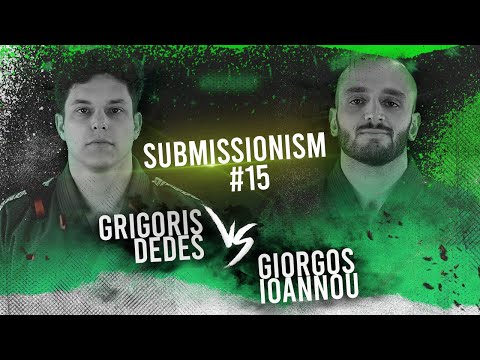
Submissionism 15: Grigoris Dedes vs. Giorgos Ioannou - A Budo Master's Breakdown

Introduction: The Essence of the Grapple

Welcome, warriors, to Budo and Martial Arts. Today, we dissect a visceral display of grappling prowess: Submissionism 15, featuring the intense clash between Grigoris Dedes and Giorgos Ioannou. This event, held on October 30, 2022, under the Cage Survivor banner, offers a potent microcosm of the strategic depth and raw physicality that defines modern submission grappling. For those who seek not just to watch, but to *understand*, this bout is a rich tapestry of technique, strategy, and the indomitable spirit of combat. Prepare yourselves, for we shall delve beyond the mere spectacle into the very heart of the struggle.

Fighter Analysis: Dedes vs. Ioannou - A Study in Contrasts

Before the mat is even touched, the true battle begins in the minds of the combatants. Grigoris Dedes, a name that has echoed in the halls of submission grappling, and Giorgos Ioannou, a challenger eager to make his mark. What does each bring to the canvas? Dedes, often characterized by his relentless pressure and suffocating control, typically favors a methodical approach, wearing down opponents with strategic positional advancement and potent submission attempts. Ioannou, on the other hand, might represent the dark horse, the unpredictable element whose aggression and willingness to take risks could shatter Dedes' carefully constructed game plan. It is this interplay of established mastery versus insurgent ambition that makes such contests compelling. We must ask: Will Dedes’ experience dictate the pace, or will Ioannou’s hunger for victory be the deciding factor?

Technical Breakdown: A Masterclass in Submission

The core of any martial art, and indeed any contest, lies in its technique. Submissionism 15, as the name suggests, is a canvas for the art of the tap-out. We will meticulously examine the transitions, the grips, the feints, and the devastating finishes.

  • Guard Passing: Observe how each fighter attempts to navigate the treacherous terrain of the opponent's guard. Is it explosive speed, patient pressure, or cunning misdirection? A failed pass can lead to a dominant position for the defender, a lesson learned by countless practitioners.
  • Positional Control: Once a dominant position is achieved – be it side control, mount, or back control – how is it maintained? This is where strength meets technique. Look for the subtle weight distribution, the tight hip control, and the constant pressure that suffocates mobility and creates submission opportunities.
  • Submission Entries: The moment of truth. Whether it’s a Rear-Naked Choke, an Armbar, a Triangle Choke, or a Leg Lock, the entry is paramount. A sloppy entry is an invitation for escape. A well-timed, technically sound entry can seal the deal in an instant.
  • Defense and Escapes: Equally crucial is the art of survival. How do Dedes and Ioannou defend against submission attempts? Do they rely on brute strength, technical knowledge of how to relieve pressure, or the sheer willpower to endure? The ability to escape a bad situation is often as valuable as the ability to submit an opponent.

This is where the true art of grappling is displayed, a dance of leverage, timing, and an intimate understanding of human anatomy. Every shift in weight, every subtle movement, has a purpose.

Strategic Depth: Beyond the Obvious

While the raw techniques are captivating, the true masters of submission grappling operate on a higher plane of strategy. Submissionism 15 is not merely a series of individual techniques; it is a strategic chess match played with the body. We must analyze:

  • Pacing: Did one fighter attempt to drain the other's energy early, or was it a cautious dance of probing attacks? A consistent pace is often key to long-term success, but strategic bursts of intensity can break an opponent's will.
  • Game Planning: It’s clear that both Grigoris Dedes and Giorgos Ioannou would have prepared specific strategies tailored to each other's known strengths and weaknesses. Did one fighter’s game plan clearly dominate the other’s?
  • Adapting to Circumstance: The mat is a dynamic environment. A well-executed plan can be nullified by a single counter or an unexpected move. The fighter who can adapt, who can think on their feet (or on their back!), is the one most likely to emerge victorious.

A fighter who relies solely on brute force without strategic foresight is like a samurai with a fine sword but no tactical mind – destined for defeat against a thoughtful adversary.

"Strategy without execution is the dream of a madman." - Miyamoto Musashi

The Submissionism Philosophy

The name "Submissionism" itself speaks volumes. It implies a focus, perhaps even an elevation, of the submission arts. In a sport often dominated by striking and knockouts, events like Submissionism 15 champion the intricate, cerebral aspect of grappling. It’s a celebration of the tap-out, the moment an opponent verbally or physically concedes defeat, acknowledging the superior technique or inescapable hold applied. This philosophy resonates deeply with the principles of Budo, where discipline, respect, and the pursuit of mastery are paramount. The ultimate goal is not necessarily to inflict pain, but to achieve a state of undeniable control and tactical superiority, leading to the opponent's willing cessation of resistance.

Veredict of the Sensei: Is Submissionism 15 a Must-Watch?

Let us not mince words. Grigoris Dedes vs. Giorgos Ioannou at Submissionism 15 is more than just a fight; it is a testament to the evolution and artistry of submission grappling. While the outcome may be definitive, the journey to that conclusion is a masterclass for any serious student of the mats. The technical execution, the strategic battles waged, and the sheer willpower displayed make this bout a compelling watch.

Rating: Four out of Five Black Belts

This is a fight that rewards close observation. For practitioners, it offers invaluable lessons. For fans, it provides a thrilling display of human ingenuity under pressure.

Training Essentials for the Aspiring Grappler

To truly appreciate and emulate the skills showcased at Submissionism 15, dedicated training is non-negotiable. What equipment and mindset do you need to cultivate?

  • High-Quality Gi: For Gi grappling, a durable, well-fitting Gi is essential. Look for double-weave fabrics for longevity under strenuous use. Brands specializing in Karate and Judo Gi often have excellent options that translate well.
  • Spats and Rash Guards: For No-Gi grappling, comfortable, moisture-wicking spats and rash guards are crucial for preventing mat burn and allowing for unrestricted movement.
  • Mat Time: This is non-negotiable. Consistent attendance at a reputable BJJ or grappling academy is paramount. Look for academies that emphasize technical detail and live sparring.
  • Mindset of Perseverance: As with all BUDO, grappling requires immense mental fortitude. Embrace the challenges, learn from every loss, and maintain a consistent training schedule.
  • Study and Observation: Watch fights like this one. Analyze techniques. Read books on grappling strategy. The more you absorb, the faster you will learn.

Resources for Deeper Understanding

The path to mastery is paved with continuous learning. To complement your training and deepen your understanding of the martial world, I highly recommend exploring these resources:

Frequently Asked Questions

Q1: What martial art is most similar to the style seen in Submissionism 15?

The style heavily emphasizes submission holds and positional control, making Brazilian Jiu-Jitsu (BJJ) the most directly comparable martial art. However, elements of Judo and Sambo grappling are also evident.

Q2: How important is physical strength in submission grappling?

While strength is a factor, technique and leverage are significantly more important. A smaller, technically proficient grappler can often overcome a larger, stronger opponent through superior understanding of mechanics and timing.

Q3: Is it possible to train submission grappling at home?

While you can study techniques through videos and books, live grappling requires a training partner and a safe environment. However, physical conditioning, flexibility, and theoretical study can certainly be done at home using resources tagged under #AtHomeWorkout and #NoEquipment.

Q4: What is the quickest submission to learn?

The "quickest" submission is subjective and depends on the individual's aptitude. However, the Rear-Naked Choke is often considered one of the more fundamental and effective submissions to learn early in one's grappling journey due to its efficiency.

Sensei's Reflection: Your Next Step

Grigoris Dedes and Giorgos Ioannou have given us a spectacle, but more importantly, a lesson. They’ve shown that in the crucible of combat, the mind and body must work in perfect, unyielding harmony. They demonstrated that the pursuit of submission is not merely about forcing an opponent to yield, but about understanding the intricate mechanics of leverage, pressure, and timing to achieve undeniable control. This is the essence of true BUDO, extending far beyond the confines of the mat and into the very fabric of life.

Now, I pose this to you: When faced with an insurmountable obstacle in your own life, do you resort to brute force and frustration, or do you seek the elegant, strategic solution that leads to inevitable, controlled success? Reflect on this, and let your actions be your answer.

The Unseen Lessons: What Israel Adesanya's Reaction Reveals About Merab Dvalishvili's Dominance

The octagon is a crucible, a stage where raw talent meets unyielding will. But beyond the thunderous roars and the sweat-soaked canvas, there lies a deeper narrative, one often revealed not by the victor, but by the keen observation of a fellow master. When Israel Adesanya, a maestro of striking and a strategist of the highest caliber, reacts to a performance, it’s more than just commentary; it's a masterclass in itself. Today, we dissect not just Merab Dvalishvili's commanding victory over Petr Yan at UFC Fight Night, but what "The Last Stylebender" saw, and what *we* can learn from it. This isn't just about MMA; it's about the fundamental principles of control, pressure, and the relentless pursuit of dominance that echo through every martial art, from the dojo halls of Karate to the strategic mind games of Budo.

Table of Contents

Understanding the Context: A Clash of Styles

Petr Yan, a former champion, known for his crisp boxing and sharp counter-striking, faced an unconventional challenge in Merab Dvalishvili. Yan’s game typically thrives on rhythm, timing, and precision striking. Dvalishvili, however, represents a different breed of fighter: a relentless pressure machine, a wrestler whose conditioning and sheer will to advance often break opponents before they can even engage their preferred weapons. This wasn't a simple striking match; it was a test of wills, a battle of contrasting philosophies within the same cage.
As published on March 12, 2023, at 06:36 AM, this UFC Fight Night bout provided a spectacle that resonated even with the elite. Israel Adesanya, a fighter who himself embodies strategic brilliance and diverse martial arts influence, offered his unique perspective. His reactions are not merely a fan's delight; they are a window into the strategic mind of a warrior, offering insights valuable to any practitioner, whether they train in Karate, Judo, BJJ, or the broader philosophy of Budo.
"The beauty of martial arts is that they are a mirror to ourselves. What we see in others, we can often find within us, or the potential for it." - Sensei Budo

The Adesanya Lens: What a Champion Sees

Adesanya's analytical prowess is legendary. He doesn't just see punches and kicks; he sees the underlying strategy, the physical and mental conditioning, and the subtle shifts in momentum. When he watches a fighter like Dvalishvili impose his will, he's not just impressed by the outcome; he’s dissecting the *how*. His commentary often highlights the fighter's ability to dictate the pace, control the distance, and impose their physical and mental strengths. For practitioners of striking arts like Karate or Taekwondo, observing Adesanya's reactions can highlight the importance of maintaining composure under pressure, a key tenet in disciplines that emphasize focus and control. For grapplers, his insights into transitional control and physical dominance offer a complementary perspective. It reinforces that while techniques vary, the core principles of warfare – positioning, timing, and application of force – remain constant.

Merab's Dominance Analyzed: The Art of Pressure

Dvalishvili's performance against Yan was a masterclass in suffocating pressure. It wasn't about flashy submissions or devastating knockouts; it was about relentless takedowns, suffocating clinches, and an unyielding forward march that left Yan with little room to breathe or execute his own potent offense. This style, while perhaps not as aesthetically pleasing as some, is brutally effective and deeply rooted in the physical and mental demands of wrestling, a discipline that shares common ground with Judo’s emphasis on leverage and control. What Adesanya likely recognized was the sheer *willpower* required to maintain such a high-octane pace for three rounds. It’s a testament to Dvalishvili's conditioning, his mental fortitude, and his ability to consistently execute a game plan that drains opponents both physically and psychologically. This is the essence of "pressure fighting," a tactic seen across combat sports, from the aggressive advances in Kickboxing to the methodical advancement in Kyokushin Karate.

Technical Breakdown: Grappling Control Beyond Technique

While we might not see a step-by-step tutorial in Adesanya’s reaction, his observations often point to the critical elements of grappling control that transcend specific techniques. He’ll likely highlight: * **Positional Dominance:** How Dvalishvili maintained top control, limiting Yan's ability to escape or generate offense. This is a fundamental principle in BJJ and Judo. * **Pace Setting:** Dvalishvili dictated the speed and intensity of the fight, forcing Yan into uncomfortable exchanges. * **Physicality:** The sheer exertion and conditioning required to consistently impose such a physical style. This is where the training for endurance and strength becomes paramount. This type of control is not merely about executing a perfect hip escape or a flawless sweep. It’s about understanding leverage, weight distribution, and the mental game of attrition. Even a Karateka practicing Tameshiwari (breaking techniques) understands the application of focused power and intent, which, in a different context, can translate to sustained physical imposition.

Philosophical Implications: Budo and the Fight

The principles demonstrated by Dvalishvili – relentless pressure, unwavering resolve, and the physical imposition of will – are deeply aligned with the philosophy of Budo, the "Way of the Warrior." While Budo encompasses a vast array of martial arts, a common thread is the cultivation of character through rigorous training and the overcoming of adversity. Adesanya, a student of various martial arts himself, understands this duality. He recognizes that a fight is not just about striking or grappling; it's a test of a warrior's spirit. Dvalishvili's performance, in this light, is a testament to the power of perseverance.
"The empty mind, the Mushin, is not about emptiness in the sense of nothingness, but emptiness in the sense of being open to everything. It is this openness that allows a fighter to adapt and overcome." - Miyamoto Musashi
Adesanya's reaction likely touches upon this: how Dvalishvili seemed unfazed by Yan’s reputation, sticking to his game plan, embodying a form of mental fortitude that is the hallmark of true Budo.

Training for Relentless Pressure: Building the Dvalishvili Engine

To replicate the kind of sustained dominance Dvalishvili displayed requires a specialized approach to training. It’s not enough to just drill techniques; one must build the engine that powers them. * **Cardiovascular Conditioning:** This is paramount. High-intensity interval training (HIIT), prolonged sparring at a high pace, and consistent roadwork are essential. Think of the endurance required for a Judo randori session, but amplified. * **Strength Training:** Focus on functional strength that aids in grappling: leg strength for takedowns, core strength for stability and control, and upper body strength for clinching and maintaining position. * **Wrestling Drills:** Repetitive takedown attempts, sprawl drills, and clinch work are crucial. * **Mental Fortitude:** Training under fatigue, simulating high-pressure scenarios, and developing resilience against setbacks are key components. This is where the "mental game" truly shines. This type of training is a commitment, a journey that demands discipline and dedication, mirroring the path of any dedicated martial artist.

Equipment Essential for Your Training

To effectively train for grappling and pressure-based martial arts, the right gear can make a significant difference in both performance and injury prevention. For those looking to emulate the pressure-fighting style, consider the following:
  • Gi/Kimono: A durable, high-quality Gi is essential for BJJ and Judo. Look for double-weave or heavier fabrics that can withstand intense grappling. A good Karate Gi is also important for striking arts.
  • Sparring Gloves: For MMA training, proper sparring gloves (14-16oz) are critical for protecting your hands and your training partners.
  • Wrestling Shoes: Lightweight, supportive wrestling shoes offer excellent traction and ankle support, crucial for takedown defense and offense.
  • Mouthguard: Non-negotiable for any form of sparring or live training to protect your teeth and jaw.
  • Knee Pads: Useful for heavy drilling on mats to protect your knees during takedowns and ground transitions.
Investing in quality equipment is an investment in your training longevity and effectiveness, much like a martial artist investing in their first Karate gi or a fencer in their fencing mask.

Veredicto del Sensei: More Than Just a Win

Merab Dvalishvili's victory over Petr Yan was a statement. It wasn't just a win; it was a demonstration of a martial philosophy in action – the relentless application of pressure, the unwavering physical and mental conditioning, and the strategic dismantling of an opponent’s strengths. Israel Adesanya's reaction to this performance, though perhaps not a direct technical breakdown, offers a higher-level appreciation of what makes a fighter successful. He sees the discipline, the commitment, and the warrior spirit. This fight serves as a potent reminder that while striking arts like Karate and Taekwondo offer incredible precision and power, the control and attrition found in grappling arts like Judo and BJJ, when coupled with supreme conditioning, can be an overwhelming force. It's a lesson in versatility and the understanding that true mastery often lies in the integration of diverse skill sets and the unyielding application of one’s chosen path.

Frequently Asked Questions

  • Q: What martial arts background does Merab Dvalishvili primarily use?
    A: Dvalishvili is primarily a wrestler with a strong sambo background, which heavily influences his pressure-fighting style in MMA.
  • Q: How does Adesanya's reaction provide value to non-MMA practitioners?
    A: Adesanya's commentary often highlights universal martial principles like pressure, strategy, composure, and mental fortitude, which are applicable to any martial art, from Karate to Judo.
  • Q: Is Merab Dvalishvili's style applicable to self-defense?
    A: The relentless pressure and focus on control are highly effective in self-defense scenarios, as it can quickly overwhelm an untrained aggressor.
  • Q: How important is conditioning in modern MMA?
    A: Conditioning is absolutely critical. Fighters like Dvalishvili demonstrate that superior cardio and physical output can overcome technical disadvantages.

Para Profundizar en tu Camino

* Artes Marciales Mixtas: Entendiendo las transiciones entre disciplinas. * BUDO: La filosofía detrás del guerrero moderno. * Judo: La fuerza de la flexibilidad y el control.

Reflexión del Sensei: Tu Próximo Paso

When watching elite fighters, we are given a glimpse of peak human performance. But the true lesson lies not in marveling at their victories, but in understanding the sacrifice, the relentless training, and the mental fortitude required to achieve them. Dvalishvili's pressure, Adesanya's insight – these are not just moments in a fight. They are reflections of the dedication we must bring to our own mats, our own training halls, our own lives. So, I ask you: When faced with an overwhelming obstacle, whether in training or in life, do you find yourself retreating to your strengths, or do you become the relentless force that breaks through? What are you doing to cultivate that unyielding pressure in your own journey?

Khamzat Chimaev vs. Colby Covington: A Budo & Martial Arts Sensei's Analysis of the Simulated Clash

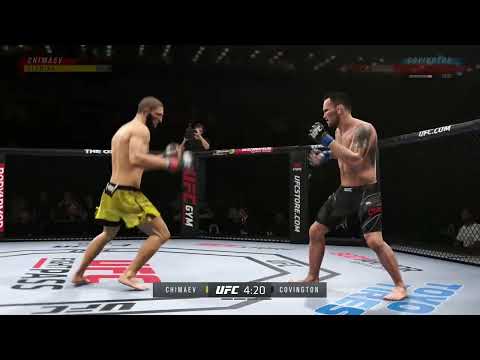
Esteemed practitioners and aficionados of the martial path, welcome. Today, we do not delve into the stoic grace of a kata or the raw power of a Muay Thai clinch. Instead, we engage with the digital arena, a space where algorithms and pixels attempt to replicate the brutal ballet of combat. Our focus: the simulated UFC encounter between Khamzat Chimaev and Colby Covington, as presented in EA Sports UFC. You are watching "Khamzat Chimaev vs. Colby Covington | Full Fight | UFC Simulations Ep.262," published on February 21, 2023. But is this mere digital entertainment, or can we glean any true martial wisdom from its simulated conflicts? As your Sensei, I will dissect this bout not just as a fan of the sport, but as a scholar of combat, examining the virtual representation of two formidable warriors.

Table of Contents

The Simulated Bout: A Digital Dojo

The premise is simple, yet intriguing: can a video game accurately predict the outcome of a high-stakes UFC fight? EA Sports UFC, a leading title in the simulation genre, takes on this challenge. We witness Khamzat Chimaev, the "Borz," a whirlwind of wrestling and relentless pressure, face off against Colby Covington, "Chaos," a master of pace, volume striking, and opportunistic grappling.
In the realm of martial arts, we often speak of "reading" an opponent. This simulation attempts to provide just that, albeit through a complex algorithm. It's a fascinating intersection of technology and the primal art of combat. However, let us not mistake digital prowess for true mastery. The simulated "KI" (Ki) is nothing more than code; the "Mushin" (no-mind) state is a programmed response. Yet, within these limitations, can we find echoes of genuine martial philosophy?
"There are no rules in fighting. Only weapons." - A concept often debated, but here, the 'weapons' are the fighter's attributes as programmed into the game.

Styles in the Digital Ring: Chimaev vs. Covington

Khamzat Chimaev is renowned for his suffocating top control, explosive takedowns, and devastating ground and pound. His style is a modern embodiment of the relentless wrestler, fused with dangerous striking. He overwhelms opponents, leaving them little room to breathe or execute their own game plan. Colby Covington, conversely, thrives on disruption. He dictates the pace, tires out his opponents with constant movement and volume punching, and utilizes a strong wrestling base to keep the fight standing or to land crucial takedowns when needed. His cardio is legendary, his ability to adapt mid-fight, remarkable. The simulation, to its credit, attempts to capture these essences. We see Chimaev's aggressive takedown entries and Covington's elusive footwork and counter-striking. But how accurately does it translate the sheer physical exertion, the mental fortitude, and the split-second decision-making that define real combat? This is where our critical eye must be applied.

Virtual Realism: What the Simulation Gets Right (and Wrong)

EA Sports UFC excels at replicating physical attributes. The power of a strike, the speed of a takedown attempt, the visual impact of damage – these are rendered with impressive fidelity. The simulation can showcase how Chimaev's raw power might overcome Covington's defense if he lands clean, or how Covington's high output could wear down Chimaev if the fight goes into later rounds. However, it often falls short in capturing the intangible elements. The "heart" of a fighter, the ability to push through pain and fatigue beyond programmed limits, the strategic genius that transcends statistical probability, the sheer will to survive and win – these are the aspects that make martial arts so profound and, paradoxically, difficult to simulate.
"The simulation shows the movements, but not the spirit behind them."
For instance, Covington's renowned ability to maintain a furious pace for five rounds is more than just high cardio; it's a testament to his conditioning and mental resolve. A simulation might reflect this through a stamina bar, but it cannot replicate the visceral feeling of lungs burning and legs turning to lead, and the fighter who *chooses* to keep pushing regardless. Similarly, Chimaev's explosive power is not just programmed strength; it's derived from years of dedicated strength and conditioning.

Grasping Martial Principles Through Simulation

Despite its limitations, this simulation offers a valuable, albeit superficial, lesson. It highlights the importance of strategic planning. Both Chimaev and Covington have distinct game plans. The simulation forces us to consider: Which plan is more effective against the other's attributes? This mirrors real-world martial arts training. We study different styles, analyze their strengths and weaknesses, and learn how to adapt our techniques. Whether it's a simulated fight in a video game or a sparring session on the mats, the core principle remains: understand your opponent, understand yourself, and execute your strategy. We can observe the effectiveness of pressure fighting, the value of maintaining distance, and the critical role of wrestling in mixed martial arts. Even in a simulated environment, the fundamental dynamics of grappling versus striking, and the importance of effective defense, are on display.

Veredicto del Sensei: ¿Merece la pena?

Cinturón Negro en Entretenimiento, Cinturón Azul en Predicción Auténtica. While this simulation is entertaining and offers a glimpse into how these styles might theoretically clash, it remains just that: a simulation. It cannot replicate the unpredictability of real combat, the mental fortitude, the resilience in the face of adversity, or the sheer will that separates true warriors from programmed avatars. It is a useful tool for visualization and a fun way to engage with the sport, but it should not be mistaken for a definitive outcome. The true fight, the one that matters, is decided in the octagon, not on a screen.

Equipo Esencial para tu Entrenamiento (Real)

If this simulated bout has ignited your passion for martial arts and you wish to train in the real world, the right equipment is crucial. Investing in quality gear not only enhances your performance but also ensures safety.
  • Guantes de Entrenamiento: For striking arts like Karate, Kickboxing, or MMA, durable gloves (e.g., 16oz for sparring) are essential to protect your hands and your training partners.
  • Kimono/Gi: For Judo, BJJ, or traditional Karate, a well-made Gi (e.g., double-weave for durability) is paramount. It should allow for freedom of movement and withstand rigorous training.
  • Protector Bucal: A non-negotiable piece of equipment for any combat sport to protect your teeth and jaw.
  • Espinilleras: Vital for arts involving kicks, providing protection during sparring and pad work.
  • Esterillas de Entrenamiento: For grappling arts like Judo or BJJ, or for practicing throws and falls, comfortable and shock-absorbent mats are a necessity.
Investing in these items from reputable brands ensures longevity and safety, allowing you to focus on honing your skills.

Guía de Entrenamiento: Mejorando tu Game Plan Virtual y Real

While we can't train in the digital dojo, we can certainly improve our real-world martial arts skills, which will, in turn, make us better analysts of any fight, simulated or otherwise. This simple drill focuses on improving your reaction time and decision-making, crucial elements in both virtual and physical combat.
  1. Stance and Guard: Assume a proper fighting stance, appropriate for your primary martial art (e.g., Karate, MMA, Boxing). Keep your guard up and your weight balanced.
  2. Initiation: Have a partner (or use a training dummy if alone) call out a number (1-3) or a simple command ("Jab!", "Block!", "Takedown!").
  3. Reaction: Based on the call, execute the corresponding martial action. For example:
    • 1: Execute a lead hand jab.
    • 2: Execute a defensive block (e.g., parry or cover).
    • 3: Simulate a takedown entry or defensive sprawl.
  4. Rounds: Perform this drill for 2-3 minute rounds, with short breaks in between. Focus on speed, accuracy, and maintaining your stance throughout.
  5. Progression: As you improve, increase the speed of the calls, introduce more complex commands, or combine actions (e.g., "Block, then Jab!").
This exercise trains your neuromuscular pathways, enhancing your ability to react instinctively under pressure – a skill as vital in EA Sports UFC as it is in a real-life confrontation.

Preguntas Frecuentes

  • Q: Can video game simulations accurately predict UFC fight outcomes?
    A: While they can offer interesting theoretical matchups based on fighter attributes, real-life combat is far too complex and unpredictable for a simulation to be consistently accurate. Intangibles like heart, mental state, and adaptation play massive roles.
  • Q: What martial arts does Khamzat Chimaev primarily utilize?
    A: Chimaev is known for his strong background in wrestling, combined with aggressive striking and powerful ground and pound, often showcasing elements reminiscent of Sambo and Freestyle Wrestling.
  • Q: What is Colby Covington's primary martial arts background?
    A: Covington is an accomplished collegiate wrestler and has honed his skills in Mixed Martial Arts, focusing on high-volume striking, conditioning, and pressure fighting.
  • Q: Is there any martial value in watching simulated fights?
    A: Yes, it can be a valuable tool for analyzing styles, understanding strategic matchups, and visualizing potential fight dynamics. However, it should be viewed as an analytical exercise rather than a prediction.

Para Profundizar en tu Camino

Reflexión del Sensei: Tu Próximo Paso

We have dissected a digital battle, gleaning what martial wisdom we can from pixels and algorithms. But does a simulation truly prepare you for the fire of real combat? Or is the true preparation found not in the game, but in the discipline of your own training? If you were to face an opponent whose strength, speed, and skill were perfectly replicated by a machine, but whose will and spirit were utterly unknown – how would you approach that fight? Consider this: the most formidable opponent you will ever face is not on the screen, nor across the mat, but within yourself.

UFC 284: Makhachev vs. Volkanovski - A Budoka's Analysis of a Modern Martial Clash

Ah, UFC 284. A card that promised a clash of titans, a true test of champions from different realms of combat. Many see it as a simple boxing match with kicks, but as any seasoned practitioner of the traditional martial ways knows, there's a universe of philosophy and technique beneath the surface of modern combat sports. Today, we dissect this pivotal event not just as fans of the octagon, but as students of the warrior's path. Was this merely a display of brute force, or did we witness the embodiment of true martial principles? Let us delve deep.

The Clash of Styles: Dagestani Power vs. The People's Champion

Islam Makhachev, the heir apparent to Khabib Nurmagomedov's legacy, represents the relentless, suffocating pressure of Dagestani wrestling. His base is Sambo and wrestling, arts that prioritize control, leverage, and the crushing weight of positional dominance. His strikes, while effective and improving, are often tools to set up his grappling – a pathway to ground control where he is a master predator. His ki, his inner energy, seems to flow with the unwavering force of a mountain river.

On the other side stood Alexander Volkanovski, the undisputed king of the UFC Featherweight division. A former rugby player, Volkanovski brings a unique blend of power, exceptional footwork, and a deep understanding of striking dynamics. His background in kickboxing and wrestling provides a well-rounded base, but it's his fight IQ, his ability to adapt mid-bout, and his sheer grit that set him apart. He is the embodiment of fighting smart, not just hard.

The initial intrigue surrounding this fight was immense: could Volkanovski's masterful striking and defensive wrestling nullify Makhachev's suffocating top-game? Or would Makhachev simply impose his will, drag the fight to the mat, and secure another dominant victory? This wasn't just a #battle; it was a strategic chess match played out with human bodies.

Technical Breakdown: Makhachev's Ground Game and Volkanovski's Resilience

From the opening bell, the intention was clear. Makhachev sought to close the distance, to initiate the clinch and work towards a takedown. Volkanovski, conversely, used his excellent head movement and lateral movement to keep the center of the octagon and pepper Makhachev with strikes. The early rounds showcased Volkanovski's exceptional defense against the takedown. He demonstrated an understanding of leverage and balance that surprised many, stuffing Makhachev's initial attempts with impressive technique.

However, the relentless pressure of Makhachev is something few can withstand indefinitely. In the championship rounds, Makhachev began to find success. His trips and sweeps became more potent, and he managed to secure crucial takedowns. Once on the ground, Makhachev was, as expected, a master of control. He pinned Volkanovski, worked for submissions, and minimized Volkanovski's ability to create space or launch effective counter-offensives. The skill on display was a testament to countless hours of #entrenamiento.

"In a real fight, the simplicity of movement, the economy of motion, is paramount. Makhachev’s grappling, though complex in its execution, stems from fundamentally simple principles of leverage and control, honed to absolute perfection."

What truly impressed, however, was Volkanovski's indomitable spirit. Even when taken down, controlled, and rocked in the later rounds, he refused to yield. His ability to survive dangerous positions and even threaten with submissions from his back showed a level of heart and resilience that transcends mere athletic prowess. This is the **spirit of the warrior**, the refusal to quit even when facing overwhelming odds. It’s this intangible quality that often defines true martial artists, regardless of their style.

Beyond the Octagon: What UFC 284 Teaches Us About True Martial Arts

The debate often arises: are modern MMA fighters true martial artists? In the context of UFC 284, I would argue yes, with caveats. Makhachev displays the dedication, discipline, and mastery of a specific combat system that is the hallmark of traditional arts. His pursuit of ground dominance mirrors the relentless pursuit of technique found in Judo or BJJ. His focus is unwavering, a pure manifestation of the Budo spirit.

Volkanovski, on the other hand, showcases the adaptability and strategic thinking that is crucial in any combative scenario. His ability to learn, adjust, and overcome challenges mid-fight speaks volumes about his martial mind. He embodies the principle of "Shuhari" – Shu (protect, follow), Ha (break, detach), Ri (transcend) – by mastering the fundamentals and then adapting them to his unique circumstances.

Yet, we must also consider what might be lost. The ritual, the philosophical depth, the emphasis on character development that permeates traditional martial arts like Karate or Aikido, are often secondary in the high-stakes world of professional MMA. The ki cultivated in traditional arts, focusing on internal harmony and connection, is channeled differently. Here, it’s about raw power, conditioning, and strategic application for victory. But does that negate their martial status? No. It simply highlights the diverse paths one can take on the journey of the warrior.

This fight reminds us that while the goal of self-defense or self-mastery might be shared, the methods and emphasis can differ vastly. It’s a testament to the evolution of combat and the human drive to push boundaries. The pursuit of excellence, however, remains constant, whether one is perfecting a kata or executing a submission.

Applying the Lessons: How to Integrate UFC 284 Insights into Your Training

For those who train in striking arts like Karate or Kickboxing, Volkanovski offers invaluable lessons in distance management, footwork, and defensive strategies against grappling. His ability to stay upright against Makhachev's onslaught is a masterclass in itself. Incorporate drills that focus on:

  • Lateral movement and head movement: Practice slipping punches and moving offline to avoid clinches.
  • Takedown defense: Work on sprawls, knee-to-chest defense, and fighting grips in the clinch.
  • Counter-striking: Develop the ability to land strikes while the opponent is initiating their offense.

For those focused on grappling arts like Judo, BJJ, or Sambo, Makhachev provides a living example of pressure, control, and submission hunting. His relentless pursuit of dominant positions is a blueprint for success on the ground. Focus on:

  • Clinch control: Learn to secure body locks, underhooks, and overhooks to dictate position.
  • Takedown execution: Refine your entries for single-leg, double-leg, and trip variations.
  • Ground and pound / positional dominance: Understand how to maintain top position, advance to better control, and set up submissions or strikes.

Crucially, both fighters exemplify the importance of **mental fortitude**. The ability to push through fatigue, to remain composed under pressure, and to never give up is perhaps the most vital lesson. This can be trained through intense sparring sessions, physical conditioning that tests your limits, and focused meditation or mindfulness practices to build inner strength.

Veredicto del Sensei: Did UFC 284 Uphold the Martial Spirit?

UFC 284 was a spectacle of elite athleticism and strategic combat. Islam Makhachev’s victory was a testament to the power and efficacy of his chosen martial path, while Alexander Volkanovski’s performance showcased the resilience and adaptability that define a true warrior. Did it uphold the martial spirit? Yes, but in a modern context. It demonstrated the evolution of combat, where specialization and cross-training have created a new breed of martial artist. It highlighted that while traditional arts may offer a deeper philosophical foundation, the relentless pursuit of victory and mastery in any arena requires discipline, courage, and an unwavering will to fight. It was a battle that left us with much to contemplate about the enduring nature of the combative spirit.

Cinturón Negro en Resiliencia y Adaptación

Equipo Esencial para tu Entrenamiento

To truly emulate the dedication shown by these athletes, having the right equipment is crucial. For striking training, consider:

  • Boxing Gloves: High-quality 16oz gloves for sparring are essential for safety and effective pad work.
  • Shin Guards: Protect yourself and your training partners during kick drills.
  • Mouthguard: Non-negotiable for any sparring to protect your teeth and jaw.

For grappling, you'll need:

  • BJJ Gi or Judo Gi: A durable, double-weave gi is recommended for longevity and proper grip training. Look for brands known for their reinforced stitching.
  • Wrestling Shoes: Lightweight and offering good traction for mat work.

Investing in good **martial arts merchandise** not only protects you but also signifies your commitment to your training.

Preguntas Frecuentes

¿Quién ganó la pelea principal de UFC 284?
Islam Makhachev ganó la pelea principal contra Alexander Volkanovski por decisión unánime.

¿Fue la pelea tan emocionante como se esperaba?
Sí, la pelea fue extremadamente reñida y considerada por muchos como una de las mejores peleas por el título de peso pluma en la historia de la UFC, yendo a decisión dividida.

¿Qué arte marcial practica principalmente Islam Makhachev?
Islam Makhachev practica Sambo y lucha, con un fuerte énfasis en el grappling y el control en el suelo.

¿Qué arte marcial practica principalmente Alexander Volkanovski?
Alexander Volkanovski tiene un trasfondo en kickboxing y lucha, con un estilo bien redondeado que combina golpes efectivos y defensa contra derribos.

¿Representa esta pelea la culminación del Budo moderno?
Representa una faceta del Budo moderno, enfocada en la competencia y la efectividad en un entorno específico. El Budo tradicional a menudo abarca aspectos filosóficos y de desarrollo personal más amplios.

Para Profundizar en tu Camino

This MMA news update was published at February 16, 2023. Support us: Subscribe, Comment, Like and Share. Thanks for watching... hello and welcome to Budo and Martial Arts.

Reflexión del Sensei: Tu Próximo Paso

Makhachev's suffocating pressure, Volkanovski's tenacious defense – two philosophies of combat laid bare. But in the quiet moments after the roar of the crowd subsides, what truly endures? Is it the victory, the technique, or the spirit with which the challenge was met? Consider this: When you face your own 'octagon' – be it a sparring match, a difficult task, or a moment of personal doubt – what will be your guiding principle? Will you impose your will like the mountain, or adapt and overcome like the flowing river? And more importantly, how will you cultivate the inner strength, the ki, to stand firm and fight with honor, regardless of the outcome?

AGAIN KNOCKOUT! Fedor Emelianenko vs. Ryan Bader: A Martial Arts Masterclass Analysis

Greetings, warriors and seekers of martial truth. Welcome to Budo y AM, your sanctuary for the deepest understanding of the martial path. Today, we dissect a clash that reverberated through the MMA world: Fedor Emelianenko vs. Ryan Bader. This wasn't merely a fight; it was a convergence of legacies, a test of wills, and a potent display of combat prowess.

A Clash of Titans: Setting the Stage

The announcement of Fedor Emelianenko facing Ryan Bader was met with a mixture of anticipation and solemn reflection. Fedor, "The Last Emperor," a figure synonymous with martial arts dominance for over a decade, was stepping into the cage. Bader, a seasoned champion in his own right, represented a formidable challenge. This encounter, published on February 5, 2023, wasn't just another bout; it was a narrative woven with threads of history, perseverance, and the brutal beauty of combat sports.

We at Budo y AM delve beyond the superficial roar of the crowd to analyze the underlying techniques, the strategic chess match, and the intangible spirit that defines true martial artists. Prepare yourselves, for this is more than just a fight recap; it's a lesson in the very essence of BUDO.

The Emperor's Reign: Fedor Emelianenko's Enduring Aura

Fedor Emelianenko is more than a fighter; he is an epoch. For years, his name alone commanded respect, his unblemished record a testament to an almost mythical level of skill and resilience. His journey through PRIDE FC and beyond showcased a unique blend of devastating striking, surprisingly effective grappling, and an uncanny ability to absorb punishment and return with decisive force.

His style, often described as deceptively simple, was rooted in a profound understanding of timing, distance, and power generation. Fedor’s punches weren’t just thrown; they were delivered with the concussive force of a seasoned craftsman. His defensive posture, often relaxed, belied a lightning-fast reaction time, allowing him to evade danger and counter with devastating effect. Even as the years passed, the aura of "The Emperor" persisted, a testament to his unparalleled career.

"The true warrior is one who can endure the storm and emerge not just intact, but stronger." This is the silent creed of Fedor.

The Bader Barrage: A Legacy Forged in Combat

Ryan Bader, on the other hand, has carved his own indelible mark in the annals of combat sports. A decorated collegiate wrestler and a veteran of numerous high-stakes UFC and Bellator battles, Bader brought a different, yet equally potent, arsenal to the cage. His wrestling base provided a strong foundation for takedowns and ground control, while his striking evolved significantly over his career, becoming a potent weapon in its own right.

Bader’s path to this encounter was one of relentless competition. He had faced and overcome a myriad of challenges, proving his mettle against diverse styles. His power is undeniable, and his championship pedigree meant he would not be intimidated by Fedor’s legendary status. He represented a dangerous, hungry contender, eager to etch his name in history by defeating one of the greatest of all time.

Dissecting the Combat: The Science and Art of the Knockout

The fight between Fedor and Bader was a stark reminder of the brutal efficiency that defines championship-level combat. Within moments, the bout lived up to its electrifying billing. Bader, demonstrating his strategic acumen, closed the distance quickly, looking to impose his physicality and wrestling. Fedor, ever the observant strategist, sought to maintain distance and land his powerful shots.

The critical moment arrived swiftly. In a testament to the volatile nature of heavyweight fights, Bader landed a decisive blow that ended the contest. This wasn't merely a lucky punch; it was the culmination of strategy, timing, and the sheer destructive power that both men possessed. The knockout was definitive, a stark illustration of how quickly a battle can turn at this elite level.

It’s easy to simply say "knockout," but as martial artists, we must analyze *how* it happened. Bader’s ability to close the gap effectively, combined with Fedor’s momentary vulnerability, created the opening. This highlights a crucial principle in all martial arts: capitalizing on the opponent's mistakes and creating opportunities through calculated aggression.

Beyond the Blows: Technical Nuances and Strategic Depth

While the knockout is the most visible element, true martial analysis requires looking deeper. Consider Bader's initial approach. He didn't shy away from Fedor’s striking range but instead navigated it with purpose. This suggests a game plan focused on negating Fedor's preferred fighting distance and introducing his own strengths early.

Fedor, known for his calm demeanor, likely recognized the threat and adjusted his stance accordingly. The speed of the fight's conclusion, however, meant that many of the intricate exchanges that might have unfolded – feints, level changes, grappling exchanges – were cut short. This is a common occurrence in high-stakes bouts where every second counts and a single error can be fatal to one's chances.

From a technical standpoint, the fight underscores the importance of:

  • Distance Management: Controlling the space between combatants is paramount.
  • Timing: The ability to strike or move at the precise moment the opponent is exposed.
  • Power Generation: Efficiently transferring body weight into strikes for maximum impact.
  • Adaptability: The capacity to shift strategy based on the flow of the fight.

The Unseen Force: Mental Fortitude and Budo Principles

Beyond the physical techniques, the spirit of the warrior—the seishin—is what truly separates ordinary combatants from legends. In this fight, we witnessed the unwavering resolve of both men. Bader’s conviction in his game plan and Fedor’s legendary composure, even in defeat, speak volumes about their internal fortitude.

"Defeat is not the opposite of victory; it is a stepping stone towards it." - A wisdom echoed in the hearts of true martial artists.

Fedor’s career is a testament to the ability to rise from adversity, to continue training and competing with honor even when the physical peak may have passed. Bader's victory is a testament to his own dedication and the mental strength required to execute under immense pressure. This fight, like so many others, serves as a potent reminder that the mind is often the most critical battlefield.

The concept of Mushin – a mind free from thought and emotion, reacting instinctively – is the ideal, but even approaching it requires immense mental discipline and countless hours of dedicated entrenamiento.

Veredicto del Sensei: Was it a Masterpiece?

This encounter, while brief, was a powerful display of heavyweight combat sports at its finest. It showcased the razor-thin margins between victory and defeat in the elite ranks. For Bader, it was a career-defining moment, a testament to his skill and resilience. For Fedor, it was a poignant moment in a storied career, a reminder of the relentless march of time and competition.

Rating: Cinturón Negro en Intensidad.

While the fight's duration prevented an in-depth technical exhibition, the sheer impact and decisive finish were undeniable. It served as a profound lesson in the unforgiving nature of competition and the enduring spirit required to compete at such a high level. This fight is essential viewing for anyone interested in the raw, unadulterated drama of modern fighting.

Equipo Esencial para tu Entrenamiento

To emulate the dedication and skill displayed by these warriors, proper training gear is crucial. Investing in quality equipment not only enhances your training experience but also helps prevent injuries, allowing you to focus on developing your techniques and conditioning.

  • Guantes de MMA de Alta Calidad: For effective sparring and striking practice, ensuring knuckle protection and grip support.
  • Protector Bucal: Essential for all sparring and competitive scenarios to protect your teeth and jaw.
  • Espilleras y Tibiales: Crucial for kickboxing and Muay Thai training to safeguard against impact.
  • Kimono de Judo o Jiu-Jitsu: For grappling disciplines, a durable, well-fitting gi is indispensable. Look for double-weave fabrics for longevity.
  • Protector Genital: A non-negotiable item for any combat sport training involving impact.

Recursos para Profundizar

To truly grasp the martial principles at play, continuous learning is key. Here are some resources to help you deepen your understanding:

  • BUDO: Explore the philosophical underpinnings of Japanese martial traditions.
  • Artes Marciales Mixtas: Understand the evolving landscape of modern combat sports.
  • Defensa Personal: Learn practical applications for real-world self-protection.
  • Historia: Discover the rich heritage of various martial arts.

Preguntas Frecuentes

Was Fedor Emelianenko retired before this fight?

No, Fedor Emelianenko was not officially retired. While he had expressed thoughts of retirement previously, he continued to compete after his tenure in the UFC and prior to this Bellator bout.

Is Ryan Bader a former UFC champion?

Yes, Ryan Bader is a former UFC champion, having held the Light Heavyweight title. He has also been a prominent champion in Bellator MMA.

How long did the Fedor vs. Bader fight last?

The fight was very short, ending by knockout in the first round at approximately 50 seconds.

What martial arts background does Fedor Emelianenko have?

Fedor Emelianenko's primary background is in Sambo, a combat sport originating in Russia, and Judo. He also possesses significant striking skills developed through years of MMA competition.

What is the significance of the knockout in this fight?

The knockout signifies a significant victory for Ryan Bader, proving his ability to defeat one of the most legendary figures in MMA history. For Fedor, it marked a challenging moment in the twilight of his career.

Para Profundizar en tu Camino

Reflexión del Sensei: Tu Próximo Paso

We have analyzed the kinetic exchange, the strategic intent, and the warrior spirit of Fedor Emelianenko vs. Ryan Bader. But what does it truly mean for *your* path? Is it enough to simply witness greatness, or must you strive to embody it?

Consider this: Every fighter, from the legendary Emperor to the rising contender, faced moments of uncertainty, moments of physical limitation, and the stark reality of defeat. Yet, they continued to train, to adapt, to persevere.

Your challenge: In the face of your next training obstacle, your next personal setback, or your next moment of doubt – what will be your response? Will you falter, or will you channel the spirit of the warrior and find a way forward, not just to endure, but to emerge stronger?

Now, it is your turn. Do you believe Fedor’s legacy is defined by this outcome, or by the totality of his unparalleled career? Share your thoughts below. Let the debate begin!

PRIDE FC 25: Body Blow - A Masterclass in Primal Combat

Welcome, warriors and scholars of the martial way. Today, we descend into the brutal, yet often elegant, arena of MMA, specifically to dissect PRIDE FC 25: "Body Blow," an event that transpired on March 16, 2003, at the Yokohama Arena. This wasn't merely a series of fights; it was a living testament to the evolution of combat sports, a canvas upon which raw power, strategic acumen, and sheer indomitable spirit were painted. For those who believe martial arts are solely about ancient forms and philosophical musings, I implore you to witness the visceral reality of professional fighting. PRIDE FC, in its golden era, was a spectacle of unparalleled intensity, a crucible where warriors tested their mettle against the best in the world. "Body Blow" was no exception, featuring a lineup that reads like a who's who of legendary figures who shaped modern combat.

Table of Contents

The Genesis of PRIDE FC 25

This event, published on June 20, 2022, but rooted in the raw energy of 2003, represents a pivotal moment in the history of mixed martial arts. PRIDE FC was known for its unique ruleset, larger ring (the "Pride ring"), and a roster of fighters who were often larger, more diverse in their martial backgrounds, and arguably, more fearsome than their counterparts in other organizations. This event, "Body Blow," was designed to showcase the sheer physical impact of combat, hence its evocative title. It promised a night of intense action, and it delivered with a ferocity rarely seen.

Deciphering the Bouts: A Sensei's Analysis

The fight card of PRIDE FC 25 is a masterclass in matchmaking, pitting established legends against rising stars and contrasting styles to create compelling narratives within each bout. Let us break down the key matchups and glean the martial wisdom embedded within them.

Antônio Rogério Nogueira vs. Kazuhiro Nakamura: The Unveiling of "Minotoro"

This bout marked an early opportunity for the world to witness the potential of Antônio Rogério Nogueira, younger brother of the legendary Antônio Rodrigo Nogueira. "Minotoro" was known for his crisp boxing and dangerous submissions. Kazuhiro Nakamura, a judoka with a fierce fighting spirit, represented the challenge of a strong base against a more dynamic striker. The exchange between Nakamura's aggression and Nogueira's technical striking showcased the perpetual chess match between different martial disciplines. While Nakamura possessed heart, Nogueira's superior striking and grappling control ultimately prevailed. This fight underscored the importance of well-roundedness in the modern combat landscape.

Akira Shoji vs. Alex Stiebling: A Battle of Styles

Akira Shoji, a veteran known for his aggressive stand-up and willingness to engage in wild exchanges, faced Alex Stiebling, a powerful wrestler with a solid ground game. This was a classic striker versus grappler encounter. Shoji’s trademark was his unpredictable striking and ability to absorb punishment, often leading to thrilling, if sometimes chaotic, fights. Stiebling aimed to use his wrestling to control the pace and secure takedowns. The bout exemplified how different martial arts philosophies clash and how adaptability is key to overcoming a contrasting style.

Anderson Silva vs. Carlos Newton: The Spider's Web Begins to Form

This fight is a significant marker in the burgeoning career of Anderson Silva, a man who would go on to become one of the greatest strikers in UFC and MMA history. Carlos Newton, a former UFC champion, was a highly skilled submission artist and a formidable opponent with a background in judo and wrestling. Silva, even at this early stage, displayed the uncanny ability to defend takedowns and land devastating strikes from seemingly impossible angles. His "spider web" defense and counter-striking prowess were on full display, hinting at the legendary status he would soon achieve. This bout was a masterclass in defensive fighting and opportunistic offense.
"The most important part of fighting is not the punch, but the intention behind it." - A sentiment often echoed by masters, and acutely visible in Silva's precision.

Dan Henderson vs. Shungo Oyama: The H-Bomb Meets Unyielding Spirit

Dan Henderson, an Olympic-level wrestler and a man whose "H-Bomb" right hand was feared across multiple organizations, faced the tenacious Shungo Oyama. Oyama, a judoka and sambo practitioner, was known for his rugged durability and aggressive approach. This was a clash of raw power versus resilient spirit. Henderson's mission was clear: land that signature overhand right. Oyama's goal was to survive the initial onslaught and implement his own offense. The fight tested Henderson's ability to manage distance and Oyama's capacity to withstand power.

Antônio Schembri vs. Kazushi Sakuraba: "The Gracie Hunter" in His Element

Kazushi Sakuraba, affectionately known as "The Gracie Hunter" for his groundbreaking victories over members of the famed Gracie family, was a master of grappling and submission. Antônio Schembri, a judoka and Brazilian Jiu-Jitsu black belt, presented a significant challenge on the ground. Sakuraba’s unique style, often involving unorthodox submission attempts and a seemingly endless gas tank, made him a cult hero. This fight was a deep dive into the intricate art of ground fighting, where strategy, leverage, and timing dictate the outcome. Sakuraba's ability to navigate complex submission exchanges was a testament to years of dedicated practice.

Quinton "Rampage" Jackson vs. Kevin Randleman: A Collision of Titans

This was, quite simply, a heavyweight war. Quinton "Rampage" Jackson, a powerful striker with a background in wrestling and wrestling, faced Kevin Randleman, a former collegiate wrestling champion known for his explosive power and incredible athleticism, including a legendary slam. The physical presence and raw aggression of both fighters promised a brutal encounter. This bout showcased the sheer power and intensity that can erupt when two larger-than-life combatants meet in the ring. It was a spectacle of concussive strikes and relentless pressure.
"In combat, there is no room for hesitation. Every action must be decisive." - A principle embodied by both Jackson and Randleman in this thrilling encounter.

Fedor Emelianenko vs. Antônio Rodrigo Nogueira: The Apex of Heavyweight Combat

The main event featured two of the most revered heavyweights in the sport's history: Fedor Emelianenko and Antônio Rodrigo "Minotauro" Nogueira. Fedor, the "Last Emperor," was on his ascent to legendary status, known for his impenetrable defense, devastating ground and pound, and an almost supernatural ability to absorb punishment and come back stronger. Nogueira, a former PRIDE Heavyweight Champion, was a submission wizard with an iron chin and a relentless will. This fight was a pivotal moment in heavyweight MMA. It represented the pinnacle of heavyweight grappling and striking exchanges, a tactical battle between two giants who seemed to defy the limits of human endurance and skill. The strategy, the resilience, and the sheer heart displayed by both fighters made this a bout for the ages, a true testament to the martial spirit at its highest level.

Veredicto del Sensei: ¿Merece la pena?

PRIDE FC 25: "Body Blow" is, without question, a landmark event for any serious student of MMA and combat sports. The sheer caliber of talent on display, particularly in the later fights, provides an invaluable education in the art of fighting. From the strategic grappling of Sakuraba to the devastating striking of Silva and the heavyweight epic between Fedor and Nogueira, this event offers a comprehensive look at what makes mixed martial arts so captivating. The raw intensity and the display of diverse martial backgrounds are inspiring and instructive. **Calificación del Sensei:** ¡Cinturón Negro en Legado de Combate!

Equipo Esencial para tu Entrenamiento

To engage in the spirit of these warriors, one must have the right tools for training. While direct combat training requires a qualified instructor and proper facilities, certain equipment can significantly enhance your practice:
  • Guantes de Entrenamiento (14-16 oz): Crucial for developing striking power while protecting your hands and your training partners during sparring.
  • Protector Bucal: Non-negotiable for any form of sparring or intense training to safeguard your teeth and jaw.
  • Espinilleras: Essential for kickboxing and Muay Thai drills to protect against impact and develop powerful kicks.
  • Kimono de Judo o Jiu-Jitsu (Doble Tejido): For grappling arts, a durable gi is paramount for resisting grips and executing throws and submissions effectively. Look for brands known for their strength and comfort.
  • Esterilla de Entrenamiento: For practicing throws, groundwork, and bodyweight exercises safely.
Investing in quality martial arts merchandise for training is an investment in your safety and progress.

Para Profundizar en tu Camino

Este evento histórico resuena con muchos principios y figuras importantes en el mundo de las artes marciales. Para expandir tu conocimiento, te recomiendo explorar los siguientes temas:

Preguntas Frecuentes

¿Qué hace tan especial a PRIDE FC en comparación con otras organizaciones de MMA?

PRIDE FC se distinguió por su mayor tamaño de ring, su regla de "no golpes a la cabeza en el suelo" (en sus inicios, antes de cambiar), y un enfoque en la presentación de luchadores con diversos trasfondos marciales, a menudo permitiendo combates más largos y menos restrictivos, lo que fomentaba un estilo de lucha más espectacular y primitivo.

¿Es Fedor Emelianenko considerado el mejor peso pesado de todos los tiempos?

Fedor Emelianenko es consistentemente nombrado entre los mejores, si no el mejor, peso pesado de todos los tiempos por muchos expertos y aficionados debido a su impresionante récord invicto en PRIDE, su dominio en una era difícil y su capacidad para vencer a oponentes de élite con un estilo único.

¿Cuál es la importancia de la lucha en el MMA moderno?

La lucha (wrestling) es fundamental en el MMA moderno. Proporciona la base para el control en el clinch, las derribos para llevar la pelea al suelo, y la defensa contra derribos. Un luchador con sólidas habilidades de lucha puede dictar dónde y cómo se desarrolla la pelea.

¿Cómo influye el entrenamiento en el "ki" o energía interna en el combate?

Aunque el concepto de "ki" es a menudo asociado con artes marciales más tradicionales, su influencia en el combate moderno se manifiesta en la resistencia, la concentración, la gestión del estrés y la eficiencia del movimiento. Un luchador con una fuerte energía interna puede mantener la calma bajo presión y ejecutar técnicas de manera más fluida y poderosa.

¿Por qué es importante estudiar combates históricos como los de PRIDE FC 25?

Estudiar combates históricos nos permite comprender la evolución de las tácticas y técnicas, apreciar el desarrollo de los luchadores legendarios y obtener lecciones valiosas sobre estrategia, resiliencia y mentalidad de combate que son aplicables tanto dentro como fuera del tatami.

Reflexión del Sensei: Tu Próximo Paso

Hemos recorrido el camino de guerreros legendarios en PRIDE FC 25, hemos analizado sus estrategias, su valentía y la pureza de su combate. Ahora te pregunto: ¿Cuál de estas demostraciones de espíritu marcial resuena más contigo? ¿Te inspiran las feroces técnicas de golpeo, la intrincada danza de las sumisiones, o la indomable voluntad de aquellos que se niegan a ceder? Identifica el hilo conductor de tu propia aspiración marcial. ¿Estás listo para aplicar la disciplina y la ferocidad que has presenciado en tu propio entrenamiento, o te contentas con ser un mero espectador? La verdadera maestría reside en la acción. gemini_metadesc: Explore PRIDE FC 25 "Body Blow" with Sensei's expert martial arts analysis. Dive into fights featuring Fedor Emelianenko, Anderson Silva, and more. gemini_labels: PRIDE FC, MMA History, Fedor Emelianenko, Anderson Silva, Heavyweight MMA, Combat Sports Analysis, Martial Arts Philosophy, Budo

Sensei's Critique: UFC Fight Night 6 (2006) – A Pragmatic Look at the Evolution of Combat Sports

UFC Fight Night 6, held at the Red Rock Resort Spa and Casino in Las Vegas on August 17, 2006, stands as a testament to a pivotal era in mixed martial arts. For those who study the intricate dance of combat, this event offers more than just entertainment; it's a window into the burgeoning science and art of professional fighting. In the early days of what is now a global phenomenon, such events were raw, evolving platforms where different martial disciplines clashed, testing their efficacy under the unforgiving glare of competition.

Table of Contents

Introduction: The Genesis of Modern Combat

Hello and welcome, warriors and scholars of the martial path. You are watching UFC Fight Night 6 (2006), an event that, while perhaps not bearing the same polished spectacle as today's UFC cards, was instrumental in shaping the landscape of combat sports. For those of us who dissect the principles of Budo and the application of martial arts in their purest, most practical forms, these early UFC Fight Nights are invaluable case studies. We are witnessing, in real-time, the fusion and friction of diverse fighting styles – a chaotic, yet profoundly informative, experiment in human combat. This isn't just about knockouts and submissions; it's about the underlying strategies, the psychological warfare, and the sheer grit that defines a true fighter. As a martial artist with decades dedicated to understanding the nuances of striking, grappling, and the philosophies that underpin them, I approach these historical bouts with a critical eye. I look beyond the blood and sweat to the technical execution, the tactical decisions, and the spirit that drives each combatant. Are they merely fighting, or are they embodying a particular martial discipline? How do their techniques translate from the dojo or the training mat to the unforgiving reality of the Octagon? This analysis will not shy away from the hard truths. We will dissect each bout, not just as a fan, but as a student of combat, evaluating the effectiveness of the martial disciplines on display and considering what lessons can be extracted for your own training.

Match by Match: A Tactical Dissection

UFC Fight Night 6 presented a card where a multitude of fighting styles converged, offering a fascinating glimpse into the martial arts landscape of the mid-2000s. Let's break down the key matchups and what they reveal.
  • 2:46 - Anthony Torres vs. Pat Healy: This early bout often sets the tone. Healy, with a background in wrestling and submission grappling, versus Torres, likely with striking roots. The initial exchanges here would reveal the foundational strategies: does Healy immediately seek a takedown to neutralize any striking advantage Torres might possess, or does Torres use his stand-up to keep distance? Observing this helps understand the primary strategy of wrestlers against strikers in a nascent MMA environment.
  • 8:54 - Forrest Petz vs. Sammy Morgan: Another pairing that tests the waters of different skill sets. The effectiveness of striking defense against takedowns, or the ability to transition smoothly from striking to grappling, would be paramount here. Morgan's approach might reveal classic Karate or Muay Thai principles, while Petz could embody a more aggressive, pressure-based style common in early MMA.
  • 27:30 - Jake O'Brien vs. Kristof Midoux: A more prominent matchup often signifies a higher stakes contest. O'Brien, often associated with wrestling, facing a European fighter like Midoux, who might bring a Judo or Sambo background. This bout is crucial for understanding how takedown defense and clinch work are employed. Judo throws, if executed effectively, can be devastating in MMA. The question is, how well can the ground defense counter the setup for such a technique?
  • 35:35 - Martin Kampmann vs. Crafton Wallace: Kampmann, a well-rounded fighter with a strong Muay Thai base, against Wallace. This fight likely showcased the power of striking techniques, particularly knee strikes and kicks, against a more conventional mixed martial artist. The timing and distance management Kampmann employed would be a masterclass in Muay Thai application within MMA.
  • 44:58 - Josh Koscheck vs. Jonathan Goulet: Koscheck, an elite collegiate wrestler, against Goulet, a dangerous striker. This bout is a classic representation of wrestler vs. striker. The strategy is often binary: Koscheck aims to grind Goulet against the cage, secure takedowns, and control him on the ground, negating Goulet's knockout power. Goulet's success hinges on keeping the fight standing and landing his heavy shots. The effectiveness of Koscheck's wrestling here is a direct reflection of wrestling's dominance in early MMA.
  • 54:10 - Dean Lister vs. Yuki Sasaki: Lister is renowned for his submission prowess, particularly his unorthodox leg locks. Sasaki, potentially coming from a Karate or Judo background, would face an immense challenge on the ground. This fight highlights the importance of submission defense and the psychological pressure of facing a submission specialist. Can Sasaki survive the grappling exchanges and utilize his own martial art, or will Lister's specialized skill set prevail?
  • 1:17:27 - Chris Leben vs. Jorge Santiago: Leben, known for his incredible toughness and aggressive striking, often walked into the Octagon with a singular game plan: brawl. Santiago, a skilled grappler and striker, would need to weather the early storm and exploit openings. This fight tests the classic MMA adage: "styles make fights." Leben's raw aggression versus Santiago's technical prowess.
  • 1:28:40 - Joe Riggs vs. Jason Von Flue: Riggs, a powerful striker with a background in wrestling, against Von Flue, a submission artist. This bout would likely see a battle for control. Can Riggs keep Von Flue at bay with his striking, or will Von Flue find an opportunity to lock in a submission from an unexpected position?
  • 1:38:37 - Diego Sanchez vs. Karo Parisyan: A highly anticipated bout featuring two exciting talents. Sanchez, known for his relentless pressure and well-rounded skills, against Parisyan, a judoka with explosive striking. This fight exemplifies the evolution of MMA fighters who are no longer specialists but adept at multiple disciplines. Parisyan’s judo provides a unique avenue for takedowns and throws, while Sanchez’s aggressive style is designed to overwhelm opponents. The chess match between these two would be compelling.

The Spirit of Budo in the Octagon

The term "Budo" encompasses not just martial techniques but the entire philosophy and discipline behind them. When we watch these fights, we are looking for more than just physical execution; we are searching for the embodiment of martial principles. Does a fighter display resilience in the face of adversity? Do they show respect for their opponent, even in combat? Do they demonstrate the mental fortitude to overcome challenges?
The spirit of Budo is about continuous self-improvement. It is a lifelong journey, not a destination. Each fight, each training session, is an opportunity to learn and grow.
While the UFC is a sport focused on winning, the underlying spirit of many martial arts – discipline, perseverance, courage, and self-control – should ideally be present. Some fighters embody this more than others. We see it in their preparation, their demeanor, and how they handle victory and defeat. The fighters who succeed long-term often possess this deeper understanding, transcending mere athleticism to become true martial artists.

Choreography or Combat Science?

A common criticism leveled against martial arts movies is that the fight sequences are overly choreographed, resembling dance rather than genuine combat. In a sport like MMA, particularly in its earlier stages like UFC Fight Night 6, the line between choreography and raw combat science is blurred. The techniques are real, the impacts are real, and the strategies are designed for maximum effectiveness, not aesthetic appeal. However, there's a science to the 'choreography' of MMA. Each movement, each feint, each takedown attempt, is a calculated action rooted in years of training across various disciplines. Wrestlers practice takedowns hundreds of times. Strikers drill combinations until they become instinctual. Grapplers spend countless hours drilling submissions. What might look like a wild brawl to the uninitiated is often a complex interplay of learned skills, reflexes, and tactical decision-making. Observing the fighters at UFC Fight Night 6 allows us to see which martial arts disciplines are proving most effective in a mixed rule-set. We see the dominance of wrestling for control, the effectiveness of Muay Thai striking for power, and the danger of Brazilian Jiu-Jitsu for submissions. It's a living laboratory for combat efficacy.

Equipment Essential for Your Training

To truly understand and appreciate the demands of mixed martial arts, having the right training gear is paramount. While the fighters at UFC Fight Night 6 had specific requirements for their bouts, your personal training journey will also benefit from proper equipment.
  • MMA Gloves: Essential for protecting your hands during striking drills and sparring, while still allowing for grappling. Look for gloves between 4oz and 6oz for competition, and potentially heavier training gloves for conditioning.
  • Mouthguard: Non-negotiable for any form of sparring or contact training. Protect your teeth and jaw.
  • Shin Guards: Crucial for Muay Thai or kickboxing training to protect your shins from impact and condition them for kicks.
  • Groin Protector: Always recommended for any form of sparring or intense training.
  • Training Rashguards and Compression Shorts: These wick moisture, reduce friction, and allow for better movement during grappling.
  • Wrestling Shoes (Optional): If you are focusing heavily on takedowns and ground control, specialized wrestling shoes can provide excellent grip and ankle support.
  • Durable Matting: For at-home training, especially for grappling, having a safe surface is key.
Investing in quality equipment ensures your safety and enhances your learning experience. For those serious about striking, consider **high-quality Muay Thai pads and focus mitts** for partner drills. If grappling is your focus, a good **BJJ gi** can be invaluable for developing technique.

Sensei's Verdict: Is It Worth Your Time?

UFC Fight Night 6 (2006) may not be a modern MMA blockbuster, but for the discerning martial arts enthusiast, it's a treasure trove of practical insights. It represents a crucial evolutionary stage of mixed martial arts, where pure styles were being forged into a cohesive, formidable discipline. You'll witness raw talent, tactical battles, and the early implementation of techniques that have since become staples of the sport. Is it worth your time? Absolutely. If you wish to understand the roots of modern combat sports, the strategic clashes between different martial disciplines, and the raw determination that defines a fighter, then this event provides a valuable education. It's less about flawless execution and more about the fundamental principles of combat being tested and refined under pressure. **Sensei's Rating:** Cinturón Negro en Historia del Combate. It provides an essential historical context and practical lessons for any serious student of martial arts.

Frequently Asked Questions

  • What martial arts styles were most prevalent at UFC Fight Night 6?
    At this event, you would have seen a strong representation of wrestling (collegiate and Olympic), Muay Thai, Brazilian Jiu-Jitsu, Judo, and striking arts like Karate and Kickboxing, all being integrated into the MMA framework.
  • How does UFC Fight Night 6 compare to modern MMA events?
    Modern MMA events generally feature more well-rounded athletes who have trained extensively in multiple disciplines from a younger age. The strategies are more sophisticated, and the level of technical execution across striking and grappling is significantly higher. UFC Fight Night 6 showcases fighters who were often specialists adapting to a mixed rule-set.
  • Can I learn effective self-defense techniques from watching these fights?
    While you can learn principles of distance management, timing, and defense against common attacks, direct application of professional MMA techniques for self-defense requires specific training from qualified instructors. The ruleset and context are very different from a real-world altercation. However, understanding how to defend against takedowns or close distance is valuable.
  • Is watching old MMA fights beneficial for my martial arts training?
    Absolutely. It's a fantastic way to study strategy, observe different styles in action, and understand the evolution of combat. It can inspire new training approaches and highlight areas where you might need to improve.

Further Exploration

For those who wish to delve deeper into the philosophy and practice of martial arts, I recommend exploring these related topics on our blog:
  • BUDO: Understanding the Way of the Warrior.
  • MMA: The Modern Crucible of Martial Arts.
  • Karate Community: Exploring the Roots of Striking.
  • Jiu-Jitsu: The Art of Ground Control.
  • Training: Optimizing Your Path to Mastery.

Sensei's Reflection: Your Next Step

You have witnessed a snapshot of combat sports in transition. The techniques, the strategies, the raw courage on display – these are not mere spectacles. They are the tangible results of dedication, discipline, and a relentless pursuit of mastery. Now, I ask you: In the face of inevitable challenges, both within the dojo and beyond, will you adopt the spirit of these warriors, dissecting obstacles with intelligence and meeting them with unwavering resolve? Or will you allow the complexities to overwhelm you, rendering your training a mere formality? The Octagon, whether physical or metaphorical, demands a response. What will yours be? ``` GEMINI_METADESC: Sensei's expert critique of UFC Fight Night 6 (2006). Analyze fight strategies, Budo spirit, and MMA evolution for martial artists.