Showing posts sorted by date for query judo osoto gari. Sort by relevance Show all posts

Judo: More Than Just Throws – The Unsung Hero of Practical Self-Defense

Let's confront a misconception that festers in the minds of many: the notion that Judo, stripped of explosive kicks and thunderous strikes, is somehow less effective for genuine self-defense. This is a flawed perspective, born from a superficial understanding of combat. As a seasoned practitioner and critic of martial arts and their cinematic portrayals, I can tell you that beneath its graceful throws and intricate holds lies a profound system forged for real-world application. Forget the flashy theatrics; we're talking about the cold, hard science of controlling an adversary.

The Grappling Advantage: Why Throws Trump Strikes in Close Quarters

Judo, born from the brilliant mind of Jigoro Kano, is often misunderstood. Many dismiss it as a "sport" art, lacking the "killer instinct" they associate with self-defense. This is a critical error. Judo's power lies precisely in its focus on grappling, throws, joint locks, and chokes. In the chaotic reality of a street encounter, distance is a luxury you rarely have. A sudden rush, a grab, and you're in the clinch. This is where Judo excels. While a punch might be blocked, a well-executed Osoto Gari (Major Outer Reaping) or Seoi Nage (Shoulder Throw) can incapacitate an attacker by exploiting gravity and leverage. It's about control, not just damage. Unlike striking arts where a missed blow can leave you vulnerable, Judo techniques aim for a swift resolution, often by taking the fight to the ground or immobilizing the opponent.

Consider the physics: using an opponent's weight and momentum against them is far more efficient than generating your own force against resistance. This is the essence of Judo's efficacy. It teaches you to dismantle an attack by controlling the attacker's base and balance. This is not mere sport; it's applied biomechanics honed over decades.

"The ultimate aim of Karate is not victory or defeat, but the perfection of the character of its participants." - Gichin Funakoshi. While this speaks to Karate, the principle of self-perfection through martial practice is universal. Judo, too, seeks this refinement, but its path is through control and leverage.

Beyond Competition: Judo's Street-Smart Philosophy

A common criticism leveled against many traditional martial arts is their perceived detachment from real combat scenarios. However, Judo, despite its competitive nature, retains a strong foundation in Kano's original intent: "Seiryoku Zen'yo" (Maximum Efficiency, Minimum Effort) and "Jita Kyoei" (Mutual Welfare and Benefit). This philosophy translates directly to self-defense. It's not about inflicting gratuitous harm, but about neutralizing a threat with the least amount of force necessary. Judo practitioners are trained to read an opponent's movements, anticipate their intent, and exploit the slightest imbalance.

Think about it: if an aggressor charges, your instinct shouldn't be to stand and trade blows, but to redirect that energy. A Judo throw can turn an attacker's forward momentum into a debilitating fall. Joint locks like the Juji Gatame (Armbar) or chokeholds like the Hadaka Jime (Rear Naked Choke, though less emphasized in modern sport Judo than in BJJ or self-defense contexts) can subdue an attacker quickly and efficiently, without resorting to strikes that might escalate the violence unnecessarily or lead to legal repercussions.

This emphasis on practical control makes Judo a powerful tool for self-protection. It teaches you to manage the distance, break grips, and, when necessary, take the fight to a controlled ground environment where size and strength disadvantages can be significantly mitigated.

The Universal Warrior: Judo for Every Body

One of Judo's most remarkable strengths, often overlooked in discussions about self-defense efficacy, is its profound adaptability. In a world obsessed with the archetype of the hulking fighter, Judo reminds us that effective self-defense is not solely dependent on brute strength. Jigoro Kano designed Judo to be accessible to everyone, regardless of age, gender, or physical condition. This is a crucial aspect often missing in discussions comparing martial arts for self-defense. Can a smaller individual effectively defend against a larger, stronger assailant?

With Judo, the answer is a resounding yes. Techniques are built upon principles of leverage, timing, and balance. A smaller practitioner can learn to use their opponent's size and weight against them, executing throws and pins that would be impossible through sheer strength alone. This principle is fundamental and can be seen in sports like Judo and BJJ, where technique consistently triumphs over raw power.

Whether you are a young student learning discipline or a senior seeking to maintain physical and mental acuity, Judo offers a path. It builds functional strength, cardiovascular endurance, and flexibility – all essential components of effective self-defense. Unlike some arts that demand extreme athleticism from the outset, Judo's progression is structured to cultivate these attributes progressively.

Building Inner Strength: The Psychological Edge of Judo

Beyond the physical techniques, Judo cultivates a powerful inner fortitude. The rigorous training, the discipline required to master complex movements, and the constant challenge of facing stronger opponents all forge a resilient mindset. This translates directly into self-defense confidence. A person who has trained diligently in Judo is not only physically capable but also mentally prepared.

This is where the concept of Ki (or Qi) subtly plays a role, not in a mystical sense, but in understanding body mechanics and presence. A confident stance, controlled breathing, and an aware demeanor can often deter potential aggressors. Judo teaches practitioners to be aware of their surroundings, to project an aura of control rather than fear. This heightened awareness, coupled with the knowledge that you possess the skills to defend yourself if necessary, significantly reduces vulnerability.

The journey of learning Judo is a constant lesson in overcoming limitations. Each successful throw, each successfully applied submission, builds self-efficacy. This isn't about aggression; it's about self-mastery, a core tenet of BUDO. The ability to remain calm under pressure, to think clearly when physically challenged, is invaluable in any high-stress situation, especially a physical confrontation.

The Art of the Encounter: Timing, Boundaries, and Control

Effective self-defense is not just about knowing techniques; it's about understanding when and how to apply them. Judo instills a keen sense of timing and an understanding of personal space and boundaries. In a confrontation, the ability to read the aggressor's intent and react at the opportune moment is paramount. Judo training sharpens this intuitive sense.

You learn to recognize the signs of an impending attack, the subtle shifts in weight, the aggressive posture. This allows you to act preemptively, perhaps by establishing a dominant grip or initiating a controlled throw before the attacker can fully commit. Furthermore, Judo teaches the concept of establishing and maintaining control. Whether through pins on the ground or sweeping throws, the goal is to neutralize the threat and regain safety.

Practicing these scenarios in a safe, controlled environment like a dojo allows individuals to develop the reflexes and decision-making skills needed for real-world application. It's about building muscle memory and mental fortitude so that when faced with a genuine threat, your trained response takes over, ensuring you can defend yourself effectively and with appropriate force.

Veredict of the Sensei: Is Judo King of Self-Defense?

Let me be unequivocal: Judo is an exceptional martial art for practical self-defense. While arts like Combat Sports, MMA, or Krav Maga might offer more direct, immediate "combat" applications, Judo's strength lies in its ability to control, incapacitate, and neutralize threats through leverage and technique, often without causing severe, potentially lethal, injury. Its emphasis on taking an opponent down and controlling them on the ground is incredibly effective. Is it the *only* effective art? Absolutely not. But is it a foundational and highly potent system for self-protection? Without a doubt. It teaches discipline, respect, physical conditioning, and most importantly, how to manage conflict through superior technique and strategy. For those seeking a well-rounded, adaptable, and highly effective self-defense system, Judo stands as a powerful choice.

Essential Gear for Your Judo Training

To embark on your Judo journey and train effectively, certain equipment is essential. While the emphasis is on technique, proper attire and safety gear will enhance your learning and protect you during practice.

  • Judogi (Uniform): A durable, heavy-duty cotton uniform specifically designed for Judo. Look for double-weave or reinforced stitching, especially around the lapels and seams, to withstand the rigors of grappling. Brands known for quality Karate and Judo uniforms are a good starting point.
  • White Belt: Initially, a standard white belt will signify your beginner status. As you progress, you will earn colored belts denoting your rank.
  • Optional (for conditioning): While not strictly required for basic Judo, if you incorporate conditioning exercises, consider items like jump ropes for cardiovascular fitness or resistance bands for strength training.

Training Guide: Mastering the Uchi-mata

The Uchi-mata (Inner Thigh Throw) is a dynamic and powerful throwing technique in Judo. It requires timing, balance, and coordinated movement. Here's a basic breakdown:

  1. Grip: Establish a strong grip on your opponent's lapel and sleeve.
  2. Entry: Step forward with your right foot, angling your body towards your opponent. As you do, pull them slightly forward and off-balance.
  3. Pivot & Lift: Pivot on your right foot, bringing your left foot to nearly touch your opponent's right foot. Simultaneously, use your right leg (your "pivot leg") to lift your opponent's right leg high, hooking their inner thigh.
  4. Rotation & Throw: Rotate your body forcefully to your left, driving with your hips and pulling with your arms. Your lifted leg acts as a lever. The combined action of the lift, rotation, and pull will send your opponent over your thigh and to the mat.
  5. Follow-Through: Maintain control as they fall and follow through to secure a dominant position.

Note: This is a simplified explanation. Proper execution requires consistent practice under a qualified instructor to develop the necessary coordination, balance, and power transfer. Seeking out instructional videos or specialized Martial Arts Training resources can be beneficial.

Frequently Asked Questions

Q1: Is Judo effective for self-defense against multiple attackers?
A: While Judo provides excellent tools for neutralizing one attacker, facing multiple assailants is extremely dangerous. Judo's strength is in control and takedowns. In a multi-attacker scenario, the priority is often escape, and Judo skills can help you break free or create space, but it's not designed as a primary defense against overwhelming numbers.

Q2: Do I need to be strong to practice Judo?
A: No. Judo's core principles of leverage and timing allow smaller, less physically strong individuals to effectively execute techniques against larger opponents. Strength can be developed through training, but it's not a prerequisite.

Q3: How long does it take to become proficient in Judo for self-defense?
A: Proficiency is a lifelong pursuit. However, with consistent training (2-3 times per week), you can gain a solid understanding of fundamental Judo self-defense techniques within 1-2 years. Real mastery takes much longer.

Q4: Is Judo safe to practice?
A: Generally, yes. Judo has a lower injury rate than many contact sports when practiced under qualified instruction. The emphasis on control and safety in training minimizes risk. However, like any physical activity, injuries can occur.

To Deepen Your Journey

Reflexión del Sensei: Tu Próximo Paso

Judo offers a path to practical self-defense, yes, but more profoundly, it offers a path to understanding the interconnectedness of effort, balance, and control – principles that extend far beyond the dojo. My question to you is this: In a world that often rewards brute force and immediate gratification, are you willing to embrace the subtle, yet immensely powerful, art of Judo, not just for self-defense, but for the cultivation of your character?

K-1 Hero's 2 (2005): A Critical Examination of a Groundbreaking Martial Arts Event

The roar of the crowd, the glint of sweat under the arena lights, the palpable tension before the clash of titans – these are the elements that define the spectacle of professional martial arts. K-1 Hero's 2, held on July 6, 2005, at the Yoyogi National Stadium in Tokyo, was more than just a fight card; it was a testament to the evolution of combat sports and a showcase of diverse fighting disciplines. As a seasoned Sensei and a devoted critic of martial arts cinema and combat, I approach such events not merely as entertainment, but as living case studies in technique, strategy, and the indomitable spirit of the warrior. This event, with its eclectic mix of fighters and styles, offers a rich tapestry for analysis, from the raw power of heavyweight slugfests to the intricate grappling of elite submission artists.

Table of Contents

Understanding the Context: The Rise of Hero's

Before diving into the specific bouts, it's crucial to understand the landscape in which K-1 Hero's 2 emerged. The K-1 brand was already a powerhouse in kickboxing, but Hero's represented an expansion into mixed martial arts (MMA), aiming to capture a broader audience by featuring a mix of striking and grappling. This event was significant because it brought together athletes from various backgrounds, offering a platform for disciplines like Judo, Karate, Brazilian Jiu-Jitsu, and pure striking to test their mettle against each other under a unified banner. The date, 2005, was a pivotal time for MMA, with organizations like PRIDE FC still reigning supreme in Japan, and the UFC steadily growing its global presence. Hero's sought to carve its niche by emphasizing exciting matchups and accessible rulesets.

"The true warrior is a craftsman of his own destiny." - Miyamoto Musashi

This event perfectly encapsulated that sentiment, with fighters from diverse backgrounds aiming to prove the superiority of their chosen path. The intention behind such a promotion is clear: to create a melting pot of martial arts, to test the efficacy of different combat systems, and to entertain a global audience hungry for high-octane action. For the dedicated martial artist, it's an opportunity to observe the practical application of principles honed through years of rigorous training.

The Main Event: A Fight-by-Fight Breakdown

Let's dissect the card. While a full, in-depth review of every single bout would require a multi-volume treatise, we can extract valuable lessons from the key matchups presented.

  • Yoshihiro Akiyama vs Carl Toomey: Akiyama, a Judoka with a powerful judo background and dangerous striking, faced Toomey, a more traditional MMA fighter. This bout was a classic test of grappling versus mixed striking. Akiyama's ability to close distance and implement his throws was always a threat.
  • Bob Sapp vs Alan Karaev: This was a heavyweight spectacle, pure and simple. Sapp, a former football player with immense strength and a background in combat sports, versus Karaev, a Sambo and wrestling specialist. These contests are less about intricate technique and more about brute force, strategic power application, and mental fortitude. The outcome often hinges on who can impose their will and weather the initial storm.
  • Ray Sefo vs Min Soo Kim: Sefo, a legendary K-1 kickboxer, known for his devastating leg kicks and boxing prowess, against Kim, a Taekwondo practitioner. This matchup highlights the striking arts. Can Taekwondo's dynamic kicking game overcome Sefo's powerful boxing and Muay Thai-influenced clinch work? This is where the nuances of range and timing become critical.
  • Hideo Tokoro vs Alexandre Franca Nogueira: Tokoro, a versatile Japanese fighter, and Nogueira, a dangerous Brazilian Jiu-Jitsu black belt, known for his submissions. This bout is a prime example of contrasting skill sets, where a skilled striker must navigate the perilous waters of submission grappling. Tokoro's agility and striking defense would be tested against Nogueira's relentless pursuit of the takedown and ground control.
  • Peter Aerts vs Yoichi Babaguchi: The "Dutch Lumberjack," Peter Aerts, one of the greatest K-1 kickboxers of all time, known for his devastating Muay Thai-style striking, faces Babaguchi. This is a pure striking clinic from Aerts, likely showcasing his signature Dutch kickboxing techniques. A Babaguchi victory would depend on his ability to absorb Aerts's power and exploit any defensive lapses.
  • Kazuyuki Miyata vs Shamil Gaydarbekov: Miyata, a decorated amateur wrestler and MMA fighter, against Gaydarbekov, another wrestler. This bout is a deep dive into the technical aspects of takedowns, clinch control, and ground fighting, emphasizing the power and strategy inherent in wrestling disciplines.
  • Hiroyuki Takaya vs Jani Lax: Takaya, a well-rounded fighter, against Lax, likely bringing a different skillset to the table. These matchups often serve to test adaptability and the ability to transition between different phases of combat.
  • Royler Gracie vs Koji Yoshida (RESUMEN): A pivotal bout for grappling fans. Royler Gracie, a scion of the legendary Gracie family and a BJJ master, against Yoshida. This is a pure test of Brazilian Jiu-Jitsu. Can Yoshida's defense hold up against the relentless pressure and submission artistry of a Gracie? The outcome here is a direct commentary on the effectiveness of BJJ against other disciplines.
  • Norifumi Yamamoto vs Ian James Schaffa: "Kid" Yamamoto was a dynamic and powerful striker with a wrestling background, known for his explosive performances. Schaffa would need to be defensively sound and strategically adept to counter Yamamoto's offensive onslaught.

Clash of Disciplines: What We Learned from the Styles

K-1 Hero's 2 was a microcosm of the martial arts world. We witnessed the:

  • Power of Striking Arts: Fighters like Peter Aerts and Ray Sefo demonstrated the sheer destructive capability of well-honed striking techniques, whether it be punches, kicks, or knees. The precision, timing, and conditioning required are immense.
  • Dominance of Grappling: Royler Gracie's presence, even in a summarized bout, speaks volumes about the effectiveness of Brazilian Jiu-Jitsu. The ability to control an opponent on the ground and secure submissions is a fundamental aspect of mixed martial arts that cannot be ignored. Similarly, the wrestling-heavy bouts showcased the importance of controlling the clinch and executing takedowns.
  • Synergy in Mixed Martial Arts: Fighters like Hideo Tokoro and Yoshihiro Akiyama exemplified the modern MMA athlete who can blend multiple disciplines. Their success was not solely based on one skill, but on their ability to transition and adapt, making them unpredictable and formidable opponents.

It's in these diverse matchups that we see the real debate unfold: which art truly reigns supreme? The answer, as any true martial artist knows, is not straightforward. The effectiveness of an art is often dictated by the practitioner's skill, dedication, and the specific ruleset of the contest. For instance, a pure Karateka facing a Judoka in a K-1 ring faces a different challenge than in a Karate dojo.

"To know your enemy and know yourself, you need not fear the result of a hundred battles." - Sun Tzu, The Art of War

This event was a masterclass in applied strategy. Each fighter had to understand their opponent's strengths and weaknesses, not just their own. The K-1 Hero's format, by mixing various combatants, forced these analyses in real-time.

The Spirit of Budo on Display

Beyond the physical techniques, K-1 Hero's 2, like any significant martial arts event, is a stage for the exhibition of Budo – the Way of the Warrior. This encompasses:

  • Resilience: Witnessing fighters endure punishment and continue to fight demonstrates incredible mental toughness.
  • Respect: Despite the intensity of the competition, the pre-fight and post-fight rituals, the bow, and the handshake are reminders of the underlying respect inherent in martial arts training.
  • Discipline: The years of training, the strict diets, the sacrifice – all point to an immense personal discipline that underpins every fighter's performance.
  • Self-Improvement: Every bout, win or lose, is a lesson. The fighters who learn from their experiences, refine their techniques, and return stronger embody the true spirit of martial arts as a path of continuous self-improvement.

The energy in the Yoyogi National Stadium, even through a recorded broadcast, carries this martial spirit. It's the collective aspiration towards mastery, the courage to face adversity, and the pursuit of excellence.

Veredict of the Sensei: A Masterclass in Combat Promotion?

K-1 Hero's 2 was a success in its objective to bring together diverse martial arts talents and create captivating matchups. The production values, while perhaps dated by today's standards, were effective in highlighting the fighters and their skills. The event provided valuable insights into the strengths and weaknesses of various combat styles when pitted against each other. It underscored that in a truly mixed martial arts context, well-roundedness is paramount. However, one might argue that the emphasis on heavyweight slugfests, while crowd-pleasing, sometimes overshadows the more technical, intricate aspects of grappling and striking that define the deeper study of martial arts.

Rating: Cinturón Negro en Promoción de Combate Espectacular

Equipment Essential for Your Training

To emulate the dedication and skill displayed at K-1 Hero's 2, proper training gear is crucial. Whether you're focusing on striking, grappling, or a blend of both, the right equipment can enhance your performance and prevent injuries:

  • Sparring Gloves: For striking disciplines, 14-16 oz sparring gloves are essential for training with partners.
  • Mouthguard: Non-negotiable for any form of sparring or live rolling to protect your teeth and jaw.
  • Shin Guards: Crucial for Muay Thai and kickboxing training to condition your shins and protect against kicks.
  • Judo Gi: If you're drawn to the grappling arts of Judo or BJJ, a durable, high-quality gi is your primary tool. Look for double-weave options for superior longevity.
  • Grappling Shorts/Spats: Comfortable and functional attire that allows for full range of motion during grappling.
  • Headgear: Recommended for amateur sparring, especially when learning new striking techniques, to reduce the risk of concussions.

Training Guide: Enhancing Your Combat Readiness

To improve your overall combat effectiveness, consider incorporating these drills:

  1. Shadow Boxing/Kicking Drills: Practice your techniques in the air, focusing on form, balance, and power generation. Visualize an opponent and work on combinations.
  2. Heavy Bag Work: Develop power and stamina by striking a heavy bag with a variety of punches and kicks. Focus on maintaining proper form and breathing.
  3. Ground Control Drills: If training grappling, work on fundamental positions like side control, mount, and guard. Practice transitioning between them smoothly and maintaining control.
  4. Takedown Practice: For wrestlers and judoka, repetitive drills of common takedowns (e.g., double leg, single leg, osoto gari) are vital for building muscle memory and efficiency.
  5. Conditioning Circuit: Create a circuit that includes exercises like burpees, sprints, jump squats, and plyometrics to build explosive power and cardiovascular endurance.

Frequently Asked Questions

What is K-1 Hero's?

K-1 Hero's was a mixed martial arts (MMA) promotion established by the K-1 organization. It aimed to showcase a variety of fighting styles beyond K-1's traditional kickboxing format.

Who were some of the notable fighters at K-1 Hero's 2?

The card featured a diverse roster including Yoshihiro Akiyama, Bob Sapp, Ray Sefo, Peter Aerts, and members of the Gracie family like Royler Gracie, among others.

What is the difference between K-1 and K-1 Hero's?

K-1 primarily focused on kickboxing rules, while K-1 Hero's incorporated MMA rules, allowing for grappling, ground fighting, and submissions.

Is K-1 Hero's 2 still relevant for martial artists today?

Yes, the event remains relevant as a historical marker in MMA and a demonstration of various martial arts styles clashing. Studying these historical cards provides context and insight into the development of modern combat sports.

How important is grappling in a K-1 Hero's type event?

Grappling is extremely important. Even if the event features striking-heavy fighters, the threat of a takedown and submission is always present, forcing fighters to be well-rounded.

For Deeper Exploration

Reflection of the Sensei: Your Next Step

Having witnessed the spectacle of K-1 Hero's 2, the true question remains: how do you integrate this knowledge into your own practice? Do you see the strengths of your primary art reflected in these bouts, or do you recognize areas where cross-training is imperative? The path of martial arts is one of constant learning and adaptation. Reflect on the skills you possess, the weaknesses you perceive, and consider how the diverse approaches seen in this event can inform your personal journey towards mastery.

``` GEMINI_METADESC: Critical analysis of K-1 Hero's 2 (2005) event. Sensei's expert review of fights, styles, and the martial spirit. Essential reading for martial artists.

UFC 78 - Validation: A Martial Artist's Critical Eye on MMA's Evolution

The air in the Prudential Center on November 17, 2007, crackled with a unique energy. UFC 78, subtitled "Validation," wasn't just another fight night; it was a pivotal moment in the burgeoning narrative of Mixed Martial Arts, a sport often misunderstood and frequently debated within the hallowed halls of traditional martial arts dojos. As a seasoned practitioner and a devotee of the martial way, I approached this event not merely as a spectator, but as a critic. My purpose: to dissect the performances, to understand the "validation" this event sought, and to glean lessons applicable to our own paths of discipline and combat. Welcome, seekers of the martial truth, to a deep dive into UFC 78.

Table of Contents

The Unfolding Card: A Bout-by-Bout Examination

UFC 78 presented a card rich with potential, a tapestry woven with emerging talents and established contenders. Let's break down the key matchups, not just by their outcomes, but by the martial artistry — or lack thereof — displayed.

Akihiro Gono vs. Tamdan McCrory (1:45)

This opener set a dynamic tone. Gono, known for his flashy techniques and unorthodox style, faced McCrory's more straightforward approach. The dance was one of striking versus grappling, feints versus pressure. While not a technical masterpiece, it showcased the strategic chess match inherent in MMA.

Marcus Aurélio vs. Luke Caudillo (11:36)

A battle of grapplers. Here, we witness the subtle art of leverage, timing, and positional control. The outcomes of such bouts often hinge on minute details, a testament to the deep technicality that underlies even seemingly simple takedowns and submissions.

Joe Lauzon vs. Jason Reinhardt (17:09)

Lauzon, a submission wizard, against Reinhardt, a dangerous striker. This bout exemplifies the stark contrasts within MMA, where an opponent can end the fight with a single explosive movement or a suffocating hold. The transition between these ranges is where true mastery lies.

Thiago Alves vs. Chris Lytle (19:31)

A highly anticipated striking war. Alves, with his powerful kicks, and Lytle, known for his tenacity and boxing prowess, delivered a performance that highlighted the brutal effectiveness of striking arts when honed for combat. The crispness of their punches and the power behind their kicks are worthy of study.

Spencer Fisher vs. Frankie Edgar (34:19)

Fisher, a seasoned kickboxer, met the relentless pressure of Edgar. This fight was a testament to conditioning and strategic pacing. Edgar's ability to maintain a high output against a dangerous opponent demonstrated the crucial role of cardiovascular endurance, a principle echoed in all demanding martial arts.

Ed Herman vs. Joe Doerksen (50:49)

A middleweight clash that showcased grit. Herman's power against Doerksen's methodical approach. These fights often reveal the mental fortitude required to withstand punishment and continue pushing forward, a core tenet of the warrior spirit.

Karo Parisyan vs. Ryo Chonan (1:02:56)

Parisyan, a Judoka with devastating hip tosses, against Chonan, a skilled striker. This bout was a microcosm of Judo's application in MMA, demonstrating how fundamental throws can dictate the entire flow of a fight. The precision required for a clean seoi nage or osoto gari is universal across disciplines.

Houston Alexander vs. Thiago Silva (1:19:53)

A bout that promised fireworks, and it delivered. Alexander's aggressive style met Silva's raw power. These exchanges often boil down to decisive moments, where one well-timed strike can change everything. It’s a stark reminder of the ultimate goal in many martial traditions: to end the conflict efficiently.

Michael Bisping vs. Rashad Evans (1:25:23)

The main event. Bisping, the charismatic striker with a sharp boxing game, faced Evans, an explosive wrestler with developing striking skills. This fight was a clash of styles and strategies, a perfect capstone to an event aiming to validate the sport's legitimacy.

Martial Principles in the Octagon: Beyond the Spectacle

While the UFC stage is far removed from the serene dojo, the fundamental principles of martial arts are undeniably present. We must look past the spectacle and analyze the underlying mechanics and philosophies.
"The ultimate aim of martial arts is not victory or defeat, but the perfection of the human character." - Gichin Funakoshi
This quote, often attributed to the father of modern Karate, resonates even in the chaotic environment of the octagon. While the immediate goal of a fighter is victory, their journey to that point is defined by discipline, perseverance, strategic thinking, and the ability to adapt under extreme pressure. We see elements of: * **Striking Arts**: Boxing, Muay Thai, Karate, Taekwondo – their principles of footwork, power generation, timing, and defense are evident in every exchange of punches and kicks. * **Grappling Arts**: Judo, Brazilian Jiu-Jitsu, Wrestling – the control, leverage, and submission techniques are critical for ground fighting and dictating the fight's trajectory. * **Strategy and Tactics**: Each fight is a dynamic problem-solving exercise. Fighters must read their opponent, exploit weaknesses, and adapt their game plan on the fly. This is the essence of *Heiho* (strategy) and *Zanshin* (awareness). * **Mental Fortitude (*Seishin Tanren*)**: The ability to remain calm under fire, to push through pain, and to maintain focus when fatigued is a hallmark of true martial artists, whether in a dojo or an octagon. However, I must pose a question that often sparks debate: Can techniques perfected for one-on-one, life-or-death combat in ancient times truly translate to the rule-bound, competitive environment of modern MMA? And conversely, can MMA techniques, honed for sport, truly prepare one for the brutality of a real street encounter? This is where "validation" becomes a complex issue.

Validation or Illusion? The True Meaning of UFC 78

UFC 78's subtitle, "Validation," speaks volumes. It suggests a need to prove the legitimacy and effectiveness of MMA as a legitimate combat sport, perhaps even as a superior form of martial arts in a competitive context. But what, precisely, was being validated? Was it the combat effectiveness of the fighters? Was it the evolution of techniques from various martial arts into a cohesive, dominant system? Was it the sport's transition from a niche spectacle to a mainstream phenomenon? From a martial arts perspective, the "validation" I seek is not merely in winning or losing, but in the demonstration of principles: discipline, respect, humility, and the continuous pursuit of self-improvement. While UFC 78 undoubtedly showcased incredible athletic talent and fierce competition, one must ask if the "validation" achieved was primarily commercial or truly philosophical. The allure of MMA often lies in its perceived "realness," its ability to pit different martial traditions against each other. This can be a powerful teaching tool, forcing practitioners to confront the practical application of their art. Yet, it also risks reducing profound philosophies to mere combat mechanics.

Veredict of the Sensei: Did UFC 78 Earn Its Stripes?

UFC 78, "Validation," was a significant event that contributed to the MMA landscape. It showcased exciting performances and highlighted the adaptability of martial arts principles within a competitive framework. The fighters displayed courage, skill, and a high degree of physical conditioning. However, as a lifelong student of the martial way, I reserve my highest accolades for performances that transcend mere athleticism. While many demonstrated effective combat skills, the true "validation" of a martial art lies in its ability to cultivate character, discipline, and respect, not just in its capacity to win fights. UFC 78 provided ample evidence of the former, but the latter often requires a deeper philosophical underpinning that transcends the scorecards. **Cinturón Negro en Espectáculo Deportivo, por Definir su Profundidad Marcial.**

Equipment Essential for Your Training

While you won't find MMA fighters using traditional wooden dummies, the principles of training hard and smart are universal. For those inspired to explore the striking and grappling arts that contribute to MMA, or to enhance your existing martial arts practice, the right equipment is crucial.
  • Sparring Gloves: Essential for striking practice. For MMA, consider hybrid gloves that offer protection for both striking and grappling. A good starting point is 4oz to 6oz for MMA-specific sparring, or 10oz to 16oz for Muay Thai or Boxing.
  • Shin Guards: Crucial for Muay Thai and Kickboxing training to practice kicks safely.
  • Mouthguard: Non-negotiable for any sparring or contact training to protect your teeth and jaw.
  • Groin Protector: A vital piece of safety equipment for all combat sports training.
  • Grappling Gumshield: Designed to stay in place during ground fighting.
  • Training Mats (Tatami): For practicing throws, groundwork, and breakfalls safely, especially if your dojo doesn't provide them.
  • Punching Bag/Heavy Bag: For developing power, speed, and endurance in your strikes.
  • Focus Mitts & Thai Pads: Excellent for developing precision, timing, and power with a partner.

Frequently Asked Questions

What is the primary martial art influence in modern MMA?

MMA draws from a vast array of martial arts, but Judo, Brazilian Jiu-Jitsu, Wrestling, Boxing, and Muay Thai are consistently considered the foundational pillars due to their effectiveness in grappling and striking exchanges.

Is MMA the ultimate form of martial arts?

This is a contentious question. MMA is a highly effective *sport* that tests combat prowess within a rule set. However, many traditional martial arts focus on aspects like self-cultivation, philosophy, and self-defense in non-sport contexts, which MMA may not fully encompass.

How does one develop the mental strength seen in MMA fighters?

Mental strength, or *Seishin Tanren*, is cultivated through consistent, disciplined training, facing challenges head-on, learning from failure, and practicing mindfulness or meditation. The pressure of competition is often a crucible for forging this resilience.

Can traditional Karate techniques be effective in MMA?

Absolutely. While Karate's traditional forms are not designed for direct MMA application, its principles of powerful, linear striking, footwork, and body conditioning are invaluable. Modern MMA fighters often incorporate elements learned from Karate masters.

What is the meaning of "validation" in the context of UFC 78?

It refers to the event's perceived role in solidifying MMA's legitimacy as a serious combat sport, proving the effectiveness of its fighters and techniques to a wider audience, and perhaps countering criticisms that it was merely a brutal, undisciplined brawl.

Further Learning for Your Path

To deepen your understanding of the martial philosophies and historical contexts that shape modern combat sports, explore these resources:
"There are no bad students, only bad teachers." - A common refrain in martial arts, reminding us of the responsibility that comes with imparting knowledge, whether in a dojo or through analysis.

Reflexión del Sensei: Tu Próximo Paso

UFC 78 offered a glimpse into the evolution of combat. We saw techniques honed over centuries being adapted, challenged, and sometimes surpassed by new methodologies. But the true question remains: Are we merely spectators of this evolution, or are we active participants in refining our own martial path? As you review these performances, ask yourself: What principles are truly being validated? Is it the brutality of the technique, or the discipline, respect, and growth of the practitioner? Now, it is your turn. Did UFC 78 truly validate MMA as a superior martial art, or did it merely showcase its prowess as a sport? Do the techniques displayed hold true to the spirit of the Budo, or have they been diluted for entertainment? Your analysis is required. Speak your mind in the comments below. GEMINI_METADESC: Critical analysis of UFC 78 'Validation' from a martial arts perspective. Examine fight performances, principles, and the true meaning of combat sport validation.

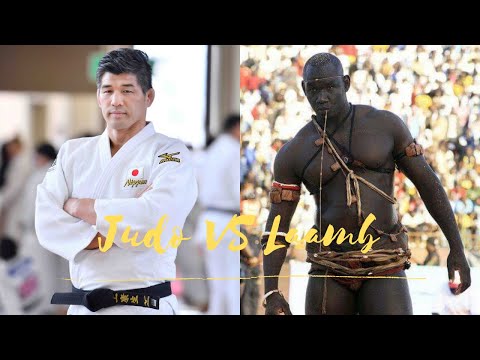
Judo vs. Laamb Wrestling: A Sensei's Analysis of Throws, Tactics, and True Combat Efficacy

Greetings, warriors and scholars of the Way. Today, we delve into a fascinating intersection of combat: the venerable art of Judo and the powerful tradition of Senegalese wrestling, known as Laamb. Many have seen brief clips, others have heard whispers, but few truly grasp the profound similarities and stark differences that define these disciplines. This is not merely an academic exercise; it is a critical examination of techniques that have echoed across dojos and dusty arenas for generations, each vying for supremacy in the crucible of combat. Are the sweeping throws of Judo merely elegant dance, or do they possess the raw power to subdue a Laamb wrestler? Conversely, can the brute strength and unique techniques of Laamb stand against the structured efficiency of Judo? Let us uncover the truth, not with speculation, but with the rigorous lens of martial understanding.

The Clash of Titans: Judo Meets Laamb

The discussion around Senegalese wrestling, or Laamb, often sparks debate, especially when juxtaposed with established martial arts like Judo. The raw power and explosive nature of Laamb are undeniable, yet the question persists: how does it fare against the codified techniques and principles of Jigoro Kano's creation? This analysis goes beyond superficial comparisons. We will dissect the core philosophies, the fundamental techniques, and the practical applications of both disciplines. Prepare for a journey that challenges assumptions and illuminates the true nature of combat prowess. Are you ready to understand the nuances that separate a mere throw from a decisive victory?

The Essence of Kodokan Judo: Precision and Control

Founded by Professor Jigoro Kano, Judo, meaning "gentle way," is far more than just a sport. It is a system of physical, intellectual, and moral education. At its heart lies the principle of Seiryoku Zenyo – maximum efficiency with minimum effort. Judo emphasizes Jita Kyoei – mutual welfare and benefit. Technically, Judo is characterized by its dynamic nage-waza (throwing techniques) and its crucial katame-waza (grappling techniques), which include pins, chokes, and armlocks. Unlike many striking arts, Judo focuses on using an opponent's weight and momentum against them, turning aggression into a vector for control.

A typical Judo curriculum progresses from basic falls (ukemi) to fundamental grips (kumi-kata), then to a vast array of throws. Iconic techniques like O-soto-gari (major outer reaping), Ippon Seoi Nage (one-arm shoulder throw), and the devastating Osoto-gari (major outer reaping) are built upon intricate footwork, hip movement, and the precise timing of Kuzushi (off-balancing). The goal is not just to throw the opponent, but to do so with such control that they cannot recover, often leading to a point (ippon) or a submission hold on the ground.

"Maximum efficiency, minimum effort." - Jigoro Kano

The emphasis on randori (free practice) in Judo is paramount. It's where the theoretical techniques are tested against resisting opponents, fostering adaptability and resilience. However, it's crucial to note that Judo, in its Olympic sporting context, has seen certain techniques restricted for safety reasons, particularly those involving direct leg grabs (ami-waza) and certain submissions on the legs. This evolution, while prioritizing safety, has led some critics to question its direct applicability in scenarios demanding less structured combat.

Laamb Wrestling: The Unyielding Spirit of Senegal

Laamb, the traditional wrestling of Senegal, is an ancient sport deeply ingrained in the nation's culture and identity. It is a spectacle of raw power, vibrant tradition, and often, fierce competition. Unlike Judo's emphasis on technical sequences and controlled submissions, Laamb is fundamentally about overpowering the opponent through strength, leverage, and a direct, forceful approach. Wrestlers, known as lutteurs, train rigorously to develop immense physical conditioning, focusing on explosive power, grip strength, and resilience.

The objective in Laamb is typically to throw an opponent to the ground or to get them into a position where their back, shoulders, or chest touches the sand. Techniques often involve powerful lifts, body locks, and wrestling for dominance on the feet. The most visually striking aspect of Laamb, and where comparisons to Judo naturally arise, is the presence of throws and takedowns. However, the execution is often more direct and driven by brute force rather than the nuanced off-balancing seen in Judo.

Laamb is also steeped in ritual and superstition. Wrestlers often perform dances, wear talismans (gris-gris), and engage in pre-fight rituals meant to imbue them with spiritual strength and luck. This spiritual dimension, while not directly part of Judo's codified philosophy, speaks to the profound psychological aspect of combat, a critical element often overlooked in purely technical analyses.

"The wrestler who is proficient in the art of wrestling, and in the use of his own strength, is capable of conquering the world." - A traditional saying often associated with Laamb.

Furthermore, Laamb has evolved to incorporate elements that blur lines with mixed martial arts. Some lutteurs are now training in striking arts and grappling, aiming to be more well-rounded competitors, a testament to the sport's adaptation in the modern combat landscape.

Judo vs. Laamb: A Comparative Takedown

Now, let us engage in the critical analysis, the sensei's dissection of these two formidable combat systems. The intention of search here is clear: understand how these arts compare in a combative scenario. We must look beyond the superficial "throw for throw" comparison.

1. Philosophy and Principles:

  • Judo: Seiryoku Zenyo (Maximum Efficiency) and Jita Kyoei (Mutual Welfare). Focus on leverage, timing, and technique over brute force. Structured curriculum.
  • Laamb: Emphasis on raw power, physical conditioning, and spiritual/ritualistic preparation. Primarily focused on overpowering the opponent for a decisive takedown.

2. Technical Execution:

  • Judo: Highly codified throws (nage-waza) relying on Kuzushi (off-balancing), Tsukuri (entry), and Kake (completion). Extensive ground grappling (katame-waza) including pins, chokes, and armlocks. Strict rules limit leg grabs in sport Judo.
  • Laamb: Direct, powerful throws and takedowns, often utilizing immense strength and body control. Grip fighting is crucial, but the emphasis is on driving through the opponent. Ground grappling is less formalized than Judo, focusing more on pinning or maintaining positional dominance.

3. Grip Fighting:

  • Judo: The grip (kumi-kata) is fundamental. Mastering grips is essential for initiating throws and controlling the opponent.
  • Laamb: Grips are vital for leverage and control, but often more about a secure hold to enable a powerful lift or drive. Less emphasis on the intricate setup of grips seen in Judo.

4. Groundwork:

  • Judo: A complete ground fighting system (Ne-waza) with submissions and pins that can end a match.
  • Laamb: Ground work focuses on pinning or maintaining a dominant position to achieve victory, with less emphasis on the submission aspect found in Judo or BJJ.

5. Physical Attributes:

  • Judo: Requires flexibility, balance, coordination, and explosive power, but technique can often compensate for a deficit in raw strength.
  • Laamb: Heavily reliant on exceptional strength, power, stamina, and a high pain threshold.

Consider this: a Judo throw is a finely tuned mechanism. A Laamb takedown is often a battering ram. Both can achieve the objective, but the pathway and the principles behind them differ significantly.

Beyond the Arena: Efficacy in MMA and Self-Defense

The ultimate test for any martial art is its efficacy when the rules are removed. How do Judo and Laamb translate into Mixed Martial Arts (MMA) or real-world self-defense scenarios?

Judo's Contribution to MMA: Judo practitioners have consistently proven their mettle in MMA. Fighters like Ronda Rousey, Kayla Harrison, and Teddy Riner (though not primarily an MMA fighter) have showcased the devastating power of Judo throws and groundwork. Judo's emphasis on ne-waza provides an immediate advantage in controlling opponents on the ground, setting up submissions, and preventing opponents from establishing dominant positions. The restriction on leg grabs in sport Judo has, in fact, led many Judo-based MMA fighters to supplement their training with techniques that target the legs.

Laamb's Potential in MMA: Laamb's raw power and explosive takedowns offer a unique threat. A skilled lutteur with the conditioning and adaptability could be a formidable opponent. Their ability to absorb punishment and drive through opponents with sheer force is a valuable asset. However, the lack of a structured grappling submission system and the potentially less refined defensive skills against strikes might present challenges that modern MMA training would need to address.

Self-Defense Considerations: For self-defense, Judo's principles are highly valuable. The ability to off-balance and control an attacker, use their momentum, and, if necessary, subdue them with a pin or choke, are critical skills. The emphasis on situational awareness and controlling distance is also paramount. Laamb's strength-based approach can be effective for disabling a single aggressor, but its reliance on close-range power might be less advantageous against multiple attackers or in confined spaces where Judo's control-based techniques might offer more tactical options.

The question isn't which is "better" in a vacuum, but rather, which set of skills complements the demands of the situation. A fighter who can blend Judo's technical precision with Laamb's explosive power and conditioning would be a truly terrifying force.

Essential Gear for Your Training Journey

To truly appreciate the nuances of Judo and wrestling, proper training is essential. While Laamb is traditionally practiced on sand, and Judo on mats, the underlying principles of conditioning and technique require specific equipment:

  • For Judo Training:
    • High-Quality Judo Gi: Look for a double-weave or heavyweight gi for durability, especially for randori. Brands like Adidas, Mizuno, or Fuji offer excellent options. Consider a specialized Judogi that meets IJF standards if you plan to compete.
    • Mat Shoes (Optional): For hygiene and grip on training mats, though many practice barefoot.
    • Mouthguard: Recommended for all sparring to protect your teeth.
  • For Wrestling/Conditioning (General):
    • Durable Training Shorts: Comfortable and allow for a wide range of motion.
    • Performance T-shirts: Moisture-wicking fabrics are essential for intense conditioning.
    • Wrestling Shoes (Optional): Provide ankle support and superior grip on various surfaces.
    • Resistance Bands: Excellent for building explosive power and grip strength, mimicking some aspects of grappling resistance.
    • A Sand Pit (if feasible): For an authentic Laamb training experience!
  • For Strength and Conditioning:
    • Weightlifting Gloves: If your grip strength is a limiting factor, these can help.
    • Jump Rope: A fundamental tool for cardiovascular conditioning and agility.
    • Kettlebells: Versatile for power, strength, and conditioning exercises relevant to wrestling and Judo.

Investing in the right [best Judo gis for randori] or [quality wrestling shoes] can significantly enhance your training experience and safety. Explore options for durable, comfortable gear that supports rigorous practice.

Sensei's Verdict: Which Style Reigns Supreme?

The question of supremacy is often a fallacy created by those who fail to see the interconnectedness of all martial paths. Judo and Laamb are not rivals in a death match; they are distinct expressions of the human desire to overcome through physical prowess and tactical acumen.

Judo offers a highly refined system of control, leverage, and submission. Its structured approach makes it accessible for learning and progression, and its principles of efficiency are timeless. Its sport evolution, while debated, has undeniably contributed immensely to the landscape of combat sports like MMA.

Laamb, on the other hand, embodies raw, unadulterated power and an indomitable spirit. It demands immense physical conditioning and resilience. Its cultural significance is profound, representing more than just a fight – it's a celebration of strength and heritage.

Cinturón Negro en Tradición y Poder

If forced to choose for a multifaceted combat scenario (like MMA), a fighter who possesses the technical depth and submission arsenal of Judo, combined with the explosive power, conditioning, and sheer will of a Laamb wrestler, would be virtually unstoppable. Neither art, in its purest sporting form, is inherently "better." They simply excel in different aspects of combat. Judo teaches you to redirect force; Laamb teaches you to embody it. Both are invaluable.

Frequently Asked Questions

Is Laamb wrestling a form of grappling like Judo?
Yes, Laamb is a form of wrestling, which falls under the broad category of grappling arts. Both Laamb and Judo focus on controlling and taking down an opponent, but their methodologies, principles, and specific techniques differ significantly.
Can Judo techniques be used against a Laamb wrestler?
Absolutely. Many Judo throws and control techniques can be effective. However, a Laamb wrestler's strength and directness may require Judo practitioners to adapt, perhaps relying more on powerful entries or focusing on ground control once a throw is initiated.
What are the main differences in training between Judo and Laamb?
Judo training emphasizes technique, timing, and efficiency (Seiryoku Zenyo), often practiced on mats. Laamb training heavily focuses on building immense physical strength, power, and conditioning, traditionally practiced on sand, and often includes unique rituals.
Is Laamb wrestling dangerous?
Like any full-contact combat sport, Laamb carries risks of injury due to the intensity of the physical exertion and the nature of the throws and holds. However, it is a traditional sport with deep cultural roots, practiced for generations.

Deepen Your Understanding

The journey through martial arts is one of continuous learning and adaptation. Whether you are drawn to the precision of Judo or the raw power of Laamb, the pursuit of mastery is a path that refines the body, sharpens the mind, and strengthens the spirit.

Reflection of the Sensei: Your Next Step

We have dissected Judo and Laamb, exploring their philosophies, techniques, and applications. Now, the true test is not in the reading, but in the doing. Consider this:

If you were to train in both Judo and Laamb for one year each, how would the integration of Judo's leverage and Laamb's power fundamentally change your approach to a physical confrontation? Would one art's principles bleed into the other, creating a hybrid strategy, or would they remain distinct tools in your arsenal? Ponder this, and prepare to demonstrate your insights.

``` GEMINI_METADESC: Compare Judo and Senegalese Laamb wrestling: analyze throws, tactics, training, and real-world combat efficacy with a Sensei's expert insights.

The Art of the Underdog: Dominating Size Disadvantages in Combat

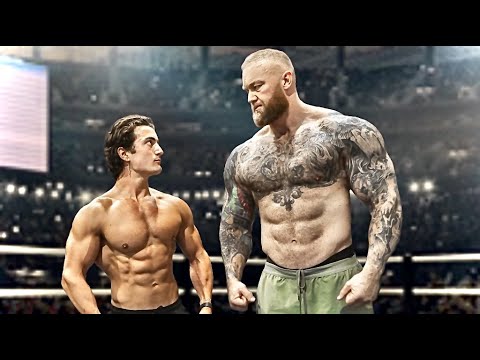
The roar of the crowd, the tension thick enough to cut with a blade, the sheer spectacle of skill versus raw power. We've all seen it: the hulking behemoth facing off against a fighter who appears to be a mere shadow in comparison. It’s the eternal narrative of the underdog, the David against Goliath. But is this merely a cinematic trope, or is there a deep, strategic, and philosophical undercurrent to how smaller martial artists not only survive but *thrive* against larger, stronger opponents? This isn't just about a lucky punch; it's about applied strategy, psychological warfare, and a profound understanding of the martial principles that transcend mere physical attributes. When we speak of "mismatches" in fighting, we often immediately envision the size difference as the insurmountable obstacle. A 200-pound fighter versus a 150-pounder. A sprinter's speed versus a weightlifter's brute force. It seems a foregone conclusion. Yet, history and modern combat sports are replete with examples where the smaller, seemingly weaker individual not only triumphs but does so with a skill and precision that leaves the larger opponent bewildered. This is not a testament to luck, but to the mastery of specific techniques, the exploitation of physical limitations, and a mental fortitude forged in the crucible of dedicated training.

Table of Contents

The Illusion of Size: Physics vs. Technique

Let's dissect the apparent advantage of size. Larger individuals often possess greater reach, more inherent strength, and a higher center of gravity. These are undeniable physical facts. However, the martial world is not solely dictated by brute force. It is a complex interplay of leverage, momentum, timing, and strategic application of force. A smaller fighter, armed with the right knowledge, can negate these advantages. Consider the principle of leverage. A smaller lever, used correctly, can move a larger object. In martial arts, this translates to using an opponent's own weight and momentum against them. Techniques like joint locks (Kansetsu-waza in Judo and Jujutsu) or throws that unbalance (Kuzushi in Judo) rely on precise angles and timing, not on overpowering strength. A well-executed Osoto Gari (major outer reaping) or Uchi Mata (inner thigh throw) can send a much larger opponent to the mat by disrupting their balance and using their own forward momentum. The *force* applied by the smaller fighter is often far less than the *force* they redirect from their opponent. This is where the illusion of size begins to crumble. Furthermore, a smaller fighter often possesses greater agility and speed. This allows them to evade attacks, reposition themselves, and find openings that a slower, larger opponent might not even perceive. Think of the elusive footwork of a boxer like Manny Pacquiao, who, despite significant size differences against many opponents, used his speed and angles to control the fight. This agility is not just physical; it's a product of training that emphasizes quick reflexes and dynamic movement.

Exploiting Weaknesses: The Smaller Fighter's Toolkit

A significant size advantage often comes with inherent weaknesses. Larger individuals tend to have a higher center of gravity, making them more susceptible to sweeps and throws. Their mass can also make them slower to react and recover from evasive maneuvers. A smaller fighter's strategy must be built around identifying and exploiting these vulnerabilities. One of the most potent tools in the arsenal of a smaller martial artist is the **low line attack**. Techniques targeting the legs, such as leg kicks in Muay Thai or Taekwondo, or leg sweeps in Judo and wrestling, can severely hamper an opponent's mobility and stability. By compromising their base, the larger fighter's strength becomes a liability, as they struggle to maintain balance. Precision strikes to vulnerable points are also crucial. While a larger opponent can absorb more general punishment, strikes to sensitive areas like the eyes, throat, or groin (though illegal in many sanctioned sports, they remain a consideration in self-defense scenarios) can incapacitate quickly. More commonly in sport, strikes to the chin or liver can cause significant damage regardless of body mass. The key is accuracy and timing. A well-placed jab can stun a larger opponent, creating the opening for a more decisive attack.
"The wise warrior avoids the fight, but when the fight is unavoidable, he knows how to win." – Attributed to Sun Tzu
This principle applies directly to the smaller fighter. Victory often comes not from meeting force with equal force, but from redirecting it and striking at precisely the moment of vulnerability.

The Psychological Edge: Mind Games in the Ring

The physical contest is only half the battle. The psychological aspect is often where the most significant mismatches are truly overcome. A larger, stronger fighter may enter the bout with an expectation of victory based purely on their physical attributes. This overconfidence can be a profound weakness. The smaller fighter who exhibits calm confidence, exceptional skill, and unwavering determination can sow seeds of doubt in their opponent's mind. When the hulking adversary finds their powerful strikes easily evaded, their attempts to overpower negated, or their balance constantly threatened, their mental fortitude can begin to erode. Frustration can lead to desperation, which often results in sloppy technique and predictable attacks, making them easier targets.
"Know your enemy and know yourself, and you need not fear the result of a hundred battles." – Miyamoto Musashi, The Book of Five Rings
Understanding your opponent's mindset is paramount. If they rely solely on their size, they are predictable. If they become frustrated, they become reckless. A smaller fighter can use this awareness to dictate the pace and flow of the engagement. The true 'Ki' or internal energy isn't just about emanating power, but about projecting an unshakeable resolve that can psychologically break down an opponent. This concept is deeply embedded in many Eastern martial philosophies, particularly those that emphasize internal cultivation over external display.

Historical Precedents: Tales of the Undersized Conqueror

The annals of martial history are rich with stories of smaller warriors overcoming formidable opponents. In Japanese Sumo, while weight classes are not officially defined, historical yokozuna (grand champions) have often overcome larger rivals through superior technique and spirit. Takanoyama Shuntaro, for instance, a Bulgarian sumo wrestler, achieved considerable success in the top division despite being significantly smaller than many of his Japanese counterparts. His agility and fierce determination were his trademarks. In the realm of Karate, legendary figures like Mas Oyama, founder of Kyokushin Karate, though a powerful man, often faced challenges that demanded more than just brute strength. His philosophy emphasized developing the mind and spirit alongside the body, fostering a resilience that could overcome physical disparities. Even in the modern era of Mixed Martial Arts (MMA), where weight classes are strictly enforced, we see fighters who consistently perform at a high level despite being on the smaller end of their divisions. Think of fighters like Dominick Cruz, whose elusiveness and tactical brilliance allowed him to overcome physically larger and stronger opponents in the bantamweight division. His ability to control distance and anticipate his opponent's movements is a masterclass in negating size advantages.

Training for the Mismatch: Developing the Underdog's Arsenal

If you are a smaller individual aspiring to master combat sports or self-defense, your training regimen must be tailored to emphasize specific attributes. Firstly, **agility and speed drills** are paramount. This includes plyometrics, sprint training, and reaction drills. The goal is to be able to move faster, change direction more effectively, and strike before your opponent can react. This is where the idea of "lightning speed" comes into play, a common trope in martial arts cinema but grounded in real training principles. Secondly, **technical proficiency** must be exceptional. Focus on techniques that leverage an opponent's weight and momentum. This means dedicating significant time to grappling arts like Judo, Brazilian Jiu-Jitsu (BJJ), or wrestling, where control and submission are prioritized over raw strength. Learning how to execute sweeps, throws, takedowns, and joint locks with precision is non-negotiable. Even in striking arts, developing sharp, accurate counters and precise footwork is key. Thirdly, **conditioning for endurance and recovery** is vital. Larger opponents may tire themselves out swinging wildly. A smaller fighter needs the stamina to maintain their speed and technical execution throughout the entire duration of a match or confrontation. This means rigorous cardiovascular training and strength conditioning that focuses on functional movements. Finally, **mental toughness** must be cultivated. This involves practicing under pressure, visualizing success, and developing a deep well of resilience. This is where the concept of 'Mushin' (no-mind) can be beneficial – a state of mental clarity and spontaneity that allows for optimal performance under duress.

Veredicto del Sensei: ¿Merece la pena?

This entire discourse is not just theoretical musing; it's a practical guide for anyone who has ever felt physically outmatched. The narrative of the "biggest mismatches" in fighting is compelling precisely because it highlights the triumph of skill, strategy, and spirit over sheer physical dominance. While size can offer advantages, it is far from the sole determinant of victory. The principles of leverage, timing, speed, psychological warfare, and relentless training can indeed allow the smaller fighter to not only compete but to dominate. **Cinturón Negro en Estrategia Marcial.**

Equipo Esencial para tu Entrenamiento

To effectively train for negating size advantages, the right equipment can make a difference. While many techniques rely on body mechanics alone, some tools enhance the learning process:
  • Guantes de entrenamiento (14-16oz): Crucial for sparring to protect your hands and your partner, especially when practicing striking against larger individuals.
  • Kimono de Judo o BJJ: Essential for grappling arts. A durable, well-fitting gi allows for proper grip fighting and execution of throws and submissions. Look for double-weave or heavyweight options for increased durability.
  • Espinilleras y protectores bucales: For striking drills and sparring, ensuring safety is paramount.
  • Esterilla de entrenamiento o tatami: If training at home, a good mat is vital for safely practicing throws, groundwork, and falls.
  • Cuerda de saltar: An indispensable tool for developing explosive footwork, agility, and cardiovascular endurance.

Preguntas Frecuentes

¿Es posible que un luchador mucho más pequeño gane a uno mucho más grande?

Sí, absolutamente. Si bien la fuerza y el tamaño ofrecen ventajas físicas, un luchador más pequeño puede superar estas diferencias a través de una técnica superior, velocidad, agilidad, estrategia y fortaleza mental. Las artes marciales enseñan a neutralizar estas disparidades.

¿Qué artes marciales son mejores para luchadores más pequeños?

Las artes marciales que enfatizan la técnica, el apalancamiento y las sumisiones son ideales, como el Judo, el Jiu-Jitsu Brasileño (BJJ), y el Wrestling. Artes de golpeo con énfasis en la velocidad y la precisión, como el Boxeo, Muay Thai y Taekwondo, también son muy efectivas cuando se combinan con técnicas de evasión y contraataque.

¿Cómo afecta la mentalidad a las peleas de tamaño desigual?

La mentalidad es crucial. La confianza y la calma de un luchador más pequeño pueden desestabilizar a un oponente más grande y confiado en exceso. La frustración del oponente más grande, al ver sus ventajas físicas neutralizadas, puede llevarlo a cometer errores.

¿Qué debo hacer si me enfrento a alguien más grande en una situación de defensa personal?

En defensa personal, el objetivo es escapar de forma segura. Utiliza tu agilidad para evadir, ataca puntos débiles de forma rápida y decisiva, y busca oportunidades para escapar. No intentes igualar la fuerza bruta; busca neutralizarla y crear una ventana de oportunidad para huir.

Para Profundizar en tu Camino

Reflexión del Sensei: Tu Próximo Paso

Hemos explorado cómo la aparente "desigualdad" en un combate puede ser, de hecho, un campo de batalla donde la inteligencia marcial, la técnica depurada y la voluntad indomable pueden prevalecer sobre la mera masa muscular. Las lecciones aquí no son solo para aquellos que se encuentran en el lado más pequeño del espectador, sino para todos los practicantes de artes marciales. La verdadera maestría reside en la adaptabilidad, en comprender los principios universales que rigen el movimiento y el combate, y en aplicar ese conocimiento de manera efectiva, independientemente de las circunstancias físicas. Ahora, te lanzo este desafío: ¿Te has encontrado alguna vez en una situación donde el tamaño parecía ser un obstáculo insuperable? ¿Cómo lo abordaste? ¿Qué principios marciales aplicaste, consciente o inconscientemente? Comparte tu experiencia, tus triunfos y tus lecciones aprendidas en los comentarios de abajo. No te limites a leer; comparte tu conocimiento y enriquece la discusión. ¡La sabiduría del Budo se forja en el intercambio! ``` GEMINI_METADESC: Learn how smaller martial artists can dominate larger opponents with superior technique, speed, strategy, and mental toughness. Essential training tips and insights.

US Army Judo Training: A Pragmatic Approach to Close Combat

"The supreme art of war is to subdue the enemy without fighting." - Sun Tzu

The shadow of global conflict loomed large in the early 1940s. As nations mobilized, a critical question arose for the US Army: how could soldiers effectively neutralize threats in the brutal reality of close-quarters combat? While firearms were paramount, hand-to-hand combat skills were a vital, often overlooked, component of a soldier's arsenal. This led to a pragmatic, no-nonsense integration of Judo into military training, not as a sport, but as a survival tool. This isn't about the grace of Olympic Judo; it's about the raw effectiveness that secured victory on the battlefield.

The Imperative of Close Combat

In the crucible of war, situations arise where firearms are impractical, jammed, or simply out of reach. Imagine being pinned down, separated from your unit, or needing to subdue an enemy silently. These scenarios demanded a skill set beyond marksmanship. The US Army, ever the pragmatist, looked towards established disciplines that emphasized leverage, throws, and control. The objective was clear: incapacitate the enemy rapidly and efficiently, minimizing risk to the soldier.

The period saw a global surge in the study of martial arts for military applications. From the grappling arts of Europe to the striking and throwing systems of Asia, military strategists sought the most effective techniques. Judo, with its emphasis on throws and pins, presented a compelling proposition.

Why Judo? The Soldier's Edge

While many martial arts could be adapted, Judo offered distinct advantages for the soldier:

  • Leverage Over Strength: Judo teaches practitioners to use an opponent's weight and momentum against them. This is crucial for a soldier who may be facing a larger, stronger adversary.
  • Takedown Power: Techniques like the O-goshi (Major Hip Throw) or Seoi-nage (Shoulder Throw) could decisively end a confrontation by slamming an opponent to the ground, disorienting or injuring them.
  • Control and Immobilization: Once an opponent was on the ground, Judo provided effective pins (Osaekomi-waza) to maintain control and subdue them, allowing for their capture or elimination.
  • Simplicity and Adaptability: The core principles of Judo are relatively straightforward to teach and learn, making it suitable for mass military training where individuals have limited time to master complex skills.

It's important to distinguish this military application from the sport Judo we see today. The focus was on effectiveness, not on points or adherence to strict contest rules. Techniques that might be restricted in sport, such as certain joint locks or strikes (though strikes were less emphasized in this specific military context compared to other arts), might have been considered if they proved tactically advantageous, though the footage suggests a focus on throws and groundwork.

One might argue that other arts, like boxing or wrestling, also offered close-combat skills. However, Judo's unique emphasis on unbalancing and throwing provided a distinct advantage in transitioning from a standing fight to a ground engagement, a critical phase in many close-combat encounters.

Methodology: Stripped-Down Effectiveness

The training footage from the 1940s reveals a stark, functional approach. Forget the pristine white gi and elaborate ceremonies of modern dojos. These soldiers were being trained for survival.

Key elements likely included:

  • Basic Throws: Focus on powerful, fundamental throws like Osoto-gari (Major Outer Reaping) and Uchi-mata (Inner Thigh Throw) to quickly get the opponent to the ground.
  • Ground Control: Emphasis on controlling an opponent once they were down, utilizing dominant positions and pins to neutralize any immediate threat.
  • Movement and Balance Drills: Practicing movement patterns to maintain balance while attacking and defending, a crucial skill when fighting in varied terrain or under duress.
  • Partner Drills: Repetitive practice with partners to build muscle memory and reaction time. The intensity of the training was likely high, simulating the physical demands of combat.

The uniforms themselves were often simpler, perhaps adapted military fatigues, emphasizing practicality over tradition. The environment was utilitarian – parade grounds, barracks, or any open space available. This was training born out of necessity, stripped of all non-essentials.

"The spirit of the warrior is not to be found in the way he fights, but in the way he lives." - Unknown Military Instructor

This philosophy permeated the training. Soldiers weren't just learning techniques; they were developing a combative mindset. They learned to push their limits, to overcome fear, and to act decisively under pressure.

Visual Evidence: The 1940s Training Footage

The vintage footage provides a tangible link to this era of military martial arts. Observing these soldiers, one can clearly see:

  • Raw Power: The throws are executed with considerable force, aiming for immediate incapacitation rather than a clean, controlled landing.
  • Simplicity of Technique: Complex variations are absent. The focus is on mastering a core set of highly effective techniques.
  • Application Context: While not explicit, the manner of execution suggests an awareness of battlefield conditions – uneven ground, encumbrance, and the need for speed.

It's a glimpse into a functional martial art designed for a specific, brutal purpose. This wasn't about artistic expression; it was about survivability. The authenticity of the footage lies in its unvarnished portrayal of soldiers learning to fight for their lives.

Legacy and Modern Relevance

The integration of Judo and other martial arts into military training has a long and evolving history. While the specific techniques and emphasis may shift with changing warfare doctrines, the core principle remains: close-combat proficiency is indispensable. Modern military combatives programs, such as the US Army's own Modern Army Combatives Program (MACP), often draw heavily from grappling disciplines like Brazilian Jiu-Jitsu, wrestling, and yes, Judo.

The lessons learned on those 1940s training grounds are not obsolete. The emphasis on leverage, balance, throws, and ground control continues to be a cornerstone of effective close-quarters combat. The pragmatic, results-oriented approach to martial arts training pioneered during that era is a testament to the enduring power of these skills.

For practitioners today, understanding this history offers valuable perspective. It highlights that the ultimate goal of many martial arts, when stripped of sport and tradition, is effectiveness in critical situations. It underscores the importance of training with intent and purpose.

Veredicto del Sensei: ¿Merece la pena?

The US Army Judo training of the 1940s was a masterclass in applied martial arts. It demonstrates a critical understanding of combat: that raw power, while important, is amplified by technique, leverage, and strategic application. The soldiers in this footage weren't training for competition; they were training for survival. Their focus on powerful throws and ground control was a direct, effective response to the brutal realities of close-quarters combat. It's a testament to the pragmatic evolution of martial arts for warfare.

Cinturón Negro en Eficacia Militar.

Equipo Esencial para tu Entrenamiento (Optional)

While the soldiers of the 1940s made do with what they had, modern practitioners benefit from specialized equipment. Investing in the right gear can enhance safety and effectiveness.

  • Kimono de Judo (Judogi): Look for a durable, double-weave judogi designed for grappling. Brands like Adidas, Mizuno, and Fuji offer high-quality options suitable for intense training.
  • Protective Mats (Tatami): Essential for safe practice of throws and groundwork. Ensure they are thick enough to cushion falls.
  • Sparring Gear: Mouthguards and groin protectors are standard safety equipment for any sparring, especially when simulating realistic combat scenarios.
  • Optional: Training Dummy: For practicing throws and holds without a partner.

Preguntas Frecuentes

Was Judo the only martial art taught to US soldiers during WWII?
No, while Judo was significant, other disciplines and boxing were also incorporated depending on the unit and specific needs. The approach was often eclectic and pragmatic.
Did this training prepare soldiers for all types of close combat?
It provided a strong foundation in grappling and takedowns, crucial for certain scenarios. However, close combat can also involve striking and weapon use, which were addressed by other training programs.
Is this type of Judo still taught in the military today?
While not always under the 'Judo' banner, the principles of grappling, throws, and control are integral to modern military combatives programs worldwide, often incorporating techniques from Judo, BJJ, and wrestling.
What is the main difference between sport Judo and military Judo training?
The primary difference is objective. Sport Judo focuses on scoring points and winning matches under specific rules, while military Judo prioritizes incapacitating an opponent rapidly and effectively, often with less regard for rule sets.

Para Profundizar en tu Camino

The pragmatic integration of Judo into the US Army's training regimen during WWII serves as a powerful case study in the evolution of martial arts for practical application. It underscores the timeless principle that understanding how to control an opponent, both standing and on the ground, is a fundamental aspect of conflict.

Reflexión del Sensei: Tu Próximo Paso

If a soldier in the 1940s could master these essential grappling skills under duress for survival, what does that say about your own training? Are you pursuing effectiveness, or merely going through the motions? Consider the core principles of Judo – balance, leverage, timing. How can you apply these not just on the mat, but in overcoming the challenges of your daily life? Is your 'training' truly preparing you for the throws life is about to send your way?

``` GEMINI_METADESC: Explore the pragmatic US Army Judo training from the 1940s, its effectiveness in close combat, and its enduring legacy in modern combatives. Learn about techniques and historical context.