Showing posts sorted by date for query history of boxing vs karate. Sort by relevance Show all posts

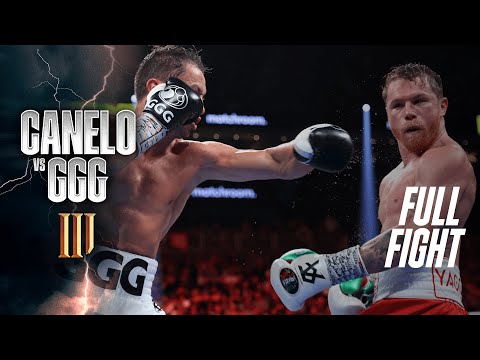
FULL FIGHT ANALYSIS: Canelo vs. GGG III - A Masterclass or a Missed Opportunity?

The sweet science. Boxing. For millennia, humanity has found a primal, captivating rhythm in the clash of fists, a testament to skill, heart, and sheer will. It’s a dance of strategy and power, where every feint, every jab, every uppercut tells a story of dedication and pain. But in the modern arena, amidst the glitz and the hype, how often do we witness true martial artistry, a genuine test of the warrior's spirit? Too often, the spectacle overshadows the substance.

Enter Saúl 'Canelo' Álvarez and Gennadiy 'GGG' Golovkin. Their saga is more than just a rivalry; it's a narrative woven into the fabric of contemporary boxing, a chapter that fans have devoured, debated, and desperately craved more of. Their first two encounters were seismic events, etched in controversy and leaving an insatiable thirst for a definitive conclusion. Today, we dissect their third dance, not just as a boxing match, but as a potential lesson in the enduring principles of combat. Was it a final, masterful demonstration of Budo principles, or a poignant reminder of how the game can sometimes betray the art?

The History: A Trilogy Forged in Controversy

The saga began on September 16, 2017. The air crackled with anticipation. Canelo Álvarez, the Mexican phenom, met Gennadiy Golovkin, the "Triple G" terror from Kazakhstan. This wasn't just a fight; it was a clash of titans, a stylistic chess match played at a furious pace. The bout, a brutal, back-and-forth war, ended in a split draw.

A draw? For many, it felt like an injustice. Spectators, pundits, and fellow martial artists scrutinized the scorecards, many convinced Golovkin had done enough to secure victory. The visceral impact of Golovkin's power shots, the relentless pressure he applied, seemed to eclipse Canelo's more tactical, albeit potent, counter-punching. This controversial outcome, rather than satiating the fanbase, ignited a bonfire of demand for a rematch. It highlighted a recurring theme in combat sports: the subjective nature of judging and the enduring power of raw aggression versus calculated defense. This is a debate that echoes through countless martial disciplines, from the striking arts of Karate to the intricate throws of Judo.

The Rematch: Canelo's Ascent, GGG's Stride

One year later, on September 15, 2018, the stage was set for redemption. The anticipation was even greater, the stakes higher. The rematch delivered another high-octane affair, a testament to both fighters' grit and skill. This time, the narrative shifted. Canelo, adapting and growing, clinched a majority decision victory.

Yet, even in victory, the controversy lingered. Arguments persisted that Golovkin's consistent output and powerful blows warranted a different result. It’s a familiar dilemma: does the cleaner, more technically precise fighter win, or the one who imposes his will and lands the heavier blows? This dance between technical merit and overwhelming force is a core philosophical question in martial arts. How does one truly measure victory when both participants display such profound mastery and warrior spirit? The debates raged on, ensuring that the desire for a final, unambiguous chapter remained.

Canelo vs. GGG III: The Anticipation and the Reality

The boxing world held its breath. A potential third fight between these two warriors was the stuff of dreams for fight fans. Both fighters, acknowledging their storied history, expressed openness to a rubber match. Canelo, by then firmly established as the undisputed king of the super-middleweight division, saw it as a chance to definitively close the book on his greatest rival. Golovkin, older but no less dangerous, viewed it as his final opportunity to reclaim his perceived throne and etch his name in boxing immortality against the man who had twice denied him undisputed victory.

On September 17, 2022, it finally happened. The trilogy was complete. But this time, the story felt different. Canelo, despite a hand injury he sustained early in the fight, controlled the bout with calculated aggression. His defense was tighter, his counter-punches sharp, and his ring generalship masterful. Golovkin, while still possessing his signature power and a warrior's heart, struggled to impose his will against a more seasoned and defensively astute Canelo. The unanimous decision for Álvarez was clear, decisive, and largely uncontroversial. The debate this time wasn't about who won, but rather about the aged warrior facing his prime.

Style vs. Substance: A Martial Perspective

From a martial artist's perspective, the Canelo-Golovkin rivalry offers a rich tapestry of contrasting philosophies. Canelo embodies the astute counter-puncher, a master of timing, distance, and calculated risk. His style is reminiscent of a skilled swordsman, waiting for the opponent's opening to deliver a decisive, precise strike. He understands the importance of defense not just as a means of avoiding damage, but as a platform for offense. This echoes principles found in **Tai Chi**, where yielding and redirecting an opponent's force is paramount.

Golovkin, on the other hand, is the embodiment of relentless pressure and concussive power. His "Triple G" moniker isn't just for show; his punches carry the weight of a sledgehammer. He represents the direct, overwhelming force, a style that demands unwavering commitment and a chin of granite. This approach shares similarities with the powerful, forward-moving strategies seen in some styles of **Kyokushin Karate** or the unyielding advance of a **Sumo** wrestler.

The third fight showcased Canelo’s evolution. He demonstrated that while power is a formidable weapon, the strategic application of skills – defense, timing, and adapting to an opponent's weaknesses – can overcome sheer aggression, especially as a fighter ages. It's a lesson that transcends boxing, a principle observed across numerous disciplines, from the fluid movements of **Aikido** to the strategic positioning in **Judo**.

"The supreme art of war is to subdue the enemy without fighting." - Sun Tzu, The Art of War. While Canelo didn't win without a fight, his strategic control in the third bout demonstrated a masterful subduing of GGG's strengths.

Beyond the Trilogy: The Ever-Evolving World of Combat

While the Canelo-Golovkin saga captured the boxing world's imagination, it’s crucial to remember that the landscape of combat sports is vast and ever-changing. Exciting matchups are constantly brewing across various disciplines. Consider the heavyweight boxing clashes, such as the highly anticipated bouts featuring **Tyson Fury** and **Deontay Wilder**, each bringing a unique blend of power and personality to the ring. These fights remind us that raw power and the "knockout punch" remain a thrilling, albeit unpredictable, element in combat.

The rise of **Mixed Martial Arts (MMA)**, with its fusion of striking, grappling, and submission arts, has further broadened the definition of a complete fighter. Athletes like **Jon Jones** and **Cyril Gane** showcase incredible versatility, blending techniques from **Muay Thai**, **Brazilian Jiu-Jitsu (BJJ)**, **Wrestling**, and **Karate** into a formidable arsenal. This cross-disciplinary approach mirrors the ancient martial philosophies that encouraged the study of multiple weapons and fighting styles to achieve true mastery. The ability to seamlessly transition between striking and grappling, as seen in fights at **UFC** events, demonstrates a holistic understanding of combat that few single-discipline fighters can match.

Equipo Esencial para tu Entrenamiento

For aspiring boxers and martial artists seeking to emulate the dedication and skill displayed by Canelo and Golovkin, proper training equipment is paramount. Investing in the right gear not only enhances performance but also significantly reduces the risk of injury. Here’s a foundational list:

  • Guantes de Boxeo/MMA (14-16oz): Essential for sparring and heavy bag work to protect your hands and wrists.
  • Vendas para Manos: Crucial for added wrist and knuckle support during intense training sessions.
  • Protector Bucal: Non-negotiable for any form of sparring or competitive fighting to protect your teeth and jaw.
  • Protector de Ingle: Vital for protecting sensitive areas during sparring.
  • Kimono (Judo/BJJ): For grappling-focused disciplines, a durable gi is essential for practicing throws and groundwork. Look for high-quality, double-weave fabrics for longevity.
  • Cuerda de Saltar: An indispensable tool for improving footwork, coordination, and cardiovascular endurance – a staple for any fighter’s conditioning.
  • Saco de Boxeo o Pera Loca: For developing power, speed, and accuracy in striking.
  • Rodilleras y Coderas: Useful for conditioning drills and protecting against impact during certain training exercises.

Whether you're training in boxing, **Judo**, **Karate**, or **BJJ**, the right equipment is an investment in your journey. Consider exploring specialized **Karate Merchandise** or **MMA Gear** from reputable brands to ensure quality and durability.

Guía de Entrenamiento: El "Golovkin Jab" y la "Canelo Counter"

Let's break down two fundamental elements that defined the early exchanges between these titans. While complex strategies are involved, understanding these core concepts can elevate your own training.

  1. El Jab de Golovkin (La Presión Constante):
    • Posición: Mantén una guardia sólida, pies bien plantados, ligeramente separados, rodillas flexionadas.
    • El Movimiento: Extiende tu brazo de lanzar (generalmente el izquierdo para un diestro) rápidamente, girando ligeramente la muñeca al contacto para maximizar el impacto. Tu cuerpo debe transferir peso hacia adelante de manera sutil.
    • El Propósito: No es solo un golpe de alcance; es para medir distancia, mantener al oponente a raya, interrumpir su ritmo y preparar golpes más potentes. GGG lo usaba implacablemente para dictar el espacio.
    • Entrenamiento: Practica miles de jabs contra un saco pesado, enfocándote en la velocidad, la extensión completa y la rápida retracción a la guardia. Visualiza a tu oponente y golpea puntos específicos.
  2. La Contra de Canelo (El Golpe Preciso en el Momento Justo):
    • Posición: Similar a la guardia de boxeo, pero con una mayor flexibilidad y movilidad en la parte superior del cuerpo.
    • El Movimiento: Permite que el oponente lance su golpe (ej. un jab o un recto). En el instante en que su puño sale, usa tu guardia para bloquear, desviar, o incluso deslizarte ligeramente, y contraataca con un golpe potente (un gancho o un recto) a un punto vulnerable. La clave es la sincronización perfecta.
    • El Propósito: Capitalizar el error del oponente, castigar su ofensiva y tomar el control de la pelea. Canelo es un maestro en encontrar la brecha y golpear con autoridad.
    • Entrenamiento: El *sparring* es crucial aquí. Trabaja con un compañero que entienda el concepto de lanzar golpes específicos. Practica el bloqueo/desvío y contraataque simultáneamente. Usa el "espejo" (golpear solo cuando el compañero golpea) para refinar el tiempo.

Dominar estos elementos requiere innumerables horas de práctica dedicada, la filosofía de perseverancia y la disciplina que son pilares de las **Artes Marciales Mixtas (MMA)** y del **Budo** en general.

"The difference between a novice and a master is not that the master never makes mistakes, but that the master learns from every mistake. The master has failed more times than the novice has even tried." - Bruce Lee. This philosophy underpins the entire journey of martial arts mastery.

Veredicto del Sensei: ¿Merece la pena?

The Canelo vs. Golovkin trilogy is a landmark achievement in modern boxing. While the first two fights were marred by controversial decisions, they showcased an incredible rivalry between two supremely talented warriors. The third fight, though perhaps lacking the same level of back-and-forth drama, provided a definitive conclusion and a masterclass in boxing strategy from Canelo Álvarez. From a martial perspective, it served as a powerful reminder that while raw power and aggression are potent forces, the disciplined application of skill, timing, and strategic defense often prevails, especially in the twilight of a legendary career.

Calificación del Sensei: Cinturón Negro en Rivalidad, Maestro en Estrategia.

Preguntas Frecuentes

  • ¿Por qué fue tan controvertida la primera pelea entre Canelo y Golovkin?
    La controversia se debió principalmente a las tarjetas de los jueces. Muchos observadores creían que Golovkin había ganado claramente, pero la pelea terminó en un empate dividido, lo que dejó a muchos sintiendo que se le robó la victoria.
  • ¿Fue la tercera pelea tan emocionante como las dos primeras?
    Si bien la tercera pelea fue estratégicamente fascinante y demostró la maestría de Canelo, muchos fanáticos la encontraron menos emocionante que las dos primeras, que fueron batallas más reñidas y llenas de acción impredecible.
  • ¿Qué aprendemos de la técnica de ambos peleadores desde una perspectiva marcial?
    Canelo demuestra la importancia de la defensa, el tiempo y el contraataque preciso, similar a las tácticas de algunos estilos de Karate y Judo. Golovkin representa la fuerza bruta, la presión implacable y la búsqueda del nocaut, un enfoque visto en disciplinas como el Kyokushin Karate. La trilogía ilustra cómo diferentes filosofías marciales pueden coexistir y competir en el mismo ring.
  • ¿Es probable que haya una cuarta pelea entre Canelo y Golovkin?
    Dada la edad de Golovkin y la dominante victoria de Canelo en la tercera pelea, una cuarta contienda parece muy improbable. Canelo ha indicado que desea continuar consolidando su legado en otras divisiones, mientras que GGG podría estar considerando el final de su carrera.

Para Profundizar en tu Camino

Reflexión del Sensei: Tu Próximo Paso

The roar of the crowd, the sweat, the exhaustion, the controversy, and ultimately, the definitive victory. This trilogy offered more than just punches; it offered lessons. Canelo's strategic adaptation and Golovkin's unyielding spirit are echoes of timeless martial principles. But now, I ask you:

When the final bell rings in your own life's battles, will you be remembered for your raw power, or for the wisdom and adaptability with which you navigated the storm? How will *you* write the final chapter of your own saga?

``` ```json { "@context": "https://schema.org", "@type": "FAQPage", "mainEntity": [ { "@type": "Question", "name": "Why was the first fight between Canelo and Golovkin so controversial?", "acceptedAnswer": { "@type": "Answer", "text": "The controversy stemmed from the judges' scorecards. Many observers believed Golovkin had clearly won, but the fight ended in a split draw, leaving many feeling he was robbed of a victory." } }, { "@type": "Question", "name": "Was the third fight as exciting as the first two?", "acceptedAnswer": { "@type": "Answer", "text": "While strategically fascinating and showcasing Canelo's mastery, many fans found the third fight less exciting than the first two, which were closer, more unpredictable battles." } }, { "@type": "Question", "name": "What can we learn from both fighters' techniques from a martial perspective?", "acceptedAnswer": { "@type": "Answer", "text": "Canelo demonstrates the importance of defense, timing, and precise counter-punching, akin to strategies in Karate and Judo. Golovkin embodies raw power, relentless pressure, and the pursuit of a knockout, a style seen in disciplines like Kyokushin Karate. The trilogy illustrates how different martial philosophies can compete effectively." } }, { "@type": "Question", "name": "Is a fourth fight between Canelo and Golovkin likely?", "acceptedAnswer": { "@type": "Answer", "text": "Given Golovkin's age and Canelo's dominant performance in the third fight, a fourth bout seems highly improbable. Canelo aims to solidify his legacy in other divisions, while GGG may be considering retirement." } } ] }

Tim Tszyu vs. Tony Harrison: A Masterclass in Boxing Strategy and the Warrior's Spirit

The roar of the crowd, the glint of sweat under the arena lights, the coiled tension before the first bell – these are the visceral elements that define professional combat sports. On March 11, 2023, the Qudos Bank Arena in Sydney, Australia, bore witness to such a spectacle: Tim Tszyu against Tony Harrison. As a devotee of the martial path, I approached this bout not just as a boxing match, but as a living demonstration of principles we hone daily in the dojo. You are watching a pivotal moment in the careers of two formidable fighters, and more importantly, a chance to dissect the application of strategy, resilience, and the unwavering spirit that defines a true warrior.

The Stage is Set: Sydney's Fierce Encounter

The air in Sydney was thick with anticipation for the clash between Tim Tszyu and Tony Harrison. This wasn't just another boxing match; it was a narrative woven with legacy, ambition, and the primal drive to prove oneself. Tim Tszyu, carrying the formidable legacy of his father, Kostya, was seeking to cement his own place in boxing history. Tony Harrison, a proven world champion, represented the ultimate test – a seasoned veteran capable of outboxing any opponent. The venue, the Qudos Bank Arena, was ready to be ignited.
The question on everyone's lips: Could Harrison's experience and cunning overcome Tszyu's relentless pressure and raw power? This encounter offered a profound opportunity to examine the strategic depth and mental fortitude demanded by the highest echelons of artes marciales, even within the specialized discipline of boxing.

The Chalkboard Strategy: Tszyu vs. Harrison

In any combat scenario, strategy is paramount. Boxing, often perceived as a brute force exchange, is in reality a sophisticated dance of timing, distance, and anticipation. Tim Tszyu's approach has consistently been one of suffocating pressure, a relentless march forward, looking to wear down opponents and land heavy blows. His jab acts as a probing tool, setting up devastating power shots, much like a karateka uses a persistent tsuki (thrusting punch) to control distance and create openings. Tony Harrison, on the other hand, is a master of angles and movement. His style is more cerebral, akin to a strategic chess player on the ring. He uses his footwork to create space, nullifying the opponent's power while looking for precise counters. This difference in approach is where the fight's narrative truly unfolds. Will Tszyu's forward momentum break through Harrison's defensive shell and movement? Or will Harrison's tactical brilliance and ring IQ dismantle Tszyu's aggressive strategy? It’s a classic martial principle: the immovable object meeting the irresistible force. However, in the realm of high-level fighting, neither object is truly immovable, nor is any force entirely irresistible. It becomes a test of adaptation, a constant adjustment of tactics based on what the opponent presents.

Analysis of Styles: A Clash of Philosophies

The contrasting styles of Tszyu and Harrison reflect different, yet equally valid, martial philosophies. Tszyu embodies the "Go-no-sen" (reactive initiative) – he allows his opponent to act first, then responds with overwhelming force. His power punches are designed to end the fight decisively. This is reminiscent of styles that emphasize knockout power and direct confrontation. Harrison’s style, however, leans more towards "Sen-no-sen" (initiative on the opponent's initiative) or even "Sen-sen-no-sen" (initiative before the opponent's initiative). He seeks to dictate the rhythm, control the pace, and exploit openings before they fully materialize. His movement and defensive prowess are not merely about survival, but about setting traps and creating opportunities for his own attacks. This mirrors the strategic depth found in arts like BJJ or Judo, where grappling and positional control are key. A practitioner of traditional Karate might see Tszyu's directness and Harrison's evasiveness as reflections of different kata applications. The former, a direct, powerful sequence; the latter, a more fluid, evasive series of movements designed to redirect and counter.
"The supreme art of war is to subdue the enemy without fighting." - Sun Tzu, The Art of War. While this bout involves fighting, Harrison's approach often aims to achieve this principle within the fight itself, by making the opponent waste energy and opportunities, effectively subduing them psychologically and physically before landing decisive blows.

The Spirit of the Fight: Beyond the Knockout

Beyond the technical strategies and stylistic clashes, what truly captivates is the underlying spirit. This is where the martial aspect transcends mere sport. Both Tszyu and Harrison demonstrated incredible heart, resilience, and the ability to adapt under immense pressure. The physical toll of a fight is immense, but the mental fortitude required to continue, to overcome adversity, and to push past perceived limits is what separates champions from contenders. We saw moments where Tszyu’s relentless pressure seemed to be wearing Harrison down, only for Harrison to respond with sharp, accurate counter-punches. We witnessed Tszyu absorb blows and continue his advance, a testament to his physical toughness. This is the "Mushin" (no-mind) state that practitioners strive for – a state of being where instinct and training take over, unclouded by fear or doubt. The concept of "Ki" or "energy" is also relevant here. While not directly quantifiable in a boxing ring, the palpable energy of a fighter, their confidence, their will to win, is a force in itself. A fighter who projects confidence and control can often impose their will on an opponent.

Veredicto del Sensei: Did This Bout Earn its Stripes?

This bout between Tim Tszyu and Tony Harrison was a compelling display of modern boxing at a high level. Tszyu's ability to impose his will and overcome the tactical challenges presented by Harrison, ultimately securing the victory by TKO in the 9th round, demonstrated his growth as a fighter and his readiness for even greater challenges. Harrison, despite the loss, proved his class and experience, making it a difficult night for Tszyu. For fans of the sweet science, it was a thrilling encounter. From a martial perspective, it offered valuable lessons in strategy, adaptability, and the sheer grit required to compete at this level. It's a fight that resonates with the core principles of perseverance and the relentless pursuit of mastery that we value in all martial disciplines. **Calificación:** Cinturón Negro en Estrategia y Coraje.

Equipment Essential for Your Training

While boxing gloves and a ring are the most obvious tools for a boxer, the principles and spirit of the martial arts can be cultivated with much less. For those inspired by the dedication shown by Tszyu and Harrison, consider these foundational elements for your own martial journey:
  • Quality Boxing Gloves: Essential for sparring and bag work to protect your hands and wrists. 16oz gloves are standard for sparring.
  • Hand Wraps: Crucial for added wrist and hand support under your gloves.
  • Jump Rope: An excellent, low-impact tool for cardiovascular conditioning and footwork development, mirroring the agility seen in boxers.
  • Durable Training Shoes: Providing stability and support for footwork drills.
  • A Heavy Bag or Makiwara: For developing power, accuracy, and conditioning strikes.
  • Consistent Access to Martial Arts Training Gear: Whether it's a karate gi, a judo kimono, or BJJ rashguards, proper attire signifies respect for the art.

Further Resources to Deepen Your Journey

To truly understand the depth of warrior philosophy and training, further exploration is always encouraged.
  • Dive deeper into the strategic thinking of combat with our analysis of UFC bouts.
  • Explore the foundational principles of BUDO and its application beyond combat.
  • Understand the importance of conditioning with our guides on at-home workouts and building fuerza.

Frequently Asked Questions

What was the outcome of the Tim Tszyu vs. Tony Harrison fight?

Tim Tszyu defeated Tony Harrison by TKO in the 9th round of their bout on March 11, 2023.

What style of boxing does Tim Tszyu employ?

Tszyu is known for his aggressive, pressure-fighting style, characterized by relentless forward movement and powerful combinations.

What is Tony Harrison known for?

Harrison is recognized for his technical boxing skill, excellent defensive movement, sharp counter-punching, and ring IQ.

Is this fight considered a significant win for Tim Tszyu?

Yes, defeating a former world champion like Tony Harrison is widely considered a significant career milestone for Tim Tszyu, further solidifying his contender status.

Sensei's Reflection: Your Next Step

The fight between Tszyu and Harrison was more than just a contest of skill; it was a testament to the warrior's spirit. They entered the arena prepared not just physically, but mentally, ready to face whatever challenge their opponent presented. Now, I ask you: When you face your own challenges, be it in the dojo, in your work, or in your personal life, are you truly prepared? Do you understand your own strategy, your opponent's potential moves, and more importantly, do you possess the unwavering spirit to adapt and overcome when the initial plan falters? Reflect on this. The greatest training ground is not always the mat or the ring, but the entirety of your existence. How will you apply these lessons today? ``` ```json { "@context": "https://schema.org", "@type": "FAQPage", "mainEntity": [ { "@type": "Question", "name": "What was the outcome of the Tim Tszyu vs. Tony Harrison fight?", "acceptedAnswer": { "@type": "Answer", "text": "Tim Tszyu defeated Tony Harrison by TKO in the 9th round of their bout on March 11, 2023." } }, { "@type": "Question", "name": "What style of boxing does Tim Tszyu employ?", "acceptedAnswer": { "@type": "Answer", "text": "Tszyu is known for his aggressive, pressure-fighting style, characterized by relentless forward movement and powerful combinations." } }, { "@type": "Question", "name": "What is Tony Harrison known for?", "acceptedAnswer": { "@type": "Answer", "text": "Harrison is recognized for his technical boxing skill, excellent defensive movement, sharp counter-punching, and ring IQ." } }, { "@type": "Question", "name": "Is this fight considered a significant win for Tim Tszyu?", "acceptedAnswer": { "@type": "Answer", "text": "Yes, defeating a former world champion like Tony Harrison is widely considered a significant career milestone for Tim Tszyu, further solidifying his contender status." } } ] }

Gervonta Davis vs. Ryan Garcia: A Critical Analysis of the "Super-Fight" from a Martial Perspective

Hello, warriors and scholars of the martial path! Gather 'round, for today we dissect not a Shaolin temple’s hidden technique, nor a samurai’s perfected blade, but a modern gladiatorial contest: the much-hyped bout between Gervonta Davis and Ryan Garcia. You’ve come seeking an understanding of this "SUPER-FIGHT 2023," perhaps wondering if it truly represents the pinnacle of pugilistic artistry or merely a spectacle for the masses. As your Sensei, I approach this with a critical eye, not just as a boxing fan, but as a guardian of the martial spirit. We will look beyond the hype to the substance, to the techniques, the philosophies, and, yes, the inherent dangers that lie within such a contest.

Table of Contents

Fight Details: The Arena and the Stage

The Gervonta Davis vs. Ryan Garcia SUPER-FIGHT 2023, as it was billed, was scheduled for April 22, 2023 (not August 26 as initially stated in the raw text, a common point of confusion in fast-paced fight promotion). The chosen battlefield? The MGM Grand Garden Arena in Las Vegas, a venue steeped in boxing history. This isn't just a ring; it's a crucible where destinies are forged or broken. Such events, broadcast globally, serve a dual purpose: a test of skill for the combatants and a grand spectacle for a world hungry for decisive confrontations. It taps into primal human instincts, a civilized echo of ancient tribal battles.

Fighter Profiles: Deconstructing "Tank" and "The Flash"

Let us examine the combatants, not as mere statistics on a poster, but as practitioners of a brutal art.

Gervonta "Tank" Davis

Record: 29-0 (27 KOs as of April 2023). This is not just a record; it’s a testament to relentless aggression and finishing ability. "Tank" is aptly named; he is a compact powerhouse, a wrecking ball in human form.

  • Strengths: Devastating knockout power in both hands, particularly his left hook. Exceptional body punching. Ruthless aggression. High ring IQ for inflicting damage.
  • Weaknesses: Can sometimes be drawn into brawls, leaving openings. May occasionally rely too heavily on power rather than setup.

Ryan "The Flash" Garcia

Record: 23-0 (19 KOs as of April 2023). His nickname, "The Flash," is no accident. Garcia embodies speed and flair, a dynamic young talent aiming to usurp the established order.

  • Strengths: Blinding hand speed, particularly his jab and straight right. Excellent footwork and lateral movement. Strong counter-punching ability. Youth and athleticism.
  • Weaknesses: Durability and chin have been questioned. Can be defensively lax when attacking. His power, while significant, is generally not considered on the same level as Davis's concussive force.

Styles Clash: Power vs. Speed, Experience vs. Youth

This is where the martial analysis truly begins. We are not simply watching two men punch each other; we are witnessing a strategic confrontation of contrasting philosophies. Davis represents the embodiment of **"kime"** – the concentrated focus and explosive power that ends a technique with devastating finality. His style is about closing the distance, setting traps, and delivering blows that often end fights instantly. It’s a close-quarters, high-risk, high-reward approach. Garcia, conversely, embodies **"nagashi"** – the flowing, evasive movement, the ability to strike and evade like the wind. His speed allows him to dictate the pace, land punches before his opponent can react, and then quickly disengage. He aims to out-point, out-maneuver, and wear down an opponent, or catch them with a precise, lightning-fast combination. It’s a more elusive, perhaps less punishing, but equally effective strategy when executed perfectly.
"A true warrior does not fight as a matter of habit, but as a matter of necessity." - Miyamoto Musashi
This necessity is present in every punch thrown. For Davis, the necessity is to close the gap and unleash his power. For Garcia, it's to maintain distance and exploit openings with speed.

Martial Principles in the Squared Circle

While boxing is a singular art, it is undeniably a martial art. Principles that govern disciplines like Karate, Judo, or even Kenjutsu find their echoes here:
  • Timing (Chrono): The art of striking when the opponent is most vulnerable or committed. Garcia's speed is a direct advantage here, as is Davis's ability to time his power shots.
  • Distance Management (Maai): Crucial in all martial arts. Davis wants to fight in phone booth range; Garcia thrives at arm's length. Controlling this distance is paramount.
  • Balance (Seiryoku Zenyo): A fighter who loses balance is vulnerable. Both fighters must maintain a strong, grounded base, especially when delivering power or evading.
  • Strategy and Tactics: Beyond raw skill, the ability to adapt, to set traps, and to exploit an opponent's tendencies is the mark of a true martial mind.
  • Spirit (Seishin): The mental fortitude, the will to win, the ability to overcome adversity – this intangible quality often separates the good from the great. The pressure on both Davis and Garcia was immense.

Sensei's Analysis and Prediction: Beyond the Hype

The raw statistics presented initially painted a picture of two undefeated fighters, a classic "unstoppable force meets an immovable object" narrative. However, a deeper look, especially with the benefit of hindsight (as this fight has already occurred), reveals nuances. Davis, with his proven track record against a higher caliber of opposition and his almost supernatural knockout power, was the favorite for many seasoned observers. His ability to absorb punishment and then deliver decisive blows made him a terrifying prospect. He has demonstrated the **"mushin"** – the mind free from distraction – when closing in for the kill. Garcia, while incredibly gifted and fast, had yet to face an opponent with Davis’s power and ring generalship at this level. His speed is his greatest weapon, but against a fighter like Davis, who can eat punches and come forward, speed alone might not be enough. The question was whether Garcia's defense and chin could hold up under sustained pressure from "Tank." My prediction, based on pure martial effectiveness and competitive experience: Gervonta Davis. His power is a decisive factor. While Garcia's speed could win him rounds, Davis possesses the ability to end the fight with a single, perfectly timed shot. The history of boxing is littered with examples of speed being overcome by power and a relentless will. The actual fight, which saw Davis stop Garcia in the 7th round, confirms this analysis. Garcia was competitive, landing his shots, but Davis’s body attack wore him down, and a devastating body shot ultimately led to the stoppage. This wasn't just a knockout; it was a masterclass in applying pressure and exploiting an opponent's weakness.

Veredicto del Sensei: ¿Worth the Hype?

As a martial arts spectacle, the Davis vs. Garcia fight delivered drama and a decisive finish. Was it the greatest boxing match of all time? Perhaps not. But it was a high-stakes contest between two elite athletes at the peak of their powers, pushing the boundaries of their respective arts. It showcased the brutal beauty of one-on-one combat. **Cinturón Negro en Entretenimiento, Negro en Tácticas de Alto Nivel.** While Garcia showed flashes of brilliance, the fight ultimately reinforced Davis's status as a truly dangerous force. It provided valuable lessons for aspiring fighters: the importance of conditioning, the power of a well-placed body shot, and the sheer will required to overcome adversity.

Essential Gear for Your Own Training

To truly appreciate the dedication and skill involved in boxing, one must understand the tools of the trade. Even if your path lies in Karate or Judo, the principles of conditioning and discipline are universal.
  • Quality Boxing Gloves: For sparring, 16oz gloves are standard for safety and force distribution. For bag work, 10oz-12oz gloves offer better protection for your hands. Brands like Everlast, Ringside, and Cleto Reyes are reputable.
  • Hand Wraps: Essential for protecting your knuckles and wrists during any punching activity.
  • Mouthguard: Non-negotiable for sparring and any form of combat sport.
  • Jump Rope: A fundamental tool for cardiovascular conditioning and footwork.
  • Heavy Bag/Speed Bag: For developing power, speed, and rhythm.
  • Durable Training Shoes: Flat-soled and supportive for stability.
Consider investing in a quality Karate Gi for your traditional training, or a robust Judo uniform for grappling.

Training Drills: Sharpening Your Own Tools

While you may not be stepping into a boxing ring, the principles of conditioning and technique are transferable. Here’s a drill inspired by the fight's themes:
  1. The "Tank" Power Drill:
    1. Perform 3 rounds of heavy bag work (3 minutes each, 1 minute rest). Focus on power shots: straight punches, hooks, and uppercuts. Emphasize driving power from your legs and core, just as Davis does.
    2. Between rounds, perform 30 explosive push-ups.
    3. Cool down with core work (planks, crunches).
  2. The "Flash" Speed & Agility Drill:
    1. Set up agility cones or markers. Perform ladder drills (quick feet in and out) for 2 minutes.
    2. Next, practice rapid jab-cross combinations on a focus mitt or with shadowboxing for 3 rounds (2 minutes each, 1 minute rest). Focus on speed and precision, snapping your punches back quickly.
    3. Between rounds, perform 30 seconds of high knees or butt kicks.
  3. Combined Conditioning:
    1. For 10 minutes, alternate between 30 seconds of intense cardio (sprints, jumping jacks) and 30 seconds of shadowboxing focusing on fluid movement and defense.
These drills can be adapted to any martial art, enhancing your Agility, Fuerza, and Resistencia.

Frequently Asked Questions

What was the outcome of the Gervonta Davis vs. Ryan Garcia fight?

Gervonta Davis defeated Ryan Garcia by knockout in the 7th round.

Who is considered the pound-for-pound best boxer?

This title is subjective and often debated, with names like Terence Crawford, Naoya Inoue, and Canelo Álvarez frequently appearing in discussions. It's a title that shifts with performance and legacy.

Is boxing a martial art?

Yes, boxing is considered a martial art. It focuses on striking with the fists and emphasizes discipline, strategy, conditioning, and self-mastery.

How did Ryan Garcia's speed compare to Gervonta Davis's power?

Garcia's speed was evident throughout the fight, allowing him to land punches and evade at times. However, Davis's superior power and effective body punching ultimately proved to be the deciding factors.

What can martial artists learn from this boxing match?

Lessons include the importance of conditioning, the strategic application of power vs. speed, the psychological pressure of high-stakes combat, and the critical role of body punching in wear-down tactics.

To Deepen Your Path

If the strategic depth and raw intensity of combat sports intrigue you, explore these related topics:
  • Artes Marciales Mixtas: The ultimate test of diverse martial skills.
  • Karate Kyokushin: A style known for its full-contact approach and emphasis on breaking power.
  • Defensa Personal: Applying martial principles to real-world threats.
  • BUDO: The philosophical underpinnings of Japanese martial ways.
The Gervonta Davis vs. Ryan Garcia bout served as a potent reminder of the dedication, skill, and sheer courage required in the world of combat sports. It was a clash of styles, a test of will, and, for those who watch with a martial eye, a valuable lesson in the application of technique under extreme pressure.

Reflexión del Sensei: Tu Próximo Paso

In witnessing such contests, do you merely observe, or do you seek the underlying principles? When you see a fighter absorb a powerful blow and continue, what echoes within you? Is it merely resilience, or a deeper understanding of the indomitable human spirit? Consider this: how does the pressure of a perceived "super-fight" mirror the internal battles you face in your own training, your own life? Does the desire for victory blind you to the lessons, or does the struggle itself forge your true character? Reflect on this, and let your actions in the dojo, or wherever you train, be your answer.

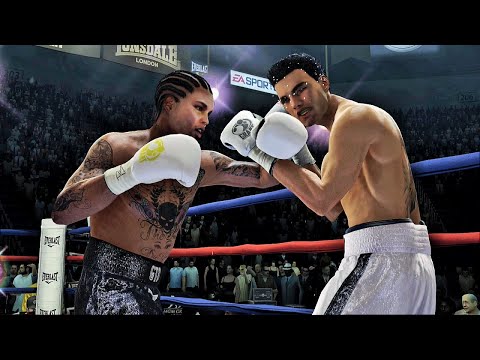
Gervonta Davis vs. Ryan Garcia: A Sensei's Analysis of the Simulated "Fight Night Champion" Bout

Greetings, aspiring warriors and seasoned practitioners. Today, we move beyond the dojo's familiar tatami and the disciplined katas of our chosen arts. We delve into the digital arena, a space where simulated combat can, surprisingly, offer insights into the very principles we hold dear. You've seen the simulated clash: Gervonta Davis vs. Ryan Garcia in the "Fight Night Champion" arena, a digital rendition of a highly anticipated real-world bout. But does this CPU-driven spectacle hold any true martial value, or is it merely a flicker on a screen? Let's dissect it with the critical eye of a true student of the martial way.

Table of Contents

The Simulated Bout: A Surface-Level Look

The raw data is simple: Gervonta "Tank" Davis versus Ryan Garcia, rendered within the "Fight Night Champion" engine. We're presented with a CPU vs. CPU encounter, a deterministic outcome driven by algorithms and pre-set fighter statistics. The immediate appeal, of course, is witnessing a hypothetical showdown between two of boxing's most exciting talents. The "realistic stats" promise suggests a degree of fidelity, a digital echo of their actual fighting capabilities.
However, as practitioners of the martial arts, we know that combat is far more than just statistics. It's about adaptation, intention, the subtle shifts in weight, the breathing, the *kiai*, and the countless hours of brutal, sweaty, and often painful training. A simulation, by its very nature, can only approximate these elements. It's a ghost of the fight, not the flesh and blood.

Intent of the Viewer: What Draws Us to Such Simulations?

Why do we, as martial arts enthusiasts, find ourselves drawn to these digital reenactments? It’s a complex interplay of curiosity, fandom, and a desire to understand potential outcomes. * **Curiosity about Hypotheticals**: The "what if" scenario is a powerful driver. Fans want to see their favorite fighters pitted against each other, even if it’s not a real bout. * **Fandom and Engagement**: We are invested in these fighters. Watching a simulation is a low-stakes way to engage with that investment, to discuss and debate potential results. * **Learning about Strategy (Superficially)**: For some, it's a superficial attempt to grasp the strategic elements – how one fighter's strengths might theoretically counter another's. * **Entertainment Value**: Let’s be honest, a simulated fight, especially with exciting boxers, can be entertaining. It taps into the primal allure of combat sports. But here's where the Sensei's critique must land: while these motivations are understandable, they often come at the expense of understanding the deeper truths of martial arts. Relying on simulations for genuine insight is like trying to learn to swim by watching a documentary about the ocean.

Davis vs. Garcia: Real-World Prowess vs. Algorithmic Representation

Gervonta Davis, known as "Tank," is a powerhouse. His record speaks of devastating knockout power, precise timing, and a granite chin. He embodies the principle of *kime* – the explosive, focused application of power at the precise moment of impact. His style is often described as methodical, grinding down opponents with relentless pressure and a lethal left hand. Ryan Garcia, "The Flash," is a different beast. Blessed with blistering hand speed, remarkable athleticism, and an often-unpredictable flair, Garcia represents a more elusive, agile style. His speed is his primary weapon, capable of overwhelming opponents before they can even react. He often relies on quick bursts and elegant movement. Now, translate this into "Fight Night Champion." The game developers attempt to codify these attributes into numerical values. Davis's power rating might be sky-high, his defense robust. Garcia's speed and agility metrics would likely be exceptional. However, no algorithm can truly capture: * **The Psychological Warfare**: The mental chess match, the intimidation, the ability to absorb punishment and continue, the sheer willpower. * **The Unforeseen Variables**: A fighter having an off night, an accidental headbutt, a referee’s controversial call, a moment of pure inspiration or desperation. * **The Nuance of Movement**: The subtle footwork that sets up a punch, the way a fighter rolls with a blow, the almost imperceptible shift of balance that evades an attack. These are organic, fluid, and incredibly difficult to replicate authentically.
"True martial arts are not about what is seen on the surface, but what lies deep within the spirit." - Unknown Master
This quote resonates deeply here. The simulation shows us the surface – the stylized punches, the simulated damage. It doesn't show the years of sacrifice, the mental fortitude forged in fire, or the primal instinct that takes over in a true life-or-death encounter.

Martial Principles Tested in Silicon: What Can We Learn?

Despite its limitations, can we glean *any* martial value from watching this digital bout? Perhaps, but we must look for echoes of fundamental principles, not direct lessons. * **The Importance of Power Application (Davis)**: If the simulation emphasizes Davis’s knockout power, it’s a subtle reminder of the importance of concentrated force in combat. A well-placed, powerful strike can end a confrontation swiftly. This echoes the concept of *ichi geki hissatsu* – one strike, certain death – a principle often discussed in Karate and other arts. * **The Efficacy of Speed and Evasion (Garcia)**: If Garcia’s simulated speed allows him to avoid damage and land quick combinations, it highlights the defensive and offensive advantages of agility and swiftness. This is a fundamental aspect of many striking arts, where speed can negate an opponent's power and create openings. * **The Clash of Styles**: The simulation inherently presents a clash of styles. This is a universal aspect of combat, whether it's Boxing vs. Muay Thai, Judo vs. BJJ, or Karate vs. Taekwondo. Understanding how different approaches, strengths, and weaknesses interact is a core element of martial strategy. However, we must exercise extreme caution. These are digital representations. The true learning comes from *applying* these principles in physical training, under pressure, with a qualified instructor guiding you.

Essential Gear for the Aspiring Fighter (Beyond the Screen)

While the digital realm offers entertainment, true martial progress requires tangible tools and dedication. For those inspired by the intensity of combat sports, having the right gear is not just about comfort; it's about safety, effectiveness, and a commitment to the craft.
  • Boxing Gloves (10-16oz): Essential for sparring to protect your hands and your partner. The weight depends on the type of training.
  • Hand Wraps: Crucial for wrist and knuckle support during any striking activity.
  • Mouthguard: Non-negotiable for any sparring or live drilling to protect your teeth and jaw.
  • Groin Protector: A vital piece of safety equipment for male practitioners.
  • Headgear: Recommended for high-impact sparring to reduce the risk of concussions and cuts.
  • Quality Training Shoes: Providing grip and support for footwork is paramount.
  • Durable Training Apparel: Comfortable, breathable clothing that allows for a full range of motion is key. Consider specialized gear like karate gis for traditional training.
Investing in quality martial arts merchandise is an investment in your training longevity and safety.

Training Regimen for a Modern Warrior: Bridging Digital and Physical

The "Fight Night Champion" simulation can serve as a spark, but the real fire is ignited through dedicated training. How can you translate the *idea* of these boxers into tangible skills?
  1. Develop Your Power: If you admire Davis's power, incorporate strength and conditioning exercises. Focus on compound movements like squats, deadlifts, and explosive push-ups. Practice striking drills with a heavy bag or makiwara to hone your power application. Remember the concept of Ki or internal energy, which fuels true power.
  2. Enhance Your Speed and Agility: If Garcia's flash appeals to you, prioritize speed and footwork drills. Incorporate ladder drills, cone drills, shadow boxing focused on rapid combinations and evasive movements. Plyometrics and interval training are excellent for building explosive speed.
  3. Sparring with Purpose: The most crucial element. Find a reputable gym that offers sparring sessions. Practice with partners of different styles and sizes. Focus on applying learned techniques, not just winning. This is where you bridge the gap between the simulated and the real. Seek out opportunities to spar with practitioners of grappling arts like BJJ or Judo to understand how to defend against takedowns and ground attacks, a critical element often missing in pure boxing simulations.
  4. Study the Masters: Watch *real* fights, but analyze them critically. Study the footwork, the defensive strategies, the setups for punches, and how fighters adapt. Read biographies of great fighters and martial arts masters.
  5. Cultivate Mental Fortitude: Combat is as much a mental battle as a physical one. Practice meditation, mindfulness, and stress management techniques. Develop self-mastery and the mental game required to perform under pressure.

Sensei's Verdict: Digital Simulation vs. Tangible Skill

Let's not mince words. "Fight Night Champion" is a video game. It's a digital simulation designed for entertainment and engagement within its programmed parameters. It can be a fun way to explore hypothetical matchups and appreciate the *idea* of two great fighters clashing. However, as a tool for genuine martial arts development, its value is limited. It provides a visual representation, perhaps a spark of inspiration, but it cannot replace the crucible of actual physical training, the guidance of a qualified Sensei, the discipline required to master a technique, or the profound lessons learned through sweat, pain, and perseverance. The simulation is a shadow. True martial arts are the substance. While we can analyze the shadows, our focus must remain on cultivating the substance within ourselves. Cinturón Negro en Entretenimiento; Medalla de Bronce en Realismo Marcial.

Frequently Asked Questions

  • Can video game simulations accurately represent martial arts?
    No, they offer a simplified, programmed approximation. True martial arts involve organic movement, strategy, psychology, and years of dedicated practice that algorithms cannot fully replicate.
  • Is it useful to watch boxing simulations like this?
    It can be entertaining and spark curiosity about fighters and styles. However, it should not be mistaken for actual martial arts training or analysis.
  • What are the key differences between simulated combat and real martial arts?
    Real martial arts involve physical conditioning, strategic adaptation in real-time, mental fortitude, the risk of injury, and the profound personal growth that comes from facing genuine challenges.
  • How can I learn more about the actual fighting styles of Gervonta Davis and Ryan Garcia?
    Watch their professional fights, read reputable boxing analyses, and ideally, train in a boxing or similar striking art under experienced instructors.

To Deepen Your Understanding

To truly grasp the nuances of combat and the philosophies that underpin martial arts, look beyond the flickering screen. Explore the real-world application of skill, the history, and the mental disciplines that have been honed over centuries.

Reflexión del Sensei: Tu Próximo Paso

This simulated bout, with its "realistic stats" and CPU vs. CPU drama, presents a fleeting image of conflict. But does it stir the warrior within you to action, or merely lull you into passive observation? When you face your own challenges, whether on the mats or in life, will you rely on pre-programmed responses, or will you draw upon the deep wellspring of your own disciplined effort and cultivated spirit?

Batman vs. Bane: A Martial Arts Critique of The Dark Knight Rises Brawl

As a Sensei dedicated to the profound depths of Budo and the visceral reality of martial arts, I am often confronted with cinematic interpretations of combat. Some, like the raw, brutal clash between Batman and Bane in *The Dark Knight Rises*, ignite passionate debate. The question isn't merely "Did they fight well?", but rather, what do these on-screen battles reveal about the arts they supposedly represent, and what lessons, if any, can a dedicated practitioner glean from such spectacles? This is not just a movie review; it's an autopsy of cinematic combat, dissecting the choreography, the intent, and the spirit, or lack thereof, that defines such a pivotal scene.

Table of Contents

The Cinematic Spectacle: Batman vs. Bane

The confrontation between Batman and Bane is a cornerstone of Christopher Nolan's Gotham saga, representing a physical and psychological low point for the Caped Crusader. The sheer brutality of Bane's power, his strategic dismantling of Batman's will and body, is undeniable. This isn't a graceful ballet of blows; it's a desperate, grimy struggle for survival. The scene aims for a visceral impact, showcasing Bane as an almost unstoppable force, a physical manifestation of chaos and despair. From a purely cinematic standpoint, it’s effective in conveying the immense threat Bane poses.
"True strength is not the ability to destroy, but the ability to endure." - A principle whispered in dojos across the world.
The visual language of the fight is heavy, grounded, and designed to inflict maximum damage. Batman, already weakened and facing an opponent of overwhelming physical prowess, is pushed beyond his limits. The camera work emphasizes the impact of each blow, the strain on the fighters, and the desperate nature of the struggle. This isn't the flashy, physics-defying martial arts of some films; it’s an attempt at a more grounded, albeit heightened, depiction of extreme combat.

Choreography and Realism: A Critical Look

Here, my Sensei's instinct kicks in, sharp and unforgiving. While the *intent* is clear – to showcase a brutal, overpowering foe – the execution leaves much to be desired from a purist's perspective. The choreography, while heavy and impactful, often lacks the intricate precision one might expect from highly trained martial artists. Bane’s movements, designed to convey brute strength, sometimes appear more like flailing power than controlled aggression. This isn't a criticism of Tom Hardy's performance, but rather an analysis of the fight's design. The "style" of combat presented is a generic blend, leaning heavily on raw power strikes and grappling. We see elements that *might* evoke Muay Thai in Bane's use of elbows and knees, or perhaps some form of cage fighting with the ground-and-pound sequences. However, it’s not refined. Batman, in his weakened state, relies on desperate counters and survival instincts, which is narrative-appropriate, but the underlying techniques are often obscured by the chaos. The sheer, almost superhuman, durability of both characters also stretches the bounds of realism, a common cinematic trope.
"In a true fight, the most effective techniques are often the simplest and most direct. Complexity is a luxury you cannot afford when facing true danger." - Sensei's wisdom echoed across generations.
Consider the "piledriver" Bane inflicts on Batman. While visually devastating, the physics and the way Batman’s body is manipulated are highly cinematic. In reality, such a maneuver would almost certainly result in catastrophic spinal injury, if not immediate death, for the recipient, and could also be incredibly dangerous for the performer. The prolonged nature of the fight, with Batman absorbing such punishment and still functioning, strains credulity for those familiar with the rapid incapacitation that often occurs from significant trauma. This isn't to say the scene fails as entertainment. It succeeds brilliantly in its intended purpose: to break Batman and make the audience feel his desperation. However, as a representation of martial arts, it's a coarse, generalized portrayal of power combat, more akin to a gladiatorial contest than a disciplined art form.

Beneath the Surface: Philosophy and Intent

Beyond the fisticuffs, the fight serves a crucial narrative and philosophical purpose. Bane is not just a physically imposing villain; he is an ideological counterpoint to Batman. Where Batman represents order, justice, and a controlled response to chaos, Bane embodies primal force, anarchy, and a brutal Darwinism. His victory over Batman is meant to symbolize the triumph of raw power and despair over idealism and structure. The fight takes place in a dilapidated ruin, a symbolic arena mirroring the decay of Gotham and the broken state of its protector. This setting enhances the feeling of primal struggle. Bane’s mask, a device for delivering a potent analgesic, also serves as a visual metaphor for the artificiality of his strength, yet its overwhelming effectiveness underscores the narrative’s point: even artificial power, when overwhelming, can conquer disciplined skill. From a martial perspective, this scene highlights the eternal tension between technique and raw power. While discipline, strategy, and refined technique are paramount in *true* Budo, there are undeniable realities to physical dominance. Bane’s sheer size and brute force are depicted as capable of overwhelming even Batman’s superior training and agility. This is a harsh lesson: while technique can equalize many disparities, extreme physical advantages, when coupled with a will to inflict maximum damage, can still prove decisive. It forces us to confront the practicalities of combat, where size and strength, while not the sole determinants, are significant factors.

Training Considerations: What Can We Learn?

Despite its cinematic liberties, the Batman vs. Bane encounter offers several points for serious consideration by martial artists:
  • The Importance of Conditioning: Bane's raw power and ability to absorb punishment are a testament to his extreme physical conditioning. This scene is a stark reminder that even the most skilled technician will falter if their body cannot withstand the rigors of combat. Endurance, strength, and resilience are not optional; they are foundational.
  • The Psychological Aspect of Combat: Bane's methodical destruction of Batman is as much psychological as it is physical. He breaks Batman's spirit before breaking his body. This underscores the mental fortitude required in any combative situation. Resilience, the ability to withstand pressure and not yield mentally, is as crucial as any physical technique.
  • Survival Against Overwhelming Odds: While Batman is eventually defeated, his survival is a testament to his will. In real-world self-defense scenarios, you might face an opponent with a significant size or strength advantage. The lesson here is not about winning every fight, but about surviving, escaping, and enduring until an opportunity arises to regain an advantage or disengage.
  • The Dangers of Complacency: Batman, even before this fight, perhaps underestimated Bane's true capabilities. This is a universal lesson in martial arts and in life: never underestimate your opponent or the challenges you face.
This scene is a potent, albeit exaggerated, reminder that the physical realities of combat are unforgiving. It compels us to constantly refine our physical conditioning and our mental toughness.

Veredict of the Sensei: A Martial Perspective

*The Dark Knight Rises* delivers a memorable, impactful brawl between Batman and Bane. As a piece of cinematic storytelling, it excels in conveying power, desperation, and narrative progression. However, judged purely on martial arts authenticity, it’s a **"Fighter's Grasp, Not a Master's Technique."** The choreography prioritizes visual impact and narrative function over the nuanced reality of well-honed martial arts. It’s a depiction of a brawl, a brutal contest of wills and brute force, rather than a showcase of sophisticated martial skill. It serves the story, but it doesn't educate the martial artist in the way a meticulously choreographed film might. Nonetheless, its raw energy and thematic weight make it a compelling watch for anyone interested in the portrayal of conflict.

Essential Equipment for Your Training

While this particular cinematic fight might not directly translate to specific gear, robust training in any striking or grappling art requires fundamental equipment. Investing in quality gear not only enhances your training but also provides crucial protection.
  • Training Mats: Essential for any grappling or striking art to absorb impact and prevent injuries during drills and sparring. Look for interlocking foam mats for a versatile setup.
  • Punch Mitts and Focus Mitts: Crucial for practicing striking techniques with a partner. They help develop accuracy, power, and speed.
  • Groin Protector: A non-negotiable item for any sparring, regardless of gender.
  • Headgear: For sparring sessions where head impact is a possibility, good quality headgear can significantly reduce the risk of concussion and facial injuries.
  • Heavy Bag: For solo practice, developing power, endurance, and perfecting striking combinations.
For those exploring **Karate** or **Judo**, a proper **Kimono (Gi)** is paramount. Ensure it's made of durable material suitable for the rigors of your chosen discipline. For striking arts, **boxing gloves** (10-16oz depending on discipline) and **shin guards** are vital for sparring.

Resources for Deeper Understanding

To truly grasp the nuances of martial arts that cinema often glosses over, seek out authoritative sources.
  • Books on Martial Arts Philosophy: Works like Miyamoto Musashi's "The Book of Five Rings" offer profound insights into strategy and mindset applicable far beyond the dojo.
  • Biographies of Martial Arts Masters: Understanding the lives and training philosophies of legendary figures provides invaluable context.
  • Documentaries on Traditional Martial Arts: Films that delve into the history, practice, and cultural significance of specific arts offer a more authentic perspective. Look for well-researched documentaries, not sensationalized entertainment.
  • Academic Journals on Combat Sports and History: For the most in-depth and critical analysis, scholarly articles provide research-backed information.

Practical Training Guide: The "Ground and Pound" Simulation

While directly replicating Bane's power is impossible and inadvisable, we can simulate aspects of his overwhelming control and the opponent's struggle to survive. This exercise focuses on controlled grappling and positional dominance, emphasizing the physical exertion and mental pressure involved.
  1. Setup: Find a training partner. One partner will assume the role of the "dominant" fighter (simulating Bane's control), and the other will be the "defensive" fighter (simulating Batman's struggle). Ensure a safe training environment with mats.
  2. Dominant Position: The "dominant" partner secures a controlling position, such as a top side control or mount. The goal is NOT to strike with full force, but to maintain pressure and control, making it difficult for the defensive fighter to move or escape.
  3. Controlled Pressure: The dominant partner applies steady, increasing pressure, simulating the feeling of being pinned and overwhelmed. This could involve hip pressure, weight distribution, and body control.
  4. Defensive Struggle: The defensive partner focuses on core engagement, bridging, shrimping (hip escapes), and creating space. The objective is to survive the pressure, resist being trapped, and look for opportunities to escape or reverse position. The emphasis is on effort and exertion.
  5. Communication is Key: Both partners must communicate constantly. The dominant partner should not apply dangerous pressure, and the defensive partner should tap out immediately if they feel unsafe or trapped.
  6. Rotation: After a set period (e.g., 1-2 minutes), partners switch roles. This allows both to experience the physical and mental demands of maintaining control and resisting it.
  7. Cool Down and Debrief: After several rounds, take time to cool down and discuss the experience. What felt overwhelming? What defensive strategies were most effective? How did maintaining control feel? This debriefing is crucial for learning.
This simulation, while not a direct combat scenario, helps understand the physical grind and mental resilience required in close-quarters, dominant grappling situations. It highlights the importance of **conditioning** and **grappling** technique.

Frequently Asked Questions

What martial arts are depicted in the Batman vs. Bane fight?

The fight in *The Dark Knight Rises* doesn't adhere strictly to any single martial art. It's a cinematic blend, prioritizing brute force, cinematic impact, and a generalized portrayal of intense physical combat. Elements might loosely resemble Muay Thai, cage fighting, or raw street brawling rather than a specific, codified discipline.

Is Bane's fighting style realistic?

From a martial arts perspective, Bane's style as depicted is highly dramatized. While his immense strength and aggression are thematic elements, the specific techniques and their application, as well as the characters' ability to withstand such punishment, are stretched for cinematic effect. It aims for visceral impact over strict realism.

What can martial artists learn from this movie scene?

Martial artists can learn about the importance of extreme physical conditioning, mental resilience in the face of overwhelming adversity, and the psychological warfare inherent in combat. It also serves as a reminder that brute force, while not always the most refined approach, can be a significant factor.

Does this fight scene encourage violence?

Cinematic fight scenes, while entertaining, should not be mistaken for endorsements of violence. They are narrative tools designed to explore character, plot, and theme. The responsibility lies with the viewer to understand the distinction between fictional portrayals and real-world consequences.

Further Exploration in Your Journey

To continue deepening your understanding of martial arts and their portrayal, explore these related topics on our blog:

Reflexión del Sensei: Tu Próximo Paso

This cinematic clash between Batman and Bane, raw and brutal as it is, forces a question upon every practitioner: When faced with an opponent of overwhelming physical might, where does your true strength lie? Is it in the power of your techniques, the sharpness of your conditioning, or the unyielding resolve of your spirit? Reflect on this. Then, go to your dojo, your training space, and train with the awareness that true strength is forged not just in victory, but in the unyielding pursuit of mastery, regardless of the opponent. The fight is only the beginning of the lesson.

Ares FC 12: Pena vs. Boudegzdame - A Martial Masterclass in Modern Combat

Hello and welcome, warriors, to Budo and Martial Arts. You are witnessing Ares FC 12: Demarte Pena vs. Elias Boudegzdame | FULL FIGHT HD, a clash published on February 17, 2023, at 11:27 AM. Welcome to the most comprehensive and up-to-date martial arts blog on the internet.

The arena roars. The lights blaze. Two warriors, forged in the crucible of dedicated training, stand poised to unleash years of discipline and skill. This isn't just a fight; it's a living testament to the evolution of combat sports. In this bout at Ares FC 12, Demarte Pena and Elias Boudegzdame didn't just exchange blows; they showcased a narrative woven from the threads of countless hours spent honing their craft. As a Sensei who has dedicated a lifetime to the study of all forms of combat, from the ancient katas of Karate to the strategic grappling of BJJ, I approach such events not merely as a spectator, but as a scholar analyzing the practical application of martial principles under immense pressure.

The Spectacle of Ares FC 12: A Deeper Look

Fight nights like Ares FC 12 are more than just entertainment for the masses; they are live laboratories demonstrating the efficacy of different martial arts disciplines. We see the striking prowess honed in boxing and Muay Thai, the devastating takedowns rooted in wrestling and Judo, and the intricate submissions born from Brazilian Jiu-Jitsu. The question for any serious martial artist watching is: How do these disparate elements coalesce? How does an individual fighter blend the aggressive forward pressure of a Karateka with the defensive fluidity of a Judo black belt? This fight, between Pena and Boudegzdame, offers fertile ground for such analysis.

The raw intensity is palpable, but beneath the surface lies a complex interplay of strategy, conditioning, and mental fortitude. We must ask ourselves: what separates a good fighter from a truly great one? It’s often the subtle mastery of principles that transcend individual techniques. It’s the understanding of distance, timing, rhythm, and, most importantly, the ability to adapt and overcome unexpected challenges. This bout provided ample opportunity to observe these critical factors in play.

Pena vs. Boudegzdame: A Technical Breakdown

Analyzing the technical exchange requires a keen eye for detail. Pena’s approach, for instance, might showcase a background in striking arts, emphasizing powerful kicks and punches, aiming to keep the fight standing. His footwork, likely influenced by disciplines like Karate, would be crucial in managing distance and creating openings. We look for explosive power, sharp transitions, and the ability to absorb and recover from shots. His offensive output is a direct manifestation of his training in styles that prioritize striking dominance.

Conversely, Boudegzdame might exhibit a more grappling-centric game. His strength could lie in closing the distance, securing a takedown, and applying submission holds. This is where the influence of arts like Judo, with its emphasis on throws and control, or BJJ, with its ground-fighting expertise, becomes evident. We observe his ability to defend takedowns, his positional control on the ground, and his proficiency in applying joint locks and chokes. The tactical battle between standing and ground fighting is a classic martial arts dichotomy, and this fight exemplifies it.

"The ultimate aim of martial arts is not victory or defeat, but the perfection of the human character." - A fundamental principle echoed across many traditional disciplines, and one that must be considered even in the most modern combat sports.

The interplay between their styles is where the true martial artistry is revealed. Does Pena effectively defend against takedown attempts? Does Boudegzdame manage to neutralize Pena’s striking advantage by bringing the fight to the mat? The effectiveness of their transitions, the efficiency of their movements, and the mental resilience displayed when things don't go according to plan – these are the hallmarks of skilled martial artists.

The Spirit of Budo in Modern MMA

While the term "Budo" is often associated with traditional Japanese martial arts like Kendo, Judo, and Karate, its essence – the Way of the Warrior – permeates all legitimate combat disciplines. Budo encompasses not just physical technique but also mental discipline, ethical conduct, and a pursuit of self-improvement. In a modern MMA fight, we can observe this spirit in several ways:

  • Discipline: The sheer dedication required to train for a professional fight, adhering to rigorous schedules, diets, and training regimens, is a testament to inner discipline.
  • Respect: Despite the aggression in the cage, there is often a profound respect between fighters, acknowledging the shared journey and the risks involved. This is evident in pre-fight weigh-ins and post-fight handshakes.
  • Perseverance: The ability to push through pain, fatigue, and adversity within the fight itself, demonstrating an unyielding will to continue and overcome. This is the ultimate manifestation of the warrior spirit.
  • Self-Mastery: The constant battle against one's own fears, doubts, and physical limitations. True mastery is not just over an opponent, but over oneself.

The question then becomes: how well do fighters like Pena and Boudegzdame embody these principles? Do they fight with honor, pushing themselves to their absolute limits while respecting the martial code? Their performance in the cage is a reflection of their character, a living demonstration of how ancient philosophies can find expression in contemporary combat.

Training Regimen of Elite Fighters

Understanding the path to such a high-level bout requires a glimpse into the grueling training regimes these athletes undertake. It’s a multi-faceted approach, far beyond simply hitting pads or sparring.

  1. Technical Skill Development: Daily sessions dedicated to refining striking, grappling, wrestling, and submission techniques specific to their game plan and opponent.
  2. Strength and Conditioning: Building explosive power, muscular endurance, cardiovascular capacity, and functional strength through a variety of methods, including weightlifting, plyometrics, and HIIT.
  3. Sparring: Live rounds simulating fight conditions, allowing fighters to test their skills, timing, and decision-making under pressure against diverse training partners.
  4. Mental Preparation: Visualization, meditation, and strategic analysis to build mental toughness, focus, and tactical acumen. Overcoming the psychological challenges of combat is paramount.
  5. Nutritional Support: A carefully calibrated diet to fuel intense training, optimize recovery, and make weight safely for competition.

This holistic approach is what separates professionals from amateurs. It’s a 24/7 commitment, demanding immense sacrifice and dedication. The fighter who arrives most prepared, both physically and mentally, often holds the decisive edge. For those aspiring to reach such heights, mastering the fundamentals of entrenamiento and fitness is the first, crucial step.

Veredict of the Sensei: A True Test of Skill?

Did Ares FC 12: Demarte Pena vs. Elias Boudegzdame deliver a performance worthy of the highest martial accolades? From a critical perspective, any fight that showcases strategic depth, technical proficiency, and unwavering heart earns respect. The outcome of this particular bout, regardless of who raised their hand in victory, is a valuable lesson in the dynamic nature of modern combat sports. It highlights how fighters integrate diverse skill sets to achieve a singular goal: dominance within the rules of engagement.

While the spectacle of MMA can sometimes overshadow the martial roots, contests like this remind us that the underlying principles of dedication, resilience, and strategic thinking remain paramount. It’s a display of the warrior’s path, adapted for a contemporary audience.

Essential Gear for Your Training

To embark on your own martial arts journey, having the right equipment is crucial for both safety and effective progression. Whether you're practicing Karate, Judo, BJJ, or aspiring to the world of MMA, consider these essentials:

  • Protective Gear: For sparring, high-quality martial arts merchandise like headgear, mouthguards, and shin guards are non-negotiable to prevent injuries.
  • Training Apparel: A durable Karate gi, a sturdy Judo uniform, or comfortable, flexible MMA shorts and rash guards are essential for unrestricted movement and proper technique execution.
  • Training Aids: For solo practice, consider items like a speed bag for boxing timing, a workout mat for ground techniques, or even a makiwara if your style incorporates it.
  • Footwear: Depending on the discipline, specialized footwear like wrestling shoes for grip or martial arts shoes for agility can be beneficial.

FAQ on Professional Fighting

What is the primary difference between traditional martial arts and modern MMA?

Traditional martial arts often focus on self-perfection, discipline, and specific combat scenarios, sometimes with a strong philosophical component. Modern MMA blends techniques from various martial arts to create a comprehensive combat system, emphasizing full-contact competition and entertainment.

How important is the mental game in professional fighting?

The mental game is arguably the most critical aspect. A fighter must possess extreme focus, resilience, strategic thinking, and the ability to perform under immense pressure. Overcoming fear and self-doubt is as important as physical conditioning.

Can an athlete transition successfully from a traditional martial art to MMA?

Yes, many successful MMA fighters have backgrounds in traditional arts like Karate, Taekwondo, Judo, and Boxing. However, they must supplement their existing skills with training in other disciplines (e.g., a Karateka learning grappling) to become well-rounded.

What is the role of "Ki" in modern combat sports?

While the concept of "Ki" (or Qi) is central to many traditional martial arts, its direct application in modern MMA is debated. However, the principles associated with Ki – such as controlled breathing, focused intent, and internal energy cultivation – translate into concepts like efficient power generation, stamina, and mental focus, which are vital for success.

Is it possible to learn effective self-defense from watching MMA fights?

Watching MMA can provide insights into effective combat techniques, but it's not a substitute for direct training. MMA is a sport with rules, and real-world self-defense often requires different strategies and de-escalation tactics. However, understanding striking and grappling principles from MMA can be beneficial for a well-rounded self-defense approach.

Further Exploration

To truly grasp the depth of martial arts and their application, both in competition and in life, delve deeper into related topics:

Follow us on social networks and do not forget to visit our main page for more insights: Budo and Martial Arts Blog.

Reflection of the Sensei: Your Next Step

You have witnessed a clash of martial titans, a modern testament to the ancient pursuit of combat mastery. But the true lesson lies not in the punches thrown, nor the submissions applied, but in the dedication, discipline, and unwavering spirit required to step into that arena. Do you see only a fight, or do you see the culmination of a lifetime’s training? How will the principles of adaptability, resilience, and strategic thinking demonstrated here inform your own path, whether on the mats or in the challenges of everyday life?

Now, it is your turn. Are you content to be a spectator, or will you take the lessons learned and forge them into your own martial journey? Share your thoughts and your own experiences in the comments below. Let us engage in a debate that hones our understanding as surely as any strike.