Showing posts sorted by date for query good kickboxing gloves. Sort by relevance Show all posts

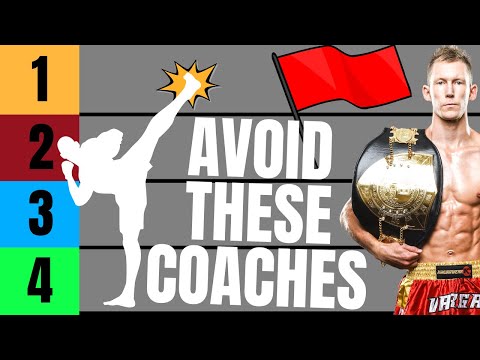
Choosing Your Martial Arts Sensei: Avoiding the Red Flags of False Mastery

The path of Budo is a journey of self-discovery, discipline, and relentless improvement. But what happens when the very guide meant to illuminate this path casts a shadow instead? In the intricate world of martial arts, the instructor, the Sensei, is paramount. Yet, not all who don the black belt are true masters. Many are merely keepers of superficial knowledge, or worse, peddlers of dangerous dogma.

This is not a debate about style – whether you seek the fluidity of Aikido, the power of Kyokushin Karate, or the strategy of Judo. This is a critical examination of character and competence. My intent today is to equip you, the aspiring warrior, with the discernment needed to identify instructors who are not worthy of your dedication, your sweat, and your respect. We will dissect the common "red flags" that signal a lack of true mastery and, more importantly, a potential detriment to your martial arts journey and personal growth.

Lack of Credentials: The Uncertified Imposter

In the realm of Budo, lineage and verifiable expertise are not mere formalities; they are the bedrock of authenticity. When an instructor cannot produce legitimate credentials – certifications from recognized martial arts federations, documented ranks from reputable masters, or a clear lineage tracing back through established schools – it’s a gaping hole in their claim to authority.

Think of it like this: would you trust a surgeon who claimed to have 'learned surgery by watching videos'? Of course not. The same rigor must apply to your martial arts training. A Sensei who skirts around the issue of their qualifications, or worse, dismisses them as unimportant, is signaling a profound lack of understanding regarding the depth and discipline required to attain true mastery. This is not about ego; it’s about the student’s right to receive instruction from someone who has demonstrably earned it.

"If you meet the Buddha, kill the Buddha." This koan, often misapplied, speaks to the danger of blind adherence. In your training, it means questioning any authority that doesn't stand up to scrutiny. A lack of credentials is the first, and perhaps most obvious, crack in the facade.

Overemphasis on Winning: The Empty Trophy Syndrome

Competition is a vital component of many martial arts. It tests technique under pressure, builds resilience, and offers a tangible measure of progress. However, an instructor whose focus is *solely* on victory, who prizes wins above all else, is fundamentally misunderstanding the purpose of Budo.

Martial arts are a crucible for character development. They teach humility in defeat, grace in victory, perseverance through adversity, and the ethical application of force. An instructor who only celebrates wins, or worse, harshly criticizes losses, is cultivating an unhealthy and ultimately shallow approach to training. True martial arts training is a lifelong pursuit of self-mastery, not a gladiatorial contest. The true victories are often internal: overcoming fear, perfecting a difficult technique, or developing unshakeable discipline. An instructor obsessed with external validation misses this entirely.

Consider the legendary martial artists. While many were formidable competitors, their teachings often transcended mere winning. They emphasized the philosophical, the ethical, and the personal growth aspects. A coach focused only on the scoreboard misses the deeper lessons that make martial arts a transformative art.

Lack of Safety Precautions: Gambling with Your Well-being

This is non-negotiable. Martial arts, by their very nature, involve physical contact and the potential for injury. A competent and ethical instructor prioritizes safety above all else. This means:

  • Proper warm-ups and cool-downs to prepare the body and prevent strains.
  • Clear instruction on how to execute techniques safely, minimizing risk to both giver and receiver.
  • Appropriate supervision during sparring or strenuous drills.
  • A willingness to modify training for students with injuries or physical limitations.
  • A calm, controlled environment where recklessness is not tolerated.

If your instructor rushes through warm-ups, encourages overly aggressive or uncontrolled sparring, dismisses concerns about pain, or lacks basic safety protocols (like ensuring the training area is clear of hazards), they are not only negligent but actively endangering you. This isn't about being "soft"; it's about intelligent, sustainable training. Pushing your limits is essential, but reckless endangerment is not. You should feel challenged, yes, but never at the risk of serious injury due to the instructor's carelessness.

Aggressive or Abusive Behavior: The Tyrant's Dojo

The dojo should be a sanctuary for learning and growth, a place where discipline is cultivated, not fear. An instructor who resorts to aggressive language, shouting, intimidation, or any form of physical or emotional abuse is fundamentally unfit to teach.

Martial arts are meant to empower, to build confidence, and to foster self-control. An instructor who uses their position to belittle, demean, or intimidate students is exploiting their authority. This is not discipline; it is tyranny. Such behavior creates a toxic learning environment, erodes self-esteem, and can have lasting negative psychological effects. The true martial artist leads by example, demonstrating respect, patience, and calm under pressure – not by ruling through fear or aggression. This kind of behavior is not only unethical but often stems from the instructor’s own insecurities and lack of genuine mastery.

"The supreme art of war is to subdue the enemy without fighting." - Sun Tzu. This principle extends beyond the battlefield. A true master subdues conflict through calm authority and unwavering principle, not through aggressive displays.

Lack of Respect for Students: The Mark of a Shallow Mind

Every student, from the absolute beginner to the seasoned practitioner, deserves respect. An instructor who consistently belittles students, mocks their efforts, dismisses their questions, or treats them as inferior is demonstrating a profound lack of character.

Respect is a two-way street. While students owe respect to their instructor, the instructor owes a duty of care, dignity, and genuine mentorship to their students. An instructor who fails to recognize the individual journey of each student, who fails to foster an environment of mutual respect, is not a true leader. They may possess technical skills, but they lack the wisdom and character that define a master. Feeling comfortable asking questions, making mistakes without fear of humiliation, and being treated as an individual with unique potential are hallmarks of a positive training environment.

Veredicto del Sensei: ¿Merece la pena?

Choosing the right martial arts instructor is perhaps the single most critical decision you will make on your path. The red flags – lack of credentials, obsession with winning, disregard for safety, abusive behavior, and disrespect for students – are not minor issues. They are fundamental flaws that betray a lack of true mastery and ethical integrity.

A true Sensei is a mentor, a guide, and a role model. They possess not only technical proficiency but also the wisdom, patience, and ethical grounding to nurture their students. They prioritize your growth, safety, and well-being above their own ego or desire for superficial accolades. If an instructor exhibits any of these red flags, it is a clear signal to seek training elsewhere. Your journey is too important to be entrusted to someone who lacks the fundamental qualities of a true master.

Calificación: ¡Cinturón Negro en Discernimiento!

Equipo Esencial para tu Entrenamiento

Selecting the right equipment can significantly enhance your training experience, safety, and progression. While the core of martial arts lies in the practitioner, the right gear provides the necessary foundation.

  • Kimono/Gi: For Judo, Aikido, and some Karate styles, a durable Gi is essential. Look for double-weave or heavyweight fabrics for disciplines involving grappling or significant wear and tear. For Karate, a lighter, more breathable fabric might be preferred for striking arts.
  • Sparring Gear: When engaging in controlled sparring, protective gear is paramount. This includes headgear, mouthguards, chest protectors, and shin/instep guards, especially for striking arts like Karate and Kickboxing. For grappling arts, focus on comfortable attire that allows freedom of movement.
  • Training Mats (Tatami): If you are practicing at home, especially for techniques involving throws or falls (Judo, Aikido), investing in proper mats is crucial to prevent injuries.
  • Focus Mitts and Strike Pads: Excellent for practicing striking combinations and power generation, whether alone or with a partner.
  • Hand Wraps and Gloves: Essential for striking arts to protect your wrists and hands during bag work or sparring. Boxing or MMA gloves are standard.

Guía de Entrenamiento: Desarrollando tu Resiliencia

True martial arts strength isn't just physical; it's mental and spiritual. Here's a simple drill to cultivate mental fortitude and discipline, applicable to any art:

  1. Set a Consistent Time and Place: Designate a specific time each day (e.g., upon waking, before bed) and a quiet space for your practice.
  2. Begin with Centering: Sit in a comfortable, upright posture. Close your eyes and take 5-10 deep breaths, focusing on the sensation of air entering and leaving your body. This is your 'Mokuso' (meditation).
  3. Perform a Single Technique Repetitively: Choose one fundamental technique from your art (e.g., a basic punch, a specific block, a simple stance transition, or even a short kata).
  4. Execute with Full Focus: Perform the technique with 100% concentration. Imagine it's the first time you've ever done it. Pay attention to every detail: body alignment, breath, intent.
  5. Aim for a Target Number of Repetitions: Start with a manageable number, perhaps 25 or 50. The goal isn't speed, but perfect, mindful execution.
  6. Maintain Focus Through Fatigue: As you get tired, your mind will wander. Gently bring your focus back to the technique. This is where the real training happens.
  7. Conclude with Gratitude: Take a moment to thank yourself for your dedication and your instructor (even if they are absent) for their guidance.

This drill, simple as it seems, builds discipline, focus, and an appreciation for the subtleties within even the most basic movements. It's a cornerstone of developing a strong Ki or internal energy.

Preguntas Frecuentes

Q1: My instructor often yells at us. Is this normal in martial arts?
A: No. While discipline is important, yelling and aggressive behavior are signs of a poor instructor who may lack control or proper teaching methodology. True discipline comes from respect and understanding, not fear.

Q2: What if my instructor is a world champion but seems to lack teaching skills?
A: Being a great competitor does not automatically make one a great teacher. A good instructor needs not only technical skill but also the ability to communicate, motivate, and foster a safe learning environment. Look for a balanced instructor.

Q3: Is it okay to switch martial arts schools if I'm unhappy with my current instructor?
A: Absolutely. Your training journey is yours. If you encounter red flags or feel your growth is being stunted, it is wise and responsible to seek out a more suitable learning environment. Loyalty is to your own progress and the principles of Budo, not necessarily to a single individual.

Para Profundizar en tu Camino

In conclusion, the path to martial arts mastery is paved with diligent effort and wise choices. Be discerning. Observe keenly. Trust your instincts. The right Sensei will not only teach you techniques but will inspire you to become a better version of yourself, embodying the true spirit of Budo.

Now, I pose a challenge to you: Reflect on your own training environment. Have you encountered any of these red flags? Are you truly being guided by a master, or merely by someone with a black belt? Voice your thoughts and experiences below. Let us learn from each other.

Henry Cejudo vs. Marlon Moraes: A Masterclass in Combat Strategy at UFC 238

The Unseen War: Beyond the Octagon's Roar

The clash between Henry Cejudo and Marlon Moraes at UFC 238 wasn't just a fight; it was a high-stakes chess match played out with fists, feet, and the formidable power of **wrestling** and **striking**. While the result saw Cejudo victorious, emerging as the new UFC Bantamweight Champion, the true lesson lies not just in the knockout, but in the strategic evolution and the philosophical underpinnings of combat that were on full display. Many fans see only the flash and the fury, the **knockout power** and the **grappling** exchanges, but a true student of the martial way, a **budoka**, looks deeper. They analyze the **mental game**, the **discipline**, and the subtle shifts in momentum that dictate the outcome of such intense **battles**. This wasn't merely a **fight**; it was a testament to decades of rigorous **training** and the relentless pursuit of mastery.

Cejudo's Legacy: From Olympic Gold to MMA King

Henry Cejudo's journey is a saga of dedication that transcends mere athletic achievement. As an Olympic gold medalist in freestyle wrestling, Cejudo brought an unparalleled level of mat control and **explosive takedowns** to the **MMA** arena. His record, a formidable 16-2-0, speaks volumes, but it's his fight IQ and adaptability that truly set him apart. He’s not just a wrestler; Cejudo honed his **striking** skills to a lethal degree, weaving together a potent arsenal of punches, kicks, and knees. He embodies the principle that mastery in one domain can be powerfully amplified when integrated with another. This synergy is the hallmark of a true martial artist, constantly evolving and integrating new knowledge. For those aspiring to excel, consider the importance of a well-rounded **training** regimen. A solid foundation in **wrestling** or **judo**, combined with dynamic **kickboxing** or **Karate** techniques, can create an unstoppable force.

Moraes: The Striking Maestro's Challenge

Marlon Moraes, a Brazilian warrior with a professional record of 22-6-1, arrived at UFC 238 as a seasoned contender, a former WSOF Bantamweight Champion renowned for his exceptional **striking skills**. With 17 wins by KO/TKO, Moraes possessed the kind of fight-ending power that kept opponents constantly on edge. His **defensive skills** were equally impressive, a testament to meticulous **training** designed to nullify an opponent's attack. He made it incredibly difficult for fighters to land clean shots, a crucial aspect of survival and victory in any **combat sport**. The dynamic between Cejudo's wrestling prowess and Moraes's striking excellence set the stage for a classic confrontation, a true test of different martial philosophies.

The Strategic Dance: Deconstructing Cejudo vs. Moraes

The initial exchanges were a strategic dance, a palpable tension filling the arena. Cejudo, true to his roots, immediately sought to close the distance, aiming for the clinch and the inevitable takedown that has defined much of his career. However, Moraes, with his keen understanding of range and timing, displayed superb **takedown defense**. He managed to keep the **fight** standing, a critical objective against a renowned wrestler. The first round saw Moraes utilize his powerful leg kicks, which visibly seemed to impact Cejudo's mobility. This was a smart tactic, aiming to blunt the wrestler's offensive capabilities. Yet, the hallmark of a champion isn't just skill, but the ability to adapt. In the second round, Cejudo made the crucial adjustments. He began to time his entries more effectively, finally breaching Moraes's defenses and securing a takedown. Once on the ground, the dynamic shifted dramatically. Cejudo's control was absolute, his **ground-and-pound** relentlessly targeting Moraes. This phase of the fight underscored a fundamental principle in **Budo**: once you have your opponent where you want them, exploit the advantage with decisive action. The third round saw Cejudo continuing his dominance, blending his wrestling with effective striking. Moraes, though resilient, appeared to be tiring, a common consequence of defending relentless takedowns and absorbing ground strikes. The **ki** flow seemed to be with Cejudo. The decisive moment arrived in the fourth round. Cejudo landed a powerful knee strike that sent Moraes crashing to the canvas. This was the **knockout** that fans craved, the definitive punctuation to a masterful performance. The follow-up ground strikes led to the referee's stoppage, crowning Cejudo the new champion. This victory wasn't just about raw power; it was about strategic evolution, demonstrating that even a fighter known for one discipline can conquer another with dedication and intelligent application of skills.

Veredicto del Sensei: ¿Merece la pena?

This **fight** is a prime example of how a well-rounded martial artist, who understands the interplay between different disciplines, can overcome specialized talent. Cejudo's victory over Moraes is a **lesson in strategy**, showcasing the importance of adaptability and the integration of **wrestling** and **striking**. For any **martial arts** enthusiast, this bout is a must-watch, not just for the excitement, but for the deep tactical insights it offers. It’s a clear demonstration that while **specialization** has its merits, true mastery lies in the ability to blend and adapt. Cejudo earned his **Cinturón Negro en Combate Estratégico**.

Equipo Esencial para tu Entrenamiento

To emulate the dedication and skill displayed by these warriors, the right **equipment** is paramount. Whether you're focusing on **wrestling**, **striking**, or a blend of disciplines, investing in quality gear is an investment in your own **training** and safety.
  • Guantes de MMA: Look for gloves that offer a good balance of protection for striking and dexterity for **grappling**. 16oz gloves are generally recommended for sparring sessions to ensure adequate padding.
  • Kimono de Judo o Jiu-Jitsu: For those focusing on ground **fighting** and **wrestling**, a durable, double-weave kimono (gi) is essential. It needs to withstand the rigors of constant pulling and grappling.
  • Protector Bucal: Non-negotiable for any form of sparring or intense **training**. Protect your teeth and jaw.
  • Espinilleras y Guantes de Kickboxing/Karate: If your **training** leans more towards **striking**, invest in proper shin guards and sparring gloves to prevent injuries.
  • Protector Genital: A vital piece of **equipment** for all male practitioners involved in any combat sport.
For those looking to deepen their understanding of martial principles, consider exploring foundational texts. The wisdom within books like "The Book of Five Rings" by Miyamoto Musashi offers insights that are as relevant to the **Octagon** as they are to any **battlefield**.

Guía de Entrenamiento: Integrando Wrestling y Striking

Aspiring fighters often struggle to bridge the gap between **wrestling** and **striking**. This exercise, inspired by the strategic shifts seen in Cejudo's performance, aims to improve your transitions and overall combat effectiveness.
  1. Warm-up (15 mins): Begin with dynamic stretching and light cardio. Focus on movements that simulate both striking and wrestling actions – hip rotations, leg swings, arm circles, torso twists.
  2. Striking Drills (10 mins): Practice combinations like jab-cross-hook, followed by a low kick. Focus on footwork and maintaining a balanced stance. Alternate between offensive drills and defensive drills (e.g., slipping punches, blocking kicks).
  3. Wrestling Entries (10 mins): Practice level changes and shooting for double-leg or single-leg takedowns. Focus on explosiveness and driving through the takedown. Imagine you are attacking a stationary opponent.
  4. Transition Drills (15 mins): This is the core of the drill.
    • Start in a striking stance. Throw a combination (e.g., jab-cross). As your opponent (or a partner) attempts to defend or counter, immediately transition into a takedown attempt.
    • If the takedown is defended, immediately pop back up to your striking stance and prepare to strike.
    • Alternatively, if you are taken down, practice effective get-ups (e.g., technical stand-up) while defending against ground-and-pound or submissions.
    • Work on clinching from striking range, transitioning to knees or elbows, and then potentially to a takedown if the opportunity arises.
  5. Sparring (10 mins): Engage in light, controlled sparring, focusing specifically on making these transitions. Don't worry about winning; focus on executing the *transition* from striking to wrestling and back.
  6. Cool-down and Stretching (5 mins): Static stretching, holding each stretch for 30 seconds.
Remember, consistency is key. Integrating these phases smoothly takes time and dedicated practice. The goal is to make these transitions second nature, a fluid response rather than a conscious decision.

Future Fights: What Lies Ahead?

Cejudo's victory was a crowning achievement, leading him to announce his retirement – a decision that, while understandable, left fans yearning for more. Yet, his hints at a potential return keep the flame of possibility alive. The UFC landscape is always shifting, and a fighter of Cejudo’s caliber can never truly be counted out. His legacy is secure, but the allure of one more **fight** often calls to the warrior’s spirit. For Marlon Moraes, this loss represents not an end, but a challenging crossroads. He remains a formidable force in the Bantamweight division, possessing the skills and the heart to bounce back. His journey will be watched closely, as he seeks to re-establish himself against the division's top contenders. Who will be his next opponent? This uncertainty is part of the thrill of **combat sports**. The path to redemption is often harder than the initial climb, but it yields a far greater reward.

Preguntas Frecuentes

What is Henry Cejudo's primary martial arts background?

Henry Cejudo is an Olympic gold medalist in freestyle **wrestling**. This background heavily influences his **MMA** style, focusing on takedowns and control.

How did Marlon Moraes typically win his fights?

Marlon Moraes is known for his exceptional **striking skills**, with a significant number of his wins coming by KO/TKO.

Was the fight between Cejudo and Moraes a close contest?

While Moraes displayed resilience and dangerous striking, Cejudo's strategic adjustments and **wrestling** advantage allowed him to gain control, ultimately leading to a TKO victory in the fourth round.

What does "TKO" mean in MMA?

TKO stands for Technical Knockout. It occurs when the referee stops the **fight** because one fighter is deemed unable to safely continue, even if they are not fully unconscious.

Does Cejudo's retirement mean he will never fight again?

While Cejudo has announced retirement, he has also hinted at a possible return. The world of **martial arts** often sees champions make comebacks.

Para Profundizar en tu Camino

  • BUDO: Explore the broader philosophy and principles behind martial disciplines.
  • MMA: Dive deeper into the world of Mixed Martial Arts, its history, and its stars.
  • DefensaPersonal: Understand how techniques learned in sports translate to real-world self-defense scenarios.

Reflexión del Sensei: Tu Próximo Paso

Cejudo conquered the **Octagon** by blending his wrestling dominance with sharpened striking. He didn't just fight; he strategized, he adapted, he overcame. This is the essence of true martial artistry. It is not merely about possessing skills, but about knowing *when* and *how* to apply them, and importantly, how to evolve when faced with adversity. So I ask you, my students, and all who seek mastery: When you face your own challenges – be it on the mat, in the ring, or in the complex arenas of life – do you adapt, or do you crumble? Do you possess the foresight to shift your strategy when your initial approach falters, or do you cling to a failing method with the stubbornness of a novice? The true warrior doesn't just throw punches; they understand the rhythm of the battle, the ebb and flow of power, and can transition seamlessly from attack to defense, from strategy to instinct. Consider this your **koan** for the week. ``` ```json { "@context": "https://schema.org", "@type": "FAQPage", "mainEntity": [ { "@type": "Question", "name": "What is Henry Cejudo's primary martial arts background?", "acceptedAnswer": { "@type": "Answer", "text": "Henry Cejudo is an Olympic gold medalist in freestyle wrestling. This background heavily influences his MMA style, focusing on takedowns and control." } }, { "@type": "Question", "name": "How did Marlon Moraes typically win his fights?", "acceptedAnswer": { "@type": "Answer", "text": "Marlon Moraes is known for his exceptional striking skills, with a significant number of his wins coming by KO/TKO." } }, { "@type": "Question", "name": "Was the fight between Cejudo and Moraes a close contest?", "acceptedAnswer": { "@type": "Answer", "text": "While Moraes displayed resilience and dangerous striking, Cejudo's strategic adjustments and wrestling advantage allowed him to gain control, ultimately leading to a TKO victory in the fourth round." } }, { "@type": "Question", "name": "What does \"TKO\" mean in MMA?", "acceptedAnswer": { "@type": "Answer", "text": "TKO stands for Technical Knockout. It occurs when the referee stops the fight because one fighter is deemed unable to safely continue, even if they are not fully unconscious." } }, { "@type": "Question", "name": "Does Cejudo's retirement mean he will never fight again?", "acceptedAnswer": { "@type": "Answer", "text": "While Cejudo has announced retirement, he has also hinted at a possible return. The world of martial arts often sees champions make comebacks." } } ] }

Martial Arts & Combat Sports: A Necessary Legal Accord

Welcome, dedicated students of the path. Before we delve into the intricacies of technique, the philosophy of the warrior, or the analysis of combat, we must first establish the foundational principles that govern our interaction here. Just as a boxer respects the rules of the ring, and a swordsman adheres to the etiquette of the duelist, we must understand the legal framework that surrounds our digital dojo. This is not a mere formality; it is a crucial aspect of responsible engagement within the realm of martial arts and combat sports. Consider this your initial briefing on the 'rules of engagement' for our shared space.

Understanding the Stakes: Beyond the Dojo

The pursuit of martial arts and combat sports is a journey that demands respect, discipline, and an unwavering commitment to self-improvement. It is a path often fraught with challenges, both physical and mental. While we strive to foster a community of warriors dedicated to honing their skills and sharing knowledge, it is imperative to acknowledge that the very nature of these disciplines carries inherent risks. Our aim is to empower you with information, inspiration, and a platform for discussion, but this platform operates within a real-world context that necessitates clear understanding and agreement on certain terms. This legal accord is designed to protect both you, the user, and the integrity of our platform, ensuring that our collective pursuit of Budo remains constructive and safe.

By entering this digital arena, you, the esteemed practitioner, signify your unreserved agreement to these terms and conditions. This is your sworn oath to our virtual dojo. Before you engage in any discussion, consume any information, or participate in any community activity, it is paramount that you meticulously review these stipulations. Should any clause herein not align with your principles, we respectfully request that you withdraw your presence from our website. Ignorance of these terms is not a valid defense; it is a failing in your readiness to engage responsibly.

"The foundation of a warrior’s strength lies not only in their physical prowess but also in their clarity of mind and adherence to principles, both spoken and unspoken." - A principle echoed through generations of Budo.

Scope of Information: Accuracy and Risk

The information disseminated here is intended for general enlightenment, a guiding light for your martial journey. We dedicate considerable effort to ensure that the content – whether it be technical breakdowns of Judo throws, historical insights into Kyokushin Karate, or strategic analyses of MMA bouts – is both accurate and current. However, as any seasoned martial artist knows, absolute certainty is a rare commodity. Therefore, we make no absolute representations or warranties, express or implied, regarding the completeness, exactitude, veracity, applicability, or perpetual availability of the information, products, services, or any related graphical elements presented on this website for any specific purpose. Any trust you place in such information is solely your responsibility. Remember, in the heat of combat, relying solely on theoretical knowledge without practical application can be perilous.

We bear no liability for any loss or damage, direct, indirect, consequential, or otherwise, arising from the use or inability to use this website, including, but not limited to, loss of data, profits, or any other form of material or immaterial damage.

Our website may feature pathways leading to external domains, other dojos and training grounds across the digital landscape. These links are provided for your exploration, but understand this: they are not under our dominion. We exercise no control over the nature, content, or continuous availability of these external sites. The inclusion of any link does not imply endorsement or agreement with the views propagated within them. It is your duty, as a discerning warrior, to critically assess the value and reliability of any external resource you encounter.

We also acknowledge that technical disruptions can occur. Every endeavor is made to maintain our website’s smooth operation. However, we shall not be held accountable for temporary unavailability stemming from technical issues beyond our reasonable control. Consider it akin to a momentary lapse in your guard; it can happen, but swift recovery is key.

User-Generated Content and Community Discourse

This platform may host user-generated content, such as insightful comments and spirited forum discussions. While we champion the open exchange of ideas within our community, we do not endorse or assume responsibility for the content of these contributions. We reserve the right to moderate, and indeed remove, any material that is deemed inappropriate, offensive, or detrimental to the constructive atmosphere we cultivate. Engage with respect, debate with conviction, but always with the honor of the warrior.

Martial Arts and Combat Sports Warning

A critical component of our mission is to discuss and analyze martial arts and combat sports, including information that may relate to training, techniques, and even the sale of associated materials. It is vital to understand that engaging in these disciplines is inherently dangerous. Such activities carry a significant risk of injury, and in extreme circumstances, even more severe consequences. We strongly advise seeking guidance from a qualified, certified professional instructor before embarking on any martial arts or combat sports training. Your safety and well-being are paramount. This disclaimer is not intended to discourage your passion, but to ground it in reality and encourage responsible practice. For those interested in exploring foundational training methods, consider investigating resources on Beginner Workout or No Equipment workouts if gym access is limited, but always prioritize professional instruction.

"The difference between a skilled martial artist and a reckless brawler often lies in the understanding and respect for risk, coupled with the wisdom to mitigate it."

Fair Use Doctrine in the Martial Arts Context

In our analysis and commentary, particularly in sections like Fight Analysis or historical deep dives, we may utilize copyrighted material under the doctrine of "Fair Use." This principle, codified in Section 107 of the U.S. Copyright Act, permits limited use of copyrighted works for purposes such as criticism, commentary, news reporting, teaching, scholarship, and research. The balance tips towards fair use when the use is non-profit, educational, or personal. For instance, quoting excerpts from a seminal text like Miyamoto Musashi's The Book of Five Rings for illustration in a discussion on Bushido, or analyzing a specific technique from a bout for educational purposes, falls within this doctrine.

Key factors considered for fair use include:

  • The purpose and character of the use, including whether it's commercial or non-profit educational.
  • The nature of the copyrighted work.
  • The amount and substantiality of the portion used relative to the whole work.
  • The effect of the use on the potential market for or value of the copyrighted work.

While the line between fair use and infringement can be nuanced, our intention is always to inform, educate, and foster deeper understanding within the martial arts community, adhering strictly to the spirit and letter of these guidelines. This approach allows us to discuss historical fights or techniques without infringing on intellectual property rights, promoting learning for enthusiasts of styles like Karate Kyokushin and Judo.

Privacy Policy for the Warrior

As devoted practitioners of martial arts and martial philosophy, we deeply understand the sanctity of privacy and the paramount importance of safeguarding personal information. Our commitment is to provide a secure and trustworthy online environment. Therefore, we uphold our privacy policy with the same rigor we apply to our training.

Information Collection and Use: When you join our community, we may collect information such as your name or email address to enhance your experience, respond to your inquiries, deliver newsletters, or facilitate access to resources related to MMA and combat sports. This is done to serve you better, not to exploit your data.

Information Sharing and Disclosure: Your privacy is respected. We will never sell, rent, or share your personal information with third parties without your explicit consent. Disclosure will only occur in response to legal mandates, court orders, or to protect our rights and property.

Cookies and Tracking Technologies: Like many digital dojos, we employ cookies to refine user experience, analyze traffic, and personalize content. These are small data files that help us remember your preferences. You maintain control through your browser settings.

Security: The security of your information is a high priority. We implement robust measures against unauthorized access. However, no digital system is impenetrable. We cannot guarantee absolute security, but we assure you of our diligent efforts.

Changes to this Policy: This policy may be revised periodically. We encourage you to revisit it to stay informed.

Contact Us: Should you have questions or concerns, do not hesitate to reach out. Your feedback strengthens our resolve.

Essential Gear for Your Training

While our focus is often on the intangible aspects of martial arts – discipline, strategy, philosophy – the right equipment can significantly enhance your training experience and safety. For practitioners engaging in striking arts like Karate or Kickboxing, investing in quality protective gear is non-negotiable. For grappling disciplines such as Judo or BJJ, the appropriate uniform and training aids are crucial.

  • Sparring Gloves (16oz recommended): Essential for any striking martial art training involving contact. Protect your hands and your partner.
  • Shin Guards: Crucial for kickboxing and Muay Thai training to prevent injuries during leg kick drills.
  • Mouthguard: A non-negotiable piece of protective equipment for all combat sports.
  • Gi/Kimono: For Judo, BJJ, and Aikido, a durable, well-fitting gi is fundamental. Consider double-weave for longevity in rigorous training.
  • Headgear: Recommended for high-intensity sparring in sports like Taekwondo or Boxing.
  • Training Mats (if applicable): For practicing falls, throws, or ground techniques safely at home.

Remember, investing in good equipment is an investment in your longevity as a martial artist. Explore options for Karate Merchandise or specialized Martial Arts Merchandise to find reliable gear.

Frequently Asked Questions

1. Is this website a substitute for professional legal advice?

No. This legal disclaimer provides general terms of use. It is not a substitute for professional legal counsel. If you have specific legal concerns, consult with a qualified legal professional.

2. Can I link to your website from my own martial arts blog?

Yes, provided your link respects our terms of use and does not imply endorsement or association where none exists. We encourage sharing knowledge within the community.

3. What happens if I violate these terms?

Violation of these terms may result in the suspension or termination of your access to our website and community features. Repeated offenses demonstrate a lack of respect for the established order.

4. Do you use my data for advertising?

We collect data to improve user experience and content. We do not sell your personal information to third-party advertisers. Please refer to our Privacy Policy for detailed information.

For Deeper Understanding

Reflection of the Sensei: Your Next Step

We have traversed the necessary legal terrain, much like clearing the debris from the training grounds before a crucial sparring session. Understanding these terms is not about limiting your engagement, but about ensuring it is conducted with clarity, respect, and responsibility. Just as a martial artist must understand the boundaries of the ring, the lines of the kata, and the ethics of combat, you must understand the framework that governs our shared space.

Now, I pose this question to you: How does understanding these legal parameters influence your perception of participating in online martial arts communities? Does it breed caution, or does it foster a greater sense of order and trust? Reflect on this, and let your considered response guide your future interactions here and beyond.

``` ```json { "@context": "https://schema.org", "@type": "FAQPage", "mainEntity": [ { "@type": "Question", "name": "Is this website a substitute for professional legal advice?", "acceptedAnswer": { "@type": "Answer", "text": "No. This legal disclaimer provides general terms of use. It is not a substitute for professional legal counsel. If you have specific legal concerns, consult with a qualified legal professional." } }, { "@type": "Question", "name": "Can I link to your website from my own martial arts blog?", "acceptedAnswer": { "@type": "Answer", "text": "Yes, provided your link respects our terms of use and does not imply endorsement or association where none exists. We encourage sharing knowledge within the community." } }, { "@type": "Question", "name": "What happens if I violate these terms?", "acceptedAnswer": { "@type": "Answer", "text": "Violation of these terms may result in the suspension or termination of your access to our website and community features. Repeated offenses demonstrate a lack of respect for the established order." } }, { "@type": "Question", "name": "Do you use my data for advertising?", "acceptedAnswer": { "@type": "Answer", "text": "We collect data to improve user experience and content. We do not sell your personal information to third-party advertisers. Please refer to our Privacy Policy for detailed information." } } ] }

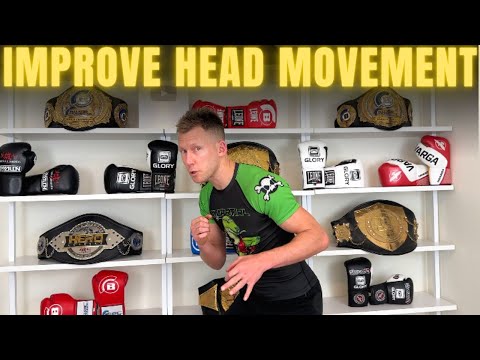
Mastering the Art of Evasion: The BUDO Approach to Head Movement

Welcome, warriors and seekers of the martial path, to a lesson that cuts to the very core of survival in any combative arena. You are here because you seek speed, you seek elusiveness, you seek the ability to dance within the storm of blows and emerge untouched, ready to strike. The common term is "head movement," a seemingly simple concept. But as a seasoned Sensei steeped in the profound philosophies of BUDO and the brutal realities of combat, I tell you: this is not mere evasion. It is the art of misdirection, the science of momentum, and a fundamental pillar of martial efficacy. Forget the notion of a "fast way"; there is only the correct way, and with diligent practice, speed will follow. Today, we dissect this vital skill, not just for the boxing ring, but for any discipline where the human body is both weapon and target.

The Unseen Shield: Why Head Movement is Paramount

Let us dispense with pleasantries and confront the harsh truth. In any direct confrontation, whether it's the disciplined exchange of a boxing match, the strategic grappling of Judo, or the close-quarters chaos of a street encounter, the primary objective is twofold: incapacitate the adversary while preserving your own physical integrity. Head movement, often relegated to a mere defensive maneuver, is in fact the first and most crucial line of defense. It is the invisible shield that deflects the storm. Why? Because a grounded fighter, one whose head is caught, is a fighter who cannot fight. Proper evasion allows you to:

  • Deflect Strikes: The most obvious benefit. Slipping, bobbing, and weaving are techniques to make your opponent's energy and intention miss their mark entirely.
  • Create Angles of Attack: By moving your head, you inherently shift your body's position relative to your opponent. This creates devastating openings and angles from which to land your own decisive blows.
  • Disrupt Rhythm and Confidence: A fighter who can consistently evade feels untouchable. This erodes an opponent's morale, sows seeds of doubt, and can lead to desperate, predictable attacks.
  • Conserve Energy: Absorbing fewer blows means less fatigue and more stamina for the crucial moments of the fight.

To neglect head movement is to present yourself as a stationary target, a ripe fruit waiting to be plucked. It is a fundamental flaw that experienced opponents will exploit with ruthless efficiency. As the ancient masters taught, adaptability is the key to survival. Your head must be fluid, not fixed.

The BUDO Blueprint for Fluid Evasion

True mastery of evasion is not about frantic, panicked flailing. It is about controlled, precise movement rooted in a deep understanding of balance, timing, and your opponent's intentions. Here are the tenets that form the foundation of effective head movement, viewed through the lens of BUDO:

1. The Zen of Relaxation: Banishing Tension

This is, perhaps, the most counter-intuitive yet critical element. When the threat of impact looms, the natural human reaction is to tense up. Muscles harden, breathing becomes shallow, and the body becomes rigid. This, my friends, is precisely what you must fight against. Tension is the enemy of speed and fluidity. It transforms a nimble dancer into a statue awaiting a hammer blow. In BUDO, we speak of "Mushin" – a mind without mind, a state of effortless action. This applies directly to evasion:

  • Release Your Shoulders: Let them drop. Imagine they are loose hinges, not clenched fists.
  • Soften Your Neck: Your neck is the conduit between your brain and the battlefield. It must be supple, ready to turn and pivot without resistance.
  • Control Your Breathing: Deep, steady breaths are the anchor against panic. They keep your body oxygenated and your muscles ready to respond, not react in fear.

"When you are fighting, fight. When you are not fighting, relax." This simple wisdom from a legendary fighter underscores the importance of maintaining a relaxed state until the precise moment of action. Tensing prematurely drains your power and telegraphs your intentions.

2. The Foundation of Footwork: The Unseen Dance

Your head does not move in a vacuum. It is an extension of your entire body, and your body's movement is dictated by your feet. Superior footwork is the engine of effective head movement. It provides the base from which you can launch evasive maneuvers and recover instantly, maintaining balance and readiness. Think of it as the constant adjustment of your personal space and angles:

  • Gait and Stance: Maintain a balanced, athletic stance. Your feet should be positioned to allow for easy lateral movement, forward and backward steps, and pivots.
  • Lateral Movement: Practice shuffling steps and sliding your feet to move side-to-side without crossing them, which is a critical vulnerability.
  • Pivoting: Learn to pivot on the balls of your feet to change direction quickly and effectively.
  • Rhythm and Feints: Use your footwork not just to evade, but to bait. Subtle shifts, forward and backward movements, can draw your opponent's attention and create openings for evasive action.

Drills like Agility ladder work, shadowboxing with a focus on constant movement, and specific footwork drills are not merely supplementary; they are foundational. They build the muscle memory and coordination necessary for fluid evasion.

3. Drills of Distinction: Sharpening the Evasive Edge

Theory is one thing; practical application is another. To truly internalize head movement, you must engage in targeted drills that simulate the pressures of combat. These are not mere exercises; they are the forging of your defensive will:

  • The Slip Bag: This hanging bag, smaller and more reactive than a speed bag, is perfect for practicing slipping punches. As it swings, you must react with precise head movement, timing your evasion to its trajectory. It teaches you to move your head offline, not just backward.
  • The Double-End Bag: This bag, connected by elastic cords, mimics the unpredictable movement of an opponent's punches. It demands rapid, reactive head movement and timing to avoid being struck.
  • Bobbing and Weaving: This is the art of ducking under punches and moving laterally. Practice sinking your hips, keeping your back straight, and moving in a semi-circular motion. Imagine an imaginary opponent throwing hooks, and practice weaving under them, coming up to the other side.
  • Partner Drills (with control): With a trusted partner, practice throwing light, controlled punches while the other practices evasion. The focus here is on reaction and timing, not power.

Consistency is key. Even 10-15 minutes dedicated to these drills daily can yield significant improvements.

4. The Mirror: Your Unblinking Critic

In the solitary pursuit of mastery, the mirror becomes an invaluable, albeit unforgiving, teacher. Standing before it, you can observe your own movements with an objective eye. This is where you refine technique, identify flaws, and build kinetic awareness:

  • Observe Your Stance: Are you balanced? Are your feet too close? Too wide?
  • Track Your Head: Are you moving your head independently of your body, or is it merely following? Are you bringing your head back to the center after evasion?
  • Maintain Guard: Crucially, practice your head movement while keeping your hands in a defensive guard. Evasion without protection is recklessness.
  • Combine Movements: Integrate footwork with head movement. Practice slipping and then stepping offline, or bobbing and weaving into a new angle.

This self-analysis is vital for correcting unconscious habits that can be exploited by a sharp opponent.

5. The Crucible of Sparring: Testing Your Mettle

Theory and drills are essential, but the ultimate test of head movement lies in the dynamic, unpredictable environment of sparring. Here, you face resistance, pressure, and the intent to strike. It is in sparring that your practiced skills are either proven or found wanting.

  • Seek Superior Opposition: Spar with individuals whose evasive skills surpass your own. This forces you to adapt, to think quicker, and to refine your timing. You learn more from being challenged than from dominating.
  • Focus on Evasion, Not Just Striking: During certain sparring sessions, make it your explicit goal to *only* evade and counter. Focus on making your opponent miss, and then capitalize on the openings created.
  • Analyze Your Opponent's Movement: Pay close attention to their rhythm, their feints, and the subtle tells that indicate an incoming strike. Your head movement should be a response to their intentions.

Sparring is not about "winning" in the traditional sense; it is about learning, adapting, and growing. It is a controlled environment to test and hone the skills that will serve you when the stakes are truly high. As the legendary Miyamoto Musashi emphasized, one must constantly test one's skills in practice.

Veredicto del Sensei: ¿El Camino Rápido o el Camino del Guerrero?

The pursuit of a "fast way" to improve head movement is a dangerous illusion. True mastery, the kind that becomes an instinctual extension of your will, is forged through persistent, intelligent practice. The principles of relaxation, grounded footwork, dedicated drills, self-analysis, and rigorous sparring are not shortcuts; they are the proven path of the warrior. Embrace the discipline, understand the nuance, and your evasive capabilities will not just improve – they will become an art form, a testament to your dedication to the martial path.

Equipo Esencial para tu Entrenamiento

While head movement itself requires no special equipment, certain training aids can significantly accelerate your progress. Investing in quality gear is investing in your development:

  • Punch Mitts and Focus Mitts: Essential for partner drills, allowing you to practice reactive evasion and counter-striking with a partner.
  • Speed Bag Platform and Bag: Excellent for developing hand-eye coordination and rhythm, which indirectly aids in timing evasive movements.
  • Double-End Bag and Slip Bag: As detailed above, these are critical for honing reactive head movement and slipping skills. Look for durable construction and appropriate weight.
  • Agility Ladder: A simple yet highly effective tool for improving footwork, which is the bedrock of good head movement.
  • Good Quality Boxing Gloves: For sparring, ensuring your hands are protected is paramount, allowing you to focus on technique rather than injury. Consider Karate or boxing gloves depending on your primary discipline.

Guía de Entrenamiento: Ejercicio de "Shadow Slip"

This drill combines footwork, evasion, and guard maintenance. It requires no equipment and can be done anywhere.

  1. Adopt a Balanced Stance: Stand as you would in a fight, hands up, relaxed but ready.
  2. Initiate Movement: Take a small step forward with your lead foot. As you do, your opponent would typically throw a jab.
  3. Slip the Jab: As you step forward, simultaneously slip your head to the side (e.g., to your right, away from the imaginary jab). Imagine your opponent's glove passing inches from your ear. Crucially, keep your guard up; don't drop your hands.
  4. Recover and Pivot: As you finish the slip, your body should naturally rotate slightly. Use this momentum to pivot on your lead foot, bringing your rear foot around to maintain your stance, now slightly angled towards your opponent.
  5. Simulate a Counter: From this new angle, you are perfectly positioned to throw a counter-punch (e.g., a straight right hand if you slipped a jab).
  6. Return to Center: After the imaginary counter, use your footwork to return to a neutral, forward-facing stance, ready for the next attack.
  7. Alternate Sides: Practice this drill, alternating the direction of your slip and your stepping foot.

Focus: Maintain fluidity. The step, the slip, and the recovery should be one continuous motion, not a series of disjointed actions. Imagine you are a willow tree swaying in the wind, bending but never breaking.

Preguntas Frecuentes

¿Cuánto tiempo se tarda en mejorar el movimiento de cabeza?

La velocidad de mejora varía enormemente según la dedicación, la calidad del entrenamiento y la aptitud individual. Sin embargo, con práctica diaria y enfocada, se pueden observar mejoras significativas en la coordinación y el timing en tan solo 4-6 semanas. La maestría, sin embargo, es un viaje de años.

¿Es el movimiento de cabeza importante en otras artes marciales además del boxeo?

¡Absolutamente! Si bien es más explícito en disciplinas como el boxeo, el kickboxing o el Muay Thai, el principio de evadir golpes es universal. En Judo, la evitación de la fuerza del oponente es clave para su proyectar. En Karate, el movimiento corporal (Tai Sabaki) a menudo implica mover la cabeza y el cuerpo simultáneamente para esquivar y contraatacar. Es un concepto fundamental en cualquier arte de combate.

¿Cómo puedo evitar que mi oponente anticipe mi movimiento de cabeza?

La clave está en la imprevisibilidad y la combinación de movimientos. No te limites a un solo tipo de evasión. Combina slips, bobs, weaves, y cambios de dirección con variaciones en tu juego de pies. Usa fintas con tus manos y cuerpo para distraer a tu oponente. La relajación y la lectura de tu oponente te permitirán reaccionar de forma auténtica en lugar de ejecutar un movimiento preprogramado.

¿Debo mantener mis manos arriba mientras muevo la cabeza?

Sí, siempre. Tu guardia es tu protección secundaria. Mover la cabeza sin mantener las manos en posición defensiva es exponerse a golpes a otras partes del cuerpo o a un contraataque rápido si tu evasión falla. La fluidez del movimiento de cabeza debe ser *integrada* con el mantenimiento de una guardia sólida.

¿Qué diferencia hay entre el movimiento de cabeza en boxeo y en MMA?

En MMA, el movimiento de cabeza se complica por la presencia de patadas y la posibilidad de derribos. Mientras que los principios de evasión son similares, debes estar más consciente de tu base y tu equilibrio, ya que un movimiento demasiado exagerado o un desequilibrio pueden ser explotados para un intento de derribo. Además, la amenaza de golpes a las piernas o el cuerpo añade otra capa de complejidad.

Para Profundizar en tu Camino

  • BUDO: Comprende la filosofía detrás de la disciplina marcial.
  • Karate: Explora las bases del Karate tradicional y su enfoque en el movimiento corporal.
  • Combate: Analiza las estrategias y tácticas en diversas disciplinas de lucha.

Reflexión del Sensei: Tu Próximo Paso

Has recibido las enseñanzas. Ahora, la responsabilidad recae en ti. ¿Consideras que la velocidad es un fin en sí mismo, o la herramienta que surge de la perfección de la forma? ¿Entiendes la evasión como un acto de cobardía o como la inteligencia de un guerrero que elige cuándo y cómo luchar?

Kakashi Hatake vs. A Powerhouse: A Critical Look at Fictional Martial Prowess

Welcome, aspiring warriors and seasoned practitioners, to Budo and Martial Arts. Today, we delve into a spectacle that, while born from imagination, touches upon the very essence of combat prowess: a hypothetical clash between Kakashi Hatake from the Naruto universe and an unnamed but undeniably powerful adversary. This isn't merely about who wins; it's about dissecting the principles, the displayed techniques, and what we can glean from such fictional encounters to enrich our understanding of real-world martial arts.

The Allure of Fictional Combat

We live in an era where the lines between entertainment and edification often blur. The image of Kakashi Hatake, the perpetually calm and formidable ninja, engaging in a "power full fight" resonates with our innate fascination for skill, strategy, and overwhelming force. But beyond the visual spectacle, what does such a confrontation teach us? As martial artists, our focus must always be on extracting practical wisdom, even from the most fantastical scenarios. The *intent* behind such portrayals—showcasing skill, overcoming adversity, and the sheer thrill of combat—is a rich ground for analysis.

The prompt, "Kakashi Hatake vs powerful man and power full fight," published on March 16, 2023, hints at an event or a piece of media that highlights a significant confrontation. My task, as your Sensei, is not to simply recount the action, but to dissect it through the lens of authentic martial principles. We are here to explore the Budo, the philosophical and practical path of the warrior, and how it might be represented, even in its fictionalized form.

Deconstructing Kakashi's Arsenal: Jutsu as Martial Arts

Kakashi Hatake is renowned for his mastery of various Jutsu, techniques that, in essence, function as a highly specialized form of martial art. His signature move, the Chidori (One Thousand Birds), is a concentrated burst of lightning chakra, wielded as a piercing strike. This mirrors the concept of a focused, high-velocity offensive technique found in many real-world striking arts, aiming to overwhelm an opponent's defenses with sheer penetration power. Consider the speed and precision required, akin to a master swordsman delivering a decisive blow, or a boxer executing a perfectly timed straight punch.

Then there's his Sharingan (Copy Wheel Eye), which allows him to perceive chakra, mimic techniques, and gain unparalleled visual acuity. In a real combat context, this translates to an exceptional ability to read an opponent's movements, anticipate attacks, and adapt strategies on the fly. This mirrors the importance of Kime (focus, intensity) and Zanshin (awareness) in Japanese martial arts. The ability to 'copy' techniques, while supernatural, speaks to the martial artist's capacity for deep observation and rapid learning – a skill honed through countless hours of kumite (sparring) and kata (forms) practice.

Furthermore, Kakashi is adept at taijutsu (hand-to-hand combat), utilizing swift kicks and punches, often imbued with chakra for added impact. This foundation in physical combat is crucial. Even the most potent ninjutsu requires a solid physical base. This is a fundamental truth echoed across disciplines, from Karate to Muay Thai. Without strong conditioning and proper body mechanics, even the most advanced techniques are mere parlor tricks.

"The ultimate aim of martial arts is not the victory or defeat, but the perfection of the character of its practitioners." - Gichin Funakoshi, founder of Shotokan Karate. While Kakashi's world is one of battle, his discipline and constant self-improvement embody this principle.

The Unseen Powerhouse: What Defines a True Threat?

The description "powerful man" is intentionally vague, allowing our imagination to fill the void. Is this opponent a master of raw physical strength? A practitioner of forbidden arts? A titan of speed? In martial arts, a "powerful" opponent isn't just about brute force. True power lies in a combination of factors:

  • Technique (Waza): Skillful application of movement, leverage, and timing.
  • Strategy (Senjutsu): The art of anticipating, deceiving, and controlling the engagement.
  • Endurance (Taisei): The capacity to maintain peak performance over extended periods.
  • Mental Fortitude (Mushin - No Mind): The ability to act without hesitation or doubt, a state of focused awareness.
  • Adaptability (Henka): The capacity to adjust tactics based on the opponent's actions.

A truly formidable opponent, fictional or real, integrates these elements seamlessly. They don't just throw punches; they orchestrate an entire encounter. The effectiveness of Kakashi's own techniques would be tested against an opponent who understands distance, timing, and flow, not just raw power.

Choreography vs. The Cold Calculus of Combat

Cinema and anime often present fight sequences that are breathtaking but divorced from the brutal efficiency of real combat. A "power full fight" in fiction might involve elaborate animations, dramatic pauses, and seemingly limitless stamina. Real fights, particularly those where stakes are high, are often far more condensed, messy, and dictated by the first effective strike or mistake.

Consider the nuances: a well-executed grappling exchange in Judo or BJJ can end a fight without a single blow. A perfectly timed counter-attack in Karate or Kickboxing can create a knockout opportunity. Even the seemingly simple, direct approach of Kyokushin Karate emphasizes devastating power and resilience. The fictional fight likely emphasizes flashy jutsu, but a real-world encounter would hinge on fundamental principles: footwork, balance, structure, and exploiting weaknesses.

The inclusion of tags like #artesmarciales, #BUDO, #lucha, #pelea, #entrenamiento, and #historia suggests the original post aimed to connect fictional combat with these real-world disciplines. This is where our critical analysis truly begins.

Beyond the Jutsu: The Budo Spirit in Fiction

At its core, Budo is not just about fighting; it's about self-mastery, discipline, and the cultivation of a strong moral character. While Kakashi is a fictional ninja, his journey often embodies aspects of this path. His adherence to the rules of engagement (even as a ninja), his dedication to his students, and his willingness to sacrifice reflect a deeper commitment than mere combat prowess. The concept of Ki (or Qi), the vital life force, is central to many Eastern martial arts. While depicted as supernatural energy manipulation in Naruto, it fundamentally relates to harnessing internal energy for physical and mental power—a concept explored in practices ranging from Shaolin Kung Fu to internal Chinese martial arts.

"The way of the warrior is to accept death." - Miyamoto Musashi, The Book of Five Rings. This stark reminder from a legendary swordsman highlights the ultimate commitment inherent in the martial path, a commitment that fictional characters like Kakashi, in their own way, often have to confront.

Lessons for the Dojo: Applying Fictional Principles

So, what practical lessons can we draw from this fictional battle?:

  1. Observation is Key: Kakashi's Sharingan highlights the importance of keenly observing your opponent. Train to read body language, anticipate movements, and understand their tendencies.
  2. Master Your Core Techniques: Whether it's Chidori or a simple punch, focus on perfecting your fundamental skills. Power comes from efficient application, not just raw energy.
  3. Develop Adaptability: A single strategy rarely works against all opponents. Cultivate the ability to shift tactics and respond effectively to unexpected situations. This is honed through varied sparring sessions, including incorporating elements of grappling and different ranges of combat.
  4. Integrate Physical and Mental Training: Kakashi's ninja skills are a blend of physical prowess, strategic thinking, and mental fortitude. Ensure your training encompasses strength, conditioning, technique, and mental discipline.
  5. Understand the "Why": Beyond the techniques, always seek the underlying principles. Why does a certain movement work? What is the strategic advantage? This deeper understanding elevates practice to the level of true Budo.

Veredicto del Sensei: Where Fiction Meets Force

While the "Kakashi Hatake vs powerful man and power full fight" is an imaginary scenario, it serves as a potent illustration of martial concepts. Kakashi's abilities, though exaggerated, are rooted in principles of precision, speed, strategic thinking, and the use of specialized techniques. A "powerful man" represents the fundamental challenge of facing a capable adversary. The "power full fight" itself highlights the dynamic interplay between offense, defense, and adaptation.

If this were a real combat scenario, the outcome would depend on countless variables not present in fictional narratives. However, as a catalyst for discussion on martial arts principles, it is effective. It reminds us that the dedication to training, the mastery of technique, and the cultivation of a warrior's spirit—the very essence of BUDO—are timeless, whether applied in a ninja village or a dojo.

Rating: Cinturón Negro en Imaginación, Nivel Novato en Aplicación Real. A commendable exploration of martial concepts, albeit through a fictional lens. It sparks the imagination but requires critical translation to practical training.

Equipo Esencial para tu Entrenamiento

To truly embody the spirit of martial arts, having the right equipment is crucial for effective and safe training. Whether you are practicing Karate, Judo, BJJ, or any other discipline, investing in quality gear can make a significant difference in your progress and enjoyment.

  • Kimono/Gi: Essential for Judo, BJJ, and Aikido. Look for durable, double-woven fabrics for Judo and BJJ, and lighter, comfortable weaves for Aikido. Brands offering high-quality kimonos de judo are a good starting point.
  • Protective Gear: For sparring (kumite), consider padded gloves (e.g., guantes de 16oz para sparring for boxing/kickboxing), shin guards, headgear, and mouthguards. These are vital for minimizing injury.
  • Training Mats (Tatami): If you practice grappling arts or forms that involve throws and falls, investing in quality tatami mats provides necessary cushioning and safety.
  • Training Weapons: For arts that incorporate weapons (e.g., Karate with Bo staff, Kobudo), ensure you use safe, properly weighted practice versions.
  • Fitness Equipment: Resistance bands, jump ropes, and basic weights can supplement your martial arts training, enhancing strength, agility, and cardiovascular fitness.

Preguntas Frecuentes

¿Es posible aplicar las técnicas de Kakashi en la vida real?

Directamente, no. Las jutsu de Kakashi son sobrenaturales y parte de un universo de ficción. Sin embargo, los principios subyacentes—velocidad, precisión, anticipación, uso estratégico de energía (Ki)—son aplicables al entrenamiento de artes marciales reales.

¿Qué arte marcial se asemeja más a las habilidades de Kakashi?

Si bien ningún arte marcial real replica la versatilidad de un ninja, Kakashi's taijutsu, velocidad y enfoques de combate directo podrían tener paralelos con disciplinas como Ninjutsu (el arte histórico, no solo su representación popular), Karate (por su énfasis en golpes contundentes y velocidad), y Kickboxing (por la combinación de golpes y patadas). Su habilidad para copiar técnicas resalta la importancia de la observación y el aprendizaje en cualquier arte marcial.

¿Cuál es la importancia del concepto de Ki en las artes marciales?

El Ki (o Chi/Qi) representa la energía vital. En artes marciales, se cultiva a través de la respiración, la concentración y el movimiento para potenciar la fuerza física, la resistencia y el enfoque mental. No es magia, sino la optimización de la fisiología y la mente humanas.

¿Por qué es importante el entrenamiento de combate en la calle (CombateEnLaCalle)?

El CombateEnLaCalle se enfoca en la autodefensa en escenarios impredecibles y peligrosos. A diferencia de un dojo, no hay reglas, ni árbitros, y las circunstancias pueden ser letales. Un entrenamiento efectivo en esta área debe ser realista, práctico y enfocado en la supervivencia.

Para Profundizar en tu Camino

Reflexión del Sensei: Tu Próximo Paso

The confrontation between Kakashi and his powerful foe, though fictional, serves as a mirror to our own training. It highlights the perpetual quest for knowledge, the development of physical and mental discipline, and the understanding that true strength lies not just in power, but in wisdom and adaptability. The flashy displays are entertaining, but the fundamental principles—dedication to practice, respect for the opponent, and the pursuit of self-improvement—are what forge a true martial artist.

"The martial way is a daily task. It is a lifetime commitment." - A principle echoed across countless martial traditions.

Reflexión del Sensei: Tu Próximo Paso

Now, I pose this to you: In your own training, are you focusing solely on the "flashy jutsu," the spectacular moves that garner attention, or are you diligently building the foundational strength, the keen observational skills, and the unwavering mental fortitude that would allow you to face any "powerful man," whether in a fictional realm or the unforgiving reality of the street? Where does your true commitment lie?

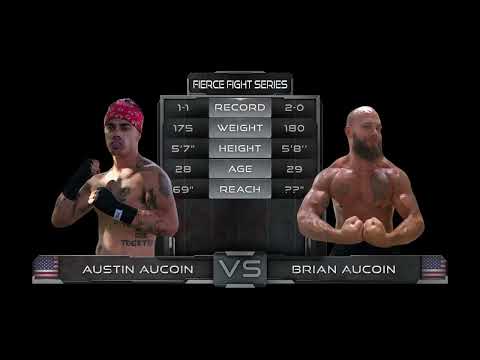
Martial Arts Showdown: Austin Aucoin vs. Brian Aucoin - A Masterclass in Combat

Greetings, warriors, and welcome to Budo and Martial Arts! Today, we delve into a captivating clash of titans: the full fight between Austin Aucoin and Brian Aucoin. Published on March 13, 2023, at 04:45 PM, this bout offers a rare glimpse into the raw application of principles that we strive to embody daily. As the most comprehensive and updated martial arts blog on the internet, we are here to dissect this encounter, not just as spectators, but as students of the Way. As you witness this display of skill, remember that every movement, every strategy, carries the weight of tradition and the intensity of modern competition. We encourage you to follow us on social networks and immerse yourselves in our main page for a deeper understanding of the martial world.

Introduction: The Aucoin Brothers' Duel

The announcement of Austin Aucoin vs. Brian Aucoin immediately ignites a spark of curiosity. Are these brothers? Or two warriors sharing a surname, destined to test their mettle against each other? Regardless of their familial connection, the premise of two individuals, presumably with similar foundational training, clashing in a full-contact scenario is a potent subject for analysis. This isn't merely a fight; it's a crucible where technique, strategy, and the warrior's spirit are laid bare.
The intensity of such a matchup often transcends individual styles, forcing each combatant to confront not only their opponent but also their own limitations and strengths. We will dissect this fight, much like a master craftsman examines a perfectly forged blade, looking for the nuances that define victory and the lessons that extend beyond the final bell.

The Art of the Fight: Tactical Breakdown

To truly appreciate a martial arts contest, we must move beyond the superficial spectacle and delve into the underlying strategy. In a full fight scenario like Austin Aucoin vs. Brian Aucoin, understanding the tactical approach of each combatant is paramount. Were they primarily strikers, relying on powerful kicks and punches? Or did they engage in grappling, seeking takedowns and submission holds? Observing their footwork, their defensive posture, and their offensive tempo reveals their game plan. Did one fighter consistently pressure the other? Did they exploit openings created by fatigue or a momentary lapse in concentration? The flow of the fight, the ebb and tide of dominance, tells a story of adaptation and response. A fighter who can adjust their strategy mid-bout, based on their opponent's reactions, demonstrates a higher level of tactical acumen. One critical aspect to consider is the range of combat. Did the fight remain primarily in the striking range, characterized by punches and kicks, or did it transition into the clinch and ground game, the domain of wrestling and judo or BJJ? The fighter who can dictate the engagement range often holds a significant advantage.
"In combat, the opportunity to strike is often fleeting. The wise warrior prepares for the opening, but is not discouraged by its absence." - Miyamoto Musashi (paraphrased)
This fight, like many in MMA or other combat sports, likely showcased a blend of these elements. Analyzing how Austin and Brian navigated these different phases of combat will provide invaluable insights into their martial development.

Key Techniques and Principles in Play

Beyond the broad tactical strategies, the specific techniques employed are the building blocks of martial prowess. In the confrontation between Austin Aucoin and Brian Aucoin, we should look for the application of fundamental martial arts principles. * **Striking:** Did they utilize effective boxing combinations? Were their kicks powerful and well-placed? A jab-cross combination, a well-timed low kick, or a devastating elbow can change the course of a fight in an instant. We might see practitioners of styles like Karate or Kickboxing displaying their striking expertise. * **Grappling:** If the fight went to the ground, how did they manage the position? Were there attempts at takedowns, like a double-leg or single-leg takedown? On the ground, did they exhibit effective control, or were there submissions like armbars or chokes? Disciplines such as Judo, Brazilian Jiu-Jitsu, and wrestling are crucial here. * **Clinch Work:** The clinch is a transitional phase where fighters grapple in close quarters. Effective clinch work can set up takedowns, deliver knees and elbows, or simply allow a fighter to control their opponent's posture and disrupt their offense. * **Defense:** Crucially, how did they defend against their opponent's attacks? Did they employ head movement, slips, blocks, or sprawls? A strong defense is often the foundation of a successful offense. The true artistry lies not just in executing these techniques, but in their seamless integration. A fighter who can transition fluidly from striking to grappling, or vice-versa, demonstrates a high level of mastery and adaptability.

Philosophical Implications: The Warrior's Heart

Every martial arts encounter, especially one as intense as a full fight, is a manifestation of deeper philosophical underpinnings. Beyond the physical techniques, what can Austin Aucoin vs. Brian Aucoin teach us about the warrior's mindset? The principle of *Mushin* – "no mind" – is often discussed in martial arts. It refers to a state of heightened awareness where the mind is free from distracting thoughts, allowing for spontaneous and intuitive action. Did either fighter exhibit moments of *Mushin*, acting purely on instinct and reacting perfectly to the situation? Furthermore, the concept of *Zanshin* – a state of relaxed awareness, of lingering attention – is vital. After executing a technique, a fighter with *Zanshin* remains aware of their surroundings and their opponent's potential counter-attacks. This prevents them from being vulnerable immediately after a successful offensive maneuver.
"To know your enemy and know yourself, and you need not fear the result of a hundred battles." - Sun Tzu
This fight is a testament to perseverance. The ability to withstand punishment, to continue fighting despite adversity, and to maintain focus under pressure are hallmarks of a true martial artist. It's a demonstration of inner strength, a core tenet of BUDO.

Training Regimen: Lessons from the Octagon

Witnessing a full fight like this naturally leads us to consider the training required to reach such a level. The path of a martial artist is one of relentless dedication and intelligent preparation. A comprehensive training regimen for combat sports typically includes: * **Technical Skill Development:** Regular practice of strikes, kicks, takedowns, grappling techniques, and defensive maneuvers. This involves drilling with partners, working on pads, and studying instructional material. * **Strength and Conditioning:** Building the physical foundation necessary for explosive power, endurance, and resilience. This often includes weight training, plyometrics, cardiovascular work, and agility drills. * **Sparring:** Controlled, simulated combat scenarios to apply learned techniques and test strategies against live opponents. This is where timing, distance, and reactions are honed. * **Mental Training:** Developing focus, discipline, emotional control, and the ability to perform under pressure. This can involve meditation, visualization, and overcoming mental barriers. * **Nutrition and Recovery:** Proper fueling of the body and adequate rest are crucial for performance and injury prevention. The Aucoin brothers' fight offers a tangible example of what hard work and consistent training can achieve. It inspires us to examine our own training practices and identify areas for improvement. Are we pushing ourselves sufficiently? Are our training methods aligned with our goals?

Essential Gear for Your Training

To engage effectively and safely in martial arts training, having the right equipment is crucial. Whether you're practicing striking, grappling, or a hybrid discipline, the gear you use directly impacts your performance and well-being.
  • Gloves: For striking disciplines like boxing, kickboxing, or MMA, well-fitting gloves (e.g., 16oz for sparring, lighter for bag work) are essential to protect your hands and your training partners.
  • Mouthguard: A vital piece of protective equipment for any combat sport to prevent dental injuries.
  • Shin Guards: Crucial for kickboxing and Muay Thai training to absorb impact and prevent bruising or fractures from kicks.
  • Grappling Gear: For BJJ and Judo, a durable and properly fitted Gi (kimono) is indispensable. Rashguards are also highly recommended for hygiene and to prevent mat burn.
  • Training Shoes: Lightweight, flexible shoes with good grip are important for striking arts, providing stability and mobility.
Investing in quality martial arts merchandise ensures that your training is both effective and safe.

Veredicto del Sensei: A Duel Worth Studying

Austin Aucoin vs. Brian Aucoin FULL FIGHT is more than just a video clip; it's a valuable case study for any serious practitioner of martial arts. The clarity of the footage allows for detailed analysis of tactics, techniques, and the sheer grit required in a full-contact contest. While the specific context of the fight (e.g., weight class, organization rules) influences the strategies employed, the fundamental principles remain universal. This bout exemplifies the dynamic nature of modern combat sports, where the lines between traditional styles blur, and a well-rounded skill set is paramount. It serves as a powerful reminder that the "fight" is not just about physical prowess, but also about mental fortitude, strategic thinking, and the unwavering spirit of a warrior. **Rating:** Full Guard Mastery.

Frequently Asked Questions

What martial arts styles are likely represented in this fight?

Based on the typical format of full fights in combat sports, it's probable that elements from striking arts like boxing, kickboxing, or Muay Thai are combined with grappling disciplines such as Brazilian Jiu-Jitsu, wrestling, or Judo.

How important is the referee's role in a fight like this?

The referee is critical for ensuring fighter safety, enforcing the rules, and maintaining the integrity of the contest. They step in to stop the fight when a competitor is in danger or when rules are violated.

Can I learn effective self-defense from watching this fight?

While watching fights can offer insights into practical application, self-defense requires specific training focused on real-world threats, which often differ significantly from the controlled environment of a sporting match. However, understanding timing, distance, and defensive reactions can be beneficial.

What is the significance of the surname "Aucoin" in martial arts?

Without specific context, the surname itself holds no inherent martial significance. It's the individuals and their demonstrated skills that matter. This particular matchup highlights how two fighters with the same surname can still possess vastly different skill sets and approaches to combat.

To Deepen Your Path

To truly grasp the nuances of combat and the philosophy behind martial arts, consider exploring these related topics:

Reflexión del Sensei: Tu Próximo Paso

This bout between Austin and Brian Aucoin is a powerful illustration of applied martial principles. Now, I ask you: when faced with an opponent, be it in the ring or in life's challenges, do you lead with brute force, or do you first seek to understand the flow of the situation and adapt your strategy accordingly? Where does your true strength lie: in the power of your strike, or the clarity of your mind? Ponder this, and demonstrate your understanding in the comments below. ```json { "@context": "https://schema.org", "@type": "FAQPage", "mainEntity": [ { "@type": "Question", "name": "What martial arts styles are likely represented in this fight?", "acceptedAnswer": { "@type": "Answer", "text": "Based on the typical format of full fights in combat sports, it's probable that elements from striking arts like boxing, kickboxing, or Muay Thai are combined with grappling disciplines such as Brazilian Jiu-Jitsu, wrestling, or Judo." } }, { "@type": "Question", "name": "How important is the referee's role in a fight like this?", "acceptedAnswer": { "@type": "Answer", "text": "The referee is critical for ensuring fighter safety, enforcing the rules, and maintaining the integrity of the contest. They step in to stop the fight when a competitor is in danger or when rules are violated." } }, { "@type": "Question", "name": "Can I learn effective self-defense from watching this fight?", "acceptedAnswer": { "@type": "Answer", "text": "While watching fights can offer insights into practical application, self-defense requires specific training focused on real-world threats, which often differ significantly from the controlled environment of a sporting match. However, understanding timing, distance, and defensive reactions can be beneficial." } }, { "@type": "Question", "name": "What is the significance of the surname \"Aucoin\" in martial arts?", "acceptedAnswer": { "@type": "Answer", "text": "Without specific context, the surname itself holds no inherent martial significance. It's the individuals and their demonstrated skills that matter. This particular matchup highlights how two fighters with the same surname can still possess vastly different skill sets and approaches to combat." } } ] }