Showing posts sorted by date for query footwork boxeo. Sort by relevance Show all posts

The Unmistakable Signs of a True Martial Arts Devotee (Are You One of Us?)

Have you ever found yourself unconsciously mimicking a stance while waiting in line, or perhaps instinctively blocking a rogue shopping cart? Does the mere mention of "O-soto-gari" send a shiver of excitement down your spine? If your mind immediately races to classic cinema showdowns or the intricate philosophies behind the Bushido code, then welcome, brother/sister. You're not just a practitioner; you're one of the initiated. The path of Budo is not merely a hobby; it’s a profound transformation, a discipline that seeps into the very marrow of your being. But how do we discern true passion from mere fleeting interest? How do we know when the dojo has truly become our second home, and our gi our second skin?

The Unconscious Dojo: When Life Becomes Practice

The first, and perhaps most telling, sign of true martial arts addiction is when the dojo's influence spills into the mundane. You're not just training on the mat; you're training everywhere. Observe the casual observer: they see a person waiting for a bus. You, the devotee, see an opportunity to perfect your Kihon, your basic stances, maintaining perfect posture. That sudden urge to execute a swift Mawashi-geri at a particularly irritating telemarketer? A classic symptom. We’ve all been there, haven't we? That moment in the supermarket aisle when you absentmindedly practice your Tsuki on an unsuspecting cereal box, only to realize the stares you're receiving.

This isn't mere eccentricity; it’s the ingrained muscle memory and the persistent mental conditioning that Budo instills. It speaks to a deep internalization of the principles of balance, focus, and readiness. It’s the spirit of the warrior manifesting in everyday actions, a constant, subtle dance of preparedness.

The Endless Scroll: Immersed in the Digital Dojo

In this digital age, the dojo is never truly closed. For the addicted, the internet becomes an extension of the training floor. Hours melt away, not in frivolous scrolling, but in the relentless pursuit of knowledge. Watching instructional videos, analyzing fight footage, devouring documentaries on legendary masters – this is your daily bread. You find yourself comparing the footwork of a Kyokushin Karateka to that of a Judo practitioner, dissecting the efficiency of a Wing Chun centerline theory versus the explosive power of Muay Thai.

This isn't just passive consumption; it's active study. You’re not merely watching; you are learning, assimilating, constantly seeking to refine your understanding. The legends you admire – perhaps a Miyamoto Musashi, a Mas Oyama, or a Jigoro Kano – become your virtual mentors, their teachings guiding your every thought.

"The ultimate aim of martial arts is not academic or intellectual, but physical and spiritual." - Unknown Master

Sanctuary of the Sweat: The Dedicated Training Space

For those truly consumed, a single room is no longer enough; a dedicated space becomes a necessity. This is more than just a corner with a punching bag. It's a shrine. It’s where the sweat drips and the spirit soars. Here, you organize your precious tools: the well-worn makiwara, the trusty kiai-inducing focus mitts, perhaps even a carefully curated selection of martial arts weaponry – a bo staff leaning against the wall, a bokken resting on a stand. This space is your personal laboratory, your forge. Here, you push your limits, test new techniques, and reconnect with the core of your practice.

The mere existence of such a space signifies a commitment that transcends casual interest. It’s a testament to the fact that martial arts are not just something you *do*, but something you *live*. It’s an investment in your journey, a tangible manifestation of your dedication.

The Sacred Circle: Respecting the Warrior's Time

Those closest to us often become the first to understand the depth of our passion. They learn, sometimes the hard way, that when the gi is on, or when the focus is absolute, disturbance is not an option. The frantic calls, the urgent requests – they often fall on deaf ears during the sacred hours of training. This isn't rudeness; it's recognition. It’s an unspoken agreement that this time is non-negotiable, a period of intense personal development where external distractions must yield.

Your family and friends, if they are truly understanding, will learn to respect these boundaries. They see not stubbornness, but the profound importance you place on your chosen path. They understand that this discipline is building a better version of you, a more focused, resilient, and capable individual.

The Collector's Obsession: Weapons and Wisdom

Beyond the physical, the true devotee develops a hunger for the history, the philosophy, the very soul of martial arts. This often manifests as a collector’s spirit, not just for physical artifacts but for knowledge. You find yourself drawn to the stories of legendary weapons – the katana of a samurai, the nunchaku of Bruce Lee. You begin to amass a personal library of texts, from Sun Tzu's "The Art of War" to treatises on Zen and martial philosophy.

This isn't just about accumulating objects; it's about connecting with the lineage and the legacy. Each weapon displayed, each book carefully preserved, is a reminder of the generations of practitioners who walked this path before you, their struggles and triumphs fueling your own resolve. It’s a tangible link to the martial heritage.

The Expert's Insight: Knowing the Styles and the Masters

Can you differentiate the fluidity of Aikido from the directness of Karate? Can you name the most influential Judo masters of the 20th century? If the answer is a resounding yes, congratulations – you've likely crossed the threshold into true martial arts devotion. You’ve moved beyond simply performing techniques to understanding the underlying principles, the historical context, and the philosophical underpinnings of each style.

This deep knowledge isn’t acquired overnight. It’s the result of countless hours of research, training, and spirited debate. You've likely engaged in heated discussions about the effectiveness of certain techniques in real-world scenarios, or the merits of traditional training versus modern approaches. This intellectual engagement is as crucial as the physical. It shapes your understanding and refines your practice.

The Guru's Shadow: Following a Revered Instructor

A pivotal aspect of the martial arts journey is often finding a mentor who inspires and guides. This isn't just about attending classes; it's about forming a bond built on trust and shared dedication. You find yourself not only attending their every session but seeking their wisdom outside the dojo, following their teachings religiously. You understand that their experience and insight are invaluable, a shortcut through the labyrinth of self-discovery.

This reverence for an instructor is a sign of respect for the lineage and the transfer of knowledge. It acknowledges that while personal exploration is vital, the guidance of a seasoned master can illuminate the path, preventing countless pitfalls and accelerating growth. It’s about recognizing that true mastery is often built upon the shoulders of those who came before.

The Spectator Sport: Competitions and Championships

The thrill of competition is a powerful draw for many martial artists. Attending tournaments, whether as a participant or a spectator, offers a unique insight into the application of skills under pressure. You find yourself drawn to the intensity, the strategy, the sheer willpower displayed. You analyze the bouts, perhaps mentally critiquing the fighters' techniques or celebrating their triumphs.

This engagement with competition demonstrates an appreciation for the practical application of martial arts. It’s a recognition that while self-improvement is paramount, testing one’s skills against others is a vital component of growth for many disciplines. It signifies an understanding of the martial spirit in its most direct and challenging form.

The Ultimate Dream: Aspiring to Mastery

And then there are the dreams. The vivid, exhilarating dreams where you are the undisputed master, effortlessly executing perfect techniques, perhaps facing down imaginary foes with calm resolve. These nocturnal visions are perhaps the most potent indicator of your deep immersion. You don’t just train; you aspire. You envision yourself not just as a practitioner, but as a true embodiment of martial principles.

This aspiration for mastery is the engine that drives continuous improvement. It’s the recognition that the journey of Budo is a lifelong pursuit, a path with no true end, only constant evolution. It’s the understanding that the ultimate goal is not just physical prowess, but a profound inner transformation.

Veredicto del Sensei: ¿Es esto una Adicción o una Vocación?

Let's be brutally honest. If you've nodded along to more than a few of these points, then yes, you are indeed "addicted" to martial arts. But is this a bad thing? Absolutely not. This isn't the destructive addiction of a vice; this is the consuming passion of a life dedicated to a noble pursuit. This "addiction" is a testament to your commitment, your discipline, and your willingness to grow. It means you've tapped into something profound – a practice that enriches your mind, strengthens your body, and fortifies your spirit. The benefits of this path are immeasurable, fostering resilience, respect, and a deep sense of self-awareness.

At BYAM Budo y Artes Marciales, we understand this deep-seated passion. We exist to serve this very community. Whether you're seeking the perfect Kimonos for Judo, durable gear for Karate, or insightful books to deepen your understanding of Budo philosophy, we are here to support your journey. We offer quality training equipment and a wealth of content designed to fuel your martial arts fire.

Equipo Esencial para tu Entrenamiento

  • Guantes de Sparring (16oz recomendados para la mayoría de disciplinas de combate): Protege tus manos y las de tu compañero.
  • Kimono de Doble Tejido para Judo o Jiu-Jitsu: Durabilidad y resistencia para los rigores del grappling.
  • Espinilleras y Guantes de Karate: Esenciales para la seguridad en el entrenamiento de Karate y Kickboxing.
  • Sacos de Boxeo y Pera Loca: Herramientas fundamentales para mejorar la potencia, la velocidad y la resistencia.
  • Esterillas de Entrenamiento: Para ejercicios de suelo, caídas y para amortiguar el impacto.

Recursos para Profundizar

  • Libros sobre Filosofía Marcial: Explora los principios del Bushido, Zen y otras escuelas de pensamiento.
  • DVDs de Maestros Reconocidos: Aprende técnicas avanzadas y perspectivas únicas de instructores legendarios.
  • Equipamiento de Entrenamiento Específico: Desde makiwaras hasta maniquíes de madera (Muk Yan Jong).

Preguntas Frecuentes

¿Es normal soñar con artes marciales si soy un devoto?

Absolutamente. Los sueños reflejan la profunda inmersión mental y física en tu práctica. Es una señal de que las artes marciales se han convertido en una parte integral de tu psique.

¿Debería preocuparme si practico movimientos en público?

Si bien puede atraer miradas, no es motivo de preocupación si se hace de forma discreta y respetuosa. Indica una fuerte conexión con tu entrenamiento, pero siempre es prudente ser consciente del entorno.

¿Cómo puedo equilibrar mi "adicción" a las artes marciales con mi vida social y familiar?

La clave es la comunicación y el respeto mutuo. Explica la importancia de tu entrenamiento a tus seres queridos. Dedica tiempo de calidad a ellos fuera de tus sesiones de práctica, y es probable que comprendan y apoyen tu pasión.

¿Dónde puedo encontrar equipo de artes marciales de alta calidad?

Busca tiendas especializadas en artes marciales o proveedores en línea de confianza. Sitios como BYAM Budo y Artes Marciales ofrecen una amplia gama de productos para diversas disciplinas.

Para Profundizar en tu Camino

Reflexión del Sensei: Tu Próximo Paso

Ahora te digo: ¿cuál de estos signos resuena más profundamente contigo? ¿Cuál crees que es el verdadero indicador de una pasión inquebrantable? No me des una respuesta fácil. Reflexiona sobre cómo estas manifestaciones de tu devoción impactan tu vida, no solo en el dojo, sino en cada aspecto de tu existencia. Y si te atreves, comparte tu verdad en los comentarios. Demuéstrame que este fuego marcial arde con la misma intensidad en ti.

``` ```json { "@context": "https://schema.org", "@type": "FAQPage", "mainEntity": [ { "@type": "Question", "name": "Is it normal to dream about martial arts if I'm a devotee?", "acceptedAnswer": { "@type": "Answer", "text": "Absolutely. Dreams reflect deep mental and physical immersion in your practice. It's a sign that martial arts have become an integral part of your psyche." } }, { "@type": "Question", "name": "Should I worry if I practice moves in public?", "acceptedAnswer": { "@type": "Answer", "text": "While it might attract stares, it's not a cause for worry if done discreetly and respectfully. It indicates a strong connection to your training, but it's always wise to be aware of your surroundings." } }, { "@type": "Question", "name": "How can I balance my martial arts 'addiction' with my social and family life?", "acceptedAnswer": { "@type": "Answer", "text": "The key is communication and mutual respect. Explain the importance of your training to your loved ones. Dedicate quality time to them outside your practice sessions, and they will likely understand and support your passion." } }, { "@type": "Question", "name": "Where can I find high-quality martial arts equipment?", "acceptedAnswer": { "@type": "Answer", "text": "Look for specialized martial arts stores or trusted online retailers. Sites like BYAM Budo y Artes Marciales offer a wide range of products for various disciplines." } } ] }

El Legado del Guerrero: Piernas de Acero Sin la Sombra de la Sentadilla

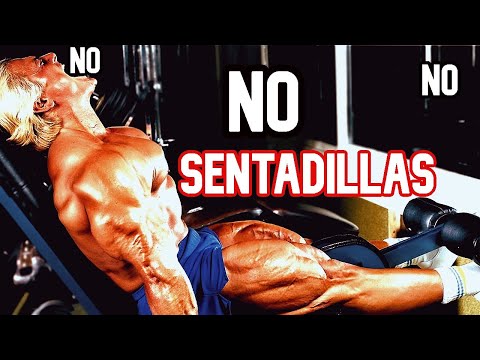
¡Saludos, Budokas y Buscadores del Camino Marcial! Si has llegado hasta aquí, es probable que busques el poder de unas piernas de hierro forjado, capaces de impulsarte en un golpe demoledor, resistir en una defensa férrea o recorrer el camino con la firmeza de un roble. Pero, ¿qué sucede si el rey de los ejercicios, la sentadilla, te es vedada por una lesión, un consejo médico, o simplemente porque tu espíritu se rebela ante su repetición monótona? ¿Significa eso el fin de tu aspiración a unas extremidades inferiores dignas de un guerrero? ¡Absolutamente no! Como Sensei, mi misión es desmantelar mitos y ofrecerte la verdad desnuda, la sabiduría práctica que te permitirá forjar la fuerza que anhelas, independientemente de las limitaciones. Hoy, desvelaremos los secretos para construir piernas colosales, no a través de un único ejercicio, sino mediante un enfoque holístico, un tapiz de movimientos y disciplinas que resonarán en tu alma marcial. Prepárate para una lección que transformará tu perspectiva sobre el desarrollo físico y te conectará con la esencia del *budo*.

Tabla de Contenidos

La Filosofía Detrás de la Fuerza: Más Allá de un Solo Movimiento

La búsqueda de la fuerza física, en el contexto del *budo* y las artes marciales, trasciende la mera hipertrofia muscular. No se trata de tener las piernas más grandes, sino las más funcionales, las más resistentes y las más explosivas. Un guerrero no necesita solo potencia, sino la capacidad de canalizarla con precisión, mantenerla durante combates prolongados y recuperarse rápidamente. Miyamoto Musashi, en su célebre "Libro de los Cinco Anillos", enfatizó la importancia de la adaptabilidad y la visión de conjunto. Su estrategia no se basaba en un solo golpe o una sola técnica, sino en la comprensión profunda del todo. Aplicado al entrenamiento, esto significa que confiar en un único ejercicio, por efectivo que sea, es una debilidad estratégica. Las piernas son nuestros cimientos, la base desde la cual lanzamos ataques, absorbemos impactos y nos desplazamos con agilidad. Ignorar su desarrollo completo o buscar atajos es un error que muchos principiantes cometen, y que a veces, incluso practicantes avanzados, repiten por falta de escrutinio.

El Verdadero Enemigo: La Monotonía y la Falta de Visión Integral

Seamos honestos: la sentadilla es el rey, sí, pero no el único monarca del reino de las piernas. El cuerpo humano es una máquina asombrosa que responde a la variedad y al desafío. La monotonía es el sedante de la progresión. Cuando un músculo se acostumbra a la misma carga y al mismo estímulo, su respuesta de crecimiento y fortalecimiento se aplana. Por eso, la queja de "no me gusta hacer sentadillas" o la incapacidad física para realizarlas no son excusas para la debilidad, sino un llamado a la creatividad y a la sabiduría marcial para encontrar caminos alternativos. Trabajar todos los músculos de las piernas —cuádriceps, isquiotibiales (femorales), gemelos (pantorrillas) y glúteos— es crucial. Cada uno juega un papel distinto pero interconectado en la potencia de tu tren inferior. Un desequilibrio, por ejemplo, unos cuádriceps desarrollados pero unos isquiotibiales débiles, puede llevar a lesiones y a una pérdida de eficiencia en tus movimientos marciales.
"La vida es como el camino que se recorre. Mira las huellas que dejas, ¿son firmes y profundas, o débiles y superficiales?" - Inspirado en los principios del Budo.

El Arte de las Zancadas (Lunges): Un Pilar Fundamental

Las zancadas, o *lunges*, son un ejercicio multiarticular que imita muchos de los patrones de movimiento que encontramos en las artes marciales. Ofrecen un estímulo poderoso para los cuádriceps, los glúteos y, de manera secundaria, para los isquiotibiales y el core. A diferencia de la sentadilla, la zancada trabaja cada pierna de forma unilateral, lo que ayuda a corregir desequilibrios de fuerza y a mejorar la estabilidad y el equilibrio, habilidades vitales en cualquier disciplina de combate. La forma correcta es esencial:
  1. Da un paso largo hacia adelante, manteniendo la espalda recta y el torso erguido.
  2. Flexiona ambas rodillas hasta que la rodilla trasera casi toque el suelo, formando ángulos de aproximadamente 90 grados en ambas piernas.
  3. Asegúrate de que tu rodilla delantera no sobrepase la punta de tu pie.
  4. Empuja con el talón de la pierna delantera para volver a la posición inicial.
  5. Repite con la otra pierna.
Puedes progresar en intensidad añadiendo peso. Las mancuernas en cada mano, una barra sobre los hombros, o incluso llevar un objeto pesado (como un saco de arroz, reminiscentes de métodos de entrenamiento más antiguos) aumentarán el desafío. Las zancadas hacia atrás o laterales también ofrecen variantes excelentes para trabajar diferentes fibras musculares y mejorar la agilidad.

El Poder Explosivo de los Saltos: Despertando la Furia Primigenia

Los saltos, en sus innumerables formas, son la manifestación pura de la potencia explosiva de las piernas. En el *budo*, la capacidad de generar fuerza rápidamente es a menudo más decisiva que la fuerza máxima estática. Piensa en el impulso para una patada alta, el salto para evitar un derribo, o la explosión para cerrar la distancia. Los saltos entrenan tus fibras musculares de contracción rápida, mejoran la potencia del tobillo y la rodilla, y elevan tu capacidad cardiovascular a niveles sorprendentes. Variedades como:
  • Saltos en el lugar (Jumping Jacks modificados sin brazos): Básicos pero efectivos para calentar y activar.
  • Saltos de tijera (Split Squat Jumps): Alternando la pierna delantera en cada salto, simulando la potencia de una patada.
  • Saltos al cajón (Box Jumps): Excelentes para la potencia vertical y la fuerza del cuádriceps.
  • Saltos laterales (Lateral Jumps): Cruciales para la agilidad y la potencia en movimientos de esquiva o cambio de dirección.
  • Saltos con una pierna (Single-leg Hops): Desafían el equilibrio y la fuerza unilateral de manera extrema.
Estos ejercicios, realizados con la intención marcial correcta, no son solo movimientos; son explosiones de energía contenida que buscan liberarse con propósito.

El Ring y el Tatami como Laboratorios de Fuerza

Consideremos por un momento el boxeo y las artes marciales tradicionales. ¿Por qué los púgiles y los practicantes de karate o taekwondo suelen tener piernas tan desarrolladas? La respuesta está en la naturaleza de sus movimientos. En el **boxeo**, cada golpe, cada movimiento defensivo, cada esquiva y cada desplazamiento (el *footwork*) requiere una base sólida y activa en las piernas. La resistencia para lanzar una andanada de golpes o para mantener una defensa activa durante varios asaltos se construye en las pantorrillas, los cuádriceps y los glúteos. Los desplazamientos laterales, los pivots y las explosiones para entrar y salir del rango de golpeo son ejercicios de fuerza-resistencia de alta intensidad para el tren inferior.
En disciplinas como el **Karate** o el **Taekwondo**, las patadas son el pan de cada día. Desde la patada frontal básica hasta giros y saltos complejos, cada patada exige potencia, control y resistencia en las piernas. Las posiciones de lucha (como el *Kiba-dachi* o "posición a caballo") son en sí mismas ejercicios isométricos que fortalecen cuádriceps y glúteos. Los desplazamientos rápidos en el kata o el combate (*kumite*) desarrollan la agilidad y la potencia de las piernas. Incluso disciplinas como el **Judo** o el **BJJ**, aunque más enfocadas en el agarre, dependen enormemente de la fuerza de las piernas para generar palanca, mantener la posición, realizar derribos (como el famoso O-soto-gari) y controlar al oponente en el suelo. La resistencia de los gemelos y la potencia de los glúteos son fundamentales para evitar ser desequilibrado o para generar la fuerza necesaria en un *sweep*. Invertir tiempo en la práctica de estas disciplinas, o incorporar sus movimientos específicos en tu entrenamiento, te proporcionará un desarrollo de piernas funcional y estético, directamente aplicable a tus objetivos marciales.

Nutrición y Descanso: Los Aliados Silenciosos del Guerrero

Ningún entrenamiento, por riguroso que sea, dará sus frutos sin el soporte adecuado. Los músculos crecen y se reparan durante el descanso, no durante el entrenamiento. La **nutrición** es el combustible y los materiales de construcción. * **Proteínas:** Son los ladrillos con los que se construyen los músculos. Asegúrate de consumir fuentes de proteína de alta calidad como pollo, pescado, huevos, legumbres y, si es necesario, suplementos como la proteína de suero. * **Carbohidratos:** Proporcionan la energía necesaria para entrenamientos intensos y para la recuperación. Opta por carbohidratos complejos como avena, arroz integral, patatas y batatas. * **Grasas Saludables:** Son esenciales para la producción hormonal y la salud general. Encuéntralas en aguacates, frutos secos, semillas y aceite de oliva. * **Hidratación:** Bebe abundante agua a lo largo del día, especialmente antes, durante y después del entrenamiento. El **descanso** adecuado implica dormir entre 7 y 9 horas por noche. Permitir que tu cuerpo se recupere es tan crucial como cualquier ejercicio que realices. Ignorar este aspecto es como intentar construir un castillo de arena durante la marea alta.

Equipo Esencial para tu Entrenamiento

Si bien muchos de estos ejercicios pueden realizarse con el peso corporal, para maximizar las ganancias y progresar de manera continua, cierta inversión en equipo es recomendable.
  • Mancuernas o Kettlebells: Indispensables para añadir resistencia a zancadas, sentadillas de una pierna (como la búlgaro dividida) y una multitud de otros ejercicios. Empieza con un par de peso moderado y prepárate para adquirir pesos mayores a medida que progreses.
  • Bandas de Resistencia: Ideales para el calentamiento, la activación de glúteos y para añadir una resistencia variable a ejercicios como las zancadas o los puentes de glúteo.
  • Cajón para Saltos (o un banco estable): Permite realizar saltos al cajón con seguridad. Si no dispones de uno, un banco robusto o incluso escalones estables pueden servir para empezar.
  • Guantes de Entrenamiento (opcional): Si decides incorporar movimientos de boxeo, unos guantes adecuados son importantes para proteger tus manos.
  • Kimono de Entrenamiento (para Judo/BJJ): Si te inclinas por la lucha, un kimono resistente (Gi) es esencial para el agarre y el entrenamiento de técnicas de proyección y suelo. Un buen kimono de Judo o BJJ es una inversión duradera.

Guía de Entrenamiento: Rutina de Piernas Sin Sentadillas

Esta es una rutina de ejemplo. Adáptala a tu nivel y aumenta la intensidad gradualmente. Realiza esta rutina 1-2 veces por semana, asegurándote de tener al menos 48 horas de descanso entre sesiones.
  1. Calentamiento (10-15 minutos):
    • Movilidad articular: Círculos de tobillos, rodillas, caderas y caderas.
    • Estiramientos dinámicos: Elevación de rodillas, patadas de glúteo, zancadas dinámicas (sin bajar tanto).
    • Activación: Bandas de resistencia para glúteos (band walks, clamshells).
    • Saltos suaves o Skipping (3-5 minutos).
  2. Zancadas (Lunges): 3 series de 10-12 repeticiones por pierna.
    • Empieza con peso corporal.
    • Añade mancuernas o kettlebells cuando puedas completar las repeticiones con buena forma.
    • Considera zancadas inversas o laterales para variedad.
  3. Saltos de Tijera (Split Squat Jumps): 3 series de 8-10 repeticiones por pierna.
    • Enfócate en la explosividad al cambiar de pierna.
    • Mantén el torso erguido.
  4. Peso Muerto Rumano (Romanian Deadlifts - RDLs): 3 series de 10-12 repeticiones.
    • Excelente para isquiotibiales y glúteos.
    • Mantén la espalda recta y siente el estiramiento en los isquiotibiales.
    • Utiliza mancuernas, kettlebells o barra.
  5. Elevación de Talones (Calf Raises): 3 series de 15-20 repeticiones.
    • De pie, sobre un escalón si es posible para un mayor rango de movimiento.
    • Puedes añadir peso.
  6. Puente de Glúteo (Glute Bridges): 3 series de 15-20 repeticiones.
    • Énfasis en contraer los glúteos en la parte superior.
    • Puedes añadir peso sobre tus caderas o usar bandas de resistencia.
  7. Saltos al Cajón (Box Jumps): 3 series de 6-8 repeticiones.
    • Enfócate en aterrizar suavemente y con control.
    • Empieza con una altura baja y aumenta progresivamente.
  8. Enfriamiento y Estiramientos Estáticos (10-15 minutos):
    • Estira cuádriceps, isquiotibiales, gemelos y glúteos. Mantén cada estiramiento durante 30 segundos.

Veredicto del Sensei: ¿Es Posible?

La respuesta es un rotundo **SÍ**. Es perfectamente posible y, de hecho, muy recomendable, construir unas piernas poderosas y funcionales sin depender exclusivamente de las sentadillas. La clave reside en la comprensión de la anatomía muscular, la aplicación de principios de entrenamiento inteligente y la voluntad de explorar el vasto repertorio de movimientos que ofrecen las artes marciales y el acondicionamiento físico. Si bien la sentadilla es una herramienta fantástica, su exclusión no es una sentencia de debilidad. Es, más bien, una oportunidad para la innovación y el descubrimiento de nuevas fortalezas. **Calificación Cinematográfica:** ¡Cinturón Negro en Adaptabilidad!

Preguntas Frecuentes

  • ¿Cuánto tiempo tardaré en ver resultados? Los resultados varían según la consistencia, la dieta y la genética. Sin embargo, con un entrenamiento dedicado y una nutrición adecuada, puedes empezar a notar mejoras en fuerza y definición en 4-8 semanas.
  • ¿Puedo combinar estos ejercicios con sentadillas si mi lesión mejora? Absolutamente. Una vez recuperado, integrar las sentadillas en tu rutina puede ser beneficioso, pero siempre escuchando a tu cuerpo y sin descuidar la variedad que has aprendido.
  • ¿Qué tan importantes son los ejercicios de pantorrilla? Las pantorrillas son cruciales para la estabilidad, la potencia en el salto y la resistencia. No las descuides; son el motor silencioso de tus movimientos.
  • ¿Puedo hacer esta rutina en casa sin equipo? Sí, puedes empezar con peso corporal y luego añadir resistencia progresivamente con elementos caseros (mochilas con libros, botellas de agua pesadas) o comprando bandas de resistencia.
  • ¿Qué significa "ki" y cómo se relaciona con la fuerza de las piernas? El *ki* (o *chi*) es la energía vital o fuerza espiritual que fluye a través de todo ser. En el contexto marcial, se manifiesta como intención, poder y fluidez. Un *ki* fuerte y bien dirigido se traduce en movimientos más potentes y eficientes, y esto incluye la explosividad y la estabilidad de tus piernas.

Para Profundizar en tu Camino

Si buscas expandir tu conocimiento sobre el desarrollo marcial, el entrenamiento funcional y la filosofía que lo sustenta, te invito a explorar estos recursos de nuestro blog:

Reflexión del Sensei: Tu Próximo Paso

Has absorbido la sabiduría de que la fuerza no reside en un solo movimiento, sino en la diversidad, la inteligencia y la persistencia. Has aprendido que el cuerpo marcial es un organismo unificado, donde la potencia de las piernas es un pilar fundamental, accesible incluso ante la adversidad. Ahora, te enfrentas a una elección: seguir repitiendo lo conocido, o abrazar la enseñanza y aplicar estos principios. Mi pregunta para ti, guerrero, es esta: Si mañana tuvieras que luchar por tu vida en un terreno desconocido, ¿confiarías tu destino únicamente a la sentadilla, o estarías preparado con el arsenal de movimientos y la fortaleza integral que hemos forjado hoy? La respuesta a esta pregunta es la medida de tu compromiso. Ahora te toca a ti. ¿Crees que estas alternativas son suficientes para rivalizar con la fuerza bruta de la sentadilla? ¿Has experimentado alguna de estas técnicas con éxito? ¿O acaso tienes un secreto marcial que compartir que desmienta mi análisis? ¡Demuéstralo en los comentarios! Tu voz enriquece nuestro dojo digital. ```

FULL FIGHT ANALYSIS: Canelo vs. GGG III - A Masterclass or a Missed Opportunity?

The sweet science. Boxing. For millennia, humanity has found a primal, captivating rhythm in the clash of fists, a testament to skill, heart, and sheer will. It’s a dance of strategy and power, where every feint, every jab, every uppercut tells a story of dedication and pain. But in the modern arena, amidst the glitz and the hype, how often do we witness true martial artistry, a genuine test of the warrior's spirit? Too often, the spectacle overshadows the substance.

Enter Saúl 'Canelo' Álvarez and Gennadiy 'GGG' Golovkin. Their saga is more than just a rivalry; it's a narrative woven into the fabric of contemporary boxing, a chapter that fans have devoured, debated, and desperately craved more of. Their first two encounters were seismic events, etched in controversy and leaving an insatiable thirst for a definitive conclusion. Today, we dissect their third dance, not just as a boxing match, but as a potential lesson in the enduring principles of combat. Was it a final, masterful demonstration of Budo principles, or a poignant reminder of how the game can sometimes betray the art?

The History: A Trilogy Forged in Controversy

The saga began on September 16, 2017. The air crackled with anticipation. Canelo Álvarez, the Mexican phenom, met Gennadiy Golovkin, the "Triple G" terror from Kazakhstan. This wasn't just a fight; it was a clash of titans, a stylistic chess match played at a furious pace. The bout, a brutal, back-and-forth war, ended in a split draw.

A draw? For many, it felt like an injustice. Spectators, pundits, and fellow martial artists scrutinized the scorecards, many convinced Golovkin had done enough to secure victory. The visceral impact of Golovkin's power shots, the relentless pressure he applied, seemed to eclipse Canelo's more tactical, albeit potent, counter-punching. This controversial outcome, rather than satiating the fanbase, ignited a bonfire of demand for a rematch. It highlighted a recurring theme in combat sports: the subjective nature of judging and the enduring power of raw aggression versus calculated defense. This is a debate that echoes through countless martial disciplines, from the striking arts of Karate to the intricate throws of Judo.

The Rematch: Canelo's Ascent, GGG's Stride

One year later, on September 15, 2018, the stage was set for redemption. The anticipation was even greater, the stakes higher. The rematch delivered another high-octane affair, a testament to both fighters' grit and skill. This time, the narrative shifted. Canelo, adapting and growing, clinched a majority decision victory.

Yet, even in victory, the controversy lingered. Arguments persisted that Golovkin's consistent output and powerful blows warranted a different result. It’s a familiar dilemma: does the cleaner, more technically precise fighter win, or the one who imposes his will and lands the heavier blows? This dance between technical merit and overwhelming force is a core philosophical question in martial arts. How does one truly measure victory when both participants display such profound mastery and warrior spirit? The debates raged on, ensuring that the desire for a final, unambiguous chapter remained.

Canelo vs. GGG III: The Anticipation and the Reality

The boxing world held its breath. A potential third fight between these two warriors was the stuff of dreams for fight fans. Both fighters, acknowledging their storied history, expressed openness to a rubber match. Canelo, by then firmly established as the undisputed king of the super-middleweight division, saw it as a chance to definitively close the book on his greatest rival. Golovkin, older but no less dangerous, viewed it as his final opportunity to reclaim his perceived throne and etch his name in boxing immortality against the man who had twice denied him undisputed victory.

On September 17, 2022, it finally happened. The trilogy was complete. But this time, the story felt different. Canelo, despite a hand injury he sustained early in the fight, controlled the bout with calculated aggression. His defense was tighter, his counter-punches sharp, and his ring generalship masterful. Golovkin, while still possessing his signature power and a warrior's heart, struggled to impose his will against a more seasoned and defensively astute Canelo. The unanimous decision for Álvarez was clear, decisive, and largely uncontroversial. The debate this time wasn't about who won, but rather about the aged warrior facing his prime.

Style vs. Substance: A Martial Perspective

From a martial artist's perspective, the Canelo-Golovkin rivalry offers a rich tapestry of contrasting philosophies. Canelo embodies the astute counter-puncher, a master of timing, distance, and calculated risk. His style is reminiscent of a skilled swordsman, waiting for the opponent's opening to deliver a decisive, precise strike. He understands the importance of defense not just as a means of avoiding damage, but as a platform for offense. This echoes principles found in **Tai Chi**, where yielding and redirecting an opponent's force is paramount.

Golovkin, on the other hand, is the embodiment of relentless pressure and concussive power. His "Triple G" moniker isn't just for show; his punches carry the weight of a sledgehammer. He represents the direct, overwhelming force, a style that demands unwavering commitment and a chin of granite. This approach shares similarities with the powerful, forward-moving strategies seen in some styles of **Kyokushin Karate** or the unyielding advance of a **Sumo** wrestler.

The third fight showcased Canelo’s evolution. He demonstrated that while power is a formidable weapon, the strategic application of skills – defense, timing, and adapting to an opponent's weaknesses – can overcome sheer aggression, especially as a fighter ages. It's a lesson that transcends boxing, a principle observed across numerous disciplines, from the fluid movements of **Aikido** to the strategic positioning in **Judo**.

"The supreme art of war is to subdue the enemy without fighting." - Sun Tzu, The Art of War. While Canelo didn't win without a fight, his strategic control in the third bout demonstrated a masterful subduing of GGG's strengths.

Beyond the Trilogy: The Ever-Evolving World of Combat

While the Canelo-Golovkin saga captured the boxing world's imagination, it’s crucial to remember that the landscape of combat sports is vast and ever-changing. Exciting matchups are constantly brewing across various disciplines. Consider the heavyweight boxing clashes, such as the highly anticipated bouts featuring **Tyson Fury** and **Deontay Wilder**, each bringing a unique blend of power and personality to the ring. These fights remind us that raw power and the "knockout punch" remain a thrilling, albeit unpredictable, element in combat.

The rise of **Mixed Martial Arts (MMA)**, with its fusion of striking, grappling, and submission arts, has further broadened the definition of a complete fighter. Athletes like **Jon Jones** and **Cyril Gane** showcase incredible versatility, blending techniques from **Muay Thai**, **Brazilian Jiu-Jitsu (BJJ)**, **Wrestling**, and **Karate** into a formidable arsenal. This cross-disciplinary approach mirrors the ancient martial philosophies that encouraged the study of multiple weapons and fighting styles to achieve true mastery. The ability to seamlessly transition between striking and grappling, as seen in fights at **UFC** events, demonstrates a holistic understanding of combat that few single-discipline fighters can match.

Equipo Esencial para tu Entrenamiento

For aspiring boxers and martial artists seeking to emulate the dedication and skill displayed by Canelo and Golovkin, proper training equipment is paramount. Investing in the right gear not only enhances performance but also significantly reduces the risk of injury. Here’s a foundational list:

  • Guantes de Boxeo/MMA (14-16oz): Essential for sparring and heavy bag work to protect your hands and wrists.
  • Vendas para Manos: Crucial for added wrist and knuckle support during intense training sessions.
  • Protector Bucal: Non-negotiable for any form of sparring or competitive fighting to protect your teeth and jaw.
  • Protector de Ingle: Vital for protecting sensitive areas during sparring.
  • Kimono (Judo/BJJ): For grappling-focused disciplines, a durable gi is essential for practicing throws and groundwork. Look for high-quality, double-weave fabrics for longevity.
  • Cuerda de Saltar: An indispensable tool for improving footwork, coordination, and cardiovascular endurance – a staple for any fighter’s conditioning.
  • Saco de Boxeo o Pera Loca: For developing power, speed, and accuracy in striking.
  • Rodilleras y Coderas: Useful for conditioning drills and protecting against impact during certain training exercises.

Whether you're training in boxing, **Judo**, **Karate**, or **BJJ**, the right equipment is an investment in your journey. Consider exploring specialized **Karate Merchandise** or **MMA Gear** from reputable brands to ensure quality and durability.

Guía de Entrenamiento: El "Golovkin Jab" y la "Canelo Counter"

Let's break down two fundamental elements that defined the early exchanges between these titans. While complex strategies are involved, understanding these core concepts can elevate your own training.

  1. El Jab de Golovkin (La Presión Constante):
    • Posición: Mantén una guardia sólida, pies bien plantados, ligeramente separados, rodillas flexionadas.
    • El Movimiento: Extiende tu brazo de lanzar (generalmente el izquierdo para un diestro) rápidamente, girando ligeramente la muñeca al contacto para maximizar el impacto. Tu cuerpo debe transferir peso hacia adelante de manera sutil.
    • El Propósito: No es solo un golpe de alcance; es para medir distancia, mantener al oponente a raya, interrumpir su ritmo y preparar golpes más potentes. GGG lo usaba implacablemente para dictar el espacio.
    • Entrenamiento: Practica miles de jabs contra un saco pesado, enfocándote en la velocidad, la extensión completa y la rápida retracción a la guardia. Visualiza a tu oponente y golpea puntos específicos.
  2. La Contra de Canelo (El Golpe Preciso en el Momento Justo):
    • Posición: Similar a la guardia de boxeo, pero con una mayor flexibilidad y movilidad en la parte superior del cuerpo.
    • El Movimiento: Permite que el oponente lance su golpe (ej. un jab o un recto). En el instante en que su puño sale, usa tu guardia para bloquear, desviar, o incluso deslizarte ligeramente, y contraataca con un golpe potente (un gancho o un recto) a un punto vulnerable. La clave es la sincronización perfecta.
    • El Propósito: Capitalizar el error del oponente, castigar su ofensiva y tomar el control de la pelea. Canelo es un maestro en encontrar la brecha y golpear con autoridad.
    • Entrenamiento: El *sparring* es crucial aquí. Trabaja con un compañero que entienda el concepto de lanzar golpes específicos. Practica el bloqueo/desvío y contraataque simultáneamente. Usa el "espejo" (golpear solo cuando el compañero golpea) para refinar el tiempo.

Dominar estos elementos requiere innumerables horas de práctica dedicada, la filosofía de perseverancia y la disciplina que son pilares de las **Artes Marciales Mixtas (MMA)** y del **Budo** en general.

"The difference between a novice and a master is not that the master never makes mistakes, but that the master learns from every mistake. The master has failed more times than the novice has even tried." - Bruce Lee. This philosophy underpins the entire journey of martial arts mastery.

Veredicto del Sensei: ¿Merece la pena?

The Canelo vs. Golovkin trilogy is a landmark achievement in modern boxing. While the first two fights were marred by controversial decisions, they showcased an incredible rivalry between two supremely talented warriors. The third fight, though perhaps lacking the same level of back-and-forth drama, provided a definitive conclusion and a masterclass in boxing strategy from Canelo Álvarez. From a martial perspective, it served as a powerful reminder that while raw power and aggression are potent forces, the disciplined application of skill, timing, and strategic defense often prevails, especially in the twilight of a legendary career.

Calificación del Sensei: Cinturón Negro en Rivalidad, Maestro en Estrategia.

Preguntas Frecuentes

  • ¿Por qué fue tan controvertida la primera pelea entre Canelo y Golovkin?
    La controversia se debió principalmente a las tarjetas de los jueces. Muchos observadores creían que Golovkin había ganado claramente, pero la pelea terminó en un empate dividido, lo que dejó a muchos sintiendo que se le robó la victoria.
  • ¿Fue la tercera pelea tan emocionante como las dos primeras?
    Si bien la tercera pelea fue estratégicamente fascinante y demostró la maestría de Canelo, muchos fanáticos la encontraron menos emocionante que las dos primeras, que fueron batallas más reñidas y llenas de acción impredecible.
  • ¿Qué aprendemos de la técnica de ambos peleadores desde una perspectiva marcial?
    Canelo demuestra la importancia de la defensa, el tiempo y el contraataque preciso, similar a las tácticas de algunos estilos de Karate y Judo. Golovkin representa la fuerza bruta, la presión implacable y la búsqueda del nocaut, un enfoque visto en disciplinas como el Kyokushin Karate. La trilogía ilustra cómo diferentes filosofías marciales pueden coexistir y competir en el mismo ring.
  • ¿Es probable que haya una cuarta pelea entre Canelo y Golovkin?
    Dada la edad de Golovkin y la dominante victoria de Canelo en la tercera pelea, una cuarta contienda parece muy improbable. Canelo ha indicado que desea continuar consolidando su legado en otras divisiones, mientras que GGG podría estar considerando el final de su carrera.

Para Profundizar en tu Camino

Reflexión del Sensei: Tu Próximo Paso

The roar of the crowd, the sweat, the exhaustion, the controversy, and ultimately, the definitive victory. This trilogy offered more than just punches; it offered lessons. Canelo's strategic adaptation and Golovkin's unyielding spirit are echoes of timeless martial principles. But now, I ask you:

When the final bell rings in your own life's battles, will you be remembered for your raw power, or for the wisdom and adaptability with which you navigated the storm? How will *you* write the final chapter of your own saga?

``` ```json { "@context": "https://schema.org", "@type": "FAQPage", "mainEntity": [ { "@type": "Question", "name": "Why was the first fight between Canelo and Golovkin so controversial?", "acceptedAnswer": { "@type": "Answer", "text": "The controversy stemmed from the judges' scorecards. Many observers believed Golovkin had clearly won, but the fight ended in a split draw, leaving many feeling he was robbed of a victory." } }, { "@type": "Question", "name": "Was the third fight as exciting as the first two?", "acceptedAnswer": { "@type": "Answer", "text": "While strategically fascinating and showcasing Canelo's mastery, many fans found the third fight less exciting than the first two, which were closer, more unpredictable battles." } }, { "@type": "Question", "name": "What can we learn from both fighters' techniques from a martial perspective?", "acceptedAnswer": { "@type": "Answer", "text": "Canelo demonstrates the importance of defense, timing, and precise counter-punching, akin to strategies in Karate and Judo. Golovkin embodies raw power, relentless pressure, and the pursuit of a knockout, a style seen in disciplines like Kyokushin Karate. The trilogy illustrates how different martial philosophies can compete effectively." } }, { "@type": "Question", "name": "Is a fourth fight between Canelo and Golovkin likely?", "acceptedAnswer": { "@type": "Answer", "text": "Given Golovkin's age and Canelo's dominant performance in the third fight, a fourth bout seems highly improbable. Canelo aims to solidify his legacy in other divisions, while GGG may be considering retirement." } } ] }

Ricardo López: The Zenith of Mexican Boxing Prowess and a Martial Arts Masterclass

The Unseen Connection: Boxing Technique as Pure Martial Art

A true martial artist understands that the essence of Budo—the way of the warrior—transcends specific disciplines. It lies in the pursuit of perfection, the unwavering discipline, and the profound understanding of human physiology and psychology under pressure. While the world often segregates boxing from the broader martial arts spectrum, a deeper examination reveals undeniable parallels. Today, we delve into the "Mexican PERFECTION Of Ricardo López," not just as a boxing legend, but as a paragon whose technical mastery offers invaluable lessons for any practitioner of the martial ways. This is a journey into precision, defense, and an offensive capability honed to its absolute finest edge.

The Maestro: Unpacking Ricardo "Finito" López's Undefeated Legacy

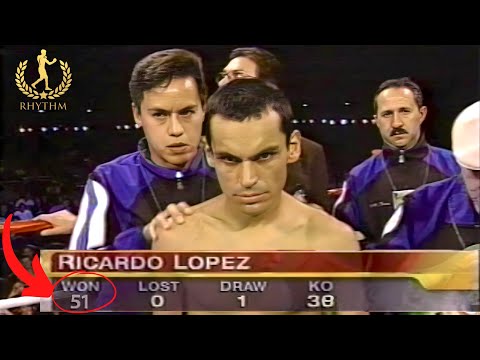
Ricardo "Finito" López. The name itself evokes an era of unparalleled defensive wizardry and surgical offensive striking. To call him merely a "boxer" is to diminish the artistry he brought to the ring. With a flawless professional record of 51 wins (38 by knockout) and zero losses, López wasn't just winning; he was dominating, a three-time world champion across the minimumweight and light flyweight divisions. His moniker, "El Maestro," wasn't bestowed lightly. It was earned through years of meticulous training, an almost supernatural understanding of distance and timing, and a defensive shell so impenetrable it seemed almost mythical. For any aspiring fighter, whether on the mats or in the ring, López's career is a living testament to what disciplined dedication can achieve.

From Mexico City to the Pinnacle: A Fighter's Genesis

Born and raised in Mexico City, López's path to boxing greatness began at a tender age. The environment, while perhaps lacking in conventional martial arts dojos of the East, fostered a raw, competitive spirit that, when channeled through the disciplined structure of boxing, became a crucible for excellence. He turned professional in 1985, and within two years, had captured his first world championship. His career, spanning over 14 years, was a masterclass against some of the era's toughest competitors, including Saman Sorjaturong, Andy Tabanas, and Zolani Petelo. Each victory was not just a testament to his physical prowess, but a demonstration of strategic brilliance.
"The art of boxing is like a dance. You must know when to step forward, when to step back, and most importantly, when not to be touched at all." - A lesson echoed in López's every move.

The Science of Elusion: López's Defensive Masterpiece

What truly elevated Ricardo López beyond the status of a mere champion was his almost unbelievable technique and precision. His stance was textbook-perfect, his footwork fluid and economical, allowing him to control distance with an expert's touch. But it was his defense that became legendary. López possessed an uncanny ability to slip punches, roll with blows, and maintain an upright, active guard that left opponents frustrated and ineffective. For nearly a decade, he went virtually untouched, a feat almost unheard of in the brutal world of professional boxing. This wasn't luck; it was applied physics, timing, and an unparalleled commitment to not getting hit. His style is a profound study in the martial principle of **"Nuki"** (evasion) and **"Uke"** (receiving/blocking), executed with an artistry that is still analyzed and emulated by fighters worldwide.

The Crucible of Training: Dedication Beyond Measure

López's dedication to his craft was not just exemplary; it was absolute. His training regimen was relentless, ensuring he was always in impeccable physical condition. He understood that true mastery in any martial pursuit requires sacrificing comfort for continuous improvement. He was a student of both offense and defense, recognizing that each complements the other. His fights were not simply brawls; they were strategic engagements, thrilling chess matches played out with fists and feet, showcasing a complete understanding of the fight. This unwavering commitment is a core tenet of **Budo Life**, the philosophy that the martial way is a lifelong pursuit of self-improvement.

Veredicto del Sensei: Is Ricardo López's Boxing a Martial Art Worth Studying?

Absolutely. To dismiss Ricardo López's boxing simply because it doesn't involve throws or joint locks is to miss the forest for the trees. His defensive mastery, his precision striking, his footwork that dances on the edge of danger, and his unwavering mental fortitude are all pillars of effective combat. López's career is a compelling argument for the universality of martial principles. His fights are a masterclass in controlling space, managing risk, and executing techniques with devastating efficiency. He embodies the **Warrior Philosophy** and the **Self-Mastery** that all true martial artists strive for.

Rating: Cinturón Negro en Técnica y Estrategia Marcial

Equipo Esencial para tu Entrenamiento

While Ricardo López's technique is invaluable, proper equipment can enhance your training and safety. For those inspired by "El Maestro's" dedication, consider these essentials:
  • Guantes de Boxeo de Alta Calidad: Look for gloves (14-16oz for sparring) that offer excellent padding and wrist support, crucial for emulating López's defensive style without injury.
  • Protector Bucal (Mouthguard): Essential for protecting your teeth and jaw, a non-negotiable for any combat sport training.
  • Vendas para las Manos (Hand Wraps): Provide vital support to your knuckles and wrists, preventing common injuries during heavy bag work or sparring.
  • Cuerda de Saltar (Jump Rope): A staple for improving footwork, coordination, and cardiovascular endurance, mirroring the agility López displayed.
  • Saco de Boxeo (Heavy Bag): For developing power and technique. A quality heavy bag allows you to practice combinations and striking power safely.

Guía de Entrenamiento: El Arte de la Defensa Activa

Inspired by López's impenetrable defense? Here’s a fundamental drill to begin developing your own:
  1. Posición Fundamental (Stance): Adopt a balanced, slightly staggered stance. Keep your lead foot slightly forward, weight distributed evenly, and hands up protecting your head.
  2. El "Slip" Básico: Imagine a punch coming towards your head. Instead of blocking, subtly shift your head to the side, just enough for the punch to whistle past. Practice this movement rhythmically.
  3. El "Roll" o Giro: For hooks or straights aimed slightly lower, bend your knees and use your torso to "roll" with the punch, allowing it to glance off your shoulder or guard.
  4. Combinación de Movimientos: Practice chaining slips and rolls. As one punch is evaded, immediately transition to evading the next, maintaining your balance and guard.
  5. Incorpora el Juego de Pies: As you evade, take small, precise steps to maintain optimal distance or to counter-attack. López never just stood still; his movement was integral to his defense.
  6. Repetición Constante: Perform this drill for 5-10 minutes daily, focusing on fluidity and economy of motion. The goal is to make evasion instinctive.

Preguntas Frecuentes

  • Is Ricardo López's boxing style applicable to other martial arts? Absolutely. The principles of distance management, evasion, timing, and precision striking are universal and can be adapted to disciplines like Karate, Taekwondo, and even Kung Fu applications.
  • What made López's defense so effective? It was a combination of exceptional reflexes, a deep understanding of his opponents' tendencies, perfect timing, economical footwork, and rigorous, consistent training.
  • How did López maintain his undefeated record for so long? Through unwavering dedication to training, meticulous preparation for each opponent, and a defensive capability that minimized damage and maximized his opportunities to win.
  • Can beginners learn from López's style? Yes, but with caution. Beginners should focus on the fundamental defensive movements (slips, rolls) and footwork under the guidance of a qualified instructor before attempting more complex maneuvers.

Para Profundizar en tu Camino

Reflexión del Sensei: Tu Próximo Paso

Ricardo López did not just fight; he *performed* the art of boxing. His "Mexican PERFECTION" is a testament to the fact that in any martial endeavor, the path of discipline, precision, and unwavering dedication leads to a profound understanding of combat and self. The question is not whether you can achieve such mastery, but whether you possess the warrior's spirit to even begin the pursuit. Do you seek mere victory, or do you seek true mastery?
"The difference between a good fighter and a great fighter is not the punches they throw, but the punches they avoid."

Now, contemplate this: How can you integrate the defensive intelligence and precise execution of "El Maestro" into the specific martial art you practice? What concrete steps will you take this week to refine your own evasive techniques and strategic defense? The true test of learning lies not in reading, but in application. Prove your commitment in the dojo, on the mat, or in your solitary training.

If you want to delve deeper into Ricardo López's incredible career and the broader world of martial arts, explore the wealth of resources available online. You can also find related merchandise on our site to commemorate boxing and martial arts legends.

Thank you for reading. We hope to see you back at the dojo (or the digital dojo) soon!

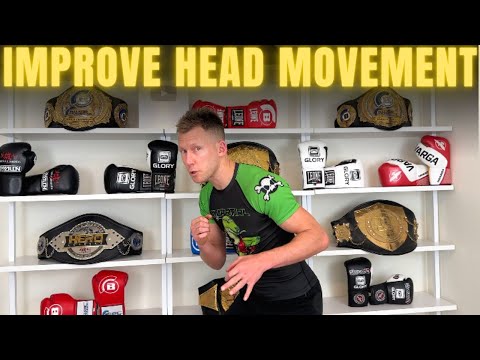
Mastering the Art of Evasion: The BUDO Approach to Head Movement

Welcome, warriors and seekers of the martial path, to a lesson that cuts to the very core of survival in any combative arena. You are here because you seek speed, you seek elusiveness, you seek the ability to dance within the storm of blows and emerge untouched, ready to strike. The common term is "head movement," a seemingly simple concept. But as a seasoned Sensei steeped in the profound philosophies of BUDO and the brutal realities of combat, I tell you: this is not mere evasion. It is the art of misdirection, the science of momentum, and a fundamental pillar of martial efficacy. Forget the notion of a "fast way"; there is only the correct way, and with diligent practice, speed will follow. Today, we dissect this vital skill, not just for the boxing ring, but for any discipline where the human body is both weapon and target.

The Unseen Shield: Why Head Movement is Paramount

Let us dispense with pleasantries and confront the harsh truth. In any direct confrontation, whether it's the disciplined exchange of a boxing match, the strategic grappling of Judo, or the close-quarters chaos of a street encounter, the primary objective is twofold: incapacitate the adversary while preserving your own physical integrity. Head movement, often relegated to a mere defensive maneuver, is in fact the first and most crucial line of defense. It is the invisible shield that deflects the storm. Why? Because a grounded fighter, one whose head is caught, is a fighter who cannot fight. Proper evasion allows you to:

  • Deflect Strikes: The most obvious benefit. Slipping, bobbing, and weaving are techniques to make your opponent's energy and intention miss their mark entirely.
  • Create Angles of Attack: By moving your head, you inherently shift your body's position relative to your opponent. This creates devastating openings and angles from which to land your own decisive blows.
  • Disrupt Rhythm and Confidence: A fighter who can consistently evade feels untouchable. This erodes an opponent's morale, sows seeds of doubt, and can lead to desperate, predictable attacks.
  • Conserve Energy: Absorbing fewer blows means less fatigue and more stamina for the crucial moments of the fight.

To neglect head movement is to present yourself as a stationary target, a ripe fruit waiting to be plucked. It is a fundamental flaw that experienced opponents will exploit with ruthless efficiency. As the ancient masters taught, adaptability is the key to survival. Your head must be fluid, not fixed.

The BUDO Blueprint for Fluid Evasion

True mastery of evasion is not about frantic, panicked flailing. It is about controlled, precise movement rooted in a deep understanding of balance, timing, and your opponent's intentions. Here are the tenets that form the foundation of effective head movement, viewed through the lens of BUDO:

1. The Zen of Relaxation: Banishing Tension

This is, perhaps, the most counter-intuitive yet critical element. When the threat of impact looms, the natural human reaction is to tense up. Muscles harden, breathing becomes shallow, and the body becomes rigid. This, my friends, is precisely what you must fight against. Tension is the enemy of speed and fluidity. It transforms a nimble dancer into a statue awaiting a hammer blow. In BUDO, we speak of "Mushin" – a mind without mind, a state of effortless action. This applies directly to evasion:

  • Release Your Shoulders: Let them drop. Imagine they are loose hinges, not clenched fists.
  • Soften Your Neck: Your neck is the conduit between your brain and the battlefield. It must be supple, ready to turn and pivot without resistance.
  • Control Your Breathing: Deep, steady breaths are the anchor against panic. They keep your body oxygenated and your muscles ready to respond, not react in fear.

"When you are fighting, fight. When you are not fighting, relax." This simple wisdom from a legendary fighter underscores the importance of maintaining a relaxed state until the precise moment of action. Tensing prematurely drains your power and telegraphs your intentions.

2. The Foundation of Footwork: The Unseen Dance

Your head does not move in a vacuum. It is an extension of your entire body, and your body's movement is dictated by your feet. Superior footwork is the engine of effective head movement. It provides the base from which you can launch evasive maneuvers and recover instantly, maintaining balance and readiness. Think of it as the constant adjustment of your personal space and angles:

  • Gait and Stance: Maintain a balanced, athletic stance. Your feet should be positioned to allow for easy lateral movement, forward and backward steps, and pivots.
  • Lateral Movement: Practice shuffling steps and sliding your feet to move side-to-side without crossing them, which is a critical vulnerability.
  • Pivoting: Learn to pivot on the balls of your feet to change direction quickly and effectively.
  • Rhythm and Feints: Use your footwork not just to evade, but to bait. Subtle shifts, forward and backward movements, can draw your opponent's attention and create openings for evasive action.

Drills like Agility ladder work, shadowboxing with a focus on constant movement, and specific footwork drills are not merely supplementary; they are foundational. They build the muscle memory and coordination necessary for fluid evasion.

3. Drills of Distinction: Sharpening the Evasive Edge

Theory is one thing; practical application is another. To truly internalize head movement, you must engage in targeted drills that simulate the pressures of combat. These are not mere exercises; they are the forging of your defensive will:

  • The Slip Bag: This hanging bag, smaller and more reactive than a speed bag, is perfect for practicing slipping punches. As it swings, you must react with precise head movement, timing your evasion to its trajectory. It teaches you to move your head offline, not just backward.
  • The Double-End Bag: This bag, connected by elastic cords, mimics the unpredictable movement of an opponent's punches. It demands rapid, reactive head movement and timing to avoid being struck.
  • Bobbing and Weaving: This is the art of ducking under punches and moving laterally. Practice sinking your hips, keeping your back straight, and moving in a semi-circular motion. Imagine an imaginary opponent throwing hooks, and practice weaving under them, coming up to the other side.
  • Partner Drills (with control): With a trusted partner, practice throwing light, controlled punches while the other practices evasion. The focus here is on reaction and timing, not power.

Consistency is key. Even 10-15 minutes dedicated to these drills daily can yield significant improvements.

4. The Mirror: Your Unblinking Critic

In the solitary pursuit of mastery, the mirror becomes an invaluable, albeit unforgiving, teacher. Standing before it, you can observe your own movements with an objective eye. This is where you refine technique, identify flaws, and build kinetic awareness:

  • Observe Your Stance: Are you balanced? Are your feet too close? Too wide?
  • Track Your Head: Are you moving your head independently of your body, or is it merely following? Are you bringing your head back to the center after evasion?
  • Maintain Guard: Crucially, practice your head movement while keeping your hands in a defensive guard. Evasion without protection is recklessness.
  • Combine Movements: Integrate footwork with head movement. Practice slipping and then stepping offline, or bobbing and weaving into a new angle.

This self-analysis is vital for correcting unconscious habits that can be exploited by a sharp opponent.

5. The Crucible of Sparring: Testing Your Mettle

Theory and drills are essential, but the ultimate test of head movement lies in the dynamic, unpredictable environment of sparring. Here, you face resistance, pressure, and the intent to strike. It is in sparring that your practiced skills are either proven or found wanting.

  • Seek Superior Opposition: Spar with individuals whose evasive skills surpass your own. This forces you to adapt, to think quicker, and to refine your timing. You learn more from being challenged than from dominating.
  • Focus on Evasion, Not Just Striking: During certain sparring sessions, make it your explicit goal to *only* evade and counter. Focus on making your opponent miss, and then capitalize on the openings created.
  • Analyze Your Opponent's Movement: Pay close attention to their rhythm, their feints, and the subtle tells that indicate an incoming strike. Your head movement should be a response to their intentions.

Sparring is not about "winning" in the traditional sense; it is about learning, adapting, and growing. It is a controlled environment to test and hone the skills that will serve you when the stakes are truly high. As the legendary Miyamoto Musashi emphasized, one must constantly test one's skills in practice.

Veredicto del Sensei: ¿El Camino Rápido o el Camino del Guerrero?

The pursuit of a "fast way" to improve head movement is a dangerous illusion. True mastery, the kind that becomes an instinctual extension of your will, is forged through persistent, intelligent practice. The principles of relaxation, grounded footwork, dedicated drills, self-analysis, and rigorous sparring are not shortcuts; they are the proven path of the warrior. Embrace the discipline, understand the nuance, and your evasive capabilities will not just improve – they will become an art form, a testament to your dedication to the martial path.

Equipo Esencial para tu Entrenamiento

While head movement itself requires no special equipment, certain training aids can significantly accelerate your progress. Investing in quality gear is investing in your development:

  • Punch Mitts and Focus Mitts: Essential for partner drills, allowing you to practice reactive evasion and counter-striking with a partner.
  • Speed Bag Platform and Bag: Excellent for developing hand-eye coordination and rhythm, which indirectly aids in timing evasive movements.
  • Double-End Bag and Slip Bag: As detailed above, these are critical for honing reactive head movement and slipping skills. Look for durable construction and appropriate weight.
  • Agility Ladder: A simple yet highly effective tool for improving footwork, which is the bedrock of good head movement.
  • Good Quality Boxing Gloves: For sparring, ensuring your hands are protected is paramount, allowing you to focus on technique rather than injury. Consider Karate or boxing gloves depending on your primary discipline.

Guía de Entrenamiento: Ejercicio de "Shadow Slip"

This drill combines footwork, evasion, and guard maintenance. It requires no equipment and can be done anywhere.

  1. Adopt a Balanced Stance: Stand as you would in a fight, hands up, relaxed but ready.
  2. Initiate Movement: Take a small step forward with your lead foot. As you do, your opponent would typically throw a jab.
  3. Slip the Jab: As you step forward, simultaneously slip your head to the side (e.g., to your right, away from the imaginary jab). Imagine your opponent's glove passing inches from your ear. Crucially, keep your guard up; don't drop your hands.
  4. Recover and Pivot: As you finish the slip, your body should naturally rotate slightly. Use this momentum to pivot on your lead foot, bringing your rear foot around to maintain your stance, now slightly angled towards your opponent.
  5. Simulate a Counter: From this new angle, you are perfectly positioned to throw a counter-punch (e.g., a straight right hand if you slipped a jab).
  6. Return to Center: After the imaginary counter, use your footwork to return to a neutral, forward-facing stance, ready for the next attack.
  7. Alternate Sides: Practice this drill, alternating the direction of your slip and your stepping foot.

Focus: Maintain fluidity. The step, the slip, and the recovery should be one continuous motion, not a series of disjointed actions. Imagine you are a willow tree swaying in the wind, bending but never breaking.

Preguntas Frecuentes

¿Cuánto tiempo se tarda en mejorar el movimiento de cabeza?

La velocidad de mejora varía enormemente según la dedicación, la calidad del entrenamiento y la aptitud individual. Sin embargo, con práctica diaria y enfocada, se pueden observar mejoras significativas en la coordinación y el timing en tan solo 4-6 semanas. La maestría, sin embargo, es un viaje de años.

¿Es el movimiento de cabeza importante en otras artes marciales además del boxeo?

¡Absolutamente! Si bien es más explícito en disciplinas como el boxeo, el kickboxing o el Muay Thai, el principio de evadir golpes es universal. En Judo, la evitación de la fuerza del oponente es clave para su proyectar. En Karate, el movimiento corporal (Tai Sabaki) a menudo implica mover la cabeza y el cuerpo simultáneamente para esquivar y contraatacar. Es un concepto fundamental en cualquier arte de combate.

¿Cómo puedo evitar que mi oponente anticipe mi movimiento de cabeza?

La clave está en la imprevisibilidad y la combinación de movimientos. No te limites a un solo tipo de evasión. Combina slips, bobs, weaves, y cambios de dirección con variaciones en tu juego de pies. Usa fintas con tus manos y cuerpo para distraer a tu oponente. La relajación y la lectura de tu oponente te permitirán reaccionar de forma auténtica en lugar de ejecutar un movimiento preprogramado.

¿Debo mantener mis manos arriba mientras muevo la cabeza?

Sí, siempre. Tu guardia es tu protección secundaria. Mover la cabeza sin mantener las manos en posición defensiva es exponerse a golpes a otras partes del cuerpo o a un contraataque rápido si tu evasión falla. La fluidez del movimiento de cabeza debe ser *integrada* con el mantenimiento de una guardia sólida.

¿Qué diferencia hay entre el movimiento de cabeza en boxeo y en MMA?

En MMA, el movimiento de cabeza se complica por la presencia de patadas y la posibilidad de derribos. Mientras que los principios de evasión son similares, debes estar más consciente de tu base y tu equilibrio, ya que un movimiento demasiado exagerado o un desequilibrio pueden ser explotados para un intento de derribo. Además, la amenaza de golpes a las piernas o el cuerpo añade otra capa de complejidad.

Para Profundizar en tu Camino

  • BUDO: Comprende la filosofía detrás de la disciplina marcial.
  • Karate: Explora las bases del Karate tradicional y su enfoque en el movimiento corporal.
  • Combate: Analiza las estrategias y tácticas en diversas disciplinas de lucha.

Reflexión del Sensei: Tu Próximo Paso

Has recibido las enseñanzas. Ahora, la responsabilidad recae en ti. ¿Consideras que la velocidad es un fin en sí mismo, o la herramienta que surge de la perfección de la forma? ¿Entiendes la evasión como un acto de cobardía o como la inteligencia de un guerrero que elige cuándo y cómo luchar?

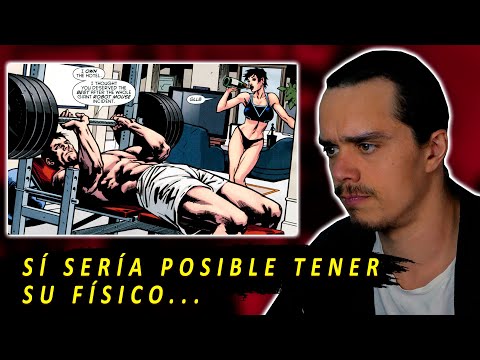
El Entrenamiento de Batman: ¿El Modelo Definitivo para el Guerrero Urbano?

En este dojo virtual que es Budo y Artes Marciales, no nos conformamos con la superficie. Si buscas la fusión entre el espíritu indomable del guerrero y la fascinación por la resistencia del Caballero Oscuro, has llegado al lugar correcto. Hoy desmantelamos el mito y la realidad tras el entrenamiento de Batman. ¿Es Bruce Wayne solo un millonario excéntrico, o un modelo de disciplina marcial que tú también puedes emular? Prepárate, porque vamos a examinar cada faceta de su preparación, desde las sombras de la Liga de Asesinos hasta el frío acero de su voluntad.

El Origen del Guerrero: Motivación y Filosofía

La transformación de Bruce Wayne en Batman no nace de un capricho, sino de una profunda herida y una sed inquebrantable de justicia. Tras presenciar el asesinato de sus padres, la tragedia se convierte en el catalizador de un viaje épico hacia la autoperfección. No se trata solo de vengar, sino de prevenir que otros sufran el mismo destino. Esta motivación intrínseca es el primer y más crucial pilar de su entrenamiento. Sin un propósito claro, la disciplina se desmorona.

"La venganza es un plato que se sirve frío," dicen algunos. Pero en el Budo, buscamos la trascendencia del ciclo de la violencia, no su perpetuación. Batman, en su idealismo, busca la justicia.

La filosofía que sustenta al Caballero Oscuro es un híbrido complejo. Si bien la venganza es una chispa inicial, su desarrollo como vigilante se nutre de principios de disciplina, sacrificio y la búsqueda de la excelencia física y mental. No es el camino del guerrero que busca la gloria en el combate, sino el del protector que se somete a un régimen brutal para poder servir y defender a los indefensos. Su entrenamiento, por tanto, es la manifestación tangible de esta filosofía: un compromiso total con la mejora continua.

El Arsenal Marcial de Batman: Diversidad y Maestría

La afirmación de que Batman domina "múltiples estilos de artes marciales" es, en el mejor de los casos, una simplificación. La realidad es mucho más profunda y matizada. Batman no solo aprende técnicas; él las absorbe, las integra y las adapta a su propia fisiología y estilo de combate. Su búsqueda de maestría lo llevó a los rincones más remotos del planeta, aprendiendo de maestros legendarios, algunos reales, otros ficticios.

Se rumorea que su formación incluye:

  • Karate Kyokushin: Para la potencia de golpeo, la resistencia al impacto y la fortaleza mental que exige el combate cuerpo a cuerpo sin protecciones. La filosofía del #Kyokushin, el "último verdadero karate", encaja con su mentalidad de afrontar el dolor.
  • Kung Fu (varios estilos): La fluidez, las transiciones rápidas y el uso del entorno son cruciales. Estilos como el Wing Chun, con su énfasis en la economía de movimiento y la defensa en corto alcance, o el Shaolin, con su combinación de agilidad y potencia, serían ideales.
  • Boxeo y Kickboxing: Fundamentales para la gestión de la distancia, la potencia de puños y patadas, y la defensa contra golpes. La precisión y la velocidad del boxeo, combinadas con el alcance del kickboxing, forman una base sólida.
  • Judo y Jiu-Jitsu Brasileño (BJJ): Aunque menos visible en sus représentaciones gráficas, la capacidad de derribar a un oponente y controlar la lucha en el suelo es vital. Un maestro como #Sensei (ficticio en este contexto, pero representa la figura) podría haberle enseñado principios de palancas y sumisiones. La idea de usar la fuerza del oponente en su contra es un principio marcial universal.
  • Ninjutsu: El arte de la infiltración, el sigilo y el uso de herramientas. Más allá de las técnicas de combate, el Ninjutsu le proporciona las habilidades de espionaje y subterfugio que definen su modus operandi.
  • Savate (Boxeo Francés): Conocido por sus patadas elegantes y precisas, complementaría su arsenal de golpeo.

La clave no es solo la diversidad, sino la integración. Batman no ejecuta una secuencia de karate y luego cambia a kung fu como quien cambia de marcha. Él ha destilado los principios fundamentales de cada arte y los ha fusionado en un estilo personal e impredecible. Esto es lo que le permite enfrentarse a oponentes con estilos totalmente distintos, desde el brutal #MMA de Bane hasta la precisión letal de Lady Shiva.

La Danza de las Sombras: Acrobacia y Movimiento

Un vigilante que opera en una ciudad vertical como Gotham necesita una movilidad excepcional. La acrobacia no es un mero adorno para Batman; es una herramienta de combate y evasión fundamental. Su capacidad para trepar edificios, saltar entre tejados y moverse con sigilo es tan importante como cualquier golpe de kárate.

Este aspecto de su entrenamiento se conecta directamente con disciplinas como:

  • Parkour: El arte del desplazamiento, utilizando obstáculos urbanos para moverse con fluidez y eficiencia. Esto incluye saltos, escaladas y recepciones seguras.
  • Gimnasia Deportiva: Desarrolla la fuerza explosiva, la flexibilidad, el equilibrio y la conciencia corporal necesarios para realizar movimientos complejos y controlar el cuerpo en el aire.
  • Capoeira: Aunque menos obvio, los movimientos circulares, las patadas bajas y las esquivas flotantes de la Capoeira podrían haber influido en su agilidad y capacidad de evadir ataques.

La acrobacia le permite:

  • Infiltrarse en lugares inaccesibles.
  • Evasión Táctica: Desaparecer en la oscuridad o esquivar ráfagas de balas con movimientos impredecibles.
  • Control del Entorno: Utilizar la verticalidad y los obstáculos a su favor, creando ángulos de ataque inesperados.

Pensemos en la #Agility como un pilar invisible de su combate. Un movimiento rápido y preciso puede ser la diferencia entre el éxito y el fracaso, entre la vida y la muerte en las calles de Gotham.

Forjando el Cuerpo: Fuerza, Resistencia y Potencia

La armadura de Batman no es solo metal; es un reflejo de un cuerpo humano llevado al límite de su capacidad. Su entrenamiento físico es un programa de élite diseñado para maximizar la fuerza funcional, la resistencia cardiovascular y la potencia explosiva.

Su rutina probablemente incluiría:

  • Levantamiento de Pesas y Entrenamiento de Fuerza: No se trata solo de levantar el máximo peso posible (powerlifting), sino de desarrollar fuerza funcional aplicable al combate. Ejercicios como sentadillas, peso muerto, press de banca y dominadas, con énfasis en la técnica y la explosividad.
  • Entrenamiento de Resistencia Cardiovascular: Correr largas distancias, sprints, y ejercicios de alta intensidad para asegurar que pueda mantener un combate prolongado sin fatigarse. La #Resistencia es clave para un vigilante nocturno.
  • Entrenamiento de Potencia Explosiva: Saltos pliométricos, lanzamientos de balón medicinal y ejercicios balísticos para desarrollar la capacidad de generar fuerza rápidamente, esencial para golpes contundentes y movimientos ágiles.
  • Entrenamiento de Estabilidad y Core: Un core fuerte es fundamental para transferir potencia y mantener el equilibrio. Planchas, crunches, y ejercicios de rotación serían esenciales.

Batman no busca la hipertrofia muscular excesiva que podría mermar su agilidad. Su objetivo es una físico **atlético, potente y funcional**. Piensa en un atleta de élite de #ArtesMarcialesMixtas o un gimnasta de alto rendimiento, pero con la fuerza bruta de un levantador de pesas.

La Fortaleza Interior: Mente y Voluntad de Hierro

Más allá del físico y las técnicas, lo que realmente distingue a Batman es su inquebrantable fortaleza mental. Su entrenamiento abarca la psique tanto como los músculos.

  • Disciplina y Autocontrol: La capacidad de adherirse a un régimen de entrenamiento riguroso día tras día, noche tras noche, incluso cuando el cuerpo y la mente claman por descanso.
  • Resiliencia Mental: Superar el dolor, el miedo y la adversidad. Aprender de las derrotas y no dejarse quebrar por ellas.
  • Enfoque y Concentración (Mushin): La habilidad de mantener la atención en la tarea presente, sin distracciones. Este estado de "mente vacía" o #Ki mental es crucial en el combate.
  • Tácticas y Estrategia: Batman no solo lucha; él planea. Su intelecto, su capacidad de observación y su habilidad para anticipar los movimientos del oponente son armas poderosas.
"La victoria pertenece a aquellos que saben cuándo luchar y cuándo no luchar." – Sun Tzu. Batman comprende el arte de la anticipación y la elección del momento oportuno, tanto en combate como en su estrategia general.

Veredicto del Sensei: ¿Un Guerrero Realista?

Analizar el entrenamiento de Batman desde la perspectiva de las artes marciales reales es fascinante. Si bien su habilidad para aprender y dominar múltiples disciplinas es una fantasía superheroica, los principios subyacentes son sólidos y aplicables. Su enfoque en la diversidad de estilos, la integración de habilidades físicas y mentales, y la disciplina implacable son las claves del éxito de cualquier artista marcial.

¿Es un modelo realista? Hasta cierto punto. La parte fantasiosa reside en la velocidad y la profundidad con la que adquiere y domina estas habilidades, y en los recursos ilimitados que posee. Sin embargo, el ethos detrás de su entrenamiento – la dedicación total, el sacrificio y la búsqueda de la autoperfección para un propósito mayor – es universal. Él representa el ideal del guerrero moderno: adaptativo, completo y mentalmente indomable.

Mi veredicto: Si bien no puedes convertirte literalmente en Batman, puedes adoptar los pilares de su entrenamiento. Su disciplina, su compromiso con el aprendizaje constante y su enfoque holístico (cuerpo, mente, espíritu) son un estándar de oro. Es un "Cinturón Negro en Disciplina y Adaptabilidad", con puntos de mejora en la viabilidad de su entrenamiento a escala humana y sin la billetera de un multimillonario.

Equipo Esencial para tu Entrenamiento (Versión Civil)

Si bien no necesitas la Bati-Cueva, hay equipamiento que puede potenciar tu propio entrenamiento marcial:

  • Guantes de Entrenamiento/Boxeo: Para proteger tus manos durante el golpeo. Unos de 12-16oz son ideales para #entrenamiento y sparring ligero.
  • Kimono de Judo o BJJ: Para la práctica de lucha en el suelo y derribos. Un buen #KimonoDeJudo es duradero.
  • Esterilla de Entrenamiento: Esencial para ejercicios en el suelo, caídas y estiramientos.
  • Cuerda de Saltar: Un clásico para mejorar la agilidad, la resistencia cardiovascular y la coordinación.
  • Pesas Libres (Mancuernas, Kettlebells): Versátiles para ejercicios de fuerza y potencia en casa.
  • Bandas de Resistencia: Excelentes para el acondicionamiento, la rehabilitación y el aumento de la intensidad de ejercicios corporales.

Guía de Entrenamiento: El "Circuit Training" del Caballero Oscuro

Puedes emular el enfoque integral de Batman con un circuito de entrenamiento. Adapta estos ejercicios a tu nivel:

  1. Calentamiento (10-15 min): Movilidad articular (cuello, hombros, caderas, rodillas), trote ligero o salto de cuerda.
  2. Circuito de Fuerza y Potencia (3-4 rondas):
    • Sentadillas con peso corporal o mancuernas (10-15 reps)
    • Flexiones (tantas como puedas, con buena forma)
    • Dominadas (o remo invertido si no puedes hacer dominadas, 8-12 reps)
    • Saltos al cajón (pliometría) (10-15 reps)
    • Plancha (mantener 45-60 segundos)
    Descansa 60-90 segundos entre rondas.
  3. Circuito de Habilidades Marciales (3-4 rondas):
    • Sombra de boxeo/kickboxing (simulando defensa y ataque, 2 minutos)
    • Técnicas básicas de Karate o Kung Fu (practica movimientos específicos, 2 minutos)
    • Ejercicios de agilidad y footwork (desplazamientos laterales, adelante/atrás, 1 minuto)
    Descansa 30-45 segundos entre rondas.
  4. Resistencia Cardiovascular (15-20 min): Sprints cortos (30 segON / 30 segOFF) o carrera continua a ritmo moderado.
  5. Enfriamiento y Estiramientos (10 min): Estiramientos estáticos profundos para los principales grupos musculares.

Preguntas Frecuentes

¿Es realista entrenar como Batman para alguien sin recursos ilimitados?

No, no es realista para la gran mayoría replicar su acceso a entrenadores de élite y tecnología. Sin embargo, puedes emular su disciplina, su enfoque holístico y su dedicación. Usa tu imaginación y los recursos a tu alcance para entrenar tu cuerpo y tu mente.

¿Qué arte marcial es el "principal" de Batman?

Batman no tiene un arte marcial "principal" en el sentido tradicional. Su fuerza radica en la integración de múltiples disciplinas. Sin embargo, si tuviéramos que elegir, sus habilidades de golpeo (boxeo, karate, kickboxing) y su movimiento (parkour, acrobacia) son las más visibles y consistentes.

¿Realmente necesita Batman toda esa masa muscular?

En el cómic, su musculatura es a menudo exagerada. En la realidad, un físico más atlético y funcional, con énfasis en la fuerza explosiva y la resistencia, sería más eficiente para sus tareas de sigilo, agilidad y combate prolongado. Demasiada masa puede ser un lastre.

¿Debería un principiante intentar entrenar múltiples artes marciales a la vez?

Para un principiante, es más recomendable enfocarse en uno o dos estilos fundamentales y construir una base sólida antes de diversificar. La integración viene con la experiencia. Intentar abarcar demasiado al principio puede ser abrumador y poco productivo.

Para Profundizar en tu Camino

Reflexión del Sensei: Tu Próximo Paso

Batman nos enseña que la verdadera fortaleza no reside en los recursos, sino en la voluntad de forjarla. ¿Estás dispuesto a someterte al rigor necesario para alcanzar tu potencial? ¿O prefieres seguir observando desde la multitud?

Ahora te toca a ti. ¿Qué aspecto del entrenamiento de Batman te inspira más? ¿Crees que su método es exagerado o un ideal alcanzable con adaptación? Demuéstralo en los comentarios, ¡y no te contengas!

```