Showing posts sorted by date for query entrenamientodeMMA. Sort by relevance Show all posts

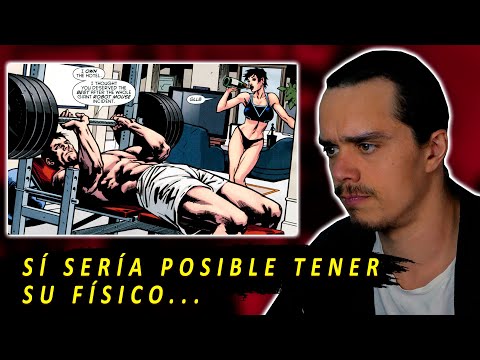
El Entrenamiento de Batman: ¿El Modelo Definitivo para el Guerrero Urbano?

En este dojo virtual que es Budo y Artes Marciales, no nos conformamos con la superficie. Si buscas la fusión entre el espíritu indomable del guerrero y la fascinación por la resistencia del Caballero Oscuro, has llegado al lugar correcto. Hoy desmantelamos el mito y la realidad tras el entrenamiento de Batman. ¿Es Bruce Wayne solo un millonario excéntrico, o un modelo de disciplina marcial que tú también puedes emular? Prepárate, porque vamos a examinar cada faceta de su preparación, desde las sombras de la Liga de Asesinos hasta el frío acero de su voluntad.

El Origen del Guerrero: Motivación y Filosofía

La transformación de Bruce Wayne en Batman no nace de un capricho, sino de una profunda herida y una sed inquebrantable de justicia. Tras presenciar el asesinato de sus padres, la tragedia se convierte en el catalizador de un viaje épico hacia la autoperfección. No se trata solo de vengar, sino de prevenir que otros sufran el mismo destino. Esta motivación intrínseca es el primer y más crucial pilar de su entrenamiento. Sin un propósito claro, la disciplina se desmorona.

"La venganza es un plato que se sirve frío," dicen algunos. Pero en el Budo, buscamos la trascendencia del ciclo de la violencia, no su perpetuación. Batman, en su idealismo, busca la justicia.

La filosofía que sustenta al Caballero Oscuro es un híbrido complejo. Si bien la venganza es una chispa inicial, su desarrollo como vigilante se nutre de principios de disciplina, sacrificio y la búsqueda de la excelencia física y mental. No es el camino del guerrero que busca la gloria en el combate, sino el del protector que se somete a un régimen brutal para poder servir y defender a los indefensos. Su entrenamiento, por tanto, es la manifestación tangible de esta filosofía: un compromiso total con la mejora continua.

El Arsenal Marcial de Batman: Diversidad y Maestría

La afirmación de que Batman domina "múltiples estilos de artes marciales" es, en el mejor de los casos, una simplificación. La realidad es mucho más profunda y matizada. Batman no solo aprende técnicas; él las absorbe, las integra y las adapta a su propia fisiología y estilo de combate. Su búsqueda de maestría lo llevó a los rincones más remotos del planeta, aprendiendo de maestros legendarios, algunos reales, otros ficticios.

Se rumorea que su formación incluye:

  • Karate Kyokushin: Para la potencia de golpeo, la resistencia al impacto y la fortaleza mental que exige el combate cuerpo a cuerpo sin protecciones. La filosofía del #Kyokushin, el "último verdadero karate", encaja con su mentalidad de afrontar el dolor.
  • Kung Fu (varios estilos): La fluidez, las transiciones rápidas y el uso del entorno son cruciales. Estilos como el Wing Chun, con su énfasis en la economía de movimiento y la defensa en corto alcance, o el Shaolin, con su combinación de agilidad y potencia, serían ideales.
  • Boxeo y Kickboxing: Fundamentales para la gestión de la distancia, la potencia de puños y patadas, y la defensa contra golpes. La precisión y la velocidad del boxeo, combinadas con el alcance del kickboxing, forman una base sólida.
  • Judo y Jiu-Jitsu Brasileño (BJJ): Aunque menos visible en sus représentaciones gráficas, la capacidad de derribar a un oponente y controlar la lucha en el suelo es vital. Un maestro como #Sensei (ficticio en este contexto, pero representa la figura) podría haberle enseñado principios de palancas y sumisiones. La idea de usar la fuerza del oponente en su contra es un principio marcial universal.
  • Ninjutsu: El arte de la infiltración, el sigilo y el uso de herramientas. Más allá de las técnicas de combate, el Ninjutsu le proporciona las habilidades de espionaje y subterfugio que definen su modus operandi.
  • Savate (Boxeo Francés): Conocido por sus patadas elegantes y precisas, complementaría su arsenal de golpeo.

La clave no es solo la diversidad, sino la integración. Batman no ejecuta una secuencia de karate y luego cambia a kung fu como quien cambia de marcha. Él ha destilado los principios fundamentales de cada arte y los ha fusionado en un estilo personal e impredecible. Esto es lo que le permite enfrentarse a oponentes con estilos totalmente distintos, desde el brutal #MMA de Bane hasta la precisión letal de Lady Shiva.

La Danza de las Sombras: Acrobacia y Movimiento

Un vigilante que opera en una ciudad vertical como Gotham necesita una movilidad excepcional. La acrobacia no es un mero adorno para Batman; es una herramienta de combate y evasión fundamental. Su capacidad para trepar edificios, saltar entre tejados y moverse con sigilo es tan importante como cualquier golpe de kárate.

Este aspecto de su entrenamiento se conecta directamente con disciplinas como:

  • Parkour: El arte del desplazamiento, utilizando obstáculos urbanos para moverse con fluidez y eficiencia. Esto incluye saltos, escaladas y recepciones seguras.
  • Gimnasia Deportiva: Desarrolla la fuerza explosiva, la flexibilidad, el equilibrio y la conciencia corporal necesarios para realizar movimientos complejos y controlar el cuerpo en el aire.
  • Capoeira: Aunque menos obvio, los movimientos circulares, las patadas bajas y las esquivas flotantes de la Capoeira podrían haber influido en su agilidad y capacidad de evadir ataques.

La acrobacia le permite:

  • Infiltrarse en lugares inaccesibles.
  • Evasión Táctica: Desaparecer en la oscuridad o esquivar ráfagas de balas con movimientos impredecibles.
  • Control del Entorno: Utilizar la verticalidad y los obstáculos a su favor, creando ángulos de ataque inesperados.

Pensemos en la #Agility como un pilar invisible de su combate. Un movimiento rápido y preciso puede ser la diferencia entre el éxito y el fracaso, entre la vida y la muerte en las calles de Gotham.

Forjando el Cuerpo: Fuerza, Resistencia y Potencia

La armadura de Batman no es solo metal; es un reflejo de un cuerpo humano llevado al límite de su capacidad. Su entrenamiento físico es un programa de élite diseñado para maximizar la fuerza funcional, la resistencia cardiovascular y la potencia explosiva.

Su rutina probablemente incluiría:

  • Levantamiento de Pesas y Entrenamiento de Fuerza: No se trata solo de levantar el máximo peso posible (powerlifting), sino de desarrollar fuerza funcional aplicable al combate. Ejercicios como sentadillas, peso muerto, press de banca y dominadas, con énfasis en la técnica y la explosividad.
  • Entrenamiento de Resistencia Cardiovascular: Correr largas distancias, sprints, y ejercicios de alta intensidad para asegurar que pueda mantener un combate prolongado sin fatigarse. La #Resistencia es clave para un vigilante nocturno.
  • Entrenamiento de Potencia Explosiva: Saltos pliométricos, lanzamientos de balón medicinal y ejercicios balísticos para desarrollar la capacidad de generar fuerza rápidamente, esencial para golpes contundentes y movimientos ágiles.
  • Entrenamiento de Estabilidad y Core: Un core fuerte es fundamental para transferir potencia y mantener el equilibrio. Planchas, crunches, y ejercicios de rotación serían esenciales.

Batman no busca la hipertrofia muscular excesiva que podría mermar su agilidad. Su objetivo es una físico **atlético, potente y funcional**. Piensa en un atleta de élite de #ArtesMarcialesMixtas o un gimnasta de alto rendimiento, pero con la fuerza bruta de un levantador de pesas.

La Fortaleza Interior: Mente y Voluntad de Hierro

Más allá del físico y las técnicas, lo que realmente distingue a Batman es su inquebrantable fortaleza mental. Su entrenamiento abarca la psique tanto como los músculos.

  • Disciplina y Autocontrol: La capacidad de adherirse a un régimen de entrenamiento riguroso día tras día, noche tras noche, incluso cuando el cuerpo y la mente claman por descanso.
  • Resiliencia Mental: Superar el dolor, el miedo y la adversidad. Aprender de las derrotas y no dejarse quebrar por ellas.
  • Enfoque y Concentración (Mushin): La habilidad de mantener la atención en la tarea presente, sin distracciones. Este estado de "mente vacía" o #Ki mental es crucial en el combate.
  • Tácticas y Estrategia: Batman no solo lucha; él planea. Su intelecto, su capacidad de observación y su habilidad para anticipar los movimientos del oponente son armas poderosas.
"La victoria pertenece a aquellos que saben cuándo luchar y cuándo no luchar." – Sun Tzu. Batman comprende el arte de la anticipación y la elección del momento oportuno, tanto en combate como en su estrategia general.

Veredicto del Sensei: ¿Un Guerrero Realista?

Analizar el entrenamiento de Batman desde la perspectiva de las artes marciales reales es fascinante. Si bien su habilidad para aprender y dominar múltiples disciplinas es una fantasía superheroica, los principios subyacentes son sólidos y aplicables. Su enfoque en la diversidad de estilos, la integración de habilidades físicas y mentales, y la disciplina implacable son las claves del éxito de cualquier artista marcial.

¿Es un modelo realista? Hasta cierto punto. La parte fantasiosa reside en la velocidad y la profundidad con la que adquiere y domina estas habilidades, y en los recursos ilimitados que posee. Sin embargo, el ethos detrás de su entrenamiento – la dedicación total, el sacrificio y la búsqueda de la autoperfección para un propósito mayor – es universal. Él representa el ideal del guerrero moderno: adaptativo, completo y mentalmente indomable.

Mi veredicto: Si bien no puedes convertirte literalmente en Batman, puedes adoptar los pilares de su entrenamiento. Su disciplina, su compromiso con el aprendizaje constante y su enfoque holístico (cuerpo, mente, espíritu) son un estándar de oro. Es un "Cinturón Negro en Disciplina y Adaptabilidad", con puntos de mejora en la viabilidad de su entrenamiento a escala humana y sin la billetera de un multimillonario.

Equipo Esencial para tu Entrenamiento (Versión Civil)

Si bien no necesitas la Bati-Cueva, hay equipamiento que puede potenciar tu propio entrenamiento marcial:

  • Guantes de Entrenamiento/Boxeo: Para proteger tus manos durante el golpeo. Unos de 12-16oz son ideales para #entrenamiento y sparring ligero.
  • Kimono de Judo o BJJ: Para la práctica de lucha en el suelo y derribos. Un buen #KimonoDeJudo es duradero.
  • Esterilla de Entrenamiento: Esencial para ejercicios en el suelo, caídas y estiramientos.
  • Cuerda de Saltar: Un clásico para mejorar la agilidad, la resistencia cardiovascular y la coordinación.
  • Pesas Libres (Mancuernas, Kettlebells): Versátiles para ejercicios de fuerza y potencia en casa.
  • Bandas de Resistencia: Excelentes para el acondicionamiento, la rehabilitación y el aumento de la intensidad de ejercicios corporales.

Guía de Entrenamiento: El "Circuit Training" del Caballero Oscuro

Puedes emular el enfoque integral de Batman con un circuito de entrenamiento. Adapta estos ejercicios a tu nivel:

  1. Calentamiento (10-15 min): Movilidad articular (cuello, hombros, caderas, rodillas), trote ligero o salto de cuerda.
  2. Circuito de Fuerza y Potencia (3-4 rondas):
    • Sentadillas con peso corporal o mancuernas (10-15 reps)
    • Flexiones (tantas como puedas, con buena forma)
    • Dominadas (o remo invertido si no puedes hacer dominadas, 8-12 reps)
    • Saltos al cajón (pliometría) (10-15 reps)
    • Plancha (mantener 45-60 segundos)
    Descansa 60-90 segundos entre rondas.
  3. Circuito de Habilidades Marciales (3-4 rondas):
    • Sombra de boxeo/kickboxing (simulando defensa y ataque, 2 minutos)
    • Técnicas básicas de Karate o Kung Fu (practica movimientos específicos, 2 minutos)
    • Ejercicios de agilidad y footwork (desplazamientos laterales, adelante/atrás, 1 minuto)
    Descansa 30-45 segundos entre rondas.
  4. Resistencia Cardiovascular (15-20 min): Sprints cortos (30 segON / 30 segOFF) o carrera continua a ritmo moderado.
  5. Enfriamiento y Estiramientos (10 min): Estiramientos estáticos profundos para los principales grupos musculares.

Preguntas Frecuentes

¿Es realista entrenar como Batman para alguien sin recursos ilimitados?

No, no es realista para la gran mayoría replicar su acceso a entrenadores de élite y tecnología. Sin embargo, puedes emular su disciplina, su enfoque holístico y su dedicación. Usa tu imaginación y los recursos a tu alcance para entrenar tu cuerpo y tu mente.

¿Qué arte marcial es el "principal" de Batman?

Batman no tiene un arte marcial "principal" en el sentido tradicional. Su fuerza radica en la integración de múltiples disciplinas. Sin embargo, si tuviéramos que elegir, sus habilidades de golpeo (boxeo, karate, kickboxing) y su movimiento (parkour, acrobacia) son las más visibles y consistentes.

¿Realmente necesita Batman toda esa masa muscular?

En el cómic, su musculatura es a menudo exagerada. En la realidad, un físico más atlético y funcional, con énfasis en la fuerza explosiva y la resistencia, sería más eficiente para sus tareas de sigilo, agilidad y combate prolongado. Demasiada masa puede ser un lastre.

¿Debería un principiante intentar entrenar múltiples artes marciales a la vez?

Para un principiante, es más recomendable enfocarse en uno o dos estilos fundamentales y construir una base sólida antes de diversificar. La integración viene con la experiencia. Intentar abarcar demasiado al principio puede ser abrumador y poco productivo.

Para Profundizar en tu Camino

Reflexión del Sensei: Tu Próximo Paso

Batman nos enseña que la verdadera fortaleza no reside en los recursos, sino en la voluntad de forjarla. ¿Estás dispuesto a someterte al rigor necesario para alcanzar tu potencial? ¿O prefieres seguir observando desde la multitud?

Ahora te toca a ti. ¿Qué aspecto del entrenamiento de Batman te inspira más? ¿Crees que su método es exagerado o un ideal alcanzable con adaptación? Demuéstralo en los comentarios, ¡y no te contengas!

```

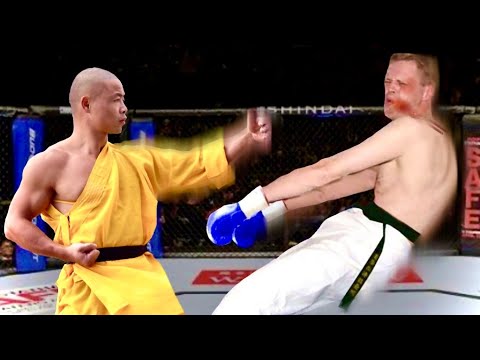
The Legacy of Ancient Chinese Martial Arts Films: A Deep Dive into "Heroes of Martial Arts"

The Allure of Ancient Chinese Cinema

Hello and welcome, students of the Way, to Budo and Martial Arts. Today, we dissect a piece of cinema that whispers tales of ancient traditions and chivalrous spirit: ESPSUB [Heroes of Martial Arts] EXTRA, featuring Li Hongyi and Huang Riying. Published on March 27, 2023, this segment promises a glimpse into a world where martial prowess intertwines with historical drama and romance. But as practitioners, we must ask: does this cinematic portrayal honor the true essence of martial arts, or is it merely a fleeting spectacle designed for mass consumption?

The allure of ancient Chinese martial arts films is undeniable. They transport us to eras of legendary warriors, where honor was paramount and the blade, or the fist, was often the final arbiter. Yet, the modern lens often distorts these traditions, romanticizing combat and overlooking the profound discipline and philosophy that underpin true martial mastery. Our goal here is not simply to watch, but to understand. To discern the authentic from the artificial.

Deconstructing "Heroes of Martial Arts": More Than Just a Spectacle

The title itself, Heroes of Martial Arts, evokes a sense of epic storytelling and individual valor. When we encounter films like this, especially those from platforms like YOUKU, known for their diverse content, the initial intention is often pure entertainment. However, for those steeped in the practice of martial arts, there's a deeper analytical current. We seek to identify the:

  • Authenticity of Techniques: Do the movements reflect actual martial arts styles, or are they exaggerated for dramatic effect?
  • Spirit of Bushido/Budo: Is the underlying philosophy of respect, discipline, and self-control conveyed, or is it overshadowed by gratuitous violence?
  • Historical Context: How accurately does the film represent the historical period and the martial traditions of that era?

Li Hongyi and Huang Riying, in their roles, carry the weight of these expectations. The "Ancient Costume/Romance" genre suggests a narrative rich in emotional depth and historical setting, elements that can either enhance or detract from the martial arts portrayal. A poorly executed fight scene can undermine character development, while a well-integrated philosophical element can elevate simple action into profound storytelling. It's a delicate balance that few films manage to strike perfectly.

"The true warrior is not the one who wins every battle, but the one who understands the cost of every fight." - A principle echoing through the ages.

The Art of Movement: Choreography and Authenticity

This is where the true critic in me awakens. Choreography in martial arts films is a double-edged sword. On one hand, it's essential to create visually stunning sequences that captivate the audience. On the other, when it deviates too far from practical application, it risks trivializing the art form. We must ask about the specific styles depicted. Is it Wuxia, with its fantastical acrobatics and "chi" manipulation, or are there elements of traditional Kung Fu, Karate, or even grappling arts integrated realistically?

Consider the fluidity of movement. In reality, combat is often explosive, direct, and economical. While graceful, it is rarely balletic in the way some films present it. We look for evidence of proper stances, believable blocks, and techniques that, while perhaps amplified, still possess a core of practicality. Are the actors performing with genuine understanding of the movements, or are they merely executing programmed steps? The difference is palpable to a trained eye.

For instance, a sequence involving rapid swordplay, if not executed with a sense of weight and intent behind each parry and strike, can look more like a dance than a deadly exchange. Conversely, a simple, well-timed kick, delivered with proper hip rotation and balance, speaks volumes about the underlying skill, even if it's exaggerated for cinematic effect. We analyze the pacing – does it reflect the ebb and flow of real combat, or is it a relentless barrage designed purely for adrenaline?

A critical aspect is the use of wire-fu and CGI. While these tools can enhance the fantastical elements often present in Wuxia cinema, their overuse can detach the audience from the physical reality of martial arts. The best films find a way to integrate these effects seamlessly, supporting the narrative without betraying the grounded nature of the martial disciplines they aim to portray.

Beyond the Blows: Philosophical Underpinnings

Martial arts are not merely about physical techniques; they are a path to self-cultivation. Concepts like Mushin (no-mind), Zanshin (lingering awareness), and Fudoshin (immovable mind) are the bedrock of true mastery. Does Heroes of Martial Arts touch upon these deeper tenets? Or does it focus solely on external conflict?

The "Romance" aspect of the genre might offer a window into the interpersonal dynamics, where loyalty, sacrifice, and duty are tested. These are values deeply ingrained in the warrior code across many cultures. A hero’s journey often involves overcoming internal struggles as much as external adversaries. We search for moments where characters grapple with their conscience, make difficult choices, or demonstrate profound respect for their opponents, even in the heat of battle.

"The supreme art of war is to subdue the enemy without fighting." - Sun Tzu, a philosophy as relevant in film as it is in life.

The film's setting in "Ancient Costume" likely means we'll see characters bound by tradition and societal expectations. How they navigate these constraints, particularly when those constraints conflict with their martial ethics, can be a powerful narrative driver. Is the protagonist driven by vengeance, or by a desire for justice and peace? The answer reveals much about the film's underlying message.

The Human Element: Performance and Character

While the martial arts are central, the performances of Li Hongyi and Huang Riying are crucial. Do they embody the characters with conviction? Can they convey the emotional weight of their martial journey through their expressions and demeanor? A stoic warrior can be as compelling as a fiery one, provided the performance is nuanced.

We assess their on-screen chemistry, especially given the "Romance" tag. Does it feel earned, or is it a superficial plot device? The believability of the characters’ motivations and emotional arcs is what anchors the fantastical elements of martial arts cinema. If the audience doesn't connect with the humans behind the fighting, the spectacle loses its impact.

The supporting cast also plays a role. Are there wise old masters imparting cryptic advice? Ruthless villains who present genuine challenges? Or is the cast largely forgettable, serving only as fodder for the heroes' skills? The depth of characterization, even in a martial arts film, can elevate the viewing experience significantly.

Veredicto del Sensei: ¿Merece la pena?

Based on the typical conventions of this genre and the information provided, ESPSUB [Heroes of Martial Arts] EXTRA likely offers a visually engaging experience for fans of ancient Chinese dramas and martial arts films. For those seeking a deep, authentic portrayal of specific martial arts styles or profound philosophical teachings, it might be a more superficial watch. The "Romance" and "Ancient Costume" elements suggest a focus on narrative and character relationships, which can be a strength if executed well, but may overshadow the martial arts aspect for purists.

Rating: Cinturón Verde en Entretenimiento, Cinturón Amarillo en Autenticidad Marcial.

It's a film likely to satisfy a craving for historical drama and stylized action, but perhaps not for the deep, philosophical martial artist seeking rigorous technique analysis. Watch it for the spectacle, but temper your expectations for deep martial insight.

Equipo Esencial para tu Entrenamiento

While this film focuses on a specific genre of martial arts cinema, for those inspired to train, the right equipment is crucial. Investing in quality gear not only enhances your practice but also ensures safety.

  • Kimono (Gi): For Judo, Jiu-Jitsu, Karate, and Taekwondo, a durable, well-fitting gi is paramount. Look for double-weave options for grappling arts like Judo and BJJ, offering superior resilience.
  • Sparring Gear: Gloves (16oz for most adult sparring), headgear, shin guards, and mouthpieces are non-negotiable for safe sparring sessions in striking arts or MMA.
  • Training Weapons: If practicing with traditional weapons (e.g., Bo staff, Bokken for Kendo), ensure they are made from appropriate materials (wood, rattan, high-density foam) and are well-maintained.
  • Training Mats (Tatami/Roll-out Mats): Essential for grappling arts and falling practice to minimize injury.
  • Makiwara/Strike Shields: For Karate, Taekwondo, and Kung Fu practitioners looking to develop striking power and conditioning.

Preguntas Frecuentes

What are the primary martial arts styles depicted in films like "Heroes of Martial Arts"?

Films in this genre often draw heavily from Wuxia, a style that emphasizes fantastical elements, acrobatic combat, and often incorporates elements inspired by various Kung Fu styles, swordplay, and sometimes Taoist mysticism.

Is the romance aspect a common element in ancient Chinese martial arts films?

Yes, romance, alongside themes of loyalty, honor, and revenge, is a very common narrative thread in ancient Chinese martial arts films, often serving to humanize the warriors and provide emotional depth to the storyline.

How can I distinguish between authentic martial arts and cinematic exaggeration?

Authenticity is often found in the foundational principles: balance, proper body mechanics, economical movement, and believable impact. Cinematic exaggeration typically involves gravity-defying leaps, impossibly fast flurries of strikes, and a lack of realistic consequence for actions.

Are Li Hongyi and Huang Riying known for their martial arts expertise?

Their fame might stem more from their acting or idol status within popular entertainment. While they may train for their roles, their primary recognition is often not as professional martial artists, distinguishing their roles from films starring bona fide martial arts actors.

What is YOUKU?

YOUKU is one of China's largest online video and streaming platforms, offering a wide range of content including TV shows, movies, anime, and variety shows, often featuring Chinese productions.

Recursos para Profundizar

To truly understand the martial arts depicted on screen and their real-world counterparts, further study is essential. Here are some resources:

  • BUDO: Explore the philosophical and spiritual aspects of martial training.
  • KarateCommunity: Learn about the techniques, history, and modern practice of Karate.
  • HistoriadeArtesMarciales: Delve into the rich historical context of various martial disciplines.
  • EntrenamientoDeMMA: For a modern, cross-disciplinary perspective on combat sports.

Reflexión del Sensei: Tu Próximo Paso

We have examined the cinematic offering, dissecting its potential strengths and weaknesses from a martial perspective. Now, the ultimate test lies not in critique, but in application. Does the spirit of the warrior, as portrayed, ignite a spark within you? Do you see the echoes of discipline, the pursuit of excellence, the unwavering resolve?

Consider this: when you watch any depiction of martial arts, whether on screen or in your own dojo, do you merely observe, or do you *perceive*? Do you seek the underlying principles that make the art form potent, or are you content with the surface-level action? The true path is paved with introspection. So, I ask you:

Beyond the fight choreography, what single principle of the martial way, glimpsed in this film or any other, has most profoundly impacted your training and your life?

Now, demonstrate your understanding. Share your thoughts in the comments below. Let us engage in a dialogue that honors the depth of martial arts, not just its portrayal.

The Unseen Force: Deconstructing the 9 "Most Powerful" Martial Arts in the World

Introduction: Beyond the Hype

Hello, warriors, and welcome to Budo and Martial Arts. Today, we confront a question that ignites debates in dojos and online forums alike: "What are the most powerful martial arts in the world?" This is a question fraught with subjective interpretation, often fueled by cinematic portrayals and hyperbolic claims. As a Sensei who has dedicated a lifetime to the study and practice of various combat disciplines, I find such lists inherently flawed, yet undeniably intriguing. They force us to examine what "power" truly means in a martial context. Is it brute force? Effectiveness in sport? Lethality in self-defense? Or perhaps the depth of its philosophical underpinnings? We live in an age where information is abundant, yet wisdom can be scarce. The internet is awash with "Top 10" lists, but few delve into the substance behind the spectacle. My mission today is not merely to present another such list, but to dissect the very notion of power within the martial arts, analyzing the systems often cited, and challenging you to think critically. Prepare yourselves; this is not a passive viewing. This is a lesson.
"The supreme art of war is to subdue the enemy without fighting." - Sun Tzu, The Art of War

Deconstructing "Power": A Martial Perspective

The term "powerful" is a nebulous descriptor when applied to martial arts. In the realm of combat, power can manifest in several ways: * **Physical Power**: The ability to generate force through striking, grappling, or throws. This is often what the uninitiated associate with power, envisioning devastating punches or immovable stances. * **Technical Efficacy**: The efficiency and effectiveness of techniques under pressure. A technically sound practitioner can overcome a physically stronger but less skilled opponent. * **Strategic Acumen**: The ability to read an opponent, control distance, timing, and adapt to the flow of combat. This is the realm of the seasoned warrior. * **Mental Fortitude**: The resilience, discipline, and emotional control that allows one to perform under duress. This "inner strength" is often the most potent, yet least visible, form of power. * **Adaptability**: The capacity to apply principles across different scenarios, be it sport, self-defense, or even everyday challenges. A truly powerful martial art cultivates a holistic development of these facets. Focusing solely on one element, such as raw striking power, while neglecting others like mental resilience or technical adaptation, creates an incomplete and potentially vulnerable practitioner. The *true* power lies not in the style itself, but in the practitioner's mastery of its principles and their ability to integrate them.

The Contenders: A Critical Look

When lists of "powerful" martial arts emerge, certain styles consistently appear. Let's examine some common candidates through a critical lens, focusing on their strengths and potential limitations: 1. **Mixed Martial Arts (MMA)**: * **Core Principle**: The ultimate application of a wide range of combat skills. MMA is less a single art and more a sport that demands proficiency in striking (boxing, Muay Thai, Karate), grappling (Brazilian Jiu-Jitsu, Judo, wrestling), and the transitions between them. * **Power Defined**: Its power lies in its *comprehensiveness*. A skilled MMA fighter is a multi-disciplinary threat, capable of winning on the feet or on the ground. * **Critique**: While undeniably effective in its competitive context, MMA is a sport with rules. Its "power" is often defined within those parameters. Traditional martial arts principles like situational awareness outside a ring or the ethical application of force are not its primary focus. * **Keyword Integration**: #MMA, #ArtesMarcialesMixtas, #EntrenamientoDeMMA, #UFC, #CombateCuerpoACuerpo, #Grappling, #Kickboxing 2. **Brazilian Jiu-Jitsu (BJJ)**: * **Core Principle**: Ground fighting, leverage, and submission holds. BJJ emphasizes taking an opponent to the ground and neutralizing their size and strength advantages through joint locks and chokeholds. * **Power Defined**: Superiority in ground control and submission techniques. It can allow a smaller, weaker individual to defeat a larger, stronger one. * **Critique**: Its effectiveness is heavily reliant on the ability to get the fight to the ground. Against multiple opponents, or in situations where standing is critical, its advantage diminishes. The sport aspect also introduces rulesets that might not apply in a real-world confrontation. * **Keyword Integration**: #BJJ, #jiujitsu, #judo, #grappling, #LuchaEnPie (as a counterpoint), #SubmissionHolds, #GroundFighting 3. **Muay Thai (The Art of Eight Limbs)**: * **Core Principle**: Striking art utilizing punches, kicks, elbows, and knee strikes, combined with clinch work. * **Power Defined**: Devastating offensive striking power, conditioning, and clinch control. Its techniques are designed to inflict damage efficiently. * **Critique**: While a formidable striking art, it traditionally lacks ground fighting techniques. Its effectiveness in a purely ground-based scenario or against a skilled grappler without significant adaptation would be tested. * **Keyword Integration**: #MuayThai, #Striking, #ElbowStrikes, #KneeStrikes, #ClinchWork, #Kickboxing 4. **Boxing**: * **Core Principle**: Punching techniques, footwork, head movement, and defensive strategies. * **Power Defined**: Precision, speed, and concussive force in punches. Elite boxers possess exceptional hand-eye coordination and offensive timing. * **Critique**: Like Muay Thai, boxing is primarily a stand-up striking art and offers limited defense against kicks, takedowns, or ground attacks. * **Keyword Integration**: #Boxing, #PunchingTechniques, #Footwork, #HandEyeCoordination, #DefensaPersonal (as a contrast) 5. **Kyokushin Karate**: * **Core Principle**: Full-contact Karate emphasizing conditioning, powerful direct strikes, and a strong mental component. * **Power Defined**: Raw, uncompromising power through full-contact sparring and rigorous physical conditioning. It instills immense resilience and fighting spirit. * **Critique**: Traditional Kyokushin sparring often has rules against punches to the face and certain joint manipulations, which can differ from the dynamic of a street fight or MMA match. * **Keyword Integration**: #Kyokushin, #KarateKyokushin, #KarateSpirit, #FullContactKarate, #Conditioning, #BUDO 6. **Sambo**: * **Core Principle**: A Russian martial art and combat sport combining aspects of Judo, wrestling, and various folk styles. It emphasizes throws, takedowns, joint locks, and submissions. * **Power Defined**: Its strength lies in its blend of striking and grappling, offering a robust system for both standing and ground combat. * **Critique**: While comprehensive, its specific techniques and emphasis can vary between its sport and combat sambo variations. * **Keyword Integration**: #Sambo, #Judo, #Wrestling, #Grappling, #CombatSambo, #RussianMartialArts 7. **Wing Chun**: * **Core Principle**: A concept-based Chinese martial art emphasizing simultaneous blocking and striking, efficient close-range combat, and sensitivity training. * **Power Defined**: Economy of motion, directness, and centerline control. It's designed to overwhelm an opponent with rapid, efficient techniques from a close distance. * **Critique**: Often criticized for its limited effectiveness against longer-range attacks or skilled grapplers if the practitioner cannot close the distance effectively. Its traditional training methods can sometimes lack the dynamic pressure-testing found in modern combat sports. * **Keyword Integration**: #WingChun, #KungFu, #ChineseMartialArts, #CloseRangeCombat, #CenterlineControl, #ConceptBasedMartialArts 8. **Savate (French Boxing)**: * **Core Principle**: A unique striking art combining elegant kicking techniques with boxing punches. * **Power Defined**: Precision, agility, and powerful kicks delivered with athletic grace. It offers a dynamic mix of long and short-range striking. * **Critique**: While a complete striking system, it typically lacks extensive grappling or ground fighting components. * **Keyword Integration**: #Savate, #FrenchBoxing, #KickingTechniques, #Agility, #StrikingArt 9. **Krav Maga**: * **Core Principle**: A military self-defense system developed in Israel, focusing on practical, brutal, and efficient techniques designed for real-world confrontations. * **Power Defined**: Uncompromising effectiveness for survival. It emphasizes aggressive counter-attacks, targeting vulnerable points, and disengaging quickly. * **Critique**: As a self-defense system, it is not typically practiced as a sport and lacks the structured sparring and rule sets that hone technique against resisting opponents over extended periods. Its focus is purely on practical application, not on traditional martial arts philosophies or competitive development. * **Keyword Integration**: #KravMaga, #SelfDefense, #RealWorldCombat, #MilitarySelfDefense, #DefensaPersonal, #SurvivalSkills

Defining Effectiveness: From Dojo to Street

The true measure of a martial art's "power" depends on the context for which it's being evaluated. * **For Sport Competition**: MMA, BJJ, Boxing, Muay Thai, Judo, and Wrestling often rank high due to their established rule sets, competitive environments, and the rigorous testing of techniques against resisting opponents. * **For Self-Defense**: Systems like Krav Maga, or traditional arts with a strong emphasis on practical application (e.g., certain styles of Karate, Wing Chun, Aikido *when trained realistically*), might be considered "powerful." Their focus is on survival and neutralizing threats quickly. * **For Personal Development**: Arts that emphasize discipline, character building, and philosophical depth (e.g., traditional Karate, Taekwondo, Aikido, Judo, Kung Fu, Budo in general) offer profound "power" in shaping the individual. The debate often arises when people conflate these contexts. An art that excels in sport may not be ideal for street survival, and an art focused on philosophical development might not produce the most effective street fighter without adaptation.

The Foundation: Training and Philosophy

No matter the style, the *depth* of training and the *philosophy* behind it are paramount. A disciplined, consistent approach under skilled instruction is what transforms techniques into genuine skill.
"There are no good or bad martial arts. There are only good or bad martial artists." - Anonymous Master
The concept of **Ki** (or Qi), the vital life force, is central to many traditional Asian martial arts. While often misunderstood or sensationalized, it represents an underlying principle of energy, focus, and intention that, when cultivated, can enhance physical technique. Masters of **BUDO** and other traditional paths understand that true power emanates from a wellspring of disciplined practice, mental clarity, and an unwavering spirit. The rigorous **entrenamiento** required builds not just physical prowess, but **Fuerza** and **Resistencia** that transcend the physical.

Real-World Applicability: Fact vs. Fiction

The portrayal of martial arts in films often creates misconceptions. While visually stunning, fight choreography rarely reflects the chaos, brutality, and unpredictability of a real conflict. Arts that emphasize direct, simple, and overwhelming techniques often fare better in scenarios outside the ring. Consider the principle of **economy of motion**. In a life-or-death situation, wasted energy is a fatal flaw. Arts that teach practitioners to achieve maximum effect with minimum effort, like Wing Chun or elements of Judo's leverage, possess a practical power.

Essential Gear for Your Training Journey

Regardless of the martial art you choose, proper equipment is crucial for safe and effective training. Investing in quality gear not only enhances your practice but also demonstrates your commitment to the art.
  • Uniform (Gi/Kimono): For arts like Judo, Karate, or BJJ, a durable, well-fitting uniform is essential. Look for double-weave fabrics for Karate and BJJ if you anticipate intense sparring.
  • Gloves: For striking arts like Boxing, Muay Thai, or MMA training, well-padded gloves (e.g., 16oz for sparring) protect your hands and your training partners.
  • Mouthguard: A non-negotiable piece of safety equipment for any sparring situation.
  • Shin Guards: Important for arts involving significant kicking, like Muay Thai or Taekwondo.
  • Training Mats: For arts involving throws or ground work, mats provide necessary cushioning.
For those seeking to deepen their understanding of martial philosophy and history, consider exploring a curated selection of texts.

Recommended Resources for Deeper Study:

  • Books on Bushido: Understanding the warrior's code is fundamental to many East Asian martial traditions.
  • Biographies of Masters: Learning from the lives and experiences of legendary figures offers invaluable insights.
  • Historical Texts: Works like Miyamoto Musashi's "The Book of Five Rings" provide strategic and philosophical depth.

Frequently Asked Questions

  • Q: Is it possible for one martial art to be definitively "more powerful" than another?
    A: Power is context-dependent. An art effective in sport may not be in self-defense, and vice-versa. The practitioner's skill, dedication, and the specific application context are more critical than the art's label.
  • Q: How important is the physical aspect versus the mental aspect in martial arts?
    A: Both are crucial and interconnected. Physical training builds discipline and resilience, while mental fortitude allows you to apply techniques effectively under pressure. True mastery requires the integration of both.
  • Q: Should I choose a traditional martial art or a modern combat sport?
    A: This depends on your goals. If you seek self-defense and character development, traditional arts offer a strong foundation. If competitive prowess is your aim, combat sports provide the most direct path. Many find value in cross-training.
  • Q: What role does Ki (Qi) play in martial arts?
    A: Ki is often seen as the vital energy that, when cultivated through focused practice, enhances a practitioner's physical power, mental clarity, and overall presence. It's about harnessing internal energy for external expression.

The True Measure of Power

The question of the "most powerful" martial arts is a gateway to a deeper understanding, not a definitive answer. The true power resides not in a specific style, but in the diligent, consistent, and intelligent practice of any art that fosters discipline, resilience, adaptability, and a profound understanding of oneself and the dynamics of conflict.

The Sensei's Reflection: Your Next Step

The next time you witness a display of martial prowess, whether in film, competition, or real life, resist the urge to simply label it "powerful." Instead, ask yourself: What specific attributes are being demonstrated? How do these attributes serve the practitioner's goal? And, most importantly, how can these principles of power—physical, technical, strategic, and mental—be cultivated within your own journey? The answer lies not in the style, but in the cultivator.

For Deeper Exploration on Your Path

``` GEMINI_METADESC: Critically analyze the 9 "most powerful" martial arts. Sensei Budo & AM dissects MMA, BJJ, Muay Thai, Karate, Krav Maga & more, defining true power beyond hype for effective training and self-defense.

Rocky Lockridge: A Champion's Fall and the Lingering Echoes of the Ring

A hush falls over the crowd, the roar of thousands a distant memory. Rocky Lockridge, once a titan of the boxing world, a two-time world champion, now walks a path far removed from the blinding lights of the ring. This is not just a story of a boxer; it's a stark examination of the fragility of fame and the enduring battles that rage long after the final bell. We delve into the life of a man who shared the squared circle with legends like Eusebio Pedroza, Wilfredo Gomez, Roger Mayweather, Tony Lopez, and the immortal Julio Cesar Chavez. Their duels were a symphony of skill, power, and sheer will. But what happens when the music stops? Welcome to Budo and Martial Arts, your ultimate source for all things martial. You're about to witness a deep dive into the trajectory of Rocky Lockridge, a narrative published on December 6, 2021, at 12:00 PM. Here, we pride ourselves on presenting the most comprehensive and up-to-date martial arts blog online. Follow our journey across social networks and immerse yourself in our main portal: Budo and Martial Arts Main Page. We also extend an invitation to explore our other digital dojos. If you resonate with our mission to champion and support TRUE martial arts, consider visiting our store for exclusive, affordably priced NFTs. Your support fuels the preservation and promotion of these ancient disciplines.
"The warrior's path is one of constant learning. Victories in the ring are fleeting, but the lessons learned from defeat, and the strength forged in adversity, are eternal." - A principle echoed by many masters.

The Ascent: A Fighter Forged in Fire

Rocky Lockridge’s journey to the pinnacle of boxing was not paved with gold, but with grit, sweat, and an unwavering determination. Born into humble beginnings, the ring became his sanctuary, his proving ground, and his ticket to a life beyond struggle. His early career was marked by a relentless offensive style, a whirlwind of punches that left opponents bewildered and battered. He possessed a potent combination of speed, power, and an iron chin – the essential ingredients for any true warrior. His ascent was meteoric, capturing the attention of the boxing world. He didn't just win; he announced his presence with authority, dispatching formidable opponents with a ferocity that earned him a place in the pantheon of his era's greatest fighters. Each victory was a testament to his dedication, his innate talent, and the rigorous training that defined his regimen. He embodied the spirit of the pugilist, a warrior who faced danger head-on, fueled by the roar of the crowd and the burning desire for supremacy.

Key Fights and Historic Rivalries

Lockridge's legacy is etched in the annals of boxing through his epic encounters. His battles against: * **Eusebio Pedroza:** A grueling test of wills, showcasing Lockridge’s resilience and Pedroza’s masterful boxing. * **Wilfredo Gomez:** A highly anticipated clash that lived up to the hype, a display of contrasting styles and explosive action. * **Roger Mayweather:** A fiery encounter that highlighted Lockridge's ability to trade blows with aggressive and skilled opponents. * **Tony Lopez:** Another chapter in his storied career, demonstrating his tenacity against a respected champion. * **Julio Cesar Chavez:** Perhaps the ultimate test, facing one of the most feared and beloved boxers of all time. While the outcome against Chavez may be debated by some, the fact that Lockridge stood toe-to-toe with "El César del Boxeo" is a testament to his own legendary status. These fights were not merely contests; they were sagas of courage, strategy, and the unyielding human spirit. They cemented Lockridge's reputation as a fighter who always brought his A-game, regardless of the opponent.

The Downward Spiral: When the Lights Fade

The transition from celebrated champion to a life of public struggle is a narrative all too common in the annals of combat sports. For Rocky Lockridge, the cheers of victory eventually gave way to the quiet despair of personal battles. The physical toll of a demanding career, coupled with the psychological pressures of fame and fortune (or lack thereof), can be immense. Post-retirement, many athletes find it challenging to navigate a world without the structure, identity, and adulation that their sport provided. This documentary explores the factors that contributed to Lockridge's difficult circumstances: the financial pitfalls of boxing, the societal challenges faced by many former athletes, and the personal demons that can plague even the strongest among us. It serves as a poignant reminder that true strength isn't just measured in knockout power, but in the ability to persevere through life's most brutal rounds. The `[[TestosteronaEnElCombate]]` that fueled his ring career could not shield him from the internal battles that followed.

The Psychology of the Post-Fight Life

The abrupt end of a high-octane career can leave an athlete feeling adrift. The adrenaline that once defined their existence dissipates, leaving a void that is difficult to fill. This psychological chasm can lead to depression, substance abuse, and a loss of self-worth. Lockridge’s story is a microcosm of a larger issue within the world of professional fighting: the lack of adequate support systems and aftercare for athletes transitioning out of their active careers. It raises critical questions about the responsibilities of governing bodies, promoters, and the sport itself in ensuring the long-term well-being of its warriors.
"A man's reach should exceed his grasp, or what's a heaven for?" - Robert Browning. For athletes, the challenge lies in redefining 'grasp' once the arena is no longer their stage.

Lessons from the Ring and Beyond

The story of Rocky Lockridge is more than a cautionary tale; it's a profound lesson in `[[SuperaciónPersonal]]` and `[[InnerStrength]]`. It compels us to look beyond the superficial glamour of athletic success and recognize the complex human beings beneath the personas. The `[[WarriorPhilosophy]]` teaches us that true mastery lies not only in victory but in how one faces adversity. Lockridge’s career was a testament to his fighting spirit, and his life, however challenging, continues to offer valuable insights. * **The Importance of Financial Literacy:** Many athletes, blinded by immediate success, fail to plan for their financial future. * **Mental Health Awareness:** The psychological toll of combat sports is often underestimated. Seeking help is a sign of strength, not weakness. * **Community Support:** Former athletes often need a strong support network to navigate life after their careers. This narrative underscores the essence of `[[BUDO]]` – the path of the warrior, which extends far beyond the physical confrontation. It encompasses character development, discipline, and a lifelong commitment to self-improvement. Even in defeat, there is honor in the struggle and lessons to be learned.

Veredicto del Sensei: ¿Merece la pena verlo?

This documentary is a stark, unvarnished look at the realities faced by many athletes. It’s not an easy watch, but it’s an essential one. It challenges our perceptions of success and failure, forcing us to confront the human cost of the spectacles we so eagerly consume. While Lockridge’s personal struggles are heartbreaking, his story serves as a powerful call to action for greater support and understanding within the combat sports community. It is, without a doubt, a vital piece of `[[MartialArtsJourney]]` documentation. **Calificación del Sensei:** Cinturón Negro en Realidad Cruda.

Equipo Esencial para tu Entrenamiento

While Rocky Lockridge's story highlights the post-career challenges, focusing on training and preparation is key to a sustainable martial arts journey. Proper equipment not only enhances performance but also ensures safety. For those aspiring to build their own resilience, whether in boxing or another discipline, consider: * **Guantes de Entrenamiento:** For durability and protection during sparring sessions. Look for `16oz` gloves for general training. * **Vendas para las Manos:** Essential for wrist support and preventing injuries. * **Protector Bucal:** A non-negotiable item for any form of sparring or intense training. * **Casco de Entrenamiento:** Crucial for protecting the head during sparring, especially for boxers and those involved in `[[EntrenamientoDeMMA]]`. * **Mochila de Entrenamiento:** To carry all your gear, including `[[RopaDeEntrenamiento]]` and towels. * **Comba (Cuerda de Saltar):** An indispensable tool for `[[Cardio]]` and footwork development, fundamental in `[[Agility]]` and `[[Resistencia]]`.

Recursos para Profundizar

For those inspired by the resilience and dedication of athletes like Rocky Lockridge, or those simply seeking to deepen their understanding of the martial world, the following resources are invaluable: * **Libros sobre la Filosofía del Budo:** Texts that explore the mental and spiritual aspects of martial arts. * **Biografías de Grandes Campeones:** Learn from the lives and careers of legendary figures in `[[artesmarciales]]` and `[[Combate]]`. * **Documentales sobre Disciplinas Marciales:** Expand your knowledge of various arts, from `[[KarateKyokushin]]` to `[[Judo]]` and `[[BJJ]]`.

Guía de Entrenamiento: Resiliencia Mental del Guerrero

The ultimate fight is often the one within. Cultivating mental resilience is as crucial as physical conditioning. Here's a simple routine inspired by `[[BUDO]]` principles:
  1. Meditación de Enfocamiento (5 minutos): Siéntate en silencio, enfócate en tu respiración. Cuando tu mente divague, nótalo sin juzgar y suavemente regresa tu atención a tu aliento.
  2. Visualización de Desafíos (3 minutos): Imagina un escenario de entrenamiento o vida difícil. Visualízate abordándolo con calma, confianza y determinación.
  3. Afirmaciones de Fortaleza (2 minutos): Repite afirmaciones positivas relacionadas con tu fuerza, perseverancia y capacidad para superar obstáculos. Ejemplos: "Soy fuerte y resiliente", "Supero cada desafío".
  4. Ejercicio Físico Intenso (15-30 minutos): Elige una actividad física que te lleve al límite (correr, `[[Workout]]` de `[[NoEquipment]]`, `[[Karate]]` `[[Katas]]`). El esfuerzo físico libera endorfinas y fortalece la conexión mente-cuerpo.
  5. Reflexión Post-Entrenamiento (5 minutos): Tras el esfuerzo, tómate un momento para reconocer tu dedicación. Anota cualquier lección aprendida, ya sea sobre tu técnica o tu fortaleza mental.

Preguntas Frecuentes

¿Por qué es importante conocer la historia de luchadores como Rocky Lockridge?

Conocer historias como la de Rocky Lockridge nos enseña sobre la complejidad de las carreras deportivas, los desafíos post-retiro y la importancia del apoyo comunitario y la salud mental en el mundo de las artes marciales y el boxeo.

¿Qué lecciones se pueden extraer del boxeo para otras artes marciales?

El boxeo enseña disciplina, estrategia, `[[Resistencia]]`, `[[Fuerza]]` mental y física, y la importancia de la defensa. Estos principios son universales y aplicables a prácticamente cualquier `[[artesmarciales]]` o disciplina de `[[Combate]]`.

¿Cómo pueden los atletas evitar caer en dificultades financieras después de sus carreras?

La planificación financiera temprana, la inversión inteligente, la búsqueda de asesoramiento profesional y, en muchos casos, la continuación de la educación o la formación en otras áreas son cruciales para una transición exitosa.

¿Es común que los campeones enfrenten dificultades después de retirarse?

Desafortunadamente, sí. La transición puede ser extremadamente difícil debido a la pérdida de identidad, estructura y la intensa adrenalina del deporte de élite. Por ello, el apoyo post-retiro es vital.

¿Qué papel juega la salud mental en la carrera de un combatiente?

Es fundamental. La presión, el riesgo de lesiones y los golpes en la cabeza pueden tener un impacto significativo. Priorizar la salud mental, buscar ayuda profesional y desarrollar `[[Autodisciplina]]` son esenciales para el bienestar a largo plazo.

Para Profundizar en tu Camino

```

Reflexión del Sensei: Tu Próximo Paso

Lockridge's story is a powerful echo from the ring, a reminder that the greatest battles are often the ones fought within ourselves. Does the glamour of victory blind us to the human cost of sport? And more importantly, in your own journey, are you preparing not just for the triumphs, but for the quiet moments after the cheers fade? How will you build a legacy that endures beyond the roar of the crowd? GEMINI_METADESC: Explore the life of two-time world boxing champion Rocky Lockridge, from his epic fights to his struggles after retirement. A deep dive into resilience and the warrior's path.

PRIDE FC 16: Beast from the East - A Martial Masterclass in the Ring

The roar of the crowd, the scent of anticipation, the clash of titans – these are the elements that define true martial arts spectacle. Today, we journey back to September 24, 2001, to the hallowed grounds of the Osaka Castle Hall for PRIDE Fighting Championships 16: "Beast from the East." This wasn't just another fight night; it was a crucible where diverse martial disciplines converged, tested, and, in some cases, were redefined under the unforgiving spotlight of professional combat. As your Sensei, I'm here to dissect this event not just as a fan, but as a critic of the martial spirit itself. Are you ready to learn?

Welcome to the Arena

Hello and welcome, true martial artists and curious minds, to Budo and AM. You are watching PRIDE FC 16 – "Beast from the East" (2001), an event that echoes through the annals of combat sports history. Published on May 2, 2022, this viewing transports us back to a pivotal moment. In the world of combat, a single event can illuminate the strengths and weaknesses of entire martial disciplines. PRIDE FC, in its golden era, was a master of showcasing these contrasts. Forget the sanitized versions of combat; this was raw, intense, and unyielding. Let us delve into the heart of this event and extract the lessons that still resonate today. Is PRIDE FC 16 merely a relic of the past, or a living testament to the evolution of martial arts? The answer lies in the crucible of the ring.

Gary Goodridge vs. Yoshiaki Yatsu: The Clash of Styles

The opening bout featured Gary Goodridge, a formidable heavyweight known for his brutal striking and formidable grappling, against Yoshiaki Yatsu, a Japanese professional wrestler with a reputation for toughness. This pairing immediately presented a classic styles clash. Goodridge, a product of disciplines like kickboxing and MMA, brought explosive power. Yatsu, on the other hand, represented the storied tradition of Japanese professional wrestling, a discipline that, while theatrical, emphasizes strength, leverage, and submission holds.

From a martial perspective, the critical question was: could Yatsu's grappling prowess and sheer grit overcome Goodridge's more refined, cross-trained attack? Goodridge's approach often involved overwhelming opponents with combinations, looking for the knockout or a dominant ground position. Yatsu's strategy likely revolved around clinching, imposing his physical strength, and perhaps even utilizing power slams. The ability to transition between stand-up and grappling is paramount in modern MMA, and this fight was an early testament to that necessity.

Key takeaway: The synergy between different martial arts is often the deciding factor. Can a specialist withstand the onslaught of a well-rounded fighter? This fight was the first interrogation.

Assuerio Silva vs. Yoshihisa Yamamoto: Power Meets Precision

Next, we saw Assuerio Silva, a Brazilian powerhouse with a background in capoeira and wrestling, face Yoshihisa Yamamoto, a Japanese fighter whose style was less clearly defined but often leaned towards aggressive striking. Silva's capoeira background offered a unique visual and tactical element – spinning kicks, evasive footwork, and unpredictable attacks. Yamamoto, however, was not one to be intimidated. He embodied the "never-say-die" spirit often seen in Japanese combatants.

This bout was a study in contrasts: the unorthodox, acrobatic precision of Silva versus the determined, perhaps more conventional, striking of Yamamoto. How does one defend against attacks that come from unexpected angles, delivered with the fluidity of a dance? Yamamoto's training likely focused on fundamental striking defense and counter-offense, but facing the sheer creativity of Silva would have been a unique challenge. This is where the concept of "Ki" (or Qi) in martial arts becomes relevant – not as a mystical force, but as the embodiment of one's fighting spirit and readiness. Yamamoto would need every ounce of his inner strength and focus to weather Silva's storm.

"The essence of martial arts is not just about striking or grappling, but about the ability to adapt and overcome the unexpected." - A principle often discussed among veteran coaches.

Murilo Rua vs. Daijiro Matsui: The Brazilian Uprising

Murilo "Ninja" Rua, a rising star from Brazil's renowned Chute Boxe Academy, stepped into the ring against Daijiro Matsui, a Japanese fighter known for his diverse skill set, including striking and submission attempts. Rua was a symbol of the new breed of MMA fighters emerging from Brazil, characterized by relentless aggression, powerful Muay Thai striking, and tenacious ground-and-pound. Matsui, while perhaps less heralded on the international stage, was a seasoned competitor who had faced many top-tier opponents.

This fight was significant as it highlighted the growing influence of Brazilian Jiu-Jitsu and Muay Thai on the global MMA landscape. Rua's aggressive style, a blend of striking and submissions, represented a significant evolution in combat. Matsui’s task was to disrupt Rua’s rhythm, utilize his own submission skills, and perhaps exploit any defensive gaps. The speed and ferocity with which Rua fought were hallmarks of the Chute Boxe style, a testament to intense #entrenamiento.

Ricardo Arona vs. Guy Mezger: The Strategic Battle

Ricardo Arona, a Brazilian Submission Wrestling champion, faced Guy Mezger, an American fighter with a background in Kickboxing and Shootfighting. Arona was a master strategist, known for his suffocating top control and meticulous fight planning. Mezger, a veteran of the early UFC and PRIDE, was known for his toughness, powerful punches, and ability to fight through adversity. This was a high-stakes chess match within the violent arena.

The intrigue here lay in Arona's ability to dictate the pace and location of the fight. His wrestling background allowed him to secure takedowns, and once on the ground, his BJJ expertise was formidable. Mezger, conversely, needed to keep the fight standing, utilize his striking to keep Arona at bay, and avoid the Brazilian's dangerous submission game. The effectiveness of a fighter's strategy hinges on their ability to impose their strengths while neutralizing their opponent's. Mezger had the experience, but Arona possessed the calculated precision that often wins these types of engagements. The importance of game planning in #EntrenamientoDeMMA cannot be overstated here.

Semmy Schilt vs. Akira Shoji: The Unconventional Warfare

Semmy Schilt, a Dutch kickboxer with a considerable size advantage and a background in Kyokushin Karate, was matched against Akira Shoji, a Japanese fighter renowned for his unorthodox style and incredible resilience. Shoji was known for his "bushido" spirit, often fighting through injuries and demonstrating a wide array of submission attempts and surprising strikes. Schilt, with his powerful kicks and striking defense honed in Kyokushin, presented a different kind of threat.

This bout was a fascinating clash between power-based striking and unpredictable, gritty fighting. Schilt's size and power were obvious advantages, but Shoji's resilience and unconventional attacks could neutralize pure physical strength. How does a disciplined striker like Schilt, with his roots in #Kyokushin, deal with an opponent who fights with such heart and unpredictable ferocity? This is where the mental game, the #MentalGame, becomes crucial. Shoji's ability to absorb punishment and continue fighting embodies the true warrior spirit that transcends mere technique.

Don Frye vs. Gilbert Yvel: Primal Aggression Unleashed

The co-main event featured Don Frye, an iconic American brawler with a background in wrestling and boxing, against Gilbert Yvel, a Dutch fighter known for his explosive power and often controversial, aggressive style. Frye was legendary for his no-nonsense approach, his toughness, and his willingness to engage in brutal slugfests. Yvel, nicknamed "The Hurricane," was a dangerous striker with knockout power in both hands and a penchant for spectacular finishes.

This fight promised pure, unadulterated combat. It wasn't about intricate submissions or technical striking; it was about raw aggression, willpower, and the ability to withstand punishment. Frye's wrestling base gave him an advantage in clinches and takedowns, but Yvel's striking power meant that even a single clean shot could end the fight. This is where the concept of #Fuerza and raw aggression take center stage. The "Beast from the East" moniker might as well have applied to this matchup, a true test of who could impose their will.

"In the heat of battle, technique can falter, but pure heart and the will to survive will always prevail." - A sentiment often expressed by fighters like Frye.

Antônio Rodrigo Nogueira vs. Mark Coleman: A Grudge Match for the Ages

The main event was a heavyweight collision between two absolute legends: Antônio Rodrigo "Minotauro" Nogueira and Mark Coleman. Nogueira, a Brazilian Jiu-Jitsu master and one of the greatest heavyweights of all time, was known for his incredible submission skills and ability to overcome adversity on the ground. Coleman, a former UFC champion and an Olympic wrestler, was a brute force, known for his powerful takedowns and devastating ground-and-pound. Their history was already etched in their previous encounter, making this a deeply personal #Combate.

This was more than just a fight; it was a battle for supremacy in the heavyweight division, a culmination of contrasting styles and fierce rivalry. Nogueira's technical brilliance on the mat against Coleman's raw wrestling power and aggression. The success of either fighter depended on their ability to impose their game. Could Nogueira survive Coleman's initial onslaught and secure a submission? Or would Coleman's wrestling dominate, leading to another ground-and-pound victory? The strategic nuances of #Grappling and wrestling were on full display, showcasing the pinnacle of heavyweight combat. This matchup perfectly encapsulated the essence of #BUDO and the warrior's journey.

Veredicto del Sensei: The Enduring Legacy of PRIDE 16

PRIDE FC 16: "Beast from the East" was more than just a collection of fights; it was a vibrant tapestry of martial arts woven together with raw courage and athletic brilliance. From the opening bell to the final submission, the event delivered a compelling narrative of how different disciplines collide and evolve. The fighters showcased not just their technical prowess but the indomitable spirit that defines a true warrior. While MMA has continued to evolve, the foundation laid by events like this, with their emphasis on diverse styles and compelling matchups, remains crucial. It was a night that celebrated the art of combat in its purest form. Cinturón Negro en Espectáculo y Combate.

Equipo Esencial para tu Entrenamiento

To truly understand and appreciate the commitment required by these athletes, proper training is paramount. Whether you're aiming for the grappling finesse of Nogueira, the striking power of Frye, or the unyielding spirit of Shoji, the right gear can make a significant difference.
  • Guantes de Entrenamiento (MMA/Sparring): For striking drills and sparring sessions, investing in quality MMA gloves (typically 4-6 oz for sparring, heavier for bag work) is essential to protect your hands and your training partners.
  • Protector Bucal (Mouthguard): Non-negotiable for any sparring or live drilling. Protect your teeth and reduce the risk of concussions.
  • Espinilleras (Shin Guards): Crucial for Muay Thai and kickboxing training to protect your shins from kicks and to deliver powerful kicks without injury.
  • Kimono/Gi para Jiu-Jitsu: If you're delving into the ground game, a durable BJJ gi is necessary for training and competition. Look for double-weave options for increased longevity, especially if you plan on facing opponents who employ tough grappling techniques.
  • Protector Genital (Groin Protector): An often overlooked but vital piece of safety equipment for both striking and grappling.
Investing in quality gear is a sign of respect for your own training and the martial arts themselves. It's a step towards embracing the discipline and dedication seen in fighters like those at PRIDE 16.

Preguntas Frecuentes

Is PRIDE FC 16 considered a landmark event in MMA history?

Yes, PRIDE FC 16 was a significant event that showcased the growing appeal and professionalism of mixed martial arts, featuring highly anticipated matchups and highlighting the diverse martial arts talent of the era.

What martial arts were most prominent at PRIDE FC 16?

The event featured a wide array of martial arts, including Brazilian Jiu-Jitsu, wrestling, Muay Thai, kickboxing, Kyokushin Karate, and Japanese professional wrestling, reflecting the diverse backgrounds of the fighters.

Was Antônio Rodrigo Nogueira's victory over Mark Coleman at PRIDE FC 16 controversial?

Their first fight at Pride 26 was controversial, but at PRIDE FC 16, Nogueira secured a submission victory via armbar in the second round, definitively answering their rivalry with a clean win.

What made PRIDE FC unique compared to other MMA organizations at the time?

PRIDE FC was known for its unique format (ring instead of a cage), its focus on heavyweight divisions, its highly produced intros and fighter presentations, and its ability to attract global talent, creating a distinct spectacle.

How did the "Beast from the East" theme influence the event?

The theme likely referred to the powerful fighters from Asia, particularly Japan, and the raw, untamed nature of combat presented at the event, hinting at the ferocity and strength of the competitors.

Para Profundizar en tu Camino

The world of combat sports is vast and interconnected. To truly grasp the significance of events like PRIDE FC 16, explore these related topics:

  • #BUDO: Understand the philosophical underpinnings of Japanese martial arts.
  • #ArtesMarcialesMixtas: Delve deeper into the history and evolution of MMA.
  • #KarateCommunity: Explore the roots of striking arts that influenced fighters.
  • #Grappling: Learn about the crucial ground fighting techniques seen in MMA.

Reflexión del Sensei: Tu Próximo Paso

We have witnessed the raw power, the strategic brilliance, and the sheer courage displayed at PRIDE FC 16. But the ultimate lesson lies not in the victories or defeats, but in the application of these martial principles to your own life. Do you approach challenges with the calculated precision of Arona, the relentless aggression of Frye, or the unyielding spirit of Shoji? How will you embody the "Beast from the East" in your own daily battles? Now, let the critique begin: Which fighter's approach resonates most with your own martial philosophy, and why? Speak your truth in the comments below. Your voice is part of this evolving dialogue. ``` GEMINI_METADESC: An in-depth martial arts critique of PRIDE FC 16: Beast from the East (2001), analyzing key fights, fighter strategies, and the enduring legacy of this iconic MMA event.

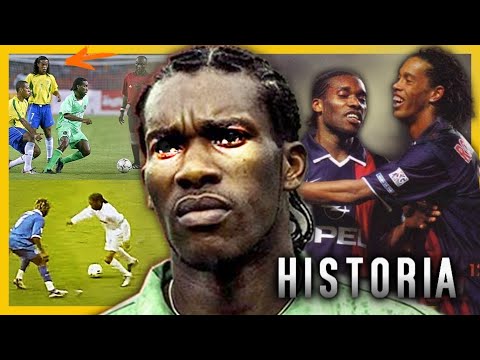
Okocha: The African Maradona and Ronaldinho's Phantom Fear

The spiritual discipline of Budo and the visceral intensity of martial arts training are often seen as separate paths. Yet, at their core, they share a profound connection: the pursuit of mastery, the overcoming of fear, and the demonstration of unparalleled skill under pressure. Today, we delve into a world that mirrors the arena of combat, not with fists or feet, but with the balletic grace and deceptive power of football. We speak of Augustine Okocha, a player whose artistry on the pitch was so profound, it allegedly instilled a peculiar kind of apprehension in none other than the legendary Ronaldinho.

Welcome, warriors of the mat and admirers of true martial spirit, to Budo and Martial Arts! While our focus is often on the codified katas of Karate, the fluid throws of Judo, or the ruthless efficiency of MMA, the principles of mastery, strategy, and overcoming adversity are universal. Today, we're exploring how these very principles manifested in the electrifying career of Augustine "Jay-Jay" Okocha, often dubbed the "Maradona of Africa."

The Maradona of Africa: Okocha's Dazzling Arrival

Born in Enugu, Nigeria, Okocha emerged as a prodigious talent in the early 1990s. His early career saw him electrify crowds in Germany with Eintracht Frankfurt, where his dribbling prowess and audacious flair quickly set him apart. He possessed an uncanny ability to seemingly toy with defenders, a seemingly effortless control of the ball that drew comparisons to the legendary Diego Maradona. But it was his move to Paris Saint-Germain and later to Bolton Wanderers in the Premier League where his legend truly cemented for a global audience.

His signature move, the " Okocha flick" or "the Okocha spin," was a blur of feints and quick footwork that left opponents grasping at air. It was a demonstration of supreme balance, agility, and an understanding of space that few could comprehend, let alone counter. This wasn't just skill; it was a performance, a testament to countless hours of dedicated practice, much like the rigorous conditioning required by any serious martial artist.

Ronaldinho's Apprehension: A Master's Respect?

The anecdote that Okocha, a player of immense talent, once made Ronaldinho, a man renowned for his own gravity-defying skills, feel a palpable sense of unease is fascinating. While specific match details are often shrouded in legend, the implication is powerful. In the martial arts, such a reaction from a peer, especially one as accomplished as Ronaldinho, speaks volumes. It suggests an opponent who, through sheer unpredictability and technical brilliance, could disrupt the natural rhythm of even the most dominant fighter.

"Fear in combat is natural. It is the warrior who masters that fear who is truly formidable." - A sentiment echoing through dojos for centuries.

This isn't about cowardice; it's about acknowledging a threat. A high-level martial artist recognizes when an opponent possesses a skill set that can nullify their own strengths. Okocha, with his masterful dribbling, was that kind of opponent. He could turn the predictable dance of football into a chaotic, unpredictable duel, where the defender was always one step behind. This disruption is akin to facing a practitioner of an unfamiliar, highly effective style – one that forces you to question your own strategies and anticipate the unexpected.

Technical Mastery on the Pitch: A Martial Arts Parallel

The parallels between Okocha's football genius and the discipline of martial arts are striking:

  • Footwork and Agility: Okocha's ability to evade defenders with quick, precise movements mirrors the importance of footwork (Ashi Sabaki in Judo and Karate) in maintaining balance and creating offensive opportunities. His spins and feints were the football equivalent of evasive maneuvers and deceptive posture changes.
  • Control and Balance: His ball control was legendary, a testament to incredible core strength and proprioception. This mirrors the need for a martial artist to maintain a solid base and control their body's center of gravity, especially during complex techniques like throws or grappling exchanges.
  • Creativity and Adaptability: Okocha wasn't just technically gifted; he was incredibly creative. He could improvise, adapt, and execute moves that no one saw coming. This echoes the martial principle of Ju Jutsu – yielding to overcome, or the adaptive strategies employed in mixed martial arts (MMA) where fighters must constantly adjust to their opponent's style.
  • Mental Fortitude: To perform such audacious moves under the immense pressure of a live match, with millions watching, requires immense mental strength. This is the same psychological resilience that a fighter needs to endure tough sparring sessions or to remain composed in a high-stakes competition. The ability to stay calm and execute under duress is a hallmark of both elite athletes and seasoned martial artists.

Think of a master striking artist like a Karateka executing a perfect Mawashi Geri, or a Judo practitioner landing a flawless Seoi Nage. The precision, the timing, the explosive power – all honed through relentless training. Okocha's dribbling was a similar display of practiced perfection, elevated by an artist's imagination.

The Spirit of Budo in Football

The term "Budo" encompasses not just physical techniques but also the philosophical and spiritual aspects of martial traditions. It's about self-improvement, discipline, respect, and the pursuit of excellence. How does this apply to football?

  • Discipline: Okocha's journey from Nigeria to global superstardom required immense discipline. The daily grind of training, the dedication to honing his craft, are identical to the commitment required in a martial arts dojo.
  • Respect: While Okocha played with flair and sometimes irreverence towards opponents on the field, the underlying respect for the game and the spirit of competition is crucial. In Budo, respect for your opponent is paramount, understanding that they, too, are on a path of learning and self-discovery.
  • Self-Improvement: The constant drive to get better, to learn new skills, to overcome weaknesses. Okocha never rested on his laurels; he continued to evolve his game, pushing the boundaries of what was considered possible on the football pitch.
  • Improvisation and Strategy: A martial artist must be able to adapt their strategy based on the opponent and the situation, much like a footballer reading the game, anticipating plays, and finding creative solutions to defensive setups.
"The supreme art of war is to subdue the enemy without fighting." - Sun Tzu. Okocha often achieved this, disabling defenses with his presence and skill before an actual "attack" on goal.

The pressure in football can be immense, akin to the tension before a dojo competition. For Okocha to thrive, and even allegedly unnerve a player of Ronaldinho's caliber, he must have possessed an inner calm, a Mushin (no-mind) state, where his skills flowed instinctively, unhindered by the weight of expectation.

Verdict of the Sensei: A True Artist of the Game

Augustine "Jay-Jay" Okocha was more than just a footballer; he was an entertainer, a magician, and a master technician. His impact transcended the sport, bringing joy and wonder to millions. The legend of him unsettling Ronaldinho speaks to a respect earned through unparalleled skill, a testament to how true mastery, regardless of the discipline, commands admiration and, at times, a healthy dose of apprehension from peers.

He embodied the essence of creative expression within a structured discipline. His flair wasn't chaos; it was controlled brilliance, a dazzling display of talent forged through dedication. In the grand tapestry of sporting legends, Okocha stands out as a unique thread, a vibrant splash of color, a true artist of the beautiful game.

Rating: A Black Belt in Dribbling and Flair.

Equipment Essential for Your Training

While football requires specific gear, the principles of agility, balance, and control are universal. For martial artists looking to enhance their own performance, consider the following:

  • Agility Ladder: Excellent for improving foot speed and coordination, mimicking the quick footwork seen in both football and martial arts.
  • Cones: Perfect for setting up agility drills, practicing change of direction, and simulating evasive movements.
  • Resistance Bands: Useful for strengthening leg muscles crucial for explosive power and maintaining balance during dynamic movements.
  • Quality Training Shoes: Essential for support, grip, and comfort during intense footwork-focused training.
  • A Durable Training Mat: For floor exercises, groundwork practice, or simply ensuring comfort during agility drills.

For those inspired by the discipline of Budo, investing in a high-quality Karate gi or a sturdy Judo gi is a significant step in your journey. Ensure it's made from durable fabric that allows for a full range of motion.

Training Guide: Agility Drills for Footwork

To cultivate the kind of lightning-fast footwork seen in players like Okocha, incorporate these drills into your routine:

  1. In-and-Out Taps (Agility Ladder): Place an agility ladder on the ground. Starting at one end, step quickly into each square with one foot, then the other, before moving to the next square. Increase speed as you become comfortable.
  2. Cone Weaving: Set up a line of 5-10 cones about a yard apart. Jog through the cones, weaving your body and feet in and out. Focus on staying low and changing direction sharply.
  3. Lateral Shuffles: Stand with feet shoulder-width apart, knees slightly bent. Shuffle sideways, keeping your body low and your feet from crossing. Move across a designated distance and return.
  4. Quick Feet (Reaction Drill): Have a partner call out directions (e.g., "forward," "back," "left," "right," "jump"). React as quickly as possible to their commands, moving your feet rapidly in place or taking short steps.
  5. Plyometric Jumps: Incorporate exercises like jump squats, tuck jumps, and bounding to develop explosive leg power, which is crucial for quick bursts of speed and agility.

Remember to warm up thoroughly before starting these drills and cool down afterward. Consistency is key to developing superior footwork.

Frequently Asked Questions

  • Was Okocha truly more skilled than Ronaldinho? While both were phenomenal players, their styles differed. Okocha was known for his intricate dribbling and unpredictable flair, while Ronaldinho was renowned for his flamboyant tricks and overall attacking threat. Comparing them is subjective, but Okocha's unique artistry is undeniable.
  • Did Okocha win major trophies? Yes, Okocha won the Africa Cup of Nations with Nigeria in 1994 and was a runner-up in 2000. He also won the Turkish Cup with Fenerbahçe and was part of the PSG squad that won the UEFA Intertoto Cup.
  • How did Okocha's playing style influence younger players? His creativity and daring inspired a generation of African footballers to express themselves freely on the pitch, proving that flair and skill could be just as effective as brute force.
  • What is the "Okocha spin"? It's a dribbling maneuver where a player quickly spins their body around while keeping the ball close, using their feet to shield and redirect it, often leaving defenders wrong-footed.

For Profundizar en tu Camino


CONTACTO: EmmaHavok123@gmail.com
Instagram Oficial: https://ift.tt/FHoSiD5
Facebook Oficial: https://ift.tt/vMPiome
Twitter Oficial : https://twitter.com/EmmaHavokRock

Instrumental de fondo libre de derechos de autor con el permiso cedido de: https://www.youtube.com/user/KieranZRoberts

#Okocha #Ronaldinho #Fútbol #BUDO #MMA #ArtesMarciales #Lucha #Marcial #Pelea #BudoLife #MartialArts #Combate #FightAnalysis #SportsCommunity #FighterLegacy

``` GEMINI_METADESC: Explore Jay-Jay Okocha's football artistry, comparing his skills to martial arts and the legend of Ronaldinho's fear. A Sensei's analysis of discipline, technique, and spirit.