Showing posts sorted by date for query artesmarcialesmixtas. Sort by relevance Show all posts

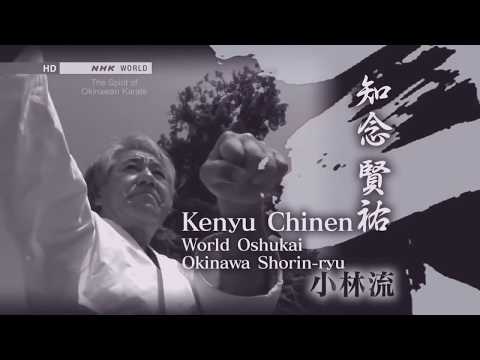
The Unveiled Spirit: A Deeper Look at Okinawan Tee Karate Through 'Tee Documentary'

A question that echoes through countless dojos and training halls: what truly defines a martial art? Is it the ferocity of a knockout, the elegance of a kata, or the depth of its philosophical underpinnings? Many modern interpretations of Karate have become so fixated on the *winning*, on the external validation of competition, that they risk losing the very essence of what these ancient disciplines were designed to cultivate. Today, we turn our analytical gaze not to the glitz of a championship bout, but to a documentary that promises to peel back the layers and reveal the raw, transformative power of Okinawan Tee.
This isn't about whether Karate *can* be a sport; it demonstrably is. This is about understanding its roots, its original purpose, and for many, its most profound application: the arduous, often uncomfortable, journey of **Self-Mastery**. Are you truly ready to confront your own limitations, or are you merely seeking another trophy for the mantlepiece? Let's dissect this journey.

Discovering Tee: A Quest for Self-Mastery

The documentary plunges us into the heart of Okinawa, the birthplace of Karate, to explore **Tee**. Immediately, the narrative sets itself apart. While modern Karate, particularly in its sporting permutations, often prioritizes the *external* victory – defeating an opponent, earning points, winning medals – Tee is presented as an introspective discipline. It’s a path inward, a rigorous exploration of the self. This distinction is crucial for any serious martial artist to grasp. The goal isn't just to *look* proficient; it's to *be* proficient, on every level. The film follows an Englishman and an Italian, individuals presumably drawn by the allure of authentic martial arts tradition. Their presence underscores a global phenomenon: the migration of thousands annually to Okinawa, seeking not just physical techniques but a deeper understanding. This isn't a casual pursuit; it's a commitment. The documentary highlights that practitioners aren't chasing fleeting glory in tournaments. Instead, they dedicate themselves to **self-mastery**, a pursuit that demands relentless pushing of both physical and mental boundaries. This is where the true value of martial arts lies for many seasoned practitioners – in the crucible of training, one finds their true measure.
"The essence of Karate is not in the victory, but in the striving for perfection." - A common adage, but one Tee seeks to embody.
This emphasis on intrinsic motivation resonates deeply with the core tenets of **#BudoLife**. It separates the genuine disciple from the dilettante. The true martial artist understands that every practice session, every drop of sweat, is an investment in oneself, not merely a means to an external end.

The Journey Within: Struggles and Triumphs

The narrative of the documentary centers around a transformative summer for its protagonists. This isn't presented as a smooth, effortless acquisition of skills. No, this is where the steel is forged. The film showcases the protagonists confronting "personal challenges" and "inner demons." This is the gritty reality of deep martial arts training. It’s messy. It’s uncomfortable. It forces you to face the aspects of yourself you’d rather ignore. The dedication, discipline, and resilience required are not just buzzwords here; they are the very currency of progress. The film makes a vital point: the path of martial arts is *not* solely about physical combat. This is a critical juncture. While techniques for **#CombateEnLaCalle** or **#ArtesMarcialesMixtas** are valuable, they are only one facet. Tee, as depicted, emphasizes honing one's character, cultivating humility – a quality often in short supply in competitive circles – and developing that elusive **#MindBodyConnection**. This holistic approach is what elevates a martial artist from a mere fighter to a refined individual. Imagine the sheer willpower needed to execute a technique perfectly, not because the crowd is cheering, but because the internal standard demands it. This is the **#InnerStrength** that Tee cultivates. It’s the quiet resolve that allows one to stand firm, not just against an opponent, but against doubt, fear, and laziness.

Martial Philosophy: The Essence of Tee

Here, the documentary delves into the philosophical heart of Tee. It's described as a unique blend of physical techniques and profound **#MartialPhilosophy**. This fusion is the hallmark of true **#BUDO**. The principles of harmony, balance, and respect are not mere pleasantries; they are foundational. * **Harmony**: Understanding how your body moves with intention, how your actions integrate with your environment. * **Balance**: Not just physical equilibrium, but mental and emotional stability. The ability to remain centered amidst chaos. * **Respect**: For your training partners, your instructors, the art itself, and crucially, for yourself. These principles are presented as transferable, applicable to "all aspects of life." This is the transformative power that draws so many to disciplines like **#OkinawanKarate**. It's about developing discipline, self-control, and a clear sense of purpose that extends far beyond the dojo walls. By immersing themselves in Tee, the protagonists don't just learn to punch and block; they uncover "hidden strengths" and gain "invaluable insights into the nature of existence." This is the enlightened path that separates superficial training from genuine **#SelfMastery**.
"Karate ni sente nashi" – "There is no first strike in Karate." This principle, deeply embedded in the philosophy of Karate, speaks volumes about the ethos of respect and control that traditional arts aim to instill. Tee embodies this.
For those interested in the **#KarateSpirit**, understanding this philosophical bedrock is paramount. It's the difference between performing movements and embodying principles.

Community and Camaraderie

Martial arts, at their best, are inherently communal. Tee is no exception. The documentary illustrates how this practice transcends cultural and geographical divides, fostering a powerful sense of **#CommunityOfWarriors**. The protagonists, far from home, find connection and support among fellow practitioners in Okinawa. These aren't just training partners; they form "deep bonds and lifelong friendships." This shared journey amplifies the individual experience. It reinforces the idea that while personal growth is central, it is often nurtured and solidified within a supportive collective. This is why forums and communities centered around **#MartialArtsCommunity** are so vital. They provide a space for shared learning, encouragement, and the collective pursuit of excellence. The struggle is individual, but the support network is communal.

Join the Tee Movement: Embrace Your Inner Warrior

The documentary aims to inspire. After witnessing the transformative experiences depicted, the implicit call to action is clear: embrace your own **#WarriorPhilosophy**. The "Tee movement" represents more than just a specific style of Karate; it signifies a commitment to a path of self-discovery and personal development through rigorous martial practice. The blog, **BYAM Budo y Artes Marciales**, is positioned as a resource for those inspired by this journey. It’s a place to "delve deeper into the world of martial arts," offering a "treasure trove of knowledge, techniques, and philosophies." This aligns perfectly with the goal of fostering a vibrant online **#MartialArtsCommunity**, where enthusiasts can share, learn, and grow together.

Equipment Essential for Your Training

While Tee emphasizes the internal, certain foundational tools can significantly enhance your training journey. Investing in quality gear not only ensures comfort and safety but also demonstrates respect for the art.
  • High-Quality Karate Gi: Look for a durable, double-weave cotton gi that allows for full range of motion and can withstand rigorous training. Brands like Shureido or Tokaido are often favored by practitioners of traditional Okinawan styles.
  • Traditional Okinawan Kobudo Weapons (Optional): If your training incorporates weapons (Bo, Sai, Tonfa, Nunchaku), ensure they are well-crafted and balanced for effective practice.
  • Makiwara: A traditional striking post used for developing power, conditioning the hands, and refining striking technique. Essential for authentic Karate practice.
  • Comfortable Training Mats: For floor work, breakfalls, and groundwork, ensuring a safe and supportive surface is crucial.
For those seeking to deepen their understanding of Karate history and philosophy, consider acquiring some foundational texts. Books such as "Bubishi" or comprehensive guides on Okinawan Karate history can provide invaluable context. Investing in good **#KarateMerchandise** is an investment in your journey.

Frequently Asked Questions

What is the difference between Tee and modern Karate?

Tee emphasizes self-mastery, personal growth, and philosophical depth, whereas many modern Karate styles focus more on competitive sport, external victories, and combat effectiveness.

Why do so many people travel to Okinawa to learn Karate?

Okinawa is the birthplace of Karate. Practitioners seek the authentic traditions, the deeper philosophical teachings, and the direct lineage from the masters who developed and preserved these arts.

Is Tee suitable for self-defense?

Yes. While its primary focus is internal development, the discipline, awareness, and physical conditioning cultivated through Tee provide a strong foundation for practical self-defense. The principles learned transcend mere combat techniques.

How can I start practicing Tee if I live outside Okinawa?

Seek out reputable dojos that specifically teach Okinawan Karate styles (e.g., Goju-ryu, Shorin-ryu, Uechi-ryu) and prioritize instructors who emphasize the traditional philosophy and self-development aspects over purely sport-oriented training.

For Deeper Exploration

This documentary touches upon the profound impact of martial arts. If you're captivated by the transformative power of discipline and physical practice, you might find value in exploring these related topics on our blog:

Conclusion: The True Spirit Embodied

"Tee Documentary" offers a vital perspective, reminding us that the most profound battles are often fought within. It champions the **#MartialArtsJourney** as a path of **#SelfMastery**, where discipline, resilience, and philosophical understanding are the true victories. Tee, as the documentary illustrates, is more than just a method of combat; it is a comprehensive system for personal transformation, fostering not only a strong body but an unshakeable spirit. It is the embodiment of the **#KarateSpirit** in its purest form.

Sensei's Reflection: Your Next Step

The documentary shows individuals confronting their limitations. What is the single greatest limitation you currently face in your own martial arts training, and how can you begin to dismantle it, not by seeking external validation, but by turning your gaze inward, as the practice of Tee demands? ```json { "@context": "https://schema.org", "@type": "FAQPage", "mainEntity": [ { "@type": "Question", "name": "What is the difference between Tee and modern Karate?", "acceptedAnswer": { "@type": "Answer", "text": "Tee emphasizes self-mastery, personal growth, and philosophical depth, whereas many modern Karate styles focus more on competitive sport, external victories, and combat effectiveness." } }, { "@type": "Question", "name": "Why do so many people travel to Okinawa to learn Karate?", "acceptedAnswer": { "@type": "Answer", "text": "Okinawa is the birthplace of Karate. Practitioners seek the authentic traditions, the deeper philosophical teachings, and the direct lineage from the masters who developed and preserved these arts." } }, { "@type": "Question", "name": "Is Tee suitable for self-defense?", "acceptedAnswer": { "@type": "Answer", "text": "Yes. While its primary focus is internal development, the discipline, awareness, and physical conditioning cultivated through Tee provide a strong foundation for practical self-defense. The principles learned transcend mere combat techniques." } }, { "@type": "Question", "name": "How can I start practicing Tee if I live outside Okinawa?", "acceptedAnswer": { "@type": "Answer", "text": "Seek out reputable dojos that specifically teach Okinawan Karate styles (e.g., Goju-ryu, Shorin-ryu, Uechi-ryu) and prioritize instructors who emphasize the traditional philosophy and self-development aspects over purely sport-oriented training." } } ] }

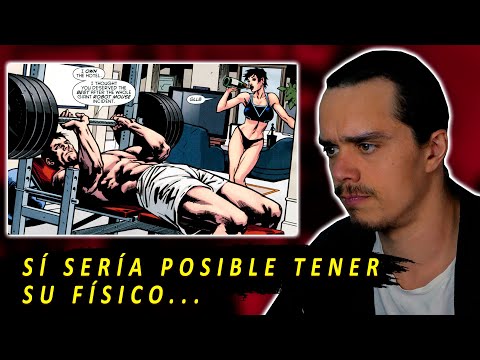
El Entrenamiento de Batman: ¿El Modelo Definitivo para el Guerrero Urbano?

En este dojo virtual que es Budo y Artes Marciales, no nos conformamos con la superficie. Si buscas la fusión entre el espíritu indomable del guerrero y la fascinación por la resistencia del Caballero Oscuro, has llegado al lugar correcto. Hoy desmantelamos el mito y la realidad tras el entrenamiento de Batman. ¿Es Bruce Wayne solo un millonario excéntrico, o un modelo de disciplina marcial que tú también puedes emular? Prepárate, porque vamos a examinar cada faceta de su preparación, desde las sombras de la Liga de Asesinos hasta el frío acero de su voluntad.

El Origen del Guerrero: Motivación y Filosofía

La transformación de Bruce Wayne en Batman no nace de un capricho, sino de una profunda herida y una sed inquebrantable de justicia. Tras presenciar el asesinato de sus padres, la tragedia se convierte en el catalizador de un viaje épico hacia la autoperfección. No se trata solo de vengar, sino de prevenir que otros sufran el mismo destino. Esta motivación intrínseca es el primer y más crucial pilar de su entrenamiento. Sin un propósito claro, la disciplina se desmorona.

"La venganza es un plato que se sirve frío," dicen algunos. Pero en el Budo, buscamos la trascendencia del ciclo de la violencia, no su perpetuación. Batman, en su idealismo, busca la justicia.

La filosofía que sustenta al Caballero Oscuro es un híbrido complejo. Si bien la venganza es una chispa inicial, su desarrollo como vigilante se nutre de principios de disciplina, sacrificio y la búsqueda de la excelencia física y mental. No es el camino del guerrero que busca la gloria en el combate, sino el del protector que se somete a un régimen brutal para poder servir y defender a los indefensos. Su entrenamiento, por tanto, es la manifestación tangible de esta filosofía: un compromiso total con la mejora continua.

El Arsenal Marcial de Batman: Diversidad y Maestría

La afirmación de que Batman domina "múltiples estilos de artes marciales" es, en el mejor de los casos, una simplificación. La realidad es mucho más profunda y matizada. Batman no solo aprende técnicas; él las absorbe, las integra y las adapta a su propia fisiología y estilo de combate. Su búsqueda de maestría lo llevó a los rincones más remotos del planeta, aprendiendo de maestros legendarios, algunos reales, otros ficticios.

Se rumorea que su formación incluye:

  • Karate Kyokushin: Para la potencia de golpeo, la resistencia al impacto y la fortaleza mental que exige el combate cuerpo a cuerpo sin protecciones. La filosofía del #Kyokushin, el "último verdadero karate", encaja con su mentalidad de afrontar el dolor.
  • Kung Fu (varios estilos): La fluidez, las transiciones rápidas y el uso del entorno son cruciales. Estilos como el Wing Chun, con su énfasis en la economía de movimiento y la defensa en corto alcance, o el Shaolin, con su combinación de agilidad y potencia, serían ideales.
  • Boxeo y Kickboxing: Fundamentales para la gestión de la distancia, la potencia de puños y patadas, y la defensa contra golpes. La precisión y la velocidad del boxeo, combinadas con el alcance del kickboxing, forman una base sólida.
  • Judo y Jiu-Jitsu Brasileño (BJJ): Aunque menos visible en sus représentaciones gráficas, la capacidad de derribar a un oponente y controlar la lucha en el suelo es vital. Un maestro como #Sensei (ficticio en este contexto, pero representa la figura) podría haberle enseñado principios de palancas y sumisiones. La idea de usar la fuerza del oponente en su contra es un principio marcial universal.
  • Ninjutsu: El arte de la infiltración, el sigilo y el uso de herramientas. Más allá de las técnicas de combate, el Ninjutsu le proporciona las habilidades de espionaje y subterfugio que definen su modus operandi.
  • Savate (Boxeo Francés): Conocido por sus patadas elegantes y precisas, complementaría su arsenal de golpeo.

La clave no es solo la diversidad, sino la integración. Batman no ejecuta una secuencia de karate y luego cambia a kung fu como quien cambia de marcha. Él ha destilado los principios fundamentales de cada arte y los ha fusionado en un estilo personal e impredecible. Esto es lo que le permite enfrentarse a oponentes con estilos totalmente distintos, desde el brutal #MMA de Bane hasta la precisión letal de Lady Shiva.

La Danza de las Sombras: Acrobacia y Movimiento

Un vigilante que opera en una ciudad vertical como Gotham necesita una movilidad excepcional. La acrobacia no es un mero adorno para Batman; es una herramienta de combate y evasión fundamental. Su capacidad para trepar edificios, saltar entre tejados y moverse con sigilo es tan importante como cualquier golpe de kárate.

Este aspecto de su entrenamiento se conecta directamente con disciplinas como:

  • Parkour: El arte del desplazamiento, utilizando obstáculos urbanos para moverse con fluidez y eficiencia. Esto incluye saltos, escaladas y recepciones seguras.
  • Gimnasia Deportiva: Desarrolla la fuerza explosiva, la flexibilidad, el equilibrio y la conciencia corporal necesarios para realizar movimientos complejos y controlar el cuerpo en el aire.
  • Capoeira: Aunque menos obvio, los movimientos circulares, las patadas bajas y las esquivas flotantes de la Capoeira podrían haber influido en su agilidad y capacidad de evadir ataques.

La acrobacia le permite:

  • Infiltrarse en lugares inaccesibles.
  • Evasión Táctica: Desaparecer en la oscuridad o esquivar ráfagas de balas con movimientos impredecibles.
  • Control del Entorno: Utilizar la verticalidad y los obstáculos a su favor, creando ángulos de ataque inesperados.

Pensemos en la #Agility como un pilar invisible de su combate. Un movimiento rápido y preciso puede ser la diferencia entre el éxito y el fracaso, entre la vida y la muerte en las calles de Gotham.

Forjando el Cuerpo: Fuerza, Resistencia y Potencia

La armadura de Batman no es solo metal; es un reflejo de un cuerpo humano llevado al límite de su capacidad. Su entrenamiento físico es un programa de élite diseñado para maximizar la fuerza funcional, la resistencia cardiovascular y la potencia explosiva.

Su rutina probablemente incluiría:

  • Levantamiento de Pesas y Entrenamiento de Fuerza: No se trata solo de levantar el máximo peso posible (powerlifting), sino de desarrollar fuerza funcional aplicable al combate. Ejercicios como sentadillas, peso muerto, press de banca y dominadas, con énfasis en la técnica y la explosividad.
  • Entrenamiento de Resistencia Cardiovascular: Correr largas distancias, sprints, y ejercicios de alta intensidad para asegurar que pueda mantener un combate prolongado sin fatigarse. La #Resistencia es clave para un vigilante nocturno.
  • Entrenamiento de Potencia Explosiva: Saltos pliométricos, lanzamientos de balón medicinal y ejercicios balísticos para desarrollar la capacidad de generar fuerza rápidamente, esencial para golpes contundentes y movimientos ágiles.
  • Entrenamiento de Estabilidad y Core: Un core fuerte es fundamental para transferir potencia y mantener el equilibrio. Planchas, crunches, y ejercicios de rotación serían esenciales.

Batman no busca la hipertrofia muscular excesiva que podría mermar su agilidad. Su objetivo es una físico **atlético, potente y funcional**. Piensa en un atleta de élite de #ArtesMarcialesMixtas o un gimnasta de alto rendimiento, pero con la fuerza bruta de un levantador de pesas.

La Fortaleza Interior: Mente y Voluntad de Hierro

Más allá del físico y las técnicas, lo que realmente distingue a Batman es su inquebrantable fortaleza mental. Su entrenamiento abarca la psique tanto como los músculos.

  • Disciplina y Autocontrol: La capacidad de adherirse a un régimen de entrenamiento riguroso día tras día, noche tras noche, incluso cuando el cuerpo y la mente claman por descanso.
  • Resiliencia Mental: Superar el dolor, el miedo y la adversidad. Aprender de las derrotas y no dejarse quebrar por ellas.
  • Enfoque y Concentración (Mushin): La habilidad de mantener la atención en la tarea presente, sin distracciones. Este estado de "mente vacía" o #Ki mental es crucial en el combate.
  • Tácticas y Estrategia: Batman no solo lucha; él planea. Su intelecto, su capacidad de observación y su habilidad para anticipar los movimientos del oponente son armas poderosas.
"La victoria pertenece a aquellos que saben cuándo luchar y cuándo no luchar." – Sun Tzu. Batman comprende el arte de la anticipación y la elección del momento oportuno, tanto en combate como en su estrategia general.

Veredicto del Sensei: ¿Un Guerrero Realista?

Analizar el entrenamiento de Batman desde la perspectiva de las artes marciales reales es fascinante. Si bien su habilidad para aprender y dominar múltiples disciplinas es una fantasía superheroica, los principios subyacentes son sólidos y aplicables. Su enfoque en la diversidad de estilos, la integración de habilidades físicas y mentales, y la disciplina implacable son las claves del éxito de cualquier artista marcial.

¿Es un modelo realista? Hasta cierto punto. La parte fantasiosa reside en la velocidad y la profundidad con la que adquiere y domina estas habilidades, y en los recursos ilimitados que posee. Sin embargo, el ethos detrás de su entrenamiento – la dedicación total, el sacrificio y la búsqueda de la autoperfección para un propósito mayor – es universal. Él representa el ideal del guerrero moderno: adaptativo, completo y mentalmente indomable.

Mi veredicto: Si bien no puedes convertirte literalmente en Batman, puedes adoptar los pilares de su entrenamiento. Su disciplina, su compromiso con el aprendizaje constante y su enfoque holístico (cuerpo, mente, espíritu) son un estándar de oro. Es un "Cinturón Negro en Disciplina y Adaptabilidad", con puntos de mejora en la viabilidad de su entrenamiento a escala humana y sin la billetera de un multimillonario.

Equipo Esencial para tu Entrenamiento (Versión Civil)

Si bien no necesitas la Bati-Cueva, hay equipamiento que puede potenciar tu propio entrenamiento marcial:

  • Guantes de Entrenamiento/Boxeo: Para proteger tus manos durante el golpeo. Unos de 12-16oz son ideales para #entrenamiento y sparring ligero.
  • Kimono de Judo o BJJ: Para la práctica de lucha en el suelo y derribos. Un buen #KimonoDeJudo es duradero.
  • Esterilla de Entrenamiento: Esencial para ejercicios en el suelo, caídas y estiramientos.
  • Cuerda de Saltar: Un clásico para mejorar la agilidad, la resistencia cardiovascular y la coordinación.
  • Pesas Libres (Mancuernas, Kettlebells): Versátiles para ejercicios de fuerza y potencia en casa.
  • Bandas de Resistencia: Excelentes para el acondicionamiento, la rehabilitación y el aumento de la intensidad de ejercicios corporales.

Guía de Entrenamiento: El "Circuit Training" del Caballero Oscuro

Puedes emular el enfoque integral de Batman con un circuito de entrenamiento. Adapta estos ejercicios a tu nivel:

  1. Calentamiento (10-15 min): Movilidad articular (cuello, hombros, caderas, rodillas), trote ligero o salto de cuerda.
  2. Circuito de Fuerza y Potencia (3-4 rondas):
    • Sentadillas con peso corporal o mancuernas (10-15 reps)
    • Flexiones (tantas como puedas, con buena forma)
    • Dominadas (o remo invertido si no puedes hacer dominadas, 8-12 reps)
    • Saltos al cajón (pliometría) (10-15 reps)
    • Plancha (mantener 45-60 segundos)
    Descansa 60-90 segundos entre rondas.
  3. Circuito de Habilidades Marciales (3-4 rondas):
    • Sombra de boxeo/kickboxing (simulando defensa y ataque, 2 minutos)
    • Técnicas básicas de Karate o Kung Fu (practica movimientos específicos, 2 minutos)
    • Ejercicios de agilidad y footwork (desplazamientos laterales, adelante/atrás, 1 minuto)
    Descansa 30-45 segundos entre rondas.
  4. Resistencia Cardiovascular (15-20 min): Sprints cortos (30 segON / 30 segOFF) o carrera continua a ritmo moderado.
  5. Enfriamiento y Estiramientos (10 min): Estiramientos estáticos profundos para los principales grupos musculares.

Preguntas Frecuentes

¿Es realista entrenar como Batman para alguien sin recursos ilimitados?

No, no es realista para la gran mayoría replicar su acceso a entrenadores de élite y tecnología. Sin embargo, puedes emular su disciplina, su enfoque holístico y su dedicación. Usa tu imaginación y los recursos a tu alcance para entrenar tu cuerpo y tu mente.

¿Qué arte marcial es el "principal" de Batman?

Batman no tiene un arte marcial "principal" en el sentido tradicional. Su fuerza radica en la integración de múltiples disciplinas. Sin embargo, si tuviéramos que elegir, sus habilidades de golpeo (boxeo, karate, kickboxing) y su movimiento (parkour, acrobacia) son las más visibles y consistentes.

¿Realmente necesita Batman toda esa masa muscular?

En el cómic, su musculatura es a menudo exagerada. En la realidad, un físico más atlético y funcional, con énfasis en la fuerza explosiva y la resistencia, sería más eficiente para sus tareas de sigilo, agilidad y combate prolongado. Demasiada masa puede ser un lastre.

¿Debería un principiante intentar entrenar múltiples artes marciales a la vez?

Para un principiante, es más recomendable enfocarse en uno o dos estilos fundamentales y construir una base sólida antes de diversificar. La integración viene con la experiencia. Intentar abarcar demasiado al principio puede ser abrumador y poco productivo.

Para Profundizar en tu Camino

Reflexión del Sensei: Tu Próximo Paso

Batman nos enseña que la verdadera fortaleza no reside en los recursos, sino en la voluntad de forjarla. ¿Estás dispuesto a someterte al rigor necesario para alcanzar tu potencial? ¿O prefieres seguir observando desde la multitud?

Ahora te toca a ti. ¿Qué aspecto del entrenamiento de Batman te inspira más? ¿Crees que su método es exagerado o un ideal alcanzable con adaptación? Demuéstralo en los comentarios, ¡y no te contengas!

```

The Ultimate Warrior's Guide: Mastering the Art of the Fight Beyond the Ring

Are you truly prepared for the test of will, skill, and spirit that defines the warrior? In the electrifying world of martial arts and combat sports, we often focus on the explosive power of a knockout or the intricate dance of a grapple. But what lies beneath the surface? What truly separates a fleeting contender from an enduring legend? Welcome, seekers of the path, to Budo and Martial Arts. Today, we dissect not just a fight, but the very essence of combat and its place in our lives.

Table of Contents

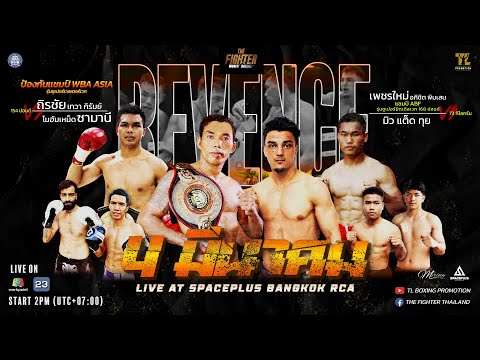
We live in an era saturated with combat sports spectacles, from the raw intensity of boxing to the multi-disciplinary battles of MMA. Yet, how many truly grasp the profound philosophy and rigorous discipline that underpin these arts? The event you might have seen, "The Fighter World Boxing Full Fight | March 4, 2023," is merely a snapshot, a fleeting moment in the grand tapestry of human conflict and self-mastery. But as a true budoka, your gaze must extend far beyond the immediate spectacle. Your intention here, I suspect, is not just to watch a fight, but to understand the warrior within, to learn, to refine, and perhaps, to conquer your own limitations.

The Warrior's Mindset: Beyond Physicality

The common observer sees only the physical exchange: the power, the speed, the brutality. But for the practitioner, the true battleground is internal. The Japanese concept of Mushin, often translated as "no mind" or "mind without mind," is the ultimate goal. It's a state of flow where action and reaction are instantaneous, unburdened by thought or hesitation. This state is not achieved through brute force alone, but through relentless training, unwavering discipline, and a deep understanding of oneself.

Many believe that martial arts are solely about aggression. This is a fundamental misunderstanding. True martial arts are about control – control of oneself, control of the situation, and yes, control of the opponent with minimal necessary force. It's about channeling your Ki (or Qi), your vital energy, with precision and intent. The fight is a crucible, yes, but its true purpose is transformation, not destruction.

"The warrior is not one who fights, but one who has cultivated the discipline to know when and how to act, and when and how not to." - A principle echoed across many martial traditions.

Deconstructing the Fight: More Than Just a Bout

Let's consider the fighters themselves. Take the bout from March 4, 2023, for instance. We see individuals like Petchmai Aphichit Phimsen and Mew Ted Tui. Beyond their names and weight class (73 kg for 6 rounds), what are we truly observing? We are witnessing the culmination of countless hours of dedication. We see the application of specific techniques, the result of rigorous entrenamiento and lucha strategy. But are these techniques authentic? Are they rooted in practical self-defense, or are they performative elements designed for audience appeal?

This is where the critical eye of the martial artist comes into play. We analyze the footwork, the guard, the transitions between striking and grappling. Is there an adherence to classical principles? Or is it a modern fusion, perhaps influenced by ArtesMarcialesMixtas? A truly skilled fighter, regardless of style, demonstrates efficiency and effectiveness. Every movement should serve a purpose, be it to attack, defend, or control distance. The spectacle can be thrilling, but the underlying mechanics reveal the true mastery.

The concept of Kime in Karate, the decisive exhalation and focus of power at the moment of impact, is a perfect example of this effectiveness. It's not just a shout; it's the embodiment of concentrated energy. A fight is a living demonstration of these principles, or a stark illustration of their absence.

Echoes of the Ancients: History and Martial Arts

The roots of every modern combat sport run deep into history. Boxing, for example, while refined into a sport, has origins in Pankration and older forms of pugilism. Karate, originating from Okinawan traditions influenced by Chinese martial arts, carries the legacy of farmers defending themselves against bandits. Even the seemingly chaotic flurry of an MMA bout can be traced back to ancient combative systems designed for battlefield survival.

Understanding this historia provides context and respect. It reminds us that these are not mere pastimes, but traditions honed over centuries. Masters like Miyamoto Musashi, with his treatise "The Book of Five Rings" (Go Rin No Sho), laid down principles of strategy and mindset that transcend time and specific martial arts. His emphasis on adapting to circumstances, much like water taking the shape of its container, is a lesson vital for any combatsports practitioner.

"Consider the boxing ring, the wrestling mat, or the dojo floor. These are not just stages for competition; they are extensions of the ancient battlefields where survival, honor, and discipline were forged."

The martial arts themselves are a living history. From the Shaolin monks to the samurai, each tradition has a story, a philosophy, and a unique approach to combat. Ignoring this heritage is like building a house without a foundation – it may stand for a while, but it lacks true strength and resilience.

Forging the Blade: Principles of Effective Training

Watching a fight is one thing; preparing for one is an entirely different discipline. Effective training goes beyond simply hitting pads or sparring. It involves a holistic approach:

  • Physical Conditioning: Building the stamina, strength, and agility required to perform under pressure. This includes cardiovascular endurance, muscular strength, and flexibility.
  • Technical Proficiency: Mastering the fundamental movements, strikes, blocks, throws, and grappling techniques of your chosen art. This requires repetition until movements become second nature.
  • Mental Fortitude: Developing resilience, focus, and the ability to remain calm under duress. This is where concepts like Mushin are cultivated.
  • Strategic Understanding: Learning to read an opponent, adapt tactics, and exploit weaknesses.

For those aiming to improve their entrenamiento, remember the words of Bruce Lee: "I fear not the man who has practiced 10,000 kicks once, but I fear the man who has practiced 1 kick 10,000 times." Consistency and deliberate practice are paramount.

Equipment for the Dedicated Practitioner

While the warrior's spirit is paramount, the right equipment can significantly enhance your training and performance. For boxers and kickboxers, good quality entrenamiento gloves (16oz for sparring) and hand wraps are essential to prevent injury. For those in grappling arts like Judo or BJJ, a durable, well-fitting Karate gi or Judo gi (double-weave is recommended for longevity) is crucial. Protective gear, mouthguards, and groin protectors are non-negotiable for safe sparring. Investing in quality gear is an investment in your longevity as a martial artist. Consider exploring some of the recommended KarateMerchandise or specialized MartialArtsMerchandise for durable and functional options.

A Practical Exercise: Developing 'Mushin'

Achieving a state of 'Mushin' is a lifelong pursuit. Here’s a simple exercise to begin cultivating it:

  1. Find a quiet space. Minimize distractions.
  2. Assume a stable, comfortable stance. This could be a neutral stance, a Karate Heisoku-dachi, or a relaxed Judo stance.
  3. Focus on your breath. Deep, steady breaths. Inhale through the nose, exhale through the mouth.
  4. Engage your senses. Notice the temperature of the air, the sounds around you, the feeling of your feet on the ground. Do not judge these sensations; simply observe them.
  5. Gently introduce a simple, repetitive movement. This could be a slow, controlled block, a subtle shift of weight, or even just clenching and unclenching your fists.
  6. Perform the movement continuously. Allow your mind to focus on the physical sensation of the movement and your breath.
  7. When thoughts arise (and they will), acknowledge them without judgment and gently return your focus to the breath and movement. Do not fight the thoughts; let them pass like clouds.
  8. Continue for 5-10 minutes. The goal is not to empty your mind, but to become aware of your thoughts without being controlled by them, and to return to a state of present moment awareness.

This exercise, rooted in BUDO principles, helps train the mind to be present and less reactive. It's a foundational step towards that fluid, intuitive state of action.

Frequently Asked Questions

Q1: Is watching fight footage like "The Fighter World Boxing Full Fight" beneficial for my training?
A: Yes, but with discernment. Analyze technique, strategy, and conditioning. However, remember that fights are often performances. Always cross-reference with authentic martial arts principles and training methods.

Q2: How much emphasis should I place on philosophy versus practical fighting skills?
A: Both are essential. Philosophy provides the 'why' and the ethical framework, while practical skills provide the 'how.' A warrior without understanding is just a thug; a philosopher without skill is ineffective. The ideal is a balance, where philosophy informs action and action deepens understanding.

Q3: Is it better to specialize in one martial art or cross-train in multiple disciplines?
A: For deep mastery, specialization is often key. However, cross-training (as seen in ArtesMarcialesMixtas) can broaden your skillset and understanding of combat dynamics. The best approach depends on your goals, be it self-defense, competition, or personal development.

Q4: How can I maintain motivation for consistent training?
A: Set clear goals, find training partners who motivate you, vary your routines to prevent boredom, and regularly remind yourself of the deeper philosophical reasons you began your journey. Remember that SuperaciónPersonal is a marathon, not a sprint.

Deepen Your Understanding

To truly grasp the warrior's path, external knowledge is as vital as internal cultivation. Explore these resources:

The world of combat sports and martial arts is vast and profound. It offers more than just physical prowess; it offers a path to self-discovery, discipline, and resilience. Whether you are drawn to the explosive power of boxing, the intricate throws of Judo, the dynamic strikes of Karate, or the holistic discipline of Budo, remember that the true fight is always within. The goal is not simply to win a bout, but to forge a better version of yourself, tempered by effort and guided by wisdom.

Reflexión del Sensei: Tu Próximo Paso

When you witness a fight, whether live or on screen, what do you see? Do you see only the blows, or do you perceive the years of dedication, the mental fortitude, and the underlying philosophy? In your next training session, or even in a challenging moment in your daily life, how will you consciously seek to embody the principles of Mushin and Kime, acting with decisive focus yet remaining free from the chaos of overthinking?

``` ```json { "@context": "https://schema.org", "@type": "FAQPage", "mainEntity": [ { "@type": "Question", "name": "Is watching fight footage like \"The Fighter World Boxing Full Fight\" beneficial for my training?", "acceptedAnswer": { "@type": "Answer", "text": "Yes, but with discernment. Analyze technique, strategy, and conditioning. However, remember that fights are often performances. Always cross-reference with authentic martial arts principles and training methods." } }, { "@type": "Question", "name": "How much emphasis should I place on philosophy versus practical fighting skills?", "acceptedAnswer": { "@type": "Answer", "text": "Both are essential. Philosophy provides the 'why' and the ethical framework, while practical skills provide the 'how.' A warrior without understanding is just a thug; a philosopher without skill is ineffective. The ideal is a balance, where philosophy informs action and action deepens understanding." } }, { "@type": "Question", "name": "Is it better to specialize in one martial art or cross-train in multiple disciplines?", "acceptedAnswer": { "@type": "Answer", "text": "For deep mastery, specialization is often key. However, cross-training (as seen in ArtesMarcialesMixtas) can broaden your skillset and understanding of combat dynamics. The best approach depends on your goals, be it self-defense, competition, or personal development." } }, { "@type": "Question", "name": "How can I maintain motivation for consistent training?", "acceptedAnswer": { "@type": "Answer", "text": "Set clear goals, find training partners who motivate you, vary your routines to prevent boredom, and regularly remind yourself of the deeper philosophical reasons you began your journey. Remember that SuperaciónPersonal is a marathon, not a sprint." } } ] }

El KO que Despertó al Espíritu del Budo: O'Sullivan vs. Martínez, la Batalla Amateur que Redefinió la Intensidad

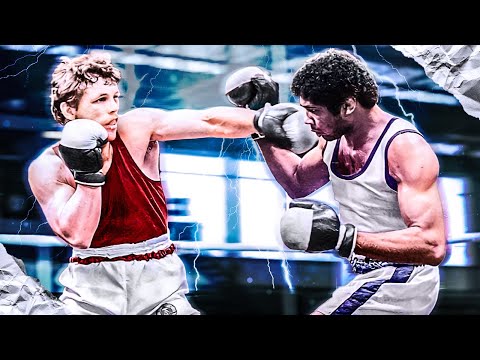
El 15 de junio de 2022, el mundo de las artes marciales fue testigo de un evento publicado que prometía una revisión profunda de un choque titánico: "La pelea más VIOLENTA de la historia del BOXEO amateur". Pero, ¿es la mera violencia lo que define un combate digno de la memoria colectiva de los practicantes de Budo? O, por el contrario, ¿es la chispa de espíritu, la resistencia ante la adversidad, la aplicación técnica bajo presión extrema, lo que verdaderamente resuena con los principios de las artes marciales? Hoy, no solo desgranaremos la épica de Shawn O'Sullivan y Armando Martínez en Montreal 1981, sino que la analizaremos a través del prisma del guerrero. ¿Qué podemos aprender de este enfrentamiento de la categoría de 71 kg que trascendió el deporte para convertirse en una leyenda amateur? Prepárense, porque esta no será una simple reseña, sino una lección sobre la tenacidad, la estrategia y el indomable espíritu que buscamos cultivar en cada dojo.

Trasfondo: Dos Titanes en Colisión

En 1981, la ciudad de Montreal fue testigo de un evento que quedaría grabado a fuego en la memoria del boxeo amateur. La final del torneo mundial en la categoría de 71 kg enfrentó a dos prodigios: el neozelandés Shawn O'Sullivan, medallista de plata olímpico, y el cubano Armando Martínez, también con un palmarés formidable. No era solo una pelea por un título; era un choque de estilos, una demostración de habilidad y corazón forjados en disciplinas distintas pero igualmente rigurosas. O'Sullivan, conocido por su técnica pulida y su resistencia, se medía contra Martínez, un púgil de pegada temible y espíritu indomable. El aire en el recinto vibraba con la expectativa de una contienda histórica.

Análisis Técnico: Una Danza Salvaje de Puños

La pelea en sí fue un torbellino de acción que desafió las convenciones del boxeo amateur. Desde el primer asalto, ambos contendientes demostraron por qué habían llegado a la cima. O'Sullivan empleó su jab rápido y su juego de pies para mantener la distancia y buscar ángulos, mientras que Martínez presionaba incansablemente, buscando acortar el espacio para descargar sus potentes combinaciones.
Lo que distinguía a este combate no era solo la fuerza de los golpes, sino la inteligencia táctica desplegada. Cada ataque era respondido con una defensa sólida o un contraataque preciso. Vimos bloqueos, esquivas y movimientos corporales que, aunque propios del pugilismo, reflejaban la conciencia espacial y el reflejo condicionado que son pilares en el entrenamiento marcial.
"El boxeo amateur, cuando se practica con la intensidad y el respeto que merece, se convierte en un arte de precisión y coraje. No es mera pelea; es una prueba de disciplina."
La estrategia de O'Sullivan de mantener la calma y buscar puntos débiles contrastaba con la ferocidad controlada de Martínez. En ciertos momentos, la pelea se volvía un ajedrez en movimiento, donde cada paso y cada golpe eran calculados. Sin embargo, la pura emoción y la necesidad de prevalecer añadían un elemento de imprevisibilidad que mantenía a los espectadores al borde de sus asientos. Las secuencias de intercambio de golpes eran brutales, sí, pero también revelaban una resistencia física y mental asombrosa.

El Espíritu del Budo en el Ring

Más allá de la técnica de boxeo, la pelea entre O'Sullivan y Martínez encapsula principios fundamentales del Budo. La perseverancia ante la adversidad, la capacidad de recuperarse tras recibir un golpe contundente, la concentración inquebrantable bajo presión extrema... todo esto es el "Ki" en acción, la energía vital que impulsa al guerrero. El concepto de "Mushin" (mente sin mente), aunque más asociado a las artes marciales japonesas, se manifiesta en la fluidez con la que ambos púgiles reaccionaban a los ataques. Sus cuerpos actuaban casi por instinto, liberados de la duda y el miedo. Esto solo se logra a través de incontables horas de entrenamiento, sudor y dedicación, un sacrificio que resuena profundamente con cualquier artista marcial.
"La verdadera fuerza no reside en la capacidad de infligir daño, sino en la voluntad inquebrantable de resistir y sobreponerse, incluso cuando el cuerpo clama por ceder."
Ambos hombres se negaron a ser derribados, no solo físicamente, sino espiritualmente. Continuaron avanzando, buscando la victoria con una determinación que es la esencia misma del camino del guerrero. Esta batalla, aunque en el ámbito del boxeo, se eleva a una demostración de los valores marciales universales.

Resultado y Legado: Más Allá del Marcador

Tras una contienda de una intensidad agotadora, la decisión final fue polémica, otorgando la victoria a Armando Martínez. Sin embargo, el verdadero ganador de esa noche fue el espectáculo marcial. La pelea se convirtió en un mito, en un ejemplo de lo que el boxeo amateur puede alcanzar cuando dos guerreros dan todo de sí. El legado de este combate trasciende el oro y la plata. Es un testimonio de la capacidad humana para soportar el castigo, para competir con honor y para dejar una marca imborrable en la historia de un deporte. Para los practicantes de artes marciales, sirve como un recordatorio de que la disciplina, el coraje y la resistencia son cualidades que se manifiestan en cualquier arena de combate.

Veredicto del Sensei: ¿Un Clásico?

Sin duda alguna, la pelea entre O'Sullivan y Martínez es un clásico del boxeo amateur. La intensidad, la habilidad y el espíritu de lucha exhibidos son dignos de estudio y admiración. Si bien el boxeo tiene sus propias reglas y énfasis, la voluntad de ganar, la resistencia al dolor y la aplicación de técnicas bajo presión son universales. Este combate demuestra que, independientemente del arte marcial específico, los principios de dedicación y coraje son los mismos. Calificación: ¡Cinturón Negro en Intensidad y Espíritu!

Equipo Esencial para tu Entrenamiento

Para quienes se inspiran en la tenacidad de estos campeones y desean mejorar su propio entrenamiento, el equipo adecuado es fundamental. Ya sea en boxeo, kickboxing o cualquier arte marcial que involucre golpes, la seguridad y la efectividad son primordiales.
  • Guantes de Boxeo: Para sparring, se recomiendan guantes de 14 a 16 oz para asegurar una buena protección para ambas partes. Para el entrenamiento de saco o manoplas, guantes más ligeros (10-12 oz) pueden ser adecuados.
  • Vendas de Mano: Imprescindibles para proteger las muñecas y los nudillos durante cualquier tipo de entrenamiento con impacto.
  • Protector Bucal: La seguridad bucal es no negociable en cualquier deporte de contacto.
  • Esterilla de Entrenamiento: Si bien esta pelea fue en boxeo, para otras disciplinas marciales, una buena esterilla mejora la comodidad y seguridad al caer o trabajar en el suelo.
  • Ropa Deportiva Transpirable: Mantenerse fresco y seco permite un rendimiento óptimo y una mayor duración del entrenamiento.
Si estás buscando equiparte para tu viaje marcial, considera visitar tiendas especializadas en KarateMerchandise o buscar ArtesMarcialesMixtas.

Preguntas Frecuentes

¿Fue esta pelea realmente la más violenta de la historia del boxeo amateur?

La etiqueta de "más violenta" es subjetiva y depende de la interpretación. Sin embargo, sin duda es una de las más intensas, espectaculares y recordadas por su calidad y espíritu de lucha.

¿Qué diferencias hay entre el boxeo amateur y el profesional en términos de técnica?

El boxeo amateur tiende a enfocarse más en el volumen de golpes y el puntaje, con asaltos más cortos y menos énfasis en el nocaut como objetivo principal, aunque la potencia sigue siendo crucial. El profesional permite más libertad en cuanto a la duración de los asaltos y el uso más directo de la pegada para buscar el KO.

¿Qué lecciones de esta pelea se aplican a otras artes marciales?

La resistencia mental y física, la estrategia, la capacidad de adaptación, la recuperación tras recibir un golpe y el espíritu de lucha son aplicables a todas las artes marciales.

¿Por qué la decisión final fue controversial?

Las decisiones en el boxeo amateur, especialmente en peleas reñidas, a menudo generan debate. En este caso, muchos espectadores sintieron que O'Sullivan había hecho lo suficiente para merecer la victoria, lo que provocó discusiones sobre la justicia del veredicto.

Para Profundizar en tu Camino

Para seguir explorando la profundidad y el espíritu de las artes marciales, te invito a leer estos artículos:

Reflexión del Sensei: Tu Próximo Paso

Hemos analizado una batalla que, aunque se desarrolló bajo las reglas del boxeo, resonó con la esencia de todas las artes marciales. La intensidad, la resistencia, la técnica bajo fuego... son lecciones que trascienden el ring. Ahora te pregunto: En tu propio entrenamiento, ¿buscas solo la victoria efímera o cultivas la fortaleza interna que te permite levantarte, sin importar cuántas veces caigas? ¿Estás listo para enfrentar tus propios "Martínez" en el tatami de tu vida? ``` ``` GEMINI_METADESC: Análisis marcial de O'Sullivan vs. Martínez (1981), la pelea amateur que cautivó al mundo. Explora técnica, espíritu del Budo y lecciones para guerreros.

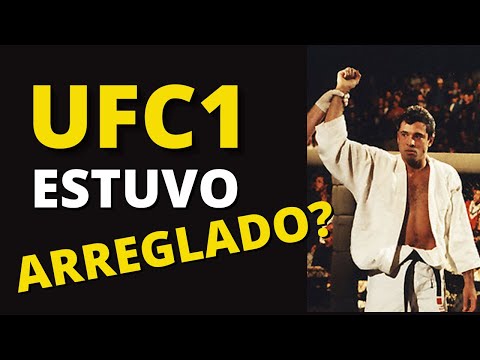
The Gracie Conspiracy: Unraveling the Jiu-Jitsu Bias in Early UFC

Did Rorion Gracie rig the early Ultimate Fighting Championship (UFC) to ensure his brother, Royce, claimed victory? This isn't just locker-room talk; it's a question that has echoed through martial arts circles since the promotion's inception. Welcome, warriors and scholars, to Budo and Martial Arts, where we dissect the legends and the controversies that shape our world. Today, we delve deep into the shadowy corners of UFC's genesis, examining the whispers of conspiracy that surround the Gracie family's dominance.

The Genesis of the Controversy

The year is 1993. The UFC, a brutal, no-holds-barred tournament, explodes onto the scene, promising to answer the age-old question: "Which martial art is the most effective in a real fight?" Enter Royce Gracie, a slender Brazilian known for his seemingly passive yet devastating Brazilian Jiu-Jitsu (BJJ). Royce would go on to win UFC 1, UFC 2, and UFC 4, submitting larger, stronger opponents with his family's grappling art. This unprecedented success, however, sowed seeds of doubt. Was it pure skill, or was there a guiding hand, a deliberate orchestration by Rorion Gracie, one of the event's primary organizers and Royce's elder brother? This question ignites a firestorm among martial artists. For some, it's an insult to the art and Royce's achievements. For others, it's a logical dissection of how power and influence might have shaped the nascent sport. Let's peel back the layers and examine the evidence, not with blind faith, but with the critical eye of a seasoned martial artist.

UFC 1: The Brazilian Jiu-Jitsu Upset

UFC 1 was a revelation. Royce Gracie, often the smallest competitor, moved through the bracket with a quiet intensity. His opponents – a boxer, a karateka, a sumo wrestler, and a taekwondo practitioner – were all formidable in their respective disciplines but lacked the grappling prowess to counter his submissions. He secured three victories, all by submission, showcasing the efficacy of BJJ in a way the world had never witnessed.
The immediate impact was undeniable. BJJ, previously a niche art known primarily within Brazil, was suddenly thrust into the global spotlight. Fighters and fans alike were forced to acknowledge a new paradigm in combat sports. But with this sudden, dramatic shift, questions arose. How could a seemingly unassuming practitioner dominate such a diverse field of martial artists?
"The ultimate aim of martial arts is not a victory or a defeat, but the perfection of the character of its practitioners." - Unknown Master

The Gracie Advantage: Rules, Opponents, and Tactics

Critics of the "Gracie conspiracy" theory often point to several factors that may have unfairly benefited Royce: * **Tournament Format:** The early UFC tournaments were single-elimination events. This meant that if Royce lost, his tournament was over. However, for opponents who had to fight multiple times in a single night, fatigue became a significant factor. Royce, with his efficient grappling, often finished fights quickly, conserving energy. * **Rule Set:** The initial lack of weight classes was a massive advantage for Royce, who was consistently the smallest competitor. While this tested the "any style" concept, it also meant he faced opponents who could simply overpower him physically if they could keep the fight standing. * **Opponent Selection:** Skeptics suggest that Rorion, as a key organizer, may have had influence over who participated. While direct evidence of manipulation is scarce, the narrative suggests a curated field designed to highlight BJJ's strengths. For instance, the inclusion of fighters with known weaknesses in grappling, or the peculiar circumstances surrounding certain matchups, fueled speculation. * **The "Gracie Diet" and Conditioning:** While not a conspiracy, the Gracie family's unique dietary approaches and their rigorous, often unconventional training methods also contributed to their fighters' resilience and conditioning, giving them an edge.

Rorion Gracie's Role: Promoter or Puppeteer?

Rorion Gracie was instrumental in bringing the UFC to life, driven by a vision to prove the superiority of Brazilian Jiu-Jitsu. His passion and business acumen were undeniable. He was the driving force behind the concept and the initial organization. This close involvement, however, is precisely what fuels the conspiracy theories. Did Rorion strategically shape the event – the rules, the matchups, the presentation – to ensure Royce's success? The argument is that a Gracie victory was not just a personal triumph but a crucial marketing tool for their burgeoning martial art. A loss for Royce, especially early on, could have severely damaged the credibility of BJJ and, by extension, the UFC itself. One common point of contention is the apparent willingness of opponents to "tap out" quickly to Royce's submissions. While BJJ practitioners argue this is a testament to the effectiveness and pain compliance of the techniques, others suggest that either fighters didn't fully understand the danger, or perhaps, in some instances, there was an unspoken agreement or underestimation of the threat.

Counterarguments: The Purity of BJJ

Despite the murmurs of conspiracy, a powerful counter-narrative exists: Royce Gracie was simply that good. Brazilian Jiu-Jitsu, when mastered, is an incredibly effective art, particularly for smaller individuals against larger, less experienced grapplers. * **Technical Superiority:** Royce's command of BJJ was evident. His transitions, escapes, and submissions were fluid and technically brilliant. He exploited openings with precision, demonstrating a deep understanding of leverage and body mechanics. * **Mental Fortitude:** Royce displayed remarkable calmness under pressure. While opponents often raged or fatigued, he remained composed, waiting for his opportunity. This mental game is a hallmark of disciplined martial arts training. * **The "Ultimate Fighter" Ethos:** The UFC was designed to be a test of "real" fighting. Royce's success proved that raw size and power could be overcome by technique and strategy. To dismiss his wins as a conspiracy diminishes the transformative impact BJJ had on the martial arts landscape. * **No Concrete Proof:** While speculation abounds, there is no irrefutable evidence, no leaked documents or credible testimonies, definitively proving Rorion orchestrated the outcomes. The narrative relies heavily on interpretation and the inherent distrust of a powerful promoter's influence.

Veredicto del Sensei: A Masterclass in Combat or Calculated Deception?

Let's be clear: The early UFC was a wild west. Rules were minimal, and the emphasis was on raw, unadulterated combat. Royce Gracie's dominance was real, and it fundamentally altered the course of martial arts. He faced formidable opponents and submitted them with a technique that, at the time, was largely unknown and unprepared for. However, to ignore the influence of Rorion Gracie as a promoter would be naive. Rorion's goal was to sell BJJ, and he leveraged his position to create a platform where it could shine. Whether this extended to actively manipulating matchups or rules to guarantee wins is a question that likely will never be definitively answered. The lack of clear rules regarding weight classes and the sheer novelty of the format created an environment ripe for exploitation, whether intentional or not. My analysis leans towards this: Royce's skill was genuine, but the *circumstances* created by Rorion's promotional efforts undoubtedly favored Royce's style and minimized potential threats. It was a masterclass in not just fighting, but in spectacle and marketing. The "conspiracy" lies less in fixing fights and more in brilliantly shaping the narrative and the environment to showcase BJJ's strengths. **Cinturón Negro en Marketing y Dominio Marcial.**

Training for the Street: Lessons from the Gracie Era

Even if one believes there was an element of conspiracy, the lessons from Royce Gracie's performances are invaluable for anyone interested in **#SelfDefense** or **#CombateEnLaCalle**. 1. **The Ground is King:** Never underestimate the importance of grappling. A skilled Jiu-Jitsu practitioner can neutralize superior strength and size on the ground. This reinforces the need for **#Grappling** training. 2. **Control the Fight:** Royce dictated where the fight went – to the ground. Understanding how to initiate or resist a takedown, and how to control an opponent's posture, is crucial. 3. **Submission Over Damage:** While striking arts focus on KO power, grappling emphasizes joint locks and chokes. These are efficient ways to end a confrontation. 4. **Mindset is Paramount:** Royce's calm demeanor in the face of aggression is a masterclass in mental toughness. A clear head under duress is more dangerous than any physical attribute. These principles remain vital today, impacting how martial arts are taught and practiced globally.

Resources for Deeper Study

To truly grasp the context of the early UFC and the Gracie legacy, further study is essential.

Equipo Esencial para tu Entrenamiento

  • Gi (Kimono): Essential for practicing traditional BJJ and Judo. Look for durable, double-weave kimonos for longevity.
  • Rash Guards: Ideal for no-gi grappling and MMA training to prevent mat burn and improve hygiene.
  • Mouthguard: Non-negotiable for any combat sport training to protect your teeth and jaw.
  • Training Partners: The most critical piece of equipment. Find a reputable academy with experienced instructors.

Recursos para Profundizar

Frequently Asked Questions

Q1: Was Royce Gracie the only Gracie fighting in early UFC? A1: Royce was the primary competitor representing the Gracie family in the early tournaments (UFC 1, 2, 4). Other family members have since competed in various MMA organizations. Q2: Did Rorion Gracie have a direct financial stake in Royce winning? A2: As a co-founder and promoter, Rorion had a vested interest in the success of the UFC and the positive representation of BJJ, which directly benefited his family's academies and brand. Q3: Are there any documented instances of Rorion rigging matches? A3: There is no definitive, publicly verified proof of Rorion rigging specific matches. The "conspiracy" is largely built on speculation regarding rule-making, opponent selection, and the overall narrative control Rorion wielded as promoter. Q4: How did other martial arts react to BJJ's dominance in early UFC? A4: Many traditional martial arts were forced to re-evaluate their training methodologies. The success of BJJ spurred innovation and cross-training, leading to the development of modern **#ArtesMarcialesMixtas** and a greater emphasis on grappling in various styles.

Para Profundizar en tu Camino

Reflexión del Sensei: Tu Próximo Paso

We've dissected the legend, the whispers, and the undeniable impact of the Gracie family on the UFC. But consider this, student: If the entire spectacle was, in part, a masterful piece of marketing, what does that say about the power of storytelling in martial arts? Are we truly just practitioners of physical combat, or are we also students of perception, of narrative, of the very essence of what makes an art form endure? Does the "how" matter more than the "what," or can both coexist in a beautiful, brutal dance? Ponder this. GEMINI_METADESC: Explore the Gracie UFC conspiracy theory: Did Rorion Gracie rig early UFC events for brother Royce? Expert analysis of BJJ, rules, and martial arts impact.

The Unseen Force: Deconstructing the 9 "Most Powerful" Martial Arts in the World

Introduction: Beyond the Hype

Hello, warriors, and welcome to Budo and Martial Arts. Today, we confront a question that ignites debates in dojos and online forums alike: "What are the most powerful martial arts in the world?" This is a question fraught with subjective interpretation, often fueled by cinematic portrayals and hyperbolic claims. As a Sensei who has dedicated a lifetime to the study and practice of various combat disciplines, I find such lists inherently flawed, yet undeniably intriguing. They force us to examine what "power" truly means in a martial context. Is it brute force? Effectiveness in sport? Lethality in self-defense? Or perhaps the depth of its philosophical underpinnings? We live in an age where information is abundant, yet wisdom can be scarce. The internet is awash with "Top 10" lists, but few delve into the substance behind the spectacle. My mission today is not merely to present another such list, but to dissect the very notion of power within the martial arts, analyzing the systems often cited, and challenging you to think critically. Prepare yourselves; this is not a passive viewing. This is a lesson.
"The supreme art of war is to subdue the enemy without fighting." - Sun Tzu, The Art of War

Deconstructing "Power": A Martial Perspective

The term "powerful" is a nebulous descriptor when applied to martial arts. In the realm of combat, power can manifest in several ways: * **Physical Power**: The ability to generate force through striking, grappling, or throws. This is often what the uninitiated associate with power, envisioning devastating punches or immovable stances. * **Technical Efficacy**: The efficiency and effectiveness of techniques under pressure. A technically sound practitioner can overcome a physically stronger but less skilled opponent. * **Strategic Acumen**: The ability to read an opponent, control distance, timing, and adapt to the flow of combat. This is the realm of the seasoned warrior. * **Mental Fortitude**: The resilience, discipline, and emotional control that allows one to perform under duress. This "inner strength" is often the most potent, yet least visible, form of power. * **Adaptability**: The capacity to apply principles across different scenarios, be it sport, self-defense, or even everyday challenges. A truly powerful martial art cultivates a holistic development of these facets. Focusing solely on one element, such as raw striking power, while neglecting others like mental resilience or technical adaptation, creates an incomplete and potentially vulnerable practitioner. The *true* power lies not in the style itself, but in the practitioner's mastery of its principles and their ability to integrate them.

The Contenders: A Critical Look

When lists of "powerful" martial arts emerge, certain styles consistently appear. Let's examine some common candidates through a critical lens, focusing on their strengths and potential limitations: 1. **Mixed Martial Arts (MMA)**: * **Core Principle**: The ultimate application of a wide range of combat skills. MMA is less a single art and more a sport that demands proficiency in striking (boxing, Muay Thai, Karate), grappling (Brazilian Jiu-Jitsu, Judo, wrestling), and the transitions between them. * **Power Defined**: Its power lies in its *comprehensiveness*. A skilled MMA fighter is a multi-disciplinary threat, capable of winning on the feet or on the ground. * **Critique**: While undeniably effective in its competitive context, MMA is a sport with rules. Its "power" is often defined within those parameters. Traditional martial arts principles like situational awareness outside a ring or the ethical application of force are not its primary focus. * **Keyword Integration**: #MMA, #ArtesMarcialesMixtas, #EntrenamientoDeMMA, #UFC, #CombateCuerpoACuerpo, #Grappling, #Kickboxing 2. **Brazilian Jiu-Jitsu (BJJ)**: * **Core Principle**: Ground fighting, leverage, and submission holds. BJJ emphasizes taking an opponent to the ground and neutralizing their size and strength advantages through joint locks and chokeholds. * **Power Defined**: Superiority in ground control and submission techniques. It can allow a smaller, weaker individual to defeat a larger, stronger one. * **Critique**: Its effectiveness is heavily reliant on the ability to get the fight to the ground. Against multiple opponents, or in situations where standing is critical, its advantage diminishes. The sport aspect also introduces rulesets that might not apply in a real-world confrontation. * **Keyword Integration**: #BJJ, #jiujitsu, #judo, #grappling, #LuchaEnPie (as a counterpoint), #SubmissionHolds, #GroundFighting 3. **Muay Thai (The Art of Eight Limbs)**: * **Core Principle**: Striking art utilizing punches, kicks, elbows, and knee strikes, combined with clinch work. * **Power Defined**: Devastating offensive striking power, conditioning, and clinch control. Its techniques are designed to inflict damage efficiently. * **Critique**: While a formidable striking art, it traditionally lacks ground fighting techniques. Its effectiveness in a purely ground-based scenario or against a skilled grappler without significant adaptation would be tested. * **Keyword Integration**: #MuayThai, #Striking, #ElbowStrikes, #KneeStrikes, #ClinchWork, #Kickboxing 4. **Boxing**: * **Core Principle**: Punching techniques, footwork, head movement, and defensive strategies. * **Power Defined**: Precision, speed, and concussive force in punches. Elite boxers possess exceptional hand-eye coordination and offensive timing. * **Critique**: Like Muay Thai, boxing is primarily a stand-up striking art and offers limited defense against kicks, takedowns, or ground attacks. * **Keyword Integration**: #Boxing, #PunchingTechniques, #Footwork, #HandEyeCoordination, #DefensaPersonal (as a contrast) 5. **Kyokushin Karate**: * **Core Principle**: Full-contact Karate emphasizing conditioning, powerful direct strikes, and a strong mental component. * **Power Defined**: Raw, uncompromising power through full-contact sparring and rigorous physical conditioning. It instills immense resilience and fighting spirit. * **Critique**: Traditional Kyokushin sparring often has rules against punches to the face and certain joint manipulations, which can differ from the dynamic of a street fight or MMA match. * **Keyword Integration**: #Kyokushin, #KarateKyokushin, #KarateSpirit, #FullContactKarate, #Conditioning, #BUDO 6. **Sambo**: * **Core Principle**: A Russian martial art and combat sport combining aspects of Judo, wrestling, and various folk styles. It emphasizes throws, takedowns, joint locks, and submissions. * **Power Defined**: Its strength lies in its blend of striking and grappling, offering a robust system for both standing and ground combat. * **Critique**: While comprehensive, its specific techniques and emphasis can vary between its sport and combat sambo variations. * **Keyword Integration**: #Sambo, #Judo, #Wrestling, #Grappling, #CombatSambo, #RussianMartialArts 7. **Wing Chun**: * **Core Principle**: A concept-based Chinese martial art emphasizing simultaneous blocking and striking, efficient close-range combat, and sensitivity training. * **Power Defined**: Economy of motion, directness, and centerline control. It's designed to overwhelm an opponent with rapid, efficient techniques from a close distance. * **Critique**: Often criticized for its limited effectiveness against longer-range attacks or skilled grapplers if the practitioner cannot close the distance effectively. Its traditional training methods can sometimes lack the dynamic pressure-testing found in modern combat sports. * **Keyword Integration**: #WingChun, #KungFu, #ChineseMartialArts, #CloseRangeCombat, #CenterlineControl, #ConceptBasedMartialArts 8. **Savate (French Boxing)**: * **Core Principle**: A unique striking art combining elegant kicking techniques with boxing punches. * **Power Defined**: Precision, agility, and powerful kicks delivered with athletic grace. It offers a dynamic mix of long and short-range striking. * **Critique**: While a complete striking system, it typically lacks extensive grappling or ground fighting components. * **Keyword Integration**: #Savate, #FrenchBoxing, #KickingTechniques, #Agility, #StrikingArt 9. **Krav Maga**: * **Core Principle**: A military self-defense system developed in Israel, focusing on practical, brutal, and efficient techniques designed for real-world confrontations. * **Power Defined**: Uncompromising effectiveness for survival. It emphasizes aggressive counter-attacks, targeting vulnerable points, and disengaging quickly. * **Critique**: As a self-defense system, it is not typically practiced as a sport and lacks the structured sparring and rule sets that hone technique against resisting opponents over extended periods. Its focus is purely on practical application, not on traditional martial arts philosophies or competitive development. * **Keyword Integration**: #KravMaga, #SelfDefense, #RealWorldCombat, #MilitarySelfDefense, #DefensaPersonal, #SurvivalSkills

Defining Effectiveness: From Dojo to Street

The true measure of a martial art's "power" depends on the context for which it's being evaluated. * **For Sport Competition**: MMA, BJJ, Boxing, Muay Thai, Judo, and Wrestling often rank high due to their established rule sets, competitive environments, and the rigorous testing of techniques against resisting opponents. * **For Self-Defense**: Systems like Krav Maga, or traditional arts with a strong emphasis on practical application (e.g., certain styles of Karate, Wing Chun, Aikido *when trained realistically*), might be considered "powerful." Their focus is on survival and neutralizing threats quickly. * **For Personal Development**: Arts that emphasize discipline, character building, and philosophical depth (e.g., traditional Karate, Taekwondo, Aikido, Judo, Kung Fu, Budo in general) offer profound "power" in shaping the individual. The debate often arises when people conflate these contexts. An art that excels in sport may not be ideal for street survival, and an art focused on philosophical development might not produce the most effective street fighter without adaptation.

The Foundation: Training and Philosophy

No matter the style, the *depth* of training and the *philosophy* behind it are paramount. A disciplined, consistent approach under skilled instruction is what transforms techniques into genuine skill.
"There are no good or bad martial arts. There are only good or bad martial artists." - Anonymous Master
The concept of **Ki** (or Qi), the vital life force, is central to many traditional Asian martial arts. While often misunderstood or sensationalized, it represents an underlying principle of energy, focus, and intention that, when cultivated, can enhance physical technique. Masters of **BUDO** and other traditional paths understand that true power emanates from a wellspring of disciplined practice, mental clarity, and an unwavering spirit. The rigorous **entrenamiento** required builds not just physical prowess, but **Fuerza** and **Resistencia** that transcend the physical.

Real-World Applicability: Fact vs. Fiction

The portrayal of martial arts in films often creates misconceptions. While visually stunning, fight choreography rarely reflects the chaos, brutality, and unpredictability of a real conflict. Arts that emphasize direct, simple, and overwhelming techniques often fare better in scenarios outside the ring. Consider the principle of **economy of motion**. In a life-or-death situation, wasted energy is a fatal flaw. Arts that teach practitioners to achieve maximum effect with minimum effort, like Wing Chun or elements of Judo's leverage, possess a practical power.

Essential Gear for Your Training Journey

Regardless of the martial art you choose, proper equipment is crucial for safe and effective training. Investing in quality gear not only enhances your practice but also demonstrates your commitment to the art.
  • Uniform (Gi/Kimono): For arts like Judo, Karate, or BJJ, a durable, well-fitting uniform is essential. Look for double-weave fabrics for Karate and BJJ if you anticipate intense sparring.
  • Gloves: For striking arts like Boxing, Muay Thai, or MMA training, well-padded gloves (e.g., 16oz for sparring) protect your hands and your training partners.
  • Mouthguard: A non-negotiable piece of safety equipment for any sparring situation.
  • Shin Guards: Important for arts involving significant kicking, like Muay Thai or Taekwondo.
  • Training Mats: For arts involving throws or ground work, mats provide necessary cushioning.
For those seeking to deepen their understanding of martial philosophy and history, consider exploring a curated selection of texts.

Recommended Resources for Deeper Study:

  • Books on Bushido: Understanding the warrior's code is fundamental to many East Asian martial traditions.
  • Biographies of Masters: Learning from the lives and experiences of legendary figures offers invaluable insights.
  • Historical Texts: Works like Miyamoto Musashi's "The Book of Five Rings" provide strategic and philosophical depth.

Frequently Asked Questions

  • Q: Is it possible for one martial art to be definitively "more powerful" than another?
    A: Power is context-dependent. An art effective in sport may not be in self-defense, and vice-versa. The practitioner's skill, dedication, and the specific application context are more critical than the art's label.
  • Q: How important is the physical aspect versus the mental aspect in martial arts?
    A: Both are crucial and interconnected. Physical training builds discipline and resilience, while mental fortitude allows you to apply techniques effectively under pressure. True mastery requires the integration of both.
  • Q: Should I choose a traditional martial art or a modern combat sport?
    A: This depends on your goals. If you seek self-defense and character development, traditional arts offer a strong foundation. If competitive prowess is your aim, combat sports provide the most direct path. Many find value in cross-training.
  • Q: What role does Ki (Qi) play in martial arts?
    A: Ki is often seen as the vital energy that, when cultivated through focused practice, enhances a practitioner's physical power, mental clarity, and overall presence. It's about harnessing internal energy for external expression.

The True Measure of Power

The question of the "most powerful" martial arts is a gateway to a deeper understanding, not a definitive answer. The true power resides not in a specific style, but in the diligent, consistent, and intelligent practice of any art that fosters discipline, resilience, adaptability, and a profound understanding of oneself and the dynamics of conflict.

The Sensei's Reflection: Your Next Step

The next time you witness a display of martial prowess, whether in film, competition, or real life, resist the urge to simply label it "powerful." Instead, ask yourself: What specific attributes are being demonstrated? How do these attributes serve the practitioner's goal? And, most importantly, how can these principles of power—physical, technical, strategic, and mental—be cultivated within your own journey? The answer lies not in the style, but in the cultivator.

For Deeper Exploration on Your Path

``` GEMINI_METADESC: Critically analyze the 9 "most powerful" martial arts. Sensei Budo & AM dissects MMA, BJJ, Muay Thai, Karate, Krav Maga & more, defining true power beyond hype for effective training and self-defense.