Showing posts sorted by date for query WWE. Sort by relevance Show all posts

The Ultimate Guide to Hornswoggle: From WWE Star to Internet Phenomenon (2004-2022)

Hello and welcome, warriors of the digital dojo! Today, we embark on a journey not into the disciplined halls of traditional martial arts, but into the often chaotic, yet surprisingly profound, world of professional wrestling and its most unlikely stars. You're watching a deep dive into the career and cultural impact of Hornswoggle, from his WWE debut in 2004 to his enduring presence in 2022. This isn't just about a wrestler; it's about understanding how a character can transcend the ring and become a symbol. Are you ready to uncover the secrets behind the persona? Let's begin.

Who Exactly is Hornswoggle?

For those who might only know the name, "Hornswoggle" is the ring persona of Dylan Postl. He's best known for his time in WWE, where he debuted as a diminutive, mischievous leprechaun character. While professional wrestling is a performance art, the dedication, physical conditioning, and showmanship required are often underestimated. Postl, as Hornswoggle, brought a unique blend of comedy, surprisingly effective in-ring action, and an undeniable charisma that captured the audience's imagination. He proved that size isn't always the defining factor in entertainment or even combat performance.

His character was a masterclass in leveraging perceived weaknesses into strengths. In a world often dominated by imposing physiques, Hornswoggle carved out a niche by being relatable, funny, and surprisingly tenacious. This is a principle echoed in many martial arts, where understanding your opponent's strengths and weaknesses, and using your own unique attributes, is paramount. Think of the smaller fighters who excel in grappling or use speed and technique to overcome brute force.

The WWE Debut and Early Years: A Leprechaun's Rise

Hornswoggle's official WWE debut was in 2006, though his presence on SmackDown began a year prior in a different guise. The leprechaun gimmick, a direct nod to Irish folklore, was an immediate hit. His segments often involved pranks, hiding in unusual places, and generally causing chaos for his larger opponents. This was more than just slapstick; it was storytelling. The WWE writers and Postl himself understood how to use the character to generate reactions, whether laughter or genuine annoyance.

His early feuds often involved established stars, which is a testament to the character's potential. He found himself in storylines with the likes of Finlay, Mr. McMahon, and even the legendary Undertaker. These interactions weren't just comedic relief; they showcased Hornswoggle's ability to adapt and hold his own, figuratively speaking, against titans of the wrestling world. This period highlights the importance of a strong character concept and a performer's ability to embody it completely. It’s a lesson applicable to any discipline: commit to your role, your craft, your art.

"The audience doesn't care how much you know until they know how much you care." This sentiment, often attributed to various motivational speakers, rings true for any performer, including a wrestler like Hornswoggle. His dedication to the character, no matter how outlandish, was evident.

WrestleMania Moments and Legacy

WrestleMania is the pinnacle of the WWE calendar, and Hornswoggle has had his memorable moments on the grandest stage of them all. While not typically headlining the event, his presence often added a unique flavour. One of his most significant WrestleMania appearances was in the ECW Championship match at WrestleMania 23, where he interfered, helping his storyline "father," Finlay. This involvement, even as a supporting act, solidified his place in the WWE lore during that era.

His legacy isn't just about championships or wins; it's about longevity and adaptability. In a business known for its high turnover and physical toll, Hornswoggle remained a relevant and entertaining figure for many years. He proved that a unique character, combined with solid performance skills, could endure. This mirrors the idea in martial arts that a truly effective practitioner isn't just the strongest or fastest, but the one who can adapt to different situations and opponents, often using unconventional strategies.

Beyond the Ring: Podcast and Creative Endeavors

Postl's career didn't end with his WWE departure. Like many performers, he has expanded his horizons. One notable venture is his podcast, "Smarter Enough," co-hosted with fellow wrestler and former WWE colleague, AJ Francis (known as Top Dolla). This platform allows him to connect with fans on a more personal level, discussing wrestling, life, and a range of other topics. It's a space where the performer's personality shines through, unburdened by a specific character.

His foray into podcasting demonstrates a keen understanding of modern media and fan engagement. It's a way to maintain relevance and continue building a community around his persona and his authentic self. In the martial arts world, many masters also engage in writing, teaching seminars, or creating instructional videos to share their knowledge beyond the dojo walls. This is the mark of a true practitioner: a desire to propagate the art and its principles.

The Internet Phenomenon and Viral Stardom

Perhaps one of Hornswoggle's most fascinating evolutions has been his transition into an internet phenomenon. While the WWE character was inherently theatrical, Postl himself has embraced internet culture. He has participated in viral trends, engaged with fans on platforms like TikTok and Instagram, and even had moments that took on a life of their own online, independent of WWE storylines. His ability to be meme-able and engage with online communities speaks volumes about his understanding of modern celebrity.

This viral stardom is a modern parallel to the legend and myth-building that surrounds historical martial arts figures. Think of the tales of Bodhidharma or Miyamoto Musashi – their stories, often embellished, have fueled generations of practitioners. Hornswoggle's internet presence, while far more immediate and traceable, similarly captures the public's attention and creates a lasting impression. It shows that adaptability and understanding your audience, whether in a wrestling ring or online, are key to enduring influence.

He has also been associated with wrestling-related content, which ties into our core focus on martial arts and combat. For instance, understanding the dynamics of staged combat can offer insights into performance, strategy, and physical execution. While different from a traditional martial art, the underlying principles of movement, timing, and presentation share common ground. If you're interested in the broader spectrum of combat sports and their analysis, exploring resources related to Fight Analysis can be incredibly insightful.

Lessons from the Leprechaun: Philosophy and Training

What can a professional wrestling leprechaun teach us about martial arts and life? More than you might think. Firstly, **resilience**. Hornswoggle faced the challenge of being a smaller performer in an industry that often rewards size. He didn't let it define his limitations but instead used it as a springboard for creativity. This is crucial for any martial artist facing their own physical or mental barriers. The principle of Perseverance is fundamental.

Secondly, **showmanship and connection**. While not a traditional art, wrestling requires connecting with an audience, evoking emotion, and telling a story through action. This mirrors the concept in some martial arts of "Mushin" (no mind) combined with the intent to communicate effectiveness and spirit. A practitioner must be technically proficient, but also convey presence and confidence. His ability to get a reaction, whether cheers or boos, is a form of communication that resonates deeply.

Thirdly, **adaptability**. Hornswoggle's character evolved, and Postl himself has transitioned into new media. This mirrors the martial artist's need to adapt to different opponents, situations, and even to evolve their own techniques as they grow. A stagnant approach, whether in wrestling or martial arts, leads to obsolescence. This is why exploring diverse martial arts, like Judo or Karate, can offer a broader perspective on combat principles.

His journey also highlights the importance of the Mental Game. The ability to embody a character, to perform under pressure, and to navigate the ups and downs of a career requires immense mental fortitude. This is directly analogous to the mental conditioning required for high-level martial arts competition or even the disciplined practice of daily training.

Veredicto del Sensei: Is Hornswoggle a True Warrior?

From a strict martial arts perspective, judging a professional wrestler as a "warrior" is complex. Hornswoggle's performances are scripted, and the combat is staged. However, if we define a warrior not just by the authenticity of their fight, but by their dedication, resilience, showmanship, and ability to connect with an audience through physical performance, then Dylan Postl, as Hornswoggle, earns a conditional nod.

He displayed immense courage in the face of physical challenges, committed fully to a demanding character, and entertained millions. He navigated a tough industry with creativity and persistence. While he may not have been trained in the ancient arts of combat, he embodied certain warrior-like qualities: persistence, adaptability, and the courage to perform.

Cinturón Negro en Carisma y Adaptabilidad.

Equipment Essential for Your Training

While Hornswoggle's journey might not require traditional martial arts gear, the principles of dedication and improvement are universal. For those inspired to pursue their own physical and mental development, having the right equipment can be a game-changer. Whether you're into martial arts, fitness, or general conditioning, consider investing in quality gear:

  • For Martial Arts: A good quality Karate Gi or a durable Judo Gi is essential for practitioners of these arts. For striking arts, consider hand wraps and boxing gloves for sparring, ensuring proper protection.
  • For General Fitness: Resistance bands offer a versatile and portable training solution for strength and conditioning. A quality pair of training shoes will support your feet during any physical activity.
  • For Recovery: A foam roller can be invaluable for muscle recovery after intense training sessions, aiding flexibility and reducing soreness.

Investing in your training is an investment in yourself. Remember, the best equipment is only as good as the dedication behind its use. Explore further by looking at specific needs, such as finding the best Workout at Home setups or specialized gear for Agility training.

FAQ: Hornswoggle Explained

Who is Hornswoggle?

Hornswoggle is the ring name of Dylan Postl, a professional wrestler best known for his time in WWE, where he portrayed a mischievous leprechaun character.

When did Hornswoggle debut in WWE?

Dylan Postl debuted as Hornswoggle in WWE in 2006, though he was present in WWE programming earlier in a different capacity.

What are Hornswoggle's major accomplishments in WWE?

His accomplishments include winning the WWE Cruiserweight Championship and the NXT Tag Team Championship (under the name Shorty G, but this is a common point of confusion with another performer, Dylan Postl is Hornswoggle), and being involved in numerous storylines and segments that entertained fans.

Is Hornswoggle still wrestling?

Dylan Postl continues to be active in the independent wrestling circuit and other entertainment ventures, including his podcast, but is no longer under contract with WWE.

What is Hornswoggle's character based on?

His primary character is based on the mythical Irish leprechaun.

Further Deepening Your Journey

To truly understand the breadth of combat sports and the performers within them, it's essential to explore diverse aspects:

  • Fight Analysis: Understanding the techniques and strategies of combat sports.
  • Martial Arts Inspiration: Discovering the stories and philosophies of legendary martial artists.
  • BUDO: Delving into the Japanese concept of the martial way and its philosophical underpinnings.

The world of combat and performance is vast and full of lessons. Whether it’s the disciplined precision of Karate, the strategic grappling of Judo, or the captivating showmanship of a wrestling persona like Hornswoggle, there’s always something to learn about human spirit, dedication, and the pursuit of excellence.

Reflexión del Sensei: Tu Próximo Paso

Hornswoggle taught us that perception can be a powerful tool. He took a character many might dismiss and turned it into a source of entertainment and even inspiration for those who felt overlooked due to their size or perceived limitations. In your own training, whether martial arts or life, what "limitations" are you accepting that could, with a shift in perspective and dedicated effort, become your greatest strengths? How will you transform your own perceived "gimmick" into genuine skill and impact?
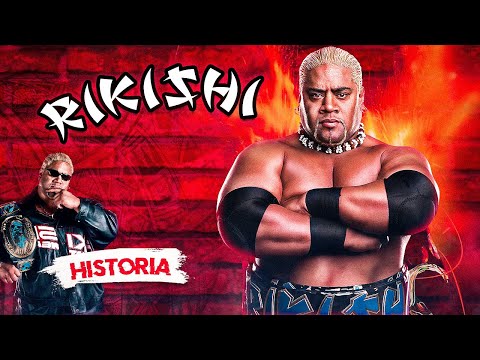
The Warrior's Legacy: A Deep Dive into Rikishi's Impact (1985-2022)

Hello and welcome, warriors, to Budo and Martial Arts. Today, we delve into the squared circle, not just for the spectacle, but for the warrior spirit that resonates within. We're dissecting the career of a man whose presence alone commanded attention: Rikishi. While often associated with the flamboyant world of professional wrestling, the dedication, discipline, and sheer physical prowess required to reach such heights echo principles found in the most profound martial traditions. This isn't just about piledrivers and stink faces; it's about understanding the journey of a Samoan powerhouse from 1985 to his lasting impact in 2022.

Unpacking the Anoa'i Dynasty: Rikishi's Roots

To understand Rikishi, Solofa Fatu Jr., you must first understand the Anoa'i family. This Polynesian lineage is a veritable dynasty within professional wrestling, a testament to generations of dedication to the craft. It’s akin to studying the lineage of a legendary Karate dojo, where techniques and a warrior ethos are passed down through blood and rigorous training. Figures like Peter Maivia, Rocky Johnson, and the Wild Samoans (Afa and Sika) laid the groundwork, fostering a culture of intense physical conditioning and a deep respect for tradition. This familial connection, this shared heritage of combat and performance, is a powerful force. The documentary snippet, "5 things you didn’t know about the Anoa’i family," and "Anoa’i family debuts: WWE Top 10" offer glimpses into this rich tapestry. The weight of this legacy, the expectation to uphold the family name in front of millions, is a burden many could not bear, but one the Anoa'i consistently rise to meet.

"The Anoa’i family's evolution from its earliest members to the present day showcases a remarkable commitment to the art of professional wrestling. Their journey is a living testament to the power of heritage and the relentless pursuit of excellence."

From Wild Samoan to Too Cool: Evolution of a Superstar

Rikishi's journey within WWE (then WWF) wasn't an overnight success. He initially debuted as part of The Headshrinkers, a tag team that leaned heavily into the "wild savage" trope, a common, albeit often criticized, stereotype in wrestling history. This period, while showcasing his raw power, was a far cry from the charismatic persona he would later embody. The transformation into Rikishi, particularly his alignment with the iconic faction "Too Cool" alongside Scotty 2 Hotty and Grandmaster Sexay, marked a pivotal shift. This era, filled with energetic performances and unforgettable dance segments, demonstrated his versatility. He wasn't just a powerhouse; he was an entertainer who could connect with the audience on multiple levels. The Raw match where Too Cool faced Edge & Christian for the World Tag Team Championship on May 29, 2000, exemplifies this vibrant period. It shows a team working in synergy, a crucial element in many martial arts disciplines where coordinated effort is paramount.

His individual success also bloomed during this time. The European Championship match against Eddie Guerrero on WWF SmackDown, April 13, 2000, and the SmackDown bout against Jeff Hardy on February 22, 2001, highlight his capabilities as a singles competitor. These matches, while scripted, required a high degree of athletic skill, timing, and the ability to absorb impact—skills not dissimilar to those honed in rigorous martial arts training.

Iconic Matches and Unforgettable Moments

The "Stink Face" – a move so unique, so utterly bizarre, it became legendary. It perfectly encapsulated Rikishi's blend of power and unapologetic showmanship. But beyond the signature maneuver, his career is punctuated by significant encounters. The Rock vs. Rikishi: SmackDown, January 27, 2000, stands out as a clash between two titans of Samoan descent, showcasing the palpable intensity that can arise from familial and tribal rivalries within the wrestling narrative.

Another critical point was his feud with John Cena. Their match on WWE SmackDown, November 7, 2002, was significant as it pitted a rising star against an established veteran. These contests, while predetermined, demand peak physical condition and a deep understanding of ring psychology—the art of conveying struggle and triumph to an audience. The documentary "YOU LOOK FLY TO ME | The Rikishi Story (Full Career Documentary)" promises an even deeper look into these pivotal moments.

His induction into the WWE Hall of Fame on March 28, 2015, was a moment of profound recognition, where he honored his family. It’s a testament to his dedication and the impact he’s had on the industry. The commentary from Afa, Sika, and Jimmy Uso on Roman Reigns and Jey Uso for SmackDown, September 25, 2020, further underscores the enduring influence of the Anoa'i family, with Rikishi playing a central role as a respected elder.

"The respect Rikishi commands within the Anoa'i family, and indeed the wrestling world, is earned through years of dedication, hard work, and a willingness to evolve. His Hall of Fame induction is a fitting tribute to a career built on grit and charisma."

Beyond the Ring: Rikishi's Martial Spirit and Philosophy

While professional wrestling operates under a different paradigm than traditional martial arts, the underlying principles often overlap. Rikishi, like many great athletes and warriors, embodied a certain philosophy. His ability to absorb punishment, his resilience in the face of adversity, and his unwavering commitment to entertaining the crowd speak volumes. In the intense world of the WWE, where performers are constantly pushing their bodies to the limit, the mental fortitude required is immense. This parallels the mental toughness cultivated through practices like meditation and the rigorous self-discipline inherent in mastering a martial art.

Consider the concept of Mushin (no-mind) in Zen Buddhism and its application in martial arts – an unhindered state of consciousness. While Rikishi’s performance was often highly animated, the ability to react instinctively, to perform complex maneuvers under pressure, suggests a cultivated level of flow state, a shedding of self-consciousness to achieve peak performance. His family's deep-rooted traditions also imbue his career with a sense of purpose, a connection to something larger than himself, much like the spiritual dimension often found in traditional Budo.

The sheer physicality of his style, even within a scripted environment, demanded immense physical conditioning. This relentless training regimen, far from the mat or the dojo, mirrors the dedication required to master techniques in Karate, Judo, or BJJ. The discipline to maintain such a physique and perform night after night is, in its own way, a form of martial dedication.

Training Like a Champion: Essential Gear and Practices

While Rikishi’s primary "arena" was the wrestling ring, aspiring athletes and martial artists can draw inspiration from his physical demands. To emulate even a fraction of the strength and conditioning required for professional wrestling, or to enhance your martial arts training, certain equipment is vital:

  • Wrestling/Grappling Shoes: For superior ankle support and grip during dynamic movements.
  • Knee Pads: Essential for protecting the knees during falls and impacts, common in both wrestling and certain martial arts like Judo or Karate training.
  • Mouthguard: Crucial for protecting teeth and jaw during sparring or intense training sessions.
  • Weight Training Equipment: Barbells, dumbbells, and resistance bands are fundamental for building the explosive strength seen in wrestlers like Rikishi.
  • Cardio Equipment: Treadmills, stationary bikes, or jump ropes to build the cardiovascular endurance needed for prolonged exertion.
  • Durable Kimono: For styles like Judo or Brazilian Jiu-Jitsu, a sturdy, double-weave Gi is essential for training.

For those looking to deepen their understanding of the martial and disciplined aspects of combat sports, resources like "The Book of Five Rings" by Miyamoto Musashi offer timeless strategic wisdom. For pure physical conditioning, exploring programs focused on functional strength and agility can be highly beneficial. Remember, the goal is not just brute force, but intelligent application of power and resilience.

Sensei's Verdict: Rikishi's Place in Martial Lore

While Rikishi is undeniably a product of sports entertainment, his career transcends mere theatrics. He embodies the warrior spirit through his dedication, his resilience, and his connection to a powerful ancestral legacy. The Anoa'i family's impact on combat sports is undeniable, and Rikishi stands as a towering figure within it. He demonstrated that immense physical presence, coupled with charisma and a willingness to embrace one’s roots, can create a lasting impression. He may not have thrown a perfect Ippon Seoi Nage, but the dedication to his craft, the physical discipline, and the connection to a lineage of fighters earn him a significant place in the annals of combat performance. He is a testament to the fact that the heart of a warrior beats in many arenas.

Rikishi's ability to connect with audiences, his unyielding physicality, and his deep respect for family traditions demonstrate a warrior's spirit that resonates far beyond the professional wrestling ring.

Frequently Asked Questions

Q1: Was Rikishi a legitimate martial artist?
A1: Rikishi was a professional wrestler, not trained in traditional martial arts in the same way as an Olympic athlete or a Karateka. However, his career demanded immense physical conditioning, discipline, and a warrior-like mentality, embodying many principles found in martial arts.

Q2: What is the significance of the Anoa'i family in wrestling?
A2: The Anoa'i family is one of the most influential and prolific wrestling dynasties in history. They have produced numerous world champions and Hall of Famers across multiple generations, maintaining a strong presence in the industry for decades.

Q3: What was Rikishi's signature move?
A3: Rikishi's most famous signature move was the "Stink Face," a move where he would forcefully rub his backside against a downed opponent's face.

Q4: How long was Rikishi active in WWE?
A4: Rikishi had multiple stints with WWE, with his most prominent period being from 1992 to 2004, and a brief return in 2012. His career, from his beginnings in 1985 to his lasting influence in 2022, spans nearly four decades.

Deepen Your Journey


Sensei's Reflection: Your Next Step

Rikishi's story is a powerful reminder that the spirit of the warrior manifests in diverse forms. Whether on the mat, in the ring, or in the quiet discipline of a dojo, the commitment to pushing boundaries, honoring lineage, and connecting with an audience is a universal thread. Now, consider this: In your own training, where do you find your "Stink Face" moment—that unique, perhaps unconventional, yet powerful expression of your dedication? How do you honor your own "lineage" of learning, whether it's from a sensei, a book, or even a wrestling legend?

``` GEMINI_METADESC: Explore Rikishi's wrestling career (1985-2022), the Anoa'i family legacy, iconic matches, and the warrior spirit within professional wrestling.

Hero's 2005 in Seoul: A Critical Analysis of a Seminal Martial Arts Event

The martial arts world is a constantly evolving landscape, a tapestry woven with threads of ancient tradition and modern innovation. Events like Hero's 2005 in Seoul, held at the Olympic Gymnastics Arena on November 5, 2005, represent crucial junctures in this ongoing narrative. This was not merely a series of fights; it was a potent demonstration of diverse fighting styles, a crucible where disciplines clashed, and a testament to the warrior spirit. Today, we delve beyond the mere fight cards and delve into the essence of what made this event significant, analyzing it through the discerning lens of a seasoned martial artist and critic.

Introduction: The Spectacle of Hero's 2005

Hero's 2005 in Seoul was more than just a martial arts event; it was a convergence of talent and a platform showcasing the relentless pursuit of excellence. Published on May 7, 2022, this event's legacy continues to resonate, reminding us of the dedication, skill, and sheer will required to compete at the highest level. Welcome to the most complete and updated martial arts blog on the internet, where we dissect such monumental occasions with the rigor they deserve.

The Gauntlet of Talent: Deconstructing the Fight Card

The fight card itself was a formidable lineup, a testament to the organizers' commitment to pitting formidable talents against each other. Let us break down some of the key matchups that graced the Hero's 2005 stage:
  • Un Sik Song vs. Michihisa Asano (1:03): This opening bout set the tone, showcasing the early clashes between Korean and Japanese martial artists, a recurring theme in many promotions.
  • Hiroyuki Takaya vs. Do Hyung Kim (11:04): Takaya, a name synonymous with exciting fights, faced a tough Korean opponent in Kim. The dynamic between these two promised a clash of styles.
  • Jonk Man Kim vs. Atsushi Yamamoto (27:04): This matchup highlighted the raw power often associated with Korean heavyweight contenders against the technical acumen of Japanese fighters.
  • Shungo Oyama vs. Yoon Seob Kwak (40:41): Oyama, known for his aggressive striking, met Kwak in a bout that could have easily turned into a slugfest.
  • Kiuma Kunioku vs. Jung Hwan Cha (44:31): Kunioku, a seasoned veteran, faced a strong challenge from Cha, representing the depth of talent present.
  • Kristof Midoux vs. Jun Soo Lim (48:33): The inclusion of European talent like Midoux demonstrated Hero's international reach and ambition.
  • Yushin Okami vs. Myun Joo Lee (52:03): Okami, who would go on to achieve significant success in the UFC, was already a formidable force, and his bout with Lee was a significant test.
  • Min Soo Kim vs. Sean O'Haire (58:35): The clash between the Korean powerhouse Kim and the former WWE star O'Haire was a prime example of the cross-promotional appeal martial arts events often sought.
  • Chalid Arrab vs. Hiromitsu Kanehara (1:06:51): Arrab, representing Europe, faced a Japanese fighter in Kanehara, continuing the theme of international stylistic clashes.
  • Bob Sapp vs. Jong Wang Kim (1:25:59): Bob Sapp was a spectacle in himself, and his fights were always highly anticipated, regardless of the technical purity. This bout was bound to generate significant attention.
  • Sylvester Terkay vs. Mu Bae Choi (1:35:29): Terkay, a highly decorated amateur wrestler, brought a different dimension to the fight, while Choi was a well-respected Korean fighter.
  • Yoshihiro Akiyama vs. Masakatsu Okuda (1:57:17): Akiyama, known for his charisma and devastating power, was always a main event attraction, and this fight was no exception.

Beyond the Knockout: Technical Prowess on Display

While the allure of explosive knockouts and decisive submissions is undeniable, a true appreciation of martial arts lies in dissecting the technical nuances. Hero's 2005 provided a rich environment for this. We saw the disciplined striking of Japanese fighters, often characterized by efficient movement and strategic setups, contrasted with the often more direct and powerful approaches seen from many Korean competitors. The presence of wrestlers like Sylvester Terkay brought a crucial element of grappling to the forefront. Understanding the transitions between striking and grappling, the importance of takedown defense, and the application of control once on the ground are fundamental aspects that elevate a fighter. While not every bout was a technical masterpiece, the underlying principles of leverage, timing, and strategy were always at play. The effectiveness of techniques in high-pressure situations is what separates theoretical knowledge from practical application.
"The true martial artist understands that technique is not merely movement, but the embodiment of intent and efficiency. Every strike, every block, every grapple must serve a purpose."
For practitioners, observing these elite athletes offers invaluable insights. How did Yushin Okami manage distance? What was Akiyama's strategy for closing the gap? Analyzing these moments, even in retrospect, can inform one's own training. It’s about identifying principles that transcend specific styles and can be integrated into any martial path.

The Warrior's Mindset: Philosophical Undertones of the Event

Beyond the physical execution, martial arts events are profound displays of mental fortitude. The concept of Mushin, the "mind without mind," is often discussed in Budo, referring to a state of heightened awareness and spontaneous action. Watching these athletes perform under immense pressure, often with seconds to react to unexpected developments, is a testament to their cultivated mental discipline. The sheer determination to continue fighting after absorbing significant blows, the resilience in the face of adversity, and the respect shown between competitors (even in intense battles) speak volumes about the philosophical underpinnings of their training. This is not just about winning; it's about pushing one's own limits, demonstrating courage, and embodying the spirit of perseverance. The "warrior philosophy" extends far beyond the arena, shaping character and fostering a lifelong commitment to self-improvement.

A Cinematic Lens on the Octagon

When viewed through a cinematic lens, an event like Hero's 2005 offers a compelling narrative. The ebb and flow of the fights, the dramatic entrances, the intense facial expressions, and the raw emotion of victory and defeat all contribute to a visually engaging spectacle. The timing of each bout, from the initial striking exchanges to the eventual conclusion, creates a rhythm that captivates the audience. The "production value" of such an event, while perhaps not as polished as a Hollywood film, carries an authenticity that resonates deeply with fans of combat sports. The raw energy of the crowd, the focused intensity of the fighters, and the decisive moments are all elements that could inspire a compelling documentary or a feature film. The narrative arc of each fight, from the build-up to the climax, is inherently cinematic.

Veredicto del Sensei: ¿Merece la pena?

Hero's 2005 in Seoul, judging by its fight card and the caliber of athletes involved, was undeniably a significant event in the history of mixed martial arts. It showcased a crucial period of development for the sport, highlighting the evolving strategies and the increasing depth of talent. For anyone interested in the evolution of combat sports, understanding the context and matchups of this event is invaluable. Calificación: Cinturón Negro en Legado Histórico

Equipo Esencial para tu Entrenamiento

To train effectively and emulate the dedication of these warriors, the right equipment is crucial. While the fighters on display had access to professional facilities, any martial artist can benefit from investing in quality gear.
  • Guantes de Entrenamiento/Sparring: Essential for protecting your hands and your training partners. For striking arts, consider gloves ranging from 10oz to 16oz depending on the type of sparring.
  • Kimono/Gi: For grappling arts like Judo and BJJ, a durable, double-weave Gi is a must. Look for brands known for their resilience and comfortable fit.
  • Protección Bucal: Non-negotiable for any form of sparring or intense training to prevent dental injuries.
  • Espinilleras y Guantes de MMA: If you're training in disciplines that involve both striking and grappling, these offer a balance of protection and mobility.
  • Ropa Deportiva Transpirable: High-quality training attire that wicks away sweat will enhance comfort and performance during long sessions.
For those looking to delve deeper, exploring Karate Merchandise or MMA Merchandise can also be a great way to show support and find practical gear.

Preguntas Frecuentes

What was the main draw of Hero's 2005 in Seoul?

The main draw was the high-level competition featuring a mix of established stars and rising talents from South Korea, Japan, and other international regions, showcasing a diverse range of martial arts styles.

Was this event part of a larger promotion?

Hero's was a prominent Japanese mixed martial arts promotion that held events internationally. This Seoul event was a significant undertaking by the organization.

Did any fighters from this event go on to achieve greater fame?

Yes, notably Yushin Okami, who competed on this card, later had a successful career in the UFC, fighting for the Middleweight Championship. Yoshihiro Akiyama also gained significant international recognition.

How does Hero's 2005 compare to modern MMA events?

Hero's 2005 represented a key stage in the development of MMA. While modern events often have more sophisticated production and rule sets, the spirit of competition and the showcasing of diverse martial arts remain similar.

What martial arts were primarily represented at Hero's 2005?

The event primarily featured mixed martial arts, incorporating elements from Karate, Judo, Taekwondo, Kickboxing, Wrestling, and Brazilian Jiu-Jitsu, among others.

Para Profundizar en tu Camino

Reflexión del Sensei: Tu Próximo Paso

Hero's 2005 in Seoul was a vibrant display of martial prowess, a historical marker in the evolution of combat sports. Yet, the true lesson lies not just in the victories, but in the relentless spirit of competition and self-mastery that defines every true artist of combat. The techniques change, the rules evolve, but the core principles of discipline, resilience, and the unwavering pursuit of perfection remain constant.

Reflexión del Sensei: Tu Próximo Paso

Considering the diversity of skills on display at Hero's 2005, from the striking precision of Japanese martial artists to the grappling prowess of wrestlers, what single principle do you believe is MOST crucial for a modern combat athlete to master, and why? Will you let the answer remain a whisper in your mind, or will you forge it into action in your next training session? ``` GEMINI_METADESC: Analyze Hero's 2005 Seoul MMA event. From fight card breakdown to technical and philosophical insights, this post offers a deep dive for martial arts enthusiasts.

Los 10 Peleadores que Han Cobrado las Bolsas Más Altas en la Historia de la UFC

¡Saludos, guerreros del dojo digital! Hoy nos adentramos en un tema que, a menudo, genera tanto admiración como controversia: la remuneración de los gladiadores modernos de la UFC. Seamos francos, muchos de vosotros llegáis aquí buscando entender cómo se mueve el dinero en el deporte de combate más mediático del planeta. Quizás vuestra intención sea simplemente saciar la curiosidad, o tal vez, vislumbrar un futuro en las jaulas. Sea cual sea vuestro impulso, analizaremos los salarios brutos, la base sobre la cual se construyen los ingresos de los atletas de élite en la promotora más grande de artes marciales mixtas.

Introducción al Pago en la UFC: Más Allá de la Gloria

Desde sus humildes comienzos hasta convertirse en un fenómeno global, la Ultimate Fighting Championship (UFC) ha sido un crisol de talento y espectáculo. Sin embargo, una sombra ha planeado sobre su ascenso: la percepción generalizada de que los peleadores no son compensados adecuadamente, especialmente cuando se compara con otros deportes de élite o con el mismo boxeo. La UFC, como cualquier organización deportiva, opera bajo un modelo de negocio complejo, donde los ingresos de los atletas provienen de diversas fuentes, pero hoy, vamos a desgranar una de las más tangibles: el salario fijo garantizado.

Este análisis se enfoca en la remuneración base que los combatientes reciben por subir al octágono, un dato crucial para entender la estructura financiera de la organización. Ignoraremos, por esta vez, los bonos por desempeño o los lucrativos porcentajes de Pay-Per-View (PPV), que suelen ser el verdadero motor económico para las superestrellas, y que, dicho sea de paso, a menudo inflan las cifras de forma desproporcionada.

La Crítica Constante: ¿Injusticia o Realidad del Negocio?

La UFC ha sido blanco de críticas durante la mayor parte de su existencia. La queja recurrente es la discrepancia entre las enormes ganancias de la empresa y las bolsas que reciben muchos de sus atletas. A diferencia del boxeo, donde las bolsas de los púgiles pueden alcanzar cifras astronómicas y ser el foco principal, en la UFC, el modelo salarial es multifacético.

Generalmente, un peleador recibe un salario base, una cantidad fija acordada antes del combate. A esto, se le pueden sumar:

  • Un bono por actuación (Fight of the Night, Performance of the Night), a menudo otorgado por la UFC para incentivar combates emocionantes.
  • Porcentajes del pago por evento (PPV), una fuente de ingresos masiva pero reservada, casi exclusivamente, para los campeones o las estrellas más consolidadas y mediáticas de la compañía.

Esta disparidad genera un debate constante sobre la justicia y la sostenibilidad de las carreras de muchos peleadores. ¿Es la UFC explotando a sus atletas o simplemente reflejando las dinámicas del mercado del entretenimiento deportivo? La respuesta, como suele ocurrir, se encuentra en un matiz gris.

"El dinero no compra el coraje, pero la falta de él puede robar la ambición. El luchador debe ser recompensado de manera justa por el riesgo que asume." - Un principio grabado en el corazón de muchos artistas marciales.

Nuestra Metodología: Más Allá del Show

Para elaborar esta lista, hemos seguido una metodología estricta: nos hemos centrado únicamente en el salario fijo reportado por los medios especializados. Excluimos bonos, incentivos por patrocinio personal y, lo más importante, los ingresos derivados de la venta de PPV. ¿Por qué? Porque los PPV son una variable tan grande que podían distorsionar completamente la lista, haciendo que nombres como Conor McGregor coparan los primeros cinco o seis puestos, eclipsando a otros atletas que, si bien no generan ingresos masivos por venta de entradas virtuales, sí perciben bolsas fijas significativas.

Además, hemos procurado no repetir nombres. Esto nos obliga a explorar un espectro más amplio de talento y a reconocer a diferentes gladiadores que han alcanzado cifras impresionantes. Si McGregor ocupara los primeros lugares, la lista perdería gran parte de su valor informativo y de exploración de la diversidad de pagos dentro de la UFC.

El Top 10 de los Pagos en la UFC (Sin PPV)

Prepárense. Aquí vienen los números que revelan quiénes son los mejor pagados en términos de bolsa fija. Recuerden, esto es solo la base, la punta del iceberg para algunos, el sustento para otros.

  1. Khabib Nurmagomedov: Una fuerza de la naturaleza, el águila de Daguestán. Sus combates, especialmente los estelares, le aseguraron bolsas fijas considerables, reflejo de su dominio absoluto y de su estatus como uno de los mayores reclamos de la compañía. Sus bolsas llegaron a superar los $6,000,000.
  2. Jon Jones: El Rey de los pesos semipesados y ahora un formidable contendiente en los pesos completos. Jones ha sido consistentemente uno de los nombres más importantes de la UFC, y sus bolsas reflejan esa importancia, llegando a cifras cercanas a los $5,000,000 en peleas clave. Un verdadero leyenda de las artes marciales.
  3. Georges St-Pierre (GSP): Uno de los peleadores más completos y dominantes de la historia. GSP siempre fue un valor seguro para la UFC, y sus bolsas reflectaron su estelaridad y profesionalismo, alcanzando en sus peleas más importantes hasta los $4,000,000.
  4. Ronda Rousey: La pionera que demostró que las mujeres podían ser estrellas de taquilla en las MMA. Rousey atrajo a una audiencia masiva y sus bolsas fijas reflejaron su poder de atracción, llegando a los $3,000,000 en sus defensas de título más sonadas. Su impacto en el MMA femenino es innegable.
  5. Conor McGregor: Si bien hemos dicho que no lo repetiríamos, su posición en la lista de pagos Fijos es innegable. En peleas específicas, sin contar PPV, sus bolsas garantizadas alcanzaron los $3,000,000. Es un caso atípico, una máquina de generar ingresos que trasciende las cifras habituales.
  6. Brock Lesnar: El ex campeón de la WWE que irrumpió en la UFC y se convirtió en una de sus mayores estrellas. La fuerza bruta y el carisma de Lesnar le aseguraron bolsas impresionantes, con cifras que rozaron los $2,500,000. Su transición del espectáculo a la competencia real generó mucho interés.
  7. Daniel Cormier: Dos veces campeón y medallista olímpico, "DC" es una de las figuras más respetadas en el deporte. Su profesionalismo y su capacidad para protagonizar peleas importantes le valieron bolsas fijas de hasta $2,000,000.
  8. Amanda Nunes: La "Leona", considerada la mejor peleadora femenina de todos los tiempos. Nunes ha dominado múltiples divisiones, y su estatus como campeona indiscutible le ha asegurado bolsas fijas que alcanzan el $1,000,000. Su legado es un testimonio de la dedicación al BUDO y al entrenamiento.
  9. Israel Adesanya: El carismático campeón de peso mediano, conocido por su estilo espectacular tanto dentro como fuera del octágono. Adesanya se ha convertido en un gran atractivo para la UFC, asegurando bolsas fijas de hasta $1,000,000 en sus defensas de título.
  10. Alexander Volkanovski: El dominador de la división de peso pluma. Volkanovski ha demostrado una y otra vez su habilidad y su espíritu de lucha, consolidándose como una de las figuras más importantes. Sus bolsas fijas también han alcanzado el $1,000,000.

El Factor McGregor: Un Universo Paralelo

Es imposible hablar de pagos en la UFC sin dedicar un momento a Conor McGregor. Si bien aparece en nuestra lista con una bolsa fija significativa, sus ingresos reales, impulsados por los porcentajes de PPV y patrocinios, lo colocan en una liga completamente diferente. Sus bolsas en peleas estelares, contando todos los factores, han superado con creces los $10,000,000, y en ocasiones, han llegado a cifras que empequeñecen a cualquier otro peleador en la historia de la compañía. McGregor no es solo un peleador; es una marca global, un fenómeno de marketing que ha redefinido lo que es posible en términos de ingresos en las MMA. Su impacto en el negocio de la UFC es monumental.

"Cuando el dinero habla, la gente escucha. Pero cuando el corazón lucha, el mundo se detiene." - Una reflexión sobre la dualidad del combate.

Veredicto del Sensei: El Precio de la Gloria

Esta lista nos ofrece una visión fascinante de la estructura económica dentro de la UFC, centrándonos en las bolsas fijas. Revela que, si bien el dinero no lo es todo, la capacidad de generar ingresos sustanciales está intrínsecamente ligada al estatus de estrella, al dominio en el octágono y, crucialmente, a la habilidad de atraer audiencias masivas. Los peleadores que lideran estas listas no son solo atletas excepcionales, sino también marcas personales que la UFC valora y recompensa.

Sin embargo, el debate sobre la compensación justa para todos los niveles de peleadores continúa. La UFC, como entidad comercial, busca maximizar sus ganancias, y los peleadores, como individuos de alto riesgo, buscan ser recompensados equitativamente. Es una tensión inherente al deporte de combate de élite, un equilibrio delicado entre la pasión por el fight y las realidades del mercado.

Si os ha parecido interesante este análisis, no olvidéis apoyarnos en nuestro canal de YouTube. Vuestro apoyo es vital para seguir creando contenido de calidad y profundidad sobre artes marciales y el mundo del combate.

¡Únete a nuestro canal y apóyanos para seguir creando el mejor contenido!: https://www.youtube.com/channel/UCItX-VkdsSovM15dZrHURZg/join

Equipo Esencial para tu Entrenamiento

Para alcanzar el nivel de los grandes campeones, es fundamental contar con el equipo adecuado. Aquí te presento algunos elementos clave que todo practicante serio debería considerar:

  • Guantes de Entrenamiento de Calidad: Para proteger tus manos y las de tu compañero durante el sparring. Busca marcas reconocidas que ofrezcan buena amortiguación y soporte.
  • Protector Bucal: Indispensable para cualquier tipo de combate o sparring. La protección dental es prioritaria.
  • Espinilleras y Empeineras: Esenciales para el entrenamiento de patadas y el sparring de bajo contacto.
  • Kimono o Rash Guard: Dependiendo de tu disciplina, un buen gi (para Judo, Jiu-Jitsu) o un rash guard transpirable (para MMA, Kickboxing) son cruciales para la comodidad y el rendimiento. Considera opciones de doble tejido para mayor durabilidad en Judo.
  • Vendas para Manos: Un accesorio fundamental para dar soporte a las muñecas y los nudillos antes de usar guantes.
  • Ropa Deportiva Adecuada: Pantalones cortos de MMA, camisetas técnicas, todo aquello que permita libertad de movimiento y evacúe el sudor.

Invertir en buen equipo es invertir en tu seguridad y en tu progreso. Busca siempre la mejor relación calidad-precio, y si buscas opciones, considera explorar tiendas especializadas en merchandising de Karate o tiendas de artes marciales mixtas.

Preguntas Frecuentes

  • ¿Por qué la UFC paga menos que el boxeo?

    El modelo de negocio es diferente. El boxeo suele tener un enfoque más directo en la bolsa del pugilista principal, mientras que la UFC diversifica ingresos (PPV, patrocinios, merchandising) y distribuye de manera más compleja. Además, la UFC tiene un roster mucho más amplio.

  • ¿Qué significa "Pago por Evento" (PPV)?

    Es un sistema de pago donde los espectadores compran el derecho a ver un evento específico. Los peleadores de élite reciben un porcentaje de las ventas generadas por cada pago comprado, lo que puede ser una fuente de ingresos multimillonaria.

  • ¿Es posible para un peleador de UFC hacerse rico solo con el salario fijo?

    Es muy difícil. Solo los campeones y las superestrellas más consolidadas pueden aspirar a vivir cómodamente solo del salario fijo. Para la mayoría, los bonos y los ingresos de patrocinio son cruciales.

  • ¿Hay otros peleadores que hayan ganado tanto como los mencionados sin contar PPV?

    Sí, la lista podría ser más larga e incluir a otros nombres importantes que han tenido contratos lucrativos en momentos específicos. Sin embargo, nos hemos ceñido a las cifras más consistentemente altas y reportadas, y a la regla de no repetir nombres para evitar que McGregor dominara la lista.

Para Profundizar en tu Camino

Reflexión del Sensei: Tu Próximo Paso

Hemos desgranado las bolsas fijas de algunos de los más grandes guerreros de la UFC. Pero, ¿qué significa realmente este dinero? ¿Es un reflejo justo del riesgo, la habilidad y el sacrificio? O, ¿es simplemente la fría aritmética de un negocio global? Reflexiona sobre esto: ¿El valor de un peleador reside únicamente en su cuenta bancaria, o hay un valor intrínseco en su arte, su disciplina y el espíritu que imparte a las generaciones futuras?

Ahora te toca a ti. ¿Estás de acuerdo con nuestra lista? ¿Crees que falta alguien o que algún nombre debería estar más arriba? ¿Qué opinas sobre la estructura de pagos en la UFC? Demuéstralo con tus argumentos en los comentarios. ¡El debate está abierto!

``` GEMINI_METADESC: Analizamos los 10 peleadores con las bolsas fijas más altas en la historia de la UFC, revelando quiénes han cobrado más sin contar ingresos de PPV y bonos.

CM Punk: La Caída del Guerrero de WWE en el Octágono de UFC

¡Saludos, budokas y aficionados a las artes marciales! Hoy nos sumergimos en las profundidades de un evento que dejó cicatrices, no solo en el físico de un hombre, sino en la percepción de la dualidad entre el espectáculo del entretenimiento deportivo y la cruda realidad del combate puro. Hablamos de la incursión y posterior debacle de Phil Brooks, mundialmente conocido como CM Punk, en el implacable universo de la Ultimate Fighting Championship (UFC).

¿Se puede pasar de ser un ícono de la lucha libre profesional a un contendiente respetable en las Artes Marciales Mixtas (MMA) sin una base sólida? ¿Es la audacia suficiente para suplir décadas de entrenamiento riguroso? Estas son las preguntas que resonaron en la comunidad marcial y deportiva cuando CM Punk, con una fanfarria digna de un campeonato de la WWE, pisó por primera vez el octágono. Hoy, no solo desgranaremos su trayectoria, sino que analizaremos qué falló, qué lecciones podemos extraer, y si el espíritu del Guerrero (Budo) puede realmente trascender las fronteras artificiales del espectáculo.

El Ascenso de un Ícono de la Lucha Libre

CM Punk no era un peleador cualquiera en el universo de la WWE. Era una fuerza de la naturaleza, un antagonista carismático cuya habilidad para conectar con el público, tanto a favor como en contra, era legendaria. Su frase "It's CM Punk and I am a **scumbag**" resonaba en las arenas, mientras su estilo, a menudo desafiante y rebelde, le granjeó una legión de seguidores devotos. Hablaba de sí mismo como un luchador de artes marciales, un fan del jiujitsu y el MMA, alimentando la especulación de una posible incursión en el mundo real del combate deportivo. La semilla estaba plantada, y los aficionados esperaban con ansias ver si esa "actitud" se traduciría en habilidad marcial tangible.

El público de la lucha libre está acostumbrado a un espectáculo coreografiado, donde la narrativa y el carisma priman. La UFC, por otro lado, es el crisol donde se forjan los verdaderos guerreros, un lugar donde la técnica, la resistencia y la voluntad indomable se ponen a prueba bajo la presión más extrema. La brecha entre estos dos mundos es abismal, una verdad que muchos han descubierto de manera dolorosa.

El Desafío: De WWE a UFC

Cuando CM Punk anunció su fichaje por la UFC en diciembre de 2014, el mundo del deporte se dividió. Algunos lo vieron como una jugada audaz, un desafío a sus propios límites. Otros, especialmente los puristas de las artes marciales y el MMA, lo consideraron un sacrilegio, una falta de respeto a los años de sacrificio y dedicación que requiere dominar un arte marcial para competir a ese nivel.

Punk, sin una carrera amateur significativa y sin experiencia profesional en lucha o kickboxing, se enfrentaba a un muro. Se unió al reconocido equipo Roufusport en Milwaukee, entrenando junto a nombres como Paddy Pimblett y Yan Cabral. Se rumoreaba que dedicó horas al jiujitsu brasileño, muay thai y wrestling. Sin embargo, el tiempo apremiaba, y la curva de aprendizaje en MMA es empinada y despiadada. La pregunta no era si entrenaría, sino si podría absorber y aplicar eficazmente un volumen tan ingente de habilidades complejas en un tiempo relativamente corto y bajo la presión de millones de ojos expectantes.

"El Karate es un camino para dominarte a ti mismo y superar a tus oponentes. Es un arte marcial, pero también es una filosofía de vida." - Gichin Funakoshi

El Debut: Primer Vistazo al Octágono

El esperado debut de CM Punk se produjo en UFC 203, en septiembre de 2016, contra Mickey Gall. Gall, un joven peleador con un récord profesional incipiente pero con experiencia en el circuito amateur y una base sólida en jiujitsu, representaba el desafío perfecto para medir el progreso de Punk. Gall era un lienzo en blanco, mientras que Punk era una figura mediática inmensa. El mundo entero observaba.

El resultado fue tan rápido como devastador. Gall, demostrando una superioridad técnica y una calma en el octágono que Punk claramente no poseía, derribó a Punk con relativa facilidad y procedió a someterlo con un mataleón en el primer asalto. No hubo tiempo para que Punk desplegara ninguna de sus supuestas habilidades. Fue una demostración cruda y sin adornos de la diferencia de experiencia y preparación. La "caída" fue espectacular, no en el sentido del espectáculo de la WWE, sino en la literalidad de un hombre sobrepasado.

Análisis Marcial: ¿Qué Salió Mal?

Desde la perspectiva de las artes marciales y el MMA, varios factores contribuyeron a la debacle de CM Punk:

  • Falta de Fundamentos Sólidos: Si bien Punk entrenó, la base de años de competencia y desarrollo técnico en grappling y striking simplemente no estaba allí. Las MMA requieren una integración de disciplinas, no solo un conocimiento superficial de cada una.
  • Presión Psicológica: El peso de las expectativas y su pasado en la WWE fue, sin duda, un factor. El octágono no perdona. La confianza que transmite un luchador profesional de WWE se desmorona ante la presión real de recibir golpes y el miedo a ser sometido.
  • La Brecha de Nivel: Mickey Gall, aunque joven, era un peleador de MMA en desarrollo con una trayectoria. Enfrentarse a él era ya un reto considerable. Un verdadero guerrero en MMA requiere años, a menudo décadas, de entrenamiento.
  • La Filosofía del Combate: El Budo, en su esencia, busca la perfección técnica y la autodisciplina. La transición de un entorno simulado a uno real, donde las consecuencias son tangibles, exige una humildad y una comprensión profundas de las propias limitaciones.

La coreografía de la WWE, por muy atlética que sea, no prepara para la imprevisibilidad y la violencia inherente de un combate real. No hay guiones, no hay pausas, solo el instinto y la habilidad entrenada.

La Última Oportunidad: Un Intento Final

A pesar del contundente debut, la UFC le dio a CM Punk una segunda oportunidad. Se enfrentó a Mike Jackson (ahora conocido como CM Punk en su etapa inicial de lucha) en UFC 225 en junio de 2018. Jackson, a pesar de ser un peleador con más experiencia en el circuito de exhibición y conocimiento de kickboxing, también era considerado un oponente con un nivel inferior para probar la resistencia de Punk.

Esta vez, Punk mostró destellos de mejora. Logró derribos, incluso controló la posición en ciertos momentos. Sin embargo, la falta de potencia en sus golpes y su relativa pasividad le costaron caro. Si bien Punk "ganó" la decisión de los jueces, la pelea fue polémica y la actuación general dejó mucho que desear. Muchos sintieron que fue un encuentro diseñado para dar una victoria a Punk, más que una prueba de fuego genuina.

Posteriormente, tras su salida de la UFC, Punk continuó su búsqueda en el mundo del wrestling, y aunque tuvo un breve paso por AEW, su carrera en las MMA llegó a su fin. La experiencia fue, para muchos, una prueba de que la transición no es tan sencilla como parece.

Lecciones del Sensei: El Budo Más Allá del Ring

La historia de CM Punk en UFC es un estudio de caso fascinante sobre las diferencias entre el espectáculo y el combate real. Aquí, como tu Sensei, te ofrezco algunas lecciones clave:

  1. La Humildad es la Base: Ningún ídolo del entretenimiento puede simplemente "saltar" a un deporte de combate de élite. El Budo, en su esencia, comienza con la humildad para reconocer la vastedad del conocimiento y la habilidad que aún falta por adquirir.
  2. El Entrenamiento es un Camino, No un Destino: Las MMA son una disciplina que requiere años, a menudo décadas, de dedicación. No se puede "comprar" la experiencia o la maestría en un gimnasio de élite durante unos pocos años.
  3. La Verdad del Combate: El octágono revela la verdad. La fanfarria, el carisma y la habilidad para entretener son inútiles cuando te enfrentas a un oponente entrenado que busca finalizarte. La simplicidad y la eficacia del entrenamiento marcial superan al artificio.
  4. Respeto por la Disciplina: Las artes marciales y los deportes de combate son disciplinas complejas que merecen respeto. Aquellos que las practican seriamente dedican sus vidas a su perfeccionamiento.

Incluso en el mundo de la UFC, podemos ver la influencia del Budo en la perseverancia de sus atletas. La capacidad de levantarse después de una derrota, de analizar los errores y de volver al entrenamiento con más determinación, es el verdadero espíritu del Guerrero.

Veredicto del Sensei: ¿Un Guerrero Fallido o una Lección de Humildad?

CM Punk demostró una valentía innegable al enfrentarse a uno de los desafíos más difíciles en el deporte: pasar de un mundo de espectáculo a un escenario de combate real. No se puede negar su coraje. Sin embargo, desde una perspectiva marcial estricta, su paso por la UFC fue decepcionante y, en última instancia, una confirmación de que la experiencia y el entrenamiento profundo son insustituibles.

¿Fue un "guerrero"? En la WWE, sin duda. En el octágono de la UFC, su actuación fue más la de un valiente novato luchando contra una realidad que lo superaba. Su historia sirve como una advertencia para aquellos que creen que la fama en un campo se traduce automáticamente en éxito en otro, especialmente en el ámbito de las artes marciales y el combate.

Calificación: Cinturón Blanco de UFC (con Mucho Camino por Delante)

Equipo Esencial para tu Entrenamiento

Si la historia de CM Punk te ha inspirado a explorar tu propio potencial en las artes marciales o el MMA, recuerda que un entrenamiento adecuado requiere el equipo correcto. Para empezar, no necesitas un gimnasio completo, pero ciertos elementos pueden marcar una gran diferencia:

  • Guantes de MMA: Imprescindibles para el sparring y el entrenamiento de golpeo. Busca unos que ofrezcan protección pero permitan el agarre (grappling).
  • Protector Bucal: La seguridad es primordial. Un buen protector bucal puede prevenir lesiones graves.
  • Espilleras (Shin Guards): Especialmente si practicas kickboxing o muay thai.
  • Kimono de Judo o Jiu Jitsu (Gi): Si tu interés se inclina hacia el grappling. Un buen gi de judo de doble tejido es duradero para entrenamiento intenso.
  • Ropa de Entrenamiento Cómoda: Pantalones cortos de MMA y camisetas transpirables que permitan libertad de movimiento.

Explorar tiendas especializadas en merchandise de artes marciales puede revelar opciones de gran calidad a precios razonables. Invertir en buen equipo es invertir en tu propio progreso y seguridad.

Guía de Entrenamiento: El Fundamento es Clave

Independientemente del arte marcial que elijas, la base es el pilar de tu progresión. Olvídate de las técnicas espectaculares por un momento y enfócate en lo esencial. Aquí tienes una guía paso a paso para fortalecer tus fundamentos:

  1. Calentamiento Dinámico (10-15 minutos): Realiza movimientos articulares (círculos de cuello, hombros, muñecas, cadera, rodillas, tobillos), trote ligero, saltos de tijera y estiramientos dinámicos para preparar tu cuerpo.
  2. Ejercicios de Acondicionamiento Físico (20-30 minutos):
    • Burpees: 3 series de 10-15 repeticiones.
    • Flexiones (Push-ups): 3 series al fallo (máximo número de repeticiones).
    • Sentadillas (Squats): 3 series de 15-20 repeticiones.
    • Plancha (Plank): 3 series, manteniendo la posición durante 60 segundos.
    • Abdominales (Crunches): 3 series de 20-25 repeticiones.
  3. Práctica Técnica Básica (20-30 minutos): Enfócate en 1-2 técnicas fundamentales de tu arte marcial (ej: guardia básica en bjj, postura y bloqueo frontal en karate, desplazamientos básicos). Practica los movimientos de forma lenta y controlada, enfocándote en la forma correcta.
  4. Enfriamiento y Estiramiento Estático (10-15 minutos): Realiza estiramientos estáticos, manteniendo cada posición durante 20-30 segundos. Enfócate en los principales grupos musculares trabajados.

La consistencia es vital. Intenta realizar esta rutina al menos 3-4 veces por semana. ¡El cuerpo de un guerrero se construye con sudor y dedicación!

Preguntas Frecuentes

¿Es posible para un luchador de WWE tener éxito en UFC?

Es extremadamente difícil. Requiere un compromiso total y años de entrenamiento específico en artes marciales y MMA, a menudo comenzando desde una edad temprana. La fama en la lucha libre no se traduce automáticamente en habilidad de combate.

¿Qué arte marcial es el más efectivo en MMA?

Las MMA son un deporte que integra múltiples disciplinas. Sin embargo, el wrestling y el jiujitsu brasileño son considerados fundamentales por su efectividad en el control del oponente y las sumisiones. El muay thai y el boxeo son cruciales para el striking.

¿Cuánto tiempo se tarda en convertirse en un peleador de MMA competente?

Depende del individuo, la calidad del entrenamiento y la dedicación. Sin embargo, para competir a un nivel profesional en UFC, se necesitan típicamente entre 5 y 10 años de entrenamiento intensivo, a menudo comenzando con una base en una disciplina específica.

¿El coraje es suficiente para ganar en MMA?

El coraje es esencial, pero no es suficiente. En el octágono, la habilidad, la técnica, la estrategia y la resistencia física y mental son lo que marcan la diferencia entre la victoria y la derrota.

Para Profundizar en tu Camino

Si te ha interesado la intersección entre el espectáculo y el combate, o la preparación de atletas para desafíos extremos, te invito a explorar estos otros artículos en nuestro blog:

La búsqueda del conocimiento marcial es un viaje sin fin. Cada derrota, cada victoria, cada análisis de un combate, es una oportunidad para aprender y crecer.

Reflexión del Sensei: Tu Próximo Paso

CM Punk intentó cruzar un río embravecido sin saber nadar. Su valentía es digna de reconocimiento, pero el río no perdona la falta de preparación. Ahora te pregunto a ti, budoka: ¿Estás cruzando tu propio río con la preparación adecuada, o solo te lanzas a la corriente esperando que la suerte te salve? Identifica tus debilidades, entrena con disciplina implacable, y busca la maestría, no el aplauso fugaz.

``` GEMINI_METADESC: Análisis marcial de la incursión de CM Punk en la UFC: ¿qué falló y qué lecciones podemos extraer de su paso por el octágono?