Showing posts sorted by date for query UFC vs PRIDE. Sort by relevance Show all posts

AGAIN KNOCKOUT! Fedor Emelianenko vs. Ryan Bader: A Martial Arts Masterclass Analysis

Greetings, warriors and seekers of martial truth. Welcome to Budo y AM, your sanctuary for the deepest understanding of the martial path. Today, we dissect a clash that reverberated through the MMA world: Fedor Emelianenko vs. Ryan Bader. This wasn't merely a fight; it was a convergence of legacies, a test of wills, and a potent display of combat prowess.

A Clash of Titans: Setting the Stage

The announcement of Fedor Emelianenko facing Ryan Bader was met with a mixture of anticipation and solemn reflection. Fedor, "The Last Emperor," a figure synonymous with martial arts dominance for over a decade, was stepping into the cage. Bader, a seasoned champion in his own right, represented a formidable challenge. This encounter, published on February 5, 2023, wasn't just another bout; it was a narrative woven with threads of history, perseverance, and the brutal beauty of combat sports.

We at Budo y AM delve beyond the superficial roar of the crowd to analyze the underlying techniques, the strategic chess match, and the intangible spirit that defines true martial artists. Prepare yourselves, for this is more than just a fight recap; it's a lesson in the very essence of BUDO.

The Emperor's Reign: Fedor Emelianenko's Enduring Aura

Fedor Emelianenko is more than a fighter; he is an epoch. For years, his name alone commanded respect, his unblemished record a testament to an almost mythical level of skill and resilience. His journey through PRIDE FC and beyond showcased a unique blend of devastating striking, surprisingly effective grappling, and an uncanny ability to absorb punishment and return with decisive force.

His style, often described as deceptively simple, was rooted in a profound understanding of timing, distance, and power generation. Fedor’s punches weren’t just thrown; they were delivered with the concussive force of a seasoned craftsman. His defensive posture, often relaxed, belied a lightning-fast reaction time, allowing him to evade danger and counter with devastating effect. Even as the years passed, the aura of "The Emperor" persisted, a testament to his unparalleled career.

"The true warrior is one who can endure the storm and emerge not just intact, but stronger." This is the silent creed of Fedor.

The Bader Barrage: A Legacy Forged in Combat

Ryan Bader, on the other hand, has carved his own indelible mark in the annals of combat sports. A decorated collegiate wrestler and a veteran of numerous high-stakes UFC and Bellator battles, Bader brought a different, yet equally potent, arsenal to the cage. His wrestling base provided a strong foundation for takedowns and ground control, while his striking evolved significantly over his career, becoming a potent weapon in its own right.

Bader’s path to this encounter was one of relentless competition. He had faced and overcome a myriad of challenges, proving his mettle against diverse styles. His power is undeniable, and his championship pedigree meant he would not be intimidated by Fedor’s legendary status. He represented a dangerous, hungry contender, eager to etch his name in history by defeating one of the greatest of all time.

Dissecting the Combat: The Science and Art of the Knockout

The fight between Fedor and Bader was a stark reminder of the brutal efficiency that defines championship-level combat. Within moments, the bout lived up to its electrifying billing. Bader, demonstrating his strategic acumen, closed the distance quickly, looking to impose his physicality and wrestling. Fedor, ever the observant strategist, sought to maintain distance and land his powerful shots.

The critical moment arrived swiftly. In a testament to the volatile nature of heavyweight fights, Bader landed a decisive blow that ended the contest. This wasn't merely a lucky punch; it was the culmination of strategy, timing, and the sheer destructive power that both men possessed. The knockout was definitive, a stark illustration of how quickly a battle can turn at this elite level.

It’s easy to simply say "knockout," but as martial artists, we must analyze *how* it happened. Bader’s ability to close the gap effectively, combined with Fedor’s momentary vulnerability, created the opening. This highlights a crucial principle in all martial arts: capitalizing on the opponent's mistakes and creating opportunities through calculated aggression.

Beyond the Blows: Technical Nuances and Strategic Depth

While the knockout is the most visible element, true martial analysis requires looking deeper. Consider Bader's initial approach. He didn't shy away from Fedor’s striking range but instead navigated it with purpose. This suggests a game plan focused on negating Fedor's preferred fighting distance and introducing his own strengths early.

Fedor, known for his calm demeanor, likely recognized the threat and adjusted his stance accordingly. The speed of the fight's conclusion, however, meant that many of the intricate exchanges that might have unfolded – feints, level changes, grappling exchanges – were cut short. This is a common occurrence in high-stakes bouts where every second counts and a single error can be fatal to one's chances.

From a technical standpoint, the fight underscores the importance of:

  • Distance Management: Controlling the space between combatants is paramount.
  • Timing: The ability to strike or move at the precise moment the opponent is exposed.
  • Power Generation: Efficiently transferring body weight into strikes for maximum impact.
  • Adaptability: The capacity to shift strategy based on the flow of the fight.

The Unseen Force: Mental Fortitude and Budo Principles

Beyond the physical techniques, the spirit of the warrior—the seishin—is what truly separates ordinary combatants from legends. In this fight, we witnessed the unwavering resolve of both men. Bader’s conviction in his game plan and Fedor’s legendary composure, even in defeat, speak volumes about their internal fortitude.

"Defeat is not the opposite of victory; it is a stepping stone towards it." - A wisdom echoed in the hearts of true martial artists.

Fedor’s career is a testament to the ability to rise from adversity, to continue training and competing with honor even when the physical peak may have passed. Bader's victory is a testament to his own dedication and the mental strength required to execute under immense pressure. This fight, like so many others, serves as a potent reminder that the mind is often the most critical battlefield.

The concept of Mushin – a mind free from thought and emotion, reacting instinctively – is the ideal, but even approaching it requires immense mental discipline and countless hours of dedicated entrenamiento.

Veredicto del Sensei: Was it a Masterpiece?

This encounter, while brief, was a powerful display of heavyweight combat sports at its finest. It showcased the razor-thin margins between victory and defeat in the elite ranks. For Bader, it was a career-defining moment, a testament to his skill and resilience. For Fedor, it was a poignant moment in a storied career, a reminder of the relentless march of time and competition.

Rating: Cinturón Negro en Intensidad.

While the fight's duration prevented an in-depth technical exhibition, the sheer impact and decisive finish were undeniable. It served as a profound lesson in the unforgiving nature of competition and the enduring spirit required to compete at such a high level. This fight is essential viewing for anyone interested in the raw, unadulterated drama of modern fighting.

Equipo Esencial para tu Entrenamiento

To emulate the dedication and skill displayed by these warriors, proper training gear is crucial. Investing in quality equipment not only enhances your training experience but also helps prevent injuries, allowing you to focus on developing your techniques and conditioning.

  • Guantes de MMA de Alta Calidad: For effective sparring and striking practice, ensuring knuckle protection and grip support.
  • Protector Bucal: Essential for all sparring and competitive scenarios to protect your teeth and jaw.
  • Espilleras y Tibiales: Crucial for kickboxing and Muay Thai training to safeguard against impact.
  • Kimono de Judo o Jiu-Jitsu: For grappling disciplines, a durable, well-fitting gi is indispensable. Look for double-weave fabrics for longevity.
  • Protector Genital: A non-negotiable item for any combat sport training involving impact.

Recursos para Profundizar

To truly grasp the martial principles at play, continuous learning is key. Here are some resources to help you deepen your understanding:

  • BUDO: Explore the philosophical underpinnings of Japanese martial traditions.
  • Artes Marciales Mixtas: Understand the evolving landscape of modern combat sports.
  • Defensa Personal: Learn practical applications for real-world self-protection.
  • Historia: Discover the rich heritage of various martial arts.

Preguntas Frecuentes

Was Fedor Emelianenko retired before this fight?

No, Fedor Emelianenko was not officially retired. While he had expressed thoughts of retirement previously, he continued to compete after his tenure in the UFC and prior to this Bellator bout.

Is Ryan Bader a former UFC champion?

Yes, Ryan Bader is a former UFC champion, having held the Light Heavyweight title. He has also been a prominent champion in Bellator MMA.

How long did the Fedor vs. Bader fight last?

The fight was very short, ending by knockout in the first round at approximately 50 seconds.

What martial arts background does Fedor Emelianenko have?

Fedor Emelianenko's primary background is in Sambo, a combat sport originating in Russia, and Judo. He also possesses significant striking skills developed through years of MMA competition.

What is the significance of the knockout in this fight?

The knockout signifies a significant victory for Ryan Bader, proving his ability to defeat one of the most legendary figures in MMA history. For Fedor, it marked a challenging moment in the twilight of his career.

Para Profundizar en tu Camino

Reflexión del Sensei: Tu Próximo Paso

We have analyzed the kinetic exchange, the strategic intent, and the warrior spirit of Fedor Emelianenko vs. Ryan Bader. But what does it truly mean for *your* path? Is it enough to simply witness greatness, or must you strive to embody it?

Consider this: Every fighter, from the legendary Emperor to the rising contender, faced moments of uncertainty, moments of physical limitation, and the stark reality of defeat. Yet, they continued to train, to adapt, to persevere.

Your challenge: In the face of your next training obstacle, your next personal setback, or your next moment of doubt – what will be your response? Will you falter, or will you channel the spirit of the warrior and find a way forward, not just to endure, but to emerge stronger?

Now, it is your turn. Do you believe Fedor’s legacy is defined by this outcome, or by the totality of his unparalleled career? Share your thoughts below. Let the debate begin!
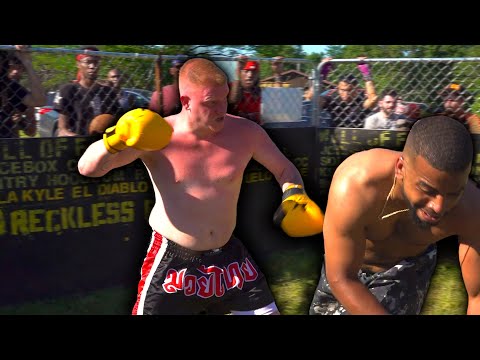
Streetbeefs: Hitman Hamilton vs. Cannon - A Raw Look at Bare-Knuckle Combat

👹 **Welcome to Satan's Backyard: Where Disputes Meet Their Match** 👹 In the raw, unvarnished world of urban conflict, where words often fail and fists become the ultimate arbiters, emerges a phenomenon known as Streetbeefs. This isn't your sanitized, televised boxing match. This is a visceral, no-holds-barred exploration of human aggression channeled into a (relatively) controlled environment. Today, we delve into a specific encounter that has captured attention: **Hitman Hamilton vs. Cannon**. The premise of Streetbeefs, founded by the now-legendary Scarface – a figure recognized by none other than The New York Times in their documentary "Guns to Gloves" and ESPN The Magazine – is disarmingly simple, yet profoundly impactful. Scarface, witnessing the devastating consequences of unresolved disputes in his community, decided to offer an alternative. His solution? **Satan's Backyard**. Here, individuals with grievances are invited to don gloves and settle their differences. The rules are clear: no firearms, no blades, no gang reinforcements. It's a one-on-one confrontation, overseen by a referee, before a crowd of spectators. This initiative has, by Scarface's own account, settled hundreds of disputes. It’s a method designed to entertain, yes, but more critically, to provide a safer outlet for aggressive impulses, preventing potentially fatal encounters and legal repercussions. Some bouts are purely for sport, while others stem from genuine, heated beefs. Regardless of origin, the entertainment value is undeniable, drawing viewers into a world where primal instincts are given an arena. Streetbeefs has cultivated a unique club atmosphere, fostering bonds and lasting friendships among participants. It’s a testament to how even the most aggressive energies can be channeled into something that, paradoxically, builds community and offers a safer path than violence on the streets.
"After years of watching people in my area severely hurt each other over various disputes, I decided to offer a solution. Come to SATANS BACKYARD and put gloves on to settle your dispute." - Scarface, Founder of Streetbeefs
**The Philosophy Behind the Fray: More Than Just a Fight** While the spectacle of bare-knuckle boxing or even gloved street fights might seem purely about brute force, the underlying philosophy is far more nuanced. The prompt delivery of this content, published on June 23, 2022, at 04:05 PM, places it within the context of the most complete and updated martial arts blog on the internet – Budo and Martial Arts. This isn't just about watching two people fight; it's about understanding the *why* and the *how* that underpin such contests, whether they are for sport or to settle a real "beef." The raw energy displayed in bouts like Hitman Hamilton vs. Cannon speaks to a fundamental aspect of human nature: the need to assert oneself, to defend honor, and to resolve conflict. While modern society often advocates for dialogue and legal recourse, the primal drive for direct confrontation persists. Streetbeefs taps into this, offering a structured outlet that, while undeniably gritty, aims for de-escalation of lethal violence. The concept of **Budo** itself, the Japanese martial way, emphasizes not just combat proficiency but also the cultivation of character, discipline, and spiritual development. While Streetbeefs operates outside the traditional dojo, the principle of channeling aggression and finding a path for conflict resolution echoes these deeper martial tenets. It’s a modern, albeit rough-edged, manifestation of a timeless human need. The founder’s own journey, highlighted by features in prestigious publications, lends a unique perspective. It suggests a deep understanding of conflict dynamics and a genuine desire to provide a constructive, albeit unconventional, solution.

The Essence of the Bout: Hamilton vs. Cannon

The matchup between Hitman Hamilton and Cannon is more than just a name on a card; it represents a clash of individuals seeking resolution through combat. Understanding these encounters requires looking beyond the surface-level violence. What drives these individuals to step into the ring? Is it pride, a need for respect, or simply the thrill of competition? From a martial arts perspective, analyzing such bouts involves looking at: * **Technique and Strategy**: Even in a less formal setting, fundamental principles of striking, footwork, and defense are at play. How do Hamilton and Cannon approach the fight? Do they rely on raw power, or is there a discernible strategy? * **Mental Fortitude**: The psychological aspect of fighting is immense. The ability to withstand pressure, manage fear, and maintain focus under duress is paramount. This is where the concept of **Ki** (energy) and mental discipline, central to many martial arts, becomes relevant. * **Physical Conditioning**: While not a professional MMA bout, the endurance and power required are significant. Understanding the physical demands adds another layer to appreciating the athletes' efforts. The existence of organizations like Streetbeefs, alongside traditional combat sports and martial arts, highlights the diverse ways humans engage with conflict and competition. It underscores that the drive to fight, to test oneself against another, is a persistent element of the human experience.

Veredicto del Sensei: ¿Un Deporte o un Mal Necesario?

Streetbeefs presents a complex ethical and philosophical quandary. On one hand, it offers a compelling alternative to potentially lethal street violence, providing a structured outlet for aggression and conflict resolution. Scarface’s dedication and the documented instances of disputes being settled peacefully lend credence to its positive impact. It’s a raw, unfiltered form of combat that can be undeniably entertaining, and in some ways, mirrors the historical roots of many martial arts, which often emerged from practical necessity. However, the inherent dangers of bare-knuckle or even heavily regulated street fighting cannot be ignored. Promoting such events, even with rules, treads a fine line. While the focus here is on legal, consensual combat among adults, the "beef" origins and the raw environment will always carry a risk of escalation or serious injury. From a martial arts perspective, it serves as a stark reminder of the foundational elements of combat: courage, resilience, and the will to overcome. It emphasizes that the desire to test oneself physically is deeply ingrained. Yet, it lacks the deeper philosophical underpinnings of **Budo**, the rigorous training, and the emphasis on character development that truly define martial arts mastery. Therefore, while I respect the initiative's intention to reduce street violence, I cannot wholeheartedly endorse it as a pure "sport" in the traditional sense. It exists in a gray area – a necessary evil for some, a brutal spectacle for others, and a unique community-building platform for its participants. It certainly provides a compelling case study in how conflict resolution manifests in different forms.

Equipo Esencial para tu Entrenamiento (Inspirado en la Cruda Realidad)

Aunque Streetbeefs promueve un estilo de combate "crudo", la seguridad y la eficacia en cualquier disciplina de combate, incluso en las exhibiciones legales, dependen del equipo adecuado. Si bien la filosofía aquí es "guantes puestos para resolver disputas", la inspiración en esta crudeza puede llevarte a mejorar tu propio entrenamiento: * **Guantes de Boxeo/MMA**: Para cualquier entrenamiento que implique golpes, proteger tus manos y a tu compañero es primordial. Considera guantes de 16oz para entrenamiento de boxeo general y guantes de 4oz o 7oz para entrenamiento de MMA. * **Protector Bucal**: Indispensable para proteger tus dientes y mandíbula, incluso en sparring ligero. * **Vendajes para Manos**: Utilizados debajo de los guantes para mayor soporte y protección de las muñecas y nudillos. * **Protector Genital (Cup)**: Un elemento de seguridad básico para cualquier práctica de combate. * **Kimono (Gi) de Entrenamiento Resistente**: Si buscas inspiración en la versatilidad de las artes marciales que se adaptan a diferentes escenarios, un kimono duradero es clave para la práctica de Judo, BJJ o Karate Kyokushin. * **Saco de Boxeo o Pera Loca**: Para desarrollar potencia y precisión en tus golpes, elementos esenciales en cualquier gimnasio o entrenamiento en casa. * **Makiwara**: Para endurecer los puños y desarrollar la potencia de golpeo, un elemento tradicional y efectivo.

Guía de Entrenamiento: Desarrollando la Resiliencia Mental

La verdadera batalla, como demuestran eventos como Streetbeefs, a menudo se libra en la mente. Aquí hay un ejercicio para fortalecer tu **resiliencia mental**, inspirado en la tenacidad requerida para enfrentar un desafío:
  1. Meditación de Atención Plena (Zazen): Dedica 10-15 minutos al día a sentarte en silencio, enfocándote en tu respiración. Cuando tu mente divague (lo hará), nótalo sin juicio y gentilmente redirige tu atención a la respiración. Esto entrena tu capacidad de concentración y de volver a un estado de calma bajo presión.
  2. Visualización de Desafíos: Imagina un escenario de combate o un desafío personal difícil. Visualiza tus respuestas, no solo los golpes, sino tu estado mental: calma, determinación, enfoque. Practica ver más allá de la dificultad inmediata hacia la resolución.
  3. Reencuadre de Pensamientos Negativos: Cuando surja un pensamiento como "No puedo hacer esto" o "Esto es demasiado difícil", desafíalo. Pregúntate: "¿Es realmente cierto? ¿Qué evidencia tengo? ¿Cómo puedo reformular esto de manera más constructiva, como 'Esto es un desafío, pero puedo aprender a superarlo'?"
  4. Establecimiento de Mini-Objetivos: Desglosa desafíos grandes en pasos más pequeños y manejables. Celebra cada pequeña victoria. Esto crea un impulso positivo y te enseña que el progreso, no la perfección, es el camino.
  5. Exposición Gradual al Discomfort: Encuentra actividades que te saquen ligeramente de tu zona de confort (un entrenamiento más intenso, una conversación difícil, aprender una nueva técnica compleja). Practica permanecer presente y comprometido en lugar de retirarte.
Esta disciplina mental es tan crucial como la destreza física. Te prepara no solo para el combate, sino para las inevitables batallas de la vida.

Recursos para Profundizar en tu Camino

Si te fascina la cruda realidad del combate y deseas explorar más a fondo sus diversas facetas, considera estos recursos y temas relacionados que nuestro blog aborda: * [La Filosofía del Combate en el MMA Moderno](/search/label/MMA) * [Karate Kyokushin: La Vía del Combate Real](/search/label/KarateKyokushin) * [Entrenamiento en Casa: Superación Personal Sin Equipamiento](/search/label/AtHomeWorkout) * [La Importancia de la Disciplina y la Autodisciplina en el Budo](/search/label/Disciplina) * [Defensa Personal: Principios Fundamentales para la Calle](/search/label/DefensaPersonal)

Preguntas Frecuentes

¿Es Streetbeefs legal?

Sí, según la información proporcionada, las luchas de Streetbeefs son exhibiciones amateurs 100% legales. Todos los participantes deben ser mayores de 18 años, y los combates se llevan a cabo con un árbitro presente, sin armas ni refuerzos externos.

¿Cuál es el propósito principal de Streetbeefs?

El propósito principal es ofrecer una alternativa más segura a la violencia callejera, permitiendo a las personas resolver disputas mediante un combate físico controlado y legal, en lugar de recurrir a armas o violencia descontrolada.

¿Qué tipo de artes marciales se practican en Streetbeefs?

Si bien los combates son a menudo descritos como boxeo o MMA, la naturaleza de "resolver beefs" sugiere un enfoque en el combate cuerpo a cuerpo y de golpeo. No se adhieren estrictamente a un solo arte marcial tradicional, sino que se centran en la resolución de conflictos a través del combate físico con guantes.

¿Cómo se compara Streetbeefs con los deportes de combate profesionales como UFC?

Streetbeefs se diferencia por su origen en disputas personales y su entorno menos formalizado, operando como exhibiciones amateurs. Los deportes de combate profesionales como la UFC son organizaciones deportivas altamente reguladas con un enfoque en la competición atlética y el entretenimiento de masas, con estructuras y reglas más definidas.

¿Hay alguna guía sobre el equipo de seguridad utilizado?

Sí, aunque el espíritu es crudo, la seguridad es fundamental. Los participantes utilizan guantes, y se exige un árbitro. La importancia del protector bucal y la protección en general es implícita en cualquier evento que busque ser legal y mínimamente seguro.

``` ```json { "@context": "https://schema.org", "@type": "FAQPage", "mainEntity": [ { "@type": "Question", "name": "Is Streetbeefs legal?", "acceptedAnswer": { "@type": "Answer", "text": "Yes, according to the information provided, Streetbeefs fights are 100% legal amateur exhibitions. All participants must be 18 years or older, and bouts are conducted with a referee present, without weapons or external reinforcements." } }, { "@type": "Question", "name": "What is the main purpose of Streetbeefs?", "acceptedAnswer": { "@type": "Answer", "text": "The main purpose is to offer a safer alternative to street violence, allowing individuals to resolve disputes through controlled and legal physical combat, rather than resorting to weapons or uncontrolled violence." } }, { "@type": "Question", "name": "What type of martial arts are practiced at Streetbeefs?", "acceptedAnswer": { "@type": "Answer", "text": "While the fights are often described as boxing or MMA, the nature of 'resolving beefs' suggests a focus on close-quarters combat and striking. They do not strictly adhere to a single traditional martial art but focus on conflict resolution through physical combat with gloves." } }, { "@type": "Question", "name": "How does Streetbeefs compare to professional combat sports like UFC?", "acceptedAnswer": { "@type": "Answer", "text": "Streetbeefs differs by its origin in personal disputes and its less formalized environment, operating as amateur exhibitions. Professional combat sports like UFC are highly regulated sporting organizations focused on athletic competition and mass entertainment, with more defined structures and rules." } }, { "@type": "Question", "name": "Is there any guidance on safety equipment used?", "acceptedAnswer": { "@type": "Answer", "text": "Yes, while the spirit is raw, safety is paramount. Participants use gloves, and a referee is required. The importance of mouthguards and general protection is implicit in any event aiming to be legal and minimally safe." } } ] }

PRIDE FC 25: Body Blow - A Masterclass in Primal Combat

Welcome, warriors and scholars of the martial way. Today, we descend into the brutal, yet often elegant, arena of MMA, specifically to dissect PRIDE FC 25: "Body Blow," an event that transpired on March 16, 2003, at the Yokohama Arena. This wasn't merely a series of fights; it was a living testament to the evolution of combat sports, a canvas upon which raw power, strategic acumen, and sheer indomitable spirit were painted. For those who believe martial arts are solely about ancient forms and philosophical musings, I implore you to witness the visceral reality of professional fighting. PRIDE FC, in its golden era, was a spectacle of unparalleled intensity, a crucible where warriors tested their mettle against the best in the world. "Body Blow" was no exception, featuring a lineup that reads like a who's who of legendary figures who shaped modern combat.

Table of Contents

The Genesis of PRIDE FC 25

This event, published on June 20, 2022, but rooted in the raw energy of 2003, represents a pivotal moment in the history of mixed martial arts. PRIDE FC was known for its unique ruleset, larger ring (the "Pride ring"), and a roster of fighters who were often larger, more diverse in their martial backgrounds, and arguably, more fearsome than their counterparts in other organizations. This event, "Body Blow," was designed to showcase the sheer physical impact of combat, hence its evocative title. It promised a night of intense action, and it delivered with a ferocity rarely seen.

Deciphering the Bouts: A Sensei's Analysis

The fight card of PRIDE FC 25 is a masterclass in matchmaking, pitting established legends against rising stars and contrasting styles to create compelling narratives within each bout. Let us break down the key matchups and glean the martial wisdom embedded within them.

Antônio Rogério Nogueira vs. Kazuhiro Nakamura: The Unveiling of "Minotoro"

This bout marked an early opportunity for the world to witness the potential of Antônio Rogério Nogueira, younger brother of the legendary Antônio Rodrigo Nogueira. "Minotoro" was known for his crisp boxing and dangerous submissions. Kazuhiro Nakamura, a judoka with a fierce fighting spirit, represented the challenge of a strong base against a more dynamic striker. The exchange between Nakamura's aggression and Nogueira's technical striking showcased the perpetual chess match between different martial disciplines. While Nakamura possessed heart, Nogueira's superior striking and grappling control ultimately prevailed. This fight underscored the importance of well-roundedness in the modern combat landscape.

Akira Shoji vs. Alex Stiebling: A Battle of Styles

Akira Shoji, a veteran known for his aggressive stand-up and willingness to engage in wild exchanges, faced Alex Stiebling, a powerful wrestler with a solid ground game. This was a classic striker versus grappler encounter. Shoji’s trademark was his unpredictable striking and ability to absorb punishment, often leading to thrilling, if sometimes chaotic, fights. Stiebling aimed to use his wrestling to control the pace and secure takedowns. The bout exemplified how different martial arts philosophies clash and how adaptability is key to overcoming a contrasting style.

Anderson Silva vs. Carlos Newton: The Spider's Web Begins to Form

This fight is a significant marker in the burgeoning career of Anderson Silva, a man who would go on to become one of the greatest strikers in UFC and MMA history. Carlos Newton, a former UFC champion, was a highly skilled submission artist and a formidable opponent with a background in judo and wrestling. Silva, even at this early stage, displayed the uncanny ability to defend takedowns and land devastating strikes from seemingly impossible angles. His "spider web" defense and counter-striking prowess were on full display, hinting at the legendary status he would soon achieve. This bout was a masterclass in defensive fighting and opportunistic offense.
"The most important part of fighting is not the punch, but the intention behind it." - A sentiment often echoed by masters, and acutely visible in Silva's precision.

Dan Henderson vs. Shungo Oyama: The H-Bomb Meets Unyielding Spirit

Dan Henderson, an Olympic-level wrestler and a man whose "H-Bomb" right hand was feared across multiple organizations, faced the tenacious Shungo Oyama. Oyama, a judoka and sambo practitioner, was known for his rugged durability and aggressive approach. This was a clash of raw power versus resilient spirit. Henderson's mission was clear: land that signature overhand right. Oyama's goal was to survive the initial onslaught and implement his own offense. The fight tested Henderson's ability to manage distance and Oyama's capacity to withstand power.

Antônio Schembri vs. Kazushi Sakuraba: "The Gracie Hunter" in His Element

Kazushi Sakuraba, affectionately known as "The Gracie Hunter" for his groundbreaking victories over members of the famed Gracie family, was a master of grappling and submission. Antônio Schembri, a judoka and Brazilian Jiu-Jitsu black belt, presented a significant challenge on the ground. Sakuraba’s unique style, often involving unorthodox submission attempts and a seemingly endless gas tank, made him a cult hero. This fight was a deep dive into the intricate art of ground fighting, where strategy, leverage, and timing dictate the outcome. Sakuraba's ability to navigate complex submission exchanges was a testament to years of dedicated practice.

Quinton "Rampage" Jackson vs. Kevin Randleman: A Collision of Titans

This was, quite simply, a heavyweight war. Quinton "Rampage" Jackson, a powerful striker with a background in wrestling and wrestling, faced Kevin Randleman, a former collegiate wrestling champion known for his explosive power and incredible athleticism, including a legendary slam. The physical presence and raw aggression of both fighters promised a brutal encounter. This bout showcased the sheer power and intensity that can erupt when two larger-than-life combatants meet in the ring. It was a spectacle of concussive strikes and relentless pressure.
"In combat, there is no room for hesitation. Every action must be decisive." - A principle embodied by both Jackson and Randleman in this thrilling encounter.

Fedor Emelianenko vs. Antônio Rodrigo Nogueira: The Apex of Heavyweight Combat

The main event featured two of the most revered heavyweights in the sport's history: Fedor Emelianenko and Antônio Rodrigo "Minotauro" Nogueira. Fedor, the "Last Emperor," was on his ascent to legendary status, known for his impenetrable defense, devastating ground and pound, and an almost supernatural ability to absorb punishment and come back stronger. Nogueira, a former PRIDE Heavyweight Champion, was a submission wizard with an iron chin and a relentless will. This fight was a pivotal moment in heavyweight MMA. It represented the pinnacle of heavyweight grappling and striking exchanges, a tactical battle between two giants who seemed to defy the limits of human endurance and skill. The strategy, the resilience, and the sheer heart displayed by both fighters made this a bout for the ages, a true testament to the martial spirit at its highest level.

Veredicto del Sensei: ¿Merece la pena?

PRIDE FC 25: "Body Blow" is, without question, a landmark event for any serious student of MMA and combat sports. The sheer caliber of talent on display, particularly in the later fights, provides an invaluable education in the art of fighting. From the strategic grappling of Sakuraba to the devastating striking of Silva and the heavyweight epic between Fedor and Nogueira, this event offers a comprehensive look at what makes mixed martial arts so captivating. The raw intensity and the display of diverse martial backgrounds are inspiring and instructive. **Calificación del Sensei:** ¡Cinturón Negro en Legado de Combate!

Equipo Esencial para tu Entrenamiento

To engage in the spirit of these warriors, one must have the right tools for training. While direct combat training requires a qualified instructor and proper facilities, certain equipment can significantly enhance your practice:
  • Guantes de Entrenamiento (14-16 oz): Crucial for developing striking power while protecting your hands and your training partners during sparring.
  • Protector Bucal: Non-negotiable for any form of sparring or intense training to safeguard your teeth and jaw.
  • Espinilleras: Essential for kickboxing and Muay Thai drills to protect against impact and develop powerful kicks.
  • Kimono de Judo o Jiu-Jitsu (Doble Tejido): For grappling arts, a durable gi is paramount for resisting grips and executing throws and submissions effectively. Look for brands known for their strength and comfort.
  • Esterilla de Entrenamiento: For practicing throws, groundwork, and bodyweight exercises safely.
Investing in quality martial arts merchandise for training is an investment in your safety and progress.

Para Profundizar en tu Camino

Este evento histórico resuena con muchos principios y figuras importantes en el mundo de las artes marciales. Para expandir tu conocimiento, te recomiendo explorar los siguientes temas:

Preguntas Frecuentes

¿Qué hace tan especial a PRIDE FC en comparación con otras organizaciones de MMA?

PRIDE FC se distinguió por su mayor tamaño de ring, su regla de "no golpes a la cabeza en el suelo" (en sus inicios, antes de cambiar), y un enfoque en la presentación de luchadores con diversos trasfondos marciales, a menudo permitiendo combates más largos y menos restrictivos, lo que fomentaba un estilo de lucha más espectacular y primitivo.

¿Es Fedor Emelianenko considerado el mejor peso pesado de todos los tiempos?

Fedor Emelianenko es consistentemente nombrado entre los mejores, si no el mejor, peso pesado de todos los tiempos por muchos expertos y aficionados debido a su impresionante récord invicto en PRIDE, su dominio en una era difícil y su capacidad para vencer a oponentes de élite con un estilo único.

¿Cuál es la importancia de la lucha en el MMA moderno?

La lucha (wrestling) es fundamental en el MMA moderno. Proporciona la base para el control en el clinch, las derribos para llevar la pelea al suelo, y la defensa contra derribos. Un luchador con sólidas habilidades de lucha puede dictar dónde y cómo se desarrolla la pelea.

¿Cómo influye el entrenamiento en el "ki" o energía interna en el combate?

Aunque el concepto de "ki" es a menudo asociado con artes marciales más tradicionales, su influencia en el combate moderno se manifiesta en la resistencia, la concentración, la gestión del estrés y la eficiencia del movimiento. Un luchador con una fuerte energía interna puede mantener la calma bajo presión y ejecutar técnicas de manera más fluida y poderosa.

¿Por qué es importante estudiar combates históricos como los de PRIDE FC 25?

Estudiar combates históricos nos permite comprender la evolución de las tácticas y técnicas, apreciar el desarrollo de los luchadores legendarios y obtener lecciones valiosas sobre estrategia, resiliencia y mentalidad de combate que son aplicables tanto dentro como fuera del tatami.

Reflexión del Sensei: Tu Próximo Paso

Hemos recorrido el camino de guerreros legendarios en PRIDE FC 25, hemos analizado sus estrategias, su valentía y la pureza de su combate. Ahora te pregunto: ¿Cuál de estas demostraciones de espíritu marcial resuena más contigo? ¿Te inspiran las feroces técnicas de golpeo, la intrincada danza de las sumisiones, o la indomable voluntad de aquellos que se niegan a ceder? Identifica el hilo conductor de tu propia aspiración marcial. ¿Estás listo para aplicar la disciplina y la ferocidad que has presenciado en tu propio entrenamiento, o te contentas con ser un mero espectador? La verdadera maestría reside en la acción. gemini_metadesc: Explore PRIDE FC 25 "Body Blow" with Sensei's expert martial arts analysis. Dive into fights featuring Fedor Emelianenko, Anderson Silva, and more. gemini_labels: PRIDE FC, MMA History, Fedor Emelianenko, Anderson Silva, Heavyweight MMA, Combat Sports Analysis, Martial Arts Philosophy, Budo

PRIDE FC 24: Cold Fury 3 - A Martial Masterclass or a Spectacle of Violence?

The roar of the crowd, the scent of anticipation mixed with sweat, the primal dance of combat – these are the elements that define the spectacle of professional mixed martial arts. PRIDE FC 24, subtitled "Cold Fury 3," held on December 23, 2002, at the Marine Messe Arena in Fukuoka, was more than just another fight card; it was a snapshot of an era where the boundaries of combat sports were being pushed, and legendary careers were forged in the crucible of intense competition. But as a seasoned martial artist and critic, I approach such events not just with excitement, but with a discerning eye. Does PRIDE FC 24 stand as a testament to the principles of Budo, or is it merely a brutal exhibition? Let's break down the bouts and the underlying spirit.

Table of Contents

Introduction: The Spectacle of PRIDE

PRIDE FC was a phenomenon. In an era where the UFC was still finding its footing, PRIDE captivated the world with its larger-than-life characters, unique ruleset, and a commitment to producing epic battles. Cold Fury 3 was a prime example of this, showcasing a roster filled with talent that would become synonymous with MMA history. But when we strip away the theatrics and the sheer brutality, what remains? Do these contests uphold the martial traditions they ostensibly spring from, or have they devolved into mere entertainment? My intention here is to dissect these bouts, to understand the strategic depth, the technical application, and the underlying spirit, or lack thereof, that defines each encounter. This isn't just about who won or lost; it's about the martial lessons embedded within the conflict.

Match Analysis: Unveiling the Martial Core

Each fight on the PRIDE FC 24 card offers a unique window into the evolving landscape of mixed martial arts. As a critic steeped in the traditions of Karate, Judo, and countless other disciplines, I look beyond the knockouts and submissions. I seek the application of principle, the intelligent use of space, the economical movement that signifies true mastery. Are these fighters employing techniques rooted in ancient traditions, or are they simply masters of a new, albeit violent, sport?

Daijiro Matsui vs. Kazuki Okubo

The opening bout, though not detailed with specifics beyond the names, typically sets the tone. In PRIDE, these initial matchups often served to build excitement. Matsui, a veteran known for his toughness, against Okubo, presented an opportunity for a spirited contest. Without detailed play-by-play, we can infer that this fight likely showcased a blend of striking and grappling, as was common in PRIDE. The true test here would be the fighters' ability to adapt and employ their chosen martial arts effectively under pressure. Did they rely on disciplined technique, or did desperation lead to sloppy exchanges?

Antônio Rogério Nogueira vs. Guy Mezger

"Minotouro" Nogueira versus "Guyline" Mezger. This pairing pitted a rising submission specialist, Nogueira, with a seasoned American kickboxer and MMA veteran, Mezger. Mezger, known for his striking power and grit, represented the challenge of traditional striking arts against the burgeoning threat of submission grappling. Nogueira, with his impeccable Muay Thai base combined with lethal Brazilian Jiu-Jitsu, embodied the evolution of the sport.
In the crucible of combat, the elegance of a well-executed technique speaks louder than any amount of raw aggression. The question is, did Nogueira's technical prowess, honed through years of dedicated training, find its expression against Mezger's raw power and experience?
This fight was likely a fascinating strategic battle: Mezger aiming to keep the fight standing and land heavy blows, while Nogueira sought to close the distance, clinch, and initiate grappling exchanges, ultimately seeking a submission.

Ron Waterman vs. Valentijn Overeem

The Overeem brothers were a formidable presence in PRIDE, often showcasing a blend of striking and grappling, with Valentijn being the elder and perhaps more aggressive of the two. Facing the powerful American, Ron Waterman, this bout promised a clash of styles. Waterman, often known for his grappling and tough demeanor, would have been tested by Valentijn's diverse skillset. The dynamic here would hinge on who could impose their game plan: Waterman's raw strength and wrestling, or Valentijn's striking and opportunistic submissions.

Rodrigo Gracie vs. Yuki Sasaki

The Gracie name carries immense weight in the martial arts world, synonymous with the art of Brazilian Jiu-Jitsu. Rodrigo, carrying the legacy, faced Yuki Sasaki, a Japanese fighter whose background is less detailed here but who would represent the challenge of fighting a Gracie on their own terms – ground fighting. This bout was a classic representation of Brazilian Jiu-Jitsu versus another martial discipline. The Gracie method emphasizes leverage, technique, and control on the ground, aiming to neutralize larger, stronger opponents.
The Gracie lineage taught the world that technique and leverage can overcome brute strength. Was Sasaki able to defend against the inevitable takedowns and submissions, or did the familiar dance of Brazilian Jiu-Jitsu unfold as it so often does?
This was an opportunity for Gracie to demonstrate the effectiveness of his art, and for Sasaki to prove the efficacy of his own training against a legendary opponent.

Yoshihisa Yamamoto vs. Alexander Otsuka

This matchup pitted two tough warriors known for their tenacity. Yamamoto, a Japanese fighter with a background that often included wrestling and striking, faced Alexander Otsuka, another Japanese fighter renowned for his heart and ability to absorb punishment. Fights between two determined Japanese martial artists in PRIDE often delivered relentless action. The key here would be which fighter could better implement their strategy, whether it was striking exchanges or gritty wrestling.

Alistair Overeem vs. Bazigit Atajev

Here we see the emergence of Alistair Overeem, who would go on to become a heavyweight legend. At this point, he was a young, dangerous fighter with a developing skillset. Facing the powerful Russian, Bazigit Atajev, known for his Sambo background and devastating ground and pound, this was a significant test for the younger Overeem. Sambo is a potent martial art, blending wrestling, judo, and striking.
Alistair's approach likely involved his developing Muay Thai skills and a strategic defensive grappling game. Atajev, conversely, would aim to impose his physical strength and wrestling prowess to control and batter Overeem. This fight would be a crucial indicator of Alistair's potential and his ability to overcome a physically dominant opponent with a strong martial arts foundation.

Kevin Randleman vs. Murilo Rua

"The Monster" Kevin Randleman, a former UFC Heavyweight Champion, was known for his incredible athleticism, explosive power, and a sometimes unconventional approach to fighting. Murilo "Ninja" Rua was a formidable Brazilian fighter, a product of the famed Chute Boxe Academy, known for his aggressive striking and dangerous submissions. This bout was a clash of styles and physicality. Randleman’s explosive power and wrestling background against Rua's aggressive Muay Thai and BJJ.
The raw power of Randleman against the calculated aggression of Rua. This is where the true nature of combat sports is revealed: can pure athleticism and power consistently overcome refined technique and strategy?
This fight was a high-octane affair, likely featuring explosive exchanges and a desperate scramble for dominance. It highlighted the evolving athleticism in MMA, where pure physical gifts are increasingly combined with technical skill.

Antônio Rodrigo Nogueira vs. Dan Henderson

The main event, "Big Nog" Antônio Rodrigo Nogueira versus Dan "Hendo" Henderson. This was a championship-caliber bout between two of the sport's most respected and dangerous fighters. Nogueira, the reigning PRIDE Heavyweight Champion at the time, was a master of submission grappling with a surprisingly solid boxing game. Henderson, an Olympic wrestler, was a powerful striker with a legendary chin and the ability to land fight-ending punches, particularly his devastating overhand right. This fight was the epitome of MMA – a stylistic chess match between a submission artist and a powerful striker. Nogueira would look to close the distance, secure takedowns, and work his dangerous submissions. Henderson would aim to keep the fight standing, land his heavy shots, and defend takedowns. The outcome would hinge on who could dictate the pace and successfully implement their martial arts strengths.
A true test of wills and skills. Nogueira, the embodiment of the submission arts, against Henderson, a warrior whose wrestling pedigree and striking power have felled many. This fight was a microcosm of MMA's evolution: the integration of diverse martial traditions into a singular, brutal art form.

The Philosophy of PRIDE: Entertainment vs. Budo

PRIDE FC excelled at spectacle. The elaborate entrances, the vibrant ring canvas, the charismatic fighters – all contributed to an unparalleled entertainment experience. However, as a purveyor of martial arts philosophy, I must ask: where does the true spirit of Budo lie in such an environment? Budo, the "Way of the Warrior," emphasizes not just physical prowess but also ethical conduct, self-discipline, spiritual development, and respect. While these fighters displayed immense courage and technical skill, the primary driver for PRIDE's success was often the dramatic narrative and the sheer thrill of violent conflict. This is not to diminish the athletes' dedication or the effectiveness of their training. Many of the techniques employed have deep roots in traditional martial arts like Judo, Karate, Muay Thai, and Brazilian Jiu-Jitsu. The challenge is in discerning the martial principle from the spectacle. For instance, a perfectly executed Judo throw is a thing of beauty, demonstrating principles of balance, leverage, and energy. However, when such a throw is used solely to set up ground and pound, its martial essence can be diluted. The goal of traditional martial arts often transcends mere victory, focusing on self-improvement and the cultivation of character. PRIDE FC, by its very nature, amplified the competitive and combative aspects, sometimes at the expense of the deeper philosophical underpinnings.
"Defeat is not the opposite of victory; it is part of victory." - Zen Proverb. In PRIDE, the emphasis was overwhelmingly on victory, the spectacular knockout, the submission. Did the fighters truly embrace defeat as a learning opportunity, or was the fear of failure a dominant motivator? This is the eternal question when observing professional combat sports through the lens of traditional Budo.

Equipment Essentials for Your Training

To truly appreciate the physical demands and technical nuances displayed in events like PRIDE FC 24, dedicated training is paramount. Whether you are aspiring to compete or simply seeking self-improvement through martial arts, the right gear can make a significant difference.
  • Training Gloves (10-16 oz): Essential for striking practice, sparring, and protecting your hands and your training partners. For MMA-specific training, consider MMA gloves which offer less wrist support but allow for grappling.
  • Shin Guards: Crucial for Muay Thai and kickboxing training to absorb the impact of kicks and prevent injuries.
  • Mouthguard: Non-negotiable for any form of sparring or competition to protect your teeth and jaw.
  • Groin Protector: A vital piece of safety equipment to prevent serious injury during sparring.
  • Wrestling Shoes or Bare Feet: Depending on the discipline. Judo and BJJ are typically practiced barefoot, while wrestling requires specific shoes for grip and ankle support.
  • Compression Gear: Aids in muscle recovery and provides a comfortable base layer for training.
For those looking to delve deeper into the sport, consider investing in **high-quality sparring gear** that offers ample protection without hindering movement. Remember, your equipment is an extension of your training; choose wisely.

Frequently Asked Questions

What made PRIDE FC unique compared to other MMA organizations?

PRIDE FC was known for its unique ruleset (e.g., no ground strikes to the head with knees or kicks), its ring (rather than a cage), its elaborate fighter entrances, and its a commitment to spectacle that often contrasted with the more straightforward approach of organizations like the UFC during the same era.

Are the techniques shown in PRIDE FC still relevant today?

Absolutely. While the sport has evolved, the core techniques displayed in PRIDE FC – striking, wrestling, and submission grappling – remain fundamental to modern mixed martial arts. Fighters like Antônio Rodrigo Nogueira and Dan Henderson showcase principles that are still highly effective.

Is PRIDE FC 24 considered a classic event?

Yes, PRIDE FC 24 is often remembered as a strong event within the PRIDE FC lineage, featuring several significant bouts and recognizable fighters that contributed to the promotion's legacy.

What martial arts disciplines were most prominent in PRIDE FC 24?

The event showcased a blend of disciplines, including Brazilian Jiu-Jitsu (Gracie, Nogueira), Muay Thai (Rua, Nogueira), Wrestling (Henderson, Waterman), and Sambo (Atajev), alongside the general striking and grappling skills developed for mixed martial arts.

To Deepen Your Journey

Exploring the intricacies of martial arts and combat sports is a lifelong endeavor. To further enrich your understanding, consider these resources:

Sensei's Reflection: Your Next Step

PRIDE FC 24 was a display of raw courage and evolving combat science. We saw legendary figures clash, each bringing their unique martial heritage into the arena. But as you watched (or as I have dissected), did you feel the connection to the ancient paths of the warrior? Or was it merely the thrill of conflict that held your gaze? The true martial artist seeks not just to win, but to understand the principles that underpin all combat.

Reflexión del Sensei: Tu Próximo Paso

When you step onto the mat, into the ring, or even face a challenge in daily life, do you react with instinct, or do you respond with cultivated technique and understanding? Consider the fighters of PRIDE FC 24. Were they merely reacting, or were they embodying a conscious application of their martial training? Your next training session is not just about physical exertion; it is an opportunity to explore this very question. What principle will you seek to understand and embody today?
``` GEMINI_METADESC: Dive deep into PRIDE FC 24: Cold Fury 3. A martial arts critic dissects the bouts, from Nogueira vs. Henderson to Overeem's early career, analyzing technique, philosophy, and the spirit of Budo.

PRIDE FC 12 - Cold Fury: A Masterclass in Combat or Just a Spectacle?

The Genesis of Cold Fury: A Look Back at PRIDE FC 12

Welcome, warriors and students of the Way, to a deep dive into the annals of combat sports. Today, we dissect an event that, for many, represents the raw, unadulterated spirit of mixed martial arts in its nascent, brutal prime: PRIDE FC 12 - Cold Fury. Held on December 23, 2000, at the Saitama Super Arena, this event wasn't just a collection of fights; it was a testament to the evolution of human combat, a stage where diverse martial disciplines clashed with unyielding intensity. As your Sensei, I approach this not merely as a fan, but as a critic, evaluating the spirit, the technique, and the underlying philosophy of each encounter.

Table of Contents

Event Overview: The Arena of Cold Fury

PRIDE FC 12 was more than just a fight card; it was a microcosm of the burgeoning MMA landscape at the turn of the millennium. While the global audience was increasingly familiar with the UFC's brand of combat, PRIDE offered a distinct flavor – larger rings, unique rulesets that often favored exciting finishes, and a roster of international talent that showcased a wider array of martial arts backgrounds. "Cold Fury" promised a brutal display of skill and heart, and the lineup delivered a compelling narrative of warrior spirit against the unforgiving backdrop of professional combat. The inclusion of Japanese martial arts icons alongside Western and Brazilian champions created a fascinating dynamic, a true test of cross-disciplinary prowess.

Deconstructing the Battles: A Sensei's Perspective

As a practitioner and scholar of the martial arts, my analysis goes beyond the spectacle. I look for the principles, the techniques, the strategic thinking, and, most importantly, the *kime* – the decisive moment of execution. Each bout on the PRIDE FC 12 card represented a unique challenge, a question posed in the crucible of combat. How did the foundational principles of striking arts like Karate or Muay Thai fare against the suffocating control of Brazilian Jiu-Jitsu? How did the disciplined approach of Judo and Sambo adapt to the open-ended nature of MMA? Let us break down the key encounters.

Guy Mezger vs. Alexander Otsuka: A Test of Will

This opening bout set a tone of gritty determination. Guy Mezger, a veteran of Pancrase and the UFC, brought his experienced striking and grappling. Alexander Otsuka, a Japanese fighter known for his resilience and submission defense, represented the heart of the PRIDE audience. The fight was a back-and-forth affair, demonstrating the importance of conditioning and mental fortitude. While Mezger's pedigree suggested an advantage, Otsuka's unwavering spirit made this a true battle of wills, highlighting that in combat, spirit can often be as potent as technique. It reminded me of the old saying, "The superior warrior, when considering the fight, acts as though he knows the outcome already." Otsuka embodied this, fighting without visible fear.

Ricardo Almeida vs. Akira Shoji: Grappling Meets Striking

Ricardo Almeida, a decorated black belt in Brazilian Jiu-Jitsu, entered the ring with the intention of imposing his grappling game. Akira Shoji, a fan favorite known for his aggressive striking and willingness to absorb punishment, aimed to keep the fight standing. This matchup is a classic MMA dynamic: the ground specialist versus the stand-up fighter. Almeida's success would depend on his ability to secure takedowns and control Shoji on the mat, while Shoji needed to maintain distance and land effective strikes. The strategic chess match between their respective disciplines was palpable. It’s a prime example of how different martial backgrounds force an opponent to adapt. The debate continues: is superior grappling or devastating striking the key to victory? BUDO principles suggest mastery of both is ideal.

Heath Herring vs. Enson Inoue: Unyielding Power and Resilience

Heath "The Texas Outlaw" Herring was known for his aggressive, powerful style and his signature walkouts. Enson Inoue, a respected figure in Japanese MMA, was a submission specialist with a granite chin. This fight promised fireworks. Herring's raw power and striking ability were a formidable threat, while Inoue's submission skills and toughness made him incredibly dangerous, especially if the fight went to the ground. This bout underscored the importance of defensive grappling and the ability to survive heavy offense. It’s in these moments that true character is revealed, a concept central to the martial arts journey. The resilience shown by both fighters is a lesson in itself.

Carlos Newton vs. Johil de Oliveira: The Strategic Dance

Carlos Newton, a technically proficient mixed martial artist with a background in wrestling and submissions, faced Johil de Oliveira, a powerful striker whose Muay Thai background made him a dangerous opponent on his feet. This was another example of contrasting styles. Newton's tactical approach, characterized by his ability to mix striking and grappling, would be tested against de Oliveira's direct, powerful striking. The outcome hinged on Newton's ability to neutralize de Oliveira's stand-up power and transition effectively to the ground, or conversely, for de Oliveira to keep Newton at bay and land decisive blows. This fight exemplifies the strategic depth within MMA, where the flow of combat can shift dramatically based on tactical execution. It reminds me of the principle of 'fluidity' in Aikido – adapting to the opponent’s force.

Wanderlei Silva vs. Dan Henderson: A Clash of Titans

This was arguably one of the most anticipated fights on the card, pitting two of the most ferocious strikers in the sport against each other. Wanderlei Silva, "The Axe Murderer," was a whirlwind of aggression, known for his devastating knees and strikes. Dan Henderson, an Olympic wrestler and a powerhouse striker, was no stranger to explosive knockouts. This bout was a classic clash of styles and temperaments. Both men possessed the power to end the fight with a single blow, making it a high-stakes encounter where aggression and precision were paramount. The intensity of this fight speaks volumes about the dedication required to compete at this level, a dedication rooted in the discipline of BUDO itself. Henderson’s 'H-Bomb' is legendary, a testament to power training.

Kazuyuki Fujita vs. Gilbert Yvel: Raw Power Unleashed

Kazuyuki Fujita, a former professional wrestler, brought immense physical power and aggression to the ring. Gilbert "The Hurricane" Yvel, a Dutch striker known for his knockout power and somewhat unconventional approach, was equally explosive. This fight promised sheer brute force and a high likelihood of a dramatic finish. Fujita's wrestling background and Yvel's striking prowess created a volatile mix. The outcome would likely be decided by who could impose their physical will on the other more effectively. This bout highlights the raw, untamed aspect of early MMA, where brute strength and aggression often played a significant role. It’s a stark contrast to the highly technical jiujitsu or refined Karate.

Ricco Rodriguez vs. John Marsh: The Grinder's Art

Ricco Rodriguez, a strong heavyweight contender known for his wrestling and ground-and-pound, faced John Marsh, a durable fighter with submission skills. This bout was likely to be a tactical battle, with Rodriguez aiming to use his wrestling to control Marsh on the ground and wear him down. Marsh's objective would be to defend takedowns, create scrambles, and possibly find a submission opportunity. It’s in these less flashy but equally important fights that the true grit and strategic thinking of MMA are often displayed. The ability to maintain composure and execute a game plan under pressure is a hallmark of a true martial artist.

Igor Vovchanchyn vs. Mark Kerr: The Hammer Meets the Rock

This was a heavyweight collision of epic proportions. Igor Vovchanchyn, the legendary Ukrainian powerhouse, known for his devastating striking and relentless pressure, faced Mark Kerr, an Olympic wrestler and a fearsome fighter in his own right. Kerr was known for his incredible strength and ability to absorb punishment, earning him the nickname "The Hammer." This fight was a monumental clash of styles and physical prowess. Vovchanchyn's aggressive striking game against Kerr's wrestling and brute force promised an intense battle, where one wrong move could spell disaster. This fight embodies the raw power and courage that defined early heavyweight MMA. The mental fortitude required to face an opponent like Kerr or Vovchanchyn is immense.

Kazushi Sakuraba vs. Ryan Gracie: The Legacy Bout

The legendary Kazushi Sakuraba, "The Gracie Hunter," faced off against Ryan Gracie, a member of the storied martial arts family. Sakuraba had a history of challenging and defeating members of the Gracie clan, making this a highly anticipated matchup steeped in rivalry and legacy. Sakuraba was known for his unorthodox style, submission defense, and incredible durability, while Ryan Gracie brought the formidable grappling prowess of his lineage. This fight was more than just a physical contest; it was a narrative of martial arts history colliding. The outcome would be a significant chapter in the ongoing saga of these martial arts dynasties. The spirit of BUDO demands respect for lineage, but also the pursuit of individual mastery.

The PRIDE Spirit: More Than Just Fights

PRIDE FC was built on a foundation that celebrated the warrior spirit. While the techniques and strategies are paramount, there's an intangible element – the heart, the determination, the sheer will to compete. "Cold Fury" embodied this. The fighters, regardless of outcome, often left everything in the ring. This dedication is what draws us to martial arts. It's the pursuit of self-mastery, the pushing of limits, and the respect for the opponent, even in the heat of battle. This is the essence of combat sports and a core tenet of what I strive to impart. As Miyamoto Musashi wrote in The Book of Five Rings, "There is a time for everything. It is never too late to learn."

"The supreme art of war is to subdue the enemy without fighting." - Sun Tzu

While PRIDE FC 12 was about the fight, the underlying principle of martial arts is about preparation, strategy, and understanding oneself, which can lead to overcoming challenges even before direct confrontation.

Veredicto del Sensei: A Legacy Forged in Cold Fury

PRIDE FC 12 - Cold Fury was a landmark event that showcased the raw, exciting, and diverse world of mixed martial arts during a pivotal era. While not every fight reached the technical zenith of modern MMA, the sheer heart, aggression, and warrior spirit on display were undeniable. It was a brutal, compelling spectacle that celebrated the clash of disciplines and the indomitable will of the fighters. For fans of the sport's history, or those seeking to understand the evolution of martial arts in a competitive arena, this event remains a significant and worthwhile watch. It’s a testament to the idea that true combat is a blend of skill, strategy, and an unbreakable spirit.

Essential Equipment for Your Training

To truly appreciate and emulate the dedication shown by these warriors, proper training gear is essential. Whether you're practicing striking, grappling, or a blend of both, having the right equipment can significantly enhance your training and safety.

  • MMA Gloves: For sparring and striking drills, high-quality MMA gloves are crucial. Look for models offering good knuckle protection and wrist support.
  • Grappling Dummy: An invaluable tool for practicing throws, takedowns, and submission techniques without a live partner.
  • Mouthguard: Non-negotiable for any form of sparring or combat training to protect your teeth and jaw.
  • Shin Guards: Essential for Muay Thai or kickboxing drills to protect your shins from impact and prevent injuries.
  • Training Apparel: Comfortable, durable rashguards and MMA shorts allow for a full range of motion and are designed to withstand intense workouts.

Resources for Deeper Understanding

To continue your journey into the rich world of martial arts and combat sports, explore these resources:

Frequently Asked Questions

What were the main martial arts represented at PRIDE FC 12?

PRIDE FC 12 featured a wide array of martial arts, including Brazilian Jiu-Jitsu, Wrestling, Judo, Muay Thai, Karate, and Kickboxing, all integrated within the MMA framework.

Was PRIDE FC 12 known for its technicality or its brutality?

While technical skill was present, PRIDE FC 12, and PRIDE FC in general during that era, was often characterized by its raw brutality, intensity, and emphasis on finishes, making it a highly engaging spectacle.

Is PRIDE FC 12 still relevant for modern MMA fans?

Yes, it is highly relevant for understanding the historical context and evolution of MMA. It showcases foundational strategies and the spirit that shaped the sport into what it is today.

Who was the standout fighter at PRIDE FC 12?

With such a stacked card, many fighters delivered memorable performances. However, bouts like Wanderlei Silva vs. Dan Henderson, and the legacy bout of Sakuraba vs. Gracie, are frequently cited as highlights that defined the event.

Sensei's Reflection: Your Next Step

We have journeyed through the "Cold Fury" of PRIDE FC 12, dissecting the clashes of titans and the embodiment of the warrior spirit. But the echoes of these battles should resonate beyond the screen. The dedication, the resilience, the strategic adaptation—these are not just elements of combat sports; they are principles applicable to every facet of life. Now, I pose a question to you:

When faced with your own "cold fury," whether it be a personal challenge, a professional hurdle, or an internal struggle, how will you embody the spirit of the warrior? Will you be defined by your reaction to the pressure, or will you use it to forge something stronger within yourself?

Your journey in the martial arts, or your pursuit of any discipline, is a constant test. The true victory lies not just in conquering an opponent, but in conquering your own limitations. Reflect on this, and then, step forward. The path awaits. Now, tell me, do you believe raw aggression was more important than refined technique in PRIDE FC's golden era? Or is there a deeper philosophical current that binds these seemingly disparate fighting styles?

This content was originally published on April 20, 2022, at 05:10 PM. Welcome to the most complete and updated martial arts blog on the internet. Follow us on social networks and do not forget to visit our main page.

``` GEMINI_METADESC: Delve into PRIDE FC 12 - Cold Fury with Sensei! Expert analysis of fights, spirit, and evolution of MMA. Discover the legacy of this iconic event.

UFC 22: A Masterclass in the Crucible of Combat (1999)

Welcome, warriors, to a true examination of the human will forged in the fires of competition. Today, we dissect a relic from a pivotal era of mixed martial arts: UFC 22, held on September 24, 1999, in the Sudduth Coliseum of Lake Charles, Louisiana. This event, subtitled "There Can Be Only One Champion," was more than just a series of fights; it was a testament to the evolving landscape of combat sports and the raw, unadulterated pursuit of victory. You are witnessing a moment in time, a snapshot of the dedication and brutal honesty that defines the martial path. This broadcast, published on May 26, 2022, is a vital piece of our shared martial heritage. Here at Budo and Martial Arts, we pride ourselves on being the most comprehensive and up-to-date resource for practitioners and enthusiasts alike. We delve beyond mere statistics, seeking the spirit, the technique, and the philosophy that underpins every strike, every grapple, every submission.

Table of Contents

The Genesis of a Legacy: UFC 22

The late 1990s were a transformative period for mixed martial arts. The UFC, having navigated initial controversy, was solidifying its identity, showcasing a diverse array of fighting disciplines. UFC 22 was not merely an exhibition; it was a crucible where different martial philosophies clashed, often with spectacular and brutal consequences. The very subtitle, "There Can Be Only One Champion," echoes the ancient warrior's quest for ultimate supremacy. It speaks to a primal drive, a principle deeply ingrained in many traditional martial arts – the pursuit of excellence through rigorous testing.
This event featured a roster of fighters who would go on to shape the future of the sport. We see the seeds of greatness in individuals like Chuck Liddell and Frank Shamrock, whose performances here would foreshadow their legendary careers. The event itself represents a crucial step in the evolution of MMA, moving from a spectacle of disparate styles towards a more integrated and sophisticated understanding of combat.

Charting the Battles: Key Fights and Their Significance

Let us break down the main encounters that defined UFC 22. Each bout offers valuable insights into the state of MMA at the time and the burgeoning strategies that would define future generations.
  • 00:00 Jens Pulver vs. Alfonso Alcarez: The night began with a statement. Pulver, a future legend in the lightweight division, demonstrated early that skill and aggression could overcome brute force. This fight is a microcosm of the foundational principles of striking and clinching.
  • 14:20 Tim Lajcik vs. Ron Waterman: A heavyweight clash that showcased the power and endurance required at the upper echelons of the sport. These battles often come down to who can impose their will and absorb the most punishment.
  • 33:06 John Lewis vs. Lowell Anderson: Lewis, a formidable grappler, often presented a tactical puzzle for his opponents. This bout highlights the importance of positional control and submission artistry in mixed martial arts. It's a demonstration of how grappling transcends its individual disciplines when integrated into a broader combat framework.
  • 46:33 Jeremy Horn vs. Jason Godsey: Horn was a veteran known for his toughness and versatile skill set. These fights often tested the mental fortitude as much as the physical. It’s a reminder that persistence is a martial virtue in itself.
  • 51:28 Chuck Liddell vs. Paul Jones: "The Iceman" was a rising star, his devastating striking already a potent weapon. This fight is a prime example of how a singular, powerful offensive strategy can dismantle an opponent. It underscores the "Kime" – the decisive moment of impact.
  • 58:13 Brad Kohler vs. Steve Judson: Another heavyweight contest, often characterized by explosive exchanges and the potential for sudden knockouts. These fights teach us about managing distance and exploiting openings.
  • 1:08:50 Frank Shamrock vs. Tito Ortiz: This was the main event, a highly anticipated showdown between two of the sport's biggest names. Shamrock, a pioneer of MMA and a former champion, faced the ferocious newcomer Ortiz. The dynamics of this fight were immense: the established king against the hungry contender. It was a pivotal moment, not just for the UFC, but for the mainstream acceptance of mixed martial arts. This bout demonstrated the strategic depth of MMA, where striking, grappling, and conditioning converge.

Beyond the Octagon: Analyzing the Marital Arts Representation

From a martial arts perspective, UFC 22 is a fascinating study. It showcases the hybridization of techniques. We see elements of Boxing, Muay Thai, Wrestling, Brazilian Jiu-Jitsu, and Karate all at play. However, the *effectiveness* of these individual disciplines is contingent upon their integration. A punch trained in isolation is vulnerable; a grapple without striking support can be countered. Consider the striking. While no specific Karate master was officially represented in the card's prominent matchups, the principles of powerful, focused strikes – the very essence of "Kime" in Karate – are evident in the performances of fighters like Liddell. His concussive power and precise timing are hallmarks of effective striking, regardless of the originating art. The grappling exchanges, particularly in the Shamrock vs. Ortiz fight, are a testament to the efficacy of submission wrestling and Brazilian Jiu-Jitsu. The ability to control an opponent on the ground, to transition between dominant positions, and to secure submissions is a critical component of modern MMA. This aspect alone has forced practitioners of more stand-up oriented arts to incorporate ground-fighting into their curricula, lest they fall prey to what was once considered a niche skill. It’s crucial to ask: could a purely traditional Karateka, trained solely in kata and point sparring, survive this environment? The answer, overwhelmingly, is no. The demands of MMA require a holistic approach – the ability to strike, grapple, defend takedowns, and maintain conditioning under extreme duress. This event forces us to confront the pragmatic reality of combat: adaptation and cross-training are not optional; they are imperatives for survival and success.
"The supreme art of war is to subdue the enemy without fighting." - Sun Tzu, The Art of War. While UFC 22 is about fighting, the underlying principle of strategy and preparation echoes Sun Tzu's wisdom. The fighters who emerge victorious are those who have meticulously prepared, anticipating their opponent's moves and executing their own strategy flawlessly.

Veredicto del Sensei: A Champion's Judgement

UFC 22, while a product of its time, stands as a monumental event in the evolution of mixed martial arts. The fighters displayed not only physical prowess but also the burgeoning strategic complexity that would come to define the sport. The matchups, particularly the main event between Shamrock and Ortiz, are not just fights; they are historical markers. Coreografía y Autenticidad: While not "choreographed" in the traditional sense of cinematic martial arts, the flows of the fights demonstrate a dynamic interplay of learned techniques. The authenticity lies in the raw, unscripted nature of the competition and the genuine application of combat skills. Espíritu Marcial: The spirit of the warrior is palpable. We see courage, resilience, and the unyielding desire to be the best. This event embodies the "Naka-ima" – the present moment – where every action counts. The discipline required to step into that cage and face an opponent is immense. Calificación: Cinturón Negro en Legado Histórico y Espíritu Combativo. UFC 22 is a foundational text for any serious student of modern combat sports.

Practical Applications: Training Principles from the Octagon

Observing these elite athletes offers profound lessons for every martial artist, regardless of their chosen discipline.
  • Cross-Training is Paramount: No single art holds all the answers. A Karateka benefits from understanding takedown defense. A Judoka can improve by learning effective striking. MMA is the ultimate testament to this.
  • Conditioning is King: Stamina and strength are not mere physical attributes; they are strategic weapons. A fighter with superior conditioning can dictate the pace and outlast their opponent.
  • Mental Fortitude: The ability to remain calm under pressure, to think clearly when fatigued, and to push through pain is a hallmark of a true martial artist. This "Inner Strength" is often more critical than physical skill.
  • Adaptability: The opponent will not always follow your script. The ability to adapt your strategy on the fly, to recognize and exploit new openings, is essential.

Equipo Esencial para tu Entrenamiento

To truly embody the martial spirit and prepare for the rigors of training, the right equipment is crucial.
  • Guantes de Entrenamiento (16oz): Indispensables for sparring, protecting your hands and your partner.
  • Kimono de Judo o Jiu-Jitsu de Doble Tejido: For grappling arts, a durable gi is essential for practicing throws, holds, and submissions without tearing.
  • Protector Bucal: Non-negotiable for any form of sparring to prevent dental injuries.
  • Espinilleras y Guantes de Boxeo/Muay Thai: For striking drills and conditioning, these are vital for safety and effectiveness.
  • Protector Genital: Essential for male practitioners during any contact sparring.
If you're looking to invest in your training, consider the quality of your gear. Better equipment not only enhances safety but also fosters a more serious and dedicated training mindset. Exploring KarateMerchandise or reliable MMA equipment suppliers can be a wise investment.

Preguntas Frecuentes

  • What martial arts styles were most prominent at UFC 22?
    While a true mix, elements of Wrestling, Brazilian Jiu-Jitsu, Boxing, and Muay Thai were clearly visible. Karate's impact was less direct but contributed to striking principles.
  • Was Frank Shamrock's win over Tito Ortiz a significant moment for MMA?
    Absolutely. It was a defining fight that propelled both fighters, and the UFC itself, into mainstream consciousness.
  • How has MMA evolved since UFC 22?
    MMA has become far more specialized and integrated. Fighters are now expected to be proficient in multiple disciplines, and the strategic depth has increased exponentially.
  • Can traditional martial arts still be effective in modern MMA?
    Yes, but only if they adapt. Core principles remain, but pure practitioners of single arts often struggle without cross-training in grappling and other striking forms.

Para Profundizar en tu Camino

Reflexión del Sensei: Tu Próximo Paso

UFC 22 serves as a potent reminder that the path of the martial artist is one of continuous evolution. The fighters who graced that canvas did so by embracing a diversity of skills and pushing their limits.
"The fight is won or lost far away from witnesses – behind the lines, in the gym, and long before you ever step out onto the court or into the ring." - Muhammad Ali. This sentiment is universal across all martial disciplines. Your true training happens in the solitude of practice, in the sweat and the discipline.

Reflexión del Sensei: Tu Próximo Paso

Looking at these bouts, consider this: Are you merely practicing a single technique, or are you cultivating a complete warrior? In your own training, where are the gaps in your armor? Are you so focused on the offensive that you neglect the defensive? So enamored with striking that you shun the ground? Identify one aspect of your training that you have neglected, and commit to dedicating at least one session per week to its improvement. The path to mastery is paved with such deliberate, often uncomfortable, self-correction.

Reflexión del Sensei: Tu Próximo Paso

Looking at these bouts, consider this: Are you merely practicing a single technique, or are you cultivating a complete warrior? In your own training, where are the gaps in your armor? Are you so focused on the offensive that you neglect the defensive? So enamored with striking that you shun the ground? Identify one aspect of your training that you have neglected, and commit to dedicating at least one session per week to its improvement. The path to mastery is paved with such deliberate, often uncomfortable, self-correction.
``` GEMINI_METADESC: An in-depth martial arts analysis of UFC 22 (1999), examining its iconic fights, the representation of martial arts, and lessons for modern practitioners.