Showing posts sorted by date for query UFC. Sort by relevance Show all posts

Marco Ruas: El Pionero del UFC y el Espíritu del Guerrero Respetuoso

¿Qué es lo que realmente define a un peleador de élite? ¿Es la ferocidad indomable, la técnica impecable, o algo más profundo, algo que trasciende el ring y se arraiga en la propia filosofía de vida? Hoy desenterramos la historia de un hombre cuyo nombre resuena con el eco de las primeras batallas del Ultimate Fighting Championship: Marco Ruas. Considerado por muchos como el primer verdadero peleador de artes marciales mixtas (MMA) en la UFC, Ruas no solo conquistó oponentes, sino que también encarnó un código de conducta que, me atrevería a decir, muchos han olvidado en la vorágine del espectáculo moderno.

¿El Verdadero Primer Peleador Mixto?

La UFC nació de la necesidad de resolver una pregunta fundamental: ¿Qué arte marcial es el más efectivo en un combate real? Inicialmente, la respuesta parecía apuntar a disciplinas específicas. Sin embargo, figuras como Marco Ruas demostraron desde los albores del evento que la verdadera efectividad residía en la amalgama, en la capacidad de integrar diferentes sistemas de combate. Ruas no se presentaba como un experto en un único arte, sino como un guerrero completo, un combatiente capaz de adaptarse y dominar.

Muchos se debaten sobre quién fue el "primer" en tal o cual aspecto. Pero más allá de las etiquetas, Ruas encarnó el espíritu de lo que hoy conocemos como MMA: la fusión de técnicas, la adaptabilidad y una mentalidad de aprendizaje continuo. Su impacto inicial sentó las bases para que generaciones futuras de peleadores no se encasillaran, sino que exploraran las sinergias entre el Jiu-Jitsu Brasileño, el Muay Thai, el Wrestling y, sin duda, una fuerte base de Kung Fu o Capoeira, que siempre se ha rumoreado en su estilo.

"La UFC fue creada para encontrar la respuesta a la pregunta de qué arte marcial es el más efectivo. Marco Ruas fue uno de los primeros en demostrar que la respuesta no era un arte específico, sino la integración de muchos."

La Filosofía del "Rey de las Peleas Callejeras"

El apodo "Rey de las Peleas Callejeras" podría evocar imágenes de violencia desenfrenada y brutalidad sin control. Sin embargo, en el contexto de Ruas, este apelativo adquiere una dimensión diferente. No se trataba de un matón, sino de un maestro del combate efectivo, un hombre cuya disciplina y respeto por el adversario eran tan palpables como su potencia física. En una entrevista memorable, Ruas declaró:

"Las artes marciales son una herramienta para mejorar nuestra calidad de vida y la de los demás, no para demostrar nuestra superioridad sobre los demás."

Esta afirmación es el eje central de su legado. En un deporte que a menudo se debate entre la espectacularidad y la sustancia, la filosofía de Ruas nos recuerda la esencia del BUDO: el camino del guerrero, un camino que exige no solo habilidad marcial, sino también integridad moral y autodisciplina. Su enfoque en el entrenamiento no era solo físico; era una práctica espiritual que buscaba el equilibrio entre cuerpo y mente. Fomentaba el respeto, la humildad y la búsqueda constante de la mejora personal. ¿Cuántos peleadores hoy en día pueden decir que su principal motivación es mejorar la calidad de vida propia y ajena?

El Arte de la Unión: Disciplinas en Combate

El estilo de Marco Ruas era una sinfonía de disciplinas marciales, ejecutada con una fluidez que desconcertaba a sus oponentes. Combinaba la potencia de los golpes del Muay Thai, la sumisión y el control posicional del Jiu-Jitsu Brasileño, y la fuerza de derribo del Wrestling. Pero no se trataba de una mera yuxtaposición de técnicas; era una integración orgánica. Ruas sabía cuándo golpear, cuándo luchar en el suelo y cuándo usar su excepcional fuerza física para controlar y someter.

Su capacidad para transicionar entre estas distancias de combate era notable. Podía mantener a un oponente de pie, conectando patadas y puñetazos devastadores, y de repente, con una entrada precisa, llevar la pelea al suelo donde su dominio del grappling se hacía evidente. Esta versatilidad lo convirtió en un oponente temido y respetado, un verdadero precursor de los artes marciales mixtas tal como las conocemos hoy.

Recordemos que en sus inicios, muchos peleadores se presentaban como maestros de un solo arte. Ruas demostró que la verdadera maestría residía en la amplitud del conocimiento y la capacidad de aplicarlo de forma inteligente y adaptativa. Su estilo era un testimonio de la idea de que el combate es una interacción dinámica, donde la rigidez es debilidad y la adaptabilidad es la clave de la supervivencia y la victoria.

Un Legado que Trasciende el Octágono

El impacto de Marco Ruas en el mundo de las artes marciales y el combate deportivo va más allá de sus victorias. Fue un pionero que abrió camino a la era de los peleadores mixtos, demostrando que la combinación de disciplinas era el futuro del deporte. Su enfoque ético y su filosofía de vida han inspirado a incontables practicantes a ver las artes marciales no solo como un medio para la competición, sino como una herramienta para el crecimiento personal y la mejora de la sociedad.

En un mundo donde la búsqueda de la victoria a menudo eclipsa los principios fundamentales, Ruas nos recuerda la importancia de la disciplina, el respeto y la humildad. Su legado es un faro para aquellos que buscan no solo ser grandes peleadores, sino también mejores seres humanos. Nos enseña que la fuerza más poderosa no reside en el golpe más fuerte, sino en el carácter más sólido.

Hoy, cuando vemos a los campeones de MMA, debemos recordar a pioneros como Marco Ruas, cuyo coraje, habilidad y filosofía sentaron las bases de lo que hoy es uno de los deportes más emocionantes del planeta.

Equipo Esencial para tu Entrenamiento

Si la historia de Marco Ruas te ha inspirado a mejorar tu propia práctica marcial, es fundamental contar con el equipo adecuado. La calidad de tu entrenamiento puede verse potenciada por la elección correcta de materiales. Aquí te presento algunos elementos clave:

  • Guantes de Entrenamiento y Sparring: Indispensables para proteger tus manos y las de tu compañero. Para MMA, considera guantes abiertos que permitan el agarre.
  • Sacos de Boxeo y Paos: Ideales para desarrollar la potencia de golpeo, la precisión y la resistencia.
  • Esterillas o Tatami: Si practicas disciplinas de suelo como el Jiu-Jitsu o el Judo, una superficie adecuada es crucial para la seguridad y el entrenamiento.
  • Kimono (Gi) de Judo o Jiu-Jitsu: Para entrenar estas disciplinas de suelo, un buen kimono es esencial para la técnica de agarre y control.
  • Protecciones: Bucal, espinilleras y coquilla son importantes para la seguridad durante el sparring.

Visitar una tienda especializada como la nuestra te asegurará encontrar productos de alta calidad que cumplan con los estándares de seguridad y durabilidad. Invertir en buen equipo es invertir en tu propio desarrollo.

Preguntas Frecuentes

  • ¿Quién fue Marco Ruas y por qué es considerado importante en la UFC?
    Marco Ruas es un peleador brasileño, reconocido por ser uno de los primeros en competir en el UFC con un estilo de artes marciales mixtas, combinando Jiu-Jitsu Brasileño, Muay Thai y Wrestling. Demostró la efectividad de un enfoque integral en el combate.
  • ¿Cuál era el apodo de Marco Ruas y qué significa?
    Su apodo era "El Rey de las Peleas Callejeras". Este apodo, lejos de denotar violencia indiscriminada, reflejaba su maestría en el combate y su enfoque práctico y efectivo en la lucha.
  • ¿Qué filosofía de vida promovía Marco Ruas?
    Ruas promovía una filosofía centrada en el respeto por el adversario, la disciplina y el uso de las artes marciales como una herramienta para mejorar la calidad de vida, tanto propia como ajena, y no como un medio para demostrar superioridad.
  • ¿Qué disciplinas marciales combinaba Marco Ruas en su estilo?
    Combinaba principalmente el Jiu-Jitsu Brasileño, el Muay Thai y el Wrestling, demostrando una gran versatilidad y capacidad de adaptación en el combate.

Para Profundizar en tu Camino

Veredicto del Sensei: ¿Merece la pena conocer a Marco Ruas?

¡Absolutamente! Marco Ruas no es solo una página en la historia de la UFC; es un capítulo que define la esencia misma de las artes marciales mixtas. Representa la perfecta armonía entre la técnica depurada y la sabiduría ancestral. Su legado nos enseña que un verdadero campeón no solo gana combates, sino que inspira con su carácter y su ética. Es un ejemplo de que la fuerza más grande reside en la disciplina y el respeto. No entender su impacto es no comprender la evolución del combate moderno.

Calificación: Cinturón Negro Honorífico en Espíritu Marcial.

Reflexión del Sensei: Tu Próximo Paso

Marco Ruas nos mostró que la verdadera fuerza no está en la especialización exclusiva, sino en la integración inteligente de diversas habilidades. Ahora, te pregunto a ti: ¿Estás atrapado en la rigidez de un solo camino, o buscas activamente integrar las lecciones de diferentes disciplinas en tu propio entrenamiento y en tu vida? ¿Cómo puedes aplicar la filosofía del respeto y la mejora continua de Ruas en tu día a día, incluso fuera del dojo?
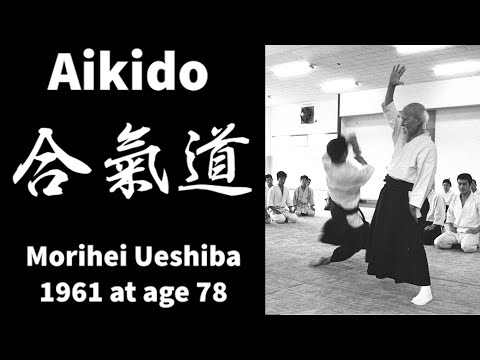
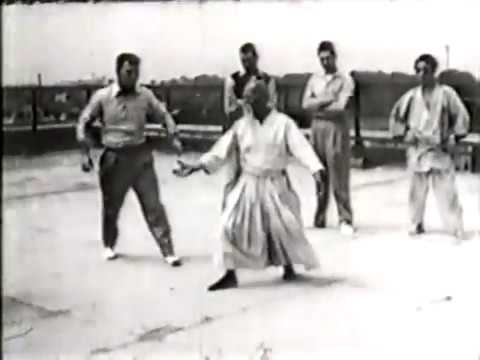
Aikido's Essence: Analyzing O'Sensei Ueshiba's 1961 Masterclass

Introduction: A Glimpse into the Soul of Budo

This rare 1961 footage, capturing a 78-year-old Morihei Ueshiba, the revered founder of Aikido, is far more than just a martial arts demonstration. It's a profound window into the very essence of Budo, a concept that transcends mere physical combat. Many today, particularly those drawn to the explosive dynamism of MMA or the brutal efficiency of Kyokushin Karate, might question the relevance of Aikido's fluid movements. Does its emphasis on blending and redirection hold water in a world that often values brute force? Let me tell you, this video is the answer. It's a masterclass in principles that are eternally valid, not just for the dojo, but for life itself. We will dissect this gem, exploring Ueshiba's techniques, his philosophy, and the enduring legacy of Budo.

Ueshiba in Action: The Art of Blending and Redirecting

Watching Ueshiba Sensei at this advanced age is awe-inspiring. His movements, while perhaps not possessing the raw power of a younger man, are imbued with an almost supernatural grace and precision. The documentary showcases his mastery of Aikido techniques – the effortless throws, the seemingly gentle yet devastating joint locks. He doesn't meet force with force; instead, he becomes one with his attacker's energy, subtly redirecting their momentum. This is the core of Aikido, and it's a principle that many arts, even the fiercely competitive BJJ or Judo, can learn from. The seemingly passive nature of his defense is, in reality, a highly active and intelligent application of physics and timing. He demonstrates that true strength lies not in overpowering an opponent, but in understanding and harmonizing with their movements. Have you ever sparred with someone who just seems to *flow* with your attacks, nullifying them before they even land? That's the echo of Ueshiba Sensei's teaching.
"The true meaning of martial arts is to unify the world." - Morihei Ueshiba

The Philosophy of Aikido: Harmony, Compassion, and Unity

Beyond the physical application, Ueshiba Sensei's words in this documentary reveal a philosophy that is both deeply spiritual and remarkably practical. He speaks of Aikido not as a means of destruction, but as a path to reconciliation. Harmony, balance, and compassion are not mere buzzwords here; they are the foundational pillars of his art. This stands in stark contrast to some of the more combative depictions of martial arts in popular culture, where violence is often glorified without consequence. Ueshiba's vision is one of connection, of resolving conflict not through aggression, but through understanding and empathy. It’s a message that resonates even more powerfully today, in our often fragmented and contentious world. This philosophy is the very heart of BUDO, the "Way of the Warrior," which demands not just martial prowess but moral integrity.

Budo: More Than Just Fighting

The term Budo itself is crucial here. It's not simply "martial arts" in the Western sense. It encompasses the entire way of life, the philosophy of the warrior, drawing heavily from principles like Bushido. This means more than just mastering techniques for a fight. It's about self-cultivation, rigorous discipline, and unwavering honor. Ueshiba Sensei embodies this perfectly. His practice was a lifelong dedication to refining not just his body, but his mind and spirit. The documentary offers a fleeting glimpse, but it's enough to understand that for masters like him, the training never truly ends. It's a constant pursuit of self-improvement, a journey that shapes one's character in profound ways.
"The martial way is a thing of daily practice. It is a continuous process of refinement. The master is simply a student who never quit." - Attributed to various martial arts masters

Training and Self-Cultivation: The Path to Inner Peace

The practice of martial arts, as exemplified by Ueshiba's Aikido, is a powerful tool for inner growth. It offers a structured path to control one's ego, to confront and overcome fear and anger, and to cultivate a deep sense of inner peace. This isn't just about learning to defend yourself physically; it's about building mental resilience. The physical demands – improving fitness, flexibility, and coordination – are significant, but the mental benefits are arguably even greater. In a world rife with stress and anxiety, the discipline and focus required in martial arts training provide an invaluable sanctuary. It's a lifelong pursuit, a journey of personal development that extends far beyond the dojo mats. The principles learned in Karate, Judo, or Aikido can positively impact every facet of life.

Veredicto del Sensei: A Timeless Testament

This 1961 documentary is not just a historical artifact; it's a living testament to the enduring power of Budo. Ueshiba Sensei, even at 78, displays a level of mastery that transcends time and style. While the martial arts landscape has evolved dramatically, with hyper-realistic sports like MMA and UFC capturing global attention, the core principles demonstrated here remain vital. The emphasis on harmony, respect, and self-cultivation is a counterbalance to the often aggressive narratives surrounding combat sports. This film is essential viewing for anyone who seeks a deeper understanding of martial arts, not just as a means of fighting, but as a path to becoming a better human being. Rating: 10/10 Cinturones Negros en Sabiduría y Maestría.

Essential Equipment for Your Training

To embark on your own martial arts journey, whether it's Aikido, Karate, Judo, or any other discipline, the right equipment is essential. At BYAM Budo y Artes Marciales, we understand the needs of practitioners at all levels.
  • Gi (Uniforme): A durable, comfortable Gi is fundamental. For arts like Judo and Aikido, a heavier weave might be preferred for grip resistance.
  • Protective Gear: Depending on your style, consider sparring headgear, mouthguards, and shin guards for safe combat training.
  • Training Mats (Tatami): Essential for safe practice of throws and falls, especially in arts like Judo and Aikido.
  • Training Weapons: For specific disciplines, wooden bokken (swords) or jo (staffs) are necessary.
Investing in quality gear enhances your training experience and ensures safety. Explore our range of Martial Arts Merchandise to find what you need.

Frequently Asked Questions

  • What is Budo? Budo is a Japanese term that refers to the systematic practice of martial arts, emphasizing not only combat techniques but also spiritual and moral development.
  • Is Aikido effective for self-defense? Yes, Aikido's principles of blending, redirection, and using an attacker's momentum can be highly effective for self-defense, though its effectiveness in highly aggressive scenarios is a subject of ongoing debate.
  • What is the difference between Budo and Bushido? Bushido is the code of honor and conduct of the samurai warrior class, while Budo is the broader term encompassing the practices and philosophies of martial arts derived from that warrior tradition.
  • How can martial arts training improve mental health? Through discipline, focus, stress reduction techniques, and the cultivation of inner peace and self-control.

For a Deeper Dive into Your Path

Reflexión del Sensei: Tu Próximo Paso

Ueshiba Sensei demonstrated that true mastery lies in harmonization, not domination. In a world that often rewards aggression and competition, can you find the strength in yielding? Can you apply the principles of blending and redirecting not just against a physical opponent, but against the challenges and conflicts of your daily life? The video is a lesson; your response to its message is the application. ```json { "@context": "https://schema.org", "@type": "FAQPage", "mainEntity": [ { "@type": "Question", "name": "What is Budo?", "acceptedAnswer": { "@type": "Answer", "text": "Budo is a Japanese term that refers to the systematic practice of martial arts, emphasizing not only combat techniques but also spiritual and moral development." } }, { "@type": "Question", "name": "Is Aikido effective for self-defense?", "acceptedAnswer": { "@type": "Answer", "text": "Yes, Aikido's principles of blending, redirection, and using an attacker's momentum can be highly effective for self-defense, though its effectiveness in highly aggressive scenarios is a subject of ongoing debate." } }, { "@type": "Question", "name": "What is the difference between Budo and Bushido?", "acceptedAnswer": { "@type": "Answer", "text": "Bushido is the code of honor and conduct of the samurai warrior class, while Budo is the broader term encompassing the practices and philosophies of martial arts derived from that warrior tradition." } }, { "@type": "Question", "name": "How can martial arts training improve mental health?", "acceptedAnswer": { "@type": "Answer", "text": "Through discipline, focus, stress reduction techniques, and the cultivation of inner peace and self-control." } } ] }

Aikido O Sensei in 1954: A Timeless Warrior's Legacy in Modern Combat Sports

The year 1954 gifted us a rare glimpse into the profound capabilities of Aikido O Sensei through a rediscovered video. This artifact, showcasing his mastery, serves as a potent reminder of the enduring power of traditional martial arts. Today, the echoes of such legends resonate powerfully, not only in dedicated dojos but also within the electrifying arenas of modern martial arts and combat sports. These disciplines, with their rich histories and timeless teachings, continue to captivate us, offering lessons that transcend mere physical prowess.

But what is the true essence of martial arts and Budo? Far beyond the technicalities of striking and grappling, they represent a holistic philosophy, a rigorous discipline, and ultimately, a pathway to self-development. The pursuit of perfection, a core tenet of Budo – the "way of the warrior" – is a journey of constant refinement, both physically and mentally.

The True Essence of Martial Arts and Budo

Martial arts are not merely a collection of techniques designed for conflict. They are a profound system for cultivating the individual. The ultimate aim is to forge a stronger self – physically resilient, mentally sharp, and spiritually grounded. This holistic development is what sets true martial arts apart.

Budo: More Than Just a Fighting Style

"Budo" translates directly to "the way of the warrior." This term encapsulates the spirit that underpins these disciplines. It's about the relentless pursuit of excellence, the mastery of oneself through rigorous training, and the application of these principles in all facets of life. It is a lifelong pursuit, not a destination.

"The ultimate aim of martial arts is not victory or defeat, but the perfection of the character of its practitioners." - A principle echoed across many martial traditions.

The Multifaceted Benefits of Martial Arts Training

The benefits of consistent training in martial arts are vast and touch every aspect of a practitioner's life. Beyond the obvious enhancement of self-defense skills, individuals develop:

  • Improved Physical Health: Increased strength, flexibility, cardiovascular endurance, and coordination.
  • Enhanced Mental Fortitude: Greater focus, discipline, patience, and stress management.
  • Unshakeable Self-Discipline: The ability to set goals and work towards them consistently, overcoming obstacles.
  • A Strong Sense of Community: The shared passion within the martial arts community fosters deep bonds, camaraderie, and mutual respect. This sense of belonging is invaluable.

This supportive environment is crucial. The shared struggles and triumphs in the dojo create a unique connection that strengthens the collective spirit.

Combat Sports: The Arena of Modern Competition

Contrast this with combat sports. While they share the roots of physical confrontation, their primary focus is often on competition and the quantifiable outcome of victory. Disciplines like MMA, boxing, and Judo demand extraordinary levels of physical conditioning, strategic thinking, and mental toughness. They are a testament to the human spirit's capacity to perform under immense pressure.

The athletes in these fields are modern warriors, pushing the boundaries of human potential. Their dedication, sacrifice, and ability to execute under the bright lights are truly inspiring. It is undeniable that these sports showcase incredible athleticism and tactical brilliance.

Showcasing Your Passion: Martial Arts and Combat Sports Merchandise

For enthusiasts and practitioners alike, the passion for martial arts and combat sports often extends beyond the training mat or the ring. This is where merchandise plays a role. From specialized Karate gis and durable Judo uniforms to training equipment and casual apparel, these items allow individuals to express their identity and support their chosen disciplines.

High-quality training equipment, such as punching bags, focus mitts, and protective gear, is essential for effective practice. Wearing apparel that represents your art or sport is a way to connect with the wider community and serve as a constant reminder of your commitment. These items also make fantastic gifts for fellow martial artists or combat sports fans.

Our Commitment at BYAM Budo y Artes Marciales

At BYAM Budo y Artes Marciales, we understand this passion. We are dedicated to providing a wide array of high-quality merchandise tailored for both martial arts practitioners and combat sports aficionados. Our selection is curated to meet the needs of everyone, from the absolute beginner taking their first steps in Aikido or Karate, to the seasoned expert honing their skills. Functionality and durability are paramount in our product design, ensuring that what you choose supports your journey.

We firmly believe that martial arts and combat sports are more than just physical activities; they are transformative life experiences. Our blog serves as a platform to share invaluable insights, including practical training tips, detailed technique breakdowns, and the philosophical underpinnings that make these arts so profound.

Deepen Your Journey: Recommended Resources

To further enrich your understanding and practice, I highly recommend exploring these resources:

Frequently Asked Questions

  • Q: Is Aikido still relevant in modern combat sports?
    A: While Aikido's direct application in MMA is debated, its principles of blending, redirection, and control offer invaluable lessons in balance, spatial awareness, and joint manipulation, which are transferable skills.
  • Q: What is the difference between Budo and just training martial arts?
    A: Budo emphasizes the spiritual and philosophical development of the individual, viewing training as a lifelong path to self-perfection. Simply training martial arts may focus more on the technical or competitive aspects without the deeper philosophical commitment.
  • Q: How can I start training martial arts if I'm a complete beginner?
    A: The best approach is to research local dojos or gyms offering styles that interest you. Many offer introductory classes. Focus on finding qualified instructors and a welcoming community, like those found in martial arts communities globally.

Sensei's Verdict: Is the Legacy Alive?

Looking back at O Sensei’s demonstration in 1954, and observing the dedication in today's dojos and the fierce competition in UFC bouts, one undeniable truth emerges: the warrior spirit, the essence of Budo, is very much alive. The methods evolve, the arenas change, but the fundamental principles of discipline, perseverance, and the quest for self-mastery remain constant.

Whether you are drawn to the intricate flows of Aikido, the powerful stances of Karate, or the dynamic exchanges in MMA, the path of martial arts offers a profound opportunity for growth. It is a journey that builds not just a fighter, but a better human being.

Sensei's Reflection: Your Next Step

O Sensei's movements in that 1954 film were not just physical actions; they were expressions of deep understanding and embodiment. The question for you, the dedicated practitioner and student of the Way, is this: How can you embody the principles you learn on the mat in the unpredictable dojo of your daily life? Do you merely mimic techniques, or do you strive to internalize the philosophy?

```

For Deeper Exploration on Your Path

El Arte de la Evolución Marcial: Lecciones del Budo y la Fuerza Inquebrantable

¿Te has preguntado alguna vez qué separa a los meros practicantes de las verdaderas leyendas? No se trata solo de la fuerza bruta o la velocidad cegadora, sino de una cualidad mucho más profunda y esquiva: la capacidad de mutar, de adaptarse, de **evolucionar**. En el corazón de cada arte marcial, desde el Karate ancestral hasta el dinámico MMA moderno, yace el principio del cambio constante. Pero, ¿cómo se aplica este concepto a un mundo aparentemente distinto, como el del fisicoculturismo de élite? Prepárate, porque hoy desvelaremos las lecciones universales que podemos extraer de la trayectoria de una figura icónica, demostrando que los principios del Budo trascienden cualquier disciplina.

La Fuerza Indomable y el Espíritu de Lucha

En el exigente universo de las artes marciales, el combate y la filosofía BUDO son pilares fundamentales sobre los que se edifica el crecimiento personal, tanto físico como mental. La disciplina férrea y el esfuerzo continuo, casi monástico, son las herramientas indispensables para cosechar el éxito en cualquier tipo de lucha o pelea. Estos son los principios que un gigante de la fuerza ha encarnado a lo largo de su extraordinaria carrera: Lee Priest. Si bien su nombre resuena principalmente en los anales del fisicoculturismo, su viaje es una lección magistral para cualquier artista marcial.

Los Primeros Pasos del Guerrero en el Gimnasio

La odisea de Lee Priest, este titán del fisicoculturismo, comenzó mucho antes de que la mayoría comprendiera la profundidad de su dedicación. A la tierna edad de 12 años, su padre lo introdujo en un gimnasio local. Fue un instante, un momento de conexión, que encendió una llama inextinguible. Desde aquel preciso instante, el entrenamiento se convirtió en su norte, su refugio y su campo de batalla personal. Con una pasión desbordante y una dedicación inquebrantable, Priest forjó su camino para erigirse en uno de los fisicoculturistas más laureados y reconocidos de la historia. Su figura es un testimonio viviente de que los cimientos del éxito en la fuerza se colocan desde muy joven.

"La disciplina es el puente entre las metas y los logros." - Jim Rohn

Adaptación y Evolución: El Kiai de la Transformación

Sin embargo, lo que distingue a una figura legendaria de un mero competidor exitoso es su habilidad para danzar con el cambio. Uno de los aspectos más fascinantes de la carrera de Lee Priest reside en su asombrosa capacidad para adaptarse y evolucionar. A lo largo de los años, Priest no se aferró a métodos estáticos. Consciente de la naturaleza dinámica del cuerpo y del rendimiento, modificó su estilo de entrenamiento y su régimen de alimentación, buscando incansablemente la optimización de su físico y su capacidad de respuesta. Esta búsqueda no fue pasiva; experimentó activamente con diversas técnicas y enfoques, persiguiendo la fórmula perfecta que resonara con su propia fisiología y aspiraciones. Esta mentalidad de "luchador que nunca deja de aprender" es el espíritu que reverbera en las academias de Karate y en los octógonos de UFC.

La Enseñanza del Dojo en la Superación Personal

La evolución de Lee Priest como una superestrella del fisicoculturismo es, en sí misma, una lección crucial para cualquiera que aspire a la superación personal en cualquier faceta de su existencia. La disciplina y la dedicación son, sin duda alguna, componentes esenciales e insustituibles. No obstante, la capacidad de adaptarse y pivotar, de modificar el rumbo en función de las circunstancias cambiantes, es igualmente vital. Este principio de adaptabilidad es un eco directo de los principios del Budo Life.

El Budo y la Mentalidad del Luchador

En el mundo de las artes marciales, la evolución y el cambio son tan inherentes como el propio ki. Los luchadores que alcanzan la cima no son meramente aquellos dotados de una fuerza o velocidad superiores. Son aquellos que poseen una mentalidad abierta, una disposición perpetua a absorber nuevos conocimientos y una voluntad inquebrantable de mejorar continuamente. Pensemos en la evolución del MMA, donde los campeones deben dominar el Grappling, el Kickboxing y las estrategias de combate en la calle. La resistencia a la novedad es un camino directo al estancamiento y, eventualmente, a la derrota.

"El hombre que mueve montañas empieza apartando piedrecitas." - Confucio

Tu Equipo para el Viaje del Guerrero

En BYAM Budo y Artes Marciales, comprendemos íntimamente la importancia de la evolución y el cambio que definen el paisaje de las artes marciales y el combate. Por ello, nos dedicamos a ofrecer una selección curada de materiales de la más alta calidad, diseñados tanto para el entrenamiento riguroso como para la competición de élite. Nuestro catálogo abarca desde uniformes y protecciones esenciales hasta armas tradicionales y modernas, todo ello para apoyar tu viaje.

Equipo Esencial para tu Entrenamiento

  • Kimono de Judo o Karate: Busca un tejido resistente y cómodo que permita libertad de movimiento para el entrenamiento diario. Un buen gi es tu segunda piel.
  • Guantes de MMA o Boxeo: Para el combate y el sparring, la protección de tus manos es primordial. Elige guantes con el peso y acolchado adecuados a tu disciplina.
  • Protecciones Corporales: Petos, espinilleras y protectores bucales son cruciales para el entrenamiento seguro, especialmente en disciplinas de contacto.
  • Esterillas de Entrenamiento: Para ejercicios de suelo, caídas y técnicas de lucha, una buena esterilla mejora la seguridad y la comodidad.
  • Equipamiento de Fuerza: Mancuernas, bandas de resistencia o incluso el peso corporal son suficientes para construir la fuerza necesaria para la pelea.

Guía de Entrenamiento: El Salto de Fe del Principiante

La aspiración a mejorar, ya sea en el gimnasio levantando pesos o en el tatami perfeccionando un kata, requiere un primer paso decidido. Aquí te presentamos una guía para iniciar tu propio camino evolutivo:

  1. Define tu Objetivo: ¿Quieres mejorar tu resistencia cardiovascular? ¿Dominar una técnica específica de jiujitsu? ¿Aumentar tu masa muscular? Un objetivo claro es tu brújula.
  2. Investiga y Aprende: Consume contenido de calidad. Lee sobre maestros legendarios, estudia la técnica de los campeones actuales. La historia y la filosofía detrás de cada arte son tan importantes como la ejecución física.
  3. Encuentra un Mentor o Comunidad: El aprendizaje solitario tiene sus límites. Un buen Karate Sensei, un entrenador de MMA experimentado o una comunidad activa en línea (Martial Arts Community) acelerará tu progreso.
  4. Comienza con lo Básico: No intentes correr antes de caminar. Perfecciona los fundamentos. Un buen Okinawan Karate se basa en posturas sólidas y golpes precisos. El Judo se construye sobre agarres firmes y proyecciones eficientes.
  5. Entrena Consistentemente: La disciplina y la constancia son tus mejores aliados. Pequeñas sesiones regulares son más efectivas que entrenamientos esporádicos e intensos.
  6. Sé Paciente y Persistente: La verdadera maestría requiere tiempo. Habrá días de frustración, errores y dudas. Aquí es donde el espíritu Warrior Philosophy te sostiene.
  7. Escucha a tu Cuerpo: La evolución también implica saber cuándo descansar y recuperarse. Evita el sobreentrenamiento y las lesiones que pueden detener tu progreso.
  8. Adapta tu Enfoque: A medida que avanzas, tus necesidades y capacidades cambiarán. No tengas miedo de ajustar tu entrenamiento, explorar nuevas técnicas o incluso estilos.

Veredicto del Sensei: ¿Lección Aprendida?

La figura de Lee Priest, aunque ajena al cuadrilátero o al tatami de competición de artes marciales, ofrece una resonancia profunda. Su carrera es un espejo brillante de los principios fundamentales que rigen el BUDO y la vida marcial: disciplina, dedicación y, crucialmente, la evolución constante. No se trata solo de ganar batallas, sino de transformarse a través de ellas. Su ejemplo nos recuerda que el verdadero crecimiento ocurre cuando salimos de nuestra zona de confort y abrazamos el cambio, perfeccionando nuestras herramientas y adaptando nuestras estrategias. Si bien el fisicoculturismo busca la forma física perfecta, las artes marciales aspiran a una perfección más holística: cuerpo, mente y espíritu. Y en esa búsqueda, la capacidad de adaptación es tan vital como un golpe bien ejecutado.

Preguntas Frecuentes

¿Qué es el Budo y por qué es relevante para el fisicoculturismo?

El Budo es el "camino marcial" japonés, que abarca no solo la técnica de combate, sino también la disciplina mental, la ética y el desarrollo personal. Su relevancia para el fisicoculturismo radica en los principios compartidos de autodisciplina, perseverancia, superación y la búsqueda de la excelencia a través del esfuerzo constante, elementos cruciales en ambas disciplinas.

¿Cómo puedo aplicar la "evolución" de Lee Priest en mi propio entrenamiento de artes marciales?

Observa qué aspectos de tu entrenamiento te están frenando. ¿Te falta fuerza para una proyección de Judo? ¿Tu resistencia cardiovascular te falla en el tercer asalto de MMA? Busca activamente nuevas técnicas, métodos de entrenamiento (ej: AtHomeWorkout), o incluso consulta a otros practicantes para diversificar tu enfoque y adaptarte a tus necesidades cambiantes.

¿Es el fisicoculturismo un arte marcial?

No, el fisicoculturismo no se considera un arte marcial. Su enfoque principal es el desarrollo estético y la simetría muscular a través del entrenamiento de resistencia, no el combate o la defensa personal. Sin embargo, comparte con las artes marciales la exigencia de disciplina, dedicación y una profunda comprensión del cuerpo humano.

¿Qué tan importante es la dieta en la evolución de un atleta marcial?

Es fundamental. La dieta es el combustible que permite la recuperación, la construcción muscular y la energía necesaria para el entrenamiento y el combate. Un atleta marcial, al igual que un fisicoculturista, debe prestar extrema atención a su nutrición para optimizar su rendimiento y su capacidad de evolución.

¿Dónde puedo encontrar equipo de entrenamiento de calidad?

Sitios especializados como BYAM Budo y Artes Marciales ofrecen una amplia gama de equipamiento de alta calidad para diversas disciplinas. También puedes buscar en tiendas deportivas especializadas y en plataformas en línea que ofrezcan marcas reconocidas en el mundo de las artes marciales.

Para Profundizar en tu Camino

  • BUDO: Filosofía y Práctica del Camino Marcial
  • Martial Arts Journey: Superando Obstáculos en tu Entrenamiento
  • Combate y Estrategia: Lecciones de los Grandes Peleadores

La disciplina es un camino, no un destino. La fuerza de Lee Priest nos inspira, pero es la filosofía marcial la que nos guía en la transformación continua.

Reflexión del Sensei: Tu Próximo Paso

¿Estás entrenando con la mentalidad de un campeón en evolución, o te aferras a viejas rutas por miedo al cambio? ¿Qué aspecto de tu entrenamiento necesitas cuestionar y adaptar para dar tu próximo salto cualitativo? La verdadera lucha no es solo contra el oponente, sino contra la complacencia dentro de ti mismo.

``` ```json { "@context": "https://schema.org", "@type": "FAQPage", "mainEntity": [ { "@type": "Question", "name": "¿Qué es el Budo y por qué es relevante para el fisicoculturismo?", "acceptedAnswer": { "@type": "Answer", "text": "El Budo es el \"camino marcial\" japonés, que abarca no solo la técnica de combate, sino también la disciplina mental, la ética y el desarrollo personal. Su relevancia para el fisicoculturismo radica en los principios compartidos de autodisciplina, perseverancia, superación y la búsqueda de la excelencia a través del esfuerzo constante, elementos cruciales en ambas disciplinas." } }, { "@type": "Question", "name": "¿Cómo puedo aplicar la \"evolución\" de Lee Priest en mi propio entrenamiento de artes marciales?", "acceptedAnswer": { "@type": "Answer", "text": "Observa qué aspectos de tu entrenamiento te están frenando. ¿Te falta fuerza para una proyección de Judo? ¿Tu resistencia cardiovascular te falla en el tercer asalto de MMA? Busca activamente nuevas técnicas, métodos de entrenamiento (ej: AtHomeWorkout), o incluso consulta a otros practicantes para diversificar tu enfoque y adaptarte a tus necesidades cambiantes." } }, { "@type": "Question", "name": "¿Es el fisicoculturismo un arte marcial?", "acceptedAnswer": { "@type": "Answer", "text": "No, el fisicoculturismo no se considera un arte marcial. Su enfoque principal es el desarrollo estético y la simetría muscular a través del entrenamiento de resistencia, no el combate o la defensa personal. Sin embargo, comparte con las artes marciales la exigencia de disciplina, dedicación y una profunda comprensión del cuerpo humano." } }, { "@type": "Question", "name": "¿Qué tan importante es la dieta en la evolución de un atleta marcial?", "acceptedAnswer": { "@type": "Answer", "text": "Es fundamental. La dieta es el combustible que permite la recuperación, la construcción muscular y la energía necesaria para el entrenamiento y el combate. Un atleta marcial, al igual que un fisicoculturista, debe prestar extrema atención a su nutrición para optimizar su rendimiento y su capacidad de evolución." } }, { "@type": "Question", "name": "¿Dónde puedo encontrar equipo de entrenamiento de calidad?", "acceptedAnswer": { "@type": "Answer", "text": "Sitios especializados como BYAM Budo y Artes Marciales ofrecen una amplia gama de equipamiento de alta calidad para diversas disciplinas. También puedes buscar en tiendas deportivas especializadas y en plataformas en línea que ofrezcan marcas reconocidas en el mundo de las artes marciales." } } ] }

El Ascenso Imparable de Brandon Moreno: De Tijuana a la Cima del Octágono

Introducción: El Nacimiento de una Leyenda

¿Qué distingue a un campeón de un aspirante? ¿Es solo la fuerza bruta, la técnica refinada o un golpe de suerte? En el vertiginoso mundo de las artes marciales mixtas (MMA), donde la estrategia se encuentra con el instinto más puro, el ascenso de **Brandon Moreno**, apodado con justicia "The Assassin Baby", es una saga que desafía las expectativas y redefine el concepto de perseverancia. Desde las humildes calles de Tijuana, México, hasta convertirse en el primer campeón mexicano en la historia del UFC, su trayectoria no es solo un testimonio de habilidad marcial, sino un faro de esperanza y un golpe directo al rostro de la adversidad. ¿Estamos ante el arquetipo del guerrero moderno, o simplemente ante un luchador excepcional? Acompáñame en este análisis profundo.

Los Primeros Años: Forjando el Guerrero

La historia de Brandon Moreno comienza lejos del brillo de los grandes estadios, en el corazón de una ciudad fronteriza conocida por su energía vibrante y sus desafíos. Cada artista marcial conoce la importancia de los cimientos, y los de Moreno se construyeron en esa misma tierra, absorbiendo no solo el arte de la lucha, sino también la resiliencia necesaria para prosperar. Comenzó su viaje en las artes marciales mixtas como amateur, un campo de pruebas donde la pasión se curte a golpe de sudor y determinación. La transición al profesionalismo en 2011 marcó el inicio de un camino dedicado, sembrado de victorias que poco a poco comenzaron a llamar la atención de las grandes ligas. No se trataba de un talento nato que simplemente aparecía, sino de un esfuerzo continuo, una demostración palpable de que el *Budo* —el camino del guerrero— se forja día a día.

El Sueño de UFC: El Debut de "The Assassin Baby"

El objetivo de todo luchador de MMA es, sin duda, pisar el octágono del UFC. Para Brandon Moreno, ese sueño se materializó en octubre de 2016, en el evento UFC Fight Night: Lineker vs. Dodson. Su debut no fue un mero trámite; fue una declaración de intenciones. Una victoria por sumisión sentó las bases de lo que vendría, demostrando su habilidad para finalizar combates y su capacidad para adaptarse a la presión del escenario más grande del mundo. El apodo "The Assassin Baby" no nació en el vacío; refleja la velocidad, la precisión y la letalidad que puede desplegar. Cada movimiento, cada estrategia, era un paso más hacia la consolidación de su legado.
"La victoria es solo un resultado. El verdadero arte reside en el esfuerzo, la disciplina y la superación constante." - Un principio que todo verdadero guerrero debe interiorizar.

El Camino a la Gloria y las Dificultades

Pero el camino hacia la cumbre en el mundo de las MMA raramente es una línea recta y ascendente. Tras una derrota en UFC 216 en 2017, Moreno experimentó uno de los reveses más duros: la liberación de la organización. Este momento, que podría haber quebrado a muchos, se convirtió en un crisol para Moreno. En lugar de rendirse, luchó en otras promociones, puliendo aún más sus habilidades y fortaleciendo su espíritu. Este período de adversidad es crucial para entender la magnitud de su posterior éxito. Es en estos momentos de lucha contra viento y marea donde se demuestra el verdadero carácter de un artista marcial. Su regreso a UFC en 2019 no fue una casualidad, sino la recompensa a su tenacidad inquebrantable. Desde su retorno, acumuló una racha impresionante, silenciando a los escépticos y confirmando su lugar entre la élite. Este resurgir es un ejemplo magistral de la filosofía del BUDO: levantarse siempre, sin importar cuántas veces se caiga.

La Corona Mexicana: Una Victoria Histórica

El culmen de su esfuerzo llegó en UFC 263, un evento que quedó grabado en la historia del deporte. Brandon Moreno no solo venció a Deiveson Figueiredo, uno de los pesos moscas más temidos, sino que lo hizo por sumisión en el tercer asalto. Con esta victoria, Moreno se alzó con el cinturón de campeón, convirtiéndose en el primer mexicano en la historia del UFC en lograr tal hazaña. Este momento trascendió el ámbito deportivo; fue un hito cultural para México, inspirando a millones y abriendo nuevas puertas para el talento latinoamericano en las artes marciales mixtas. La celebración de este triunfo resonó en cada rincón del país, demostrando el poder unificador del deporte y el orgullo nacional.

Más que un Campeón: Humildad y Comunidad

Lo que verdaderamente eleva a Brandon Moreno más allá de sus habilidades combativas es su profunda conexión con sus raíces y su comunidad. A pesar de alcanzar la gloria mundial, mantiene una humildad que desarma y una dedicación a su gente que inspira. En un país donde las oportunidades pueden ser escasas y la lucha diaria es una constante, Moreno se erige como un símbolo de que es posible alcanzar los sueños más ambiciosos. Su mensaje es claro: el éxito en las artes marciales mixtas, o en cualquier disciplina, puede ser un catalizador para el cambio social, motivando a la próxima generación de atletas y líderes. Él encarna el espíritu del guerrero que no olvida de dónde viene, un principio fundamental en la filosofía de muchas artes marciales tradicionales.
"El camino del guerrero es un camino de autodescubrimiento. No se trata solo de vencer al oponente, sino de vencerse a uno mismo." - Brandon Moreno (implícito en su trayectoria)

Veredicto del Sensei: ¿Un Ícono del MMA Moderno?

Brandon "The Assassin Baby" Moreno no es solo un campeón; es un fenómeno. Su ascenso meteórico, marcado por la perseverancia frente a la adversidad, una técnica pulida y una humildad conmovedora, lo establece como una figura icónica en el panorama actual de las MMA. Ha demostrado que la disciplina, la fe en uno mismo y el trabajo incansable son las verdaderas armas que forjan el éxito duradero. Su impacto va más allá de los cinturones y los récords; ha encendido una chispa de inspiración en México y en el mundo. **Calificación del Sensei:** ⭐⭐⭐⭐⭐ (Cinturón Negro de Inspiración)

Equipo Esencial para tu Entrenamiento

Si el espíritu de Brandon Moreno te ha inspirado a entrenar MMA o mejorar tu práctica de cualquier arte marcial, contar con el equipo adecuado es fundamental para progresar de forma segura y efectiva.
  • Guantes de MMA: Busca unos que ofrezcan buena protección para tus manos y muñecas durante el sparring y el entrenamiento.
  • Espilleras y Protector Bucal: Esenciales para minimizar el riesgo de lesiones durante los entrenamientos de combate.
  • Kimono de Judo o BJJ: Si tu enfoque incluye el grappling, un buen kimono es una inversión en durabilidad y comodidad.
  • Ropa de Entrenamiento Transpirable: Camisetas y pantalones cortos diseñados para combate te permitirán moverte libremente y mantenerte fresco.
  • Calzado Adecuado: Dependiendo de tu disciplina, puedes necesitar zapatillas ligeras para lucha en pie o calzado específico para grappling.

Para Profundizar en tu Camino

Sumérgete aún más en el fascinante mundo de las artes marciales y el espíritu de lucha que define a campeones como Brandon Moreno.

Preguntas Frecuentes

  • ¿Cuál es el arte marcial principal de Brandon Moreno?
    Brandon Moreno es principalmente un luchador de artes marciales mixtas (MMA), con una sólida base en jiujitsu, boxeo y lucha libre.
  • ¿Por qué lo apodan "The Assassin Baby"?
    El apodo se debe a su agresividad, precisión y su juventud cuando comenzó a ganar notoriedad en las artes marciales mixtas.
  • ¿Ha defendido Brandon Moreno su título de UFC?
    Sí, Brandon Moreno ha defendido su título de peso mosca en múltiples ocasiones, demostrando su dominio en la división.
  • ¿Cómo influye su origen mexicano en su carrera?
    Su origen es una fuente de gran motivación e inspiración, tanto para él como para su comunidad, y ha sido clave para su popularidad y conexión con los fanáticos.

Reflexión del Sensei: Tu Próximo Paso

El viaje de Brandon Moreno nos enseña que la verdadera victoria no es solo colgarse un cinturón, sino la fortaleza inquebrantable para levantarse después de cada caída, la humildad para recordar tus orígenes y la visión para usar tu plataforma en beneficio de otros. Ahora te pregunto, ¿cuál es esa "caída" en tu propio camino marcial o vital que aún te pesa? ¿Y cómo podrías aplicar la resiliencia y la humildad de "The Assassin Baby" para convertirla en tu próximo gran impulso? Reflexiona, entrena y, sobre todo, ¡no te rindas jamás!
"El verdadero maestro es el que nunca deja de aprender y nunca teme enfrentar sus propias debilidades."
``` ```json { "@context": "https://schema.org", "@type": "FAQPage", "mainEntity": [ { "@type": "Question", "name": "¿Cuál es el arte marcial principal de Brandon Moreno?", "acceptedAnswer": { "@type": "Answer", "text": "Brandon Moreno es principalmente un luchador de artes marciales mixtas (MMA), con una sólida base en jiujitsu, boxeo y lucha libre." } }, { "@type": "Question", "name": "¿Por qué lo apodan \"The Assassin Baby\"?", "acceptedAnswer": { "@type": "Answer", "text": "El apodo se debe a su agresividad, precisión y su juventud cuando comenzó a ganar notoriedad en las artes marciales mixtas." } }, { "@type": "Question", "name": "¿Ha defendido Brandon Moreno su título de UFC?", "acceptedAnswer": { "@type": "Answer", "text": "Sí, Brandon Moreno ha defendido su título de peso mosca en múltiples ocasiones, demostrando su dominio en la división." } }, { "@type": "Question", "name": "¿Cómo influye su origen mexicano en su carrera?", "acceptedAnswer": { "@type": "Answer", "text": "Su origen es una fuente de gran motivación e inspiración, tanto para él como para su comunidad, y ha sido clave para su popularidad y conexión con los fanáticos." } } ] }

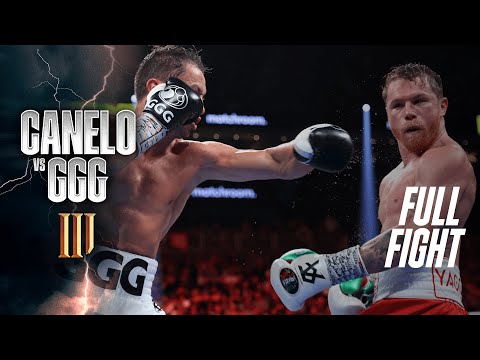
FULL FIGHT ANALYSIS: Canelo vs. GGG III - A Masterclass or a Missed Opportunity?

The sweet science. Boxing. For millennia, humanity has found a primal, captivating rhythm in the clash of fists, a testament to skill, heart, and sheer will. It’s a dance of strategy and power, where every feint, every jab, every uppercut tells a story of dedication and pain. But in the modern arena, amidst the glitz and the hype, how often do we witness true martial artistry, a genuine test of the warrior's spirit? Too often, the spectacle overshadows the substance.

Enter Saúl 'Canelo' Álvarez and Gennadiy 'GGG' Golovkin. Their saga is more than just a rivalry; it's a narrative woven into the fabric of contemporary boxing, a chapter that fans have devoured, debated, and desperately craved more of. Their first two encounters were seismic events, etched in controversy and leaving an insatiable thirst for a definitive conclusion. Today, we dissect their third dance, not just as a boxing match, but as a potential lesson in the enduring principles of combat. Was it a final, masterful demonstration of Budo principles, or a poignant reminder of how the game can sometimes betray the art?

The History: A Trilogy Forged in Controversy

The saga began on September 16, 2017. The air crackled with anticipation. Canelo Álvarez, the Mexican phenom, met Gennadiy Golovkin, the "Triple G" terror from Kazakhstan. This wasn't just a fight; it was a clash of titans, a stylistic chess match played at a furious pace. The bout, a brutal, back-and-forth war, ended in a split draw.

A draw? For many, it felt like an injustice. Spectators, pundits, and fellow martial artists scrutinized the scorecards, many convinced Golovkin had done enough to secure victory. The visceral impact of Golovkin's power shots, the relentless pressure he applied, seemed to eclipse Canelo's more tactical, albeit potent, counter-punching. This controversial outcome, rather than satiating the fanbase, ignited a bonfire of demand for a rematch. It highlighted a recurring theme in combat sports: the subjective nature of judging and the enduring power of raw aggression versus calculated defense. This is a debate that echoes through countless martial disciplines, from the striking arts of Karate to the intricate throws of Judo.

The Rematch: Canelo's Ascent, GGG's Stride

One year later, on September 15, 2018, the stage was set for redemption. The anticipation was even greater, the stakes higher. The rematch delivered another high-octane affair, a testament to both fighters' grit and skill. This time, the narrative shifted. Canelo, adapting and growing, clinched a majority decision victory.

Yet, even in victory, the controversy lingered. Arguments persisted that Golovkin's consistent output and powerful blows warranted a different result. It’s a familiar dilemma: does the cleaner, more technically precise fighter win, or the one who imposes his will and lands the heavier blows? This dance between technical merit and overwhelming force is a core philosophical question in martial arts. How does one truly measure victory when both participants display such profound mastery and warrior spirit? The debates raged on, ensuring that the desire for a final, unambiguous chapter remained.

Canelo vs. GGG III: The Anticipation and the Reality

The boxing world held its breath. A potential third fight between these two warriors was the stuff of dreams for fight fans. Both fighters, acknowledging their storied history, expressed openness to a rubber match. Canelo, by then firmly established as the undisputed king of the super-middleweight division, saw it as a chance to definitively close the book on his greatest rival. Golovkin, older but no less dangerous, viewed it as his final opportunity to reclaim his perceived throne and etch his name in boxing immortality against the man who had twice denied him undisputed victory.

On September 17, 2022, it finally happened. The trilogy was complete. But this time, the story felt different. Canelo, despite a hand injury he sustained early in the fight, controlled the bout with calculated aggression. His defense was tighter, his counter-punches sharp, and his ring generalship masterful. Golovkin, while still possessing his signature power and a warrior's heart, struggled to impose his will against a more seasoned and defensively astute Canelo. The unanimous decision for Álvarez was clear, decisive, and largely uncontroversial. The debate this time wasn't about who won, but rather about the aged warrior facing his prime.

Style vs. Substance: A Martial Perspective

From a martial artist's perspective, the Canelo-Golovkin rivalry offers a rich tapestry of contrasting philosophies. Canelo embodies the astute counter-puncher, a master of timing, distance, and calculated risk. His style is reminiscent of a skilled swordsman, waiting for the opponent's opening to deliver a decisive, precise strike. He understands the importance of defense not just as a means of avoiding damage, but as a platform for offense. This echoes principles found in **Tai Chi**, where yielding and redirecting an opponent's force is paramount.

Golovkin, on the other hand, is the embodiment of relentless pressure and concussive power. His "Triple G" moniker isn't just for show; his punches carry the weight of a sledgehammer. He represents the direct, overwhelming force, a style that demands unwavering commitment and a chin of granite. This approach shares similarities with the powerful, forward-moving strategies seen in some styles of **Kyokushin Karate** or the unyielding advance of a **Sumo** wrestler.

The third fight showcased Canelo’s evolution. He demonstrated that while power is a formidable weapon, the strategic application of skills – defense, timing, and adapting to an opponent's weaknesses – can overcome sheer aggression, especially as a fighter ages. It's a lesson that transcends boxing, a principle observed across numerous disciplines, from the fluid movements of **Aikido** to the strategic positioning in **Judo**.

"The supreme art of war is to subdue the enemy without fighting." - Sun Tzu, The Art of War. While Canelo didn't win without a fight, his strategic control in the third bout demonstrated a masterful subduing of GGG's strengths.

Beyond the Trilogy: The Ever-Evolving World of Combat

While the Canelo-Golovkin saga captured the boxing world's imagination, it’s crucial to remember that the landscape of combat sports is vast and ever-changing. Exciting matchups are constantly brewing across various disciplines. Consider the heavyweight boxing clashes, such as the highly anticipated bouts featuring **Tyson Fury** and **Deontay Wilder**, each bringing a unique blend of power and personality to the ring. These fights remind us that raw power and the "knockout punch" remain a thrilling, albeit unpredictable, element in combat.

The rise of **Mixed Martial Arts (MMA)**, with its fusion of striking, grappling, and submission arts, has further broadened the definition of a complete fighter. Athletes like **Jon Jones** and **Cyril Gane** showcase incredible versatility, blending techniques from **Muay Thai**, **Brazilian Jiu-Jitsu (BJJ)**, **Wrestling**, and **Karate** into a formidable arsenal. This cross-disciplinary approach mirrors the ancient martial philosophies that encouraged the study of multiple weapons and fighting styles to achieve true mastery. The ability to seamlessly transition between striking and grappling, as seen in fights at **UFC** events, demonstrates a holistic understanding of combat that few single-discipline fighters can match.

Equipo Esencial para tu Entrenamiento

For aspiring boxers and martial artists seeking to emulate the dedication and skill displayed by Canelo and Golovkin, proper training equipment is paramount. Investing in the right gear not only enhances performance but also significantly reduces the risk of injury. Here’s a foundational list:

  • Guantes de Boxeo/MMA (14-16oz): Essential for sparring and heavy bag work to protect your hands and wrists.
  • Vendas para Manos: Crucial for added wrist and knuckle support during intense training sessions.
  • Protector Bucal: Non-negotiable for any form of sparring or competitive fighting to protect your teeth and jaw.
  • Protector de Ingle: Vital for protecting sensitive areas during sparring.
  • Kimono (Judo/BJJ): For grappling-focused disciplines, a durable gi is essential for practicing throws and groundwork. Look for high-quality, double-weave fabrics for longevity.
  • Cuerda de Saltar: An indispensable tool for improving footwork, coordination, and cardiovascular endurance – a staple for any fighter’s conditioning.
  • Saco de Boxeo o Pera Loca: For developing power, speed, and accuracy in striking.
  • Rodilleras y Coderas: Useful for conditioning drills and protecting against impact during certain training exercises.

Whether you're training in boxing, **Judo**, **Karate**, or **BJJ**, the right equipment is an investment in your journey. Consider exploring specialized **Karate Merchandise** or **MMA Gear** from reputable brands to ensure quality and durability.

Guía de Entrenamiento: El "Golovkin Jab" y la "Canelo Counter"

Let's break down two fundamental elements that defined the early exchanges between these titans. While complex strategies are involved, understanding these core concepts can elevate your own training.

  1. El Jab de Golovkin (La Presión Constante):
    • Posición: Mantén una guardia sólida, pies bien plantados, ligeramente separados, rodillas flexionadas.
    • El Movimiento: Extiende tu brazo de lanzar (generalmente el izquierdo para un diestro) rápidamente, girando ligeramente la muñeca al contacto para maximizar el impacto. Tu cuerpo debe transferir peso hacia adelante de manera sutil.
    • El Propósito: No es solo un golpe de alcance; es para medir distancia, mantener al oponente a raya, interrumpir su ritmo y preparar golpes más potentes. GGG lo usaba implacablemente para dictar el espacio.
    • Entrenamiento: Practica miles de jabs contra un saco pesado, enfocándote en la velocidad, la extensión completa y la rápida retracción a la guardia. Visualiza a tu oponente y golpea puntos específicos.
  2. La Contra de Canelo (El Golpe Preciso en el Momento Justo):
    • Posición: Similar a la guardia de boxeo, pero con una mayor flexibilidad y movilidad en la parte superior del cuerpo.
    • El Movimiento: Permite que el oponente lance su golpe (ej. un jab o un recto). En el instante en que su puño sale, usa tu guardia para bloquear, desviar, o incluso deslizarte ligeramente, y contraataca con un golpe potente (un gancho o un recto) a un punto vulnerable. La clave es la sincronización perfecta.
    • El Propósito: Capitalizar el error del oponente, castigar su ofensiva y tomar el control de la pelea. Canelo es un maestro en encontrar la brecha y golpear con autoridad.
    • Entrenamiento: El *sparring* es crucial aquí. Trabaja con un compañero que entienda el concepto de lanzar golpes específicos. Practica el bloqueo/desvío y contraataque simultáneamente. Usa el "espejo" (golpear solo cuando el compañero golpea) para refinar el tiempo.

Dominar estos elementos requiere innumerables horas de práctica dedicada, la filosofía de perseverancia y la disciplina que son pilares de las **Artes Marciales Mixtas (MMA)** y del **Budo** en general.

"The difference between a novice and a master is not that the master never makes mistakes, but that the master learns from every mistake. The master has failed more times than the novice has even tried." - Bruce Lee. This philosophy underpins the entire journey of martial arts mastery.

Veredicto del Sensei: ¿Merece la pena?

The Canelo vs. Golovkin trilogy is a landmark achievement in modern boxing. While the first two fights were marred by controversial decisions, they showcased an incredible rivalry between two supremely talented warriors. The third fight, though perhaps lacking the same level of back-and-forth drama, provided a definitive conclusion and a masterclass in boxing strategy from Canelo Álvarez. From a martial perspective, it served as a powerful reminder that while raw power and aggression are potent forces, the disciplined application of skill, timing, and strategic defense often prevails, especially in the twilight of a legendary career.

Calificación del Sensei: Cinturón Negro en Rivalidad, Maestro en Estrategia.

Preguntas Frecuentes

  • ¿Por qué fue tan controvertida la primera pelea entre Canelo y Golovkin?
    La controversia se debió principalmente a las tarjetas de los jueces. Muchos observadores creían que Golovkin había ganado claramente, pero la pelea terminó en un empate dividido, lo que dejó a muchos sintiendo que se le robó la victoria.
  • ¿Fue la tercera pelea tan emocionante como las dos primeras?
    Si bien la tercera pelea fue estratégicamente fascinante y demostró la maestría de Canelo, muchos fanáticos la encontraron menos emocionante que las dos primeras, que fueron batallas más reñidas y llenas de acción impredecible.
  • ¿Qué aprendemos de la técnica de ambos peleadores desde una perspectiva marcial?
    Canelo demuestra la importancia de la defensa, el tiempo y el contraataque preciso, similar a las tácticas de algunos estilos de Karate y Judo. Golovkin representa la fuerza bruta, la presión implacable y la búsqueda del nocaut, un enfoque visto en disciplinas como el Kyokushin Karate. La trilogía ilustra cómo diferentes filosofías marciales pueden coexistir y competir en el mismo ring.
  • ¿Es probable que haya una cuarta pelea entre Canelo y Golovkin?
    Dada la edad de Golovkin y la dominante victoria de Canelo en la tercera pelea, una cuarta contienda parece muy improbable. Canelo ha indicado que desea continuar consolidando su legado en otras divisiones, mientras que GGG podría estar considerando el final de su carrera.

Para Profundizar en tu Camino

Reflexión del Sensei: Tu Próximo Paso

The roar of the crowd, the sweat, the exhaustion, the controversy, and ultimately, the definitive victory. This trilogy offered more than just punches; it offered lessons. Canelo's strategic adaptation and Golovkin's unyielding spirit are echoes of timeless martial principles. But now, I ask you:

When the final bell rings in your own life's battles, will you be remembered for your raw power, or for the wisdom and adaptability with which you navigated the storm? How will *you* write the final chapter of your own saga?

``` ```json { "@context": "https://schema.org", "@type": "FAQPage", "mainEntity": [ { "@type": "Question", "name": "Why was the first fight between Canelo and Golovkin so controversial?", "acceptedAnswer": { "@type": "Answer", "text": "The controversy stemmed from the judges' scorecards. Many observers believed Golovkin had clearly won, but the fight ended in a split draw, leaving many feeling he was robbed of a victory." } }, { "@type": "Question", "name": "Was the third fight as exciting as the first two?", "acceptedAnswer": { "@type": "Answer", "text": "While strategically fascinating and showcasing Canelo's mastery, many fans found the third fight less exciting than the first two, which were closer, more unpredictable battles." } }, { "@type": "Question", "name": "What can we learn from both fighters' techniques from a martial perspective?", "acceptedAnswer": { "@type": "Answer", "text": "Canelo demonstrates the importance of defense, timing, and precise counter-punching, akin to strategies in Karate and Judo. Golovkin embodies raw power, relentless pressure, and the pursuit of a knockout, a style seen in disciplines like Kyokushin Karate. The trilogy illustrates how different martial philosophies can compete effectively." } }, { "@type": "Question", "name": "Is a fourth fight between Canelo and Golovkin likely?", "acceptedAnswer": { "@type": "Answer", "text": "Given Golovkin's age and Canelo's dominant performance in the third fight, a fourth bout seems highly improbable. Canelo aims to solidify his legacy in other divisions, while GGG may be considering retirement." } } ] }

The Unvarnished Truth: Mastering the Pugilistic Arts – A Sensei's Uncompromising Guide to Boxing for the True Warrior

The ring. A crucible where raw courage meets honed technique. For millennia, humanity has sought to test itself in combat, and boxing, in its purest form, stands as a testament to that primal drive. But do not mistake its apparent simplicity for a lack of depth. To truly understand the art of boxing is to delve into a discipline that demands more than just brute force; it requires unwavering focus, ironclad discipline, and a spirit as unyielding as tempered steel. This isn't about flashy moves for the masses; it's about understanding the *bushido* of the pugilist. This guide is not for the faint of heart, but for those who seek to understand the soul of the fight.

Table of Contents

Introduction: The Pugilist's Path

Many claim to understand boxing. They watch from the sidelines, mesmerized by the ferocity, yet blind to the underlying strategy. This is not a sport for those who seek mere violence; it is a sophisticated dance of strategy, timing, and absolute control. Forget the theatrics; we delve into the core. If your intention is to learn the fundamental principles that separate a brawler from a boxer, you have arrived. This guide is built upon the rigorous principles that underpin all true martial disciplines, adapted for the squared circle. We will dissect each element, from the devastating power of a well-placed punch to the subtle art of evading a blow that could end your night.

The Four Pillars of Offense: Mastering the Punches

In the unforgiving arena of boxing, your fists are your instruments of expression. But not all expressions carry the same weight. Understanding the *purpose* and *execution* of each fundamental punch is paramount. This is where the foundation of your offensive strategy is laid, where the *ki* flows through your strikes.

The Jab: The Maestro's Measure

"The jab is the painter's brush. It sketches the outline of the masterpiece."
The jab is the foundational punch in boxing, often underestimated by novices. It's your primary tool for range-finding, disrupting your opponent's rhythm, and setting up more potent attacks. Thrown with your lead hand, it must be swift, straight, and retracted quickly to maintain balance. A lazy jab is an invitation to disaster. Master the jab, and you control the distance; control the distance, and you control the fight. This requires constant practice, honing the muscle memory until the movement is as natural as breathing.

The Cross: The Hammer of Judgment

"The cross is the testament of power, delivered with the truth of your entire body."
This is where true power is unleashed. The cross, thrown with your rear hand, involves a rotation of your hips and shoulders, transferring the force from the ground up through your body. It's not just an arm punch; it's a full-body commitment. Used to end exchanges, exploit openings, or deliver a decisive blow, the cross demands precision. A poorly executed cross leaves you vulnerable, off-balance, and ripe for punishment. For those seeking the ultimate expression of boxing power, understanding the mechanics of the cross is non-negotiable. Consider the legacy of fighters who made this their signature – their power was no accident.

The Hook: The Serpent's Coil

"The hook strikes from unexpected angles, a sudden turn of fate."
The hook is a semi-circular punch delivered with either hand, targeting the head or body. Its effectiveness lies in its ability to bypass an opponent's guard when thrown correctly. Whether it's a short, sharp hook to the chin or a looping power hook to the ribs, the principle remains: utilize your core rotation for maximum impact. This punch requires adaptability, as it can be employed both offensively and defensively to disrupt an opponent's attack. Mastering hooks is essential for breaking down a guarded opponent, a skill honed through countless hours of drilling.

The Uppercut: The Rising Dragon

"The uppercut is the surprise from below, a sudden ascent of power."
The uppercut is a powerful, upward-striking punch. It's designed to catch an opponent coming in, or to lift their head from a lower guard. Again, hip and shoulder rotation are key, generating explosive upward force. This punch is particularly effective against opponents who tend to drop their hands or lean forward. Its trajectory makes it a formidable weapon, capable of causing significant damage. For any aspiring boxer serious about their arsenal, the uppercut is a vital, albeit challenging, technique to master.

The Dance of the Warrior: Essential Footwork

Boxing is often described as a thinking person's sport, and nowhere is this more evident than in its footwork. The ring is your chessboard, and your feet are your pawns. Superior footwork allows you to control the engagement, evade danger, and dictate the terms of the fight. Neglect this, and you are merely a stationary target. This is where the true *Budo* spirit manifests – not just in the strike, but in the movement, the strategy, the evasion.

The Foundation: Your Boxing Stance

Your stance is your base, your equilibrium. A proper boxing stance keeps you balanced, protected, and ready to move. Feet should be shoulder-width apart, with your lead foot slightly forward. Knees are softly bent, distributing your weight primarily on the balls of your feet, allowing for quick transitions. Your lead hand is up, protecting your face, and your rear hand guards your chin. This isn't just about standing; it's about being prepared to explode into action or disappear from danger at a moment's notice.

Step and Slide: Navigating the Arena

This is the most fundamental movement. To move left, step with your lead foot, then bring your rear foot to meet it, maintaining your stance's width. To move right, do the opposite. This "step and slide" ensures you never cross your feet, which is a cardinal sin in boxing, leading to imbalance and vulnerability. It's about maintaining your structure while traversing the terrain. This fluid motion is crucial for effective offensive and defensive positioning, a silent testament to your control.

The Pivot: Shifting the Battlefield

Pivoting allows you to change angles, creating offensive opportunities or evading an opponent's attack. By stepping with your lead foot and rotating your rear foot, you can shift your body and create a new line of attack, surprising your opponent. This technique is vital for turning defense into offense and is a hallmark of experienced boxers who can manipulate the space within the ring. It’s a subtle art, but one that can dramatically alter the course of a fight.

The Shield of Wisdom: Impregnable Defense

Offense wins rounds, but defense wins championships. A fighter who cannot defend themselves is merely playing with fire. True mastery lies in the ability to avoid punishment while simultaneously creating openings. This is where the discipline of the martial artist truly shines – understanding that the greatest victory is often not to strike, but to *not be struck*.

The Parry: Deflecting Misfortune

A parry is a controlled deflection of an opponent's punch. Using your lead hand, you gently redirect the incoming blow to the side. It's not a block; it's a subtle redirection that uses minimal energy and can even be transitioned into a counter-attack. This requires excellent timing and awareness, distinguishing it from a crude, energy-sapping block.

The Slip: The Ghost's Evasion

The slip involves moving your head to the left or right, causing your opponent's punch to whistle past. Crucially, your feet remain planted, allowing for an immediate counter-punch. This requires impeccable timing and understanding of an opponent's range and power. A well-timed slip can not only evade a devastating blow but also set up a powerful retaliatory strike.

Bob and Weave: The Willow in the Storm

This classic defensive maneuver involves bending your knees and moving your upper body in a U-shape. It's used to evade punches, particularly hooks, and to get inside an opponent's reach. The bob and weave allows you to move under punches and come up in a position to attack, turning defense into a potent offensive tool. It’s about being fluid, adaptable, and always one step ahead.

The Forge of the Fighter: Rigorous Training Regimen

Talent is a spark, but discipline is the fire that sustains it. Consistent, intelligent training is the only path to true mastery in boxing. Without it, your potential remains dormant, a whisper lost in the roar of the crowd.

Shadowboxing: The Solitary Duel

Before you face an opponent, you must first face yourself. Shadowboxing is your private rehearsal. It's where you practice your technique, footwork, and combinations without resistance. This is your opportunity to refine every movement, to build muscle memory, and to develop the fluidity and speed that define a skilled boxer. It's a critical component for developing *internal strength* and mastering your own movements.

The Heavy Bag: Facing the Silent Adversary

The heavy bag is your relentless training partner. Punching it develops power, stamina, and the conditioning necessary to endure the rigors of a fight. Each strike against the bag is a commitment, building the resilience required to absorb and deliver punishment. Focus on proper form with every punch; the bag doesn't judge technique, but the results speak for themselves. Using a high-quality boxing glove during these sessions is crucial for joint protection.

Sparring: The Crucible of Reality

Sparring is where theory meets practice. It's the closest you'll get to a real fight in a controlled environment. Here, you test your techniques, timing, defense, and mental fortitude against a live opponent. It teaches you to adapt, react, and manage the pressure of combat. Sparring is not about winning; it's about learning. Every session is a lesson, a chance to identify weaknesses and build upon strengths. This is where the true *fighter's spirit* is forged. Remember, proper sparring gear is non-negotiable for safety.

Veredicto del Sensei: ¿Merece la pena?

This guide presents the foundational pillars of boxing. It is a distilled essence of technique and strategy, stripped of hyperbole. Boxing, when approached with the discipline and respect of a martial art, is profoundly rewarding. It builds not only physical prowess but also mental fortitude, strategic thinking, and an unshakeable self-confidence. However, it demands dedication. This is not a quick fix; it's a lifelong pursuit. For those willing to commit, the journey is transformative. **Calificación:** Cinturón Negro en Fundamentos.

Equipo Esencial para tu Entrenamiento

To begin your journey in the pugilistic arts, certain equipment is not merely recommended, but essential for safe and effective training:
  • Boxing Gloves: Essential for protecting your hands and wrists during striking. For beginners, 14-16oz gloves are generally recommended for training.
  • Hand Wraps: Worn under gloves, these provide crucial extra support to your hand and wrist bones.
  • Mouthguard: Absolutely vital for protecting your teeth and preventing concussions.
  • Headgear (for sparring): Protects against cuts, bruises, and reduces the impact of blows during sparring sessions.
  • Jump Rope: An indispensable tool for warming up, improving footwork, coordination, and cardiovascular conditioning.
  • Heavy Bag: For developing power, stamina, and practicing combinations.
  • Boxing Shoes: Offer ankle support and provide the necessary grip for agile footwork in the ring.
Investing in quality boxing equipment is an investment in your safety and progress.

Guía de Entrenamiento: Perfeccionando tu Jab

Let us focus on the most fundamental punch, the jab, and refine its execution.
  1. Stance: Assume your proper boxing stance. Your lead hand is forward, eyes forward.
  2. Initiation: Begin the movement by extending your lead arm directly forward. Do not cock your wrist or bend your elbow prematurely.
  3. Extension: Fully extend your arm, rotating your fist slightly as it reaches its target. This rotation adds snap and power. The palm should ideally face downwards upon impact.
  4. Target Impact: Aim to strike with the knuckles of your index and middle fingers.
  5. Retraction: Immediately snap the punch back to your guard position. This is crucial for defense and maintaining balance. The retraction should be as fast as the extension.
  6. Body Mechanics: As you extend, you may subtly shift your weight forward onto the ball of your lead foot. Engage your core.
  7. Practice: Perform 10-20 repetitions with focus. Then, practice transitioning from a jab to a cross, or a jab to a slip.
  8. Shadowboxing: Integrate this refined jab into your shadowboxing routine.
  9. Heavy Bag: Practice your jab on the heavy bag, focusing on speed, accuracy, and retraction.
Mastering the jab is a journey, not a destination. Be patient, be persistent.

Preguntas Frecuentes

Q: How long does it take to become proficient in boxing?
A: Proficiency varies greatly depending on natural aptitude, training frequency, and quality of instruction. However, expect at least 1-2 years of consistent training to develop fundamental skills and ring awareness.

Q: Is boxing too dangerous for beginners?
A: While boxing carries inherent risks, proper training under qualified instructors, with emphasis on defense and safe sparring practices, significantly mitigates danger, especially for beginners.

Q: Can boxing be used for self-defense?
A: Absolutely. The core principles of boxing – footwork, distance management, and powerful striking – are highly applicable to real-world self-defense situations.

Q: What is the difference between boxing and other martial arts?
A: Boxing specifically focuses on punches using the fists, employing unique footwork and defensive strategies. Other martial arts may incorporate kicks, grappling, or weapons, offering broader combat applications.

Para Profundizar en tu Camino

Reflexión del Sensei: Tu Próximo Paso

You have studied the theory. You understand the mechanics of the jab, the cross, the hook, the uppercut. You know the importance of footwork and defense. But theory is a map; practice is the territory. So I ask you: When you stand before the mirror, practicing your jab, are you merely moving your arm, or are you channeling the intent of a warrior? Are you executing a technique, or are you embodying the spirit of the strike? The answer to this question will define your path. ```json { "@context": "https://schema.org", "@type": "FAQPage", "mainEntity": [ { "@type": "Question", "name": "How long does it take to become proficient in boxing?", "acceptedAnswer": { "@type": "Answer", "text": "Proficiency varies greatly depending on natural aptitude, training frequency, and quality of instruction. However, expect at least 1-2 years of consistent training to develop fundamental skills and ring awareness." } }, { "@type": "Question", "name": "Is boxing too dangerous for beginners?", "acceptedAnswer": { "@type": "Answer", "text": "While boxing carries inherent risks, proper training under qualified instructors, with emphasis on defense and safe sparring practices, significantly mitigates danger, especially for beginners." } }, { "@type": "Question", "name": "Can boxing be used for self-defense?", "acceptedAnswer": { "@type": "Answer", "text": "Absolutely. The core principles of boxing – footwork, distance management, and powerful striking – are highly applicable to real-world self-defense situations." } }, { "@type": "Question", "name": "What is the difference between boxing and other martial arts?", "acceptedAnswer": { "@type": "Answer", "text": "Boxing specifically focuses on punches using the fists, employing unique footwork and defensive strategies. Other martial arts may incorporate kicks, grappling, or weapons, offering broader combat applications." } } ] }