Showing posts sorted by date for query Martial Arts Inspiration. Sort by relevance Show all posts

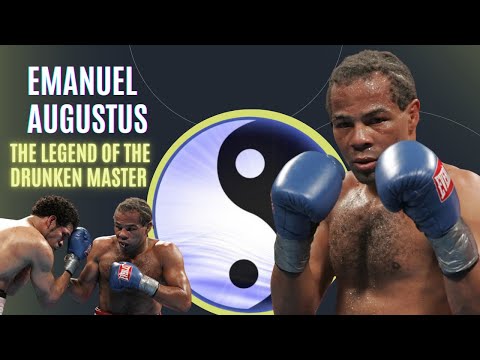
Emanuel Augustus: The Unconventional Legacy of the Drunken Master

Introduction: The Enigma of the Drunken Master

In the vast, often predictable landscape of combat sports, certain figures emerge not just as competitors, but as phenomena. They defy convention, shatter expectations, and leave an indelible mark on the collective consciousness of fans and practitioners alike. Emanuel Augustus, affectionately known as "The Drunken Master," is precisely such a figure. His career wasn't merely a series of wins and losses; it was a living testament to the unpredictable beauty and profound philosophy that can be found within the martial arts. This piece delves into the electrifying career of a fighter who didn't just participate in bouts, but orchestrated performances, blending raw aggression with an almost balletic grace that left audiences breathless. Join us as we revisit the path of a true martial arts legend whose unconventional style became his greatest weapon.

Unleashing the Drunken Master: More Than a Moniker

The adoption of the moniker "Drunken Master" by Emanuel Augustus was far from a mere marketing gimmick. Born Emanuel Burton, he drew inspiration from the iconic martial arts films that celebrated seemingly chaotic, yet devastatingly effective, fighting styles. This wasn't about mimicking a character; it was about embodying a philosophy. Augustus infused his fighting with a unique brand of agility, fluidity, and an almost maddening unpredictability. His movements often appeared disjointed, his stance unorthodox, leaving opponents struggling to anticipate his next move. This bewildering array of techniques – a chaotic dance of offense and defense – was the hallmark of his style, allowing him to showcase a skill set that transcended traditional boxing or kickboxing, demonstrating that true mastery can often lie just beyond the veil of perceived disorder.

"The most effective way to confuse an opponent is to be unpredictable. If they cannot read you, they cannot counter you." - A principle exemplified by Augustus.

The Artistry of Combat: A Symphony of Unpredictability

Augustus transcended the role of a mere pugilist; he was a kinetic artist. His fighting style was a masterful fusion, drawing threads from boxing, kickboxing, and the raw pragmatism of street fighting. His footwork was legendary – a constant, elusive dance that made him a difficult target. His punches, delivered with surprising speed and power, often came from unexpected angles. This wasn't just about throwing hands; it was about understanding angles, timing, and the psychological warfare inherent in combat. Emanuel Augustus embodied a profound Martial Philosophy, displaying not just aggression, but also immense respect for his opponents, unwavering discipline in his preparation, and the indomitable spirit of a warrior honed through countless hours of Martial Arts Training.

His approach challenged the rigid structures of conventional fighting. Many practitioners today still strive to replicate his signature elusiveness, a testament to the enduring effectiveness of his unorthodox methods. The core of his success lay in his ability to remain fluid and adaptable, a principle central to many BUDO disciplines.

The Fight of a Lifetime: A Masterclass Against Mayweather

Throughout his storied career, Emanuel Augustus graced the ring with a multitude of unforgettable contests. These weren't just fights; they were spectacles, ranging from brutal slugfests that tested the mettle of both combatants to technically brilliant displays of skill. He consistently delivered the kind of excitement that fuels the passion of Fight Fans worldwide.

Perhaps one of his most widely recognized and respected performances came during his bout against Floyd Mayweather Jr. In this encounter, Augustus didn't just compete; he showcased the full spectrum of his unique brilliance. Despite the eventual outcome, his performance earned him deep admiration, not only from the spectators but also from Mayweather himself, a rarity in the highly competitive world of professional boxing. It was a fight that highlighted Augustus's resilience and his ability to hang with the absolute elite, even with a style that defied convention. This particular fight remains a significant piece of the Fighter Legacy.

Legacy and Influence: Inspiring a Generation

Emanuel Augustus's legacy extends far beyond the statistics of his fight record. His profound impact resonates deeply within the Martial Arts Community. His unwavering dedication to his craft, his perseverance through significant adversity, and his sheer, unadulterated passion for fighting served as a powerful inspiration to countless aspiring athletes. Many fighters today incorporate elements of his distinctive style – that unpredictable movement, the creative striking angles – into their own training regimes. He proved that there isn't just one way to be a champion, fostering a generation that dares to think outside the traditional fighting box.

His influence is a prime example of how unique styles can push the boundaries of established sports. This is a core tenet we explore at BYAM, where we celebrate the diverse paths to mastery.

Building a Martial Arts Community: The BYAM Approach

At BYAM Budo y Artes Marciales, our mission mirrors the spirit of pioneers like Augustus: to cultivate and celebrate a vibrant global Martial Arts Community. We firmly believe that the journey of a martial artist is enriched when shared. We encourage our members to engage in robust discussions, share their personal training experiences, and forge connections with fellow enthusiasts from diverse backgrounds and disciplines. Whether you practice Judo, Karate, MMA, or any other art, your voice is valued here. Together, we can uphold the rich traditions, explore profound philosophies, and dissect the intricate techniques that define the world of martial arts.

Exploring Our Merchandise: Gear for Your Journey

As you immerse yourself in the world of martial arts, drawing inspiration from figures like Emanuel Augustus, it's crucial to have the right tools to support your dedication. Explore our exclusive Martial Arts Merchandise collection. We offer a curated selection of high-quality training equipment, apparel, and accessories designed to enhance your martial arts journey. From durable kimonos and sparring gear to specialized conditioning tools, our collection supports your pursuit of excellence and ensures you have the necessary support for your training regimen. Investing in quality gear is an investment in your own progress.

Join the Martial Arts Movement: Embrace the Warrior Within

The enduring legacy of Emanuel Augustus serves as a potent reminder of the transformative power inherent in martial arts training. It transcends mere physical combat, fostering discipline, resilience, and self-awareness. Whether you are a seasoned practitioner with years of experience or a curious beginner standing at the threshold of this incredible world, there is unequivocally a place for you within our growing community. Let us unite under the banner of our shared passion, exchange invaluable knowledge, and collectively grow stronger. By embracing the principles exemplified by masters like Augustus, we continue to explore the boundless possibilities that the martial arts offer.

This is your invitation to join the JoinTheMovement and discover the warrior spirit within yourself.

Sensei's Verdict: Did Augustus Master the Art of Fighting?

Emanuel Augustus didn't just fight; he performed. He brought a level of artistry and unpredictability to the ring that few have ever matched. While the term "Drunken Master" might conjure images of a brawler, Augustus was anything but. He was a strategist, a tactician, and a master of misdirection. His ability to absorb punishment, adapt mid-fight, and consistently come back with creative and effective offense was extraordinary. He faced top-tier competition and, while not always victorious, he rarely failed to impress or make his opponents work for every second of every round. His influence on subsequent fighters, who looked to his unconventional methods for inspiration, speaks volumes. He proved that true mastery isn't always about following the rules, but about understanding them so deeply that you can bend them to your will.

Verdict: A True Master of Unconventional Combat, earning a definitive "Cinturón Negro en Coreografía y Caos Controlado". His fights were living lessons in adaptability and the psychological edge.

Training Like Augustus: Embracing the Unconventional

Training like Emanuel Augustus is not for the faint of heart, nor is it about simply mimicking his movements. It's about internalizing his philosophy: unpredictability, adaptability, and relentless pressure.

  1. Develop Unconventional Footwork: Practice constant lateral movement, incorporate subtle shifts in weight, and develop rhythm changes. Think less about a stable stance and more about always being ready to pivot, evade, or explode forward.
  2. Master Angles of Attack: Don't always attack directly. Practice striking from angles that your opponent is unlikely to expect. This requires a deep understanding of body mechanics and spatial awareness.
  3. Cultivate Defensive Evasion: Augustus was known for his ability to slip punches and avoid damage. Focus on head movement, upper body flexibility, and using your entire frame to evade incoming strikes rather than just blocking.
  4. Embrace Fluid Transitions: Move seamlessly between offense and defense. A defensive maneuver should be able to transition instantly into a counter-attack. Don't "reset" unnecessarily.
  5. Study Various Styles: Like Augustus, draw inspiration from multiple disciplines. Understanding the fundamentals of boxing, kickboxing, and even grappling will provide a broader toolkit. Explore BJJ and Judo for grappling insights and Kickboxing for striking diversity.
  6. Train Your Chin and Body: Augustus absorbed significant punishment. While avoiding damage is key, developing resilience through conditioning and controlled sparring is also part of the equation. Incorporate body conditioning drills and focus on neck strength.
  7. Mental Fortitude: The most crucial element is the mental game. Develop the ability to stay calm under pressure, adapt to unexpected situations, and maintain confidence even when things aren't going your way. This is where Mental Game training and Inner Strength become paramount.

Frequently Asked Questions

  1. Who was Emanuel Augustus?
    Emanuel Augustus, born Emanuel Burton, was a highly unorthodox and entertaining American professional boxer and kickboxer, famously nicknamed "The Drunken Master" for his elusive and unpredictable fighting style.
  2. What made his fighting style unique?
    His style was characterized by unusual footwork, creative angles of attack, fluid transitions between offense and defense, and a remarkable ability to evade punches, often resembling the movements seen in martial arts films inspired by "drunken" styles.
  3. Who did Emanuel Augustus famously fight?
    He had notable bouts against numerous high-level opponents, including a widely recognized fight against Floyd Mayweather Jr., where he showcased his distinctive skills and earned respect despite the outcome.
  4. What is his lasting impact on martial arts and combat sports?
    Augustus inspired a generation of fighters with his resilience, unique approach, and dedication. He demonstrated that effective fighting doesn't always adhere to conventional norms and encouraged a more creative and adaptable mindset within the combat sports community.

Deepen Your Path

To further enrich your understanding and training:

Sensei's Reflection: Your Next Step

Augustus taught us that the most effective techniques are often born from a deep understanding of principles, allowing for creative adaptation rather than rigid adherence. He embraced chaos, not as a lack of control, but as a higher form of control that eludes conventional understanding.

Your challenge: In your next training session, identify one aspect of your technique that feels too rigid, too predictable. How can you introduce a subtle element of unpredictability, a shift in rhythm or angle, without sacrificing effectiveness? Can you find your own "drunken master" within the structure of your art?

``` ```json { "@context": "https://schema.org", "@type": "FAQPage", "mainEntity": [ { "@type": "Question", "name": "Who was Emanuel Augustus?", "acceptedAnswer": { "@type": "Answer", "text": "Emanuel Augustus, born Emanuel Burton, was a highly unorthodox and entertaining American professional boxer and kickboxer, famously nicknamed \"The Drunken Master\" for his elusive and unpredictable fighting style." } }, { "@type": "Question", "name": "What made his fighting style unique?", "acceptedAnswer": { "@type": "Answer", "text": "His style was characterized by unusual footwork, creative angles of attack, fluid transitions between offense and defense, and a remarkable ability to evade punches, often resembling the movements seen in martial arts films inspired by \"drunken\" styles." } }, { "@type": "Question", "name": "Who did Emanuel Augustus famously fight?", "acceptedAnswer": { "@type": "Answer", "text": "He had notable bouts against numerous high-level opponents, including a widely recognized fight against Floyd Mayweather Jr., where he showcased his distinctive skills and earned respect despite the outcome." } }, { "@type": "Question", "name": "What is his lasting impact on martial arts and combat sports?", "acceptedAnswer": { "@type": "Answer", "text": "Augustus inspired a generation of fighters with his resilience, unique approach, and dedication. He demonstrated that effective fighting doesn't always adhere to conventional norms and encouraged a more creative and adaptable mindset within the combat sports community." } } ] }
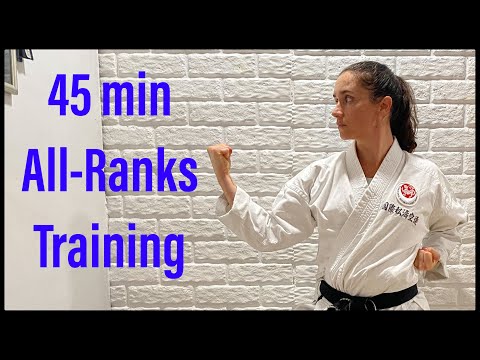
Unleash Your Inner Warrior: The BYAM 45-Minute Karate Workout for All Ranks

Welcome, warriors, to the hallowed grounds of BYAM, where the spirit of BUDO and artes marciales is not just discussed, but forged. Forget your fleeting fitness trends; today, we delve into a training regimen that harks back to the essence of martial discipline. Are you truly prepared to test your mettle? Our signature "Karate Workout: 45-Minute All Ranks Class" is not merely a session; it's a crucible designed to temper your body and sharpen your mind. Whether you're a fresh-faced beginner stepping onto the dojo floor for the first time, or a seasoned practitioner seeking to refine your edge, this workout promises to sculpt strength, hone agility, and build a resilience that transcends the mat. Prepare yourselves, for we are about to unlock the secrets of a training method that demands every ounce of your commitment.

The Forge of Readiness: Dynamic Warm-up

Before the true engagement, every warrior must prepare. Our session ignites with a dynamic warm-up, a calculated sequence designed not just to elevate your heart rate, but to awaken every fiber of your being. We begin with light, rhythmic movements – the gentle hum of a generator before the storm. This transitions seamlessly into a series of targeted stretches, focusing on the pillars of power: the legs, hips, and back. But this is no mere calisthenics. We weave in fundamental Karate techniques – the decisive tsuki (punch), the piercing geri (kick), and the resolute uke (block). Each motion is a whisper of the combat to come, a priming of the mind and body for the trials ahead. This isn't just about physical readiness; it's about entering the mental zone.

Heart of the Battle: Cardio & Strength Fusion

With the forge of readiness stoked, we plunge into the heart of the workout: a potent blend of cardiovascular exertion and muscular conditioning. This is where raw power meets enduring stamina. We employ a diverse arsenal of exercises, each selected to assault different muscle groups while maintaining an elevated heart rate. Imagine the explosive power of jumping jacks, the all-encompassing challenge of burpees, the foundation-building strength of lunges, the primal force of squats, and the unyielding resolve of push-ups.

But we are martial artists, not mere athletes. We infuse these fundamental movements with the spirit of combat. Engage in furious shadowboxing, envisioning your opponent, channeling your ki. Execute rigorous kicking drills, each strike a testament to your power and precision. This isn't just about burning calories; it's about cultivating the explosive power and relentless spirit required in any fight.

"The true warrior is not one who fears the fight, but one who understands its necessity and prepares with unwavering dedication."

The Calm After the Storm: Cool-down & Stretching

Victory, or even a hard-fought session, demands respect for recovery. The brutal intensity must yield to deliberate calm. Our cool-down is not an afterthought; it is a crucial phase of restoration, designed to mitigate injury and accelerate muscle repair. We transition to gentle, restorative exercises, focusing once again on the critical posterior chain – legs, hips, and back. This period also incorporates mindful breathing techniques, drawing inspiration from the Zen principles of meditation. Breathe deeply, release tension, and allow your mind to return from the battlefield of exertion to a state of focused tranquility. This is where true mastery begins – understanding the balance between exertion and recovery.

The Sensei's Edge: What Sets This Workout Apart

In a world saturated with generic fitness routines, the BYAM 45-Minute Karate Workout stands as a beacon of authentic martial training. What differentiates it? It is built on the foundational principle of inclusivity. Regardless of whether you hold a white belt or a black belt, this workout respects your journey. Beginners will discover a challenging yet achievable path, while seasoned practitioners will find ample opportunity for refinement and pushing their limits.

Furthermore, our focus transcends mere physical conditioning. We cultivate holistic fitness. You will emerge not just stronger, faster, and more enduring, but with a heightened sense of overall well-being. This is the power of integrating BJJ, Judo, Aikido, and Taekwondo principles into your regimen.

Crucially, we imbue this workout with the profound philosophy of Budo. Martial arts, in their purest form, are not solely about combat; they are about sculpting character. Discipline, unwavering focus, and profound respect – for oneself, for the art, and for fellow practitioners – are the cornerstones of this discipline. This workout is your path to not only superior physical condition but to becoming a more refined, resilient, and principled individual.

Training Guide: Executing the BYAM 45-Minute Karate Workout

To truly internalize this discipline, one must practice with precision. Follow these steps rigorously:

  1. Dynamic Warm-up (10 minutes):
    • Light Jogging/Skipping: 3 minutes
    • Leg/Hip/Back Dynamic Stretches (e.g., leg swings, hip circles, torso twists): 3 minutes
    • Basic Karate Punches (Tsuki), Blocks (Uke), and Stances (Dachi) practice: 4 minutes
  2. Cardio & Strength Circuit (25 minutes):

    Perform each exercise for 45 seconds, followed by 15 seconds of rest. Complete 4 rounds.

    • Jumping Jacks
    • Burpees
    • Forward Lunges (alternating legs)
    • Squats
    • Push-ups (modify on knees if needed)
    • Shadowboxing with fluid combinations
    • High Kicks (alternating legs, focus on form and power)
  3. Cool-down & Stretching (10 minutes):
    • Gentle static stretching focusing on major muscle groups (hold each stretch for 30 seconds): Hamstrings, quadriceps, hip flexors, glutes, back, shoulders.
    • Deep Diaphragmatic Breathing exercises: Practice slow, controlled inhales and exhales to calm the nervous system.

Essential Gear for Your Training

While this workout emphasizes minimal equipment, certain items can enhance your experience and support your progress. For the dedicated martial artist, investing in quality gear is a testament to your commitment.

  • Comfortable Training Attire: Opt for breathable fabrics that allow for a full range of motion. For Karate, a traditional Karate gi is ideal, but for general fitness, athletic shorts and a t-shirt suffice.
  • Training Mat: A good quality workout mat provides cushioning for ground exercises and stretches, protecting your joints.
  • Water Bottle: Hydration is paramount. Keep a reusable water bottle handy to replenish fluids throughout your session.
  • Optional: Training Gloves: For shadowboxing and kicking drills, light training gloves can offer a bit of protection and help build hand conditioning.

Frequently Asked Questions

Q1: I'm a complete beginner. Can I really do this workout?
Absolutely. The workout is structured to be scalable. Modify exercises as needed (e.g., knee push-ups, fewer repetitions) and focus on proper form over speed. The goal is consistent progress, not immediate perfection.

Q2: How often should I perform this workout?
For optimal results and recovery, aim to perform this workout 2-3 times per week, allowing at least one day of rest or lighter activity in between sessions.

Q3: Does this workout replace actual Karate training?
This workout is designed as a supplementary training tool to enhance your physical conditioning, agility, and stamina. It is not a substitute for instruction under a qualified Martial Arts Master who teaches technique, strategy, and the deeper philosophical aspects of Karate.

Q4: What if I don't have 45 minutes? Can I shorten it?
Yes, you can adapt. Focus on completing at least one full round of the Cardio & Strength Circuit and a brief cool-down. Prioritize consistency over duration. Even 20-30 minutes of focused training is immensely beneficial.

Deepen Your Path

The journey of martial arts is one of continuous learning and refinement. To further enrich your understanding and practice, explore these related topics:

"The way of the warrior is to train and prepare, not for one battle, but for all battles." - Miyamoto Musashi

Reflexión del Sensei: Tu Próximo Paso

This 45-minute Karate workout is a microcosm of the martial journey: demanding, rewarding, and transformative. It challenges your physical limits while demanding mental fortitude. But the true test lies not in completing the workout itself, but in how you integrate its lessons into your life. Does the discipline you cultivate on the mat carry over into your daily endeavors? Does the resilience you build when pushing through fatigue empower you to face life’s unexpected challenges? Or is this merely another session to be checked off a list?

Consider this: If a 45-minute workout requires such focused effort and discipline, what level of commitment do the grander battles of life demand? Where will you find your reserves of strength and perseverance when the real stakes are on the line? The answer lies not in a gym, but within you. Now, prove it.

```json { "@context": "https://schema.org", "@type": "FAQPage", "mainEntity": [ { "@type": "Question", "name": "I'm a complete beginner. Can I really do this workout?", "acceptedAnswer": { "@type": "Answer", "text": "Absolutely. The workout is structured to be scalable. Modify exercises as needed (e.g., knee push-ups, fewer repetitions) and focus on proper form over speed. The goal is consistent progress, not immediate perfection." } }, { "@type": "Question", "name": "How often should I perform this workout?", "acceptedAnswer": { "@type": "Answer", "text": "For optimal results and recovery, aim to perform this workout 2-3 times per week, allowing at least one day of rest or lighter activity in between sessions." } }, { "@type": "Question", "name": "Does this workout replace actual Karate training?", "acceptedAnswer": { "@type": "Answer", "text": "This workout is designed as a supplementary training tool to enhance your physical conditioning, agility, and stamina. It is not a substitute for instruction under a qualified Martial Arts Master who teaches technique, strategy, and the deeper philosophical aspects of Karate." } }, { "@type": "Question", "name": "What if I don't have 45 minutes? Can I shorten it?", "acceptedAnswer": { "@type": "Answer", "text": "Yes, you can adapt. Focus on completing at least one full round of the Cardio & Strength Circuit and a brief cool-down. Prioritize consistency over duration. Even 20-30 minutes of focused training is immensely beneficial." } } ] }

Martial Arts & Combat Sports: A Necessary Legal Accord

Welcome, dedicated students of the path. Before we delve into the intricacies of technique, the philosophy of the warrior, or the analysis of combat, we must first establish the foundational principles that govern our interaction here. Just as a boxer respects the rules of the ring, and a swordsman adheres to the etiquette of the duelist, we must understand the legal framework that surrounds our digital dojo. This is not a mere formality; it is a crucial aspect of responsible engagement within the realm of martial arts and combat sports. Consider this your initial briefing on the 'rules of engagement' for our shared space.

Understanding the Stakes: Beyond the Dojo

The pursuit of martial arts and combat sports is a journey that demands respect, discipline, and an unwavering commitment to self-improvement. It is a path often fraught with challenges, both physical and mental. While we strive to foster a community of warriors dedicated to honing their skills and sharing knowledge, it is imperative to acknowledge that the very nature of these disciplines carries inherent risks. Our aim is to empower you with information, inspiration, and a platform for discussion, but this platform operates within a real-world context that necessitates clear understanding and agreement on certain terms. This legal accord is designed to protect both you, the user, and the integrity of our platform, ensuring that our collective pursuit of Budo remains constructive and safe.

By entering this digital arena, you, the esteemed practitioner, signify your unreserved agreement to these terms and conditions. This is your sworn oath to our virtual dojo. Before you engage in any discussion, consume any information, or participate in any community activity, it is paramount that you meticulously review these stipulations. Should any clause herein not align with your principles, we respectfully request that you withdraw your presence from our website. Ignorance of these terms is not a valid defense; it is a failing in your readiness to engage responsibly.

"The foundation of a warrior’s strength lies not only in their physical prowess but also in their clarity of mind and adherence to principles, both spoken and unspoken." - A principle echoed through generations of Budo.

Scope of Information: Accuracy and Risk

The information disseminated here is intended for general enlightenment, a guiding light for your martial journey. We dedicate considerable effort to ensure that the content – whether it be technical breakdowns of Judo throws, historical insights into Kyokushin Karate, or strategic analyses of MMA bouts – is both accurate and current. However, as any seasoned martial artist knows, absolute certainty is a rare commodity. Therefore, we make no absolute representations or warranties, express or implied, regarding the completeness, exactitude, veracity, applicability, or perpetual availability of the information, products, services, or any related graphical elements presented on this website for any specific purpose. Any trust you place in such information is solely your responsibility. Remember, in the heat of combat, relying solely on theoretical knowledge without practical application can be perilous.

We bear no liability for any loss or damage, direct, indirect, consequential, or otherwise, arising from the use or inability to use this website, including, but not limited to, loss of data, profits, or any other form of material or immaterial damage.

Our website may feature pathways leading to external domains, other dojos and training grounds across the digital landscape. These links are provided for your exploration, but understand this: they are not under our dominion. We exercise no control over the nature, content, or continuous availability of these external sites. The inclusion of any link does not imply endorsement or agreement with the views propagated within them. It is your duty, as a discerning warrior, to critically assess the value and reliability of any external resource you encounter.

We also acknowledge that technical disruptions can occur. Every endeavor is made to maintain our website’s smooth operation. However, we shall not be held accountable for temporary unavailability stemming from technical issues beyond our reasonable control. Consider it akin to a momentary lapse in your guard; it can happen, but swift recovery is key.

User-Generated Content and Community Discourse

This platform may host user-generated content, such as insightful comments and spirited forum discussions. While we champion the open exchange of ideas within our community, we do not endorse or assume responsibility for the content of these contributions. We reserve the right to moderate, and indeed remove, any material that is deemed inappropriate, offensive, or detrimental to the constructive atmosphere we cultivate. Engage with respect, debate with conviction, but always with the honor of the warrior.

Martial Arts and Combat Sports Warning

A critical component of our mission is to discuss and analyze martial arts and combat sports, including information that may relate to training, techniques, and even the sale of associated materials. It is vital to understand that engaging in these disciplines is inherently dangerous. Such activities carry a significant risk of injury, and in extreme circumstances, even more severe consequences. We strongly advise seeking guidance from a qualified, certified professional instructor before embarking on any martial arts or combat sports training. Your safety and well-being are paramount. This disclaimer is not intended to discourage your passion, but to ground it in reality and encourage responsible practice. For those interested in exploring foundational training methods, consider investigating resources on Beginner Workout or No Equipment workouts if gym access is limited, but always prioritize professional instruction.

"The difference between a skilled martial artist and a reckless brawler often lies in the understanding and respect for risk, coupled with the wisdom to mitigate it."

Fair Use Doctrine in the Martial Arts Context

In our analysis and commentary, particularly in sections like Fight Analysis or historical deep dives, we may utilize copyrighted material under the doctrine of "Fair Use." This principle, codified in Section 107 of the U.S. Copyright Act, permits limited use of copyrighted works for purposes such as criticism, commentary, news reporting, teaching, scholarship, and research. The balance tips towards fair use when the use is non-profit, educational, or personal. For instance, quoting excerpts from a seminal text like Miyamoto Musashi's The Book of Five Rings for illustration in a discussion on Bushido, or analyzing a specific technique from a bout for educational purposes, falls within this doctrine.

Key factors considered for fair use include:

  • The purpose and character of the use, including whether it's commercial or non-profit educational.
  • The nature of the copyrighted work.
  • The amount and substantiality of the portion used relative to the whole work.
  • The effect of the use on the potential market for or value of the copyrighted work.

While the line between fair use and infringement can be nuanced, our intention is always to inform, educate, and foster deeper understanding within the martial arts community, adhering strictly to the spirit and letter of these guidelines. This approach allows us to discuss historical fights or techniques without infringing on intellectual property rights, promoting learning for enthusiasts of styles like Karate Kyokushin and Judo.

Privacy Policy for the Warrior

As devoted practitioners of martial arts and martial philosophy, we deeply understand the sanctity of privacy and the paramount importance of safeguarding personal information. Our commitment is to provide a secure and trustworthy online environment. Therefore, we uphold our privacy policy with the same rigor we apply to our training.

Information Collection and Use: When you join our community, we may collect information such as your name or email address to enhance your experience, respond to your inquiries, deliver newsletters, or facilitate access to resources related to MMA and combat sports. This is done to serve you better, not to exploit your data.

Information Sharing and Disclosure: Your privacy is respected. We will never sell, rent, or share your personal information with third parties without your explicit consent. Disclosure will only occur in response to legal mandates, court orders, or to protect our rights and property.

Cookies and Tracking Technologies: Like many digital dojos, we employ cookies to refine user experience, analyze traffic, and personalize content. These are small data files that help us remember your preferences. You maintain control through your browser settings.

Security: The security of your information is a high priority. We implement robust measures against unauthorized access. However, no digital system is impenetrable. We cannot guarantee absolute security, but we assure you of our diligent efforts.

Changes to this Policy: This policy may be revised periodically. We encourage you to revisit it to stay informed.

Contact Us: Should you have questions or concerns, do not hesitate to reach out. Your feedback strengthens our resolve.

Essential Gear for Your Training

While our focus is often on the intangible aspects of martial arts – discipline, strategy, philosophy – the right equipment can significantly enhance your training experience and safety. For practitioners engaging in striking arts like Karate or Kickboxing, investing in quality protective gear is non-negotiable. For grappling disciplines such as Judo or BJJ, the appropriate uniform and training aids are crucial.

  • Sparring Gloves (16oz recommended): Essential for any striking martial art training involving contact. Protect your hands and your partner.
  • Shin Guards: Crucial for kickboxing and Muay Thai training to prevent injuries during leg kick drills.
  • Mouthguard: A non-negotiable piece of protective equipment for all combat sports.
  • Gi/Kimono: For Judo, BJJ, and Aikido, a durable, well-fitting gi is fundamental. Consider double-weave for longevity in rigorous training.
  • Headgear: Recommended for high-intensity sparring in sports like Taekwondo or Boxing.
  • Training Mats (if applicable): For practicing falls, throws, or ground techniques safely at home.

Remember, investing in good equipment is an investment in your longevity as a martial artist. Explore options for Karate Merchandise or specialized Martial Arts Merchandise to find reliable gear.

Frequently Asked Questions

1. Is this website a substitute for professional legal advice?

No. This legal disclaimer provides general terms of use. It is not a substitute for professional legal counsel. If you have specific legal concerns, consult with a qualified legal professional.

2. Can I link to your website from my own martial arts blog?

Yes, provided your link respects our terms of use and does not imply endorsement or association where none exists. We encourage sharing knowledge within the community.

3. What happens if I violate these terms?

Violation of these terms may result in the suspension or termination of your access to our website and community features. Repeated offenses demonstrate a lack of respect for the established order.

4. Do you use my data for advertising?

We collect data to improve user experience and content. We do not sell your personal information to third-party advertisers. Please refer to our Privacy Policy for detailed information.

For Deeper Understanding

Reflection of the Sensei: Your Next Step

We have traversed the necessary legal terrain, much like clearing the debris from the training grounds before a crucial sparring session. Understanding these terms is not about limiting your engagement, but about ensuring it is conducted with clarity, respect, and responsibility. Just as a martial artist must understand the boundaries of the ring, the lines of the kata, and the ethics of combat, you must understand the framework that governs our shared space.

Now, I pose this question to you: How does understanding these legal parameters influence your perception of participating in online martial arts communities? Does it breed caution, or does it foster a greater sense of order and trust? Reflect on this, and let your considered response guide your future interactions here and beyond.

``` ```json { "@context": "https://schema.org", "@type": "FAQPage", "mainEntity": [ { "@type": "Question", "name": "Is this website a substitute for professional legal advice?", "acceptedAnswer": { "@type": "Answer", "text": "No. This legal disclaimer provides general terms of use. It is not a substitute for professional legal counsel. If you have specific legal concerns, consult with a qualified legal professional." } }, { "@type": "Question", "name": "Can I link to your website from my own martial arts blog?", "acceptedAnswer": { "@type": "Answer", "text": "Yes, provided your link respects our terms of use and does not imply endorsement or association where none exists. We encourage sharing knowledge within the community." } }, { "@type": "Question", "name": "What happens if I violate these terms?", "acceptedAnswer": { "@type": "Answer", "text": "Violation of these terms may result in the suspension or termination of your access to our website and community features. Repeated offenses demonstrate a lack of respect for the established order." } }, { "@type": "Question", "name": "Do you use my data for advertising?", "acceptedAnswer": { "@type": "Answer", "text": "We collect data to improve user experience and content. We do not sell your personal information to third-party advertisers. Please refer to our Privacy Policy for detailed information." } } ] }

Joe Lewis: The Muhammad Ali of Karate - A Martial Arts Legend

Are you truly a student of the martial arts if you don't recognize the titans who forged its modern path? Many speak of Bruce Lee, of Mas Oyama, but how many truly understand the monumental figure of Joe Lewis? If your training feels stagnant, if your understanding of combat limited to fleeting trends, then this lesson is for you. We dissect the life and legacy of the man they called the "Muhammad Ali of Karate," a title that speaks volumes about his impact, his charisma, and his sheer, undeniable dominance.
This isn't just a biography; it's an excavation of the spirit that propelled Joe Lewis to the pinnacle of karate and kickboxing. We'll delve into his early influences, his brutal training regimens, his legendary battles, and his profound connection with other martial arts icons. Prepare to have your perceptions challenged and your respect for this era of martial arts solidified.

Table of Contents

The Ali of Karate: A Fighter for the Ages

Joseph Henry Lewis. The name itself resonates with power. Born in Wilmington, North Carolina, on March 7, 1944, Lewis didn't just participate in martial arts; he redefined them. His nickname, "The Muhammad Ali of Karate," wasn't bestowed lightly. It reflected his electrifying presence, his outspoken confidence, and his ability to dismantle opponents with a blend of raw power, technical mastery, and sheer showmanship. In an era where karate was still largely a traditional art form, Lewis injected it with a ferocity and a competitive spirit that paved the way for modern combat sports. He wasn't just winning tournaments; he was setting the stage for an evolution.

Forging the Warrior: Early Life and Grueling Training

Every great warrior has a crucible. For Joe Lewis, it was the demanding environment of the U.S. Marines. His martial arts journey began in earnest in the early 1960s during his service, which took him to Okinawa, Japan. There, he trained under the tutelage of the esteemed martial artist and instructor Eizo Shimabukuro. This foundational experience provided him with a deep understanding of traditional karate principles. But Lewis was never content with merely mastering one path. His insatiable thirst for knowledge and combat effectiveness led him to train with Mas Oyama, the formidable founder of Kyokushin karate. This was no gentle apprenticeship; Kyokushin is renowned for its rigorous, full-contact approach and demanding physical conditioning. Lewis embraced this intensity, absorbing the philosophy of breaking boundaries and pushing physical limits. Later, his path would cross with other giants like Chuck Norris and Bruce Lee, each interaction further honing his skills and broadening his martial perspective. This eclectic training history is a testament to his commitment to holistic development, a trait often overlooked in today's specialized combat world.
"The man who fears is already defeated. True mastery comes from facing fear head-on." - A principle embodied by Lewis.

The Reign of Lewis: Dominance in the Ring

Joe Lewis made his professional fighting debut in 1965, and the martial arts world was never the same. He swiftly ascended the ranks, becoming a dominant force. His fighting style was a potent cocktail: explosive power that could end a fight in an instant, breathtaking speed that left opponents scrambling, and an athletic prowess that seemed almost superhuman. He was a feared adversary, respected and sometimes reviled for his sheer effectiveness. His trophy cabinet overflowed with accolades. He secured titles such as:
  • "United States Heavyweight Kickboxing Champion"
  • "World Heavyweight Full Contact Karate Champion"
  • "United States National Black Belt Kata Champion"
These weren't mere participation trophies; they were markers of a man at the absolute zenith of his physical and technical capabilities. Winning a kata championship alongside heavyweight fighting titles demonstrates a rare breadth of skill, encompassing both the precise forms of tradition and the brutal reality of combat.

Beyond Karate: Lewis and the Birth of Full-Contact Kickboxing

While Lewis was a karate legend, his true revolutionary impact arguably lies in his role as a pioneer of modern kickboxing. In 1970, he stepped into the ring against Greg Baines in what is widely recognized as the first full-contact kickboxing match held in the United States. This wasn't just another fight; it was a watershed moment. Full-contact karate, allowing kicks and punches with full force, was a departure from the point-fighting systems that dominated many karate tournaments at the time. Lewis’ victory in this seminal bout wasn't just a personal triumph; it was a validation of a new, more aggressive, and realistic form of stand-up combat. He didn't just fight in this new sport; he helped to define it, shaping the rules, the techniques, and the very spirit of kickboxing as we know it today. His willingness to push boundaries and embrace a more direct, impactful style of fighting set a precedent that continues to influence athletes in MMA and kickboxing rings worldwide.

A Bond of Legends: Friendship with Bruce Lee

The martial arts world is often a tapestry woven with the threads of legendary encounters and profound friendships. The bond between Joe Lewis and Bruce Lee is one such luminous example. Lee, already a global icon, referred to Lewis as "The Greatest Karate Fighter of All Time." This wasn't hyperbole; it was a genuine recognition from one master to another. They trained together extensively, pushing each other to new heights. Lewis’ formidable skills and powerful presence even earned him roles in Lee’s iconic films, "The Way of the Dragon" and "Game of Death." Their friendship was a powerful testament to mutual respect. In an arena often marked by ego and rivalry, their connection highlighted a shared dedication to the pursuit of martial perfection, a deep understanding of the warrior's path, and the camaraderie that can form between individuals who dedicate their lives to the art of combat.
"A moment of pain is worth a lifetime of glory." - A sentiment that both Lee and Lewis understood intrinsically.

The Enduring Legacy of Joe Lewis

Joe Lewis' impact transcends mere victories and titles. He is remembered not just as a competitor, but as a transformative figure in martial arts history. His pioneering work in full-contact kickboxing opened doors for countless athletes and fundamentally altered the landscape of combat sports. He was a multiple-time champion who consistently proved his mettle against the best. Beyond his competitive achievements, Lewis was a mentor. He dedicated himself to passing on his knowledge, shaping the careers of numerous young fighters who looked to him for guidance. His dynamic personality and inspirational drive made him a beacon for many, demonstrating that dedication, hard work, and a touch of charisma could lead to extraordinary success. He passed away on August 31, 2012, but his legacy is far from over. It lives on through his students, his devoted fans, and the enduring influence he has had on martial artists across generations.

Sensei's Verdict: Is Joe Lewis a True Martial Arts Icon?

Unquestionably. Joe Lewis is not merely a legend; he is a foundational pillar upon which modern combat sports, particularly kickboxing, are built. His reign in the 60s and 70s was marked by an unparalleled blend of technical skill, raw power, and an intimidating ring presence that earned him the "Muhammad Ali of Karate" moniker. He didn't just compete; he revolutionized. His transition from karate champion to a pioneer of full-contact kickboxing demonstrated an adaptability and foresight rare even among the elite. His close relationship and mutual respect with Bruce Lee further cements his status among the pantheon of martial arts greats. Lewis embodied the martial spirit: relentless pursuit of excellence, willingness to innovate, and the courage to face any challenge head-on. He wasn't just fighting; he was forging the future. Cinturón Negro Honorífico en la Evolución del Combate.

Essential Equipment for Your Training

To emulate the dedication of legends like Joe Lewis, having the right **entrenamiento** gear is crucial. While Lewis himself was an innovator, the fundamentals of effective training remain.
  • Durable Training Uniform (Gi): For karate and similar disciplines, a robust gi that can withstand rigorous movement and grappling is essential. Look for double-weave cotton for longevity.
  • Sparring Gear: When engaging in controlled sparring, safety is paramount. This includes:
    • Headgear: Protect your most valuable asset.
    • Mouthguard: Non-negotiable for any striking art.
    • Groin Protector: Essential for men.
    • Shin Guards and Instep Protectors: Crucial for kickboxing and full-contact training.
    • 16oz Boxing or MMA Gloves: For striking practice and sparring, ensuring adequate hand protection.
  • Training Mats (Tatami or Puzzle Mats): For groundwork, throws, and conditioning exercises.
  • Punching Bag or Heavy Bag: Indispensable for developing power, speed, and endurance in your strikes.
  • Speed Bag: Improves hand-eye coordination and rhythm.
  • Kick Shield or Thai Pad: For partner drills, allowing you to practice power shots safely and effectively.
Investing in quality **entrenamiento** equipment is an investment in your progress and your health. Don't let subpar gear be an excuse for a lagging **entrenamiento**.

Training Guide: Developing Explosive Power

Joe Lewis was known for his explosive power. This isn't just brute strength; it's the ability to generate maximum force in the shortest amount of time. Here’s a foundational approach to developing that kind of power:
  1. Plyometrics:
    • Jump Squats: Squat down, then explode upwards, reaching for the sky. Land softly and repeat.
    • Box Jumps: Jump onto a sturdy box, landing with control. Step down, don't jump down.
    • Medicine Ball Throws: Overhead slams, chest passes, and rotational throws engage the entire kinetic chain.
  2. Explosive Strength Training:
    • Power Cleans: A highly technical lift, but incredibly effective for full-body explosiveness. Seek qualified instruction.
    • Kettlebell Swings: Focus on the hip drive for maximum power generation.
    • Clapping Push-ups: Push up explosively, clap your hands, and land softly.
  3. Speed Drills:
    • Sprinting: Short, maximal effort sprints build explosive leg power.
    • Rapid Punch/Kick Combinations: Focus on moving quickly through the motions, minimizing wasted energy.
  4. Core Strength: A strong, stable core is the transfer point for all power. Incorporate exercises like planks, Russian twists, and hanging leg raises.
  5. Proper Technique: Power is amplified by efficient movement. Ensure your technique is sound to avoid wasted energy and injury.
Remember, consistency and progressive overload are key. Don't just train hard; train smart to build truly explosive **fuerza** like Joe Lewis.

Frequently Asked Questions

  • Who was Joe Lewis?
    Joe Lewis was an American martial artist, actor, karateka, and kickboxer, renowned for his powerful fighting style and considered one of the greatest karate fighters of all time. He was often called the "Muhammad Ali of Karate."
  • What martial arts did Joe Lewis study?
    Lewis trained in various disciplines, including Okinawan Karate under Eizo Shimabukuro, Kyokushin Karate under Mas Oyama, and also trained with figures like Chuck Norris and Bruce Lee.
  • What was Joe Lewis' greatest contribution to martial arts?
    He was a pioneer of modern full-contact kickboxing, fighting in what is considered the first full-contact kickboxing match in the United States in 1970. He also won numerous championships in karate and kickboxing.
  • Was Joe Lewis friends with Bruce Lee?
    Yes, Joe Lewis and Bruce Lee were close friends and training partners. Lee even referred to Lewis as "The Greatest Karate Fighter of All Time" and cast him in his films.
  • When did Joe Lewis pass away?
    Joe Lewis passed away on August 31, 2012.

Deepen Your Journey

To truly grasp the impact of figures like Joe Lewis, understanding the broader context of martial arts history and philosophy is crucial. Explore these related topics:
  • BUDO: Delve into the philosophical and spiritual aspects that underpin martial training.
  • KarateCommunity: Learn about the evolution of Karate and its various styles.
  • FightAnalysis: Understand the tactical and technical elements that make a great fighter.
  • MartialArtsJourney: Find inspiration and guidance for your own path in the martial arts.

Sensei's Reflection: Your Next Step

We have dissected the career of Joe Lewis, a man who embodied the fierce spirit of competition and the relentless pursuit of mastery. He was a bridge between traditional karate and the explosive reality of modern combat sports. His influence is undeniable. But knowledge without application is like a sword left to rust. Lewis didn't become a legend by reading about fighters; he became one by *being* a fighter, by pushing his limits relentlessly. So, I ask you: **When you step onto the mat, or even when you simply face a challenge in your daily life, do you do so with the explosive power and unwavering confidence of Joe Lewis, or do you hesitate, bound by the fear of what might be? What single action can you take *today* to inject a dose of that legendary fighting spirit into your own practice?** The dojo of life awaits your demonstration. ```json { "@context": "https://schema.org", "@type": "FAQPage", "mainEntity": [ { "@type": "Question", "name": "Who was Joe Lewis?", "acceptedAnswer": { "@type": "Answer", "text": "Joe Lewis was an American martial artist, actor, karateka, and kickboxer, renowned for his powerful fighting style and considered one of the greatest karate fighters of all time. He was often called the \"Muhammad Ali of Karate.\"" } }, { "@type": "Question", "name": "What martial arts did Joe Lewis study?", "acceptedAnswer": { "@type": "Answer", "text": "Lewis trained in various disciplines, including Okinawan Karate under Eizo Shimabukuro, Kyokushin Karate under Mas Oyama, and also trained with figures like Chuck Norris and Bruce Lee." } }, { "@type": "Question", "name": "What was Joe Lewis' greatest contribution to martial arts?", "acceptedAnswer": { "@type": "Answer", "text": "He was a pioneer of modern full-contact kickboxing, fighting in what is considered the first full-contact kickboxing match in the United States in 1970. He also won numerous championships in karate and kickboxing." } }, { "@type": "Question", "name": "Was Joe Lewis friends with Bruce Lee?", "acceptedAnswer": { "@type": "Answer", "text": "Yes, Joe Lewis and Bruce Lee were close friends and training partners. Lee even referred to Lewis as \"The Greatest Karate Fighter of All Time\" and cast him in his films." } }, { "@type": "Question", "name": "When did Joe Lewis pass away?", "acceptedAnswer": { "@type": "Answer", "text": "Joe Lewis passed away on August 31, 2012." } } ] }

Lamont Peterson vs. Errol Spence Jr.: A Deep Dive into the Knockout Power and Martial Philosophy of Boxing

The electrifying clash between Lamont Peterson and Errol Spence Jr. was more than just a boxing match; it was a testament to the brutal ballet of combat sports and a rich ground for exploring the philosophical underpinnings of the sweet science. As a Sensei with decades dedicated to understanding the nuances of martial arts, from the ancient disciplines of the East to the modern arenas of combat, I approach such spectacles not just as entertainment, but as living case studies in strategy, spirit, and the raw application of force. Welcome, warriors and scholars of the martial path, to Budo and Martial Arts. Today, we dissect the confrontation between Lamont Peterson, the WBA champion known as "Havoc," and the formidable Errol Spence Jr. This encounter, published on March 23, 2023, offers us a potent opportunity to delve beyond the knockouts and the raw power, to examine the martial philosophy that dictates victory and defeat.

The Stage is Set: A Clash of Titans

The professional boxing world, particularly the welterweight division, is a cauldron of talent where strategy, physical prowess, and mental fortitude are tested to their absolute limits. Lamont Peterson, a seasoned warrior with a reputation for resilience and a dangerous left hook, faced Errol Spence Jr., a younger, undefeated prodigy celebrated for his relentless pressure and devastating body shots. This was not merely a fight; it was a narrative unfolding within the 64 square feet of the ring, a story of two distinct martial approaches colliding. The raw statistics and the eventual outcome of the knockout tell only a fraction of the tale. To truly understand a fight like this from a martial perspective, we must peel back the layers. We must consider the individual journeys of these athletes, the styles they’ve honed, and the core principles they embody in their pursuit of victory.

Analyzing the Styles: Peterson's Grit vs. Spence's Precision

Every martial artist, regardless of discipline, develops a unique style forged by their training, experiences, and inherent attributes. In boxing, this translates into distinct approaches to combat. Lamont Peterson, often characterized by his tenacity and ability to absorb punishment, represented a certain brand of fighting spirit, a refusal to yield even when battered. His "Havoc" moniker hints at a chaotic, high-pressure style designed to overwhelm opponents. Errol Spence Jr., on the other hand, exemplified a more methodical, suffocating approach. His fights are often marked by calculated aggression, wearing down opponents with a relentless barrage of punches, particularly to the body, that sap their strength and resolve. This speaks to a different facet of martial discipline: the power of consistent, focused application of technique.
The essence of martial arts is not in the spectacular flourish, but in the disciplined repetition of fundamental principles. Whether striking with a fist, a foot, or a jab, the underlying structure of commitment and execution remains paramount.
Spence’s ability to consistently land damaging shots speaks to superior agility and conditioning, allowing him to maintain a high output over multiple rounds. Peterson's resilience, however, showcased a powerful inner strength and a refusal to be intimidated, qualities central to any true martial spirit.

Knockout Power and the Art of Timing

The term "knockout" evokes images of explosive power, a sudden, decisive end to the contest. In boxing, this is often achieved through precise application of force at critical moments. It's not just about raw strength, but about understanding the opponent's rhythm, their defensive vulnerabilities, and the infinitesimal window of opportunity to land a fight-ending blow. Consider the mechanics: a well-timed punch, delivered with full body weight and rotational torque, can generate tremendous impact. This isn't magic; it's physics and skill. Both Peterson and Spence possessed genuine knockout power, but the difference often lies in the ability to *apply* that power effectively. Spence's success was frequently attributed to his ability to set traps, draw defensive reactions, and then exploit them with explosive combinations. This is a sophisticated form of combat strategy, akin to a martial artist setting up a successful throw or submission. The psychology of timing is also crucial. A fighter who can anticipate an opponent's move and react just milliseconds before they do gains a significant advantage. This often comes from immense mental game development and countless hours of martial arts training, honing reflexes to an almost preternatural level.

The Martial Philosophy Within the Squared Circle

While boxing may seem a world away from traditional Eastern martial arts, the underlying philosophies often converge. The concept of BUDO – the Way of the Warrior – emphasizes not just physical combat, but moral and spiritual development. In boxing, this can manifest as: * **Resilience and Perseverance**: As seen in Peterson's ability to endure, the willingness to continue fighting against adversity is a hallmark of a true warrior. This is the spirit of perseverance. * **Discipline**: The rigorous training, adherence to diet, and commitment to strategy are all forms of discipline that extend beyond the ring. It’s about mastering oneself before mastering an opponent. * **Respect**: While fiercely competitive, true martial artists, including boxers, often show respect for their opponents. The post-fight embrace, the acknowledgement of a worthy adversary, reflects this. * **Strategy and Adaptability**: The ability to adapt one’s tactics mid-fight based on the opponent’s strategy is crucial. This aligns with principles of adaptability found in many martial systems. Spence's methodical approach could be seen as an embodiment of disciplined application, while Peterson's grit speaks to the unwavering spirit.
"The supreme art of war is to subdue the enemy without fighting." - Sun Tzu. While boxing inherently involves fighting, the *most effective* boxing often involves subduing an opponent with overwhelming strategy and pressure, making the final knockout almost inevitable.

The Crucible of Training: Discipline and Conditioning

The performance witnessed in the ring is the culmination of years of relentless training. The training regimens for professional boxers are incredibly demanding, focusing on a blend of: * **Cardiovascular Conditioning**: Essential for maintaining pace and power throughout multiple rounds. Activities like running and skipping rope are fundamental. * **Strength Training**: Building explosive power in the legs, core, and upper body. * **Skill Drills**: Hours spent on punching bags, makiwara (though less common in modern boxing), and sparring sessions to refine technique, timing, and defensive maneuvers. * **Mental Preparation**: Developing focus, resilience, and the ability to perform under immense pressure. The commitment required for such training is immense, demanding a level of self-discipline that few possess. It’s this disciplined approach that separates the contenders from the champions. For those looking to enhance their own training, the principles of conditioning and discipline are universal across combat sports.

Veredicto del Sensei: A Battle of Will and Skill

The Lamont Peterson vs. Errol Spence Jr. bout was a compelling demonstration of boxing as a high-stakes martial art. Spence’s victory, underscored by his potent pressure and knockout power, ultimately showcased a mastery of strategic offense. Peterson, however, proved his mettle, demonstrating the resilience and fighting spirit that defines a true warrior. While the outcome was decisive, the fight itself was a rich tapestry of martial principles. It serves as an excellent example for anyone interested in combat sports and the philosophical depths they can plumb. **Calificación del Sensei:** Un Sólido "Cinturón Negro" en Demostración de Poder y Resiliencia.

Equipo Esencial para tu Entrenamiento

To truly understand the physical demands and refine your skills, having the right equipment is crucial. While boxing has its specifics, many items are transferable across martial disciplines.
  • Guantes de Boxeo (16oz para sparring): Protegen tus manos y las de tu compañero, permitiendo un entrenamiento más intenso y seguro.
  • Vendas para Manos: Indispensables para dar soporte a los nudillos y la muñeca, previniendo lesiones durante golpes potentes.
  • Soga de Saltar: Un componente fundamental para el acondicionamiento cardiovascular y el desarrollo del juego de pies y la coordinación.
  • Ropa de Entrenamiento Cómoda: Permite una total libertad de movimiento, esencial para practicar técnicas de agilidad y velocidad.
  • Protector Bucal: No negociable en cualquier forma de combate que implique golpes.
For those looking to engage with the philosophical side, consider investing in foundational texts on martial strategy and philosophy.

Preguntas Frecuentes

¿Fue este combate una buena representación de la "filosofía marcial" en el boxeo?

Sí, demostró la importancia de la disciplina, la resiliencia, la estrategia y el respeto, pilares de la filosofía marcial, aplicados en el contexto del boxeo profesional.

¿Qué arte marcial se asemeja más al estilo de Errol Spence Jr.?

Su enfoque metódico y su presión constante, combinados con golpes potentes y precisos, podrían compararse con la eficiencia de un practicante avanzado de estilos como el Karate Kyokushin, que enfatiza la contundencia y la penetración.

¿Cómo puede un principiante aplicar la mentalidad de "Havoc" de Lamont Peterson?

Un principiante puede cultivar la resiliencia de Peterson al no rendirse ante la dificultad, al seguir entrenando incluso cuando las cosas se ponen duras, y al enfrentar cada desafío con determinación.

Para Profundizar en tu Camino

Reflexión del Sensei: Tu Próximo Paso

This bout between Peterson and Spence, like any contest in the martial world, offers lessons far beyond the immediate result. It’s a reminder that behind every powerful blow, every resilient stand, lies a lifetime of dedication, a deep understanding of strategy, and an unwavering spirit. The ring, much like the dojo, is a place where character is forged.

Reflexión del Sensei: ¿Tu Próximo Paso?

As you analyze the power, the precision, and the sheer will displayed in this boxing match, ask yourself: In the arena of your own life, what is your most potent weapon? Is it the explosive force of your efforts, or the unyielding consistency of your discipline? Are you a "Havoc" waiting to be unleashed, or a calculating strategist who patiently waits for the perfect moment? Do not merely observe; learn. Apply these martial truths to your own path.

NINJA DRAGON: A Critical Examination of Martial Arts Cinema's Mystique

Unveiling the Mystic Warrior

Welcome, students, to another session of critical discourse. Today, we dissect a cinematic artifact, a piece that promises to transport us into the shadowy world of the shinobi: "NINJA DRAGON." But does this film deliver the profound essence of the martial path, or is it merely a spectacle of smoke bombs and stylized violence? As practitioners and enthusiasts, we must question what we consume, especially when it purports to represent the arts we dedicate our lives to.

The allure of the ninja is undeniable, a potent blend of mystery, skill, and a code often misunderstood. Many films attempt to capture this mystique, but few truly grasp the underlying discipline, the rigorous training, and the philosophical depth that define the true warrior. "NINJA DRAGON," in its very title, sets a high bar. Is it a testament to the legendary dragon-like agility and lethal precision of the shinobi, or is it merely another dragon in a sea of cinematic beasts?

The Allure of the Ninja: Beyond the Smoke and Mirrors

Before we plunge into the film itself, let us first understand the subject matter. The ninja, or shinobi, were not mere assassins. They were spies, saboteurs, and warriors trained in a variety of arts, including espionage, guerilla warfare, and unarmed combat. Their techniques, often shrouded in secrecy, were rooted in practicality and efficiency. The weapons they wielded – the shuriken, the kusarigama, the nunchaku – were tools designed for specific tactical purposes, not just props for a dramatic flourish.

The "dragon" in martial arts lore often symbolizes immense power, wisdom, and often, a connection to the primordial forces. To associate the ninja with the dragon is to elevate their status, suggesting a mastery that transcends the ordinary. This is precisely the promise of a film like "NINJA DRAGON." It invites us to believe in a hero who embodies these mythical qualities, a figure capable of impossible feats. But is this cinematic portrayal a genuine reflection of the historical shinobi, or a romanticized fabrication designed for mass appeal?

Coreography: Illusion vs. Practicality

The heart of any martial arts film lies in its action sequences. The choreography must be believable, showcasing techniques that, while perhaps heightened for dramatic effect, should still adhere to the fundamental principles of physics and biomechanics. When watching "NINJA DRAGON," I, like many seasoned practitioners, will be scrutinizing every movement. Do the strikes have snap and intent? Is the footwork sound? Are the defenses logical? Or are we witnessing a dance of flailing limbs and improbable dodges?

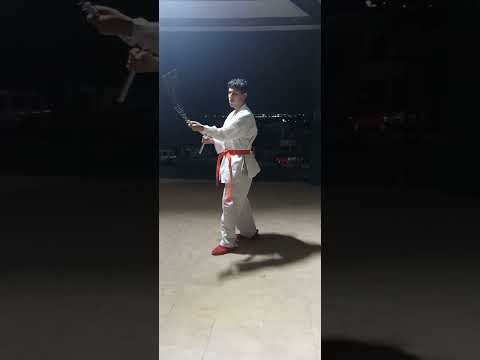
The use of specific weapons, like the nunchaku, is particularly telling. While visually striking, their practical application in a real combat scenario is often debated. Is the actor wielding the nunchaku with any semblance of control and purpose, or is it merely being swung wildly in the hope of looking impressive? A true master of the nunchaku can use it with precision, its speed and versatility posing a significant threat. Conversely, a poorly executed nunchaku sequence can look more dangerous to the wielder than to the opponent.

We will also examine the integration of traditional martial arts. Does "NINJA DRAGON" draw from genuine disciplines like Ninjitsu, Taekwondo, or Karate, or does it create a Frankenstein's monster of combat moves devoid of authentic lineage?

The Spirit of the Art: What "NINJA DRAGON" Gets Wrong (and Right?)

Beyond the physical execution, the true measure of a martial arts film lies in its ability to convey the spirit – the Seishin – of the arts it portrays. This encompasses discipline, respect, humility, and the relentless pursuit of self-improvement. Does "NINJA DRAGON" hint at the inner journey of its protagonist? Do we see moments of introspection, struggle, and growth that resonate with the path of the warrior?

Or is it a narrative driven solely by external conflict, where the protagonist’s motivations are reduced to revenge or the simple act of defeating the villain? The most impactful martial arts films go beyond mere spectacle; they offer lessons in character development, the triumph of will, and the philosophical underpinnings of combat. A true warrior's journey is often internal as much as it is external.

"The ultimate aim of martial arts is not to be victorious over others, but to be victorious over oneself." - A fundamental principle echoed across many disciplines.

We must ask if "NINJA DRAGON" upholds this sacred tenet. Does its protagonist learn to control their inner demons as effectively as they control their outward movements? Or does the film simply glorify violence as an end in itself?

Deconstructing "NINJA DRAGON": A Martial Perspective

"NINJA DRAGON" presents a narrative that, on the surface, taps into the enduring fascination with the shinobi. The film’s title alone conjures images of stealth, precision, and an almost supernatural prowess. But as seasoned practitioners, we are trained to look beyond the facade, to analyze the substance beneath the style. Let us delve into the specifics of this cinematic offering.

The film’s plot, which often centers around a shadowy organization or a vendetta, typically pits our protagonist against a series of increasingly formidable opponents. This structure, while familiar, provides ample opportunity to showcase diverse combat scenarios. The question remains: how well are these scenarios executed from a martial standpoint? Do the fight scenes feel organic to the characters and the narrative, or are they gratuitous insertions designed purely to titillate the audience?

The use of various martial arts and weaponry within the film demands a critical eye. We might see elements of Budo, Karate, Taekwondo, and of course, the titular Ninjitsu. However, the blending of these arts can often be superficial. A true master of multiple disciplines integrates their principles seamlessly. A film might show a character performing a high kick from Taekwondo followed by a low sweep from Judo, but does it demonstrate an understanding of the transitions, the timing, and the strategic intent behind such a sequence?

Furthermore, the very concept of the "Dragon" in a martial context implies a level of mastery and power that is rarely achieved. If the film’s protagonist embodies this dragon-like quality, it must be earned through demonstrable skill, discipline, and a profound understanding of their art. We will assess whether "NINJA DRAGON" earns this portrayal or simply assigns it.

Authenticity and Representation: The Critical Lens

This is where films often falter. The historical ninja were masters of deception and adaptation. Their training was rigorous and their methods practical. Modern cinematic interpretations, however, often prioritize visual spectacle over historical accuracy. Does "NINJA DRAGON" present a believable portrayal of ninja skills, or does it fall into the trap of exaggerated abilities, such as superhuman speed, invisibility, or the ability to withstand blows that would incapacitate any ordinary human?

We must also consider the representation of the Ki (or Qi) – the vital energy that is central to many Asian martial arts. While some films depict Ki as a mystical force capable of levitation or energy blasts, its true martial application lies in focused intent, internal power generation, and breath control. Does "NINJA DRAGON" touch upon this concept in a meaningful way, or does it dismiss it as mere fantasy?

A film that truly respects its subject matter will strive for a degree of authenticity, even within the confines of dramatic storytelling. This means acknowledging the dedication, the sacrifice, and the deep philosophical roots of the martial path. Without this, a film risks perpetuating myths and misrepresentations that do a disservice to the arts it seeks to portray.

Philosophical Undertones: The Bushido Code in the Shadows

While the ninja operated in a more clandestine sphere than the samurai, their actions were often guided by a code of ethics, a precursor to the Bushido, the Way of the Warrior. This code emphasized loyalty, courage, self-discipline, and honor. Does "NINJA DRAGON" explore these themes? Is the protagonist’s journey one of moral development, or are they simply a skilled killer driven by base desires?

Miyamoto Musashi, in "The Book of Five Rings," stated, "There is nothing outside of yourself that can ever enable you to get better, stronger, richer, quicker, or smarter. Everything is within. Everything exists. Right in front of your eyes. Look within for the answers."

This quote speaks to the internal focus that is paramount in martial arts. Does the film’s narrative reflect this internal struggle and self-discovery, or does it solely focus on external conflicts and triumphant victories? The most profound martial arts narratives often teach us that the greatest battles are fought within the human heart and mind.

The training sequences, if present, are also critical. Do they show the arduous, often monotonous, yet essential repetition required to master a technique? Or do they present a montage of quick, effortless progress? The latter is a common cinematic trope that undermines the reality of dedicated martial arts practice.

Veredicto del Sensei: ¿Merece la pena?

"NINJA DRAGON" is, by all accounts, a film that leans heavily into the sensationalism of the ninja mythos. While it might offer fleeting moments of visually appealing action, it largely fails to capture the true spirit, discipline, and philosophical depth of the martial arts it purports to represent. The choreography often prioritizes flair over function, and the narrative seldom ventures beyond superficial tropes of revenge and combat.

For the casual viewer seeking popcorn entertainment, "NINJA DRAGON" might suffice. However, for the serious martial artist, it is a hollow echo of what could have been a profound exploration of the shinobi way. It offers spectacle but lacks substance. It presents action but omits the art.

Cinturón Negro en Espectáculo Visual, Cinturón Blanco en Autenticidad Marcial.

Guía de Entrenamiento: Simulating Ninja Agility

While "NINJA DRAGON" may not be a perfect martial arts guide, the *concept* of ninja agility can be trained. True ninja mastery required incredible physical conditioning, flexibility, and coordination. Here's how you can begin to cultivate some of those attributes:

  1. Dynamic Stretching: Start your session with dynamic movements to prepare your body. Think leg swings, arm circles, torso twists, and high knees. This prepares the muscles for explosive movements and improves range of motion.
  2. Agility Drills: Use cones or markers to set up agility courses. Practice side-shuffles, forward sprints, backward sprints, and carioca (grapevine steps). Focus on quick changes in direction and maintaining a low center of gravity. For advanced practitioners, incorporate jump rope routines to enhance footwork and rhythm.
  3. Bodyweight Strength: Ninja relied on their own body for strength. Incorporate exercises like push-ups (various hand placements), pull-ups (if possible, or use resistance bands), squats, lunges, and planks. Focus on controlled movements and proper form.
  4. Balance Training: Stand on one leg for extended periods, slowly increasing the duration. Try closing your eyes while balancing to increase the challenge. Advanced practitioners can use unstable surfaces like a BOSU ball.
  5. Flexibility and Mobility: Dedicate time to static stretching after your workout. Focus on hamstrings, hips, shoulders, and back. Yoga poses like the downward-facing dog, warrior poses, and pigeon pose can be beneficial.
  6. Stealth Movement Practice: While not directly trainable without specific instruction, practice moving quietly and deliberately. Focus on foot placement and body control.

Remember, consistency is key. This is a long-term endeavor, not a quick fix. For more comprehensive routines, consider exploring resources on Agility and At Home Workout training.

Equipo Esencial para tu Entrenamiento

While a ninja might have relied on improvisation, modern martial arts training requires some basic equipment to ensure safety and effectiveness. For developing the kind of agility and conditioning seen (however inaccurately) in films like "NINJA DRAGON," consider the following:

  • Comfortable Training Attire: A breathable gi (like a Karate gi or a Judo gi) or athletic wear that allows for a full range of motion is crucial.
  • Training Mat: For floor exercises, takedowns (if applicable to your art), and to provide cushioning during agility drills.
  • Agility Cones/Markers: Essential for setting up drills to improve footwork and reaction time.
  • Jump Rope: An excellent tool for cardiovascular conditioning and developing rhythm and coordination.
  • Resistance Bands: Versatile for strength training and mobility work, especially if pull-up bars are not available.
  • Optional: Nunchaku: If you are serious about learning to wield the nunchaku, seek instruction from a qualified teacher. Start with padded training nunchaku to minimize injury. Improper use can be dangerous.

Investing in quality equipment can significantly enhance your training experience and help you progress safely towards your goals.

Preguntas Frecuentes

1. Is "NINJA DRAGON" based on a true story or a specific ninja clan?
"NINJA DRAGON" is a fictional work designed for entertainment. While it draws inspiration from the mystique of ninja clans, it does not represent a specific historical event or clan with factual accuracy.
2. How can I learn authentic Ninjutsu?
Authentic Ninjutsu training is rare and should be sought from reputable dojos affiliated with recognized organizations (e.g., Bujinkan, Genbukan, Jinenkan). Be wary of schools that make exaggerated claims. Research is paramount.
3. Are nunchaku a practical weapon in real combat?
The practical application of nunchaku in real combat is highly debated and depends heavily on the wielder's skill and the context of the confrontation. They are difficult to master and can be easily countered or turned against the user if not wielded with expert precision. Their effectiveness is often exaggerated in films.
4. What are the key differences between a ninja and a samurai?
Samurai were the warrior nobility, bound by strict codes like Bushido, often serving lords directly. Ninjas were typically covert agents, spies, and mercenaries from lower social strata, excelling in espionage, sabotage, and unconventional warfare rather than direct battlefield combat. Their methods were often indirect and focused on infiltration.

Para Profundizar en tu Camino

If the cinematic portrayal has sparked your curiosity about the true martial path, I encourage you to explore these resources:

  • BUDO and Martial Arts Philosophy: Understanding the core principles.
  • History of Martial Arts: Learning from the past to inform the present.
  • Training Methodologies: Discovering effective ways to improve your skills.

Reflexión del Sensei: Tu Próximo Paso

After dissecting "NINJA DRAGON," we are left with a question that echoes far beyond the cinema screen: In our pursuit of martial arts, are we seeking genuine mastery and self-improvement, or are we merely chasing the illusion of power and unattainable mystique? The path of the warrior is paved with sweat, discipline, and introspection. Do your training habits reflect this truth, or do you, like many, fall prey to the siren song of effortless victory?

Now, it is your turn to confront this reflection. What did you find most lacking, or surprisingly accurate, in "NINJA DRAGON"? And more importantly, how will this analysis shape your own training regimen? Prove your understanding in the comments below – I await your arguments.