Showing posts sorted by date for query Kung Fu Techniques. Sort by relevance Show all posts

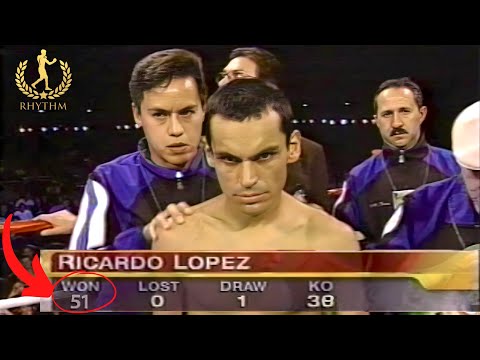
Ricardo López: The Zenith of Mexican Boxing Prowess and a Martial Arts Masterclass

The Unseen Connection: Boxing Technique as Pure Martial Art

A true martial artist understands that the essence of Budo—the way of the warrior—transcends specific disciplines. It lies in the pursuit of perfection, the unwavering discipline, and the profound understanding of human physiology and psychology under pressure. While the world often segregates boxing from the broader martial arts spectrum, a deeper examination reveals undeniable parallels. Today, we delve into the "Mexican PERFECTION Of Ricardo López," not just as a boxing legend, but as a paragon whose technical mastery offers invaluable lessons for any practitioner of the martial ways. This is a journey into precision, defense, and an offensive capability honed to its absolute finest edge.

The Maestro: Unpacking Ricardo "Finito" López's Undefeated Legacy

Ricardo "Finito" López. The name itself evokes an era of unparalleled defensive wizardry and surgical offensive striking. To call him merely a "boxer" is to diminish the artistry he brought to the ring. With a flawless professional record of 51 wins (38 by knockout) and zero losses, López wasn't just winning; he was dominating, a three-time world champion across the minimumweight and light flyweight divisions. His moniker, "El Maestro," wasn't bestowed lightly. It was earned through years of meticulous training, an almost supernatural understanding of distance and timing, and a defensive shell so impenetrable it seemed almost mythical. For any aspiring fighter, whether on the mats or in the ring, López's career is a living testament to what disciplined dedication can achieve.

From Mexico City to the Pinnacle: A Fighter's Genesis

Born and raised in Mexico City, López's path to boxing greatness began at a tender age. The environment, while perhaps lacking in conventional martial arts dojos of the East, fostered a raw, competitive spirit that, when channeled through the disciplined structure of boxing, became a crucible for excellence. He turned professional in 1985, and within two years, had captured his first world championship. His career, spanning over 14 years, was a masterclass against some of the era's toughest competitors, including Saman Sorjaturong, Andy Tabanas, and Zolani Petelo. Each victory was not just a testament to his physical prowess, but a demonstration of strategic brilliance.
"The art of boxing is like a dance. You must know when to step forward, when to step back, and most importantly, when not to be touched at all." - A lesson echoed in López's every move.

The Science of Elusion: López's Defensive Masterpiece

What truly elevated Ricardo López beyond the status of a mere champion was his almost unbelievable technique and precision. His stance was textbook-perfect, his footwork fluid and economical, allowing him to control distance with an expert's touch. But it was his defense that became legendary. López possessed an uncanny ability to slip punches, roll with blows, and maintain an upright, active guard that left opponents frustrated and ineffective. For nearly a decade, he went virtually untouched, a feat almost unheard of in the brutal world of professional boxing. This wasn't luck; it was applied physics, timing, and an unparalleled commitment to not getting hit. His style is a profound study in the martial principle of **"Nuki"** (evasion) and **"Uke"** (receiving/blocking), executed with an artistry that is still analyzed and emulated by fighters worldwide.

The Crucible of Training: Dedication Beyond Measure

López's dedication to his craft was not just exemplary; it was absolute. His training regimen was relentless, ensuring he was always in impeccable physical condition. He understood that true mastery in any martial pursuit requires sacrificing comfort for continuous improvement. He was a student of both offense and defense, recognizing that each complements the other. His fights were not simply brawls; they were strategic engagements, thrilling chess matches played out with fists and feet, showcasing a complete understanding of the fight. This unwavering commitment is a core tenet of **Budo Life**, the philosophy that the martial way is a lifelong pursuit of self-improvement.

Veredicto del Sensei: Is Ricardo López's Boxing a Martial Art Worth Studying?

Absolutely. To dismiss Ricardo López's boxing simply because it doesn't involve throws or joint locks is to miss the forest for the trees. His defensive mastery, his precision striking, his footwork that dances on the edge of danger, and his unwavering mental fortitude are all pillars of effective combat. López's career is a compelling argument for the universality of martial principles. His fights are a masterclass in controlling space, managing risk, and executing techniques with devastating efficiency. He embodies the **Warrior Philosophy** and the **Self-Mastery** that all true martial artists strive for.

Rating: Cinturón Negro en Técnica y Estrategia Marcial

Equipo Esencial para tu Entrenamiento

While Ricardo López's technique is invaluable, proper equipment can enhance your training and safety. For those inspired by "El Maestro's" dedication, consider these essentials:
  • Guantes de Boxeo de Alta Calidad: Look for gloves (14-16oz for sparring) that offer excellent padding and wrist support, crucial for emulating López's defensive style without injury.
  • Protector Bucal (Mouthguard): Essential for protecting your teeth and jaw, a non-negotiable for any combat sport training.
  • Vendas para las Manos (Hand Wraps): Provide vital support to your knuckles and wrists, preventing common injuries during heavy bag work or sparring.
  • Cuerda de Saltar (Jump Rope): A staple for improving footwork, coordination, and cardiovascular endurance, mirroring the agility López displayed.
  • Saco de Boxeo (Heavy Bag): For developing power and technique. A quality heavy bag allows you to practice combinations and striking power safely.

Guía de Entrenamiento: El Arte de la Defensa Activa

Inspired by López's impenetrable defense? Here’s a fundamental drill to begin developing your own:
  1. Posición Fundamental (Stance): Adopt a balanced, slightly staggered stance. Keep your lead foot slightly forward, weight distributed evenly, and hands up protecting your head.
  2. El "Slip" Básico: Imagine a punch coming towards your head. Instead of blocking, subtly shift your head to the side, just enough for the punch to whistle past. Practice this movement rhythmically.
  3. El "Roll" o Giro: For hooks or straights aimed slightly lower, bend your knees and use your torso to "roll" with the punch, allowing it to glance off your shoulder or guard.
  4. Combinación de Movimientos: Practice chaining slips and rolls. As one punch is evaded, immediately transition to evading the next, maintaining your balance and guard.
  5. Incorpora el Juego de Pies: As you evade, take small, precise steps to maintain optimal distance or to counter-attack. López never just stood still; his movement was integral to his defense.
  6. Repetición Constante: Perform this drill for 5-10 minutes daily, focusing on fluidity and economy of motion. The goal is to make evasion instinctive.

Preguntas Frecuentes

  • Is Ricardo López's boxing style applicable to other martial arts? Absolutely. The principles of distance management, evasion, timing, and precision striking are universal and can be adapted to disciplines like Karate, Taekwondo, and even Kung Fu applications.
  • What made López's defense so effective? It was a combination of exceptional reflexes, a deep understanding of his opponents' tendencies, perfect timing, economical footwork, and rigorous, consistent training.
  • How did López maintain his undefeated record for so long? Through unwavering dedication to training, meticulous preparation for each opponent, and a defensive capability that minimized damage and maximized his opportunities to win.
  • Can beginners learn from López's style? Yes, but with caution. Beginners should focus on the fundamental defensive movements (slips, rolls) and footwork under the guidance of a qualified instructor before attempting more complex maneuvers.

Para Profundizar en tu Camino

Reflexión del Sensei: Tu Próximo Paso

Ricardo López did not just fight; he *performed* the art of boxing. His "Mexican PERFECTION" is a testament to the fact that in any martial endeavor, the path of discipline, precision, and unwavering dedication leads to a profound understanding of combat and self. The question is not whether you can achieve such mastery, but whether you possess the warrior's spirit to even begin the pursuit. Do you seek mere victory, or do you seek true mastery?
"The difference between a good fighter and a great fighter is not the punches they throw, but the punches they avoid."

Now, contemplate this: How can you integrate the defensive intelligence and precise execution of "El Maestro" into the specific martial art you practice? What concrete steps will you take this week to refine your own evasive techniques and strategic defense? The true test of learning lies not in reading, but in application. Prove your commitment in the dojo, on the mat, or in your solitary training.

If you want to delve deeper into Ricardo López's incredible career and the broader world of martial arts, explore the wealth of resources available online. You can also find related merchandise on our site to commemorate boxing and martial arts legends.

Thank you for reading. We hope to see you back at the dojo (or the digital dojo) soon!

Mike Tyson's Brutal Drills: The Secret Behind His Knockout Power

As a seasoned martial artist and a deep student of the warrior's path – what some call Budo – I've witnessed countless hours of training, studied ancient texts, and analyzed the raw, unadulterated combat prowess that separates the legends from the mere participants. Today, we dissect a titan, a force of nature whose name alone conjures images of devastation: Mike Tyson. Forget the superficial gloss; we're diving into the very *mechanism* of his knockouts, focusing on the "crazy drills" that forged his unparalleled, fight-ending power. The intention here is clear: to understand the *why* and *how* behind Tyson's ability to turn mere drills into fight-altering blows, offering insights applicable even beyond the boxing ring.
This isn't just about boxing; it's about translating relentless, intelligent conditioning into devastating effectiveness. We'll examine the core principles behind his methods and how they echo through various martial disciplines.

Table of Contents

The Peek-a-Boo Foundation: More Than Just a Guard

Mike Tyson's "Peek-a-Boo" stance is often described as defensive, but that’s a gross oversimplification. It’s a dynamic, offensive-minded shell. By keeping his hands close to his face – palms almost kissing his cheeks, elbows tucked tightly – he achieved two critical objectives: immediate facial protection and the ability to launch punches from unexpected angles, with minimal telegraphing. This isn't just about blocking; it's about controlling space and creating openings. Think of it like the **Kamae** (posture) in Karate or the defensive structure in Judo, but weaponized for boxing's unique demands. The constant bobbing and weaving inherent to Peek-a-Boo also makes the fighter an elusive target, wearing down an opponent’s accuracy and patience. It’s a psychological weapon as much as a physical one.

The Slip and Rip: Mastering Evasion and Counter

The "Slip and Rip" is pure Budo in its essence: **Sen no Sen** (initiative in the face of an opponent's action). Tyson didn't just evade; he used the opponent's momentum and aggression against them. As a punch came, he would dip his head *just enough* to let the blow whistle past, simultaneously shifting his weight. This movement wasn't just about avoiding impact; it was the pivot point for his counter. The "Rip" was the explosive return punch, often a hook or an uppercut, delivered with the full rotation of his hips and torso. This requires an almost supernatural timing and an understanding of distance that borders on precognition. Many martial arts emphasize the seamless transition from defense to offense; Tyson perfected this in the brutal arena of professional boxing.
"The fighter is the one who practices the art. The spectator is the one who pays for it." - A principle that resonates deeply, highlighting the dedication behind Tyson's explosive moments.

The Devastating Uppercut: A Lesson in Explosive Power

Tyson’s uppercut is legendary. It wasn't just a punch; it was an event. He frequently set it up by slipping an opponent's jab or hook. As their punch sailed over his head, their chin would momentarily be exposed. Tyson would explode upwards, not just with his arm, but with his entire body. The power came from the ground up: a strong base, the coiling and uncoiling of his core, and the whip-like action of his arm. This is a perfect example of **Kime** – the focus and explosive power delivered at the moment of impact. Even a glancing blow from Tyson's uppercut could end a fight, a testament to the precise mechanics and raw power he generated. It’s a move that demonstrates that brute force, when applied with perfect technique, is near-unstoppable.

The "Crazy Drills" Unveiled: Forging KO Power

This is where the core of our analysis lies. Tyson's training was notoriously unconventional, designed to push the boundaries of human capability. The "punching through a towel" drill is a prime example. What does this achieve?
  • Enhanced Grip Strength: Holding and punching through a towel demands incredible forearm and grip stability. This translates to punches that don't "slip" on impact.
  • Improved Rotational Power: The resistance of the towel forces a deeper body rotation, maximizing torque.
  • Punching "Through" the Target: It trains the mind and body to continue the motion *past* the initial point of contact, crucial for generating knockout force. Imagine trying to break bamboo with a strike; you don't stop at the surface.
  • Speed and Precision: While seemingly crude, the drill, when performed correctly, refines the speed and accuracy needed to maintain power against resistance.
These weren't just exercises; they were simulations of combat conditions, designed to condition the body and mind to deliver devastating blows under pressure. This mirrors the principle of training with weighted sticks or hitting Makiwara boards in some Karate styles.
"The art of war is of vital importance to the State. It is a matter of life and death, a road to survival or ruin. Hence it must be studied." - Sun Tzu. Tyson lived this principle, turning every drill into a vital study of survival and dominance.

The Overhand Right: A Masterclass in Counter-Attack

The overhand right was another Tyson staple, often employed as a devastating counter. Against opponents who relied on a stiff jab or a straight lead, Tyson would loop his right hand over their guard. This punch is powerful because it uses the natural arc of the body's rotation and can catch an opponent off-guard if they are focused on blocking straight punches. It requires excellent timing, as the opponent must be extending their own punch for the counter to be most effective. It’s a high-risk, high-reward technique that Tyson executed with terrifying proficiency. It showcases the importance of understanding an opponent's rhythm and exploiting those predictable patterns.

Veredicto del Sensei: ¿Merece la Pena?

Mike Tyson's training methods, while seemingly chaotic, were deeply rooted in the pursuit of knockout power. The drills, the stance, the counters – they all formed a cohesive, brutal system. While not all his methods are directly transferable to every martial art or applicable for every practitioner, the underlying principles of explosive power generation, relentless conditioning, defensive ingenuity, and precise counter-offense are universally valuable. His legacy isn't just in the KOs, but in the relentless dedication to mastering the *art* of delivering a fight-ending blow. Calificación del Sensei: Cinturón Negro en Poder de KO

Equipo Esencial para tu Entrenamiento

While Tyson's drills often seemed to require minimal equipment, certain items can enhance your training and safety, especially if you're looking to develop punching power safely:
  • Boxing Gloves: 14-16oz gloves for sparring and heavy bag work are essential for hand protection.
  • Hand Wraps: Crucial for wrist and knuckle support.
  • Heavy Bag: A good quality heavy bag allows you to practice power shots and combinations.
  • Speed Bag: Develops hand-eye coordination and shoulder endurance.
  • Jump Rope: For cardiovascular conditioning and footwork.
  • Training Partner/Coach: For drills like the towel drill or to provide feedback.
  • Optional: Resistance Bands: Can be used for dynamic warm-ups and strength exercises mimicking punching motions.
Investing in proper martial arts merchandise like these can make your training more effective and prevent injuries.

Guía de Entrenamiento: Desarrollando Poder de KO

Let's adapt a principle from Tyson's drills for broader martial application. Remember, safety and proper form are paramount.
  1. Dynamic Warm-up: Begin with 10-15 minutes of cardio (jumping jacks, shadow boxing, light jogging) and dynamic stretches (arm circles, torso twists, leg swings).
  2. Grip and Rotational Strength Drill (Towel Drill Adaptation):
    • Find a sturdy towel. Fold it lengthwise a few times to create a thick, resistant band.
    • Hold the ends of the towel firmly, arms extended slightly in front of you.
    • Practice rotating your torso as if throwing a punch, pulling against the towel's resistance. Focus on using your core and hips, not just your arms.
    • Imagine you are "pulling" the towel through an imaginary opponent.
    • Perform 3 sets of 10-15 rotations per side.
  3. Explosive Punch Combinations:
    • Shadow box or use a heavy bag, focusing on generating power from your legs and hips.
    • Practice a jab-cross-hook combination. On the hook, really emphasize the body rotation and follow-through.
    • Incorporate slips: Slip an imaginary punch to your left, immediately counter with a right cross and a left hook.
    • Perform 5 rounds of 3 minutes each, focusing on power and speed, with 1-minute rest between rounds.
  4. Core Strength and Stability:
    • Plank variations (standard, side plank)
    • Russian twists (with or without weight)
    • Leg raises
    • Aim for 3 sets of each exercise, holding or performing reps until near fatigue.
  5. Cool-down and Stretching: Finish with static stretches, holding each for 30 seconds, focusing on shoulders, chest, back, and legs.
This regimen focuses on the kinetic chain – the interconnectedness of your body’s movements – which is the true source of explosive power, much like the Ki that flows through a martial artist.

Preguntas Frecuentes

Is the towel drill safe for beginners?

The towel drill can be adapted for beginners by using a less resistant towel and focusing purely on form and rotation. The key is to avoid over-exertion and listen to your body. Always prioritize proper technique over sheer force.

How did Tyson's Peek-a-Boo stance help his offense?

The Peek-a-Boo stance allowed Tyson to launch punches from an extremely tight, protected position. This meant his punches were often thrown from closer range and with less telegraphing, making them harder for opponents to see and block, thus leading to more effective offense.

Can these principles be applied to other martial arts like Karate or Kung Fu?

Absolutely. The concepts of explosive power generation through body rotation, defensive movement leading to counter-offense, and the importance of dedicated, often unconventional training drills are fundamental across many martial arts disciplines. The specific techniques will differ, but the underlying physics and biomechanics are universal. Understanding the philosophy of Budo helps connect these disparate elements.

What is "Kime"?

Kime (決め) is a Japanese term in martial arts that refers to the focus and explosive power generated at the moment of impact. It's about channeling all your energy into a single point, maximizing the force and effect of a strike or technique.

How did Tyson's drills contribute to his fighting style?

His drills were specifically designed to enhance the qualities that defined his fighting style: devastating punching power, incredible speed, relentless aggression, and the ability to absorb punishment while delivering more. They were not random exercises but highly targeted methods to forge a specific type of warrior.

Para Profundizar en tu Camino

Now, consider this: Tyson trained to inflict maximum damage with every available tool. In your own practice, are you training for impact, or merely going through the motions? The difference between a drill and a KO is intent. Sharpen your intent.

The Legacy of Ancient Chinese Martial Arts Films: A Deep Dive into "Heroes of Martial Arts"

The Allure of Ancient Chinese Cinema

Hello and welcome, students of the Way, to Budo and Martial Arts. Today, we dissect a piece of cinema that whispers tales of ancient traditions and chivalrous spirit: ESPSUB [Heroes of Martial Arts] EXTRA, featuring Li Hongyi and Huang Riying. Published on March 27, 2023, this segment promises a glimpse into a world where martial prowess intertwines with historical drama and romance. But as practitioners, we must ask: does this cinematic portrayal honor the true essence of martial arts, or is it merely a fleeting spectacle designed for mass consumption?

The allure of ancient Chinese martial arts films is undeniable. They transport us to eras of legendary warriors, where honor was paramount and the blade, or the fist, was often the final arbiter. Yet, the modern lens often distorts these traditions, romanticizing combat and overlooking the profound discipline and philosophy that underpin true martial mastery. Our goal here is not simply to watch, but to understand. To discern the authentic from the artificial.

Deconstructing "Heroes of Martial Arts": More Than Just a Spectacle

The title itself, Heroes of Martial Arts, evokes a sense of epic storytelling and individual valor. When we encounter films like this, especially those from platforms like YOUKU, known for their diverse content, the initial intention is often pure entertainment. However, for those steeped in the practice of martial arts, there's a deeper analytical current. We seek to identify the:

  • Authenticity of Techniques: Do the movements reflect actual martial arts styles, or are they exaggerated for dramatic effect?
  • Spirit of Bushido/Budo: Is the underlying philosophy of respect, discipline, and self-control conveyed, or is it overshadowed by gratuitous violence?
  • Historical Context: How accurately does the film represent the historical period and the martial traditions of that era?

Li Hongyi and Huang Riying, in their roles, carry the weight of these expectations. The "Ancient Costume/Romance" genre suggests a narrative rich in emotional depth and historical setting, elements that can either enhance or detract from the martial arts portrayal. A poorly executed fight scene can undermine character development, while a well-integrated philosophical element can elevate simple action into profound storytelling. It's a delicate balance that few films manage to strike perfectly.

"The true warrior is not the one who wins every battle, but the one who understands the cost of every fight." - A principle echoing through the ages.

The Art of Movement: Choreography and Authenticity

This is where the true critic in me awakens. Choreography in martial arts films is a double-edged sword. On one hand, it's essential to create visually stunning sequences that captivate the audience. On the other, when it deviates too far from practical application, it risks trivializing the art form. We must ask about the specific styles depicted. Is it Wuxia, with its fantastical acrobatics and "chi" manipulation, or are there elements of traditional Kung Fu, Karate, or even grappling arts integrated realistically?

Consider the fluidity of movement. In reality, combat is often explosive, direct, and economical. While graceful, it is rarely balletic in the way some films present it. We look for evidence of proper stances, believable blocks, and techniques that, while perhaps amplified, still possess a core of practicality. Are the actors performing with genuine understanding of the movements, or are they merely executing programmed steps? The difference is palpable to a trained eye.

For instance, a sequence involving rapid swordplay, if not executed with a sense of weight and intent behind each parry and strike, can look more like a dance than a deadly exchange. Conversely, a simple, well-timed kick, delivered with proper hip rotation and balance, speaks volumes about the underlying skill, even if it's exaggerated for cinematic effect. We analyze the pacing – does it reflect the ebb and flow of real combat, or is it a relentless barrage designed purely for adrenaline?

A critical aspect is the use of wire-fu and CGI. While these tools can enhance the fantastical elements often present in Wuxia cinema, their overuse can detach the audience from the physical reality of martial arts. The best films find a way to integrate these effects seamlessly, supporting the narrative without betraying the grounded nature of the martial disciplines they aim to portray.

Beyond the Blows: Philosophical Underpinnings

Martial arts are not merely about physical techniques; they are a path to self-cultivation. Concepts like Mushin (no-mind), Zanshin (lingering awareness), and Fudoshin (immovable mind) are the bedrock of true mastery. Does Heroes of Martial Arts touch upon these deeper tenets? Or does it focus solely on external conflict?

The "Romance" aspect of the genre might offer a window into the interpersonal dynamics, where loyalty, sacrifice, and duty are tested. These are values deeply ingrained in the warrior code across many cultures. A hero’s journey often involves overcoming internal struggles as much as external adversaries. We search for moments where characters grapple with their conscience, make difficult choices, or demonstrate profound respect for their opponents, even in the heat of battle.

"The supreme art of war is to subdue the enemy without fighting." - Sun Tzu, a philosophy as relevant in film as it is in life.

The film's setting in "Ancient Costume" likely means we'll see characters bound by tradition and societal expectations. How they navigate these constraints, particularly when those constraints conflict with their martial ethics, can be a powerful narrative driver. Is the protagonist driven by vengeance, or by a desire for justice and peace? The answer reveals much about the film's underlying message.

The Human Element: Performance and Character

While the martial arts are central, the performances of Li Hongyi and Huang Riying are crucial. Do they embody the characters with conviction? Can they convey the emotional weight of their martial journey through their expressions and demeanor? A stoic warrior can be as compelling as a fiery one, provided the performance is nuanced.

We assess their on-screen chemistry, especially given the "Romance" tag. Does it feel earned, or is it a superficial plot device? The believability of the characters’ motivations and emotional arcs is what anchors the fantastical elements of martial arts cinema. If the audience doesn't connect with the humans behind the fighting, the spectacle loses its impact.

The supporting cast also plays a role. Are there wise old masters imparting cryptic advice? Ruthless villains who present genuine challenges? Or is the cast largely forgettable, serving only as fodder for the heroes' skills? The depth of characterization, even in a martial arts film, can elevate the viewing experience significantly.

Veredicto del Sensei: ¿Merece la pena?

Based on the typical conventions of this genre and the information provided, ESPSUB [Heroes of Martial Arts] EXTRA likely offers a visually engaging experience for fans of ancient Chinese dramas and martial arts films. For those seeking a deep, authentic portrayal of specific martial arts styles or profound philosophical teachings, it might be a more superficial watch. The "Romance" and "Ancient Costume" elements suggest a focus on narrative and character relationships, which can be a strength if executed well, but may overshadow the martial arts aspect for purists.

Rating: Cinturón Verde en Entretenimiento, Cinturón Amarillo en Autenticidad Marcial.

It's a film likely to satisfy a craving for historical drama and stylized action, but perhaps not for the deep, philosophical martial artist seeking rigorous technique analysis. Watch it for the spectacle, but temper your expectations for deep martial insight.

Equipo Esencial para tu Entrenamiento

While this film focuses on a specific genre of martial arts cinema, for those inspired to train, the right equipment is crucial. Investing in quality gear not only enhances your practice but also ensures safety.

  • Kimono (Gi): For Judo, Jiu-Jitsu, Karate, and Taekwondo, a durable, well-fitting gi is paramount. Look for double-weave options for grappling arts like Judo and BJJ, offering superior resilience.
  • Sparring Gear: Gloves (16oz for most adult sparring), headgear, shin guards, and mouthpieces are non-negotiable for safe sparring sessions in striking arts or MMA.
  • Training Weapons: If practicing with traditional weapons (e.g., Bo staff, Bokken for Kendo), ensure they are made from appropriate materials (wood, rattan, high-density foam) and are well-maintained.
  • Training Mats (Tatami/Roll-out Mats): Essential for grappling arts and falling practice to minimize injury.
  • Makiwara/Strike Shields: For Karate, Taekwondo, and Kung Fu practitioners looking to develop striking power and conditioning.

Preguntas Frecuentes

What are the primary martial arts styles depicted in films like "Heroes of Martial Arts"?

Films in this genre often draw heavily from Wuxia, a style that emphasizes fantastical elements, acrobatic combat, and often incorporates elements inspired by various Kung Fu styles, swordplay, and sometimes Taoist mysticism.

Is the romance aspect a common element in ancient Chinese martial arts films?

Yes, romance, alongside themes of loyalty, honor, and revenge, is a very common narrative thread in ancient Chinese martial arts films, often serving to humanize the warriors and provide emotional depth to the storyline.

How can I distinguish between authentic martial arts and cinematic exaggeration?

Authenticity is often found in the foundational principles: balance, proper body mechanics, economical movement, and believable impact. Cinematic exaggeration typically involves gravity-defying leaps, impossibly fast flurries of strikes, and a lack of realistic consequence for actions.

Are Li Hongyi and Huang Riying known for their martial arts expertise?

Their fame might stem more from their acting or idol status within popular entertainment. While they may train for their roles, their primary recognition is often not as professional martial artists, distinguishing their roles from films starring bona fide martial arts actors.

What is YOUKU?

YOUKU is one of China's largest online video and streaming platforms, offering a wide range of content including TV shows, movies, anime, and variety shows, often featuring Chinese productions.

Recursos para Profundizar

To truly understand the martial arts depicted on screen and their real-world counterparts, further study is essential. Here are some resources:

  • BUDO: Explore the philosophical and spiritual aspects of martial training.
  • KarateCommunity: Learn about the techniques, history, and modern practice of Karate.
  • HistoriadeArtesMarciales: Delve into the rich historical context of various martial disciplines.
  • EntrenamientoDeMMA: For a modern, cross-disciplinary perspective on combat sports.

Reflexión del Sensei: Tu Próximo Paso

We have examined the cinematic offering, dissecting its potential strengths and weaknesses from a martial perspective. Now, the ultimate test lies not in critique, but in application. Does the spirit of the warrior, as portrayed, ignite a spark within you? Do you see the echoes of discipline, the pursuit of excellence, the unwavering resolve?

Consider this: when you watch any depiction of martial arts, whether on screen or in your own dojo, do you merely observe, or do you *perceive*? Do you seek the underlying principles that make the art form potent, or are you content with the surface-level action? The true path is paved with introspection. So, I ask you:

Beyond the fight choreography, what single principle of the martial way, glimpsed in this film or any other, has most profoundly impacted your training and your life?

Now, demonstrate your understanding. Share your thoughts in the comments below. Let us engage in a dialogue that honors the depth of martial arts, not just its portrayal.

Kakashi Hatake vs. A Powerhouse: A Critical Look at Fictional Martial Prowess

Welcome, aspiring warriors and seasoned practitioners, to Budo and Martial Arts. Today, we delve into a spectacle that, while born from imagination, touches upon the very essence of combat prowess: a hypothetical clash between Kakashi Hatake from the Naruto universe and an unnamed but undeniably powerful adversary. This isn't merely about who wins; it's about dissecting the principles, the displayed techniques, and what we can glean from such fictional encounters to enrich our understanding of real-world martial arts.

The Allure of Fictional Combat

We live in an era where the lines between entertainment and edification often blur. The image of Kakashi Hatake, the perpetually calm and formidable ninja, engaging in a "power full fight" resonates with our innate fascination for skill, strategy, and overwhelming force. But beyond the visual spectacle, what does such a confrontation teach us? As martial artists, our focus must always be on extracting practical wisdom, even from the most fantastical scenarios. The *intent* behind such portrayals—showcasing skill, overcoming adversity, and the sheer thrill of combat—is a rich ground for analysis.

The prompt, "Kakashi Hatake vs powerful man and power full fight," published on March 16, 2023, hints at an event or a piece of media that highlights a significant confrontation. My task, as your Sensei, is not to simply recount the action, but to dissect it through the lens of authentic martial principles. We are here to explore the Budo, the philosophical and practical path of the warrior, and how it might be represented, even in its fictionalized form.

Deconstructing Kakashi's Arsenal: Jutsu as Martial Arts

Kakashi Hatake is renowned for his mastery of various Jutsu, techniques that, in essence, function as a highly specialized form of martial art. His signature move, the Chidori (One Thousand Birds), is a concentrated burst of lightning chakra, wielded as a piercing strike. This mirrors the concept of a focused, high-velocity offensive technique found in many real-world striking arts, aiming to overwhelm an opponent's defenses with sheer penetration power. Consider the speed and precision required, akin to a master swordsman delivering a decisive blow, or a boxer executing a perfectly timed straight punch.

Then there's his Sharingan (Copy Wheel Eye), which allows him to perceive chakra, mimic techniques, and gain unparalleled visual acuity. In a real combat context, this translates to an exceptional ability to read an opponent's movements, anticipate attacks, and adapt strategies on the fly. This mirrors the importance of Kime (focus, intensity) and Zanshin (awareness) in Japanese martial arts. The ability to 'copy' techniques, while supernatural, speaks to the martial artist's capacity for deep observation and rapid learning – a skill honed through countless hours of kumite (sparring) and kata (forms) practice.

Furthermore, Kakashi is adept at taijutsu (hand-to-hand combat), utilizing swift kicks and punches, often imbued with chakra for added impact. This foundation in physical combat is crucial. Even the most potent ninjutsu requires a solid physical base. This is a fundamental truth echoed across disciplines, from Karate to Muay Thai. Without strong conditioning and proper body mechanics, even the most advanced techniques are mere parlor tricks.

"The ultimate aim of martial arts is not the victory or defeat, but the perfection of the character of its practitioners." - Gichin Funakoshi, founder of Shotokan Karate. While Kakashi's world is one of battle, his discipline and constant self-improvement embody this principle.

The Unseen Powerhouse: What Defines a True Threat?

The description "powerful man" is intentionally vague, allowing our imagination to fill the void. Is this opponent a master of raw physical strength? A practitioner of forbidden arts? A titan of speed? In martial arts, a "powerful" opponent isn't just about brute force. True power lies in a combination of factors:

  • Technique (Waza): Skillful application of movement, leverage, and timing.
  • Strategy (Senjutsu): The art of anticipating, deceiving, and controlling the engagement.
  • Endurance (Taisei): The capacity to maintain peak performance over extended periods.
  • Mental Fortitude (Mushin - No Mind): The ability to act without hesitation or doubt, a state of focused awareness.
  • Adaptability (Henka): The capacity to adjust tactics based on the opponent's actions.

A truly formidable opponent, fictional or real, integrates these elements seamlessly. They don't just throw punches; they orchestrate an entire encounter. The effectiveness of Kakashi's own techniques would be tested against an opponent who understands distance, timing, and flow, not just raw power.

Choreography vs. The Cold Calculus of Combat

Cinema and anime often present fight sequences that are breathtaking but divorced from the brutal efficiency of real combat. A "power full fight" in fiction might involve elaborate animations, dramatic pauses, and seemingly limitless stamina. Real fights, particularly those where stakes are high, are often far more condensed, messy, and dictated by the first effective strike or mistake.

Consider the nuances: a well-executed grappling exchange in Judo or BJJ can end a fight without a single blow. A perfectly timed counter-attack in Karate or Kickboxing can create a knockout opportunity. Even the seemingly simple, direct approach of Kyokushin Karate emphasizes devastating power and resilience. The fictional fight likely emphasizes flashy jutsu, but a real-world encounter would hinge on fundamental principles: footwork, balance, structure, and exploiting weaknesses.

The inclusion of tags like #artesmarciales, #BUDO, #lucha, #pelea, #entrenamiento, and #historia suggests the original post aimed to connect fictional combat with these real-world disciplines. This is where our critical analysis truly begins.

Beyond the Jutsu: The Budo Spirit in Fiction

At its core, Budo is not just about fighting; it's about self-mastery, discipline, and the cultivation of a strong moral character. While Kakashi is a fictional ninja, his journey often embodies aspects of this path. His adherence to the rules of engagement (even as a ninja), his dedication to his students, and his willingness to sacrifice reflect a deeper commitment than mere combat prowess. The concept of Ki (or Qi), the vital life force, is central to many Eastern martial arts. While depicted as supernatural energy manipulation in Naruto, it fundamentally relates to harnessing internal energy for physical and mental power—a concept explored in practices ranging from Shaolin Kung Fu to internal Chinese martial arts.

"The way of the warrior is to accept death." - Miyamoto Musashi, The Book of Five Rings. This stark reminder from a legendary swordsman highlights the ultimate commitment inherent in the martial path, a commitment that fictional characters like Kakashi, in their own way, often have to confront.

Lessons for the Dojo: Applying Fictional Principles

So, what practical lessons can we draw from this fictional battle?:

  1. Observation is Key: Kakashi's Sharingan highlights the importance of keenly observing your opponent. Train to read body language, anticipate movements, and understand their tendencies.
  2. Master Your Core Techniques: Whether it's Chidori or a simple punch, focus on perfecting your fundamental skills. Power comes from efficient application, not just raw energy.
  3. Develop Adaptability: A single strategy rarely works against all opponents. Cultivate the ability to shift tactics and respond effectively to unexpected situations. This is honed through varied sparring sessions, including incorporating elements of grappling and different ranges of combat.
  4. Integrate Physical and Mental Training: Kakashi's ninja skills are a blend of physical prowess, strategic thinking, and mental fortitude. Ensure your training encompasses strength, conditioning, technique, and mental discipline.
  5. Understand the "Why": Beyond the techniques, always seek the underlying principles. Why does a certain movement work? What is the strategic advantage? This deeper understanding elevates practice to the level of true Budo.

Veredicto del Sensei: Where Fiction Meets Force

While the "Kakashi Hatake vs powerful man and power full fight" is an imaginary scenario, it serves as a potent illustration of martial concepts. Kakashi's abilities, though exaggerated, are rooted in principles of precision, speed, strategic thinking, and the use of specialized techniques. A "powerful man" represents the fundamental challenge of facing a capable adversary. The "power full fight" itself highlights the dynamic interplay between offense, defense, and adaptation.

If this were a real combat scenario, the outcome would depend on countless variables not present in fictional narratives. However, as a catalyst for discussion on martial arts principles, it is effective. It reminds us that the dedication to training, the mastery of technique, and the cultivation of a warrior's spirit—the very essence of BUDO—are timeless, whether applied in a ninja village or a dojo.

Rating: Cinturón Negro en Imaginación, Nivel Novato en Aplicación Real. A commendable exploration of martial concepts, albeit through a fictional lens. It sparks the imagination but requires critical translation to practical training.

Equipo Esencial para tu Entrenamiento

To truly embody the spirit of martial arts, having the right equipment is crucial for effective and safe training. Whether you are practicing Karate, Judo, BJJ, or any other discipline, investing in quality gear can make a significant difference in your progress and enjoyment.

  • Kimono/Gi: Essential for Judo, BJJ, and Aikido. Look for durable, double-woven fabrics for Judo and BJJ, and lighter, comfortable weaves for Aikido. Brands offering high-quality kimonos de judo are a good starting point.
  • Protective Gear: For sparring (kumite), consider padded gloves (e.g., guantes de 16oz para sparring for boxing/kickboxing), shin guards, headgear, and mouthguards. These are vital for minimizing injury.
  • Training Mats (Tatami): If you practice grappling arts or forms that involve throws and falls, investing in quality tatami mats provides necessary cushioning and safety.
  • Training Weapons: For arts that incorporate weapons (e.g., Karate with Bo staff, Kobudo), ensure you use safe, properly weighted practice versions.
  • Fitness Equipment: Resistance bands, jump ropes, and basic weights can supplement your martial arts training, enhancing strength, agility, and cardiovascular fitness.

Preguntas Frecuentes

¿Es posible aplicar las técnicas de Kakashi en la vida real?

Directamente, no. Las jutsu de Kakashi son sobrenaturales y parte de un universo de ficción. Sin embargo, los principios subyacentes—velocidad, precisión, anticipación, uso estratégico de energía (Ki)—son aplicables al entrenamiento de artes marciales reales.

¿Qué arte marcial se asemeja más a las habilidades de Kakashi?

Si bien ningún arte marcial real replica la versatilidad de un ninja, Kakashi's taijutsu, velocidad y enfoques de combate directo podrían tener paralelos con disciplinas como Ninjutsu (el arte histórico, no solo su representación popular), Karate (por su énfasis en golpes contundentes y velocidad), y Kickboxing (por la combinación de golpes y patadas). Su habilidad para copiar técnicas resalta la importancia de la observación y el aprendizaje en cualquier arte marcial.

¿Cuál es la importancia del concepto de Ki en las artes marciales?

El Ki (o Chi/Qi) representa la energía vital. En artes marciales, se cultiva a través de la respiración, la concentración y el movimiento para potenciar la fuerza física, la resistencia y el enfoque mental. No es magia, sino la optimización de la fisiología y la mente humanas.

¿Por qué es importante el entrenamiento de combate en la calle (CombateEnLaCalle)?

El CombateEnLaCalle se enfoca en la autodefensa en escenarios impredecibles y peligrosos. A diferencia de un dojo, no hay reglas, ni árbitros, y las circunstancias pueden ser letales. Un entrenamiento efectivo en esta área debe ser realista, práctico y enfocado en la supervivencia.

Para Profundizar en tu Camino

Reflexión del Sensei: Tu Próximo Paso

The confrontation between Kakashi and his powerful foe, though fictional, serves as a mirror to our own training. It highlights the perpetual quest for knowledge, the development of physical and mental discipline, and the understanding that true strength lies not just in power, but in wisdom and adaptability. The flashy displays are entertaining, but the fundamental principles—dedication to practice, respect for the opponent, and the pursuit of self-improvement—are what forge a true martial artist.

"The martial way is a daily task. It is a lifetime commitment." - A principle echoed across countless martial traditions.

Reflexión del Sensei: Tu Próximo Paso

Now, I pose this to you: In your own training, are you focusing solely on the "flashy jutsu," the spectacular moves that garner attention, or are you diligently building the foundational strength, the keen observational skills, and the unwavering mental fortitude that would allow you to face any "powerful man," whether in a fictional realm or the unforgiving reality of the street? Where does your true commitment lie?

The Warrior's Heart: Beyond the Spectacle of the "Gorilla Chef" and Martial Arts

Hello and welcome to Budo and Martial Arts. Today, we delve into a subject that, at first glance, might seem like a curious juxtaposition: the raw, primal energy often associated with gorillas, and the refined discipline of martial arts. We're not just talking about a viral sensation; we're exploring the deeper currents of instinct, training, and the inherent combativeness within us all. Many of you have likely seen the clips – the "Gorilla Chef," the playful yet powerful interactions of gorillas in a circus-like setting. It's easy to dismiss this as mere entertainment, a fleeting digital curiosity. But as practitioners of the martial arts, and as students of the human condition, we are trained to look beyond the surface. We seek the underlying principles, the echoes of ancient battles, the spirit of the warrior. Our journey today, inspired by the raw power showcased in these viral moments, will dissect what true martial prowess entails. Is it merely brute strength? Is it the choreographed dance of a kata? Or is it something deeper, something that connects the primal roar of a wild animal to the focused intent of a seasoned fighter?

The Primal Roar and the Disciplined Fist

The allure of powerful creatures, especially primates like gorillas, lies in their raw, unbridled strength. We see their sheer physicality, their imposing presence, and we can't help but draw parallels to the world of combat sports and martial arts. When content depicting these animals, whether in a "chef" role or a more traditional circus setting, goes viral, it sparks a conversation. It ignites a curiosity within us, prompting questions about the nature of strength, instinct, and the discipline required to channel such power effectively.

This isn't just about appreciating animal behavior; it's about understanding the fundamental drivers of conflict and resilience that are echoed in human martial traditions. The "Gorilla Chef" phenomenon, while seemingly lighthearted, taps into our fascination with primal power. It’s a gateway, for some, into contemplating the very essence of what it means to be a warrior.

Gorilla Instinct: A Primal Blueprint for Combat?

Gorillas, in their natural habitat, are not inherently aggressive creatures, but they possess immense power and can defend themselves fiercely when threatened. Their social structures, dominance displays, and moments of conflict offer a glimpse into a world governed by instinct and physical dominance. We observe their chest-beating, their charging displays, and their sheer muscular force, and a question naturally arises: how much of this raw, instinctual behavior mirrors the foundations of martial arts?

While martial arts are built upon discipline, technique, and strategy, the underlying instinct to survive, to defend, and to assert oneself is undeniably present. Consider the explosive power generation required in a powerful punch or kick. While trained and refined, its roots can be traced back to the very same biological imperative that drives a silverback to protect its troop.

"The ultimate aim of martial arts is not victory or defeat, but the perfection of the human character." - Gichin Funakoshi

However, the critical difference lies in refinement and control. A gorilla’s display of strength is reactive, instinctual. A martial artist’s application of power is deliberate, calculated, and integrated with strategy and philosophy. The spectacle of the circus or a viral video might showcase the raw power, but it rarely, if ever, displays the disciplined application that defines true martial arts.

Training vs. Instinct: Finding the Balance

This is where the true debate lies. Many martial arts systems, from the striking arts like Karate and Kickboxing, to grappling arts like Judo and BJJ, are designed to harness and refine natural human instincts. We learn to anticipate, to react, and to move with efficiency that feels almost instinctive after years of dedicated practice. Yet, it is the conscious understanding of principles, the systematic development of technique, and the mental fortitude that separates a trained martial artist from an animalistic display of force.

For instance, the concept of 'kiai' in many Japanese arts, a spirited shout, is often misunderstood. It's not just a primal yell; it’s an expression of focused energy, a tool to unify the body and spirit, and can even be used to intimidate an opponent. It bridges the gap between raw instinct and controlled expression. Similarly, the rapid advances and retreats in Fencing or the sudden explosive movements in Kung Fu draw from primal fight-or-flight responses, but are channeled through rigorous training.

The risk in solely relying on instinct, as seen in primal displays, is predictability and lack of strategy. Without the framework of martial principles, such power can be wasted or even turn against the user. The goal in martial arts training is to elevate instinct through knowledge, to make the primal roar a whisper of controlled power.

The Spirit of the Warrior: Beyond Physicality

The true essence of martial arts, the 'Budo' spirit, extends far beyond the physical confrontation. It’s about developing character, discipline, resilience, and self-awareness. While a gorilla exhibits strength and protective instincts, it does not possess the philosophical depth that underpins centuries of martial tradition. Concepts like Mushin (no mind), Zanshin (lingering awareness), and Shuhari (learn, break, transcend) are distinctly human constructs, born from introspection and the pursuit of self-mastery.

A true warrior, regardless of their chosen art, strives for more than just physical dominance. They seek inner peace, ethical conduct, and a profound understanding of themselves and their place in the world. This is the philosophical battleground where the disciplined human spirit transcends mere instinctual might.

"There are no dangerous attacks, only dangerous moves." - Miyamoto Musashi

The viral clips, while entertaining, are a mere snapshot of raw power. They lack the narrative of dedication, the hundreds of hours on the mat, the mental fortitude to overcome failure, and the ethical framework that guides a martial artist's actions. It’s the difference between a powerful natural force and a finely tuned instrument of combat and self-improvement.

Veredict of the Sensei: More Than Just a Circus Act

While the "Gorilla Chef" and circus antics provide a fascinating, albeit superficial, look at raw power and instinct, they fall far short of embodying the spirit of true martial arts. The spectacle is entertaining, yes. It might even serve as a fleeting inspiration to explore the physical prowess of living beings. But it lacks the core tenets of martial discipline: ethical conduct, strategic thinking, deep philosophical understanding, and the relentless pursuit of self-perfection.

Cinturón Negro en Entretenimiento, Cinturón Blanco en Budo. The viral phenomenon is a fleeting glimpse of primal energy, a far cry from the cultivated power and refined spirit of a true martial artist. It’s a reminder of the power that lies dormant within us all, but it’s the journey of training and self-discovery that truly unlocks its potential.

Essential Gear for Your Training

To embark on your own journey of refining instinct into disciplined power, the right equipment can make a significant difference. While some arts require specialized gear, foundational elements are crucial for safety and progression:

  • Durable Gi/Kimono: Essential for arts like Judo, Karate, and Taekwondo. Look for a material that can withstand rigorous training, such as a double-weave for Judo or a crisp cotton for Karate.
  • Sparring Gear: For arts involving striking or full contact, headgear, mouthguards, and padded gloves (e.g., 16oz gloves for Muay Thai or Kickboxing) are non-negotiable for safety.
  • Training Mats: If you're practicing floor-based techniques or grappling at home, thick, interlocking mats provide crucial cushioning.
  • Training Weapons (Optional): For styles that incorporate them, wooden swords (bokken), staffs (bo), or knives (tanto) are necessary but should only be used under qualified supervision.
  • Comfortable Athletic Wear: For arts that don't require a traditional uniform, breathable, flexible clothing is key for unrestricted movement.

Training Guide: Developing Your Inner Warrior

While you can't replicate a gorilla's strength, you can cultivate your own disciplined power. Here’s a basic framework to begin harnessing your inner warrior:

  1. Foundational Stance Practice: Start with mastering your basic stances. In Karate, for example, the Kiba-dachi (horse stance) or Zenkutsu-dachi (front stance) builds leg strength and balance. Hold each stance for extended periods to develop endurance and grounding.
  2. Basic Striking Drills: Practice fundamental punches like the Tsuki (straight punch) and blocks like the Gedan Barai (downward block). Focus on proper body mechanics – hip rotation, core engagement, and snapping the limb through the target. Practice these slowly and deliberately before increasing speed.
  3. Conditioning Exercises: Incorporate exercises that build functional strength and explosive power.
    • Bodyweight Squats: For leg power. Aim for controlled depth and proper form.
    • Push-ups: For upper body and core strength. Vary the tempo – slow negatives, explosive push-offs.
    • Burpees: A full-body exercise that combines strength and conditioning, mimicking a primal burst of energy.
    • Jumping Jacks: For cardiovascular conditioning and agility.
  4. Mindful Breathing: Practice deep, diaphragmatic breathing. This not only calms the mind but also aids in power generation and stamina. Try holding a stable stance and focusing solely on your breath for 5 minutes.
  5. Shadowboxing: Visualize an opponent and execute techniques fluidly. This helps in developing timing, distance management, and combining movements. Focus on fluidity and intent with each movement.

Frequently Asked Questions

Q1: Is the strength of gorillas comparable to trained martial artists?

Gorillas possess immense natural, raw strength due to their musculature and physique, developed for survival. Trained martial artists, however, achieve a different kind of strength: one that is refined, explosive, efficient, and strategically applied, often surpassing raw power through technique and leverage.

Q2: Can observing animal behavior help improve martial arts training?

Yes, observing the natural movement, efficiency, and defensive postures of animals can offer inspiration. Many martial arts draw parallels to animal movements (e.g., Tiger Claw, Crane Stance). However, direct imitation is often less effective than understanding the underlying principles of movement and applying them within a human biomechanical context.

Q3: What is the most important aspect of martial arts: instinct or training?

True mastery lies in the integration of both. Instinct provides the primal reaction and raw potential, while rigorous training refines these instincts into disciplined techniques, strategic thinking, and a deep philosophical understanding. One without the other is incomplete.

Q4: How does the "Budo" spirit differ from the instincts of a wild animal?

The "Budo" spirit emphasizes character development, ethical conduct, self-discipline, and spiritual growth alongside physical prowess. Wild animal instincts are primarily driven by survival, reproduction, and territorial defense, lacking the introspective and moral dimensions central to Budo.

To Delve Deeper Into Your Path

  • BUDO: The Way of the Warrior
  • Martial Arts Philosophy: Cultivating the Mind
  • Combat Analysis: Technique Breakdown

Reflection of the Sensei: Your Next Step

The viral spectacle of the "Gorilla Chef" and circus animals offers a potent, if raw, display of power. But is mere power the ultimate goal, or is it the disciplined application of that power, guided by wisdom and intent, that truly defines the warrior? Does the spectacle of raw strength distract us from the deeper, more meaningful journey of self-mastery, or can it serve as a primal call to arms, urging us to explore the warrior within?

The Ultimate Clash: Analyzing Spiderman's Strategy Against Doctor Strange's Mystic Arts

Are You Truly Prepared for the Unforeseen?

Welcome, students of the Way, to a discussion far removed from the hallowed mats of our dojos, yet deeply resonant with the core principles of martial arts: strategy, adaptability, and the ceaseless pursuit of understanding one's opponent. Today, we dissect not flesh and bone, but the very essence of conflict as portrayed in the vibrant tapestry of the Marvel universe. Specifically, we examine the hypothetical, yet symbolically potent, clash between the agile web-slinger, Spiderman, and the Sorcerer Supreme, Doctor Strange. As practitioners, we often ponder the efficacy of our skills against diverse threats. This analysis, while fictional, serves as a potent thought experiment, pushing the boundaries of our tactical thinking. Prepare yourselves, for we shall delve into the mechanics of this unlikely duel, dissecting every feint, every spell, and every desperate maneuver.

Tabla de Contenidos

The Uninvited Guest: Setting the Stage

Imagine the scene: the hallowed, often bewildering, Sanctum Sanctorum. A place where the mundane world dissolves into arcane energies. And into this sanctum bursts Peter Parker, the prodigious Spiderman. The premise itself is a martial artist's puzzle: an unsanctioned intrusion into a domain guarded by immense power. The immediate escalation by Doctor Strange, while perhaps a display of territoriality, speaks to a fundamental martial principle: vigilance and the immediate neutralization of perceived threats. For Spiderman, this isn't a sparring match; it's an immediate immersion into hostile territory. His agility, a core tenet of his being, becomes his primary shield against the unknown.
"In the martial arts, the greatest victory is to defeat your opponent before the battle begins." - Sun Tzu (adapted)
This initial confrontation highlights a critical difference in approach. Strange, the guardian, reacts defensively with overwhelming force. Spiderman, the intruder, must first survive, then understand, then, perhaps, overcome. The very fabric of his abilities – spider-sense, agility, webs – are designed for kinetic, physical engagements. How does such a warrior contend with the ethereal, the magical? This is where our analysis truly begins.

Deconstructing the Combatants: Strengths and Weaknesses

Before the first web is slung or the first incantation uttered, let's profile these titans. Spiderman:
  • Strengths: Unparalleled agility and reflexes (Spider-Sense), superhuman strength, web-slinging for mobility and restraint, quick wit and improvisational skills, remarkable resilience.
  • Weaknesses: Physical vulnerability to overwhelming force, reliance on tangible means of attack, potential overconfidence, emotional impulsivity.
Doctor Strange:
  • Strengths: Mastery of mystic arts (energy projection, shields, teleportation, illusions, dimensional manipulation), vast knowledge of arcane lore, strategic thinking, ability to conjure and control mystical artifacts.
  • Weaknesses: Can be arrogant and emotionally driven (as seen in this scenario), reliance on spells and rituals can be disrupted, physical combat is not his primary strength, potential limitations on magic due to location or preparation.
The disparity is stark. Strange wields the fundamental forces of reality, while Spiderman commands the physical. This isn't simply a matter of power levels; it's a fundamental clash of *domains*. A fighter proficient in hand-to-hand combat might struggle against an opponent armed with a firearm. Spiderman faces a similar, albeit magical, challenge. His usual tactics, honed against physical adversaries, might prove insufficient.

The Dance of Strategy: Spiderman's Approach to Mysticism

The narrative presents Spiderman as initially trying to de-escalate – an admirable, yet often futile, attempt when facing a powerful, territorial magic-user. His immediate counter to magical assault is evasion. This is instinctive and correct. His **spider-sense** is his greatest asset here, functioning like an advanced radar, predicting incoming threats. This is akin to a martial artist's **zanshin** (awareness) elevated to a superhuman level, detecting not just physical movements but the subtle build-up of magical energy. His use of web-slinging to gain different attack angles is a classic Spiderman tactic. It aims to disrupt the opponent's stance and create openings. However, Doctor Strange's summoning of magical shields directly negates this. This is where Spiderman's true martial spirit shines: adaptability. When direct assault is blocked, he doesn't simply retreat; he *improvises*. The text states he uses his "intellect and creativity to create a device that disrupts Doctor Strange's magical energy." This is the **katsu** (resourcefulness) of a true warrior. He recognizes the limitations of his direct approach and invents a solution that targets the *source* of Strange's power. This is not brute force; it is intelligent application of his scientific acumen, a form of combat honed not on the mat, but in the laboratory.

Sorcery Unleashed: The Arcane Arsenal

Doctor Strange, conversely, defaults to his formidable repertoire. The use of **illusions** is a psychological tactic, designed to disorient and overwhelm Spiderman's senses. While Spiderman's spider-sense allows him to pierce these deceptions, it highlights Strange's strategy: to control the battlefield and the opponent's perception. His **magical shields** are a direct counter to Spiderman's physical attacks, a defensive measure that also serves to create distance, preventing Spiderman from closing the gap where his strength would be most effective. Strange's failure, as described, lies in his inability to account for Spiderman's unconventional, non-magical approach. He is prepared for magical duels, for cosmic threats, but perhaps less so for a technologically ingenious mortal who can disrupt the very source of his power. This is a crucial lesson: no matter how powerful one's "art," overlooking the potential for unconventional tactics from an opponent can lead to defeat.

Ingenuity Over Incantations: The Power of the Mind

The turning point, the "final act of desperation," is where Spiderman transcends his physical limitations. Creating a device to disrupt magical energy is not a superpower; it's a testament to human intellect applied with martial intent. This resonates deeply with the philosophy of **Mushin** (no-mind), where the mind is free from preconceptions and open to any possibility. Spiderman, faced with a power he cannot match directly, doesn't despair; he *thinks*. He analyzes the problem, identifies the root cause, and engineers a solution. This is the ultimate triumph of a disciplined mind, a mind that has trained not just its body but its intellect. It echoes the principles found in **Zen Buddhism** and the martial arts, where understanding and awareness are as vital as physical prowess. The ability to observe, analyze, and adapt is the hallmark of a seasoned warrior, regardless of the battlefield.
"The greatest victory is that which requires no battle." - Sun Tzu
Spiderman achieved this victory not by overpowering Strange, but by neutralizing his advantage through sheer ingenuity.

Wisdom from the Multiverse: Applying Fictional Combat to Real Training

What can we, as martial artists, learn from this cosmic skirmish?
  • Adaptability is Paramount: Never rely solely on one set of techniques. The world is full of diverse threats and challenges. Train to be flexible.
  • Understand Your Opponent's Strengths and Weaknesses: A skilled martial artist analyzes their adversary. Spiderman's victory came not from ignoring Strange's power, but from finding its vulnerability.
  • Intellect as a Weapon: Physical prowess is only one aspect of combat. Strategy, problem-solving, and a deep understanding of principles can overcome seemingly insurmountable odds. This is the essence of martial strategy, akin to the principles of BUDO.
  • Resourcefulness Breeds Victory: When faced with limitations, creativity and resourcefulness can provide solutions where direct confrontation fails.
  • Vigilance is Key: Doctor Strange's initial aggressive stance, while effective, ultimately blinded him to alternative threats. True mastery requires a constant state of awareness, not just of the immediate threat, but of all possibilities.
The Marvel universe, while fantastical, provides fertile ground for exploring martial philosophies. The core struggles – overcoming fear, adapting to challenges, using one's strengths wisely – are universal.

Veredicto del Sensei: ¿Merece la pena?

From a martial arts perspective, this fictional encounter is a resounding success. It's not about who has more "power," but about how that power is applied and countered. Spiderman's victory through intellect and resourcefulness against overwhelming magical might is a profound illustration of strategic thinking and adaptability. It's a win for the disciplined mind over raw, albeit immense, power. This narrative serves as a potent allegory for the challenges faced in real-world martial arts training, where overcoming limitations and outthinking opponents are as crucial as physical conditioning. Calificación: Cinturón Negro en Estrategia Adaptativa

Equipo Esencial para tu Entrenamiento

While Spiderman and Doctor Strange wield fantastical tools, the principles of their combat can be honed with practical equipment. For any martial artist aiming to improve their strategic thinking and physical conditioning, consider:
  • Dummies de entrenamiento (Maniquíes): Indispensables para practicar técnicas de golpeo, agarre y proyección sin riesgo.
  • Equipamiento de Protección (Cascos, Guantes, Petos): Fundamental para el sparring seguro, permitiendo la aplicación realista de técnicas bajo presión.
  • Bandas de Resistencia: Excelentes para el acondicionamiento general, fortaleciendo músculos clave para la agilidad y la fuerza.
  • Comba (Cuerda de Saltar): Un clásico para mejorar la agilidad, la coordinación y la resistencia cardiovascular, habilidades cruciales para evasión y movimiento rápido.
  • Espejos de Entrenamiento: Permiten la autoevaluación visual de la postura, técnica y movimientos, una herramienta vital para la corrección y mejora.

Recursos para Profundizar

To truly grasp the philosophies underpinning martial arts, even within fictional narratives, consider these resources:
  • Libros sobre Estrategia Marcial: Textos clásicos como "El Libro de los Cinco Anillos" de Miyamoto Musashi ofrecen perspectivas atemporales sobre el conflicto.
  • Biografías de Grandes Maestros: Conocer las vidas y filosofías de figuras como Bruce Lee, Mas Oyama, o Jigoro Kano puede ofrecer inspiración y lecciones prácticas.
  • Documentales sobre Artes Marciales: Exploran la historia, la técnica y la cultura de diversas disciplinas, ampliando tu comprensión del mundo marcial.

Guía de Entrenamiento: Simulación de Movimiento y Reacción

This exercise focuses on developing the kind of awareness and reaction Spiderman used. It requires a partner or a training environment that allows for unpredictable movement.
  1. Preparación del Campo de Batalla: Define un área de entrenamiento (un tatami, una habitación despejada). Esto simula el Sanctum Sanctorum, un espacio confinado con obstáculos potenciales.
  2. El Rol del "Hechicero" (Rol A): Tu compañero, o tú mismo si entrenas solo con un objeto en movimiento, simula ataques "mágicos" impredecibles. Estos no son golpes directos, sino movimientos amplios y engañosos que indican una intención de ataque. Pueden ser movimientos de brazos, patadas simuladas sin contacto, o incluso el uso de objetos blandos (como un pañuelo grande) para simular "proyecciones de energía".
  3. El Rol del "Arácnido" (Rol B): Tú. Tu objetivo principal es la evasión. Utiliza tu agilidad, juego de pies y anticipación (incluso sin un "spider-sense" real, enfócate en leer las intenciones de tu compañero). Muévete constantemente, cambia de dirección, utiliza el entorno para tu beneficio (si está disponible).
  4. Desarrollo de Contra-Tácticas: Una vez que hayas dominado la evasión durante varios minutos, introduce contra-tácticas. Esto no significa golpear al "Hechicero", sino intentar "neutralizar" sus ataques. Si simula un golpe de mano, usa un movimiento de muñeca o brazo para desviarlo (como un bloqueo suave o un barrido). Si simula una patada, deslízate hacia un lado. El objetivo es *interrumpir* la continuidad de su ataque, no necesariamente dañarlo.
  5. El Dispositivo Disruptor (Simulación Avanzada): Si entrenas con un compañero, él puede simular el uso de un "objeto mágico" (un bastón, un palo de espuma). Tu objetivo es identificar este objeto y, en lugar de evasión o bloqueo, simular un movimiento rápido y decidido para *desarmar* al oponente de ese objeto o interrumpir su "flujo de energía" (un movimiento de barrido rápido hacia la mano que sostiene el objeto, por ejemplo). La clave es la *precisión y la velocidad* en el momento justo.
  6. Reflexión y Repetición: Después de cada ronda, discute con tu compañero qué funcionó, qué no, y cómo la estrategia podría mejorar. Repite, ajustando el ritmo y la intensidad.
Esta rutina, practicada con seriedad, agudizará tu capacidad de anticipación, tu juego de pies, y tu habilidad para improvisar soluciones bajo presión, emulando las lecciones del duelo Spiderman-Strange.

Preguntas Frecuentes

  • ¿Es realista que Spiderman venza a Doctor Strange?

    En términos de poder puro, es improbable. Sin embargo, la victoria en el cómic se basa en la astucia y la tecnología, elementos clave que un luchador inteligente puede emplear para superar a un oponente más poderoso.
  • ¿Qué arte marcial sería más útil contra un hechicero?

    Las artes que enfatizan la evasión, la agilidad y la neutralización de ataques a distancia, como el Wing Chun o ciertas formas de Kung Fu con énfasis en la defensa contra proyectiles (simulados), podrían ser más adaptables que las artes puramente de agarre.
  • ¿Cómo puedo mejorar mi "sentido arácnido" en la vida real?

    El "spider-sense" se traduce en la práctica como una aguda conciencia situacional, lectura del lenguaje corporal y anticipación de intenciones. Esto se desarrolla a través de la experiencia, el entrenamiento constante en artes marciales y la atención plena.
  • ¿Por qué Doctor Strange atacó a Spiderman de inmediato?

    Esto refleja la naturaleza de los guardianes de reinos místicos. La intrusión, especialmente en un lugar de poder como el Sanctum Sanctorum, es vista como una amenaza inmediata que debe ser neutralizada antes de ser analizada.

Para Profundizar en tu Camino

Explora cómo los principios de táctica y estrategia se aplican en otros escenarios marciales:

Reflexión del Sensei: Tu Próximo Paso

Spiderman's victory was not a foregone conclusion; it was earned through acute observation, unyielding adaptation, and the courage to devise a solution where none seemed apparent. He faced a power beyond his own and, rather than succumb, he *understood* it, identified its weakness, and exploited it. Now, I pose this to you: In your own training, in your own life, what is the "mystical energy" that you perceive as insurmountable? What is the "Sanctum Sanctorum" of your own limitations? Are you merely dodging the blows, or are you actively seeking to understand and disrupt the source of your challenges? The true path of the warrior is not to possess the greatest power, but to cultivate the greatest wisdom and adaptability. Reflect on this. ```json { "@context": "https://schema.org", "@type": "FAQPage", "mainEntity": [ { "@type": "Question", "name": "Is it realistic for Spiderman to defeat Doctor Strange?", "acceptedAnswer": { "@type": "Answer", "text": "In terms of raw power, it's unlikely. However, the victory in the comic relies on cunning and technology, key elements a smart fighter can employ to overcome a more powerful opponent." } }, { "@type": "Question", "name": "What martial art would be most useful against a sorcerer?", "acceptedAnswer": { "@type": "Answer", "text": "Arts emphasizing evasion, agility, and neutralizing ranged attacks, like Wing Chun or certain Kung Fu styles focusing on projectile defense (simulated), might be more adaptable than purely grappling arts." } }, { "@type": "Question", "name": "How can I improve my 'spider-sense' in real life?", "acceptedAnswer": { "@type": "Answer", "text": "The 'spider-sense' translates in practice to sharp situational awareness, reading body language, and anticipating intentions. This is developed through experience, constant martial arts training, and mindfulness." } }, { "@type": "Question", "name": "Why did Doctor Strange attack Spiderman immediately?", "acceptedAnswer": { "@type": "Answer", "text": "This reflects the nature of guardians of mystical realms. Intrusion, especially into a place of power like the Sanctum Sanctorum, is seen as an immediate threat that must be neutralized before it can be analyzed." } } ] }