Showing posts sorted by date for query Kali. Sort by relevance Show all posts

Palo Canario: More Than Just a Stick - A Deep Dive into Canary Stick Fencing

Introduction: The Whispers of the Stick

Welcome, students of the warrior path, to Budo and Martial Arts. Today, we cast our gaze upon a less-trodden, yet profoundly effective, branch of martial tradition: Palo Canario. Often dismissed as mere stick fighting, this discipline, also known as Esgrima de Bastón (Stick Fencing), is far more than a simple duel. It embodies strategic thinking, precise execution, and a deep connection between the practitioner and their weapon. But does this Canarian art truly hold its own against the more globally recognized martial disciplines? Prepare yourselves, for we are about to find out.

The very mention of "stick fighting" can evoke images of rudimentary brawls. However, to do so with Palo Canario is to misunderstand its soul. This art demands respect, discipline, and a keen intellect. It’s a dance of evasion and counter-attack, a silent conversation between two wills expressed through the swift, decisive arc of a wooden staff. We will dissect its historical lineage, its unique principles, and its practical application, moving beyond the superficial to grasp the true essence of this formidable art.

Historical Roots: From Shepherd's Tool to Warrior's Weapon

The origins of Palo Canario are deeply intertwined with the Canary Islands' history. Initially, the 'palo' was a simple tool for shepherds to navigate the rugged terrain and protect their livestock from predators. However, necessity breeds ingenuity. In a land that saw periods of conflict and the need for self-preservation, this humble implement evolved. It became a readily available weapon, a means of defense for the common man when formal martial training was inaccessible.

This evolution mirrors that of many other weapon-based martial arts worldwide, where everyday objects were adapted for combat. Think of the historical use of the 'jo' or 'hanbo' in Japanese martial arts, or the quarterstaff in European traditions. Palo Canario, however, developed its own distinct flavour, influenced by the specific social and environmental conditions of the Canaries. Its techniques are not merely brute force; they are elegant, efficient, and born from a deep understanding of leverage, distance, and timing. Its resilience speaks volumes about the enduring spirit of those who honed it.

"The staff is the father of all weapons. It is found everywhere and is universally effective." - A principle echoed across many martial traditions.

Understanding Palo Canario: Core Principles and Philosophy

At its heart, Palo Canario is about control. Control of distance, control of your opponent's weapon, and ultimately, control of the engagement. It's not about overpowering your adversary with raw strength, but rather outmaneuvering them through superior technique and tactical awareness. This art emphasizes fluidity, adaptability, and the ability to transition seamlessly between offensive and defensive postures.

A key philosophical tenet is 'Sentido del Palo', the 'feeling of the stick'. This refers to an intuitive understanding of the weapon's trajectory, its weight, and its potential. It's an extension of the user's body, a tool that responds to thought as much as to physical command. This deep connection is cultivated through rigorous practice, instilling a level of proprioception and awareness that is paramount in any serious martial pursuit.

Furthermore, Palo Canario often incorporates elements of striking, parrying, disarming, and even grappling – all within the context of maintaining possession of the stick. This versatility makes it a remarkably practical art for self-defense. It teaches patience, the importance of observing your opponent's movements, and striking only when the opportunity is ripe. This aligns with the core principles of BUDO, the Japanese term for the martial way, which emphasizes self-improvement through rigorous training.

Techniques and Forms: The Art of Engagement

The techniques within Palo Canario are diverse and often dazzling to behold. They can be broadly categorized into:

  • Strikes (Golpes): These range from powerful overhead swings and thrusts to more subtle, precise strikes aimed at vulnerable points. The emphasis is on generating power through body mechanics and the weapon's momentum, not just arm strength.
  • Parries and Blocks (Paradas y Bloqueos): Essential for deflecting incoming attacks, these movements are designed to redirect an opponent's force with minimal effort. They often set up subsequent counter-attacks.
  • Traps and Controls (Atrapes y Controles): Palo Canario excels at entangling an opponent's weapon, restricting their movement, and creating openings for a decisive strike or disarm.
  • Disarms (Desarmes): Techniques specifically designed to wrest control of the opponent's weapon, often employing leverage and precise timing.

While specific katas or forms may vary between different lineages, the underlying principles remain consistent. These choreographed sequences are not merely rote memorization; they are designed to drill fundamental techniques, develop muscle memory, and foster an understanding of combat scenarios. They are the building blocks upon which true mastery is constructed. The study of such forms is also a cornerstone of Karate training, demonstrating a shared pedagogical approach across different martial arts.

Palo Canario vs. Other Weapon Arts: A Comparative Analysis

How does Palo Canario stack up against other weapon-based martial arts? Let's consider:

Art Primary Weapon Key Distinguishing Features Palo Canario Comparison
Eskrima/Kali/Arnis (Philippines) Single Stick, Double Stick, Dagger Flowing, intricate hand work, close-range emphasis, limb destruction Similar emphasis on stick mechanics but often less intricate hand manipulation, broader range of engagement.
European Quarterstaff Long Staff (approx. 6-7 feet) Power generation, long reach, sweeping motions, rooted stances Palo Canario generally uses shorter sticks, emphasizing agility and rapid transitions over raw power.
Bo Staff (Japan) Long Staff (approx. 6 feet) Graceful movements, emphasis on balance and flow, often used in forms (kata) While both have flow, Palo Canario's practical combat application and direct engagement are often more pronounced.

What sets Palo Canario apart is its direct lineage from a practical, everyday tool to a sophisticated combat system. It doesn't carry the same historical baggage of samurai or knights, but its effectiveness is undeniable. It represents a pure, unadulterated focus on weapon-based engagement, stripped of excessive ornamentation. Its roots in self-defense for the common person give it an authenticity that many other arts struggle to maintain. It is a testament to the fact that true martial prowess can be distilled from the simplest of implements.

Training Guide: Wielding the Palo Canario Effectively

Embarking on the path of Palo Canario requires dedication. Here’s a foundational approach:

  1. Grip and Stance: Master the basic grips – the primary grip (dominant hand forward) and the reverse grip (non-dominant hand forward). Develop a stable, yet mobile stance that allows for easy weight transfer and evasion.
  2. Footwork (Desplazamientos): Practice fundamental movements like forward and backward steps, sidesteps, and pivots. The ability to control distance is paramount.
  3. Basic Strikes: Learn the core strikes: the overhead downward strike, horizontal swings, and thrusts. Focus on generating power from your hips and core, not just your arms.
  4. Basic Blocks and Parries: Practice deflecting incoming strikes with minimal movement, using the stick to redirect force.
  5. Combination Drills: Begin combining basic strikes and blocks into simple sequences. This builds coordination and flow.
  6. Partner Drills: Once comfortable, engage in controlled partner drills to practice timing, distance, and reaction. Start with pre-arranged exchanges and gradually increase complexity.
  7. Conditioning: Develop strength and stamina. This includes general fitness and specific conditioning for the arms, shoulders, and core, crucial for wielding the stick effectively for extended periods. Think of the rigorous conditioning required for Kyokushin Karate.

Remember, consistency is key. Even fifteen minutes of focused practice daily can yield significant results over time. This iterative process is fundamental to mastering any art, be it weapon-based or unarmed.

Equipment Essential for Your Training

While the Palo Canario itself is the primary tool, a few other items can enhance your training:

  • The Palo (Stick): For beginners, a hardwood stick of appropriate length (typically chest to head height) and thickness is ideal. Rattan or oak are common choices. Ensure it's smooth and free of splinters. As you progress, you might explore weighted sticks for added conditioning.
  • Protective Gear: For partner drills and sparring, protective gear is crucial. This includes:
    • Headgear: To protect against accidental strikes.
    • Hand protection: Padded gloves can cushion impacts.
    • Body protection: A padded vest might be considered for higher intensity drills.
  • Comfortable Training Attire: Loose-fitting clothing that allows for a full range of motion is recommended. Traditional martial arts uniforms or comfortable athletic wear work well.
  • Training Mats (Optional): If practicing dynamic movements that involve takedowns or ground work (though less common in traditional Palo Canario), mats can provide safety.

Investing in quality equipment ensures safety and allows you to focus on developing your skills without distraction. For those interested in martial arts attire, explore options for quality Karate merchandise which often aligns with the functional requirements of other martial arts.

Sensei's Verdict: Is Palo Canario a Masterpiece?

Palo Canario is not just a collection of stick-fighting techniques; it is a complete martial art that deserves its place among the respected traditions of the world. Its historical roots, its pragmatic approach to combat, and its emphasis on developing an intuitive connection with the weapon make it profoundly effective. While it may not boast the global reach of Karate or Judo, its effectiveness is rooted in practicality and honed through generations of necessity.

Its simplicity is its strength. It requires minimal equipment and can be adapted to various environments. The principles of distance, timing, and leverage it teaches are transferable to other martial arts and even to unarmed combat. For those seeking a weapon-based art that is both historically rich and practically applicable, Palo Canario is a high-ranking choice.

Cinturón Negro en Eficacia Práctica. It might not have the philosophical depth of some Eastern arts like BUDO, nor the spectacular throws of Judo, but as a system of weapon-based engagement, it is undeniably potent.

Frequently Asked Questions

Is Palo Canario dangerous to learn?

Like any martial art, Palo Canario carries risks, especially when sparring. However, with qualified instruction, proper safety equipment, and a gradual progression of training, the risks can be significantly minimized. The emphasis is on control and precision, not reckless aggression.

Can I use Palo Canario for self-defense?

Absolutely. Palo Canario was, in many ways, developed for self-defense. Its techniques for striking, controlling, and disarming an opponent make it a highly practical system for real-world situations. Its effectiveness is often compared to the street-oriented aspects of Combate En La Calle.

What is the difference between Palo Canario and Bo staff training?

While both involve a staff, the typical length and context differ. Bo staff training in Japanese martial arts often emphasizes graceful, flowing movements and forms, with the Bo being a longer, often more decorative weapon. Palo Canario typically uses shorter sticks and focuses more on direct, practical combat applications, parrying, and close-range engagement, originating from a more utilitarian tool.

Do I need prior martial arts experience to learn Palo Canario?

No, prior experience is not strictly necessary. Palo Canario can be an excellent starting point for beginners interested in weapon-based martial arts. The fundamental principles are accessible, and instructors can guide newcomers through the initial stages.

To Delve Deeper into Your Path

Palo Canario offers a fascinating glimpse into the ingenuity of martial traditions. It reminds us that effective combat techniques can arise from the most unexpected sources. The discipline required, the strategic thinking, and the physical prowess demanded are universal to all high-level martial arts.

  • ArtesMarciales: Explore the broader landscape of martial arts traditions from around the globe.
  • CombatSports: Understand the principles of competitive combat and how they relate to martial arts training.
  • Historia: Delve into the rich history of martial arts and their evolution.

Sensei's Reflection: Your Next Step

We've explored the practical efficacy and historical depth of Palo Canario. Now, I pose this question to you, the aspiring warrior: If a simple stick, born from necessity, can be forged into such a potent instrument of combat and self-mastery, what potential lies dormant within your own seemingly ordinary existence? Are you merely holding the tools of your potential, or are you actively forging them into weapons of transformation?

Share your thoughts. Do you believe Palo Canario's effectiveness is underestimated? Have you trained in it or a similar art? Let the debate begin below!

``` ```json { "@context": "https://schema.org", "@type": "FAQPage", "mainEntity": [ { "@type": "Question", "name": "Is Palo Canario dangerous to learn?", "acceptedAnswer": { "@type": "Answer", "text": "Like any martial art, Palo Canario carries risks, especially when sparring. However, with qualified instruction, proper safety equipment, and a gradual progression of training, the risks can be significantly minimized. The emphasis is on control and precision, not reckless aggression." } }, { "@type": "Question", "name": "Can I use Palo Canario for self-defense?", "acceptedAnswer": { "@type": "Answer", "text": "Absolutely. Palo Canario was, in many ways, developed for self-defense. Its techniques for striking, controlling, and disarming an opponent make it a highly practical system for real-world situations. Its effectiveness is often compared to the street-oriented aspects of Combate En La Calle." } }, { "@type": "Question", "name": "What is the difference between Palo Canario and Bo staff training?", "acceptedAnswer": { "@type": "Answer", "text": "While both involve a staff, the typical length and context differ. Bo staff training in Japanese martial arts often emphasizes graceful, flowing movements and forms, with the Bo being a longer, often more decorative weapon. Palo Canario typically uses shorter sticks and focuses more on direct, practical combat applications, parrying, and close-range engagement, originating from a more utilitarian tool." } }, { "@type": "Question", "name": "Do I need prior martial arts experience to learn Palo Canario?", "acceptedAnswer": { "@type": "Answer", "text": "No, prior experience is not strictly necessary. Palo Canario can be an excellent starting point for beginners interested in weapon-based martial arts. The fundamental principles are accessible, and instructors can guide newcomers through the initial stages." } } ] }
Antonio Ilustrisimo Tatang: The Undisputed Grandmaster of Kali-Eskrima

The world of martial arts is vast, teeming with legends whose legacies echo through generations. Yet, few figures loom as large and command as much reverence within their specific domain as Tatang Antonio Ilustrisimo. If your search query began with "Antonio Ilustrisimo Tatang Kali Eskrima Arnis Great Masters," then you are, without doubt, seeking to understand the profound impact of a true martial titan. This isn't merely a biographical sketch; it's a deep dive into the principles, the history, and the indomitable spirit that defined Tatang, and by extension, the very essence of Filipino martial arts (FMA). Prepare to be educated, challenged, and perhaps, to question everything you thought you knew about combatives.

Table of Contents

The Genesis of a Legend: Tatang's Early Life and the Crucible of Combat

Born in the Philippines, a nation forged in the fires of conflict and resistance, Antonio Ilustrisimo's upbringing was steeped in the practical application of indigenous fighting systems. Unlike many who later codified and popularized their arts in controlled environments, Tatang's knowledge was honed through genuine, often brutal, necessity. The streets and shores of his homeland were his dojo, and life itself was the ultimate test. He didn't just *learn* Kali, Eskrima, or Arnis; he *lived* them. This raw, unvarnished experience is what separates a mere practitioner from a true master, a distinction Tatang embodied. He witnessed firsthand the efficacy of these arts in real-world confrontations, forging a pragmatic approach that eschewed ornamentation for ruthless efficiency.
"The true art of combat is that which is necessary, nothing more, nothing less." - A principle embodied by Tatang Ilustrisimo.
His journey wasn't one of academic study in a quiet library; it was a visceral immersion into the heart of survival. This formative period instilled in him a profound understanding of timing, distance, and the psychology of conflict, principles that would later define his teachings and his formidable reputation.

Deconstructing the Arsenal: Kali, Eskrima, Arnis, and Beyond

Often, the terms Kali, Eskrima, and Arnis are used interchangeably, and for good reason – they represent facets of the same rich tapestry of Filipino martial arts. However, understanding their nuances, and Tatang's role in their preservation and evolution, is crucial. * **Kali:** Often considered the root or oldest form, Kali is characterized by its emphasis on flowing, circular movements and its sophisticated understanding of angles of attack. Tatang was a staunch advocate for the preservation of Kali's pure form. * **Eskrima:** This term, derived from the Spanish "esgrima" (fencing), highlights the art's sophisticated use of weaponry, particularly sticks, knives, and swords. Tatang's mastery of the "dos manos" (two-handed) and "un mano" (one-handed) stick fighting, as well as his dagger techniques, were legendary. * **Arnis:** While also referring to stick fighting, Arnis often encompasses a broader spectrum, including empty-hand applications derived from weapon movements. Tatang, while primarily known for his weapon prowess, understood that the principles of weapon combat were directly transferable to the human body. Tatang Ilustrisimo was not merely a proponent of one of these labels; he was a living embodiment of the entire spectrum. He taught not just the techniques but the underlying principles that made them effective across various tools and ranges. He stressed that the stick was merely an extension of the hand, and the hand, when trained correctly, could strike with the same precision and power. This holistic view is a cornerstone of his legacy.

The Philosophical Underpinnings: Beyond Mere Techniques

A true martial master teaches more than just physical movements. Tatang Ilustrisimo imparted a philosophy that transcended the battlefield, touching upon self-mastery, awareness, and adaptability. * **Flow and Adaptability:** Tatang's art emphasized fluid transitions between different ranges and techniques. He taught practitioners to adapt to their opponent's movements, to become like water, yielding when necessary but possessing immense power when striking. This is a concept echoed in arts like Aikido, but rooted in the Filipino context of close-quarters combat. * **Mindset of the Warrior:** Central to Tatang's teachings was the concept of "Mindset." This wasn't about aggression, but about mental preparedness, emotional control, and an unwavering focus on the objective. He understood that in a life-or-death situation, the mental game often dictates the physical outcome. This resonates deeply with the principles of Budo and the Warrior Philosophy. * **Simplicity and Effectiveness:** In his teachings, Tatang relentlessly pursued simplicity. He believed that complex techniques were prone to failure under pressure. His methods focused on direct, economical movements that maximized impact with minimal effort. This is a fundamental tenet found across many effective Combat arts, from Karate to MMA.
"The simplest technique, performed with perfect timing and intent, is the most dangerous." - A distillation of Tatang's pragmatic genius.
His approach was a testament to the idea that true mastery lies not in the accumulation of techniques, but in the profound understanding and application of fundamental principles.

Tatang's Enduring Influence: Shaping Modern Filipino Martial Arts

Tatang Ilustrisimo's influence extends far beyond the students he personally trained. He is credited with refining and preserving the Lema Pao ("Stick Fighting") system, a core component of many FMA styles. His lineage, particularly through his son Christopher Ilustrisimo and his many senior students, has disseminated his teachings globally. He played a pivotal role in bringing FMA to the international stage, challenging misconceptions and demonstrating the art's sophisticated depth. Many renowned FMA practitioners and instructors today owe a significant debt to Tatang's foundational work. His legacy is visible in the evolution of styles and the continuous exploration of FMA's potential within Martial Arts and Combat Sports. You can see echoes of his emphasis on fluid transitions and practical application in the training methodologies of modern Artes Marciales Mixtas.

Mastering the Flow: Tatang's Approach to Practice

Tatang's training methods were as demanding as they were insightful. He believed in repetition, not for rote memorization, but for the internalization of principles.

Guía de Entrenamiento: El Principio de la Adaptabilidad

  1. Calentamiento Dinámico: Comienza con movimientos articulares amplios, enfocándote en muñecas, codos y hombros. Simula los movimientos circulares de Kali.
  2. Práctica de "Drills" Básicos: Dedica tiempo a los movimientos fundamentales de palo (ej. 12 angles of attack). Realiza cada movimiento lentamente al principio, prestando atención a la transferencia de peso y la alineación corporal.
  3. Transiciones Fluidas: Una vez que domines los movimientos básicos, enfócate en conectar uno con otro sin pausas innecesarias. Piensa en ello como una danza letal.
  4. Sparring Controlado (If Applicable): Si entrenas con un compañero, introduce el "sparring" con bastones de rattan o polipropileno. El objetivo no es ganar, sino aplicar los principios de flujo y defensa. Utiliza equipo de protección adecuado.
  5. Aplicación a Manos Vacías: Intenta replicar los movimientos y ángulos del combate con armas a tu propio cuerpo. ¿Cómo atacarías con un puño o una patada si tuvieras un palo en la mano?
  6. Meditación y Visualización: Termina tu sesión con unos minutos de meditación para asimilar los conceptos y visualizar la aplicación de las técnicas en diversas situaciones.
His emphasis on consistent, mindful practice is a universal lesson applicable to any discipline, from Karate Kyokushin to Judo.

Tatang in Popular Culture: A Glimpse Through the Lens

While Tatang himself was not a prolific movie star in the vein of Bruce Lee or Jackie Chan, his influence is undeniable in the portrayal of Filipino martial arts on screen. Films that accurately depict the intricate footwork, the rapid stick exchanges, and the brutal effectiveness of Kali-Eskrima are often a testament to masters like him. When you see characters wielding twin sticks with fluid grace or employing devastating knife techniques, you are witnessing the legacy of pioneers like Tatang Ilustrisimo. The challenge for filmmakers is to capture not just the *look* of the art, but its underlying principles of economy of motion and overwhelming tactical advantage.

Veredicto del Sensei: ¿Merece la pena?

Tatang Antonio Ilustrisimo represents more than just a master of specific weapon systems; he is a pillar of Filipino martial culture. His dedication to preserving the authentic, practical application of Kali-Eskrima-Arnis in a world increasingly drawn to flashy but less effective methods, earns him the highest respect. For anyone serious about understanding the roots and the most effective forms of FMA, studying Tatang's teachings, his lineage, and his philosophy is not just recommended, it is essential. Cinturón Negro en Filosofía Marcial y Maestría de Armas.

Equipo Esencial para tu Entrenamiento

While Tatang's art can be practiced with minimal equipment, certain items can significantly enhance your training and safety:
  • Palos de Entrenamiento (Bastones): Busca palos de rattan o polipropileno de alta calidad. El rattan ofrece un peso y agarre natural, mientras que el polipropileno es más duradero para entrenamientos intensos.
  • Guantes de Protección: Indispensables para el sparring con armas. Protegen tus manos y permiten una mayor intensidad en la práctica.
  • Máscara Facial de Protección: Crucial para el sparring con bastones para proteger la cara.
  • Equipo de Protección Corporal: Para niveles más avanzados de sparring, considera protectores de pecho y rodillas.
  • Libros y Videos sobre FMA: Busca recursos que documenten el trabajo de Tatang Ilustrisimo y sus alumnos.
Investir en equipo de calidad es una inversión en tu seguridad y en la efectividad de tu entrenamiento. Si buscas empezar con el pie derecho, considera una revisión de los mejores kimonos de judo si tu interés se inclina hacia las artes de agarre, o busca equipo de entrenamiento recomendado para FMA.

Preguntas Frecuentes

  • ¿Cuál era el enfoque principal de Tatang Antonio Ilustrisimo?

    Tatang se centró en la preservación y enseñanza de las formas más auténticas y combativamente efectivas de Kali, Eskrima y Arnis, enfatizando la adaptabilidad, la fluidez y la simplicidad de movimientos.
  • ¿Es Kali, Eskrima y Arnis lo mismo?

    Estos términos se refieren a las artes marciales filipinas, a menudo compartiendo raíces y principios, pero pueden tener enfoques o énfasis ligeramente diferentes en la terminología y la historia. Tatang dominaba y enseñaba el espectro completo.
  • ¿Cómo puedo empezar a entrenar el arte de Tatang Ilustrisimo?

    La mejor manera es buscar instructores calificados que enseñen bajo la línea directa de Tatang o sus alumnos directos. Busca escuelas de Artes Marciales filipinas en tu área.
  • ¿Son efectivas las enseñanzas de Tatang en la defensa personal moderna?

    Absolutamente. Los principios de control de distancia, ángulos de ataque, y la transición fluida entre armas y manos vacías son altamente efectivos para la defensa personal, ya que se basan en la economía de movimiento y la aplicación táctica.

Para Profundizar en tu Camino

Aprovecha estos recursos para expandir tu conocimiento en el vasto mundo de las artes marciales y el combate:
  • Explora la profundidad de las técnicas de lucha en nuestro artículo sobre Lucha y su rol en el combate moderno.
  • Descubre los principios de disciplina y autodisciplina que guían a todo practicante verdadero en BUDO: El Camino Marcial.
  • Entiende la mentalidad de un guerrero a través de la Warrior Philosophy y cómo aplicarla en tu vida.

Reflexión del Sensei: Tu Próximo Paso

Hemos desentrañado la figura monumental de Tatang Antonio Ilustrisimo. Hemos visto cómo su arte, forjado en la adversidad, trasciende el mero combate para tocar la esencia de la adaptabilidad y la maestría. Pero el conocimiento, sin aplicación, es como un arma sin filo.

Reflexión del Sensei: Tu Próximo Paso

¿Has sido un mero observador de las leyendas, o estás dispuesto a forjar la tuya? Si Tatang te ha inspirado, ¿cuál es el primer paso que darás HOY para honrar su legado en tu propio entrenamiento? ¿Será la búsqueda de un instructor cualificado? ¿Será la profunda reflexión sobre la fluidez en tu práctica actual? ¿O te atreverás a cuestionar tus propias técnicas con la misma ferocidad pragmática que caracterizó a Tatang? Ahora te toca a ti. El conocimiento está a tu alcance; la maestría, solo a través de la acción.

``` GEMINI_METADESC: Explore the profound legacy of Grandmaster Antonio Ilustrisimo Tatang, a titan of Kali, Eskrima, and Arnis. Discover his philosophy, techniques, and enduring impact on Filipino martial arts.

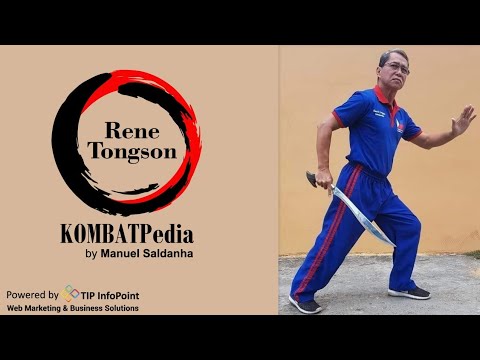
Rene Tongson: A Deep Dive into Kali, Eskrima, and Arnis - The Pinnacle of Filipino Martial Arts

Hello and welcome, warriors! Today, we delve into the heart of the Filipino Martial Arts (FMA) through the lens of a master, Rene Tongson. Many of you seek to understand the essence of these formidable arts, often confused by their intertwined names: Kali, Eskrima, and Arnis. Is it merely a linguistic difference, or is there a deeper dichotomy? This is the question that echoes in the minds of practitioners worldwide, a question we will dissect with the precision of a Sinawali. The intention of our exploration today is to go beyond superficial definitions. We aim to uncover the *why* behind the nomenclature, to grasp the historical and practical distinctions, and to understand the philosophical underpinnings that make FMA a truly unique and potent system. This isn't just about learning names; it's about understanding the lineage, the fighting principles, and the spirit that has been passed down through generations of great masters.

Unraveling the Nomenclature: Kali, Eskrima, Arnis

The first hurdle for any aspiring student of FMA is the seemingly interchangeable use of the terms Kali, Eskrima, and Arnis. While often used interchangeably today, particularly in the West, their historical context and regional prevalence offer crucial insights. * **Arnis**: This term is believed to derive from the Spanish word "arnés," meaning armor. Historically, it referred to the defensive aspects of the art, emphasizing parries, blocks, and the manipulation of an opponent's weapon, much like a knight would use their armor defensively. It's a name that evokes the very essence of protection and strategic engagement. * **Eskrima**: This word originates from the Spanish "esgrima," meaning fencing. It highlights the bladed aspect of the art, focusing on the intricate footwork, angles of attack, and deceptive maneuvers characteristic of sword fighting. Think of the elegant yet deadly dance of blades, a testament to the art's evolution from close-quarters combat. * **Kali**: The origin of "Kali" is more debated, with theories ranging from a connection to the Indian sword goddess Kali, to a contraction of "Kalisong" (a type of native dagger), or even a descriptive term for the art's flowing, rhythmic movements. Regardless of its etymology, "Kali" often signifies the broader, more indigenous, and perhaps older aspects of the FMA, encompassing empty-hand techniques and grappling alongside weapon-based combat. It's a name that whispers of ancient traditions and primal power. Rene Tongson, a revered figure in the FMA community, embodies the mastery that transcends these labels. His teaching and practice often serve as a bridge, demonstrating how these distinct names represent different facets of a unified, dynamic system. To truly appreciate FMA, one must look past the nomenclature and embrace the comprehensive philosophy and practical application that masters like Tongson exemplify.

The Legacy of Rene Tongson: A Beacon of FMA Mastery

Rene Tongson is not merely a practitioner; he is a living repository of the Filipino Martial Arts. His dedication to preserving and propagating the rich heritage of Kali, Eskrima, and Arnis has left an indelible mark on the global martial arts landscape. His approach is characterized by a deep respect for tradition, combined with an astute understanding of practical combat application. Tongson often emphasizes the principles that underpin all FMA systems: * **Flow and Adaptability**: The ability to seamlessly transition between different ranges of combat, from long-range strikes to close-quarters grappling, is a hallmark of FMA. Master Tongson's teachings illustrate this fluid nature, where movements are not static but responsive, adapting to the opponent's actions. * **Economy of Motion**: In true martial arts, every movement serves a purpose. FMA, as taught by Tongson, exemplifies efficiency, with techniques designed to achieve maximum effect with minimum effort, conserving energy for sustained combat. * **Weaponization of Everything**: While renowned for his mastery of bladed weapons and sticks, Tongson also highlights the FMA principle of seeing any object as a potential weapon – from a pen to a magazine. This pervasive mindset is a crucial aspect of its self-defense efficacy. His influence extends beyond mere technical instruction; he imparts the *budo* spirit – the warrior's code, discipline, and ethical framework. This holistic approach is what truly elevates him to the status of a "Great Master."

Core Principles of Filipino Martial Arts

To truly grasp the depth of Kali, Eskrima, and Arnis, we must understand the fundamental principles that guide their practice. These are not just techniques; they are philosophies woven into movement.

The Concept of "Angles of Attack"

One of the most distinctive features of FMA is the systematic approach to understanding and defending against attacks. The traditional "angles of attack" – often numbering 5, 7, 9, or 12 depending on the style – provide a framework for learning defensive maneuvers and offensive counter-strikes. * **Angle 1**: Thrust to the sternum. * **Angle 2**: Thrust to the left or right side of the torso. * **Angle 3**: Thrust to the left or right side of the head. * **Angle 4**: Thrust to the right or left leg. * **Angle 5**: Thrust to the right or left arm. Mastering these angles allows a practitioner to anticipate an opponent's moves and develop instinctive defensive reactions. This is not rote memorization, but a deep understanding of trajectories and vulnerabilities.

The Sinawali: Weaving a Defensive Fabric

The "Sinawali" is a characteristic training method in FMA, involving the intricate crossing and weaving of two sticks. This drill is far more than a simple exercise; it develops: * **Coordination and Balance**: The simultaneous manipulation of two weapons enhances proprioception and body awareness. * **Rhythm and Timing**: The continuous flow of the Sinawali teaches the practitioner to maintain a steady rhythm, crucial for effective engagement. * **Defensive and Offensive Integration**: The weaving motion itself mimics deflecting incoming strikes while simultaneously creating openings for counter-attacks. It’s a beautiful metaphor for the FMA's philosophy of active defense.
The practice of Sinawali, as demonstrated by masters like Rene Tongson, is a visual representation of how FMA integrates offense and defense into a single, continuous motion. It embodies the concept of "flow like water, strike like thunder."

Empty Hand Techniques: The "Panantukan" and "Dumbbell"

While often associated with weaponry, FMA possesses a highly sophisticated empty-hand combat system. This includes: * **Panantukan**: Often referred to as "Filipino Boxing" or "Dirty Boxing," it incorporates the angles of attack, trapping, elbow strikes, knee strikes, and a strong emphasis on close-range combat. It is the natural extension of weapon techniques to unarmed fighting. * **Trapping and Flowing**: FMA empty-hand techniques often involve "trapping" an opponent's limbs to control their structure and create openings for strikes or joint manipulation. This mirrors the principles of weapon disarms and control. The seamless transition from weapon to empty-hand combat, and vice versa, is a testament to the holistic design of FMA. A practitioner trained in FMA can, in theory, engage effectively with or without a weapon, as the underlying principles remain consistent.

The Philosophical Core: Bushido and the Warrior's Mindset

While Bushido is famously associated with Japanese Samurai, its core tenets of discipline, honor, self-control, and loyalty resonate deeply within the Filipino Martial Arts tradition as well. The pursuit of mastery in Kali, Eskrima, or Arnis is not merely about physical prowess; it is a path to spiritual and mental development.
"The supreme art of war is to subdue the enemy without fighting." - Sun Tzu, The Art of War
This ancient wisdom is echoed in FMA. The ultimate goal of any martial art is not to seek conflict, but to develop the wisdom and self-mastery to avoid it, or to resolve it decisively when necessary. Masters like Rene Tongson embody this ideal, demonstrating that true strength lies not in aggression, but in control and understanding. The "Budo" aspect, the way of the warrior, is paramount.

Training Methodology: Beyond the Basics

The training for Kali, Eskrima, and Arnis is rigorous and multifaceted. It demands not only physical conditioning but also mental acuity and unwavering commitment.

Intelligence Gathering and Analysis

Before any physical engagement, the martial artist must develop the ability to observe and analyze. This includes understanding an opponent's stance, their likely intentions, and the environment. This principle, often highlighted in advanced FMA training, is critical for survival. It’s about using your senses and intellect as much as your body.
"By knowing the enemy and knowing yourself, you need not fear the result of a hundred battles." - Sun Tzu, The Art of War

The Role of Conditioning

FMA demands a high level of physical fitness. Training often includes: * **Strength and Power Development**: Essential for delivering effective strikes and controlling an opponent. * **Endurance Training**: To maintain intensity throughout a prolonged engagement. * **Flexibility and Agility**: To execute fluid movements, evasions, and dynamic techniques. Proper conditioning ensures that the techniques learned can be executed effectively under pressure. Without a robust physical foundation, even the most sophisticated techniques can fail.

Veredicto del Sensei: A Testament to FMA's Enduring Power

Rene Tongson's contribution to the world of Kali, Eskrima, and Arnis is immeasurable. He represents the pinnacle of what these arts offer: a comprehensive system of combat, a profound philosophical path, and a living link to a rich cultural heritage. His ability to distill complex principles into understandable teachings makes him an invaluable asset to the martial arts community. For anyone seeking to understand the practical applications, the historical depth, and the philosophical nuances of FMA, studying Rene Tongson's work is not just recommended; it is essential. He embodies the spirit of the warrior, a continuous learner and a dedicated teacher. **Rating:** Cinturón Negro en Transmisión de Conocimiento y Maestría Marcial.

Equipo Esencial para tu Entrenamiento

To truly immerse yourself in the practice of Kali, Eskrima, or Arnis, certain training tools are indispensable. While the art teaches you to use anything as a weapon, dedicated equipment allows for safe and effective skill development.
  • Bastones de Entrenamiento (Escrima Sticks): Standard hardwood or rattan sticks are crucial for practicing drills like Sinawali and various combat scenarios.
  • Daga de Entrenamiento (Training Dagger): Wooden or rubber training knives are essential for practicing disarms, close-quarters blade work, and realistic scenarios.
  • Equipo de Protección: When sparring, especially with bladed training weapons, protective gear such as headgear, mouthguards, and padded gloves is vital to prevent injury.
  • Guantes de MMA/Sparring: For the Panantukan (Filipino Boxing) aspect, standard MMA or sparring gloves are recommended.
  • Makiwara o Bolsa de Boxeo: For developing power and conditioning striking techniques.
Investing in quality training gear is an investment in your martial journey. It allows for progressive training, ensuring that you can build skill safely and effectively. For those serious about mastering FMA, consider exploring options for durable and authentic training implements.

Recursos para Profundizar

To truly understand the lineage and depth of Filipino Martial Arts, delve into the following resources:

Guía de Entrenamiento: Dominando los Ángulos Básicos

Let's break down a fundamental FMA training exercise focusing on defensive angles. This is best practiced with a training partner and ideally with training sticks.
  1. Posición Inicial: Assume a neutral fighting stance, feet shoulder-width apart, knees slightly bent, and a comfortable guard. Your training partner will start with a basic overhead strike (Angle 1).
  2. Recepción del Ataque (Ángulo 1): As the strike comes down, use your stick to deflect it upwards and to the side. This is a simple upward parry.
  3. Contraataque Inmediato: Immediately after deflecting, use the momentum to deliver a counter-strike, often a thrust or a horizontal strike to the opponent's head or body.
  4. Transición a Ángulo 3: Your partner transitions to a horizontal strike towards your head (Angle 3). Use a downward or diagonal block to deflect.
  5. Follow-up Strike: Counter with an appropriate follow-up strike, perhaps a sweep of their arm or a thrust to their body.
  6. Rotación y Repetición: Continue this drill, cycling through the primary angles of attack. Focus on smooth transitions, maintaining your balance, and keeping your movements economical.
  7. Práctica con Mano Vacía: Once comfortable with sticks, adapt these parries and counter-strikes to empty-hand techniques, visualizing where your arms and body would be in relation to the incoming strike.
Remember, the key here is not just blocking, but redirecting and immediately counter-attacking. This drill teaches proactive defense and offensive integration.

Preguntas Frecuentes

What are the main differences between Kali, Eskrima, and Arnis?

While often used interchangeably, "Arnis" historically refers to the defensive aspects ("armor"), "Eskrima" to the fencing/bladed combat aspect, and "Kali" to the broader, more indigenous, and perhaps older roots of the art, encompassing many facets.

Is Filipino Martial Arts effective for self-defense?

Absolutely. FMA is renowned for its practical and adaptable self-defense applications, emphasizing weapon-based combat, but seamlessly integrating effective empty-hand techniques and a mindset of environmental awareness.

What is the role of "Ki" or "Chi" in FMA?

While not always explicitly labeled as "Ki" or "Chi" in the same way as some East Asian arts, FMA emphasizes internal energy, focus, and intention. The concept of "flow," coordination, and the unified application of power in techniques is akin to the practical application of internal energy principles.

How does FMA compare to other martial arts like Karate or Taekwondo?

FMA is primarily a weapon-based art that incorporates empty-hand techniques, focusing on angles, disarms, and close-quarters combat. Arts like Karate and Taekwondo are predominantly striking-focused, kicking-heavy, and developed primarily for unarmed combat. The approaches to combat, range, and typical engagement differ significantly.

Can someone start learning FMA without prior martial arts experience?

Yes, FMA is accessible to beginners. While it can be complex, dedicated instructors like Rene Tongson break down the learning process systematically, starting with foundational movements and principles before progressing to more advanced techniques. GEMINI_METADESC: Explore Kali, Eskrima, and Arnis with Master Rene Tongson. Uncover the history, principles, and combat effectiveness of Filipino Martial Arts.

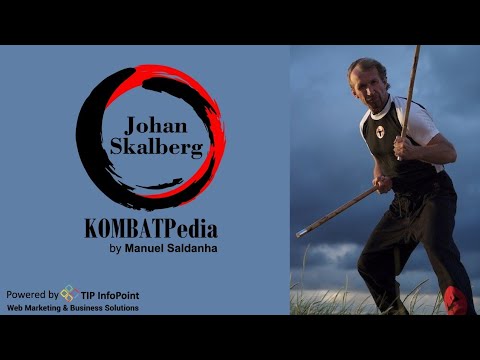
Johan Skalberg: A Deep Dive into Kali, Eskrima, and Arnis - Beyond the Surface

Greetings, warriors and seekers of martial wisdom. Today, we embark on a journey not merely to discuss a practitioner, but to dissect the essence of Filipino Martial Arts (FMA) as exemplified by a figure like Johan Skalberg. Many approach these arts – Kali, Eskrima, Arnis – as mere systems of stick fighting, a simplistic view that belies their profound depth and lethality. Are you, like so many, content with superficial knowledge, or are you ready to delve into the true spirit of these warrior traditions? Prepare yourselves, for we are about to expose the intricate layers of combat philosophy that define FMA, and how masters like Skalberg embody them.

Table of Contents

The Art of Kali, Eskrima, Arnis: More Than Meets the Eye

The names Kali, Eskrima, and Arnis are often used interchangeably, a testament to the interconnectedness of the Filipino Martial Arts. However, to dismiss them as mere "stick fighting" is an insult to centuries of combat evolution. These arts are a sophisticated symphony of empty-hand techniques, weapon mastery (from the ubiquitous stick to bladed weapons and improvised tools), and strategic thinking. They are born from necessity, honed in conflict, and passed down through generations of warriors defending their homeland and way of life. This is not about flashy moves for show. This is about efficient, devastating application of force. It’s about understanding angles, timing, and distance with a clarity that few other martial disciplines can match. The **combat** practitioner who truly grasps FMA understands that the principles of weapon fighting translate seamlessly to unarmed combat, and vice versa. It's a holistic approach to survival and victory.

Historical Roots and Evolution: Forged in Conflict

The history of Kali, Eskrima, and Arnis is as rich and complex as the archipelago from which it hails. These arts did not spring into existence in sterile dojos; they were forged in the crucible of invasion and internal conflict. From the indigenous tribal warfare and duels of honor to the brutal clashes with Spanish colonizers, the Moros, and later, other foreign powers, the Filipino people developed highly effective methods of self-preservation. Spanish colonial records often spoke of the Filipinos' ferocity and skill with their bladed weapons. The Spanish missionaries, in their efforts to quell what they perceived as violent native customs, often banned public displays of these martial practices. This forced the arts underground, where they were disguised as traditional dances and rituals, preserving their essence through generations. This clandestine transmission is why many styles exist, each with its unique nuances, but all sharing a common lineage and core principles. The term "Arnis" itself is believed to derive from the Spanish "arnes," meaning armor, suggesting the art was practiced for protection. "Eskrima" comes from the Spanish "esgrima," meaning fencing, highlighting the emphasis on weapon-based combat. "Kali" is a more debated term, with some tracing it to "kalis," a type of sword, or to ancient Sanskrit terms related to "energy" or "spirit." Regardless of the etymology, the fighting effectiveness remained paramount.
"The Filipino Martial Artist is one of the most dangerous in the world. He is trained from boyhood to use his body as a weapon. He is trained to use anything as a weapon." - Dan Inosanto
The legacy of these arts is undeniable, influencing systems worldwide and finding modern expression in the techniques of countless **fighters** and **martial artists**.

Johan Skalberg: A Modern Exponent

Johan Skalberg represents a contemporary embodiment of the warrior spirit inherent in Kali, Eskrima, and Arnis. In a world increasingly dominated by specialized combat sports like **MMA** and **kickboxing**, practitioners like Skalberg remind us of the pragmatic and often brutal efficiency that FMA offers. He showcases not just the technical proficiency, but the underlying philosophy that makes these arts so enduring. His dedication to preserving and propagating these traditions, often through demonstrations and teaching, is crucial. In an era where authenticity can be diluted, understanding the lineage and principles championed by such individuals is vital. He stands as a bridge, connecting the ancient wisdom of the islands to the modern global **martial arts** community.

Core Principles and Methodologies

The true genius of Kali, Eskrima, and Arnis lies in its fundamental principles, which are deceptively simple yet profoundly effective. These are not arbitrary movements; they are logical responses to the dynamics of combat. * **Flow and Continuous Motion**: FMA emphasizes seamless transitions between offensive and defensive actions. There is no wasted movement. A block often flows into a strike, a parry into a takedown. This creates an overwhelming offensive pressure that is difficult to counter. * **Angles of Attack**: Understanding and exploiting the "lines" or angles of attack is paramount. FMA teaches you to attack from angles your opponent doesn't anticipate and to defend by moving along these lines rather than directly against force. This is crucial when dealing with **combat** scenarios where multiple threats or weapons might be involved. * **Economy of Motion**: Efficiency is key. Every movement serves a purpose – to defend, to attack, to control distance, or to create an opening. This principle is directly applicable to any form of **fight** or **training**. * **Footwork (Mano-Mano)**: While often associated with weapons, the footwork in FMA is sophisticated and integral. It dictates distance, angle, and power generation. It allows practitioners to evade, advance, and control the engagement space. * **Weaponization of the Body and Environment**: FMA teaches that the hands, feet, elbows, knees, and even the head are weapons. Furthermore, any object can become a lethal tool. This mindset transforms a practitioner into a formidable force, not reliant on specialized **equipment** but adaptable to any situation. The systematic training often begins with **Arnis** sticks, but this is merely a training tool to develop the body's mechanics, coordination, and sensitivity. The principles learned with the stick are directly applied to knives, swords, and unarmed techniques.

Practical Application and Philosophy

The philosophy underpinning Kali, Eskrima, and Arnis is one of pragmatism and resilience. It’s about understanding the brutal realities of **combat**, not romanticizing it. The goal is not to win a tournament or impress an audience; it is to survive. This means understanding how to neutralize a threat quickly and efficiently. It involves a mindset that is alert, adaptable, and willing to act decisively. This is where the concept of **Ki** or vital energy, while not always explicitly named in the same way as in some East Asian arts, is implicitly present. The flow, the intention, the focused energy – these are all manifestations of internal power directed outwards. This pragmatic approach extends to **self-defense**. In a real-world encounter, the opponent is unlikely to adhere to rules or announce their intentions. FMA prepares practitioners for unpredictable threats, including multiple attackers and weapons. It teaches not just how to defend, but how to control the encounter and de-escalate if possible, or end it decisively if necessary. The **CommunityOfWarriors** that embraces FMA understands that true martial skill lies in adaptability and unwavering resolve.

Equipment Essential for Your Training

While FMA can be practiced with improvised tools, structured **training** requires specific gear to build proper technique and safety. For those looking to delve deeper, consider these essentials:
  • Training Sticks (Baston/Bastón): Typically made of rattan or synthetic materials, these are the cornerstone of FMA training. Opt for sizes and weights that feel comfortable and allow for rapid movement. Ensure they are durable enough for impact training.
  • Training Knives (Daga): Blunt or rubber training knives are crucial for practicing with bladed weapons. Safety is paramount when training with sharp implements, so always use marked training blades for drills.
  • Protective Gear: Depending on the intensity of sparring, consider a fencing mask, padded gloves, and perhaps a chest protector. This allows for safer, more realistic application of techniques.
  • Partner: The most essential "equipment" is a dedicated training partner. Finding a qualified instructor and a supportive training group is vital for progress.
Investing in quality **Martial Arts Merchandise** not only aids your learning but also shows respect for the art form.

Training Guide: Essential FMA Drills

Mastering FMA requires consistent and focused practice. Here's a fundamental drill that builds the core principles:
  1. The 12 Basic Angles of Attack: Start by learning to strike in the standard 12 angles. Practice each angle repeatedly with your training stick, focusing on generating power from your hips and core, not just your arm. Visualize these angles as pathways to disarm or incapacitate an opponent.
  2. Block and Counter (Orchestra Drill): With a partner, one person performs the 12 angles of attack. The other person practices blocking these angles and immediately counter-attacking. This is the "orchestra" – the flow of defense into offense. Focus on smooth transitions rather than stiff blocks.
  3. Footwork Integration: As you practice angles and blocks, consciously incorporate your footwork. Move into and out of range, circle your opponent, and maintain proper distance. Your footwork should support your strikes and defenses, not be an afterthought.
  4. Weapon Transition: Once comfortable with the stick, begin practicing the same angles and counters with training knives. Understand how the grip, reach, and dynamics change, but how the fundamental principles remain the same.
  5. Empty Hand Application: This is where the true depth is revealed. Practice translating stick and knife techniques into unarmed strikes, blocks, joint locks, and throws. For example, a stick block can become an arm-bar, or a knife slash can be countered with an elbow strike.
Remember, **BUDO** and FMA are about constant refinement. Consistency in **training** is more important than sporadic, intense sessions.

Veredict of the Sensei: Is FMA Still Relevant?

The question of relevance is a constant echo in the halls of martial arts. For Kali, Eskrima, and Arnis, the answer is a resounding YES, but with a crucial caveat. Their relevance hinges entirely on the practitioner's commitment to understanding their core principles, not just memorizing techniques. FMA is not a sport; it is a survival system. In the chaotic landscape of **combat sports**, where rules often dictate engagement, FMA provides a framework for understanding conflict in its rawest form. The ability to seamlessly transition between armed and unarmed states, the sophisticated understanding of angles, and the emphasis on efficiency make it incredibly potent. Is it a "Cinturón Negro" in realism? Absolutely. Does it require a discerning instructor and dedicated student to unlock its full potential? Without a doubt. The danger lies not in the art itself, but in the superficial understanding that leads to a false sense of security. Those who truly train FMA understand that the stick is merely a tool to teach a deeper combat logic.

Frequently Asked Questions

  • What is the main difference between Kali, Eskrima, and Arnis?
  • These are largely regional names for the same family of Filipino Martial Arts. While different styles may emphasize certain aspects or have unique historical origins, the core principles of weapon-based combat, empty-hand techniques, and fluid transitions are shared across them.
  • Is FMA dangerous to train?
  • Like any martial art involving weapons and close-contact combat, FMA carries inherent risks. However, with proper instruction, safety equipment, and a focus on controlled progression, the risks can be significantly mitigated. The primary goal of training is to learn to *avoid* danger, not to seek it out recklessly.
  • Can I learn FMA online?
  • While online resources can supplement your learning, they cannot replace the vital feedback and practical application gained from training with a qualified instructor and a training partner. Visualizing techniques is one thing; executing them safely and effectively under pressure is another.
  • Does FMA have a belt system?
  • The belt system is not as standardized in FMA as it is in arts like Karate or Taekwondo. Many styles use sashes, rank patches, or simply recognize progression through demonstrated proficiency and experience. The focus is often on practical skill rather than formal ranking.

To Deepen Your Path

The journey into the intricacies of martial arts is a lifelong pursuit. For those captivated by the raw effectiveness and profound history of FMA, further exploration is encouraged. Consider these paths:

Reflection of the Sensei: Your Next Step

You've glimpsed the surface of Kali, Eskrima, and Arnis. But are you content with mere observation? Or will you embrace the challenge of true understanding, where the weapon becomes an extension of your will and your body a symphony of destructive grace? **When the stick falls, what will rise?** ``` GEMINI_METADESC: Explore the profound depths of Kali, Eskrima, and Arnis with Johan Skalberg. Uncover historical roots, core principles, and practical training for these lethal Filipino Martial Arts.

The Wisdom of the Ancients: Why Age is Just a Number in the Martial Arts Arena

The passage of time is an undeniable force, etching its story upon us all. We often lament the fading of youthful vigor, the gradual dimming of the fiery spirit that once burned so bright. But what if I told you that in the disciplined world of martial arts, age doesn't necessarily signify decline? What if it, in fact, hones a wisdom, a strategic prowess, and a deeper understanding of combat that no amount of youthful impetuosity can replicate? Today, we delve into the captivating phenomenon of seasoned martial artists who, defying the conventional narrative of aging, not only maintain their formidable skills but also demonstrate them with a grace and power that can humble even the most arrogant of younger challengers. Prepare to witness the timeless art of the master.

The Unforeseen Advantages of Experience

Many believe that the peak of physical capability in combat sports lies in the twenties. While raw power and explosive speed might be at their zenith then, this overlooks the profound advantages that accrue with decades of dedicated practice. Experience, in the martial arts, is not merely accumulated time; it is the distillation of countless lessons learned through sweat, pain, and sometimes, defeat. A seasoned practitioner understands timing in a way that youth often cannot grasp. They've felt the rhythm of combat, the subtle shifts in an opponent's posture, the breath before an attack. This intuitive understanding, a product of thousands of hours on the *tatami* or in the ring, allows them to anticipate, to counter, and to control the engagement with minimal wasted effort. It’s the difference between a wild flurry of punches and a single, perfectly placed strike that ends the contest. Furthermore, older fighters often possess superior strategic thinking. They've encountered a vast array of styles and tactics. Instead of relying solely on physical attributes, they can analyze an opponent's weaknesses and exploit them ruthlessly. Their movements are often more economical, more efficient, conserving energy while maximizing impact. This isn't about brute force; it's about applying pressure precisely where it hurts most, psychologically and physically.
"It is not the strength of the body that shows our limitations, but it is the strength of our spirit." – Unknown Master

Living Legends: Masters vs. Misfits

The annals of martial arts history are replete with examples of older masters who have demonstrated their enduring prowess. While the concept of "old men destroying cocky young fighters" can sometimes be sensationalized, it often highlights a deeper truth about the martial path. It's not about the physical decline of youth, but the ascendancy of honed skill and spirit. Consider the legendary figures in various disciplines. In Karate, masters like **Tetsuhiko Asai** continued to teach and demonstrate with astonishing vitality well into their later years, their techniques sharp and their spirit unbroken. In Judo, while not always in public exhibitions against younger opponents, the understanding of principles by senior black belts can still utterly dismantle a less experienced, more powerful individual through superior leverage and timing. Think of the wisdom that guides a seasoned *sensei*’s correction – it’s not just about physical manipulation, but about imparting understanding. Even in modern combat sports, we see glimpses. While not "old" in the traditional sense, fighters in their late thirties and early forties, like **Anderson Silva** in his prime or **Fedor Emelianenko**, often relied on their immense experience and ring IQ to overcome younger, physically gifted opponents. They understood the fight, they knew when to push and when to wait, demonstrating that true mastery transcends the limitations of age.
This is not to romanticize physical decline, but to celebrate the cultivation of martial virtues that mature with age: patience, strategy, and an unshakeable mental fortitude. The arrogance of youth often meets its match in the quiet confidence of experience.

The Unyielding Spirit of Budo

The term *Budo* itself encapsulates more than just combat techniques; it signifies the "Way of Warrior." This path is one of continuous self-improvement, discipline, and ethical development. Age, in this context, can be a powerful catalyst for spiritual growth. As physical prowess may gradually lessen, the inner strength, the mental resilience, and the philosophical understanding deepen. A true *Budo* practitioner understands that combat is a last resort, a demonstration of skill and principle, not a brawl. When an older master faces a cocky younger fighter, it is often less about inflicting damage and more about teaching a lesson in humility and respect. The victory comes not just from a physical technique, but from the psychological impact of being outmaneuvered, outthought, and ultimately, out-mastered.
"There are no shortcuts. It is the perseverance through hardship that forges true strength." – A principle echoed by many Karate masters.
This spirit is what separates the true martial artist from a mere fighter. It’s the understanding that the principles learned on the training floor – discipline, respect, perseverance – are applicable to all aspects of life. For the seasoned master, this wisdom is not a burden; it is their greatest weapon.

Training Principles for Every Practitioner

The notion that older martial artists can still dominate younger ones offers vital lessons for all practitioners, regardless of age: * **Prioritize Technique over Raw Power**: Young fighters often rely on strength. Older, experienced practitioners demonstrate the power of precise technique. Focus on perfecting your fundamentals – the stance, the movement, the strike, the block. * **Develop Strategic Thinking**: Study your opponents. Understand timing, distance, and an opponent’s tendencies. Don't just react; anticipate. * **Cultivate Mental Fortitude**: Patience, focus, and emotional control are paramount. A calm mind is a dangerous weapon. Meditation and mindfulness practices can significantly enhance this. * **Embrace Lifelong Learning**: The martial journey never ends. There is always something new to learn, a nuance to refine. Stay curious and open to new information, even if you are an advanced practitioner.

Sensei's Verdict: The True Measure of a Fighter

Can age truly be defeated by youthful arrogance? In the realm of martial arts, the answer is a resounding no, provided the "older" practitioner has dedicated themselves to the true principles of their art. Experience, refined technique, strategic intelligence, and an indomitable spirit are powerful equalizers, and often, superior forces to raw, unbridled youth. The scenarios where seasoned masters school cocky youngsters are not anomalies; they are living testaments to the enduring power of mastery. **Cinturón Negro en Sabiduría y Técnica.**

Essential Equipment for Your Training

While technique and spirit are paramount, the right equipment can certainly support your journey and prevent injury, regardless of age. Investing in quality gear is a sign of respect for yourself and your art.
  • Durable Training Uniform (Gi/Kimono): Look for a heavy-duty weave, especially if you train Judo or Karate where grappling and rigorous movement are common. A double-weave gi offers excellent durability.
  • Protective Gear: For sparring, appropriate padding is crucial. This includes headgear, mouthguards, shin guards, and groin protectors.
  • Training Mats (Tatami or Yoga Mats): For drills, falls, and floor work, proper cushioning is essential to prevent injuries.
  • Hand Wraps and Gloves: If practicing striking arts, hand wraps provide essential support, and well-fitting sparring gloves protect both you and your partner.
  • Training Weapons (if applicable): For arts that incorporate weapons, ensure they are safe and appropriate for training (e.g., wooden *bokken* for sword practice, padded *kali* sticks).

Frequently Asked Questions

Is it possible for older martial artists to be more effective than younger ones?

Absolutely. While youth may have an edge in raw speed and power, experience brings superior timing, strategy, technique, and mental fortitude, which can often overcome physical limitations.

What martial arts are best suited for older practitioners?

Many arts can be adapted. Tai Chi is renowned for its health benefits and gentle movements. Judo and Aikido focus on leverage and technique. Karate and Taekwondo can be modified to emphasize form and precision. The key is finding an instructor who understands how to adapt training for different age groups.

How can younger fighters show respect to older masters?

By listening attentively, demonstrating humility, showing sincere effort in training, and acknowledging the knowledge and experience the older practitioner possesses. Asking questions and being open to feedback are also crucial.

Does physical conditioning decline significantly with age for martial artists?

It can, but it doesn't have to. With smart, consistent training, older martial artists can maintain a high level of fitness, often prioritizing endurance, flexibility, and functional strength over explosive power.

Deepen Your Path

Training Guide: The Art of Anticipation

Anticipation is a skill honed through deliberate practice. Here’s a simple exercise:

  1. Observe Your Partner: Stand facing a training partner. Without telegraphing your intentions, focus entirely on their body – their stance, their weight distribution, their breathing.
  2. Feel the Shift: Try to sense the subtle shifts in their weight before they move. This requires intense focus and a calm mind.
  3. Predict the Action: Based on their stance and weight shift, predict their intended movement (e.g., a step forward, a jab, a guard adjustment).
  4. React Proactively: The moment you sense the intention, move to counter or evade *before* the action is fully executed. This might be a slight sidestep, a parry, or a subtle adjustment of your own guard.
  5. Practice and Refine: This exercise should be done slowly and with a cooperative partner. The goal is not to "win" but to develop the sensory awareness and predictive ability. Over time, this awareness will become more intuitive.

Reflection of the Sensei: Your Next Step

We’ve seen how experience and spirit can triumph over youthful exuberance. But this isn't just a spectacle; it's a profound teaching. The greatest battles are often fought within ourselves – against impatience, against arrogance, against the illusion that we have learned all there is to know. The next time you step onto the training floor, or face any challenge in life, ask yourself: Am I relying on the raw power of my youth, or the cultivated wisdom of my spirit? How can I embody the calm, strategic presence of the master, regardless of my age?

``` GEMINI_METADESC: Explore how seasoned martial artists leverage experience, strategy, and spirit to overcome younger, cocky fighters, proving age is merely a number in the pursuit of mastery.