Showing posts sorted by date for query History of Martial Arts Cinema. Sort by relevance Show all posts

The Unmistakable Signs of a True Martial Arts Devotee (Are You One of Us?)

Have you ever found yourself unconsciously mimicking a stance while waiting in line, or perhaps instinctively blocking a rogue shopping cart? Does the mere mention of "O-soto-gari" send a shiver of excitement down your spine? If your mind immediately races to classic cinema showdowns or the intricate philosophies behind the Bushido code, then welcome, brother/sister. You're not just a practitioner; you're one of the initiated. The path of Budo is not merely a hobby; it’s a profound transformation, a discipline that seeps into the very marrow of your being. But how do we discern true passion from mere fleeting interest? How do we know when the dojo has truly become our second home, and our gi our second skin?

The Unconscious Dojo: When Life Becomes Practice

The first, and perhaps most telling, sign of true martial arts addiction is when the dojo's influence spills into the mundane. You're not just training on the mat; you're training everywhere. Observe the casual observer: they see a person waiting for a bus. You, the devotee, see an opportunity to perfect your Kihon, your basic stances, maintaining perfect posture. That sudden urge to execute a swift Mawashi-geri at a particularly irritating telemarketer? A classic symptom. We’ve all been there, haven't we? That moment in the supermarket aisle when you absentmindedly practice your Tsuki on an unsuspecting cereal box, only to realize the stares you're receiving.

This isn't mere eccentricity; it’s the ingrained muscle memory and the persistent mental conditioning that Budo instills. It speaks to a deep internalization of the principles of balance, focus, and readiness. It’s the spirit of the warrior manifesting in everyday actions, a constant, subtle dance of preparedness.

The Endless Scroll: Immersed in the Digital Dojo

In this digital age, the dojo is never truly closed. For the addicted, the internet becomes an extension of the training floor. Hours melt away, not in frivolous scrolling, but in the relentless pursuit of knowledge. Watching instructional videos, analyzing fight footage, devouring documentaries on legendary masters – this is your daily bread. You find yourself comparing the footwork of a Kyokushin Karateka to that of a Judo practitioner, dissecting the efficiency of a Wing Chun centerline theory versus the explosive power of Muay Thai.

This isn't just passive consumption; it's active study. You’re not merely watching; you are learning, assimilating, constantly seeking to refine your understanding. The legends you admire – perhaps a Miyamoto Musashi, a Mas Oyama, or a Jigoro Kano – become your virtual mentors, their teachings guiding your every thought.

"The ultimate aim of martial arts is not academic or intellectual, but physical and spiritual." - Unknown Master

Sanctuary of the Sweat: The Dedicated Training Space

For those truly consumed, a single room is no longer enough; a dedicated space becomes a necessity. This is more than just a corner with a punching bag. It's a shrine. It’s where the sweat drips and the spirit soars. Here, you organize your precious tools: the well-worn makiwara, the trusty kiai-inducing focus mitts, perhaps even a carefully curated selection of martial arts weaponry – a bo staff leaning against the wall, a bokken resting on a stand. This space is your personal laboratory, your forge. Here, you push your limits, test new techniques, and reconnect with the core of your practice.

The mere existence of such a space signifies a commitment that transcends casual interest. It’s a testament to the fact that martial arts are not just something you *do*, but something you *live*. It’s an investment in your journey, a tangible manifestation of your dedication.

The Sacred Circle: Respecting the Warrior's Time

Those closest to us often become the first to understand the depth of our passion. They learn, sometimes the hard way, that when the gi is on, or when the focus is absolute, disturbance is not an option. The frantic calls, the urgent requests – they often fall on deaf ears during the sacred hours of training. This isn't rudeness; it's recognition. It’s an unspoken agreement that this time is non-negotiable, a period of intense personal development where external distractions must yield.

Your family and friends, if they are truly understanding, will learn to respect these boundaries. They see not stubbornness, but the profound importance you place on your chosen path. They understand that this discipline is building a better version of you, a more focused, resilient, and capable individual.

The Collector's Obsession: Weapons and Wisdom

Beyond the physical, the true devotee develops a hunger for the history, the philosophy, the very soul of martial arts. This often manifests as a collector’s spirit, not just for physical artifacts but for knowledge. You find yourself drawn to the stories of legendary weapons – the katana of a samurai, the nunchaku of Bruce Lee. You begin to amass a personal library of texts, from Sun Tzu's "The Art of War" to treatises on Zen and martial philosophy.

This isn't just about accumulating objects; it's about connecting with the lineage and the legacy. Each weapon displayed, each book carefully preserved, is a reminder of the generations of practitioners who walked this path before you, their struggles and triumphs fueling your own resolve. It’s a tangible link to the martial heritage.

The Expert's Insight: Knowing the Styles and the Masters

Can you differentiate the fluidity of Aikido from the directness of Karate? Can you name the most influential Judo masters of the 20th century? If the answer is a resounding yes, congratulations – you've likely crossed the threshold into true martial arts devotion. You’ve moved beyond simply performing techniques to understanding the underlying principles, the historical context, and the philosophical underpinnings of each style.

This deep knowledge isn’t acquired overnight. It’s the result of countless hours of research, training, and spirited debate. You've likely engaged in heated discussions about the effectiveness of certain techniques in real-world scenarios, or the merits of traditional training versus modern approaches. This intellectual engagement is as crucial as the physical. It shapes your understanding and refines your practice.

The Guru's Shadow: Following a Revered Instructor

A pivotal aspect of the martial arts journey is often finding a mentor who inspires and guides. This isn't just about attending classes; it's about forming a bond built on trust and shared dedication. You find yourself not only attending their every session but seeking their wisdom outside the dojo, following their teachings religiously. You understand that their experience and insight are invaluable, a shortcut through the labyrinth of self-discovery.

This reverence for an instructor is a sign of respect for the lineage and the transfer of knowledge. It acknowledges that while personal exploration is vital, the guidance of a seasoned master can illuminate the path, preventing countless pitfalls and accelerating growth. It’s about recognizing that true mastery is often built upon the shoulders of those who came before.

The Spectator Sport: Competitions and Championships

The thrill of competition is a powerful draw for many martial artists. Attending tournaments, whether as a participant or a spectator, offers a unique insight into the application of skills under pressure. You find yourself drawn to the intensity, the strategy, the sheer willpower displayed. You analyze the bouts, perhaps mentally critiquing the fighters' techniques or celebrating their triumphs.

This engagement with competition demonstrates an appreciation for the practical application of martial arts. It’s a recognition that while self-improvement is paramount, testing one’s skills against others is a vital component of growth for many disciplines. It signifies an understanding of the martial spirit in its most direct and challenging form.

The Ultimate Dream: Aspiring to Mastery

And then there are the dreams. The vivid, exhilarating dreams where you are the undisputed master, effortlessly executing perfect techniques, perhaps facing down imaginary foes with calm resolve. These nocturnal visions are perhaps the most potent indicator of your deep immersion. You don’t just train; you aspire. You envision yourself not just as a practitioner, but as a true embodiment of martial principles.

This aspiration for mastery is the engine that drives continuous improvement. It’s the recognition that the journey of Budo is a lifelong pursuit, a path with no true end, only constant evolution. It’s the understanding that the ultimate goal is not just physical prowess, but a profound inner transformation.

Veredicto del Sensei: ¿Es esto una Adicción o una Vocación?

Let's be brutally honest. If you've nodded along to more than a few of these points, then yes, you are indeed "addicted" to martial arts. But is this a bad thing? Absolutely not. This isn't the destructive addiction of a vice; this is the consuming passion of a life dedicated to a noble pursuit. This "addiction" is a testament to your commitment, your discipline, and your willingness to grow. It means you've tapped into something profound – a practice that enriches your mind, strengthens your body, and fortifies your spirit. The benefits of this path are immeasurable, fostering resilience, respect, and a deep sense of self-awareness.

At BYAM Budo y Artes Marciales, we understand this deep-seated passion. We exist to serve this very community. Whether you're seeking the perfect Kimonos for Judo, durable gear for Karate, or insightful books to deepen your understanding of Budo philosophy, we are here to support your journey. We offer quality training equipment and a wealth of content designed to fuel your martial arts fire.

Equipo Esencial para tu Entrenamiento

  • Guantes de Sparring (16oz recomendados para la mayoría de disciplinas de combate): Protege tus manos y las de tu compañero.
  • Kimono de Doble Tejido para Judo o Jiu-Jitsu: Durabilidad y resistencia para los rigores del grappling.
  • Espinilleras y Guantes de Karate: Esenciales para la seguridad en el entrenamiento de Karate y Kickboxing.
  • Sacos de Boxeo y Pera Loca: Herramientas fundamentales para mejorar la potencia, la velocidad y la resistencia.
  • Esterillas de Entrenamiento: Para ejercicios de suelo, caídas y para amortiguar el impacto.

Recursos para Profundizar

  • Libros sobre Filosofía Marcial: Explora los principios del Bushido, Zen y otras escuelas de pensamiento.
  • DVDs de Maestros Reconocidos: Aprende técnicas avanzadas y perspectivas únicas de instructores legendarios.
  • Equipamiento de Entrenamiento Específico: Desde makiwaras hasta maniquíes de madera (Muk Yan Jong).

Preguntas Frecuentes

¿Es normal soñar con artes marciales si soy un devoto?

Absolutamente. Los sueños reflejan la profunda inmersión mental y física en tu práctica. Es una señal de que las artes marciales se han convertido en una parte integral de tu psique.

¿Debería preocuparme si practico movimientos en público?

Si bien puede atraer miradas, no es motivo de preocupación si se hace de forma discreta y respetuosa. Indica una fuerte conexión con tu entrenamiento, pero siempre es prudente ser consciente del entorno.

¿Cómo puedo equilibrar mi "adicción" a las artes marciales con mi vida social y familiar?

La clave es la comunicación y el respeto mutuo. Explica la importancia de tu entrenamiento a tus seres queridos. Dedica tiempo de calidad a ellos fuera de tus sesiones de práctica, y es probable que comprendan y apoyen tu pasión.

¿Dónde puedo encontrar equipo de artes marciales de alta calidad?

Busca tiendas especializadas en artes marciales o proveedores en línea de confianza. Sitios como BYAM Budo y Artes Marciales ofrecen una amplia gama de productos para diversas disciplinas.

Para Profundizar en tu Camino

Reflexión del Sensei: Tu Próximo Paso

Ahora te digo: ¿cuál de estos signos resuena más profundamente contigo? ¿Cuál crees que es el verdadero indicador de una pasión inquebrantable? No me des una respuesta fácil. Reflexiona sobre cómo estas manifestaciones de tu devoción impactan tu vida, no solo en el dojo, sino en cada aspecto de tu existencia. Y si te atreves, comparte tu verdad en los comentarios. Demuéstrame que este fuego marcial arde con la misma intensidad en ti.

``` ```json { "@context": "https://schema.org", "@type": "FAQPage", "mainEntity": [ { "@type": "Question", "name": "Is it normal to dream about martial arts if I'm a devotee?", "acceptedAnswer": { "@type": "Answer", "text": "Absolutely. Dreams reflect deep mental and physical immersion in your practice. It's a sign that martial arts have become an integral part of your psyche." } }, { "@type": "Question", "name": "Should I worry if I practice moves in public?", "acceptedAnswer": { "@type": "Answer", "text": "While it might attract stares, it's not a cause for worry if done discreetly and respectfully. It indicates a strong connection to your training, but it's always wise to be aware of your surroundings." } }, { "@type": "Question", "name": "How can I balance my martial arts 'addiction' with my social and family life?", "acceptedAnswer": { "@type": "Answer", "text": "The key is communication and mutual respect. Explain the importance of your training to your loved ones. Dedicate quality time to them outside your practice sessions, and they will likely understand and support your passion." } }, { "@type": "Question", "name": "Where can I find high-quality martial arts equipment?", "acceptedAnswer": { "@type": "Answer", "text": "Look for specialized martial arts stores or trusted online retailers. Sites like BYAM Budo y Artes Marciales offer a wide range of products for various disciplines." } } ] }

The Legacy of Ancient Chinese Martial Arts Films: A Deep Dive into "Heroes of Martial Arts"

The Allure of Ancient Chinese Cinema

Hello and welcome, students of the Way, to Budo and Martial Arts. Today, we dissect a piece of cinema that whispers tales of ancient traditions and chivalrous spirit: ESPSUB [Heroes of Martial Arts] EXTRA, featuring Li Hongyi and Huang Riying. Published on March 27, 2023, this segment promises a glimpse into a world where martial prowess intertwines with historical drama and romance. But as practitioners, we must ask: does this cinematic portrayal honor the true essence of martial arts, or is it merely a fleeting spectacle designed for mass consumption?

The allure of ancient Chinese martial arts films is undeniable. They transport us to eras of legendary warriors, where honor was paramount and the blade, or the fist, was often the final arbiter. Yet, the modern lens often distorts these traditions, romanticizing combat and overlooking the profound discipline and philosophy that underpin true martial mastery. Our goal here is not simply to watch, but to understand. To discern the authentic from the artificial.

Deconstructing "Heroes of Martial Arts": More Than Just a Spectacle

The title itself, Heroes of Martial Arts, evokes a sense of epic storytelling and individual valor. When we encounter films like this, especially those from platforms like YOUKU, known for their diverse content, the initial intention is often pure entertainment. However, for those steeped in the practice of martial arts, there's a deeper analytical current. We seek to identify the:

  • Authenticity of Techniques: Do the movements reflect actual martial arts styles, or are they exaggerated for dramatic effect?
  • Spirit of Bushido/Budo: Is the underlying philosophy of respect, discipline, and self-control conveyed, or is it overshadowed by gratuitous violence?
  • Historical Context: How accurately does the film represent the historical period and the martial traditions of that era?

Li Hongyi and Huang Riying, in their roles, carry the weight of these expectations. The "Ancient Costume/Romance" genre suggests a narrative rich in emotional depth and historical setting, elements that can either enhance or detract from the martial arts portrayal. A poorly executed fight scene can undermine character development, while a well-integrated philosophical element can elevate simple action into profound storytelling. It's a delicate balance that few films manage to strike perfectly.

"The true warrior is not the one who wins every battle, but the one who understands the cost of every fight." - A principle echoing through the ages.

The Art of Movement: Choreography and Authenticity

This is where the true critic in me awakens. Choreography in martial arts films is a double-edged sword. On one hand, it's essential to create visually stunning sequences that captivate the audience. On the other, when it deviates too far from practical application, it risks trivializing the art form. We must ask about the specific styles depicted. Is it Wuxia, with its fantastical acrobatics and "chi" manipulation, or are there elements of traditional Kung Fu, Karate, or even grappling arts integrated realistically?

Consider the fluidity of movement. In reality, combat is often explosive, direct, and economical. While graceful, it is rarely balletic in the way some films present it. We look for evidence of proper stances, believable blocks, and techniques that, while perhaps amplified, still possess a core of practicality. Are the actors performing with genuine understanding of the movements, or are they merely executing programmed steps? The difference is palpable to a trained eye.

For instance, a sequence involving rapid swordplay, if not executed with a sense of weight and intent behind each parry and strike, can look more like a dance than a deadly exchange. Conversely, a simple, well-timed kick, delivered with proper hip rotation and balance, speaks volumes about the underlying skill, even if it's exaggerated for cinematic effect. We analyze the pacing – does it reflect the ebb and flow of real combat, or is it a relentless barrage designed purely for adrenaline?

A critical aspect is the use of wire-fu and CGI. While these tools can enhance the fantastical elements often present in Wuxia cinema, their overuse can detach the audience from the physical reality of martial arts. The best films find a way to integrate these effects seamlessly, supporting the narrative without betraying the grounded nature of the martial disciplines they aim to portray.

Beyond the Blows: Philosophical Underpinnings

Martial arts are not merely about physical techniques; they are a path to self-cultivation. Concepts like Mushin (no-mind), Zanshin (lingering awareness), and Fudoshin (immovable mind) are the bedrock of true mastery. Does Heroes of Martial Arts touch upon these deeper tenets? Or does it focus solely on external conflict?

The "Romance" aspect of the genre might offer a window into the interpersonal dynamics, where loyalty, sacrifice, and duty are tested. These are values deeply ingrained in the warrior code across many cultures. A hero’s journey often involves overcoming internal struggles as much as external adversaries. We search for moments where characters grapple with their conscience, make difficult choices, or demonstrate profound respect for their opponents, even in the heat of battle.

"The supreme art of war is to subdue the enemy without fighting." - Sun Tzu, a philosophy as relevant in film as it is in life.

The film's setting in "Ancient Costume" likely means we'll see characters bound by tradition and societal expectations. How they navigate these constraints, particularly when those constraints conflict with their martial ethics, can be a powerful narrative driver. Is the protagonist driven by vengeance, or by a desire for justice and peace? The answer reveals much about the film's underlying message.

The Human Element: Performance and Character

While the martial arts are central, the performances of Li Hongyi and Huang Riying are crucial. Do they embody the characters with conviction? Can they convey the emotional weight of their martial journey through their expressions and demeanor? A stoic warrior can be as compelling as a fiery one, provided the performance is nuanced.

We assess their on-screen chemistry, especially given the "Romance" tag. Does it feel earned, or is it a superficial plot device? The believability of the characters’ motivations and emotional arcs is what anchors the fantastical elements of martial arts cinema. If the audience doesn't connect with the humans behind the fighting, the spectacle loses its impact.

The supporting cast also plays a role. Are there wise old masters imparting cryptic advice? Ruthless villains who present genuine challenges? Or is the cast largely forgettable, serving only as fodder for the heroes' skills? The depth of characterization, even in a martial arts film, can elevate the viewing experience significantly.

Veredicto del Sensei: ¿Merece la pena?

Based on the typical conventions of this genre and the information provided, ESPSUB [Heroes of Martial Arts] EXTRA likely offers a visually engaging experience for fans of ancient Chinese dramas and martial arts films. For those seeking a deep, authentic portrayal of specific martial arts styles or profound philosophical teachings, it might be a more superficial watch. The "Romance" and "Ancient Costume" elements suggest a focus on narrative and character relationships, which can be a strength if executed well, but may overshadow the martial arts aspect for purists.

Rating: Cinturón Verde en Entretenimiento, Cinturón Amarillo en Autenticidad Marcial.

It's a film likely to satisfy a craving for historical drama and stylized action, but perhaps not for the deep, philosophical martial artist seeking rigorous technique analysis. Watch it for the spectacle, but temper your expectations for deep martial insight.

Equipo Esencial para tu Entrenamiento

While this film focuses on a specific genre of martial arts cinema, for those inspired to train, the right equipment is crucial. Investing in quality gear not only enhances your practice but also ensures safety.

  • Kimono (Gi): For Judo, Jiu-Jitsu, Karate, and Taekwondo, a durable, well-fitting gi is paramount. Look for double-weave options for grappling arts like Judo and BJJ, offering superior resilience.
  • Sparring Gear: Gloves (16oz for most adult sparring), headgear, shin guards, and mouthpieces are non-negotiable for safe sparring sessions in striking arts or MMA.
  • Training Weapons: If practicing with traditional weapons (e.g., Bo staff, Bokken for Kendo), ensure they are made from appropriate materials (wood, rattan, high-density foam) and are well-maintained.
  • Training Mats (Tatami/Roll-out Mats): Essential for grappling arts and falling practice to minimize injury.
  • Makiwara/Strike Shields: For Karate, Taekwondo, and Kung Fu practitioners looking to develop striking power and conditioning.

Preguntas Frecuentes

What are the primary martial arts styles depicted in films like "Heroes of Martial Arts"?

Films in this genre often draw heavily from Wuxia, a style that emphasizes fantastical elements, acrobatic combat, and often incorporates elements inspired by various Kung Fu styles, swordplay, and sometimes Taoist mysticism.

Is the romance aspect a common element in ancient Chinese martial arts films?

Yes, romance, alongside themes of loyalty, honor, and revenge, is a very common narrative thread in ancient Chinese martial arts films, often serving to humanize the warriors and provide emotional depth to the storyline.

How can I distinguish between authentic martial arts and cinematic exaggeration?

Authenticity is often found in the foundational principles: balance, proper body mechanics, economical movement, and believable impact. Cinematic exaggeration typically involves gravity-defying leaps, impossibly fast flurries of strikes, and a lack of realistic consequence for actions.

Are Li Hongyi and Huang Riying known for their martial arts expertise?

Their fame might stem more from their acting or idol status within popular entertainment. While they may train for their roles, their primary recognition is often not as professional martial artists, distinguishing their roles from films starring bona fide martial arts actors.

What is YOUKU?

YOUKU is one of China's largest online video and streaming platforms, offering a wide range of content including TV shows, movies, anime, and variety shows, often featuring Chinese productions.

Recursos para Profundizar

To truly understand the martial arts depicted on screen and their real-world counterparts, further study is essential. Here are some resources:

  • BUDO: Explore the philosophical and spiritual aspects of martial training.
  • KarateCommunity: Learn about the techniques, history, and modern practice of Karate.
  • HistoriadeArtesMarciales: Delve into the rich historical context of various martial disciplines.
  • EntrenamientoDeMMA: For a modern, cross-disciplinary perspective on combat sports.

Reflexión del Sensei: Tu Próximo Paso

We have examined the cinematic offering, dissecting its potential strengths and weaknesses from a martial perspective. Now, the ultimate test lies not in critique, but in application. Does the spirit of the warrior, as portrayed, ignite a spark within you? Do you see the echoes of discipline, the pursuit of excellence, the unwavering resolve?

Consider this: when you watch any depiction of martial arts, whether on screen or in your own dojo, do you merely observe, or do you *perceive*? Do you seek the underlying principles that make the art form potent, or are you content with the surface-level action? The true path is paved with introspection. So, I ask you:

Beyond the fight choreography, what single principle of the martial way, glimpsed in this film or any other, has most profoundly impacted your training and your life?

Now, demonstrate your understanding. Share your thoughts in the comments below. Let us engage in a dialogue that honors the depth of martial arts, not just its portrayal.

NINJA DRAGON: A Critical Examination of Martial Arts Cinema's Mystique

Unveiling the Mystic Warrior

Welcome, students, to another session of critical discourse. Today, we dissect a cinematic artifact, a piece that promises to transport us into the shadowy world of the shinobi: "NINJA DRAGON." But does this film deliver the profound essence of the martial path, or is it merely a spectacle of smoke bombs and stylized violence? As practitioners and enthusiasts, we must question what we consume, especially when it purports to represent the arts we dedicate our lives to.

The allure of the ninja is undeniable, a potent blend of mystery, skill, and a code often misunderstood. Many films attempt to capture this mystique, but few truly grasp the underlying discipline, the rigorous training, and the philosophical depth that define the true warrior. "NINJA DRAGON," in its very title, sets a high bar. Is it a testament to the legendary dragon-like agility and lethal precision of the shinobi, or is it merely another dragon in a sea of cinematic beasts?

The Allure of the Ninja: Beyond the Smoke and Mirrors

Before we plunge into the film itself, let us first understand the subject matter. The ninja, or shinobi, were not mere assassins. They were spies, saboteurs, and warriors trained in a variety of arts, including espionage, guerilla warfare, and unarmed combat. Their techniques, often shrouded in secrecy, were rooted in practicality and efficiency. The weapons they wielded – the shuriken, the kusarigama, the nunchaku – were tools designed for specific tactical purposes, not just props for a dramatic flourish.

The "dragon" in martial arts lore often symbolizes immense power, wisdom, and often, a connection to the primordial forces. To associate the ninja with the dragon is to elevate their status, suggesting a mastery that transcends the ordinary. This is precisely the promise of a film like "NINJA DRAGON." It invites us to believe in a hero who embodies these mythical qualities, a figure capable of impossible feats. But is this cinematic portrayal a genuine reflection of the historical shinobi, or a romanticized fabrication designed for mass appeal?

Coreography: Illusion vs. Practicality

The heart of any martial arts film lies in its action sequences. The choreography must be believable, showcasing techniques that, while perhaps heightened for dramatic effect, should still adhere to the fundamental principles of physics and biomechanics. When watching "NINJA DRAGON," I, like many seasoned practitioners, will be scrutinizing every movement. Do the strikes have snap and intent? Is the footwork sound? Are the defenses logical? Or are we witnessing a dance of flailing limbs and improbable dodges?

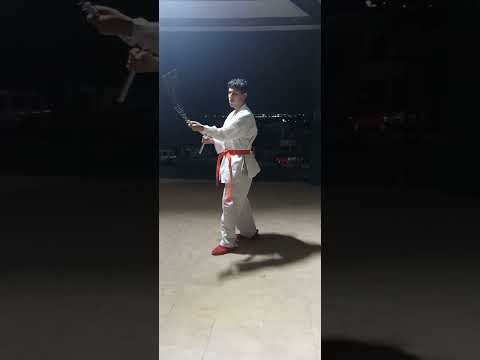
The use of specific weapons, like the nunchaku, is particularly telling. While visually striking, their practical application in a real combat scenario is often debated. Is the actor wielding the nunchaku with any semblance of control and purpose, or is it merely being swung wildly in the hope of looking impressive? A true master of the nunchaku can use it with precision, its speed and versatility posing a significant threat. Conversely, a poorly executed nunchaku sequence can look more dangerous to the wielder than to the opponent.

We will also examine the integration of traditional martial arts. Does "NINJA DRAGON" draw from genuine disciplines like Ninjitsu, Taekwondo, or Karate, or does it create a Frankenstein's monster of combat moves devoid of authentic lineage?

The Spirit of the Art: What "NINJA DRAGON" Gets Wrong (and Right?)

Beyond the physical execution, the true measure of a martial arts film lies in its ability to convey the spirit – the Seishin – of the arts it portrays. This encompasses discipline, respect, humility, and the relentless pursuit of self-improvement. Does "NINJA DRAGON" hint at the inner journey of its protagonist? Do we see moments of introspection, struggle, and growth that resonate with the path of the warrior?

Or is it a narrative driven solely by external conflict, where the protagonist’s motivations are reduced to revenge or the simple act of defeating the villain? The most impactful martial arts films go beyond mere spectacle; they offer lessons in character development, the triumph of will, and the philosophical underpinnings of combat. A true warrior's journey is often internal as much as it is external.

"The ultimate aim of martial arts is not to be victorious over others, but to be victorious over oneself." - A fundamental principle echoed across many disciplines.

We must ask if "NINJA DRAGON" upholds this sacred tenet. Does its protagonist learn to control their inner demons as effectively as they control their outward movements? Or does the film simply glorify violence as an end in itself?

Deconstructing "NINJA DRAGON": A Martial Perspective

"NINJA DRAGON" presents a narrative that, on the surface, taps into the enduring fascination with the shinobi. The film’s title alone conjures images of stealth, precision, and an almost supernatural prowess. But as seasoned practitioners, we are trained to look beyond the facade, to analyze the substance beneath the style. Let us delve into the specifics of this cinematic offering.

The film’s plot, which often centers around a shadowy organization or a vendetta, typically pits our protagonist against a series of increasingly formidable opponents. This structure, while familiar, provides ample opportunity to showcase diverse combat scenarios. The question remains: how well are these scenarios executed from a martial standpoint? Do the fight scenes feel organic to the characters and the narrative, or are they gratuitous insertions designed purely to titillate the audience?

The use of various martial arts and weaponry within the film demands a critical eye. We might see elements of Budo, Karate, Taekwondo, and of course, the titular Ninjitsu. However, the blending of these arts can often be superficial. A true master of multiple disciplines integrates their principles seamlessly. A film might show a character performing a high kick from Taekwondo followed by a low sweep from Judo, but does it demonstrate an understanding of the transitions, the timing, and the strategic intent behind such a sequence?

Furthermore, the very concept of the "Dragon" in a martial context implies a level of mastery and power that is rarely achieved. If the film’s protagonist embodies this dragon-like quality, it must be earned through demonstrable skill, discipline, and a profound understanding of their art. We will assess whether "NINJA DRAGON" earns this portrayal or simply assigns it.

Authenticity and Representation: The Critical Lens

This is where films often falter. The historical ninja were masters of deception and adaptation. Their training was rigorous and their methods practical. Modern cinematic interpretations, however, often prioritize visual spectacle over historical accuracy. Does "NINJA DRAGON" present a believable portrayal of ninja skills, or does it fall into the trap of exaggerated abilities, such as superhuman speed, invisibility, or the ability to withstand blows that would incapacitate any ordinary human?

We must also consider the representation of the Ki (or Qi) – the vital energy that is central to many Asian martial arts. While some films depict Ki as a mystical force capable of levitation or energy blasts, its true martial application lies in focused intent, internal power generation, and breath control. Does "NINJA DRAGON" touch upon this concept in a meaningful way, or does it dismiss it as mere fantasy?

A film that truly respects its subject matter will strive for a degree of authenticity, even within the confines of dramatic storytelling. This means acknowledging the dedication, the sacrifice, and the deep philosophical roots of the martial path. Without this, a film risks perpetuating myths and misrepresentations that do a disservice to the arts it seeks to portray.

Philosophical Undertones: The Bushido Code in the Shadows

While the ninja operated in a more clandestine sphere than the samurai, their actions were often guided by a code of ethics, a precursor to the Bushido, the Way of the Warrior. This code emphasized loyalty, courage, self-discipline, and honor. Does "NINJA DRAGON" explore these themes? Is the protagonist’s journey one of moral development, or are they simply a skilled killer driven by base desires?

Miyamoto Musashi, in "The Book of Five Rings," stated, "There is nothing outside of yourself that can ever enable you to get better, stronger, richer, quicker, or smarter. Everything is within. Everything exists. Right in front of your eyes. Look within for the answers."

This quote speaks to the internal focus that is paramount in martial arts. Does the film’s narrative reflect this internal struggle and self-discovery, or does it solely focus on external conflicts and triumphant victories? The most profound martial arts narratives often teach us that the greatest battles are fought within the human heart and mind.

The training sequences, if present, are also critical. Do they show the arduous, often monotonous, yet essential repetition required to master a technique? Or do they present a montage of quick, effortless progress? The latter is a common cinematic trope that undermines the reality of dedicated martial arts practice.

Veredicto del Sensei: ¿Merece la pena?

"NINJA DRAGON" is, by all accounts, a film that leans heavily into the sensationalism of the ninja mythos. While it might offer fleeting moments of visually appealing action, it largely fails to capture the true spirit, discipline, and philosophical depth of the martial arts it purports to represent. The choreography often prioritizes flair over function, and the narrative seldom ventures beyond superficial tropes of revenge and combat.

For the casual viewer seeking popcorn entertainment, "NINJA DRAGON" might suffice. However, for the serious martial artist, it is a hollow echo of what could have been a profound exploration of the shinobi way. It offers spectacle but lacks substance. It presents action but omits the art.

Cinturón Negro en Espectáculo Visual, Cinturón Blanco en Autenticidad Marcial.

Guía de Entrenamiento: Simulating Ninja Agility

While "NINJA DRAGON" may not be a perfect martial arts guide, the *concept* of ninja agility can be trained. True ninja mastery required incredible physical conditioning, flexibility, and coordination. Here's how you can begin to cultivate some of those attributes:

  1. Dynamic Stretching: Start your session with dynamic movements to prepare your body. Think leg swings, arm circles, torso twists, and high knees. This prepares the muscles for explosive movements and improves range of motion.
  2. Agility Drills: Use cones or markers to set up agility courses. Practice side-shuffles, forward sprints, backward sprints, and carioca (grapevine steps). Focus on quick changes in direction and maintaining a low center of gravity. For advanced practitioners, incorporate jump rope routines to enhance footwork and rhythm.
  3. Bodyweight Strength: Ninja relied on their own body for strength. Incorporate exercises like push-ups (various hand placements), pull-ups (if possible, or use resistance bands), squats, lunges, and planks. Focus on controlled movements and proper form.
  4. Balance Training: Stand on one leg for extended periods, slowly increasing the duration. Try closing your eyes while balancing to increase the challenge. Advanced practitioners can use unstable surfaces like a BOSU ball.
  5. Flexibility and Mobility: Dedicate time to static stretching after your workout. Focus on hamstrings, hips, shoulders, and back. Yoga poses like the downward-facing dog, warrior poses, and pigeon pose can be beneficial.
  6. Stealth Movement Practice: While not directly trainable without specific instruction, practice moving quietly and deliberately. Focus on foot placement and body control.

Remember, consistency is key. This is a long-term endeavor, not a quick fix. For more comprehensive routines, consider exploring resources on Agility and At Home Workout training.

Equipo Esencial para tu Entrenamiento

While a ninja might have relied on improvisation, modern martial arts training requires some basic equipment to ensure safety and effectiveness. For developing the kind of agility and conditioning seen (however inaccurately) in films like "NINJA DRAGON," consider the following:

  • Comfortable Training Attire: A breathable gi (like a Karate gi or a Judo gi) or athletic wear that allows for a full range of motion is crucial.
  • Training Mat: For floor exercises, takedowns (if applicable to your art), and to provide cushioning during agility drills.
  • Agility Cones/Markers: Essential for setting up drills to improve footwork and reaction time.
  • Jump Rope: An excellent tool for cardiovascular conditioning and developing rhythm and coordination.
  • Resistance Bands: Versatile for strength training and mobility work, especially if pull-up bars are not available.
  • Optional: Nunchaku: If you are serious about learning to wield the nunchaku, seek instruction from a qualified teacher. Start with padded training nunchaku to minimize injury. Improper use can be dangerous.

Investing in quality equipment can significantly enhance your training experience and help you progress safely towards your goals.

Preguntas Frecuentes

1. Is "NINJA DRAGON" based on a true story or a specific ninja clan?
"NINJA DRAGON" is a fictional work designed for entertainment. While it draws inspiration from the mystique of ninja clans, it does not represent a specific historical event or clan with factual accuracy.
2. How can I learn authentic Ninjutsu?
Authentic Ninjutsu training is rare and should be sought from reputable dojos affiliated with recognized organizations (e.g., Bujinkan, Genbukan, Jinenkan). Be wary of schools that make exaggerated claims. Research is paramount.
3. Are nunchaku a practical weapon in real combat?
The practical application of nunchaku in real combat is highly debated and depends heavily on the wielder's skill and the context of the confrontation. They are difficult to master and can be easily countered or turned against the user if not wielded with expert precision. Their effectiveness is often exaggerated in films.
4. What are the key differences between a ninja and a samurai?
Samurai were the warrior nobility, bound by strict codes like Bushido, often serving lords directly. Ninjas were typically covert agents, spies, and mercenaries from lower social strata, excelling in espionage, sabotage, and unconventional warfare rather than direct battlefield combat. Their methods were often indirect and focused on infiltration.

Para Profundizar en tu Camino

If the cinematic portrayal has sparked your curiosity about the true martial path, I encourage you to explore these resources:

  • BUDO and Martial Arts Philosophy: Understanding the core principles.
  • History of Martial Arts: Learning from the past to inform the present.
  • Training Methodologies: Discovering effective ways to improve your skills.

Reflexión del Sensei: Tu Próximo Paso

After dissecting "NINJA DRAGON," we are left with a question that echoes far beyond the cinema screen: In our pursuit of martial arts, are we seeking genuine mastery and self-improvement, or are we merely chasing the illusion of power and unattainable mystique? The path of the warrior is paved with sweat, discipline, and introspection. Do your training habits reflect this truth, or do you, like many, fall prey to the siren song of effortless victory?

Now, it is your turn to confront this reflection. What did you find most lacking, or surprisingly accurate, in "NINJA DRAGON"? And more importantly, how will this analysis shape your own training regimen? Prove your understanding in the comments below – I await your arguments.

Batman vs. Bane: A Martial Arts Critique of The Dark Knight Rises Brawl

As a Sensei dedicated to the profound depths of Budo and the visceral reality of martial arts, I am often confronted with cinematic interpretations of combat. Some, like the raw, brutal clash between Batman and Bane in *The Dark Knight Rises*, ignite passionate debate. The question isn't merely "Did they fight well?", but rather, what do these on-screen battles reveal about the arts they supposedly represent, and what lessons, if any, can a dedicated practitioner glean from such spectacles? This is not just a movie review; it's an autopsy of cinematic combat, dissecting the choreography, the intent, and the spirit, or lack thereof, that defines such a pivotal scene.

Table of Contents

The Cinematic Spectacle: Batman vs. Bane

The confrontation between Batman and Bane is a cornerstone of Christopher Nolan's Gotham saga, representing a physical and psychological low point for the Caped Crusader. The sheer brutality of Bane's power, his strategic dismantling of Batman's will and body, is undeniable. This isn't a graceful ballet of blows; it's a desperate, grimy struggle for survival. The scene aims for a visceral impact, showcasing Bane as an almost unstoppable force, a physical manifestation of chaos and despair. From a purely cinematic standpoint, it’s effective in conveying the immense threat Bane poses.
"True strength is not the ability to destroy, but the ability to endure." - A principle whispered in dojos across the world.
The visual language of the fight is heavy, grounded, and designed to inflict maximum damage. Batman, already weakened and facing an opponent of overwhelming physical prowess, is pushed beyond his limits. The camera work emphasizes the impact of each blow, the strain on the fighters, and the desperate nature of the struggle. This isn't the flashy, physics-defying martial arts of some films; it’s an attempt at a more grounded, albeit heightened, depiction of extreme combat.

Choreography and Realism: A Critical Look

Here, my Sensei's instinct kicks in, sharp and unforgiving. While the *intent* is clear – to showcase a brutal, overpowering foe – the execution leaves much to be desired from a purist's perspective. The choreography, while heavy and impactful, often lacks the intricate precision one might expect from highly trained martial artists. Bane’s movements, designed to convey brute strength, sometimes appear more like flailing power than controlled aggression. This isn't a criticism of Tom Hardy's performance, but rather an analysis of the fight's design. The "style" of combat presented is a generic blend, leaning heavily on raw power strikes and grappling. We see elements that *might* evoke Muay Thai in Bane's use of elbows and knees, or perhaps some form of cage fighting with the ground-and-pound sequences. However, it’s not refined. Batman, in his weakened state, relies on desperate counters and survival instincts, which is narrative-appropriate, but the underlying techniques are often obscured by the chaos. The sheer, almost superhuman, durability of both characters also stretches the bounds of realism, a common cinematic trope.
"In a true fight, the most effective techniques are often the simplest and most direct. Complexity is a luxury you cannot afford when facing true danger." - Sensei's wisdom echoed across generations.
Consider the "piledriver" Bane inflicts on Batman. While visually devastating, the physics and the way Batman’s body is manipulated are highly cinematic. In reality, such a maneuver would almost certainly result in catastrophic spinal injury, if not immediate death, for the recipient, and could also be incredibly dangerous for the performer. The prolonged nature of the fight, with Batman absorbing such punishment and still functioning, strains credulity for those familiar with the rapid incapacitation that often occurs from significant trauma. This isn't to say the scene fails as entertainment. It succeeds brilliantly in its intended purpose: to break Batman and make the audience feel his desperation. However, as a representation of martial arts, it's a coarse, generalized portrayal of power combat, more akin to a gladiatorial contest than a disciplined art form.

Beneath the Surface: Philosophy and Intent

Beyond the fisticuffs, the fight serves a crucial narrative and philosophical purpose. Bane is not just a physically imposing villain; he is an ideological counterpoint to Batman. Where Batman represents order, justice, and a controlled response to chaos, Bane embodies primal force, anarchy, and a brutal Darwinism. His victory over Batman is meant to symbolize the triumph of raw power and despair over idealism and structure. The fight takes place in a dilapidated ruin, a symbolic arena mirroring the decay of Gotham and the broken state of its protector. This setting enhances the feeling of primal struggle. Bane’s mask, a device for delivering a potent analgesic, also serves as a visual metaphor for the artificiality of his strength, yet its overwhelming effectiveness underscores the narrative’s point: even artificial power, when overwhelming, can conquer disciplined skill. From a martial perspective, this scene highlights the eternal tension between technique and raw power. While discipline, strategy, and refined technique are paramount in *true* Budo, there are undeniable realities to physical dominance. Bane’s sheer size and brute force are depicted as capable of overwhelming even Batman’s superior training and agility. This is a harsh lesson: while technique can equalize many disparities, extreme physical advantages, when coupled with a will to inflict maximum damage, can still prove decisive. It forces us to confront the practicalities of combat, where size and strength, while not the sole determinants, are significant factors.

Training Considerations: What Can We Learn?

Despite its cinematic liberties, the Batman vs. Bane encounter offers several points for serious consideration by martial artists:
  • The Importance of Conditioning: Bane's raw power and ability to absorb punishment are a testament to his extreme physical conditioning. This scene is a stark reminder that even the most skilled technician will falter if their body cannot withstand the rigors of combat. Endurance, strength, and resilience are not optional; they are foundational.
  • The Psychological Aspect of Combat: Bane's methodical destruction of Batman is as much psychological as it is physical. He breaks Batman's spirit before breaking his body. This underscores the mental fortitude required in any combative situation. Resilience, the ability to withstand pressure and not yield mentally, is as crucial as any physical technique.
  • Survival Against Overwhelming Odds: While Batman is eventually defeated, his survival is a testament to his will. In real-world self-defense scenarios, you might face an opponent with a significant size or strength advantage. The lesson here is not about winning every fight, but about surviving, escaping, and enduring until an opportunity arises to regain an advantage or disengage.
  • The Dangers of Complacency: Batman, even before this fight, perhaps underestimated Bane's true capabilities. This is a universal lesson in martial arts and in life: never underestimate your opponent or the challenges you face.
This scene is a potent, albeit exaggerated, reminder that the physical realities of combat are unforgiving. It compels us to constantly refine our physical conditioning and our mental toughness.

Veredict of the Sensei: A Martial Perspective

*The Dark Knight Rises* delivers a memorable, impactful brawl between Batman and Bane. As a piece of cinematic storytelling, it excels in conveying power, desperation, and narrative progression. However, judged purely on martial arts authenticity, it’s a **"Fighter's Grasp, Not a Master's Technique."** The choreography prioritizes visual impact and narrative function over the nuanced reality of well-honed martial arts. It’s a depiction of a brawl, a brutal contest of wills and brute force, rather than a showcase of sophisticated martial skill. It serves the story, but it doesn't educate the martial artist in the way a meticulously choreographed film might. Nonetheless, its raw energy and thematic weight make it a compelling watch for anyone interested in the portrayal of conflict.

Essential Equipment for Your Training

While this particular cinematic fight might not directly translate to specific gear, robust training in any striking or grappling art requires fundamental equipment. Investing in quality gear not only enhances your training but also provides crucial protection.
  • Training Mats: Essential for any grappling or striking art to absorb impact and prevent injuries during drills and sparring. Look for interlocking foam mats for a versatile setup.
  • Punch Mitts and Focus Mitts: Crucial for practicing striking techniques with a partner. They help develop accuracy, power, and speed.
  • Groin Protector: A non-negotiable item for any sparring, regardless of gender.
  • Headgear: For sparring sessions where head impact is a possibility, good quality headgear can significantly reduce the risk of concussion and facial injuries.
  • Heavy Bag: For solo practice, developing power, endurance, and perfecting striking combinations.
For those exploring **Karate** or **Judo**, a proper **Kimono (Gi)** is paramount. Ensure it's made of durable material suitable for the rigors of your chosen discipline. For striking arts, **boxing gloves** (10-16oz depending on discipline) and **shin guards** are vital for sparring.

Resources for Deeper Understanding

To truly grasp the nuances of martial arts that cinema often glosses over, seek out authoritative sources.
  • Books on Martial Arts Philosophy: Works like Miyamoto Musashi's "The Book of Five Rings" offer profound insights into strategy and mindset applicable far beyond the dojo.
  • Biographies of Martial Arts Masters: Understanding the lives and training philosophies of legendary figures provides invaluable context.
  • Documentaries on Traditional Martial Arts: Films that delve into the history, practice, and cultural significance of specific arts offer a more authentic perspective. Look for well-researched documentaries, not sensationalized entertainment.
  • Academic Journals on Combat Sports and History: For the most in-depth and critical analysis, scholarly articles provide research-backed information.

Practical Training Guide: The "Ground and Pound" Simulation

While directly replicating Bane's power is impossible and inadvisable, we can simulate aspects of his overwhelming control and the opponent's struggle to survive. This exercise focuses on controlled grappling and positional dominance, emphasizing the physical exertion and mental pressure involved.
  1. Setup: Find a training partner. One partner will assume the role of the "dominant" fighter (simulating Bane's control), and the other will be the "defensive" fighter (simulating Batman's struggle). Ensure a safe training environment with mats.
  2. Dominant Position: The "dominant" partner secures a controlling position, such as a top side control or mount. The goal is NOT to strike with full force, but to maintain pressure and control, making it difficult for the defensive fighter to move or escape.
  3. Controlled Pressure: The dominant partner applies steady, increasing pressure, simulating the feeling of being pinned and overwhelmed. This could involve hip pressure, weight distribution, and body control.
  4. Defensive Struggle: The defensive partner focuses on core engagement, bridging, shrimping (hip escapes), and creating space. The objective is to survive the pressure, resist being trapped, and look for opportunities to escape or reverse position. The emphasis is on effort and exertion.
  5. Communication is Key: Both partners must communicate constantly. The dominant partner should not apply dangerous pressure, and the defensive partner should tap out immediately if they feel unsafe or trapped.
  6. Rotation: After a set period (e.g., 1-2 minutes), partners switch roles. This allows both to experience the physical and mental demands of maintaining control and resisting it.
  7. Cool Down and Debrief: After several rounds, take time to cool down and discuss the experience. What felt overwhelming? What defensive strategies were most effective? How did maintaining control feel? This debriefing is crucial for learning.
This simulation, while not a direct combat scenario, helps understand the physical grind and mental resilience required in close-quarters, dominant grappling situations. It highlights the importance of **conditioning** and **grappling** technique.

Frequently Asked Questions

What martial arts are depicted in the Batman vs. Bane fight?

The fight in *The Dark Knight Rises* doesn't adhere strictly to any single martial art. It's a cinematic blend, prioritizing brute force, cinematic impact, and a generalized portrayal of intense physical combat. Elements might loosely resemble Muay Thai, cage fighting, or raw street brawling rather than a specific, codified discipline.

Is Bane's fighting style realistic?

From a martial arts perspective, Bane's style as depicted is highly dramatized. While his immense strength and aggression are thematic elements, the specific techniques and their application, as well as the characters' ability to withstand such punishment, are stretched for cinematic effect. It aims for visceral impact over strict realism.

What can martial artists learn from this movie scene?

Martial artists can learn about the importance of extreme physical conditioning, mental resilience in the face of overwhelming adversity, and the psychological warfare inherent in combat. It also serves as a reminder that brute force, while not always the most refined approach, can be a significant factor.

Does this fight scene encourage violence?

Cinematic fight scenes, while entertaining, should not be mistaken for endorsements of violence. They are narrative tools designed to explore character, plot, and theme. The responsibility lies with the viewer to understand the distinction between fictional portrayals and real-world consequences.

Further Exploration in Your Journey

To continue deepening your understanding of martial arts and their portrayal, explore these related topics on our blog:

Reflexión del Sensei: Tu Próximo Paso

This cinematic clash between Batman and Bane, raw and brutal as it is, forces a question upon every practitioner: When faced with an opponent of overwhelming physical might, where does your true strength lie? Is it in the power of your techniques, the sharpness of your conditioning, or the unyielding resolve of your spirit? Reflect on this. Then, go to your dojo, your training space, and train with the awareness that true strength is forged not just in victory, but in the unyielding pursuit of mastery, regardless of the opponent. The fight is only the beginning of the lesson.

Accident Man: Scott Adkins vs. The Ninja - A Martial Arts Cinema Deconstruction

The roar of the crowd, the glint of steel, the electrifying dance of combat – these are the elements that ignite the soul of any true martial artist. But how often do these cinematic spectacles truly reflect the depth, the philosophy, and the brutal efficacy of the arts we dedicate our lives to? Today, we dissect "Accident Man," a film that pits the formidable Scott Adkins against a shadowy ninja. While the allure of a fight sequence is undeniable, as practitioners, we must look beyond the spectacle and ask: what is being truly represented? Is this a genuine homage to martial prowess, or merely another Hollywood illusion designed to thrill without substance?

Introduction: Beyond the Spectacle

The world of martial arts cinema is a double-edged sword. On one hand, it inspires millions, igniting a passion for discipline, self-improvement, and the art of combat. On the other, it often distorts reality, presenting techniques and philosophies in ways that, while entertaining, can mislead the uninitiated. "Accident Man," featuring the renowned Scott Adkins, delves into this cinematic arena. As practitioners who understand the sweat, sacrifice, and profound mental fortitude required to truly master a martial art, we are compelled to examine such works critically. This isn't merely about enjoying a fight; it's about discerning the truth within the theatrics.
"The object of fighting is to win. In warfare, you must win, and winning is everything. If you are not prepared to die, you cannot win." - Miyamoto Musashi
Does "Accident Man" honor the spirit of combat, or does it fall prey to the common pitfalls of action filmmaking? We will explore the artistry of Adkins, the representation of the ninja archetype, the nuances of fight choreography, and the potential for deeper philosophical meaning within this cinematic clash. Prepare yourselves; this is not just a review, but a dissection from the dojo.

The Artist: Scott Adkins, A Modern Martial Marvel

Scott Adkins is, without question, a force to be reckoned with in modern martial arts cinema. His dedication to honing his craft is evident in every fluid movement, every powerful strike, and every gravity-defying leap. Unlike many actors who rely on stunt doubles, Adkins is a practitioner in his own right, boasting proficiency in Taekwondo, Judo, Kickboxing, Karate, Krav Maga, and Wushu. This deep well of practical knowledge allows him to imbue his characters with a level of authenticity rarely seen on screen. When Adkins fights, there's a palpable understanding of physics, timing, and power generation. His kicks are not just high; they are precise, driven by a core stability that speaks of years of dedicated training. His punches carry the weight of commitment, each one seemingly designed to end the engagement. In "Accident Man," Adkins embodies the titular character, a highly skilled assassin who dispatches his targets with ruthless efficiency. His performance is a testament to his physical prowess and his understanding of how to translate complex martial techniques into visually compelling sequences. However, even an artist as skilled as Adkins operates within the confines of cinematic storytelling. The choreography, while often spectacular, is still designed for the camera's eye, prioritizing dramatic impact over strict adherence to the principles of a pure, unadulterated martial engagement. The question we must ask is not *if* Adkins is capable, but how the narrative and directorial choices utilize his immense talent.

The Shadow of the Ninja: Archetype vs. Reality

The ninja, a figure steeped in mystery and legend, represents a potent archetype in martial arts lore. Often depicted as silent, deadly, and possessing almost supernatural abilities, the ninja embodies the ultimate covert operative. In "Accident Man," the adversarial ninja represents a direct challenge to Adkins' character, a force of equal, if not greater, stealth and lethality. But what is the reality behind the myth? The historical ninja, or *shinobi*, were indeed agents of espionage and sabotage, employing specialized skills in infiltration, disguise, and combat. Their training often incorporated elements of ninjutsu, which emphasized unconventional warfare, information gathering, and the use of specialized tools and weapons. Their combat techniques, while effective, were likely more pragmatic and adaptable than the stylized, often flashy depictions seen in film. When a ninja is portrayed in a film like "Accident Man," the challenge lies in balancing the popular perception with a grounded representation. Does the film showcase the ninja's strategic mind, their adaptability, and their mastery of unconventional tactics? Or does it rely on the well-worn tropes of smoke bombs, shurikens, and impossibly swift evasions that have become cinematic staples? The effectiveness of this portrayal hinges on its ability to evoke the spirit of the *shinobi* without succumbing to caricature. The clash between Adkins' grounded, powerful style and the ninja's shadowy, perhaps more esoteric, techniques can be a fascinating narrative device, but it requires careful execution to avoid becoming a mere fantasy.

Choreography and Authenticity: Where Illusion Meets Art

The heart of any martial arts film lies in its fight choreography. This is where the director, the fight choreographer, and the performers collaborate to create sequences that are both thrilling and believable. For the discerning martial artist, the authenticity of this choreography is paramount. In "Accident Man," the fight scenes are undoubtedly a major draw. Scott Adkins is known for his intricate, high-impact fight sequences, often drawing from a wide array of martial disciplines. The choreography likely aims for a blend of visceral impact and visual flair, designed to showcase the characters' skills and advance the plot. However, authenticity in cinematic combat is a complex concept. A real fight is chaotic, unpredictable, and often ugly. It prioritizes survival and effectiveness above all else. Cinematic fights, conversely, are meticulously planned, rehearsed, and filmed from specific angles to maximize dramatic effect. This often involves: * **Exaggeration**: Techniques may be amplified for visual impact. * **Stylization**: Movements are often more graceful and precise than they would be in a real confrontation. * **Pacing**: Fights are typically broken down into distinct "beats" or exchanges, rather than a continuous, overwhelming assault. * **"Selling" the Hits**: While techniques may be real, the impact of those techniques is often amplified for the audience. The challenge for films like "Accident Man" is to strike a balance. Can they choreograph fights that *feel* real and demonstrate a genuine understanding of martial principles, even if they are heightened for entertainment? Adkins' background suggests a strong inclination towards this. The effectiveness of the ninja's style – whether it relies on deception, speed, or specialized weaponry – also plays a crucial role in the overall authenticity.

Philosophical Undertones or Empty Gestures?

Beyond the physical confrontation, true martial arts are deeply rooted in philosophy. Concepts like *Mushin* (no-mind), *Zanshin* (lingering awareness), and the cultivation of inner strength are as vital as any physical technique. A film that merely showcases combat without touching upon these deeper principles risks being superficial. "Accident Man," as an action film, is primarily driven by plot and spectacle. However, the archetypes of the assassin and the ninja can, if explored thoughtfully, offer glimpses into profound philosophical ideas. The assassin's commitment to their craft, their detachment from emotion, and their unwavering focus can be seen as a twisted form of discipline. The ninja's reliance on stealth, adaptability, and strategic thinking speaks to a different, yet equally potent, philosophy of survival and efficacy. The critical question is whether the film *engages* with these ideas or merely uses them as plot devices. Does Adkins' character, or the ninja he faces, exhibit any semblance of *Bushido* (the warrior's code) or a pragmatic understanding of the mental game required in life-or-death situations? Or are their actions purely dictated by the script's demands?
"The supreme art of war is to subdue the enemy without fighting." - Sun Tzu
A truly masterful martial arts film can use its action to illuminate these philosophical truths. A less effective one might present them as mere flourishes. The absence of such depth doesn't necessarily make a film "bad," but it does diminish its value for those seeking more than just entertainment. We must ask if "Accident Man" provides moments of genuine insight into the warrior's mindset, or if it remains on the surface, a thrilling but ultimately hollow display.

Veredict of the Sensei: A Critical Appraisal

"Accident Man," with Scott Adkins at its core, delivers precisely what it promises: a high-octane action film featuring a skilled protagonist and a compelling antagonist. Adkins' commitment to authentic movement is undeniable, and his performance elevates the material. The choreography, while designed for the screen, showcases a clear understanding of martial mechanics and provides thrilling set pieces. However, as a critical assessment from a martial arts perspective, "Accident Man" leans more towards spectacle than philosophical depth. The ninja archetype is utilized effectively for dramatic tension but rarely delves into the historical or tactical nuances that would lend it true authenticity. The narrative prioritizes action over introspection, and while Adkins' prowess is a significant draw, the film doesn't fully explore the potential for deeper martial concepts. **Is it a masterclass in martial philosophy? No.** **Does it showcase exceptional physical performance and exciting fight choreography? Yes.** For fans of Scott Adkins and high-energy action, "Accident Man" is a worthy watch. For those seeking a profound exploration of martial arts principles and their underlying philosophies, it may leave something to be desired. It's a film that entertains the eyes but only occasionally touches the martial spirit.

Training Essentials for the Modern Warrior

While "Accident Man" might be pure cinematic fantasy, the dedication required to perform such roles is very real. If you're inspired by the physical prowess displayed on screen, it's a powerful motivator to focus on your own training. Building a solid foundation in any martial art requires discipline, consistency, and the right approach to physical conditioning. Here’s a look at some essential aspects of training:
  • Cardiovascular Endurance: Essential for prolonged sparring and physical exertion. Focus on running, swimming, or high-intensity interval training (HIIT).
  • Strength Training: Core strength, explosive power, and muscular endurance are key. Incorporate compound lifts (squats, deadlifts, presses) and bodyweight exercises.
  • Flexibility and Mobility: Crucial for executing high kicks, preventing injuries, and improving range of motion. Regular stretching, yoga, and dynamic warm-ups are vital.
  • Martial-Specific Drills: Practicing techniques repeatedly, developing muscle memory for strikes, blocks, throws, and grappling.
  • Sparring: Applying techniques in a controlled, dynamic environment against a resisting opponent. This is where theory meets practice.
  • Mental Fortitude: Developing focus, discipline, resilience, and the ability to remain calm under pressure. Meditation and visualization can be powerful tools.
Investing in quality training gear can also significantly enhance your practice. For striking arts like Karate or Kickboxing, durable gloves are essential for protecting your hands during drills and sparring. If your path leads to grappling arts like Judo or BJJ, a well-fitting, reinforced gi is paramount.

Frequently Asked Questions

What martial arts does Scott Adkins practice?

Scott Adkins is proficient in several martial arts, including Taekwondo, Judo, Kickboxing, Karate, Krav Maga, and Wushu.

How does cinematic fight choreography differ from real combat?

Cinematic choreography is typically stylized, exaggerated, and meticulously planned for visual appeal and storytelling. Real combat is often chaotic, unpredictable, and focused solely on effectiveness and survival.

Is the portrayal of ninjas in films historically accurate?

While historical ninjas were skilled agents, their portrayal in films often relies on popular tropes and legends, exaggerating their abilities and techniques for dramatic effect rather than historical accuracy.

What is the philosophical significance of martial arts?

Martial arts are deeply intertwined with philosophy, emphasizing discipline, respect, self-control, mental fortitude (e.g., Mushin, Zanshin), and the pursuit of self-mastery beyond mere physical combat.

Deeper Exploration

For those who wish to delve further into the intersection of martial arts, philosophy, and cinema, these resources offer invaluable insights:

Reflexion del Sensei: Tu Próximo Paso

We have dissected "Accident Man," acknowledging its cinematic merits while critically examining its representation of martial arts. Scott Adkins brings an undeniable authenticity to his physicality, yet the film’s narrative framework often prioritizes the thrill of the fight over the depth of the art. Now, I pose this question to you, my students, my fellow travelers on the martial path: When you witness such cinematic battles, what is your primary takeaway? Do you see merely a captivating spectacle, or do you, like me, seek the echoes of truth – the subtle principles of balance, timing, intent, and spirit that, however imperfectly, flicker within the performance? The greatest lesson lies not in the on-screen clash, but in your own reaction, your own discernment. Do you merely consume? Or do you *learn*?

The Unwavering Spirit: Mastering Throws in Aikido with Shirakawa Ryuji Shihan

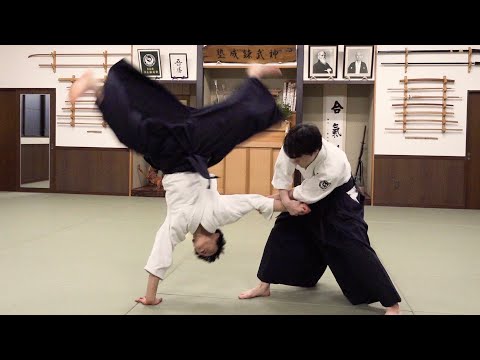
Welcome, warriors, to a realm where resilience is not just a virtue, but the very bedrock of existence. Today, we confront a fundamental aspect of the martial path, one that often tests the mettle of practitioners across disciplines: the inevitable throw. How do we, as martial artists, confront the forceful embrace of an opponent’s technique designed to unbalance and subdue us? In the elegant yet powerful art of Aikido, exemplified by the teachings of Shirakawa Ryuji Shihan, there exists a profound philosophy that transforms this potential moment of defeat into an opportunity for growth.

The Unwavering Spirit: Mastering Throws in Aikido with Shirakawa Ryuji Shihan

The statement, "No matter how much you are thrown by the opponent, no problem!" is not a mere platitude. It is a distilled essence of the Aikido practitioner's mindset, a testament to the art's focus on blending with force rather than meeting it head-on. Here at Budo and Martial Arts, we are dedicated to bringing you the most comprehensive and insightful content on the fighting world, and this exploration of Aikido’s approach to throws is no exception. Join us as we delve into the philosophy, technique, and training methodologies that allow practitioners to not just endure, but potentially benefit from being thrown.

The Aikido Paradox: Embracing the Fall

At its core, Aikido, founded by Morihei Ueshiba, teaches principles that extend far beyond physical confrontation. It is an art of harmonization, of redirecting an attacker’s energy. When we speak of being "thrown," it’s crucial to understand that in Aikido, this is often not a position of defeat but a controlled transition. The philosophy encourages acceptance of the situation, understanding that resistance against a superior force often leads to greater injury. Instead, the Aikidoka learns to yield, to blend, and to use the opponent's momentum to their advantage, often resulting in the attacker losing their balance and control.

"Aikido is not a weapon to defeat the enemy. It is a way to reconcile the world and make humans one family." - Morihei Ueshiba

This philosophical underpinning is what allows an Aikidoka to genuinely feel no problem when being thrown. It’s about a shift in perspective. Instead of viewing the throw as an attack on one's dignity or physical integrity, it's seen as an inevitable part of the dynamic exchange. The true skill lies not in preventing the throw at all costs, but in controlling the *process* of the throw and its aftermath, both for oneself and for the attacker.

Beyond Resistance: The Mechanics of a Graceful Fall

To truly understand how one can be thrown without "problem," we must examine the technical aspects, particularly the art of ukemi (receiving techniques, or breakfalls). A practitioner who has mastered ukemi can fall from significant heights and with considerable force without sustaining injury. This is achieved through precise body mechanics: dispersing impact, rolling rather than hitting flat, and moving with the force of the throw.

When an attacker initiates a throw, the Aikidoka’s primary goal is not to resist the pull or push directly. Instead, they might:

  • Blend: Move their body in sync with the attacker's movement, becoming a flowing extension of their force.
  • Redirect: Subtly alter the line of the attack, causing the attacker to expend energy inefficiently or even off-balance themselves.
  • Enter: Move their body into the space created by the attacker's movement, often leading to a joint lock or an opportunity to control the attacker as they fall.

The "throw" then becomes a demonstration of the attacker's technique and the receiver's skillful ukemi. The Aikidoka, by executing a proper breakfall, maintains their composure and readiness to continue the interaction or disengage safely. It is this mastery of falling that negates the perceived "problem" of being thrown. Without proper ukemi, any throw, no matter how skillfully applied, would indeed be a problem.

Shirakawa Ryuji Shihan: A Master's Insight

Shirakawa Ryuji Shihan, a 6th Dan Aikikai practitioner, embodies this principle of effortless blending and resilience. His YouTube channel and official HP showcase a deep understanding of Aikido, emphasizing fluidity and control. Observing his demonstrations, one notices a distinct lack of tension. His movements are economical, his posture stable even when seemingly off-balance, and his falls are textbook examples of ukemi.

Shihan Shirakawa's teachings often highlight the importance of kokyu (breath power) and how it relates to harmonizing with an opponent. This isn't just about physical strength; it's about a deep connection to one's own center and the ability to extend that calm presence to influence the attacker. The ability to absorb and redirect throws stems from this inner calm and the precise application of physical principles.

"The true meaning of martial arts is to train not only the body but also the spirit. It is a path to self-mastery and spiritual development." - A common sentiment echoed by many masters, including the philosophy embodied by Shirakawa Shihan.

The visual materials associated with Shirakawa Shihan's work, particularly the YouTube videos available with multi-language subtitles, serve as invaluable tools. They allow practitioners worldwide to study his techniques, understand the nuances of his movements, and grasp the philosophical underpinnings that make being thrown a non-issue.

Cultivating Resilience: Drills for the Unthrowable Mind

How does one cultivate this seemingly paradoxical ability to be thrown without problem? It begins with dedicated training:

  1. Mastering Ukemi: This is paramount. Practice various breakfalls (forward, backward, side) repeatedly. Start from low heights and gradually increase the intensity as your comfort and skill grow. This builds muscle memory and confidence.
  2. Basic Movement Drills: Practice taisabaki (body-turning movements) to learn how to efficiently move your body out of the line of force. Exercises like irimi (entering) and tenkan (pivoting) are fundamental.
  3. Blending Exercises: Partner drills focusing on moving with your partner's force without pushing or pulling against them. Think of it as dancing with resistance.
  4. Controlled Throw Practice: With a trusted Uke (receiver), practice applying basic throws and, more importantly, practice receiving them. The Tori (thrower) must also learn to control the throw to ensure the Uke can execute their ukemi safely.
  5. Mindfulness and Breathwork: Incorporate meditation and breath control exercises. This cultivates the inner calm and awareness necessary to react appropriately under pressure, rather than with panicked resistance.

The journey to becoming "unthrowable" in spirit, if not always physically, requires patience, discipline, and consistent practice. It’s about developing a physical and mental resilience that transcends the immediate situation.

The Cinematic Dojo: Aikido on Screen

While films often sensationalize martial arts, Aikido’s philosophical depth can sometimes be overlooked in favor of more overtly combative styles. However, when Aikido is portrayed authentically, it offers a compelling vision of martial prowess rooted in harmony. Look for films that showcase fluidity, control, and the principle of redirecting force, rather than sheer brutality. While not strictly Aikido, films that emphasize a protagonist's ability to evade, deflect, and subtly incapacitate opponents often capture a similar spirit of efficient, non-resistant movement. The goal is not to win by overpowering, but by out-maneuvering and neutralizing. This philosophical approach to combat is a rarity in action cinema, making well-executed representations of Aikido particularly valuable for understanding its unique place in the martial landscape.

Veredicto del Sensei: ¿Merece la pena?

The philosophy and practice exemplified by Shirakawa Ryuji Shihan regarding throws in Aikido offer a profound lesson for all martial artists. It's not about avoiding the inevitable, but about transforming it. The ability to accept, blend with, and gracefully exit a throw is a testament to deep training and a mature understanding of conflict. This approach fosters resilience, reduces injury, and promotes a more harmonious interaction. It is, without question, a vital aspect of martial arts training that merits deep study and practice. This video and the associated teachings are a valuable resource for anyone seeking to understand this principle.

Equipo Esencial para tu Entrenamiento

While Aikido relies heavily on technique and less on specialized gear compared to some other arts, the right equipment can enhance your training experience and safety:

  • Aikidogi: A sturdy, reinforced uniform designed to withstand the stresses of throws and grappling. Look for double-weave fabrics for durability.
  • Hakama: The traditional pleated trousers worn by senior practitioners, offering freedom of movement.
  • Zori or Indoor Shoes: Appropriate footwear for moving around the dojo safely and hygienically.
  • Training Mats (Tatami/Mats): Essential for practicing ukemi safely, especially when starting out.

Recursos para Profundizar

To truly grasp the depth of Aikido and the teachings of masters like Shirakawa Ryuji Shihan, consider these resources:

  • Books on Aikido Philosophy: Explore texts by Morihei Ueshiba, Kisshomaru Ueshiba, and other Aikido masters to understand the spiritual and philosophical underpinnings.
  • Biographies of Martial Arts Masters: Understanding the life and journey of figures like Ueshiba Sensei provides context for their teachings.
  • Documentaries on Martial Arts: Look for well-researched documentaries that delve into the history and principles of various arts.

Preguntas Frecuentes

Q1: Is Aikido effective for self-defense if it involves being thrown?
A1: Yes. While being thrown is part of Aikido training, the emphasis is on controlling the situation. A well-executed throw can incapacitate an attacker, and a skilled Aikidoka uses ukemi to avoid injury, allowing them to remain in the fight or disengage. The art teaches blending and redirecting, often leading to the attacker being the one to lose balance.

Q2: How long does it take to learn proper ukemi (breakfalls)?
A2: The timeline varies greatly depending on individual aptitude, frequency of training, and quality of instruction. Basic breakfalls can be learned relatively quickly, but achieving true mastery and confidence takes consistent practice over months and years.

Q3: Can the principles of not having "problem" with being thrown apply to other martial arts?
A3: Absolutely. The core concepts of blending, redirecting, minimizing resistance, and accepting the immediate situation are transferable. For example, in Judo, understanding how to fall is crucial for surviving techniques like O Soto Gari. In Brazilian Jiu-Jitsu, learning to manage positional changes and escapes involves a similar mindset of adapting rather than rigidly resisting.

Q4: What is the significance of the multi-language subtitles mentioned?
A4: The availability of subtitles in numerous languages signifies a commitment to global dissemination of knowledge. It allows practitioners from diverse linguistic backgrounds to access and learn from the teachings of masters like Shirakawa Ryuji Shihan, breaking down barriers to understanding complex martial arts concepts.

Para Profundizar en tu Camino

The journey of a martial artist is one of continuous learning and adaptation. The way we face challenges, the way we fall, and the way we rise again define our progress. Shirakawa Ryuji Shihan’s teachings on Aikido remind us that true strength often lies not in brute force, but in fluid resilience and an unshakeable spirit.

Reflexión del Sensei: Tu Próximo Paso

Consider this: When faced with an overwhelming force in your life – be it a physical challenge, a difficult situation, or a moment of perceived failure – do you brace yourself for impact, or do you learn to flow with the current? How can the Aikido principle of accepting the throw, transforming it into a non-problem, redefine your approach to life's inevitable challenges?

``` GEMINI_METADESC: Explore Aikido's philosophy on throws with Shirakawa Ryuji Shihan. Learn ukemi, blending, and resilience to turn an opponent's throw into a non-problem. Deep dive into technique and martial spirit.