Showing posts sorted by date for query Hip Mobility Drills MMA. Sort by relevance Show all posts

BJJ Crash Course: Mastering the Art of Ground Combat for Absolute Beginners

Ah, Brazilian Jiu-Jitsu. A realm where the earth itself becomes your adversary and your ally. Many approach the mats with a thirst for knowledge, a desire to conquer, yet they are often met with a deluge of jargon and complexity that can feel like an impassable tidal wave. You seek to understand BJJ, to navigate its intricate dance of leverage and control, but the sheer volume of information threatens to drown you before you even tie your white belt. Fear not, fledgling warrior. Today, we embark on a journey, not through endless videos or conflicting forums, but into the very heart of what makes BJJ a martial art unlike any other. This is not merely a guide; it is a foundational lesson from a Sensei who has seen countless beginners falter and, more importantly, flourish.

Table of Contents

What Exactly is Brazilian Jiu-Jitsu?

At its core, Brazilian Jiu-Jitsu is a martial art and combat sport system that emphasizes ground fighting and grappling. Its genesis lies in Judo, meticulously refined by the Gracie family in Brazil. Unlike striking-focused martial arts where distance and impact are paramount, BJJ shifts the battlefield to the ground. Here, strength and size become secondary to the art of leverage, technique, and understanding the human body's mechanics. It is a profound discipline that cultivates not only physical prowess but also acute mental fortitude, strategic thinking, and a deep sense of self-awareness. Many dismiss it as mere "wrestling," a superficial understanding that misses the intricate chess match unfolding on the mats. BJJ is about control, about suffocating an opponent's options until submission is the only recourse. It is the ultimate test of who understands the human form better, who can manipulate it more effectively.

"The BJJ practitioner's goal is not to inflict damage, but to control and neutralize their opponent through submission holds."

The beauty of BJJ lies in its democratic nature. As Helio Gracie famously stated, it was developed so that a smaller, weaker individual could defend themselves against a larger, stronger attacker. This principle holds true today. Regardless of your age, gender, or initial physical condition, with consistent dedication and intelligent training, proficiency is an achievable goal. It is a testament to the power of applied knowledge over brute force, a concept often forgotten in the modern pursuit of physical dominance.

Laying the Foundation: Your First Steps on the Mat

Embarking on your BJJ journey requires more than just enthusiasm; it demands prudence. The first, and perhaps most critical, step is finding a reputable academy. Do not be swayed by flashy advertising or the allure of a famous name alone. Seek out schools with experienced instructors who prioritize safety and proper technique. A good gym will offer beginner-friendly classes – often called "intro" or " Fundamentals" classes – where the curriculum is designed to introduce you to the core concepts without overwhelming you. Observe a class if possible. Is the atmosphere welcoming? Do students seem to be learning and supporting each other, or is it a cutthroat environment from day one? Remember, BJJ is a physical sport, and the risk of injury is real. A wise instructor will emphasize control, technique, and a gradual progression to prevent unnecessary harm. Inquire about their approach to injury prevention and their mat etiquette.

Consider the lineage and philosophy of the instructors. Are they promoting a balanced approach to BJJ, one that encompasses self-defense, sport grappling, and personal development? This is crucial for long-term growth.

Essential Gear: The Warrior's Uniform

Once you've found your training home, the next step is acquiring the necessary equipment. The cornerstone of traditional BJJ training is the gi (pronounced "gee"). This is not merely a uniform; it is an integral part of the art. Crafted from durable cotton weaves, the gi provides grips for both attacker and defender, influencing the dynamics of the fight. For beginners, a standard single-weave or lightweight double-weave gi is usually sufficient. As you progress, you might explore heavier weaves for durability or specific cuts for mobility. Attached to the gi is the belt, a visible representation of your journey. Starting at white, the belt system (white, blue, purple, brown, black) signifies mastery and experience. But before you even step onto the mats for your first roll, consider other protective gear. A mouthguard is non-negotiable for protecting your teeth and jaw. Similarly, a jockstrap with a cup offers vital protection for male practitioners. Some academies may also recommend shin guards or knee pads for specific drills. Investing in quality gear is an investment in your safety and longevity in the sport.

The Core Principles: Leverage Over Raw Power

This is where the magic of BJJ truly unfolds. The entire system is built upon the principle that a smaller, weaker person can successfully defend against a larger, stronger opponent by using proper technique and leverage. Think of a simple lever: a small amount of force applied at the correct point can move a much larger object. BJJ applies this to the human body. Instead of muscling through a position, you learn to use your hips, your base, and your opponent's own weight and momentum against them. This is why a wiry blue belt can often submit a powerful, untrained larger individual.

Key concepts to grasp early on include:

  • Hip Movement (Hips are Key): Your hips are your primary tool for creating angles, generating power, and escaping bad positions. Learning to shrimp, bridge, and swivel your hips is fundamental.
  • Base and Posture: In grappling, "base" refers to your stable structure, making it difficult for your opponent to unbalance you. "Posture" is maintaining an upright, strong frame, especially when on the bottom.
  • Connection: Maintaining a close connection with your opponent is vital for control and for preventing them from creating space to execute their own techniques.
"In BJJ, the difference between winning and losing often comes down to who understands leverage and body mechanics better, not who can lift more."

Understanding these principles will fundamentally change how you perceive combat. It's not about overpowering; it's about outsmarting, outmaneuvering, and out-understanding your opponent.

Understanding the Battlefield: Guard, Mount, and Back

BJJ strategy revolves around achieving and maintaining dominant positions while avoiding disadvantageous ones. There are three primary dominant positions that beginners must understand:

  • Guard: When you are on your back and your opponent is between your legs, you are in the guard position. This is a defensive position, but a skilled practitioner can use the guard offensively to sweep (reverse position) or submit their opponent. There are many variations, such as closed guard, open guard, and spider guard.
  • Mount: This is perhaps the most dominant position. You are on top of your opponent, sitting on their torso, facing their head. From mount, you have excellent control and numerous options for attacks like chokes and armbars. Maintaining good base is crucial to prevent your opponent from escaping.
  • Back Mount (Control of the Back): Having your opponent's back is considered the most dominant position in BJJ. You are behind them, with hooks (your legs) wrapped around their hips, controlling their posture and limiting their movement. From here, the Rear Naked Choke (RNC) is a highly effective submission.

Conversely, positions like being "stacked" in guard, being flattened out underneath side control, or being exposed in the turtle position are ones you'll want to escape as quickly as possible. Learning to transition between these positions efficiently is the essence of BJJ strategy.

Building Blocks: Essential BJJ Maneuvers

As mentioned, BJJ techniques can be broadly categorized. For a beginner, mastering the fundamentals is paramount. Trying to learn advanced techniques before you have a solid grasp of the basics is like trying to build a skyscraper on a foundation of sand – it will inevitably collapse.

Key Fundamental Techniques Include:

  • Takedowns: Safely bringing your opponent from a standing position to the ground. This could include basic Judo throws like O Goshi or Seoi Nage, or wrestling-style shots. The focus here is on control and not exposing yourself to danger.
  • Guard Passes: Techniques used to move from being controlled in your opponent's guard to a dominant position like side control or mount. Examples include the knee slice pass and the toreando pass.
  • Sweeps: Techniques used from the guard position to reverse your opponent and end up in a dominant position yourself. A basic scissor sweep or hip bump sweep are essential early learns.
  • Submissions: Techniques designed to force an opponent to tap out due to pain or the threat of injury. Fundamental submissions include the armbar (hyperextending the elbow), the kimura (a shoulder lock), and the triangle choke (using your legs to constrict blood flow to the brain). From the mount and back control, the cross-collar choke and Rear Naked Choke (RNC) are foundational.

Focus on understanding the setup, the execution, and the control principles behind each fundamental technique. Don't just memorize the movements; understand why they work.

The Dojo's Crucible: Drills, Sparring, and Growth

Your BJJ training will primarily consist of three components:

  • Drills: These are repetitive exercises designed to ingrain specific movements and techniques into your muscle memory. You might drill a guard pass 50 times with a partner, focusing on the precise footwork and body positioning. Drills build efficiency and technical accuracy.
  • Positional Sparring (Situational Sparring): Instead of a full, free-flowing roll, positional sparring focuses on specific scenarios. For example, you might start in mount and the defender's goal is to escape, while the attacker's goal is to maintain mount or advance to another dominant position. This allows for focused practice on specific situations without the pressure of a full match.
  • Live Sparring (Rolling): This is the application of all your learned techniques in a dynamic, unpredictable environment against resisting opponents. It's where you test your skills, discover your weaknesses, and learn to adapt. It’s crucial to roll with people of different sizes, skill levels, and styles. This is where true progress is made, but it must be done with control and respect. Remember the goal is to learn, not to "win" at all costs.

Consistency is the bedrock of progress in BJJ. Attending classes regularly, listening to your instructors, and approaching each session with a growth mindset are essential. BJJ is a marathon, not a sprint. Embrace the challenges, celebrate the small victories, and never stop learning.

Sensei's Verdict: Is BJJ for You?

Brazilian Jiu-Jitsu is a demanding yet profoundly rewarding martial art. It tests your physical limits, your strategic mind, and your resilience. If you seek a discipline that offers unparalleled self-defense capabilities, a comprehensive physical workout that builds functional strength and flexibility, and a mental challenge that fosters discipline, patience, and problem-solving skills, then BJJ is undoubtedly for you.

However, be prepared for the initial learning curve. You will be uncomfortable, you will get tangled, and you will be submitted – frequently. This is part of the process. The true value lies not in avoiding submission, but in learning from each instance, refining your technique, and developing the mental toughness to persevere. If you are willing to embrace the struggle, the growth potential is immense. It is a martial art that truly transforms individuals from the inside out.

"The mats do not lie. Your ego will be checked at the door. What remains is the honest pursuit of skill and understanding."

Essential Equipment for Your Training

To begin your BJJ journey effectively and safely, consider investing in the following:

  • A quality BJJ Gi: Look for durability and a comfortable fit. Brands like Fuji, Hayabusa, and Tatami offer excellent options for beginners and experienced practitioners alike.
  • Mouthguard: Essential for protecting your teeth and jaw during sparring. Custom-fitted mouthguards offer the best protection and comfort.
  • Protective Cup (for men): Crucial for safeguarding sensitive areas during grappling.
  • Flip-flops or sandals: For wearing outside the mats to maintain hygiene.
  • Gym Bag: To carry your gear.
  • Water Bottle: Staying hydrated is key during intense training sessions.

For those interested in no-gi grappling, which often uses shorts and a rashguard instead of a gi, consider investing in good grappling shorts and a compression rashguard for optimal fit and mobility.

Frequently Asked Questions

Is BJJ suitable for women?

Absolutely. BJJ was developed with the principle of a smaller person defending against a larger one, making it exceptionally well-suited for women. Many academies have a strong female presence, and women often excel due to their focus on technique and leverage.

How long does it take to get a blue belt?

This varies significantly by academy and individual progress, but typically ranges from 1 to 3 years of consistent training. Your instructor will promote you when they feel you have demonstrated sufficient technical knowledge and skill.

Do I need to be strong to start BJJ?

No. BJJ emphasizes technique and leverage over brute strength. While strength can be an advantage, it's the skillful application of techniques that truly determines success, especially against larger opponents.

What is the difference between BJJ and Judo?

While BJJ originated from Judo, it has evolved significantly. Judo focuses heavily on takedowns and standing throws, with limited ground fighting. BJJ places a much greater emphasis on ground grappling, positional control, and submission holds.

Is BJJ dangerous?

Like any physical combat sport, BJJ carries risks of injury. However, with proper instruction, a focus on safety, controlled sparring, and good mat etiquette, the risks can be significantly minimized. Most injuries occur due to ego-driven actions or lack of technical understanding.

Deepen Your Understanding

To continue your exploration of martial arts and combat, consider these related topics:

Sensei's Final Challenge

You now possess the foundational knowledge to step onto the mats with clarity. But knowledge without application is mere theory. The true learning begins when you face resistance, when you apply these principles under pressure.

My question to you is this: Will you be a practitioner who merely goes through the motions, or will you be a student who relentlessly seeks understanding? When faced with the discomfort of a submission or the frustration of a failed technique, will you crumble, or will you analyze, adapt, and rise stronger? The path of the martial artist is paved with these choices. Choose wisely, and demonstrate your commitment not with words, but with sweat and perseverance on the mats.

Henry Cejudo vs. Marlon Moraes: A Masterclass in Combat Strategy at UFC 238

The Unseen War: Beyond the Octagon's Roar

The clash between Henry Cejudo and Marlon Moraes at UFC 238 wasn't just a fight; it was a high-stakes chess match played out with fists, feet, and the formidable power of **wrestling** and **striking**. While the result saw Cejudo victorious, emerging as the new UFC Bantamweight Champion, the true lesson lies not just in the knockout, but in the strategic evolution and the philosophical underpinnings of combat that were on full display. Many fans see only the flash and the fury, the **knockout power** and the **grappling** exchanges, but a true student of the martial way, a **budoka**, looks deeper. They analyze the **mental game**, the **discipline**, and the subtle shifts in momentum that dictate the outcome of such intense **battles**. This wasn't merely a **fight**; it was a testament to decades of rigorous **training** and the relentless pursuit of mastery.

Cejudo's Legacy: From Olympic Gold to MMA King

Henry Cejudo's journey is a saga of dedication that transcends mere athletic achievement. As an Olympic gold medalist in freestyle wrestling, Cejudo brought an unparalleled level of mat control and **explosive takedowns** to the **MMA** arena. His record, a formidable 16-2-0, speaks volumes, but it's his fight IQ and adaptability that truly set him apart. He’s not just a wrestler; Cejudo honed his **striking** skills to a lethal degree, weaving together a potent arsenal of punches, kicks, and knees. He embodies the principle that mastery in one domain can be powerfully amplified when integrated with another. This synergy is the hallmark of a true martial artist, constantly evolving and integrating new knowledge. For those aspiring to excel, consider the importance of a well-rounded **training** regimen. A solid foundation in **wrestling** or **judo**, combined with dynamic **kickboxing** or **Karate** techniques, can create an unstoppable force.

Moraes: The Striking Maestro's Challenge

Marlon Moraes, a Brazilian warrior with a professional record of 22-6-1, arrived at UFC 238 as a seasoned contender, a former WSOF Bantamweight Champion renowned for his exceptional **striking skills**. With 17 wins by KO/TKO, Moraes possessed the kind of fight-ending power that kept opponents constantly on edge. His **defensive skills** were equally impressive, a testament to meticulous **training** designed to nullify an opponent's attack. He made it incredibly difficult for fighters to land clean shots, a crucial aspect of survival and victory in any **combat sport**. The dynamic between Cejudo's wrestling prowess and Moraes's striking excellence set the stage for a classic confrontation, a true test of different martial philosophies.

The Strategic Dance: Deconstructing Cejudo vs. Moraes

The initial exchanges were a strategic dance, a palpable tension filling the arena. Cejudo, true to his roots, immediately sought to close the distance, aiming for the clinch and the inevitable takedown that has defined much of his career. However, Moraes, with his keen understanding of range and timing, displayed superb **takedown defense**. He managed to keep the **fight** standing, a critical objective against a renowned wrestler. The first round saw Moraes utilize his powerful leg kicks, which visibly seemed to impact Cejudo's mobility. This was a smart tactic, aiming to blunt the wrestler's offensive capabilities. Yet, the hallmark of a champion isn't just skill, but the ability to adapt. In the second round, Cejudo made the crucial adjustments. He began to time his entries more effectively, finally breaching Moraes's defenses and securing a takedown. Once on the ground, the dynamic shifted dramatically. Cejudo's control was absolute, his **ground-and-pound** relentlessly targeting Moraes. This phase of the fight underscored a fundamental principle in **Budo**: once you have your opponent where you want them, exploit the advantage with decisive action. The third round saw Cejudo continuing his dominance, blending his wrestling with effective striking. Moraes, though resilient, appeared to be tiring, a common consequence of defending relentless takedowns and absorbing ground strikes. The **ki** flow seemed to be with Cejudo. The decisive moment arrived in the fourth round. Cejudo landed a powerful knee strike that sent Moraes crashing to the canvas. This was the **knockout** that fans craved, the definitive punctuation to a masterful performance. The follow-up ground strikes led to the referee's stoppage, crowning Cejudo the new champion. This victory wasn't just about raw power; it was about strategic evolution, demonstrating that even a fighter known for one discipline can conquer another with dedication and intelligent application of skills.

Veredicto del Sensei: ¿Merece la pena?

This **fight** is a prime example of how a well-rounded martial artist, who understands the interplay between different disciplines, can overcome specialized talent. Cejudo's victory over Moraes is a **lesson in strategy**, showcasing the importance of adaptability and the integration of **wrestling** and **striking**. For any **martial arts** enthusiast, this bout is a must-watch, not just for the excitement, but for the deep tactical insights it offers. It’s a clear demonstration that while **specialization** has its merits, true mastery lies in the ability to blend and adapt. Cejudo earned his **Cinturón Negro en Combate Estratégico**.

Equipo Esencial para tu Entrenamiento

To emulate the dedication and skill displayed by these warriors, the right **equipment** is paramount. Whether you're focusing on **wrestling**, **striking**, or a blend of disciplines, investing in quality gear is an investment in your own **training** and safety.
  • Guantes de MMA: Look for gloves that offer a good balance of protection for striking and dexterity for **grappling**. 16oz gloves are generally recommended for sparring sessions to ensure adequate padding.
  • Kimono de Judo o Jiu-Jitsu: For those focusing on ground **fighting** and **wrestling**, a durable, double-weave kimono (gi) is essential. It needs to withstand the rigors of constant pulling and grappling.
  • Protector Bucal: Non-negotiable for any form of sparring or intense **training**. Protect your teeth and jaw.
  • Espinilleras y Guantes de Kickboxing/Karate: If your **training** leans more towards **striking**, invest in proper shin guards and sparring gloves to prevent injuries.
  • Protector Genital: A vital piece of **equipment** for all male practitioners involved in any combat sport.
For those looking to deepen their understanding of martial principles, consider exploring foundational texts. The wisdom within books like "The Book of Five Rings" by Miyamoto Musashi offers insights that are as relevant to the **Octagon** as they are to any **battlefield**.

Guía de Entrenamiento: Integrando Wrestling y Striking

Aspiring fighters often struggle to bridge the gap between **wrestling** and **striking**. This exercise, inspired by the strategic shifts seen in Cejudo's performance, aims to improve your transitions and overall combat effectiveness.
  1. Warm-up (15 mins): Begin with dynamic stretching and light cardio. Focus on movements that simulate both striking and wrestling actions – hip rotations, leg swings, arm circles, torso twists.
  2. Striking Drills (10 mins): Practice combinations like jab-cross-hook, followed by a low kick. Focus on footwork and maintaining a balanced stance. Alternate between offensive drills and defensive drills (e.g., slipping punches, blocking kicks).
  3. Wrestling Entries (10 mins): Practice level changes and shooting for double-leg or single-leg takedowns. Focus on explosiveness and driving through the takedown. Imagine you are attacking a stationary opponent.
  4. Transition Drills (15 mins): This is the core of the drill.
    • Start in a striking stance. Throw a combination (e.g., jab-cross). As your opponent (or a partner) attempts to defend or counter, immediately transition into a takedown attempt.
    • If the takedown is defended, immediately pop back up to your striking stance and prepare to strike.
    • Alternatively, if you are taken down, practice effective get-ups (e.g., technical stand-up) while defending against ground-and-pound or submissions.
    • Work on clinching from striking range, transitioning to knees or elbows, and then potentially to a takedown if the opportunity arises.
  5. Sparring (10 mins): Engage in light, controlled sparring, focusing specifically on making these transitions. Don't worry about winning; focus on executing the *transition* from striking to wrestling and back.
  6. Cool-down and Stretching (5 mins): Static stretching, holding each stretch for 30 seconds.
Remember, consistency is key. Integrating these phases smoothly takes time and dedicated practice. The goal is to make these transitions second nature, a fluid response rather than a conscious decision.

Future Fights: What Lies Ahead?

Cejudo's victory was a crowning achievement, leading him to announce his retirement – a decision that, while understandable, left fans yearning for more. Yet, his hints at a potential return keep the flame of possibility alive. The UFC landscape is always shifting, and a fighter of Cejudo’s caliber can never truly be counted out. His legacy is secure, but the allure of one more **fight** often calls to the warrior’s spirit. For Marlon Moraes, this loss represents not an end, but a challenging crossroads. He remains a formidable force in the Bantamweight division, possessing the skills and the heart to bounce back. His journey will be watched closely, as he seeks to re-establish himself against the division's top contenders. Who will be his next opponent? This uncertainty is part of the thrill of **combat sports**. The path to redemption is often harder than the initial climb, but it yields a far greater reward.

Preguntas Frecuentes

What is Henry Cejudo's primary martial arts background?

Henry Cejudo is an Olympic gold medalist in freestyle **wrestling**. This background heavily influences his **MMA** style, focusing on takedowns and control.

How did Marlon Moraes typically win his fights?

Marlon Moraes is known for his exceptional **striking skills**, with a significant number of his wins coming by KO/TKO.

Was the fight between Cejudo and Moraes a close contest?

While Moraes displayed resilience and dangerous striking, Cejudo's strategic adjustments and **wrestling** advantage allowed him to gain control, ultimately leading to a TKO victory in the fourth round.

What does "TKO" mean in MMA?

TKO stands for Technical Knockout. It occurs when the referee stops the **fight** because one fighter is deemed unable to safely continue, even if they are not fully unconscious.

Does Cejudo's retirement mean he will never fight again?

While Cejudo has announced retirement, he has also hinted at a possible return. The world of **martial arts** often sees champions make comebacks.

Para Profundizar en tu Camino

  • BUDO: Explore the broader philosophy and principles behind martial disciplines.
  • MMA: Dive deeper into the world of Mixed Martial Arts, its history, and its stars.
  • DefensaPersonal: Understand how techniques learned in sports translate to real-world self-defense scenarios.

Reflexión del Sensei: Tu Próximo Paso

Cejudo conquered the **Octagon** by blending his wrestling dominance with sharpened striking. He didn't just fight; he strategized, he adapted, he overcame. This is the essence of true martial artistry. It is not merely about possessing skills, but about knowing *when* and *how* to apply them, and importantly, how to evolve when faced with adversity. So I ask you, my students, and all who seek mastery: When you face your own challenges – be it on the mat, in the ring, or in the complex arenas of life – do you adapt, or do you crumble? Do you possess the foresight to shift your strategy when your initial approach falters, or do you cling to a failing method with the stubbornness of a novice? The true warrior doesn't just throw punches; they understand the rhythm of the battle, the ebb and flow of power, and can transition seamlessly from attack to defense, from strategy to instinct. Consider this your **koan** for the week. ``` ```json { "@context": "https://schema.org", "@type": "FAQPage", "mainEntity": [ { "@type": "Question", "name": "What is Henry Cejudo's primary martial arts background?", "acceptedAnswer": { "@type": "Answer", "text": "Henry Cejudo is an Olympic gold medalist in freestyle wrestling. This background heavily influences his MMA style, focusing on takedowns and control." } }, { "@type": "Question", "name": "How did Marlon Moraes typically win his fights?", "acceptedAnswer": { "@type": "Answer", "text": "Marlon Moraes is known for his exceptional striking skills, with a significant number of his wins coming by KO/TKO." } }, { "@type": "Question", "name": "Was the fight between Cejudo and Moraes a close contest?", "acceptedAnswer": { "@type": "Answer", "text": "While Moraes displayed resilience and dangerous striking, Cejudo's strategic adjustments and wrestling advantage allowed him to gain control, ultimately leading to a TKO victory in the fourth round." } }, { "@type": "Question", "name": "What does \"TKO\" mean in MMA?", "acceptedAnswer": { "@type": "Answer", "text": "TKO stands for Technical Knockout. It occurs when the referee stops the fight because one fighter is deemed unable to safely continue, even if they are not fully unconscious." } }, { "@type": "Question", "name": "Does Cejudo's retirement mean he will never fight again?", "acceptedAnswer": { "@type": "Answer", "text": "While Cejudo has announced retirement, he has also hinted at a possible return. The world of martial arts often sees champions make comebacks." } } ] }

UFC 284: Makhachev vs. Volkanovski - A True Warrior's Reckoning

As practitioners of the martial path, we often seek to understand the pinnacle of combat. We study the ancient texts, debate the philosophical underpinnings, and, yes, we dissect the contests of modern warriors. UFC 284, featuring the clash between Islam Makhachev and Alexander Volkanovski, was not merely a fight; it was a crucible where skill, strategy, and sheer willpower were tested under the brightest lights. This bout, published on February 13, 2023, presented a fascinating intersection of styles and legacies, a topic that demands our rigorous analysis.

The Intrigue of the Champion vs. Champion Bout

When two champions from different divisions, each at the zenith of their respective careers, step into the cage, it's more than just a fight; it's a philosophical statement. UFC 284 posed the question: can the pound-for-pound king of striking, Alexander Volkanovski, overcome the dominant lightweight champion, Islam Makhachev, whose wrestling is considered among the best in the sport? This wasn't just about who would win; it was about what styles would prevail and what lessons could be gleaned by martial artists worldwide.

The intention of this analysis is to dissect this monumental bout not merely as a sporting event, but as a demonstration of martial principles, strategic application, and the indomitable spirit that defines true fighters. We will delve into the technicalities, the mental fortitude, and the broader implications for the world of combat sports and martial arts.

Clash of Styles: Dagestani Wrestling vs. Australian Striking Prowess

Islam Makhachev, a protégé of the legendary Khabib Nurmagomedov, embodies the relentless pressure and suffocating control of the Dagestani wrestling school. His ability to dictate where the fight takes place, his powerful takedowns, and his suffocating ground-and-pound are hallmarks of his game. He operates with a clear objective: to neutralize his opponent's strengths and exploit their weaknesses through a suffocating grappling attack.

Conversely, Alexander Volkanovski, a former rugby player, possesses a uniquely dynamic striking game. His footwork is exceptional, his volume high, and his ability to land significant strikes while maintaining composure is world-class. Volkanovski is known for his fight IQ, his adaptability, and his incredible conditioning, allowing him to maintain a high pace throughout grueling contests.

The fundamental question entering UFC 284 was whether Volkanovski's superior striking and movement could keep Makhachev at bay, or if Makhachev's relentless grappling would eventually drag the featherweight king into his domain. This is a classic "wrestler vs. striker" narrative, but one elevated by the caliber of the combatants.

Round-by-Round Analysis: A Masterclass in Combat Strategy

The fight unfolded as a strategic chess match, with both fighters demonstrating an incredible ability to adapt and execute.

  • Round 1: The Feeling Out Process & Takedown Defense. Both fighters respected each other’s power. Makhachev initiated takedown attempts, showcasing his power, but Volkanovski’s takedown defense proved robust. Volkanovski utilized his movement and striking to keep Makhachev guessing, landing effectively and controlling the distance. This round was crucial for Volkanovski to establish his striking advantage and test Makhachev's defensive capabilities.
  • Round 2: Makhachev's Adjustments & Ground Game. Makhachev began to find more success with his takedowns, leveraging his strength and timing. Once on the ground, his positional control and ground-and-pound were evident, though Volkanovski’s defensive jiu-jitsu and ability to scramble back to his feet were remarkable. This round highlighted Makhachev's persistence and his capacity to grind out an advantage.
  • Round 3: The Championship Rounds - Endurance and Heart. As the fight wore on, the conditioning of both fighters was put to the ultimate test. Makhachev continued to press for takedowns, while Volkanovski defended stoutly and looked for openings to land counters. The back-and-forth nature of this round, with momentum swings and moments of danger for both, encapsulated the spirit of a true championship fight.
  • Round 4: Volkanovski's Resurgence & Striking Dominance. Volkanovski found a second wind, perhaps digging deeper than ever before. His striking volume increased, and he began to land with more significant impact. He showcased championship mettle by weathering Makhachev's offensive surges and finding his own rhythm, even hurting Makhachev at times. This round was a testament to his resilience and superior striking acumen.
  • Round 5: The Final Push for Supremacy. The final round was a desperate, yet controlled, battle. Both men understood the stakes. Makhachev, perhaps sensing he was behind, went for broke with takedowns, while Volkanovski continued to defend and land, seeking the knockout blow or enough points to secure the round. The sheer will displayed by both warriors in these closing moments was inspiring.

The fight ultimately went to a decision, with Makhachev securing a hard-fought victory. However, Volkanovski's performance was lauded as one of the greatest "almost" victories in UFC history, demonstrating that he belonged at the very top of the lightweight division as well.

Key Techniques and Tactical Nuances

Beyond the raw power and grit, UFC 284 offered a masterclass in specific martial techniques:

  • Takedown Entries: Makhachev’s double-leg and single-leg takedowns were textbook, utilizing level changes and powerful drives. His ability to chain takedowns after failed attempts was particularly impressive.
  • Takedown Defense: Volkanovski’s sprawl was effective, and his ability to create space and shrimp out of bad positions was crucial. His hip mobility and low base made him a difficult target.
  • Ground Control: When Makhachev secured top position, his ride was suffocating. He used his weight distribution and body positioning to prevent Volkanovski from escaping or effectively using his guard.
  • Striking Combinations: Volkanovski's jab and cross were potent, and he effectively mixed in leg kicks and body shots to keep Makhachev honest. His ability to slip punches and counter was a key element of his striking success.
  • Pacing and Conditioning: Both fighters displayed elite conditioning, but the ability to maintain output in rounds 4 and 5, especially after intense grappling exchanges, speaks volumes about their physical and mental preparation.
"The difference between a good fighter and a great fighter is not just talent, but the ability to adapt and overcome when things don't go as planned. Both Makhachev and Volkanovski showcased this in spades." - Sensei's Observation

The Spirit of Budo in the Octagon

While the UFC is a modern sport, the principles of Budo—the "way of the warrior"—are undeniably present. This bout exemplified several core tenets:

  • Resilience (Gaman): Both fighters demonstrated immense resilience, absorbing heavy shots and continuing to fight with determination. Volkanovski's performance after being knocked down in previous fights, and Makhachev's persistence in securing takedowns against a formidable opponent, highlight this.
  • Adaptability (Henka): The ability to adjust strategies mid-fight is crucial. Makhachev altered his approach to secure takedowns, and Volkanovski found success with his striking in later rounds.
  • Courage (Yūki): Stepping into the Octagon against another champion, especially when moving up in weight, requires immense courage. The willingness to face the unknown and push beyond perceived limits is a hallmark of the martial spirit.
  • Mastery (Shu-Ha-Ri): Both fighters embody different aspects of mastery. Makhachev represents the 'Shu' (following tradition and strict rules) and 'Ha' (breaking tradition to innovate within a style) of Dagestani wrestling. Volkanovski showcases the 'Ri' (transcending the style) through his unique blend of striking and combat intelligence.

This fight is a modern interpretation of ancient martial ideals, proving that the essence of the warrior path transcends time and discipline. It challenges the notion that only traditional martial arts can teach valuable lessons; the modern combat arena, when approached with the right mindset, offers profound insights.

Veredicto del Sensei: ¿Merece la pena?

Absolutely. UFC 284: Makhachev vs. Volkanovski was an instant classic and a must-watch for any serious student of combat. It was a rare opportunity to see two pound-for-pound best fighters in the world go head-to-head in a fiercely contested bout. The strategic depth, the display of elite skills, and the sheer heart shown by both Islam Makhachev and Alexander Volkanovski make this fight a valuable learning experience. It delivered on all fronts – technical, physical, and mental.

Cinturón Negro en Combate Estratégico.

Training for Dominance: Lessons from UFC 284

The fight between Makhachev and Volkanovski offers actionable insights for any martial artist looking to improve their training:

  1. Develop a Strong Base: Makhachev's wrestling base is foundational to his success. Focus on developing your takedown defense, sprawl, and understanding of body mechanics. Practice BUDO principles of stability and rootedness.
  2. Sharpen Your Striking Defense: Volkanovski’s ability to defend takedowns and slip punches kept him in the fight. Incorporate defensive drills, footwork, and head movement into your routine.
  3. Conditioning is King: Both fighters pushed an incredible pace for five rounds. Ensure your cardiovascular endurance and muscular strength are at elite levels. High-intensity interval training (HIIT) and circuit training are excellent methods.
  4. Master Positional Control: Whether you're a striker or a grappler, understanding how to maintain dominant positions and transition efficiently is key. Study grappling exchanges for positional awareness.
  5. Cultivate Mental Fortitude: The ability to remain calm under pressure, adapt to adversity, and push through fatigue is what separates champions. Practice mindfulness and visualization techniques.

Equipo Esencial para tu Entrenamiento

To emulate the dedication of these athletes, consider investing in quality training gear. For striking, especially if you are working on power and speed like Volkanovski, good quality kickboxing gloves and mitts are essential for partner drills. If your focus leans towards grappling, like Makhachev, a durable Judo or BJJ gi is indispensable for drills and sparring. For general conditioning and resistance training, resistance bands and a jump rope are versatile tools that require minimal space and can be used anywhere.

Preguntas Frecuentes

Was this fight a true test of pound-for-pound skill?
Yes, it was widely considered one of the biggest pound-for-pound showdowns in recent UFC history, pitting the reigning lightweight champion against the reigning featherweight champion.
Who won the UFC 284 main event?
Islam Makhachev won via unanimous decision against Alexander Volkanovski.
Did Volkanovski look outmatched?
No, Volkanovski put on an exceptional performance, particularly in the later rounds, showcasing his heart and skills and many felt he did enough to win.
What martial arts styles were most prominent?
Dagestani wrestling (Makhachev) and a dynamic, pressure-based striking game with strong grappling defense (Volkanovski).

Para Profundizar en tu Camino

  • MMA: The Art of Striking and Grappling Synergy
  • BUDO Philosophy: Cultivating the Warrior's Spirit
  • Entrenamiento de Alta Intensidad para Luchadores

Reflexión del Sensei: Tu Próximo Paso

Makhachev and Volkanovski fought with the heart of true warriors, pushing each other to their absolute limits. They demonstrated that in combat, strategy, skill, and sheer willpower are inseparable. Now, I ask you: when faced with an opponent whose strengths seem insurmountable, and your own plan begins to falter, do you crumble, or do you dig deeper? How will you find that extra gear, that reserve of strength, not just in the cage, but in the daily battles of life? Consider this.

``` ```json { "@context": "https://schema.org", "@type": "FAQPage", "mainEntity": [ { "@type": "Question", "name": "Was this fight a true test of pound-for-pound skill?", "acceptedAnswer": { "@type": "Answer", "text": "Yes, it was widely considered one of the biggest pound-for-pound showdowns in recent UFC history, pitting the reigning lightweight champion against the reigning featherweight champion." } }, { "@type": "Question", "name": "Who won the UFC 284 main event?", "acceptedAnswer": { "@type": "Answer", "text": "Islam Makhachev won via unanimous decision against Alexander Volkanovski." } }, { "@type": "Question", "name": "Did Volkanovski look outmatched?", "acceptedAnswer": { "@type": "Answer", "text": "No, Volkanovski put on an exceptional performance, particularly in the later rounds, showcasing his heart and skills and many felt he did enough to win." } }, { "@type": "Question", "name": "What martial arts styles were most prominent?", "acceptedAnswer": { "@type": "Answer", "text": "Dagestani wrestling (Makhachev) and a dynamic, pressure-based striking game with strong grappling defense (Volkanovski)." } } ] }

Top 5 Muay Thai Clinch Traps: A Sensei's Analysis of Control and Counter-Control

"The clinch is not merely a position; it is a battlefield of wills, a chess match fought in close quarters where every shift, every grip, can dictate the outcome."
Welcome, warriors and seekers of the Way. Today, we delve into the heart of Muay Thai, a martial art as brutal as it is beautiful. We are not here to merely observe, but to dissect. Our focus: the notorious Muay Thai clinch, a labyrinth of control, leverage, and devastating strikes. Many view it as a simple entanglement, a temporary stalemate. I see it as a microcosm of combat itself, a test of understanding fundamental principles that transcend any single discipline. My intention today is to illuminate the "Top 5 Muay Thai Clinch Traps" you might encounter, and more importantly, equip you with the knowledge to dismantle them. This is not just about surviving the clinch; it's about mastering it.

The Enigma of the Clinch: Beyond Mere Holding

The clinch, or *Plaa-Chik* (จับคอ) in Thai, is a defining characteristic of Muay Thai. It’s where raw power meets intricate technique, where the strength of your frame and the precision of your movements determine dominance. Many practitioners, especially those coming from striking arts with less emphasis on grappling, find themselves lost, vulnerable, and frustrated within its confines. They focus on pushing or pulling, a brute force approach that often fails against a skilled opponent. My own training, spanning decades and continents, has shown me that the clinch is far more than an exchange of grips. It's a psychological battleground. It's about disrupting your opponent's balance, controlling their posture, and creating openings for strikes that can end the fight. The *art* of the clinch lies in understanding leverage, weight distribution, and the subtle yet powerful use of your body. It’s a principle echoed across martial traditions, from the close-quarters grappling of Judo’s *Kumi-kata* to the binding techniques in Wing Chun. This exploration will go beyond a superficial list. We will analyze the intent behind each trap, the biomechanics involved, and the counter-strategies that embody true martial wisdom. Prepare to have your perceptions challenged.

Understanding Your Opponent's Intent in the Clinch

Before we dissect specific traps, it is crucial to grasp the underlying objectives of your opponent within the clinch. They are not simply trying to hold you. They are attempting to: * **Control Posture**: Breaking your upright stance to limit your mobility and strike power. * **Create Leverage**: Using your body against you to generate force for strikes or throws. * **Generate Power for Strikes**: Setting up knees (*Khao*), elbows (*Sok*), and forearms. * **Drain Your Energy**: Forcing you into a physically demanding stalemate. * **Set Up Throws/Sweeps**: Though less common in traditional Muay Thai, it's a reality in modern MMA-influenced striking. Recognizing these intentions is the first step to defeating them.

Tabla de Contenidos

Trap 1: The Double Collar Tie & Knee Barrage

This is perhaps the most classic and feared Muay Thai clinch scenario. The opponent secures a firm double collar tie, their hands clasped behind your neck or shoulders, creating immense forward pressure. This posture breaks your posture, forces your head down, and immobilizes your arms, leaving you susceptible to devastating knee strikes (*Khao*) to the body and even the head. **The Mechanics:** The double collar tie uses leverage to control your head and neck, limiting your ability to see and defend. The forward pressure pulls you into their power zone, while their hips are often anchored, creating a stable platform for them to drive their knees through. **The Counter-Strategy:** 1. **Break the Posture**: Your primary goal is to regain your posture. This can be achieved by either: * **Creating Space**: Using your forearms or biceps to push *up* on their elbows or arms, creating a slight gap to lift your head. * **Lowering Your Base**: Dropping your hips slightly and driving forward, aiming to collapse their base rather than fighting their grip directly. 2. **Control the Arms/Elbows**: Once posture is partially regained, focus on getting an underhook or controlling one of their arms to prevent them from driving knees effectively. 3. **Striking**: If you can create a small opening, a quick elbow strike to the face or ribs can disrupt their rhythm.

Trap 2: The Body Lock & Trip Setup

Less common in pure Muay Thai but increasingly prevalent due to MMA influence, the body lock (often a rear body lock or a strong two-on-one arm control around the torso) aims to control your entire frame. From here, an opponent can: * **Limit Movement**: You can’t generate power for strikes, and your mobility is severely restricted. * **Set Up Trips/Sweeps**: By lifting your hips or controlling your leg, they can use your own weight against you to take you down. * **Deliver Powerful Knees**: With a strong body lock, they can create space by pulling you into their hips, then driving knees into your gut or thighs. **The Mechanics:** The body lock is about overwhelming your frame. It prevents you from establishing a stable base and allows the opponent to dictate your movement and leverage their strength to execute a throw. **The Counter-Strategy:** 1. **Fight for Underhooks/Overhooks**: Your immediate priority is to get control of their arms. An underhook provides immense defensive and offensive advantage, allowing you to off-balance them. 2. **Base Out**: Create a wide, strong base. Widen your stance, drop your hips, and try to anchor yourself. 3. **Circle Out**: If possible, use your hips to circle away from their power side, breaking the lock and creating space to disengage or attack. 4. **Striking**: If you can get your head free, strikes to the biceps or ribs can weaken their grip.

Trap 3: The Head-Up Posture Break

This is a subtle but highly effective trap. Instead of a tight double collar tie, the opponent might use a looser grip, often with one hand on your head or the back of your neck, and the other on your arm or shoulder. Their goal isn't to immobilize you, but to pull your head *up* and *away* from your centerline, breaking your posture and creating an exposed line for a knee strike to the solar plexus or ribs. **The Mechanics:** This trap exploits your natural instinct to resist being pulled. By pulling your head up, they force your torso to arch backward, opening your guard and creating a target. It’s less about brute strength and more about precision and timing. **The Counter-Strategy:** 1. **Resist the Pull**: Don't follow their upward pull. Instead, try to drive your head *forward* and *down*, tucking your chin. 2. **Create Internal Space**: Use your forearms to create space between your body and theirs, specifically pushing *inward* against their arms or elbows. 3. **Drive Forward & Down**: Once you have some space and can tuck your chin, drive your head forward and slightly down, aiming to regain a strong, upright posture. This often involves a slight forward lean from your hips. 4. **Control Their Arms**: Simultaneously, work to gain an underhook or control their grabbing arm to prevent them from re-establishing the trap.

Trap 4: The Underhook Control & Sweep Attempt

While underhooks are generally advantageous, a skilled opponent can use a dominant underhook to control your posture and set up a sweep. They will often combine a strong underhook with controlling your posture by pulling your head down or to the side. From this dominant position, they can circle their hips, step across your leg, and attempt to use your own weight to unbalance you. **The Mechanics:** The underhook gives them superior control over your upper body. By pulling your head down, they disrupt your base and make it difficult to resist their hip movement. The sweep is executed by off-balancing you and using leverage to throw you. **The Counter-Strategy:** 1. **Maintain Your Base**: Keep your feet planted wide and your hips low. Do not allow them to easily shift your weight. 2. **Fight for the Second Underhook**: Your immediate priority is to secure your own underhook or at least an overhook to neutralize their control. 3. **Shrink the Space**: If they try to circle their hips, use your own hips to move *with* them, or create space by pushing their hips away. 4. **Use Your Head as a Wedge**: Instead of letting them pull your head down, use your forehead or the side of your head to press against their chest or shoulder, disrupting their control and balance. 5. **The "Hitchhiker"**: A defensive move where you step your leg *outside* theirs, creating a stronger base and making it harder for them to sweep.

Trap 5: The Wrist Control & Elbow Strike

This trap focuses on isolating one of your arms and controlling your wrist. With your arm pinned, they can: * **Expose Your Ribs/Head**: Pulling your pinned arm creates an opening for their elbows or knees. * **Control Your Movement**: Preventing you from striking effectively or defending. * **Set Up Strikes**: A common follow-up is a powerful elbow strike to the head or body, often delivered with maximum force because your defense is compromised. **The Mechanics:** This trap relies on exploiting a moment of imbalance or a mistake in your grip. By controlling your wrist, they control the positioning of your entire arm, nullifying its offensive and defensive capabilities. **The Counter-Strategy:** 1. **Do Not Resist the Pull Directly**: Fighting the pull head-on will often just tighten their grip. 2. **Create Internal Space & Break the Grip**: Use your free arm to push *inward* on their elbow or forearm, trying to break their control. You can also use your body weight to slightly shift your arm, creating a small gap to release their grip. 3. **Regain Your Posture**: Simultaneously, work to bring your head back to the centerline and establish a strong base. 4. **Strike the Control Arm**: If possible, a sharp elbow to their biceps or a knee to their thigh can disrupt their ability to maintain the hold. 5. **The "Hand Release" Technique**: A specific drill involves using a slight twist of your wrist and a pop of your elbow outward, often in conjunction with a slight dip of your hips, to break free.

The Art of Countering: Reclaiming Control

Defending against these traps is not about passive resistance; it’s about active counter-offense. The core principles for countering are: * **Posture is Paramount**: A strong, upright posture is your best defense. Always strive to regain it. * **Control the Centerline**: If you can control the space between you and your opponent, you limit their options. * **Leverage Over Strength**: Understand how to use your body weight and angles to your advantage, not just pure muscle. * **Create Space**: Even a small amount of space can allow you to reset, strike, or disengage. * **Active Grips**: Don't just hold; control. Aim for underhooks and control their arms, not just their gi or neck.

Training the Clinch: Practice Makes Perfect

The clinch is a skill that must be honed through dedicated practice. Simply knowing the theory is insufficient. * **Clinch Drills**: Spend dedicated time in the gym working clinch-to-clinch with a partner. Focus on maintaining posture, establishing grips, and practicing specific counters. * **Sparring Rounds**: Incorporate clinch work into your sparring sessions. Allow yourselves to get stuck, then work on escaping and regaining control. * **Strength & Conditioning**: A strong core, powerful hips, and good neck strength are crucial for clinching. Exercises like neck bridges, kettlebell swings, and weighted carries are invaluable. * **Video Analysis**: Studying how high-level fighters use and defend the clinch is a powerful learning tool.

Clinch Philosophy: Mind Over Muscle

Beyond the physical techniques, the clinch teaches profound lessons in patience, discipline, and strategic thinking. It demands that you remain calm under pressure, observe your opponent’s reactions, and adapt your strategy accordingly. This mental fortitude is the hallmark of a true martial artist. As Bruce Lee famously said, "Empty your mind, be formless. Shapeless, like water." In the clinch, this means not being rigid, but flowing and adapting to the opponent’s movements while maintaining your own core principles of balance and control.

Veredicto del Sensei: A Clash of Styles

This analysis of Muay Thai clinch traps is not merely an academic exercise. It’s a testament to the depth and complexity of striking arts. While the original content highlighted specific techniques, my role as Sensei is to place them within the broader context of martial philosophy and practical application. The effectiveness of any technique is always relative to the practitioner, the opponent, and the situation. The Muay Thai clinch is a potent demonstration of how control, leverage, and pressure can be weaponized. It’s a reminder that even in a sport focused on striking, the art of the grapple is indispensable. **¿Merece la pena?** For anyone serious about striking, understanding the clinch is non-negotiable. This isn't just about Muay Thai; it's about understanding how to control distance, posture, and an opponent. Whether you are a Muay Thai practitioner, an MMA fighter, or a martial artist from another discipline, the principles learned here are universally applicable. It is a fundamental aspect of close-quarters combat that separates novices from masters.

Veredicto del Sensei: A Foundation for Dominance

The Muay Thai clinch is a masterclass in close-quarters control. Understanding these traps is not just defensive; it's offensive preparation. A fighter who can skillfully navigate and dominate the clinch can dictate the pace of the fight, wear down their opponent, and create fight-ending opportunities. This knowledge is crucial for any serious combatant. **Cinturón Negro en Control y Estrategia.**

Equipo Esencial para tu Entrenamiento

While the clinch is primarily about technique and body mechanics, the right gear can enhance your training and safety:
  • Guantes de Entrenamiento (14-16 oz): Indispensables para el sparring y los ejercicios de clinch, protegen tus manos y las de tu compañero.
  • Protector Bucal: La seguridad es primordial. Un buen protector bucal es esencial para prevenir lesiones dentales y mandibulares.
  • Vendas para Manos: Ofrecen soporte adicional a tus muñecas y nudillos durante sesiones intensas de clinch y golpeo.
  • Pantalones Cortos de Muay Thai: Diseñados para permitir un rango de movimiento máximo en las piernas, cruciales para el juego de pies en el clinch.
  • Sacos de Entrenamiento Pesados y Ligeros: Útiles para practicar golpes de rodilla y codo, y para desarrollar la fuerza necesaria en el clinch.
  • Esterillas de Entrenamiento: Si tu gimnasio las tiene, son útiles para practicar transiciones o caídas seguras si se trabaja con técnicas de derribo.

Preguntas Frecuentes

¿Por qué es tan difícil escapar de un buen clinch de Muay Thai?

Un clinch efectivo combina control de la postura, presión constante y el uso inteligente de la palanca. Un oponente hábil utiliza tu propio peso y fuerza contra ti, haciendo que escapar requiera más que simple fuerza bruta; exige técnica y comprensión de la biomecánica.

¿Son los derribos comunes en el Muay Thai tradicional?

Tradicionalmente, el Muay Thai se enfoca más en golpes de rodilla y codo dentro del clinch, con derribos siendo menos prevalentes o más sutiles (como "sweeps" que no buscan un control completo en el suelo). Sin embargo, en el MMA moderno, los luchadores de Muay Thai incorporan más técnicas de derribo.

¿Puede el entrenamiento en grappling (como BJJ o Judo) ayudar a un luchador de Muay Thai en el clinch?

Absolutamente. Las artes de grappling enseñan principios de control de postura, palanca y cómo desequilibrar a un oponente, que son directamente transferibles al clinch de Muay Thai. Un practicante de BJJ, por ejemplo, entenderá cómo usar los ganchos y la manipulación del cuerpo para controlar oponentes.

¿Cómo puedo mejorar mi resistencia en el clinch?

El clinch es un ejercicio cardiovascular y de fuerza muy exigente. Mejorar tu resistencia general a través del entrenamiento de fuerza, acondicionamiento y rondas específicas de sparring de clinch te ayudará a mantener la intensidad por más tiempo.

¿Qué es un "Underhook" y por qué es tan importante en el clinch?

Un "underhook" es un agarre en el que tu brazo pasa por debajo del brazo del oponente y hasta su espalda o axila. Proporciona una superioridad posicional y de control, permitiéndote dominar la postura del oponente, generar potencia para golpes o prepararte para derribos y desequilibrios.

Para Profundizar en tu Camino

* Filosofía Marcial: El Espíritu del Guerrero Moderno * Entrenamiento Inteligente: Principios Clave para el Progreso * Análisis de Combate: Estrategias y Tácticas en las Artes Marciales Mixtas

El camino marcial es un viaje de descubrimiento y perfeccionamiento constante. No te conformes con el conocimiento superficial. Busca la profundidad, cuestiona lo establecido y, sobre todo, aplica lo aprendido con diligencia y respeto.

Reflexión del Sensei: Tu Próximo Paso

Has aprendido sobre las trampas del clinch y las estrategias para contrarrestarlas. Ahora, la pregunta es: ¿Estás dispuesto a salir de tu zona de confort y enfrentar la incomodidad del clinch para dominarlo? O te conformarás con observar desde la distancia, temiendo la proximidad del combate real. La verdadera maestría no se encuentra en la teoría, sino en la aplicación implacable. "La acción es la llave fundamental de todo éxito." - Pablo Picasso. Ahora, ve y actúa. ``` GEMINI_METADESC: Master the Muay Thai clinch with our in-depth analysis of the Top 5 traps and essential counter-strategies. Learn control, leverage, and offensive techniques from a Sensei's perspective.

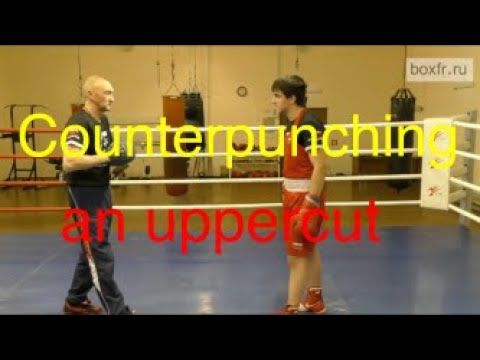
Mastering the Uppercut: Defense and Deception in Close Combat

In the unforgiving crucible of close-quarters combat, where inches can mean the difference between victory and defeat, the uppercut emerges as a brutal, often decisive weapon. But what happens when the tide turns, and you're faced with an incoming upward strike? This is where the art of the counterpunch becomes paramount. Today, we dissect the anatomy of countering an uppercut, and then, for the truly audacious, we explore how to unleash your own unexpected uppercut from the infighting clinch. Welcome, warriors, to a lesson that will sharpen your instincts and elevate your fighting prowess. You are watching Budo and Martial Arts, where we delve into the deepest currents of combat science and philosophy.

Understanding the Uppercut: A Close-Range Menace

The uppercut is a vertical punch delivered with a powerful upward thrust, typically targeting the chin or solar plexus. Unlike a straight punch that travels forward, the uppercut's trajectory is inherently less telegraphed, making it a potent surprise. Its effectiveness is amplified in close quarters, where opponents are within grappling or infighting range. From a technical standpoint, the uppercut requires a pivot of the hips and core, a slight bend in the knees, and a whip-like motion of the arm. It’s a testament to the principle that power often comes from the ground up, channeled through the entire kinetic chain.

The Danger of the Uppercut

Why is the uppercut so feared? Firstly, its angle of attack makes it difficult to see coming, especially when initiated from a static guard or a tight clinch. Secondly, when landed correctly, it can cause significant rotational force on the head, leading to disorientation, knockdowns, or knockouts. Many fighters have had their night ended by a well-timed uppercut, often when they were pressing forward or recovering from a different exchange. Mastering its defense is not merely about survival; it's about seizing opportunities when an opponent overcommits to this dangerous strike.

Defensive Principles: Evade, Block, and Counter

Facing an uppercut demands a multi-layered defensive approach. We can break this down into three core principles: evasion, blocking, and, crucially, the counter. Each layer serves a distinct purpose, but their true power lies in their seamless integration. A fighter who can fluidly transition between these can neutralize even the most aggressive uppercut barrages.

Evasion Techniques

The most elegant defense is often to not be there when the punch lands. Evasion involves subtle, often explosive, movements of the head and body. The most common evasive maneuver against an uppercut is the "pull back" or "slip." This involves slightly arching your back and moving your head back and slightly to the side, away from the incoming punch. It's not a dramatic bob and weave; it's a precise, minimal adjustment. Think of a snake dodging a strike – quick, economical, and precise. Another effective evasion is the "chin tuck," bringing your chin down and slightly towards your lead shoulder, making it a harder target to connect with cleanly. The key is anticipation. You must read the opponent's body language, the shift in their weight, the tightening of their core – these are the tells that an uppercut is coming.

Blocking Strategies

When evasion isn't possible or feasible, blocking becomes essential. The primary block for an incoming uppercut involves bringing your forearm or elbow up to intercept the strike. This is often referred to as an "elbow block" or "forearm check." You want to meet the punch with a firm, raised guard. Imagine creating a solid wall just as the uppercut reaches its apex. This requires significant core engagement and shoulder stability. A common mistake is to be too passive; the block must be an active, firm interception to absorb and deflect the force. In some martial arts, like Wing Chun or some styles of Karate, specialized forearm blocks exist, utilizing the entire forearm to deflect or absorb the incoming energy. The crucial element here is not just to stop the punch, but to redirect its energy, potentially creating an opening for your own subsequent action.

"The supreme art of war is to subdue the enemy without fighting." - Sun Tzu, The Art of War. While this applies to strategy, the principle of making an opponent's attack ineffective without absorbing its full force is a physical manifestation of this wisdom.

The Counterpunch Opportunity

The true beauty of martial arts lies not just in defense, but in turning defense into offense. The moment an opponent throws an uppercut, they are inherently committing their weight and opening themselves up. This commitment is your window of opportunity. As you evade or block their upward strike, their guard is often momentarily compromised, especially their head and body. This is the moment to strike. The timing is critical – too early, and you'll be countered yourself; too late, and you miss the opening.

Executing the Counter-Uppercut

This is where the concept comes full circle. When an opponent throws an uppercut, and you successfully evade or block it, their upward momentum can be exploited. As their punch misses or is checked, their head might naturally come slightly forward. This is the prime setup for your own uppercut. From your defensive posture, you can pivot, drive through with your hips and shoulders, and deliver a powerful uppercut that capitalizes on their commitment. Imagine their punch traveling upwards and then, with a sudden shift, your own punch meets it, driving downwards or horizontally into their now exposed target area. This counter-uppercut is devastating because it's delivered as the opponent is still recovering from their failed offensive attempt. It requires exceptional timing and an understanding of leverage.

Key elements for a successful counter-uppercut:

  • Timing: Strike as their punch is finishing or missing.
  • Leverage: Drive power from the ground and hips.
  • Accuracy: Target the chin or jawline.
  • Speed: The counter should be explosive.

Offensive Strategy: The Unexpected Uppercut

Now, let's pivot to the offensive. Throwing an unexpected uppercut, especially from infighting range, can be a fight-changer. It requires deception and a solid understanding of body mechanics. The goal is to make your opponent believe you are going for a different type of strike, or to simply catch them off guard when they aren't expecting an upward attack.

Infighting and the Clinch

Infighting refers to combat at very close range, often within the range where punches, elbows, and knees can be exchanged, and where grappling and clinching can occur. The clinch is a situation where fighters have locked onto each other, limiting mobility but creating opportunities for specific strikes. In Muay Thai, boxing, or even some styles of Karate, the clinch is a tactical space where strategic strikes can be delivered.

Throwing an Unexpected Uppercut

The element of surprise is your greatest ally. In a clinch, or during a tight exchange, an opponent often expects straight punches, hooks, or knee strikes. To throw an effective uppercut from this range, consider these methods:

  1. Deception: Feint a jab or hook, drawing their guard up, then drop your level slightly and explode upwards with the uppercut.
  2. Underhook Control: If you secure an underhook and control their head, you can create a slight opening. Use this to drive your uppercut upwards into their body or chin.
  3. Body Shot Setup: Land a hard shot to the body. As they instinctively recoil or drop their guard to protect their midsection, follow up immediately with an uppercut to the head.
  4. The "Slipping" Uppercut: While clinching or in tight infighting, an opponent might lean forward. Instead of a straight punch, drive an uppercut into their jaw as they lean in, using their own forward momentum against them.

This requires immense body control and precision. You need to maintain your balance while generating power from your legs and core, all within a confined space. The visual cue is often a slight dip, a shift in weight, and then the sudden, explosive upward motion of your fist.

"The sword is the soul of the samurai." - A common proverb, emphasizing the connection between the weapon and the warrior. In modern combat, the fist, the elbow, the knee – these become extensions of our will, honed through relentless practice.

Training for Uppercut Defense and Offense

Mastering these techniques demands dedicated practice. Your training regimen should incorporate:

  • Heavy Bag Work: Practice uppercuts with proper form, focusing on hip drive and speed.
  • Pad Work: Work with a partner to drill counter-uppercuts after simulated evasions and blocks. Practice throwing unexpected uppercuts from various ranges.
  • Sparring: Apply these techniques in controlled sparring sessions. This is where timing and reading your opponent truly develop.
  • Drills for Clinch/Infighting: Specific drills focusing on control and striking within the clinch are crucial for offensive uppercuts.
  • Shadowboxing: Visualize the scenarios and practice the movements fluidly, focusing on the transitions between defense and offense.

Equipment Essential for Your Training

To effectively train for uppercut defense and offense, consider the following gear:

  • Boxing Gloves: Essential for all striking practice, from heavy bag work to sparring. Look for gloves that offer good wrist support and adequate padding for your training type (e.g., 14-16oz for bag work and sparring, 10-12oz for pad work).
  • Focus Mitts: Invaluable for developing timing, accuracy, and defensive reactions against strikes like the uppercut.
  • Heavy Bag: A good heavy bag allows you to practice power generation for your offensive uppercuts and defensive checks.
  • Double-End Bag: Excellent for improving hand speed, timing, and accuracy, helping you to land those quick counters.
  • Groin Protector: When practicing offensive uppercuts in close quarters or sparring, especially targeting the body, a protector is crucial for safety.
  • Headgear: For sparring sessions, headgear is vital to protect against accidental impacts, including uppercuts.

Resources to Deepen Your Knowledge

To further your understanding of striking, defense, and the philosophy of combat, I highly recommend exploring these resources:

Frequently Asked Questions

Q: Is it possible to block an uppercut with just your shoulder?

A: While a shoulder roll can deflect some of the force and angle, a dedicated uppercut block typically involves the forearm or elbow for more solid interception. Relying solely on the shoulder can still leave you vulnerable to injury or follow-up strikes.

Q: How can I make my uppercut more powerful?

A: Power comes from proper kinetic chain mechanics. Focus on driving through your hips and core, keeping your elbow tucked initially, and exploding upwards with a snapping wrist action. Ensure you’re pivoting your foot and rotating your torso.

Q: When is the best time to throw a counter-uppercut?

A: The ideal moment is immediately after you have successfully evaded or blocked your opponent's uppercut, as they are still committing their weight and their guard is likely compromised. It’s a fleeting window.

Q: What is the difference between an infighting uppercut and a standard uppercut?

A: An infighting uppercut is typically delivered at much closer range, often from within a clinch or tight pocket. It may have less range but can be more sudden and brutal, relying heavily on trapping and body mechanics rather than a full body rotation.

Reflection of the Sensei: Your Next Step

We have dissected the mechanics of countering the uppercut and explored the art of delivering this powerful strike with surprise. The uppercut, whether defensive or offensive, is a testament to the brutal efficiency that close-range combat demands. It is a strike that embodies commitment, power, and precision. But knowledge, as we know, is only potent when applied. Are you content to be a passive observer, reacting to the attacks thrown at you, or will you become the architect of the exchange, turning defense into a springboard for devastating offense? This is the true test.

Your challenge: In your next training session, consciously practice one defensive maneuver against an imagined uppercut, followed immediately by a counter-strike. Then, dedicate five minutes to practicing the setup and execution of an unexpected uppercut from a static position or mock clinch. Feel the difference. Internalize the lesson.

Now, I pose this to you, the diligent student: Have you ever been caught by a surprise uppercut, or landed one that changed the course of a fight? Share your experiences, your triumphs, and your failures in the comments below. Let us learn from each other, for the path of Budo is one of shared struggle and collective growth. Are you ready to engage in this dialogue, or will you remain silent in the face of opportunity?

``` GEMINI_METADESC: Master the uppercut: Learn defensive evasion, blocking, and how to land devastating counter-uppercuts. Discover offensive strategies for unexpected uppercuts in infighting and clinching.

Top 4 Unique Exercises for INSANE Strength in BJJ: A Masterclass in Functional Power

"The supreme art of war is to subdue the enemy without fighting." - Sun Tzu, The Art of War
The mats of Brazilian Jiu-Jitsu are a proving ground, a modern battlefield where leverage, technique, and raw physical power converge. Many practitioners focus on the intricate dance of submissions and guards, often neglecting a fundamental pillar of dominance: **strength**. Not just any strength, mind you, but functional, applied power that translates directly to the grappling arena. My intention today, as your Sensei, is to delve beyond the superficial and illuminate exercises that forge that "insane strength" you crave for BJJ. We'll dissect what truly builds power, why common approaches fall short, and how specific, often overlooked, movements can revolutionize your game. Prepare for a lesson that will challenge your understanding of strength training and its profound impact on your Jiu-Jitsu.

Table of Contents

The Kettlebell Swing: More Than Just a Swing

Many see the kettlebell swing as a simple ballistic exercise. They are wrong. When performed correctly, the kettlebell swing is a full-body explosion, a primal movement that mimics the hip hinge crucial for powerful sweeps, takedowns, and even escaping bad positions. It's not about arm strength; it's about leveraging the posterior chain – the glutes, hamstrings, and lower back – to generate force. **Why it’s essential for BJJ:**
  • Hip Hinge Mastery: This is the foundation of most powerful movements in BJJ. A strong hip hinge allows you to generate immense force from your hips, not your arms, for takedowns and sweeps.
  • Explosive Power: The rapid contraction of your glutes and hamstrings during the peak of the swing translates directly to explosive burst for guard passes or takedowns.
  • Core Strength: Maintaining a rigid torso throughout the movement builds incredible endurance in your core, vital for resisting pressure and maintaining posture.
  • Cardiovascular Conditioning: Performed in sets, swings can also elevate your heart rate, building endurance needed for long, grueling matches.
The key is *intent*. You are not *lifting* the kettlebell; you are *hiking* it with your hips and letting the momentum carry it. The peak of the swing should be driven by a powerful, instantaneous contraction of your glutes. Think of it as a primal scream of power from your hips.

The Farmer's Walk: Building Unshakeable Grip and Core Stability

In BJJ, a weak grip is a death sentence. Your opponent can control your posture, break your grips, and dictate the pace of the fight if your hands fail you. The Farmer's Walk, a simple yet brutal exercise, is the antidote. Holding heavy weights in each hand and walking for distance or time builds unparalleled grip strength, forearm endurance, and shoulder stability. **Why it’s essential for BJJ:**
  • Dominant Grip Strength: Holding onto wrist control, an armbar, or even maintaining posture against a strong opponent requires tenacious grip. The Farmer's Walk directly trains this.
  • Upper Back and Shoulder Strength: The ability to maintain an upright posture under load is critical. This exercise strengthens the traps, rhomboids, and rotator cuff muscles, preventing your posture from being collapsed.
  • Core Bracing: To walk upright with heavy weights, your core must constantly engage to stabilize your spine. This translates to better defense against takedowns and more effective guard retention.
  • Overall Work Capacity: It’s a fantastic way to build fatigue resistance throughout your entire upper body and core.
Start with weights that challenge you but allow you to maintain a strong, upright posture. Focus on squeezing the handles as hard as possible and keeping your shoulders back and down. The goal is not just to carry the weight, but to do so with perfect form, reinforcing good postural habits.

The Turkish Get-Up: The Ultimate Full-Body Power Builder

This exercise looks awkward. It feels awkward. And that's precisely why it's so effective for BJJ. The Turkish Get-Up (TGU) is a slow, controlled, multi-stage movement that takes you from a lying position to standing, and back down again, all while holding a weight overhead. It demands strength, mobility, balance, and coordination – all critical attributes for a martial artist. **Why it’s essential for BJJ:**
  • Unilateral Strength and Balance: The TGU forces you to strengthen one side of your body while stabilizing with the other, mimicking the asymmetrical nature of grappling.
  • Shoulder Health and Stability: Moving a weight overhead through such a complex range of motion builds robust shoulder stability, crucial for preventing injuries and controlling limbs.
  • Core Engagement Through Ranges of Motion: Unlike static core exercises, the TGU requires your core to work dynamically through multiple planes of movement, building true functional stability.
  • Proprioception and Body Awareness: The slow, deliberate nature of the TGU enhances your mind-body connection, improving your ability to sense your position and your opponent's.
Focus on the transition. Each step must be deliberate and controlled. Think of it as a moving meditation that builds power and control. Do not rush it. The slower and more controlled you are, the greater the benefit.

The Sled Push/Pull: Harnessing Raw, Explosive Force

Forget the delicate art of technique for a moment; sometimes, BJJ requires brute force. The sled push and pull are primal movements that build raw, explosive power and incredible muscular endurance. Pushing a heavy sled across the floor engages your quads, glutes, and core with immense force, while pulling it engages your posterior chain and back. **Why it’s essential for BJJ:**
  • Explosive Drive: The initial burst required to move a heavy sled translates to powerful hip thrusts for guard passes, takedowns, or powering through tough scrambles.
  • Leg and Glute Power: These muscles are your engines in grappling. Sled work builds incredible strength and hypertrophy in these areas.
  • Grit and Mental Toughness: Pushing or pulling a heavy sled until failure is a mental battle as much as a physical one. This builds the kind of grit needed to endure painful positions or push through fatigue.
  • Conditioning: Done for distance or time, sled work is a fantastic conditioning tool that builds anaerobic capacity, vital for high-intensity grappling exchanges.
Experiment with both pushing and pulling. For pushes, focus on a low, driving posture. For pulls, maintain an upright posture and drive through your heels. Vary the weight and distance to continually challenge your system.
"The essence of martial arts is not to be the strongest, but to be the most adaptable and resilient." - Unknown Master

The Science Behind Functional Strength for BJJ

It's easy to get lost in the world of bodybuilding-style training, aiming for sheer muscle mass. But in BJJ, we require a different kind of strength: **functional strength**. This is strength that translates directly to the demands of the sport. It's about:
  • Power: The ability to generate force quickly.
  • Endurance: The capacity to sustain that force over time.
  • Stability: The control of your body through various ranges of motion.
  • Mobility: The freedom of movement required to execute techniques and avoid injury.
The exercises I've outlined above are not just about getting "stronger" in an abstract sense. They are specifically chosen because they improve these key components of functional power, directly impacting your ability to execute techniques, resist your opponent, and perform at a high level for the duration of a match. They train your body as a unified system, much like BJJ itself demands.

Veredicto del Sensei: ¿Merece la pena?

This isn't about chasing the latest fad in fitness. These exercises – the Kettlebell Swing, Farmer's Walk, Turkish Get-Up, and Sled Push/Pull – are foundational movements that have been tested by time and proven effective across numerous disciplines, including combat sports. They build a type of raw, resilient, and functional strength that is indispensable for any serious BJJ practitioner. If your goal is to dominate on the mats, to have an unshakeable base, a crushing grip, and the power to explode when it matters most, then incorporating these exercises is not just beneficial – it is **essential**. This is not just training; it is forging the warrior within. Calificación del Sensei: Cinturón Negro en Poder Funcional

Equipo Esencial para tu Entrenamiento

To implement these powerful exercises, you'll need a few key pieces of equipment. Quality matters, as these tools will be under significant stress.
  • Kettlebells: Invest in a range of weights. For swings, you'll eventually want something challenging, often starting around 16kg for women and 24kg for men, progressing upwards.
  • Dumbbells or Weight Plates: For Farmer's Walks, heavy dumbbells or specialized farmer's walk handles are ideal. Ensure they are heavy enough to be a true challenge.
  • Barbell with Plates: Essential for the Turkish Get-Up (start light, perhaps just the bar, and progress) and for heavier Sled work if you don't have a dedicated sled.
  • Sled and Prowler: If your gym has one, utilize it! Otherwise, creative solutions involving resistance bands and heavy objects can be employed.
  • Comfortable Training Gear: While not directly equipment for the exercises, wearing comfortable athletic wear and appropriate footwear (or training barefoot if you prefer for BJJ) is crucial.
Consider investing in a quality heavy duty workout gear to ensure longevity and safety. For dedicated BJJ training, a durable high quality BJJ gi is also a wise investment.

Guía de Entrenamiento: Integrando Estos Ejercicios

The key to effective strength training is smart integration. Don't just throw these into your existing routine haphazardly. Here’s a sample approach:
  1. Warm-up (10-15 minutes): Dynamic stretching, joint mobility drills, and a few light sets of bodyweight movements.
  2. Strength Component (Choose 1-2 exercises per session):
    • Day 1 (e.g., Lower Body/Power Focus): Kettlebell Swings (3-4 sets of 10-15 reps), Sled Push (3-4 sets of 20-30 yards).
    • Day 2 (e.g., Upper Body/Stability Focus): Farmer's Walk (3-4 sets of 30-50 yards), Turkish Get-Up (3 sets of 2-3 reps per side).
  3. BJJ Technique/Sparring: Integrate your wrestling or grappling practice.
  4. Cool-down: Static stretching and foam rolling.
Aim to perform your strength sessions 2-3 times per week, ensuring adequate rest between sessions. Listen to your body; recovery is as crucial as the training itself.
"The only true strength is the strength that comes from within." - Unknown Martial Artist

Preguntas Frecuentes

Q1: Can I do these exercises if I'm a beginner in BJJ?

A1: Absolutely. Start with lighter weights and focus on perfect form. For the Turkish Get-Up, begin with just your bodyweight, then progress to a light dumbbell or even a water bottle. For swings and farmer's walks, prioritize technique over load.

Q2: How often should I incorporate these exercises?

A2: 2-3 times per week is ideal for most practitioners. Ensure you have at least one rest day between strength sessions, especially if you are also training BJJ intensely.

Q3: Will these exercises make me "too bulky" for BJJ?

A3: These exercises build functional strength and power, not necessarily hypertrophy (muscle bulk) associated with bodybuilding. The focus is on efficient, athletic strength that enhances your grappling, not hinders it.

Q4: What if I don't have access to a sled?

A4: You can simulate sled work by attaching resistance bands to a heavy object (like a weight tree or a large tire) and dragging it, or by using a heavy dumbbell or kettlebell for a "death march" walk.

Para Profundizar en tu Camino

To truly understand the depth of physical preparation required for martial arts, explore these related topics on our blog:

This journey into strength is a lifelong pursuit. The principles of discipline, perseverance, and continuous improvement that we cultivate in BJJ are the same ones that drive progress in the gym. Embrace the challenge, trust the process, and you will undoubtedly see your power on the mats grow exponentially.

Reflexión del Sensei: Tu Próximo Paso

You have been given the blueprint for forging a stronger, more powerful you on the mats. The knowledge is now yours. The true test, however, lies not in understanding, but in application. Do you possess the discipline to walk this path, or will you remain a spectator to your own potential? The answer lies not in my words, but in your actions. Will you step onto the training floor tomorrow with renewed purpose, or will the allure of complacency keep you bound? GEMINI_METADESC: Master BJJ strength with 4 unique exercises: Kettlebell Swings, Farmer's Walks, Turkish Get-Ups, and Sled work. Forge functional power and dominate the mats.