A question that echoes through countless dojos and training halls: what truly defines a martial art? Is it the ferocity of a knockout, the elegance of a kata, or the depth of its philosophical underpinnings? Many modern interpretations of Karate have become so fixated on the *winning*, on the external validation of competition, that they risk losing the very essence of what these ancient disciplines were designed to cultivate. Today, we turn our analytical gaze not to the glitz of a championship bout, but to a documentary that promises to peel back the layers and reveal the raw, transformative power of Okinawan Tee.
This isn't about whether Karate *can* be a sport; it demonstrably is. This is about understanding its roots, its original purpose, and for many, its most profound application: the arduous, often uncomfortable, journey of **Self-Mastery**. Are you truly ready to confront your own limitations, or are you merely seeking another trophy for the mantlepiece? Let's dissect this journey.
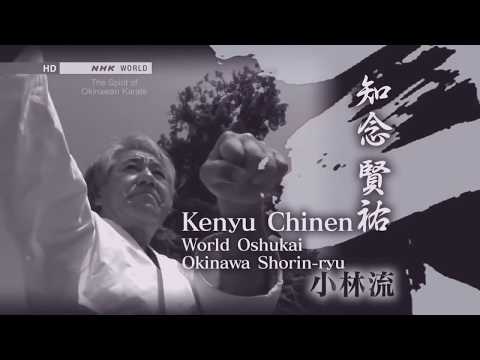
The documentary plunges us into the heart of Okinawa, the birthplace of Karate, to explore **Tee**. Immediately, the narrative sets itself apart. While modern Karate, particularly in its sporting permutations, often prioritizes the *external* victory – defeating an opponent, earning points, winning medals – Tee is presented as an introspective discipline. It’s a path inward, a rigorous exploration of the self. This distinction is crucial for any serious martial artist to grasp. The goal isn't just to *look* proficient; it's to *be* proficient, on every level.
The film follows an Englishman and an Italian, individuals presumably drawn by the allure of authentic martial arts tradition. Their presence underscores a global phenomenon: the migration of thousands annually to Okinawa, seeking not just physical techniques but a deeper understanding. This isn't a casual pursuit; it's a commitment. The documentary highlights that practitioners aren't chasing fleeting glory in tournaments. Instead, they dedicate themselves to **self-mastery**, a pursuit that demands relentless pushing of both physical and mental boundaries. This is where the true value of martial arts lies for many seasoned practitioners – in the crucible of training, one finds their true measure.
"The essence of Karate is not in the victory, but in the striving for perfection." - A common adage, but one Tee seeks to embody.
This emphasis on intrinsic motivation resonates deeply with the core tenets of **#BudoLife**. It separates the genuine disciple from the dilettante. The true martial artist understands that every practice session, every drop of sweat, is an investment in oneself, not merely a means to an external end.
The Journey Within: Struggles and Triumphs
The narrative of the documentary centers around a transformative summer for its protagonists. This isn't presented as a smooth, effortless acquisition of skills. No, this is where the steel is forged. The film showcases the protagonists confronting "personal challenges" and "inner demons." This is the gritty reality of deep martial arts training. It’s messy. It’s uncomfortable. It forces you to face the aspects of yourself you’d rather ignore.
The dedication, discipline, and resilience required are not just buzzwords here; they are the very currency of progress. The film makes a vital point: the path of martial arts is *not* solely about physical combat. This is a critical juncture. While techniques for **#CombateEnLaCalle** or **#ArtesMarcialesMixtas** are valuable, they are only one facet. Tee, as depicted, emphasizes honing one's character, cultivating humility – a quality often in short supply in competitive circles – and developing that elusive **#MindBodyConnection**. This holistic approach is what elevates a martial artist from a mere fighter to a refined individual.
Imagine the sheer willpower needed to execute a technique perfectly, not because the crowd is cheering, but because the internal standard demands it. This is the **#InnerStrength** that Tee cultivates. It’s the quiet resolve that allows one to stand firm, not just against an opponent, but against doubt, fear, and laziness.
Martial Philosophy: The Essence of Tee
Here, the documentary delves into the philosophical heart of Tee. It's described as a unique blend of physical techniques and profound **#MartialPhilosophy**. This fusion is the hallmark of true **#BUDO**. The principles of harmony, balance, and respect are not mere pleasantries; they are foundational.
* **Harmony**: Understanding how your body moves with intention, how your actions integrate with your environment.
* **Balance**: Not just physical equilibrium, but mental and emotional stability. The ability to remain centered amidst chaos.
* **Respect**: For your training partners, your instructors, the art itself, and crucially, for yourself.
These principles are presented as transferable, applicable to "all aspects of life." This is the transformative power that draws so many to disciplines like **#OkinawanKarate**. It's about developing discipline, self-control, and a clear sense of purpose that extends far beyond the dojo walls. By immersing themselves in Tee, the protagonists don't just learn to punch and block; they uncover "hidden strengths" and gain "invaluable insights into the nature of existence." This is the enlightened path that separates superficial training from genuine **#SelfMastery**.
"Karate ni sente nashi" – "There is no first strike in Karate." This principle, deeply embedded in the philosophy of Karate, speaks volumes about the ethos of respect and control that traditional arts aim to instill. Tee embodies this.
For those interested in the **#KarateSpirit**, understanding this philosophical bedrock is paramount. It's the difference between performing movements and embodying principles.
Community and Camaraderie
Martial arts, at their best, are inherently communal. Tee is no exception. The documentary illustrates how this practice transcends cultural and geographical divides, fostering a powerful sense of **#CommunityOfWarriors**. The protagonists, far from home, find connection and support among fellow practitioners in Okinawa.
These aren't just training partners; they form "deep bonds and lifelong friendships." This shared journey amplifies the individual experience. It reinforces the idea that while personal growth is central, it is often nurtured and solidified within a supportive collective. This is why forums and communities centered around **#MartialArtsCommunity** are so vital. They provide a space for shared learning, encouragement, and the collective pursuit of excellence. The struggle is individual, but the support network is communal.
Join the Tee Movement: Embrace Your Inner Warrior
The documentary aims to inspire. After witnessing the transformative experiences depicted, the implicit call to action is clear: embrace your own **#WarriorPhilosophy**. The "Tee movement" represents more than just a specific style of Karate; it signifies a commitment to a path of self-discovery and personal development through rigorous martial practice.
The blog, **BYAM Budo y Artes Marciales**, is positioned as a resource for those inspired by this journey. It’s a place to "delve deeper into the world of martial arts," offering a "treasure trove of knowledge, techniques, and philosophies." This aligns perfectly with the goal of fostering a vibrant online **#MartialArtsCommunity**, where enthusiasts can share, learn, and grow together.
Equipment Essential for Your Training
While Tee emphasizes the internal, certain foundational tools can significantly enhance your training journey. Investing in quality gear not only ensures comfort and safety but also demonstrates respect for the art.
High-Quality Karate Gi: Look for a durable, double-weave cotton gi that allows for full range of motion and can withstand rigorous training. Brands like Shureido or Tokaido are often favored by practitioners of traditional Okinawan styles.
Traditional Okinawan Kobudo Weapons (Optional): If your training incorporates weapons (Bo, Sai, Tonfa, Nunchaku), ensure they are well-crafted and balanced for effective practice.
Makiwara: A traditional striking post used for developing power, conditioning the hands, and refining striking technique. Essential for authentic Karate practice.
Comfortable Training Mats: For floor work, breakfalls, and groundwork, ensuring a safe and supportive surface is crucial.
For those seeking to deepen their understanding of Karate history and philosophy, consider acquiring some foundational texts. Books such as "Bubishi" or comprehensive guides on Okinawan Karate history can provide invaluable context. Investing in good **#KarateMerchandise** is an investment in your journey.
Frequently Asked Questions
What is the difference between Tee and modern Karate?
Tee emphasizes self-mastery, personal growth, and philosophical depth, whereas many modern Karate styles focus more on competitive sport, external victories, and combat effectiveness.
Why do so many people travel to Okinawa to learn Karate?
Okinawa is the birthplace of Karate. Practitioners seek the authentic traditions, the deeper philosophical teachings, and the direct lineage from the masters who developed and preserved these arts.
Is Tee suitable for self-defense?
Yes. While its primary focus is internal development, the discipline, awareness, and physical conditioning cultivated through Tee provide a strong foundation for practical self-defense. The principles learned transcend mere combat techniques.
How can I start practicing Tee if I live outside Okinawa?
Seek out reputable dojos that specifically teach Okinawan Karate styles (e.g., Goju-ryu, Shorin-ryu, Uechi-ryu) and prioritize instructors who emphasize the traditional philosophy and self-development aspects over purely sport-oriented training.
For Deeper Exploration
This documentary touches upon the profound impact of martial arts. If you're captivated by the transformative power of discipline and physical practice, you might find value in exploring these related topics on our blog:
"Tee Documentary" offers a vital perspective, reminding us that the most profound battles are often fought within. It champions the **#MartialArtsJourney** as a path of **#SelfMastery**, where discipline, resilience, and philosophical understanding are the true victories. Tee, as the documentary illustrates, is more than just a method of combat; it is a comprehensive system for personal transformation, fostering not only a strong body but an unshakeable spirit. It is the embodiment of the **#KarateSpirit** in its purest form.
Sensei's Reflection: Your Next Step
The documentary shows individuals confronting their limitations. What is the single greatest limitation you currently face in your own martial arts training, and how can you begin to dismantle it, not by seeking external validation, but by turning your gaze inward, as the practice of Tee demands?
```json
{
"@context": "https://schema.org",
"@type": "FAQPage",
"mainEntity": [
{
"@type": "Question",
"name": "What is the difference between Tee and modern Karate?",
"acceptedAnswer": {
"@type": "Answer",
"text": "Tee emphasizes self-mastery, personal growth, and philosophical depth, whereas many modern Karate styles focus more on competitive sport, external victories, and combat effectiveness."
}
},
{
"@type": "Question",
"name": "Why do so many people travel to Okinawa to learn Karate?",
"acceptedAnswer": {
"@type": "Answer",
"text": "Okinawa is the birthplace of Karate. Practitioners seek the authentic traditions, the deeper philosophical teachings, and the direct lineage from the masters who developed and preserved these arts."
}
},
{
"@type": "Question",
"name": "Is Tee suitable for self-defense?",
"acceptedAnswer": {
"@type": "Answer",
"text": "Yes. While its primary focus is internal development, the discipline, awareness, and physical conditioning cultivated through Tee provide a strong foundation for practical self-defense. The principles learned transcend mere combat techniques."
}
},
{
"@type": "Question",
"name": "How can I start practicing Tee if I live outside Okinawa?",
"acceptedAnswer": {
"@type": "Answer",
"text": "Seek out reputable dojos that specifically teach Okinawan Karate styles (e.g., Goju-ryu, Shorin-ryu, Uechi-ryu) and prioritize instructors who emphasize the traditional philosophy and self-development aspects over purely sport-oriented training."
}
}
]
}
Welcome, aspiring warriors and seasoned practitioners, to Budo and Martial Arts. Today, we delve into a spectacle that, while born from imagination, touches upon the very essence of combat prowess: a hypothetical clash between Kakashi Hatake from the Naruto universe and an unnamed but undeniably powerful adversary. This isn't merely about who wins; it's about dissecting the principles, the displayed techniques, and what we can glean from such fictional encounters to enrich our understanding of real-world martial arts.
We live in an era where the lines between entertainment and edification often blur. The image of Kakashi Hatake, the perpetually calm and formidable ninja, engaging in a "power full fight" resonates with our innate fascination for skill, strategy, and overwhelming force. But beyond the visual spectacle, what does such a confrontation teach us? As martial artists, our focus must always be on extracting practical wisdom, even from the most fantastical scenarios. The *intent* behind such portrayals—showcasing skill, overcoming adversity, and the sheer thrill of combat—is a rich ground for analysis.
The prompt, "Kakashi Hatake vs powerful man and power full fight," published on March 16, 2023, hints at an event or a piece of media that highlights a significant confrontation. My task, as your Sensei, is not to simply recount the action, but to dissect it through the lens of authentic martial principles. We are here to explore the Budo, the philosophical and practical path of the warrior, and how it might be represented, even in its fictionalized form.
Deconstructing Kakashi's Arsenal: Jutsu as Martial Arts
Kakashi Hatake is renowned for his mastery of various Jutsu, techniques that, in essence, function as a highly specialized form of martial art. His signature move, the Chidori (One Thousand Birds), is a concentrated burst of lightning chakra, wielded as a piercing strike. This mirrors the concept of a focused, high-velocity offensive technique found in many real-world striking arts, aiming to overwhelm an opponent's defenses with sheer penetration power. Consider the speed and precision required, akin to a master swordsman delivering a decisive blow, or a boxer executing a perfectly timed straight punch.
Then there's his Sharingan (Copy Wheel Eye), which allows him to perceive chakra, mimic techniques, and gain unparalleled visual acuity. In a real combat context, this translates to an exceptional ability to read an opponent's movements, anticipate attacks, and adapt strategies on the fly. This mirrors the importance of Kime (focus, intensity) and Zanshin (awareness) in Japanese martial arts. The ability to 'copy' techniques, while supernatural, speaks to the martial artist's capacity for deep observation and rapid learning – a skill honed through countless hours of kumite (sparring) and kata (forms) practice.
Furthermore, Kakashi is adept at taijutsu (hand-to-hand combat), utilizing swift kicks and punches, often imbued with chakra for added impact. This foundation in physical combat is crucial. Even the most potent ninjutsu requires a solid physical base. This is a fundamental truth echoed across disciplines, from Karate to Muay Thai. Without strong conditioning and proper body mechanics, even the most advanced techniques are mere parlor tricks.
"The ultimate aim of martial arts is not the victory or defeat, but the perfection of the character of its practitioners." - Gichin Funakoshi, founder of Shotokan Karate. While Kakashi's world is one of battle, his discipline and constant self-improvement embody this principle.
The Unseen Powerhouse: What Defines a True Threat?
The description "powerful man" is intentionally vague, allowing our imagination to fill the void. Is this opponent a master of raw physical strength? A practitioner of forbidden arts? A titan of speed? In martial arts, a "powerful" opponent isn't just about brute force. True power lies in a combination of factors:
Technique (Waza): Skillful application of movement, leverage, and timing.
Strategy (Senjutsu): The art of anticipating, deceiving, and controlling the engagement.
Endurance (Taisei): The capacity to maintain peak performance over extended periods.
Mental Fortitude (Mushin - No Mind): The ability to act without hesitation or doubt, a state of focused awareness.
Adaptability (Henka): The capacity to adjust tactics based on the opponent's actions.
A truly formidable opponent, fictional or real, integrates these elements seamlessly. They don't just throw punches; they orchestrate an entire encounter. The effectiveness of Kakashi's own techniques would be tested against an opponent who understands distance, timing, and flow, not just raw power.
Choreography vs. The Cold Calculus of Combat
Cinema and anime often present fight sequences that are breathtaking but divorced from the brutal efficiency of real combat. A "power full fight" in fiction might involve elaborate animations, dramatic pauses, and seemingly limitless stamina. Real fights, particularly those where stakes are high, are often far more condensed, messy, and dictated by the first effective strike or mistake.
Consider the nuances: a well-executed grappling exchange in Judo or BJJ can end a fight without a single blow. A perfectly timed counter-attack in Karate or Kickboxing can create a knockout opportunity. Even the seemingly simple, direct approach of Kyokushin Karate emphasizes devastating power and resilience. The fictional fight likely emphasizes flashy jutsu, but a real-world encounter would hinge on fundamental principles: footwork, balance, structure, and exploiting weaknesses.
The inclusion of tags like #artesmarciales, #BUDO, #lucha, #pelea, #entrenamiento, and #historia suggests the original post aimed to connect fictional combat with these real-world disciplines. This is where our critical analysis truly begins.
Beyond the Jutsu: The Budo Spirit in Fiction
At its core, Budo is not just about fighting; it's about self-mastery, discipline, and the cultivation of a strong moral character. While Kakashi is a fictional ninja, his journey often embodies aspects of this path. His adherence to the rules of engagement (even as a ninja), his dedication to his students, and his willingness to sacrifice reflect a deeper commitment than mere combat prowess. The concept of Ki (or Qi), the vital life force, is central to many Eastern martial arts. While depicted as supernatural energy manipulation in Naruto, it fundamentally relates to harnessing internal energy for physical and mental power—a concept explored in practices ranging from Shaolin Kung Fu to internal Chinese martial arts.
"The way of the warrior is to accept death." - Miyamoto Musashi, The Book of Five Rings. This stark reminder from a legendary swordsman highlights the ultimate commitment inherent in the martial path, a commitment that fictional characters like Kakashi, in their own way, often have to confront.
Lessons for the Dojo: Applying Fictional Principles
So, what practical lessons can we draw from this fictional battle?:
Observation is Key: Kakashi's Sharingan highlights the importance of keenly observing your opponent. Train to read body language, anticipate movements, and understand their tendencies.
Master Your Core Techniques: Whether it's Chidori or a simple punch, focus on perfecting your fundamental skills. Power comes from efficient application, not just raw energy.
Develop Adaptability: A single strategy rarely works against all opponents. Cultivate the ability to shift tactics and respond effectively to unexpected situations. This is honed through varied sparring sessions, including incorporating elements of grappling and different ranges of combat.
Integrate Physical and Mental Training: Kakashi's ninja skills are a blend of physical prowess, strategic thinking, and mental fortitude. Ensure your training encompasses strength, conditioning, technique, and mental discipline.
Understand the "Why": Beyond the techniques, always seek the underlying principles. Why does a certain movement work? What is the strategic advantage? This deeper understanding elevates practice to the level of true Budo.
Veredicto del Sensei: Where Fiction Meets Force
While the "Kakashi Hatake vs powerful man and power full fight" is an imaginary scenario, it serves as a potent illustration of martial concepts. Kakashi's abilities, though exaggerated, are rooted in principles of precision, speed, strategic thinking, and the use of specialized techniques. A "powerful man" represents the fundamental challenge of facing a capable adversary. The "power full fight" itself highlights the dynamic interplay between offense, defense, and adaptation.
If this were a real combat scenario, the outcome would depend on countless variables not present in fictional narratives. However, as a catalyst for discussion on martial arts principles, it is effective. It reminds us that the dedication to training, the mastery of technique, and the cultivation of a warrior's spirit—the very essence of BUDO—are timeless, whether applied in a ninja village or a dojo.
Rating:Cinturón Negro en Imaginación, Nivel Novato en Aplicación Real. A commendable exploration of martial concepts, albeit through a fictional lens. It sparks the imagination but requires critical translation to practical training.
Equipo Esencial para tu Entrenamiento
To truly embody the spirit of martial arts, having the right equipment is crucial for effective and safe training. Whether you are practicing Karate, Judo, BJJ, or any other discipline, investing in quality gear can make a significant difference in your progress and enjoyment.
Kimono/Gi: Essential for Judo, BJJ, and Aikido. Look for durable, double-woven fabrics for Judo and BJJ, and lighter, comfortable weaves for Aikido. Brands offering high-quality kimonos de judo are a good starting point.
Protective Gear: For sparring (kumite), consider padded gloves (e.g., guantes de 16oz para sparring for boxing/kickboxing), shin guards, headgear, and mouthguards. These are vital for minimizing injury.
Training Mats (Tatami): If you practice grappling arts or forms that involve throws and falls, investing in quality tatami mats provides necessary cushioning and safety.
Training Weapons: For arts that incorporate weapons (e.g., Karate with Bo staff, Kobudo), ensure you use safe, properly weighted practice versions.
Fitness Equipment: Resistance bands, jump ropes, and basic weights can supplement your martial arts training, enhancing strength, agility, and cardiovascular fitness.
Preguntas Frecuentes
¿Es posible aplicar las técnicas de Kakashi en la vida real?
Directamente, no. Las jutsu de Kakashi son sobrenaturales y parte de un universo de ficción. Sin embargo, los principios subyacentes—velocidad, precisión, anticipación, uso estratégico de energía (Ki)—son aplicables al entrenamiento de artes marciales reales.
¿Qué arte marcial se asemeja más a las habilidades de Kakashi?
Si bien ningún arte marcial real replica la versatilidad de un ninja, Kakashi's taijutsu, velocidad y enfoques de combate directo podrían tener paralelos con disciplinas como Ninjutsu (el arte histórico, no solo su representación popular), Karate (por su énfasis en golpes contundentes y velocidad), y Kickboxing (por la combinación de golpes y patadas). Su habilidad para copiar técnicas resalta la importancia de la observación y el aprendizaje en cualquier arte marcial.
¿Cuál es la importancia del concepto de Ki en las artes marciales?
El Ki (o Chi/Qi) representa la energía vital. En artes marciales, se cultiva a través de la respiración, la concentración y el movimiento para potenciar la fuerza física, la resistencia y el enfoque mental. No es magia, sino la optimización de la fisiología y la mente humanas.
¿Por qué es importante el entrenamiento de combate en la calle (CombateEnLaCalle)?
El CombateEnLaCalle se enfoca en la autodefensa en escenarios impredecibles y peligrosos. A diferencia de un dojo, no hay reglas, ni árbitros, y las circunstancias pueden ser letales. Un entrenamiento efectivo en esta área debe ser realista, práctico y enfocado en la supervivencia.
Para Profundizar en tu Camino
Profundiza en los principios del BUDO y la filosofía del guerrero en nuestro artículo sobre Filosofía del Guerrero.
Analiza las estrategias y técnicas de los grandes peleadores en nuestra sección de Análisis de Combate.
Reflexión del Sensei: Tu Próximo Paso
The confrontation between Kakashi and his powerful foe, though fictional, serves as a mirror to our own training. It highlights the perpetual quest for knowledge, the development of physical and mental discipline, and the understanding that true strength lies not just in power, but in wisdom and adaptability. The flashy displays are entertaining, but the fundamental principles—dedication to practice, respect for the opponent, and the pursuit of self-improvement—are what forge a true martial artist.
"The martial way is a daily task. It is a lifetime commitment." - A principle echoed across countless martial traditions.
Reflexión del Sensei: Tu Próximo Paso
Now, I pose this to you: In your own training, are you focusing solely on the "flashy jutsu," the spectacular moves that garner attention, or are you diligently building the foundational strength, the keen observational skills, and the unwavering mental fortitude that would allow you to face any "powerful man," whether in a fictional realm or the unforgiving reality of the street? Where does your true commitment lie?
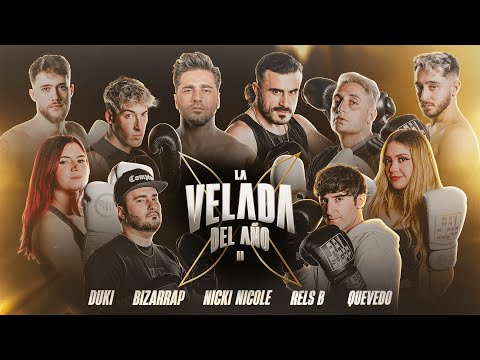
"Bienvenidos, aspirantes a la maestría. Hoy no vamos a hablar de un kata ancestral ni de la filosofía del Mushin. Hoy vamos a diseccionar un evento que ha capturado la atención de millones, un fenómeno que, aunque lejano a la disciplina sagrada de nuestras artes, comparte con ellas el espectáculo del enfrentamiento. Hablo de 'La Velada del Año 2'. ¿Fue acaso un reflejo del espíritu guerrero o simplemente el carnaval de la vanidad? Abróchense los cinturones, porque este Sensei viene a derribar mitos y a escupir verdades sin filtro."
El 26 de junio de 2022, el mundo de internet y, para sorpresa de muchos, el de los entusiastas de la lucha, se paralizó. "La Velada del Año 2", organizada por Ibai Llanos, no fue solo un evento, fue un *fenómeno*. Millones de personas conectadas, un récord de audiencia en Twitch, y un cartel de combates entre creadores de contenido que prometía emociones fuertes. Pero, ¿qué hay detrás de todo este revuelo? Como Sensei de las artes marciales y crítico de su representación, mi deber es analizarlo con la frialdad de un cirujano y la pasión de un guerrero.
La pregunta que resuena en mi dojo es: ¿Se puede considerar esto una manifestación del espíritu marcial, o es simplemente un espectáculo de masas bien orquestado para el entretenimiento? La línea es delgada, y a menudo, traicionera.
El Espectáculo Mediático: ¿Deporte o Entretenimiento?
Desde la alfombra roja hasta las actuaciones musicales, pasando por los combates, "La Velada del Año 2" se vendió como un evento deportivo. Sin embargo, una mirada crítica desde la perspectiva de las artes marciales revela una realidad distinta. Los protagonistas no eran atletas profesionales formados en años de disciplina y sacrificio, sino personalidades de internet buscando un nuevo tipo de viralidad.
El boxeo, aunque simplificado y a menudo torpe, fue el vehículo. Vimos a Grefg vs. Carola, Arigameplays vs. Paracetamor, Momo vs. Viruzz, Luzu vs. Lolito, y el esperadísimo Jagger vs. Bustamante. Cada combate era precedido por una carga emocional y una narrativa construida en redes sociales. Esto, desde la óptica del entretenimiento, funciona a la perfección. Atrae audiencias masivas y genera un debate incesante, precisamente lo que buscamos en este blog.
Pero aquí es donde el Sensei debe ser severo. Si bien el coraje y la voluntad de subir a un ring son dignos de reconocimiento, equiparar esto con la profundidad y el rigor del entrenamiento marcial es un error. El boxeo, como arte, requiere años de dedicación para dominar la técnica, la estrategia y la mentalidad. Lo que vimos en "La Velada" fue, en muchos casos, una demostración de valentía bruta más que de maestría técnica.
"La disciplina es el puente entre las metas y los logros." - Jim Rohn, aunque no un maestro marcial, su sabiduría resuena en cualquier dojo.
La multitud estaba ahí por el espectáculo, por las rencillas online llevadas a un ring, por ver a sus ídolos enfrentarse. Y eso, queridos alumnos, no tiene nada de malo desde una perspectiva comercial y de entretenimiento. Pero no confundamos el aplauso del público con el respeto ganado en el tatami o el ring a través del sudor y la constancia.
Análisis de Combate: Más Allá del KO
Analicemos brevemente algunos de los "enfrentamientos" desde una óptica marcial, sin caer en la burla, pero sí en la crítica constructiva.
* **Carola vs. Spursito (posteriormente reemplazado por Grefg vs. Carola):** Aquí vimos la diferencia entre alguien con algo de preparación (Carola, al parecer) y alguien completamente novato. El resultado fue predecible, pero la voluntad de ambos de subirse al ring es un punto a su favor.
* **Momo vs. Viruzz:** Viruzz, conocido por su experiencia previa en boxeo amateur, partía con una ventaja clara. Momo, por su parte, demostró coraje. El resultado, aunque inclinado por la técnica, mostró la determinación de Momo hasta el último momento.
* **Luzu vs. Lolito:** Un combate muy esperado, con dos personalidades fuertes. La experiencia de Luzu en actividades físicas previas pudo darle una ligera ventaja, pero la imprevisibilidad del combate amateur es siempre alta.
* **Jagger vs. Bustamante:** Probablemente uno de los combates más comentados. Bustamante, con una estructura física más imponente, se enfrentaba a Jagger, conocido por su energía. La diferencia de peso y alcance son factores críticos en el boxeo, y esto se reflejó.
Lo que estos combates demuestran es la cruda realidad del enfrentamiento físico. No basta con querer ganar; se requiere una base técnica, una preparación física adecuada y una resistencia mental para soportar la presión. Un gancho mal ejecutado, una guardia descuidada, pueden ser la diferencia entre la victoria y la derrota, e incluso la lesión.
Un verdadero artista marcial busca la perfección técnica, la eficiencia del movimiento, la economía de energía. En "La Velada", vimos muchas veces la fuerza bruta mal canalizada, golpes de desesperación, y una falta de fundamentos que, si bien generan drama, rara vez conducen a la victoria en un contexto competitivo real.
El término "récord de Twitch con Grefg" o la mención de "Actuación Rels B" son claros indicadores de que el evento trascendía el combate, fusionando el deporte con la industria del entretenimiento y la música. Esto es un arma de doble filo: amplifica el alcance, pero diluye la esencia marcial.
La Filosofía Detrás del Ring: ¿Espíritu Budo o Ego Desenfrenado?
El Budo, el "camino del guerrero", se cimienta en principios como la disciplina, el respeto, la humildad, la perseverancia y el autoconocimiento. ¿Vimos estos principios reflejados en "La Velada del Año 2"?
Por un lado, sí. La voluntad de entrenar (aunque fuera de forma limitada), de superar el miedo escénico, de darlo todo en el ring, tiene elementos de la mentalidad guerrera. La superación personal es un pilar fundamental en cualquier arte marcial, y ver a estos creadores salir de su zona de confort es admirable.
"El verdadero significado de Budo no es ganar o perder, sino el perfeccionamiento de uno mismo." - Un principio fundamental de las artes marciales tradicionales.
Sin embargo, la narrativa que rodeó el evento, a menudo centrada en las rivalidades personales y la búsqueda de la atención mediática, puede rozar el ego desenfrenado. El Budo busca trascender el ego, no alimentarlo. La confrontación física en las artes marciales debe ser el último recurso, el resultado de una profunda necesidad de probarse a sí mismo o defenderse, no un espectáculo para obtener "me gusta" o récords de audiencia.
Analicemos esto con una comparación sutil. Mientras un maestro de Karate Kyokushin o un judoka busca la eficiencia y el control en cada movimiento, motivados por un código de conducta estricto, los participantes de "La Velada" estaban, en gran medida, impulsados por la búsqueda de fama y reconocimiento en el ámbito digital. No digo que no hubiera pasión o esfuerzo, pero la *intención* fundamental difiere.
El concepto de "combate en la calle" o "defensa personal" es un tema recurrente en nuestro blog (#CombateEnLaCalle, #DefensaPersonal), y allí la técnica, la eficacia y la rapidez son primordiales. En "La Velada", el foco estaba en el espectáculo, la resistencia, y en cierta medida, en la crudeza del golpe.
Veredicto del Sensei: ¿El Camino del Guerrero o la Senda del Payaso?
"La Velada del Año 2" fue un éxito rotundo como evento de entretenimiento masivo. Rompió récords, generó conversación y demostró el poder de las redes sociales. Como espectáculo, cumple su función.
Sin embargo, desde la óptica de las artes marciales, la calificación es mucho más reservada. Si buscamos la representación del espíritu marcial, la disciplina, el respeto y la maestría técnica, "La Velada" se queda corta. Fue un vistazo a la valentía, sí, pero no un ejemplo de Budo.
**Calificación del Sensei:** **Cinturón Blanco en Autenticidad Marcial, Cinturón Negro en Espectáculo Mediático.**
La crítica no busca menospreciar el esfuerzo de los participantes. Subir a un ring es un acto de coraje. Pero como maestros y estudiantes de las artes marciales, debemos ser rigurosos al distinguir entre un evento deportivo-espectáculo y la profunda disciplina que buscamos en nuestros dojos. La mención de "Entrevista a Auronplay" o "Actuación Bizarrap" subraya la fusión de entretenimiento y "combate" que define el evento.
Equipo Esencial para tu Entrenamiento (Enfoque Práctico)
Aunque "La Velada" se centre en un espectáculo, si te ha inspirado a iniciar tu propio camino en las artes marciales o el boxeo, la preparación es clave. Aquí tienes algunos elementos esenciales:
Guantes de Boxeo/MMA: Imprescindibles para proteger tus manos y las de tu compañero de entrenamiento. Elige el peso adecuado según tu nivel y el tipo de entrenamiento (sparring, saco, etc.). Para sparring, se recomiendan guantes de 16oz.
Protector Bucal: Crucial para prevenir lesiones dentales y bucales, especialmente en combates simulados o sparring.
Vendas para Manos: Ofrecen soporte adicional a las muñecas y los nudillos, previniendo esguinces y fracturas.
Kimono/Gi: Si tu interés se inclina hacia el Judo, BJJ, o Karate tradicional, un buen kimono es tu armadura. Busca materiales resistentes como el doble tejido para Judo o un gramaje adecuado para Karate.
Esterillas de Entrenamiento: Para entrenar en casa, especialmente si practicas artes de suelo o necesitas amortiguación.
Saco de Boxeo o Pera Loca: Elementos fundamentales para desarrollar potencia, velocidad y resistencia.
Si buscas equipamiento de calidad, explora tiendas especializadas en artes marciales. A menudo, encontrarás artículos de Karate y **merchandise de artes marciales** que te permitirán mostrar tu pasión.
Para Profundizar en tu Camino
Si la esencia del combate te atrae más allá del espectáculo, te invito a explorar estos recursos dentro de nuestro conocimiento acumulado:
¿Fue "La Velada del Año 2" un evento de artes marciales real?
No estrictamente. Fue un evento de boxeo amateur y entretenimiento, organizado por personalidades de internet. Si bien involucró combate físico, careció de la profundidad técnica y la disciplina de las artes marciales tradicionales.
¿Debería alguien que quiere aprender artes marciales ver este tipo de eventos?
Puede ser inspirador por la valentía, pero no debe ser la única fuente de aprendizaje. Es más un espectáculo que una guía técnica. Es mejor buscar dojos reconocidos y maestros cualificados para un entrenamiento auténtico.
¿Qué diferencia hay entre el boxeo amateur de "La Velada" y el boxeo profesional?
El boxeo amateur, como el visto en "La Velada", se centra más en la resistencia y la voluntad, con reglas más flexibles y un enfoque en la participación. El boxeo profesional requiere años de entrenamiento de élite, una técnica depurada y una estrategia compleja.
¿La popularidad de eventos como "La Velada" ayuda o perjudica a las artes marciales?
Puede ser una espada de doble filo. Ayuda a generar interés y visibilidad, atrayendo a nuevos entusiastas. Sin embargo, corre el riesgo de trivializar las artes marciales, enfocándose solo en el espectáculo y la violencia superficial, en lugar de la disciplina, el respeto y el desarrollo personal.
Reflexión del Sensei: Tu Próximo Paso
Más allá de los golpes, los ko's y los récords de audiencia, ¿qué queda? ¿Te has preguntado alguna vez si la verdadera "velada" que importa es la que ocurre dentro de ti? ¿Tu propia lucha interna contra la pereza, el miedo y la duda? Si la emoción de "La Velada" te ha impulsado a considerar el entrenamiento, te pregunto: ¿Estás listo para el verdadero sacrificio, para la disciplina que moldea el carácter, o solo buscas la gloria efímera del espectáculo? La respuesta a esa pregunta definirá tu verdadero camino marcial.
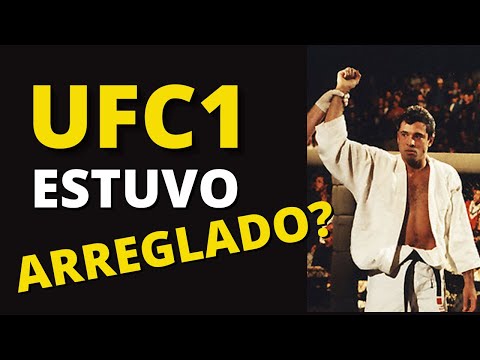
Did Rorion Gracie rig the early Ultimate Fighting Championship (UFC) to ensure his brother, Royce, claimed victory? This isn't just locker-room talk; it's a question that has echoed through martial arts circles since the promotion's inception. Welcome, warriors and scholars, to Budo and Martial Arts, where we dissect the legends and the controversies that shape our world. Today, we delve deep into the shadowy corners of UFC's genesis, examining the whispers of conspiracy that surround the Gracie family's dominance.
The year is 1993. The UFC, a brutal, no-holds-barred tournament, explodes onto the scene, promising to answer the age-old question: "Which martial art is the most effective in a real fight?" Enter Royce Gracie, a slender Brazilian known for his seemingly passive yet devastating Brazilian Jiu-Jitsu (BJJ). Royce would go on to win UFC 1, UFC 2, and UFC 4, submitting larger, stronger opponents with his family's grappling art. This unprecedented success, however, sowed seeds of doubt. Was it pure skill, or was there a guiding hand, a deliberate orchestration by Rorion Gracie, one of the event's primary organizers and Royce's elder brother?
This question ignites a firestorm among martial artists. For some, it's an insult to the art and Royce's achievements. For others, it's a logical dissection of how power and influence might have shaped the nascent sport. Let's peel back the layers and examine the evidence, not with blind faith, but with the critical eye of a seasoned martial artist.
UFC 1: The Brazilian Jiu-Jitsu Upset
UFC 1 was a revelation. Royce Gracie, often the smallest competitor, moved through the bracket with a quiet intensity. His opponents – a boxer, a karateka, a sumo wrestler, and a taekwondo practitioner – were all formidable in their respective disciplines but lacked the grappling prowess to counter his submissions. He secured three victories, all by submission, showcasing the efficacy of BJJ in a way the world had never witnessed.
The immediate impact was undeniable. BJJ, previously a niche art known primarily within Brazil, was suddenly thrust into the global spotlight. Fighters and fans alike were forced to acknowledge a new paradigm in combat sports. But with this sudden, dramatic shift, questions arose. How could a seemingly unassuming practitioner dominate such a diverse field of martial artists?
"The ultimate aim of martial arts is not a victory or a defeat, but the perfection of the character of its practitioners." - Unknown Master
The Gracie Advantage: Rules, Opponents, and Tactics
Critics of the "Gracie conspiracy" theory often point to several factors that may have unfairly benefited Royce:
* **Tournament Format:** The early UFC tournaments were single-elimination events. This meant that if Royce lost, his tournament was over. However, for opponents who had to fight multiple times in a single night, fatigue became a significant factor. Royce, with his efficient grappling, often finished fights quickly, conserving energy.
* **Rule Set:** The initial lack of weight classes was a massive advantage for Royce, who was consistently the smallest competitor. While this tested the "any style" concept, it also meant he faced opponents who could simply overpower him physically if they could keep the fight standing.
* **Opponent Selection:** Skeptics suggest that Rorion, as a key organizer, may have had influence over who participated. While direct evidence of manipulation is scarce, the narrative suggests a curated field designed to highlight BJJ's strengths. For instance, the inclusion of fighters with known weaknesses in grappling, or the peculiar circumstances surrounding certain matchups, fueled speculation.
* **The "Gracie Diet" and Conditioning:** While not a conspiracy, the Gracie family's unique dietary approaches and their rigorous, often unconventional training methods also contributed to their fighters' resilience and conditioning, giving them an edge.
Rorion Gracie's Role: Promoter or Puppeteer?
Rorion Gracie was instrumental in bringing the UFC to life, driven by a vision to prove the superiority of Brazilian Jiu-Jitsu. His passion and business acumen were undeniable. He was the driving force behind the concept and the initial organization. This close involvement, however, is precisely what fuels the conspiracy theories.
Did Rorion strategically shape the event – the rules, the matchups, the presentation – to ensure Royce's success? The argument is that a Gracie victory was not just a personal triumph but a crucial marketing tool for their burgeoning martial art. A loss for Royce, especially early on, could have severely damaged the credibility of BJJ and, by extension, the UFC itself.
One common point of contention is the apparent willingness of opponents to "tap out" quickly to Royce's submissions. While BJJ practitioners argue this is a testament to the effectiveness and pain compliance of the techniques, others suggest that either fighters didn't fully understand the danger, or perhaps, in some instances, there was an unspoken agreement or underestimation of the threat.
Counterarguments: The Purity of BJJ
Despite the murmurs of conspiracy, a powerful counter-narrative exists: Royce Gracie was simply that good. Brazilian Jiu-Jitsu, when mastered, is an incredibly effective art, particularly for smaller individuals against larger, less experienced grapplers.
* **Technical Superiority:** Royce's command of BJJ was evident. His transitions, escapes, and submissions were fluid and technically brilliant. He exploited openings with precision, demonstrating a deep understanding of leverage and body mechanics.
* **Mental Fortitude:** Royce displayed remarkable calmness under pressure. While opponents often raged or fatigued, he remained composed, waiting for his opportunity. This mental game is a hallmark of disciplined martial arts training.
* **The "Ultimate Fighter" Ethos:** The UFC was designed to be a test of "real" fighting. Royce's success proved that raw size and power could be overcome by technique and strategy. To dismiss his wins as a conspiracy diminishes the transformative impact BJJ had on the martial arts landscape.
* **No Concrete Proof:** While speculation abounds, there is no irrefutable evidence, no leaked documents or credible testimonies, definitively proving Rorion orchestrated the outcomes. The narrative relies heavily on interpretation and the inherent distrust of a powerful promoter's influence.
Veredicto del Sensei: A Masterclass in Combat or Calculated Deception?
Let's be clear: The early UFC was a wild west. Rules were minimal, and the emphasis was on raw, unadulterated combat. Royce Gracie's dominance was real, and it fundamentally altered the course of martial arts. He faced formidable opponents and submitted them with a technique that, at the time, was largely unknown and unprepared for.
However, to ignore the influence of Rorion Gracie as a promoter would be naive. Rorion's goal was to sell BJJ, and he leveraged his position to create a platform where it could shine. Whether this extended to actively manipulating matchups or rules to guarantee wins is a question that likely will never be definitively answered. The lack of clear rules regarding weight classes and the sheer novelty of the format created an environment ripe for exploitation, whether intentional or not.
My analysis leans towards this: Royce's skill was genuine, but the *circumstances* created by Rorion's promotional efforts undoubtedly favored Royce's style and minimized potential threats. It was a masterclass in not just fighting, but in spectacle and marketing. The "conspiracy" lies less in fixing fights and more in brilliantly shaping the narrative and the environment to showcase BJJ's strengths.
**Cinturón Negro en Marketing y Dominio Marcial.**
Training for the Street: Lessons from the Gracie Era
Even if one believes there was an element of conspiracy, the lessons from Royce Gracie's performances are invaluable for anyone interested in **#SelfDefense** or **#CombateEnLaCalle**.
1. **The Ground is King:** Never underestimate the importance of grappling. A skilled Jiu-Jitsu practitioner can neutralize superior strength and size on the ground. This reinforces the need for **#Grappling** training.
2. **Control the Fight:** Royce dictated where the fight went – to the ground. Understanding how to initiate or resist a takedown, and how to control an opponent's posture, is crucial.
3. **Submission Over Damage:** While striking arts focus on KO power, grappling emphasizes joint locks and chokes. These are efficient ways to end a confrontation.
4. **Mindset is Paramount:** Royce's calm demeanor in the face of aggression is a masterclass in mental toughness. A clear head under duress is more dangerous than any physical attribute.
These principles remain vital today, impacting how martial arts are taught and practiced globally.
Resources for Deeper Study
To truly grasp the context of the early UFC and the Gracie legacy, further study is essential.
Equipo Esencial para tu Entrenamiento
Gi (Kimono): Essential for practicing traditional BJJ and Judo. Look for durable, double-weave kimonos for longevity.
Rash Guards: Ideal for no-gi grappling and MMA training to prevent mat burn and improve hygiene.
Mouthguard: Non-negotiable for any combat sport training to protect your teeth and jaw.
Training Partners: The most critical piece of equipment. Find a reputable academy with experienced instructors.
Q1: Was Royce Gracie the only Gracie fighting in early UFC?
A1: Royce was the primary competitor representing the Gracie family in the early tournaments (UFC 1, 2, 4). Other family members have since competed in various MMA organizations.
Q2: Did Rorion Gracie have a direct financial stake in Royce winning?
A2: As a co-founder and promoter, Rorion had a vested interest in the success of the UFC and the positive representation of BJJ, which directly benefited his family's academies and brand.
Q3: Are there any documented instances of Rorion rigging matches?
A3: There is no definitive, publicly verified proof of Rorion rigging specific matches. The "conspiracy" is largely built on speculation regarding rule-making, opponent selection, and the overall narrative control Rorion wielded as promoter.
Q4: How did other martial arts react to BJJ's dominance in early UFC?
A4: Many traditional martial arts were forced to re-evaluate their training methodologies. The success of BJJ spurred innovation and cross-training, leading to the development of modern **#ArtesMarcialesMixtas** and a greater emphasis on grappling in various styles.
We've dissected the legend, the whispers, and the undeniable impact of the Gracie family on the UFC. But consider this, student: If the entire spectacle was, in part, a masterful piece of marketing, what does that say about the power of storytelling in martial arts? Are we truly just practitioners of physical combat, or are we also students of perception, of narrative, of the very essence of what makes an art form endure? Does the "how" matter more than the "what," or can both coexist in a beautiful, brutal dance? Ponder this.
GEMINI_METADESC: Explore the Gracie UFC conspiracy theory: Did Rorion Gracie rig early UFC events for brother Royce? Expert analysis of BJJ, rules, and martial arts impact.
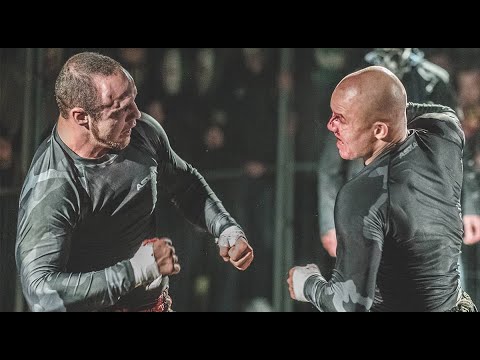
Hello, practitioners and enthusiasts of the martial path. Today, we delve into the raw, unfiltered world of "King of the Streets" – specifically, the 64th installment featuring the clash between "Cabeção" and "Michel." This isn't about sanctioned bouts in a gleaming arena; this is about the primal urge to test oneself against another, where the rules are as fluid as the human condition. You are watching a document of raw combat, a spectacle that, while far removed from the disciplined dojo, still offers vital lessons if viewed through the lens of a martial artist. But can these "hooligan" clashes truly be considered martial arts? Or are they merely displays of brute force? Prepare for a dissection that goes beyond the surface-level violence.
Fight Breakdown: "Cabeção" vs. "Michel"
The encounter pitted "Cabeção" of the KGB Hooligan contingent against "Michel" from Jungblut Kiel Hooligan. On paper, the physical attributes were remarkably similar: "Michel" stood at 176 cm and weighed 84 kg, while "Cabeção" measured 175 cm and tipped the scales at 80 kg. Both fighters are listed with a background in **Boxing**. This initial detail is crucial. While Boxing is a legitimate combat sport, its application in a "no rules" or "K.O. only" environment is a distinct variable.
The fight itself, as documented in the "K.O. ONLY" format, promised a direct confrontation where the ultimate goal was to incapacitate the opponent. This format strips away the tactical nuances of rounds, point scoring, and a wider range of techniques, focusing solely on power and precision aimed at ending the fight decisively. The question arises: does the limitation to Boxing techniques in such a brutal setting diminish the martial aspect, or does it elevate the purity of the strike? I maintain that true martial prowess lies in adaptability and the effective application of principles, not just adherence to a specific rule set.
"The martial way is to be invincible, not to be a fighter. To be a fighter is to be a loser. To be invincible is to be a victor." - Miyamoto Musashi
This quote from the legendary Musashi rings profoundly here. Is the goal of "Cabeção" and "Michel" to be invincible, or simply to win the physical confrontation? The spirit of Budo, the warrior's path, is about self-mastery and the cultivation of character through rigorous training. While these fights test courage and resilience, do they foster the inner discipline that defines a true martial artist?
The Unrivaled Format: Rules of the Streets
"King of the Streets" operates under a philosophy that pushes the boundaries of conventional combat sports. The event offers two primary formats: "K.O. ONLY" and "NO RULES."
* **"K.O. ONLY"**: In this format, all techniques are permitted except submissions. Victory must be achieved through a knockout. This emphasizes striking power and defensive awareness, as a single well-placed blow can end the contest.
* **"NO RULES"**: This is the apex of extremity, where "everything is allowed." Victory can be secured by either knockout or submission. This format is the closest to a true, unregulated street fight, testing a fighter's complete arsenal and their ability to adapt to unforeseen circumstances.
Crucially, there are no rounds and no time limits. Fights can extend indefinitely until a victor emerges. This aspect is critical from a training perspective. It demands extraordinary **Resistencia** and mental fortitude, far beyond what is typically required in timed bouts. A fighter must be prepared not just for a few minutes of intense action, but for a prolonged war of attrition.
The very nature of these formats raises a significant question for martial artists: What is the difference between a "fight" and a "martial encounter"? A fight is often characterized by emotion, aggression, and a singular focus on defeating an opponent. A martial encounter, while still involving conflict, is underpinned by principles of strategy, respect, control, and self-development. Observing "King of the Streets" requires us to critically evaluate which aspects, if any, align with the latter.
Beyond the Brawl: A Test of Spirit
The allure of underground fight clubs like "King of the Streets" lies in their raw authenticity. They strip away the gloss and spectacle of mainstream combat sports, presenting a more primal form of human conflict. Participants like "Cabeção" and "Michel" are not professional athletes in the traditional sense; they are individuals drawn to the crucible of extreme competition.
This raises a fundamental question that separates the casual observer from the dedicated martial artist: What is the *purpose* of the fight? For "Cabeção" and "Michel," the motivation might be prize money, reputation within their subculture, or simply the adrenaline rush. For a practitioner of Budo, the motivations are often deeper: self-improvement, the refinement of character, understanding one's limits, and the pursuit of **Inner Strength**.
When we watch such a fight, are we witnessing the application of martial skills, or are we observing a demonstration of courage, power, and perhaps recklessness? The "K.O. ONLY" format, focusing solely on striking, might seem to limit the scope of martial arts. However, a master of Boxing can be devastatingly effective. The real challenge for a martial artist watching this is to discern the underlying principles. Can we see the defensive footwork, the strategic feints, the power generation from the hips, even within this brutal context?
"A superior fighter does not exist. There is only the fighter who is trying to become superior." - Unknown Budo Master
This is the core of the martial journey. It is not about inherent superiority, but about the relentless pursuit of self-mastery. While "King of the Streets" might not explicitly teach this principle, the raw courage displayed by fighters like "Cabeção" and "Michel" speaks to a willingness to face fear and push boundaries – elements that, when channeled correctly, are foundational to martial development.
What Can We Learn? Training for Unpredictability
While I would never advocate for unregulated street fighting, the principles demonstrated by the "King of the Streets" format can offer valuable insights for our own training. The "K.O. ONLY" and "NO RULES" formats demand a high level of conditioning and adaptability.
Let's consider the implications for martial training:
* **Unwavering Conditioning**: Fights with no time limits require immense cardiovascular and muscular **Fuerza** and **Resistencia**. This translates to our own workouts. Are we pushing our limits in our conditioning sessions? Are we building the stamina to last when the physical and mental pressure is at its peak?
* **Striking Precision**: Even within the confines of Boxing, precision and power are paramount. This emphasizes the importance of dedicated striking practice. For Karate practitioners, this means honing our punches and kicks with intent. For Judoka, it means understanding the power generated through body mechanics even when grappling is not the primary objective.
* **Mental Fortitude**: The absence of rounds and the "K.O. ONLY" or "NO RULES" formats place an immense psychological burden on fighters. They must remain focused and composed under extreme duress. This highlights the necessity of **Mental Game** training, including meditation and visualization, to build resilience.
* **Adaptability**: While the fighters here may have a Boxing background, the "NO RULES" format implies they must be ready for anything. This is a vital lesson for all martial artists. Our training should not be confined to a single style or set of techniques. We must be prepared to adapt, drawing on our core principles to overcome any challenge.
Consider the **CombateEnLaCalle** (Self-Defense) aspect. While "King of the Streets" is a controlled (albeit extreme) environment, the lessons learned about dealing with unpredictable opponents and enduring prolonged physical stress are relevant. A practitioner of **DefensaPersonal** must cultivate a similar mindset of resilience and adaptability.
Essential Gear for the Unconventional Warrior
While "King of the Streets" emphasizes raw, often unadorned combat, there are essential pieces of equipment that support the training and safety of any serious combatant, whether in a dojo or preparing for unconventional encounters.
* **Gloves**: For striking-heavy formats like "K.O. ONLY," appropriate **Gloves** are crucial to protect both the hands of the striker and the face of the opponent. For training, varying weights like 12oz or 16oz gloves are standard for sparring.
* **Mouthguard**: A high-quality **Mouthguard** is non-negotiable for protecting teeth and preventing concussions. This is a fundamental piece of safety gear for any form of combat that involves striking.
* **Protective Cup**: Essential for protecting the groin area, especially in formats where groin strikes might be implicitly or explicitly allowed.
* **Shin Guards**: For practitioners who incorporate kicking techniques (even if not explicitly in the "K.O. ONLY" Boxing format), **Shin Guards** are vital for training drills and reducing injury risk.
* **Training Shoes**: Lightweight, flexible shoes with good grip are essential for footwork and agility training. Whether you're practicing **Karate** footwork or **MMA** movement, proper footwear makes a difference.
* **Duffel Bag**: A durable **Duffel Bag** to carry all your gear to and from training is a practical necessity. Look for one with separate compartments for sweaty gear.
For those looking to delve deeper into the philosophical and technical aspects of martial arts, relevant books and resources are invaluable. Consider works on **Bushido** philosophy or tactical manuals on **CombateCuerpoACuerpo**.
Sensei's Verdict: The True Measure of a Fighter
"King of the Streets 64" presents a fascinating, albeit disturbing, glimpse into the darker corners of combat. "Cabeção" and "Michel," as listed with a **Boxing** background, engaged in a raw display of striking within the "K.O. ONLY" format. The event itself, with its lack of rounds and time limits, is a testament to extreme human endurance.
However, as a martial arts critique, I must be direct. While courage and a willingness to engage in physical conflict are present, the "King of the Streets" format, by its very nature, often prioritizes brute force and the thrill of unfiltered combat over the discipline, respect, and self-mastery that are the hallmarks of true Budo. The focus on "K.O. ONLY" or "NO RULES" can foster a mindset of pure aggression rather than strategic application of techniques rooted in principles of yielding, control, and efficiency.
Does this fight teach us something about raw power and grit? Yes. Does it represent the pinnacle of martial arts? No. The spirit of the warrior is forged not just in the heat of battle, but in the discipline of training, the humility of learning, and the wisdom gained through introspection.
**Sensei's Rating:** Barely a White Belt in True Budo. It's a demonstration of combat, not martial mastery.
Frequently Asked Questions
What is "King of the Streets"?
"King of the Streets" is an underground fight club that organizes unregulated combat events, often featuring "K.O. ONLY" or "NO RULES" formats with no time limits.
What is the difference between "K.O. ONLY" and "NO RULES"?
"K.O. ONLY" allows all techniques except submissions, requiring a knockout win. "NO RULES" permits virtually everything, with victory by knockout or submission.
Are these fights considered martial arts?
While they involve combat and test physical attributes, they often lack the philosophical underpinnings, discipline, and emphasis on character development that define traditional martial arts like Karate, Judo, or BJJ. They are closer to unregulated fighting or combat sports.
What can a martial artist learn from "King of the Streets"?
Insights can be gained into extreme conditioning, the psychological pressure of prolonged combat, and the raw effectiveness of striking when rules are minimized. However, the ethical and philosophical lessons are often absent.
Is "Boxing" a martial art?
Boxing is a highly technical and demanding combat sport that develops significant skill in punching, footwork, and defense. Many consider it a martial art due to its rigorous training, discipline, and focus on combative effectiveness.
Deeper Dive into the Budo Path
If the raw intensity of combat captivates you, but you seek a path that cultivates character alongside skill, explore these interconnected threads within the vast tapestry of martial arts:
BUDO: Understanding the overarching philosophy of the warrior's path.
Karate: Explore the striking arts and their traditional forms.
Judo: Delve into the principles of grappling, throws, and resilience.
MMA: Examine how different martial arts disciplines can be integrated effectively.
Self-Defense: Learn practical applications for real-world situations.
Reflexion del Sensei: Tu Próximo Paso
We have witnessed a brutal contest, far from the hallowed grounds of disciplined practice. "Cabeção" and "Michel" threw themselves into the fray, driven by the rules of their arena. Now, I ask you: When you step onto the mat, into the ring, or face an unexpected challenge in life, what drives *you*? Is it the primal urge to simply overcome, or is it the deeper pursuit of self-mastery, of becoming an invincible warrior not by destroying others, but by perfecting yourself? Reflect on this: In the absence of external rules, what internal code guides your actions?
```
GEMINI_METADESC: Analyze the raw combat of \"King of the Streets 64\" between \"Cabeção\" and \"Michel.\" Explore \"K.O. ONLY\" rules, their martial implications, and what true Budo means beyond the brawl.
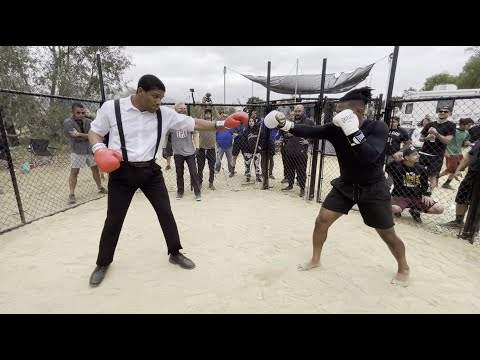
The roar of the crowd, the glint of sweat under harsh lights, the raw, untamed clash of wills. This isn't your pristine dojo or a perfectly manicured octagon. This is the wild frontier of 'Street Beefs', and today, we dissect a particular encounter: Fairplay vs. Vegeta Blaqq. As a seasoned martial artist and critic, I'm here to peel back the layers, not just of the fight, but of the phenomenon itself. Is this merely backyard brawling amplified, or is there a flicker of authentic martial spirit buried beneath the chaos? Let's find out.
Before we delve into the specifics of Fairplay vs. Vegeta Blaqq, we must first understand the arena. Street Beefs, as presented, is a raw, unfiltered platform for settling disputes. Founded by 'Scarface', a figure recognized by none other than the New York Times and ESPN The Magazine, it offers a solution to local conflicts: a sanctioned, albeit bare-knuckle, fight. The rules are starkly simple: 18+ participants, gloves on, no weapons, no outside interference. It's a concept born from observing real-world violence and seeking a safer, albeit visceral, alternative. The tagline, "SATANS BACKYARD," is a bold declaration, hinting at the primal nature of these encounters.
The stated mission is noble in its intent: to prevent lethal outcomes and lengthy jail sentences by channeling aggression into a controlled, albeit dangerous, sporting exhibition. It's a stark contrast to the structured discipline of traditional dojos, aiming to provide an outlet for raw human conflict. This begs the question: can true martial principles emerge from such an environment?
Fairplay vs. Vegeta Blaqq: A Technical Breakdown
Now, let's turn our gaze to the specific bout. Observing Fairplay versus Vegeta Blaqq, the first thing that strikes any martial artist is the *lack* of formal technique. This is not the polished choreography of a Kung Fu film or the strategic grappling of Judo. What we see is a raw exchange of power and will.
Fairplay, from what can be observed, seems to rely on a more direct, perhaps boxing-influenced approach. There are attempts at jabs, a degree of head movement, and a visible effort to maintain distance. However, the guard is often low, exposing the chin and body. The footwork, while present, lacks the fluidity and base found in established striking arts. There's a certain desperation in the swings, suggesting a potent emotional drive but a deficit in refined offensive and defensive skills.
Vegeta Blaqq, on the other hand, appears more aggressive, perhaps more willing to engage in close-quarters combat. There are moments where he closes the distance, attempting to land hooks and uppercuts. His defense is primarily reactive; he absorbs blows rather than effectively evading or blocking them. The body mechanics often betray a lack of proper training – punches are thrown with the shoulder rather than the hips, diminishing power and increasing vulnerability.
The "strikes" themselves, when they land, are often wild. There's a distinct absence of the Kime, the focused intent and explosive energy, that defines a true martial strike. Instead, we see flailing limbs, driven by adrenaline rather than technique. Neither combatant exhibits the characteristic structure of a Karateka's stance, the explosive hip rotation of a Muay Thai fighter, or the evasive footwork of a skilled boxer.
The referee's role here is crucial, more as a safety net than an enforcer of intricate rules. The "matches" are described as exhibitions, yet the emotional intensity suggests the lines between sport and genuine "beef" are blurred. The sheer physicality is undeniable, but the martial artistry is, at best, nascent and unrefined.
"The supreme art of war is to subdue the enemy without fighting." - Sun Tzu, The Art of War. Street Beefs operates on the antithesis of this principle, yet perhaps offers a less destructive outlet than unchecked violence.
Beyond the Brawl: Examining the 'Why'
The most compelling aspect of Street Beefs isn't necessarily the technique, or lack thereof, but the underlying human drama. The founder's narrative—witnessing violence and seeking an alternative—speaks to a desire for order and resolution. The platform provides a ritualized form of conflict, a way to "settle disputes" where the consequences, while significant, are ostensibly less severe than real-world altercations.
For the participants, this is more than just a fight; it's a public declaration, a test of courage, and for some, a path to recognition. The names themselves—"Fairplay" and "Vegeta Blaqq"—evoke a sense of persona, a character in this unfolding drama. This theatrical element, while perhaps not 'martial' in the traditional sense, taps into a primal human need for validation and confrontation.
The emphasis on "entertainment" cannot be ignored. Street Beefs is a spectacle. It draws viewers who are fascinated by raw confrontation, the human drama, and perhaps the allure of danger from a safe distance. This commercial aspect, while contributing to its visibility, also raises questions about the ethics of profiting from such raw conflict.
Street Beefs in the Martial Landscape
Where does Street Beefs fit into the broader spectrum of martial arts and combat sports? It occupies a unique, often controversial, space. On one end, you have the structured discipline of traditional arts like Karate, Judo, and Aikido, emphasizing character development, respect, and self-mastery. On the other, you have professional combat sports like MMA, governed by strict rules, weight classes, and extensive training regimens.
Street Beefs, however, exists in a liminal space. It borrows the glove-wearing aspect of boxing and the uninhibited fighting of early mixed martial arts but lacks the formalized training, strict rulesets, and emphasis on skill progression. It's closer to organized prizefighting of a bygone era, or even bare-knuckle boxing before its modern resurgence.
The claim of "100% LEGAL" and "AMATEUR EXHIBITIONS" is a key differentiator. It attempts to legitimize the activity, framing it as a safer alternative to illegal street fights. However, the inherent violence and the potential for serious injury remain.
The founder's background, highlighted by features in prestigious publications, lends an air of credibility to the endeavor, suggesting a genuine attempt to mitigate real-world harm. Yet, the raw nature of the fights means the martial purity is often overshadowed by brute force and sheer tenacity.
Veredicto del Sensei: ¿Merece la pena?
From a purely martial arts perspective, the Fairplay vs. Vegeta Blaqq bout is disappointing. The technique is rudimentary, the strategy is basic, and the execution is often crude. There is little evidence of the discipline, control, and refined skill that define true martial arts.
However, as a social experiment and a controversial form of conflict resolution, Street Beefs offers a compelling, albeit disturbing, narrative. It provides an outlet, reduces immediate physical harm compared to unregulated street fights, and undeniably entertains.
**Cinturón Negro en Exhibición de Realidad Cruda.**
**Cinta Blanca en Artes Marciales Clásicas.**
It's a spectacle that forces us to confront the raw, aggressive impulses within humanity and consider unconventional solutions to age-old problems. While I cannot endorse it as a path to martial enlightenment, its existence warrants examination. It's a stark reminder that the desire to fight, to prove oneself, is a powerful force that manifests in many forms, some more refined than others.
Equipo Esencial para tu Entrenamiento
While Street Beefs focuses on raw, often unrefined, combat, aspiring martial artists should always prioritize safety and proper equipment, whether training for the ring or the dojo.
Guantes de Boxeo/MMA: Essential for hand protection and preventing severe cuts. For boxing, 16oz is standard for sparring; for MMA, smaller gloves (4-6oz) are used for competition but training gloves offer more protection.
Vendajes de Manos: Crucial for wrist and knuckle support during intense striking.
Protector Bucal: Non-negotiable for preventing dental and jaw injuries.
Protector Genital (Cup): Vital for protecting sensitive areas, especially in combat sports.
Kimono/Gi (para artes como Karate, Judo, BJJ): Though not used in Street Beefs, a durable Gi is fundamental for training disciplines like Karate, Judo, and BJJ. Look for double-weave options for durability.
Zapatillas de Entrenamiento: Appropriate footwear for grip and agility, depending on the discipline.
From Backyard to Boxing Ring: A Training Primer
If the raw intensity of Street Beefs has ignited a desire within you to explore combat sports, remember that structure and dedicated training are paramount. Here’s a basic primer to get you started, focusing on foundational elements that would be beneficial even in a less formal setting:
Fundamentos del Boxeo:
Guardia: Aprende una guardia equilibrada y protectora, manteniendo las manos altas para defender la cabeza y el torso.
Stance: Adopta una postura estable con los pies separados al ancho de los hombros, el pie delantero ligeramente adelantado, y el peso centrado o ligeramente hacia atrás.
Jabs y Crosses: Domina los golpes rectos básicos, enfocándote en la rotación de cadera y la transferencia de peso para generar potencia.
Footwork: Practica movimientos de avance, retroceso y laterales para mantener la distancia y crear ángulos de ataque.
Acondicionamiento Físico:
Cardio: Correr, saltar la cuerda, y realizar circuitos de alta intensidad son clave para la resistencia.
Fuerza: Ejercicios como flexiones, sentadillas, dominadas y levantamientos pesados (con técnica adecuada) construirán la base física necesaria.
Flexibilidad y Movilidad: Estiramientos dinámicos y estáticos, así como ejercicios de movilidad articular, son esenciales para prevenir lesiones y mejorar el rango de movimiento.
Sparring Controlado: Una vez que tengas una base, busca un entorno seguro y supervisado para practicar con compañeros. Empieza con sparring ligero, enfocándote en la aplicación de técnicas y la defensa, no en la victoria.
Mentalidad del Guerrero: Cultiva la disciplina, el respeto, el autocontrol y la perseverancia. Estas cualidades son más importantes que cualquier golpe.
Preguntas Frecuentes
What is the primary purpose of Street Beefs?
Street Beefs aims to provide a safer, legal outlet for individuals to settle disputes through sanctioned fights, reducing the likelihood of violence with weapons or group altercations.
Are the fights staged or real?
The content suggests a mix, with some matches being for sport and others stemming from genuine disputes ("real beef"). However, the participants are real, and the physical exchanges are genuine.
Is Street Beefs considered a martial art?
No, Street Beefs is not a traditional martial art. While it involves combat, it lacks the structured training, philosophical underpinnings, and technical refinement characteristic of established martial arts like Karate or Judo. It is more akin to organized bare-knuckle boxing or raw combat sports exhibitions.
What are the risks involved in Street Beefs?
Significant risks include cuts, bruises, broken bones, concussions, and other serious injuries. While regulated to some extent, the fights are inherently dangerous.
How does Street Beefs differ from professional MMA or boxing?
Street Beefs differs in its origin (settling disputes), its less stringent ruleset, its lack of professional athletic training and conditioning among participants, and its raw, unpolished presentation compared to the highly professionalized nature of MMA and boxing.
We have peered into the raw heart of Street Beefs, examined the clash between Fairplay and Vegeta Blaqq, and pondered the implications of this phenomenon. It's a mirror reflecting a primal human urge, a dangerous dance on the edge of civility. It is not the path of the martial artist seeking enlightenment, but a stark reminder of the violence that can exist when discipline falters.
Now, I ask you: Does the existence of such platforms highlight a societal failure to provide adequate outlets for aggression, or is it simply a dangerous spectacle that should be left to the shadows? Where does raw courage end and recklessness begin in these encounters?
Your thoughts, samurai. Bring them forth in the comments below. Do not hold back. Let us debate.
```
GEMINI_METADESC: A martial arts Sensei critiques the raw combat of Street Beefs: Fairplay vs. Vegeta Blaqq. Analyze the technique, spirit, and cultural impact of this controversial platform.