Showing posts sorted by date for query Budo Judo. Sort by relevance Show all posts

Okinawan Karate: More Than Just Strikes - A Deep Dive into the Warrior's Path

In the vast universe of martial arts, the profound legacy of Japan stretches its influence far beyond the iconic shores of Okinawan Karate. While Karate stands as a titan, it is but one star in a constellation of disciplines that have ignited passion in enthusiasts across the globe. Alongside the thunderous power of Okinawan Karate, we find the yielding strength of Judo, the circular grace of Aikido, and the disciplined precision of Kendo. What binds these diverse arts? A common thread, as potent as any physical technique: their unwavering emphasis on spiritual development. Practitioners are not merely acquiring the tools of combat; they are embarking on a quest to sculpt better individuals, refined souls. Join us, students, on a journey through the profound philosophies and rigorous practices that forge the very essence of the martial arts world.

The Legacy Beyond Okinawa

The influence of Japanese martial arts is undeniable, a testament to centuries of refinement and philosophical depth. Many practitioners begin their journey with a single art, perhaps drawn by the dynamic movements of Karate or the strategic throws of Judo. However, a true appreciation for Budo, the "Way of Martial Arts," reveals a rich tapestry of interconnected principles.

The Way of the Warrior: A Life Philosophy

Is martial arts merely about fighting? A dangerous misconception, and one that undermines the very soul of Budo. True martial arts encompasses far more than mere physical combat; it is a comprehensive way of life. The real essence lies not in the blow landed, but in the continuous pursuit of self-improvement, the cultivation of unwavering character, and the profound journey of spiritual growth. The ancient samurai warriors, masters of their craft and their minds, understood this interconnectedness intimately. Their training was a holistic endeavor, seeking the perfect harmony of mind, body, and spirit. This timeless philosophy continues to resonate, shaping the teachings and the very spirit of various martial arts disciplines today.

"The warrior is one who digests his experiences and is not discouraged by them." - Miyamoto Musashi, The Book of Five Rings

Okinawan Karate: A Legacy Unparalleled

Among the most iconic martial arts to emerge from Japan, Okinawan Karate stands with a legacy that traces its proud roots back to the Ryukyu Kingdom. Renowned for its emphasis on explosive, powerful strikes delivered with fluid, almost dance-like movements, this discipline embodies the indomitable spirit and resilience of the Okinawan people. Practitioners of Karate do not merely acquire formidable self-defense skills; they cultivate profound virtues: unwavering discipline, deep-seated respect for their peers and instructors, and the tenacious spirit of perseverance in the face of adversity.

The sheer effectiveness of Karate's striking techniques, from the devastating Uraken (reverse punch) to the precise Gedan Barai (downward block), is legendary. Yet, beneath the surface of these physical applications lies a deep philosophical wellspring. The rigorous repetition of kata—prearranged forms that simulate combat—is not just muscle memory training; it is a meditative practice, a way to ingrain principles of balance, timing, and intention.

The Spiritual Essence of Martial Arts

In the disciplined world of martial arts, physical techniques are inextricably intertwined with deep, foundational spiritual principles. Ancient traditions, notably the profound philosophies of Zen Buddhism and the naturalistic reverence of Shintoism, have deeply influenced the philosophical underpinnings of these arts. Practices such as mindful meditation (Zazen), controlled breathing exercises (Kokyu ho), and pervasive mindfulness are not mere add-ons; they are integral components of many martial arts training regimens. These practices are the crucible in which practitioners forge mental fortitude, sharpen unwavering focus, and cultivate profound self-awareness.

Consider the concept of Mushin, the "no-mind" state often sought in Karate and other arts. It is not about being empty-headed, but about achieving a state of spontaneous, uninhibited action, free from conscious thought or fear. This is the spiritual essence—the ability to react instinctively and effectively under pressure. This state is cultivated through thousands of hours of dedicated practice and introspective training.

Unveiling the "Ways of the Warrior"

Beyond the striking prowess of Okinawan Karate, a pantheon of other esteemed "ways of the warrior" have garnered international acclaim and devoted followings. Judo, masterfully originating from Jigoro Kano's vision, champions the principle of "Seiryoku Zenyo" – maximum efficiency with minimal effort. It teaches us how to use an opponent's strength and momentum against them, a profound lesson in leverage and strategy.

Then there is Aikido, the art of peaceful harmony, founded by the legendary Morihei Ueshiba. Aikido’s philosophy centers on blending with and redirecting an opponent's energy, neutralizing aggression without causing undue harm. It is a testament to the principle that true strength lies not in brute force, but in adaptability and control.

And we cannot forget Kendo, the "way of the sword." This discipline meticulously preserves the spirit and techniques of the ancient samurai through rigorous, disciplined training, steeped in tradition and unwavering respect for the weapon and the opponent.

Martial Arts as a Path to Personal Growth

To engage with martial arts is to embark on a profoundly transformative journey. It is an experience that molds individuals, forging them into disciplined, confident, and compassionate human beings. The relentless pursuit of perfection in technique, coupled with the deep commitment to self-improvement, transcends the confines of the dojo and permeates every aspect of a practitioner's life. Martial arts offer a holistic approach to personal development, instilling invaluable virtues that positively influence relationships, career paths, and overall well-being.

The lessons learned on the mat – patience, perseverance, humility – are directly applicable to challenges faced off the mat. Facing a difficult boss? Remember the patience required to master a complex kata. Dealing with a personal setback? Recall the resilience built from countless sparring sessions and the commitment to rise after being thrown. This is the true power of Budo.

Building a Thriving Martial Arts Community

Martial arts not only bestow invaluable physical and mental benefits upon their practitioners but also cultivate a powerful sense of camaraderie and belonging. By training together, side-by-side, artists develop deep, enduring bonds, sharing hard-won experiences and offering unwavering support to one another on their individual paths. This interconnectedness fosters a vibrant, dynamic community where knowledge, wisdom, and mutual respect are continuously exchanged, enriching the journey for every single person involved.

A strong martial arts community provides a crucial support system. In moments of doubt or struggle, the encouragement of fellow practitioners can be the difference between quitting and pushing through. Sharing insights on techniques, discussing philosophical quandaries, and celebrating each other's progress builds a collective strength that empowers everyone.

Unlocking the Warrior Within

Embracing the path of martial arts is, in essence, an act of unlocking the latent, often untapped, potential residing within each individual. Through unwavering dedication, relentless perseverance, and an unyielding commitment to lifelong learning, practitioners embark on a profoundly transformative journey that extends far beyond mere physical techniques. The true, potent power lies in the awakening of the warrior within—an individual who embodies unwavering discipline, profound humility, and unshakeable determination in all endeavors.

Veredict of the Sensei: Does Okinawan Karate Live Up to the Hype?

This exploration into Okinawan Karate and its place within the broader martial arts landscape reveals an art form steeped in history, discipline, and profound philosophy. The documentary, while not explicitly reviewed here, sets the stage for understanding Karate's global impact. From the rigorous physicality to the mental fortitude it cultivates, Karate offers a complete system for self-development. However, like all martial arts, its true value lies in the practitioner's commitment to its underlying principles.

Rating: Cinturón Negro en Profundidad Filosófica

Essential Equipment for Your Training

While the spirit of the warrior can be honed with minimal equipment, certain items can significantly enhance your training experience and safety, particularly for Okinawan Karate and related disciplines:

  • Karate Gi: Look for a durable, comfortable Karate Gi made from cotton or a poly-cotton blend. A heavier gi is often preferred for competitive Karate and provides better durability for intense training.
  • Karate Belt: A sturdy Karate belt (Obi) is essential. Start with a white belt and progress through the ranks as you master techniques and demonstrate understanding of the principles.
  • Mouthguard: For sparring sessions (kumite), a well-fitting mouthguard is crucial to protect your teeth and jaw.
  • Groin Protector: Safety first. A groin protector is highly recommended for all male practitioners engaging in sparring.
  • Optional: Karate Training Mitts/Pads: For partner drills, training mitts and pads can be useful for practicing strikes safely and effectively.

For those interested in Judo, a robust Judo Gi (often heavier and designed for gripping) is essential. For Kendo, specialized protective gear and a bamboo sword (Shinai) are necessary.

Frequently Asked Questions

Is Okinawan Karate effective for self-defense?
Yes, Okinawan Karate, particularly styles that emphasize practical application and sparring, can be very effective for self-defense. Its focus on powerful strikes, blocks, and evasive movements provides a solid foundation.
What is the main difference between Karate and Judo?
Karate primarily focuses on striking techniques (punches, kicks, blocks), while Judo emphasizes grappling, throwing, and submission techniques. Both share a common emphasis on discipline and character development.
Can beginners start with any martial art?
Absolutely. Most martial arts schools are welcoming to beginners and offer foundational classes. The key is to find an art and an instructor that resonate with your personal goals and learning style.
How important is meditation in martial arts?
Meditation, or similar mindfulness practices, is highly important in many martial arts as it helps develop focus, emotional control, mental clarity, and a deeper understanding of oneself, which are all crucial for effective technique and personal growth.

Deepen Your Journey

To truly grasp the breadth and depth of the martial path, I encourage you to explore these related areas:

Reflection of the Sensei: Your Next Step

We have traversed the landscape of Okinawan Karate and its kin, glimpsing the profound philosophy that underpins these ancient disciplines. We've seen that the true battle is not against an external foe, but against the limitations within oneself. Now, I pose this question to you, my students:

When you bow at the end of training, are you bowing to your opponent, your instructor, or are you bowing to the improved version of yourself that you are striving to become? What does that bow truly signify in your life outside the dojo?

Ponder this. Discuss it. Let it fuel your practice. The journey of the warrior is a continuous one, and the deepest lessons are often found in the quiet moments of reflection.

``` ```json { "@context": "https://schema.org", "@type": "FAQPage", "mainEntity": [ { "@type": "Question", "name": "Is Okinawan Karate effective for self-defense?", "acceptedAnswer": { "@type": "Answer", "text": "Yes, Okinawan Karate, particularly styles that emphasize practical application and sparring, can be very effective for self-defense. Its focus on powerful strikes, blocks, and evasive movements provides a solid foundation." } }, { "@type": "Question", "name": "What is the main difference between Karate and Judo?", "acceptedAnswer": { "@type": "Answer", "text": "Karate primarily focuses on striking techniques (punches, kicks, blocks), while Judo emphasizes grappling, throwing, and submission techniques. Both share a common emphasis on discipline and character development." } }, { "@type": "Question", "name": "Can beginners start with any martial art?", "acceptedAnswer": { "@type": "Answer", "text": "Absolutely. Most martial arts schools are welcoming to beginners and offer foundational classes. The key is to find an art and an instructor that resonate with your personal goals and learning style." } }, { "@type": "Question", "name": "How important is meditation in martial arts?", "acceptedAnswer": { "@type": "Answer", "text": "Meditation, or similar mindfulness practices, is highly important in many martial arts as it helps develop focus, emotional control, mental clarity, and a deeper understanding of oneself, which are all crucial for effective technique and personal growth." } } ] }
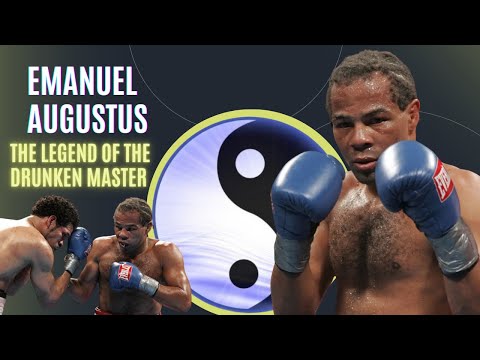
Emanuel Augustus: The Unconventional Legacy of the Drunken Master

Introduction: The Enigma of the Drunken Master

In the vast, often predictable landscape of combat sports, certain figures emerge not just as competitors, but as phenomena. They defy convention, shatter expectations, and leave an indelible mark on the collective consciousness of fans and practitioners alike. Emanuel Augustus, affectionately known as "The Drunken Master," is precisely such a figure. His career wasn't merely a series of wins and losses; it was a living testament to the unpredictable beauty and profound philosophy that can be found within the martial arts. This piece delves into the electrifying career of a fighter who didn't just participate in bouts, but orchestrated performances, blending raw aggression with an almost balletic grace that left audiences breathless. Join us as we revisit the path of a true martial arts legend whose unconventional style became his greatest weapon.

Unleashing the Drunken Master: More Than a Moniker

The adoption of the moniker "Drunken Master" by Emanuel Augustus was far from a mere marketing gimmick. Born Emanuel Burton, he drew inspiration from the iconic martial arts films that celebrated seemingly chaotic, yet devastatingly effective, fighting styles. This wasn't about mimicking a character; it was about embodying a philosophy. Augustus infused his fighting with a unique brand of agility, fluidity, and an almost maddening unpredictability. His movements often appeared disjointed, his stance unorthodox, leaving opponents struggling to anticipate his next move. This bewildering array of techniques – a chaotic dance of offense and defense – was the hallmark of his style, allowing him to showcase a skill set that transcended traditional boxing or kickboxing, demonstrating that true mastery can often lie just beyond the veil of perceived disorder.

"The most effective way to confuse an opponent is to be unpredictable. If they cannot read you, they cannot counter you." - A principle exemplified by Augustus.

The Artistry of Combat: A Symphony of Unpredictability

Augustus transcended the role of a mere pugilist; he was a kinetic artist. His fighting style was a masterful fusion, drawing threads from boxing, kickboxing, and the raw pragmatism of street fighting. His footwork was legendary – a constant, elusive dance that made him a difficult target. His punches, delivered with surprising speed and power, often came from unexpected angles. This wasn't just about throwing hands; it was about understanding angles, timing, and the psychological warfare inherent in combat. Emanuel Augustus embodied a profound Martial Philosophy, displaying not just aggression, but also immense respect for his opponents, unwavering discipline in his preparation, and the indomitable spirit of a warrior honed through countless hours of Martial Arts Training.

His approach challenged the rigid structures of conventional fighting. Many practitioners today still strive to replicate his signature elusiveness, a testament to the enduring effectiveness of his unorthodox methods. The core of his success lay in his ability to remain fluid and adaptable, a principle central to many BUDO disciplines.

The Fight of a Lifetime: A Masterclass Against Mayweather

Throughout his storied career, Emanuel Augustus graced the ring with a multitude of unforgettable contests. These weren't just fights; they were spectacles, ranging from brutal slugfests that tested the mettle of both combatants to technically brilliant displays of skill. He consistently delivered the kind of excitement that fuels the passion of Fight Fans worldwide.

Perhaps one of his most widely recognized and respected performances came during his bout against Floyd Mayweather Jr. In this encounter, Augustus didn't just compete; he showcased the full spectrum of his unique brilliance. Despite the eventual outcome, his performance earned him deep admiration, not only from the spectators but also from Mayweather himself, a rarity in the highly competitive world of professional boxing. It was a fight that highlighted Augustus's resilience and his ability to hang with the absolute elite, even with a style that defied convention. This particular fight remains a significant piece of the Fighter Legacy.

Legacy and Influence: Inspiring a Generation

Emanuel Augustus's legacy extends far beyond the statistics of his fight record. His profound impact resonates deeply within the Martial Arts Community. His unwavering dedication to his craft, his perseverance through significant adversity, and his sheer, unadulterated passion for fighting served as a powerful inspiration to countless aspiring athletes. Many fighters today incorporate elements of his distinctive style – that unpredictable movement, the creative striking angles – into their own training regimes. He proved that there isn't just one way to be a champion, fostering a generation that dares to think outside the traditional fighting box.

His influence is a prime example of how unique styles can push the boundaries of established sports. This is a core tenet we explore at BYAM, where we celebrate the diverse paths to mastery.

Building a Martial Arts Community: The BYAM Approach

At BYAM Budo y Artes Marciales, our mission mirrors the spirit of pioneers like Augustus: to cultivate and celebrate a vibrant global Martial Arts Community. We firmly believe that the journey of a martial artist is enriched when shared. We encourage our members to engage in robust discussions, share their personal training experiences, and forge connections with fellow enthusiasts from diverse backgrounds and disciplines. Whether you practice Judo, Karate, MMA, or any other art, your voice is valued here. Together, we can uphold the rich traditions, explore profound philosophies, and dissect the intricate techniques that define the world of martial arts.

Exploring Our Merchandise: Gear for Your Journey

As you immerse yourself in the world of martial arts, drawing inspiration from figures like Emanuel Augustus, it's crucial to have the right tools to support your dedication. Explore our exclusive Martial Arts Merchandise collection. We offer a curated selection of high-quality training equipment, apparel, and accessories designed to enhance your martial arts journey. From durable kimonos and sparring gear to specialized conditioning tools, our collection supports your pursuit of excellence and ensures you have the necessary support for your training regimen. Investing in quality gear is an investment in your own progress.

Join the Martial Arts Movement: Embrace the Warrior Within

The enduring legacy of Emanuel Augustus serves as a potent reminder of the transformative power inherent in martial arts training. It transcends mere physical combat, fostering discipline, resilience, and self-awareness. Whether you are a seasoned practitioner with years of experience or a curious beginner standing at the threshold of this incredible world, there is unequivocally a place for you within our growing community. Let us unite under the banner of our shared passion, exchange invaluable knowledge, and collectively grow stronger. By embracing the principles exemplified by masters like Augustus, we continue to explore the boundless possibilities that the martial arts offer.

This is your invitation to join the JoinTheMovement and discover the warrior spirit within yourself.

Sensei's Verdict: Did Augustus Master the Art of Fighting?

Emanuel Augustus didn't just fight; he performed. He brought a level of artistry and unpredictability to the ring that few have ever matched. While the term "Drunken Master" might conjure images of a brawler, Augustus was anything but. He was a strategist, a tactician, and a master of misdirection. His ability to absorb punishment, adapt mid-fight, and consistently come back with creative and effective offense was extraordinary. He faced top-tier competition and, while not always victorious, he rarely failed to impress or make his opponents work for every second of every round. His influence on subsequent fighters, who looked to his unconventional methods for inspiration, speaks volumes. He proved that true mastery isn't always about following the rules, but about understanding them so deeply that you can bend them to your will.

Verdict: A True Master of Unconventional Combat, earning a definitive "Cinturón Negro en Coreografía y Caos Controlado". His fights were living lessons in adaptability and the psychological edge.

Training Like Augustus: Embracing the Unconventional

Training like Emanuel Augustus is not for the faint of heart, nor is it about simply mimicking his movements. It's about internalizing his philosophy: unpredictability, adaptability, and relentless pressure.

  1. Develop Unconventional Footwork: Practice constant lateral movement, incorporate subtle shifts in weight, and develop rhythm changes. Think less about a stable stance and more about always being ready to pivot, evade, or explode forward.
  2. Master Angles of Attack: Don't always attack directly. Practice striking from angles that your opponent is unlikely to expect. This requires a deep understanding of body mechanics and spatial awareness.
  3. Cultivate Defensive Evasion: Augustus was known for his ability to slip punches and avoid damage. Focus on head movement, upper body flexibility, and using your entire frame to evade incoming strikes rather than just blocking.
  4. Embrace Fluid Transitions: Move seamlessly between offense and defense. A defensive maneuver should be able to transition instantly into a counter-attack. Don't "reset" unnecessarily.
  5. Study Various Styles: Like Augustus, draw inspiration from multiple disciplines. Understanding the fundamentals of boxing, kickboxing, and even grappling will provide a broader toolkit. Explore BJJ and Judo for grappling insights and Kickboxing for striking diversity.
  6. Train Your Chin and Body: Augustus absorbed significant punishment. While avoiding damage is key, developing resilience through conditioning and controlled sparring is also part of the equation. Incorporate body conditioning drills and focus on neck strength.
  7. Mental Fortitude: The most crucial element is the mental game. Develop the ability to stay calm under pressure, adapt to unexpected situations, and maintain confidence even when things aren't going your way. This is where Mental Game training and Inner Strength become paramount.

Frequently Asked Questions

  1. Who was Emanuel Augustus?
    Emanuel Augustus, born Emanuel Burton, was a highly unorthodox and entertaining American professional boxer and kickboxer, famously nicknamed "The Drunken Master" for his elusive and unpredictable fighting style.
  2. What made his fighting style unique?
    His style was characterized by unusual footwork, creative angles of attack, fluid transitions between offense and defense, and a remarkable ability to evade punches, often resembling the movements seen in martial arts films inspired by "drunken" styles.
  3. Who did Emanuel Augustus famously fight?
    He had notable bouts against numerous high-level opponents, including a widely recognized fight against Floyd Mayweather Jr., where he showcased his distinctive skills and earned respect despite the outcome.
  4. What is his lasting impact on martial arts and combat sports?
    Augustus inspired a generation of fighters with his resilience, unique approach, and dedication. He demonstrated that effective fighting doesn't always adhere to conventional norms and encouraged a more creative and adaptable mindset within the combat sports community.

Deepen Your Path

To further enrich your understanding and training:

Sensei's Reflection: Your Next Step

Augustus taught us that the most effective techniques are often born from a deep understanding of principles, allowing for creative adaptation rather than rigid adherence. He embraced chaos, not as a lack of control, but as a higher form of control that eludes conventional understanding.

Your challenge: In your next training session, identify one aspect of your technique that feels too rigid, too predictable. How can you introduce a subtle element of unpredictability, a shift in rhythm or angle, without sacrificing effectiveness? Can you find your own "drunken master" within the structure of your art?

``` ```json { "@context": "https://schema.org", "@type": "FAQPage", "mainEntity": [ { "@type": "Question", "name": "Who was Emanuel Augustus?", "acceptedAnswer": { "@type": "Answer", "text": "Emanuel Augustus, born Emanuel Burton, was a highly unorthodox and entertaining American professional boxer and kickboxer, famously nicknamed \"The Drunken Master\" for his elusive and unpredictable fighting style." } }, { "@type": "Question", "name": "What made his fighting style unique?", "acceptedAnswer": { "@type": "Answer", "text": "His style was characterized by unusual footwork, creative angles of attack, fluid transitions between offense and defense, and a remarkable ability to evade punches, often resembling the movements seen in martial arts films inspired by \"drunken\" styles." } }, { "@type": "Question", "name": "Who did Emanuel Augustus famously fight?", "acceptedAnswer": { "@type": "Answer", "text": "He had notable bouts against numerous high-level opponents, including a widely recognized fight against Floyd Mayweather Jr., where he showcased his distinctive skills and earned respect despite the outcome." } }, { "@type": "Question", "name": "What is his lasting impact on martial arts and combat sports?", "acceptedAnswer": { "@type": "Answer", "text": "Augustus inspired a generation of fighters with his resilience, unique approach, and dedication. He demonstrated that effective fighting doesn't always adhere to conventional norms and encouraged a more creative and adaptable mindset within the combat sports community." } } ] }

Takanoyama Shuntarō: The "Small But Mighty" Master of Judo Throws in Sumo

Introduction: The Anomaly of Takanoyama

Have you ever watched a martial artist, seemingly outmatched by their opponent's size and strength, still emerge victorious? This isn't magic; it's the elegant application of technique, timing, and an indomitable spirit. In the world of Sumo, a sport often defined by sheer mass, one wrestler stood out, not for his bulk, but for his brilliance. Takanoyama Shuntarō, hailing from the Czech Republic, shattered expectations, proving that in combat, as in life, technique and tenacity can indeed conquer brute force. This analysis dives deep into his arsenal, dissecting the throws that made him a beloved figure and a testament to the "small but mighty" principle.

Takanoyama's Unique Journey: Defying Sumo's Giants

Takanoyama Shuntarō, born Martin Koselecta, carved a unique path in the hallowed dohyo of professional Sumo. As a European venturing into a deeply traditional Japanese sport, he faced an uphill battle from the outset. The average weight of a top-division Makuuchi wrestler often exceeds 150 kg. Takanoyama, however, consistently competed in the 80-100 kg range. This stark physical disparity could have been a career-ending limitation. Instead, it became his greatest teacher, forcing him to hone an exceptional understanding of leverage, timing, and evasive footwork. His speed and mastery of judo principles, a natural fit for his agile frame, allowed him to outmaneuver and defeat opponents who dwarfed him. He wasn't just a novelty; he was a strategic genius on the mat.

Technique Breakdown: The Arsenal of a Smaller Wrestler

The brilliance of Takanoyama lay in his ability to execute techniques that maximized his advantages while neutralizing his opponents' size. He didn't rely on overwhelming power; he employed precision and speed. Let's examine some of his signature finishes that consistently saw him victorious:

Kote-nage (Armlock Throw)

Takanoyama's kote-nage was a masterclass in deception and leverage. The core of this technique involves establishing a firm grip on the opponent's wrist (kote). From there, instead of forcing the throw, he artfully used the opponent's own forward momentum or attempted forward movement against them. A swift rotation of his body, combined with a pulling action on the captured wrist, redirected their energy, causing them to lose balance and be thrown over his back or to the side. This is a classic judo throw, but Takanoyama's execution, particularly the precise timing and angle, made it devastatingly effective against larger sumo wrestlers.

Koshi-guruma (Hip Wheel)

Another technique that highlights his judo background is the koshi-guruma. This throw involves wrapping one of Takanoyama's legs around the opponent's hip, creating a fulcrum. With a simultaneous pull forward and a powerful twist of his torso, he would elevate and unbalance his opponent, using his hip as the pivot point. The momentum generated would send the larger wrestler crashing down. The effectiveness here lies in getting the leg placement correct and generating the rotational force quickly, preventing the opponent from stabilizing or counteracting.

Oshi-dashi (Push Out)

While Takanoyama excelled in throwing techniques, his oshi-dashi, or push out, was a pure display of his speed and agility. This technique requires an explosive burst of energy to drive the opponent backward. Takanoyama, with his lighter frame, could generate rapid forward pressure. He would use quick, powerful shoves, often targeting the opponent's upper body and shoulders, to force them out of the ring. His ability to maintain balance and drive forward while his opponent was attempting to resist or counter was crucial to its success. It’s a testament to his conditioning and lower body strength.

Sukuinage (Beltless Arm Throw)

This technique, often seen in judo, involves an arm throw where the grip is established differently, often without a traditional belt grip. Takanoyama would secure a grip on his opponent's arm and, using a scooping motion with his body, throw them over his hip. The key here is to get under the opponent's center of gravity and use their own weight to complete the throw. His agility allowed him to make the necessary adjustments to create the throwing angle, turning a potential disadvantage into an offensive opportunity. It’s a dynamic throw that requires excellent body control.

Uchimuso (Inner Thigh Throw)

Takanoyama's mastery of judo skills shone through in his uchimuso. This throw involves attacking the opponent's legs or inner thigh area. He would use his grappling ability to secure a grip, often on the opponent's leg or gi near the thigh. With a precise hip movement and a lifting or sweeping action, he would unbalance the opponent, using their own forward pressure or stability against them. This technique requires significant timing and the ability to get low and deep, something Takanoyama was adept at, allowing him to execute it even against much larger opponents.

Beyond Technique: The Mental Game

What truly set Takanoyama apart, and what offers the most profound lessons for any martial artist, was his mental fortitude. He entered a sport steeped in tradition, where size was king, and had to overcome not only his physical limitations but also potential cultural barriers. His ability to persevere through rigorous training, maintain focus, and execute complex techniques under pressure is a testament to his inner strength and dedication. He proved that a warrior's heart and a sharp mind are often more critical than sheer physical dominance.

"In the martial path, it is not the size of the warrior that matters, but the size of their heart."

This adage resonates deeply when we consider Takanoyama's career. He embodied this philosophy, turning perceived weaknesses into strengths through sheer willpower and intelligent application of skill.

Lessons for Every Budoka: Perseverance and Adaptability

The journey of Takanoyama Shuntarō offers invaluable lessons for every practitioner of martial arts, regardless of their style or size. His career is a powerful reminder that:

  • Technique over Brute Force: Superior technique, timing, and leverage can overcome significant size and strength disparities.
  • Adaptability is Key: Understanding your own physical attributes and adapting your strategy and techniques accordingly is crucial for success.
  • Mental Strength is Paramount: True mastery is forged not just in the body, but in the mind. Perseverance, discipline, and a positive attitude are essential tools.
  • Embrace Challenges: Difficulties, whether physical limitations or external obstacles, can be catalysts for growth and innovation.

As martial artists, we face our own challenges, whether it's mastering a difficult technique breakdown, improving our mental strength, or simply staying dedicated. Takanoyama’s story encourages us to push past our perceived limits and continually refine our skills and our spirit.

Cross-Training: Expanding Your Martial Horizon

While Takanoyama's primary discipline was Sumo, his effective use of judo principles demonstrates the power of cross-training. For martial artists today, broadening one's skillset beyond a single discipline is not just beneficial, it's increasingly essential. Exploring different combat sports and martial arts can:

  • Introduce new strategic perspectives.
  • Develop different physical attributes (e.g., grappling, striking, flexibility).
  • Enhance problem-solving skills on the mat.
  • Provide a more well-rounded understanding of combat.

Whether it's incorporating Judo throws into your BJJ, understanding striking principles from Kickboxing for your Muay Thai training, or learning defensive strategies from Aikido, the martial world is interconnected. Embracing this diversity makes you a more complete and adaptable fighter.

Essential Gear for Your Training

To effectively train in disciplines like Judo, Sumo, or any other martial art, having the right equipment is crucial. For Judo practitioners, a high-quality Judo gi is paramount. Look for a durable, double-weave gi that can withstand the rigors of throws and grappling. For those interested in simulating Sumo or practicing specific throwing drills, sturdy mats are essential for safety. Consider investing in:

  • High-Quality Judo Gi: Look for brands known for durability and fit. A good gi enhances grip and withstands pulling forces.
  • Training Mats: Essential for safe practice of throws, falls (ukemi), and groundwork.
  • Wrestling Shoes: For styles that require precise footwork and grip on the mat.
  • Resistance Bands: Excellent for strength and conditioning, mimicking pulling and pushing motions relevant to grappling.

Exploring gear can also lead you to discover resources like specialized training manuals or online courses focused on specific technique breakdowns.

Frequently Asked Questions

What made Takanoyama unique in Sumo?

Takanoyama Shuntarō was unique due to his significantly smaller stature compared to his peers, competing between 80-100 kg in a sport dominated by wrestlers over 150 kg. He compensated with exceptional speed, agility, and judo-based techniques.

What are some key Judo techniques Takanoyama utilized?

He effectively employed techniques such as Kote-nage (armlock throw), Koshi-guruma (hip wheel), Sukuinage (beltless arm throw), and Uchimuso (inner thigh throw), adapting them for the Sumo ring.

How did Takanoyama overcome his size disadvantage?

He leveraged his speed, agility, and precise execution of Judo throws. His strategy focused on outmaneuvering opponents, using their momentum against them, and exploiting openings rather than relying on brute strength.

What broader lessons can martial artists learn from Takanoyama?

Martial artists can learn about the importance of technical mastery, adaptability, mental fortitude, perseverance in the face of adversity, and the strategic advantage of speed and timing over sheer size.

For Deeper Insight

Sensei's Reflection: Your Next Step

Takanoyama's story is more than just a series of successful throws; it's a living testament to the power of a determined spirit. He demonstrated that the physical ring of a dojo, or the clay of the dohyo, is but one arena. The true battlefield often lies within, where the fight against doubt and limitation is waged. Ask yourself:

"When faced with an opponent, or a challenge, that seems insurmountable due to size or perceived advantage, do you instinctively shrink, or do you instinctively seek the angle, the leverage, the technique that will allow you to prevail?"

Reflect on this. True martial arts mastery isn't just about knowing techniques; it's about embodying the spirit to apply them when it matters most. Now, let your actions speak louder than your thoughts.

```

Busting the Myths: What Young Men Get Wrong About Street Fights

The raw, untamed energy of a street fight. For many young men, it's a concept steeped in a dangerous cocktail of adrenaline, bravado, and a primal urge to assert dominance. It’s a narrative often fueled by cinematic explosions and whispered legends. But this romanticized notion is a minefield of misconceptions, leaving those who believe them vulnerable to severe consequences. As a Budo practitioner and instructor, I've witnessed the fallout from these misguided beliefs far too often. Today, we confront these dangerous myths head-on, not to glorify violence, but to arm you with the truth and the wisdom to avoid it. Are you ready to understand what truly matters when the stakes are real?

Myth 1: Size and Strength Reign Supreme

This is, without a doubt, the most pervasive and potentially lethal myth. The young male psyche is often saturated with the idea that a larger frame and brute force are the ultimate arbiters of a fight's outcome. They envision themselves as titans, crushing lesser opponents with sheer power. But I ask you: have you ever seen a seasoned fighter get blindsided by someone smaller, faster, and more technically adept?

In the crucible of a real confrontation, while size and strength offer *an* advantage, they are far from the decisive factors. The true warriors understand that technique, experience, and crucially, mental fortitude, are the pillars upon which victory rests. Consider the devastating effectiveness of a Judo throw – leverage and timing trumping raw mass. Think of the precision of a Kyokushin Karate strike, delivered with controlled explosiveness, capable of incapacitating a larger foe.

"Strategy without tactics is the slowest route to victory. Tactics without strategy is the noise before defeat." - Sun Tzu. In a street fight, superior technique *is* the superior tactic, often born from strategic understanding of leverage and timing, rendering brute force irrelevant.

This is where the discipline of martial arts becomes not just beneficial, but essential. Learning proper techniques allows you to harness the physics of movement, using your opponent's weight and momentum against them. Through rigorous sparring, you develop the invaluable skill of fight analysis in real-time, learning to read an opponent's intentions before they even fully manifest. And perhaps most importantly, through dedicated mental training, you cultivate the calm focus required to think, react, and survive under duress – a quality utterly absent in a purely brute-force approach.

Myth 2: Knockouts Are the Only Path to Victory

The silver screen bombards us with images of dramatic knockouts – the one-punch K.O., the spinning heel kick that ends it all. This cinematic spectacle breeds the dangerous illusion that fights are won solely through devastating strikes. Young men often fantasize about landing the "money punch" that ends the confrontation instantly. But let me be clear: real-world confrontations are rarely as clean or as dramatic.

The truth is, a fight ending in a clean knockout is statistically rare and often attributable to a lucky shot rather than superior skill. More commonly, street fights devolve into chaotic brawls where injuries are sustained by both parties, and the aggressor is not necessarily the victor. The most effective and reliable path to neutralizing a threat is not through spectacular violence, but through incapacitation.

This is where the intricate world of grappling and submission techniques, honed in arts like BJJ, Judo, and Aikido, proves its worth. Joint locks, chokes, and throws are designed to control and disable an opponent with far greater efficiency and less risk of unpredictable escalation than relying solely on strikes. Mastering these techniques requires discipline, precision, and an understanding of anatomy and leverage – skills forged in the dojo, not on the street.

"The supreme art of war is to subdue the enemy without fighting." - Sun Tzu. While not always possible on the street, the principle extends to minimizing damage and achieving control swiftly, a hallmark of effective grappling.

Relying solely on striking is like bringing a knife to a gunfight – it leaves you dangerously incomplete. The ability to transition from a striking range to a control-based scenario, or to defend effectively against a grappling attack, is paramount. This is the essence of well-rounded martial arts training.

Myth 3: Going Solo is the Ultimate Test of Courage

There's a certain narrative of lone wolf heroism that appeals to the young male ego – the idea that facing multiple opponents alone is the ultimate display of courage and martial prowess. It paints a picture of a solitary warrior, standing defiant against overwhelming odds. This romantic ideal, however, is a perilous fallacy.

In reality, a street fight is not a tournament bracket. It's an unpredictable, often chaotic, and dangerous environment. While courage is admirable, recklessness is not. The presence of allies, friends, or even a supportive group can be an enormous deterrent and a crucial source of backup. A united front can dissuade potential aggressors before a confrontation even begins.

However, this is not an endorsement of mob mentality or gratuitous violence. The objective is safety and de-escalation, not gang warfare. The presence of a group should serve to de-escalate, to provide witnesses, or to ensure that a situation does not spiral out of control. Using group strength to unjustly overwhelm an opponent is not courage; it is bullying.

The true measure of a warrior's strength lies in their ability to assess a situation, to use their voice and intellect to defuse conflict, and to resort to physical means only as an absolute last resort. This principle is deeply embedded in the philosophy of Budo, which emphasizes self-mastery and the avoidance of unnecessary conflict. Learning de-escalation techniques and assertive communication is as vital a skill as any self-defense technique.

Veredicto del Sensei: Avoiding the Pitfalls

Let me be unequivocal: engaging in a street fight is almost never the wise or honorable path. The risks – severe injury, legal repercussions, emotional trauma – far outweigh any perceived 'victory.' The focus for any young man should be on cultivating themselves into a better, more capable individual, not on preparing for imaginary battles.

This means prioritizing the development of genuine skills: the physical discipline of martial arts, the mental resilience fostered by overcoming challenges, and the social intelligence required for effective communication and conflict resolution. True strength isn't about winning fights; it's about developing the wisdom and skill to navigate life's challenges, including avoiding unnecessary confrontations altogether. The goal is not to become a brawler, but a resilient, capable individual.

Practical Training: Building a Real Defense

If your goal is genuine self-improvement and preparedness, then direct your energy towards foundational training. This isn't about learning 'street fighting,' but about building a robust physical and mental foundation that can serve you in all aspects of life, including the unlikely event of needing to defend yourself.

  1. Foundational Striking: Focus on solid Karate or Kickboxing principles. Learn proper footwork, stance, and the mechanics of core strikes like punches and kicks. Practice these diligently to build power and accuracy.
  2. Control and Submission: Integrate Brazilian Jiu-Jitsu or Judo into your training. Learning to control an opponent on the ground, execute basic throws, and apply fundamental submissions like an armbar or choke is crucial for neutralizing threats efficiently.
  3. Situational Awareness: Train your mind to be constantly aware of your surroundings. Practice recognizing potential threats and understanding escape routes. This is a mental skill that requires conscious effort, not just physical conditioning.
  4. De-escalation Drills: Role-play potential confrontation scenarios with training partners. Practice assertive communication, setting boundaries, and walking away. This is often the most critical 'technique' in preventing a fight.
  5. Sparring with Purpose: Engage in controlled sparring sessions that simulate different ranges and scenarios. The aim is not to win, but to learn, adapt, and understand distance, timing, and reaction under pressure.

Frequently Asked Questions

Q1: Is it true that a smaller person can beat a bigger person with martial arts?

Yes, it is absolutely possible. While size and strength offer advantages, superior technique, speed, timing, and strategy can often overcome them. Martial arts train you to exploit an opponent's weaknesses and leverage your own strengths effectively, regardless of size disparity.

Q2: Should I learn multiple martial arts styles?

For comprehensive self-defense and personal development, cross-training in multiple disciplines is highly recommended. Styles like Karate/Kickboxing for striking, and Judo/BJJ for grappling, offer a well-rounded skill set. However, focus on mastering the fundamentals of one or two arts before spreading yourself too thin.

Q3: Is it better to learn self-defense from a movie or a real instructor?

A real, qualified instructor is infinitely better. Movies are for entertainment; they are not instructional tools. They often depict unrealistic techniques and scenarios. A qualified instructor provides structured training, feedback, and a safe environment to learn practical, effective skills.

Q4: What's the best martial art for self-defense?

There isn't one single "best" art. The most effective approach is often a combination that includes striking (like Muay Thai, Kickboxing, or Karate) and grappling (like Judo or BJJ). Crucially, effective self-defense also incorporates situational awareness and de-escalation skills, which are taught across many disciplines but require dedicated focus.

To Deepen Your Path

  • BUDO Philosophy: Understanding the Way of the Warrior
  • Self-Defense: Principles Beyond Techniques
  • Karate vs. MMA: A Clash of Worlds?

In conclusion, the battlefield of the street is a treacherous place, littered with the wreckage of myth-driven bravado. The true path forward lies not in seeking confrontation, but in cultivating the inner and outer strength to navigate life with skill, wisdom, and resilience. Remember, winning a fight is often about mastering yourself, not an opponent.

Reflexión del Sensei: Tu Próximo Paso

You've seen the myths dismantled. Now, look within. Which of these dangerous misconceptions has, even subtly, influenced your own perception of conflict or strength? Is it your size, your striking power, your willingness to stand alone? Confront that illusion in your mind and decide, consciously, to pursue *real* mastery over perceived dominance. How will you actively dismantle this myth within yourself, starting today?

The Unmistakable Signs of a True Martial Arts Devotee (Are You One of Us?)

Have you ever found yourself unconsciously mimicking a stance while waiting in line, or perhaps instinctively blocking a rogue shopping cart? Does the mere mention of "O-soto-gari" send a shiver of excitement down your spine? If your mind immediately races to classic cinema showdowns or the intricate philosophies behind the Bushido code, then welcome, brother/sister. You're not just a practitioner; you're one of the initiated. The path of Budo is not merely a hobby; it’s a profound transformation, a discipline that seeps into the very marrow of your being. But how do we discern true passion from mere fleeting interest? How do we know when the dojo has truly become our second home, and our gi our second skin?

The Unconscious Dojo: When Life Becomes Practice

The first, and perhaps most telling, sign of true martial arts addiction is when the dojo's influence spills into the mundane. You're not just training on the mat; you're training everywhere. Observe the casual observer: they see a person waiting for a bus. You, the devotee, see an opportunity to perfect your Kihon, your basic stances, maintaining perfect posture. That sudden urge to execute a swift Mawashi-geri at a particularly irritating telemarketer? A classic symptom. We’ve all been there, haven't we? That moment in the supermarket aisle when you absentmindedly practice your Tsuki on an unsuspecting cereal box, only to realize the stares you're receiving.

This isn't mere eccentricity; it’s the ingrained muscle memory and the persistent mental conditioning that Budo instills. It speaks to a deep internalization of the principles of balance, focus, and readiness. It’s the spirit of the warrior manifesting in everyday actions, a constant, subtle dance of preparedness.

The Endless Scroll: Immersed in the Digital Dojo

In this digital age, the dojo is never truly closed. For the addicted, the internet becomes an extension of the training floor. Hours melt away, not in frivolous scrolling, but in the relentless pursuit of knowledge. Watching instructional videos, analyzing fight footage, devouring documentaries on legendary masters – this is your daily bread. You find yourself comparing the footwork of a Kyokushin Karateka to that of a Judo practitioner, dissecting the efficiency of a Wing Chun centerline theory versus the explosive power of Muay Thai.

This isn't just passive consumption; it's active study. You’re not merely watching; you are learning, assimilating, constantly seeking to refine your understanding. The legends you admire – perhaps a Miyamoto Musashi, a Mas Oyama, or a Jigoro Kano – become your virtual mentors, their teachings guiding your every thought.

"The ultimate aim of martial arts is not academic or intellectual, but physical and spiritual." - Unknown Master

Sanctuary of the Sweat: The Dedicated Training Space

For those truly consumed, a single room is no longer enough; a dedicated space becomes a necessity. This is more than just a corner with a punching bag. It's a shrine. It’s where the sweat drips and the spirit soars. Here, you organize your precious tools: the well-worn makiwara, the trusty kiai-inducing focus mitts, perhaps even a carefully curated selection of martial arts weaponry – a bo staff leaning against the wall, a bokken resting on a stand. This space is your personal laboratory, your forge. Here, you push your limits, test new techniques, and reconnect with the core of your practice.

The mere existence of such a space signifies a commitment that transcends casual interest. It’s a testament to the fact that martial arts are not just something you *do*, but something you *live*. It’s an investment in your journey, a tangible manifestation of your dedication.

The Sacred Circle: Respecting the Warrior's Time

Those closest to us often become the first to understand the depth of our passion. They learn, sometimes the hard way, that when the gi is on, or when the focus is absolute, disturbance is not an option. The frantic calls, the urgent requests – they often fall on deaf ears during the sacred hours of training. This isn't rudeness; it's recognition. It’s an unspoken agreement that this time is non-negotiable, a period of intense personal development where external distractions must yield.

Your family and friends, if they are truly understanding, will learn to respect these boundaries. They see not stubbornness, but the profound importance you place on your chosen path. They understand that this discipline is building a better version of you, a more focused, resilient, and capable individual.

The Collector's Obsession: Weapons and Wisdom

Beyond the physical, the true devotee develops a hunger for the history, the philosophy, the very soul of martial arts. This often manifests as a collector’s spirit, not just for physical artifacts but for knowledge. You find yourself drawn to the stories of legendary weapons – the katana of a samurai, the nunchaku of Bruce Lee. You begin to amass a personal library of texts, from Sun Tzu's "The Art of War" to treatises on Zen and martial philosophy.

This isn't just about accumulating objects; it's about connecting with the lineage and the legacy. Each weapon displayed, each book carefully preserved, is a reminder of the generations of practitioners who walked this path before you, their struggles and triumphs fueling your own resolve. It’s a tangible link to the martial heritage.

The Expert's Insight: Knowing the Styles and the Masters

Can you differentiate the fluidity of Aikido from the directness of Karate? Can you name the most influential Judo masters of the 20th century? If the answer is a resounding yes, congratulations – you've likely crossed the threshold into true martial arts devotion. You’ve moved beyond simply performing techniques to understanding the underlying principles, the historical context, and the philosophical underpinnings of each style.

This deep knowledge isn’t acquired overnight. It’s the result of countless hours of research, training, and spirited debate. You've likely engaged in heated discussions about the effectiveness of certain techniques in real-world scenarios, or the merits of traditional training versus modern approaches. This intellectual engagement is as crucial as the physical. It shapes your understanding and refines your practice.

The Guru's Shadow: Following a Revered Instructor

A pivotal aspect of the martial arts journey is often finding a mentor who inspires and guides. This isn't just about attending classes; it's about forming a bond built on trust and shared dedication. You find yourself not only attending their every session but seeking their wisdom outside the dojo, following their teachings religiously. You understand that their experience and insight are invaluable, a shortcut through the labyrinth of self-discovery.

This reverence for an instructor is a sign of respect for the lineage and the transfer of knowledge. It acknowledges that while personal exploration is vital, the guidance of a seasoned master can illuminate the path, preventing countless pitfalls and accelerating growth. It’s about recognizing that true mastery is often built upon the shoulders of those who came before.

The Spectator Sport: Competitions and Championships

The thrill of competition is a powerful draw for many martial artists. Attending tournaments, whether as a participant or a spectator, offers a unique insight into the application of skills under pressure. You find yourself drawn to the intensity, the strategy, the sheer willpower displayed. You analyze the bouts, perhaps mentally critiquing the fighters' techniques or celebrating their triumphs.

This engagement with competition demonstrates an appreciation for the practical application of martial arts. It’s a recognition that while self-improvement is paramount, testing one’s skills against others is a vital component of growth for many disciplines. It signifies an understanding of the martial spirit in its most direct and challenging form.

The Ultimate Dream: Aspiring to Mastery

And then there are the dreams. The vivid, exhilarating dreams where you are the undisputed master, effortlessly executing perfect techniques, perhaps facing down imaginary foes with calm resolve. These nocturnal visions are perhaps the most potent indicator of your deep immersion. You don’t just train; you aspire. You envision yourself not just as a practitioner, but as a true embodiment of martial principles.

This aspiration for mastery is the engine that drives continuous improvement. It’s the recognition that the journey of Budo is a lifelong pursuit, a path with no true end, only constant evolution. It’s the understanding that the ultimate goal is not just physical prowess, but a profound inner transformation.

Veredicto del Sensei: ¿Es esto una Adicción o una Vocación?

Let's be brutally honest. If you've nodded along to more than a few of these points, then yes, you are indeed "addicted" to martial arts. But is this a bad thing? Absolutely not. This isn't the destructive addiction of a vice; this is the consuming passion of a life dedicated to a noble pursuit. This "addiction" is a testament to your commitment, your discipline, and your willingness to grow. It means you've tapped into something profound – a practice that enriches your mind, strengthens your body, and fortifies your spirit. The benefits of this path are immeasurable, fostering resilience, respect, and a deep sense of self-awareness.

At BYAM Budo y Artes Marciales, we understand this deep-seated passion. We exist to serve this very community. Whether you're seeking the perfect Kimonos for Judo, durable gear for Karate, or insightful books to deepen your understanding of Budo philosophy, we are here to support your journey. We offer quality training equipment and a wealth of content designed to fuel your martial arts fire.

Equipo Esencial para tu Entrenamiento

  • Guantes de Sparring (16oz recomendados para la mayoría de disciplinas de combate): Protege tus manos y las de tu compañero.
  • Kimono de Doble Tejido para Judo o Jiu-Jitsu: Durabilidad y resistencia para los rigores del grappling.
  • Espinilleras y Guantes de Karate: Esenciales para la seguridad en el entrenamiento de Karate y Kickboxing.
  • Sacos de Boxeo y Pera Loca: Herramientas fundamentales para mejorar la potencia, la velocidad y la resistencia.
  • Esterillas de Entrenamiento: Para ejercicios de suelo, caídas y para amortiguar el impacto.

Recursos para Profundizar

  • Libros sobre Filosofía Marcial: Explora los principios del Bushido, Zen y otras escuelas de pensamiento.
  • DVDs de Maestros Reconocidos: Aprende técnicas avanzadas y perspectivas únicas de instructores legendarios.
  • Equipamiento de Entrenamiento Específico: Desde makiwaras hasta maniquíes de madera (Muk Yan Jong).

Preguntas Frecuentes

¿Es normal soñar con artes marciales si soy un devoto?

Absolutamente. Los sueños reflejan la profunda inmersión mental y física en tu práctica. Es una señal de que las artes marciales se han convertido en una parte integral de tu psique.

¿Debería preocuparme si practico movimientos en público?

Si bien puede atraer miradas, no es motivo de preocupación si se hace de forma discreta y respetuosa. Indica una fuerte conexión con tu entrenamiento, pero siempre es prudente ser consciente del entorno.

¿Cómo puedo equilibrar mi "adicción" a las artes marciales con mi vida social y familiar?

La clave es la comunicación y el respeto mutuo. Explica la importancia de tu entrenamiento a tus seres queridos. Dedica tiempo de calidad a ellos fuera de tus sesiones de práctica, y es probable que comprendan y apoyen tu pasión.

¿Dónde puedo encontrar equipo de artes marciales de alta calidad?

Busca tiendas especializadas en artes marciales o proveedores en línea de confianza. Sitios como BYAM Budo y Artes Marciales ofrecen una amplia gama de productos para diversas disciplinas.

Para Profundizar en tu Camino

Reflexión del Sensei: Tu Próximo Paso

Ahora te digo: ¿cuál de estos signos resuena más profundamente contigo? ¿Cuál crees que es el verdadero indicador de una pasión inquebrantable? No me des una respuesta fácil. Reflexiona sobre cómo estas manifestaciones de tu devoción impactan tu vida, no solo en el dojo, sino en cada aspecto de tu existencia. Y si te atreves, comparte tu verdad en los comentarios. Demuéstrame que este fuego marcial arde con la misma intensidad en ti.

``` ```json { "@context": "https://schema.org", "@type": "FAQPage", "mainEntity": [ { "@type": "Question", "name": "Is it normal to dream about martial arts if I'm a devotee?", "acceptedAnswer": { "@type": "Answer", "text": "Absolutely. Dreams reflect deep mental and physical immersion in your practice. It's a sign that martial arts have become an integral part of your psyche." } }, { "@type": "Question", "name": "Should I worry if I practice moves in public?", "acceptedAnswer": { "@type": "Answer", "text": "While it might attract stares, it's not a cause for worry if done discreetly and respectfully. It indicates a strong connection to your training, but it's always wise to be aware of your surroundings." } }, { "@type": "Question", "name": "How can I balance my martial arts 'addiction' with my social and family life?", "acceptedAnswer": { "@type": "Answer", "text": "The key is communication and mutual respect. Explain the importance of your training to your loved ones. Dedicate quality time to them outside your practice sessions, and they will likely understand and support your passion." } }, { "@type": "Question", "name": "Where can I find high-quality martial arts equipment?", "acceptedAnswer": { "@type": "Answer", "text": "Look for specialized martial arts stores or trusted online retailers. Sites like BYAM Budo y Artes Marciales offer a wide range of products for various disciplines." } } ] }

El Judo Moderno: ¿Un Camino Hacia el Vacío o la Gloria? Desmantelando la Pérdida Filosófica

La Trampa de la Popularidad

¿Alguna vez has sentido que algo que amas, algo que te ha formado como persona, empieza a diluirse, a perder su esencia? Eso es lo que está sucediendo en el corazón del judo moderno. Se expande, sí, llega a rincones insospechados del planeta, y atrae a miles de nuevos practicantes ávidos de movimiento y desafío. Pero, ¿a qué costo? Hoy, como tu Sensei, no vengo a darte palmaditas en la espalda. Vengo a desatar un debate, a remover las aguas estancadas de la complacencia. Porque el mayor problema del judo hoy no son las nuevas técnicas de moda ni las federaciones burocráticas; es una herida mucho más profunda: la progresiva pero implacable **pérdida de su filosofía marcial original**. Prepárense, porque esta no será una lección cómoda.

¿Qué es el Judo Realmente? Más Allá de las Medallas

"Seiryoku Zenyo" (Máxima Eficiencia con el Mínimo Esfuerzo) y "Jita Kyoei" (Prosperidad Mutua y Bienestar). Estos no son meros lemas pegados en la pared del dojo. Son los pilares, el alma misma del Kodokan Judo, fundado por el visionario Jigoro Kano. Kano no creó un deporte de combate, o al menos, no *solo* eso. Él forjó un camino de vida, un método para cultivar el cuerpo y la mente a través de la disciplina de la lucha. El judo, en su concepción original, es un arte de autodisciplina, de respeto, de superación personal que trasciende el tatami. El objetivo era claro: formar individuos íntegros, capaces de enfrentar los desafíos de la vida con equilibrio y fortaleza, utilizando el contacto físico como catalizador del desarrollo personal. La técnica, la eficacia en el derribo (nage-waza) o la inmovilización (katame-waza), era la herramienta. La victoria era un subproducto, una prueba de que el camino se estaba recorriendo correctamente, no el fin en sí mismo. Pero, ¿qué vemos hoy?
"El arte marcial busca la perfección del carácter. El deporte busca la victoria."
Esta distinción, tan clara para Kano, parece haberse desdibujado hasta la invisibilidad en muchos dojos modernos. El enfoque se ha desplazado, insidiosamente, de la formación del carácter a la acumulación de medallas. Los competidores son idolatrados, las victorias celebradas ruidosamente, mientras que los principios éticos y filosóficos se relegan a un segundo plano, a veces, a un silencio sepulcral.

El Precio de la Competición Absoluta

Esta obsesión por la competición a menudo degenera en un entrenamiento superficial. Cuando el único objetivo es ganar, el "ganar como sea" se convierte en la norma. Se prioriza el desarrollo de tácticas de puntos, de defensas anodinas, de estrategias que buscan el error del oponente más que la maestría propia. El judoka moderno, a menudo, aprende a "jugar con las reglas" del sistema de puntuación, en lugar de dominar los principios intrínsecos del arte. Esto no es solo una cuestión de "pureza" romántica. Tiene implicaciones prácticas y profundas: * **Disminución de la Calidad Técnica Genuina**: Las técnicas más complejas y fundamentales, aquellas que requieren una comprensión profunda del equilibrio, la palanca y el movimiento corporal, a menudo se descuidan porque no son "fáciles" de ejecutar en un contexto competitivo de alta presión o porque no garantizan un ippon rápido. Se opta por la "técnica segura" de puntos, la que asegura la victoria sin el riesgo de la brillantez. * **Falta de Respeto por el Maestro y la Tradición**: Cuando el éxito se mide en trofeos, el maestro se convierte, en el mejor de los casos, en un entrenador. Su rol como guía espiritual y filosófico se minimiza. La tradición, la historia, los katas profundos que encapsulan la esencia del judo, se ven como meros ejercicios preparatorios, o incluso se ignoran por completo si no contribuyen directamente a la victoria deportiva. * **Compromiso de la Seguridad**: Irónicamente, una competencia feroz y una falta de énfasis en los principios fundamentales (como el ukemi, el arte de caer) pueden llevar a un aumento de las lesiones. El judoka que solo busca ganar puede ser menos propenso a priorizar la seguridad del oponente o la suya propia en pro de una acción decisiva, y a veces, menos enseñado en las caídas seguras porque la prioridad es "mantenerse en pie" para puntuar. ¿Es este el legado que queremos dejar? ¿Un judo vacío, despojado de su alma, reducido a una serie de movimientos para obtener recompensas efímeras? Si Jigoro Kano levantara la cabeza hoy, ¿reconocería en la mayoría de los dojos deportivos su amado judo? Me temo que no.

El Veredicto del Sensei: Recuperando el Alma del Judo

La situación es crítica, pero no desesperada. El budo, en su esencia, es un camino de constante mejora y adaptación. No abogo por un retorno imposible a un pasado idealizado. Abogo por una **reconexión consciente y deliberada con los principios fundacionales del judo**. ¿Cómo lo logramos? 1. **Priorizar el Desarrollo Personal sobre la Competición**: Esto no significa eliminar la competición. Significa recontextualizarla. La competición debe ser una herramienta más de aprendizaje, un espejo que refleje nuestras fortalezas y debilidades, no el único barómetro de nuestro progreso o valía. Los maestros deben ser los guardianes de esta filosofía, guiando a sus alumnos a entender que un ippon bien ejecutado, nacido de la técnica y el respeto, vale más que diez victorias obtenidas a regañadientes.
"La victoria es temporal, pero la decepción de haber perdido el camino puede ser eterna."
2. **Revalorizar la Enseñanza Filosófica**: Cada clase, cada técnica, debe estar imbuida de los principios de "Seiryoku Zenyo" y "Jita Kyoei". Esto implica enseñar no solo cómo ejecutar un *seoi nage* (lanzamiento de hombro), sino por qué esa técnica es un ejemplo de eficiencia, y cómo su ejecución correcta, con respeto al oponente, fomenta la prosperidad mutua. Los maestros deben ser eruditos en la filosofía del judo, no solo instructores técnicos. 3. **Énfasis en la Seguridad y el Respeto como Fundamentos**: La seguridad en la práctica del judo no es opcional; es un principio marcial. Enseñar a caer (ukemi) de manera impecable, a controlar la fuerza, a cuidar al compañero de entrenamiento – todo esto debe ser tan importante, o más, que el aprendizaje de un nuevo *ippon*. El respeto por el oponente, por el tatami, por el dojo, debe ser una constante. El judo tiene el potencial de ser una fuerza transformadora en la vida de las personas. Puede enseñar disciplina, resiliencia, humildad, respeto y una profunda comprensión de uno mismo y del mundo. Pero para que esto ocurra, debemos dejar de ver el judo moderno solo como un deporte y empezar a verlo, de nuevo, como el arte marcial integral que Jigoro Kano concibió.

Equipo Esencial para tu Entrenamiento

Aunque la esencia del judo reside en la técnica y la filosofía, contar con el equipo adecuado eleva la experiencia de entrenamiento y garantiza la seguridad. Si buscas mejorar tu práctica o iniciarte, considera estos elementos:
  • Kimono de Judo (Judogi) de Doble Tejido: Es crucial que tu judogi sea resistente, especialmente si realizas mucho randori (combate libre). Un doble tejido ofrece mayor durabilidad y permite una mejor sujeción de las palancas. Busca marcas reconocidas que cumplan con los estándares de las federaciones. Mejores kimonos de judo
  • Calzado de Dojo: Si entrenas fuera del tatami principal o para actividades complementarias, unas zapatillas ligeras y antideslizantes son ideales.
  • Protecciones: En algunos entrenamientos, sobre todo para principiantes, pueden ser útiles coderas o rodilleras ligeras para mitigar el impacto de las caídas.
  • Vendajes y Esparadrapo: Útiles para prevenir o tratar pequeñas lesiones en dedos o muñecas, comunes en la práctica de agarres.

Taller Práctico: Principios Fundamentales del Ukemi

El arte de caer (Ukemi) es, sin duda, el pilar para la seguridad y la longevidad en el judo. Ignorarlo es invitar al desastre. Aquí, unos pasos esenciales para comprenderlo:
  1. Ukemi Frontal (Mae Ukemi):
    1. Comienza de pie, con una pierna adelantada.
    2. Simula un derribo que te obliga a caer hacia adelante.
    3. Al bajar, lleva tus brazos extendidos hacia adelante, paralelos al suelo.
    4. Golpea el tatami con ambas palmas de las manos simultáneamente y con fuerza, creando un sonido seco.
    5. Extiende tus piernas hacia atrás para absorber el impacto y evitar que tu cara o cuerpo golpeen directamente.
    6. Mantén tu barbilla pegada al pecho para proteger tu cuello.
  2. Ukemi Lateral (Yoko Ukemi):
    1. Empieza cayendo hacia un lado, como si fueras derribado.
    2. Al contactar con el tatami, tu cuerpo debe formar una línea diagonal, distribuyendo el impacto.
    3. Extiende el brazo del lado hacia el que caes, golpeando el tatami firmemente con la palma.
    4. Mantén la cabeza girada y la barbilla pegada al pecho.
    5. Las piernas deben estar ligeramente flexionadas y juntas.
  3. Ukemi Hacia Atrás (Ushiro Ukemi):
    1. Simula un derribo que te lanza hacia atrás.
    2. Flexiona tus rodillas y eleva tus pies, evitando que la espalda baja o la cabeza toquen el suelo directamente.
    3. Golpea el tatami con tus antebrazos (con las palmas hacia abajo), extendiéndolos a ambos lados de tu cuerpo.
    4. Mantén la barbilla pegada al pecho.
  4. Repetición y Progresión: Comienza practicando cada ukemi desde una posición baja (sentado, de rodillas) y progresa gradualmente a posiciones más altas y con lanzamientos simulados. La repetición hasta que se convierta en un movimiento reflejo es clave. Busca la guía de un instructor cualificado.

Preguntas Frecuentes

¿Es el judo moderno una pérdida de tiempo si no compites?

No, en absoluto. Si el enfoque de tu dojo está en el desarrollo personal, la disciplina, el respeto y la mejora física y mental, tu entrenamiento de judo es profundamente valioso, independientemente de si compites o no. El problema surge cuando la competición se convierte en el único fin.

¿Qué puedo hacer si mi dojo se enfoca demasiado en la competición?

Habla con tu Sensei o los instructores. Expresa tu interés en los aspectos filosóficos y tradicionales del judo. Sugiere la inclusión de katas o discusiones sobre los principios del Budo. Busca dojos que sí prioricen estos aspectos si tu actual no responde.

¿Cómo puedo diferenciar un buen Sensei de uno que solo busca entrenadores deportivos?

Un buen Sensei te enseña el "por qué" detrás de cada técnica, no solo el "cómo". Te desafía mental y espiritualmente, fomenta el respeto y la autocrítica, y vive según los principios del judo, no solo los imparte. Busca a alguien que inspire, no solo que instruya.

Para Profundizar en tu Camino

Explora más sobre la riqueza y profundidad de las artes marciales. Estos enlaces te llevarán a comprender mejor el camino que recorres:

Reflexión del Sensei: Tu Próximo Paso

Hemos diseccionado la crisis de identidad del judo moderno, un arte que nació para forjar carácter y que a menudo se pierde en la caza de medallas. Ahora, la pregunta que resuena en el silencio del dojo es: ¿Tu práctica de judo te está construyendo o te está vaciando? ¿Estás en el camino de "Seiryoku Zenyo" y "Jita Kyoei", o solo sigues un sendero pavimentado de victorias efímeras? **Piensa en ello:** Si mañana te quitaran la posibilidad de competir, ¿seguiría teniendo valor tu entrenamiento de judo? La respuesta honesta es la medida de tu conexión con la verdadera esencia del arte.

El Movimiento del Dragón: Desarrollando la Espalda y el Espíritu del Guerrero

¿Sientes que tu poder se diluye como el agua, sin la fuerza centrípeta para anclar tus golpes? ¿Buscas una espalda que no solo proyecte fuerza física, sino también la resonancia del espíritu marcial? Muchos llegan al dojo buscando "el mejor ejercicio para la espalda", creyendo erróneamente que la respuesta se encuentra en rutinas de gimnasio genéricas. Permíteme decirte algo, budoka: la fuerza de tu columna vertebral es el reflejo de tu propia columna moral y tu conexión con el universo marcial. En este camino, no solo construimos músculos, forjamos el carácter.
La práctica de las artes marciales, cuando se aborda con la profundidad que merece, trasciende el mero desarrollo físico. Es una alquimia que transforma el cuerpo y la mente, alineando tu energía vital (el **Ki**) con la intención de tus movimientos. Una espalda robusta y bien trabajada es la base de la potencia en un **pull-up** (dominada), la estabilidad en un **remo con barra**, y la conexión profunda necesaria para ejecutar un **O-soto-gari** con la autoridad de un maestro, no de un novato. Pero, ¿cómo podemos integrar este desarrollo físico con la esencia del **Budo**? ¿Cómo podemos asegurarnos de que nuestra búsqueda de fuerza en la espalda no se convierta en un ejercicio aislado, sino en una extensión de nuestro camino marcial?

Tabla de Contenidos

Introducción al Movimiento del Dragón

La fuerza de la espalda, en el contexto de las artes marciales, no es solo un asunto de bíceps y dorsales. Es la fuente de tu potencia de giro, la raíz de tu estabilidad al recibir un ataque y el ancla que te permite proyectar tu energía con precisión. Imagina la potencia de un dragón: su movimiento es fluido, poderoso y emanana de su núcleo, su columna vertebral. Ese es el "Movimiento del Dragón" que buscamos. Tradicionalmente, artes como el **Karate**, el **Judo** y el **Aikido** exigen una espalda fuerte. En el Karate, la potencia de un golpe de puño o una patada se origina en la torsión del tronco, anclada por una espalda firme. En el Judo, la capacidad de proyectar a un oponente (nage-waza) depende de la fuerza de tus caderas y tu espalda para generar el "kuzushi" (desequilibrio). Incluso en el **Kyokushin Karate**, conocido por su dureza y el énfasis en el **combate** directo, una espalda resistente es vital para absorber y entregar golpes.

Ejercicios Fundamentales para la Espalda en el Budo

Si bien la práctica marcial en sí misma es el mejor "ejercicio", hay movimientos específicos que amplifican este desarrollo. No se trata de levantar pesas hasta el agotamiento sin propósito, sino de realizar movimientos que mejoren tu capacidad de **combate** y tu conexión con los principios del **Budo**.
  • Dominadas (Pull-ups y Chin-ups): Estos son los reyes indiscutibles para la musculatura dorsal. Las dominadas (agarre prono) enfatizan los dorsales y los músculos del antebrazo, esenciales para la potencia de tracción en **lucha** y agarres. Los chin-ups (agarre supino) involucran más los bíceps y el dorsal ancho, cruciales para tirar y controlar a un oponente en el **grappling**. Para un practicante serio, dominar estas técnicas es tan fundamental como aprender un kata.
  • Remo con Barra (Barbell Rows): Este ejercicio simula la acción de tirar de un oponente o de un arma. Trabaja el dorsal ancho, el trapecio y los romboides, mejorando la fuerza de la parte media de la espalda y la postura. Asegúrate de mantener una espalda recta y un core activado; la forma es más importante que la carga.
  • Peso Muerto (Deadlifts): Aunque es un ejercicio de cuerpo completo, el peso muerto es un constructor de potencia masiva para la cadena posterior, incluyendo la espalda baja. La capacidad de levantar peso del suelo con control, manteniendo la columna neutra, es una habilidad transferible a casi cualquier arte marcial, desde el **Judo** hasta el **MMA**.
  • Ejercicios de Tracción con Polea (Lat Pulldowns): Para aquellos que aún no dominan las dominadas, las poleas ofrecen una alternativa adaptable. Permiten controlar la resistencia y enfocarse en el movimiento de tirar, imitando la acción de derribo o control en muchas disciplinas.
Estos ejercicios no son un fin en sí mismos, sino herramientas para potenciar tu práctica marcial.

La Esencia del Combate Integrada en tu Entrenamiento

La diferencia entre un culturista y un artista marcial radica en la aplicación y la intención. Un movimiento de tracción realizado con la mentalidad de desequilibrar a un oponente, o de proteger tu línea central, es marcial. Un **remo con barra** ejecutado con la disciplina del **Karate-do**, cada repetición como un golpe de puño enfocado, es budo. Piensa en los movimientos de tu arte marcial:
"La verdadera fuerza reside no en la masa muscular, sino en la conexión entre el cuerpo, la mente y el espíritu. Un movimiento inútil es una oportunidad perdida."
Incorpora esta mentalidad: * **Enfócate en la Postura y el Equilibrio**: Cada ejercicio debe realizarse con la conciencia de mantener una base sólida y una columna vertebral erguida, similar a la postura de guardia en **Artes Marciales Mixtas (MMA)** o la estabilidad en el **Judo**. * **Simula Movimientos de Combate**: Al hacer ejercicios de tracción, imagina que estás jalando a un adversario hacia ti para un derribo o control. Al hacer peso muerto, concibe la fuerza necesaria para levantar y mantener la calma bajo presión. * **Controla el Movimiento**: La velocidad sin control es peligrosa. Cada repetición debe ser deliberada, enfatizando la contracción muscular y la conexión mente-músculo, no la mera repetición por completar una serie.

Yoga y Meditación para la Columna Vertebral del Guerrero

No todo es fuerza bruta. La flexibilidad y la movilidad de la espalda son cruciales para la prevención de lesiones y la ejecución fluida de técnicas. Aquí es donde el yoga y la meditación, disciplinas intrínsecamente ligadas al desarrollo marcial, brillan. El **yoga**, con sus posturas (asanas) diseñadas para mejorar la flexibilidad y la fuerza del core, complementa perfectamente el entrenamiento de resistencia. * Postura de la Cobra (Bhujangasana): Abre el pecho y fortalece la parte baja de la espalda, mejorando la lordosis natural y contrarrestando las horas pasadas encorvado. * Postura del Guerrero II (Virabhadrasana II): Aunque se enfoca en las piernas, la estabilidad y la alineación del torso son fundamentales, enseñando la importancia de la base y el equilibrio. * Postura del Arco (Dhanurasana): Estira intensamente la columna vertebral y fortalece la espalda, mejorando la flexibilidad necesaria para movimientos dinámicos y para absorber impactos. La **meditación**, por su parte, aunque no trabaja directamente los músculos, fortalece la columna vertebral en un sentido más profundo: la resiliencia mental y la capacidad de mantener la calma bajo presión. Un guerrero con una espalda físicamente fuerte pero mentalmente frágil es un guerrero incompleto. La meditación, como el **Zazen** o la meditación de atención plena, te enseña a controlar tu mente, a observar tus pensamientos sin reaccionar impulsivamente, una habilidad vital en cualquier situación de **combate** o defensa personal.

La Disciplina como Piedra Angular

Permíteme ser claro: la clave para desarrollar una espalda fuerte y, más importante aún, un espíritu de guerrero inquebrantable, es la **disciplina**. La constancia en el entrenamiento, la adherencia a un plan, la voluntad de seguir practicando incluso cuando la motivación flaquea – eso es lo que distingue a un campeón de un aspirante.
"El camino del guerrero es difícil, pero cada paso dado con determinación te acerca a tu meta. La debilidad no reside en el tropiezo, sino en la negación a levantarse."
La disciplina se forja en cada repetición bien hecha, en cada sesión de entrenamiento completada, en cada estiramiento realizado con consciencia. Es la suma de pequeños esfuerzos consistentes lo que lleva a grandes resultados.

Equipo Esencial para tu Entrenamiento

Para optimizar tu entrenamiento y asegurar la seguridad y efectividad, considera el siguiente equipo:
  • Barra de Dominadas para Puerta o Estación Independiente: Fundamental para desarrollar la fuerza de tracción en casa.
  • Mancuernas y/o Barra con Discos: Imprescindibles para ejercicios como remo, peso muerto y variaciones.
  • Esterilla de Yoga: Para tus prácticas de yoga y meditación, proporcionando comodidad y agarre.
  • Guantes de Boxeo y/o MMA: Si bien no son directamente para la espalda, son esenciales para el entrenamiento de **combate** general y te mantienen enfocado en el arte marcial.
  • Kimono de Artes Marciales (Gi): El uniforme tradicional, que puede añadir resistencia y un elemento de **BUDO** a tus ejercicios de agarre y movimiento si lo usas durante entrenamientos específicos.

Para Profundizar en tu Camino

El desarrollo de la fuerza física y espiritual es un viaje continuo. Te invito a explorar más sobre los principios que rigen el camino marcial:

Preguntas Frecuentes

  • ¿Cuánto tiempo tardaré en notar resultados en mi espalda?
    Los resultados varían según la genética, la dieta y la consistencia de tu entrenamiento. Sin embargo, con una práctica disciplinada, deberías empezar a notar mejoras en fuerza y resistencia en 4-6 semanas.
  • ¿Es suficiente con entrenar solo la espalda?
    Absolutamente no. Un programa de entrenamiento equilibrado que incluya entrenamiento de cuerpo completo y, sobre todo, la práctica de tu arte marcial principal, es crucial para evitar desequilibrios musculares y maximizar tu potencial.
  • ¿Debo incluir ejercicios de peso muerto si tengo problemas de espalda?
    Si tienes problemas de espalda preexistentes, es imperativo consultar a un profesional de la salud o a un fisioterapeuta antes de incorporar el peso muerto o cualquier otro ejercicio de alta intensidad. La técnica es primordial.
  • ¿Cómo puedo mejorar mi Ki para mis movimientos?
    El desarrollo del Ki está intrínsecamente ligado a la meditación, la respiración consciente y la práctica sincera de tu arte marcial. Enfócate en la conexión mente-cuerpo y la intención detrás de cada movimiento.

Reflexión del Sensei: Tu Próximo Paso

Hemos desentrañado cómo la fuerza de tu espalda es un pilar fundamental en tu camino marcial, un reflejo de tu conexión con el **Budo**. No se trata solo de la estética, sino de la funcionalidad, la potencia y la resiliencia que necesitas para enfrentar cualquier desafío, dentro y fuera del tatami. Ahora, la pregunta que te lanzo, como un kiai resonante: **¿Estás entrenando tu espalda para ser un arma de destrucción o un ancla de estabilidad y poder controlado? ¿Tu espalda te impulsa hacia adelante, o te frena con debilidades ocultas?** Reflexiona sobre ello, y más importante aún, actúa.