Showing posts sorted by date for query Brazilian Jiu Jitsu for MMA. Sort by relevance Show all posts

Busting the Myths: What Young Men Get Wrong About Street Fights

The raw, untamed energy of a street fight. For many young men, it's a concept steeped in a dangerous cocktail of adrenaline, bravado, and a primal urge to assert dominance. It’s a narrative often fueled by cinematic explosions and whispered legends. But this romanticized notion is a minefield of misconceptions, leaving those who believe them vulnerable to severe consequences. As a Budo practitioner and instructor, I've witnessed the fallout from these misguided beliefs far too often. Today, we confront these dangerous myths head-on, not to glorify violence, but to arm you with the truth and the wisdom to avoid it. Are you ready to understand what truly matters when the stakes are real?

Myth 1: Size and Strength Reign Supreme

This is, without a doubt, the most pervasive and potentially lethal myth. The young male psyche is often saturated with the idea that a larger frame and brute force are the ultimate arbiters of a fight's outcome. They envision themselves as titans, crushing lesser opponents with sheer power. But I ask you: have you ever seen a seasoned fighter get blindsided by someone smaller, faster, and more technically adept?

In the crucible of a real confrontation, while size and strength offer *an* advantage, they are far from the decisive factors. The true warriors understand that technique, experience, and crucially, mental fortitude, are the pillars upon which victory rests. Consider the devastating effectiveness of a Judo throw – leverage and timing trumping raw mass. Think of the precision of a Kyokushin Karate strike, delivered with controlled explosiveness, capable of incapacitating a larger foe.

"Strategy without tactics is the slowest route to victory. Tactics without strategy is the noise before defeat." - Sun Tzu. In a street fight, superior technique *is* the superior tactic, often born from strategic understanding of leverage and timing, rendering brute force irrelevant.

This is where the discipline of martial arts becomes not just beneficial, but essential. Learning proper techniques allows you to harness the physics of movement, using your opponent's weight and momentum against them. Through rigorous sparring, you develop the invaluable skill of fight analysis in real-time, learning to read an opponent's intentions before they even fully manifest. And perhaps most importantly, through dedicated mental training, you cultivate the calm focus required to think, react, and survive under duress – a quality utterly absent in a purely brute-force approach.

Myth 2: Knockouts Are the Only Path to Victory

The silver screen bombards us with images of dramatic knockouts – the one-punch K.O., the spinning heel kick that ends it all. This cinematic spectacle breeds the dangerous illusion that fights are won solely through devastating strikes. Young men often fantasize about landing the "money punch" that ends the confrontation instantly. But let me be clear: real-world confrontations are rarely as clean or as dramatic.

The truth is, a fight ending in a clean knockout is statistically rare and often attributable to a lucky shot rather than superior skill. More commonly, street fights devolve into chaotic brawls where injuries are sustained by both parties, and the aggressor is not necessarily the victor. The most effective and reliable path to neutralizing a threat is not through spectacular violence, but through incapacitation.

This is where the intricate world of grappling and submission techniques, honed in arts like BJJ, Judo, and Aikido, proves its worth. Joint locks, chokes, and throws are designed to control and disable an opponent with far greater efficiency and less risk of unpredictable escalation than relying solely on strikes. Mastering these techniques requires discipline, precision, and an understanding of anatomy and leverage – skills forged in the dojo, not on the street.

"The supreme art of war is to subdue the enemy without fighting." - Sun Tzu. While not always possible on the street, the principle extends to minimizing damage and achieving control swiftly, a hallmark of effective grappling.

Relying solely on striking is like bringing a knife to a gunfight – it leaves you dangerously incomplete. The ability to transition from a striking range to a control-based scenario, or to defend effectively against a grappling attack, is paramount. This is the essence of well-rounded martial arts training.

Myth 3: Going Solo is the Ultimate Test of Courage

There's a certain narrative of lone wolf heroism that appeals to the young male ego – the idea that facing multiple opponents alone is the ultimate display of courage and martial prowess. It paints a picture of a solitary warrior, standing defiant against overwhelming odds. This romantic ideal, however, is a perilous fallacy.

In reality, a street fight is not a tournament bracket. It's an unpredictable, often chaotic, and dangerous environment. While courage is admirable, recklessness is not. The presence of allies, friends, or even a supportive group can be an enormous deterrent and a crucial source of backup. A united front can dissuade potential aggressors before a confrontation even begins.

However, this is not an endorsement of mob mentality or gratuitous violence. The objective is safety and de-escalation, not gang warfare. The presence of a group should serve to de-escalate, to provide witnesses, or to ensure that a situation does not spiral out of control. Using group strength to unjustly overwhelm an opponent is not courage; it is bullying.

The true measure of a warrior's strength lies in their ability to assess a situation, to use their voice and intellect to defuse conflict, and to resort to physical means only as an absolute last resort. This principle is deeply embedded in the philosophy of Budo, which emphasizes self-mastery and the avoidance of unnecessary conflict. Learning de-escalation techniques and assertive communication is as vital a skill as any self-defense technique.

Veredicto del Sensei: Avoiding the Pitfalls

Let me be unequivocal: engaging in a street fight is almost never the wise or honorable path. The risks – severe injury, legal repercussions, emotional trauma – far outweigh any perceived 'victory.' The focus for any young man should be on cultivating themselves into a better, more capable individual, not on preparing for imaginary battles.

This means prioritizing the development of genuine skills: the physical discipline of martial arts, the mental resilience fostered by overcoming challenges, and the social intelligence required for effective communication and conflict resolution. True strength isn't about winning fights; it's about developing the wisdom and skill to navigate life's challenges, including avoiding unnecessary confrontations altogether. The goal is not to become a brawler, but a resilient, capable individual.

Practical Training: Building a Real Defense

If your goal is genuine self-improvement and preparedness, then direct your energy towards foundational training. This isn't about learning 'street fighting,' but about building a robust physical and mental foundation that can serve you in all aspects of life, including the unlikely event of needing to defend yourself.

  1. Foundational Striking: Focus on solid Karate or Kickboxing principles. Learn proper footwork, stance, and the mechanics of core strikes like punches and kicks. Practice these diligently to build power and accuracy.
  2. Control and Submission: Integrate Brazilian Jiu-Jitsu or Judo into your training. Learning to control an opponent on the ground, execute basic throws, and apply fundamental submissions like an armbar or choke is crucial for neutralizing threats efficiently.
  3. Situational Awareness: Train your mind to be constantly aware of your surroundings. Practice recognizing potential threats and understanding escape routes. This is a mental skill that requires conscious effort, not just physical conditioning.
  4. De-escalation Drills: Role-play potential confrontation scenarios with training partners. Practice assertive communication, setting boundaries, and walking away. This is often the most critical 'technique' in preventing a fight.
  5. Sparring with Purpose: Engage in controlled sparring sessions that simulate different ranges and scenarios. The aim is not to win, but to learn, adapt, and understand distance, timing, and reaction under pressure.

Frequently Asked Questions

Q1: Is it true that a smaller person can beat a bigger person with martial arts?

Yes, it is absolutely possible. While size and strength offer advantages, superior technique, speed, timing, and strategy can often overcome them. Martial arts train you to exploit an opponent's weaknesses and leverage your own strengths effectively, regardless of size disparity.

Q2: Should I learn multiple martial arts styles?

For comprehensive self-defense and personal development, cross-training in multiple disciplines is highly recommended. Styles like Karate/Kickboxing for striking, and Judo/BJJ for grappling, offer a well-rounded skill set. However, focus on mastering the fundamentals of one or two arts before spreading yourself too thin.

Q3: Is it better to learn self-defense from a movie or a real instructor?

A real, qualified instructor is infinitely better. Movies are for entertainment; they are not instructional tools. They often depict unrealistic techniques and scenarios. A qualified instructor provides structured training, feedback, and a safe environment to learn practical, effective skills.

Q4: What's the best martial art for self-defense?

There isn't one single "best" art. The most effective approach is often a combination that includes striking (like Muay Thai, Kickboxing, or Karate) and grappling (like Judo or BJJ). Crucially, effective self-defense also incorporates situational awareness and de-escalation skills, which are taught across many disciplines but require dedicated focus.

To Deepen Your Path

  • BUDO Philosophy: Understanding the Way of the Warrior
  • Self-Defense: Principles Beyond Techniques
  • Karate vs. MMA: A Clash of Worlds?

In conclusion, the battlefield of the street is a treacherous place, littered with the wreckage of myth-driven bravado. The true path forward lies not in seeking confrontation, but in cultivating the inner and outer strength to navigate life with skill, wisdom, and resilience. Remember, winning a fight is often about mastering yourself, not an opponent.

Reflexión del Sensei: Tu Próximo Paso

You've seen the myths dismantled. Now, look within. Which of these dangerous misconceptions has, even subtly, influenced your own perception of conflict or strength? Is it your size, your striking power, your willingness to stand alone? Confront that illusion in your mind and decide, consciously, to pursue *real* mastery over perceived dominance. How will you actively dismantle this myth within yourself, starting today?

BJJ Crash Course: Mastering the Art of Ground Combat for Absolute Beginners

Ah, Brazilian Jiu-Jitsu. A realm where the earth itself becomes your adversary and your ally. Many approach the mats with a thirst for knowledge, a desire to conquer, yet they are often met with a deluge of jargon and complexity that can feel like an impassable tidal wave. You seek to understand BJJ, to navigate its intricate dance of leverage and control, but the sheer volume of information threatens to drown you before you even tie your white belt. Fear not, fledgling warrior. Today, we embark on a journey, not through endless videos or conflicting forums, but into the very heart of what makes BJJ a martial art unlike any other. This is not merely a guide; it is a foundational lesson from a Sensei who has seen countless beginners falter and, more importantly, flourish.

Table of Contents

What Exactly is Brazilian Jiu-Jitsu?

At its core, Brazilian Jiu-Jitsu is a martial art and combat sport system that emphasizes ground fighting and grappling. Its genesis lies in Judo, meticulously refined by the Gracie family in Brazil. Unlike striking-focused martial arts where distance and impact are paramount, BJJ shifts the battlefield to the ground. Here, strength and size become secondary to the art of leverage, technique, and understanding the human body's mechanics. It is a profound discipline that cultivates not only physical prowess but also acute mental fortitude, strategic thinking, and a deep sense of self-awareness. Many dismiss it as mere "wrestling," a superficial understanding that misses the intricate chess match unfolding on the mats. BJJ is about control, about suffocating an opponent's options until submission is the only recourse. It is the ultimate test of who understands the human form better, who can manipulate it more effectively.

"The BJJ practitioner's goal is not to inflict damage, but to control and neutralize their opponent through submission holds."

The beauty of BJJ lies in its democratic nature. As Helio Gracie famously stated, it was developed so that a smaller, weaker individual could defend themselves against a larger, stronger attacker. This principle holds true today. Regardless of your age, gender, or initial physical condition, with consistent dedication and intelligent training, proficiency is an achievable goal. It is a testament to the power of applied knowledge over brute force, a concept often forgotten in the modern pursuit of physical dominance.

Laying the Foundation: Your First Steps on the Mat

Embarking on your BJJ journey requires more than just enthusiasm; it demands prudence. The first, and perhaps most critical, step is finding a reputable academy. Do not be swayed by flashy advertising or the allure of a famous name alone. Seek out schools with experienced instructors who prioritize safety and proper technique. A good gym will offer beginner-friendly classes – often called "intro" or " Fundamentals" classes – where the curriculum is designed to introduce you to the core concepts without overwhelming you. Observe a class if possible. Is the atmosphere welcoming? Do students seem to be learning and supporting each other, or is it a cutthroat environment from day one? Remember, BJJ is a physical sport, and the risk of injury is real. A wise instructor will emphasize control, technique, and a gradual progression to prevent unnecessary harm. Inquire about their approach to injury prevention and their mat etiquette.

Consider the lineage and philosophy of the instructors. Are they promoting a balanced approach to BJJ, one that encompasses self-defense, sport grappling, and personal development? This is crucial for long-term growth.

Essential Gear: The Warrior's Uniform

Once you've found your training home, the next step is acquiring the necessary equipment. The cornerstone of traditional BJJ training is the gi (pronounced "gee"). This is not merely a uniform; it is an integral part of the art. Crafted from durable cotton weaves, the gi provides grips for both attacker and defender, influencing the dynamics of the fight. For beginners, a standard single-weave or lightweight double-weave gi is usually sufficient. As you progress, you might explore heavier weaves for durability or specific cuts for mobility. Attached to the gi is the belt, a visible representation of your journey. Starting at white, the belt system (white, blue, purple, brown, black) signifies mastery and experience. But before you even step onto the mats for your first roll, consider other protective gear. A mouthguard is non-negotiable for protecting your teeth and jaw. Similarly, a jockstrap with a cup offers vital protection for male practitioners. Some academies may also recommend shin guards or knee pads for specific drills. Investing in quality gear is an investment in your safety and longevity in the sport.

The Core Principles: Leverage Over Raw Power

This is where the magic of BJJ truly unfolds. The entire system is built upon the principle that a smaller, weaker person can successfully defend against a larger, stronger opponent by using proper technique and leverage. Think of a simple lever: a small amount of force applied at the correct point can move a much larger object. BJJ applies this to the human body. Instead of muscling through a position, you learn to use your hips, your base, and your opponent's own weight and momentum against them. This is why a wiry blue belt can often submit a powerful, untrained larger individual.

Key concepts to grasp early on include:

  • Hip Movement (Hips are Key): Your hips are your primary tool for creating angles, generating power, and escaping bad positions. Learning to shrimp, bridge, and swivel your hips is fundamental.
  • Base and Posture: In grappling, "base" refers to your stable structure, making it difficult for your opponent to unbalance you. "Posture" is maintaining an upright, strong frame, especially when on the bottom.
  • Connection: Maintaining a close connection with your opponent is vital for control and for preventing them from creating space to execute their own techniques.
"In BJJ, the difference between winning and losing often comes down to who understands leverage and body mechanics better, not who can lift more."

Understanding these principles will fundamentally change how you perceive combat. It's not about overpowering; it's about outsmarting, outmaneuvering, and out-understanding your opponent.

Understanding the Battlefield: Guard, Mount, and Back

BJJ strategy revolves around achieving and maintaining dominant positions while avoiding disadvantageous ones. There are three primary dominant positions that beginners must understand:

  • Guard: When you are on your back and your opponent is between your legs, you are in the guard position. This is a defensive position, but a skilled practitioner can use the guard offensively to sweep (reverse position) or submit their opponent. There are many variations, such as closed guard, open guard, and spider guard.
  • Mount: This is perhaps the most dominant position. You are on top of your opponent, sitting on their torso, facing their head. From mount, you have excellent control and numerous options for attacks like chokes and armbars. Maintaining good base is crucial to prevent your opponent from escaping.
  • Back Mount (Control of the Back): Having your opponent's back is considered the most dominant position in BJJ. You are behind them, with hooks (your legs) wrapped around their hips, controlling their posture and limiting their movement. From here, the Rear Naked Choke (RNC) is a highly effective submission.

Conversely, positions like being "stacked" in guard, being flattened out underneath side control, or being exposed in the turtle position are ones you'll want to escape as quickly as possible. Learning to transition between these positions efficiently is the essence of BJJ strategy.

Building Blocks: Essential BJJ Maneuvers

As mentioned, BJJ techniques can be broadly categorized. For a beginner, mastering the fundamentals is paramount. Trying to learn advanced techniques before you have a solid grasp of the basics is like trying to build a skyscraper on a foundation of sand – it will inevitably collapse.

Key Fundamental Techniques Include:

  • Takedowns: Safely bringing your opponent from a standing position to the ground. This could include basic Judo throws like O Goshi or Seoi Nage, or wrestling-style shots. The focus here is on control and not exposing yourself to danger.
  • Guard Passes: Techniques used to move from being controlled in your opponent's guard to a dominant position like side control or mount. Examples include the knee slice pass and the toreando pass.
  • Sweeps: Techniques used from the guard position to reverse your opponent and end up in a dominant position yourself. A basic scissor sweep or hip bump sweep are essential early learns.
  • Submissions: Techniques designed to force an opponent to tap out due to pain or the threat of injury. Fundamental submissions include the armbar (hyperextending the elbow), the kimura (a shoulder lock), and the triangle choke (using your legs to constrict blood flow to the brain). From the mount and back control, the cross-collar choke and Rear Naked Choke (RNC) are foundational.

Focus on understanding the setup, the execution, and the control principles behind each fundamental technique. Don't just memorize the movements; understand why they work.

The Dojo's Crucible: Drills, Sparring, and Growth

Your BJJ training will primarily consist of three components:

  • Drills: These are repetitive exercises designed to ingrain specific movements and techniques into your muscle memory. You might drill a guard pass 50 times with a partner, focusing on the precise footwork and body positioning. Drills build efficiency and technical accuracy.
  • Positional Sparring (Situational Sparring): Instead of a full, free-flowing roll, positional sparring focuses on specific scenarios. For example, you might start in mount and the defender's goal is to escape, while the attacker's goal is to maintain mount or advance to another dominant position. This allows for focused practice on specific situations without the pressure of a full match.
  • Live Sparring (Rolling): This is the application of all your learned techniques in a dynamic, unpredictable environment against resisting opponents. It's where you test your skills, discover your weaknesses, and learn to adapt. It’s crucial to roll with people of different sizes, skill levels, and styles. This is where true progress is made, but it must be done with control and respect. Remember the goal is to learn, not to "win" at all costs.

Consistency is the bedrock of progress in BJJ. Attending classes regularly, listening to your instructors, and approaching each session with a growth mindset are essential. BJJ is a marathon, not a sprint. Embrace the challenges, celebrate the small victories, and never stop learning.

Sensei's Verdict: Is BJJ for You?

Brazilian Jiu-Jitsu is a demanding yet profoundly rewarding martial art. It tests your physical limits, your strategic mind, and your resilience. If you seek a discipline that offers unparalleled self-defense capabilities, a comprehensive physical workout that builds functional strength and flexibility, and a mental challenge that fosters discipline, patience, and problem-solving skills, then BJJ is undoubtedly for you.

However, be prepared for the initial learning curve. You will be uncomfortable, you will get tangled, and you will be submitted – frequently. This is part of the process. The true value lies not in avoiding submission, but in learning from each instance, refining your technique, and developing the mental toughness to persevere. If you are willing to embrace the struggle, the growth potential is immense. It is a martial art that truly transforms individuals from the inside out.

"The mats do not lie. Your ego will be checked at the door. What remains is the honest pursuit of skill and understanding."

Essential Equipment for Your Training

To begin your BJJ journey effectively and safely, consider investing in the following:

  • A quality BJJ Gi: Look for durability and a comfortable fit. Brands like Fuji, Hayabusa, and Tatami offer excellent options for beginners and experienced practitioners alike.
  • Mouthguard: Essential for protecting your teeth and jaw during sparring. Custom-fitted mouthguards offer the best protection and comfort.
  • Protective Cup (for men): Crucial for safeguarding sensitive areas during grappling.
  • Flip-flops or sandals: For wearing outside the mats to maintain hygiene.
  • Gym Bag: To carry your gear.
  • Water Bottle: Staying hydrated is key during intense training sessions.

For those interested in no-gi grappling, which often uses shorts and a rashguard instead of a gi, consider investing in good grappling shorts and a compression rashguard for optimal fit and mobility.

Frequently Asked Questions

Is BJJ suitable for women?

Absolutely. BJJ was developed with the principle of a smaller person defending against a larger one, making it exceptionally well-suited for women. Many academies have a strong female presence, and women often excel due to their focus on technique and leverage.

How long does it take to get a blue belt?

This varies significantly by academy and individual progress, but typically ranges from 1 to 3 years of consistent training. Your instructor will promote you when they feel you have demonstrated sufficient technical knowledge and skill.

Do I need to be strong to start BJJ?

No. BJJ emphasizes technique and leverage over brute strength. While strength can be an advantage, it's the skillful application of techniques that truly determines success, especially against larger opponents.

What is the difference between BJJ and Judo?

While BJJ originated from Judo, it has evolved significantly. Judo focuses heavily on takedowns and standing throws, with limited ground fighting. BJJ places a much greater emphasis on ground grappling, positional control, and submission holds.

Is BJJ dangerous?

Like any physical combat sport, BJJ carries risks of injury. However, with proper instruction, a focus on safety, controlled sparring, and good mat etiquette, the risks can be significantly minimized. Most injuries occur due to ego-driven actions or lack of technical understanding.

Deepen Your Understanding

To continue your exploration of martial arts and combat, consider these related topics:

Sensei's Final Challenge

You now possess the foundational knowledge to step onto the mats with clarity. But knowledge without application is mere theory. The true learning begins when you face resistance, when you apply these principles under pressure.

My question to you is this: Will you be a practitioner who merely goes through the motions, or will you be a student who relentlessly seeks understanding? When faced with the discomfort of a submission or the frustration of a failed technique, will you crumble, or will you analyze, adapt, and rise stronger? The path of the martial artist is paved with these choices. Choose wisely, and demonstrate your commitment not with words, but with sweat and perseverance on the mats.

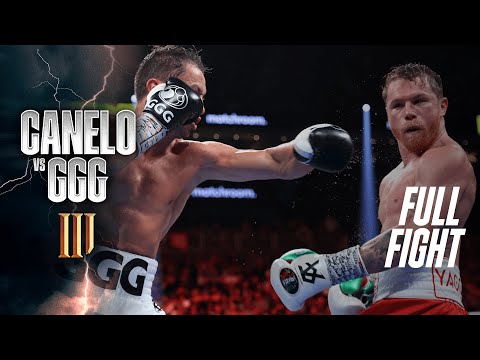
FULL FIGHT ANALYSIS: Canelo vs. GGG III - A Masterclass or a Missed Opportunity?

The sweet science. Boxing. For millennia, humanity has found a primal, captivating rhythm in the clash of fists, a testament to skill, heart, and sheer will. It’s a dance of strategy and power, where every feint, every jab, every uppercut tells a story of dedication and pain. But in the modern arena, amidst the glitz and the hype, how often do we witness true martial artistry, a genuine test of the warrior's spirit? Too often, the spectacle overshadows the substance.

Enter Saúl 'Canelo' Álvarez and Gennadiy 'GGG' Golovkin. Their saga is more than just a rivalry; it's a narrative woven into the fabric of contemporary boxing, a chapter that fans have devoured, debated, and desperately craved more of. Their first two encounters were seismic events, etched in controversy and leaving an insatiable thirst for a definitive conclusion. Today, we dissect their third dance, not just as a boxing match, but as a potential lesson in the enduring principles of combat. Was it a final, masterful demonstration of Budo principles, or a poignant reminder of how the game can sometimes betray the art?

The History: A Trilogy Forged in Controversy

The saga began on September 16, 2017. The air crackled with anticipation. Canelo Álvarez, the Mexican phenom, met Gennadiy Golovkin, the "Triple G" terror from Kazakhstan. This wasn't just a fight; it was a clash of titans, a stylistic chess match played at a furious pace. The bout, a brutal, back-and-forth war, ended in a split draw.

A draw? For many, it felt like an injustice. Spectators, pundits, and fellow martial artists scrutinized the scorecards, many convinced Golovkin had done enough to secure victory. The visceral impact of Golovkin's power shots, the relentless pressure he applied, seemed to eclipse Canelo's more tactical, albeit potent, counter-punching. This controversial outcome, rather than satiating the fanbase, ignited a bonfire of demand for a rematch. It highlighted a recurring theme in combat sports: the subjective nature of judging and the enduring power of raw aggression versus calculated defense. This is a debate that echoes through countless martial disciplines, from the striking arts of Karate to the intricate throws of Judo.

The Rematch: Canelo's Ascent, GGG's Stride

One year later, on September 15, 2018, the stage was set for redemption. The anticipation was even greater, the stakes higher. The rematch delivered another high-octane affair, a testament to both fighters' grit and skill. This time, the narrative shifted. Canelo, adapting and growing, clinched a majority decision victory.

Yet, even in victory, the controversy lingered. Arguments persisted that Golovkin's consistent output and powerful blows warranted a different result. It’s a familiar dilemma: does the cleaner, more technically precise fighter win, or the one who imposes his will and lands the heavier blows? This dance between technical merit and overwhelming force is a core philosophical question in martial arts. How does one truly measure victory when both participants display such profound mastery and warrior spirit? The debates raged on, ensuring that the desire for a final, unambiguous chapter remained.

Canelo vs. GGG III: The Anticipation and the Reality

The boxing world held its breath. A potential third fight between these two warriors was the stuff of dreams for fight fans. Both fighters, acknowledging their storied history, expressed openness to a rubber match. Canelo, by then firmly established as the undisputed king of the super-middleweight division, saw it as a chance to definitively close the book on his greatest rival. Golovkin, older but no less dangerous, viewed it as his final opportunity to reclaim his perceived throne and etch his name in boxing immortality against the man who had twice denied him undisputed victory.

On September 17, 2022, it finally happened. The trilogy was complete. But this time, the story felt different. Canelo, despite a hand injury he sustained early in the fight, controlled the bout with calculated aggression. His defense was tighter, his counter-punches sharp, and his ring generalship masterful. Golovkin, while still possessing his signature power and a warrior's heart, struggled to impose his will against a more seasoned and defensively astute Canelo. The unanimous decision for Álvarez was clear, decisive, and largely uncontroversial. The debate this time wasn't about who won, but rather about the aged warrior facing his prime.

Style vs. Substance: A Martial Perspective

From a martial artist's perspective, the Canelo-Golovkin rivalry offers a rich tapestry of contrasting philosophies. Canelo embodies the astute counter-puncher, a master of timing, distance, and calculated risk. His style is reminiscent of a skilled swordsman, waiting for the opponent's opening to deliver a decisive, precise strike. He understands the importance of defense not just as a means of avoiding damage, but as a platform for offense. This echoes principles found in **Tai Chi**, where yielding and redirecting an opponent's force is paramount.

Golovkin, on the other hand, is the embodiment of relentless pressure and concussive power. His "Triple G" moniker isn't just for show; his punches carry the weight of a sledgehammer. He represents the direct, overwhelming force, a style that demands unwavering commitment and a chin of granite. This approach shares similarities with the powerful, forward-moving strategies seen in some styles of **Kyokushin Karate** or the unyielding advance of a **Sumo** wrestler.

The third fight showcased Canelo’s evolution. He demonstrated that while power is a formidable weapon, the strategic application of skills – defense, timing, and adapting to an opponent's weaknesses – can overcome sheer aggression, especially as a fighter ages. It's a lesson that transcends boxing, a principle observed across numerous disciplines, from the fluid movements of **Aikido** to the strategic positioning in **Judo**.

"The supreme art of war is to subdue the enemy without fighting." - Sun Tzu, The Art of War. While Canelo didn't win without a fight, his strategic control in the third bout demonstrated a masterful subduing of GGG's strengths.

Beyond the Trilogy: The Ever-Evolving World of Combat

While the Canelo-Golovkin saga captured the boxing world's imagination, it’s crucial to remember that the landscape of combat sports is vast and ever-changing. Exciting matchups are constantly brewing across various disciplines. Consider the heavyweight boxing clashes, such as the highly anticipated bouts featuring **Tyson Fury** and **Deontay Wilder**, each bringing a unique blend of power and personality to the ring. These fights remind us that raw power and the "knockout punch" remain a thrilling, albeit unpredictable, element in combat.

The rise of **Mixed Martial Arts (MMA)**, with its fusion of striking, grappling, and submission arts, has further broadened the definition of a complete fighter. Athletes like **Jon Jones** and **Cyril Gane** showcase incredible versatility, blending techniques from **Muay Thai**, **Brazilian Jiu-Jitsu (BJJ)**, **Wrestling**, and **Karate** into a formidable arsenal. This cross-disciplinary approach mirrors the ancient martial philosophies that encouraged the study of multiple weapons and fighting styles to achieve true mastery. The ability to seamlessly transition between striking and grappling, as seen in fights at **UFC** events, demonstrates a holistic understanding of combat that few single-discipline fighters can match.

Equipo Esencial para tu Entrenamiento

For aspiring boxers and martial artists seeking to emulate the dedication and skill displayed by Canelo and Golovkin, proper training equipment is paramount. Investing in the right gear not only enhances performance but also significantly reduces the risk of injury. Here’s a foundational list:

  • Guantes de Boxeo/MMA (14-16oz): Essential for sparring and heavy bag work to protect your hands and wrists.
  • Vendas para Manos: Crucial for added wrist and knuckle support during intense training sessions.
  • Protector Bucal: Non-negotiable for any form of sparring or competitive fighting to protect your teeth and jaw.
  • Protector de Ingle: Vital for protecting sensitive areas during sparring.
  • Kimono (Judo/BJJ): For grappling-focused disciplines, a durable gi is essential for practicing throws and groundwork. Look for high-quality, double-weave fabrics for longevity.
  • Cuerda de Saltar: An indispensable tool for improving footwork, coordination, and cardiovascular endurance – a staple for any fighter’s conditioning.
  • Saco de Boxeo o Pera Loca: For developing power, speed, and accuracy in striking.
  • Rodilleras y Coderas: Useful for conditioning drills and protecting against impact during certain training exercises.

Whether you're training in boxing, **Judo**, **Karate**, or **BJJ**, the right equipment is an investment in your journey. Consider exploring specialized **Karate Merchandise** or **MMA Gear** from reputable brands to ensure quality and durability.

Guía de Entrenamiento: El "Golovkin Jab" y la "Canelo Counter"

Let's break down two fundamental elements that defined the early exchanges between these titans. While complex strategies are involved, understanding these core concepts can elevate your own training.

  1. El Jab de Golovkin (La Presión Constante):
    • Posición: Mantén una guardia sólida, pies bien plantados, ligeramente separados, rodillas flexionadas.
    • El Movimiento: Extiende tu brazo de lanzar (generalmente el izquierdo para un diestro) rápidamente, girando ligeramente la muñeca al contacto para maximizar el impacto. Tu cuerpo debe transferir peso hacia adelante de manera sutil.
    • El Propósito: No es solo un golpe de alcance; es para medir distancia, mantener al oponente a raya, interrumpir su ritmo y preparar golpes más potentes. GGG lo usaba implacablemente para dictar el espacio.
    • Entrenamiento: Practica miles de jabs contra un saco pesado, enfocándote en la velocidad, la extensión completa y la rápida retracción a la guardia. Visualiza a tu oponente y golpea puntos específicos.
  2. La Contra de Canelo (El Golpe Preciso en el Momento Justo):
    • Posición: Similar a la guardia de boxeo, pero con una mayor flexibilidad y movilidad en la parte superior del cuerpo.
    • El Movimiento: Permite que el oponente lance su golpe (ej. un jab o un recto). En el instante en que su puño sale, usa tu guardia para bloquear, desviar, o incluso deslizarte ligeramente, y contraataca con un golpe potente (un gancho o un recto) a un punto vulnerable. La clave es la sincronización perfecta.
    • El Propósito: Capitalizar el error del oponente, castigar su ofensiva y tomar el control de la pelea. Canelo es un maestro en encontrar la brecha y golpear con autoridad.
    • Entrenamiento: El *sparring* es crucial aquí. Trabaja con un compañero que entienda el concepto de lanzar golpes específicos. Practica el bloqueo/desvío y contraataque simultáneamente. Usa el "espejo" (golpear solo cuando el compañero golpea) para refinar el tiempo.

Dominar estos elementos requiere innumerables horas de práctica dedicada, la filosofía de perseverancia y la disciplina que son pilares de las **Artes Marciales Mixtas (MMA)** y del **Budo** en general.

"The difference between a novice and a master is not that the master never makes mistakes, but that the master learns from every mistake. The master has failed more times than the novice has even tried." - Bruce Lee. This philosophy underpins the entire journey of martial arts mastery.

Veredicto del Sensei: ¿Merece la pena?

The Canelo vs. Golovkin trilogy is a landmark achievement in modern boxing. While the first two fights were marred by controversial decisions, they showcased an incredible rivalry between two supremely talented warriors. The third fight, though perhaps lacking the same level of back-and-forth drama, provided a definitive conclusion and a masterclass in boxing strategy from Canelo Álvarez. From a martial perspective, it served as a powerful reminder that while raw power and aggression are potent forces, the disciplined application of skill, timing, and strategic defense often prevails, especially in the twilight of a legendary career.

Calificación del Sensei: Cinturón Negro en Rivalidad, Maestro en Estrategia.

Preguntas Frecuentes

  • ¿Por qué fue tan controvertida la primera pelea entre Canelo y Golovkin?
    La controversia se debió principalmente a las tarjetas de los jueces. Muchos observadores creían que Golovkin había ganado claramente, pero la pelea terminó en un empate dividido, lo que dejó a muchos sintiendo que se le robó la victoria.
  • ¿Fue la tercera pelea tan emocionante como las dos primeras?
    Si bien la tercera pelea fue estratégicamente fascinante y demostró la maestría de Canelo, muchos fanáticos la encontraron menos emocionante que las dos primeras, que fueron batallas más reñidas y llenas de acción impredecible.
  • ¿Qué aprendemos de la técnica de ambos peleadores desde una perspectiva marcial?
    Canelo demuestra la importancia de la defensa, el tiempo y el contraataque preciso, similar a las tácticas de algunos estilos de Karate y Judo. Golovkin representa la fuerza bruta, la presión implacable y la búsqueda del nocaut, un enfoque visto en disciplinas como el Kyokushin Karate. La trilogía ilustra cómo diferentes filosofías marciales pueden coexistir y competir en el mismo ring.
  • ¿Es probable que haya una cuarta pelea entre Canelo y Golovkin?
    Dada la edad de Golovkin y la dominante victoria de Canelo en la tercera pelea, una cuarta contienda parece muy improbable. Canelo ha indicado que desea continuar consolidando su legado en otras divisiones, mientras que GGG podría estar considerando el final de su carrera.

Para Profundizar en tu Camino

Reflexión del Sensei: Tu Próximo Paso

The roar of the crowd, the sweat, the exhaustion, the controversy, and ultimately, the definitive victory. This trilogy offered more than just punches; it offered lessons. Canelo's strategic adaptation and Golovkin's unyielding spirit are echoes of timeless martial principles. But now, I ask you:

When the final bell rings in your own life's battles, will you be remembered for your raw power, or for the wisdom and adaptability with which you navigated the storm? How will *you* write the final chapter of your own saga?

``` ```json { "@context": "https://schema.org", "@type": "FAQPage", "mainEntity": [ { "@type": "Question", "name": "Why was the first fight between Canelo and Golovkin so controversial?", "acceptedAnswer": { "@type": "Answer", "text": "The controversy stemmed from the judges' scorecards. Many observers believed Golovkin had clearly won, but the fight ended in a split draw, leaving many feeling he was robbed of a victory." } }, { "@type": "Question", "name": "Was the third fight as exciting as the first two?", "acceptedAnswer": { "@type": "Answer", "text": "While strategically fascinating and showcasing Canelo's mastery, many fans found the third fight less exciting than the first two, which were closer, more unpredictable battles." } }, { "@type": "Question", "name": "What can we learn from both fighters' techniques from a martial perspective?", "acceptedAnswer": { "@type": "Answer", "text": "Canelo demonstrates the importance of defense, timing, and precise counter-punching, akin to strategies in Karate and Judo. Golovkin embodies raw power, relentless pressure, and the pursuit of a knockout, a style seen in disciplines like Kyokushin Karate. The trilogy illustrates how different martial philosophies can compete effectively." } }, { "@type": "Question", "name": "Is a fourth fight between Canelo and Golovkin likely?", "acceptedAnswer": { "@type": "Answer", "text": "Given Golovkin's age and Canelo's dominant performance in the third fight, a fourth bout seems highly improbable. Canelo aims to solidify his legacy in other divisions, while GGG may be considering retirement." } } ] }

Henry Cejudo vs. Marlon Moraes: A Masterclass in Combat Strategy at UFC 238

The Unseen War: Beyond the Octagon's Roar

The clash between Henry Cejudo and Marlon Moraes at UFC 238 wasn't just a fight; it was a high-stakes chess match played out with fists, feet, and the formidable power of **wrestling** and **striking**. While the result saw Cejudo victorious, emerging as the new UFC Bantamweight Champion, the true lesson lies not just in the knockout, but in the strategic evolution and the philosophical underpinnings of combat that were on full display. Many fans see only the flash and the fury, the **knockout power** and the **grappling** exchanges, but a true student of the martial way, a **budoka**, looks deeper. They analyze the **mental game**, the **discipline**, and the subtle shifts in momentum that dictate the outcome of such intense **battles**. This wasn't merely a **fight**; it was a testament to decades of rigorous **training** and the relentless pursuit of mastery.

Cejudo's Legacy: From Olympic Gold to MMA King

Henry Cejudo's journey is a saga of dedication that transcends mere athletic achievement. As an Olympic gold medalist in freestyle wrestling, Cejudo brought an unparalleled level of mat control and **explosive takedowns** to the **MMA** arena. His record, a formidable 16-2-0, speaks volumes, but it's his fight IQ and adaptability that truly set him apart. He’s not just a wrestler; Cejudo honed his **striking** skills to a lethal degree, weaving together a potent arsenal of punches, kicks, and knees. He embodies the principle that mastery in one domain can be powerfully amplified when integrated with another. This synergy is the hallmark of a true martial artist, constantly evolving and integrating new knowledge. For those aspiring to excel, consider the importance of a well-rounded **training** regimen. A solid foundation in **wrestling** or **judo**, combined with dynamic **kickboxing** or **Karate** techniques, can create an unstoppable force.

Moraes: The Striking Maestro's Challenge

Marlon Moraes, a Brazilian warrior with a professional record of 22-6-1, arrived at UFC 238 as a seasoned contender, a former WSOF Bantamweight Champion renowned for his exceptional **striking skills**. With 17 wins by KO/TKO, Moraes possessed the kind of fight-ending power that kept opponents constantly on edge. His **defensive skills** were equally impressive, a testament to meticulous **training** designed to nullify an opponent's attack. He made it incredibly difficult for fighters to land clean shots, a crucial aspect of survival and victory in any **combat sport**. The dynamic between Cejudo's wrestling prowess and Moraes's striking excellence set the stage for a classic confrontation, a true test of different martial philosophies.

The Strategic Dance: Deconstructing Cejudo vs. Moraes

The initial exchanges were a strategic dance, a palpable tension filling the arena. Cejudo, true to his roots, immediately sought to close the distance, aiming for the clinch and the inevitable takedown that has defined much of his career. However, Moraes, with his keen understanding of range and timing, displayed superb **takedown defense**. He managed to keep the **fight** standing, a critical objective against a renowned wrestler. The first round saw Moraes utilize his powerful leg kicks, which visibly seemed to impact Cejudo's mobility. This was a smart tactic, aiming to blunt the wrestler's offensive capabilities. Yet, the hallmark of a champion isn't just skill, but the ability to adapt. In the second round, Cejudo made the crucial adjustments. He began to time his entries more effectively, finally breaching Moraes's defenses and securing a takedown. Once on the ground, the dynamic shifted dramatically. Cejudo's control was absolute, his **ground-and-pound** relentlessly targeting Moraes. This phase of the fight underscored a fundamental principle in **Budo**: once you have your opponent where you want them, exploit the advantage with decisive action. The third round saw Cejudo continuing his dominance, blending his wrestling with effective striking. Moraes, though resilient, appeared to be tiring, a common consequence of defending relentless takedowns and absorbing ground strikes. The **ki** flow seemed to be with Cejudo. The decisive moment arrived in the fourth round. Cejudo landed a powerful knee strike that sent Moraes crashing to the canvas. This was the **knockout** that fans craved, the definitive punctuation to a masterful performance. The follow-up ground strikes led to the referee's stoppage, crowning Cejudo the new champion. This victory wasn't just about raw power; it was about strategic evolution, demonstrating that even a fighter known for one discipline can conquer another with dedication and intelligent application of skills.

Veredicto del Sensei: ¿Merece la pena?

This **fight** is a prime example of how a well-rounded martial artist, who understands the interplay between different disciplines, can overcome specialized talent. Cejudo's victory over Moraes is a **lesson in strategy**, showcasing the importance of adaptability and the integration of **wrestling** and **striking**. For any **martial arts** enthusiast, this bout is a must-watch, not just for the excitement, but for the deep tactical insights it offers. It’s a clear demonstration that while **specialization** has its merits, true mastery lies in the ability to blend and adapt. Cejudo earned his **Cinturón Negro en Combate Estratégico**.

Equipo Esencial para tu Entrenamiento

To emulate the dedication and skill displayed by these warriors, the right **equipment** is paramount. Whether you're focusing on **wrestling**, **striking**, or a blend of disciplines, investing in quality gear is an investment in your own **training** and safety.
  • Guantes de MMA: Look for gloves that offer a good balance of protection for striking and dexterity for **grappling**. 16oz gloves are generally recommended for sparring sessions to ensure adequate padding.
  • Kimono de Judo o Jiu-Jitsu: For those focusing on ground **fighting** and **wrestling**, a durable, double-weave kimono (gi) is essential. It needs to withstand the rigors of constant pulling and grappling.
  • Protector Bucal: Non-negotiable for any form of sparring or intense **training**. Protect your teeth and jaw.
  • Espinilleras y Guantes de Kickboxing/Karate: If your **training** leans more towards **striking**, invest in proper shin guards and sparring gloves to prevent injuries.
  • Protector Genital: A vital piece of **equipment** for all male practitioners involved in any combat sport.
For those looking to deepen their understanding of martial principles, consider exploring foundational texts. The wisdom within books like "The Book of Five Rings" by Miyamoto Musashi offers insights that are as relevant to the **Octagon** as they are to any **battlefield**.

Guía de Entrenamiento: Integrando Wrestling y Striking

Aspiring fighters often struggle to bridge the gap between **wrestling** and **striking**. This exercise, inspired by the strategic shifts seen in Cejudo's performance, aims to improve your transitions and overall combat effectiveness.
  1. Warm-up (15 mins): Begin with dynamic stretching and light cardio. Focus on movements that simulate both striking and wrestling actions – hip rotations, leg swings, arm circles, torso twists.
  2. Striking Drills (10 mins): Practice combinations like jab-cross-hook, followed by a low kick. Focus on footwork and maintaining a balanced stance. Alternate between offensive drills and defensive drills (e.g., slipping punches, blocking kicks).
  3. Wrestling Entries (10 mins): Practice level changes and shooting for double-leg or single-leg takedowns. Focus on explosiveness and driving through the takedown. Imagine you are attacking a stationary opponent.
  4. Transition Drills (15 mins): This is the core of the drill.
    • Start in a striking stance. Throw a combination (e.g., jab-cross). As your opponent (or a partner) attempts to defend or counter, immediately transition into a takedown attempt.
    • If the takedown is defended, immediately pop back up to your striking stance and prepare to strike.
    • Alternatively, if you are taken down, practice effective get-ups (e.g., technical stand-up) while defending against ground-and-pound or submissions.
    • Work on clinching from striking range, transitioning to knees or elbows, and then potentially to a takedown if the opportunity arises.
  5. Sparring (10 mins): Engage in light, controlled sparring, focusing specifically on making these transitions. Don't worry about winning; focus on executing the *transition* from striking to wrestling and back.
  6. Cool-down and Stretching (5 mins): Static stretching, holding each stretch for 30 seconds.
Remember, consistency is key. Integrating these phases smoothly takes time and dedicated practice. The goal is to make these transitions second nature, a fluid response rather than a conscious decision.

Future Fights: What Lies Ahead?

Cejudo's victory was a crowning achievement, leading him to announce his retirement – a decision that, while understandable, left fans yearning for more. Yet, his hints at a potential return keep the flame of possibility alive. The UFC landscape is always shifting, and a fighter of Cejudo’s caliber can never truly be counted out. His legacy is secure, but the allure of one more **fight** often calls to the warrior’s spirit. For Marlon Moraes, this loss represents not an end, but a challenging crossroads. He remains a formidable force in the Bantamweight division, possessing the skills and the heart to bounce back. His journey will be watched closely, as he seeks to re-establish himself against the division's top contenders. Who will be his next opponent? This uncertainty is part of the thrill of **combat sports**. The path to redemption is often harder than the initial climb, but it yields a far greater reward.

Preguntas Frecuentes

What is Henry Cejudo's primary martial arts background?

Henry Cejudo is an Olympic gold medalist in freestyle **wrestling**. This background heavily influences his **MMA** style, focusing on takedowns and control.

How did Marlon Moraes typically win his fights?

Marlon Moraes is known for his exceptional **striking skills**, with a significant number of his wins coming by KO/TKO.

Was the fight between Cejudo and Moraes a close contest?

While Moraes displayed resilience and dangerous striking, Cejudo's strategic adjustments and **wrestling** advantage allowed him to gain control, ultimately leading to a TKO victory in the fourth round.

What does "TKO" mean in MMA?

TKO stands for Technical Knockout. It occurs when the referee stops the **fight** because one fighter is deemed unable to safely continue, even if they are not fully unconscious.

Does Cejudo's retirement mean he will never fight again?

While Cejudo has announced retirement, he has also hinted at a possible return. The world of **martial arts** often sees champions make comebacks.

Para Profundizar en tu Camino

  • BUDO: Explore the broader philosophy and principles behind martial disciplines.
  • MMA: Dive deeper into the world of Mixed Martial Arts, its history, and its stars.
  • DefensaPersonal: Understand how techniques learned in sports translate to real-world self-defense scenarios.

Reflexión del Sensei: Tu Próximo Paso

Cejudo conquered the **Octagon** by blending his wrestling dominance with sharpened striking. He didn't just fight; he strategized, he adapted, he overcame. This is the essence of true martial artistry. It is not merely about possessing skills, but about knowing *when* and *how* to apply them, and importantly, how to evolve when faced with adversity. So I ask you, my students, and all who seek mastery: When you face your own challenges – be it on the mat, in the ring, or in the complex arenas of life – do you adapt, or do you crumble? Do you possess the foresight to shift your strategy when your initial approach falters, or do you cling to a failing method with the stubbornness of a novice? The true warrior doesn't just throw punches; they understand the rhythm of the battle, the ebb and flow of power, and can transition seamlessly from attack to defense, from strategy to instinct. Consider this your **koan** for the week. ``` ```json { "@context": "https://schema.org", "@type": "FAQPage", "mainEntity": [ { "@type": "Question", "name": "What is Henry Cejudo's primary martial arts background?", "acceptedAnswer": { "@type": "Answer", "text": "Henry Cejudo is an Olympic gold medalist in freestyle wrestling. This background heavily influences his MMA style, focusing on takedowns and control." } }, { "@type": "Question", "name": "How did Marlon Moraes typically win his fights?", "acceptedAnswer": { "@type": "Answer", "text": "Marlon Moraes is known for his exceptional striking skills, with a significant number of his wins coming by KO/TKO." } }, { "@type": "Question", "name": "Was the fight between Cejudo and Moraes a close contest?", "acceptedAnswer": { "@type": "Answer", "text": "While Moraes displayed resilience and dangerous striking, Cejudo's strategic adjustments and wrestling advantage allowed him to gain control, ultimately leading to a TKO victory in the fourth round." } }, { "@type": "Question", "name": "What does \"TKO\" mean in MMA?", "acceptedAnswer": { "@type": "Answer", "text": "TKO stands for Technical Knockout. It occurs when the referee stops the fight because one fighter is deemed unable to safely continue, even if they are not fully unconscious." } }, { "@type": "Question", "name": "Does Cejudo's retirement mean he will never fight again?", "acceptedAnswer": { "@type": "Answer", "text": "While Cejudo has announced retirement, he has also hinted at a possible return. The world of martial arts often sees champions make comebacks." } } ] }

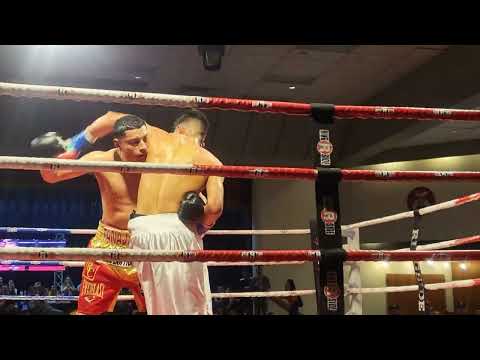
The Crucible of Combat: Hector Tanajara Jr. vs. John Arellano - A Martial Perspective

Greetings, warriors and students of the Way. Today, we dissect not just a fight, but a testament to the unyielding spirit of combat sports. You are witnessing the full bout between Hector Tanajara Jr. and John Arellano, presented by Triple AAA Promotions in San Antonio. This isn't merely about who lands the decisive blow; it's about the journey that led them to that squared circle, the discipline forged in the dojo, and the primal dance of skill and will.

The Genesis of a Bout: Intent and the Search for Knowledge

What draws us to a full fight, especially one featuring emerging talents like Tanajara Jr. and Arellano? The intent of the "budoka" (a practitioner of martial arts) seeking this content is multifaceted. They aren't just here for entertainment, though the spectacle is undeniable. They are here to learn. They analyze the footwork, the defensive strategies, the explosive offensive combinations. They seek to understand the mental fortitude required to step under the bright lights, facing an opponent who has also dedicated countless hours to the same relentless pursuit of mastery. This fight is a living textbook, offering insights into the application of techniques honed in solitary practice, now tested in the unforgiving arena of live combat.

Deconstructing the Dance: A Martial Arts Analysis

From a martial artist's viewpoint, every exchange is a chapter. Tanajara Jr. and Arellano, while perhaps not embodying ancient samurai ideals in their gi, are certainly students of their chosen disciplines. We must observe beyond the raw aggression. Look for the underlying principles::

  • Distance Management (Maai): How do they control the space between them? Who dictates the range of engagement?
  • Timing and Rhythm: The ebb and flow of the fight is crucial. Are there predictable patterns, or is it a constant improvisation?
  • Structure and Balance: Even in high-paced exchanges, maintaining a solid base and posture is paramount. A single loss of balance can be fatal in a real confrontation.
  • Reaction vs. Anticipation: The true masters don't just react; they anticipate. Did one fighter consistently seem one step ahead?

While the specifics of their training might lean towards boxing, Muay Thai, or wrestling – disciplines that inform modern MMA – the core tenets of martial arts are present. The relentless pressure, the strategic use of energy, the understanding of an opponent's strengths and weaknesses. This is the essence of combat analysis, whether it's a traditional kata or a professional MMA bout.

The Spirit of the Warrior: Beyond the Knockout

The term "BUDO" encompasses more than just fighting; it speaks to a way of life, a path of self-improvement through rigorous training. In fights like Tanajara Jr. vs. Arellano, we witness the tangible results of this path. We see the culmination of thousands of hours of sweat, pain, and unwavering dedication. Even in defeat, there is honor in the effort, in the willingness to confront one's limitations and push beyond them.

"The supreme art of war is to subdue the enemy without fighting." - Sun Tzu

While this bout is a direct confrontation, the underlying philosophy of mastering oneself before confronting an adversary remains relevant. The preparation, the strategy, the mental resilience – these are the unseen weapons that often decide the outcome.

Training Regimens and the Pursuit of Peak Performance

To reach the level of professional fighters, the training is anything but casual. It involves a holistic approach to conditioning, skill development, and mental preparation. This isn't just about hitting pads; it's about building a complete athlete capable of enduring sustained physical and mental duress. Factors include:

  • Strength and Conditioning: Developing explosive power and muscular endurance.
  • Technical Drills: Repetition of strikes, grappling techniques, and defensive maneuvers until they become instinctive.
  • Sparring: The closest simulation to a real fight, allowing fighters to test their skills under pressure.
  • Nutritional Optimization: Fueling the body for peak performance and recovery.
  • Mental Conditioning: Building resilience, focus, and the ability to perform under extreme stress.

For those aspiring to improve their own martial arts journey, understanding the dedication required at the professional level can be a powerful motivator. Even if your goal is personal development rather than professional competition, the principles of consistent, structured training are universal.

Equipment Essentials for Your Training

While Tanajara Jr. and Arellano are likely using specialized professional gear, the principles of selecting equipment apply to practitioners at all levels. Proper gear not only enhances training but is crucial for safety.

  • Gloves: For striking arts, appropriate sparring and bag gloves are essential to protect your hands and the equipment.
  • Mouthguards: Non-negotiable for any form of sparring or competitive engagement to protect your teeth and jaw.
  • Shin Guards: Vital for arts involving kicks, preventing injuries during drills and sparring.
  • Headgear: Recommended for heavy sparring to mitigate the risk of concussions and facial injuries.
  • Gi/Rash Guards: Depending on the art, a well-fitting gi for Judo or Brazilian Jiu-Jitsu, or comfortable rash guards for grappling and MMA, are key.

Investing in quality equipment is an investment in your own training and longevity in the martial arts. Look for reputable brands that focus on durability and protective features. For instance, exploring best judo gis or MMA training equipment can significantly enhance your practice.

Veredicto del Sensei: ¿Merece la Pena?

This fight between Hector Tanajara Jr. and John Arellano is more than just a display of punches and kicks; it's a demonstration of the dedication, strategy, and spirit that defines modern combat sports. While not every practitioner will step into a professional ring, the lessons learned from observing such contests are invaluable. It reaffirms the importance of discipline, resilience, and the constant pursuit of improvement. For anyone interested in the tactical and philosophical aspects of martial arts, this bout offers substantial insights.

Calificación: Cinturón Negro en Demostración de Determinación

Guía de Entrenamiento: La Filosofía del "No-Punto"

Observando el flujo de la pelea, uno puede apreciar la importancia de un concepto marcial aplicado a menudo en combate: el "no-punto" o "zona de nadie". Es esa área peligrosa donde ambos combatientes tienen la oportunidad de atacar, pero también de ser atacados. La clave no es evitarladefinitivemente, sino dominarla.

  1. Posicionamiento: Mantén una base sólida y un centro de gravedad bajo.
  2. Observación Constante: Tus ojos deben registrar cada movimiento del oponente.
  3. Palanca de Movimiento: Utiliza tu cadera y torso para generar potencia en tus golpes y para esquivar.
  4. Contragolpe: Identifica las aperturas del oponente y ataca en el momento justo.
  5. Transición Rápida: Prepárate para cambiar de ataque a defensa o viceversa sin dudar.

Practicar drills que simulen esta zona de alta intensidad, como el sparring ligero con reglas específicas para fomentar la observación y la reacción, es fundamental para desarrollar esta habilidad.

Recursos para Profundizar

Para expandir tu comprensión del mundo marcial, te recomiendo explorar:

  • Libros Clásicos de Estrategia: "El Libro de los Cinco Anillos" de Miyamoto Musashi sigue siendo una lectura esencial para entender la filosofía del combate y la estrategia.
  • Biografías de Maestros: Conocer la vida y el camino de leyendas como Bruce Lee o Jigoro Kano ofrece una perspectiva invaluable sobre la dedicación requerida.
  • Documentales sobre Artes Marciales: Hay excelentes producciones que cubren la historia y la práctica de diversas disciplinas.

Profundizar en la literatura y la historia te proporcionará un contexto mucho más rico para tu propio entrenamiento. La exploración de books on bushido es un excelente punto de partida.

Preguntas Frecuentes

What are the key martial arts principles evident in professional fighting today?

Modern professional fighting, while often a blend of combat sports, still hinges on core martial principles such as distance management (Maai), timing, balance, structure, and the ability to anticipate an opponent's actions rather than merely reacting.

How does consistent training impact a fighter's performance?

Consistent, structured training builds not only physical attributes like strength and endurance but also crucial mental fortitude, discipline, and instinctive technical proficiency, all of which are vital for peak performance under pressure.

Is it necessary to have professional-grade equipment to train effectively?

While professional athletes use specialized gear, effective training is more about consistent practice and proper technique. However, investing in good quality, safe equipment like gloves, mouthguards, and shin guards is highly recommended for all practitioners to prevent injuries.

What is the philosophical takeaway from observing a full fight?

Beyond the physical contest, a full fight offers lessons in perseverance, self-mastery, respect for the opponent, and the understanding that progress often comes through confronting challenges and pushing beyond one's perceived limits.

How can I apply the lessons from this fight to my own martial arts journey?

Analyze the fighters' strategies, their reactions to adversity, and their dedication. Focus on improving your own discipline, technical execution, and mental resilience in your daily training, applying the principles observed to your own practice.

Para Profundizar en tu Camino

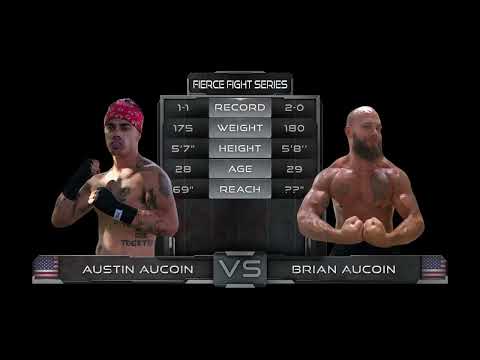
Martial Arts Showdown: Austin Aucoin vs. Brian Aucoin - A Masterclass in Combat

Greetings, warriors, and welcome to Budo and Martial Arts! Today, we delve into a captivating clash of titans: the full fight between Austin Aucoin and Brian Aucoin. Published on March 13, 2023, at 04:45 PM, this bout offers a rare glimpse into the raw application of principles that we strive to embody daily. As the most comprehensive and updated martial arts blog on the internet, we are here to dissect this encounter, not just as spectators, but as students of the Way. As you witness this display of skill, remember that every movement, every strategy, carries the weight of tradition and the intensity of modern competition. We encourage you to follow us on social networks and immerse yourselves in our main page for a deeper understanding of the martial world.

Introduction: The Aucoin Brothers' Duel

The announcement of Austin Aucoin vs. Brian Aucoin immediately ignites a spark of curiosity. Are these brothers? Or two warriors sharing a surname, destined to test their mettle against each other? Regardless of their familial connection, the premise of two individuals, presumably with similar foundational training, clashing in a full-contact scenario is a potent subject for analysis. This isn't merely a fight; it's a crucible where technique, strategy, and the warrior's spirit are laid bare.
The intensity of such a matchup often transcends individual styles, forcing each combatant to confront not only their opponent but also their own limitations and strengths. We will dissect this fight, much like a master craftsman examines a perfectly forged blade, looking for the nuances that define victory and the lessons that extend beyond the final bell.

The Art of the Fight: Tactical Breakdown

To truly appreciate a martial arts contest, we must move beyond the superficial spectacle and delve into the underlying strategy. In a full fight scenario like Austin Aucoin vs. Brian Aucoin, understanding the tactical approach of each combatant is paramount. Were they primarily strikers, relying on powerful kicks and punches? Or did they engage in grappling, seeking takedowns and submission holds? Observing their footwork, their defensive posture, and their offensive tempo reveals their game plan. Did one fighter consistently pressure the other? Did they exploit openings created by fatigue or a momentary lapse in concentration? The flow of the fight, the ebb and tide of dominance, tells a story of adaptation and response. A fighter who can adjust their strategy mid-bout, based on their opponent's reactions, demonstrates a higher level of tactical acumen. One critical aspect to consider is the range of combat. Did the fight remain primarily in the striking range, characterized by punches and kicks, or did it transition into the clinch and ground game, the domain of wrestling and judo or BJJ? The fighter who can dictate the engagement range often holds a significant advantage.
"In combat, the opportunity to strike is often fleeting. The wise warrior prepares for the opening, but is not discouraged by its absence." - Miyamoto Musashi (paraphrased)
This fight, like many in MMA or other combat sports, likely showcased a blend of these elements. Analyzing how Austin and Brian navigated these different phases of combat will provide invaluable insights into their martial development.

Key Techniques and Principles in Play

Beyond the broad tactical strategies, the specific techniques employed are the building blocks of martial prowess. In the confrontation between Austin Aucoin and Brian Aucoin, we should look for the application of fundamental martial arts principles. * **Striking:** Did they utilize effective boxing combinations? Were their kicks powerful and well-placed? A jab-cross combination, a well-timed low kick, or a devastating elbow can change the course of a fight in an instant. We might see practitioners of styles like Karate or Kickboxing displaying their striking expertise. * **Grappling:** If the fight went to the ground, how did they manage the position? Were there attempts at takedowns, like a double-leg or single-leg takedown? On the ground, did they exhibit effective control, or were there submissions like armbars or chokes? Disciplines such as Judo, Brazilian Jiu-Jitsu, and wrestling are crucial here. * **Clinch Work:** The clinch is a transitional phase where fighters grapple in close quarters. Effective clinch work can set up takedowns, deliver knees and elbows, or simply allow a fighter to control their opponent's posture and disrupt their offense. * **Defense:** Crucially, how did they defend against their opponent's attacks? Did they employ head movement, slips, blocks, or sprawls? A strong defense is often the foundation of a successful offense. The true artistry lies not just in executing these techniques, but in their seamless integration. A fighter who can transition fluidly from striking to grappling, or vice-versa, demonstrates a high level of mastery and adaptability.

Philosophical Implications: The Warrior's Heart

Every martial arts encounter, especially one as intense as a full fight, is a manifestation of deeper philosophical underpinnings. Beyond the physical techniques, what can Austin Aucoin vs. Brian Aucoin teach us about the warrior's mindset? The principle of *Mushin* – "no mind" – is often discussed in martial arts. It refers to a state of heightened awareness where the mind is free from distracting thoughts, allowing for spontaneous and intuitive action. Did either fighter exhibit moments of *Mushin*, acting purely on instinct and reacting perfectly to the situation? Furthermore, the concept of *Zanshin* – a state of relaxed awareness, of lingering attention – is vital. After executing a technique, a fighter with *Zanshin* remains aware of their surroundings and their opponent's potential counter-attacks. This prevents them from being vulnerable immediately after a successful offensive maneuver.
"To know your enemy and know yourself, and you need not fear the result of a hundred battles." - Sun Tzu
This fight is a testament to perseverance. The ability to withstand punishment, to continue fighting despite adversity, and to maintain focus under pressure are hallmarks of a true martial artist. It's a demonstration of inner strength, a core tenet of BUDO.

Training Regimen: Lessons from the Octagon

Witnessing a full fight like this naturally leads us to consider the training required to reach such a level. The path of a martial artist is one of relentless dedication and intelligent preparation. A comprehensive training regimen for combat sports typically includes: * **Technical Skill Development:** Regular practice of strikes, kicks, takedowns, grappling techniques, and defensive maneuvers. This involves drilling with partners, working on pads, and studying instructional material. * **Strength and Conditioning:** Building the physical foundation necessary for explosive power, endurance, and resilience. This often includes weight training, plyometrics, cardiovascular work, and agility drills. * **Sparring:** Controlled, simulated combat scenarios to apply learned techniques and test strategies against live opponents. This is where timing, distance, and reactions are honed. * **Mental Training:** Developing focus, discipline, emotional control, and the ability to perform under pressure. This can involve meditation, visualization, and overcoming mental barriers. * **Nutrition and Recovery:** Proper fueling of the body and adequate rest are crucial for performance and injury prevention. The Aucoin brothers' fight offers a tangible example of what hard work and consistent training can achieve. It inspires us to examine our own training practices and identify areas for improvement. Are we pushing ourselves sufficiently? Are our training methods aligned with our goals?

Essential Gear for Your Training

To engage effectively and safely in martial arts training, having the right equipment is crucial. Whether you're practicing striking, grappling, or a hybrid discipline, the gear you use directly impacts your performance and well-being.
  • Gloves: For striking disciplines like boxing, kickboxing, or MMA, well-fitting gloves (e.g., 16oz for sparring, lighter for bag work) are essential to protect your hands and your training partners.
  • Mouthguard: A vital piece of protective equipment for any combat sport to prevent dental injuries.
  • Shin Guards: Crucial for kickboxing and Muay Thai training to absorb impact and prevent bruising or fractures from kicks.
  • Grappling Gear: For BJJ and Judo, a durable and properly fitted Gi (kimono) is indispensable. Rashguards are also highly recommended for hygiene and to prevent mat burn.
  • Training Shoes: Lightweight, flexible shoes with good grip are important for striking arts, providing stability and mobility.
Investing in quality martial arts merchandise ensures that your training is both effective and safe.

Veredicto del Sensei: A Duel Worth Studying

Austin Aucoin vs. Brian Aucoin FULL FIGHT is more than just a video clip; it's a valuable case study for any serious practitioner of martial arts. The clarity of the footage allows for detailed analysis of tactics, techniques, and the sheer grit required in a full-contact contest. While the specific context of the fight (e.g., weight class, organization rules) influences the strategies employed, the fundamental principles remain universal. This bout exemplifies the dynamic nature of modern combat sports, where the lines between traditional styles blur, and a well-rounded skill set is paramount. It serves as a powerful reminder that the "fight" is not just about physical prowess, but also about mental fortitude, strategic thinking, and the unwavering spirit of a warrior. **Rating:** Full Guard Mastery.

Frequently Asked Questions

What martial arts styles are likely represented in this fight?

Based on the typical format of full fights in combat sports, it's probable that elements from striking arts like boxing, kickboxing, or Muay Thai are combined with grappling disciplines such as Brazilian Jiu-Jitsu, wrestling, or Judo.

How important is the referee's role in a fight like this?

The referee is critical for ensuring fighter safety, enforcing the rules, and maintaining the integrity of the contest. They step in to stop the fight when a competitor is in danger or when rules are violated.

Can I learn effective self-defense from watching this fight?

While watching fights can offer insights into practical application, self-defense requires specific training focused on real-world threats, which often differ significantly from the controlled environment of a sporting match. However, understanding timing, distance, and defensive reactions can be beneficial.

What is the significance of the surname "Aucoin" in martial arts?

Without specific context, the surname itself holds no inherent martial significance. It's the individuals and their demonstrated skills that matter. This particular matchup highlights how two fighters with the same surname can still possess vastly different skill sets and approaches to combat.

To Deepen Your Path

To truly grasp the nuances of combat and the philosophy behind martial arts, consider exploring these related topics:

Reflexión del Sensei: Tu Próximo Paso

This bout between Austin and Brian Aucoin is a powerful illustration of applied martial principles. Now, I ask you: when faced with an opponent, be it in the ring or in life's challenges, do you lead with brute force, or do you first seek to understand the flow of the situation and adapt your strategy accordingly? Where does your true strength lie: in the power of your strike, or the clarity of your mind? Ponder this, and demonstrate your understanding in the comments below. ```json { "@context": "https://schema.org", "@type": "FAQPage", "mainEntity": [ { "@type": "Question", "name": "What martial arts styles are likely represented in this fight?", "acceptedAnswer": { "@type": "Answer", "text": "Based on the typical format of full fights in combat sports, it's probable that elements from striking arts like boxing, kickboxing, or Muay Thai are combined with grappling disciplines such as Brazilian Jiu-Jitsu, wrestling, or Judo." } }, { "@type": "Question", "name": "How important is the referee's role in a fight like this?", "acceptedAnswer": { "@type": "Answer", "text": "The referee is critical for ensuring fighter safety, enforcing the rules, and maintaining the integrity of the contest. They step in to stop the fight when a competitor is in danger or when rules are violated." } }, { "@type": "Question", "name": "Can I learn effective self-defense from watching this fight?", "acceptedAnswer": { "@type": "Answer", "text": "While watching fights can offer insights into practical application, self-defense requires specific training focused on real-world threats, which often differ significantly from the controlled environment of a sporting match. However, understanding timing, distance, and defensive reactions can be beneficial." } }, { "@type": "Question", "name": "What is the significance of the surname \"Aucoin\" in martial arts?", "acceptedAnswer": { "@type": "Answer", "text": "Without specific context, the surname itself holds no inherent martial significance. It's the individuals and their demonstrated skills that matter. This particular matchup highlights how two fighters with the same surname can still possess vastly different skill sets and approaches to combat." } } ] }

BJJ Showdown: Yoshitaka Ito vs. Rei Nagao at KIT6 – A Critical Analysis of Grappling Prowess

Greetings, warriors and students of the Way. Welcome to Budo and Martial Arts, your sanctuary for dissecting the true essence of combat and discipline. Today, we delve into a recent encounter that, while perhaps not shaking the very foundations of the martial world, offers a valuable lens through which to examine the intricacies of Brazilian Jiu-Jitsu. We are analyzing the bout between Yoshitaka Ito and Rei Nagao at KIT6, a contest that promises a clash of techniques and strategies within the grappling arts. This isn't just about watching two individuals grapple; it's about understanding the principles they employ, the execution of their techniques, and the silent dialogue of pressure and resistance. As practitioners, we are always searching for lessons, for insights that can refine our own journey. Was this bout a masterclass in BJJ strategy, or a mere exhibition? Let us find out.

Table of Contents

A Deeper Look at KIT6: Ito vs. Nagao

The event, "KIT6," held on March 5, 2023, presented a card that, while perhaps not as globally recognized as the UFC or ONE Championship, served its purpose in showcasing talent within the Brazilian Jiu-Jitsu scene. The specific match we are examining pits Yoshitaka Ito, representing Kusojukai Iwate, against Rei Nagao. The weight class and belt division (blue belt, light featherweight) provide context, suggesting a developmental stage in the practitioners' careers. However, as any seasoned martial artist knows, the purity of technique and strategic application can shine through regardless of belt level. This analysis aims to transcend a simple fight recap. We will dissect the mechanics, the strategy, and perhaps even the philosophical underpinnings, if any, present in this grappling exchange.

Brazilian Jiu-Jitsu: The Gentle Art of Control

Brazilian Jiu-Jitsu, often hailed as the "gentle art," is a martial art and combat sport system that focuses on grappling, particularly on the ground. Its effectiveness lies in its principle that a smaller, weaker person can defend themselves against a bigger, stronger opponent by using proper technique, leverage, and most importantly, applying joint-locks and chokeholds to defeat them. The core philosophy of BJJ is about control. It's not about brute force, but about positional dominance. Achieving mount, side control, or taking the back are not just positions; they are strategic advantages that allow for the application of submission techniques. This emphasis on control makes BJJ a highly technical and cerebral art. It teaches patience, problem-solving under pressure, and the understanding of body mechanics.
The evolution of BJJ from its Judo roots, particularly through the Gracie family, has cemented its reputation in mixed martial arts and self-defense. Its intricate web of sweeps, submissions, and escapes requires a deep understanding of anatomy, leverage, and timing. Every movement has a purpose, every reaction a counter. This is the canvas upon which Ito and Nagao painted their Jiu-Jitsu.

Fight Analysis: Ito vs. Nagao at KIT6

Observing the bout between Yoshitaka Ito and Rei Nagao requires a specific mindset. We are not looking for devastating knockouts or flashy striking displays. Instead, we must appreciate the subtle shifts in pressure, the feints, the grip changes, and the strategic maneuvering for dominant positions. Initially, one might expect a blue belt match to be somewhat raw, filled with errors and missed opportunities. However, the true beauty of Jiu-Jitsu, even at this level, lies in the moments of clarity. Did Ito or Nagao demonstrate superior pressure passing? Were their takedown attempts effective, or did they lead to scrambles? How did they react when taken down? These are the questions we must ask. From the footage, it appears the match was contested keenly. The exchange likely involved attempts to establish takedowns, transitions to the ground, and subsequent positional battles. The outcome, whether a submission, a decision, or a point-based victory, is secondary to the process. Did one fighter consistently maintain top control? Did the other exhibit strong defensive skills and successful escapes? A crucial aspect of any grappling match is the "scramble." These are dynamic moments where control is lost, and both athletes are attempting to regain a dominant position. Scrambles can be chaotic, but they are also where creativity and quick thinking are paramount. Observing how Ito and Nagao navigated these transitions will reveal a great deal about their respective skill sets and their understanding of the flow of Jiu-Jitsu.
"Jiu-Jitsu is like a chess game played with the body. Each move must be calculated, and every reaction anticipates the opponent's next step." - A common adage in BJJ circles.
The opening match designation suggests this was an early bout on the card. While this sometimes means less experienced competitors, it also signifies the start of the day's energy, a clean slate where the fundamental principles are put to the test without the fatigue of earlier bouts.

Technical Breakdown: Key Moments and Techniques

To truly understand the fight, we must look at specific technical elements, even if they are not fully visible in a general viewing. * **Takedown Entries:** Were takedowns initiated with solid base and posture? Did they utilize single-leg, double-leg, or perhaps Judo-inspired throws like an Ouchi Gari or Sasae Tsurikomi Ashi? Effective takedowns are the foundation of many grappling strategies. * **Guard Retention and Sweeps:** If one fighter was taken down, how effectively did they utilize their guard (closed, open, half guard) to prevent positional advancement and look for sweep opportunities? A strong guard is a Jiu-Jitsu practitioner's best friend when on their back. * **Passing the Guard:** Conversely, if a fighter was on top, how did they attempt to pass the opponent's guard? This is a critical phase where many BJJ matches are won or lost. Did they use pressure passes, speed passes, or leg drags? * **Submission Attempts:** Were there any submission attempts, such as armbars, kimuras, or chokes like the rear-naked choke or triangle choke? How were they set up, and how were they defended? The commitment to a submission, even if unsuccessful, shows intent. * **Positional Escapes:** When caught in a disadvantageous position (e.g., side control, mount, back control), how did the fighters attempt to escape and return to a neutral or dominant position? This often requires immense patience and technical understanding. Without detailed slow-motion analysis, pinpointing every micro-adjustment is difficult. However, the general flow and the success or failure of these core BJJ elements will indicate the relative strengths of Ito and Nagao. For instance, a fighter who consistently finds themselves on bottom and struggling to escape mount or side control is likely weaker in their defensive grappling and positional awareness. Conversely, a fighter who can seamlessly transition from guard pass to submission attempt showcases a more developed offensive game.

The Spirit of Budo in Grappling

While BJJ is a relatively modern art compared to the ancient traditions of Karate or Kendo, the principles of Budo are intrinsically linked to its practice. Budo, broadly translated as "the way of the warrior," emphasizes not just physical prowess but also mental discipline, respect, humility, and self-improvement. In the context of a BJJ match like Ito vs. Nagao, Budo manifests in several ways: * **Respect for the Opponent:** The handshake before and after the match, the acknowledgement of effort, regardless of the outcome. * **Perseverance:** Continuing to fight for a position or submission even when fatigued or in a difficult spot. This is the embodiment of "never give up." * **Discipline:** Adhering to the rules, maintaining composure under pressure, and executing techniques with precision rather than wild abandon. * **Humility:** Accepting defeat gracefully and learning from mistakes. A true Budo practitioner understands that every match is a learning opportunity. When we watch these athletes, we should look beyond the physical contest and consider how they embody these principles. Do they show the warrior's spirit in their actions?
"The ultimate aim of martial arts is not victory or defeat, but the perfection of the human character." - O-Sensei Morihei Ueshiba (Founder of Aikido)
This sentiment holds true for all disciplines that fall under the umbrella of Budo, including the dynamic world of Brazilian Jiu-Jitsu.

Veredicto del Sensei: Is This a Must-Watch?

Let’s be direct. For the casual viewer seeking a high-octane, visually spectacular fight, this blue belt BJJ match might not immediately capture your attention in the same way a UFC main event would. However, for the dedicated student of martial arts, particularly Brazilian Jiu-Jitsu, there are valuable lessons to be gleaned. If you are a beginner in BJJ, observing how these competitors navigate fundamental positions, attempt transitions, and apply basic submissions can be highly instructive. It provides a benchmark, a tangible example of techniques you might be learning in your own dojo. If you are an intermediate or advanced practitioner, the analysis becomes more nuanced – appreciating strategic choices, anticipating counters, and identifying subtle flaws or excellent applications of technique. It’s not about whether Ito or Nagao will become the next UFC champion based on this single bout. It’s about the journey of mastery. This fight is a snapshot of that journey. **Cinturón Negro en Fundamentos de BJJ**: This match is valuable for its clear illustration of core Brazilian Jiu-Jitsu principles, particularly for those at the beginner to intermediate stages. While it may lack the flashy finishes of higher-level contests, its technical integrity makes it a worthwhile study for aspiring grapplers.

Equipo Esencial para tu Entrenamiento de Jiu-Jitsu

To truly immerse yourself in the art of Brazilian Jiu-Jitsu, having the right equipment is crucial. It not only ensures comfort and safety but also allows you to focus on the techniques without distraction.
  • Kimono de Jiu-Jitsu (Gi): This is your primary uniform. For training and competition, a durable, well-fitting Gi is essential. Look for ones with double or triple stitching for longevity, especially if you plan on competing. Brands often vary in cut and weight, so trying a few on or getting recommendations from your gym is wise.
  • Rash Guards: Worn under the Gi, rash guards help prevent mat burn and can wick away sweat, keeping you more comfortable. They are also a critical piece of apparel for No-Gi grappling.
  • Spats/Shorts: For No-Gi training, comfortable and durable spats or grappling shorts are necessary. Ensure they are made of a flexible, resilient material that won't impede movement.
  • Mouthguard: Safety first. A good quality mouthguard is vital to protect your teeth and jaw during sparring, especially if there's a chance of accidental strikes or hard falls.
  • Flip-flops/Sandals: Essential for hygiene when walking around the gym outside the mats.
Investing in quality gear shows your commitment and will serve you well throughout your MartialArtsJourney.

Guía de Entrenamiento: El Arte del Escape de Sumisión

Mastering submissions is crucial, but true Jiu-Jitsu mastery lies in knowing how to escape them. A failed submission defense can end a match quickly. Here's a fundamental approach to escaping common submissions:
  1. Recognize the Submission Attempt Early: The earlier you recognize a submission being applied, the easier it will be to defend. Look for tell-tale signs like a change in your opponent's posture, a sudden shift in pressure, or the initial grip being set.
  2. Escape the Grip: If a grip is being applied (e.g., RNC grip, armbar grip), your first priority is to break or neutralize that grip. This might involve using your hands to peel fingers off, or using body positioning to create space.
  3. Defend the Limb/Position: For joint locks (armbars, kimuras), protect the attacked limb. In an armbar, this means bringing your hips into the attacker and keeping the arm tight to your body. For chokes, it means defending the neck by tucking your chin and creating space with your shoulder.
  4. Create Space and Re-Guard/Defend: The key to escaping almost any submission is creating space. This can be done by shrimping (hip escaping), bridging, or using your limbs to push away. Once space is created, you can either:
    • Re-Guard: If you were on the bottom, use the space to get your guard back between you and your opponent.
    • Defend Positionally: If you were caught in a bad position, use the space to regain a more neutral or dominant spot (e.g., turn into the armbar to relieve pressure, shrimp out of mount).
  5. Counter-Attack or Reset: Once you've escaped the immediate threat, you have an opportunity. This could be to reverse the position (sweep), secure your own submission, or simply reset to a neutral position to re-engage.
Remember, consistent drilling of these escapes is as vital as practicing offensive techniques. It's the defensive aspect that truly embodies the "gentle art" – surviving and thriving against greater force.

Preguntas Frecuentes

Q1: What belt level is considered proficient in Brazilian Jiu-Jitsu?

While belt colors indicate progression (white, blue, purple, brown, black), true proficiency is demonstrated through consistent application of techniques, strategic thinking, and a deep understanding of leverage and control, regardless of belt rank. A skilled blue belt can often outperform a less experienced higher belt.

Q2: Is Brazilian Jiu-Jitsu effective for self-defense?

Yes, BJJ is widely considered one of the most effective martial arts for self-defense, especially in situations where grappling might ensue. Its focus on control and submissions allows a smaller person to neutralize a larger attacker. However, a well-rounded self-defense strategy often incorporates striking defense as well.

Q3: How long does it typically take to earn a blue belt in BJJ?

The timeframe varies significantly based on individual dedication, training frequency, and the instructor's criteria. However, it typically takes anywhere from 1 to 3 years of consistent training to achieve the blue belt.

Q4: What is the difference between Judo and Brazilian Jiu-Jitsu?

While BJJ evolved from Judo, their focus differs. Judo emphasizes throws and takedowns, with grappling on the ground being secondary. BJJ, conversely, emphasizes ground fighting, positional control, and submissions, with takedowns being a means to get to the ground.

Para Profundizar en tu Camino

Continue your exploration of the martial arts world with these related articles: As you can see, the world of martial arts is vast and interconnected. Each bout, each technique, each philosophy offers a new lesson.

Reflexión del Sensei: Tu Próximo Paso

This encounter between Ito and Nagao at KIT6 was more than just a fight; it was a testament to the ongoing evolution and application of Brazilian Jiu-Jitsu. Every practitioner, from the novice to the seasoned veteran, faces challenges. The question for you now is: When the pressure mounts, when you are caught in an unfavorable position, do you know how to breathe, how to think, and how to execute the fundamental escape? Or do you falter? Meditate on this. Now, it is your turn. Did you find value in this breakdown? Do you believe the blue belt division of BJJ offers more insight than traditionally acknowledged? Express your views. Did Ito or Nagao demonstrate superior technique in your eyes? Argue your case in the comments below. Let the discourse begin!